The Scientist Who Grew Hope
萨迪娅是一位农业科学家,研究了multiple种作物。她专攻mushroom栽培。她的愿景是改善national粮食安全。许多人对农业职业持negative看法。委员会会nominate农民获得奖项。批评者称有机农业是nonsense。作物normally需要几个月才能生长。Northern地区面临不同的气候挑战。一位著名的novelist写下了农村变革。Nowadays,年轻人避免从事农业工作。土壤需要充足的nutrients。售卖假化肥的offender受到了惩罚。农民在收获前向大自然献上offerings。公司化农业是小农户的opponent。传统与现代方法相互opposite。土壤是一种需要关爱的活organism。Outbreaks的害虫威胁着收成。政府不能overlook农民的困境。法院可以overturn不公正的土地法。萨迪娅教农民为有机市场绘制标志。可持续农业与化学农业parallel发展。Parental知识代代相传。土壤particles中含有微生物。农场管理系统需要password保护。作物病害具有peculiar规律。农民学会了perceive天气变化。萨迪娅的personal使命激励了社区。她努力persuade年轻人重视农业。...(以下内容保持相同结构)
|
表情符号
|
单词 | Images | 翻译 | 过去时 | 过去分词 | 第三人称单数 | 动名词 | 含义 | 例句 | 例句翻译 | 示例表达 | 示例表达含义 | 示例表达翻译 | 同义词 | 反义词 | 搭配词 | 助记符 |
|---|---|---|---|---|---|---|---|---|---|---|---|---|---|---|---|---|---|
|
🔢
••••••
|
/ˈmʌl.tɪ.pl̩/
adjective
(多重)
••••••
|
- •••••• |
多个; 多样的; 不同的
duo ge; duoyang de; butong de
••••••
|
- •••••• | - •••••• | - •••••• | - •••••• |
having many parts, elements, or members; numerous
••••••
|
She suffered multiple injuries in the accident. |
她在事故中受了多次伤。
Tā zài shìgù zhōng shòule duō cì shāng.
••••••
|
- •••••• | - •••••• | - •••••• |
numerous, many, several, various, manifold
••••••
|
single, sole, individual, unique
••••••
|
multiple choice, multiple injuries, multiple times
••••••
|
多样的、多元的,'多重'就是这么来的!
••••••
|
|
🍄
••••••
|
/ˈmʌʃruːm/
noun
(mushroom)
••••••
|
- •••••• |
蘑菇 (一种可食用的真菌)
mógu
••••••
|
- •••••• | - •••••• | - •••••• | - •••••• |
a type of fungus with a round top and a short stem, some of which are edible
••••••
|
We cooked a delicious soup with fresh mushrooms. |
我们用新鲜的蘑菇做了一碗美味的汤。
Wǒmen yòng xīnxiān de mógū zuòle yī wǎn měiwèi de tāng.
••••••
|
mushroom overnight |
to grow or increase very quickly
••••••
|
像蘑菇一样迅速生长
xiàng mógū yīyàng xùnsù shēngzhǎng
••••••
|
fungus, toadstool, champignon, spore, growth
••••••
|
shrink, decline, decrease
••••••
|
mushroom soup, mushroom farm, wild mushroom, edible mushroom
••••••
|
蘑菇像蘑菇一样快速生长,做汤美味极了!
••••••
|
|
🇳🇱
••••••
|
/ˈnæʃənəl/
adjective
(nàxiānàl)
••••••
|
- •••••• |
国家的
guójiā de
••••••
|
- •••••• | - •••••• | - •••••• | - •••••• |
relating to a nation, especially its culture, language, or government
••••••
|
The national anthem was played at the ceremony.
国歌在仪式上播放。
••••••
|
国歌在仪式上播放。
Guógē zài yíshì shàng bōfàng.
••••••
|
- •••••• | - •••••• | - •••••• |
state, public, governmental, nationalistic
••••••
|
local, regional, individual
••••••
|
national identity, national pride, national team, national government
••••••
|
National is about Guójiā - Guójiā de gē shēng!
••••••
|
|
☹️
••••••
|
/ˈnɛɡətɪv/
adjective
(负面)
••••••
|
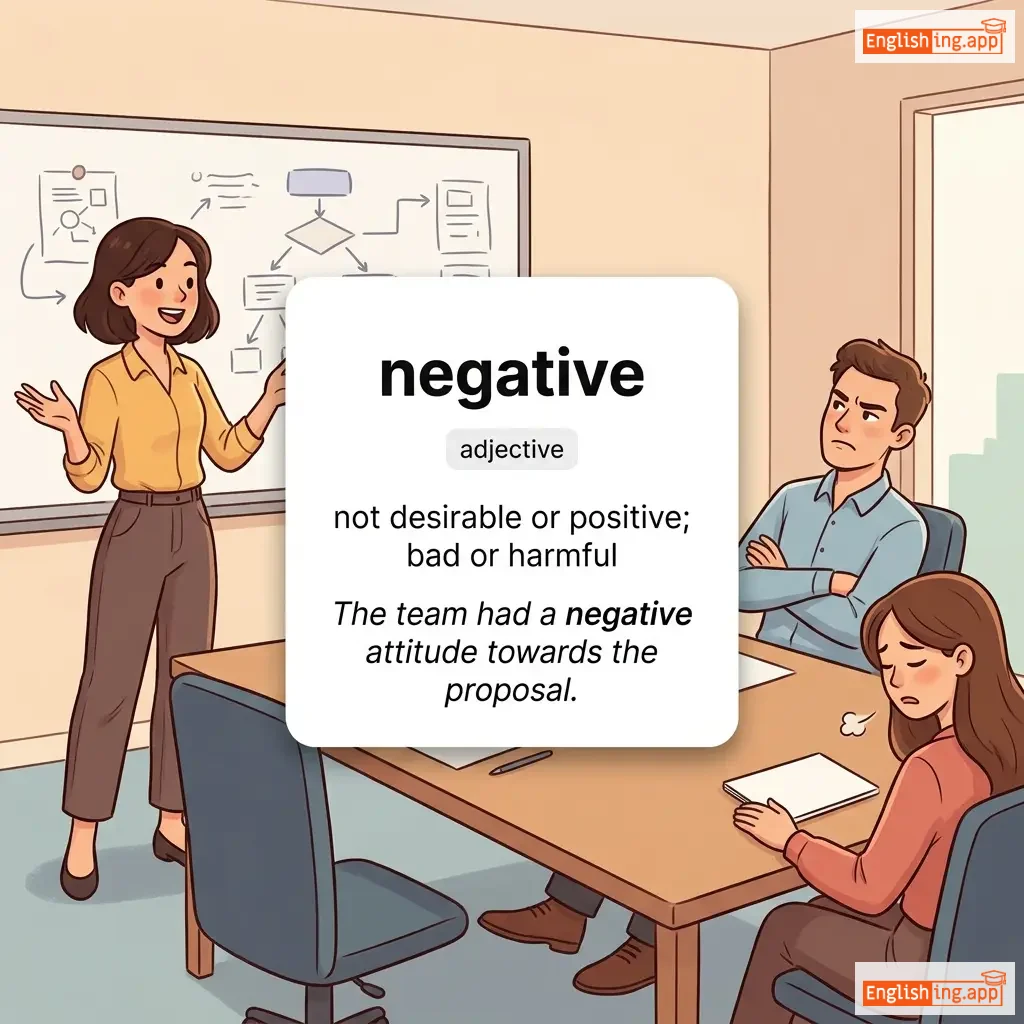
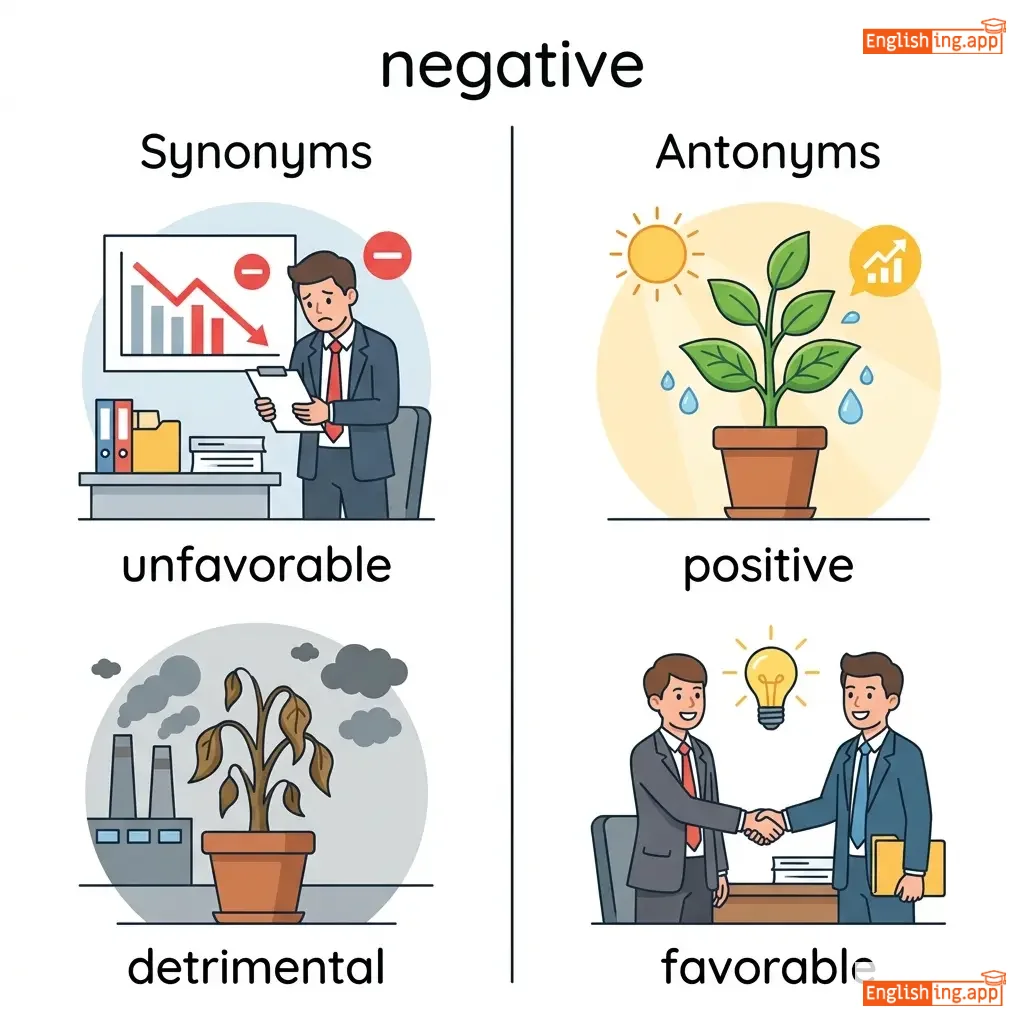
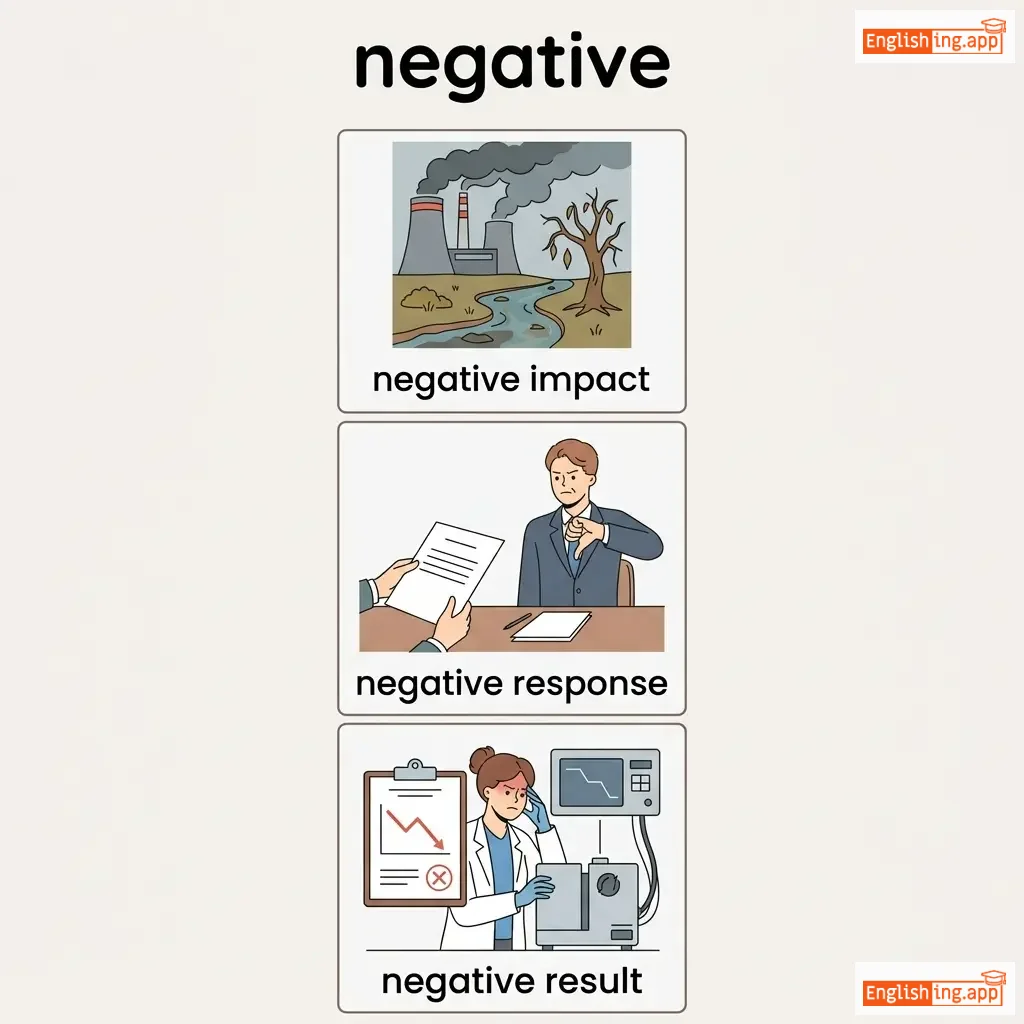
|
负面
fùmiàn
••••••
|
- •••••• | - •••••• | - •••••• | - •••••• |
not desirable or positive; bad or harmful
••••••
|
The team had a negative attitude towards the proposal. |
团队对提案持负面态度。
Tuánduì duì tí'àn chí fùmiàn tàidù.
••••••
|
- •••••• | - •••••• | - •••••• |
unfavorable, detrimental, harmful, pessimistic
••••••
|
positive, favorable, optimistic
••••••
|
negative impact, negative response, negative result
••••••
|
记住负面,没有什么好的东西!
••••••
|
|
🏆
••••••
|
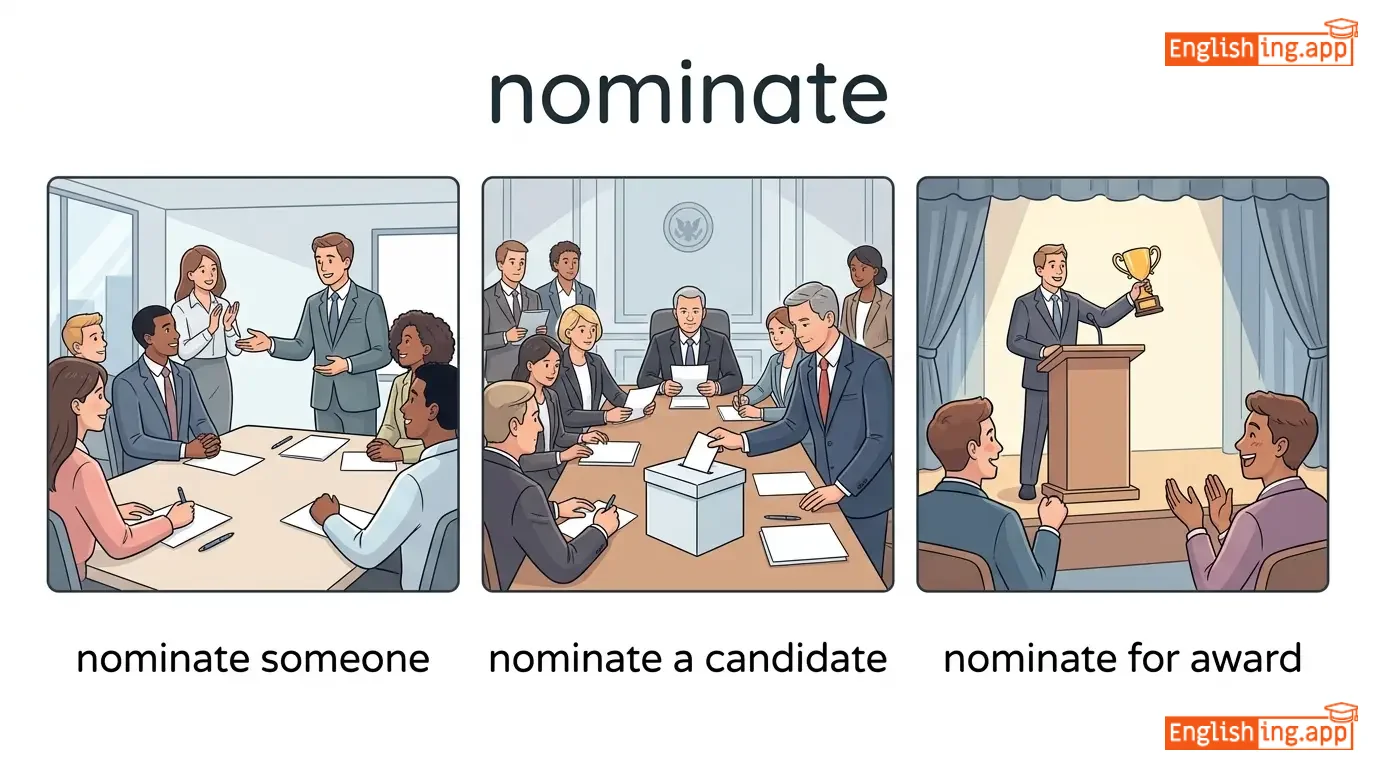
/ˈnɒmɪneɪt/
verb
(诺米内特)
••••••
|

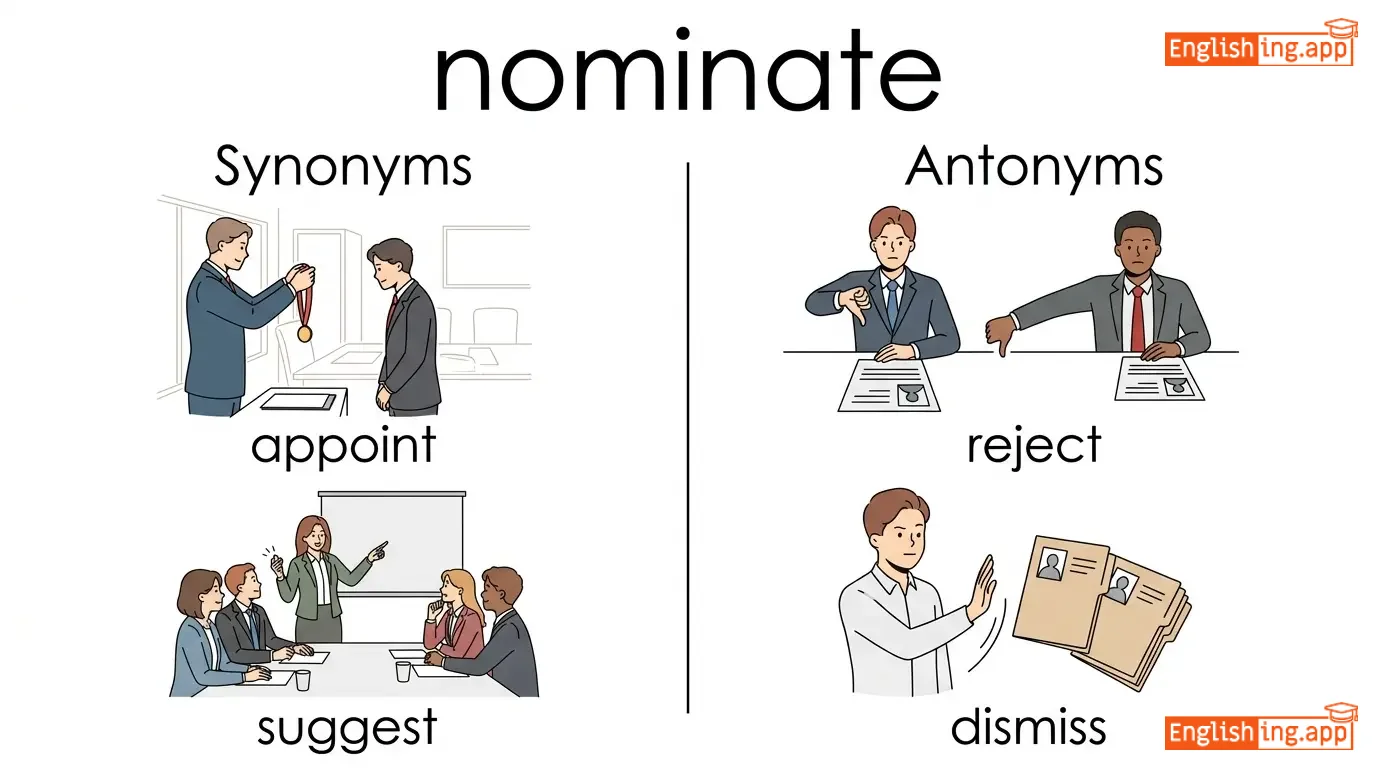
|
提名
tímíng
••••••
|
nominated
诺米内特德
••••••
|
nominated
诺米内特德
••••••
|
nominates
诺米内特斯
••••••
|
nominating
诺米内特英
••••••
|
to propose someone for a position or award
••••••
|
The committee decided to nominate her for the award.
委员会决定提名她获得奖项。
••••••
|
委员会决定提名她获得奖项。
Wěiyuánhuì juédìng tímíng tā huòdé jiǎngxiàng.
••••••
|
- •••••• | - •••••• | - •••••• |
propose, suggest, recommend, appoint
••••••
|
reject, dismiss, withdraw
••••••
|
nominate candidates, nominate for award, officially nominate, nominate someone, nominate unanimously
••••••
|
Nominate = 提名 (Tímíng) - ‘Tímíng’ in Chinese sounds similar to ‘Nominate’.
••••••
|
|
🙃
••••••
|
/ˈnɒnsəns/
noun
(nonsense)
••••••
|
- •••••• |
胡说
hushuo
••••••
|
- •••••• | - •••••• | - •••••• | - •••••• |
Words or ideas that have no meaning or make no sense.
••••••
|
His explanation was pure nonsense. |
他的解释完全是胡说八道。
tā de jiěshì wánquán shì húshuō bādào.
••••••
|
talk nonsense |
to say things that are not true or make no sense
••••••
|
胡说八道
húshuō bādào
••••••
|
rubbish, absurdity, foolishness, drivel, gibberish
••••••
|
truth, sense, logic
••••••
|
utter nonsense, talk nonsense, complete nonsense, pure nonsense
••••••
|
Nonsense = NO SENSE → 说没有意义的话 → 胡说
••••••
|
|
📅
••••••
|
/ˈnɔːməli/
adverb
(nórmāli)
••••••
|
- •••••• |
通常
tōngcháng
••••••
|
- •••••• | - •••••• | - •••••• | - •••••• |
in the usual way; under normal circumstances
••••••
|
I normally wake up at 7 AM every day. |
我通常每天早上7点醒来。
wǒ tōngcháng měitiān zǎoshang 7 diǎn xǐnglái
••••••
|
- •••••• | - •••••• | - •••••• |
usually, typically, generally
••••••
|
abnormally, unusually, rarely
••••••
|
normally do, normally happen, normally work
••••••
|
In Mandarin, 'tōngcháng' means 'normally,' a great match for 'normal' in English.
••••••
|
|
🌨️
••••••
|
/ˈnɔːðərn/
adjective
(诺德恩)
••••••
|
- •••••• |
北方的
běifāng de
••••••
|
- •••••• | - •••••• | - •••••• | - •••••• |
relating to the north or situated in the north
••••••
|
The northern part of the country is known for its cold climate. |
该国的北部因其寒冷的气候而闻名。
Gāi guó de běibù yīn qí hánlěng de qìhòu ér wénmíng.
••••••
|
- •••••• | - •••••• | - •••••• |
northerly, northernmost
••••••
|
southern
••••••
|
northern lights, northern regions, northern hemisphere
••••••
|
Think of the chilly winds from the north – ‘běifāng’ means north in Chinese!
••••••
|
|
📚
••••••
|
/ˈnɒvəlɪst/
noun
(小说家)
••••••
|
- •••••• |
小说家
xiǎoshuōjiā
••••••
|
- •••••• | - •••••• | - •••••• | - •••••• |
a person who writes novels
••••••
|
The novelist spent years writing his new book. |
小说家花了多年写他的最新小说。
Xiǎoshuōjiā huāle duōnián xiě tā de zuìxīn xiǎoshuō.
••••••
|
- •••••• | - •••••• | - •••••• |
author, writer, fiction writer, storyteller
••••••
|
non-writer, reader
••••••
|
famous novelist, best-selling novelist, contemporary novelist
••••••
|
小说家 (xiǎoshuōjiā), 他们用文字编织世界,让读者身临其境。
••••••
|
|
🕒
••••••
|
/ˈnaʊədeɪz/
adverb
(nàodèiz)
••••••
|
- •••••• |
如今
rújīn
••••••
|
- •••••• | - •••••• | - •••••• | - •••••• |
At the present time; in contrast with the past.
••••••
|
Nowadays, many people prefer shopping online. |
如今,许多人更喜欢在线购物。
Rújīn, xǔduō rén gèng xǐhuān zàixiàn gòuwù.
••••••
|
- •••••• | - •••••• | - •••••• |
currently, presently, these days, today
••••••
|
formerly, previously, once
••••••
|
nowadays people, nowadays it is common, nowadays trend
••••••
|
Nowadays 就是如今—'now' 就是现在的意思,'days' 就是时间的意思。
••••••
|
|
🥦
••••••
|
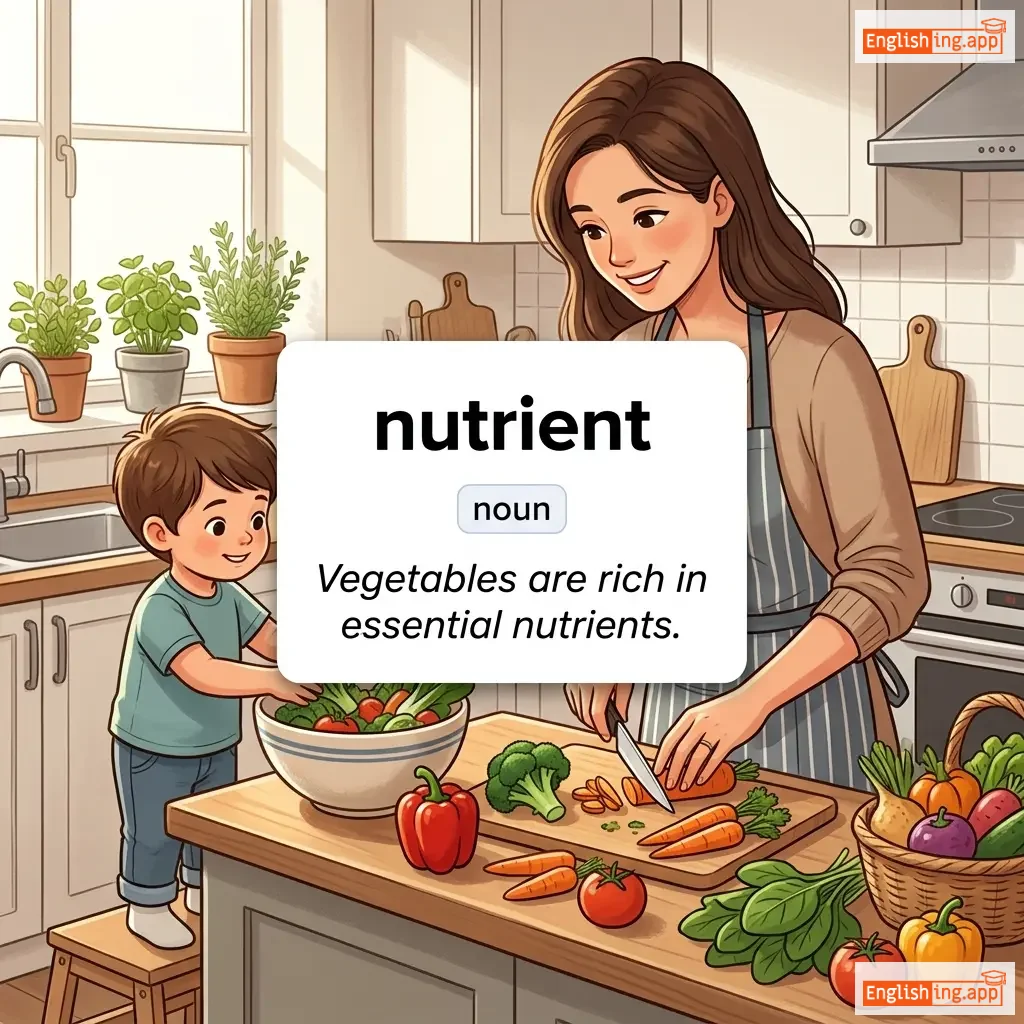
/ˈnjuː.tri.ənt/
noun
(纽特里恩特)
••••••
|
|
营养物质
yingyang wuzhi
••••••
|
- •••••• | - •••••• | - •••••• | - •••••• |
A substance that provides nourishment essential for growth and the maintenance of life.
••••••
|
Vegetables are rich in essential nutrients. |
蔬菜富含必要的营养物质。
Shucai fuhan bixiao de yingyang wuzhi.
••••••
|
- •••••• | - •••••• | - •••••• |
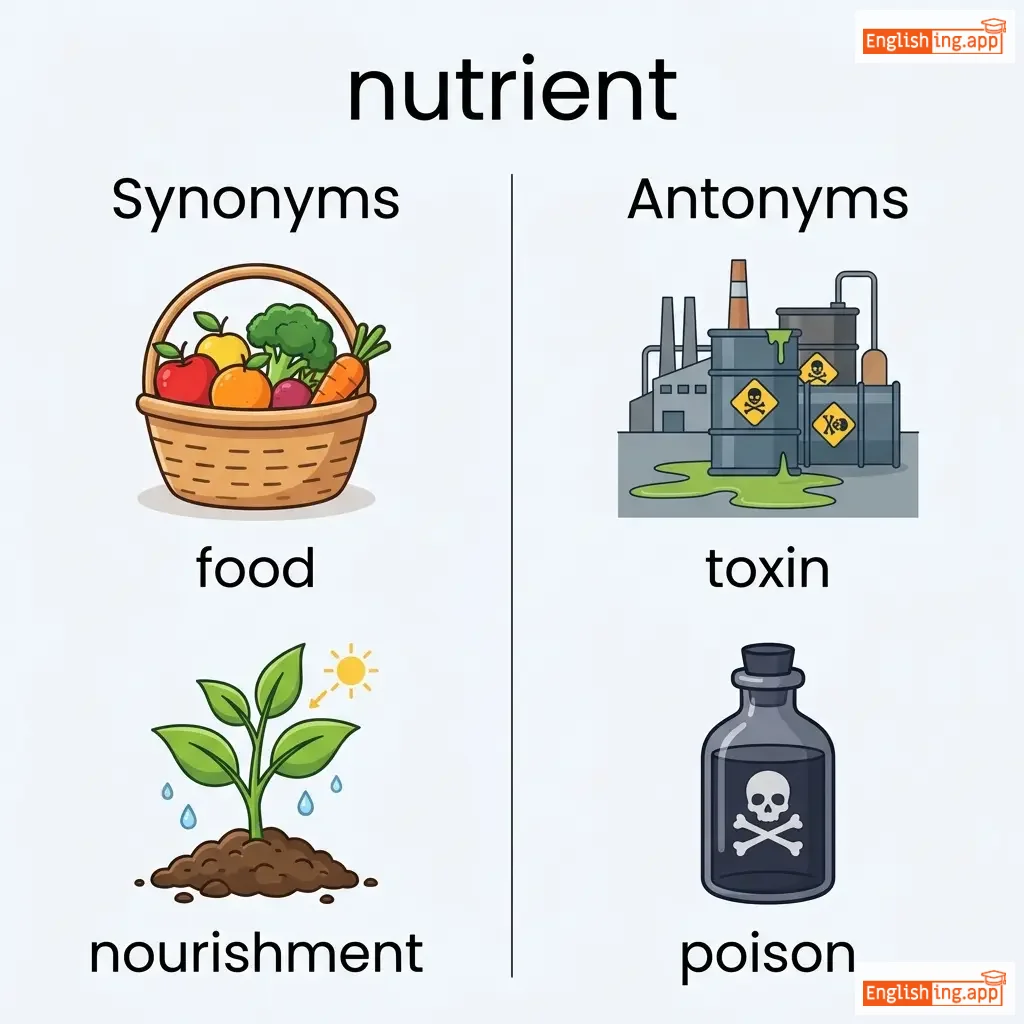
food, nourishment, sustenance, vitamin, mineral
••••••
|
toxin, poison
••••••
|
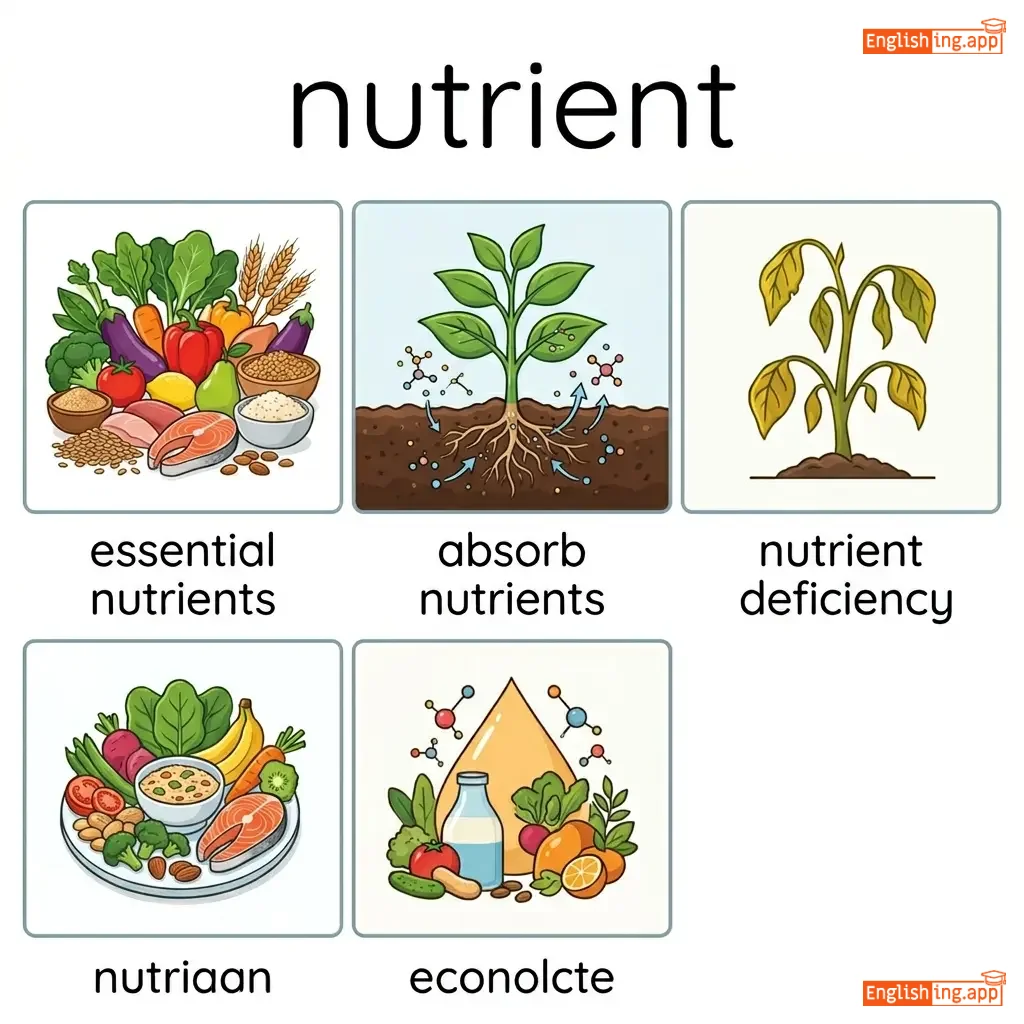
essential nutrients, absorb nutrients, nutrient deficiency, nutrient intake
••••••
|
NutriENT = Nutri + ENT (娱乐), 吃了富含营养的食物,身体会感到娱乐。
••••••
|
|
🚔
••••••
|
/əˈfɛndər/
noun
(奥芬德)
••••••
|
- •••••• |
违法者
wéifǎ zhě
••••••
|
- •••••• | - •••••• | - •••••• | - •••••• |
a person who commits a crime or does something wrong
••••••
|
The police caught the offender quickly. |
警察迅速抓住了违法者。
Jǐngchá xùnsù zhuā zhùle wéifǎ zhě.
••••••
|
repeat offender |
a person who commits the same crime more than once
••••••
|
惯犯
guàn fàn
••••••
|
criminal, culprit, wrongdoer, lawbreaker, transgressor
••••••
|
victim, innocent
••••••
|
first-time offender, repeat offender, serious offender, juvenile offender
••••••
|
Offender意味着违法者,做坏事的人 🔒
••••••
|
|
🎁
••••••
|
/ˈɒfərɪŋ/
noun
(Offering)
••••••
|
- •••••• |
提供
tigong
••••••
|
- •••••• | - •••••• | - •••••• | - •••••• |
something that is given, especially as a gift or contribution
••••••
|
The company’s latest offering is an eco-friendly car.
公司的最新产品是一款环保汽车。
••••••
|
公司的最新产品是一款环保汽车。
Gongsi de zui xin chanpin shi yi kuan huanbao qiche.
••••••
|
peace offering
和平礼物
••••••
|
something given to show a desire for peace or reconciliation
••••••
|
和平礼物
heping liwu
••••••
|
gift, contribution, donation, present, sacrifice
••••••
|
refusal, withdrawal
••••••
|
make an offering, religious offering, peace offering, product offering
••••••
|
Offering 意味着提供东西,像是一个提议或和平礼物
••••••
|
|
🤼
••••••
|
/əˈpoʊnənt/
noun
(幸福)
••••••
|
- •••••• |
幸福
xìng fú
••••••
|
- •••••• | - •••••• | - •••••• | - •••••• |
A person who competes against or disagrees with another.
••••••
|
The boxer defeated his opponent in the final round. |
当她获得奖项时,她无法隐藏自己的幸福。
dāng tā huò dé jiǎng xiàng shí, tā wú fǎ yǐn cáng zì jǐ de xìng fú.
••••••
|
worthy opponent |
a rival who is strong and deserves respect
••••••
|
追求幸福
zhuī qiú xìng fú
••••••
|
rival, adversary, competitor, challenger
••••••
|
ally, supporter, partner
••••••
|
political opponent, main opponent, worthy opponent, face an opponent
••••••
|
幸福 — 追求幸福,生活更精彩!
••••••
|
|
↔️
••••••
|
/ˈɒp.əz.ɪt/
adjective
(奥波兹特)
••••••
|
- •••••• |
相反的
xiangfan de
••••••
|
- •••••• | - •••••• | - •••••• | - •••••• |
Completely different; on the other side or facing something.
••••••
|
The two houses are on opposite sides of the street. |
这两座房子在街道的对立面。
Zhè liǎng zuò fángzi zài jiēdào de duìlì miàn.
••••••
|
polar opposite |
Something or someone that is completely different from another.
••••••
|
极端对立
jíduān duìlì
••••••
|
contrary, reverse, contrasting, antithetical
••••••
|
similar, same, identical
••••••
|
opposite direction, opposite side, exact opposite, complete opposite
••••••
|
相反的就像极端对立,一切都相反。
••••••
|
|
🧫
••••••
|
/ˈɔːɡənɪzəm/
noun
(有机体)
••••••
|
- •••••• |
有机体
youji ti
••••••
|
- •••••• | - •••••• | - •••••• | - •••••• |
a living thing that has an organized structure and can grow and reproduce
••••••
|
Every organism needs water to survive. |
每个有机体都需要水才能生存。
měi gè yǒu jī tǐ dōu xūyào shuǐ cáinéng shēngcún.
••••••
|
- •••••• | - •••••• | - •••••• |
creature, being, life form, living thing
••••••
|
inanimate object, nonliving thing
••••••
|
living organism, simple organism, complex organism, single-celled organism
••••••
|
有机体意味着生命体,像拥有有机结构的生物。
••••••
|
|
⚠️
••••••
|
/ˈaʊtˌbreɪk/
noun
(奥特布雷克)
••••••
|
- •••••• |
爆发
baofā
••••••
|
- •••••• | - •••••• | - •••••• | - •••••• |
a sudden start or occurrence of something unpleasant, like disease or violence
••••••
|
There was an outbreak of flu in the city. |
城市中爆发了流感。
Chéngshì zhōng bàofāle liúgǎn.
••••••
|
- •••••• | - •••••• | - •••••• |
eruption, flare-up, epidemic, surge
••••••
|
end, cessation, calm
••••••
|
outbreak of disease, sudden outbreak, outbreak of violence
••••••
|
Outbreak 意味着爆发—某种不愉快的事情突然发生,如疾病或暴力。
••••••
|
|
👀
••••••
|
/ˌoʊvərˈlʊk/
verb
(欧佛鲁克)
••••••
|

|
忽视
hūshì
••••••
|
overlooked
欧佛鲁克德
••••••
|
overlooked
欧佛鲁克德
••••••
|
overlooks
欧佛鲁克斯
••••••
|
overlooking
欧佛鲁金
••••••
|
to fail to notice something; to have a view from above
••••••
|
She overlooked an important detail in the contract.
她忽略了合同中的一个重要细节。
••••••
|
她忽略了合同中的一个重要细节。
Tā hūlüè le hétóng zhōng de yīgè zhòngyào xìjié.
••••••
|
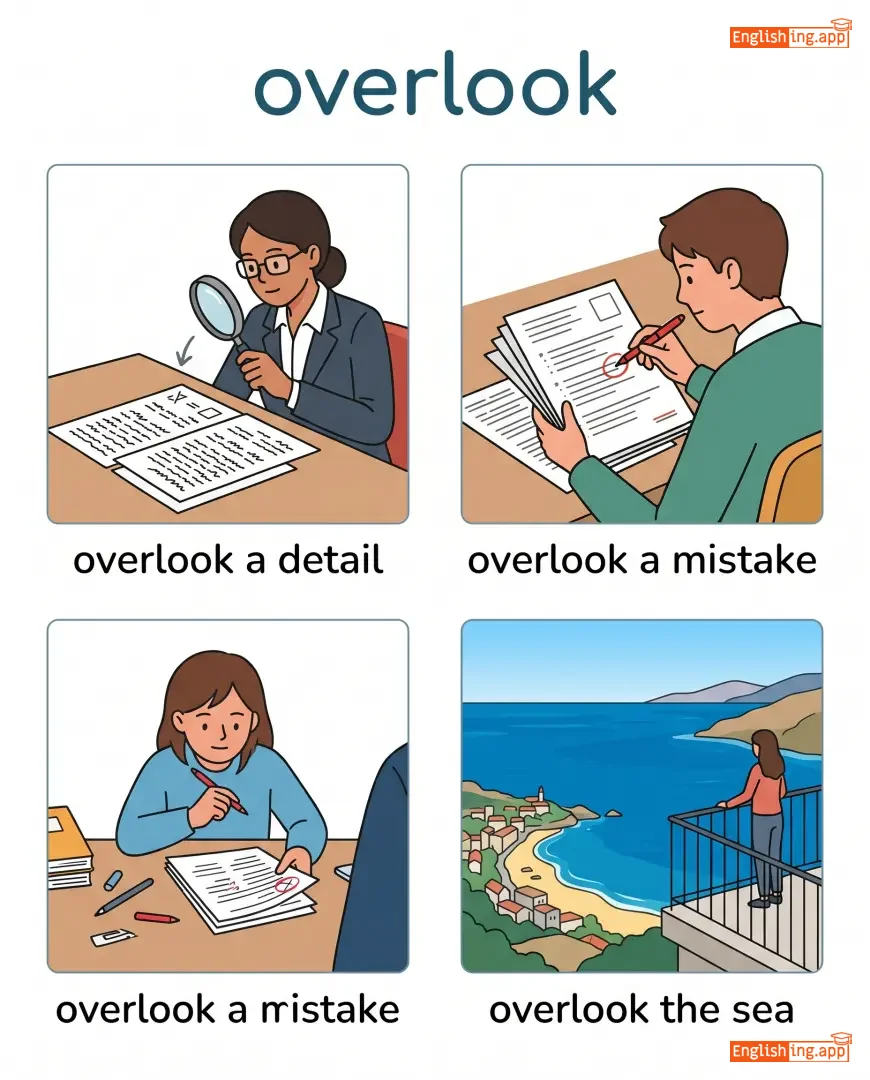
to overlook mistakes
忽略错误
••••••
|
to forgive or ignore minor errors
••••••
|
忽略错误
Hūlüè cuòwù
••••••
|
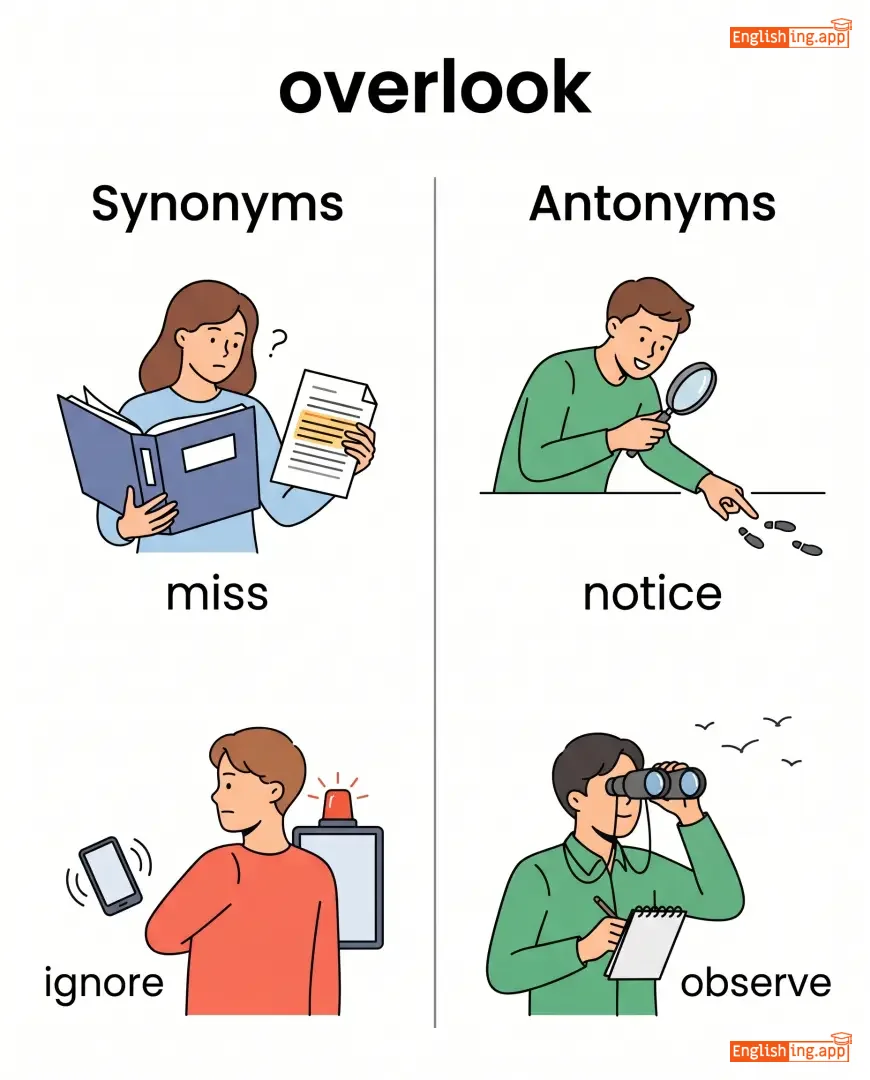
miss, ignore, disregard, supervise, neglect
••••••
|
notice, observe
••••••
|
overlook a detail, overlook a mistake, overlook the sea, overlooking the city
••••••
|
Over+Look = 从上面看却看不到 — 忽视意味着不去注意
••••••
|
|
🔄
••••••
|
/ˌoʊvərˈtɜrn/
verb
(òu wèi tèn)
••••••
|
- •••••• |
推翻 / 取消裁决
tuī fān / qǔ xiāo cái jué
••••••
|
overturned
òu wèi tèn dé
••••••
|
overturned
òu wèi tèn dé
••••••
|
overturns
òu wèi tèn sī
••••••
|
overturning
òu wèi tèn yīng
••••••
|
to turn something upside down or to reverse a decision or judgment
••••••
|
The court decided to overturn the previous ruling.
法院决定推翻先前的裁决。
••••••
|
法院决定推翻先前的裁决。
Fǎyuàn juédìng tuīfān xiānqián de cáijué.
••••••
|
overturn the tables
彻底扭转局面
••••••
|
to reverse a situation completely
••••••
|
彻底扭转局面
chè dǐ niǔ zhuǎn jú miàn
••••••
|
reverse, cancel, annul, revoke, upend
••••••
|
uphold, confirm, support
••••••
|
overturn a decision, overturn a car, overturn a law, overturn a ruling
••••••
|
Over TURN意味着翻转或取消决定
••••••
|
|
🎨
••••••
|
/ˈpeɪntɪŋ/
noun
(peɪntɪŋ)
••••••
|
- •••••• |
画
hua
••••••
|
- •••••• | - •••••• | - •••••• | - •••••• |
a picture or design made using paint
••••••
|
The painting on the wall was created by a famous artist. |
墙上的画是由一位著名艺术家创作的。
Qiang shang de hua shi you yi wei zhuming yishujia chuangzuo de.
••••••
|
a picture is worth a thousand words |
visual images are more effective than verbal descriptions
••••••
|
一图胜千言
Yi tu sheng qian yan
••••••
|
artwork, portrait, illustration, depiction
••••••
|
reality, blank
••••••
|
oil painting, landscape painting, wall painting, abstract painting
••••••
|
Painting = 画 = 用颜色画的艺术
••••••
|

