🔢
••••••
/ˈmʌl.tɪ.pl̩/
adjective
(मल्टिपल)
••••••
-
••••••
बहुत सारे; अनेक; विभिन्न
bahut saare; anek; vibhinn
••••••
-
••••••
-
••••••
-
••••••
-
••••••
having many parts, elements, or members; numerous
••••••
She suffered multiple injuries in the accident.
••••••
उसने दुर्घटना में कई चोटें पाई।
Usne durghatna mein kai chotein paayi.
••••••
-
••••••
-
••••••
-
••••••
numerous, many, several, various, manifold
••••••
single, sole, individual, unique
••••••
multiple choice, multiple injuries, multiple times
••••••
हैप्पीनेस से ज्यादा, मल्टीपल मतलब बहुत सारे!
••••••
🍄
••••••
/ˈmʌʃruːm/
noun
(मशरूम)
••••••
-
••••••
मशरूम (एक प्रकार का कवक)
mashroom
••••••
-
••••••
-
••••••
-
••••••
-
••••••
a type of fungus with a round top and a short stem, some of which are edible
••••••
We cooked a delicious soup with fresh mushrooms.
••••••
हमने ताजे मशरूम से स्वादिष्ट सूप पकाया।
Hamne taze mashroom se swadisht soup pakaya.
••••••
••••••
to grow or increase very quickly
••••••
रातों-रात मशरूम की तरह बढ़ना
Raton-raat mashroom ki tarah badhna
••••••
fungus, toadstool, champignon, spore, growth
••••••
shrink, decline, decrease
••••••
mushroom soup, mushroom farm, wild mushroom, edible mushroom
••••••
Mushroom मतलब mushy कवक — 🍄 रातों रात बढ़ता है!
••••••
🇳🇱
••••••
/ˈnæʃənəl/
adjective
(नेशनल)
••••••
-
••••••
राष्ट्रीय
rāṣhṭrīya
••••••
-
••••••
-
••••••
-
••••••
-
••••••
relating to a nation, especially its culture, language, or government
••••••
The national anthem was played at the ceremony.
द नेशनल एंथम वाज़ प्लेड एट द सेरेमनी।
••••••
राष्ट्रीय गान समारोह में बजाया गया था।
rāṣhṭrīya gān samāroh mein bajāyā gayā thā.
••••••
-
••••••
-
••••••
-
••••••
state, public, governmental, nationalistic
••••••
local, regional, individual
••••••
national identity, national pride, national team, national government
••••••
National is about Rāṣhṭrīya - Rāṣhṭrīya gān suno!
••••••
☹️
••••••
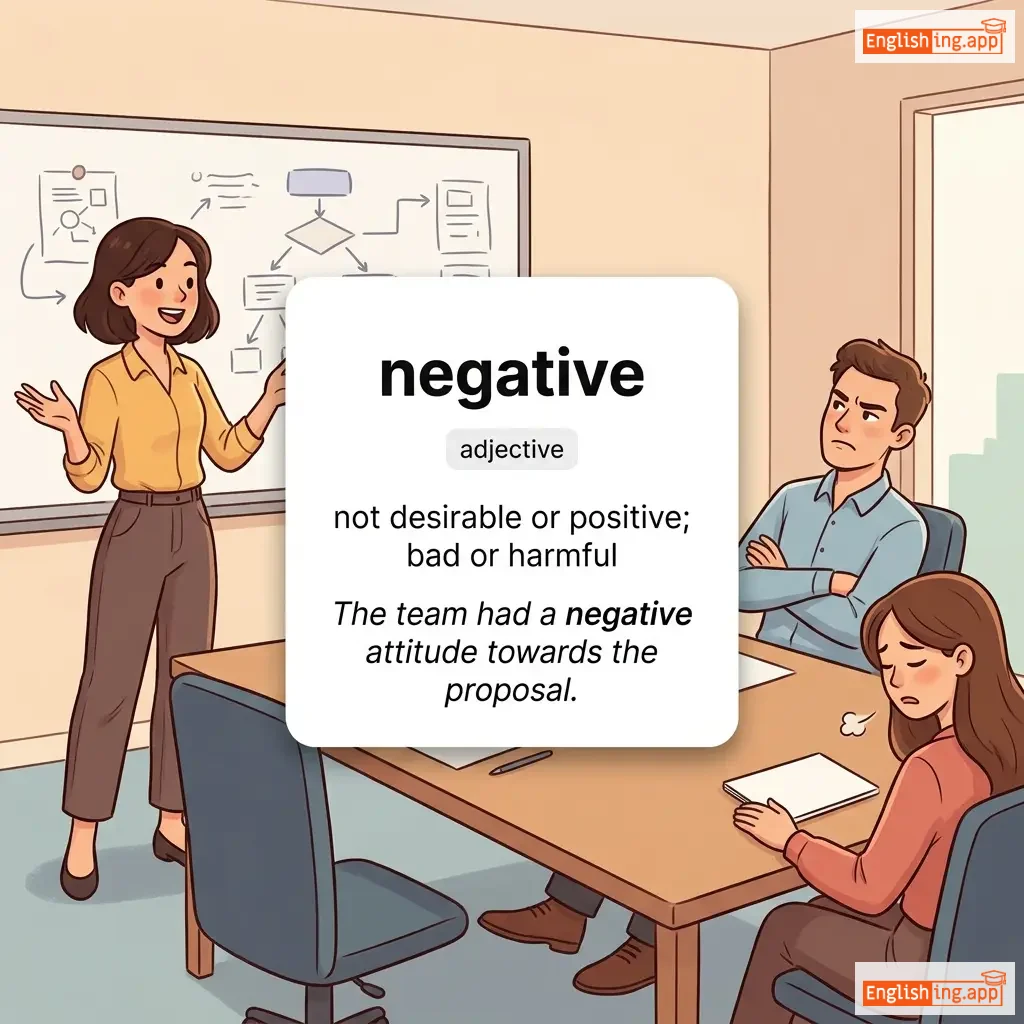
/ˈnɛɡətɪv/
adjective
(नेगेटिव)
••••••
••••••
नकारात्मक
nakaratmak
••••••
-
••••••
-
••••••
-
••••••
-
••••••
not desirable or positive; bad or harmful
••••••
The team had a negative attitude towards the proposal.
••••••
टीम का प्रस्ताव के प्रति नकारात्मक रुख था।
Teem ka prastaav ke prati nakaratmak rukh tha.
••••••
-
••••••
-
••••••
-
••••••
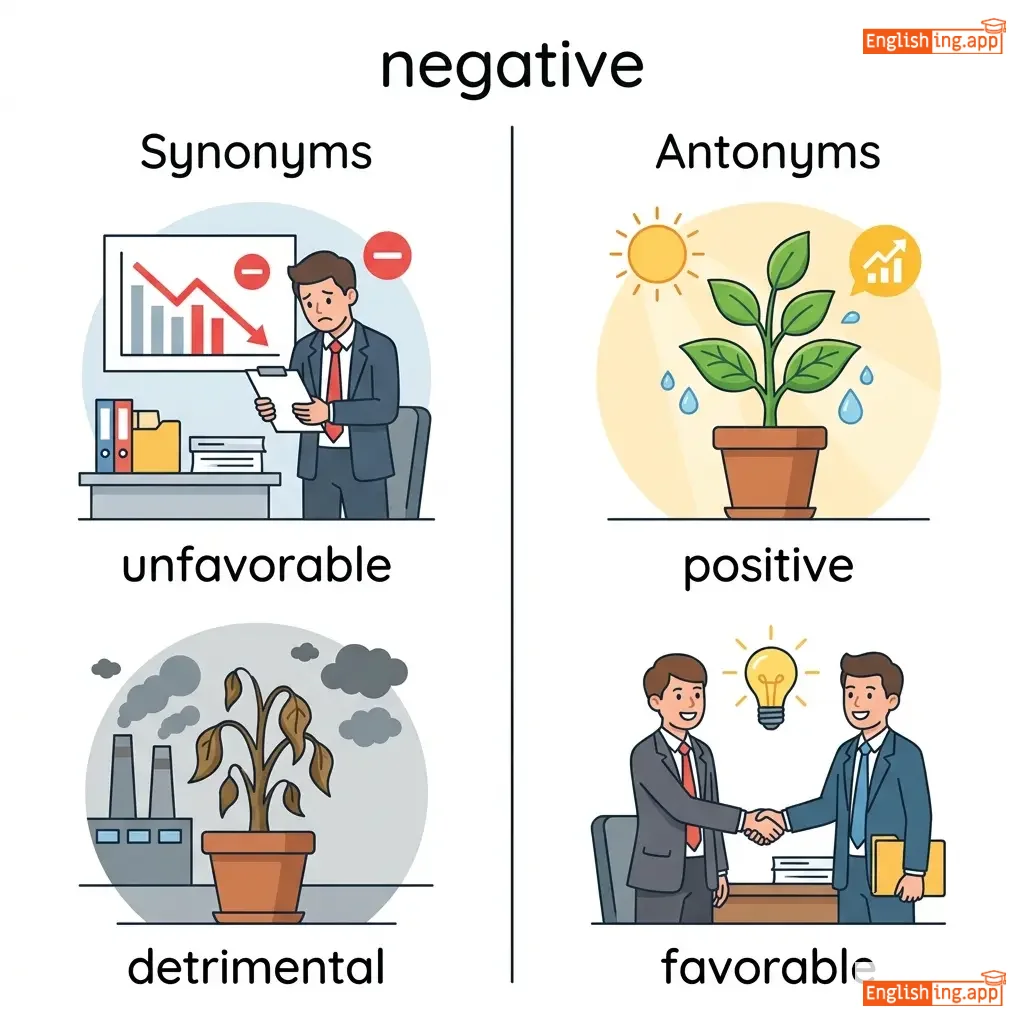
unfavorable, detrimental, harmful, pessimistic
••••••
positive, favorable, optimistic
••••••
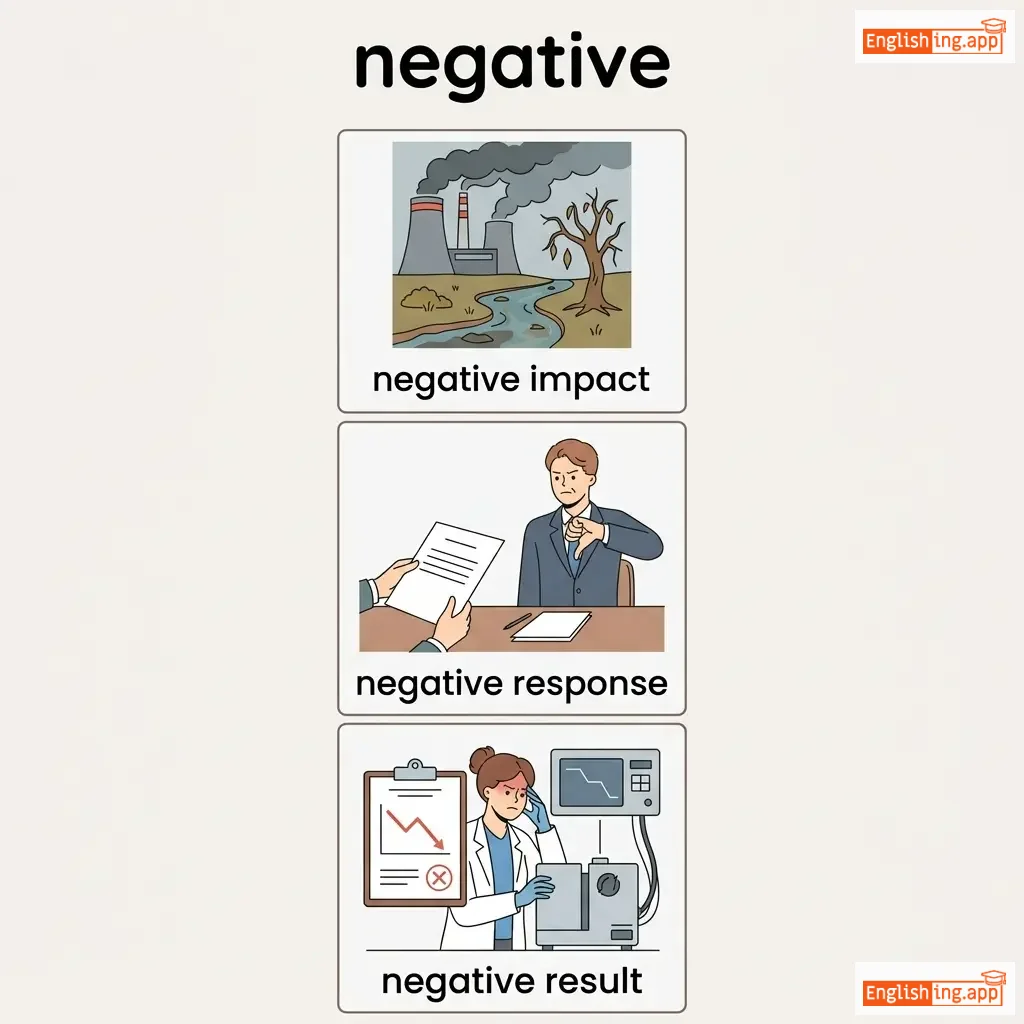
negative impact, negative response, negative result
••••••
Negative शब्द को याद करो, नकारात्मक (नहीं) कुछ अच्छा मिलेगा!
••••••
🏆
••••••
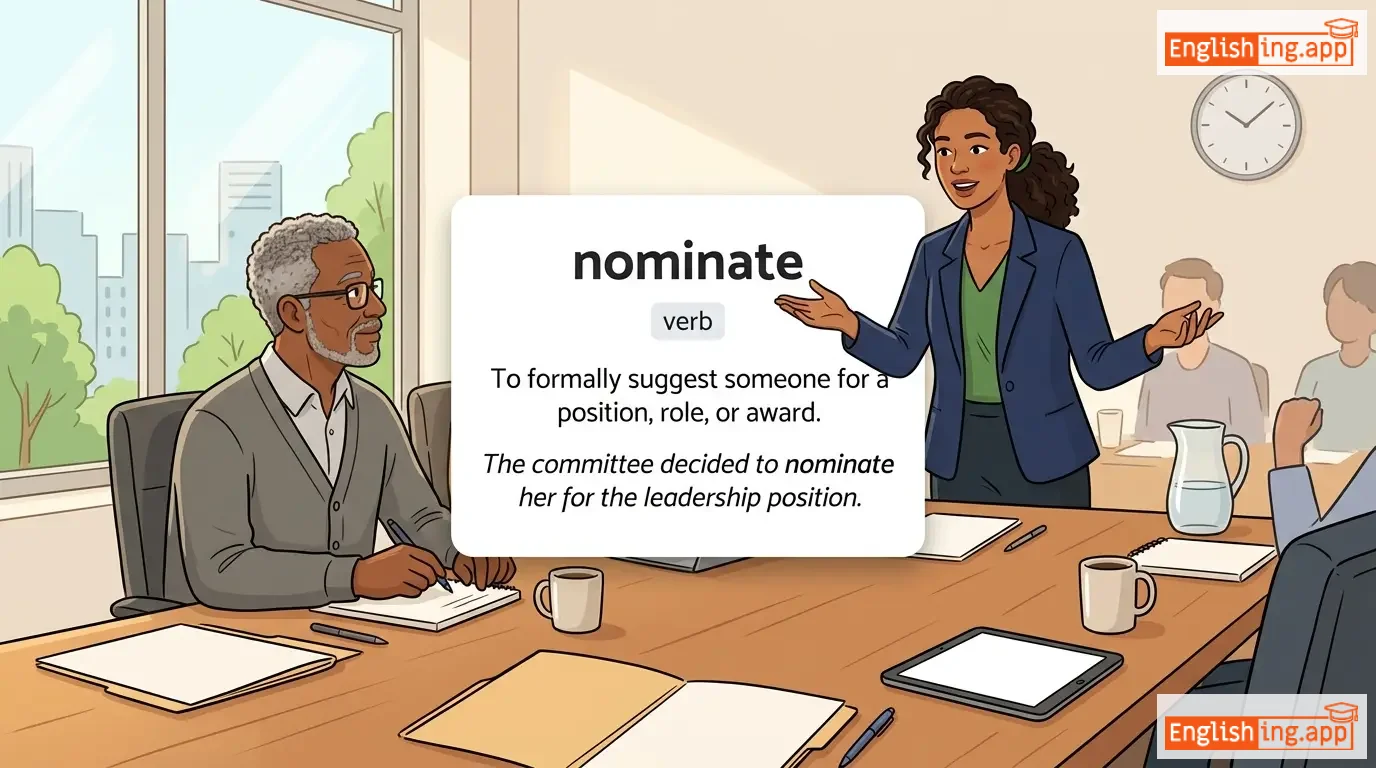
/ˈnɒmɪneɪt/
verb
(नॉमिनेट)
••••••
••••••
नामांकित करना
naamankit karna
••••••
नॉमिनेटेड
••••••
नॉमिनेटेड
••••••
नॉमिनेट्स
••••••
नॉमिनेटिंग
••••••
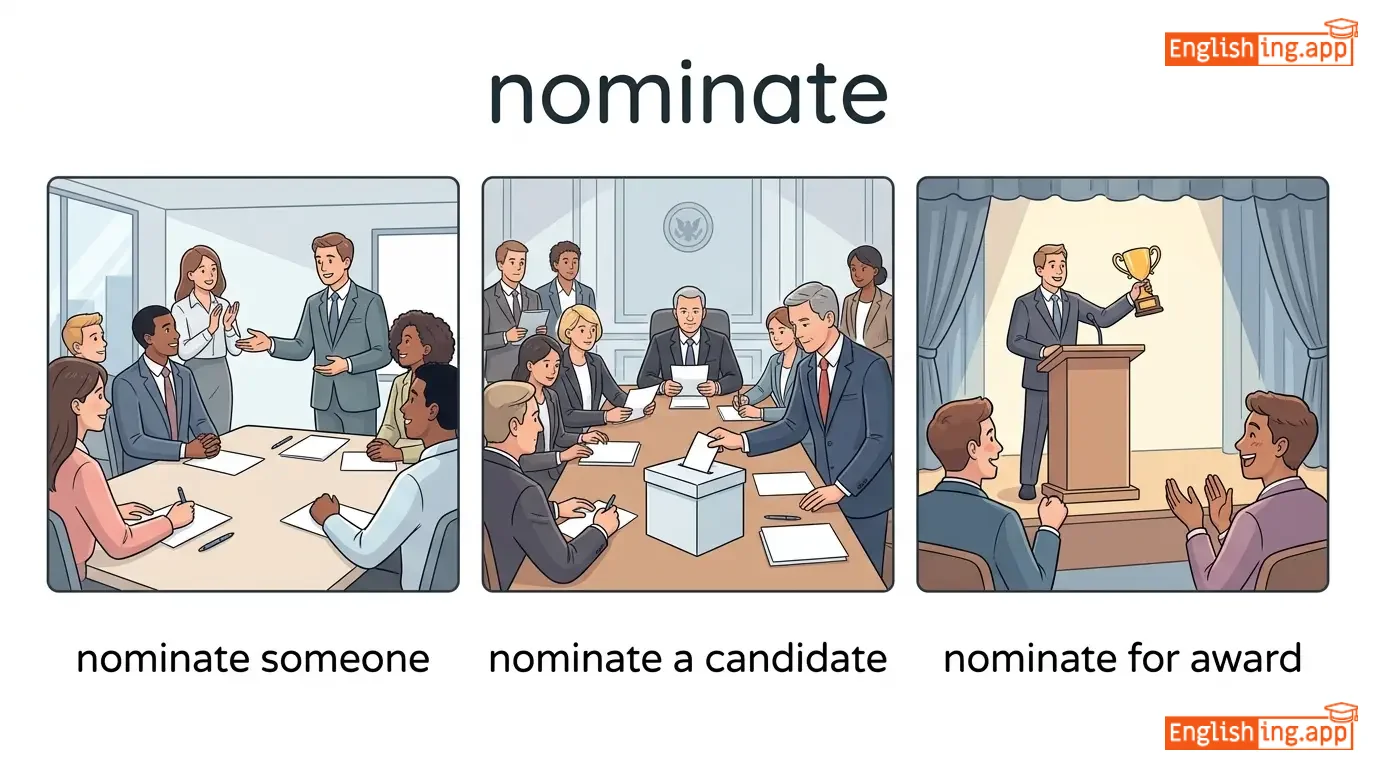
to propose someone for a position or award
••••••
The committee decided to nominate her for the award.
द कमिटी ने उसे पुरस्कार के लिए नामांकित करने का निर्णय लिया।
••••••
कमिटी ने उसे पुरस्कार के लिए नामांकित करने का निर्णय लिया।
Committee ne use puraskaar ke liye naamankit karne ka nirnay liya.
••••••
-
••••••
-
••••••
-
••••••
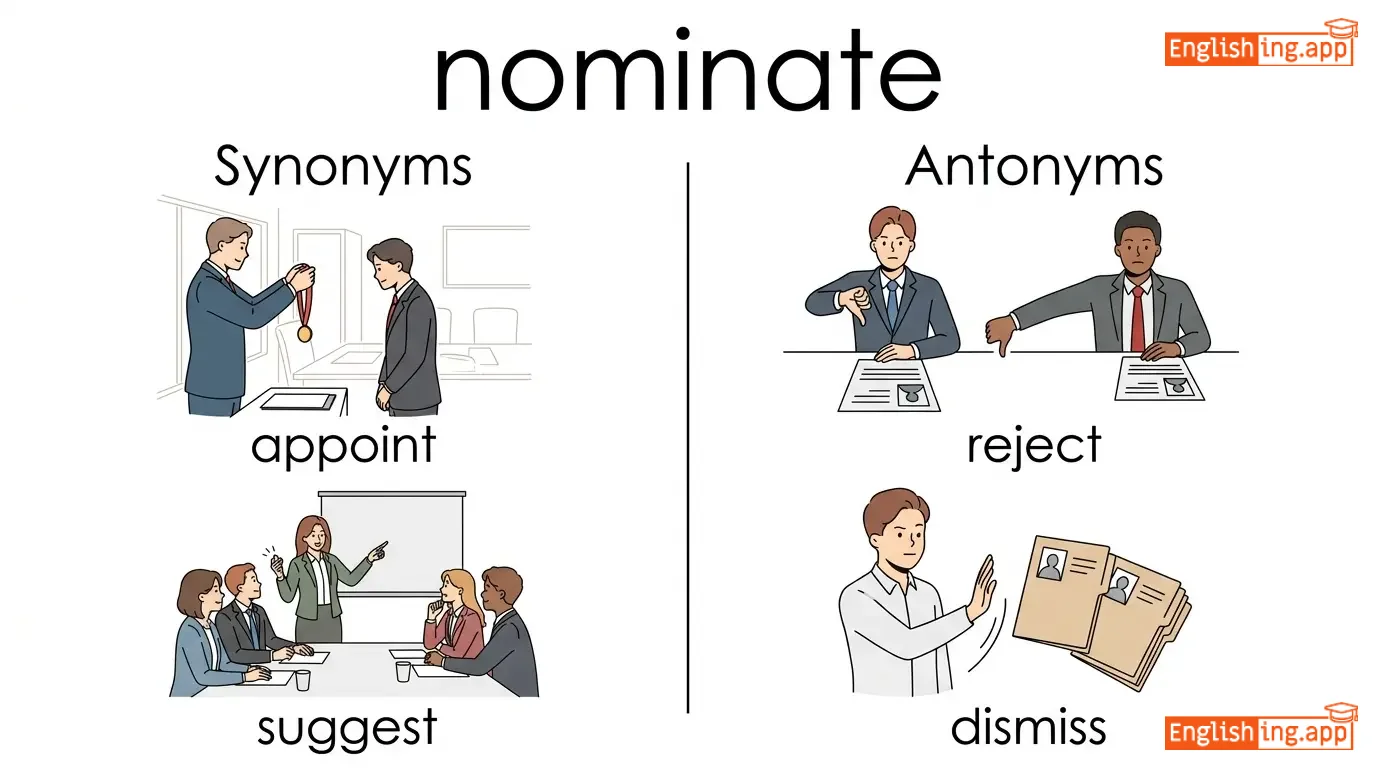
propose, suggest, recommend, appoint
••••••
reject, dismiss, withdraw
••••••
nominate candidates, nominate for award, officially nominate, nominate someone, nominate unanimously
••••••
Nominate = नामांकित करना (Namankit Karna) - Nominate sounds like Naamankit in Hindi.
••••••
🙃
••••••
/ˈnɒnsəns/
noun
(नॉन्सेन्स)
••••••
-
••••••
बकवास
bakwaas
••••••
-
••••••
-
••••••
-
••••••
-
••••••
Words or ideas that have no meaning or make no sense.
••••••
His explanation was pure nonsense .
••••••
उसकी व्याख्या पूरी तरह से बकवास थी।
uski vyakhya poori tarah se bakwaas thi.
••••••
••••••
to say things that are not true or make no sense
••••••
बकवास करना
bakwaas karna
••••••
rubbish, absurdity, foolishness, drivel, gibberish
••••••
••••••
utter nonsense, talk nonsense, complete nonsense, pure nonsense
••••••
Nonsense = NO SENSE → बिना किसी मतलब के → बकवास
••••••
📅
••••••
/ˈnɔːməli/
adverb
(नॉर्मली)
••••••
-
••••••
सामान्य रूप से; सामान्य परिस्थितियों में
samanya roop se; samanya paristhitiyon mein
••••••
-
••••••
-
••••••
-
••••••
-
••••••
in the usual way; under normal circumstances
••••••
I normally wake up at 7 AM every day.
••••••
मैं आमतौर पर हर दिन सुबह 7 बजे उठता हूँ।
main aamtour par har din subah 7 baje uthta hoon
••••••
-
••••••
-
••••••
-
••••••
usually, typically, generally
••••••
abnormally, unusually, rarely
••••••
normally do, normally happen, normally work
••••••
In Hindi, think of 'samanya' as 'normal' and 'roop se' as 'way', making it easy to remember 'normally' means in a regular way.
••••••
🌨️
••••••
/ˈnɔːðərn/
adjective
(नॉर्दर्न)
••••••
-
••••••
उत्तर का
uttar ka
••••••
-
••••••
-
••••••
-
••••••
-
••••••
relating to the north or situated in the north
••••••
The northern part of the country is known for its cold climate.
••••••
देश का उत्तरी हिस्सा अपने ठंडे मौसम के लिए जाना जाता है।
Desh ka uttari hissa apne thande mausam ke liye jana jata hai.
••••••
-
••••••
-
••••••
-
••••••
••••••
••••••
northern lights, northern regions, northern hemisphere
••••••
Think of the cold northern winds – 'Uttar' is north in Hindi!
••••••
📚
••••••
/ˈnɒvəlɪst/
noun
(नॉवेलिस्ट)
••••••
-
••••••
उपन्यासकार
upanyaskaar
••••••
-
••••••
-
••••••
-
••••••
-
••••••
a person who writes novels
••••••
The novelist spent years writing his new book.
••••••
उपन्यासकार ने अपनी नई किताब लिखने में सालों बिताए।
Upanyaskaar ne apni nai kitaab likhne mein saalon bitaye.
••••••
-
••••••
-
••••••
-
••••••
author, writer, fiction writer, storyteller
••••••
••••••
famous novelist, best-selling novelist, contemporary novelist
••••••
उपन्यासकार (upanyaskaar) याद रखें, जो उपन्यास लिखता है, वह कागज पर एक नई दुनिया रचता है।
••••••
🕒
••••••
/ˈnaʊədeɪz/
adverb
(नाउअडेज़)
••••••
-
••••••
आजकल
ajkal
••••••
-
••••••
-
••••••
-
••••••
-
••••••
At the present time; in contrast with the past.
••••••
Nowadays , many people prefer shopping online.
••••••
आजकल, कई लोग ऑनलाइन खरीदारी करना पसंद करते हैं।
Ajkal, kai log online kharidari karna pasand karte hain.
••••••
-
••••••
-
••••••
-
••••••
currently, presently, these days, today
••••••
formerly, previously, once
••••••
nowadays people, nowadays it is common, nowadays trend
••••••
Nowadays का मतलब आजकल—Now का मतलब आज के दिन और days का मतलब समय।
••••••
🥦
••••••
/ˈnjuː.tri.ənt/
noun
(न्यूट्रिएंट)
••••••
••••••
पोषक तत्व
poshak tatva
••••••
-
••••••
-
••••••
-
••••••
-
••••••
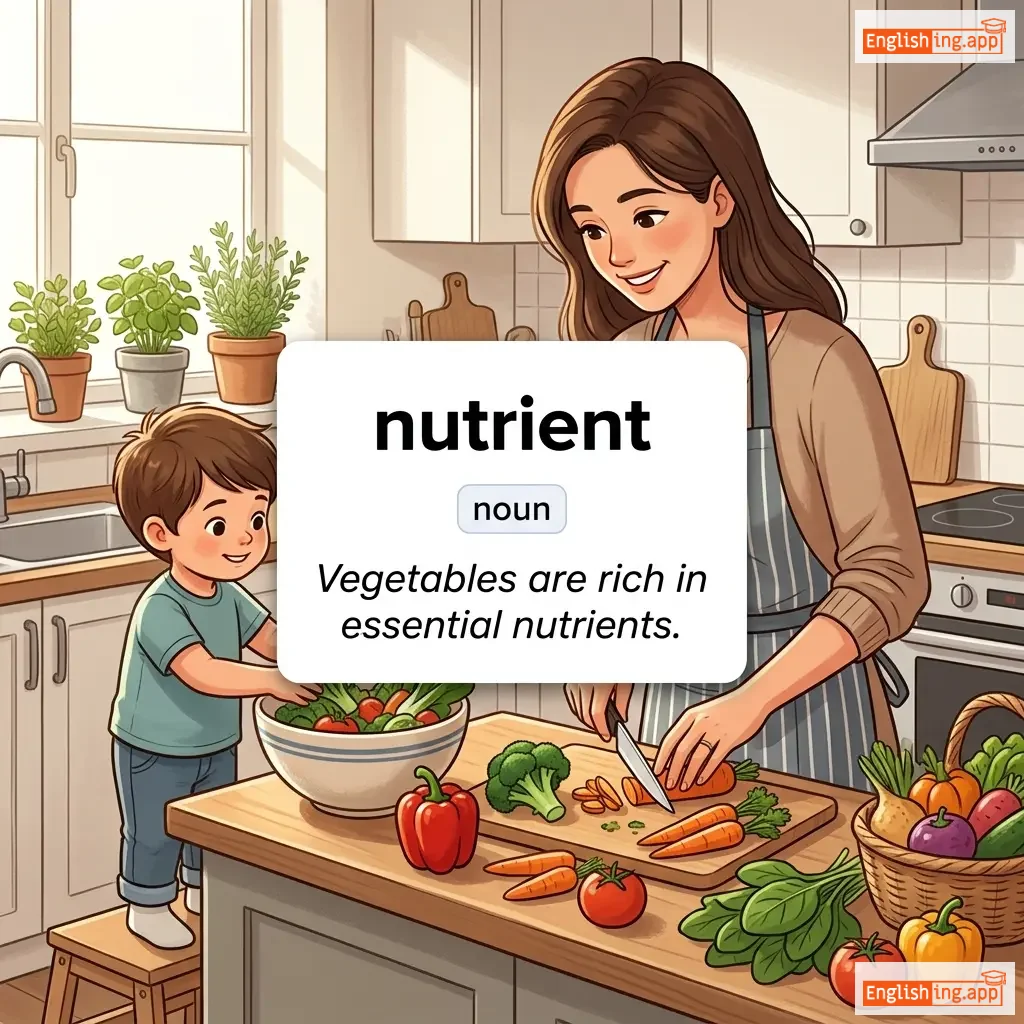
A substance that provides nourishment essential for growth and the maintenance of life.
••••••
Vegetables are rich in essential nutrients.
••••••
सब्जियाँ आवश्यक पोषक तत्वों से भरपूर होती हैं।
Sabziyan aavashyak poshak tatvon se bharpoor hoti hain.
••••••
-
••••••
-
••••••
-
••••••
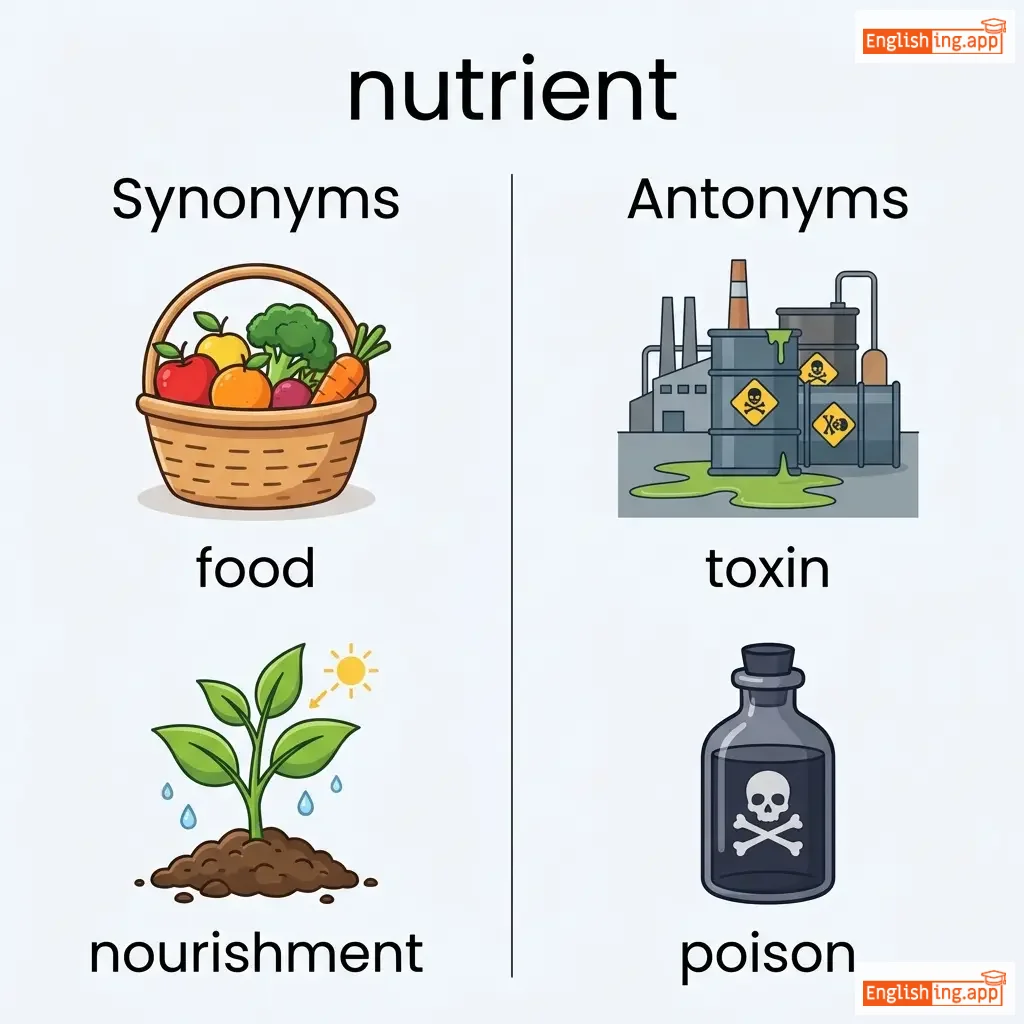
food, nourishment, sustenance, vitamin, mineral
••••••
••••••
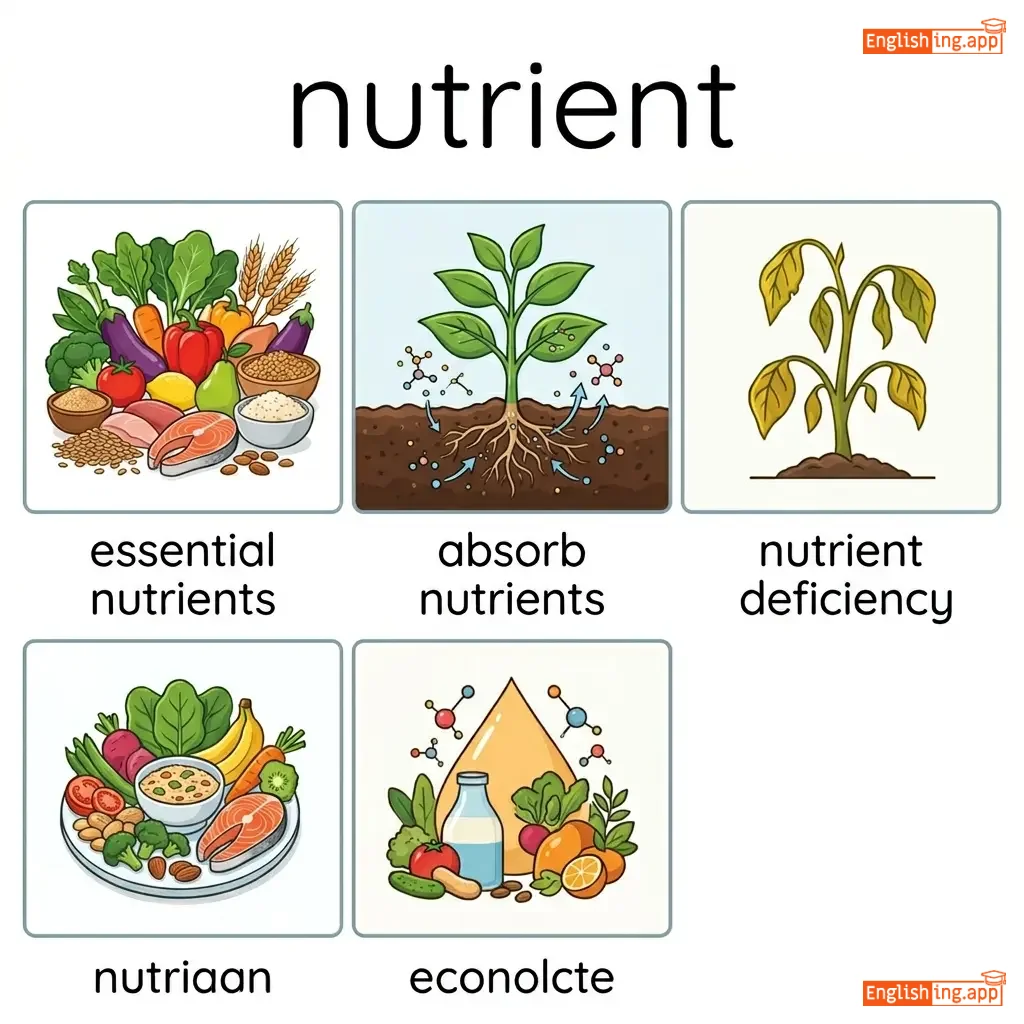
essential nutrients, absorb nutrients, nutrient deficiency, nutrient intake
••••••
NutriENT = Nutri + ENT (मनोरंजन), खाने में nutrient होने से शरीर का मनोरंजन होता है
••••••
🚔
••••••
/əˈfɛndər/
noun
(ऑफेंडर)
••••••
-
••••••
अपराधी
apradhi
••••••
-
••••••
-
••••••
-
••••••
-
••••••
a person who commits a crime or does something wrong
••••••
The police caught the offender quickly.
••••••
पुलिस ने अपराधी को जल्दी पकड़ लिया।
Police ne apradhi ko jaldi pakad liya.
••••••
••••••
a person who commits the same crime more than once
••••••
बार-बार अपराध करने वाला
baar-baar apradh karne wala
••••••
criminal, culprit, wrongdoer, lawbreaker, transgressor
••••••
••••••
first-time offender, repeat offender, serious offender, juvenile offender
••••••
Offender मतलब अपराध करने वाला, जैसे 'ऑफेंस' के बाद 'अपराधी' 🚓
••••••
🎁
••••••
/ˈɒfərɪŋ/
noun
(ऑफरिंग)
••••••
-
••••••
प्रस्ताव
prastaav
••••••
-
••••••
-
••••••
-
••••••
-
••••••
something that is given, especially as a gift or contribution
••••••
The company’s latest offering is an eco-friendly car.
द कंपनी का नया ऑफरिंग एक इको-फ्रेंडली कार है।
••••••
कंपनी का नवीनतम प्रस्ताव एक इको-फ्रेंडली कार है।
Company ka naveenatam prastaav ek eco-friendly car hai.
••••••
शांति का प्रस्ताव
••••••
something given to show a desire for peace or reconciliation
••••••
शांति का प्रस्ताव
shaanti ka prastaav
••••••
gift, contribution, donation, present, sacrifice
••••••
••••••
make an offering, religious offering, peace offering, product offering
••••••
Offering मतलब जो दिया जाता है, जैसे शांति का प्रस्ताव
••••••
🤼
••••••
/əˈpoʊnənt/
noun
(खुशी)
••••••
-
••••••
खुशी
khushi
••••••
-
••••••
-
••••••
-
••••••
-
••••••
A person who competes against or disagrees with another.
••••••
The boxer defeated his opponent in the final round.
••••••
वह जब पुरस्कार प्राप्त किया, तो वह अपनी खुशी छुपा नहीं सकी।
Wah jab puraskar prapt kiya, to wah apni khushi chhupa nahin saki.
••••••
••••••
a rival who is strong and deserves respect
••••••
खुशी की खोज
khushi ki khoj
••••••
rival, adversary, competitor, challenger
••••••
••••••
political opponent, main opponent, worthy opponent, face an opponent
••••••
Khushi — खुशी कभी कम नहीं होती, हमेशा खुश रहो!
••••••
↔️
••••••
/ˈɒp.əz.ɪt/
adjective
(ऑपोजिट)
••••••
-
••••••
विपरीत
vipareet
••••••
-
••••••
-
••••••
-
••••••
-
••••••
Completely different; on the other side or facing something.
••••••
The two houses are on opposite sides of the street.
••••••
दोनों घर सड़क के विपरीत किनारों पर हैं।
Donon ghar sadak ke vipareet kinaron par hain.
••••••
••••••
Something or someone that is completely different from another.
••••••
ध्रुवीय विपरीत
Dhrubiya vipareet
••••••
contrary, reverse, contrasting, antithetical
••••••
••••••
opposite direction, opposite side, exact opposite, complete opposite
••••••
Opposite का मतलब विपरीत यानी एकदम उल्टा।
••••••
🧫
••••••
/ˈɔːɡənɪzəm/
noun
(ऑर्गनिज़म)
••••••
-
••••••
जीव
jeev
••••••
-
••••••
-
••••••
-
••••••
-
••••••
a living thing that has an organized structure and can grow and reproduce
••••••
Every organism needs water to survive.
••••••
हर जीव को जीवित रहने के लिए पानी की आवश्यकता होती है।
Har jeev ko jeevit rehne ke liye pani ki avashyakta hoti hai.
••••••
-
••••••
-
••••••
-
••••••
creature, being, life form, living thing
••••••
inanimate object, nonliving thing
••••••
living organism, simple organism, complex organism, single-celled organism
••••••
Organism का मतलब है जीव, जैसे उसका शरीर एक विशेष रूप से व्यवस्थित होता है।
••••••
⚠️
••••••
/ˈaʊtˌbreɪk/
noun
(आउटब्रेक)
••••••
-
••••••
अचानक प्रकोप
achanak prakop
••••••
-
••••••
-
••••••
-
••••••
-
••••••
a sudden start or occurrence of something unpleasant, like disease or violence
••••••
There was an outbreak of flu in the city.
••••••
शहर में फ्लू का प्रकोप हो गया था।
Shahar mein flu ka prakop ho gaya tha.
••••••
-
••••••
-
••••••
-
••••••
eruption, flare-up, epidemic, surge
••••••
••••••
outbreak of disease, sudden outbreak, outbreak of violence
••••••
Outbreak का मतलब अचानक प्रकोप—जैसे रोग या हिंसा का अचानक होना।
••••••
👀
••••••
/ˌoʊvərˈlʊk/
verb
(ओवरलुक)
••••••
••••••
अवगणना करना / नजरअंदाज करना
avganana karna / nazarandaaz karna
••••••
ओवरलुक्ड
••••••
ओवरलुक्ड
••••••
ओवरलुक्स
••••••
ओवरलुकिंग
••••••
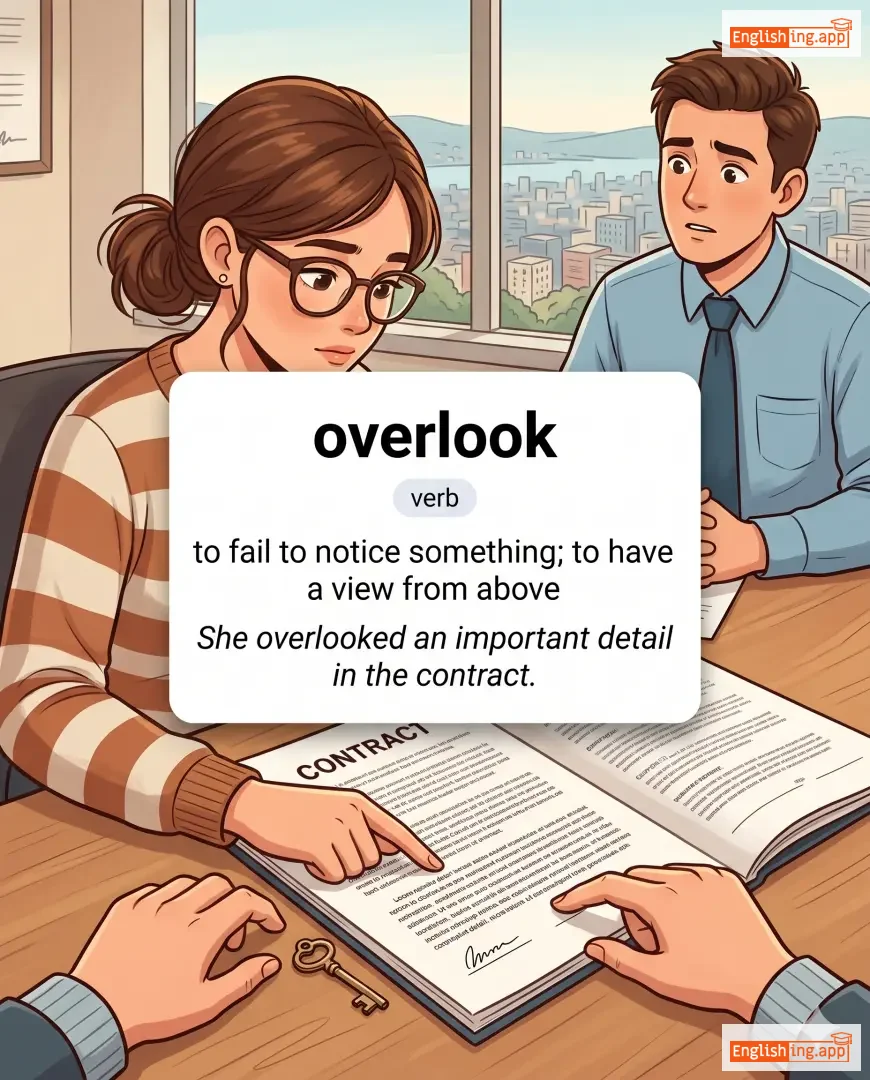
to fail to notice something; to have a view from above
••••••
She overlooked an important detail in the contract.
वह अनुबंध में एक महत्वपूर्ण विवरण को ओवरलुक कर गई।
••••••
वह अनुबंध में एक महत्वपूर्ण विवरण को ओवरलुक कर गई।
Vah anubandh mein ek mahatvapurn vivaran ko overlook kar gayi.
••••••
गलतियाँ ओवरलुक करना
••••••
to forgive or ignore minor errors
••••••
गलतियाँ ओवरलुक करना
Galtiyan overlook karna
••••••
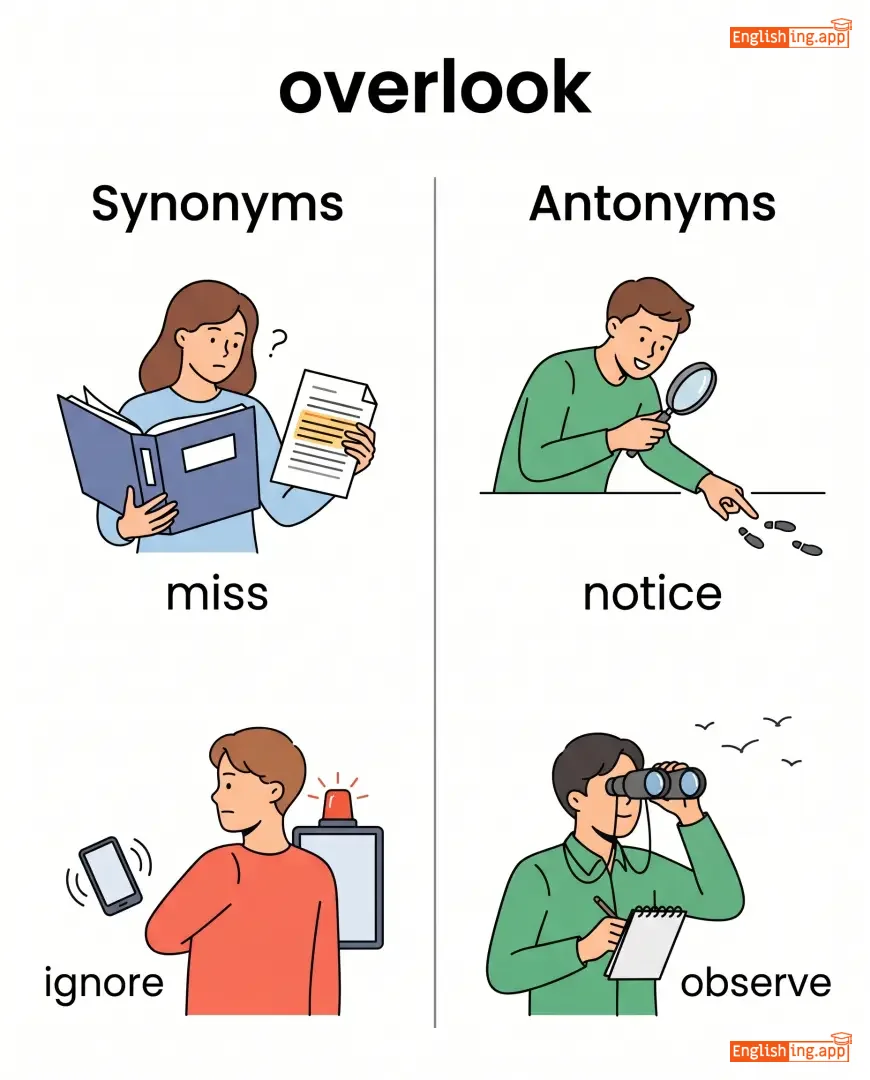
miss, ignore, disregard, supervise, neglect
••••••
••••••
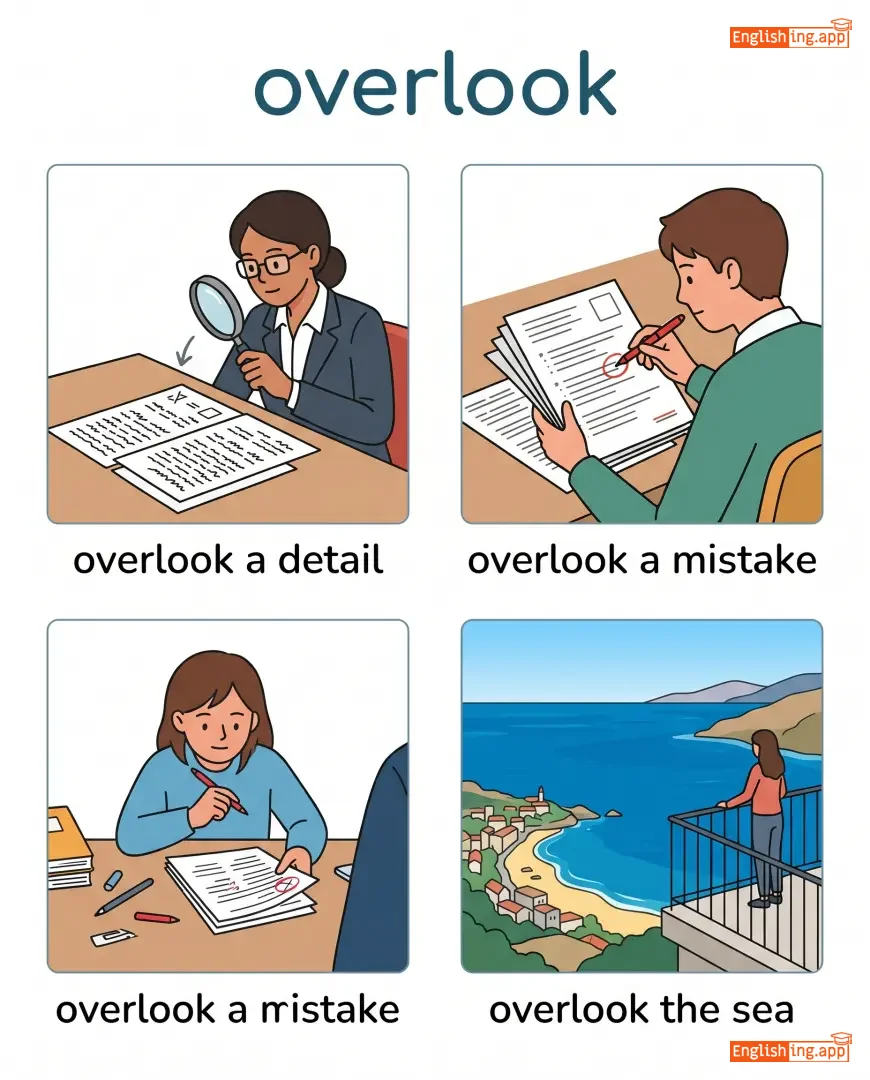
overlook a detail, overlook a mistake, overlook the sea, overlooking the city
••••••
Over+Look = बहुत ऊपर देखकर कुछ न देखना — overlook का मतलब है नजरअंदाज करना
••••••
🔄
••••••
/ˌoʊvərˈtɜrn/
verb
(ओवर्टर्न)
••••••
-
••••••
उलटना / निर्णय को पलटना
ultana / nirnay ko palatna
••••••
ओवर्टर्नड
••••••
ओवर्टर्नड
••••••
ओवर्टर्न्स
••••••
ओवर्टर्निंग
••••••
to turn something upside down or to reverse a decision or judgment
••••••
The court decided to overturn the previous ruling.
द कोर्ट ने पिछला निर्णय पलटने का फैसला किया।
••••••
कोर्ट ने पिछले निर्णय को पलटने का फैसला किया।
Court ne pichhle nirnay ko palatne ka faisla kiya.
••••••
टेबल्स पलटना
••••••
to reverse a situation completely
••••••
स्थिति को पूरी तरह से पलट देना
sthiti ko puri tarah se palat dena
••••••
reverse, cancel, annul, revoke, upend
••••••
••••••
overturn a decision, overturn a car, overturn a law, overturn a ruling
••••••
Over TURN यानी TURN करके उलटना या निर्णय बदलना।
••••••
🎨
••••••
/ˈpeɪntɪŋ/
noun
(पेंटिंग)
••••••
-
••••••
चित्रकला
chitrakala
••••••
-
••••••
-
••••••
-
••••••
-
••••••
a picture or design made using paint
••••••
The painting on the wall was created by a famous artist.
••••••
दीवार पर पेंटिंग एक प्रसिद्ध कलाकार द्वारा बनाई गई थी।
Deewar par painting ek prasiddh kalakar dwara banayi gayi thi.
••••••
a picture is worth a thousand words
••••••
visual images are more effective than verbal descriptions
••••••
एक तस्वीर हजार शब्दों के बराबर होती है
Ek tasveer hazar shabdon ke barabar hoti hai
••••••
artwork, portrait, illustration, depiction
••••••
••••••
oil painting, landscape painting, wall painting, abstract painting
••••••
Painting = चित्रकला = रंग से चित्र बनाना
••••••