The Dentist Who Made Healthcare Accessible
リナ博士は、toothケアが農村地域で利用できないことに気づいた歯科医師でした。これは彼女が情熱を注いでいたtopicでした。彼女はtodayが変革の始まりであると決めました。彼女のtitleは単に「Dr. Lina」でしたが、その影響は巨大でした。彼女はモバイル歯科クリニックを始め、遠隔地のtribeコミュニティに届きました。Totalの患者は、twice週のキャンプで数百人に達しました。患者に共通するtraitは歯科治療への恐怖でした。リナは患者の記録を慎重にtrackしなければなりませんでした。彼女は子供たちに口腔衛生を教え、toxicな甘いものを避けるようにしました。彼女が使用したtrickの一つは、治療を子供たちにとって楽しいものにすることでした。患者は古い歯ブラシをthrowして新しいものをもらいました。クリニックの予算はtightでしたが、リナは巧妙に管理しました。彼女は治療が成功した後、子供たちにthumbs upを渡すことができました。村のtroopsのボランティアがキャンプの組織を手伝いました。治療中に患者の歯科用bibが滑り落ちたときの面白い瞬間がありました。コミュニティのリーダーたちはクリニックを支援するためにuniteしようとしました。村人たちの間のUnityがプロジェクトを成功させました。リナはtruly医療はすべての人の権利だと信じていました。地方自治体は最終的に資金提供を行いました。リナ博士の仕事は、一人の献身がコミュニティの健康を変えることを証明しました。
|
絵文字
|
単語 | Images | 翻訳 | 過去 | 過去分詞 | 三人称単数 | 動名詞 | 意味 | 例文 | 例文の翻訳 | 表現例 | 表現例の意味 | 表現例の翻訳 | 同義語 | 対義語 | コロケーション | ニーモニック |
|---|---|---|---|---|---|---|---|---|---|---|---|---|---|---|---|---|---|
|
🏈
••••••
|
/θroʊ/
verb
(スロー)
••••••
|
|
投げる
nageru
••••••
|
threw
スルー
••••••
|
thrown
スローン
••••••
|
throws
スローズ
••••••
|
throwing
スローイング
••••••
|
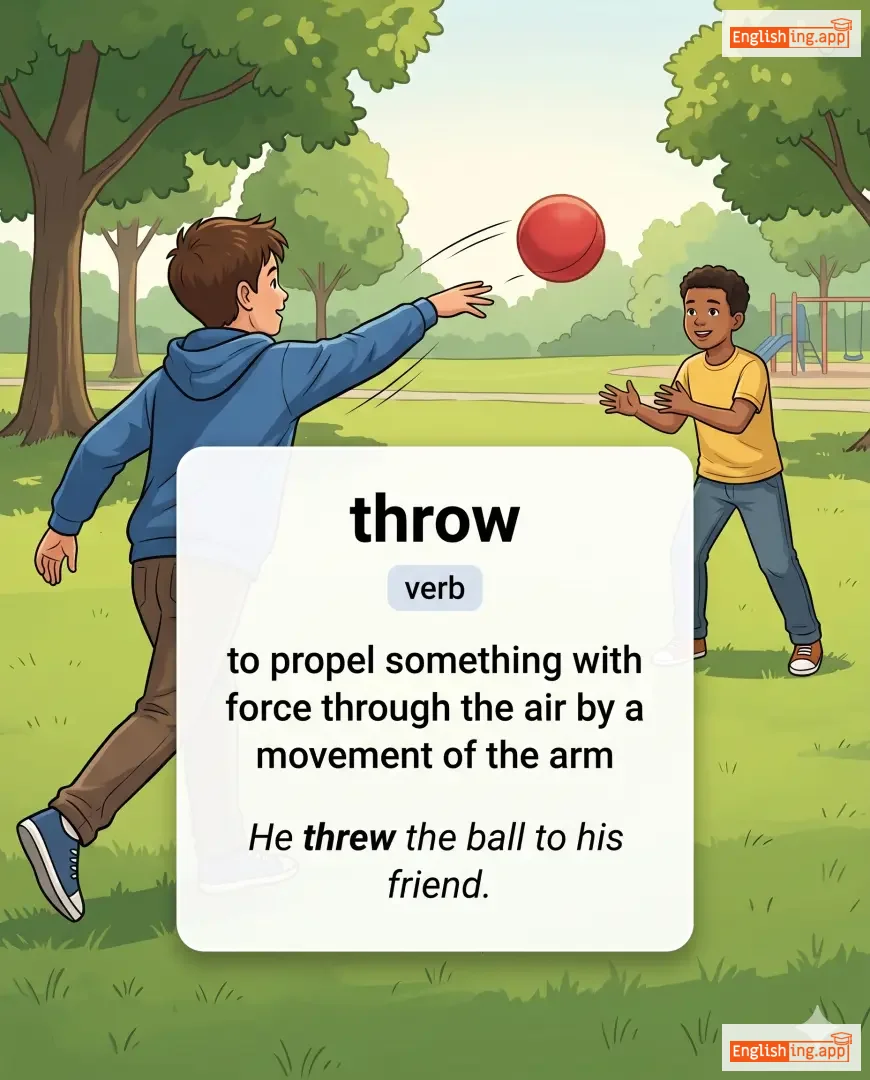
to propel something with force through the air by a movement of the arm
••••••
|
He threw the ball to his friend.
彼は友達にボールを投げました。
••••••
|
彼は友達にボールを投げました。
Kare wa tomodachi ni bōru o nage mashita.
••••••
|
throw in the towel
タオルを投げる
••••••
|
to give up or admit defeat
••••••
|
諦める
akirameru
••••••
|
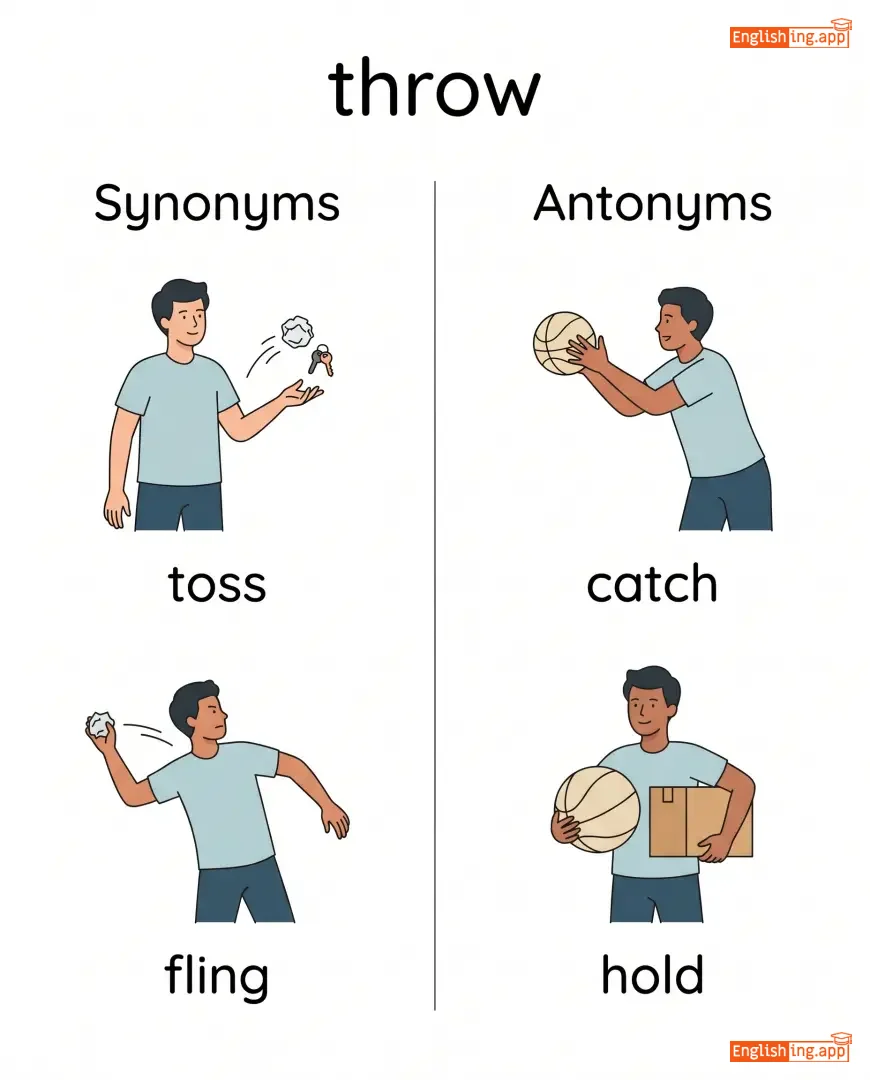
toss, fling, hurl, chuck
••••••
|
catch, hold
••••••
|
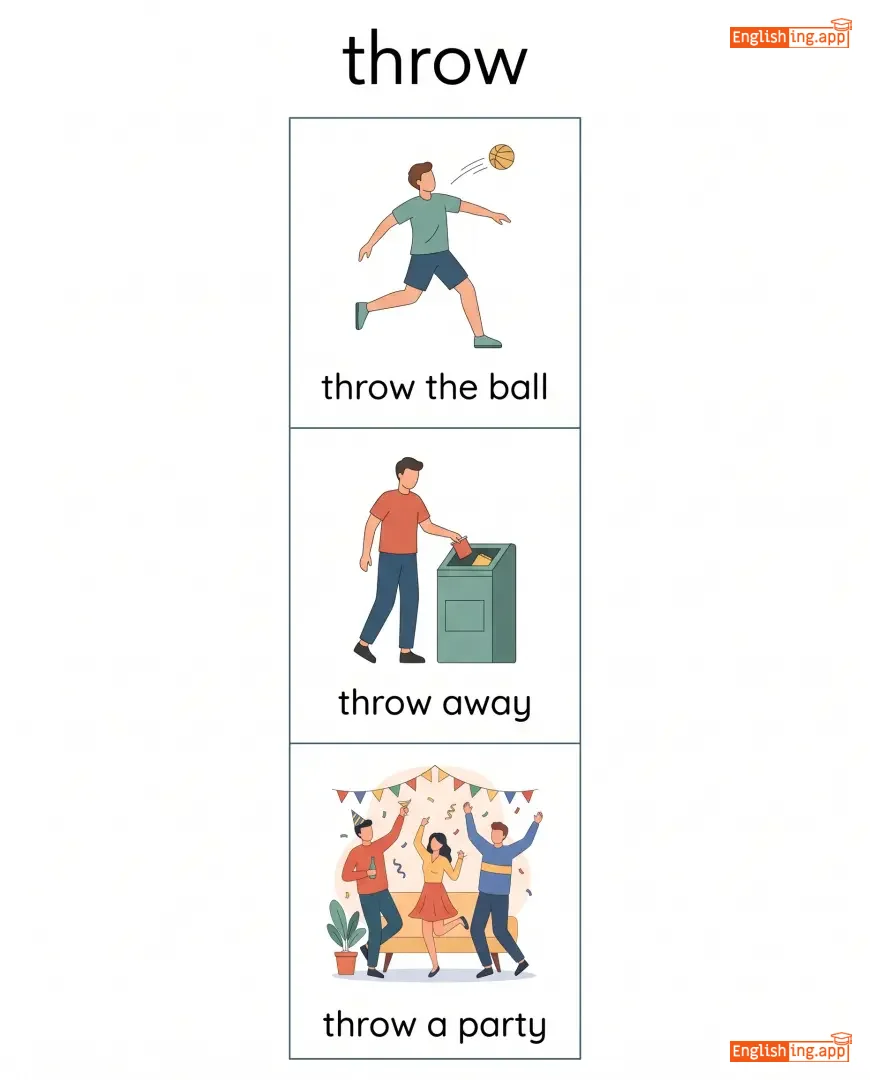
throw the ball, throw away, throw a party
••••••
|
ボールを投げて、最良の投げ方をしよう!
••••••
|
|
👍
••••••
|
/θʌm/
noun
(θʌm)
••••••
|
- •••••• |
親指
oyayubi
••••••
|
- •••••• | - •••••• | - •••••• | - •••••• |
the short, thick finger on the side of the hand, used for gripping and holding things
••••••
|
He gave a thumbs-up to show his approval. |
彼は承認を示すために親指を上げました。
Kare wa shounin o shimesu tame ni oyayubi o agemashita.
••••••
|
rule of thumb |
a general principle or rule based on experience or practice rather than theory
••••••
|
親指の法則
oyayubi no housoku
••••••
|
digit, finger, appendage, joint, extremity
••••••
|
toe, palm
••••••
|
thumb up, thumb down, rule of thumb, suck your thumb, raise your thumb
••••••
|
親指を見せて、ルールを覚えよう👍
••••••
|
|
🪢
••••••
|
/taɪt/
adjective
(タイト)
••••••
|
- •••••• |
きつい
kitsui
••••••
|
- •••••• | - •••••• | - •••••• | - •••••• |
firmly held in place, not loose or slack
••••••
|
The knot was too tight to untie. |
結び目は解けないほどきつかった。
Musubime wa tokenai hodo kitsukatta.
••••••
|
- •••••• | - •••••• | - •••••• |
firm, secure, stiff, taut
••••••
|
loose, slack
••••••
|
tight grip, tight fit, tight knot
••••••
|
きつい (tight) 結びつけておこう!
••••••
|
|
📖
••••••
|
/ˈtaɪ.təl/
noun
(タイトル)
••••••
|
- •••••• |
タイトル; 地位; 称号
taitoru
••••••
|
- •••••• | - •••••• | - •••••• | - •••••• |
the name of a book, movie, or other work; a word used before someone's name to show rank or status
••••••
|
The title of the book is very interesting. |
その本のタイトルはとても興味深いです。
Sono hon no taitoru wa totemo kyōmi bukai desu
••••••
|
- •••••• | - •••••• | - •••••• |
heading, name, caption, designation
••••••
|
subtitle, content, body
••••••
|
book title, job title, movie title
••••••
|
本のタイトルは本を区別するために必要です、まるで王の称号のように。
••••••
|
|
📅
••••••
|
/təˈdeɪ/
noun, adverb
(トゥデイ)
••••••
|
- •••••• |
今日
kyou
••••••
|
- •••••• | - •••••• | - •••••• | - •••••• |
on this present day
••••••
|
She has a meeting today.
彼女は今日会議があります。
••••••
|
彼女は今日会議があります。
Kanojo wa kyou kaigi ga arimasu.
••••••
|
here today, gone tomorrow
今日ここ、明日去る
••••••
|
something temporary or short-lived
••••••
|
今日ここ、明日去る
Kyou koko, ashita saru
••••••
|
now, currently, presently, nowadays
••••••
|
yesterday, tomorrow
••••••
|
today only, happening today, today morning, today evening
••••••
|
今日、今日は今日 - 今日を忘れないで
••••••
|
|
🦷
••••••
|
/tuːθ/
noun
(トゥース)
••••••
|
- •••••• |
歯
ha
••••••
|
- •••••• | - •••••• | - •••••• | - •••••• |
each of the hard, pointed structures in the mouth used for biting and chewing food
••••••
|
He has a toothache and needs to see the dentist. |
彼は歯が痛いので、歯医者に行かなければならない。
Kare wa ha ga itai node, haisha ni ikanakereba naranai.
••••••
|
a tooth for a tooth |
an eye for an eye; retribution
••••••
|
歯をためて歯を返す
Ha wo tamete ha wo kaesu
••••••
|
fang, molar, incisor, canine
••••••
|
gum
••••••
|
toothbrush, tooth paste, tooth decay, tooth fairy
••••••
|
歯の痛みは耐えられない – 歯 = 痛み
••••••
|
|
💬
••••••
|
/ˈtɒpɪk/
noun
(トピック)
••••••
|
- •••••• |
トピック
topikku
••••••
|
- •••••• | - •••••• | - •••••• | - •••••• |
a subject of conversation, discussion, or writing
••••••
|
The topic of the meeting was company expansion. |
会議のトピックは会社の拡張についてでした。
Kaigi no topikku wa kaisha no kakuchou ni tsuite deshita.
••••••
|
- •••••• | - •••••• | - •••••• |
subject, theme, issue, matter
••••••
|
digression, aside
••••••
|
discussion topic, popular topic, hot topic, main topic
••••••
|
Topics make discussions tick – トピックが議論を盛り上げる。
••••••
|
|
🧮
••••••
|
/ˈtoʊ.təl/
adjective, noun, verb
(トータル)
••••••
|
- •••••• |
合計
goukei
••••••
|
totaled
トータルド
••••••
|
totaled
トータルド
••••••
|
totals
トータルス
••••••
|
totaling
トータリング
••••••
|
the whole amount; complete
••••••
|
The total cost was too high.
合計費用は高すぎました。
••••••
|
合計費用は高すぎました。
Goukei hiyou wa takasugimashita.
••••••
|
a total loss
完全な損失
••••••
|
completely destroyed or ruined
••••••
|
完全な損失
kanzen na sonshitsu
••••••
|
whole, complete, sum, entire
••••••
|
partial, incomplete
••••••
|
total cost, total amount, total failure, grand total
••••••
|
Total は全てを意味します – Total は合計のことです。
••••••
|
|
☠️
••••••
|
/ˈtɒksɪk/
adjective
(トクシック)
••••••
|
- •••••• |
有毒な
yūdoku na
••••••
|
- •••••• | - •••••• | - •••••• | - •••••• |
poisonous or harmful; causing damage physically or emotionally
••••••
|
The waste materials were highly toxic to the environment.
廃棄物は環境に非常に有毒でした。
••••••
|
廃棄物は環境に非常に有毒でした。
Haikimono wa kankyō ni hijō ni yūdoku deshita.
••••••
|
toxic relationship
有毒な関係
••••••
|
a harmful or unhealthy relationship
••••••
|
有毒な関係
yūdoku na kankei
••••••
|
poisonous, harmful, venomous, dangerous, noxious
••••••
|
safe, harmless, healthy
••••••
|
toxic waste, toxic chemicals, toxic fumes, toxic relationship
••••••
|
有毒な ☠️ の関係は有害で、感情的に害を与える。
••••••
|
|
🛤️
••••••
|
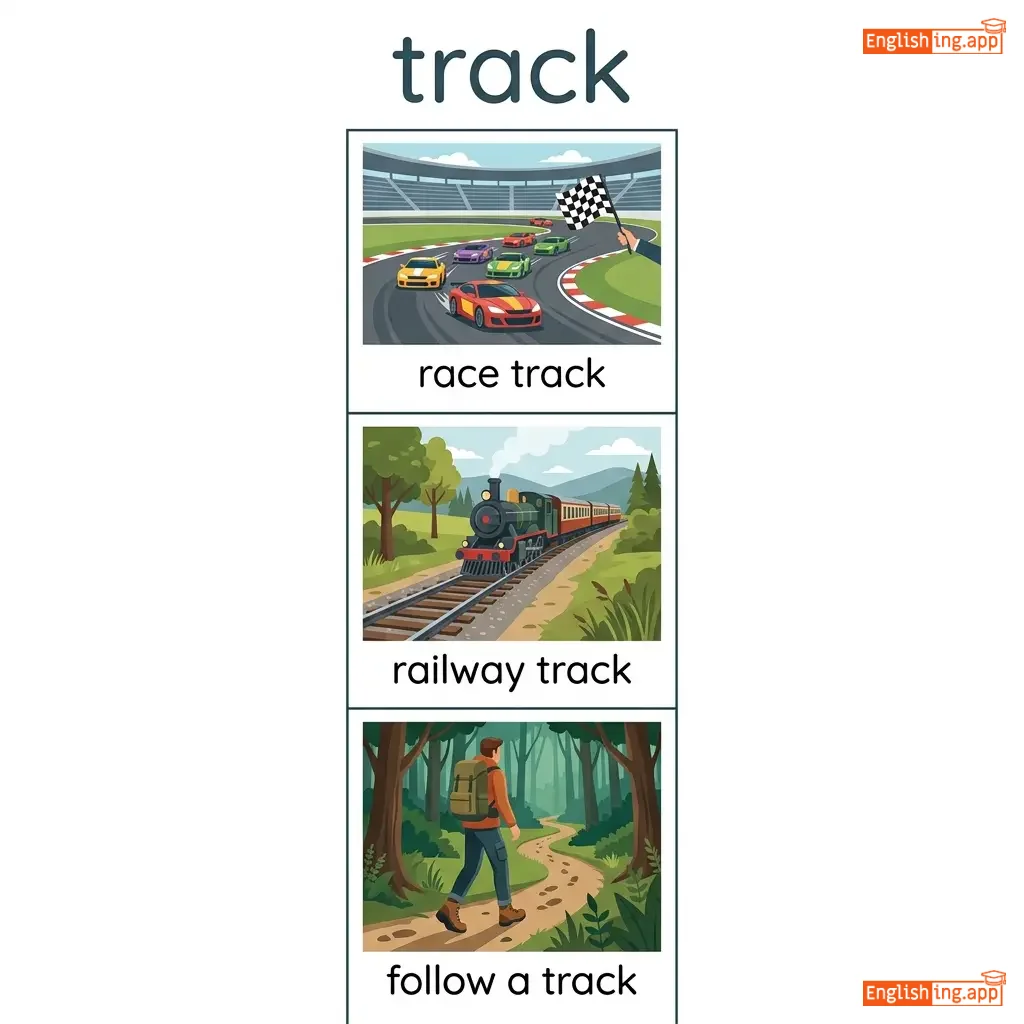
/træk/
noun
(トラック)
••••••
|

|
トレース
track
••••••
|
- •••••• | - •••••• | - •••••• | - •••••• |
a rough path or minor road; a course or route followed; to follow or trace
••••••
|
The detective was able to track the suspect's movements through the city. |
探偵は街を通して容疑者の動きを追跡することができました。
Tantei wa machi o tōshite yōgisha no ugoki o tsuiseki suru koto ga dekimashita.
••••••
|
- •••••• | - •••••• | - •••••• |
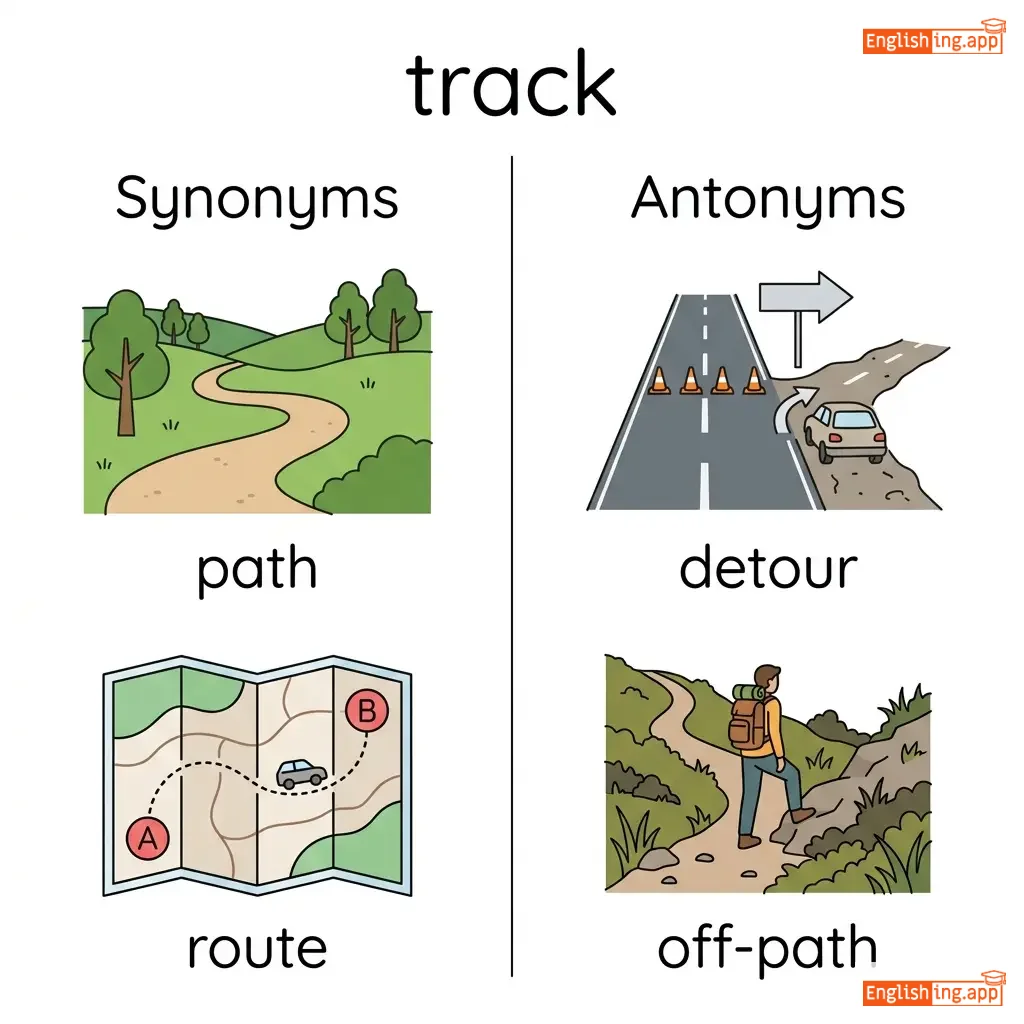
path, trail, route, follow, trace
••••••
|
lose, abandon, ignore
••••••
|
race track, train track, track record, keep track
••••••
|
Track – 道をたどれば、答えが見つかる。
••••••
|
|
🧬
••••••
|
/treɪt/
noun
(トレイト)
••••••
|
- •••••• |
特性
tokusei
••••••
|
- •••••• | - •••••• | - •••••• | - •••••• |
a distinguishing quality or characteristic of a person; an inherited feature
••••••
|
Patience is an important trait for anyone working with children.
忍耐は子供と一緒に働く上で重要な特性です。
••••••
|
忍耐は子供と一緒に働く上で重要な特性です。
Nintai wa kodomo to issho ni hataraku ue de juuyou na tokusei desu.
••••••
|
- •••••• | - •••••• | - •••••• |
characteristic, quality, feature, attribute, property
••••••
|
absence, lack, deficiency
••••••
|
personality trait, genetic trait, positive trait, character trait
••••••
|
特性 = 他の人と一緒に働くために必要な資質
••••••
|
|
🗑️
••••••
|
/træʃ/
noun
••••••
|
- •••••• | - •••••• | - •••••• | - •••••• | - •••••• | - •••••• |
waste material; things that are no longer useful or wanted
••••••
|
Please take out the trash before you go to bed. |
- •••••• |
talk trash |
to speak insultingly or boastfully
••••••
|
- •••••• |
garbage, waste, litter, junk, refuse
••••••
|
treasure, valuables, belongings
••••••
|
trash bin, take out trash, collect trash, throw away trash
••••••
|
No •••••• |
|
👥
••••••
|
/traɪb/
noun
(トライブ)
••••••
|
- •••••• |
部族
buzoku
••••••
|
- •••••• | - •••••• | - •••••• | - •••••• |
a social group consisting of people with common customs, language, and culture
••••••
|
The tribe lived in harmony with nature. |
部族は自然と調和して生活していた。
Buzoku wa shizen to chōwa shite seikatsu shite ita.
••••••
|
- •••••• | - •••••• | - •••••• |
clan, ethnic group, people, nation
••••••
|
individual, outsider
••••••
|
tribal community, indigenous tribe, tribal leader
••••••
|
部族は、共通の文化や習慣を持つ人々が集まり、まるで大家族のようなものです。
••••••
|
|
🎩
••••••
|
/trɪk/
noun
(トリック)
••••••
|
- •••••• |
トリック
torikku
••••••
|
- •••••• | - •••••• | - •••••• | - •••••• |
a cunning or deceitful action or plan intended to mislead or deceive someone
••••••
|
She pulled a trick to win the game. |
彼女はゲームに勝つためにトリックを使った
Kanojo wa gēmu ni katsu tame ni torikku o tsukatta
••••••
|
pull a trick |
to deceive someone cleverly
••••••
|
トリックを使う
torikku o tsukau
••••••
|
deception, hoax, ruse, scam
••••••
|
honesty, sincerity
••••••
|
trick or treat, play a trick, magic trick
••••••
|
Trick は日本語でトリック、巧妙な策略を意味します
••••••
|
|
👥⚔️
••••••
|
/truːp/
noun
(トゥループ)
••••••
|
- •••••• |
部隊
butai
••••••
|
- •••••• | - •••••• | - •••••• | - •••••• |
a group of soldiers; military personnel organized as a unit
••••••
|
The troop marched in formation across the parade ground.
その部隊は行進しながら行進場を進んだ。
••••••
|
その部隊は行進しながら行進場を進んだ。
Sono butai wa kōshin shinagara kōshin-jō o susunda.
••••••
|
- •••••• | - •••••• | - •••••• |
soldiers, battalion, regiment, squad
••••••
|
civilians, non-combatants
••••••
|
elite troop, troop movement, troop deployment, special forces troop
••••••
|
部隊は、兵士たちが一緒に歩くグループのようなものです。
••••••
|
|
✅
••••••
|
/ˈtruːli/
adverb
(トゥルーリー)
••••••
|
- •••••• |
本当に
hontōni
••••••
|
- •••••• | - •••••• | - •••••• | - •••••• |
in accordance with fact or reality; genuinely
••••••
|
She truly loves her family. |
彼女は本当に家族を愛しています。
Kanojo wa hontōni kazoku o aishiteimasu.
••••••
|
- •••••• | - •••••• | - •••••• |
really, genuinely, honestly, sincerely
••••••
|
falsely, dishonestly, insincerely
••••••
|
truly believe, truly amazing, truly grateful
••••••
|
'本当に' は、日本語で真実や本当の意味を表現する言葉です。
••••••
|
|
2️⃣
••••••
|
/twaɪs/
adverb
(トゥワイス)
••••••
|
- •••••• |
二回
nikai
••••••
|
- •••••• | - •••••• | - •••••• | - •••••• |
two times
••••••
|
I have seen that movie twice. |
その映画を二回見ました。
Sono eiga o nikai mimashita.
••••••
|
- •••••• | - •••••• | - •••••• |
double, two times
••••••
|
- •••••• |
twice as much, twice a day, twice a week
••••••
|
Nik kai, twice hai!
••••••
|
|
⬇️
••••••
|
/ˈʌndər/
preposition
(アンダー)
••••••
|
- •••••• |
下
shita
••••••
|
- •••••• | - •••••• | - •••••• | - •••••• |
in or to a lower position than something
••••••
|
The cat is under the table.
猫はテーブルの下にいます。
••••••
|
猫はテーブルの下にいます。
Neko wa tēburu no shita ni imasu.
••••••
|
- •••••• | - •••••• | - •••••• |
beneath, below, underneath, lower than
••••••
|
over, above, on top
••••••
|
under the table, under the weather, under control
••••••
|
UNDER the umbrella is where the cat stays
••••••
|
|
🤝
••••••
|
/juˈnaɪt/
verb
(ユナイト)
••••••
|
|
団結する
danketsu suru
••••••
|
united
ユナイテッド
••••••
|
united
ユナイテッド
••••••
|
unites
ユナイツ
••••••
|
uniting
ユナイティング
••••••
|
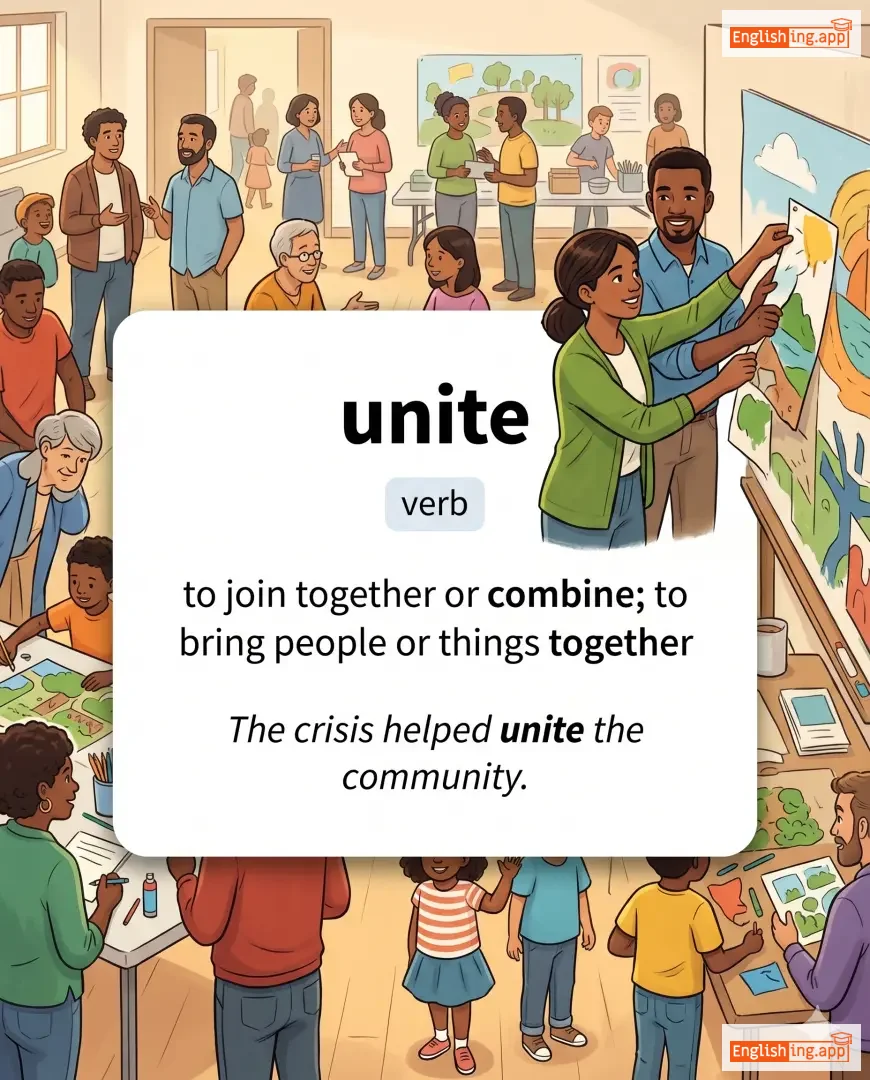
to join together or combine; to bring people or things together
••••••
|
The crisis helped unite the community.
危機はコミュニティを団結させる手助けをした。
••••••
|
危機はコミュニティを団結させる手助けをした。
Kiki wa komyuniti o danketsu saseru tedasuke o shita.
••••••
|
- •••••• | - •••••• | - •••••• |
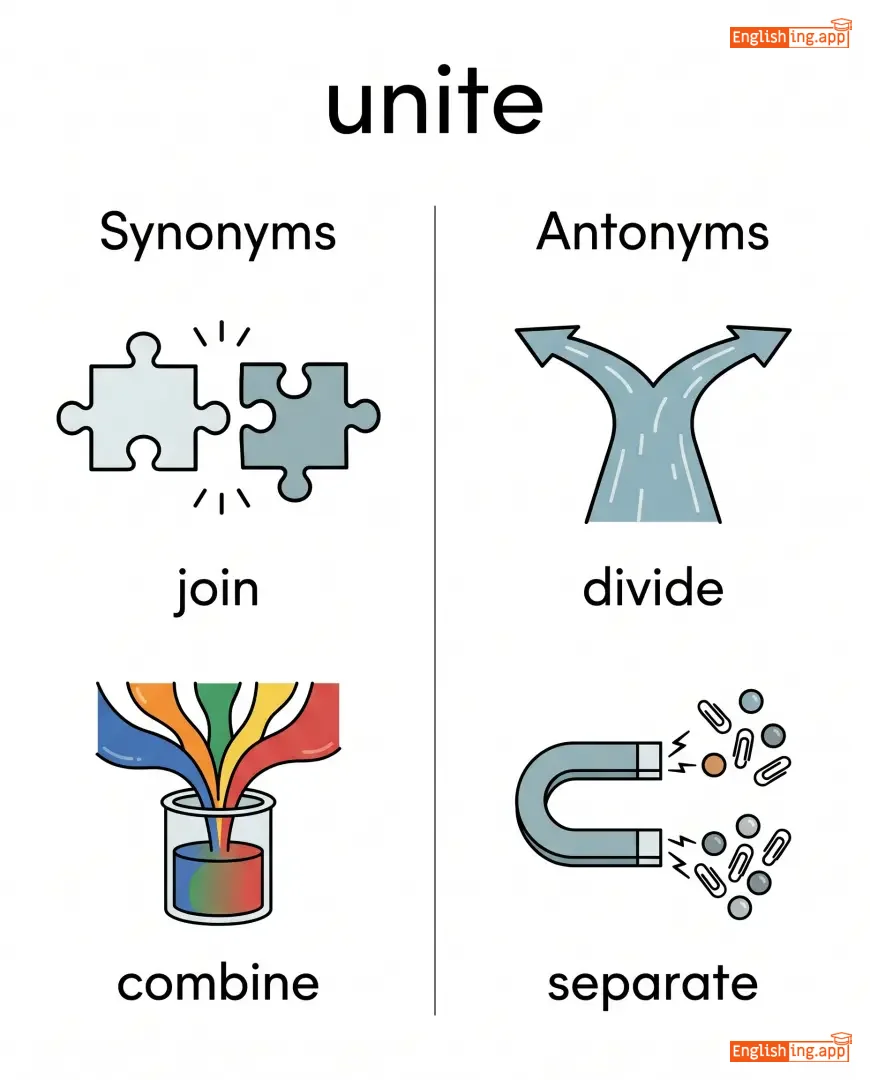
join, combine, merge, connect
••••••
|
divide, separate, split
••••••
|
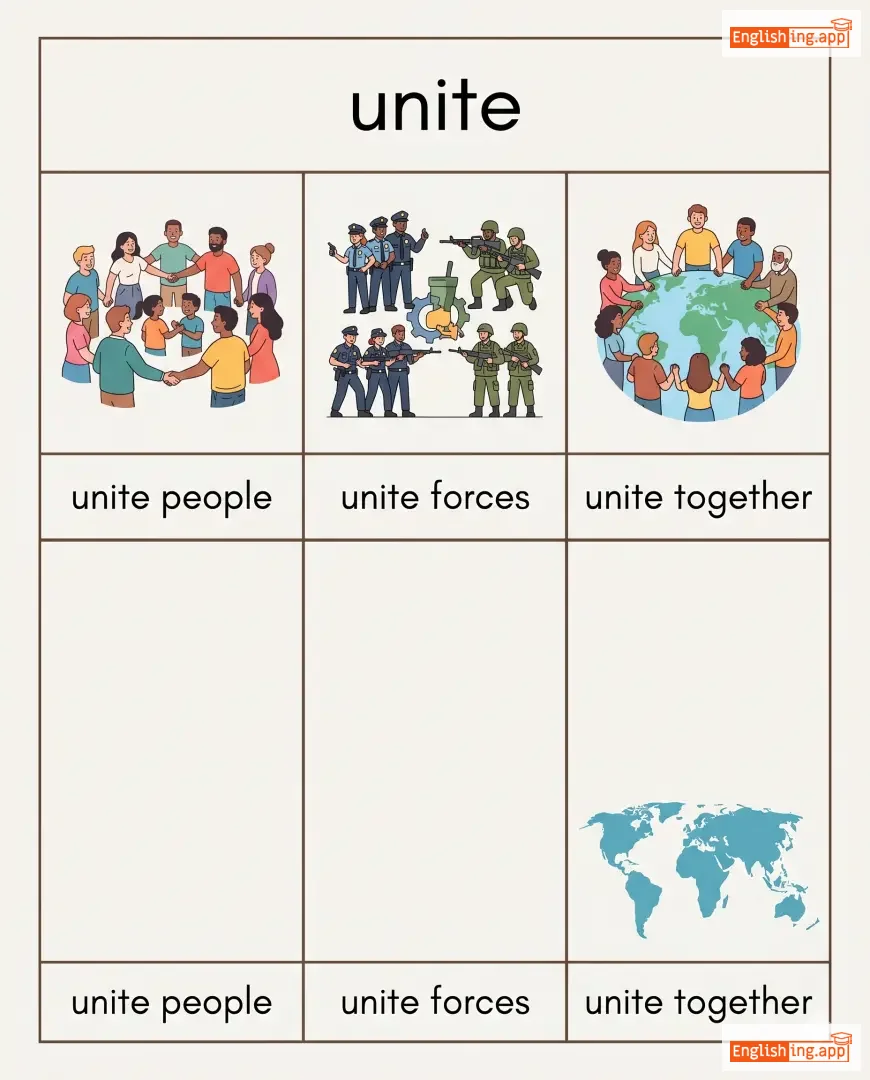
unite people, unite forces, unite together, unite against
••••••
|
No •••••• |
|
🫱🏻🫲🏽
••••••
|
/ˈjuːnɪti/
noun
(ユニティ)
••••••
|
|
団結
danketsu
••••••
|
- •••••• | - •••••• | - •••••• | - •••••• |
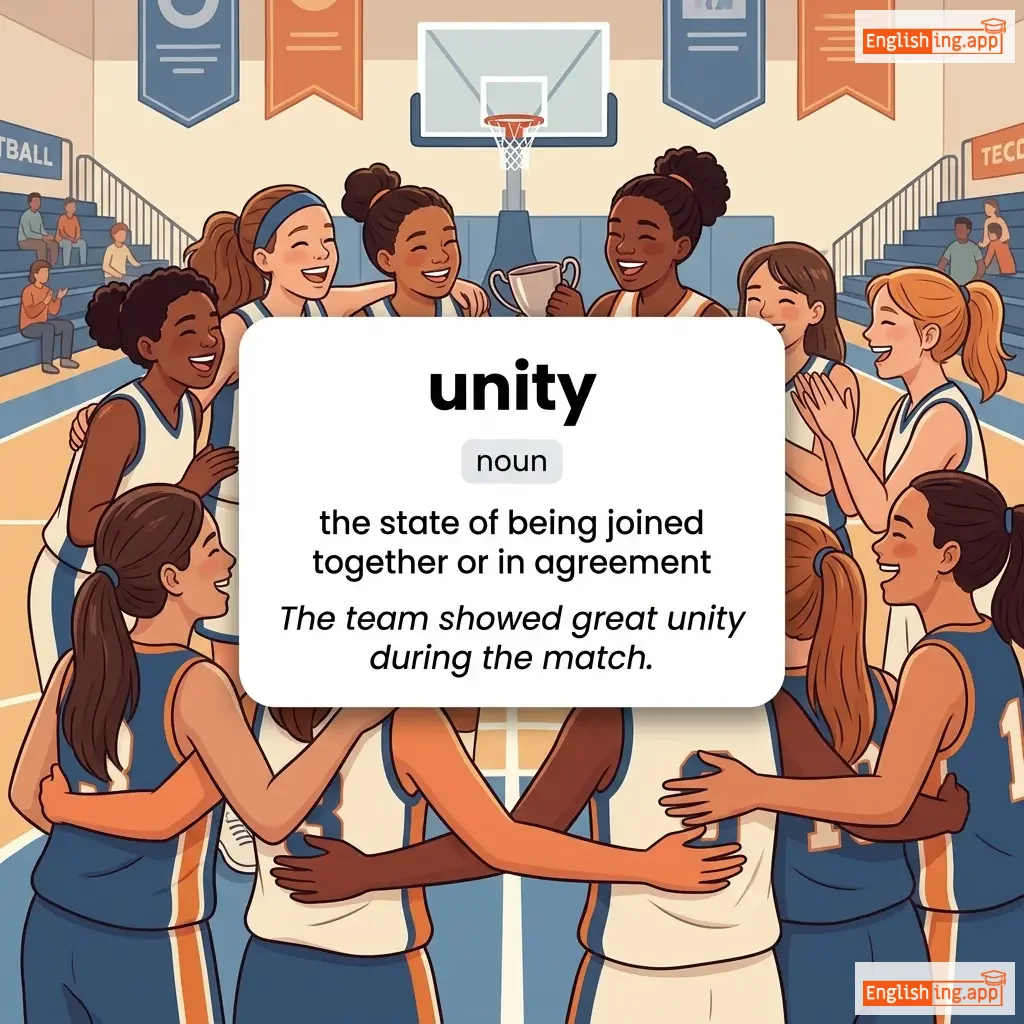
the state of being joined together or in agreement
••••••
|
The team showed great unity during the match. |
チームは試合中に素晴らしい団結を示しました。
Chīmu wa shiai-chū ni subarashī danketsu o shimeshimashita.
••••••
|
unity in diversity |
the idea that differences can exist together in harmony
••••••
|
多様性の中の団結
tayō-sei no naka no danketsu
••••••
|
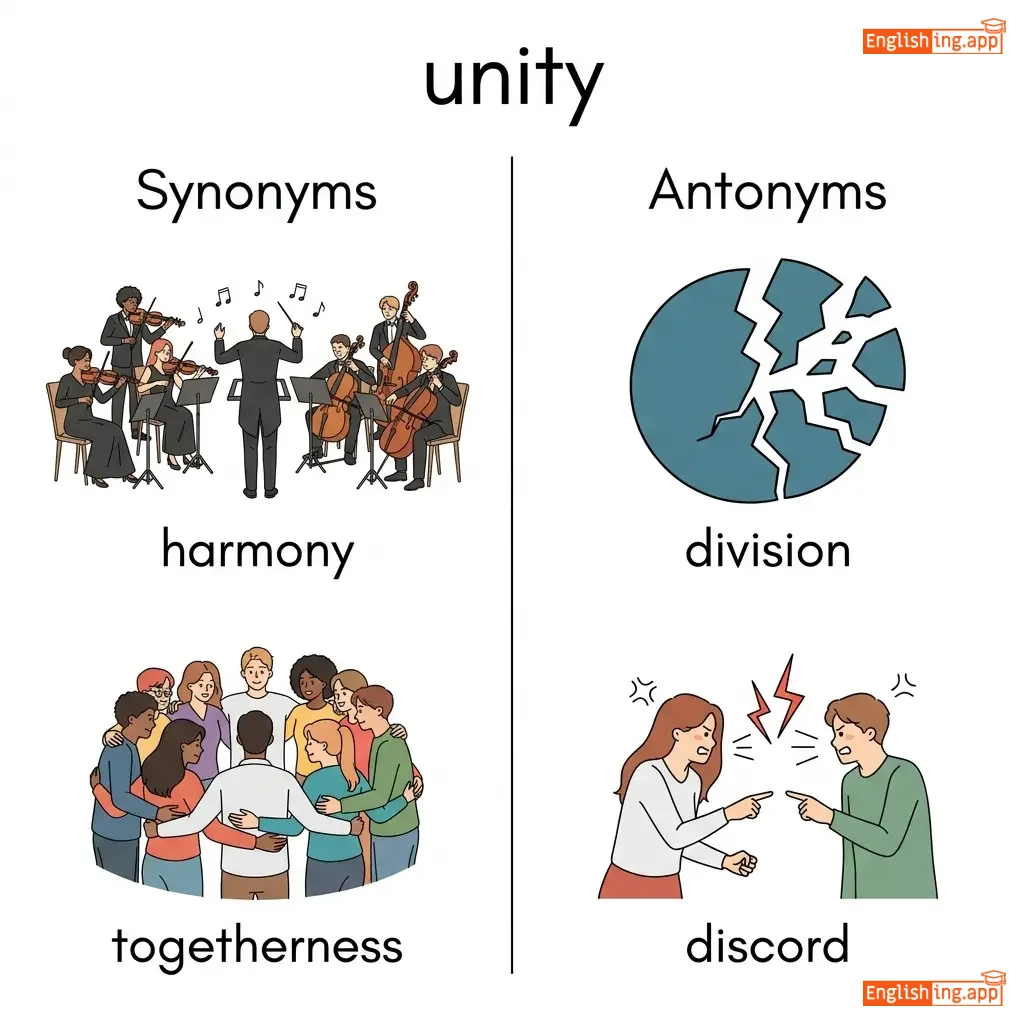
harmony, togetherness, solidarity, cohesion, cooperation
••••••
|
division, discord, disunity
••••••
|
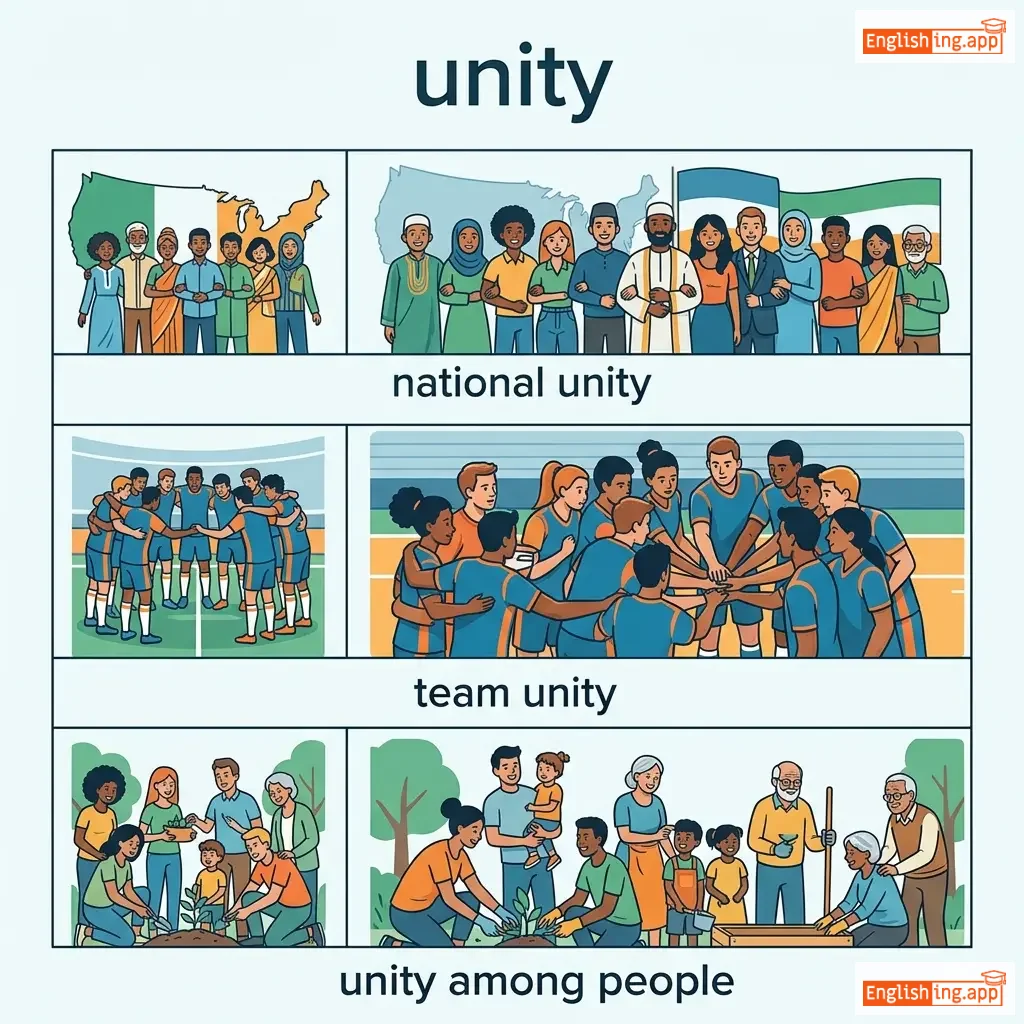
national unity, team unity, unity among people, show unity
••••••
|
団結は一緒にいること (Unity は団結)
••••••
|

