The Dentist Who Made Healthcare Accessible
琳达博士是一位牙医,她注意到在农村地区tooth护理无法获得。这是一个她非常热衷的topic。她决定today将标志着变革的开始。她的title只是"Dr. Lina",但影响巨大。她开始了一个移动牙科诊所,覆盖了远离城市的tribe社区。Total治疗的患者人数在twice每周的营地中达到了几百人。患者的一个常见trait是害怕牙科手术。琳达必须小心track患者的记录。她教孩子们口腔卫生,并避免toxic糖果。她使用的一个trick是让治疗对孩子们变得有趣。患者会把旧牙刷throw进trash,获得新的。诊所的预算tight,但琳达巧妙地管理。她在治疗成功后可以给孩子们thumbs up。村庄的troops志愿者帮助组织营地。一个有趣的时刻是当一个患者的牙科bib在治疗过程中滑落。社区领导人试图unite力量来支持诊所。村民之间的Unity使项目取得成功。琳达truly相信医疗是每个人的权利。地方政府最终提供了资金。琳达博士的工作证明了一个人的奉献可以改变整个社区的健康。
|
表情符号
|
单词 | Images | 翻译 | 过去时 | 过去分词 | 第三人称单数 | 动名词 | 含义 | 例句 | 例句翻译 | 示例表达 | 示例表达含义 | 示例表达翻译 | 同义词 | 反义词 | 搭配词 | 助记符 |
|---|---|---|---|---|---|---|---|---|---|---|---|---|---|---|---|---|---|
|
🏈
••••••
|
/θroʊ/
verb
(thro)
••••••
|
|
投掷
tóu zhì
••••••
|
threw
thru
••••••
|
thrown
thron
••••••
|
throws
throz
••••••
|
throwing
throwing
••••••
|
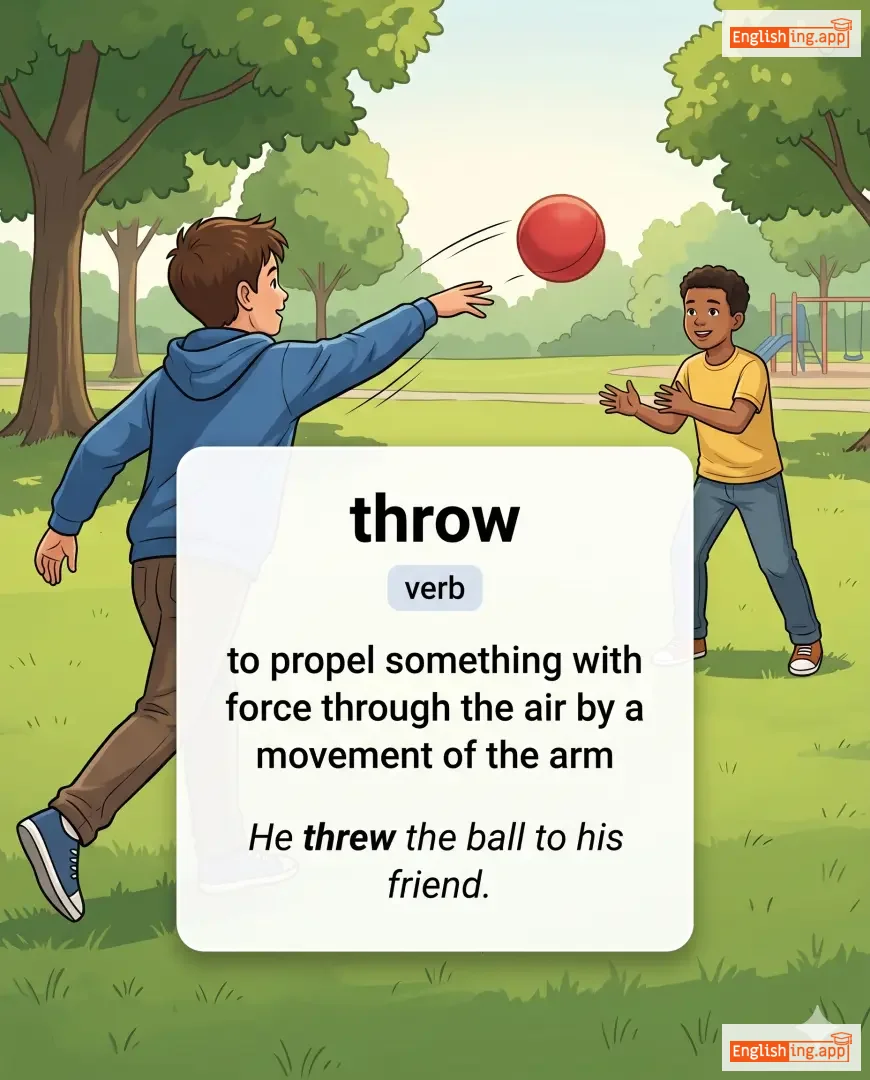
to propel something with force through the air by a movement of the arm
••••••
|
He threw the ball to his friend.
他把球扔给了他的朋友。
••••••
|
他把球扔给了他的朋友。
Tā bǎ qiú rēng gěi le tā de péngyǒu.
••••••
|
throw in the towel
放弃毛巾
••••••
|
to give up or admit defeat
••••••
|
放弃
fàngqì
••••••
|
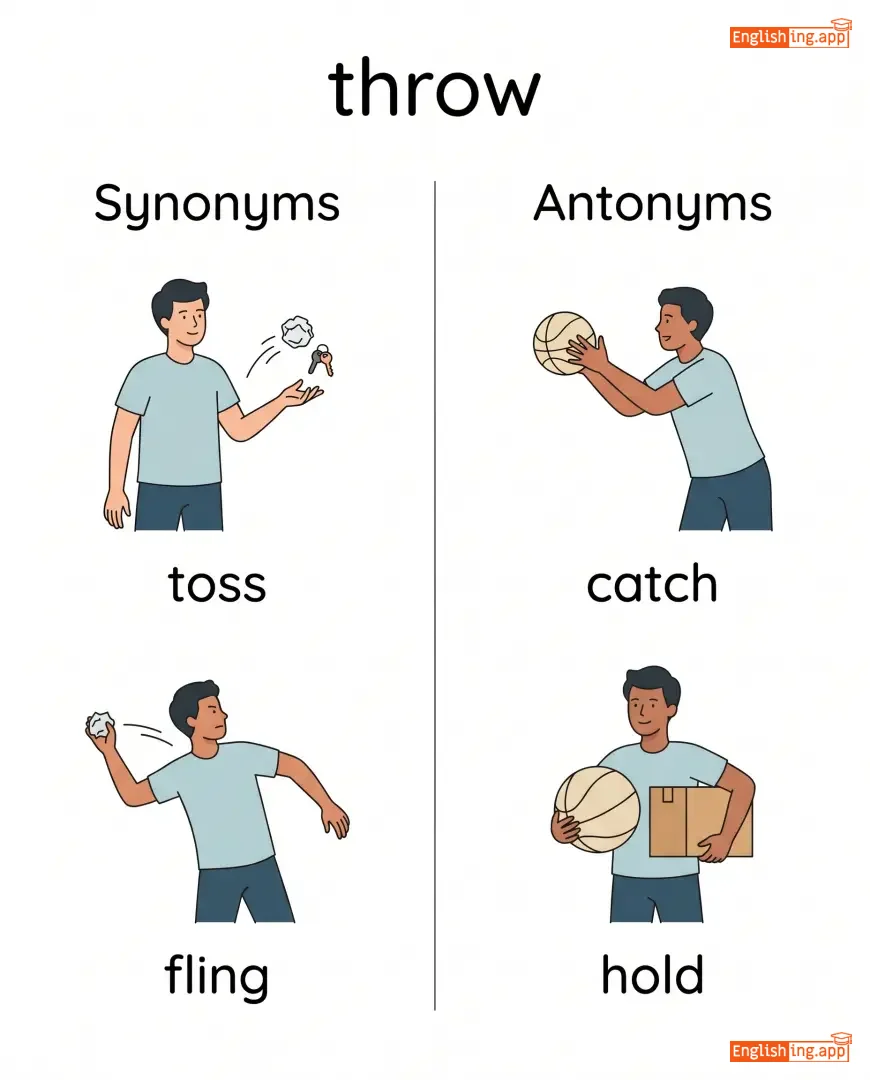
toss, fling, hurl, chuck
••••••
|
catch, hold
••••••
|
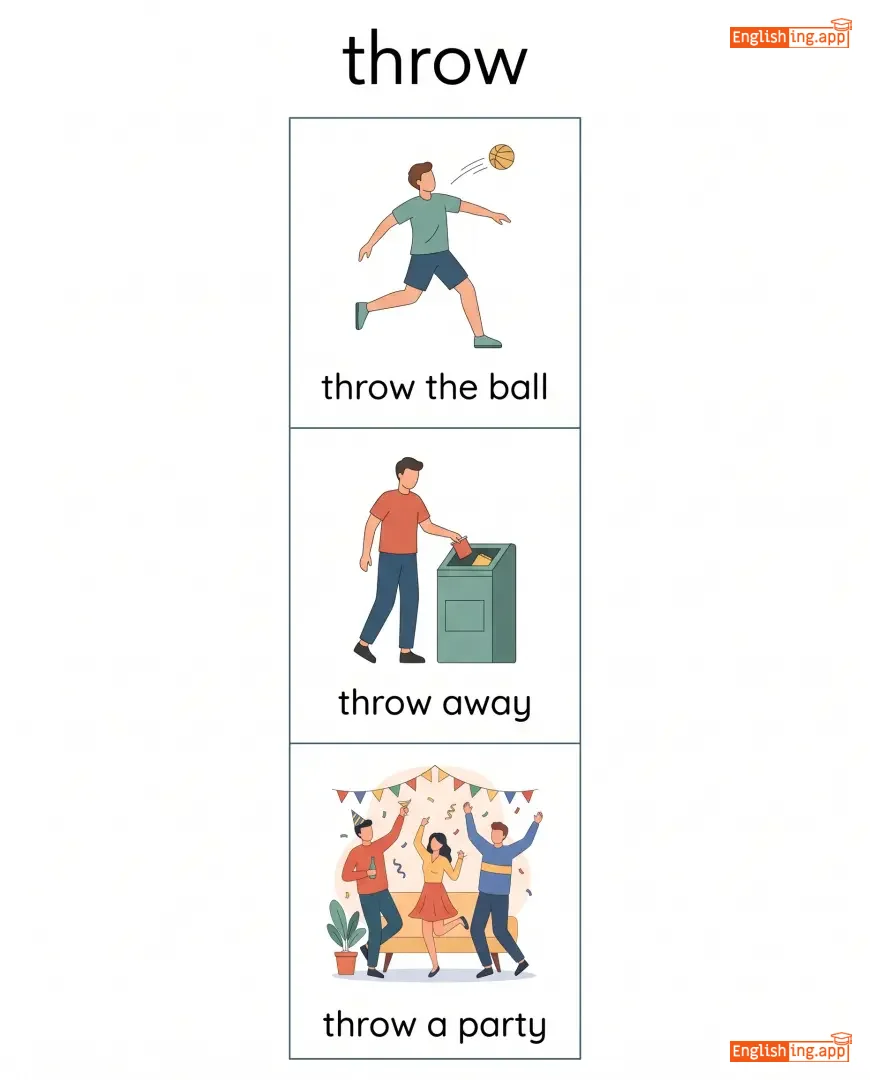
throw the ball, throw away, throw a party
••••••
|
扔球去,做最好的投掷!
••••••
|
|
👍
••••••
|
/θʌm/
noun
(θʌm)
••••••
|
- •••••• |
大拇指
da mǔ zhǐ
••••••
|
- •••••• | - •••••• | - •••••• | - •••••• |
the short, thick finger on the side of the hand, used for gripping and holding things
••••••
|
He gave a thumbs-up to show his approval. |
他竖起大拇指表示赞同。
Tā shù qǐ dà mǔ zhǐ biǎo shì zàn tóng.
••••••
|
rule of thumb |
a general principle or rule based on experience or practice rather than theory
••••••
|
经验法则
jīng yàn fǎ zé
••••••
|
digit, finger, appendage, joint, extremity
••••••
|
toe, palm
••••••
|
thumb up, thumb down, rule of thumb, suck your thumb, raise your thumb
••••••
|
大拇指, 用来指示,别忘了规则 👍
••••••
|
|
🪢
••••••
|
/taɪt/
adjective
(taɪt)
••••••
|
- •••••• |
紧的
jǐn de
••••••
|
- •••••• | - •••••• | - •••••• | - •••••• |
firmly held in place, not loose or slack
••••••
|
The knot was too tight to untie. |
结已经太紧,无法解开。
Jié yǐjīng tài jǐn, wúfǎ jiěkāi.
••••••
|
- •••••• | - •••••• | - •••••• |
firm, secure, stiff, taut
••••••
|
loose, slack
••••••
|
tight grip, tight fit, tight knot
••••••
|
紧的 (tight) 绑紧一切!
••••••
|
|
📖
••••••
|
/ˈtaɪ.təl/
noun
(tài té)
••••••
|
- •••••• |
标题; 称号; 荣誉
taitel
••••••
|
- •••••• | - •••••• | - •••••• | - •••••• |
the name of a book, movie, or other work; a word used before someone's name to show rank or status
••••••
|
The title of the book is very interesting. |
这本书的标题非常有趣。
Zhè běn shū de biāotí fēicháng yǒuqù
••••••
|
- •••••• | - •••••• | - •••••• |
heading, name, caption, designation
••••••
|
subtitle, content, body
••••••
|
book title, job title, movie title
••••••
|
就像书的标题一样,称号和荣誉能帮助人们识别身份。
••••••
|
|
📅
••••••
|
/təˈdeɪ/
noun, adverb
(tʊˈdeɪ)
••••••
|
- •••••• |
今天
jin tian
••••••
|
- •••••• | - •••••• | - •••••• | - •••••• |
on this present day
••••••
|
She has a meeting today.
她今天有一个会议。
••••••
|
她今天有一个会议。
Ta jin tian you yi ge hui yi.
••••••
|
here today, gone tomorrow
今天在这里,明天走
••••••
|
something temporary or short-lived
••••••
|
今天在这里,明天走
Jin tian zai zhe li, ming tian zou
••••••
|
now, currently, presently, nowadays
••••••
|
yesterday, tomorrow
••••••
|
today only, happening today, today morning, today evening
••••••
|
今天就是今天,记住今天
••••••
|
|
🦷
••••••
|
/tuːθ/
noun
(tʊθ)
••••••
|
- •••••• |
牙齿
yáchǐ
••••••
|
- •••••• | - •••••• | - •••••• | - •••••• |
each of the hard, pointed structures in the mouth used for biting and chewing food
••••••
|
He has a toothache and needs to see the dentist. |
他牙疼,需要看牙医。
Tā yáténg, xūyào kàn yáyī.
••••••
|
a tooth for a tooth |
an eye for an eye; retribution
••••••
|
以牙还牙
yǐ yá huán yá
••••••
|
fang, molar, incisor, canine
••••••
|
gum
••••••
|
toothbrush, tooth paste, tooth decay, tooth fairy
••••••
|
牙痛不怕,牙齿痛就怕 – 牙齿 = 痛
••••••
|
|
💬
••••••
|
/ˈtɒpɪk/
noun
(话题)
••••••
|
- •••••• |
主题
zhuti
••••••
|
- •••••• | - •••••• | - •••••• | - •••••• |
a subject of conversation, discussion, or writing
••••••
|
The topic of the meeting was company expansion. |
会议的主题是公司扩展。
Huiyi de zhuti shi gongsi kuozhan.
••••••
|
- •••••• | - •••••• | - •••••• |
subject, theme, issue, matter
••••••
|
digression, aside
••••••
|
discussion topic, popular topic, hot topic, main topic
••••••
|
Topics make discussions tick – 话题让讨论更生动。
••••••
|
|
🧮
••••••
|
/ˈtoʊ.təl/
adjective, noun, verb
(托塔尔)
••••••
|
- •••••• |
总计
zongji
••••••
|
totaled
托塔尔德
••••••
|
totaled
托塔尔德
••••••
|
totals
托塔尔斯
••••••
|
totaling
托塔林
••••••
|
the whole amount; complete
••••••
|
The total cost was too high.
总成本太高了。
••••••
|
总成本太高了。
Zong chengben tai gao le.
••••••
|
a total loss
完全损失
••••••
|
completely destroyed or ruined
••••••
|
完全损失
wanquan sunshi
••••••
|
whole, complete, sum, entire
••••••
|
partial, incomplete
••••••
|
total cost, total amount, total failure, grand total
••••••
|
Total 意味着完整 – 想想 total 就是总计。
••••••
|
|
☠️
••••••
|
/ˈtɒksɪk/
adjective
(tóuxī kè)
••••••
|
- •••••• |
有毒的
yǒudú de
••••••
|
- •••••• | - •••••• | - •••••• | - •••••• |
poisonous or harmful; causing damage physically or emotionally
••••••
|
The waste materials were highly toxic to the environment.
废物材料对环境非常有毒。
••••••
|
废物材料对环境非常有毒。
Fèiwù cáiliào duì huánjìng fēicháng yǒudú.
••••••
|
toxic relationship
有毒的关系
••••••
|
a harmful or unhealthy relationship
••••••
|
有毒的关系
yǒudú de guānxì
••••••
|
poisonous, harmful, venomous, dangerous, noxious
••••••
|
safe, harmless, healthy
••••••
|
toxic waste, toxic chemicals, toxic fumes, toxic relationship
••••••
|
有毒的 ☠️ 就像有毒的关系一样,让你受到伤害。
••••••
|
|
🛤️
••••••
|
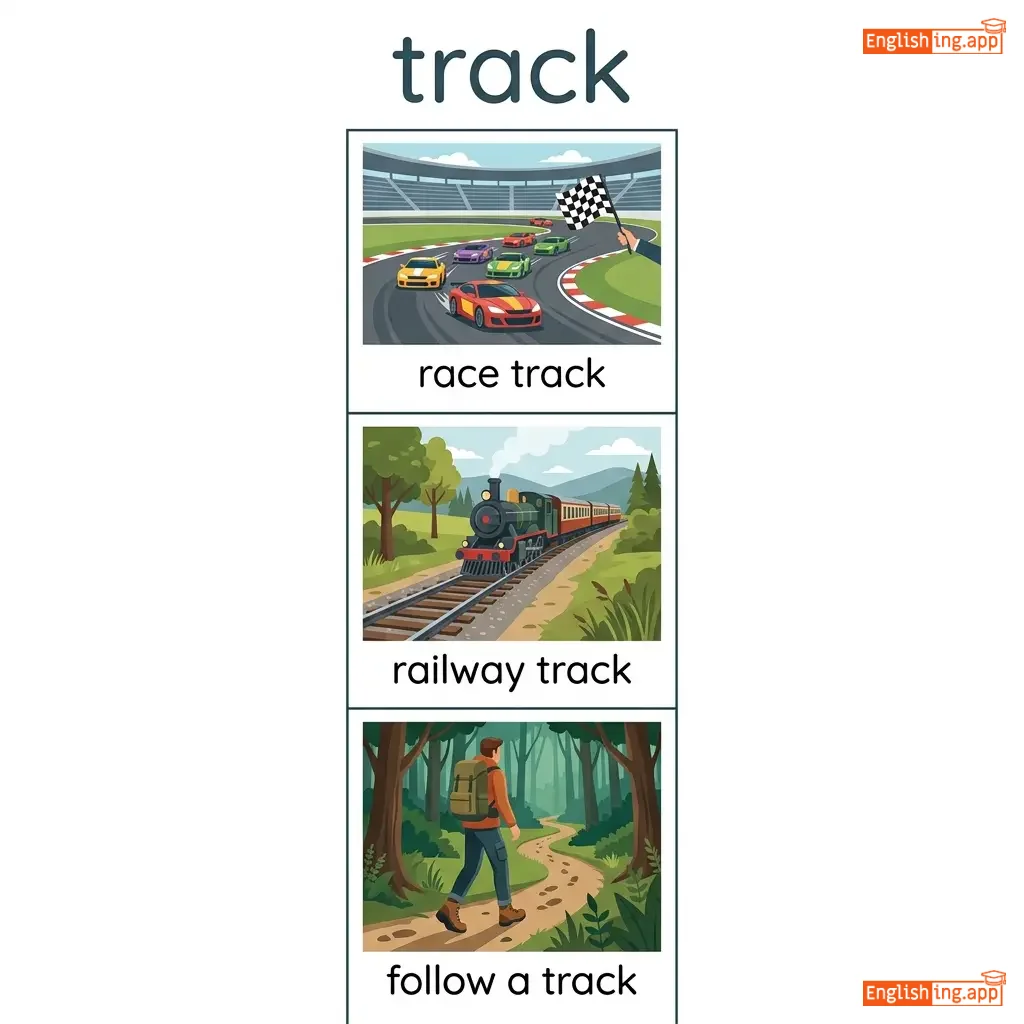
/træk/
noun
(特拉克)
••••••
|

|
轨道
track
••••••
|
- •••••• | - •••••• | - •••••• | - •••••• |
a rough path or minor road; a course or route followed; to follow or trace
••••••
|
The detective was able to track the suspect's movements through the city. |
侦探能够通过城市追踪嫌疑人的动向。
zhentan nenggou tongguo chengshi zhuizhong xianyiren de dongxiang.
••••••
|
- •••••• | - •••••• | - •••••• |
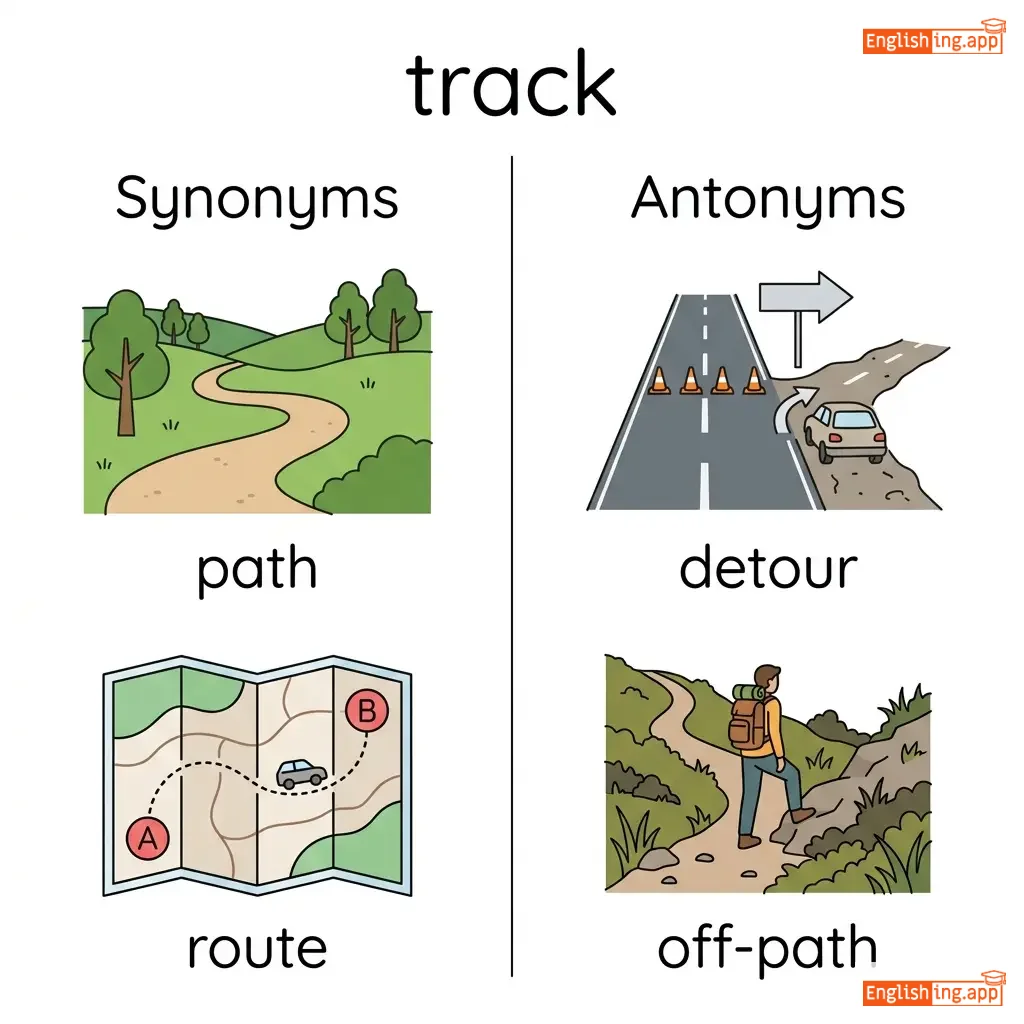
path, trail, route, follow, trace
••••••
|
lose, abandon, ignore
••••••
|
race track, train track, track record, keep track
••••••
|
Track – 一旦你追踪了路径,你就能找到目标。
••••••
|
|
🧬
••••••
|
/treɪt/
noun
(treat)
••••••
|
- •••••• |
特质
te zhi
••••••
|
- •••••• | - •••••• | - •••••• | - •••••• |
a distinguishing quality or characteristic of a person; an inherited feature
••••••
|
Patience is an important trait for anyone working with children.
耐心是与儿童一起工作的重要特质。
••••••
|
耐心是与儿童一起工作的重要特质。
Naixin shi yu ertong yiqi gongzuo de zhongyao tezhi.
••••••
|
- •••••• | - •••••• | - •••••• |
characteristic, quality, feature, attribute, property
••••••
|
absence, lack, deficiency
••••••
|
personality trait, genetic trait, positive trait, character trait
••••••
|
特质 = 让一个人与众不同
••••••
|
|
🗑️
••••••
|
/træʃ/
noun
••••••
|
- •••••• | - •••••• | - •••••• | - •••••• | - •••••• | - •••••• |
waste material; things that are no longer useful or wanted
••••••
|
Please take out the trash before you go to bed. |
- •••••• |
talk trash |
to speak insultingly or boastfully
••••••
|
- •••••• |
garbage, waste, litter, junk, refuse
••••••
|
treasure, valuables, belongings
••••••
|
trash bin, take out trash, collect trash, throw away trash
••••••
|
No •••••• |
|
👥
••••••
|
/traɪb/
noun
(chuái bù)
••••••
|
- •••••• |
部落
bùluò
••••••
|
- •••••• | - •••••• | - •••••• | - •••••• |
a social group consisting of people with common customs, language, and culture
••••••
|
The tribe lived in harmony with nature. |
部落与大自然和谐共处。
Bùluò yǔ dà zìrán héxié gòngchǔ.
••••••
|
- •••••• | - •••••• | - •••••• |
clan, ethnic group, people, nation
••••••
|
individual, outsider
••••••
|
tribal community, indigenous tribe, tribal leader
••••••
|
部落是一个由共同文化和传统组成的大家庭,彼此紧密相连。
••••••
|
|
🎩
••••••
|
/trɪk/
noun
(trik)
••••••
|
- •••••• |
把戏
bǎxì
••••••
|
- •••••• | - •••••• | - •••••• | - •••••• |
a cunning or deceitful action or plan intended to mislead or deceive someone
••••••
|
She pulled a trick to win the game. |
她用了一个把戏来赢得游戏
Tā yòngle yī ge bǎxì lái yíngdé yóuxì
••••••
|
pull a trick |
to deceive someone cleverly
••••••
|
耍把戏
Shuǎ bǎxì
••••••
|
deception, hoax, ruse, scam
••••••
|
honesty, sincerity
••••••
|
trick or treat, play a trick, magic trick
••••••
|
Trick 在中文里是把戏,表示一个巧妙的计谋
••••••
|
|
👥⚔️
••••••
|
/truːp/
noun
(trúp)
••••••
|
- •••••• |
队伍
duì wǔ
••••••
|
- •••••• | - •••••• | - •••••• | - •••••• |
a group of soldiers; military personnel organized as a unit
••••••
|
The troop marched in formation across the parade ground.
队伍在游行场上列队行进。
••••••
|
队伍在游行场上列队行进。
Duì wǔ zài yóuxíng chǎng shàng liè duì xíng jìn.
••••••
|
- •••••• | - •••••• | - •••••• |
soldiers, battalion, regiment, squad
••••••
|
civilians, non-combatants
••••••
|
elite troop, troop movement, troop deployment, special forces troop
••••••
|
队伍就像一群士兵,他们一起走路。
••••••
|
|
✅
••••••
|
/ˈtruːli/
adverb
(truːli)
••••••
|
- •••••• |
真的
zhēn de
••••••
|
- •••••• | - •••••• | - •••••• | - •••••• |
in accordance with fact or reality; genuinely
••••••
|
She truly loves her family. |
她真的爱她的家人。
Tā zhēn de ài tā de jiārén.
••••••
|
- •••••• | - •••••• | - •••••• |
really, genuinely, honestly, sincerely
••••••
|
falsely, dishonestly, insincerely
••••••
|
truly believe, truly amazing, truly grateful
••••••
|
'真的' 在中文中意味着完全的真实性,像现实一样真切。
••••••
|
|
2️⃣
••••••
|
/twaɪs/
adverb
(twáisī)
••••••
|
- •••••• |
两次
liǎng cì
••••••
|
- •••••• | - •••••• | - •••••• | - •••••• |
two times
••••••
|
I have seen that movie twice. |
我看过那部电影两次。
Wǒ kànguò nà bù diànyǐng liǎng cì.
••••••
|
- •••••• | - •••••• | - •••••• |
double, two times
••••••
|
- •••••• |
twice as much, twice a day, twice a week
••••••
|
Liǎng cì, twice li
••••••
|
|
⬇️
••••••
|
/ˈʌndər/
preposition
(安德)
••••••
|
- •••••• |
下
xia
••••••
|
- •••••• | - •••••• | - •••••• | - •••••• |
in or to a lower position than something
••••••
|
The cat is under the table.
猫在桌子下面。
••••••
|
猫在桌子下面。
Māo zài zhuōzi xiàmiàn.
••••••
|
- •••••• | - •••••• | - •••••• |
beneath, below, underneath, lower than
••••••
|
over, above, on top
••••••
|
under the table, under the weather, under control
••••••
|
UNDER the umbrella is where the cat stays
••••••
|
|
🤝
••••••
|
/juˈnaɪt/
verb
(尤奈特)
••••••
|
|
联合
liánhé
••••••
|
united
尤奈特德
••••••
|
united
尤奈特德
••••••
|
unites
尤奈特斯
••••••
|
uniting
尤奈特英
••••••
|
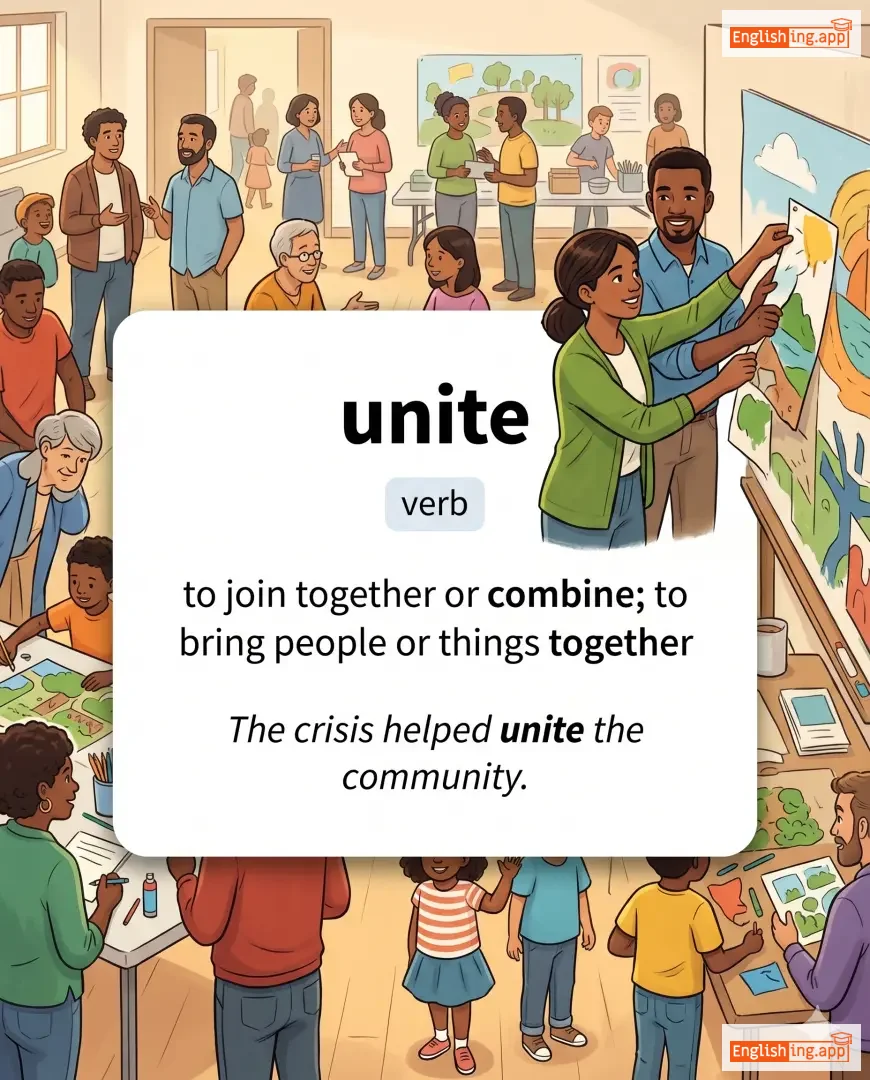
to join together or combine; to bring people or things together
••••••
|
The crisis helped unite the community.
危机帮助团结了社区。
••••••
|
危机帮助团结了社区。
Wéijī bāngzhù tuánjiéle shèqū.
••••••
|
- •••••• | - •••••• | - •••••• |
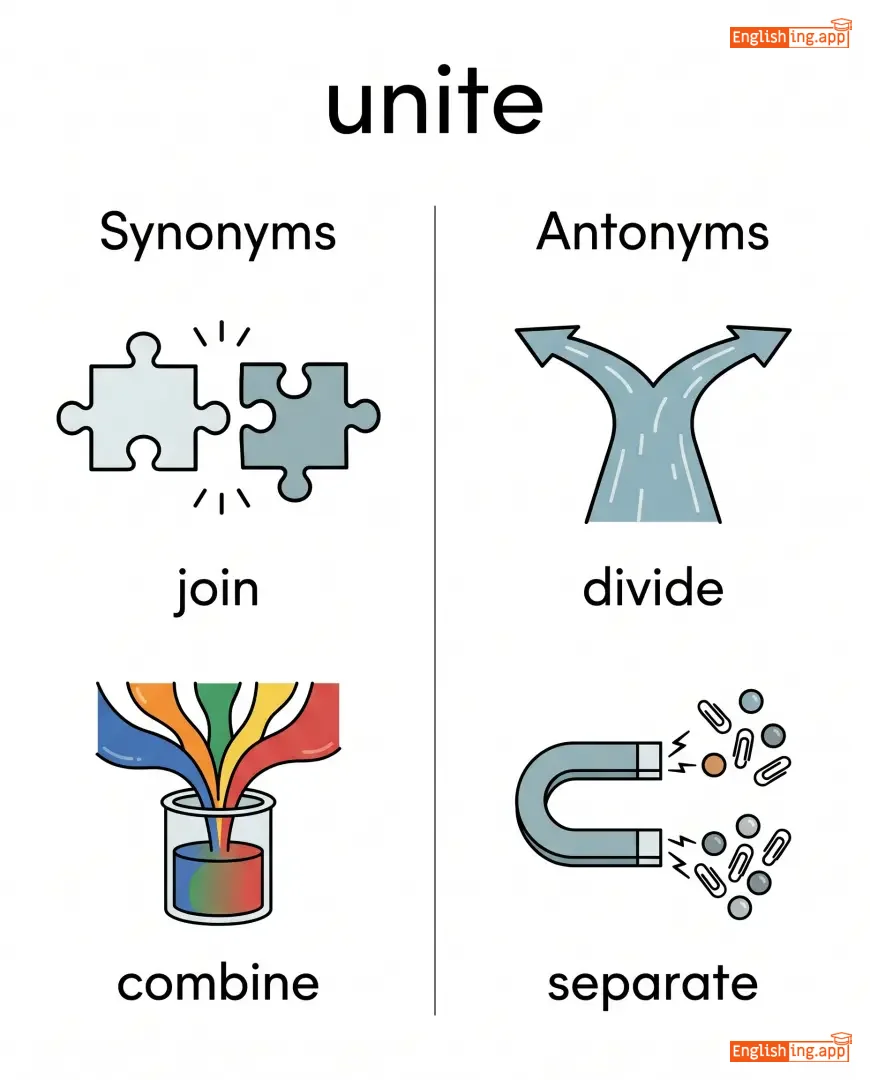
join, combine, merge, connect
••••••
|
divide, separate, split
••••••
|
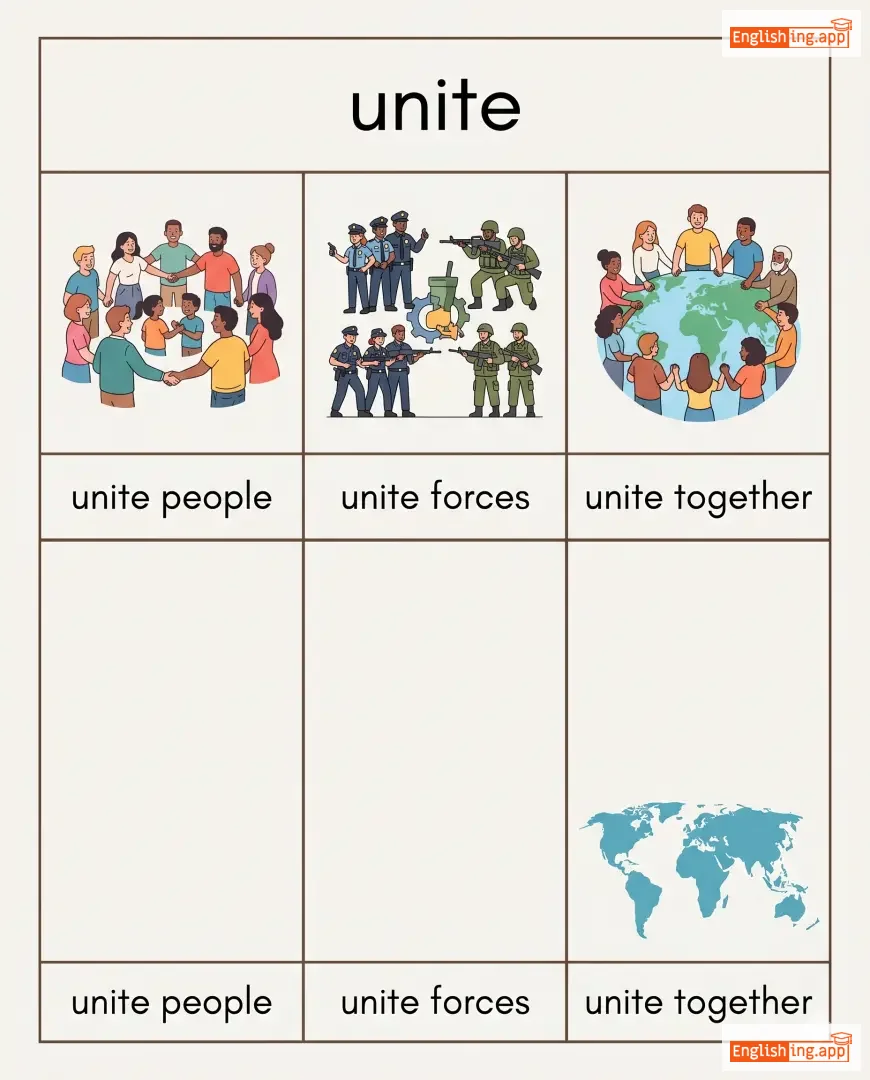
unite people, unite forces, unite together, unite against
••••••
|
No •••••• |
|
🫱🏻🫲🏽
••••••
|
/ˈjuːnɪti/
noun
(yùnìtí)
••••••
|
|
团结
tuánjié
••••••
|
- •••••• | - •••••• | - •••••• | - •••••• |
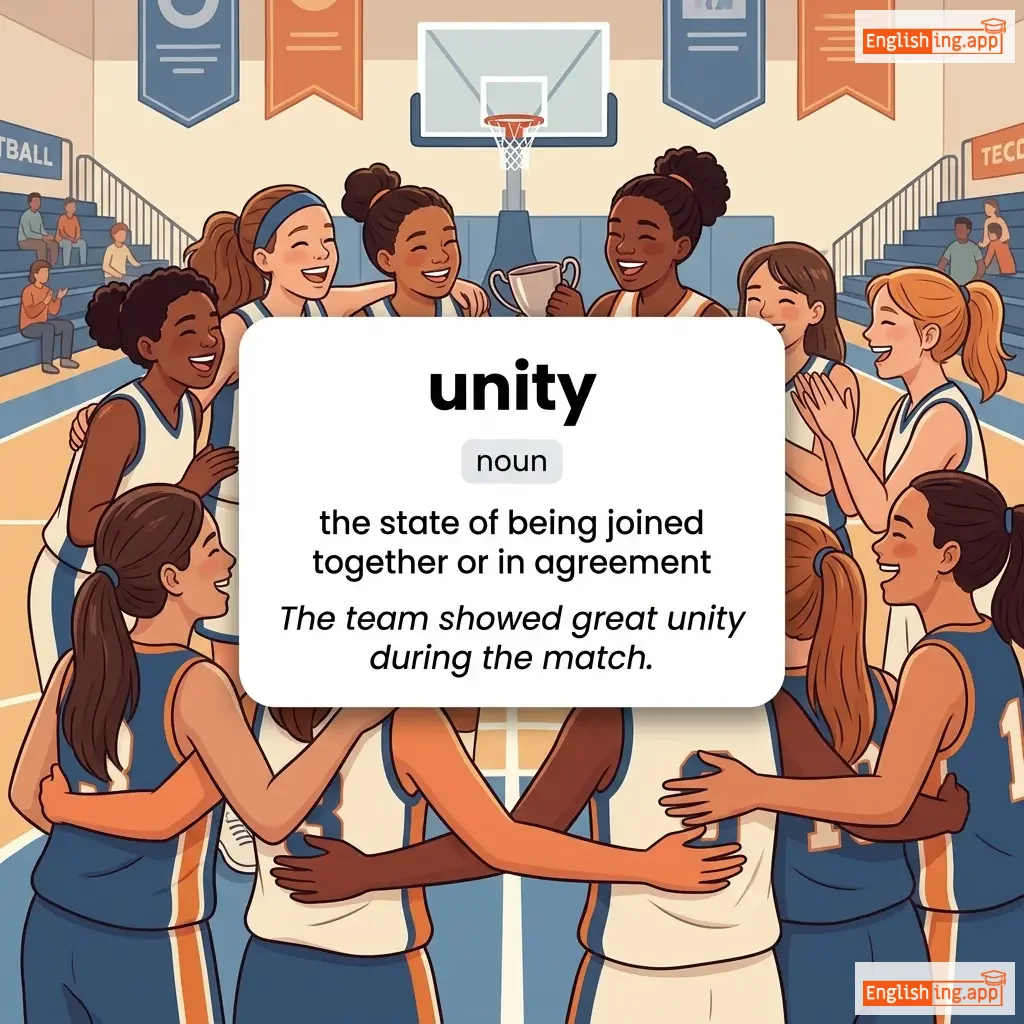
the state of being joined together or in agreement
••••••
|
The team showed great unity during the match. |
球队在比赛中展示了伟大的团结。
qiúduì zài bǐsài zhōng zhǎnshì le wěidà de tuánjié.
••••••
|
unity in diversity |
the idea that differences can exist together in harmony
••••••
|
多样性中的团结
duōyàng xìng zhōng de tuánjié
••••••
|
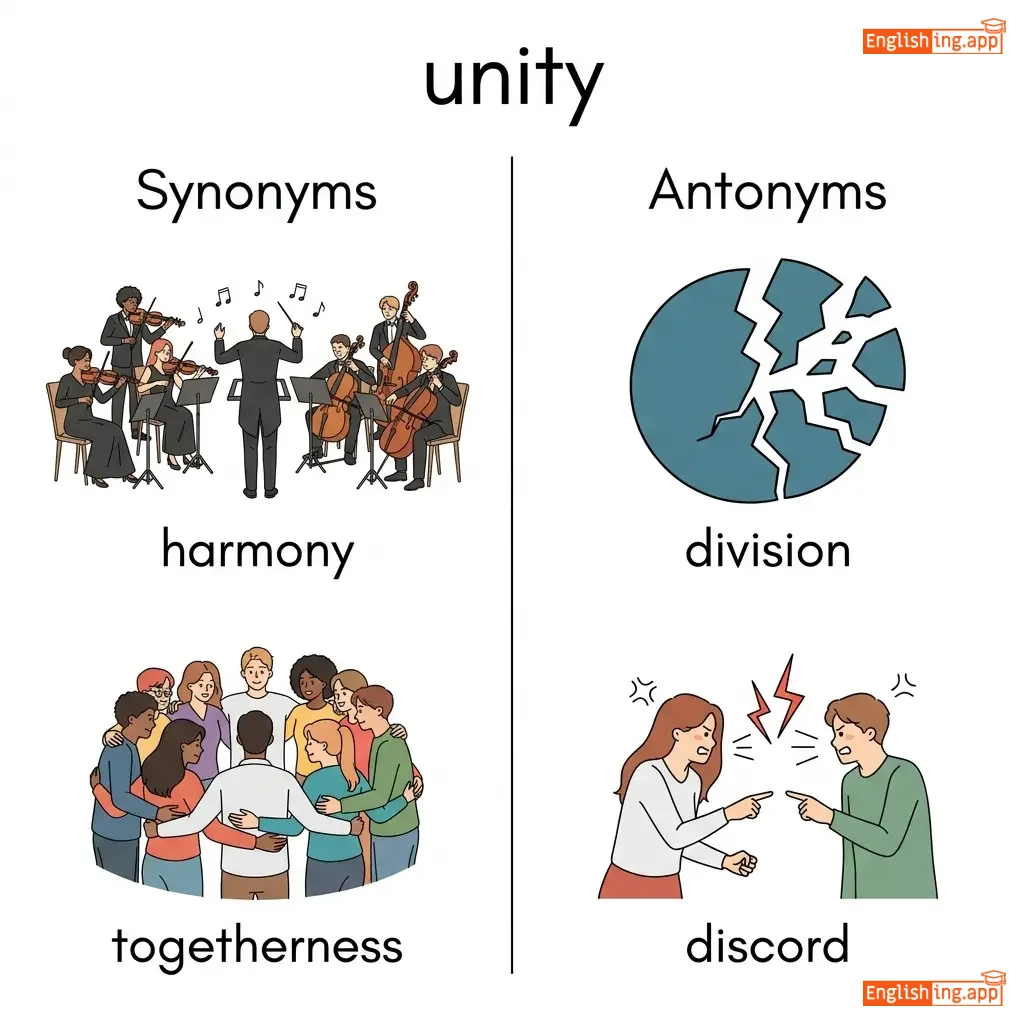
harmony, togetherness, solidarity, cohesion, cooperation
••••••
|
division, discord, disunity
••••••
|
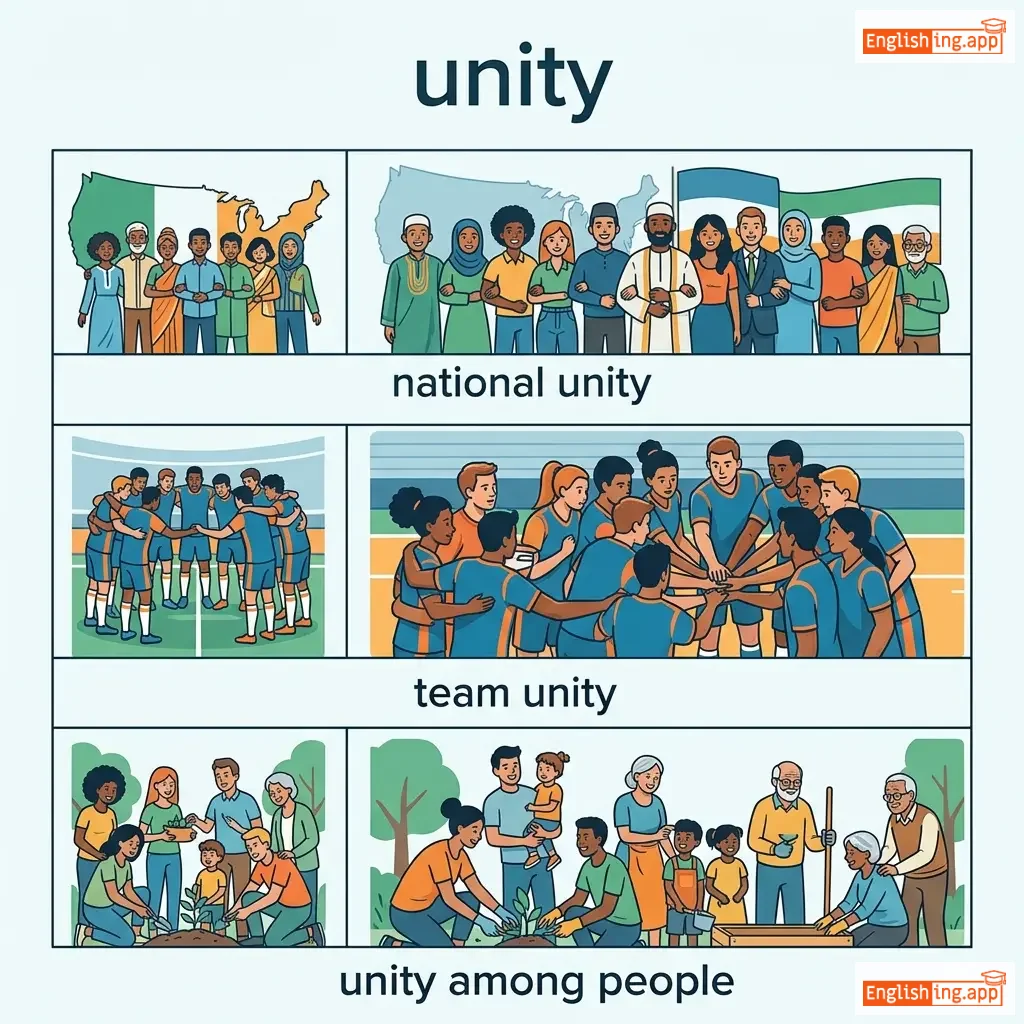
national unity, team unity, unity among people, show unity
••••••
|
团结意味着在一起 (Unity 意味着团结)
••••••
|

