The Journalist Who Exposed Corruption
ナディアは国家新聞で働く調査ジャーナリストでした。彼女の目標は隠された真実を明らかにすることでした。ある日、彼女は観光セクターでの腐敗に関する匿名の情報を受け取りました。これは典型的な話ではありませんでした - 高官が関与していました。ナディアは調査を決定しましたが、彼女はそれが問題を引き起こすことを知っていました。彼女の編集者は最初は不満でしたが、それはリスクが高いからです。しかし、ナディアは決意していました。彼女は証拠を集め始めました。彼女の調査は、主要な基金の受託者が違法な取引に関与していることを明らかにしました。この人物は自分の地位を利用して自分自身の利益を得ていました。ナディアの発見は衝撃的でした - それは大規模なスキャンダルを引き起こす可能性がありました。ある情報源は、証人が脅迫や拷問を受けることを強制されたと言いました。これは完全に受け入れられませんでした。面白い瞬間は、ナディアが録音機をうっかりオンにしたことでした、そしてそれは彼女のトレーナーのジムでのすべてのトレーニング指示を録音しました。彼女は後でそれを聞いて笑いました。しかし、彼女の調査は真剣でした。今晩が彼女のストーリーの締め切りでした。彼女の記事は真実と正義への賛辞でした。記事が公開されると、抗議活動における公衆の参加は大規模でした。いくつかの役人は告発を却下しようとしましたが、証拠は説得力がありました。一人の政治家のキャリアは悲劇で終わり - 彼は恥ずかしさから辞任しました。ナディアの編集者は、その影響を津波に例えました - それは腐敗を一掃しました。調査の成功はナディアの勝利でした。ドキュメンタリー映画製作者は彼女の仕事に関する予告編を作成しました。ナディアは、恐れを知らないジャーナリズムが責任を持ち、民主主義を守ることができることを証明しました。
|
絵文字
|
単語 | Images | 翻訳 | 過去 | 過去分詞 | 三人称単数 | 動名詞 | 意味 | 例文 | 例文の翻訳 | 表現例 | 表現例の意味 | 表現例の翻訳 | 同義語 | 対義語 | コロケーション | ニーモニック |
|---|---|---|---|---|---|---|---|---|---|---|---|---|---|---|---|---|---|
|
🌙
••••••
|
/təˈnaɪt/
adverb
(トゥナイト)
••••••
|
- •••••• |
今晩
konban
••••••
|
- •••••• | - •••••• | - •••••• | - •••••• |
during the night of today; this evening
••••••
|
Tonight we are going to watch a movie. |
今晩映画を見に行きます。
Konban eiga wo mi ni ikimasu.
••••••
|
- •••••• | - •••••• | - •••••• |
this evening, this night
••••••
|
this morning, last night
••••••
|
tonight's show, see you tonight, tonight only
••••••
|
今晩映画、忘れられない時間。
••••••
|
|
😣
••••••
|
/ˈtɔːtʃər/
noun
(トーチャー)
••••••
|
- •••••• |
拷問
goumon
••••••
|
- •••••• | - •••••• | - •••••• | - •••••• |
the action or practice of inflicting severe pain on someone as a punishment or to force them to do something
••••••
|
He was subjected to torture during the interrogation.
彼は尋問中に拷問を受けました。
••••••
|
彼は尋問中に拷問を受けました。
Kare wa shinmon-chuu ni goumon o ukemashita.
••••••
|
- •••••• | - •••••• | - •••••• |
torment, agony, suffering, pain
••••••
|
comfort, relief
••••••
|
subject to torture, torture methods, inflicted torture
••••••
|
拷問は痛みと支配の方法です。
••••••
|
|
💯
••••••
|
/ˈtoʊtəli/
adverb
(トータリー)
••••••
|
- •••••• |
完全に
kanzen ni
••••••
|
- •••••• | - •••••• | - •••••• | - •••••• |
completely; entirely; absolutely
••••••
|
I totally agree with your opinion. |
私はあなたの意見に完全に同意します。
Watashi wa anata noiken ni kanzen ni doui shimasu.
••••••
|
- •••••• | - •••••• | - •••••• |
completely, entirely, absolutely
••••••
|
partially, partly, incompletely
••••••
|
totally different, totally wrong, totally agree
••••••
|
完全に同意することは、何も漏らさない!
••••••
|
|
🧳
••••••
|
/ˈtʊərɪzəm/
noun
••••••
|
|
- •••••• | - •••••• | - •••••• | - •••••• | - •••••• |
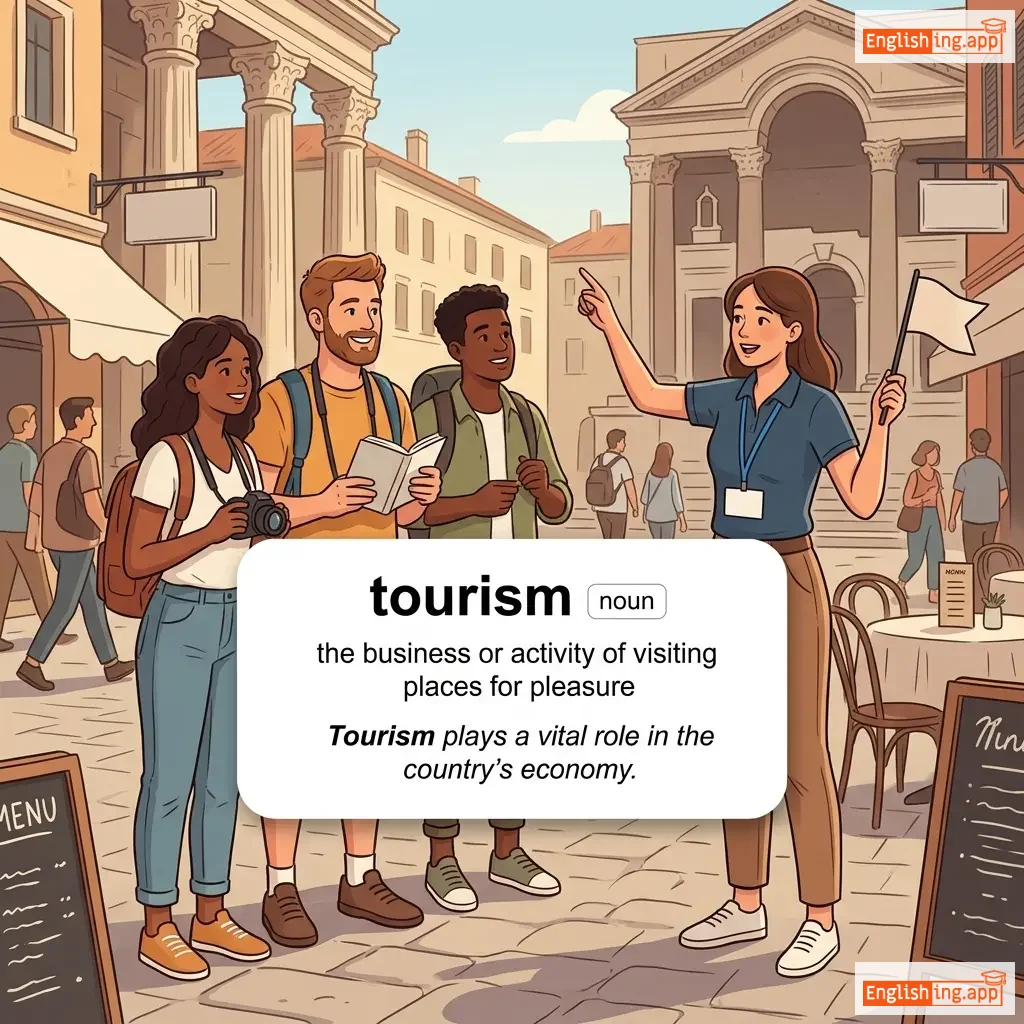
the business or activity of visiting places for pleasure
••••••
|
Tourism plays a vital role in the country’s economy. |
- •••••• |
eco-tourism |
tourism directed towards natural environments to support conservation
••••••
|
- •••••• |
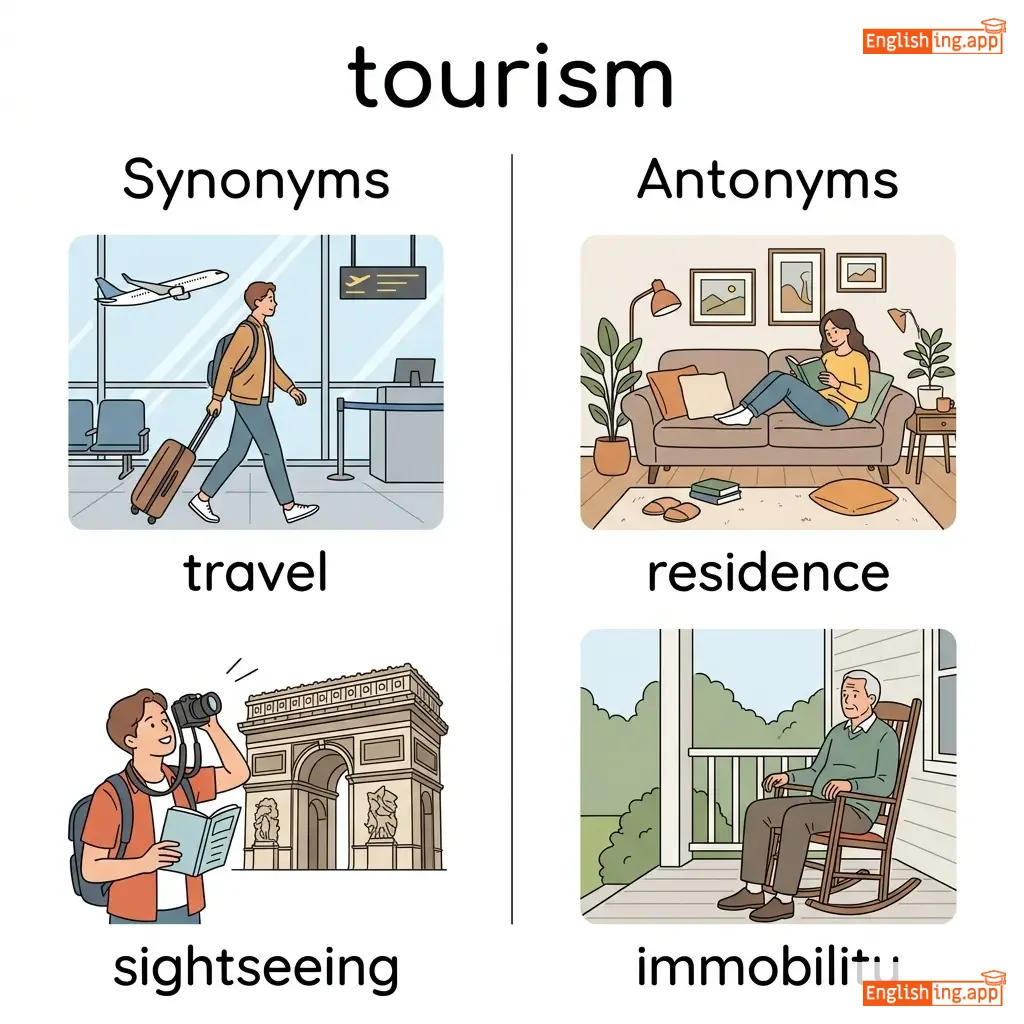
travel, sightseeing, journeying, vacationing, excursion
••••••
|
residence, immobility
••••••
|
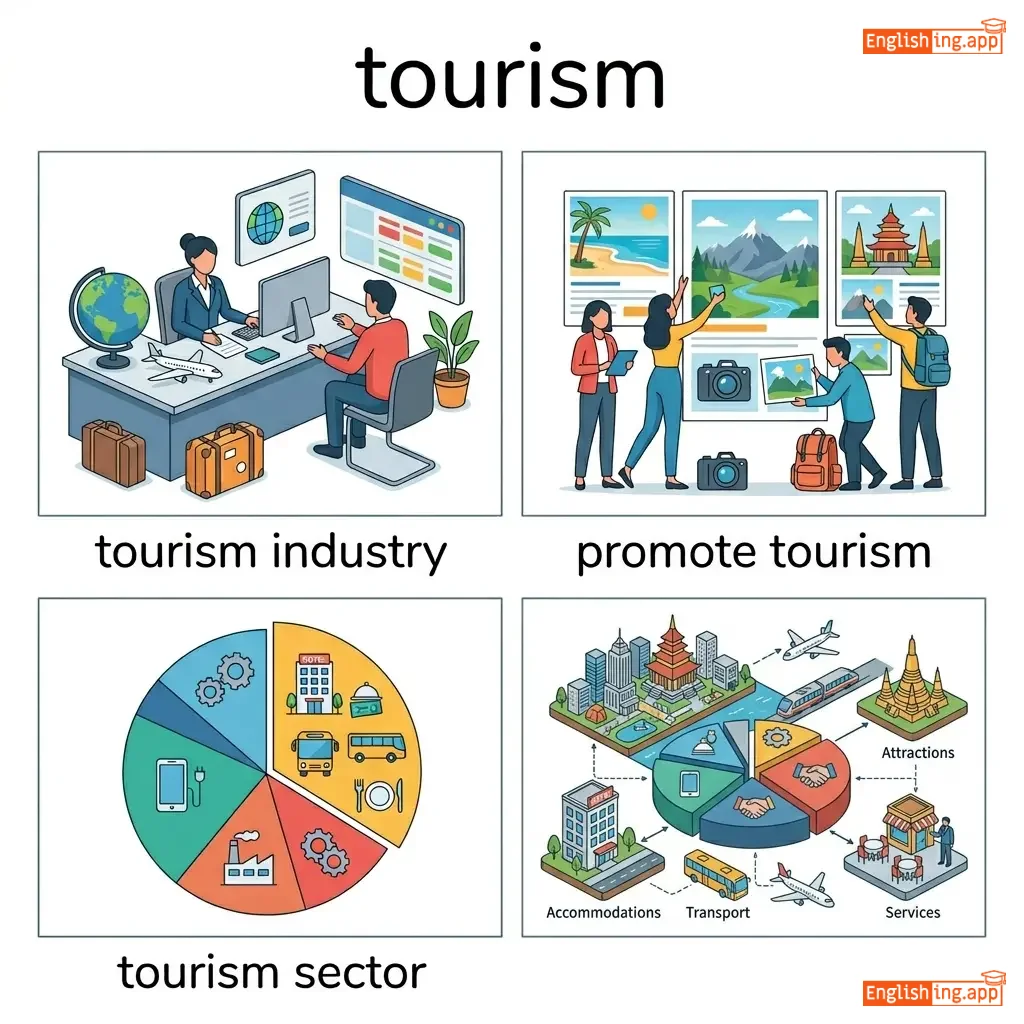
tourism industry, promote tourism, tourism sector, tourism growth
••••••
|
No •••••• |
|
➡️
••••••
|
/tɔːrdz/
preposition
(トワーズ)
••••••
|
- •••••• |
へ
e
••••••
|
- •••••• | - •••••• | - •••••• | - •••••• |
in the direction of
••••••
|
He is running towards the park. |
彼は公園へ向かって走っています。
Kare wa kōen e mukatte hashitteimasu.
••••••
|
- •••••• | - •••••• | - •••••• |
toward, in the direction of
••••••
|
away, backward
••••••
|
go towards, move towards, head towards
••••••
|
公園へ走る - run towards the park
••••••
|
|
💹
••••••
|
/ˈtreɪdɪŋ/
noun
(トレーディング)
••••••
|
- •••••• |
取引
torihiki
••••••
|
- •••••• | - •••••• | - •••••• | - •••••• |
the act or business of buying and selling goods or services
••••••
|
She made a fortune through online trading. |
彼女はオンライン取引で大金を稼ぎました。
Kanojo wa onrain torihiki de taikin wo kasegimashita.
••••••
|
trading places |
to exchange roles or positions with someone
••••••
|
場所を交換する
basho wo koukan suru
••••••
|
commerce, exchange, business, dealing, transaction
••••••
|
consumption, keeping
••••••
|
stock trading, trading platform, trading company, trading day
••••••
|
取引は交換、いつも利益を追い求めている!
••••••
|
|
😢
••••••
|
/ˈtrædʒ.ə.di/
noun
(トラジディ)
••••••
|
- •••••• |
悲劇; 災難
higeki
••••••
|
- •••••• | - •••••• | - •••••• | - •••••• |
an event causing great suffering, destruction, and distress; a serious drama with an unhappy ending
••••••
|
The earthquake was a tragedy that affected thousands of families.
地震は多くの家族に影響を与えた悲劇でした。
••••••
|
地震は多くの家族に影響を与えた悲劇でした。
Jishin wa ōku no kazoku ni eikyō o ataeta higeki deshita.
••••••
|
- •••••• | - •••••• | - •••••• |
disaster, catastrophe, calamity, misfortune, drama
••••••
|
comedy, fortune, blessing, success
••••••
|
great tragedy, personal tragedy, tragic event, family tragedy
••••••
|
Tragedy – 日本では、悲劇という言葉は痛みを伴う出来事を指します。
••••••
|
|
🎞️
••••••
|
/ˈtreɪlər/
noun
(トレーラー)
••••••
|
- •••••• |
予告編 / トレーラー
yokokuhen / torērā
••••••
|
- •••••• | - •••••• | - •••••• | - •••••• |
a preview of a movie or a vehicle used for transporting goods
••••••
|
The movie trailer was released last week. |
映画の予告編は先週公開されました。
Eiga no yokokuhen wa senshū kōkai saremashita.
••••••
|
- •••••• | - •••••• | - •••••• |
preview, teaser, vehicle, hauler
••••••
|
feature, full movie
••••••
|
movie trailer, truck trailer, official trailer, trailer park
••••••
|
映画のトレーラーを見ると、次の映画が楽しみになる!
••••••
|
|
🏋️
••••••
|
/ˈtreɪnər/
noun
(トレーナー)
••••••
|
- •••••• |
トレーナー
torēnā
••••••
|
- •••••• | - •••••• | - •••••• | - •••••• |
a person who teaches skills or gives training
••••••
|
The fitness trainer helped me improve my posture. |
フィットネストレーナーは私の姿勢を改善するのを手伝ってくれました。
Fitnesu torēnā wa watashi no shisei o kaizen suru no o tetsudatte kuremashita.
••••••
|
personal trainer |
a professional coach who gives one-on-one fitness guidance
••••••
|
パーソナルトレーナー
pāsonaru torēnā
••••••
|
coach, instructor, mentor, educator
••••••
|
student, trainee
••••••
|
fitness trainer, professional trainer, animal trainer, corporate trainer
••••••
|
Trainerはトレーニングを提供する人、身体を鍛えるコーチです!
••••••
|
|
🎖️
••••••
|
/ˈtrɪbjuːt/
noun
(トリビュート)
••••••
|
|
賛辞
sanchi
••••••
|
- •••••• | - •••••• | - •••••• | - •••••• |
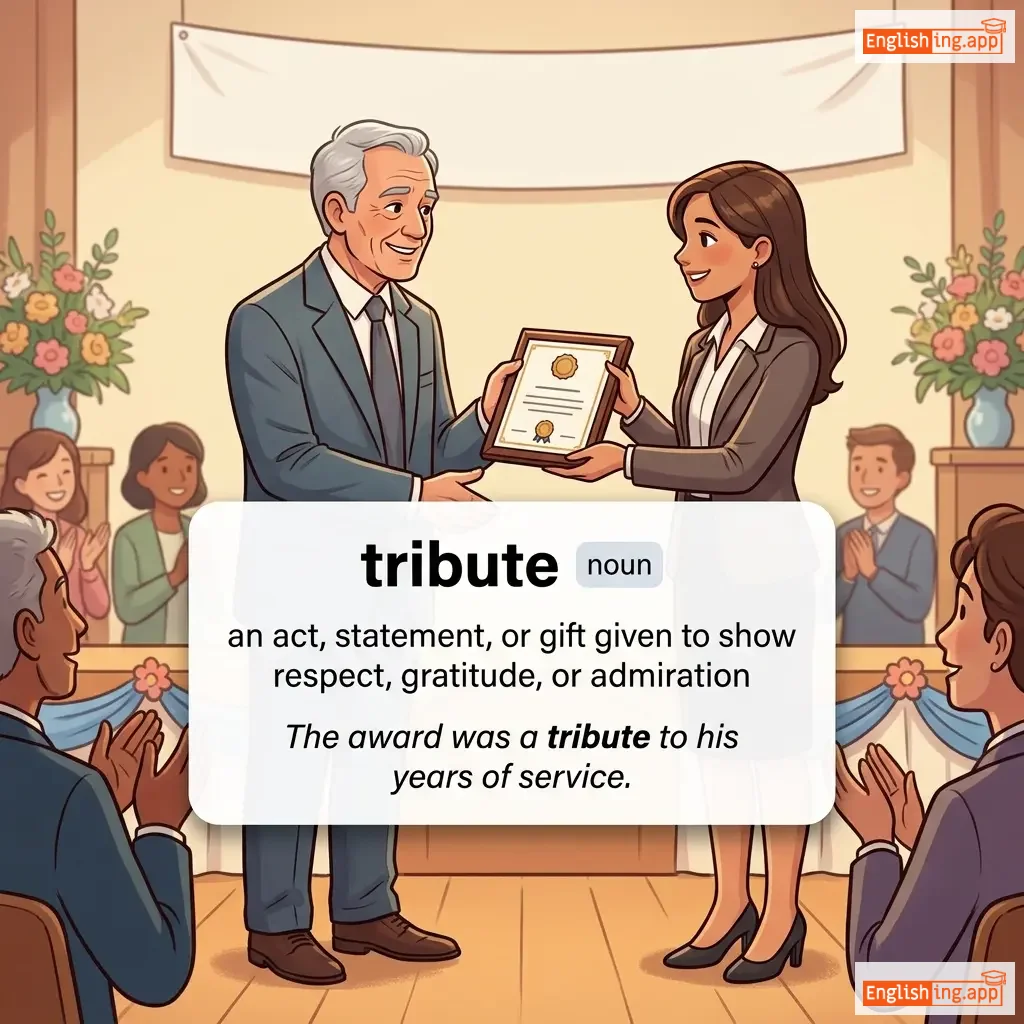
an act, statement, or gift given to show respect, gratitude, or admiration
••••••
|
The award was a tribute to his years of service. |
その賞は彼の長年の奉仕への賛辞でした。
Sono shō wa kare no naganen no hōshi e no sanchi deshita.
••••••
|
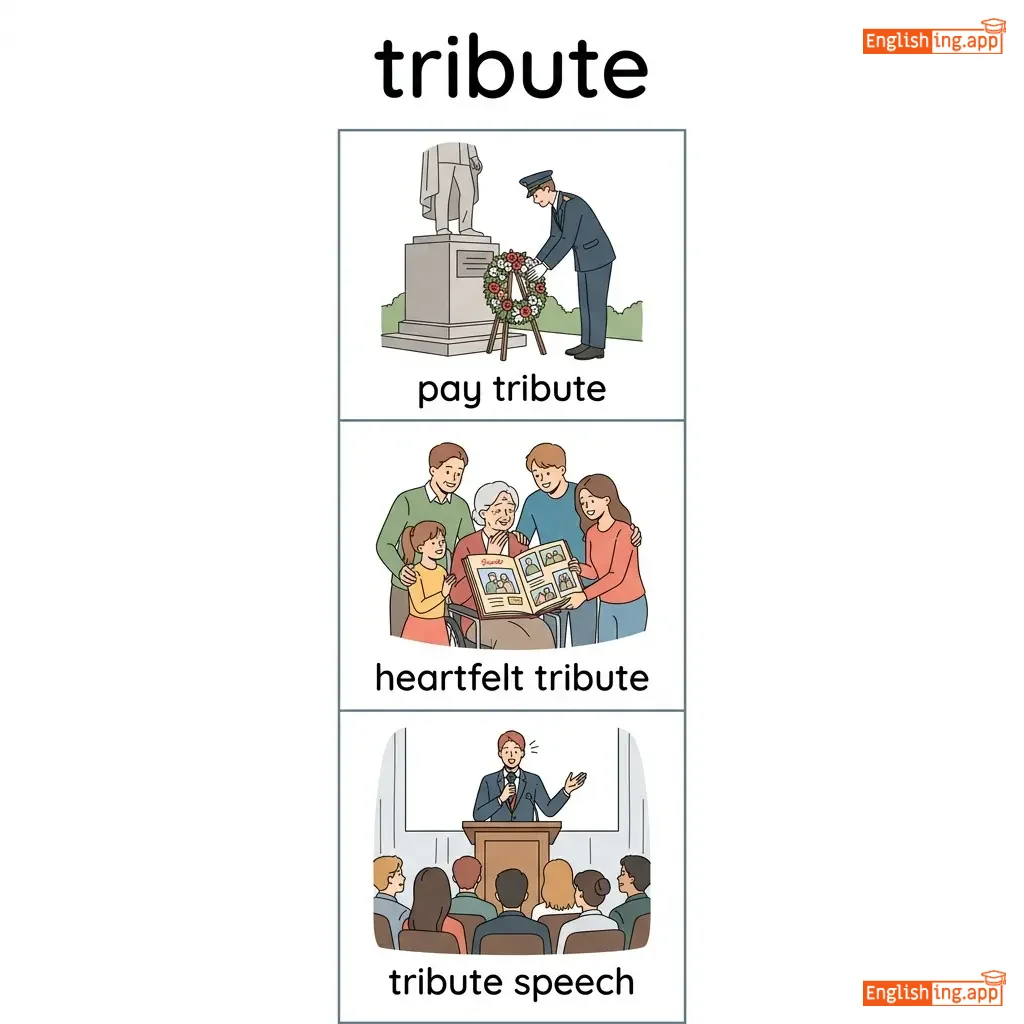
pay tribute |
to show respect or admiration
••••••
|
賛辞を送る
sanchi o okuru
••••••
|
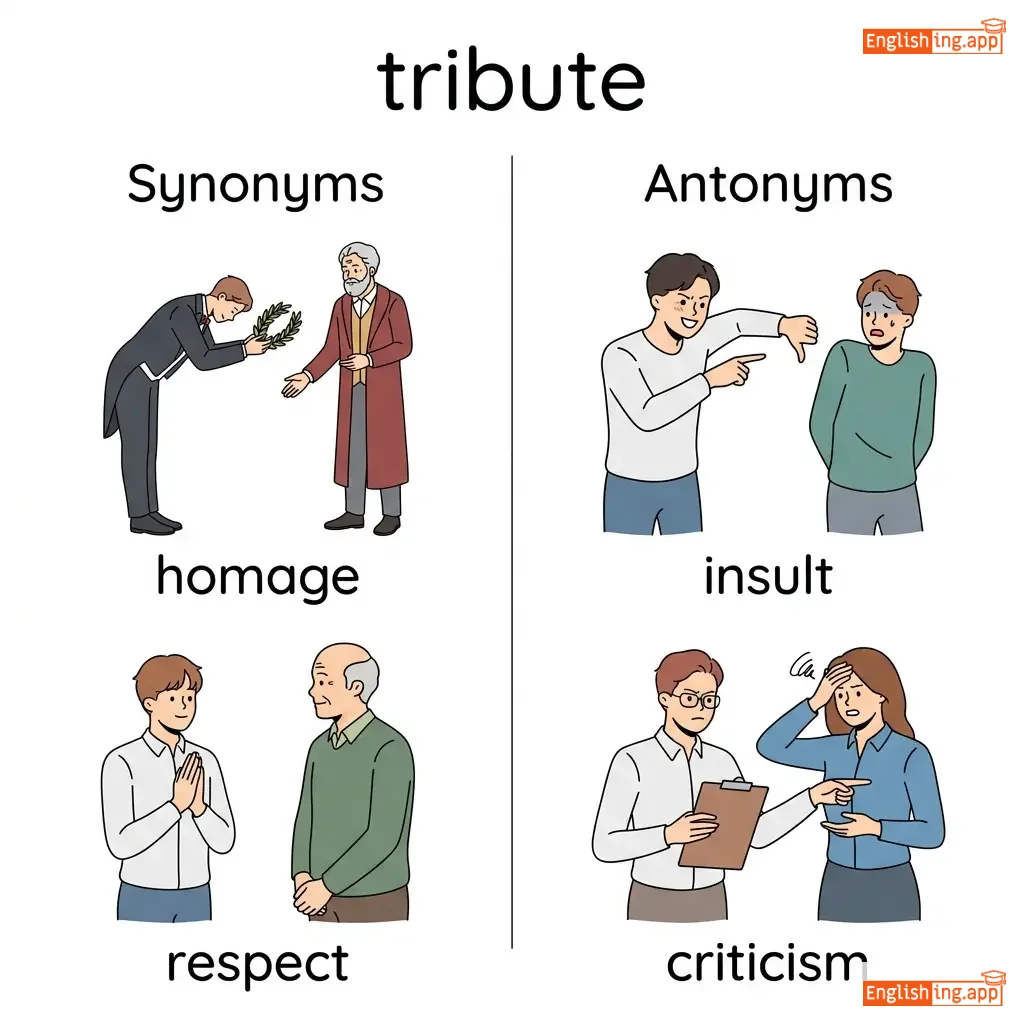
homage, respect, salute, honor, recognition
••••••
|
insult, criticism
••••••
|
pay tribute, heartfelt tribute, tribute speech, floral tribute
••••••
|
賛辞は‘Tree-boot’—木の下で賛辞を送ることを想像してみてください。
••••••
|
|
🔫
••••••
|
/ˈtrɪɡər/
verb
(トリガー)
••••••
|
- •••••• |
引き金
hikigane
••••••
|
triggered
トリガード
••••••
|
triggered
トリガード
••••••
|
triggers
トリガーズ
••••••
|
triggering
トリガーイング
••••••
|
To cause something to happen or start, often suddenly.
••••••
|
The loud noise triggered the alarm system.
大きな音がアラームシステムをトリガーした。
••••••
|
大きな音がアラームシステムをトリガーした。
Ōkina oto ga arāmu shisutemu o torigā shita.
••••••
|
trigger a reaction
反応を引き起こす
••••••
|
To provoke a response, often emotional.
••••••
|
反応を引き起こす
Hannō o hikiokosu
••••••
|
cause, provoke, spark, activate, initiate
••••••
|
prevent, stop, halt
••••••
|
trigger event, trigger alarm, trigger reaction, trigger mechanism
••••••
|
引き金を引けば物事が動き出す。
••••••
|
|
🏆
••••••
|
/ˈtraɪʌmf/
noun
(トライアンフ)
••••••
|
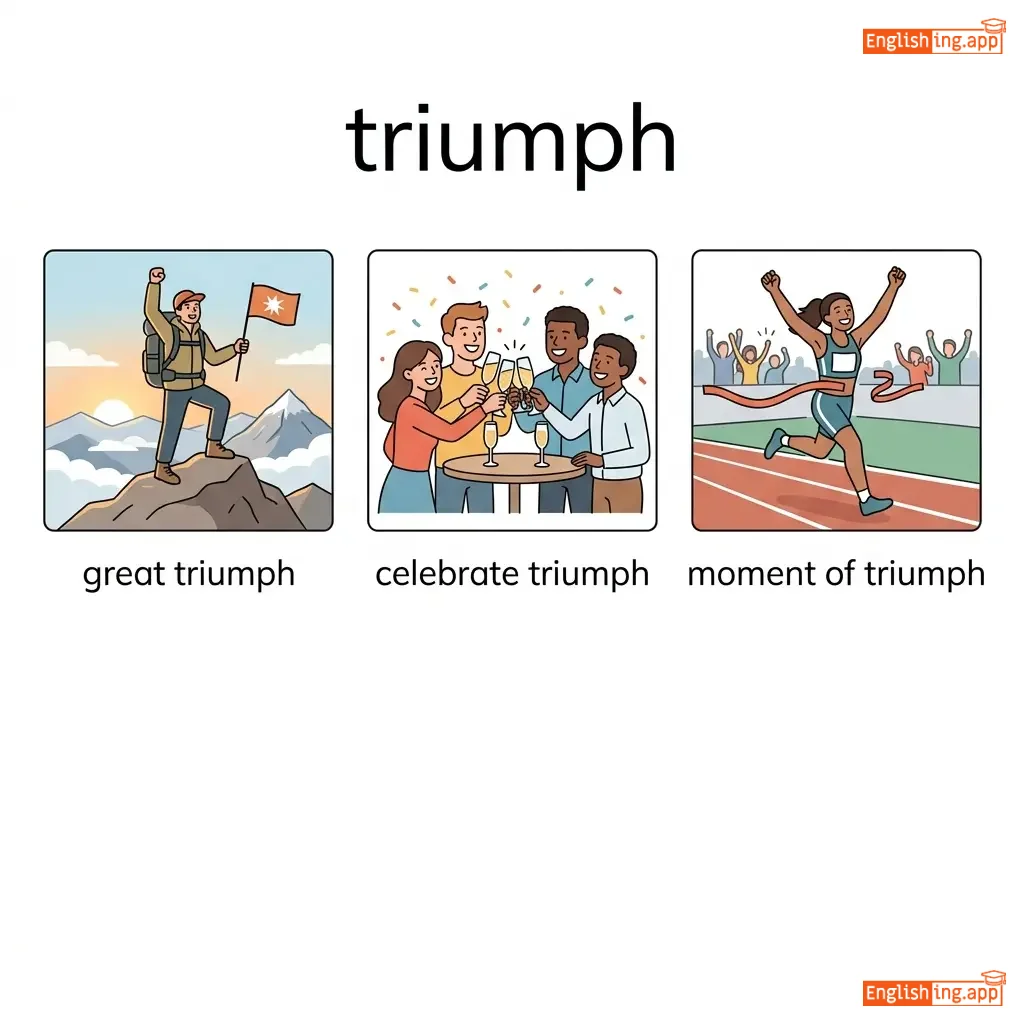
|
勝利
shōri
••••••
|
- •••••• | - •••••• | - •••••• | - •••••• |
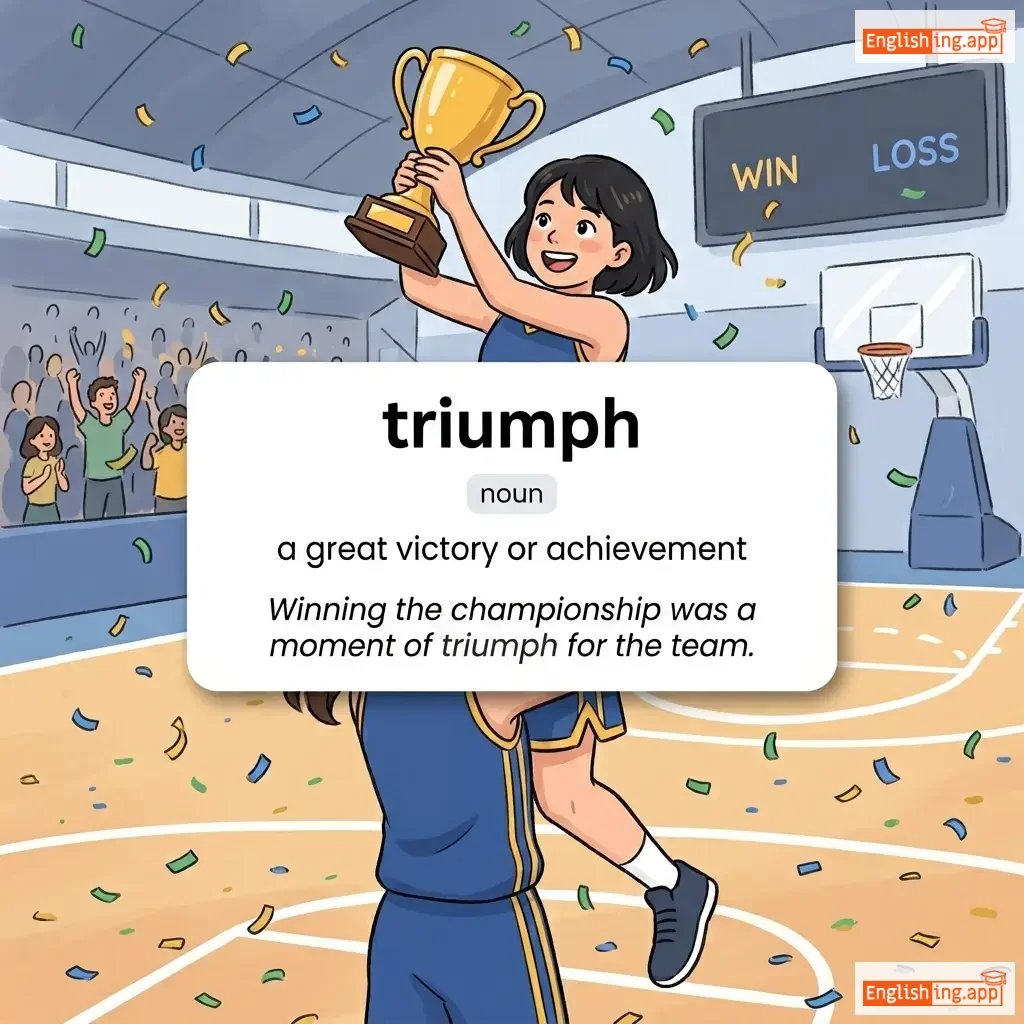
a great victory or achievement
••••••
|
Winning the championship was a moment of triumph for the team. |
チャンピオンシップを勝ち取ることはチームにとっての勝利の瞬間でした。
Chanpionship o kachitoru koto wa chīmu ni totte no shōri no shunkan deshita.
••••••
|
crowning triumph |
the greatest achievement of someone's career or life
••••••
|
頂点の勝利
chōten no shōri
••••••
|
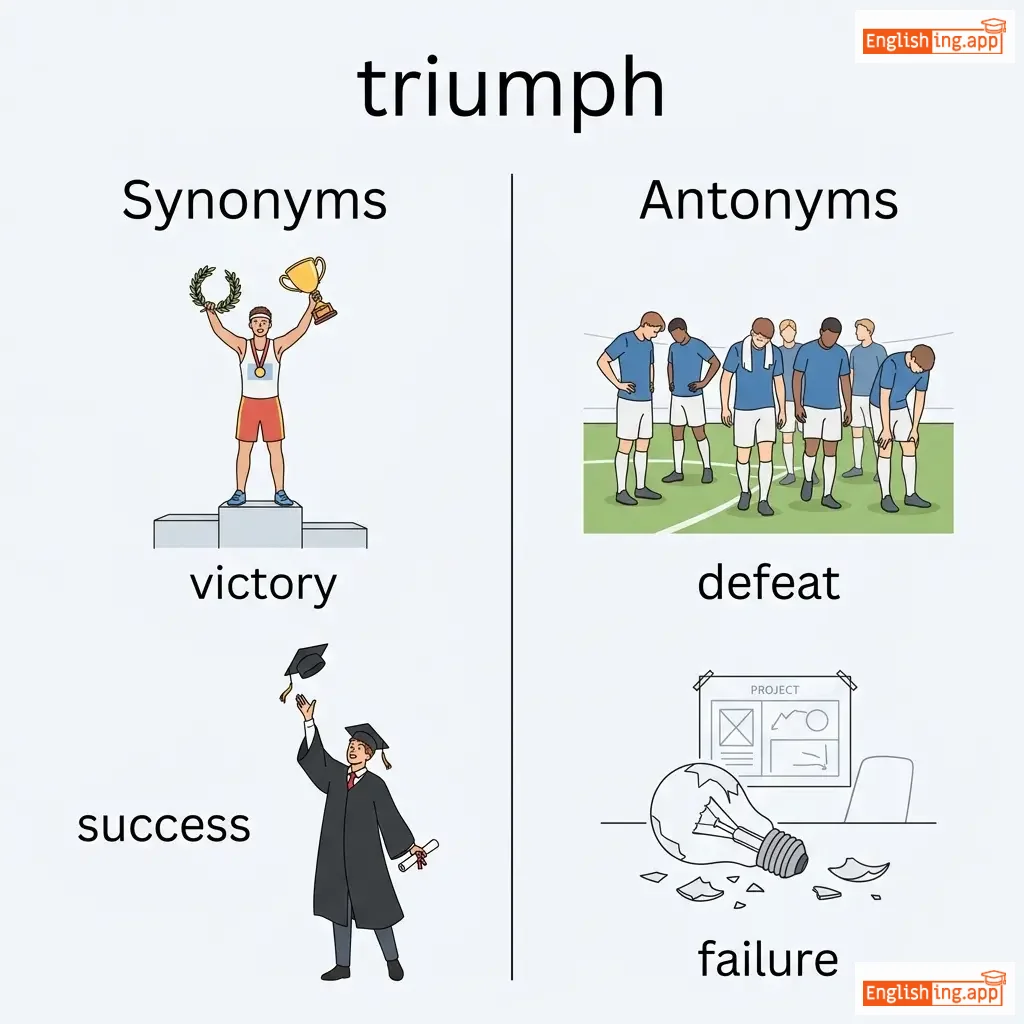
victory, success, achievement, win, conquest
••••••
|
defeat, failure, loss
••••••
|
great triumph, celebrate triumph, moment of triumph, triumph over adversity
••••••
|
Triumphはトライアングル(三角形)から!三度の勝利!
••••••
|
|
😟
••••••
|
/ˈtrʌbəl/
noun
(トラブル)
••••••
|
- •••••• |
問題
mondai
••••••
|
- •••••• | - •••••• | - •••••• | - •••••• |
difficulty or problems that cause distress or inconvenience
••••••
|
She had a lot of trouble finding her keys. |
彼女は鍵を見つけるのに多くの問題を抱えていた。
Kanojo wa kagi wo mitsukeru no ni ooku no mondai wo kakaete ita.
••••••
|
trouble in paradise |
problems in a situation that was previously thought to be perfect
••••••
|
楽園での問題
rakuen de no mondai
••••••
|
difficulty, problem, hardship, issue
••••••
|
ease, comfort, solution
••••••
|
cause trouble, get into trouble, have trouble, trouble with
••••••
|
問題がなければ、平和もない。
••••••
|
|
🛡️
••••••
|
/trʌsˈtiː/
noun
(トラスティ)
••••••
|
- •••••• |
受託者
jutakusha
••••••
|
- •••••• | - •••••• | - •••••• | - •••••• |
a person who holds or manages property or assets for the benefit of others
••••••
|
She was appointed as the trustee of the family estate. |
彼女は家族の財産の受託者に任命された。
Kanojo wa kazoku no zaisan no jutakusha ni ninmei sareta.
••••••
|
- •••••• | - •••••• | - •••••• |
administrator, custodian, guardian
••••••
|
beneficiary, heir
••••••
|
trustee of a will, appointed trustee, charitable trustee
••••••
|
A TRUSTee is someone who manages TRUSTed assets for others.
••••••
|
|
🌊
••••••
|
/tsuːˈnɑː.mi/
noun
(津波)
••••••
|
- •••••• |
津波
tsunami
••••••
|
- •••••• | - •••••• | - •••••• | - •••••• |
a large sea wave caused by an underwater earthquake or volcanic eruption
••••••
|
The tsunami devastated the coastal town, leaving thousands homeless. |
津波は沿岸の町を壊滅させ、何千人もの人々を家なしにしました。
Tsunami wa engan no machi o kaimetsu sase, nanzen nin mono hitobito o ie nashi ni shimashita.
••••••
|
- •••••• | - •••••• | - •••••• |
tidal wave, sea surge
••••••
|
calm, tranquility
••••••
|
tsunami warning, tsunami waves, deadly tsunami
••••••
|
TSUNAMI - 海の中でSWAMIに連れて行く巨大な波。
••••••
|
|
👥
••••••
|
/ˈtɜːr.naʊt/
noun
(ターンアウト)
••••••
|
- •••••• |
参加者数
sankasha suu
••••••
|
- •••••• | - •••••• | - •••••• | - •••••• |
the number of people who attend or participate in an event or activity
••••••
|
The turnout at the rally was impressive, with thousands showing up. |
集会の参加者数は印象的で、何千人もの人々が参加しました。
Shukai no sankasha suu wa inshouteki de, nansen nin mono hitobito ga sankashimashita.
••••••
|
- •••••• | - •••••• | - •••••• |
attendance, participation, presence
••••••
|
absence, nonattendance
••••••
|
high turnout, low turnout, voter turnout
••••••
|
At a TURNOUT event, everyone TURNS UP to participate!
••••••
|
|
📋
••••••
|
/ˈtɪpɪkəl/
adjective
(ティピカル)
••••••
|
- •••••• |
特定の種類の人や物の通常の特徴を持つ
tokutei no shurui no hito ya mono no tsūjō no tokuchō o motsu
••••••
|
- •••••• | - •••••• | - •••••• | - •••••• |
having the usual qualities of a particular type of person or thing
••••••
|
It was a typical summer day, hot and humid. |
それは典型的な夏の日で、暑くて湿気がありました。
Sore wa tenkeiteki na natsu no hi de, atsukute shikke ga arimashita.
••••••
|
typical of |
characteristic of; representative of
••••••
|
典型的な
tenkeiteki na
••••••
|
normal, usual, standard, representative, characteristic
••••••
|
atypical, unusual, rare
••••••
|
typical example, typical case, typical feature, typical behavior
••••••
|
Typicalは何か普通のことを意味します — 例えば、暑くて湿度の高い夏の日。
••••••
|
|
🔍
••••••
|
/ʌnˈkʌvə(r)/
verb
(アンカバー)
••••••
|
- •••••• |
明らかにする
akiraka ni suru
••••••
|
uncovered
アンカバード
••••••
|
uncovered
アンカバード
••••••
|
uncovers
アンカバーズ
••••••
|
uncovering
アンカバーリング
••••••
|
to reveal something that was hidden or secret
••••••
|
The investigation uncovered new evidence.
調査で新しい証拠が明らかになった。
••••••
|
調査で新しい証拠が明らかになった。
Chōsa de atarashī shōko ga akiraka ni natta.
••••••
|
uncover the truth
真実を明らかにする
••••••
|
to reveal the real facts or reality of a situation
••••••
|
真実を明らかにする
Shinjitsu wo akiraka ni suru
••••••
|
reveal, expose, disclose, discover, unearth
••••••
|
cover, hide, conceal
••••••
|
uncover truth, uncover evidence, uncover facts, uncover secrets
••••••
|
Uncover in Japanese means '明らかにする', which is to make something known or revealed.
••••••
|
|
⚕️
••••••
|
/ˌʌndərˈɡoʊ/
verb
(アンダーゴ)
••••••
|
- •••••• |
経験する
keiken suru
••••••
|
underwent
アンダーウェント
••••••
|
undergone
アンダーゴーン
••••••
|
undergoes
アンダーゴーズ
••••••
|
undergoing
アンダーゴーイング
••••••
|
to go through something, especially something unpleasant or difficult
••••••
|
She had to undergo surgery to recover.
彼女は回復するために手術を受けなければなりませんでした。
••••••
|
彼女は回復するために手術を受けなければなりませんでした。
Kanojo wa kaifuku suru tame ni shujutsu wo ukenakereba narimasen deshita.
••••••
|
- •••••• | - •••••• | - •••••• |
endure, undergo, experience, suffer
••••••
|
avoid, escape
••••••
|
undergo surgery, undergo treatment, undergo change
••••••
|
UNDERGOすることは試練を乗り越えることです!
••••••
|
|
😔
••••••
|
/ʌnˈhæpi/
adjective
(アンハピ)
••••••
|
- •••••• |
不満または悲しい
fuman matawa kanashii
••••••
|
- •••••• | - •••••• | - •••••• | - •••••• |
not happy; sad, disappointed, or dissatisfied
••••••
|
He was unhappy with the final decision.
彼は最終決定に不満を抱いていた。
••••••
|
彼は最終決定に不満を抱いていた。
kare wa saishuu kettei ni fuman o daite ita.
••••••
|
an unhappy ending
不幸な結末
••••••
|
a sad or tragic conclusion to a story or event
••••••
|
悲しい結末
kanashii ketsumatsu
••••••
|
sad, miserable, gloomy, depressed, dissatisfied
••••••
|
happy, cheerful, content
••••••
|
unhappy with, feel unhappy, unhappy marriage, unhappy ending
••••••
|
happy の前に un を加えると悲しい — だから unhappy は悲しいこと 😔
••••••
|

