The Detective Who Solved the Cold Case
探偵ラーマンは、キャリアの中で多くの事件を解決したgifted捜査官でした。彼のeighth年に、彼は解決されていない事件を担当し、それはmurderの謎でした。被害者はビジネスマンで、繊維empireを築いていました。誰もが、彼のflawedなビジネス取引が原因だと言っていました。しかし、ラーマンはhatredがより深い動機であることを知っていました。事件の文書はすべての複雑さをembodiedしていました。Either彼はそれを解決するか、失敗して引退するかでした。ラーマンは最初にfourth目撃者を調査しました。彼はexoticレストランのオーナーでした。彼の話は疑わしいもので、彼は弱いexcuseを提供しました。調査のextentは非常に大きかった、なぜならfelony事件には大量の証拠が必要だからです。ラーマンは普段よりfasterに働きました、結果を示すためのプレッシャーがあったからです。彼のfiscal記録の研究は、被害者のパートナーが以前はinmateだったことを示しました。この人のgroundは多くのinsultsと裏切りに満ちていました。ラーマンは、killerの正体がこのパートナーであることを理解しました。裁判中、弁護人は証拠が不十分だと主張しようとしました。しかし、ラーマンの徹底的な仕事がすべてを証明しました。陪審員はpunishすることを決定し、killerには最大の刑罰を与えました。ラーマンの献身と技術は、either遅延した正義や拒否された正義が間違っていることを証明しました。
|
絵文字
|
単語 | Images | 翻訳 | 過去 | 過去分詞 | 三人称単数 | 動名詞 | 意味 | 例文 | 例文の翻訳 | 表現例 | 表現例の意味 | 表現例の翻訳 | 同義語 | 対義語 | コロケーション | ニーモニック |
|---|---|---|---|---|---|---|---|---|---|---|---|---|---|---|---|---|---|
|
8️⃣
••••••
|
/eɪtθ/
adjective
(eɪtθ)
••••••
|
- •••••• |
8番目
hachimame
••••••
|
- •••••• | - •••••• | - •••••• | - •••••• |
coming after the seventh position in a sequence; one of eight equal parts
••••••
|
She finished in eighth place in the race.
彼女はレースで8位でフィニッシュしました。
••••••
|
彼女はレースで8位でフィニッシュしました。
Kanojo wa rēsu de hachibame de finisshu shimashita.
••••••
|
- •••••• | - •••••• | - •••••• |
8th, octaval, eighthly, one-eighth
••••••
|
first, last
••••••
|
eighth grade, eighth position, eighth place, eighth day
••••••
|
8の後に来るのは8番目、つまり8位。
••••••
|
|
↔️
••••••
|
/ˈaɪðər/ or /ˈiːðər/
determiner/pronoun/conjunction/adverb
(アイザー)
••••••
|
- •••••• |
どちらか
dochiraka
••••••
|
- •••••• | - •••••• | - •••••• | - •••••• |
Used to indicate a choice between two alternatives.
••••••
|
You can either call me tonight or send me an email. |
今晩、私に電話するか、メールを送ることができます。
Konban, watashi ni denwa suru ka, mēru o okuru koto ga dekimasu.
••••••
|
either way |
Whatever happens, the result will be acceptable.
••••••
|
どちらでも
dochira demo
••••••
|
one, the one, any of the two, alternative
••••••
|
neither
••••••
|
either side, either way, either option, either choice
••••••
|
Eitherはどちらか、例えばお茶かコーヒー、どちらでも大丈夫。
••••••
|
|
🌟
••••••
|
/ɪmˈbɒdi/
verb
(エンボディ)
••••••
|
- •••••• |
具現化する
gugenka suru
••••••
|
embodied
エンボディド
••••••
|
embodied
エンボディド
••••••
|
embodies
エンボディズ
••••••
|
embodying
エンボディイング
••••••
|
To give tangible or visible form to an idea, quality, or feeling.
••••••
|
She embodies the spirit of generosity.
彼女は寛大さの精神を体現しています。
••••••
|
彼女は寛大さの精神を体現しています。
Kanojo wa kandai sa no seishin o taigen shiteimasu.
••••••
|
- •••••• | - •••••• | - •••••• |
personify, represent, manifest, express, exemplify
••••••
|
conceal, obscure, suppress
••••••
|
embody the spirit, embodies values, embodies the idea, embody tradition
••••••
|
Embody は、体の中にアイデアを具現化することです。
••••••
|
|
🏰
••••••
|
/ˈempaɪər/
noun
(empaiā)
••••••
|
- •••••• |
帝国
teikoku
••••••
|
- •••••• | - •••••• | - •••••• | - •••••• |
a group of countries or regions controlled by one ruler or government
••••••
|
The Roman Empire lasted for centuries. |
ローマ帝国は何世代にもわたって続きました。
Rōma teikoku wa nan sedai ni mo watatte tsuzukimashita.
••••••
|
build an empire |
to create a large and powerful organization or business
••••••
|
帝国を築く
teikoku o kizuku
••••••
|
kingdom, realm, dominion, federation, sovereignty
••••••
|
colony, dependency
••••••
|
Roman empire, British empire, build an empire, vast empire
••••••
|
帝国はまるで'帝'(皇帝)を意味する。支配の象徴。
••••••
|
|
🙏
••••••
|
/ɪkˈskjuːz/
verb
(エクスキューズ)
••••••
|
- •••••• |
許す, 言い訳
yurusu, iiwake
••••••
|
excused
エクスキューズド
••••••
|
excused
エクスキューズド
••••••
|
excuses
エクスキューズズ
••••••
|
excusing
エクスキューズイング
••••••
|
to forgive someone for doing something wrong or to justify an action
••••••
|
Please excuse my lateness; there was heavy traffic.
遅れてすみません、渋滞がひどかったです。
••••••
|
遅れてすみません、渋滞がひどかったです。
Okurete sumimasen, jūtai ga hidokatta desu.
••••••
|
make an excuse
言い訳をする
••••••
|
to give a reason to avoid blame or responsibility
••••••
|
言い訳をする
iiwake o suru
••••••
|
forgive, pardon, justify, explain, overlook
••••••
|
blame, accuse, condemn
••••••
|
excuse me, make an excuse, good excuse, poor excuse
••••••
|
エクスキューズ – 言い訳をするために、許しを得る!
••••••
|
|
🌺
••••••
|
/ɪɡˈzɑːtɪk/
adjective
(エキゾチック)
••••••
|
- •••••• |
異国的で魅力的
ikokuteki de miryokuteki
••••••
|
- •••••• | - •••••• | - •••••• | - •••••• |
Unusual and attractive because it is from a foreign place or culture.
••••••
|
The garden was filled with exotic plants from tropical countries. |
庭は熱帯の国々からのエキゾチックな植物で満たされていました。
Niwa wa nettai no kuniguni kara no ekizochikku na shokubutsu de mitasarete imashita.
••••••
|
exotic beauty |
Unusual and striking attractiveness
••••••
|
エキゾチックな美しさ
ekizochikku na utsukushisa
••••••
|
foreign, unusual, rare, tropical, extraordinary
••••••
|
ordinary, common, familiar
••••••
|
exotic plants, exotic animals, exotic beauty, exotic location
••••••
|
Exotic = Exciting + Foreign, 他の国からの魅力的なもの。
••••••
|
|
📏
••••••
|
/ɪkˈstɛnt/
noun
(エクステント)
••••••
|
- •••••• |
範囲
han'i
••••••
|
- •••••• | - •••••• | - •••••• | - •••••• |
the area, degree, or scope of something
••••••
|
The extent of the damage was greater than expected.
損害の範囲は予想以上でした。
••••••
|
損害の範囲は予想以上でした。
Songai no han'i wa yosō ijō deshita.
••••••
|
to some extent
ある程度
••••••
|
partially or in a limited way
••••••
|
ある程度
aru teido
••••••
|
range, scope, degree, magnitude, scale
••••••
|
limitlessness, insignificance
••••••
|
extent of damage, full extent, great extent, large extent
••••••
|
エクステントで範囲を測る!
••••••
|
|
🏎️
••••••
|
/ˈfæstər/
adjective, adverb
(ファスター)
••••••
|
- •••••• |
速い
hayai
••••••
|
- •••••• | - •••••• | - •••••• | - •••••• |
moving or able to move quickly; more quickly than usual
••••••
|
This car is faster than the old one. |
この車は古い車より速いです。
Kono kuruma wa furui kuruma yori hayai desu.
••••••
|
fast and furious |
energetic and exciting, often reckless
••••••
|
速くて激しい
hayakute hageshii
••••••
|
quicker, speedier, rapid, brisk
••••••
|
slower, delayed, sluggish
••••••
|
run faster, grow faster, faster speed, faster rate
••••••
|
Fasterは‘速い’–レースカーのように!
••••••
|
|
⚖️
••••••
|
/ˈfɛləni/
noun
(フェロニー)
••••••
|
- •••••• |
重罪
jūzai
••••••
|
- •••••• | - •••••• | - •••••• | - •••••• |
a serious crime, usually punishable by imprisonment for more than one year
••••••
|
He was convicted of a felony and sentenced to ten years in prison.
彼は重罪で有罪判決を受け、10年間の懲役刑を言い渡されました。
••••••
|
彼は重罪で有罪判決を受け、10年間の懲役刑を言い渡されました。
Kare wa jūzai de yūzai hanketsu o uke, 10-nenkan no chōeki-kei o iwatasaremashita.
••••••
|
- •••••• | - •••••• | - •••••• |
crime, offense, wrongdoing, misdeed
••••••
|
innocence, lawfulness
••••••
|
commit a felony, felony charge, felony conviction, felony offense
••••••
|
Felony - 大きな (ōkina) 罪 (zai) - Remember felony as a major crime.
••••••
|
|
💰
••••••
|
/ˈfɪs.kəl/
adjective
(フィスカル)
••••••
|

|
財政の
zaisei no
••••••
|
- •••••• | - •••••• | - •••••• | - •••••• |
relating to government revenue, taxes, or financial matters
••••••
|
The government announced new fiscal policies to boost the economy. |
政府は経済を促進するために新しい財政政策を発表しました。
Seifu wa keizai o sokushin suru tame ni atarashī zaisei seisaku o happyō shimashita.
••••••
|
- •••••• | - •••••• | - •••••• |
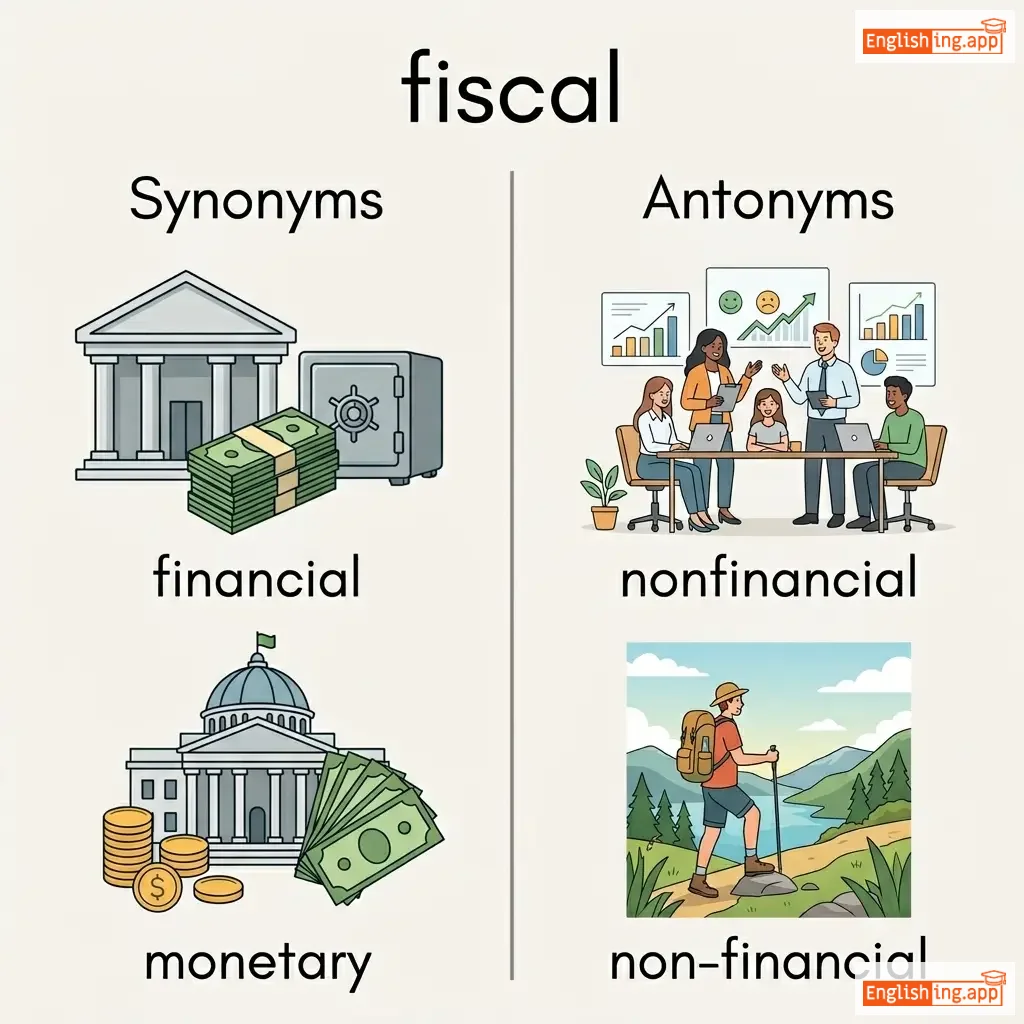
financial, monetary, economic, budgetary
••••••
|
nonfinancial
••••••
|
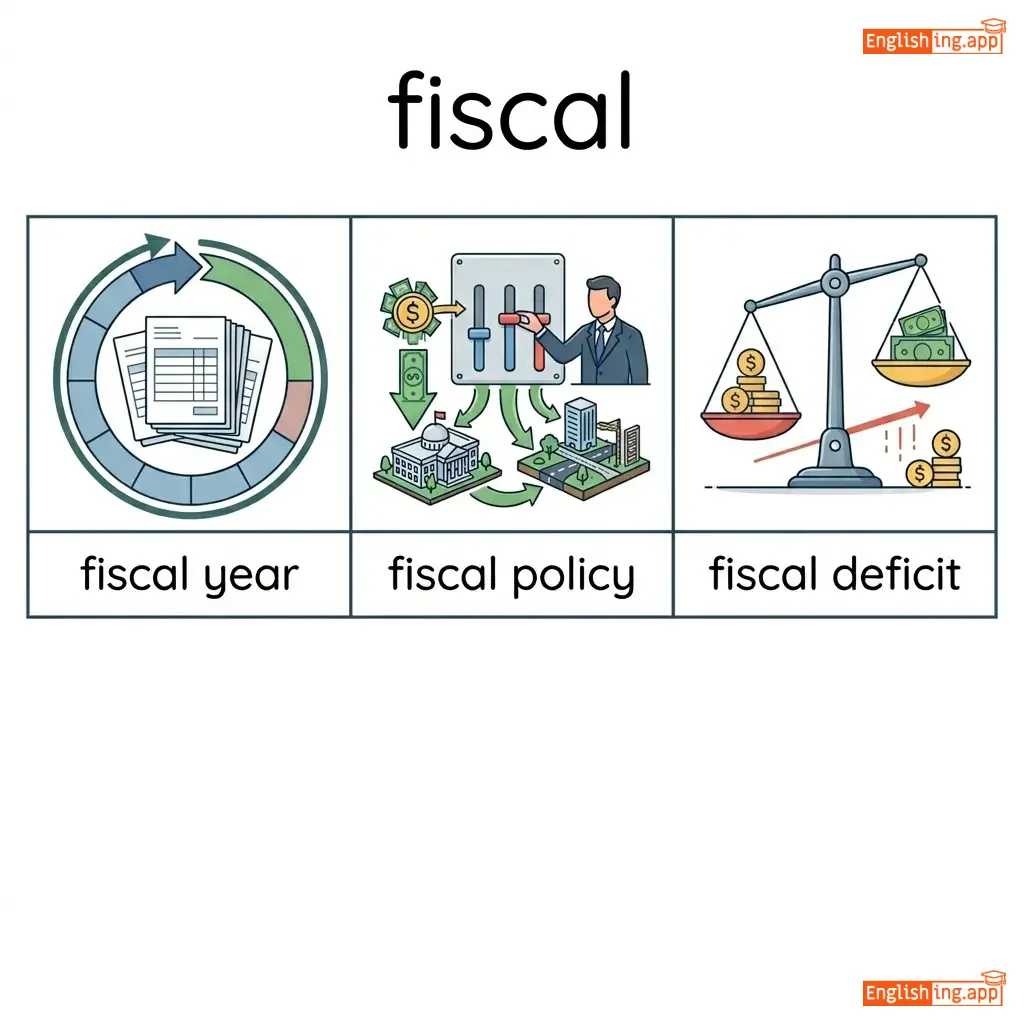
fiscal year, fiscal policy, fiscal deficit, fiscal responsibility
••••••
|
Fiscalは日本語で財政の意味 - fiscal はお金に関連している
••••••
|
|
❌
••••••
|
/flɔːd/
adjective
(フロウド)
••••••
|
- •••••• |
欠陥のある
kenkan no aru
••••••
|
- •••••• | - •••••• | - •••••• | - •••••• |
having a mistake or fault that reduces its value or quality
••••••
|
The flawed design of the car led to a recall. |
車の欠陥のあるデザインがリコールを引き起こした。
Kuruma no kenkan no aru dezain ga rikōru o hikiokoshita.
••••••
|
- •••••• | - •••••• | - •••••• |
imperfect, faulty, damaged, defective
••••••
|
perfect, flawless
••••••
|
flawed reasoning, flawed argument, flawed judgment
••••••
|
欠陥のあるデザインは、何かが間違っていることを意味します - Flawed design means something is wrong.
••••••
|
|
4️⃣
••••••
|
/fɔːrθ/
adjective/noun
(フォース)
••••••
|
- •••••• |
第四
daiyon
••••••
|
- •••••• | - •••••• | - •••••• | - •••••• |
Constituting number four in a sequence; coming after the third in position.
••••••
|
He finished in fourth place in the race. |
彼はレースで第四位になった。
Kare wa reesu de dai-yon-i ni natta.
••••••
|
the fourth estate |
the press and news media
••••••
|
第四の権力
dai-yon no kenryoku
••••••
|
quartile, fourthly, quadrant, quaternary
••••••
|
first, last
••••••
|
fourth place, fourth time, fourth floor, fourth century
••••••
|
第四はちょうど三つの後、すぐに覚えられます。
••••••
|
|
🎁
••••••
|
/ˈɡɪf.tɪd/
adjective
(ギフティッド)
••••••
|
- •••••• |
才能がある; 天賦の
sainō ga aru; tenpu no
••••••
|
- •••••• | - •••••• | - •••••• | - •••••• |
having exceptional talent or ability; talented;
••••••
|
She is a gifted musician who plays multiple instruments.
彼女は多くの楽器を演奏する才能のある音楽家です。
••••••
|
彼女は多くの楽器を演奏する才能のある音楽家です。
Kanojo wa ōku no gakki o ensō suru sainō no aru ongakuka desu.
••••••
|
- •••••• | - •••••• | - •••••• |
talented, skilled, brilliant, capable
••••••
|
untalented, incompetent, mediocre
••••••
|
gifted student, gifted child, academically gifted
••••••
|
Gifted means someone with a 'gift' in music or arts.
••••••
|
|
🌍
••••••
|
/ɡraʊnd/
noun/verb
(グラウンド)
••••••
|
- •••••• |
地面
jimen
••••••
|
grounded
グラウンデッド
••••••
|
grounded
グラウンデッド
••••••
|
grounds
グラウンズ
••••••
|
grounding
グラウンディング
••••••
|
the solid surface of the earth; to prohibit someone (often a child) from going out
••••••
|
The children played on the ground near the house.
子供たちは家の近くの地面で遊びました。
••••••
|
子供たちは家の近くの地面で遊びました。
Kodomotachi wa ie no chikaku no jimen de asobimashita.
••••••
|
on solid ground
固い地面に
••••••
|
in a safe or stable situation
••••••
|
安全または安定した状況で
anzen mata wa antei shita jōkyō de
••••••
|
earth, soil, floor, basis, foundation
••••••
|
sky, air
••••••
|
soft ground, fertile ground, grounded theory, ground rules
••••••
|
Groundは‘地面’を意味します - みんな地面で遊びます。
••••••
|
|
😡
••••••
|
/ˈheɪ.trəd/
noun
(ヘイトレッド)
••••••
|
- •••••• |
憎悪
zōo
••••••
|
- •••••• | - •••••• | - •••••• | - •••••• |
intense dislike or ill will; a feeling of strong aversion
••••••
|
His hatred for injustice motivated him to become a human rights lawyer. |
不正義に対する彼の憎悪は、彼を人権弁護士にさせました。
Fuseigi ni taisuru kare no zōo wa, kare o jinken bengoshi ni sasemashita.
••••••
|
- •••••• | - •••••• | - •••••• |
loathing, animosity, hostility, resentment
••••••
|
love, affection, admiration, fondness
••••••
|
deep hatred, racial hatred, hatred towards
••••••
|
憎悪 = 強い嫌悪感
••••••
|
|
🚔
••••••
|
/ˈɪnˌmeɪt/
noun
(インメート)
••••••
|
- •••••• |
囚人
shuujin
••••••
|
- •••••• | - •••••• | - •••••• | - •••••• |
a person confined to an institution such as a prison or hospital
••••••
|
The prison has over a thousand inmates.
刑務所には千人以上の囚人がいます。
••••••
|
刑務所には千人以上の囚人がいます。
Keimusho ni wa sen'nin ijou no shuuji ga imasu.
••••••
|
- •••••• | - •••••• | - •••••• |
prisoner, convict, detainee, captive
••••••
|
visitor, guard, free person
••••••
|
prison inmate, hospital inmate, fellow inmate, release an inmate
••••••
|
In + mate = 囚人, 刑務所の囚人
••••••
|
|
😡
••••••
|
/ˈɪnsʌlt/
verb
(インサルト)
••••••
|
|
侮辱する
bujoku suru
••••••
|
insulted
インサルテッド
••••••
|
insulted
インサルテッド
••••••
|
insults
インサルツ
••••••
|
insulting
インサルティング
••••••
|
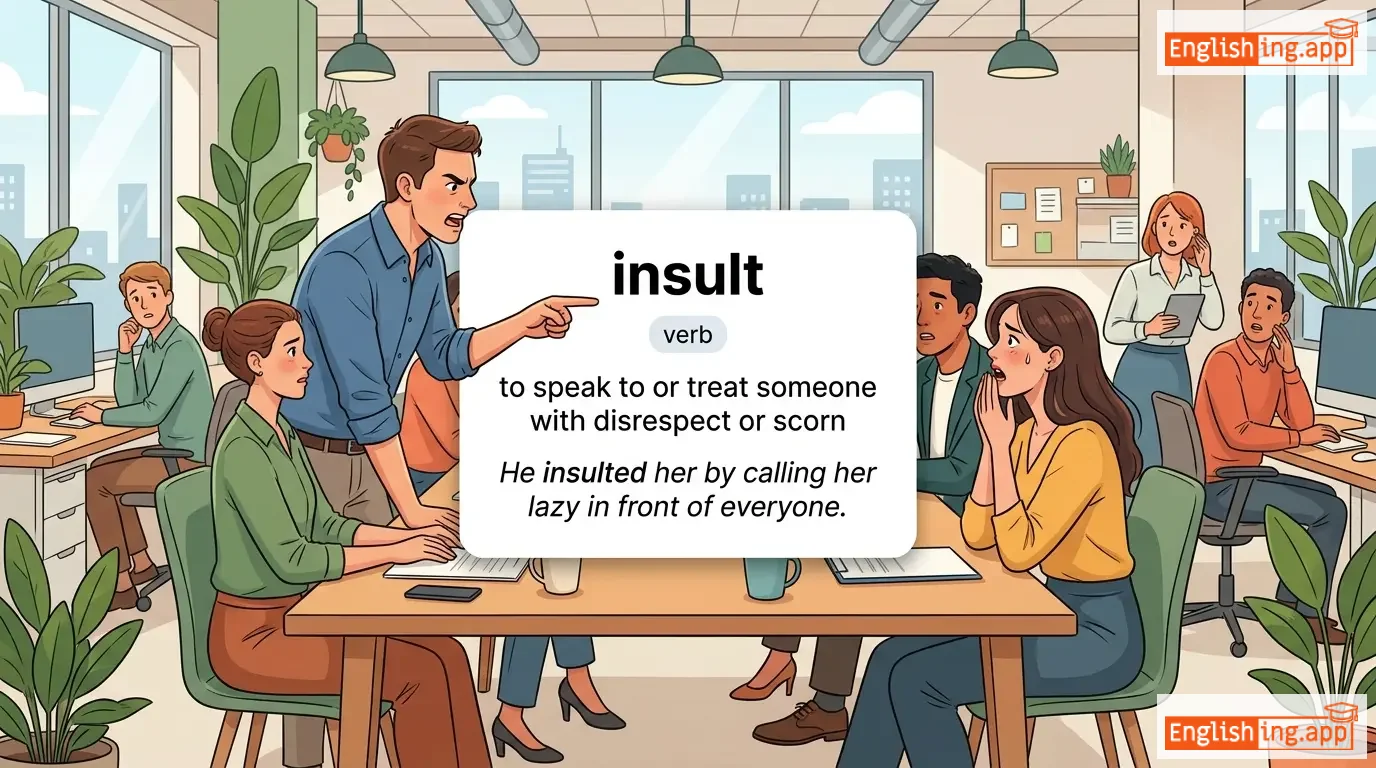
to speak to or treat someone with disrespect or scorn
••••••
|
He insulted her by calling her lazy in front of everyone.
彼はみんなの前で彼女を怠け者だと呼んで侮辱しました。
••••••
|
彼はみんなの前で彼女を怠け者だと呼んで侮辱しました。
Kare wa minna no mae de kanojo o namakemono da to yonde bujoku shimashita.
••••••
|
add insult to injury
傷に塩を加える
••••••
|
to make a bad situation worse by adding further harm or disrespect
••••••
|
傷に塩を加える
Kizu ni shio o kuwaeru
••••••
|
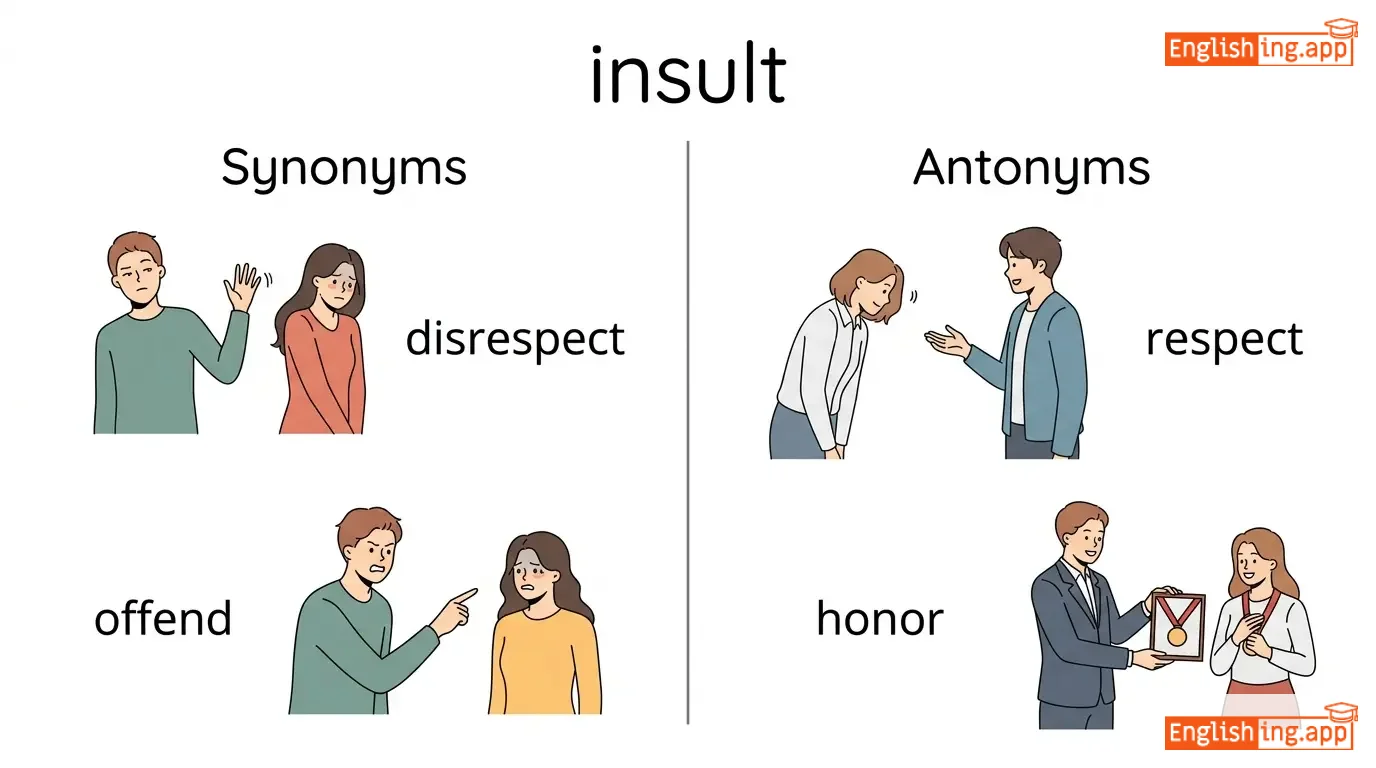
disrespect, offend, belittle, demean
••••••
|
respect, honor
••••••
|
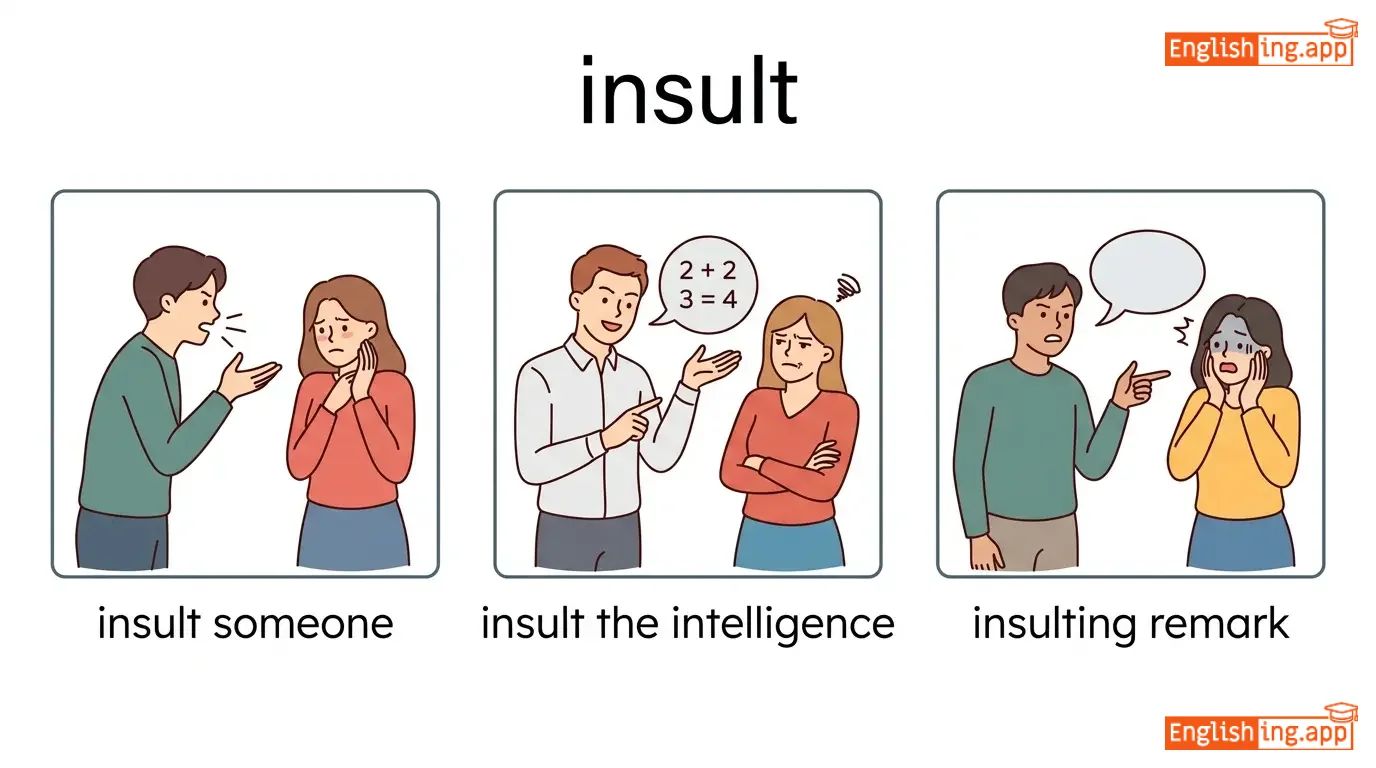
insult someone, insult the intelligence, insulting remark
••••••
|
侮辱する、まるで傷口に塩をすり込むように
••••••
|
|
🔪
••••••
|
/ˈkɪlər/
noun
(キラー)
••••••
|
- •••••• |
殺人者
satsujin-sha
••••••
|
- •••••• | - •••••• | - •••••• | - •••••• |
A person or thing that kills.
••••••
|
The police caught the killer last night.
警察は昨晩キラーを捕まえた。
••••••
|
警察は昨晩殺人者を捕まえた。
Keisatsu wa sakuban satsujin-sha wo tsukamaeta.
••••••
|
killer instinct
キラー本能
••••••
|
a strong drive to succeed or dominate
••••••
|
キラー本能
kirā honnō
••••••
|
murderer, slayer, assassin, executioner, destroyer
••••••
|
savior, protector
••••••
|
serial killer, cold-blooded killer, contract killer, killer instinct
••••••
|
Killerは日本語で殺人者を意味し、映画の悪役はいつも殺人者です。
••••••
|
|
🔪
••••••
|
/ˈmɜːrdər/
noun, verb
(マーダー)
••••••
|
- •••••• |
殺人
satsujin
••••••
|
murdered
マーダード
••••••
|
murdered
マーダード
••••••
|
murders
マーダーズ
••••••
|
murdering
マーダリング
••••••
|
the unlawful killing of a person; to kill someone unlawfully and intentionally
••••••
|
The detective investigated the murder that shocked the town.
探偵は町を驚かせた殺人事件を調査しました。
••••••
|
探偵は町を驚かせた殺人事件を調査しました。
tantei wa machi o odorokaseta satsujin jiken o chōsa shimashita.
••••••
|
murder will out
殺人は明らかになる
••••••
|
the truth about a crime will eventually be revealed
••••••
|
殺人は明らかになる
satsujin wa akiraka ni naru
••••••
|
homicide, killing, assassination, slaughter
••••••
|
rescue, save
••••••
|
commit murder, brutal murder, murder case, murder weapon
••••••
|
Murder は殺人を意味する — Murder はいつか明らかになる
••••••
|
|
⚖️
••••••
|
/ˈpʌnɪʃ/
verb
(パニッシュ)
••••••
|
|
罰する
bassuru
••••••
|
punished
パニッシュド
••••••
|
punished
パニッシュド
••••••
|
punishes
パニッシュズ
••••••
|
punishing
パニッシング
••••••
|
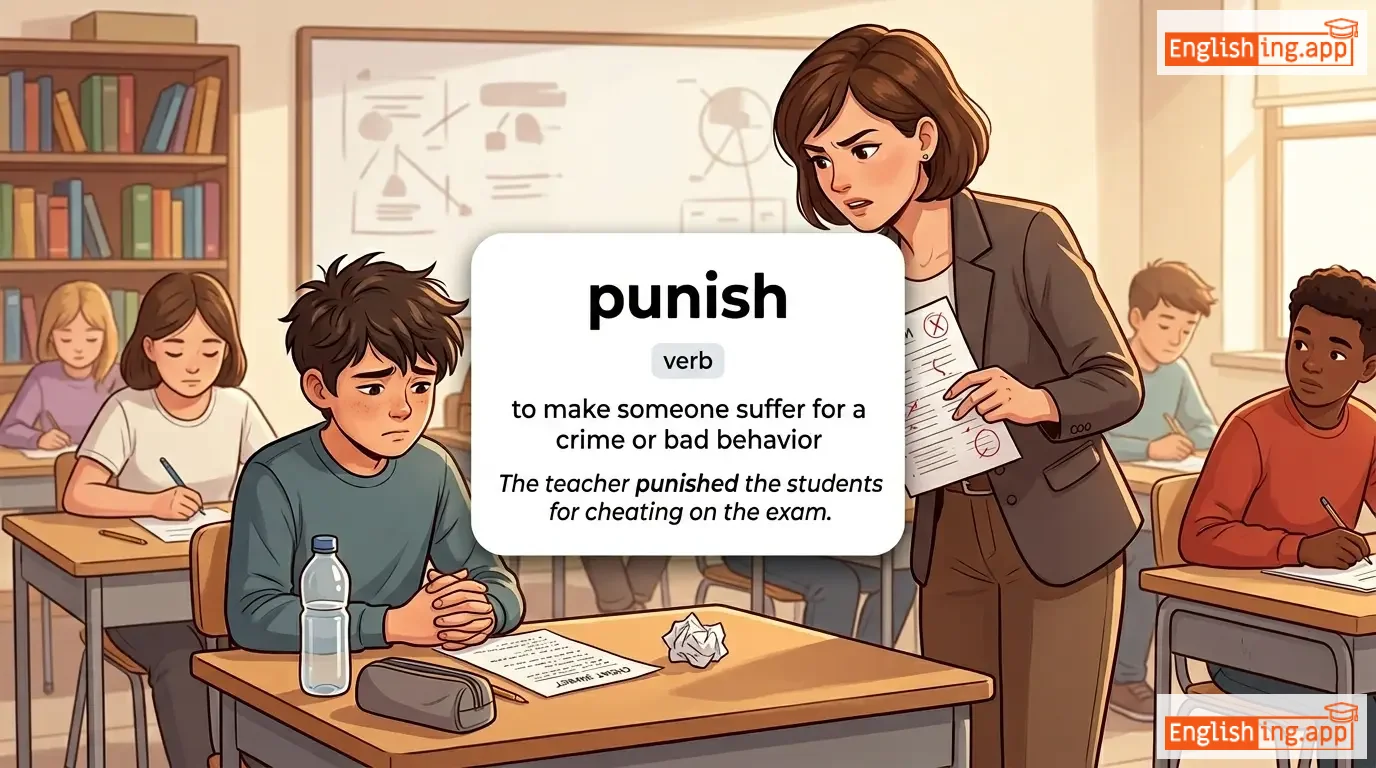
to make someone suffer for a crime or bad behavior
••••••
|
The teacher punished the students for cheating on the exam.
教師は試験でカンニングをした学生を罰した。
••••••
|
教師は試験でカンニングをした学生を罰した。
Kyoushi wa shiken de kanningu wo shita gakusei wo basshita.
••••••
|
punish oneself
自分を罰する
••••••
|
to make oneself suffer for guilt or regret
••••••
|
自分を罰する
jibun wo bassuru
••••••
|
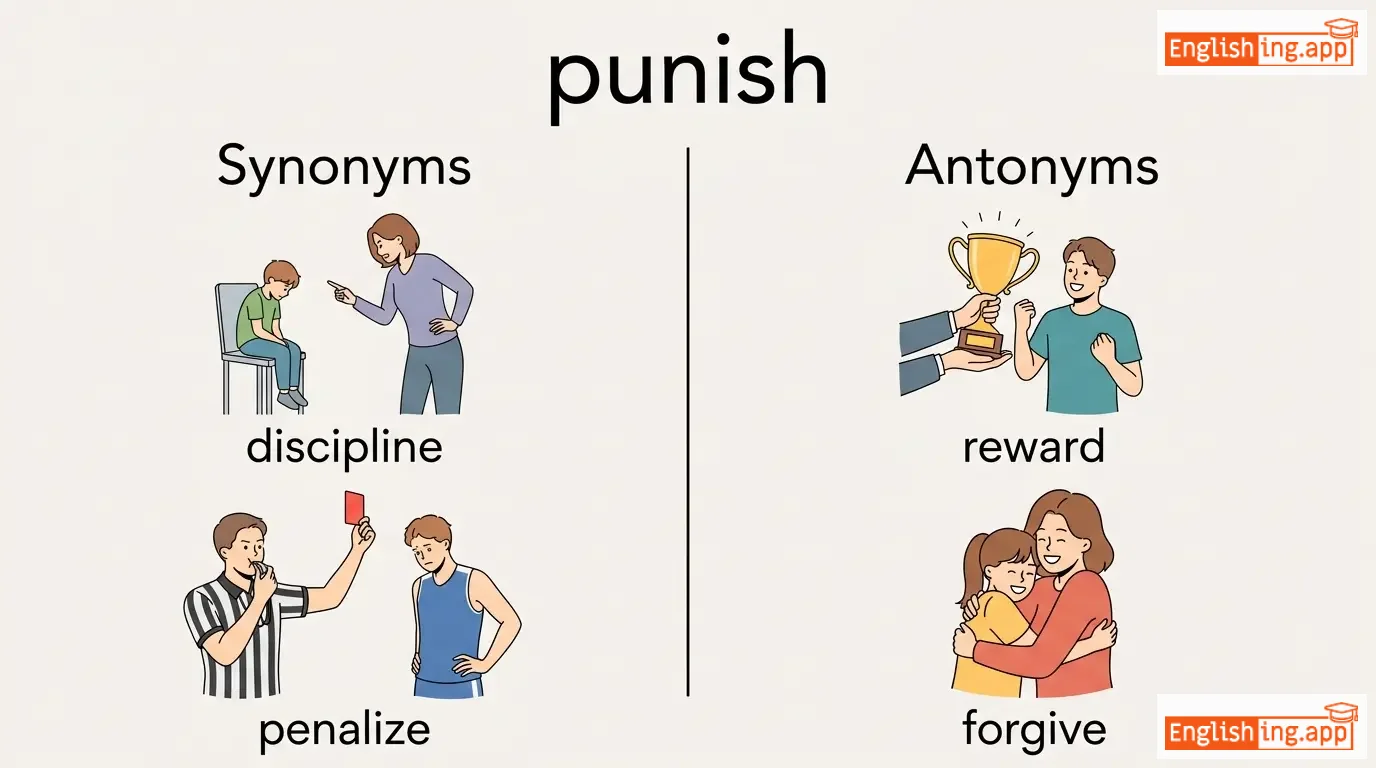
discipline, penalize, reprimand, chastise, correct
••••••
|
reward, forgive
••••••
|
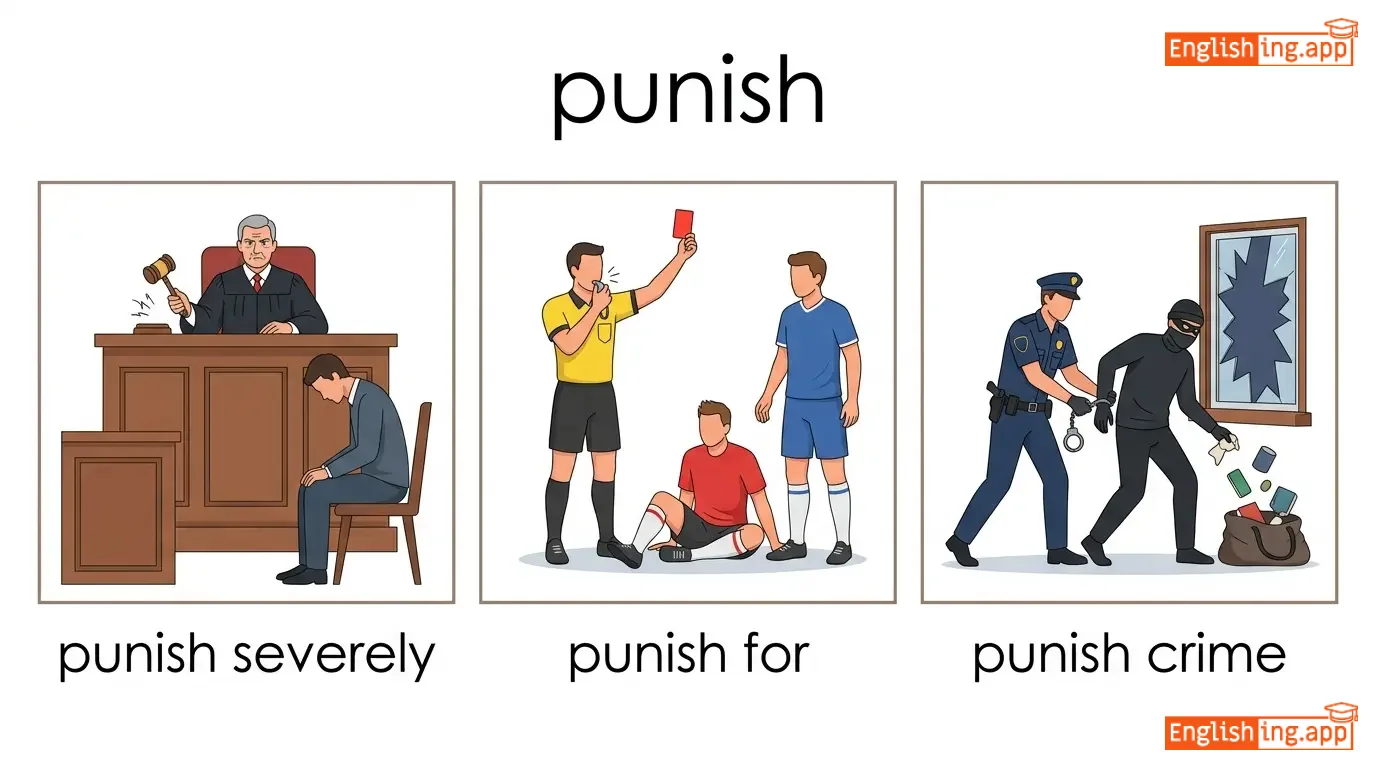
punish severely, punish for, punish crime, punish wrongdoer
••••••
|
Punishは罰するという意味 — Punが罰に関係している!
••••••
|

