Midnight Hydrogen Dreams
ラジシャヒ科学クラブでは、今夜の gorgeous イベントの準備が進められていた。先生は言った:「homework を終えるまでは、誰も実験室に入ってはいけません。」チームの目標は、中庭で安全な hydrogen バルーンを作ることだった。サロワルは、すべてのガスシリンダーを慎重に identify するよう指示された。タンモイは笑って言った:「このバルーンが illusion にならないようにしよう。」夕方になると、彼らは安全チェックを initiated した。ジュナイドは全員に正確に instruct する役割を与えられた。彼の責任は、すべての integral なステップを簡単な言葉で説明することだった。子どもたちは強い interest を持って聞いており、ホールは完全に静まり返った。彼らは古い教会の interior を使ってバルーンの中にライトを設置した。その時間になっても、チームには友情の intimate な温かさがあった。彼らは midnight を過ぎる前にバルーンを飛ばしたいと思っていた。サヤンタニは言った:「覚えておいて、すべてのガス molecule は違う動きをするのよ。」学校の observer 教師は警戒のメガネをかけてフィールドに立っていた。彼は言った:「どんな欠陥もすぐに報告しなさい。」Numerous 村人たちが実験を見に集まった。彼らはこの夜を特別な occasion として扱った。地元の official が安全許可を与えるために来た。技術者の operator は最後の瞬間まで計器を監視していた。バルーンが上昇するとチーム全員が歓声を上げ、純粋な optimism が皆の顔を照らした。勇敢な少女たちは言った:「私たちは村の女の子たちが科学を通して自分の original なアイデアを表現できるようになってほしい。」
|
絵文字
|
単語 | Images | 翻訳 | 過去 | 過去分詞 | 三人称単数 | 動名詞 | 意味 | 例文 | 例文の翻訳 | 表現例 | 表現例の意味 | 表現例の翻訳 | 同義語 | 対義語 | コロケーション | ニーモニック |
|---|---|---|---|---|---|---|---|---|---|---|---|---|---|---|---|---|---|
|
💖
••••••
|
/ˈɡɔːr.dʒəs/
adjective
(ɡɔːrʒəs)
••••••
|
- •••••• |
非常に美しい; 魅力的; 視覚的に印象的
hijō ni utsukushī; miryokuteki; shikakuteki ni inshō-teki
••••••
|
- •••••• | - •••••• | - •••••• | - •••••• |
extremely beautiful; attractive; visually stunning
••••••
|
The bride looked absolutely gorgeous.
花嫁は絶対に美しく見えました。
••••••
|
花嫁は絶対に美しく見えました。
Hanayome wa zettai ni utsukushiku miemashita.
••••••
|
- •••••• | - •••••• | - •••••• |
beautiful, stunning, magnificent, lovely
••••••
|
ugly, hideous, repulsive, unattractive
••••••
|
gorgeous dress, gorgeous weather, gorgeous view, absolutely gorgeous
••••••
|
結婚式では花嫁は常に絶対に美しく見えるべきです!
••••••
|
|
📚
••••••
|
/ˈhoʊmwɜːrk/
noun
(ホームワーク)
••••••
|
- •••••• |
宿題
shukudai
••••••
|
- •••••• | - •••••• | - •••••• | - •••••• |
schoolwork that a student does at home
••••••
|
I need to finish my math homework before dinner. |
夕食前に数学の宿題を終わらせなければなりません。
Yūshoku mae ni sūgaku no shukudai o owarasenakereba narimasen.
••••••
|
do your homework |
to prepare properly for something by learning or researching beforehand
••••••
|
宿題をする
shukudai o suru
••••••
|
assignment, task, exercise, study, project
••••••
|
classwork, neglect, inattention
••••••
|
do homework, finish homework, math homework, too much homework
••••••
|
家でする課題 (homework)
••••••
|
|
💧
••••••
|
/ˈhaɪdrədʒən/
noun
(水素)
••••••
|
- •••••• |
水素
suiso
••••••
|
- •••••• | - •••••• | - •••••• | - •••••• |
a colorless, odorless, highly flammable gas that is the lightest and most abundant chemical element in the universe
••••••
|
Hydrogen is used as a clean fuel in many energy systems. |
水素は多くのエネルギーシステムでクリーンな燃料として使用されています。
Suiso wa ooku no enerugii shisutemu de kuriin na nenryou toshite shiyou sareteimasu.
••••••
|
- •••••• | - •••••• | - •••••• |
H2, fuel, gas
••••••
|
oxygen, carbon dioxide
••••••
|
hydrogen gas, hydrogen fuel, hydrogen bond
••••••
|
Hydrogen = 水素 = 地球を飛ばせる軽いガス!
••••••
|
|
🔍
••••••
|
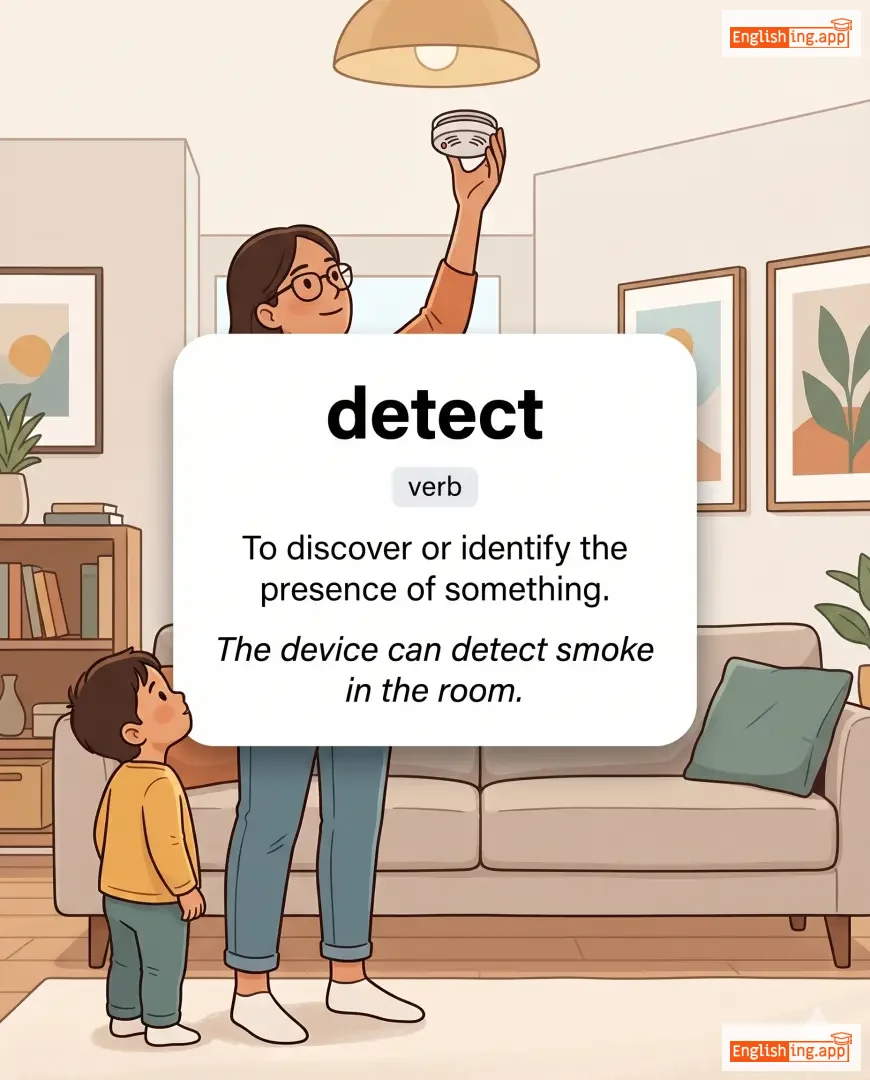
/aɪˈdɛntɪfaɪ/
verb
(アイデンティファイ)
••••••
|
|
識別する
shikibetsu suru
••••••
|
identified
アイデンティファイド
••••••
|
identified
アイデンティファイド
••••••
|
identifies
アイデンティファイズ
••••••
|
identifying
アイデンティファイイング
••••••
|
to recognize or establish what something or someone is
••••••
|
The police could not identify the suspect.
警察は容疑者を識別できませんでした。
••••••
|
警察は容疑者を識別できませんでした。
keisatsu wa yougisha o shikibetsu dekimasen deshita.
••••••
|
identify with
同一視する
••••••
|
to feel that you understand someone because you have had similar experiences
••••••
|
共感する
kyoukan suru
••••••
|
recognize, detect, determine, distinguish, verify
••••••
|
confuse, misidentify
••••••
|
identify problems, identify needs, identify the source, identify correctly
••••••
|
識別はIDのように認識すること。
••••••
|
|
🎩
••••••
|
/ɪˈluːʒən/
noun
(イリュージョン)
••••••
|
- •••••• |
錯覚
sakkaku
••••••
|
- •••••• | - •••••• | - •••••• | - •••••• |
a false idea or belief; a deceptive appearance
••••••
|
The magician created the illusion of a floating woman. |
魔法使いは浮かぶ女性の錯覚を作り出しました。
Mahōtsukai wa ukabu josei no sakkaku o tsukuridashimashita.
••••••
|
under an illusion |
to have a false belief or impression
••••••
|
錯覚の中で
sakkaku no naka de
••••••
|
delusion, fantasy, mirage, hallucination, trick
••••••
|
reality, truth
••••••
|
create an illusion, optical illusion, under an illusion, shattered illusion
••••••
|
錯覚 = '見た目は真実でも実際は違う'。
••••••
|
|
🚀
••••••
|
/ɪˈnɪʃieɪt/
verb
(イニシエイト)
••••••
|


|
開始する
kaishi suru
••••••
|
initiated
イニシエイテッド
••••••
|
initiated
イニシエイテッド
••••••
|
initiates
イニシエイツ
••••••
|
initiating
イニシエイティング
••••••
|
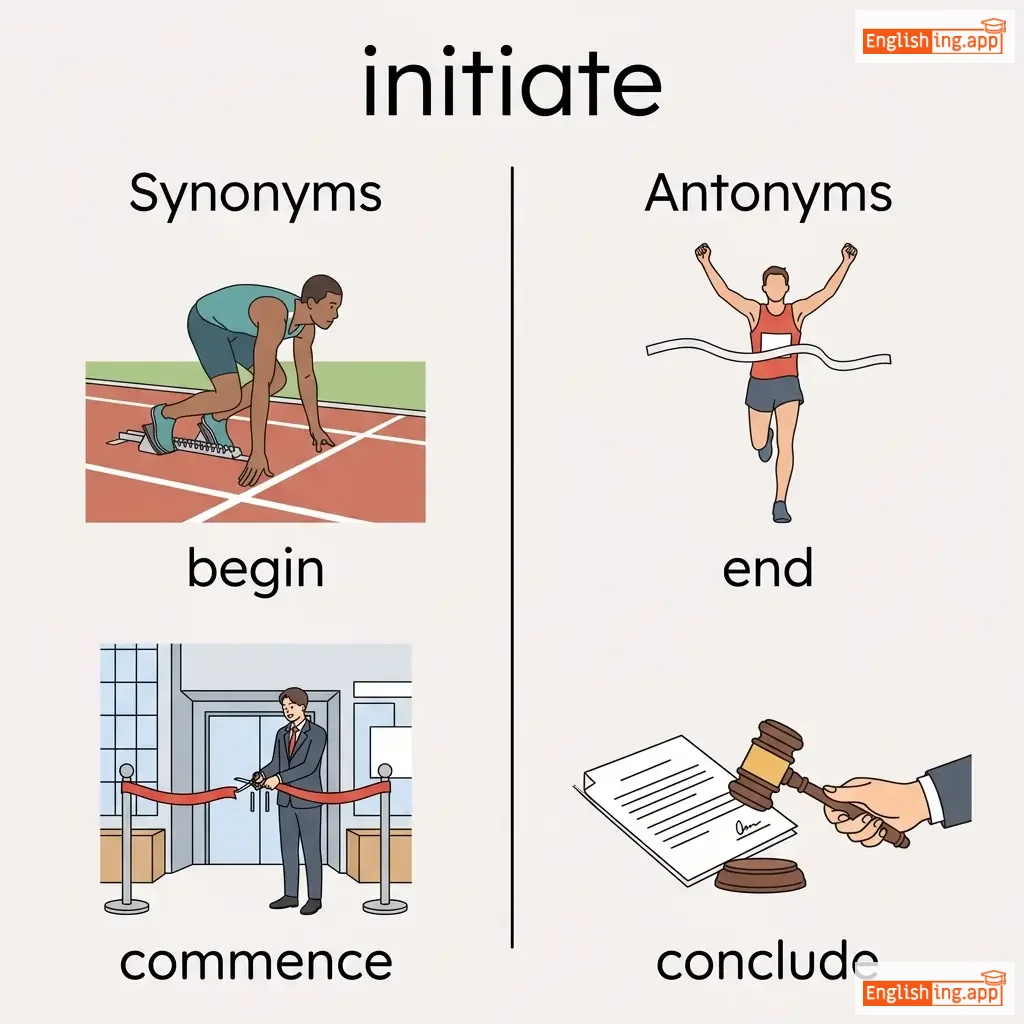
To cause something to begin; to start.
••••••
|
The company plans to initiate a new training program next month.
その会社は来月、新しいトレーニングプログラムを開始する予定です。
••••••
|
その会社は来月、新しいトレーニングプログラムを開始する予定です。
Sono kaisha wa raigetsu, atarashī torēningu puroguramu o kaishi suru yotei desu.
••••••
|
initiate proceedings
手続きを開始する
••••••
|
To begin a formal process or legal action.
••••••
|
手続きを開始する
Tetsuzuki o kaishi suru
••••••
|
begin, commence, launch, start, inaugurate
••••••
|
end, conclude, finish
••••••
|
initiate action, initiate process, initiate reform
••••••
|
イニシエイトはINI(始め) + シエイト(実行) = 開始する
••••••
|
|
📘
••••••
|
/ɪnˈstrʌkt/
verb
(インストラクト)
••••••
|
|
指示する、教える
shiji suru, oshieru
••••••
|
instructed
インストラクトされた
••••••
|
instructed
インストラクトされた
••••••
|
instructs
インストラクトする
••••••
|
instructing
インストラクトしている
••••••
|
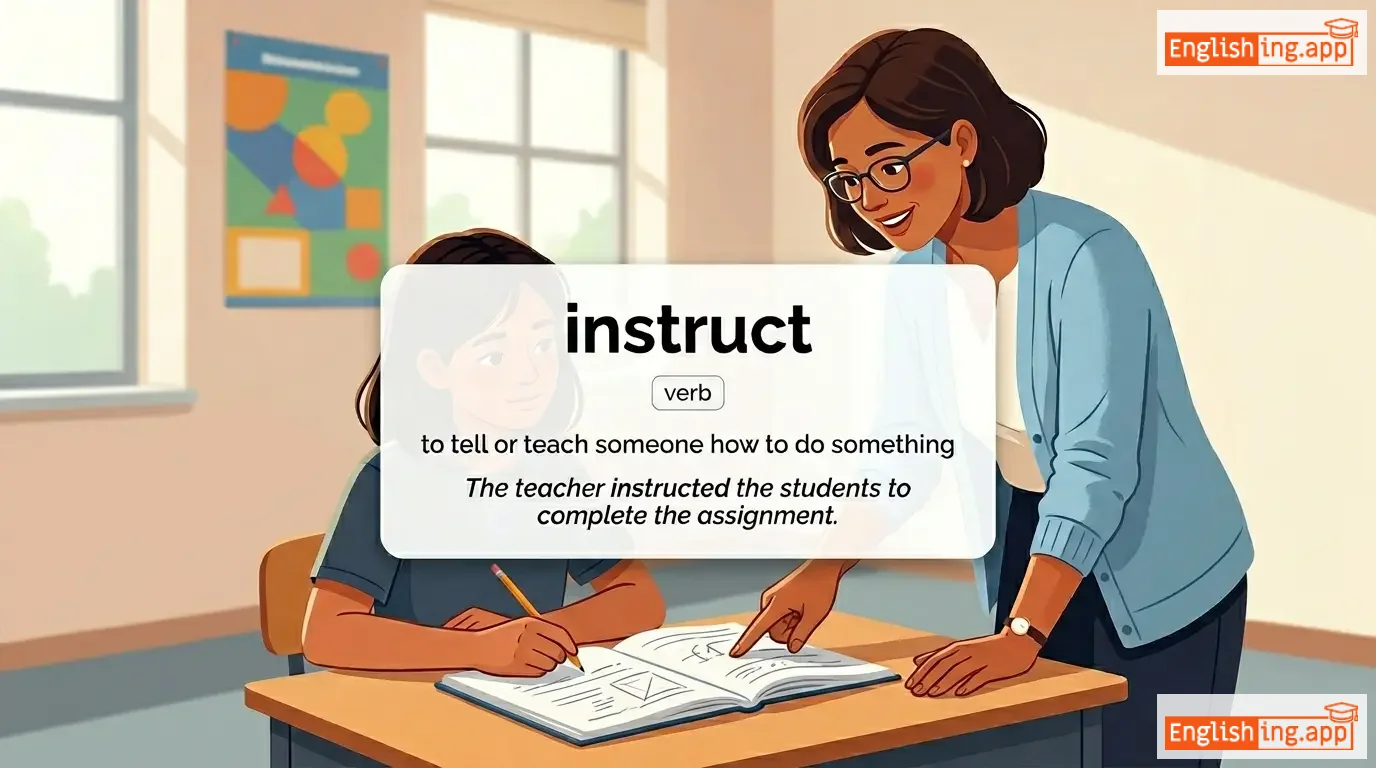
to tell or teach someone how to do something
••••••
|
The teacher instructed the students to complete the assignment.
教師は生徒に課題を完了するよう指示しました。
••••••
|
教師は生徒に課題を完了するよう指示しました。
Kyōshi wa seito ni kadai o kanryō suru yō shiji shimashita.
••••••
|
instruct someone to do something
誰かに何かをするように指示する
••••••
|
to tell someone officially to perform an action
••••••
|
誰かに何かをするように指示する
dareka ni nanika o suru yō ni shiji suru
••••••
|
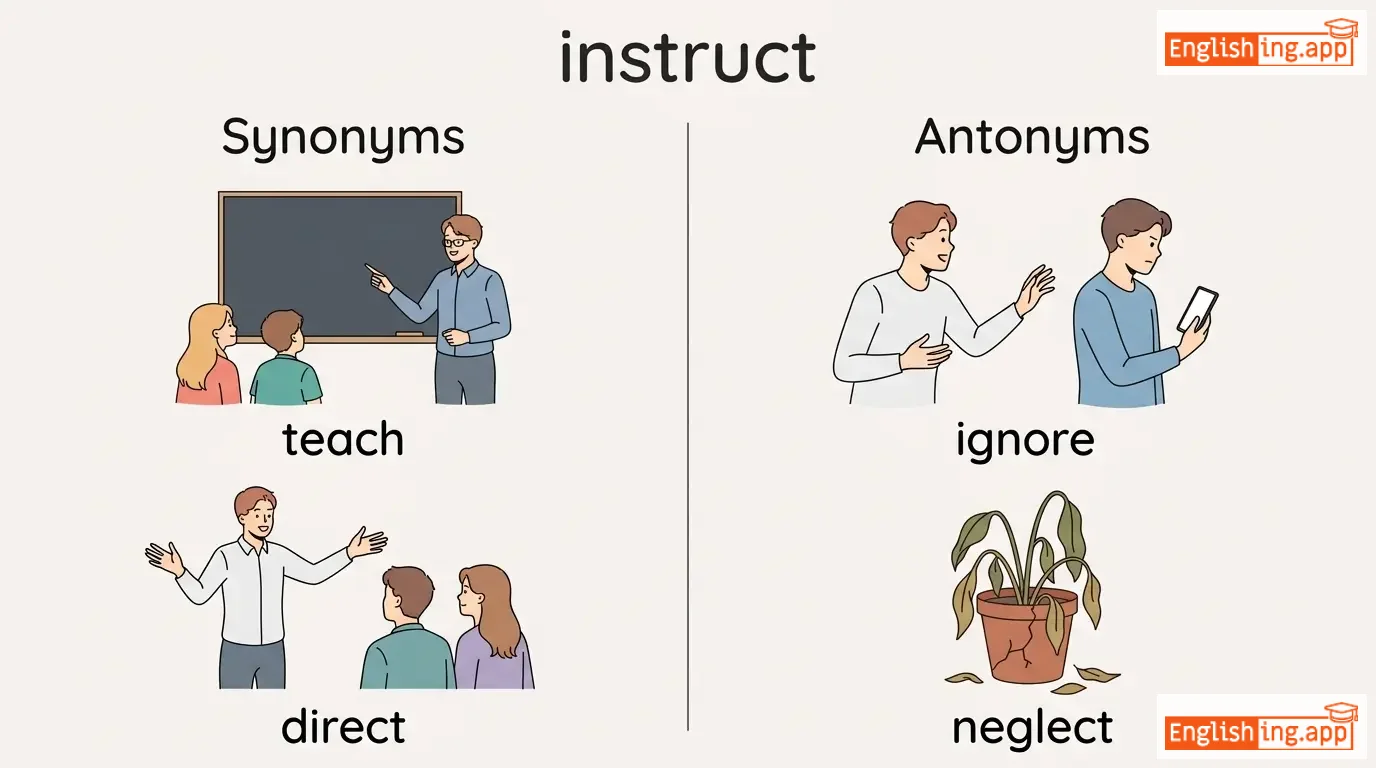
teach, direct, order, command, guide
••••••
|
ignore, neglect, mislead
••••••
|
instruct students, instruct employees, properly instructed, legally instructed
••••••
|
教師は生徒にインストラクトし、課題を達成させる。
••••••
|
|
🧩
••••••
|
/ˈɪntɪɡrəl/ or /ɪnˈtɛɡrəl/
adjective
(インテグラル)
••••••
|
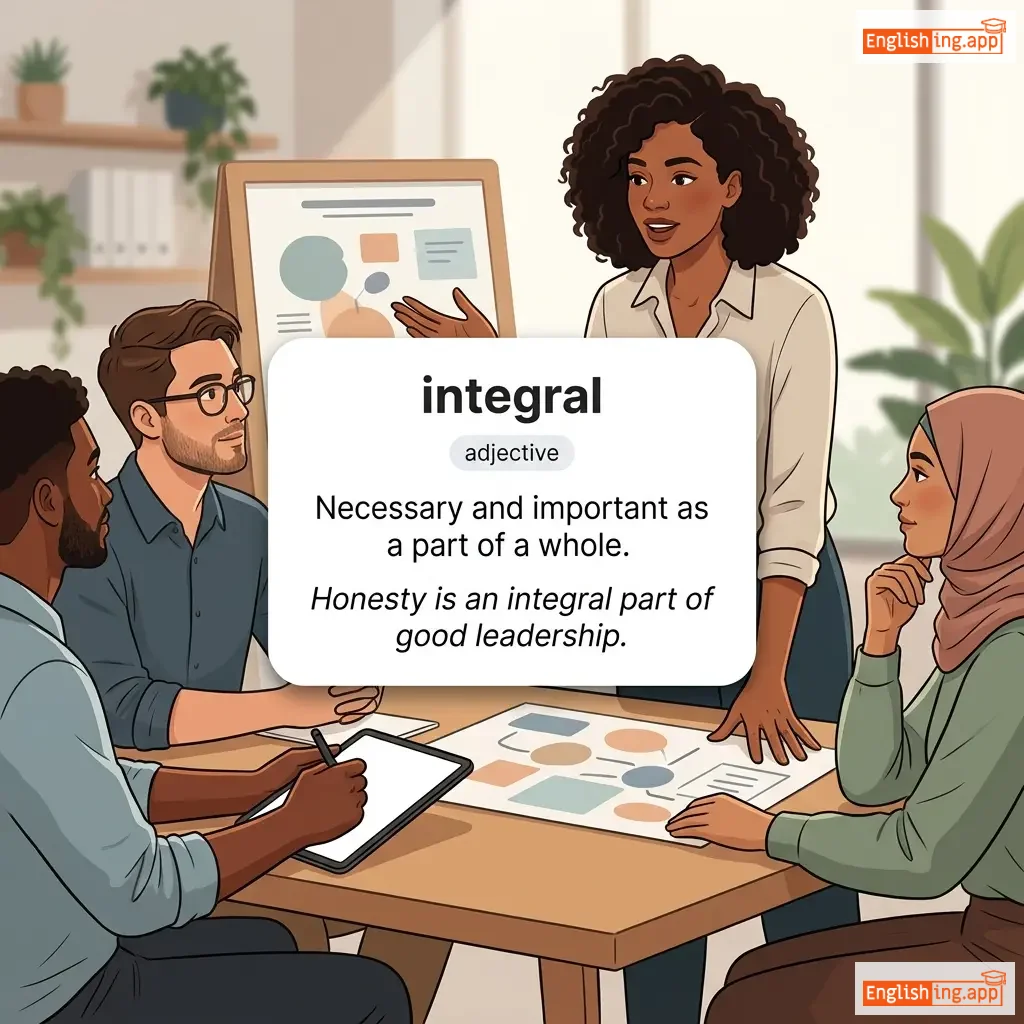
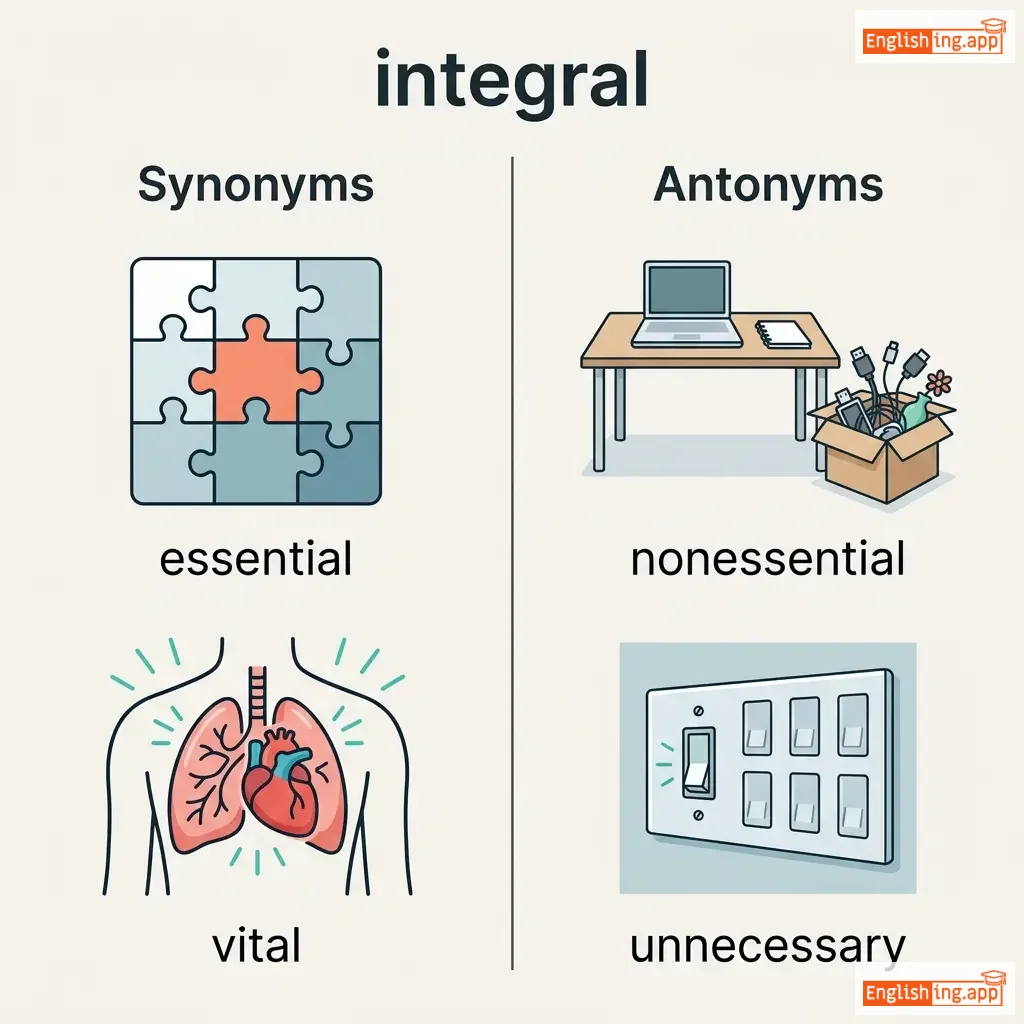
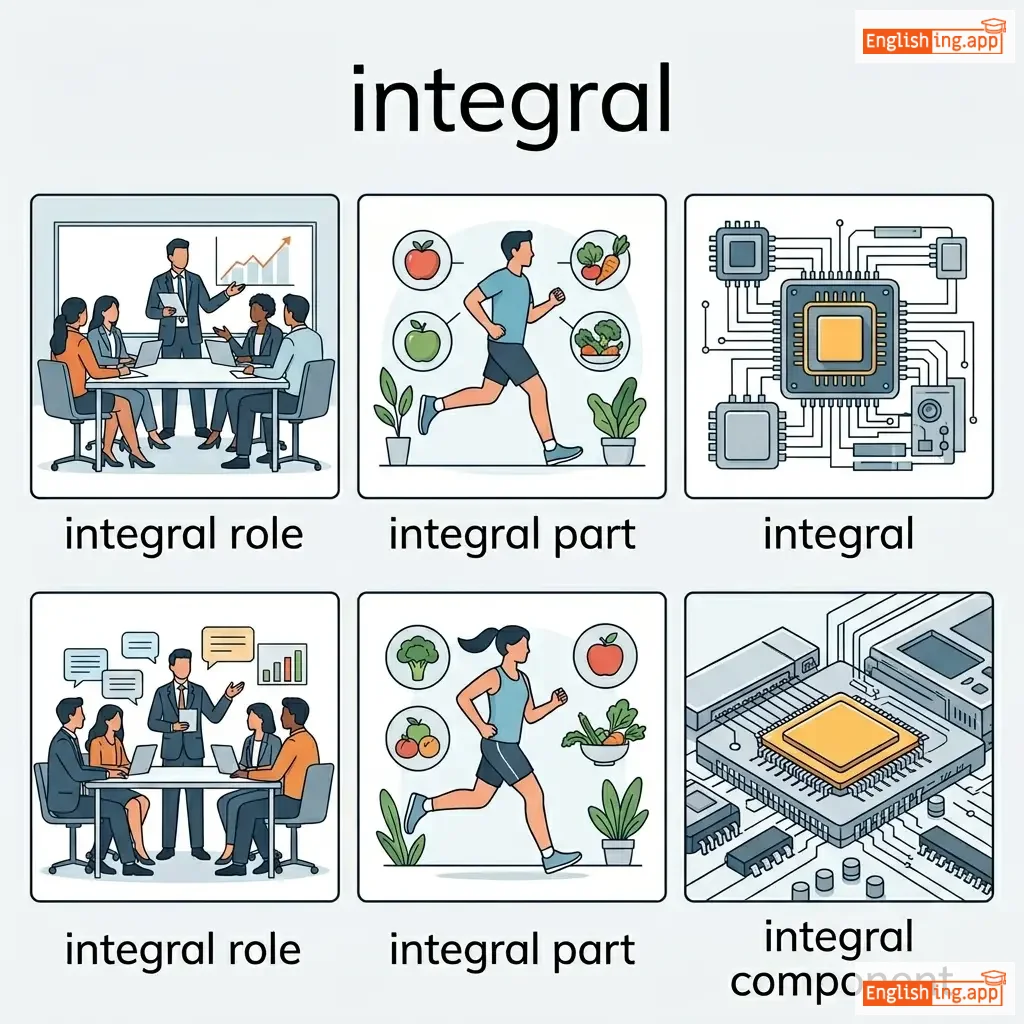
|
不可欠
fukaketsu
••••••
|
- •••••• | - •••••• | - •••••• | - •••••• |
Necessary and important as a part of a whole.
••••••
|
Honesty is an integral part of good leadership.
誠実は良いリーダーシップの不可欠な部分です。
••••••
|
誠実は良いリーダーシップの不可欠な部分です。
Seijitsu wa yoi rīdāshippu no fukaketsu na bubun desu.
••••••
|
- •••••• | - •••••• | - •••••• |
essential, vital, fundamental, crucial, indispensable
••••••
|
nonessential, unnecessary, extraneous
••••••
|
integral role, integral part, integral component, integral element
••••••
|
Integral → 不可欠な一部
••••••
|
|
💡
••••••
|
/ˈɪntrəst/ or /ˈɪntəˌrɛst/
noun/verb
(インタレスト)
••••••
|
- •••••• |
興味 / 利子
kyoumi / rishi
••••••
|
interested
インタレストード
••••••
|
interested
インタレストード
••••••
|
interests
インタレストス
••••••
|
interesting
インタレスティング
••••••
|
A feeling of curiosity or concern about something; or money paid for the use of borrowed money.
••••••
|
He showed great interest in learning new languages.
彼は新しい言語を学ぶことに大きな興味を示しました。
••••••
|
彼は新しい言語を学ぶことに大きな興味を示しました。
Kare wa atarashii gengo o manabu koto ni ookina kyoumi o shimeshimashita.
••••••
|
conflict of interest
利益相反
••••••
|
A situation where personal interests might interfere with professional duties.
••••••
|
利益相反
rieki souhan
••••••
|
concern, curiosity, attention, stake, involvement
••••••
|
boredom, indifference, apathy
••••••
|
show interest, take interest, express interest, public interest
••••••
|
興味は学問にも金にもある、両方で利子がつく。
••••••
|
|
🏠
••••••
|
/ɪnˈtɪəriər/
noun
(インテリア)
••••••
|
- •••••• |
インテリア
interia
••••••
|
- •••••• | - •••••• | - •••••• | - •••••• |
the inside part of something; inner area of a place or object
••••••
|
The interior of the hotel was beautifully decorated. |
ホテルのインテリアは美しく装飾されていました。
Hoteru no interia wa utsukushiku shōshoku sarete imashita.
••••••
|
interior design |
the art or process of designing the inside of a building or room
••••••
|
インテリアデザイン
interia dezain
••••••
|
inside, inner part, core, center, internal area
••••••
|
exterior, outside
••••••
|
interior design, interior wall, interior space, car interior
••••••
|
インテリアは「中の部分」を意味し、美しいデザインでさらに良くなります! 🏠
••••••
|
|
🌹
••••••
|
/ˈɪntɪmət/
adjective
(インティメート)
••••••
|

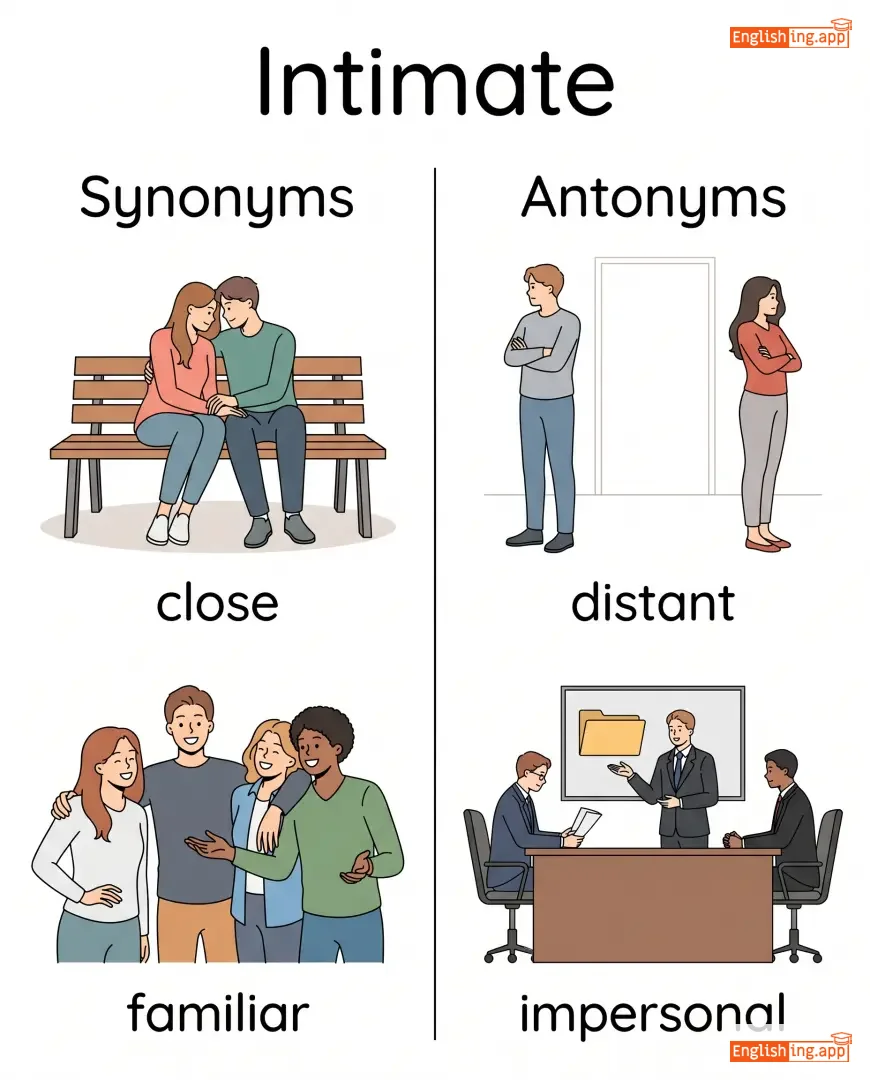
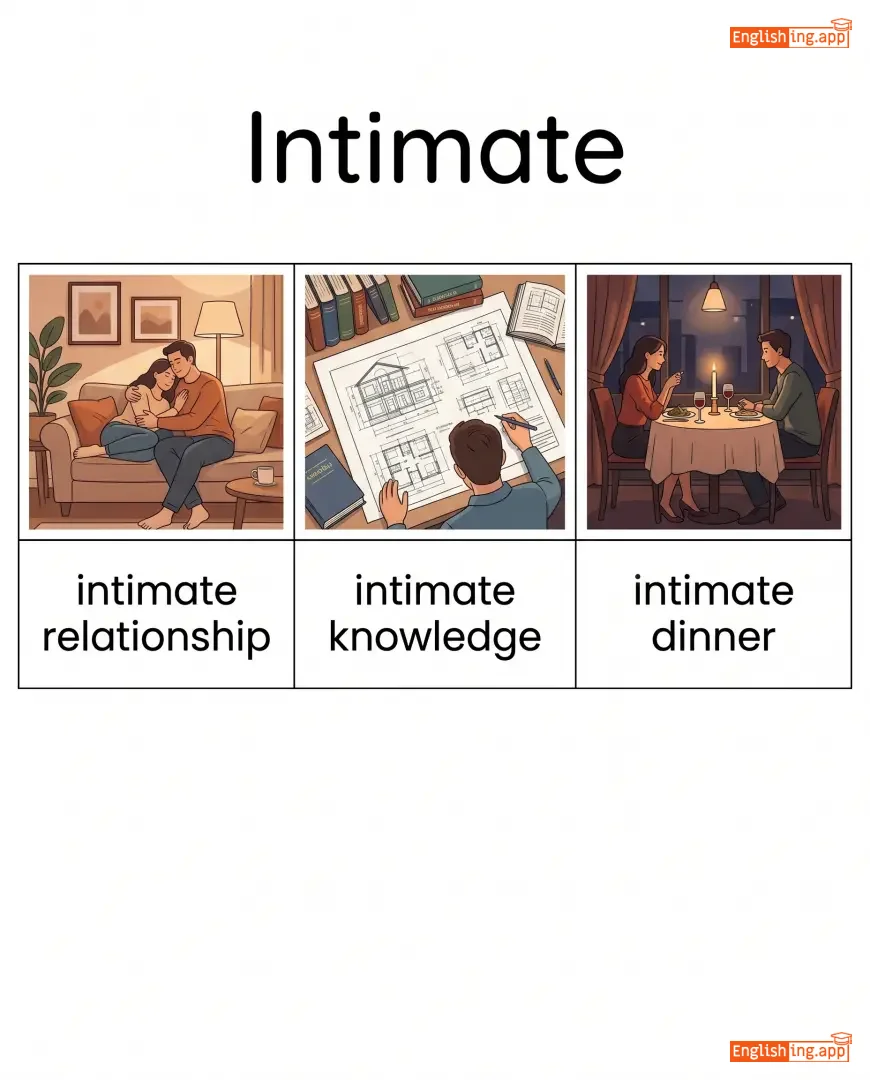
|
親密
shinmitsu
••••••
|
- •••••• | - •••••• | - •••••• | - •••••• |
Closely acquainted; very familiar and personal.
••••••
|
They shared an intimate dinner by candlelight. |
彼らはキャンドルライトの中で親密な夕食を共にした。
Karera wa kyandoru raito no naka de shinmitsu na yūshoku o tomo ni shita.
••••••
|
intimate knowledge |
A deep or detailed understanding of something.
••••••
|
親密な知識
shinmitsu na chishiki
••••••
|
close, familiar, personal, confidential, warm
••••••
|
distant, impersonal, formal
••••••
|
intimate relationship, intimate knowledge, intimate dinner, intimate friend
••••••
|
Intimate = 親密な友人との特別な時間。
••••••
|
|
🌙
••••••
|
/ˈmɪdnaɪt/
noun
(mɪdnaɪt)
••••••
|
- •••••• |
真夜中
mayonaka
••••••
|
- •••••• | - •••••• | - •••••• | - •••••• |
twelve o'clock at night; the middle of the night
••••••
|
He reached home just after midnight. |
彼は真夜中過ぎに家に着いた。
Kare wa mayonaka sugi ni ie ni tsuita.
••••••
|
burn the midnight oil |
to work late into the night
••••••
|
夜遅くまで働く
yoru osoku made hataraku
••••••
|
nighttime, darkness, late night, twelve o’clock
••••••
|
noon, midday
••••••
|
at midnight, past midnight, midnight snack, midnight train
••••••
|
真夜中は夜の真ん中。夜の最中に真夜中が来る!
••••••
|
|
⚛️
••••••
|
/ˈmɒlɪkjuːl/
noun
(分子)
••••••
|
- •••••• |
分子
bunshi
••••••
|
- •••••• | - •••••• | - •••••• | - •••••• |
The smallest unit of a chemical compound that retains its chemical properties.
••••••
|
A water molecule is made up of two hydrogen atoms and one oxygen atom.
水分子は2つの水素原子と1つの酸素原子で構成されています。
••••••
|
水分子は2つの水素原子と1つの酸素原子で構成されています。
suibunshi wa futatsu no suiso genshi to hitotsu no sanso genshi de kōsei sareteimasu.
••••••
|
- •••••• | - •••••• | - •••••• |
particle, atom, compound, element
••••••
|
macromolecule, bulk
••••••
|
water molecule, molecule structure, molecule formation, organic molecule
••••••
|
分子 = 小さな化学単位、大きな仕事。
••••••
|
|
🔢
••••••
|
/ˈnjuː.mər.əs/
adjective
(ニューメラス)
••••••
|
- •••••• |
多数の; たくさんの; 豊富な
tasuu no; takusan no; hōfuna
••••••
|
- •••••• | - •••••• | - •••••• | - •••••• |
existing in large numbers; many; abundant
••••••
|
There are numerous benefits to exercising regularly.
定期的な運動には数多くの利点があります。
••••••
|
定期的な運動には数多くの利点があります。
Teikiteki na undō ni wa kazu ōku no riten ga arimasu.
••••••
|
- •••••• | - •••••• | - •••••• |
many, countless, abundant, plentiful
••••••
|
few, scarce, limited
••••••
|
numerous occasions, numerous benefits, numerous examples
••••••
|
運動は多くの利点をもたらす
••••••
|
|
👀
••••••
|
/əbˈzɜːvər/
noun
(オブザーバー)
••••••
|
- •••••• |
観察者
kansatsusha
••••••
|
- •••••• | - •••••• | - •••••• | - •••••• |
a person who watches or notices something
••••••
|
The observer took notes during the meeting. |
観察者は会議中にメモを取った。
Kansatsusha wa kaigi chū ni memo o totta.
••••••
|
- •••••• | - •••••• | - •••••• |
spectator, watcher, viewer, onlooker
••••••
|
participant, actor
••••••
|
passive observer, keen observer, careful observer
••••••
|
Observer - ‘オブ’と‘サーバ’を組み合わせて、観察者が何かを見ていることを覚えやすい。
••••••
|
|
🎉
••••••
|
/əˈkeɪʒən/
noun
(オケージョン)
••••••
|
- •••••• |
機会
kikai
••••••
|
- •••••• | - •••••• | - •••••• | - •••••• |
A particular time or event; a special or important happening.
••••••
|
Her wedding was a joyful occasion for the whole family. |
彼女の結婚式は家族全員にとって楽しい機会でした。
Kanojo no kekkonshiki wa kazoku zen'in ni totte tanoshī kikai deshita.
••••••
|
on occasion |
sometimes, occasionally
••••••
|
時々
tokidoki
••••••
|
event, moment, incident, celebration, affair
••••••
|
routine, ordinary, regularity
••••••
|
special occasion, on occasion, festive occasion, grand occasion
••••••
|
Occasionの意味は特別な機会 - 時々、特別な機会に大切なことが起こります。
••••••
|
|
📜
••••••
|
/əˈfɪʃəl/
adjective
(オフィシャル)
••••••
|
- •••••• |
公式
kōshiki
••••••
|
- •••••• | - •••••• | - •••••• | - •••••• |
relating to or connected with an authority or public office
••••••
|
He is the official spokesperson for the company.
彼は会社の公式なスポークスマンです。
••••••
|
彼は会社の公式なスポークスマンです。
Kare wa kaisha no kōshiki na supōkusuman desu.
••••••
|
- •••••• | - •••••• | - •••••• |
authorized, formal, legitimate, recognized
••••••
|
unofficial, informal, unofficial
••••••
|
official statement, official announcement, official document, official role
••••••
|
公式(kōshiki)は常に権限を持つ人物に関連している。
••••••
|
|
👷
••••••
|
/ˈɒpəreɪtər/
noun
(オペレーター)
••••••
|
- •••••• |
オペレーター
operetā
••••••
|
- •••••• | - •••••• | - •••••• | - •••••• |
a person who operates equipment, a business, or controls something
••••••
|
The machine operator ensured that everything ran smoothly. |
機械オペレーターは、すべてがスムーズに動作することを確認しました。
Kikai operetā wa, subete ga sumūzu ni dōsa suru koto o kakunin shimashita.
••••••
|
smooth operator |
a person who is skilled at handling situations or people
••••••
|
スムーズなオペレーター
Sumūzu na operetā
••••••
|
controller, handler, machinist, agent, technician
••••••
|
novice, amateur, beginner
••••••
|
machine operator, telephone operator, skilled operator, smooth operator
••••••
|
オペレーター: すべてを操作する人
••••••
|
|
🌞
••••••
|
/ˈɒptɪmɪzəm/
noun
(オプティミズム)
••••••
|

|
楽観主義
rakkan shugi
••••••
|
- •••••• | - •••••• | - •••••• | - •••••• |
Hopefulness and confidence about the future.
••••••
|
Her optimism kept the team motivated during tough times. |
彼女の楽観主義は困難な時期にチームを励ましました。
Kanojo no rakkan shugi wa konnan na jiki ni chiimu wo hagemashita.
••••••
|
glass half full |
an optimistic way of looking at things
••••••
|
半分のグラス
hanbun no gurasu
••••••
|
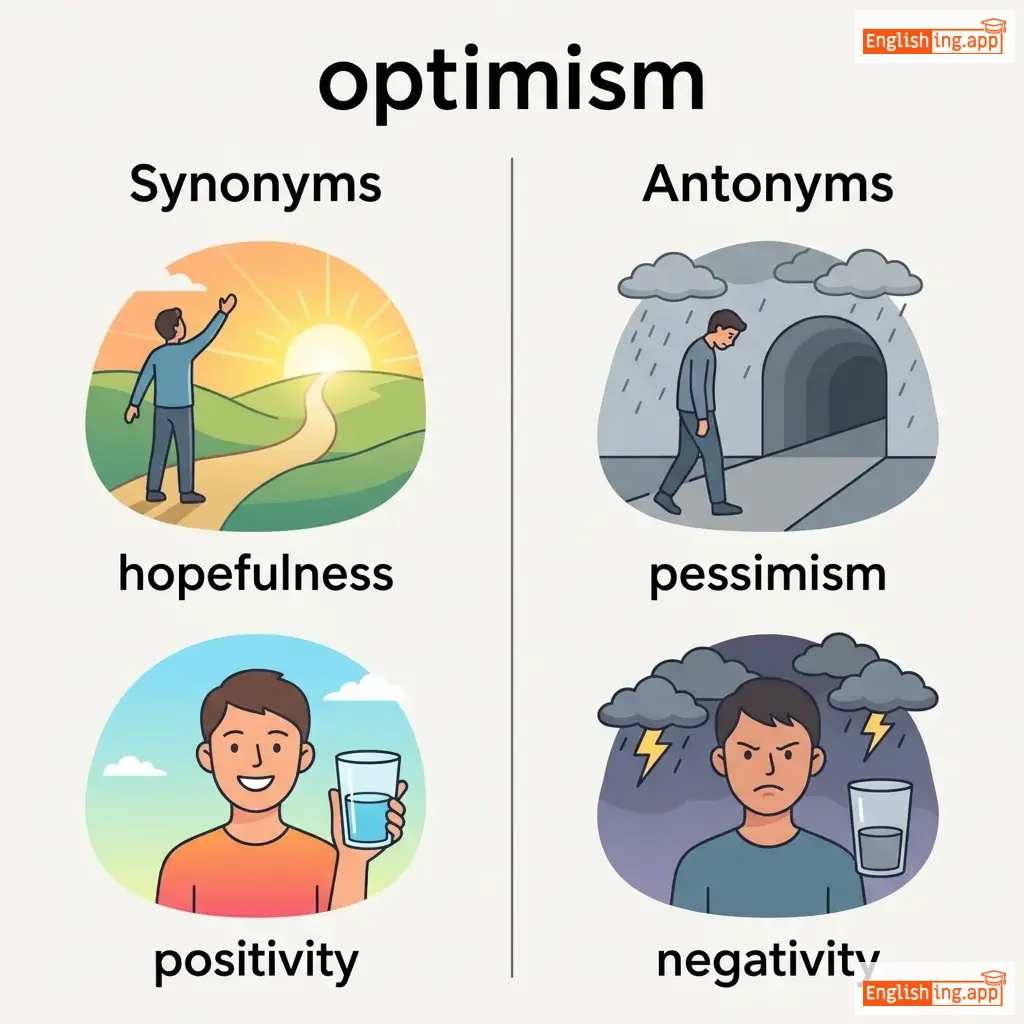
hopefulness, positivity, confidence, cheerfulness
••••••
|
pessimism, negativity
••••••
|
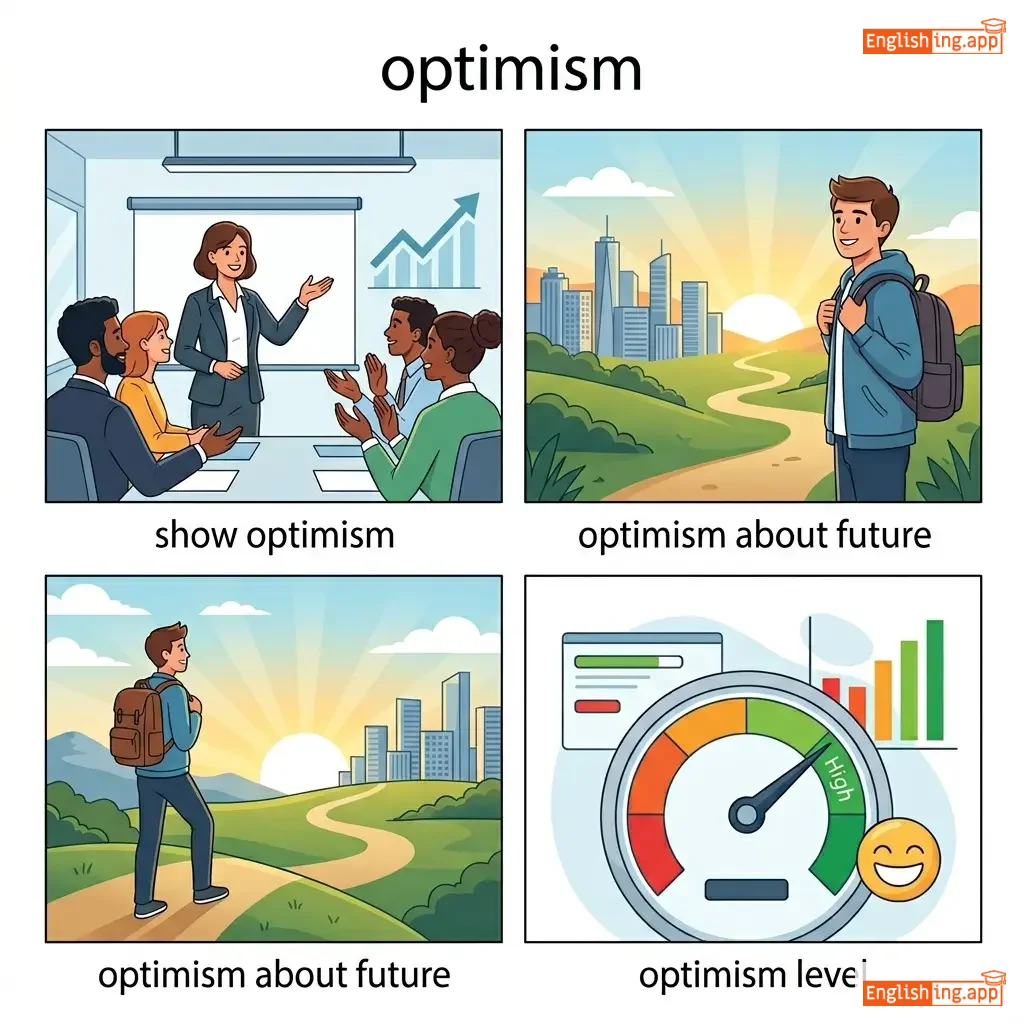
show optimism, optimism about future, optimism level, optimism grows
••••••
|
楽観主義は常に前向きに考えること 🌞
••••••
|
|
✨
••••••
|
/əˈrɪdʒ.ɪ.nəl/
adjective
(オリジナル)
••••••
|
- •••••• |
オリジナル
orijinaru
••••••
|
- •••••• | - •••••• | - •••••• | - •••••• |
existing from the beginning; not a copy or imitation
••••••
|
This is the original manuscript of the novel. |
これは小説のオリジナルの原稿です。
Kore wa shōsetsu no orijinaru no genkō desu.
••••••
|
original idea |
a new and creative thought that has not been copied
••••••
|
オリジナルのアイデア
orijinaru no aidea
••••••
|
authentic, genuine, innovative, unique, creative
••••••
|
fake, imitation, duplicate
••••••
|
original idea, original design, original version, original work
••••••
|
Originalはオリジナル✨ — オリジナル映画にはコピーはない。
••••••
|

