Midnight Hydrogen Dreams
在拉杰沙希科学俱乐部,今晚正为一场 gorgeous 活动做准备。老师说:“任何学生在没有完成 homework 前不得进入实验室。”团队的目标是在院子里制作一个安全的 hydrogen 气球。萨罗瓦尔被告知要仔细 identify 每个气瓶。坦莫伊笑着说:“确保这个气球不要变成一个 illusion。”傍晚时分,他们开始 initiated 安全检查。朱奈德被指派准确地 instruct 每个人。他的职责是用简单的语言解释每一个 integral 步骤。孩子们怀着极大的 interest 聆听,整个大厅静悄悄的。他们利用旧教堂的 interior 在气球内安装了灯光。即使在那个时刻,团队仍分享着友谊的 intimate 温暖。他们想在 midnight 之前放飞气球。赛扬塔尼提醒他们:“记住,每种气体的 molecule 表现都不一样。”学校的 observer 老师戴着警觉的眼镜站在场上。他说:“发现任何问题立即报告我。”Numerous 村民前来观看演示。他们把这夜视为特别的 occasion。一位当地 official 前来批准安全许可。一名技术 operator 一直监控仪表到最后一刻。当气球升起时,全体成员欢呼,纯粹的 optimism 照亮了每张脸。勇敢的女孩们说:“我们希望村里的女孩能通过科学表达她们的 original 想法。”
|
表情符号
|
单词 | Images | 翻译 | 过去时 | 过去分词 | 第三人称单数 | 动名词 | 含义 | 例句 | 例句翻译 | 示例表达 | 示例表达含义 | 示例表达翻译 | 同义词 | 反义词 | 搭配词 | 助记符 |
|---|---|---|---|---|---|---|---|---|---|---|---|---|---|---|---|---|---|
|
💖
••••••
|
/ˈɡɔːr.dʒəs/
adjective
(ɡɔːrʒəs)
••••••
|
- •••••• |
极其美丽;吸引人;视觉上令人印象深刻
jíqí měilì; xīyǐn rén; shìjué shàng lìngrén yìnxiàng shēnkè
••••••
|
- •••••• | - •••••• | - •••••• | - •••••• |
extremely beautiful; attractive; visually stunning
••••••
|
The bride looked absolutely gorgeous.
新娘看起来绝对美丽。
••••••
|
新娘看起来绝对美丽。
Xīnniáng kàn qǐlái juéduì měilì.
••••••
|
- •••••• | - •••••• | - •••••• |
beautiful, stunning, magnificent, lovely
••••••
|
ugly, hideous, repulsive, unattractive
••••••
|
gorgeous dress, gorgeous weather, gorgeous view, absolutely gorgeous
••••••
|
在婚礼上,新娘总是必须看起来非常美丽!
••••••
|
|
📚
••••••
|
/ˈhoʊmwɜːrk/
noun
(hōumóuōkè)
••••••
|
- •••••• |
家庭作业
jiātíng zuòyè
••••••
|
- •••••• | - •••••• | - •••••• | - •••••• |
schoolwork that a student does at home
••••••
|
I need to finish my math homework before dinner. |
我需要在晚餐前完成我的数学家庭作业。
Wǒ xūyào zài wǎncān qián wánchéng wǒ de shùxué jiātíng zuòyè.
••••••
|
do your homework |
to prepare properly for something by learning or researching beforehand
••••••
|
做家庭作业
zuò jiātíng zuòyè
••••••
|
assignment, task, exercise, study, project
••••••
|
classwork, neglect, inattention
••••••
|
do homework, finish homework, math homework, too much homework
••••••
|
家庭 = 家里的作业 (homework)
••••••
|
|
💧
••••••
|
/ˈhaɪdrədʒən/
noun
(氢气)
••••••
|
- •••••• |
氢气
qingqi
••••••
|
- •••••• | - •••••• | - •••••• | - •••••• |
a colorless, odorless, highly flammable gas that is the lightest and most abundant chemical element in the universe
••••••
|
Hydrogen is used as a clean fuel in many energy systems. |
氢气在许多能源系统中作为清洁燃料使用。
Qingqi zai xuduo nengyuan xitong zhong zuo wei qingjie ranliao shiyong.
••••••
|
- •••••• | - •••••• | - •••••• |
H2, fuel, gas
••••••
|
oxygen, carbon dioxide
••••••
|
hydrogen gas, hydrogen fuel, hydrogen bond
••••••
|
Hydrogen = 氢气 = 可以让地球飞起来的轻气体!
••••••
|
|
🔍
••••••
|
/aɪˈdɛntɪfaɪ/
verb
(ài diǎn tì fāi)
••••••
|
|
识别
shìbié
••••••
|
identified
ài diǎn tì fāi dé
••••••
|
identified
ài diǎn tì fāi dé
••••••
|
identifies
ài diǎn tì fāi zī
••••••
|
identifying
ài diǎn tì fāi yīng
••••••
|
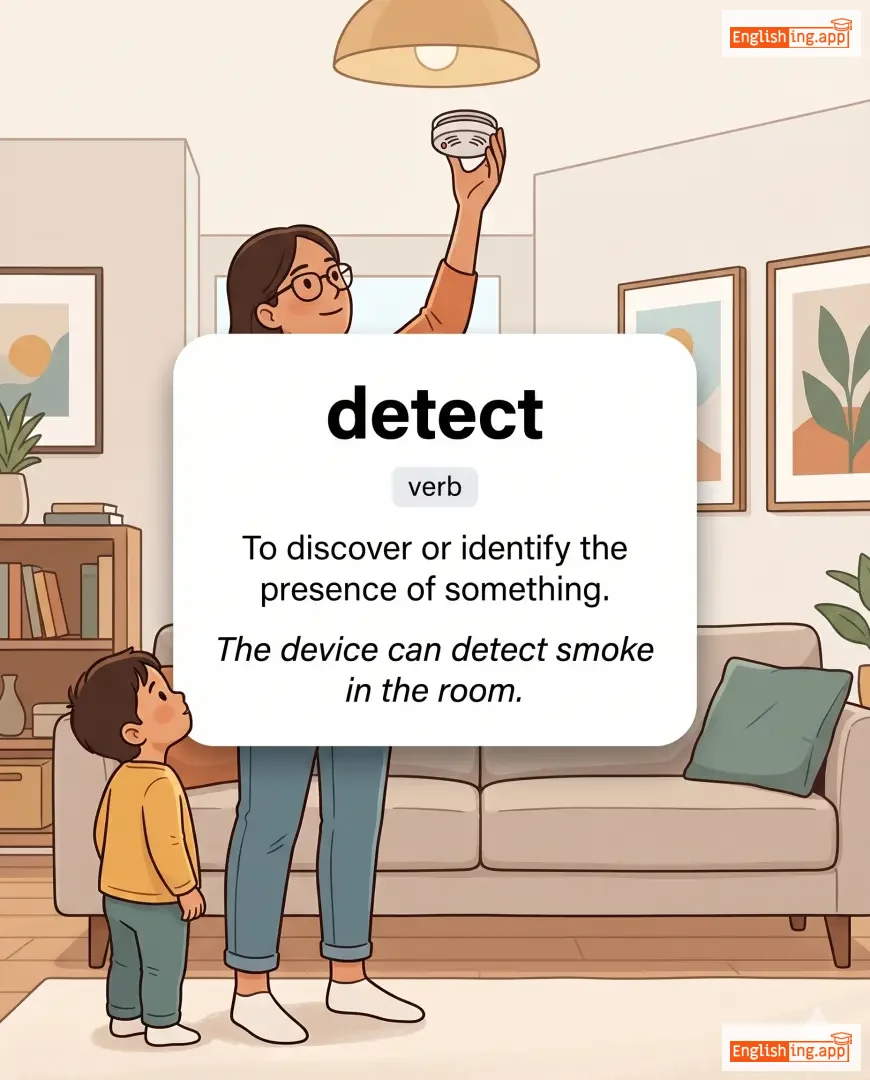
to recognize or establish what something or someone is
••••••
|
The police could not identify the suspect.
警察无法确认嫌疑人。
••••••
|
警察无法确认嫌疑人。
jǐngchá wúfǎ quèrèn xiányírén.
••••••
|
identify with
与……认同
••••••
|
to feel that you understand someone because you have had similar experiences
••••••
|
与某人认同
yǔ mǒu rén rèntóng
••••••
|
recognize, detect, determine, distinguish, verify
••••••
|
confuse, misidentify
••••••
|
identify problems, identify needs, identify the source, identify correctly
••••••
|
识别即为识别 - 就像身份证一样。
••••••
|
|
🎩
••••••
|
/ɪˈluːʒən/
noun
(错觉)
••••••
|
- •••••• |
错觉
cuòjué
••••••
|
- •••••• | - •••••• | - •••••• | - •••••• |
a false idea or belief; a deceptive appearance
••••••
|
The magician created the illusion of a floating woman. |
魔术师创造了一个漂浮女人的错觉。
Móshùshī chuàngzàole yīgè piāofú nǚrén de cuòjué.
••••••
|
under an illusion |
to have a false belief or impression
••••••
|
在错觉中
zài cuòjué zhōng
••••••
|
delusion, fantasy, mirage, hallucination, trick
••••••
|
reality, truth
••••••
|
create an illusion, optical illusion, under an illusion, shattered illusion
••••••
|
错觉 = '看起来对,但实际上不对的东西'.
••••••
|
|
🚀
••••••
|
/ɪˈnɪʃieɪt/
verb
(启动)
••••••
|


|
启动
qǐdòng
••••••
|
initiated
启动了
••••••
|
initiated
启动了
••••••
|
initiates
启动
••••••
|
initiating
启动ing
••••••
|
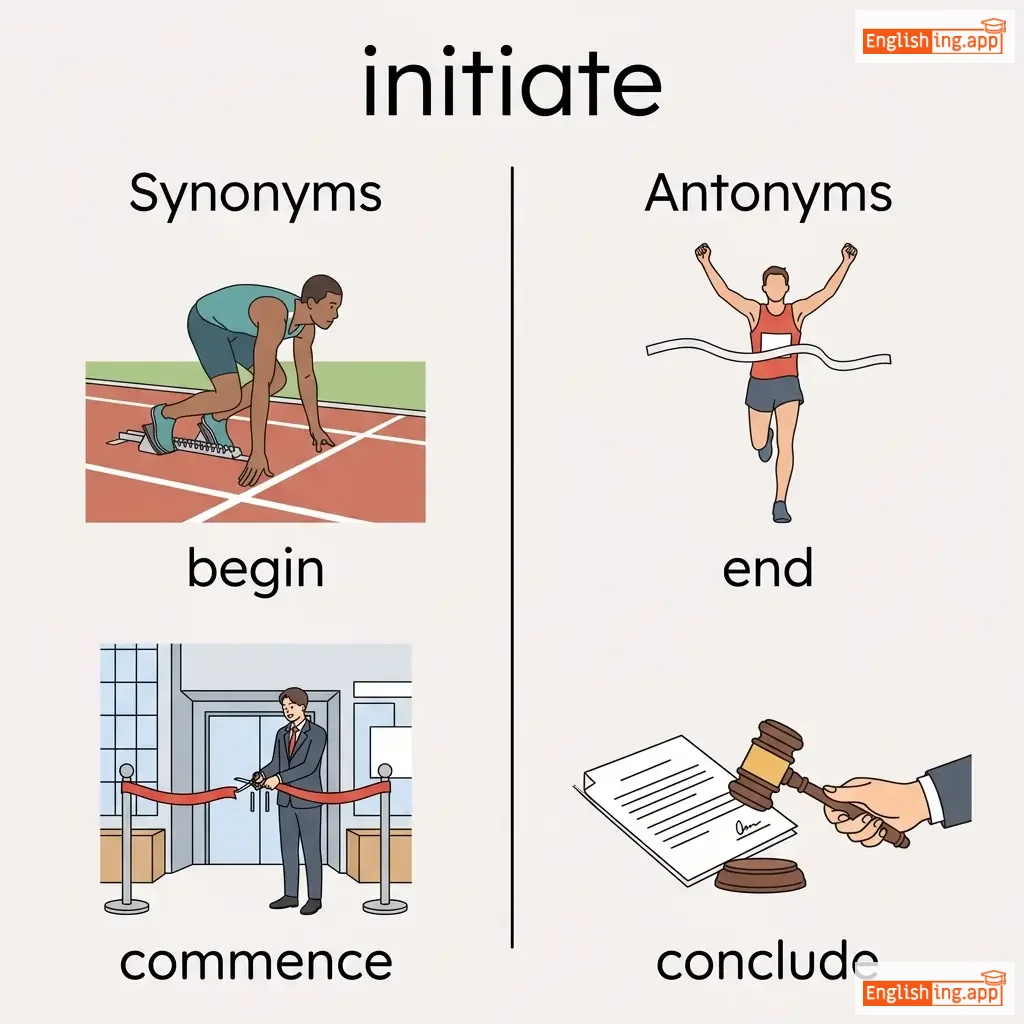
To cause something to begin; to start.
••••••
|
The company plans to initiate a new training program next month.
公司计划下个月启动一个新的培训项目。
••••••
|
公司计划下个月启动一个新的培训项目。
Gōngsī jìhuà xià gè yuè qǐdòng yīgè xīn de péixùn xiàngmù.
••••••
|
initiate proceedings
启动程序
••••••
|
To begin a formal process or legal action.
••••••
|
启动程序
qǐdòng chéngxù
••••••
|
begin, commence, launch, start, inaugurate
••••••
|
end, conclude, finish
••••••
|
initiate action, initiate process, initiate reform
••••••
|
启动代表了 '启'(开始)+ 动(行动)= 启动.
••••••
|
|
📘
••••••
|
/ɪnˈstrʌkt/
verb
(指导)
••••••
|
|
指导,教导
zhǐdǎo, jiàodǎo
••••••
|
instructed
指导了
••••••
|
instructed
指导了
••••••
|
instructs
指导
••••••
|
instructing
指导中
••••••
|
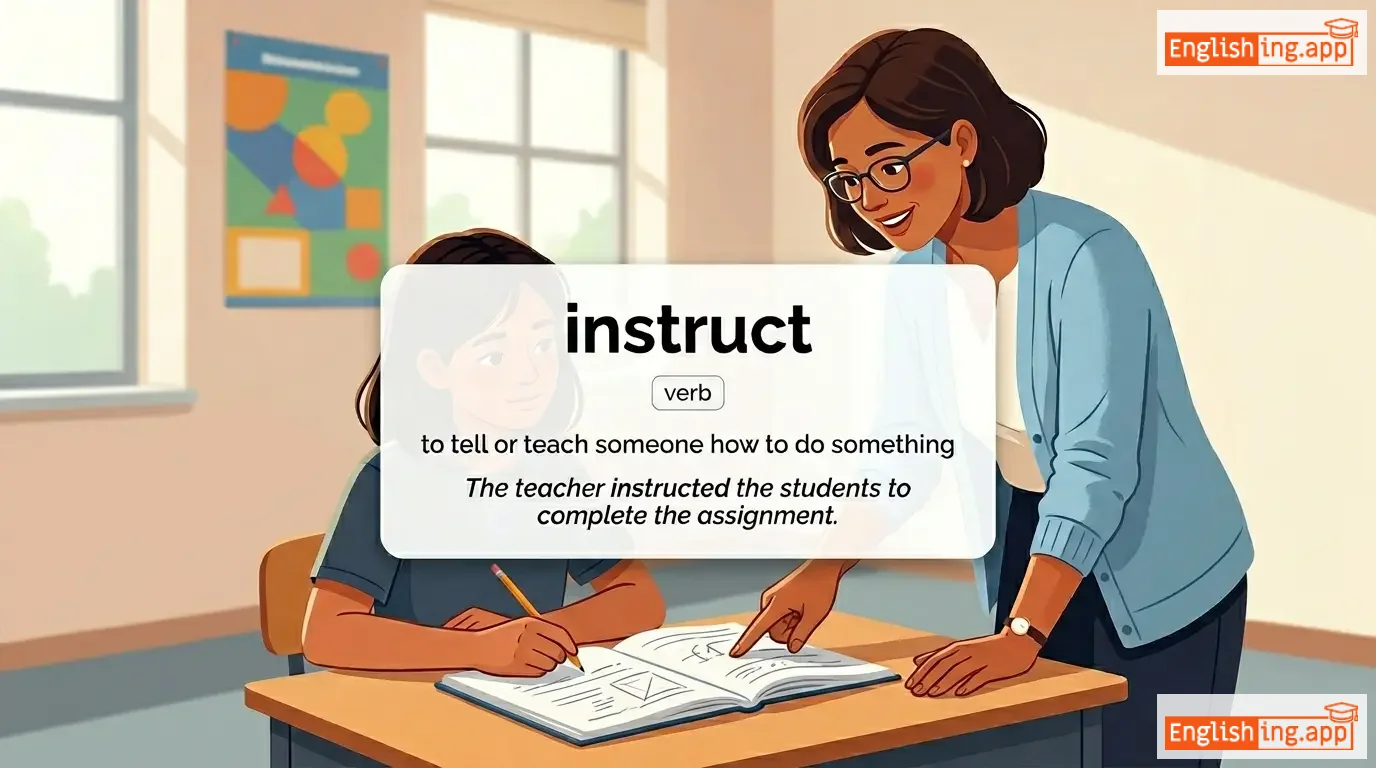
to tell or teach someone how to do something
••••••
|
The teacher instructed the students to complete the assignment.
老师指导学生完成作业。
••••••
|
老师指导学生完成作业。
Lǎoshī zhǐdǎo xuéshēng wánchéng zuòyè.
••••••
|
instruct someone to do something
指导某人做某事
••••••
|
to tell someone officially to perform an action
••••••
|
指导某人做某事
zhǐdǎo mǒu rén zuò mǒu shì
••••••
|
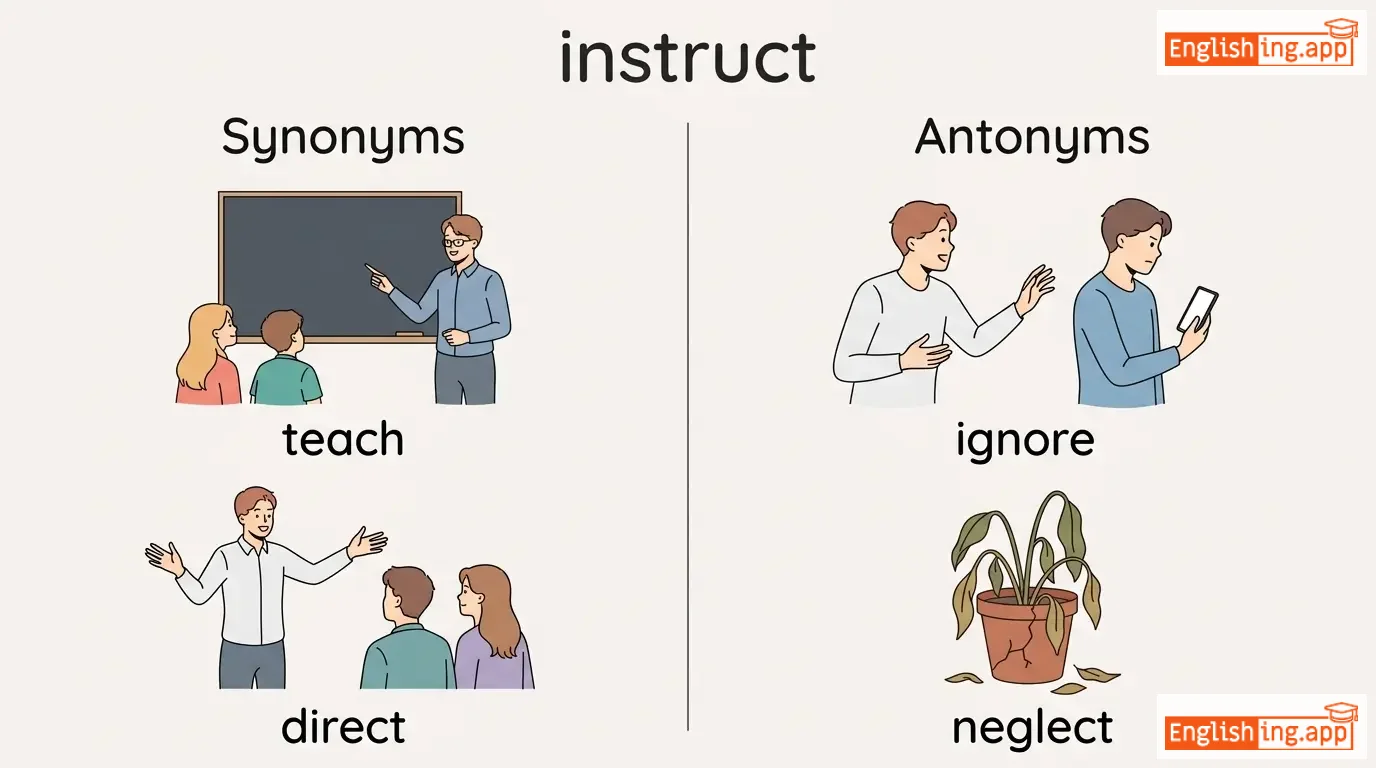
teach, direct, order, command, guide
••••••
|
ignore, neglect, mislead
••••••
|
instruct students, instruct employees, properly instructed, legally instructed
••••••
|
老师指导学生完成任务,像教书一样
••••••
|
|
🧩
••••••
|
/ˈɪntɪɡrəl/ or /ɪnˈtɛɡrəl/
adjective
(积分)
••••••
|

|
不可分割
bù kě fēn gē
••••••
|
- •••••• | - •••••• | - •••••• | - •••••• |
Necessary and important as a part of a whole.
••••••
|
Honesty is an integral part of good leadership.
诚实是良好领导力的一个重要组成部分。
••••••
|
诚实是良好领导力的一个重要组成部分。
Chéngshí shì liánghǎo lǐngdǎolì de yīgè zhòngyào zǔchéng bùfen.
••••••
|
- •••••• | - •••••• | - •••••• |
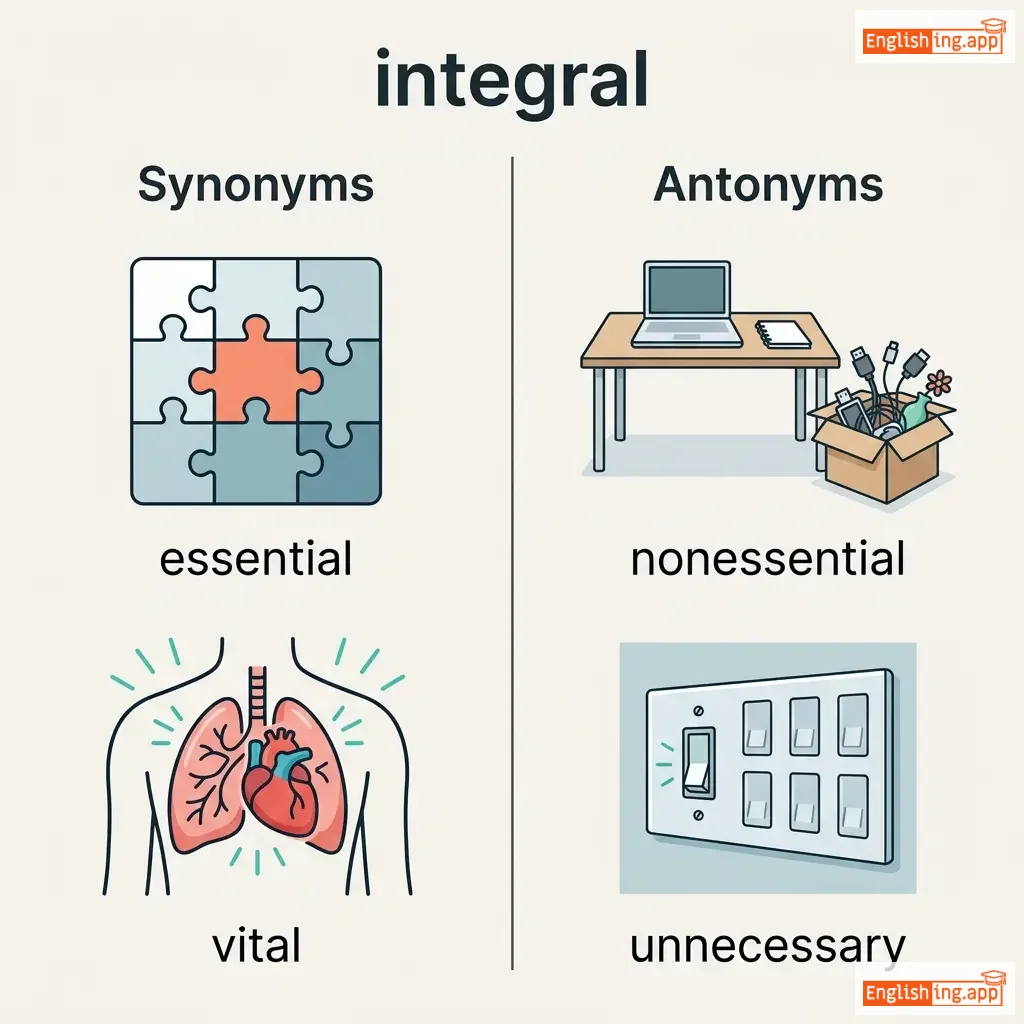
essential, vital, fundamental, crucial, indispensable
••••••
|
nonessential, unnecessary, extraneous
••••••
|
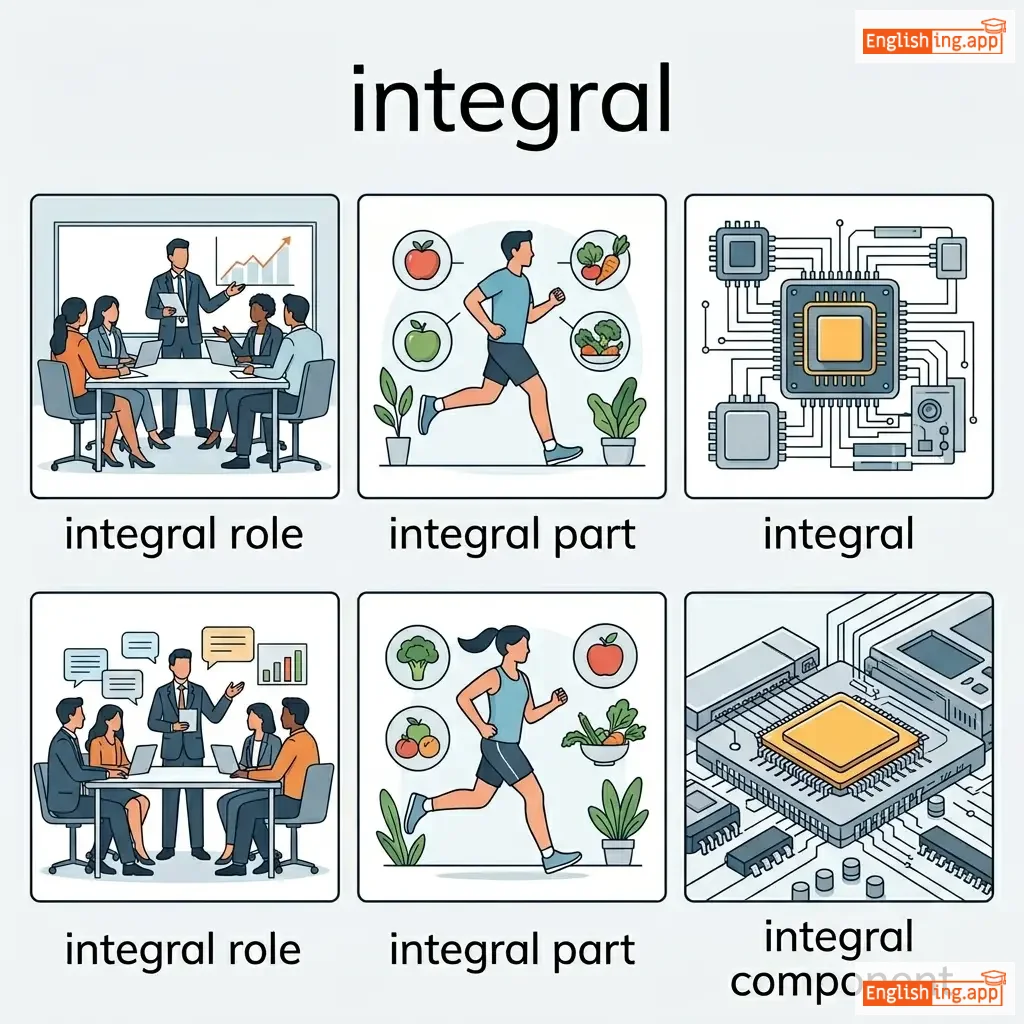
integral role, integral part, integral component, integral element
••••••
|
Integral → 不可分割的一部分
••••••
|
|
💡
••••••
|
/ˈɪntrəst/ or /ˈɪntəˌrɛst/
noun/verb
(兴趣)
••••••
|
- •••••• |
兴趣 / 利息
xìngqù / lìxī
••••••
|
interested
感兴趣
••••••
|
interested
感兴趣
••••••
|
interests
感兴趣
••••••
|
interesting
有趣
••••••
|
A feeling of curiosity or concern about something; or money paid for the use of borrowed money.
••••••
|
He showed great interest in learning new languages.
他对学习新语言表现出极大的兴趣。
••••••
|
他对学习新语言表现出极大的兴趣。
Tā duì xuéxí xīn yǔyán biǎoxiàn chū jí dà de xìngqù.
••••••
|
conflict of interest
利益冲突
••••••
|
A situation where personal interests might interfere with professional duties.
••••••
|
利益冲突
lìyì chōngtú
••••••
|
concern, curiosity, attention, stake, involvement
••••••
|
boredom, indifference, apathy
••••••
|
show interest, take interest, express interest, public interest
••••••
|
兴趣即是对事物的好奇,也包括财务上的利息。
••••••
|
|
🏠
••••••
|
/ɪnˈtɪəriər/
noun
(内部)
••••••
|
- •••••• |
内部
neibu
••••••
|
- •••••• | - •••••• | - •••••• | - •••••• |
the inside part of something; inner area of a place or object
••••••
|
The interior of the hotel was beautifully decorated. |
酒店的内部装饰非常美丽。
Jiudian de neibu zhuangshi feichang meili.
••••••
|
interior design |
the art or process of designing the inside of a building or room
••••••
|
室内设计
shinei sheji
••••••
|
inside, inner part, core, center, internal area
••••••
|
exterior, outside
••••••
|
interior design, interior wall, interior space, car interior
••••••
|
内部是指所有东西的里面,设计让它更美丽! 🏠
••••••
|
|
🌹
••••••
|
/ˈɪntɪmət/
adjective
(因提美特)
••••••
|

|
亲密
qīn mì
••••••
|
- •••••• | - •••••• | - •••••• | - •••••• |
Closely acquainted; very familiar and personal.
••••••
|
They shared an intimate dinner by candlelight. |
他们在烛光下共享了一顿亲密的晚餐。
Tāmen zài zhúguāng xià gòngxiǎngle yī dùn qīnmì de wǎncān.
••••••
|
intimate knowledge |
A deep or detailed understanding of something.
••••••
|
亲密知识
qīn mì zhī shí
••••••
|
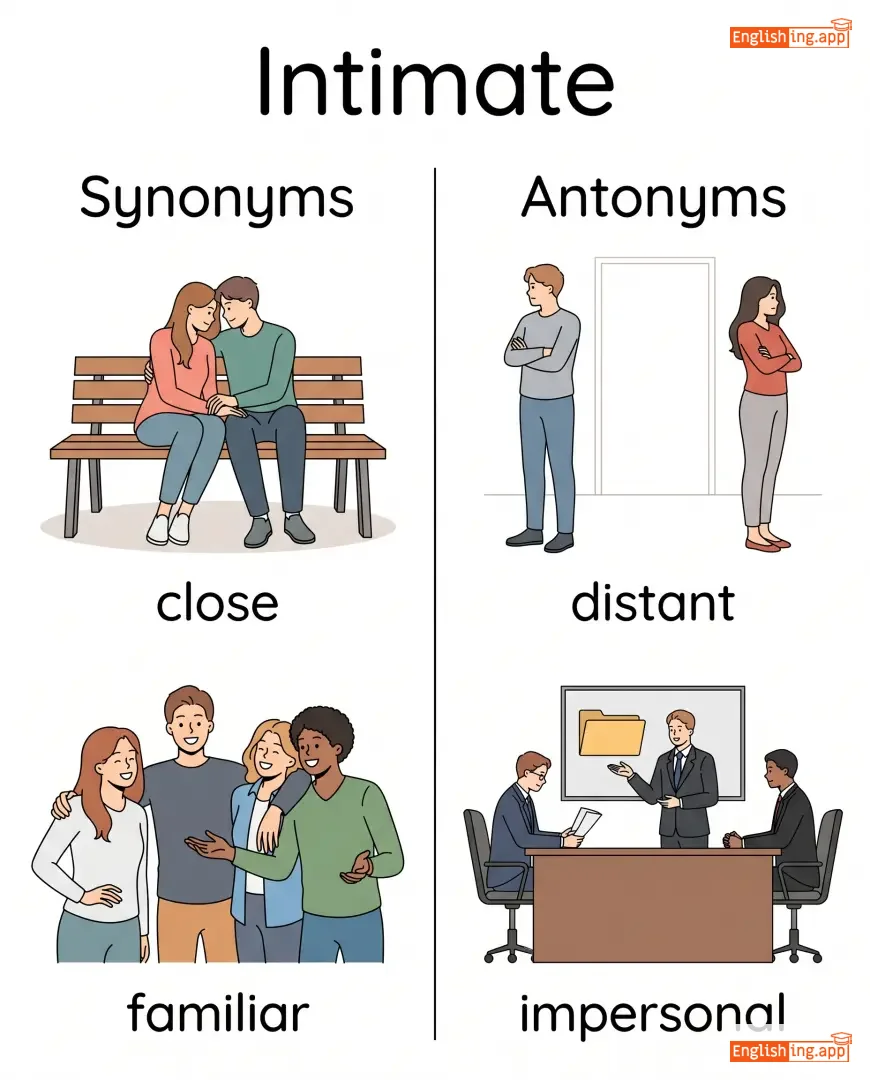
close, familiar, personal, confidential, warm
••••••
|
distant, impersonal, formal
••••••
|
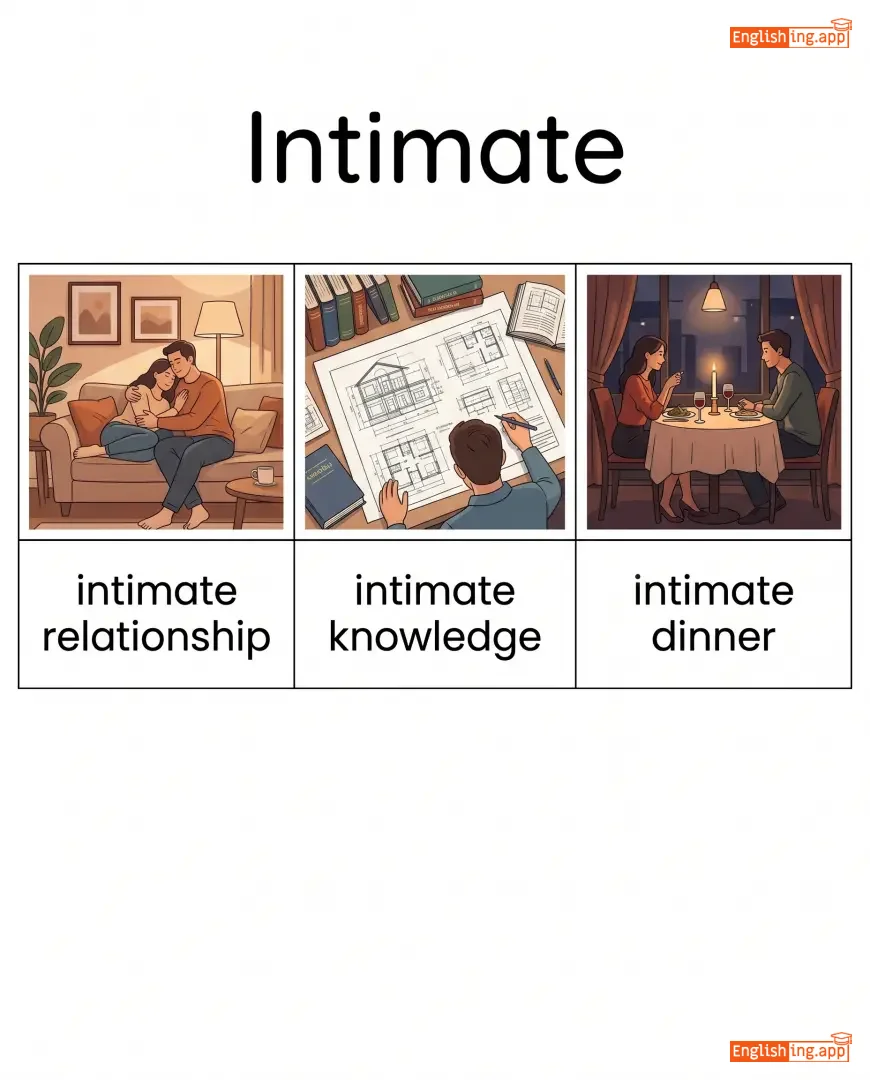
intimate relationship, intimate knowledge, intimate dinner, intimate friend
••••••
|
Intimate = 亲密如朋友之间的深厚关系。
••••••
|
|
🌙
••••••
|
/ˈmɪdnaɪt/
noun
(mɪdnaɪt)
••••••
|
- •••••• |
午夜
wǔ yè
••••••
|
- •••••• | - •••••• | - •••••• | - •••••• |
twelve o'clock at night; the middle of the night
••••••
|
He reached home just after midnight. |
他在午夜后到家。
Tā zài wǔ yè hòu dào jiā.
••••••
|
burn the midnight oil |
to work late into the night
••••••
|
熬夜工作
áo yè gōngzuò
••••••
|
nighttime, darkness, late night, twelve o’clock
••••••
|
noon, midday
••••••
|
at midnight, past midnight, midnight snack, midnight train
••••••
|
午夜由‘五’和‘夜’组成,代表夜晚的中间时刻。
••••••
|
|
⚛️
••••••
|
/ˈmɒlɪkjuːl/
noun
(分子)
••••••
|
- •••••• |
分子
fenzi
••••••
|
- •••••• | - •••••• | - •••••• | - •••••• |
The smallest unit of a chemical compound that retains its chemical properties.
••••••
|
A water molecule is made up of two hydrogen atoms and one oxygen atom.
一个水分子由两个氢原子和一个氧原子组成。
••••••
|
一个水分子由两个氢原子和一个氧原子组成。
yige shui fenzi you liangge qing yuanzhi he yige yang yuanzhi zucheng.
••••••
|
- •••••• | - •••••• | - •••••• |
particle, atom, compound, element
••••••
|
macromolecule, bulk
••••••
|
water molecule, molecule structure, molecule formation, organic molecule
••••••
|
分子 = 小小的化学单位,做出大贡献。
••••••
|
|
🔢
••••••
|
/ˈnjuː.mər.əs/
adjective
(niú mǐ ruó sī)
••••••
|
- •••••• |
众多的; 很多的; 丰富的
zhòng duō de; hěn duō de; fēng fù de
••••••
|
- •••••• | - •••••• | - •••••• | - •••••• |
existing in large numbers; many; abundant
••••••
|
There are numerous benefits to exercising regularly.
定期锻炼有许多好处。
••••••
|
定期锻炼有许多好处。
Dìngqī duànliàn yǒu xǔduō hǎochù.
••••••
|
- •••••• | - •••••• | - •••••• |
many, countless, abundant, plentiful
••••••
|
few, scarce, limited
••••••
|
numerous occasions, numerous benefits, numerous examples
••••••
|
定期锻炼让你拥有更多的好处。
••••••
|
|
👀
••••••
|
/əbˈzɜːvər/
noun
(óu-bú-zhè-fú-ěr)
••••••
|
- •••••• |
观察者
guānchá zhě
••••••
|
- •••••• | - •••••• | - •••••• | - •••••• |
a person who watches or notices something
••••••
|
The observer took notes during the meeting. |
观察者在会议期间做了笔记。
Guānchá zhě zài huìyì qījiān zuò le bǐjì.
••••••
|
- •••••• | - •••••• | - •••••• |
spectator, watcher, viewer, onlooker
••••••
|
participant, actor
••••••
|
passive observer, keen observer, careful observer
••••••
|
Observer - ‘观’和‘察’意味着一个观察者,在中文中记住它很容易。
••••••
|
|
🎉
••••••
|
/əˈkeɪʒən/
noun
(ōu kēi zhēn)
••••••
|
- •••••• |
场合
changhe
••••••
|
- •••••• | - •••••• | - •••••• | - •••••• |
A particular time or event; a special or important happening.
••••••
|
Her wedding was a joyful occasion for the whole family. |
她的婚礼是全家人的一个欢乐场合。
Tā de hūnlǐ shì quánjiārén de yīgè huānlè chǎnghé.
••••••
|
on occasion |
sometimes, occasionally
••••••
|
偶尔
ǒu'ěr
••••••
|
event, moment, incident, celebration, affair
••••••
|
routine, ordinary, regularity
••••••
|
special occasion, on occasion, festive occasion, grand occasion
••••••
|
Occasion 在中文里是场合,意味着特殊的时刻 - 在重要的场合,我们常常庆祝。
••••••
|
|
📜
••••••
|
/əˈfɪʃəl/
adjective
(àofēixì'āo)
••••••
|
- •••••• |
官方
guānfāng
••••••
|
- •••••• | - •••••• | - •••••• | - •••••• |
relating to or connected with an authority or public office
••••••
|
He is the official spokesperson for the company.
他是公司的官方发言人。
••••••
|
他是公司的官方发言人。
Tā shì gōngsī de guānfāng fāyánrén.
••••••
|
- •••••• | - •••••• | - •••••• |
authorized, formal, legitimate, recognized
••••••
|
unofficial, informal, unofficial
••••••
|
official statement, official announcement, official document, official role
••••••
|
官方(guānfāng)总是有权力的代表。
••••••
|
|
👷
••••••
|
/ˈɒpəreɪtər/
noun
(操作员)
••••••
|
- •••••• |
操作员
caozuo yuan
••••••
|
- •••••• | - •••••• | - •••••• | - •••••• |
a person who operates equipment, a business, or controls something
••••••
|
The machine operator ensured that everything ran smoothly. |
机器操作员确保一切顺利运行。
Jiqi caozuoyuan quebao yiqie shunli yunxing.
••••••
|
smooth operator |
a person who is skilled at handling situations or people
••••••
|
熟练操作员
Shulian caozuoyuan
••••••
|
controller, handler, machinist, agent, technician
••••••
|
novice, amateur, beginner
••••••
|
machine operator, telephone operator, skilled operator, smooth operator
••••••
|
操作员: 操作机器,控制一切。
••••••
|
|
🌞
••••••
|
/ˈɒptɪmɪzəm/
noun
(乐观)
••••••
|
|
乐观
leguan
••••••
|
- •••••• | - •••••• | - •••••• | - •••••• |
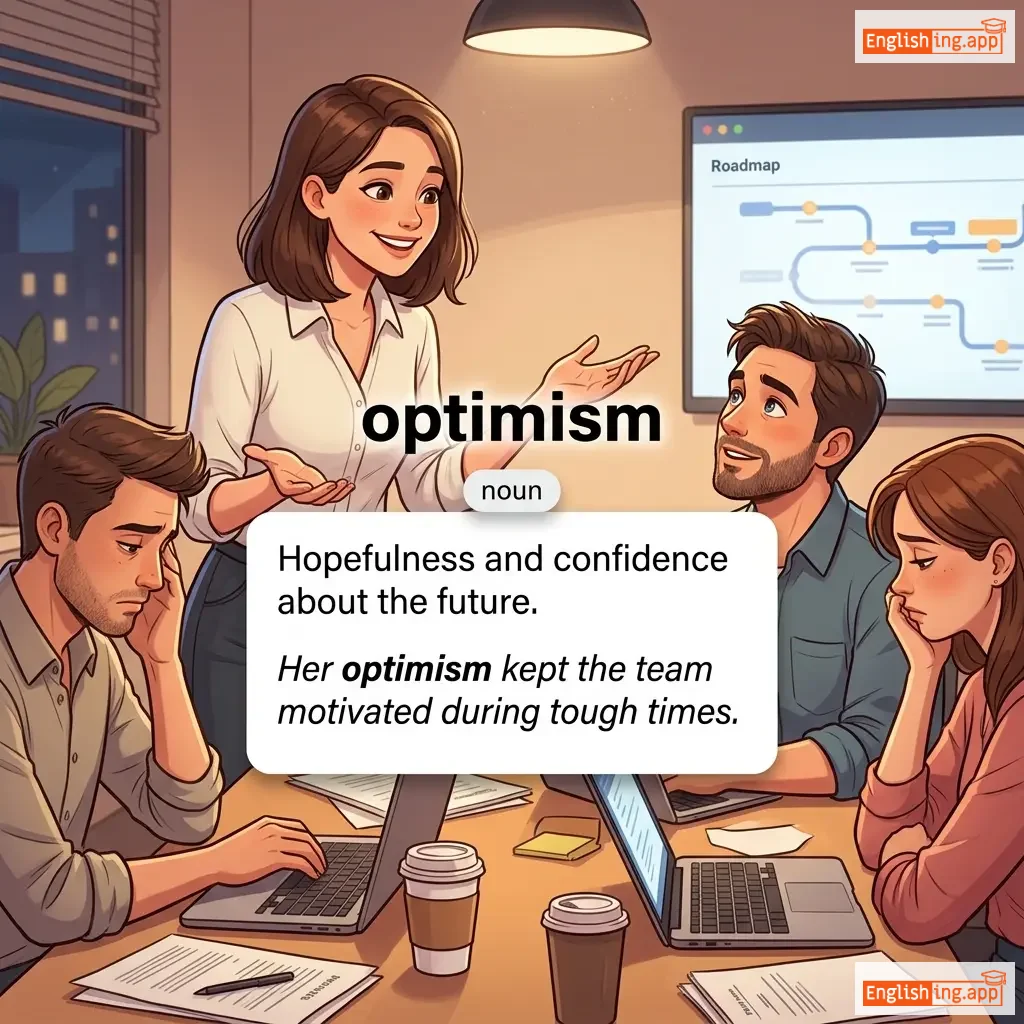
Hopefulness and confidence about the future.
••••••
|
Her optimism kept the team motivated during tough times. |
她的乐观让团队在困难时刻保持动力。
Tā de leguan ràng tuánduì zài kùnnán shíkè bǎochí dònglì.
••••••
|
glass half full |
an optimistic way of looking at things
••••••
|
半满的杯子
bàn mǎn de bēizi
••••••
|
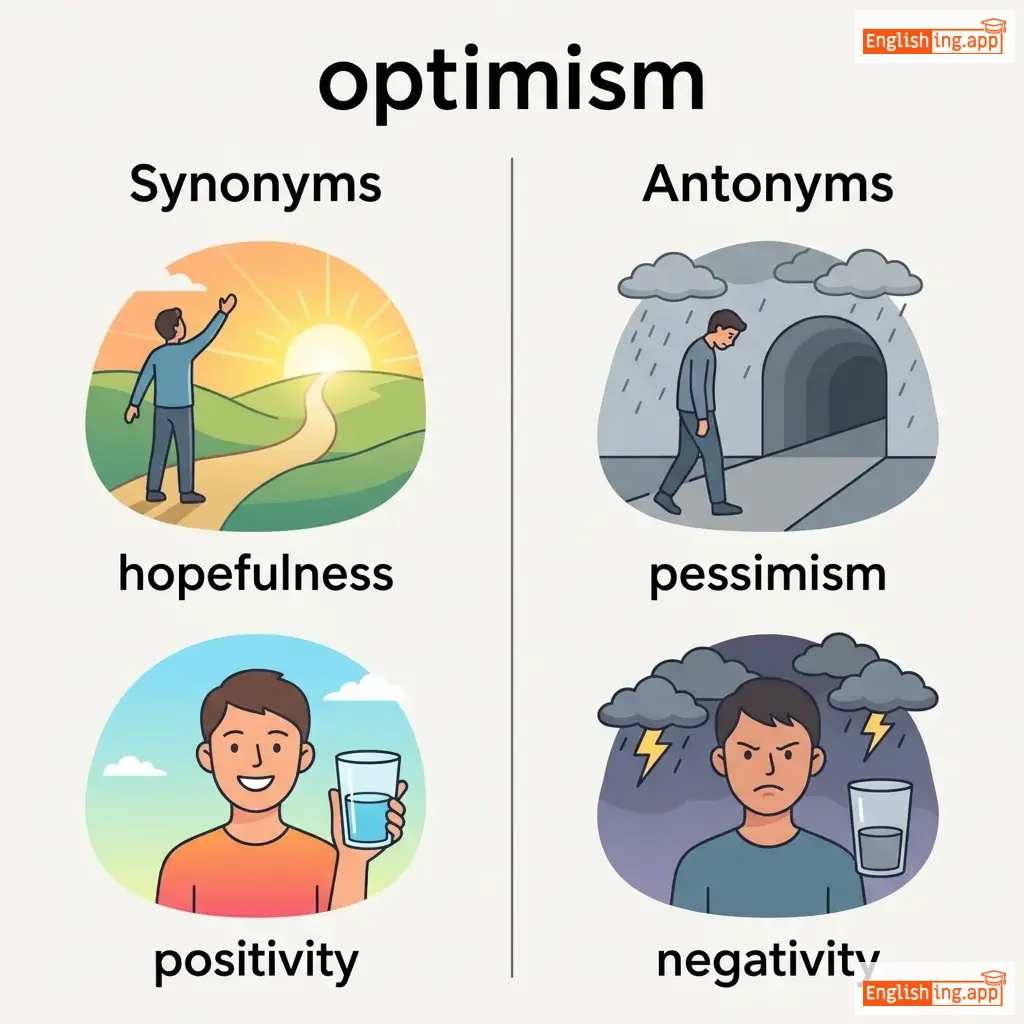
hopefulness, positivity, confidence, cheerfulness
••••••
|
pessimism, negativity
••••••
|
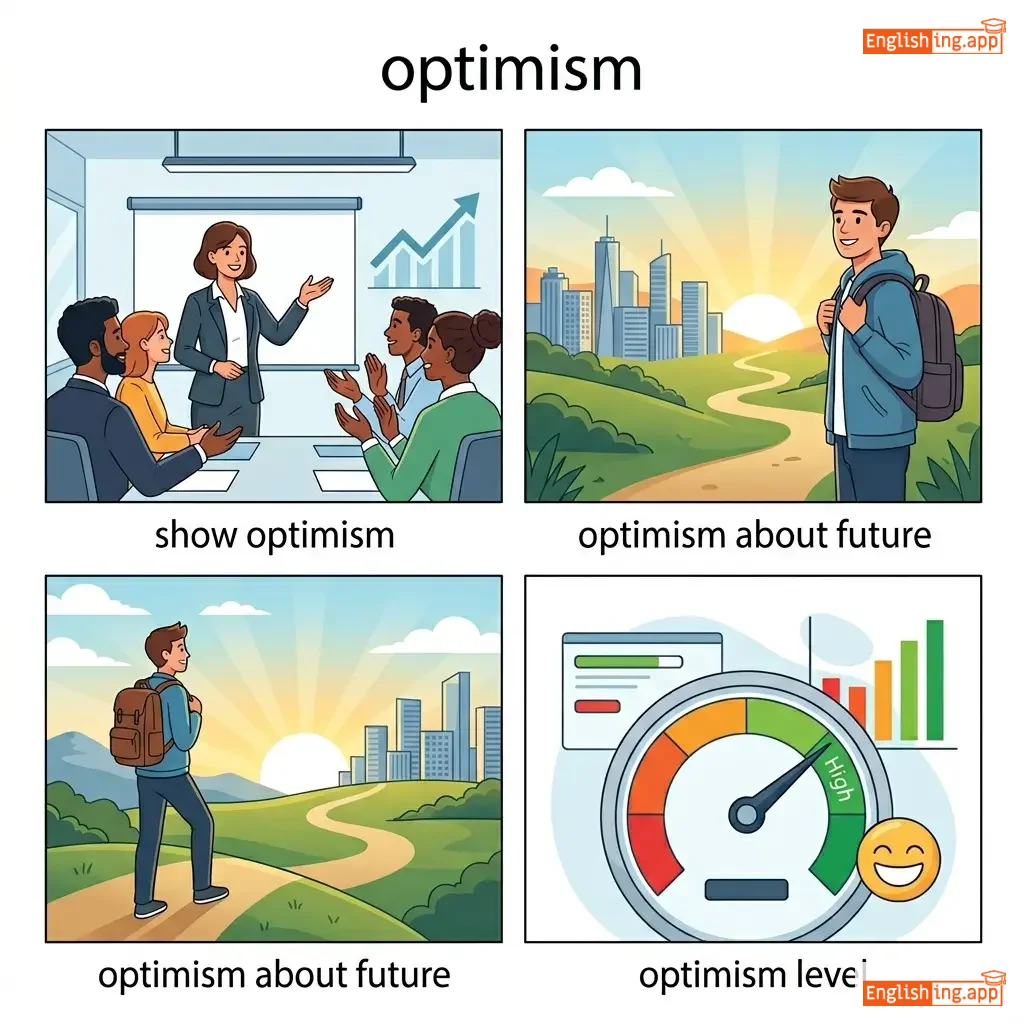
show optimism, optimism about future, optimism level, optimism grows
••••••
|
乐观就是总是保持积极的心态 🌞
••••••
|
|
✨
••••••
|
/əˈrɪdʒ.ɪ.nəl/
adjective
(óu rì jì nà ěr)
••••••
|
- •••••• |
原始
yuán shǐ
••••••
|
- •••••• | - •••••• | - •••••• | - •••••• |
existing from the beginning; not a copy or imitation
••••••
|
This is the original manuscript of the novel. |
这是小说的原始手稿。
zhè shì xiǎoshuō de yuán shǐ shǒugǎo.
••••••
|
original idea |
a new and creative thought that has not been copied
••••••
|
原创想法
yuán chuàng xiǎng fǎ
••••••
|
authentic, genuine, innovative, unique, creative
••••••
|
fake, imitation, duplicate
••••••
|
original idea, original design, original version, original work
••••••
|
Original 意味着原始 ✨ — 在原创电影中没有复制。
••••••
|

