The Cost of Ambition
テレビスタジオの明るい照明の下、レポーターのナディムは自分のショーをbroadcastする準備をしていた。彼の日のagendaは、市内で最も大きな企業crimeについて話すことだった。彼はassumed自分には十分な証拠があると思っていた。ナディムはライバルチャンネルとcompeteしたかった。このcomplexな問題を議論していると、彼は古い友人とconflictに陥った。友人は今や強力なallyだった。ショーが終わった後、彼の友人は彼に電話し、angryな声で言った。「私のせいで何でもかんでもblameしないで。」ナディムは彼をconvinceしようとしたが、彼の仕事の一部だと言った。しかし、彼らのconstantな議論は続いた。ナディムは、このような仕事のcontextを理解することは非常に難しいと感じていた。結局、彼らの友情はceaseしてしまった。ナディムは自分のプログラムを通じて都市の腐敗をcaptureしたかったが、そのためにはこんなにも高い代償を払うことになるとは思わなかった。彼の仕事にconsistentでいることは、彼を孤独にさせた。
|
絵文字
|
単語 | Images | 翻訳 | 過去 | 過去分詞 | 三人称単数 | 動名詞 | 意味 | 例文 | 例文の翻訳 | 表現例 | 表現例の意味 | 表現例の翻訳 | 同義語 | 対義語 | コロケーション | ニーモニック |
|---|---|---|---|---|---|---|---|---|---|---|---|---|---|---|---|---|---|
|
📋
••••••
|
/əˈdʒɛndə/
noun
••••••
|
- •••••• | - •••••• | - •••••• | - •••••• | - •••••• | - •••••• |
A list of items to be discussed or acted upon in a meeting or plan.
••••••
|
The manager reviewed the agenda before the meeting began. |
- •••••• |
hidden agenda |
A secret motive or plan behind someone's actions.
••••••
|
- •••••• |
schedule, plan, program, timetable, itinerary
••••••
|
disorganization, randomness
••••••
|
meeting agenda, set the agenda, hidden agenda
••••••
|
No •••••• |
|
🤝
••••••
|
/ˈælaɪ/
verb
(アライ)
••••••
|
- •••••• |
味方
mikata
••••••
|
allied
アライド
••••••
|
allied
アライド
••••••
|
allies
アライズ
••••••
|
allying
アライング
••••••
|
To unite or form a connection or partnership with another person, group, or nation.
••••••
|
The two countries decided to ally against their common enemy.
二国は共通の敵に対して連携することを決定した。
••••••
|
二国は共通の敵に対して連携することを決定した。
Nikoku wa kyōtsū no teki ni taishite renkei suru koto o kettei shita.
••••••
|
ally with
と一緒に連携する
••••••
|
To form a partnership or alliance with someone.
••••••
|
と一緒に連携する
to issho ni renkei suru
••••••
|
associate, unite, partner, combine, join
••••••
|
oppose, resist, separate
••••••
|
ally with, strong ally, loyal ally, ally against
••••••
|
AllyはAll + I、誰かと一緒に味方になることを意味します。
••••••
|
|
😡
••••••
|
/ˈæŋɡri/
adjective
(エングリ)
••••••
|
- •••••• |
怒っている
okotteiru
••••••
|
- •••••• | - •••••• | - •••••• | - •••••• |
feeling or showing strong displeasure or hostility
••••••
|
She was angry when she found out the truth. |
彼女は真実を知って怒っていた。
Kanojo wa shinjitsu o shitte okotte ita.
••••••
|
angry with someone |
to feel or show anger towards a person
••••••
|
誰かに怒っている
dareka ni okotteiru
••••••
|
mad, furious, upset, irritated, annoyed
••••••
|
calm, happy, pleased
••••••
|
angry face, angry voice, angry crowd, angry response
••••••
|
Angry は怒っている—怒ると顔が赤くなる 🔥
••••••
|
|
🤔
••••••
|
/əˈsuːm/
verb
(アシューム)
••••••
|
- •••••• |
仮定する
katei suru
••••••
|
assumed
アシュームド
••••••
|
assumed
アシュームド
••••••
|
assumes
アシュームス
••••••
|
assuming
アシューミング
••••••
|
to think that something is true without proof
••••••
|
I assume he will be late to the meeting.
私は彼が会議に遅れると仮定しています。
••••••
|
私は彼が会議に遅れると仮定しています。
Watashi wa kare ga kaigi ni okureru to katei shiteimasu.
••••••
|
make an assumption
仮定をする
••••••
|
to form an idea without evidence
••••••
|
仮定をする
katei o suru
••••••
|
suppose, presume, imagine, believe, expect
••••••
|
doubt, question, deny
••••••
|
assume responsibility, assume control, assume the worst, assume a role
••••••
|
仮定 = 'カテイ' に確かめよう。
••••••
|
|
☝️
••••••
|
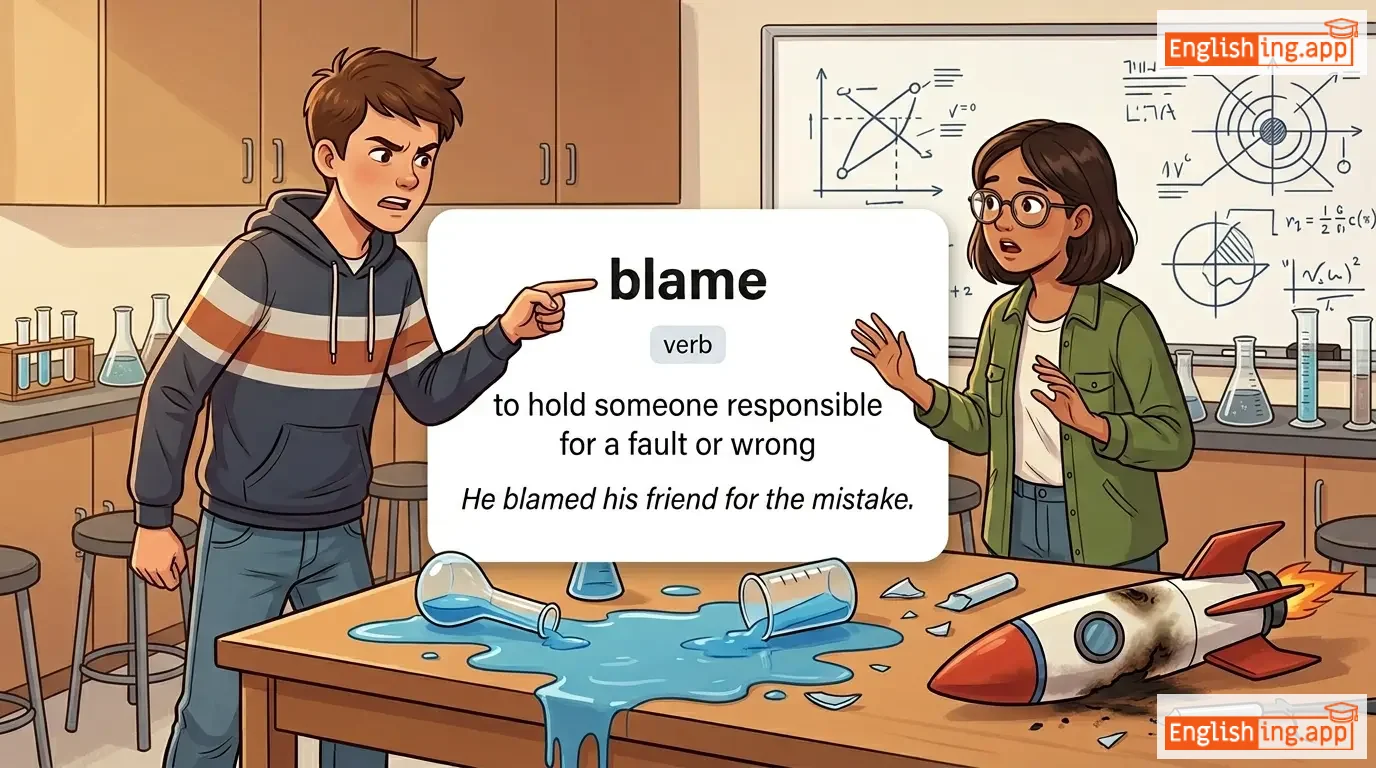
/bleɪm/
verb
(bureimu)
••••••
|
|
非難する
hinan suru
••••••
|
blamed
bureimudo
••••••
|
blamed
bureimudo
••••••
|
blames
bureimus
••••••
|
blaming
bureimingu
••••••
|
to hold someone responsible for a fault or wrong
••••••
|
He blamed his friend for the mistake.
彼はその間違いについて友人を非難しました。
••••••
|
彼はその間違いについて友人を非難しました。
Kare wa sono machigai ni tsuite yūjin wo hinan shimashita.
••••••
|
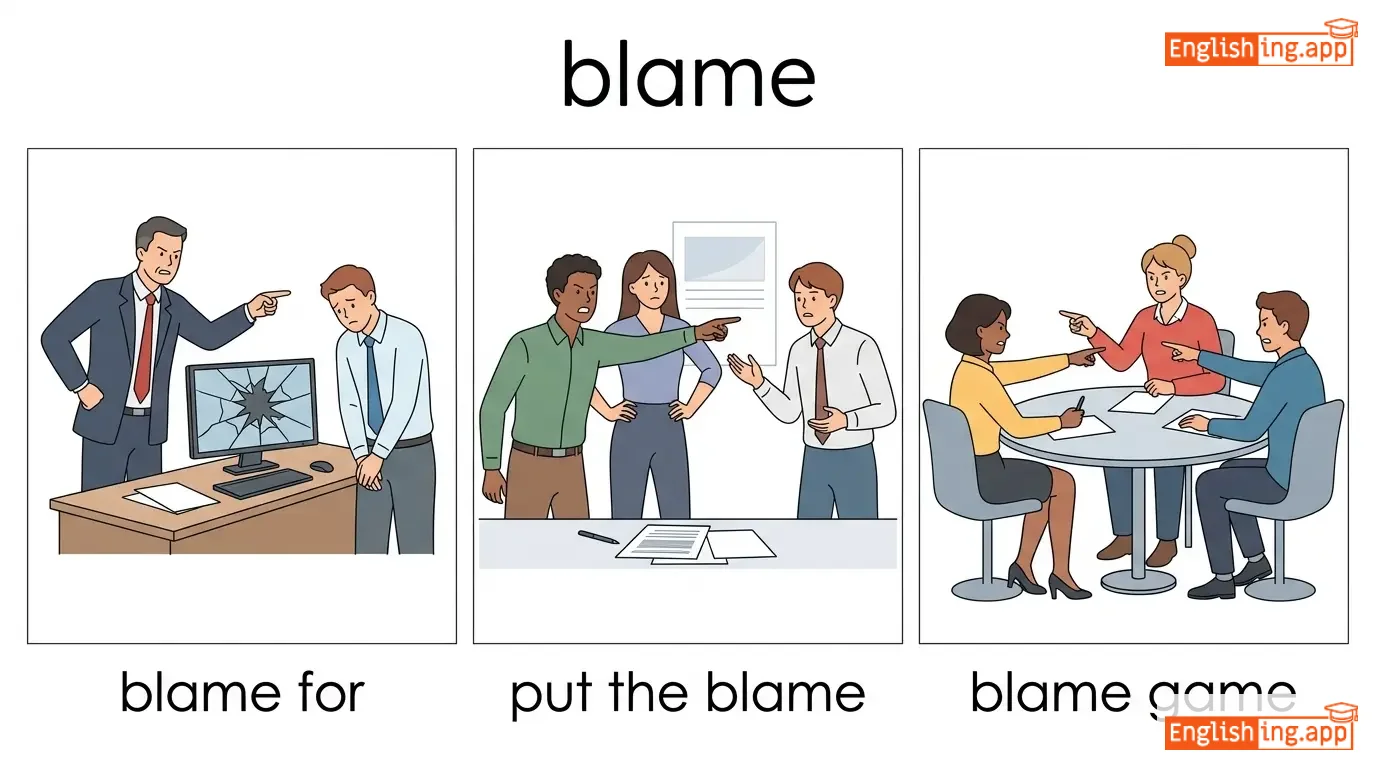
put the blame on
責任を負わせる
••••••
|
to make someone responsible for something bad
••••••
|
責任を負わせる
Sekinin wo owaseru
••••••
|
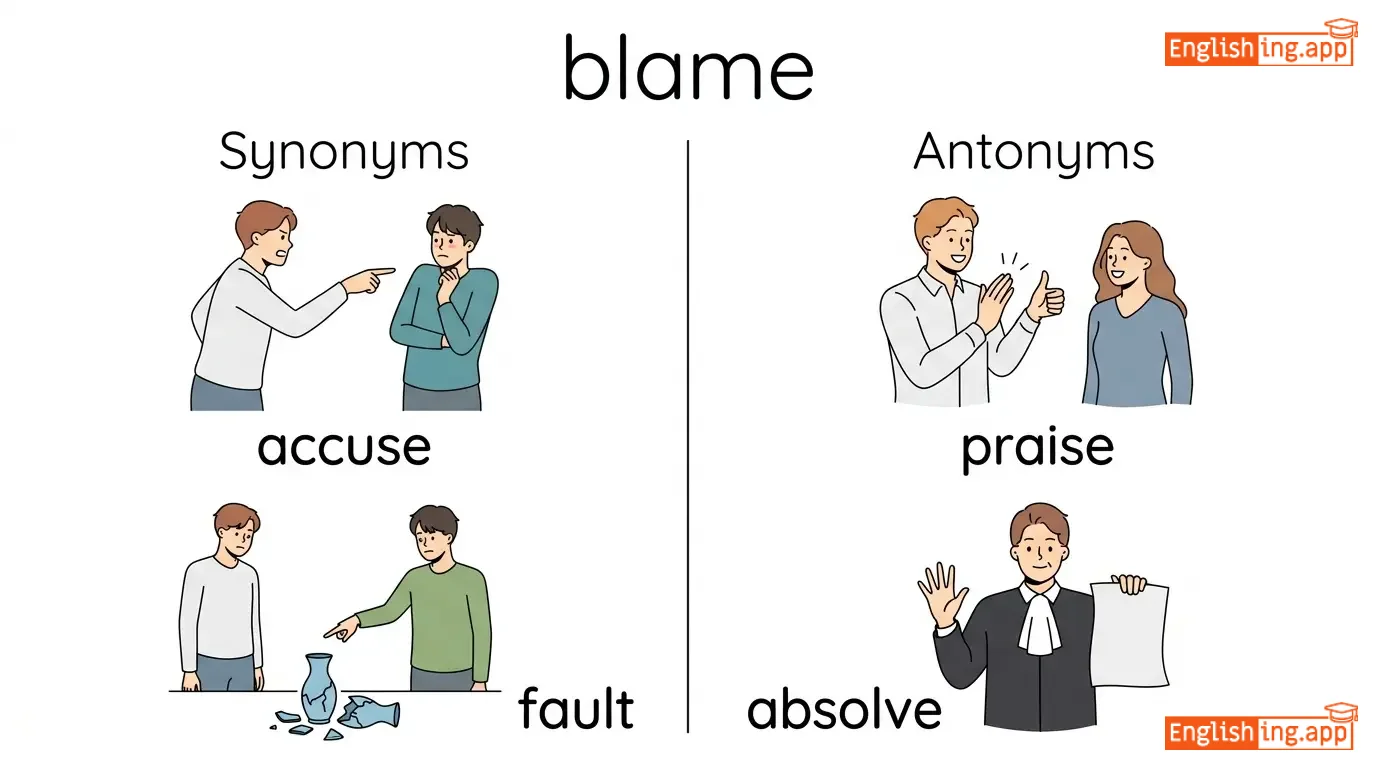
accuse, fault, charge, condemn
••••••
|
praise, absolve, forgive
••••••
|
blame for, put the blame, blame game, blame others
••••••
|
Blame は非難するという意味—'Blame game' は非難し合うゲーム。
••••••
|
|
📡
••••••
|
/ˈbrɔːdˌkæst/
verb
(ブロードキャスト)
••••••
|
- •••••• |
放送する
housou suru
••••••
|
broadcast
ブロードキャスト
••••••
|
broadcast
ブロードキャスト
••••••
|
broadcasts
ブロードキャストス
••••••
|
broadcasting
ブロードキャスティング
••••••
|
to transmit a program or information by radio, television, or online media
••••••
|
The match was broadcast live on television.
試合はテレビで生放送されました。
••••••
|
試合はテレビで生放送されました。
Shiai wa terebi de namahousou saremashita.
••••••
|
broadcast live
生放送する
••••••
|
to transmit an event in real time
••••••
|
生放送する
namahousou suru
••••••
|
air, transmit, telecast, announce
••••••
|
conceal, suppress
••••••
|
broadcast live, radio broadcast, television broadcast
••••••
|
Broadcast = '放送する' in Japanese, as in transmitting live events on TV
••••••
|
|
📸
••••••
|
/ˈkæptʃər/
verb
(キャプチャ)
••••••
|
- •••••• |
キャプチャ
kyapuchā
••••••
|
captured
キャプチャード
••••••
|
captured
キャプチャード
••••••
|
captures
キャプチャーズ
••••••
|
capturing
キャプチャリング
••••••
|
to take control of something or someone by force
••••••
|
The soldiers managed to capture the enemy base.
兵士たちは敵の基地を占拠することに成功しました。
••••••
|
兵士たちは敵の基地を占拠することに成功しました。
Heishitachi wa teki no kichi o senkyo suru koto ni seikou shimashita.
••••••
|
capture the moment
その瞬間をキャプチャする
••••••
|
to preserve or record a special time or event
••••••
|
その瞬間をキャプチャする
sono shunkan wo kyapuchā suru
••••••
|
seize, arrest, apprehend, conquer, trap
••••••
|
release, free, liberate
••••••
|
capture the flag, capture attention, capture market, capture image
••••••
|
キャプチャーは、瞬間を写真で捉えること
••••••
|
|
🛑
••••••
|
/siːs/
verb
(シス)
••••••
|
- •••••• |
停止する
teishi suru
••••••
|
ceased
シスド
••••••
|
ceased
シスド
••••••
|
ceases
シセス
••••••
|
ceasing
シシング
••••••
|
to bring or come to an end; to stop doing something
••••••
|
The noise ceased as soon as the children went inside.
騒音は子供たちが中に入るとすぐに止まりました。
••••••
|
騒音は子供たちが中に入るとすぐに止まりました。
Sōon wa kodomotachi ga naka ni hairu to sugu ni tomarimashita.
••••••
|
ceasefire
停戦
••••••
|
an agreement to stop fighting temporarily
••••••
|
停戦
teisen
••••••
|
stop, halt, end, discontinue, terminate
••••••
|
continue, persist, proceed
••••••
|
cease operations, cease to exist, cease immediately, cease fire
••••••
|
Ceaseは停止する、英語の「シス」と同じように止める意味です。
••••••
|
|
🏆
••••••
|
/kəmˈpiːt/
verb
(コンペート)
••••••
|
- •••••• |
競争する
kyousou suru
••••••
|
competed
コンペーティッド
••••••
|
competed
コンペーティッド
••••••
|
competes
コンピーツ
••••••
|
competing
コンピーティング
••••••
|
to try to win or be more successful than others in a contest or activity
••••••
|
Several companies compete for dominance in the market.
いくつかの会社が市場での支配を競い合っています。
••••••
|
いくつかの会社が市場での支配を競い合っています。
Ikutsuka no kaisha ga shijou de no shihai o kisoiatteimasu.
••••••
|
compete against time
時間との競争
••••••
|
to try to do something very quickly before time runs out
••••••
|
時間との競争
Jikan to no kyousou
••••••
|
contend, vie, strive, rival, challenge
••••••
|
cooperate, support, assist
••••••
|
compete for, compete against, compete in, fiercely compete
••••••
|
競争するということは競い合うことです!
••••••
|
|
🧩
••••••
|
/ˈkɒm.pleks/
adjective, noun
(コンプレックス)
••••••
|
|
複雑な
fukuzatsuna
••••••
|
- •••••• | - •••••• | - •••••• | - •••••• |
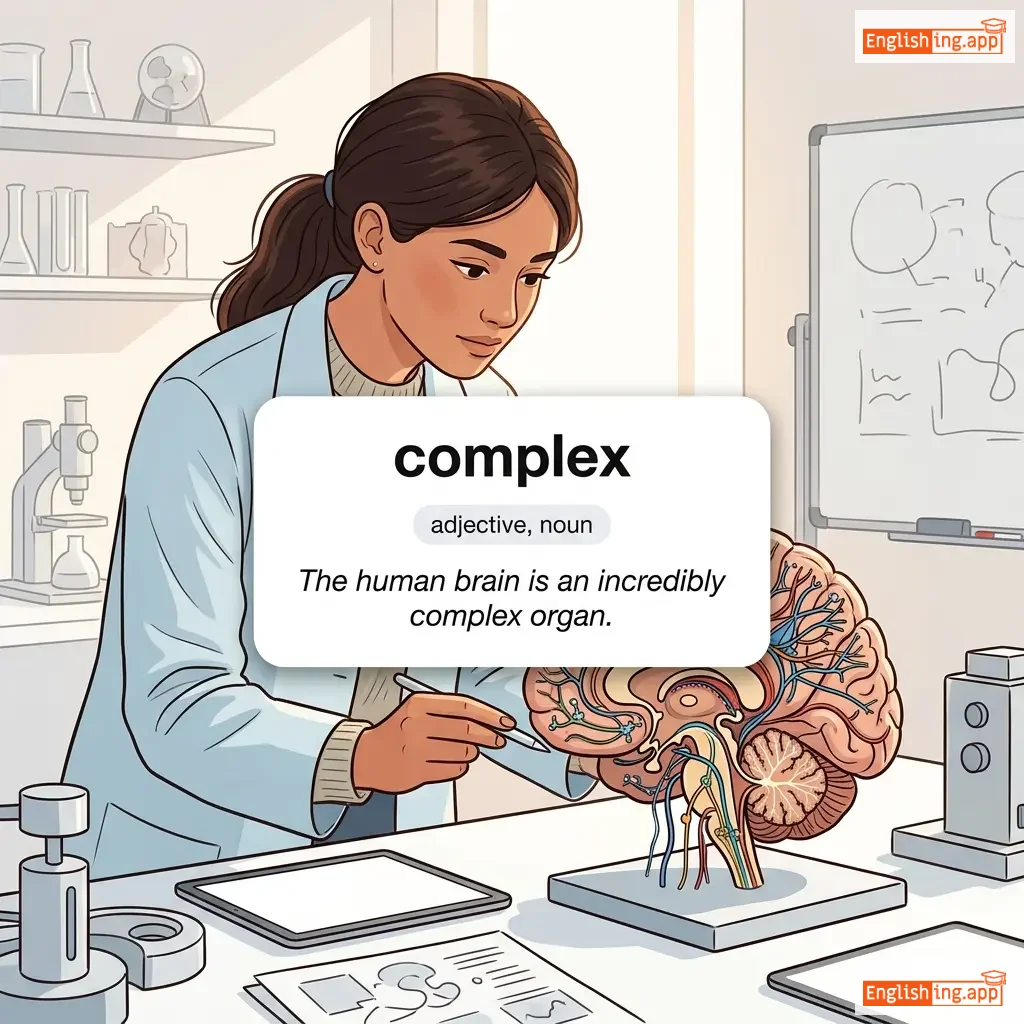
Consisting of many different and connected parts; not easy to understand or analyze.
••••••
|
The human brain is an incredibly complex organ. |
人間の脳は非常に複雑な器官です。
Ningen no nō wa hijō ni fukuzatsuna kikan desu.
••••••
|
Oedipus complex |
A psychoanalytic theory referring to a child's feelings of desire for the opposite-sex parent.
••••••
|
エディプスコンプレックス
Edipusu konpurekkusu
••••••
|
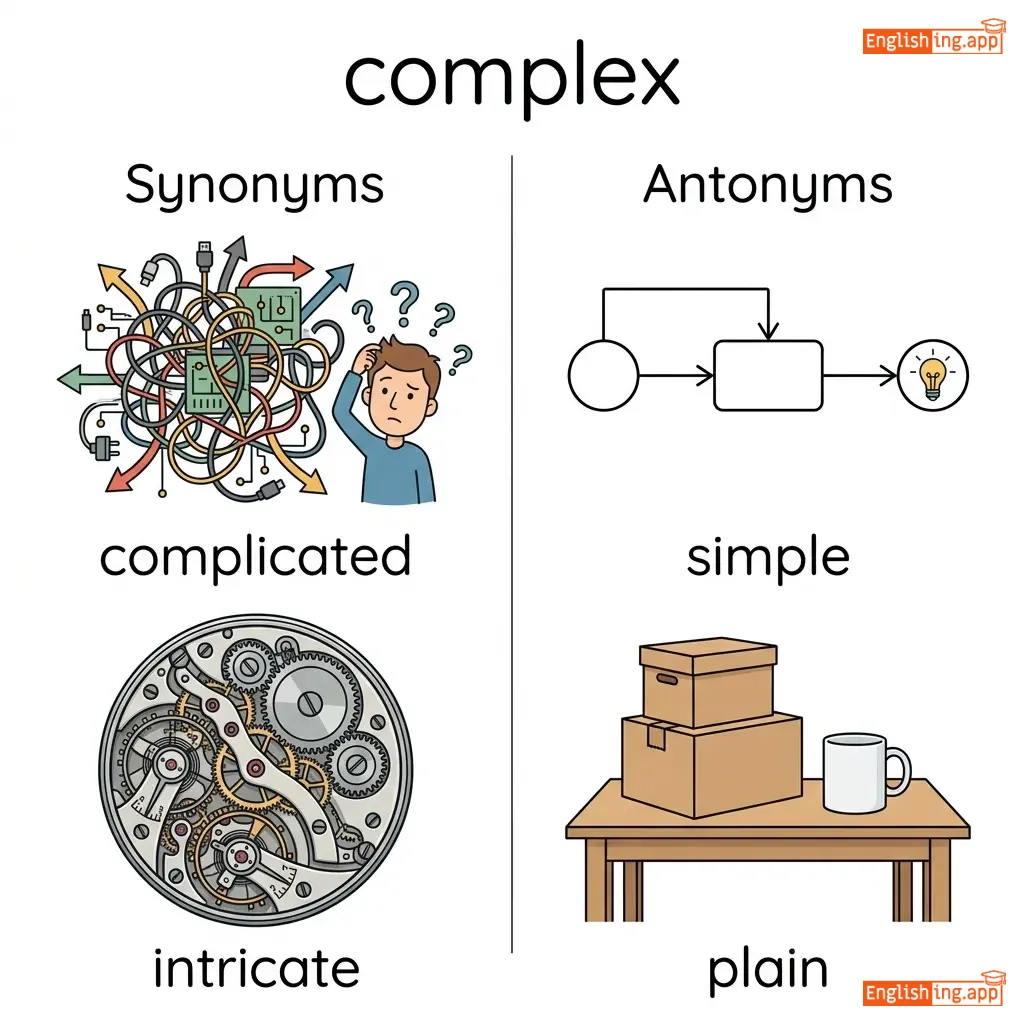
complicated, intricate, elaborate, sophisticated, multifaceted
••••••
|
simple, plain, straightforward
••••••
|
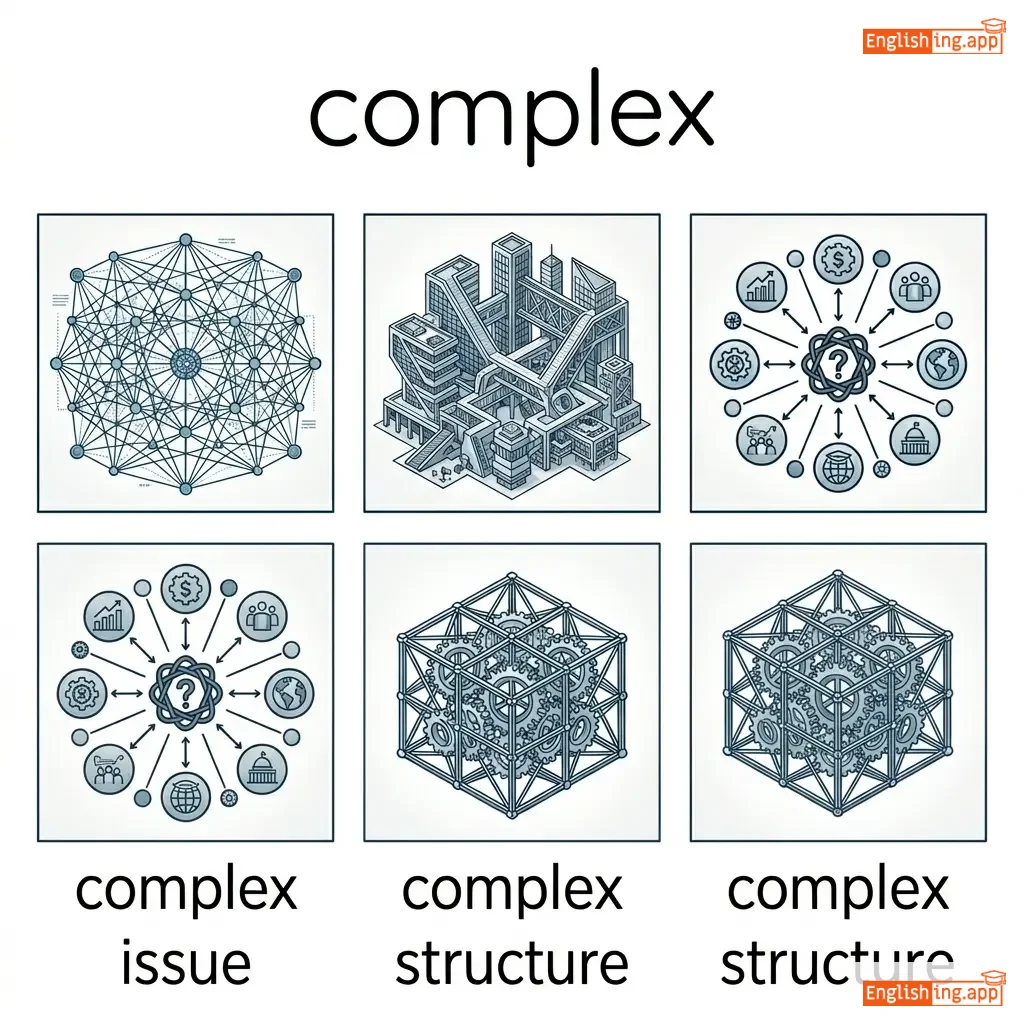
complex system, complex structure, complex issue, highly complex, complex problem
••••••
|
複雑なものはパズル 🧩 のようで、多くのピースが一つの完全な画像を作ります。
••••••
|
|
⚔️
••••••
|
/ˈkɒnflɪkt/
noun
(コンフリクト)
••••••
|
- •••••• |
対立
tairitsu
••••••
|
- •••••• | - •••••• | - •••••• | - •••••• |
A serious disagreement or argument, often a prolonged one.
••••••
|
The two countries are trying to resolve the conflict through negotiations. |
二国は交渉を通じて対立を解決しようとしています。
Nikoku wa kōshō o tōjite tairitsu o kaiketsu shiyō to shiteimasu.
••••••
|
conflict of interest |
A situation where someone's personal interest might influence their professional decisions.
••••••
|
利害の対立
rigai no tairitsu
••••••
|
clash, struggle, fight, dispute, battle
••••••
|
agreement, harmony, peace
••••••
|
armed conflict, internal conflict, conflict resolution, conflict management
••••••
|
対立 – 意見がぶつかり合うこと – 日本では'対立'は長期にわたる争いを意味します。
••••••
|
|
📈
••••••
|
/kənˈsɪstənt/
adjective
(kənˈsɪstənt)
••••••
|


|
一貫した
ikkan shita
••••••
|
- •••••• | - •••••• | - •••••• | - •••••• |
acting or done in the same way over time; reliable or uniform
••••••
|
He is very consistent in his work. |
彼は仕事において非常に一貫しています。
Kare wa shigoto ni oite hijō ni ikkan shiteimasu.
••••••
|
consistent with |
in agreement or harmony with something
••••••
|
一貫している
ikkan shiteiru
••••••
|
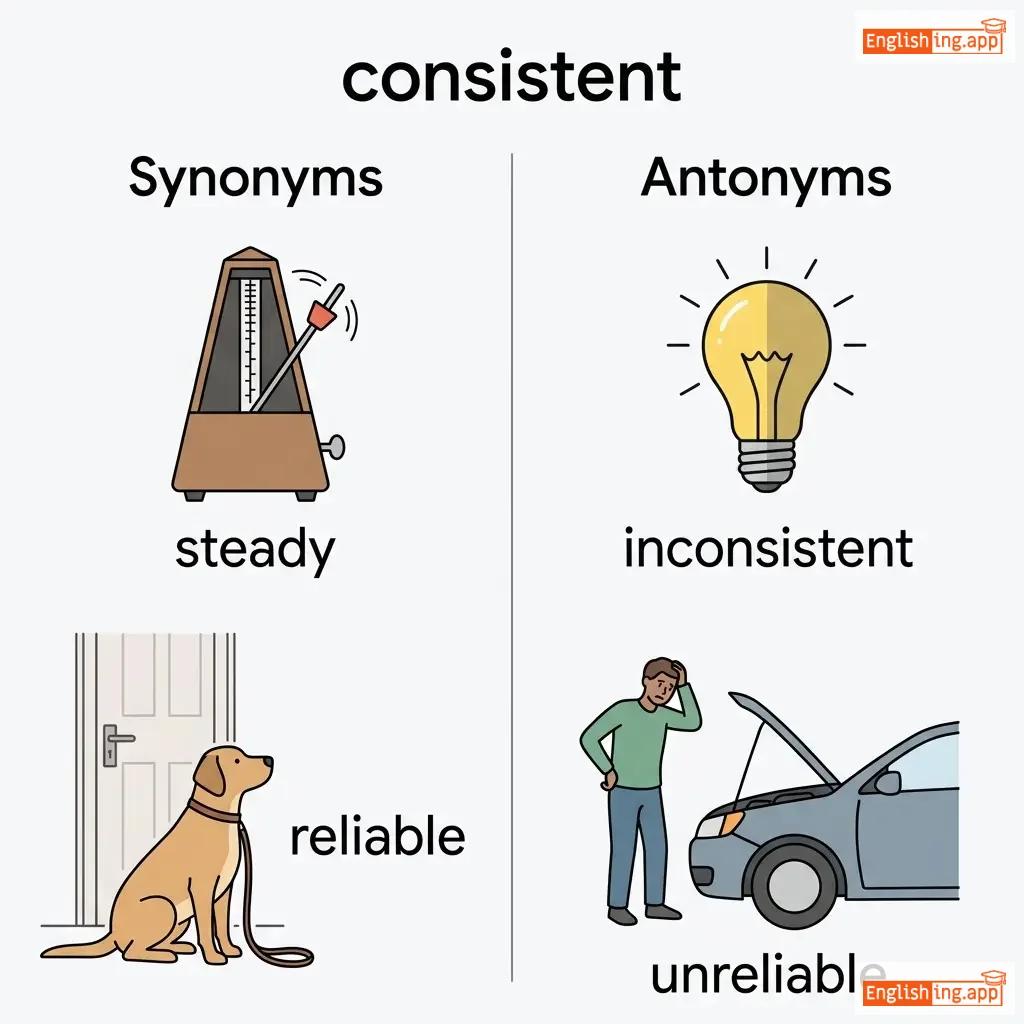
steady, reliable, regular, stable
••••••
|
inconsistent, unreliable, irregular
••••••
|
remain consistent, consistent effort, consistent results, consistent behavior
••••••
|
一貫したはいつも同じ、だからikkan
••••••
|
|
♾️
••••••
|
/ˈkɒn.stənt/
adjective
(コンスタント)
••••••
|
- •••••• |
一定の
ittei no
••••••
|
- •••••• | - •••••• | - •••••• | - •••••• |
happening all the time or staying the same without change
••••••
|
She lived in constant fear of losing her job. |
彼女は仕事を失うことへの一定の恐怖の中で生きていた。
Kanojo wa shigoto o ushinau koto e no ittei no kyōfu no naka de ikite ita.
••••••
|
constant companion |
something or someone that is always present
••••••
|
一定の仲間
ittei no nakama
••••••
|
continuous, persistent, steady, perpetual
••••••
|
occasional, irregular, variable
••••••
|
constant fear, constant pressure, constant change
••••••
|
Constant は一定の—変わらない時計のように。
••••••
|
|
📖
••••••
|
/ˈkɒntɛkst/
noun
(コンテキスト)
••••••
|
- •••••• |
文脈
bunmyaku
••••••
|
- •••••• | - •••••• | - •••••• | - •••••• |
the circumstances or background relevant to an event, statement, or idea
••••••
|
To understand the quote, you need to know the context in which it was said. |
引用を理解するには、それが言われた文脈を知っている必要があります。
Inyō o rikai suru ni wa, sore ga iwareta bunmyaku o shitte iru hitsuyō ga arimasu.
••••••
|
- •••••• | - •••••• | - •••••• |
background, circumstances, setting, situation
••••••
|
isolation, disconnection
••••••
|
historical context, in context, social context, provide context
••••••
|
文脈 = 物事の背景を理解する - Think of the situation in which something happens
••••••
|
|
🗣️
••••••
|
/kənˈvɪns/
verb
(コンヴィンス)
••••••
|
- •••••• |
納得させる
nattoku saseru
••••••
|
convinced
コンヴィンスド
••••••
|
convinced
コンヴィンスド
••••••
|
convinces
コンヴィンスズ
••••••
|
convincing
コンヴィンシング
••••••
|
to make someone believe or feel certain about something
••••••
|
She convinced him to attend the meeting.
彼女は彼に会議に参加するように納得させた。
••••••
|
彼女は彼に会議に参加するように納得させた。
Kanojo wa kare ni kaigi ni sanka suru you ni nattoku saseta.
••••••
|
- •••••• | - •••••• | - •••••• |
persuade, assure, sway, influence
••••••
|
dissuade, discourage
••••••
|
convince someone, convince the jury, convince oneself, convince others
••••••
|
納得させる: 物事を納得させて会議に参加させよう
••••••
|
|
🚔
••••••
|
/kraɪm/
noun
(クライム)
••••••
|
- •••••• |
犯罪
hanzai
••••••
|
- •••••• | - •••••• | - •••••• | - •••••• |
An illegal act punishable by law.
••••••
|
The police are investigating the crime.
警察は犯罪を調査しています。
••••••
|
警察は犯罪を調査しています。
Keisatsu wa hanzai o chōsa shiteimasu.
••••••
|
crime does not pay
犯罪は報われない。
••••••
|
crime ultimately brings punishment, not profit
••••••
|
犯罪は報われない。
Hanzai wa mukuwarenaī.
••••••
|
offense, felony, wrongdoing, violation
••••••
|
lawfulness, obedience
••••••
|
commit a crime, crime rate, crime scene, organized crime
••••••
|
犯罪を犯すと、必ず後悔と罰が待っている。
••••••
|

