The Cost of Ambition
在电视演播室的明亮灯光下,记者纳迪姆正在准备 broadcast 他的节目。他今天的 agenda 是谈论城市中最大的企业 crime。他 assumed 他有足够的证据。纳迪姆想要与竞争对手的频道 compete。在讨论这个 complex 问题时,他与他老朋友发生了 conflict,这个朋友现在是一个强大的 ally。节目结束后,他的朋友打电话给他,angry,说:“你不能 blame 所有事情都怪我。”纳迪姆试图 convince 他这只是他的工作的一部分。但他们的 constant 争执继续。纳迪姆意识到,理解这种工作的 context 是非常困难的。最终,他们的友谊走到了 cease。纳迪姆希望通过他的节目 capture 城市的腐败,但他没有意识到他将不得不为此付出如此高的代价。一直 consistent 工作让他感到孤独。
|
表情符号
|
单词 | Images | 翻译 | 过去时 | 过去分词 | 第三人称单数 | 动名词 | 含义 | 例句 | 例句翻译 | 示例表达 | 示例表达含义 | 示例表达翻译 | 同义词 | 反义词 | 搭配词 | 助记符 |
|---|---|---|---|---|---|---|---|---|---|---|---|---|---|---|---|---|---|
|
📋
••••••
|
/əˈdʒɛndə/
noun
••••••
|
- •••••• | - •••••• | - •••••• | - •••••• | - •••••• | - •••••• |
A list of items to be discussed or acted upon in a meeting or plan.
••••••
|
The manager reviewed the agenda before the meeting began. |
- •••••• |
hidden agenda |
A secret motive or plan behind someone's actions.
••••••
|
- •••••• |
schedule, plan, program, timetable, itinerary
••••••
|
disorganization, randomness
••••••
|
meeting agenda, set the agenda, hidden agenda
••••••
|
No •••••• |
|
🤝
••••••
|
/ˈælaɪ/
verb
(阿里)
••••••
|
- •••••• |
盟友
méng yǒu
••••••
|
allied
联盟
••••••
|
allied
联盟
••••••
|
allies
盟友
••••••
|
allying
结盟
••••••
|
To unite or form a connection or partnership with another person, group, or nation.
••••••
|
The two countries decided to ally against their common enemy.
这两个国家决定联合对抗共同的敌人。
••••••
|
这两个国家决定联合对抗共同的敌人。
Zhè liǎng gè guójiā juédìng liánhé duìkàng gòngtóng de dírén.
••••••
|
ally with
与...结盟
••••••
|
To form a partnership or alliance with someone.
••••••
|
与...结盟
yǔ...jiéméng
••••••
|
associate, unite, partner, combine, join
••••••
|
oppose, resist, separate
••••••
|
ally with, strong ally, loyal ally, ally against
••••••
|
Ally 代表 All + I,联合形成伙伴关系。
••••••
|
|
😡
••••••
|
/ˈæŋɡri/
adjective
(ānglì)
••••••
|
- •••••• |
生气
shengqi
••••••
|
- •••••• | - •••••• | - •••••• | - •••••• |
feeling or showing strong displeasure or hostility
••••••
|
She was angry when she found out the truth. |
她知道真相后生气了。
Tā zhīdào zhēnxiàng hòu shēngqì le.
••••••
|
angry with someone |
to feel or show anger towards a person
••••••
|
对某人生气
duì mǒu rén shēngqì
••••••
|
mad, furious, upset, irritated, annoyed
••••••
|
calm, happy, pleased
••••••
|
angry face, angry voice, angry crowd, angry response
••••••
|
Angry 代表生气—就像当你生气时,脸颊红了起来 🔥
••••••
|
|
🤔
••••••
|
/əˈsuːm/
verb
(阿修姆)
••••••
|
- •••••• |
假设
jiǎshè
••••••
|
assumed
阿修姆德
••••••
|
assumed
阿修姆德
••••••
|
assumes
阿修姆斯
••••••
|
assuming
阿修明
••••••
|
to think that something is true without proof
••••••
|
I assume he will be late to the meeting.
我假设他会迟到会议。
••••••
|
我假设他会迟到会议。
Wǒ jiǎshè tā huì chídào huìyì.
••••••
|
make an assumption
做出假设
••••••
|
to form an idea without evidence
••••••
|
做出假设
zuòchū jiǎshè
••••••
|
suppose, presume, imagine, believe, expect
••••••
|
doubt, question, deny
••••••
|
assume responsibility, assume control, assume the worst, assume a role
••••••
|
假设:'假'一假,'设'一设成。
••••••
|
|
☝️
••••••
|
/bleɪm/
verb
(bleim)
••••••
|
|
责怪
zeguai
••••••
|
blamed
bleimd
••••••
|
blamed
bleimd
••••••
|
blames
bleims
••••••
|
blaming
bleiming
••••••
|
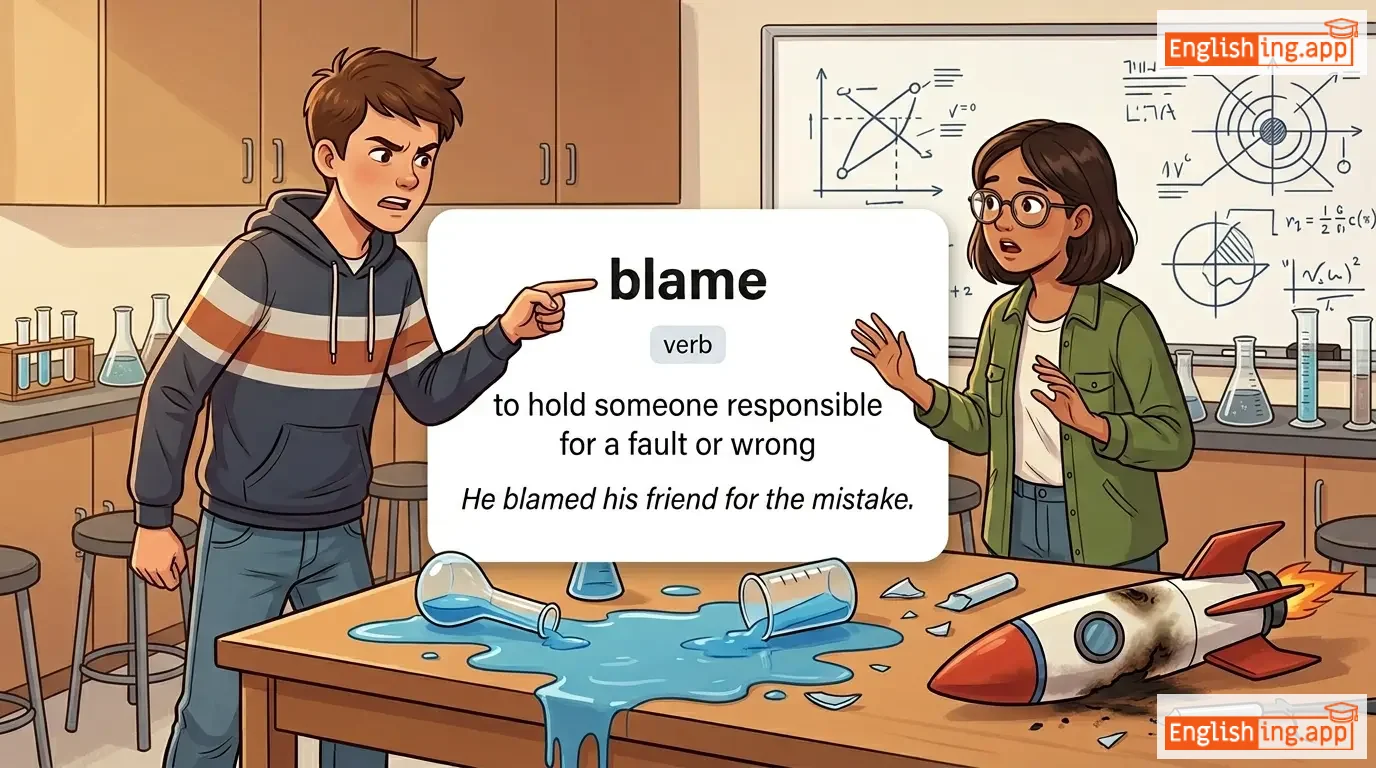
to hold someone responsible for a fault or wrong
••••••
|
He blamed his friend for the mistake.
他把错误归咎于他的朋友。
••••••
|
他把错误归咎于他的朋友。
Ta ba cuowu guijiu yu tade pengyou.
••••••
|
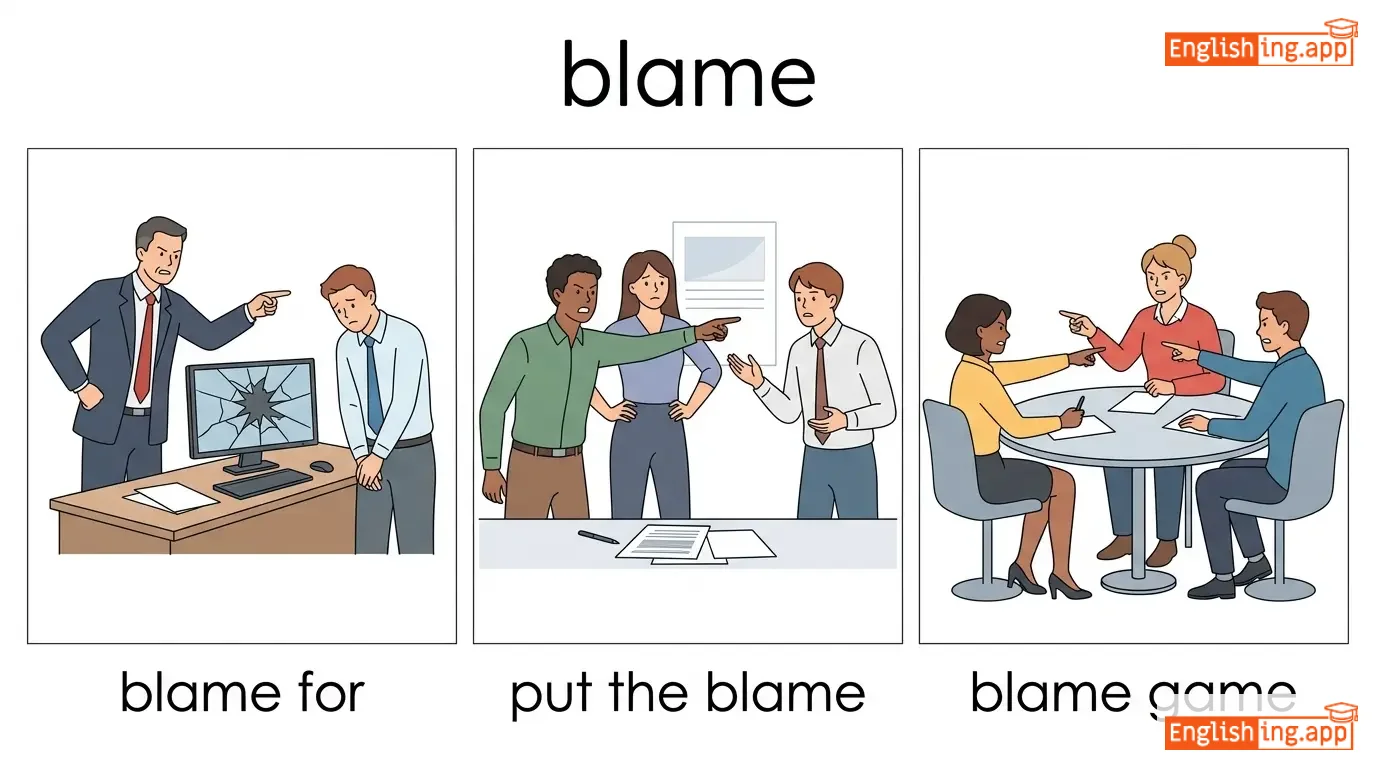
put the blame on
把责任推到
••••••
|
to make someone responsible for something bad
••••••
|
把责任推到
Ba zeren tuidao
••••••
|
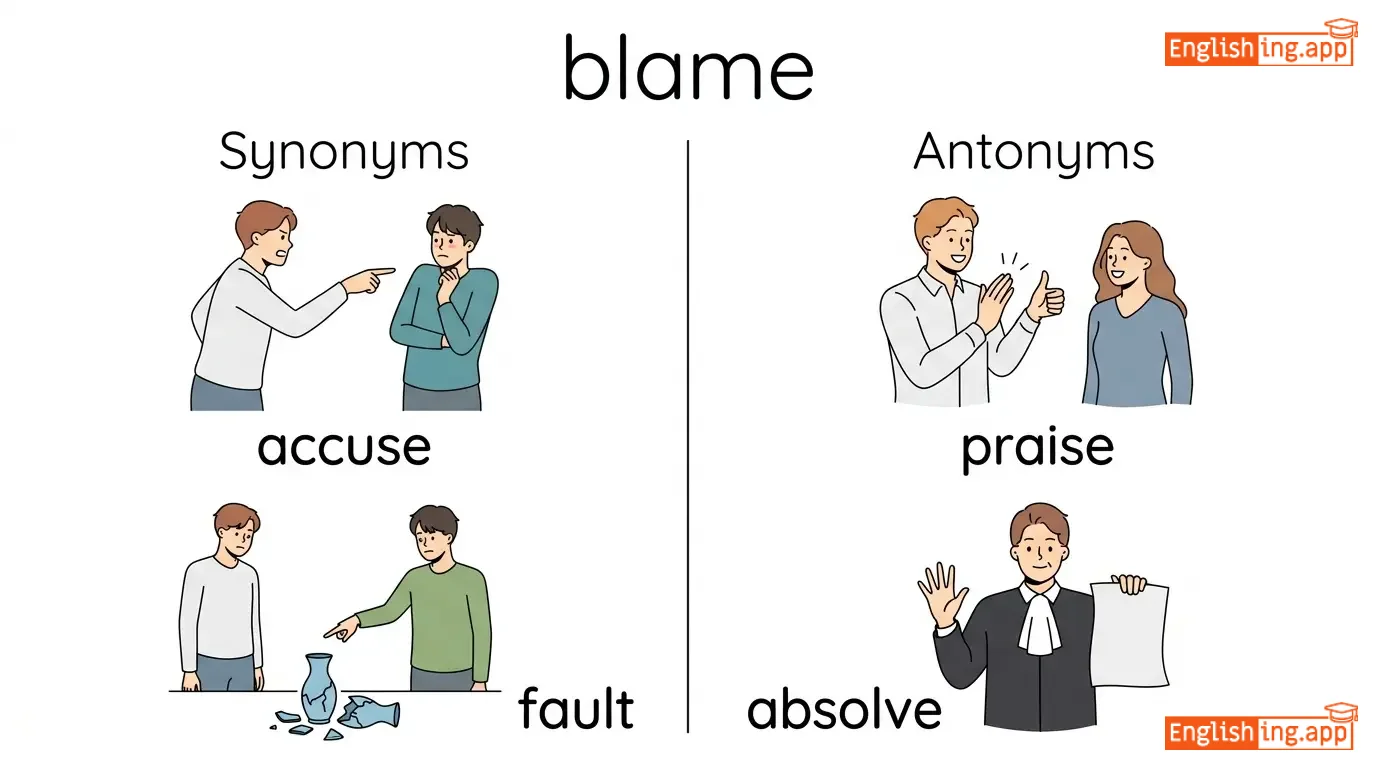
accuse, fault, charge, condemn
••••••
|
praise, absolve, forgive
••••••
|
blame for, put the blame, blame game, blame others
••••••
|
Blame 意思是责怪—'Blame game' 意思是推卸责任的游戏。
••••••
|
|
📡
••••••
|
/ˈbrɔːdˌkæst/
verb
(broadkast)
••••••
|
- •••••• |
广播
guangbo
••••••
|
broadcast
broadkast
••••••
|
broadcast
broadkast
••••••
|
broadcasts
broadkasts
••••••
|
broadcasting
broadcasting
••••••
|
to transmit a program or information by radio, television, or online media
••••••
|
The match was broadcast live on television.
比赛通过电视现场直播。
••••••
|
比赛通过电视现场直播。
Bisai tongguo dianshi xianshi zhi播。
••••••
|
broadcast live
现场直播
••••••
|
to transmit an event in real time
••••••
|
现场直播
xianshi zhi
••••••
|
air, transmit, telecast, announce
••••••
|
conceal, suppress
••••••
|
broadcast live, radio broadcast, television broadcast
••••••
|
Broadcast = '广播' in Chinese, as a common term for transmitting events live
••••••
|
|
📸
••••••
|
/ˈkæptʃər/
verb
(凯普彻)
••••••
|
- •••••• |
捕获
bǔhuò
••••••
|
captured
凯普彻德
••••••
|
captured
凯普彻德
••••••
|
captures
凯普彻斯
••••••
|
capturing
凯普彻宁
••••••
|
to take control of something or someone by force
••••••
|
The soldiers managed to capture the enemy base.
士兵们成功地占领了敌人的基地。
••••••
|
士兵们成功地占领了敌人的基地。
Shìbīngmen chénggōng dì zhànlǐngle dírén de jīdì.
••••••
|
capture the moment
捕捉时刻
••••••
|
to preserve or record a special time or event
••••••
|
捕捉瞬间
bǔzhuō shùnjiān
••••••
|
seize, arrest, apprehend, conquer, trap
••••••
|
release, free, liberate
••••••
|
capture the flag, capture attention, capture market, capture image
••••••
|
捕获就像用相机抓住一个瞬间
••••••
|
|
🛑
••••••
|
/siːs/
verb
(sī sī)
••••••
|
- •••••• |
停止
tingzhi
••••••
|
ceased
sī sī d
••••••
|
ceased
sī sī d
••••••
|
ceases
sī sī es
••••••
|
ceasing
sī sī ng
••••••
|
to bring or come to an end; to stop doing something
••••••
|
The noise ceased as soon as the children went inside.
噪音一旦孩子们进去了就停止了。
••••••
|
噪音一旦孩子们进去了就停止了。
Zaoyin yidan haizimen jinqule jiu tingzhile.
••••••
|
ceasefire
停火
••••••
|
an agreement to stop fighting temporarily
••••••
|
停火
tinghuo
••••••
|
stop, halt, end, discontinue, terminate
••••••
|
continue, persist, proceed
••••••
|
cease operations, cease to exist, cease immediately, cease fire
••••••
|
Cease意味着停止,就像中文中的'停止'一样。
••••••
|
|
🏆
••••••
|
/kəmˈpiːt/
verb
(竞赛)
••••••
|
- •••••• |
竞争
jìngzhēng
••••••
|
competed
竞赛了
••••••
|
competed
竞赛了
••••••
|
competes
竞赛
••••••
|
competing
竞赛中
••••••
|
to try to win or be more successful than others in a contest or activity
••••••
|
Several companies compete for dominance in the market.
多家公司为市场主导地位而竞赛。
••••••
|
多家公司为市场主导地位而竞赛。
Duō jiā gōngsī wèi shìchǎng zhǔdǎo dìwèi ér jìngzhēng.
••••••
|
compete against time
与时间赛跑
••••••
|
to try to do something very quickly before time runs out
••••••
|
与时间赛跑
Yǔ shíjiān sàipǎo
••••••
|
contend, vie, strive, rival, challenge
••••••
|
cooperate, support, assist
••••••
|
compete for, compete against, compete in, fiercely compete
••••••
|
Jìngzhēng 就是努力拼搏赢得比赛!
••••••
|
|
🧩
••••••
|
/ˈkɒm.pleks/
adjective, noun
(kɔmˈplɛks)
••••••
|
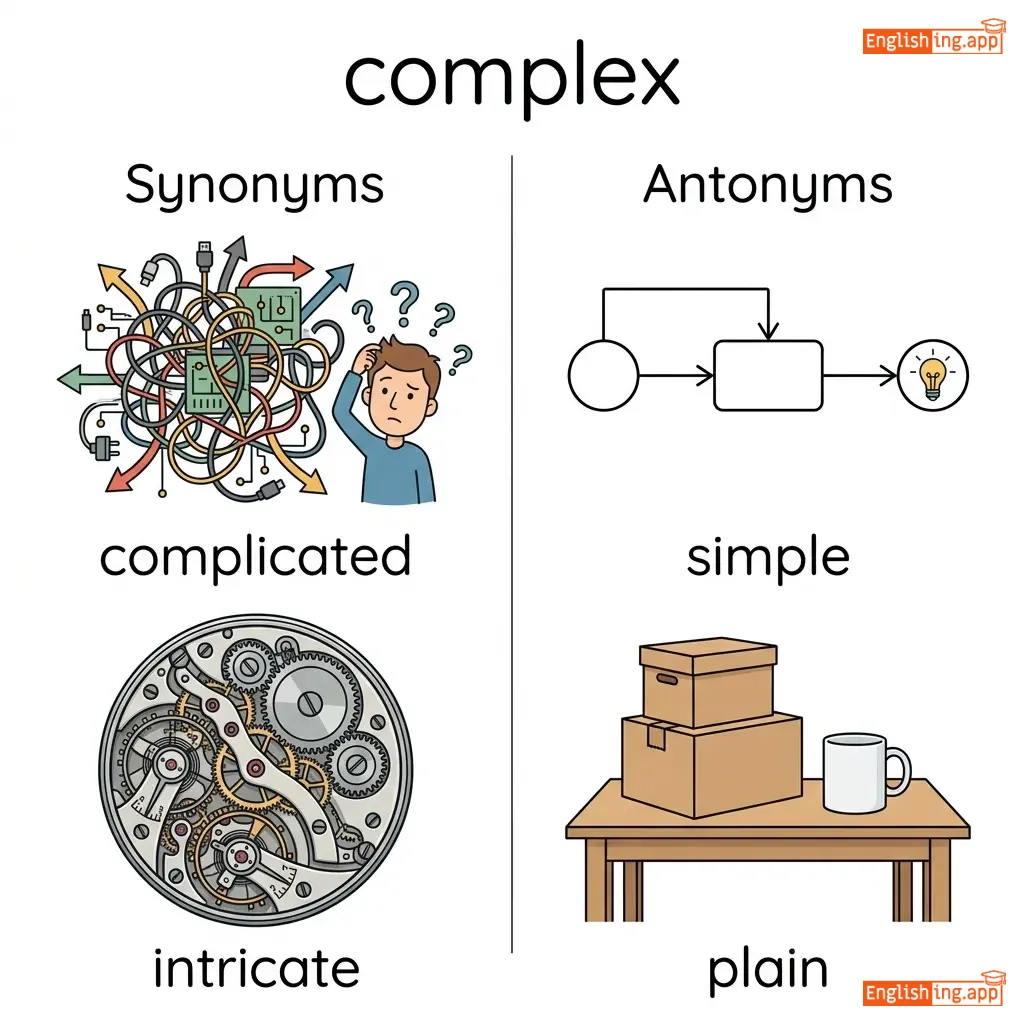
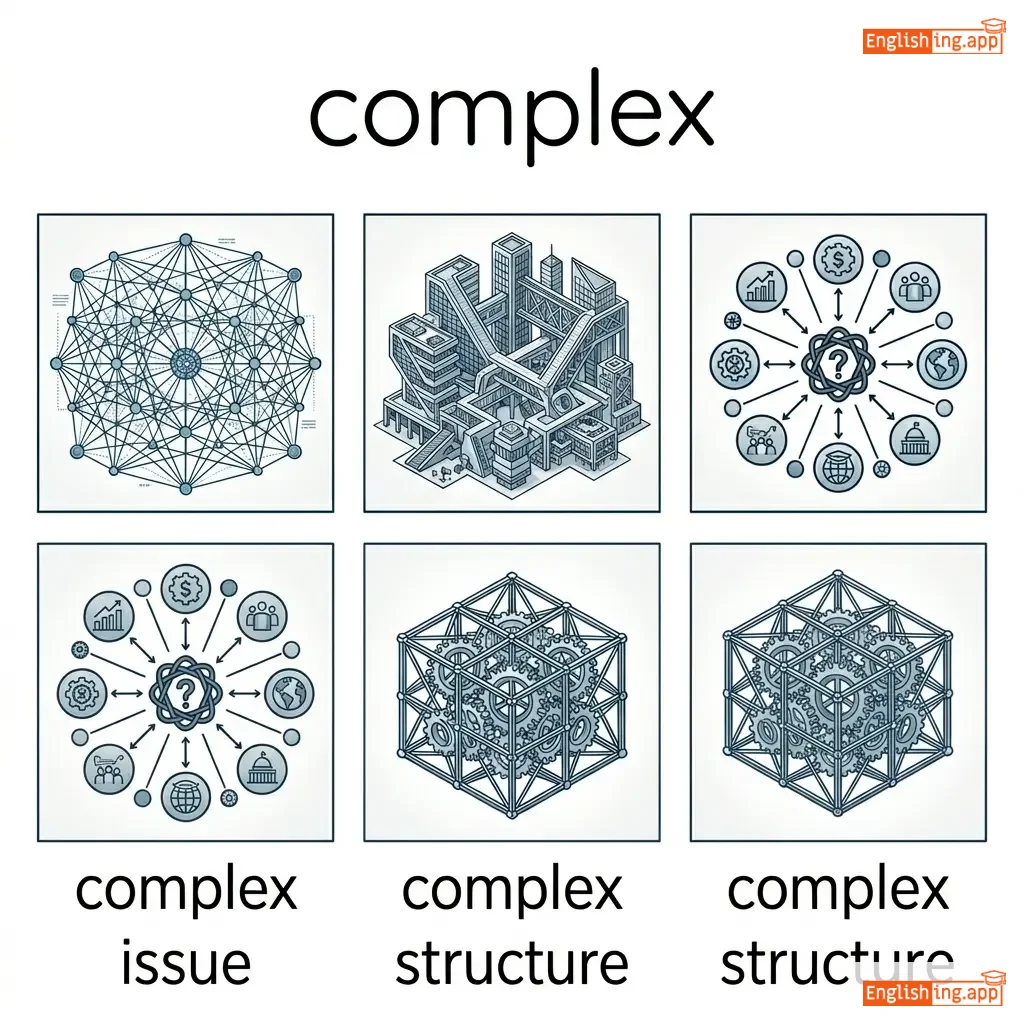
|
复杂的
fuza de
••••••
|
- •••••• | - •••••• | - •••••• | - •••••• |
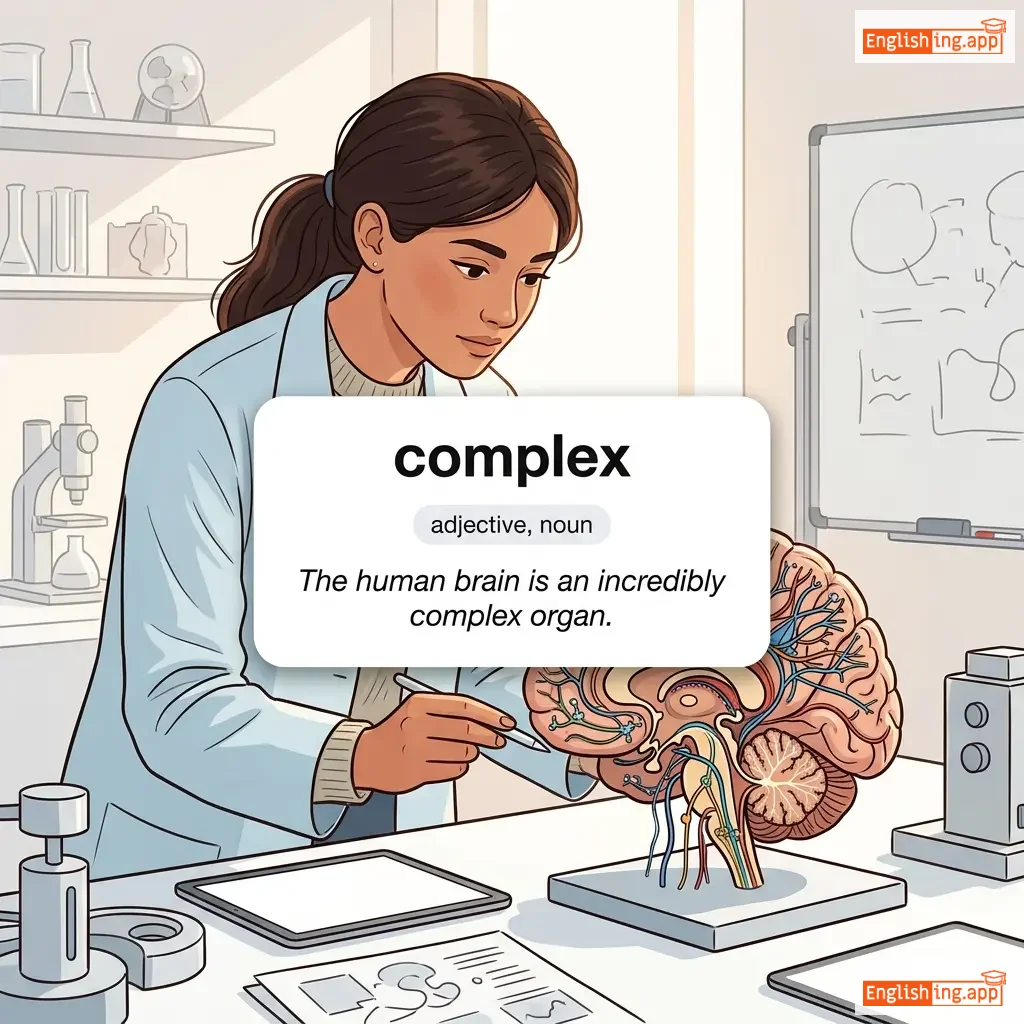
Consisting of many different and connected parts; not easy to understand or analyze.
••••••
|
The human brain is an incredibly complex organ. |
人类的大脑是一个极其复杂的器官。
Renlei de dainao shi yi ge jiqi fuza de qiguan.
••••••
|
Oedipus complex |
A psychoanalytic theory referring to a child's feelings of desire for the opposite-sex parent.
••••••
|
俄狄浦斯情结
Édí pǔ sī qíngjié
••••••
|
complicated, intricate, elaborate, sophisticated, multifaceted
••••••
|
simple, plain, straightforward
••••••
|
complex system, complex structure, complex issue, highly complex, complex problem
••••••
|
复杂的就像拼图 🧩,许多块拼成完整的图像。
••••••
|
|
⚔️
••••••
|
/ˈkɒnflɪkt/
noun
(kónflɪkt)
••••••
|
- •••••• |
冲突
chōngtū
••••••
|
- •••••• | - •••••• | - •••••• | - •••••• |
A serious disagreement or argument, often a prolonged one.
••••••
|
The two countries are trying to resolve the conflict through negotiations. |
这两个国家正在通过谈判解决冲突。
Zhè liǎng gè guójiā zhèngzài tōngguò tánpàn jiějué chōngtū.
••••••
|
conflict of interest |
A situation where someone's personal interest might influence their professional decisions.
••••••
|
利益冲突
lìyì chōngtū
••••••
|
clash, struggle, fight, dispute, battle
••••••
|
agreement, harmony, peace
••••••
|
armed conflict, internal conflict, conflict resolution, conflict management
••••••
|
冲突 – 就是意见的碰撞 – 在中国,'冲突'表示持续的争执或不和。
••••••
|
|
📈
••••••
|
/kənˈsɪstənt/
adjective
(kənˈsɪstənt)
••••••
|

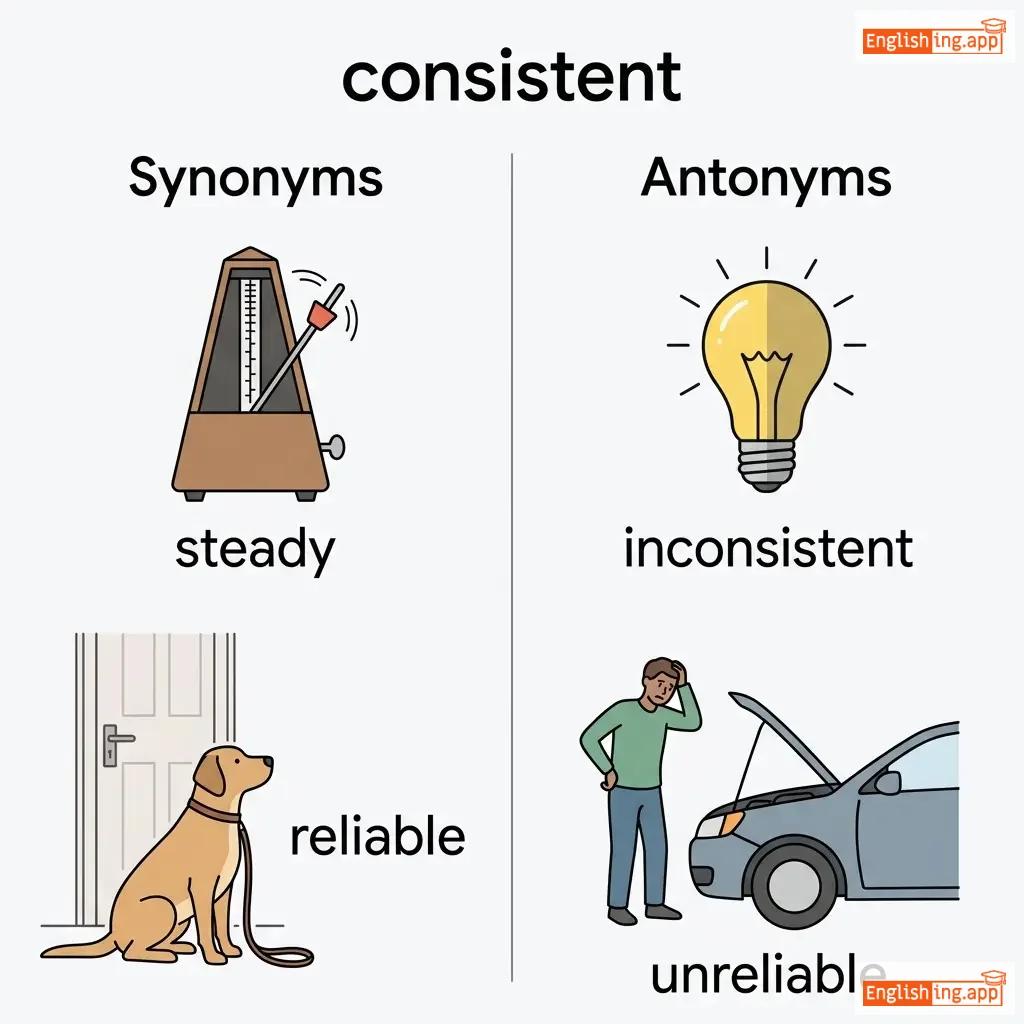

|
一致的
yīzhì de
••••••
|
- •••••• | - •••••• | - •••••• | - •••••• |
acting or done in the same way over time; reliable or uniform
••••••
|
He is very consistent in his work. |
他在工作中非常一致。
Tā zài gōngzuò zhōng fēicháng yīzhì.
••••••
|
consistent with |
in agreement or harmony with something
••••••
|
与一致
yǔ yīzhì
••••••
|
steady, reliable, regular, stable
••••••
|
inconsistent, unreliable, irregular
••••••
|
remain consistent, consistent effort, consistent results, consistent behavior
••••••
|
一致的就是一直一样,像一致的
••••••
|
|
♾️
••••••
|
/ˈkɒn.stənt/
adjective
(kòngsītènt)
••••••
|
- •••••• |
恒定的
héngdìng de
••••••
|
- •••••• | - •••••• | - •••••• | - •••••• |
happening all the time or staying the same without change
••••••
|
She lived in constant fear of losing her job. |
她一直生活在失去工作的恒定恐惧中。
Tā yīzhí shēnghuó zài shīqù gōngzuò de héngdìng kǒngjù zhōng.
••••••
|
constant companion |
something or someone that is always present
••••••
|
恒定伴侣
héngdìng bànlǚ
••••••
|
continuous, persistent, steady, perpetual
••••••
|
occasional, irregular, variable
••••••
|
constant fear, constant pressure, constant change
••••••
|
Constant 意味着恒定的—就像永不停息的时间。
••••••
|
|
📖
••••••
|
/ˈkɒntɛkst/
noun
(kāntèksītè)
••••••
|
- •••••• |
上下文
shàngxiàwén
••••••
|
- •••••• | - •••••• | - •••••• | - •••••• |
the circumstances or background relevant to an event, statement, or idea
••••••
|
To understand the quote, you need to know the context in which it was said. |
要理解这句话,你需要知道它说的上下文。
Yào lǐjiě zhè jù huà, nǐ xūyào zhīdào tā shuō de shàngxiàwén.
••••••
|
- •••••• | - •••••• | - •••••• |
background, circumstances, setting, situation
••••••
|
isolation, disconnection
••••••
|
historical context, in context, social context, provide context
••••••
|
上下文 = 了解事件发生的环境 - Understand everything around the event
••••••
|
|
🗣️
••••••
|
/kənˈvɪns/
verb
(kənˈvɪns)
••••••
|
- •••••• |
说服
shuōfú
••••••
|
convinced
kənˈvɪnst
••••••
|
convinced
kənˈvɪnst
••••••
|
convinces
kənˈvɪnzt
••••••
|
convincing
kənˈvɪntʃn
••••••
|
to make someone believe or feel certain about something
••••••
|
She convinced him to attend the meeting.
她说服了他参加会议。
••••••
|
她说服了他参加会议。
Tā shuōfú le tā cānjiā huìyì.
••••••
|
- •••••• | - •••••• | - •••••• |
persuade, assure, sway, influence
••••••
|
dissuade, discourage
••••••
|
convince someone, convince the jury, convince oneself, convince others
••••••
|
说服: 就像是让别人说服你参加会议一样
••••••
|
|
🚔
••••••
|
/kraɪm/
noun
(克莱姆)
••••••
|
- •••••• |
犯罪
fànzuì
••••••
|
- •••••• | - •••••• | - •••••• | - •••••• |
An illegal act punishable by law.
••••••
|
The police are investigating the crime.
警方正在调查犯罪。
••••••
|
警方正在调查犯罪。
jǐngfāng zhèngzài diàochá fànzuì.
••••••
|
crime does not pay
犯罪没有好处。
••••••
|
crime ultimately brings punishment, not profit
••••••
|
犯罪没有好处。
fànzuì méiyǒu hǎochù.
••••••
|
offense, felony, wrongdoing, violation
••••••
|
lawfulness, obedience
••••••
|
commit a crime, crime rate, crime scene, organized crime
••••••
|
犯罪有后果,做错了就付出代价。
••••••
|

