Classical Morning Benchmark
シレットのアートセンターでクラシックな朝のプログラムが行われました。参加者のために栄養豊富な朝食が夜明けから利用可能でした。市の文化部長はイベントの権威として参加しました。彼女は専門家チームにすぐにワークショップを実施するよう許可しました。各テーブルには自動登録装置がありました。主催者はこの集まりが文化的な基準になるだろうと言いました。一角では、お気に入りの作家の伝記の抜粋が子供たちに読まれました。スピーチの前に、みんな集中するために深い呼吸を練習しました。ステージの音楽はとても素晴らしく、誰もささやかな声を出しませんでした。外では、カラフルな蝶が庭に放たれました。詩のコンテストの候補者は舞台に上がる前に慎重に準備するよう言われました。サプライズのテレビの有名人が登場し、観客と一緒に写真を撮りました。物語の中で、各キャラクターがユーモアを交えて生き生きと描かれました。科学クラブは、芸術と化学を結びつけることで学習が容易になると指摘しました。多くの人々が自分の子供時代の思い出を書いてボードに掲示しました。劇の物語はとても本物のようで、人々はそれが本当だと思いました。主催者は帳簿で費用を計算し、透明性を保ちました。市の議員は、このような祭りがコミュニティの信頼を高めると言いました。
|
絵文字
|
単語 | Images | 翻訳 | 過去 | 過去分詞 | 三人称単数 | 動名詞 | 意味 | 例文 | 例文の翻訳 | 表現例 | 表現例の意味 | 表現例の翻訳 | 同義語 | 対義語 | コロケーション | ニーモニック |
|---|---|---|---|---|---|---|---|---|---|---|---|---|---|---|---|---|---|
|
✔️
••••••
|
/ɔːˈθɛntɪk/
adjective
(オーセンティック)
••••••
|
- •••••• |
本物
honmono
••••••
|
- •••••• | - •••••• | - •••••• | - •••••• |
Genuine and real; not fake or copied.
••••••
|
The museum displayed an authentic painting by Picasso. |
美術館はピカソの本物の絵を展示しました。
Bijutsukan wa Picasso no honmono no e o tenji shimashita.
••••••
|
authentic self |
Being true to one's real personality and values.
••••••
|
本物の自分
Honmono no jibun
••••••
|
genuine, real, original, true, legitimate
••••••
|
fake, false, counterfeit
••••••
|
authentic document, authentic voice, authentic experience
••••••
|
Authenticは本物、偽物ではない → Authentic食べ物は本物の味を意味する。
••••••
|
|
👑
••••••
|
/əˈθɔːrəti/
noun
(オーソリティ)
••••••
|
|
権限
kengen
••••••
|
- •••••• | - •••••• | - •••••• | - •••••• |
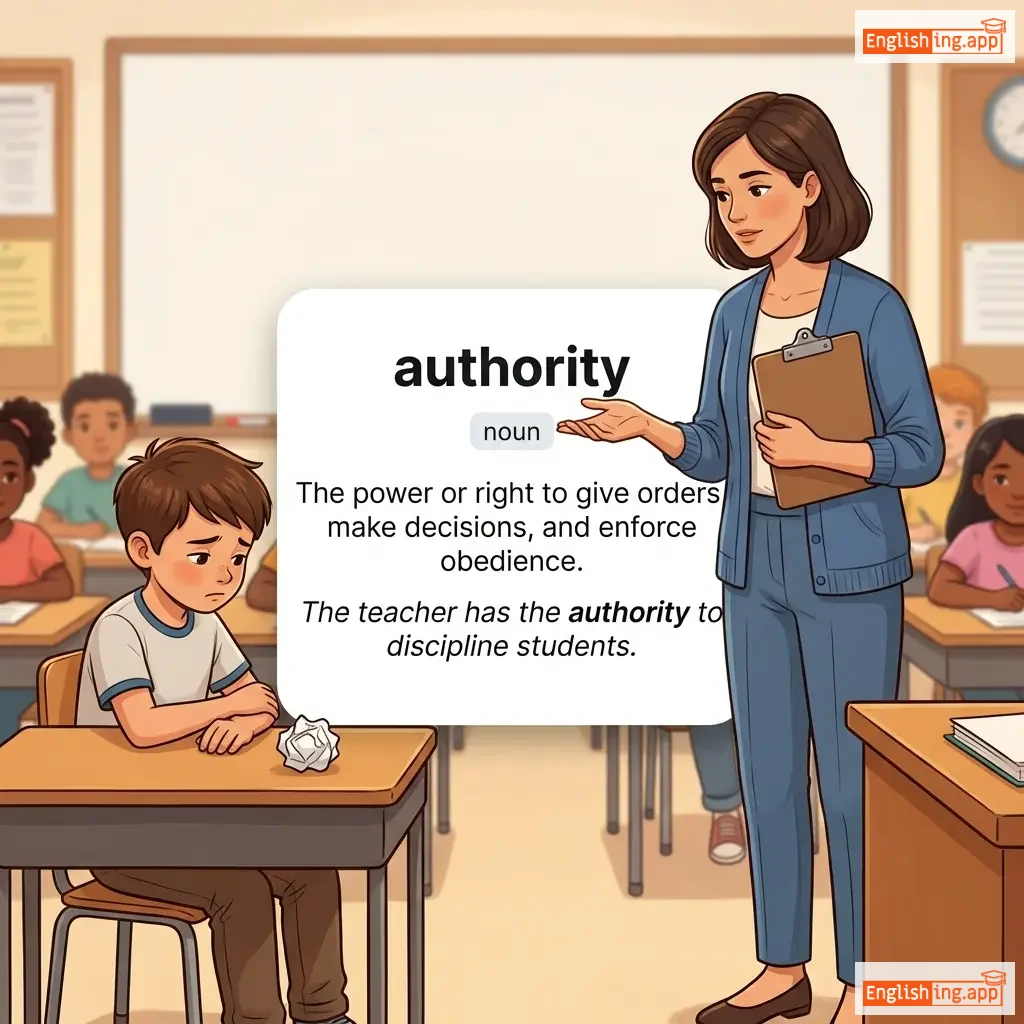
The power or right to give orders, make decisions, and enforce obedience.
••••••
|
The teacher has the authority to discipline students. |
教師は学生を罰する権限を持っています。
Kyoushi wa gakusei o bassuru kengen o motteimasu.
••••••
|
in authority |
Holding an official position of power.
••••••
|
権限を持つ
Kengen o motsu
••••••
|
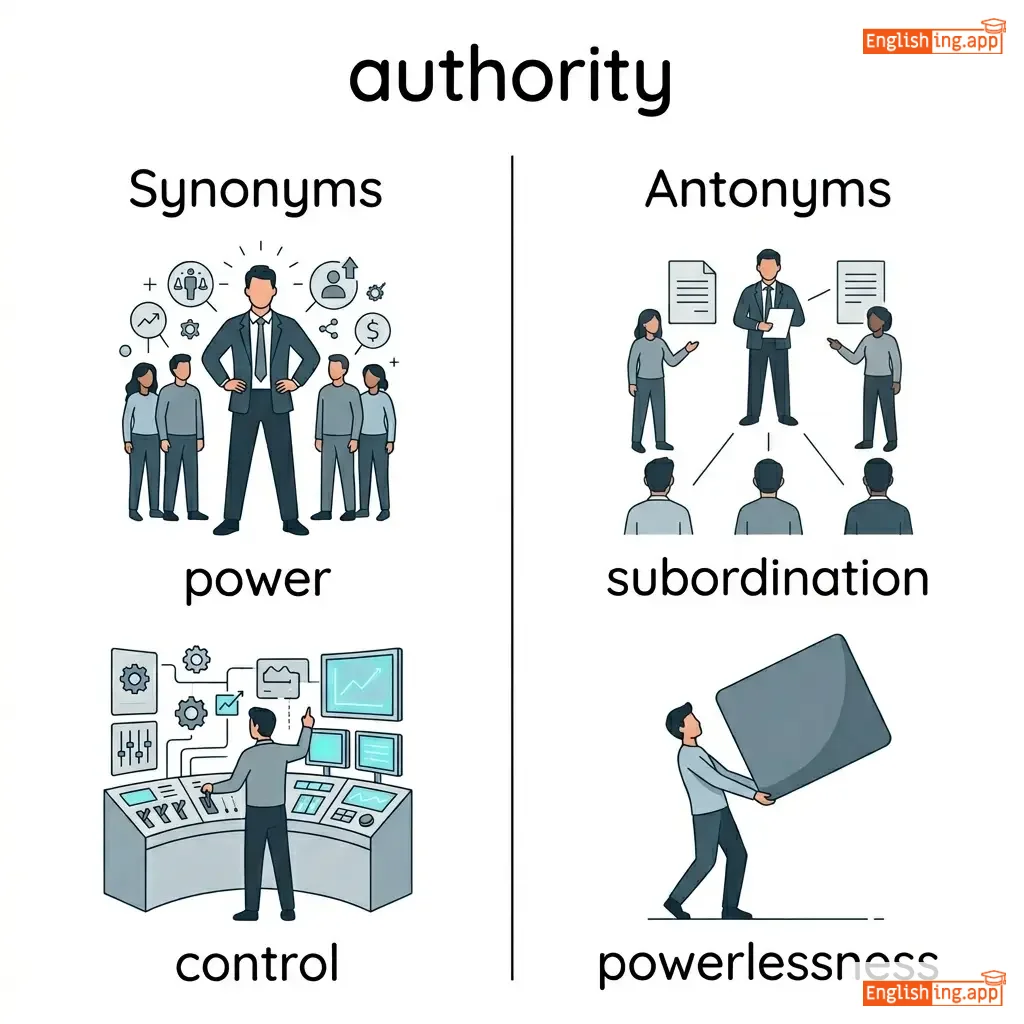
power, control, command, influence, jurisdiction
••••••
|
powerlessness, subordination
••••••
|
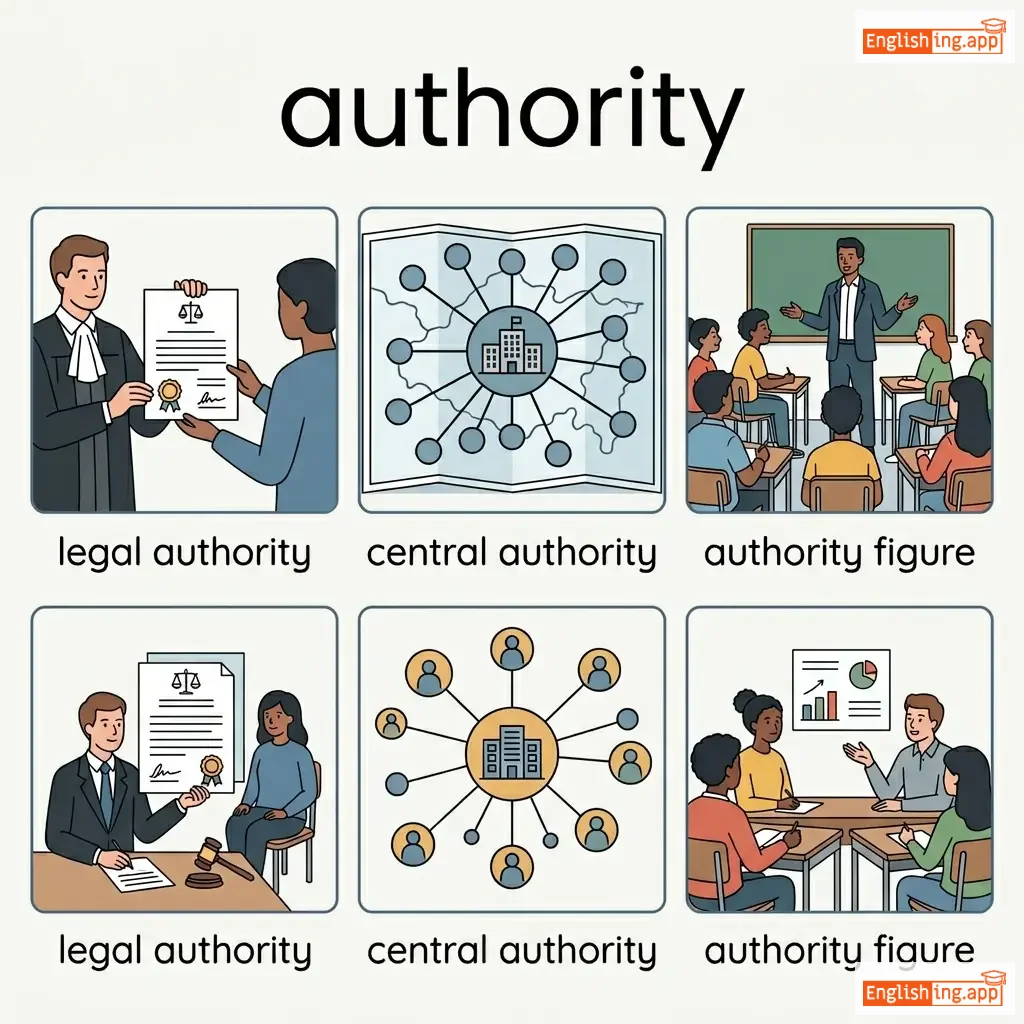
legal authority, central authority, authority figure, in authority
••••••
|
Authorityは 'author' のように命令を出せる立場のことです。
••••••
|
|
✅
••••••
|
/ˈɔːθəraɪz/
verb
(オーソライズ)
••••••
|
|
承認する
shōnin suru
••••••
|
authorized
オーソライズド
••••••
|
authorized
オーソライズド
••••••
|
authorizes
オーソライズズ
••••••
|
authorizing
オーソライズイング
••••••
|
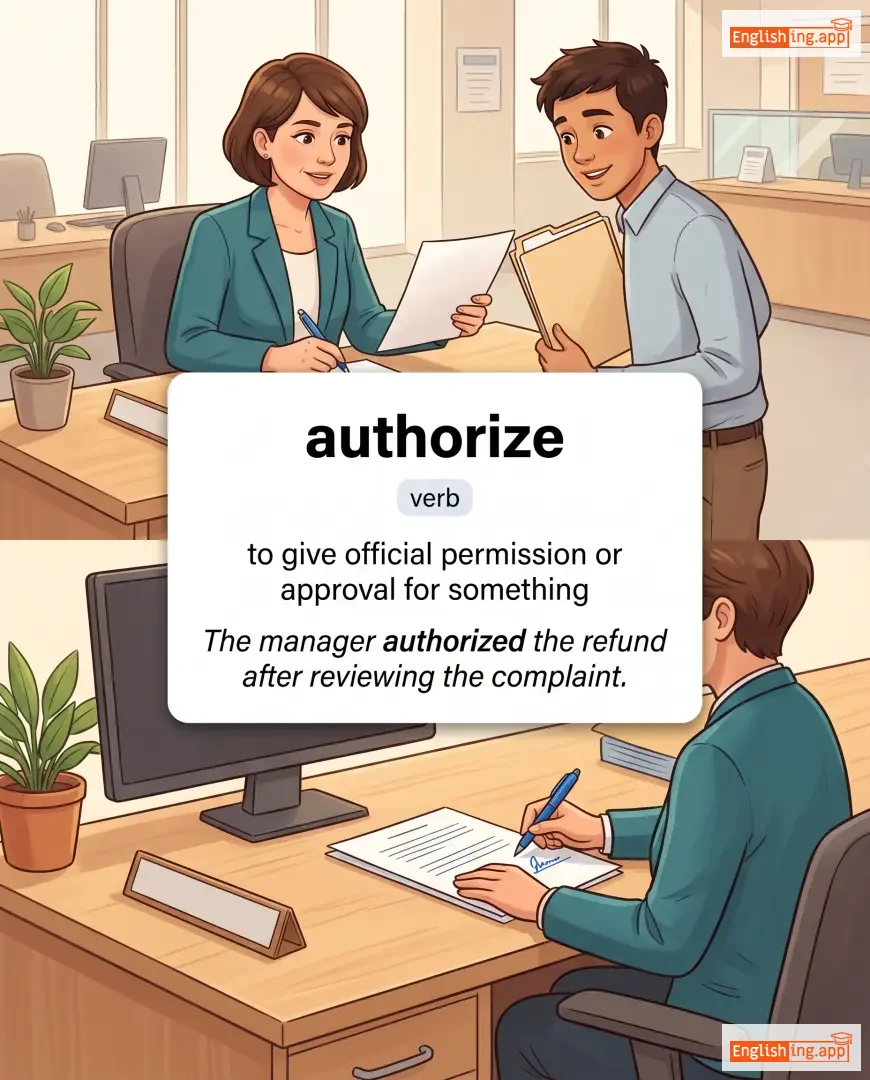
to give official permission or approval for something
••••••
|
The manager authorized the refund after reviewing the complaint.
マネージャーは苦情を確認した後、払い戻しを承認しました。
••••••
|
マネージャーは苦情を確認した後、払い戻しを承認しました。
Manējā wa kujō o kakunin shita ato, haraimodoshi o shōnin shimashita.
••••••
|
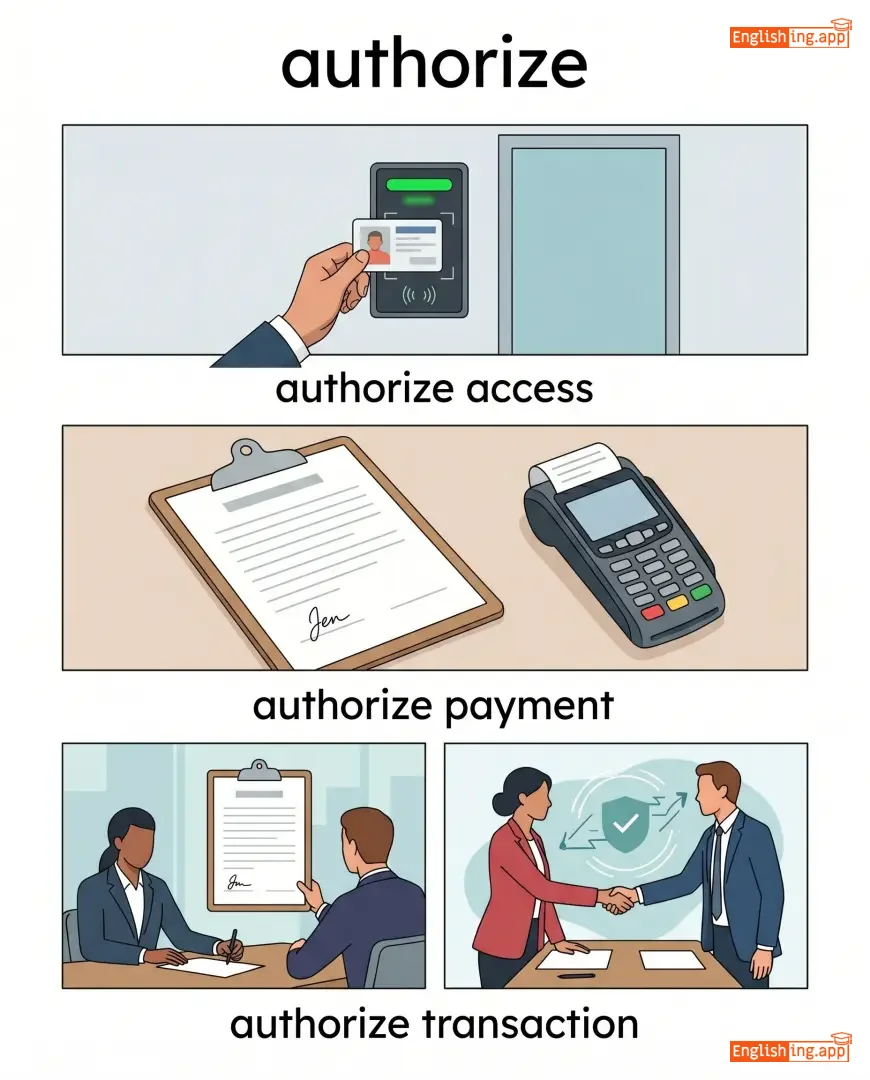
authorize payment
支払いを承認する
••••••
|
to officially approve a transaction or payment
••••••
|
支払いを承認する
Shiharai o shōnin suru
••••••
|
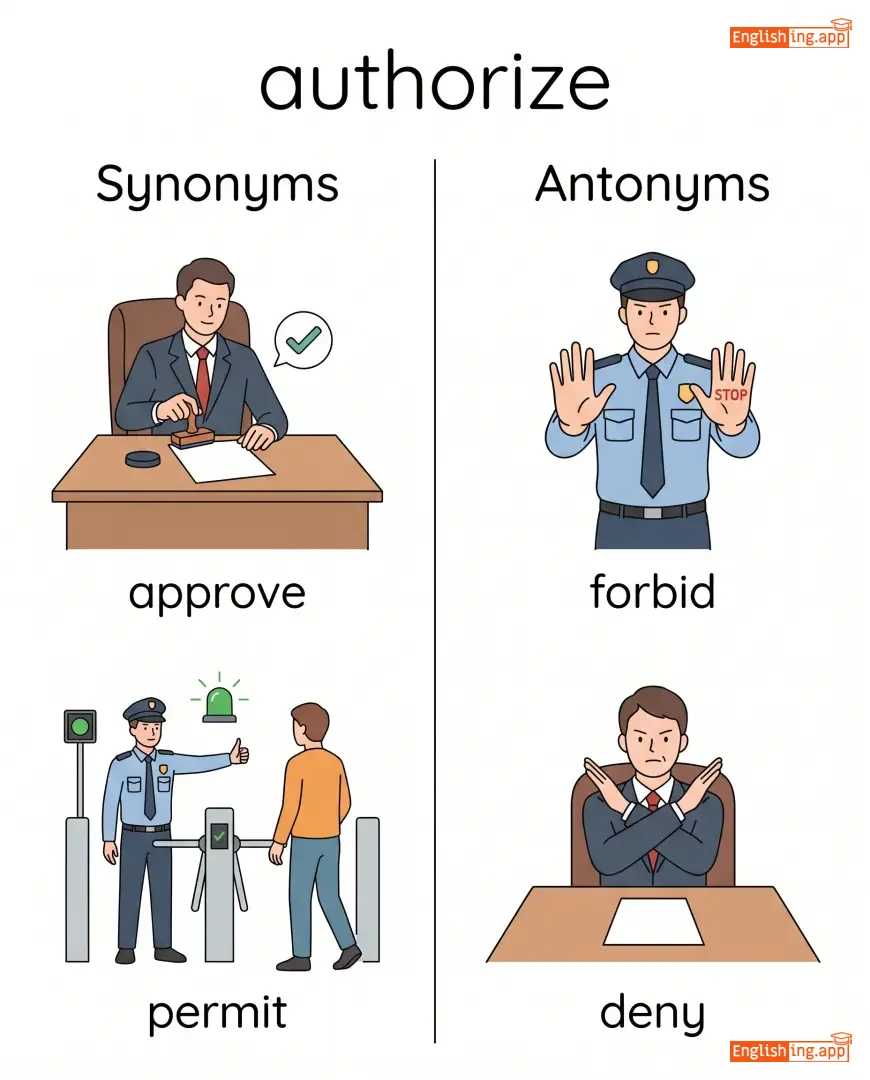
approve, permit, sanction, empower, allow
••••••
|
forbid, deny, reject
••••••
|
authorize access, authorize payment, authorize transaction, authorize use
••••••
|
承認するは許可を与えること —まるで許可証を渡すようなもの!
••••••
|
|
⚙️
••••••
|
/ˌɔːtəˈmætɪk/
adjective
(オートマチック)
••••••
|
- •••••• |
自動
jidou
••••••
|
- •••••• | - •••••• | - •••••• | - •••••• |
working by itself without direct human control
••••••
|
This car has an automatic transmission. |
この車には自動変速機があります。
Kono kuruma ni wa jidou hensokuki ga arimasu.
••••••
|
automatic response |
an instinctive or unthinking reaction
••••••
|
自動反応
jidou hannou
••••••
|
mechanical, self-operating, programmed, robotic
••••••
|
manual, controlled, deliberate
••••••
|
automatic door, automatic system, automatic response, automatic payment
••••••
|
自動は自分で働くことを意味します — 例えば自動ドアが開くように 😄
••••••
|
|
✅
••••••
|
/əˈveɪləbl/
adjective
(アヴェイラブル)
••••••
|
- •••••• |
利用可能
riyō kanō
••••••
|
- •••••• | - •••••• | - •••••• | - •••••• |
Able to be used, obtained, or accessed.
••••••
|
The product is now available in all stores. |
その製品はすべての店舗で利用可能です。
Sono seihin wa subete no tenpo de riyō kanō desu.
••••••
|
readily available |
Easy to obtain or use.
••••••
|
簡単に利用可能
kantan ni riyō kanō
••••••
|
accessible, obtainable, ready, at hand, convenient
••••••
|
unavailable, inaccessible, limited
••••••
|
make available, available resources, available information, readily available
••••••
|
利用可能は、'リオ'と覚えて、簡単に手に入るもの。
••••••
|
|
📏
••••••
|
/ˈbɛntʃmɑːrk/
noun
(ベンチマーク)
••••••
|
|
基準
kijun
••••••
|
- •••••• | - •••••• | - •••••• | - •••••• |
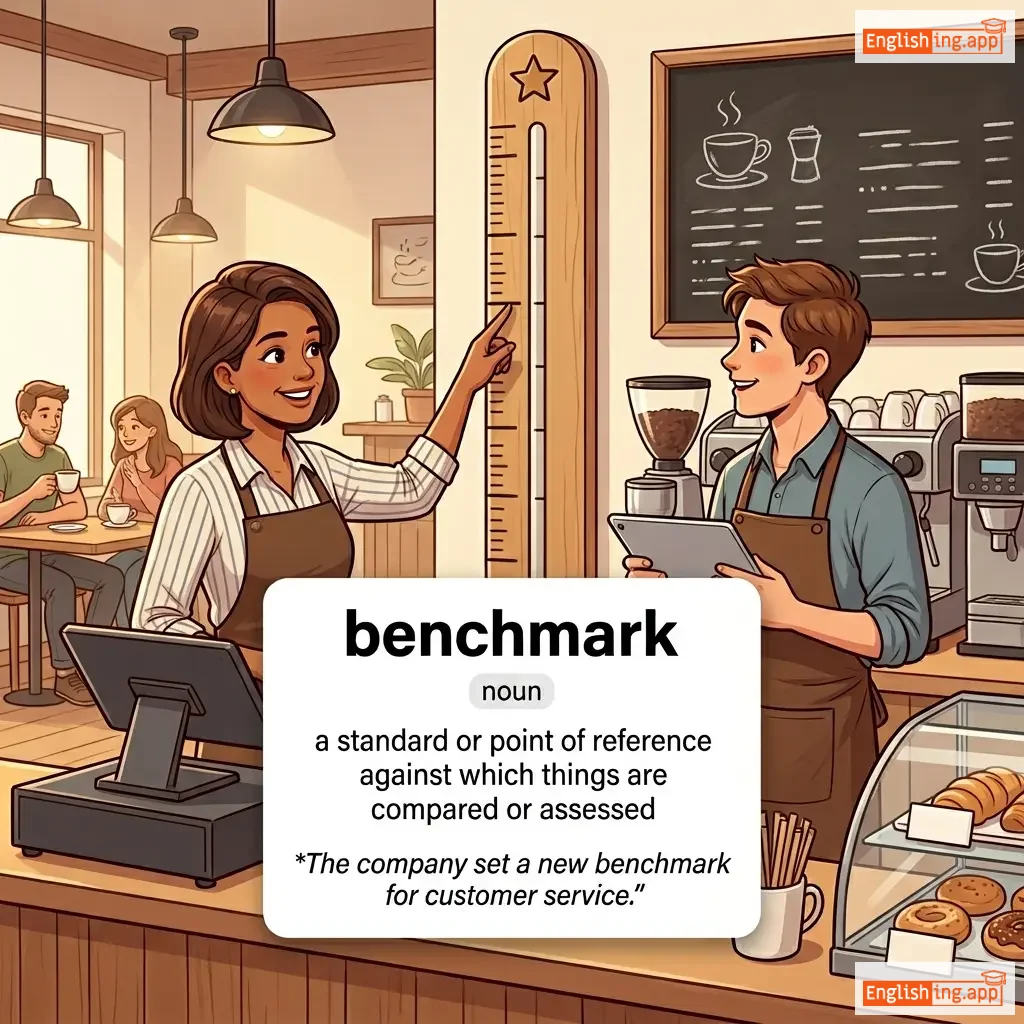
a standard or point of reference against which things are compared or assessed
••••••
|
The company set a new benchmark for customer service. |
その会社は顧客サービスの新しい基準を設定しました。
Sono kaisha wa kokyaku saabisu no atarashī kijun o settei shimashita.
••••••
|
- •••••• | - •••••• | - •••••• |
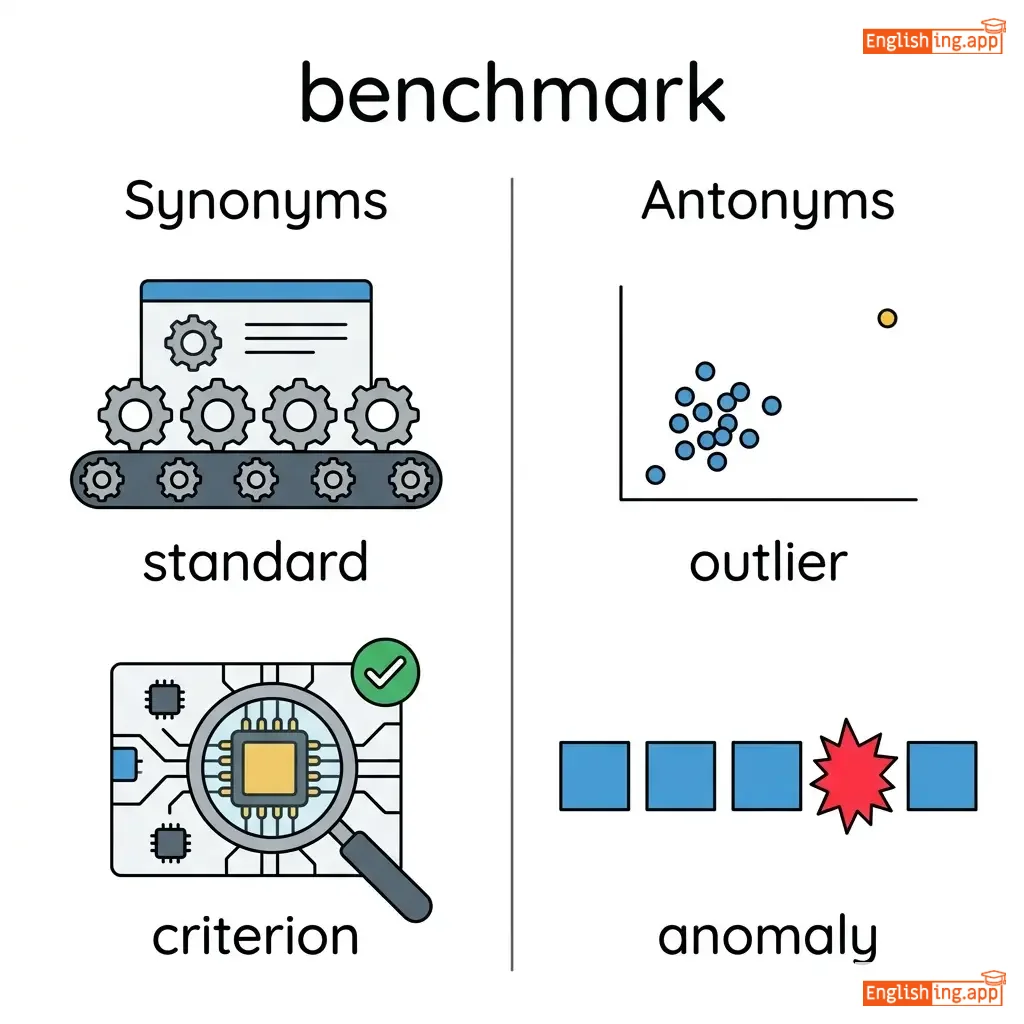
standard, criterion, gauge, yardstick
••••••
|
outlier, anomaly, exception
••••••
|
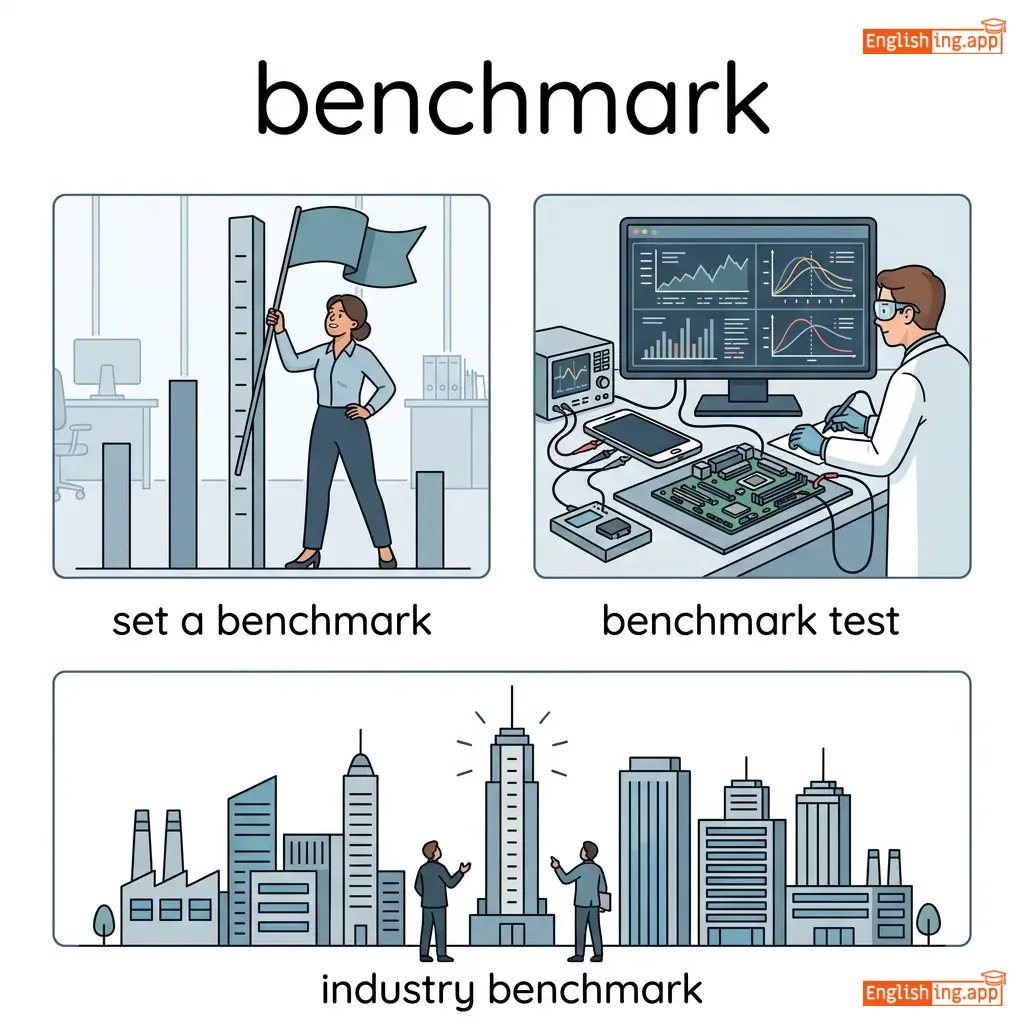
set a benchmark, benchmark test, industry benchmark, high benchmark
••••••
|
ベンチマークを基準に変える - Benchmark is a yardstick for comparison
••••••
|
|
📖
••••••
|
/baɪˈɒɡrəfi/
noun
(バイオグラフィー)
••••••
|
- •••••• |
伝記
denki
••••••
|
- •••••• | - •••••• | - •••••• | - •••••• |
an account of someone's life written by someone else; the story of a person's life
••••••
|
I'm reading a fascinating biography of Albert Einstein. |
私はアルバート・アインシュタインの魅力的な伝記を読んでいます。
Watashi wa Arubāto Ainsutain no miryokuteki na denki o yondeimasu.
••••••
|
- •••••• | - •••••• | - •••••• |
life story, memoir, profile
••••••
|
fiction, novel
••••••
|
write a biography, read biography, authorized biography
••••••
|
伝記 (denki) in Japanese and Biography in English both refer to the life story of a person.
••••••
|
|
🥞
••••••
|
/ˈbrɛkfəst/
noun
••••••
|
- •••••• | - •••••• | - •••••• | - •••••• | - •••••• | - •••••• |
The first meal of the day, usually eaten in the morning.
••••••
|
We had eggs and toast for breakfast. |
- •••••• |
have breakfast |
to eat the first meal of the day
••••••
|
- •••••• |
morning meal, brunch, repast, first meal
••••••
|
dinner, supper
••••••
|
healthy breakfast, big breakfast, skip breakfast, have breakfast
••••••
|
No •••••• |
|
🌬️
••••••
|
/ˈbriːðɪŋ/
noun
(ハピネス)
••••••
|
- •••••• |
幸せ
shiawase
••••••
|
- •••••• | - •••••• | - •••••• | - •••••• |
the process of taking air into and expelling it from the lungs.
••••••
|
Deep breathing can help you relax. |
彼女は賞を受け取ったとき、幸せを隠せませんでした。
Kanojo wa shō o uketotta toki, shiawase o kakusemasen deshita.
••••••
|
take a deep breath |
to inhale deeply to calm oneself
••••••
|
幸せを追求する
shiawase o tsuikyū suru
••••••
|
respiration, inhalation, exhalation, ventilation, gasp
••••••
|
suffocation, choking
••••••
|
deep breathing, breathing exercise, heavy breathing, shallow breathing
••••••
|
幸せ = '幸' + 'せ' — 幸せは毎日の積み重ね!
••••••
|
|
💡
••••••
|
/ˈbrɪliənt/
adjective
(ブリリアント)
••••••
|
- •••••• |
素晴らしい
subarashii
••••••
|
- •••••• | - •••••• | - •••••• | - •••••• |
Exceptionally clever, talented, or impressive; very bright or radiant.
••••••
|
She gave a brilliant performance on stage.
彼女はステージで素晴らしいパフォーマンスをしました。
••••••
|
彼女はステージで素晴らしいパフォーマンスをしました。
Kanojo wa suteeji de subarashii pafōmansu o shimashita.
••••••
|
brilliant idea
素晴らしいアイデア
••••••
|
A very clever or excellent thought or plan.
••••••
|
素晴らしいアイデア
subarashii aidea
••••••
|
intelligent, smart, talented, outstanding, radiant
••••••
|
stupid, dull, ordinary
••••••
|
brilliant idea, brilliant mind, brilliant career, brilliant light
••••••
|
素晴らしい意味素晴らしい 🌟 - 素晴らしいアイデア意味優れた考え。
••••••
|
|
🦋
••••••
|
/ˈbʌtərflaɪ/
noun
(bātāfurai)
••••••
|
- •••••• |
蝶々
chōchō
••••••
|
- •••••• | - •••••• | - •••••• | - •••••• |
an insect with large, often brightly colored wings that flies during the day
••••••
|
A beautiful butterfly landed on the flower. |
美しい蝶々が花の上に止まった。
Utsukushī chōchō ga hana no ue ni tomatta.
••••••
|
social butterfly |
a person who loves to socialize and move among people
••••••
|
- •••••• |
moth, insect, flier, creature, bug
••••••
|
caterpillar, larva
••••••
|
butterfly wings, butterfly garden, butterfly effect, butterfly species
••••••
|
Butter + fly = 蝶々、蝶々のように飛ぶ。
••••••
|
|
🧮
••••••
|
/ˈkæl.kjʊ.leɪt/
verb
(計算する)
••••••
|
|
計算する
keisan suru
••••••
|
calculated
計算した
••••••
|
calculated
計算した
••••••
|
calculates
計算する
••••••
|
calculating
計算している
••••••
|
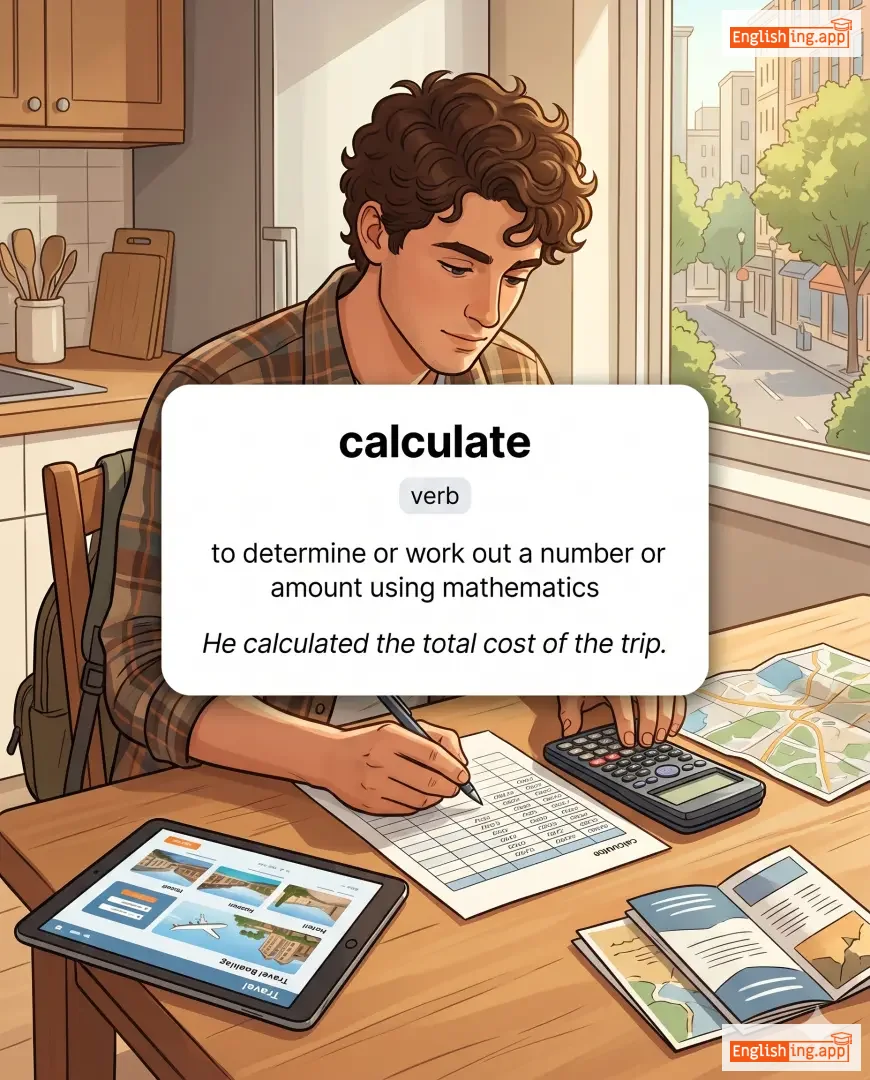
to determine or work out a number or amount using mathematics
••••••
|
He calculated the total cost of the trip.
彼は旅行の総費用を計算した。
••••••
|
彼は旅行の総費用を計算した。
Kare wa ryokou no souhiyou o keisan shita.
••••••
|
calculate the odds
確率を計算する
••••••
|
to consider the chances of something happening
••••••
|
確率を計算する
kakuritsu o keisan suru
••••••
|
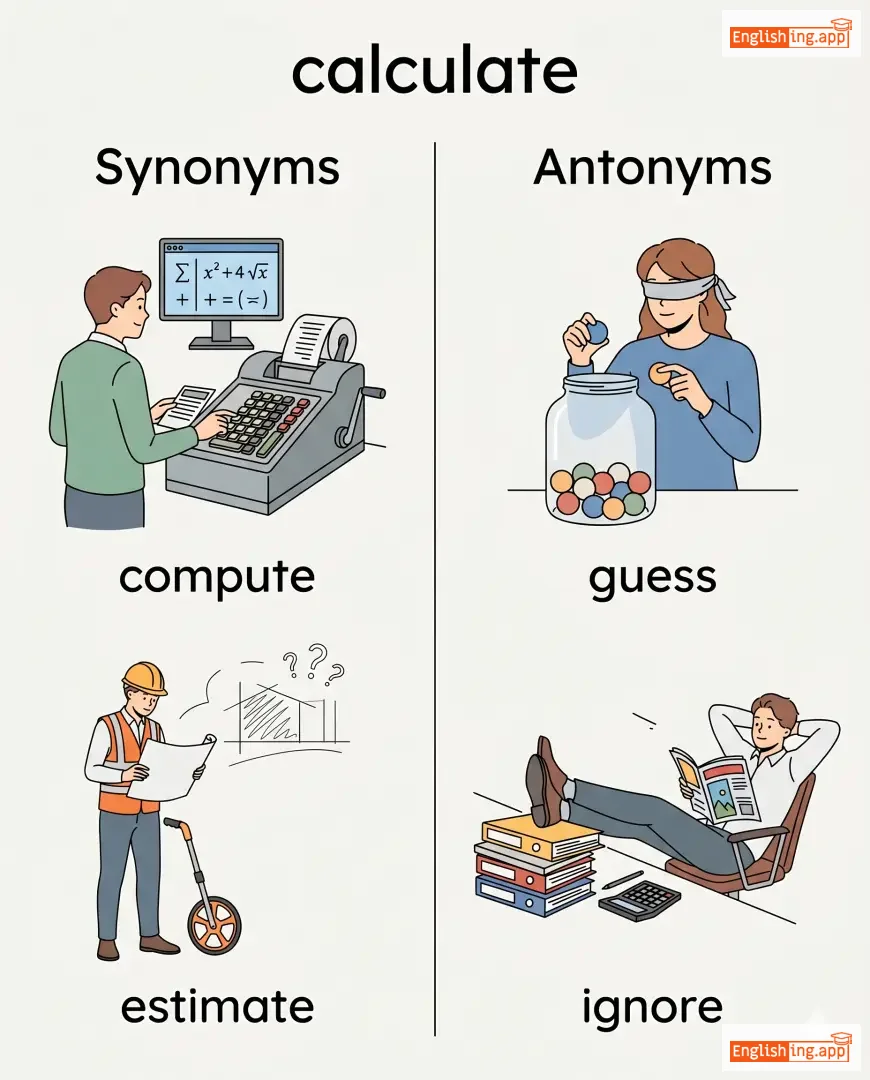
compute, estimate, count, evaluate, figure
••••••
|
guess, ignore, neglect
••••••
|
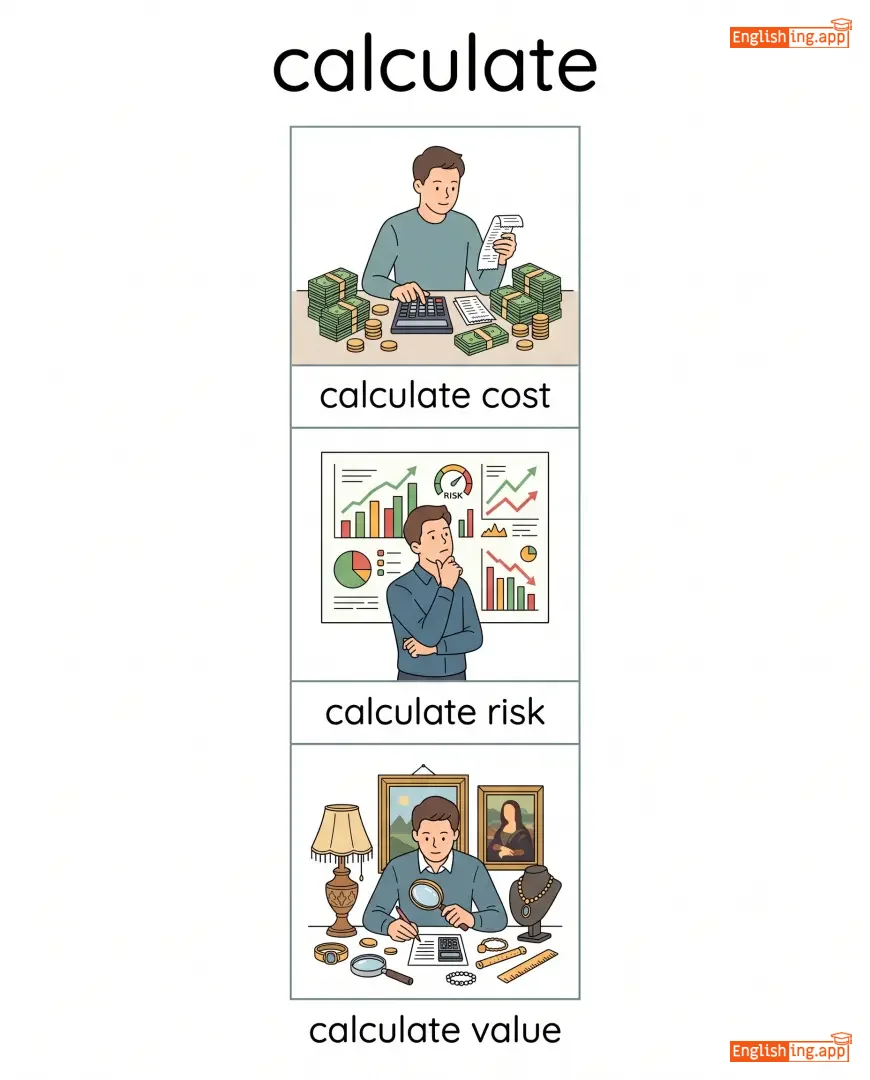
calculate cost, calculate risk, calculate value, calculate interest
••••••
|
Calculateは計算するという意味で、計算機を使うことを思い出してください
••••••
|
|
🗳️
••••••
|
/ˈkændɪdeɪt/
noun
(カンディデート)
••••••
|
- •••••• |
候補者
kōhosha
••••••
|
- •••••• | - •••••• | - •••••• | - •••••• |
A person who applies for a job or is nominated for election.
••••••
|
The candidate gave a strong speech during the debate. |
候補者は討論中に強いスピーチを行いました。
Kōhosha wa tōron-chū ni tsuyoi supīchi o okonaimashita.
••••••
|
political candidate |
A person who seeks election to a political office.
••••••
|
政治候補者
seiji kōhosha
••••••
|
applicant, nominee, contender, aspirant, competitor
••••••
|
employer, voter
••••••
|
job candidate, presidential candidate, candidate selection, candidate list
••••••
|
候補者はキャンディデートのように甘い言葉で票を集める。
••••••
|
|
🤲
••••••
|
/ˈkɛərfəli/
adverb
(ケアフリー)
••••••
|
- •••••• |
慎重に
shinchou ni
••••••
|
- •••••• | - •••••• | - •••••• | - •••••• |
In a way that is done with attention to detail and caution to avoid mistakes or harm.
••••••
|
He carefully placed the glass on the table. |
彼は慎重にグラスをテーブルに置きました。
Kare wa shinchou ni gurasu wo teeburu ni okimashita.
••••••
|
handle with care |
used as an instruction to treat something delicately
••••••
|
慎重に取り扱う
shinchou ni toriatsukau
••••••
|
cautiously, attentively, gently, meticulously, thoroughly
••••••
|
carelessly, recklessly
••••••
|
listen carefully, handle carefully, plan carefully, watch carefully
••••••
|
慎重に = 心配しないで慎重に行動
••••••
|
|
🌟
••••••
|
/səˈlɛbrɪti/
noun
(セレブリティ)
••••••
|
- •••••• |
有名人
yūmeijin
••••••
|
- •••••• | - •••••• | - •••••• | - •••••• |
a famous person, especially in entertainment or sports
••••••
|
The celebrity was surrounded by fans at the airport. |
その有名人は空港でファンに囲まれていた。
Sono yūmeijin wa kūkō de fan ni kakomarete ita.
••••••
|
celebrity status |
the condition of being widely known and admired
••••••
|
有名人の地位
yūmeijin no chii
••••••
|
star, idol, personality, VIP, notable
••••••
|
unknown, nobody
••••••
|
celebrity gossip, celebrity news, celebrity status, celebrity culture
••••••
|
Celebrity とはみんなが知っている有名な人!
••••••
|
|
🎭
••••••
|
/ˈkærəktər/
noun
(キャラクター)
••••••
|
- •••••• |
キャラクター
kyarakutā
••••••
|
- •••••• | - •••••• | - •••••• | - •••••• |
the mental and moral qualities distinctive to an individual; a person in a story or play
••••••
|
The main character in the novel learns an important lesson. |
小説の主人公は重要な教訓を学びます。
Shōsetsu no shujinkō wa jūyōna kyōkun o manabimasu.
••••••
|
out of character |
not typical behavior for someone
••••••
|
キャラクターに反する
kyarakutā ni hansuru
••••••
|
personality, nature, figure, role, persona
••••••
|
facelessness, anonymity
••••••
|
strong character, fictional character, moral character, character development
••••••
|
Characterという英語の言葉は、キャラクターという日本語で、物語や劇の登場人物のようなものです。
••••••
|
|
⚗️
••••••
|
/ˈkɛmɪstri/
noun
(キミストリー)
••••••
|
- •••••• |
化学
kagaku
••••••
|
- •••••• | - •••••• | - •••••• | - •••••• |
the branch of science that studies substances and their interactions; also the emotional connection between people
••••••
|
They have great chemistry and work well together. |
彼らは素晴らしい化学反応を持ち、一緒にうまく働いています。
Karera wa subarashī kagaku hannō o mochi, issho ni umaku hataraiteimasu.
••••••
|
good chemistry |
a natural connection or attraction between people
••••••
|
良い化学反応
yoi kagaku hannō
••••••
|
science, interaction, reaction, bond, connection
••••••
|
disconnection, separation
••••••
|
study chemistry, chemistry lab, good chemistry, organic chemistry
••••••
|
化学はすべてをつなげる力、良い化学で関係も強くなる!
••••••
|
|
🧒
••••••
|
/ˈtʃaɪldhʊd/
noun
(チャイルドフッド)
••••••
|
- •••••• |
子供時代
kodomojidai
••••••
|
- •••••• | - •••••• | - •••••• | - •••••• |
the period of being a child
••••••
|
She spent her childhood in a small village.
彼女は小さな村で子供時代を過ごしました。
••••••
|
彼女は小さな村で子供時代を過ごしました。
Kanojo wa chiisana mura de kodomojidai o sugoshimashita.
••••••
|
childhood friend
子供時代の友達
••••••
|
a friend someone has had since they were children
••••••
|
子供時代の友達
kodomojidai no tomodachi
••••••
|
infancy, youth, boyhood, girlhood
••••••
|
adulthood, maturity
••••••
|
happy childhood, early childhood, childhood memory, childhood friend
••••••
|
Child + hood = 子供時代 (状態)
••••••
|
|
🎻
••••••
|
/ˈklæsɪkəl/
adjective
(kurasikaru)
••••••
|
- •••••• |
古典的または伝統的な
koten teki mata wa dentoteki na
••••••
|
- •••••• | - •••••• | - •••••• | - •••••• |
relating to ancient Greek or Roman culture, or representing traditional excellence in art, music, or literature
••••••
|
She loves listening to classical music while studying. |
彼女は勉強中にクラシック音楽を聴くのが好きです。
Kanojo wa benkyō-chū ni kurashikku ongaku o kiku no ga suki desu.
••••••
|
classical beauty |
a timeless and traditional form of beauty
••••••
|
古典的美
koten-teki bi
••••••
|
traditional, ancient, timeless, refined
••••••
|
modern, contemporary
••••••
|
classical music, classical art, classical literature, classical architecture
••••••
|
Classicalは芸術の最高の形式 — 伝統を守ること!
••••••
|
|
🧑💼
••••••
|
/ˈkaʊnsɪlər/
noun
(カウンサイラー)
••••••
|
- •••••• |
市議会議員
shigikai giin
••••••
|
- •••••• | - •••••• | - •••••• | - •••••• |
an elected member of a council, especially a local government body
••••••
|
The councilor held a public meeting to discuss local issues. |
市議会議員は地元の問題を議論するために公開会議を開きました。
Shigikai giin wa jimoto no mondai o giron suru tame ni kōkai kaigi o hirakimashita.
••••••
|
- •••••• | - •••••• | - •••••• |
representative, legislator, public official, politician
••••••
|
citizen, voter
••••••
|
local councilor, city councilor, councilor meeting
••••••
|
'市議会議員' は地域社会の問題を解決するために働く人です。
••••••
|

