Lanterns Over Landmark Hall
ダッカの古い映画館を取り囲む若者たちが、裕福なinvestorが彼らの話を聞きに来るのを待っていた。彼らは地元のアーティストがどのようにinvolvedしてギャラリーの隅々を活気づけているかを示した。年老いたlandlordはみんなにお茶を出した。近くの橋で私たちは新しいlandmarkデザインのスケッチに感動した。リハーサル中、子供たちは明るいlaughterをあふれさせた。主催者は、ホールの第2のlifetimeがここから始まるべきだと言った。チームリーダーのShikhaは手にlightingプランを持ちながら忙しくしていた。ラジオのlistenerが電話をかけて祝福を送った。文学クラブはliteraryリーディングを開催した。地図ボードには会場の正確なlocationが表示されていた。街のトップのmagazineは表紙ストーリーを約束した。資金を集めるために彼らは毎日ホールの設備をmaintainした。議員は、プロジェクトに対して市民のmajorityが支持していることに言及した。来月には市全体でmarathonを開催することが発表された。庭に記念碑のmemorialを設置する計画が共有された。主催者は新しいイベントが文化的なmomentumを維持すると言った。古い壁の壁画が生きたmonumentを形作っている。夕暮れ時、皆が屋上に集まり芸術のmovementを祝った。町外から来たoutsiderは、その集団の努力に感動したと言った。
|
絵文字
|
単語 | Images | 翻訳 | 過去 | 過去分詞 | 三人称単数 | 動名詞 | 意味 | 例文 | 例文の翻訳 | 表現例 | 表現例の意味 | 表現例の翻訳 | 同義語 | 対義語 | コロケーション | ニーモニック |
|---|---|---|---|---|---|---|---|---|---|---|---|---|---|---|---|---|---|
|
💰
••••••
|
/ɪnˈvɛstər/
noun
(インヴェスター)
••••••
|
- •••••• |
投資家
toushika
••••••
|
- •••••• | - •••••• | - •••••• | - •••••• |
a person or organization that puts money into financial schemes, property, or business ventures with the expectation of achieving a profit
••••••
|
The investor funded the startup with a large sum of money. |
投資家はスタートアップに大金を投資しました。
Tōshika wa sātoappu ni ōkin o tōshi shimashita.
••••••
|
angel investor |
an individual who provides capital for a business startup, usually in exchange for ownership equity
••••••
|
エンジェル投資家
enjeru tōshika
••••••
|
financier, shareholder, backer, capitalist
••••••
|
spender, debtor
••••••
|
foreign investor, private investor, institutional investor, angel investor
••••••
|
投資家とは、利益を得るために投資する人 — 投資家
••••••
|
|
🔗
••••••
|
/ɪnˈvɑːlvd/
adjective
(インヴォルヴド)
••••••
|
- •••••• |
関与した
kan'yoshita
••••••
|
- •••••• | - •••••• | - •••••• | - •••••• |
complicated or engaged in something
••••••
|
She was deeply involved in community service. |
彼女は地域社会の奉仕活動に深く関与していた。
Kanojo wa chiikishakai no hōshikatsudō ni fukaku kan'yoshite ita.
••••••
|
become involved |
to take an active part in something
••••••
|
関与する
kan'yosuru
••••••
|
engaged, committed, complicated, connected
••••••
|
detached, simple, uninvolved
••••••
|
deeply involved, personally involved, involved process
••••••
|
Involvedは関与した→全てのことに関わること。
••••••
|
|
⚖️
••••••
|
/ˈdʒʌdʒ.mənt/
noun
(ジャッジメント)
••••••
|
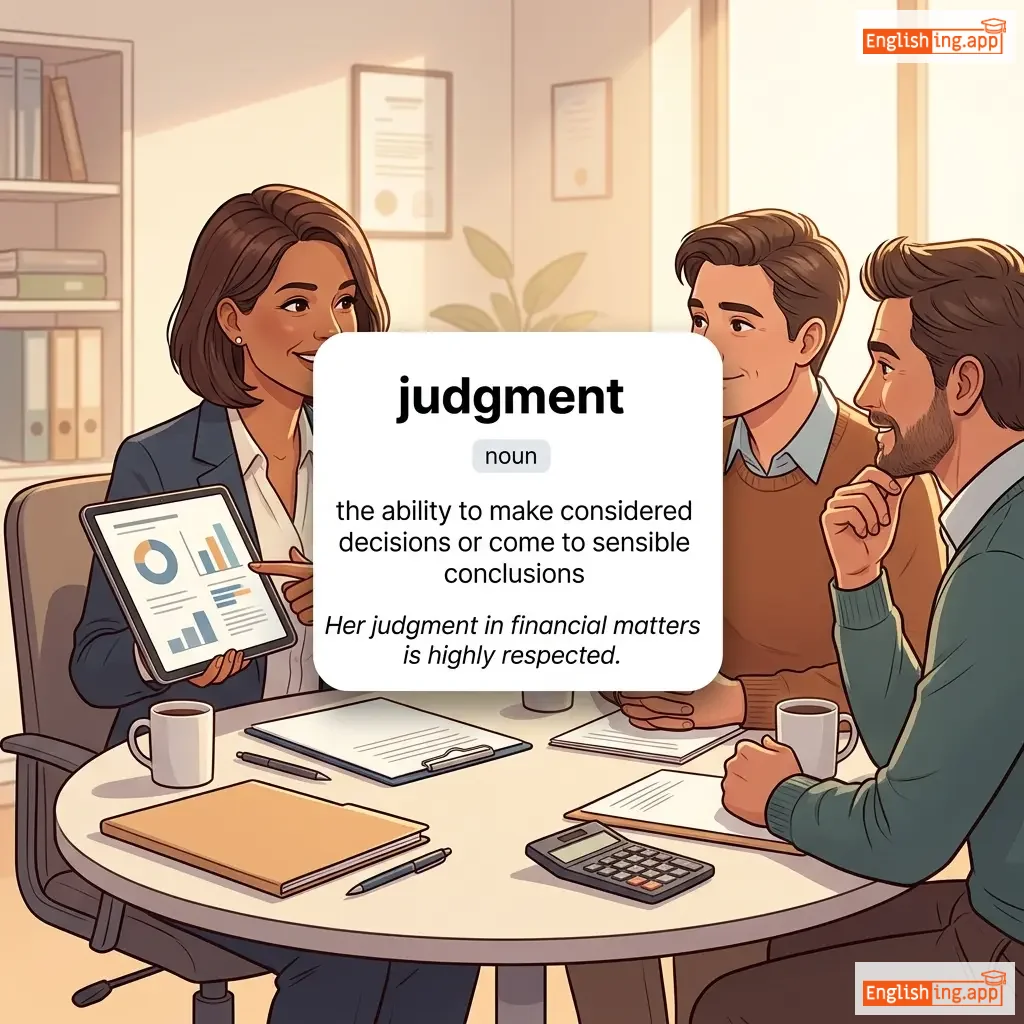
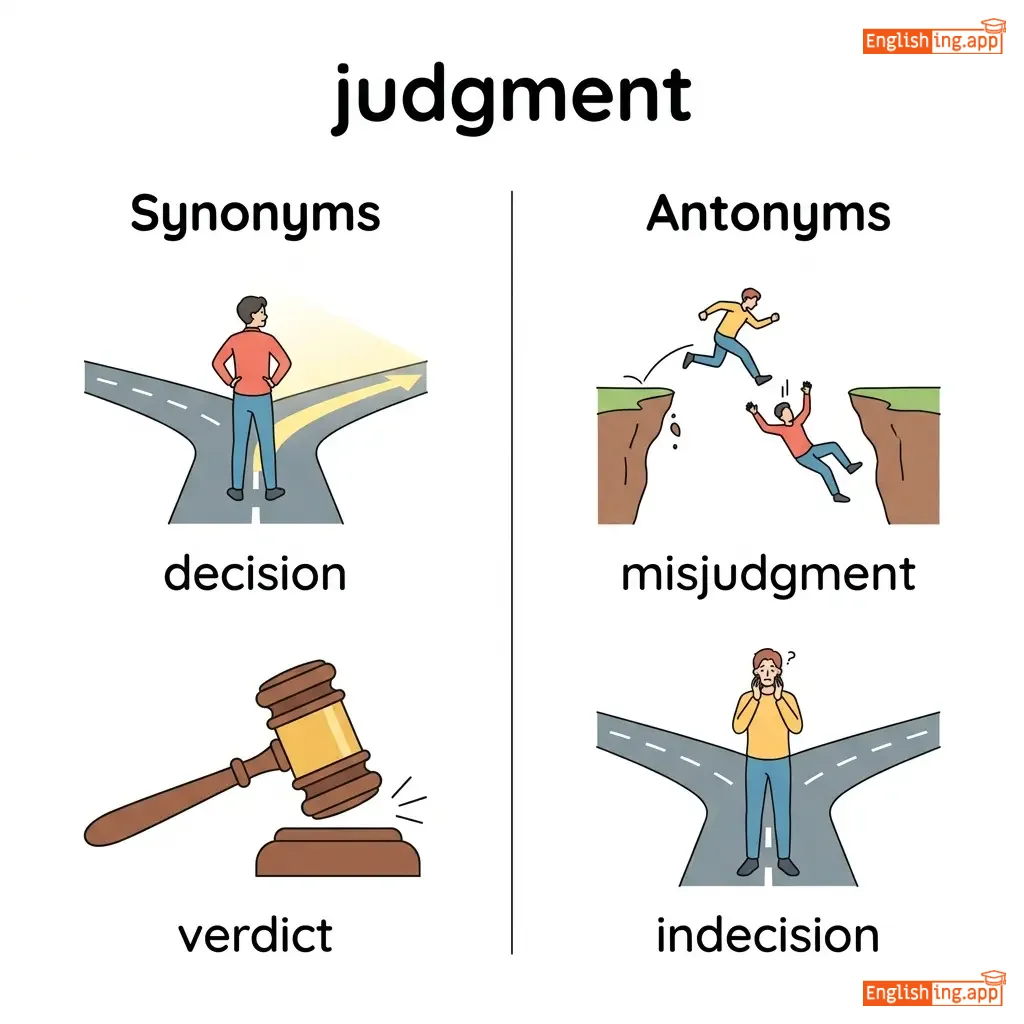
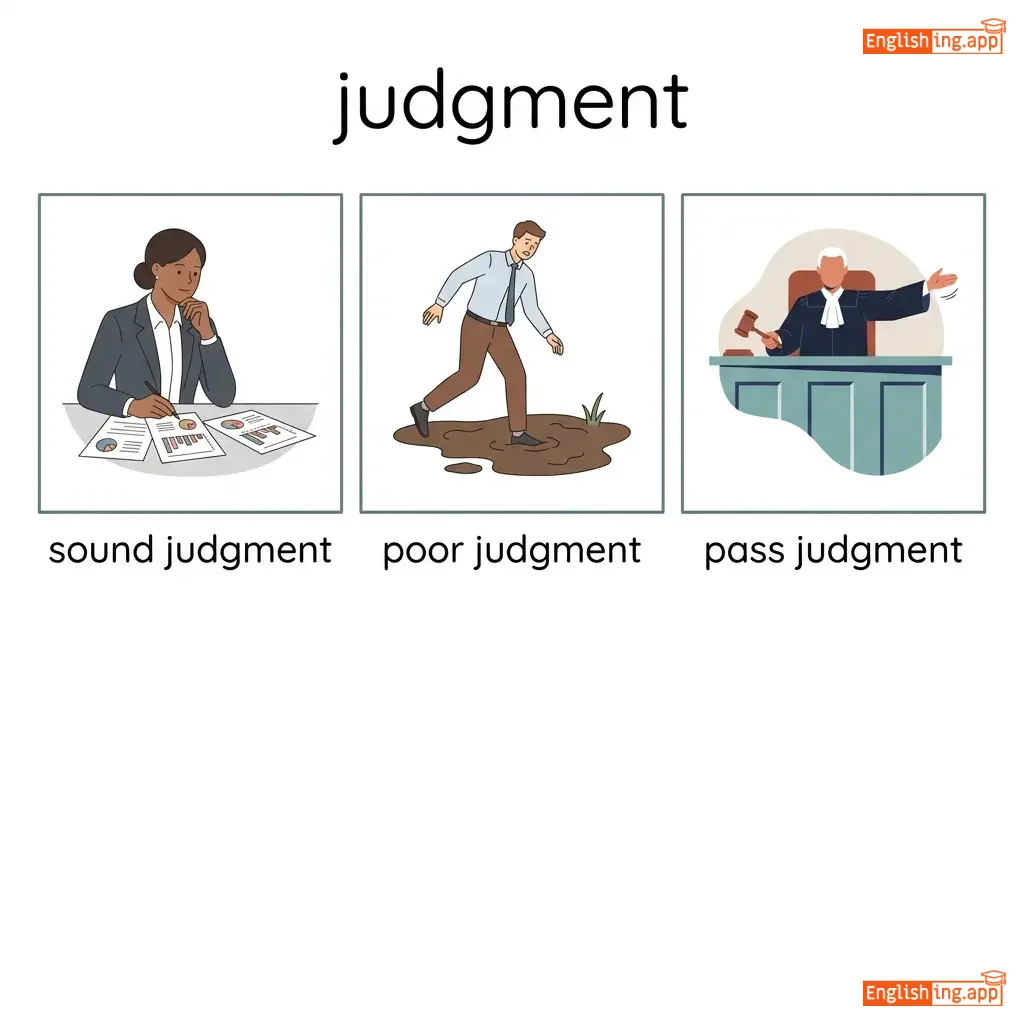
|
判断
handan
••••••
|
- •••••• | - •••••• | - •••••• | - •••••• |
the ability to make considered decisions or come to sensible conclusions
••••••
|
Her judgment in financial matters is highly respected. |
彼女の財務に関する判断は高く評価されています。
Kanojo no zaimu ni kansuru handan wa takaku hyouka sareteimasu.
••••••
|
pass judgment |
to give an opinion or decision about something or someone
••••••
|
判断を下す
handan wo kudasu
••••••
|
decision, verdict, ruling, opinion, discernment
••••••
|
misjudgment, indecision, ignorance
••••••
|
sound judgment, poor judgment, pass judgment, legal judgment
••••••
|
判断は選択すること、決定は方向を示す
••••••
|
|
🏠
••••••
|
/ˈlændlɔːrd/
noun
(ランドロード)
••••••
|
- •••••• |
家主
iemushi
••••••
|
- •••••• | - •••••• | - •••••• | - •••••• |
A person who owns and rents out land, buildings, or accommodation.
••••••
|
The landlord increased the rent for all tenants this year. |
今年、家主はすべての入居者の家賃を上げました。
Kotoshi, iemushi wa subete no nyūkyo-sha no yachin o agemashita.
••••••
|
the landlord's word is law |
The landlord has complete authority over the property.
••••••
|
家主の言葉は法です
Iemushi no kotoba wa hō desu
••••••
|
owner, lessor, proprietor, landowner, property-holder
••••••
|
tenant, renter, lessee
••••••
|
landlord and tenant, landlord duties, landlord agreement, friendly landlord
••••••
|
Land+Lord = 家主, 家主とは家を貸す人。
••••••
|
|
📍
••••••
|
/ˈlændmɑːrk/
noun
(ランドマーク)
••••••
|
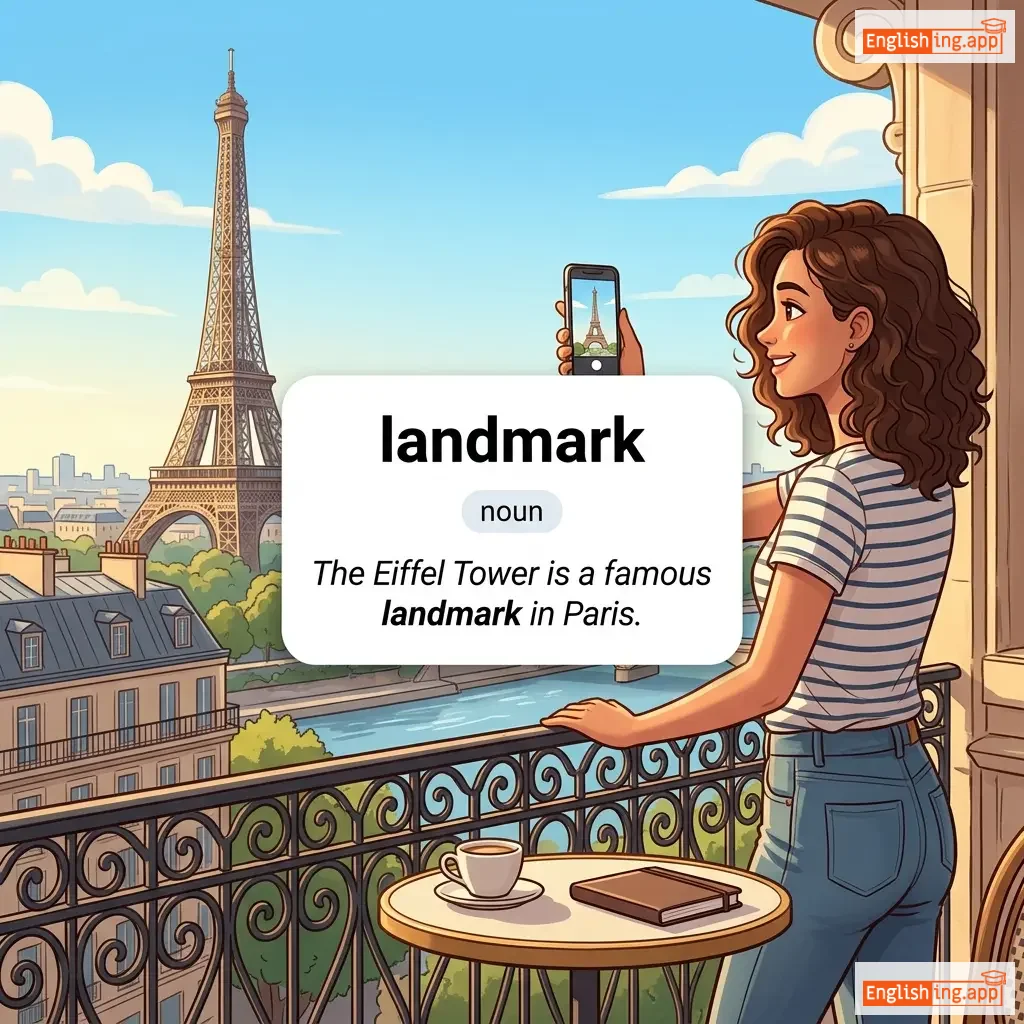
|
ランドマーク
randōmāku
••••••
|
- •••••• | - •••••• | - •••••• | - •••••• |
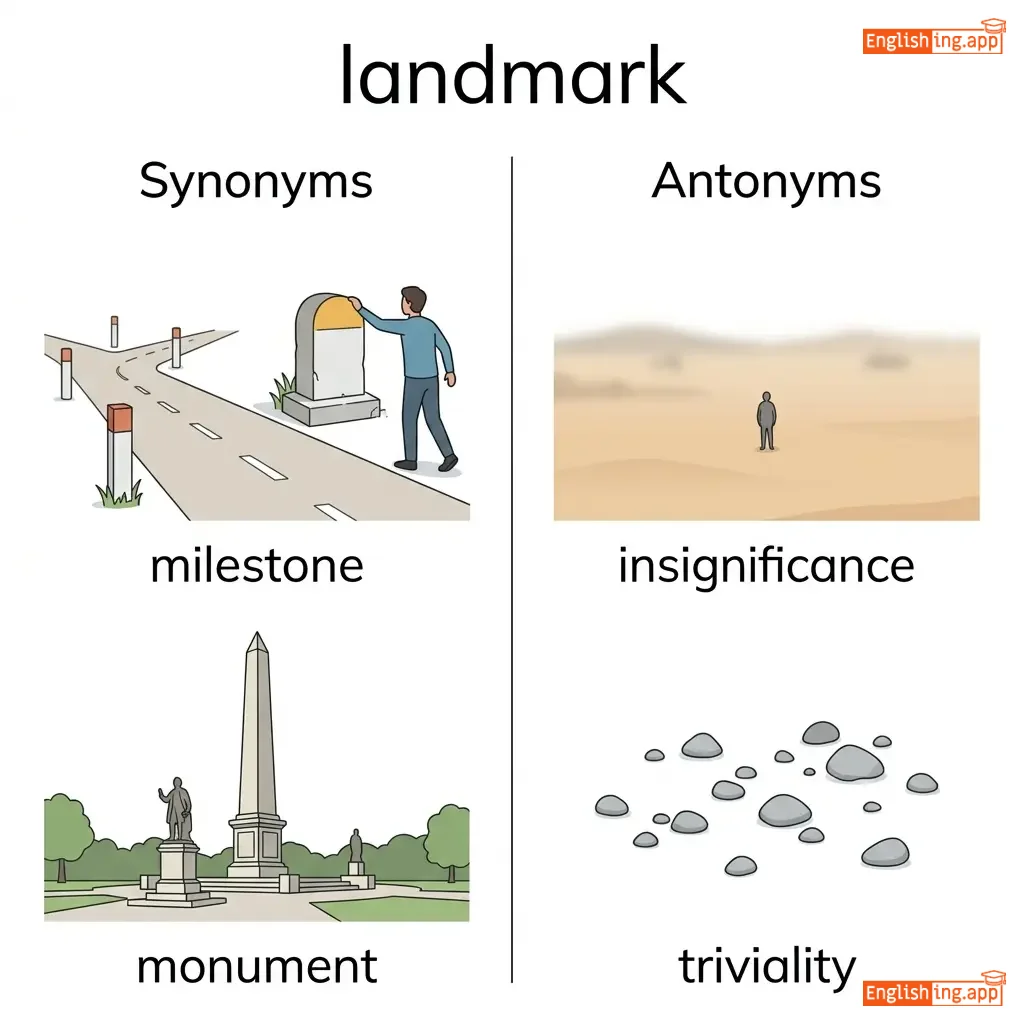
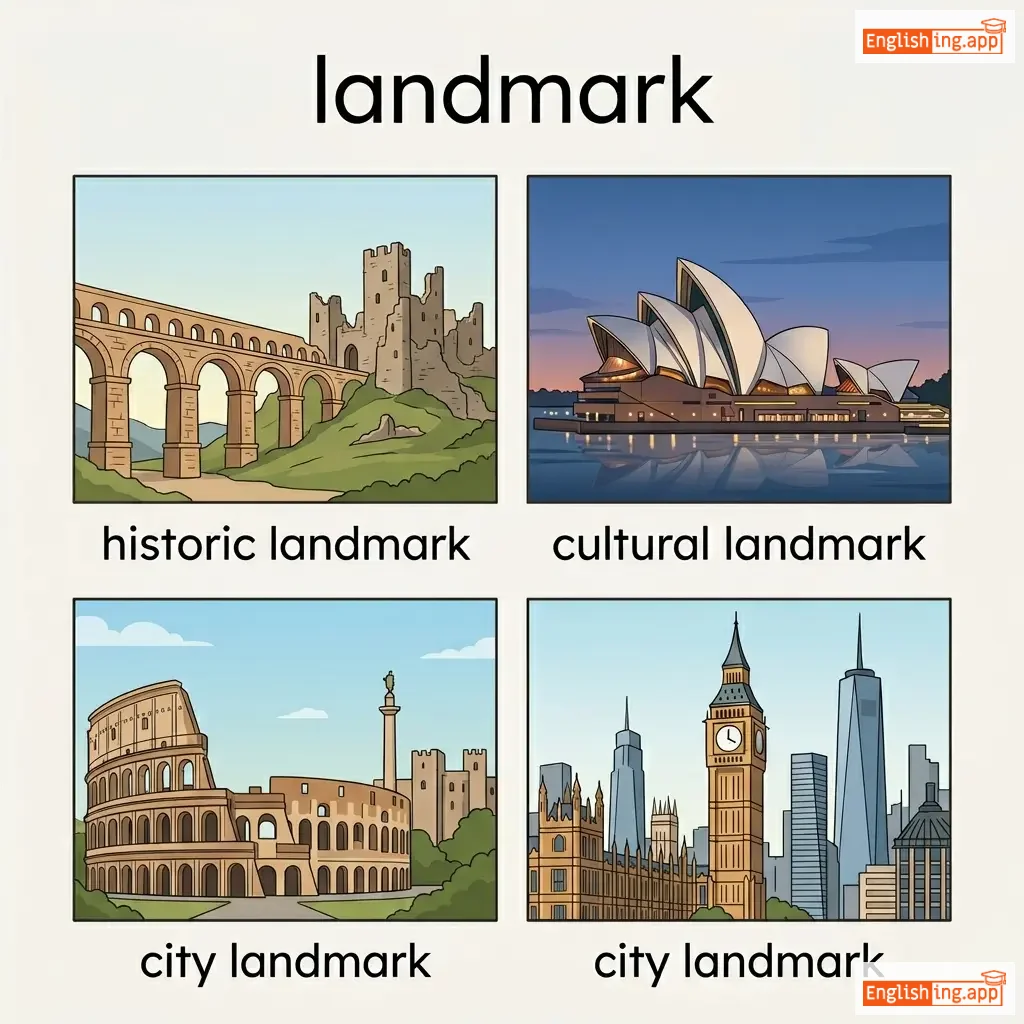
A recognizable object or structure that serves as a point of reference, or an event marking an important stage.
••••••
|
The Eiffel Tower is a famous landmark in Paris. |
エッフェル塔はパリの有名なランドマークです。
Efferu-tō wa Pari no yūmei na randōmāku desu.
••••••
|
landmark decision |
An important or historic ruling or choice.
••••••
|
歴史的決定
rekishiteki kettei
••••••
|
milestone, monument, marker, signpost, reference point
••••••
|
insignificance, triviality
••••••
|
historic landmark, cultural landmark, city landmark, national landmark
••••••
|
Land+Mark = 地図の重要な位置
••••••
|
|
😂
••••••
|
/ˈlæftər/
noun
(ハピネス)
••••••
|
- •••••• |
笑い
warai
••••••
|
- •••••• | - •••••• | - •••••• | - •••••• |
the act or sound of laughing
••••••
|
The room was filled with laughter.
部屋は笑いで満ちていた。
••••••
|
部屋は笑いで満ちていた。
Heya wa warai de michite ita.
••••••
|
burst into laughter
笑い出す
••••••
|
to suddenly start laughing
••••••
|
笑い出す
Waraidasu
••••••
|
giggle, chuckle, laugh, mirth, joy
••••••
|
crying, sadness, tears
••••••
|
burst into laughter, loud laughter, uncontrollable laughter
••••••
|
Laughter → 笑い、笑うことで幸せを感じる。
••••••
|
|
⌛
••••••
|
/ˈlaɪf.taɪm/
noun
(ライフタイム)
••••••
|
- •••••• |
生涯
shougai
••••••
|
- •••••• | - •••••• | - •••••• | - •••••• |
The duration of a person's life or the existence of something.
••••••
|
She achieved more in her lifetime than most people dream of.
彼女は自分のライフタイムで、ほとんどの人が夢見る以上のことを達成した。
••••••
|
彼女は自分の生涯で、ほとんどの人が夢見る以上のことを達成した。
Kanojo wa jibun no shougai de, hotondo no hito ga yumemiru ijou no koto o tassei shita.
••••••
|
once in a lifetime
一生に一度
••••••
|
Something that is very rare and unlikely to happen again
••••••
|
一生に一度
Isshou ni ichido
••••••
|
existence, lifespan, duration, era, age
••••••
|
moment, instant, second
••••••
|
lifetime achievement, lifetime experience, in a lifetime, over a lifetime
••••••
|
LIFE + TIME = 生涯.
••••••
|
|
💡
••••••
|
/ˈlaɪtɪŋ/
noun
(raitingu)
••••••
|
- •••••• |
照明
shoumei
••••••
|
- •••••• | - •••••• | - •••••• | - •••••• |
the arrangement or use of light in a place; the act of providing light
••••••
|
The lighting in the restaurant created a warm and cozy atmosphere.
レストランの照明は、暖かく快適な雰囲気を作り出しました。
••••••
|
レストランの照明は、暖かく快適な雰囲気を作り出しました。
Resutoran no shōmei wa, atatakai kaiteki na fun'iki o tsukuridashimashita.
••••••
|
- •••••• | - •••••• | - •••••• |
illumination, brightness, radiance, light, glow
••••••
|
darkness, shadow
••••••
|
soft lighting, stage lighting, indoor lighting, lighting design
••••••
|
Lightingと照明は光を意味します。
••••••
|
|
👂
••••••
|
/ˈlɪsənər/
noun
(リスナー)
••••••
|
- •••••• |
リスナー
risunā
••••••
|
- •••••• | - •••••• | - •••••• | - •••••• |
a person who listens or pays attention to something, especially to a speaker or sound.
••••••
|
She is a good listener who always understands others' problems. |
彼女は他の人の問題をいつも理解する良いリスナーです。
Kanojo wa hoka no hito no mondai o itsumo rikai suru yoi risunā desu.
••••••
|
active listener |
someone who listens carefully and thoughtfully
••••••
|
アクティブリスナー
akutibu risunā
••••••
|
hearer, audience, observer, spectator, attendant
••••••
|
speaker, talker
••••••
|
good listener, attentive listener, active listener, radio listener
••••••
|
Listener は聞く人の意味 — リスナー。
••••••
|
|
📚
••••••
|
/ˈlɪtərɛri/
adjective
(リテラリー)
••••••
|
- •••••• |
文学的
bungakuteki
••••••
|
- •••••• | - •••••• | - •••••• | - •••••• |
concerning the writing, study, or content of literature
••••••
|
She is a well-known figure in the literary world.
彼女は文学界でよく知られた人物です。
••••••
|
彼女は文学界でよく知られた人物です。
Kanojo wa bungaku kai de yoku shirareta jinbutsu desu.
••••••
|
literary genius
文学の天才
••••••
|
a person with outstanding creative talent in literature
••••••
|
文学の天才
bungaku no tensai
••••••
|
bookish, cultured, scholarly, learned
••••••
|
illiterate, uneducated
••••••
|
literary world, literary work, literary career, literary criticism
••••••
|
📚 Literaryは文学的を意味します。文学から来ています。
••••••
|
|
📍
••••••
|
/loʊˈkeɪʃən/
noun
(ロケーション)
••••••
|
- •••••• |
場所
basho
••••••
|
- •••••• | - •••••• | - •••••• | - •••••• |
a particular place or position
••••••
|
This cafe is in a beautiful location near the lake.
このカフェは湖の近くの素晴らしいロケーションにあります。
••••••
|
このカフェは湖の近くの素晴らしい場所にあります。
Kono kafe wa mizuumi no chikaku no subarashī basho ni arimasu.
••••••
|
on location
ロケーションで
••••••
|
filming at the actual site instead of a studio
••••••
|
現場で
genba de
••••••
|
place, site, spot, area, venue
••••••
|
displacement, absence
••••••
|
prime location, shooting location, remote location, exact location
••••••
|
場所 = 何かがある場所
••••••
|
|
📖
••••••
|
/ˈmæɡəziːn/
noun
(マガジン)
••••••
|
- •••••• |
雑誌
zasshi
••••••
|
- •••••• | - •••••• | - •••••• | - •••••• |
A periodical publication containing articles, photographs, and advertisements.
••••••
|
She bought a fashion magazine at the store. |
彼女は店でファッション雑誌を買いました。
Kanojo wa mise de fasshon zasshi o kaimashita.
••••••
|
- •••••• | - •••••• | - •••••• |
journal, periodical, publication, digest, paper
••••••
|
book, novel
••••••
|
fashion magazine, magazine article, magazine cover, magazine subscription
••••••
|
Magazine は雑誌、店でファッション雑誌を買おう。
••••••
|
|
⚙️
••••••
|
/meɪnˈteɪn/
verb
(メインテイン)
••••••
|
|
維持する
iji suru
••••••
|
maintained
メインテンド
••••••
|
maintained
メインテンド
••••••
|
maintains
メインテインズ
••••••
|
maintaining
メインテイニング
••••••
|
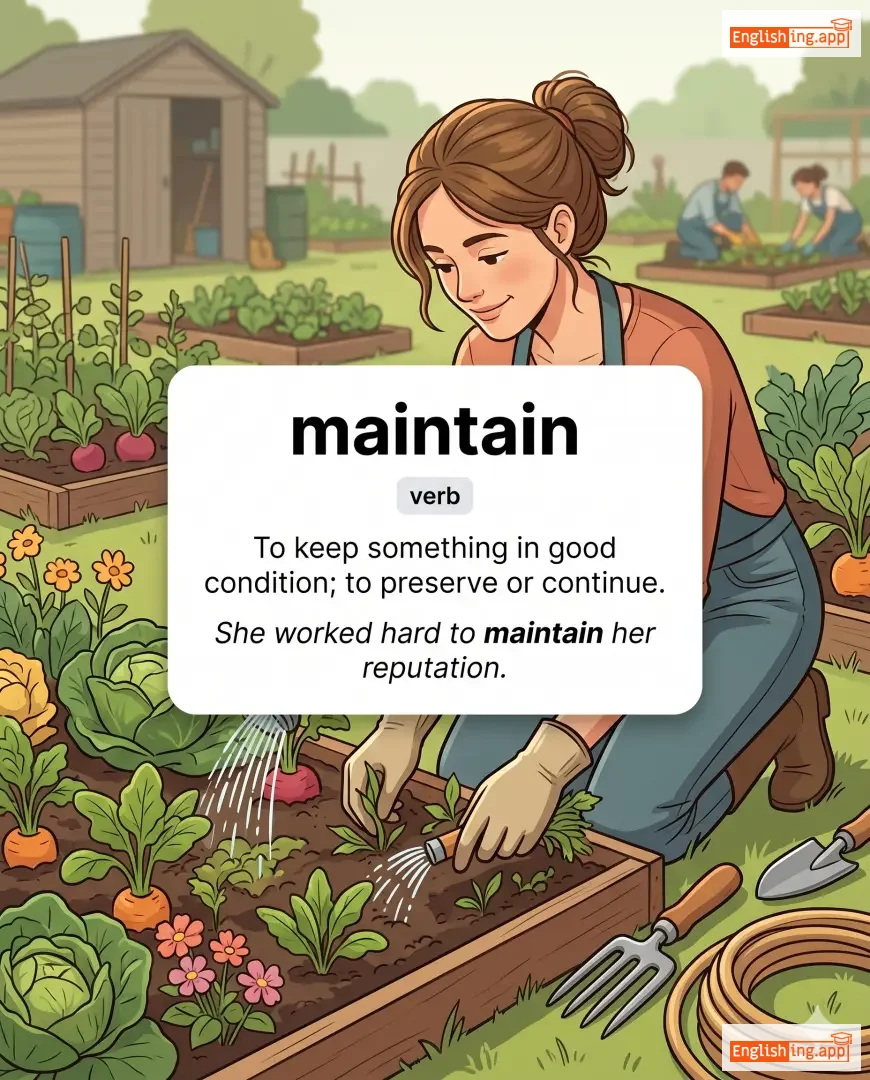
To keep something in good condition; to preserve or continue.
••••••
|
She worked hard to maintain her reputation.
彼女は評判を維持するために一生懸命働きました。
••••••
|
彼女は評判を維持するために一生懸命働きました。
Kanojo wa hyōban o iji suru tame ni isshōkenmei hatarakimashita.
••••••
|
maintain composure
冷静を保つ
••••••
|
To stay calm and in control under pressure
••••••
|
冷静を保つ
reisei o tamotsu
••••••
|
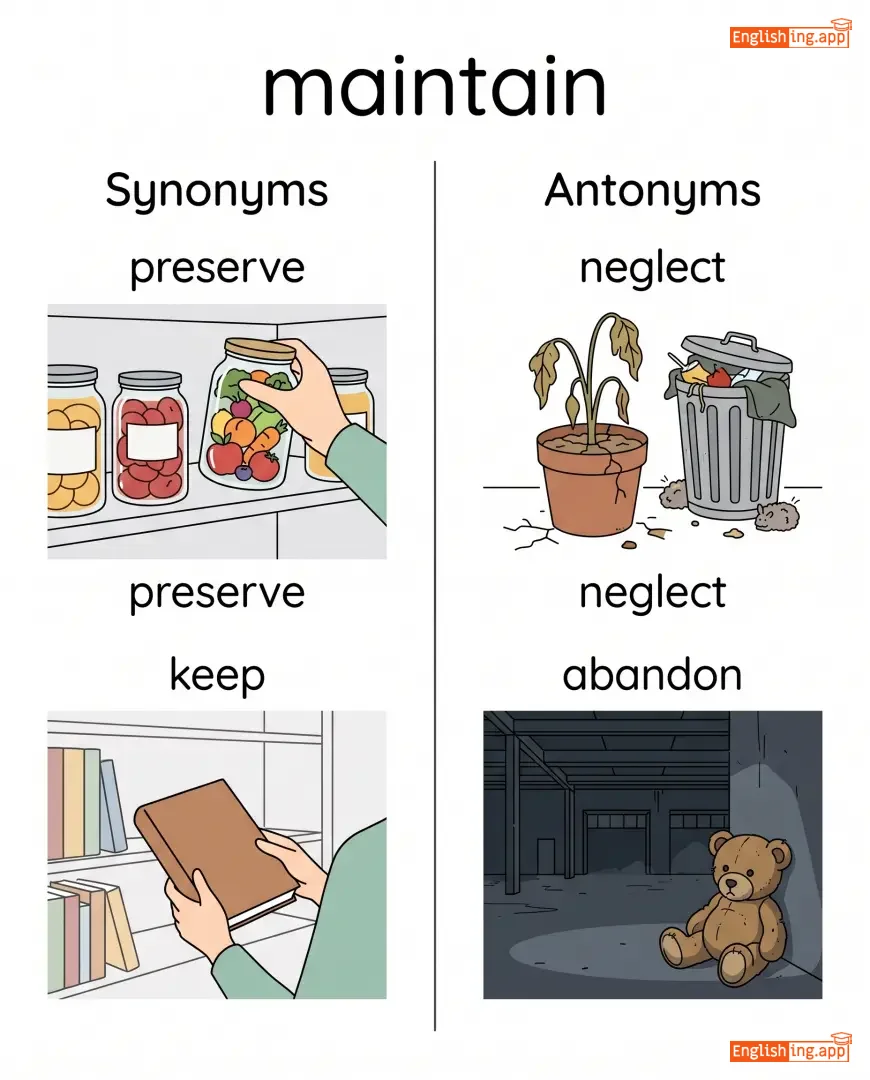
preserve, keep, sustain, uphold, continue
••••••
|
neglect, abandon, destroy
••••••
|
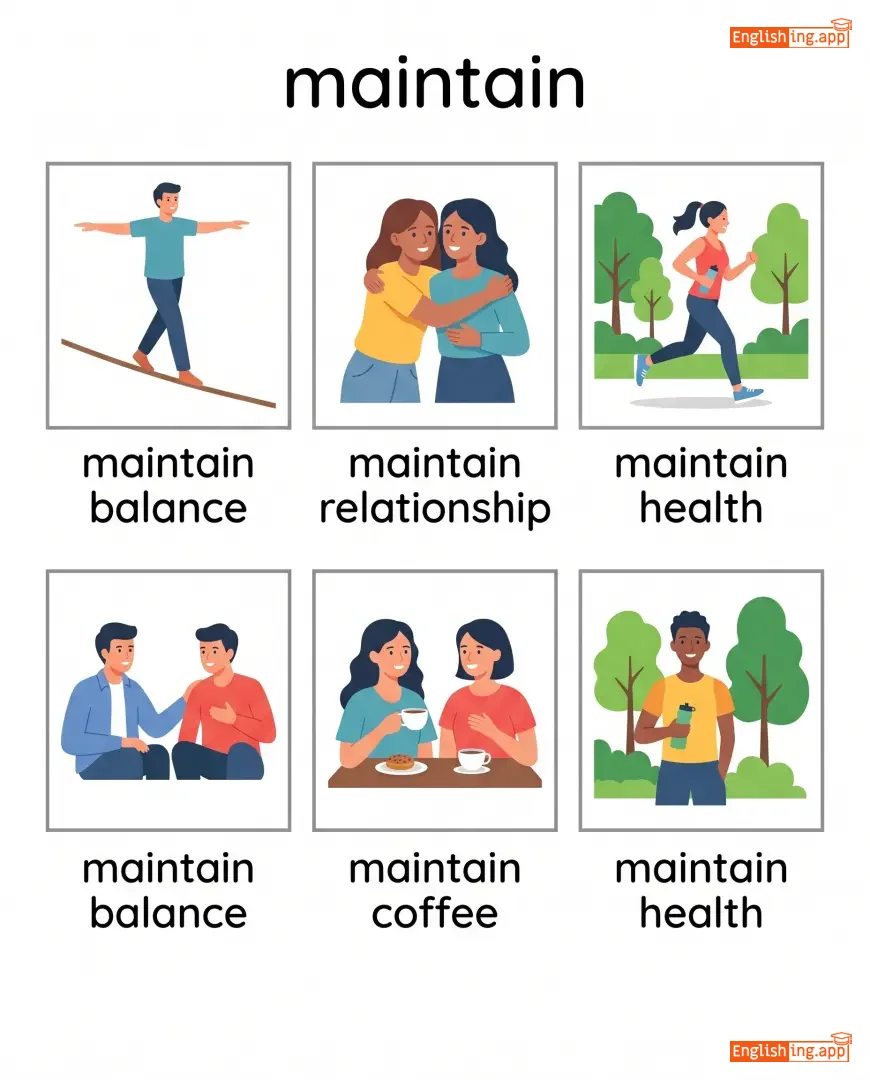
maintain balance, maintain relationship, maintain health, maintain order
••••••
|
MaintainはMain + Tain (保持) = 保持するまたは続ける
••••••
|
|
📊
••••••
|
/məˈdʒɒrəti/
noun
(meijoriti)
••••••
|
|
多数
tasuu
••••••
|
- •••••• | - •••••• | - •••••• | - •••••• |
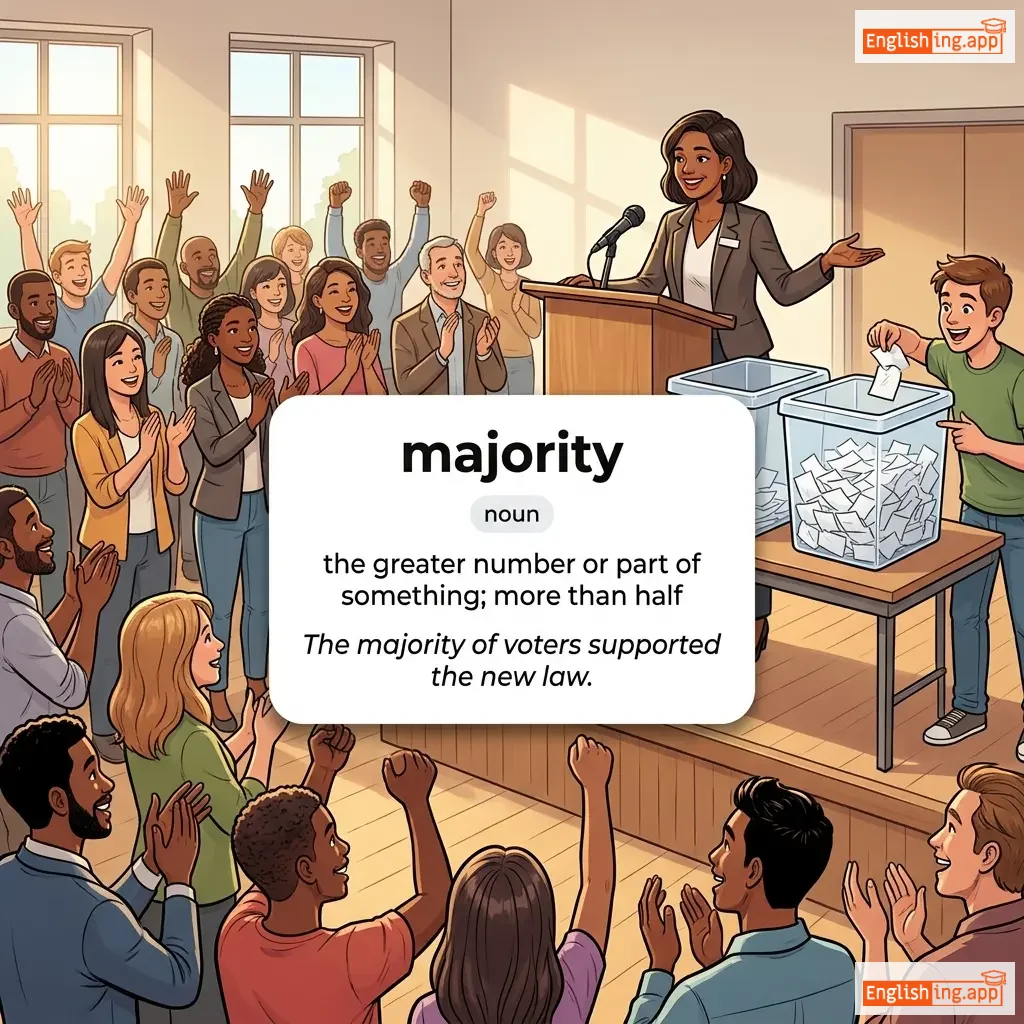
the greater number or part of something; more than half
••••••
|
The majority of voters supported the new law. |
有権者の多数が新しい法律を支持しました。
Yuken-sha no tasuu ga atarashii houritsu o shiji shimashita.
••••••
|
silent majority |
a large group of people who do not express their opinions publicly
••••••
|
沈黙の多数
Chinmoku no tasuu
••••••
|
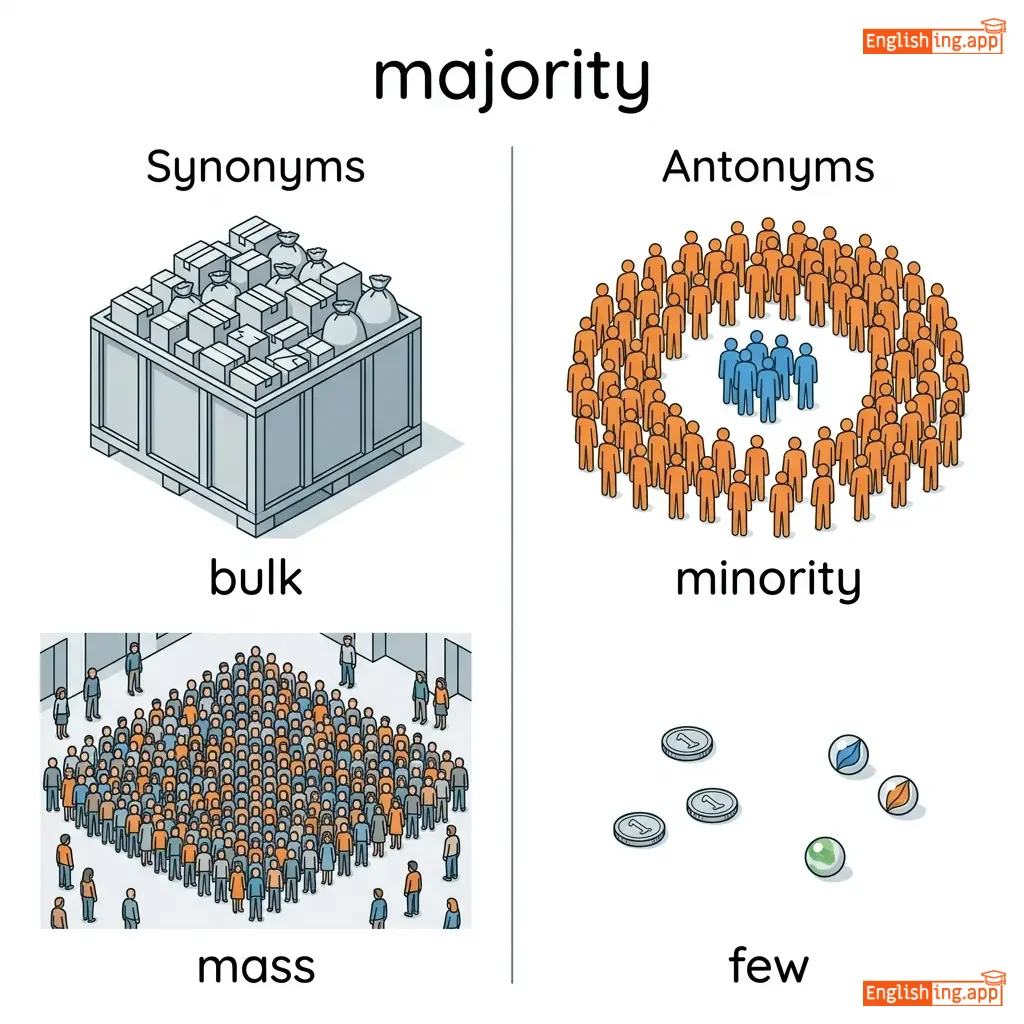
bulk, mass, most, plurality, dominance
••••••
|
minority, few
••••••
|
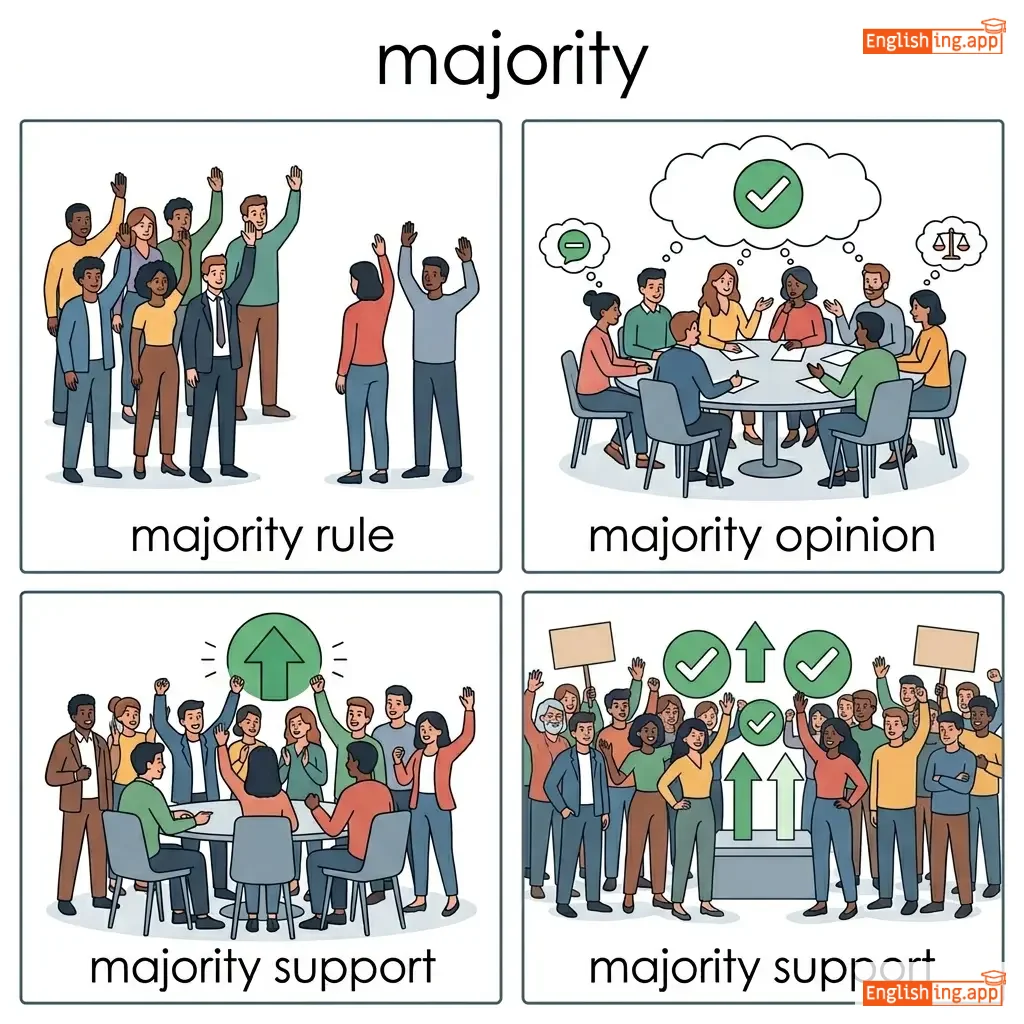
majority rule, majority opinion, majority support, majority party
••••••
|
多数はより大きな部分を意味します - 多数は半分以上です!
••••••
|
|
🏃♀️
••••••
|
/ˈmærəθən/
noun
(マラソン)
••••••
|
- •••••• |
マラソン
marason
••••••
|
- •••••• | - •••••• | - •••••• | - •••••• |
a long-distance running race, typically 42.195 kilometers (26.2 miles)
••••••
|
She completed the marathon in under four hours. |
彼女は4時間以内にマラソンを完走しました。
Kanojo wa 4 jikan inai ni marason o kansou shimashita.
••••••
|
- •••••• | - •••••• | - •••••• |
race, event, competition, endurance
••••••
|
sprint, short race
••••••
|
run a marathon, marathon training, marathon winner
••••••
|
Marathon runs forever - マラソンは終わらない!
••••••
|
|
🕊️
••••••
|
/məˈmɔːr.i.əl/
noun
(メモリアル)
••••••
|
|
記念碑
kinenhi
••••••
|
- •••••• | - •••••• | - •••••• | - •••••• |
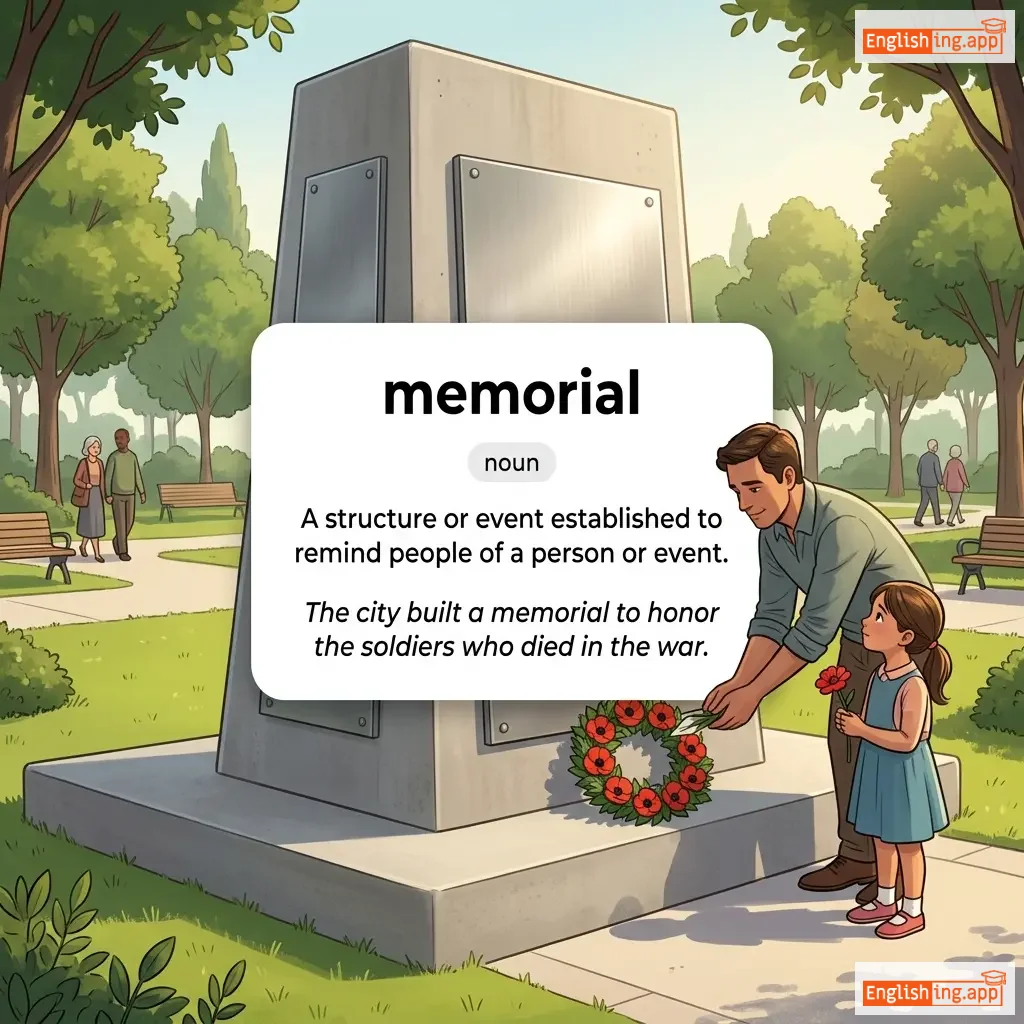
A structure or event established to remind people of a person or event.
••••••
|
The city built a memorial to honor the soldiers who died in the war. |
その都市は戦争で亡くなった兵士たちを称えるために記念碑を建てました。
Sono toshi wa sensō de nakunatta heishi-tachi o tataeru tame ni kinenhi o tatemashita.
••••••
|
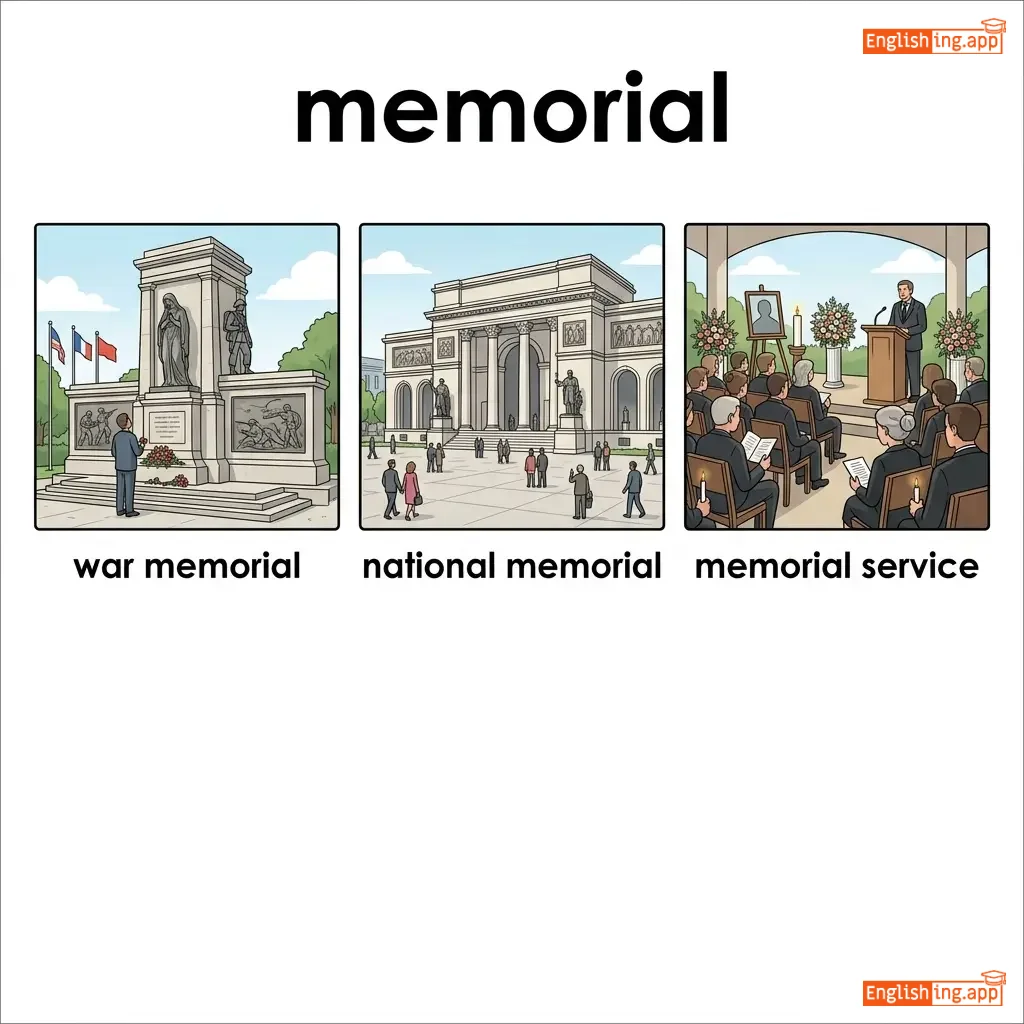
war memorial |
A structure built to honor soldiers who died in a war.
••••••
|
戦争記念碑
sensō kinenhi
••••••
|
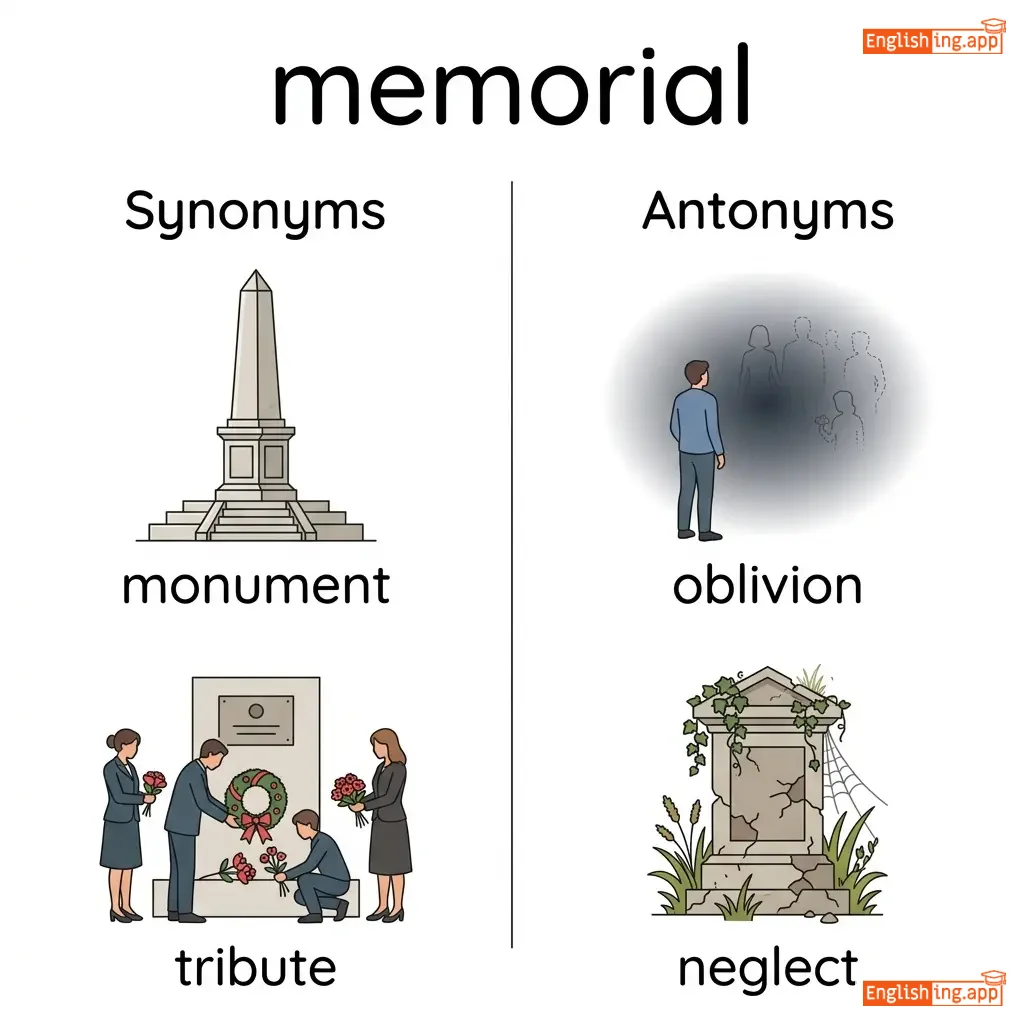
monument, tribute, shrine, remembrance
••••••
|
oblivion, neglect
••••••
|
war memorial, national memorial, memorial service, memorial plaque
••••••
|
Memorialは過去を覚えているための記念碑です。
••••••
|
|
🏃
••••••
|
/moʊˈmɛntəm/
noun
••••••
|
|
- •••••• | - •••••• | - •••••• | - •••••• | - •••••• |
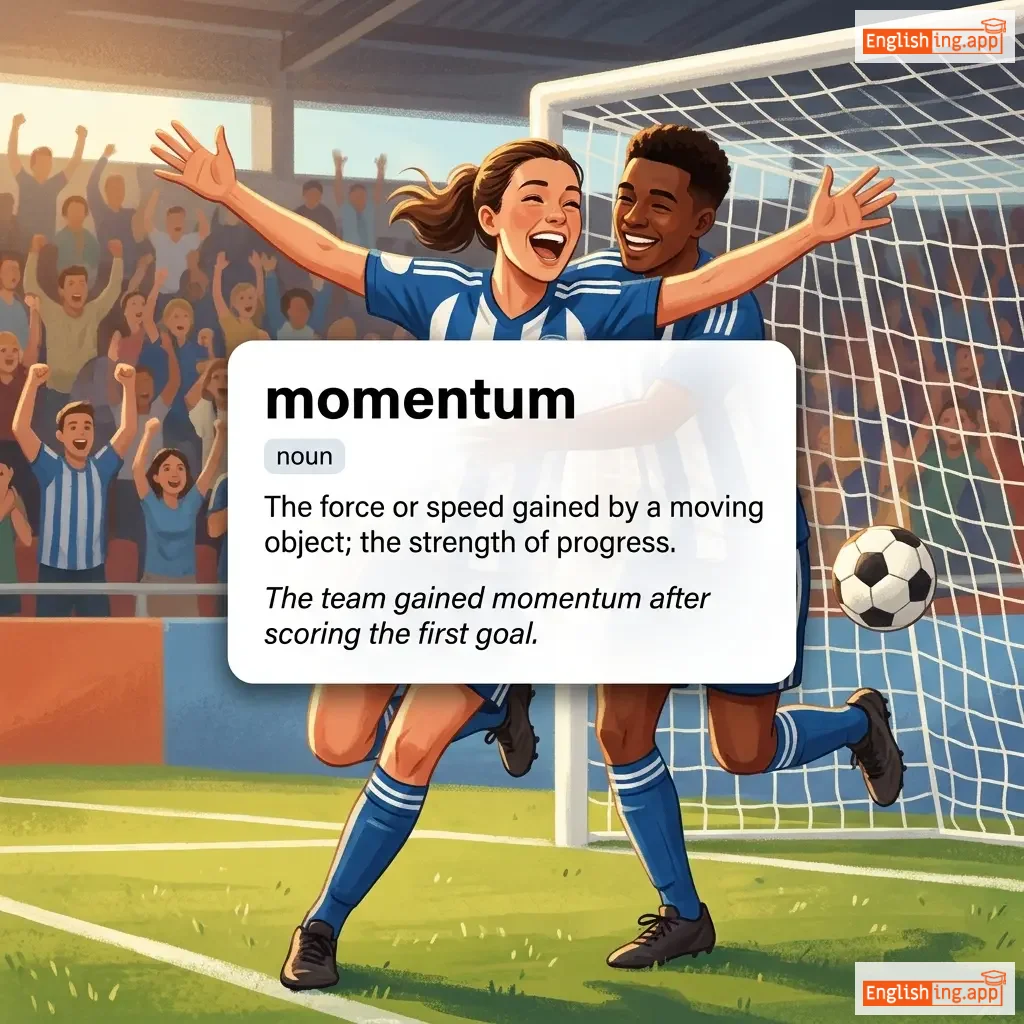
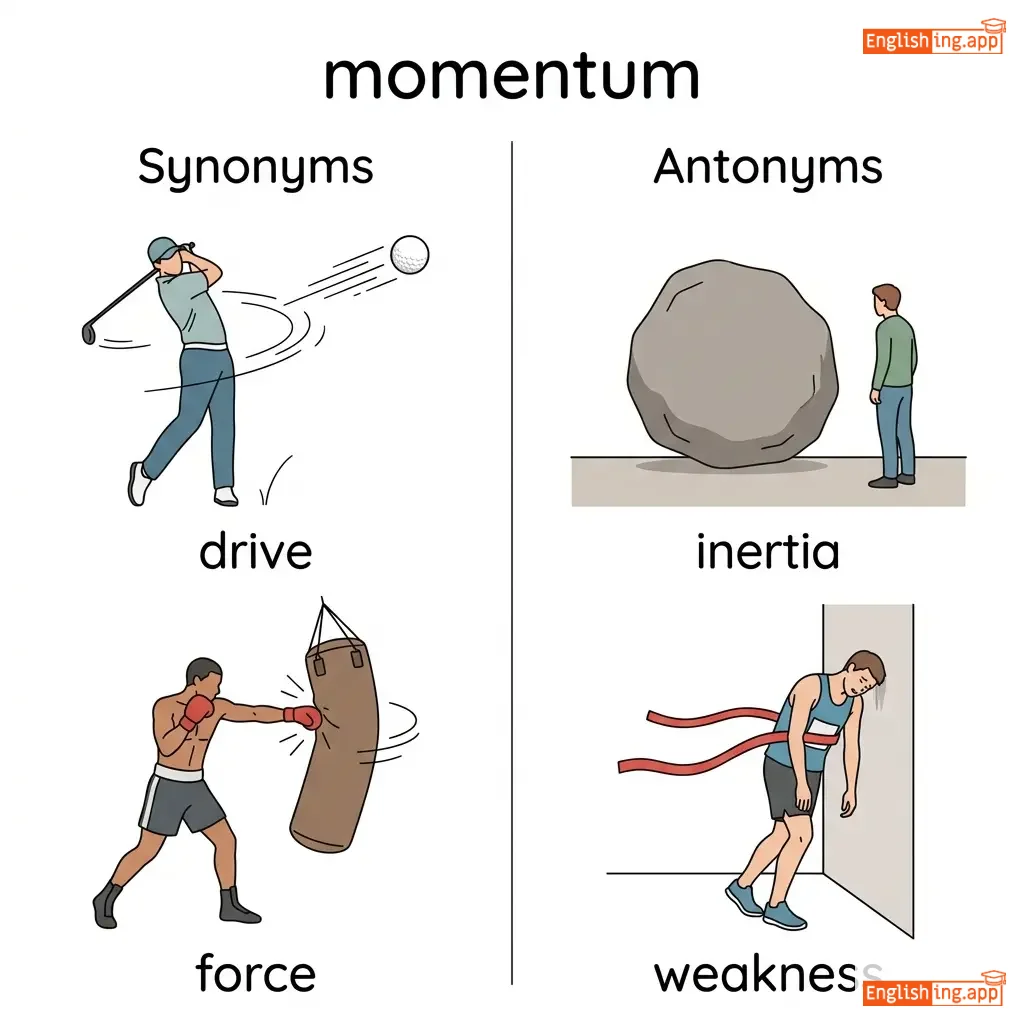
The force or speed gained by a moving object; the strength of progress.
••••••
|
The team gained momentum after scoring the first goal. |
- •••••• |
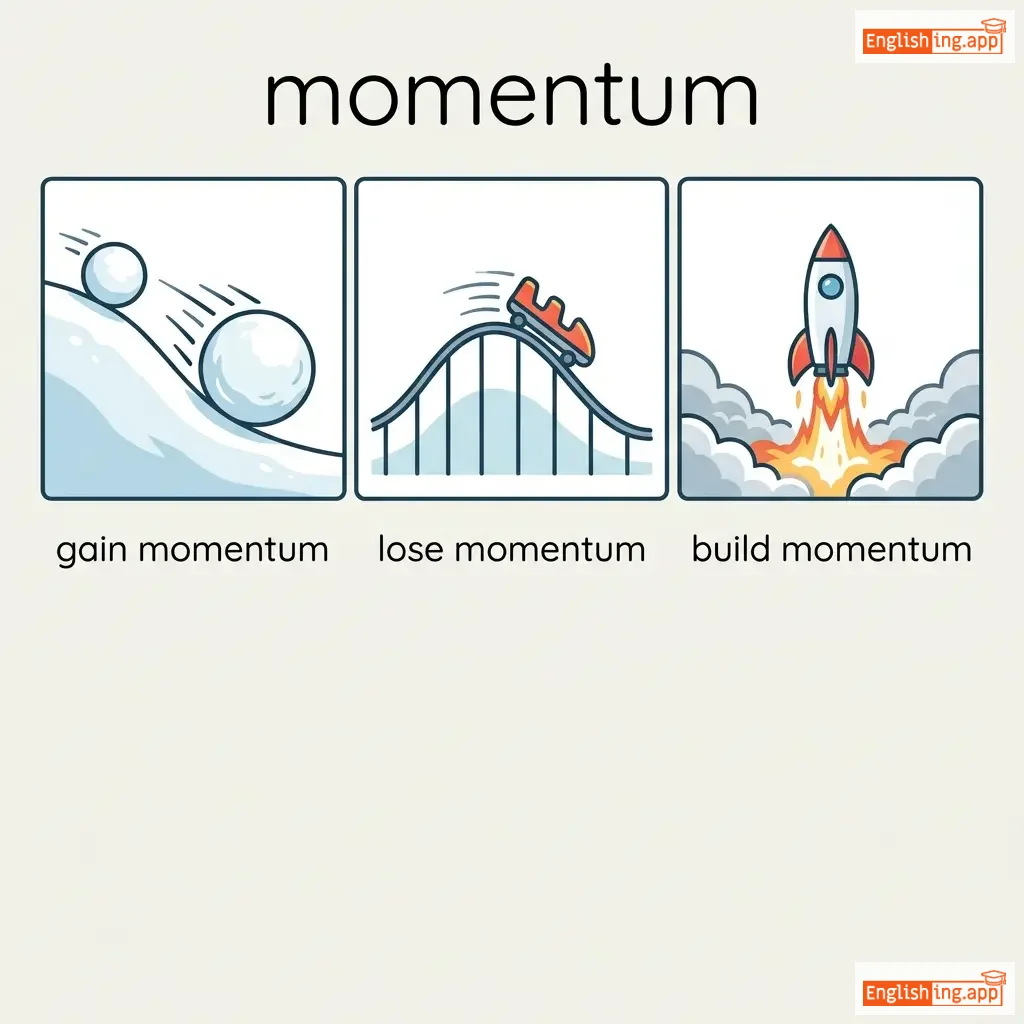
gain momentum |
To gather speed, strength, or progress.
••••••
|
- •••••• |
drive, force, power, impetus, thrust
••••••
|
inertia, weakness
••••••
|
gain momentum, lose momentum, build momentum, maintain momentum
••••••
|
No •••••• |
|
🗿
••••••
|
/ˈmɒnjumənt/
noun
••••••
|
|
- •••••• | - •••••• | - •••••• | - •••••• | - •••••• |
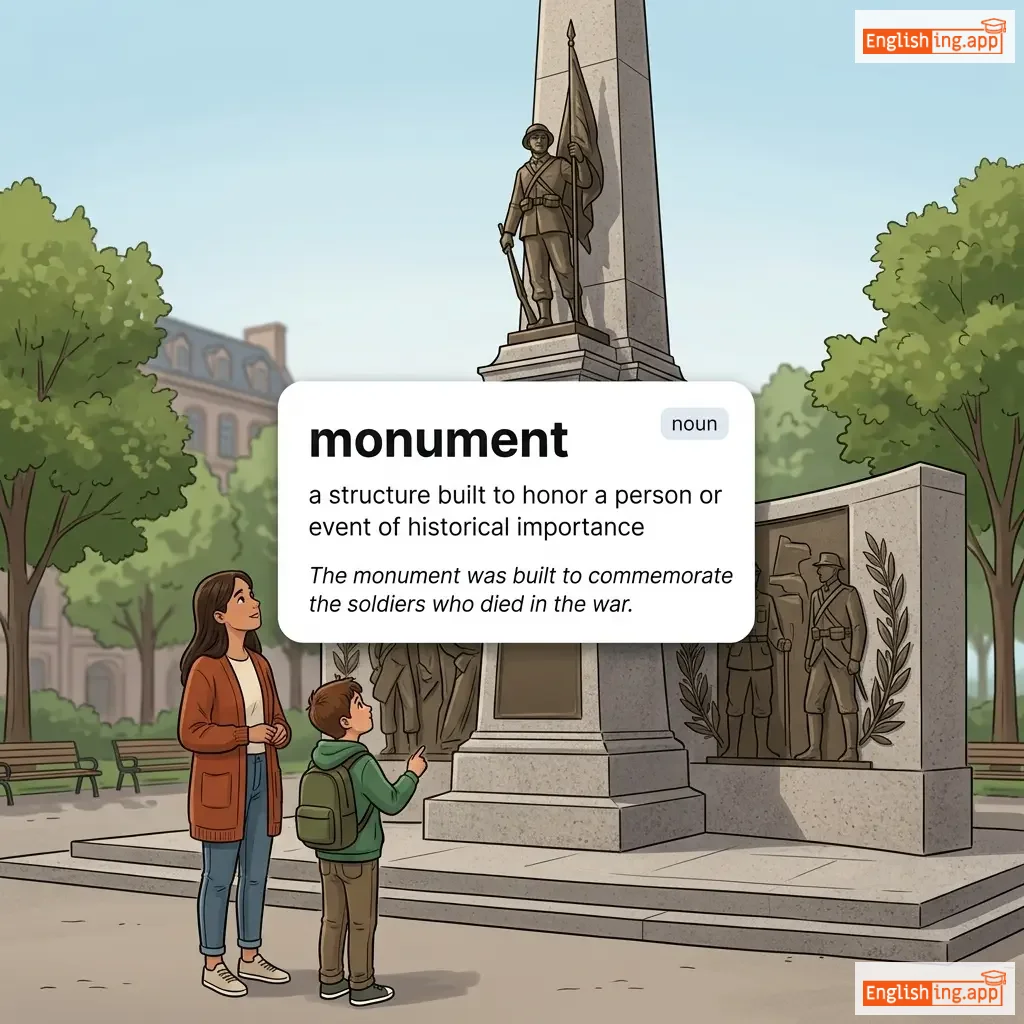
a structure built to honor a person or event of historical importance
••••••
|
The monument was built to commemorate the soldiers who died in the war. |
- •••••• |
stand as a monument to |
to serve as a lasting reminder or tribute to someone or something
••••••
|
- •••••• |
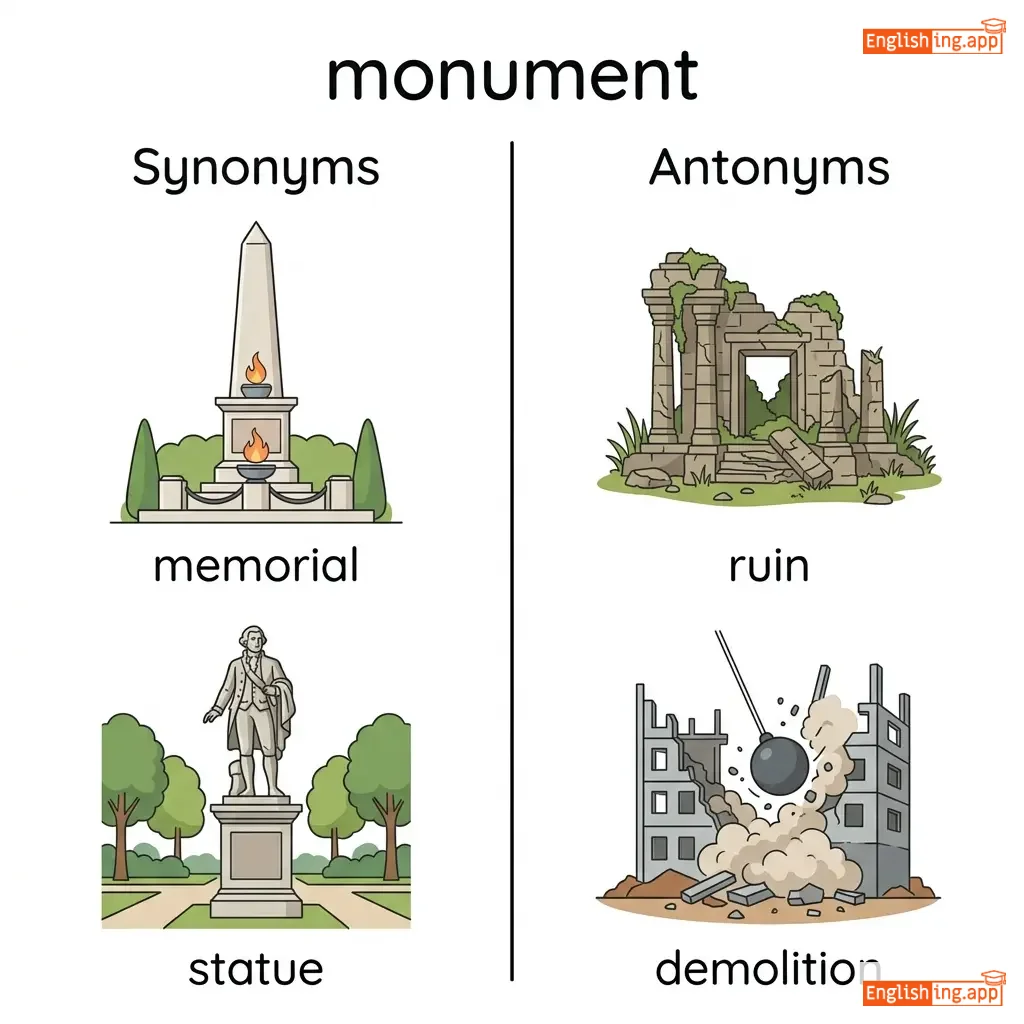
memorial, statue, shrine, landmark, pillar
••••••
|
ruin, demolition, destruction
••••••
|
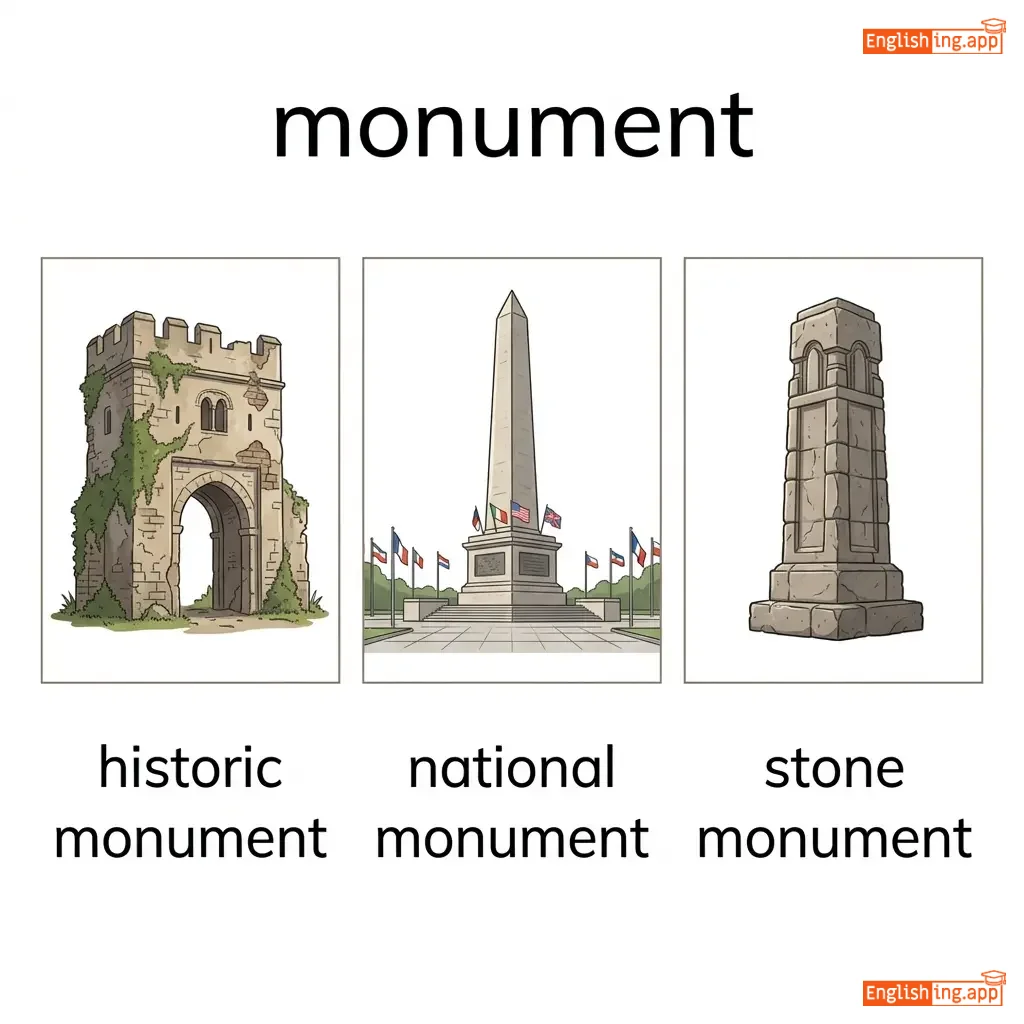
historic monument, national monument, stone monument, ancient monument
••••••
|
No •••••• |
|
🏃
••••••
|
/ˈmuːv.mənt/
noun
(ムーブメント)
••••••
|
|
運動
undou
••••••
|
- •••••• | - •••••• | - •••••• | - •••••• |
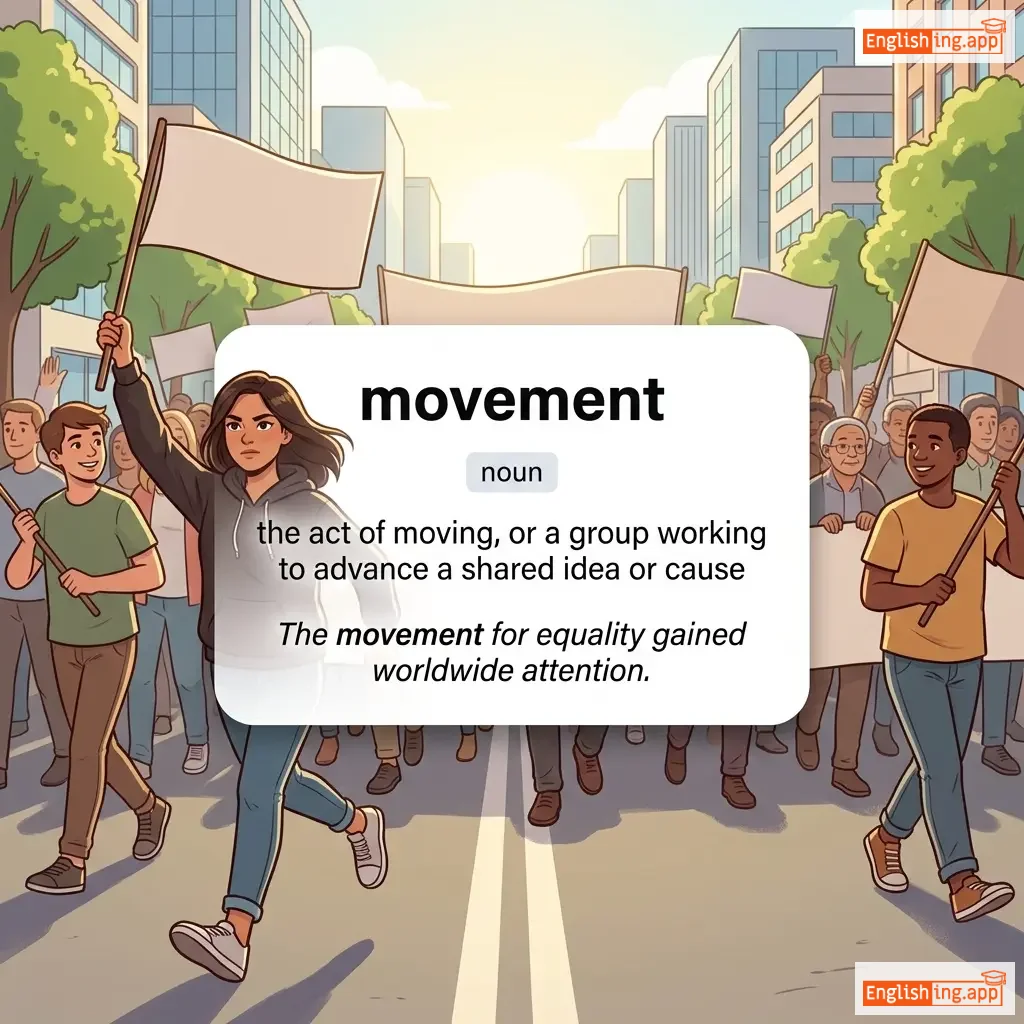
the act of moving, or a group working to advance a shared idea or cause
••••••
|
The movement for equality gained worldwide attention. |
平等のための運動は世界的な注目を集めました。
Byoudou no tame no undou wa sekaiteki na chuumoku wo atsume mashita.
••••••
|
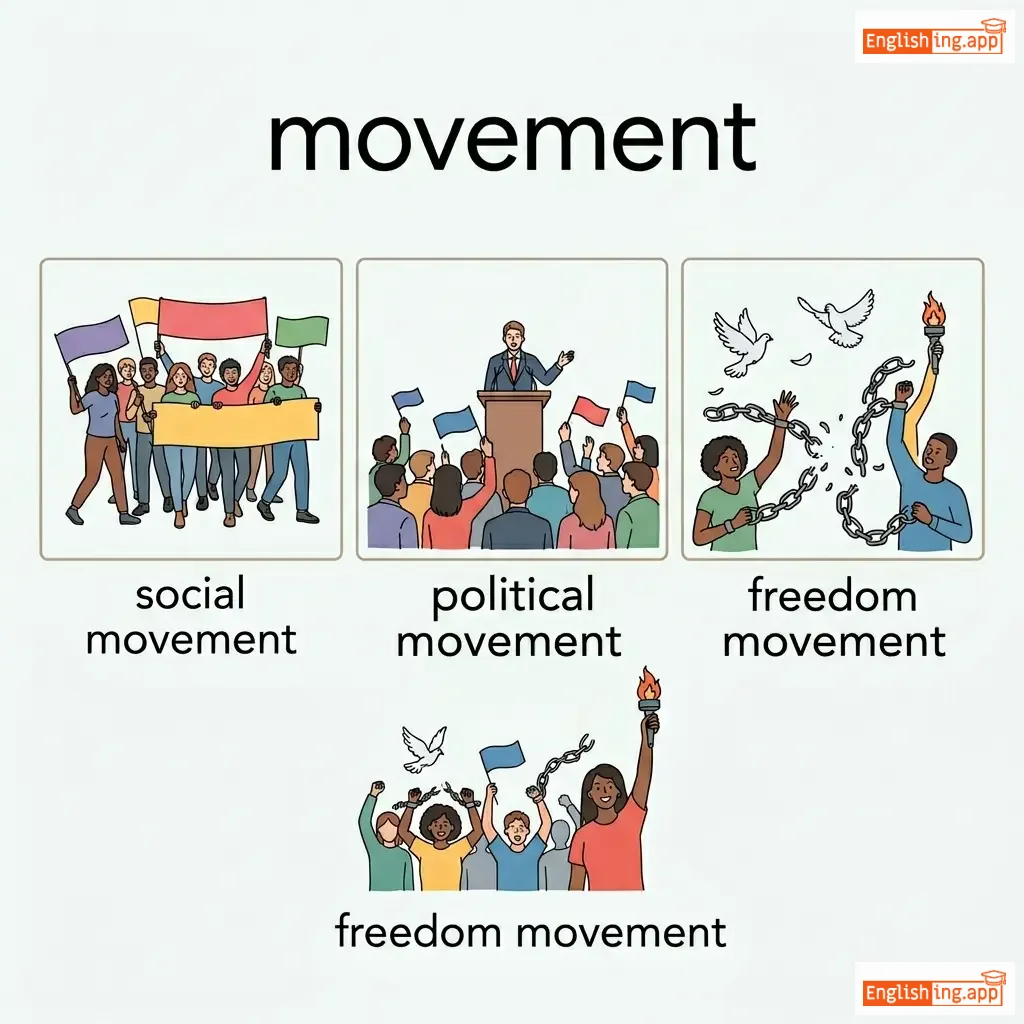
freedom movement |
a struggle or campaign to achieve liberty or independence
••••••
|
自由運動
jiyuu undou
••••••
|
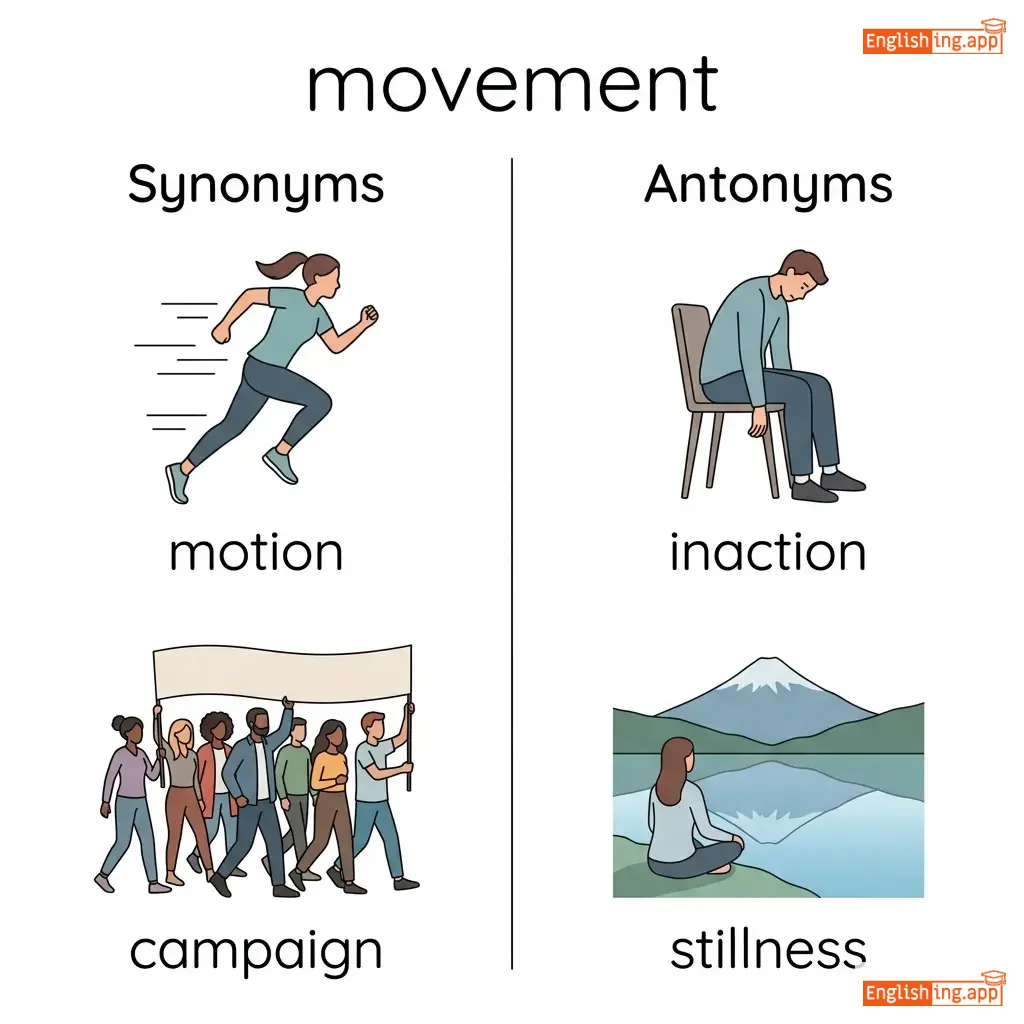
motion, campaign, progress, action, drive
••••••
|
inaction, stillness, stagnation
••••••
|
social movement, political movement, freedom movement, rapid movement
••••••
|
Movementは動くこと、運動は前進を意味します
••••••
|
|
🚶♂️
••••••
|
/ˌaʊtˈsaɪdə(r)/
noun
(アウトサイダー)
••••••
|
- •••••• |
アウトサイダー
autsāidā
••••••
|
- •••••• | - •••••• | - •••••• | - •••••• |
a person who is not accepted as a member of a particular group or community
••••••
|
As a new student, she often felt like an outsider at school. |
新しい学生として、彼女は学校でよくアウトサイダーのように感じていました。
Atarashī gakusei toshite, kanojo wa gakkō de yoku autsāidā no yō ni kanjite imashita.
••••••
|
feel like an outsider |
to feel excluded or not part of a group
••••••
|
アウトサイダーのように感じる
autsāidā no yō ni kanjiru
••••••
|
stranger, newcomer, foreigner, alien, nonmember
••••••
|
insider, member
••••••
|
social outsider, political outsider, complete outsider, feel like an outsider
••••••
|
Out + Sider = 外にいる人 — アウトサイダー 🚶♂️
••••••
|

