Lanterns Over Landmark Hall
一群年轻的梦想家围绕着达卡的老电影院,当一位富有的investor到来时,他们向他展示了当地艺术家如何involved,唤醒了画廊的每个角落。年迈的landlord为大家泡茶。我们在附近的桥上欣赏了新的landmark设计草图。在排练期间,孩子们爆发出灿烂的laughter。组织者表示,大厅的第二个lifetime应该从这里开始。团队负责人Shikha拿着lighting计划书忙碌着。广播listener打电话来送去祝福。文学俱乐部安排了一次literary朗读活动。一块地图板标出了场馆的确切location。该市领先的magazine承诺做封面故事。为了筹集资金,他们每天maintain大厅的设备。市议员指出,majority市民支持这个项目。下个月宣布将举办一场全市范围的marathon赛事来支持它。分享了将在庭院中放置纪念memorial牌匾的计划。组织者表示,新活动将保持文化momentum的活力。墙上的壁画正在形成一座活生生的monument。傍晚时分,大家聚集在屋顶上庆祝艺术的movement。一位来自外地的outsider表示,集体努力让他惊叹不已。
|
表情符号
|
单词 | Images | 翻译 | 过去时 | 过去分词 | 第三人称单数 | 动名词 | 含义 | 例句 | 例句翻译 | 示例表达 | 示例表达含义 | 示例表达翻译 | 同义词 | 反义词 | 搭配词 | 助记符 |
|---|---|---|---|---|---|---|---|---|---|---|---|---|---|---|---|---|---|
|
💰
••••••
|
/ɪnˈvɛstər/
noun
(ɪnˈvɛstɔr)
••••••
|
- •••••• |
投资者
tóu zī zhě
••••••
|
- •••••• | - •••••• | - •••••• | - •••••• |
a person or organization that puts money into financial schemes, property, or business ventures with the expectation of achieving a profit
••••••
|
The investor funded the startup with a large sum of money. |
投资者用一大笔钱资助了这家初创公司。
Tóu zī zhě yòng yī dà bǐ qián zīzhù le zhè jiā chūchuàng gōngsī.
••••••
|
angel investor |
an individual who provides capital for a business startup, usually in exchange for ownership equity
••••••
|
天使投资者
tiān shǐ tóu zī zhě
••••••
|
financier, shareholder, backer, capitalist
••••••
|
spender, debtor
••••••
|
foreign investor, private investor, institutional investor, angel investor
••••••
|
投资者,投资赚钱 — 投资者
••••••
|
|
🔗
••••••
|
/ɪnˈvɑːlvd/
adjective
(ɪnˈvɔːlvd)
••••••
|
- •••••• |
卷入的
juǎn rù de
••••••
|
- •••••• | - •••••• | - •••••• | - •••••• |
complicated or engaged in something
••••••
|
She was deeply involved in community service. |
她深深地卷入了社区服务。
Tā shēn shēn de juǎn rù le shè qū fú wù.
••••••
|
become involved |
to take an active part in something
••••••
|
变得卷入
biàn dé juǎn rù
••••••
|
engaged, committed, complicated, connected
••••••
|
detached, simple, uninvolved
••••••
|
deeply involved, personally involved, involved process
••••••
|
Involved 就是卷入 → 参与其中,不能逃脱。
••••••
|
|
⚖️
••••••
|
/ˈdʒʌdʒ.mənt/
noun
(dʒʌdʒmənt)
••••••
|

|
判断
pànduàn
••••••
|
- •••••• | - •••••• | - •••••• | - •••••• |
the ability to make considered decisions or come to sensible conclusions
••••••
|
Her judgment in financial matters is highly respected. |
她在财务事务上的判断受到高度尊重。
Tā zài cáiwù shìwù shàng de pànduàn shòudào gāodù zūnzhòng.
••••••
|
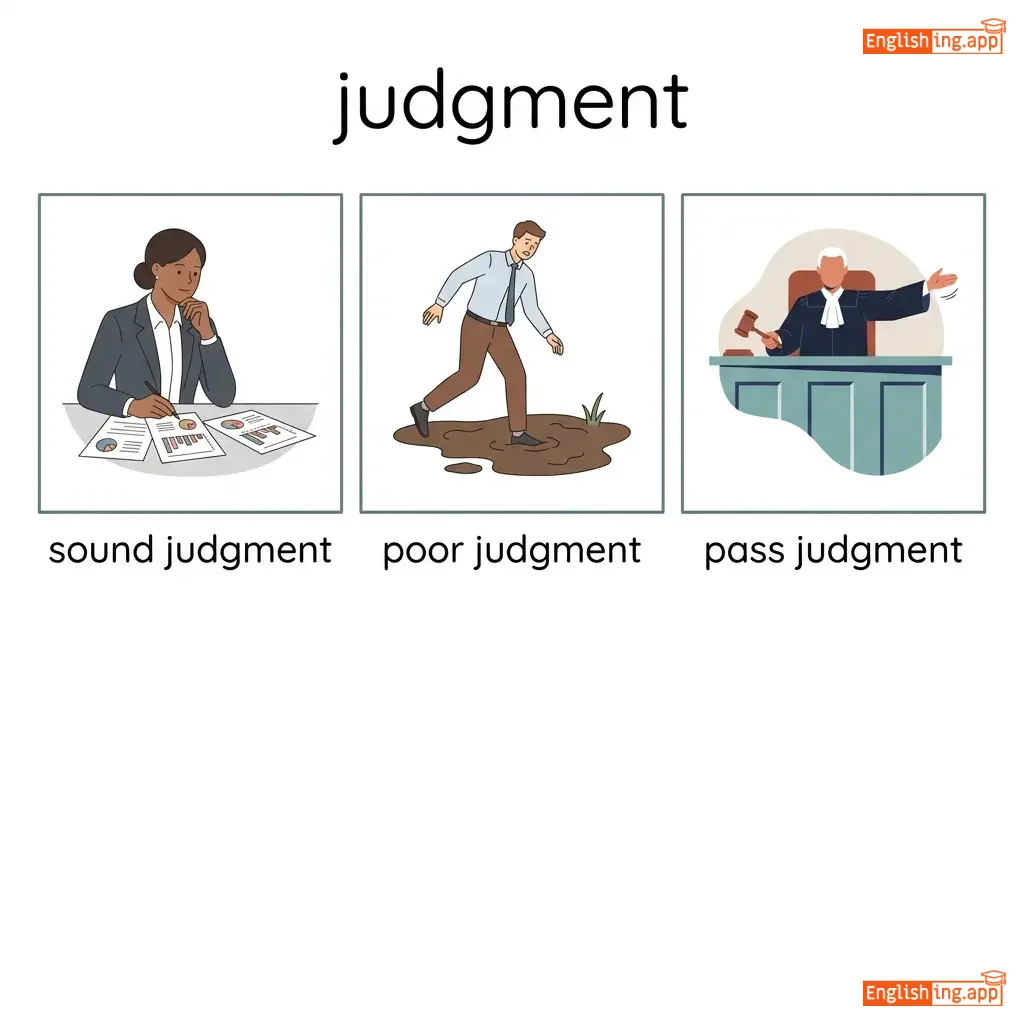
pass judgment |
to give an opinion or decision about something or someone
••••••
|
做出判断
zuòchū pànduàn
••••••
|
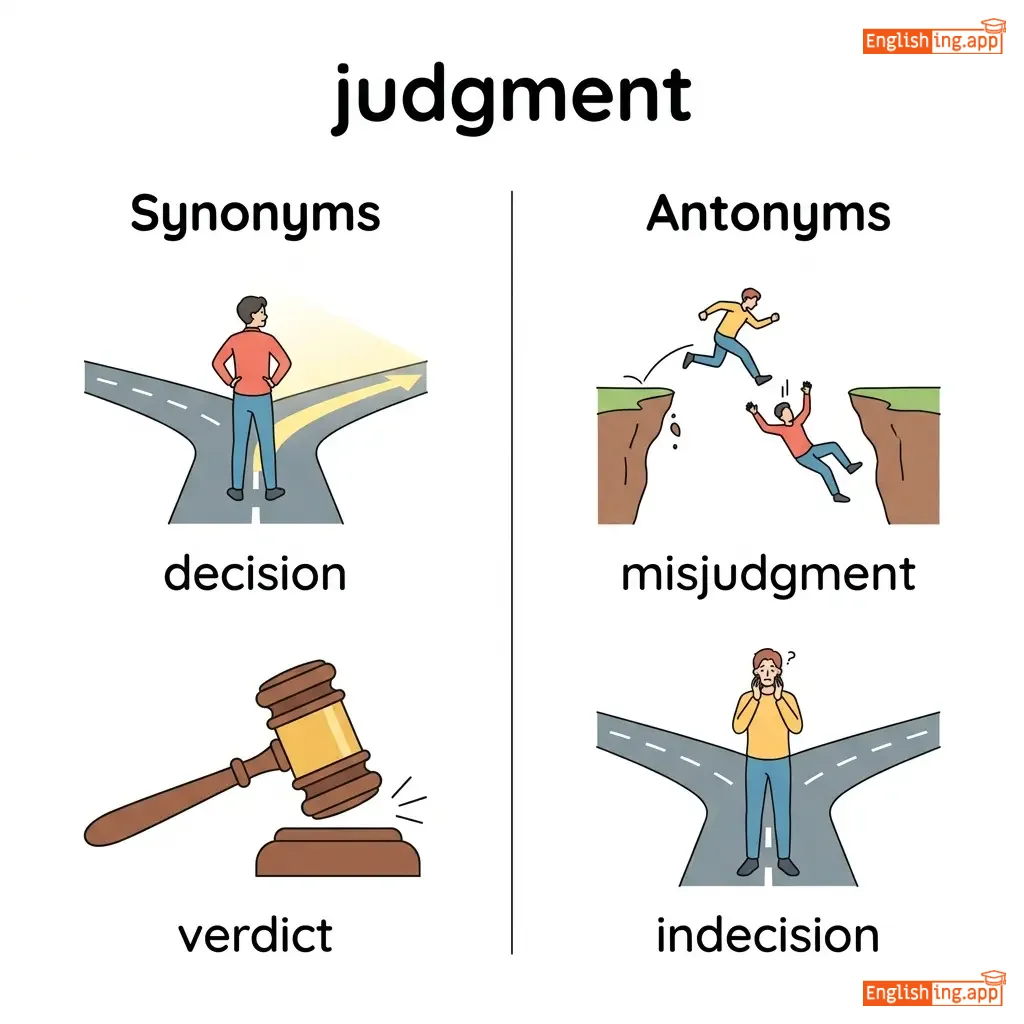
decision, verdict, ruling, opinion, discernment
••••••
|
misjudgment, indecision, ignorance
••••••
|
sound judgment, poor judgment, pass judgment, legal judgment
••••••
|
判断是做决策的一部分
••••••
|
|
🏠
••••••
|
/ˈlændlɔːrd/
noun
(lændlɔːrd)
••••••
|
- •••••• |
房东
fangdong
••••••
|
- •••••• | - •••••• | - •••••• | - •••••• |
A person who owns and rents out land, buildings, or accommodation.
••••••
|
The landlord increased the rent for all tenants this year. |
今年房东提高了所有租户的租金。
Jīnnián fángdōng tígāo le suǒyǒu zūhù de zūjīn.
••••••
|
the landlord's word is law |
The landlord has complete authority over the property.
••••••
|
房东的话就是法律
Fángdōng de huà jiùshì fǎlǜ
••••••
|
owner, lessor, proprietor, landowner, property-holder
••••••
|
tenant, renter, lessee
••••••
|
landlord and tenant, landlord duties, landlord agreement, friendly landlord
••••••
|
Land+Lord = 房东, 房东意味着拥有房产的人。
••••••
|
|
📍
••••••
|
/ˈlændmɑːrk/
noun
(lændmɑːrk)
••••••
|

|
地标
dǐbiāo
••••••
|
- •••••• | - •••••• | - •••••• | - •••••• |
A recognizable object or structure that serves as a point of reference, or an event marking an important stage.
••••••
|
The Eiffel Tower is a famous landmark in Paris. |
埃菲尔铁塔是巴黎的著名地标。
āi fēi ěr tiě tǎ shì bālí de zhùmíng dìbiāo.
••••••
|
landmark decision |
An important or historic ruling or choice.
••••••
|
历史性决策
lìshǐxìng juécè
••••••
|
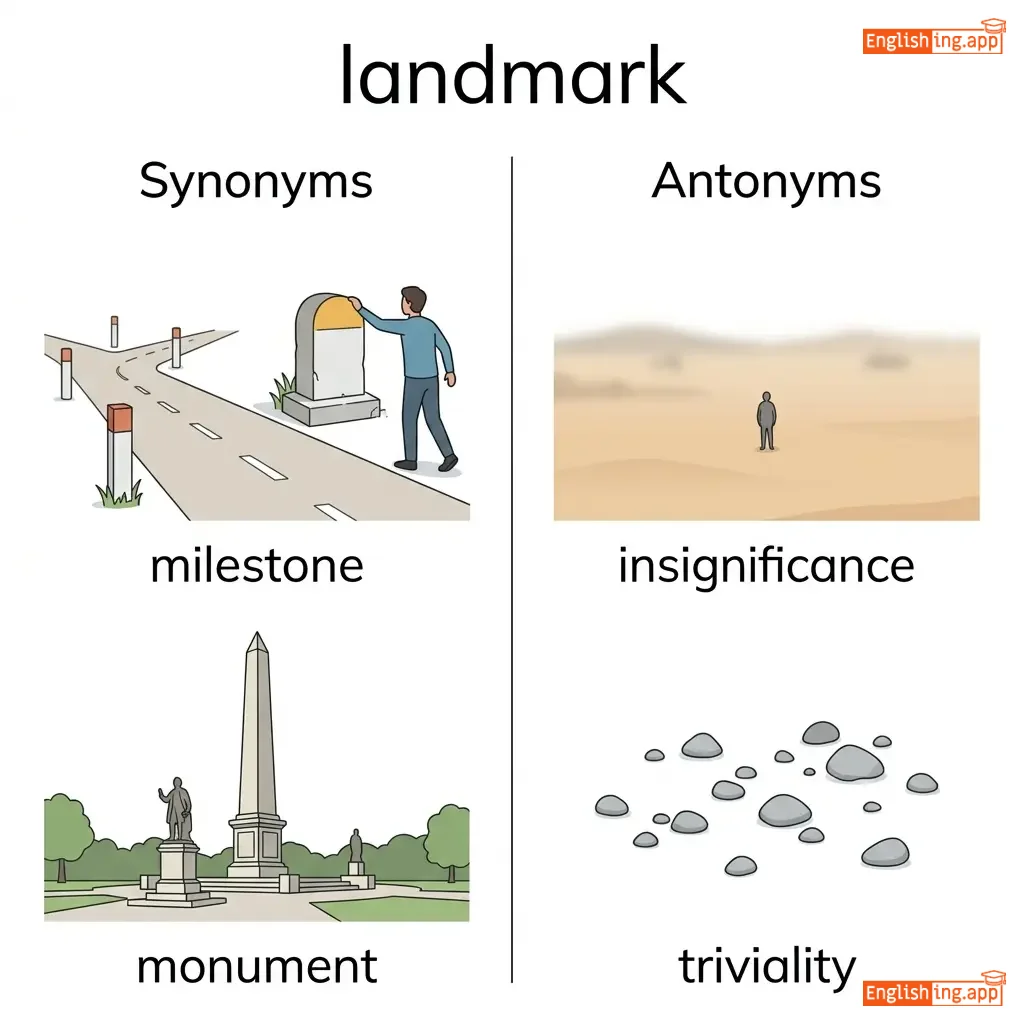
milestone, monument, marker, signpost, reference point
••••••
|
insignificance, triviality
••••••
|
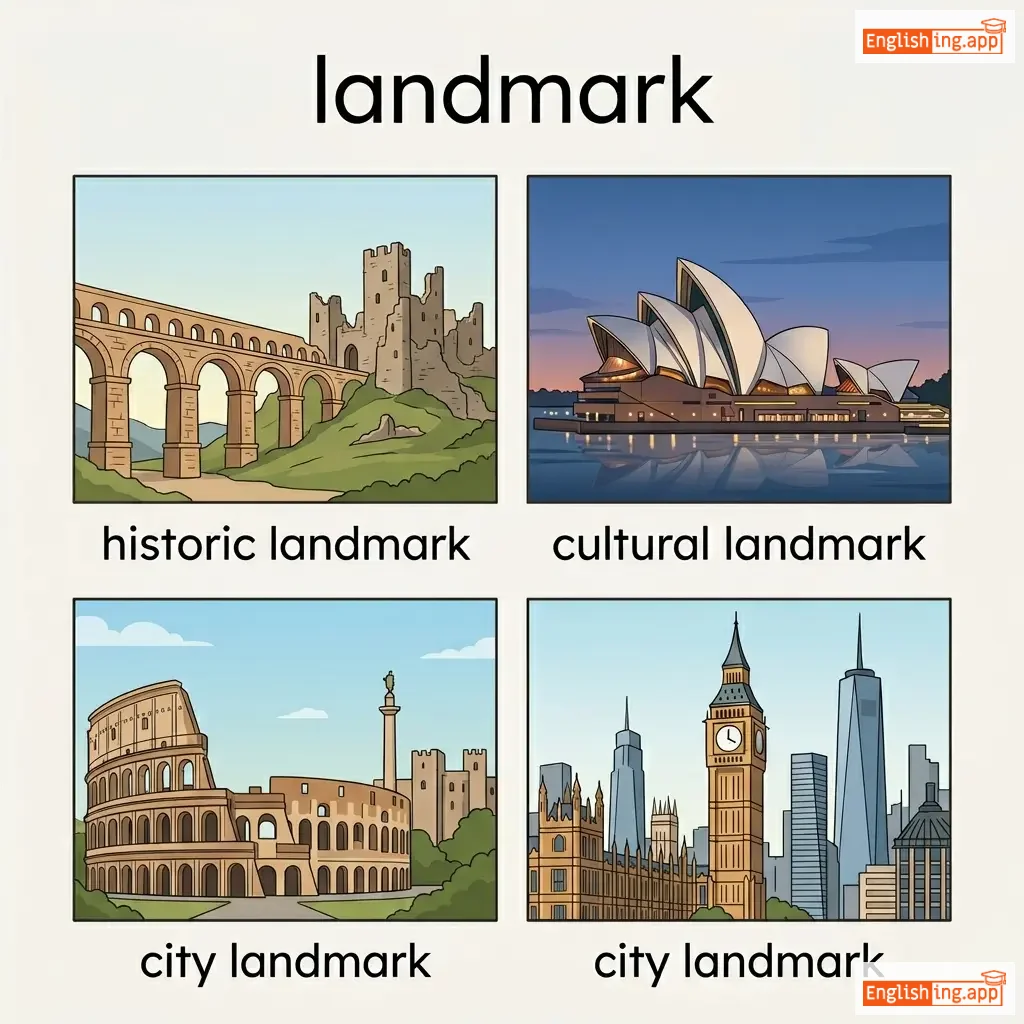
historic landmark, cultural landmark, city landmark, national landmark
••••••
|
Land+Mark = 地图上的重要位置
••••••
|
|
😂
••••••
|
/ˈlæftər/
noun
(ˈlæftər)
••••••
|
- •••••• |
笑声
xiaosheng
••••••
|
- •••••• | - •••••• | - •••••• | - •••••• |
the act or sound of laughing
••••••
|
The room was filled with laughter.
房间里充满了笑声。
••••••
|
房间里充满了笑声。
Fángjiān lǐ chōngmǎn le xiàoshēng.
••••••
|
burst into laughter
爆笑
••••••
|
to suddenly start laughing
••••••
|
爆笑
Bàoxiào
••••••
|
giggle, chuckle, laugh, mirth, joy
••••••
|
crying, sadness, tears
••••••
|
burst into laughter, loud laughter, uncontrollable laughter
••••••
|
Laughter → 笑声, 不停的笑声意味着快乐。
••••••
|
|
⌛
••••••
|
/ˈlaɪf.taɪm/
noun
(laiftaim)
••••••
|
- •••••• |
一生
yisheng
••••••
|
- •••••• | - •••••• | - •••••• | - •••••• |
The duration of a person's life or the existence of something.
••••••
|
She achieved more in her lifetime than most people dream of.
她在一生中取得的成就,超出了大多数人的梦想。
••••••
|
她在一生中取得的成就,超出了大多数人的梦想。
Ta zai yisheng zhong qude de chengjiu, chaochule daduoshu ren de mengxiang.
••••••
|
once in a lifetime
一生中一次
••••••
|
Something that is very rare and unlikely to happen again
••••••
|
一生中一次
Yisheng zhong yici
••••••
|
existence, lifespan, duration, era, age
••••••
|
moment, instant, second
••••••
|
lifetime achievement, lifetime experience, in a lifetime, over a lifetime
••••••
|
LIFE + TIME = 一生.
••••••
|
|
💡
••••••
|
/ˈlaɪtɪŋ/
noun
(laiting)
••••••
|
- •••••• |
照明
zhaoming
••••••
|
- •••••• | - •••••• | - •••••• | - •••••• |
the arrangement or use of light in a place; the act of providing light
••••••
|
The lighting in the restaurant created a warm and cozy atmosphere.
餐厅的灯光创造了温暖而舒适的氛围。
••••••
|
餐厅的灯光创造了温暖而舒适的氛围。
Canting de dengguang chuangzao le wennuan er shushi de fenwei.
••••••
|
- •••••• | - •••••• | - •••••• |
illumination, brightness, radiance, light, glow
••••••
|
darkness, shadow
••••••
|
soft lighting, stage lighting, indoor lighting, lighting design
••••••
|
Lighting 就是照明,表示提供光源。
••••••
|
|
👂
••••••
|
/ˈlɪsənər/
noun
(lísèné)
••••••
|
- •••••• |
听众
tingzhong
••••••
|
- •••••• | - •••••• | - •••••• | - •••••• |
a person who listens or pays attention to something, especially to a speaker or sound.
••••••
|
She is a good listener who always understands others' problems. |
她是一个很好的听众,总是理解他人的问题。
Tā shì yīgè hěn hǎo de tīngzhòng, zǒng shì lǐjiě tārén de wèntí.
••••••
|
active listener |
someone who listens carefully and thoughtfully
••••••
|
积极的听众
jījí de tīngzhòng
••••••
|
hearer, audience, observer, spectator, attendant
••••••
|
speaker, talker
••••••
|
good listener, attentive listener, active listener, radio listener
••••••
|
Listener — 听的意思 — 听众。
••••••
|
|
📚
••••••
|
/ˈlɪtərɛri/
adjective
(文学的)
••••••
|
- •••••• |
文学的
wenxuede
••••••
|
- •••••• | - •••••• | - •••••• | - •••••• |
concerning the writing, study, or content of literature
••••••
|
She is a well-known figure in the literary world.
她是文学界的知名人物。
••••••
|
她是文学界的知名人物。
Tā shì wénxué jiè de zhīmíng rénwù.
••••••
|
literary genius
文学天才
••••••
|
a person with outstanding creative talent in literature
••••••
|
文学天才
wénxué tiāncái
••••••
|
bookish, cultured, scholarly, learned
••••••
|
illiterate, uneducated
••••••
|
literary world, literary work, literary career, literary criticism
••••••
|
📚 Literary意味着文学的–来自文学。
••••••
|
|
📍
••••••
|
/loʊˈkeɪʃən/
noun
(lokétion)
••••••
|
- •••••• |
位置
weizhi
••••••
|
- •••••• | - •••••• | - •••••• | - •••••• |
a particular place or position
••••••
|
This cafe is in a beautiful location near the lake.
这个咖啡馆位于湖边的一个美丽的位置。
••••••
|
这个咖啡馆位于湖边的一个美丽的位置。
Zhège kāfēi guǎn wèiyú hú biān de yīgè měilì de wèizhì.
••••••
|
on location
在现场
••••••
|
filming at the actual site instead of a studio
••••••
|
在现场
zài xiànchǎng
••••••
|
place, site, spot, area, venue
••••••
|
displacement, absence
••••••
|
prime location, shooting location, remote location, exact location
••••••
|
位置 = 事物所在的地方
••••••
|
|
📖
••••••
|
/ˈmæɡəziːn/
noun
(杂志)
••••••
|
- •••••• |
杂志
zázhì
••••••
|
- •••••• | - •••••• | - •••••• | - •••••• |
A periodical publication containing articles, photographs, and advertisements.
••••••
|
She bought a fashion magazine at the store. |
她在商店买了一本时尚杂志。
Tā zài shāngdiàn mǎile yī běn shíshàng zázhì.
••••••
|
- •••••• | - •••••• | - •••••• |
journal, periodical, publication, digest, paper
••••••
|
book, novel
••••••
|
fashion magazine, magazine article, magazine cover, magazine subscription
••••••
|
Magazine 就是杂志, 在商店买时尚杂志。
••••••
|
|
⚙️
••••••
|
/meɪnˈteɪn/
verb
(梅恩泰因)
••••••
|
|
保持
bǎochí
••••••
|
maintained
梅恩泰恩德
••••••
|
maintained
梅恩泰恩德
••••••
|
maintains
梅恩泰恩兹
••••••
|
maintaining
梅恩泰宁
••••••
|
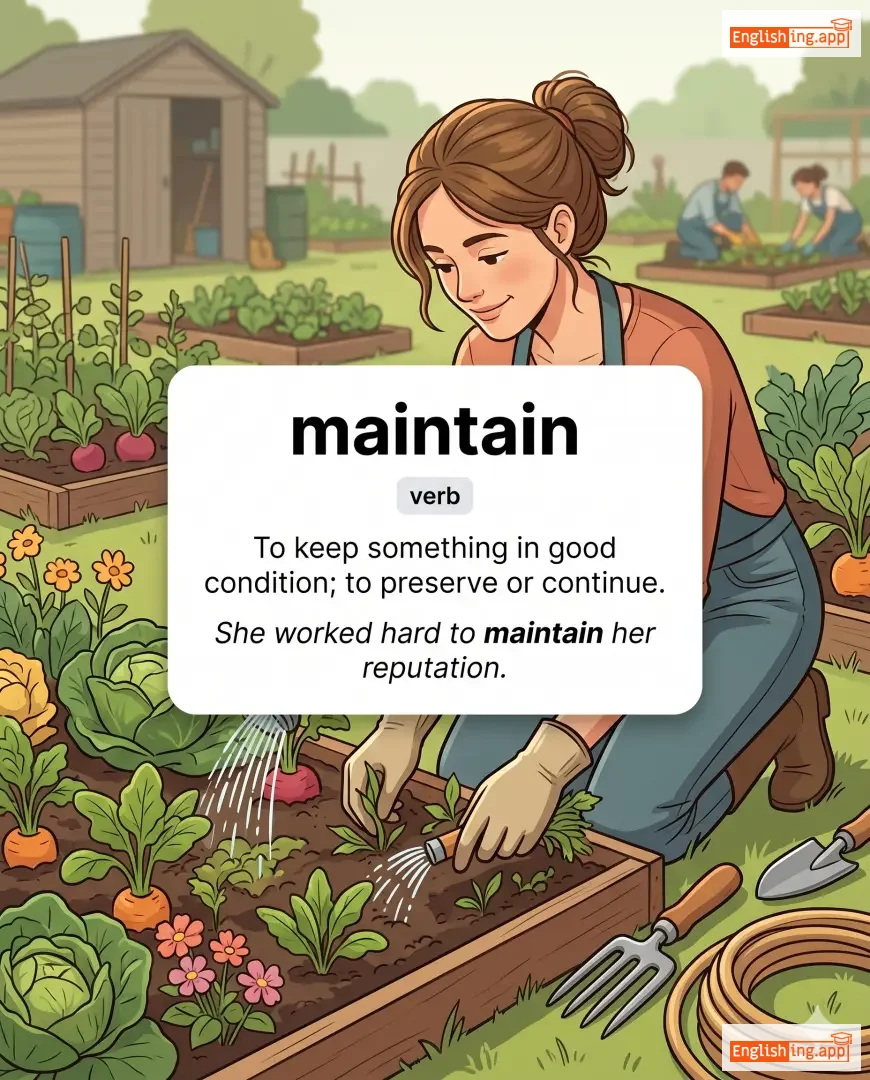
To keep something in good condition; to preserve or continue.
••••••
|
She worked hard to maintain her reputation.
她努力工作以保持自己的声誉。
••••••
|
她努力工作以保持自己的声誉。
Tā nǔlì gōngzuò yǐ bǎochí zìjǐ de shēngyù.
••••••
|
maintain composure
保持冷静
••••••
|
To stay calm and in control under pressure
••••••
|
保持冷静
bǎochí lěngjìng
••••••
|
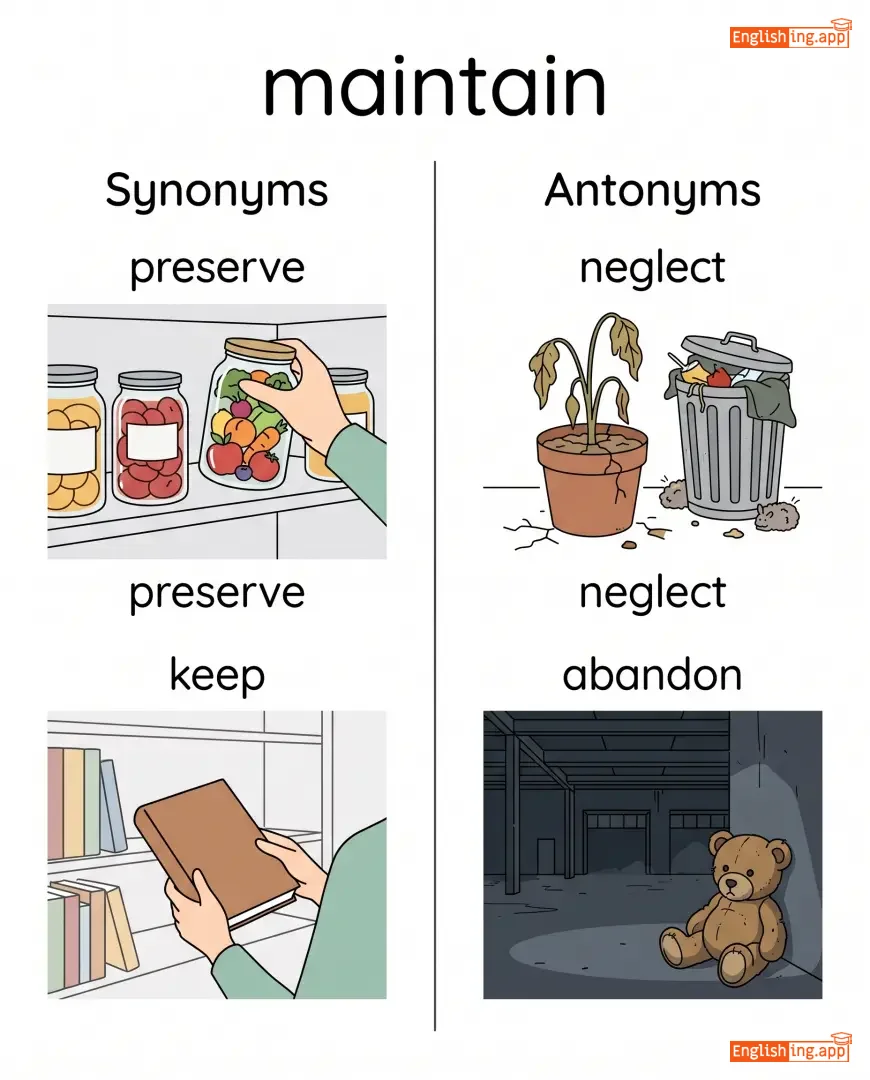
preserve, keep, sustain, uphold, continue
••••••
|
neglect, abandon, destroy
••••••
|
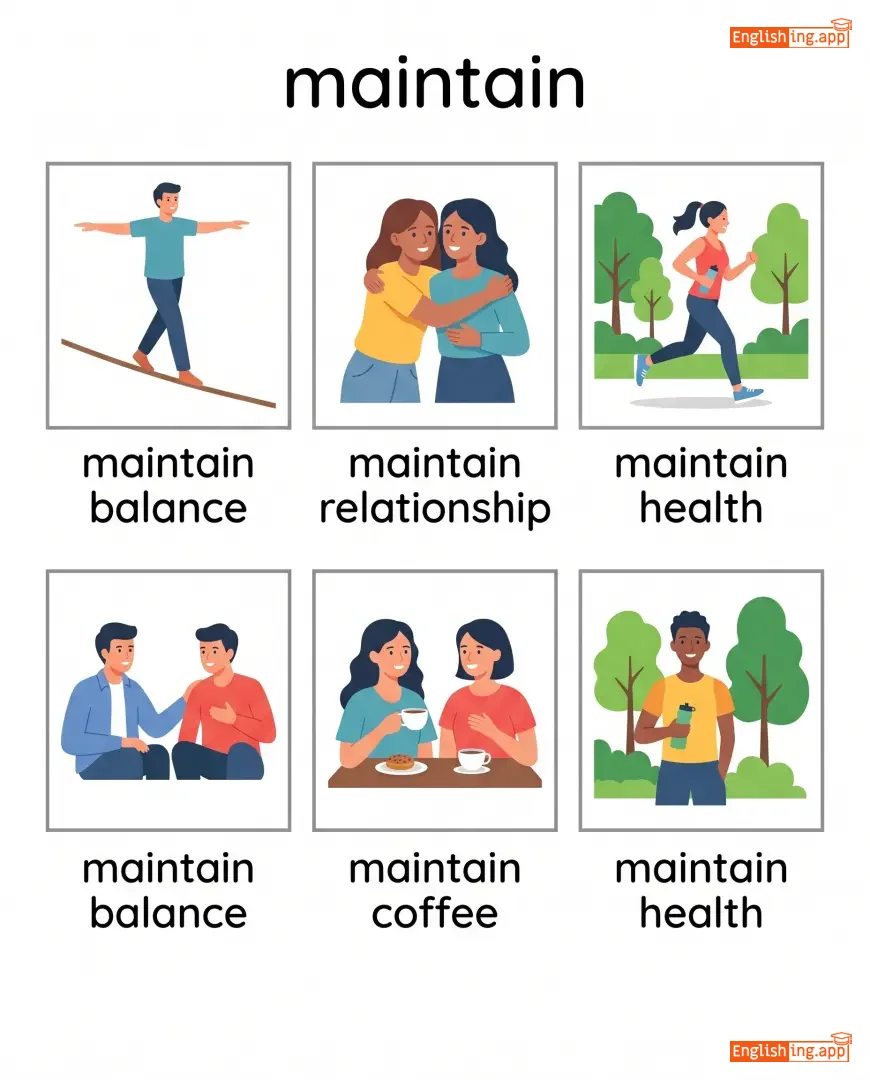
maintain balance, maintain relationship, maintain health, maintain order
••••••
|
Maintain意思是Main + Tain (保持) = 保持或继续
••••••
|
|
📊
••••••
|
/məˈdʒɒrəti/
noun
(méiyuánzhǔyì)
••••••
|
|
多数
duoshu
••••••
|
- •••••• | - •••••• | - •••••• | - •••••• |
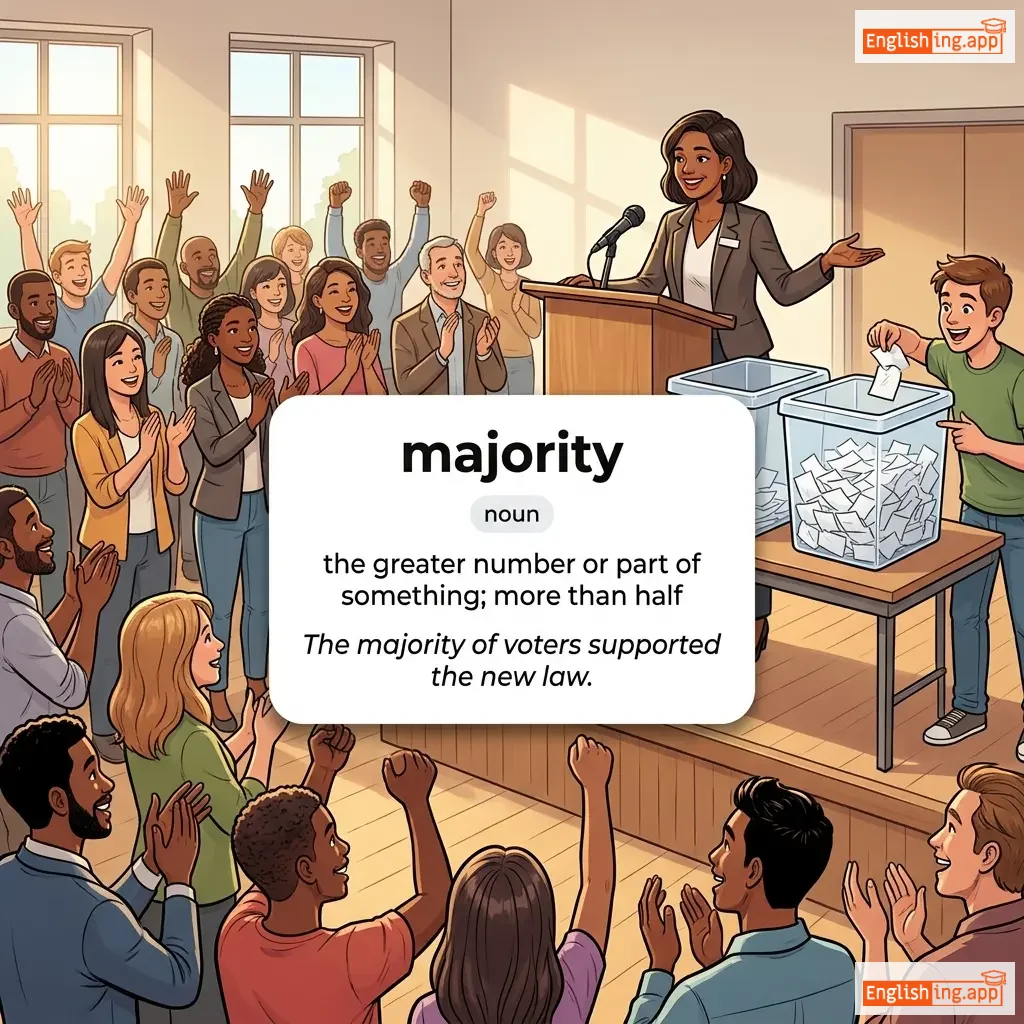
the greater number or part of something; more than half
••••••
|
The majority of voters supported the new law. |
大多数选民支持新法律。
Da duoshu xuanmin zhichi xin falü.
••••••
|
silent majority |
a large group of people who do not express their opinions publicly
••••••
|
沉默的大多数
Chenmo de da duoshu
••••••
|
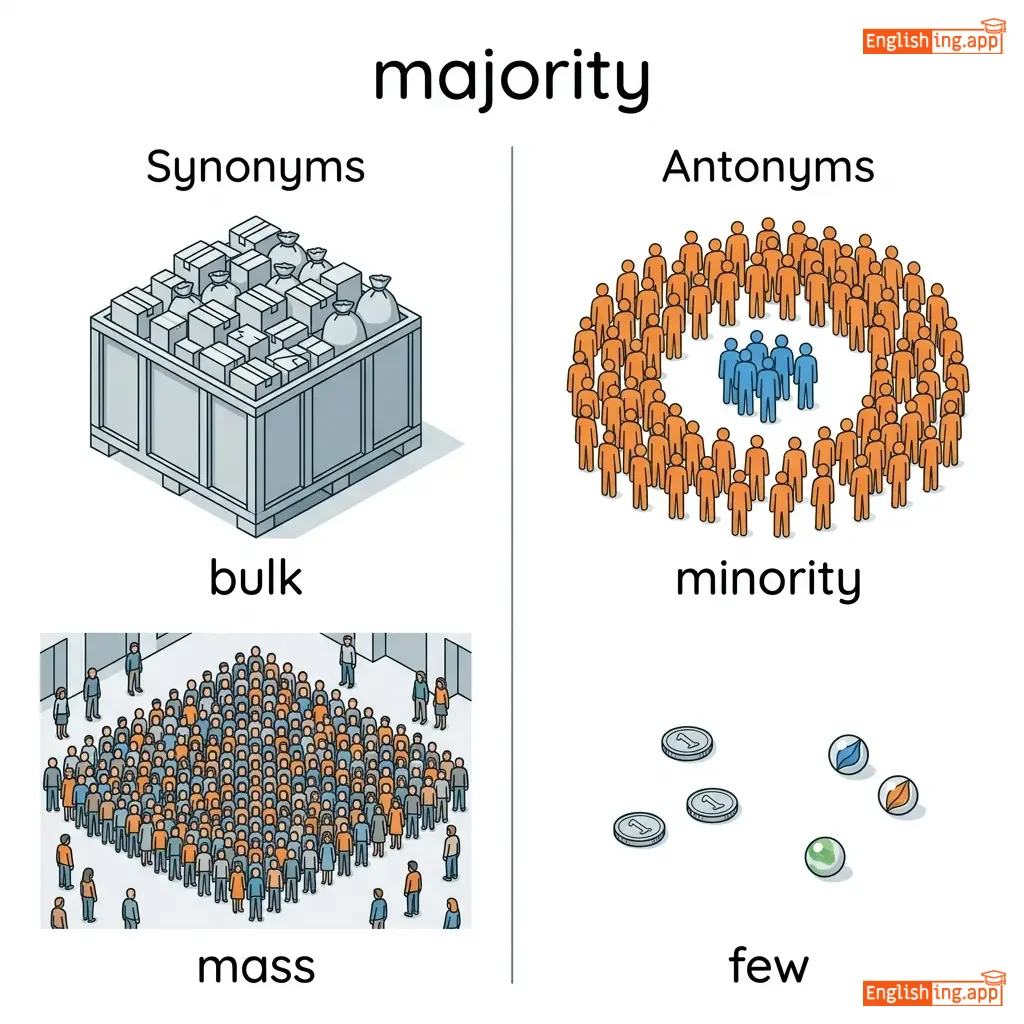
bulk, mass, most, plurality, dominance
••••••
|
minority, few
••••••
|
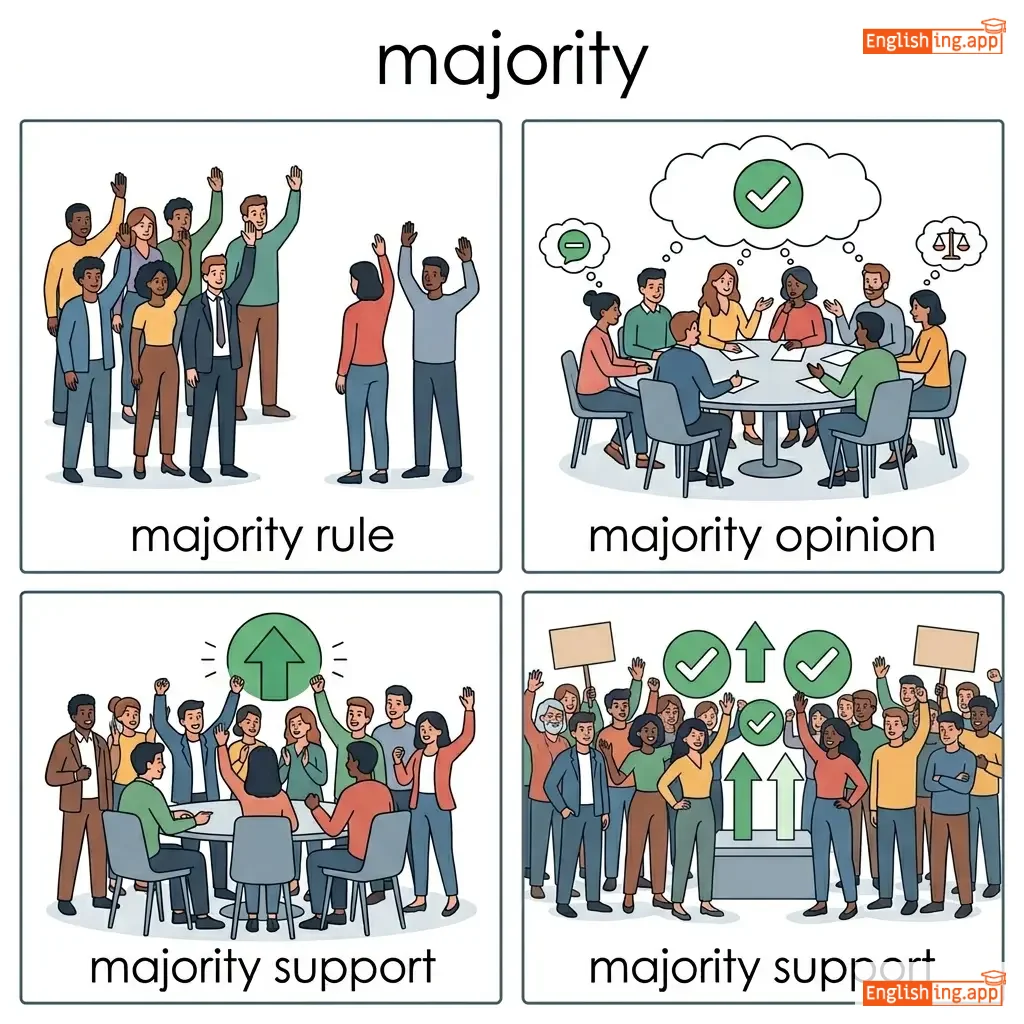
majority rule, majority opinion, majority support, majority party
••••••
|
多数意味着更大的部分 - 多数就是超过一半!
••••••
|
|
🏃♀️
••••••
|
/ˈmærəθən/
noun
(马拉松)
••••••
|
- •••••• |
马拉松
mala song
••••••
|
- •••••• | - •••••• | - •••••• | - •••••• |
a long-distance running race, typically 42.195 kilometers (26.2 miles)
••••••
|
She completed the marathon in under four hours. |
她在不到四小时内完成了马拉松。
Ta zai bu dao si xiaoshi nei wanchengle mala song.
••••••
|
- •••••• | - •••••• | - •••••• |
race, event, competition, endurance
••••••
|
sprint, short race
••••••
|
run a marathon, marathon training, marathon winner
••••••
|
Marathon runs forever - 马拉松永不停止!
••••••
|
|
🕊️
••••••
|
/məˈmɔːr.i.əl/
noun
(纪念碑)
••••••
|
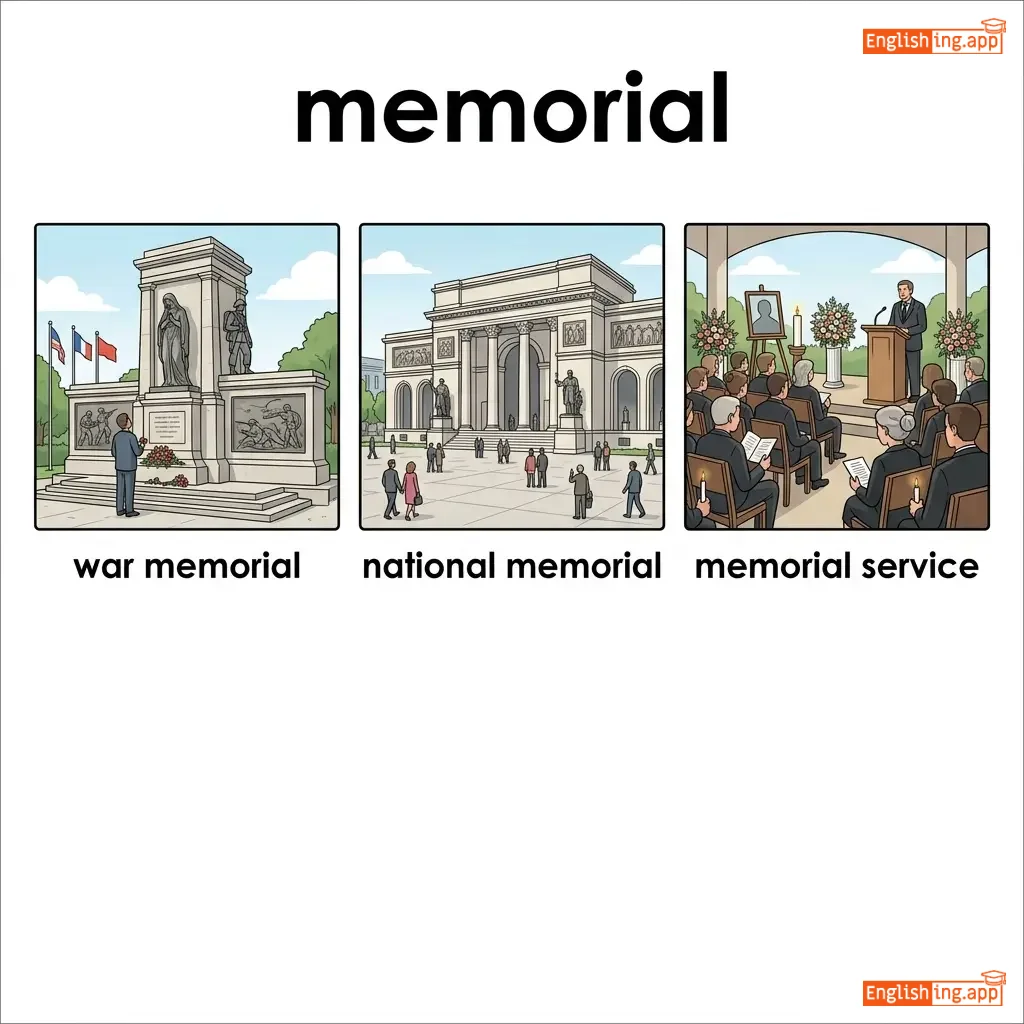
|
纪念碑
jìniànbēi
••••••
|
- •••••• | - •••••• | - •••••• | - •••••• |
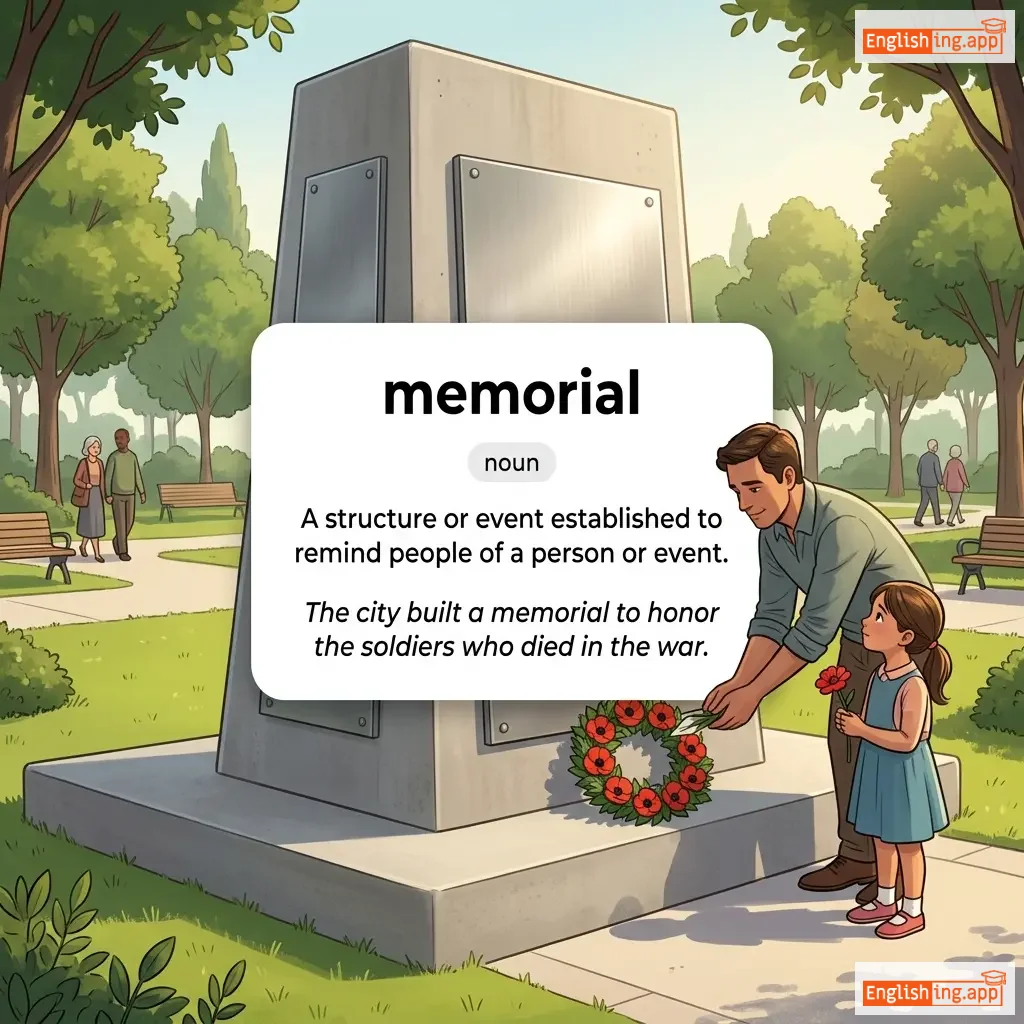
A structure or event established to remind people of a person or event.
••••••
|
The city built a memorial to honor the soldiers who died in the war. |
这座城市建造了一座纪念碑,以纪念在战争中阵亡的士兵。
zhè zuò chéngshì jiànzàole yī zuò jìniànbēi, yǐ jìniàn zài zhànzhēng zhōng zhènwáng de shìbīng.
••••••
|
war memorial |
A structure built to honor soldiers who died in a war.
••••••
|
战争纪念碑
zhànzhēng jìniànbēi
••••••
|
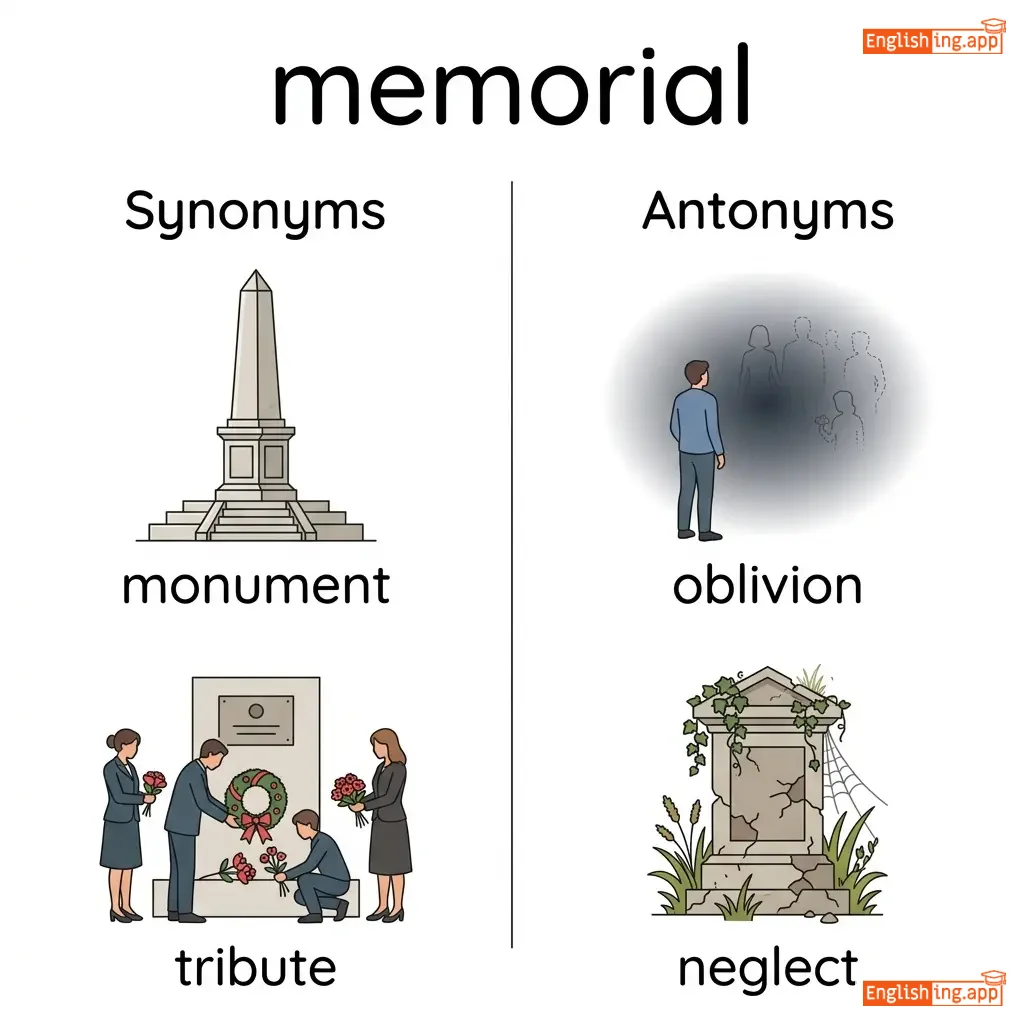
monument, tribute, shrine, remembrance
••••••
|
oblivion, neglect
••••••
|
war memorial, national memorial, memorial service, memorial plaque
••••••
|
纪念碑是为了让我们记住过去的历史。
••••••
|
|
🏃
••••••
|
/moʊˈmɛntəm/
noun
••••••
|
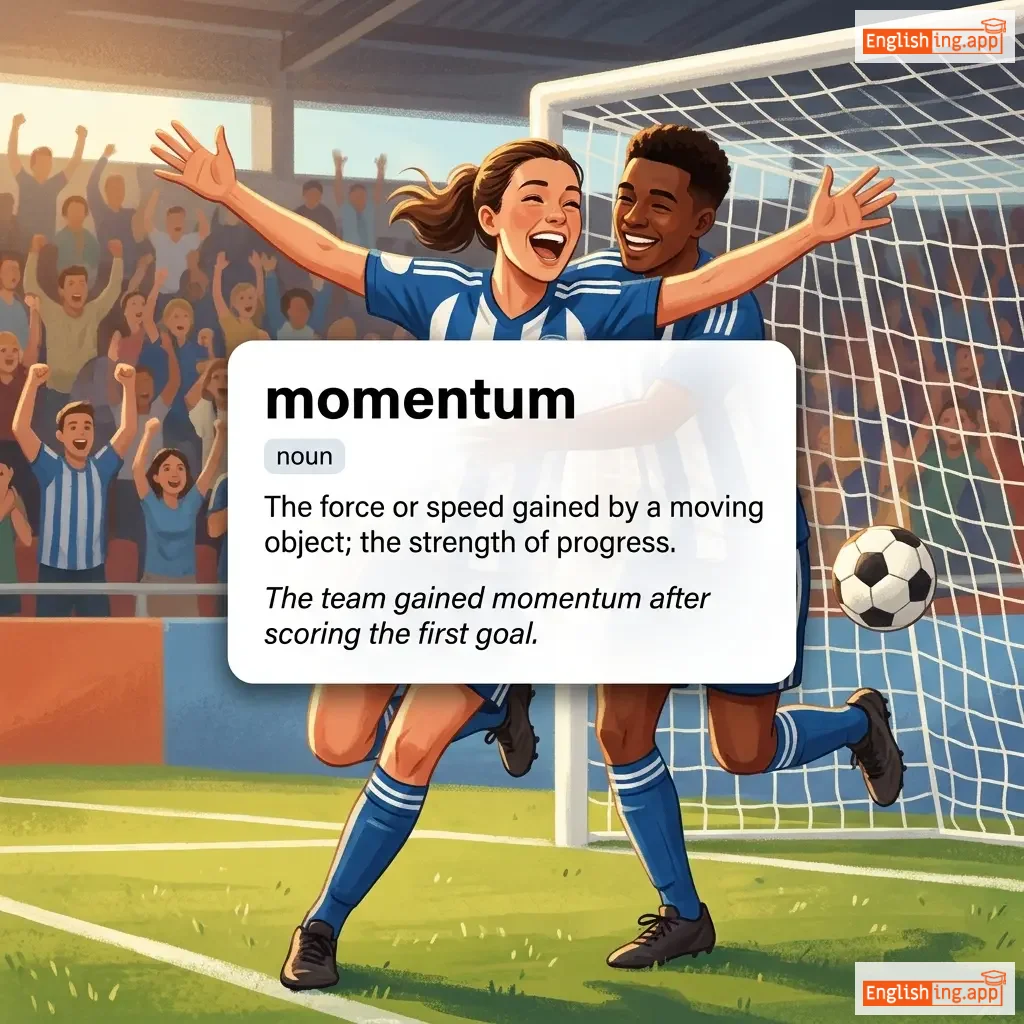
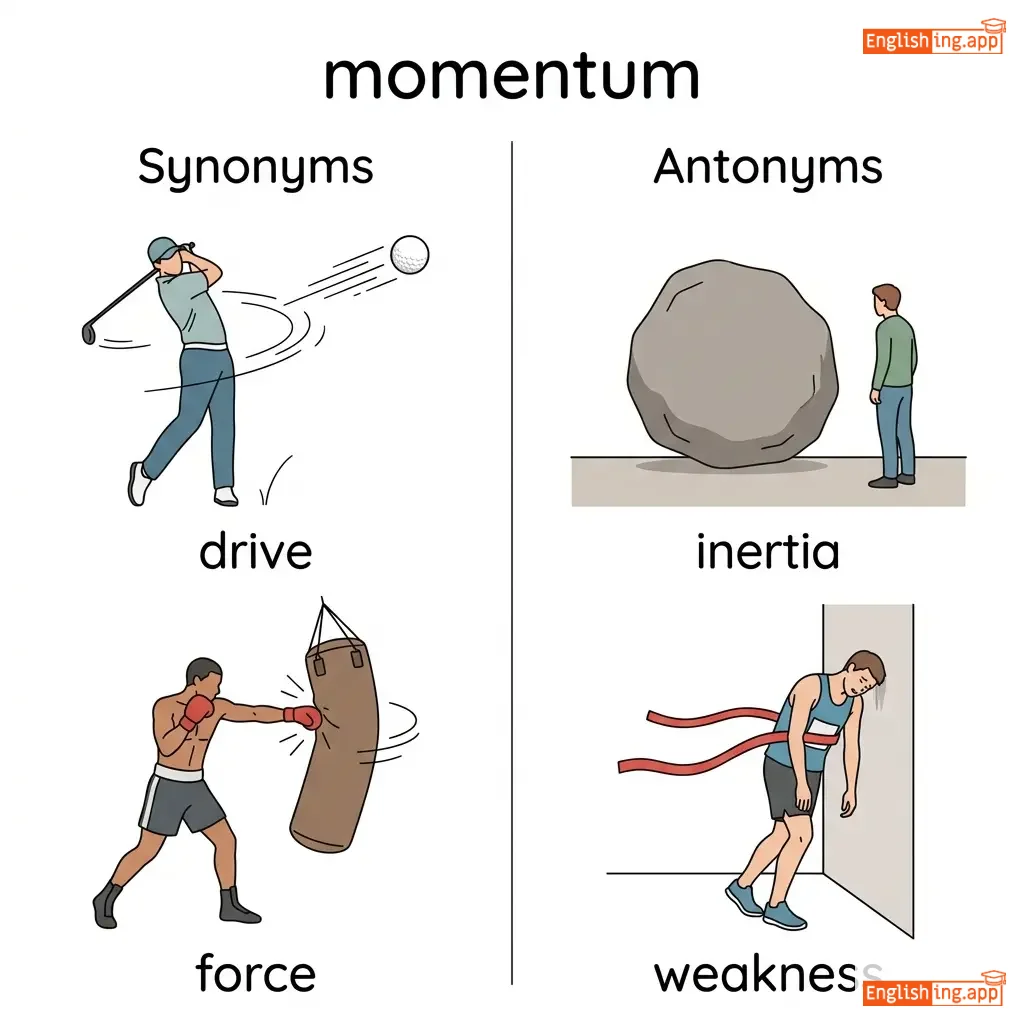
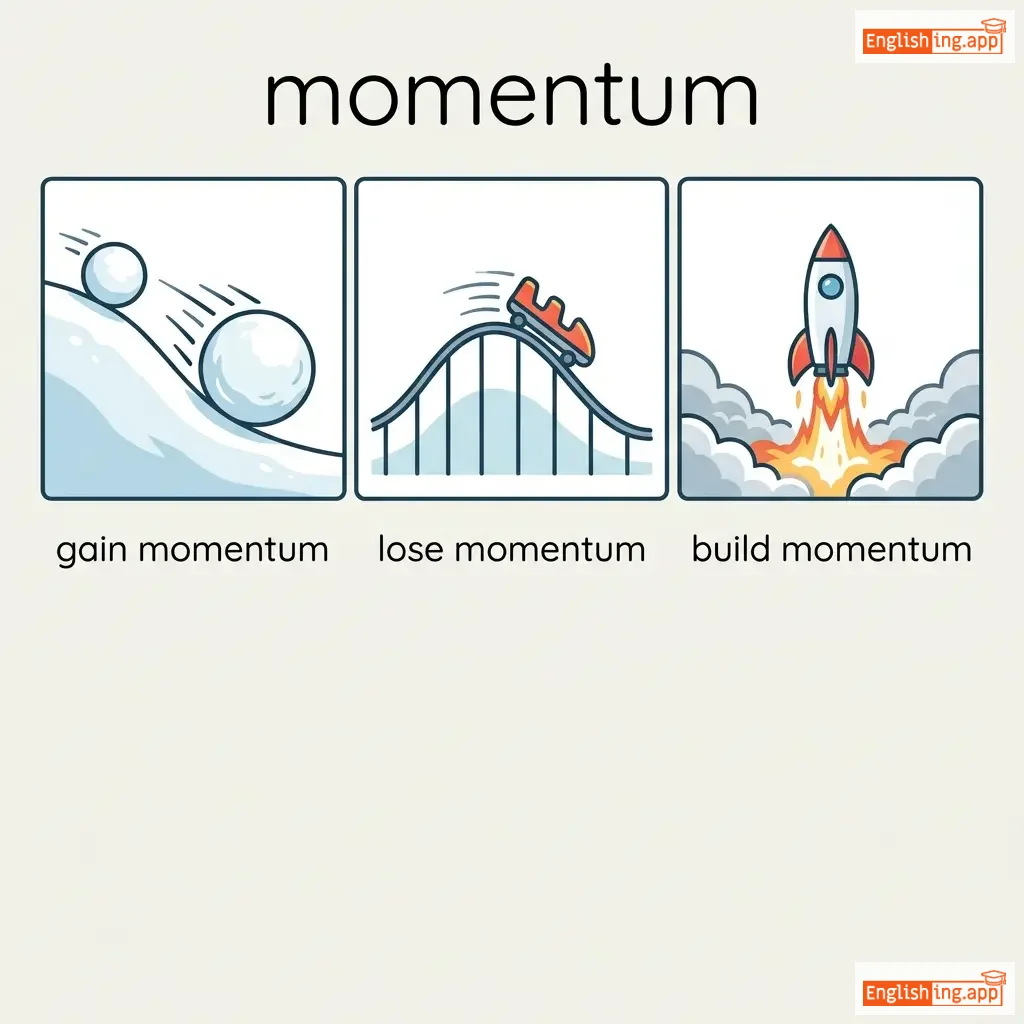
|
- •••••• | - •••••• | - •••••• | - •••••• | - •••••• |
The force or speed gained by a moving object; the strength of progress.
••••••
|
The team gained momentum after scoring the first goal. |
- •••••• |
gain momentum |
To gather speed, strength, or progress.
••••••
|
- •••••• |
drive, force, power, impetus, thrust
••••••
|
inertia, weakness
••••••
|
gain momentum, lose momentum, build momentum, maintain momentum
••••••
|
No •••••• |
|
🗿
••••••
|
/ˈmɒnjumənt/
noun
••••••
|

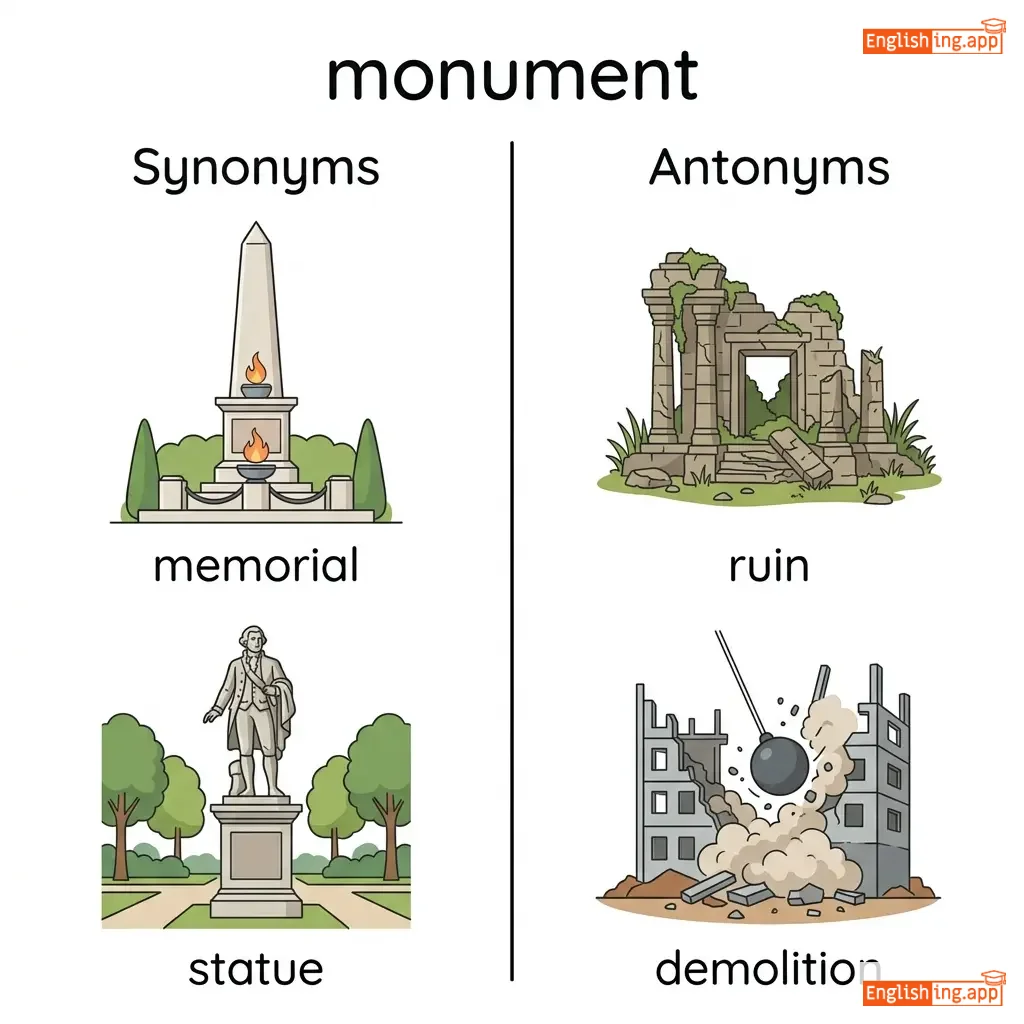
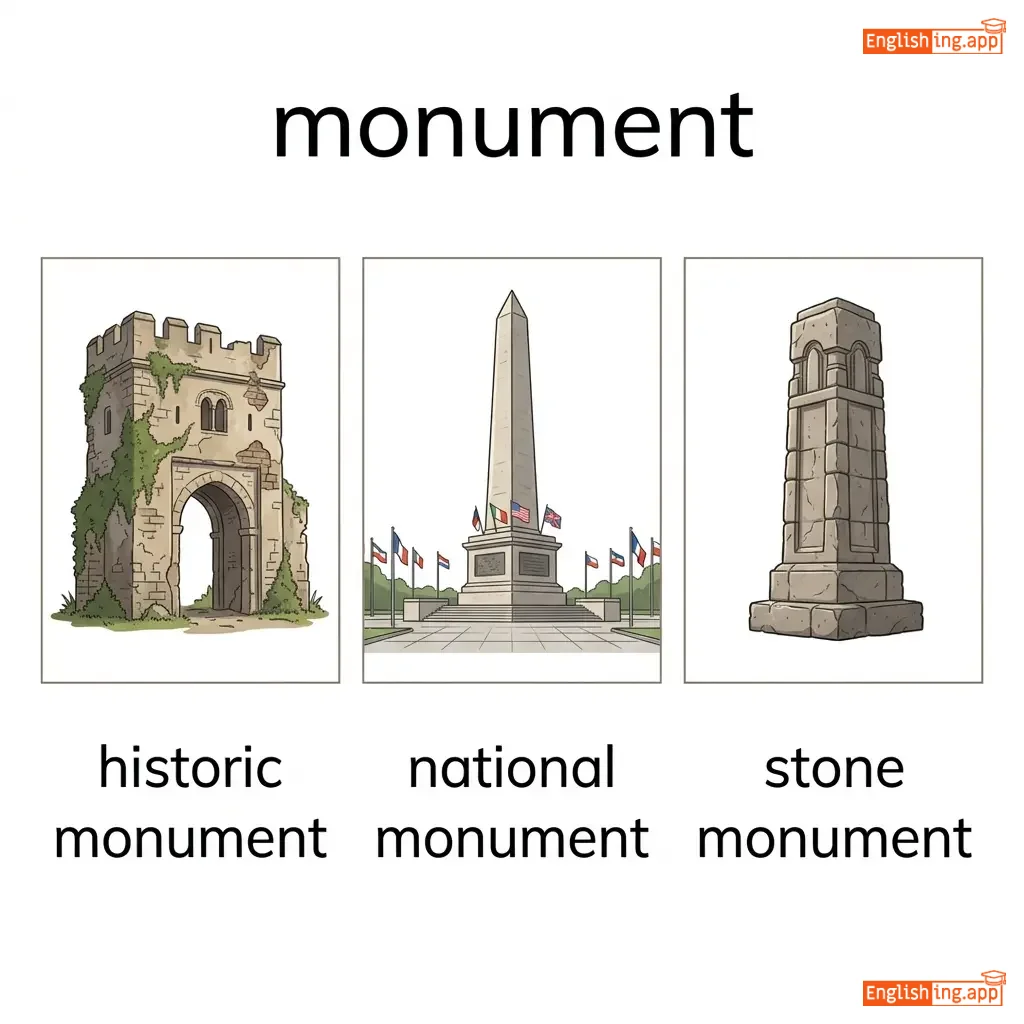
|
- •••••• | - •••••• | - •••••• | - •••••• | - •••••• |
a structure built to honor a person or event of historical importance
••••••
|
The monument was built to commemorate the soldiers who died in the war. |
- •••••• |
stand as a monument to |
to serve as a lasting reminder or tribute to someone or something
••••••
|
- •••••• |
memorial, statue, shrine, landmark, pillar
••••••
|
ruin, demolition, destruction
••••••
|
historic monument, national monument, stone monument, ancient monument
••••••
|
No •••••• |
|
🏃
••••••
|
/ˈmuːv.mənt/
noun
(mùwèi)
••••••
|
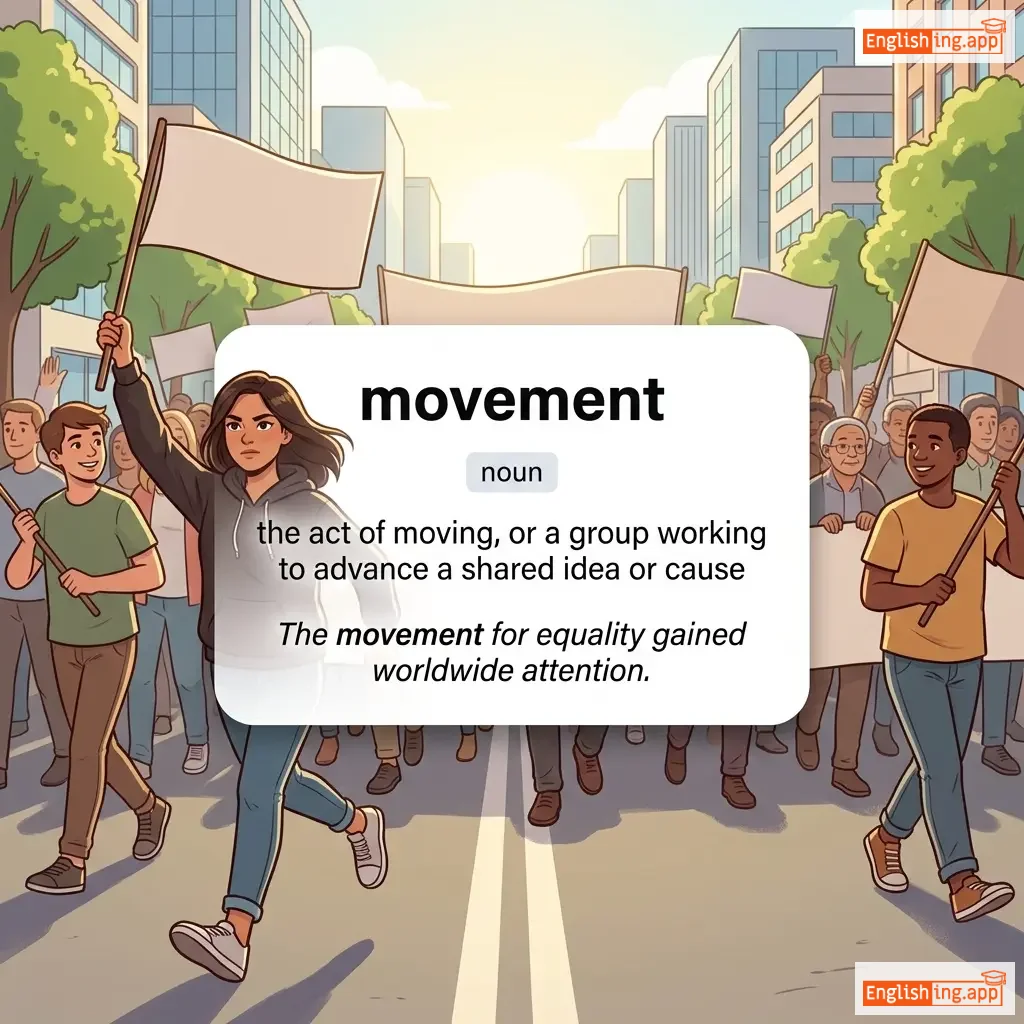
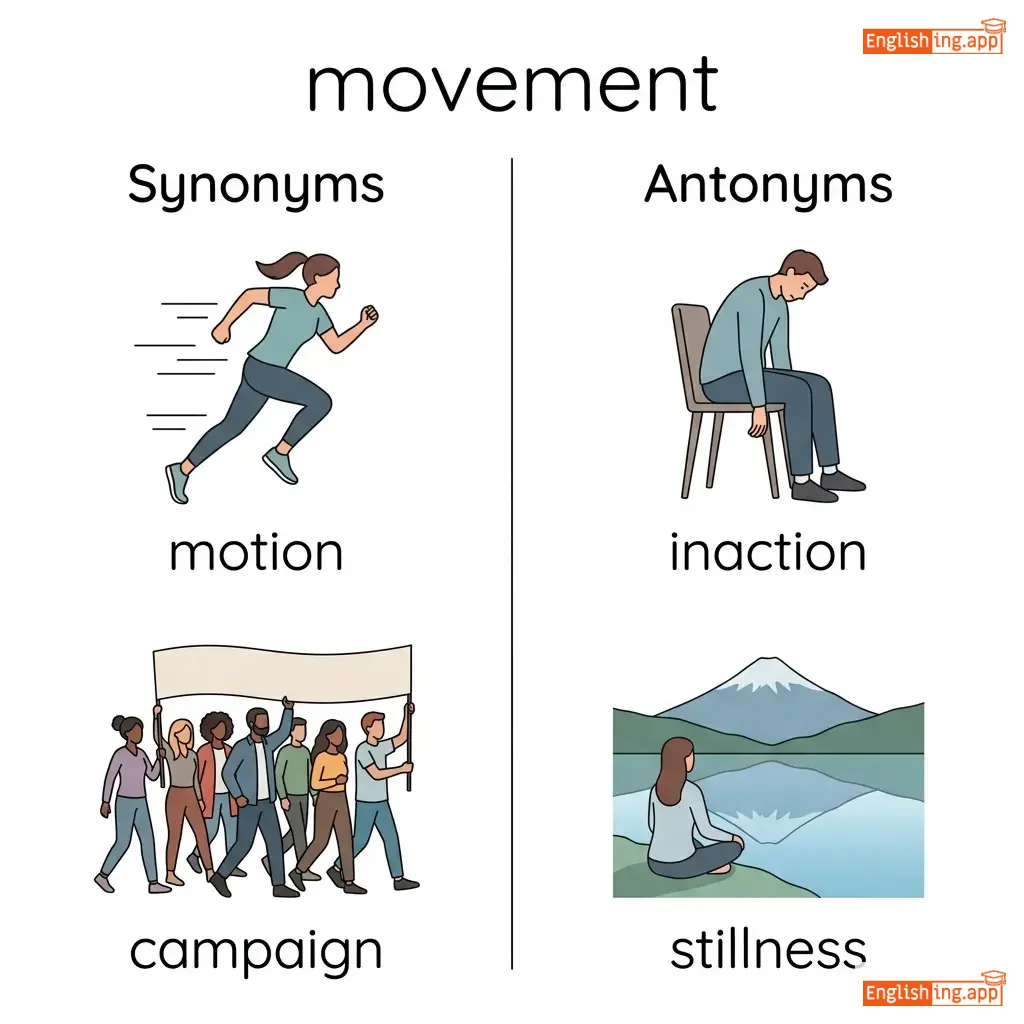
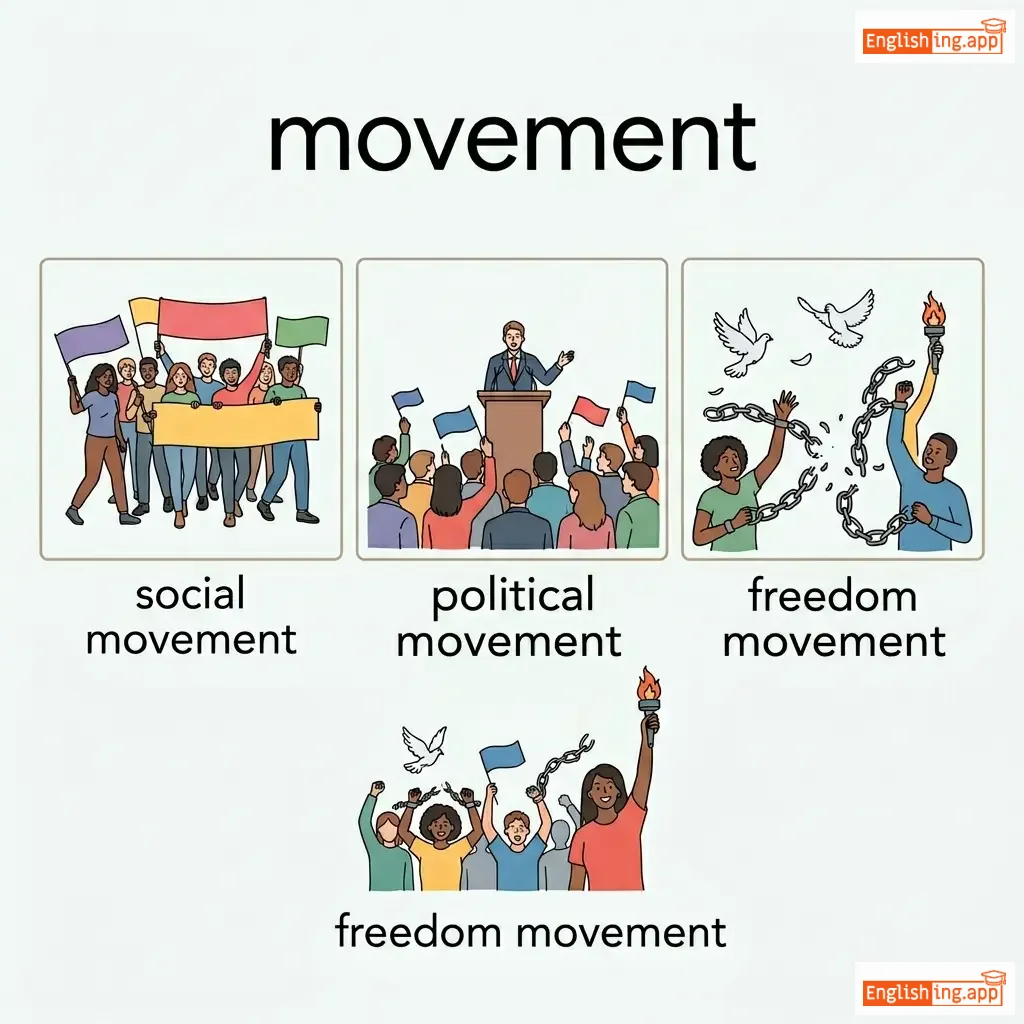
|
运动
yundong
••••••
|
- •••••• | - •••••• | - •••••• | - •••••• |
the act of moving, or a group working to advance a shared idea or cause
••••••
|
The movement for equality gained worldwide attention. |
平等运动引起了全球的关注。
Pingdeng yundong yinqile quanqiu de guanzhu.
••••••
|
freedom movement |
a struggle or campaign to achieve liberty or independence
••••••
|
自由运动
ziyou yundong
••••••
|
motion, campaign, progress, action, drive
••••••
|
inaction, stillness, stagnation
••••••
|
social movement, political movement, freedom movement, rapid movement
••••••
|
Movement代表着前进,运动意味着推进
••••••
|
|
🚶♂️
••••••
|
/ˌaʊtˈsaɪdə(r)/
noun
(ào tǐ sài dé)
••••••
|
- •••••• |
局外人
juwai ren
••••••
|
- •••••• | - •••••• | - •••••• | - •••••• |
a person who is not accepted as a member of a particular group or community
••••••
|
As a new student, she often felt like an outsider at school. |
作为新生,她常常觉得自己在学校是个局外人。
zuòwéi xīnshēng, tā chángcháng juéde zìjǐ zài xuéxiào shì ge juwairén.
••••••
|
feel like an outsider |
to feel excluded or not part of a group
••••••
|
感觉像个局外人
gǎnjué xiàng ge juwairén
••••••
|
stranger, newcomer, foreigner, alien, nonmember
••••••
|
insider, member
••••••
|
social outsider, political outsider, complete outsider, feel like an outsider
••••••
|
Out + Sider = 外面的人 — 局外人 🚶♂️
••••••
|

