

Why Self-Control Leads to Growth
Self-control, or self-restraint, brings true improvement and personal growth to our lives. When we apply discipline to our emotional tendencies, we can better cope with situations.
Self-control strengthens us in dealing with adversity and helps us thwart various tactical challenges in our lives. It aids in strategic decision-making because our cognitive skills improve and decisions become deliberate.
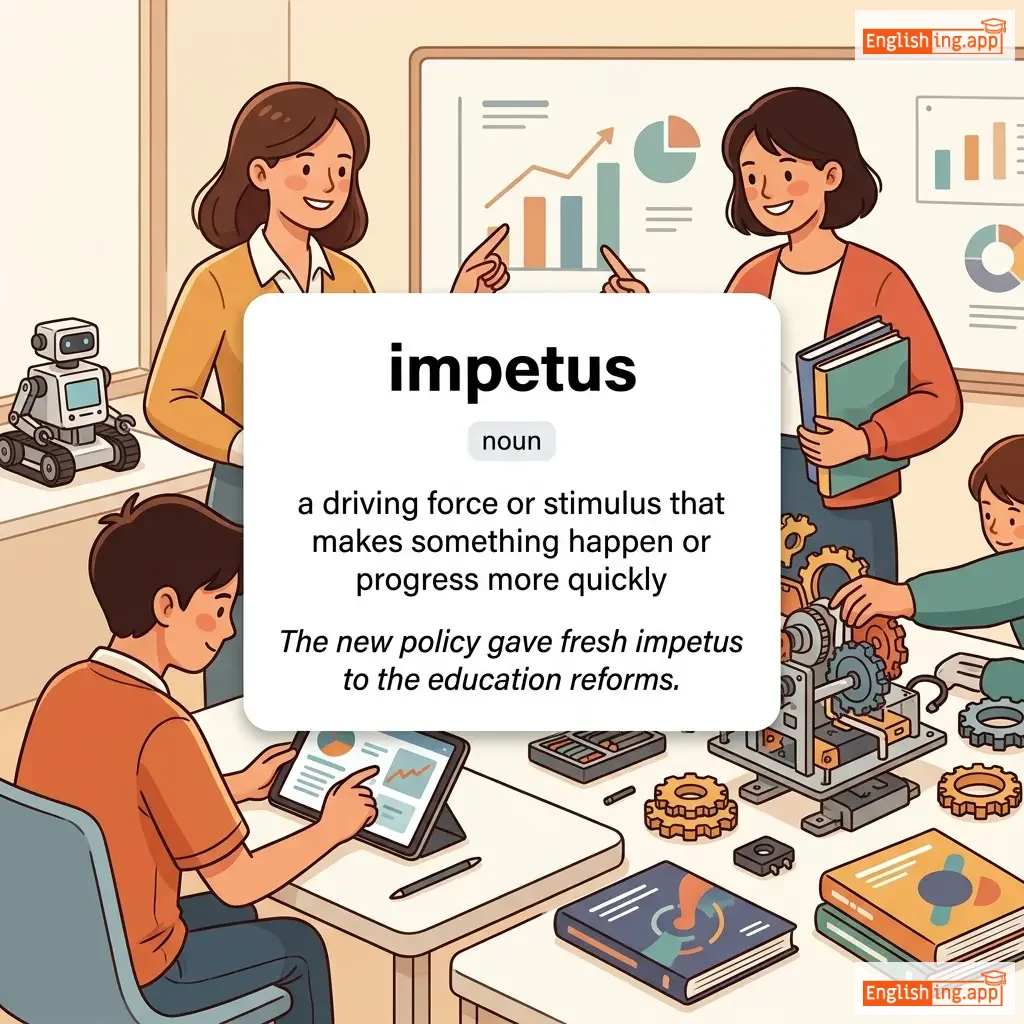
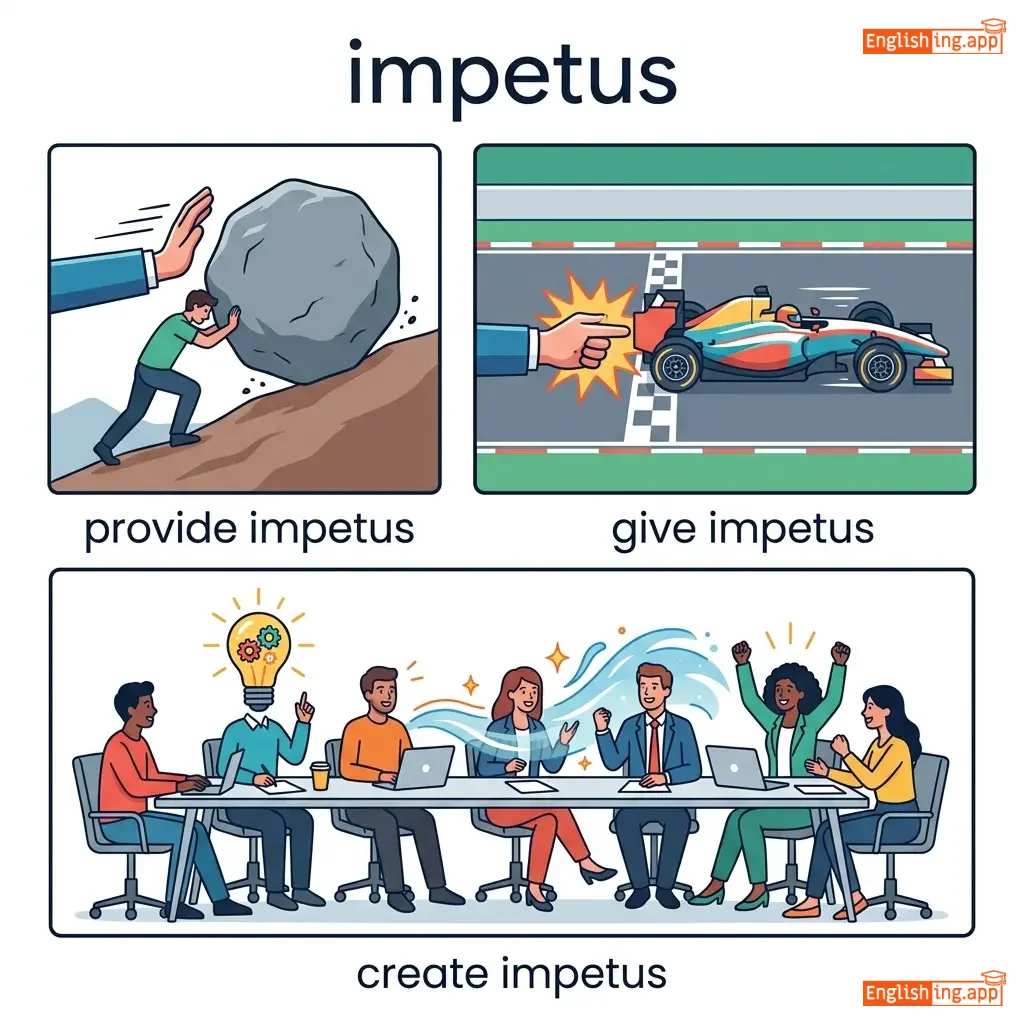
This ability, which improves our lives, also provides impetus through developing perseverance and resilience. Achieving small goals helps us set bigger goals.
Therefore, self-control provides us with volition to improve in personal and professional life and helps enhance the quality of life.
Upgrade to Access All Vocabulary
Get unlimited access to all vocabulary items with Pro membership
Upgrade to ProTranslation
Past
Past Participle
Third Person Singular
Gerund
Meaning
Example Sentence
Example Sentence Translation
Synonyms
Antonyms
Collocations
Mnemonic

Swipe left or right, or use the buttons. Tap image to zoom.
Upgrade to Access All Sentences
Get unlimited access to all sentences with Pro membership
Upgrade to ProExample Sentence Translation
Word
Why Self-Control Leads to Growth - Mask Toggle
|
Emoji
|
Word | Images | Meaning | Example Sentence | Synonyms | Antonyms |
|---|---|---|---|---|---|---|
|
#4009
🧘
|
ˌsɛlf.kənˈtrəʊl
noun
••••••
|
|
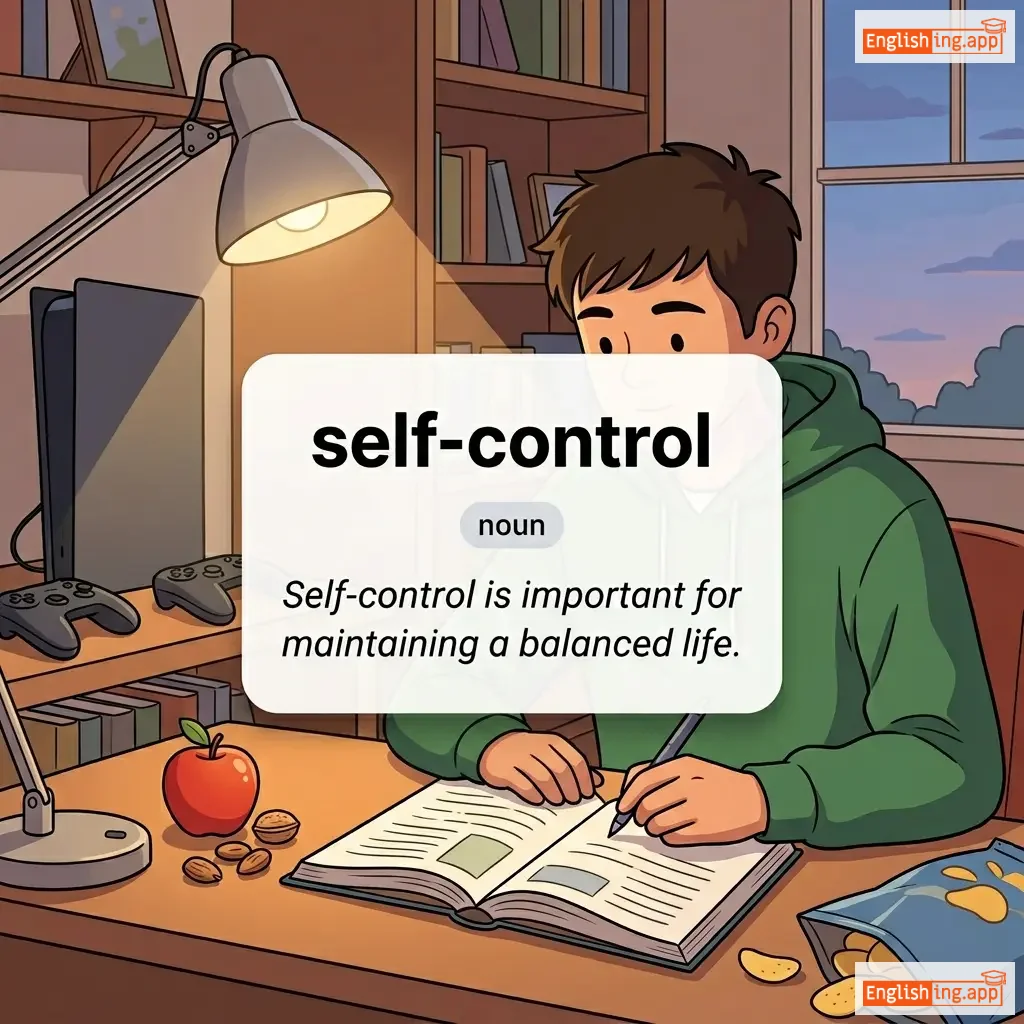
The ability to control one's emotions, behavior, and desires in order to obtain some reward, or avoid some punishment, typically in the longer term.
••••••
|
Self-control is important for maintaining a balanced life. |
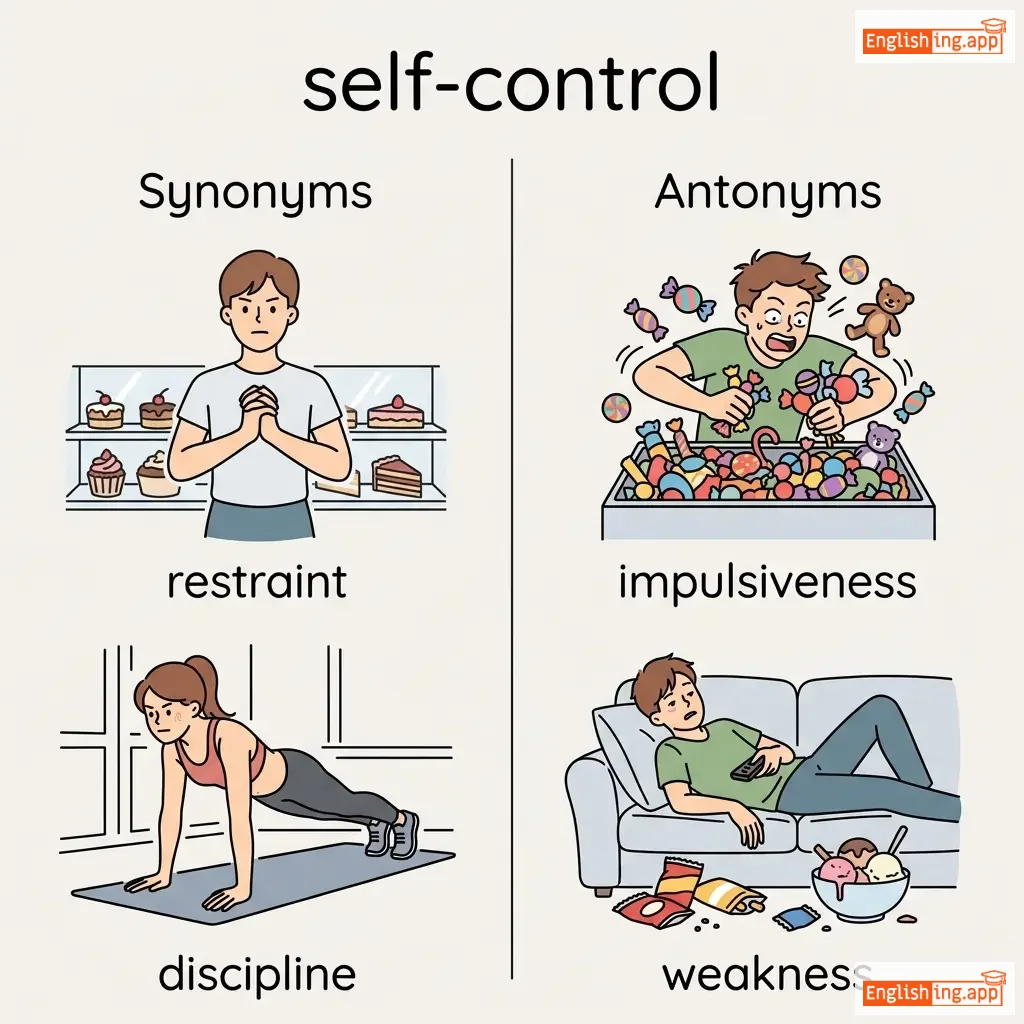
restraint, discipline, willpower, moderation
••••••
|
impulsiveness, weakness, indulgence
••••••
|
|
#4010
🛑
|
ˌsɛlf.rɪˈstreɪnt
noun
••••••
|
|
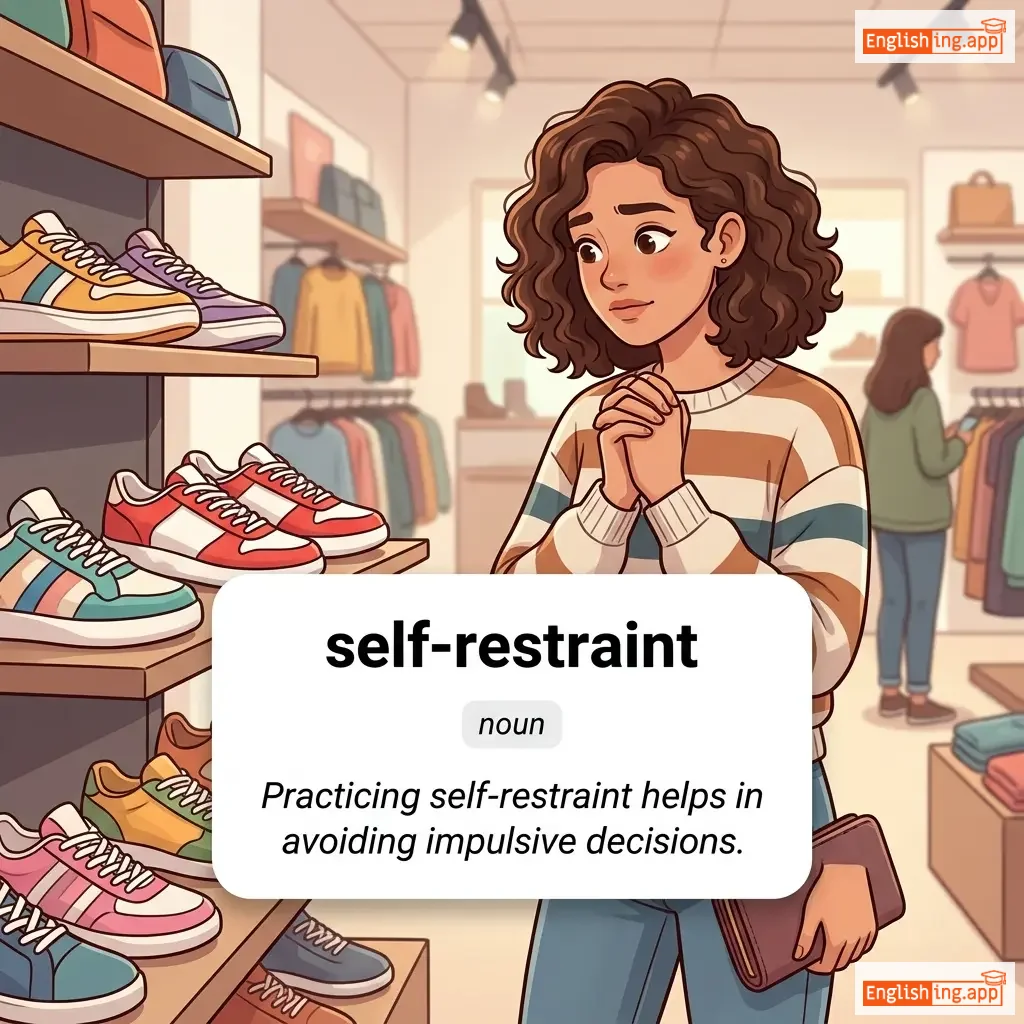
The practice of restraining oneself from indulging in something, typically an impulse or desire.
••••••
|
Practicing self-restraint helps in avoiding impulsive decisions. |
moderation, willpower, control, temperance
••••••
|
excessiveness, indulgence, abandon
••••••
|
|
#4011
💭
|
ɪˈməʊʃənl
adjective
••••••
|
|
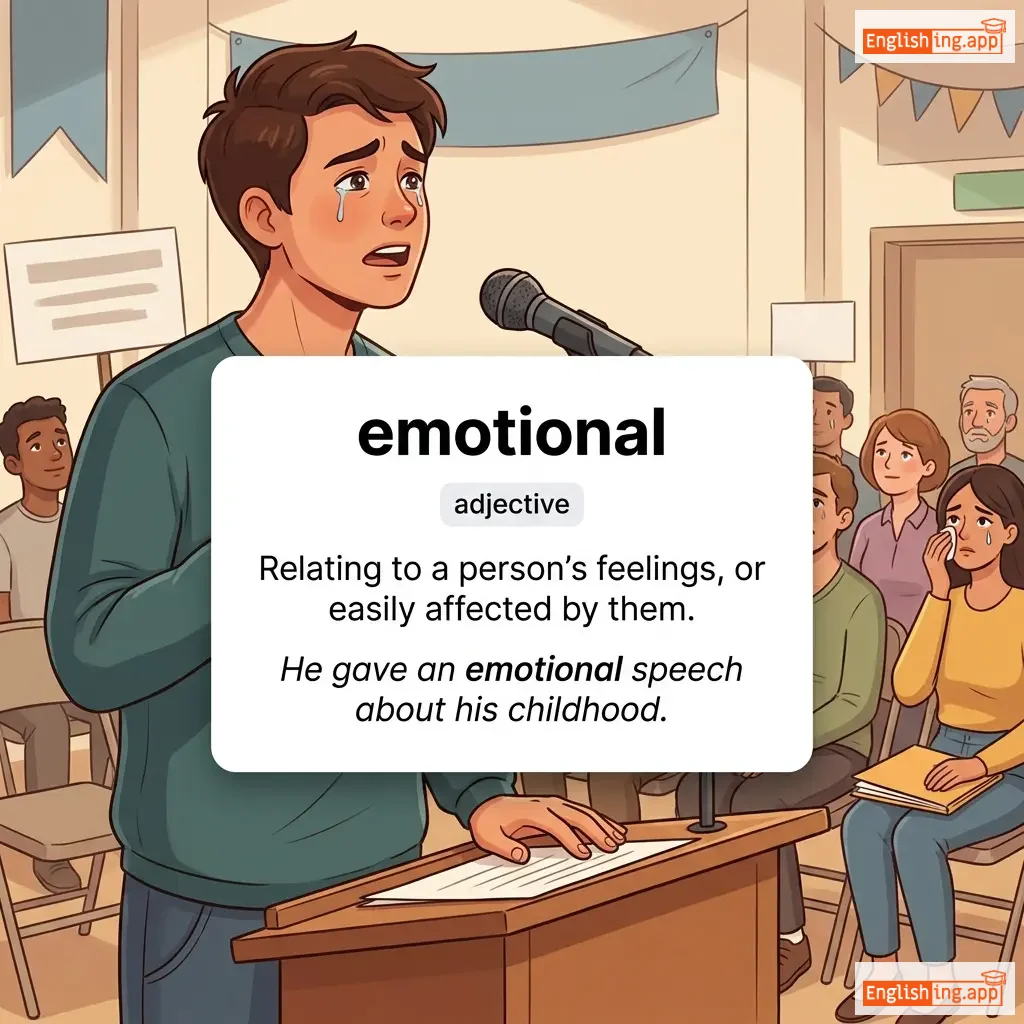
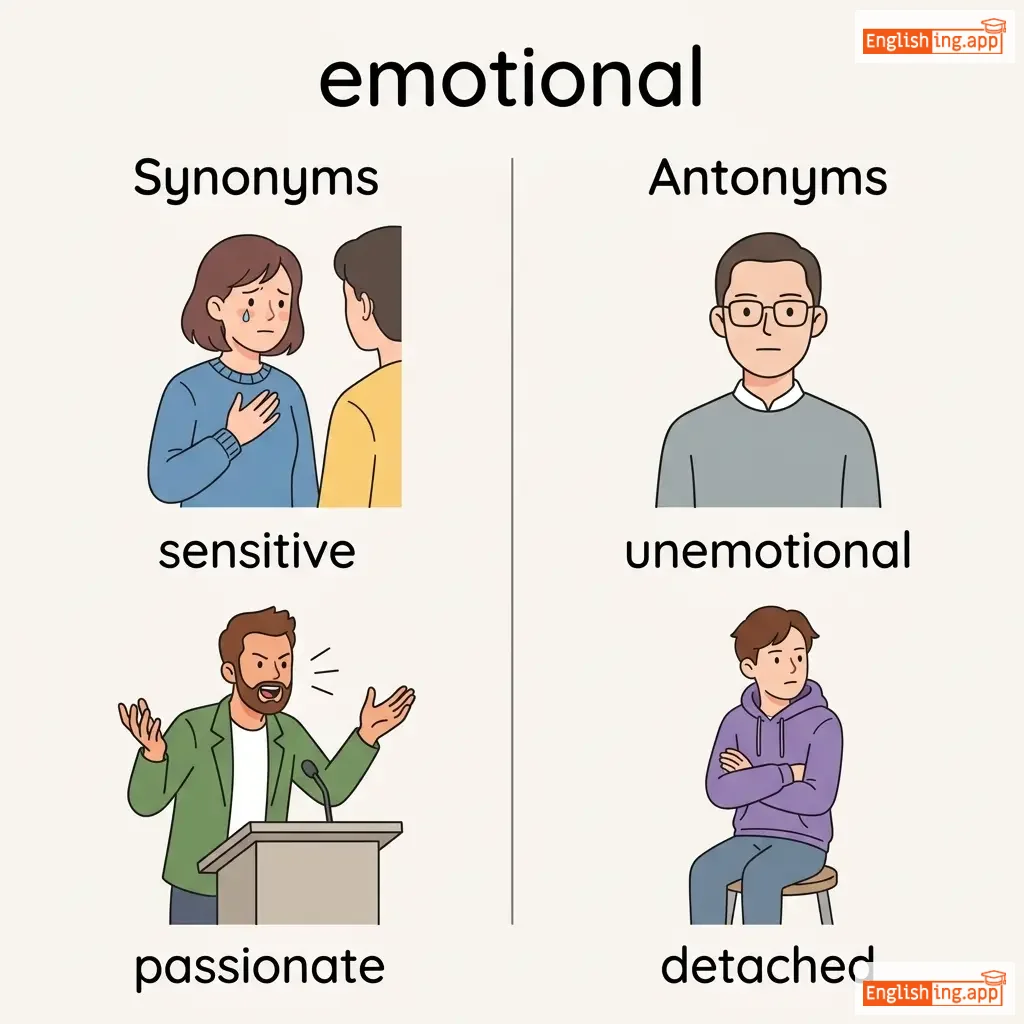
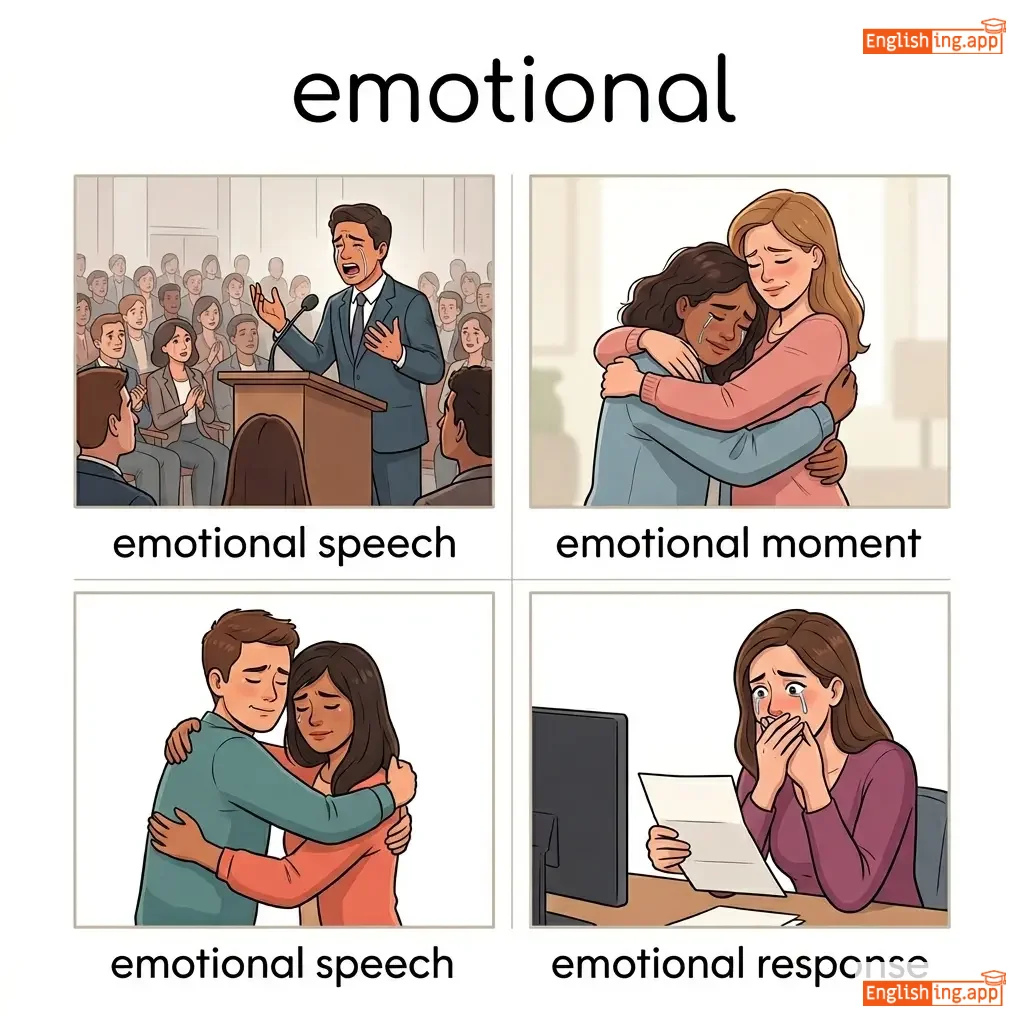
Relating to a person's emotions or arising from or influenced by emotions.
••••••
|
She gave an emotional speech about her experiences. |
sentimental, passionate, heartfelt, moving
••••••
|
indifferent, apathetic, unemotional
••••••
|
|
#4012
📏
|
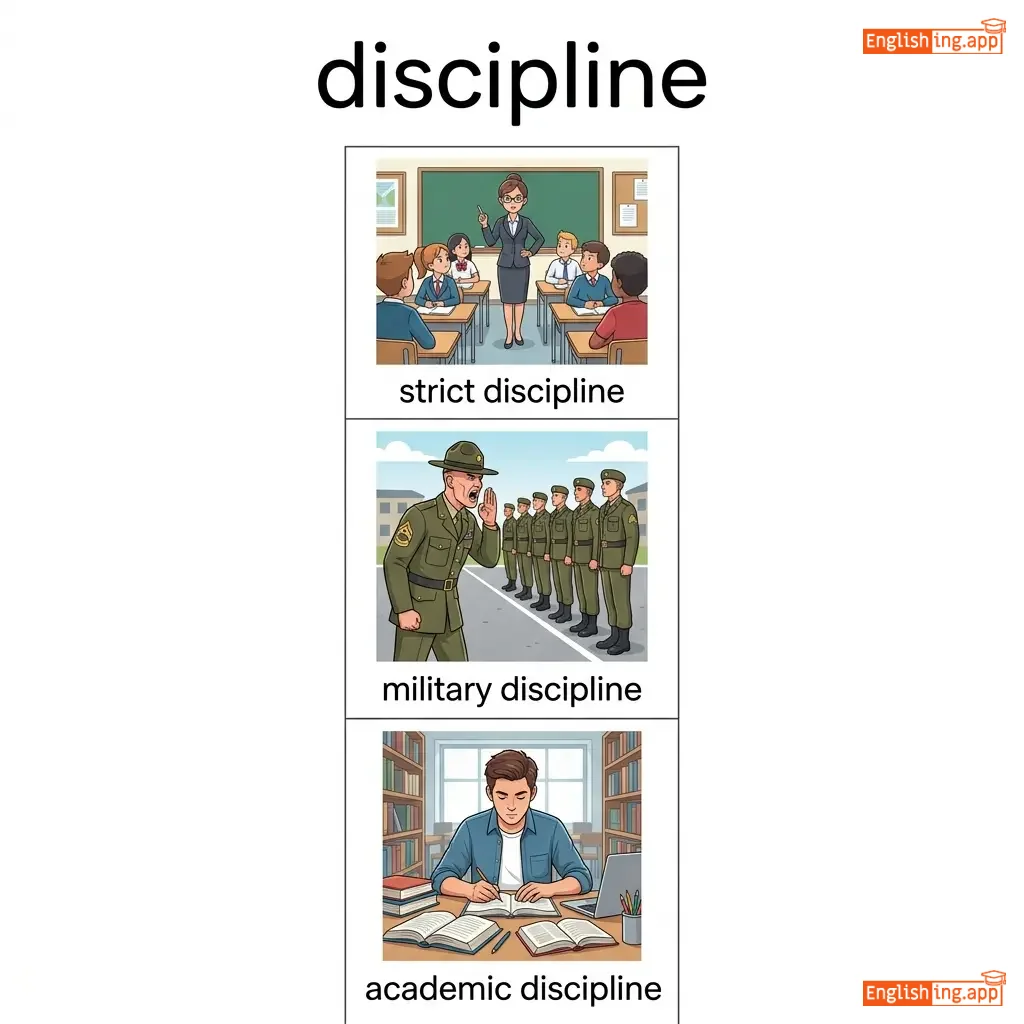
ˈdɪsɪplɪn
noun
••••••
|
|
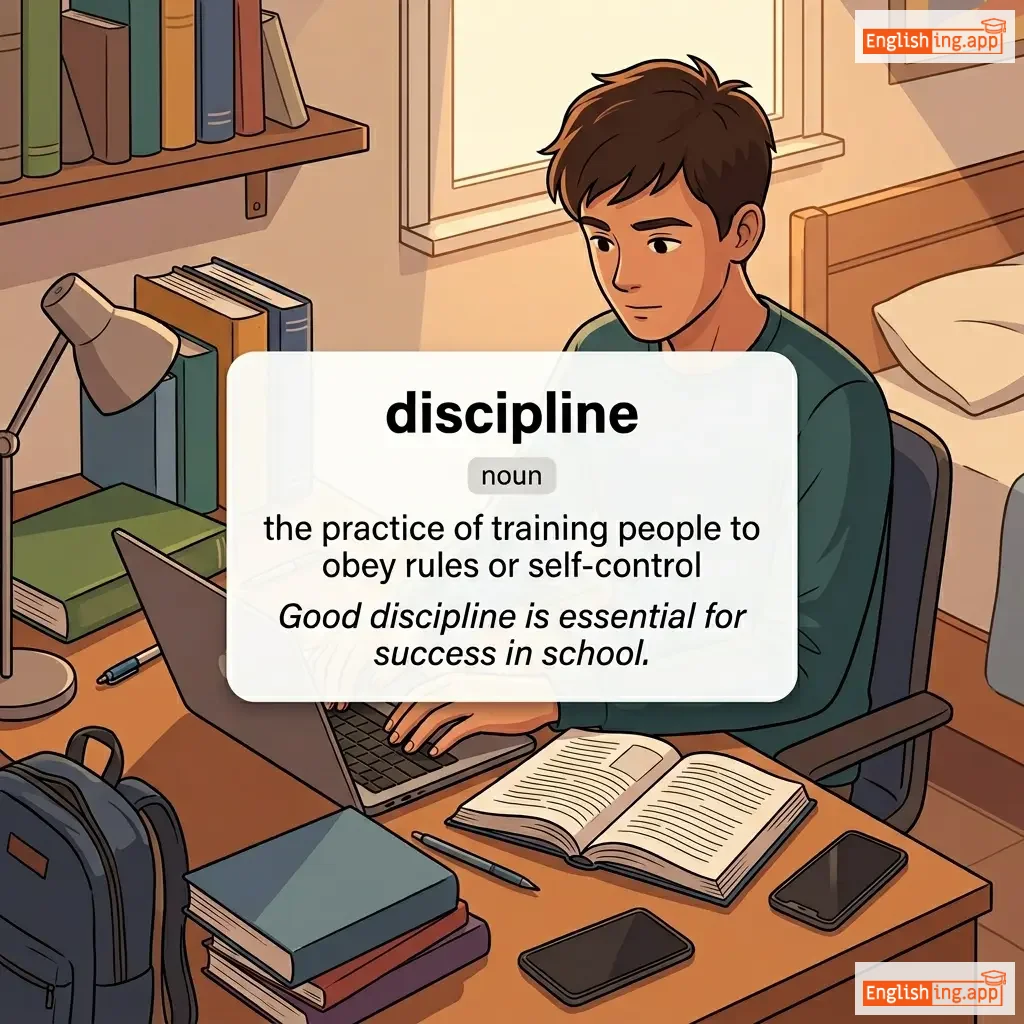
The practice of training people to obey rules or a code of behavior, using punishment to correct disobedience.
••••••
|
Discipline is essential for achieving long-term goals. |
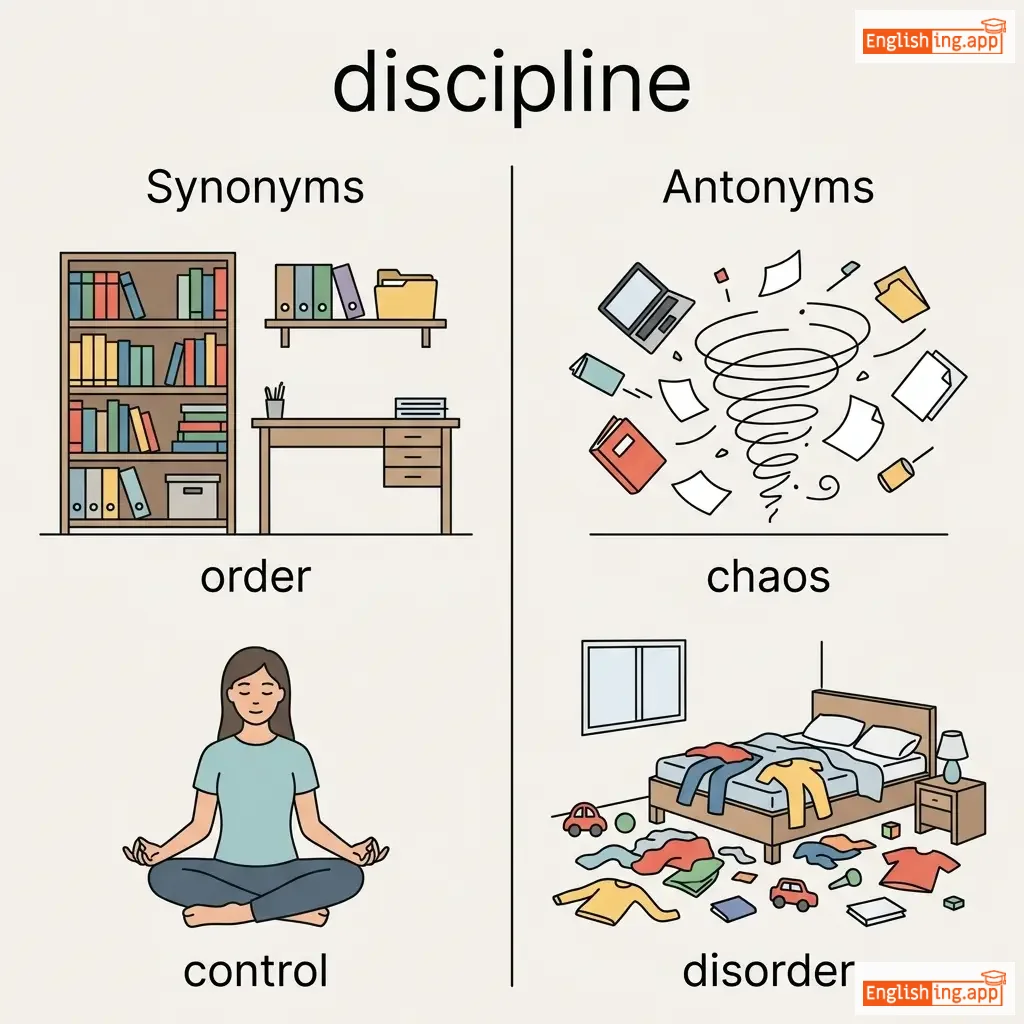
control, orderliness, regulation, training
••••••
|
disorder, chaos, indiscipline
••••••
|
|
#4013
⛈️
|
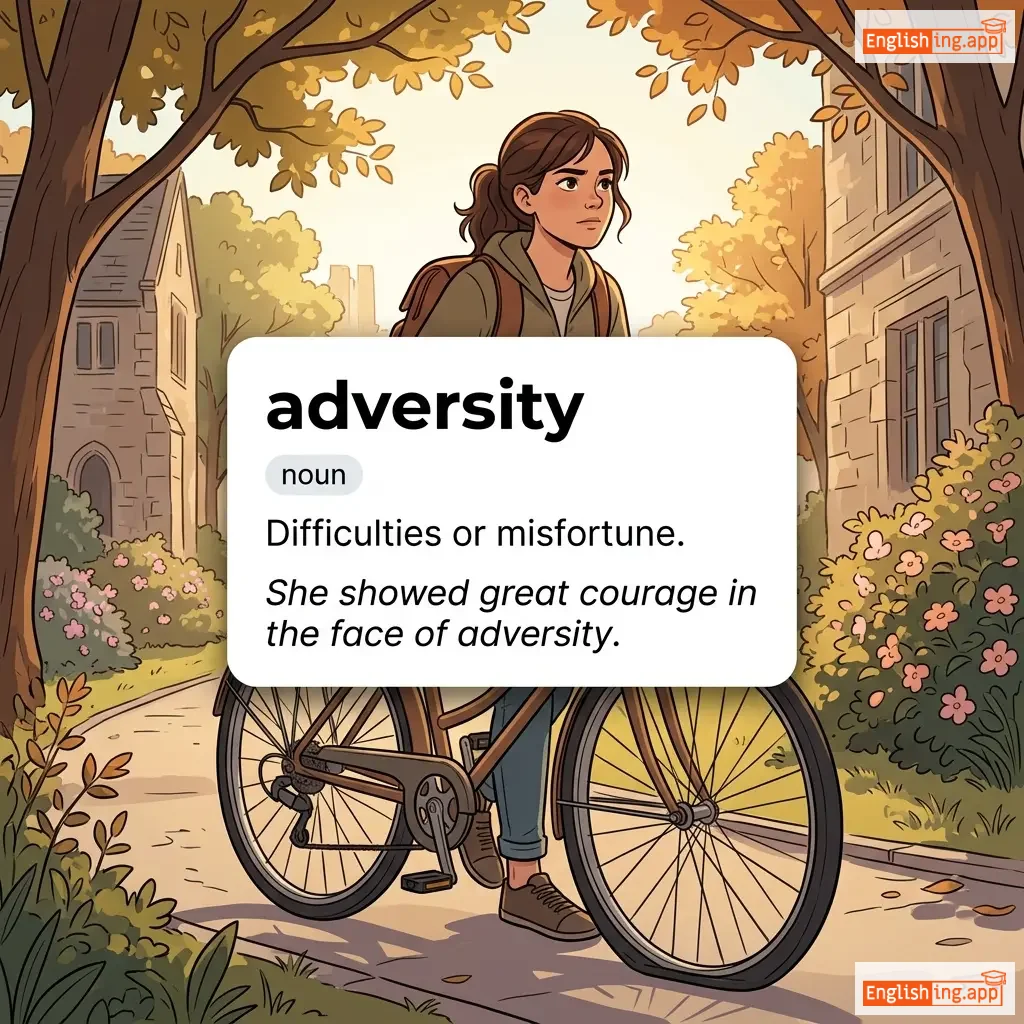
ədˈvɜːsɪti
noun
••••••
|
|
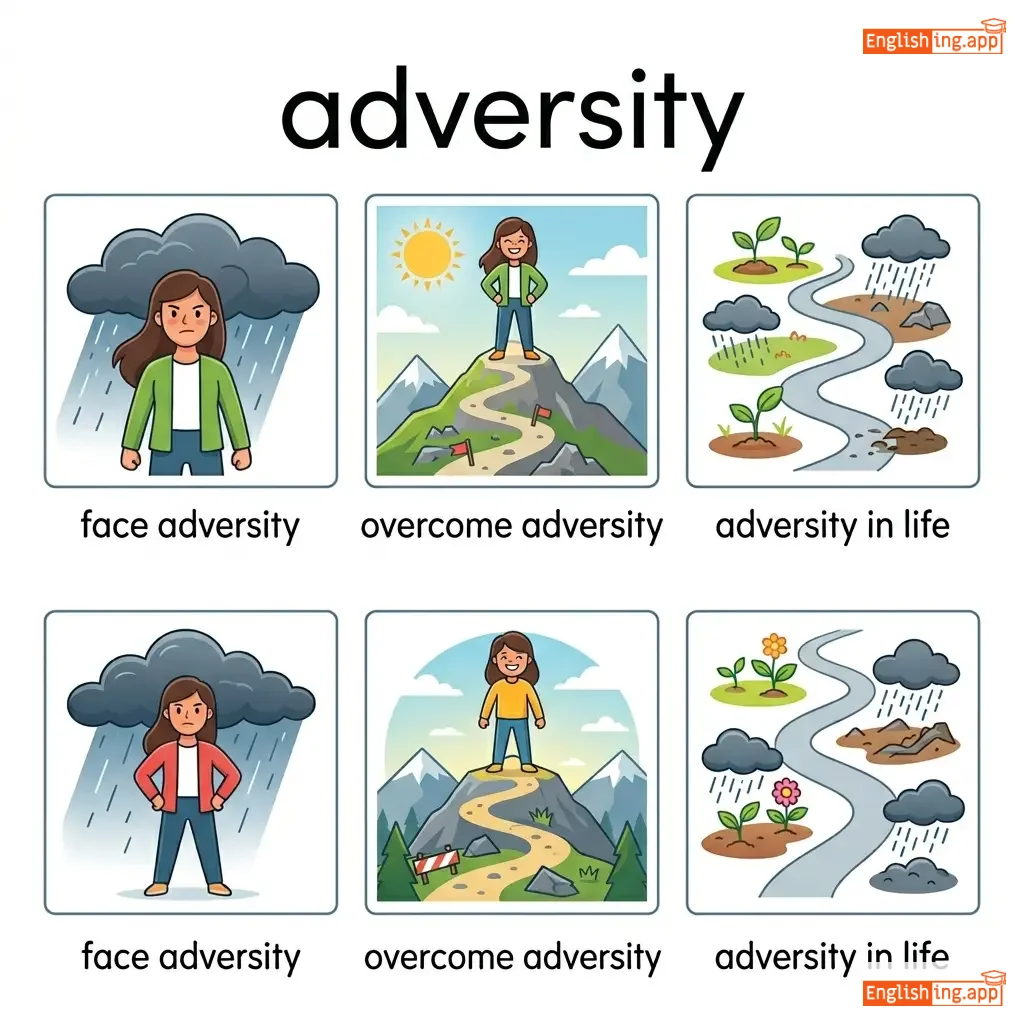
Difficulties; misfortune; a difficult or unpleasant situation.
••••••
|
Overcoming adversity is a testament to one's strength. |
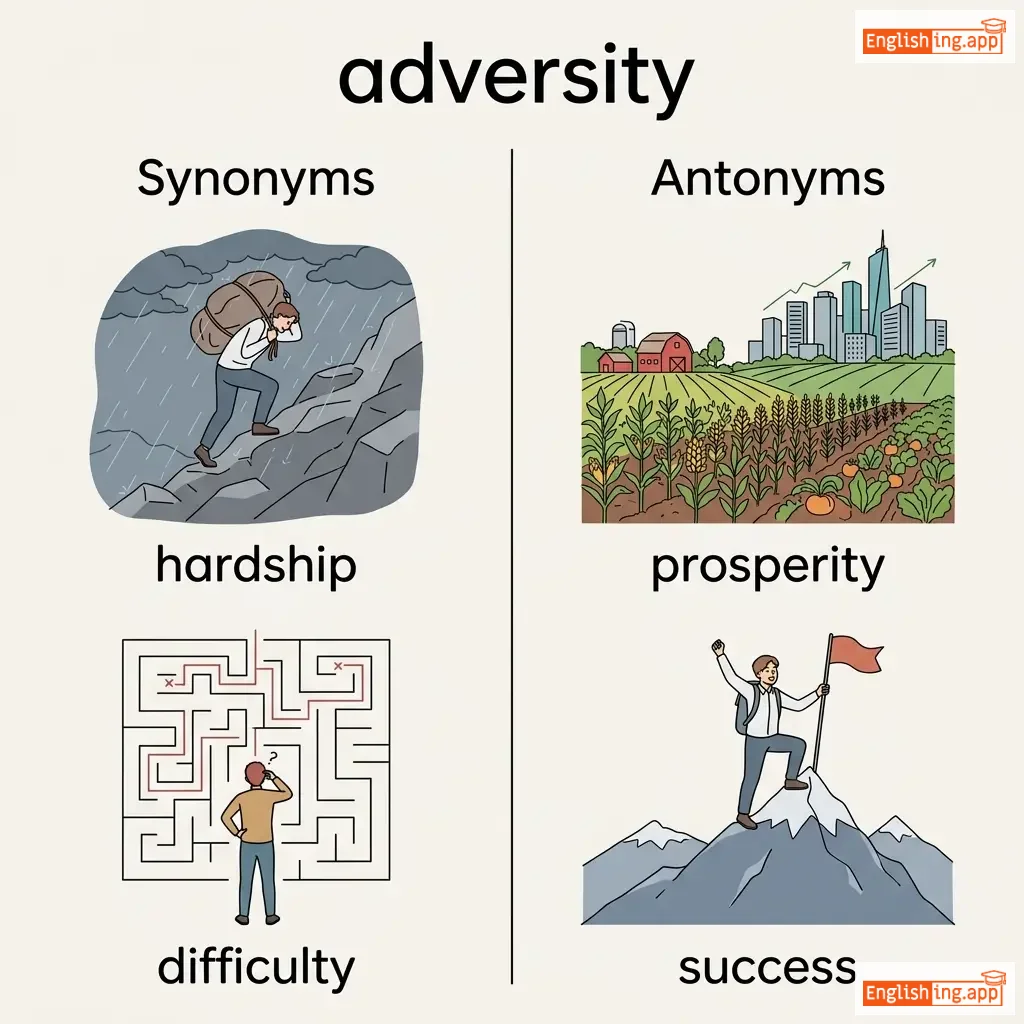
hardship, misfortune, difficulty, trouble
••••••
|
prosperity, success, fortune
••••••
|
|
#4014
🎯
|
ˈtæktɪkəl
adjective
••••••
|
- •••••• |
Relating to or constituting actions carefully planned to gain a specific military or political end.
••••••
|
Tactical thinking is crucial in business negotiations. |
strategic, planned, calculated, deliberate
••••••
|
spontaneous, impromptu, random
••••••
|
|
#4015
🚫
|
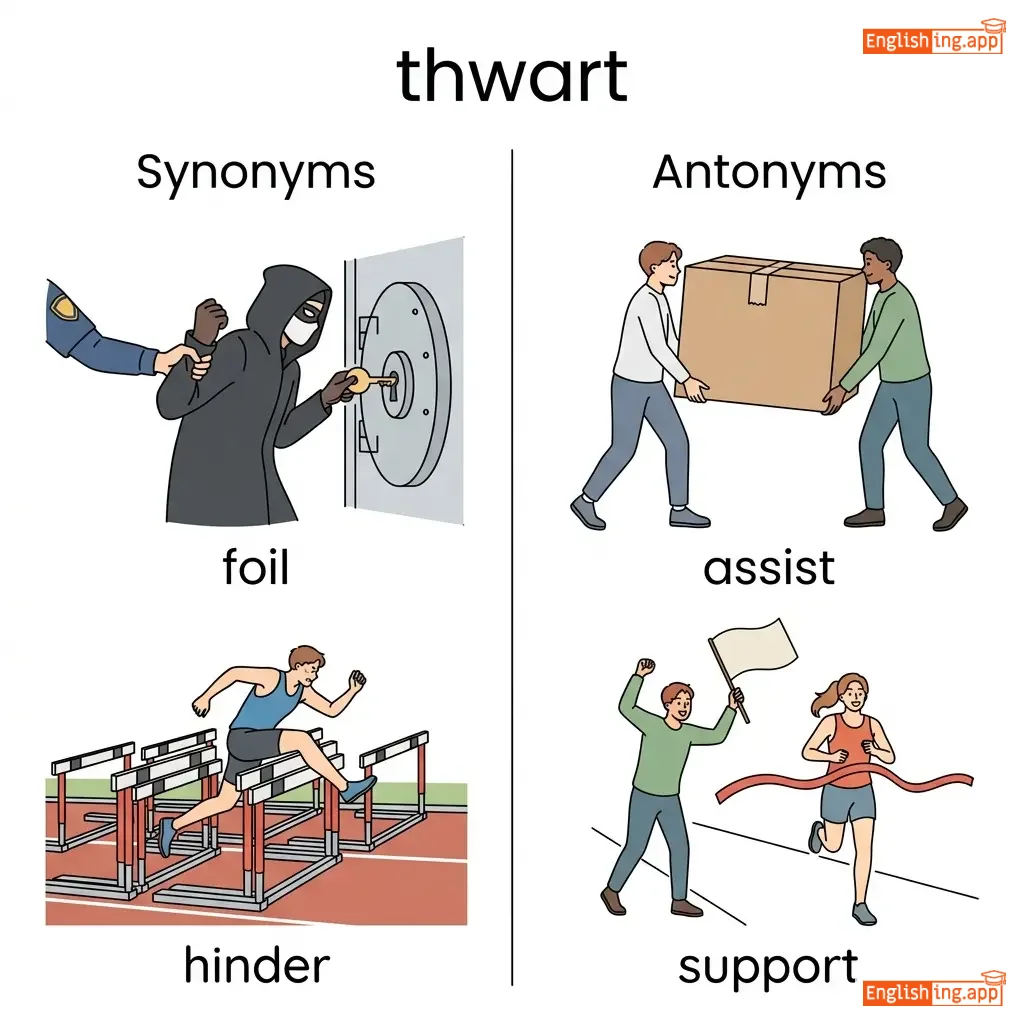
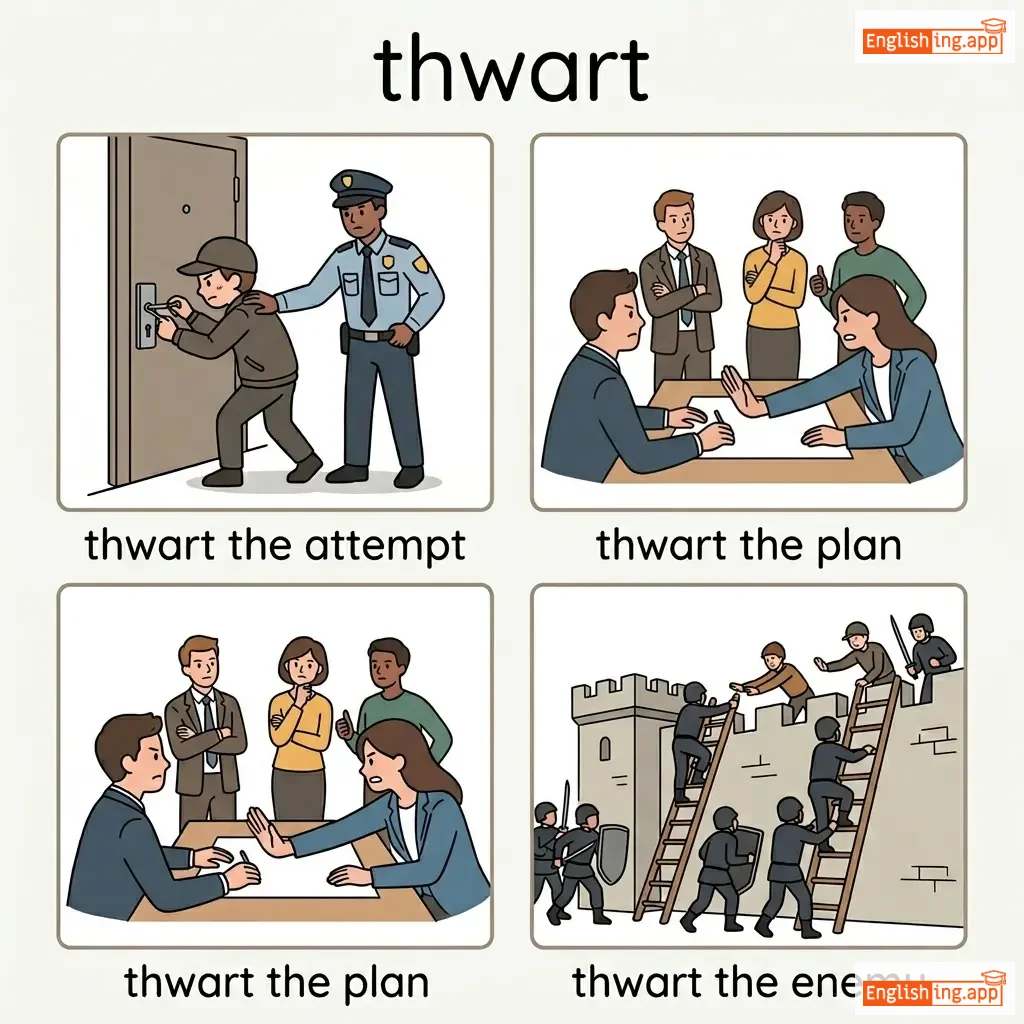
θwɔːt
verb
••••••
|
|
Prevent (someone) from accomplishing something; oppose successfully.
••••••
|
His efforts to thwart the proposal were unsuccessful. |
hinder, obstruct, block, frustrate
••••••
|
assist, support, help, facilitate
••••••
|
|
#4016
🎲
|
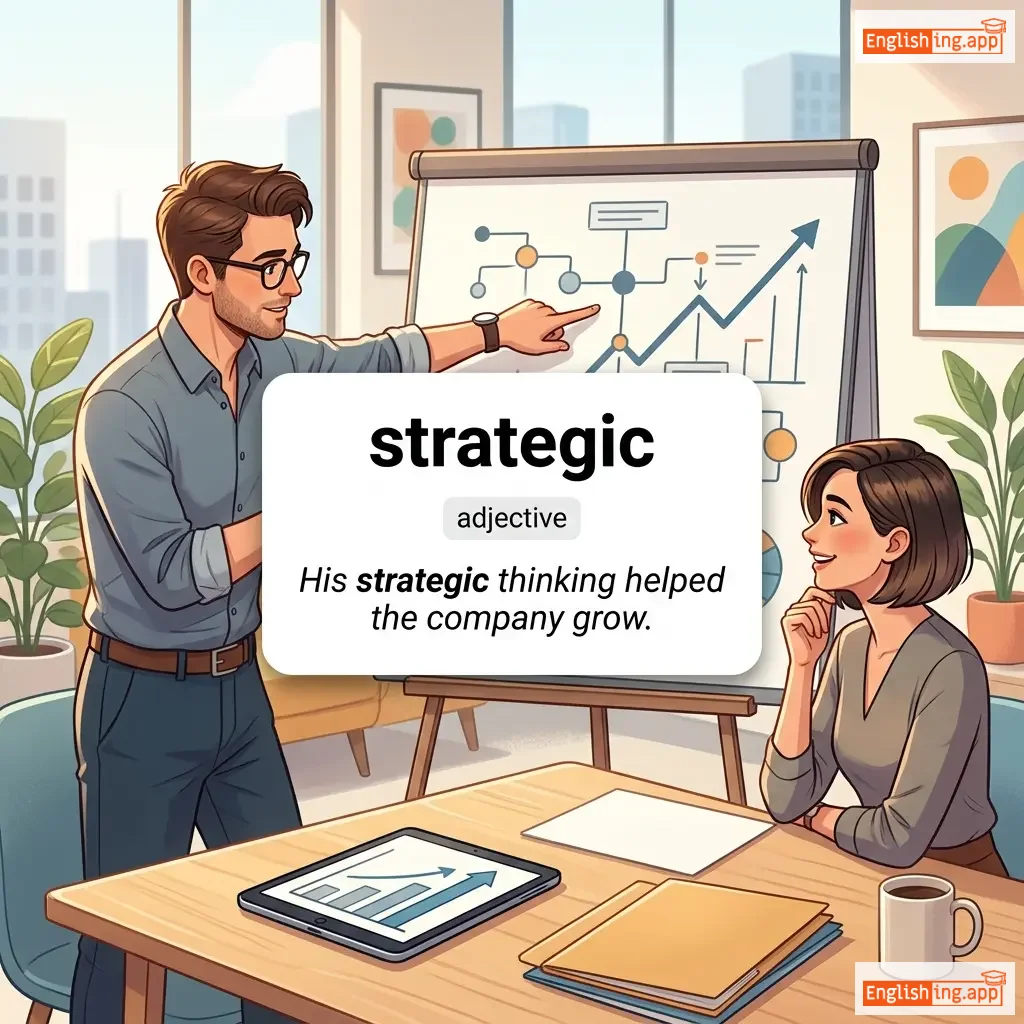
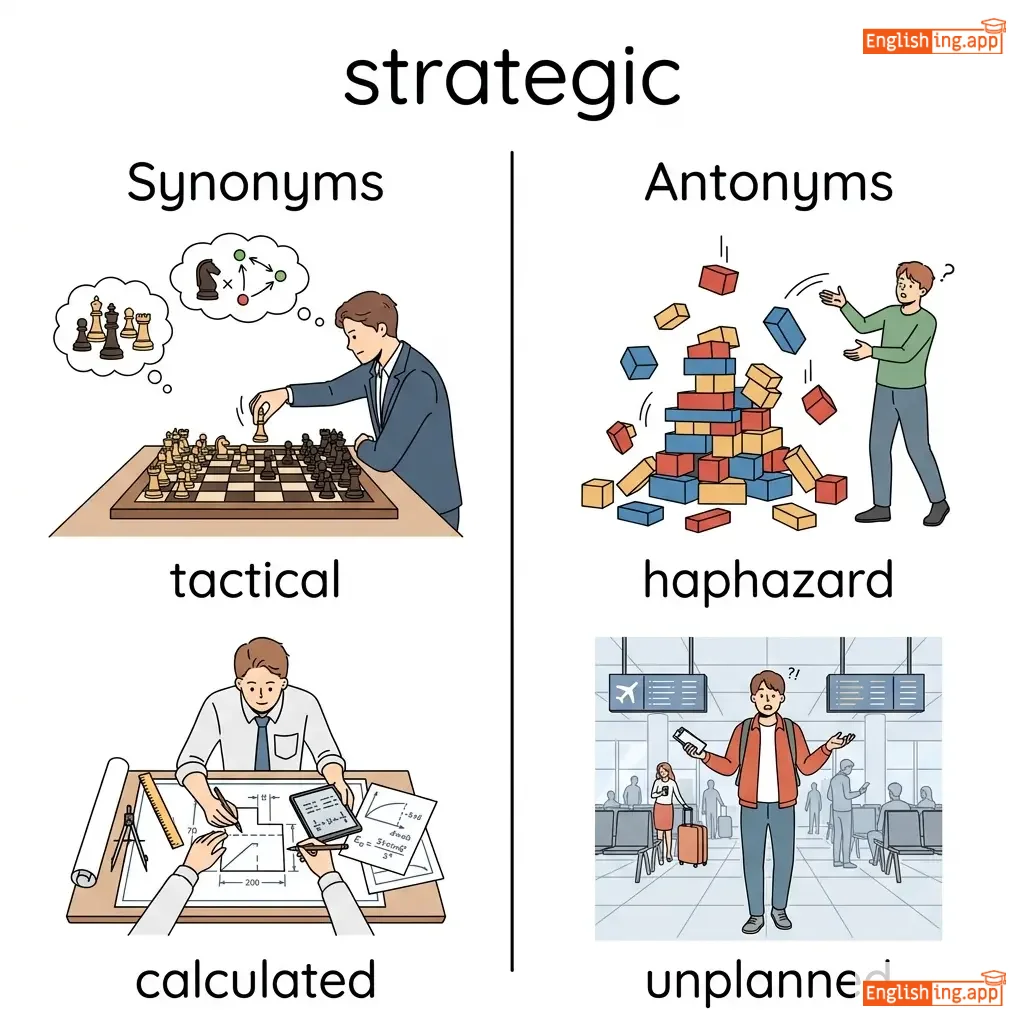
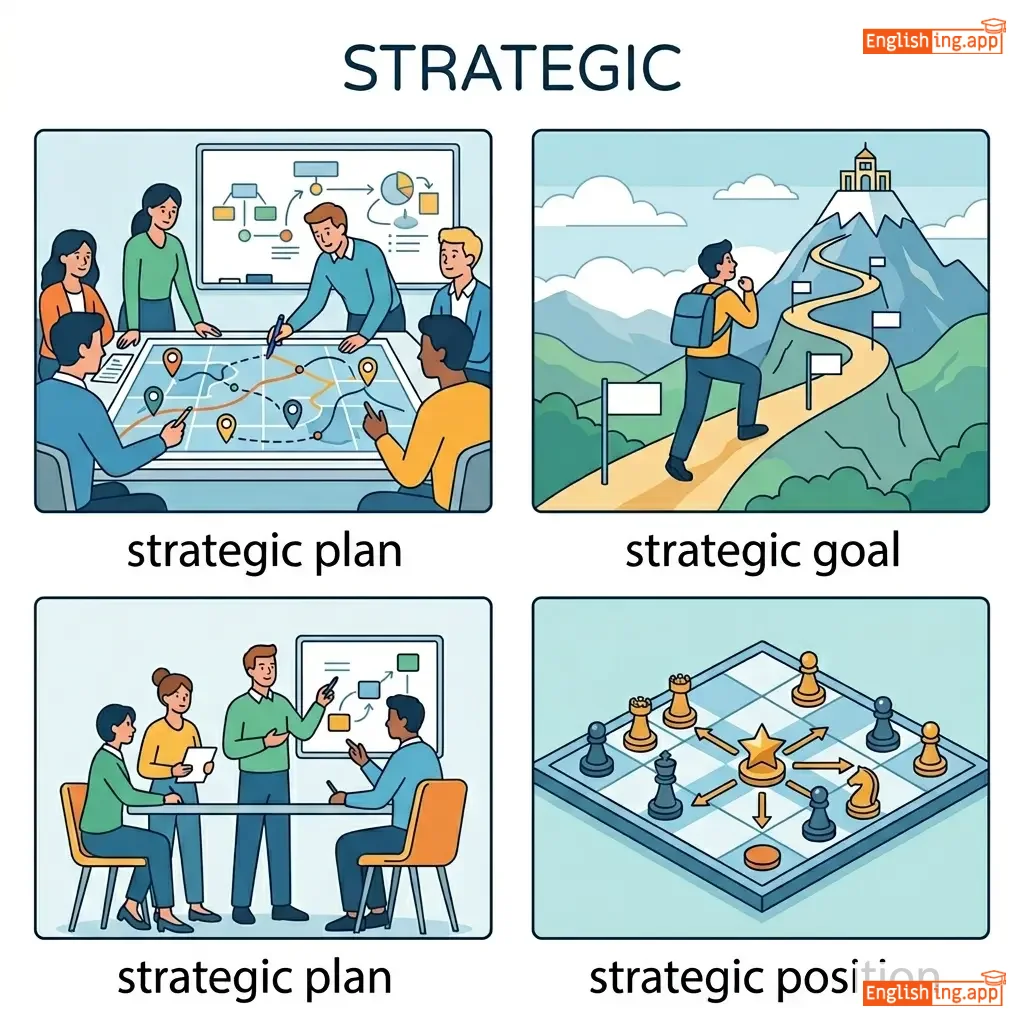
strəˈtiːdʒɪk
adjective
••••••
|
|
Relating to the identification of long-term or overall aims and interests and the means of achieving them.
••••••
|
A strategic plan can help improve business outcomes. |
tactical, calculated, planned, deliberate
••••••
|
haphazard, random, unplanned
••••••
|
|
#4017
🧠
|
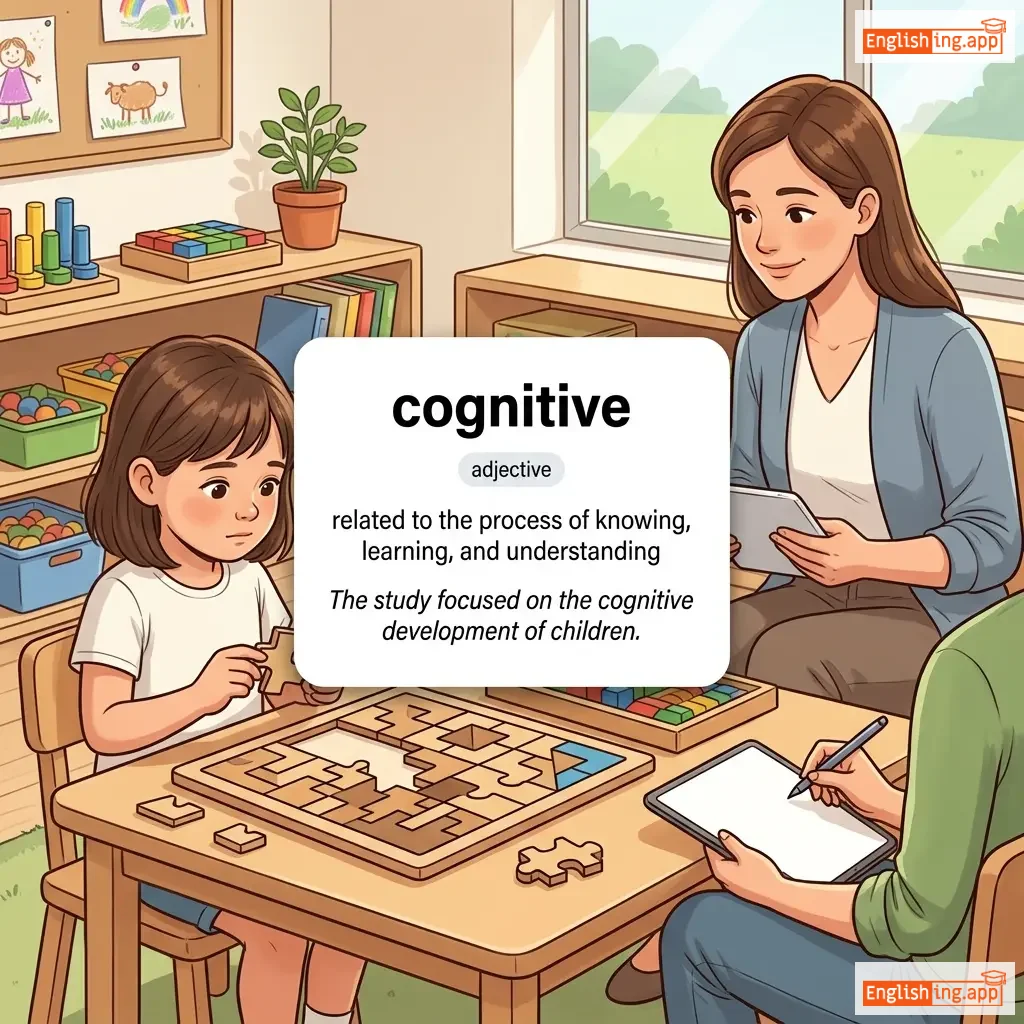
ˈkɒɡ.nɪ.tɪv
adjective
••••••
|
|
Relating to cognition; concerned with the act or process of knowing, perceiving, etc.
••••••
|
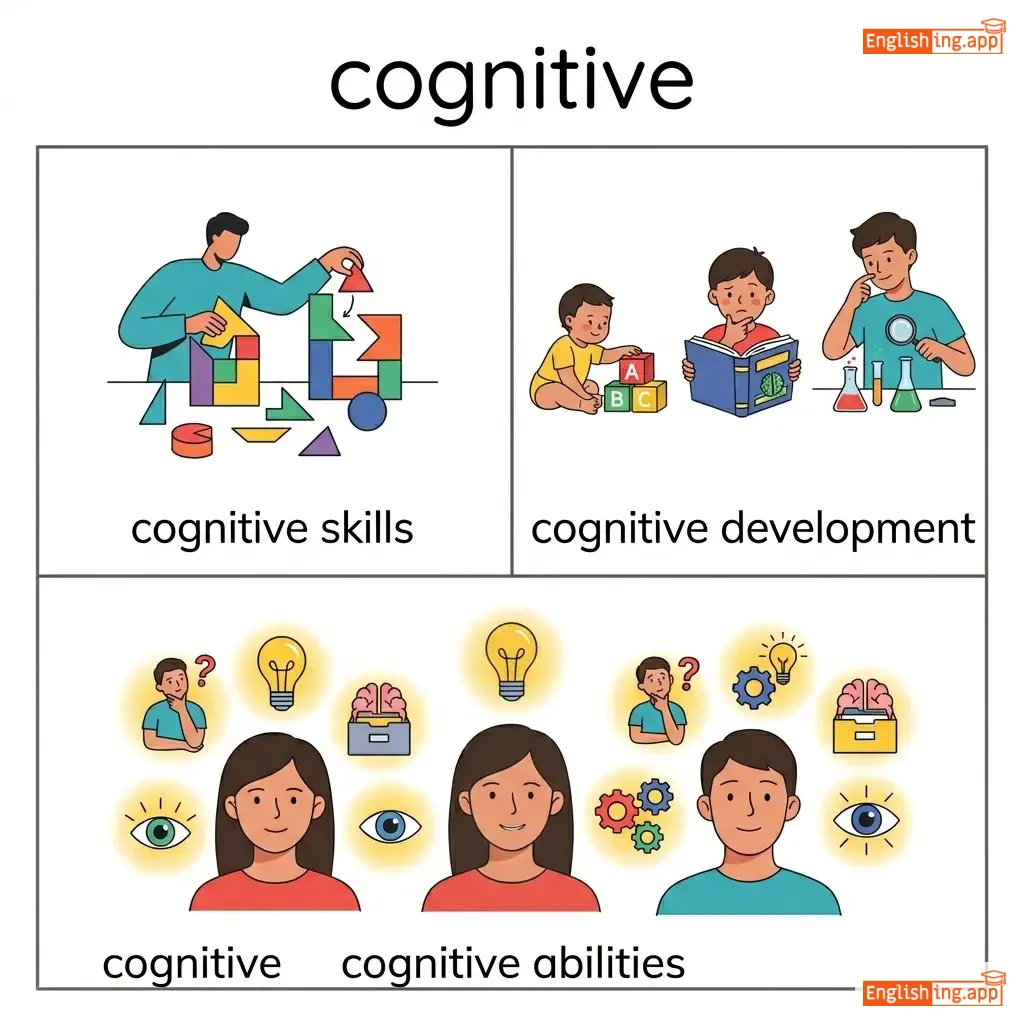
Cognitive skills are essential for problem-solving. |
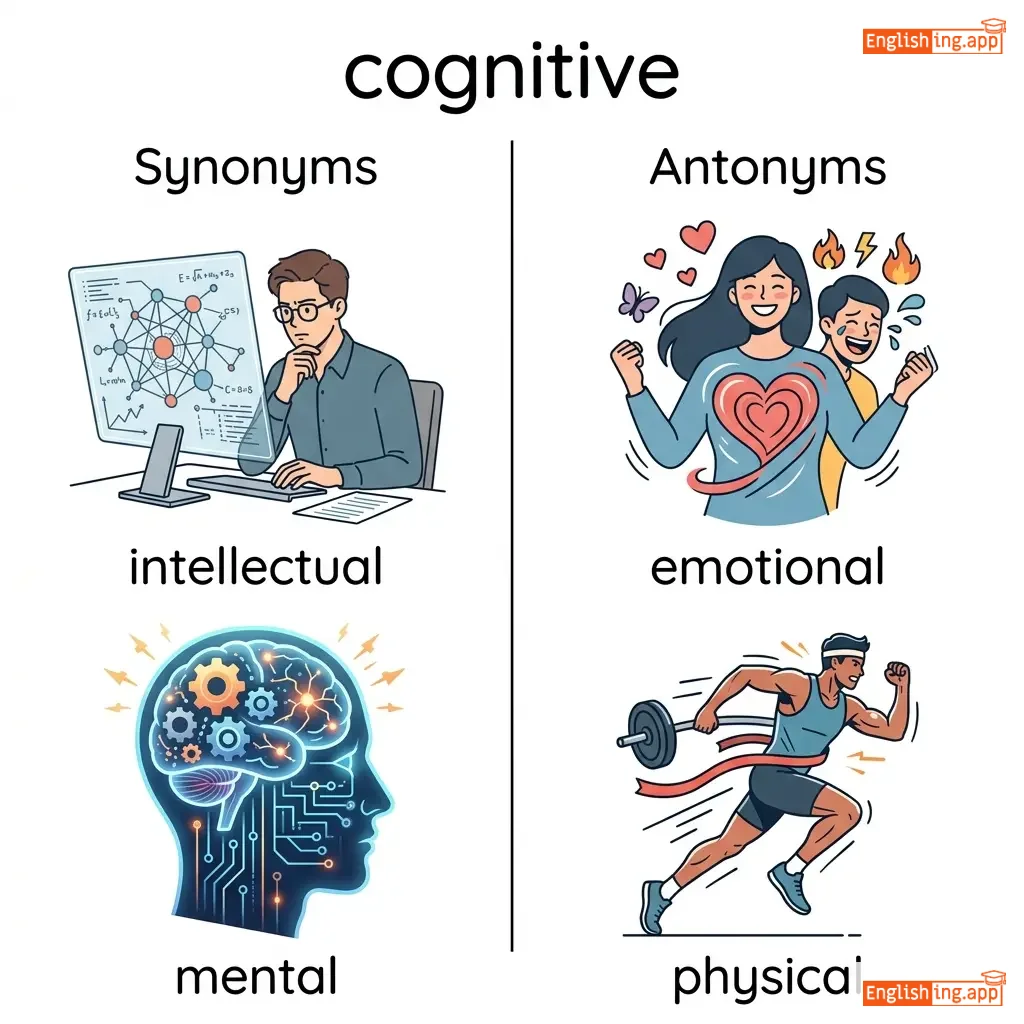
mental, intellectual, cerebral, psychological
••••••
|
non-cognitive, physical, emotional
••••••
|
|
#4018
🤔
|
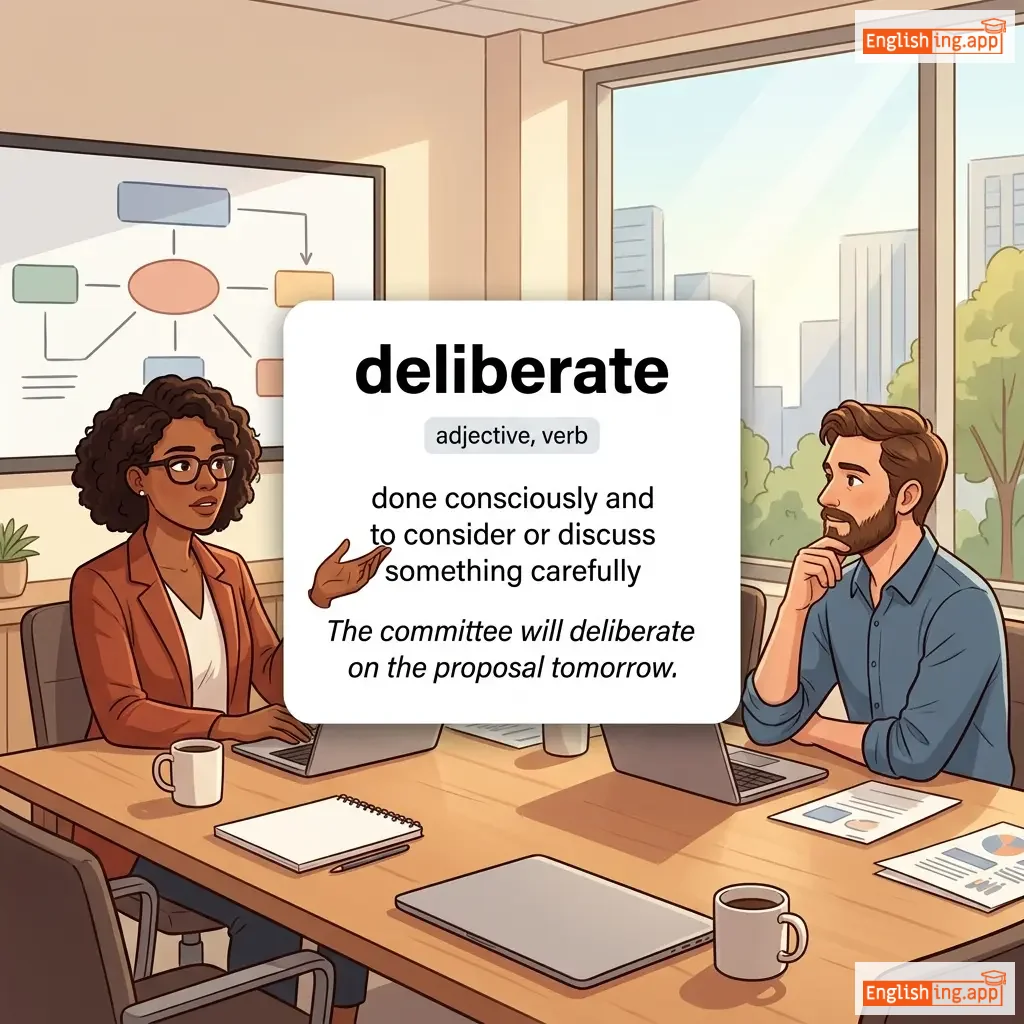
dɪˈlɪbərət
adjective
••••••
|
|
Done consciously and intentionally; carefully considered.
••••••
|
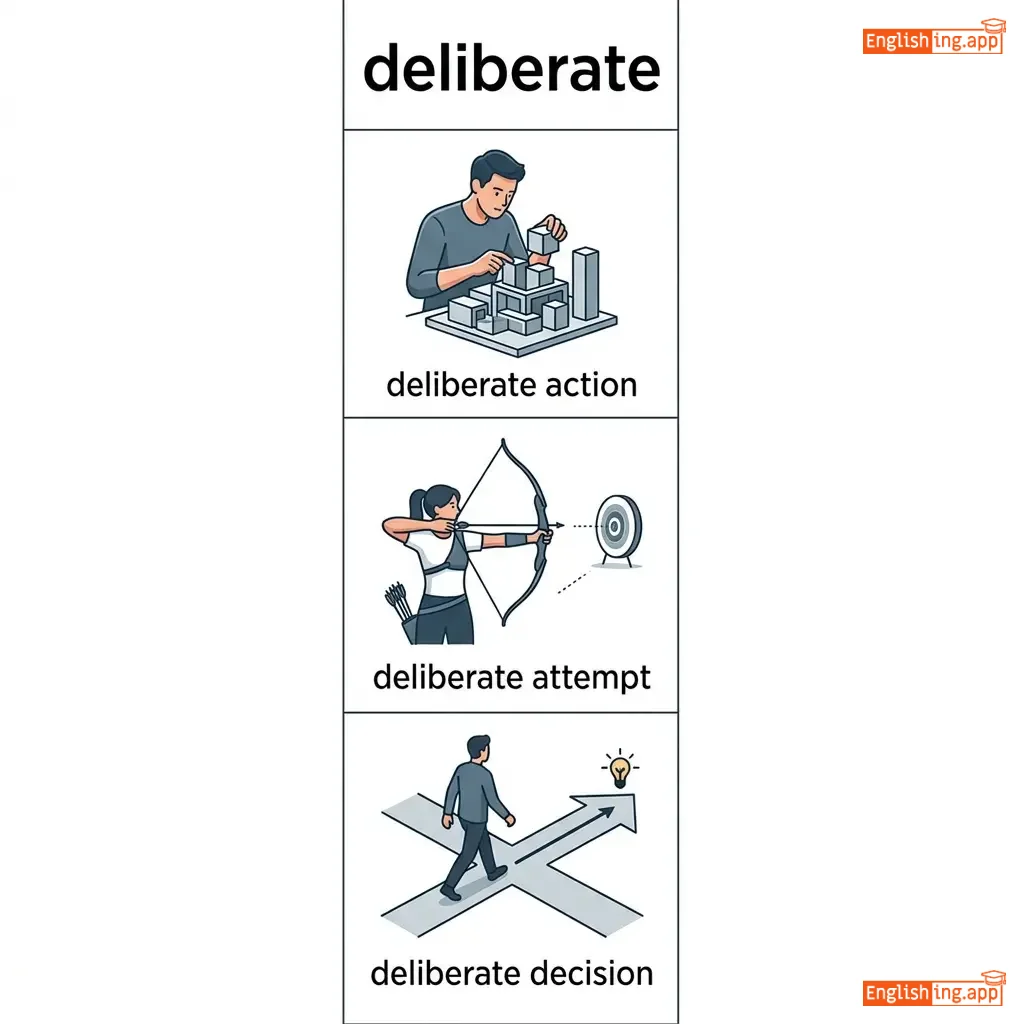
He made a deliberate decision to improve his health. |
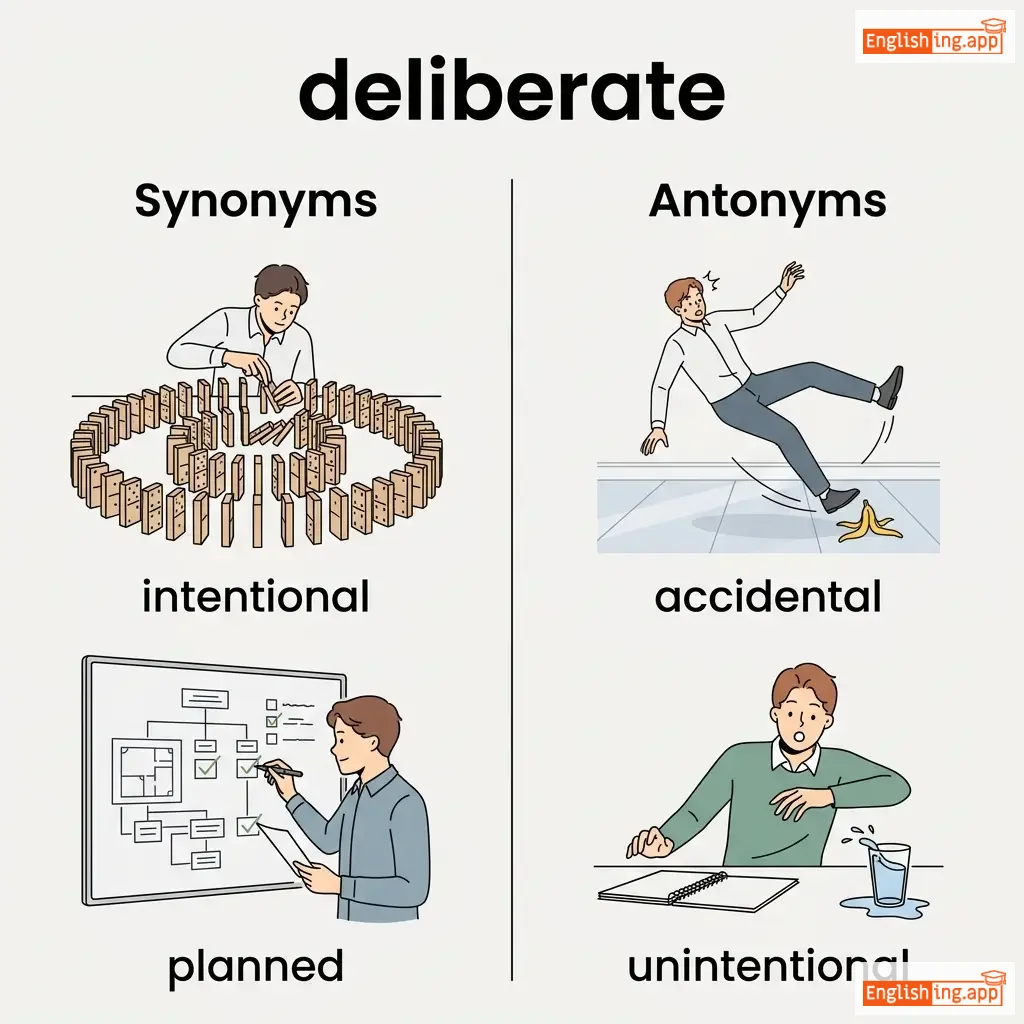
intentional, conscious, planned, calculated
••••••
|
unintentional, careless, accidental
••••••
|
|
#4019
💪
|
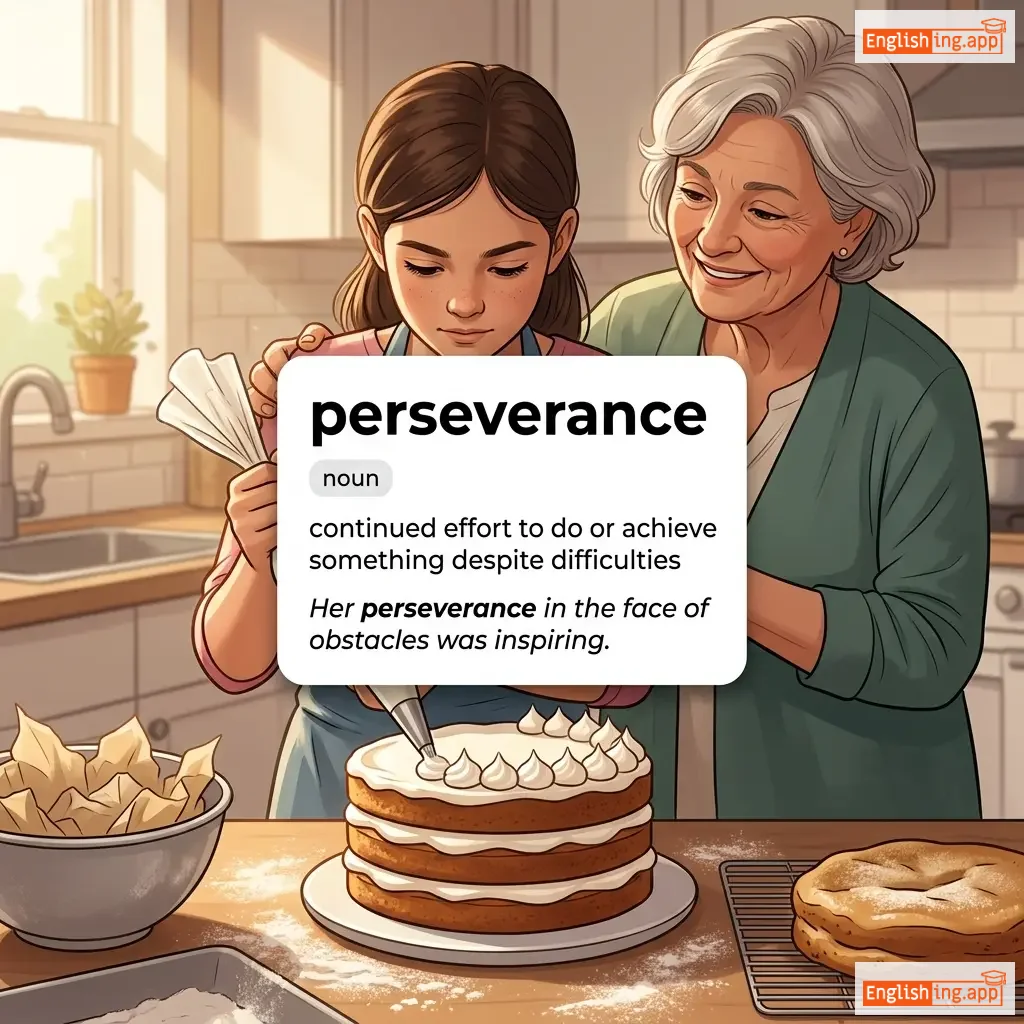
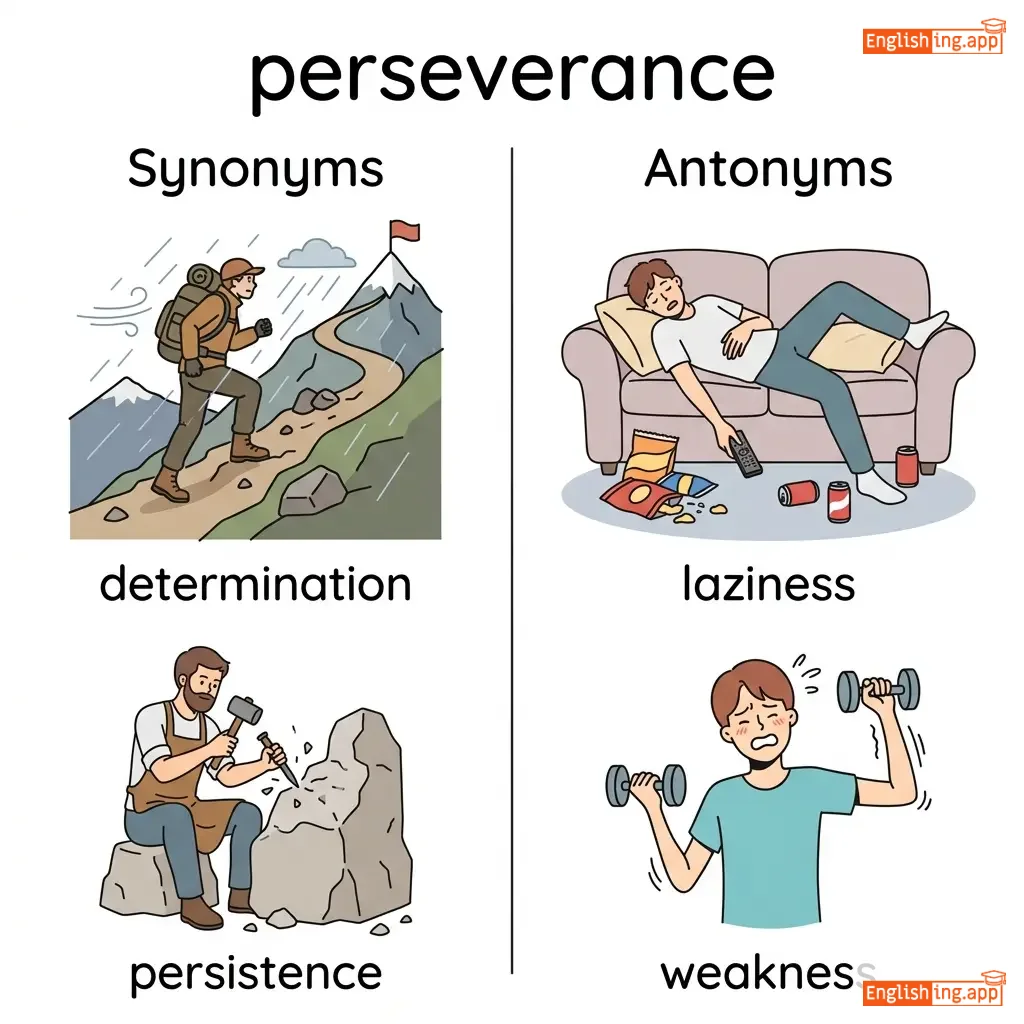
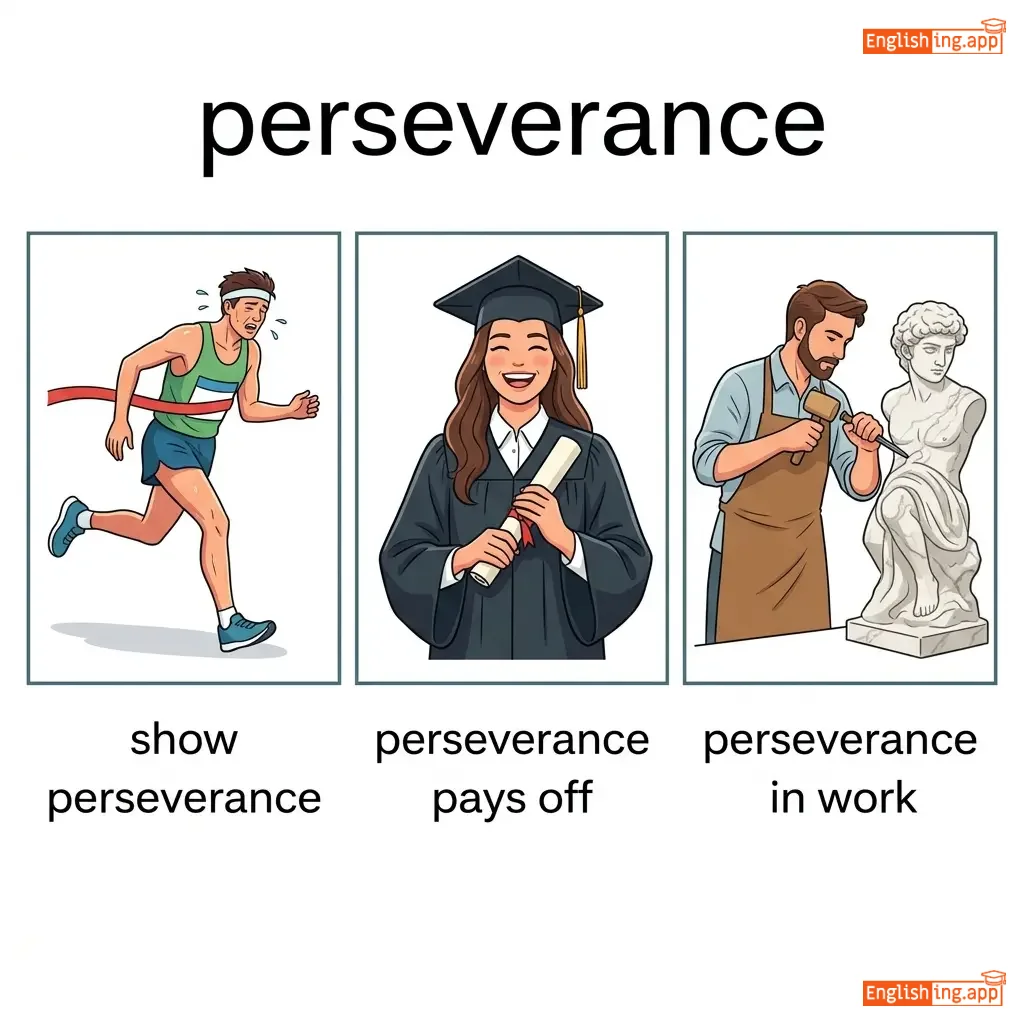
ˌpɜːsɪˈvɪərəns
noun
••••••
|
|
Persistence in doing something despite difficulty or delay in achieving success.
••••••
|
Perseverance is key to overcoming challenges. |
determination, persistence, tenacity, endurance
••••••
|
abandonment, surrender, giving up
••••••
|
|
#4020
🌱
|
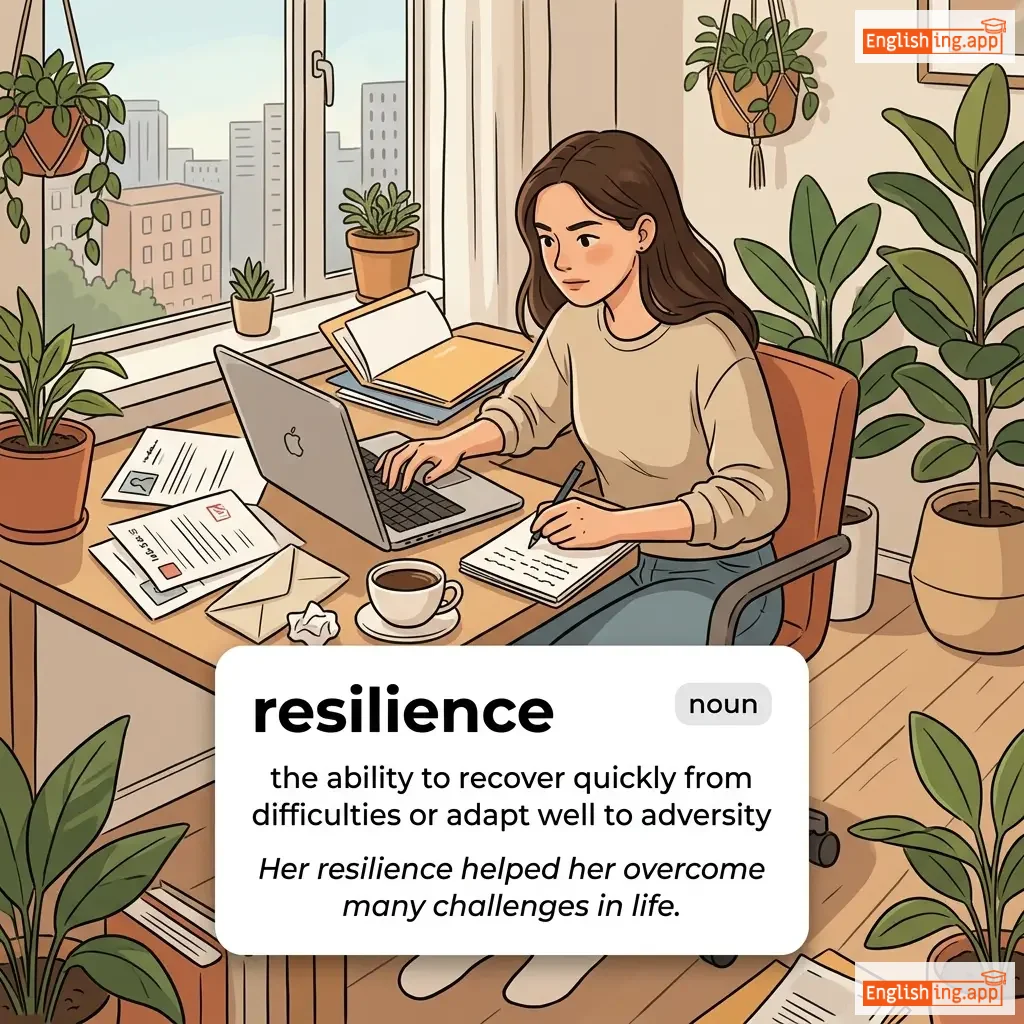
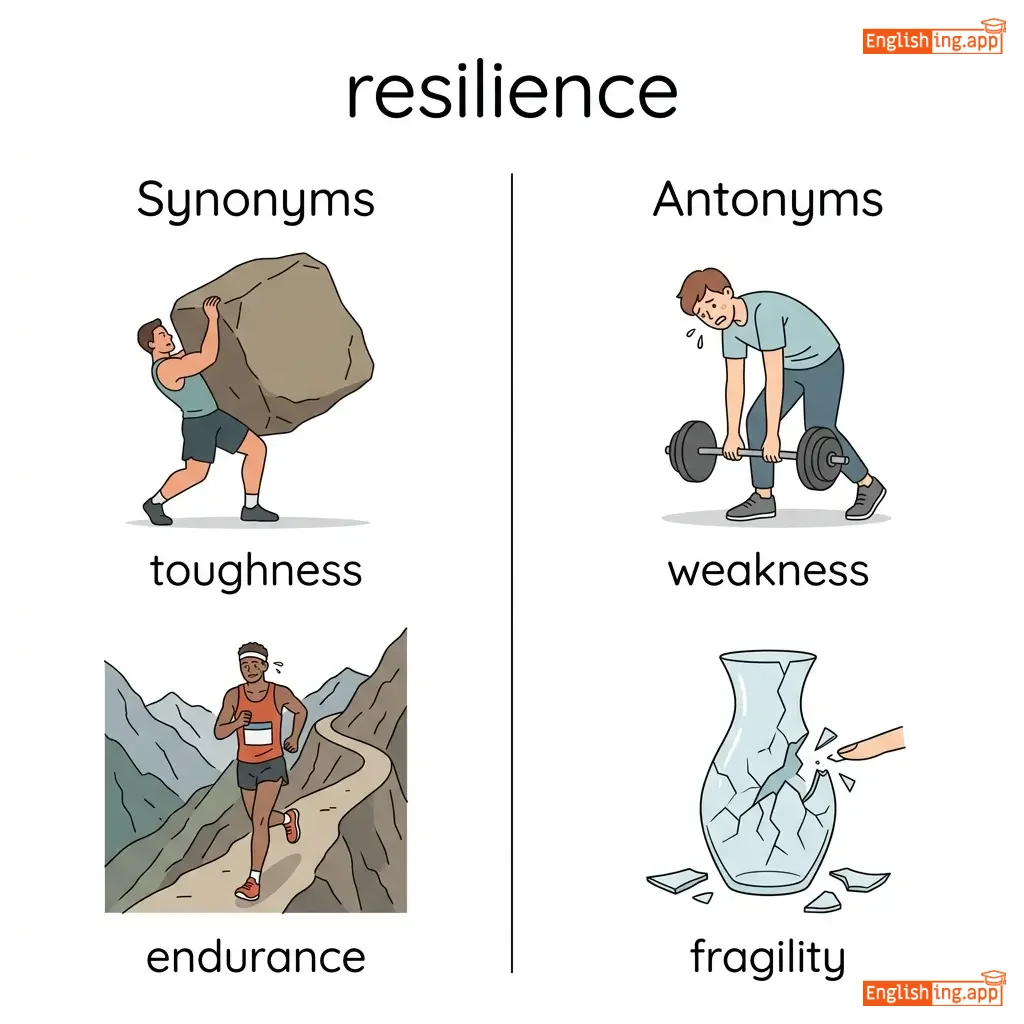
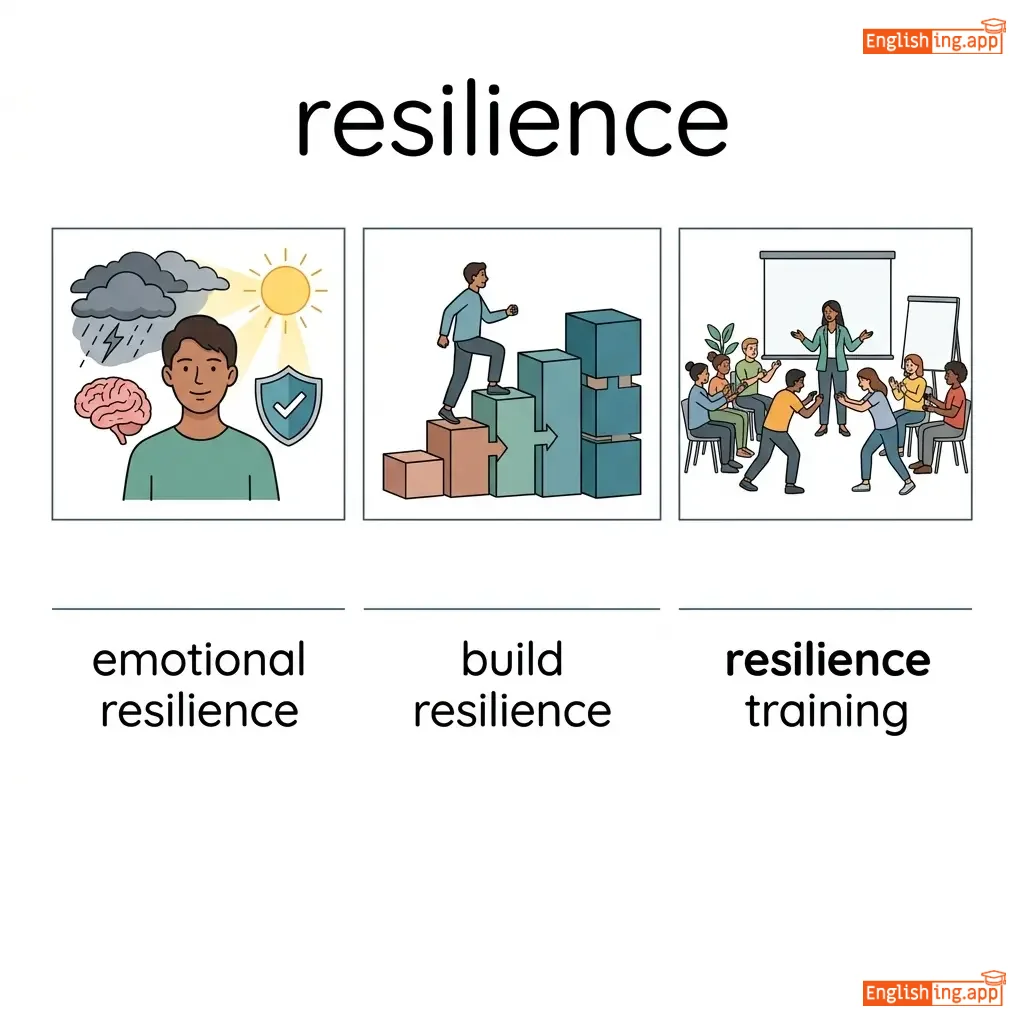
rɪˈzɪlɪəns
noun
••••••
|
|
The capacity to recover quickly from difficulties; toughness.
••••••
|
His resilience during difficult times was admirable. |
toughness, endurance, strength, durability
••••••
|
fragility, weakness, vulnerability
••••••
|
|
#4021
🚀
|
ˈɪmpɪtəs
noun
••••••
|
|
The force or energy with which a body moves; driving force; stimulus.
••••••
|
The new project gave an impetus to the company's growth. |
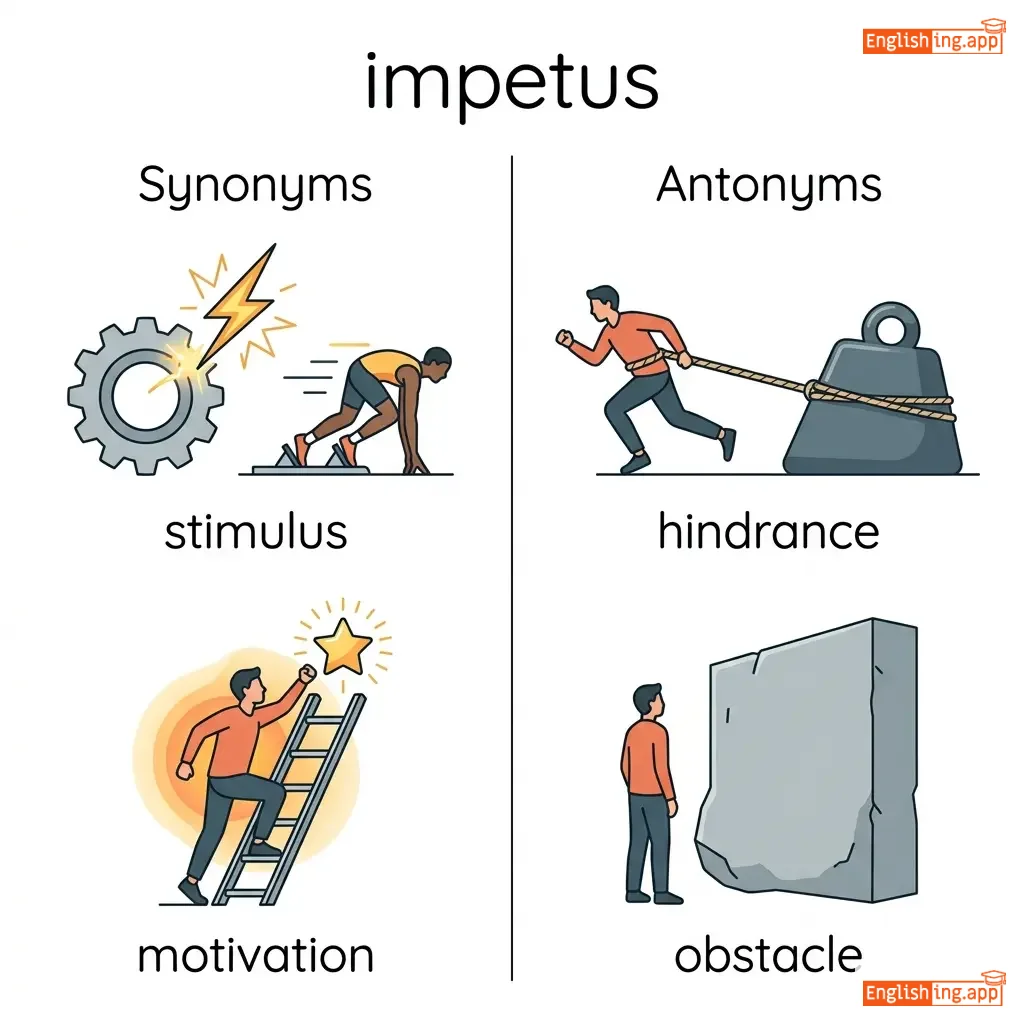
motivation, drive, stimulus, momentum
••••••
|
discouragement, inertia, hindrance
••••••
|
|
#4022
🎯
|
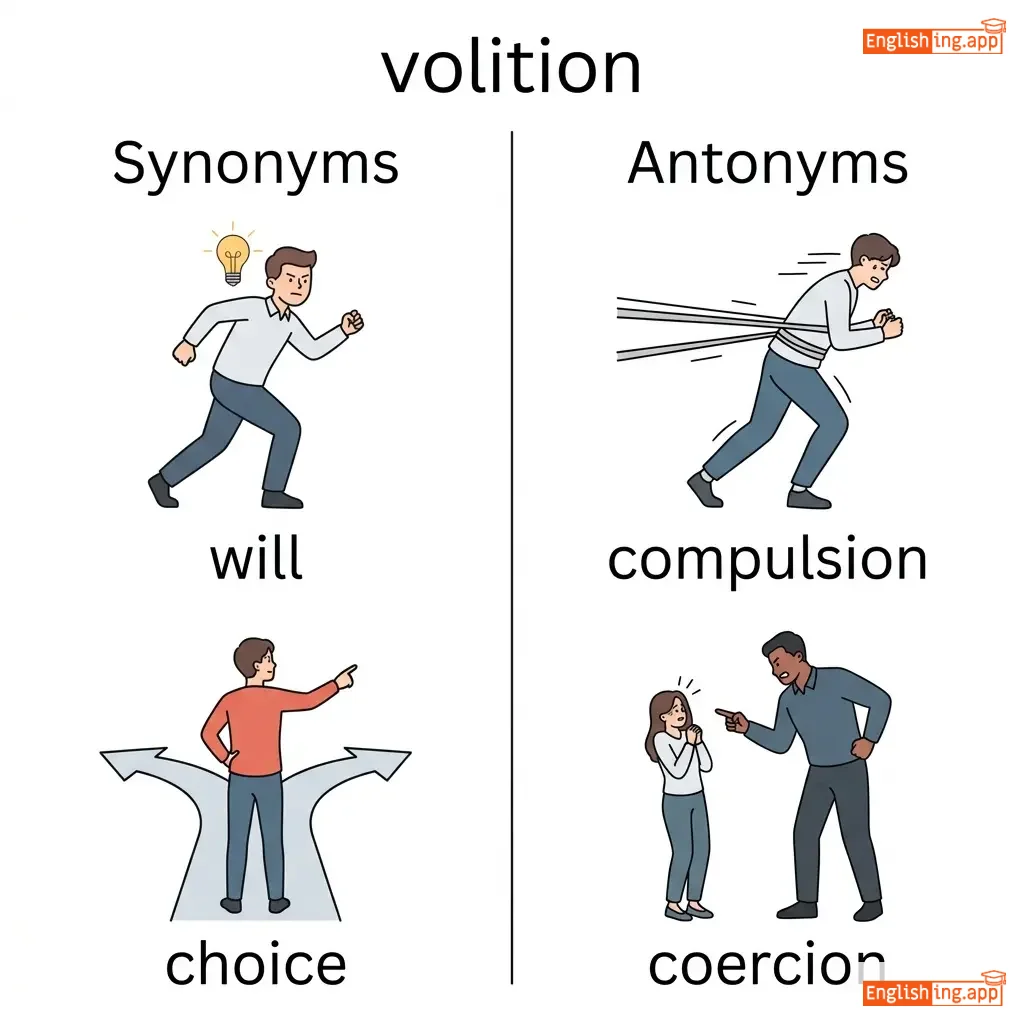
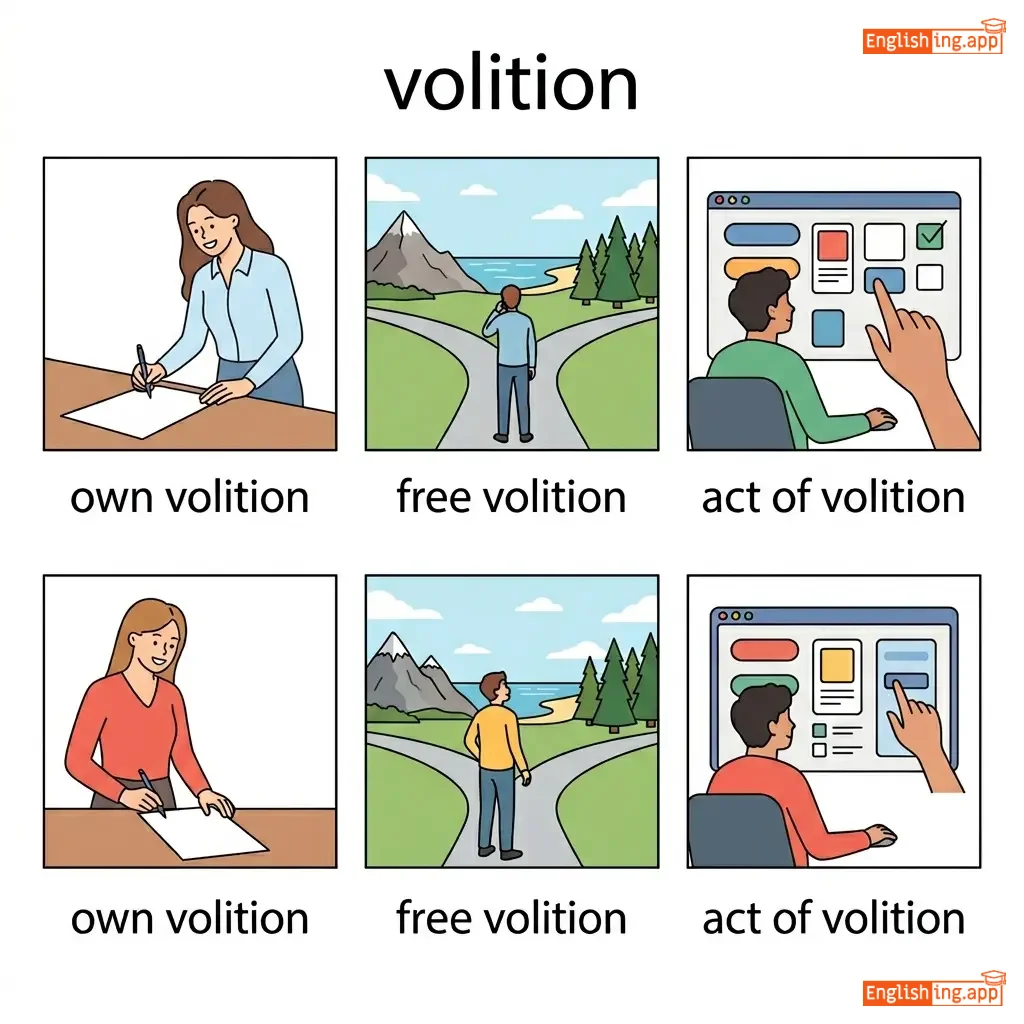
vəˈlɪʃən
noun
••••••
|
|
The faculty or power of using one's will; the power of choosing or determining.
••••••
|
She left the job of her own volition. |
willpower, choice, determination, free will
••••••
|
force, compulsion, coercion
••••••
|
Comments (0)
Share your thoughts and join the discussion.
Join the discussion by logging in
Login to CommentNo comments yet
Be the first to share your thoughts!