Best Techniques for Strengthening Memory
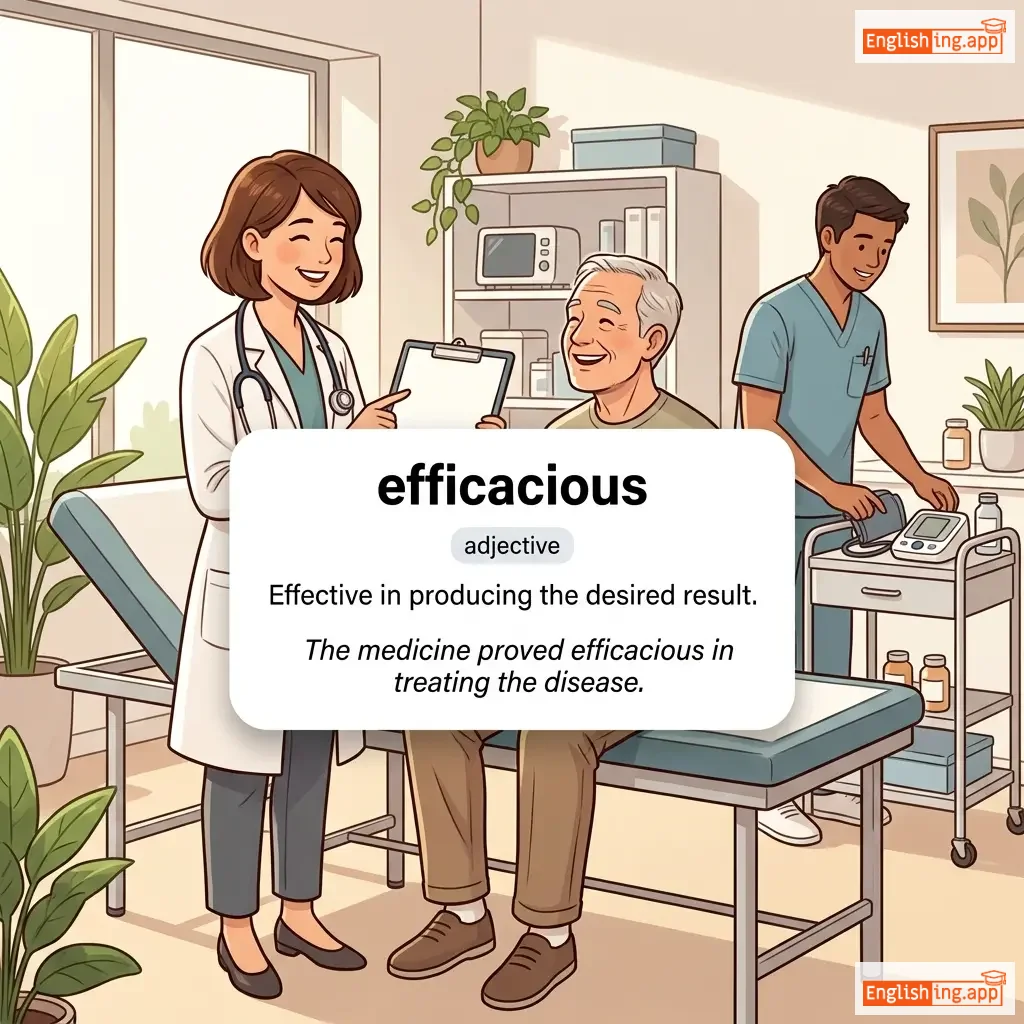
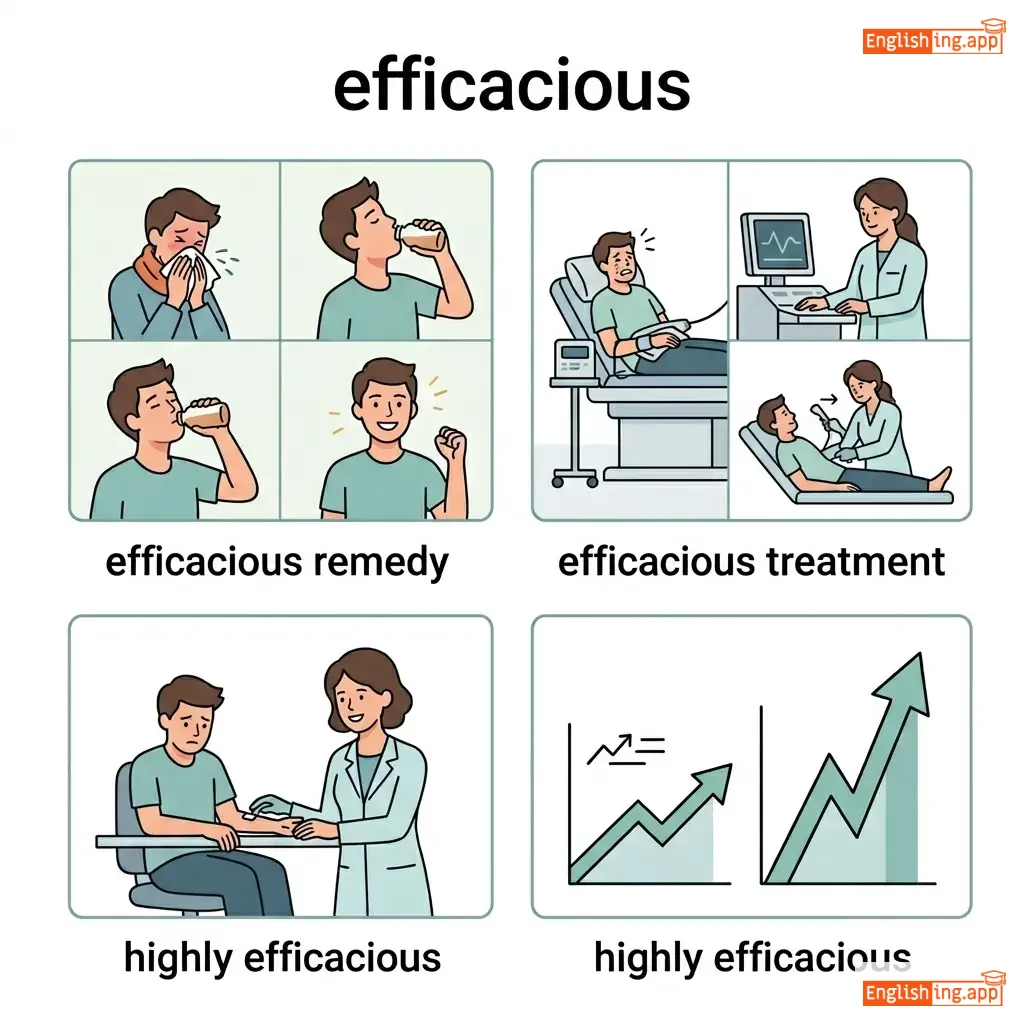
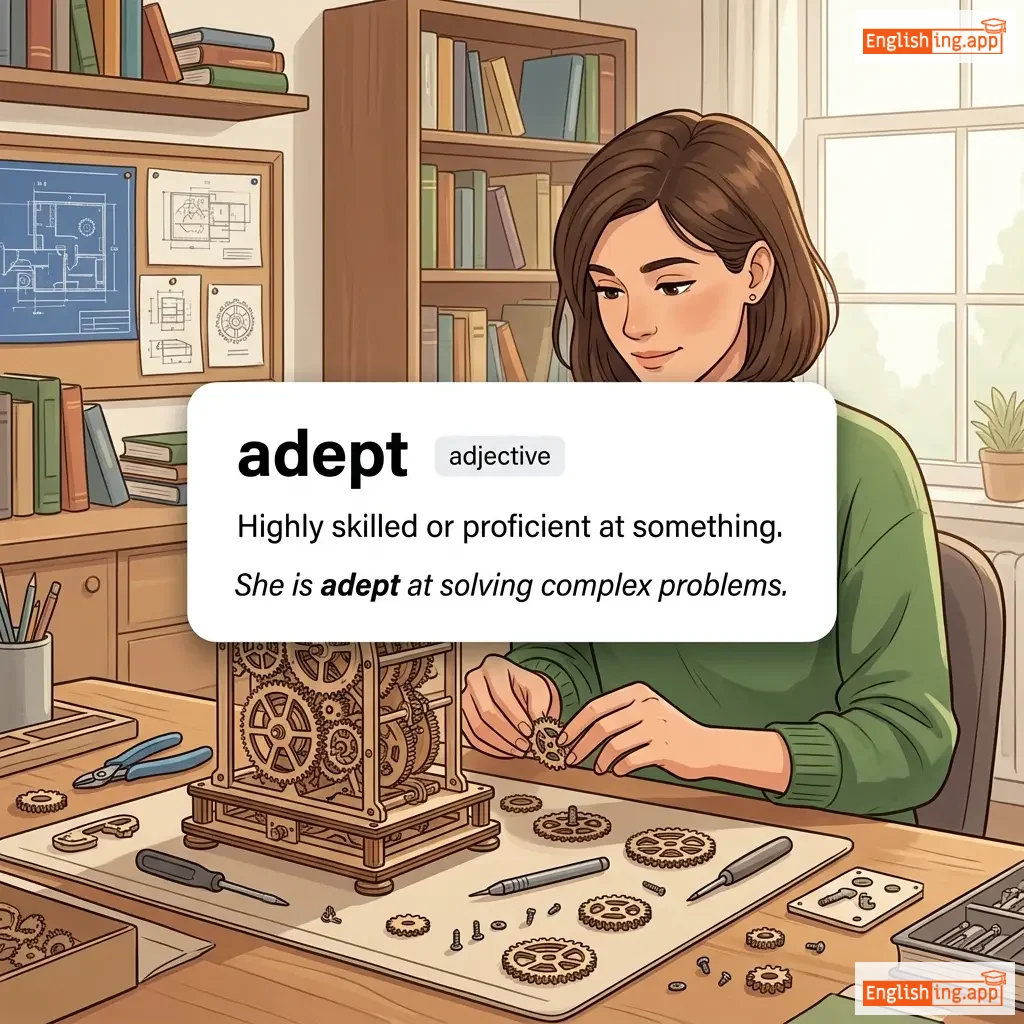
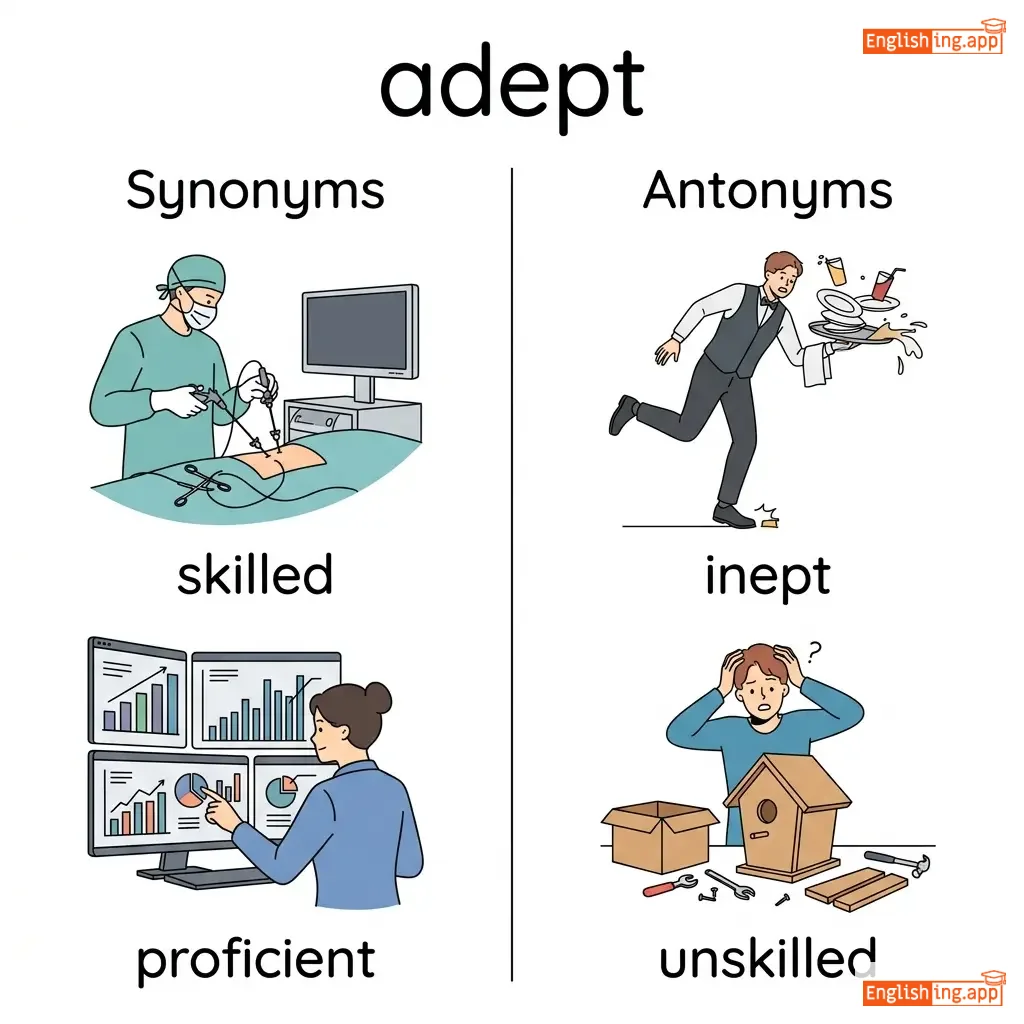
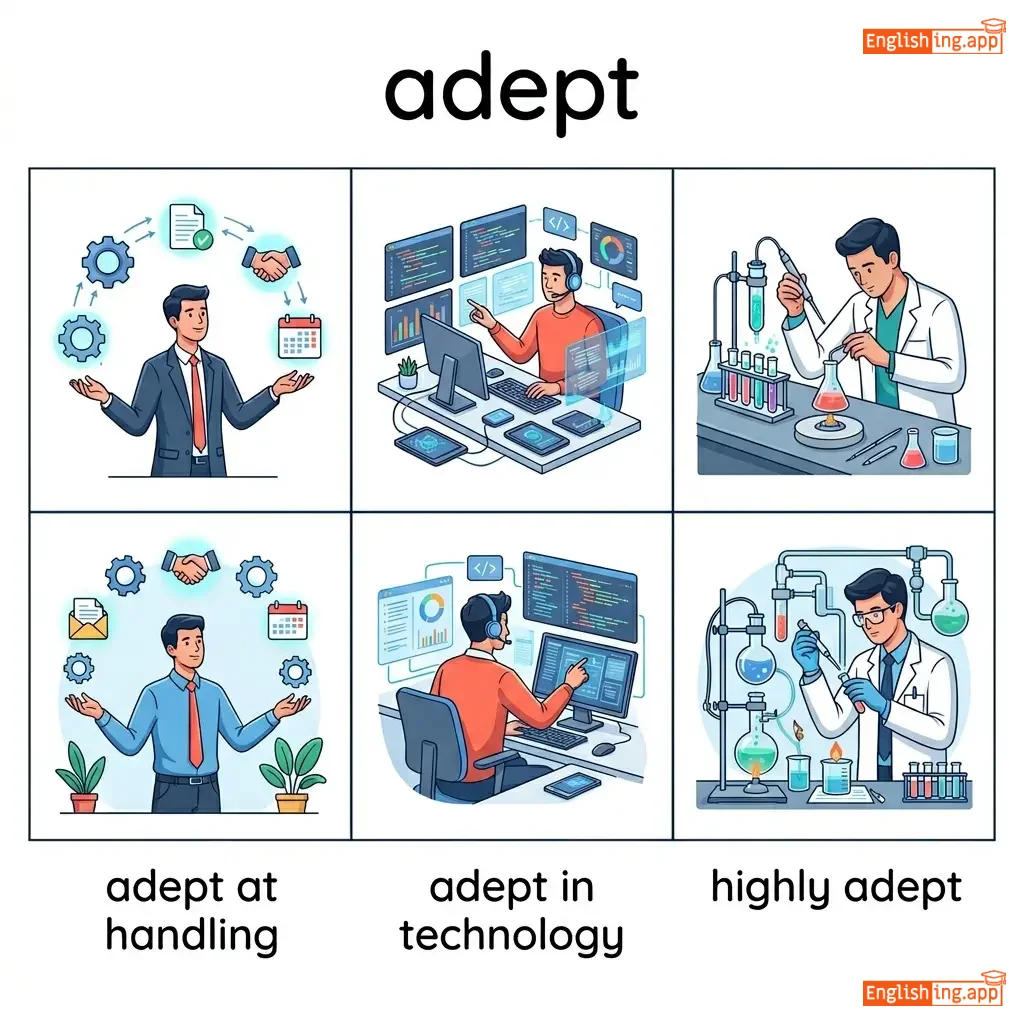
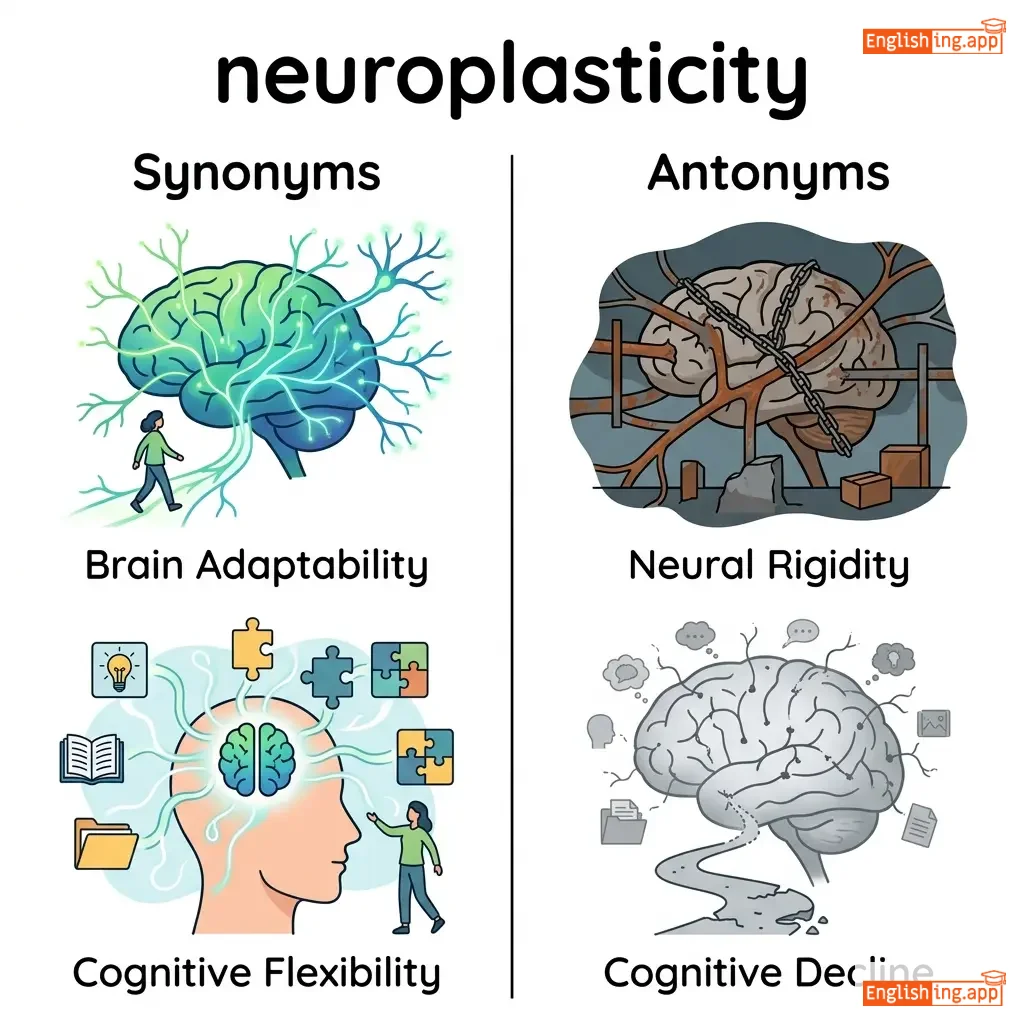
Um das Gedächtnis zu verbessern, können wir bestimmte efficacious Techniken anwenden und adept werden. Forschung zeigt, dass die Verbesserung der neuroplasticity das Gehirn aktiver halten kann.
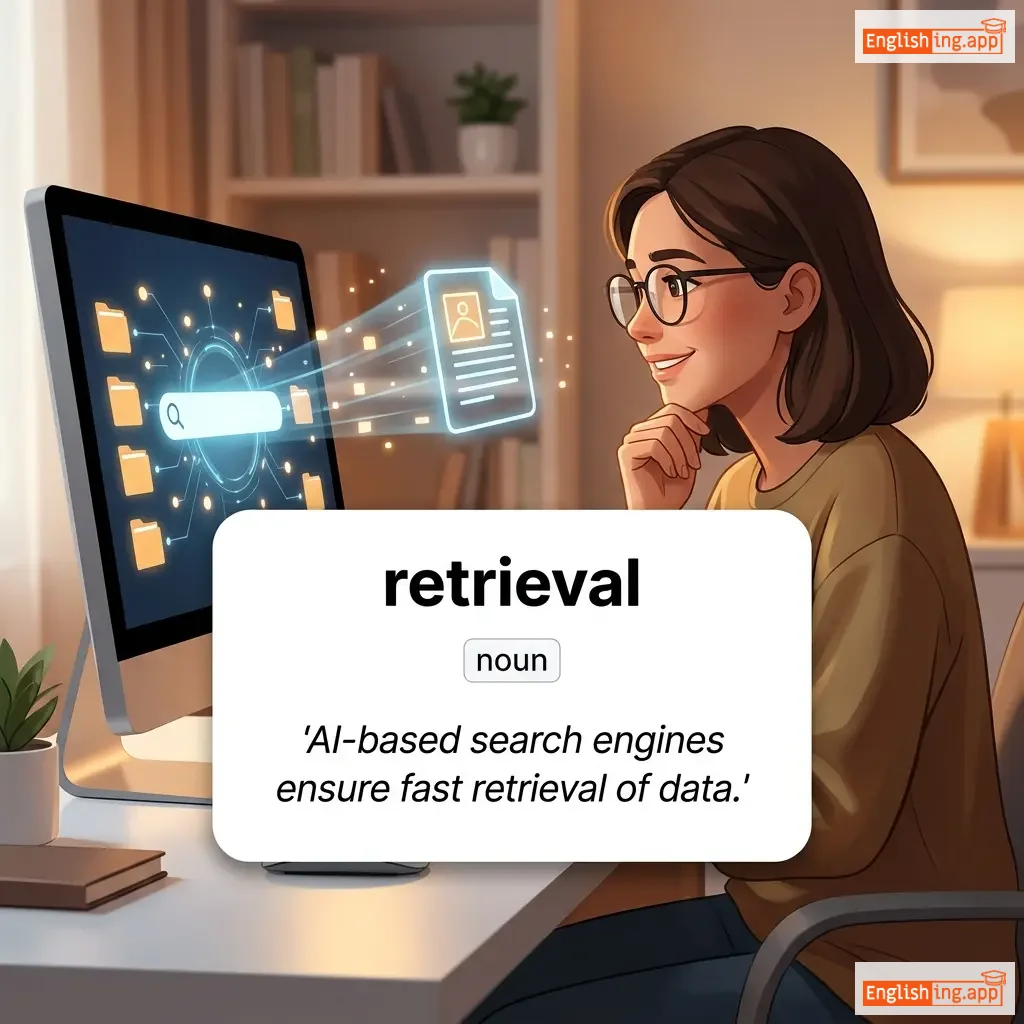
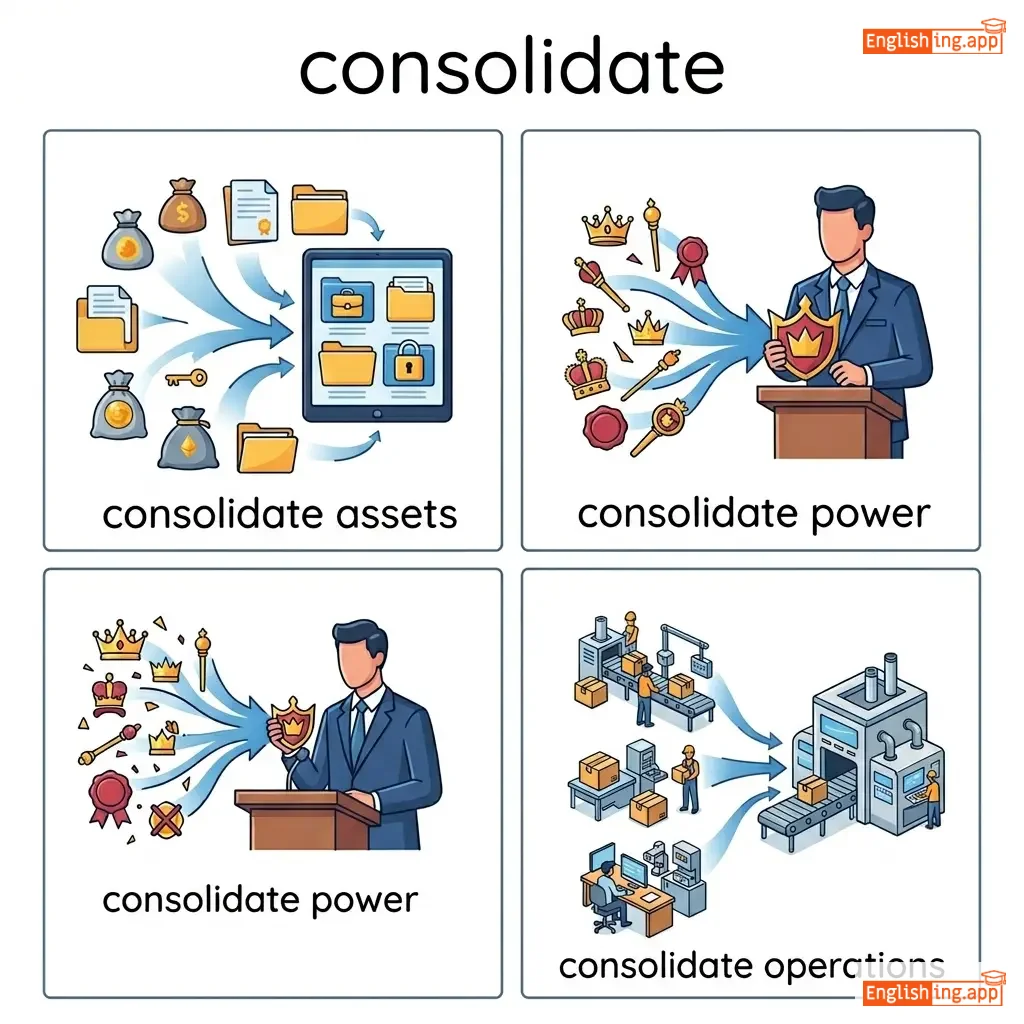
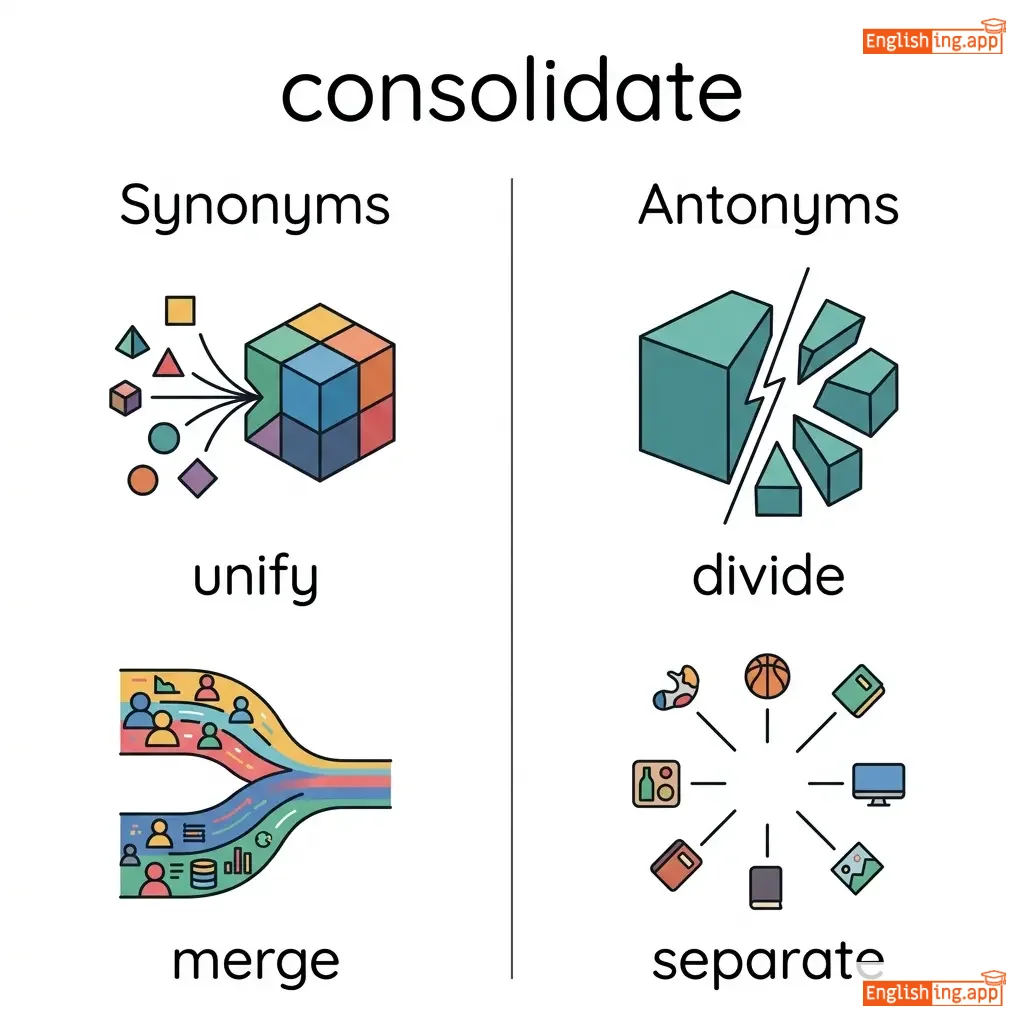
Erstens macht regelmäßige retrieval-Übung das Gedächtnis stärker. Wenn wir alte Informationen recapitulate, werden sie tiefer consolidated.
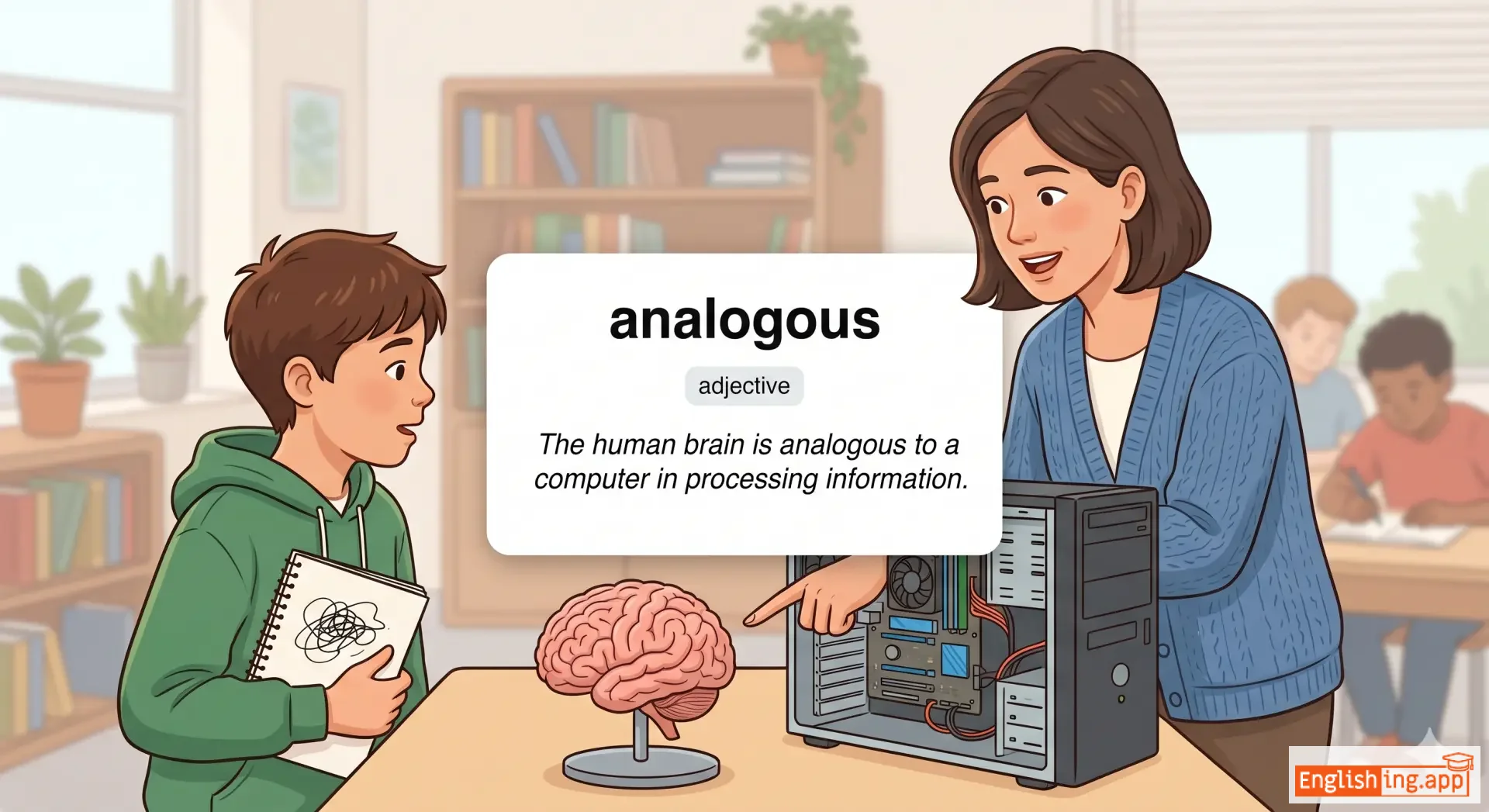
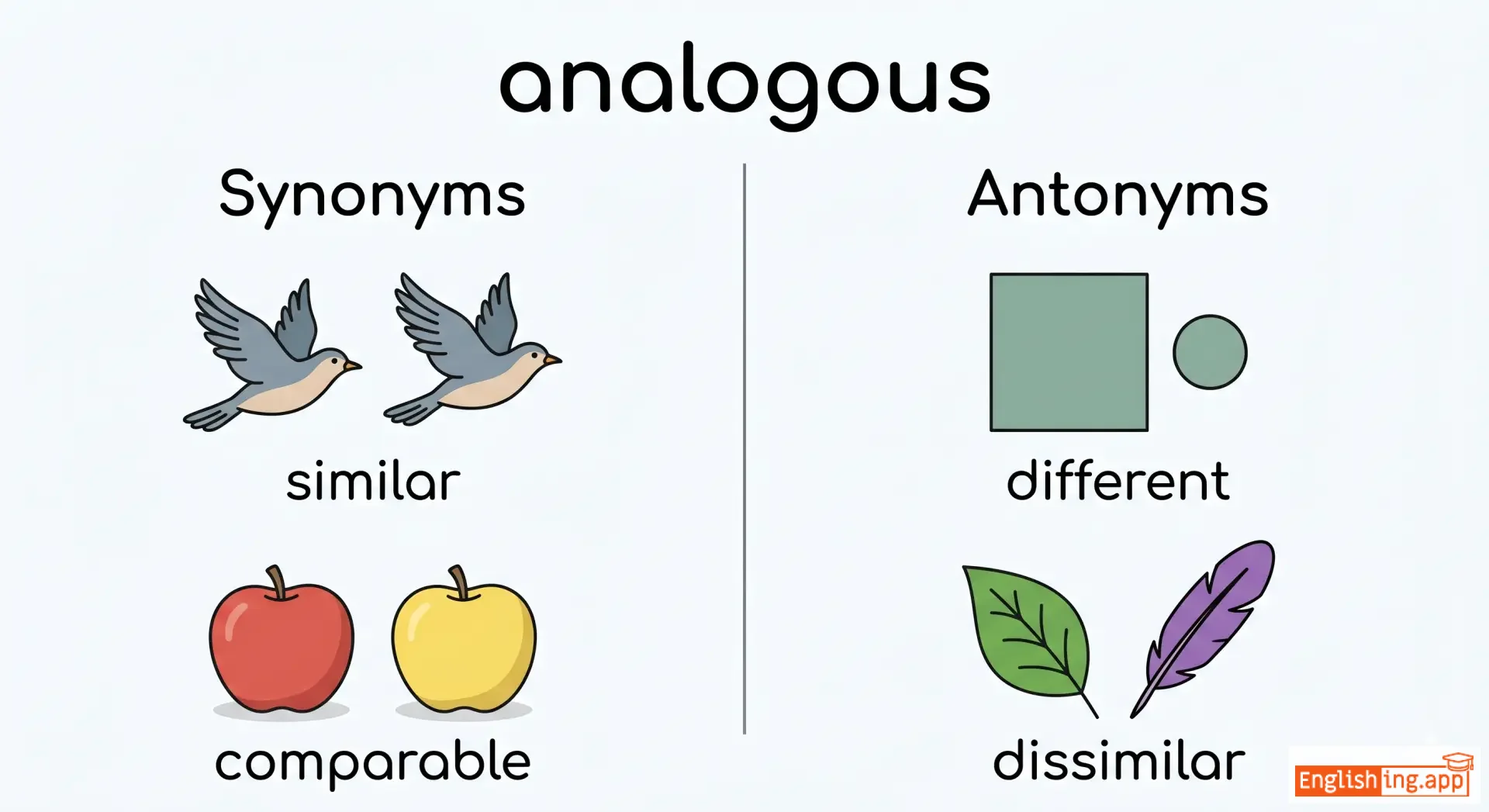
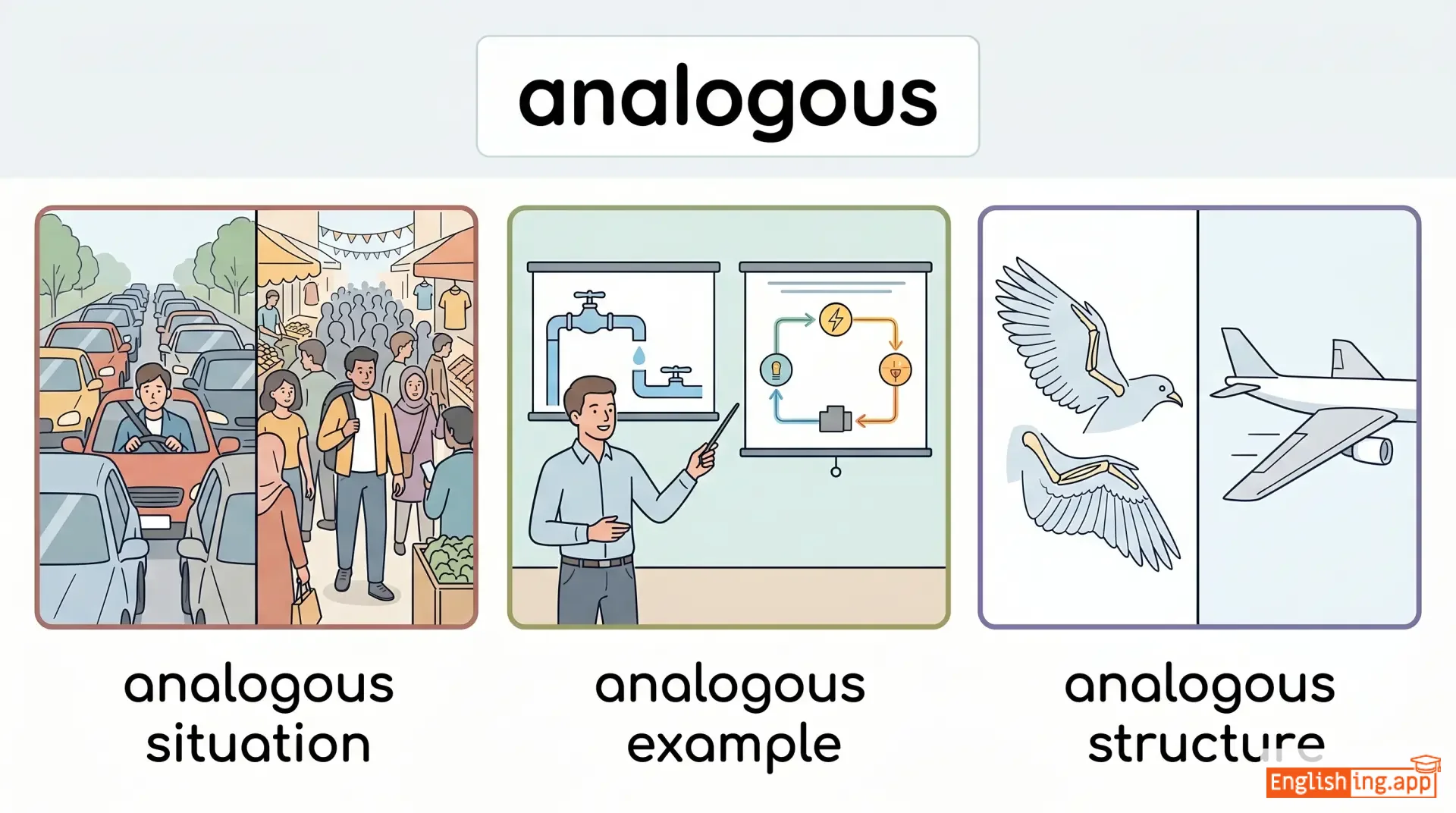
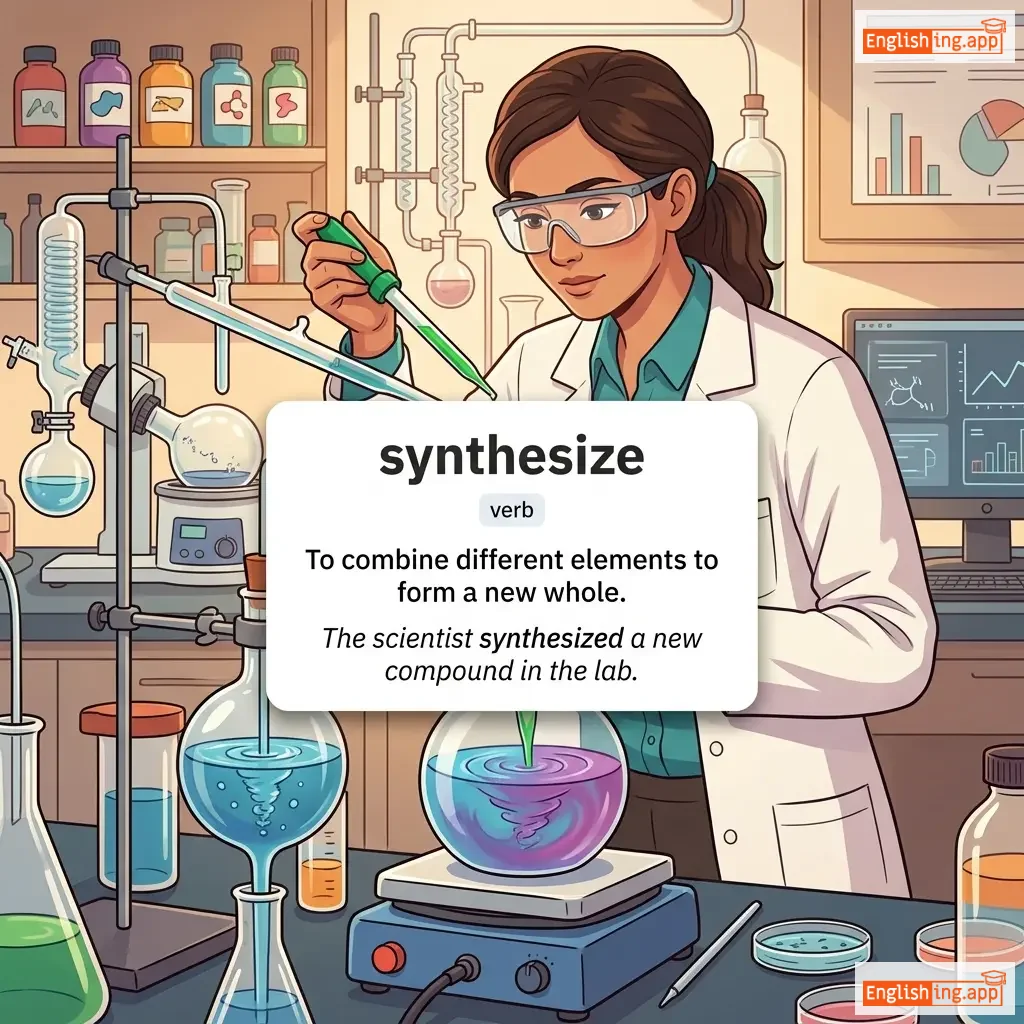
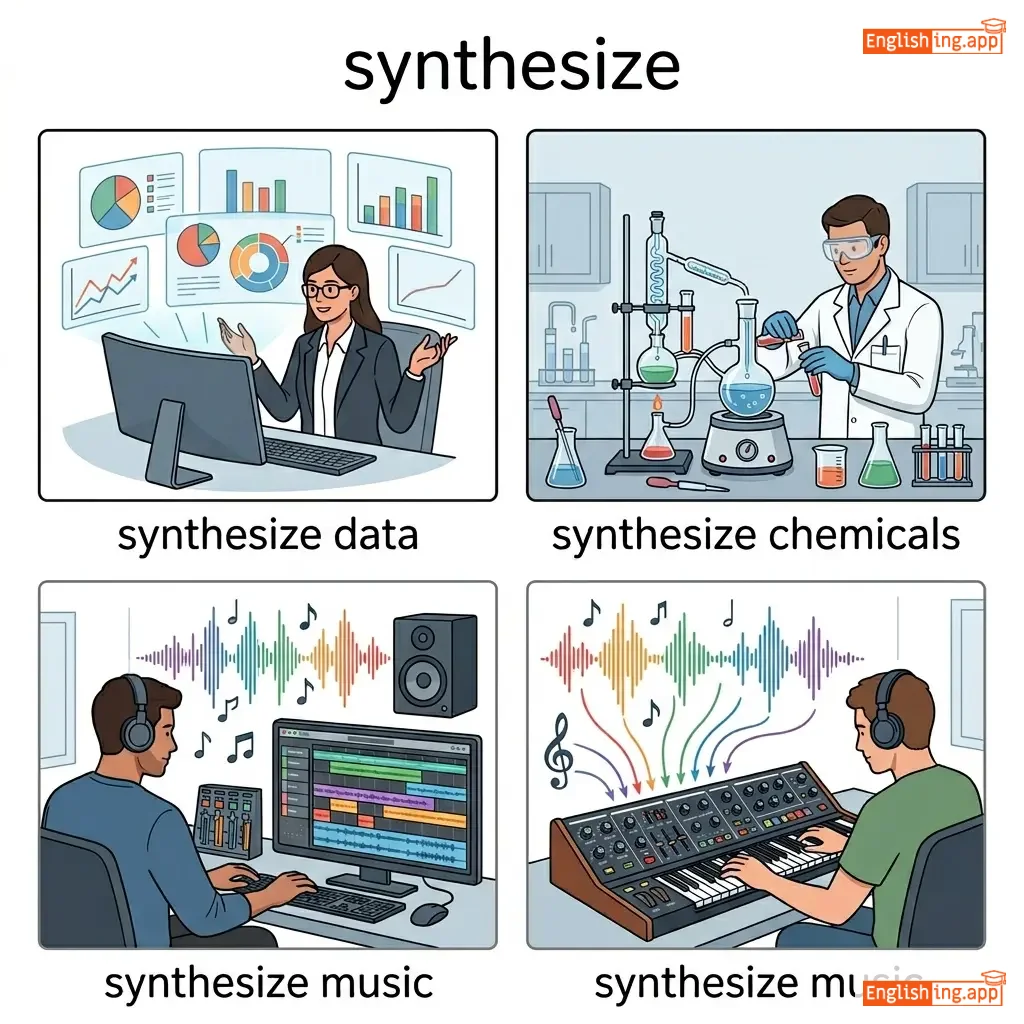
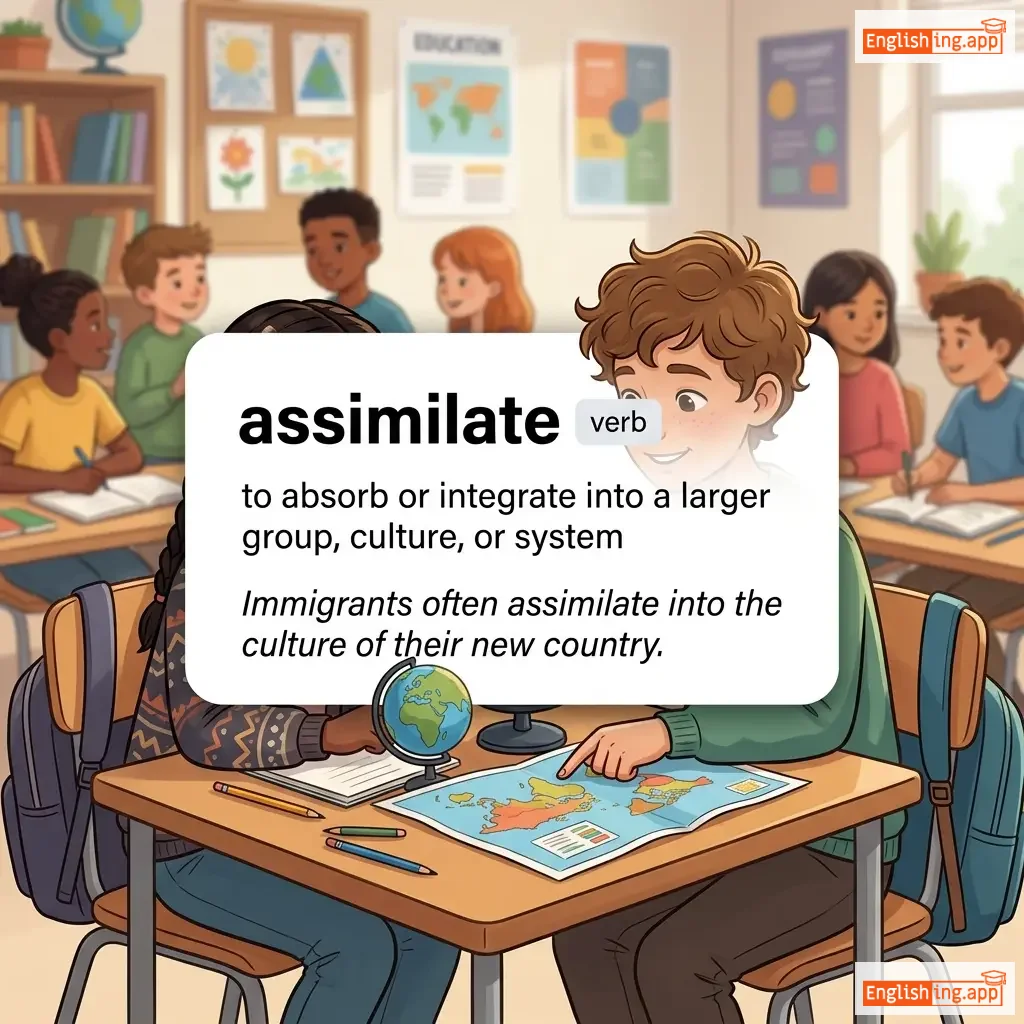
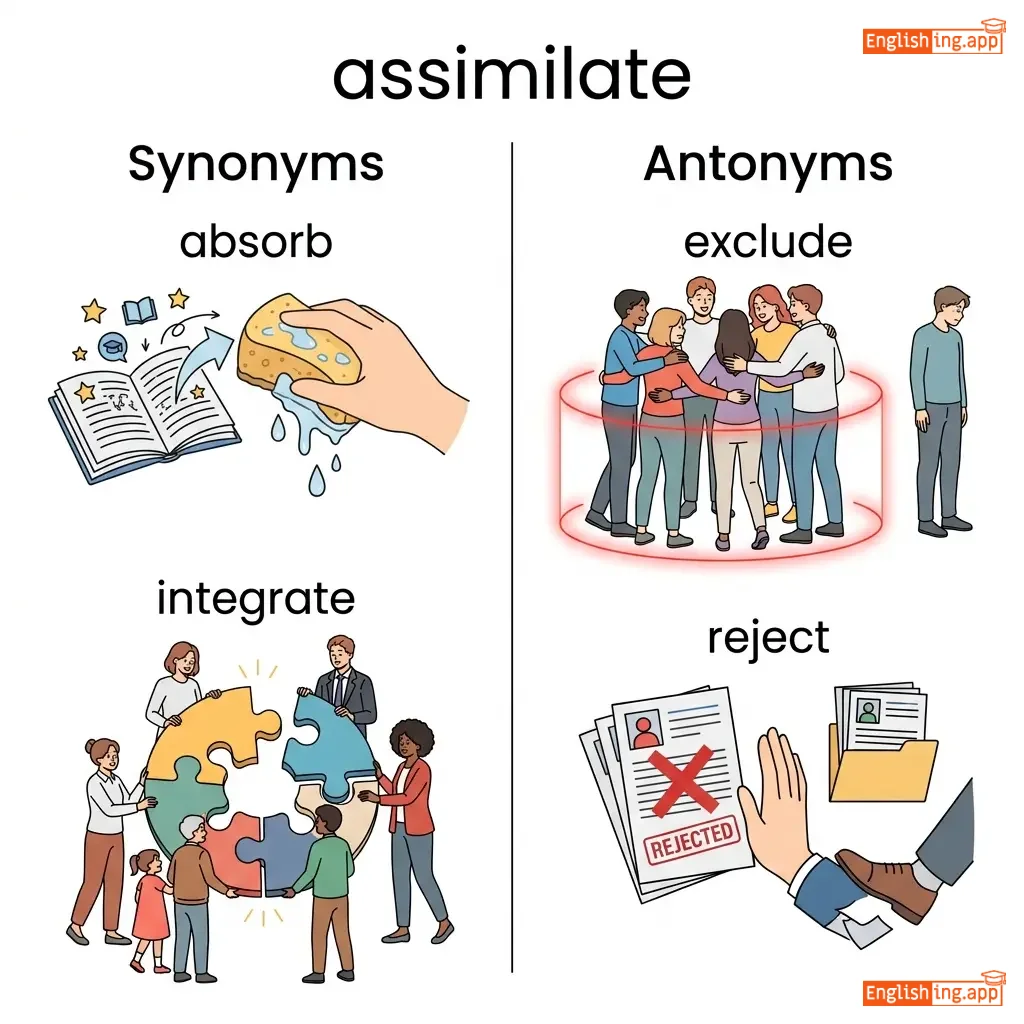
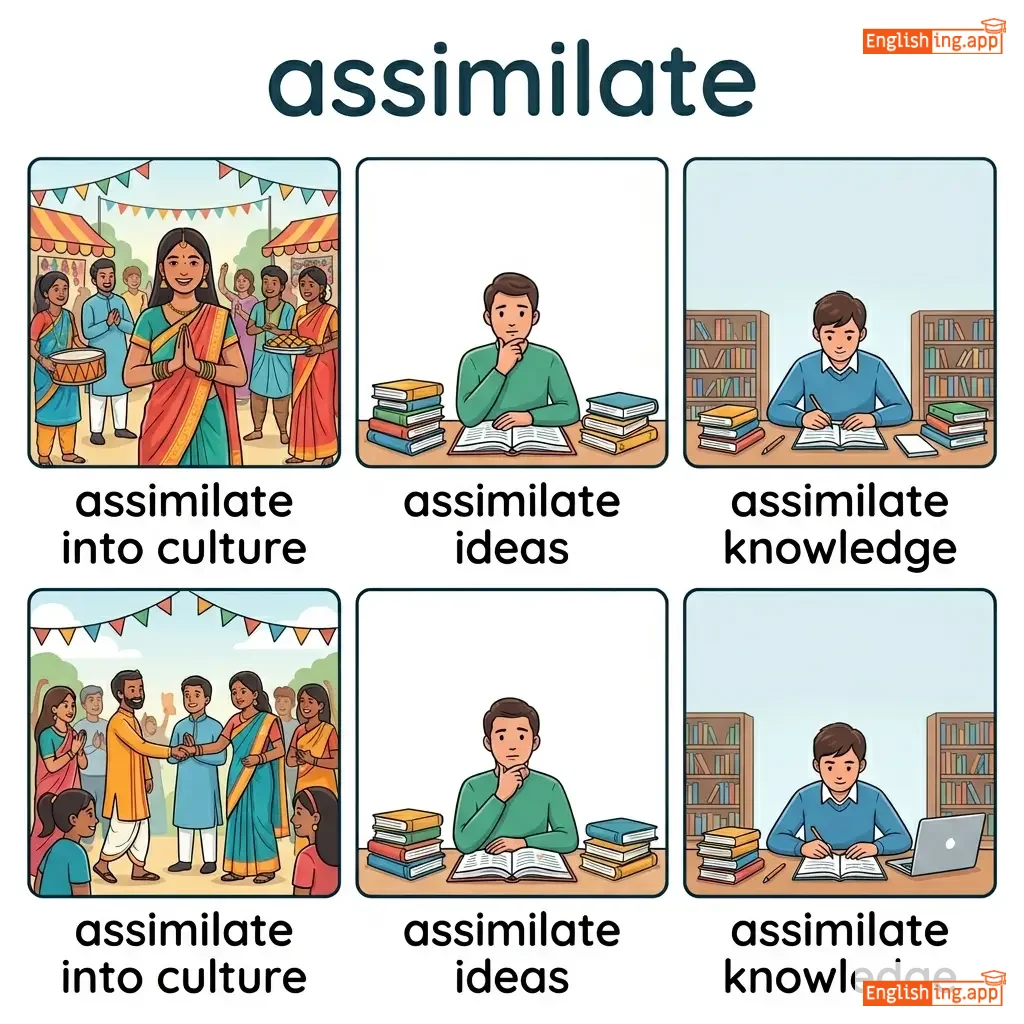
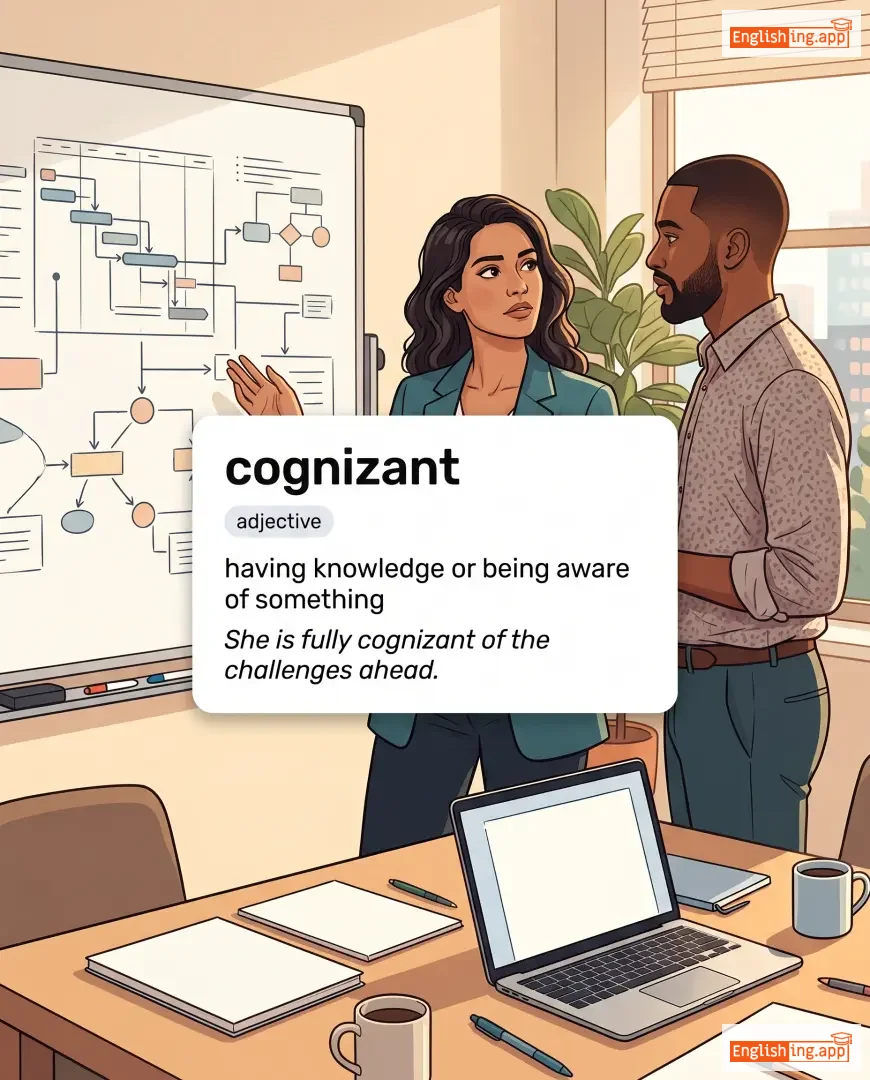
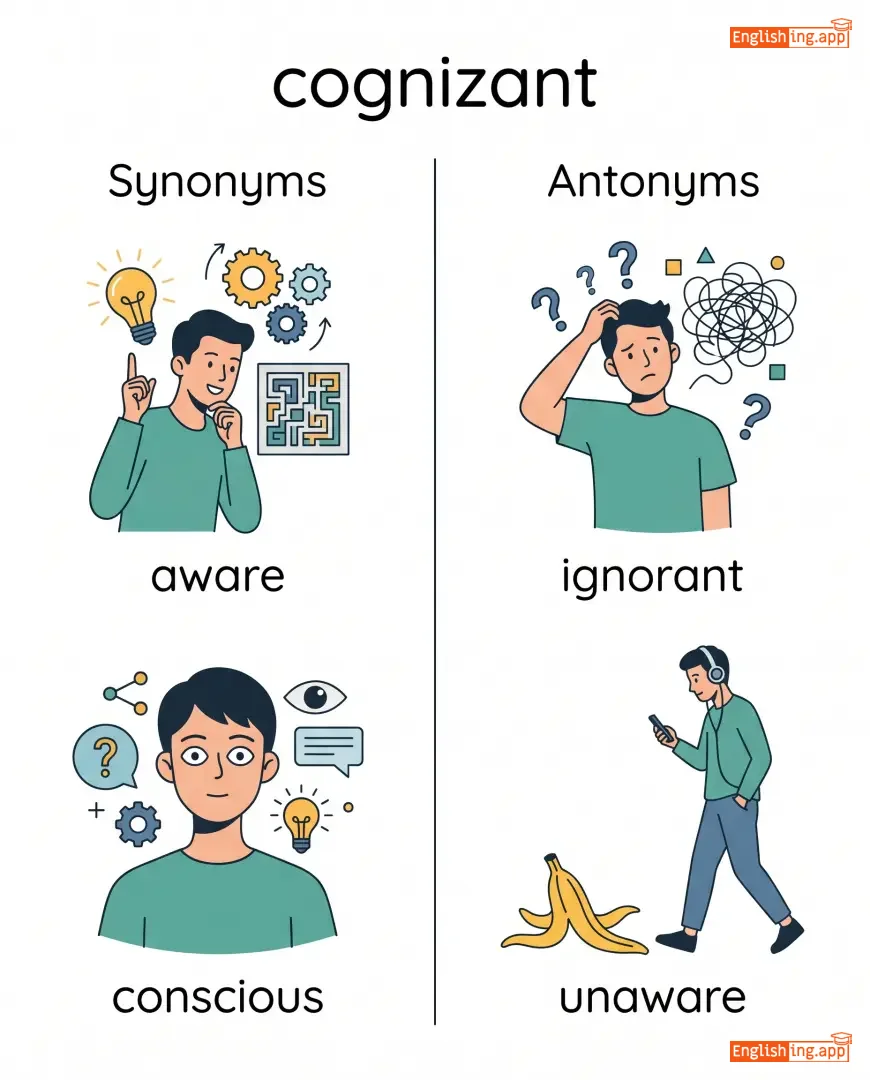
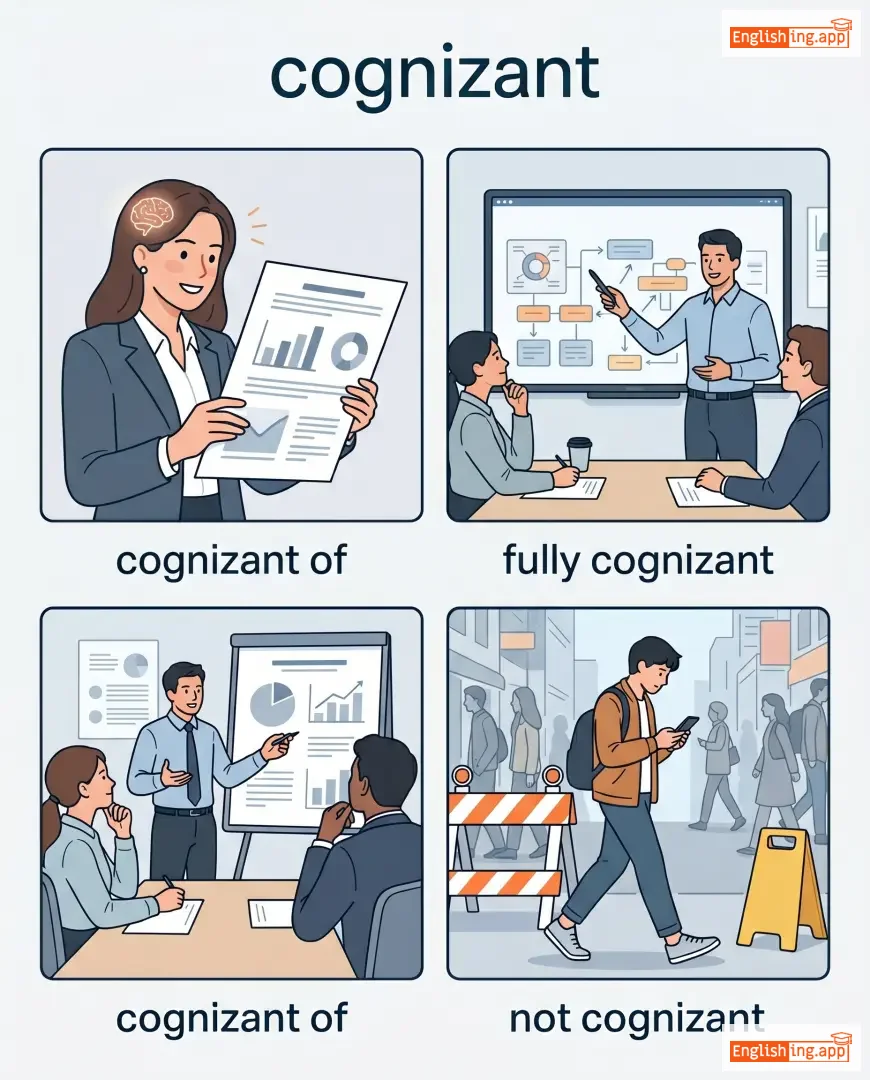
Zweitens hilft das synthesizing neuer Informationen mit analogous Konzepten dem Gehirn, sie leichter zu assimilate. Dies verbessert den cognizant Zustand des Gehirns.
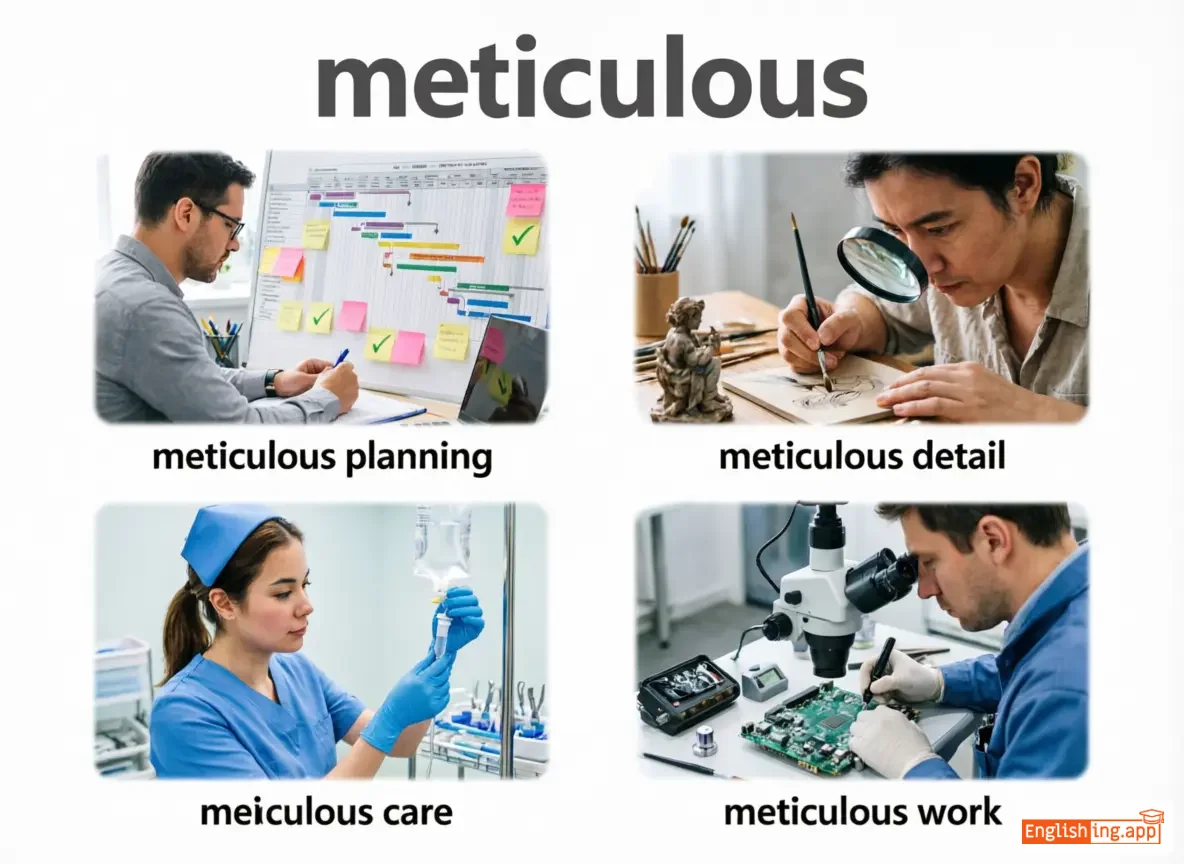
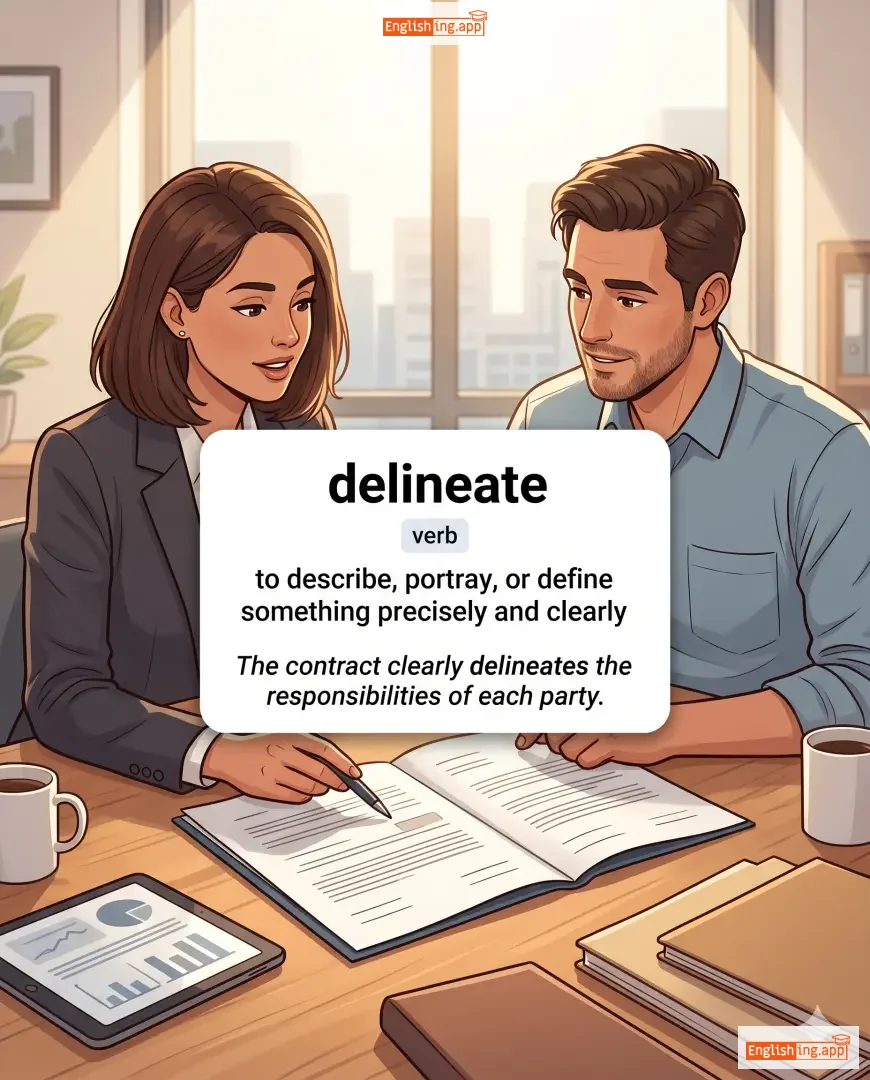
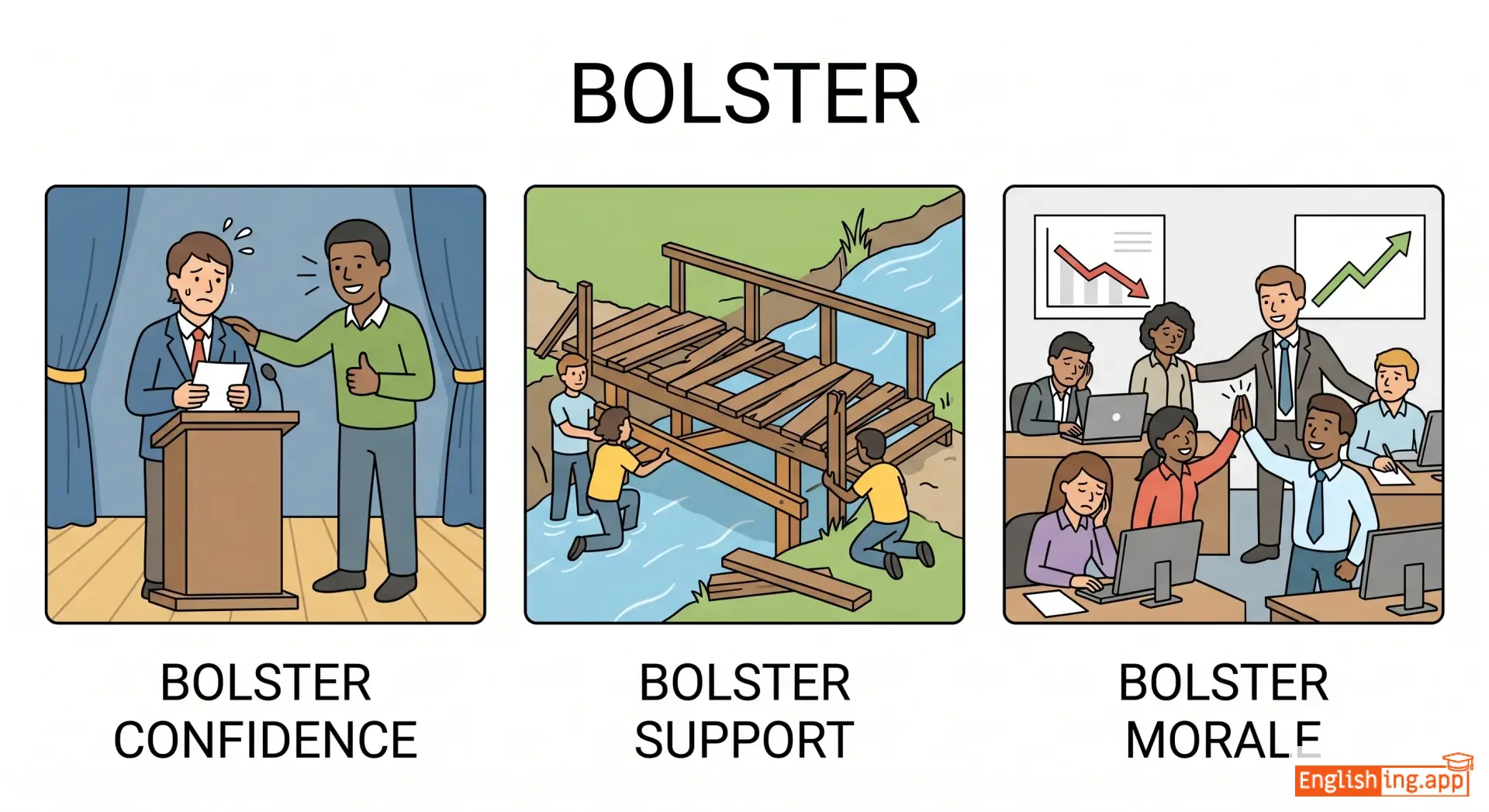
Drittens erleichtern meticulous Planung und delineating organisierter Informationen das Behalten. Zusätzlich können Meditation und ausreichender Schlaf die Gehirnfunktion bolster.
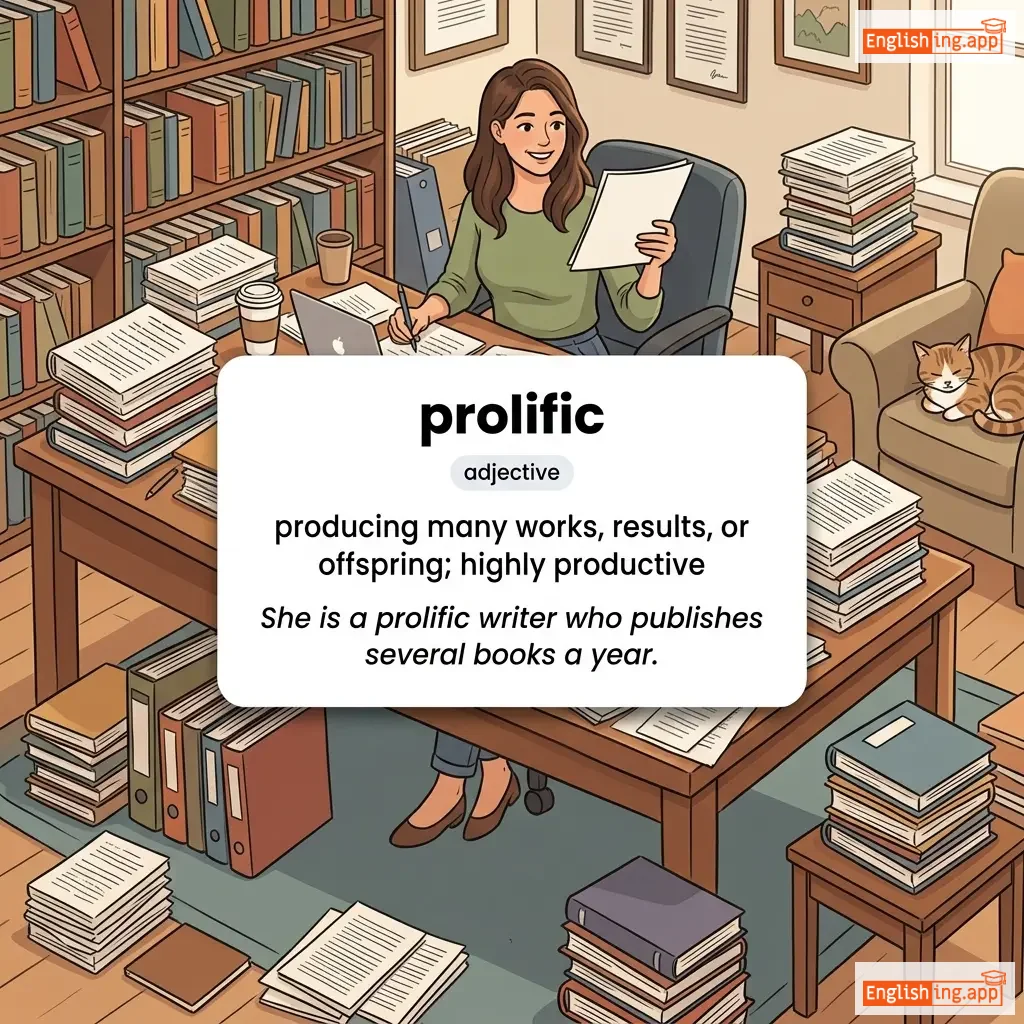
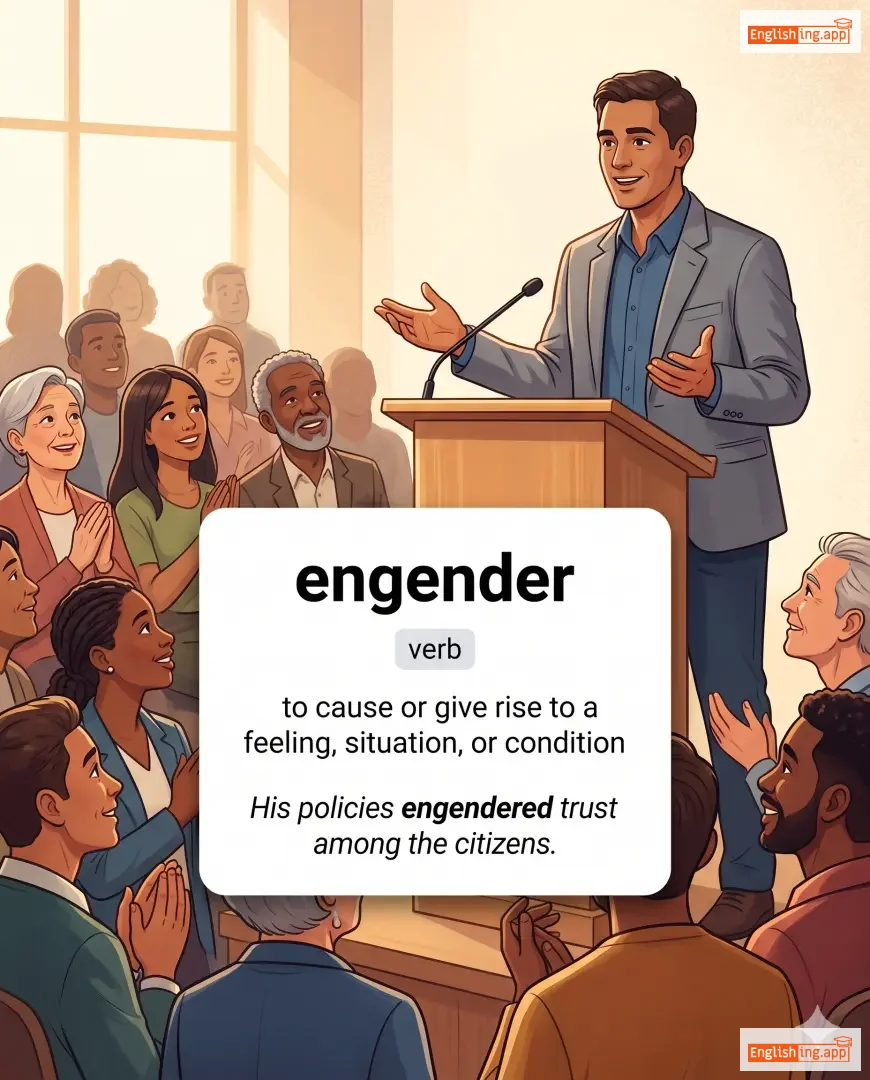
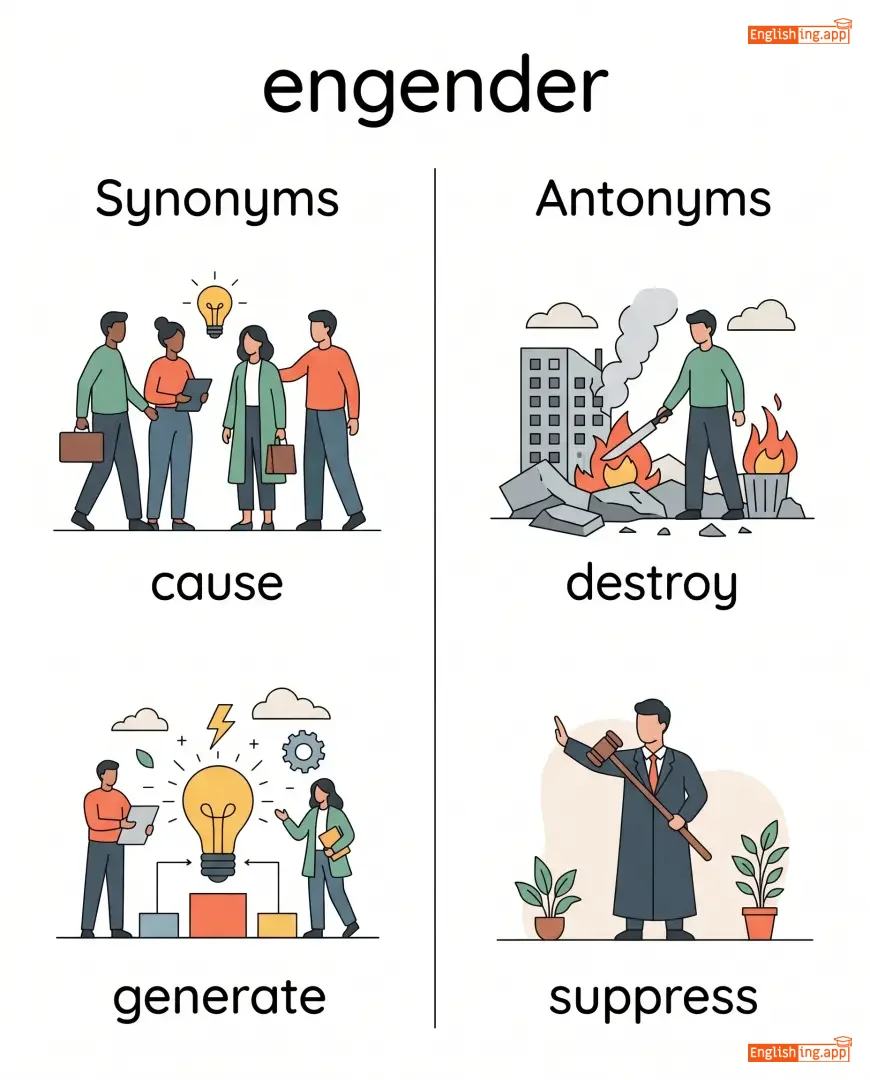
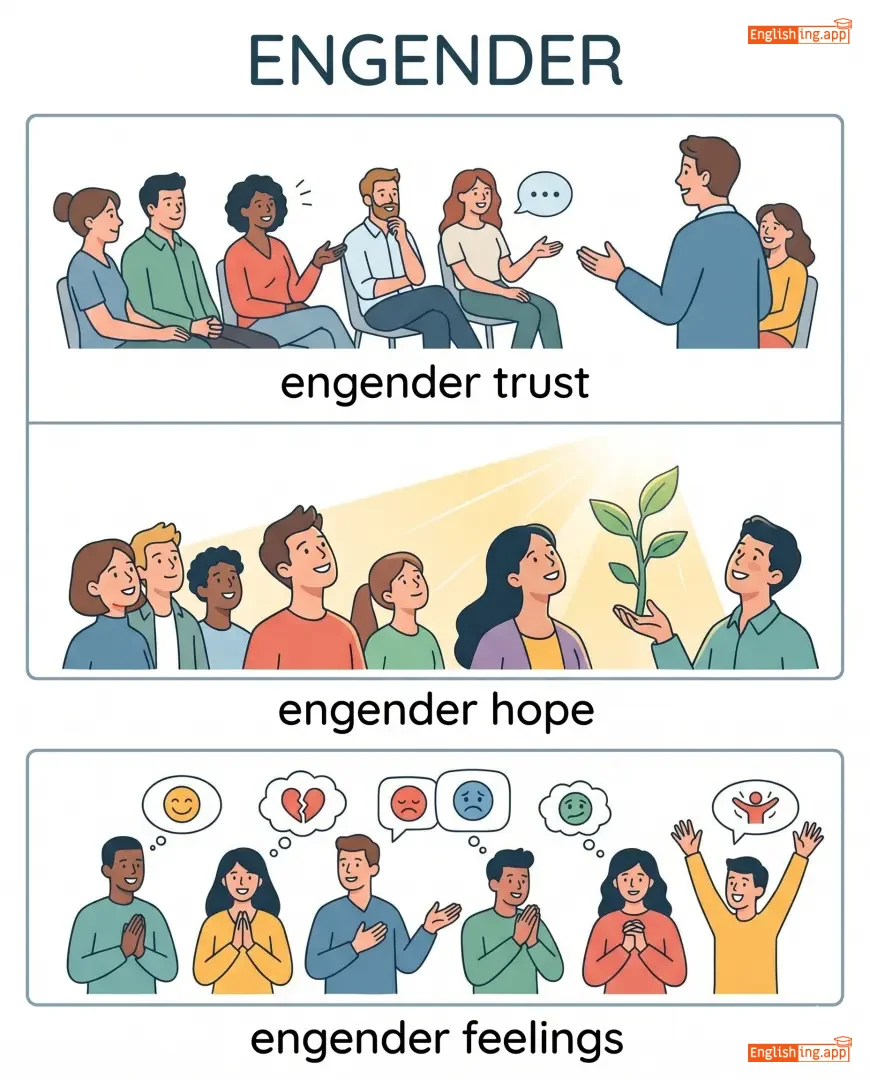
Schließlich engender prolific Lesen und das Erlernen neuer Fähigkeiten die Gedächtniskapazität, die für die persönliche und berufliche Entwicklung wesentlich ist.
Erhalten Sie unbegrenzten Zugriff auf alle Vokabeln mit Pro-Mitgliedschaft
Upgrade auf ProErhalten Sie unbegrenzten Zugriff auf alle Sätze mit Pro-Mitgliedschaft
Upgrade auf Pro|
Emoji
|
Wort | Images | Bedeutung | Beispielsatz | Synonyme | Antonyme |
|---|---|---|---|---|---|---|
|
#1171
✅
|
/ˌɛf.ɪˈkeɪ.ʃəs/
adjective
••••••
|
•••••• |
Successful in producing a desired or intended result; effective.
••••••
|
The vaccine proved highly efficacious in preventing infections. |
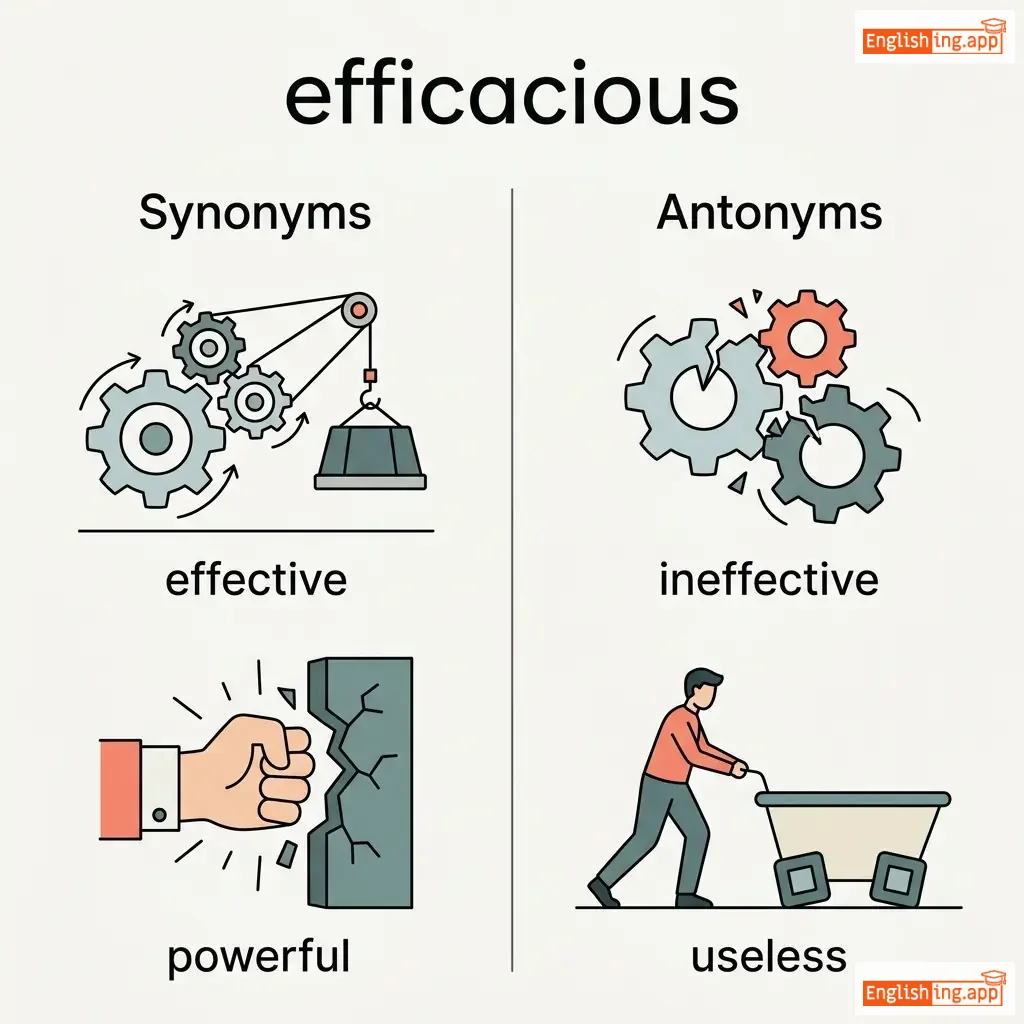
effective, potent, successful
••••••
|
ineffective, inefficient, futile
••••••
|
|
#1172
🎯
|
/əˈdɛpt/
adjective
••••••
|
•••••• |
Very skilled or proficient at something.
••••••
|
She is adept at solving complex mathematical problems. |
skillful, proficient, masterful
••••••
|
inept, incompetent, clumsy
••••••
|
|
#1173
🧠
|
/ˌnjʊə.roʊ.plæˈstɪs.ɪ.ti/
noun
••••••
|
•••••• |
The brain's ability to reorganize itself by forming new neural connections throughout life.
••••••
|
Neuroplasticity allows the brain to rewire itself after an injury. |
brain adaptability, cognitive flexibility, neural regeneration
••••••
|
rigidity, stagnation, fixedness
••••••
|
|
#1174
🔄
|
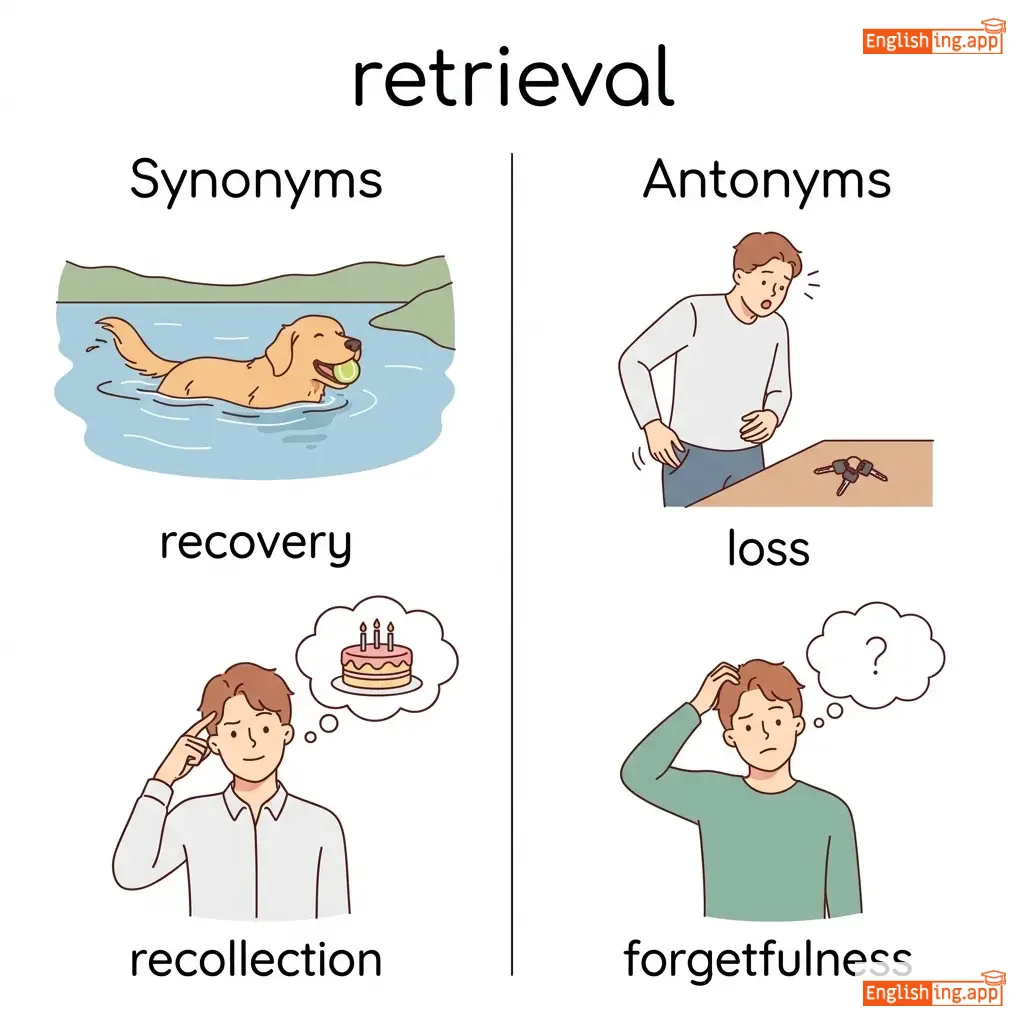
/rɪˈtriː.vəl/
noun
••••••
|
•••••• |
The process of getting something back, especially from storage or memory.
••••••
|
The brain's retrieval system helps recall past experiences. |
recovery, recollection, restoration
••••••
|
loss, forgetfulness, misplacement
••••••
|
|
#1175
📝
|
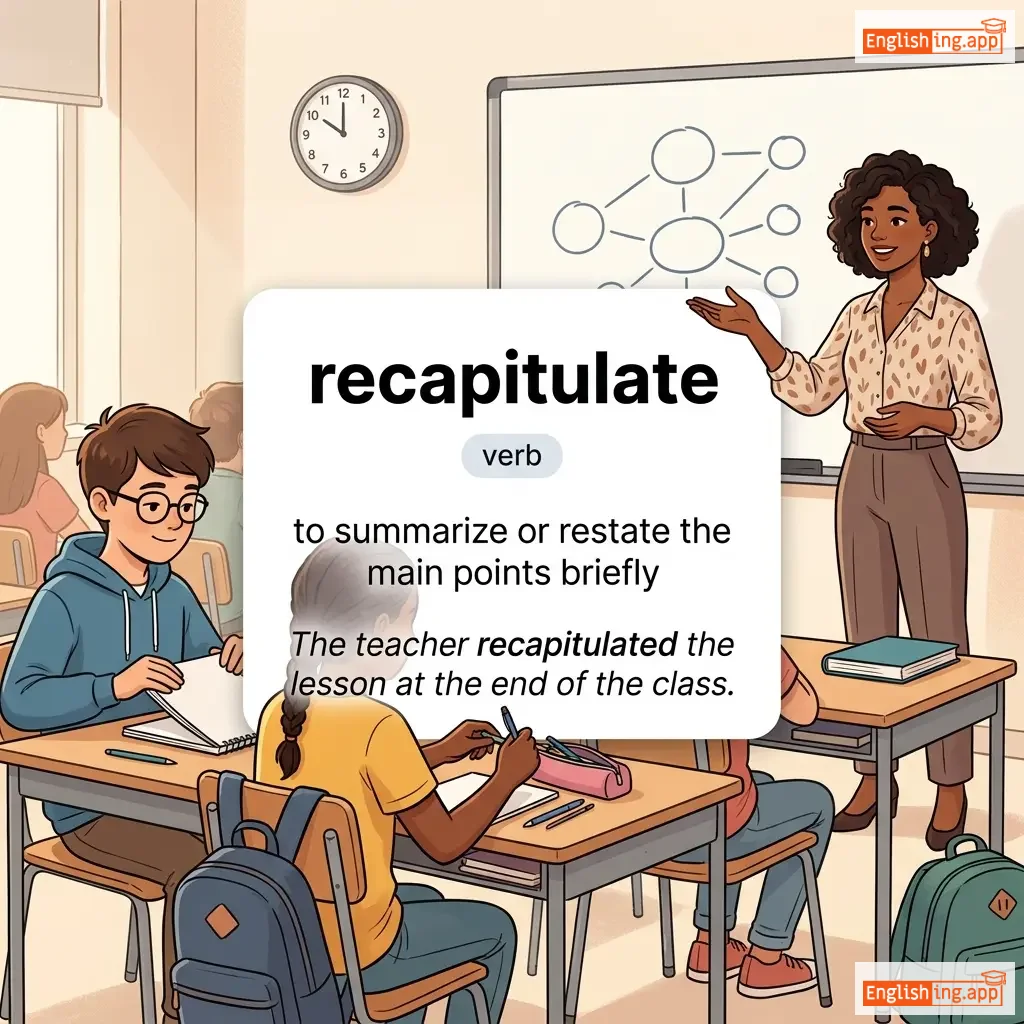
/ˌriː.kəˈpɪtʃ.ə.leɪt/
verb
••••••
|
•••••• |
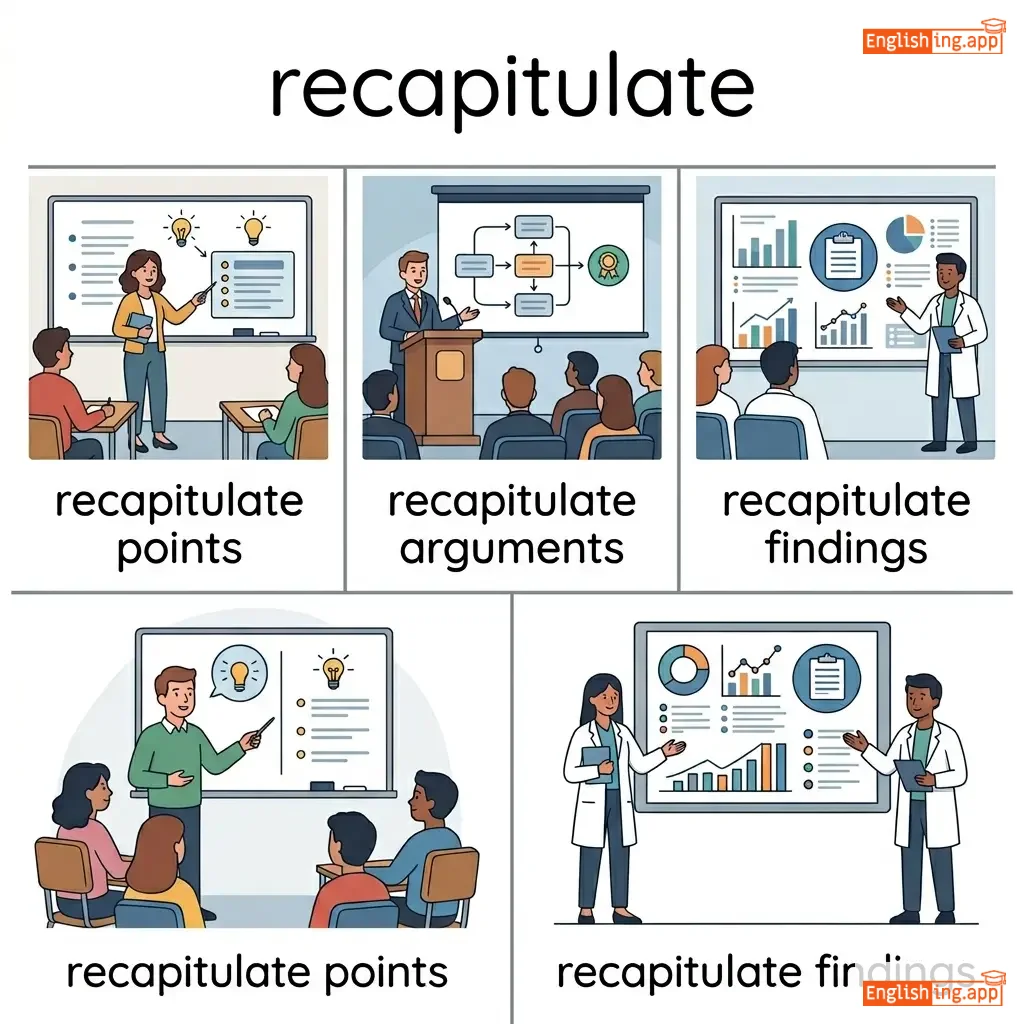
To summarize and state again the main points of something.
••••••
|
The teacher asked the student to recapitulate the lesson. |
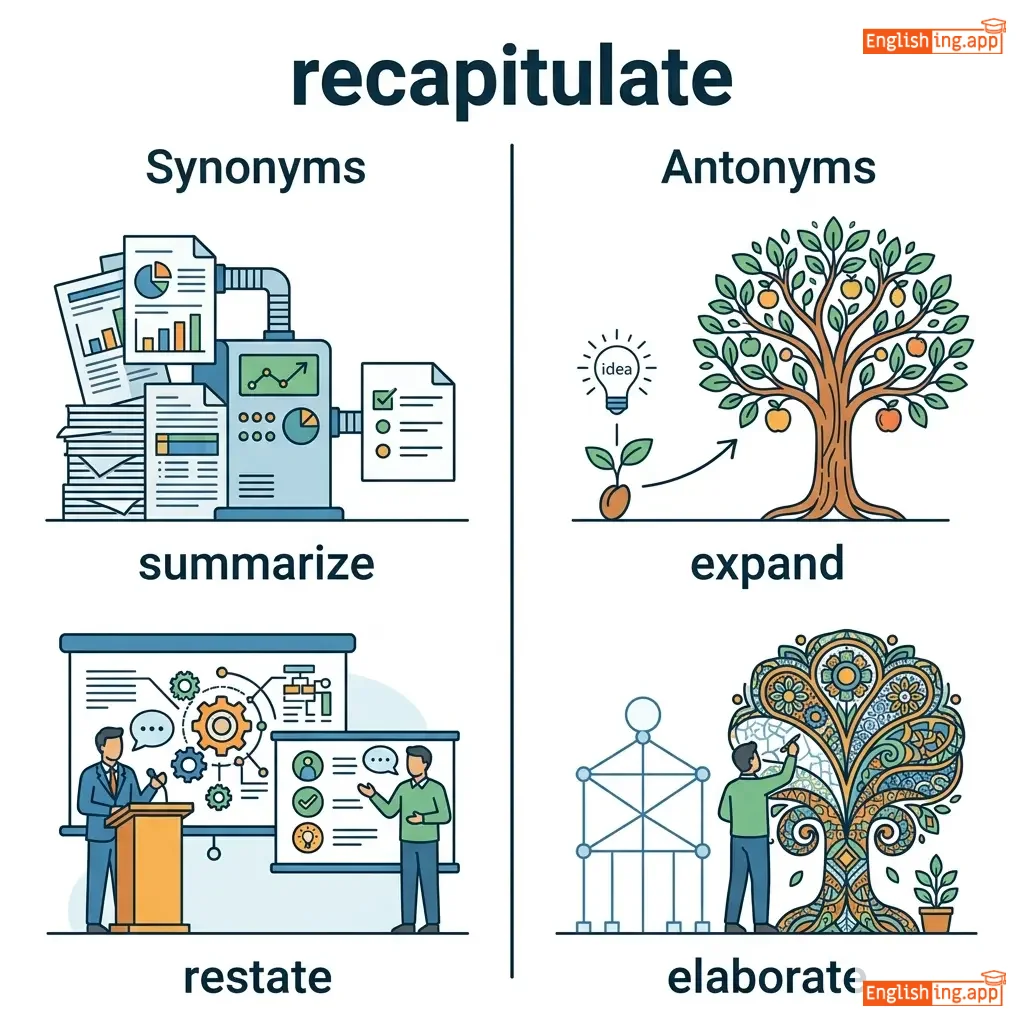
summarize, restate, review
••••••
|
expand, elaborate, lengthen
••••••
|
|
#1176
💪
|
/kənˈsɒl.ɪ.deɪt/
verb
••••••
|
•••••• |
To combine things in order to make them more effective or easier to handle.
••••••
|
The company aims to consolidate its market position. |
strengthen, integrate, merge
••••••
|
weaken, fragment, disperse
••••••
|
|
#1177
🔗
|
/əˈnæl.ə.ɡəs/
adjective
••••••
|
•••••• |
Comparable in certain respects, typically in a way that makes clearer the nature of things being compared.
••••••
|
The human brain is analogous to a supercomputer. |
comparable, equivalent, parallel
••••••
|
dissimilar, contrasting, unrelated
••••••
|
|
#1178
🔬
|
/ˈsɪn.θə.saɪz/
verb
••••••
|
•••••• |
To combine a number of things into a coherent whole.
••••••
|
Scientists synthesize new compounds for medical research. |
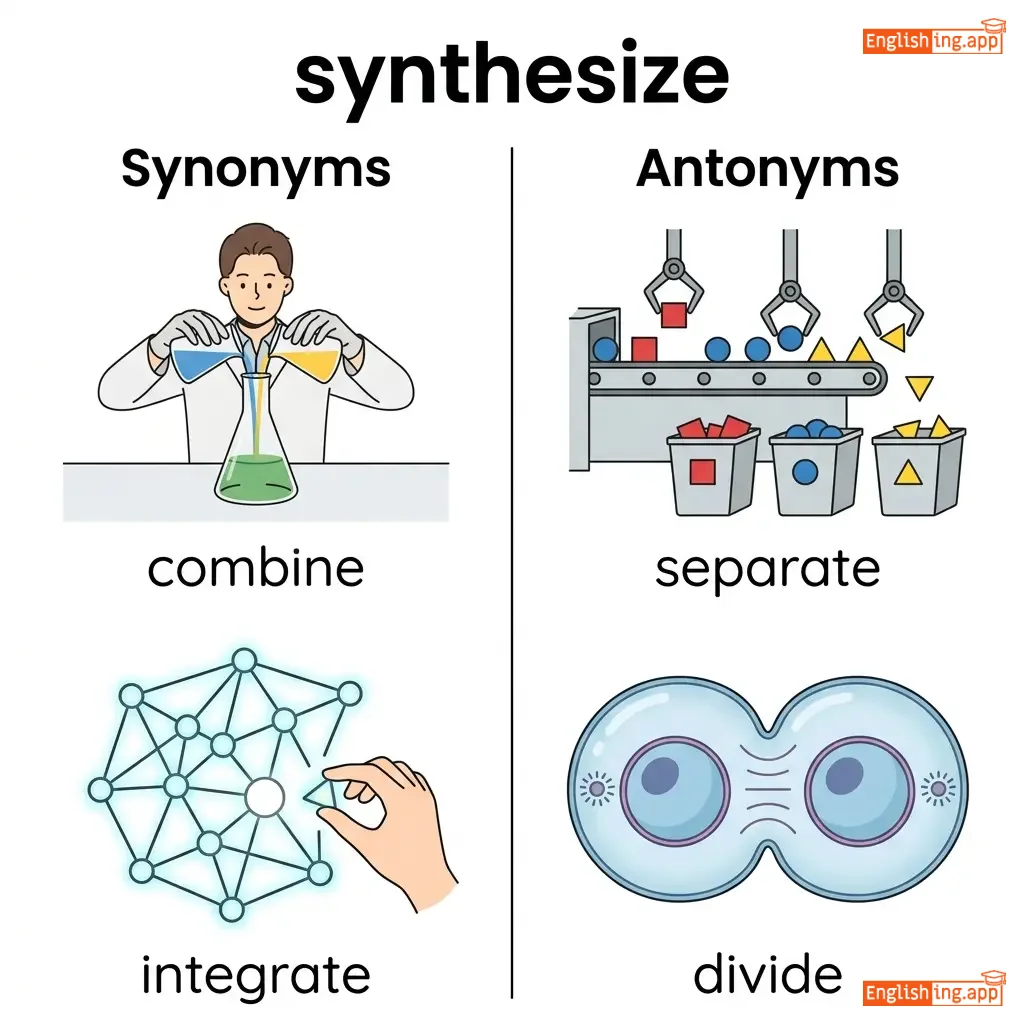
combine, integrate, fuse
••••••
|
separate, divide, fragment
••••••
|
|
#1179
🧩
|
/əˈsɪm.ɪ.leɪt/
verb
••••••
|
•••••• |
To take in and understand fully; to absorb and integrate.
••••••
|
Immigrants must assimilate into the local culture. |
absorb, internalize, incorporate
••••••
|
reject, exclude, separate
••••••
|
|
#1180
👁️
|
/ˈkɒɡ.nɪ.zənt/
adjective
••••••
|
•••••• |
Having knowledge or being aware of something.
••••••
|
He was cognizant of the risks before starting the project. |
aware, mindful, perceptive
••••••
|
oblivious, unaware, ignorant
••••••
|
|
#1181
🔍
|
/məˈtɪk.jə.ləs/
adjective
••••••
|
•••••• |
Showing great attention to detail; very careful and precise.
••••••
|
She is meticulous in her research work. |
precise, diligent, painstaking
••••••
|
careless, negligent, reckless
••••••
|
|
#1182
📐
|
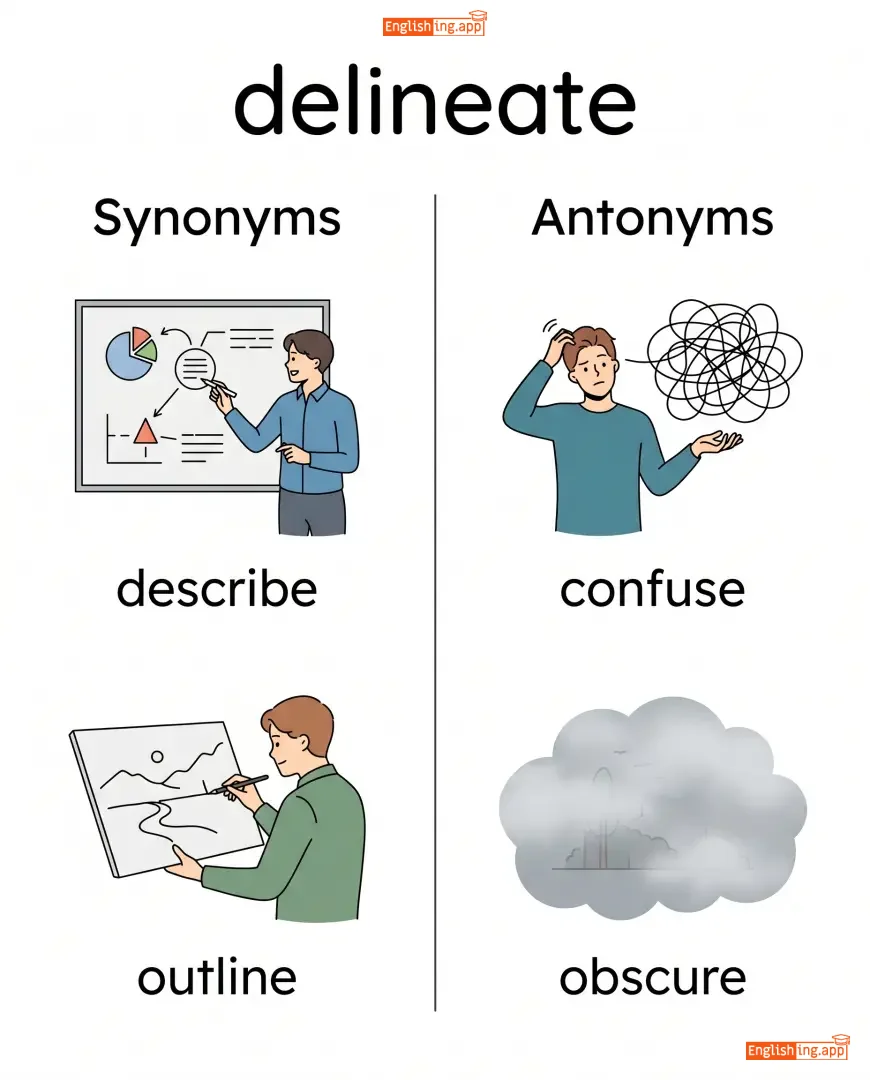
/dɪˈlɪn.i.eɪt/
verb
••••••
|
•••••• |
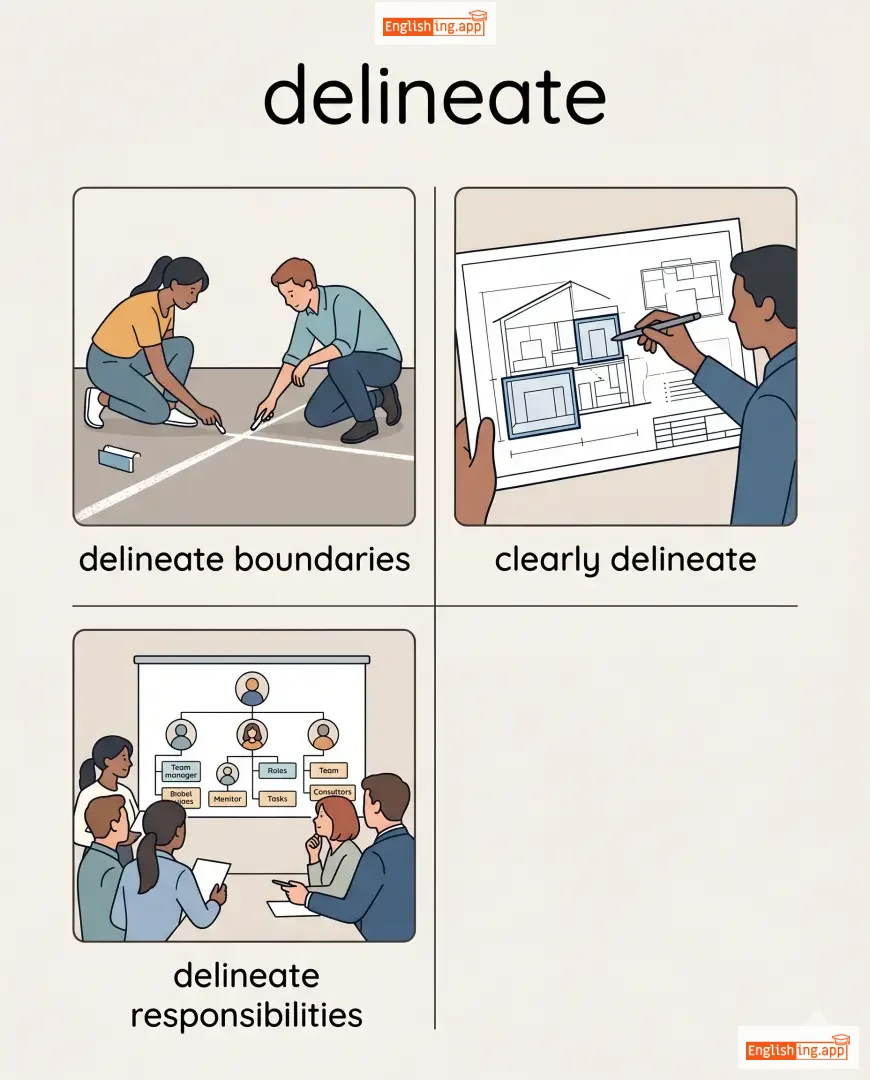
To describe or portray something precisely; to indicate the exact position of a border or boundary.
••••••
|
The architect delineated the structure of the new building. |
describe, outline, depict
••••••
|
distort, obscure, confuse
••••••
|
|
#1183
⬆️
|
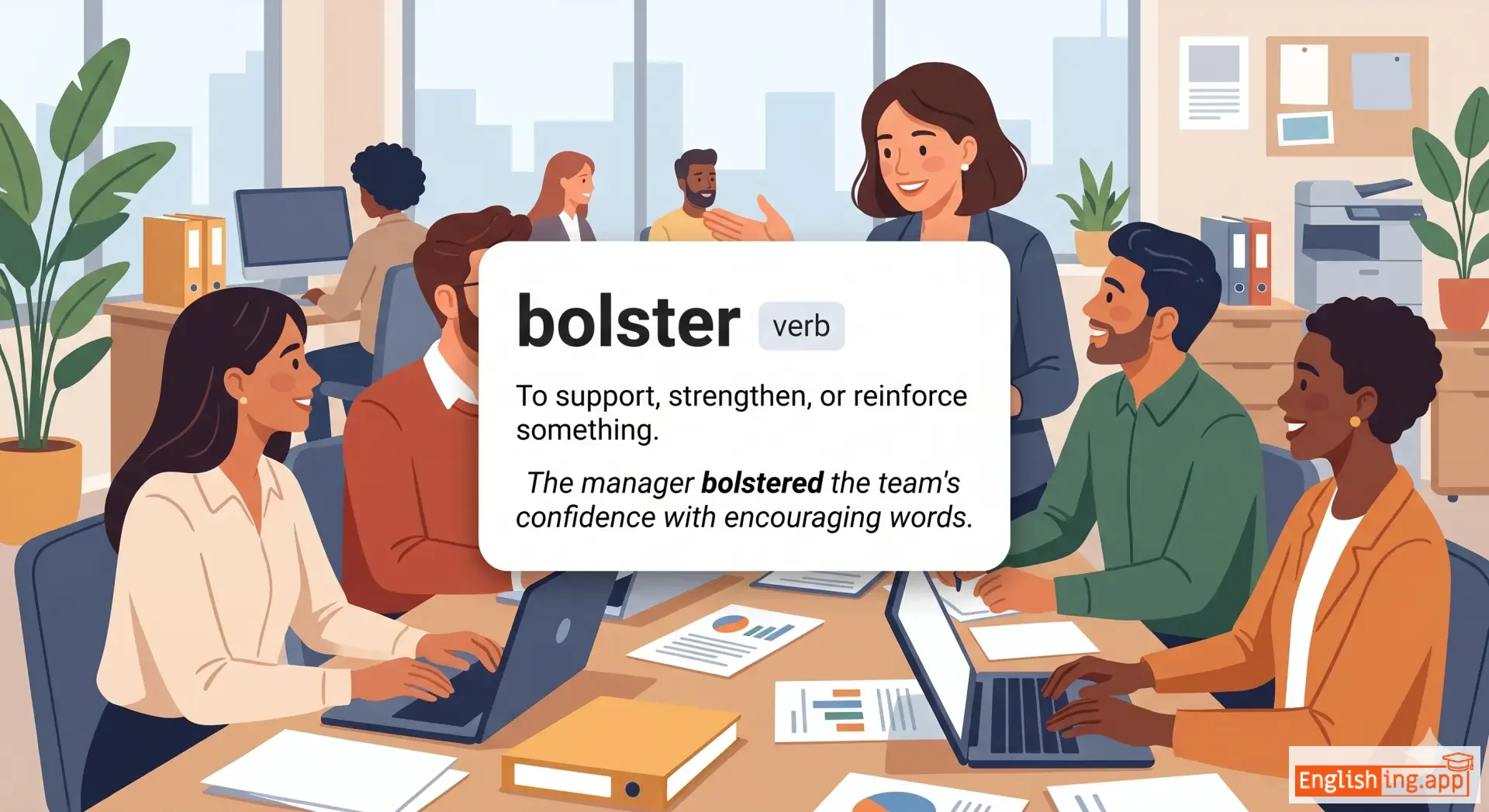
/ˈbəʊl.stər/
verb
••••••
|
•••••• |
To support or strengthen; to prop up.
••••••
|
The new policy aims to bolster economic growth. |
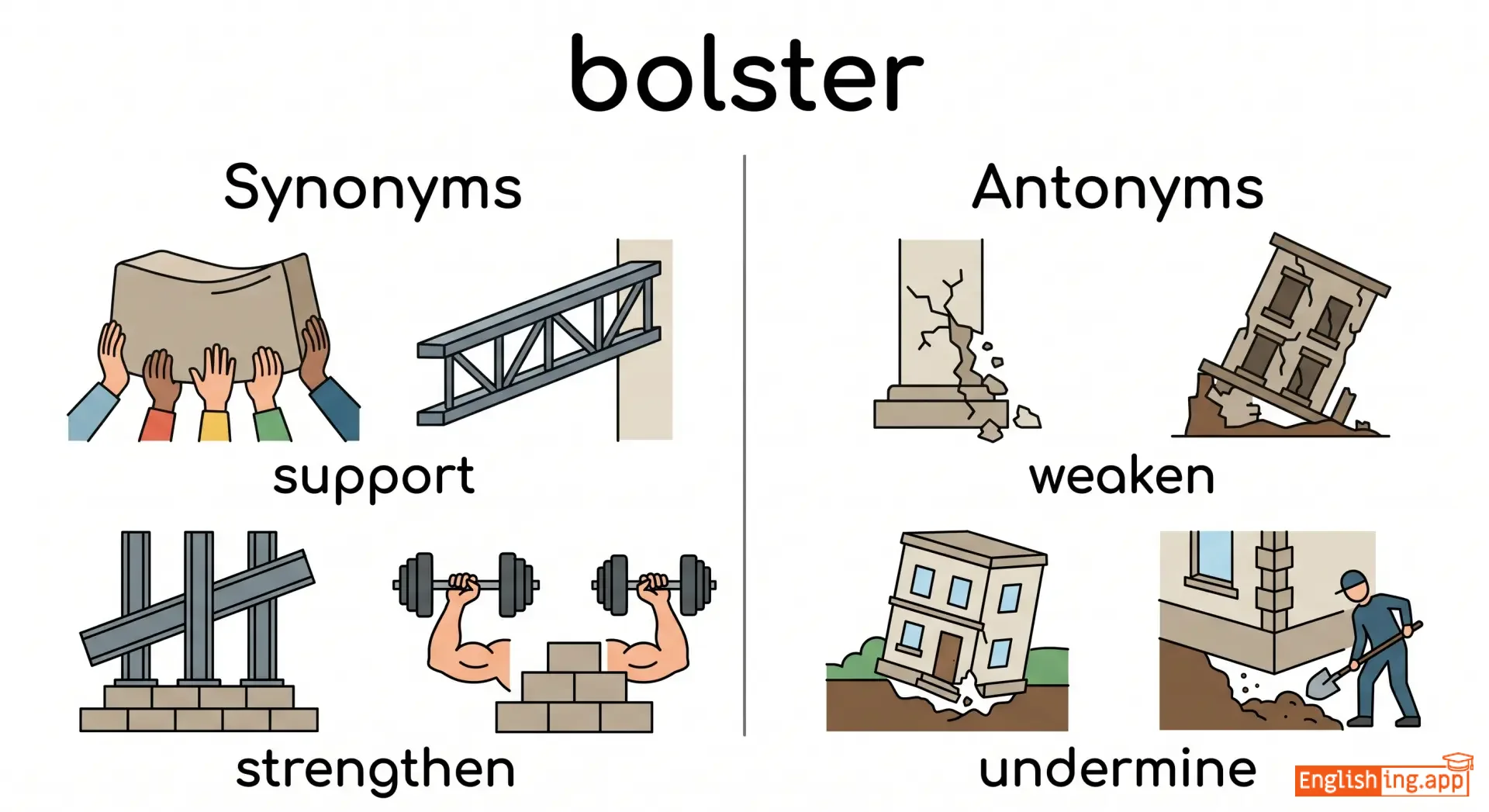
strengthen, support, reinforce
••••••
|
undermine, weaken, diminish
••••••
|
|
#1184
📚
|
/prəˈlɪf.ɪk/
adjective
••••••
|
•••••• |
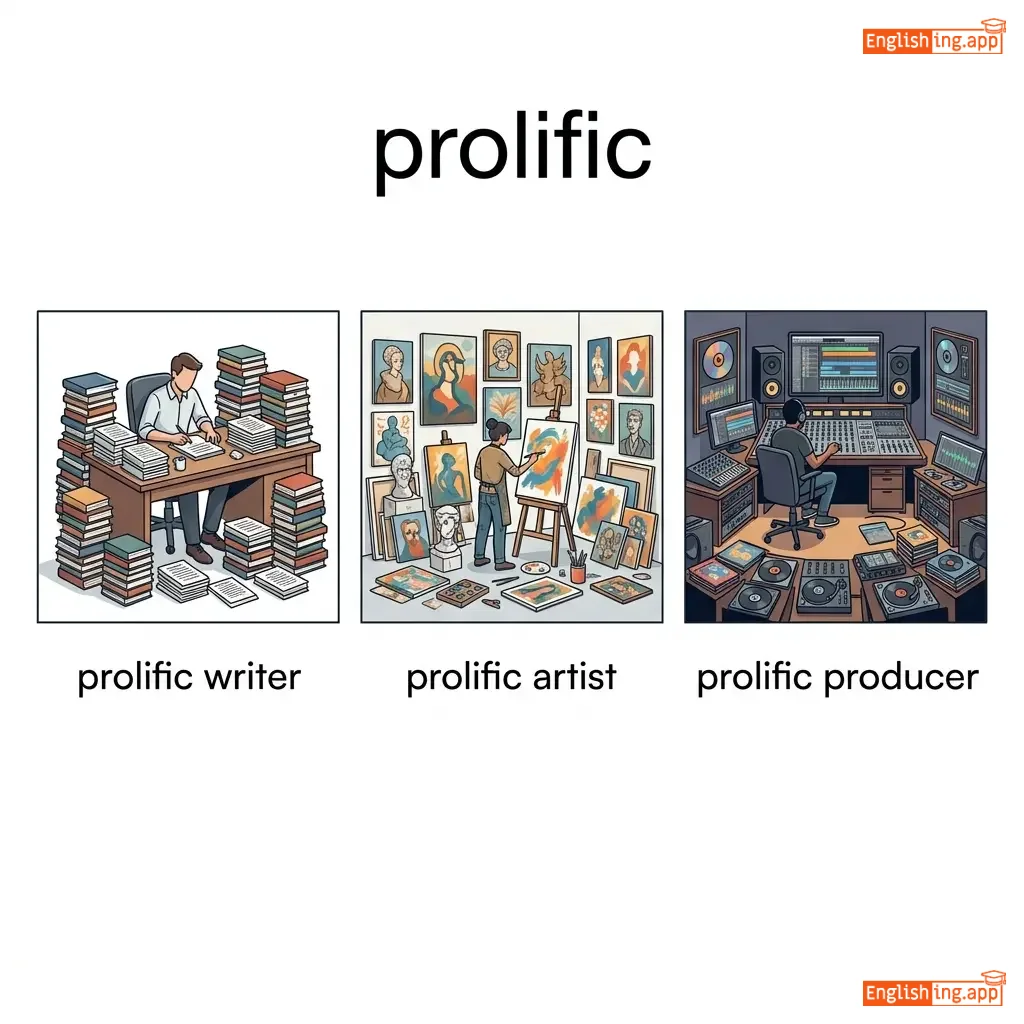
Present in large numbers or quantities; plentiful; producing many works, results, or offspring.
••••••
|
The author is prolific, having written over 30 books. |
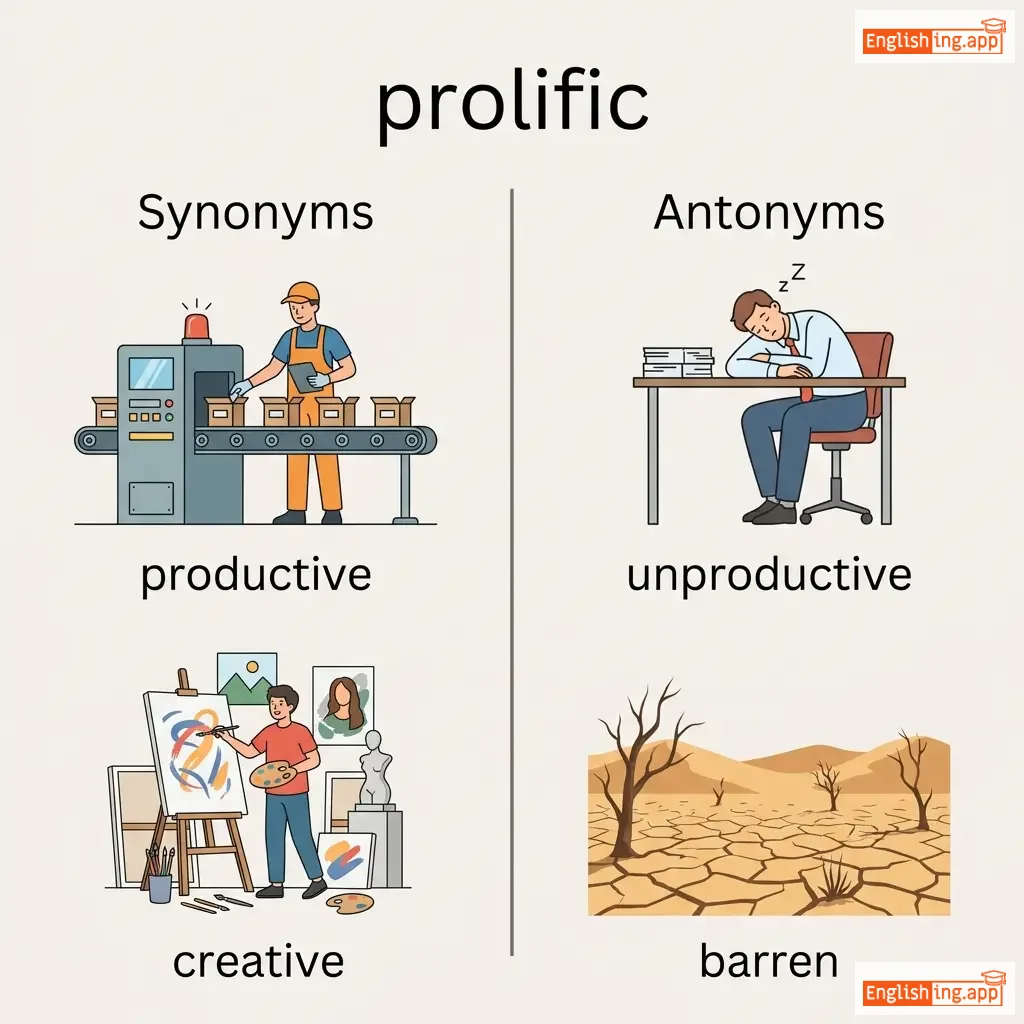
productive, fertile, abundant
••••••
|
barren, unproductive, sterile
••••••
|
|
#1185
✨
|
/ɪnˈdʒen.dər/
verb
••••••
|
•••••• |
To cause or give rise to a feeling, situation, or condition.
••••••
|
The speech engendered hope among the people. |
generate, induce, cause
••••••
|
suppress, halt, dissuade
••••••
|