The First Drive
Sania 今天要第一次开 car。她有点 scared,但也很兴奋。教练说:“别担心,要 careful,要 slow。这就是学习的 way。”
Sania 坐在 car's seat 上,双手握住 wheel。教练说:“先启动发动机。然后轻轻踩 gas,一定要 slow。不要太 fast。”
Car slowly 向前移动。Sania 很紧张,紧紧抓着 wheel。教练指示:“现在在 corner turn left。要 Slowly、carefully。”
她 turned wheel left。Car 绕过 corner。教练说:“很好!现在直着 straight 开。保持 slow、平稳。”
突然,一只狗穿过马路。教练喊道:“Stop!”Sania 用力踩 brake。Car stopped。她心跳加速,还是 scared。
教练平静地说:“没事,你及时 stopped。很好。现在 carefully 重新起步。左右 left、right 都看清,再 straight 开。”
Sania 深呼吸,看 left,看 right,然后 slowly 踩下 gas。Car 又向前开了起来。这一次她更自信了一点。
教练说:“下一处 corner turn right。”Sania carefully turned wheel right。Car 平顺地 turned。
教练说:“很好!现在我们来 park car。Slow 下来,turn left,然后在这里 stop。”
Sania slowly turned left,靠近车位,并 stopped car。她问:“我该怎么 park?”
教练指导道:“Turn wheel right,slow 前进,然后 straight,再 brake 并 stop。”Sania carefully 按步骤操作。Car 停得非常 parked!
“我做到了!”Sania 带着 pride 叫道。“我 drove car!我 turned left、turned right,直直 straight 开,stopped,还 parked 了!”
教练微笑着说:“一开始你很 scared,但你很 careful。你一直 slow,需要时就 stopped,并且 turned carefully。这就是 right way 学习。”
几周后,Sania 开车已经很自信。她知道什么时候踩 gas,什么时候 brake,什么时候 stop。她会 turn left、turn right、直着 straight 走,也能完美 park。那个 scared 的新手不见了,取而代之的是一位 careful、自信的司机。
Sania 告诉朋友们:“驾驶 car,关键是 careful,而不是 fast。在 turn 之前要看 left 和 right。要知道什么时候 stop,什么时候 slow,什么时候踩 brake。手握 wheel,seat 调整好,目光盯着前方的 way——这些都很重要。Scared 吗?是的,刚开始每个人都会。但通过 careful 练习、slow 学习,你会建立自信。我曾经 scared 去 turn corners,scared 去 park,scared 突然 stop。可教练教我:先看 left,再看 right,清楚时就 straight 走,在 corners turn carefully,轻轻 brake,平稳 stop,精准 park。现在我 ride with pride,不再 scared。我 carefully 地开车,不太 fast,也不太 slow——刚刚 right。所以如果你在学习,记住:car 不是玩具。Wheel 决定方向,Gas 让你前进,brake 让你 stop。需要时 Turn left,安全时 turn right,可能时 straight。始终 careful,始终检查你的 way,千万别 scared 地开车——要聪明驾驶。Park 得体,stop 安全,turn carefully。这就是 right way。当你终于独自 away 驶去,你会感到 pride——不是因为你开得 fast,而是因为你开得 right。”
Sania 从 scared 新手到自信司机的旅程,正在激励许多年轻女性。她们明白,开始 slow、保持 careful、必要时 stop 再出发都是可以的。重要的是双手握住 wheel,目光注视 way,既谨慎又带着 pride 地驾驶。
|
表情符号
|
单词 | Images | 翻译 | 过去时 | 过去分词 | 第三人称单数 | 动名词 | 含义 | 例句 | 例句翻译 | 示例表达 | 示例表达含义 | 示例表达翻译 | 同义词 | 反义词 | 搭配词 | 助记符 |
|---|---|---|---|---|---|---|---|---|---|---|---|---|---|---|---|---|---|
|
🏃♂️
••••••
|
/əˈweɪ/
adverb
(ā wèi)
••••••
|
- •••••• |
远
yuan
••••••
|
- •••••• | - •••••• | - •••••• | - •••••• |
at a distance from a particular place, person, or thing
••••••
|
She walked away without saying a word. |
她走开了,没有说一句话。
Ta zou kai le, mei you shuo yi ju hua.
••••••
|
far away |
at a great distance
••••••
|
非常远
feichang yuan
••••••
|
absent, distant, gone, apart, afar
••••••
|
near, close, present
••••••
|
go away, run away, far away, turn away
••••••
|
Away 意味着 '远' - 走得远
••••••
|
|
🚗
••••••
|
/breɪk/
verb
••••••
|
- •••••• | - •••••• |
braked
••••••
|
braked
••••••
|
brakes
••••••
|
braking
••••••
|
to slow down or stop a vehicle by applying a brake
••••••
|
He braked suddenly to avoid hitting the dog. |
- •••••• |
hit the brakes |
to stop suddenly or urgently
••••••
|
- •••••• |
stop, halt, slow, decelerate
••••••
|
accelerate, speed
••••••
|
apply brake, brake hard, brake system
••••••
|
No •••••• |
|
🚗
••••••
|
/kɑːr/
noun
(kǎ)
••••••
|
- •••••• |
汽车
qiche
••••••
|
- •••••• | - •••••• | - •••••• | - •••••• |
a road vehicle with an engine, four wheels, and seats for passengers
••••••
|
She bought a new car last week. |
她上周买了一辆新车。
Tā shàng zhōu mǎile yī liàng xīn chē.
••••••
|
drive someone up the wall |
to annoy or irritate someone greatly
••••••
|
使某人生气
shǐ mǒu rén shēngqì
••••••
|
automobile, vehicle, motorcar, ride
••••••
|
bicycle, pedestrian
••••••
|
car accident, car insurance, car seat, new car
••••••
|
汽车就是car,汽车出了问题,会让你抓狂。
••••••
|
|
⚠️
••••••
|
/ˈkɛr.fəl/
adjective
(凯尔福)
••••••
|
- •••••• |
小心
xiaoxin
••••••
|
- •••••• | - •••••• | - •••••• | - •••••• |
Exercising caution or showing concern to avoid mistakes or harm.
••••••
|
He is always careful when crossing the road. |
他过马路时总是小心。
Ta guo malu shi zongshi xiaoxin.
••••••
|
be careful |
A warning to take caution.
••••••
|
小心
xiaoxin
••••••
|
cautious, vigilant, watchful, attentive, prudent
••••••
|
careless, reckless, negligent
••••••
|
be careful, careful planning, careful consideration, careful study
••••••
|
Careful = Care + Full → 小心 = 保持警觉避免出错。
••••••
|
|
🔲
••••••
|
/ˈkɔːrnər/
noun
(kāngnà)
••••••
|
- •••••• |
角落
jiǎoluò
••••••
|
- •••••• | - •••••• | - •••••• | - •••••• |
the place where two edges or sides meet
••••••
|
The store is just around the corner. |
商店就在拐角处。
Shāngdiàn jiù zài guǎijiǎo chù.
••••••
|
cut corners |
to do something in the easiest or cheapest way
••••••
|
以最简单或最便宜的方式做事
yǐ zuì jiǎndān huò zuì piányí de fāngshì zuòshì
••••••
|
angle, intersection, junction, point, nook
••••••
|
center, middle
••••••
|
corner shop, corner of the room, turn the corner, corner lot
••••••
|
Corner 意味着角落,就像街角的商店。
••••••
|
|
🏎️
••••••
|
/fæst/
adjective, adverb
(快)
••••••
|
- •••••• |
快速,牢固固定
kuài, láogù gùdìng
••••••
|
- •••••• | - •••••• | - •••••• | - •••••• |
moving or capable of moving at high speed; firm or securely fixed
••••••
|
He drives very fast on the highway. |
他在高速公路上开得很快。
Tā zài gāosù gōnglù shàng kāi dé hěn kuài.
••••••
|
hold fast |
to hold tightly or securely
••••••
|
紧紧抓住
jǐn jǐn zhuā zhù
••••••
|
quick, rapid, speedy, swift
••••••
|
slow, sluggish, gradual
••••••
|
fast car, run fast, hold fast
••••••
|
Fast 意味着 '快速', 就像你快速系上安全带,以便快速行驶并保持安全。
••••••
|
|
⛽
••••••
|
/ɡæs/
noun
(气体)
••••••
|
- •••••• |
气体
qìtǐ
••••••
|
- •••••• | - •••••• | - •••••• | - •••••• |
A substance like air that is neither solid nor liquid and can expand freely.
••••••
|
The balloon was filled with gas. |
气球充满了气体。
Qìqiú chōngmǎnle qìtǐ.
••••••
|
step on the gas |
To accelerate or go faster.
••••••
|
踩下油门
Cǎi xià yóumén
••••••
|
vapor, fume, air, fuel
••••••
|
solid, liquid
••••••
|
natural gas, gas station, gas leak, gas supply
••••••
|
气体 – 气体能扩展,就像气球膨胀一样。
••••••
|
|
⬅️
••••••
|
/lɛft/
adjective, noun, adverb, verb (past tense of leave)
(left)
••••••
|
- •••••• |
左
zuo
••••••
|
- •••••• | - •••••• | - •••••• | - •••••• |
on or towards the side of the body that is to the west when facing north
••••••
|
He turned left at the intersection. |
他在交叉口左转。
ta zai jiaochakou zuo zhuan.
••••••
|
out of left field |
something surprising or unexpected
••••••
|
令人惊讶或意外的事情
ling ren jingya huo yiwai de shiqing
••••••
|
port, remaining, gone, departed
••••••
|
right, present
••••••
|
left side, left hand, turn left, left over
••••••
|
左是左,右就是右
••••••
|
|
🏞️
••••••
|
/pɑːrk/
noun
(公园)
••••••
|
- •••••• |
公园
gongyuan
••••••
|
- •••••• | - •••••• | - •••••• | - •••••• |
a large public area of land with grass, trees, and paths, where people can walk or relax
••••••
|
The children were playing in the park.
孩子们在公园里玩耍。
••••••
|
孩子们在公园里玩耍。
Haizimen zai gongyuan li wan shua.
••••••
|
- •••••• | - •••••• | - •••••• |
green space, playground, garden, recreation area
••••••
|
building, office
••••••
|
city park, park bench, park your car
••••••
|
公园是你找到平静的地方——想象在公园里走,周围是大自然。
••••••
|
|
🦁
••••••
|
/praɪd/
noun
(praɪd)
••••••
|
|
自豪
zìháo
••••••
|
- •••••• | - •••••• | - •••••• | - •••••• |
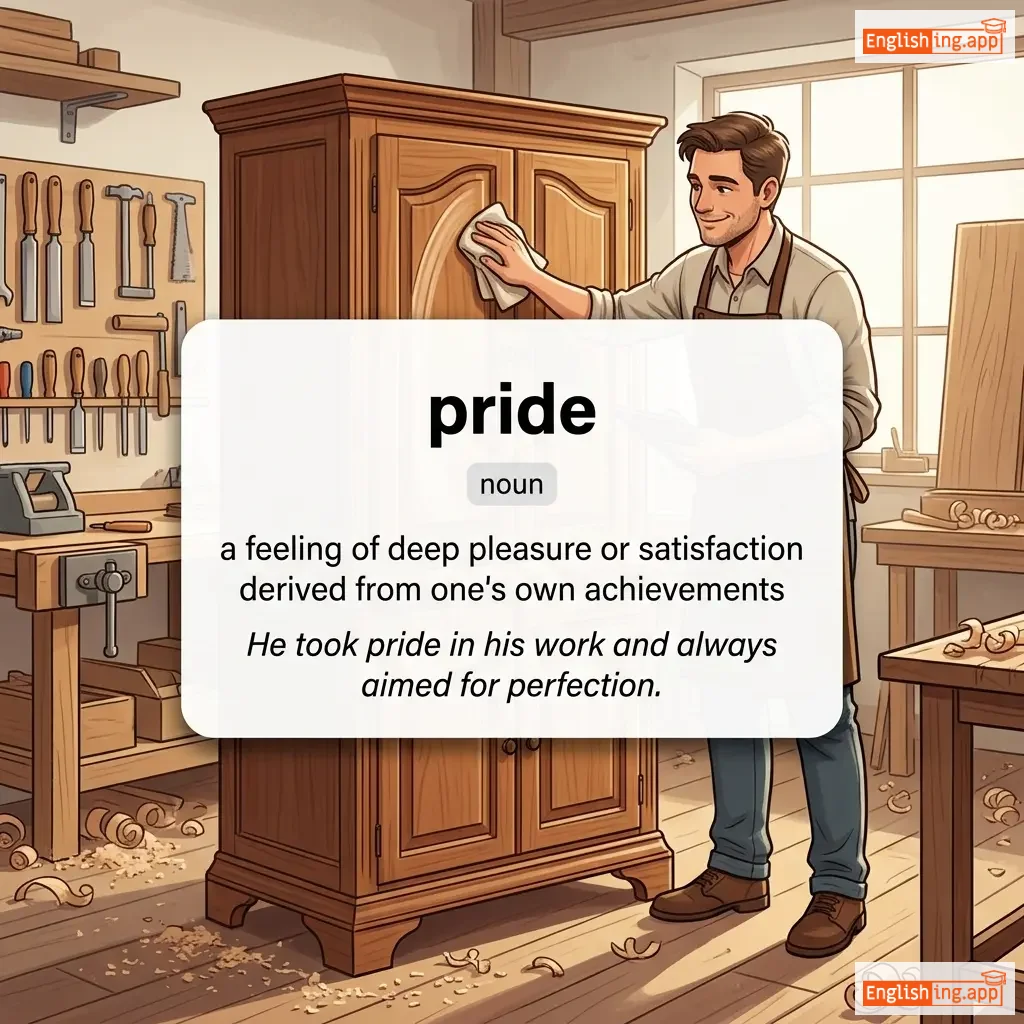
a feeling of deep pleasure or satisfaction derived from achievements
••••••
|
She takes great pride in her work.
她为自己的工作感到非常自豪。
••••••
|
她为自己的工作感到非常自豪。
Tā wèi zìjǐ de gōngzuò gǎndào fēicháng zìháo.
••••••
|
- •••••• | - •••••• | - •••••• |
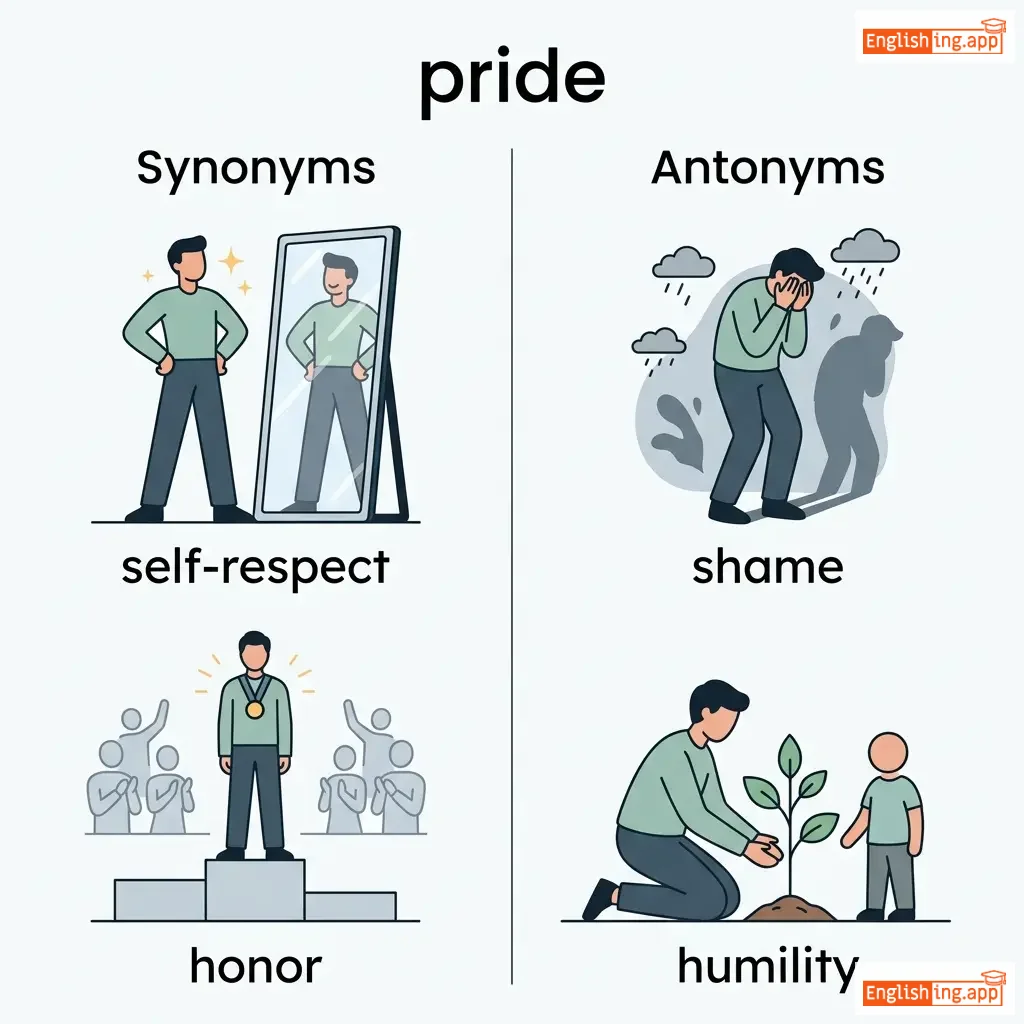
dignity, self-esteem, satisfaction, honor
••••••
|
shame, humility, modesty, disgrace
••••••
|
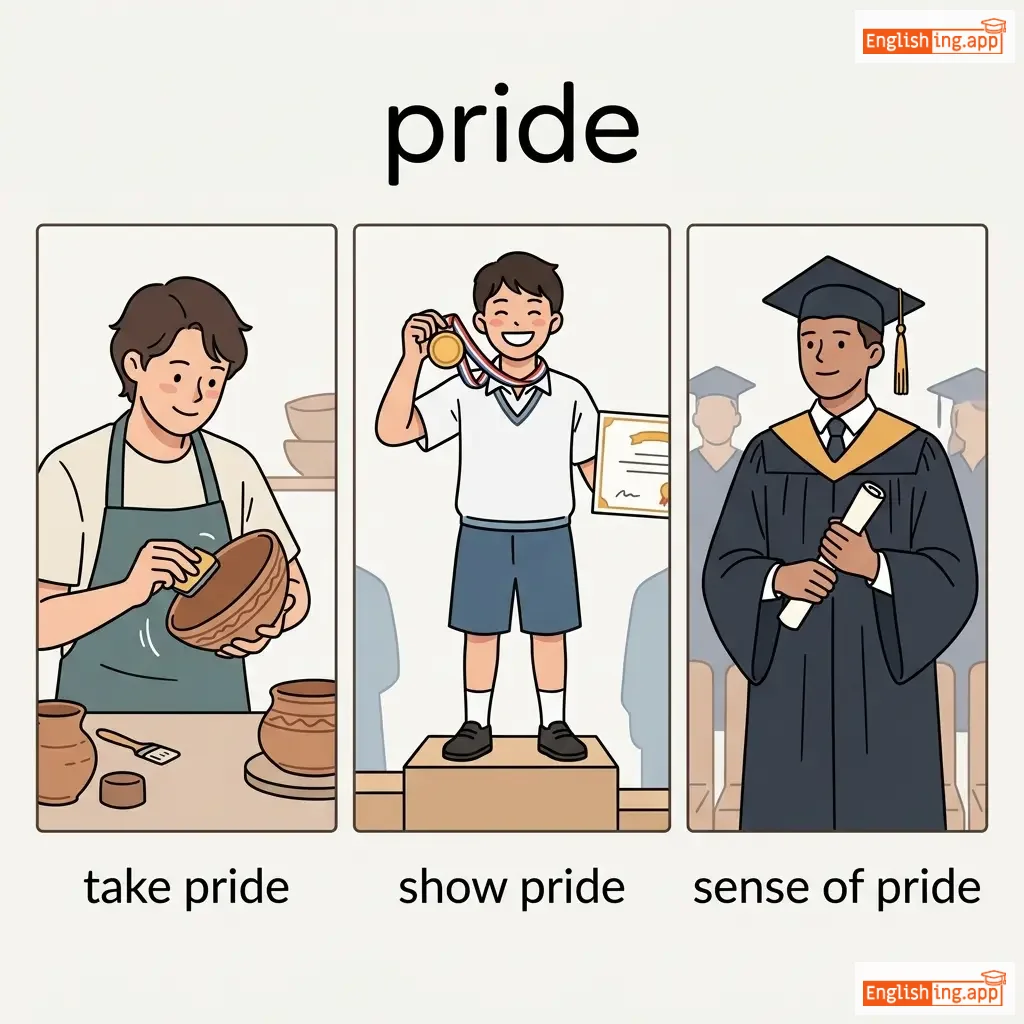
take pride, feel pride, source of pride, national pride
••••••
|
自豪是因成功而感到的喜悦。
••••••
|
|
🚴
••••••
|
/raɪd/
verb
(raɪd)
••••••
|
- •••••• |
骑/骑行
qi/qi xing
••••••
|
rode
roʊd
••••••
|
ridden
rɪdn
••••••
|
rides
raɪdz
••••••
|
riding
raɪdɪŋ
••••••
|
to travel on or in a vehicle; to sit on and control a horse
••••••
|
She likes to ride her bicycle to work.
她喜欢骑自行车去工作。
••••••
|
她喜欢骑自行车去工作。
Tā xǐhuān qí zìxíngchē qù gōngzuò.
••••••
|
- •••••• | - •••••• | - •••••• |
travel, journey, mount, drive
••••••
|
walk, dismount, get off
••••••
|
ride a bike, ride horseback, ride the wave, ride safely, ride together
••••••
|
骑车和骑马的快乐旅行
••••••
|
|
✅
••••••
|
/raɪt/
noun, adjective, adverb
(raìt)
••••••
|
- •••••• |
权利
quanli
••••••
|
- •••••• | - •••••• | - •••••• | - •••••• |
something that is morally good, fair, or just; or a legal/entitled claim
••••••
|
Everyone has the right to free speech. |
每个人都有言论自由的权利。
Mei ge ren dou you yanlun ziliu de quanli.
••••••
|
human rights |
basic rights and freedoms that belong to every person
••••••
|
人权
renquan
••••••
|
justice, fairness, entitlement, claim
••••••
|
wrong, injustice
••••••
|
right to vote, right decision, human rights, right direction
••••••
|
权利意味着正义和法律,✅ 一切通过权利得到正义。
••••••
|
|
😨
••••••
|
/skɛrd/
adjective
(skɛrd)
••••••
|
- •••••• |
害怕的
haipa de
••••••
|
- •••••• | - •••••• | - •••••• | - •••••• |
feeling afraid or worried
••••••
|
She was scared of the dark. |
她害怕黑暗。
Tā hàipà hēi'àn.
••••••
|
- •••••• | - •••••• | - •••••• |
frightened, afraid, terrified, nervous
••••••
|
brave, calm
••••••
|
scared of, scared to, scared to death
••••••
|
Scared of the dark, remember the word '害怕的' for fear!
••••••
|
|
💺
••••••
|
/siːt/
noun
(座位)
••••••
|
- •••••• |
座位
zuòwèi
••••••
|
- •••••• | - •••••• | - •••••• | - •••••• |
a place to sit, especially a chair or other place for sitting
••••••
|
I reserved a seat for you at the concert.
我为你在音乐会预定了一个座位。
••••••
|
我为你在音乐会预定了一个座位。
Wǒ wèi nǐ zài yīnyuè huì yùdìngle yīgè zuòwèi.
••••••
|
- •••••• | - •••••• | - •••••• |
chair, bench, stool, pew
••••••
|
stand, floor
••••••
|
take a seat, empty seat, front seat
••••••
|
Zuo wei = Zuo wei. 想象你坐在座位上!
••••••
|
|
🐢
••••••
|
/sloʊ/
adjective
(sī lōu)
••••••
|
- •••••• |
慢
man
••••••
|
- •••••• | - •••••• | - •••••• | - •••••• |
moving or happening at a low speed
••••••
|
The car moved slowly down the street. |
车子在街上慢慢行驶。
Che zi zai jie shang man man xing shi.
••••••
|
- •••••• | - •••••• | - •••••• |
leisurely, gradual, sluggish, lazy
••••••
|
fast, quick, speedy
••••••
|
slow down, slow pace, slow movement, slow progress
••••••
|
A slow-moving panda (熊猫) helps you remember '慢'!
••••••
|
|
🛑
••••••
|
/stɑːp/
verb
(停)
••••••
|
- •••••• |
停止
tingzhi
••••••
|
stopped
停止
••••••
|
stopped
停止
••••••
|
stops
停止
••••••
|
stopping
停止
••••••
|
to bring to an end or cause to cease
••••••
|
Please stop talking while I’m working.
请在我工作时停止讲话。
••••••
|
请在我工作时停止讲话。
Qing zai wo gongzuo shi tingzhi jianghua.
••••••
|
stop at nothing
不择手段
••••••
|
to do anything, no matter how extreme, to achieve a goal
••••••
|
不择手段
Bu ze shou duan
••••••
|
halt, cease, end, discontinue, pause
••••••
|
continue, start, proceed
••••••
|
stop sign, stop talking, stop doing, stop immediately
••••••
|
🛑 在红灯停下,意味着停止 → 停止表示停止
••••••
|
|
➡️
••••••
|
/streɪt/
adjective, adverb
(sī tè)
••••••
|
- •••••• |
直
zhi
••••••
|
- •••••• | - •••••• | - •••••• | - •••••• |
Extending or moving uniformly in one direction only; not curved or bent.
••••••
|
He walked straight to the door without stopping. |
他直接走向门,没有停下来。
Tā zhíjiē zǒu xiàng mén, méiyǒu tíng xiàlái.
••••••
|
straight to the point |
to talk directly about the main subject without delay
••••••
|
直接了当
zhíjiē liǎodàng
••••••
|
direct, upright, linear, honest, vertical
••••••
|
crooked, curved, bent
••••••
|
straight line, straight road, straight to the point, straight answer
••••••
|
Straight 意味着直的,就像一条直路 (zhí de lù)
••••••
|
|
🔄
••••••
|
/tɜːrn/
verb
(tɜːrn)
••••••
|
|
转动
zhuandong
••••••
|
turned
tɜːrnd
••••••
|
turned
tɜːrnd
••••••
|
turns
tɜːrns
••••••
|
turning
tɜːrning
••••••
|
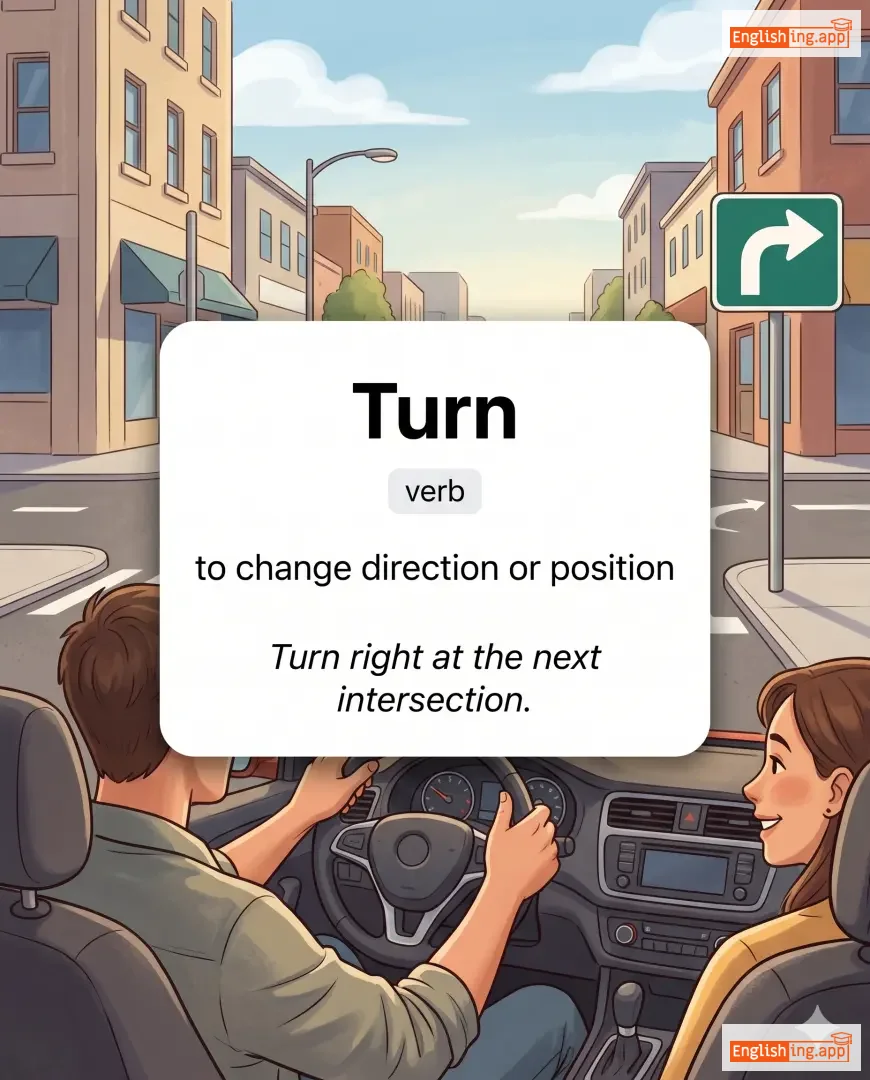
to change direction or position
••••••
|
Turn right at the next intersection.
在下一个路口右转。
••••••
|
在下一个路口右转。
Zai xia yige lukou you zhuan.
••••••
|
Turn a blind eye
睁一只眼闭一只眼
••••••
|
To ignore something deliberately
••••••
|
睁一只眼闭一只眼
Zheng yi zhi yan bi yi zhi yan
••••••
|
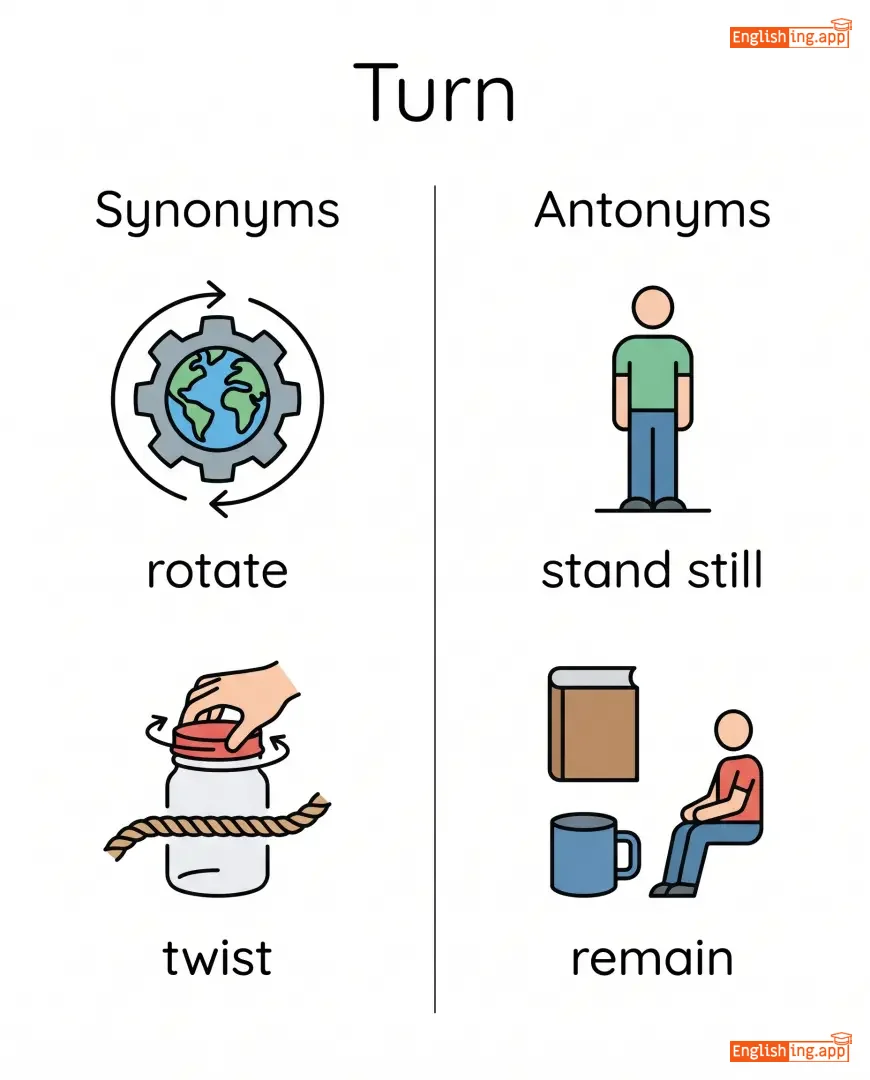
rotate, twist, spin, flip
••••••
|
stand still, remain
••••••
|
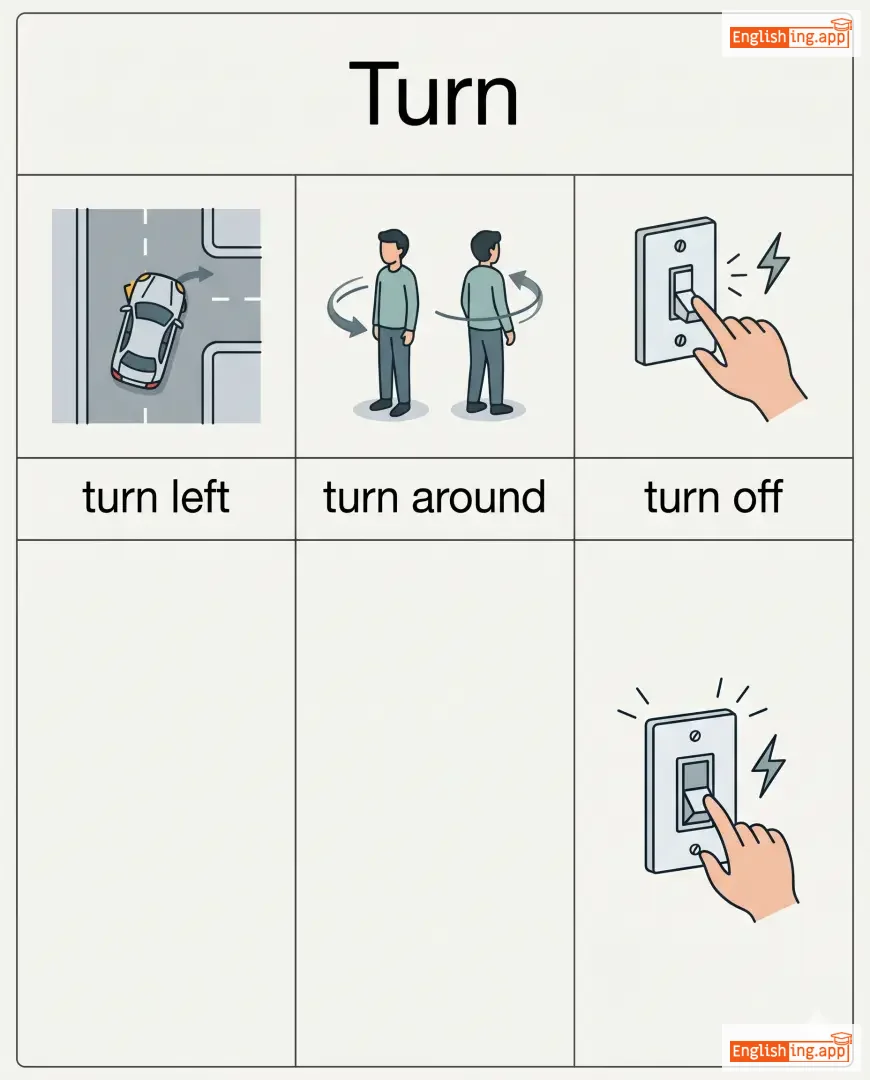
turn left, turn around, turn off, turn on
••••••
|
转动!记住 - 改变方向就是转动。
••••••
|
|
🛣️
••••••
|
/weɪ/
noun
(wēi)
••••••
|
- •••••• |
道路 / 方法
dàolù / fāngfǎ
••••••
|
- •••••• | - •••••• | - •••••• | - •••••• |
a path, direction, or method of doing something
••••••
|
He found a new way to solve the problem. |
他找到了一个解决问题的新方法。
Tā zhǎodào le yī gè jiějué wèntí de xīn fāngfǎ.
••••••
|
by the way |
used to introduce a new or additional topic
••••••
|
顺便说一下
shùnbiàn shuō yīxià
••••••
|
path, route, road, method, manner
••••••
|
blockage, obstacle, impasse
••••••
|
find a way, make way, on the way, by the way
••••••
|
Way 意味着道路 — 记住'高速公路'意味着一条大路。
••••••
|
|
🚗
••••••
|
/wiːl/
noun
(wíl)
••••••
|
- •••••• |
轮子
lúnzi
••••••
|
- •••••• | - •••••• | - •••••• | - •••••• |
a circular object that revolves on an axle and is used to move or carry things
••••••
|
The wheel of the car broke down on the way. |
汽车的轮子在路上坏了。
Qìchē de lúnzi zài lù shàng huàile.
••••••
|
- •••••• | - •••••• | - •••••• |
disk, circle, rotor, rim
••••••
|
none
••••••
|
steering wheel, bicycle wheel, car wheel, turn the wheel
••••••
|
轮子转动,带动汽车前行 (Lúnzi zhuǎndòng, dàidòng qìchē qiánxíng)
••••••
|

