|
表情符号
|
单词 | Images | 翻译 | 过去时 | 过去分词 | 第三人称单数 | 动名词 | 含义 | 例句 | 例句翻译 | 示例表达 | 示例表达含义 | 示例表达翻译 | 同义词 | 反义词 | 搭配词 | 助记符 |
|---|---|---|---|---|---|---|---|---|---|---|---|---|---|---|---|---|---|
|
🧳
••••••
|
/ˌpɛrəɡrɪˈneɪʃən/
noun
(朝圣之旅)
••••••
|
- •••••• |
朝圣之旅
chaosheng zhi lv
••••••
|
- •••••• | - •••••• | - •••••• | - •••••• |
A long journey or wandering, especially on foot.
••••••
|
Their peregrination across Asia lasted two years.
他们横跨亚洲的朝圣之旅持续了两年。
••••••
|
他们横跨亚洲的朝圣之旅持续了两年。
Tamen hengkua Yazia de chaosheng zhi lv chixu le liang nian.
••••••
|
- •••••• | - •••••• | - •••••• |
journey, travel, wandering, expedition, roaming
••••••
|
stay, residence
••••••
|
long peregrination, peregrination across, peregrination of
••••••
|
Peregrination是长途旅行 – 就像'Pere'(配对)一起长时间旅行。
••••••
|
|
📢
••••••
|
/pəˈrɛmptəri/
adjective
(佩伦普托里)
••••••
|
- •••••• |
专横
zhuānhèng
••••••
|
- •••••• | - •••••• | - •••••• | - •••••• |
Insisting on immediate attention or obedience, especially in a commanding way.
••••••
|
The officer gave a peremptory order to evacuate the building. |
官员下达了一个专横的命令,要求撤离大楼。
Guānyuán xiàdále yīgè zhuānhèng de mìnglìng, yāoqiú chèlí dàlóu.
••••••
|
- •••••• | - •••••• | - •••••• |
authoritative, commanding, dictatorial, decisive, imperious
••••••
|
submissive, hesitant, weak
••••••
|
peremptory order, peremptory tone, peremptory command
••••••
|
Peremptory 意味着专横 - 就像命令一样直接下达。
••••••
|
|
🌱
••••••
|
/pəˈrɛniəl/
adjective
(perennial)
••••••
|
|
常青
changqing
••••••
|
- •••••• | - •••••• | - •••••• | - •••••• |
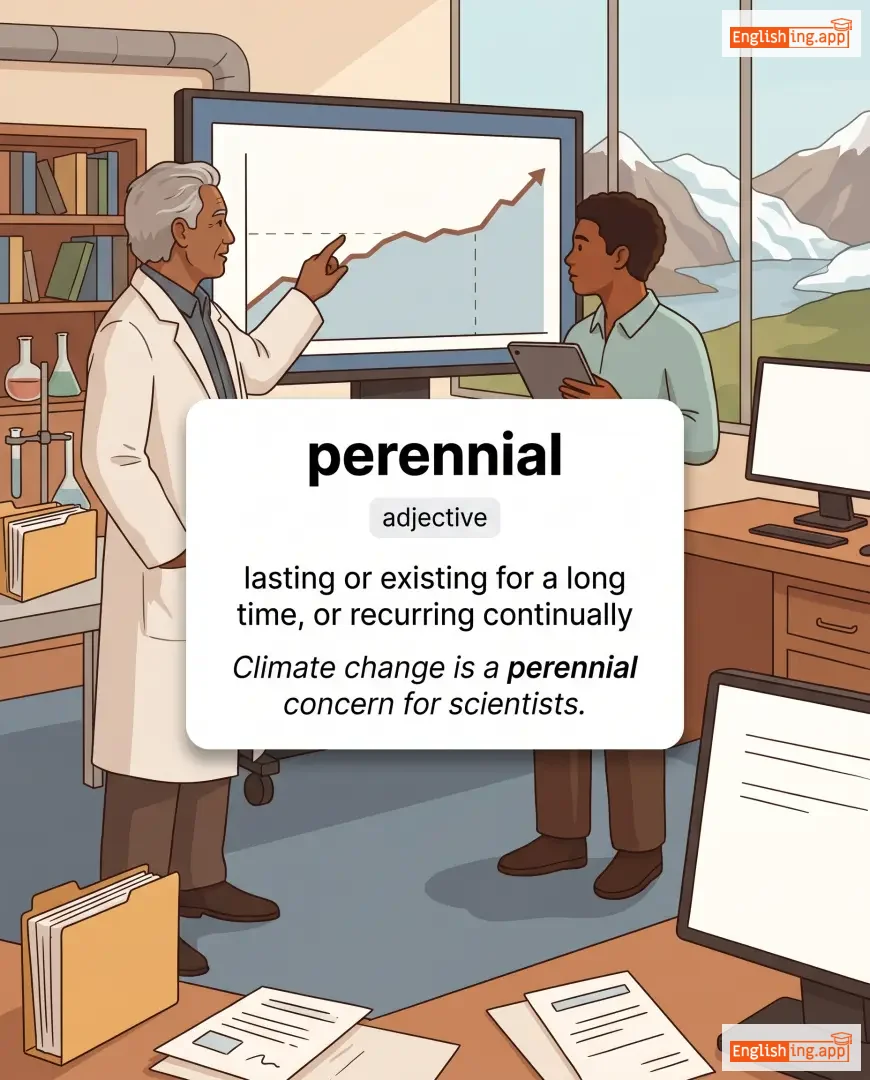
lasting or existing for a long time, or recurring continually
••••••
|
Climate change is a perennial concern for scientists. |
气候变化是科学家的一个长期关注问题。
Qìhòu biànhuà shì kēxuéjiā de yīgè chángqī guānzhù wèntí.
••••••
|
perennial favorite |
something that is always liked or chosen over time
••••••
|
常青最爱
chángqī zuì ài
••••••
|
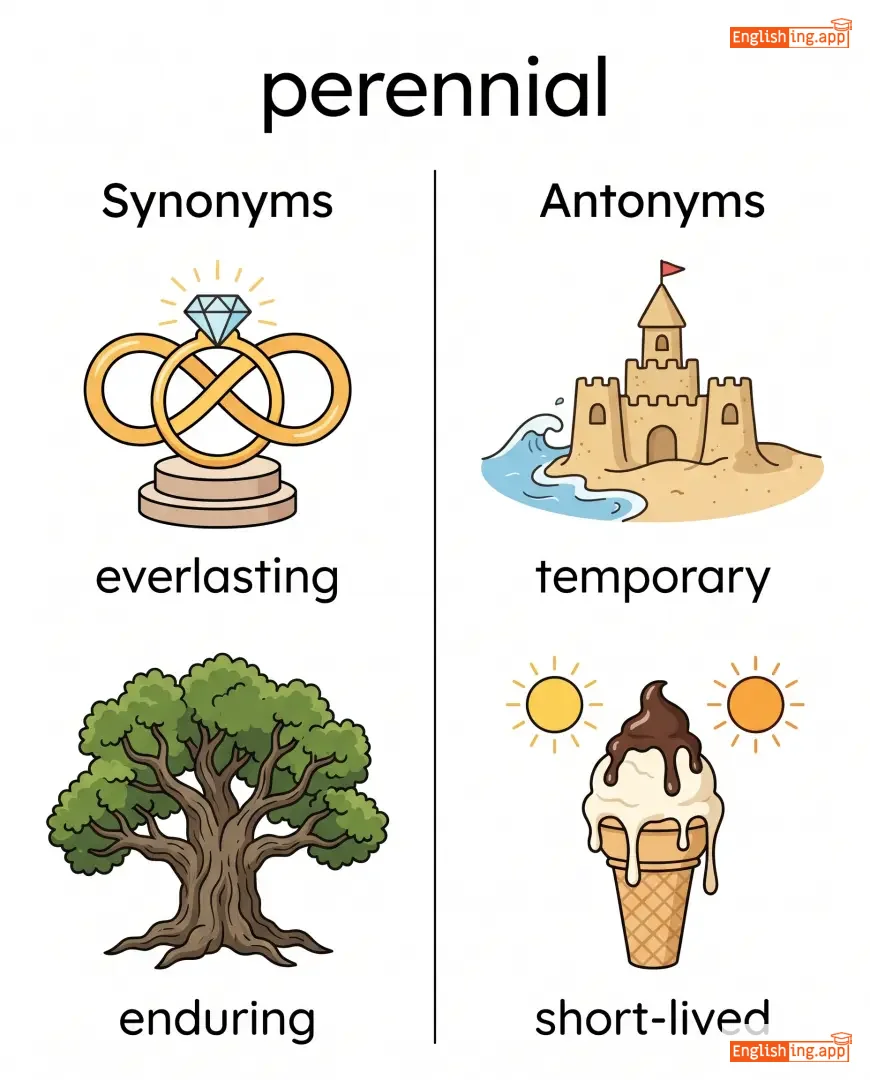
everlasting, enduring, persistent, continual, constant
••••••
|
temporary, short-lived, fleeting
••••••
|
perennial problem, perennial plant, perennial issue, perennial concern
••••••
|
Perennial 是 '常青',就像常青植物每年都会回来。
••••••
|
|
🕵️
••••••
|
/pərˈfɪdiəs/
adjective
(佩尔菲迪奥斯)
••••••
|

|
背叛的
beipan de
••••••
|
- •••••• | - •••••• | - •••••• | - •••••• |
deceitful and untrustworthy
••••••
|
The spy was executed for his perfidious actions. |
间谍因其背叛行为被执行死刑。
Jiandie yin qi beipan xingwei bei zhixing sixing.
••••••
|
- •••••• | - •••••• | - •••••• |
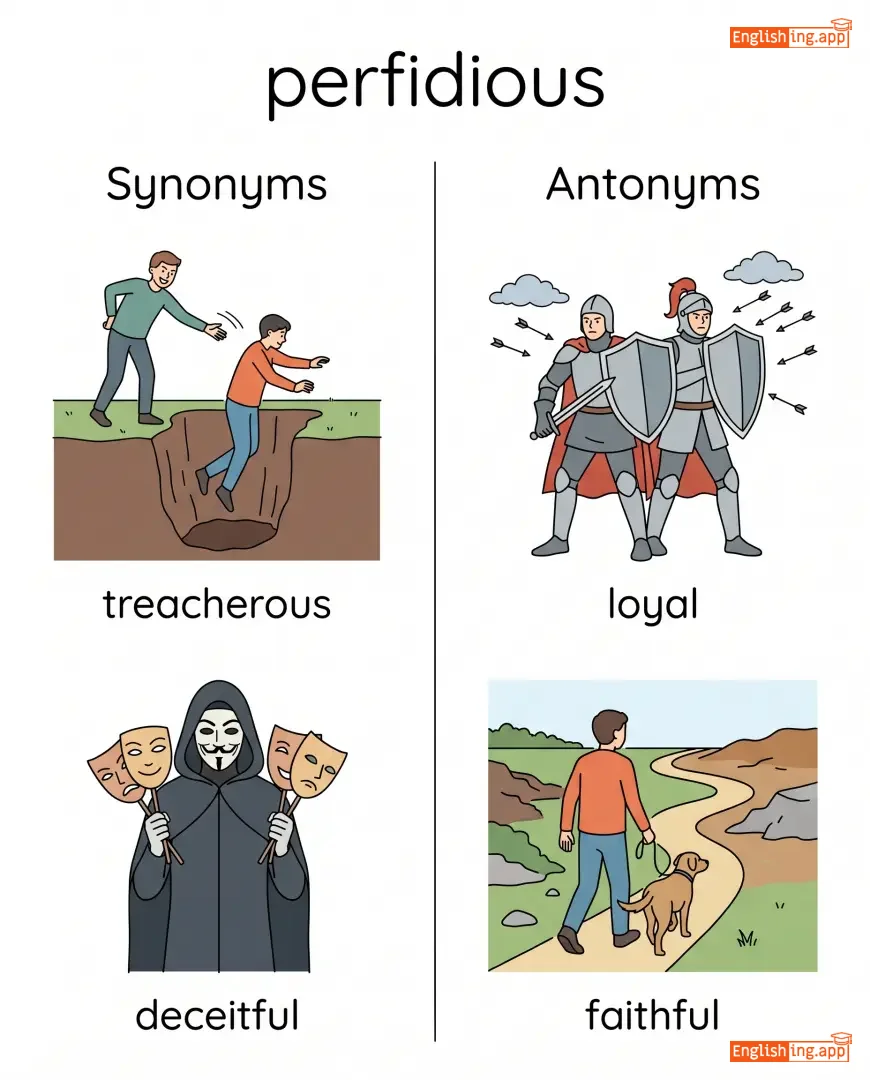
treacherous, deceitful, disloyal, unfaithful, duplicitous
••••••
|
loyal, faithful, trustworthy
••••••
|
perfidious act, perfidious betrayal, perfidious nature
••••••
|
Perfidious 听起来像 '完美',但它是背叛的意思。
••••••
|
|
😒
••••••
|
/pəˈfʌŋk.tər.i/
adjective
(pàfēngkètè)
••••••
|

|
敷衍
fu yan
••••••
|
- •••••• | - •••••• | - •••••• | - •••••• |
done without much effort, interest, or thought
••••••
|
He gave a perfunctory nod and walked away. |
他草率地点了点头然后走开了。
Ta caoluode dianle diantou ranhou zoukailiao.
••••••
|
- •••••• | - •••••• | - •••••• |
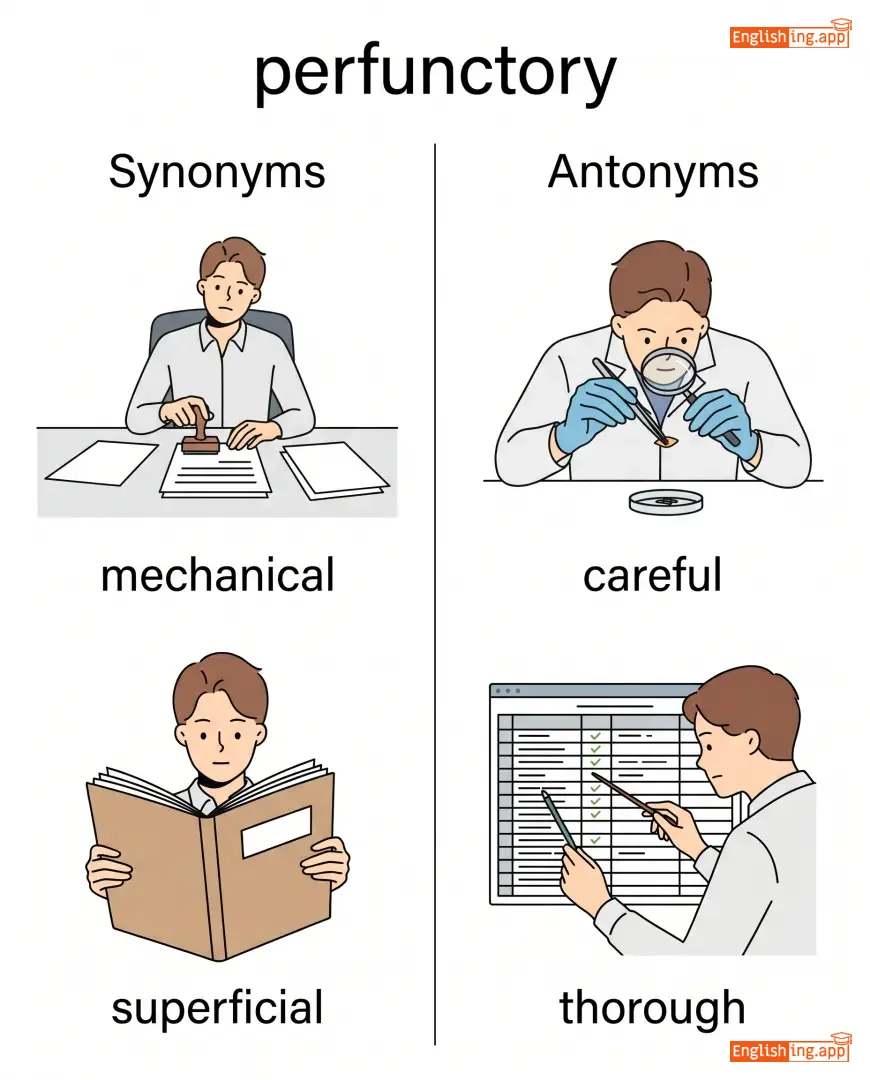
mechanical, superficial, careless, cursory, automatic
••••••
|
careful, thorough, attentive
••••••
|
perfunctory effort, perfunctory response, perfunctory nod, perfunctory greeting
••••••
|
做事不认真,就是perfunctory,敷衍了事。
••••••
|
|
🌕
••••••
|
/ˈper.ɪ.dʒiː/
noun
(péríjí)
••••••
|
- •••••• |
月亮或卫星在轨道上离地球最近的点
yuèliàng huò wèixīng zài guǐdào shàng lí dìqiú zuìjìn de diǎn
••••••
|
- •••••• | - •••••• | - •••••• | - •••••• |
the point in the orbit of the moon or a satellite at which it is nearest to the Earth
••••••
|
The moon appeared much larger during its perigee. |
月亮在其近地点时显得更大。
Yuèliàng zài qí jìndiǎn shí xiǎnde gèng dà.
••••••
|
- •••••• | - •••••• | - •••••• |
closest point, nearest approach, low point
••••••
|
apogee, farthest point
••••••
|
lunar perigee, perigee distance, at perigee, reach perigee
••••••
|
Peri + gee → 'peri' 是接近的意思,'gee' 是地球的意思 – 月亮接近地球。
••••••
|
|
💧
••••••
|
/ˈpɜːrmiəbl̩/
adjective
(pəˈmiːəbl̩)
••••••
|
|
可渗透的
kě shèntòu de
••••••
|
- •••••• | - •••••• | - •••••• | - •••••• |
allowing liquids or gases to pass through
••••••
|
The soil in this area is very permeable to water. |
这个地区的土壤对水非常可渗透。
Zhège dìqū de tǔrǎng duì shuǐ fēicháng kě shèntòu.
••••••
|
- •••••• | - •••••• | - •••••• |
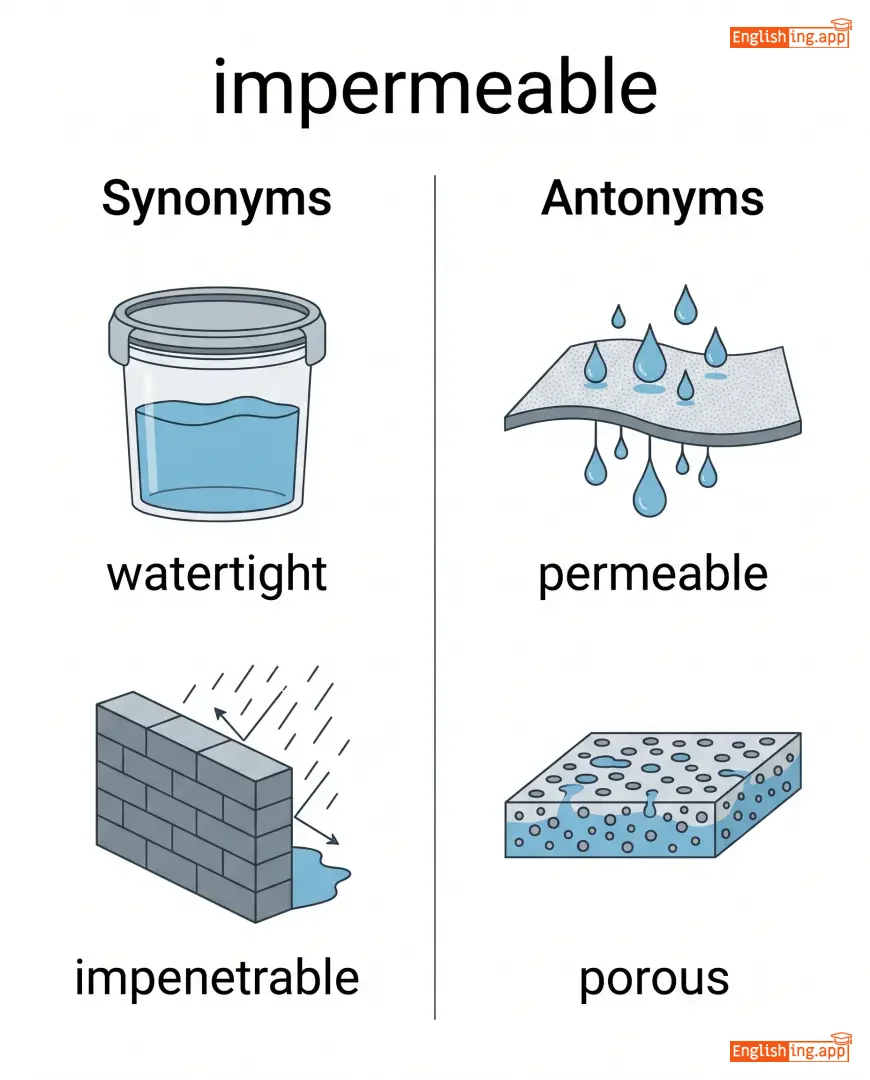
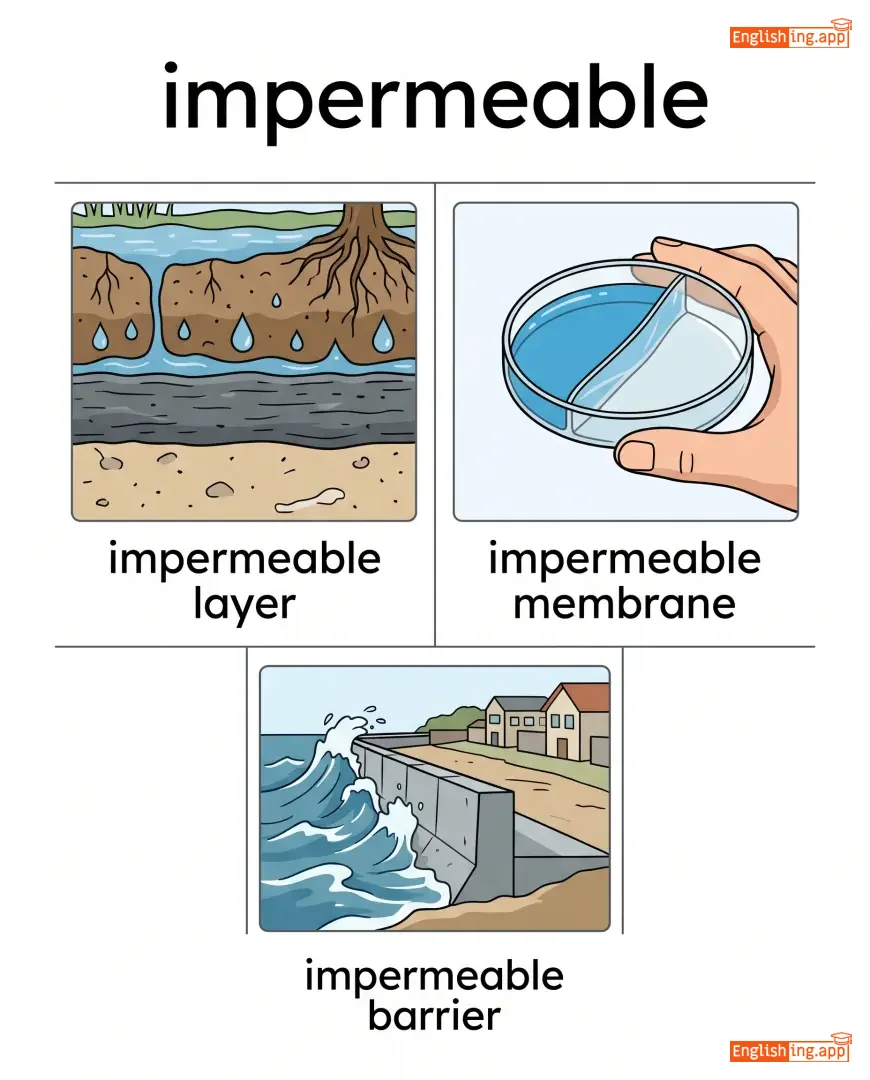
porous, absorbent, penetrable, leaky
••••••
|
impermeable, watertight, sealed
••••••
|
permeable soil, permeable membrane, highly permeable, permeable surface
••••••
|
可渗透的 = 可 (能) + 渗透 = 允许水/气体通过的 (可渗透的)。
••••••
|
|
😟
••••••
|
/pərˈtɜːrb/
verb
(pərˈtɜːrb)
••••••
|
- •••••• |
扰乱
raoluan
••••••
|
perturbed
pərˈtɜːrbd
••••••
|
perturbed
pərˈtɜːrbd
••••••
|
perturbs
pərˈtɜːrbs
••••••
|
perturbing
pərˈtɜːrbɪŋ
••••••
|
To disturb or unsettle greatly in mind.
••••••
|
The sudden noise perturbed the students during the exam.
突如其来的噪音在考试期间干扰了学生。
••••••
|
突如其来的噪音在考试期间干扰了学生。
Tūrú qí lái de zàoyīn zài kǎoshì qījiān gānrǎo le xuéshēng.
••••••
|
perturb the balance
扰乱平衡
••••••
|
to upset stability or harmony
••••••
|
扰乱平衡
raoluan pingheng
••••••
|
disturb, unsettle, agitate, upset, worry
••••••
|
calm, soothe, reassure
••••••
|
greatly perturbed, visibly perturbed, perturb the mind, perturb the balance
••••••
|
Perturb—扰乱,像扰乱平衡那样。
••••••
|
|
🌍
••••••
|
/pərˈveɪsɪv/
adjective
(pərˈveɪsɪv)
••••••
|

|
普遍
pǔbiàn
••••••
|
- •••••• | - •••••• | - •••••• | - •••••• |
spreading widely throughout an area or a group of people
••••••
|
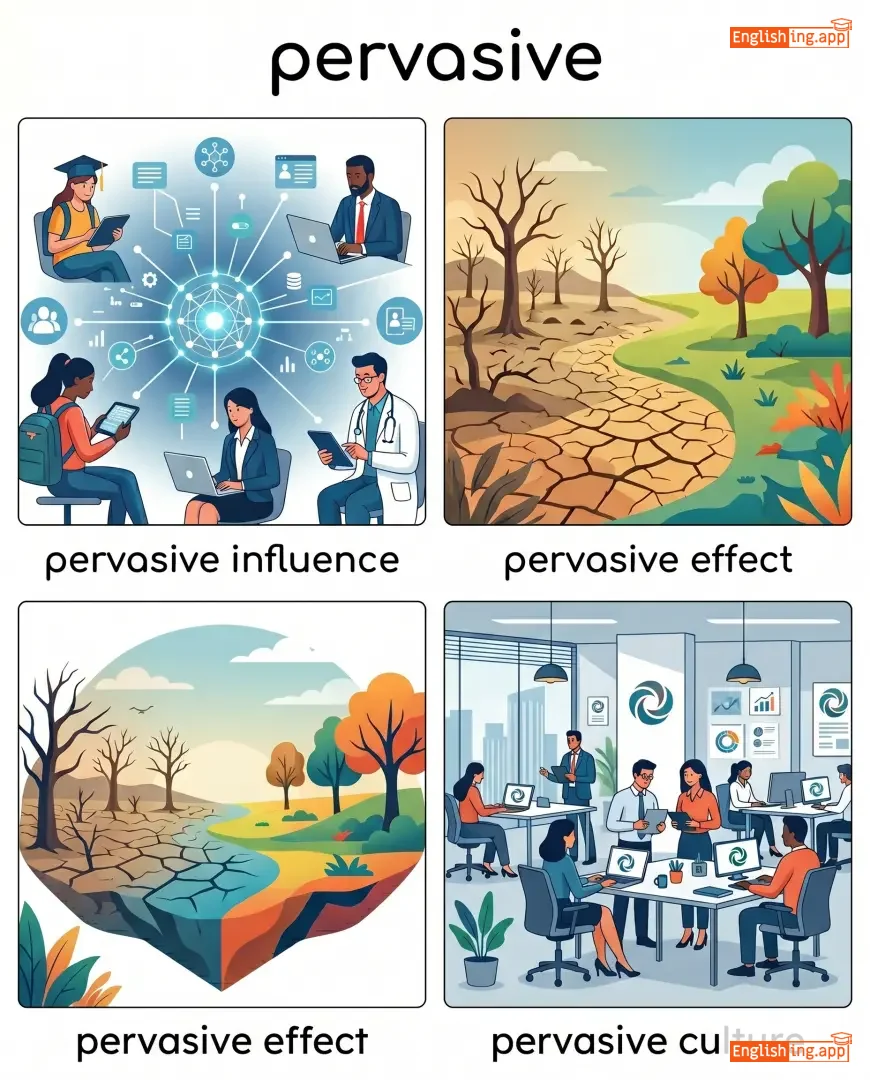
The pervasive influence of technology is seen in every aspect of life. |
技术的普遍影响在生活的各个方面都能看到。
Jìshù de pǔbiàn yǐngxiǎng zài shēnghuó de gè ge fāngmiàn dōu néng kàn dào.
••••••
|
- •••••• | - •••••• | - •••••• |
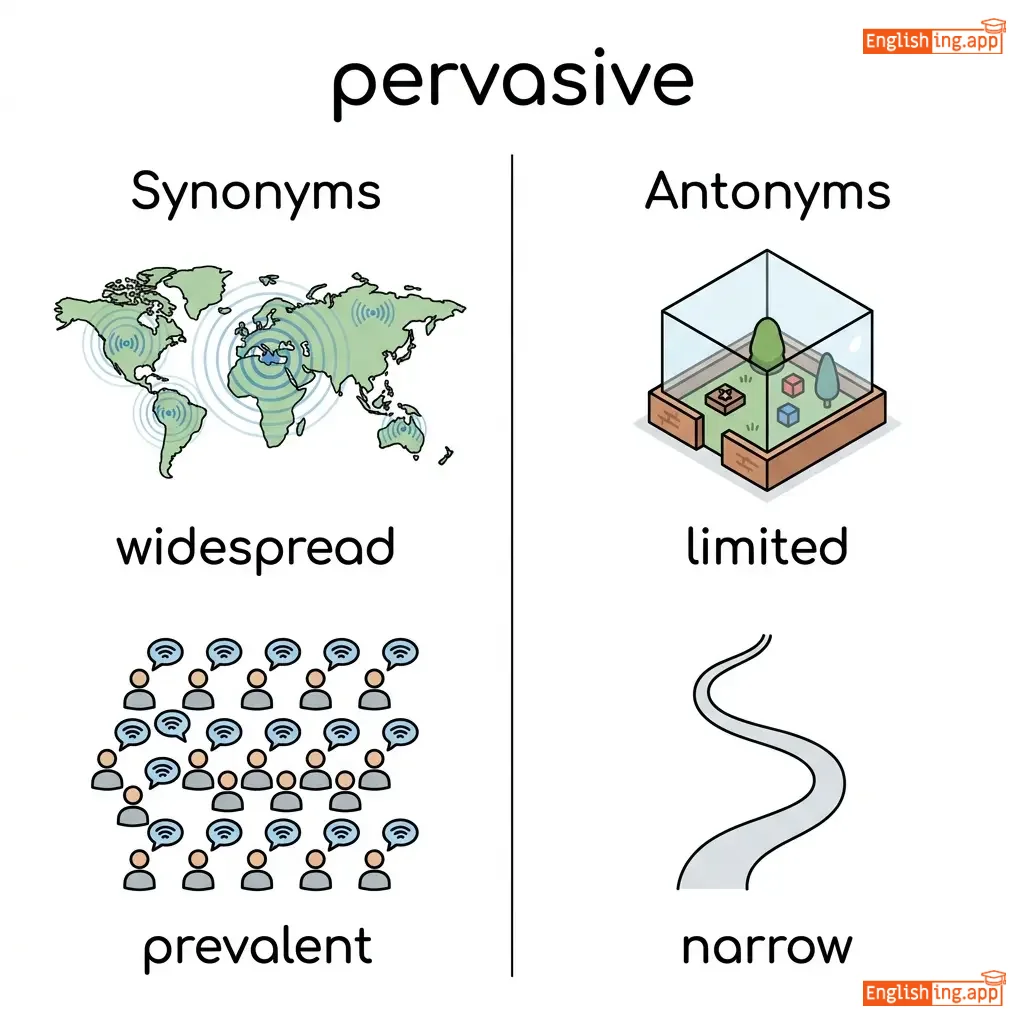
widespread, prevalent, extensive, universal, omnipresent
••••••
|
limited, narrow, rare
••••••
|
pervasive influence, pervasive effect, pervasive culture, pervasive problem
••••••
|
普遍表示无处不在—pervasive
••••••
|
|
😤
••••••
|
/ˈpɛtjʊlənt/
adjective
(pètuèlènt)
••••••
|
- •••••• |
脾气坏
píqì huài
••••••
|
- •••••• | - •••••• | - •••••• | - •••••• |
Childishly sulky or bad-tempered.
••••••
|
The child became petulant when denied more candy. |
孩子因为没得到更多糖果而变得脾气坏。
Háizi yīnwèi méi dédào gèng duō tángguǒ ér biàn dé píqì huài.
••••••
|
- •••••• | - •••••• | - •••••• |
irritable, cranky, sulky, moody
••••••
|
cheerful, patient, calm
••••••
|
petulant child, petulant response, petulant tone
••••••
|
Petulant 就像坏脾气的小孩子一样,容易发火。
••••••
|
|
😐
••••••
|
/flɛgˈmæt.ɪk/
adjective
(弗雷格玛提克)
••••••
|

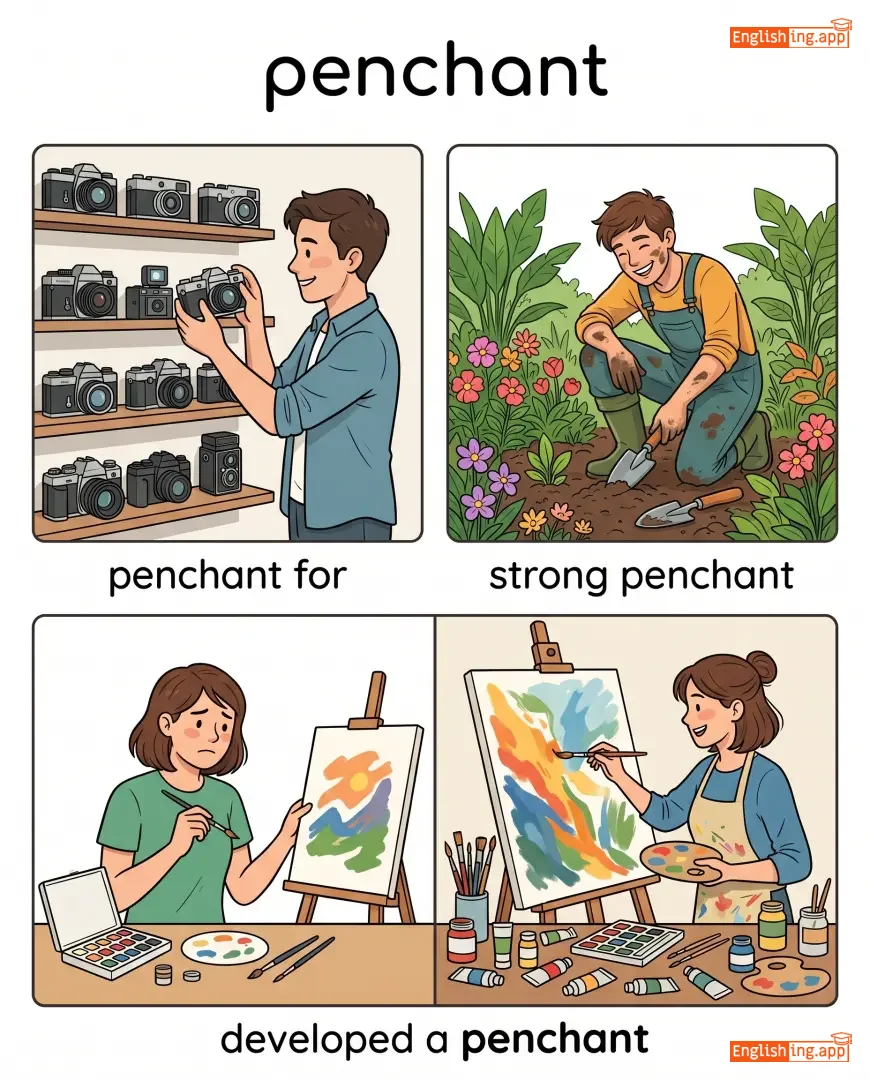
|
冷静的
lěngjìng de
••••••
|
- •••••• | - •••••• | - •••••• | - •••••• |
having an unemotional and stolidly calm disposition
••••••
|
Despite the chaos, he remained phlegmatic and composed. |
尽管混乱,他依然保持冷静和平静。
Jǐnguǎn hùnluàn, tā yīrán bǎochí lěngjìng hé píngjìng.
••••••
|
- •••••• | - •••••• | - •••••• |
calm, unflappable, composed, stoic
••••••
|
excitable, emotional, agitated
••••••
|
phlegmatic temperament, phlegmatic response, phlegmatic nature
••••••
|
冷静如冰,弗雷格玛提克保持不动如冰。
••••••
|
|
🦅
••••••
|
/ˈfiː.nɪks/
noun
(凤凰)
••••••
|
- •••••• |
凤凰鸟
fenghuang niao
••••••
|
- •••••• | - •••••• | - •••••• | - •••••• |
a mythical bird that is reborn from its ashes; symbol of immortality or renewal
••••••
|
The legend says the phoenix rises from its ashes every 500 years. |
传说凤凰每500年从自己的灰烬中复生。
chuánshuō fènghuáng měi 500 nián cóng zìjǐ de huīchén zhōng fùshēng.
••••••
|
- •••••• | - •••••• | - •••••• |
mythical bird, immortal bird, firebird, rebirth symbol
••••••
|
mortal creature, ordinary bird
••••••
|
rise like a phoenix, phoenix myth, phoenix legend
••••••
|
凤凰从火中重生 - Phoenix rises from fire
••••••
|
|
👤
••••••
|
/ˌfɪziˈɒnəmi/
noun
(面相学)
••••••
|
- •••••• |
面部特征分析
miànbù tèzhēng fēnxī
••••••
|
- •••••• | - •••••• | - •••••• | - •••••• |
the study of facial features to judge character or personality
••••••
|
He believed in physiognomy and tried to read people's personalities from their faces. |
他相信面相学,并试图通过人的面部来解读他们的个性。
Tā xiāngxìn miànxìang xué, bìng shìtú tōngguò rén de miànbù lái jiědú tāmen de gèxìng.
••••••
|
- •••••• | - •••••• | - •••••• |
face reading, character analysis, appearance study, facial interpretation
••••••
|
ignorance, randomness
••••••
|
study of physiognomy, physiognomy analysis, physiognomic features
••••••
|
Physio (面部) + gnomy (知识) = 通过面部识别个性 - Know personality from face.
••••••
|
|
🙏
••••••
|
/ˈpaɪ.ə.ti/
noun
(pái ètí)
••••••
|


|
虔诚
qiánchéng
••••••
|
- •••••• | - •••••• | - •••••• | - •••••• |
the quality of being religious or reverent; devout religious belief and practice
••••••
|
His piety was evident in his daily prayers.
His piety was evident in his daily prayers.
••••••
|
他的虔诚在他每天的祈祷中显而易见。
tā de qiánchéng zài tā měitiān de qídǎo zhōng xiǎn'ér yìjiàn.
••••••
|
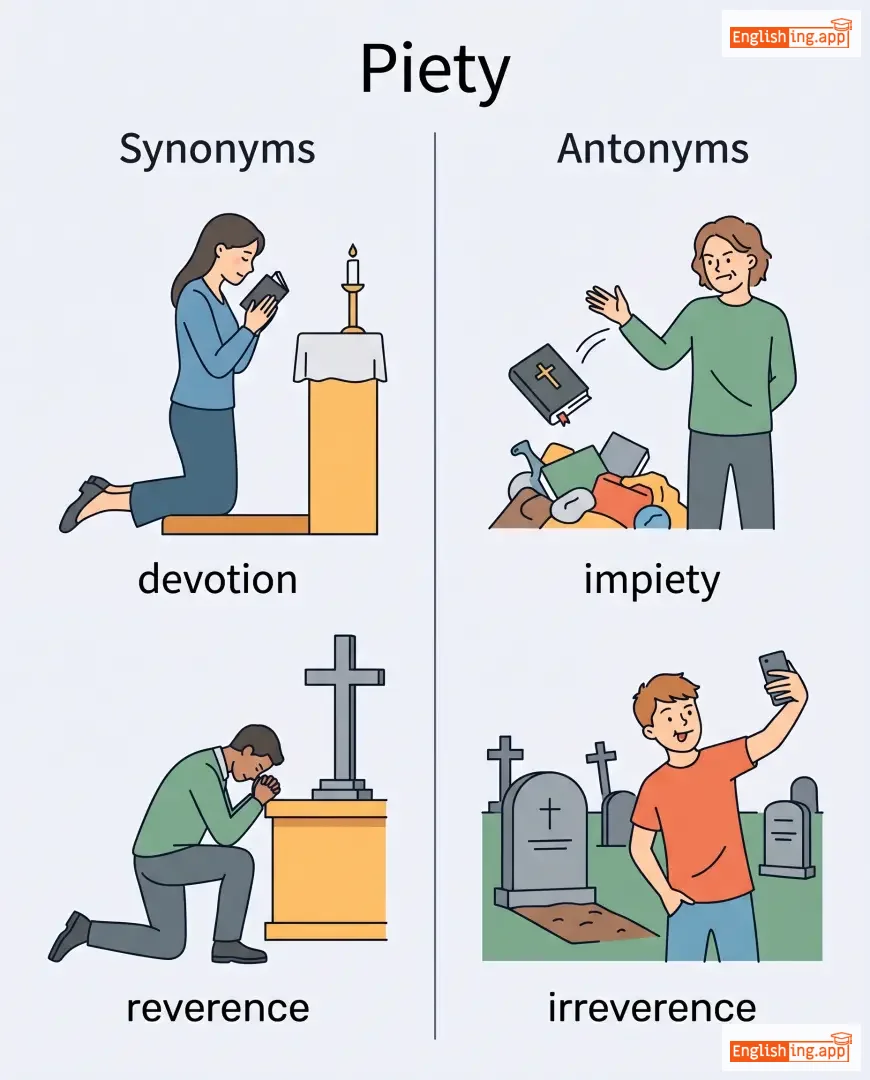
- •••••• | - •••••• | - •••••• |
devotion, religiousness, godliness, spirituality
••••••
|
impiety, irreligion, godlessness, blasphemy
••••••
|
religious piety, filial piety, show piety
••••••
|
虔诚 = 信仰专一
••••••
|
|
🌶️
••••••
|
/ˈpiːkənt/
adjective
(皮坎特)
••••••
|
- •••••• |
辛辣
xinla
••••••
|
- •••••• | - •••••• | - •••••• | - •••••• |
having a pleasantly sharp or spicy taste; interestingly provocative
••••••
|
The chef added a piquant sauce to the dish to enhance its flavor. |
厨师在菜肴中加入了辛辣的酱汁,以增强其味道。
Chúshī zài càiyáo zhōng jiārùle xīnlà de jiàngzhī, yǐ zēngqiáng qí wèidào.
••••••
|
- •••••• | - •••••• | - •••••• |
spicy, tangy, zesty, stimulating
••••••
|
bland, dull
••••••
|
piquant flavor, piquant sauce, piquant remark
••••••
|
皮坎特 = 辛辣 (xinla) 口味
••••••
|
|
😠
••••••
|
/piːk/
verb
(皮克)
••••••
|
- •••••• |
激发
jifa
••••••
|
piqued
皮克德
••••••
|
piqued
皮克德
••••••
|
piques
皮克斯
••••••
|
piquing
皮肯
••••••
|
to stimulate interest or curiosity; to arouse resentment or anger
••••••
|
Her remarks piqued his curiosity about the secret project.
她的评论激起了他对秘密项目的好奇心。
••••••
|
她的评论激起了他对秘密项目的好奇心。
Ta de pinglun jiqi le ta dui mimi xiangmu de haoqixin.
••••••
|
- •••••• | - •••••• | - •••••• |
arouse, provoke, irritate, stimulate
••••••
|
calm, soothe, pacify
••••••
|
pique interest, pique curiosity, pique someone's anger
••••••
|
Pique激发兴趣 (xingqu) - Pique arouses curiosity
••••••
|
|
🕊️
••••••
|
/pləˈkeɪt/
verb
(plakeit)
••••••
|

|
安抚
ānfǔ
••••••
|
placated
plakeited
••••••
|
placated
plakeited
••••••
|
placates
plakeits
••••••
|
placating
plakeiting
••••••
|
to make someone less angry or hostile; to calm or soothe
••••••
|
He tried to placate the angry customer with a refund.
他试图通过退款安抚愤怒的客户。
••••••
|
他试图通过退款安抚愤怒的客户。
Tā shìtú tōngguò tuìkuǎn ānfǔ fènnù de kèhù.
••••••
|
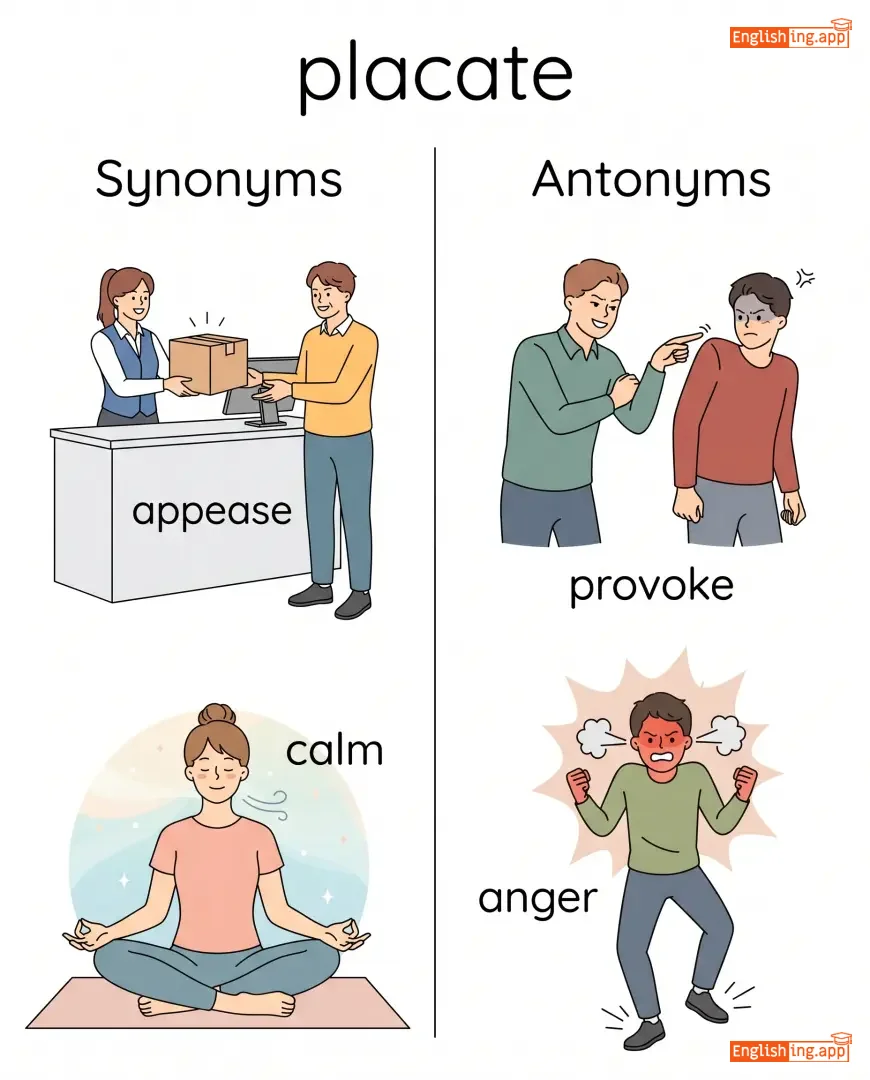
- •••••• | - •••••• | - •••••• |
appease, calm, soothe, pacify
••••••
|
provoke, anger, irritate
••••••
|
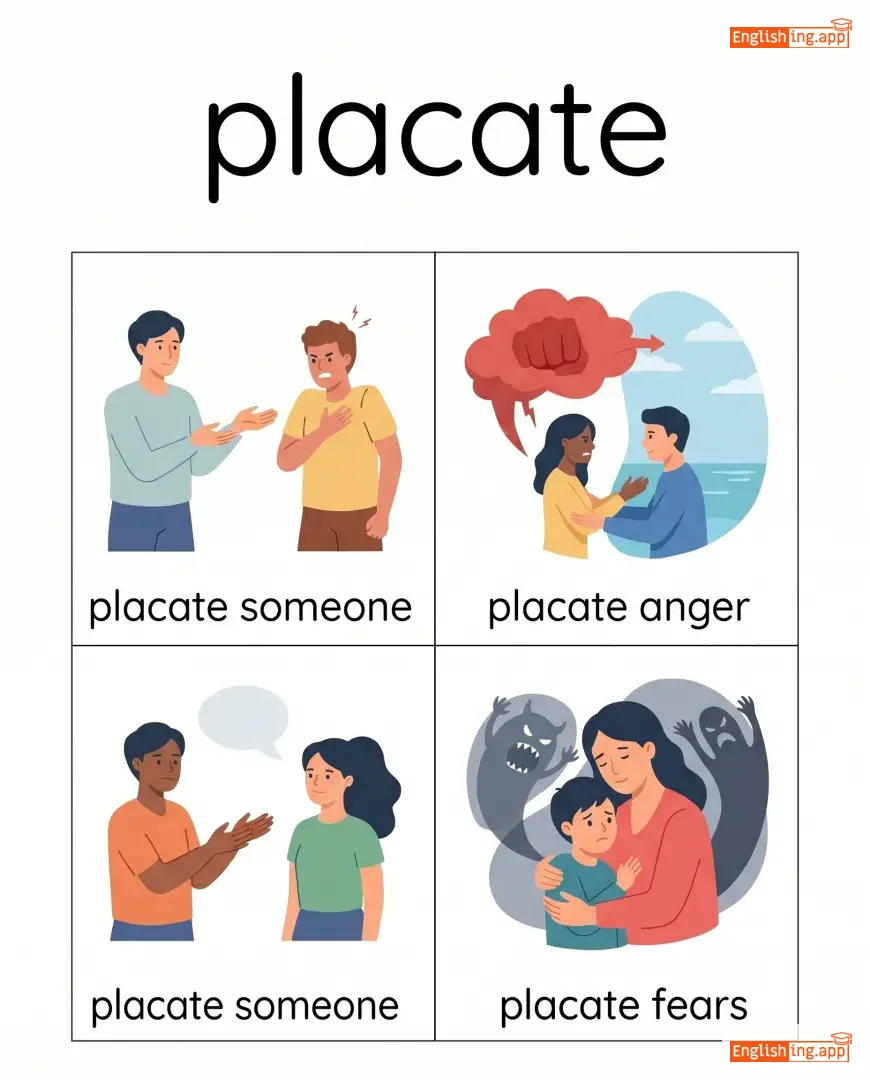
placate someone, placate anger, placate fears
••••••
|
Placate是安抚,placate让你冷静下来。
••••••
|
|
🌊
••••••
|
/ˈplæsɪd/
adjective
(plàxíd)
••••••
|
- •••••• |
平静的,安宁的
píngjìng de, ānníng de
••••••
|
- •••••• | - •••••• | - •••••• | - •••••• |
calm and peaceful, not easily disturbed
••••••
|
She had a placid expression despite the chaos around her.
尽管周围一片混乱,她的表情依然平静。
••••••
|
尽管周围一片混乱,她的表情依然平静。
Jǐnguǎn zhōuwéi yīpiàn hùnluàn, tā de biǎoqíng yīrán píngjìng.
••••••
|
- •••••• | - •••••• | - •••••• |
calm, serene, tranquil, peaceful
••••••
|
agitated, turbulent, restless
••••••
|
placid lake, placid demeanor, remain placid
••••••
|
Placid 就像平静的湖面
••••••
|
|
😢
••••••
|
/ˈpleɪntɪv/
adjective
(plèntív)
••••••
|
- •••••• |
悲伤的, 哀求的
bēishāng de, āiqiú de
••••••
|
- •••••• | - •••••• | - •••••• | - •••••• |
expressing sadness or sorrow
••••••
|
He raised a plaintive cry for help.
他发出了一个悲伤的求救声。
••••••
|
他发出了一个悲伤的求救声。
Tā fāchūle yīgè bēishāng de qiújiù shēng.
••••••
|
- •••••• | - •••••• | - •••••• |
mournful, sorrowful, melancholy, wistful
••••••
|
cheerful, joyful, happy
••••••
|
plaintive voice, plaintive look, plaintive cry
••••••
|
Plain + tive = 显示悲伤, plaintive表达悲伤
••••••
|
|
🧠
••••••
|
/plæsˈtɪsəti/
noun
(可塑性)
••••••
|

|
可塑性, 适应能力
kesu xing, shiying nengli
••••••
|
- •••••• | - •••••• | - •••••• | - •••••• |
the quality of being easily shaped or molded; adaptability
••••••
|
The brain's plasticity allows it to adapt after injury.
大脑的可塑性使它在受伤后能够适应。
••••••
|
大脑的可塑性使它在受伤后能够适应。
Dainao de kesu xing shi ta zai shoushang hou nenggou shiying.
••••••
|
- •••••• | - •••••• | - •••••• |
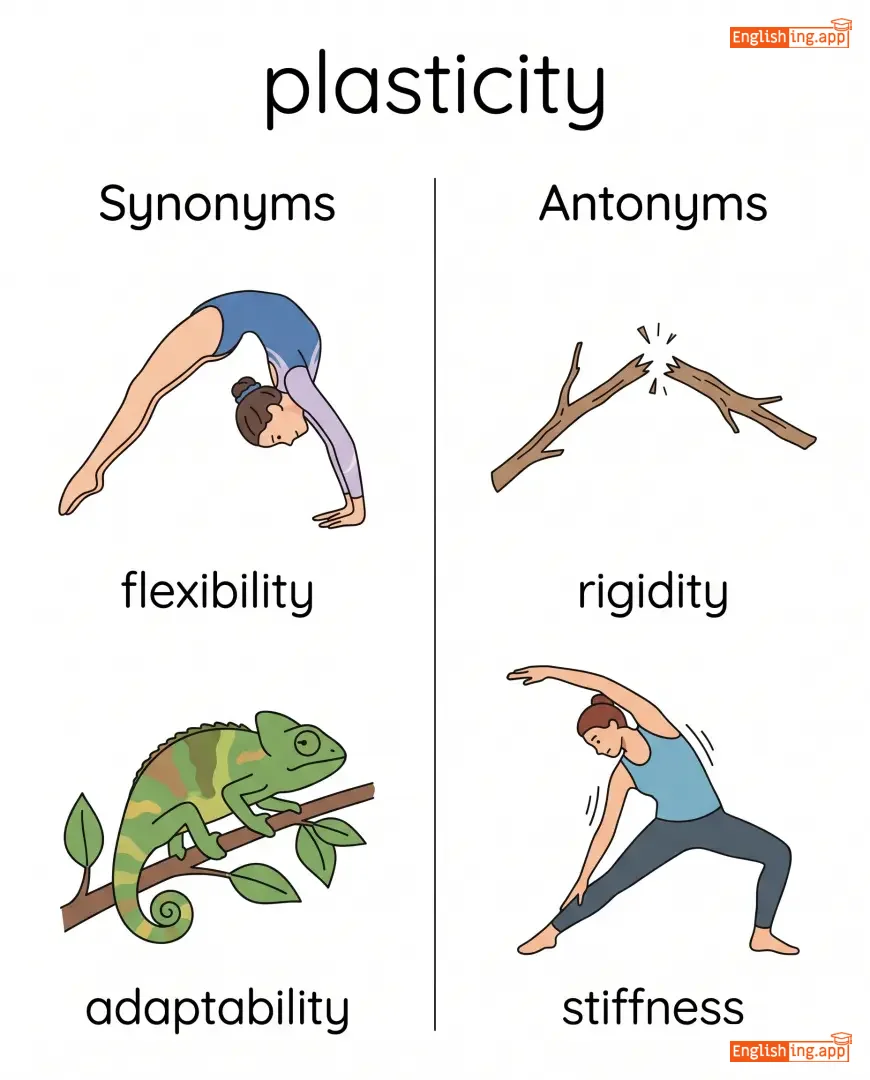
flexibility, adaptability, malleability, pliability
••••••
|
rigidity, stiffness
••••••
|
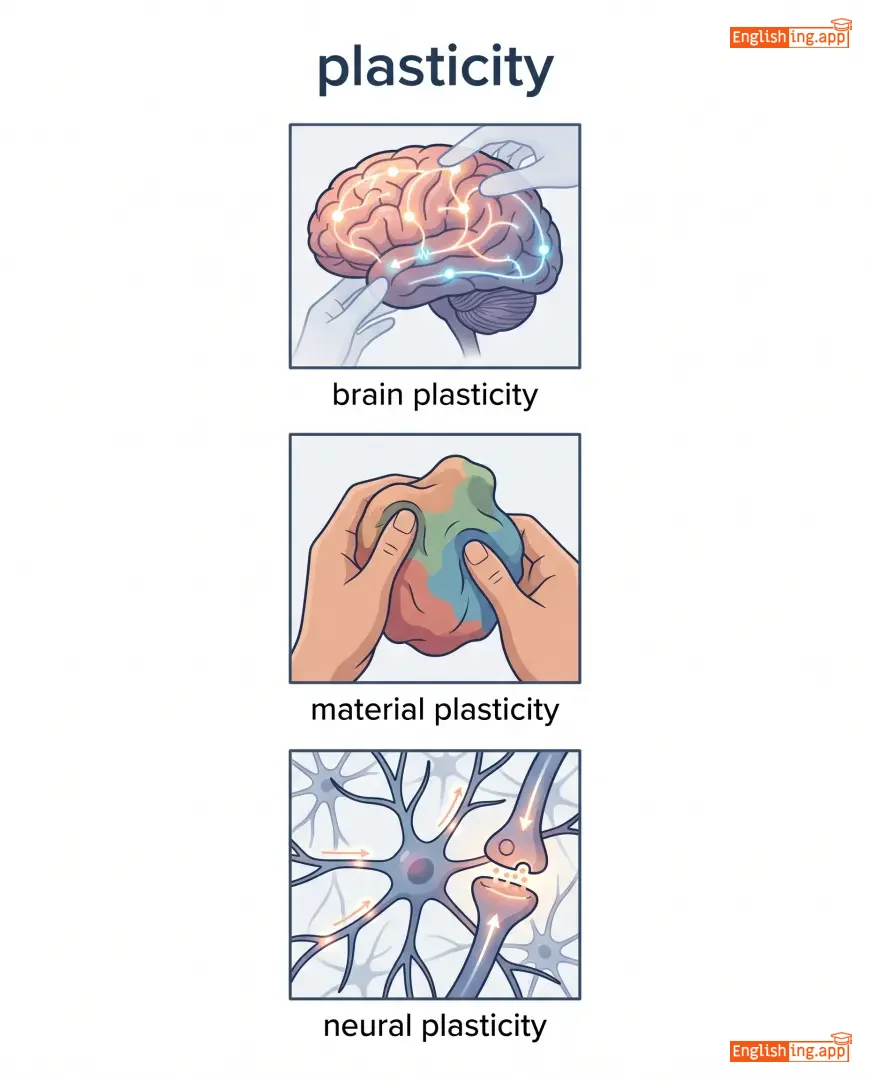
brain plasticity, material plasticity, neural plasticity
••••••
|
脑的可塑性意味着大脑具有适应能力
••••••
|
|
🗣️
••••••
|
/ˈplætɪtjuːd/
noun
(普拉蒂图德)
••••••
|


|
陈词滥调,空话
chéncí làndiào, kōnghuà
••••••
|
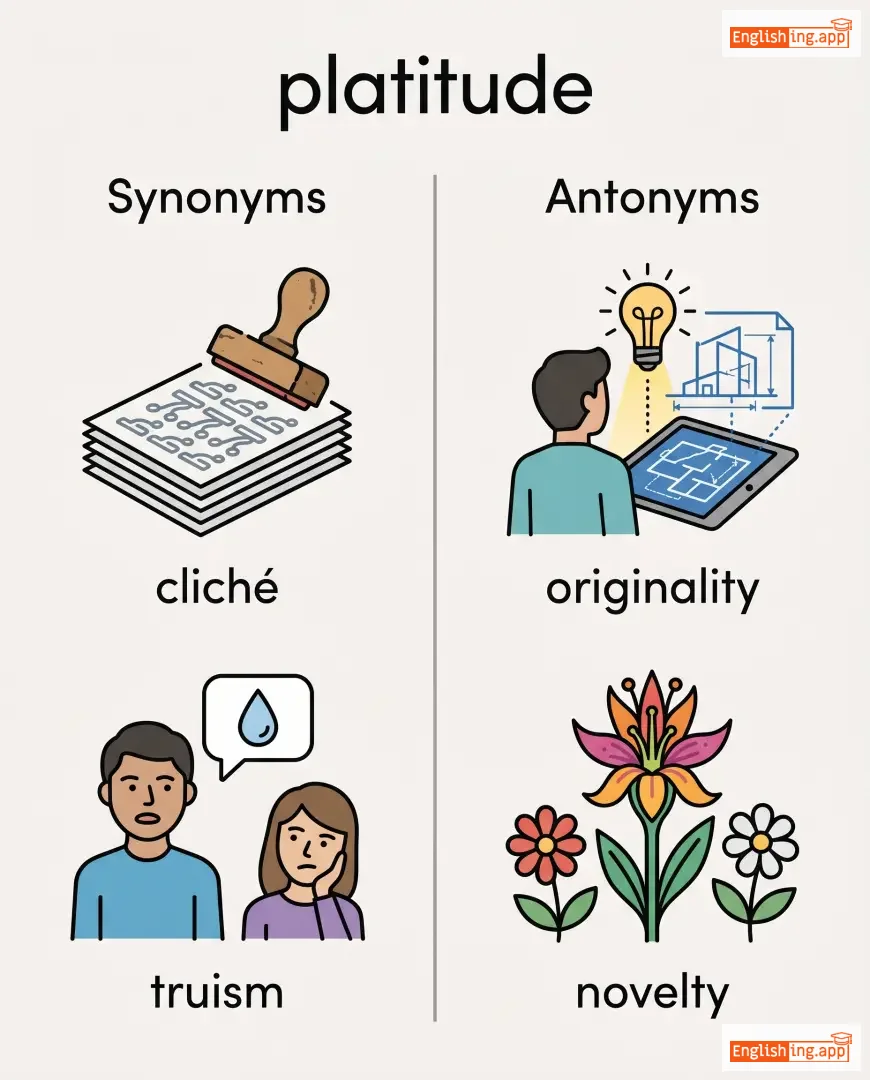
- •••••• | - •••••• | - •••••• | - •••••• |
a remark or statement that is overused and unoriginal
••••••
|
He kept repeating the same platitudes during the speech.
他在演讲中不断重复相同的陈词滥调。
••••••
|
他在演讲中不断重复相同的陈词滥调。
Tā zài yǎnjiǎng zhōng bùduàn chóngfù xiāngtóng de chéncí làndiào.
••••••
|
- •••••• | - •••••• | - •••••• |
cliché, truism, banality, commonplace
••••••
|
originality, novelty
••••••
|
political platitude, moral platitude, repeated platitude
••••••
|
PLATI + TUDE = 想象一个满是重复话语的盘子——platitude
••••••
|
|
🤝
••••••
|
/pləˈtɒnɪk/
adjective
(柏拉图式)
••••••
|
- •••••• |
柏拉图式
bǎi lātú shì
••••••
|
- •••••• | - •••••• | - •••••• | - •••••• |
relating to a close relationship that is not romantic or sexual
••••••
|
They have a platonic friendship that has lasted for years. |
他们有一段柏拉图式的友谊,已经持续了多年。
Tāmen yǒu yí duàn bǎi lātú shì de yǒuyì, yǐjīng chíxùle duō nián.
••••••
|
- •••••• | - •••••• | - •••••• |
nonsexual, spiritual, ideal, chaste
••••••
|
romantic, sexual
••••••
|
platonic relationship, platonic love, platonic friendship
••••••
|
柏拉图式的友谊没有浪漫 - Platonic friendship without romance
••••••
|
|
📚
••••••
|
/ˈplɛθərə/
noun
(普莱索拉)
••••••
|


|
过多的数量
guo duo de shu liang
••••••
|
- •••••• | - •••••• | - •••••• | - •••••• |
an excessive amount of something
••••••
|
She has a plethora of books on her shelf. |
她的书架上有过多的书籍。
Ta de shujia shang you guo duo de shuju.
••••••
|
- •••••• | - •••••• | - •••••• |
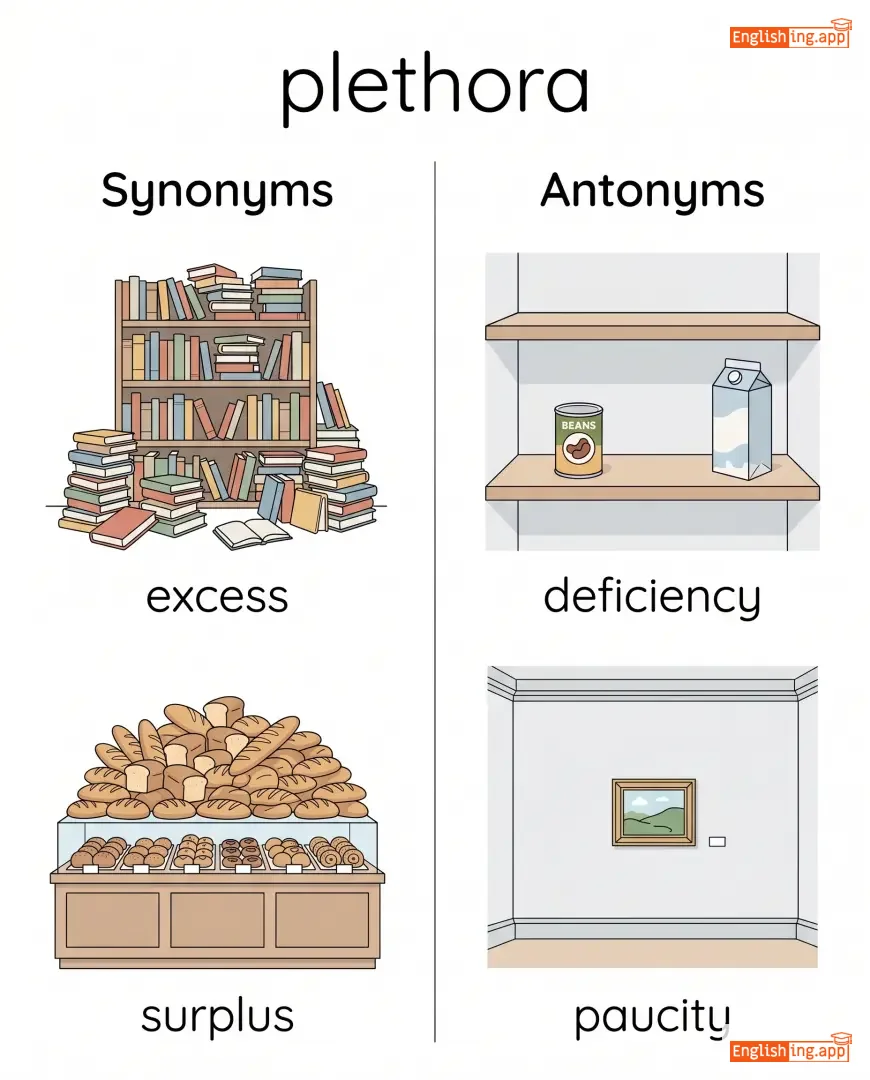
excess, surplus, overabundance, profusion
••••••
|
deficiency, paucity, shortage
••••••
|
plethora of options, plethora of ideas, plethora of evidence
••••••
|
书架上堆满了书,就像多到没有地方放的东西
••••••
|
|
📏
••••••
|
/plʌm/
verb
(普朗布)
••••••
|
- •••••• |
测量深度或仔细检查
cèliàng shēndù huò zǐxì jiǎnchá
••••••
|
plumbed
普朗布德
••••••
|
plumbed
普朗布德
••••••
|
plumbs
普朗布斯
••••••
|
plumbing
普朗布英
••••••
|
to measure the depth of water or examine closely
••••••
|
They used a line to plumb the depth of the lake.
他们用一条线来测量湖的深度。
••••••
|
他们用一条线来测量湖的深度。
Tāmen yòng yītiáo xiàn lái cèliàng hú de shēndù.
••••••
|
- •••••• | - •••••• | - •••••• |
measure, explore, probe, gauge
••••••
|
neglect, ignore
••••••
|
plumb the depths, plumb the lake, plumb the truth
••••••
|
PLUMB 测量深度,就像测量管道的深度
••••••
|
|
📉
••••••
|
/ˈplʌm.ɪt/
verb
(plammet)
••••••
|

|
快速垂直下落
kuai su chui zhi xia luo
••••••
|
plummeted
plammeted
••••••
|
plummeted
plammeted
••••••
|
plummets
plammetts
••••••
|
plummeting
plammeting
••••••
|
to fall straight down at high speed
••••••
|
Stock prices plummeted after the sudden market crash.
股票价格在突如其来的市场崩盘后急剧下跌。
••••••
|
股票价格在突如其来的市场崩盘后急剧下跌。
Gǔpiào jiàgé zài tūrú qí lái de shìchǎng bēngpán hòu jíjù xiàdiē.
••••••
|
- •••••• | - •••••• | - •••••• |
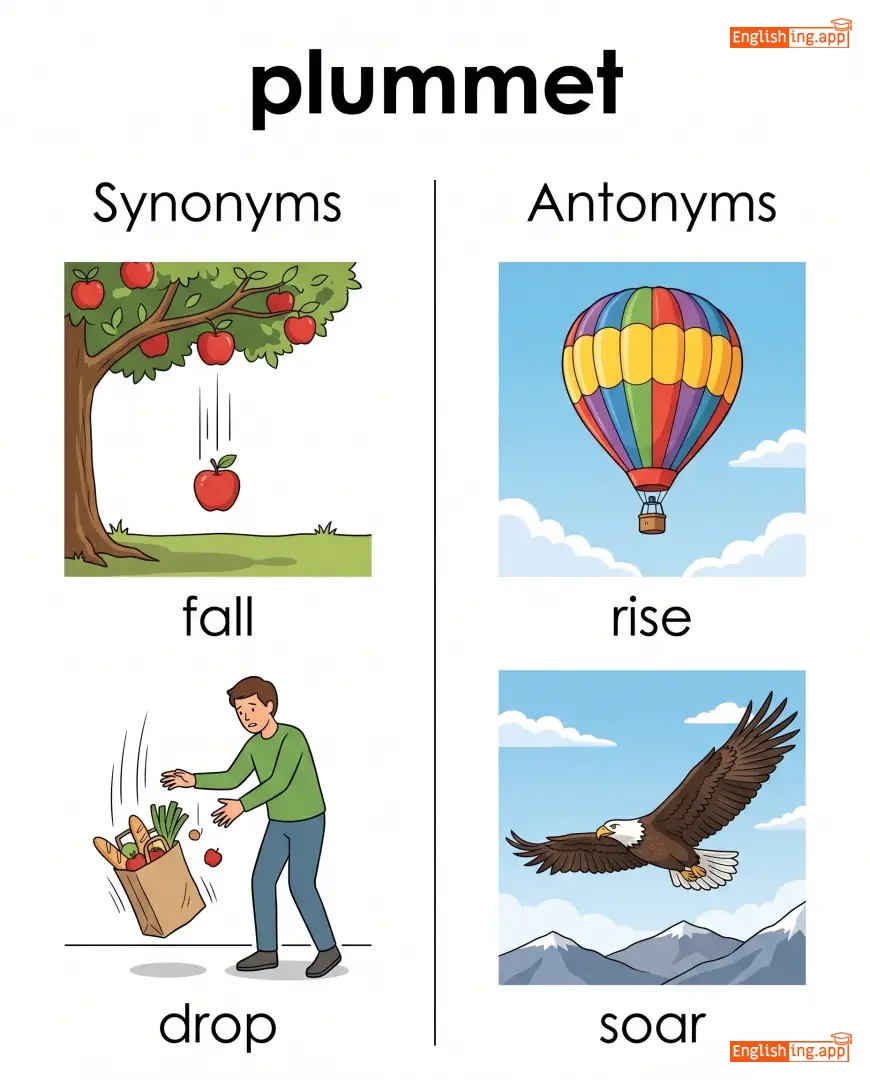
fall, drop, tumble, dive
••••••
|
rise, soar
••••••
|
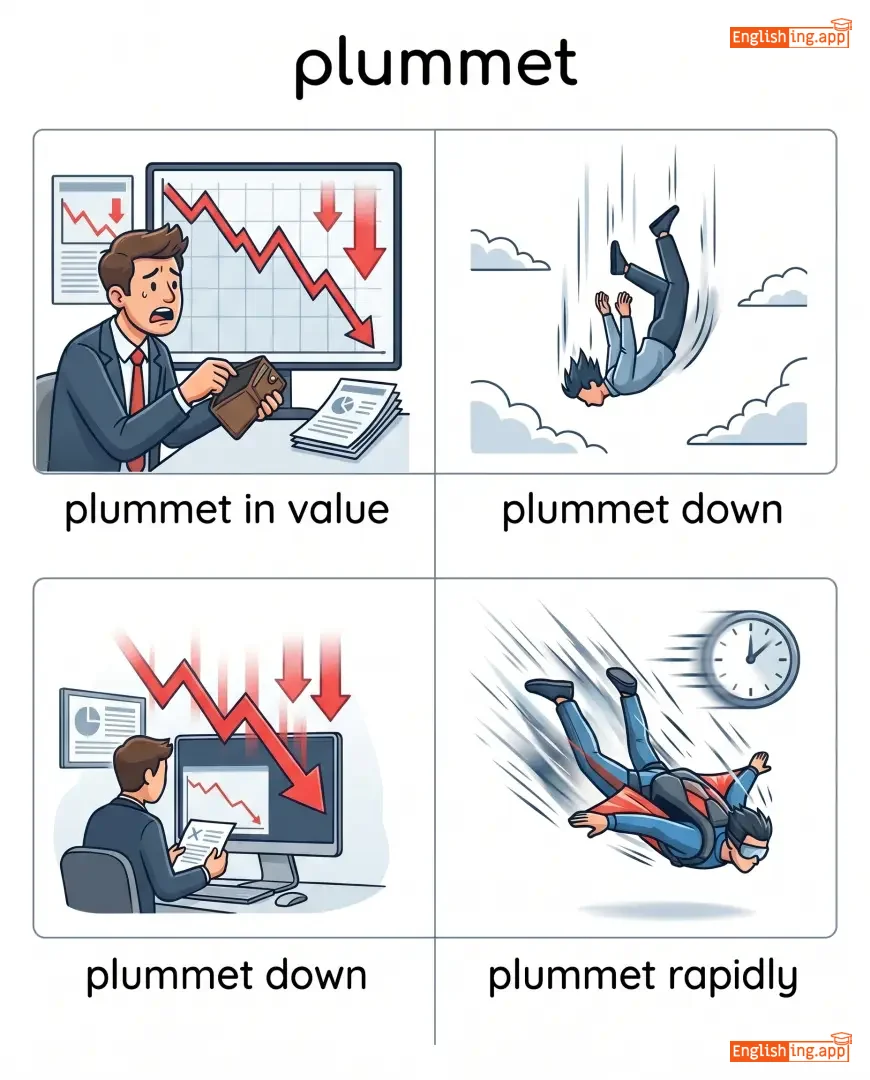
plummet in value, plummet down, plummet rapidly
••••••
|
PLUM的下落,PLUMMET - 股票急剧下跌。
••••••
|

