|
表情符号
|
单词 | Images | 翻译 | 过去时 | 过去分词 | 第三人称单数 | 动名词 | 含义 | 例句 | 例句翻译 | 示例表达 | 示例表达含义 | 示例表达翻译 | 同义词 | 反义词 | 搭配词 | 助记符 |
|---|---|---|---|---|---|---|---|---|---|---|---|---|---|---|---|---|---|
|
🔄
••••••
|
/ˈɑːsɪleɪt/
verb
(哈皮内斯)
••••••
|

|
幸福
xìngfú
••••••
|
oscillated
••••••
|
oscillated
••••••
|
oscillates
••••••
|
oscillating
••••••
|
To move or swing back and forth at a regular speed.
••••••
|
The fan oscillates to spread air around the room.
她获得奖项时无法掩饰她的幸福。
••••••
|
她获得奖项时无法掩饰她的幸福。
Tā huòde jiǎngxiàng shí wúfǎ yǎnshì tā de xìngfú.
••••••
|
oscillate between
追求幸福
••••••
|
To alternate between different states or opinions.
••••••
|
追求幸福
zhuīqiú xìngfú
••••••
|
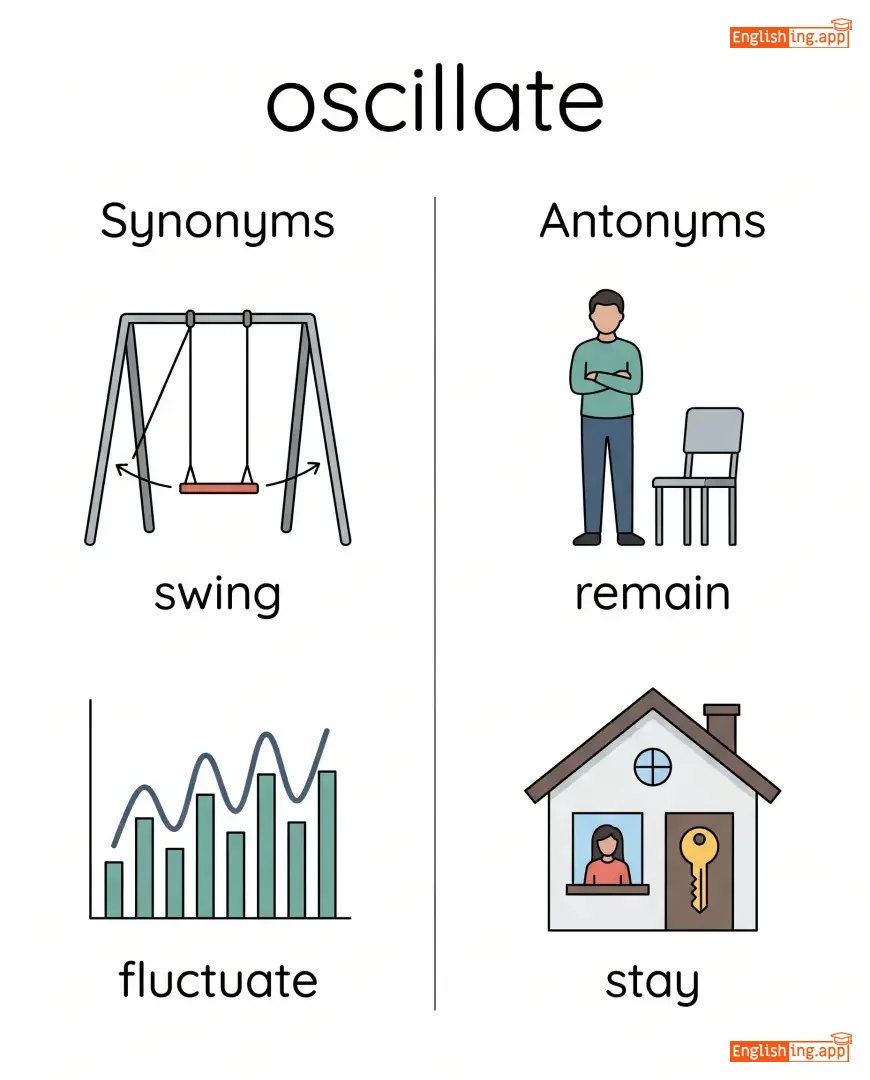
swing, fluctuate, sway, vibrate, waver
••••••
|
remain, stay
••••••
|
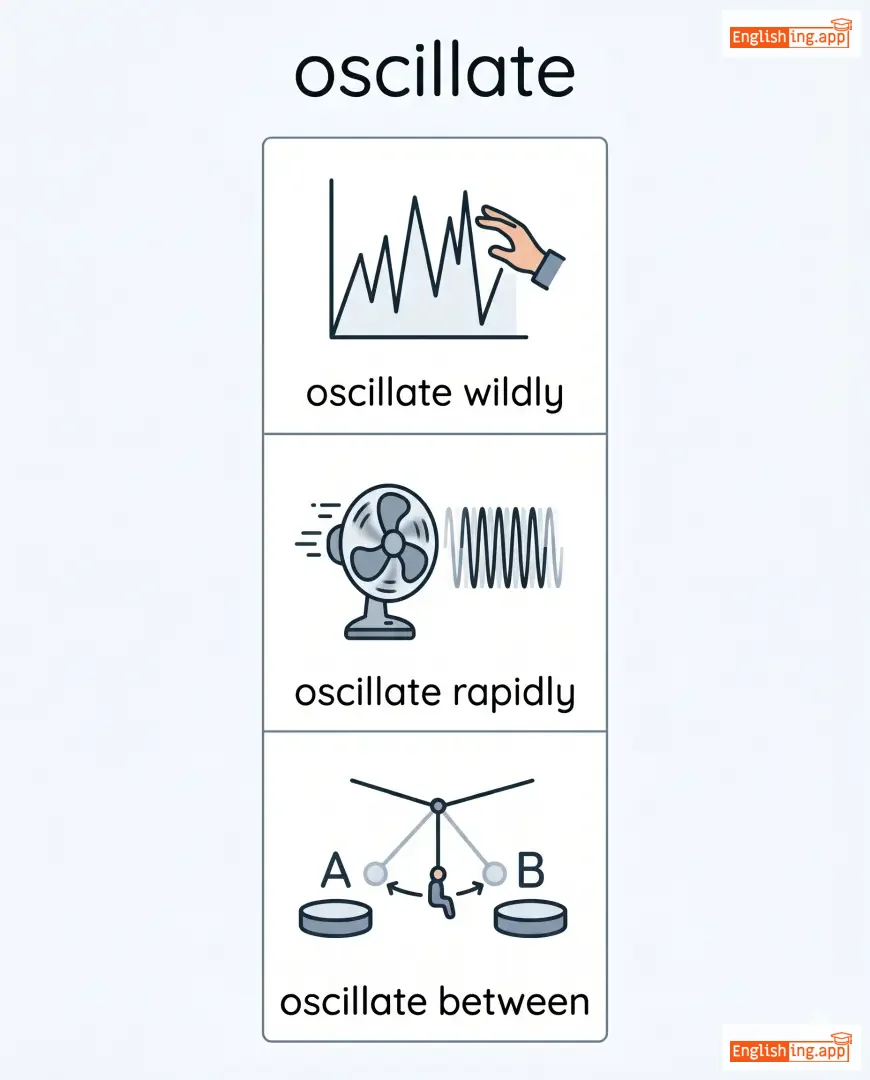
oscillate wildly, oscillate rapidly, oscillate between
••••••
|
幸福就像美好的时光,我们都在追寻它!
••••••
|
|
✨
••••••
|
/ˌɒstɛnˈteɪʃəs/
adjective
(奥斯坦泰修斯)
••••••
|

|
炫耀的
xuànyào de
••••••
|
- •••••• | - •••••• | - •••••• | - •••••• |
Characterized by a showy or pretentious display intended to impress others.
••••••
|
He wore an ostentatious gold chain to the party. |
他在派对上戴着一条炫耀的金链子。
Tā zài pàiduì shàng dàizhe yītiáo xuànyào de jīn liànzi.
••••••
|
- •••••• | - •••••• | - •••••• |
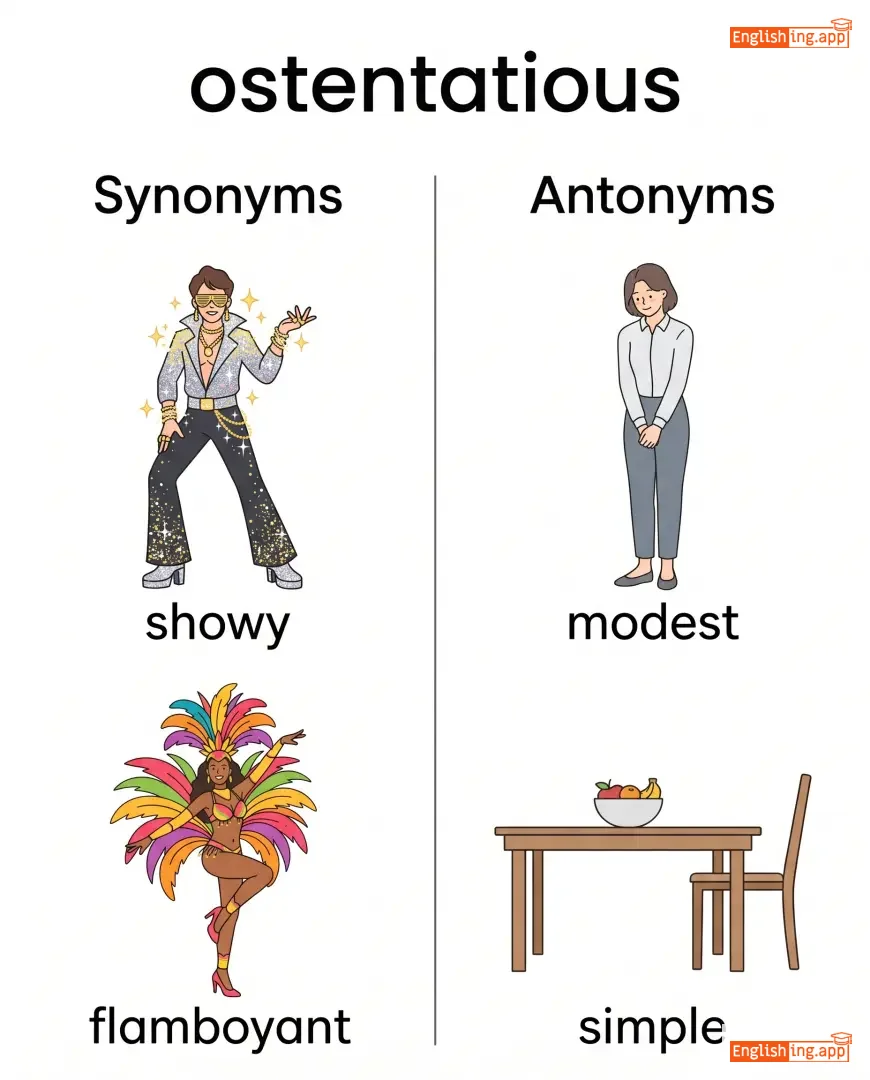
showy, flamboyant, pretentious, gaudy, flashy
••••••
|
modest, simple, plain
••••••
|
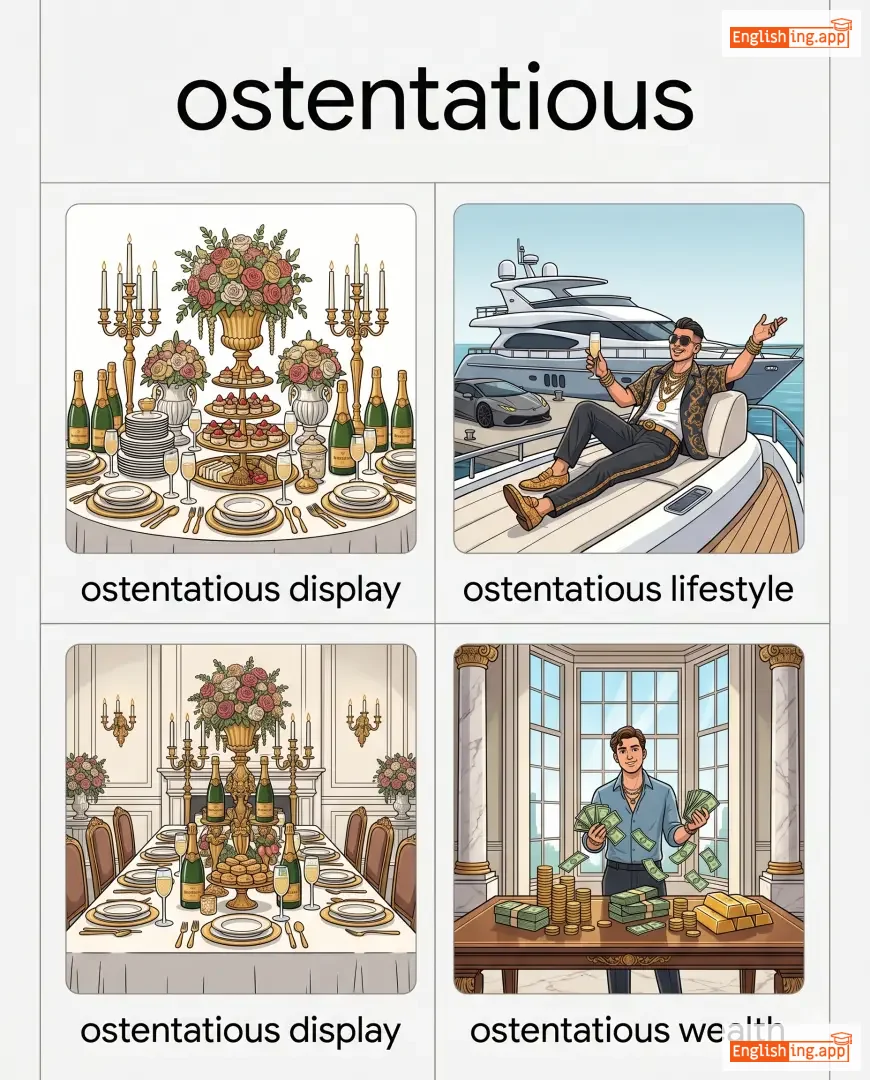
ostentatious display, ostentatious lifestyle, ostentatious wealth
••••••
|
Ostentatious意味着'炫耀的',表示通过显眼的展示来给人留下印象。
••••••
|
|
⭐
••••••
|
/ˈpær.ə.ɡɑn/
noun
(帕拉贡)
••••••
|


|
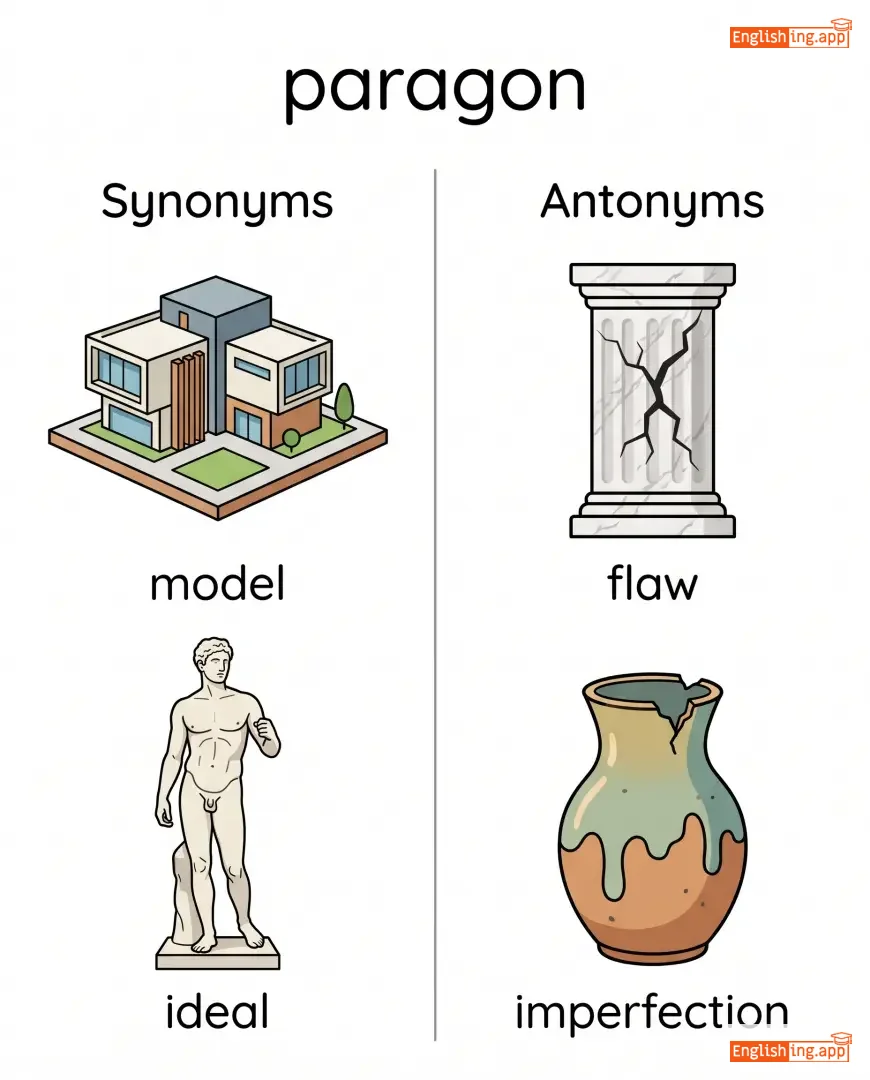
完美典范
wanmei dianfan
••••••
|
- •••••• | - •••••• | - •••••• | - •••••• |
a person or thing regarded as a perfect example of a particular quality; a model of excellence
••••••
|
She was considered a paragon of virtue and kindness. |
她被认为是美德和善良的完美典范。
ta bei renwei shi meide he shanliang de wanmei dianfan.
••••••
|
- •••••• | - •••••• | - •••••• |
model, ideal, epitome, exemplar
••••••
|
worst example, failure, disgrace, disappointment
••••••
|
paragon of virtue, perfect paragon, moral paragon
••••••
|
帕拉贡是完美的典范,是任何人的楷模
••••••
|
|
⚔️
••••••
|
/ˈpɑːrtɪzən/
noun, adjective
(派系支持者)
••••••
|
|
党派支持者
dǎngpài zhīchí zhě
••••••
|
- •••••• | - •••••• | - •••••• | - •••••• |
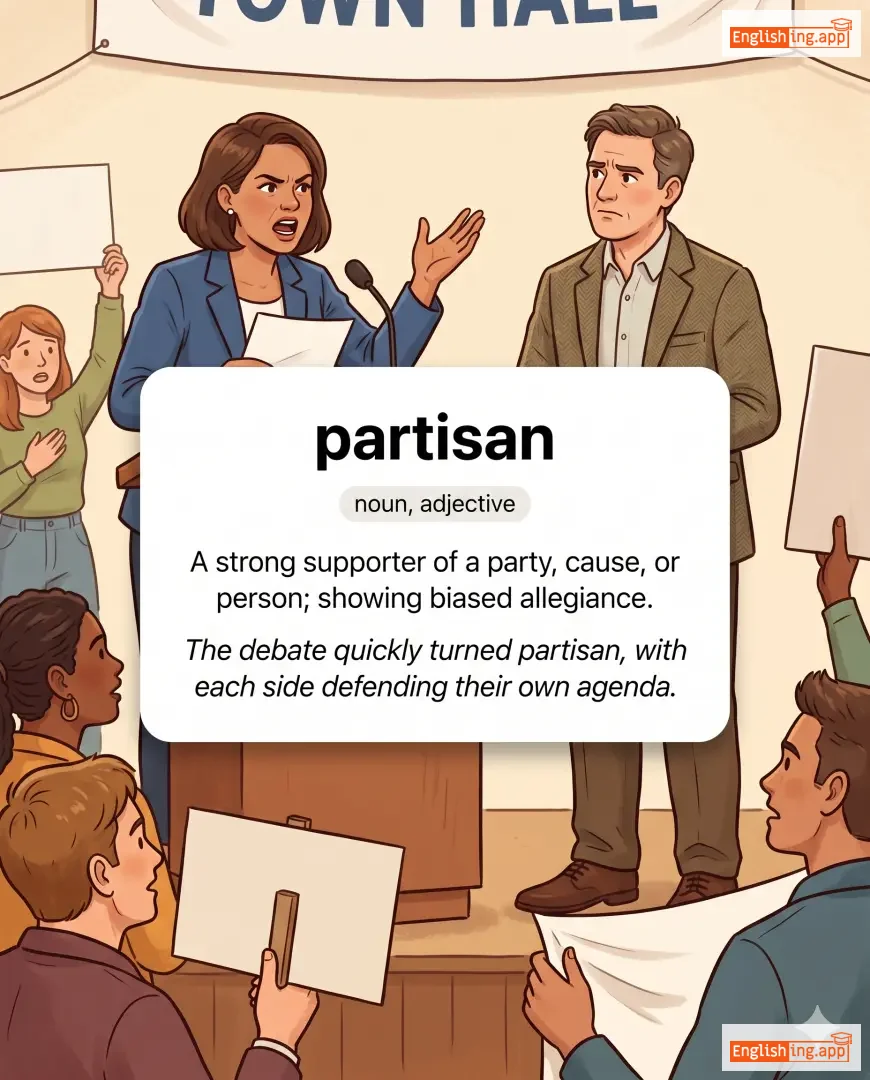
A strong supporter of a party, cause, or person; showing biased allegiance.
••••••
|
The debate quickly turned partisan, with each side defending their own agenda.
辩论迅速变得党派化,每一方都在捍卫自己的议程。
••••••
|
辩论迅速变得党派化,每一方都在捍卫自己的议程。
Biànlùn xùnsù biàn dé dǎngpài huà, měi yī fāng dōu zài hànwèi zìjǐ de yìchéng.
••••••
|
- •••••• | - •••••• | - •••••• |
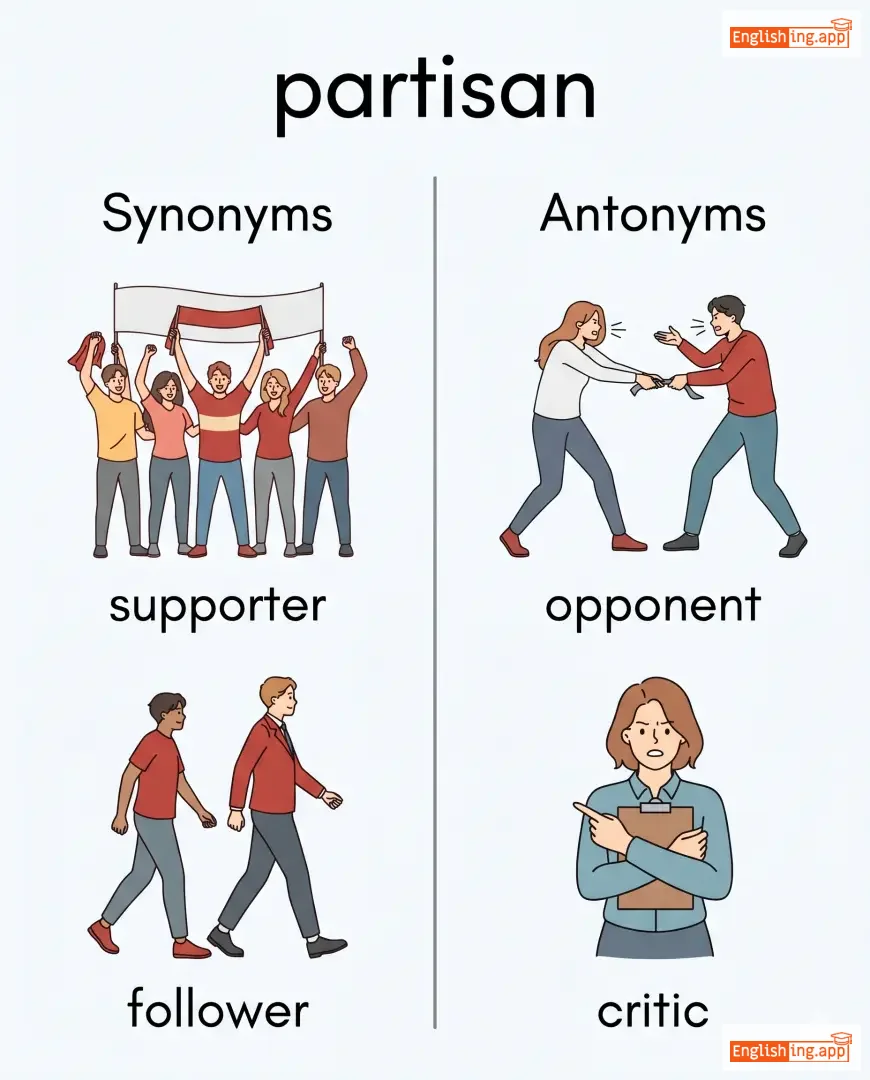
supporter, follower, adherent, devotee, zealot
••••••
|
opponent, critic, adversary
••••••
|
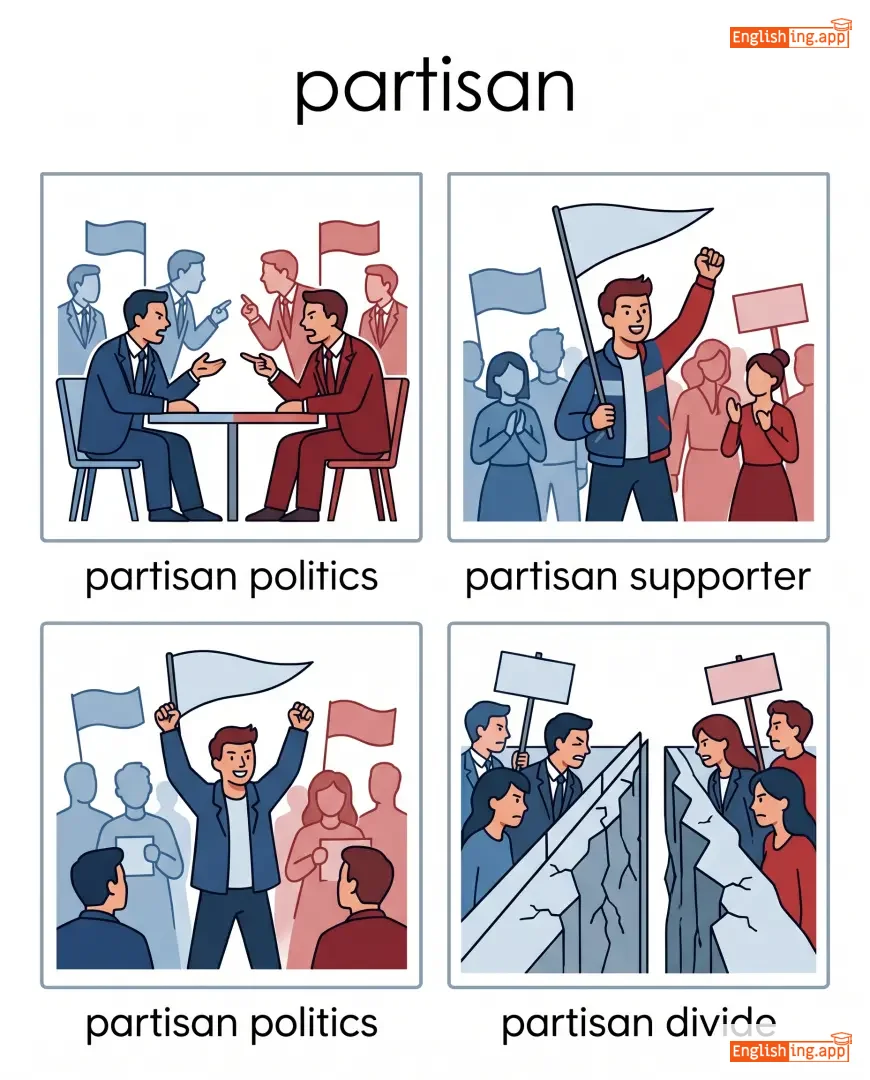
partisan politics, partisan supporter, partisan divide, highly partisan
••••••
|
Party + Son = 党派支持者
••••••
|
|
🧠
••••••
|
/ˌpæθəˈlɑːdʒɪkəl/
adjective
(病理的)
••••••
|

|
病理的, 异常的
bìnglǐ de, yìcháng de
••••••
|
- •••••• | - •••••• | - •••••• | - •••••• |
Relating to disease; extreme or obsessive in a way that is abnormal.
••••••
|
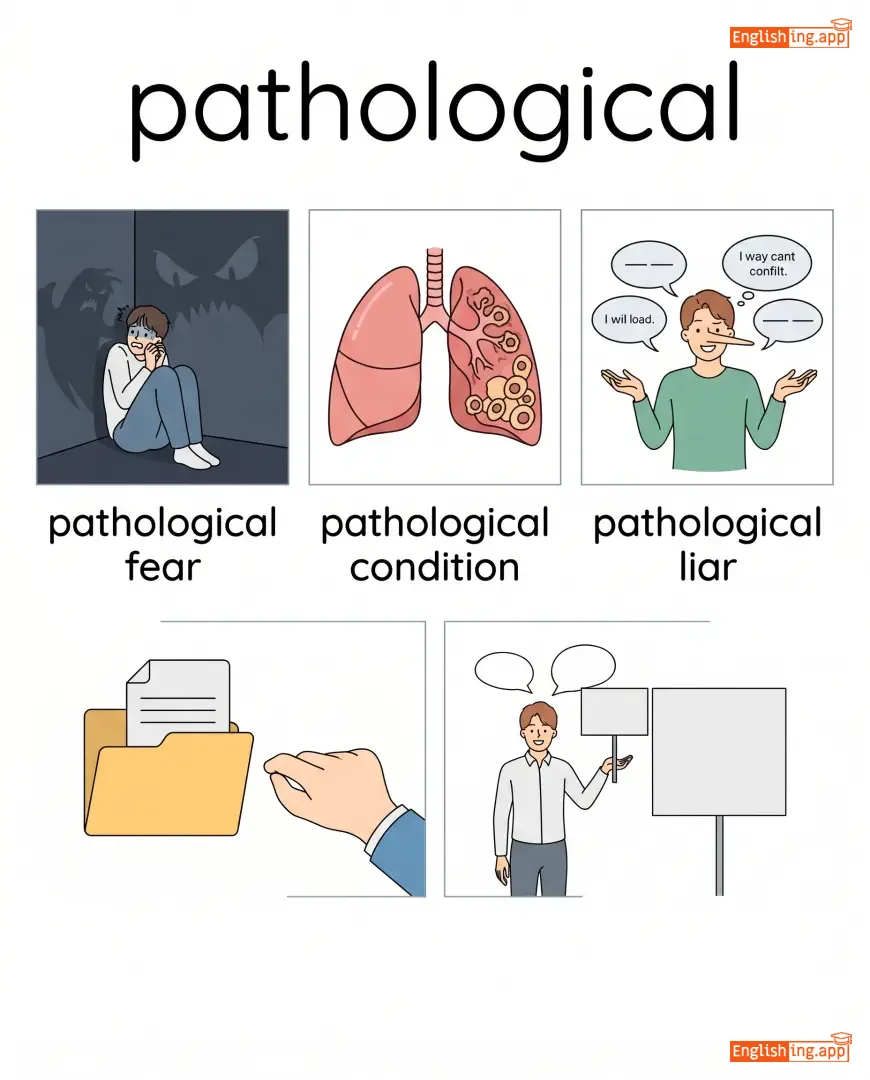
He has a pathological fear of failure. |
他对失败有病理性的恐惧。
Tā duì shībài yǒu bìnglǐ xìng de kǒngjù.
••••••
|
pathological liar |
A person who lies compulsively and uncontrollably.
••••••
|
病理性说谎者
bìnglǐ xìng shuōhuǎng zhě
••••••
|
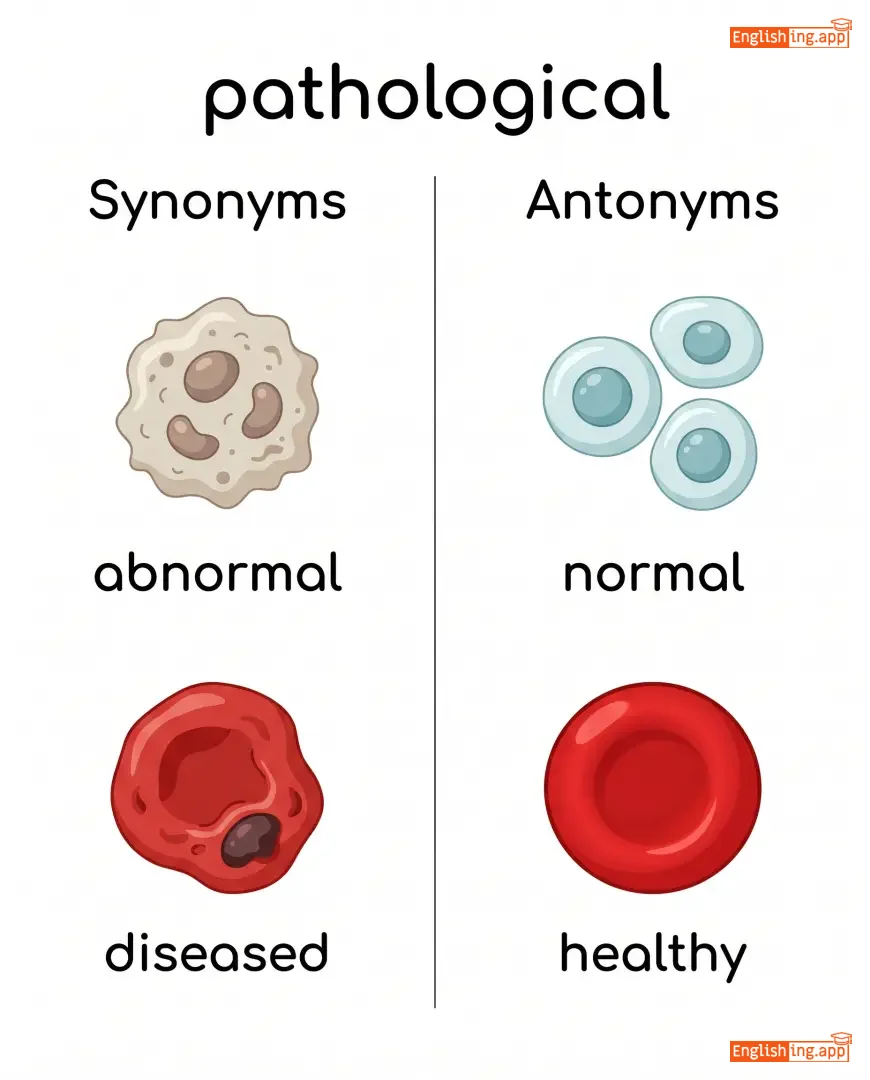
abnormal, diseased, compulsive, obsessive
••••••
|
normal, healthy
••••••
|
pathological fear, pathological condition, pathological liar
••••••
|
PATHology意味着疾病,因此病理的意味着与疾病有关或不正常。
••••••
|
|
⚠️
••••••
|
/ˈpɔːsɪti/
noun
(pósiti)
••••••
|
|
稀缺 / 缺乏
xiqu / quefa
••••••
|
- •••••• | - •••••• | - •••••• | - •••••• |
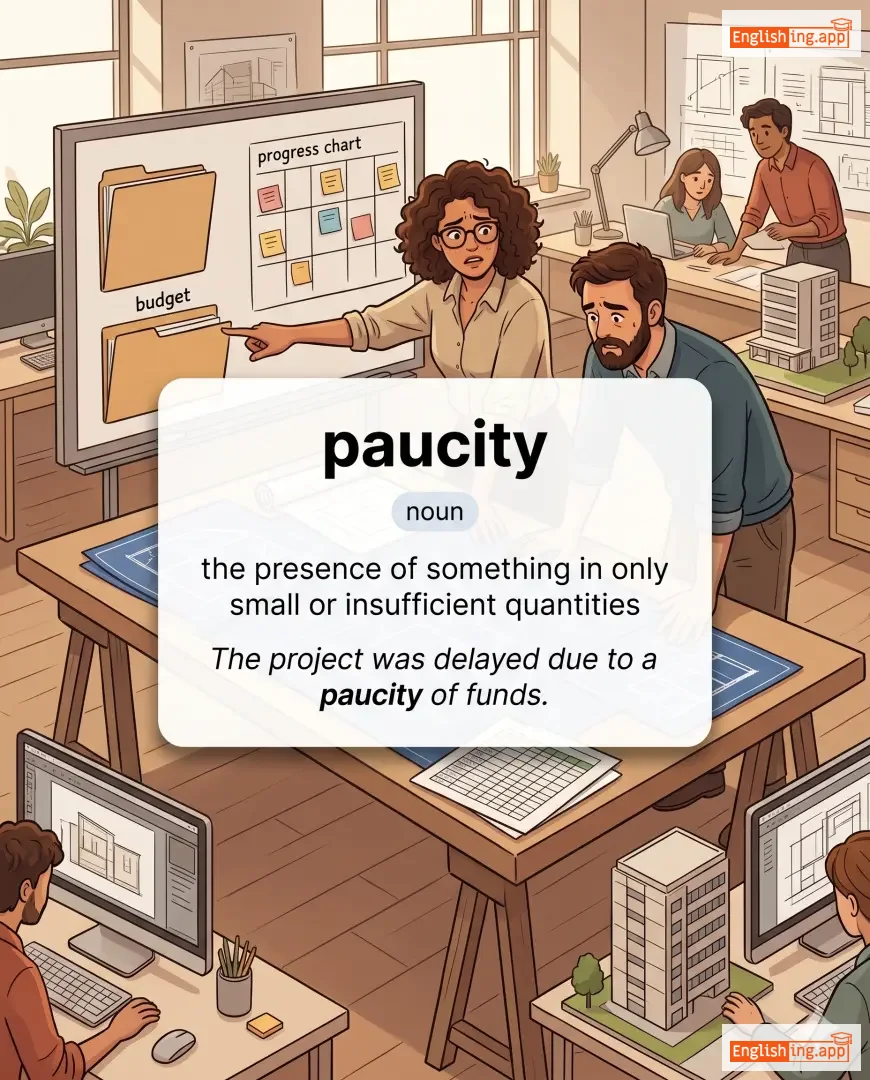
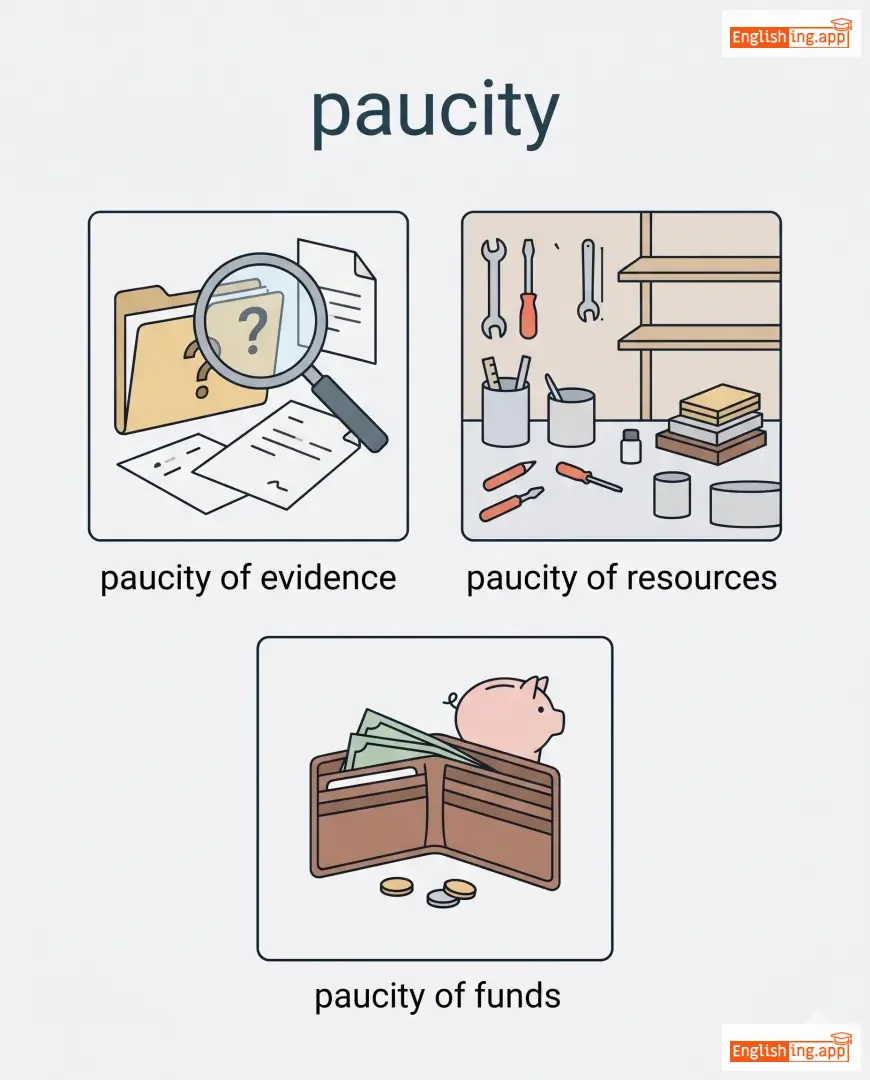
the presence of something in only small or insufficient quantities
••••••
|
The project was delayed due to a paucity of funds. |
由于资金短缺,项目被推迟了。
Youyu zijin duanqu, xiangmu bei tuichi le.
••••••
|
- •••••• | - •••••• | - •••••• |
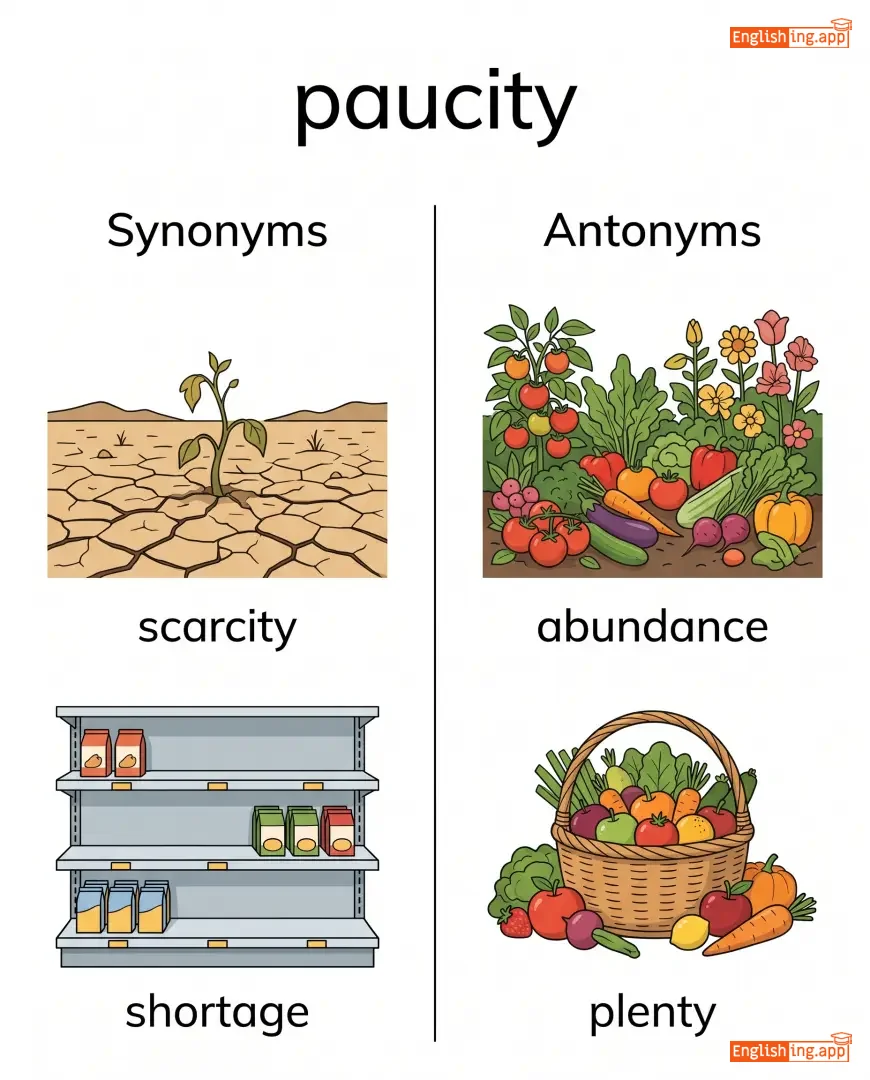
scarcity, shortage, lack, dearth, insufficiency
••••••
|
abundance, plenty, surplus
••••••
|
paucity of evidence, paucity of resources, paucity of funds, general paucity
••••••
|
Pau表示少,而在城市中如果缺乏某物,则称之为paucity。
••••••
|
|
📖
••••••
|
/pəˈdæntɪk/
adjective
(呗丹提克)
••••••
|
|
过于关注细节或规则的人
guò yú guān zhù xì jié huò guī zé de rén
••••••
|
- •••••• | - •••••• | - •••••• | - •••••• |
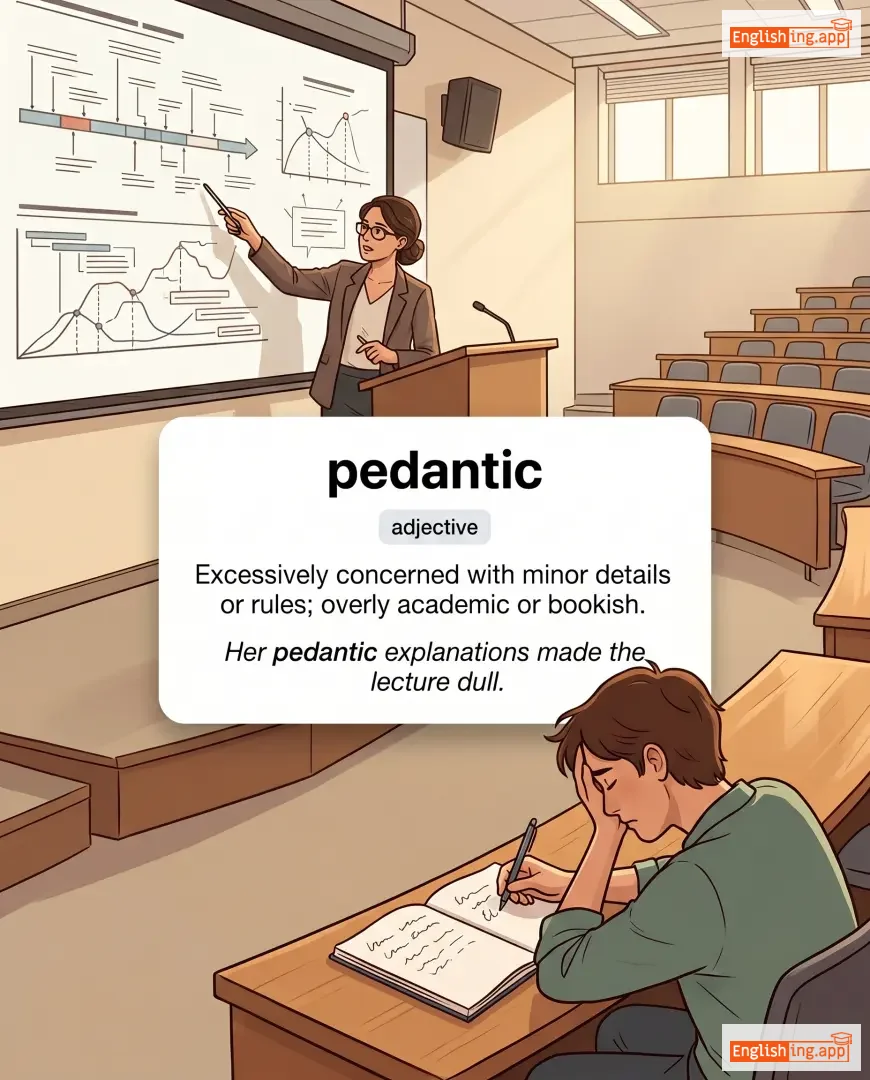
Excessively concerned with minor details or rules; overly academic or bookish.
••••••
|
Her pedantic explanations made the lecture dull. |
她的呗丹提克解释让讲座变得无聊。
Tā de bèi dān tí kè jiě shì ràng jiǎng zuò biàn dé wú liáo.
••••••
|
- •••••• | - •••••• | - •••••• |
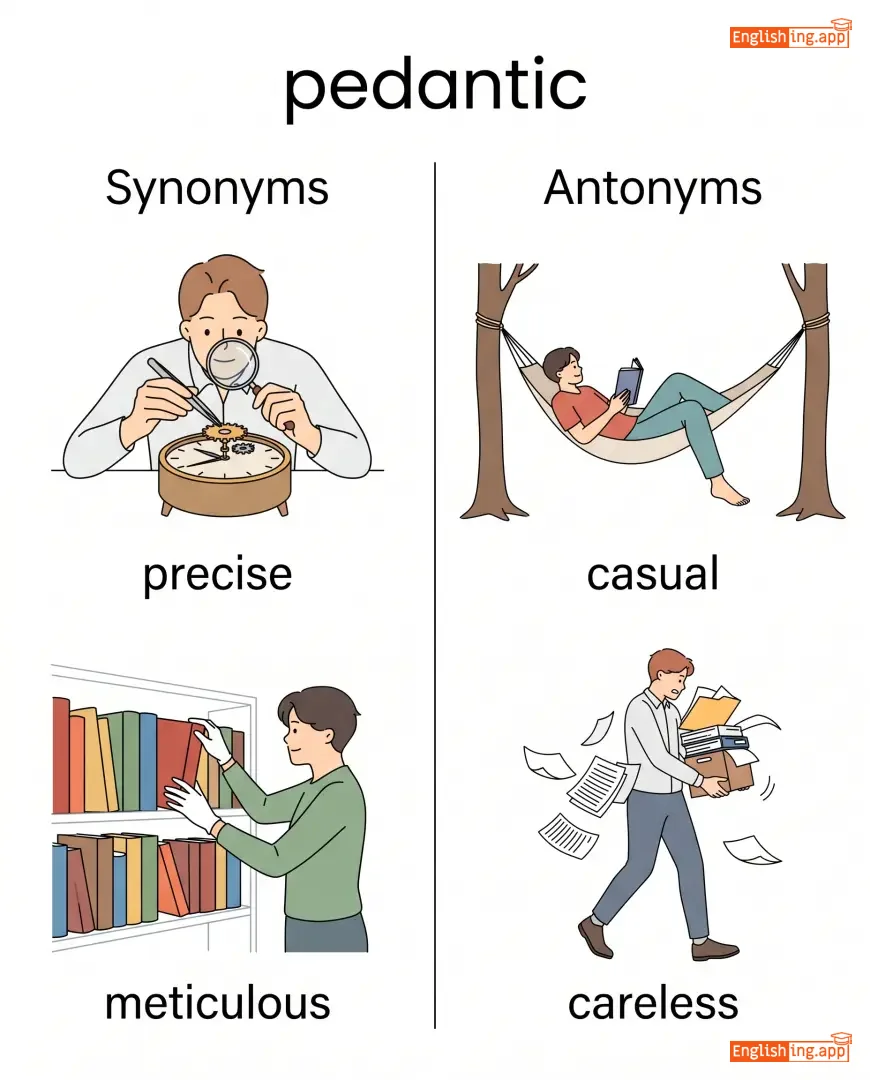
precise, meticulous, nitpicking, finicky, scholarly
••••••
|
casual, careless, informal
••••••
|
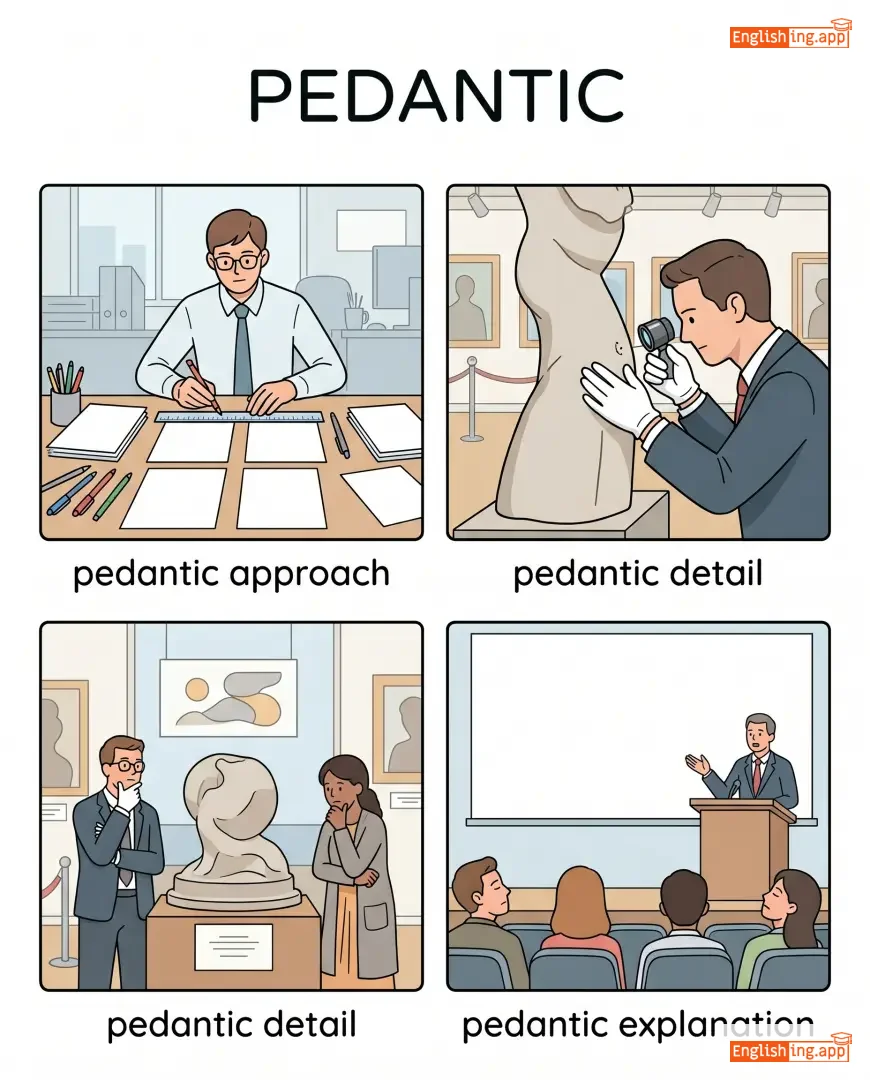
pedantic approach, pedantic detail, pedantic explanation, pedantic style
••••••
|
Pedantic 就是像讲究细节的完美主义者一样。
••••••
|
|
💖
••••••
|
/ˈpɒ̃ʃɒ̃/
noun
(pén-shàng)
••••••
|

|
倾向
qingxiang
••••••
|
- •••••• | - •••••• | - •••••• | - •••••• |
a strong or habitual liking for something or tendency to do something
••••••
|
She has a penchant for collecting rare books. |
她有收集稀有书籍的倾向。
Ta you shouji xiyao shuji de qingxiang.
••••••
|
- •••••• | - •••••• | - •••••• |
liking, fondness, preference, inclination, taste
••••••
|
dislike, aversion, indifference
••••••
|
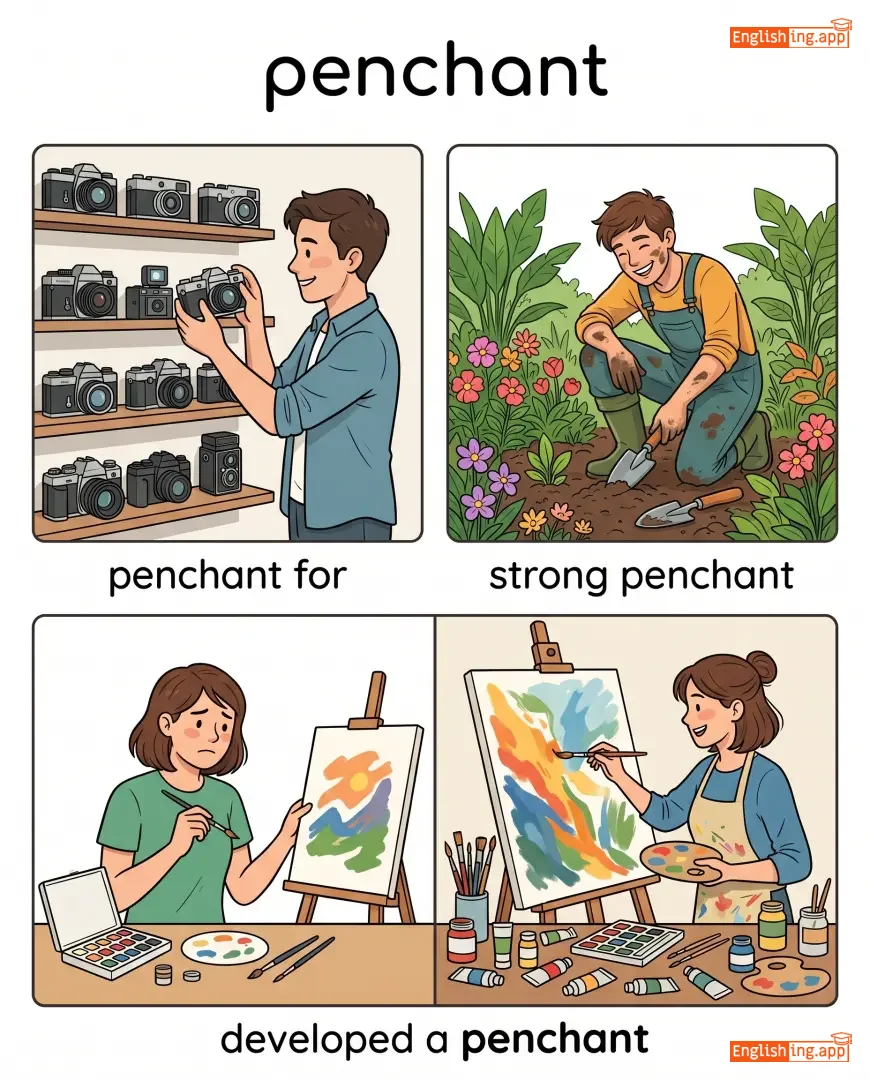
penchant for, strong penchant, developed a penchant, natural penchant
••••••
|
Penchant意味着一种强烈的倾向,像收集稀有书籍的倾向。
••••••
|
|
🥀
••••••
|
/ˈpɛnjʊri/
noun
(pēnūlì)
••••••
|

|
极端贫困
jíduān pínkùn
••••••
|
- •••••• | - •••••• | - •••••• | - •••••• |
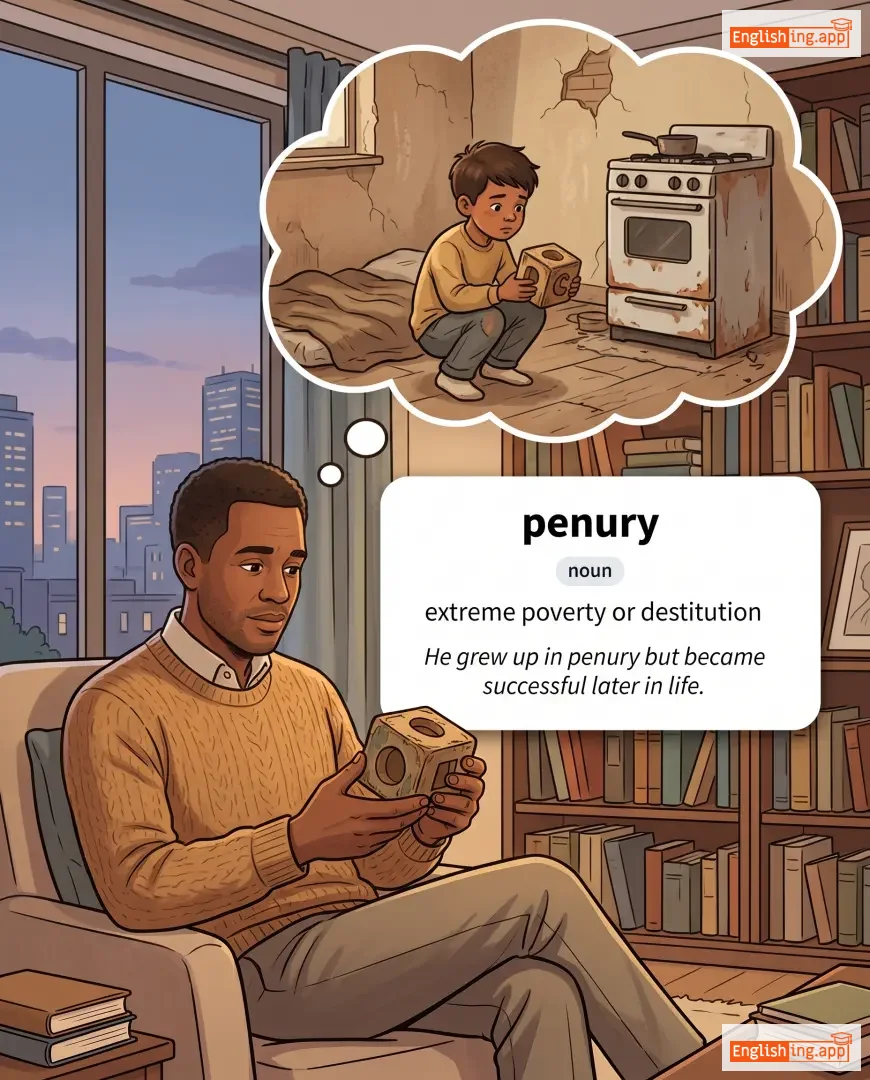
extreme poverty or destitution
••••••
|
He grew up in penury but became successful later in life.
他在极度贫困中长大,但后来在生活中成功。
••••••
|
他在极度贫困中长大,但后来在生活中成功。
Tā zài jíduān pínkùn zhōng zhǎng dà, dàn hòulái zài shēnghuó zhōng chénggōng.
••••••
|
- •••••• | - •••••• | - •••••• |
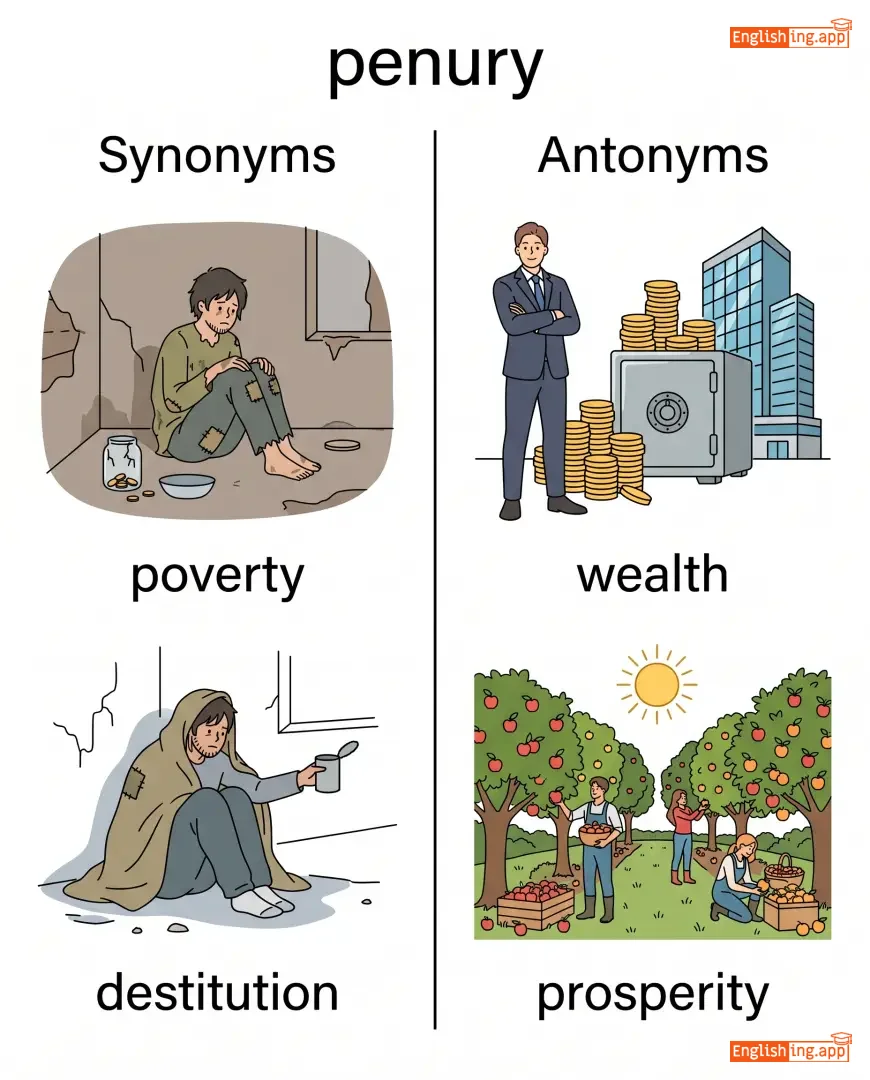
poverty, destitution, deprivation, need, hardship
••••••
|
wealth, prosperity, affluence
••••••
|
live in penury, escape penury, extreme penury, penury-stricken
••••••
|
Penury意味着极端贫困,记住 '没有钱 = 贫困'
••••••
|
|
🌱
••••••
|
/pəˈrɛniəl/
adjective
(perennial)
••••••
|
|
常青
changqing
••••••
|
- •••••• | - •••••• | - •••••• | - •••••• |
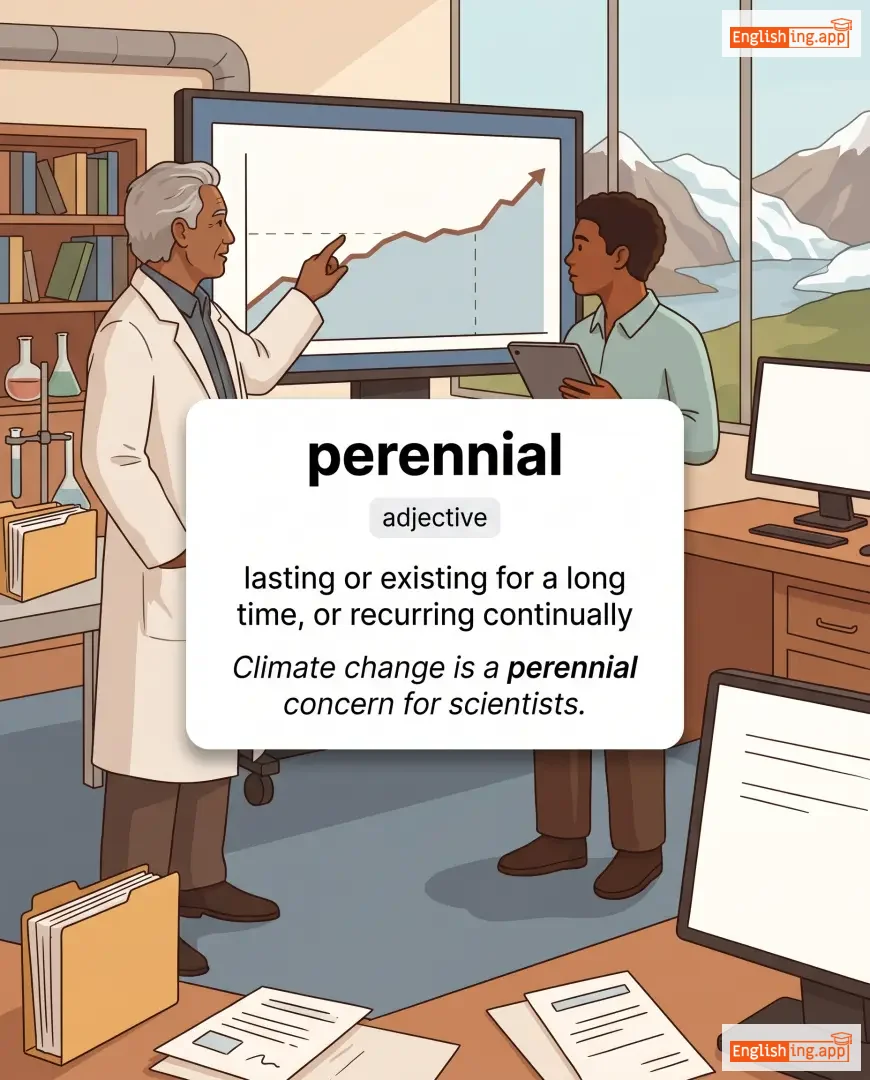
lasting or existing for a long time, or recurring continually
••••••
|
Climate change is a perennial concern for scientists. |
气候变化是科学家的一个长期关注问题。
Qìhòu biànhuà shì kēxuéjiā de yīgè chángqī guānzhù wèntí.
••••••
|
perennial favorite |
something that is always liked or chosen over time
••••••
|
常青最爱
chángqī zuì ài
••••••
|
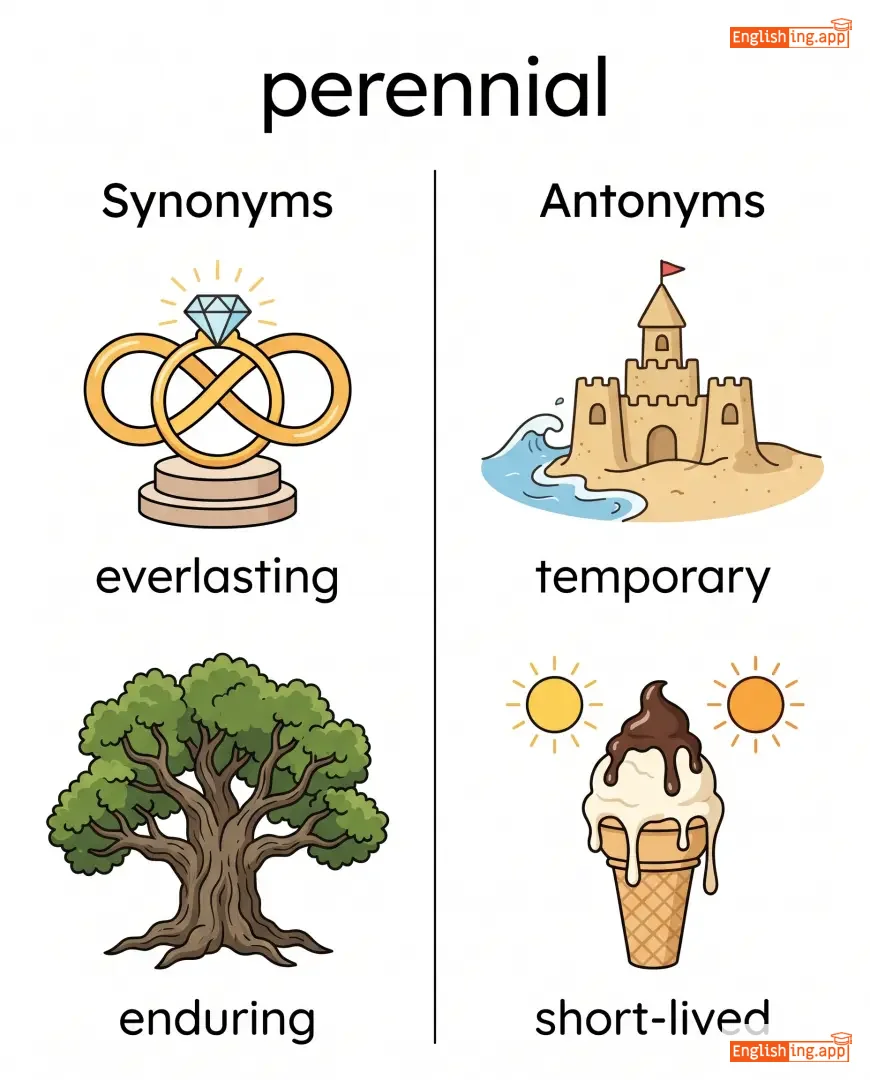
everlasting, enduring, persistent, continual, constant
••••••
|
temporary, short-lived, fleeting
••••••
|
perennial problem, perennial plant, perennial issue, perennial concern
••••••
|
Perennial 是 '常青',就像常青植物每年都会回来。
••••••
|
|
🕵️
••••••
|
/pərˈfɪdiəs/
adjective
(佩尔菲迪奥斯)
••••••
|

|
背叛的
beipan de
••••••
|
- •••••• | - •••••• | - •••••• | - •••••• |
deceitful and untrustworthy
••••••
|
The spy was executed for his perfidious actions. |
间谍因其背叛行为被执行死刑。
Jiandie yin qi beipan xingwei bei zhixing sixing.
••••••
|
- •••••• | - •••••• | - •••••• |
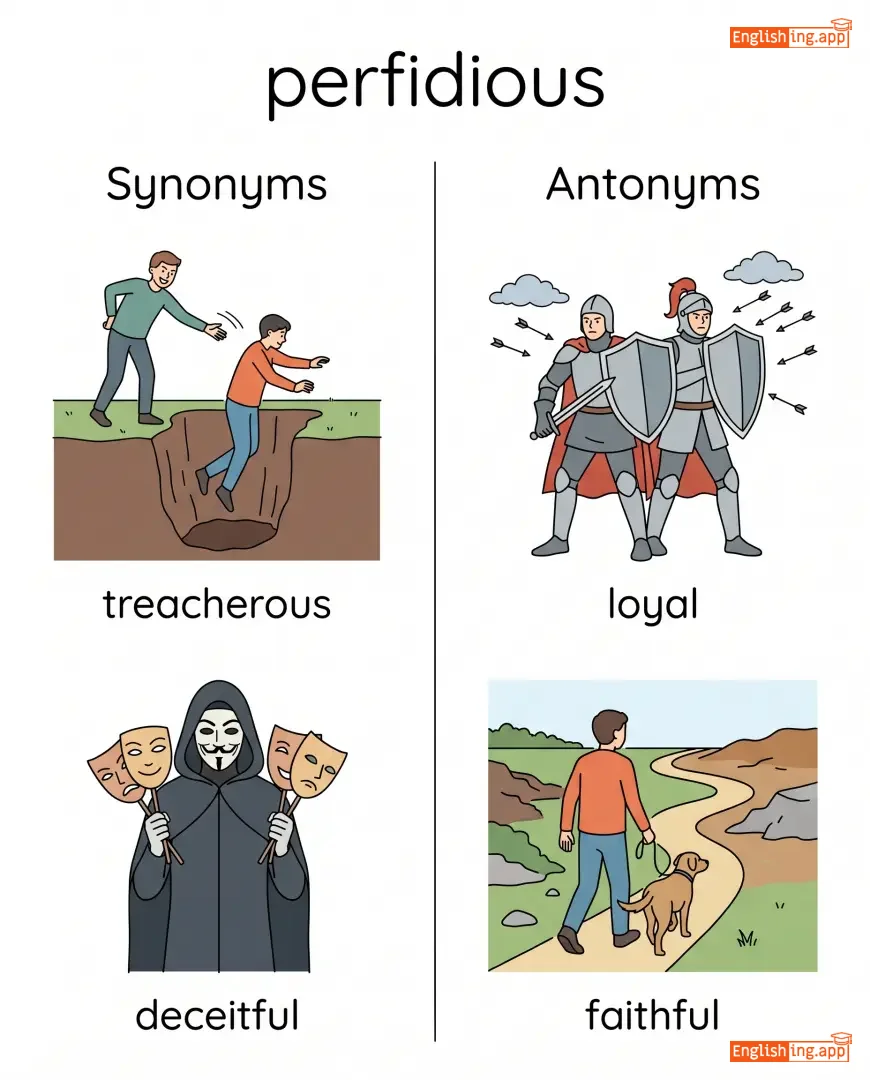
treacherous, deceitful, disloyal, unfaithful, duplicitous
••••••
|
loyal, faithful, trustworthy
••••••
|
perfidious act, perfidious betrayal, perfidious nature
••••••
|
Perfidious 听起来像 '完美',但它是背叛的意思。
••••••
|
|
😒
••••••
|
/pəˈfʌŋk.tər.i/
adjective
(pàfēngkètè)
••••••
|

|
敷衍
fu yan
••••••
|
- •••••• | - •••••• | - •••••• | - •••••• |
done without much effort, interest, or thought
••••••
|
He gave a perfunctory nod and walked away. |
他草率地点了点头然后走开了。
Ta caoluode dianle diantou ranhou zoukailiao.
••••••
|
- •••••• | - •••••• | - •••••• |
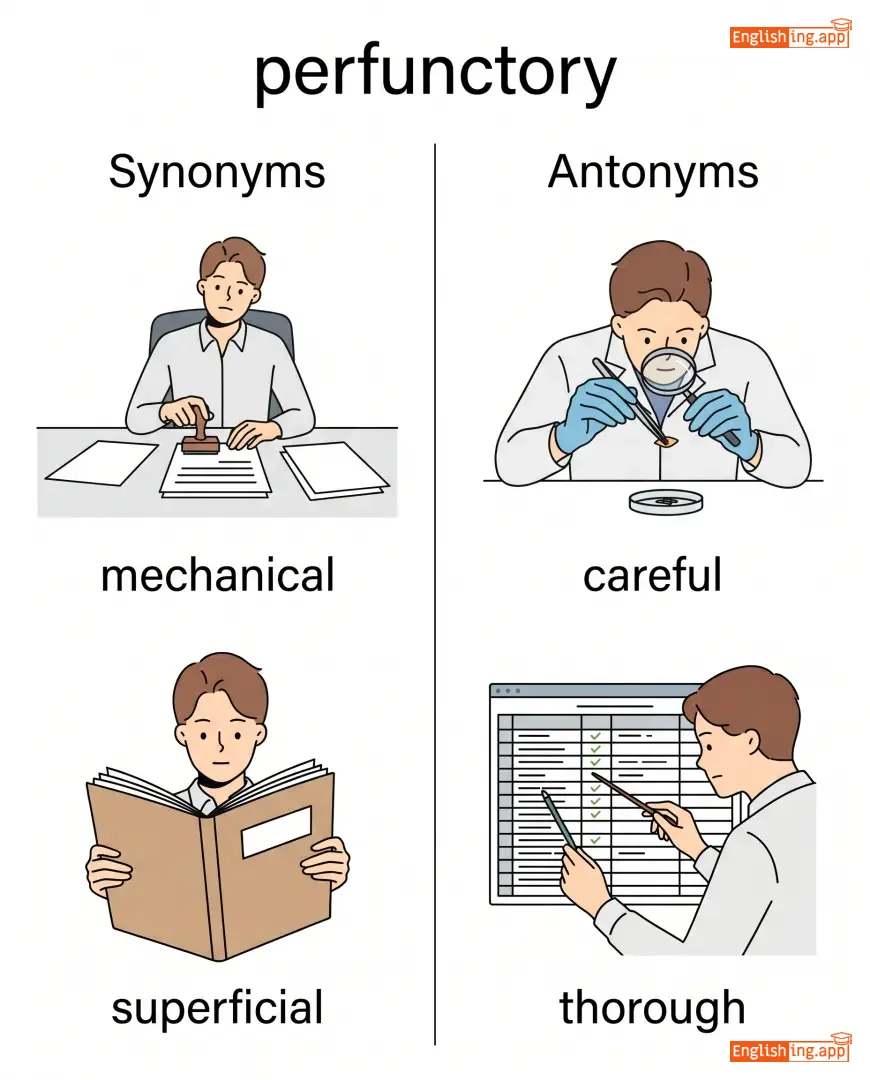
mechanical, superficial, careless, cursory, automatic
••••••
|
careful, thorough, attentive
••••••
|
perfunctory effort, perfunctory response, perfunctory nod, perfunctory greeting
••••••
|
做事不认真,就是perfunctory,敷衍了事。
••••••
|
|
💧
••••••
|
/ˈpɜːrmiəbl̩/
adjective
(pəˈmiːəbl̩)
••••••
|
|
可渗透的
kě shèntòu de
••••••
|
- •••••• | - •••••• | - •••••• | - •••••• |
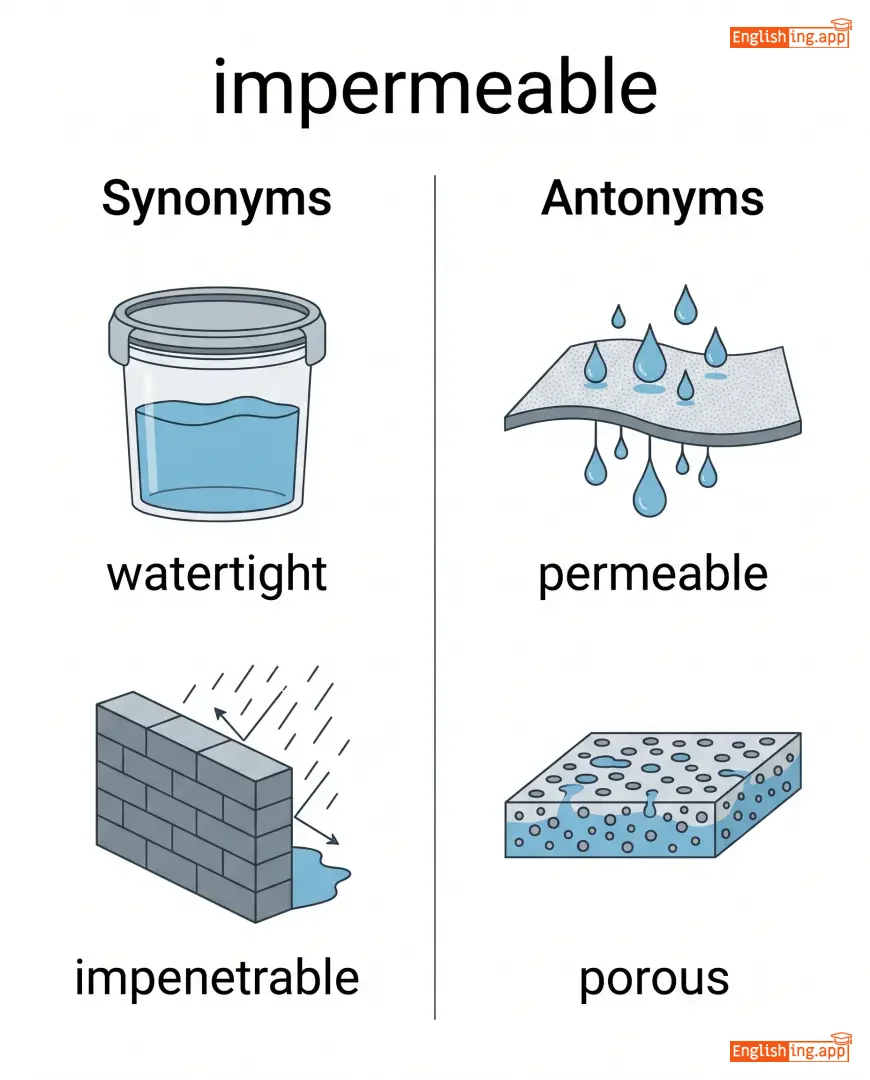
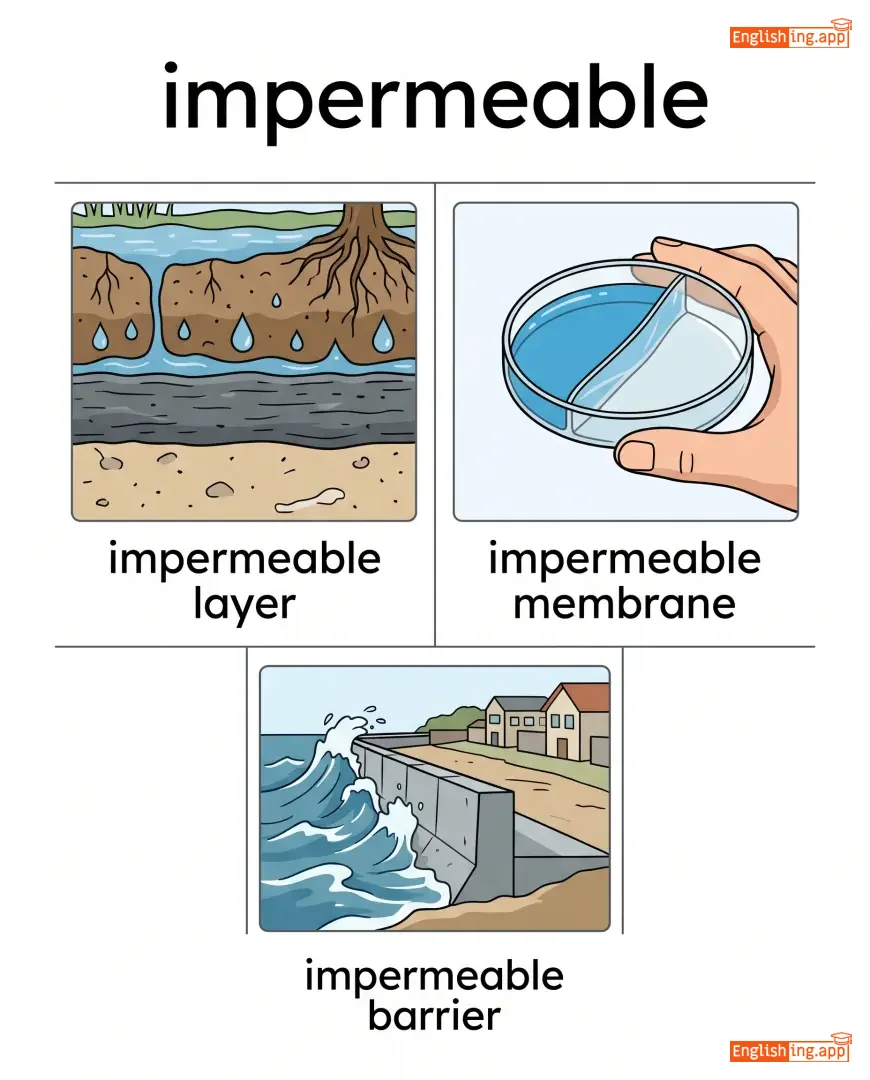
allowing liquids or gases to pass through
••••••
|
The soil in this area is very permeable to water. |
这个地区的土壤对水非常可渗透。
Zhège dìqū de tǔrǎng duì shuǐ fēicháng kě shèntòu.
••••••
|
- •••••• | - •••••• | - •••••• |
porous, absorbent, penetrable, leaky
••••••
|
impermeable, watertight, sealed
••••••
|
permeable soil, permeable membrane, highly permeable, permeable surface
••••••
|
可渗透的 = 可 (能) + 渗透 = 允许水/气体通过的 (可渗透的)。
••••••
|
|
🌍
••••••
|
/pərˈveɪsɪv/
adjective
(pərˈveɪsɪv)
••••••
|

|
普遍
pǔbiàn
••••••
|
- •••••• | - •••••• | - •••••• | - •••••• |
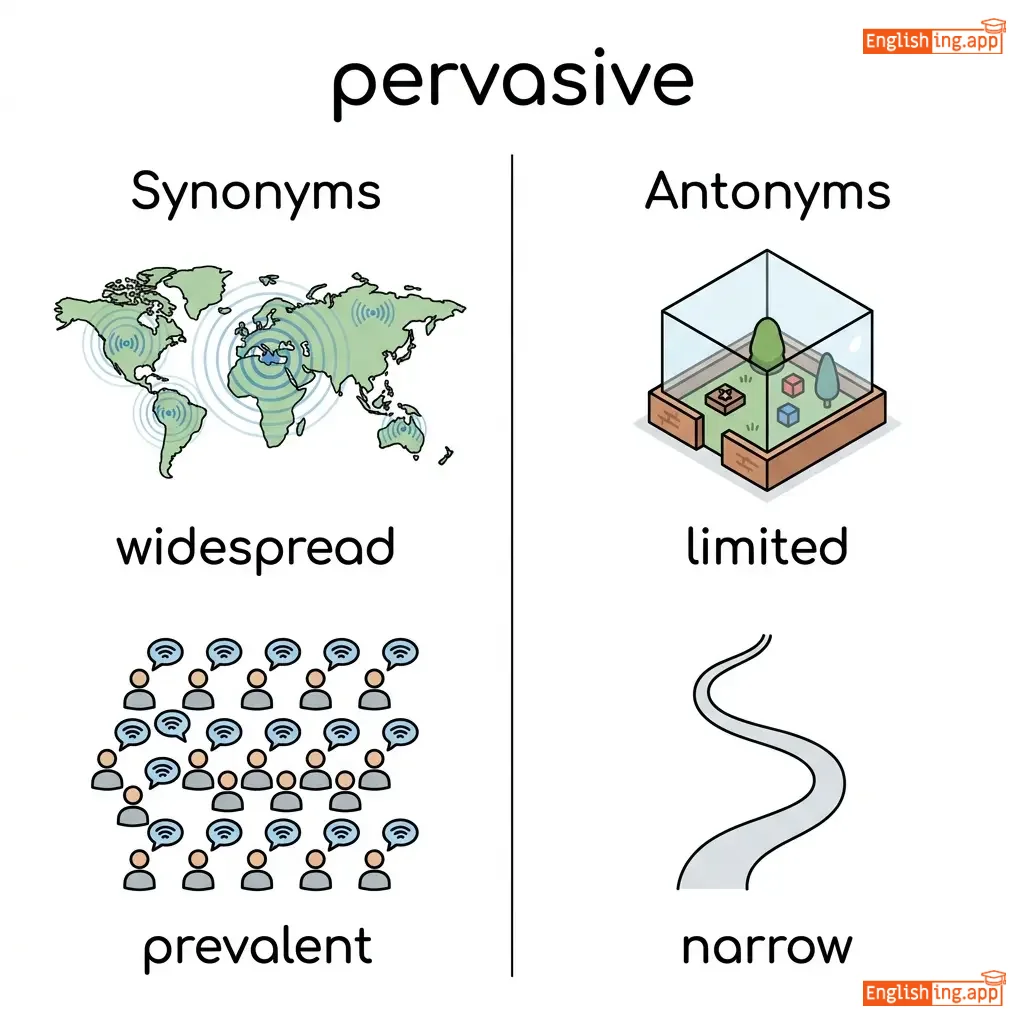
spreading widely throughout an area or a group of people
••••••
|
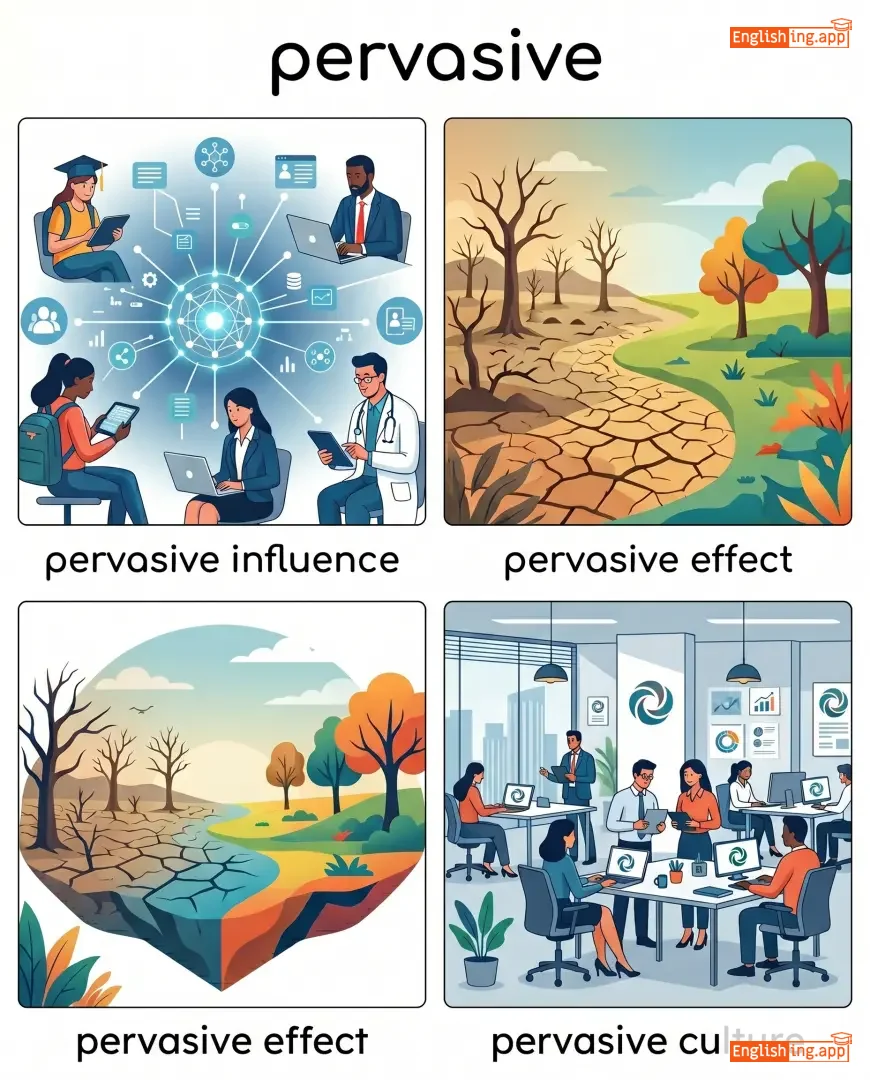
The pervasive influence of technology is seen in every aspect of life. |
技术的普遍影响在生活的各个方面都能看到。
Jìshù de pǔbiàn yǐngxiǎng zài shēnghuó de gè ge fāngmiàn dōu néng kàn dào.
••••••
|
- •••••• | - •••••• | - •••••• |
widespread, prevalent, extensive, universal, omnipresent
••••••
|
limited, narrow, rare
••••••
|
pervasive influence, pervasive effect, pervasive culture, pervasive problem
••••••
|
普遍表示无处不在—pervasive
••••••
|
|
😐
••••••
|
/flɛgˈmæt.ɪk/
adjective
(弗雷格玛提克)
••••••
|

|
冷静的
lěngjìng de
••••••
|
- •••••• | - •••••• | - •••••• | - •••••• |
having an unemotional and stolidly calm disposition
••••••
|
Despite the chaos, he remained phlegmatic and composed. |
尽管混乱,他依然保持冷静和平静。
Jǐnguǎn hùnluàn, tā yīrán bǎochí lěngjìng hé píngjìng.
••••••
|
- •••••• | - •••••• | - •••••• |
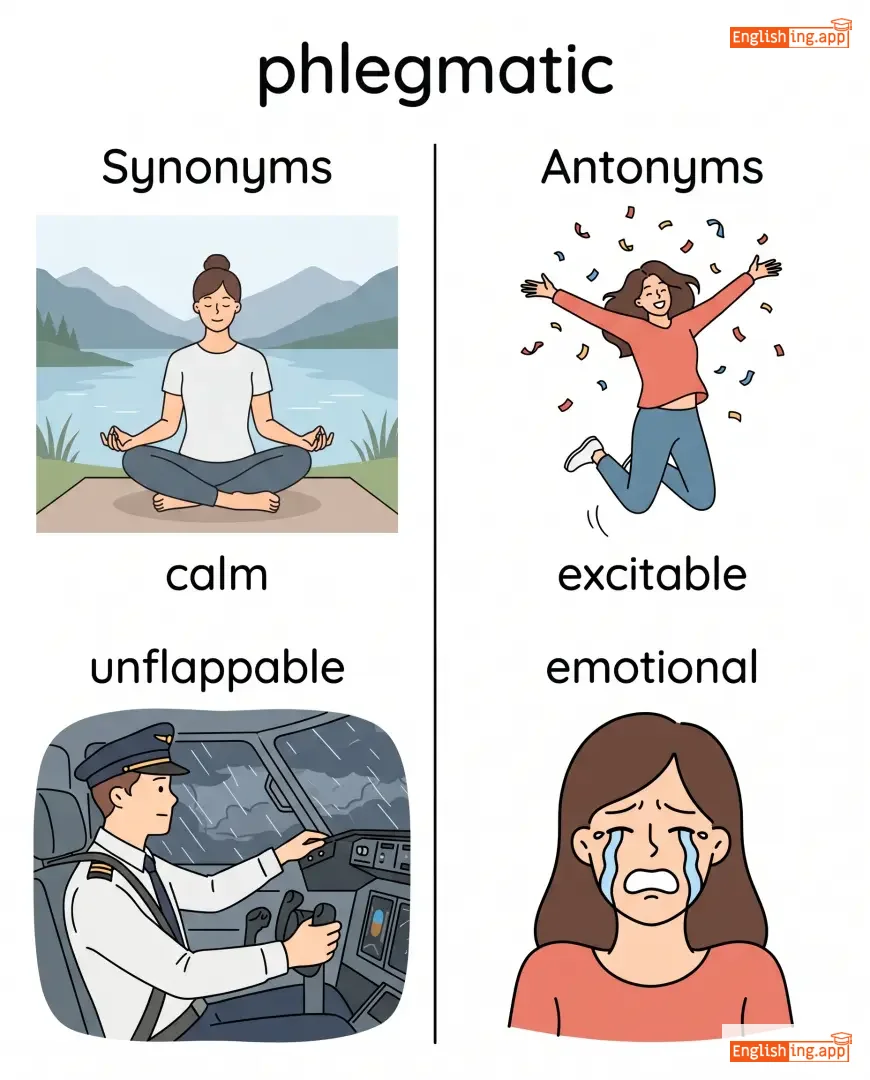
calm, unflappable, composed, stoic
••••••
|
excitable, emotional, agitated
••••••
|
phlegmatic temperament, phlegmatic response, phlegmatic nature
••••••
|
冷静如冰,弗雷格玛提克保持不动如冰。
••••••
|
|
🙏
••••••
|
/ˈpaɪ.ə.ti/
noun
(pái ètí)
••••••
|


|
虔诚
qiánchéng
••••••
|
- •••••• | - •••••• | - •••••• | - •••••• |
the quality of being religious or reverent; devout religious belief and practice
••••••
|
His piety was evident in his daily prayers.
His piety was evident in his daily prayers.
••••••
|
他的虔诚在他每天的祈祷中显而易见。
tā de qiánchéng zài tā měitiān de qídǎo zhōng xiǎn'ér yìjiàn.
••••••
|
- •••••• | - •••••• | - •••••• |
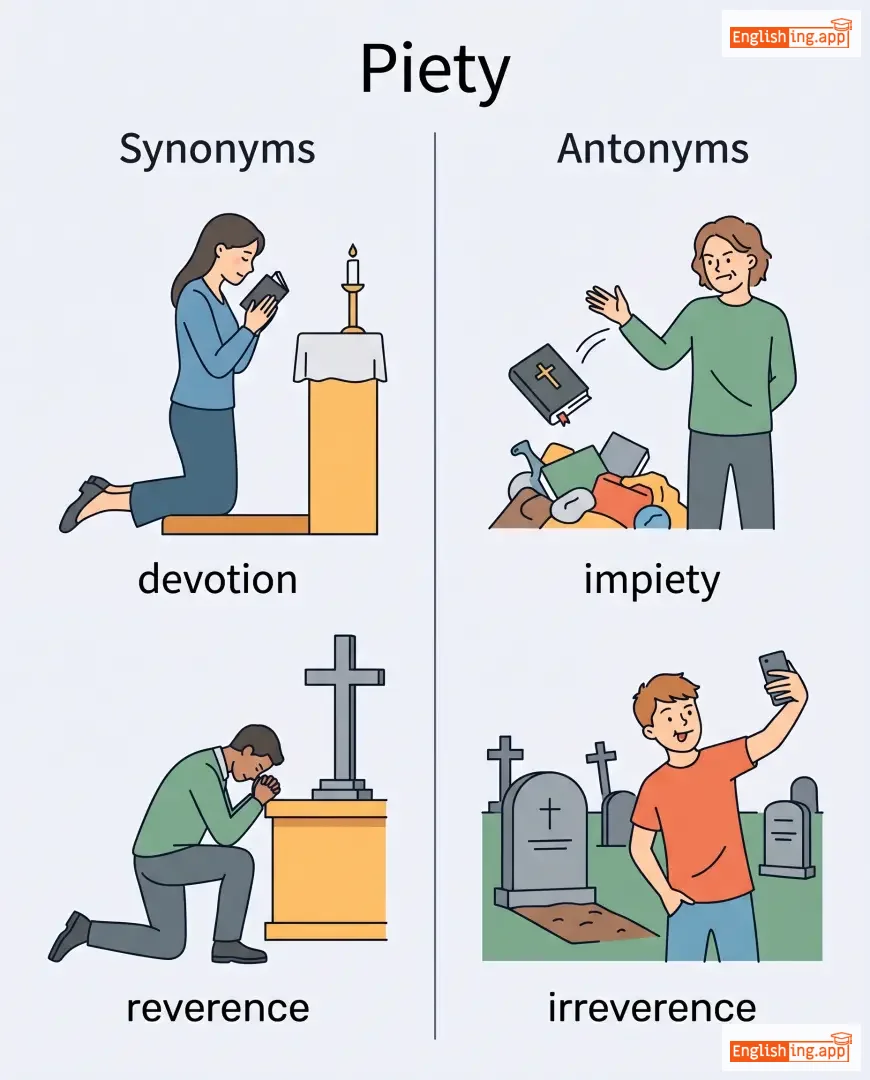
devotion, religiousness, godliness, spirituality
••••••
|
impiety, irreligion, godlessness, blasphemy
••••••
|
religious piety, filial piety, show piety
••••••
|
虔诚 = 信仰专一
••••••
|
|
🕊️
••••••
|
/pləˈkeɪt/
verb
(plakeit)
••••••
|

|
安抚
ānfǔ
••••••
|
placated
plakeited
••••••
|
placated
plakeited
••••••
|
placates
plakeits
••••••
|
placating
plakeiting
••••••
|
to make someone less angry or hostile; to calm or soothe
••••••
|
He tried to placate the angry customer with a refund.
他试图通过退款安抚愤怒的客户。
••••••
|
他试图通过退款安抚愤怒的客户。
Tā shìtú tōngguò tuìkuǎn ānfǔ fènnù de kèhù.
••••••
|
- •••••• | - •••••• | - •••••• |
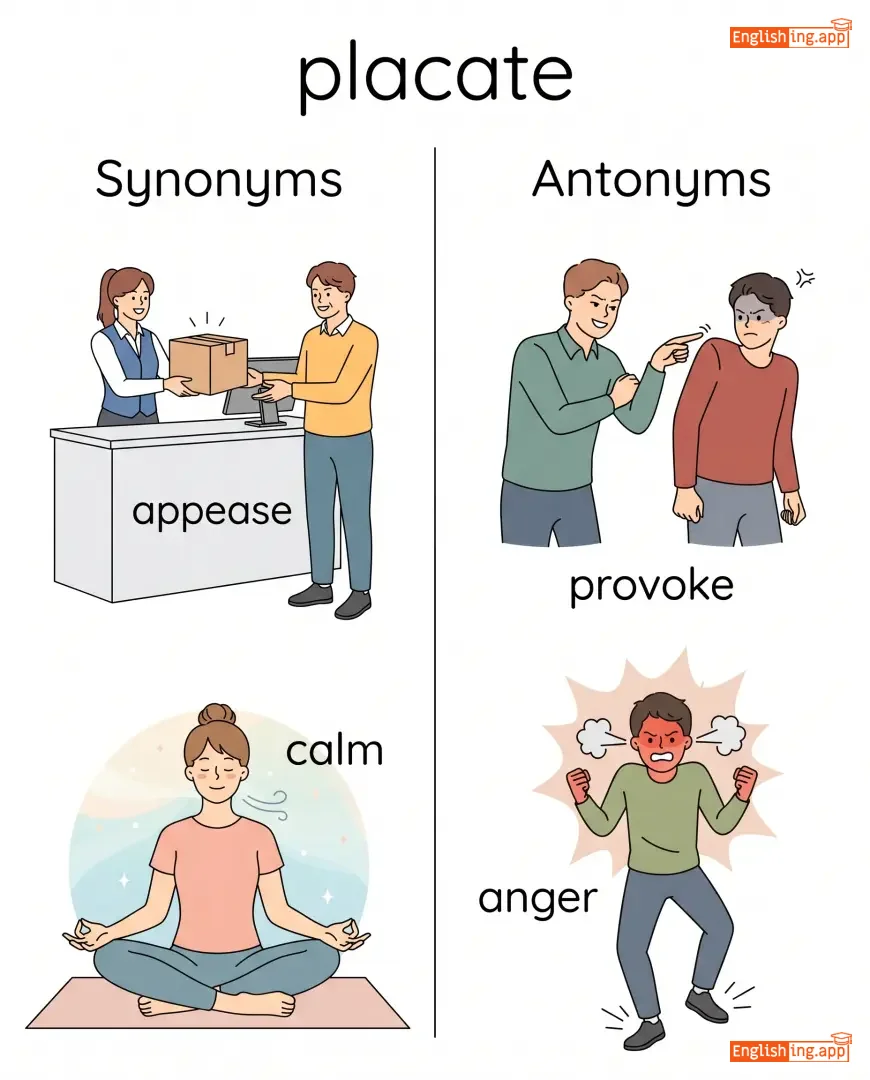
appease, calm, soothe, pacify
••••••
|
provoke, anger, irritate
••••••
|
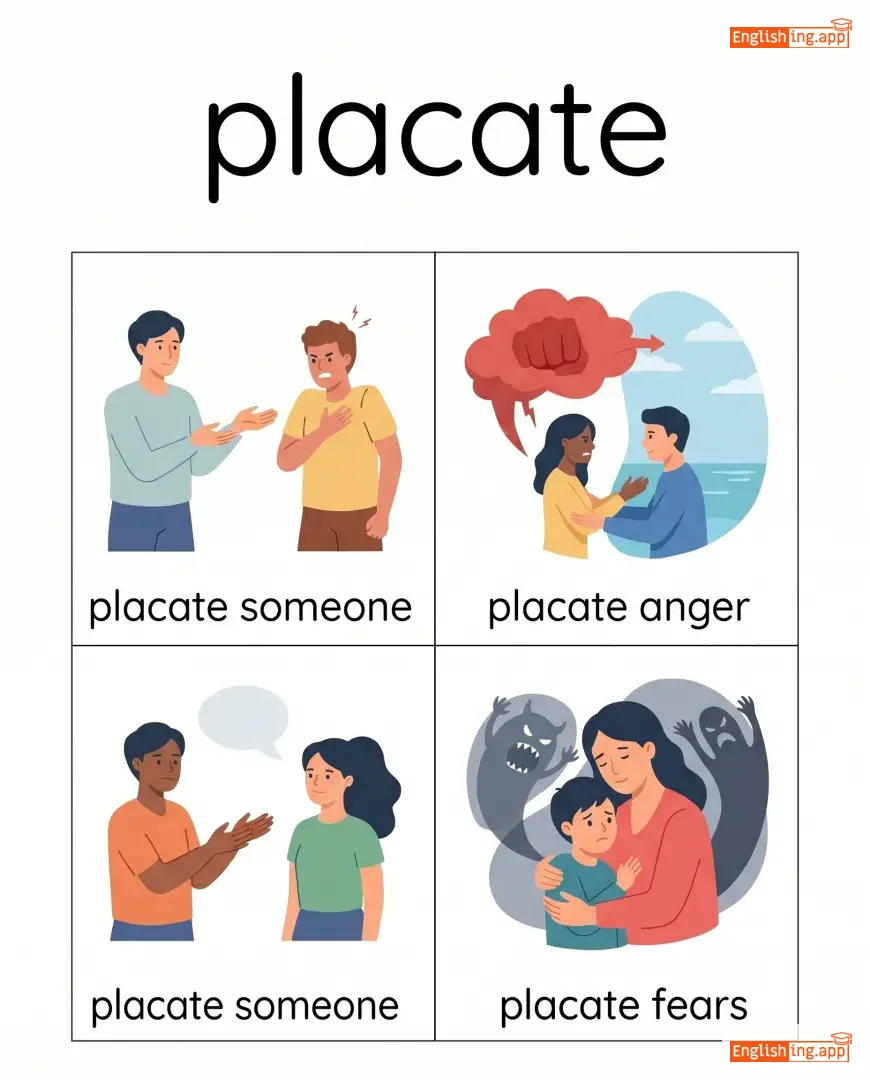
placate someone, placate anger, placate fears
••••••
|
Placate是安抚,placate让你冷静下来。
••••••
|
|
🧠
••••••
|
/plæsˈtɪsəti/
noun
(可塑性)
••••••
|

|
可塑性, 适应能力
kesu xing, shiying nengli
••••••
|
- •••••• | - •••••• | - •••••• | - •••••• |
the quality of being easily shaped or molded; adaptability
••••••
|
The brain's plasticity allows it to adapt after injury.
大脑的可塑性使它在受伤后能够适应。
••••••
|
大脑的可塑性使它在受伤后能够适应。
Dainao de kesu xing shi ta zai shoushang hou nenggou shiying.
••••••
|
- •••••• | - •••••• | - •••••• |
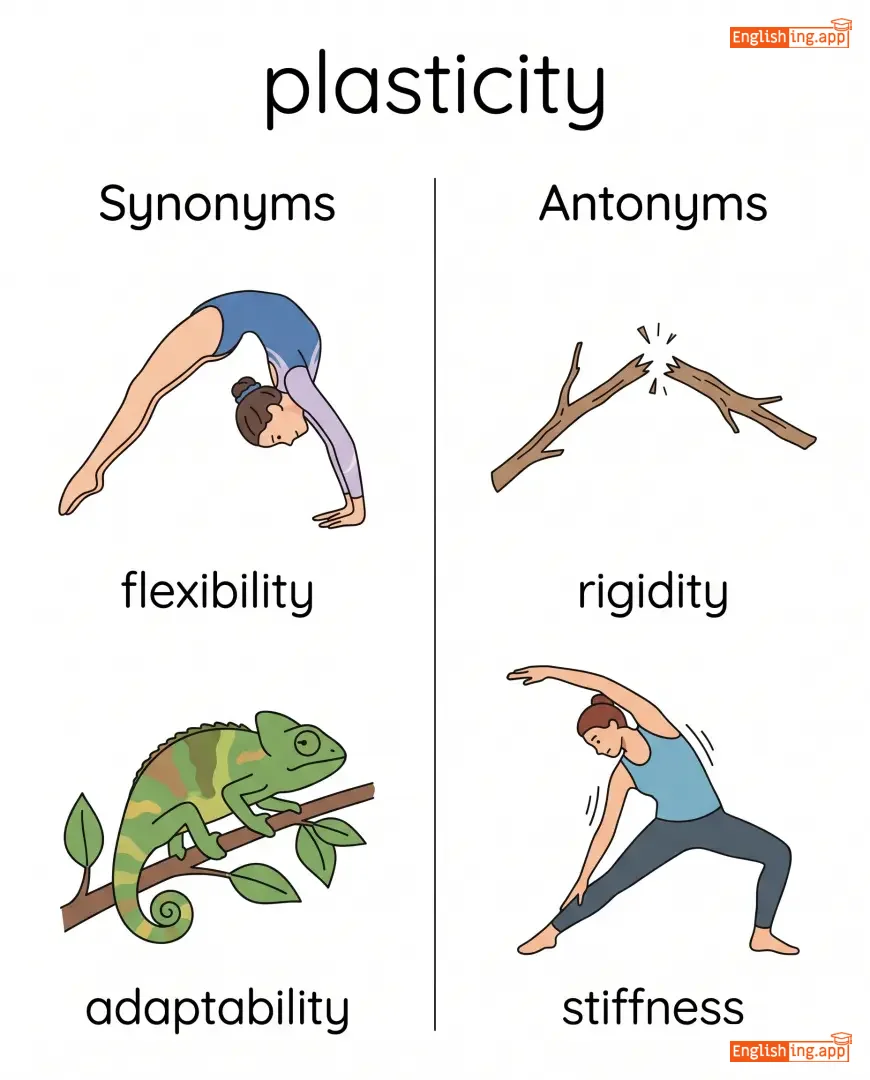
flexibility, adaptability, malleability, pliability
••••••
|
rigidity, stiffness
••••••
|
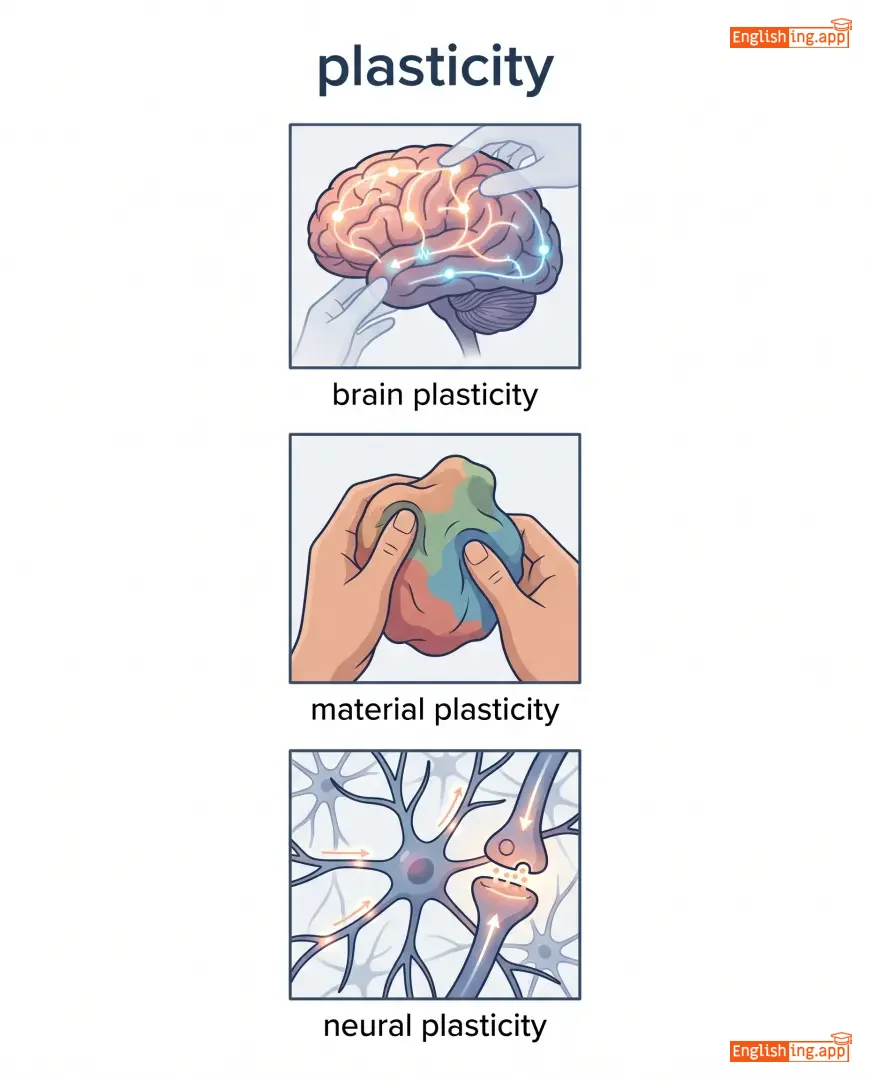
brain plasticity, material plasticity, neural plasticity
••••••
|
脑的可塑性意味着大脑具有适应能力
••••••
|
|
🗣️
••••••
|
/ˈplætɪtjuːd/
noun
(普拉蒂图德)
••••••
|

|
陈词滥调,空话
chéncí làndiào, kōnghuà
••••••
|
- •••••• | - •••••• | - •••••• | - •••••• |
a remark or statement that is overused and unoriginal
••••••
|
He kept repeating the same platitudes during the speech.
他在演讲中不断重复相同的陈词滥调。
••••••
|
他在演讲中不断重复相同的陈词滥调。
Tā zài yǎnjiǎng zhōng bùduàn chóngfù xiāngtóng de chéncí làndiào.
••••••
|
- •••••• | - •••••• | - •••••• |
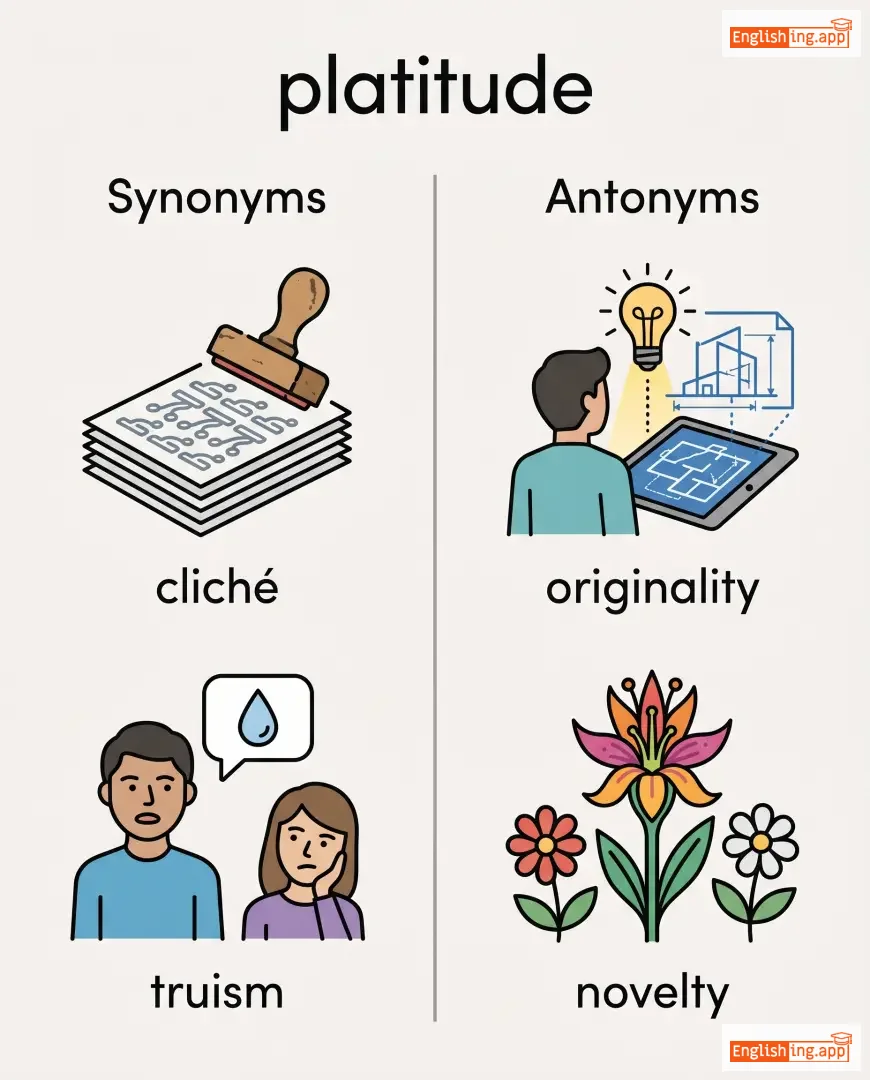
cliché, truism, banality, commonplace
••••••
|
originality, novelty
••••••
|
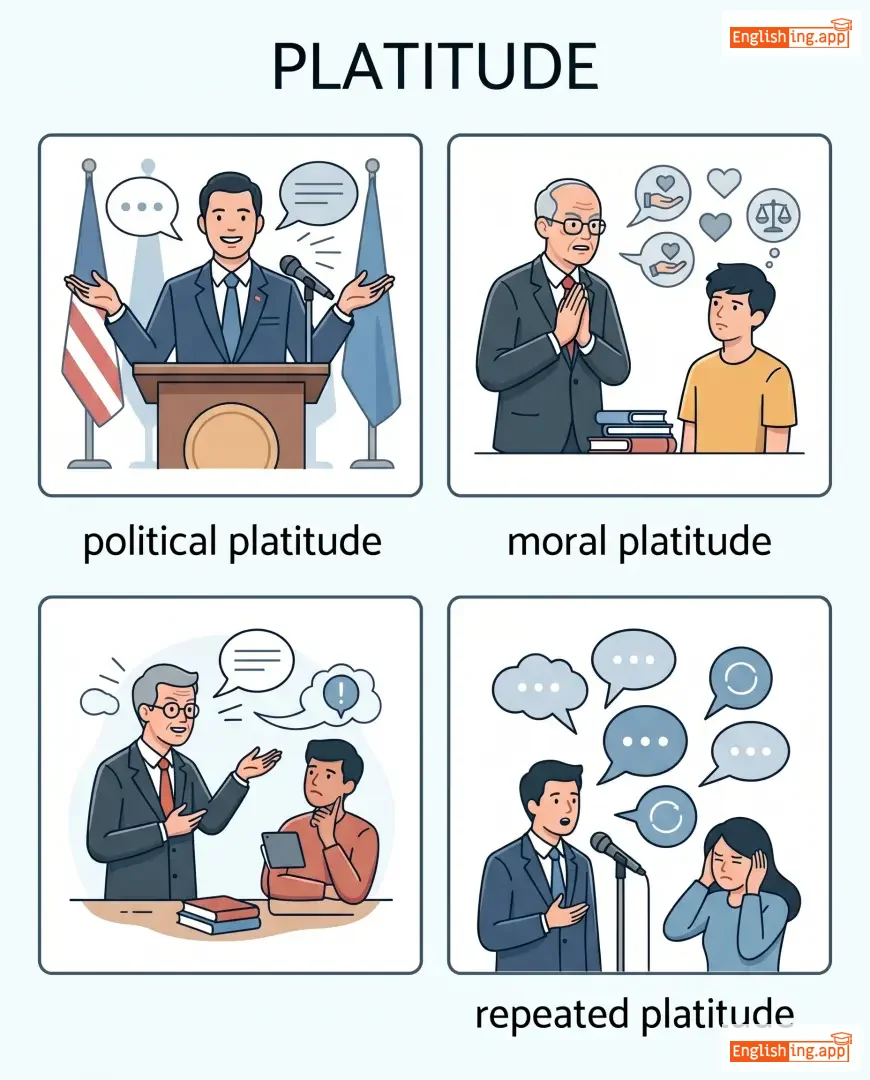
political platitude, moral platitude, repeated platitude
••••••
|
PLATI + TUDE = 想象一个满是重复话语的盘子——platitude
••••••
|
|
📚
••••••
|
/ˈplɛθərə/
noun
(普莱索拉)
••••••
|

|
过多的数量
guo duo de shu liang
••••••
|
- •••••• | - •••••• | - •••••• | - •••••• |
an excessive amount of something
••••••
|
She has a plethora of books on her shelf. |
她的书架上有过多的书籍。
Ta de shujia shang you guo duo de shuju.
••••••
|
- •••••• | - •••••• | - •••••• |
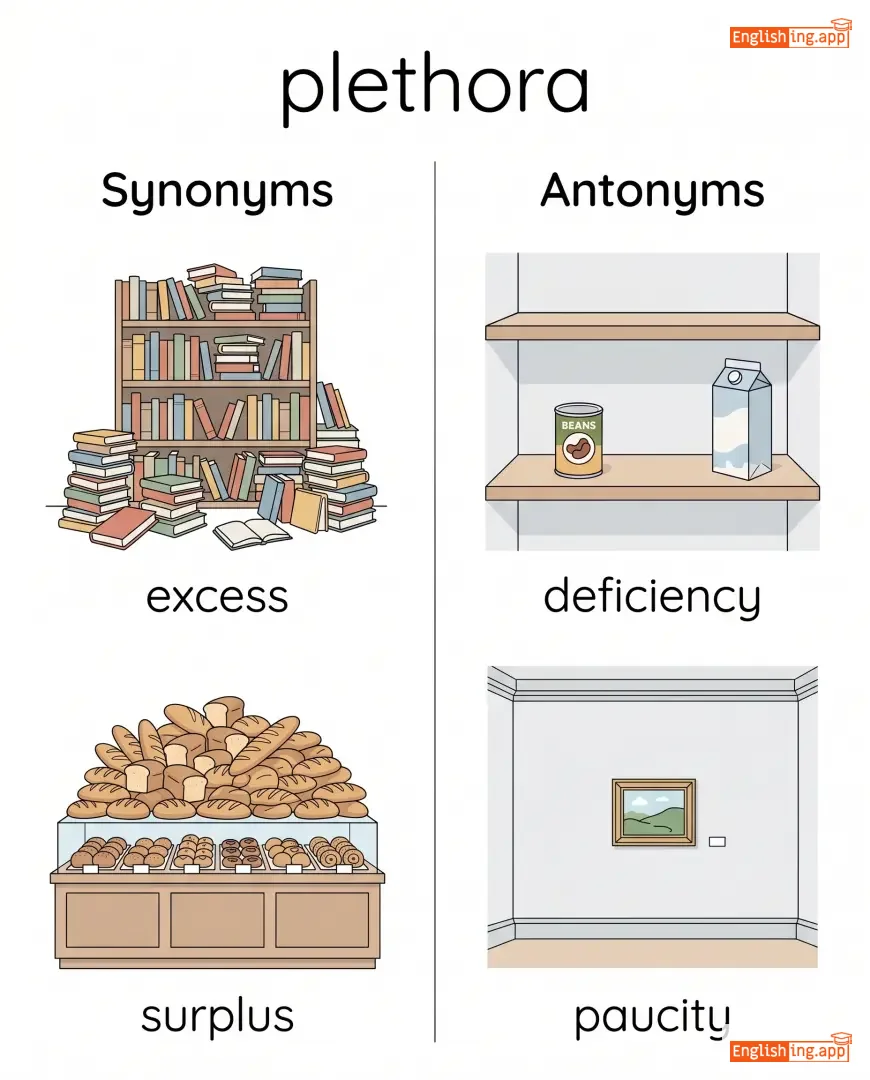
excess, surplus, overabundance, profusion
••••••
|
deficiency, paucity, shortage
••••••
|
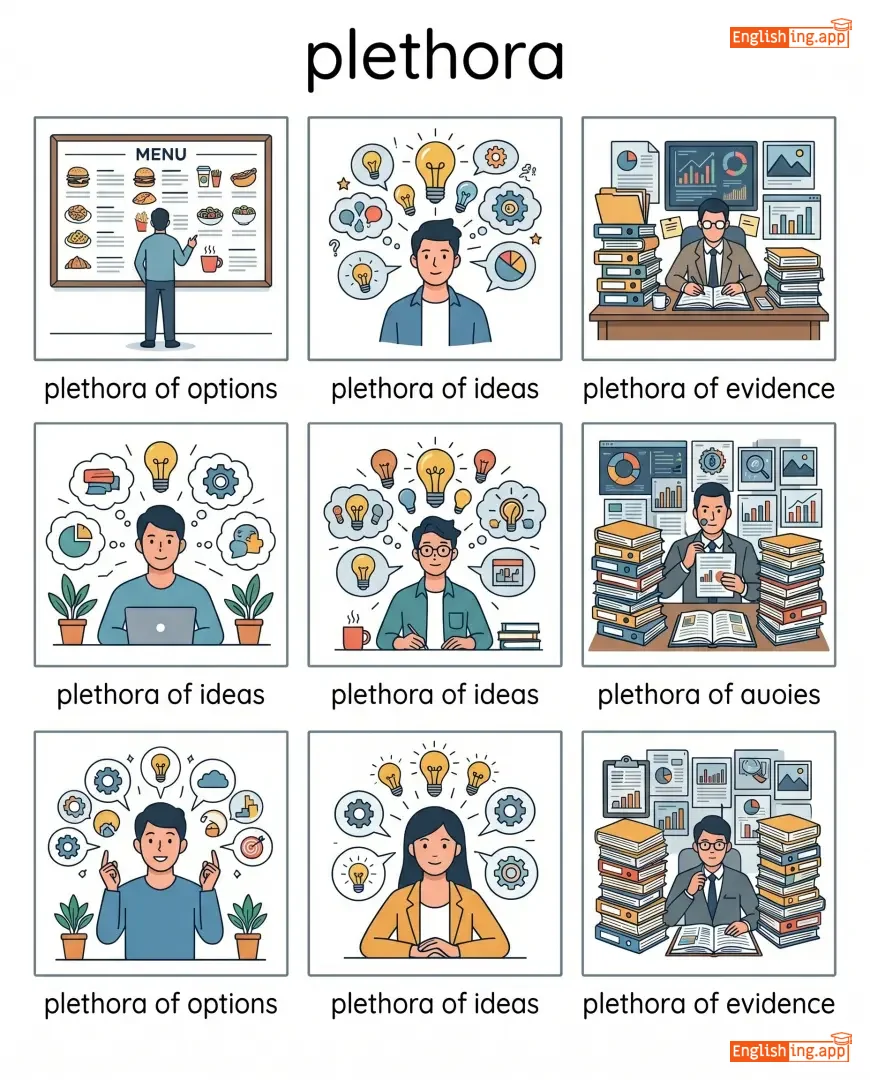
plethora of options, plethora of ideas, plethora of evidence
••••••
|
书架上堆满了书,就像多到没有地方放的东西
••••••
|
|
📉
••••••
|
/ˈplʌm.ɪt/
verb
(plammet)
••••••
|

|
快速垂直下落
kuai su chui zhi xia luo
••••••
|
plummeted
plammeted
••••••
|
plummeted
plammeted
••••••
|
plummets
plammetts
••••••
|
plummeting
plammeting
••••••
|
to fall straight down at high speed
••••••
|
Stock prices plummeted after the sudden market crash.
股票价格在突如其来的市场崩盘后急剧下跌。
••••••
|
股票价格在突如其来的市场崩盘后急剧下跌。
Gǔpiào jiàgé zài tūrú qí lái de shìchǎng bēngpán hòu jíjù xiàdiē.
••••••
|
- •••••• | - •••••• | - •••••• |
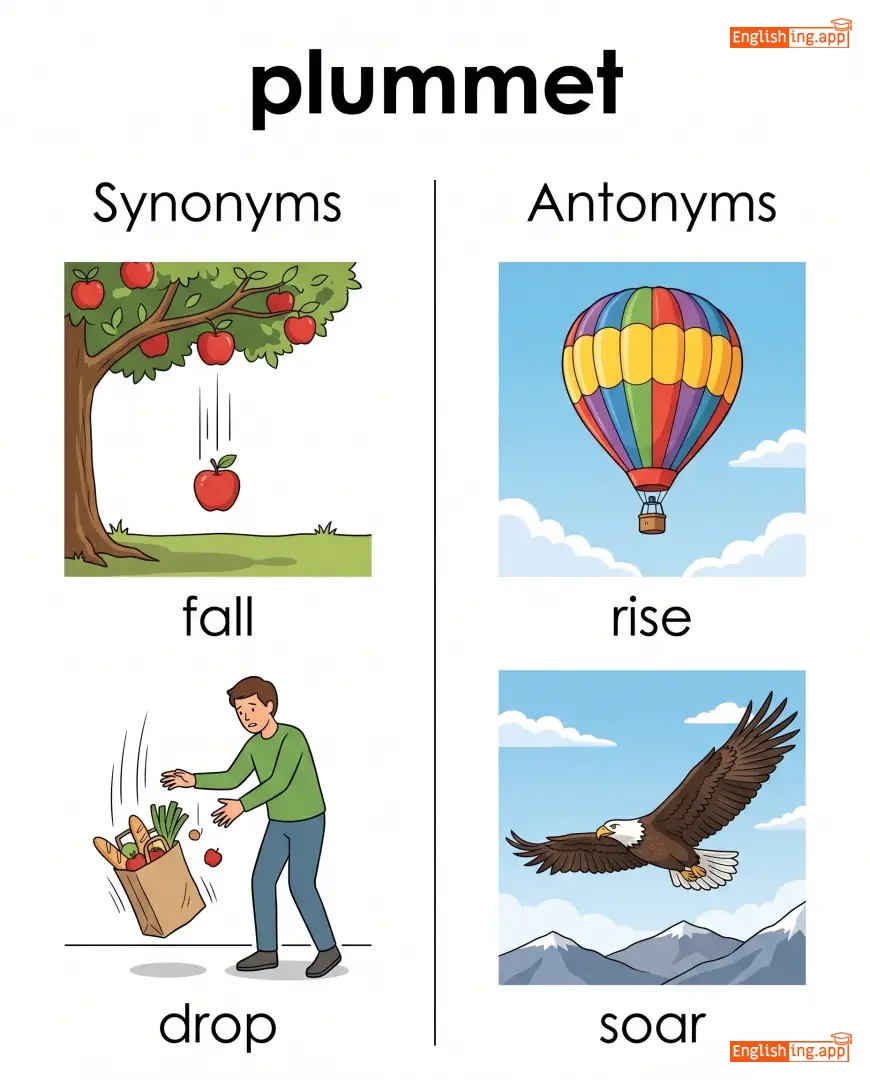
fall, drop, tumble, dive
••••••
|
rise, soar
••••••
|
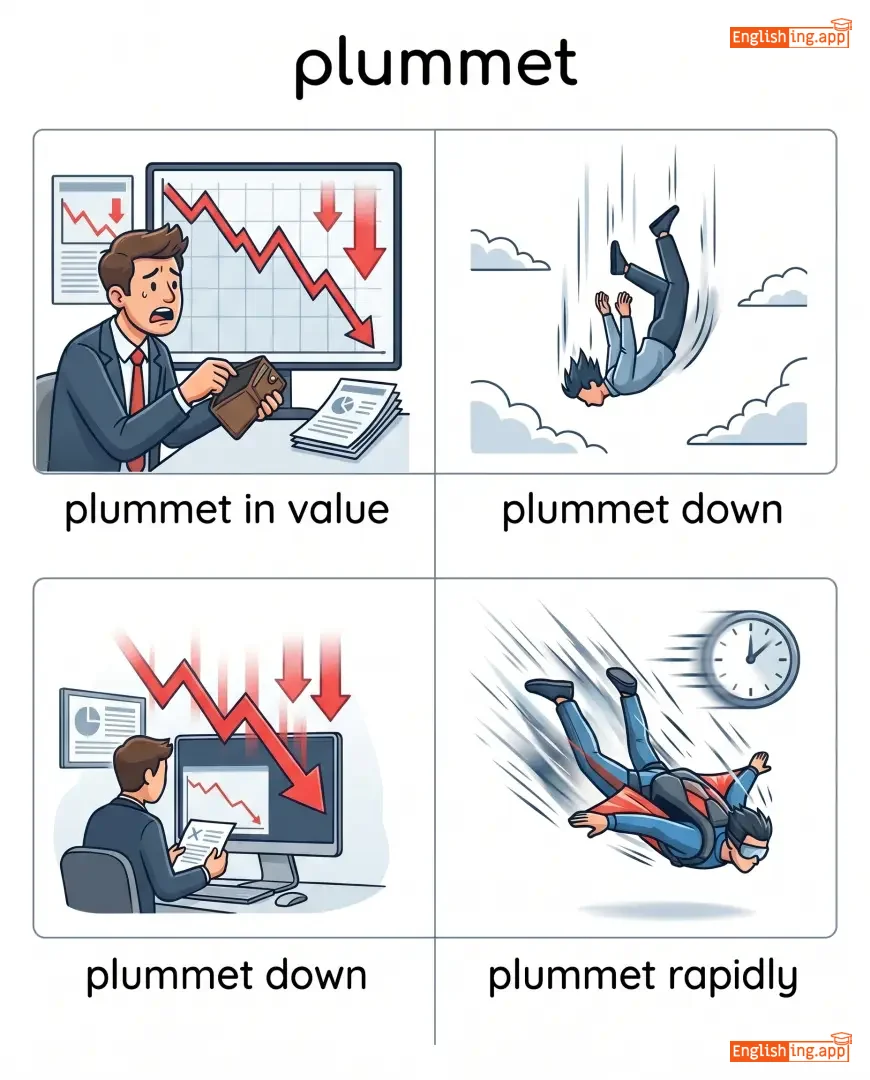
plummet in value, plummet down, plummet rapidly
••••••
|
PLUM的下落,PLUMMET - 股票急剧下跌。
••••••
|
|
🧽
••••••
|
/ˈpɔːrəs/
adjective
(póluò sī)
••••••
|
|
多孔的
duō kǒng de
••••••
|
- •••••• | - •••••• | - •••••• | - •••••• |
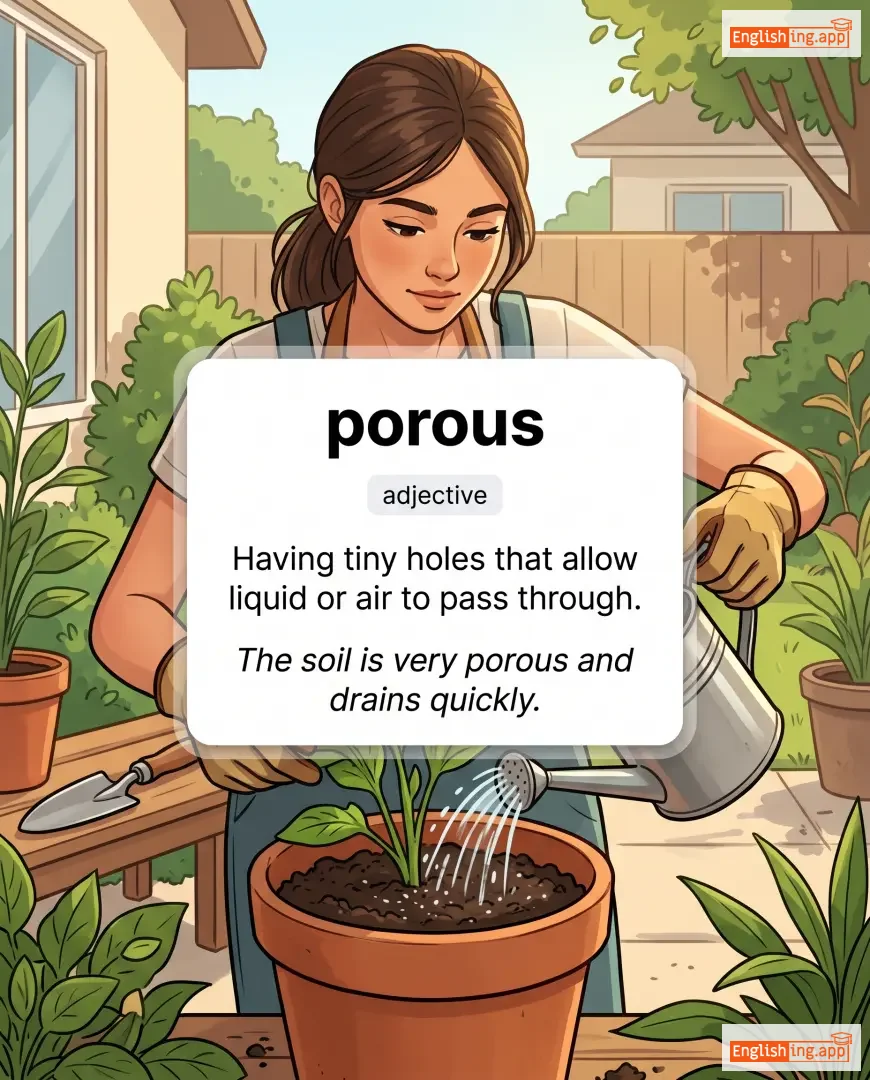
Having tiny holes that allow liquid or air to pass through.
••••••
|
The soil is very porous and drains quickly. |
土壤非常多孔,排水很快。
Tǔrǎng fēicháng duōkǒng, páishuǐ hěn kuài.
••••••
|
- •••••• | - •••••• | - •••••• |
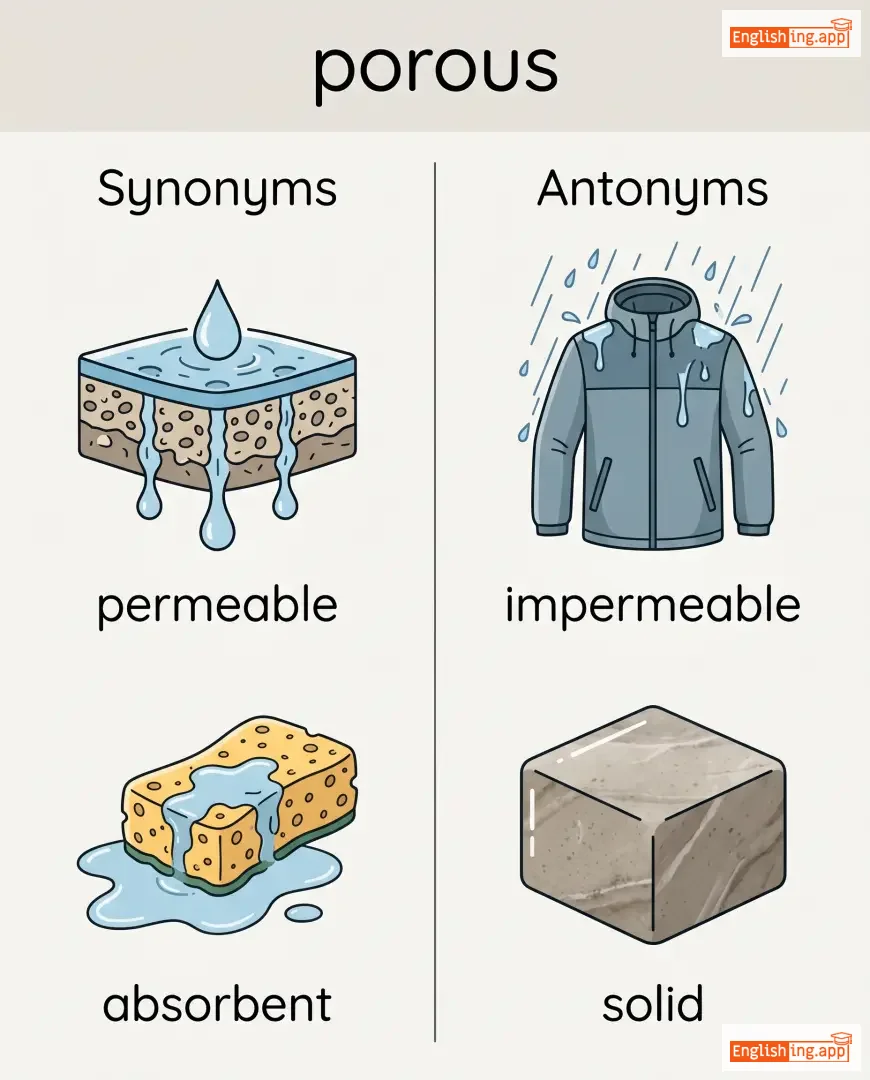
permeable, absorbent, spongy, leaky, penetrable
••••••
|
impermeable, solid, sealed
••••••
|
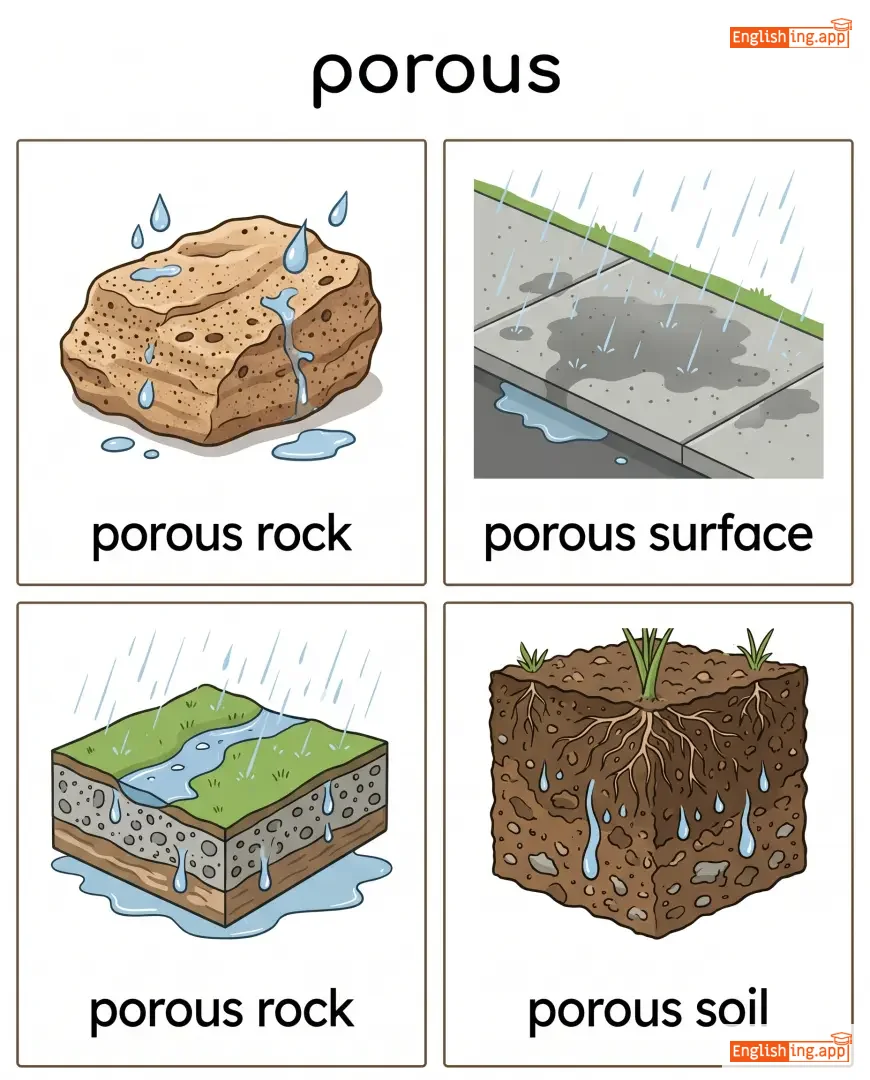
porous rock, porous surface, porous soil, porous structure
••••••
|
多孔的像海绵,水可以轻易通过。
••••••
|
|
🛠️
••••••
|
/præɡˈmætɪk/
adjective
••••••
|

|
- •••••• | - •••••• | - •••••• | - •••••• | - •••••• |
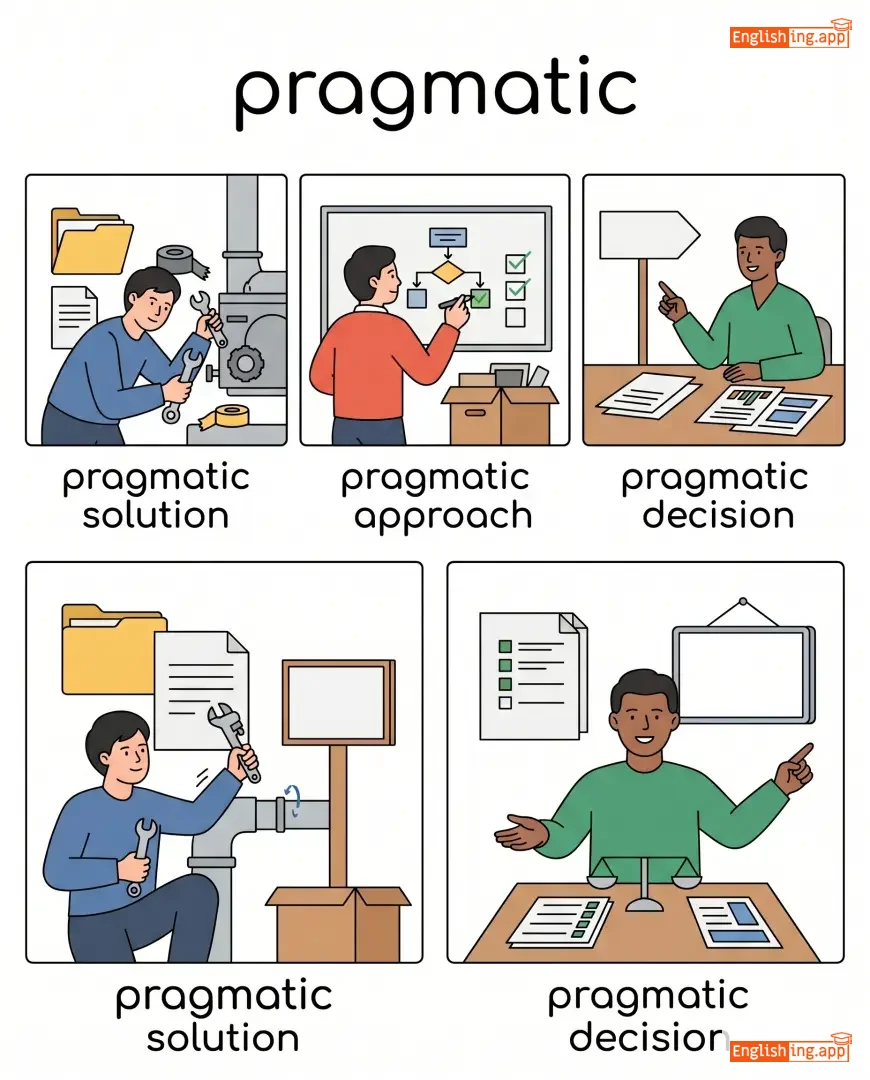
Dealing with problems in a practical and sensible way rather than depending on theories or ideals.
••••••
|
She took a pragmatic approach to solving the business challenge. |
- •••••• |
pragmatic approach |
A practical and realistic way of handling a situation.
••••••
|
- •••••• |
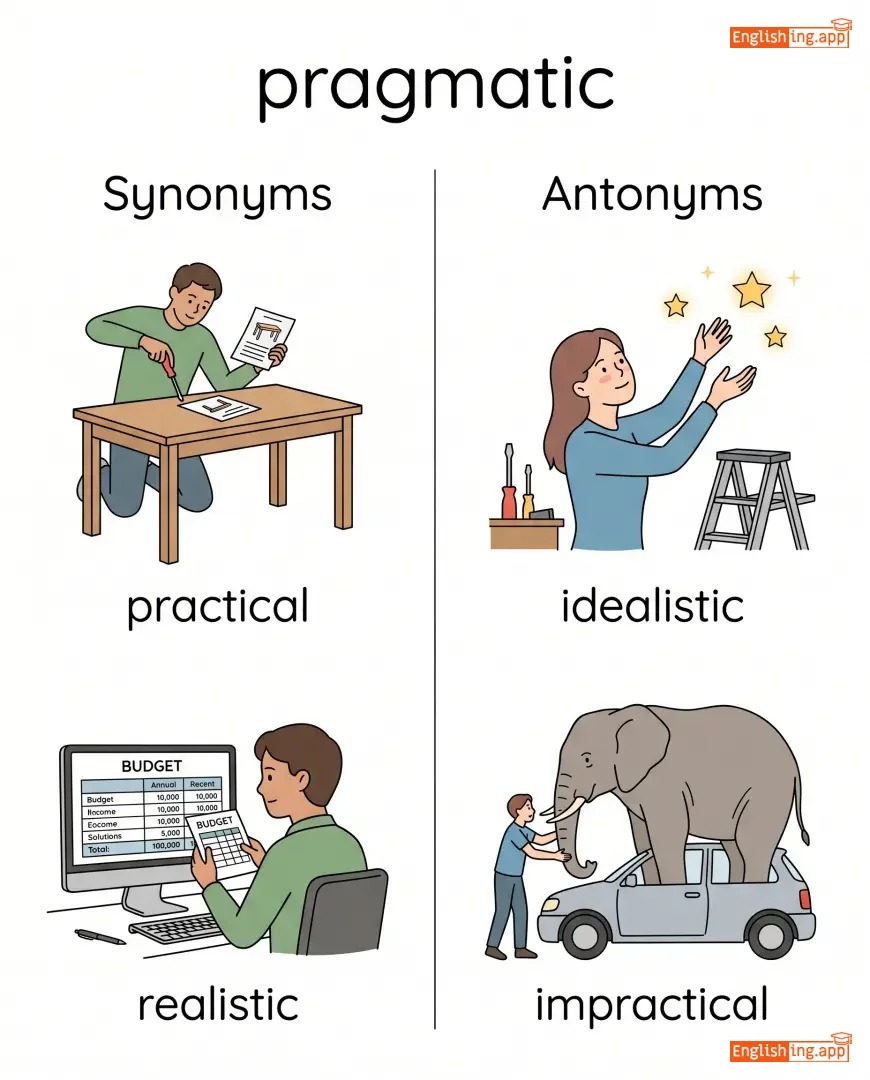
practical, realistic, sensible, rational, logical
••••••
|
idealistic, impractical, theoretical
••••••
|
pragmatic solution, pragmatic approach, pragmatic decision, pragmatic attitude
••••••
|
No •••••• |
|
📜
••••••
|
/ˈpriːˌæmbəl/
noun
(priˈæmbəl)
••••••
|
|
前言
qián yán
••••••
|
- •••••• | - •••••• | - •••••• | - •••••• |
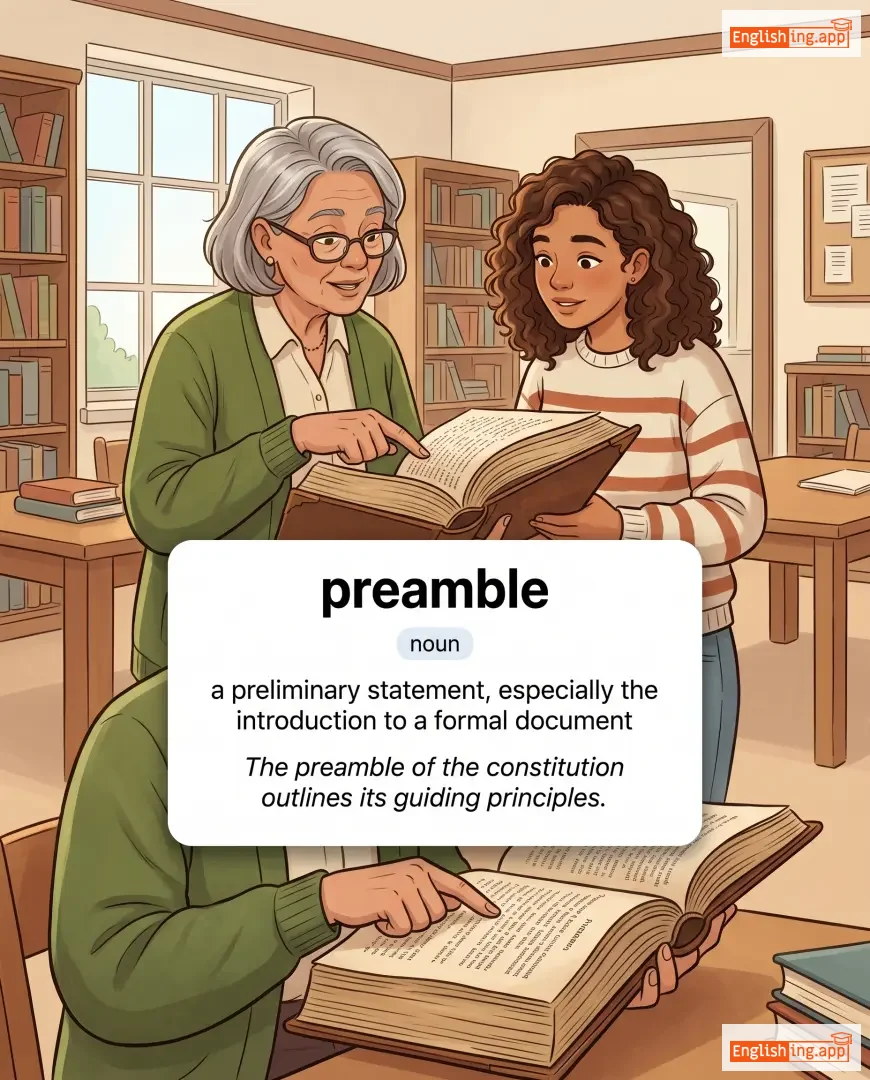
a preliminary statement, especially the introduction to a formal document
••••••
|
The preamble of the constitution outlines its guiding principles.
宪法的序言概述了其指导原则。
••••••
|
宪法的序言概述了其指导原则。
Xianfa de xu yan gai shu le qi zhidao yuanze.
••••••
|
- •••••• | - •••••• | - •••••• |
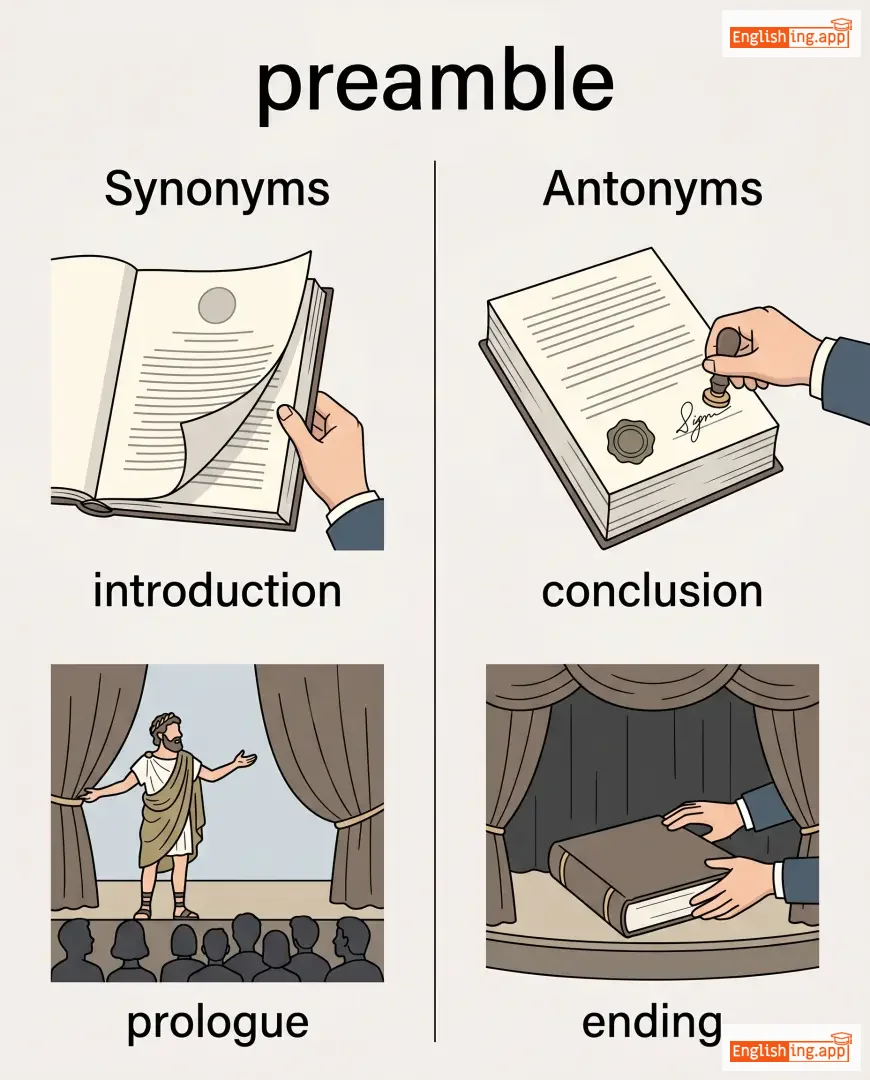
introduction, prologue, foreword, preface, opening
••••••
|
conclusion, ending, epilogue
••••••
|
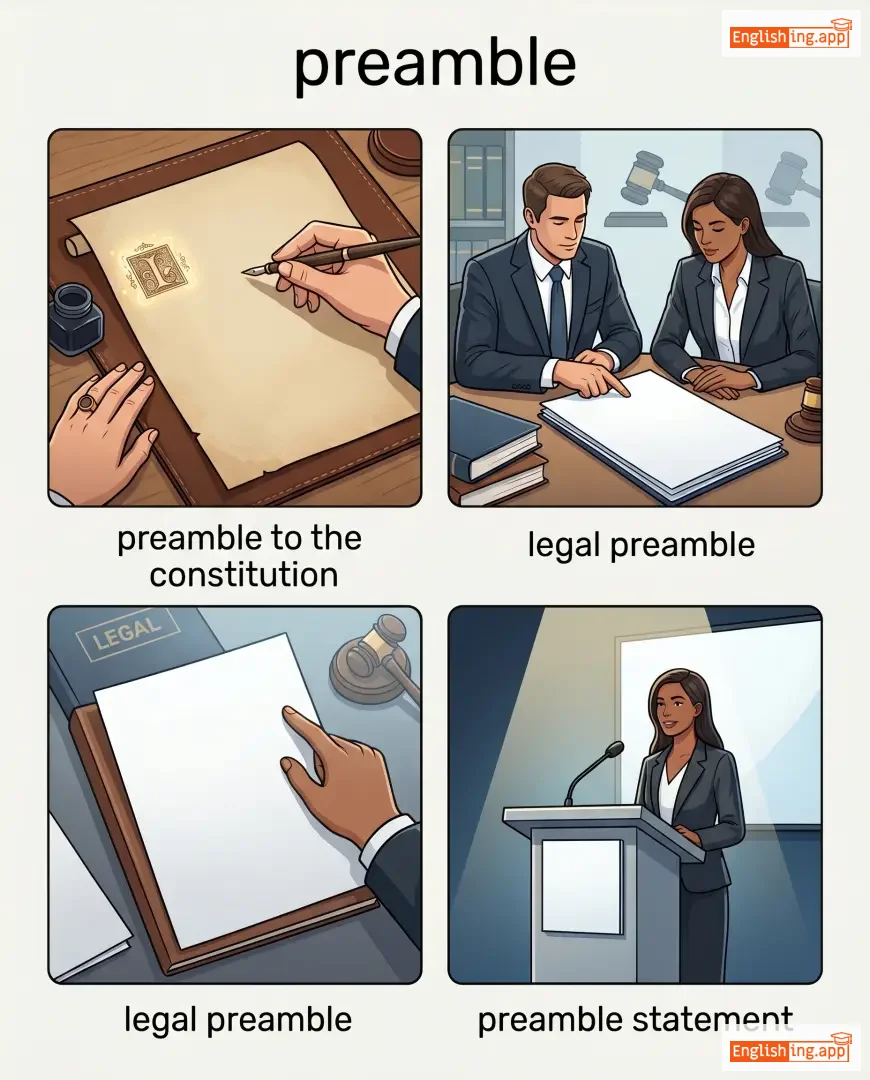
preamble to the constitution, legal preamble, preamble statement, preamble section
••••••
|
Preamble 在中文中是'前言',如文件的介绍部分。
••••••
|
|
⚠️
••••••
|
/prɪˈkɛəriəs/
adjective
(prékerious)
••••••
|
|
不稳定 / 危险
bù wěn dì / wēi xiǎn
••••••
|
- •••••• | - •••••• | - •••••• | - •••••• |
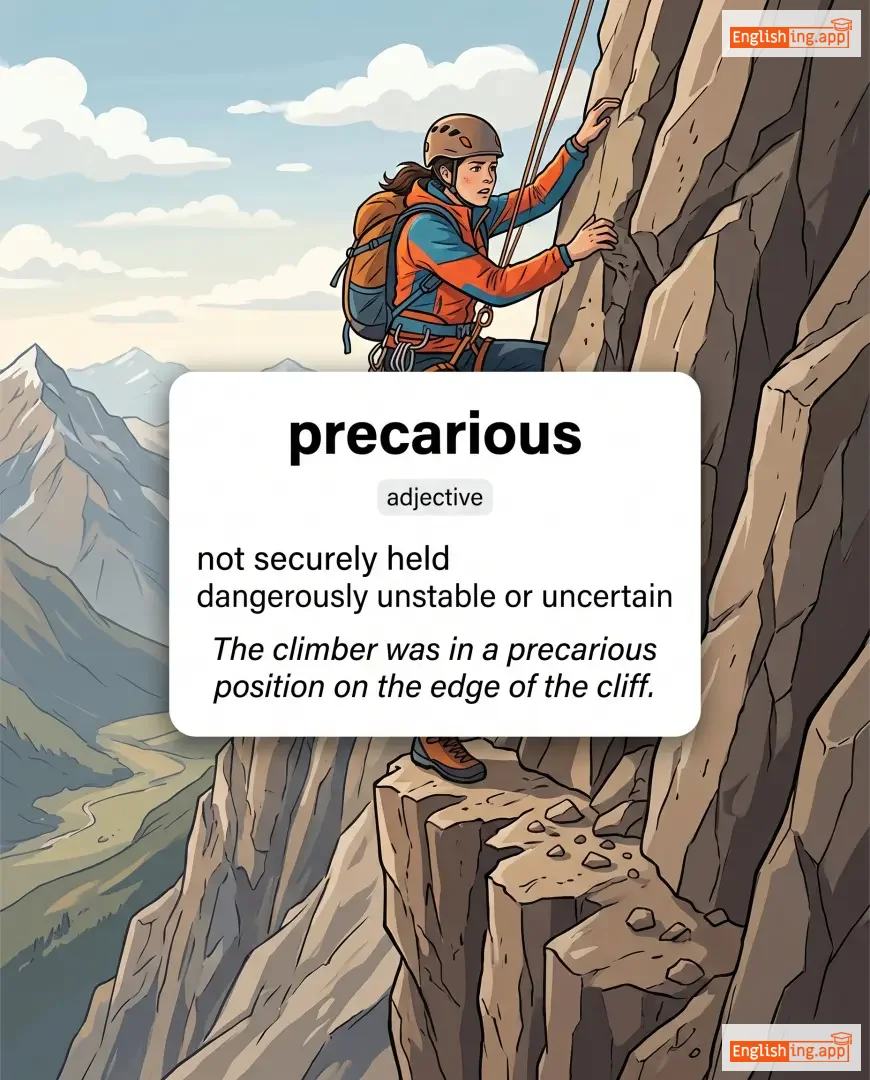
not securely held; dangerously unstable or uncertain
••••••
|
The climber was in a precarious position on the edge of the cliff. |
攀岩者处于悬崖边缘的危险位置。
Pānyán zhě chù yú xuán yá biān yuán de wēi xiǎn wèi zhì.
••••••
|
precarious situation |
a risky or dangerous circumstance
••••••
|
危险情形
wēi xiǎn qíng xíng
••••••
|
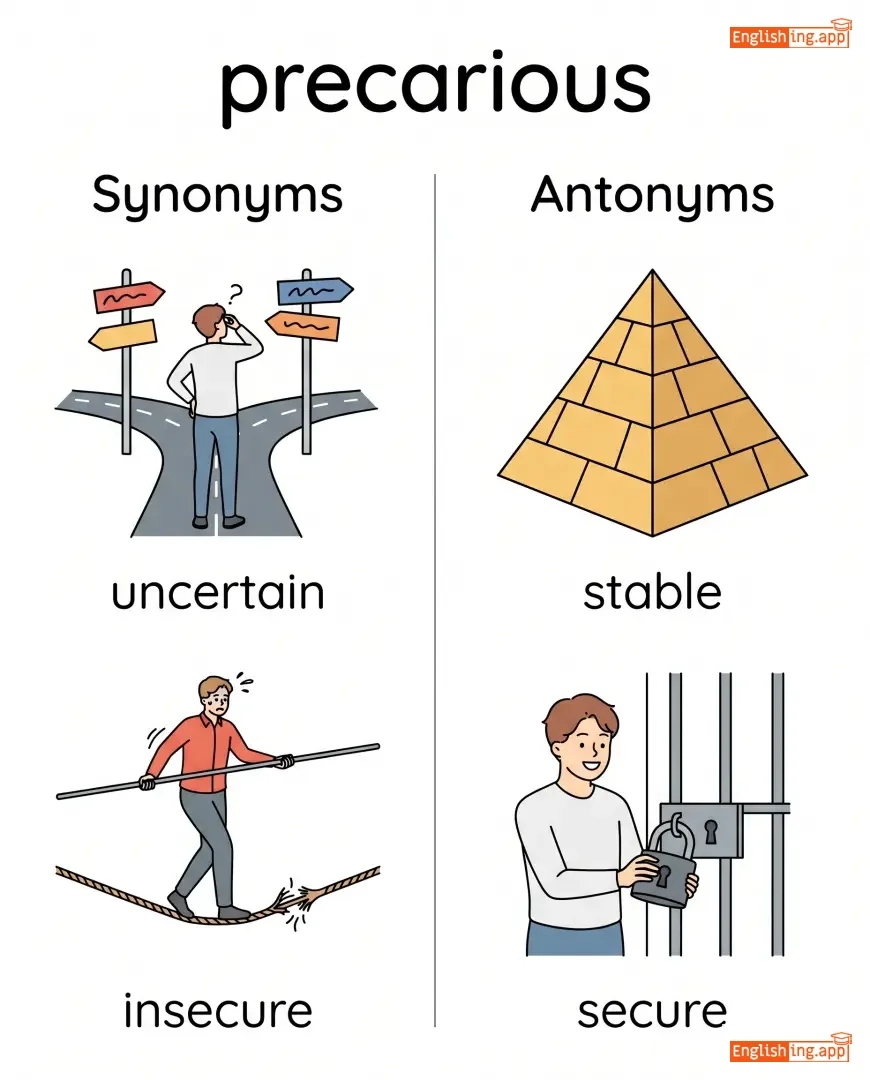
uncertain, insecure, unstable, shaky, risky
••••••
|
stable, secure, safe
••••••
|
precarious balance, precarious position, precarious condition, precarious situation
••••••
|
Pre-carious = Pre 汽车 (qìchē) 如果它危险,那么它是不稳定的
••••••
|

