|
絵文字
|
単語 | Images | 翻訳 | 過去 | 過去分詞 | 三人称単数 | 動名詞 | 意味 | 例文 | 例文の翻訳 | 表現例 | 表現例の意味 | 表現例の翻訳 | 同義語 | 対義語 | コロケーション | ニーモニック |
|---|---|---|---|---|---|---|---|---|---|---|---|---|---|---|---|---|---|
|
🔄
••••••
|
/ˈɑːsɪleɪt/
verb
(ハピネス)
••••••
|
|
幸福
koufuku
••••••
|
oscillated
••••••
|
oscillated
••••••
|
oscillates
••••••
|
oscillating
••••••
|
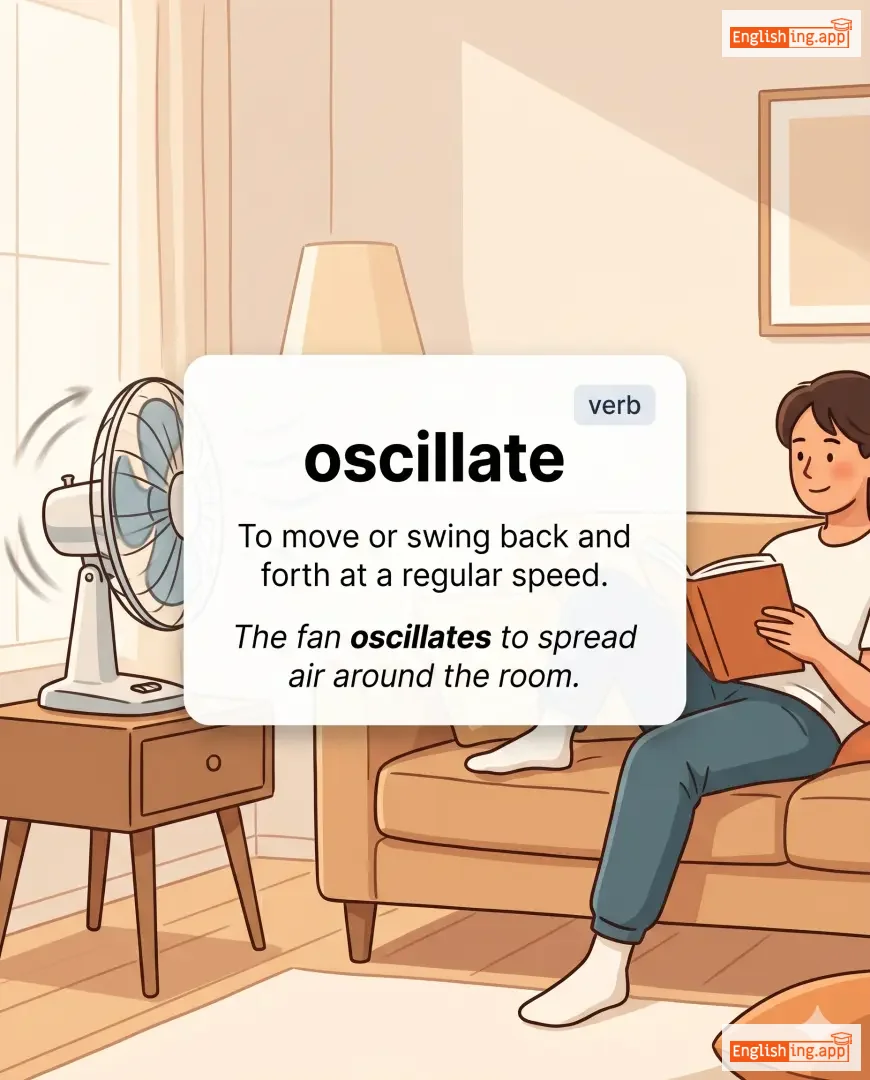
To move or swing back and forth at a regular speed.
••••••
|
The fan oscillates to spread air around the room.
彼女は賞を受け取ったとき、喜びを隠せなかった。
••••••
|
彼女は賞を受け取ったとき、喜びを隠せなかった。
Kanojo wa shou wo uketotta toki, yorokobi wo kakusenakatta.
••••••
|
oscillate between
幸福の追求
••••••
|
To alternate between different states or opinions.
••••••
|
幸福の追求
koufuku no tsuikyuu
••••••
|
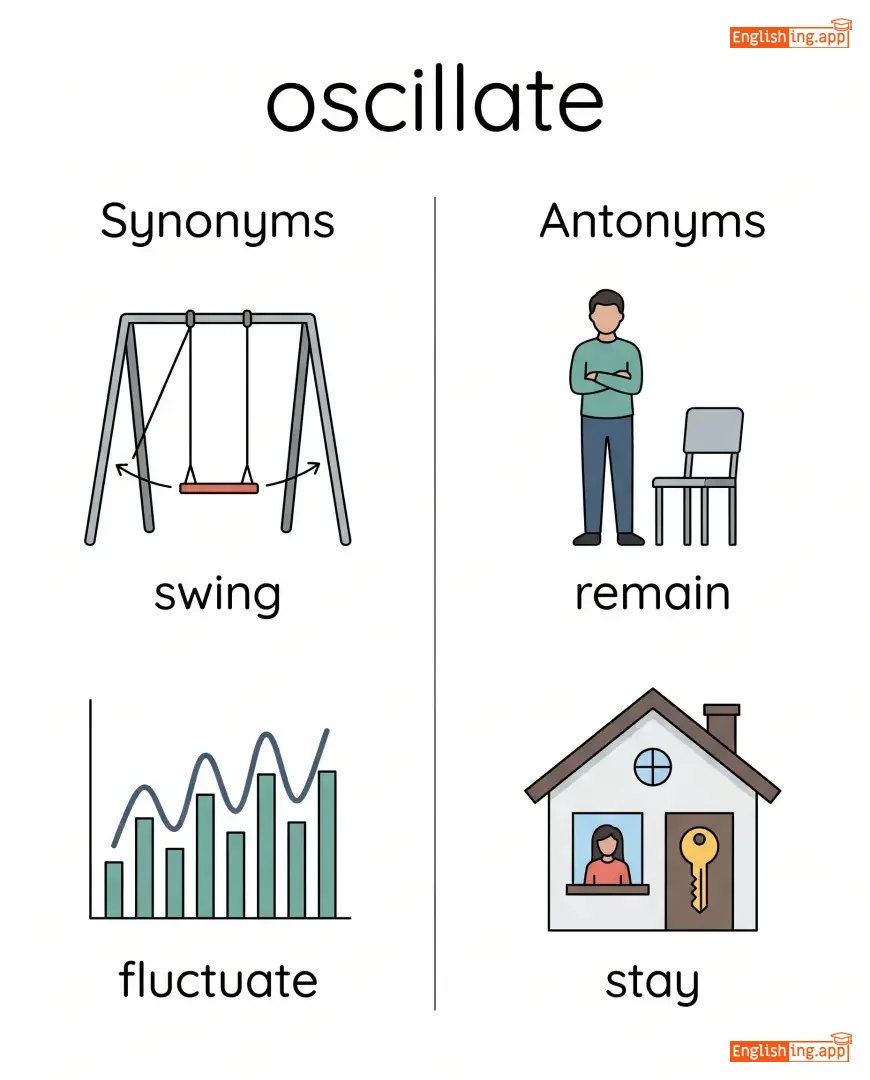
swing, fluctuate, sway, vibrate, waver
••••••
|
remain, stay
••••••
|
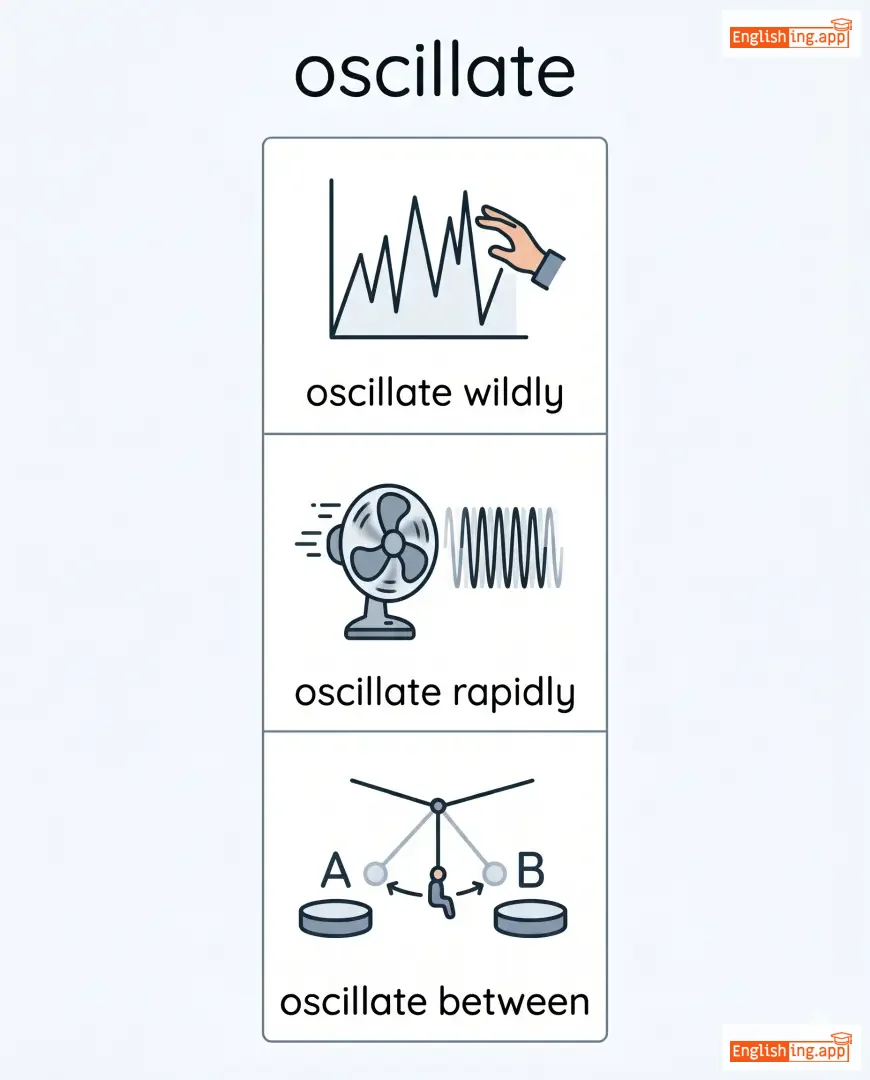
oscillate wildly, oscillate rapidly, oscillate between
••••••
|
幸せは心から湧き出るものです、いつでもそれを追い求めましょう。
••••••
|
|
✨
••••••
|
/ˌɒstɛnˈteɪʃəs/
adjective
(オステンテイシャス)
••••••
|

|
見せびらかしの
misebirakashi no
••••••
|
- •••••• | - •••••• | - •••••• | - •••••• |
Characterized by a showy or pretentious display intended to impress others.
••••••
|
He wore an ostentatious gold chain to the party. |
彼はパーティーで見せびらかしの金のチェーンをしていました。
Kare wa pātī de misebirakashi no kin no chēn o shite imashita.
••••••
|
- •••••• | - •••••• | - •••••• |
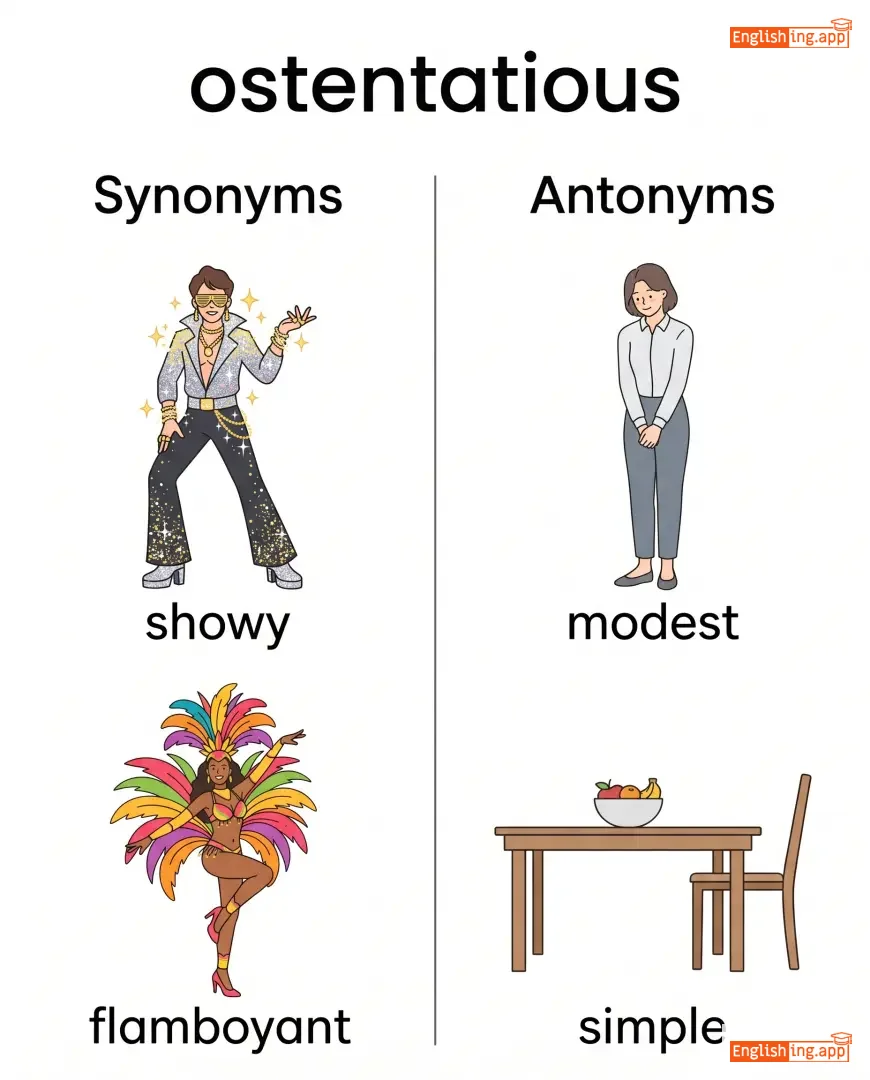
showy, flamboyant, pretentious, gaudy, flashy
••••••
|
modest, simple, plain
••••••
|
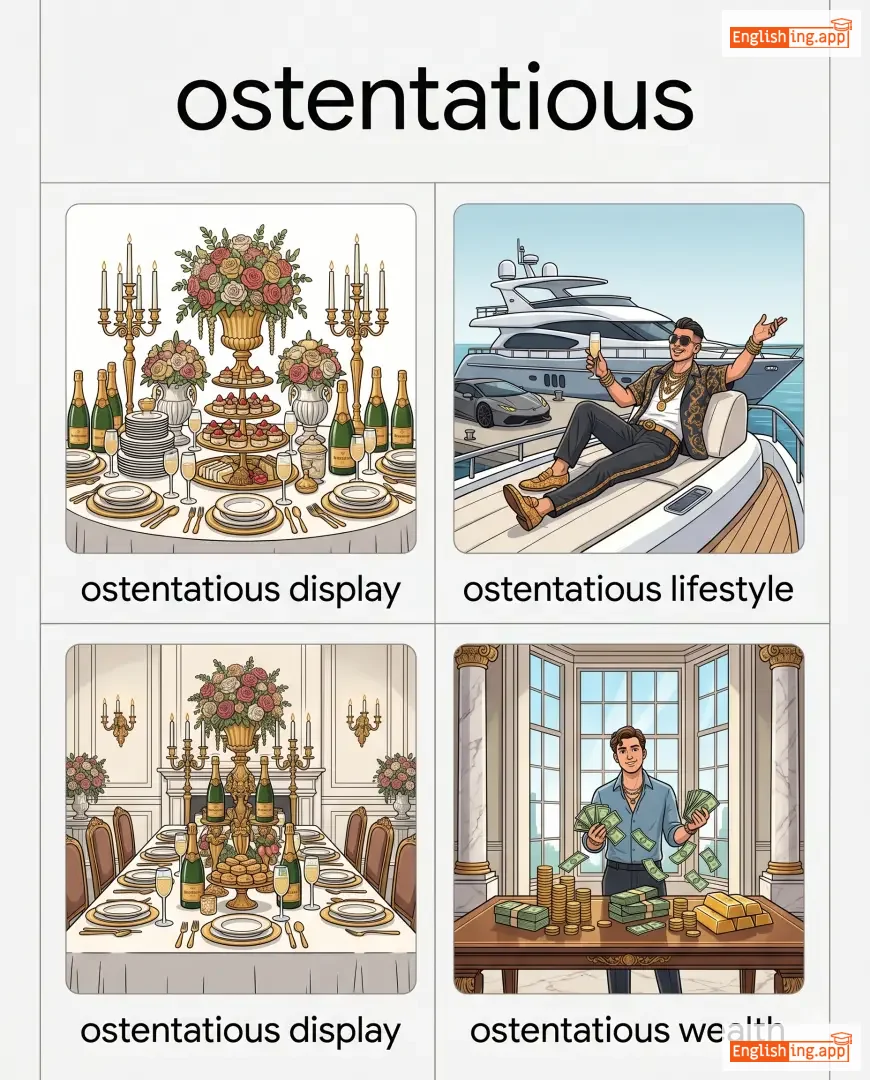
ostentatious display, ostentatious lifestyle, ostentatious wealth
••••••
|
Ostentatiousは「見せびらかしの」を意味し、人々に印象を与えようとする行動です。
••••••
|
|
⭐
••••••
|
/ˈpær.ə.ɡɑn/
noun
(パラゴン)
••••••
|

|
完璧な見本
kanpeki na mihon
••••••
|
- •••••• | - •••••• | - •••••• | - •••••• |
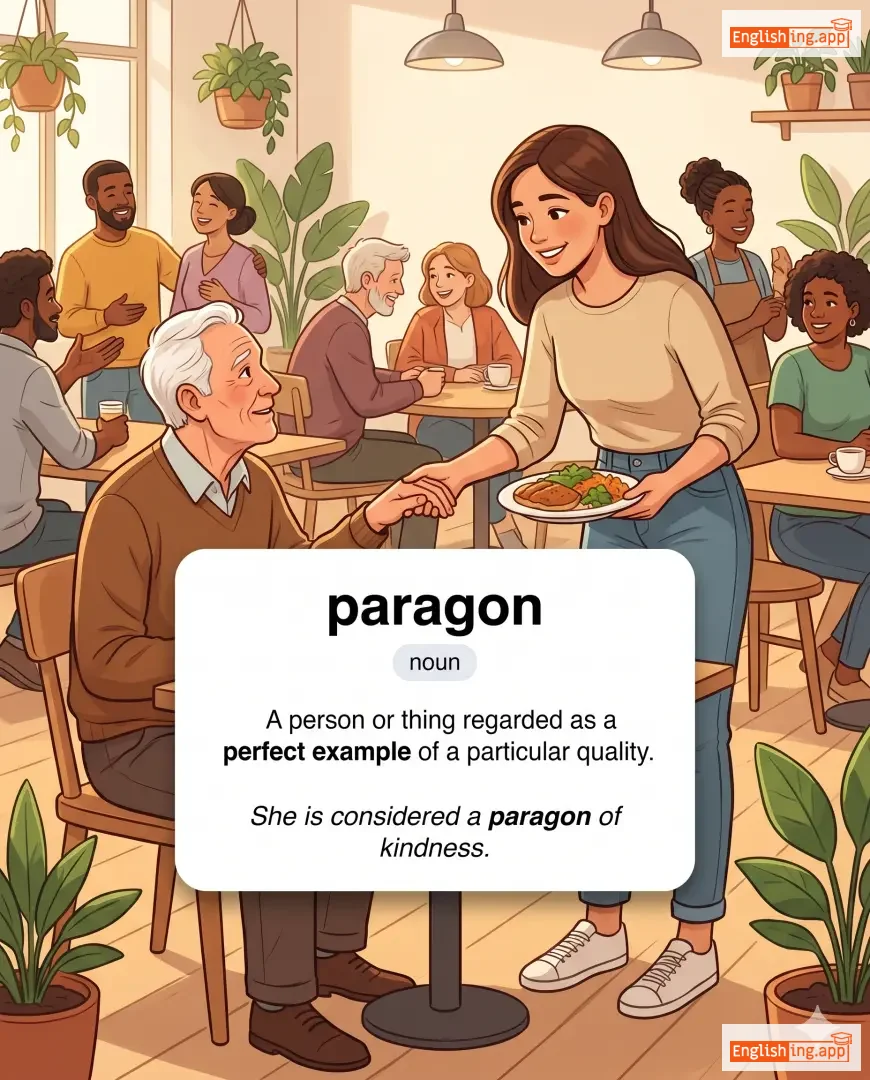
a person or thing regarded as a perfect example of a particular quality; a model of excellence
••••••
|
She was considered a paragon of virtue and kindness. |
彼女は美徳と優しさの完璧な見本と見なされていました。
kanojo wa bitoku to yasashisa no kanpeki na mihon to minasareremashita.
••••••
|
- •••••• | - •••••• | - •••••• |
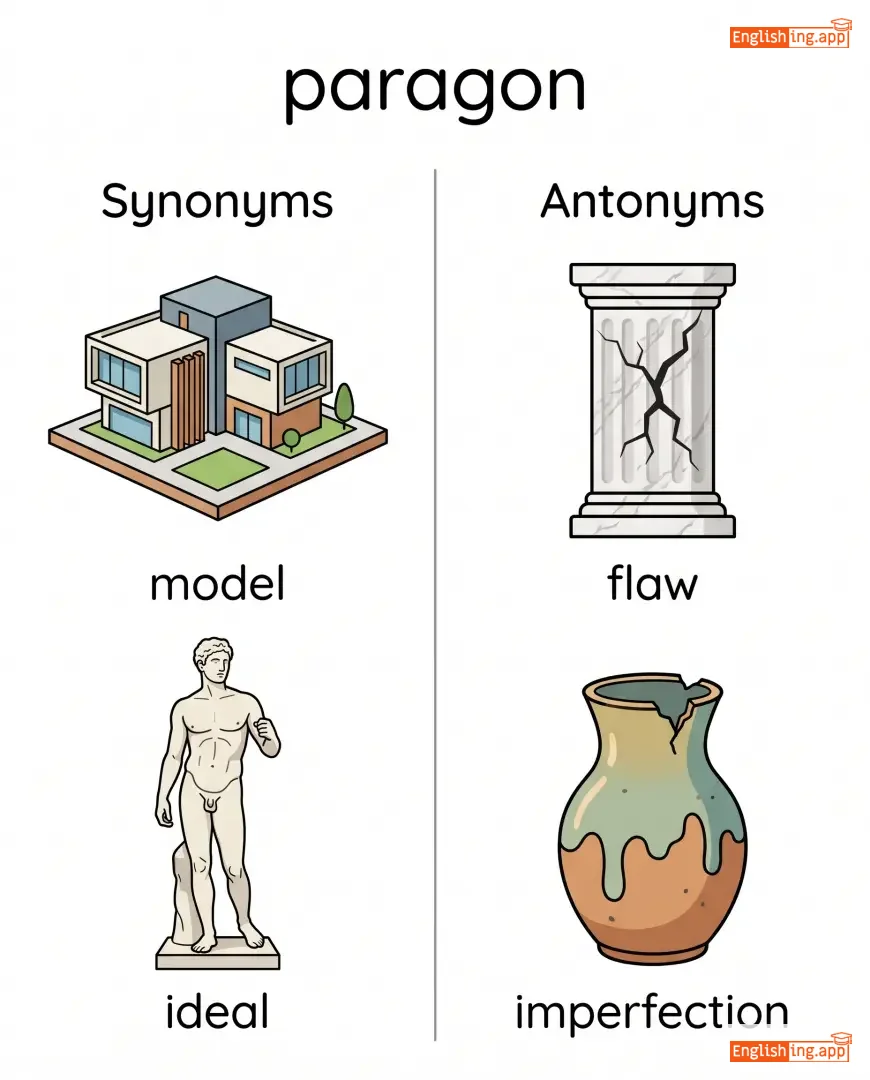
model, ideal, epitome, exemplar
••••••
|
worst example, failure, disgrace, disappointment
••••••
|
paragon of virtue, perfect paragon, moral paragon
••••••
|
パラゴンは美徳と優しさの完璧な見本です
••••••
|
|
⚔️
••••••
|
/ˈpɑːrtɪzən/
noun, adjective
(パルティザン)
••••••
|
|
党派の支持者
tōha no shijisha
••••••
|
- •••••• | - •••••• | - •••••• | - •••••• |
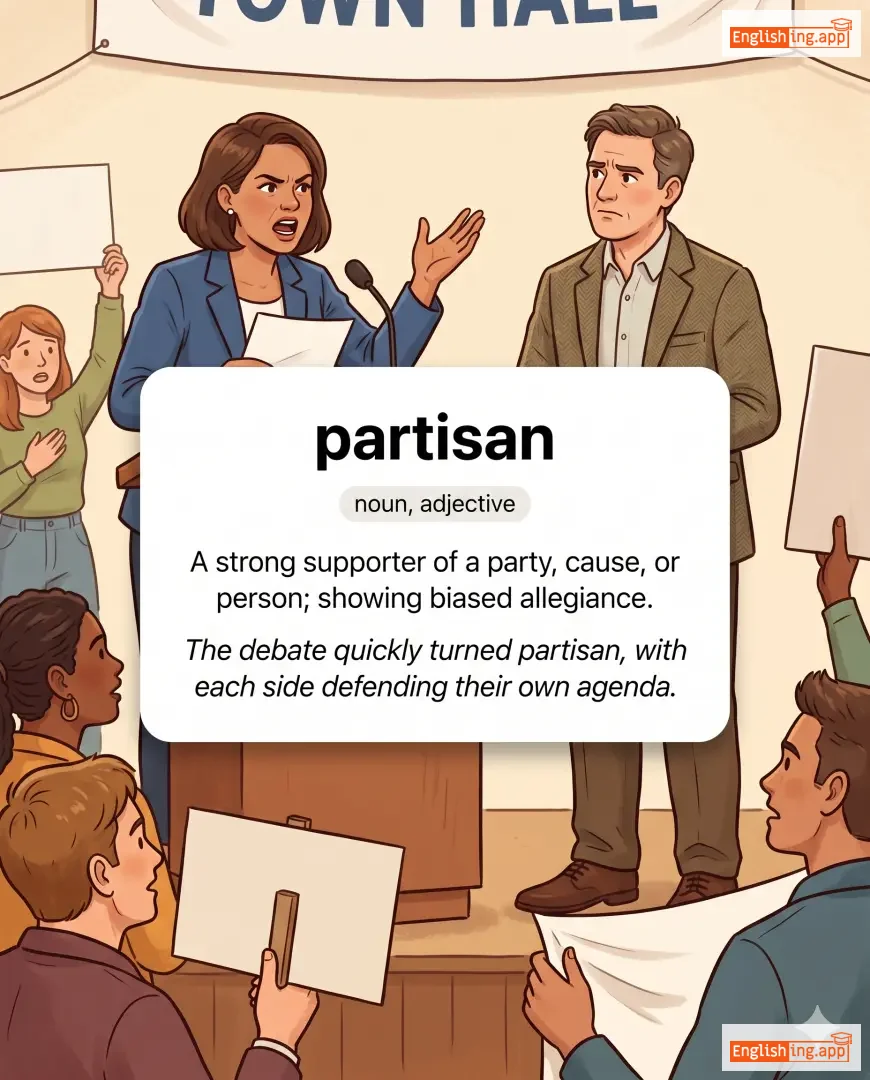
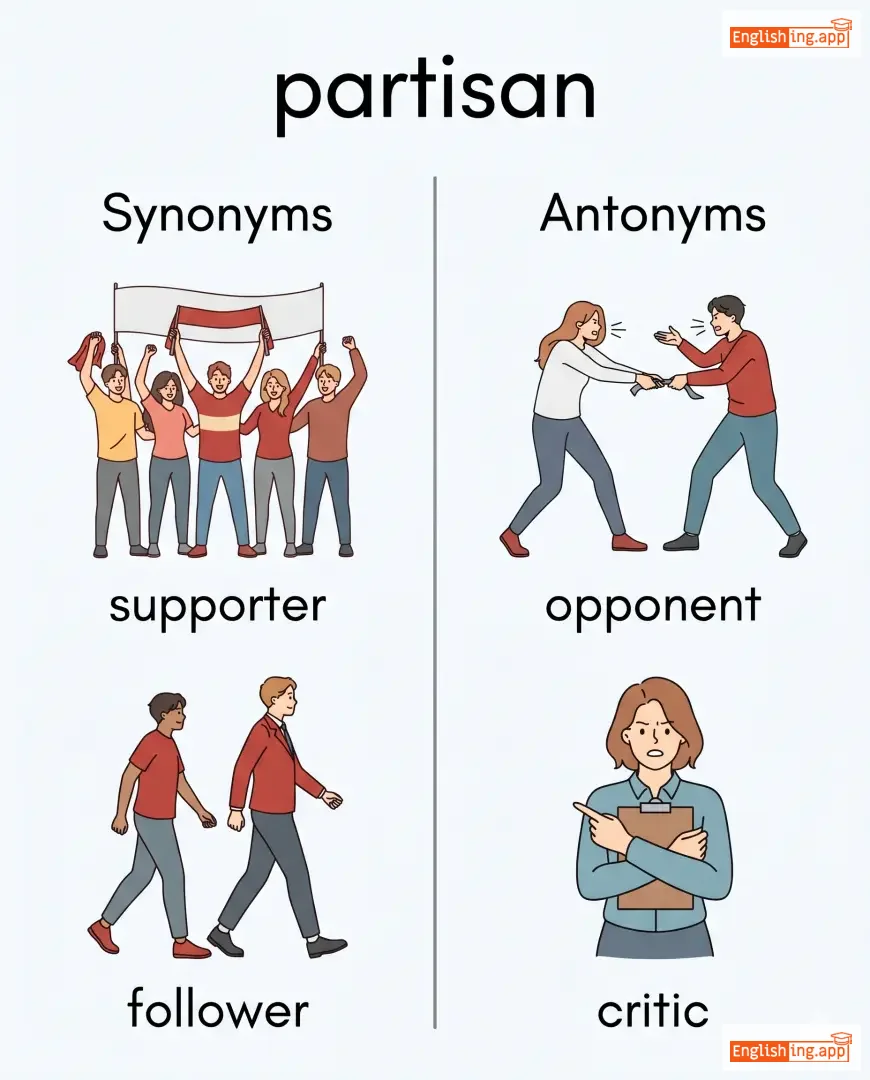
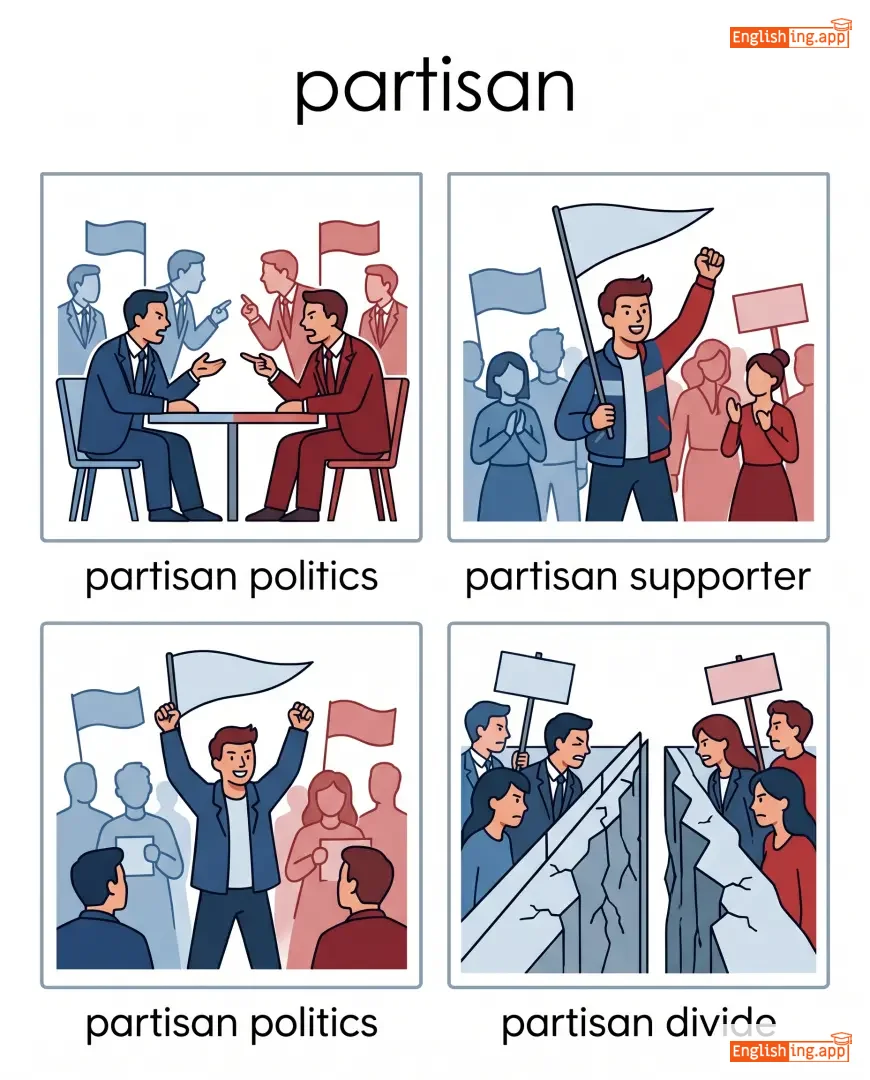
A strong supporter of a party, cause, or person; showing biased allegiance.
••••••
|
The debate quickly turned partisan, with each side defending their own agenda.
議論はすぐに党派的になり、各側は自分のアジェンダを擁護しました。
••••••
|
議論はすぐに党派的になり、各側は自分のアジェンダを擁護しました。
Giron wa sugu ni tōhateki ni nari, kaku-gawa wa jibun no ajenda o yōgo shimashita.
••••••
|
- •••••• | - •••••• | - •••••• |
supporter, follower, adherent, devotee, zealot
••••••
|
opponent, critic, adversary
••••••
|
partisan politics, partisan supporter, partisan divide, highly partisan
••••••
|
Party + Son = 党派の支持者
••••••
|
|
🧠
••••••
|
/ˌpæθəˈlɑːdʒɪkəl/
adjective
(パソロジカル)
••••••
|

|
病理的, 病的
byōriteki, byōteki
••••••
|
- •••••• | - •••••• | - •••••• | - •••••• |
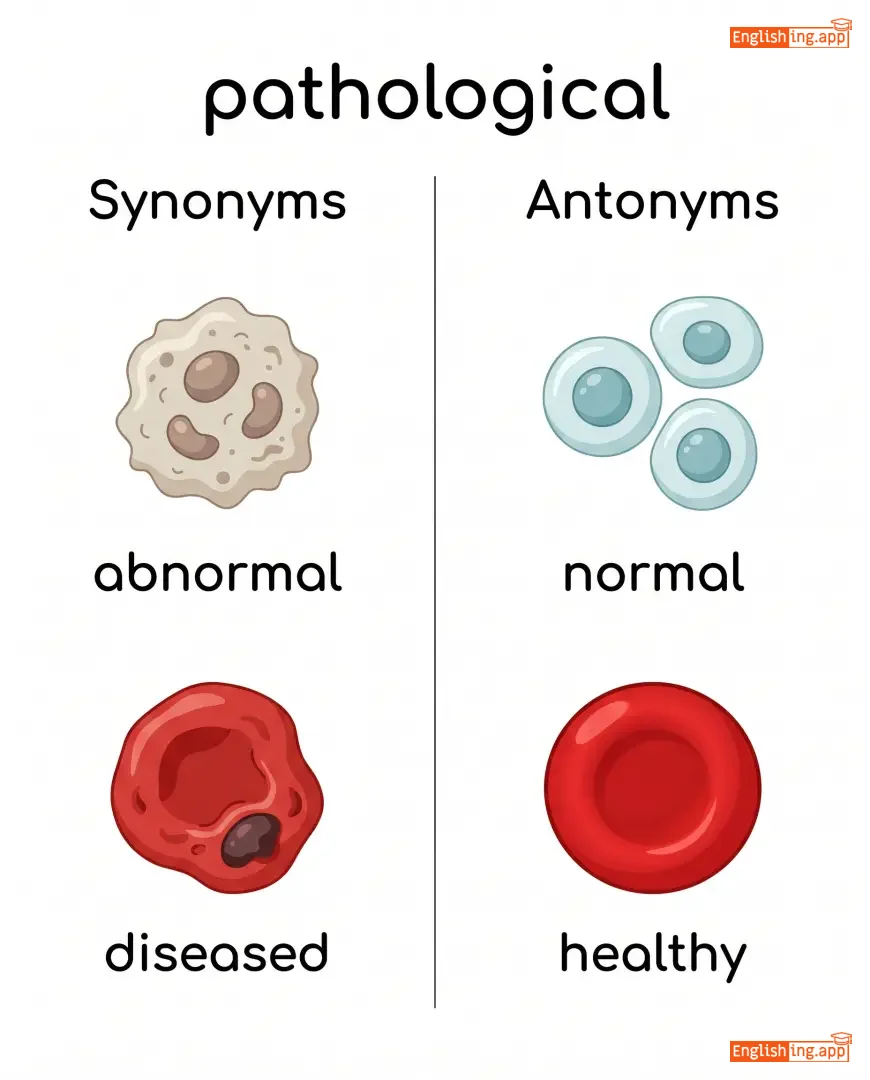
Relating to disease; extreme or obsessive in a way that is abnormal.
••••••
|
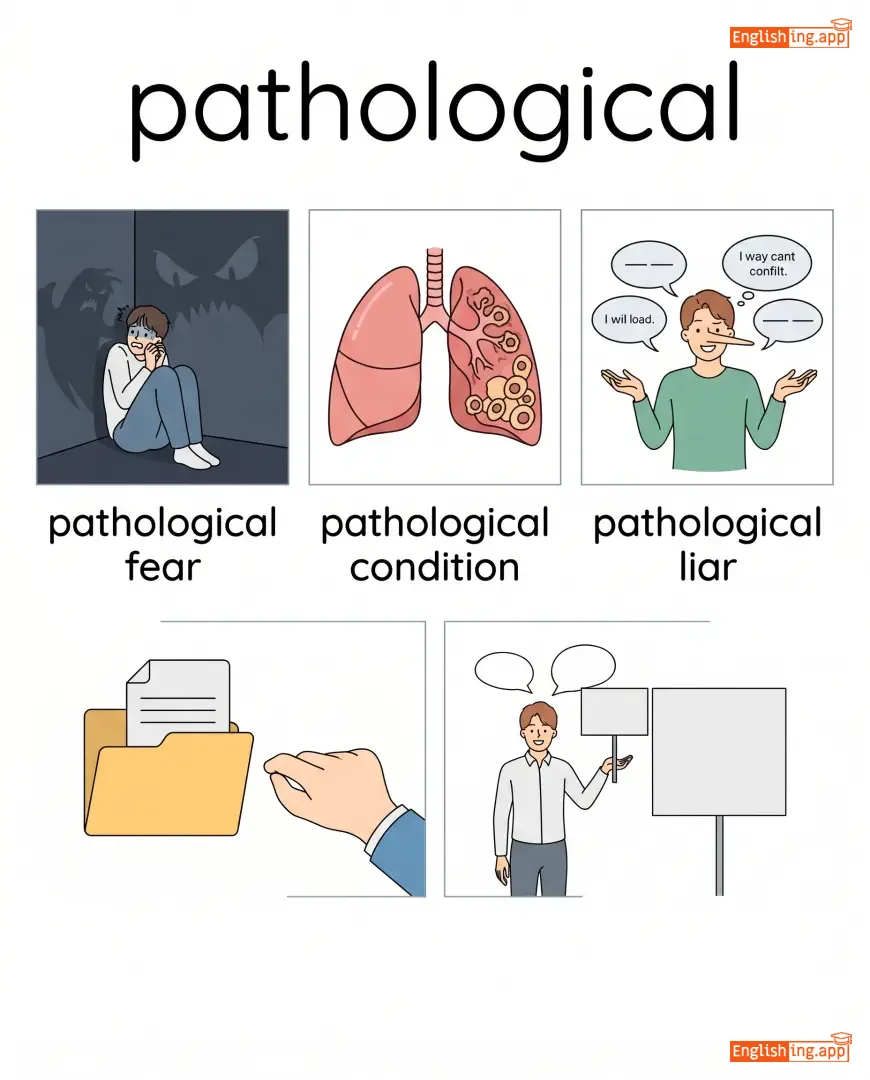
He has a pathological fear of failure. |
彼は失敗に対して病理的な恐怖を抱えている。
Kare wa shippai ni taishite byōriteki na kyōfu o kakaete iru.
••••••
|
pathological liar |
A person who lies compulsively and uncontrollably.
••••••
|
病理的嘘つき
byōriteki usotsuki
••••••
|
abnormal, diseased, compulsive, obsessive
••••••
|
normal, healthy
••••••
|
pathological fear, pathological condition, pathological liar
••••••
|
PATHologyは病気を意味し、したがって病理的は病気に関連するまたは異常なことを意味します。
••••••
|
|
⚠️
••••••
|
/ˈpɔːsɪti/
noun
(ポスティ)
••••••
|
|
不足 / 欠乏
fusoku / ketsubou
••••••
|
- •••••• | - •••••• | - •••••• | - •••••• |
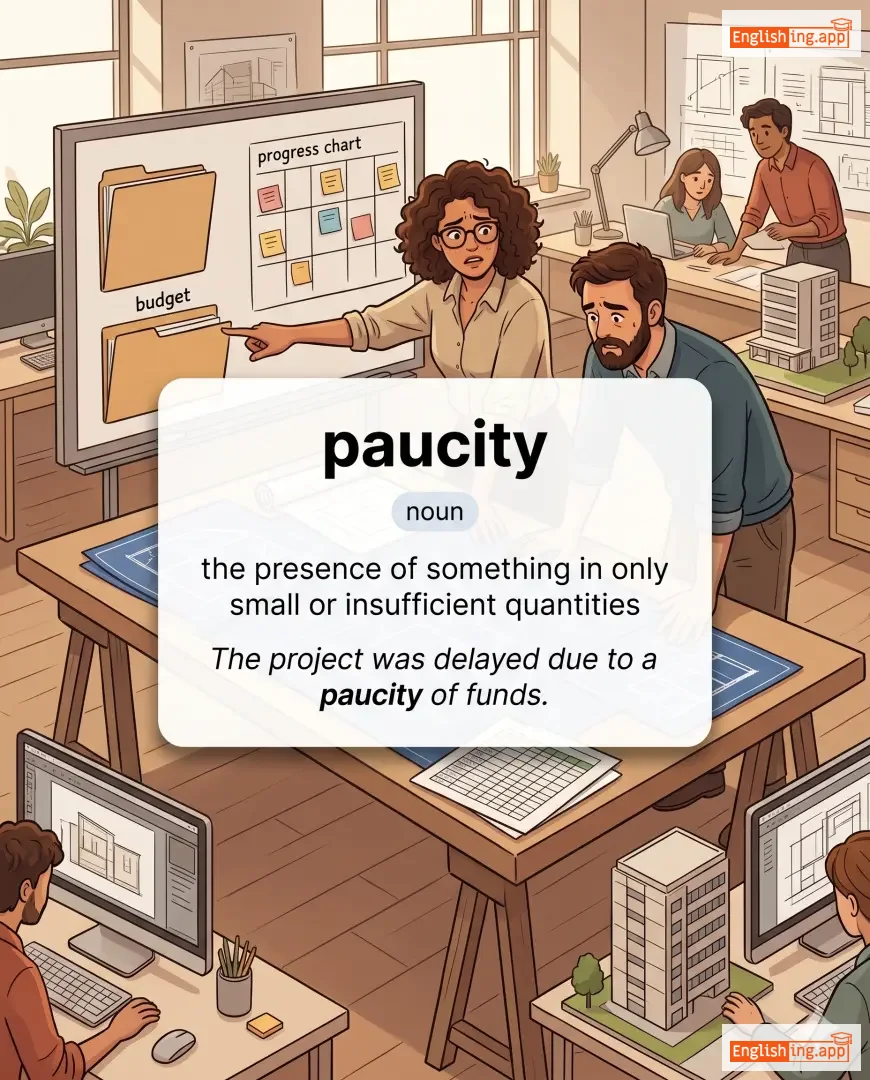
the presence of something in only small or insufficient quantities
••••••
|
The project was delayed due to a paucity of funds. |
プロジェクトは資金不足のため遅れました。
Purojekuto wa shikin fusoku no tame okuremashita.
••••••
|
- •••••• | - •••••• | - •••••• |
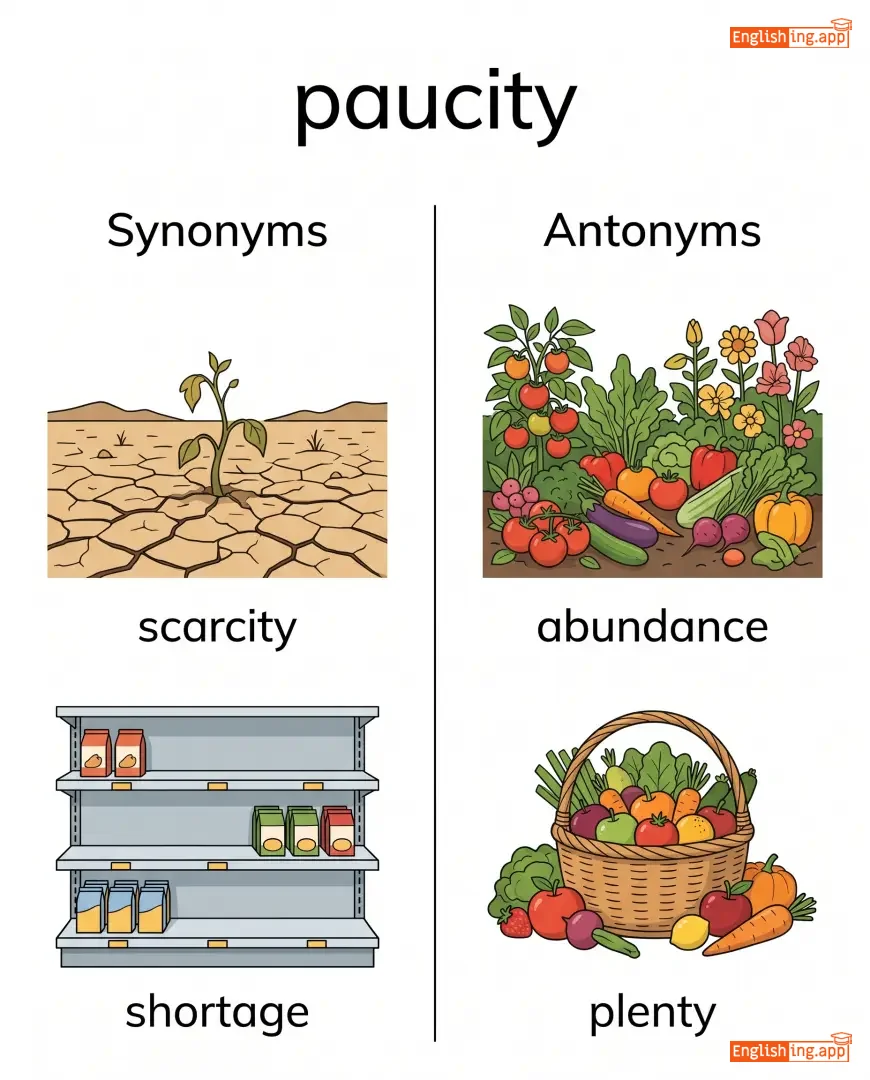
scarcity, shortage, lack, dearth, insufficiency
••••••
|
abundance, plenty, surplus
••••••
|
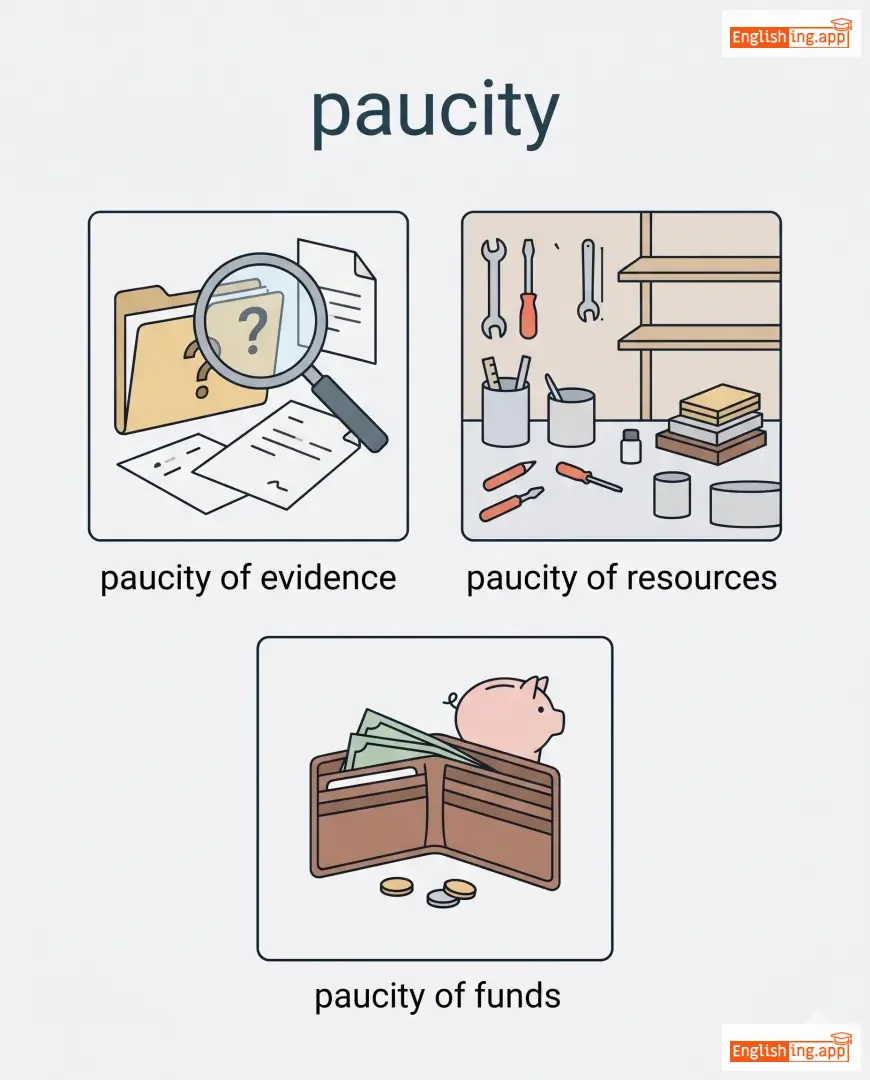
paucity of evidence, paucity of resources, paucity of funds, general paucity
••••••
|
Pauは少ないという意味で、都市に不足があれば、それはpaucityと呼ばれます。
••••••
|
|
📖
••••••
|
/pəˈdæntɪk/
adjective
(ペダンティック)
••••••
|
|
細かい詳細や規則に過度にこだわる
komakai shousai ya kisoku ni kadoni kodawaru
••••••
|
- •••••• | - •••••• | - •••••• | - •••••• |
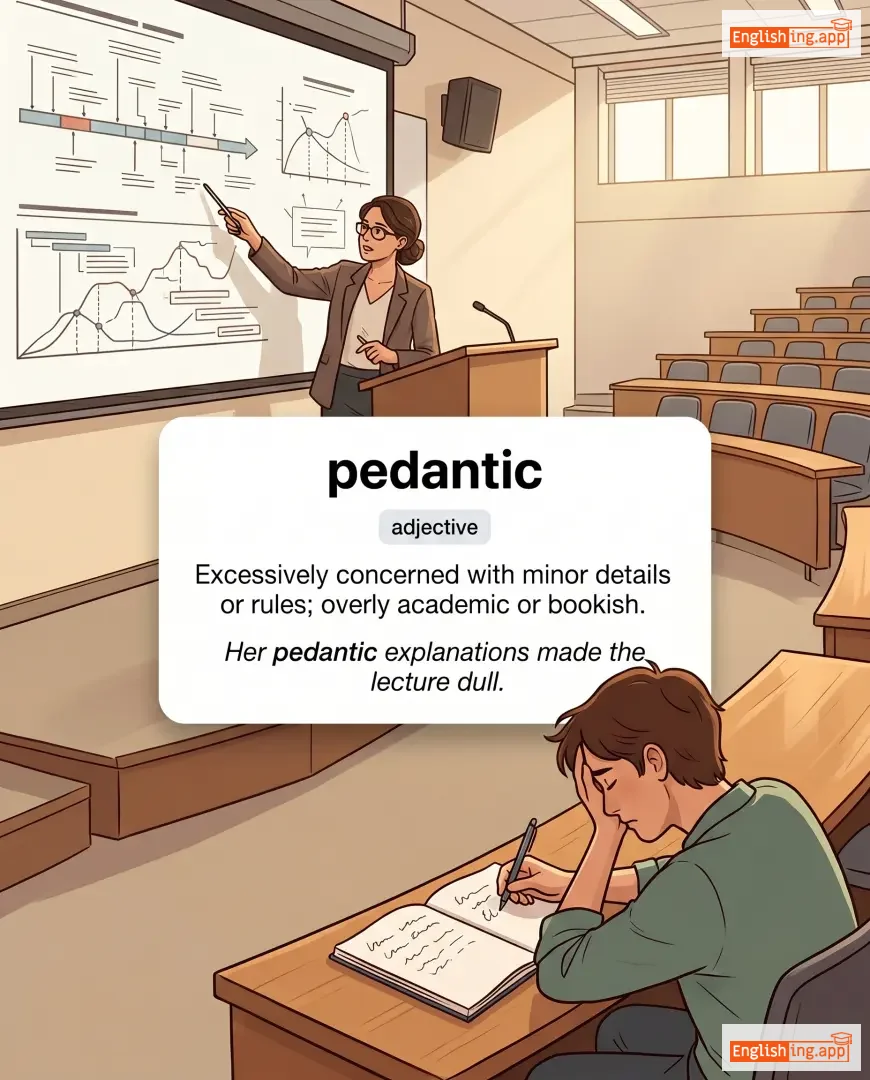
Excessively concerned with minor details or rules; overly academic or bookish.
••••••
|
Her pedantic explanations made the lecture dull. |
彼女のペダンティックな説明は講義を退屈にした。
Kanojo no pedantikku na setsumei wa kougi wo taikutsu ni shita.
••••••
|
- •••••• | - •••••• | - •••••• |
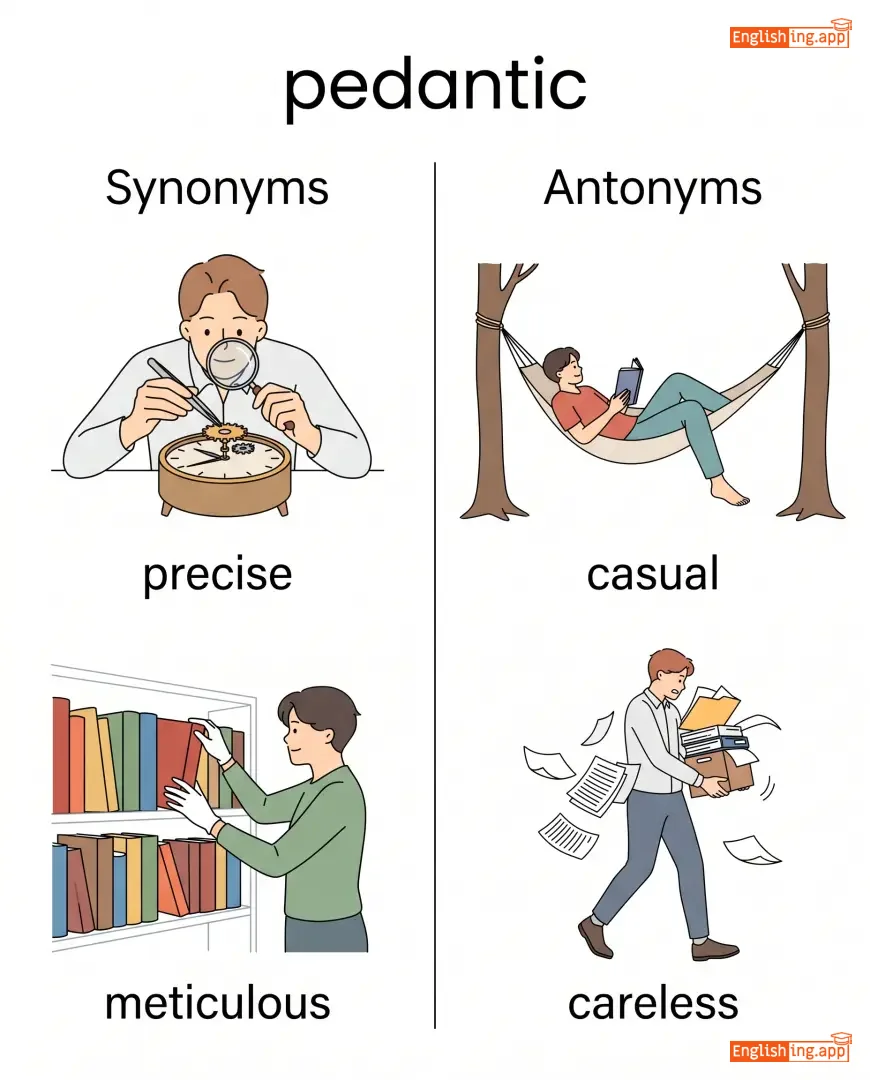
precise, meticulous, nitpicking, finicky, scholarly
••••••
|
casual, careless, informal
••••••
|
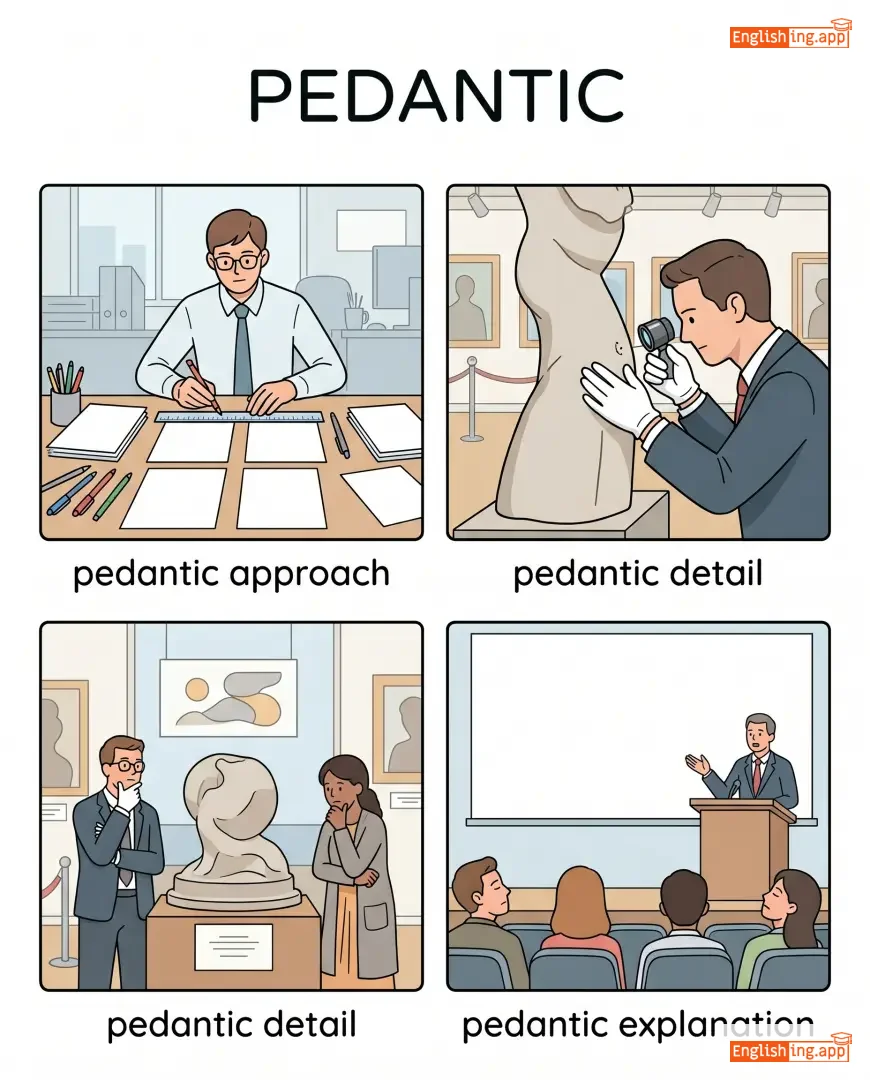
pedantic approach, pedantic detail, pedantic explanation, pedantic style
••••••
|
ペダンティックは細かい事にこだわりすぎる人です。
••••••
|
|
💖
••••••
|
/ˈpɒ̃ʃɒ̃/
noun
(ペンシャン)
••••••
|
|
傾向
keikou
••••••
|
- •••••• | - •••••• | - •••••• | - •••••• |
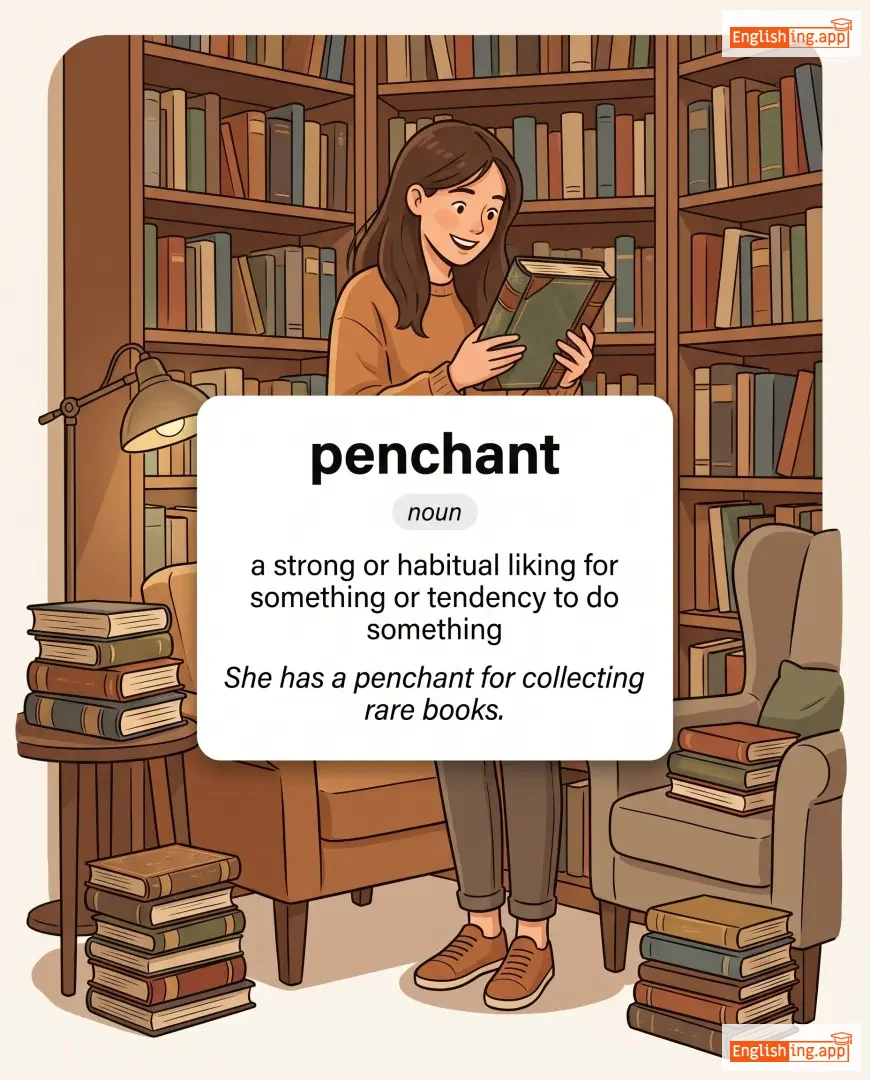
a strong or habitual liking for something or tendency to do something
••••••
|
She has a penchant for collecting rare books. |
彼女は珍しい本を集める傾向がある。
Kanojo wa mezurashii hon o atsumeru keikou ga aru.
••••••
|
- •••••• | - •••••• | - •••••• |
liking, fondness, preference, inclination, taste
••••••
|
dislike, aversion, indifference
••••••
|
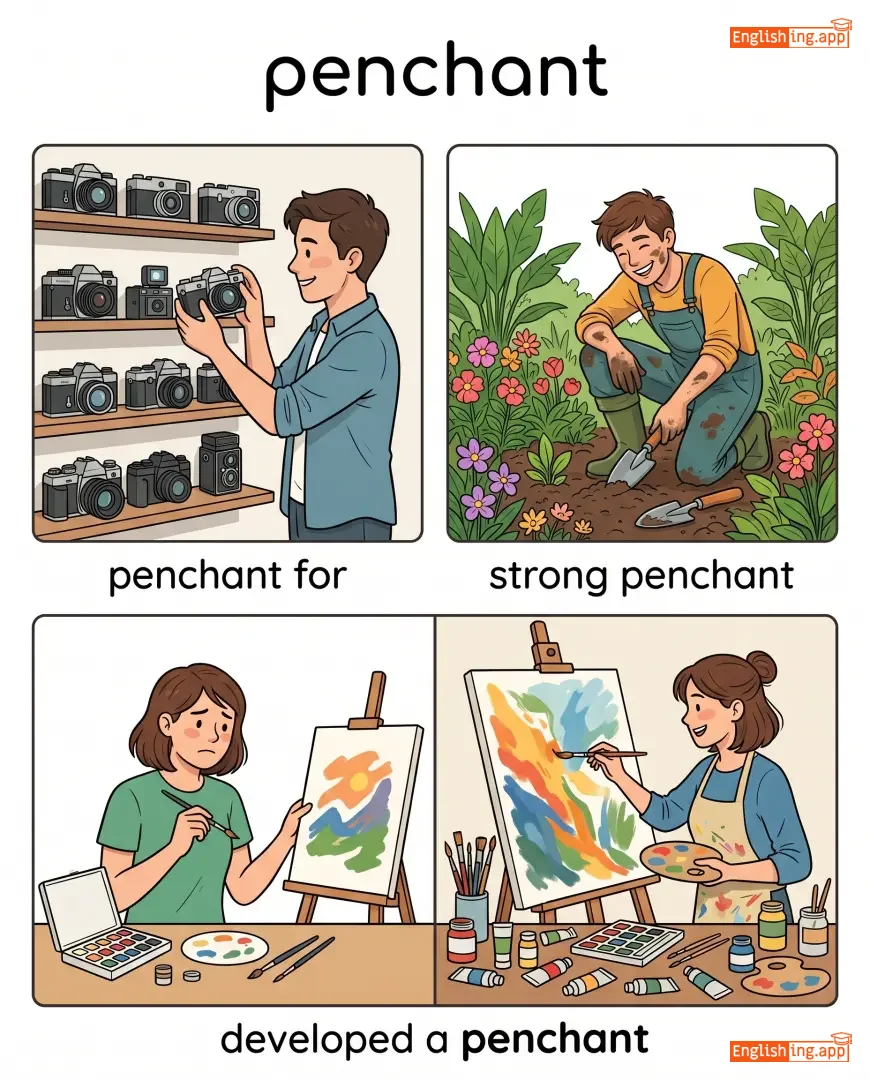
penchant for, strong penchant, developed a penchant, natural penchant
••••••
|
Penchantは傾向、例えば珍しい本を集める傾向のようなものです。
••••••
|
|
🥀
••••••
|
/ˈpɛnjʊri/
noun
(ペニュリ)
••••••
|
|
極貧
kyokuhin
••••••
|
- •••••• | - •••••• | - •••••• | - •••••• |
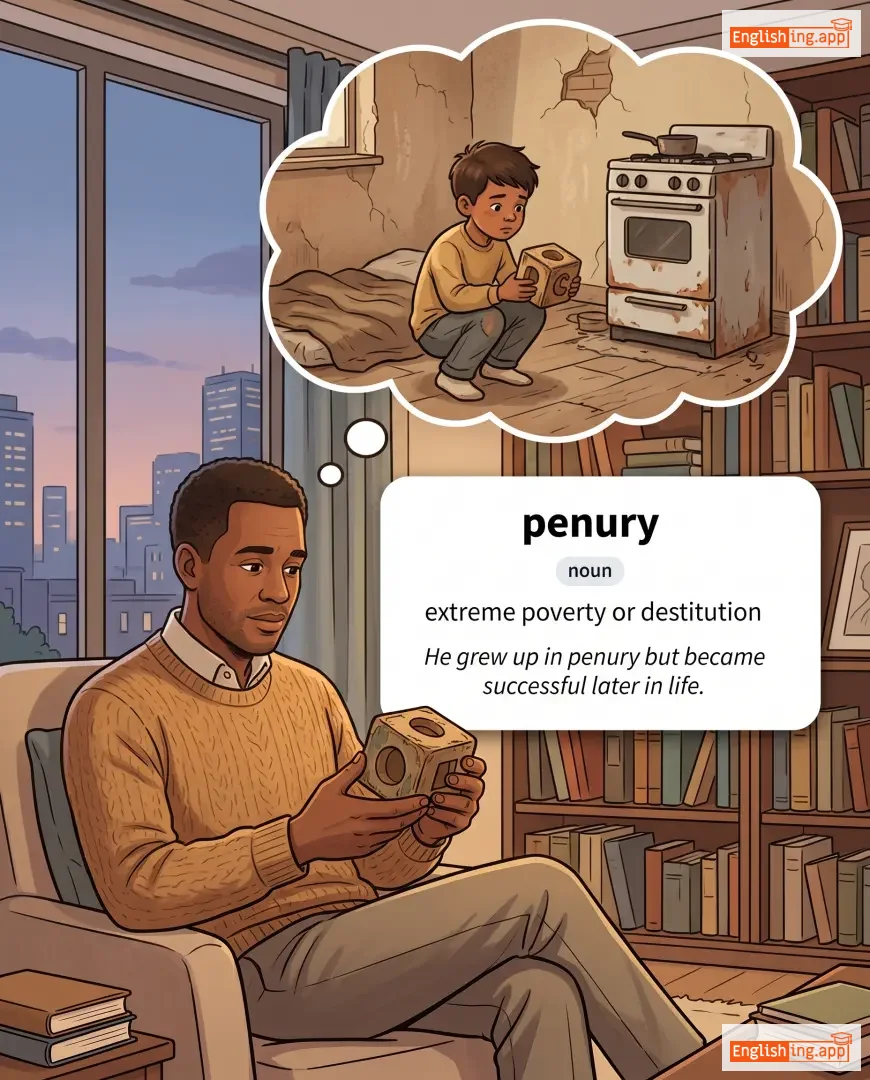
extreme poverty or destitution
••••••
|
He grew up in penury but became successful later in life.
彼は貧困の中で育ちましたが、その後、人生で成功しました。
••••••
|
彼は貧困の中で育ちましたが、その後、人生で成功しました。
Kare wa hinkon no naka de sodachimashita ga, sono ato, jinsei de seikō shimashita.
••••••
|
- •••••• | - •••••• | - •••••• |
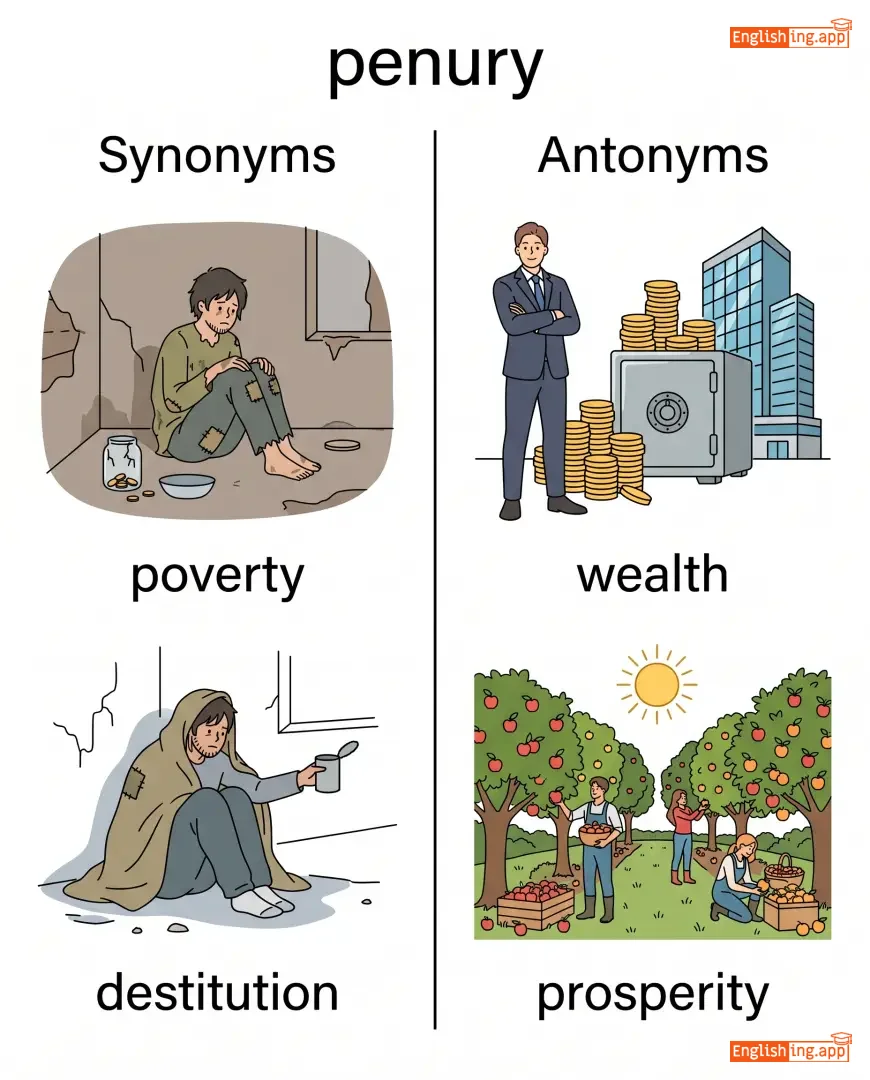
poverty, destitution, deprivation, need, hardship
••••••
|
wealth, prosperity, affluence
••••••
|
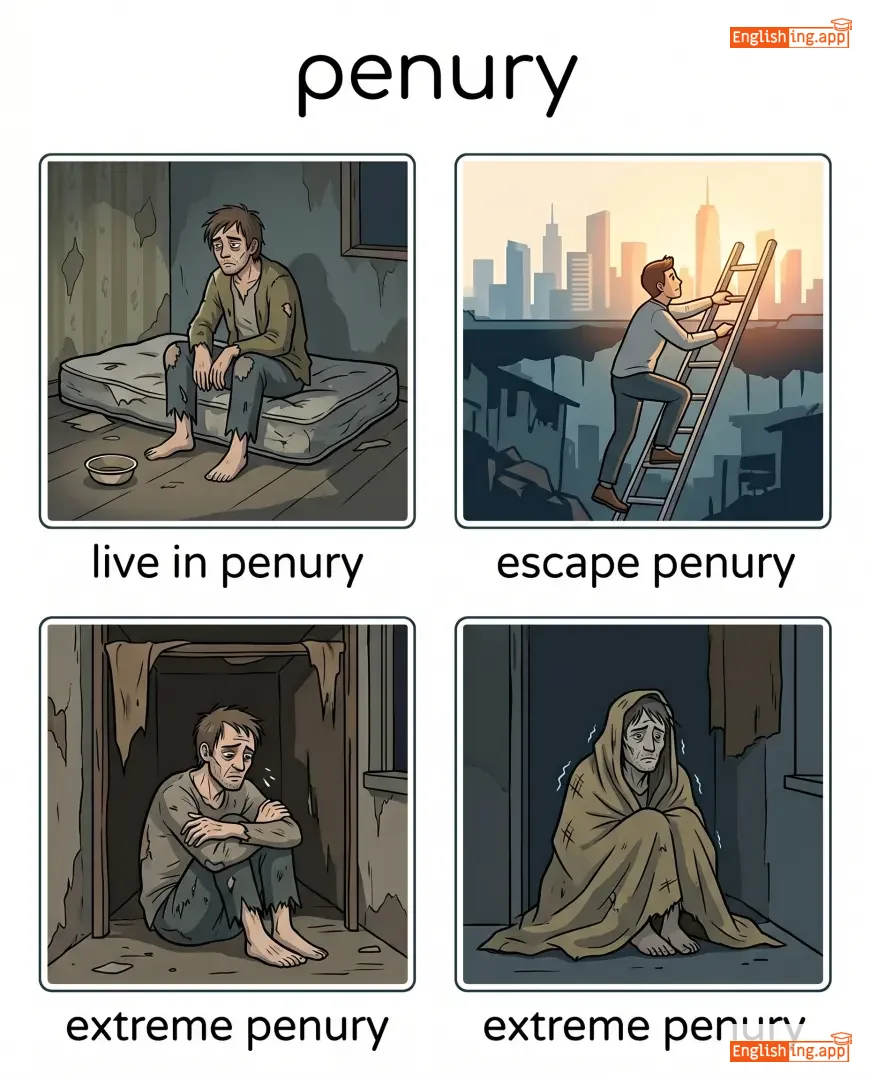
live in penury, escape penury, extreme penury, penury-stricken
••••••
|
Penuryは極貧を意味します。覚えておいてください 'お金がない = 極貧'
••••••
|
|
🌱
••••••
|
/pəˈrɛniəl/
adjective
(ペレニアル)
••••••
|
|
永続的
eizokuteki
••••••
|
- •••••• | - •••••• | - •••••• | - •••••• |
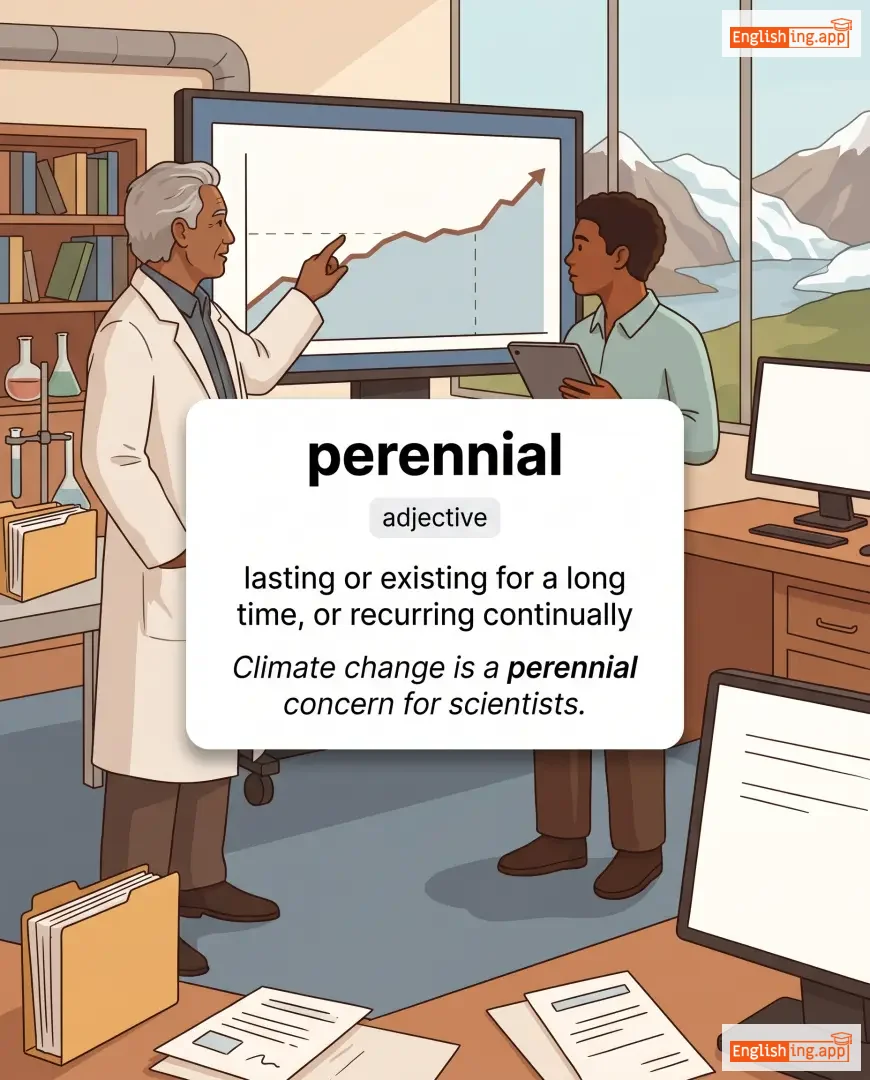
lasting or existing for a long time, or recurring continually
••••••
|
Climate change is a perennial concern for scientists. |
気候変動は科学者にとって永続的な関心事です。
Kikou hendou wa kagakusha ni totte eizokuteki na kanshinji desu.
••••••
|
perennial favorite |
something that is always liked or chosen over time
••••••
|
永続的なお気に入り
eizokuteki na okiniiri
••••••
|
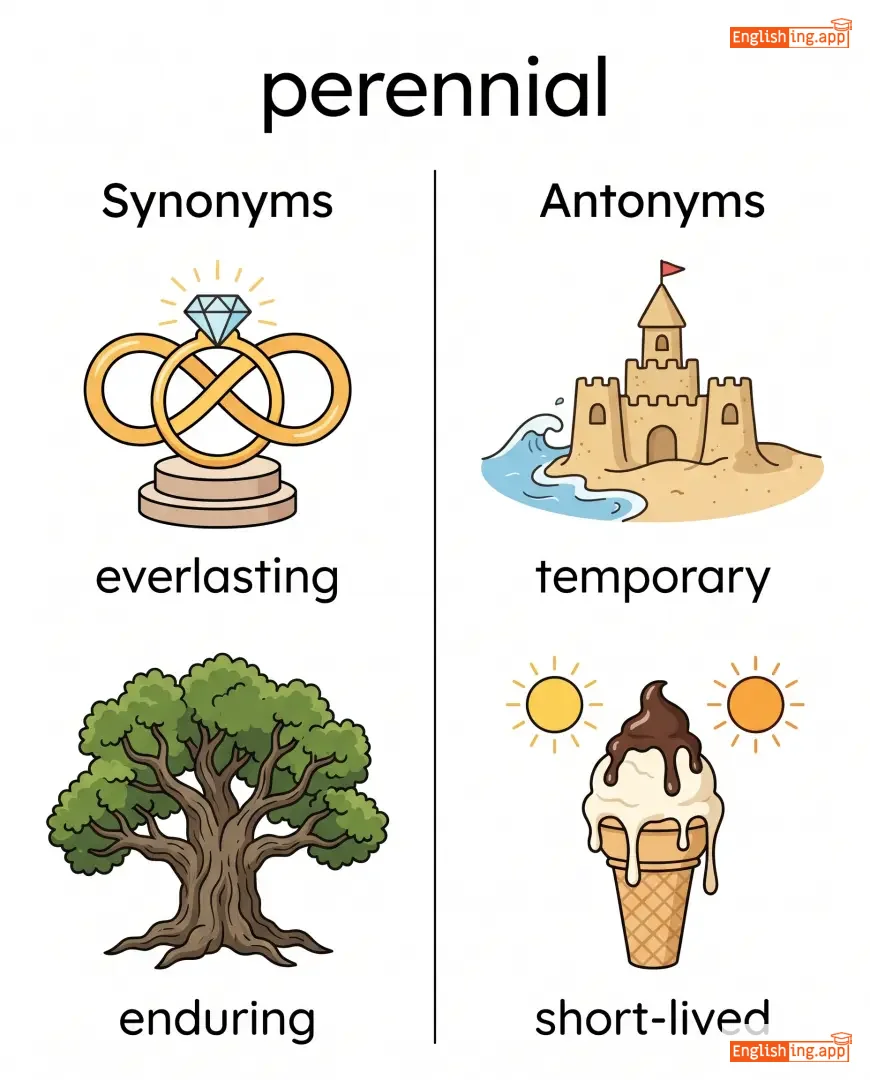
everlasting, enduring, persistent, continual, constant
••••••
|
temporary, short-lived, fleeting
••••••
|
perennial problem, perennial plant, perennial issue, perennial concern
••••••
|
Perennialは「永続的」を意味し、永続的な植物は毎年戻ってきます。
••••••
|
|
🕵️
••••••
|
/pərˈfɪdiəs/
adjective
(パーフィディアス)
••••••
|

|
裏切りの
uragiri no
••••••
|
- •••••• | - •••••• | - •••••• | - •••••• |
deceitful and untrustworthy
••••••
|
The spy was executed for his perfidious actions. |
スパイは裏切りの行動で処刑されました。
Supai wa uragiri no kōdō de shokei sare mashita.
••••••
|
- •••••• | - •••••• | - •••••• |
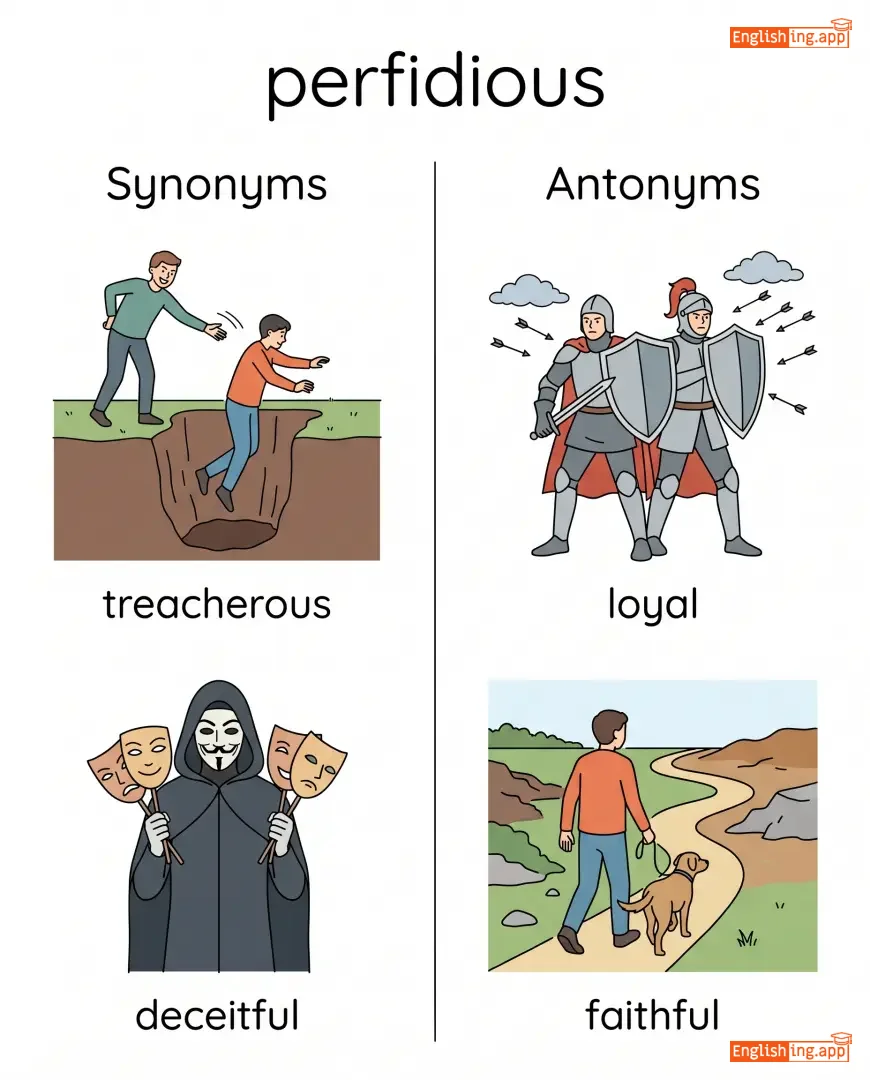
treacherous, deceitful, disloyal, unfaithful, duplicitous
••••••
|
loyal, faithful, trustworthy
••••••
|
perfidious act, perfidious betrayal, perfidious nature
••••••
|
Perfidiousは完璧なように見えるが、裏切りの意味がある。
••••••
|
|
😒
••••••
|
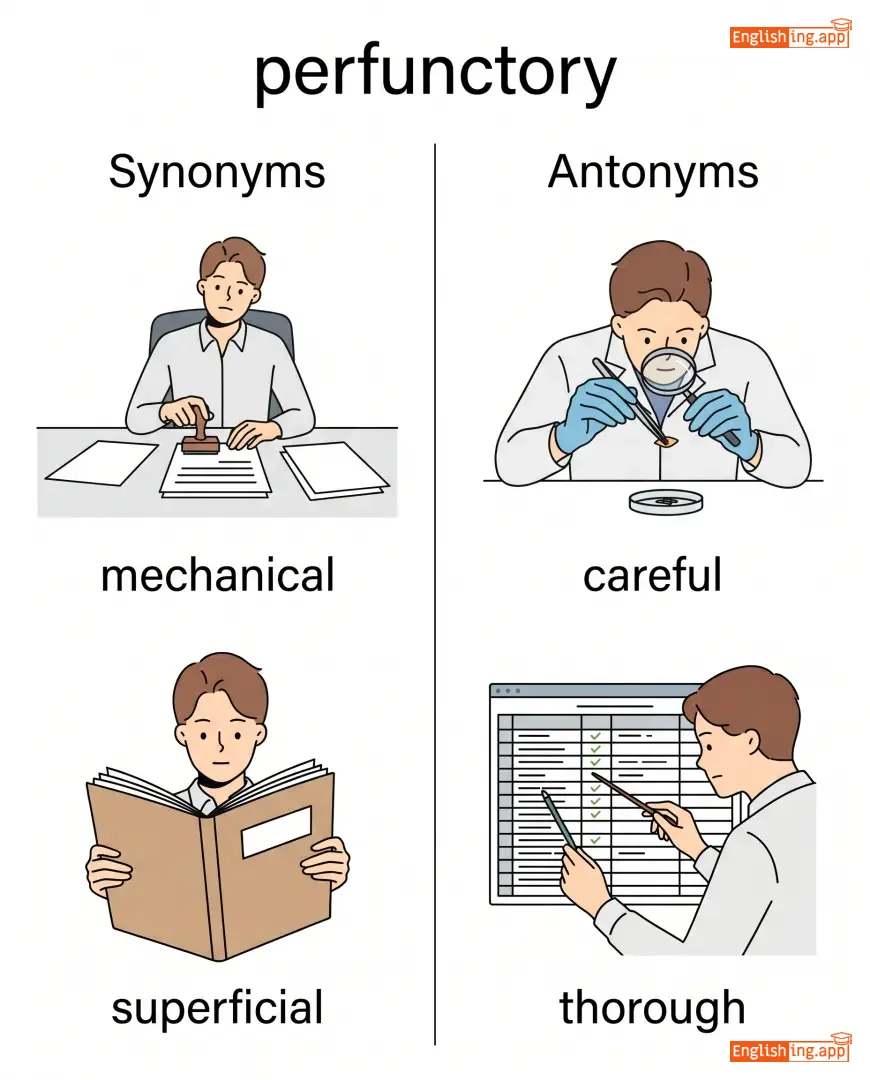
/pəˈfʌŋk.tər.i/
adjective
(パーファンクトリー)
••••••
|
|
表面的な
hyoumen-teki na
••••••
|
- •••••• | - •••••• | - •••••• | - •••••• |
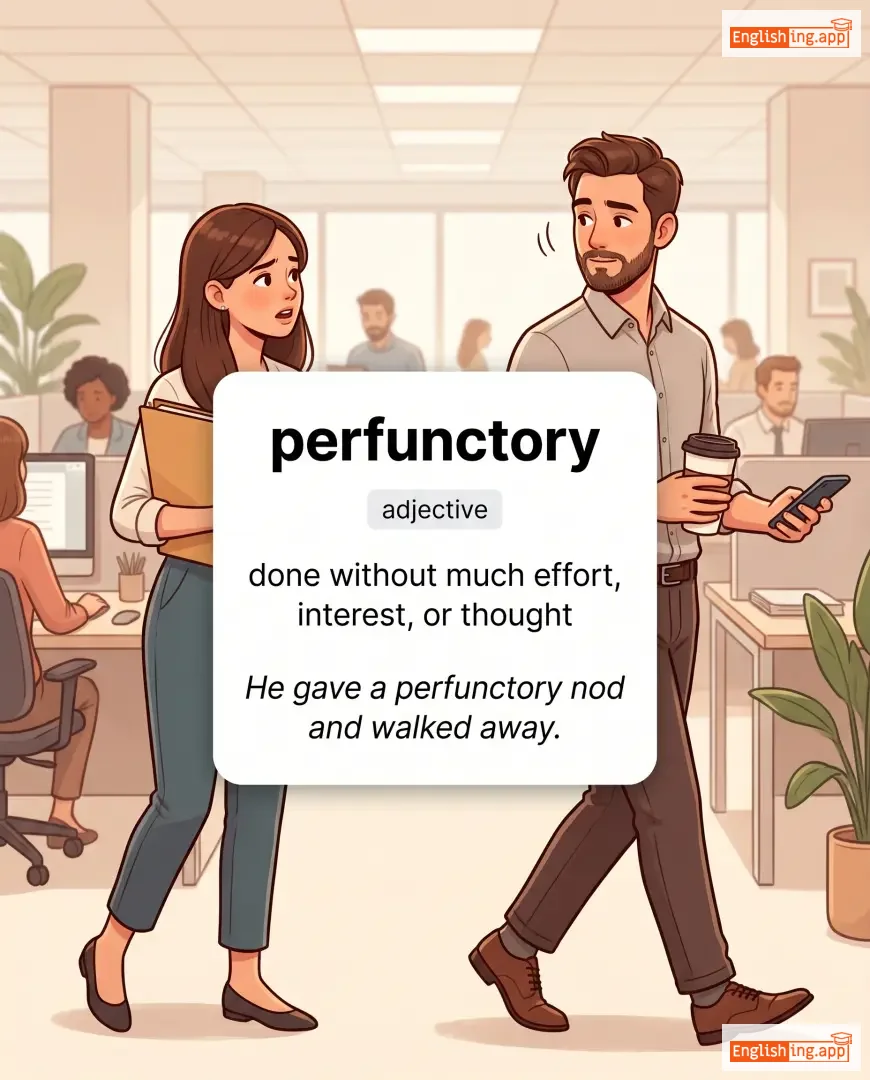
done without much effort, interest, or thought
••••••
|
He gave a perfunctory nod and walked away. |
彼は表面的にうなずいて、歩き去った。
Kare wa hyōmen-teki ni unazuite, arukisatta.
••••••
|
- •••••• | - •••••• | - •••••• |
mechanical, superficial, careless, cursory, automatic
••••••
|
careful, thorough, attentive
••••••
|
perfunctory effort, perfunctory response, perfunctory nod, perfunctory greeting
••••••
|
表面的に何かをするのは、perfunctoryです。
••••••
|
|
💧
••••••
|
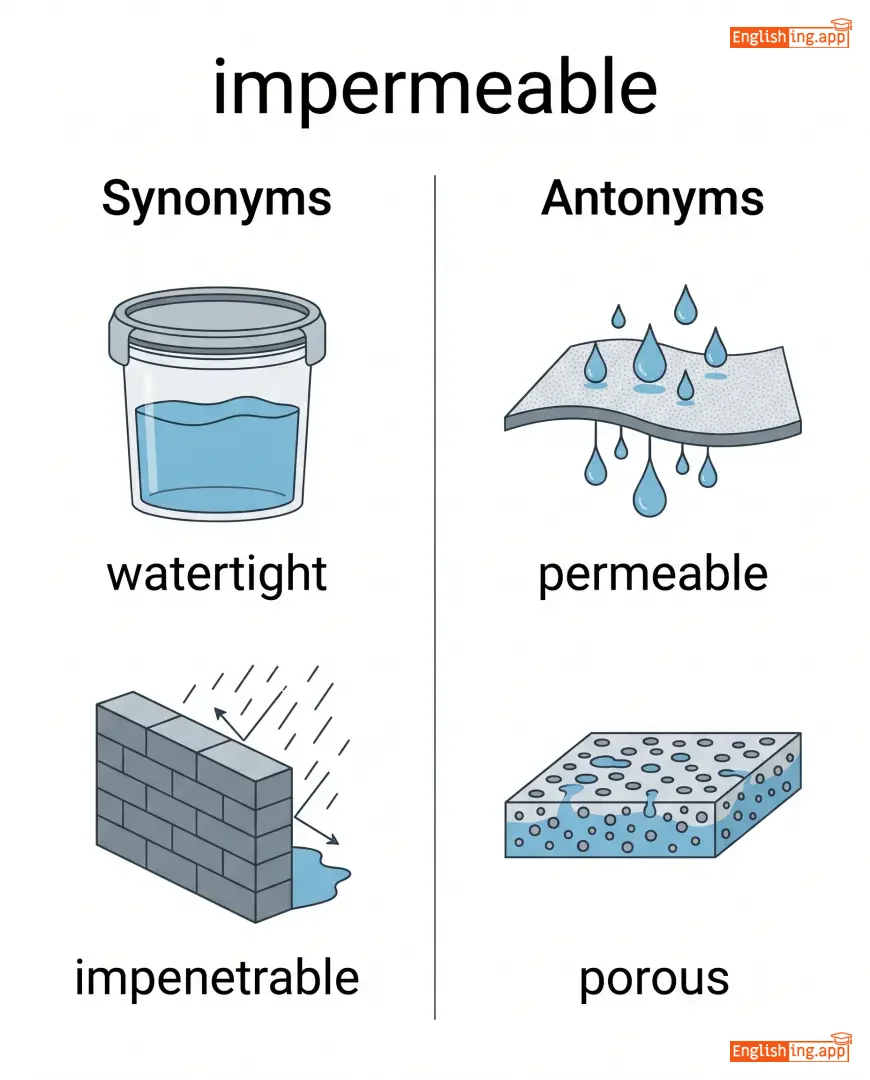
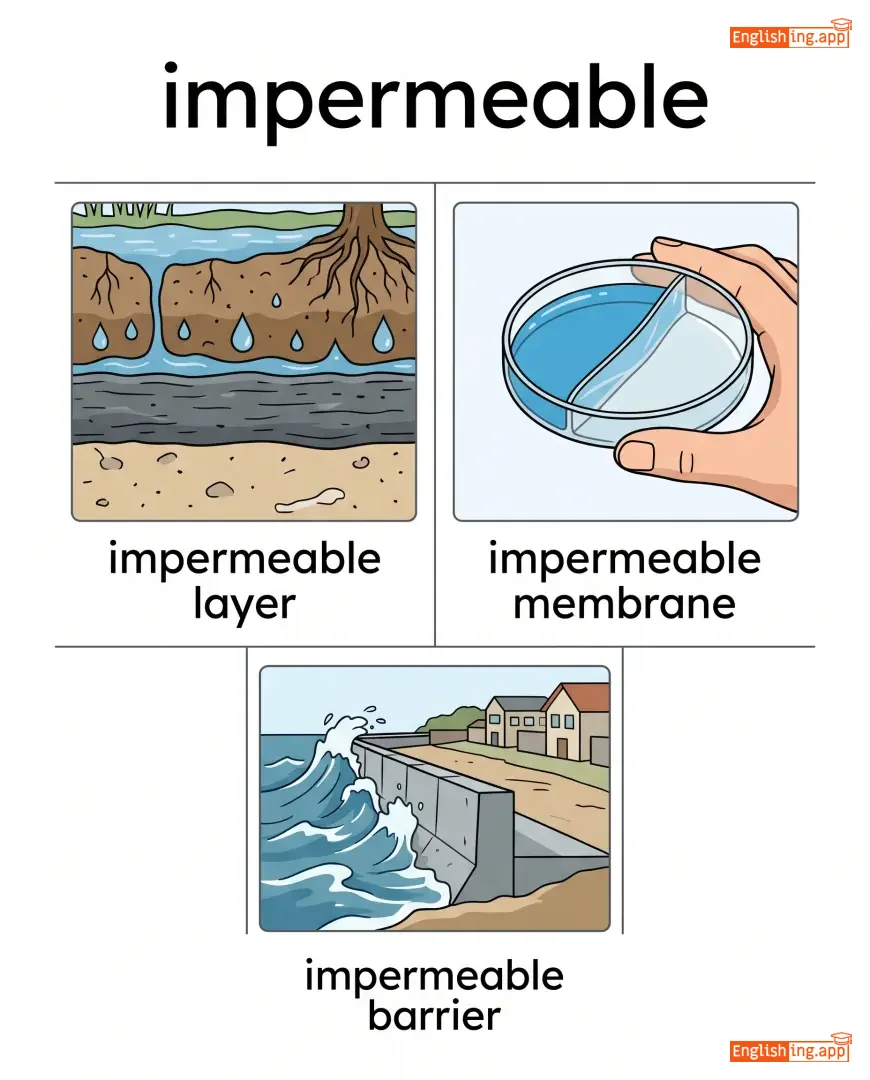
/ˈpɜːrmiəbl̩/
adjective
(パーミアブル)
••••••
|
|
透過性のある
tōkasei no aru
••••••
|
- •••••• | - •••••• | - •••••• | - •••••• |
allowing liquids or gases to pass through
••••••
|
The soil in this area is very permeable to water. |
この地域の土壌は水に非常に透過性があります。
Kono chiiki no dojou wa mizu ni hijou ni tōkasei ga arimasu.
••••••
|
- •••••• | - •••••• | - •••••• |
porous, absorbent, penetrable, leaky
••••••
|
impermeable, watertight, sealed
••••••
|
permeable soil, permeable membrane, highly permeable, permeable surface
••••••
|
透過性のある = 透 (通す) + 性 (特性) = 液体/ガスを通す (透過性のある)。
••••••
|
|
🌍
••••••
|
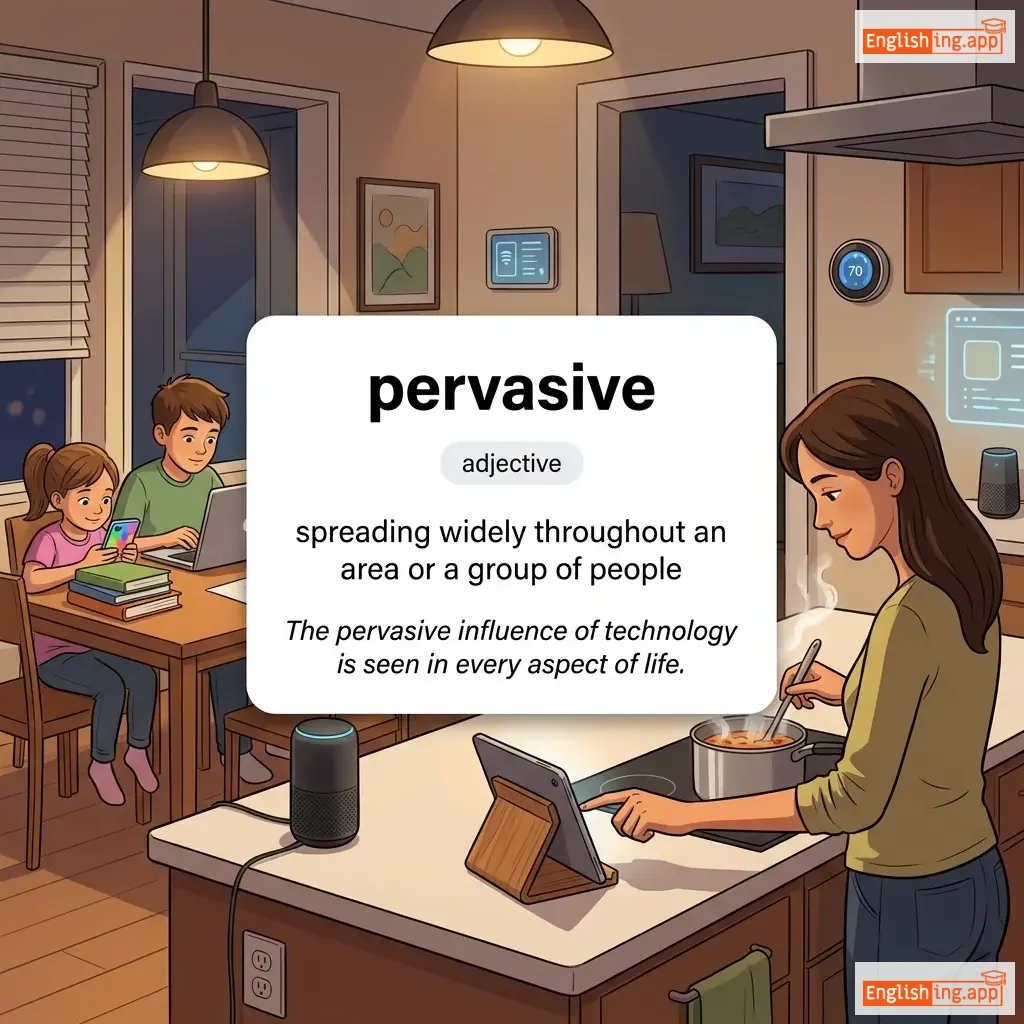
/pərˈveɪsɪv/
adjective
(パーベイシブ)
••••••
|
|
広範
kōhan
••••••
|
- •••••• | - •••••• | - •••••• | - •••••• |
spreading widely throughout an area or a group of people
••••••
|
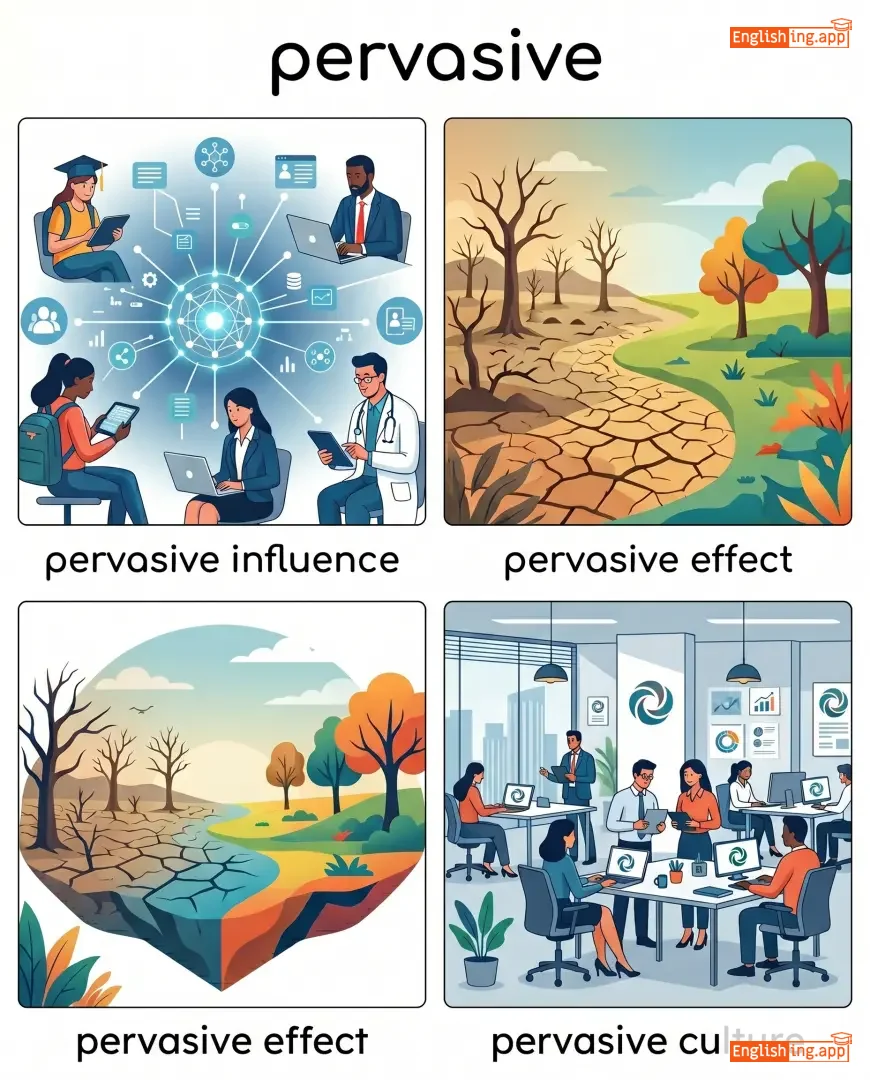
The pervasive influence of technology is seen in every aspect of life. |
技術の広範な影響は、生活のすべての側面で見られます。
Gijutsu no kōhan na eikyō wa, seikatsu no subete no sokumen de miraremasu.
••••••
|
- •••••• | - •••••• | - •••••• |
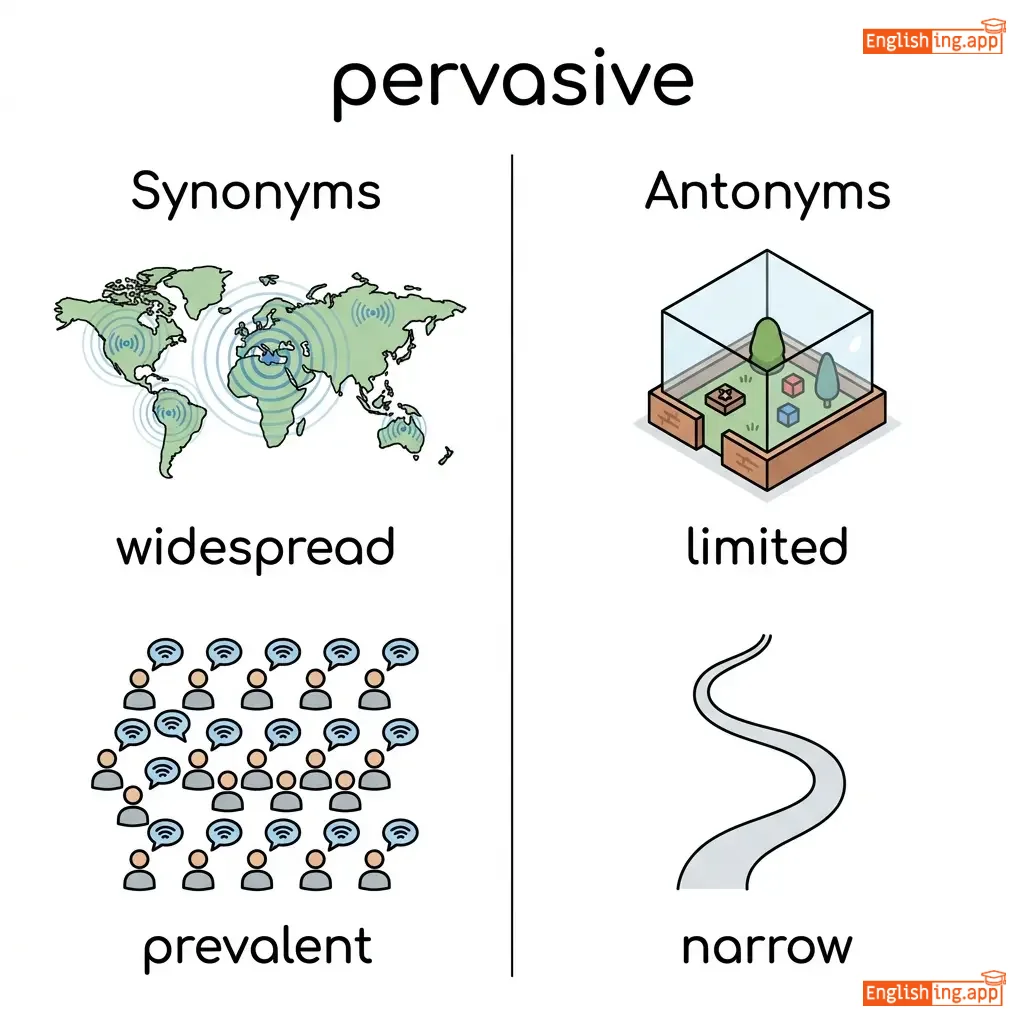
widespread, prevalent, extensive, universal, omnipresent
••••••
|
limited, narrow, rare
••••••
|
pervasive influence, pervasive effect, pervasive culture, pervasive problem
••••••
|
広範という意味は至る所に広がること—pervasive
••••••
|
|
😐
••••••
|
/flɛgˈmæt.ɪk/
adjective
(フレグマティック)
••••••
|

|
冷静
reisei
••••••
|
- •••••• | - •••••• | - •••••• | - •••••• |
having an unemotional and stolidly calm disposition
••••••
|
Despite the chaos, he remained phlegmatic and composed. |
混乱の中で、彼は冷静で落ち着いていました。
Konran no naka de, kare wa reisei de ochitsuite imashita.
••••••
|
- •••••• | - •••••• | - •••••• |
calm, unflappable, composed, stoic
••••••
|
excitable, emotional, agitated
••••••
|
phlegmatic temperament, phlegmatic response, phlegmatic nature
••••••
|
冷静なフレグマティックな人のように、どんな状況でも動じない。
••••••
|
|
🙏
••••••
|
/ˈpaɪ.ə.ti/
noun
(パイエティ)
••••••
|

|
信仰心
shinkōshin
••••••
|
- •••••• | - •••••• | - •••••• | - •••••• |
the quality of being religious or reverent; devout religious belief and practice
••••••
|
His piety was evident in his daily prayers.
His piety was evident in his daily prayers.
••••••
|
彼の信仰心は毎日の祈りに明らかでした。
kare no shinkōshin wa mainichi no inori ni akirakadeshita.
••••••
|
- •••••• | - •••••• | - •••••• |
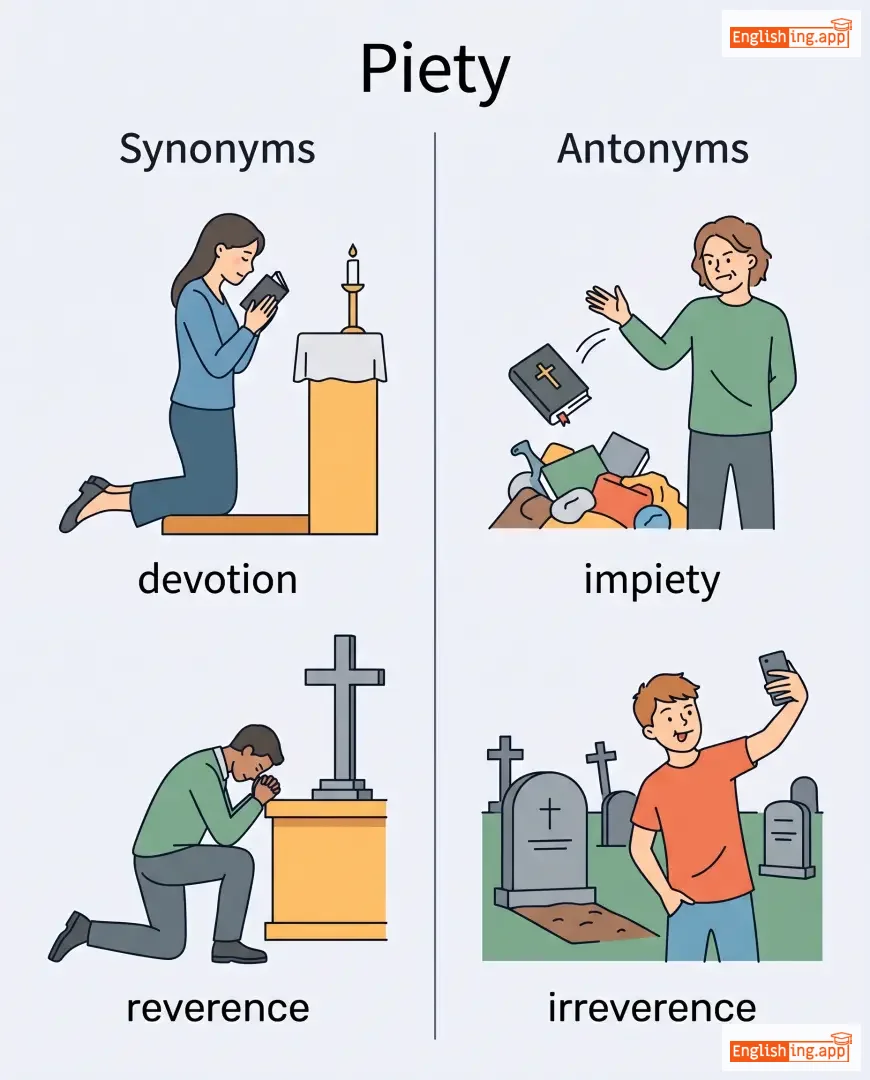
devotion, religiousness, godliness, spirituality
••••••
|
impiety, irreligion, godlessness, blasphemy
••••••
|
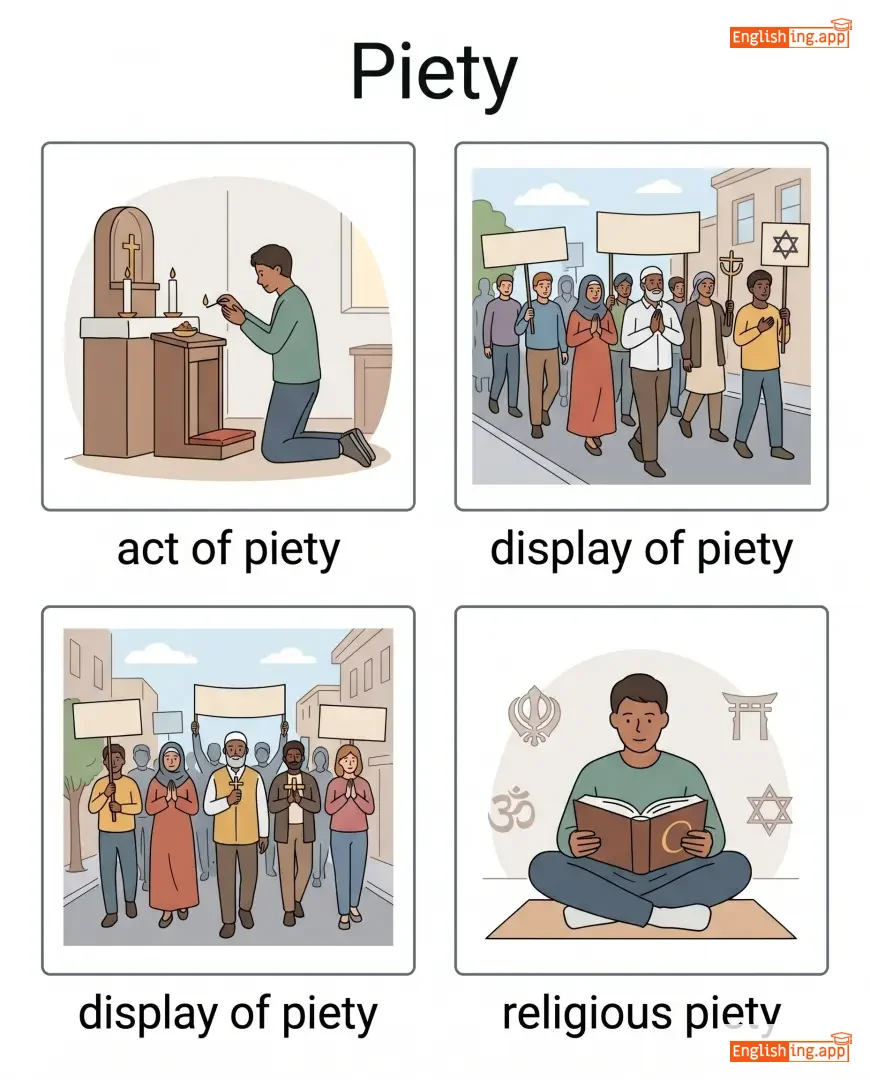
religious piety, filial piety, show piety
••••••
|
信仰心 = 信じる心を大切に
••••••
|
|
🕊️
••••••
|
/pləˈkeɪt/
verb
(purekeito)
••••••
|

|
なだめる
nadameru
••••••
|
placated
purekeitedo
••••••
|
placated
purekeitedo
••••••
|
placates
purekeitsu
••••••
|
placating
purekeitingu
••••••
|
to make someone less angry or hostile; to calm or soothe
••••••
|
He tried to placate the angry customer with a refund.
彼は返金で怒っている顧客をなだめようとした。
••••••
|
彼は返金で怒っている顧客をなだめようとした。
Kare wa henkin de okotte iru kokyaku o nadameyō to shita.
••••••
|
- •••••• | - •••••• | - •••••• |
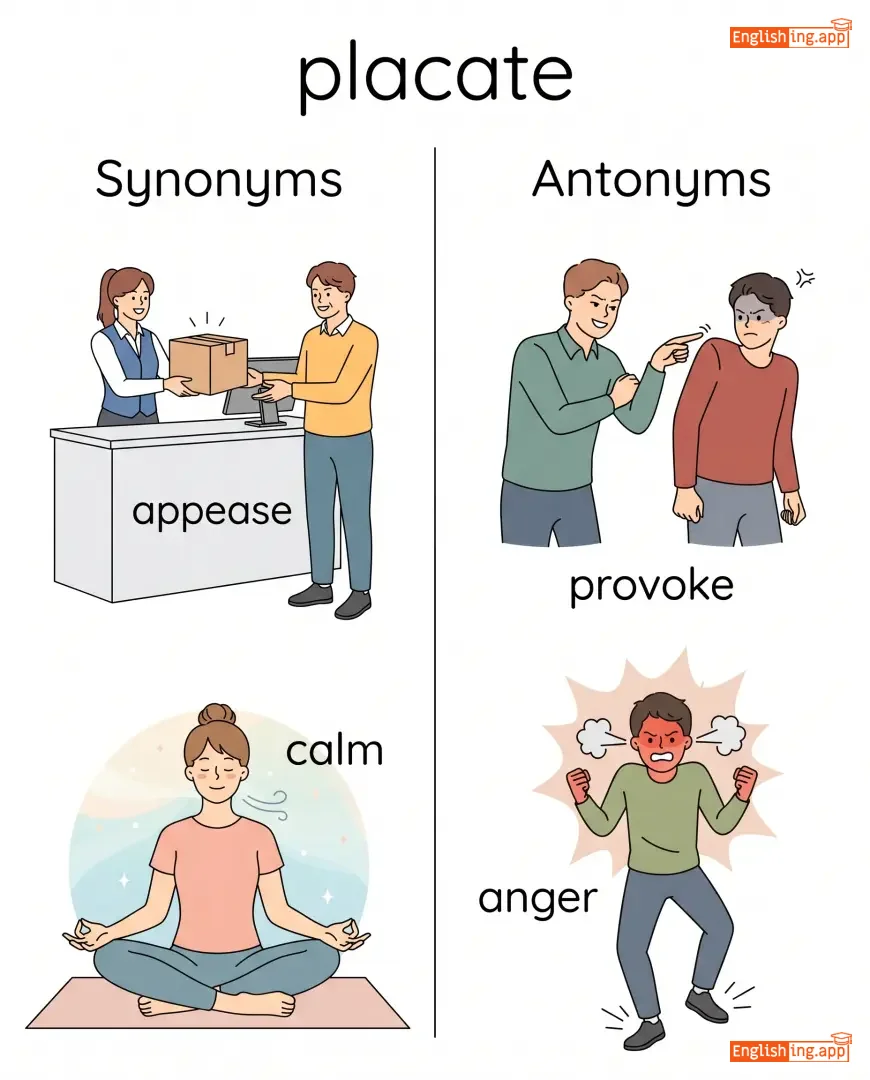
appease, calm, soothe, pacify
••••••
|
provoke, anger, irritate
••••••
|
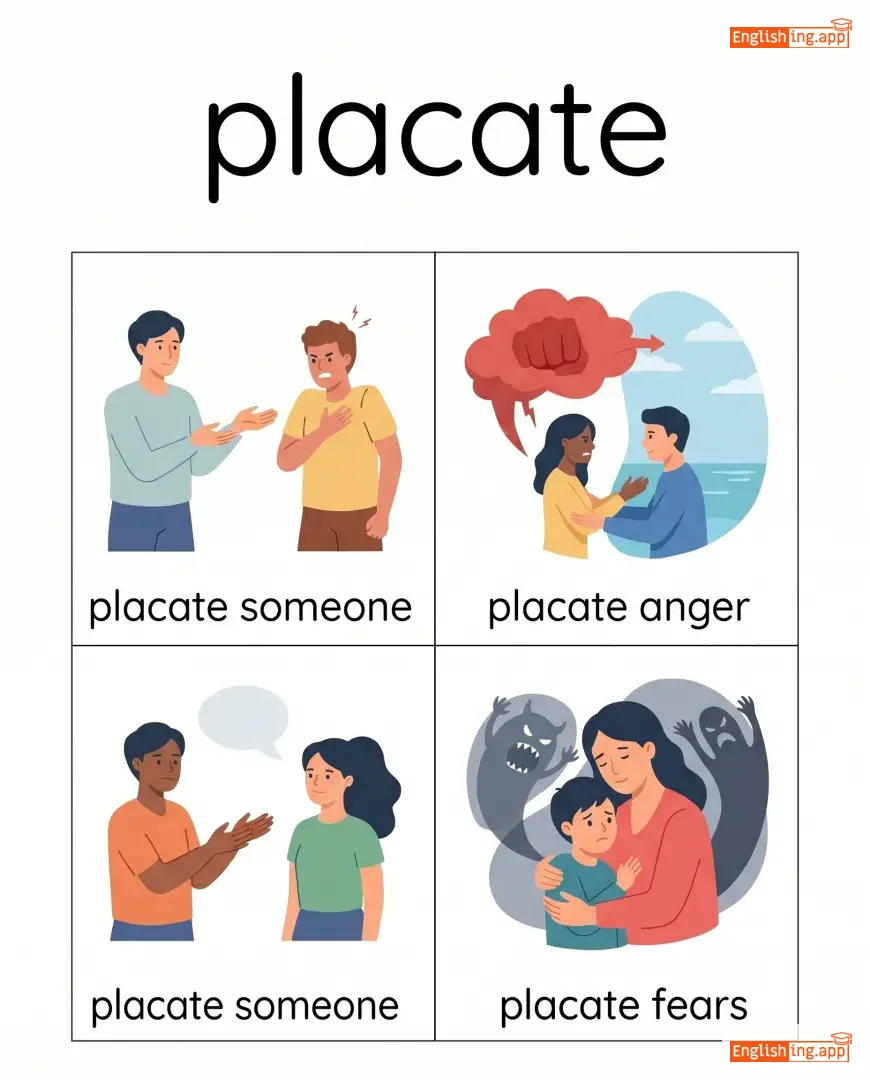
placate someone, placate anger, placate fears
••••••
|
Placateで平和を作り、calm down someone remember!
••••••
|
|
🧠
••••••
|
/plæsˈtɪsəti/
noun
(プラスチシティ)
••••••
|

|
可塑性、適応能力
kasosei, tekiou nouryoku
••••••
|
- •••••• | - •••••• | - •••••• | - •••••• |
the quality of being easily shaped or molded; adaptability
••••••
|
The brain's plasticity allows it to adapt after injury.
脳の可塑性により、怪我の後に適応することができます。
••••••
|
脳の可塑性により、怪我の後に適応することができます。
Nou no kasosei ni yori, kega no ato ni tekiou suru koto ga dekimasu.
••••••
|
- •••••• | - •••••• | - •••••• |
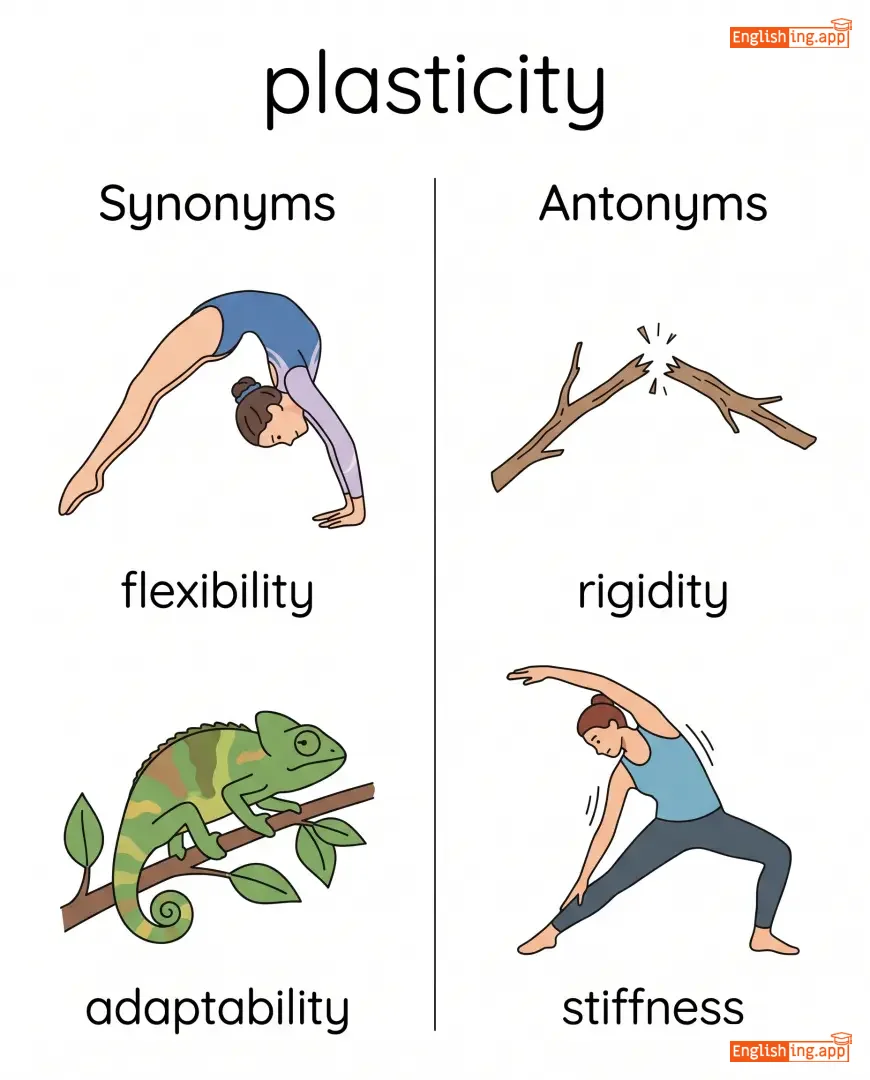
flexibility, adaptability, malleability, pliability
••••••
|
rigidity, stiffness
••••••
|
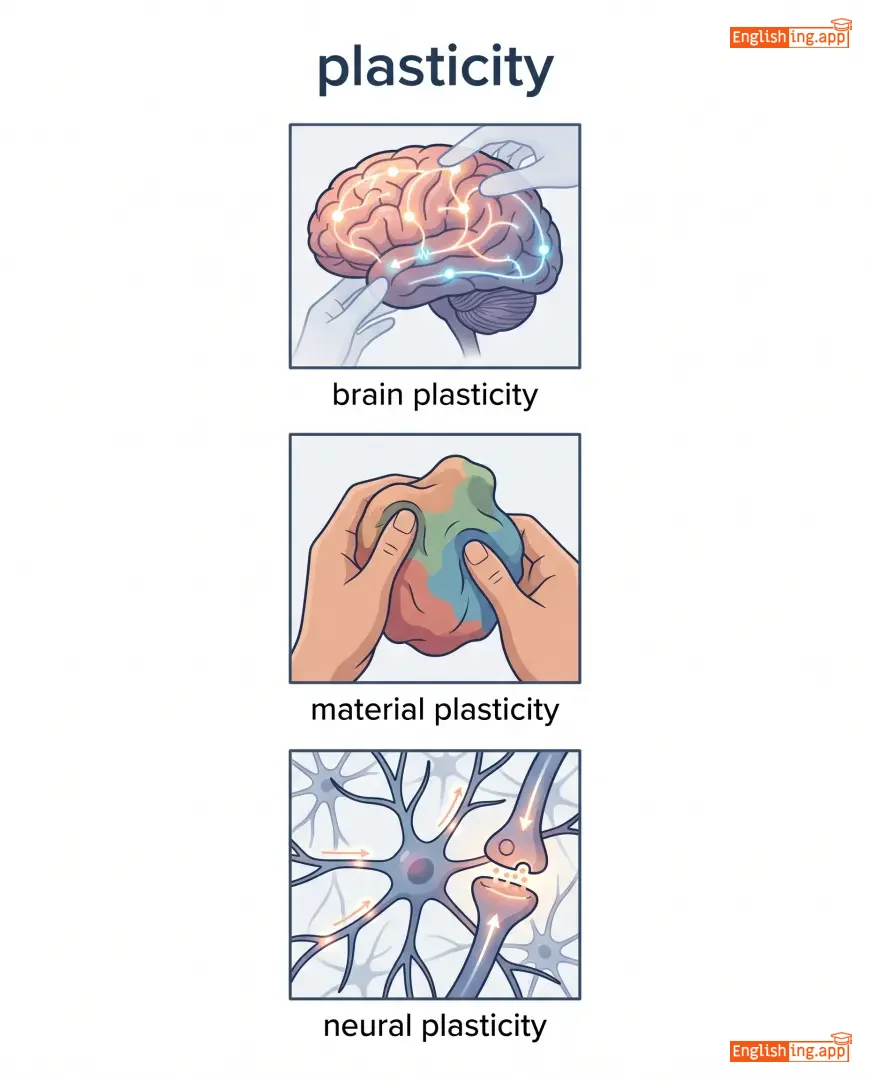
brain plasticity, material plasticity, neural plasticity
••••••
|
脳の可塑性は、脳が柔軟に適応できることを意味します
••••••
|
|
🗣️
••••••
|
/ˈplætɪtjuːd/
noun
(プラティチュード)
••••••
|

|
陳腐な言葉
chinfu na kotoba
••••••
|
- •••••• | - •••••• | - •••••• | - •••••• |
a remark or statement that is overused and unoriginal
••••••
|
He kept repeating the same platitudes during the speech.
彼はスピーチの中で同じプレティチュードを繰り返し続けた。
••••••
|
彼はスピーチの中で同じプレティチュードを繰り返し続けた。
Kare wa supīchi no naka de onaji puretichūdo o kurikaeshi tsuzuketa.
••••••
|
- •••••• | - •••••• | - •••••• |
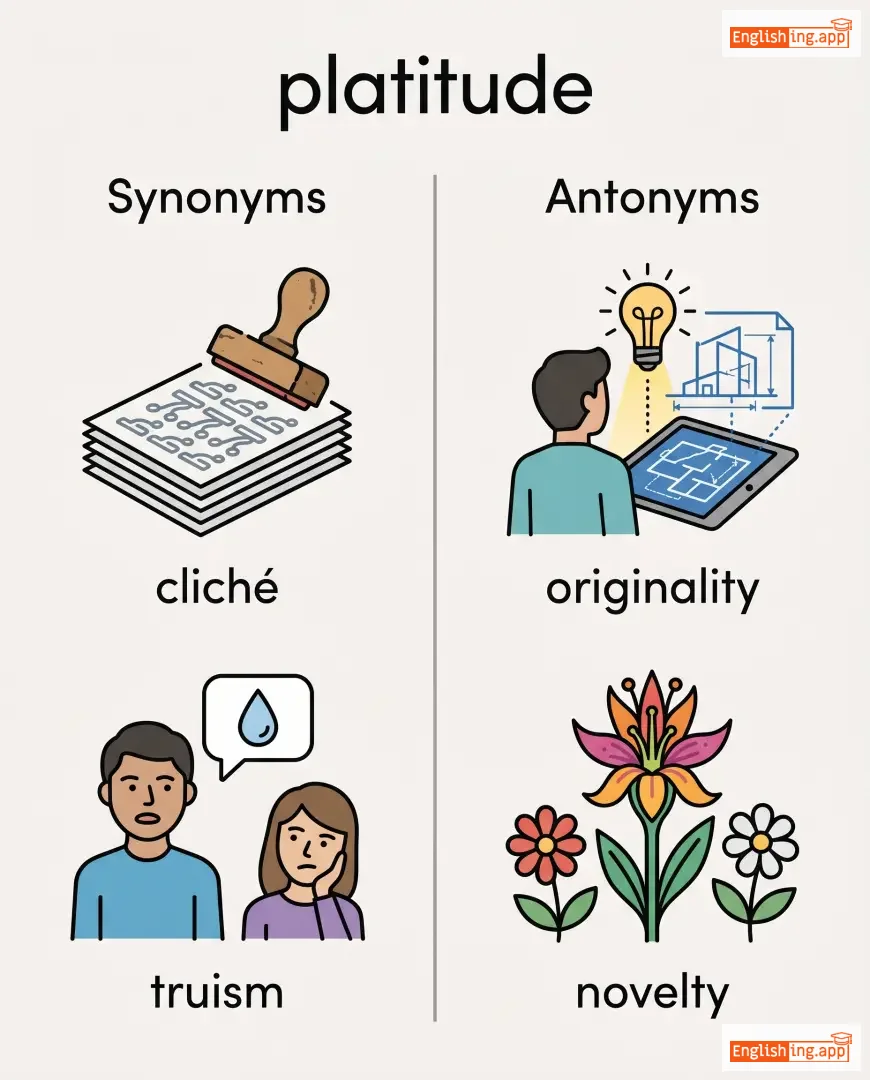
cliché, truism, banality, commonplace
••••••
|
originality, novelty
••••••
|
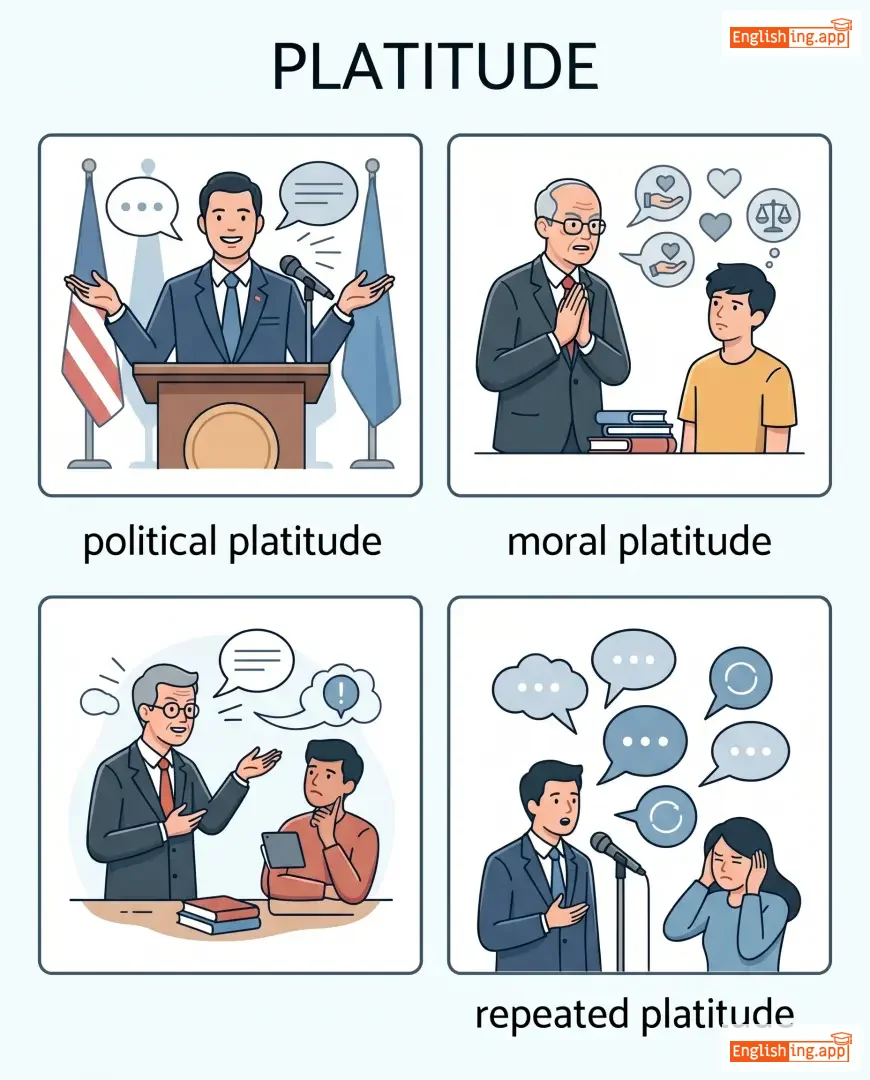
political platitude, moral platitude, repeated platitude
••••••
|
PLATI + TUDE = 何度も繰り返される言葉 - platitude
••••••
|
|
📚
••••••
|
/ˈplɛθərə/
noun
(プレソラ)
••••••
|


|
過剰な量
kajo na ryo
••••••
|
- •••••• | - •••••• | - •••••• | - •••••• |
an excessive amount of something
••••••
|
She has a plethora of books on her shelf. |
彼女の棚には過剰な量の本があります。
Kanojo no tana ni wa kajo na ryo no hon ga arimasu.
••••••
|
- •••••• | - •••••• | - •••••• |
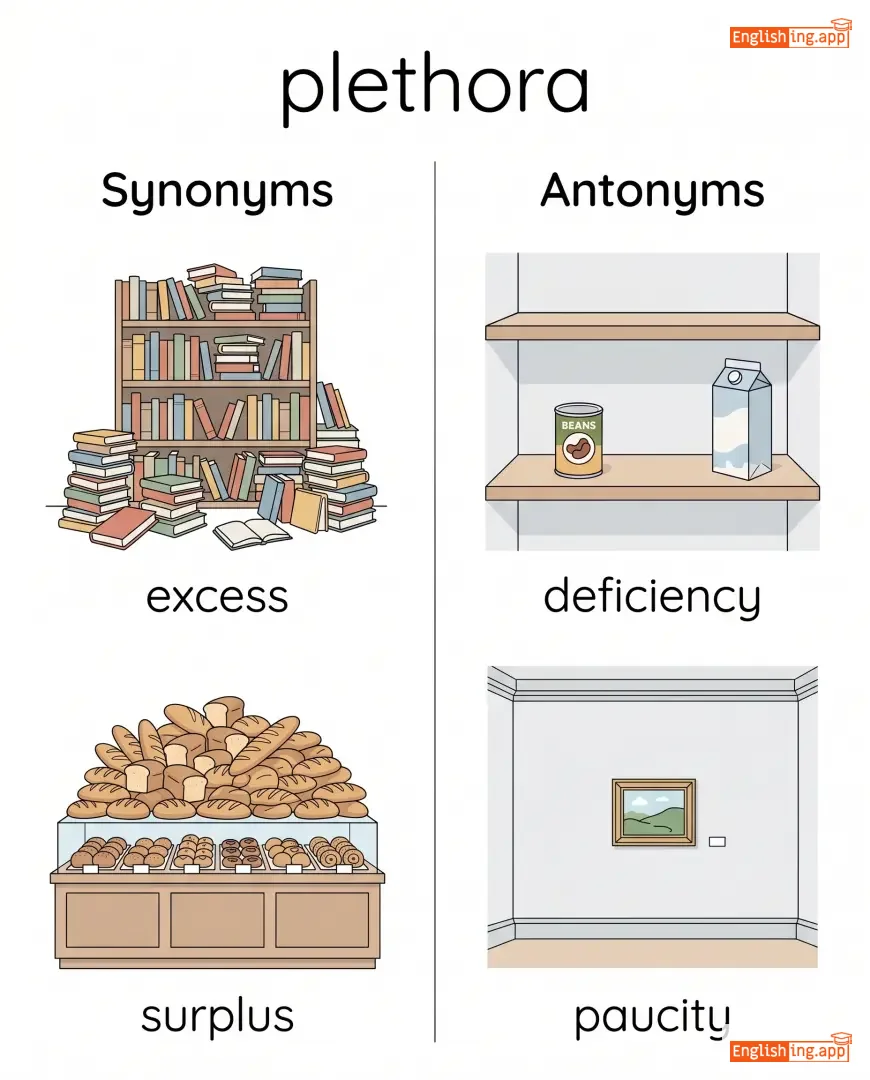
excess, surplus, overabundance, profusion
••••••
|
deficiency, paucity, shortage
••••••
|
plethora of options, plethora of ideas, plethora of evidence
••••••
|
棚に本があふれんばかりに積まれている様子
••••••
|
|
📉
••••••
|
/ˈplʌm.ɪt/
verb
(purametto)
••••••
|

|
速い速度で真っ直ぐに落ちる
hayai sokudo de massugu ni ochiru
••••••
|
plummeted
purameteto
••••••
|
plummeted
purameteto
••••••
|
plummets
puramettosu
••••••
|
plummeting
puramettoing
••••••
|
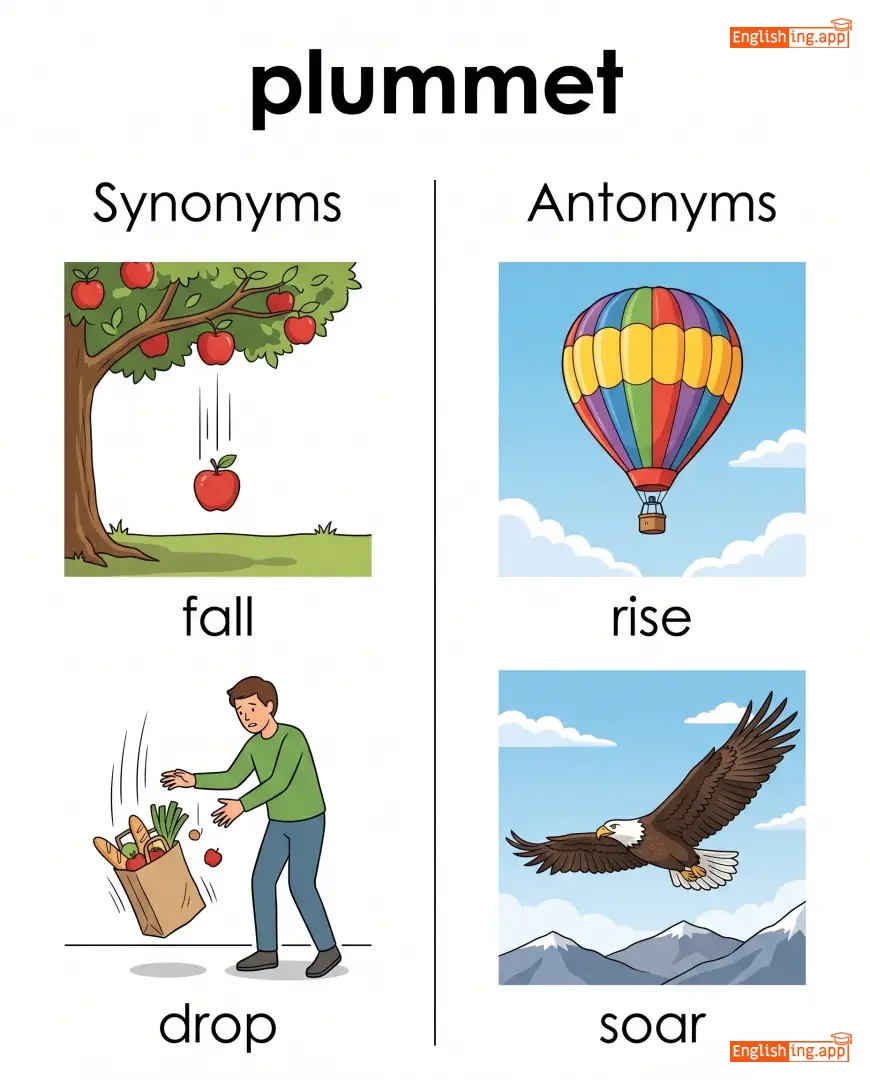
to fall straight down at high speed
••••••
|
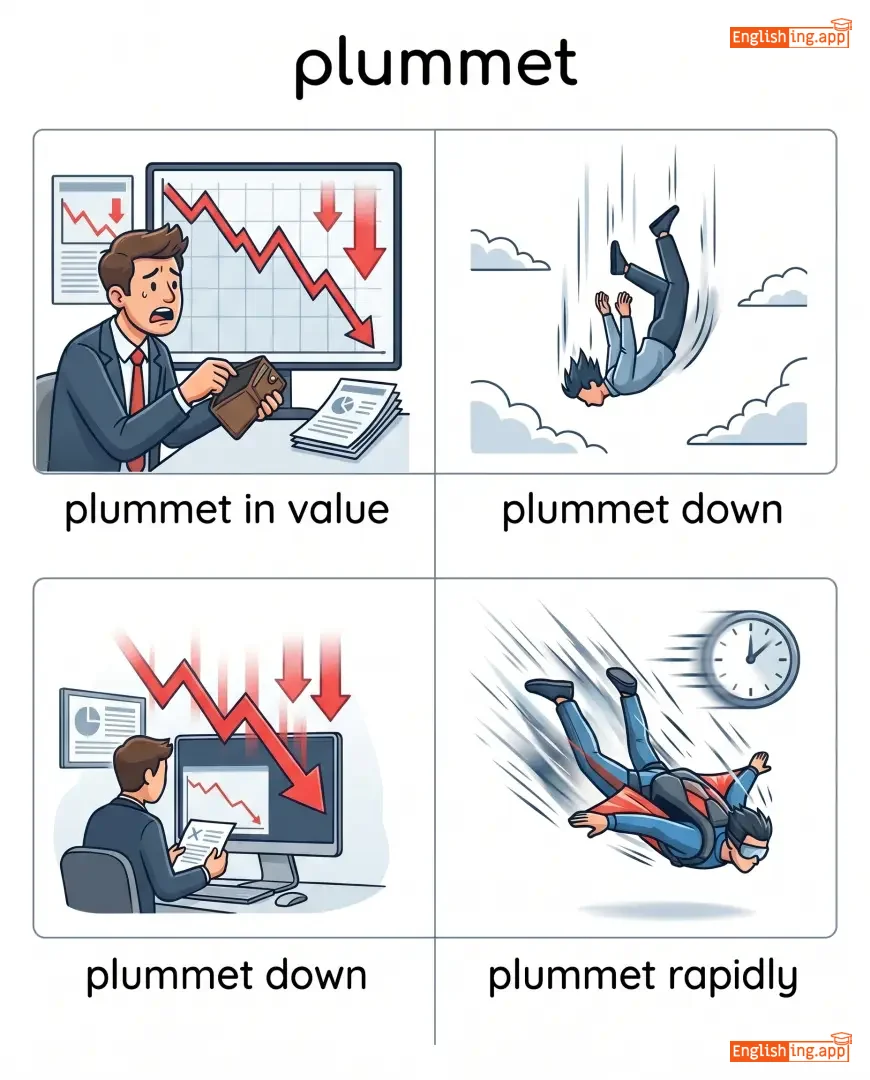
Stock prices plummeted after the sudden market crash.
株価は市場の突然の暴落後に急落しました。
••••••
|
株価は市場の突然の暴落後に急落しました。
Kabuka wa shijō no totsuzen no bōraku go ni kyūraku shimashita.
••••••
|
- •••••• | - •••••• | - •••••• |
fall, drop, tumble, dive
••••••
|
rise, soar
••••••
|
plummet in value, plummet down, plummet rapidly
••••••
|
PLUMのように急降下、PLUMMET - 株価が急落する。
••••••
|
|
🧽
••••••
|
/ˈpɔːrəs/
adjective
(ポーロス)
••••••
|
|
多孔性の
takōsei no
••••••
|
- •••••• | - •••••• | - •••••• | - •••••• |
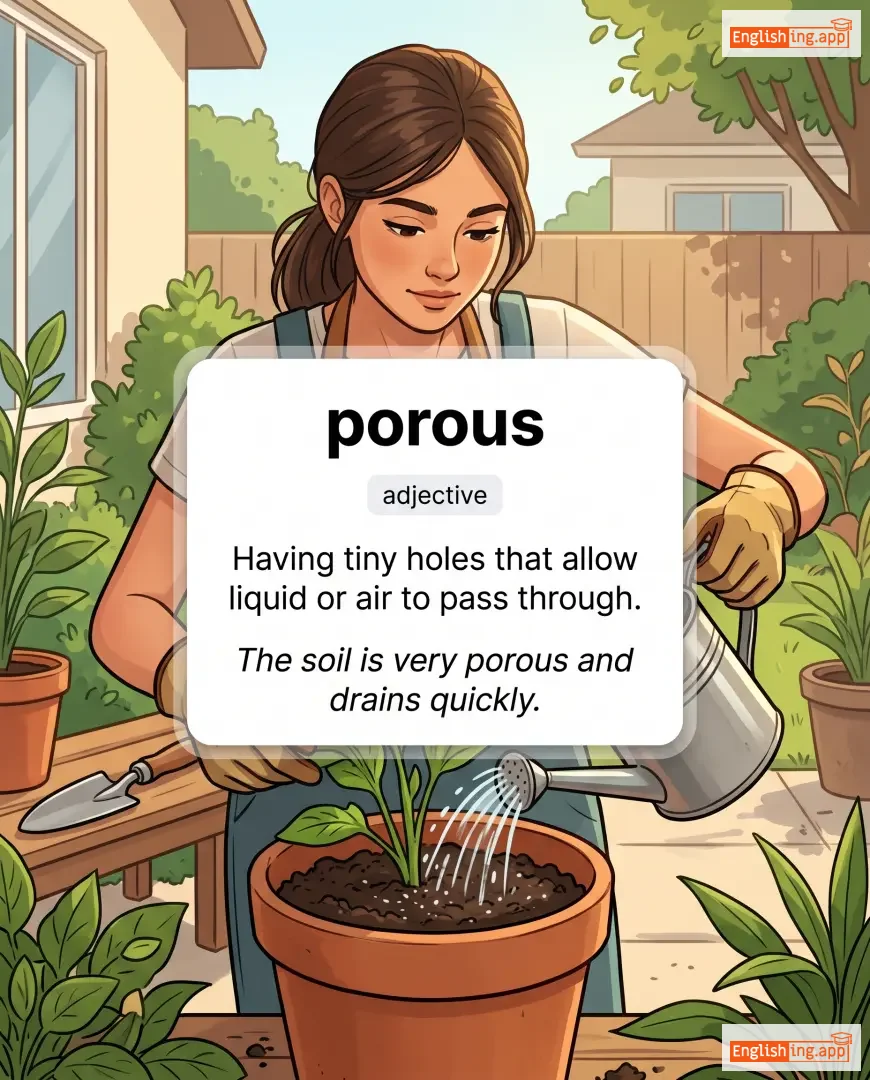
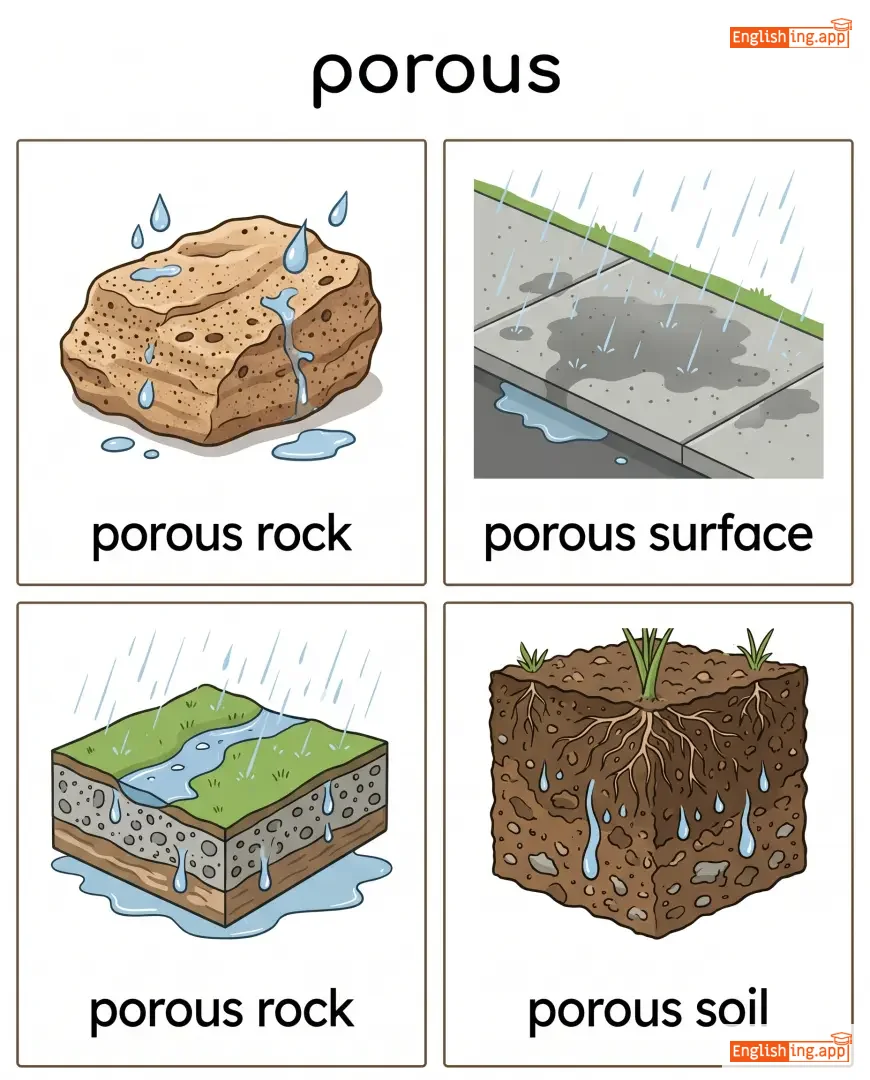
Having tiny holes that allow liquid or air to pass through.
••••••
|
The soil is very porous and drains quickly. |
土壌は非常に多孔性で、すぐに水を排出します。
Dojō wa hijō ni takōsei de, sugu ni mizu o haishutsu shimasu.
••••••
|
- •••••• | - •••••• | - •••••• |
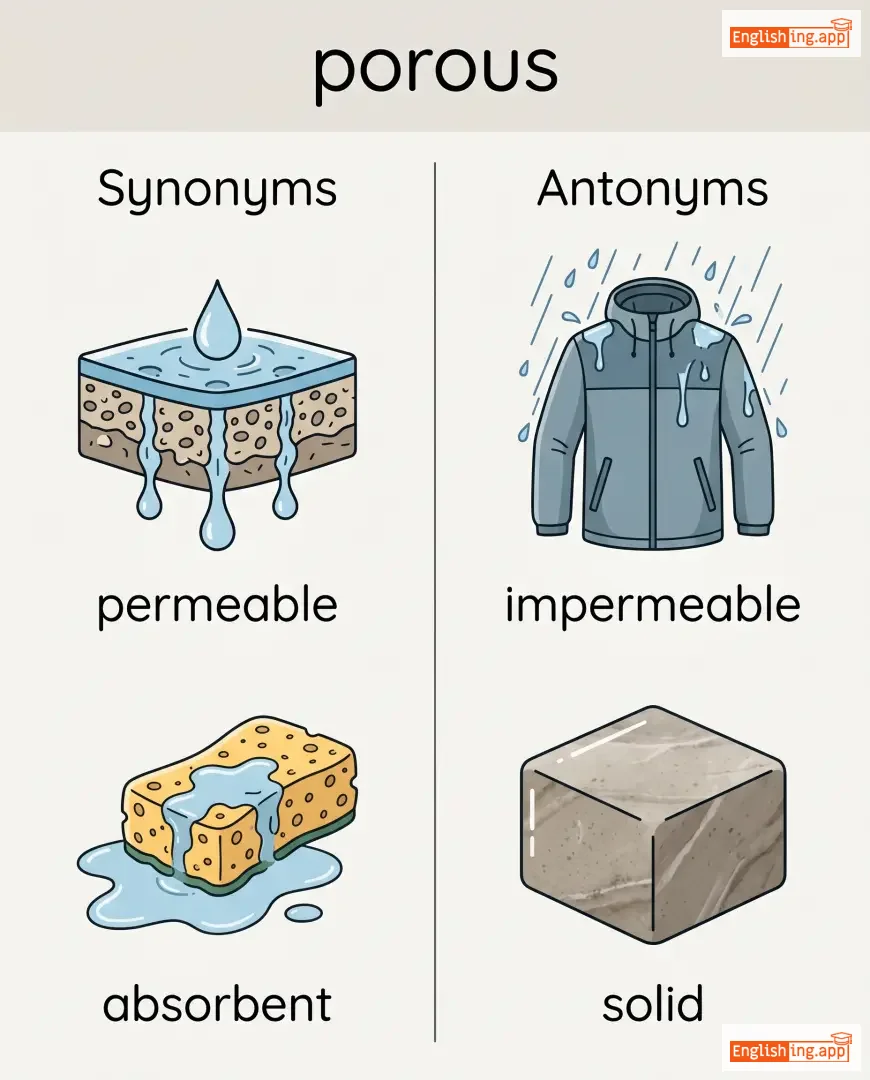
permeable, absorbent, spongy, leaky, penetrable
••••••
|
impermeable, solid, sealed
••••••
|
porous rock, porous surface, porous soil, porous structure
••••••
|
多孔性のようなスポンジ、水が簡単に通過する。
••••••
|
|
🛠️
••••••
|
/præɡˈmætɪk/
adjective
••••••
|
|
- •••••• | - •••••• | - •••••• | - •••••• | - •••••• |
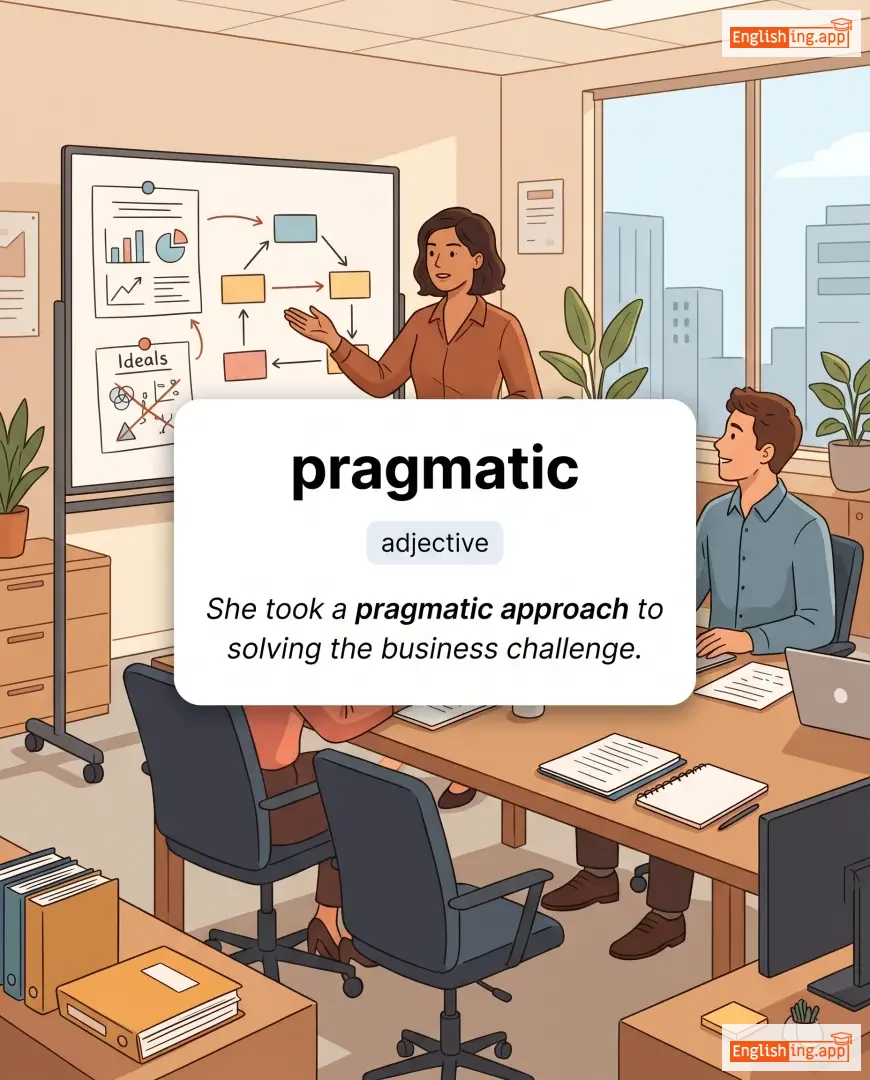
Dealing with problems in a practical and sensible way rather than depending on theories or ideals.
••••••
|
She took a pragmatic approach to solving the business challenge. |
- •••••• |
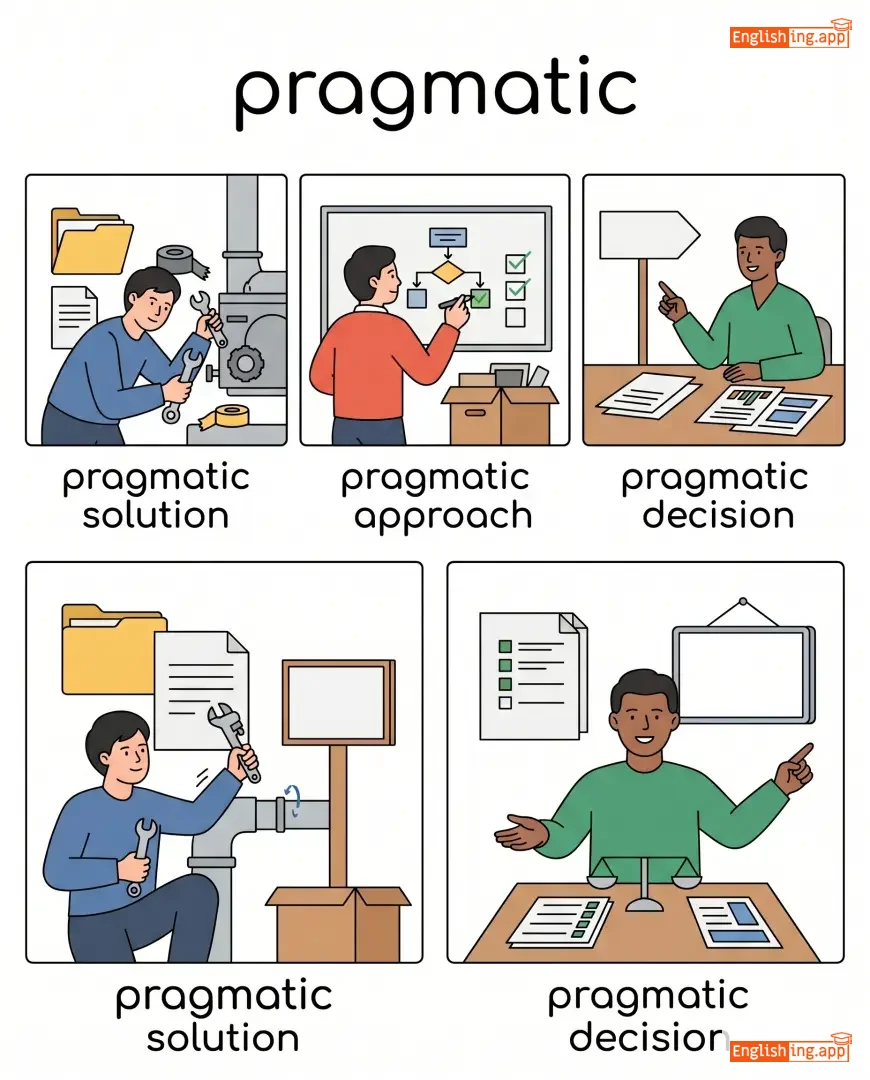
pragmatic approach |
A practical and realistic way of handling a situation.
••••••
|
- •••••• |
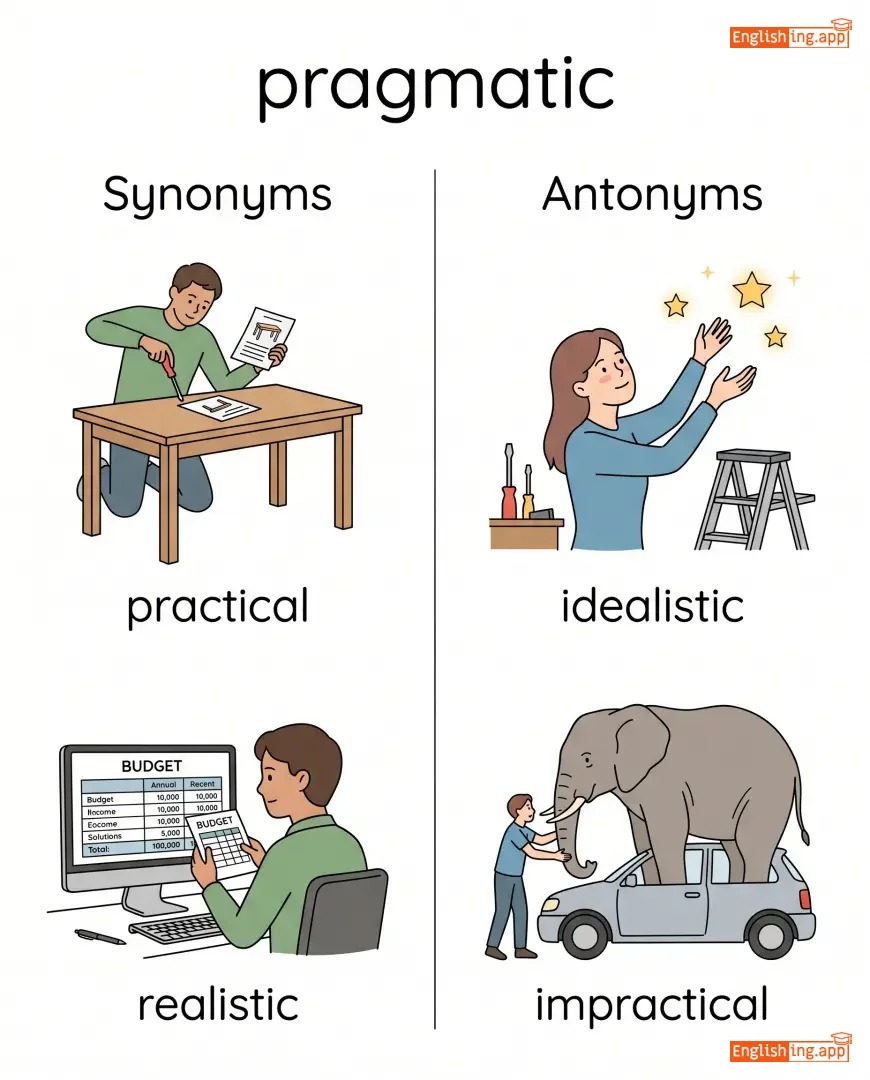
practical, realistic, sensible, rational, logical
••••••
|
idealistic, impractical, theoretical
••••••
|
pragmatic solution, pragmatic approach, pragmatic decision, pragmatic attitude
••••••
|
No •••••• |
|
📜
••••••
|
/ˈpriːˌæmbəl/
noun
(priˈæmbəl)
••••••
|
|
前文
zenbun
••••••
|
- •••••• | - •••••• | - •••••• | - •••••• |
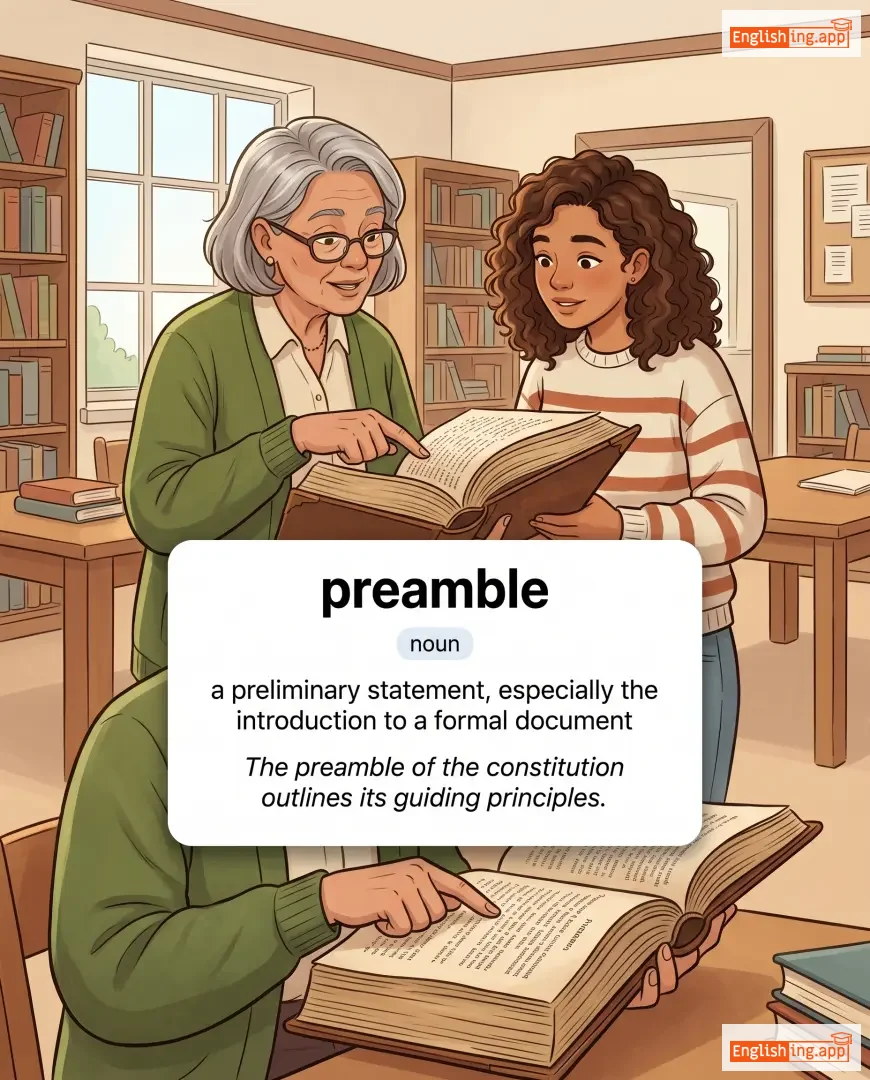
a preliminary statement, especially the introduction to a formal document
••••••
|
The preamble of the constitution outlines its guiding principles.
憲法の前文はその基本的な原則を説明しています。
••••••
|
憲法の前文はその基本的な原則を説明しています。
Kenpo no zenbun wa sono kihonteki na gensoku o setsumei shiteimasu.
••••••
|
- •••••• | - •••••• | - •••••• |
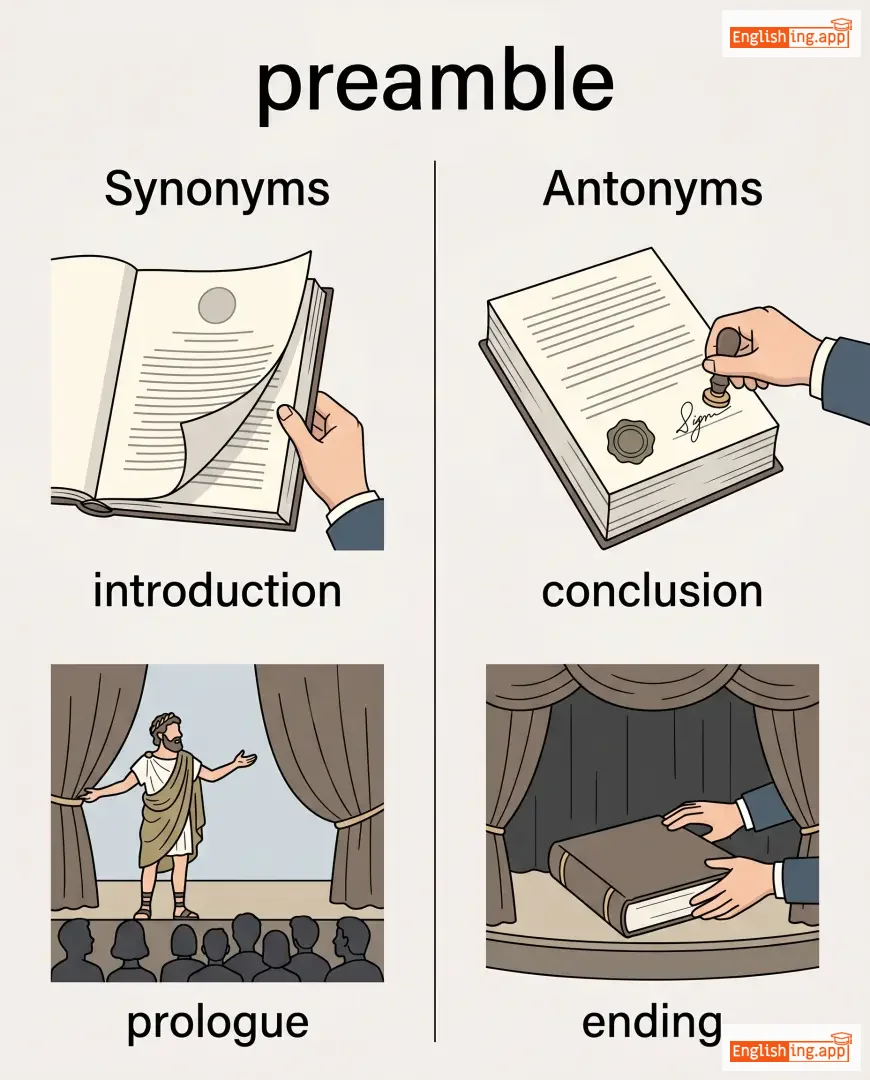
introduction, prologue, foreword, preface, opening
••••••
|
conclusion, ending, epilogue
••••••
|
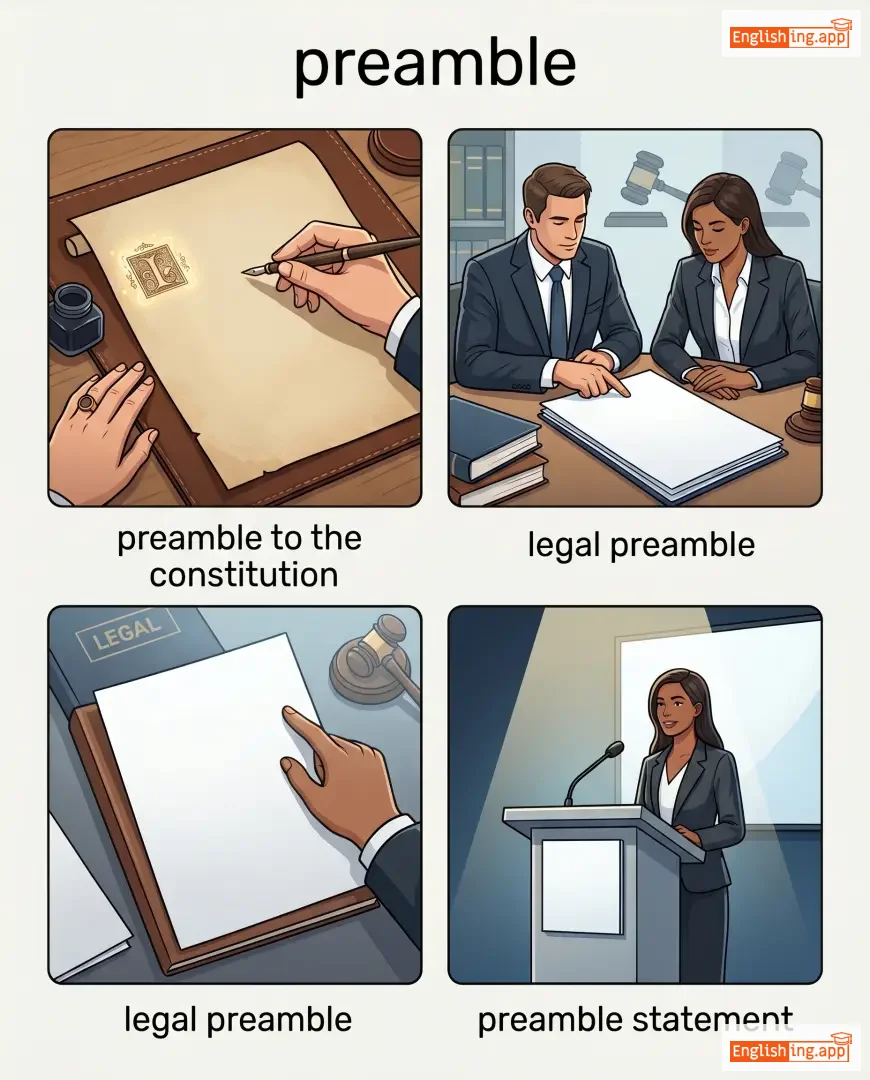
preamble to the constitution, legal preamble, preamble statement, preamble section
••••••
|
Preamble の日本語訳は'前文'、文書の最初に書かれる部分です。
••••••
|
|
⚠️
••••••
|
/prɪˈkɛəriəs/
adjective
(プレカリオス)
••••••
|

|
不安定 / 危険
fuantei / kiken
••••••
|
- •••••• | - •••••• | - •••••• | - •••••• |
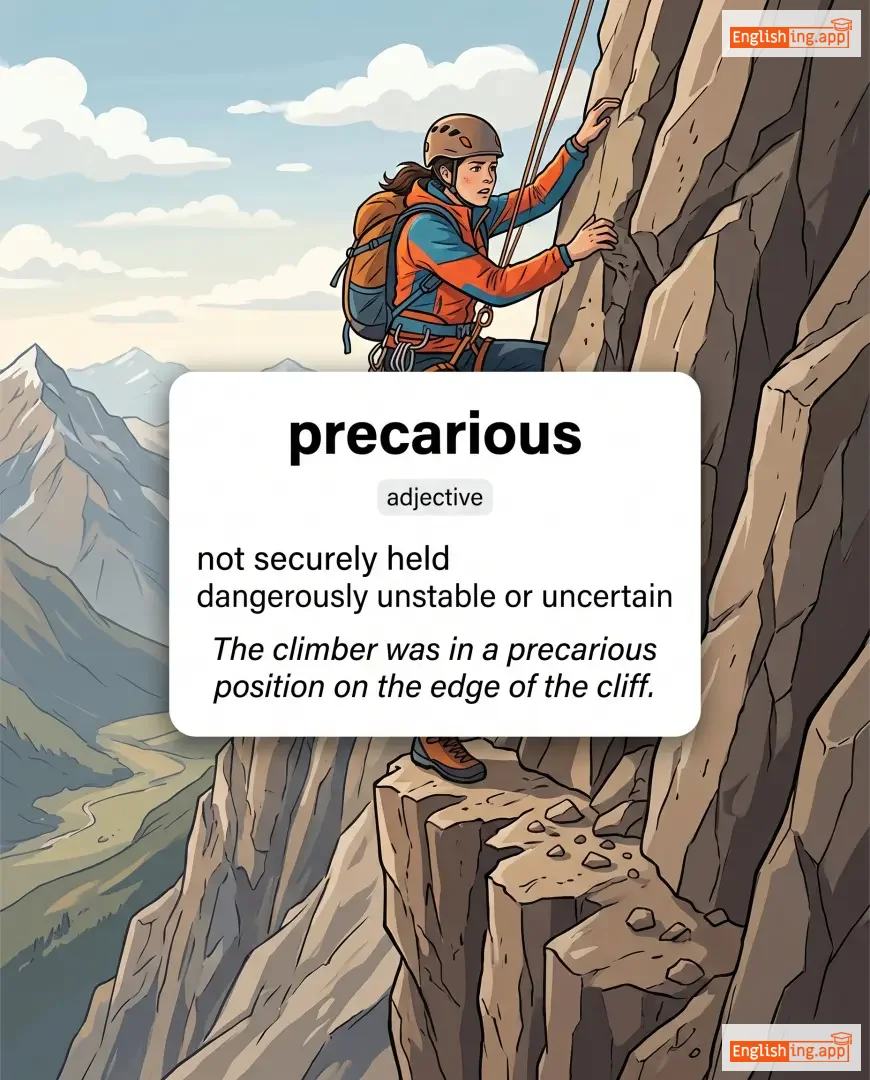
not securely held; dangerously unstable or uncertain
••••••
|
The climber was in a precarious position on the edge of the cliff. |
登山者は崖の端にある危険な位置にいました。
Tōzansha wa gake no hashi ni aru kiken na ichi ni imashita.
••••••
|
precarious situation |
a risky or dangerous circumstance
••••••
|
危険な状況
kiken na jōkyō
••••••
|
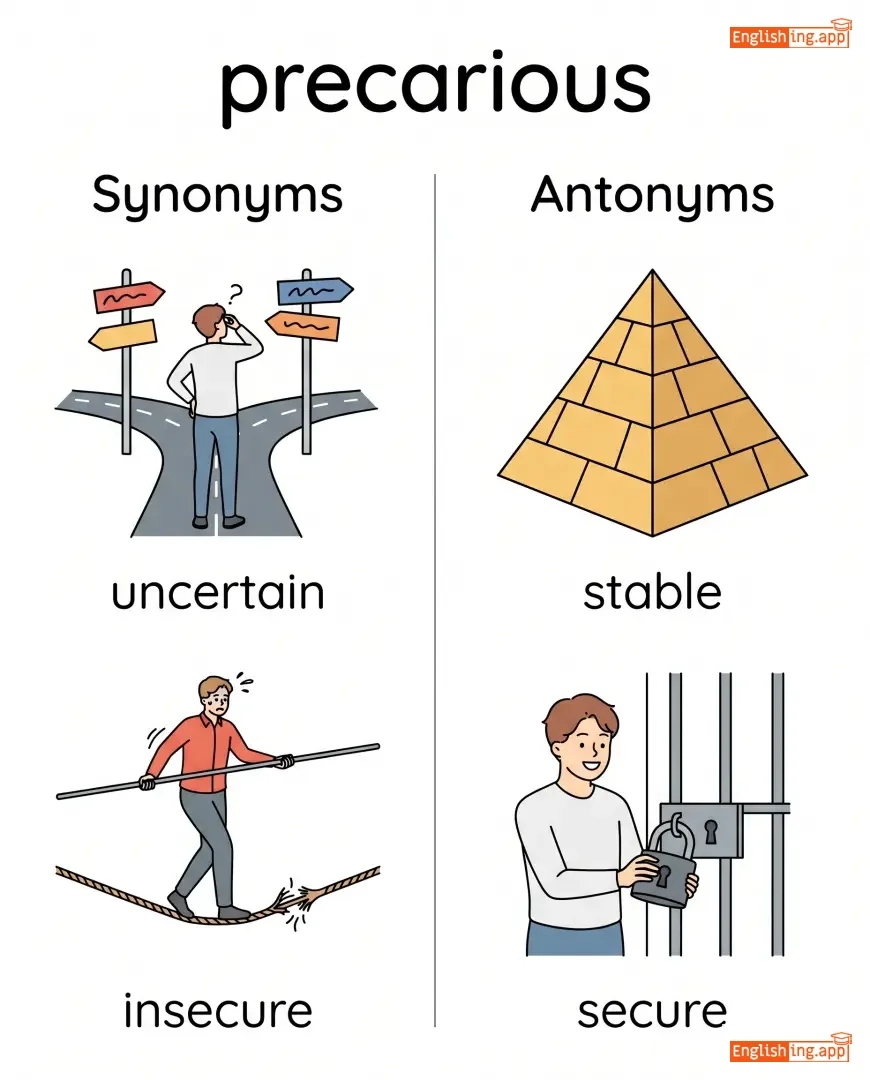
uncertain, insecure, unstable, shaky, risky
••••••
|
stable, secure, safe
••••••
|
precarious balance, precarious position, precarious condition, precarious situation
••••••
|
Pre-carious = Pre 車 (kuruma) それが危険なら、それは不安定です
••••••
|

