Environmental Movement
世界环境日:全球environmental awareness与运动的历史
6月5日被全世界庆祝为World Environment Day。自1974年以来,这一天在提高global environmental awareness方面发挥了关键作用。第一次World Environment Day的theme是“Only One Earth”,至今仍然relevant。然而,environmental movement的历史要早得多。
环境运动的起源
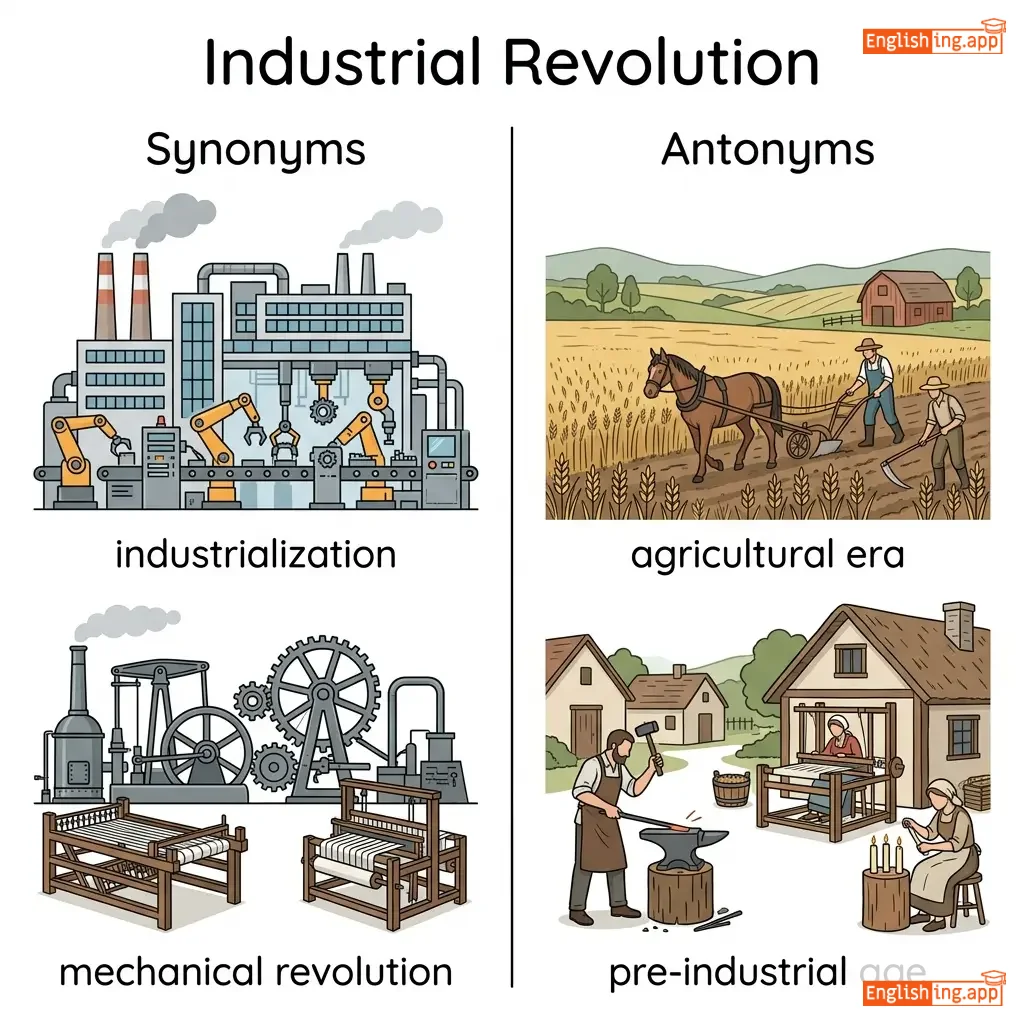
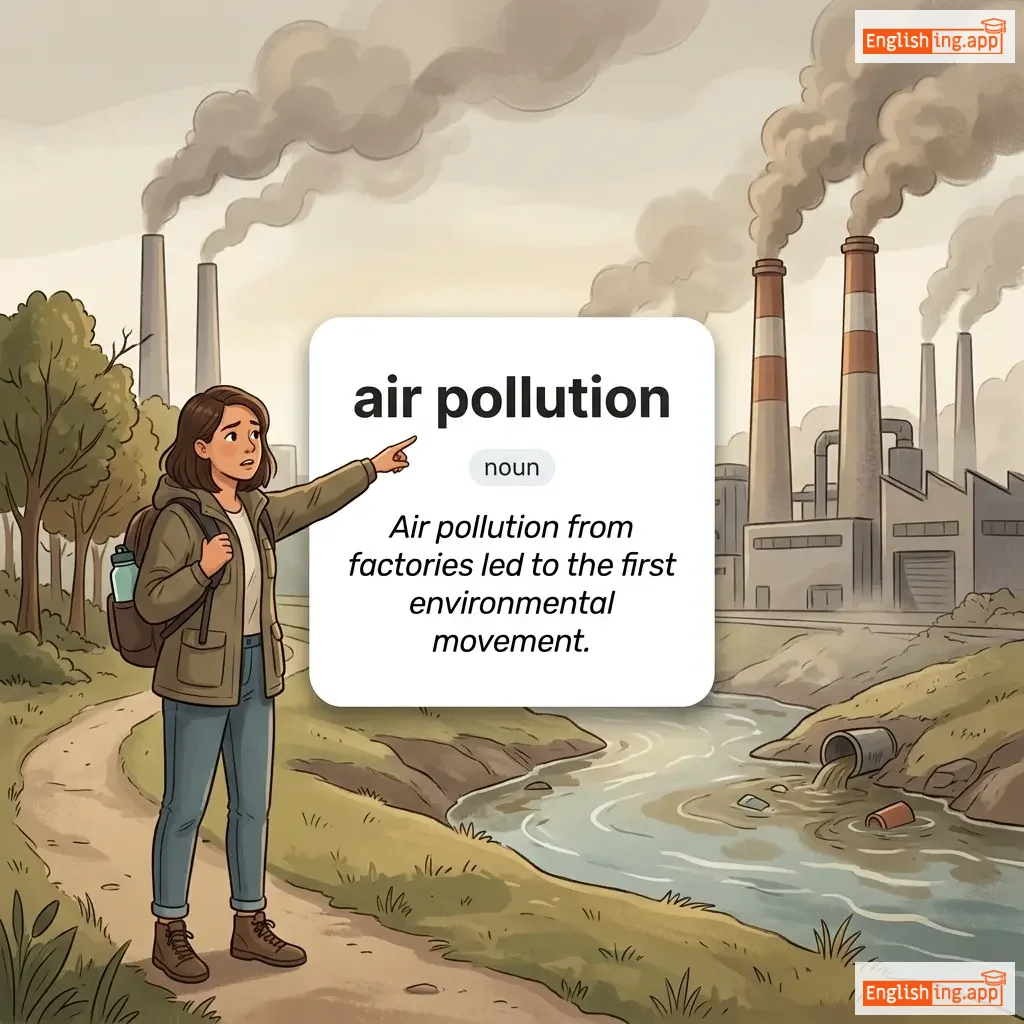
第一个environmental movement始于19世纪英国的Industrial Revolution时期。工厂的air pollution影响了城市居民的health,urban middle-class参与了运动。结果,1863年通过了Alkali Act,开启了environmental law。
世界上第一个Conservation Movement始于印度。这一运动传播到了美国和global stage。1892年,约翰·缪尔创立了Sierra Club,旨在吸引government attention关注wildlife conservation和natural resources protection。
环境运动不仅限于立法;它在提高public awareness方面发挥着至关重要的作用。像Climate change、deforestation和biodiversity loss这样的主要global issues仍然是当今环境运动的核心。
|
表情符号
|
单词 | Images | 含义 | 例句 | 同义词 | 反义词 |
|---|---|---|---|---|---|---|
|
#913
🌍
|
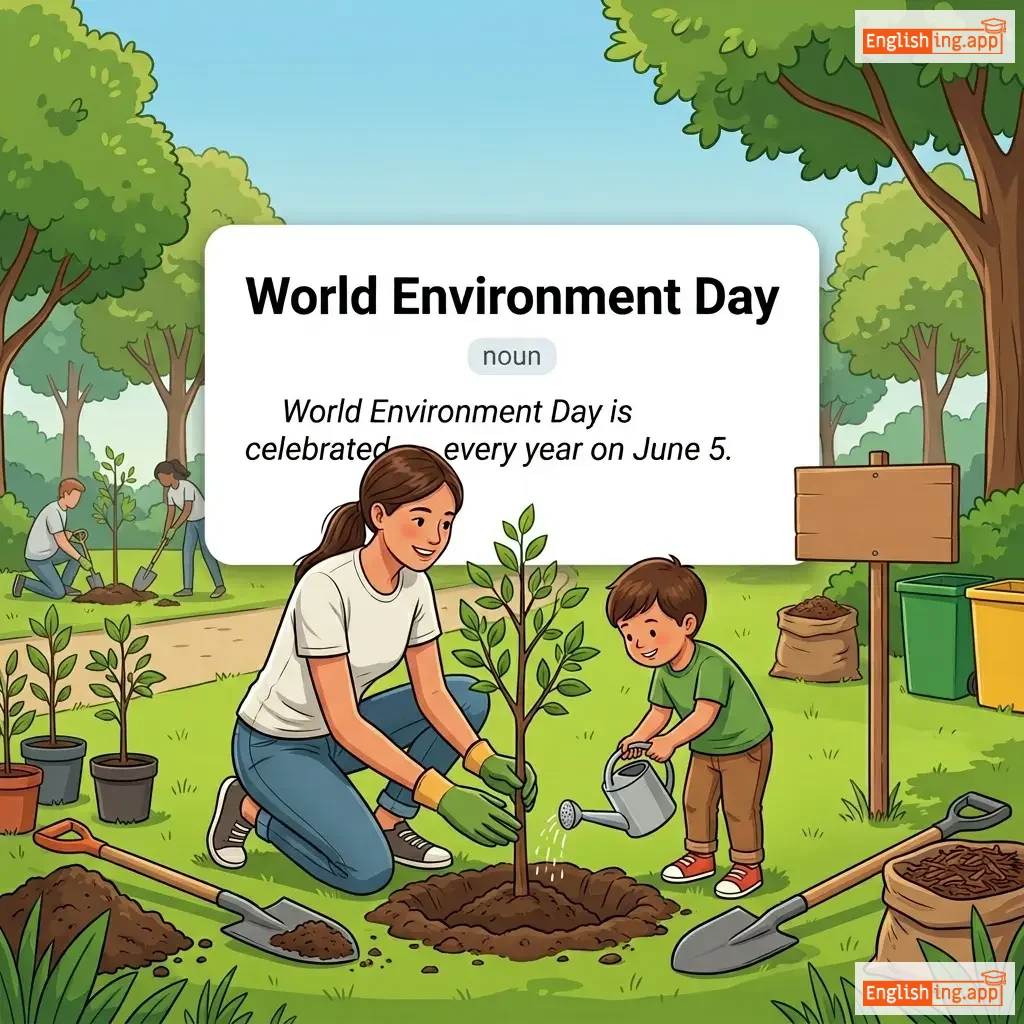
/wɜːrld ɪnˈvaɪrənmənt deɪ/
noun
••••••
|
|
An annual global event celebrated on June 5 to raise awareness about environmental protection and encourage action for environmental conservation.
••••••
|
World Environment Day is celebrated every year on June 5. |
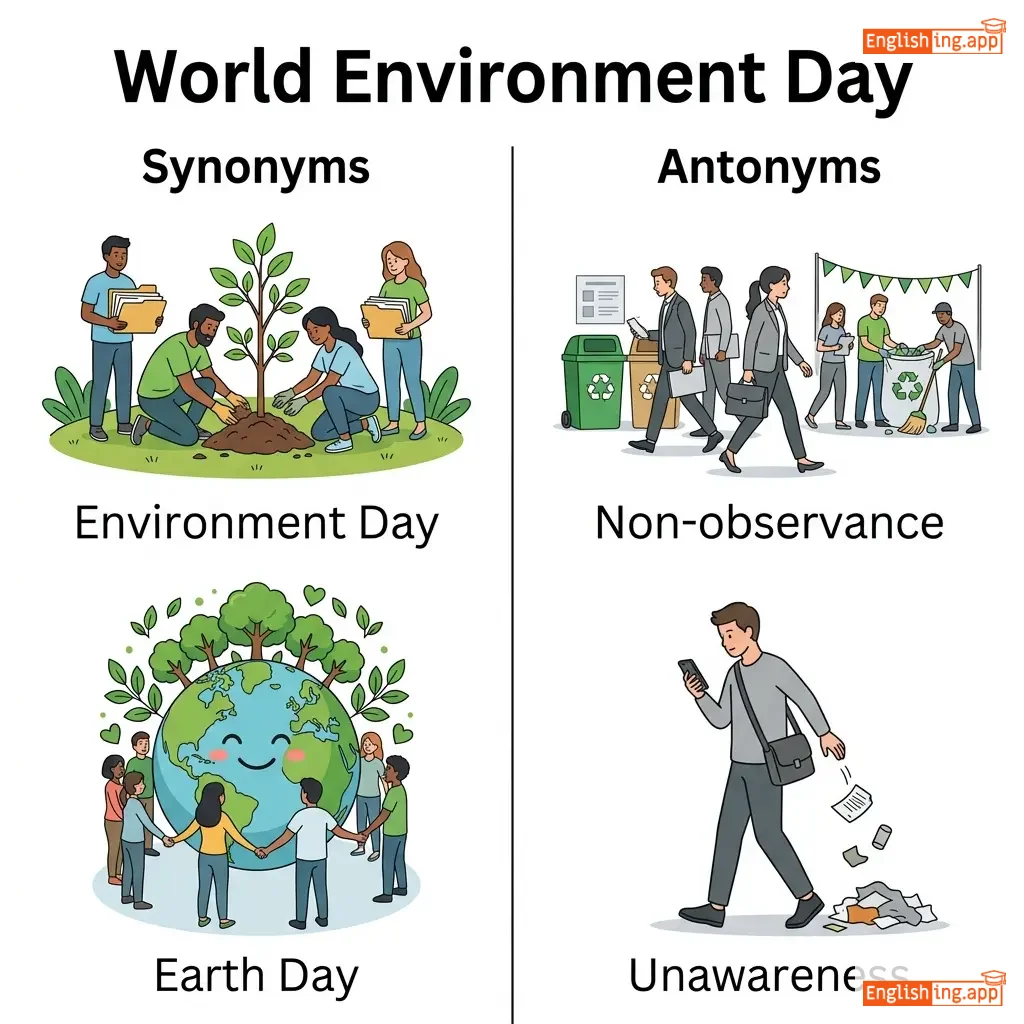
Environment Day, Earth Day, Green Day, Conservation Day, Ecology Day, Nature Day
••••••
|
Non-observance, Unawareness, Environmental Neglect, Pollution Day, Destruction Day, Exploitation Day
••••••
|
|
#914
🎯
|
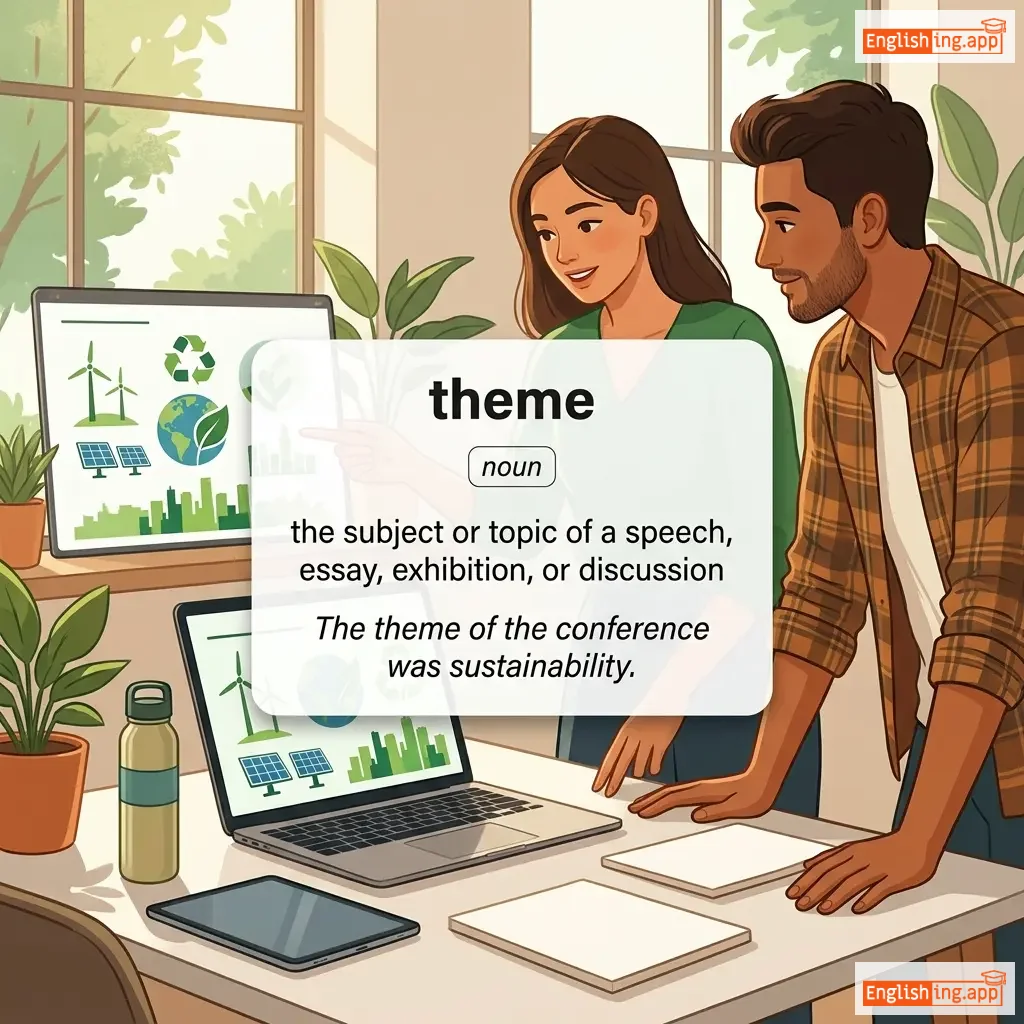
/θiːm/
noun
••••••
|
|
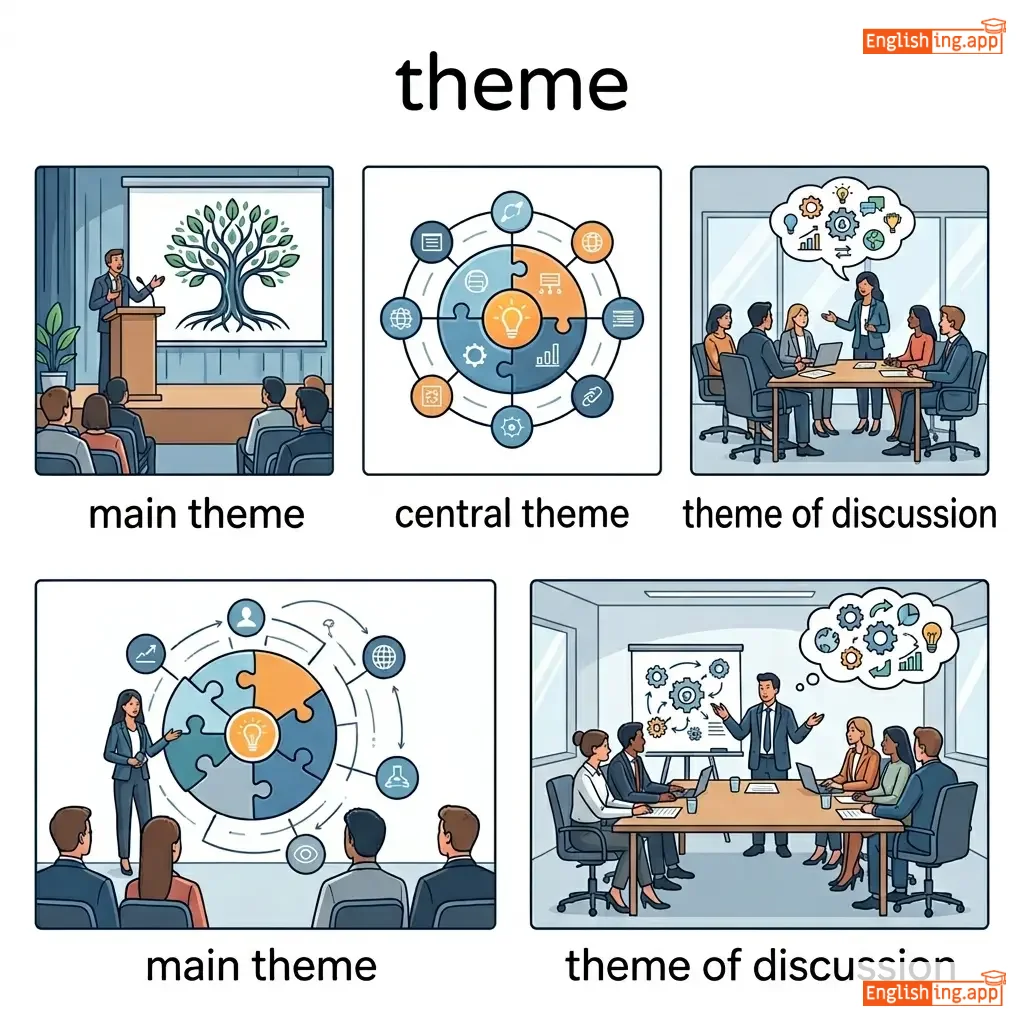
The subject or main idea of a talk, piece of writing, exhibition, etc.; a unifying idea that is a recurrent element in a literary or artistic work.
••••••
|
The theme of the first World Environment Day was "Only One Earth". |
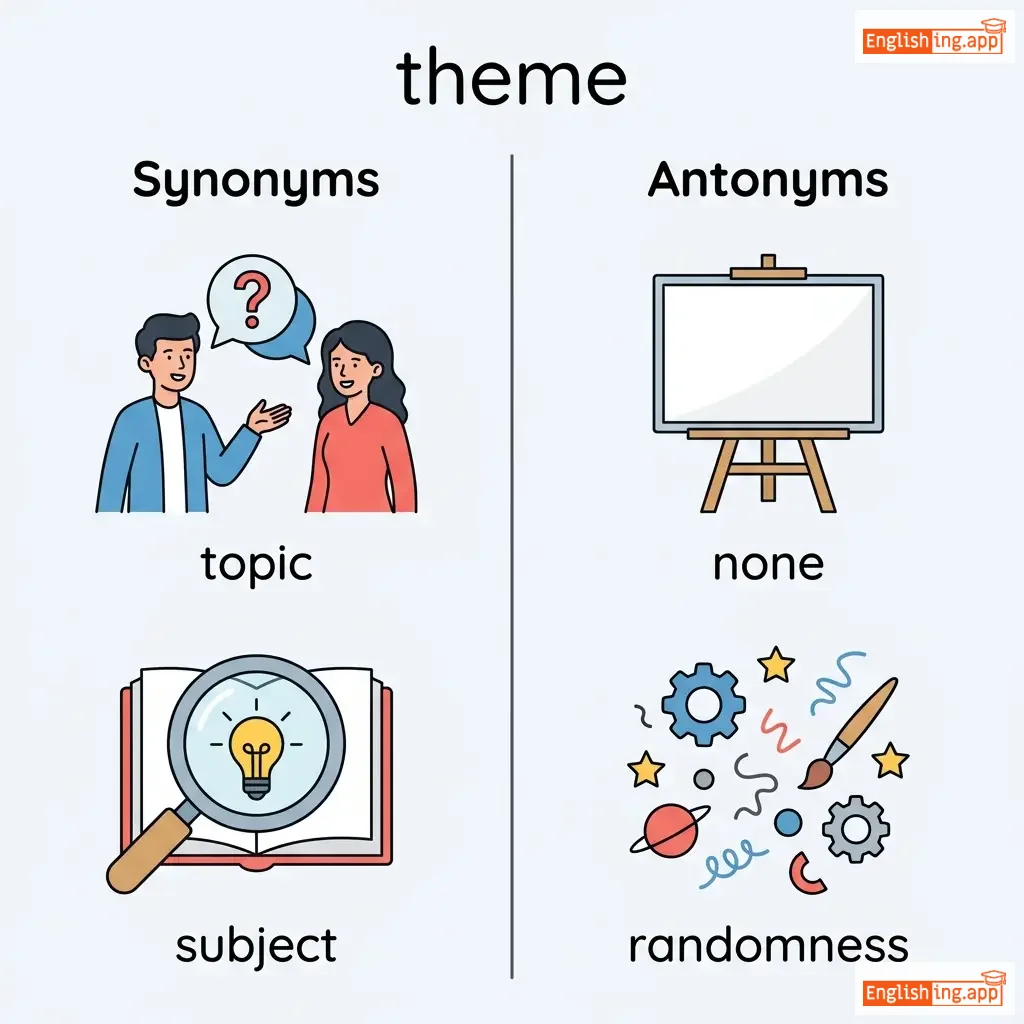
subject, topic, motif, idea, concept, message
••••••
|
randomness, insignificance, irrelevance, chaos, disorder, confusion
••••••
|
|
#915
🌐
|
/ˈɡloʊbəl əˈwɛrnɪs/
noun
••••••
|
|
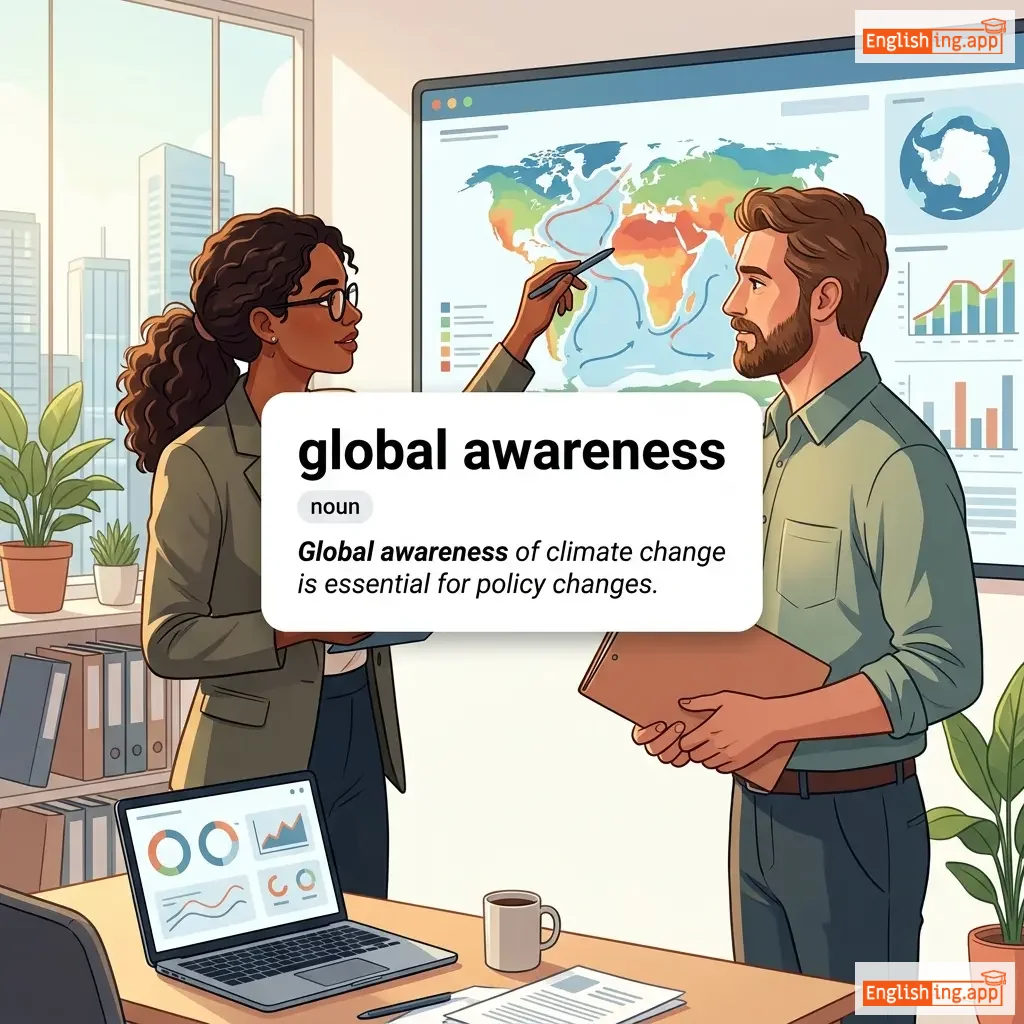
Worldwide consciousness and understanding of important issues that affect people globally, leading to informed action and policy changes.
••••••
|
Global awareness of climate change is essential for policy changes. |
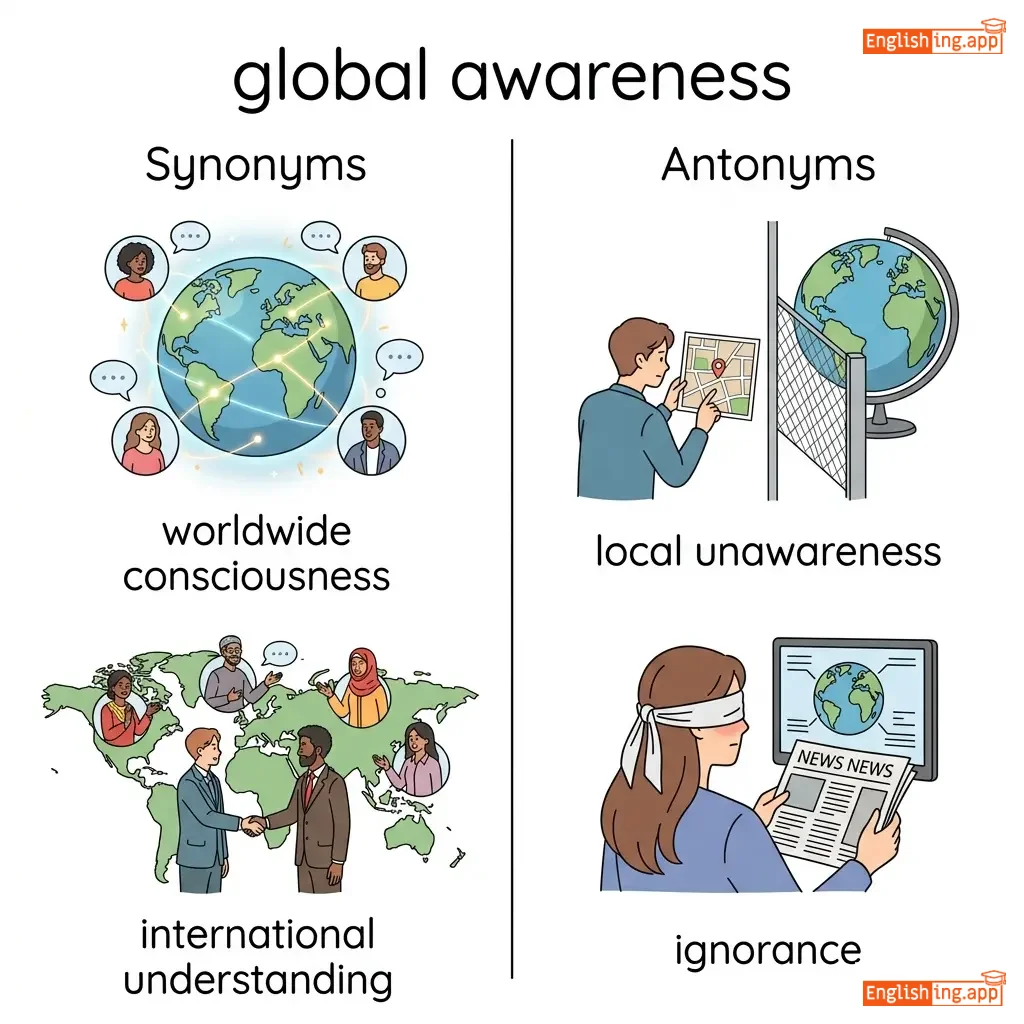
worldwide consciousness, international understanding, global recognition, universal knowledge, planetary awareness, collective consciousness
••••••
|
local unawareness, ignorance, indifference, apathy, unconsciousness, obliviousness
••••••
|
|
#916
🏭
|
/ɪnˈdʌstriəl ˌrɛvəˈluːʃən/
noun
••••••
|
|
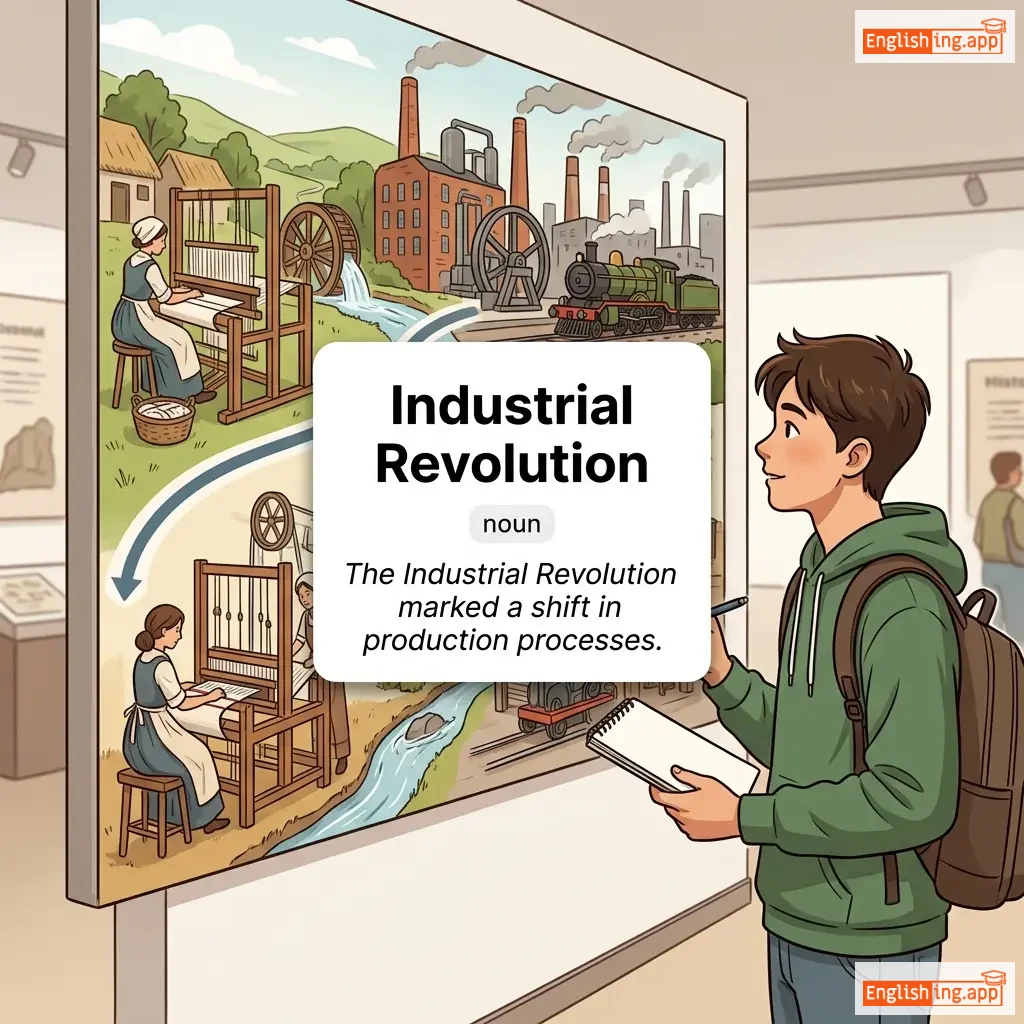
The rapid development of industry that occurred in Britain in the late 18th and 19th centuries, brought about by the introduction of machinery and characterized by the use of steam power and the growth of factories.
••••••
|
The Industrial Revolution marked a shift in production processes. |
industrialization, mechanical revolution, factory system, manufacturing revolution, technological advancement, economic transformation
••••••
|
agricultural era, pre-industrial age, deindustrialization, traditional economy, manual production, craft economy
••••••
|
|
#917
🌱
|
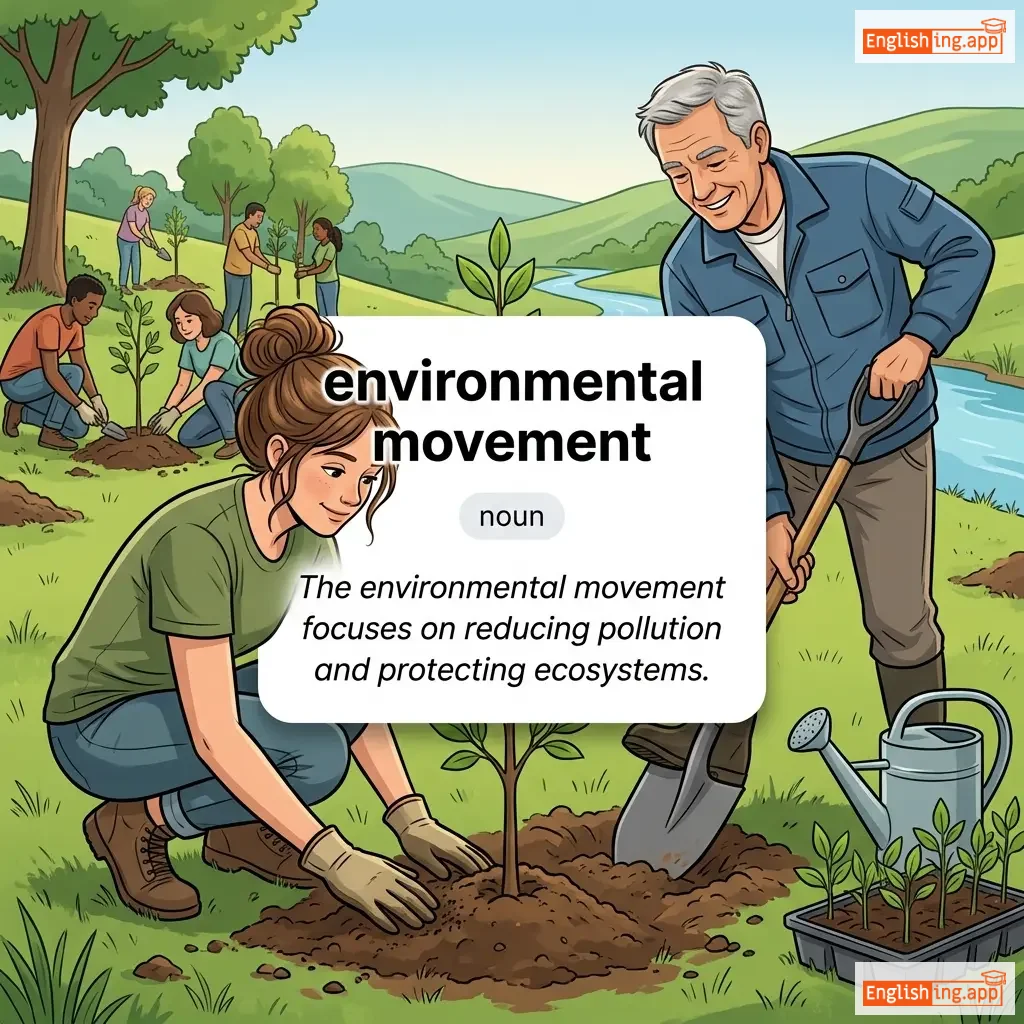
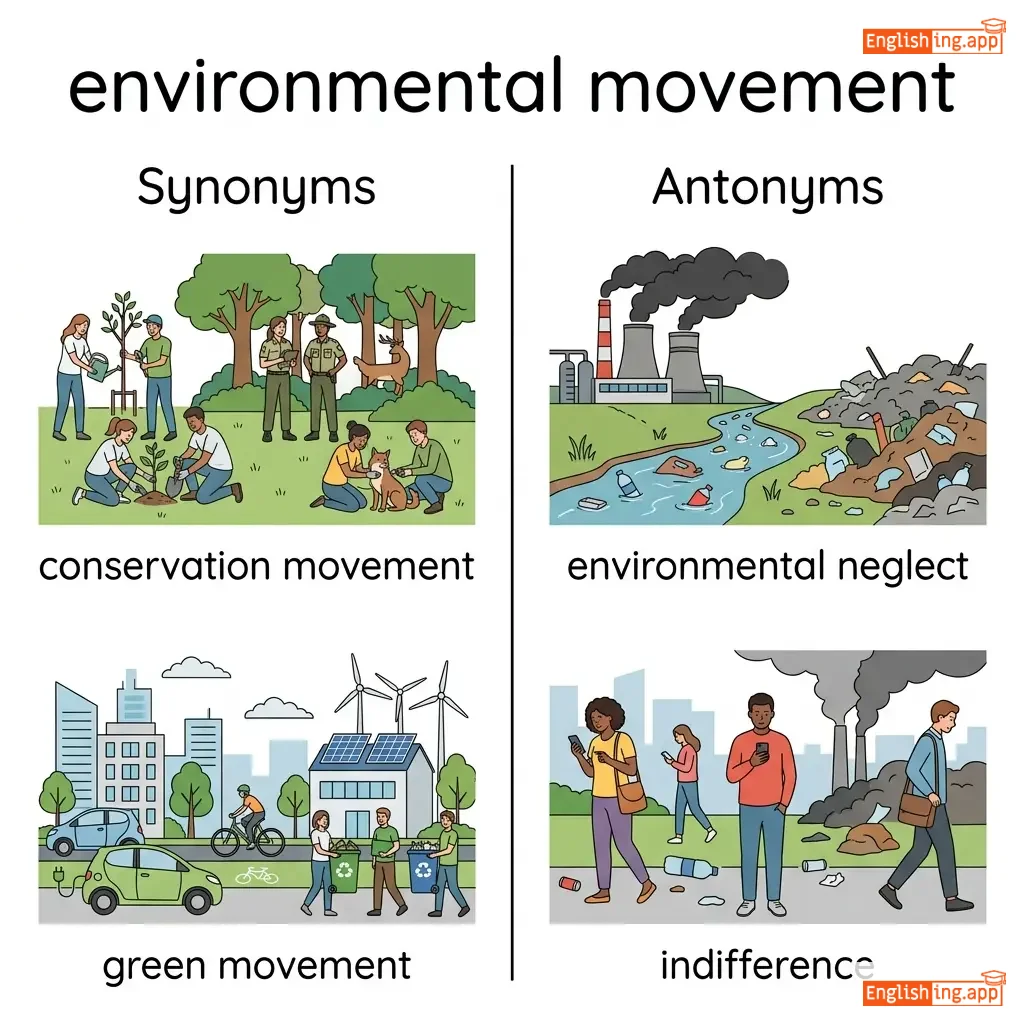
/ɪnˌvaɪrənˈmɛntəl ˈmuːvmənt/
noun
••••••
|
|
A social or political movement aimed at protecting the environment and promoting sustainable practices through advocacy, education, and policy changes.
••••••
|
The environmental movement focuses on reducing pollution and protecting ecosystems. |
conservation movement, green movement, ecological activism, environmental activism, sustainability movement, eco-movement
••••••
|
environmental neglect, indifference, exploitation, destruction, pollution advocacy, anti-environmental stance
••••••
|
|
#918
🏭
|
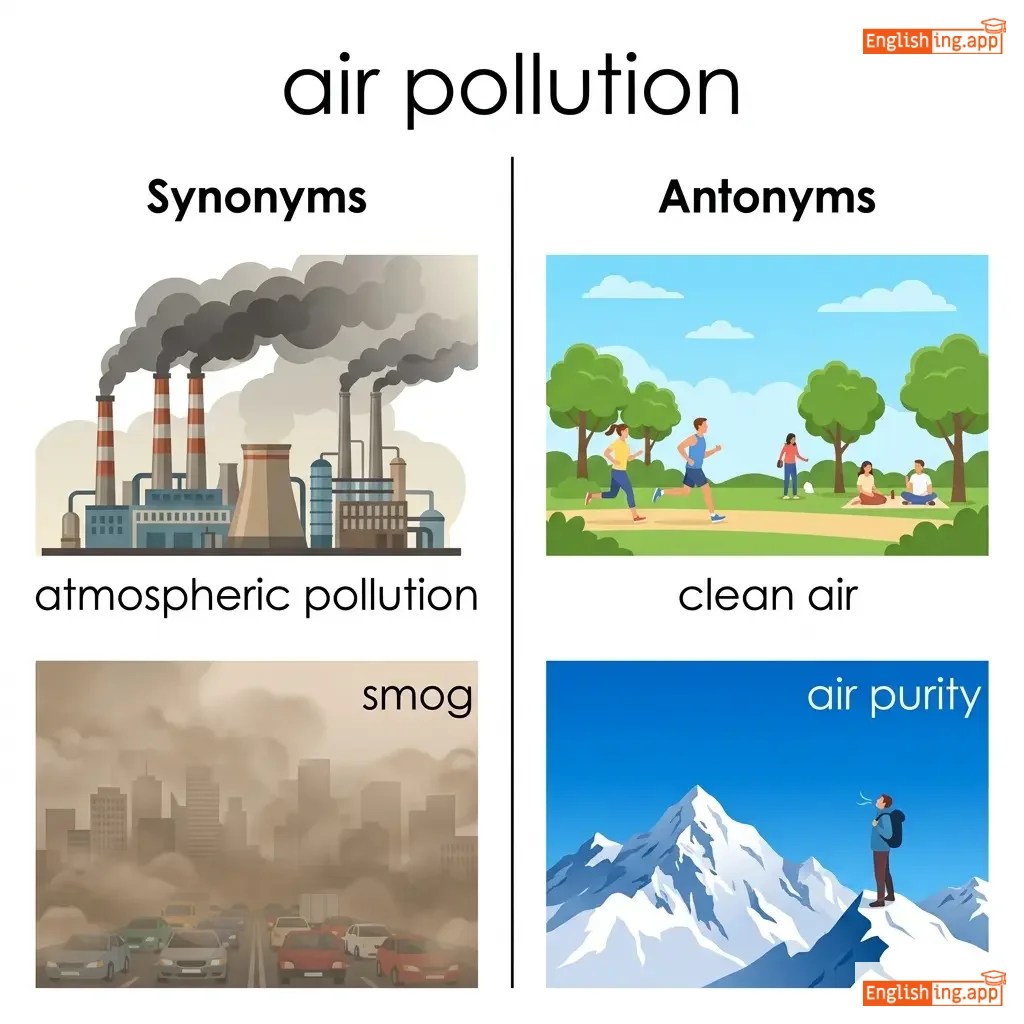
/ɛr pəˈluːʃən/
noun
••••••
|
|
The presence of harmful or poisonous substances in the air, typically caused by industrial processes, vehicle emissions, or other human activities.
••••••
|
Air pollution from factories led to the first environmental movement. |
atmospheric pollution, smog, toxic air, contaminated air, polluted atmosphere, airborne toxins
••••••
|
clean air, air purity, fresh air, unpolluted atmosphere, pristine air, pure atmosphere
••••••
|
|
#919
⚖️
|
/ˈæl.kə.laɪ ækt/
noun
••••••
|
|
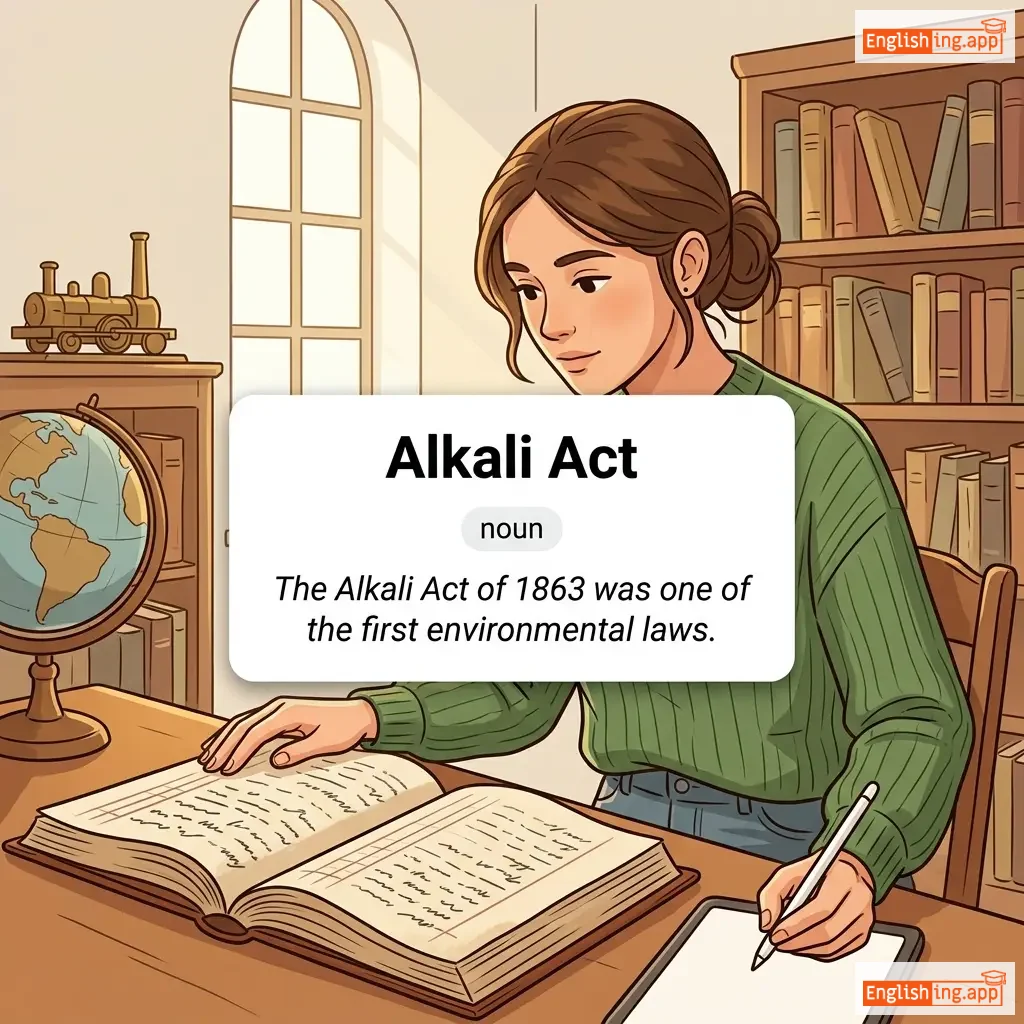
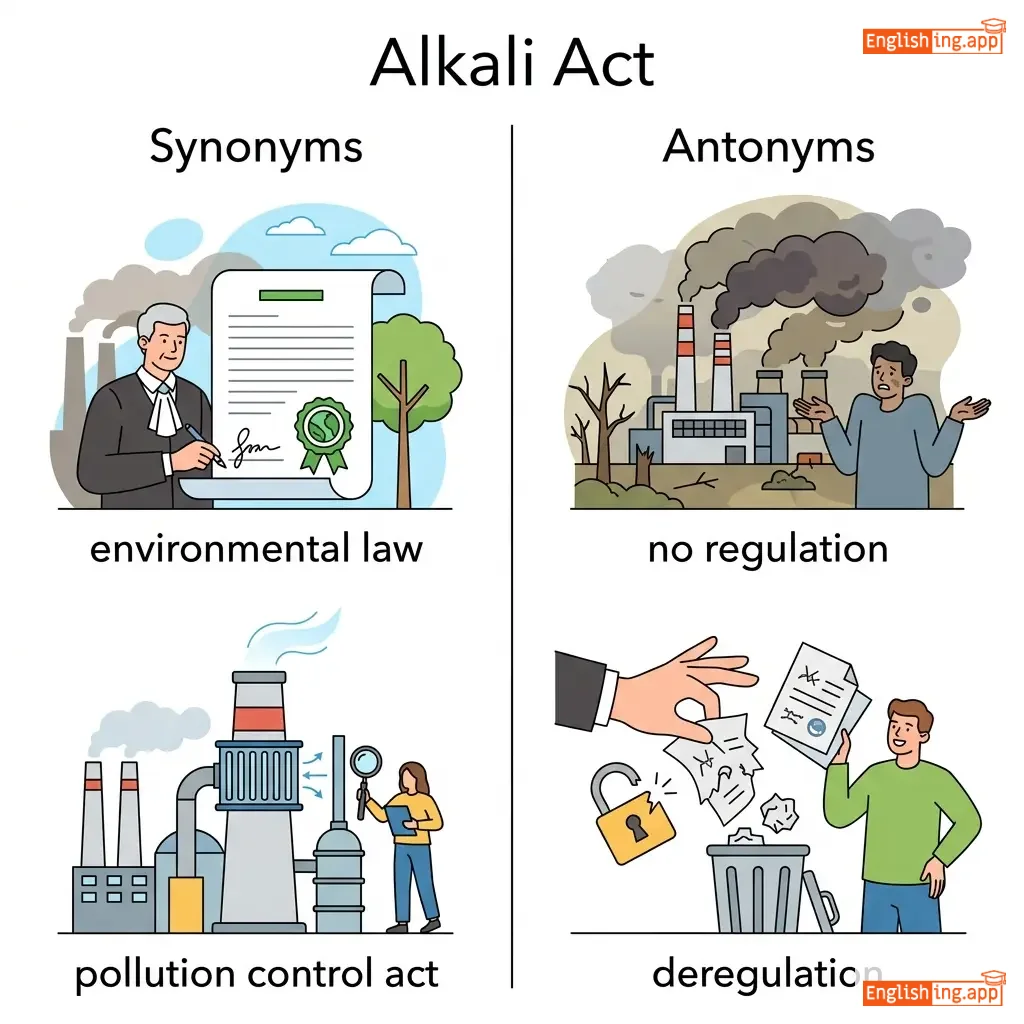
A British law passed in 1863 to regulate the emission of hydrochloric acid gas from alkali works, representing one of the first pieces of environmental legislation.
••••••
|
The Alkali Act of 1863 was one of the first environmental laws. |
environmental law, pollution control act, regulatory legislation, environmental regulation, industrial control law, emission control act
••••••
|
no regulation, deregulation, lawlessness, uncontrolled emission, environmental neglect, industrial freedom
••••••
|
|
#920
🦎
|
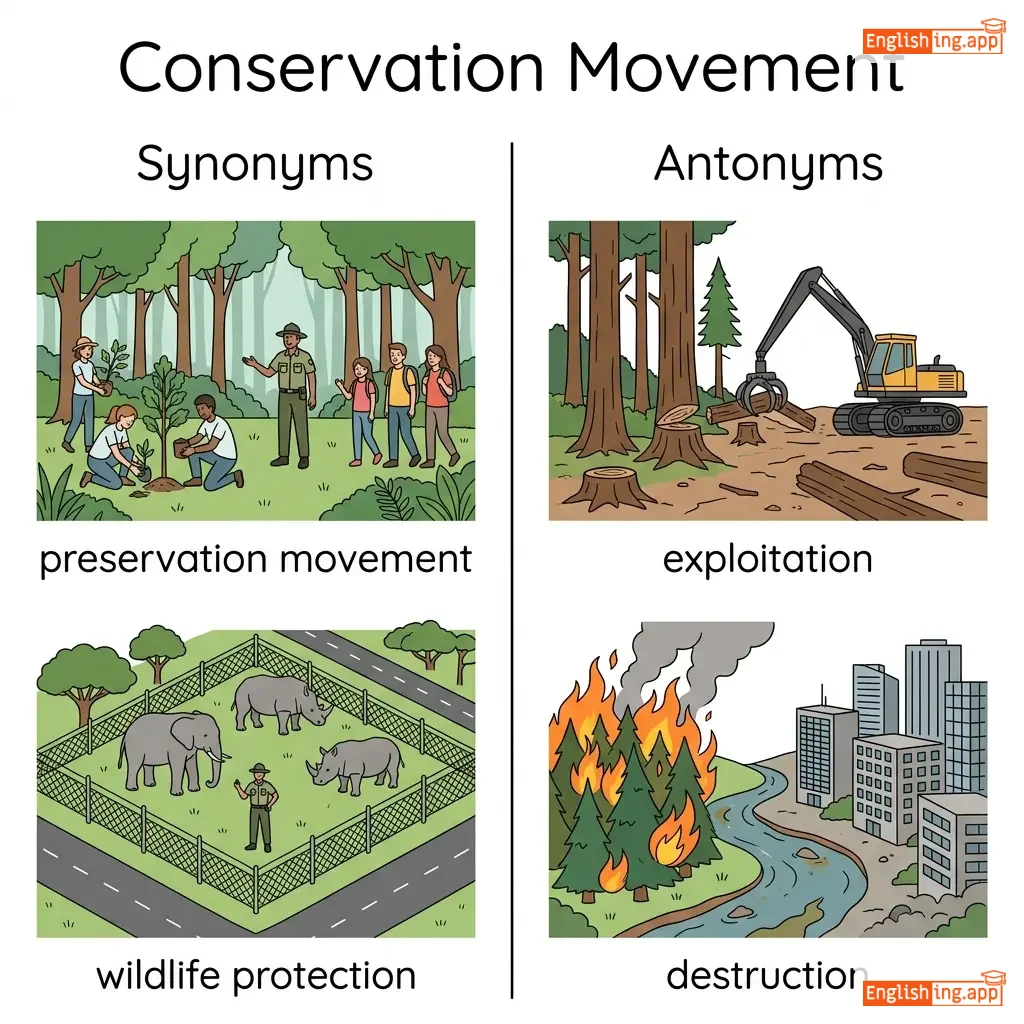
/ˌkɒnsərˈveɪʃən ˈmuːvmənt/
noun
••••••
|
|
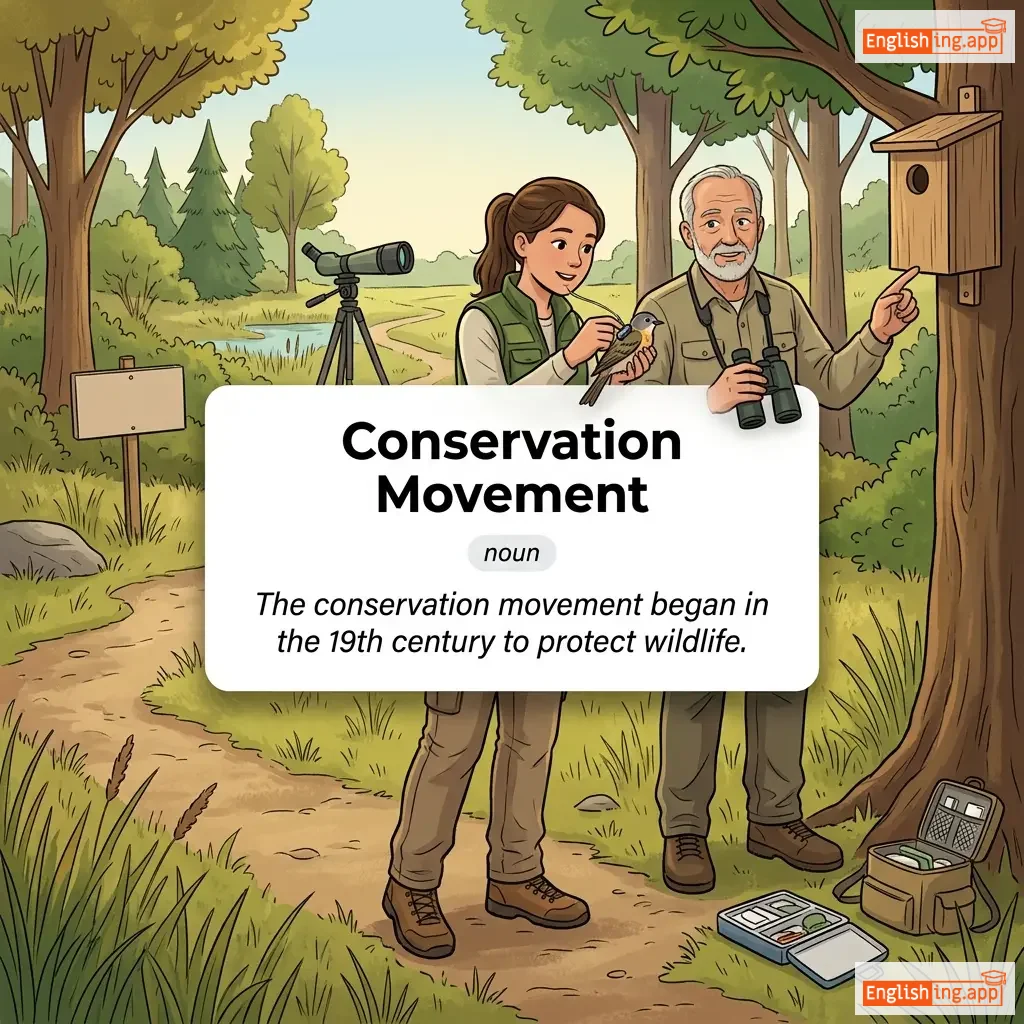
A political, environmental, and social movement that seeks to protect natural resources including plant and animal species as well as their habitat for the future.
••••••
|
The conservation movement began in the 19th century to protect wildlife. |
preservation movement, wildlife protection, natural resource protection, environmental conservation, ecological preservation, nature conservation
••••••
|
exploitation, destruction, depletion, overuse, environmental degradation, resource depletion
••••••
|
|
#921
🏔️
|
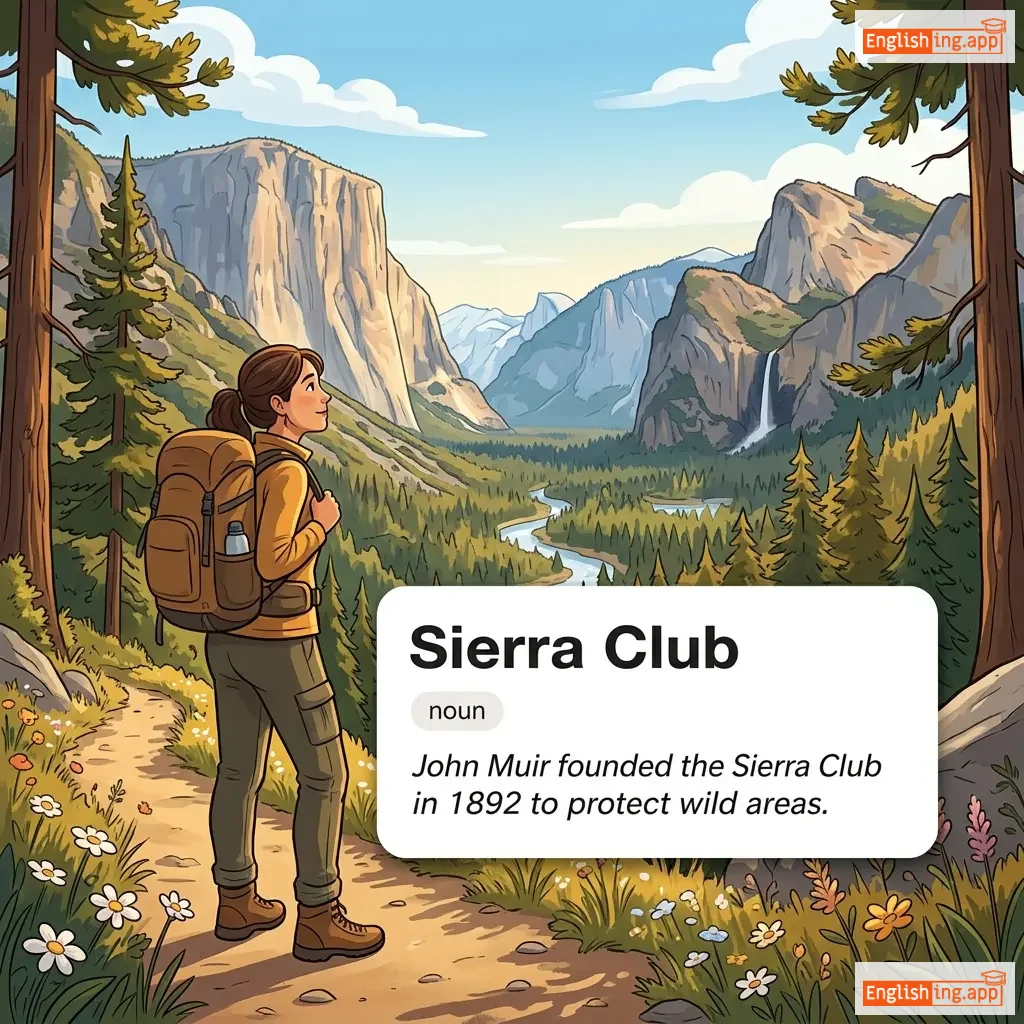
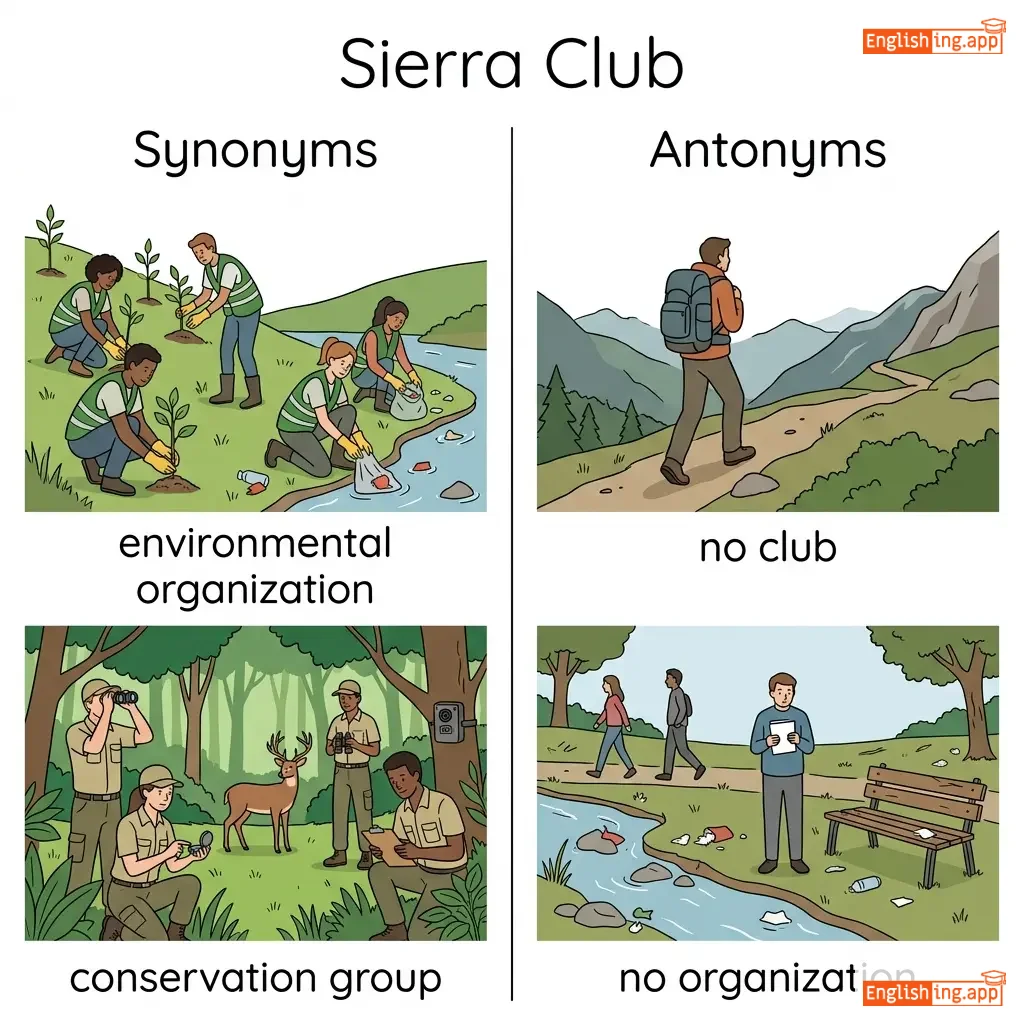
/siˈɛrə klʌb/
noun
••••••
|
|
An American environmental organization founded in 1892 by John Muir, focused on promoting conservation of the natural environment by influencing public policy decisions.
••••••
|
John Muir founded the Sierra Club in 1892 to protect wild areas. |
environmental organization, conservation group, nature protection society, ecological club, wilderness society, green organization
••••••
|
no club, no organization, environmental destruction group, anti-conservation society, exploitation organization, industrial lobby
••••••
|
|
#922
🦏
|
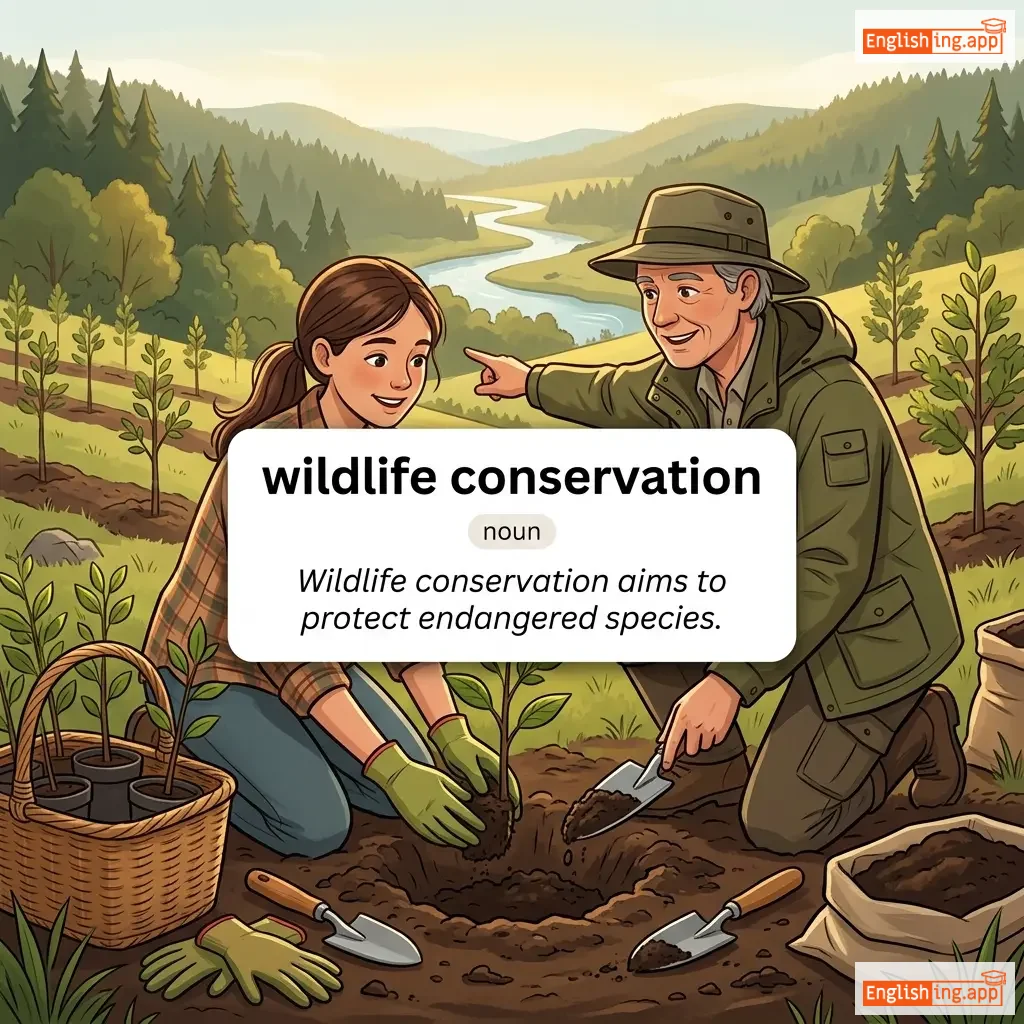
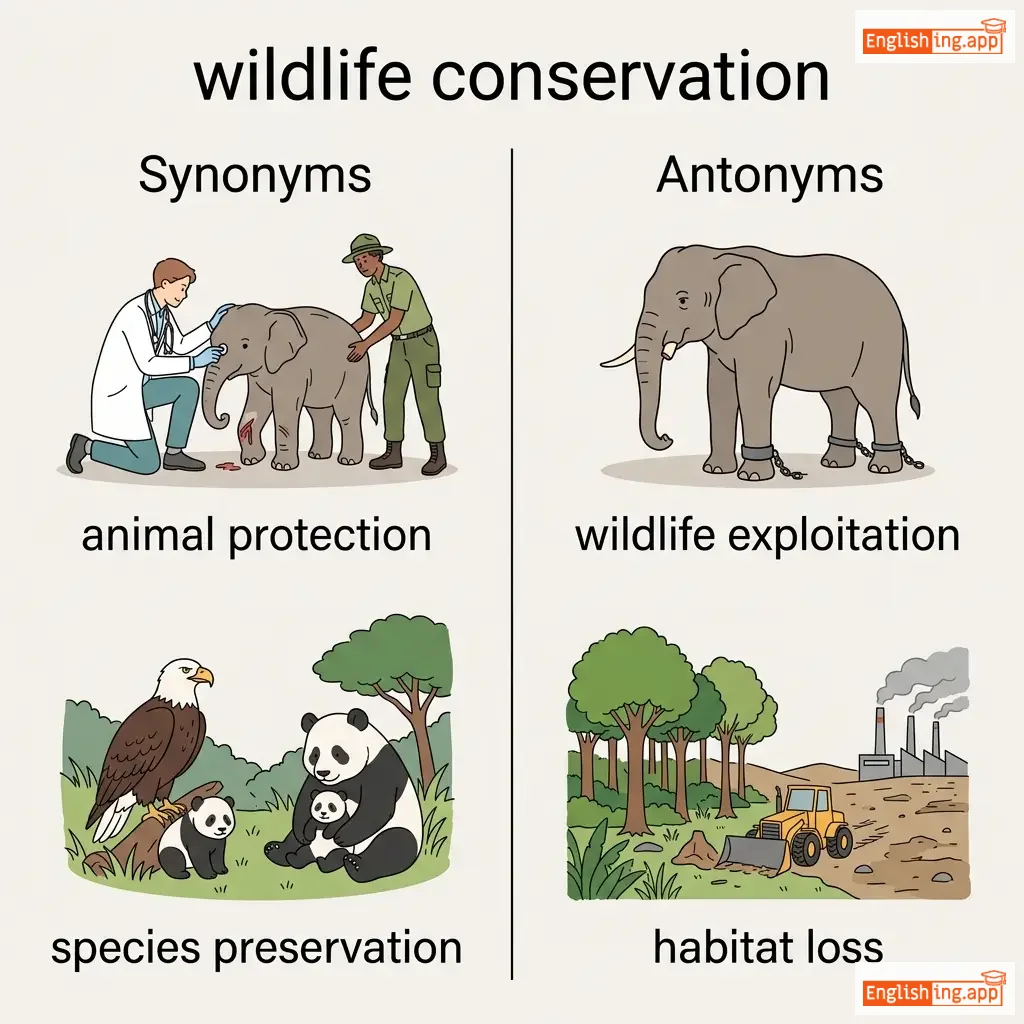
/ˈwaɪld.laɪf ˌkɒnsərˈveɪʃən/
noun
••••••
|
|
The practice of protecting wild animal species and their habitats in order to maintain healthy wildlife species or populations and to restore, protect or enhance natural ecosystems.
••••••
|
Wildlife conservation aims to protect endangered species. |
animal protection, species preservation, habitat conservation, biodiversity protection, ecological conservation, nature preservation
••••••
|
wildlife exploitation, habitat loss, species extinction, environmental destruction, poaching, deforestation
••••••
|

