Umweltbewegung

Environmental Movement

Weltumwelttag: Globale Umweltbewusstseinsbildung und die Geschichte der Bewegung

Am 5. Juni wird weltweit der World Environment Day gefeiert. Seit 1974 spielt dieser Tag eine entscheidende Rolle bei der Förderung des global environmental awareness. Der erste World Environment Day hatte das theme „Only One Earth“, das auch heute noch relevant ist. Die Geschichte der environmental movement begann jedoch viel früher.

Ursprünge der Umweltbewegung

Die erste environmental movement begann während der Industrial Revolution im 19. Jahrhundert in England. Die air pollution aus Fabriken beeinträchtigte die health der städtischen Bevölkerung, und die urban middle-class beteiligte sich an der Bewegung. Infolgedessen wurde 1863 der Alkali Act verabschiedet und das environmental law eingeführt.

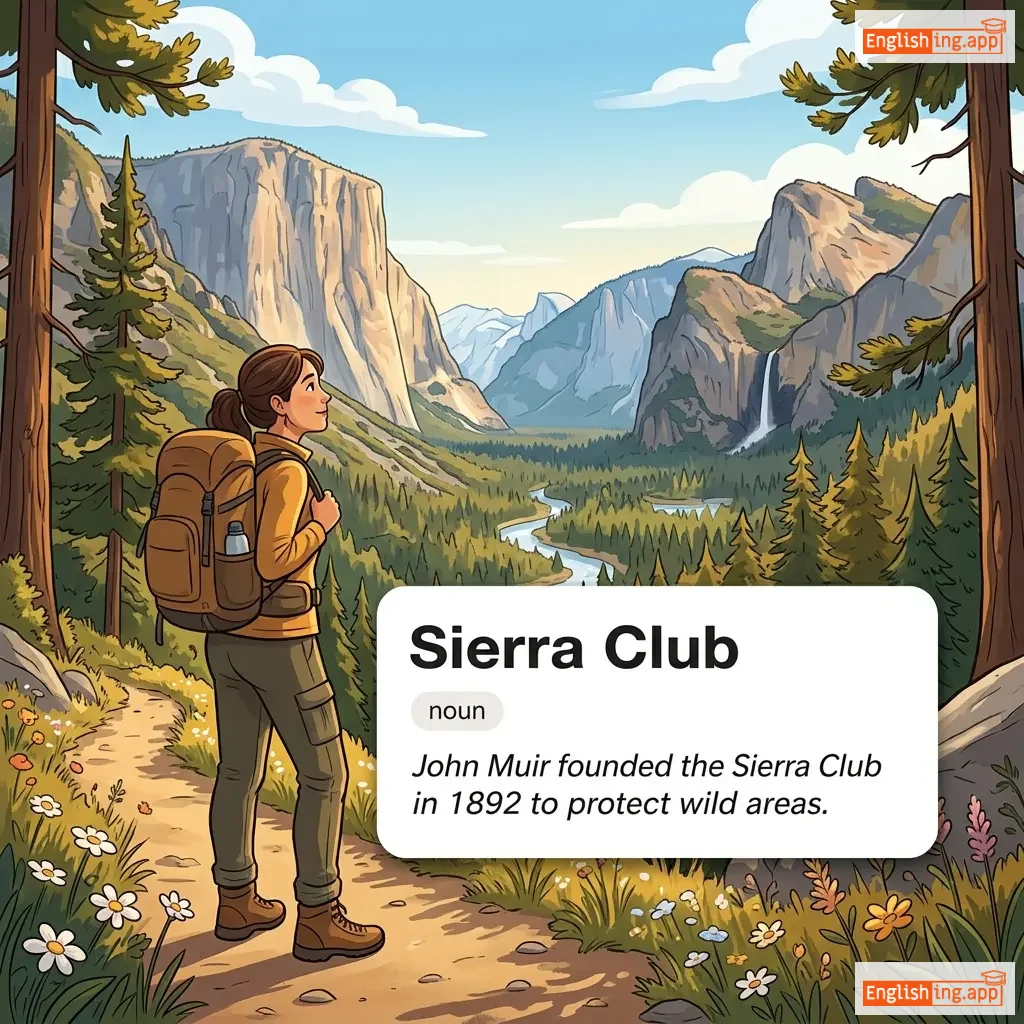
Die erste Conservation Movement der Welt begann in Indien. Diese Bewegung breitete sich in die Vereinigten Staaten und auf die global stage aus. 1892 gründete John Muir den Sierra Club, der die government attention auf die wildlife conservation und den natural resources protection lenken wollte.

Die Umweltbewegung beschränkt sich nicht auf Gesetze; sie spielt eine wichtige Rolle bei der Förderung des public awareness. Große global issues wie Climate change, deforestation und biodiversity loss stehen weiterhin im Mittelpunkt der heutigen Umweltbewegung.

Environmental MovementUmweltbewegung
/
/

Environmental MovementUmweltbewegung - Maske umschalten

Emoji
Wort Images Bedeutung Beispielsatz Synonyme Antonyme
#913
🌍
••••••
/wɜːrld ɪnˈvaɪrənmənt deɪ/
noun
••••••
••••••
An annual global event celebrated on June 5 to raise awareness about environmental protection and encourage action for environmental conservation.
••••••

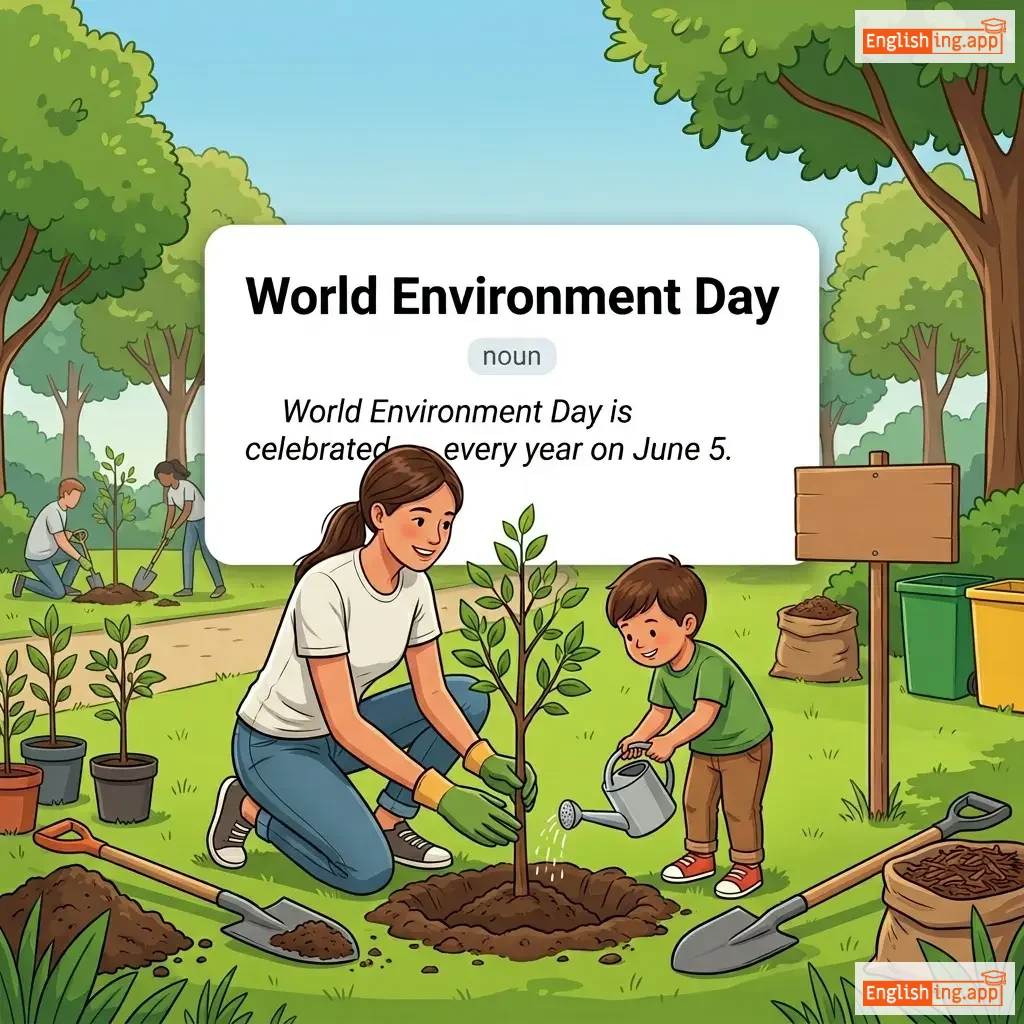
World Environment Day is celebrated every year on June 5.

••••••
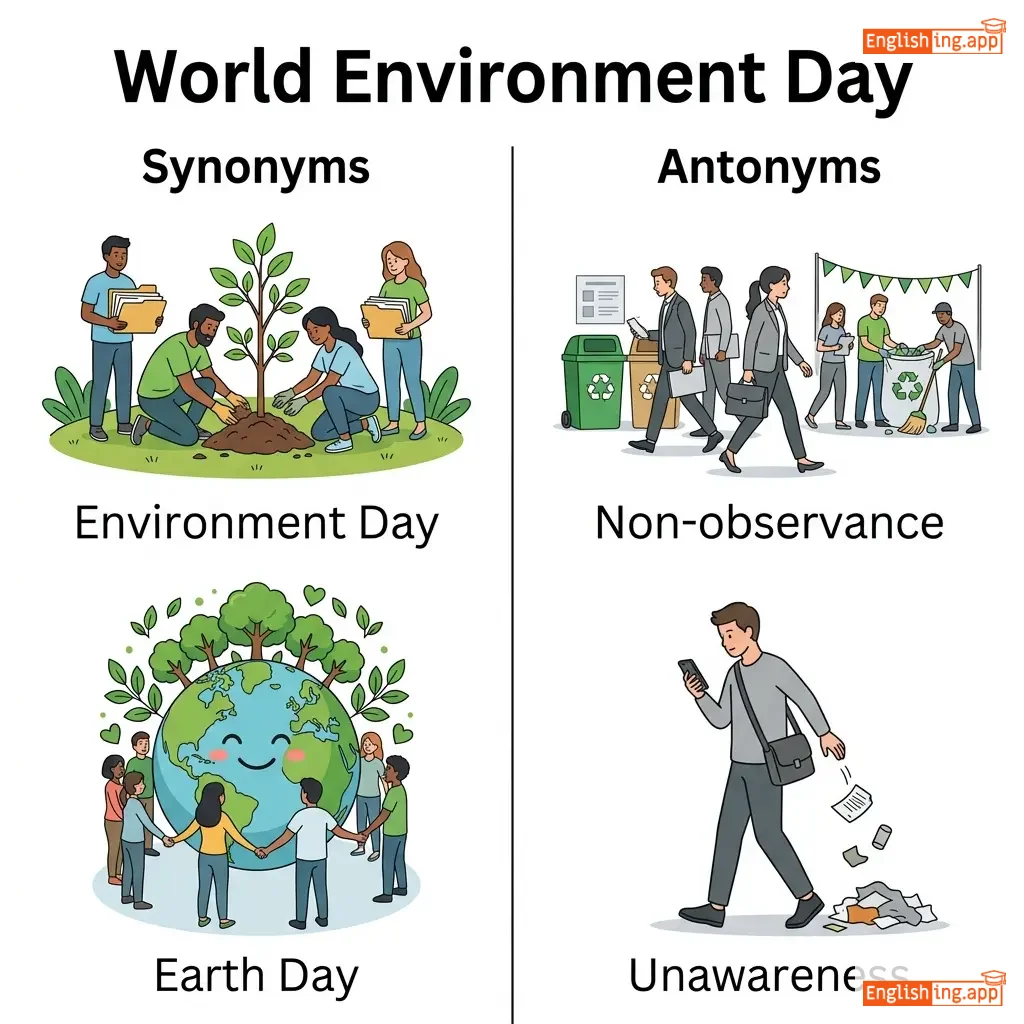
Environment Day, Earth Day, Green Day, Conservation Day, Ecology Day, Nature Day
••••••
Non-observance, Unawareness, Environmental Neglect, Pollution Day, Destruction Day, Exploitation Day
••••••
#914
🎯
••••••
/θiːm/
noun
••••••
••••••
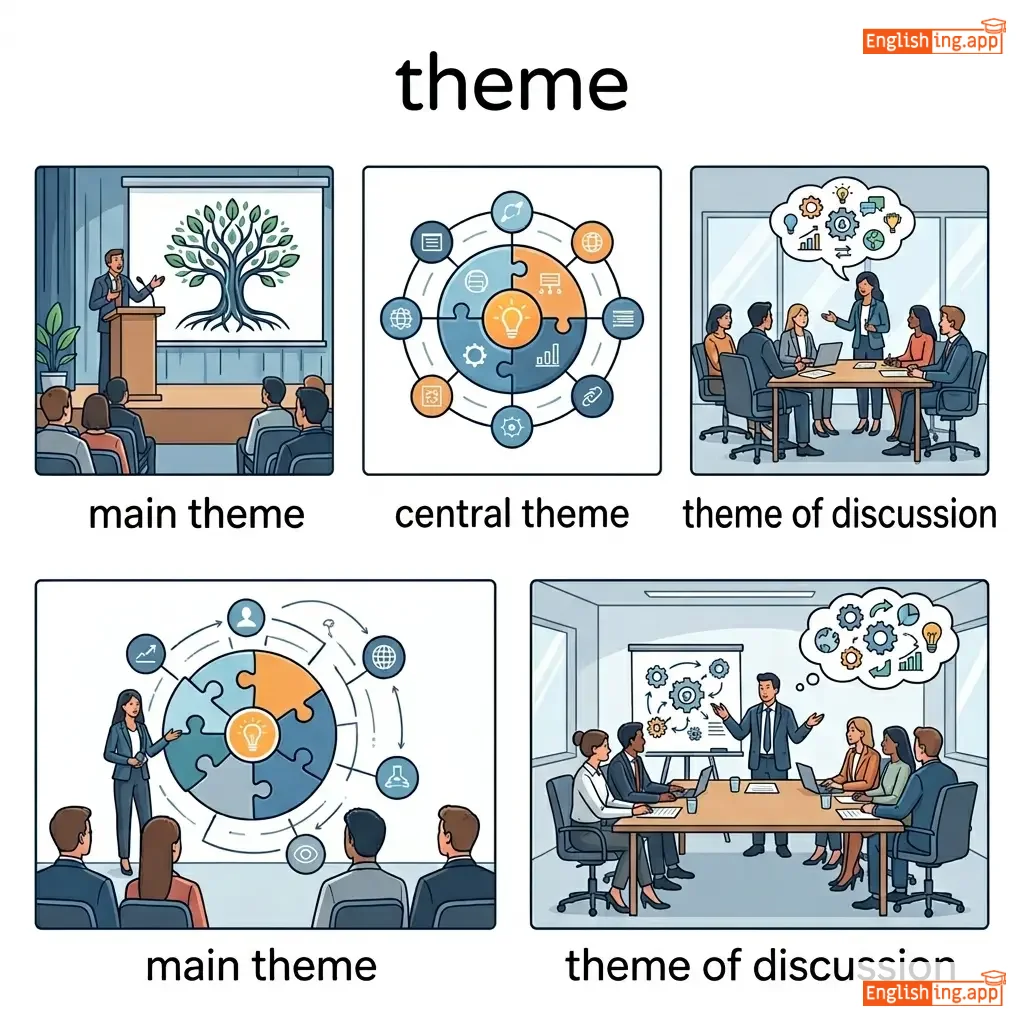
The subject or main idea of a talk, piece of writing, exhibition, etc.; a unifying idea that is a recurrent element in a literary or artistic work.
••••••

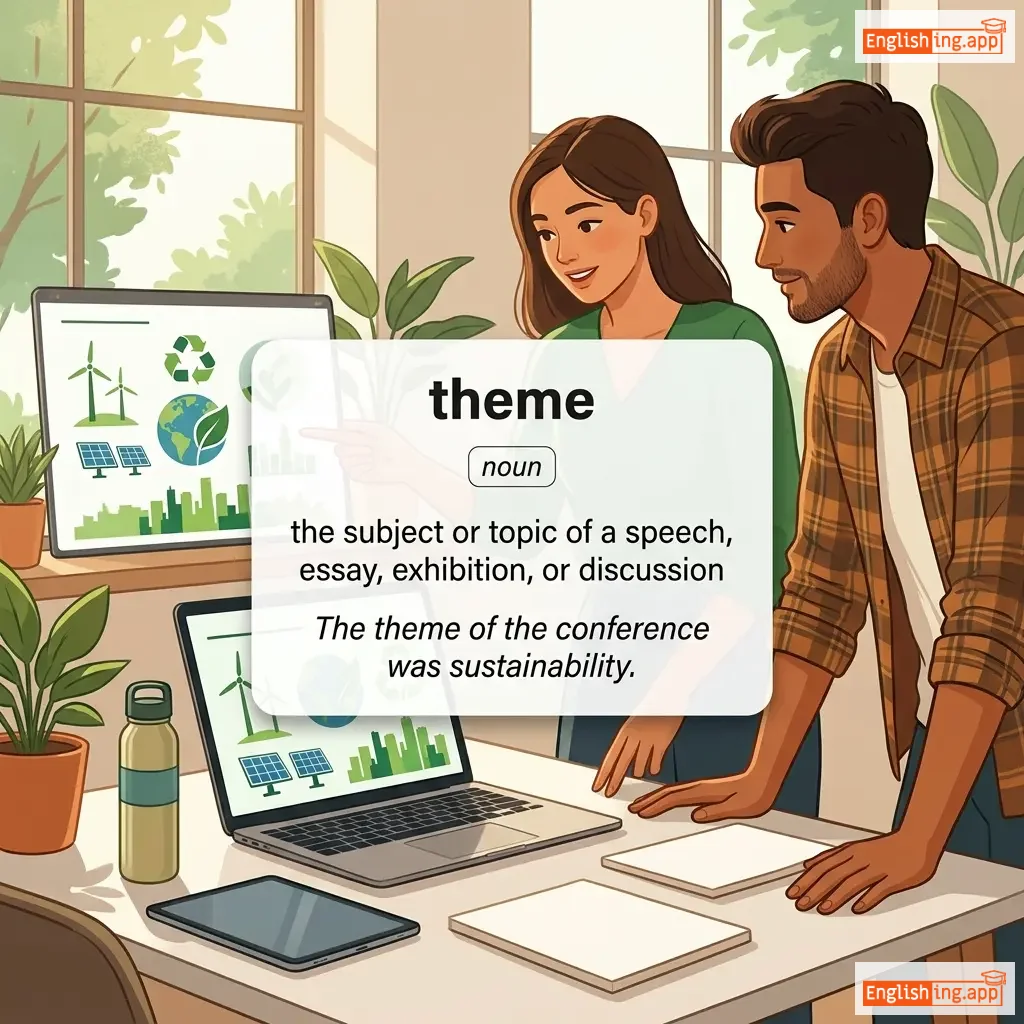
The theme of the first World Environment Day was "Only One Earth".

••••••
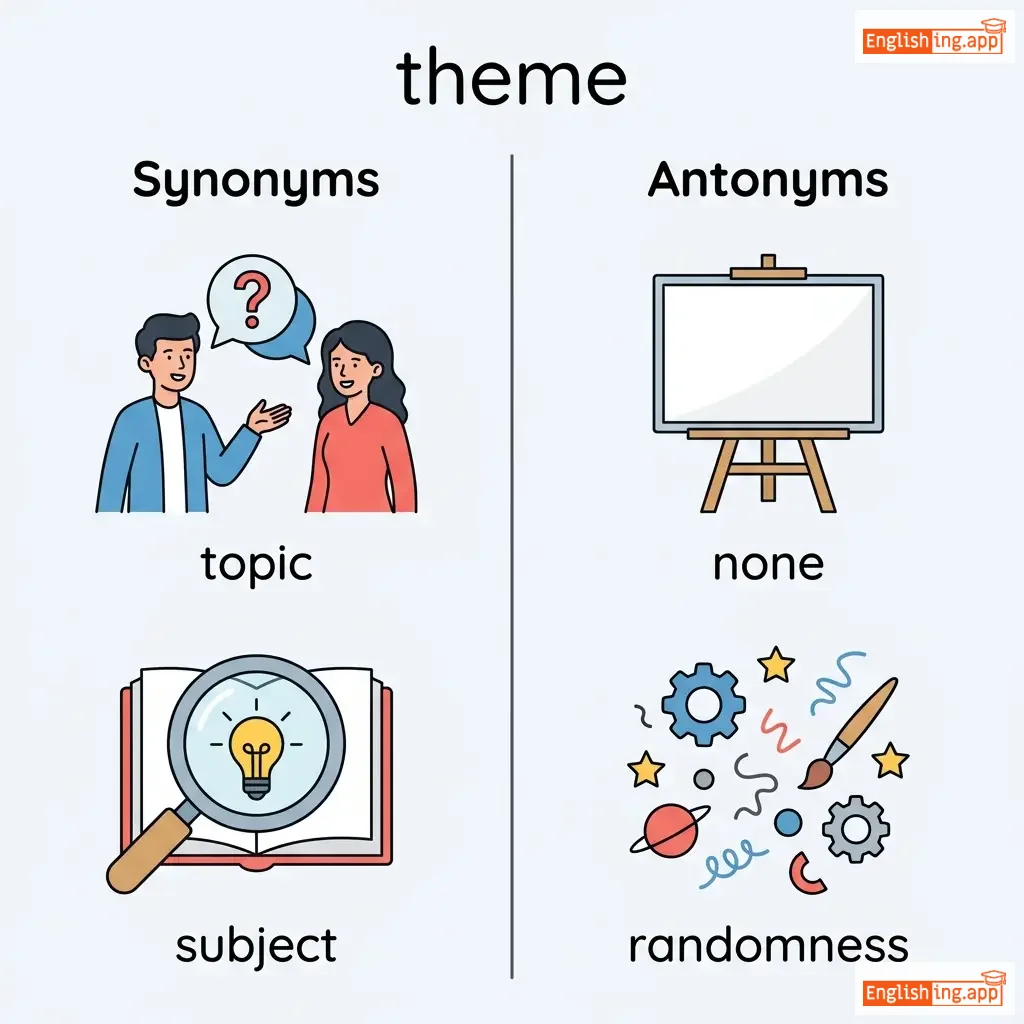
subject, topic, motif, idea, concept, message
••••••
randomness, insignificance, irrelevance, chaos, disorder, confusion
••••••
#915
🌐
••••••
/ˈɡloʊbəl əˈwɛrnɪs/
noun
••••••
••••••
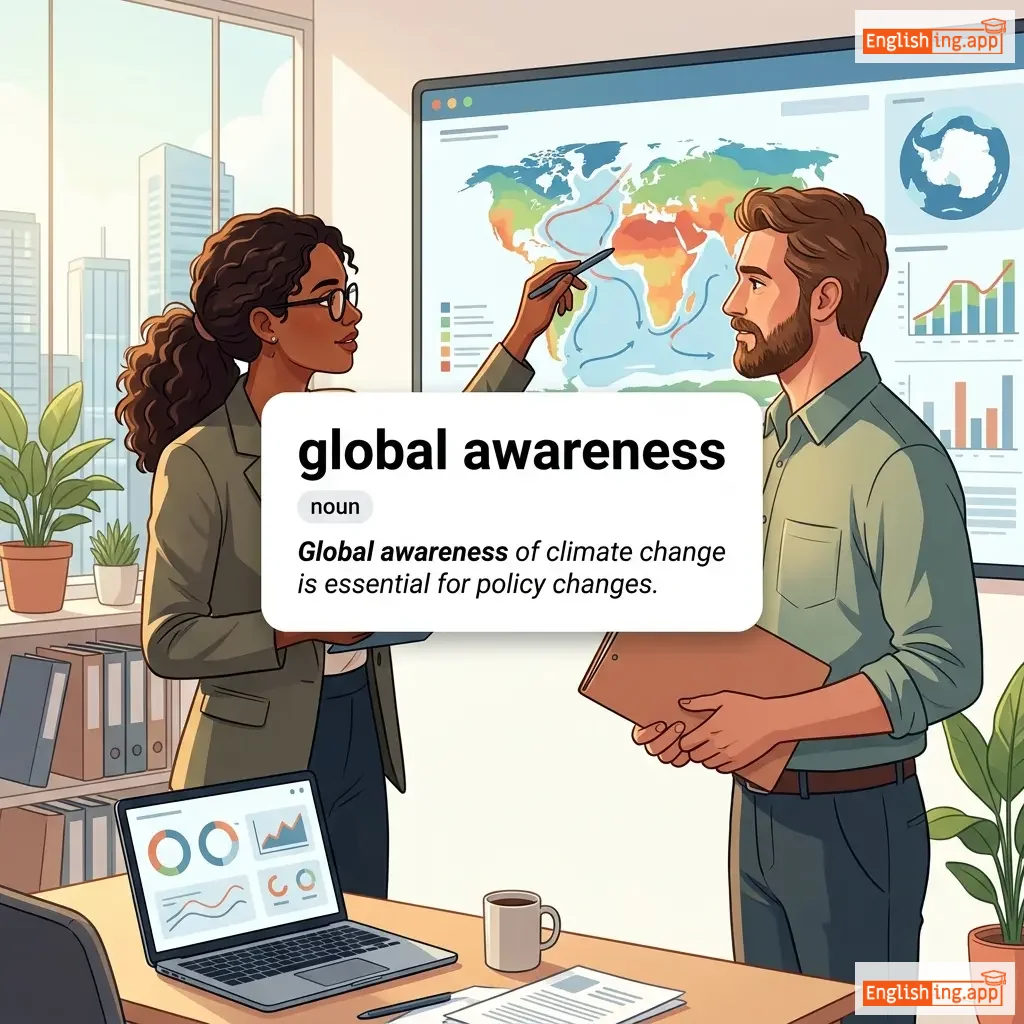
Worldwide consciousness and understanding of important issues that affect people globally, leading to informed action and policy changes.
••••••

Global awareness of climate change is essential for policy changes.

••••••
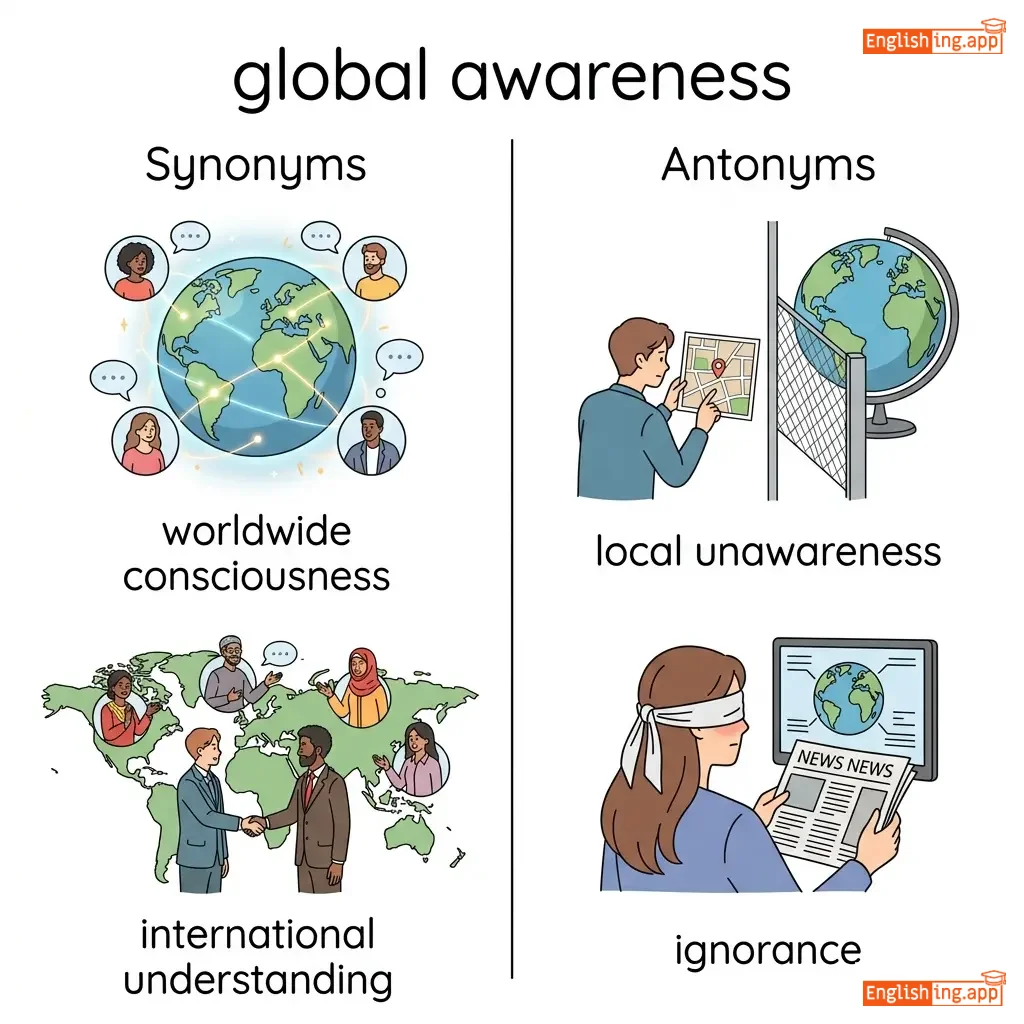
worldwide consciousness, international understanding, global recognition, universal knowledge, planetary awareness, collective consciousness
••••••
local unawareness, ignorance, indifference, apathy, unconsciousness, obliviousness
••••••
#916
🏭
••••••
/ɪnˈdʌstriəl ˌrɛvəˈluːʃən/
noun
••••••
••••••
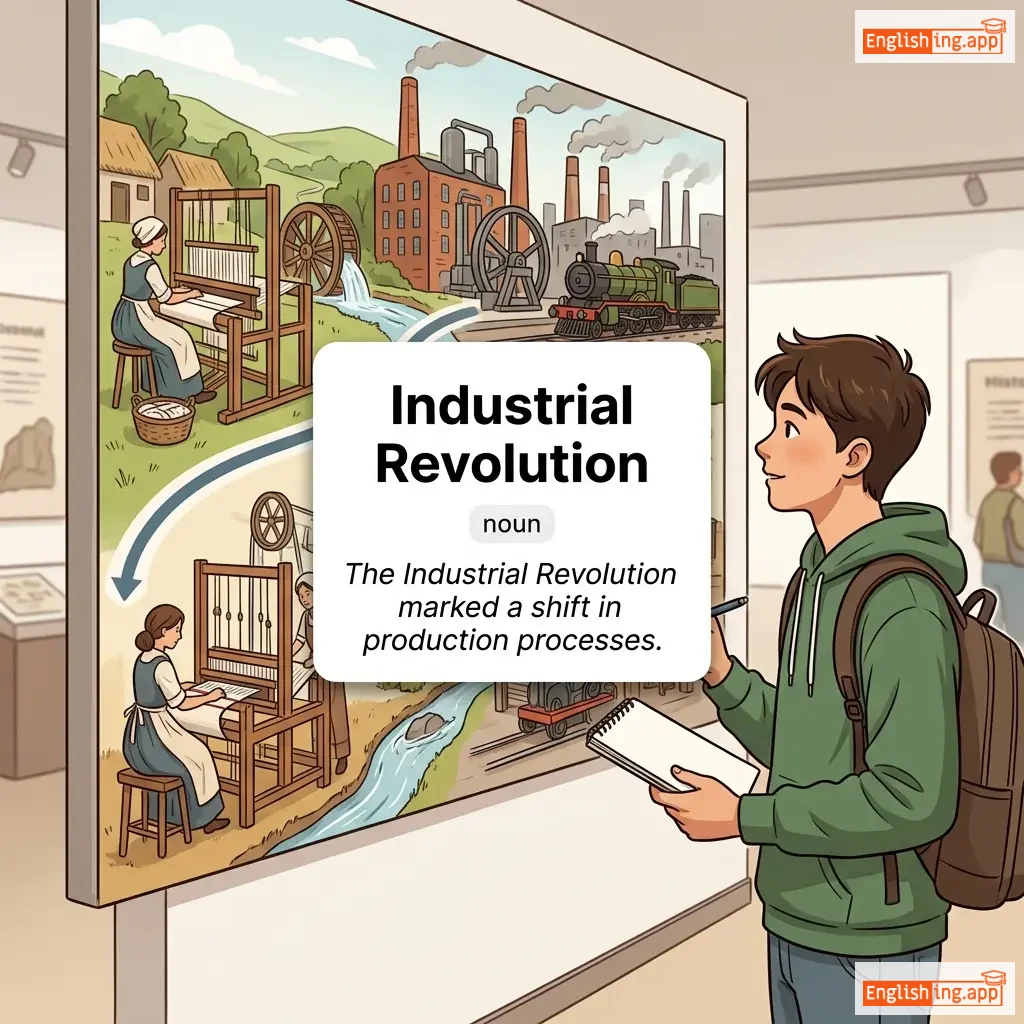
The rapid development of industry that occurred in Britain in the late 18th and 19th centuries, brought about by the introduction of machinery and characterized by the use of steam power and the growth of factories.
••••••

The Industrial Revolution marked a shift in production processes.

••••••
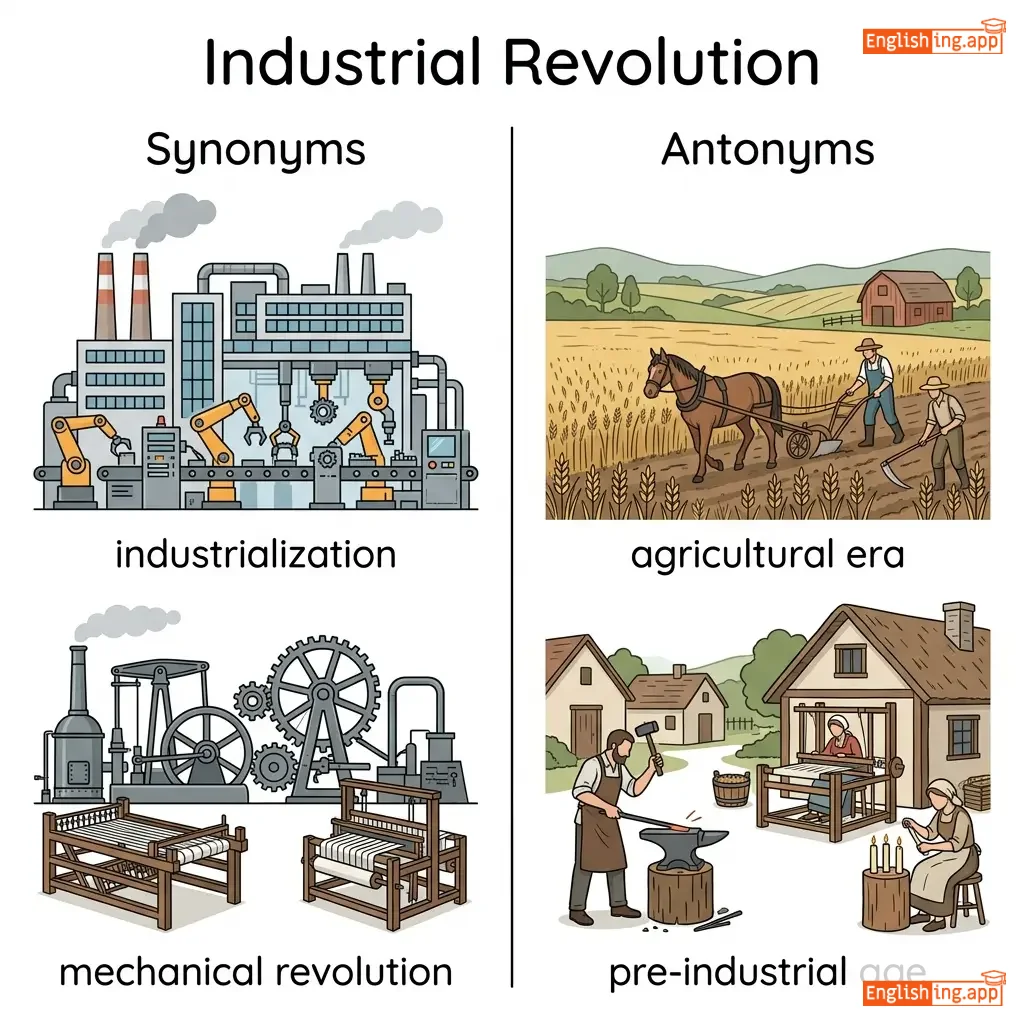
industrialization, mechanical revolution, factory system, manufacturing revolution, technological advancement, economic transformation
••••••
agricultural era, pre-industrial age, deindustrialization, traditional economy, manual production, craft economy
••••••
#917
🌱
••••••
/ɪnˌvaɪrənˈmɛntəl ˈmuːvmənt/
noun
••••••
••••••
A social or political movement aimed at protecting the environment and promoting sustainable practices through advocacy, education, and policy changes.
••••••

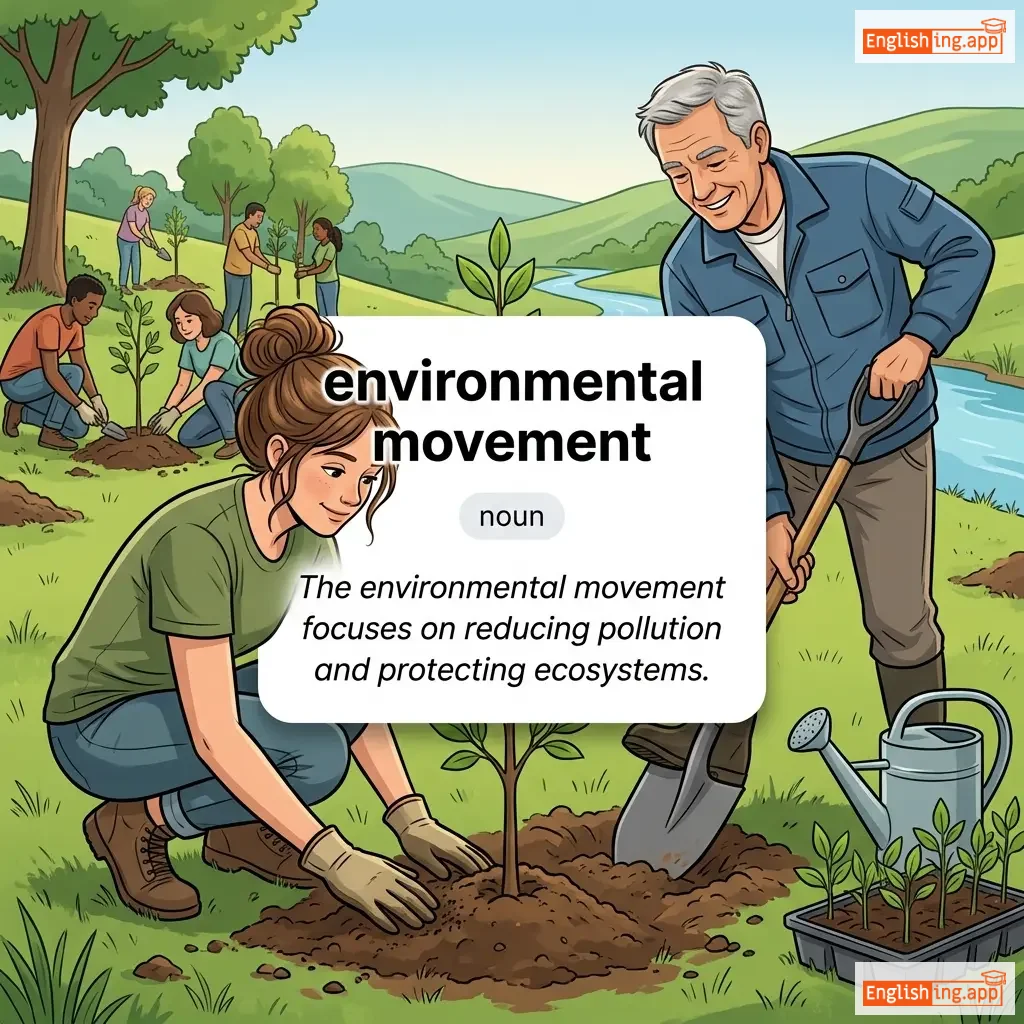
The environmental movement focuses on reducing pollution and protecting ecosystems.

••••••
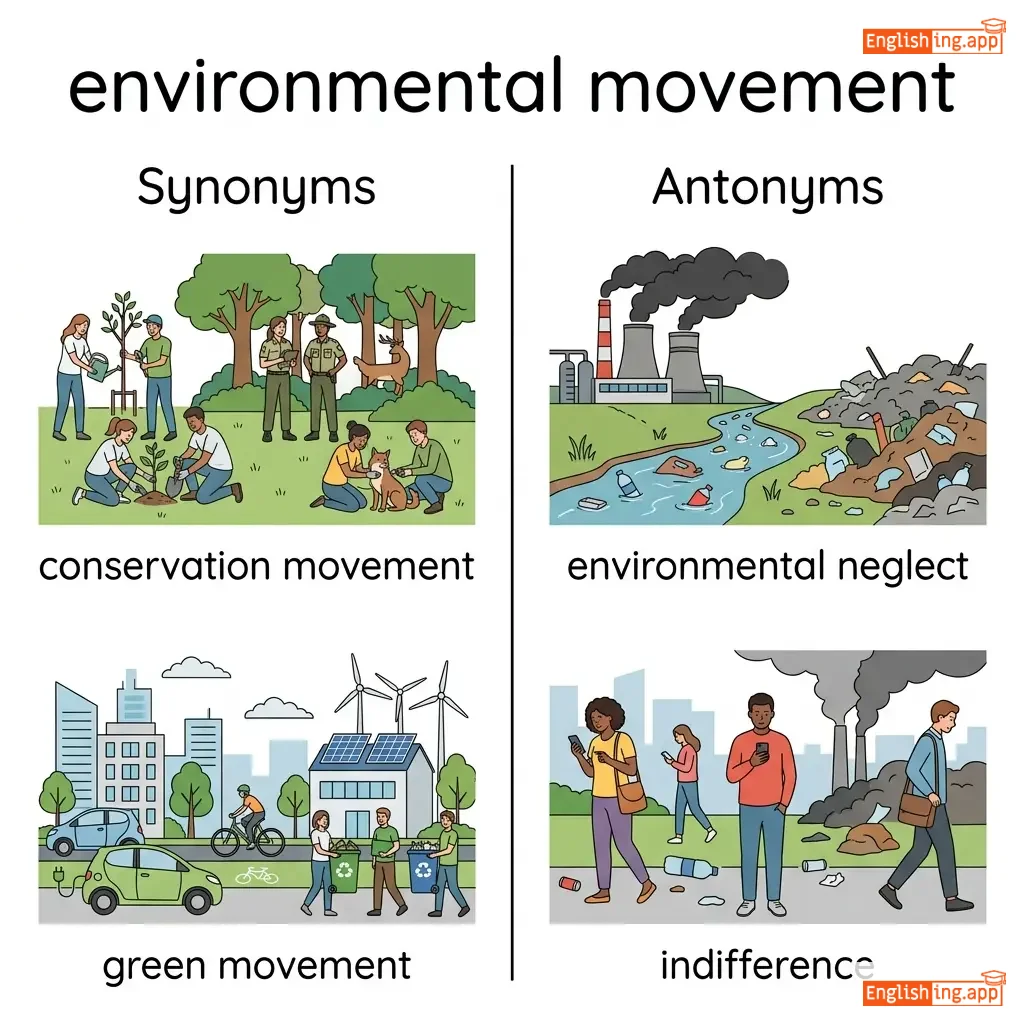
conservation movement, green movement, ecological activism, environmental activism, sustainability movement, eco-movement
••••••
environmental neglect, indifference, exploitation, destruction, pollution advocacy, anti-environmental stance
••••••
#918
🏭
••••••
/ɛr pəˈluːʃən/
noun
••••••
••••••
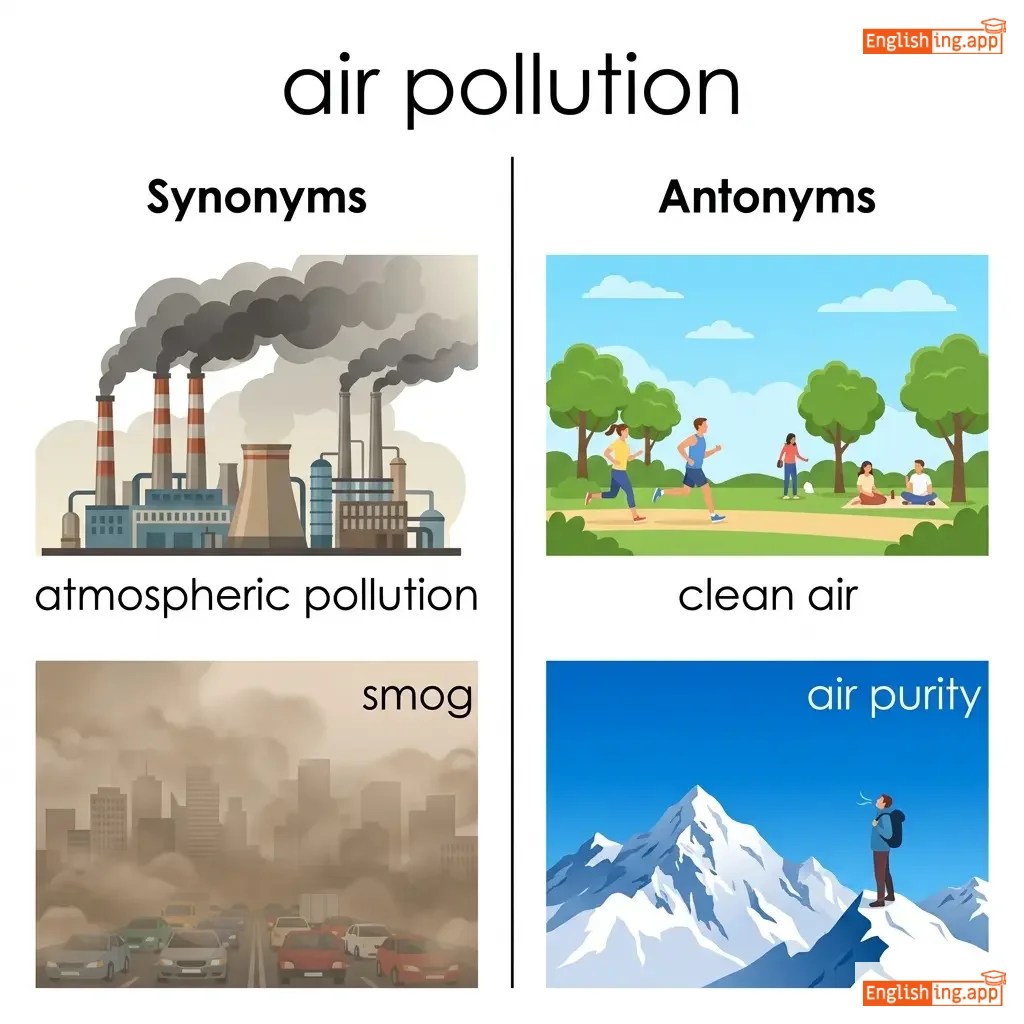
The presence of harmful or poisonous substances in the air, typically caused by industrial processes, vehicle emissions, or other human activities.
••••••

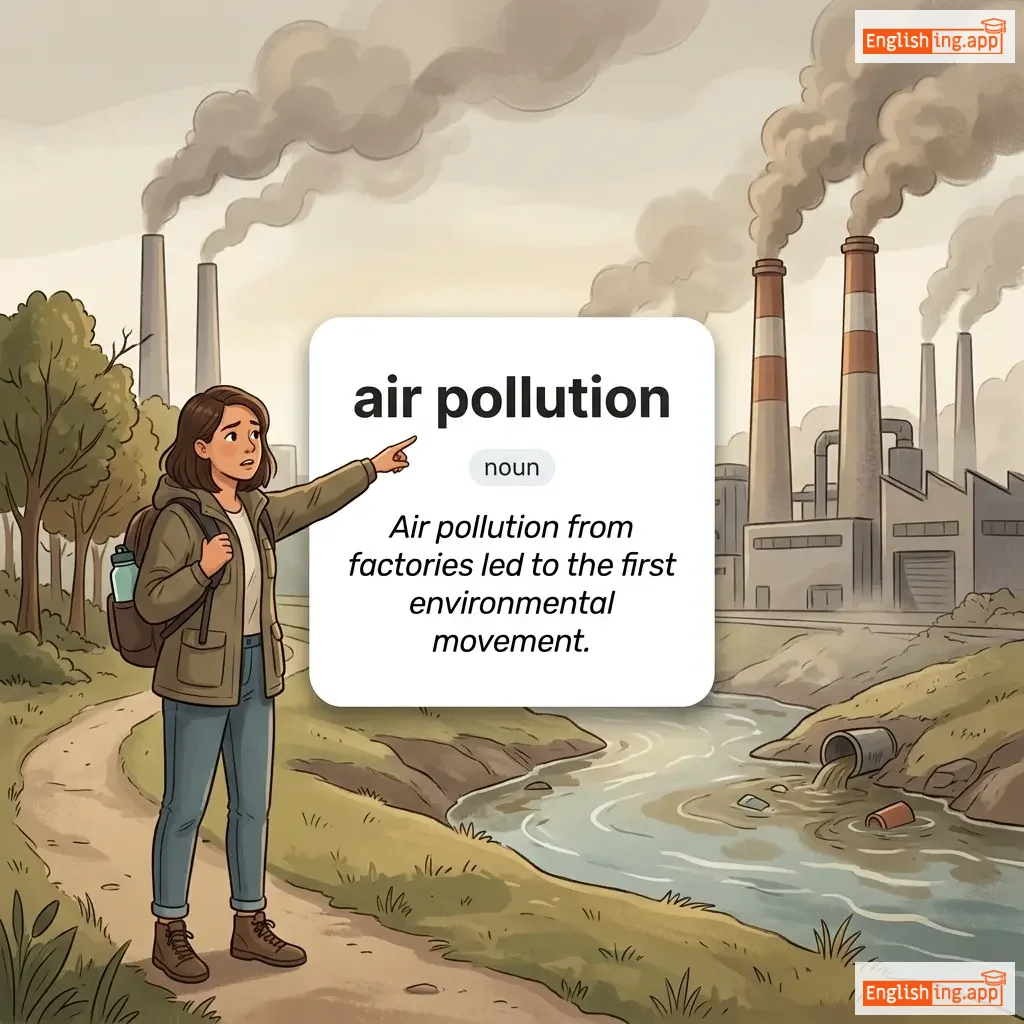
Air pollution from factories led to the first environmental movement.

••••••
atmospheric pollution, smog, toxic air, contaminated air, polluted atmosphere, airborne toxins
••••••
clean air, air purity, fresh air, unpolluted atmosphere, pristine air, pure atmosphere
••••••
#919
⚖️
••••••
/ˈæl.kə.laɪ ækt/
noun
••••••
••••••
A British law passed in 1863 to regulate the emission of hydrochloric acid gas from alkali works, representing one of the first pieces of environmental legislation.
••••••

The Alkali Act of 1863 was one of the first environmental laws.

••••••
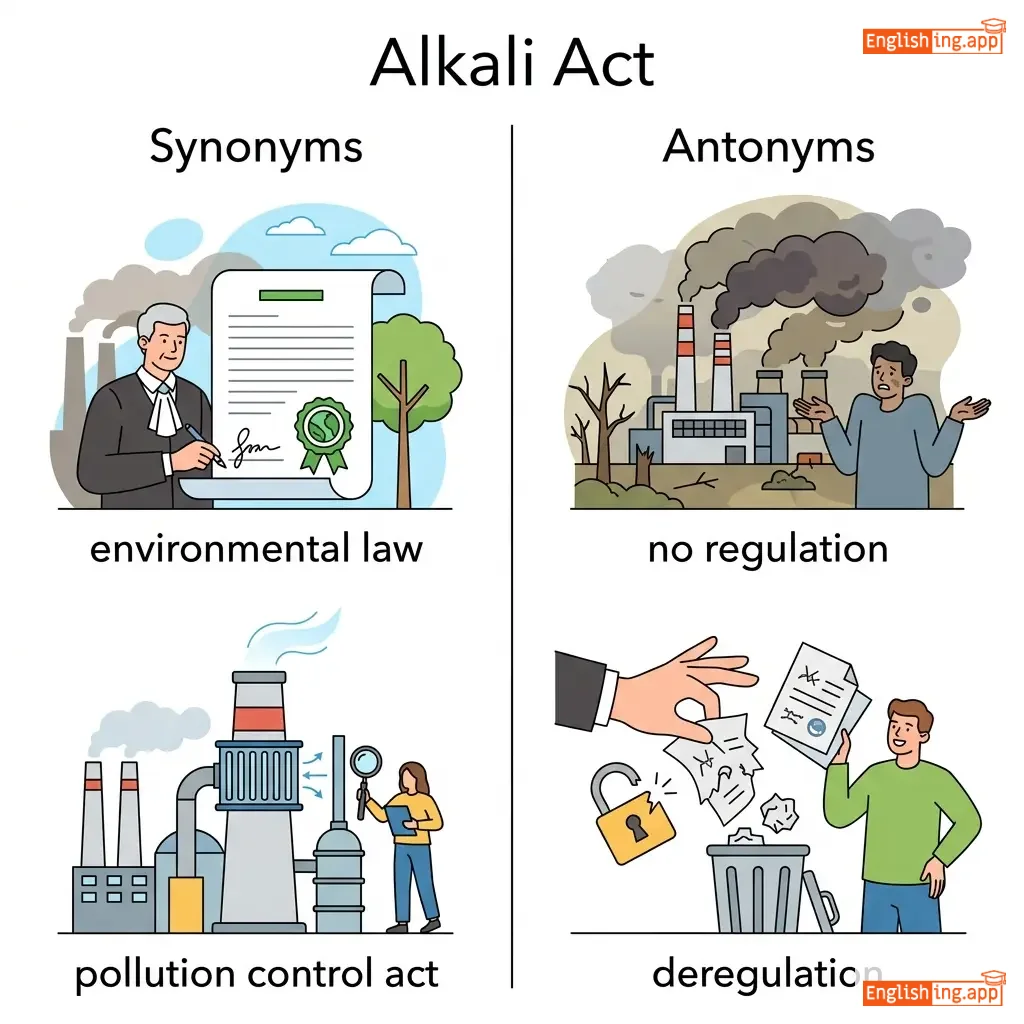
environmental law, pollution control act, regulatory legislation, environmental regulation, industrial control law, emission control act
••••••
no regulation, deregulation, lawlessness, uncontrolled emission, environmental neglect, industrial freedom
••••••
#920
🦎
••••••
/ˌkɒnsərˈveɪʃən ˈmuːvmənt/
noun
••••••
••••••
A political, environmental, and social movement that seeks to protect natural resources including plant and animal species as well as their habitat for the future.
••••••

The conservation movement began in the 19th century to protect wildlife.

••••••
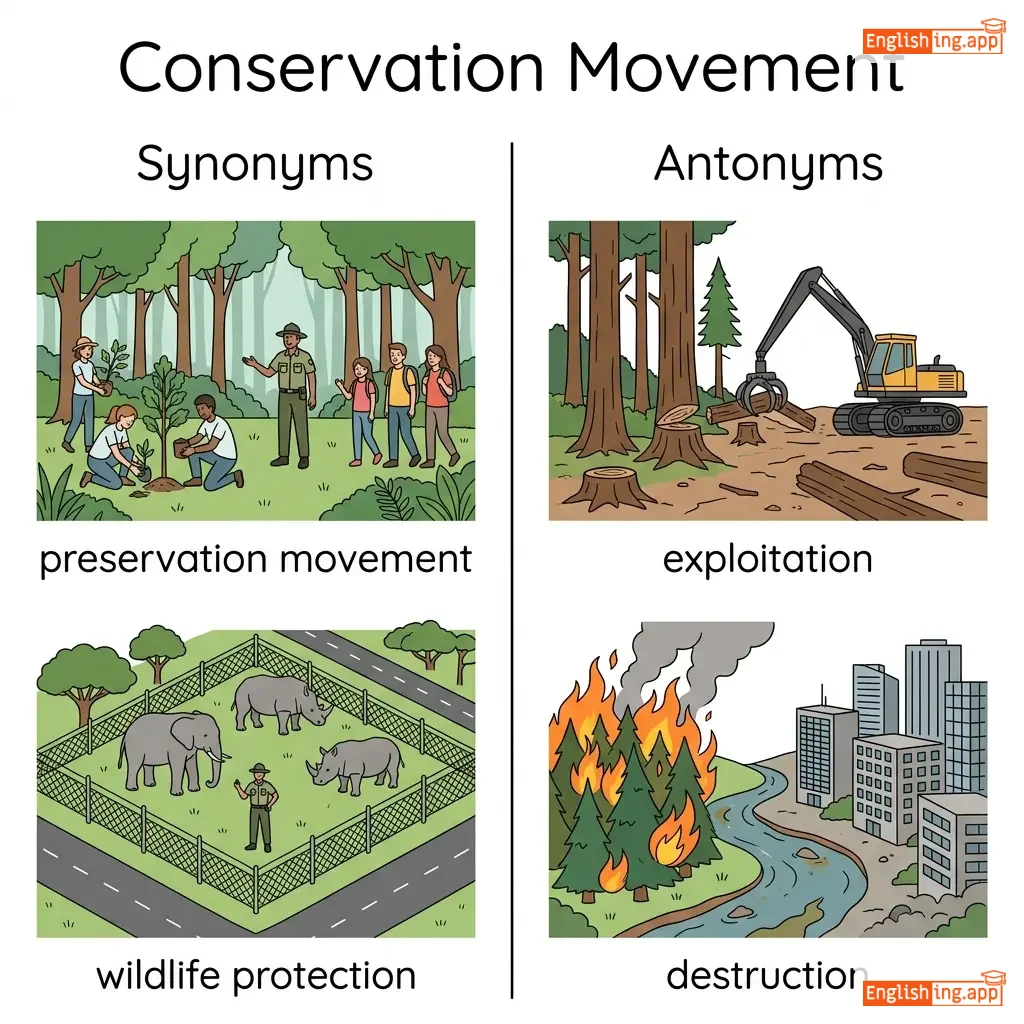
preservation movement, wildlife protection, natural resource protection, environmental conservation, ecological preservation, nature conservation
••••••
exploitation, destruction, depletion, overuse, environmental degradation, resource depletion
••••••
#921
🏔️
••••••
/siˈɛrə klʌb/
noun
••••••
••••••
An American environmental organization founded in 1892 by John Muir, focused on promoting conservation of the natural environment by influencing public policy decisions.
••••••

John Muir founded the Sierra Club in 1892 to protect wild areas.

••••••
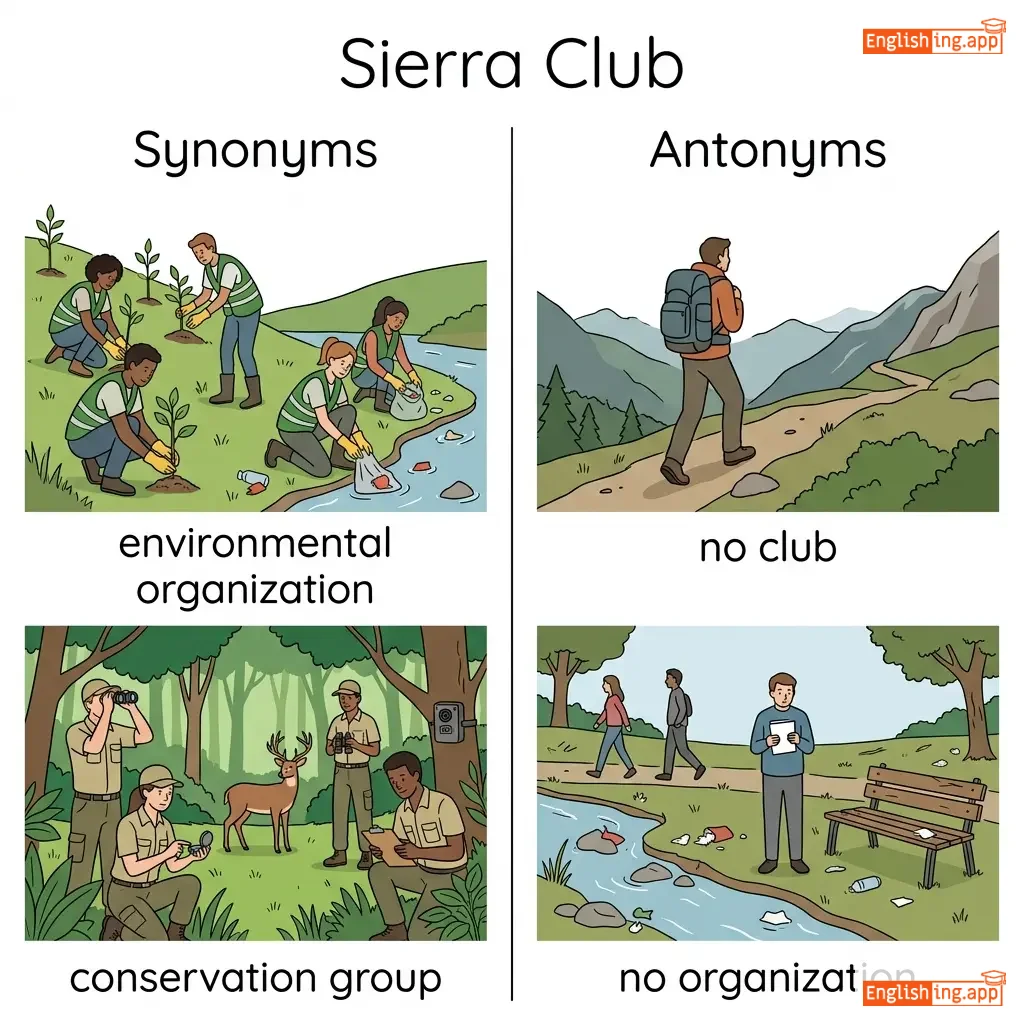
environmental organization, conservation group, nature protection society, ecological club, wilderness society, green organization
••••••
no club, no organization, environmental destruction group, anti-conservation society, exploitation organization, industrial lobby
••••••
#922
🦏
••••••
/ˈwaɪld.laɪf ˌkɒnsərˈveɪʃən/
noun
••••••
••••••
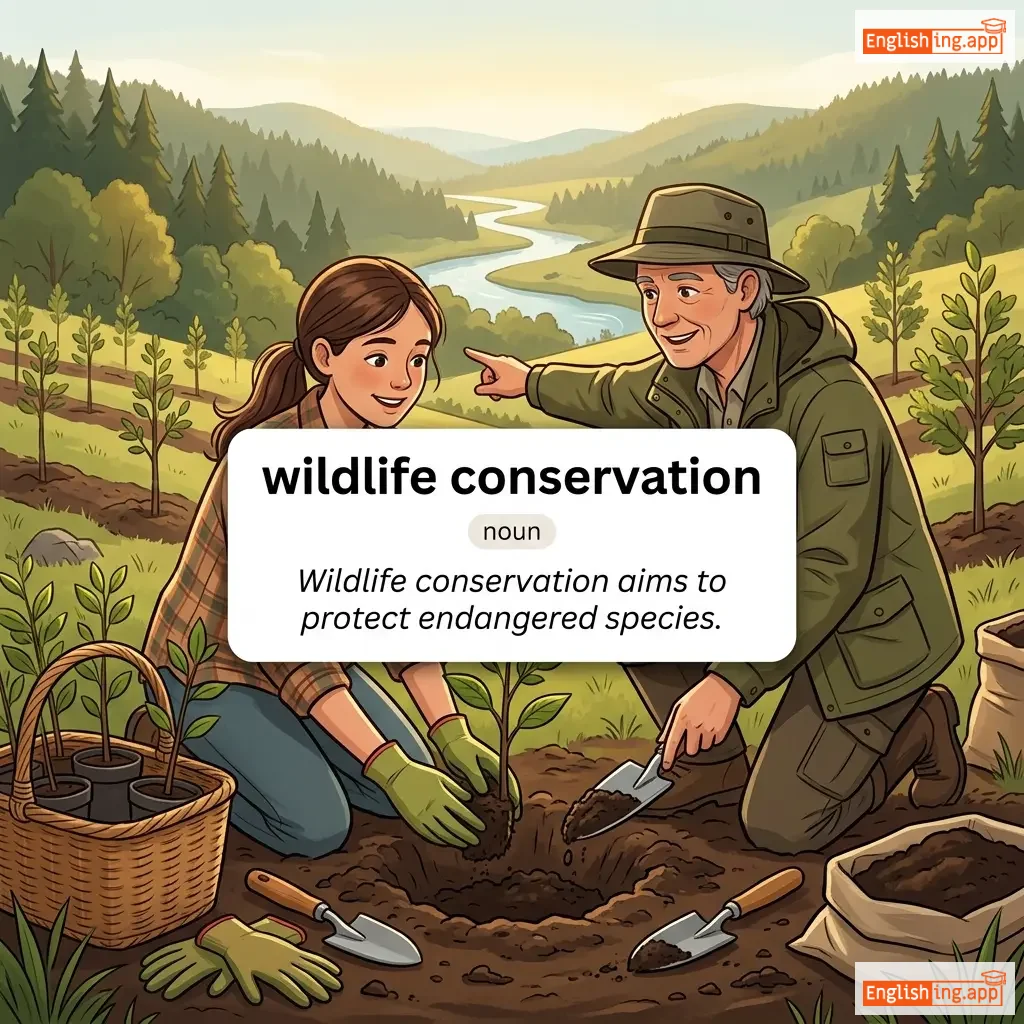
The practice of protecting wild animal species and their habitats in order to maintain healthy wildlife species or populations and to restore, protect or enhance natural ecosystems.
••••••

Wildlife conservation aims to protect endangered species.

••••••
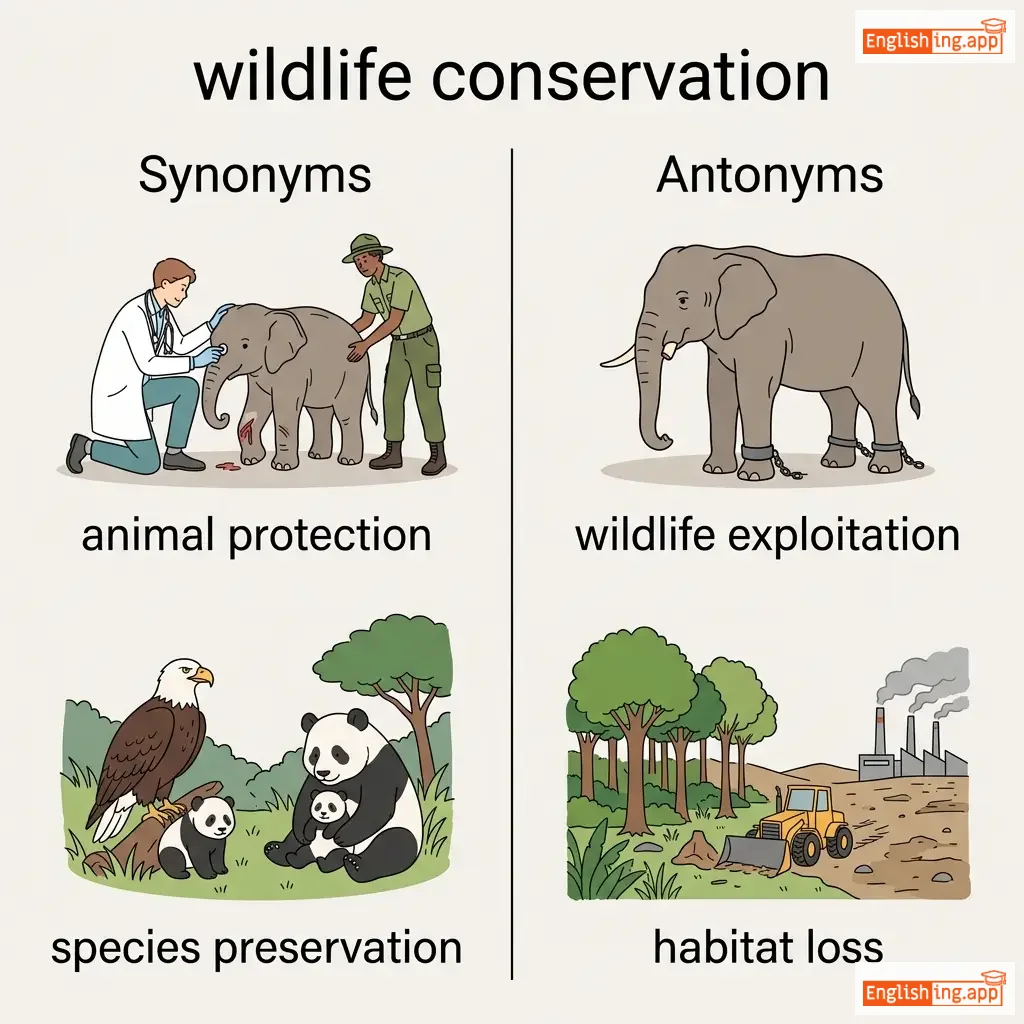
animal protection, species preservation, habitat conservation, biodiversity protection, ecological conservation, nature preservation
••••••
wildlife exploitation, habitat loss, species extinction, environmental destruction, poaching, deforestation
••••••