How to Grow a Small Business
要发展一家小型企业,首先需要具备 entrepreneurial 思维。许多新创业者采用 bootstrap 模式,在有限的 liquidity 下启动他们的事业。然而,分析 feasibility 和 profitability 对提高企业的 scalability 至关重要。成功的企业必须实施 diversification 策略。如果一个市场出现问题,保留替代产品或服务可以避免 insolvency。通过 arbitrage 和合理的 monetization 规划,可以提高 equity。通常,小公司可以与大型 conglomerates 建立 synergy,从而实现 exponential 增长。在某些情况下,采用 outsourcing 和 pivot 策略也可以扩大业务。通过遵循基于 echelon 的规划和适当的 amortization 政策,任何小型 venture 都可以实现扩张。
|
表情符号
|
单词 | Images | 含义 | 例句 | 同义词 | 反义词 |
|---|---|---|---|---|---|---|
|
#2225
💼
|
ˌɒn.trə.prəˈnɜː.ri.əl
adjective
••••••
|
|
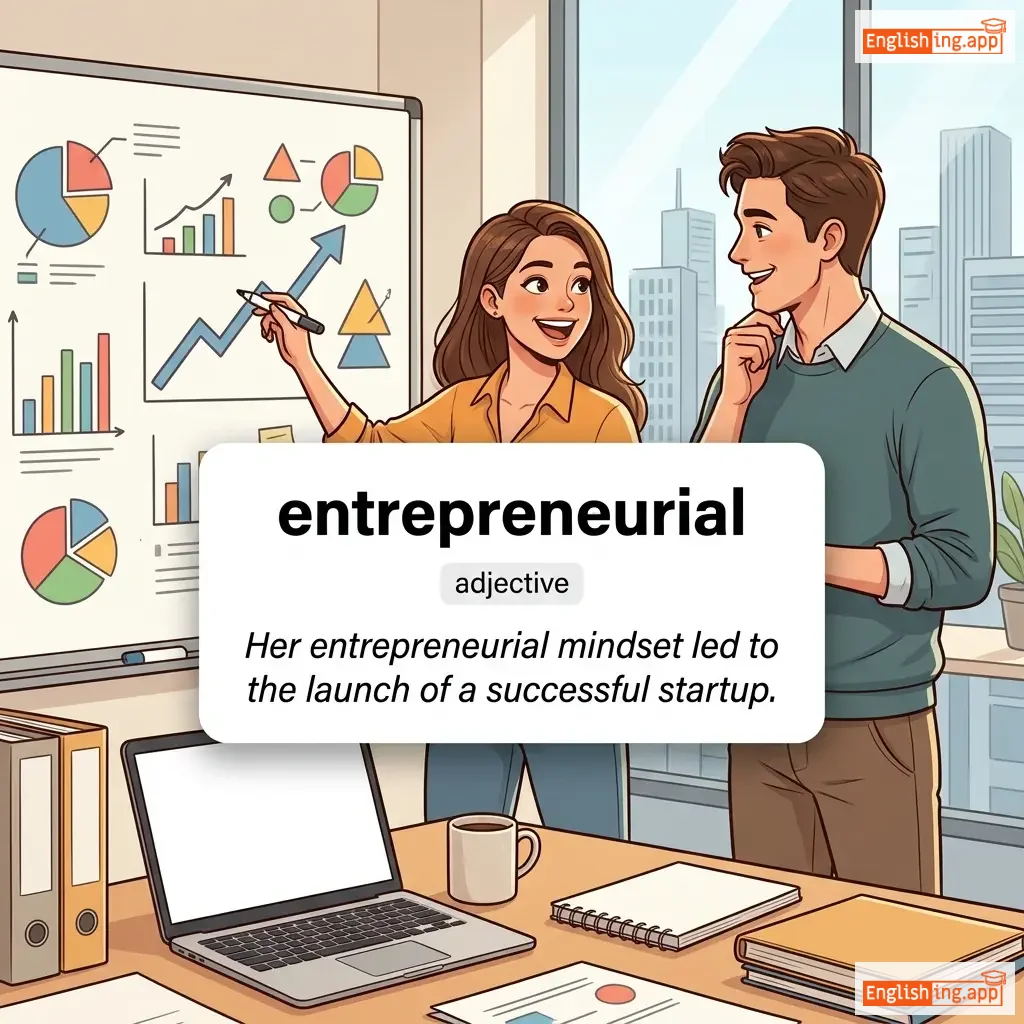
Characterized by initiative and willingness to undertake new ventures or business activities.
••••••
|
His entrepreneurial mindset helped him launch a successful startup. |
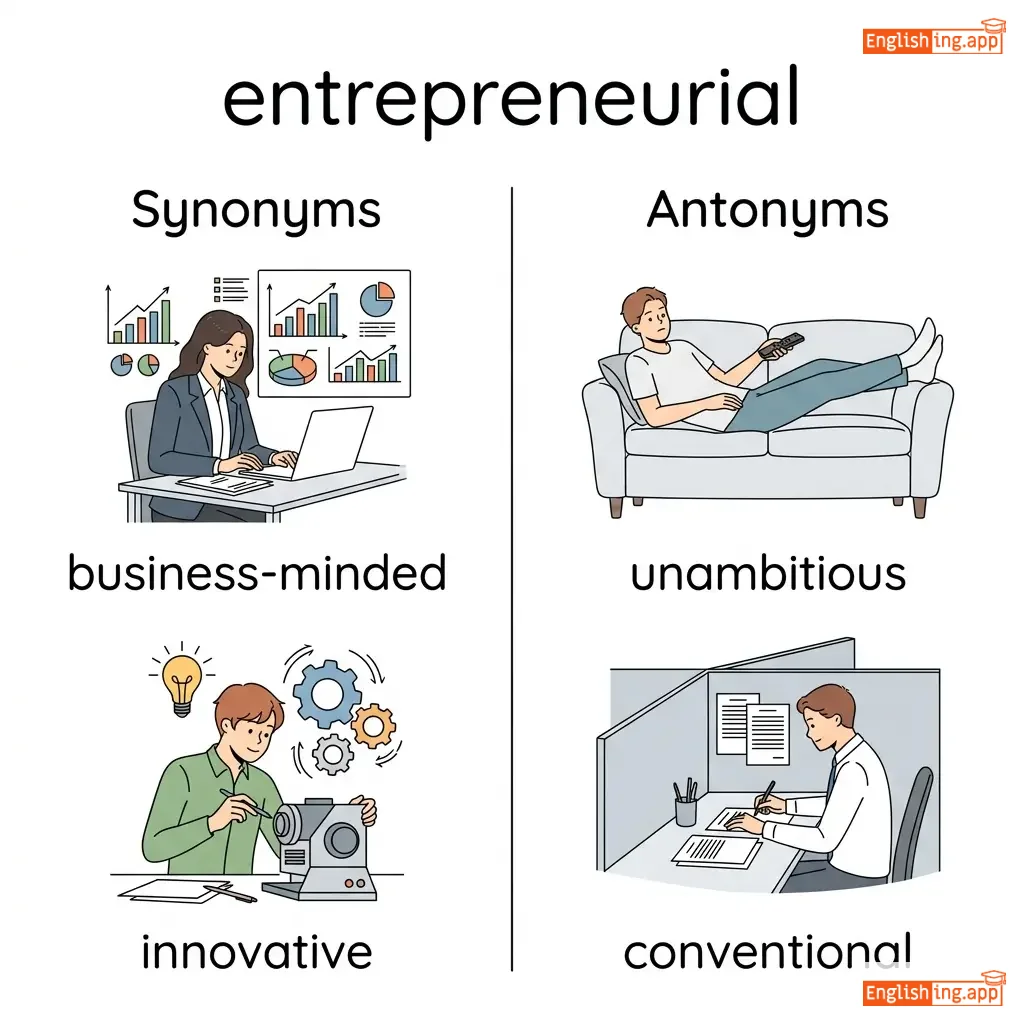
business-minded, innovative, visionary
••••••
|
unambitious, conventional, risk-averse
••••••
|
|
#2226
🥾
|
ˈbuːt.stræp
verb/noun
••••••
|

|
To start and develop a business using personal resources without external funding.
••••••
|
He bootstrapped his company with minimal resources. |
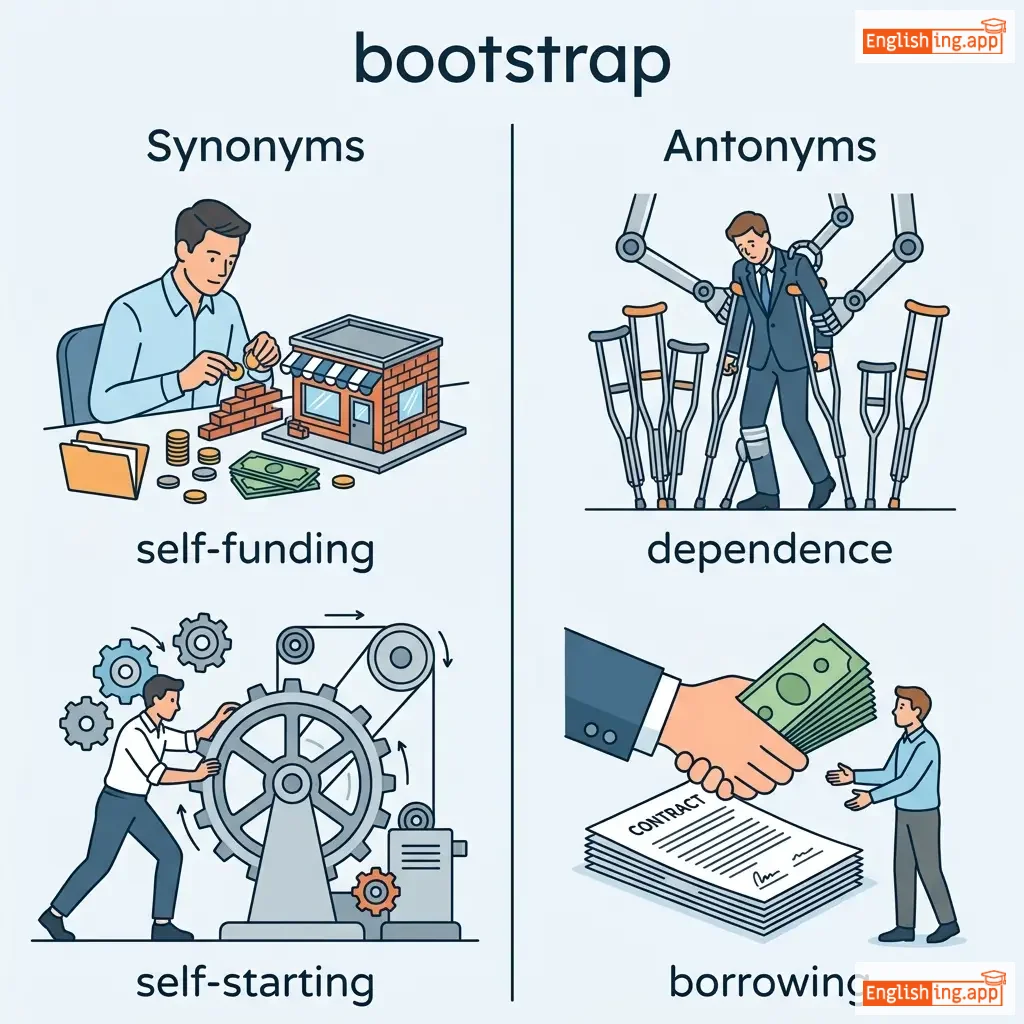
self-funding, self-starting, independently establish
••••••
|
dependence, borrowing, funded
••••••
|
|
#2227
💰
|
lɪkˈwɪd.ə.ti
noun
••••••
|

|
The availability of liquid assets to a market or company; cash flow.
••••••
|
The company maintained high liquidity to handle emergencies. |
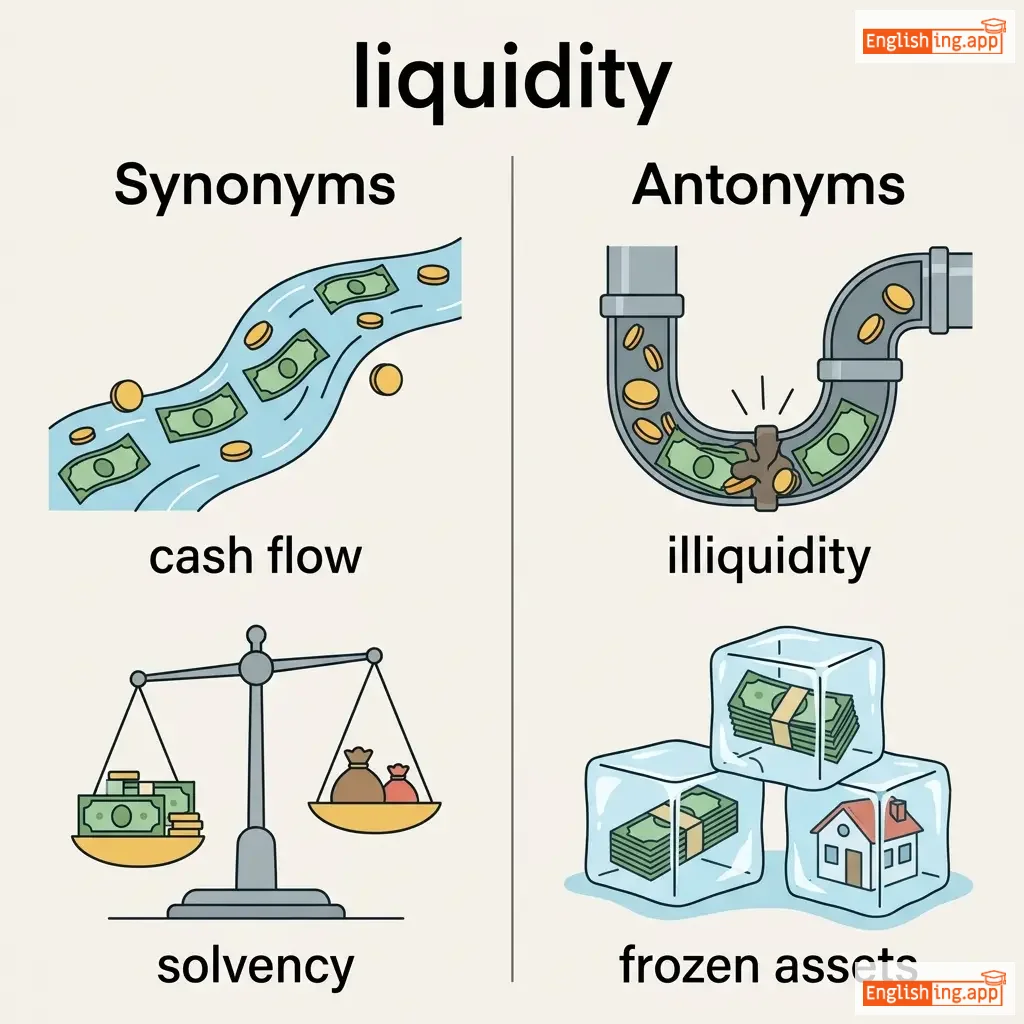
cash flow, solvency, convertibility
••••••
|
illiquidity, insolvency, rigidity
••••••
|
|
#2228
📈
|
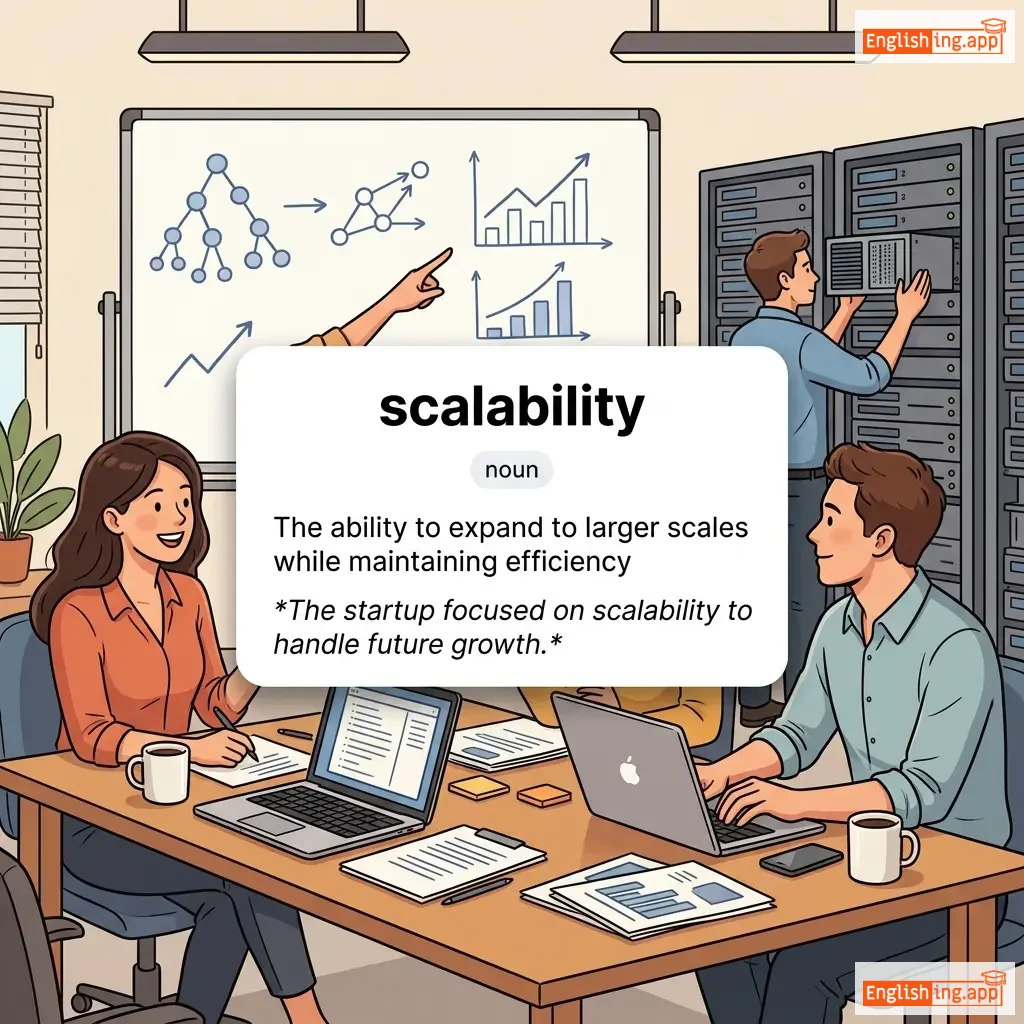
ˌskeɪ.ləˈbɪl.ɪ.ti
noun
••••••
|
|
The capacity to be changed in size or scale; expandability.
••••••
|
Cloud computing enhances the scalability of businesses. |
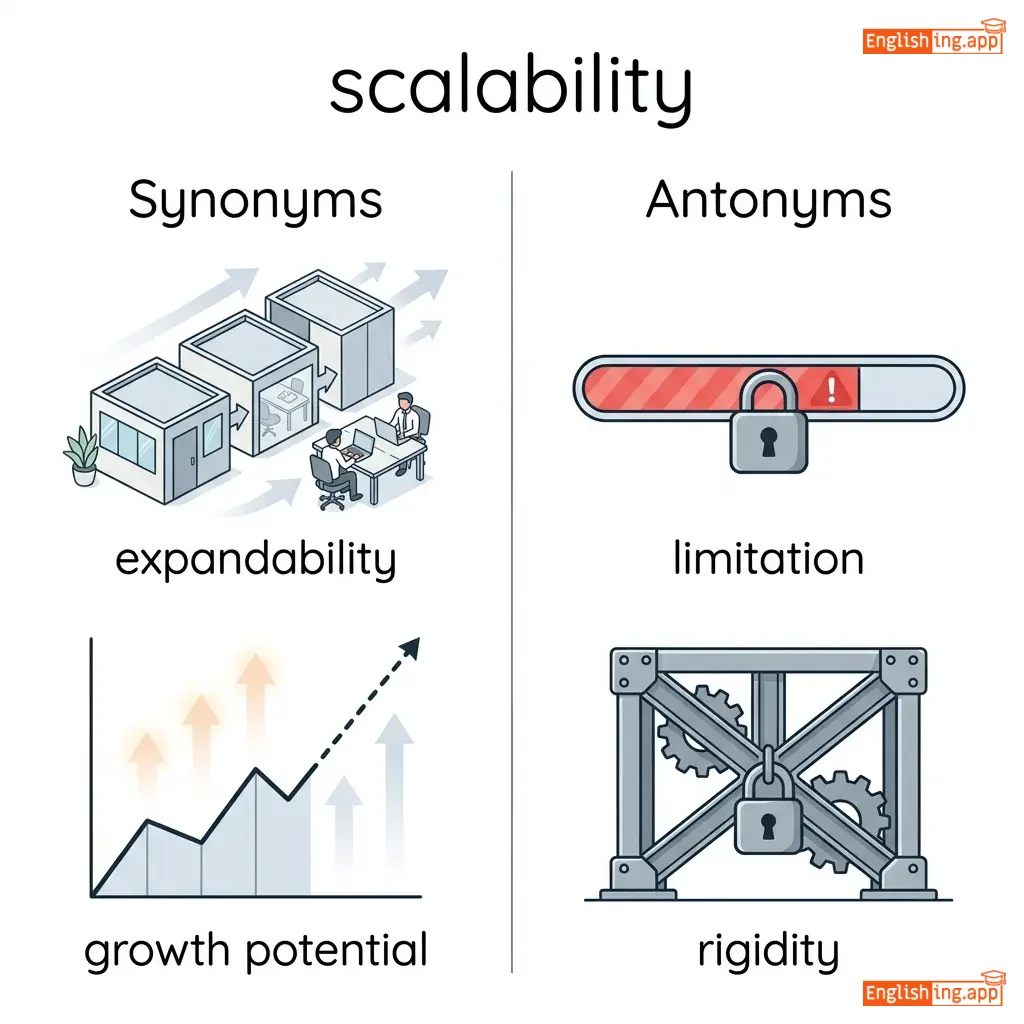
expandability, growth potential, flexibility
••••••
|
rigidity, limitation, stagnation
••••••
|
|
#2229
✅
|
ˌfiː.zəˈbɪl.ɪ.ti
noun
••••••
|

|
The state or degree of being easily or conveniently done; practicality.
••••••
|
The feasibility study showed the project was worth pursuing. |
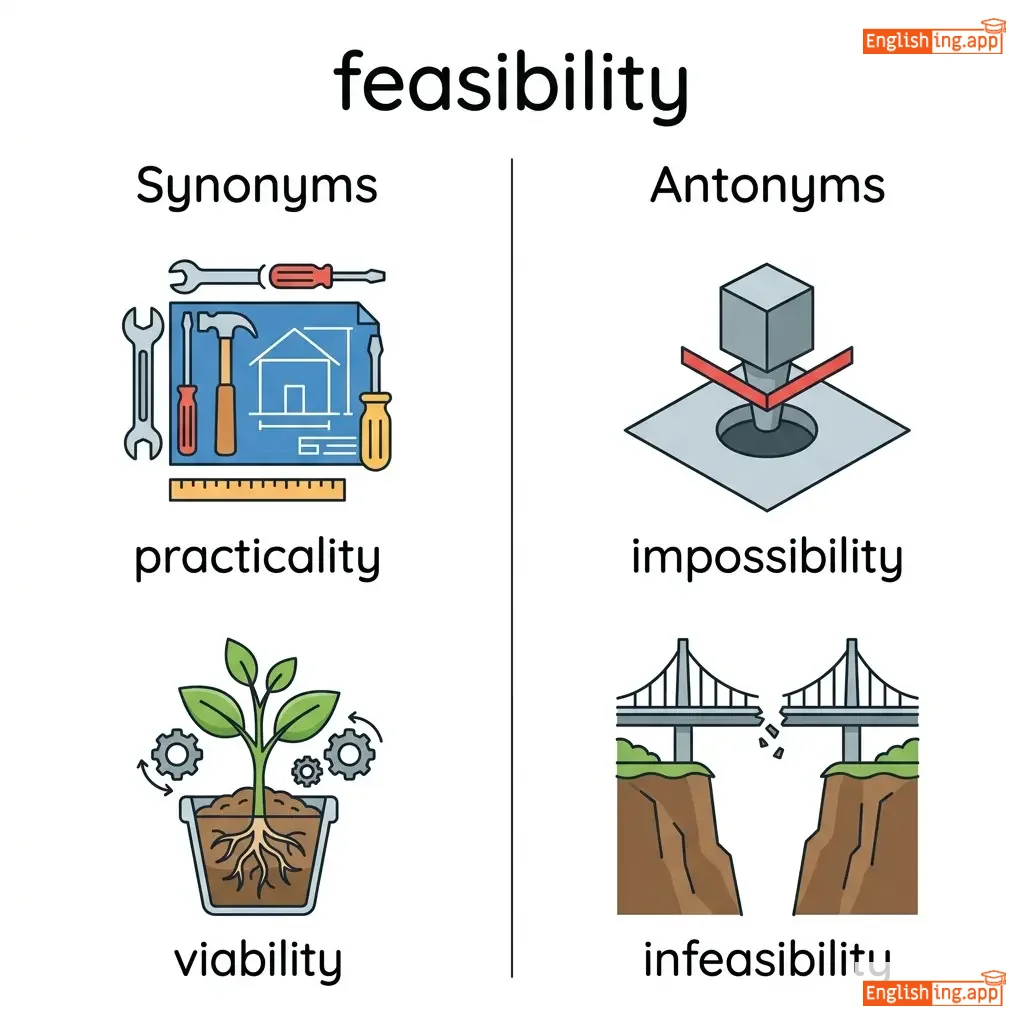
viability, workability, practicality
••••••
|
impracticality, infeasibility, utopianism
••••••
|
|
#2230
💹
|
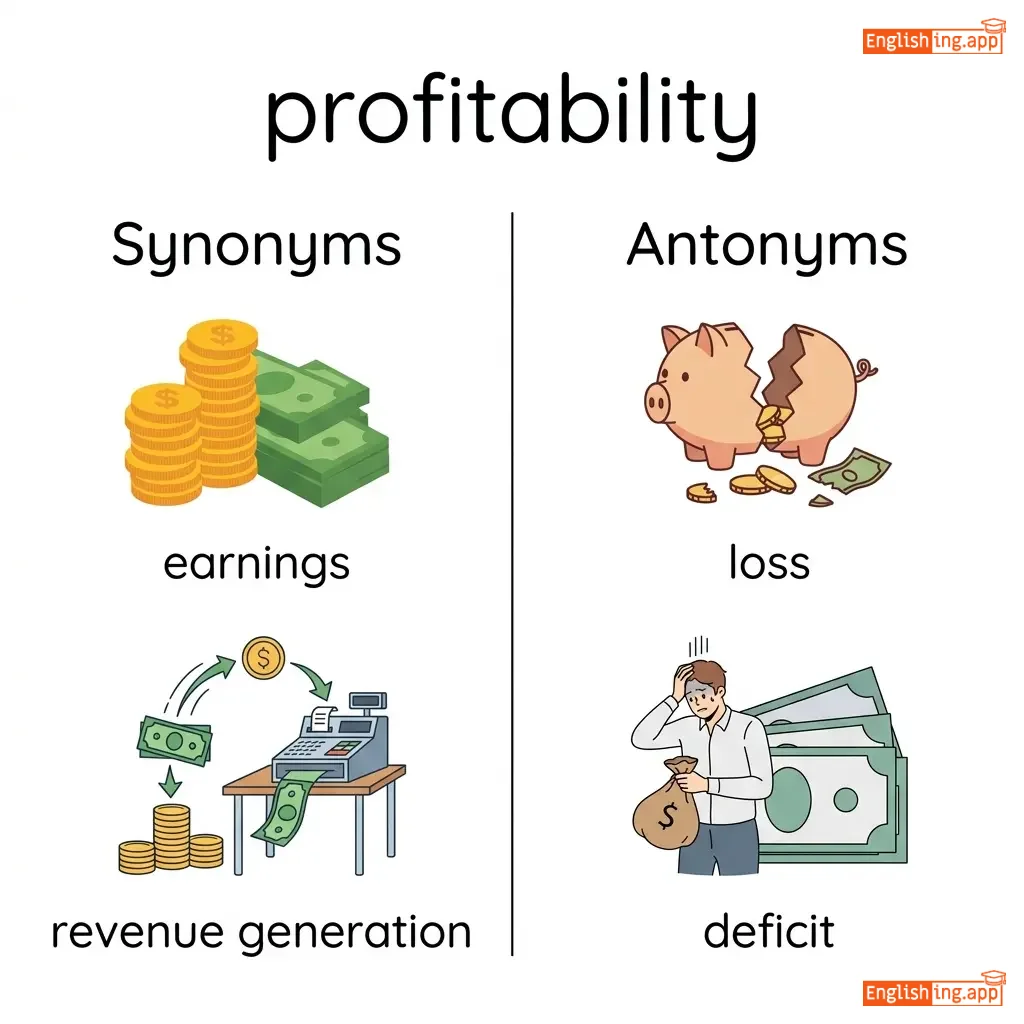
ˌprɒf.ɪ.təˈbɪl.ɪ.ti
noun
••••••
|
|
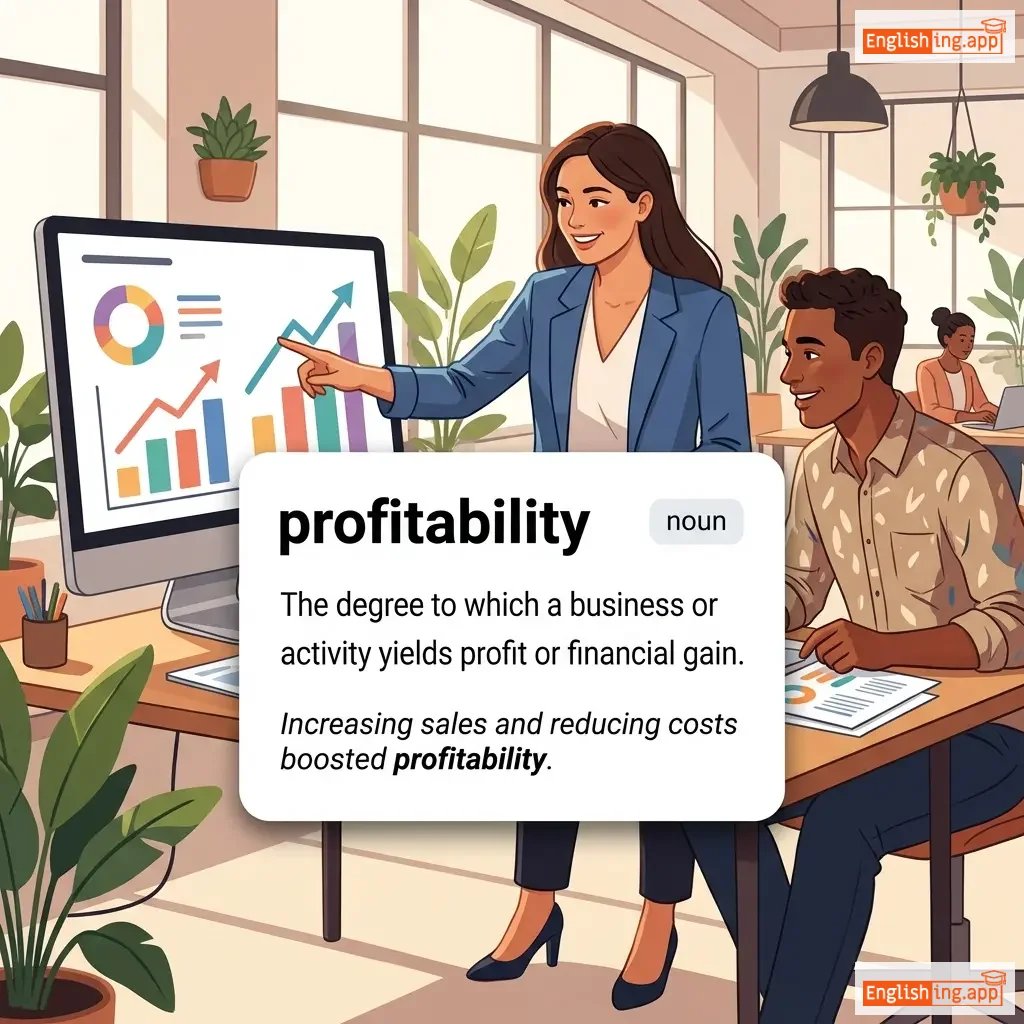
The degree to which a business or activity yields profit or financial gain.
••••••
|
Increasing sales and reducing costs boosted profitability. |
earnings, revenue generation, financial gain
••••••
|
loss, deficit, unprofitability
••••••
|
|
#2231
🌐
|
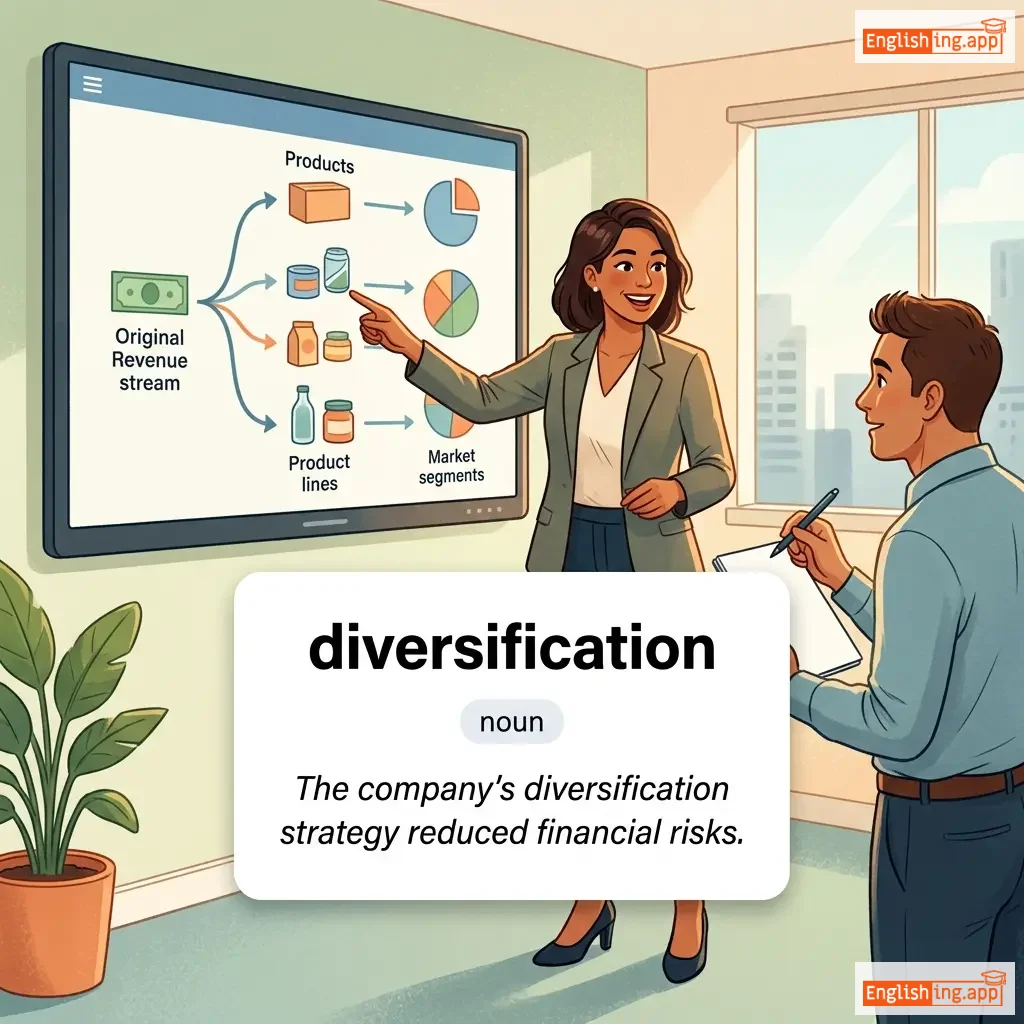
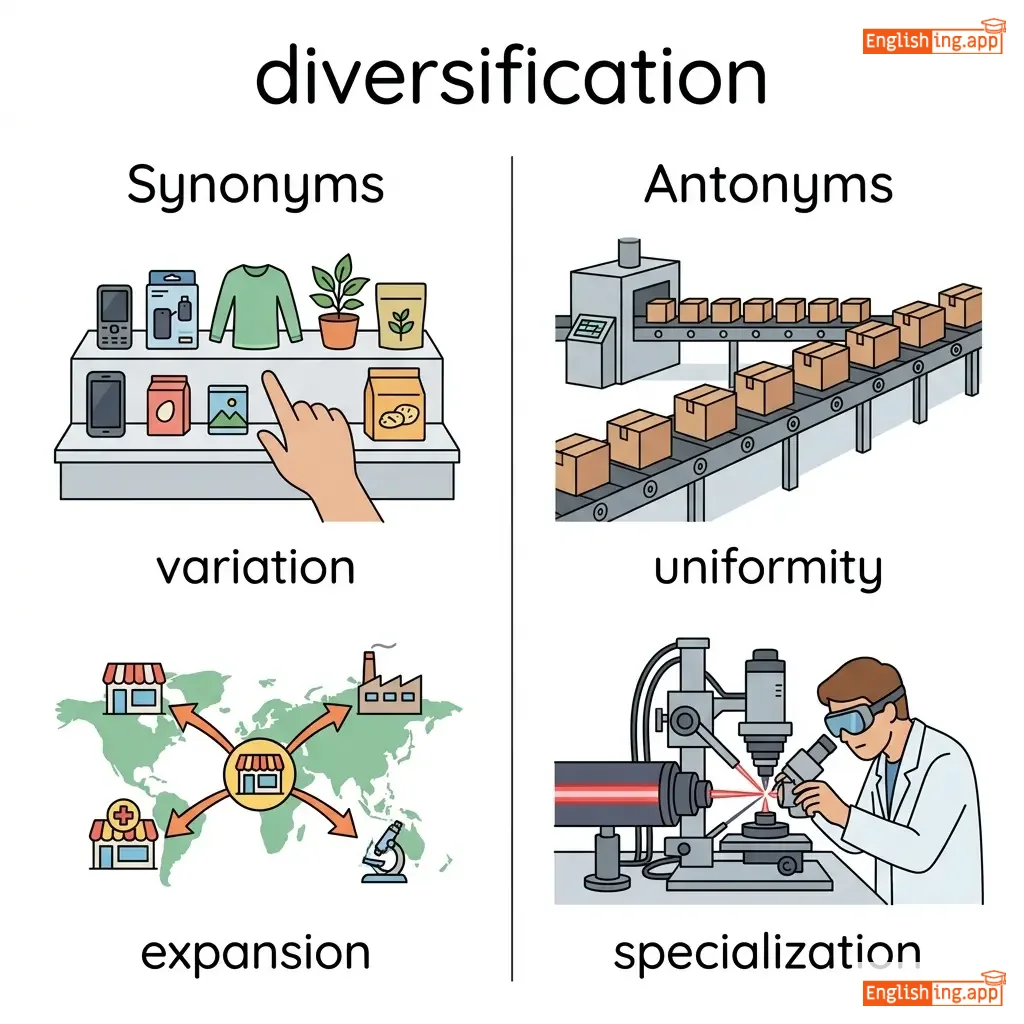
daɪˌvɜː.sɪ.fɪˈkeɪ.ʃən
noun
••••••
|
|
The process of enlarging or varying the range of products or field of operation.
••••••
|
The company achieved stability through market diversification. |
variety, expansion, multiplication
••••••
|
specialization, narrowing, uniformity
••••••
|
|
#2232
💸
|
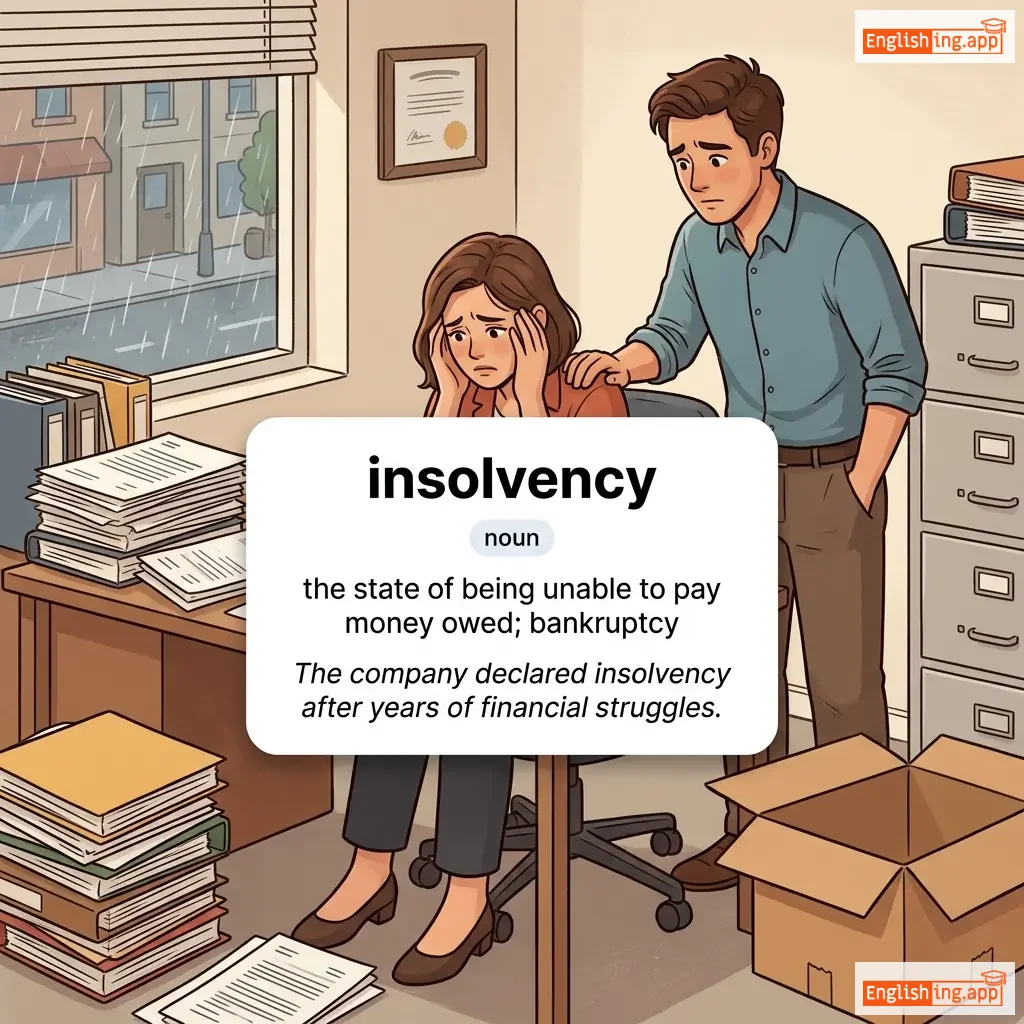
ɪnˈsɒl.vən.si
noun
••••••
|
|
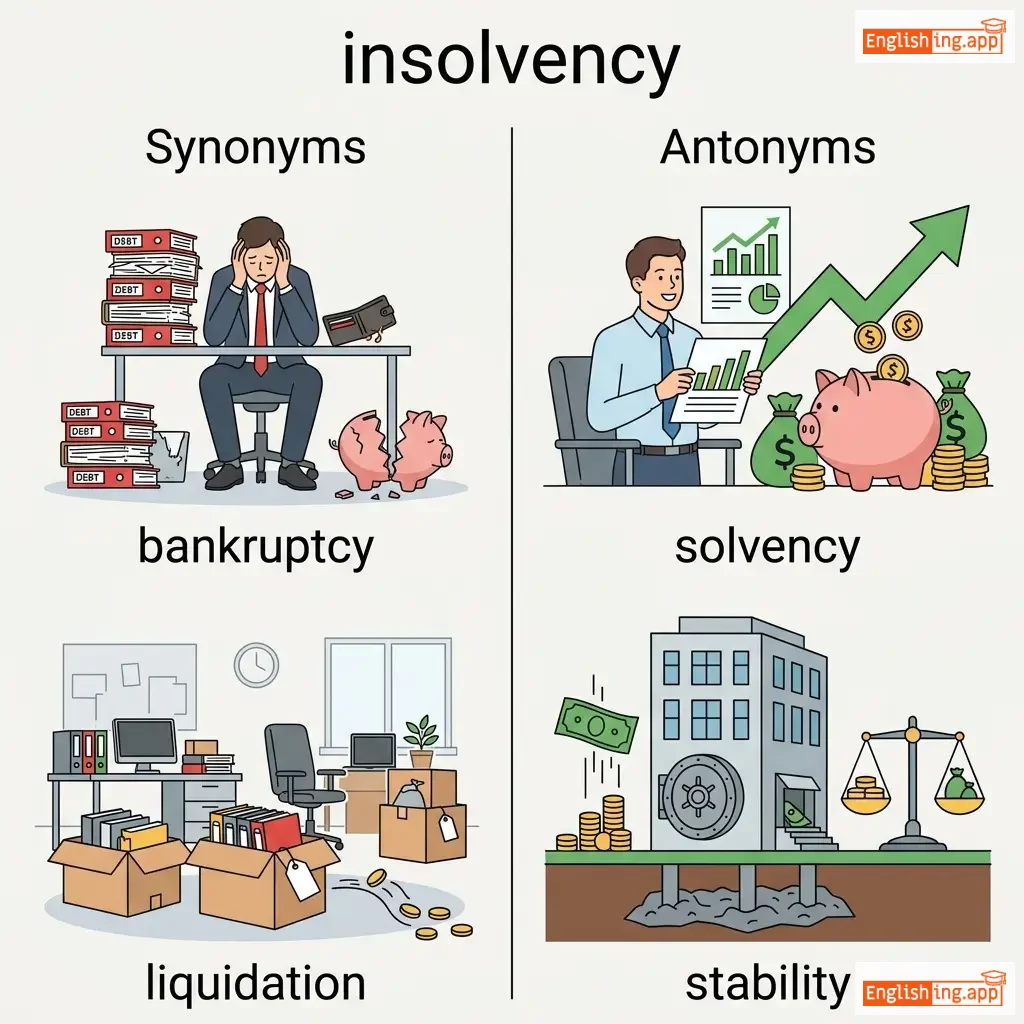
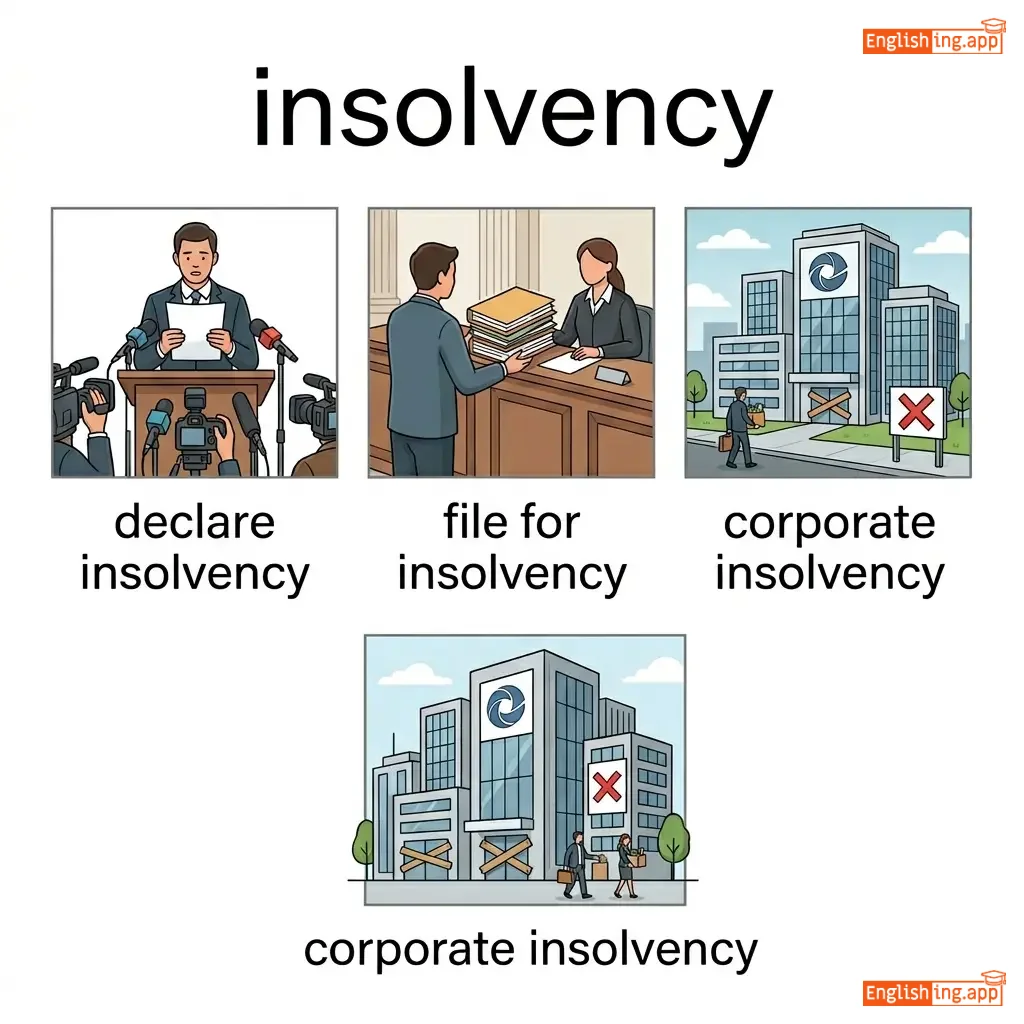
The state of being unable to pay debts owed; bankruptcy.
••••••
|
The company declared insolvency after years of losses. |
bankruptcy, financial failure, liquidation
••••••
|
solvency, financial stability, creditworthiness
••••••
|
|
#2233
⚖️
|
ˈɑː.bɪ.trɑːʒ
noun
••••••
|
|
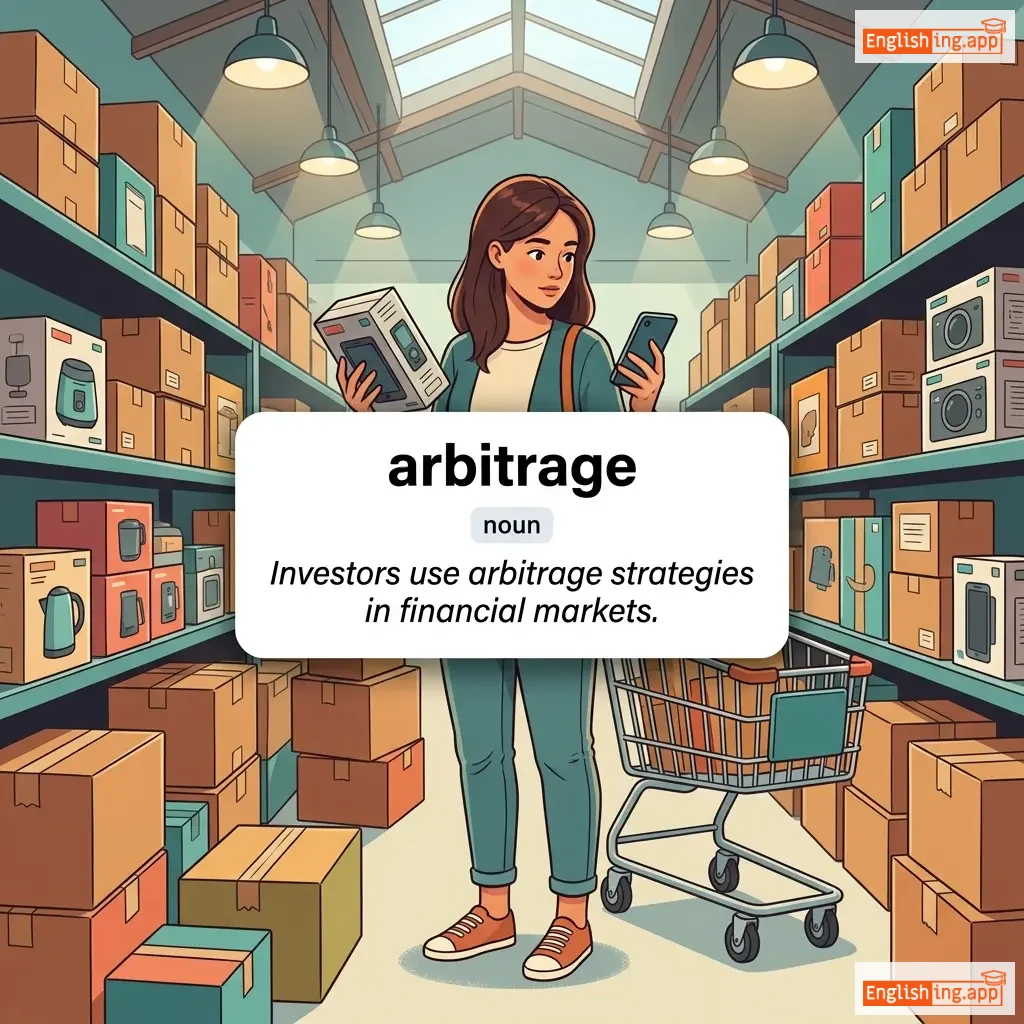
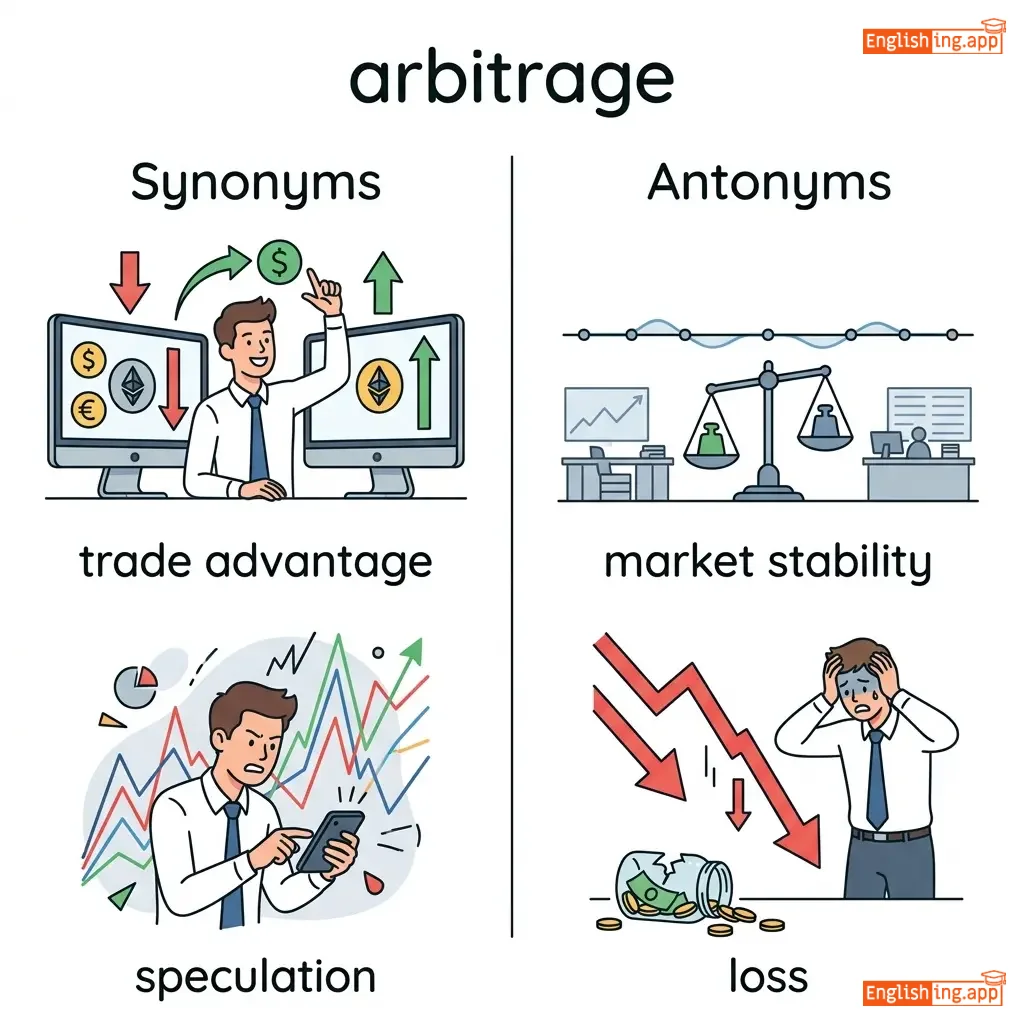
The practice of taking advantage of a price difference between two or more markets.
••••••
|
He used arbitrage to profit from currency exchange differences. |
market exploitation, trading profit, speculation
••••••
|
loss-making, price stagnation, non-trade
••••••
|
|
#2234
💰
|
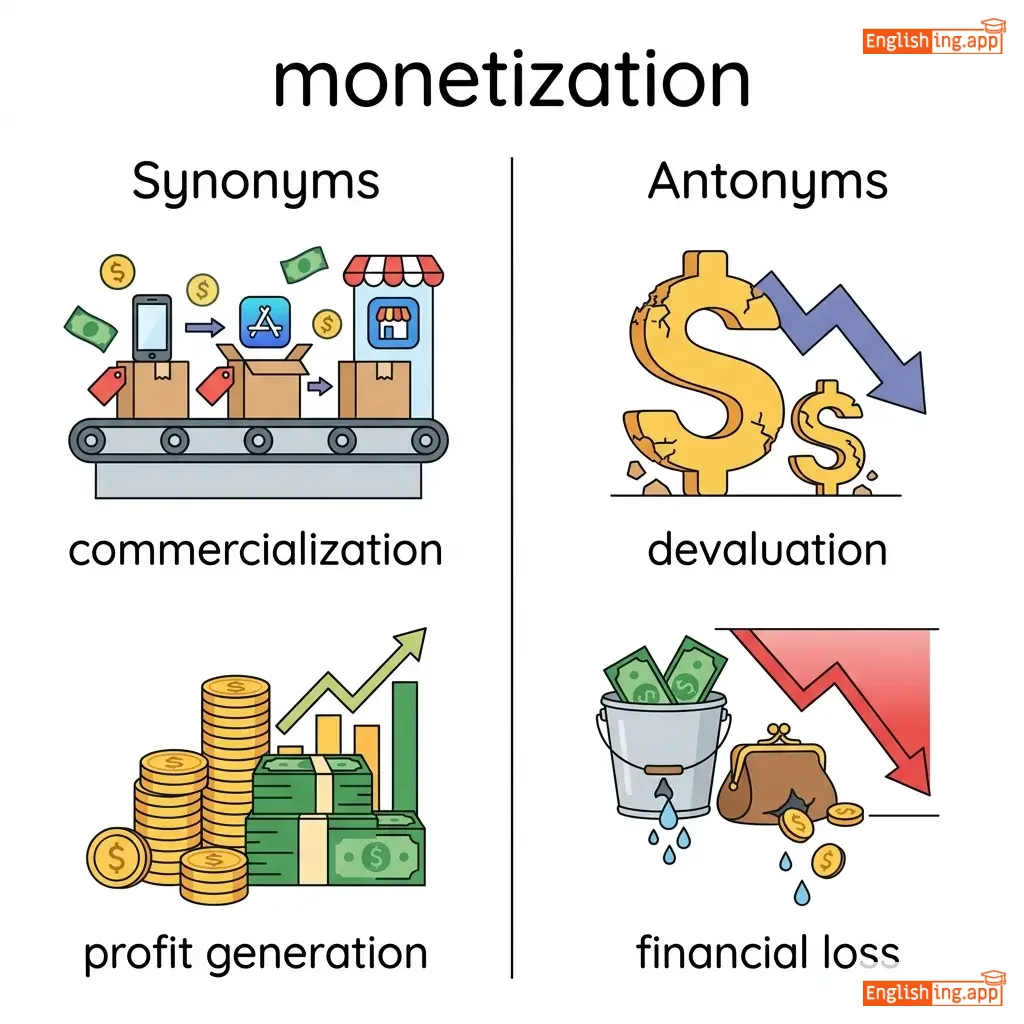
ˌmɒn.ɪ.taɪˈzeɪ.ʃən
noun
••••••
|

|
The process of converting or establishing something into legal tender or a source of revenue.
••••••
|
The startup focused on monetization strategies to boost income. |
commercialization, revenue generation, financialization
••••••
|
devaluation, underutilization, loss-making
••••••
|
|
#2235
🏦
|
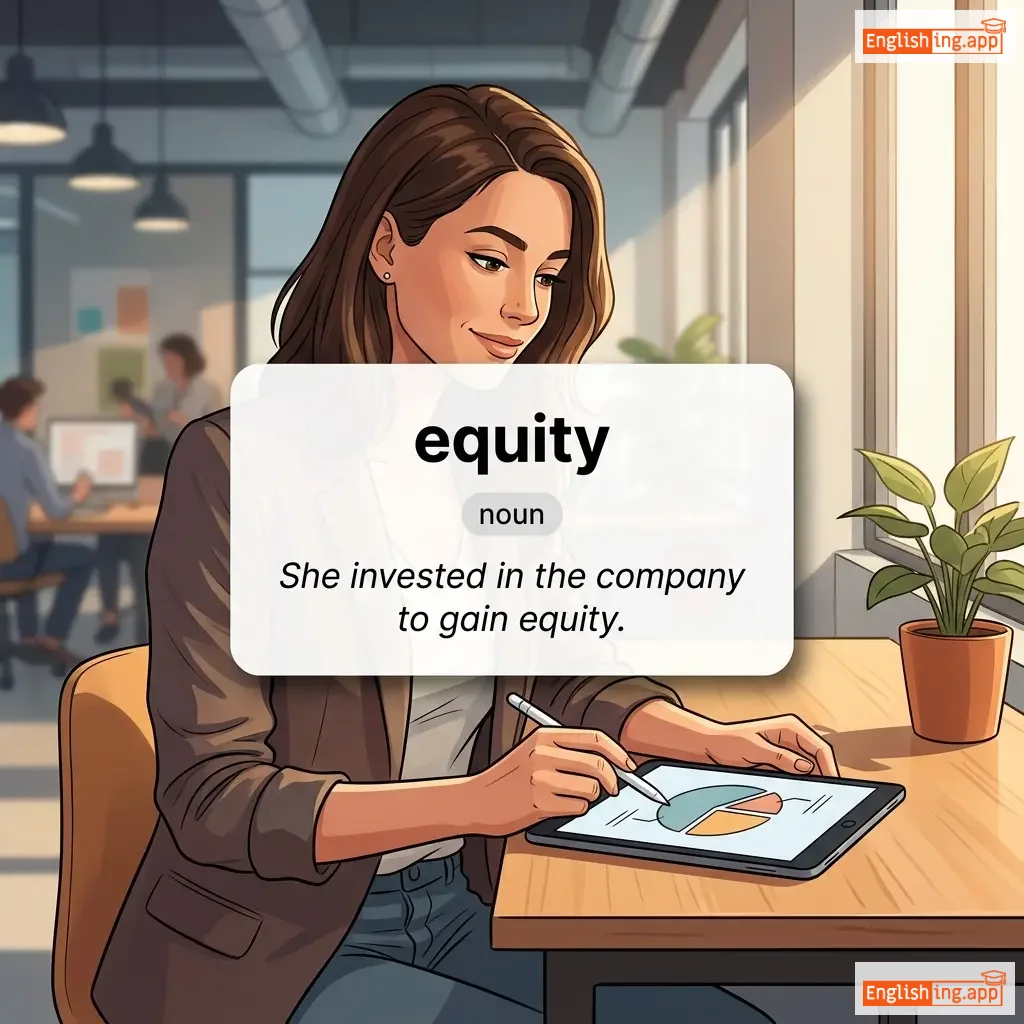
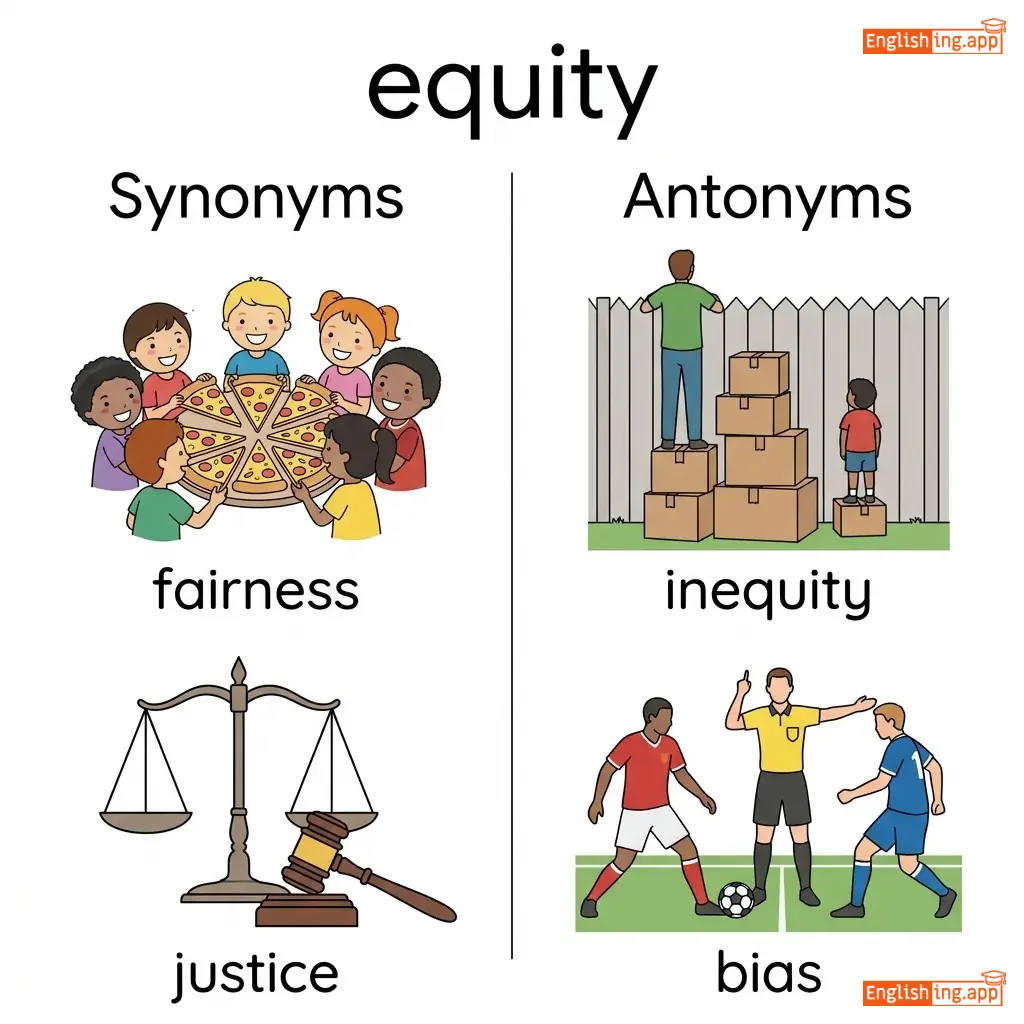
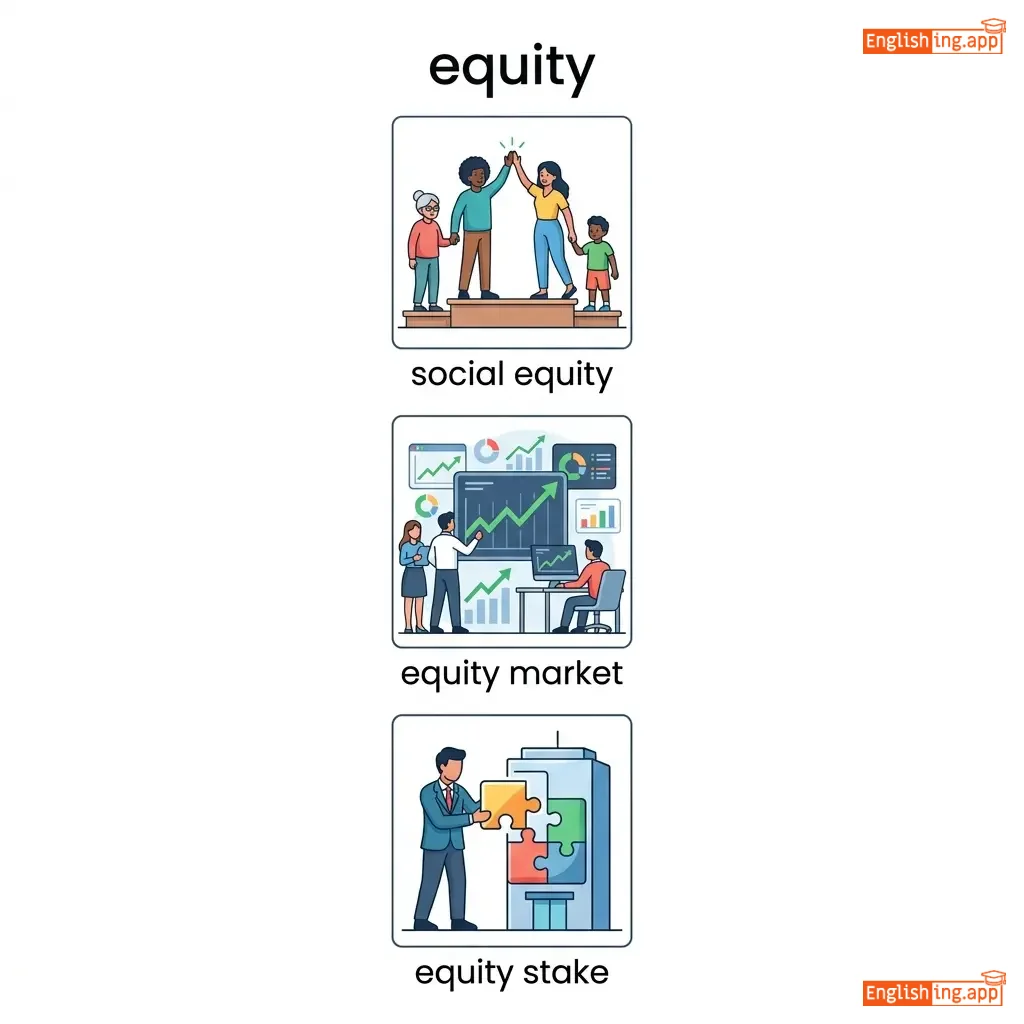
ˈek.wɪ.ti
noun
••••••
|
|
The value of shares issued by a company; ownership interest in a business.
••••••
|
He invested in equity to gain long-term financial benefits. |
fairness, ownership, shares
••••••
|
inequity, debt, partiality
••••••
|
|
#2236
🏢
|
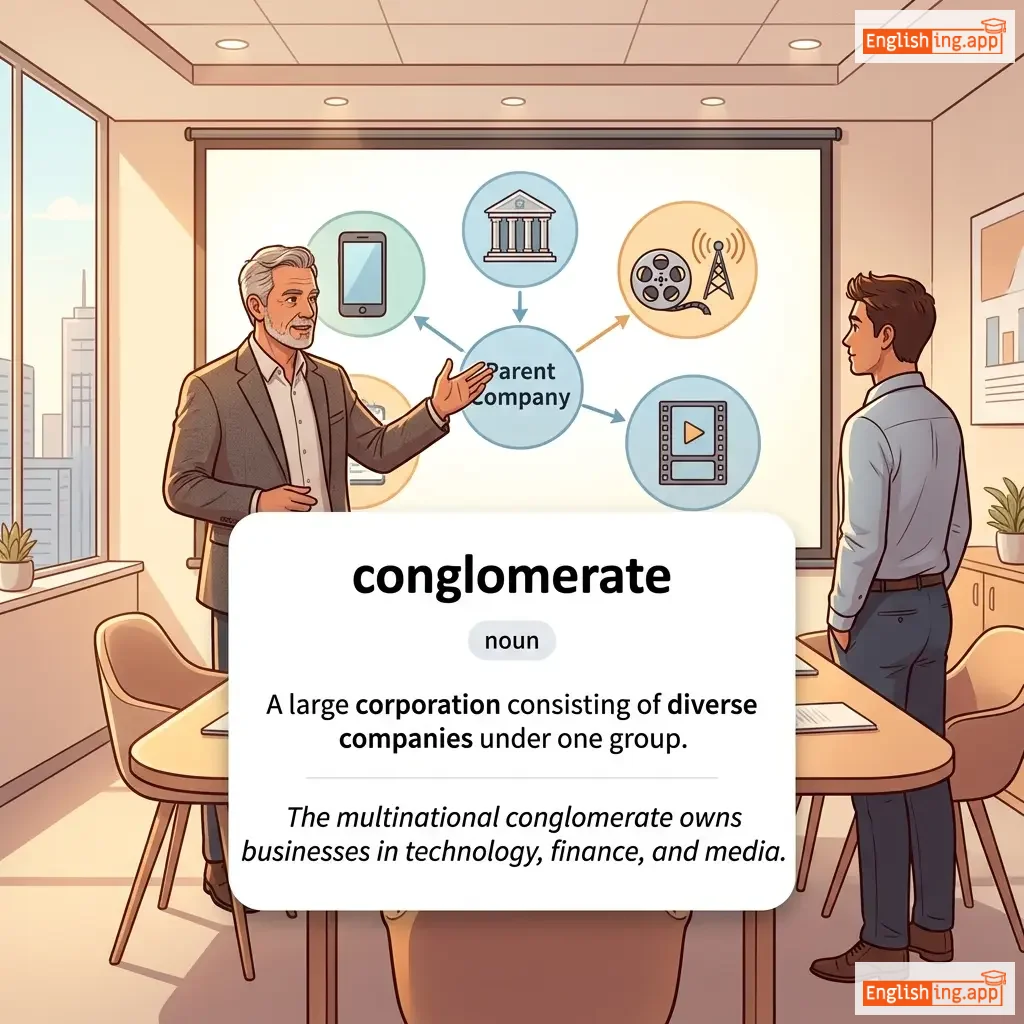
kənˈɡlɒm.ər.ət
noun
••••••
|
|
A large corporation formed by the merging of separate and diverse firms.
••••••
|
The conglomerate owns multiple companies in different industries. |
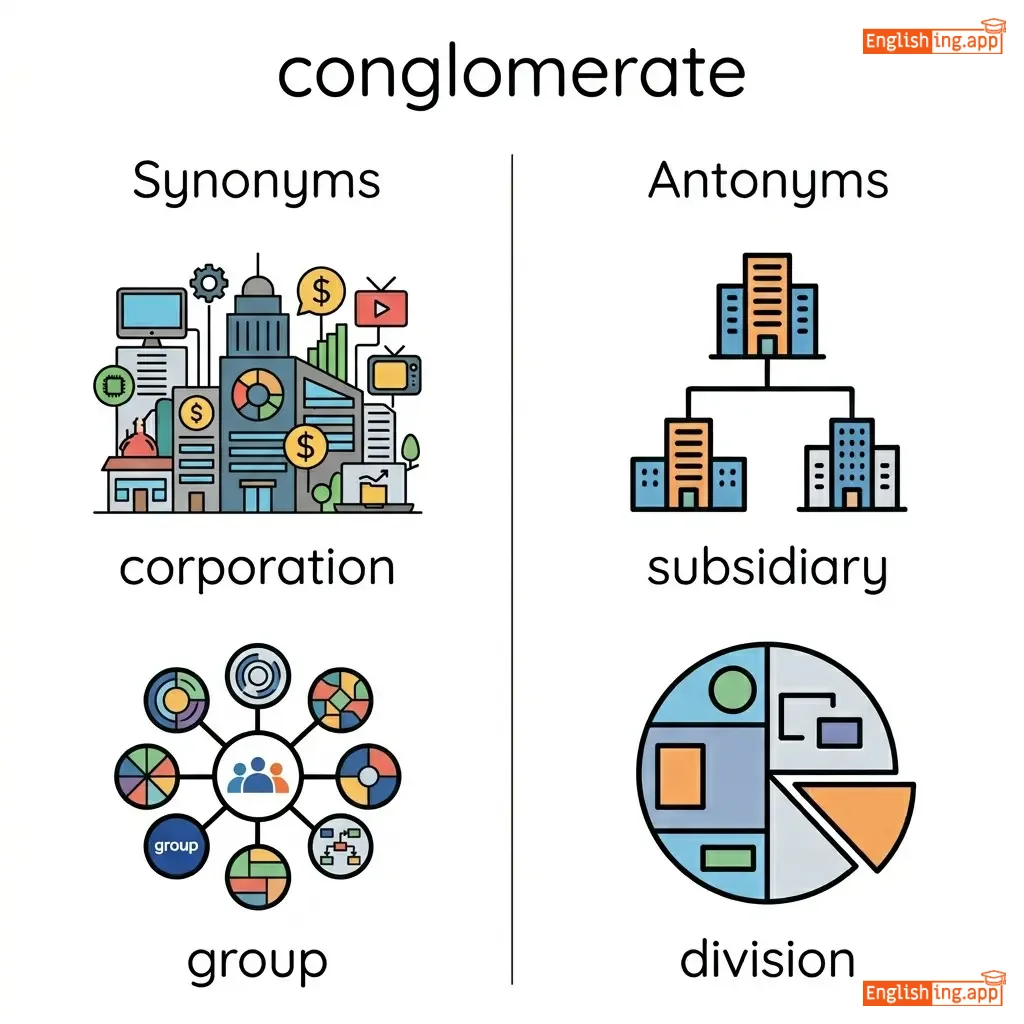
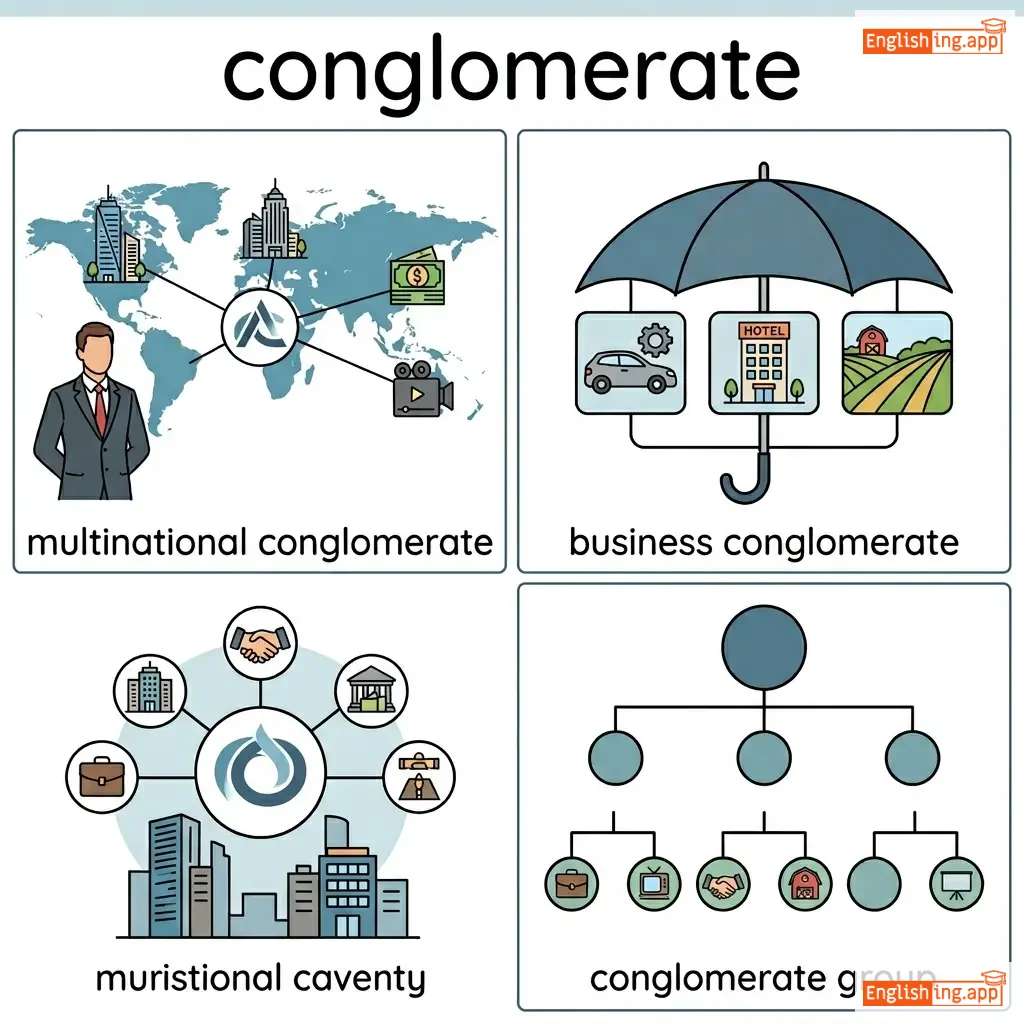
corporation, business group, multinational
••••••
|
division, disintegration, fragmentation
••••••
|
|
#2237
🤝
|
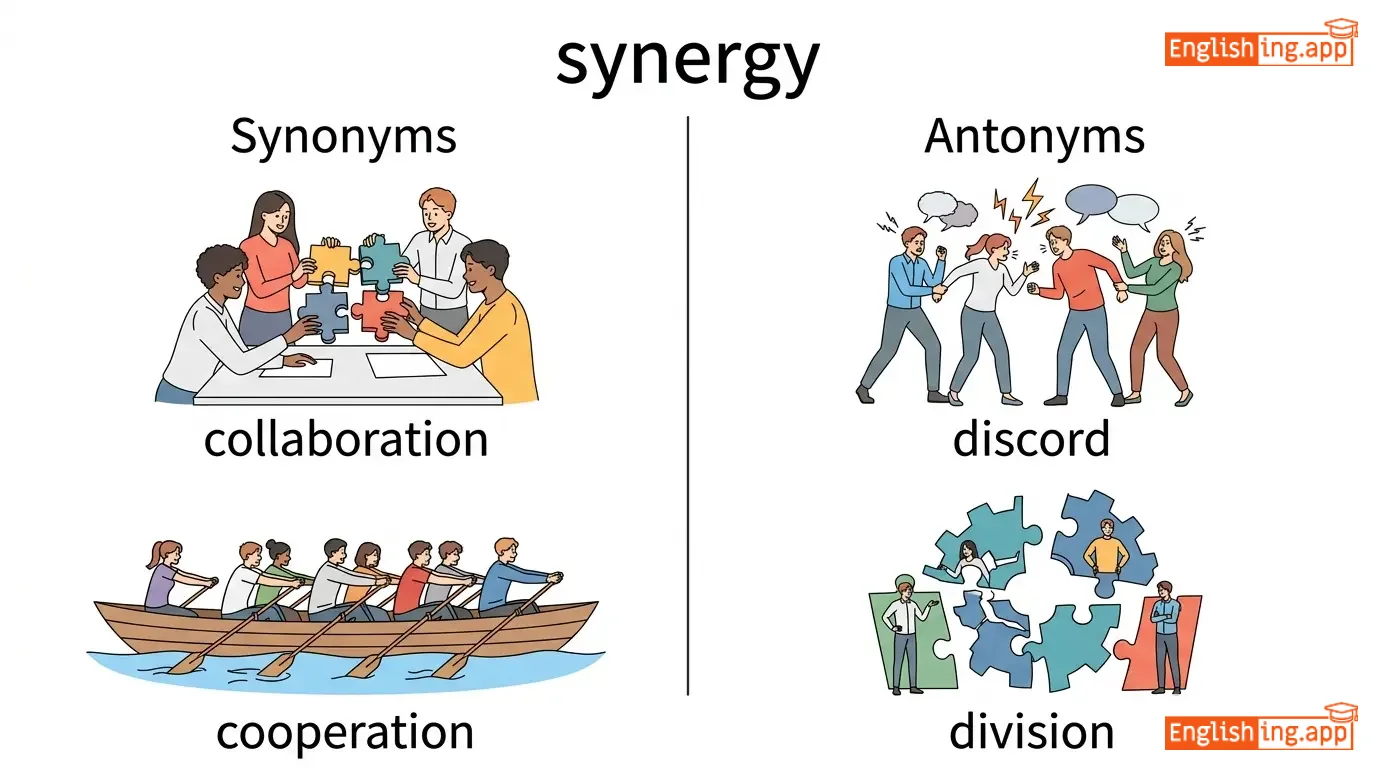
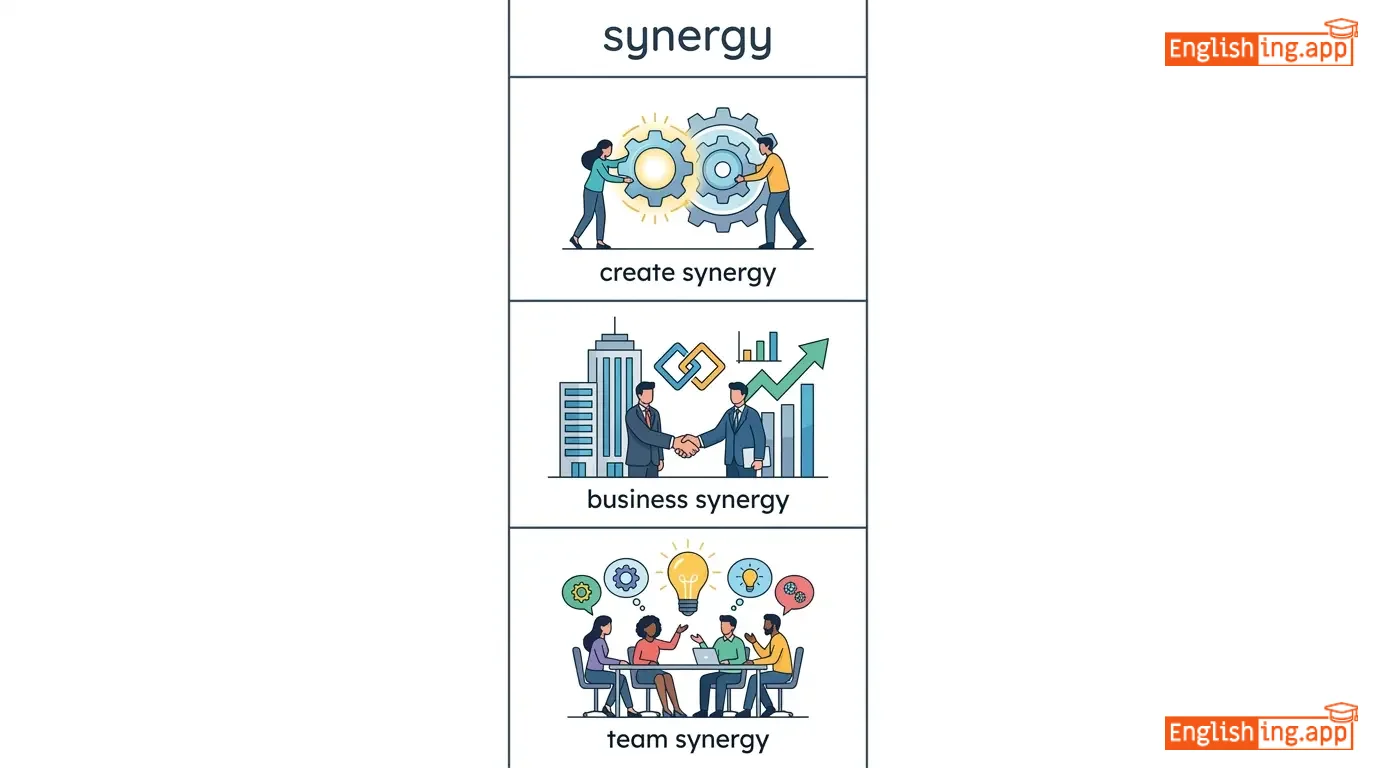
ˈsɪn.ə.dʒi
noun
••••••
|
|
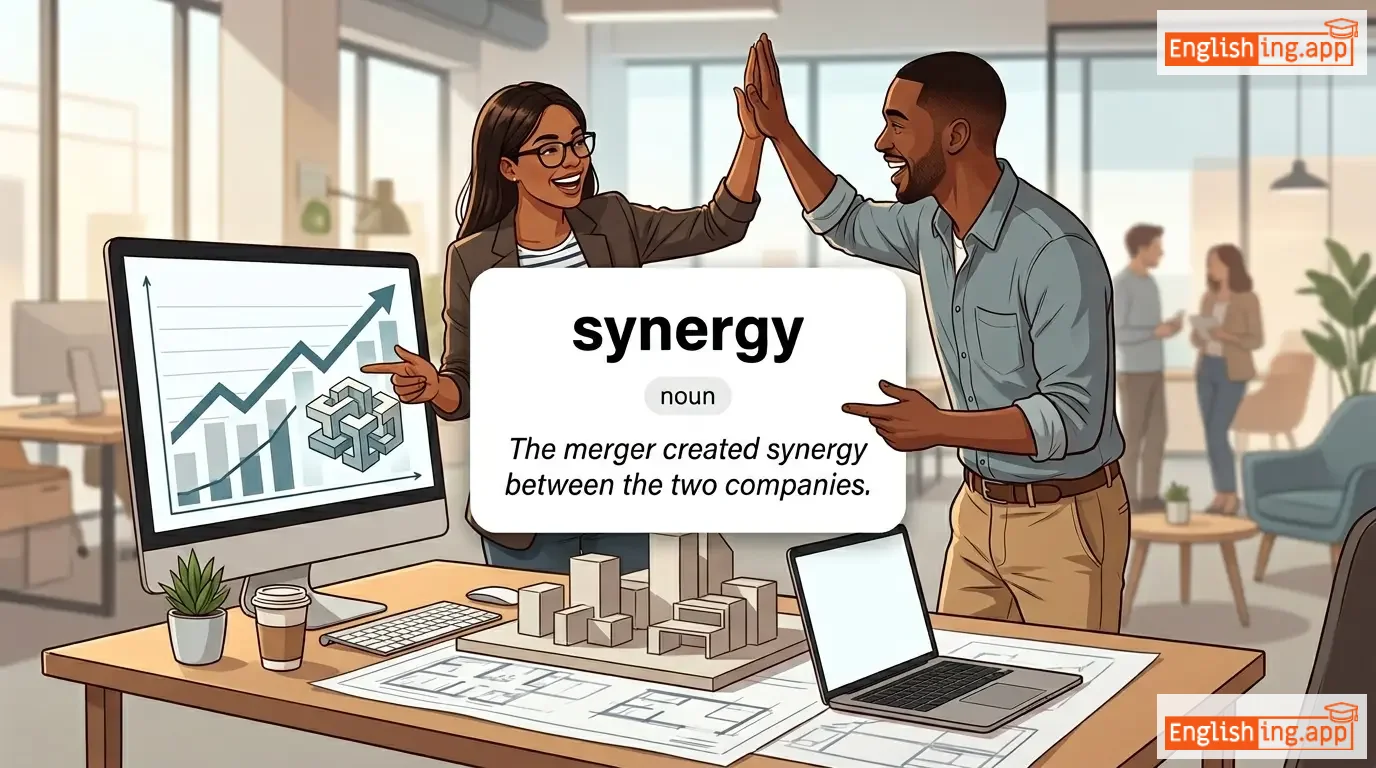
The interaction or cooperation of two or more agents to produce a combined effect greater than the sum of their separate effects.
••••••
|
The synergy between the two teams led to innovation. |
cooperation, teamwork, integration
••••••
|
discord, disunity, fragmentation
••••••
|
|
#2238
📊
|
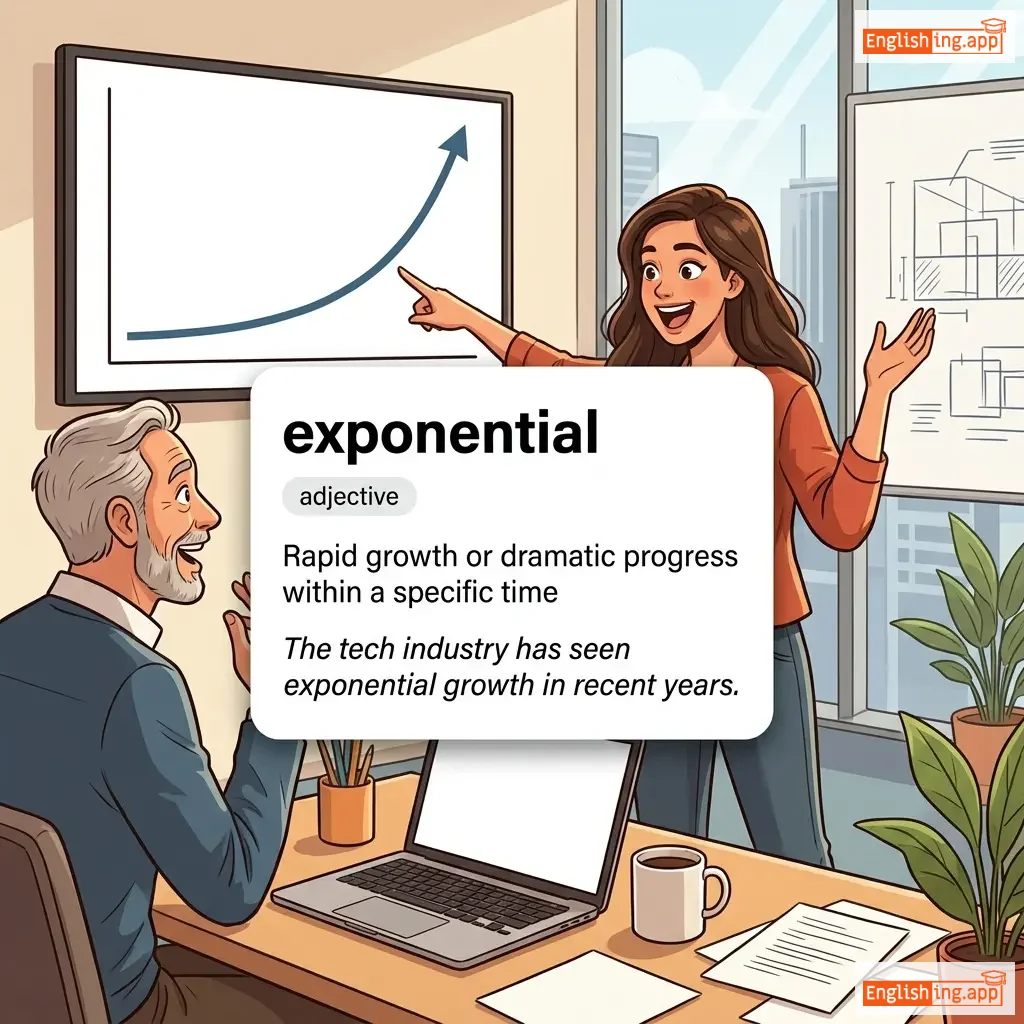
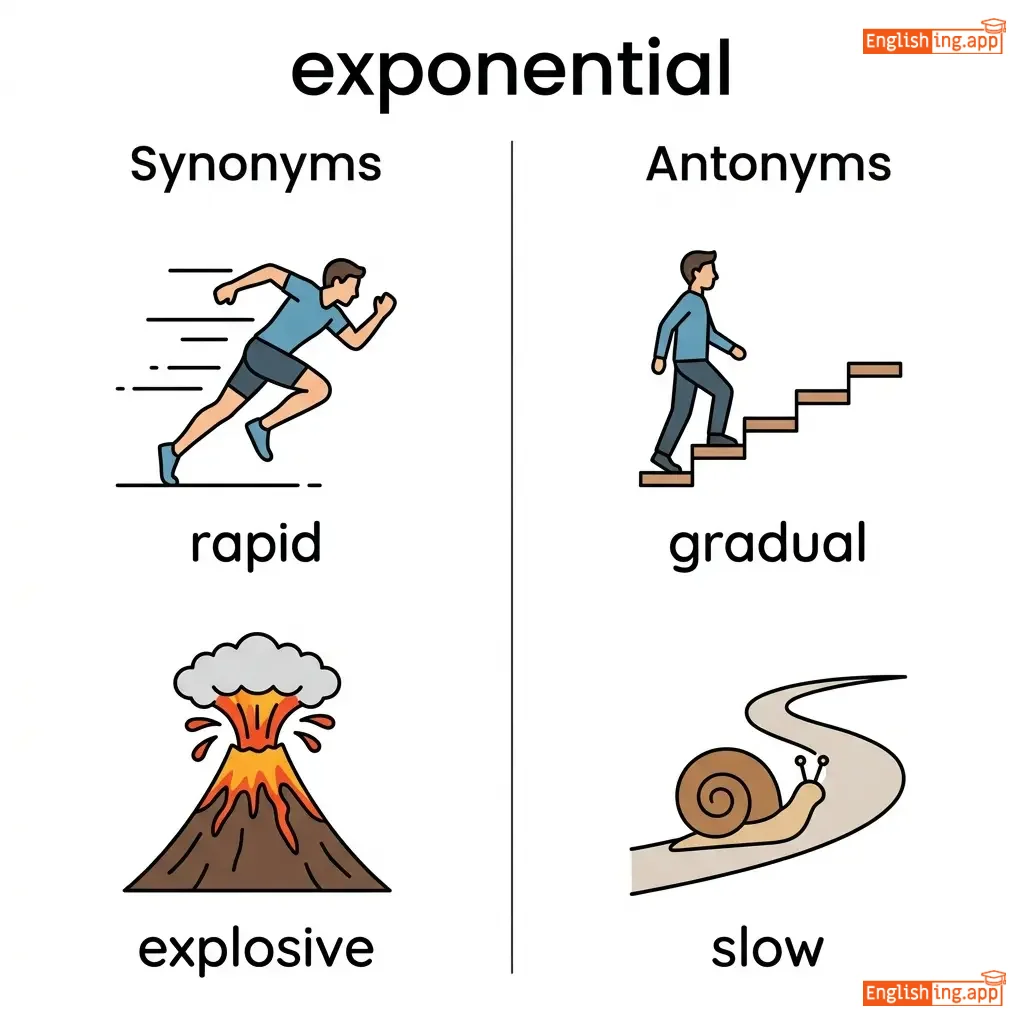
ˌek.spəˈnen.ʃəl
adjective
••••••
|
|
Increasing rapidly; growing at an accelerating rate.
••••••
|
The startup experienced exponential growth in revenue. |
rapid, escalating, geometric
••••••
|
gradual, diminishing, linear
••••••
|
|
#2239
🌍
|
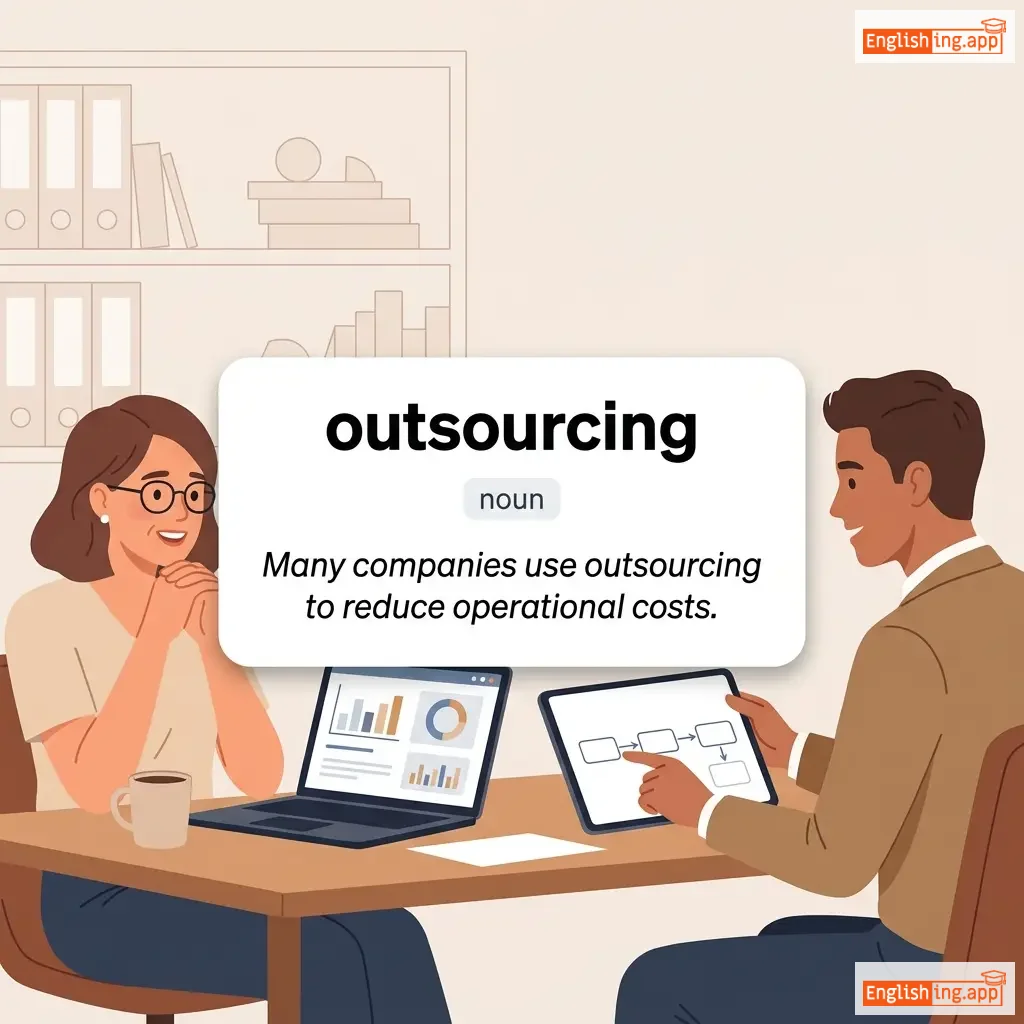
ˈaʊt.sɔː.sɪŋ
noun
••••••
|
|
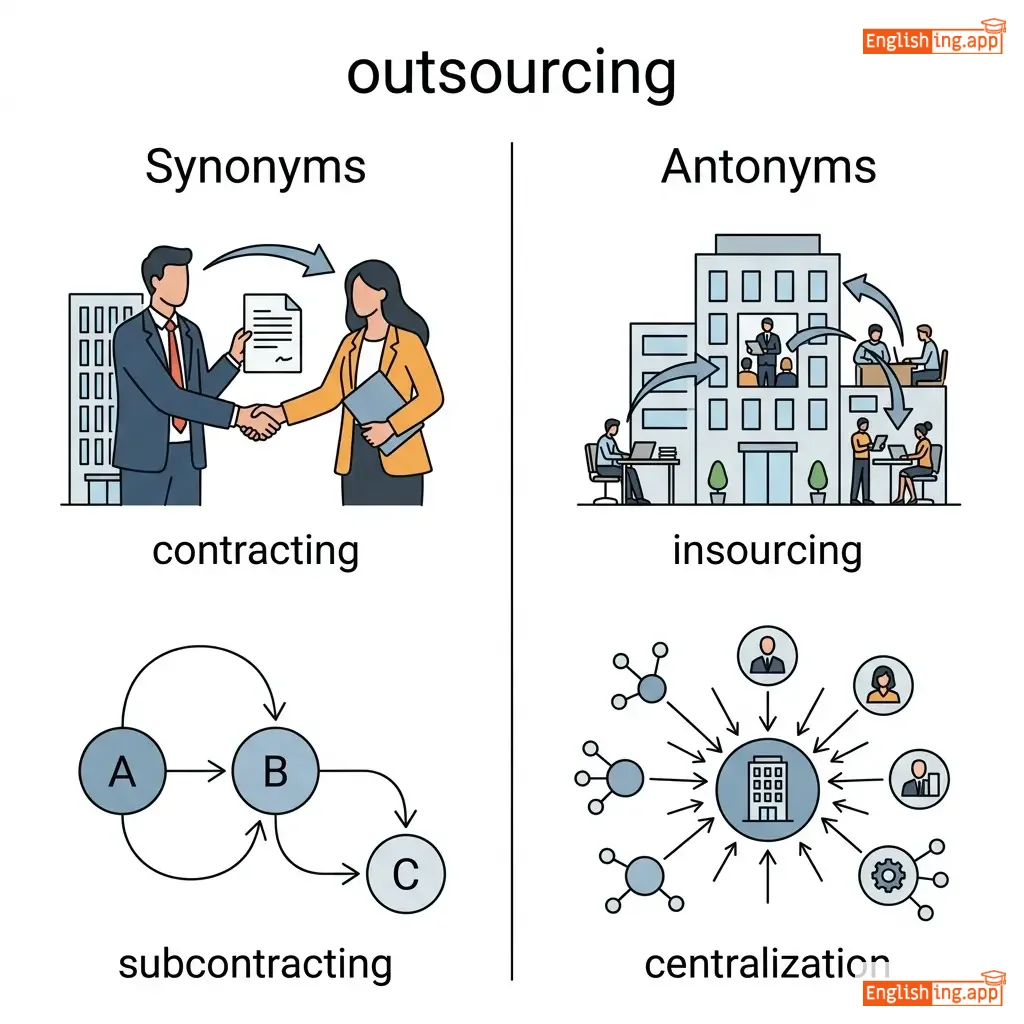
The practice of having certain job functions done outside a company instead of having an in-house department or employee handle them.
••••••
|
Many companies use outsourcing to reduce operational costs. |
contracting, subcontracting, delegation
••••••
|
insourcing, centralization, in-house
••••••
|
|
#2240
🔄
|
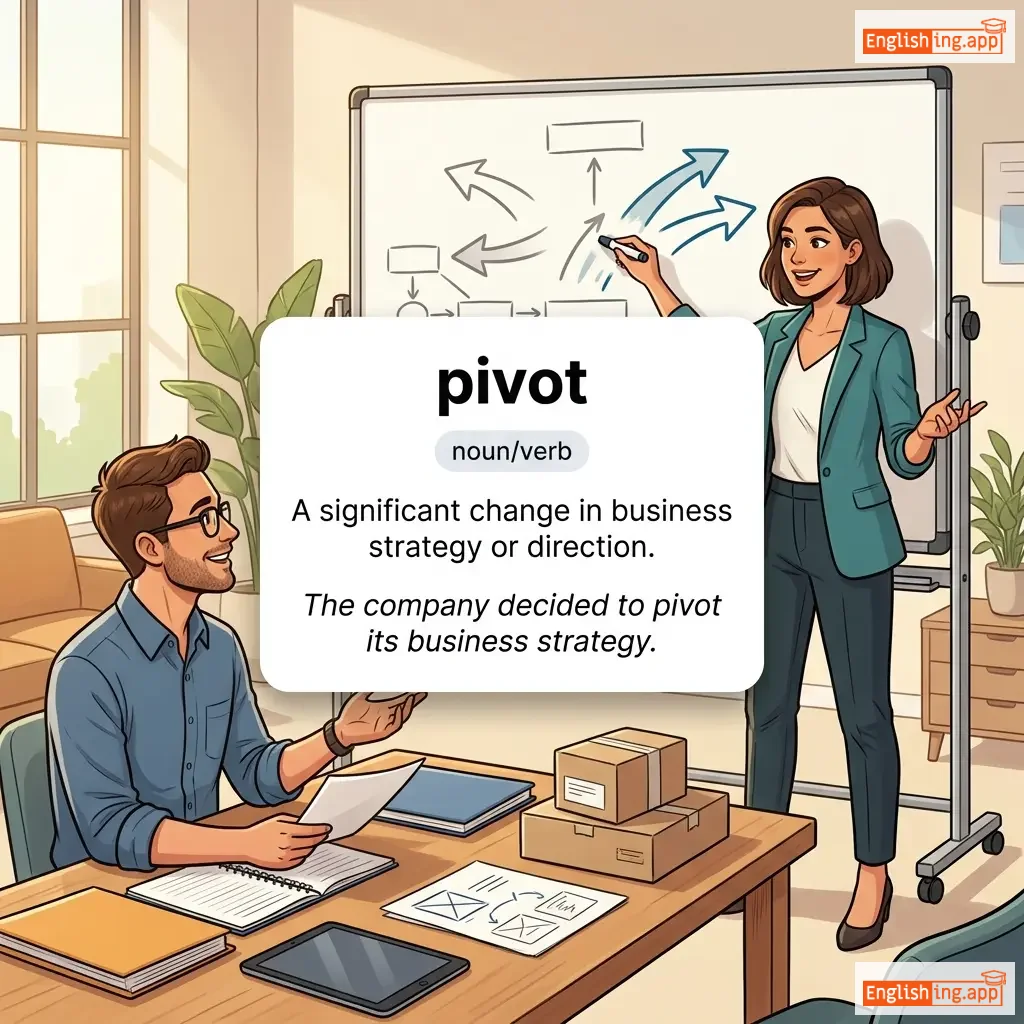
ˈpɪv.ət
noun/verb
••••••
|
|
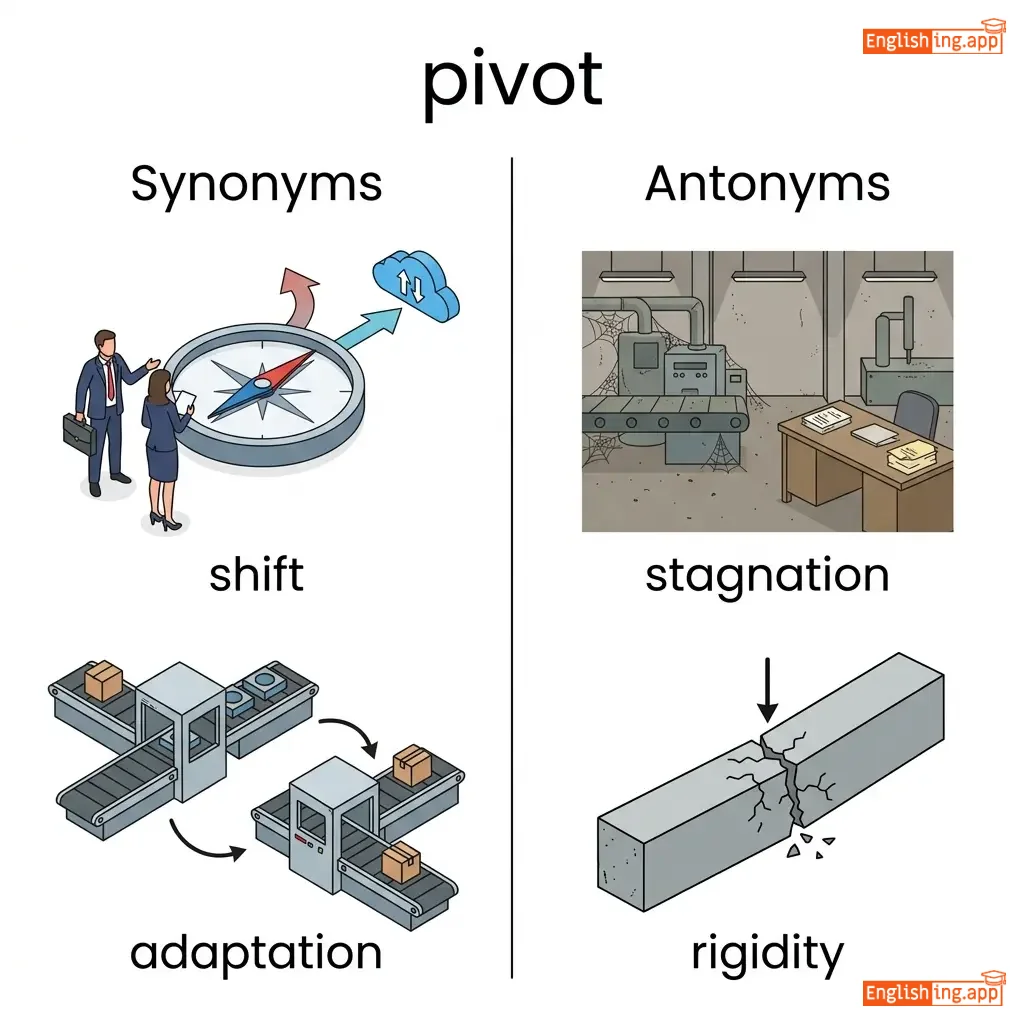
A significant change in business strategy or direction.
••••••
|
The company decided to pivot its business strategy. |
shift, adaptation, turning point
••••••
|
stagnation, rigidity, unchangeable
••••••
|
|
#2241
🏗️
|
ˈeʃ.ə.lɒn
noun
••••••
|

|
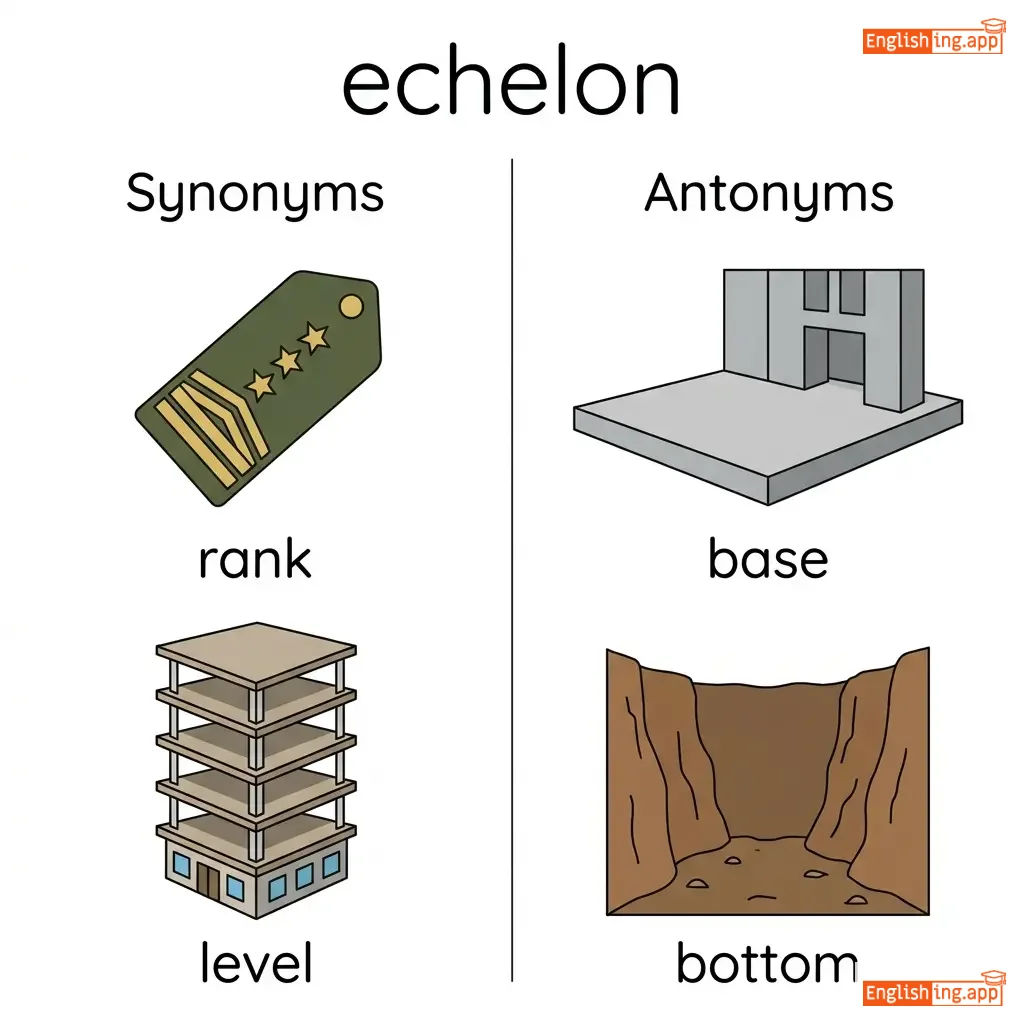
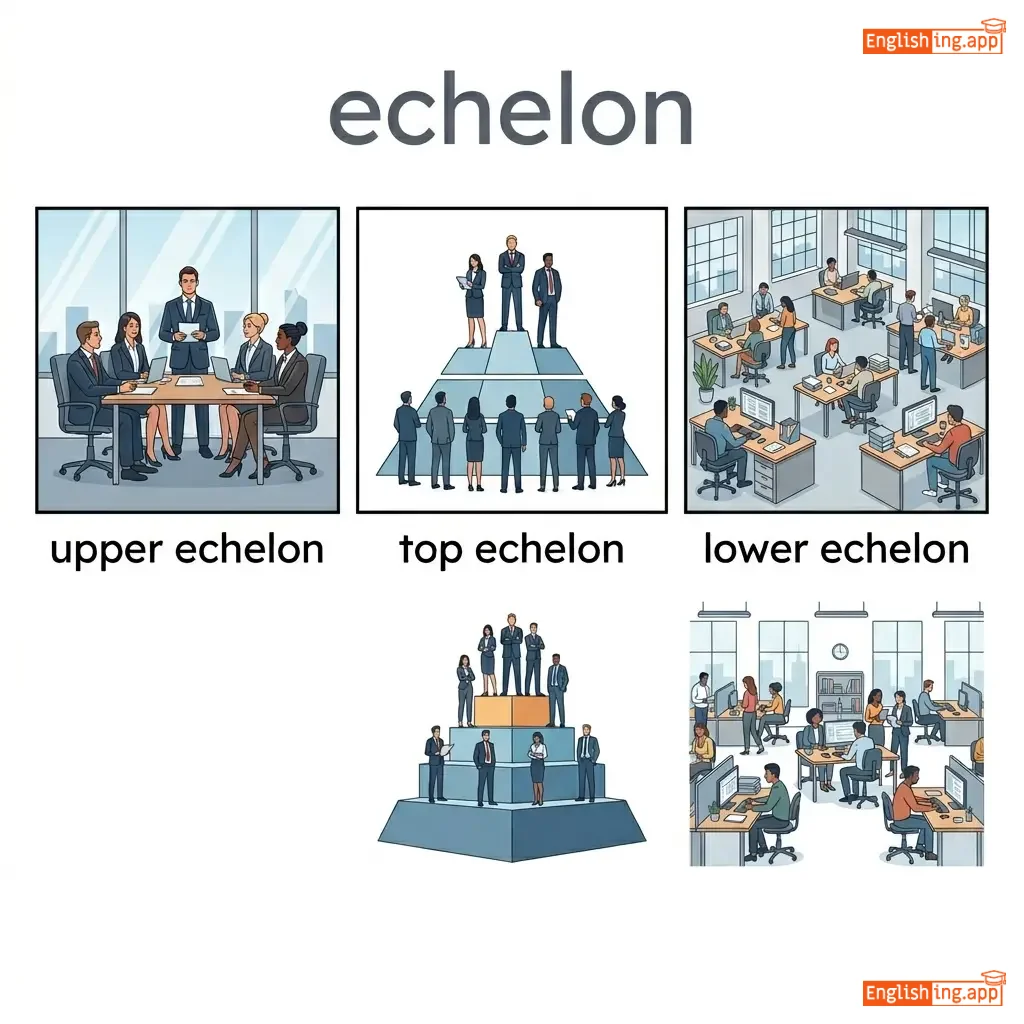
A level or rank in an organization, a profession, or society.
••••••
|
He climbed to the upper echelon of the corporate world. |
rank, level, hierarchy
••••••
|
disorganization, disorder, equality
••••••
|
|
#2242
📋
|
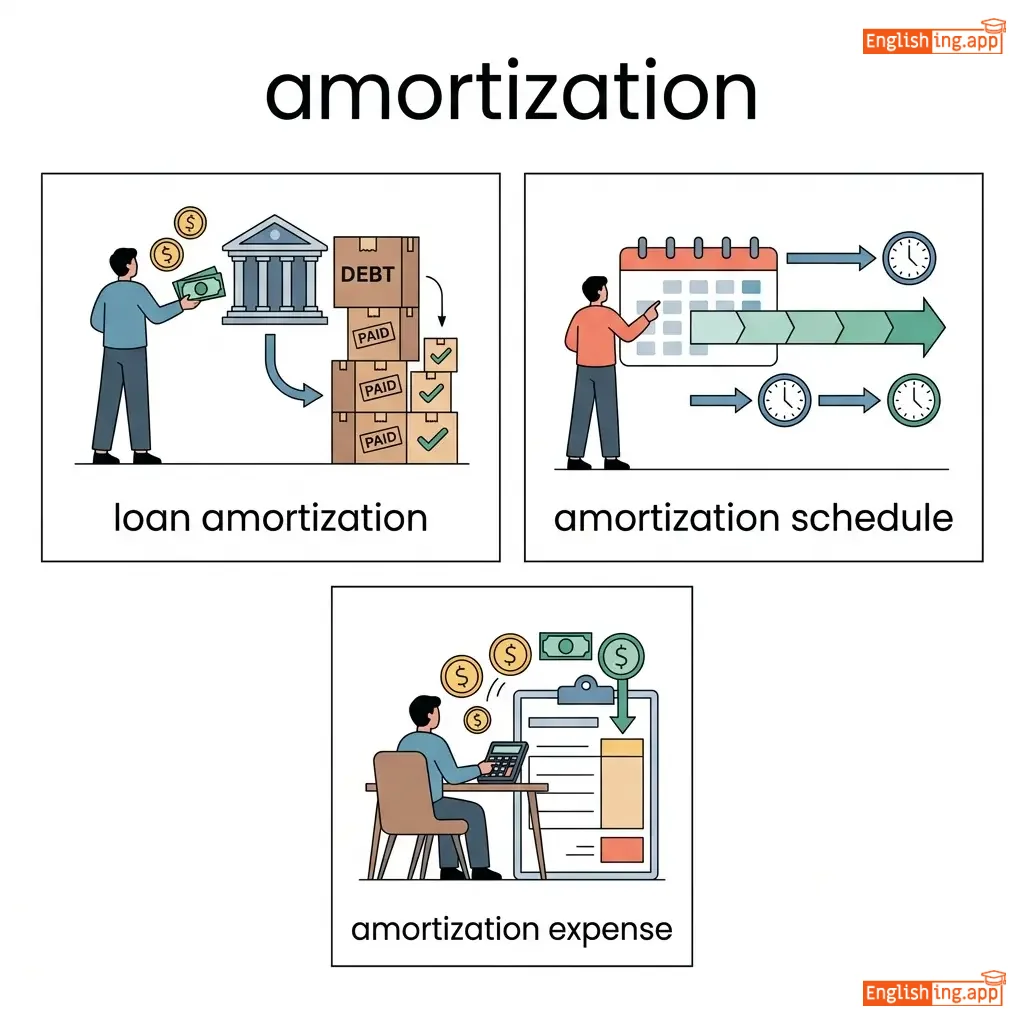
ˌæm.ɔː.tɪˈzeɪ.ʃən
noun
••••••
|
|
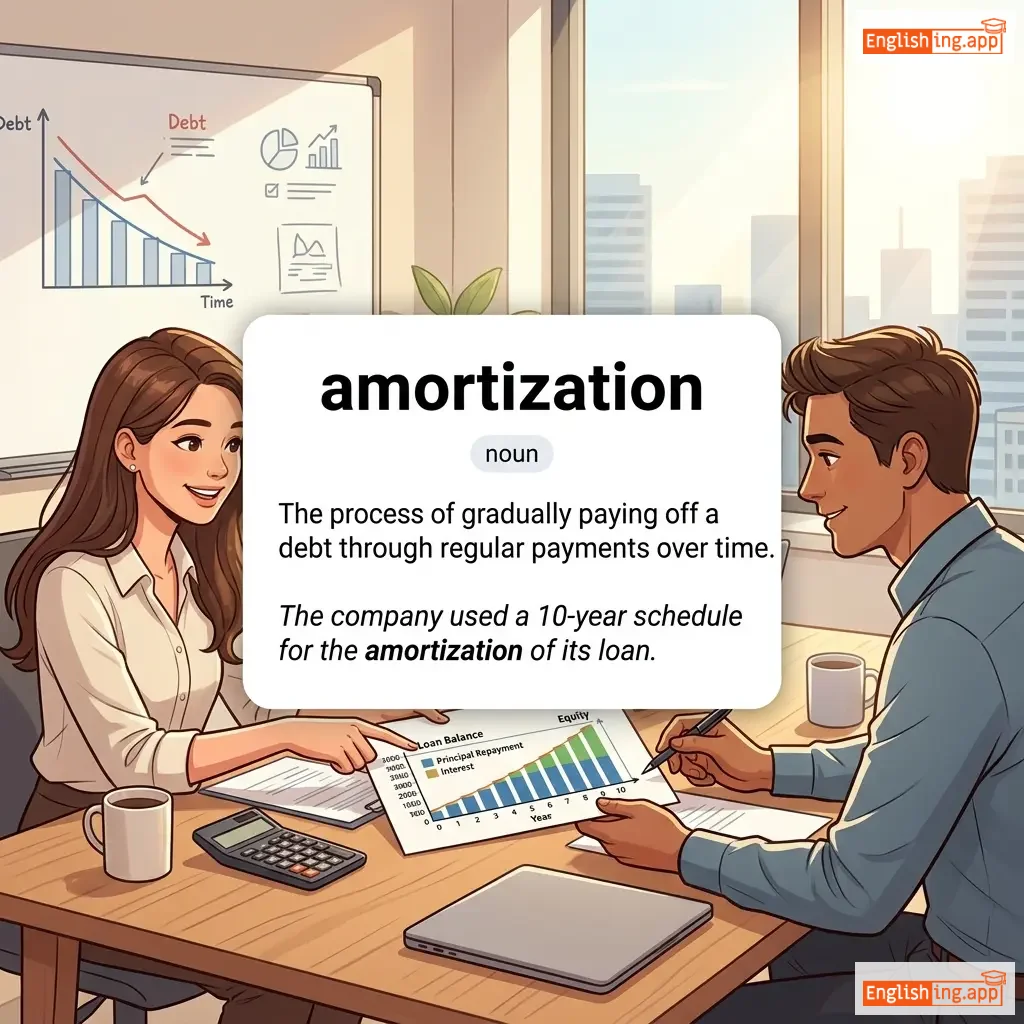
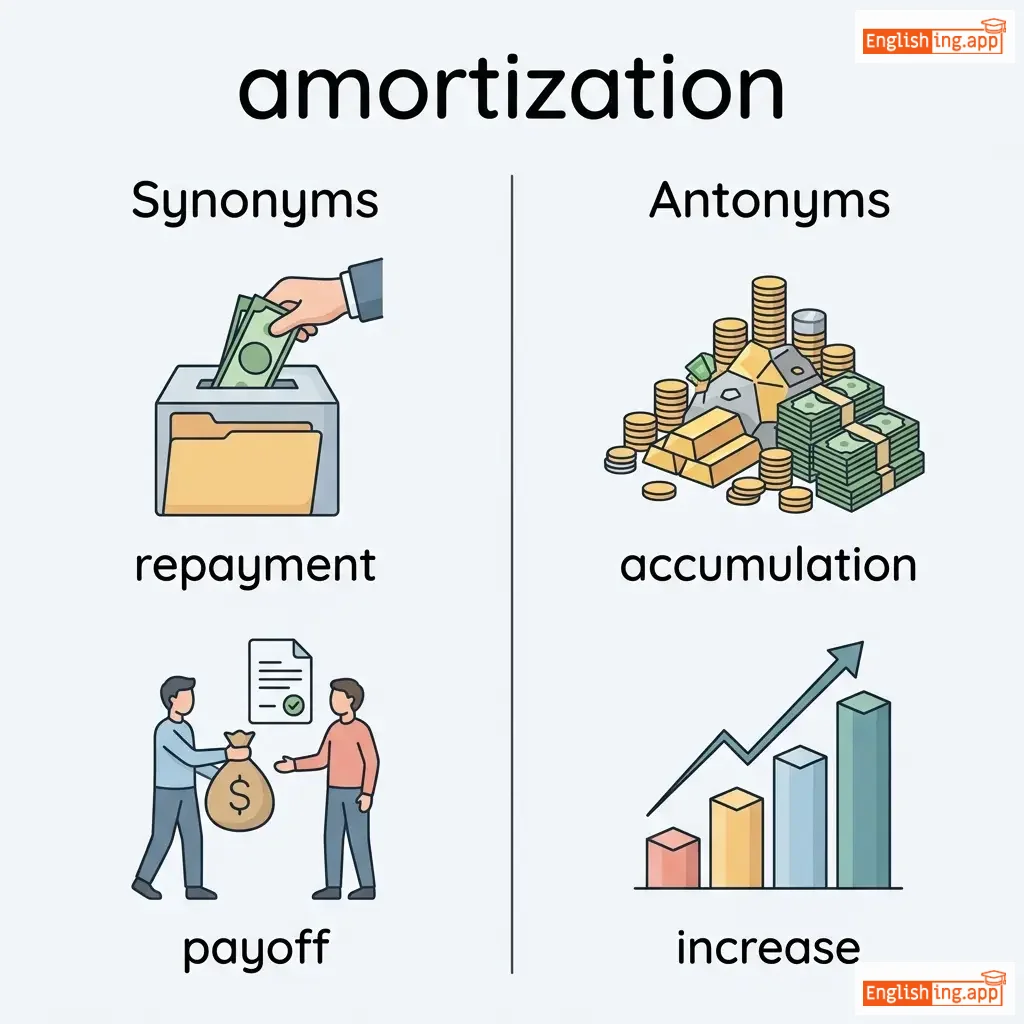
The process of paying off debt with regular payments over time.
••••••
|
The amortization schedule showed a 10-year repayment plan. |
loan repayment, debt reduction, depreciation
••••••
|
accumulation, indebtedness, default
••••••
|
|
#2243
🚀
|
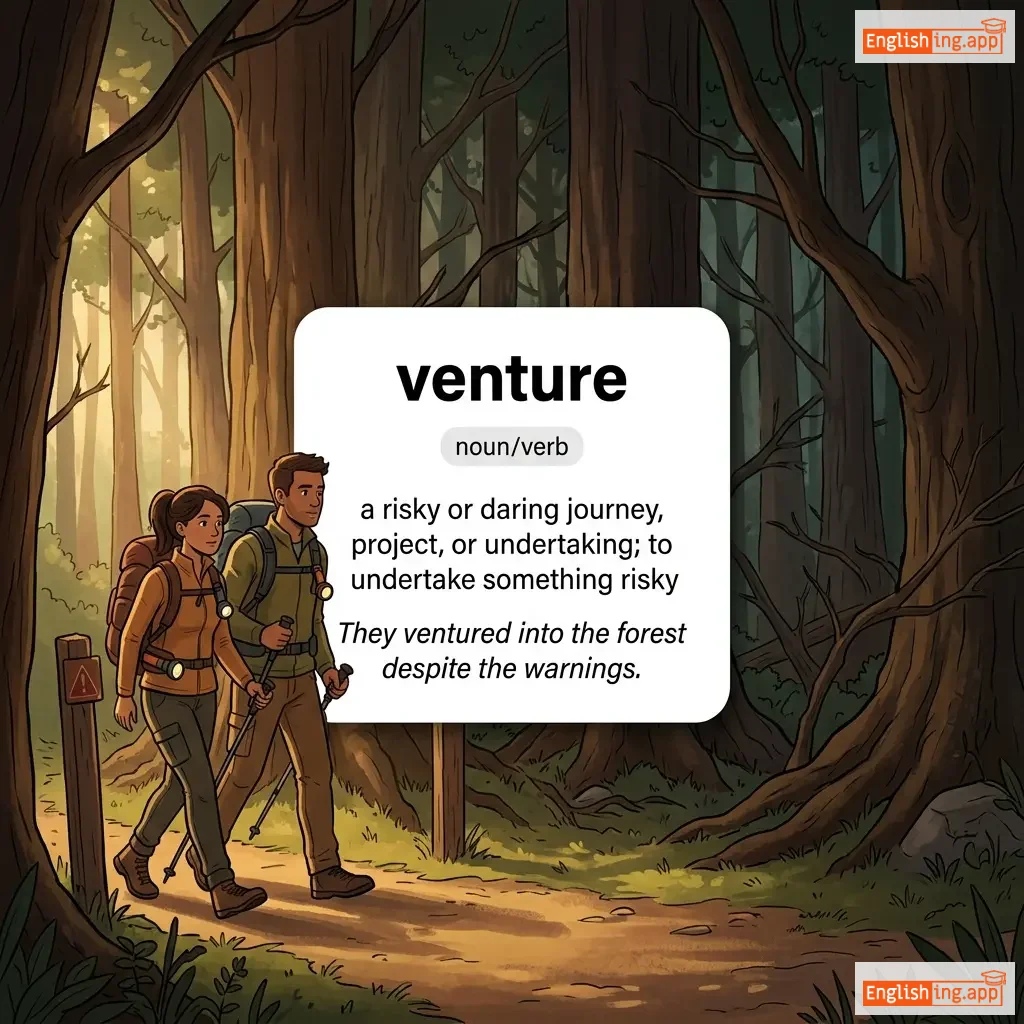
ˈven.tʃər
noun/verb
••••••
|
|
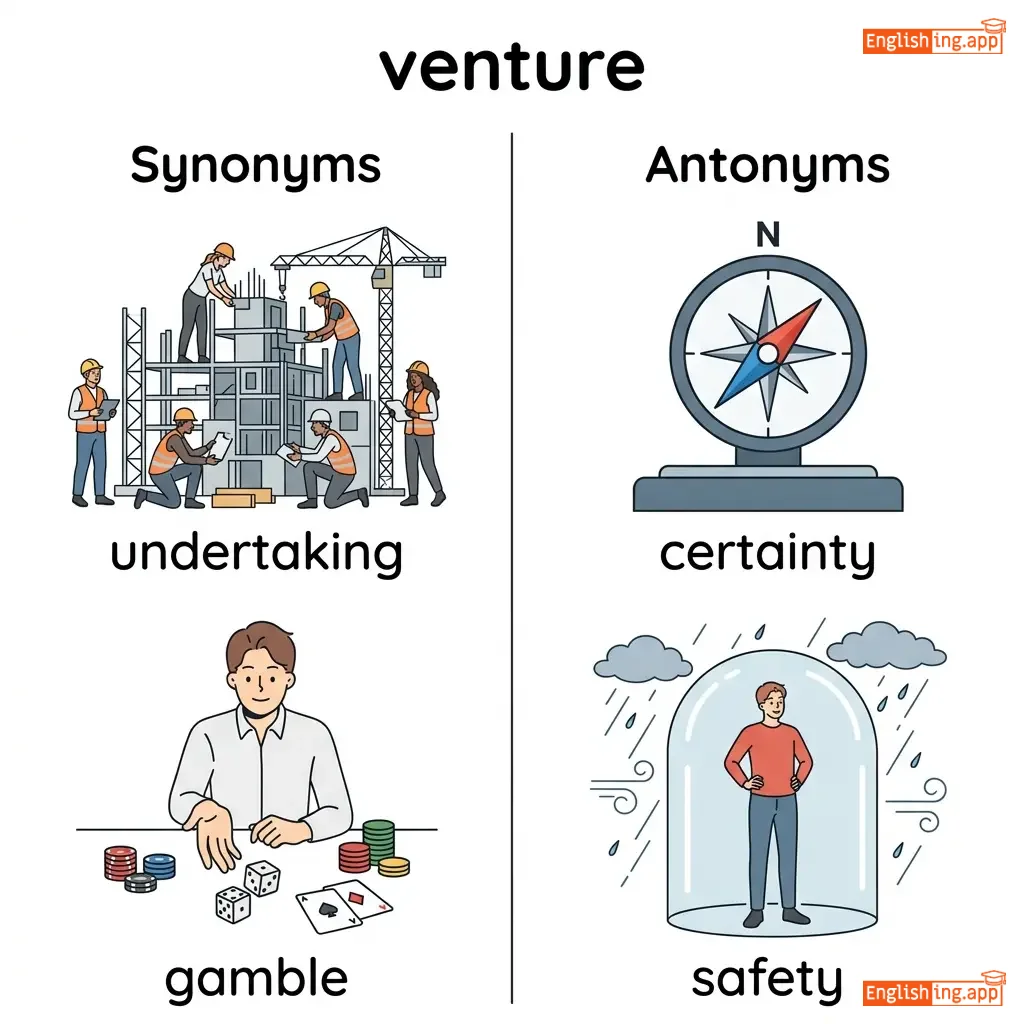
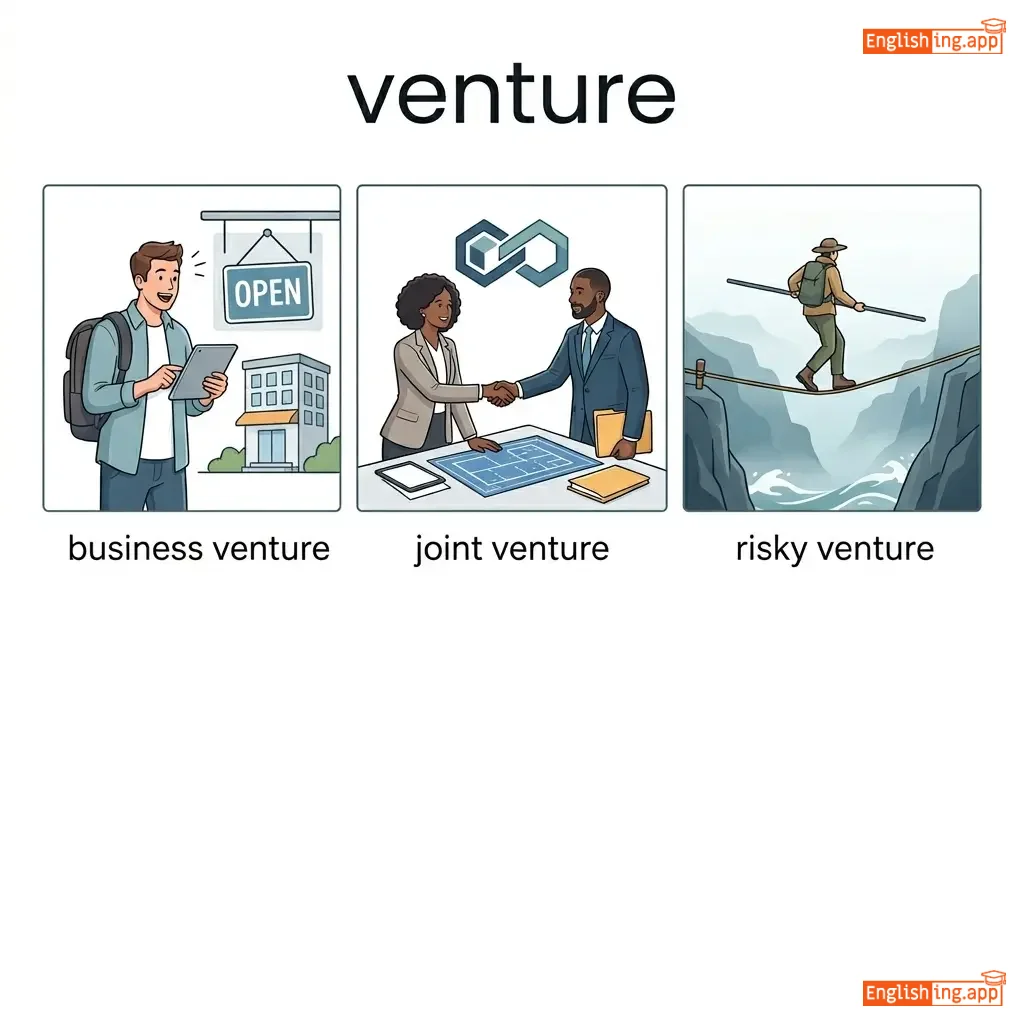
A risky or daring journey or undertaking; a business enterprise involving considerable risk.
••••••
|
His new venture into e-commerce proved successful. |
business endeavor, enterprise, risk-taking
••••••
|
security, caution, stability
••••••
|

