|
表情符号
|
单词 | Images | 翻译 | 过去时 | 过去分词 | 第三人称单数 | 动名词 | 含义 | 例句 | 例句翻译 | 示例表达 | 示例表达含义 | 示例表达翻译 | 同义词 | 反义词 | 搭配词 | 助记符 |
|---|---|---|---|---|---|---|---|---|---|---|---|---|---|---|---|---|---|
|
👥
••••••
|
/ˈʌðərz/
pronoun
(āders)
••••••
|
- •••••• |
其他
qítā
••••••
|
- •••••• | - •••••• | - •••••• | - •••••• |
people or things distinct from the ones already mentioned or known
••••••
|
I like to spend time with others. |
我喜欢和其他人一起度过时间。
Wǒ xǐhuān hé qítā rén yīqǐ dùguò shíjiān.
••••••
|
- •••••• | - •••••• | - •••••• |
people, individuals, others, another
••••••
|
self, oneself
••••••
|
help others, other people, among others
••••••
|
与他人合作可以增加视野 - Collaborating with others expands your perspective
••••••
|
|
↔️❓
••••••
|
/ˈʌðərwaɪz/
adverb
(átherwáiz)
••••••
|
- •••••• |
否则; 不然
fǒuzé; bùrán
••••••
|
- •••••• | - •••••• | - •••••• | - •••••• |
in a different way; if not; or else; apart from that
••••••
|
Study hard, otherwise you will fail the exam. |
努力学习,否则你会考试失败。
Nǔlì xuéxí, fǒuzé nǐ huì kǎoshì shībài
••••••
|
- •••••• | - •••••• | - •••••• |
or else, alternatively, differently, if not
••••••
|
likewise, similarly, correspondingly
••••••
|
or otherwise, otherwise known as, unless otherwise stated
••••••
|
Chinese '否则' means 'otherwise'.
••••••
|
|
✔️
••••••
|
/ɔːt/
modal verb
(奥特)
••••••
|
- •••••• |
应该
yinggai
••••••
|
- •••••• | - •••••• | - •••••• | - •••••• |
Used to indicate duty, correctness, or moral obligation.
••••••
|
You ought to respect your elders. |
你应该尊重长辈。
Nǐ yīnggāi zūnzhòng zhǎngbèi.
••••••
|
- •••••• | - •••••• | - •••••• |
should, must, have to, need to
••••••
|
must not, should not
••••••
|
ought to do, ought not to, one ought to
••••••
|
Ought的意思是应该,记住'ought to respect'意思是'应该尊重'。
••••••
|
|
🏡
••••••
|
/aʊər/
pronoun
(au'er)
••••••
|
- •••••• |
我们的
wǒmen de
••••••
|
- •••••• | - •••••• | - •••••• | - •••••• |
belonging to or associated with the speaker and one or more other people
••••••
|
This is our house. |
这是我们的房子。
Zhè shì wǒmen de fángzi.
••••••
|
- •••••• | - •••••• | - •••••• |
ours, belonging to us, our own
••••••
|
their, your
••••••
|
our family, our team, our responsibility
••••••
|
我们 (wǒmen) 说这是我们的 (wǒmen de) 房子。
••••••
|
|
🤝
••••••
|
/aʊərz/
pronoun
(aʊərz)
••••••
|
- •••••• |
我们的
wǒmen de
••••••
|
- •••••• | - •••••• | - •••••• | - •••••• |
belonging to or associated with us
••••••
|
This victory is ours. |
这个胜利是我们的。
Zhège shènglì shì wǒmen de.
••••••
|
- •••••• | - •••••• | - •••••• |
belonging to us, our own, possessed by us
••••••
|
theirs, yours, his
••••••
|
friend of ours, house of ours, idea of ours
••••••
|
'Our' 的复数形式 — '我们的' (wǒmen de) 就是 'ours'
••••••
|
|
🤗
••••••
|
/aʊərˈsɛlvz/
pronoun
(aʊərˈsɛlvz)
••••••
|
- •••••• |
我们自己
wǒmen zìjǐ
••••••
|
- •••••• | - •••••• | - •••••• | - •••••• |
used by the speaker to refer to themselves and one or more others as the object of the verb
••••••
|
We should help ourselves before helping others. |
我们应该在帮助他人之前先帮助自己。
Wǒmen yīnggāi zài bāngzhù tārén zhīqián xiān bāngzhù zìjǐ.
••••••
|
- •••••• | - •••••• | - •••••• |
we, we ourselves, our own
••••••
|
themselves, others
••••••
|
help ourselves, find ourselves, express ourselves
••••••
|
我们 (wǒmen) 用 '我们自己' 来表示自己
••••••
|
|
➡️
••••••
|
/aʊt/
adverb
(áo tè)
••••••
|
- •••••• |
外面
wàimiàn
••••••
|
- •••••• | - •••••• | - •••••• | - •••••• |
moving or appearing away from the inside or center; not at home or present
••••••
|
He stepped out of the room quietly. |
他悄悄地走出房间。
Tā qiāoqiāo de zǒuchū fángjiān.
••••••
|
out of the blue |
happening unexpectedly
••••••
|
突然
túrán
••••••
|
outside, away, absent, beyond
••••••
|
in, inside
••••••
|
out of control, out of reach, out of stock, out of time
••••••
|
Out意味着外面 - 在足球中,当球员出局时,他走出场外。
••••••
|
|
⚠️
••••••
|
/ˈaʊtˌbreɪk/
noun
(奥特布雷克)
••••••
|
- •••••• |
爆发
baofā
••••••
|
- •••••• | - •••••• | - •••••• | - •••••• |
a sudden start or occurrence of something unpleasant, like disease or violence
••••••
|
There was an outbreak of flu in the city. |
城市中爆发了流感。
Chéngshì zhōng bàofāle liúgǎn.
••••••
|
- •••••• | - •••••• | - •••••• |
eruption, flare-up, epidemic, surge
••••••
|
end, cessation, calm
••••••
|
outbreak of disease, sudden outbreak, outbreak of violence
••••••
|
Outbreak 意味着爆发—某种不愉快的事情突然发生,如疾病或暴力。
••••••
|
|
🏆
••••••
|
/ˈaʊt.kʌm/
noun
(àotèkāng)
••••••
|
- •••••• |
结果; 后果;
jieguo; houguo
••••••
|
- •••••• | - •••••• | - •••••• | - •••••• |
the result or consequence of an action or situation; the final product
••••••
|
The outcome of the election surprised everyone.
选举的结果让所有人感到惊讶。
••••••
|
选举的结果让所有人感到惊讶。
Xuanju de jieguo rang suoyouren gandu jingya.
••••••
|
- •••••• | - •••••• | - •••••• |
result, consequence, conclusion, end result
••••••
|
beginning, cause, input, start
••••••
|
positive outcome, final outcome, predict outcome
••••••
|
结果 = 最终的结果
••••••
|
|
🌳
••••••
|
/ˈaʊtdɔːr/
adjective
(aʊtˈdɔːr)
••••••
|
- •••••• |
户外
hù wài
••••••
|
- •••••• | - •••••• | - •••••• | - •••••• |
situated, existing, or done outside a building
••••••
|
We planned an outdoor picnic for the weekend.
我们计划了一个户外野餐,周末进行。
••••••
|
我们计划了一个户外野餐,周末进行。
Wǒmen jìhuàle yīgè hùwài yěcān, zhōumò jìnxíng.
••••••
|
outdoor activities
户外活动
••••••
|
recreational things people do outside, like sports or camping
••••••
|
户外活动
hùwài huódòng
••••••
|
open-air, outside, external, exterior
••••••
|
indoor, inside
••••••
|
outdoor sports, outdoor event, outdoor seating, outdoor adventure
••••••
|
'Outdoor' 在中文中意味着 '户外' — 在外面做的活动
••••••
|
|
🌳
••••••
|
/ˌaʊtˈdɔːrz/
adverb; noun
(奥特多尔兹)
••••••
|
- •••••• |
在户外
zai huwai
••••••
|
- •••••• | - •••••• | - •••••• | - •••••• |
outside a building; the natural environment outside
••••••
|
We spent the whole afternoon outdoors enjoying the fresh air.
我们 斯本特 德 后奥 下午 奥特多尔兹 享受 新鲜 空气。
••••••
|
我们整个下午都在户外享受新鲜空气。
women zhengge xiawu dou zai huwai xiangshou xinxian kongqi
••••••
|
outdoorsy type
户外型 人
••••••
|
a person who enjoys outdoor activities
••••••
|
户外爱好者
huwai aihaozhe
••••••
|
outside, open air, exterior, wilderness
••••••
|
indoors, inside
••••••
|
outdoors activities, sleep outdoors, live outdoors, enjoy the outdoors
••••••
|
OUT = 外 → outdoors = 户外
••••••
|
|
👗
••••••
|
/ˈaʊtˌfɪt/
noun
(ǎutfīt)
••••••
|
- •••••• |
服装
fúzhuāng
••••••
|
- •••••• | - •••••• | - •••••• | - •••••• |
A set of clothes worn together, often for a particular occasion.
••••••
|
She wore a beautiful outfit to the party. |
她穿了一套漂亮的服装去参加派对。
Tā chuānle yī tào piàoliang de fúzhuāng qù cānjiā pàiduì.
••••••
|
- •••••• | - •••••• | - •••••• |
attire, costume, clothing, apparel, dress
••••••
|
rags, undress
••••••
|
wear outfit, stylish outfit, wedding outfit, matching outfit
••••••
|
Outfit 就是为特别场合搭配的服装。
••••••
|
|
🏖️
••••••
|
/ˈaʊtɪŋ/
noun
(aoting)
••••••
|
- •••••• |
短途旅行
duǎntú lǚxíng
••••••
|
- •••••• | - •••••• | - •••••• | - •••••• |
a short trip or excursion, often for leisure or enjoyment
••••••
|
They had a lovely outing at the beach last weekend. |
他们上周末在海滩上度过了一个美好的短途旅行。
Tāmen shàng zhōumò zài hǎitān shàng dùguò le yīgè měihǎo de duǎntú lǚxíng.
••••••
|
- •••••• | - •••••• | - •••••• |
excursion, trip, adventure, journey
••••••
|
stay, rest, retreat
••••••
|
family outing, weekend outing, picnic outing
••••••
|
Outing意味着外出休闲,比如去海滩或公园。
••••••
|
|
🔌
••••••
|
/ˈaʊtlet/
noun
(奥特莱特)
••••••
|
- •••••• |
出口
chūkǒu
••••••
|
- •••••• | - •••••• | - •••••• | - •••••• |
a means by which something is released, expressed, or distributed
••••••
|
Art is a great outlet for emotions. |
艺术是情感的一个极好的出口。
Yìshù shì qínggǎn de yīgè jí hǎo de chūkǒu.
••••••
|
power outlet |
a socket that provides electrical power
••••••
|
电源插座
diànyuán chāzuò
••••••
|
vent, escape, channel, release, store
••••••
|
inlet, blockage
••••••
|
shopping outlet, outlet store, emotional outlet, power outlet
••••••
|
'Out' 表示外面,'let' 表示允许 — outlet 是出去的路径。
••••••
|
|
🔭
••••••
|
/ˈaʊtlʊk/
noun
(aotuluke)
••••••
|
- •••••• |
前景, 预测
qianjing, yuce
••••••
|
- •••••• | - •••••• | - •••••• | - •••••• |
a person's general attitude or view; a forecast or prospect
••••••
|
The economic outlook for the year is positive. |
今年的经济前景是积极的。
Jinen de jingji qianjing shi jiji de.
••••••
|
bright outlook |
a positive or hopeful perspective about the future
••••••
|
光明的前景
guangming de qianjing
••••••
|
perspective, view, forecast, attitude, expectation
••••••
|
pessimism, despair
••••••
|
positive outlook, global outlook, financial outlook, outlook on life
••••••
|
Outlook意味着向未来展望,一个积极的前景。
••••••
|
|
🏭
••••••
|
/ˈaʊtpʊt/
noun
(aʊtpʊt)
••••••
|
|
产出
chanchu
••••••
|
- •••••• | - •••••• | - •••••• | - •••••• |
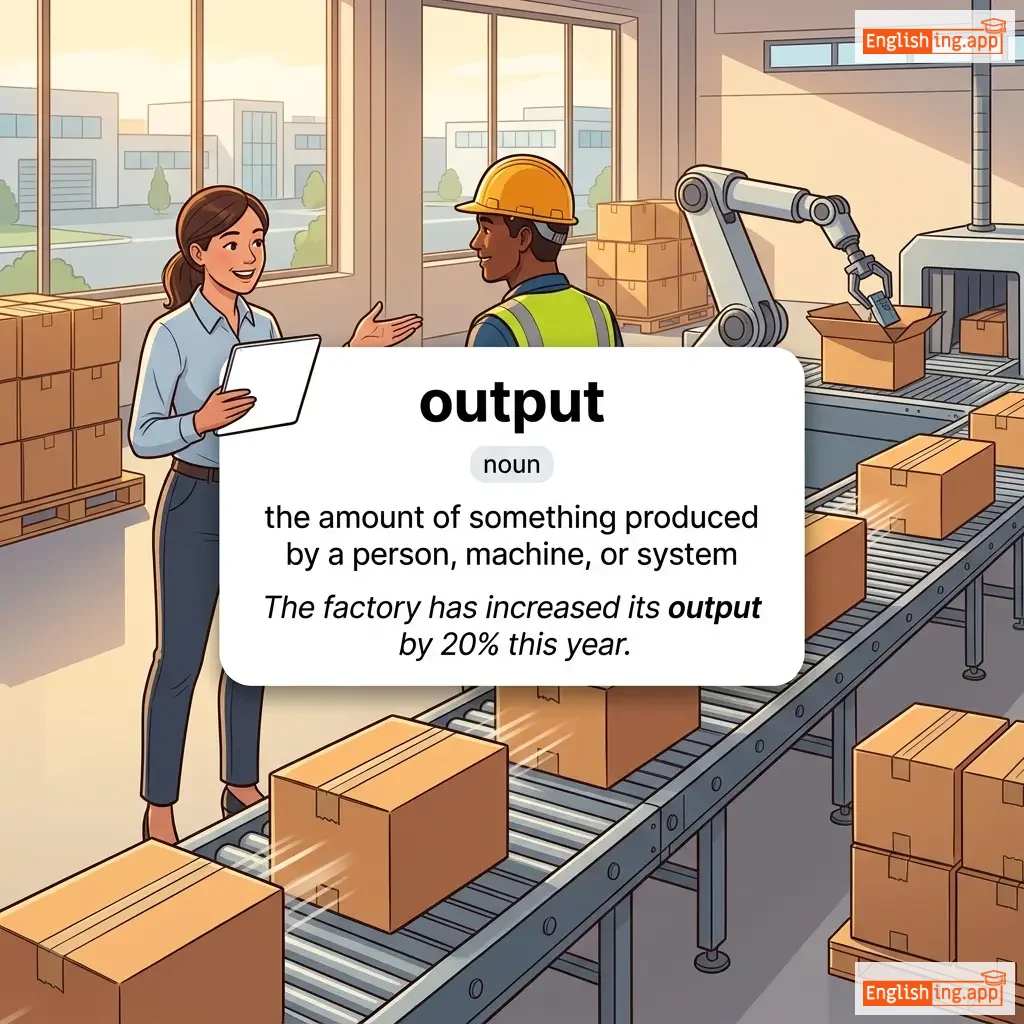
the amount of something produced by a person, machine, or system
••••••
|
The factory has increased its output by 20% this year. |
工厂今年增加了20%的产出。
Gongchang jinian zengjia le 20% de chanchu.
••••••
|
high output |
producing a large amount or quantity
••••••
|
高产出
gao chanchu
••••••
|
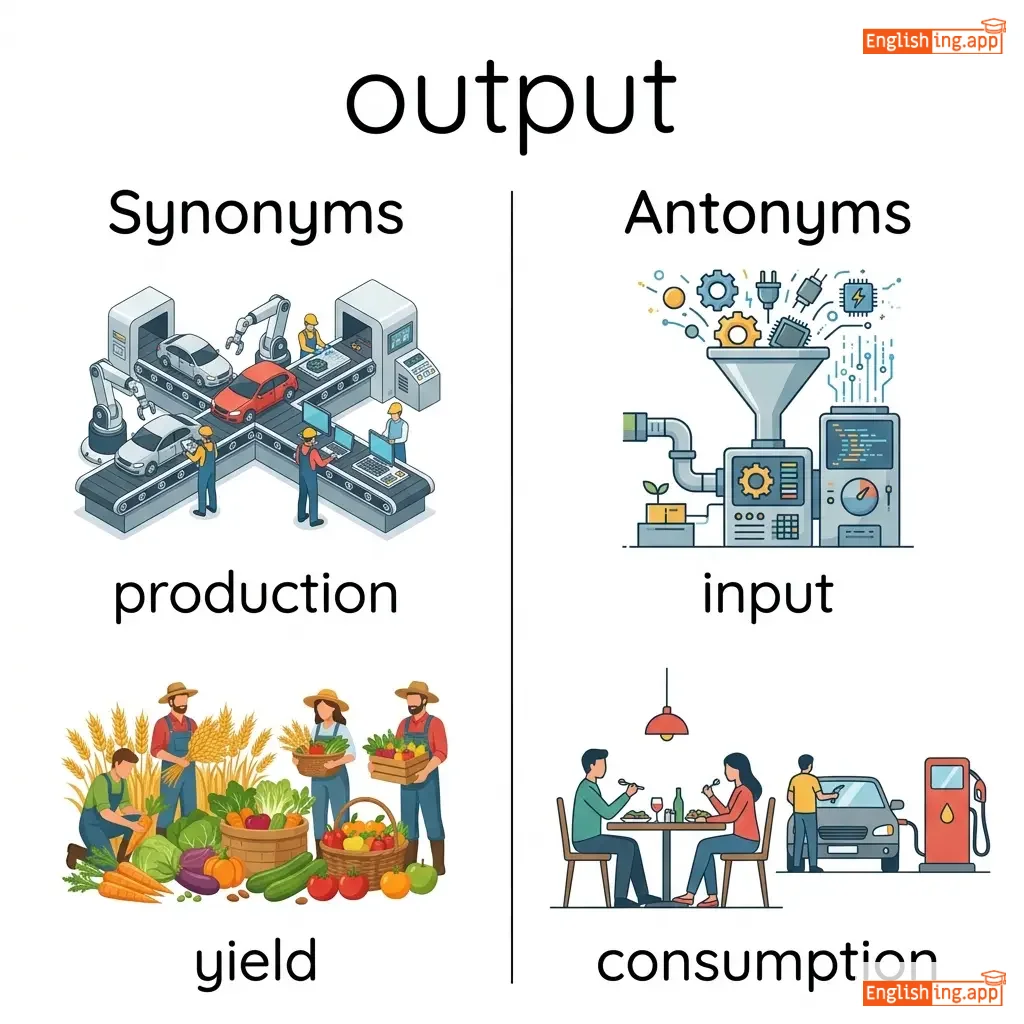
production, yield, product, result, performance
••••••
|
input, consumption
••••••
|
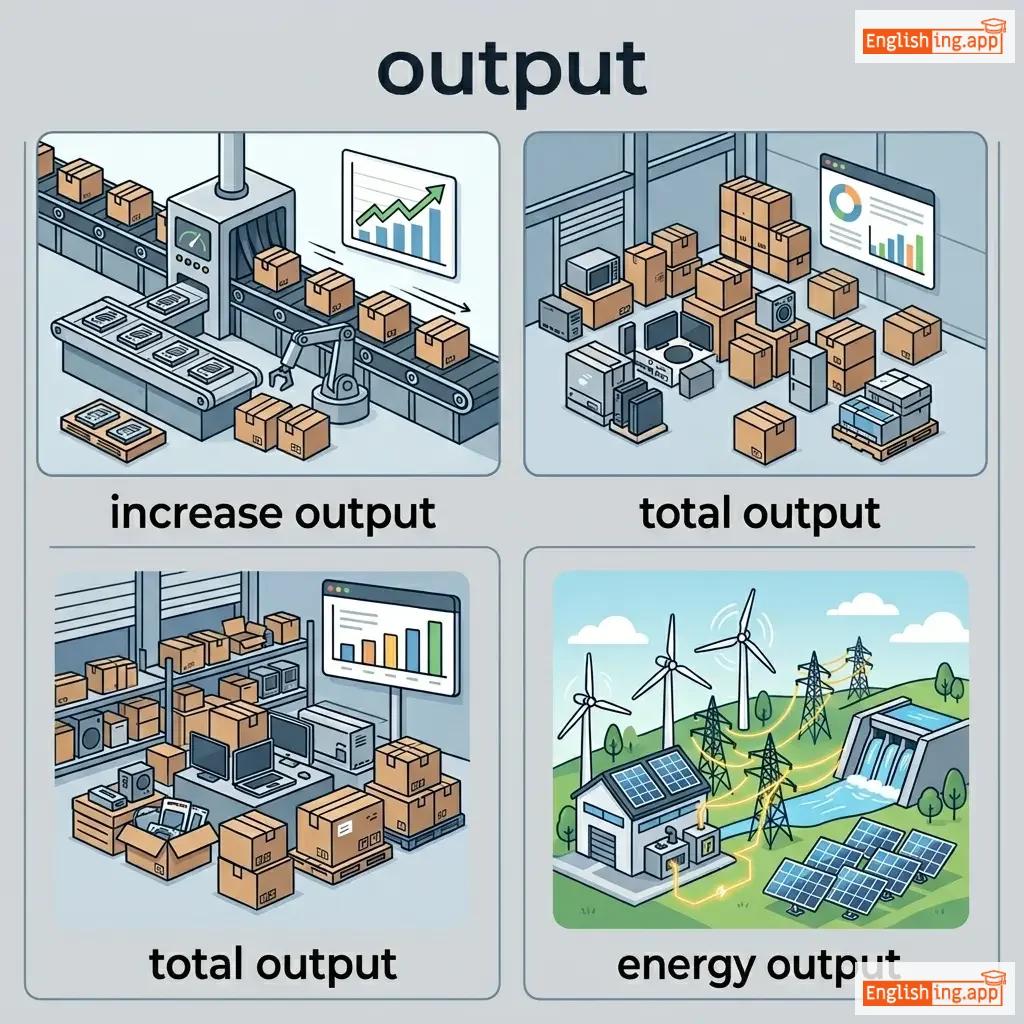
increase output, total output, energy output, data output
••••••
|
Out + Put 就是‘生产’的意思 — 产出!
••••••
|
|
😡
••••••
|
/ˈaʊtreɪdʒ/
noun/verb
(奥特雷奇)
••••••
|
- •••••• |
愤怒
fennu
••••••
|
outraged
奥特雷奇德
••••••
|
outraged
奥特雷奇德
••••••
|
outrages
奥特雷奇斯
••••••
|
outraging
奥特雷奇因
••••••
|
A strong feeling of anger and shock; to arouse anger or shock.
••••••
|
The unfair decision caused public outrage.
不公正的决定引起了公众的愤怒。
••••••
|
不公正的决定引起了公众的愤怒。
Bugongzheng de jueding yinqile gongzhong de fennu.
••••••
|
cry of outrage
愤怒的呼声
••••••
|
A loud protest or complaint expressing anger or shock.
••••••
|
愤怒的呼声
Fennu de hushan
••••••
|
indignation, fury, resentment, anger, shock
••••••
|
calm, contentment, satisfaction
••••••
|
public outrage, express outrage, cause outrage, cry of outrage
••••••
|
愤怒的感觉让人疯狂 — Outrage.
••••••
|
|
🌳
••••••
|
/ˌaʊtˈsaɪd/
noun/adjective/adverb
(àu cáid)
••••••
|
- •••••• |
外面
wàimiàn
••••••
|
- •••••• | - •••••• | - •••••• | - •••••• |
the external part or surface of something; beyond the boundary
••••••
|
Children were playing outside in the yard.
孩子们在院子外面玩。
••••••
|
孩子们在院子外面玩。
Háizimen zài yuànzi wàimiàn wán.
••••••
|
on the outside
在外面
••••••
|
viewed externally; not part of a group
••••••
|
在外面
zài wàimiàn
••••••
|
exterior, surface, outdoors, external
••••••
|
inside, interior
••••••
|
outside world, outside chance, outside influence, outside the box
••••••
|
Outside意味着外面,外面就是Outside
••••••
|
|
🚶♂️
••••••
|
/ˌaʊtˈsaɪdə(r)/
noun
(ào tǐ sài dé)
••••••
|
- •••••• |
局外人
juwai ren
••••••
|
- •••••• | - •••••• | - •••••• | - •••••• |
a person who is not accepted as a member of a particular group or community
••••••
|
As a new student, she often felt like an outsider at school. |
作为新生,她常常觉得自己在学校是个局外人。
zuòwéi xīnshēng, tā chángcháng juéde zìjǐ zài xuéxiào shì ge juwairén.
••••••
|
feel like an outsider |
to feel excluded or not part of a group
••••••
|
感觉像个局外人
gǎnjué xiàng ge juwairén
••••••
|
stranger, newcomer, foreigner, alien, nonmember
••••••
|
insider, member
••••••
|
social outsider, political outsider, complete outsider, feel like an outsider
••••••
|
Out + Sider = 外面的人 — 局外人 🚶♂️
••••••
|
|
🏆
••••••
|
/aʊtˈstændɪŋ/
adjective
(aʊtˈstændɪŋ)
••••••
|
- •••••• |
杰出
jie chu
••••••
|
- •••••• | - •••••• | - •••••• | - •••••• |
extremely good or impressive; not yet resolved or paid
••••••
|
She received an award for her outstanding performance. |
她因出色的表现获得了奖项。
Ta yin chuse de biaoxian huode le jiangxiang.
••••••
|
outstanding debt |
unpaid amount of money that is still owed
••••••
|
未付债务
wei fu zhaiwu
••••••
|
excellent, remarkable, exceptional, notable
••••••
|
ordinary, mediocre
••••••
|
outstanding achievement, outstanding performance, outstanding debt, outstanding issue
••••••
|
Outstanding意味着在外面站着 - 非常好,大家都看到了
••••••
|
|
🔥
••••••
|
/ˈʌv.ən/
noun
(烤箱)
••••••
|
- •••••• |
烤箱
kaoxiang
••••••
|
- •••••• | - •••••• | - •••••• | - •••••• |
an enclosed compartment used for heating, baking, or drying food
••••••
|
She baked cookies in the oven for thirty minutes.
她在烤箱里烤了三十分钟的饼干。
••••••
|
她在烤箱里烤了三十分钟的饼干。
Ta zai kaoxiang li kaole sanshi fenzhong de binggan.
••••••
|
- •••••• | - •••••• | - •••••• |
stove, range, kiln
••••••
|
refrigerator, freezer
••••••
|
gas oven, electric oven, microwave oven, convection oven
••••••
|
烤箱里饼干烤得非常好。
••••••
|
|
⬆️
••••••
|
/ˈoʊvər/
preposition, adverb
(ōu wò)
••••••
|
- •••••• |
在…上面
zai…shangmian
••••••
|
- •••••• | - •••••• | - •••••• | - •••••• |
across, on top of, or beyond
••••••
|
The book is lying over the table. |
书在桌子上面。
Shu zai zhuozi shangmian.
••••••
|
- •••••• | - •••••• | - •••••• |
above, across, beyond
••••••
|
under, beneath
••••••
|
over the table, over the years, over there
••••••
|
书在桌子上面 – Book goes over the table
••••••
|
|
🌍
••••••
|
/ˈoʊvərɔːl/
adjective, adverb
(ōu wéi ruò ěr)
••••••
|
- •••••• |
总体上
zǒngtǐ shàng
••••••
|
- •••••• | - •••••• | - •••••• | - •••••• |
in general or as a whole
••••••
|
Overall, the project has been successful. |
总体上,项目已成功。
Zǒngtǐ shàng, xiàngmù yǐ chénggōng.
••••••
|
- •••••• | - •••••• | - •••••• |
generally, broadly, in total
••••••
|
specifically, individually
••••••
|
overall view, overall performance, overall result
••••••
|
Overall代表总体上 - 完美成功
••••••
|
|
💪
••••••
|
/ˌoʊvərˈkʌm/
verb
(欧弗卡姆)
••••••
|
|
克服
kèfú
••••••
|
overcame
欧弗凯姆
••••••
|
overcome
欧弗卡姆
••••••
|
overcomes
欧弗卡姆斯
••••••
|
overcoming
欧弗卡明
••••••
|
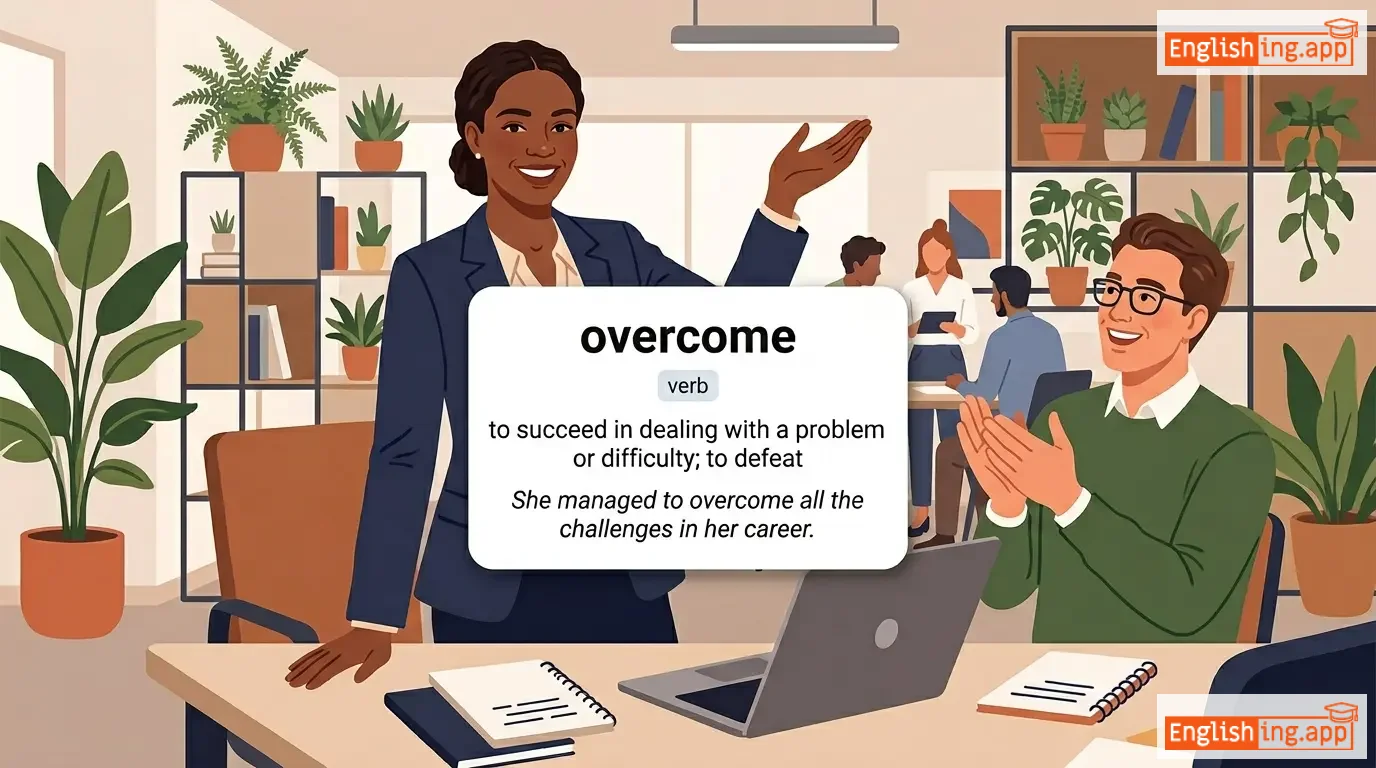
to succeed in dealing with a problem or difficulty; to defeat
••••••
|
She managed to overcome all the challenges in her career.
她成功地克服了职业生涯中的所有挑战。
••••••
|
她成功地克服了职业生涯中的所有挑战。
Tā chénggōng de kèfú le zhíyè shēngyá zhōng de suǒyǒu tiǎozhàn.
••••••
|
overcome with emotion
情感的压倒
••••••
|
deeply affected by strong feelings
••••••
|
情感的压倒
qínggǎn de yādǎo
••••••
|
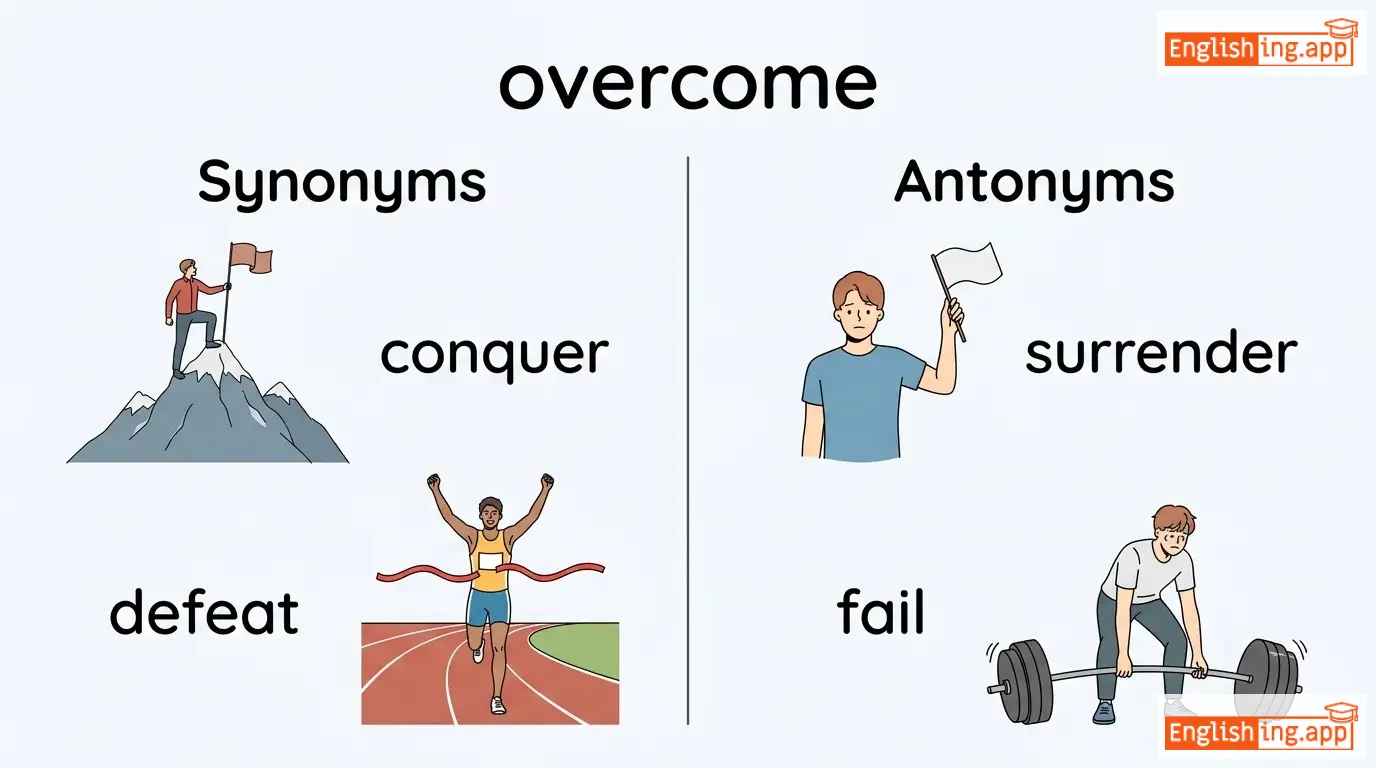
conquer, defeat, prevail, master
••••••
|
surrender, fail
••••••
|
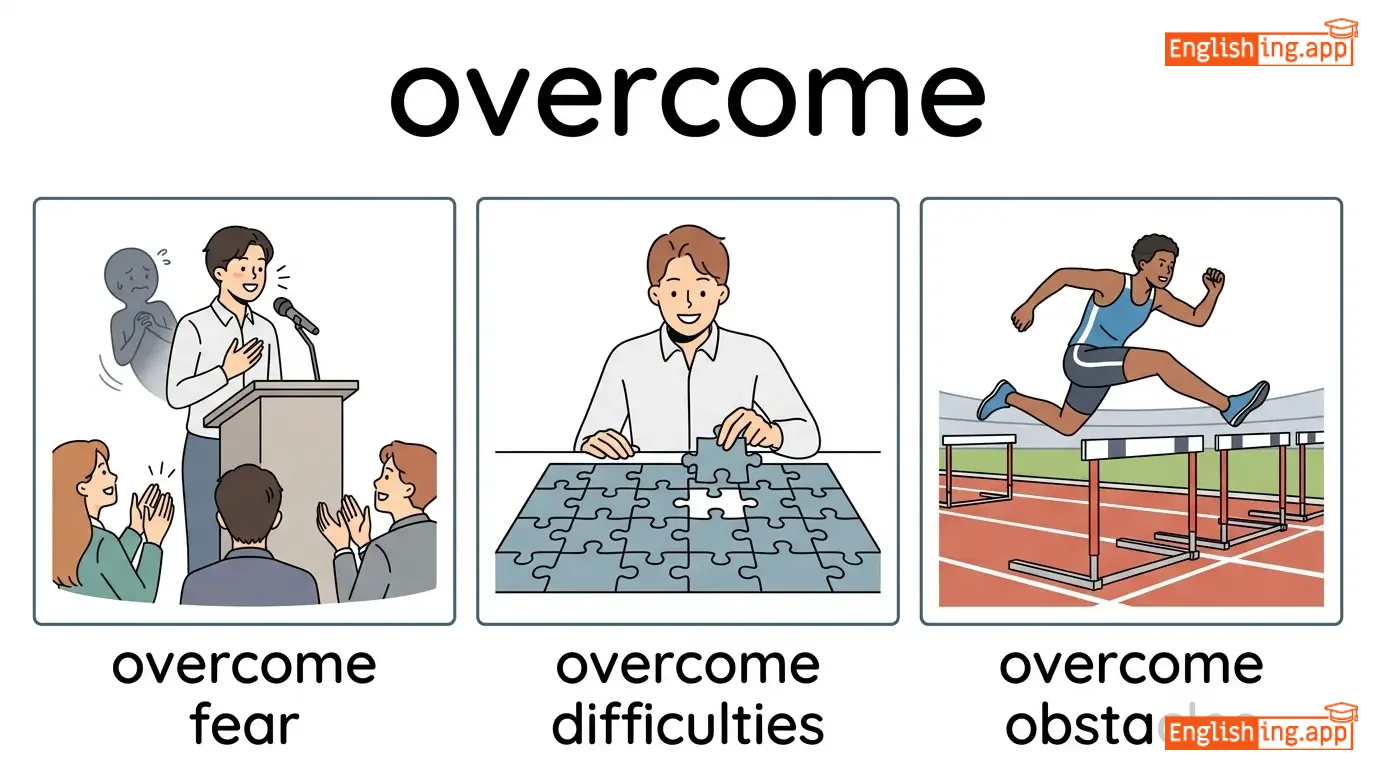
overcome fear, overcome difficulties, overcome obstacles, overcome challenges
••••••
|
克服就像战胜障碍 - 解决困难,取得胜利。
••••••
|
|
👀
••••••
|
/ˌoʊvərˈlʊk/
verb
(欧佛鲁克)
••••••
|

|
忽视
hūshì
••••••
|
overlooked
欧佛鲁克德
••••••
|
overlooked
欧佛鲁克德
••••••
|
overlooks
欧佛鲁克斯
••••••
|
overlooking
欧佛鲁金
••••••
|
to fail to notice something; to have a view from above
••••••
|
She overlooked an important detail in the contract.
她忽略了合同中的一个重要细节。
••••••
|
她忽略了合同中的一个重要细节。
Tā hūlüè le hétóng zhōng de yīgè zhòngyào xìjié.
••••••
|
to overlook mistakes
忽略错误
••••••
|
to forgive or ignore minor errors
••••••
|
忽略错误
Hūlüè cuòwù
••••••
|
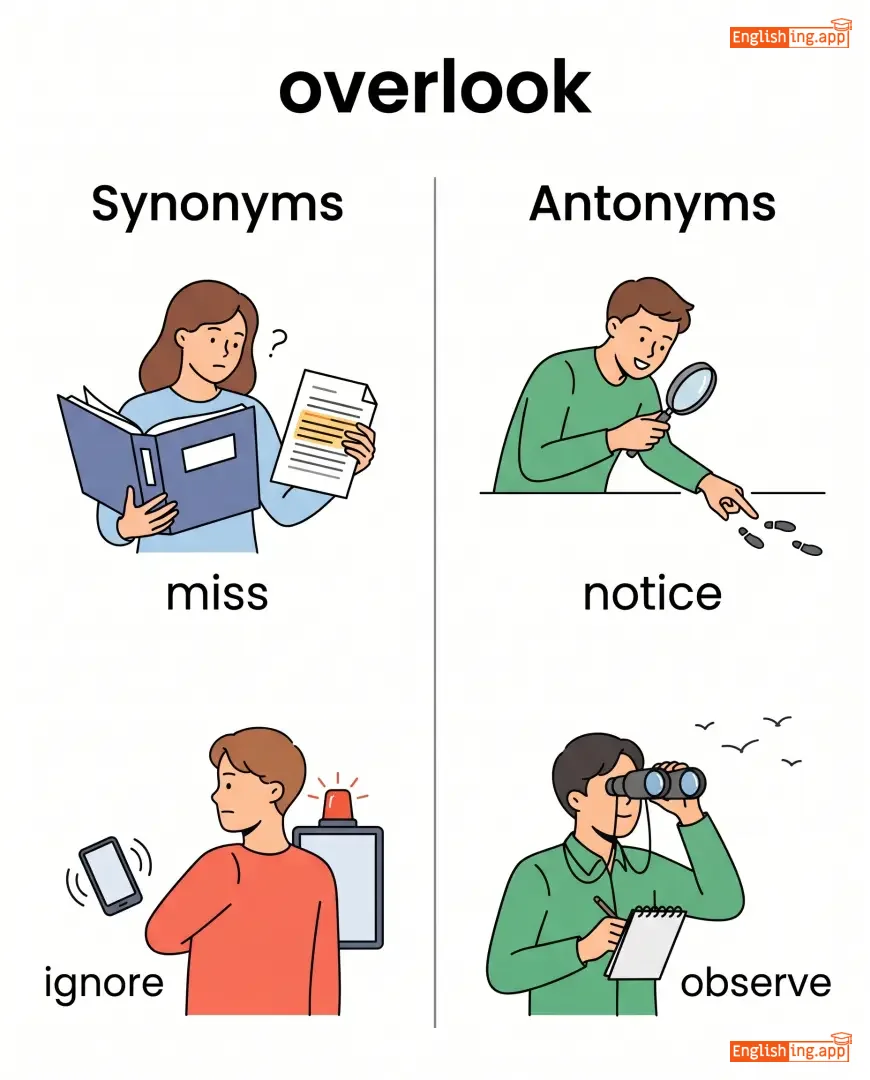
miss, ignore, disregard, supervise, neglect
••••••
|
notice, observe
••••••
|
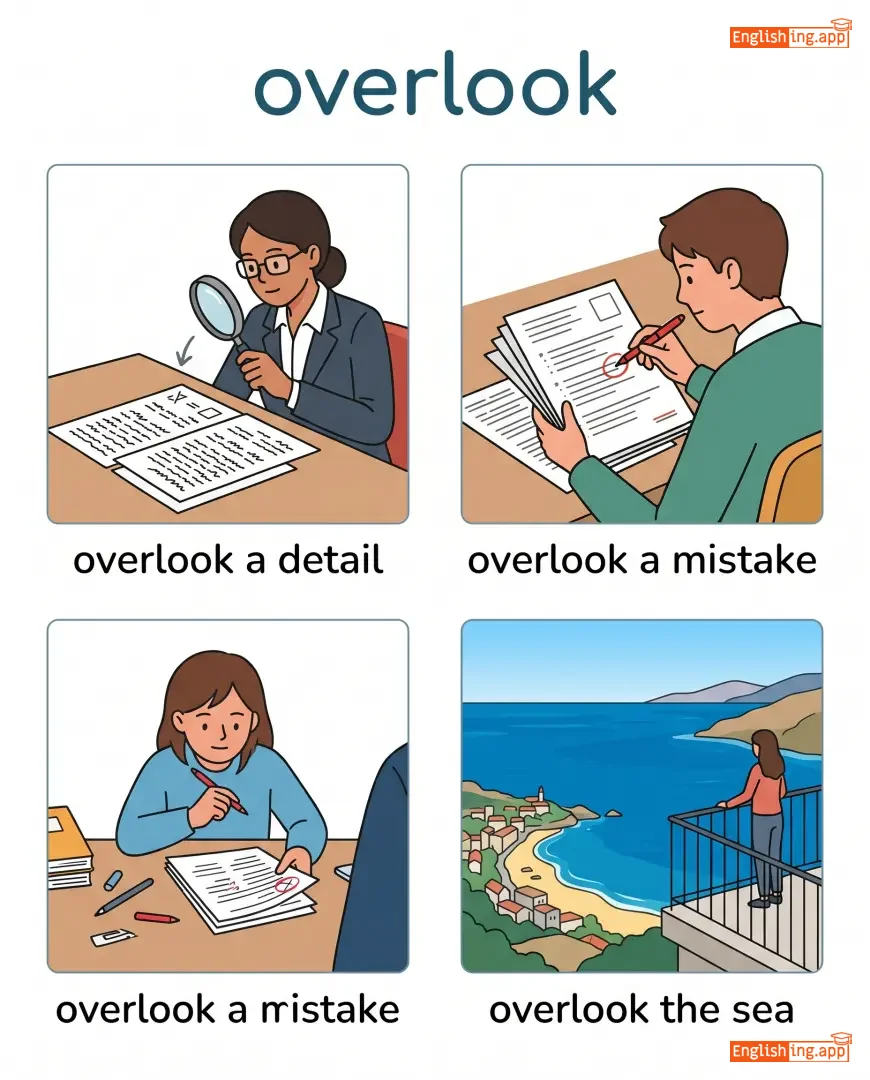
overlook a detail, overlook a mistake, overlook the sea, overlooking the city
••••••
|
Over+Look = 从上面看却看不到 — 忽视意味着不去注意
••••••
|
|
😬
••••••
|
/ˈəʊvəli/
adverb
(ōu wǎ lì)
••••••
|
- •••••• |
过度
guò dù
••••••
|
- •••••• | - •••••• | - •••••• | - •••••• |
to an excessive degree or extent
••••••
|
She was overly concerned about the results. |
她对结果过于担忧。
Tā duì jiéguǒ guòyú dānyōu.
••••••
|
- •••••• | - •••••• | - •••••• |
excessively, excessively, unduly, too much
••••••
|
moderately, reasonably
••••••
|
overly cautious, overly enthusiastic, overly critical
••••••
|
Overly = 过度; 过度担心某些事情。
••••••
|
|
🌙
••••••
|
/ˌəʊvəˈnaɪt/
adverb, adjective
(欧佛奈特)
••••••
|
- •••••• |
一夜之间
yiye zhijian
••••••
|
- •••••• | - •••••• | - •••••• | - •••••• |
for or during the night; suddenly or in a very short time
••••••
|
Her small business became famous overnight after a viral video. |
她的小生意在一夜之间因一则病毒视频而出名。
Ta de xiao shengyi zai yiye zhijian yin yi ze bingdu shipin er chuming.
••••••
|
overnight success |
a sudden or unexpected achievement
••••••
|
一夜之间的成功
yiye zhijian de chenggong
••••••
|
suddenly, instantly, immediately, unexpectedly
••••••
|
gradually, slowly
••••••
|
overnight stay, overnight delivery, overnight success, overnight change
••••••
|
Over + Night 意思是 一夜之间 — 所以 Overnight 是一夜之间 🌙
••••••
|
|
🌍
••••••
|
/ˌoʊvərˈsiːz/
adjective
(òu wéi ěr xī)
••••••
|
- •••••• |
海外
hǎiwài
••••••
|
- •••••• | - •••••• | - •••••• | - •••••• |
in or to a foreign country across the sea
••••••
|
He went overseas for higher education. |
他去海外深造。
Tā qù hǎiwài shēnzào.
••••••
|
- •••••• | - •••••• | - •••••• |
abroad, foreign, international, external
••••••
|
domestic, local
••••••
|
overseas market, overseas education, overseas trip, overseas investment
••••••
|
Over+Seas = 海外 — overseas 意味着海外。
••••••
|
|
👁️
••••••
|
/ˌoʊvərˈsiː/
verb
(òu wèi ér sī)
••••••
|
|
监督
jiāndū
••••••
|
oversaw
oversaw
••••••
|
overseen
overseen
••••••
|
oversees
oversees
••••••
|
overseeing
overseeing
••••••
|
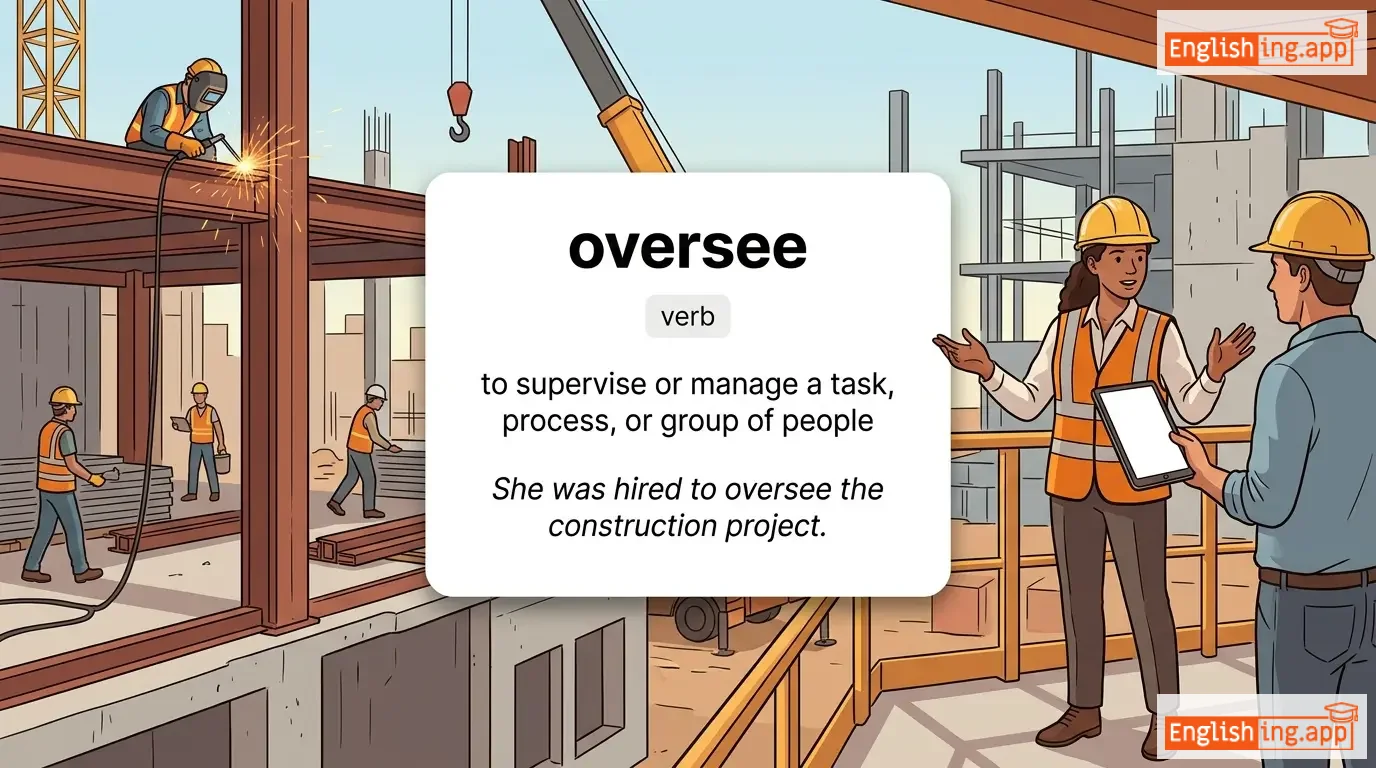
to supervise or watch over something; to manage and direct
••••••
|
The manager will oversee the entire construction project.
经理将监督整个建筑项目。
••••••
|
经理将监督整个建筑项目。
Jīnglǐ jiāng jiāndū zhěnggè jiànzhù xiàngmù.
••••••
|
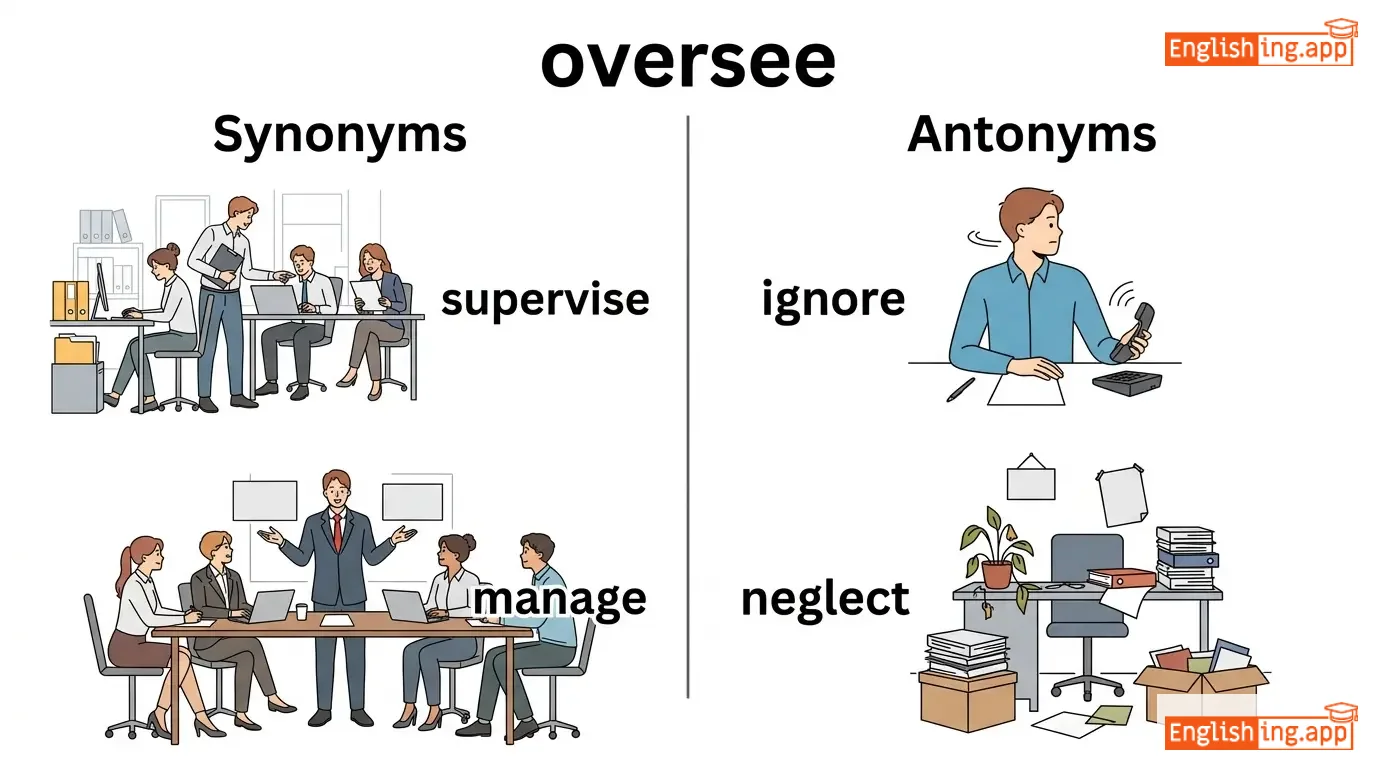
- •••••• | - •••••• | - •••••• |
supervise, monitor, manage, direct
••••••
|
neglect, ignore, abandon, overlook
••••••
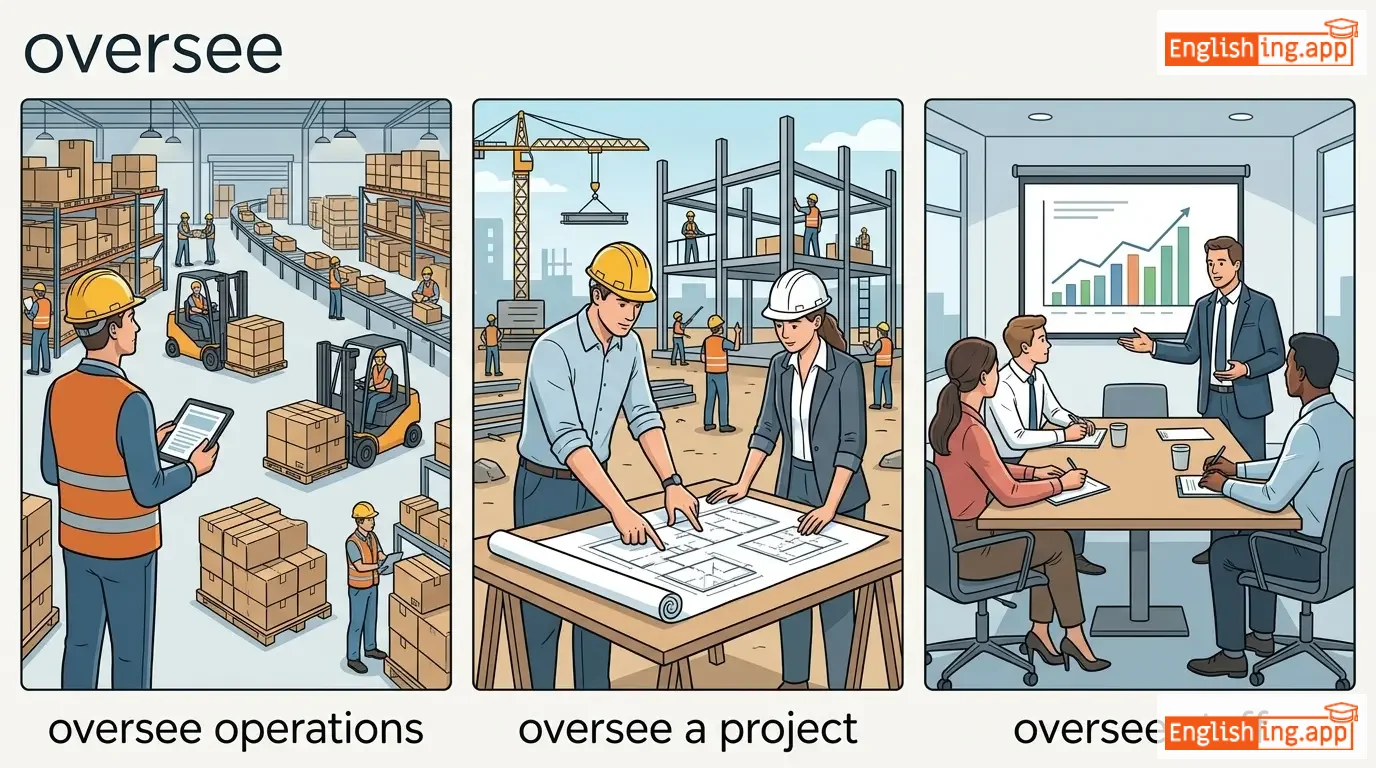
|
oversee operations, oversee projects, oversee carefully, directly oversee, oversee the work
••••••
|
Chinese word '监督' (jiāndū) relates to supervising or overseeing, similar to the English meaning.
••••••
|
|
🔄
••••••
|
/ˌoʊvərˈtɜrn/
verb
(òu wèi tèn)
••••••
|
- •••••• |
推翻 / 取消裁决
tuī fān / qǔ xiāo cái jué
••••••
|
overturned
òu wèi tèn dé
••••••
|
overturned
òu wèi tèn dé
••••••
|
overturns
òu wèi tèn sī
••••••
|
overturning
òu wèi tèn yīng
••••••
|
to turn something upside down or to reverse a decision or judgment
••••••
|
The court decided to overturn the previous ruling.
法院决定推翻先前的裁决。
••••••
|
法院决定推翻先前的裁决。
Fǎyuàn juédìng tuīfān xiānqián de cáijué.
••••••
|
overturn the tables
彻底扭转局面
••••••
|
to reverse a situation completely
••••••
|
彻底扭转局面
chè dǐ niǔ zhuǎn jú miàn
••••••
|
reverse, cancel, annul, revoke, upend
••••••
|
uphold, confirm, support
••••••
|
overturn a decision, overturn a car, overturn a law, overturn a ruling
••••••
|
Over TURN意味着翻转或取消决定
••••••
|
|
🌊
••••••
|
/ˌoʊvərˈwɛlm/
verb
••••••
|
- •••••• | - •••••• |
overwhelmed
••••••
|
overwhelmed
••••••
|
overwhelms
••••••
|
overwhelming
••••••
|
to overpower someone emotionally or physically; to be too much to handle
••••••
|
She was overwhelmed with gratitude after receiving the help. |
- •••••• |
overwhelmed with joy |
to feel extreme happiness
••••••
|
- •••••• |
overpower, crush, engulf, overcome, astonish
••••••
|
calm, comfort, underwhelm
••••••
|
overwhelm with work, overwhelm the enemy, overwhelmed by emotions
••••••
|
No •••••• |
|
🌊
••••••
|
/ˌəʊvəˈwelmɪŋ/
adjective
(ōu wēi ěr míng)
••••••
|
|
压倒性的, 无法承受的
yādǎo xìng de, wúfǎ chéngshòu de
••••••
|
- •••••• | - •••••• | - •••••• | - •••••• |
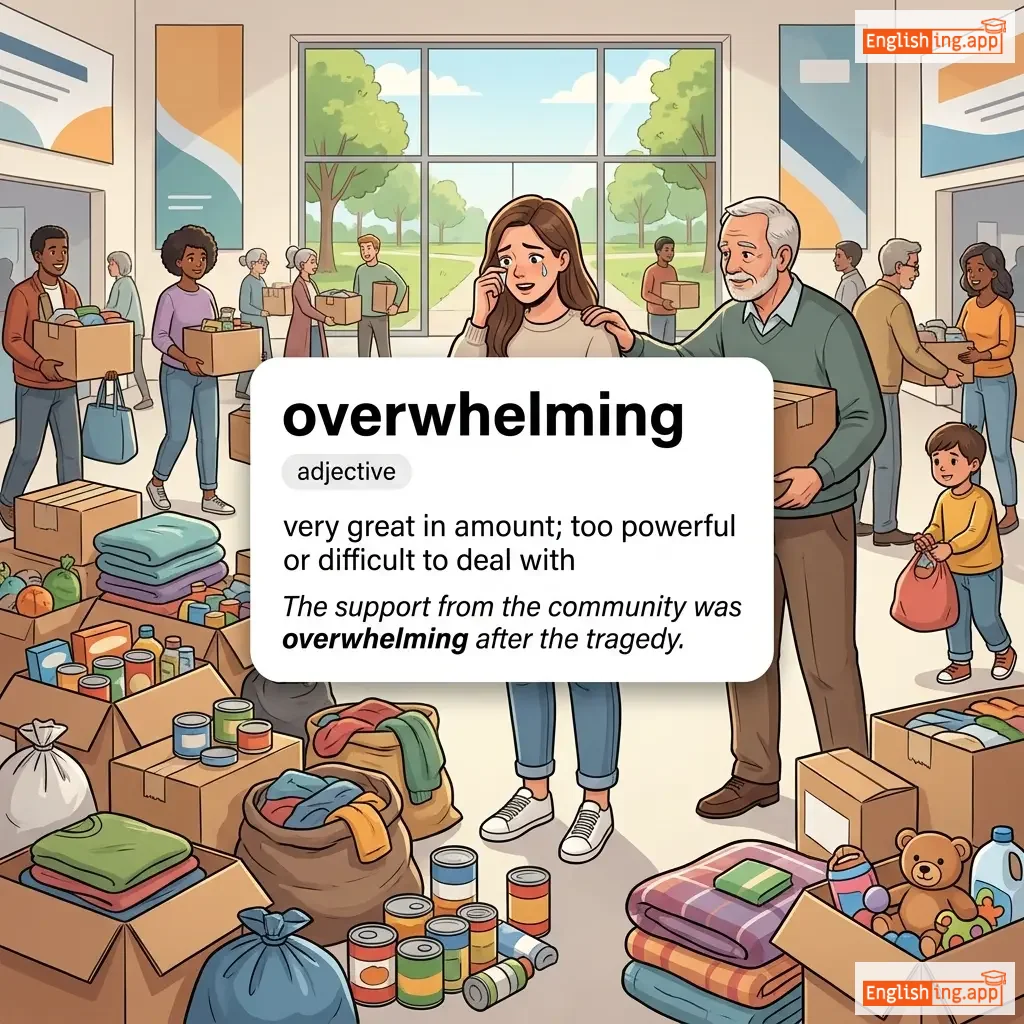
very great in amount; too powerful or difficult to deal with
••••••
|
The support from the community was overwhelming after the tragedy. |
灾难发生后,社区的支持是压倒性的。
zāinàn fāshēng hòu, shèqū de zhīchí shì yādǎo xìng de.
••••••
|
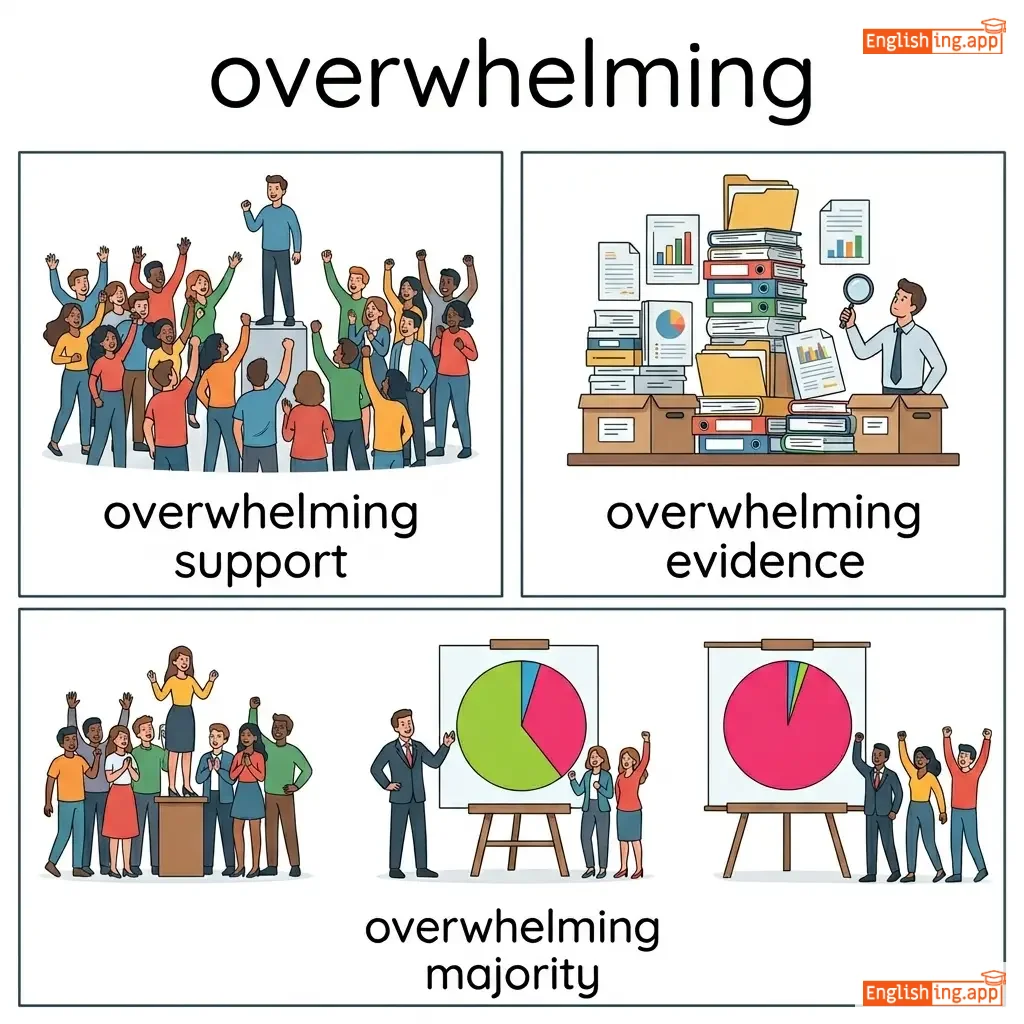
overwhelming majority |
a very large majority
••••••
|
压倒性多数
yādǎo xìng duōshù
••••••
|
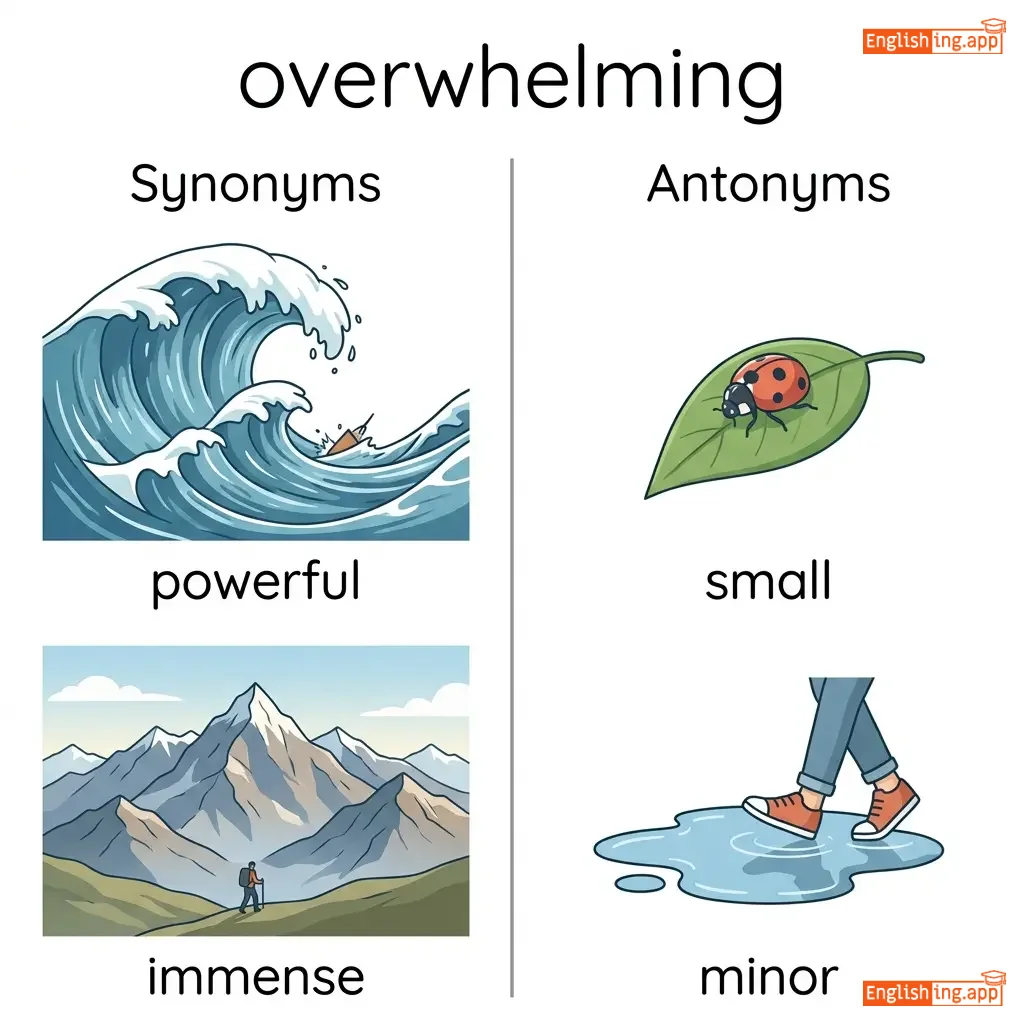
powerful, immense, enormous, intense, vast
••••••
|
small, minor, weak
••••••
|
overwhelming support, overwhelming evidence, overwhelming majority, overwhelming feeling
••••••
|
Over + Whelm = 被海浪吞没 🌊 — 意味着巨大的影响
••••••
|
|
💳
••••••
|
/oʊ/
verb
(owe)
••••••
|

|
欠债
qiàn zhài
••••••
|
owed
owed
••••••
|
owed
owed
••••••
|
owes
owes
••••••
|
owing
owing
••••••
|
to be under obligation to pay or repay; to be indebted
••••••
|
I owe my success to my parents' support.
我将我的成功归功于父母的支持。
••••••
|
我将我的成功归功于父母的支持。
Wǒ jiāng wǒ de chénggōng guīgōng yú fùmǔ de zhīchí.
••••••
|
- •••••• | - •••••• | - •••••• |
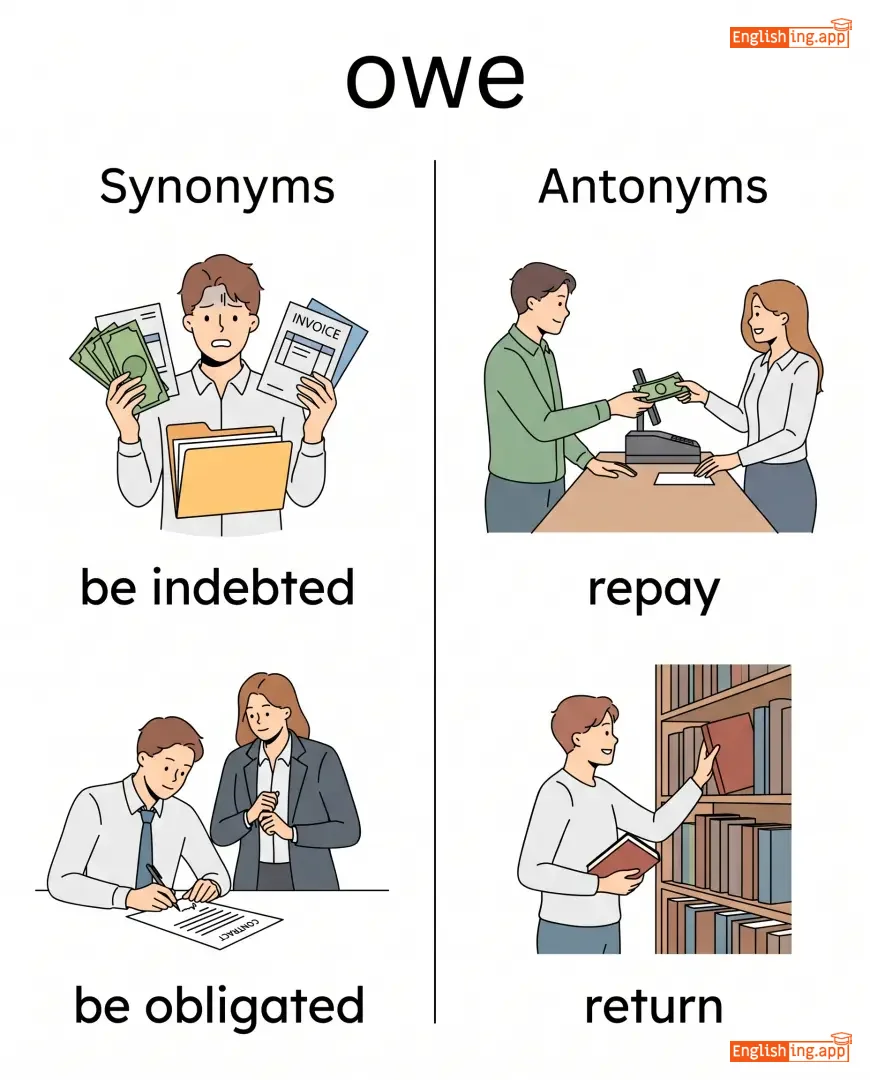
be indebted, be obligated, be liable, be in debt
••••••
|
own, possess, have, collect
••••••
|
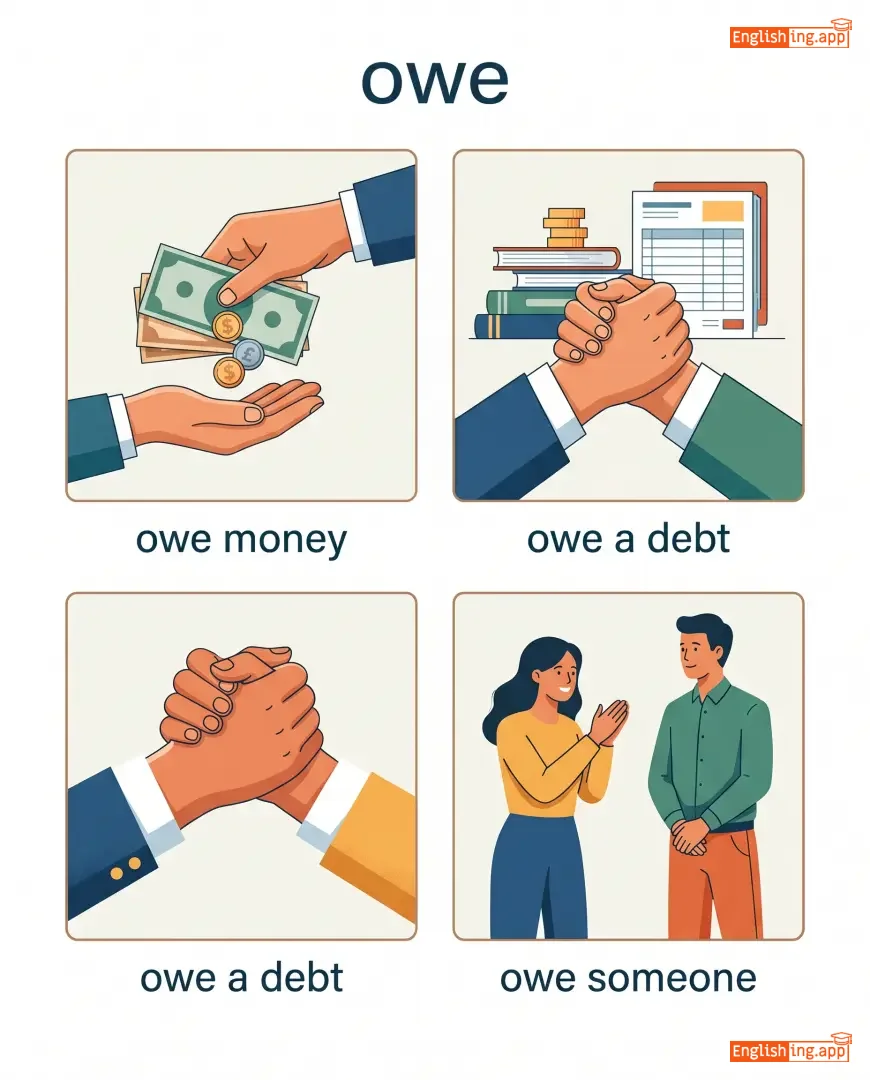
owe money, owe debt, owe favor, owe gratitude
••••••
|
欠债就要还钱,跟父母的支持一样重要。
••••••
|
|
🏠
••••••
|
/oʊn/
verb, adjective
(own)
••••••
|
- •••••• |
拥有
yǒngyǒu
••••••
|
owned
owned
••••••
|
owned
owned
••••••
|
owns
owns
••••••
|
owning
owning
••••••
|
to possess something; belonging to oneself
••••••
|
She owns a beautiful house in the city.
她拥有一座漂亮的房子。
••••••
|
她拥有一座漂亮的房子。
Tā yǒngyǒu yī zuò piàoliang de fángzi.
••••••
|
- •••••• | - •••••• | - •••••• |
possess, have, hold
••••••
|
lack, not have
••••••
|
own a house, own property, own up
••••••
|
Own means you possess something - '拥有'意味着你拥有某物。
••••••
|
|
💼
••••••
|
/ˈoʊ.nər/
noun
(ōu nà)
••••••
|
- •••••• |
所有者
suǒyǒu zhě
••••••
|
- •••••• | - •••••• | - •••••• | - •••••• |
a person who owns something; someone who has legal possession of property
••••••
|
The owner of the restaurant greeted us warmly. |
餐厅的所有者热情地迎接了我们。
cāntīng de suǒyǒu zhě rèqíng de yíngjiē le wǒmen.
••••••
|
- •••••• | - •••••• | - •••••• |
proprietor, possessor, holder, landlord
••••••
|
tenant, renter, borrower, user
••••••
|
business owner, property owner, car owner
••••••
|
In Chinese, '所有者' is the one who owns something, just like an 'owner'.
••••••
|
|
🏠
••••••
|
/ˈoʊnərʃɪp/
noun
(欧纳尔希普)
••••••
|


|
所有权
suǒyǒuquán
••••••
|
- •••••• | - •••••• | - •••••• | - •••••• |
the state or fact of owning something; legal right of possession
••••••
|
He took full ownership of the company after his father retired. |
在父亲退休后,他完全接管了公司的所有权。
Zài fùqīn tuìxiū hòu, tā wánquán jiēguǎnle gōngsī de suǒyǒuquán.
••••••
|
take ownership |
to accept responsibility for something
••••••
|
获得所有权
huòdé suǒyǒuquán
••••••
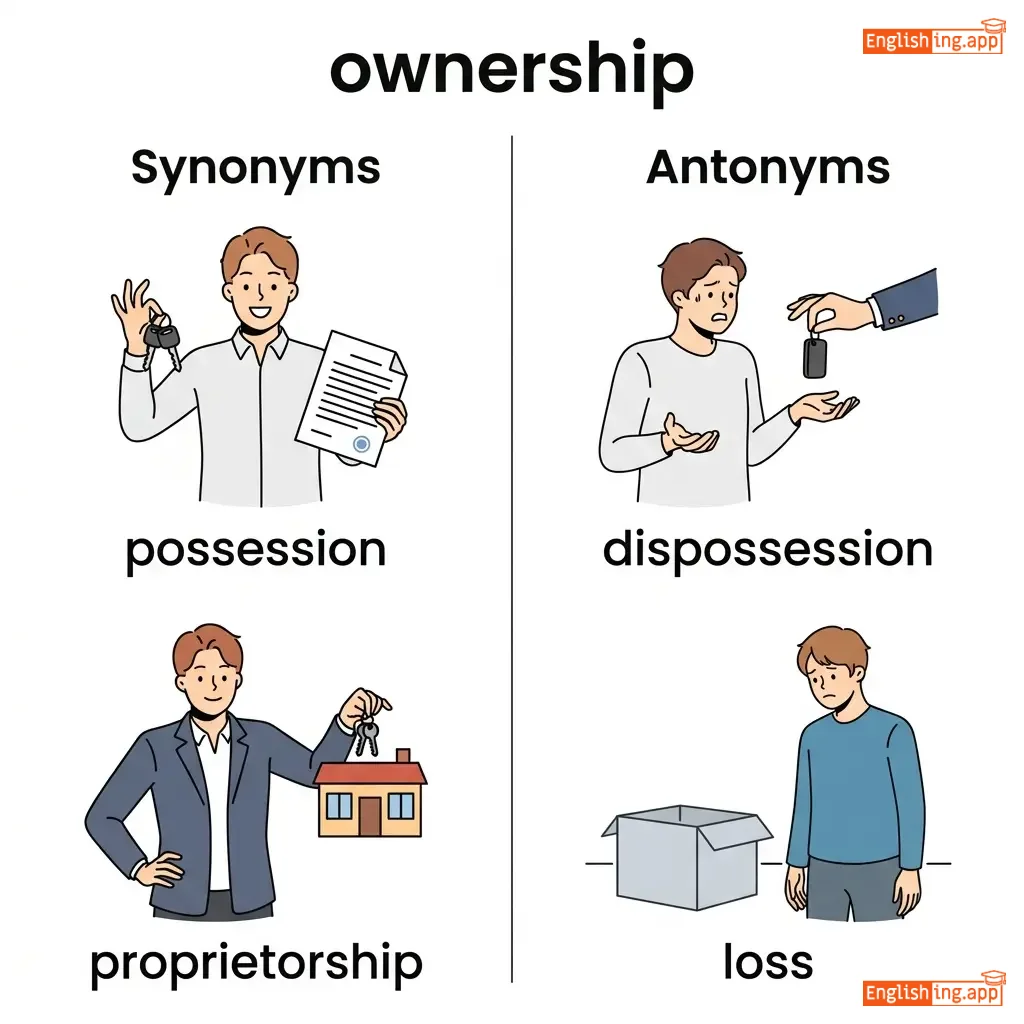
|
possession, proprietorship, control, custody, tenure
••••••
|
dispossession, loss, denial
••••••
|
take ownership, property ownership, joint ownership, full ownership
••••••
|
Ownership 就是拥有,所有权就是拥有的权利!
••••••
|
|
🌬️
••••••
|
/ˈɒksɪdʒən/
noun
(氧气)
••••••
|
|
氧气
yangqi
••••••
|
- •••••• | - •••••• | - •••••• | - •••••• |
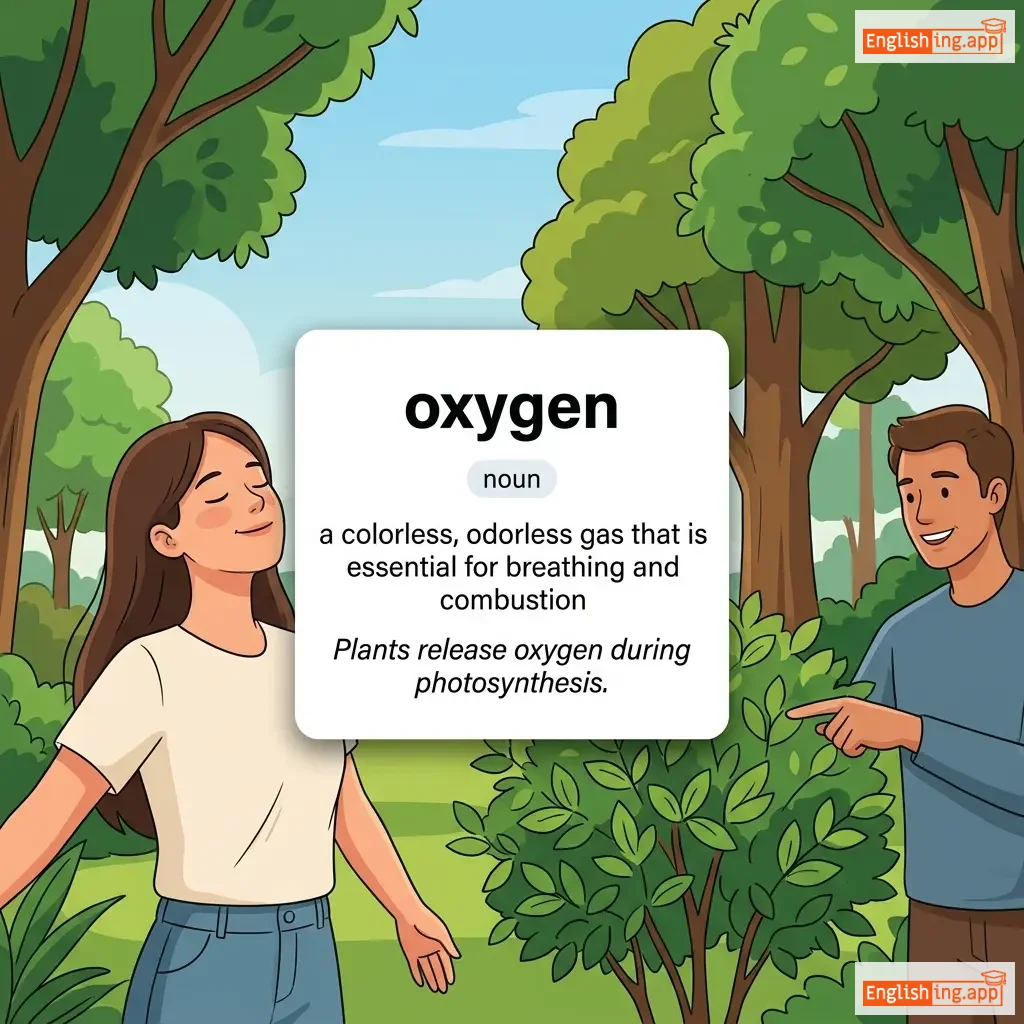
a colorless, odorless gas that is essential for breathing and combustion
••••••
|
Plants release oxygen during photosynthesis.
植物在光合作用过程中释放氧气。
••••••
|
植物在光合作用过程中释放氧气。
Zhiwu zai guanghezuoyong guocheng zhong shifang yangqi.
••••••
|
like oxygen
像氧气一样
••••••
|
something essential for survival
••••••
|
生命所需
shengming suo xu
••••••
|
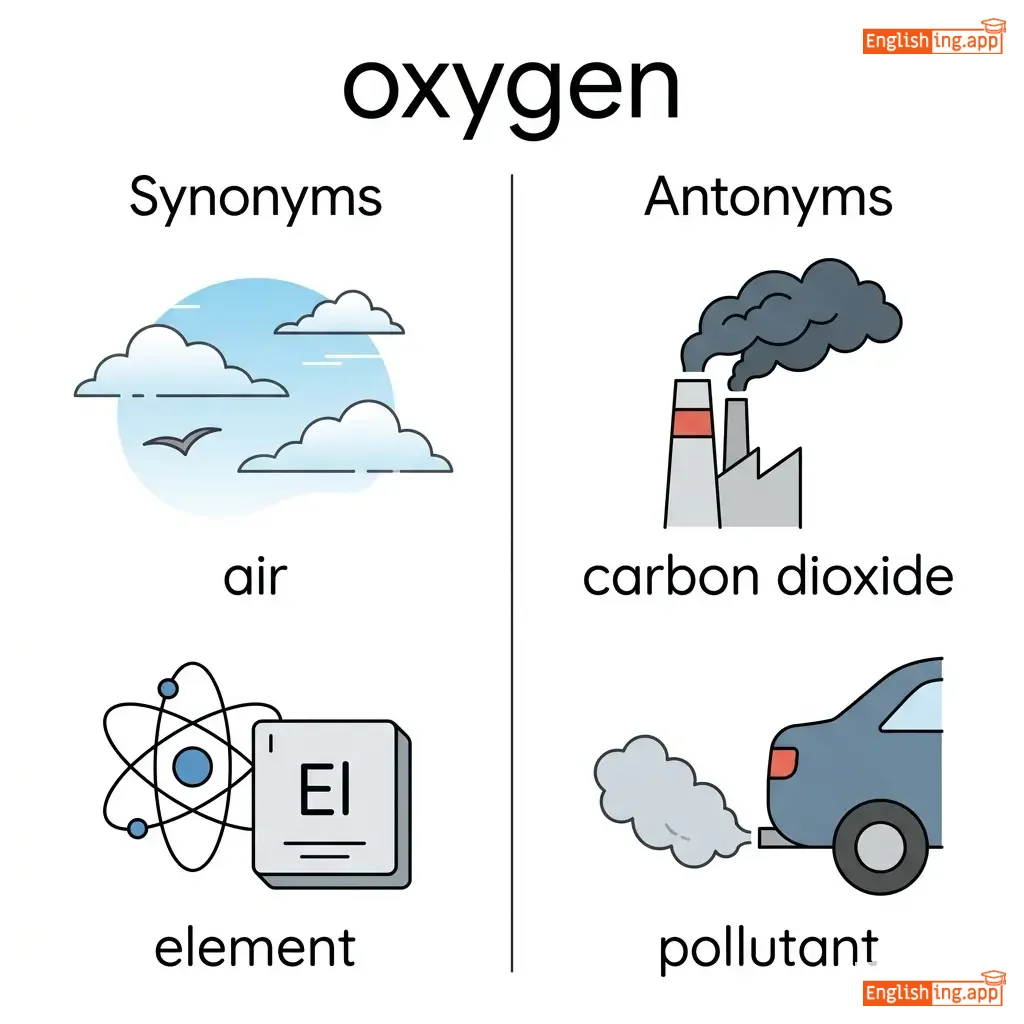
air, element, gas, life-support, breath
••••••
|
carbon dioxide, pollutant
••••••
|
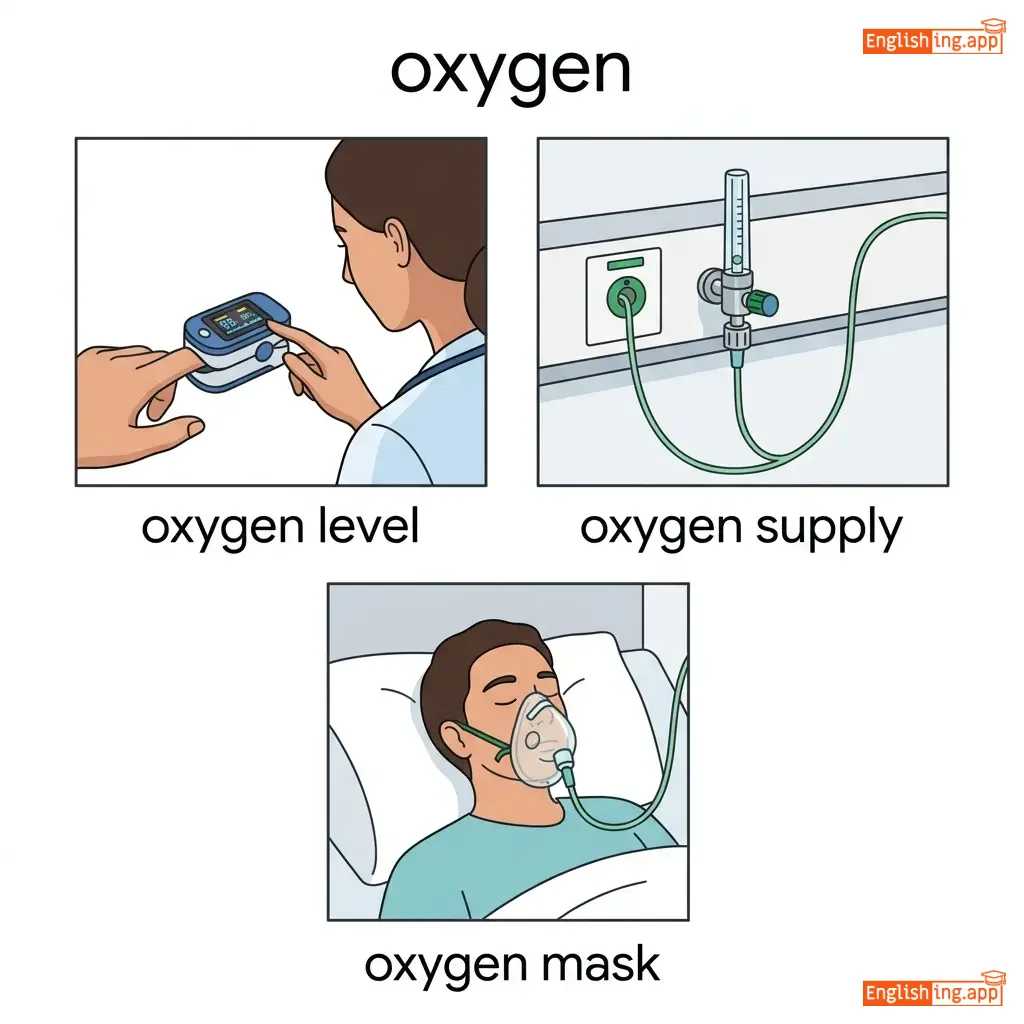
oxygen level, oxygen supply, oxygen mask, pure oxygen
••••••
|
没有氧气,人类无法生存——记住‘氧气 = 生命’
••••••
|
|
🏃♀️
••••••
|
/peɪs/
noun
(pèi sī)
••••••
|
- •••••• |
步伐
bù fá
••••••
|
- •••••• | - •••••• | - •••••• | - •••••• |
the speed at which something happens or is done
••••••
|
She walked at a slow pace.
她走得很慢。
••••••
|
她走得很慢。
Tā zǒu dé hěn màn.
••••••
|
- •••••• | - •••••• | - •••••• |
speed, rate, tempo, velocity
••••••
|
slowness, delay, retardation
••••••
|
fast pace, slow pace, quick pace, steady pace
••••••
|
Pace 就是步伐慢,缓慢走。
••••••
|
|
🎒
••••••
|
/pæk/
verb,noun
••••••
|
- •••••• | - •••••• |
packed
••••••
|
packed
••••••
|
packs
••••••
|
packing
••••••
|
to put things into a container for storage or transport; a collection of items kept together
••••••
|
She packed her clothes into a suitcase for the trip. |
- •••••• |
pack it in |
to stop doing something
••••••
|
- •••••• |
bundle, load, fill, group, assemble
••••••
|
unpack, scatter, disperse
••••••
|
pack a bag, pack luggage, pack animals, pack tightly
••••••
|
No •••••• |
|
📦
••••••
|
/ˈpækɪdʒ/
noun
(包裹)
••••••
|
- •••••• |
包裹
baoguo
••••••
|
- •••••• | - •••••• | - •••••• | - •••••• |
a container or wrapping in which something is packed
••••••
|
He received a package in the mail. |
他收到了一份包裹。
Ta shoudao le yi fen baoguo.
••••••
|
- •••••• | - •••••• | - •••••• |
parcel, bundle, box, shipment
••••••
|
unpacking, unpacked item
••••••
|
shipping package, gift package, delivery package, large package
••••••
|
包裹就像一个包裹着礼物的包裹!
••••••
|
|
📦
••••••
|
/ˈpæk.ɪt/
noun
(pà-kèt)
••••••
|
- •••••• |
包裹
baoguo
••••••
|
- •••••• | - •••••• | - •••••• | - •••••• |
a small package or container holding items or information
••••••
|
He bought a packet of biscuits from the shop. |
他从商店买了一个饼干包裹。
Ta cong shangdian mai le yi ge binggan baoguo.
••••••
|
- •••••• | - •••••• | - •••••• |
package, parcel, bundle, sachet, pouch
••••••
|
bulk, load
••••••
|
packet of chips, packet of biscuits, packet of seeds, small packet
••••••
|
包裹和‘packet’发音相似 — 就像大家都认得饼干包裹。
••••••
|
|
📒
••••••
|
/pæd/
noun
(pad)
••••••
|
- •••••• |
便签本
biàn qiānběn
••••••
|
- •••••• | - •••••• | - •••••• | - •••••• |
a small cushion or block of soft material; also a set of sheets of paper fastened together
••••••
|
He wrote her phone number on a yellow pad.
他把她的电话号码写在一个黄色的便签本上。
••••••
|
他把她的电话号码写在一个黄色的便签本上。
Tā bǎ tā de diànhuà hàomǎ xiě zài yīgè huángsè de biàn qiānběn shàng.
••••••
|
notepad
记事本
••••••
|
a small notebook for writing notes
••••••
|
记事本
jìshìběn
••••••
|
cushion, mat, block, notebook, sheet
••••••
|
hardboard, rough surface
••••••
|
writing pad, note pad, knee pad, shoulder pad
••••••
|
Pad 既是垫子也是便签本
••••••
|
|
📄
••••••
|
/peɪdʒ/
noun
(peiji)
••••••
|
- •••••• |
页面
ye mian
••••••
|
- •••••• | - •••••• | - •••••• | - •••••• |
one side of a sheet of paper, or a single sheet of paper in a book or document
••••••
|
Turn to the next page for more information.
转到下一页以获取更多信息。
••••••
|
转到下一页以获取更多信息。
Zhuan dao xia yi ye yi huò qu geng duo xinxi.
••••••
|
- •••••• | - •••••• | - •••••• |
leaf, sheet, folio, document
••••••
|
blank, empty space
••••••
|
turn the page, page number, front page, last page
••••••
|
页面 = 一本书的页面
••••••
|
|
😢
••••••
|
/peɪn/
noun
(pein)
••••••
|
- •••••• |
疼痛; 身体的痛苦或情感困扰
téngtòng; shēntǐ de tòngkǔ huò qínggǎn kùnrǎo
••••••
|
- •••••• | - •••••• | - •••••• | - •••••• |
physical suffering or discomfort; mental or emotional distress
••••••
|
The patient felt severe pain in his back.
病人感到背部剧烈的疼痛。
••••••
|
病人感到背部剧烈的疼痛。
bìngrén gǎndào bèibù jùliè de téngtòng.
••••••
|
- •••••• | - •••••• | - •••••• |
ache, suffering, agony, discomfort
••••••
|
pleasure, comfort, relief, ease
••••••
|
severe pain, chronic pain, feel pain
••••••
|
想到 'pain' 这个词,它和 '疼痛' 相关。
••••••
|
|
😖
••••••
|
/ˈpeɪn.fəl/
adjective
(佩恩福尔)
••••••
|
- •••••• |
疼痛的
téngtòng de
••••••
|
- •••••• | - •••••• | - •••••• | - •••••• |
causing physical or emotional pain
••••••
|
The injury was very painful, and he needed immediate care. |
受伤非常疼痛,他需要立刻接受治疗。
Shòushāng fēicháng téngtòng, tā xūyào lìkè jiēshòu zhìliáo.
••••••
|
- •••••• | - •••••• | - •••••• |
aching, sore, excruciating, distressing
••••••
|
comfortable, painless, soothing
••••••
|
painful experience, painful injury, painful memories
••••••
|
Painful - 佩恩福尔, 想象疼痛填满你,像海浪一样强烈。
••••••
|
|
🎨
••••••
|
/peɪnt/
verb
(peɪnt)
••••••
|
- •••••• |
画画
huàhuà
••••••
|
painted
peɪntɪd
••••••
|
painted
peɪntɪd
••••••
|
paints
peɪnts
••••••
|
painting
peɪntɪŋ
••••••
|
to apply a colored substance to a surface
••••••
|
She loves to paint landscapes in her free time.
她喜欢在空闲时间画风景画。
••••••
|
她喜欢在空闲时间画风景画。
Tā xǐhuān zài kòngxián shíjiān huà fēngjǐng huà.
••••••
|
- •••••• | - •••••• | - •••••• |
decorate, color, coat, stain
••••••
|
erase, remove, strip
••••••
|
paint a picture, paint the walls, paint the house
••••••
|
Paint - 画画, 就像在画布上画风景画。
••••••
|
|
🎨
••••••
|
/ˈpeɪn.tər/
noun
(pèntè)
••••••
|
- •••••• |
画家
huàjiā
••••••
|
- •••••• | - •••••• | - •••••• | - •••••• |
a person who paints pictures or decorates buildings
••••••
|
The painter created a beautiful landscape on canvas. |
画家在画布上创作了美丽的风景。
Huàjiā zài huàbù shàng chuàngzuò le měilì de fēngjǐng.
••••••
|
- •••••• | - •••••• | - •••••• |
artist, decorator, illustrator
••••••
|
destroyer, eraser
••••••
|
house painter, portrait painter, landscape painter, abstract painter
••••••
|
画家用画笔创造世界的色彩
••••••
|
|
🎨
••••••
|
/ˈpeɪntɪŋ/
noun
(peɪntɪŋ)
••••••
|
- •••••• |
画
hua
••••••
|
- •••••• | - •••••• | - •••••• | - •••••• |
a picture or design made using paint
••••••
|
The painting on the wall was created by a famous artist. |
墙上的画是由一位著名艺术家创作的。
Qiang shang de hua shi you yi wei zhuming yishujia chuangzuo de.
••••••
|
a picture is worth a thousand words |
visual images are more effective than verbal descriptions
••••••
|
一图胜千言
Yi tu sheng qian yan
••••••
|
artwork, portrait, illustration, depiction
••••••
|
reality, blank
••••••
|
oil painting, landscape painting, wall painting, abstract painting
••••••
|
Painting = 画 = 用颜色画的艺术
••••••
|
|
👟👟
••••••
|
/per/
noun
(pèi'ěr)
••••••
|
- •••••• |
一对
yī duì
••••••
|
- •••••• | - •••••• | - •••••• | - •••••• |
two things of the same kind that are used together
••••••
|
She wore a matching pair of shoes.
她穿了一双匹配的鞋子。
••••••
|
她穿了一双匹配的鞋子。
Tā chuānle yī shuāng pǐpèi de xiézi.
••••••
|
- •••••• | - •••••• | - •••••• |
duo, couple, set, twosome
••••••
|
single, individual
••••••
|
pair of shoes, perfect pair, matching pair
••••••
|
Pair - 一对,记住,一对东西总是一起的,就像一双鞋。
••••••
|
|
🏰
••••••
|
/ˈpælɪs/
noun
(宫殿)
••••••
|
- •••••• |
宫殿
gongdian
••••••
|
- •••••• | - •••••• | - •••••• | - •••••• |
a large and impressive building that is the official home of a king, queen, or other ruler
••••••
|
The royal family lives in a magnificent palace.
皇室家庭住在一个宏伟的宫殿里。
••••••
|
皇室家庭住在一个宏伟的宫殿里。
Huangshi jiating zhuzai yige hongwei de gongdian li.
••••••
|
a palace fit for a king
适合国王的宫殿
••••••
|
a place that is luxurious and grand
••••••
|
适合国王的宫殿
shihua guowang de gongdian
••••••
|
castle, mansion, fortress, residence, estate
••••••
|
hut, cabin, shack
••••••
|
royal palace, presidential palace, ancient palace, marble palace
••••••
|
Palace means place for king — 国王的宫殿!
••••••
|

