How Inflation Affects Your Savings
经济学是一门重要的学科,其中 inflation 直接影响每个人的 purchasing power。如果你存钱,inflation 可能会导致你的 assets 出现 depreciation。
曾经,相同数量的钱可以买到更多的 commodities,但由于 macroeconomic 变化,这些钱不再具有相同的价值。Monetary 政策的变化和市场的 volatility 是造成这种情况的原因。
当 inflation 上升时,expenditure 增加,从而减少 savings。尽管政府试图通过 fiscal 政策实现 equilibrium,但大多数人仍然经历 marginalization。
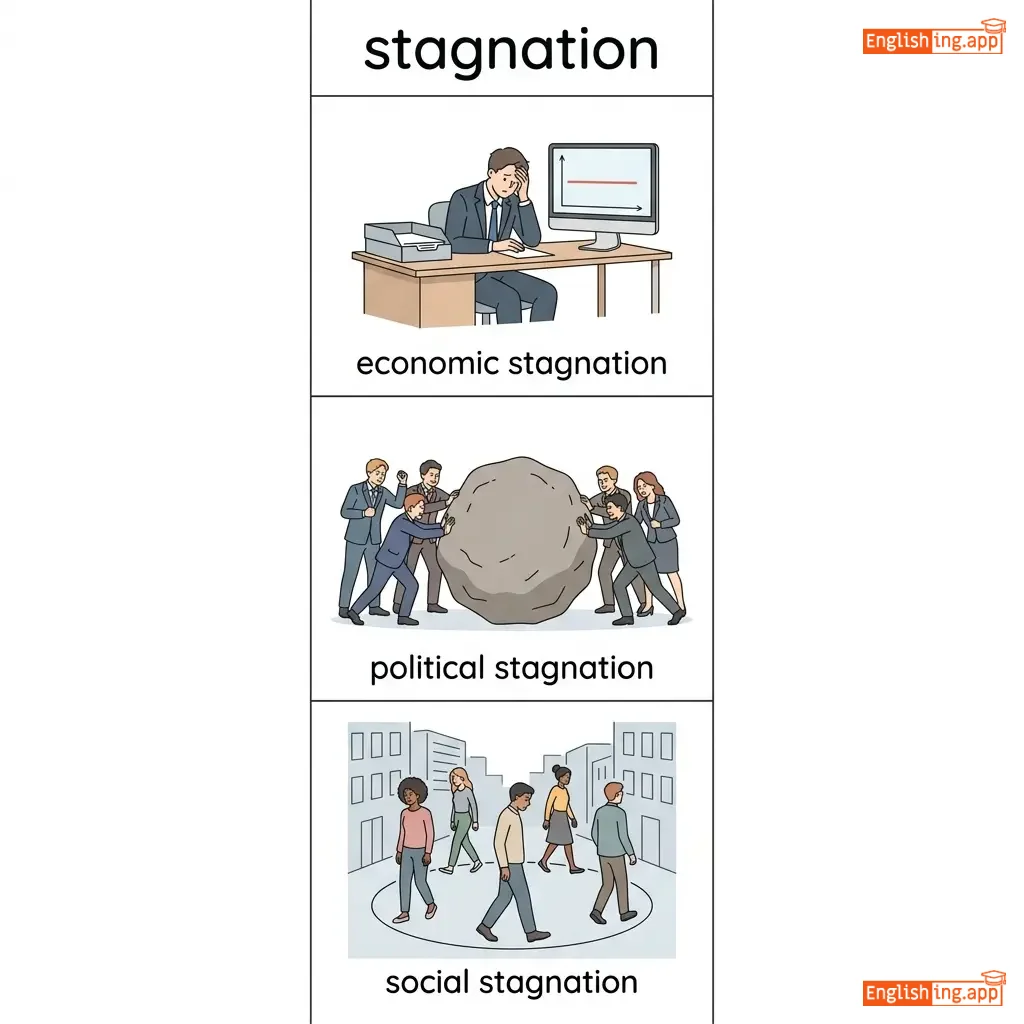
为了保护你的 savings,capitalization、arbitrage 和适当的 contingency 计划至关重要。否则,长期的 recession 和 stagnation 可能会让你面临财务压力。
|
表情符号
|
单词 | Images | 含义 | 例句 | 同义词 | 反义词 |
|---|---|---|---|---|---|---|
|
#1961
📈
|
/ɪnˈfleɪ.ʃən/
noun
••••••
|
|
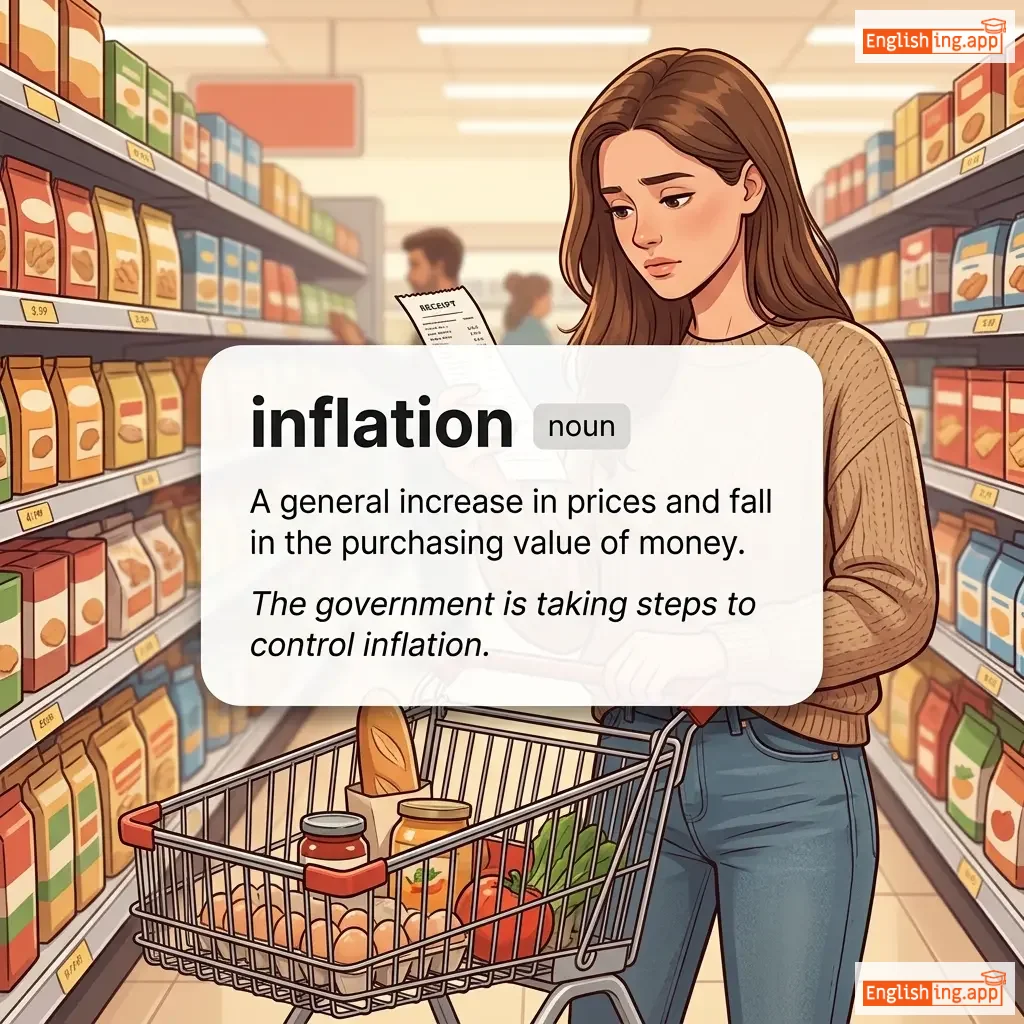
The general increase in prices and fall in the purchasing value of money in an economy over time.
••••••
|
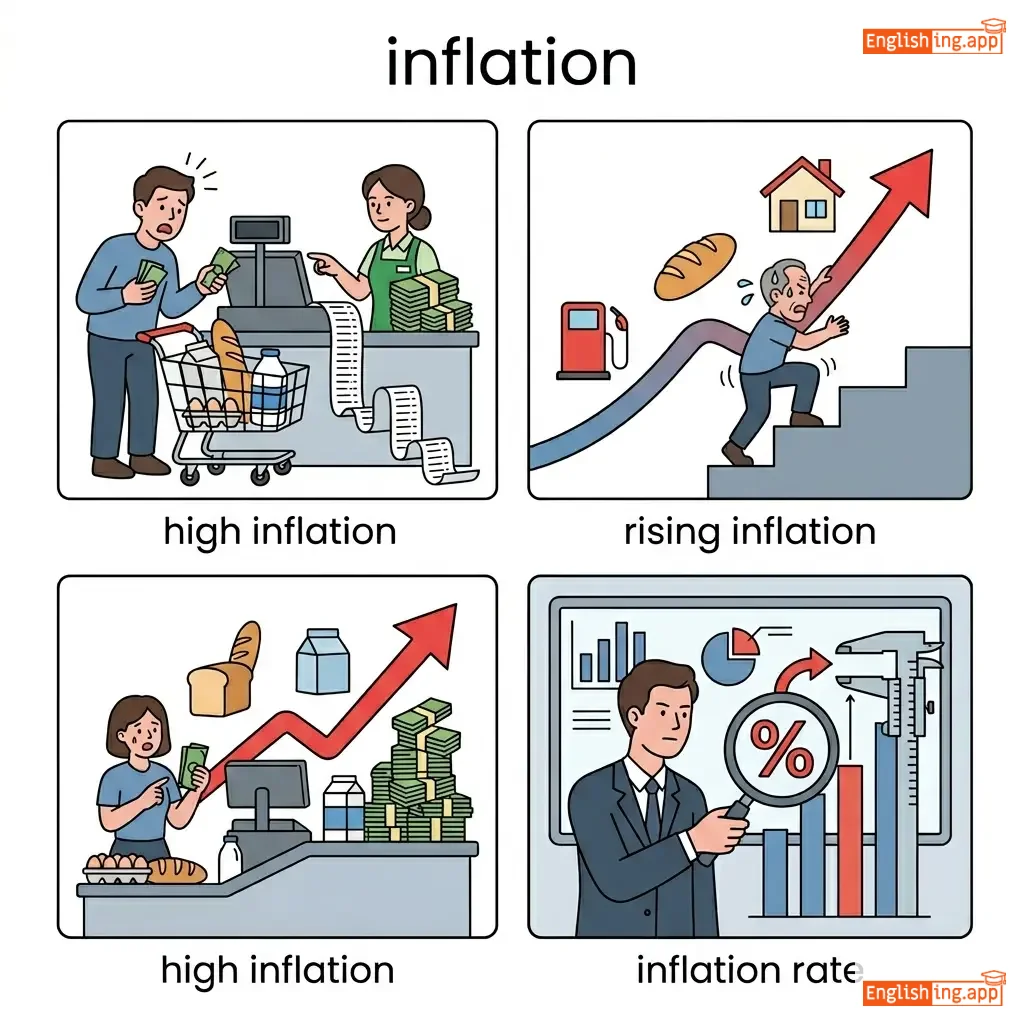
High inflation reduces the value of money over time. |
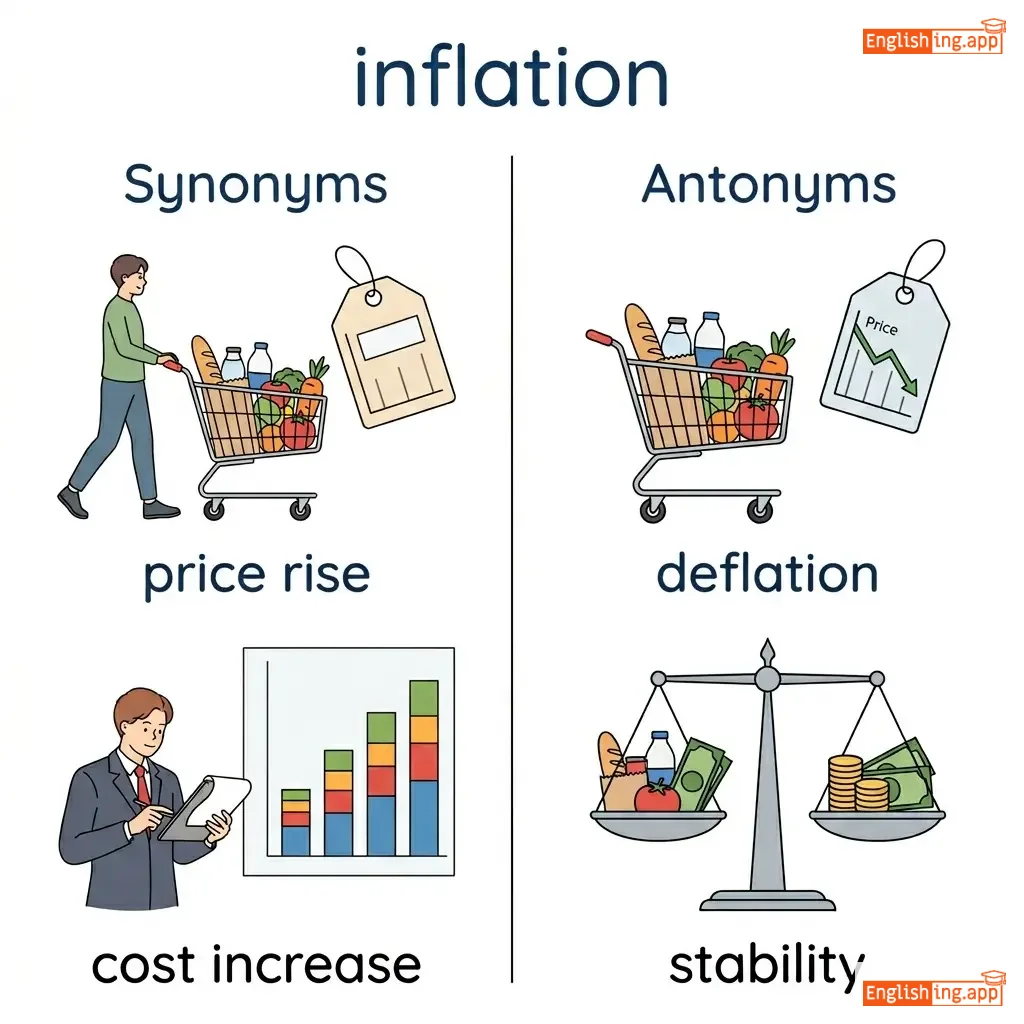
price increase, cost escalation, currency devaluation
••••••
|
deflation, price stability, cost reduction
••••••
|
|
#1962
💰
|
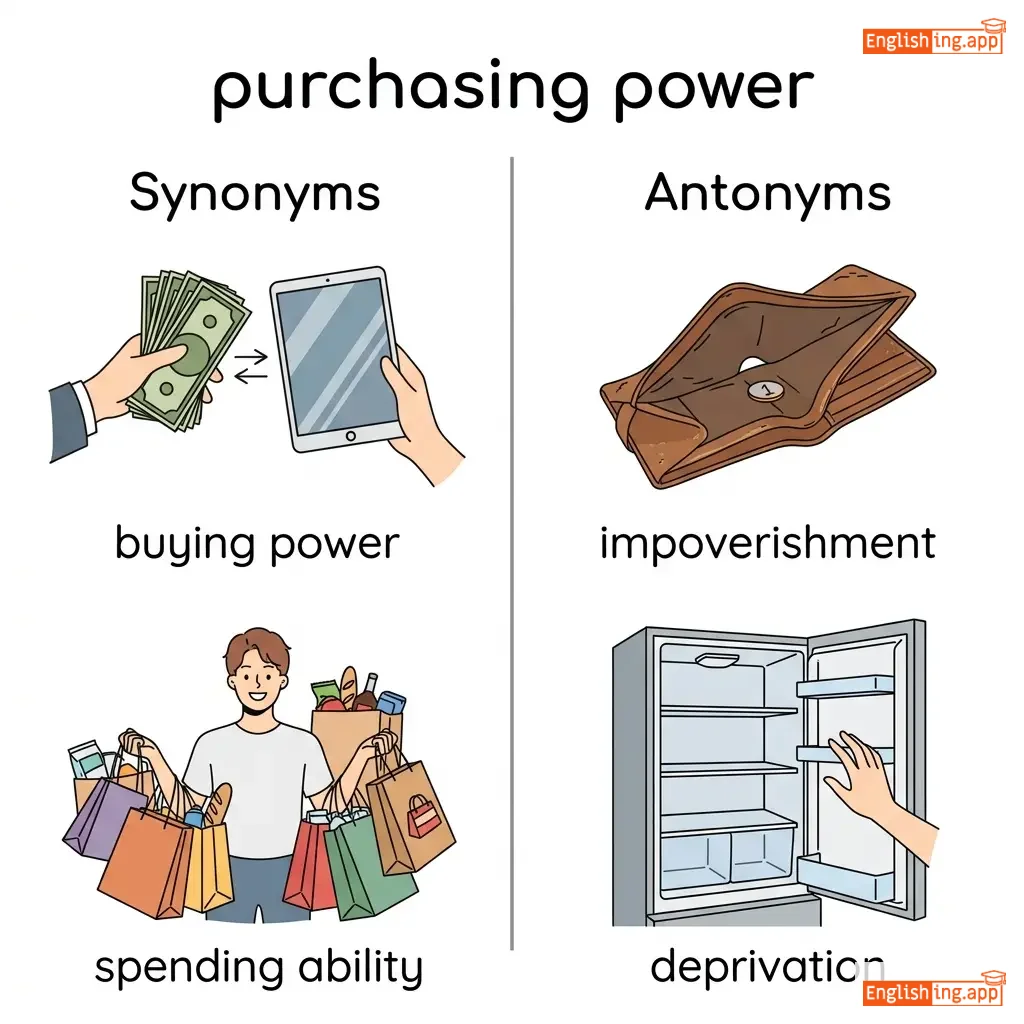
/ˈpɜː.tʃəs.ɪŋ ˈpaʊ.ɚ/
noun
••••••
|
|
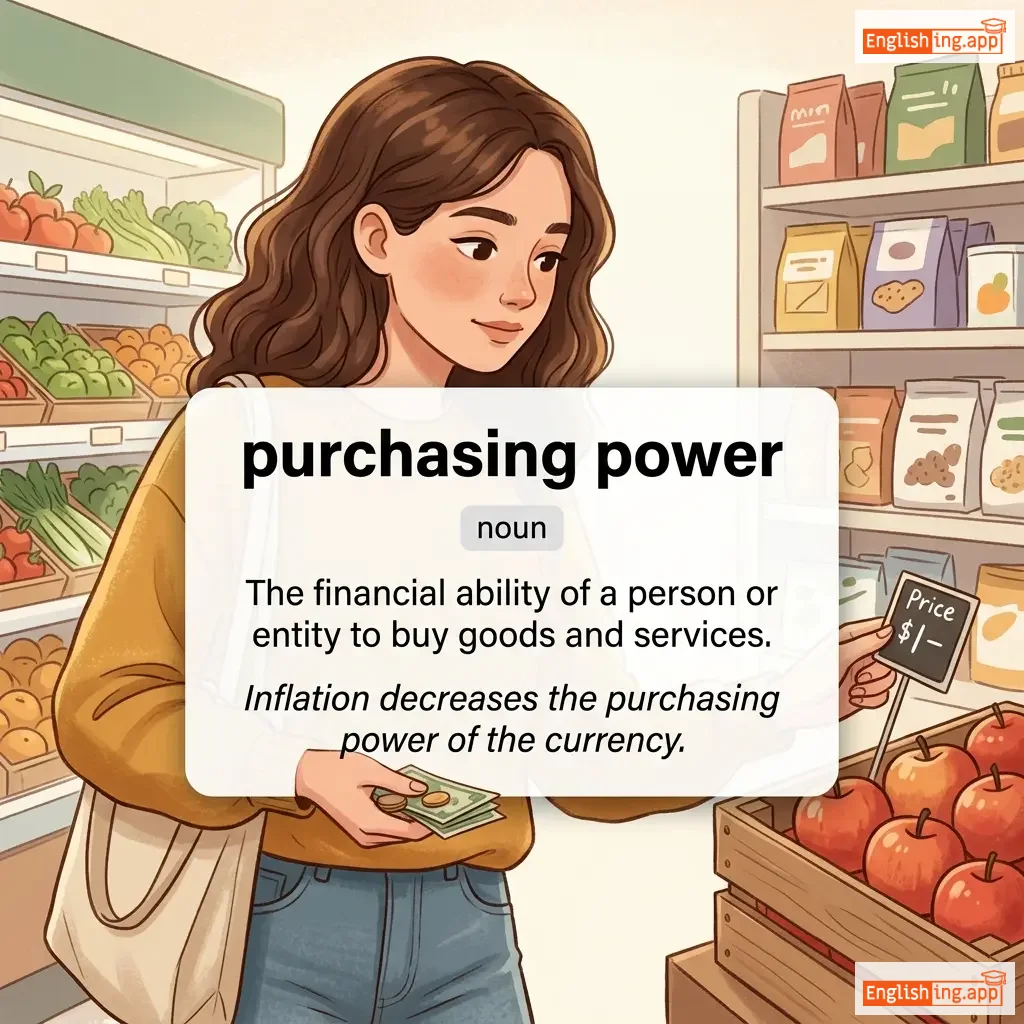
The amount of goods and services that can be purchased with a unit of currency.
••••••
|
Due to inflation, people's purchasing power has decreased. |
buying capacity, financial strength, consumer power
••••••
|
weak purchasing power, economic decline, low affordability
••••••
|
|
#1963
🏠
|
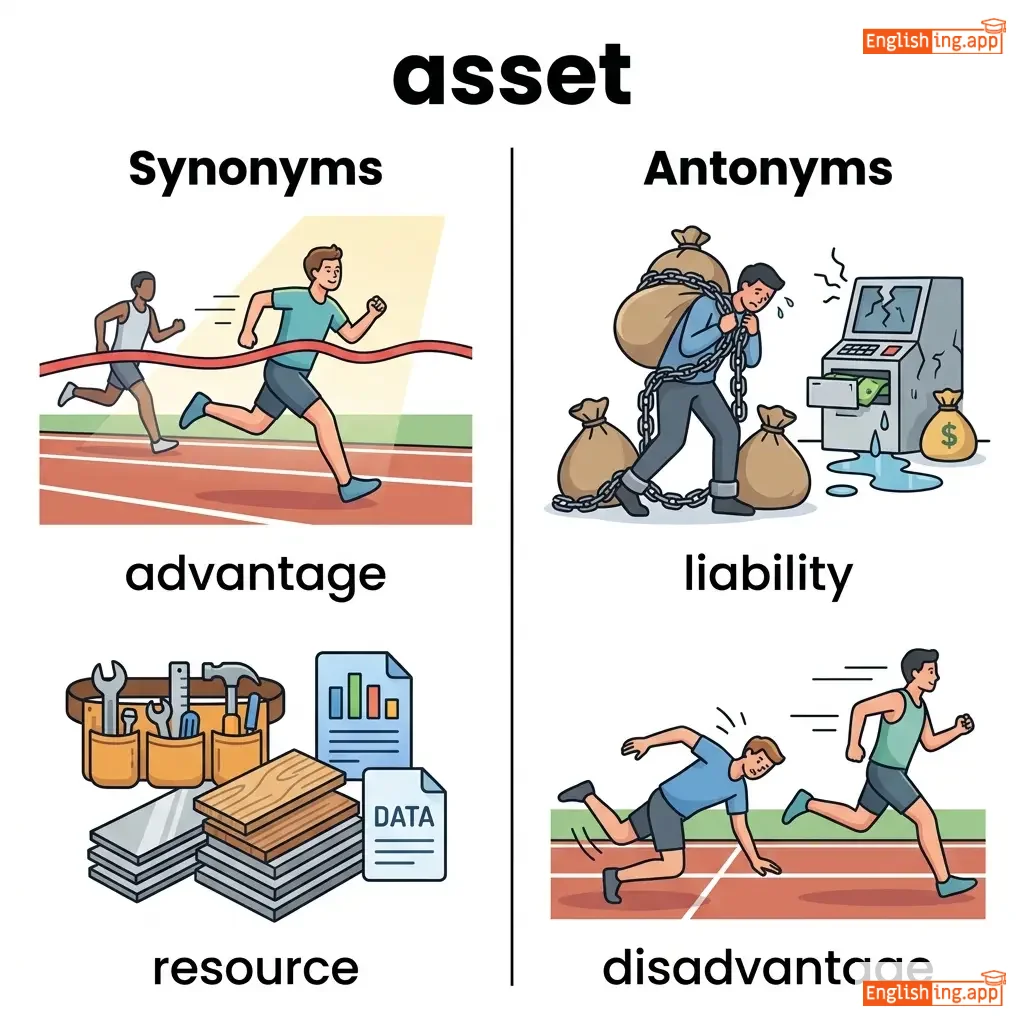
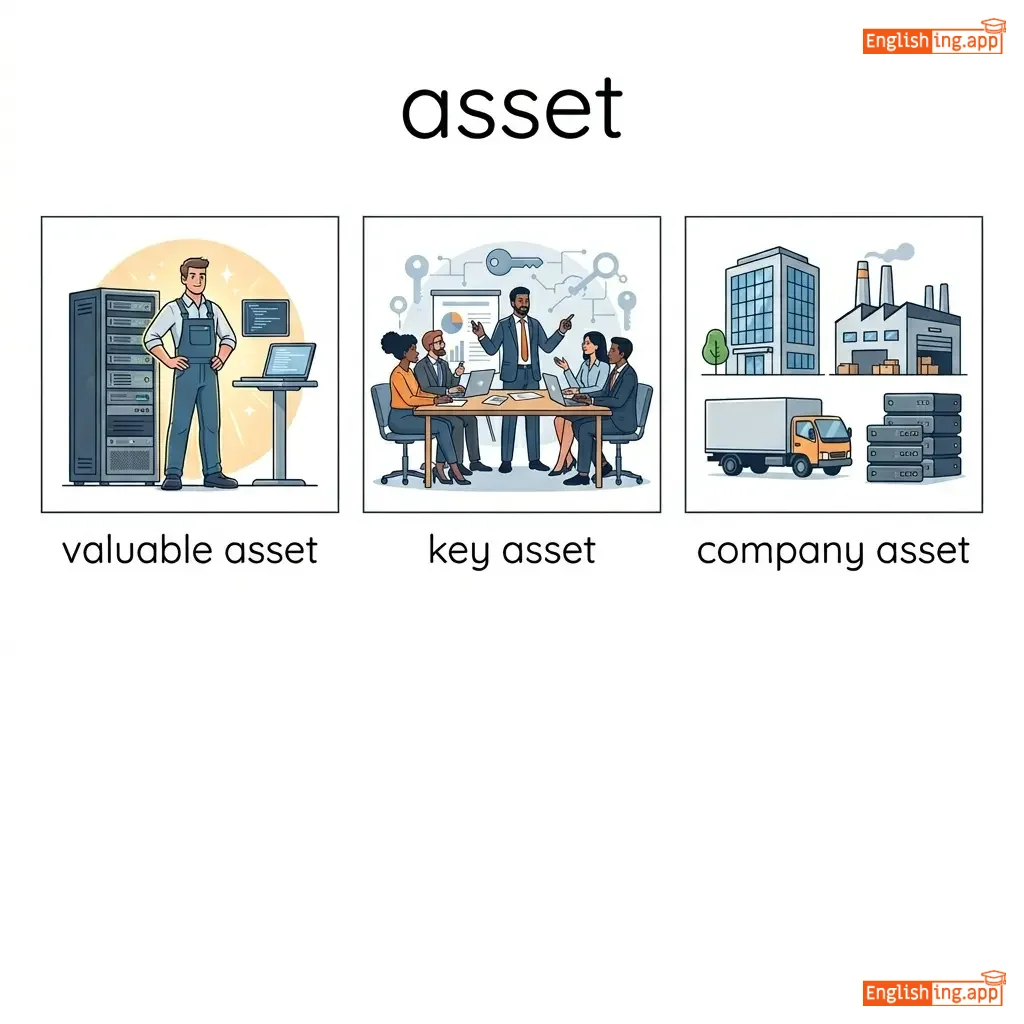
/ˈæs.et/
noun
••••••
|

|
A useful or valuable thing, person, or quality that can provide economic value.
••••••
|
Real estate is a valuable asset in an investment portfolio. |
property, resource, wealth
••••••
|
liability, debt, obligation
••••••
|
|
#1964
📉
|
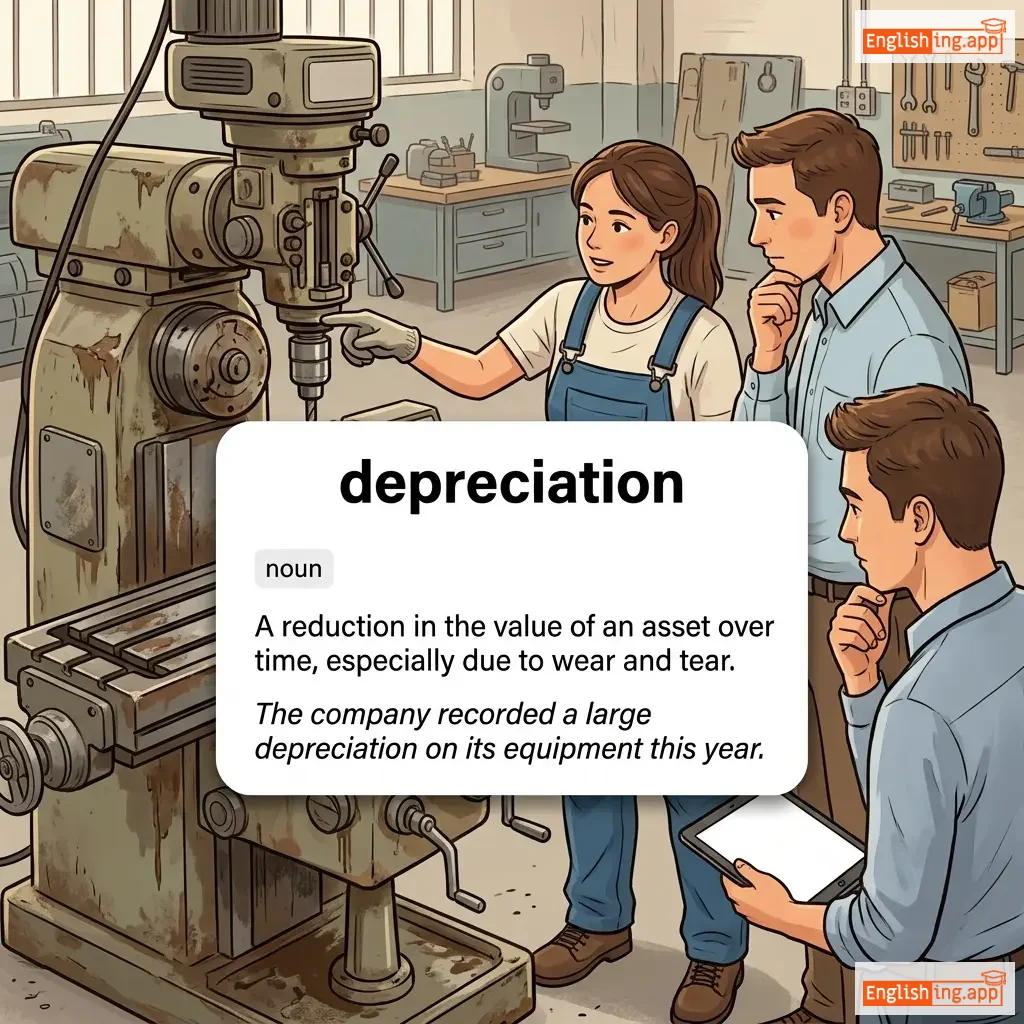
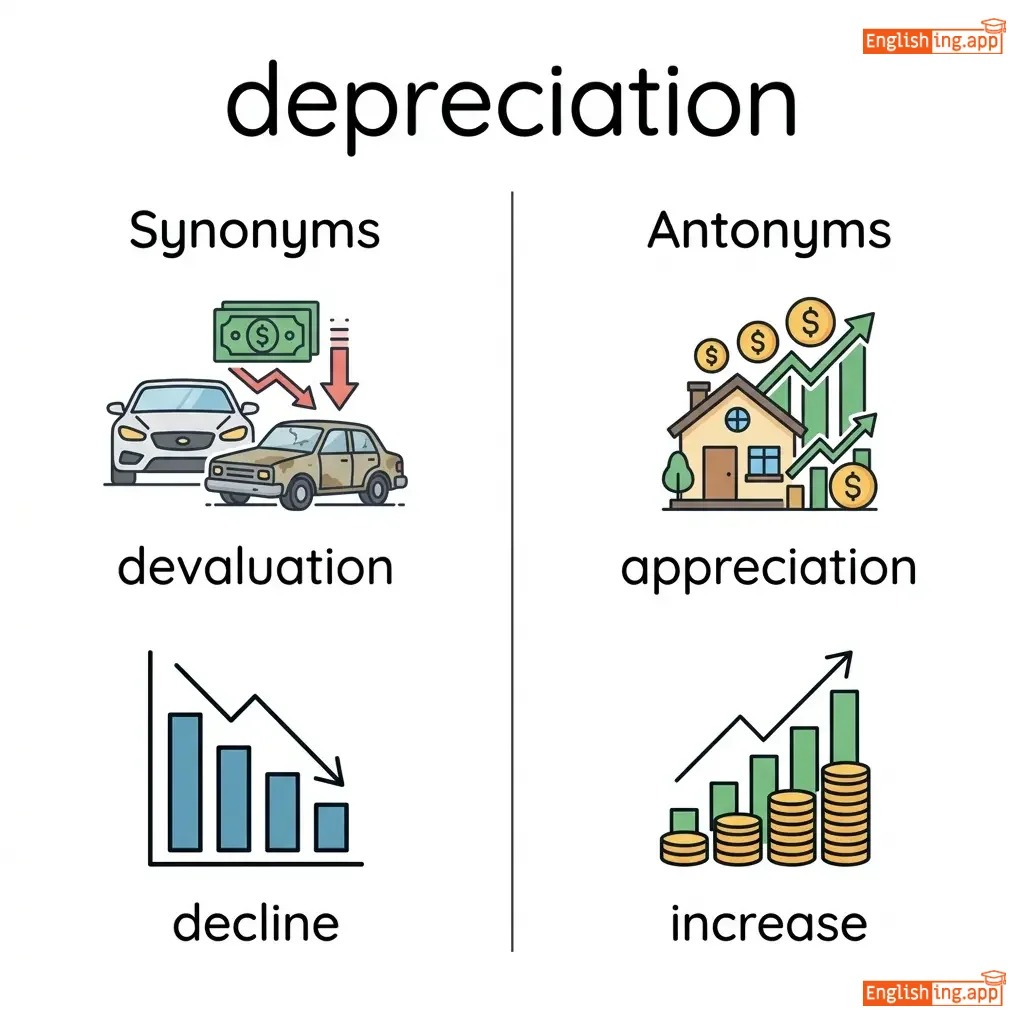
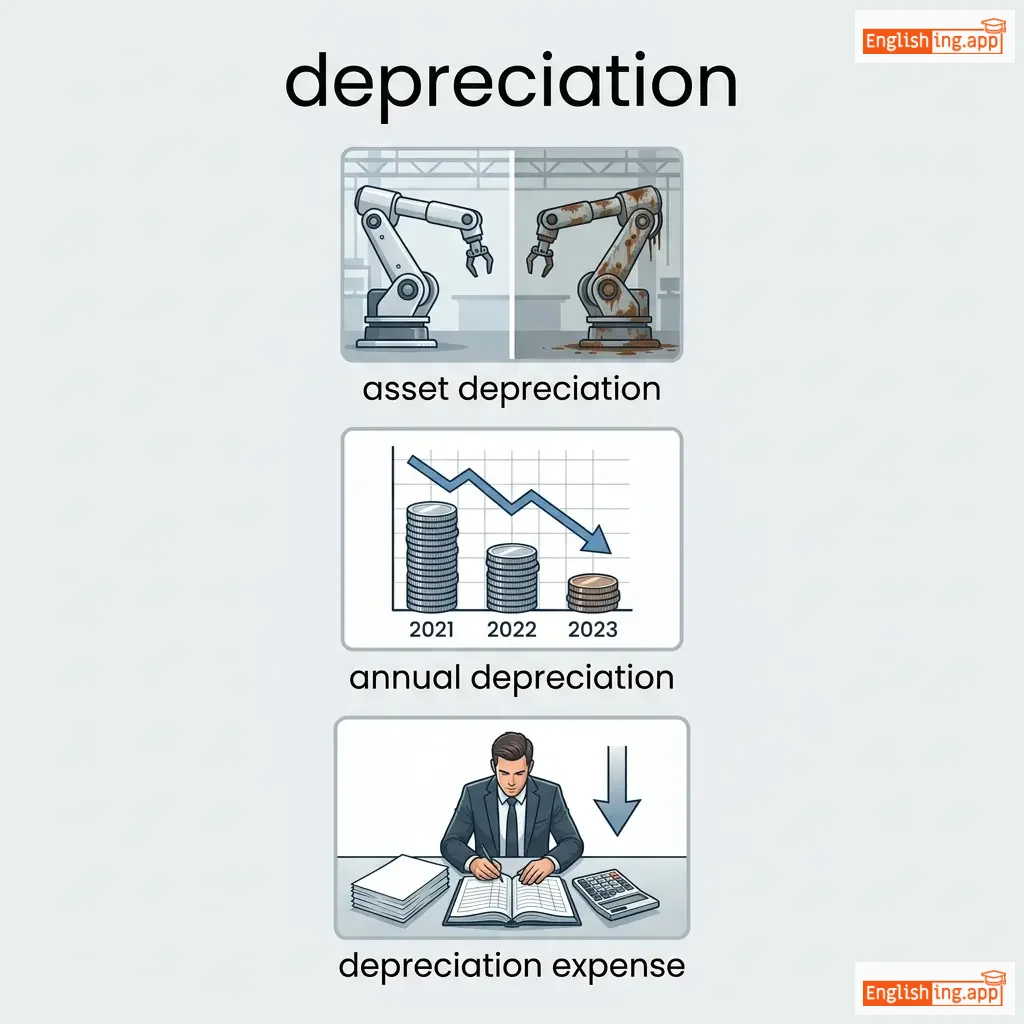
/dɪˌpriː.ʃiˈeɪ.ʃən/
noun
••••••
|
|
A reduction in the value of an asset with the passage of time, due to wear and tear.
••••••
|
The car's depreciation rate is high after five years. |
devaluation, decline, wear and tear
••••••
|
appreciation, value increase, enhancement
••••••
|
|
#1965
📦
|
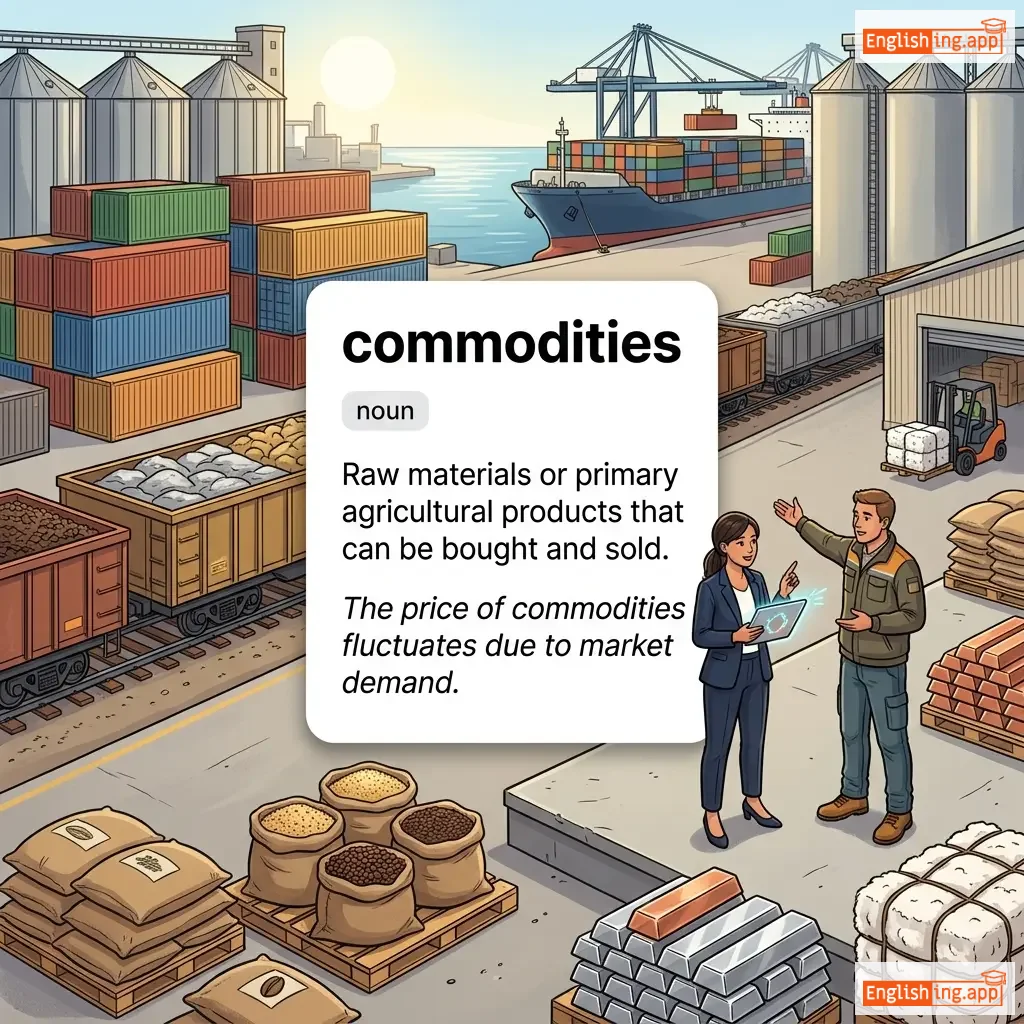
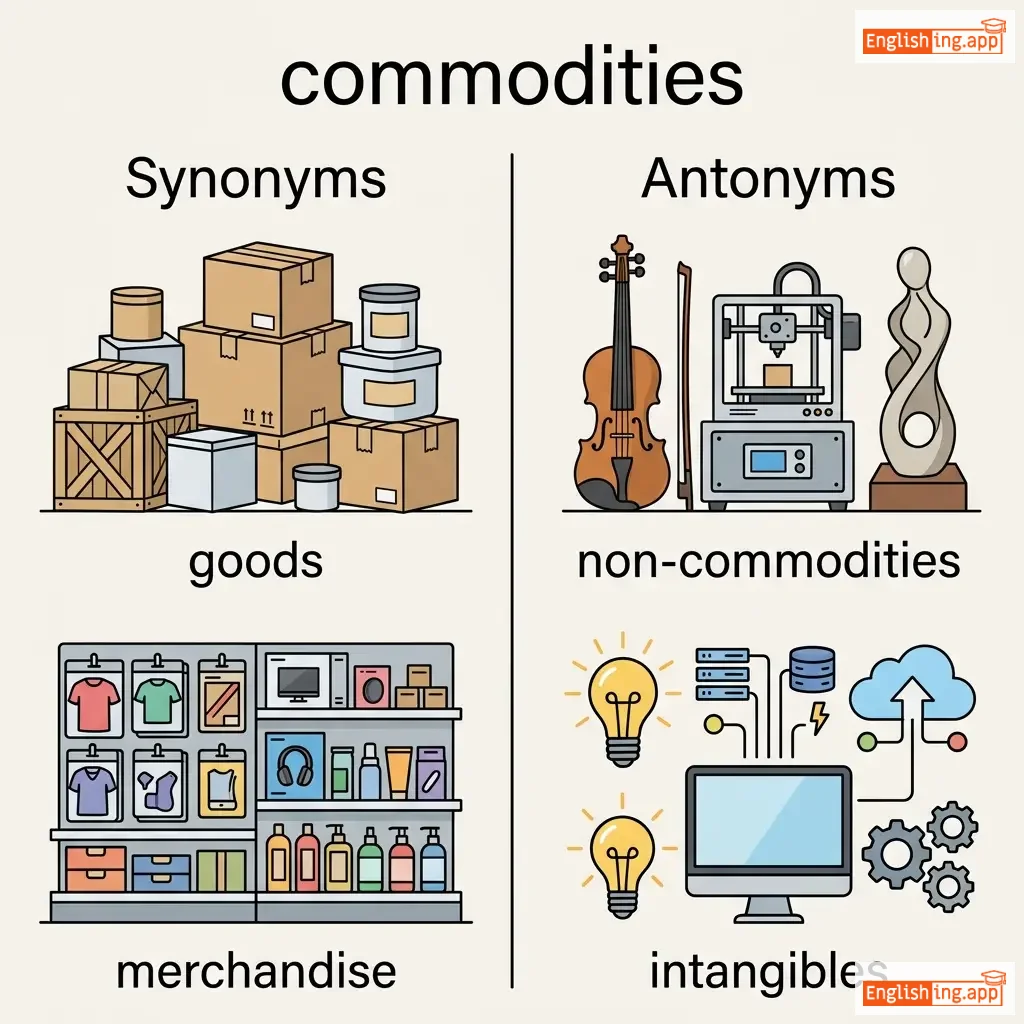
/kəˈmɒ.dɪ.tiz/
noun
••••••
|
|
Raw materials or primary agricultural products that can be bought and sold.
••••••
|
The prices of commodities like oil and gold fluctuate frequently. |
goods, products, merchandise
••••••
|
services, non-tradable goods, intangibles
••••••
|
|
#1966
🏛️
|
/ˌmæk.roʊ.iː.kəˈnɒm.ɪk/
adjective
••••••
|
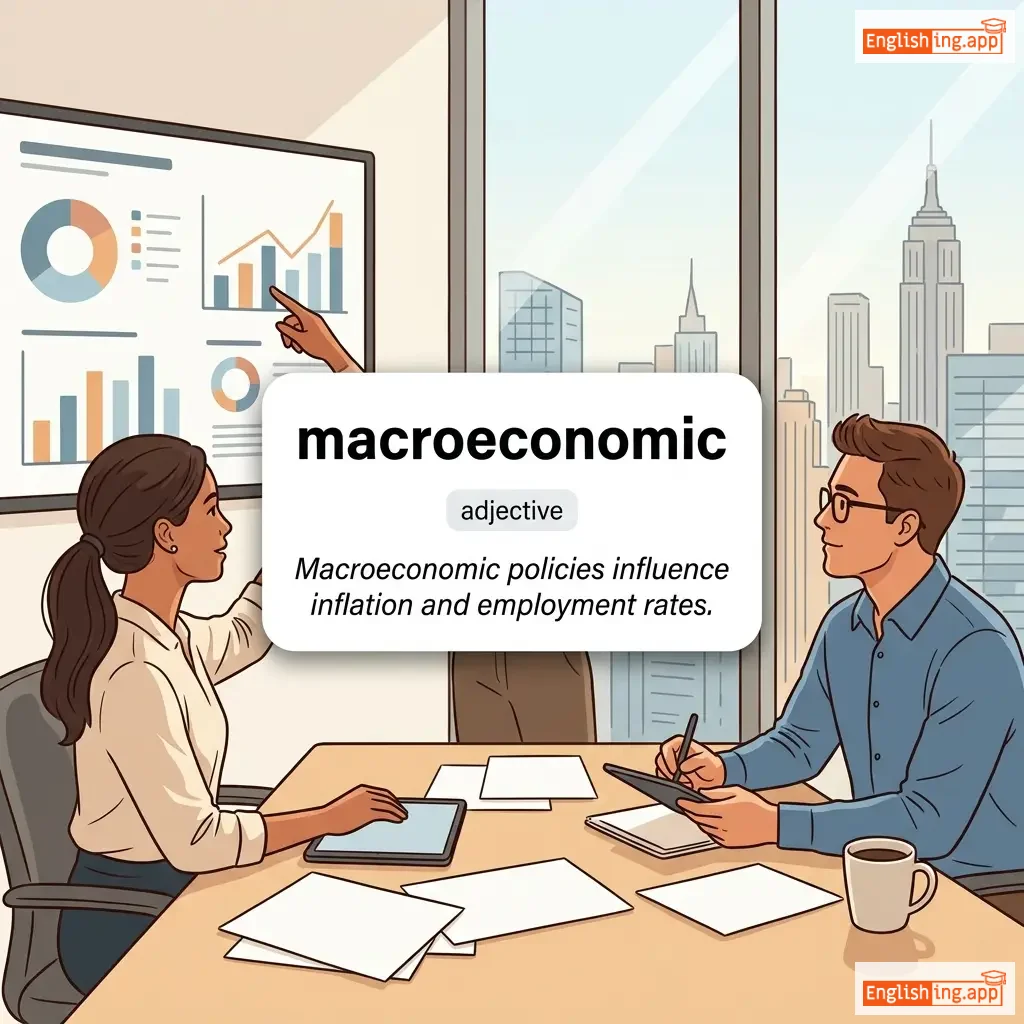
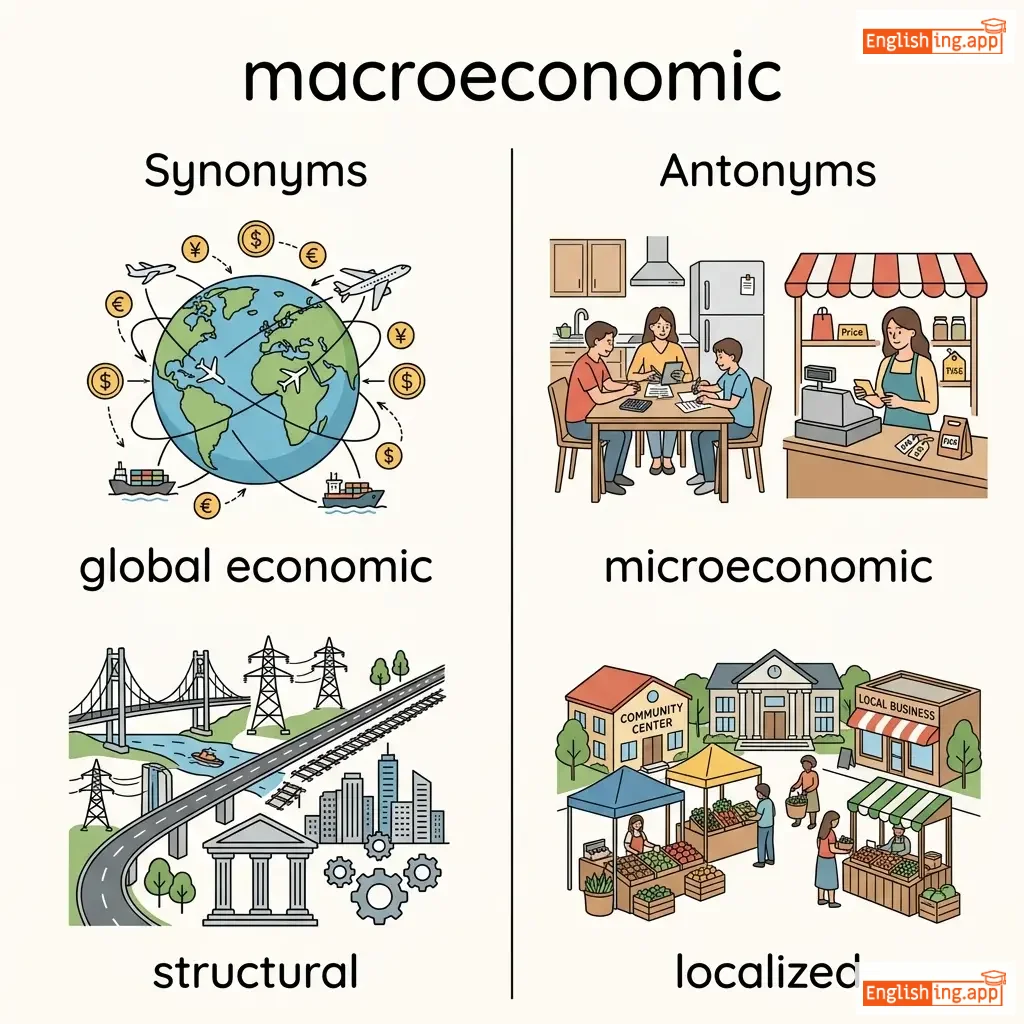
|
Relating to large-scale or general economic factors, such as interest rates and national productivity.
••••••
|
Government policies impact macroeconomic stability. |
national economy, economic trends, large-scale financial system
••••••
|
microeconomic, individual finance, localized economy
••••••
|
|
#1967
💱
|
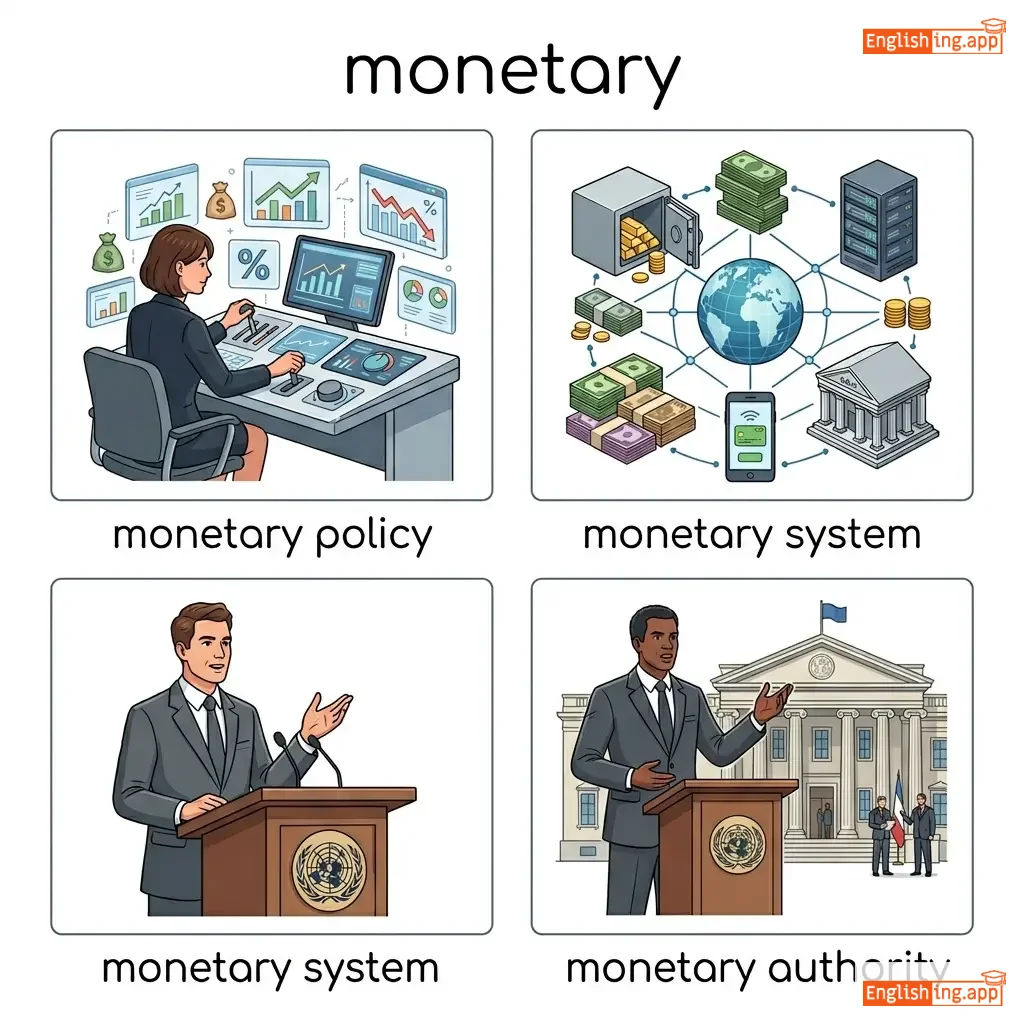
/ˈmʌn.ɪ.tri/
adjective
••••••
|
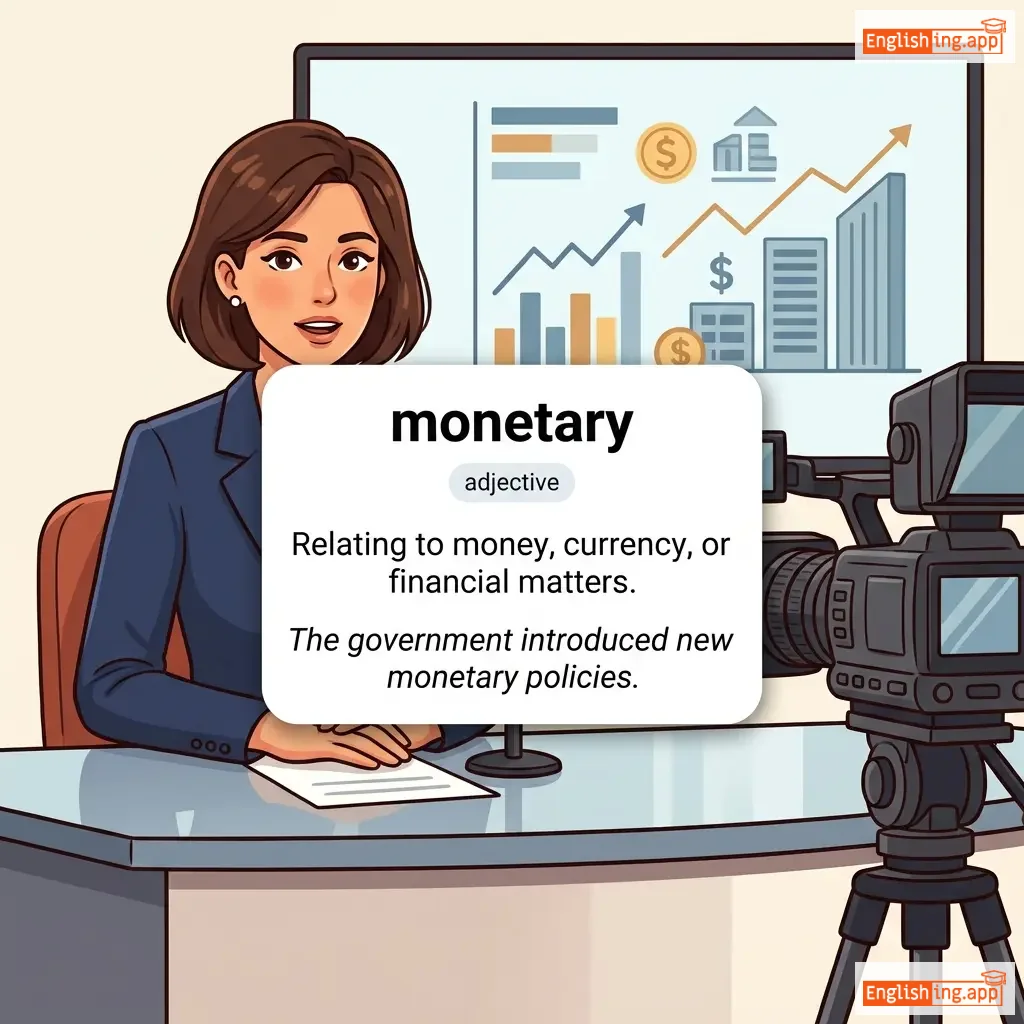
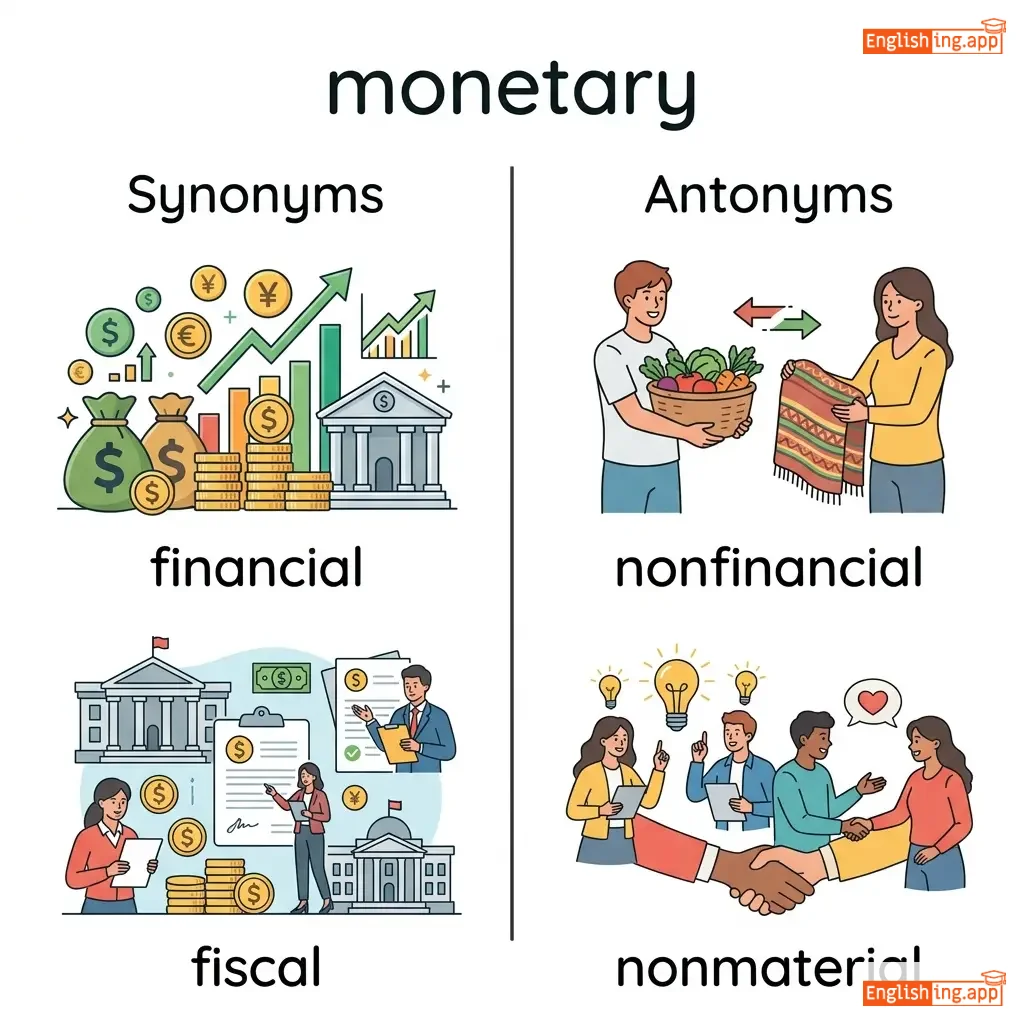
|
Relating to money or currency, especially government policy concerning money supply and interest rates.
••••••
|
The central bank controls monetary policies to manage inflation. |
financial, fiscal, economic
••••••
|
non-financial, barter-based, non-monetary
••••••
|
|
#1968
⚡
|
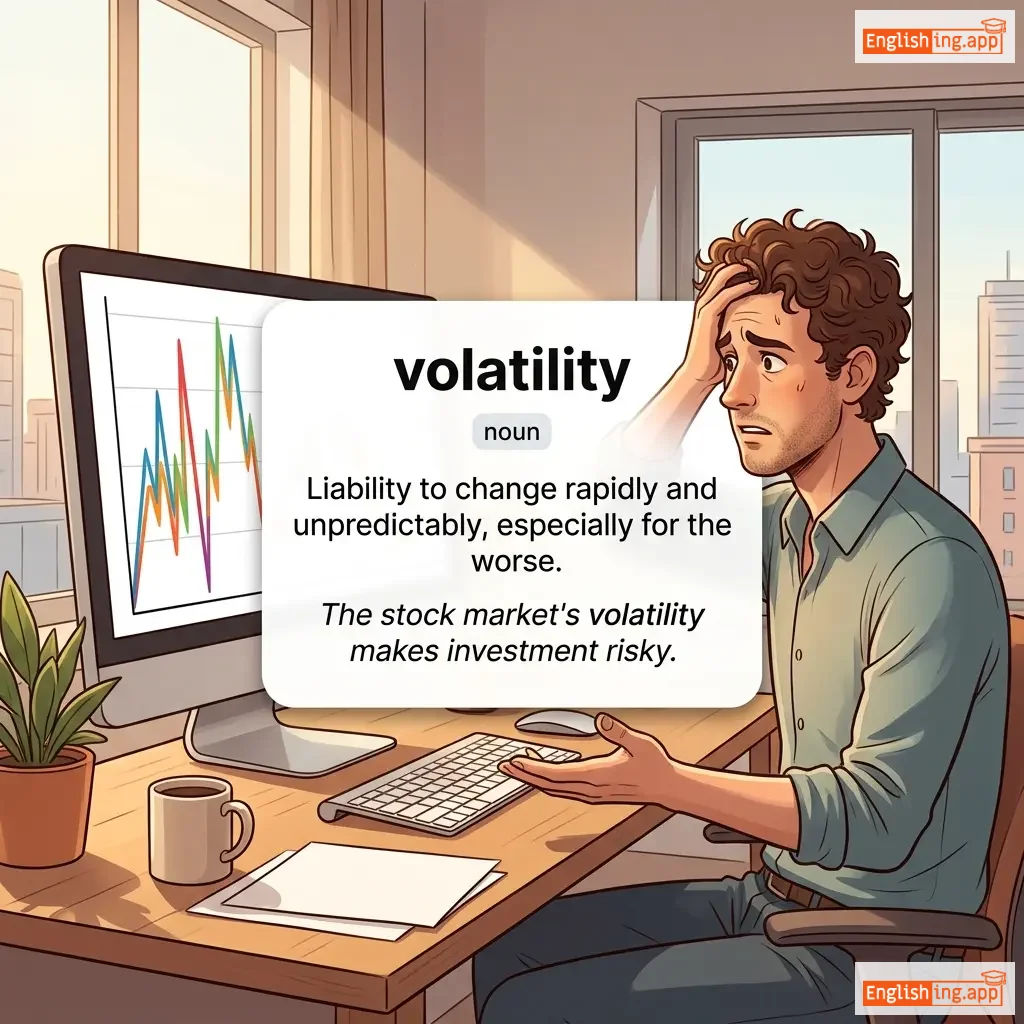
/ˌvɒl.əˈtɪl.ɪ.ti/
noun
••••••
|
|
Liability to change rapidly and unpredictably, especially for the worse in financial markets.
••••••
|
The stock market is known for its volatility. |
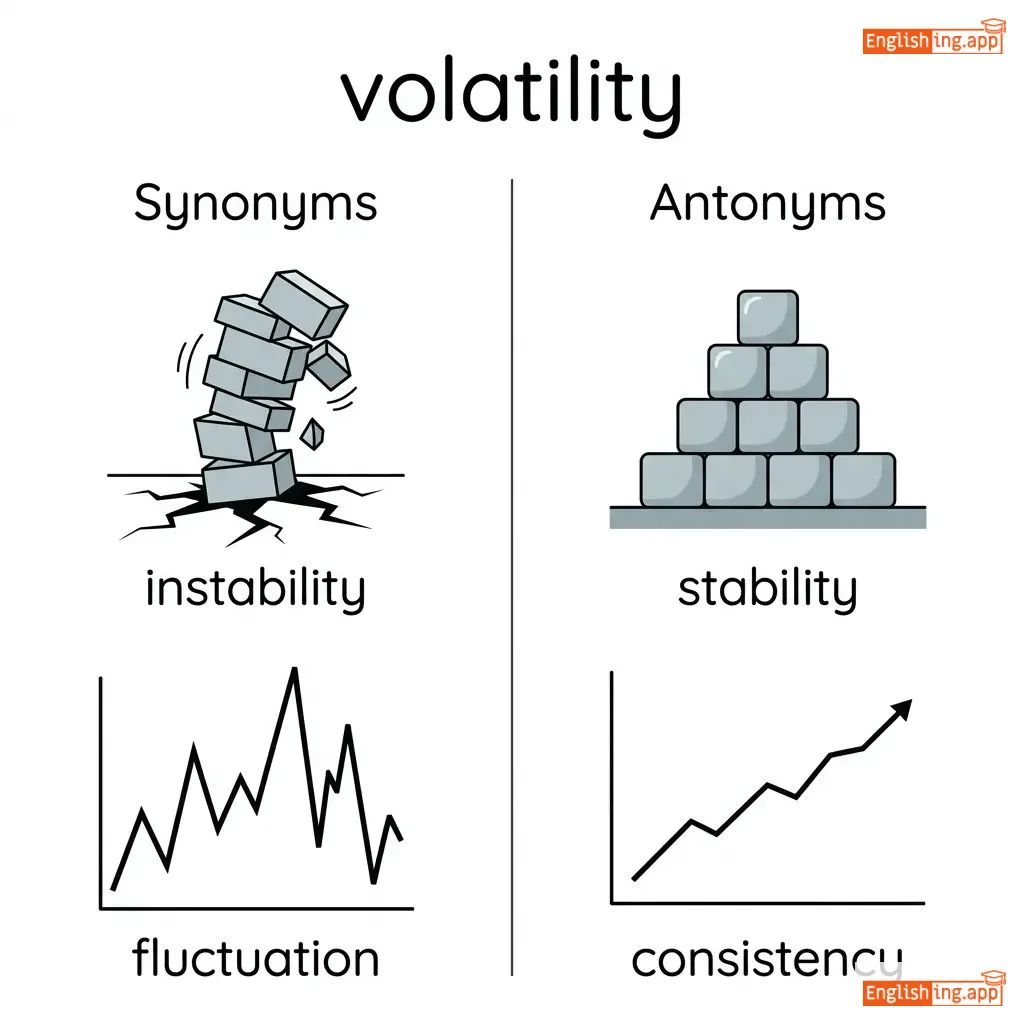
instability, fluctuation, uncertainty
••••••
|
stability, consistency, predictability
••••••
|
|
#1969
💸
|
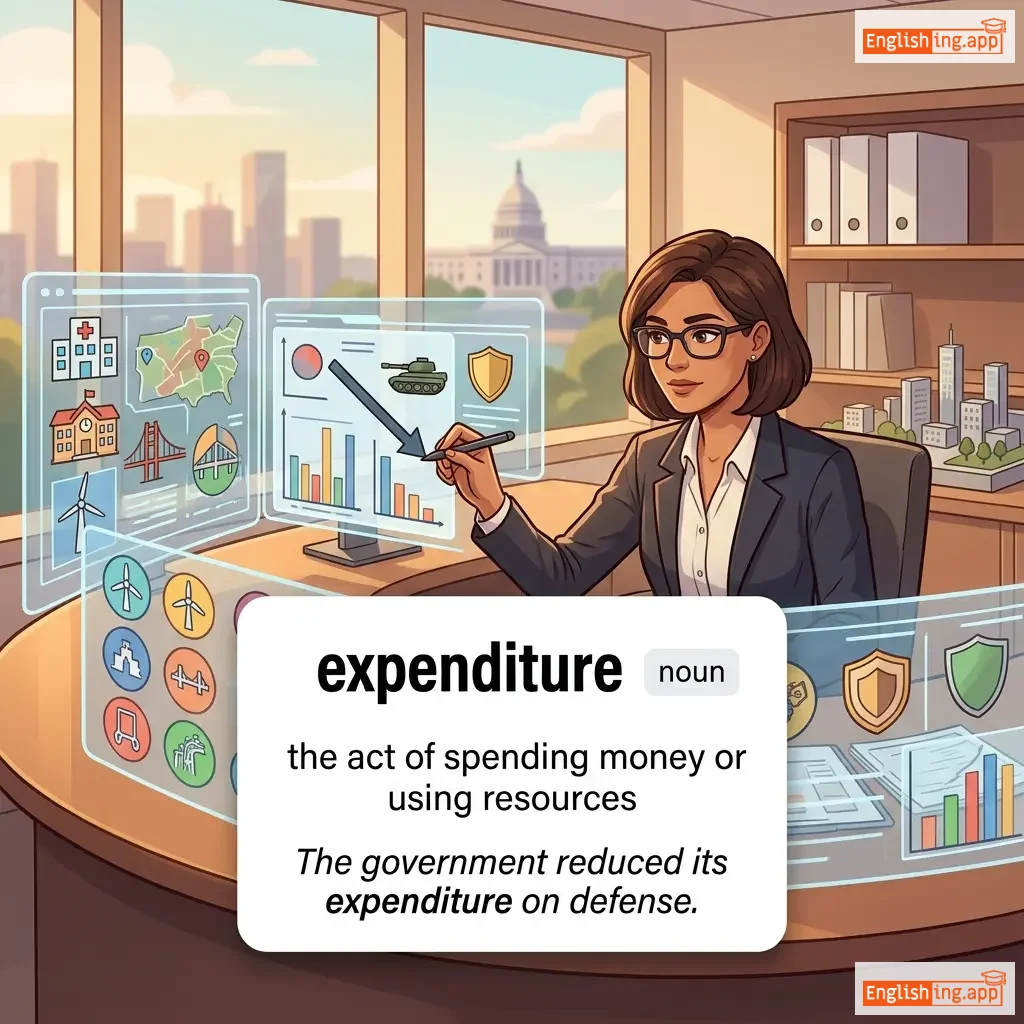
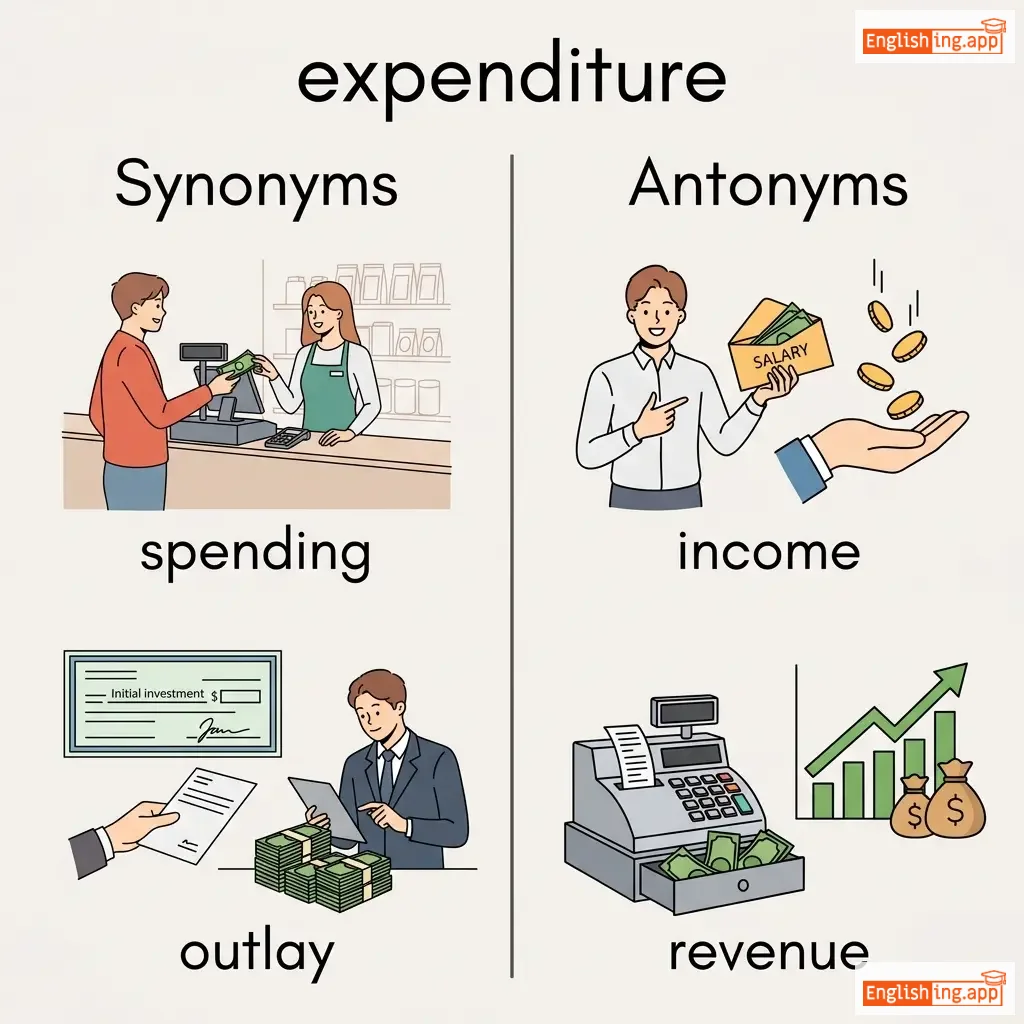
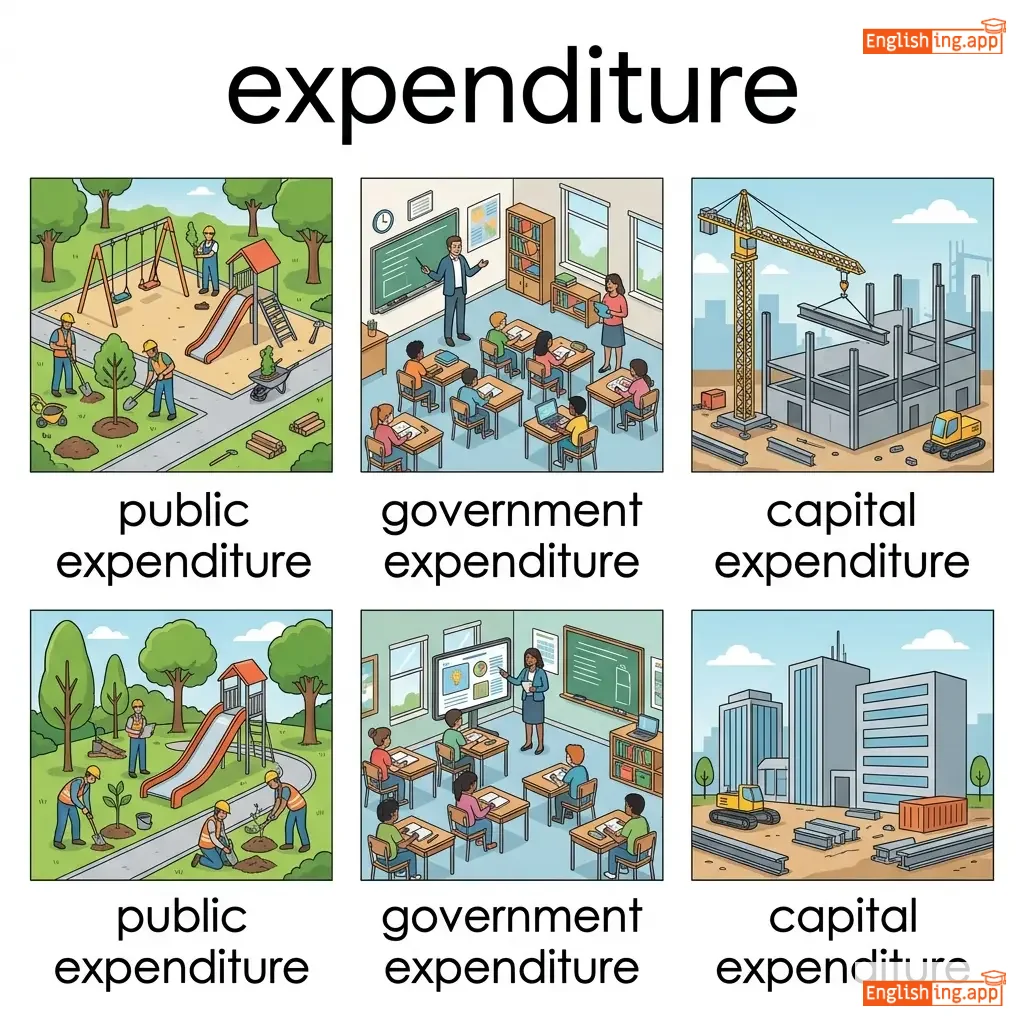
/ɪkˈspɛn.dɪ.tʃɚ/
noun
••••••
|
|
The action of spending funds or an amount of money spent.
••••••
|
The government increased its expenditure on healthcare. |
spending, costs, outlay
••••••
|
savings, revenue, income
••••••
|
|
#1970
🏦
|
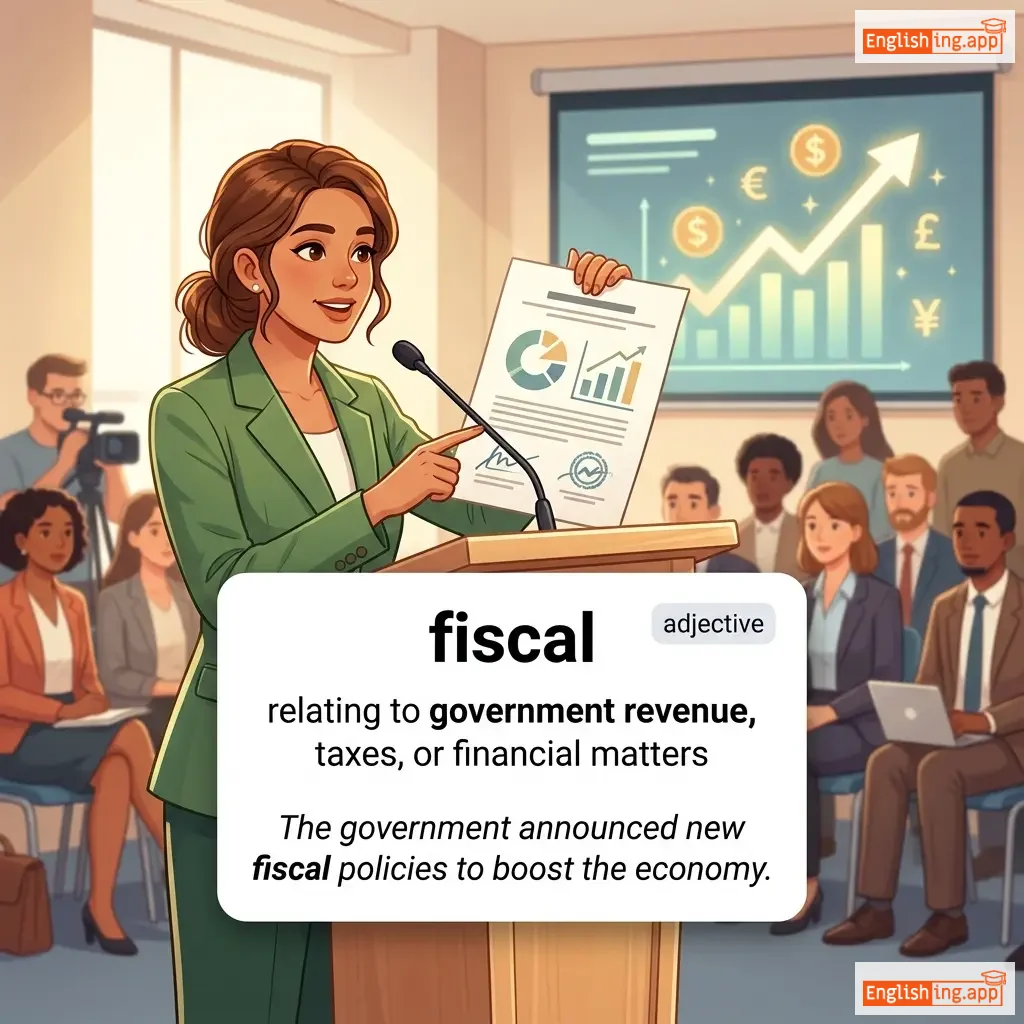
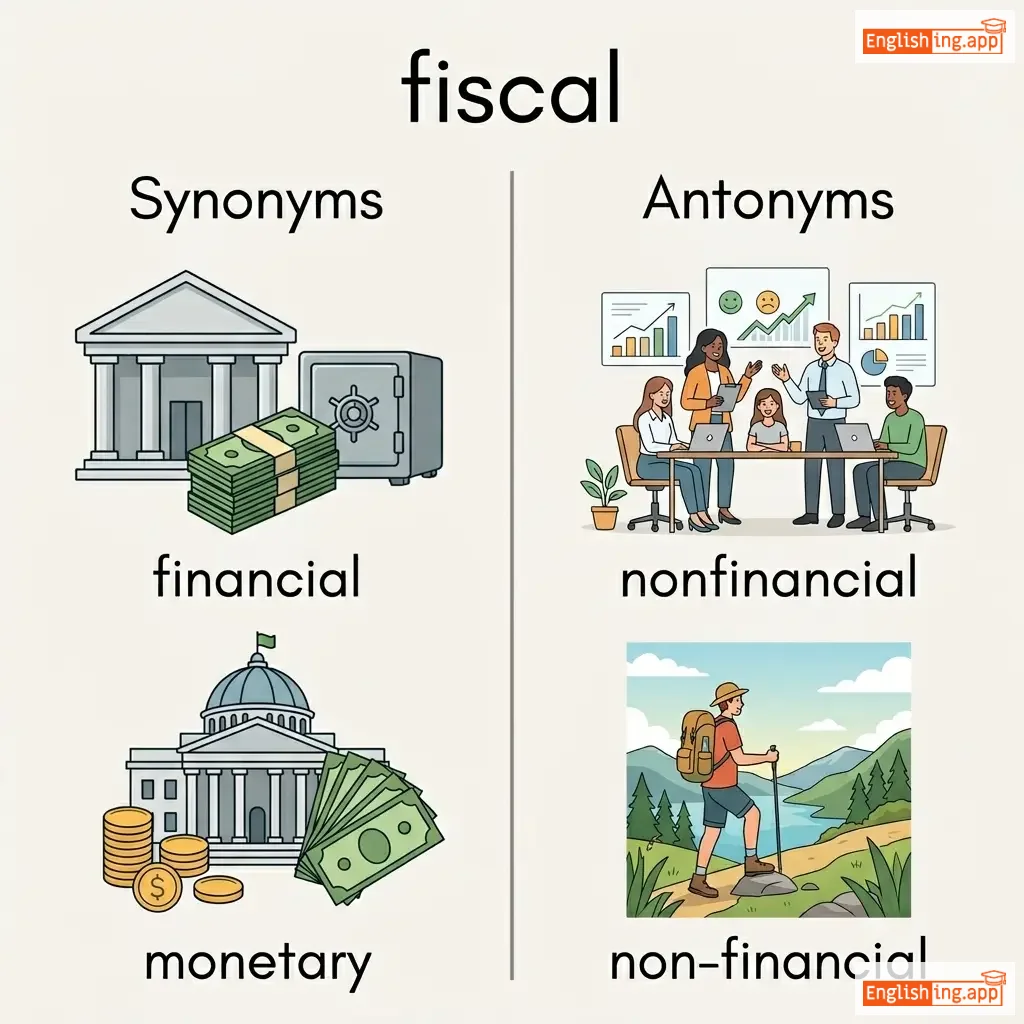
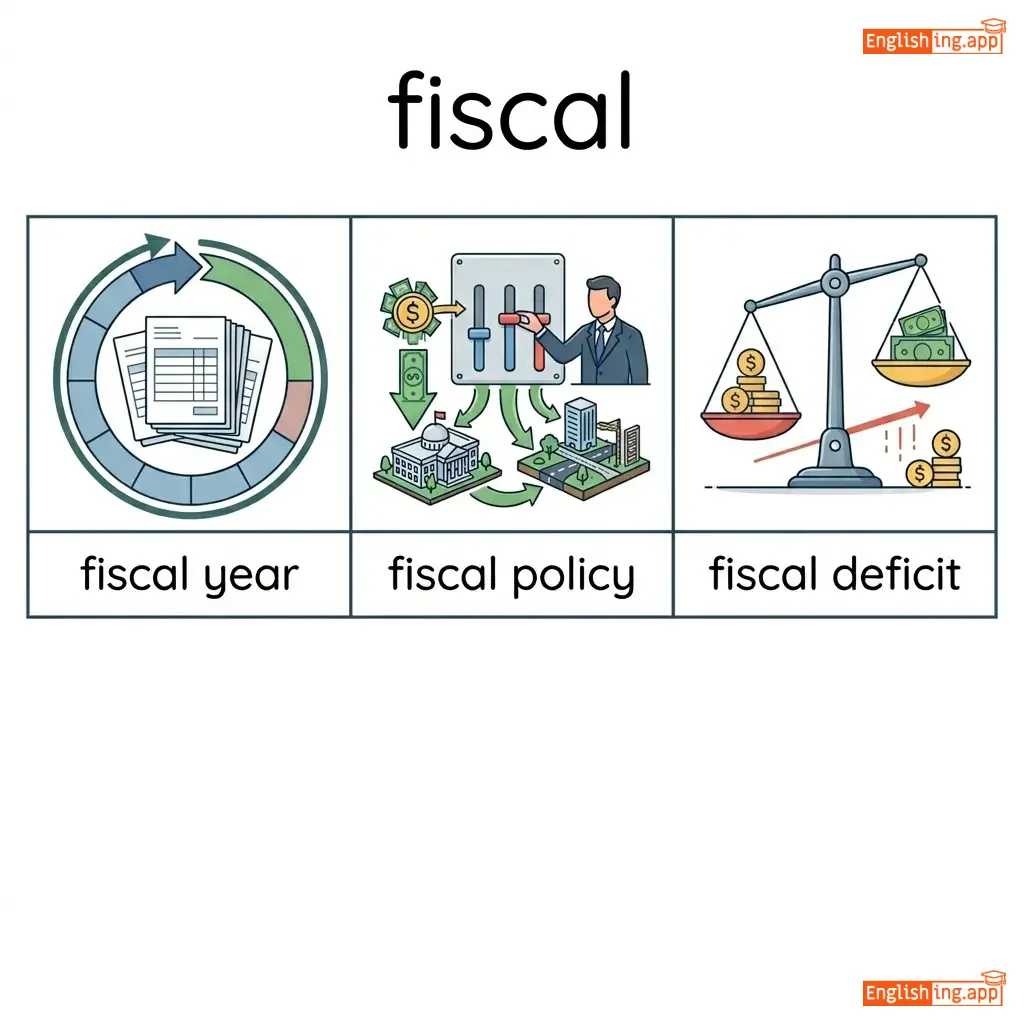
/ˈfɪs.kəl/
adjective
••••••
|
|
Relating to government revenue, especially taxes, or public money management.
••••••
|
The government introduced new fiscal policies to control inflation. |
financial, budgetary, economic
••••••
|
non-financial, unrelated to money
••••••
|
|
#1971
⚖️
|
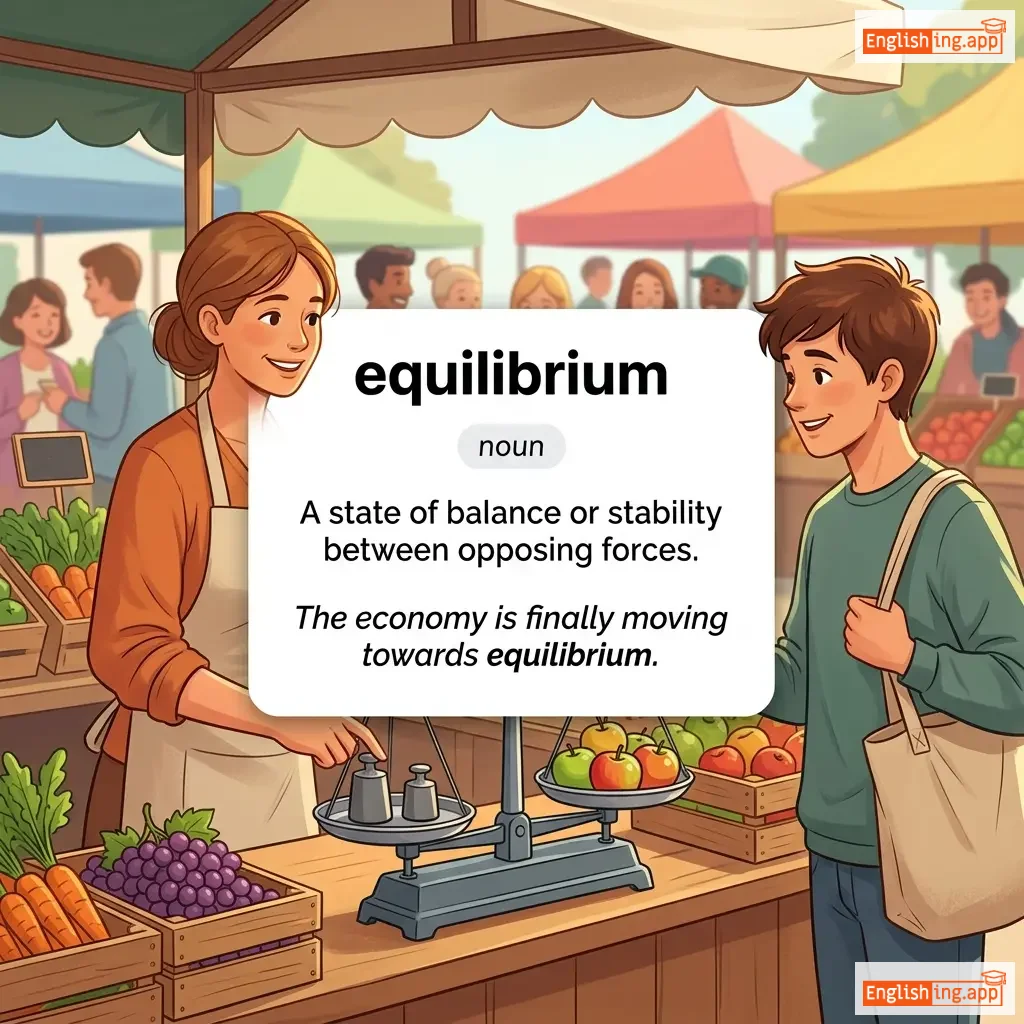
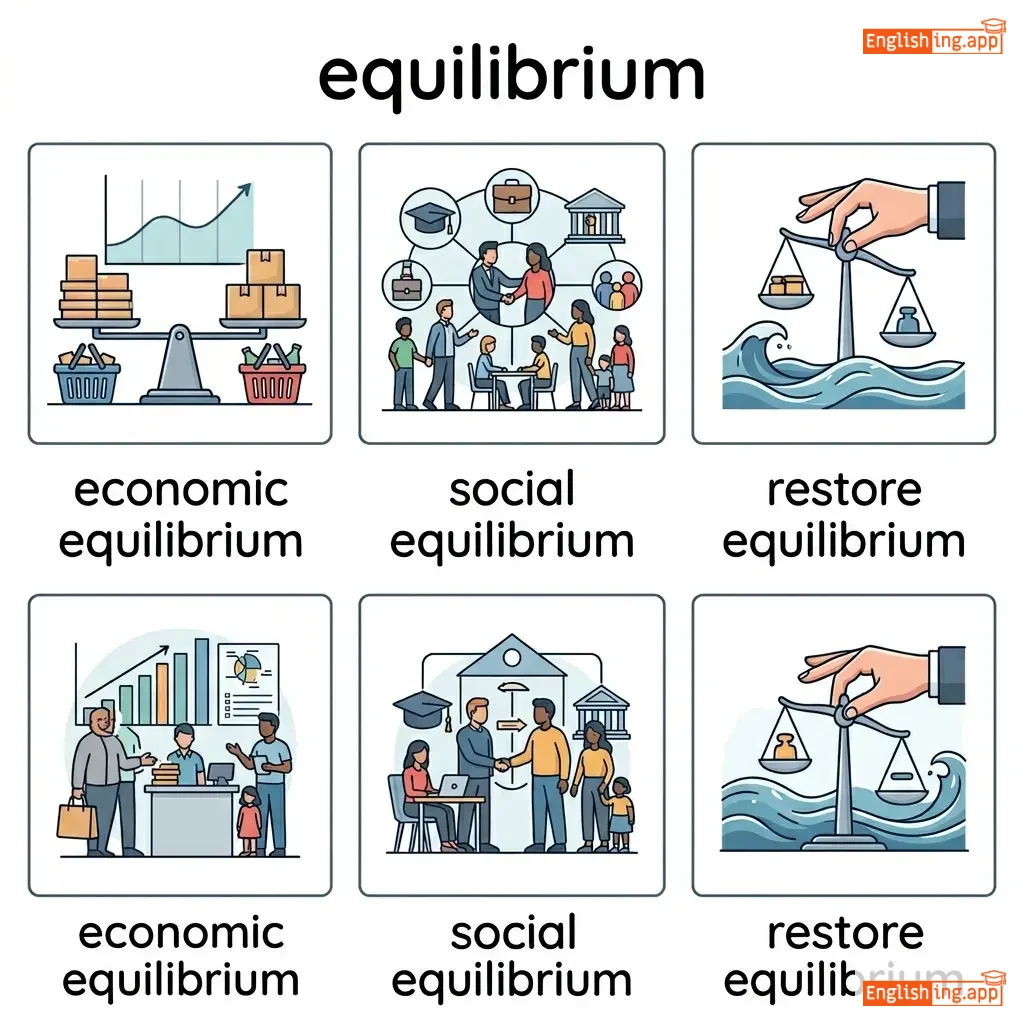
/ˌiː.kwɪˈlɪb.ri.əm/
noun
••••••
|
|
A state in which opposing forces or influences are balanced in economic markets.
••••••
|
The market reached an equilibrium between supply and demand. |
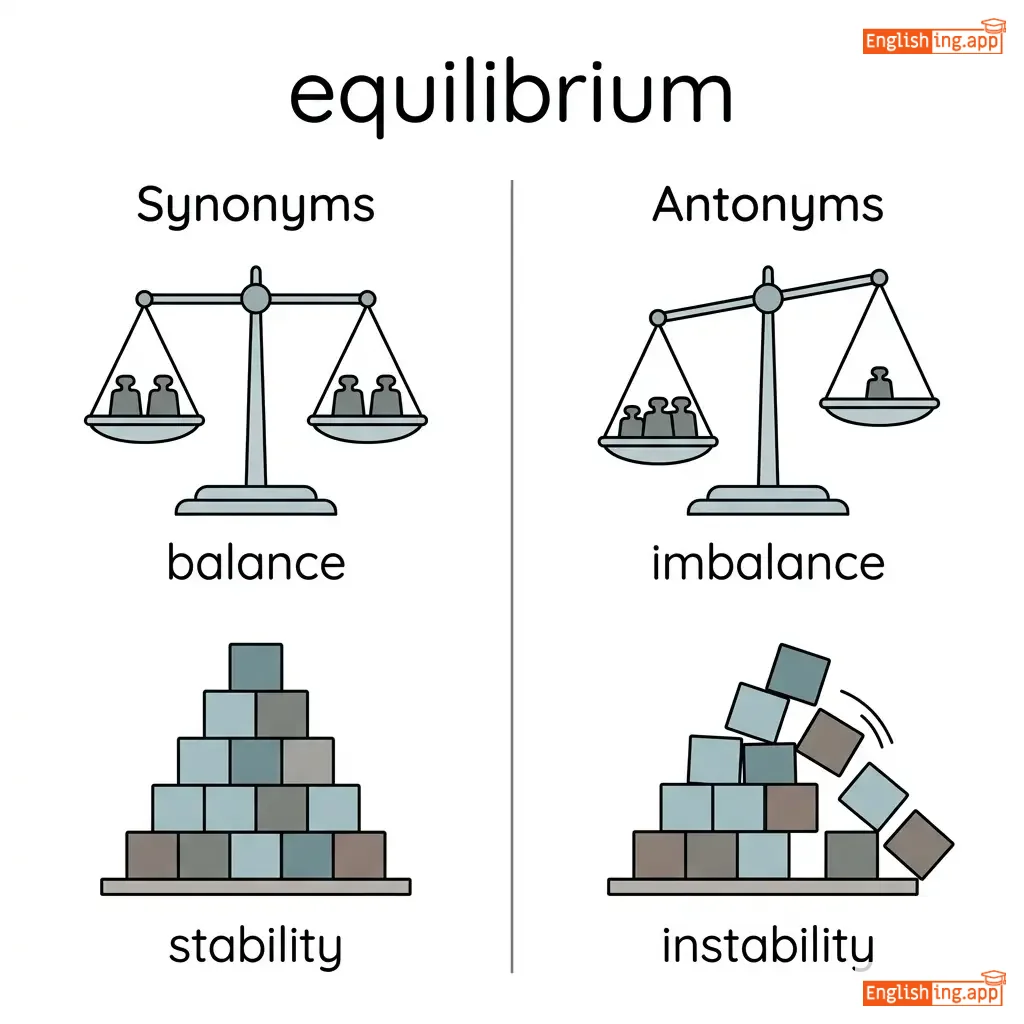
balance, stability, steadiness
••••••
|
imbalance, instability, disequilibrium
••••••
|
|
#1972
🚫
|
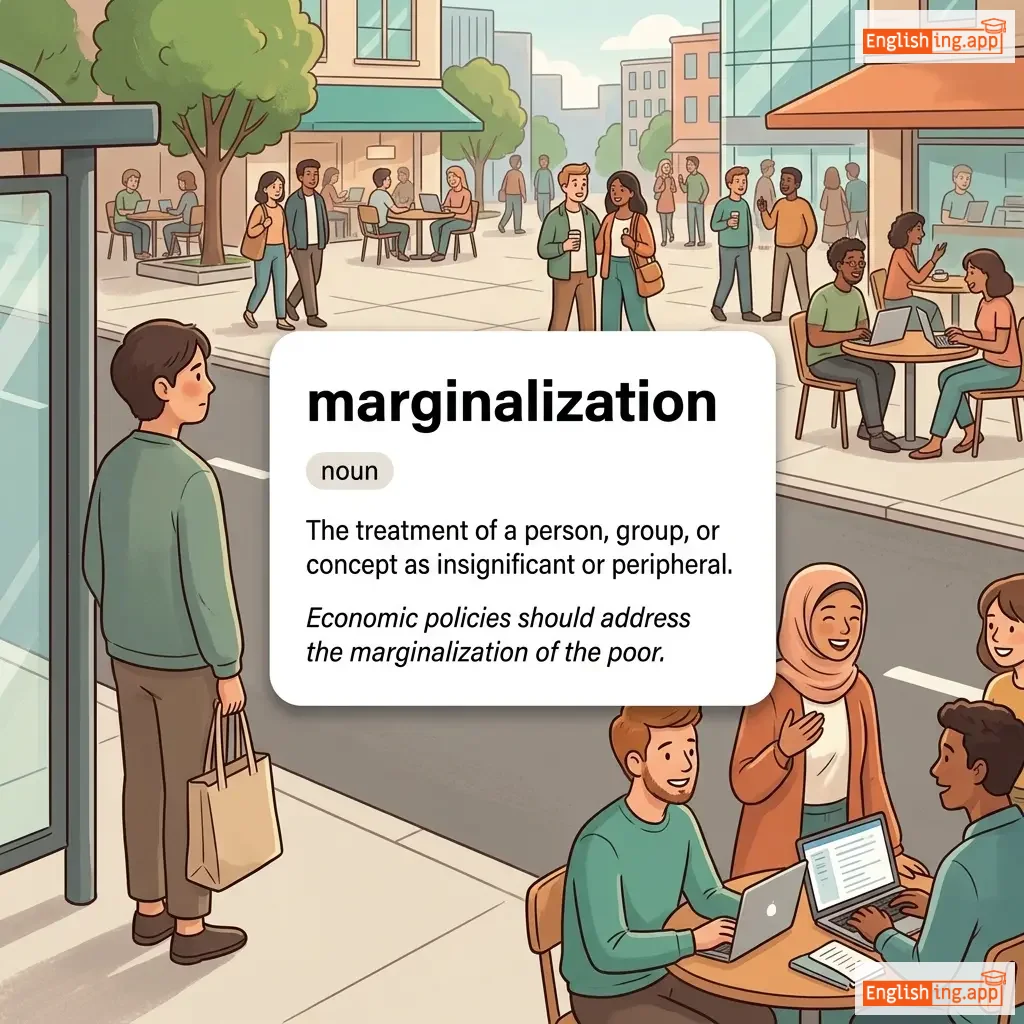
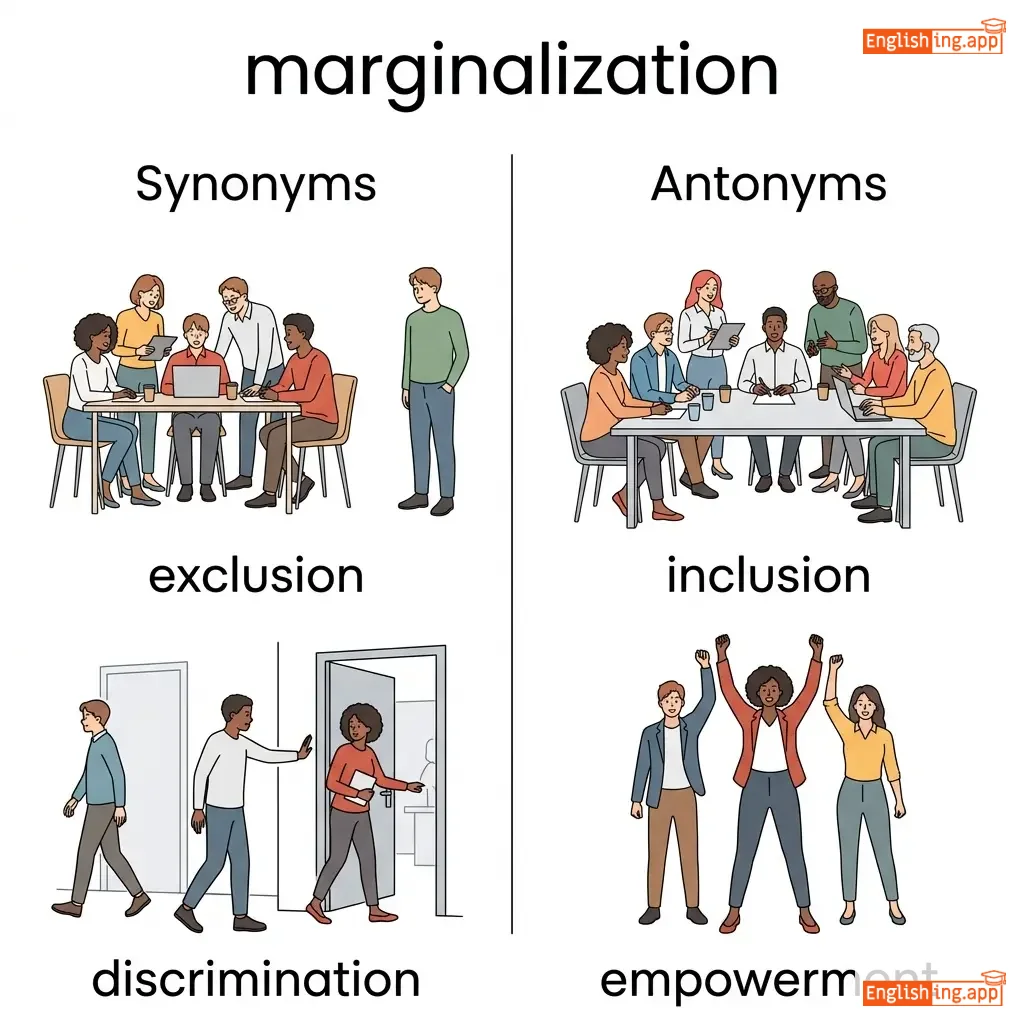
/ˌmɑːr.dʒɪ.nəl.aɪˈzeɪ.ʃən/
noun
••••••
|
|
The process of pushing a group or individual to the edge of society by not allowing them full participation.
••••••
|
Economic policies should address the marginalization of the poor. |
exclusion, discrimination, alienation
••••••
|
inclusion, empowerment, recognition
••••••
|
|
#1973
💰
|
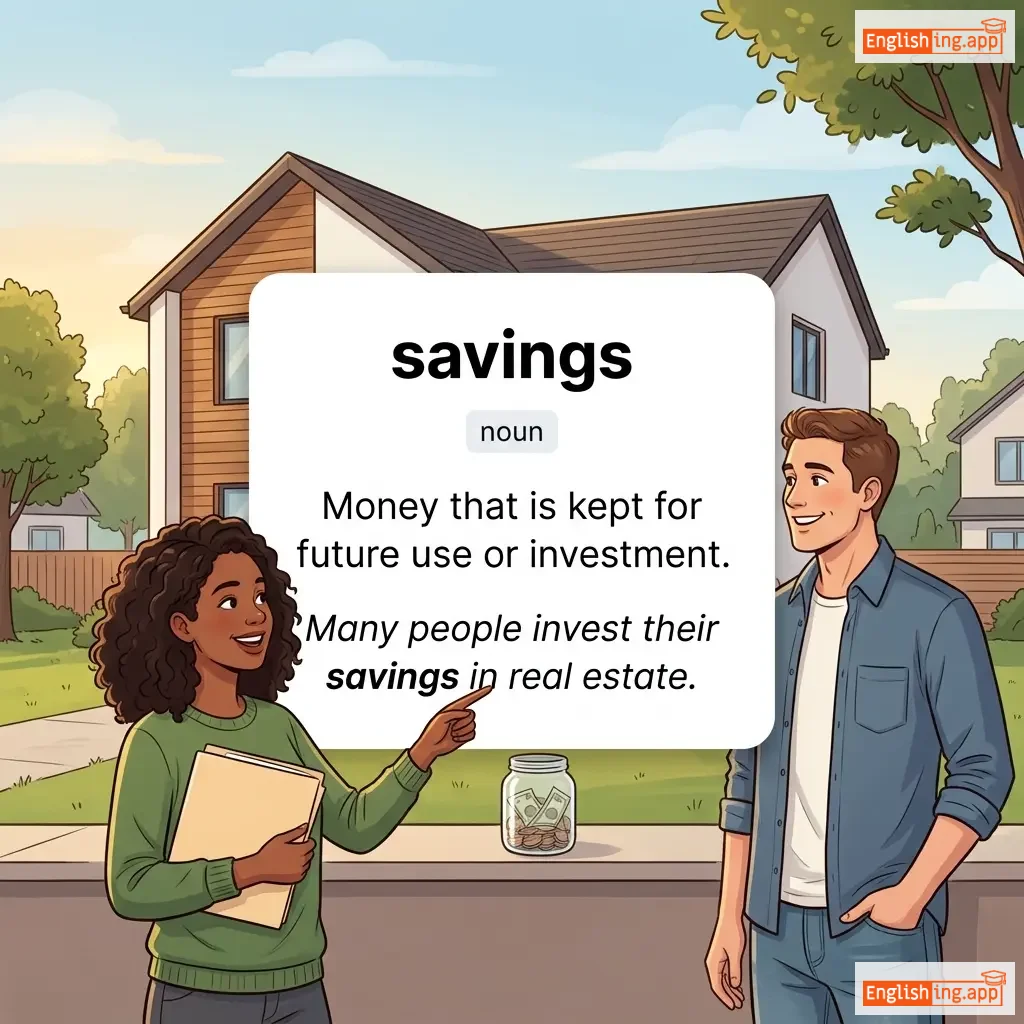
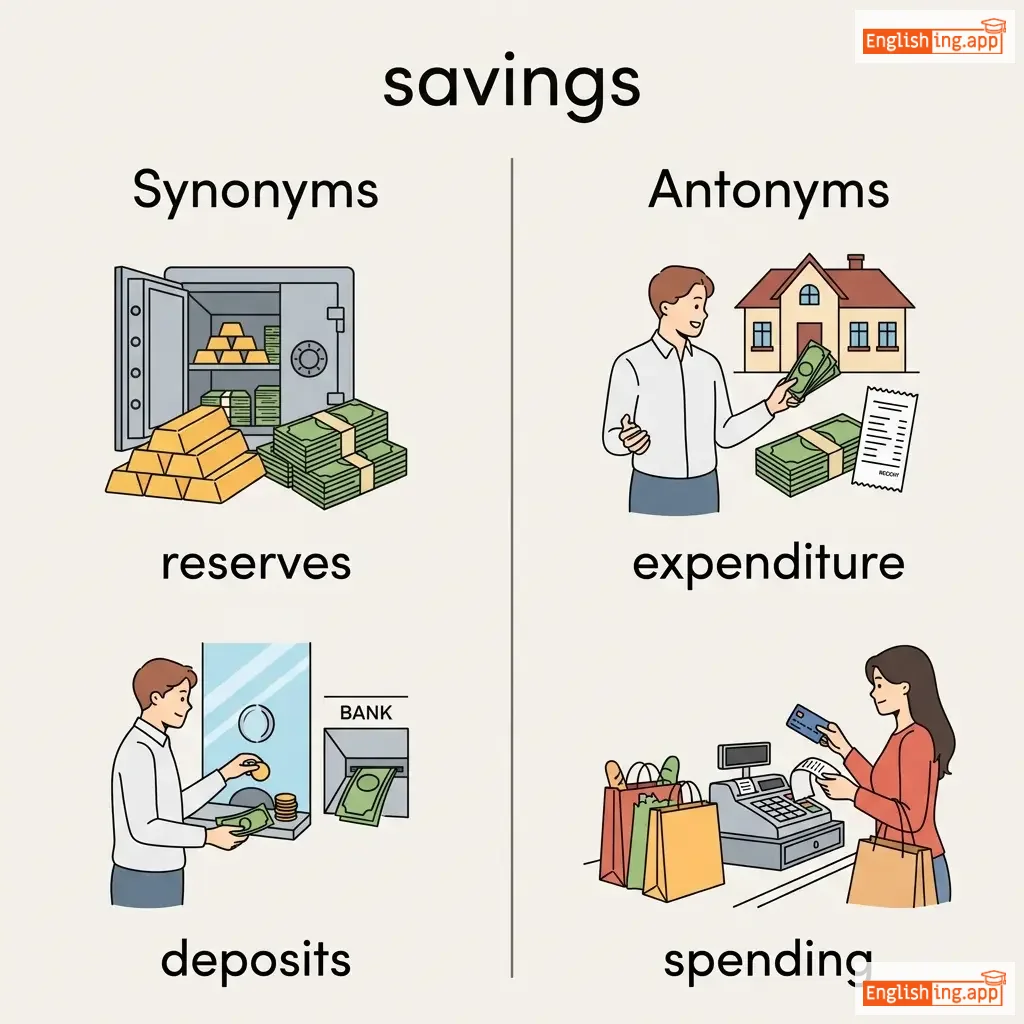
/ˈseɪ.vɪŋz/
noun
••••••
|
|
Money that is saved, especially in a bank or official scheme for future use.
••••••
|
Many people invest their savings in real estate. |
reserves, deposits, funds
••••••
|
expenditure, spending, debt
••••••
|
|
#1974
📊
|
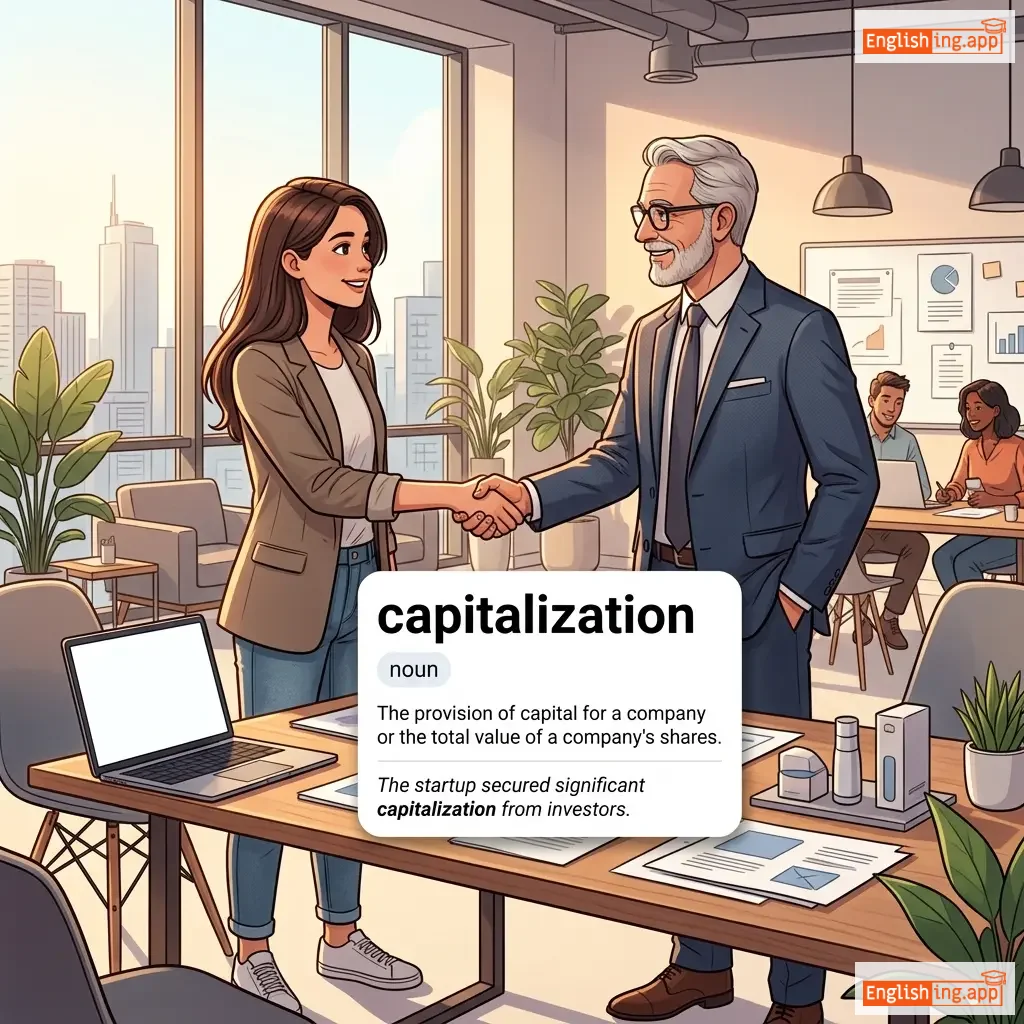
/ˌkæp.ɪ.t̬əl.aɪˈzeɪ.ʃən/
noun
••••••
|
|
The provision of capital for a company or the total value of a company's shares.
••••••
|
The company increased its capitalization through new investments. |
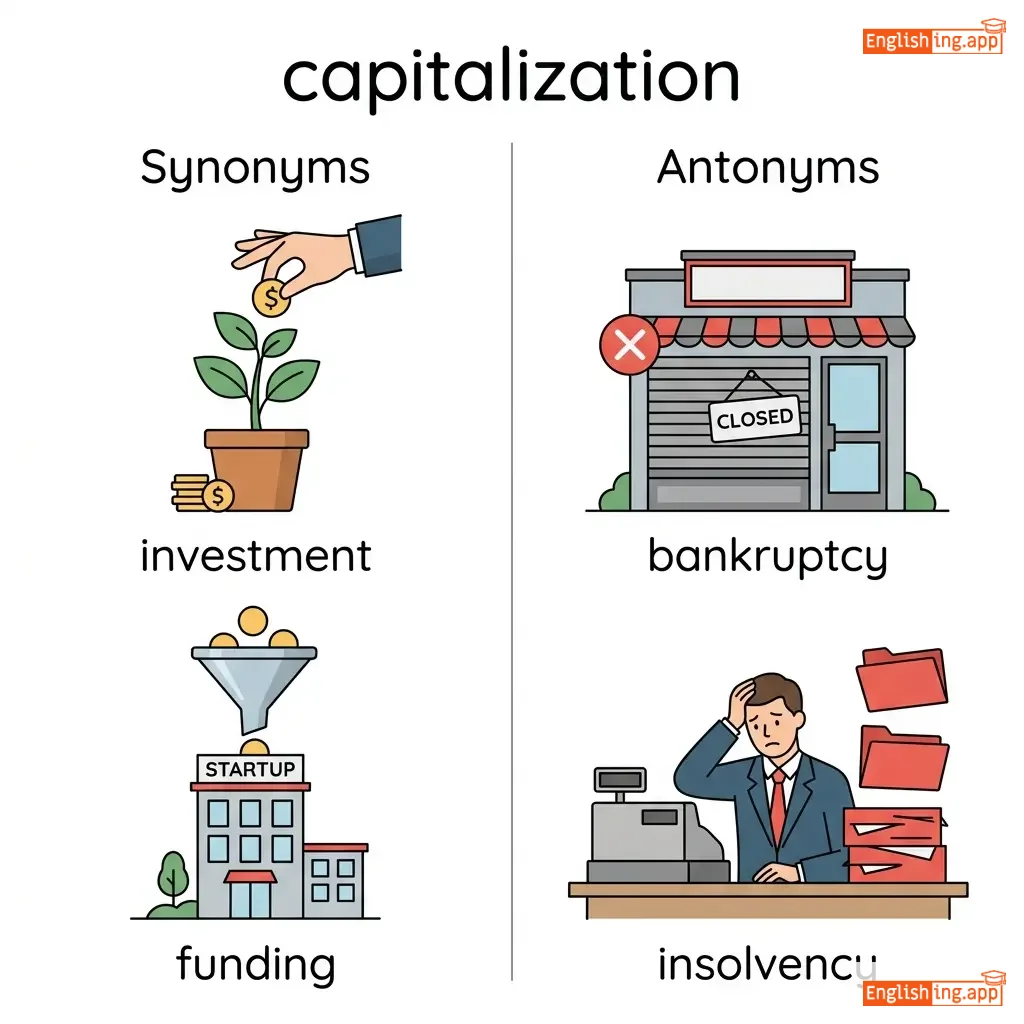
investment, funding, financial growth
••••••
|
underfunding, bankruptcy, liquidation
••••••
|
|
#1975
💹
|
/ˈɑːr.bɪ.trɑːʒ/
noun
••••••
|
|
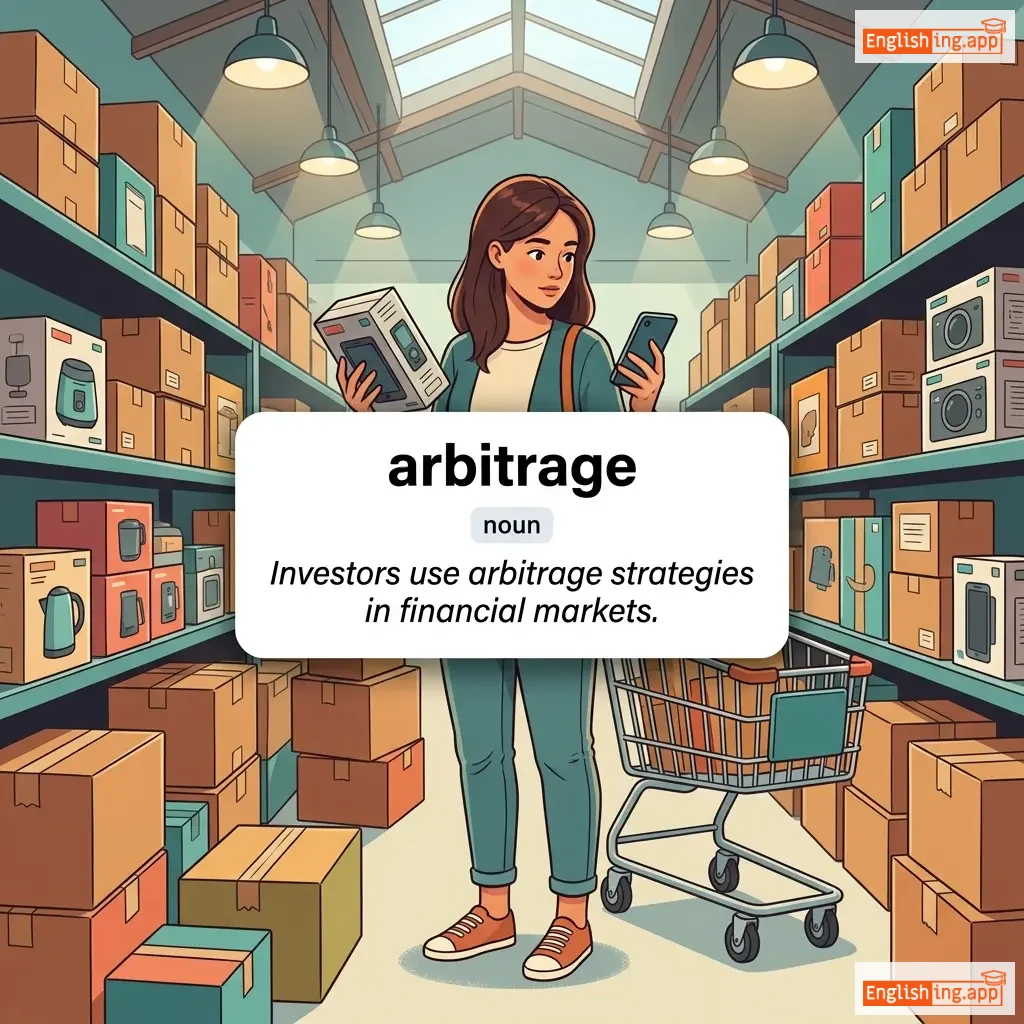
The simultaneous buying and selling of securities in different markets to take advantage of differing prices.
••••••
|
Investors use arbitrage to make profits in global markets. |
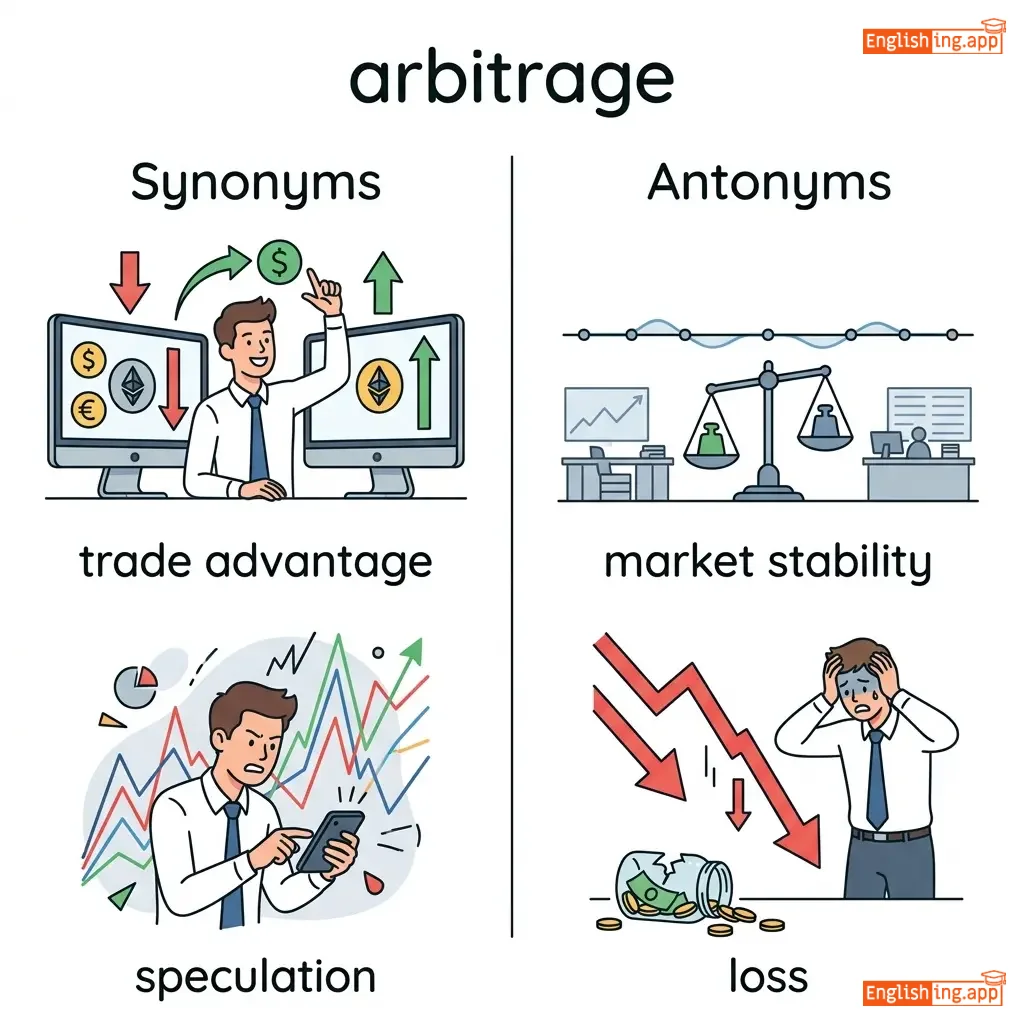
trading, exploiting price differences, speculation
••••••
|
fixed pricing, loss-making trade, unprofitability
••••••
|
|
#1976
🛡️
|
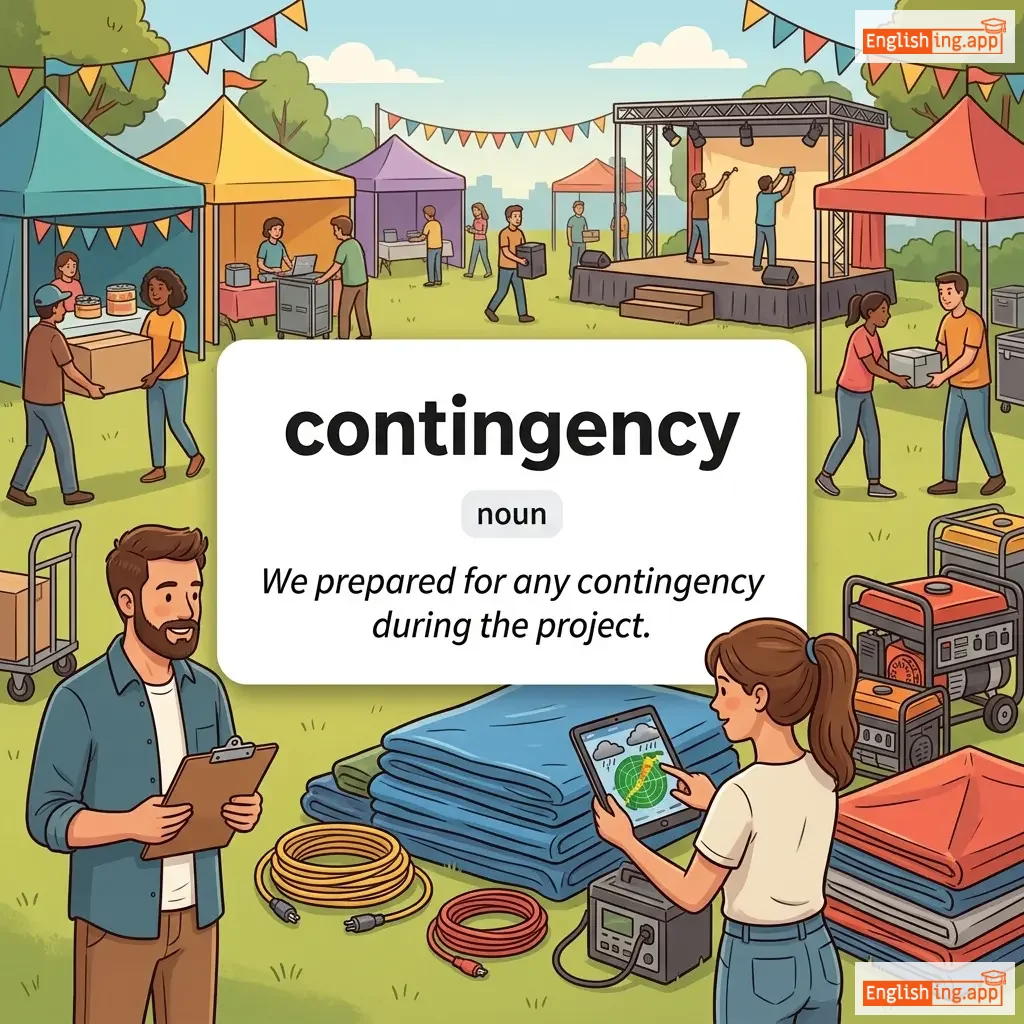
/kənˈtɪn.dʒən.si/
noun
••••••
|
|
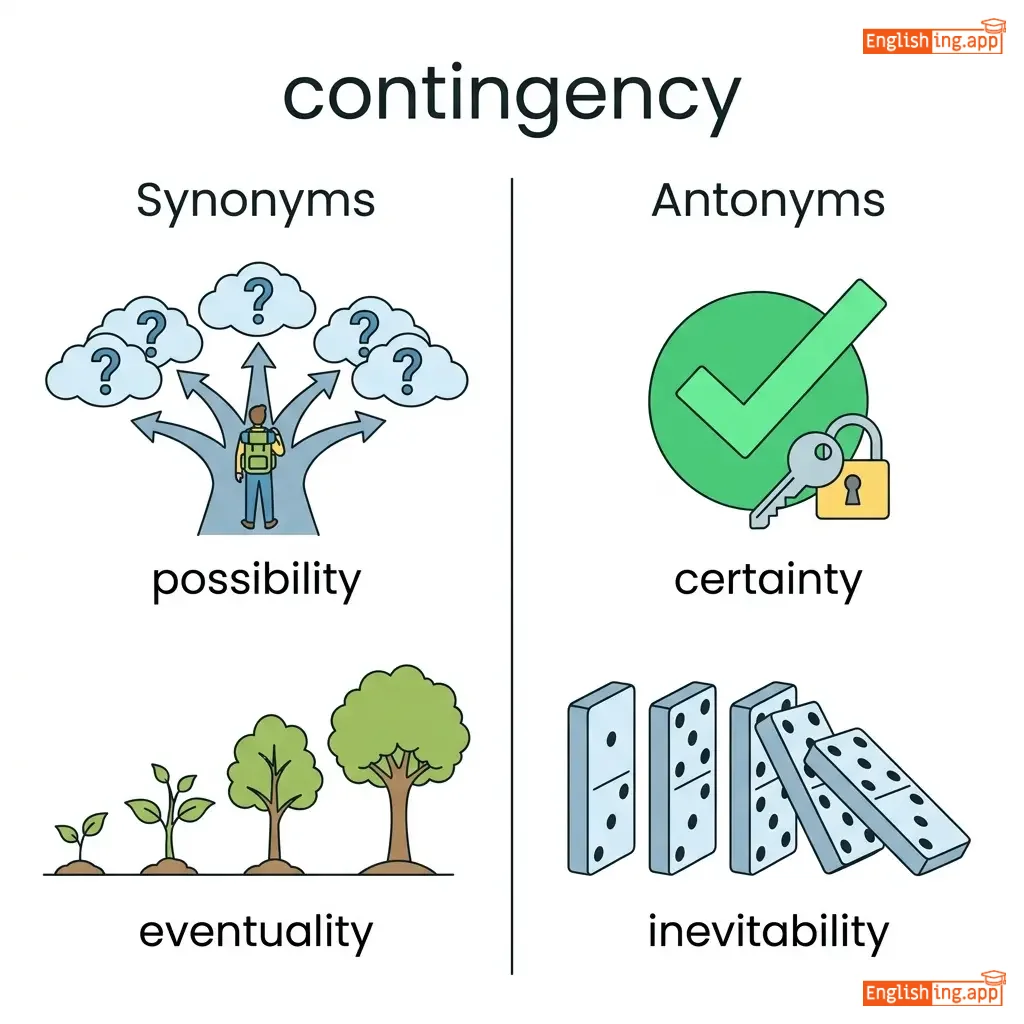
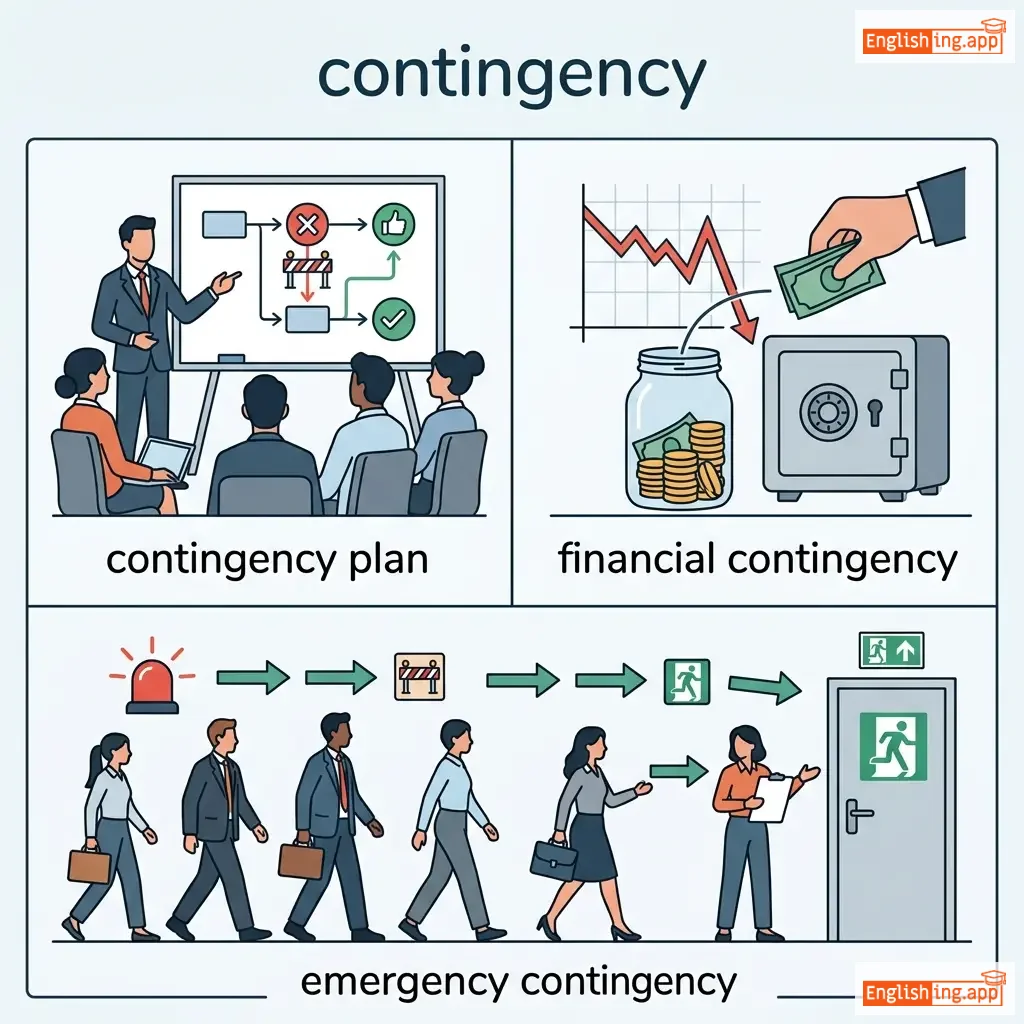
A provision for an unforeseen event or circumstance, especially in financial planning.
••••••
|
The company has a contingency plan for economic downturns. |
emergency plan, backup, alternative
••••••
|
certainty, assurance, predictability
••••••
|
|
#1977
📉
|
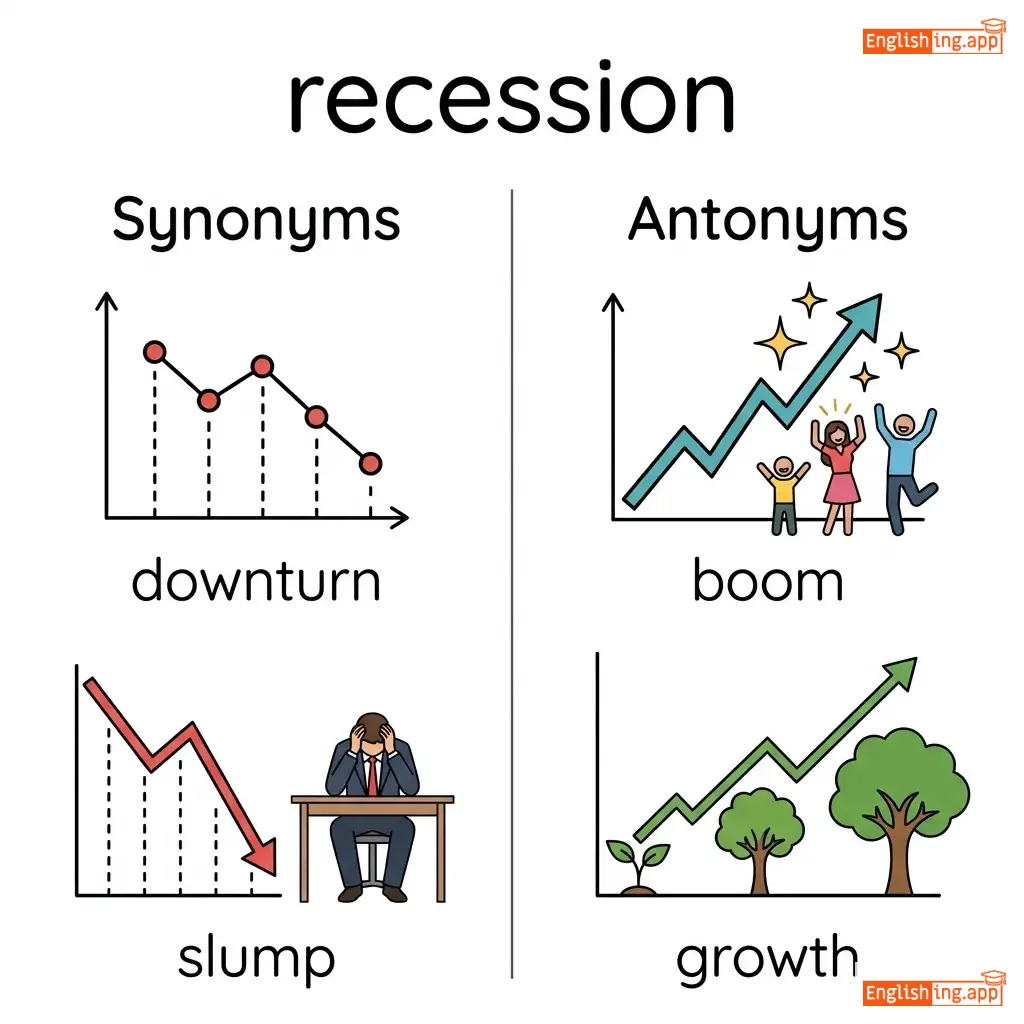
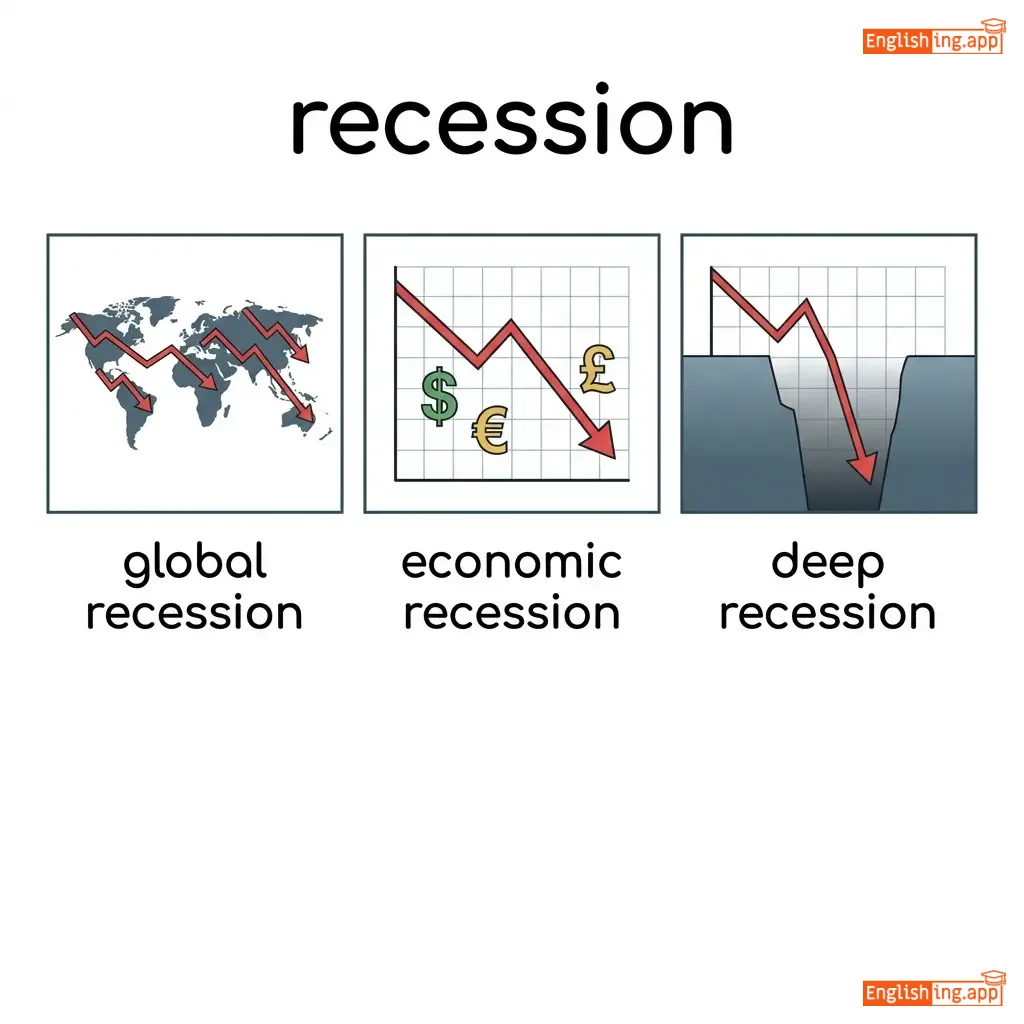
/rɪˈsɛʃ.ən/
noun
••••••
|
|
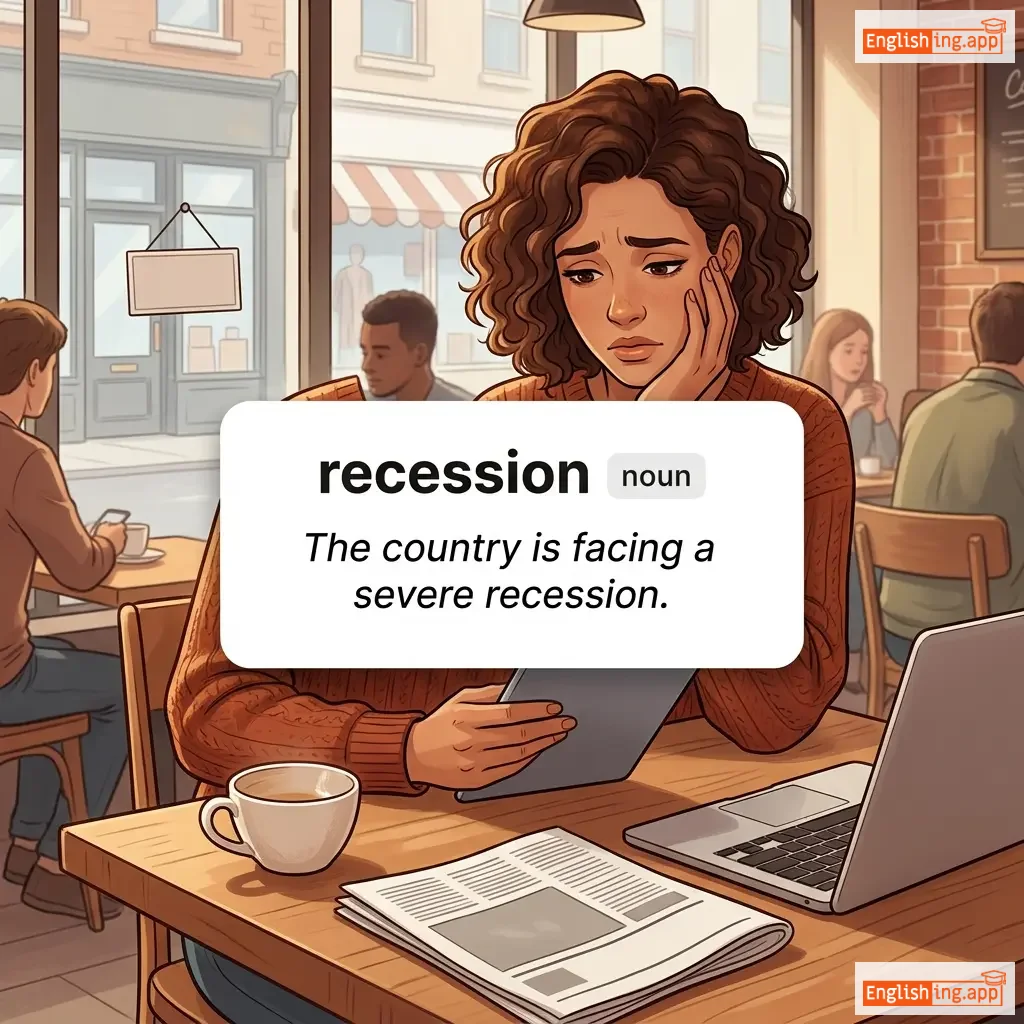
A period of temporary economic decline during which trade and industrial activity are reduced.
••••••
|
The country faced a severe recession after the financial crisis. |
economic decline, downturn, slump
••••••
|
boom, growth, expansion
••••••
|
|
#1978
🔄
|
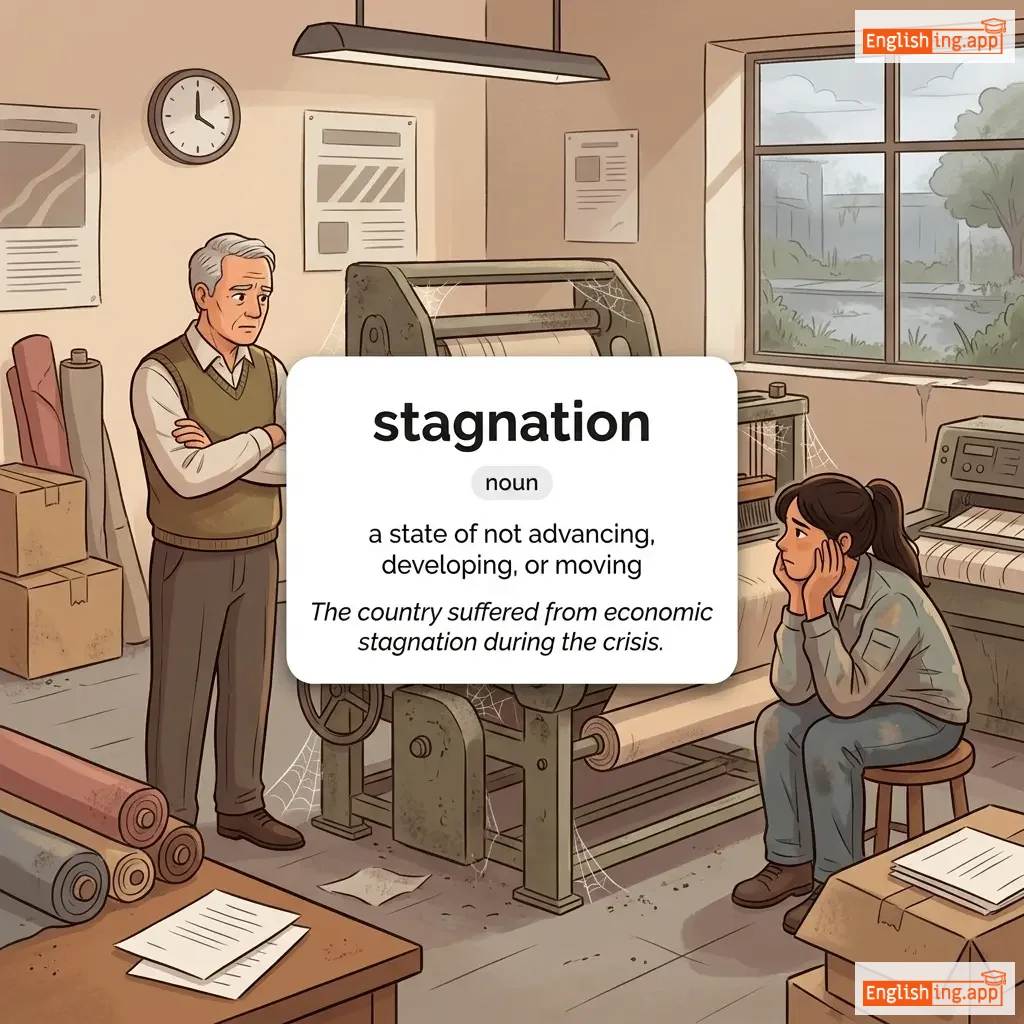
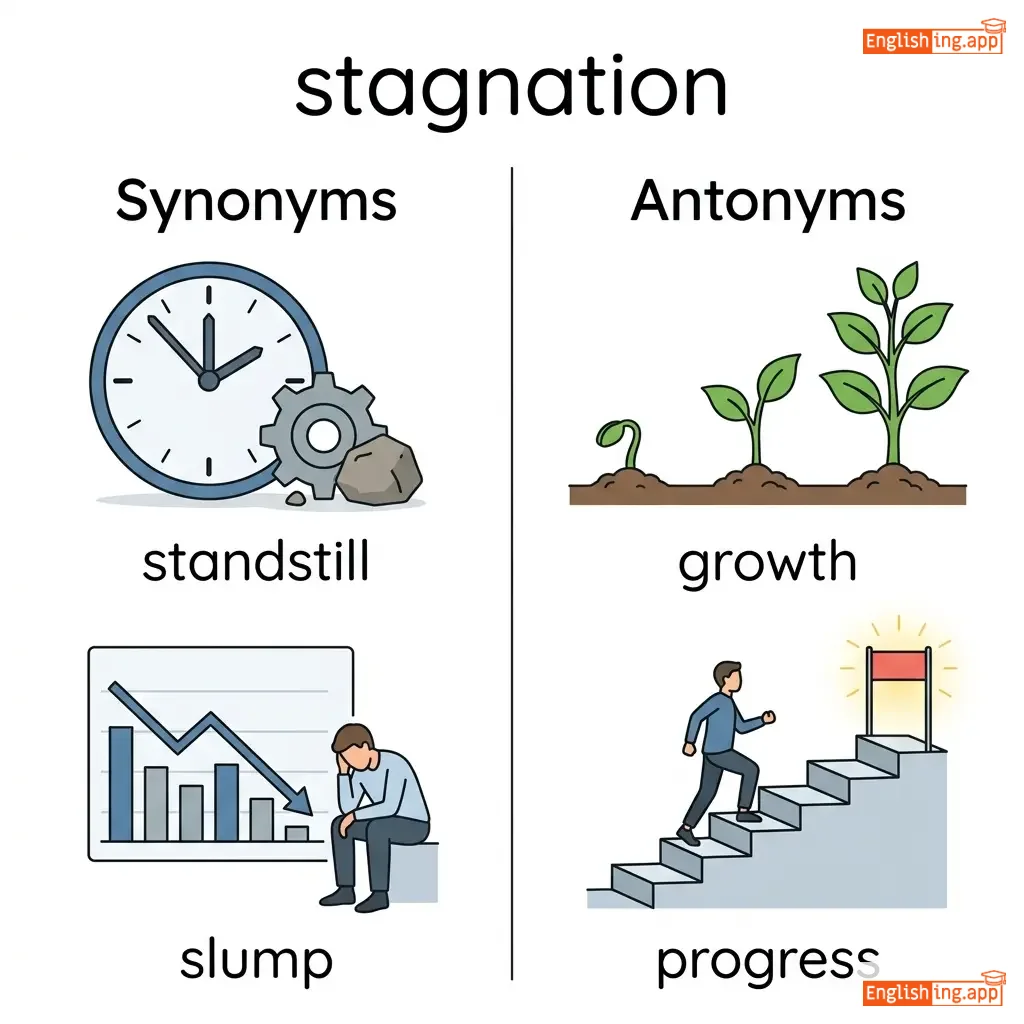
/stæɡˈneɪ.ʃən/
noun
••••••
|
|
A state of inactivity or lack of growth, especially in an economy.
••••••
|
High unemployment led to economic stagnation. |
standstill, decline, sluggishness
••••••
|
progress, development, movement
••••••
|

