••••••
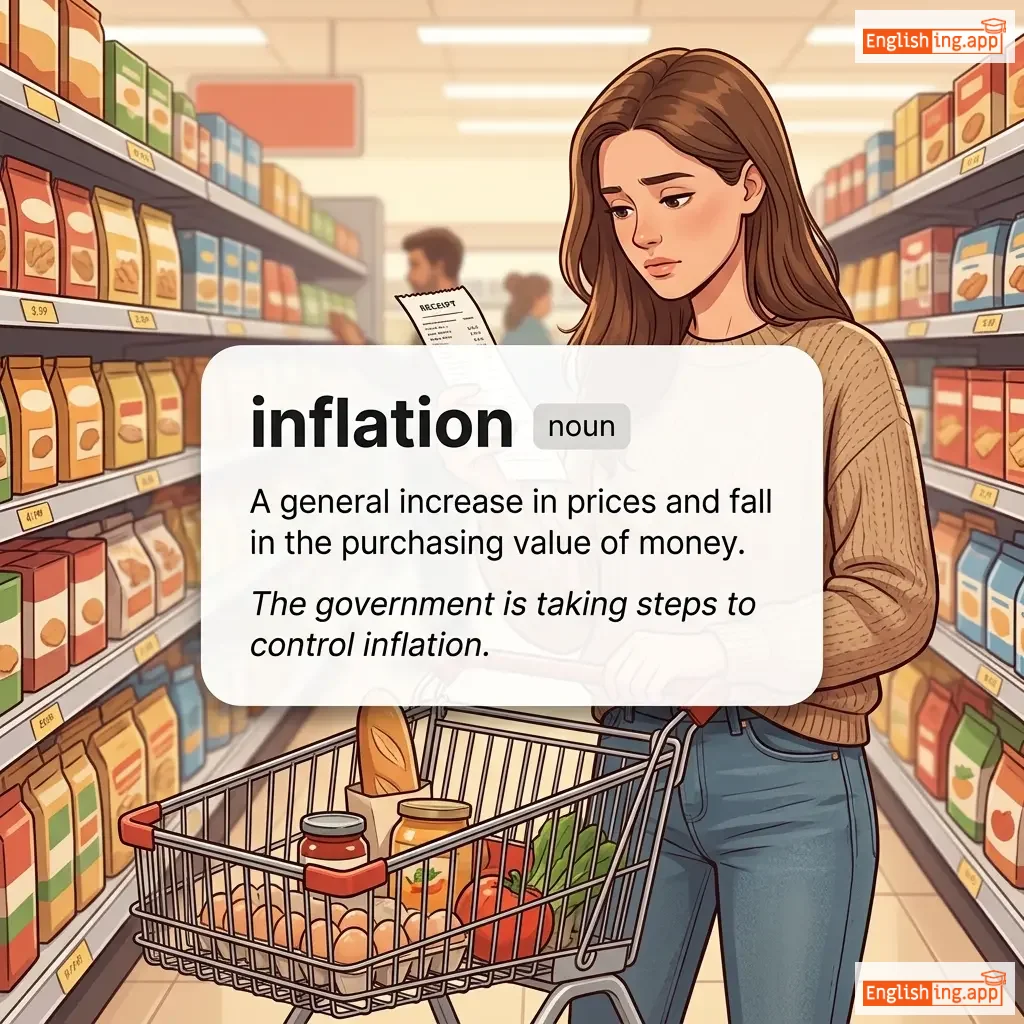
/ɪnˈfleɪ.ʃən/
noun
••••••
••••••
The general increase in prices and fall in the purchasing value of money in an economy over time.
••••••
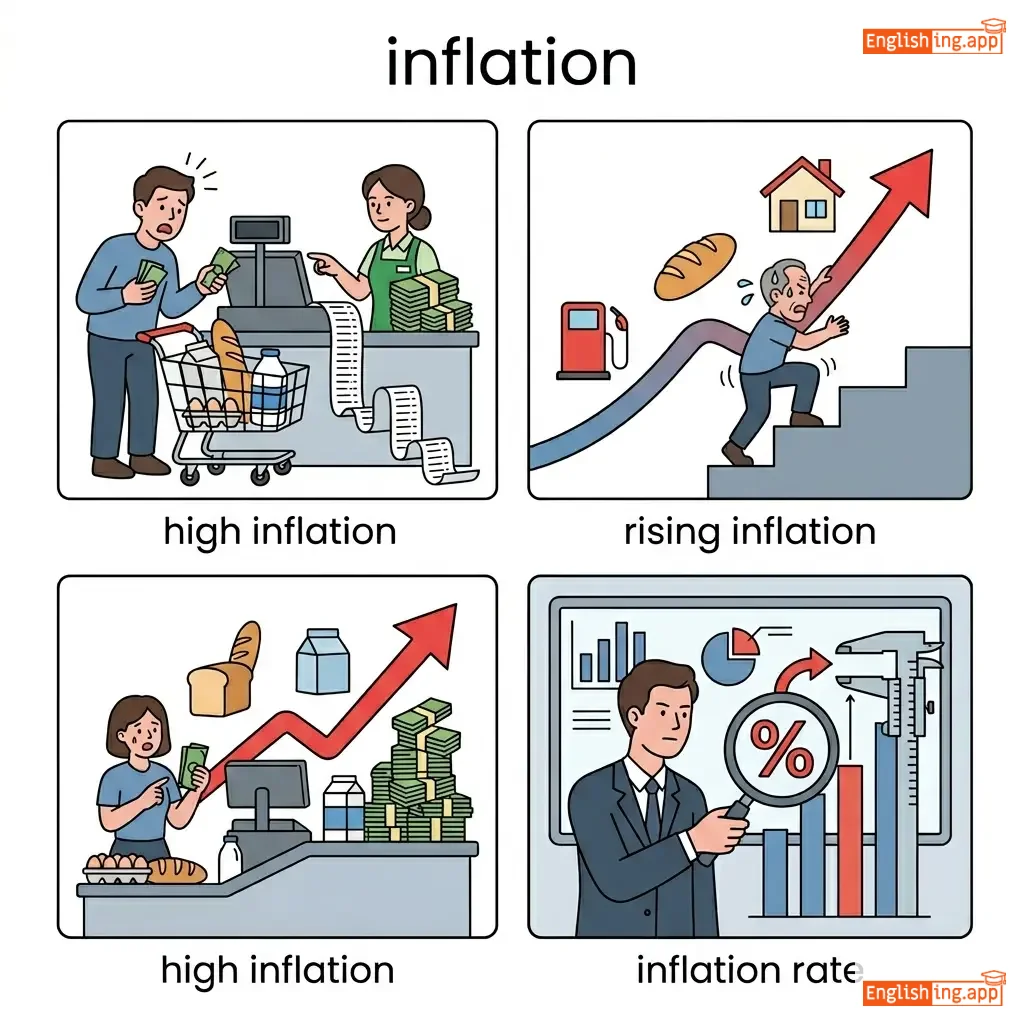
High inflation reduces the value of money over time.
••••••
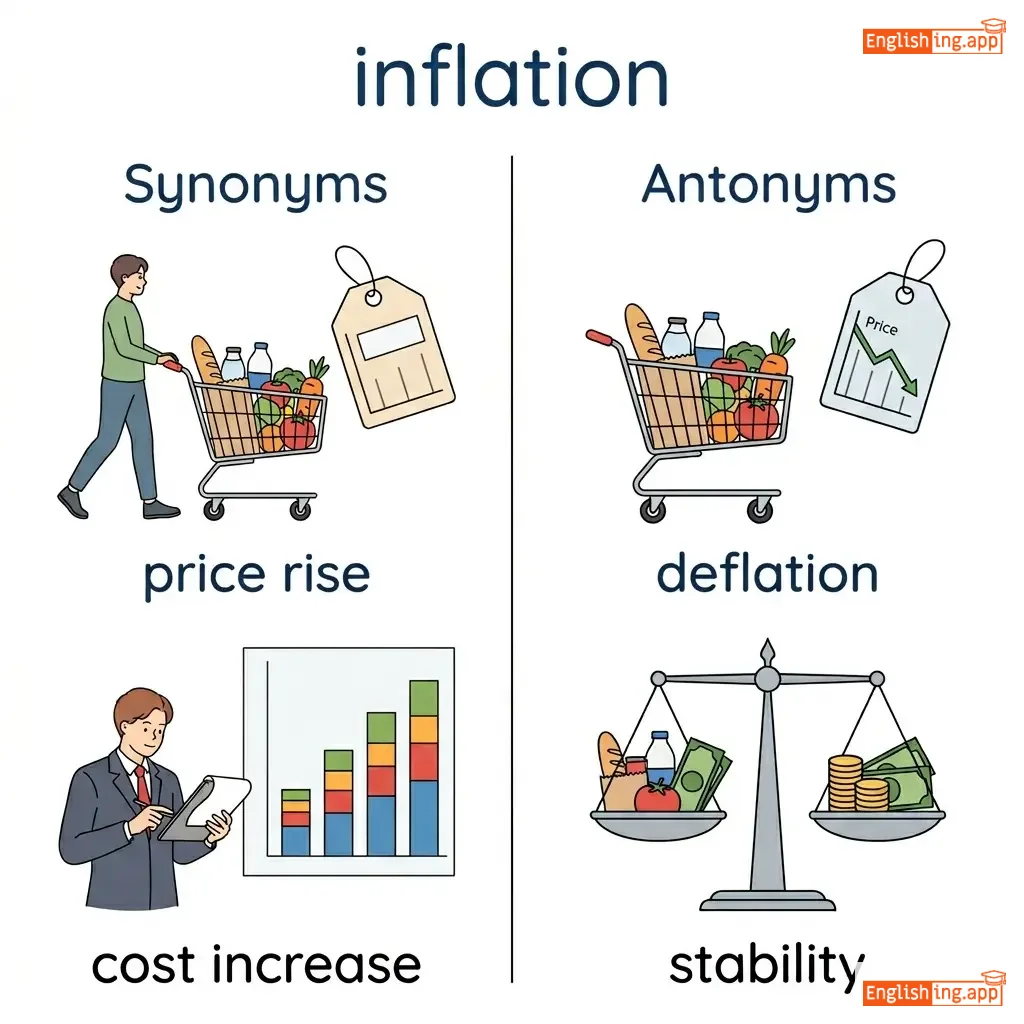
price increase, cost escalation, currency devaluation
••••••
deflation, price stability, cost reduction
••••••
••••••
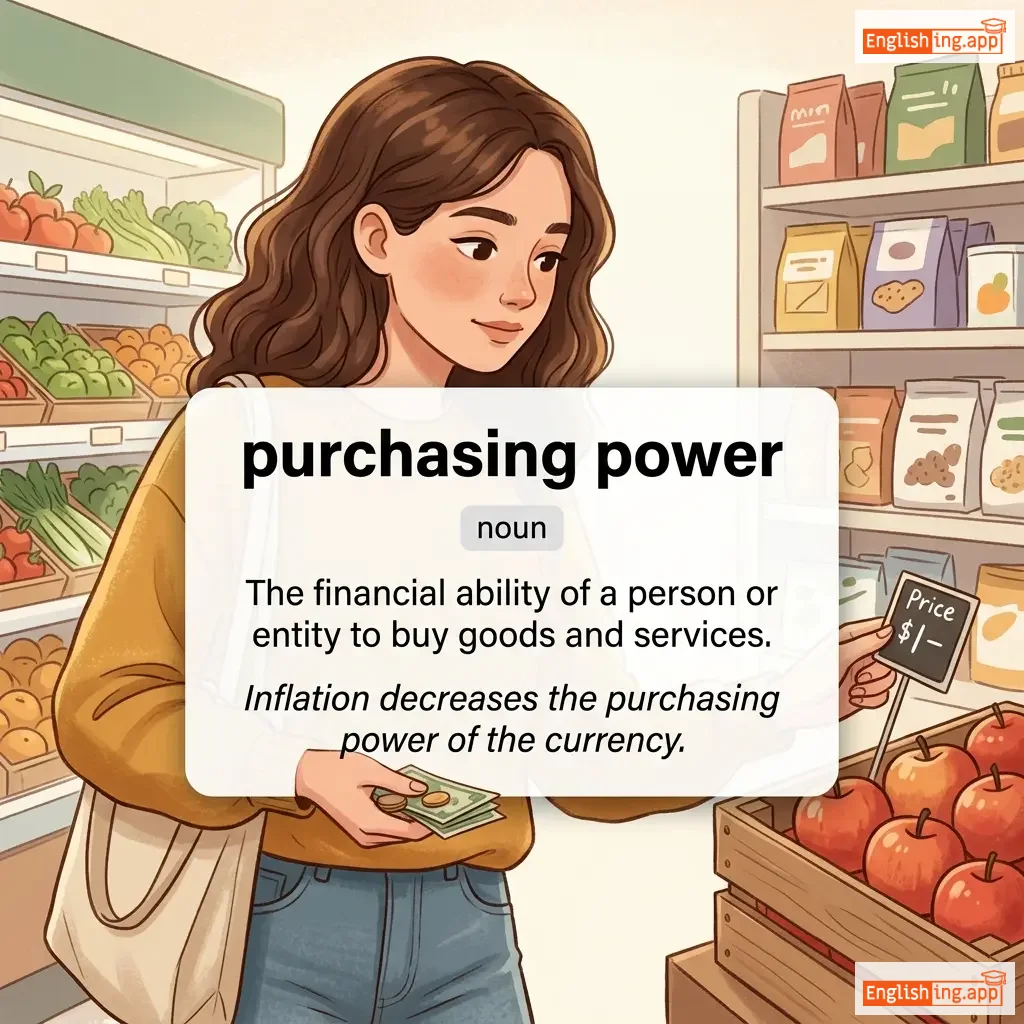
/ˈpɜː.tʃəs.ɪŋ ˈpaʊ.ɚ/
noun
••••••
••••••
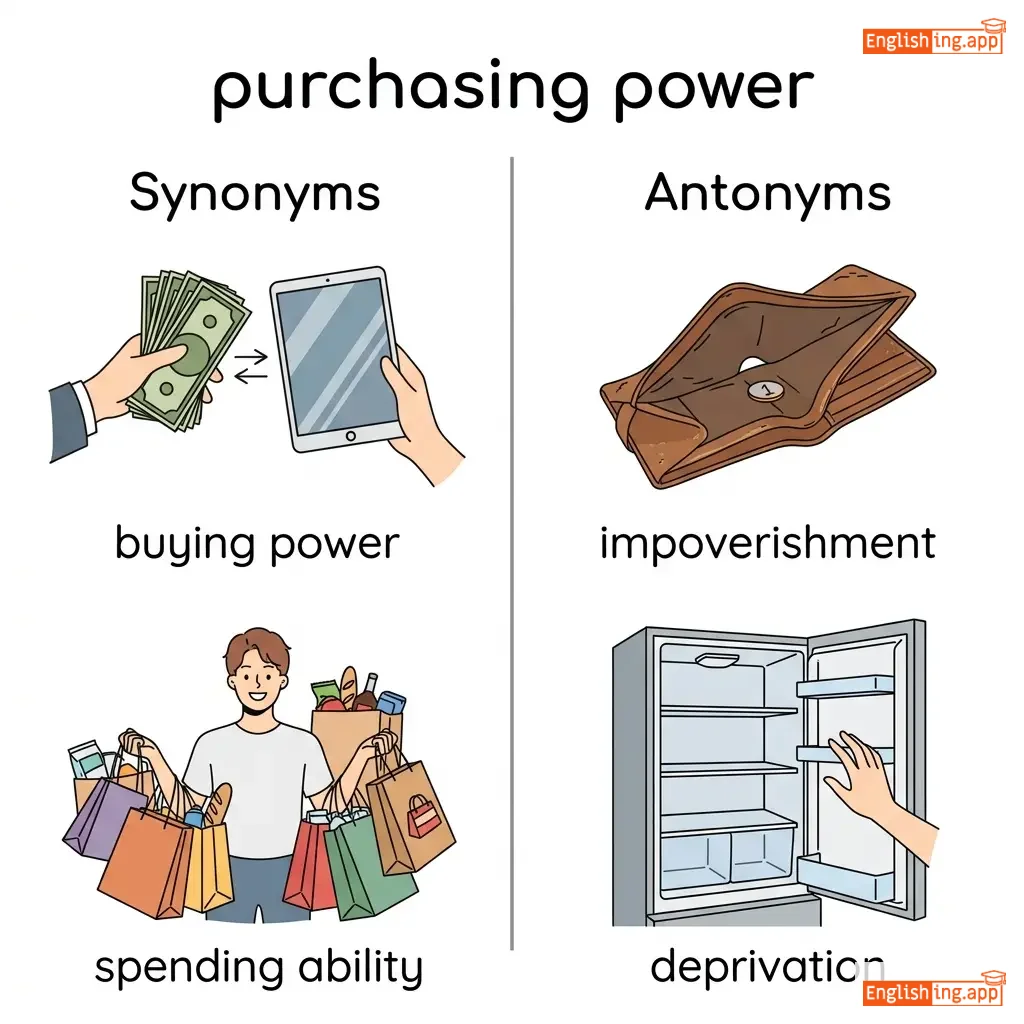
The amount of goods and services that can be purchased with a unit of currency.
••••••
Due to inflation, people's purchasing power has decreased.
••••••
buying capacity, financial strength, consumer power
••••••
weak purchasing power, economic decline, low affordability
••••••
••••••
/ˈæs.et/
noun
••••••
••••••
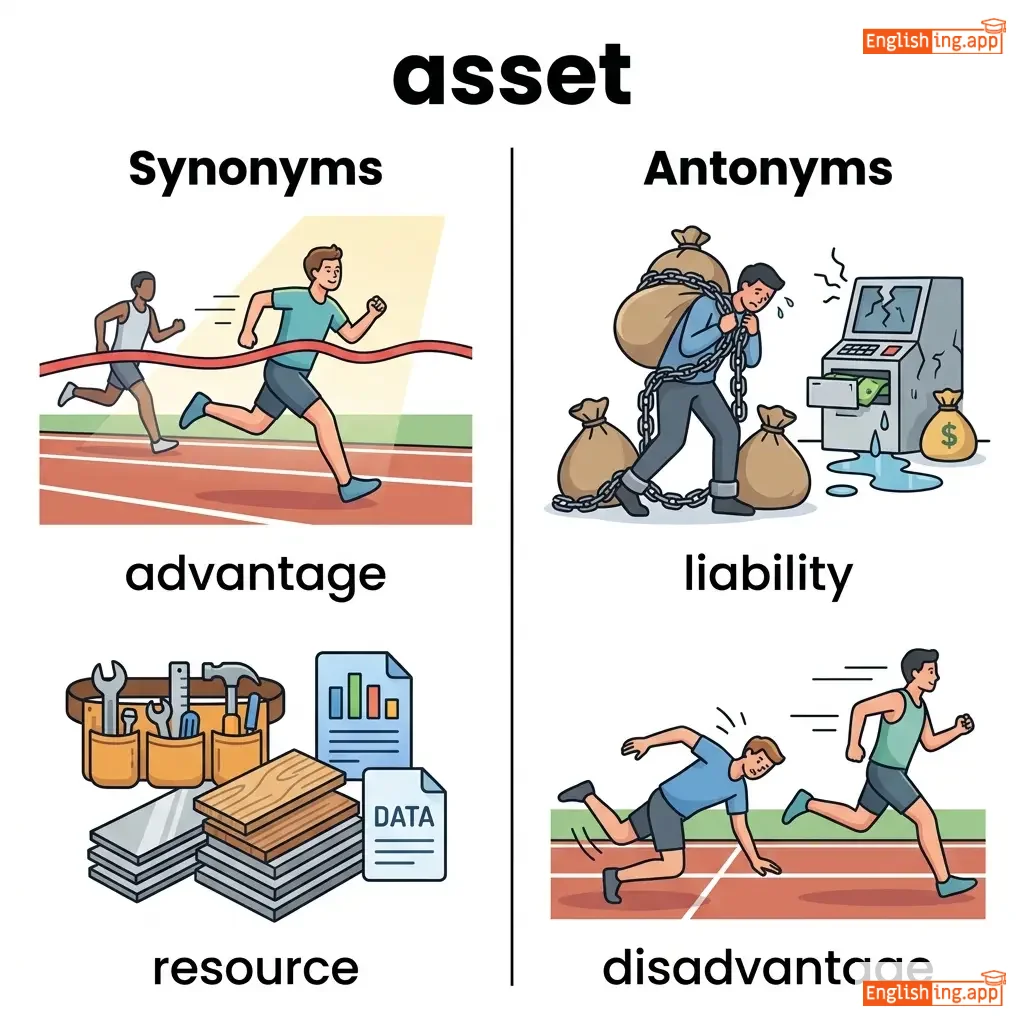
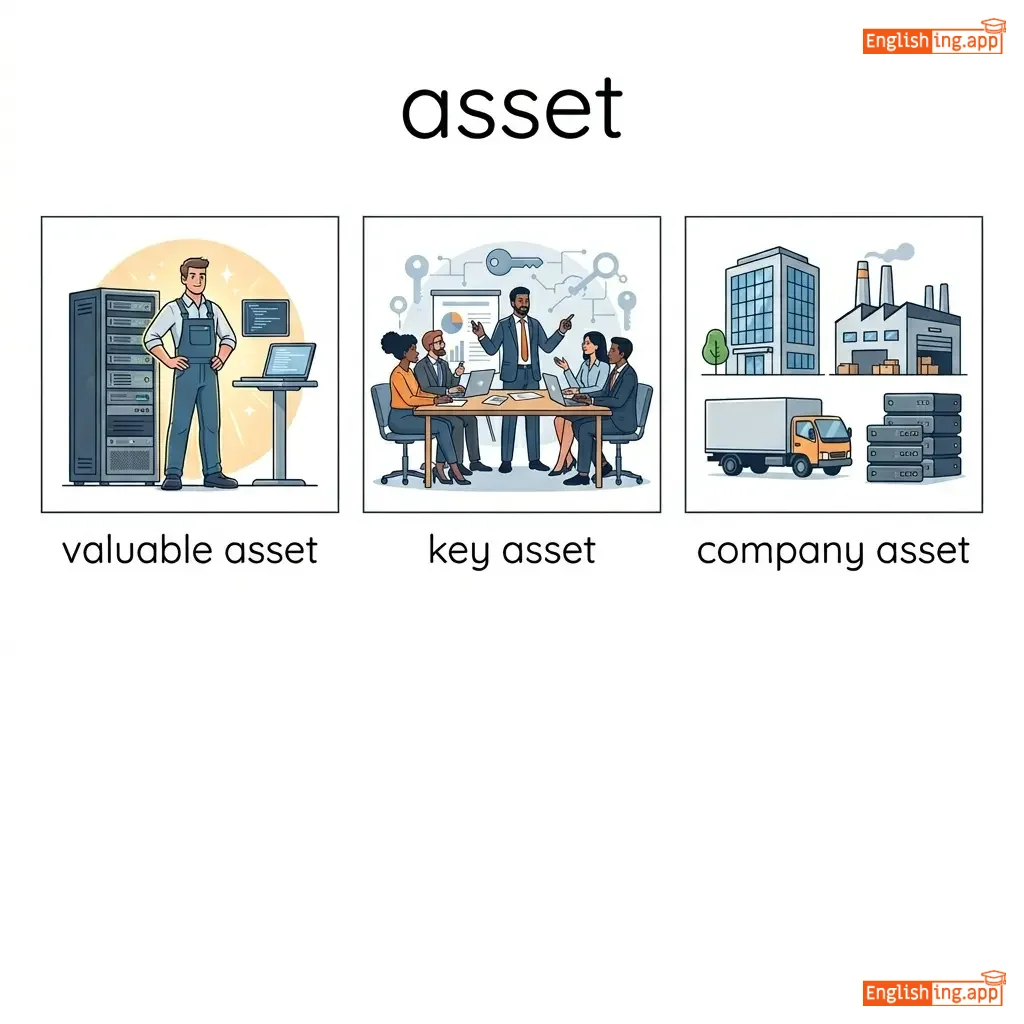
A useful or valuable thing, person, or quality that can provide economic value.
••••••
Real estate is a valuable asset in an investment portfolio.
••••••
property, resource, wealth
••••••
liability, debt, obligation
••••••
••••••
/dɪˌpriː.ʃiˈeɪ.ʃən/
noun
••••••
••••••
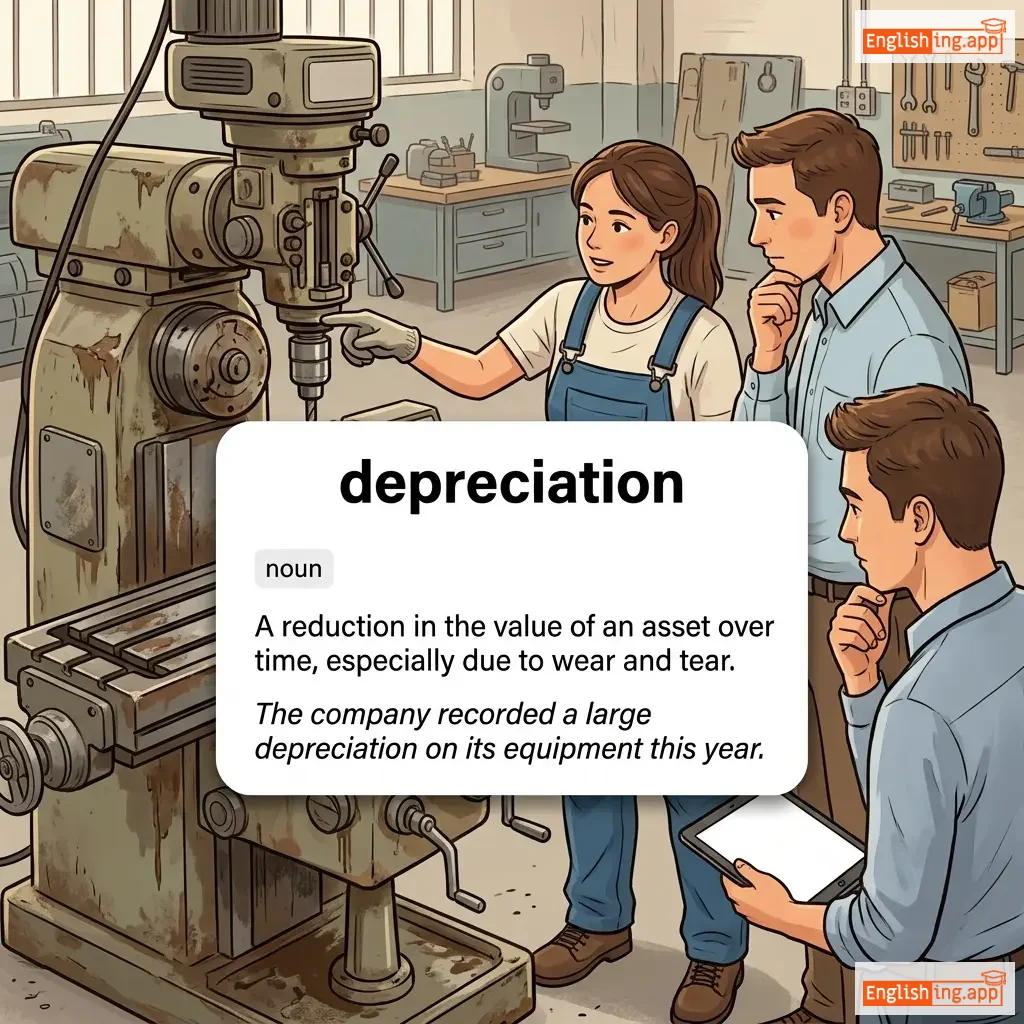
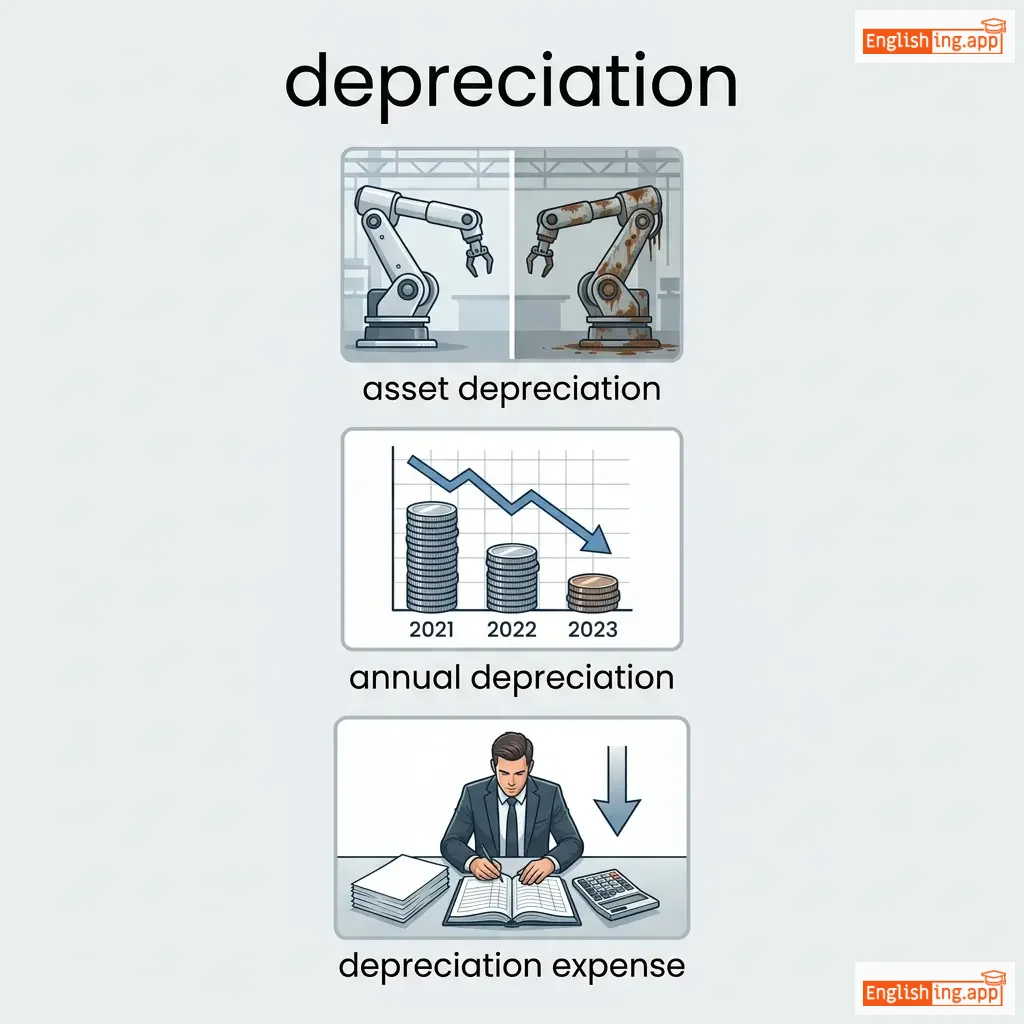
A reduction in the value of an asset with the passage of time, due to wear and tear.
••••••
The car's depreciation rate is high after five years.
••••••
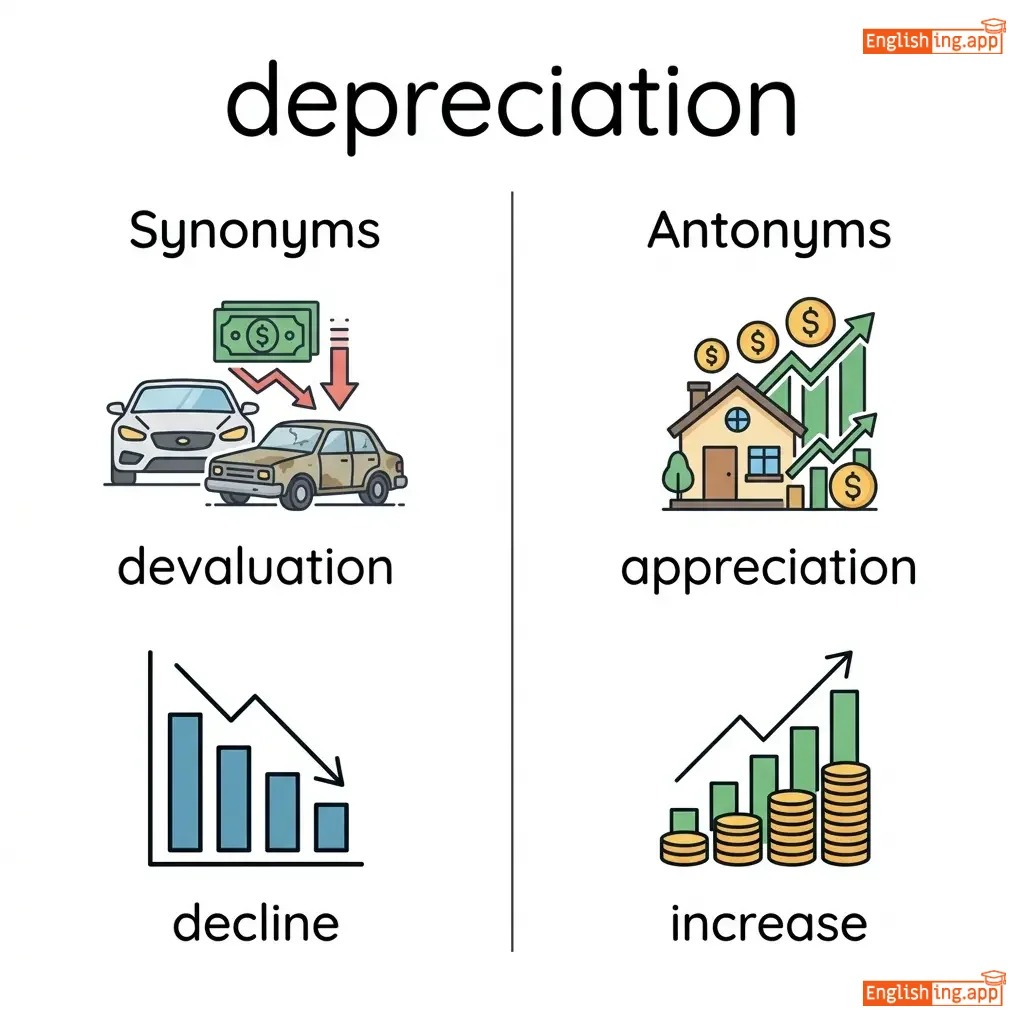
devaluation, decline, wear and tear
••••••
appreciation, value increase, enhancement
••••••
••••••
/kəˈmɒ.dɪ.tiz/
noun
••••••
••••••
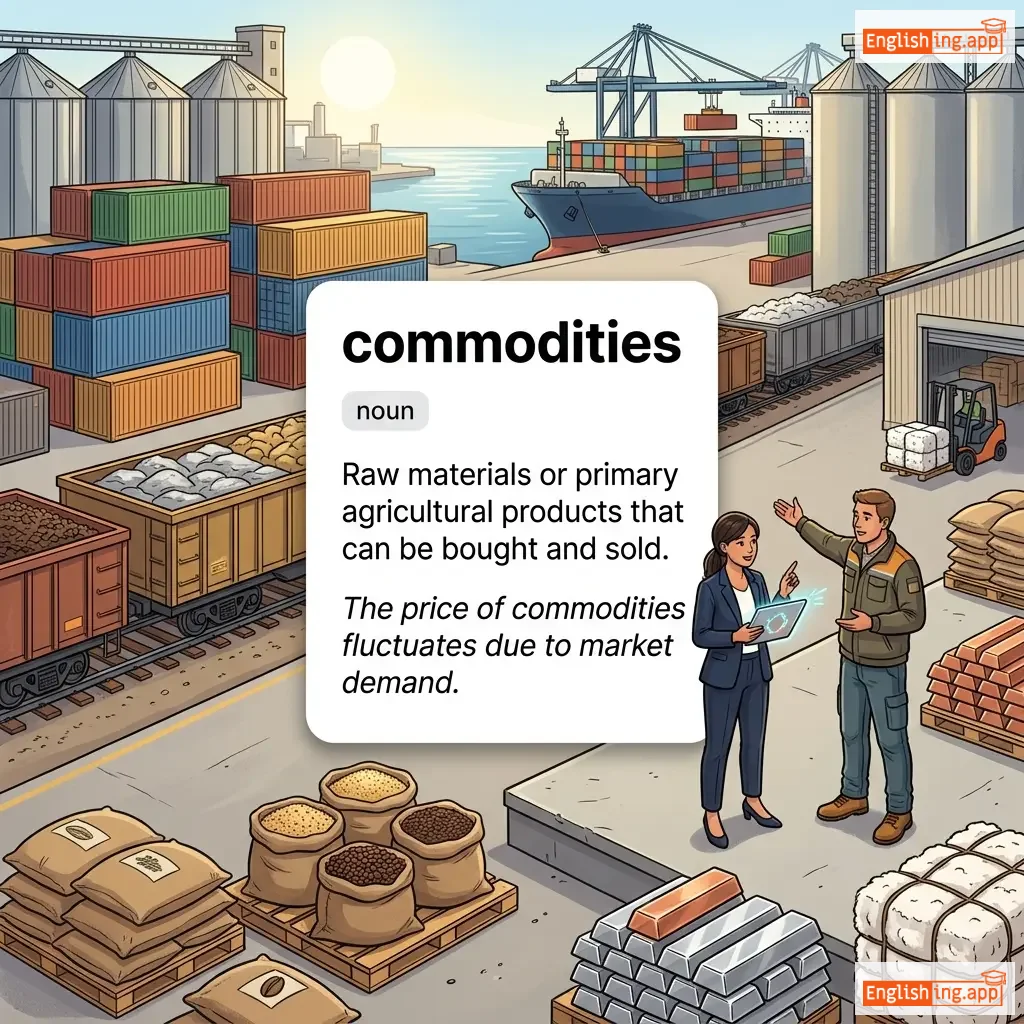
Raw materials or primary agricultural products that can be bought and sold.
••••••
The prices of commodities like oil and gold fluctuate frequently.
••••••
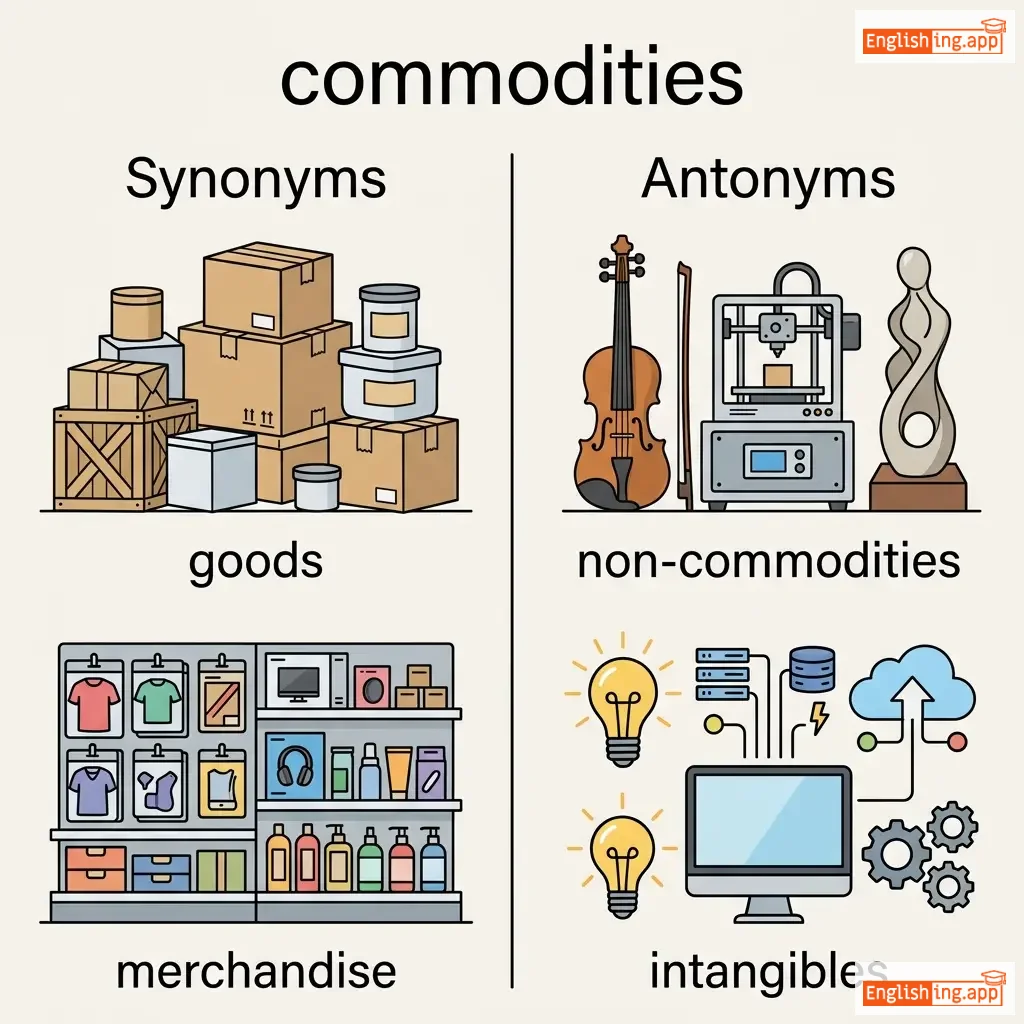
goods, products, merchandise
••••••
services, non-tradable goods, intangibles
••••••
••••••
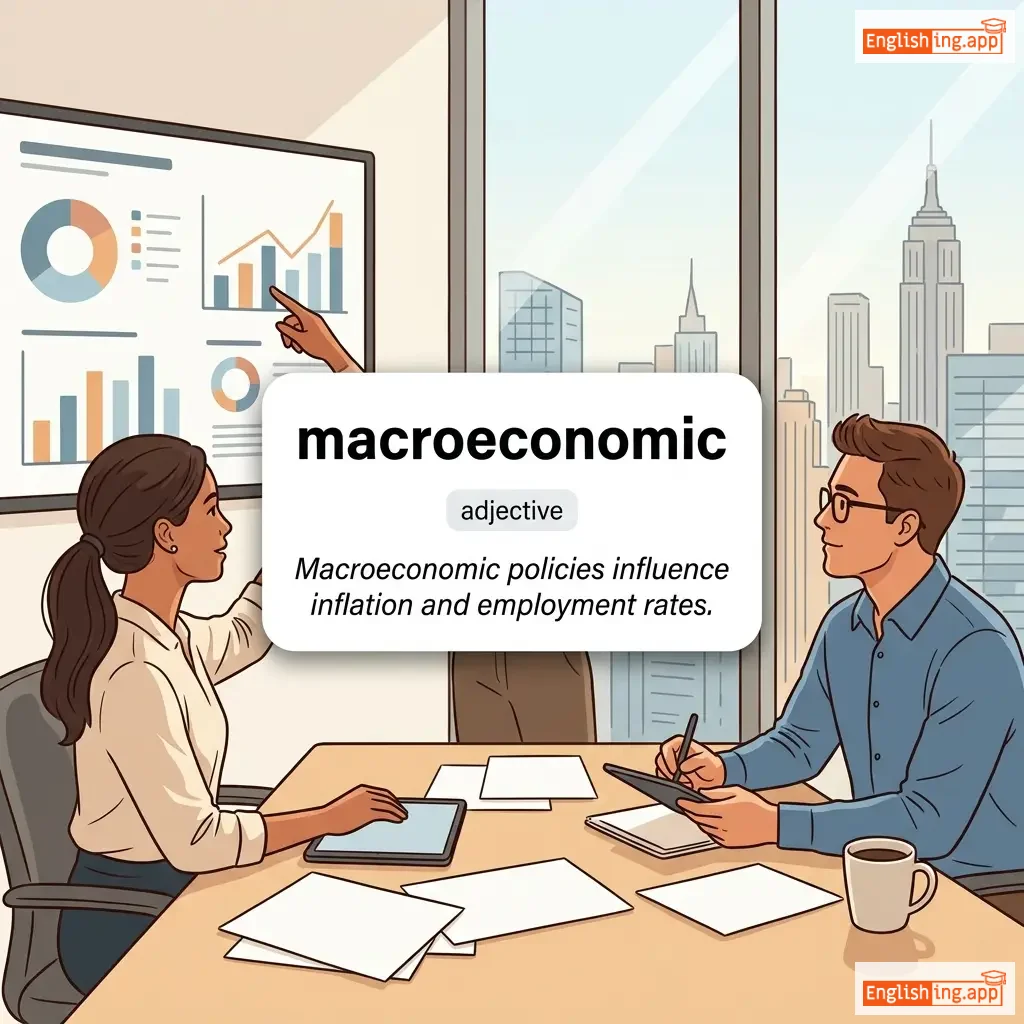
/ˌmæk.roʊ.iː.kəˈnɒm.ɪk/
adjective
••••••
••••••
Relating to large-scale or general economic factors, such as interest rates and national productivity.
••••••
Government policies impact macroeconomic stability.
••••••
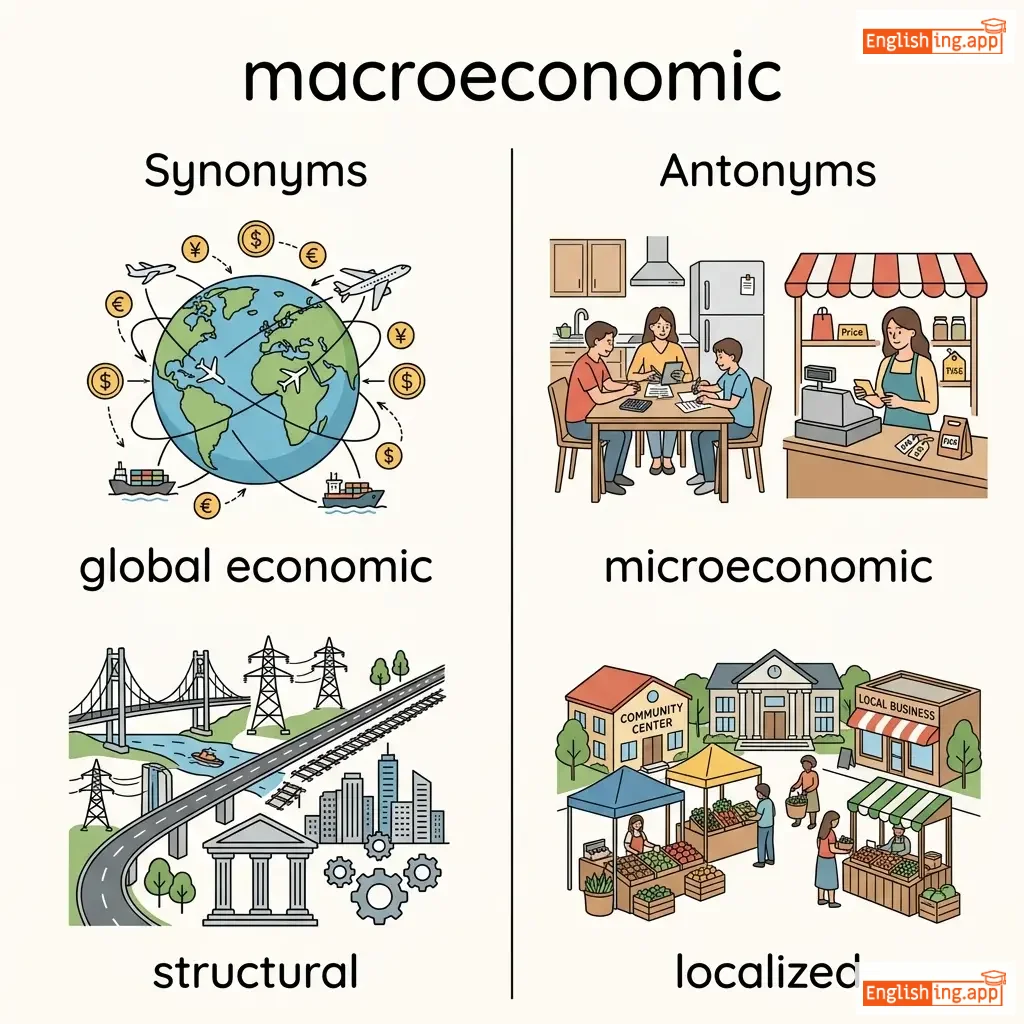
national economy, economic trends, large-scale financial system
••••••
microeconomic, individual finance, localized economy
••••••
••••••
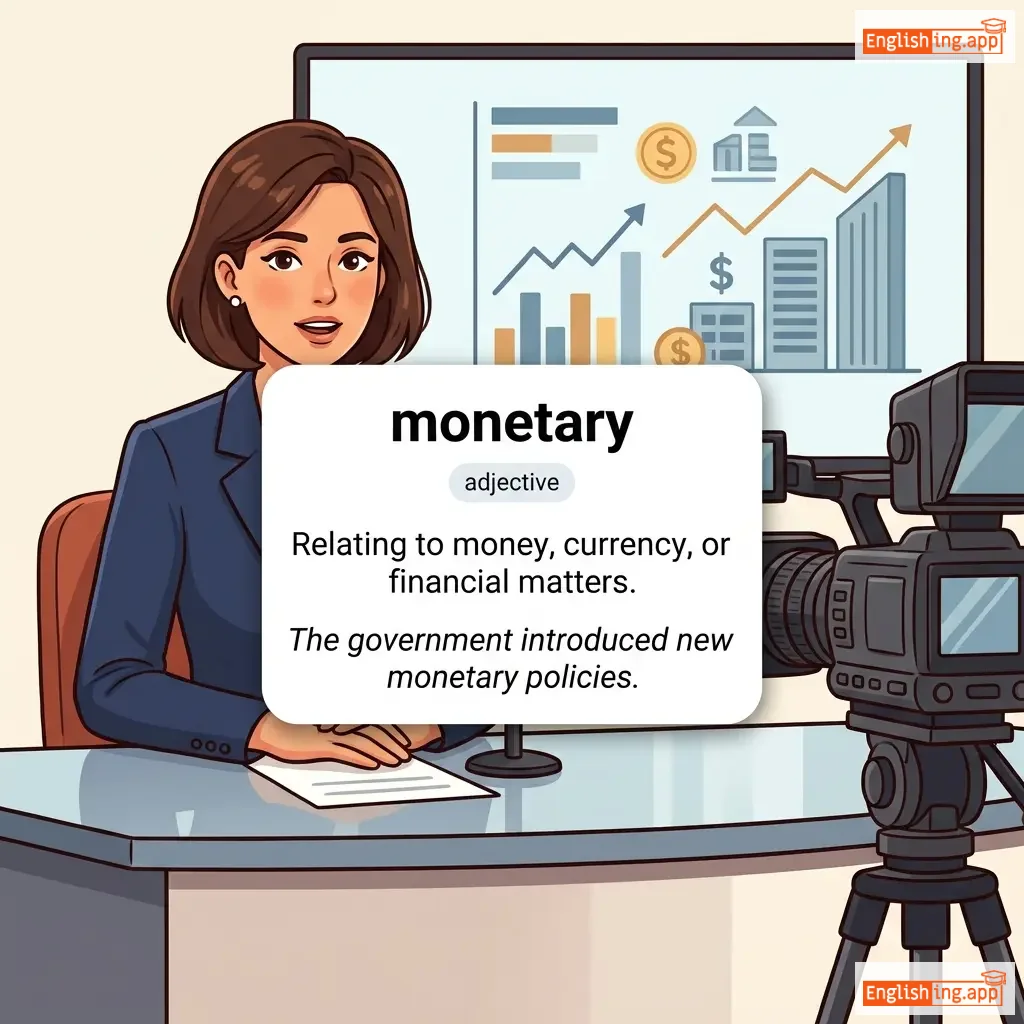
/ˈmʌn.ɪ.tri/
adjective
••••••
••••••
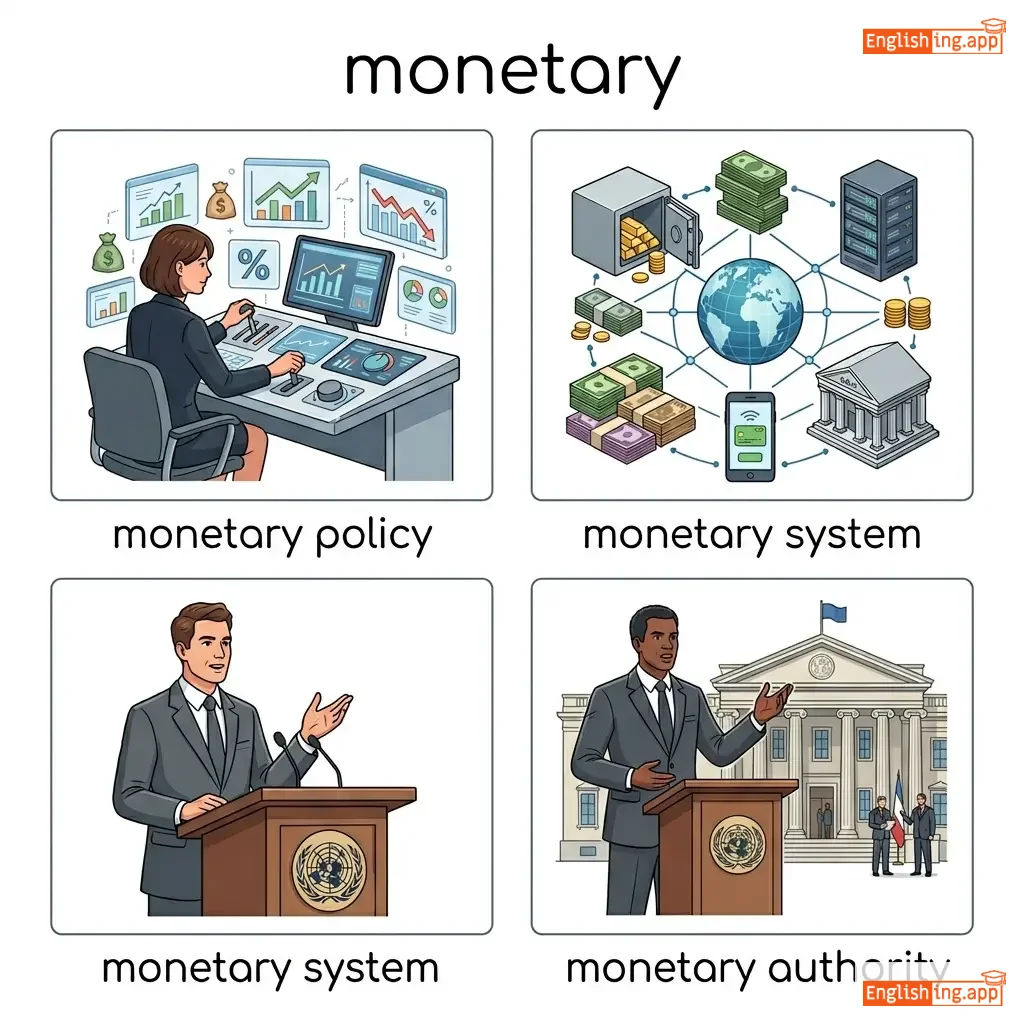
Relating to money or currency, especially government policy concerning money supply and interest rates.
••••••
The central bank controls monetary policies to manage inflation.
••••••
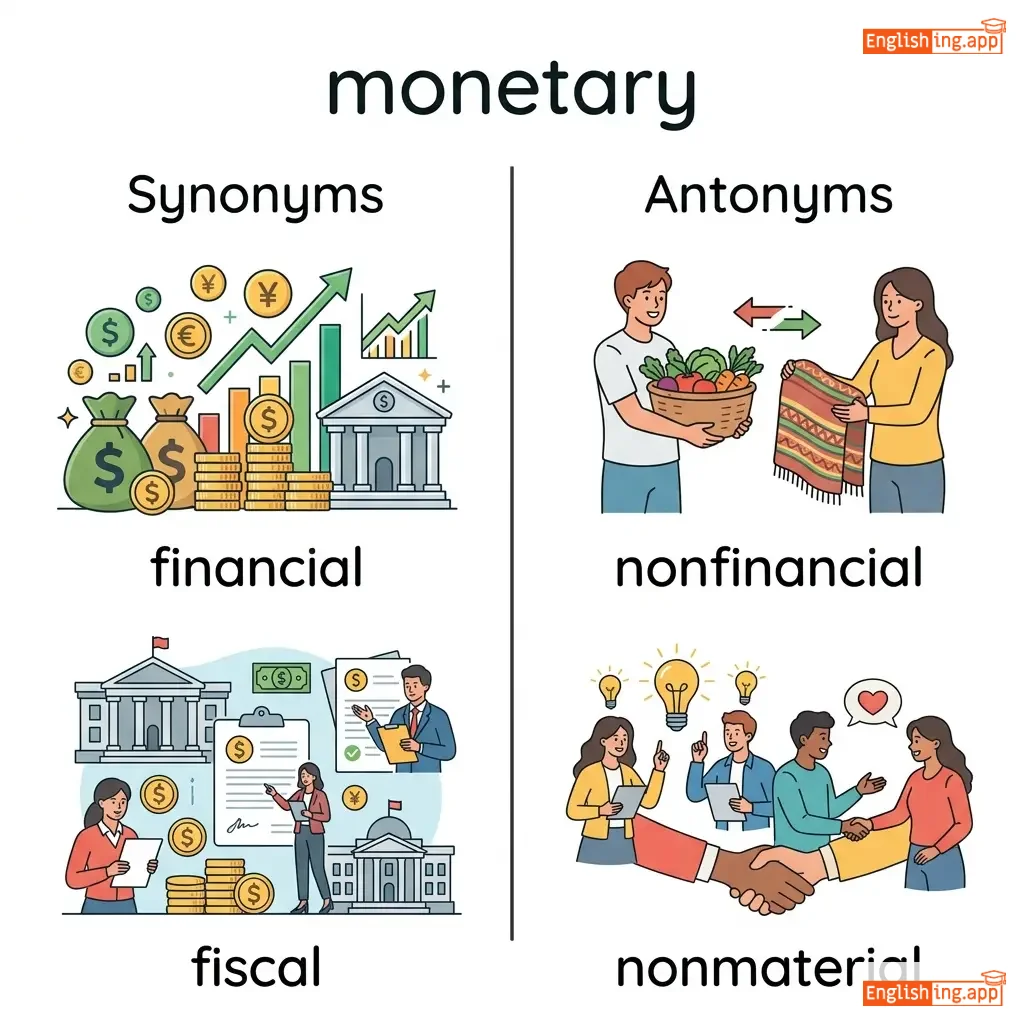
financial, fiscal, economic
••••••
non-financial, barter-based, non-monetary
••••••
••••••
/ˌvɒl.əˈtɪl.ɪ.ti/
noun
••••••
••••••
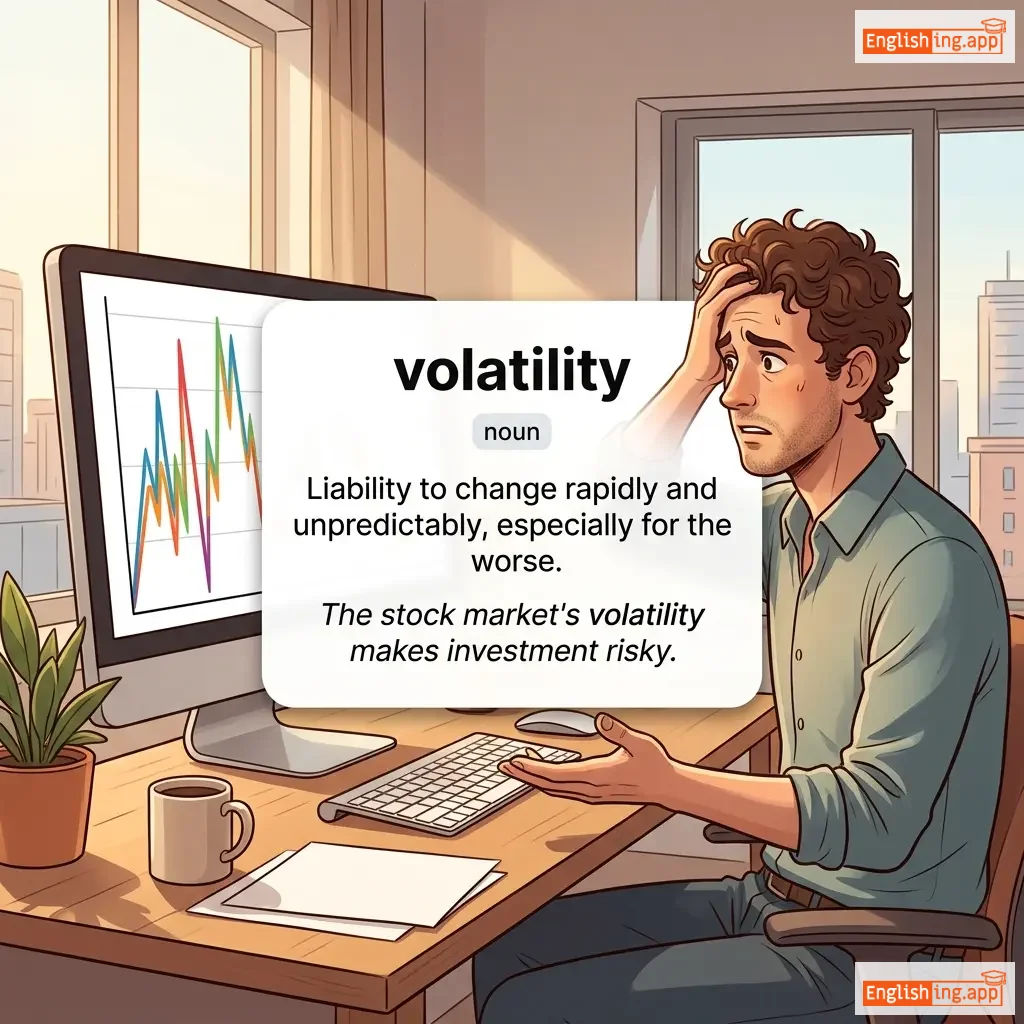
Liability to change rapidly and unpredictably, especially for the worse in financial markets.
••••••
The stock market is known for its volatility .
••••••
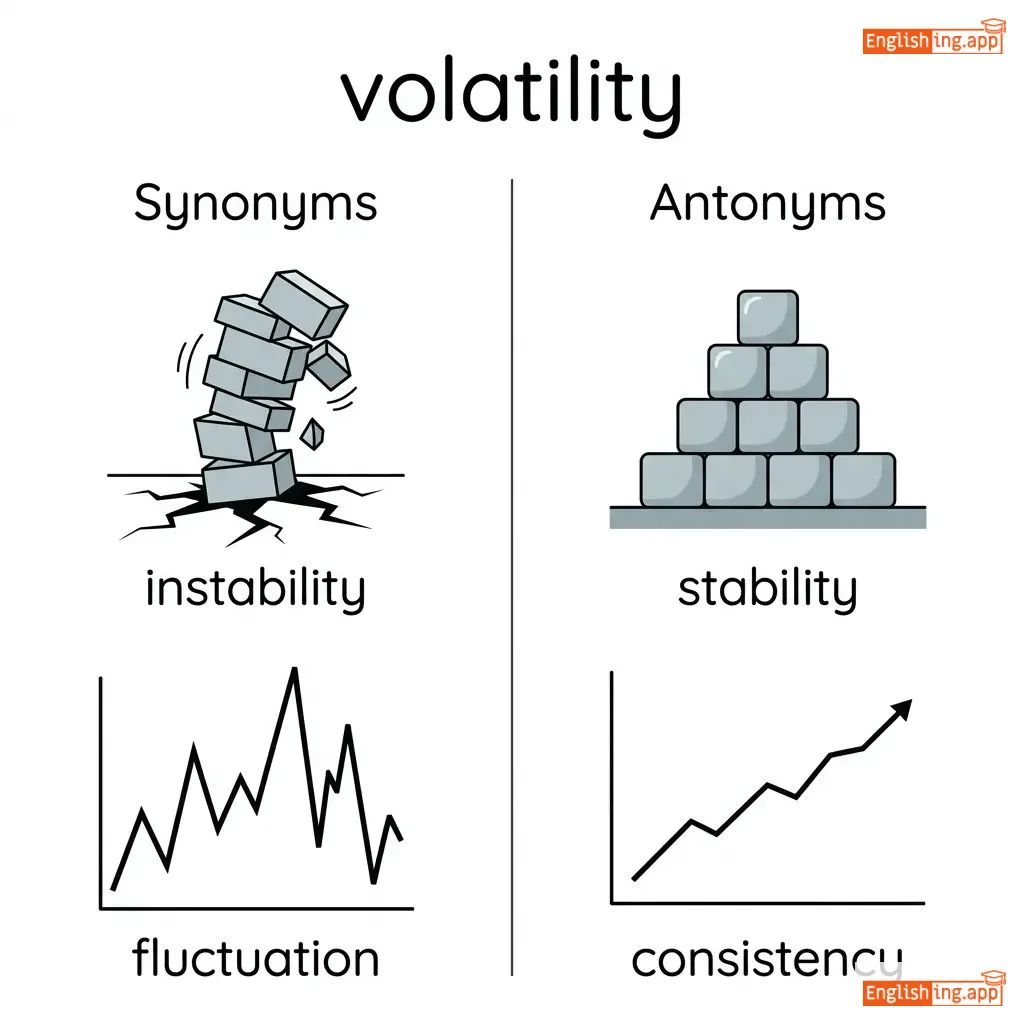
instability, fluctuation, uncertainty
••••••
stability, consistency, predictability
••••••
••••••
/ɪkˈspɛn.dɪ.tʃɚ/
noun
••••••
••••••
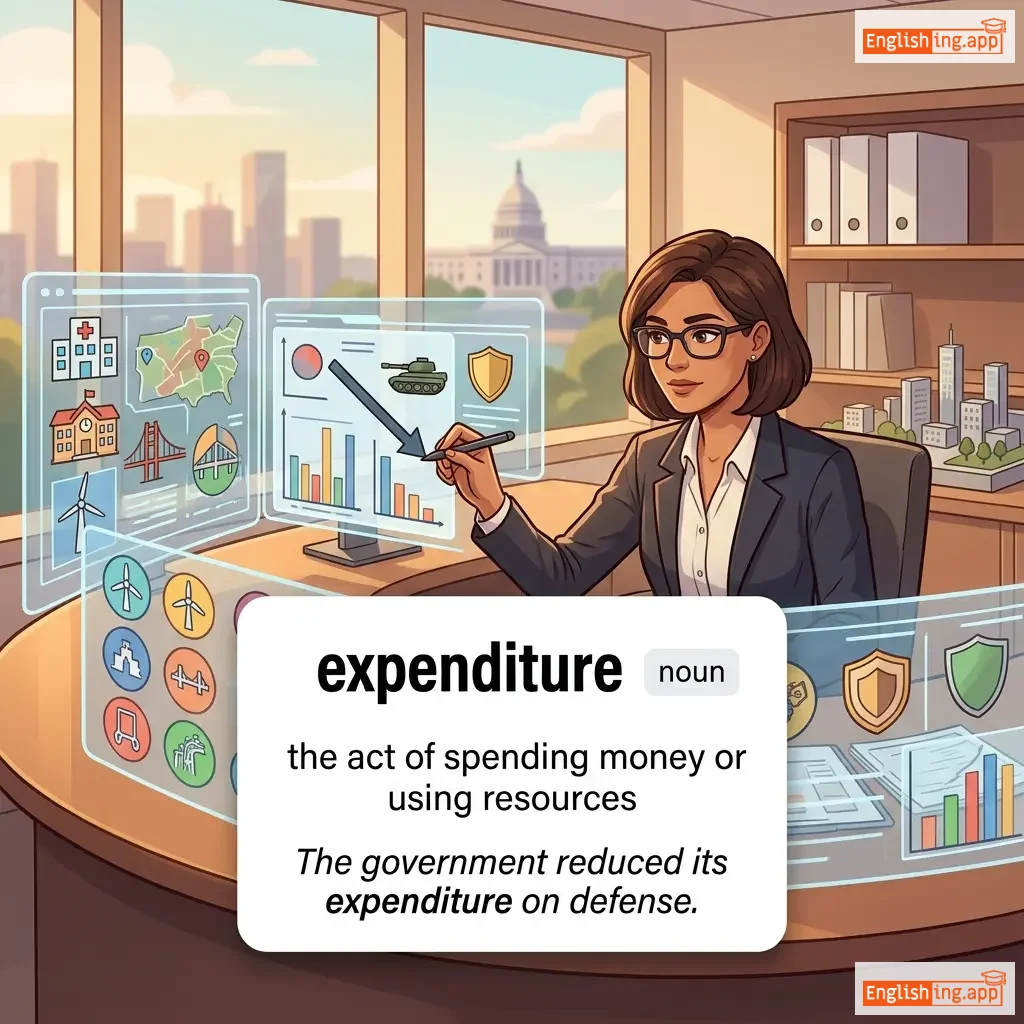
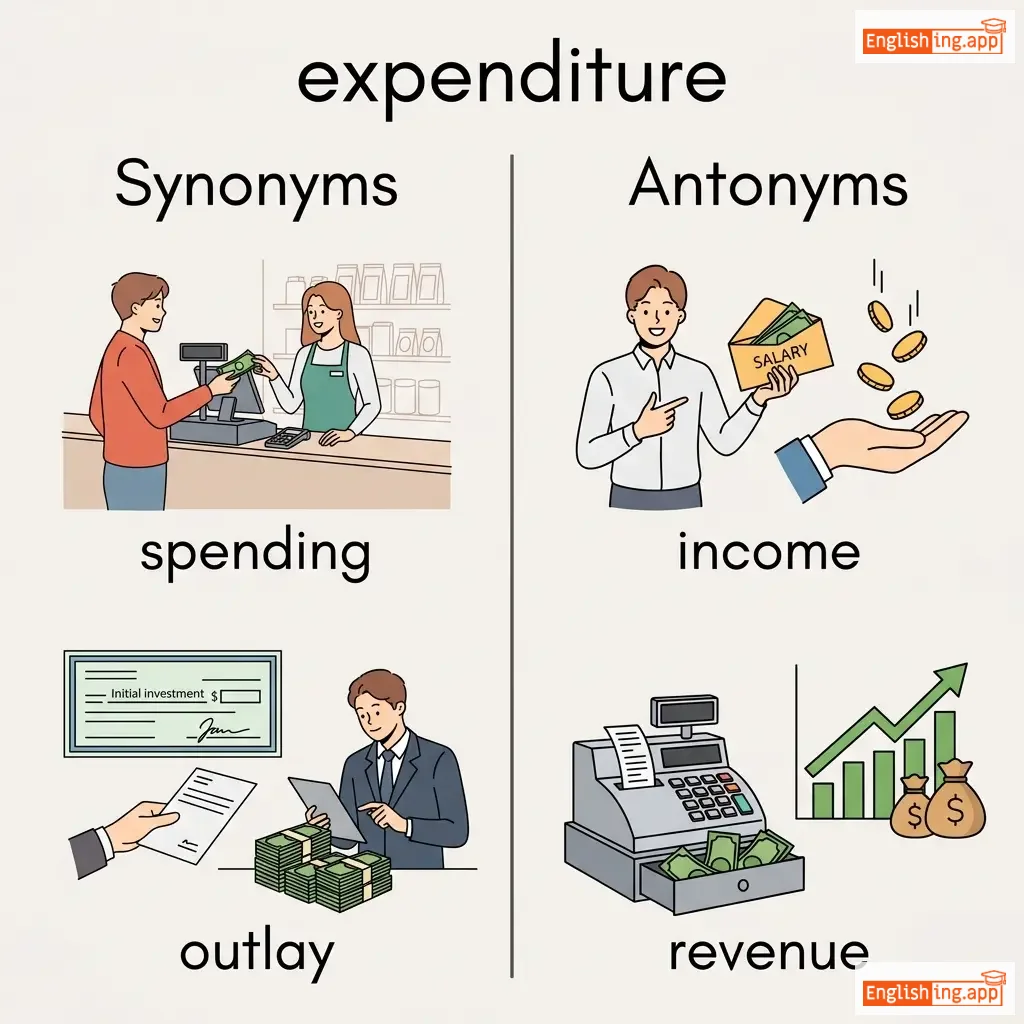
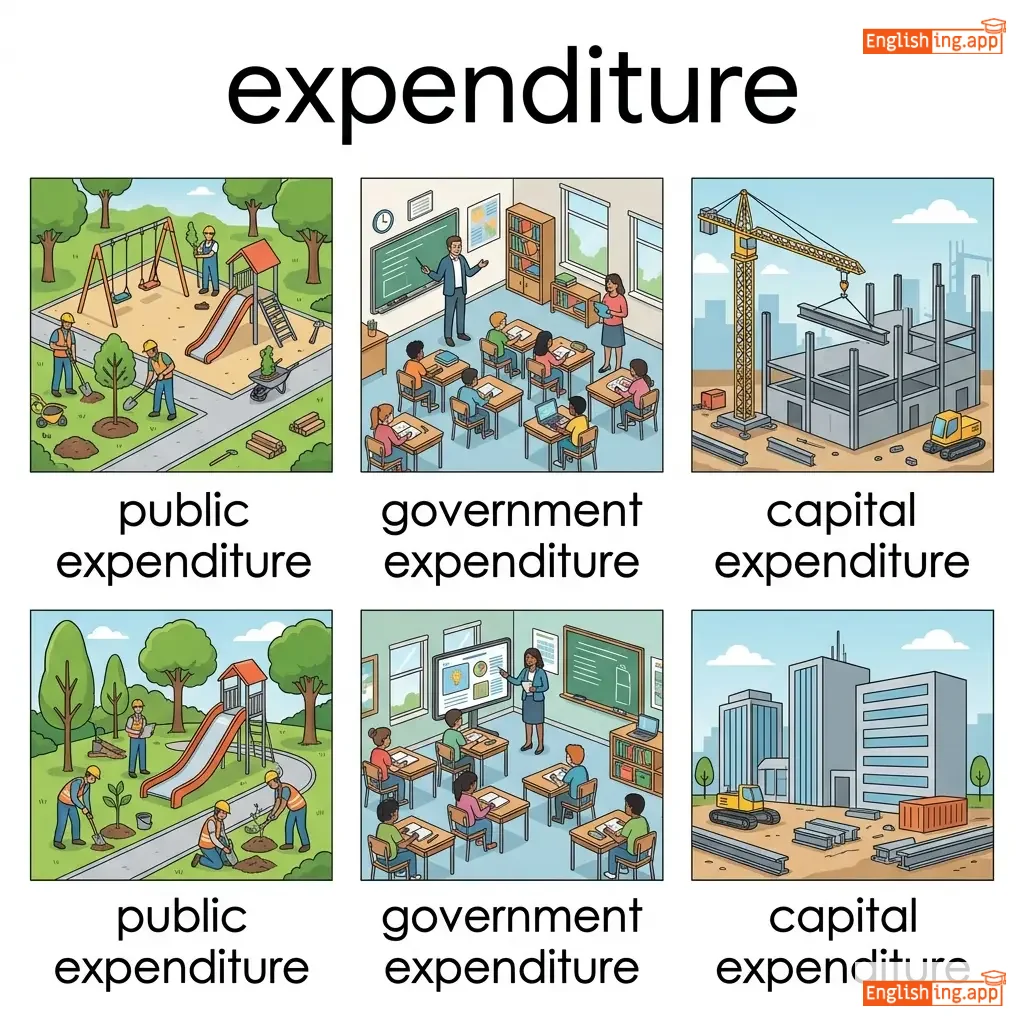
The action of spending funds or an amount of money spent.
••••••
The government increased its expenditure on healthcare.
••••••
••••••
••••••
••••••
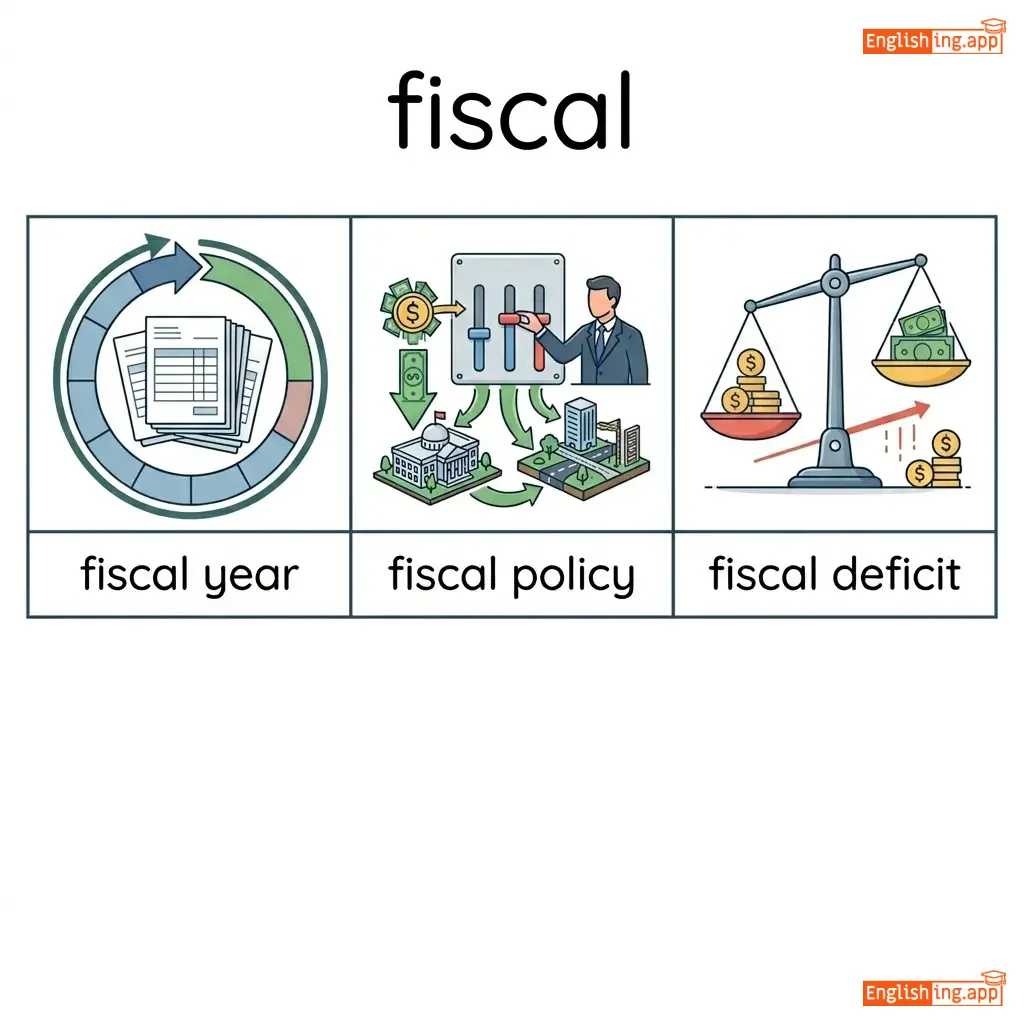
/ˈfɪs.kəl/
adjective
••••••
••••••
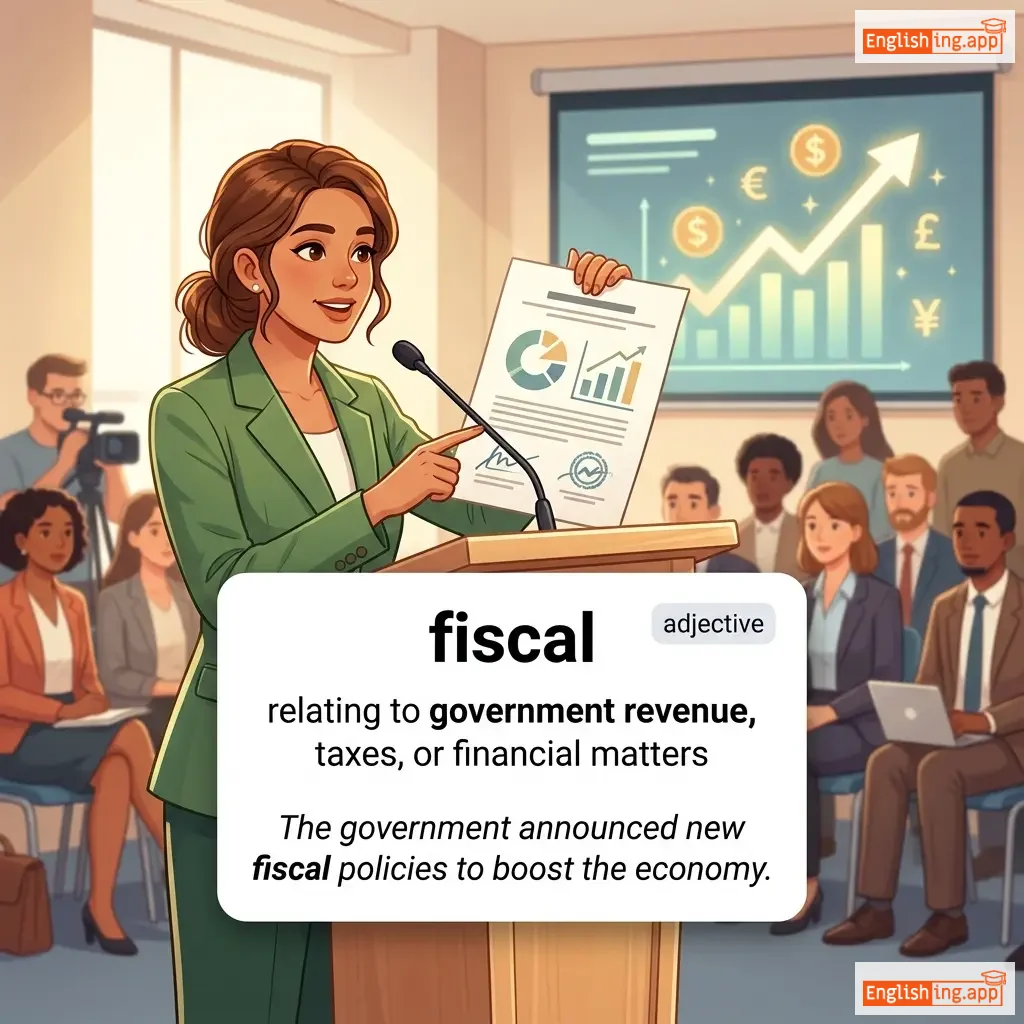
Relating to government revenue, especially taxes, or public money management.
••••••
The government introduced new fiscal policies to control inflation.
••••••
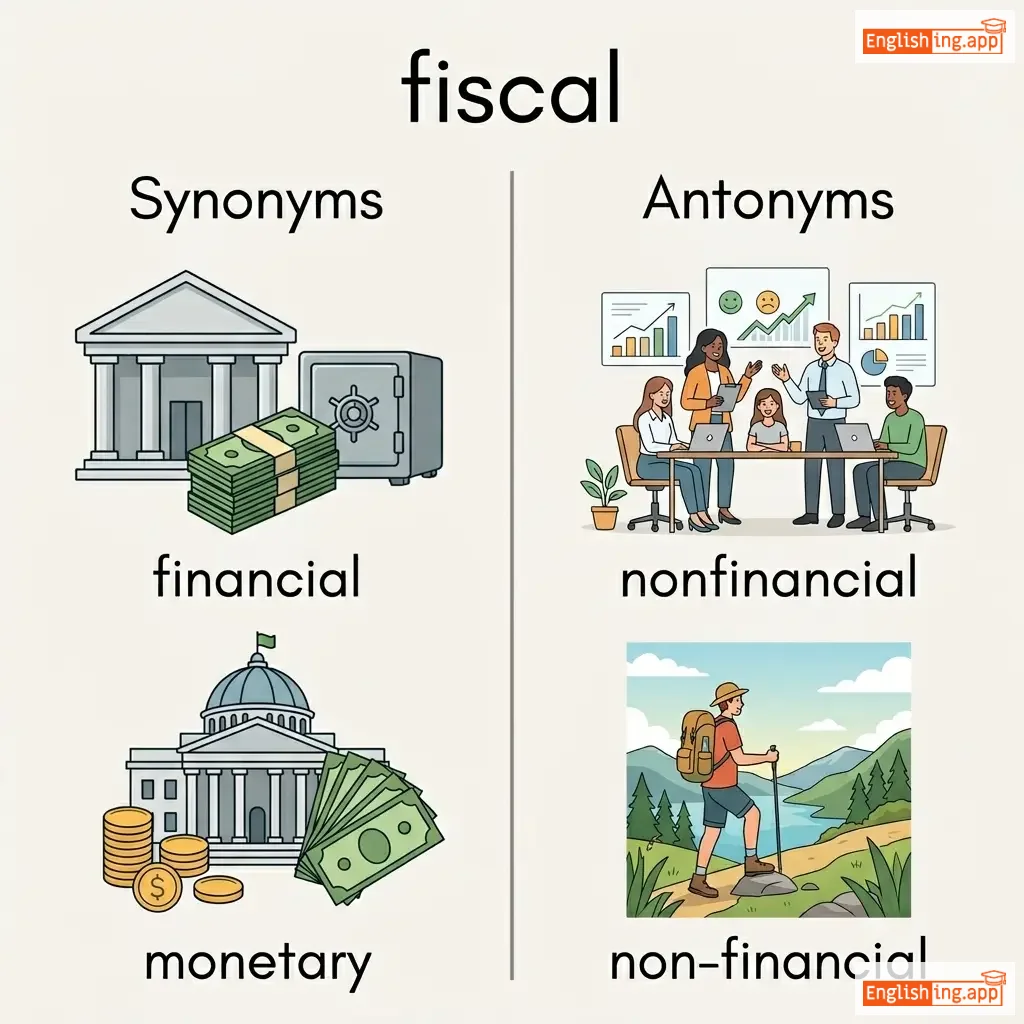
financial, budgetary, economic
••••••
non-financial, unrelated to money
••••••
••••••
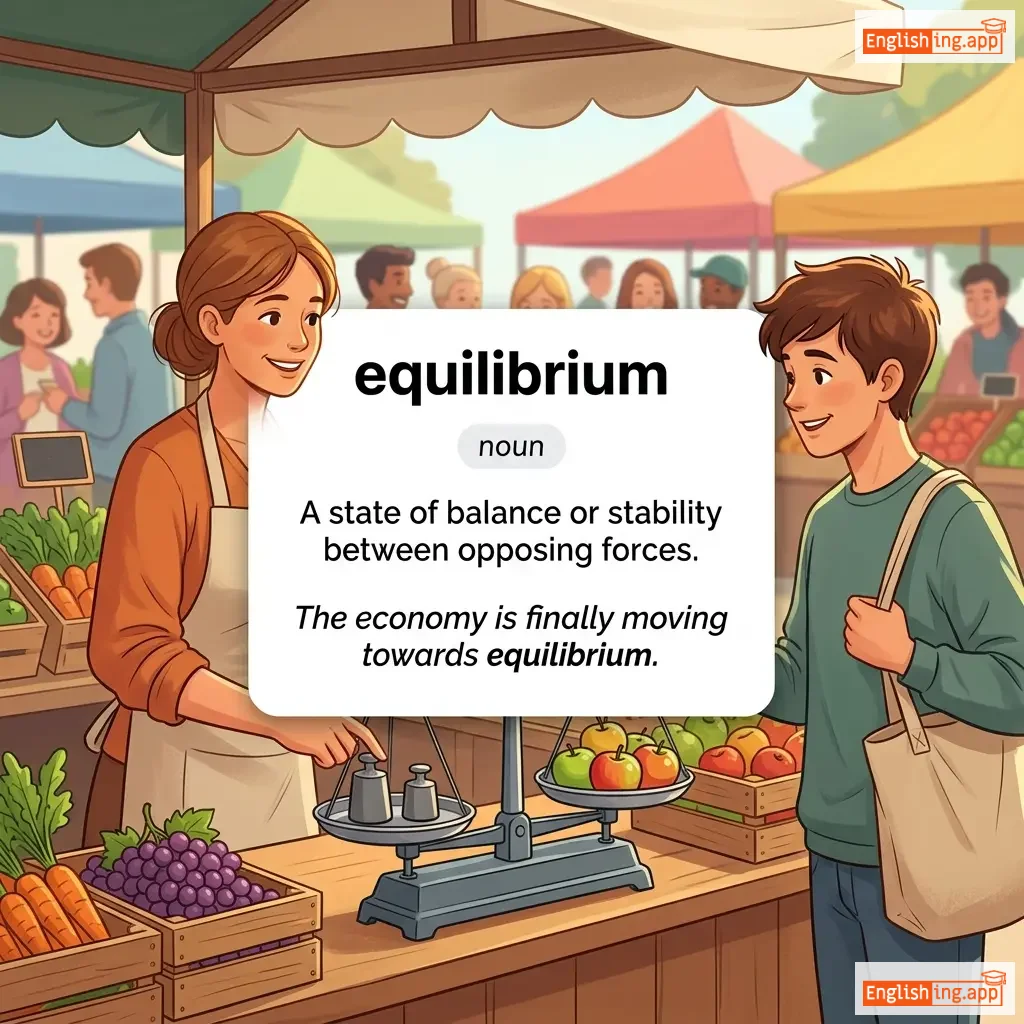
/ˌiː.kwɪˈlɪb.ri.əm/
noun
••••••
••••••
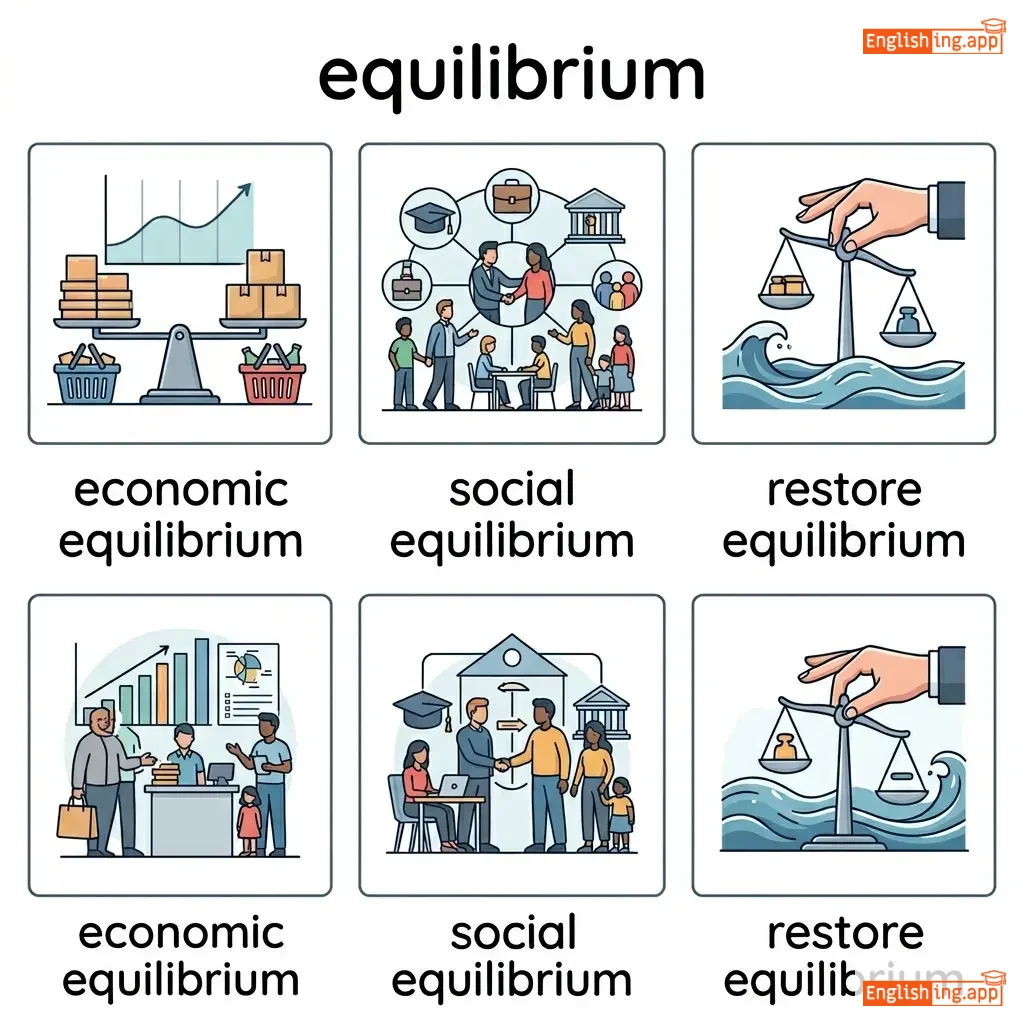
A state in which opposing forces or influences are balanced in economic markets.
••••••
The market reached an equilibrium between supply and demand.
••••••
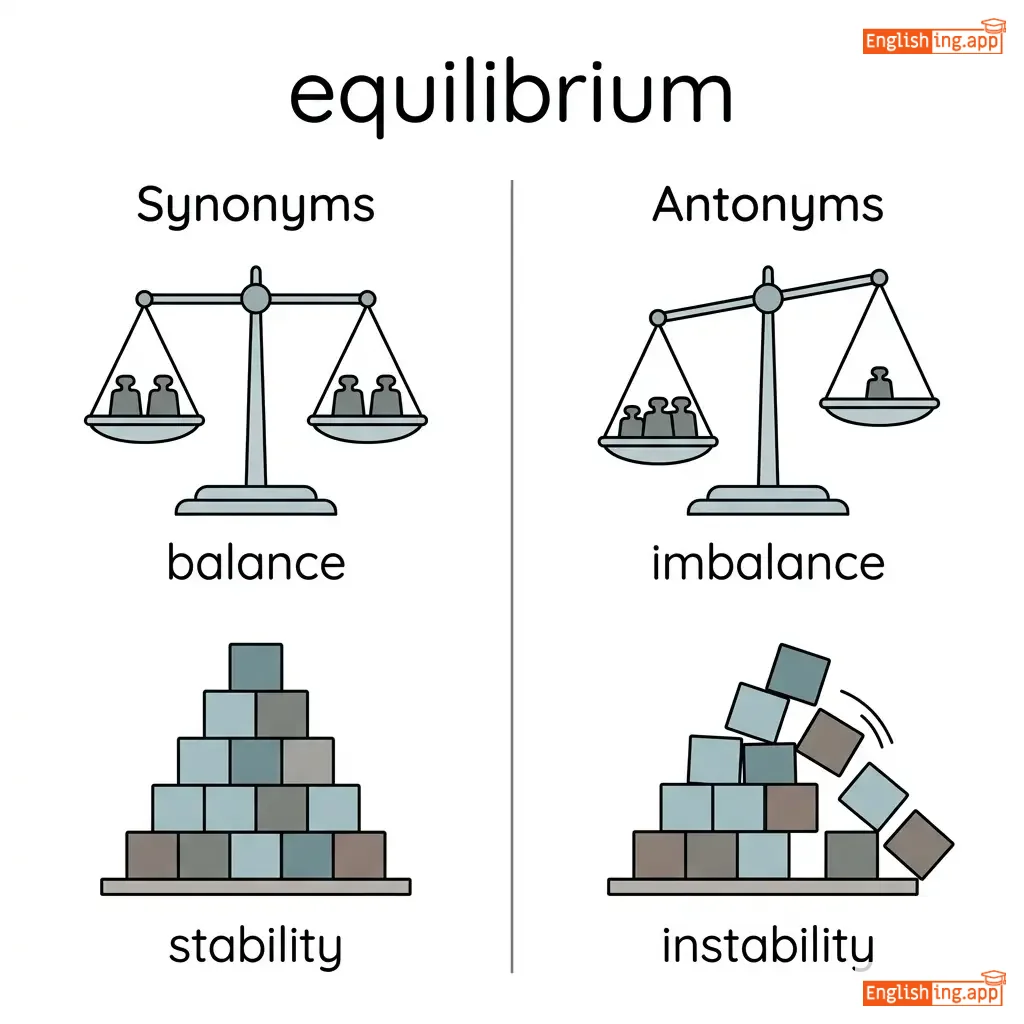
balance, stability, steadiness
••••••
imbalance, instability, disequilibrium
••••••
••••••
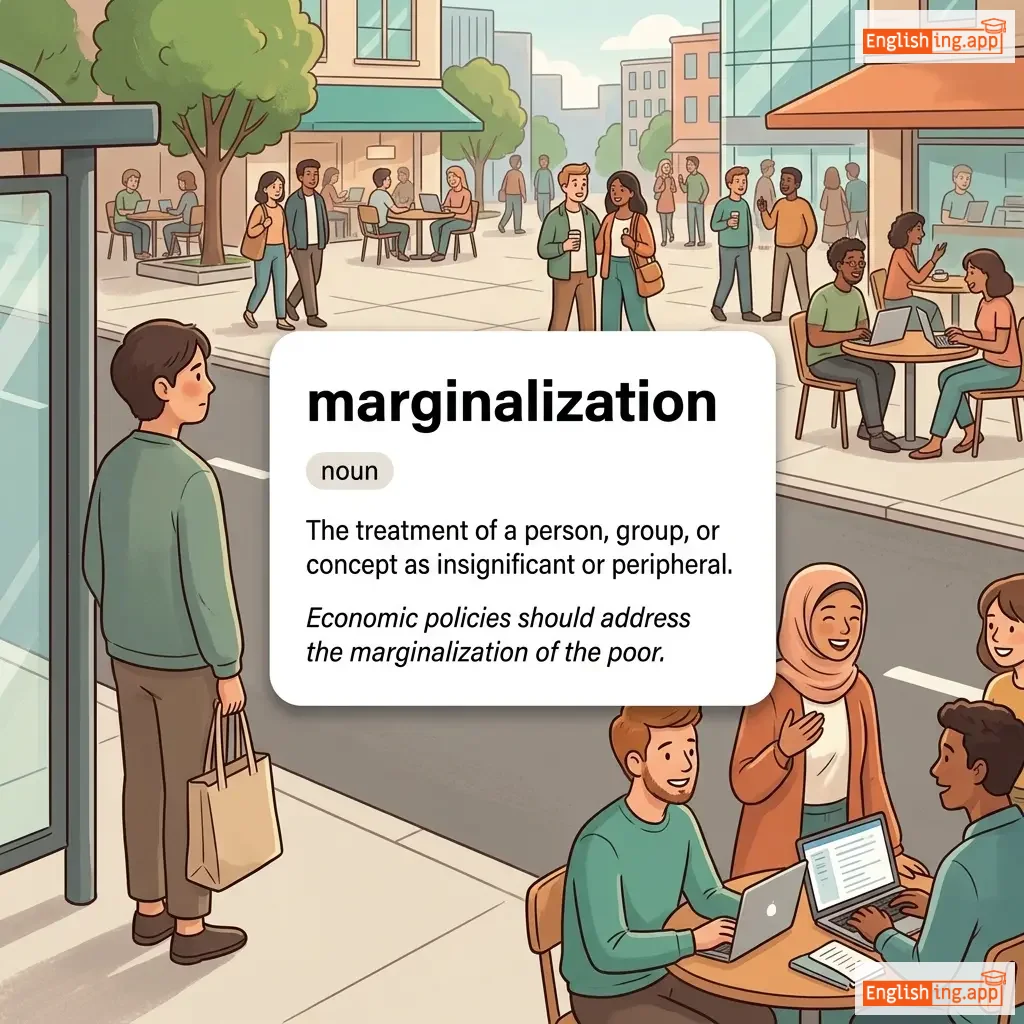
/ˌmɑːr.dʒɪ.nəl.aɪˈzeɪ.ʃən/
noun
••••••
••••••
The process of pushing a group or individual to the edge of society by not allowing them full participation.
••••••
Economic policies should address the marginalization of the poor.
••••••
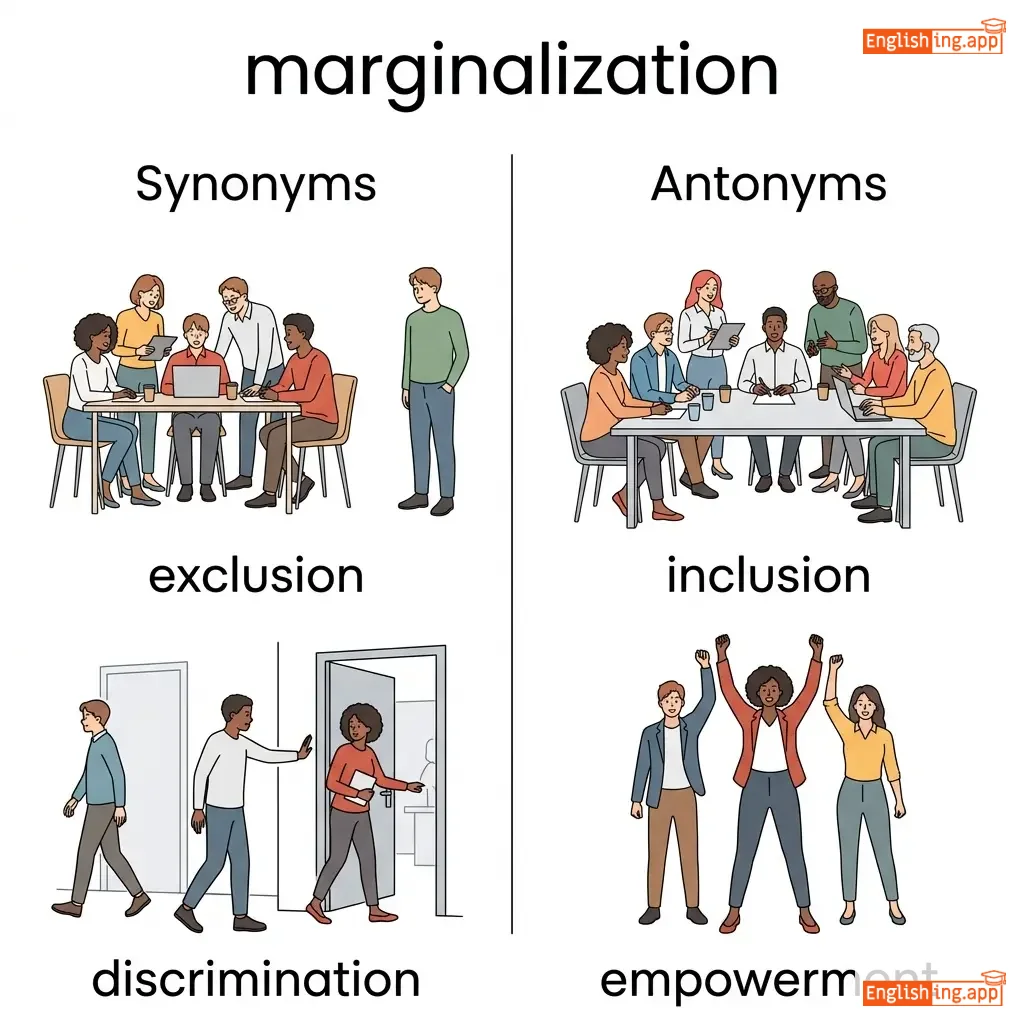
exclusion, discrimination, alienation
••••••
inclusion, empowerment, recognition
••••••
••••••
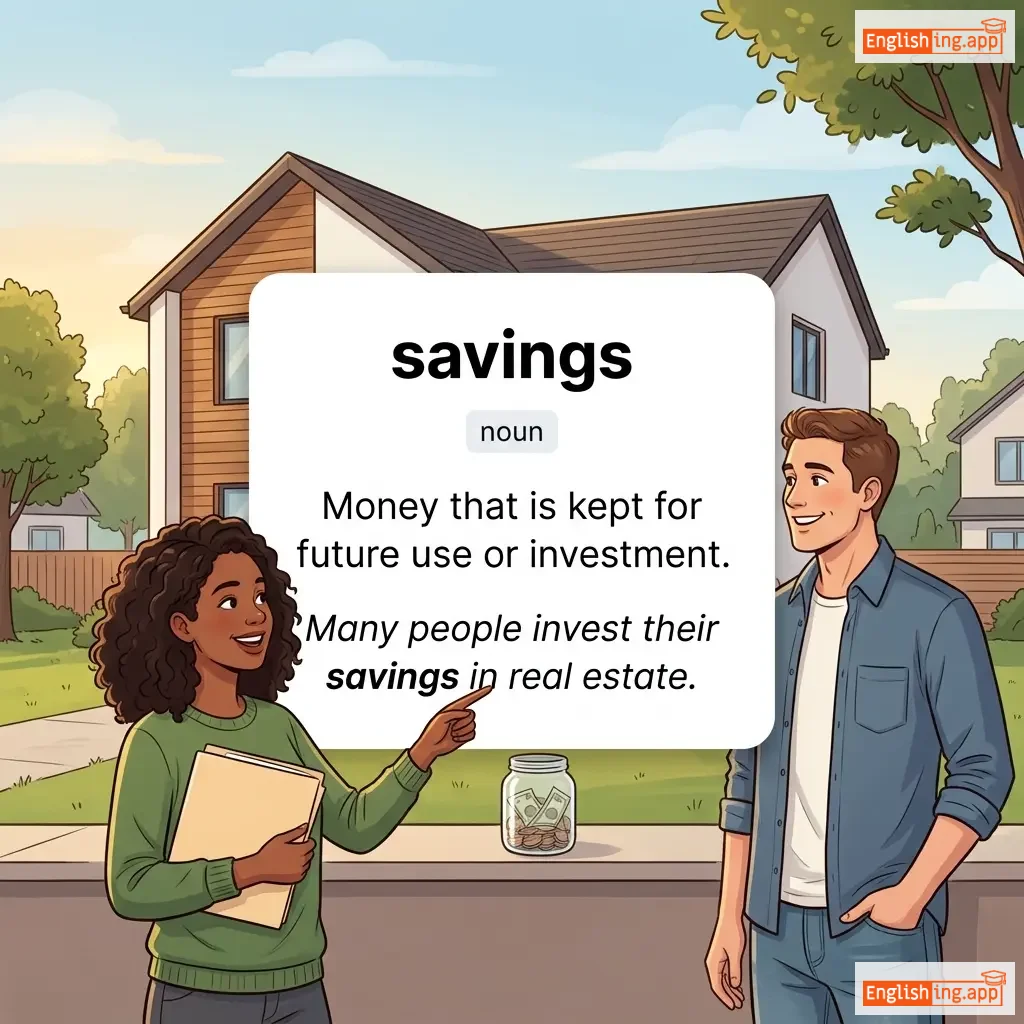
/ˈseɪ.vɪŋz/
noun
••••••
••••••
Money that is saved, especially in a bank or official scheme for future use.
••••••
Many people invest their savings in real estate.
••••••
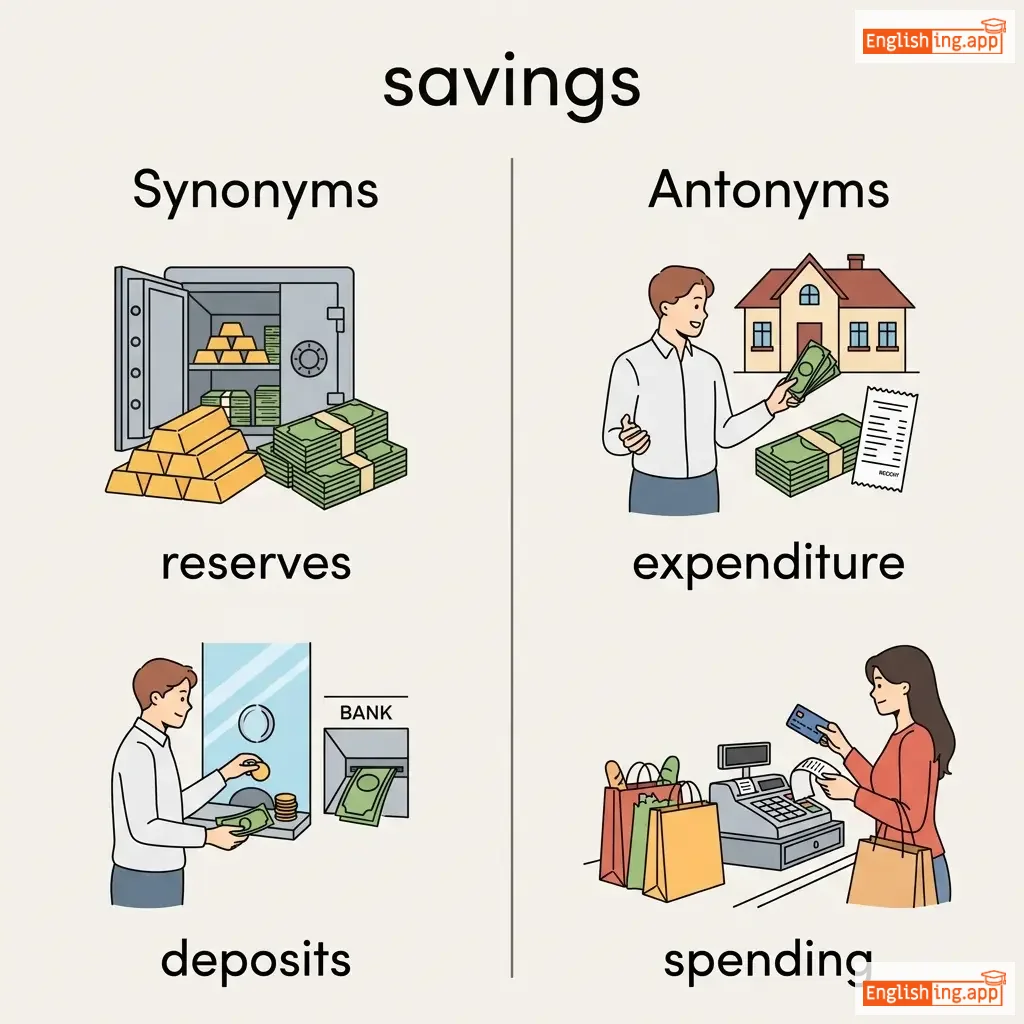
reserves, deposits, funds
••••••
expenditure, spending, debt
••••••
••••••
/ˌkæp.ɪ.t̬əl.aɪˈzeɪ.ʃən/
noun
••••••
••••••
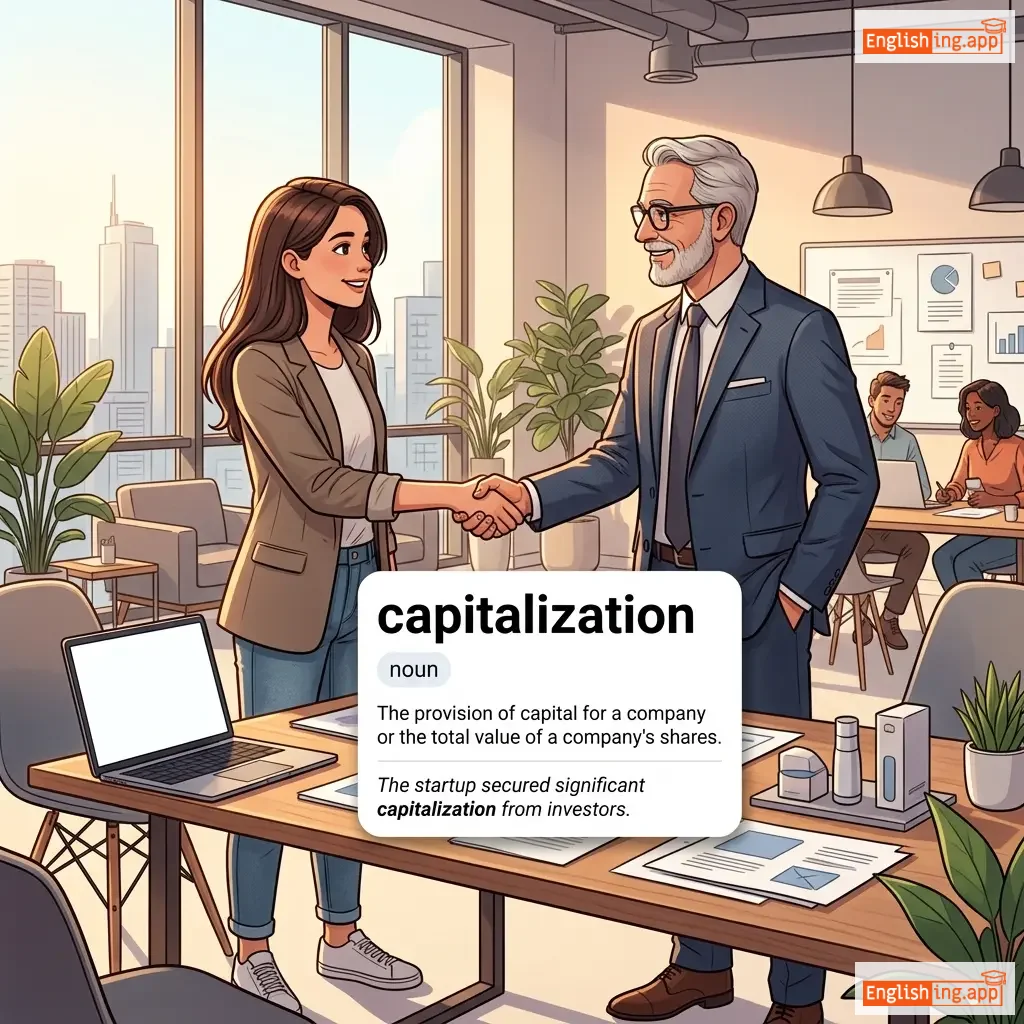
The provision of capital for a company or the total value of a company's shares.
••••••
The company increased its capitalization through new investments.
••••••
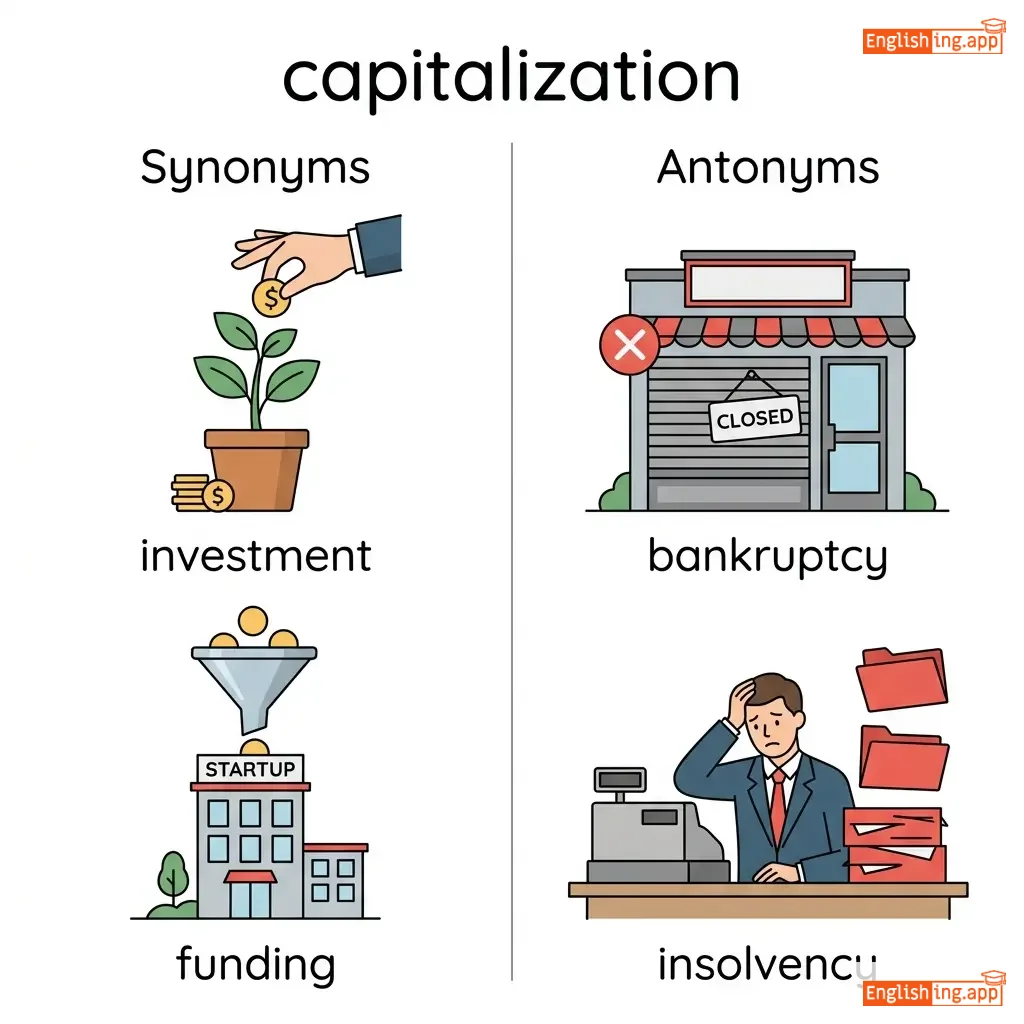
investment, funding, financial growth
••••••
underfunding, bankruptcy, liquidation
••••••
••••••
/ˈɑːr.bɪ.trɑːʒ/
noun
••••••
••••••
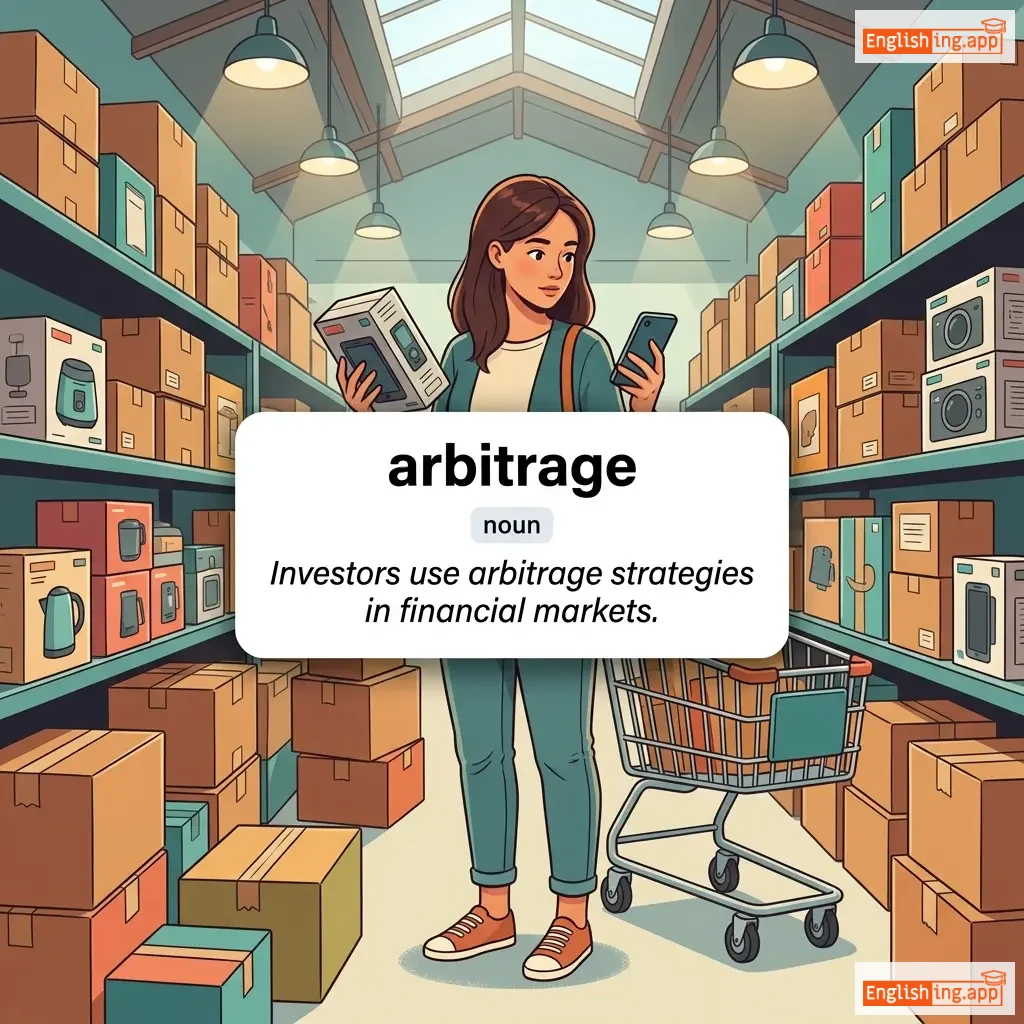
The simultaneous buying and selling of securities in different markets to take advantage of differing prices.
••••••
Investors use arbitrage to make profits in global markets.
••••••
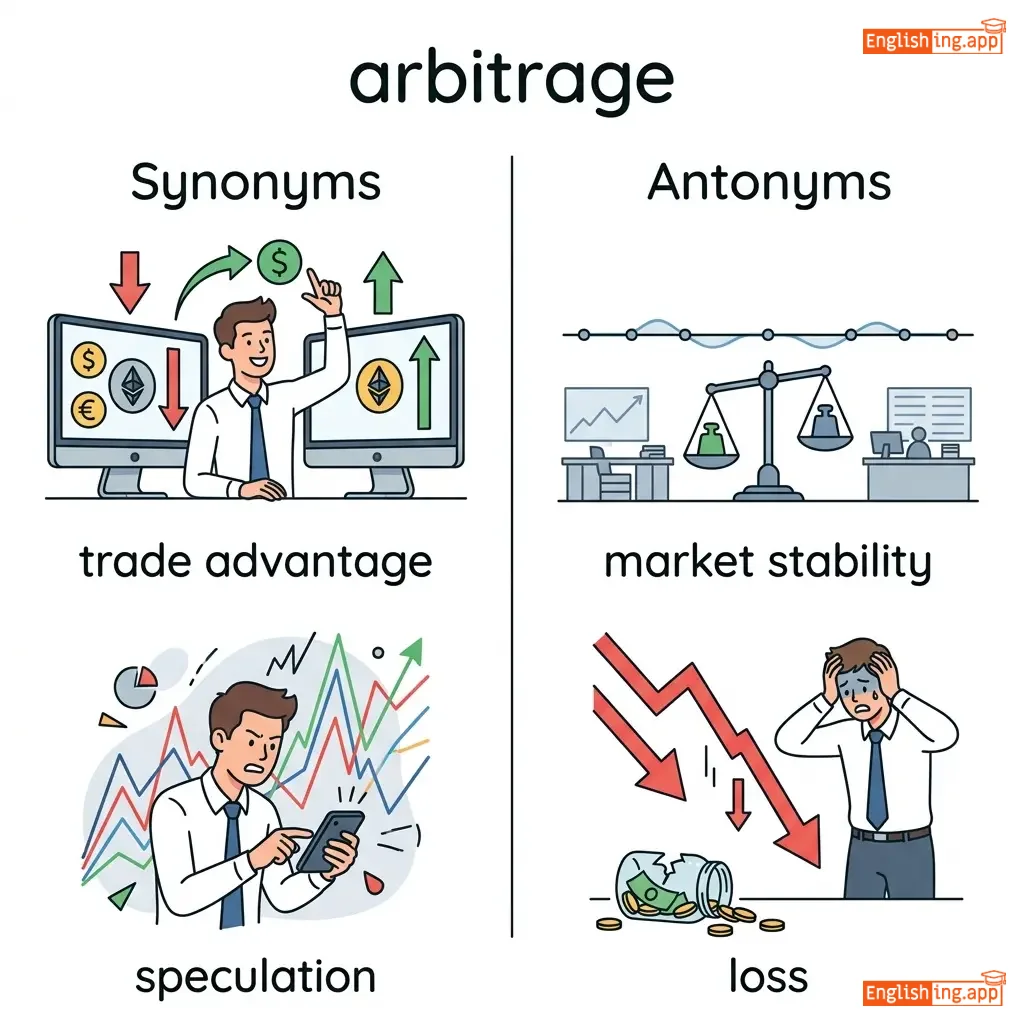
trading, exploiting price differences, speculation
••••••
fixed pricing, loss-making trade, unprofitability
••••••
••••••
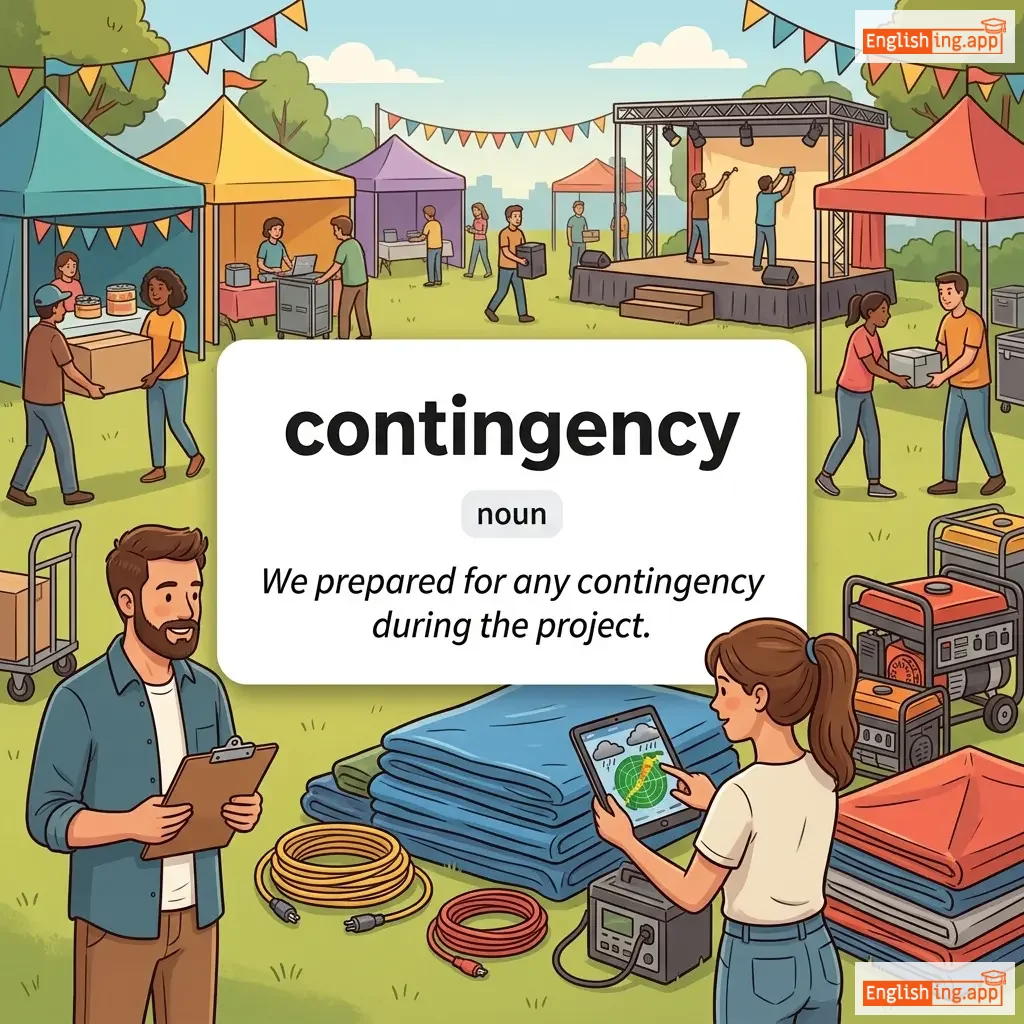
/kənˈtɪn.dʒən.si/
noun
••••••
••••••
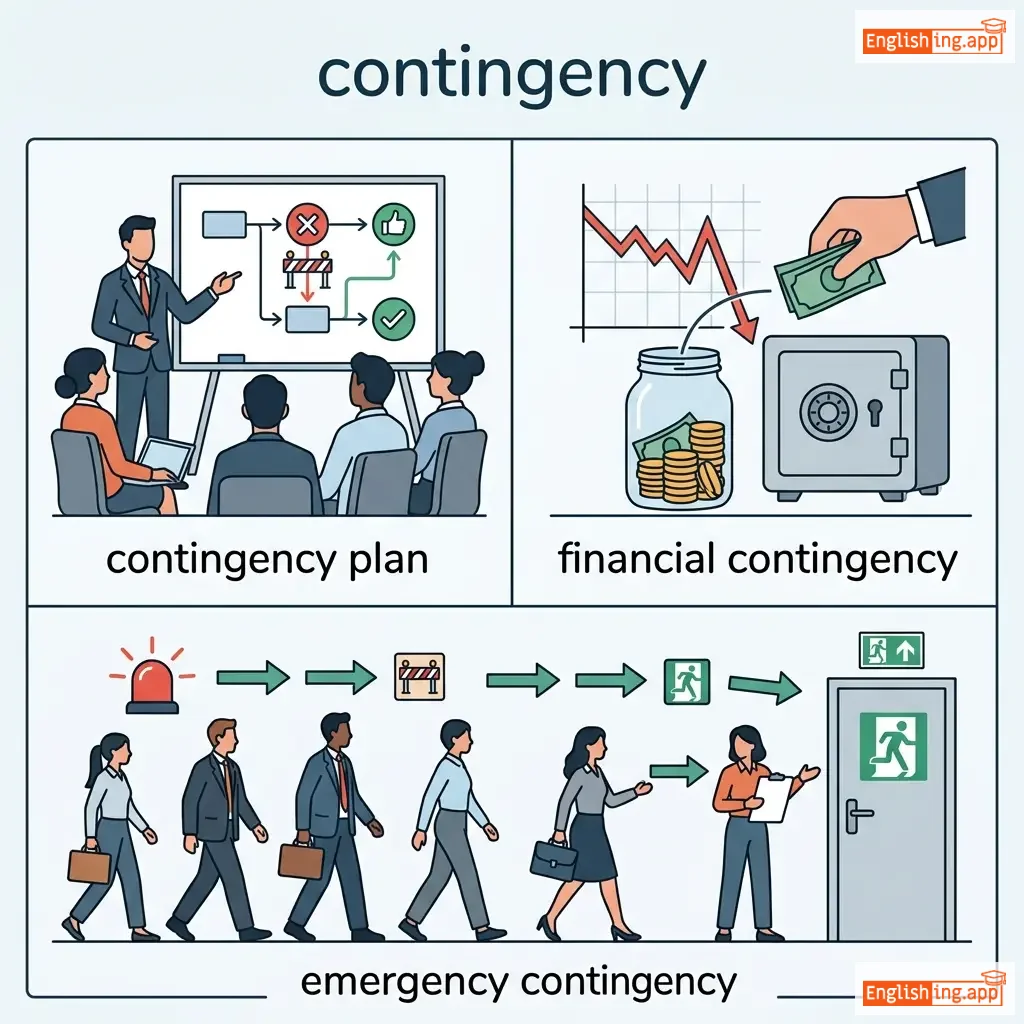
A provision for an unforeseen event or circumstance, especially in financial planning.
••••••
The company has a contingency plan for economic downturns.
••••••
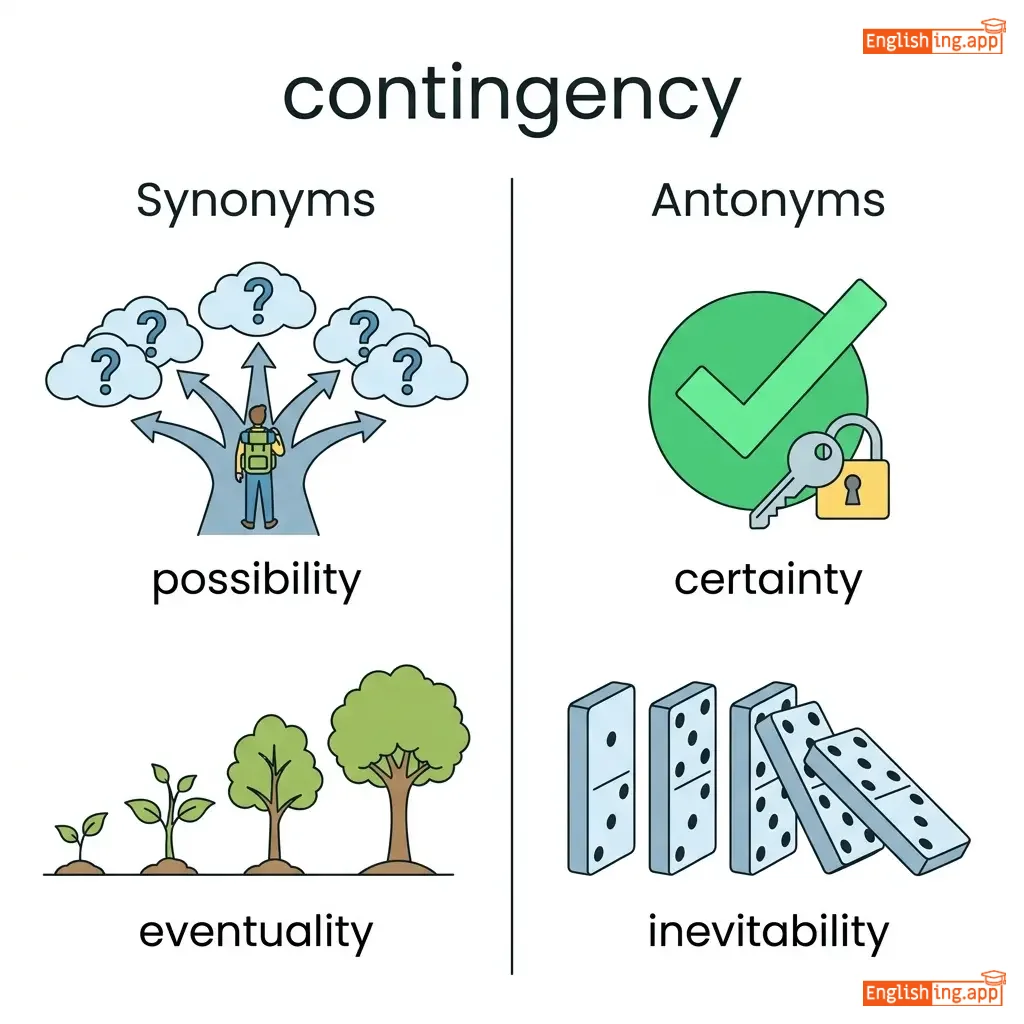
emergency plan, backup, alternative
••••••
certainty, assurance, predictability
••••••
••••••
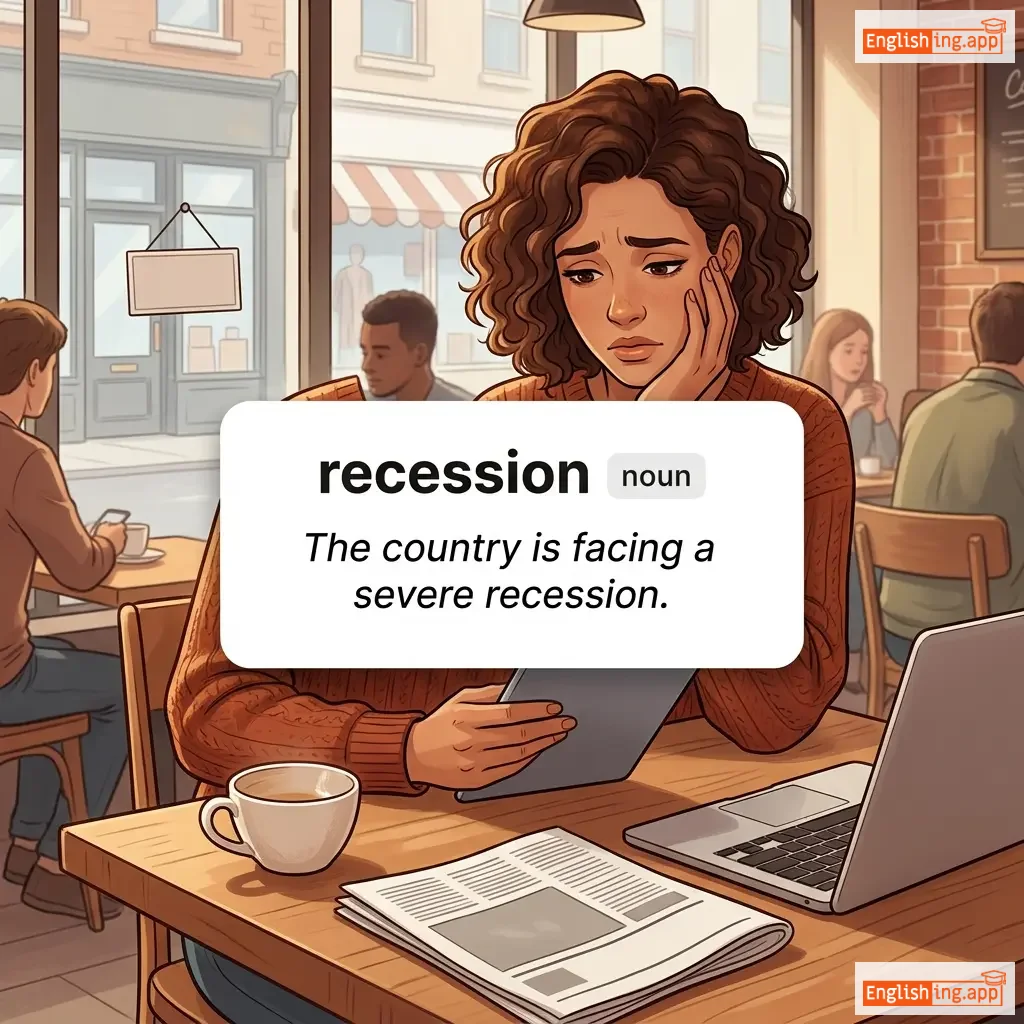
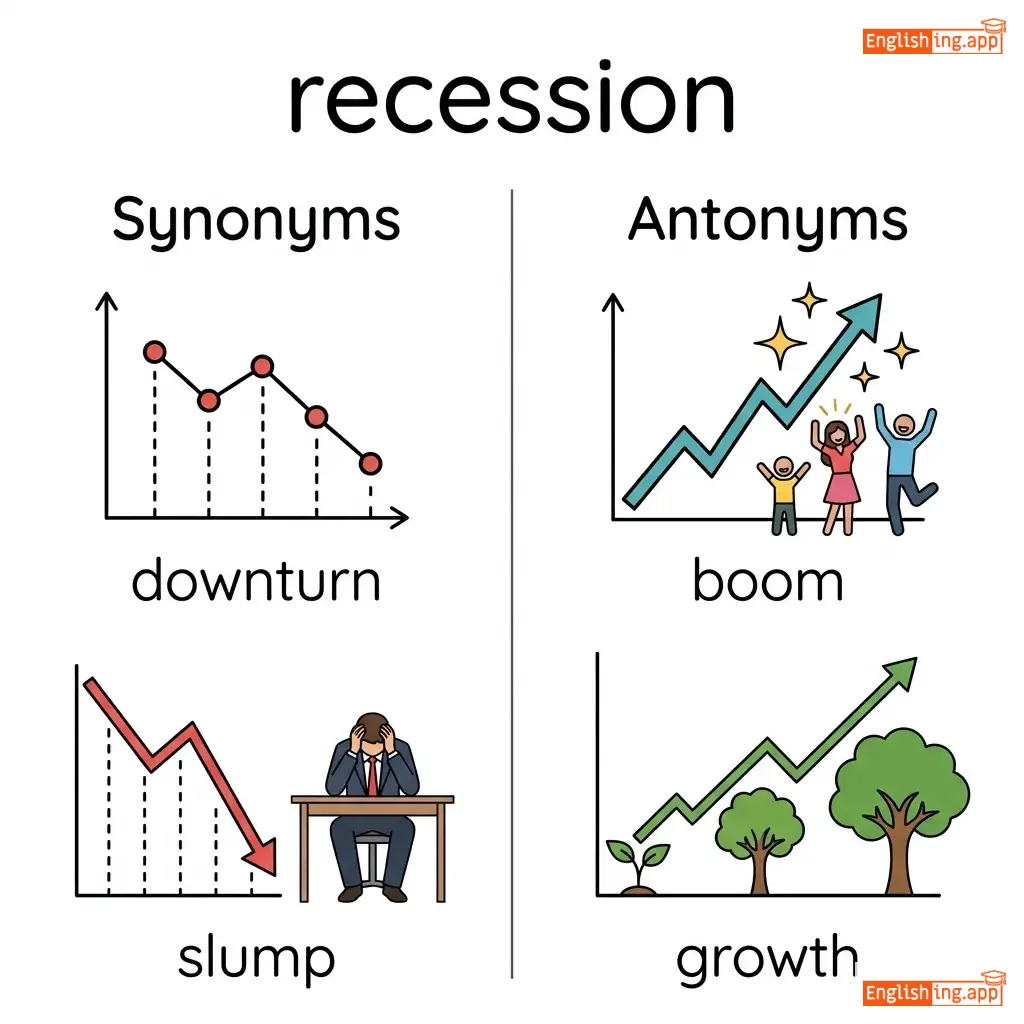
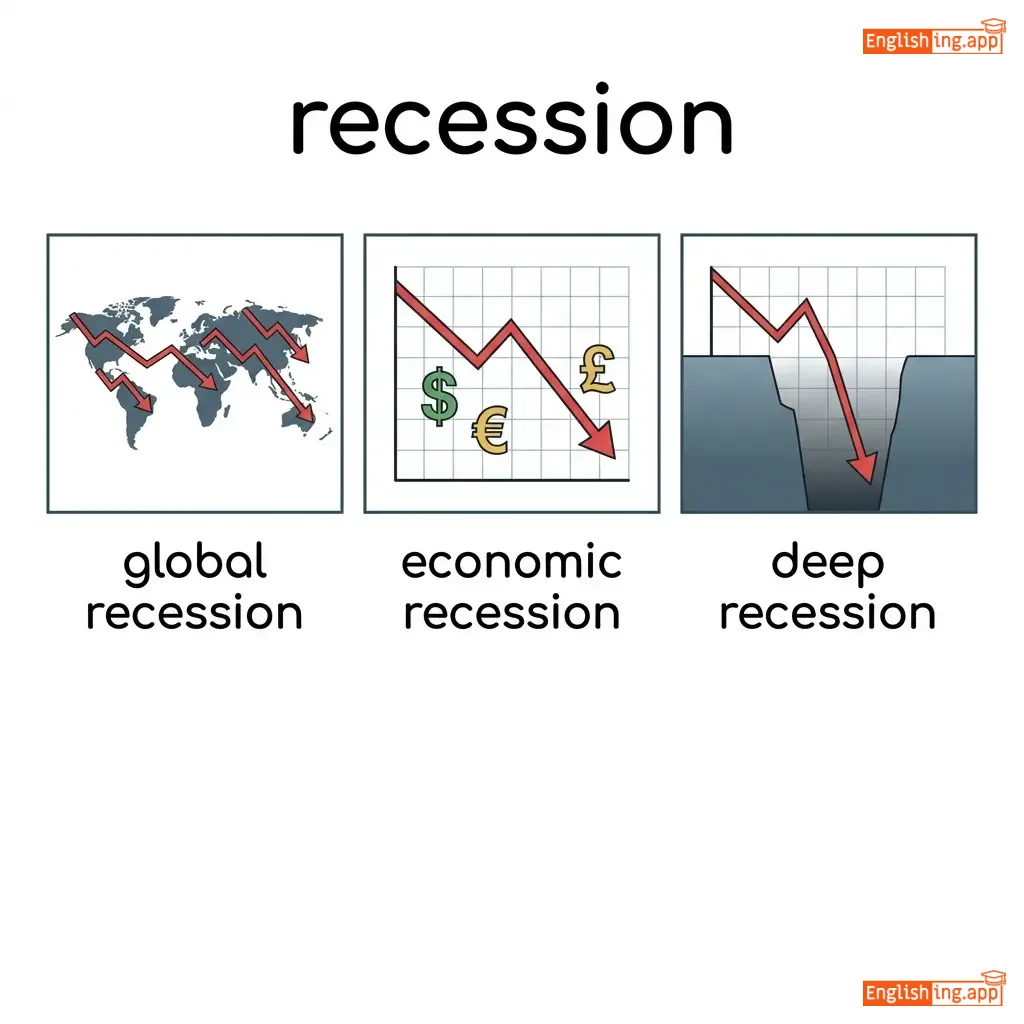
/rɪˈsɛʃ.ən/
noun
••••••
••••••
A period of temporary economic decline during which trade and industrial activity are reduced.
••••••
The country faced a severe recession after the financial crisis.
••••••
economic decline, downturn, slump
••••••
••••••
••••••
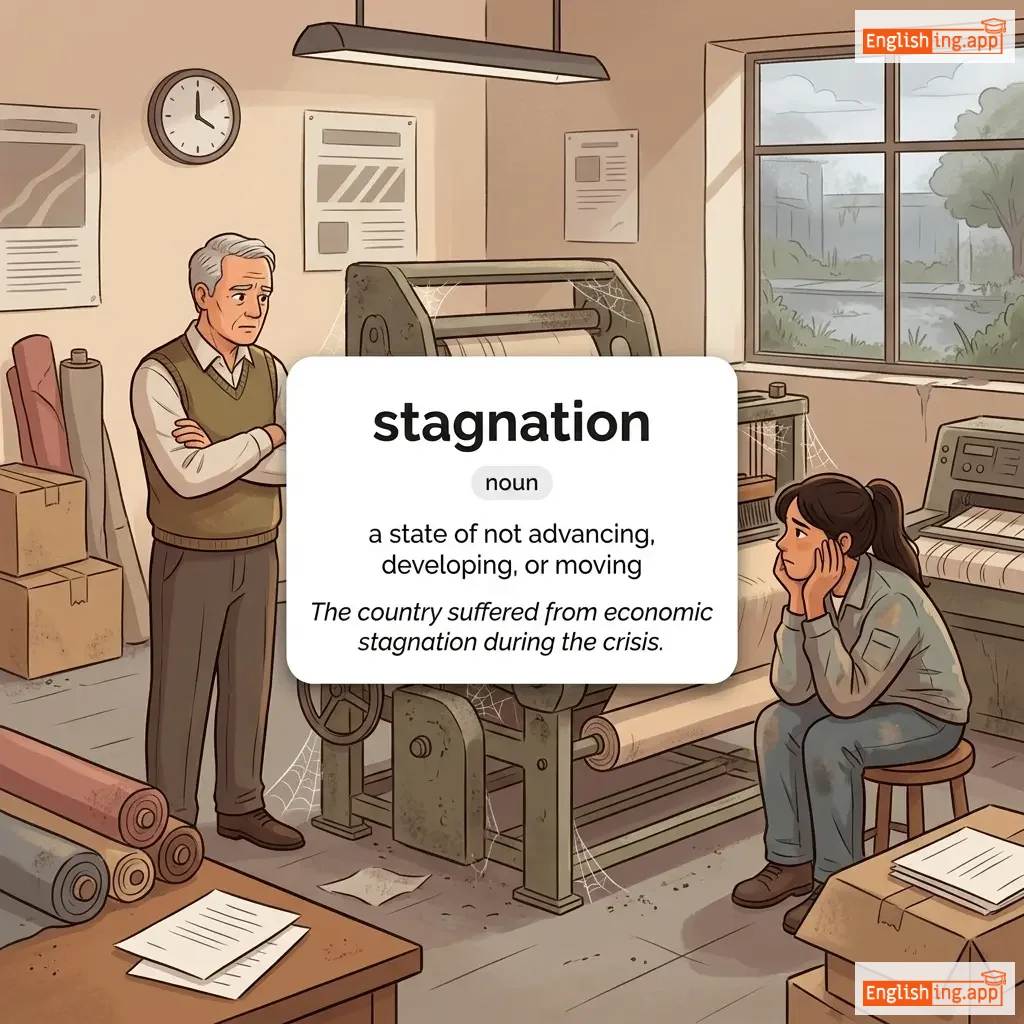
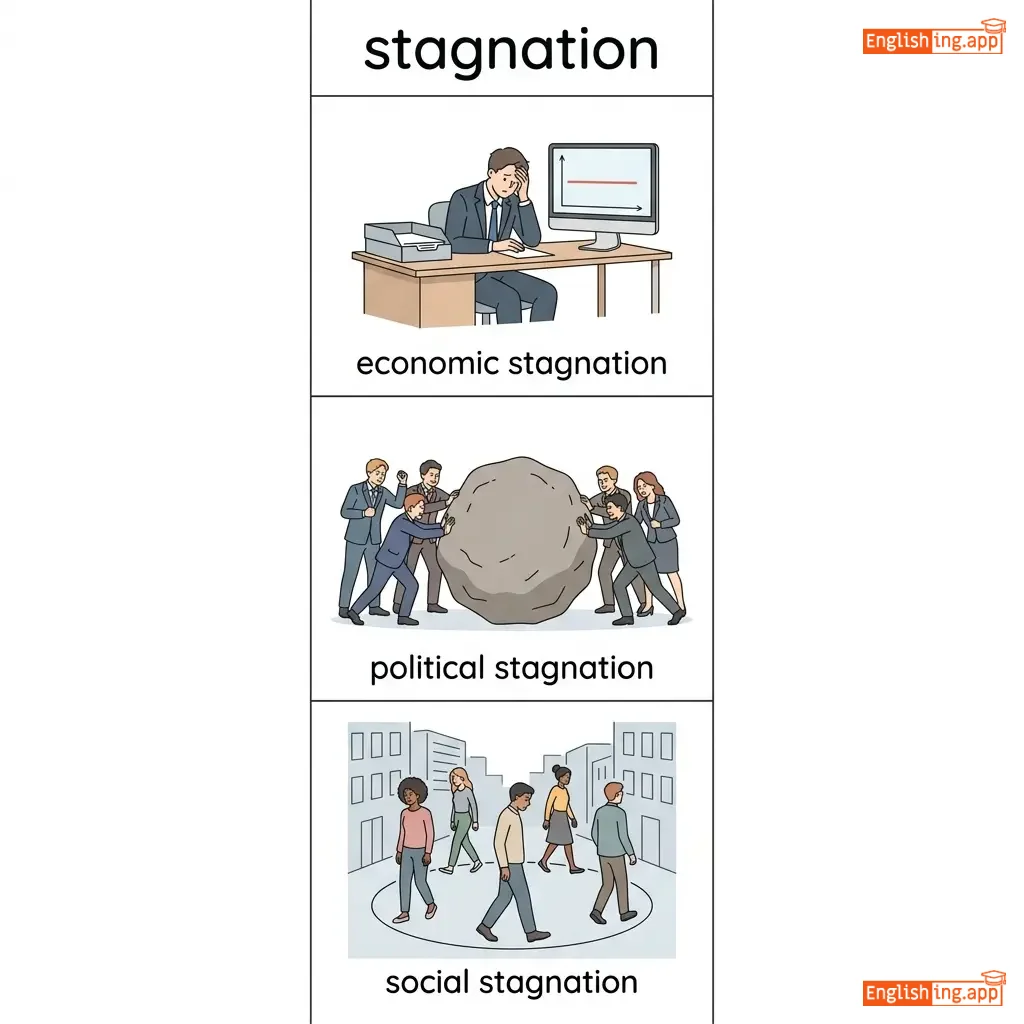
/stæɡˈneɪ.ʃən/
noun
••••••
••••••
A state of inactivity or lack of growth, especially in an economy.
••••••
High unemployment led to economic stagnation .
••••••
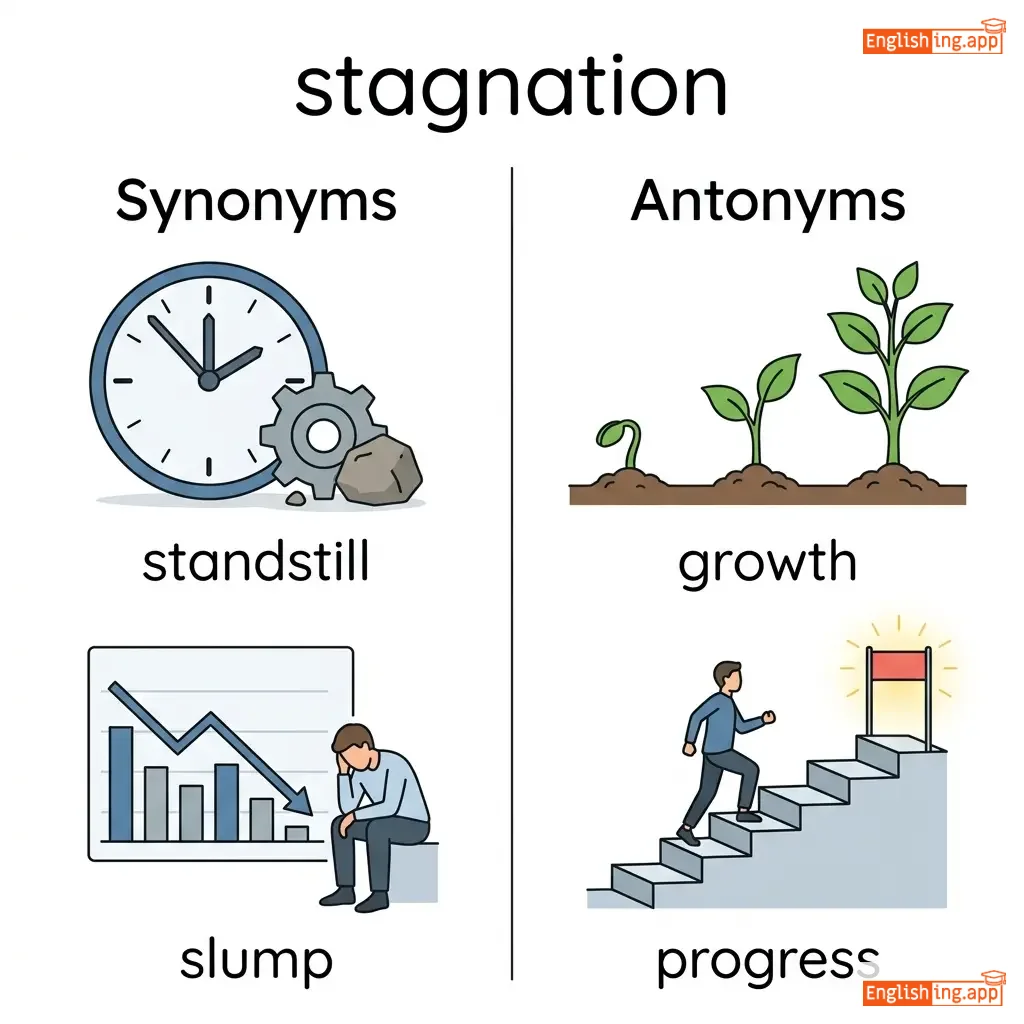
standstill, decline, sluggishness
••••••
progress, development, movement
••••••