The Athlete Who Overcame Adversity
Nishat 是一名篮球运动员,他在 small 村庄长大,位于 south。与其他球员相比,他个子 short,但他的决心非常强大。Since 小的时候起,他就在一个简易的场地上训练。他的 sixth 年级老师鼓励了他。一些欺负者曾试图 shove 他,但 Nishat 从未放弃。有一个 silly 的事件发生了,一位对手不小心用肘部撞击了 Nishat 的 skull。但他很快恢复了。 他的比赛风格包括快速移动——他可以轻松地 slide 防守球员。在 sloped 的场地上进行的训练使他变得更加敏捷。由于预算削减,教练们试图 slash 训练时间,但 Nishat 找到了 spare 时间来训练。他使用的一个比喻是:“不要成为环境的 slave。”当篮球 shoot 向篮筐飞去时,他的准确性每天都有提高。 有一天,在练习过程中,场地上出现了一条 snake,所有人都必须小心地 sneak 走开。这是一个有趣的休息!团队的成功部分得益于学校安装的 solar 面板——夜间训练的环保照明。 Nishat 学会了 shrug 拒绝消极,并专注于目标。在最终的冠军赛中,他的队伍面对了强劲的对手。Nishat 投进了获胜的一球,观众们欢呼了起来。他证明了,只要有决心,身体上的局限无法 smash 梦想。Nishat 从一个 small 村庄到成为国家队球员的旅程,激励了无数年轻人。他的建议很简单:“Since 你有梦想,就每天为之努力。不要让任何人让你感到自卑。将你的 short 处变为力量。
|
表情符号
|
单词 | Images | 翻译 | 过去时 | 过去分词 | 第三人称单数 | 动名词 | 含义 | 例句 | 例句翻译 | 示例表达 | 示例表达含义 | 示例表达翻译 | 同义词 | 反义词 | 搭配词 | 助记符 |
|---|---|---|---|---|---|---|---|---|---|---|---|---|---|---|---|---|---|
|
📸
••••••
|
/ʃuːt/
verb
(shut)
••••••
|
- •••••• |
射击 / 拍照
sheji / paizhao
••••••
|
shot
shot
••••••
|
shot
shot
••••••
|
shoots
shoots
••••••
|
shooting
shooting
••••••
|
to fire a bullet or arrow from a weapon; to take a photograph or film
••••••
|
He learned how to shoot a bow and arrow.
他学会了如何用弓和箭射击。
••••••
|
他学会了如何用弓和箭射击。
Ta xuehui le ruhe yong gong he jian sheji.
••••••
|
shoot the breeze
shoot the breeze
••••••
|
to chat informally
••••••
|
闲聊
xianliao
••••••
|
fire, discharge, snap, photograph, film
••••••
|
miss, hold, keep
••••••
|
shoot a gun, shoot a film, shoot photos, shoot arrows
••••••
|
Shoot是射击,同时也能用来拍照
••••••
|
|
📏
••••••
|
/ʃɔːrt/
adjective
(短)
••••••
|
- •••••• |
短的; 简短的
duǎn de; jiǎn duǎn de
••••••
|
- •••••• | - •••••• | - •••••• | - •••••• |
having a small length, height, or duration; not long
••••••
|
The meeting was very short, lasting only ten minutes. |
会议非常短,仅持续了十分钟。
Huìyì fēicháng duǎn, jǐn chíxùle shí fēnzhōng.
••••••
|
- •••••• | - •••••• | - •••••• |
brief, small, little, compact
••••••
|
long, tall, extended, lengthy
••••••
|
short story, short time, short distance, short hair
••••••
|
短的,就像短片电影
••••••
|
|
🤜
••••••
|
/ʃʌv/
verb
(shov)
••••••
|
- •••••• |
推
tui
••••••
|
shoved
shovd
••••••
|
shoved
shovd
••••••
|
shoves
shovz
••••••
|
shoving
shoving
••••••
|
to push someone or something roughly
••••••
|
He shoved the box into the corner.
他把箱子推到角落里。
••••••
|
他把箱子推到角落里。
Tā bǎ xiāngzi tuī dào jiǎoluò lǐ.
••••••
|
shove it
shove it
••••••
|
a rude way of telling someone to go away or stop bothering you
••••••
|
滚开
gǔn kāi
••••••
|
push, thrust, jostle, force, propel
••••••
|
pull, drag, withdraw
••••••
|
shove aside, shove into, big shove, violent shove
••••••
|
Shove 意思是推,就像你开玩笑推某人。
••••••
|
|
🤷
••••••
|
/ʃrʌɡ/
verb
(shruɡ)
••••••
|
- •••••• |
耸肩
sǒng jiān
••••••
|
shrugged
shruɡd
••••••
|
shrugged
shruɡd
••••••
|
shrugs
shruɡs
••••••
|
shrugging
shruɡɪŋ
••••••
|
To raise and lower the shoulders to express uncertainty or indifference.
••••••
|
He shrugged when asked about the missing file.
他在被问到关于丢失文件的事时耸了耸肩。
••••••
|
他在被问到关于丢失文件的事时耸了耸肩。
Tā zài bèi wèn dào guānyú diūshī wénjiàn de shì shí sǒngle sǒng jiān.
••••••
|
shrug off
耸肩
••••••
|
To treat something as unimportant or not worth worrying about.
••••••
|
不在乎
bù zàihu
••••••
|
dismiss, disregard, ignore, downplay
••••••
|
acknowledge, accept, emphasize
••••••
|
shrug shoulders, shrug indifferently, shrug off criticism, shrug casually
••••••
|
耸肩 = 用肩膀表达不确定或冷漠的态度。
••••••
|
|
🤪
••••••
|
/ˈsɪli/
adjective
(sili)
••••••
|
- •••••• |
傻
sha
••••••
|
- •••••• | - •••••• | - •••••• | - •••••• |
showing a lack of good sense; foolish or playful
••••••
|
He made a silly mistake on the test. |
他在考试中犯了一个傻错误。
Ta zai kaoshi zhong fanle yige sha cuowu.
••••••
|
silly goose |
a playful way to call someone foolish or goofy
••••••
|
傻鸭子
sha yazi
••••••
|
foolish, goofy, childish, playful, nonsensical
••••••
|
serious, sensible, wise
••••••
|
silly mistake, silly joke, silly idea, feel silly
••••••
|
Silly意思是傻 — Silly mistake意思是傻错误。
••••••
|
|
⏳
••••••
|
/sɪns/
preposition
(辛斯)
••••••
|
- •••••• |
自
zi
••••••
|
- •••••• | - •••••• | - •••••• | - •••••• |
from a particular time in the past until now
••••••
|
I have known her since childhood. |
我从小就认识她。
Wo cong xiao jiu renshi ta.
••••••
|
- •••••• | - •••••• | - •••••• |
from, after
••••••
|
until, before
••••••
|
since childhood, since then, since yesterday
••••••
|
自从童年,我记得 '自' 代表从开始到现在的时间段。
••••••
|
|
6️⃣
••••••
|
/sɪksθ/
adjective
(siksth)
••••••
|
- •••••• |
第六
di liu
••••••
|
- •••••• | - •••••• | - •••••• | - •••••• |
coming after the fifth in order, position, or rank
••••••
|
He finished the race in sixth place. |
他在比赛中获得了第六名。
Ta zai bisai zhong huodele di liu ming.
••••••
|
- •••••• | - •••••• | - •••••• |
6th, ordinal six, number six position
••••••
|
first, last
••••••
|
sixth grade, sixth floor, sixth century, sixth position
••••••
|
Sixth 就是 6th – 记住‘six’之后是第六!
••••••
|
|
👗
••••••
|
/skɜːrt/
noun/verb
••••••
|
- •••••• | - •••••• |
skirted
••••••
|
skirted
••••••
|
skirts
••••••
|
skirting
••••••
|
a piece of clothing that hangs from the waist; to go around the edge of something
••••••
|
She wore a red skirt to the party. |
- •••••• |
skirt the issue |
to avoid dealing directly with a subject
••••••
|
- •••••• |
dress, petticoat, hem, bypass, avoid
••••••
|
confront, face
••••••
|
short skirt, long skirt, denim skirt, skirt around
••••••
|
No •••••• |
|
💀
••••••
|
/skʌl/
noun
(skal)
••••••
|
- •••••• |
头骨
tougu
••••••
|
- •••••• | - •••••• | - •••••• | - •••••• |
the bony structure that forms the head and protects the brain
••••••
|
The archaeologists found an ancient human skull. |
考古学家发现了一个古老的人类头骨。
Kaogu xuejia faxianle yige gulao de renlei tougu.
••••••
|
skull and crossbones |
a symbol of death or danger, often used on pirate flags or poison labels
••••••
|
骷髅与交叉骨头
kulou yu jiaocha gutou
••••••
|
cranium, head, braincase, noggin, dome
••••••
|
none, flesh
••••••
|
fractured skull, human skull, skull bones, skull shape
••••••
|
头骨保护大脑,就像骷髅和交叉的骨头一样象征着危险。
••••••
|
|
✂️
••••••
|
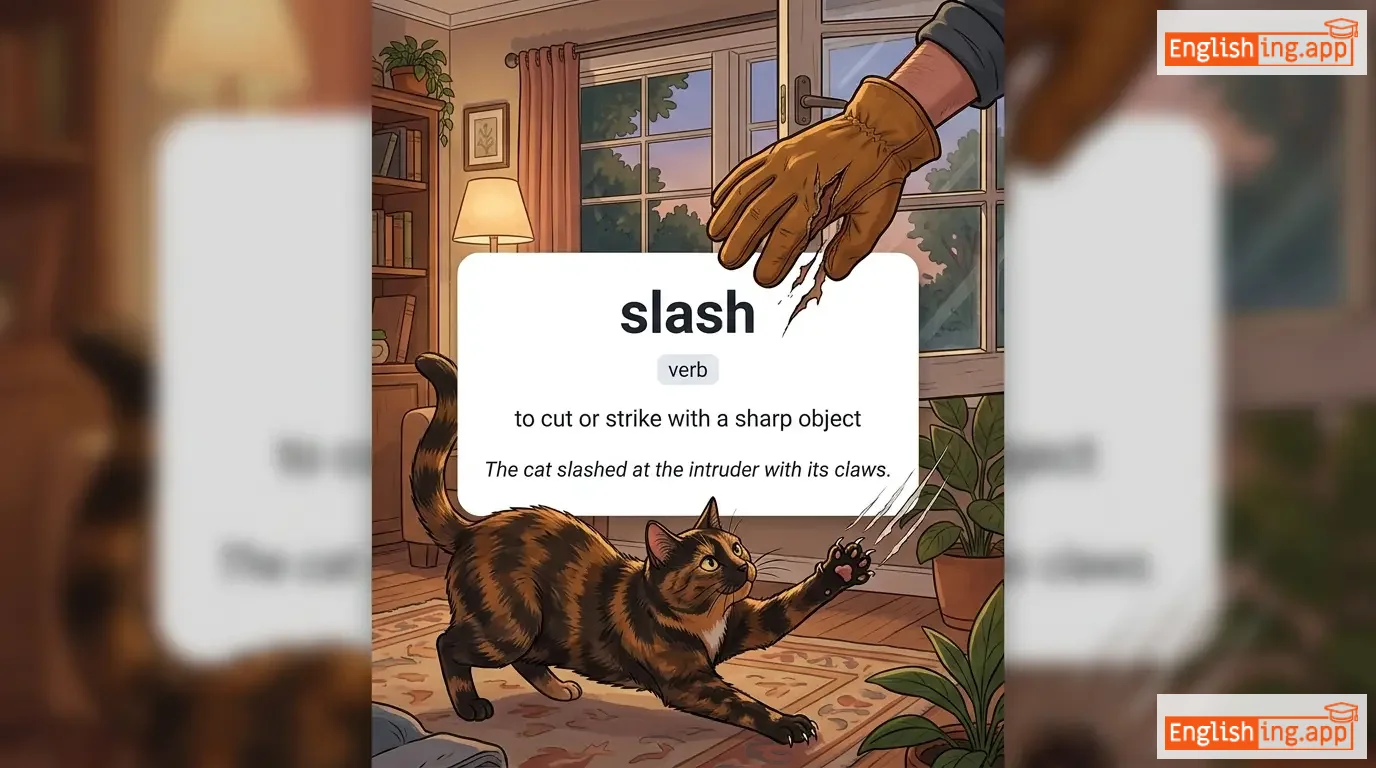
/slæʃ/
verb
(slash)
••••••
|
|
切割
qie ge
••••••
|
slashed
slashd
••••••
|
slashed
slashd
••••••
|
slashes
slashes
••••••
|
slashing
slashing
••••••
|
to cut with a sharp blade; to reduce drastically
••••••
|
The company slashed prices to attract more customers.
公司大幅削减价格以吸引更多顾客。
••••••
|
公司大幅削减价格以吸引更多顾客。
Gongsi dafu xiaojian jiage yi xiyin gengduo guke.
••••••
|
- •••••• | - •••••• | - •••••• |
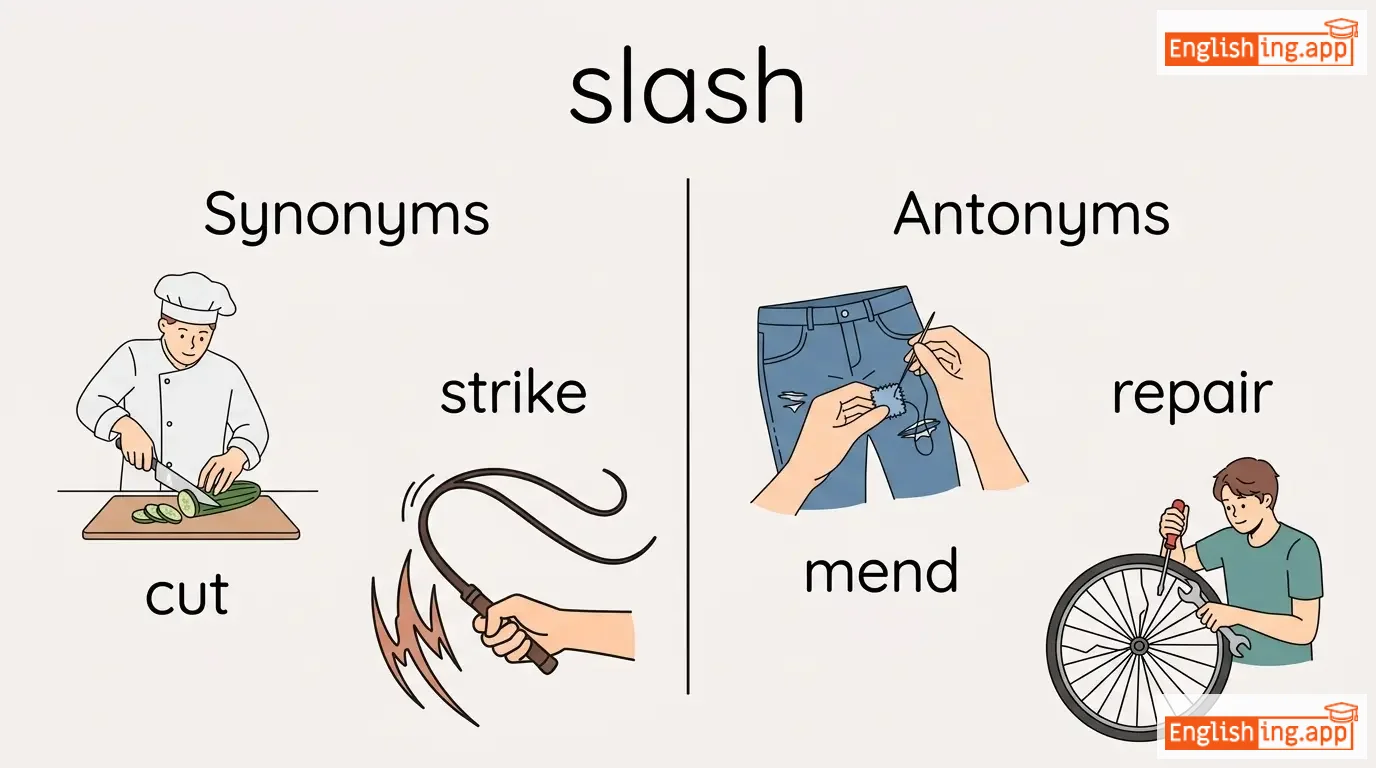
cut, reduce, strike, slice
••••••
|
increase, raise, heal, mend
••••••
|
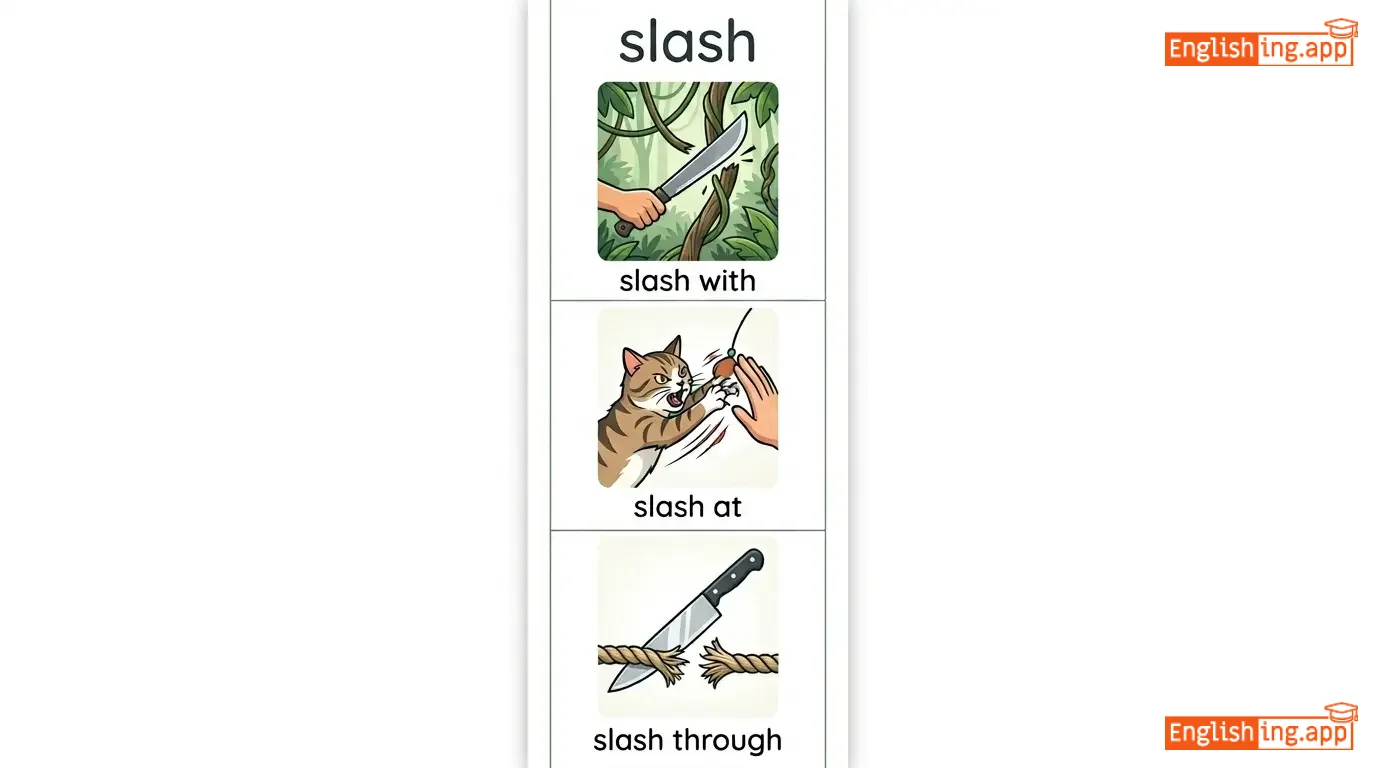
slash prices, slash deeply, slash through, slash budgets, slash dramatically
••••••
|
Slash在英语中是切割或削减价格的意思。
••••••
|
|
👤
••••••
|
/sleɪv/
noun
(slāv)
••••••
|
- •••••• |
奴隶
nùlì
••••••
|
- •••••• | - •••••• | - •••••• | - •••••• |
a person who is the legal property of another and is forced to work for them
••••••
|
The abolitionist movement fought for the rights of slaves. |
废奴主义者运动为奴隶的权利而奋斗。
Fèi nú zhǔyì zhě yùndòng wèi nùlì de quánlì ér fèndòu.
••••••
|
- •••••• | - •••••• | - •••••• |
serf, bondsman, vassal, indentured servant
••••••
|
freeman, master, owner
••••••
|
enslaved slave, slavery system, slave labor
••••••
|
奴隶,像铁链一样无法逃脱的工作者。
••••••
|
|
🛝
••••••
|
/slaɪd/
verb
(滑动)
••••••
|
- •••••• |
滑动
huádòng
••••••
|
slid
滑动
••••••
|
slid
滑动
••••••
|
slides
滑动
••••••
|
sliding
滑动
••••••
|
to move smoothly along a surface while maintaining continuous contact with it
••••••
|
The children love to slide down the playground slide.
孩子们喜欢从游乐场的滑梯上滑下来。
••••••
|
孩子们喜欢从游乐场的滑梯上滑下来。
Háizimen xǐhuān cóng yóulèchǎng de huátī shàng huá xiàlái.
••••••
|
- •••••• | - •••••• | - •••••• |
glide, slip, coast, skid
••••••
|
halt, stop
••••••
|
slide down, slide on, slide off
••••••
|
想象自己顺滑地从滑梯上滑下来!
••••••
|
|
⛰️
••••••
|
/sloʊp/
noun
(suoluo)
••••••
|
- •••••• |
坡度
podu
••••••
|
- •••••• | - •••••• | - •••••• | - •••••• |
a surface of which one end or side is at a higher level than another; a slanting surface or line
••••••
|
The children rolled down the grassy slope.
孩子们从草坡上滚下来。
••••••
|
孩子们从草坡上滚下来。
Haizimen cong caopo shang gun xialaile.
••••••
|
downhill slope
下坡路
••••••
|
a situation that is getting worse or declining
••••••
|
下坡路
xiapo lu
••••••
|
incline, gradient, hill, rise, tilt
••••••
|
flat, level, plateau
••••••
|
steep slope, gentle slope, upward slope, downward slope
••••••
|
Slope 是一个斜坡,像 Soap 一样滑!
••••••
|
|
🔹
••••••
|
/smɔːl/
adjective
(smol)
••••••
|
- •••••• |
小
xiao
••••••
|
- •••••• | - •••••• | - •••••• | - •••••• |
not large in size, amount, or importance
••••••
|
He lives in a small house near the river. |
他住在一间小房子里,靠近河流。
Ta zhu zai yi jian xiao fangzi li, kaojin heliu.
••••••
|
small talk |
light or casual conversation about unimportant matters
••••••
|
寒暄
hanxuan
••••••
|
tiny, little, petite, compact, miniature
••••••
|
big, large, huge
••••••
|
small house, small amount, small group, small talk
••••••
|
小就像 small – 小步快跑,成功无障碍!
••••••
|
|
💥
••••••
|
/smæʃ/
verb
(smash)
••••••
|
- •••••• |
打破
dǎ pò
••••••
|
smashed
smashd
••••••
|
smashed
smashd
••••••
|
smashes
smashes
••••••
|
smashing
smashing
••••••
|
to break something into pieces violently
••••••
|
She smashed the glass in frustration.
她因沮喪而摔碎了玻璃。
••••••
|
她因沮喪而摔碎了玻璃。
Tā yīn jǔ sàng ér shuāi suì le bō lí.
••••••
|
- •••••• | - •••••• | - •••••• |
break, crush, shatter, demolish
••••••
|
repair, fix, preserve
••••••
|
smash into, smash up, smash down
••••••
|
沮喪時,摔碎它!
••••••
|
|
🐍
••••••
|
/sneɪk/
noun
(sneik)
••••••
|
- •••••• |
蛇
she
••••••
|
- •••••• | - •••••• | - •••••• | - •••••• |
a long, legless reptile that moves by slithering
••••••
|
A snake slithered across the garden path. |
一条蛇沿着花园小径滑行。
Yi tiao she yan zhe huayuan xiao jing huaxing.
••••••
|
snake in the grass |
a hidden enemy or betrayer
••••••
|
草丛中的蛇
cao cong zhong de she
••••••
|
serpent, viper, reptile, cobra, python
••••••
|
mammal, bird
••••••
|
venomous snake, poisonous snake, garden snake, snake bite
••••••
|
Snake 是 蛇 – Shape 长,滑行像蛇!
••••••
|
|
🥷
••••••
|
/sniːk/
verb
••••••
|
- •••••• | - •••••• |
sneaked
••••••
|
sneaked
••••••
|
sneaks
••••••
|
sneaking
••••••
|
to move quietly and secretly to avoid being noticed
••••••
|
He tried to sneak into the house without waking anyone. |
- •••••• |
sneak peek |
a quick or early look at something before it is officially available
••••••
|
- •••••• |
creep, tiptoe, slip, slink, steal
••••••
|
march, stride, stomp
••••••
|
sneak out, sneak in, sneak away, sneak a look, sneak around
••••••
|
No •••••• |
|
☀️
••••••
|
/ˈsoʊlər/
adjective
(太阳能)
••••••
|
- •••••• |
太阳的
tàiyáng de
••••••
|
- •••••• | - •••••• | - •••••• | - •••••• |
Relating to or determined by the sun
••••••
|
The house is powered by solar energy. |
这座房子由太阳能驱动。
Zhè zuò fángzi yóu tàiyángnéng qūdòng.
••••••
|
solar power |
energy derived from the sun
••••••
|
太阳能
tàiyángnéng
••••••
|
sun-powered, sun-based, radiant, heliacal
••••••
|
lunar, artificial
••••••
|
solar energy, solar panel, solar system, solar eclipse
••••••
|
Solar意味着与太阳有关 → 太阳能面板收集太阳能
••••••
|
|
⏬
••••••
|
/saʊθ/
noun/adjective
(sàuth)
••••••
|
- •••••• |
南方
nanfang
••••••
|
- •••••• | - •••••• | - •••••• | - •••••• |
the direction towards the bottom of a map, opposite to north
••••••
|
The sun rises in the east and sets in the south.
太阳从东方升起,西方落下。
••••••
|
太阳从东方升起,西方落下。
Taiyang cong dongfang shengqi, xifang luoxia.
••••••
|
- •••••• | - •••••• | - •••••• |
down, southern
••••••
|
north, up
••••••
|
south of, southern hemisphere, south pole, travel south
••••••
|
South is the 'down' direction, like 'south' in the 'sunset' where the sun sets.
••••••
|
|
👐
••••••
|
/spɛər/
verb
(spɛr)
••••••
|
- •••••• |
额外给予 / 节省
éwài jǐyǔ / jiéshěng
••••••
|
spared
spɛrd
••••••
|
spared
spɛrd
••••••
|
spares
spɛrs
••••••
|
sparing
spɛrɪŋ
••••••
|
To give something that one has extra of; to refrain from harming or killing.
••••••
|
Could you spare me a few minutes of your time?
你能给我一些你的时间吗?
••••••
|
你能给我一些你的时间吗?
Nǐ néng gěi wǒ yīxiē nǐ de shíjiān ma?
••••••
|
spare no effort
不惜一切努力
••••••
|
To try as hard as possible to achieve something.
••••••
|
不惜一切努力
Bùxī yīqiè nǔlì
••••••
|
save, grant, provide, afford, allocate
••••••
|
withhold, deny, deprive
••••••
|
spare time, spare change, spare part, spare effort
••••••
|
Spare意味着额外给予 👐 - 给多余的东西或时间。
••••••
|

