Civic Voices Rising
城市的旧市政厅今天举办了一场公民 conference。年轻的 economist 里法特第一个登上舞台。他宣称,没有对 economics 的理解,这座城市就无法恢复。巨大的屏幕上显示着当天的 headline 和快速的 analysis。社区成员手中拿着 budget 表。主持人尼拉宣布:“在这个 forum 中,每一个 opinion 都很重要。”记者萨拉在记录新数据,而 media 的 editor 正在指挥她的团队。希布利的精彩 debate 赢得了 crowd 的掌声。关于城市 public 议题的 poll 出现在幻灯片上,激起了兴奋。里法特重复说:“我们的 analysis 显示,水资源短缺是首要问题。”青年团体的 youth 成员举起标语,“拯救河流”联盟聚集在一起。他们的 leader 哈伦说,团结行动将改变政治 influence。最后,一个在线 network 启动,让各社区代表发言。大家共同起草了一份五步 statement,回荡在大厅中。组织者承诺,这次 conference 将孕育出一个永久的公民 forum。他们还宣布下周将在学校举办另一场 debate。人们的声音回荡着同一个信念:“只有通过 public 对话,我们才能改变城市。”
|
表情符号
|
单词 | Images | 翻译 | 过去时 | 过去分词 | 第三人称单数 | 动名词 | 含义 | 例句 | 例句翻译 | 示例表达 | 示例表达含义 | 示例表达翻译 | 同义词 | 反义词 | 搭配词 | 助记符 |
|---|---|---|---|---|---|---|---|---|---|---|---|---|---|---|---|---|---|
|
🔬
••••••
|
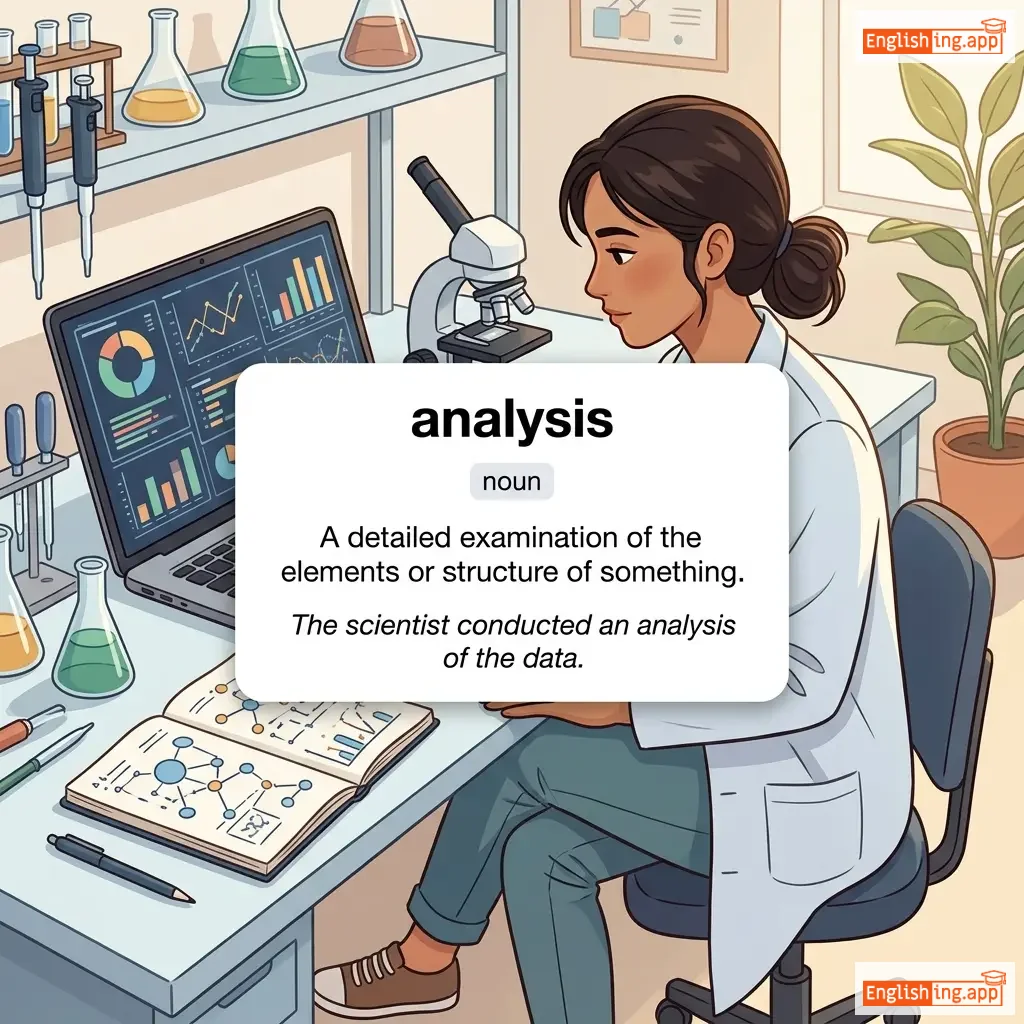
/əˈnæləsɪs/
noun
(分析)
••••••
|
|
分析
fenxi
••••••
|
- •••••• | - •••••• | - •••••• | - •••••• |
A detailed examination of the elements or structure of something.
••••••
|
The scientist conducted an analysis of the data. |
科学家对数据进行了分析。
Kēxuéjiā duì shùjù jìnxíngle fēnxī.
••••••
|
in-depth analysis |
a very detailed and thorough examination of something
••••••
|
深入分析
shēnrù fēnxī
••••••
|
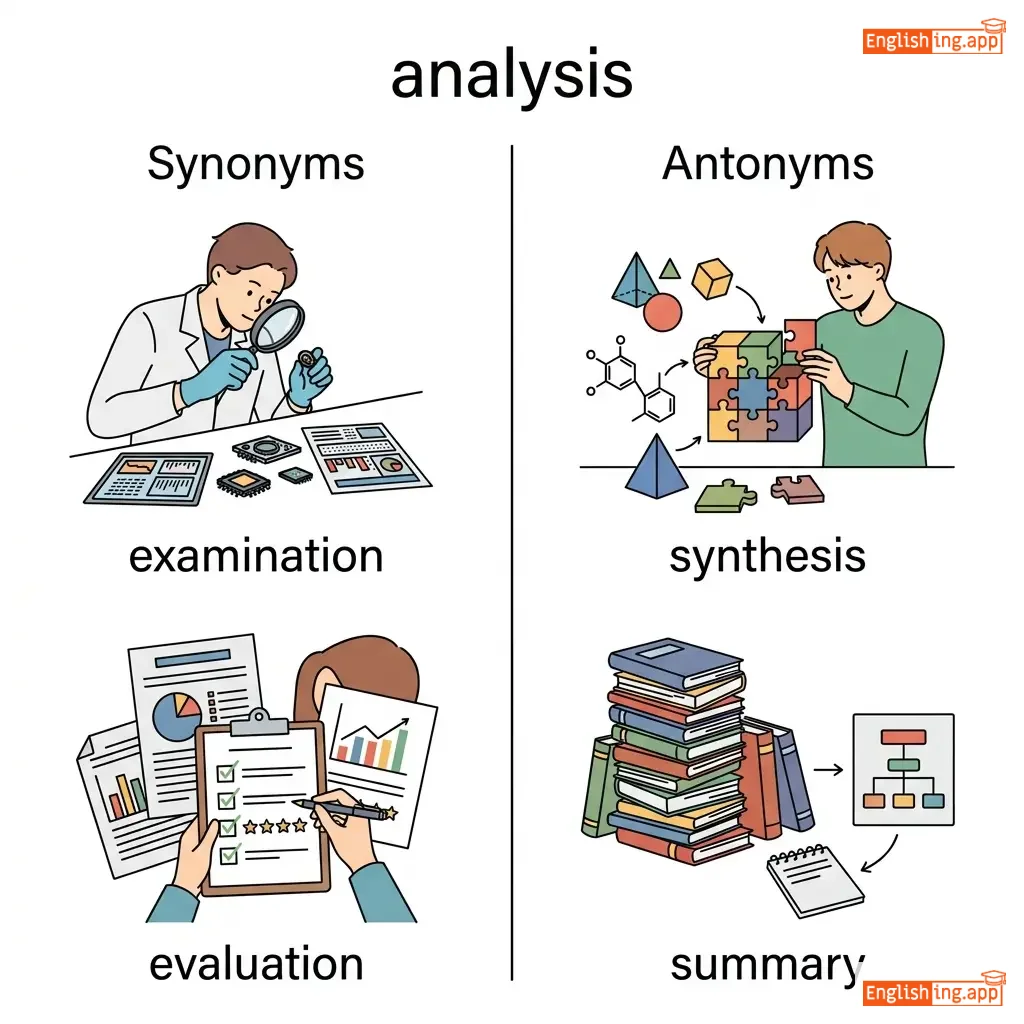
examination, evaluation, study, review, assessment
••••••
|
synthesis, summary
••••••
|
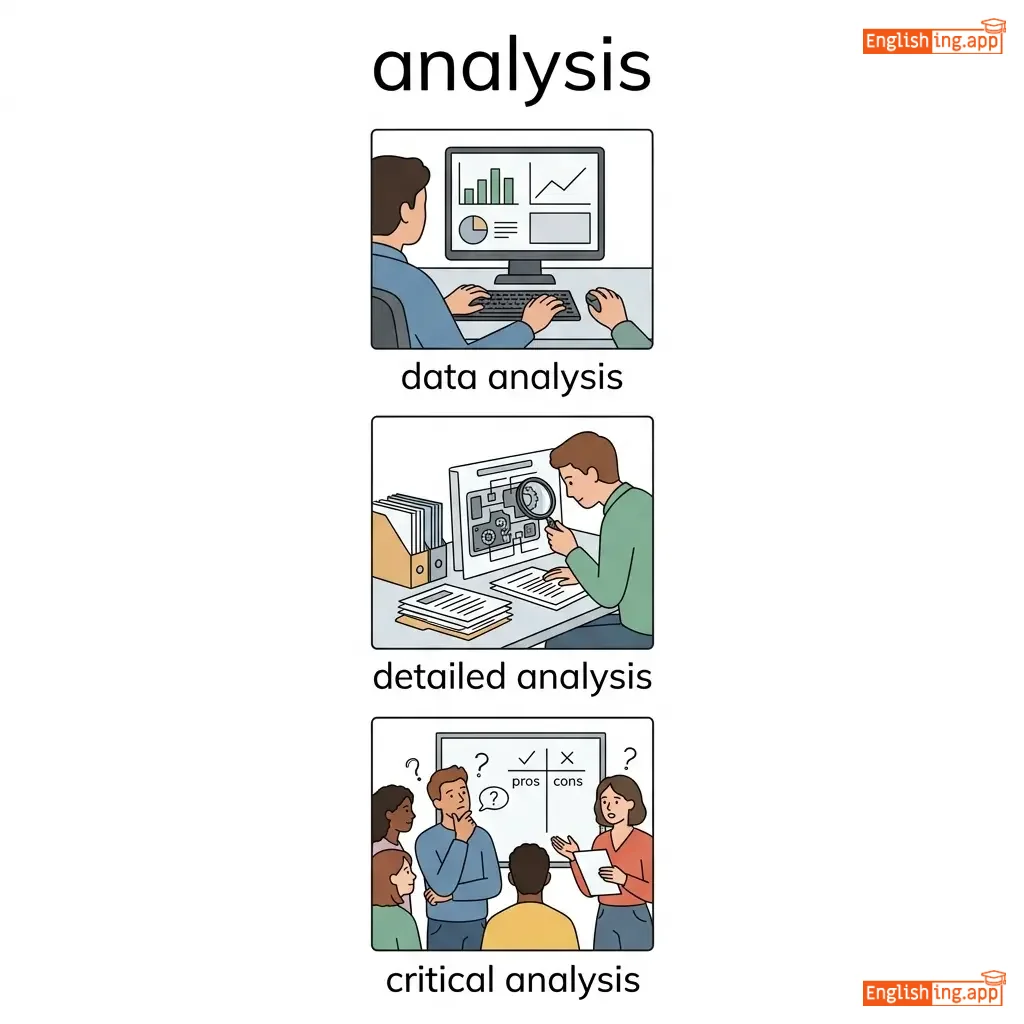
data analysis, detailed analysis, critical analysis, market analysis
••••••
|
Analysis 的意思是分析,通过深入的分析来理解数据。
••••••
|
|
💰
••••••
|
/ˈbʌdʒɪt/
noun/verb
(预算)
••••••
|
- •••••• |
预算
yùsuàn
••••••
|
budgeted
预算了
••••••
|
budgeted
预算了
••••••
|
budgets
预算
••••••
|
budgeting
预算中
••••••
|
An estimate of income and expenditure for a set period of time; to plan expenses and income.
••••••
|
The family created a budget to manage their expenses.
家庭制定了预算来管理开支。
••••••
|
家庭制定了预算来管理开支。
Jiātíng zhìdìngle yùsuàn lái guǎnlǐ kāizhī.
••••••
|
on a tight budget
预算紧张
••••••
|
Having limited money to spend.
••••••
|
预算紧张
yùsuàn jǐnzhāng
••••••
|
plan, allocation, estimate, allowance, finances
••••••
|
waste, extravagance
••••••
|
annual budget, budget plan, budget deficit, budget cut
••••••
|
预算意味着控制花费。
••••••
|
|
🤝
••••••
|
/ˌkoʊəˈlɪʃən/
noun
(kəʊəˈlɪʃən)
••••••
|
- •••••• |
联盟
lianmeng
••••••
|
- •••••• | - •••••• | - •••••• | - •••••• |
a temporary alliance of distinct parties, persons, or states for joint action
••••••
|
Several parties formed a coalition to pass the new law. |
几个党派组成了一个联盟来通过新法律。
Jige dangpai zuchéngle yī gè liánméng lái tōngguò xīn fǎlǜ.
••••••
|
coalition government |
a government formed by the cooperation of multiple political parties
••••••
|
联盟政府
liánméng zhèngfǔ
••••••
|
alliance, union, partnership, federation, bloc
••••••
|
division, separation, disunity
••••••
|
form a coalition, political coalition, coalition partners, coalition forces
••••••
|
联盟意味着不同团体联合起来共同工作。
••••••
|
|
👥
••••••
|
/ˈkɒnfərəns/
noun
(kōng fēi lún sī)
••••••
|


|
会议
huiyi
••••••
|
- •••••• | - •••••• | - •••••• | - •••••• |
A formal meeting for discussion, especially about a particular subject.
••••••
|
She is attending an international business conference. |
她正在参加一个国际商业会议。
Tā zhèngzài cānjiā yīgè guójì shāngyè huìyì.
••••••
|
press conference |
a meeting where journalists are given information by a public figure
••••••
|
新闻发布会
xīnwén fābù huì
••••••
|
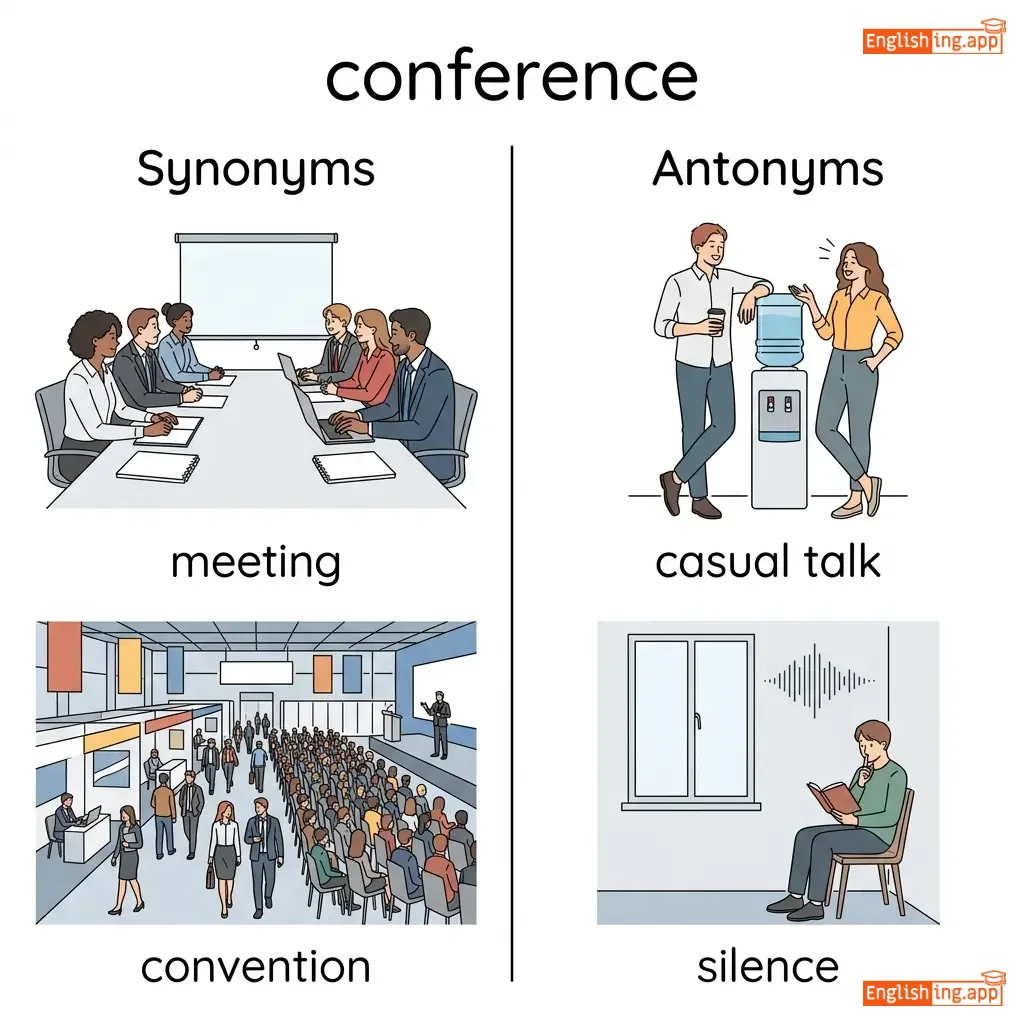
meeting, convention, seminar, summit, symposium
••••••
|
casual talk, silence
••••••
|
business conference, international conference, annual conference, conference hall
••••••
|
会议是一个讨论重要话题的地方,就像新闻发布会。
••••••
|
|
👥
••••••
|
/kraʊd/
noun
(krau)
••••••
|
- •••••• |
人群
renqun
••••••
|
- •••••• | - •••••• | - •••••• | - •••••• |
a large number of people gathered together
••••••
|
A huge crowd gathered to watch the concert.
A hjuʒ kraʊd gæðərd tu wɒtʃ ðə kənˈsɜrt.
••••••
|
一个巨大的观众聚集在一起观看音乐会。
Yi ge jueda de guanzhong juzhi zai yiqi guankan yinyuehui.
••••••
|
follow the crowd
fɔloʊ ðə kraʊd
••••••
|
to do what most other people are doing
••••••
|
随大流
sui daliu
••••••
|
gathering, throng, multitude, mob, audience
••••••
|
individual, solitude
••••••
|
huge crowd, large crowd, control the crowd, cheer the crowd
••••••
|
Crowd 意味着人群 - 很多人聚在一起。
••••••
|
|
🗣️
••••••
|
/dɪˈbeɪt/
noun, verb
(dɪˈbeɪt)
••••••
|
- •••••• |
辩论
biànlùn
••••••
|
debated
dɪˈbeɪtɪd
••••••
|
debated
dɪˈbeɪtɪd
••••••
|
debates
dɪˈbeɪts
••••••
|
debating
dɪˈbeɪtɪŋ
••••••
|
A formal discussion on a particular topic where opposing arguments are presented.
••••••
|
The students prepared well for the school debate.
学生们为学校辩论做了充分的准备。
••••••
|
学生们为学校辩论做了充分的准备。
Xuéshēngmen wèi xuéxiào biànlùn zuòle chōngfèn de zhǔnbèi.
••••••
|
open to debate
可以辩论
••••••
|
something that is not certain or can be questioned
••••••
|
可以辩论
kěyǐ biànlùn
••••••
|
discussion, argument, dispute, deliberation, dialogue
••••••
|
agreement, harmony, consensus
••••••
|
heated debate, public debate, political debate, debate team, debate club
••••••
|
Debate 就是当你准备好辩论时, 你可以‘biànlùn’讨论各种问题!
••••••
|
|
📊
••••••
|
/ˌiːkəˈnɒmɪks/ or /ˌɛkəˈnɒmɪks/
noun
(经济学)
••••••
|
- •••••• |
经济学
jingjixue
••••••
|
- •••••• | - •••••• | - •••••• | - •••••• |
The study of production, consumption, and transfer of wealth.
••••••
|
He is studying economics at university. |
他在大学学习经济学。
Ta zai daxue xuexi jingjixue.
••••••
|
economics of scale |
Cost advantages gained when production increases.
••••••
|
规模经济
guimo jingji
••••••
|
finance, commerce, business, trade
••••••
|
non-financial, uncommercial
••••••
|
study economics, economics course, economics department, economics theory
••••••
|
Economics 是经济学 - '经' (经济) 和 '学' (学科) 的结合。
••••••
|
|
👨🏫
••••••
|
/ɪˈkɒnəmɪst/
noun
(经济学家)
••••••
|
- •••••• |
经济学家
jingjixuejia
••••••
|
- •••••• | - •••••• | - •••••• | - •••••• |
A person who studies or is an expert in economics.
••••••
|
The economist predicted a rise in inflation. |
经济学家预测了通货膨胀的上升。
Jingjixuejia yuce le tonghuo pengzhang de shangsheng.
••••••
|
- •••••• | - •••••• | - •••••• |
analyst, financial expert, researcher, academic
••••••
|
layman, non-specialist
••••••
|
famous economist, government economist, professional economist, research economist
••••••
|
Economist 就是经济学家 - 精通经济学的专家。
••••••
|
|
🖊️
••••••
|
/ˈɛdɪtər/
noun
(编辑)
••••••
|
- •••••• |
编辑
bianji
••••••
|
- •••••• | - •••••• | - •••••• | - •••••• |
a person responsible for the final content of a newspaper, magazine, or book
••••••
|
The editor approved the article before publication.
编辑在出版前批准了文章。
••••••
|
编辑在出版前批准了文章。
Bianji zai chuban qian pizhunle wenzhang.
••••••
|
editor-in-chief
主编
••••••
|
the main editor in charge of a publication
••••••
|
主编
zhubian
••••••
|
publisher, reviser, proofreader, compiler
••••••
|
writer, author
••••••
|
newspaper editor, chief editor, film editor, editor’s note
••••••
|
编辑负责所有内容,确保正确无误地发布。
••••••
|
|
💬
••••••
|
/ˈfɔːrəm/
noun
(论坛)
••••••
|
- •••••• |
论坛
luntan
••••••
|
- •••••• | - •••••• | - •••••• | - •••••• |
A place, meeting, or medium where ideas and views can be exchanged.
••••••
|
The online forum allows people to discuss a wide range of topics. |
在线论坛允许人们讨论广泛的主题。
Zai xian luntan yunxu renmen taolun guangfan de zhutian.
••••••
|
- •••••• | - •••••• | - •••••• |
meeting, assembly, discussion, platform, conference
••••••
|
isolation, silence
••••••
|
online forum, public forum, discussion forum, international forum
••••••
|
论坛意味着一个可以'讨论'思想的地方。
••••••
|
|
📰
••••••
|
/ˈhɛdˌlaɪn/
noun
(hɛdˈlaɪn)
••••••
|
- •••••• |
头条新闻
tóutiáo xīnwén
••••••
|
- •••••• | - •••••• | - •••••• | - •••••• |
The title of a newspaper article printed in large letters.
••••••
|
The scandal made front-page headlines.
这个丑闻成为了头条新闻。
••••••
|
丑闻成为了头条新闻。
Chǒuwén chéngwéi le tóutiáo xīnwén.
••••••
|
grab the headlines
引起头条新闻
••••••
|
to attract public attention
••••••
|
引起公众关注
yǐnqǐ gōngzhòng guānzhù
••••••
|
title, heading, banner, caption, news
••••••
|
detail, footnote
••••••
|
front-page headline, news headline, headline story, write a headline
••••••
|
头条新闻 = 主流新闻 = 头条新闻
••••••
|
|
🌐
••••••
|
/ˈɪnfluəns/
noun/verb
(yinfluens)
••••••
|
- •••••• |
影响
yingxiang
••••••
|
influenced
yinfluensde
••••••
|
influenced
yinfluensde
••••••
|
influences
yinfluenses
••••••
|
influencing
yinfluencing
••••••
|
The power to affect how someone thinks or acts.
••••••
|
Her teacher had a strong influence on her career choice.
她的老师对她的职业选择有很大影响。
••••••
|
她的老师对她的职业选择有很大影响。
ta de laoshi dui ta de zhiye xuanze you hendayingxiang.
••••••
|
under the influence
在影响下
••••••
|
being affected or controlled by something, especially alcohol or drugs
••••••
|
在影响下
zai yingxiangxia
••••••
|
impact, effect, authority, sway, control
••••••
|
powerlessness, weakness
••••••
|
exert influence, political influence, under the influence
••••••
|
Influence 就是 ‘in fluid sense’ 🌊 – 像水一样流动的影响!
••••••
|
|
📰
••••••
|
/ˈdʒɜːrnəlɪst/
noun
(记者)
••••••
|
- •••••• |
记者
jizhe
••••••
|
- •••••• | - •••••• | - •••••• | - •••••• |
a person who writes news articles or reports for newspapers, magazines, or media
••••••
|
The journalist covered the political event. |
记者报道了政治事件。
Jizhe baodao le zhengzhi shijian.
••••••
|
- •••••• | - •••••• | - •••••• |
reporter, correspondent, columnist, writer
••••••
|
reader, audience
••••••
|
investigative journalist, freelance journalist, professional journalist
••••••
|
记者写新闻,就像我们在报纸上看到的那样。
••••••
|
|
👑
••••••
|
/ˈliːdər/
noun
(领导者)
••••••
|

|
领导者
lingdao zhe
••••••
|
- •••••• | - •••••• | - •••••• | - •••••• |
A person who leads a group, organization, or country.
••••••
|
The leader inspired the team with his vision.
领导者用他的愿景激励了团队。
••••••
|
领导者用他的愿景激励了团队。
Lingdao zhe yong tade yuanjing jili le tuandui.
••••••
|
natural leader
天生的领导者
••••••
|
someone who has innate leadership qualities
••••••
|
天生的领导者
tiansheng de lingdao zhe
••••••
|
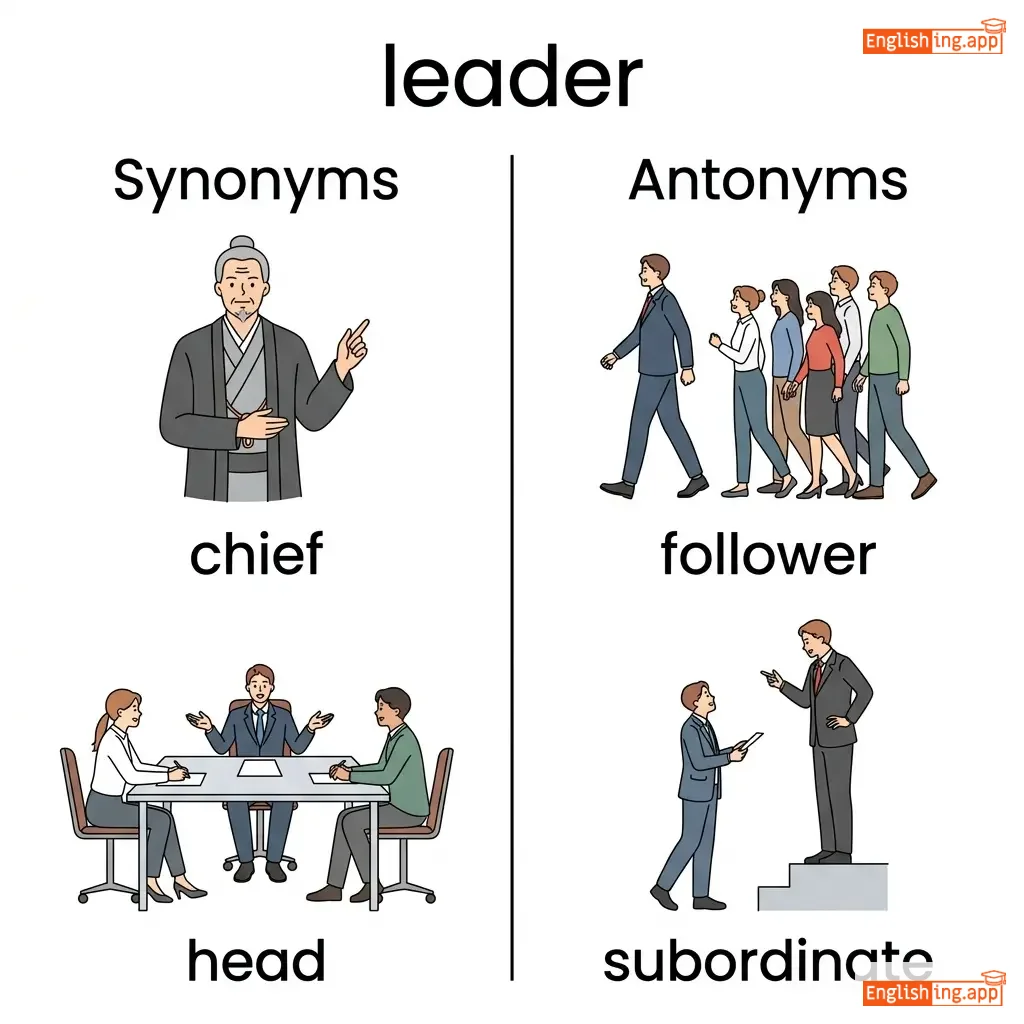
chief, head, commander, captain, director
••••••
|
follower, subordinate
••••••
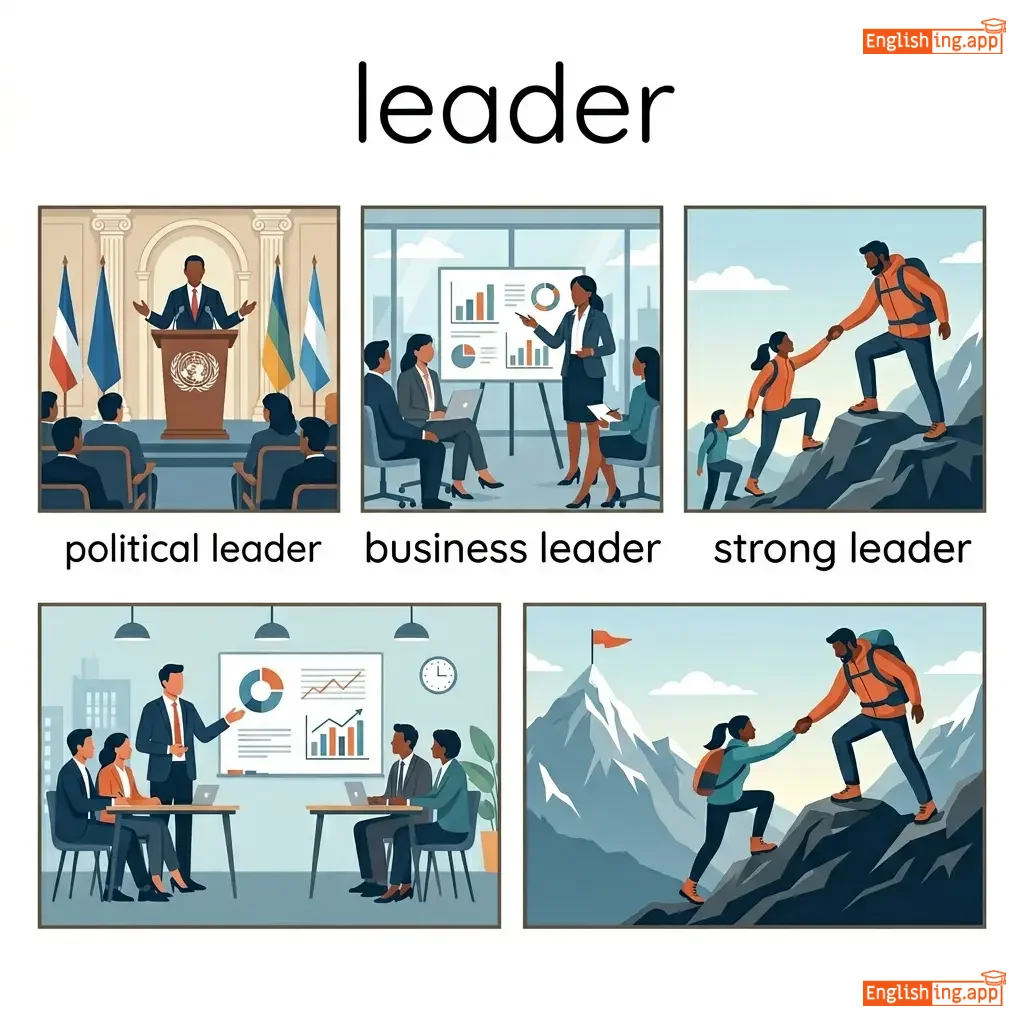
|
political leader, business leader, strong leader, natural leader
••••••
|
Leader 是领导者,带领别人走向成功
••••••
|
|
📰
••••••
|
/ˈmiːdiə/
noun
(媒体)
••••••
|
- •••••• |
媒体
mei ti
••••••
|
- •••••• | - •••••• | - •••••• | - •••••• |
the main means of mass communication such as newspapers, television, radio, and the internet
••••••
|
The story quickly spread across the media. |
故事很快通过媒体传播开来。
gùshì hěn kuài tōngguò méitǐ chuánbō kāilái.
••••••
|
social media |
online platforms used for communication and content sharing
••••••
|
社交媒体
shèjiāo méitǐ
••••••
|
press, news, journalism, broadcasting, communication
••••••
|
silence, secrecy
••••••
|
mass media, social media, media coverage, media attention
••••••
|
媒体是传播信息的工具。
••••••
|
|
🌐
••••••
|
/ˈnɛtˌwɜrk/
noun
(网络)
••••••
|
- •••••• |
网络
wangluo
••••••
|
- •••••• | - •••••• | - •••••• | - •••••• |
A system of interconnected people, things, or computers.
••••••
|
She built a strong professional network.
她建立了一个强大的职业网络。
••••••
|
她建立了一个强大的职业网络。
Ta jianli le yige qiangda de zhiye wangluo.
••••••
|
networking opportunities
网络机会
••••••
|
Chances to connect with people for career or business growth
••••••
|
网络机会
Wangluo jihui
••••••
|
system, web, grid, connection, chain
••••••
|
isolation, separation
••••••
|
social network, computer network, business network, global network
••••••
|
Network + work = 网络,意为职业发展的连接
••••••
|
|
💭
••••••
|
/əˈpɪnjən/
noun
(意见)
••••••
|
- •••••• |
意见
yìjiàn
••••••
|
- •••••• | - •••••• | - •••••• | - •••••• |
A belief, judgment, or viewpoint about something, not necessarily based on fact.
••••••
|
Everyone is entitled to their own opinion. |
每个人都有权发表自己的意见。
měi gè rén dōu yǒu quán fābiǎo zìjǐ de yìjiàn.
••••••
|
in my opinion |
used to express one's personal view or belief
••••••
|
在我看来
zài wǒ kàn lái
••••••
|
view, belief, perspective, judgment, sentiment
••••••
|
fact, truth, certainty
••••••
|
public opinion, express an opinion, personal opinion, strong opinion
••••••
|
Opinion: 意见有开放性 — 每个人都可以表达意见。
••••••
|
|
🗳️
••••••
|
/pəʊl/
noun/verb
(póu ěr)
••••••
|
- •••••• |
民意调查
minyi diaocha
••••••
|
polled
polled
••••••
|
polled
polled
••••••
|
polls
polls
••••••
|
polling
polling
••••••
|
a survey of public opinion or voting in an election
••••••
|
The poll revealed that most people favored the new policy.
The poll revealed that most people favored the new policy.
••••••
|
民意调查显示大多数人支持新政策。
Minyi diaocha xianshi dashu ren zhichi xin zhengce.
••••••
|
- •••••• | - •••••• | - •••••• |
survey, vote, referendum, ballot
••••••
|
consensus, agreement
••••••
|
opinion poll, public poll, exit poll, conduct a poll
••••••
|
Polls collect people's opinions like a survey!
••••••
|
|
🌍
••••••
|
/ˈpʌblɪk/
adjective
(pʊ́blɪk)
••••••
|
- •••••• |
公共的
gonggong de
••••••
|
- •••••• | - •••••• | - •••••• | - •••••• |
relating to or affecting the people as a whole
••••••
|
The public demanded action on the issue. |
公众要求对此问题采取行动。
Gongzhong yaoqiu dui ci wenti caiqu xingdong.
••••••
|
- •••••• | - •••••• | - •••••• |
general, communal, societal, collective
••••••
|
private, personal
••••••
|
public service, public opinion, public event, public sector
••••••
|
公共 (gonggong) 是指所有人
••••••
|
|
👦
••••••
|
/juːθ/
noun
(youth)
••••••
|
- •••••• |
青春; 年轻人
qīngchūn; niánqīng rén
••••••
|
- •••••• | - •••••• | - •••••• | - •••••• |
the period between childhood and adult age; young people collectively; the state of being young
••••••
|
He spent his youth traveling around the world.
他在年轻时环游世界。
••••••
|
他在年轻时环游世界。
Tā zài niánqīng shí huán yóu shìjiè.
••••••
|
- •••••• | - •••••• | - •••••• |
adolescence, teenage years, young people, vigor
••••••
|
old age, maturity, elderhood, adulthood
••••••
|
in one's youth, youth culture, eternal youth
••••••
|
青春在中文中代表年轻和无限的可能性!
••••••
|

