Получите неограниченный доступ ко всем словам с подпиской Pro
Обновить до ProПолучите неограниченный доступ ко всем предложениям с подпиской Pro
Обновить до Pro|
Эмодзи
|
Слово | Images | Перевод | Прошедшее | Причастие прошедшего времени | Третье лицо единственного числа | Герундий | Значение | Пример предложения | Перевод примера предложения | Пример выражения | Значение примера выражения | Перевод примера выражения | Синонимы | Антонимы | Коллокации | Мнемоника |
|---|---|---|---|---|---|---|---|---|---|---|---|---|---|---|---|---|---|
|
🗣️
••••••
|
/dɪsˈpærɪdʒ/
verb
(диспэридж)
••••••
|
|
унижать
unizhat
••••••
|
disparaged
диспэриджд
••••••
|
disparaged
диспэриджд
••••••
|
disparages
диспэриджес
••••••
|
disparaging
диспэриджинг
••••••
|
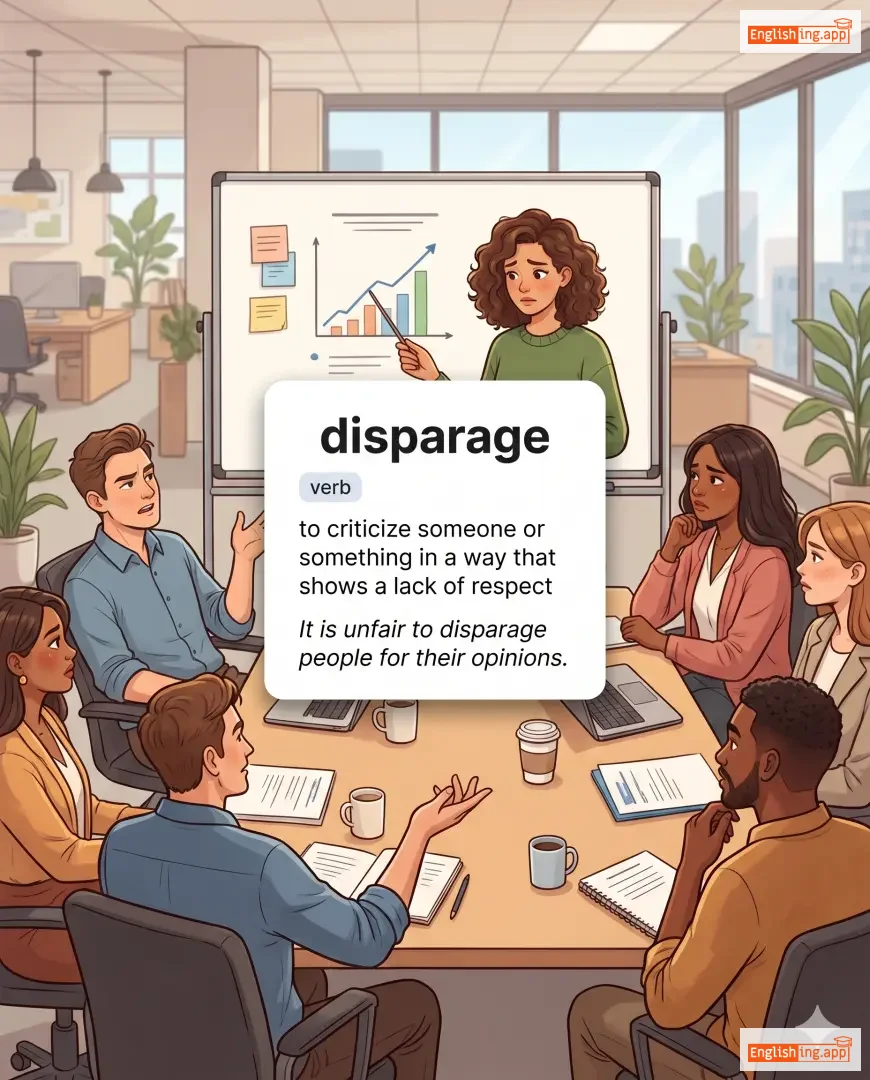
to criticize someone or something in a way that shows a lack of respect
••••••
|
It is unfair to disparage people for their opinions.
Несправедливо унижать людей за их мнения.
••••••
|
Несправедливо унижать людей за их мнения.
Nespravedlivo unizhat' lyudey za ikh mneniya.
••••••
|
disparage someone's efforts
унижать усилия кого-то
••••••
|
to belittle or undervalue what someone has done
••••••
|
унижать усилия кого-то
unizhat' usiliya kogo-to
••••••
|
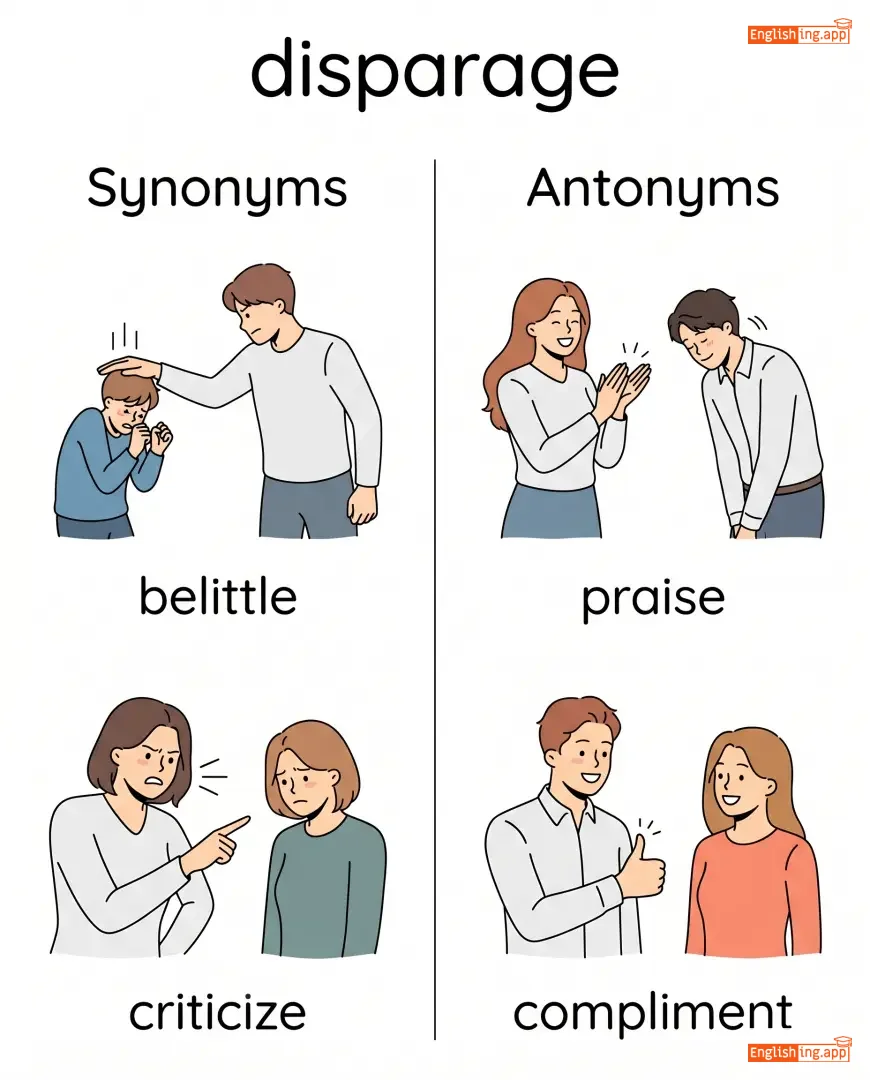
belittle, criticize, denigrate, undervalue, ridicule
••••••
|
praise, compliment
••••••
|
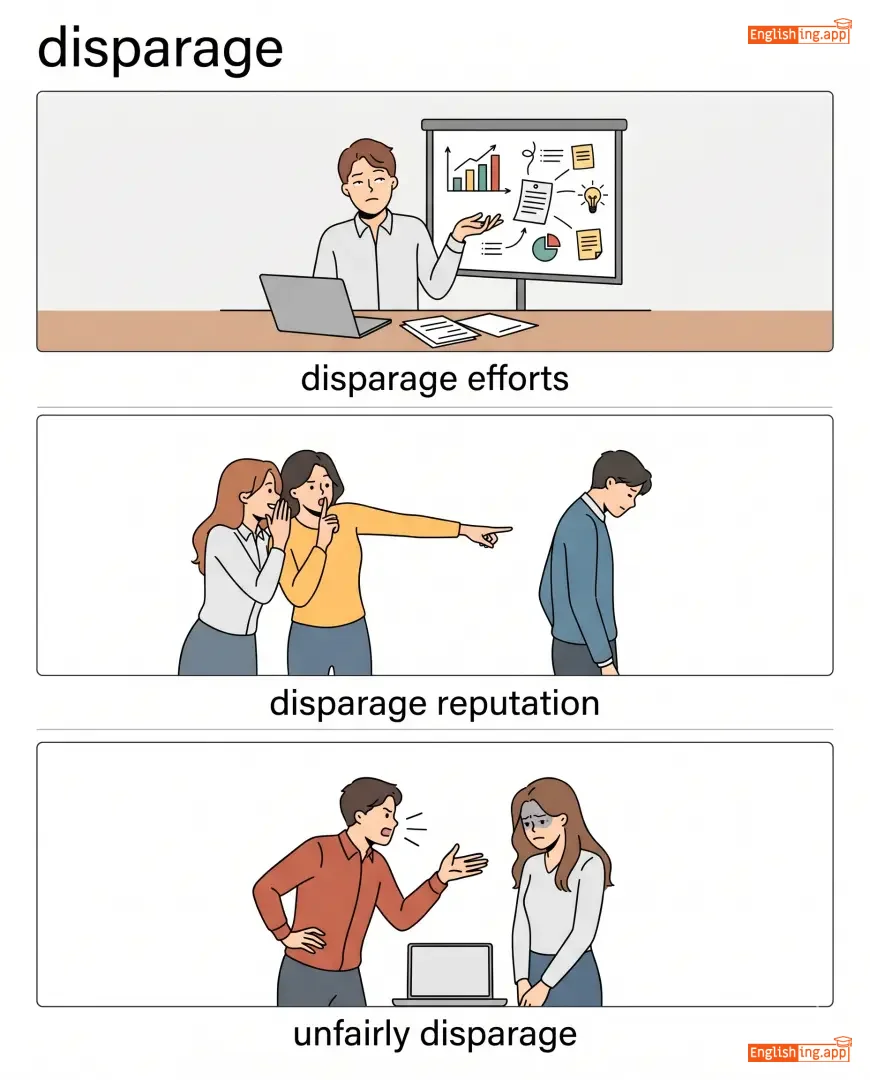
disparage efforts, disparage reputation, unfairly disparage
••••••
|
Dis + Parade : унижать кого-то в параде значит критиковать
••••••
|
|
🔀
••••••
|
/ˈdɪspərət/
adjective
(дисперэт)
••••••
|
|
непохожие
nepokhozhie
••••••
|
- •••••• | - •••••• | - •••••• | - •••••• |
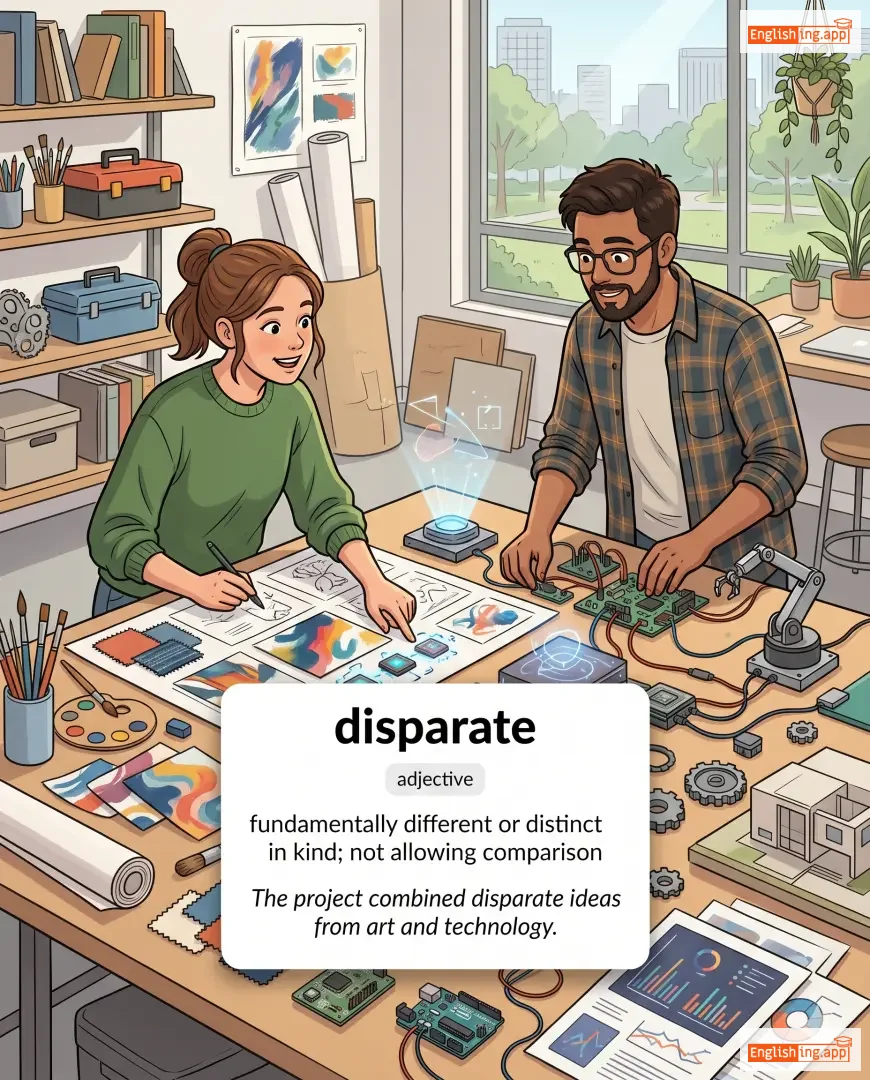
fundamentally different or distinct in kind; not allowing comparison
••••••
|
The project combined disparate ideas from art and technology. |
Проект объединил непохожие идеи из искусства и технологий.
Proyekt obyedinił nepokhodiye idei iz iskusstva i tekhnologiy.
••••••
|
- •••••• | - •••••• | - •••••• |
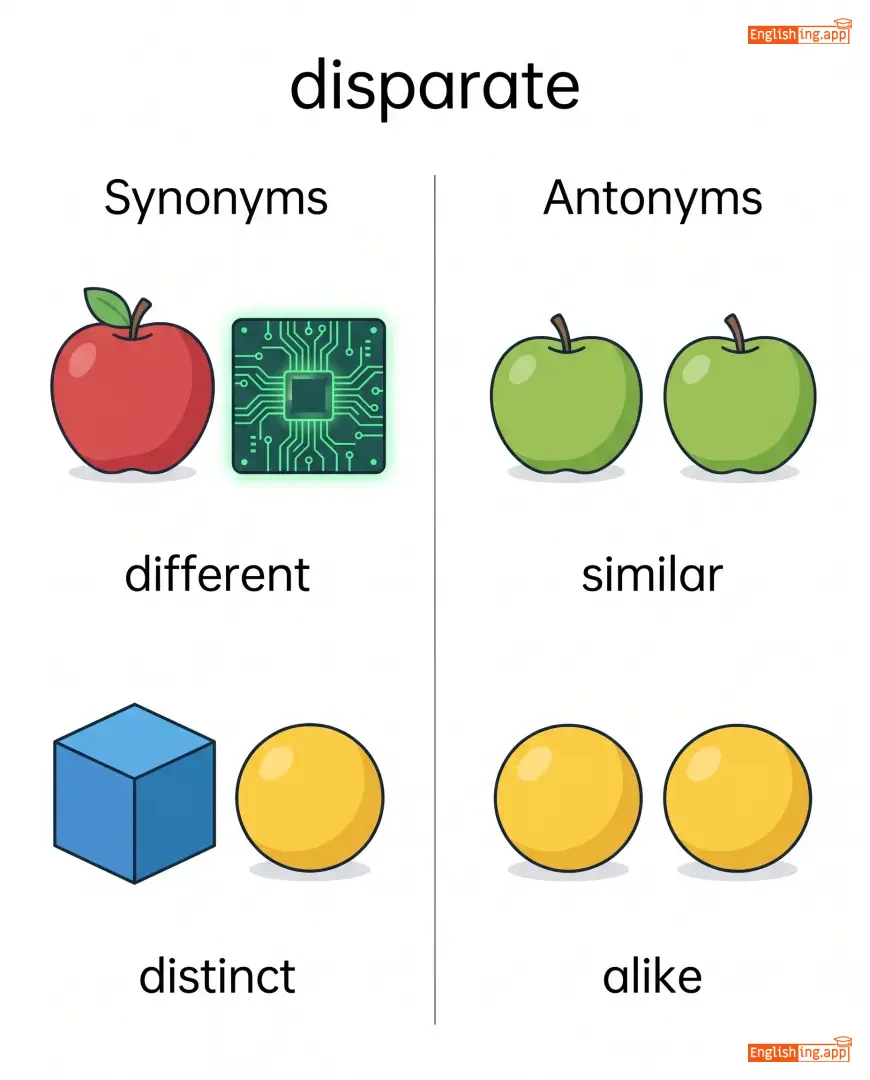
different, distinct, contrasting, diverse, varied
••••••
|
similar, alike, uniform
••••••
|
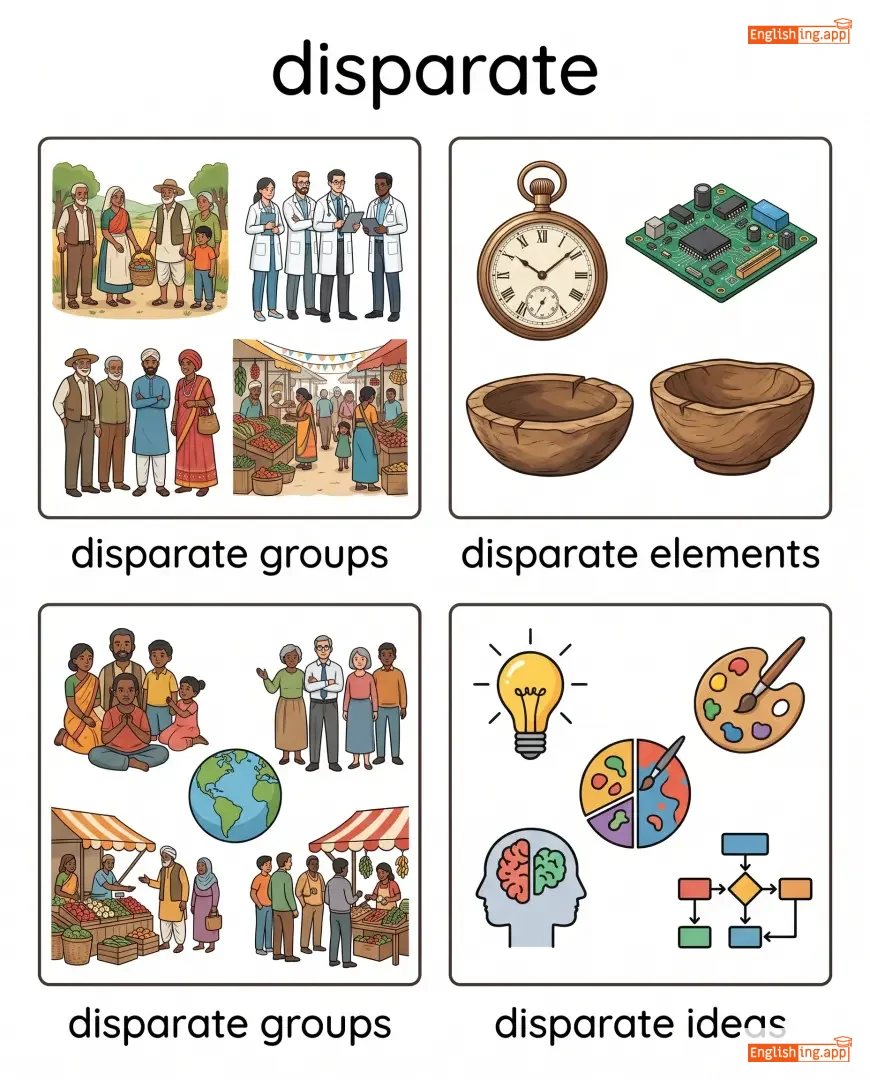
disparate groups, disparate elements, disparate ideas, disparate backgrounds
••••••
|
Disparate означает непохожие вещи, которые объединяются.
••••••
|
|
🎭
••••••
|
/dɪˈsɛmbəl/
verb
(дисембл)
••••••
|

|
притворяться
pritvoryatsya
••••••
|
dissembled
дисемболд
••••••
|
dissembled
дисемболд
••••••
|
dissembles
дисемблс
••••••
|
dissembling
дисемблинг
••••••
|
to conceal one's true motives, feelings, or beliefs; to pretend
••••••
|
He tried to dissemble his anger with a forced smile.
Он пытался скрыть свой гнев с помощью натянутой улыбки.
••••••
|
Он пытался скрыть свой гнев с помощью натянутой улыбки.
On pytalsya skryt' svoi gnev s pomoshch'yu natyanutoy ulybki.
••••••
|
- •••••• | - •••••• | - •••••• |
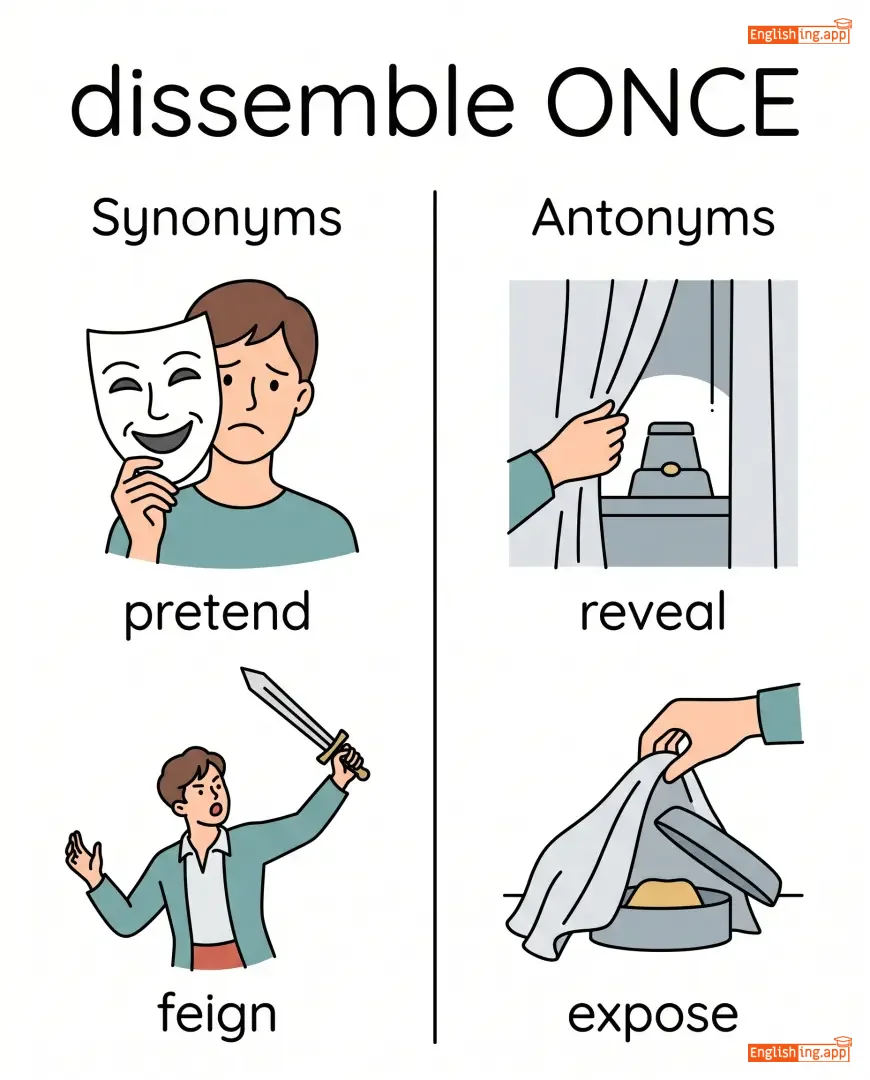
pretend, feign, fake, conceal, disguise
••••••
|
reveal, expose, disclose
••••••
|
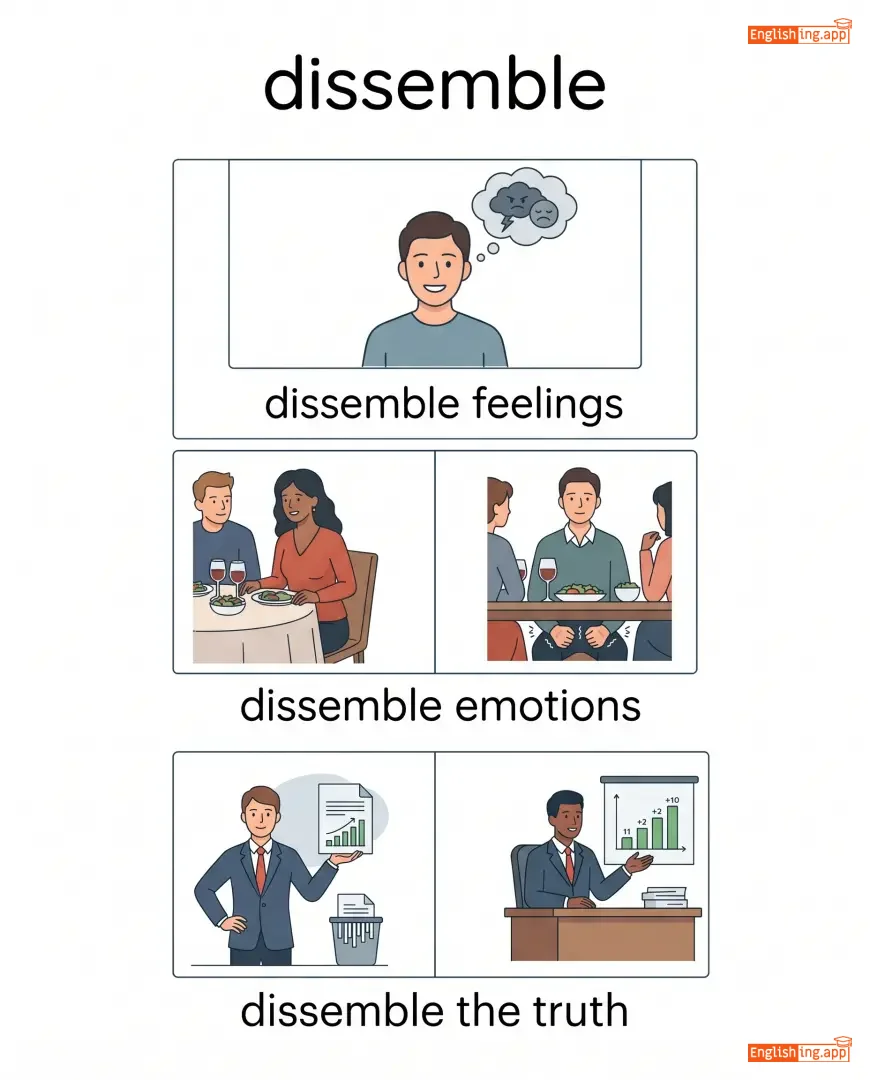
dissemble feelings, dissemble emotions, dissemble the truth
••••••
|
Dissemble = dis+assemble; не собирать правду, а притворяться.
••••••
|
|
📢
••••••
|
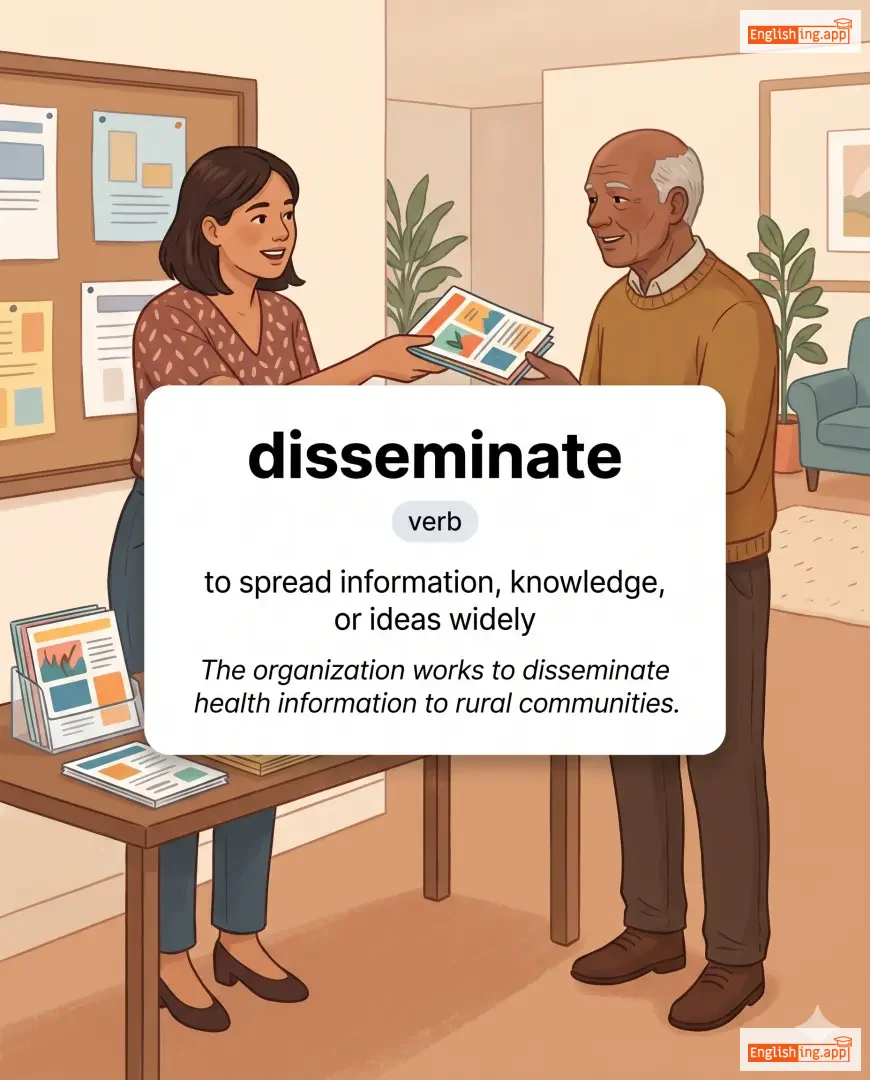
/dɪˈsɛmɪˌneɪt/
verb
(диссеминировать)
••••••
|
|
распространять
rasprostranyat'
••••••
|
disseminated
диссеминировал
••••••
|
disseminated
диссеминированный
••••••
|
disseminates
диссеминирует
••••••
|
disseminating
диссеминирующий
••••••
|
to spread information, knowledge, or ideas widely
••••••
|
The organization works to disseminate health information to rural communities.
Организация работает над распространением информации о здоровье в сельских районах.
••••••
|
Организация работает над распространением информации о здоровье в сельских районах.
Organizatsiya rabotayet nad rasprostraneniem informatsii o zdorov'ye v selskih rayonah.
••••••
|
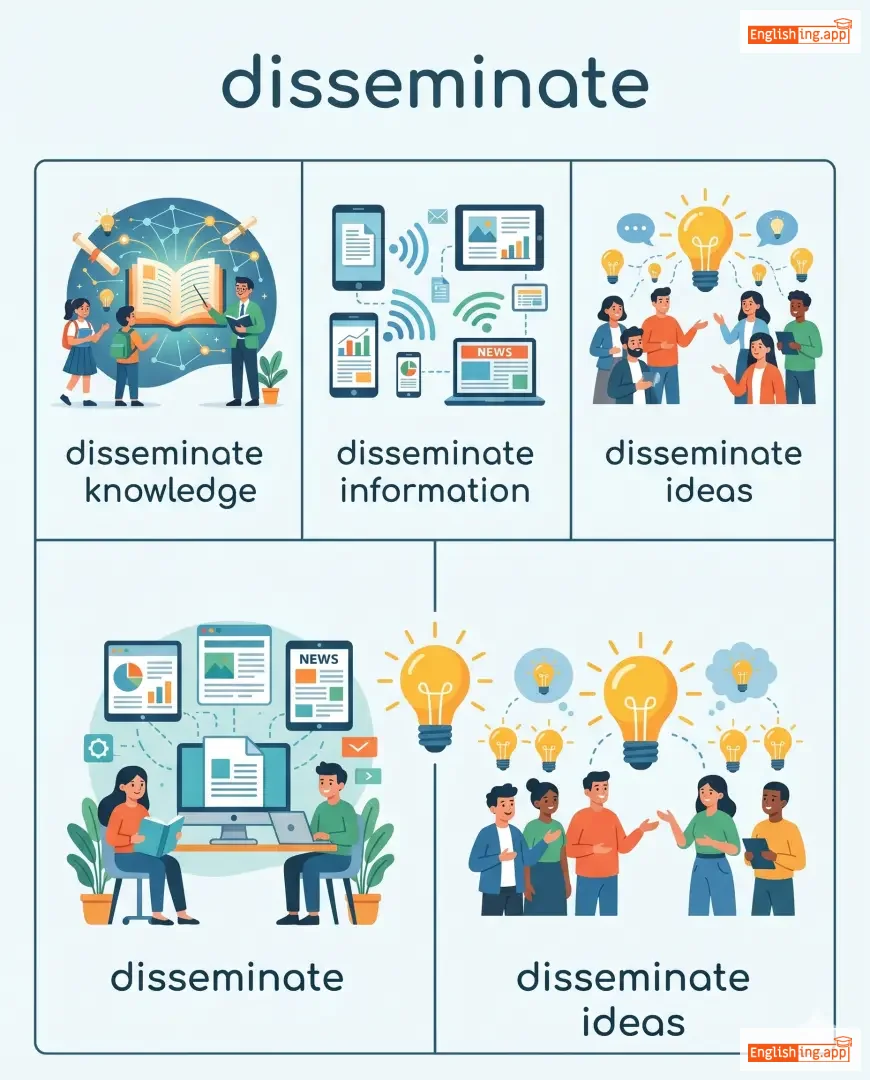
disseminate knowledge
распространять знания
••••••
|
to distribute knowledge to many people
••••••
|
распространять знания
rasprostranyat' znaniya
••••••
|
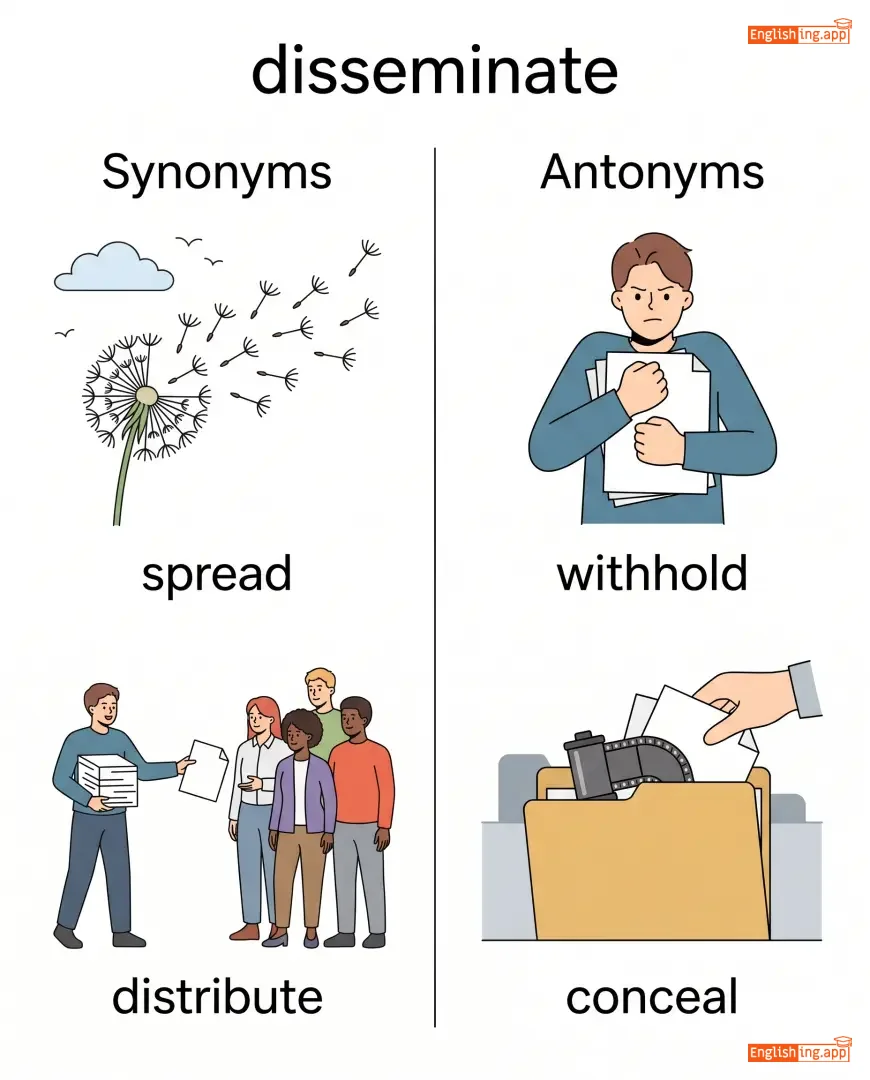
spread, distribute, circulate, broadcast, propagate
••••••
|
withhold, conceal, hide
••••••
|
disseminate knowledge, disseminate information, disseminate ideas, widely disseminate
••••••
|
Disseminate похоже на распространять, но с большим количеством информации.
••••••
|
|
✊
••••••
|
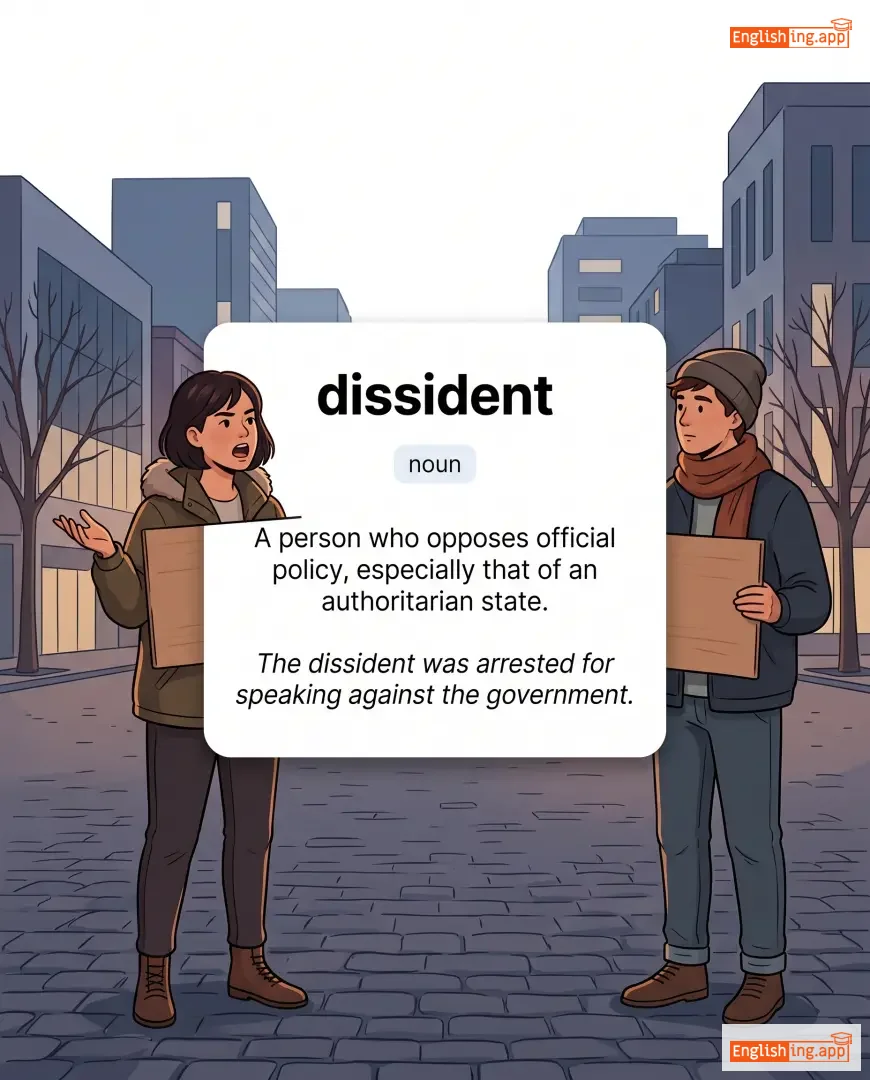
/ˈdɪsɪdənt/
noun
(диссидент)
••••••
|
|
диссидент
dissident
••••••
|
- •••••• | - •••••• | - •••••• | - •••••• |
A person who opposes official policy, especially that of an authoritarian state.
••••••
|
The dissident was arrested for speaking against the government. |
Диссидента арестовали за выступление против правительства.
Dissidenta arestovali za vystuplenie protiv pravitel'stva.
••••••
|
- •••••• | - •••••• | - •••••• |
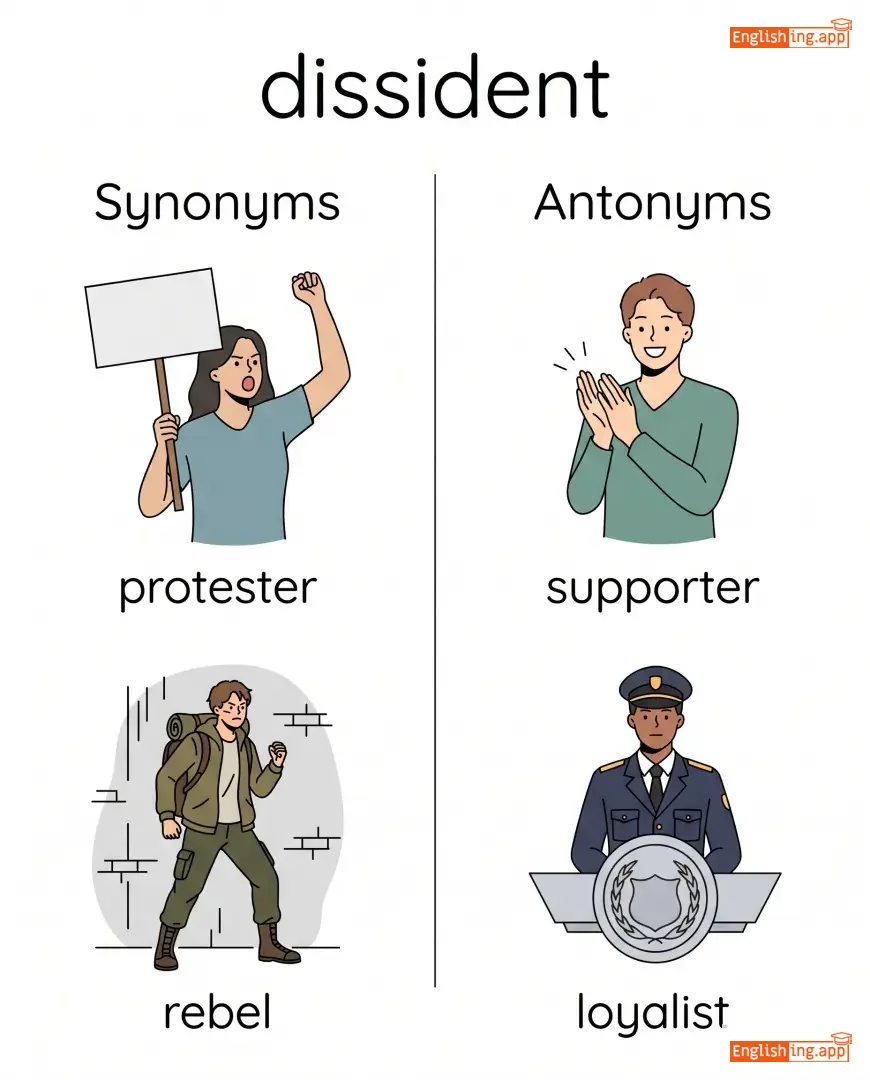
protester, rebel, opponent, nonconformist
••••••
|
supporter, loyalist
••••••
|
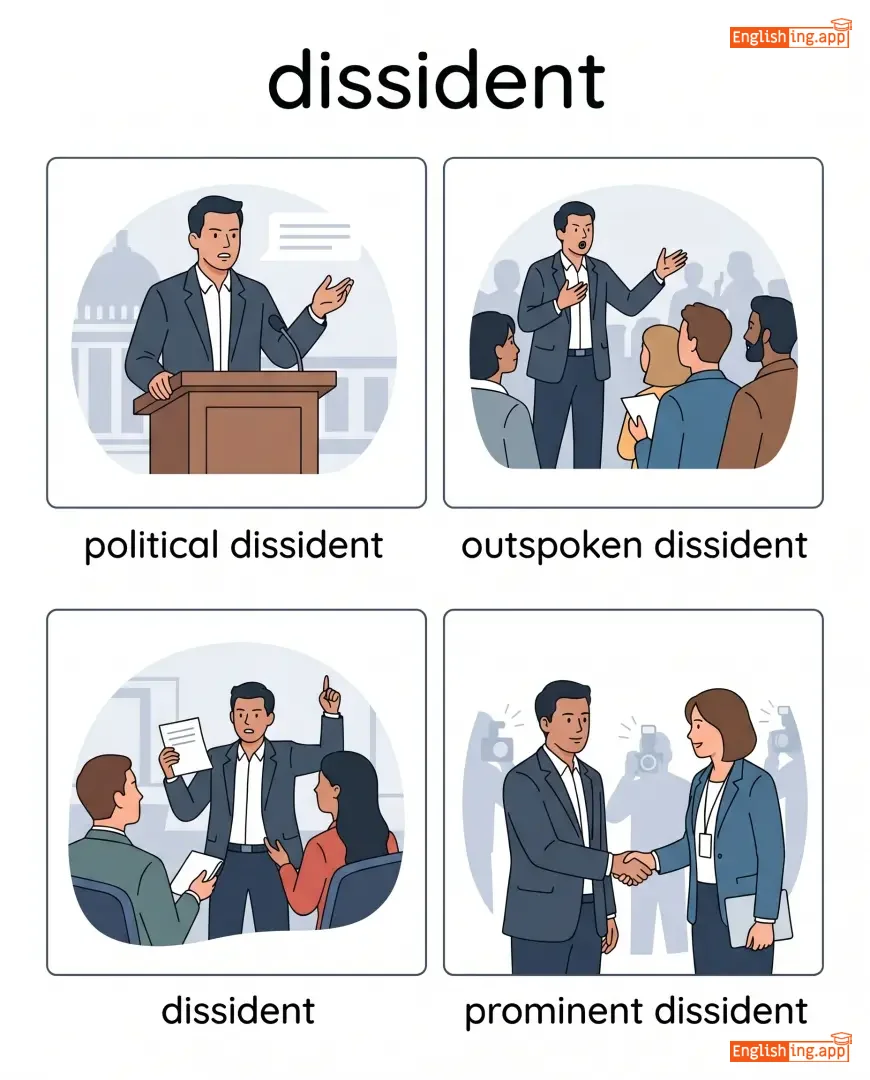
political dissident, outspoken dissident, prominent dissident
••••••
|
Диссидент - это тот, кто выходит против власти, как противостояние.
••••••
|
|
⚖️
••••••
|
/ˌdɪsəˈluːʃən/
noun
(диссолюшн)
••••••
|

|
распад
raspad
••••••
|
- •••••• | - •••••• | - •••••• | - •••••• |
the act of formally ending or breaking apart something, such as an organization or marriage
••••••
|
The dissolution of the company was announced yesterday. |
Распад компании был объявлен вчера.
Raspad kompanii byl obyavlen vchera.
••••••
|
- •••••• | - •••••• | - •••••• |
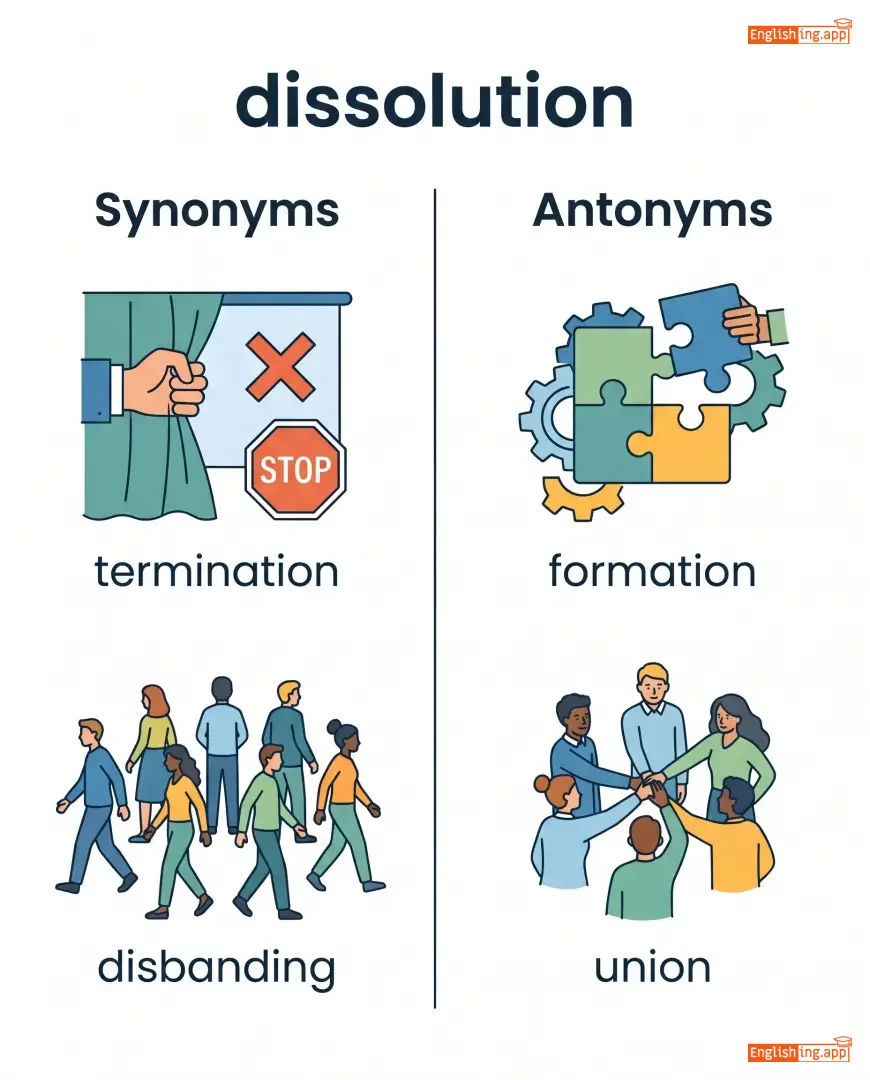
termination, disbanding, breakup, collapse
••••••
|
formation, union, establishment
••••••
|
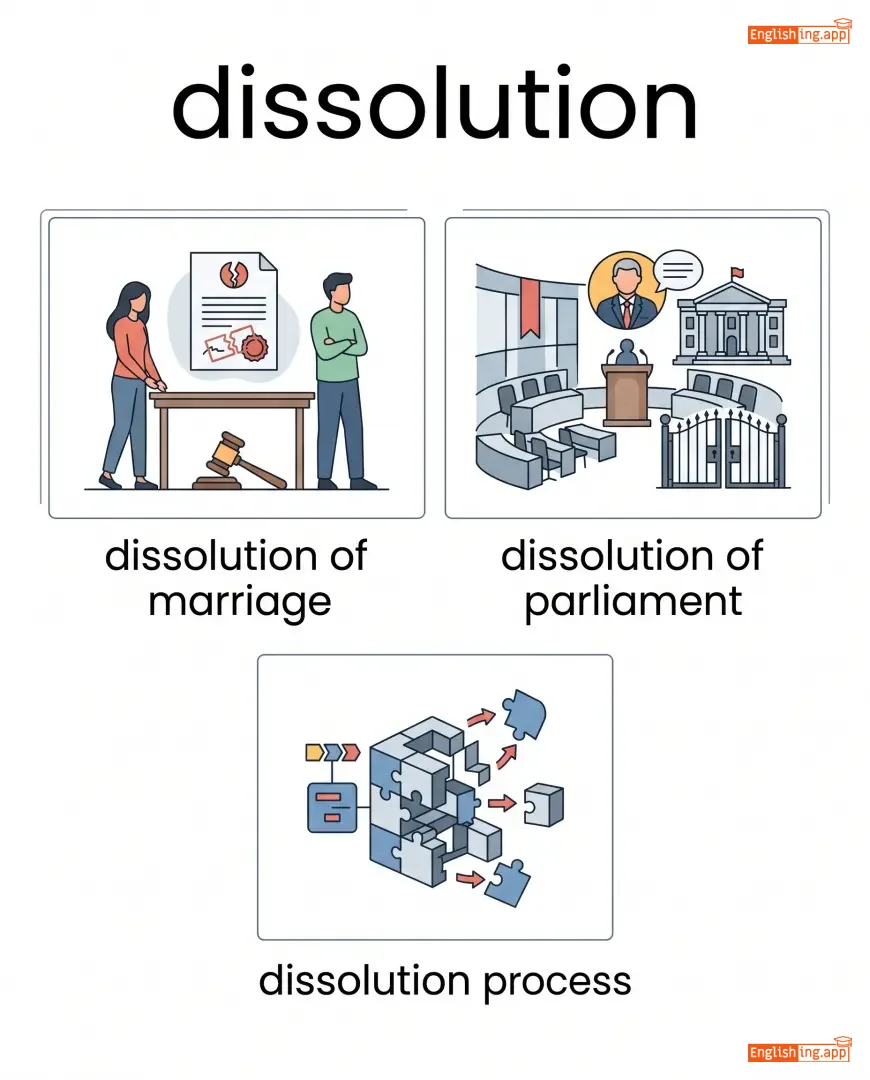
dissolution of marriage, dissolution of parliament, dissolution process
••••••
|
Dissolution в русском - распад, конец
••••••
|
|
🎶
••••••
|
/ˈdɪsənəns/
noun
(дɪсəнэнс)
••••••
|
|
диссонанс
dissonans
••••••
|
- •••••• | - •••••• | - •••••• | - •••••• |
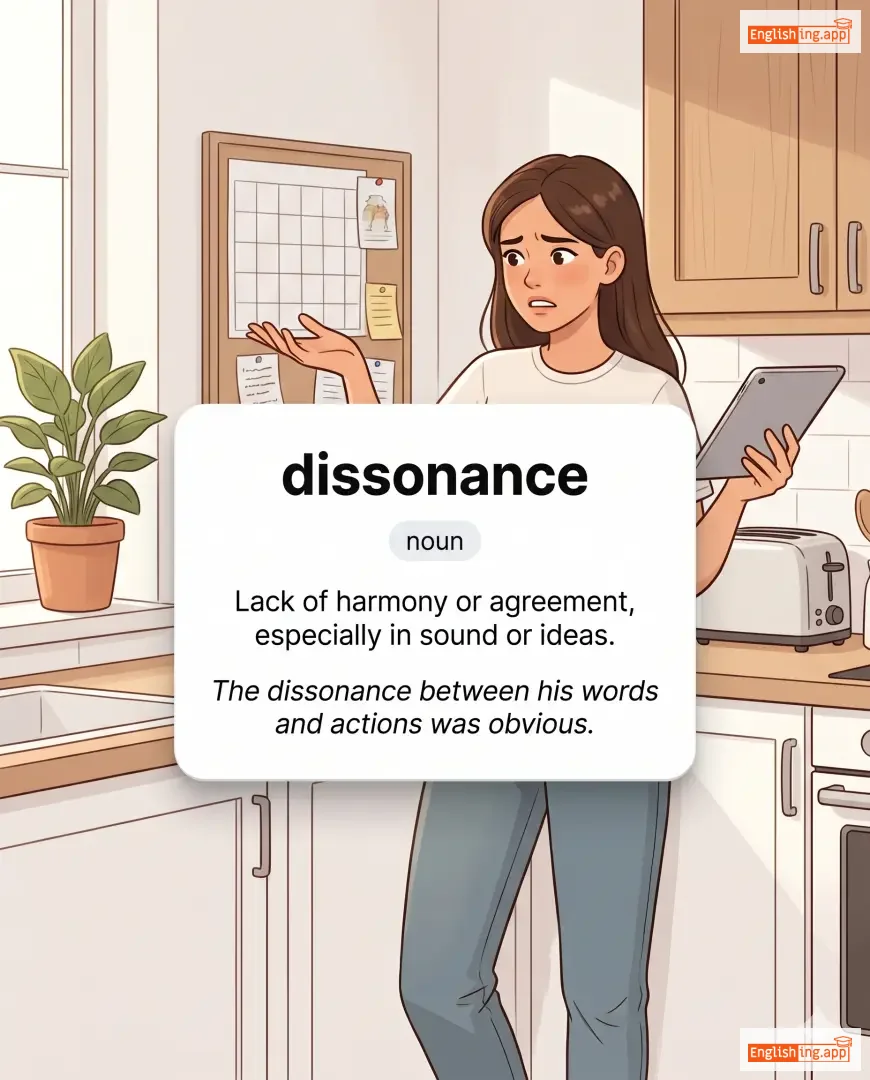
Lack of harmony or agreement, especially in sound or ideas.
••••••
|
The dissonance between his words and actions was obvious. |
Диссонанс между его словами и действиями был очевиден.
Dissonans mezhdu ego slovami i deystviyami byl ocheviden.
••••••
|
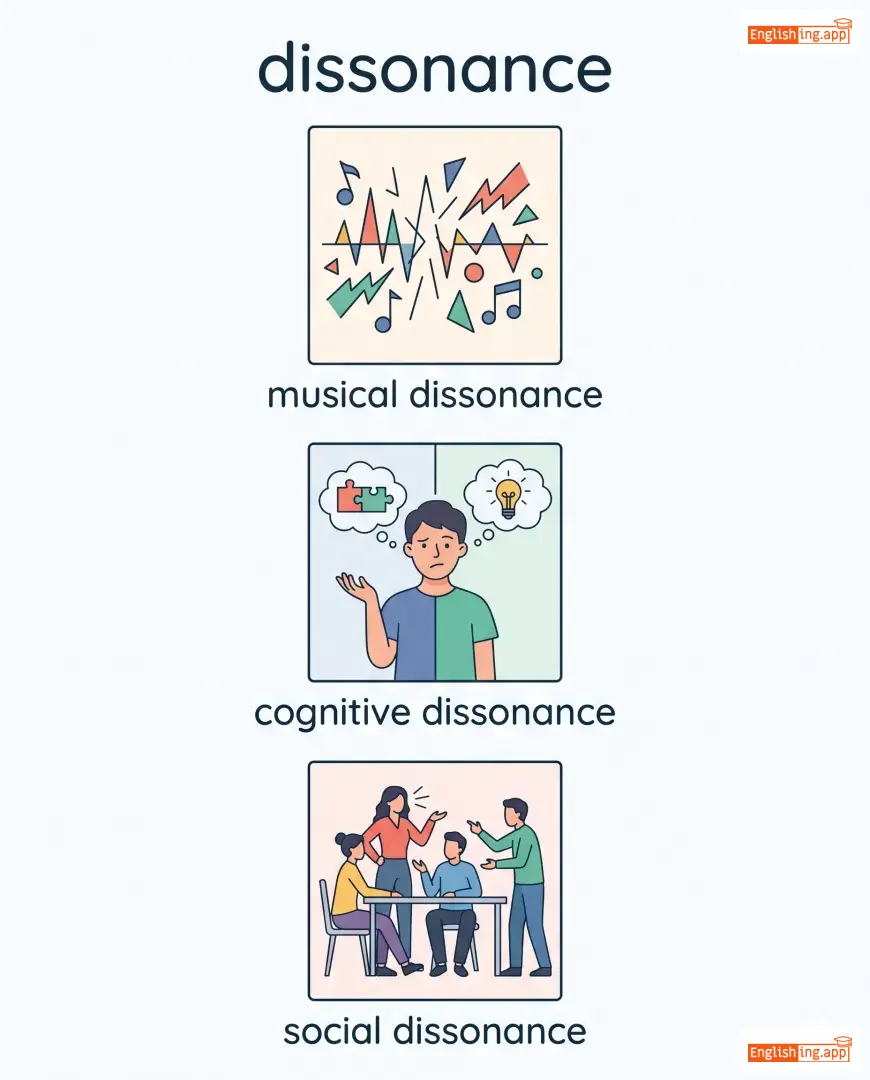
cognitive dissonance |
The mental discomfort experienced when holding contradictory beliefs or values.
••••••
|
когнитивный диссонанс
kognitivnyy dissonans
••••••
|
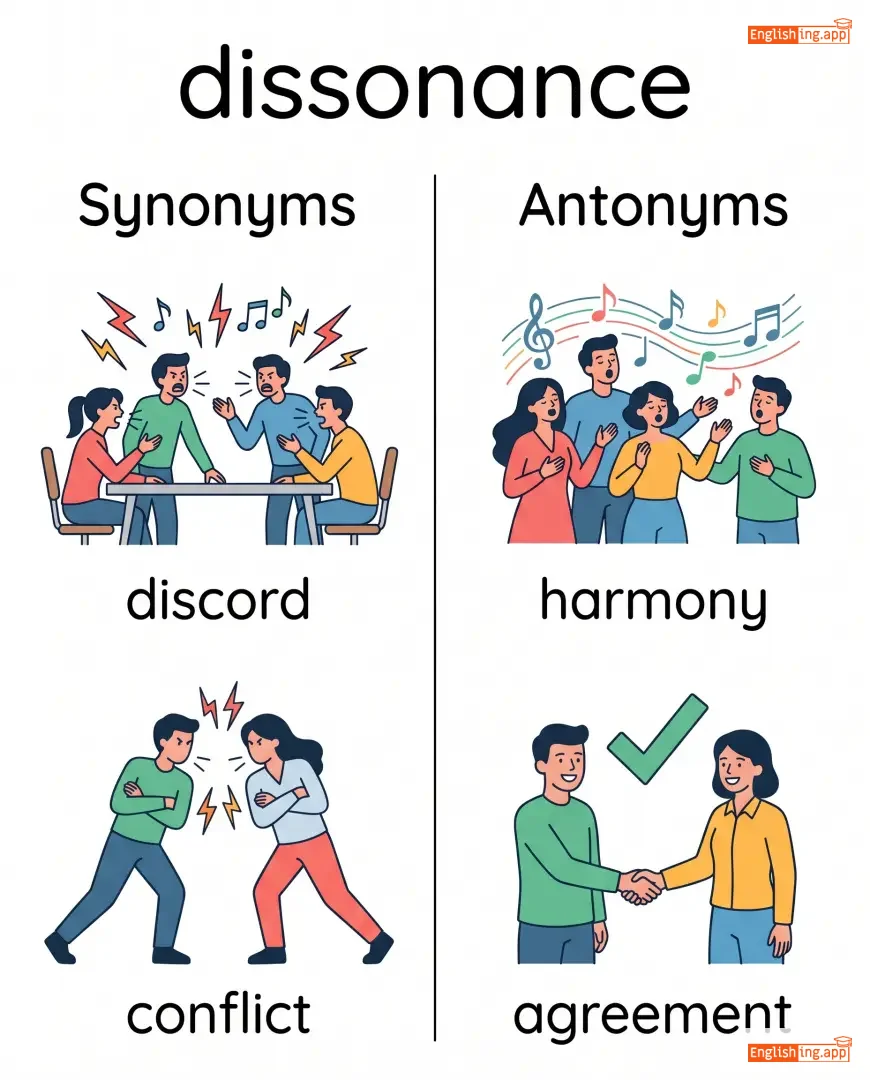
discord, conflict, discrepancy, disagreement, incongruity
••••••
|
harmony, agreement, concord
••••••
|
musical dissonance, cognitive dissonance, social dissonance, emotional dissonance
••••••
|
Диссонанс как DIS гармония - как 'диссонанс' на русском.
••••••
|
|
🎈
••••••
|
/dɪsˈtɛnd/
verb
(дистенд)
••••••
|

|
вздуваться
vzdavatsya
••••••
|
distended
дистендед
••••••
|
distended
дистендед
••••••
|
distends
дистендс
••••••
|
distending
дистендинг
••••••
|
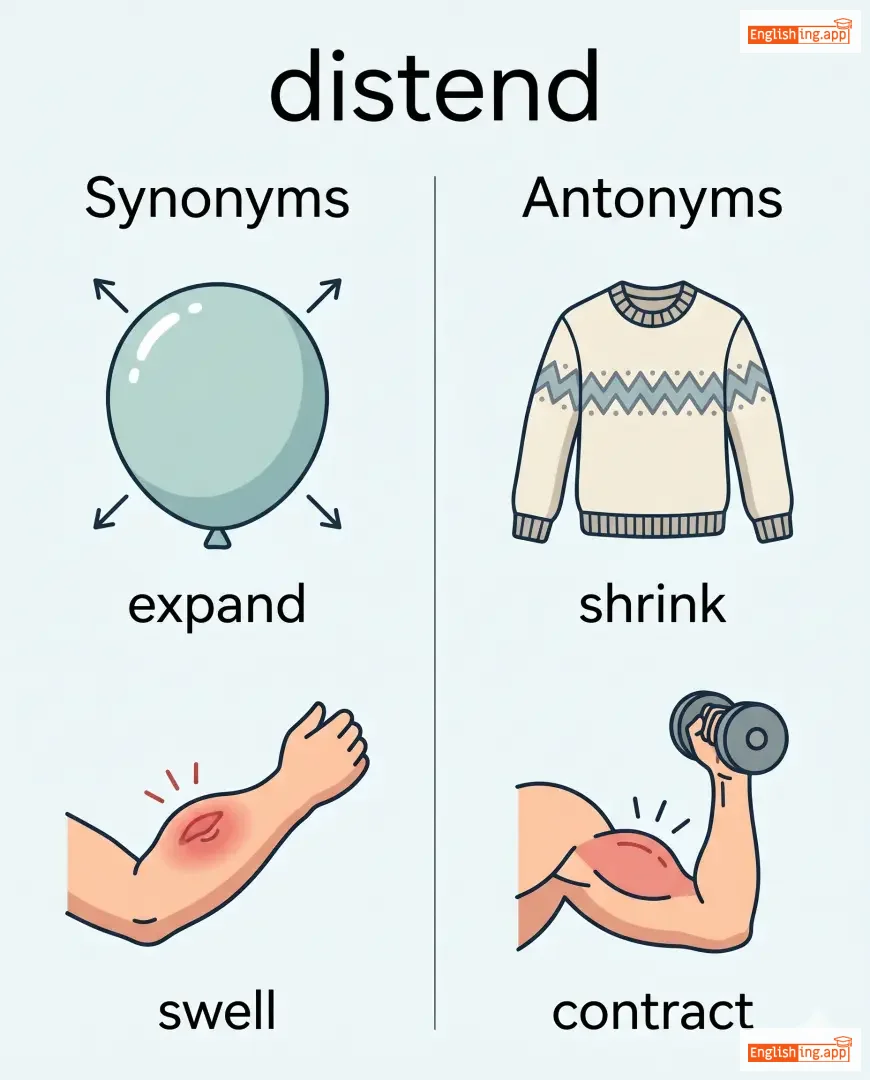
to swell or expand by pressure from within
••••••
|
Her stomach began to distend after the large meal.
Ее живот начал вздуваться после большого обеда.
••••••
|
Ее живот начал вздуваться после большого обеда.
Eyo zhivot nachal vzdavatsya posle bol'shogo obeda.
••••••
|
- •••••• | - •••••• | - •••••• |
expand, swell, inflate, enlarge, bloat
••••••
|
shrink, contract, deflate
••••••
|
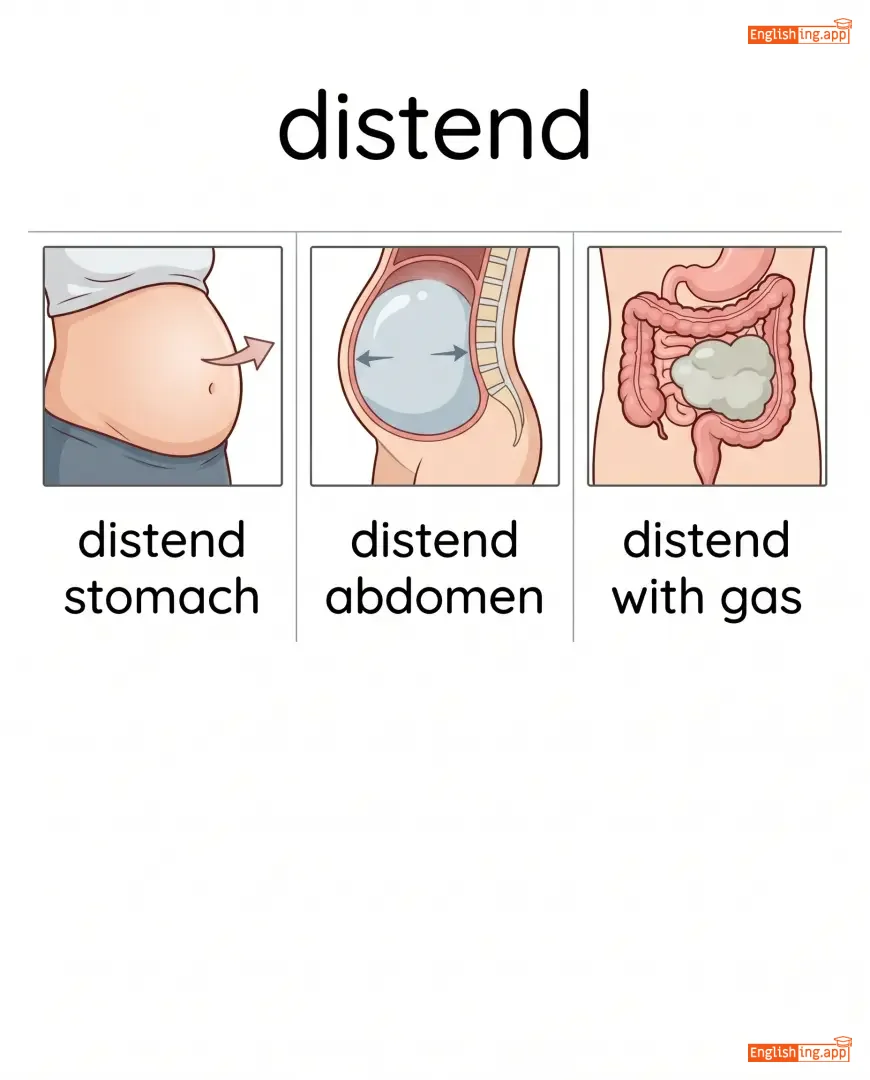
distend stomach, distend abdomen, distend with gas
••••••
|
Distend означает вздуваться или расширяться, как воздушный шар.
••••••
|
|
💧
••••••
|
/dɪˈstɪl/
verb
(дɪˈстɪл)
••••••
|
|
дистиллировать
distillirovat
••••••
|
distilled
дɪˈстɪлд
••••••
|
distilled
дɪˈстɪлд
••••••
|
distills
дɪˈстɪлз
••••••
|
distilling
дɪˈстɪлɪнг
••••••
|
To purify a liquid by heating and cooling; to extract the essential meaning or most important aspects.
••••••
|
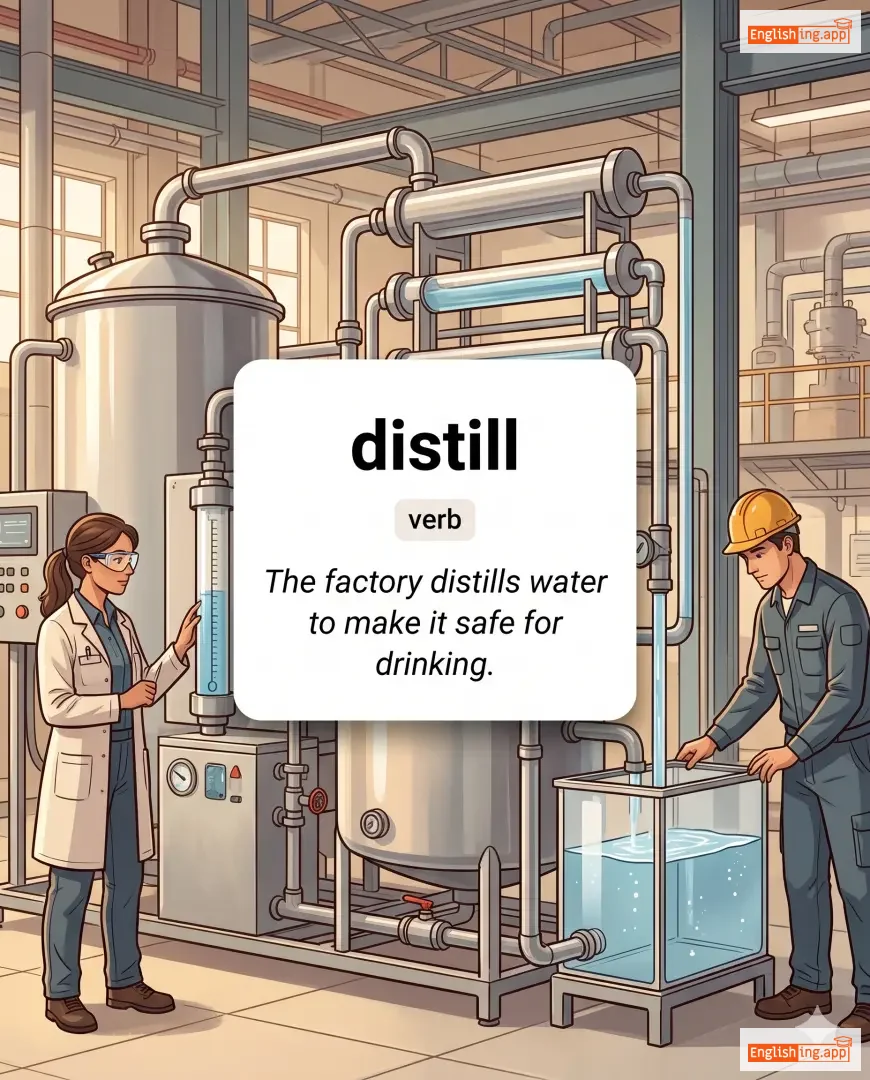
The factory distills water to make it safe for drinking.
Фабрика дистиллирует воду, чтобы сделать ее безопасной для питья.
••••••
|
Фабрика дистиллирует воду, чтобы сделать ее безопасной для питья.
Fabrika distilliruet vodu, chtoby sdelat' yeye bezopasnoi dlya pit'ya.
••••••
|
distill the essence
дистиллировать эссенцию
••••••
|
To extract the most important meaning or quality.
••••••
|
извлекать сущность
izvlekat' suschnost'
••••••
|
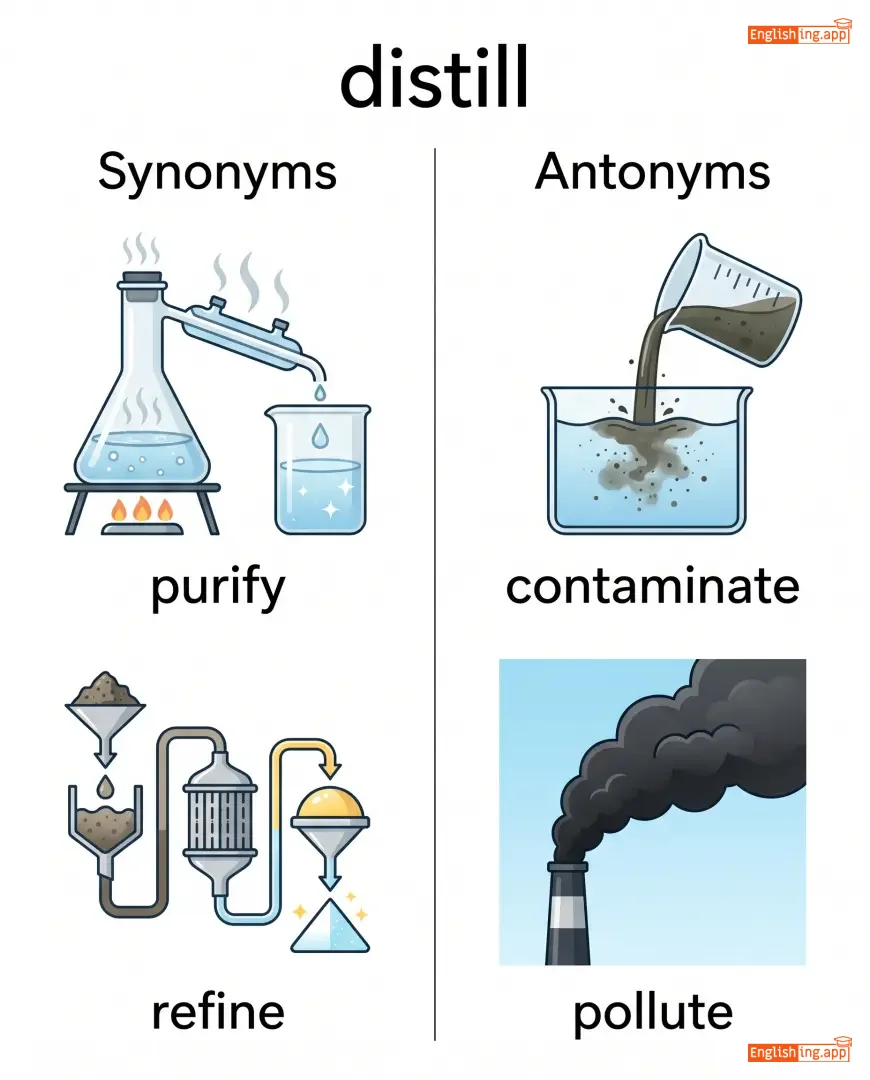
purify, refine, extract, filter, condense
••••••
|
contaminate, pollute
••••••
|
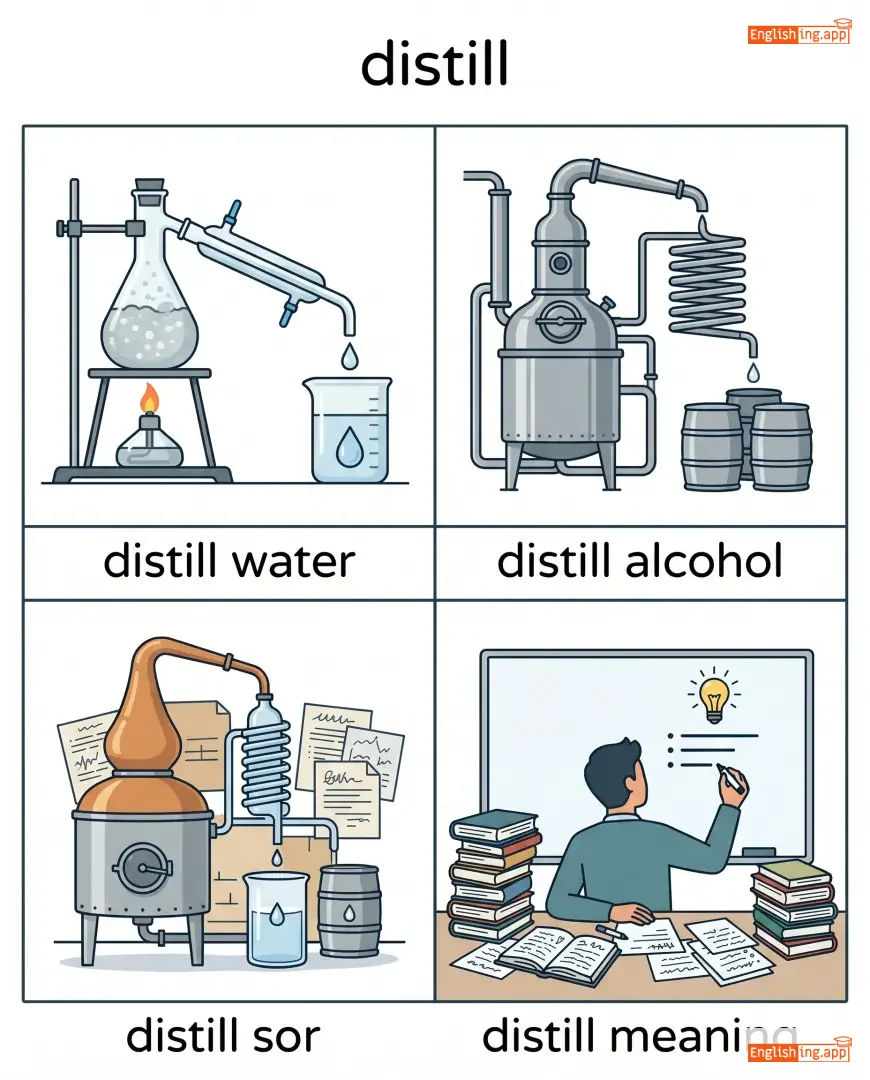
distill water, distill alcohol, distill meaning, distill information
••••••
|
Distill - дистиллировать: очищение жидкости с помощью температуры.
••••••
|
|
😔
••••••
|
/dɪˈstreɪ/
adjective
(дистрей)
••••••
|
|
рассеянный
rasseyannyy
••••••
|
- •••••• | - •••••• | - •••••• | - •••••• |
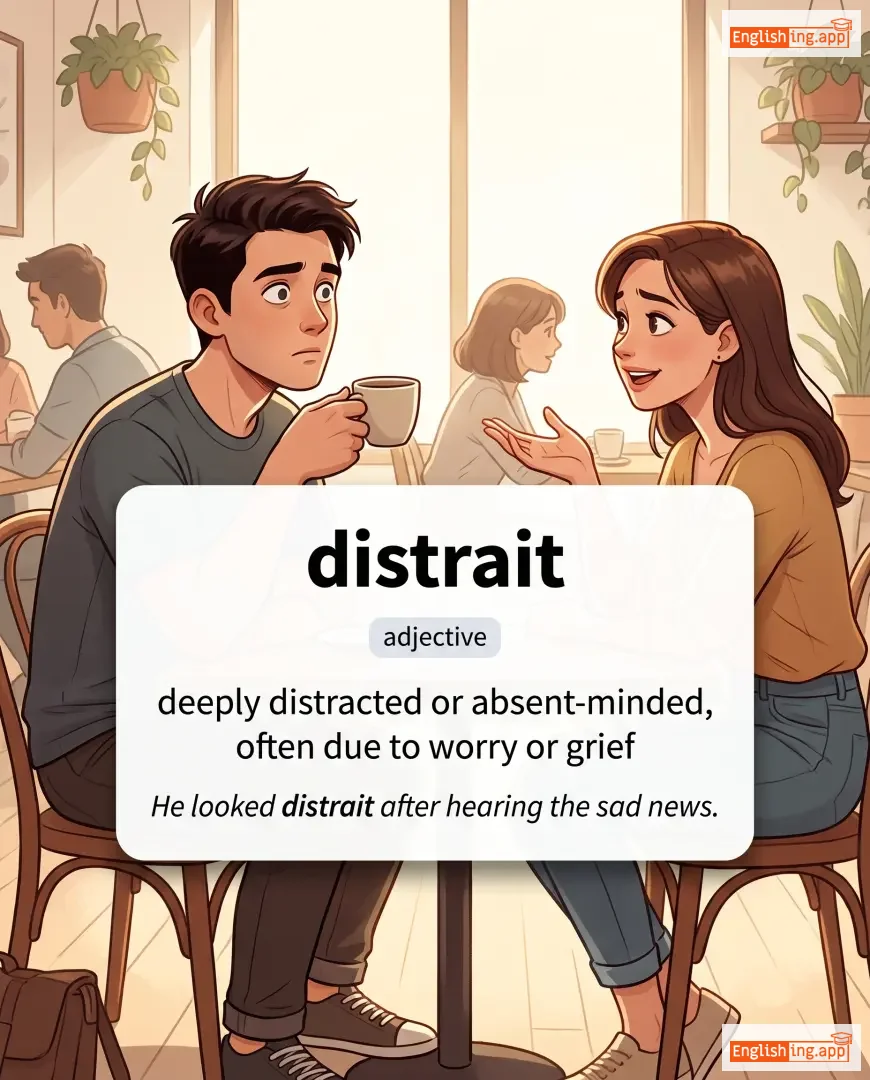
deeply distracted or absent-minded, often due to worry or grief
••••••
|
He looked distrait after hearing the sad news. |
Он выглядел рассеянным после того, как услышал грустную новость.
On viglyadel rasseyannym posle togo, kak uslyshal grustnuyu novost'.
••••••
|
- •••••• | - •••••• | - •••••• |
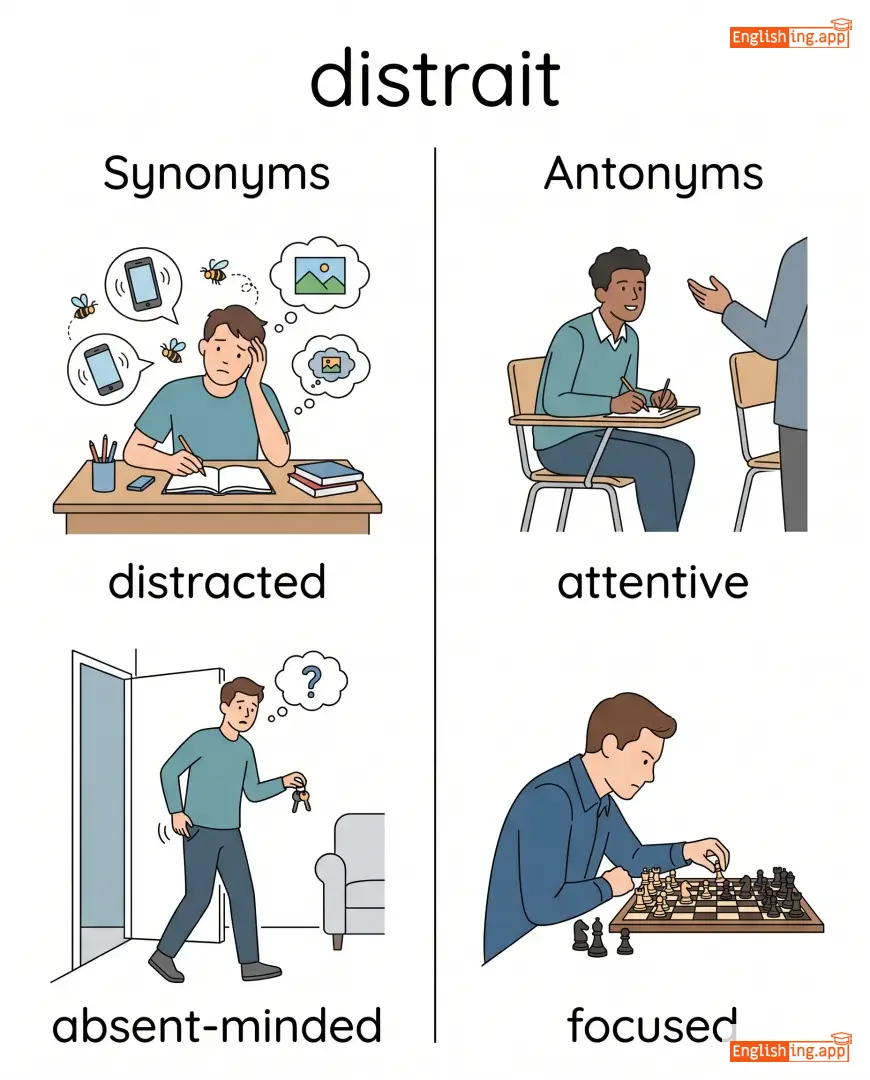
distracted, absent-minded, preoccupied, unfocused
••••••
|
attentive, focused
••••••
|
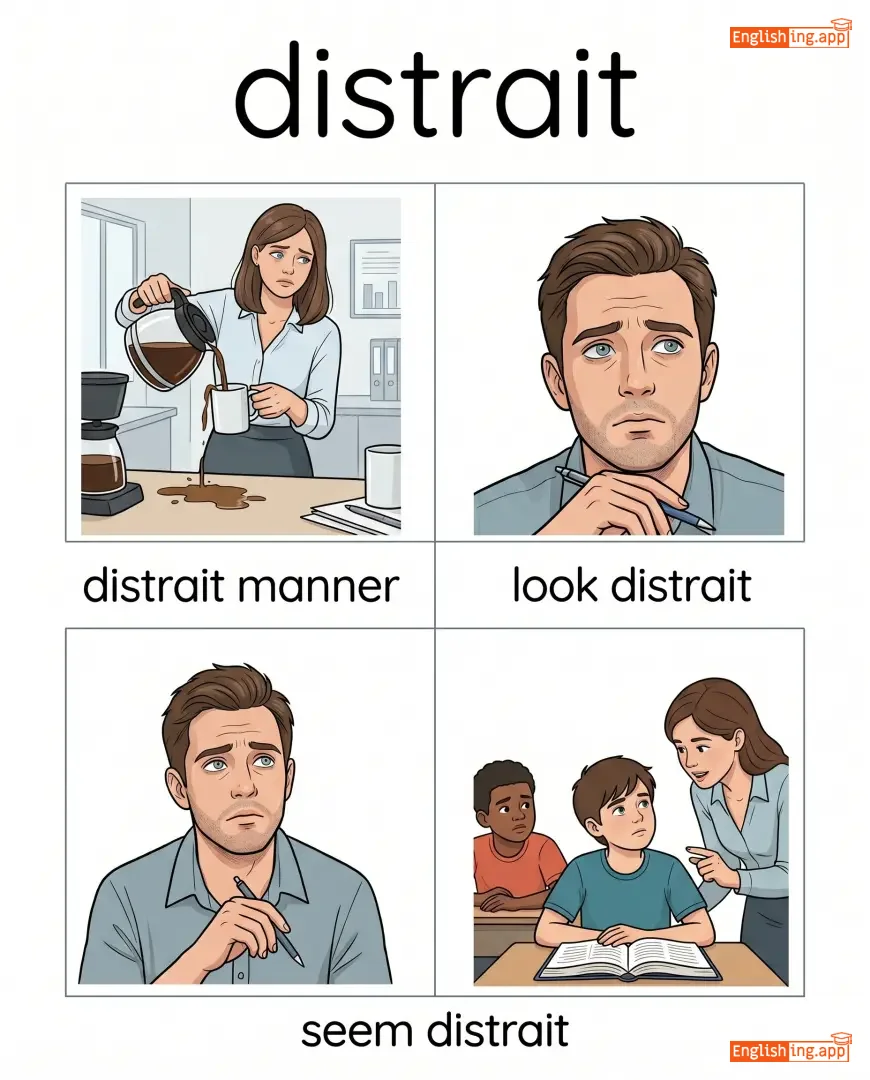
distrait manner, look distrait, seem distrait
••••••
|
Distrait значит 'рассеянный' — мыслящий о чем-то другом.
••••••
|
|
↔️
••••••
|
/daɪˈvɜːrdʒ/
verb
••••••
|

|
- •••••• |
diverged
••••••
|
diverged
••••••
|
diverges
••••••
|
diverging
••••••
|
to separate from a path, opinion, or standard
••••••
|
The two friends began to diverge in their career choices. |
- •••••• |
diverge from the norm |
to act differently than what is usual or expected
••••••
|
- •••••• |
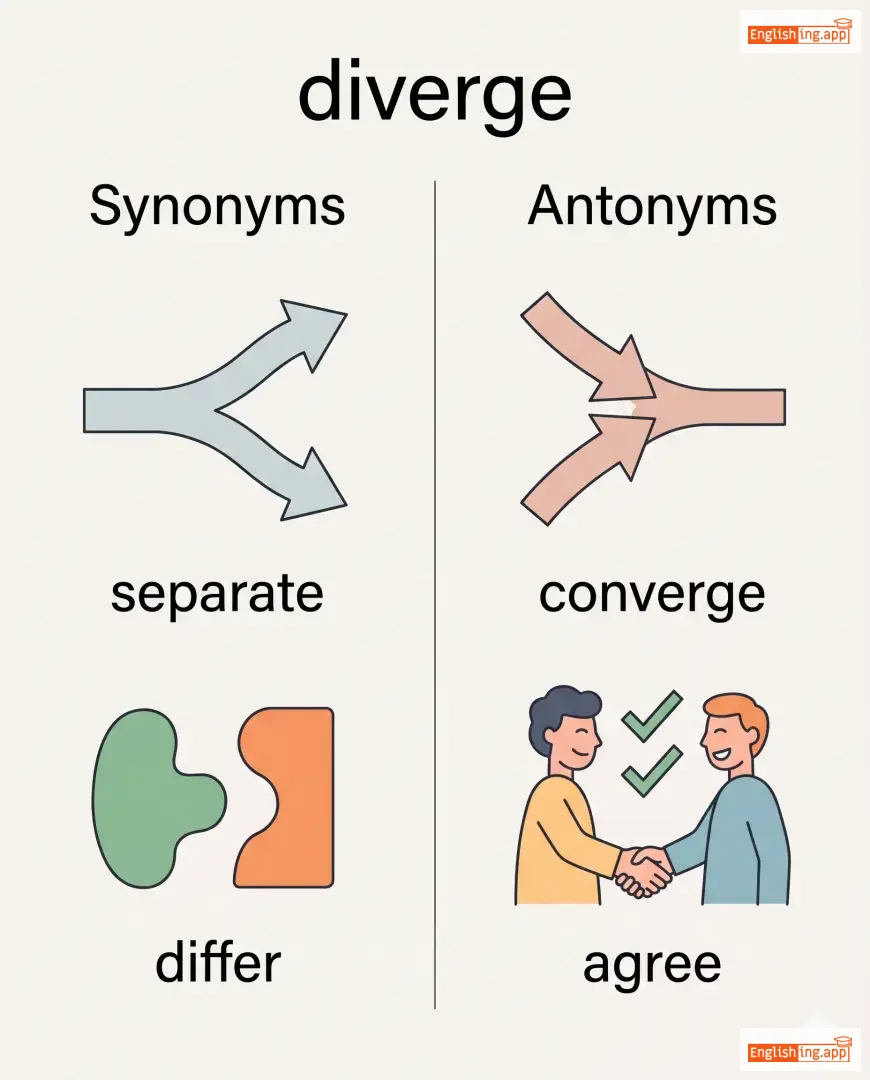
separate, differ, deviate, split, branch
••••••
|
converge, agree, coincide
••••••
|
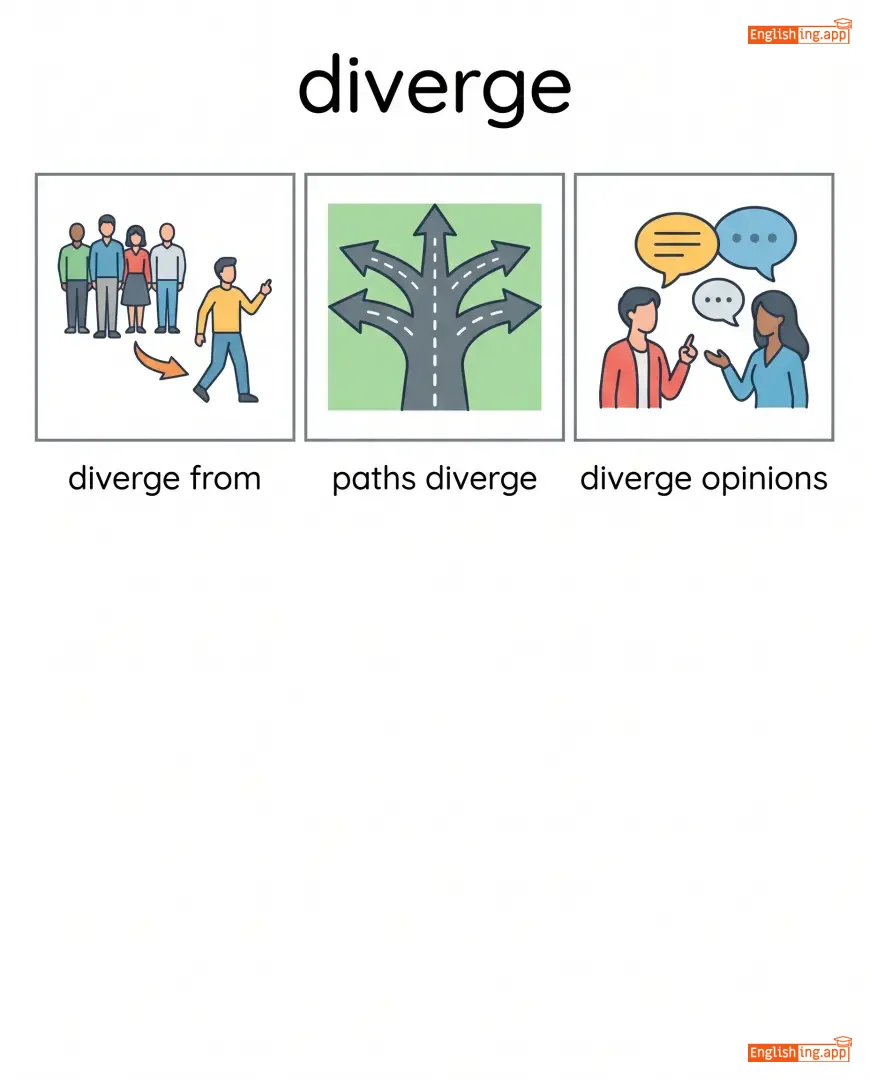
diverge from, paths diverge, diverge opinions, diverge sharply
••••••
|
No •••••• |
|
📉
••••••
|
/daɪˈvɛst/
verb
••••••
|

|
- •••••• |
divested
••••••
|
divested
••••••
|
divests
••••••
|
divesting
••••••
|
to strip away possessions, rights, or assets; to rid oneself of
••••••
|
The company decided to divest its unprofitable division. |
- •••••• |
divest oneself of |
to rid oneself of something unwanted
••••••
|
- •••••• |
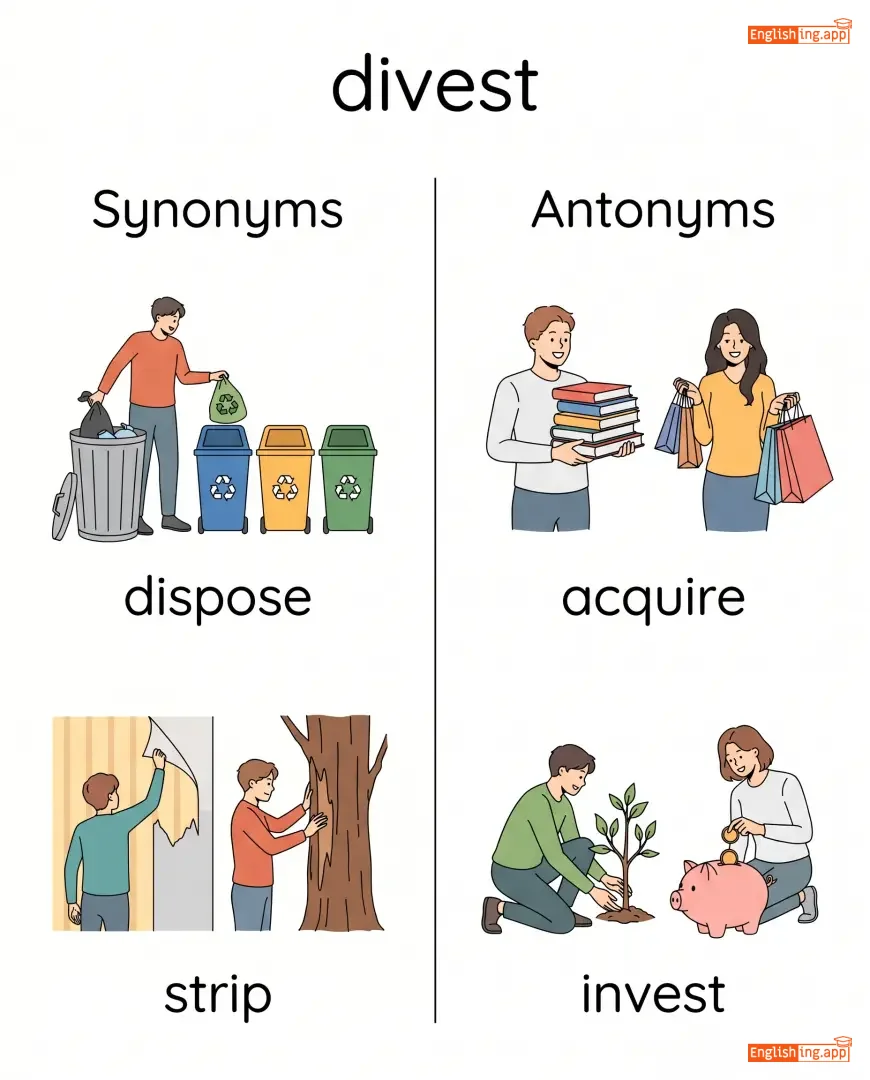
dispose, strip, rid, relinquish, sell off
••••••
|
acquire, invest, keep
••••••
|
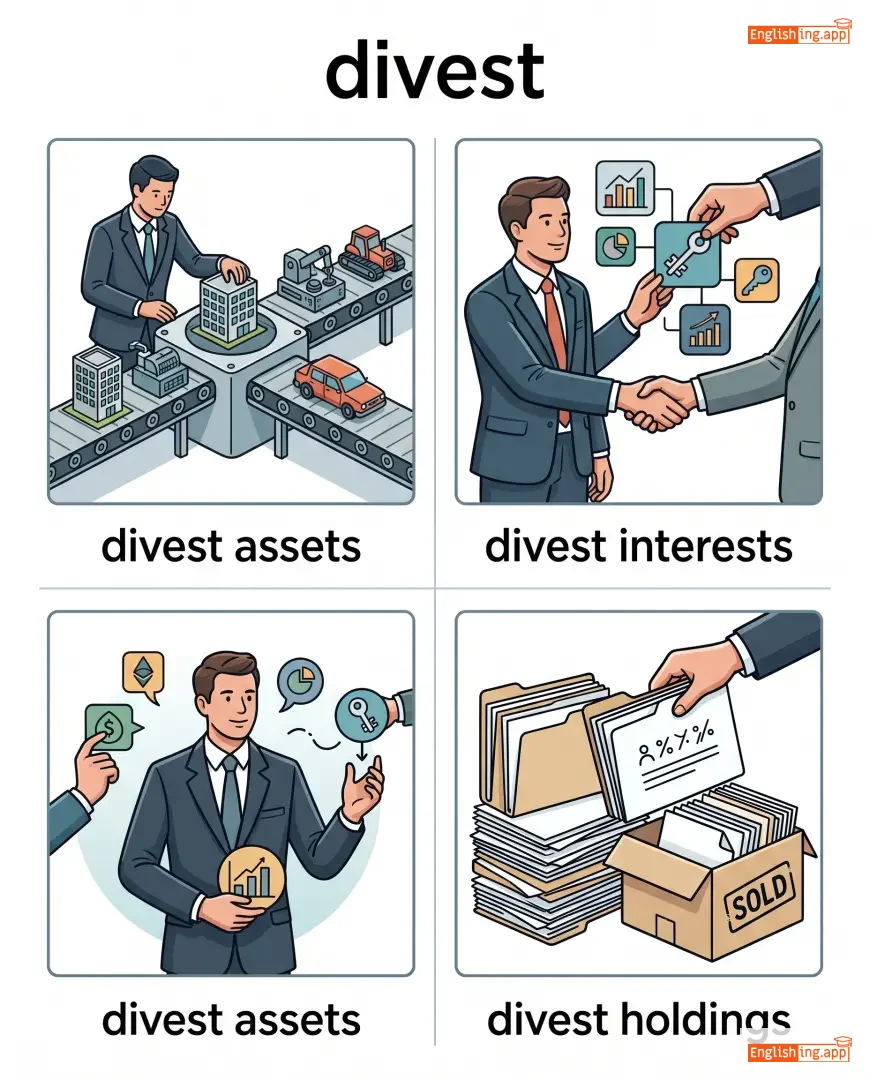
divest assets, divest interests, divest holdings, divest company
••••••
|
No •••••• |
|
🕵️
••••••
|
/daɪˈvʌldʒ/
verb
(дивулдж)
••••••
|
|
раскрыть
raskryt
••••••
|
divulged
дивулджд
••••••
|
divulged
дивулджд
••••••
|
divulges
дивулджес
••••••
|
divulging
дивулджинг
••••••
|
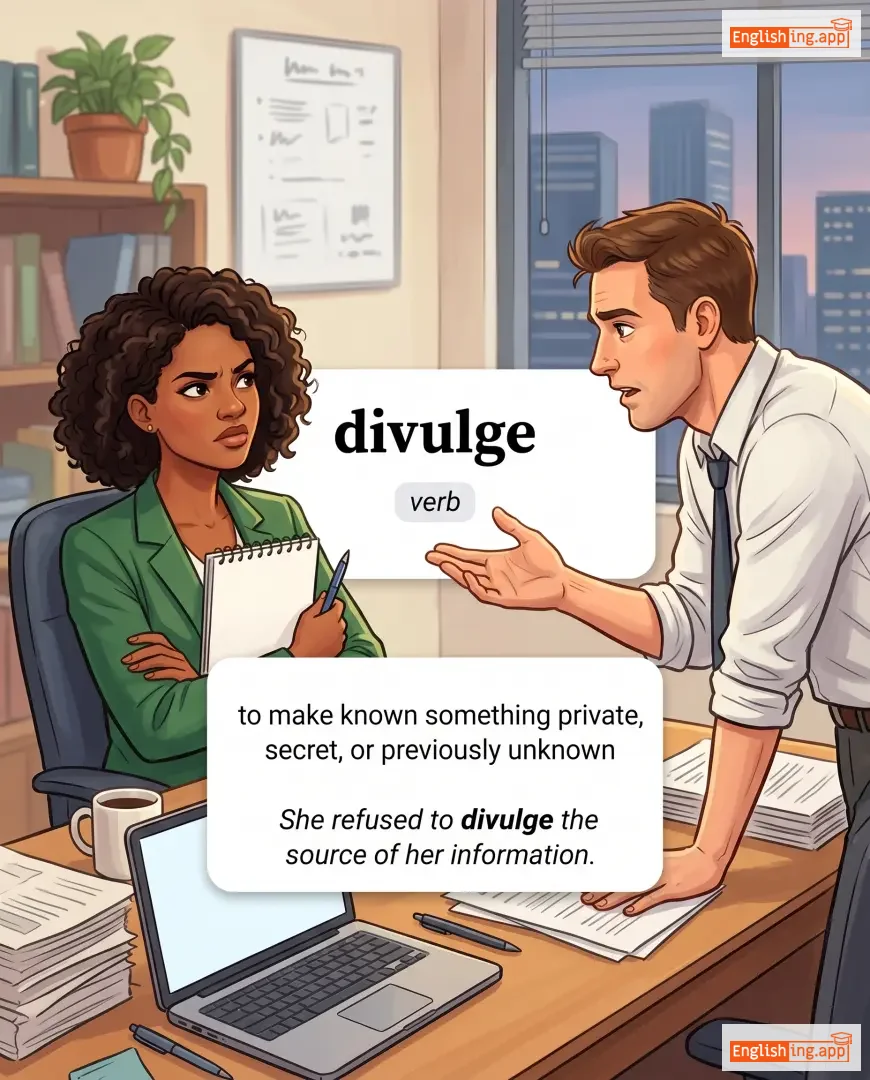
to make known something private, secret, or previously unknown
••••••
|
She refused to divulge the source of her information.
Она отказалась раскрыть источник своей информации.
••••••
|
Она отказалась раскрыть источник своей информации.
Ona otkazalas raskryt istochnik svoey informatsii.
••••••
|
- •••••• | - •••••• | - •••••• |
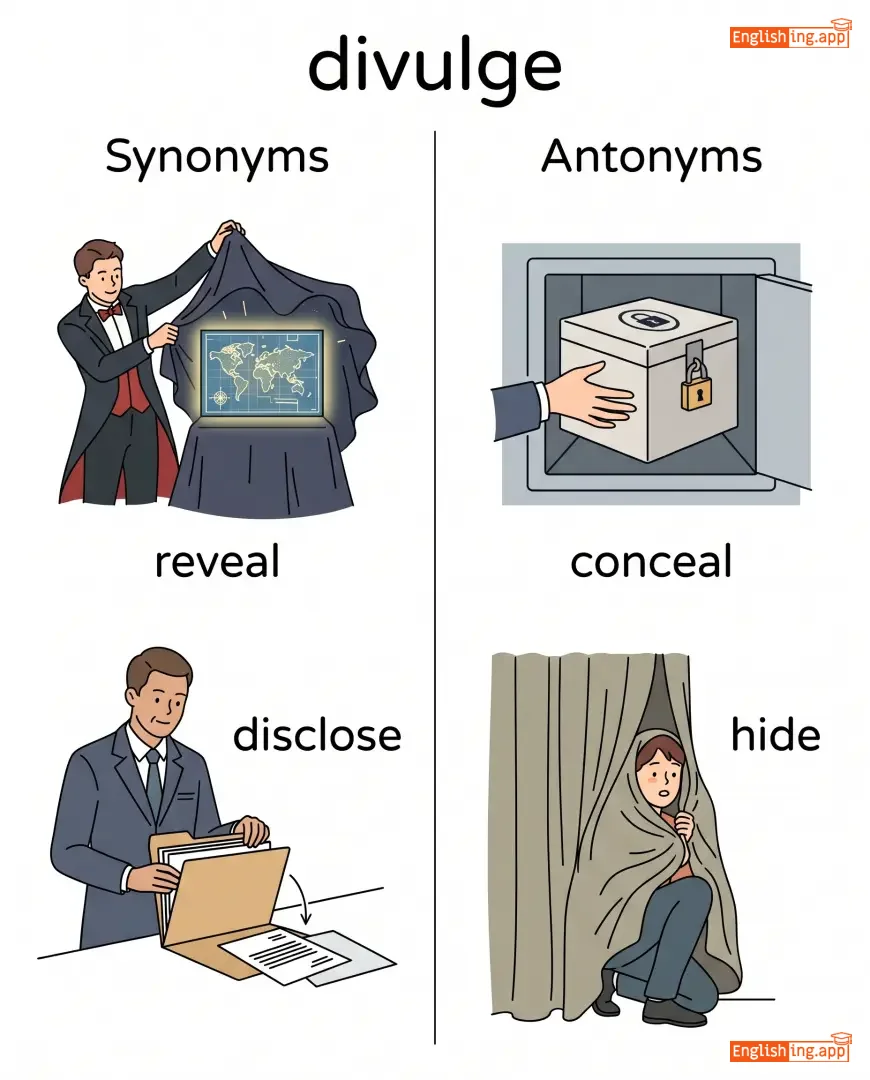
reveal, disclose, uncover, expose, betray
••••••
|
conceal, hide, withhold
••••••
|
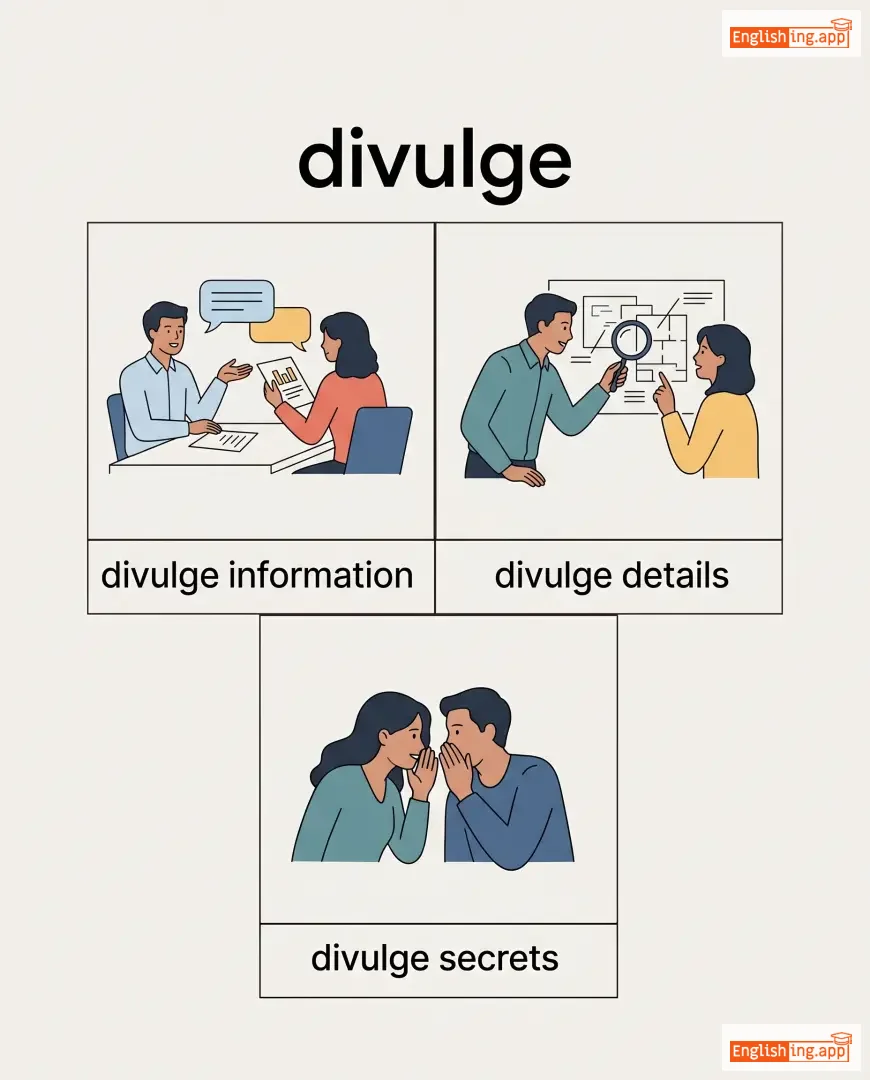
divulge information, divulge details, divulge secrets, refuse to divulge
••••••
|
Divulge означает раскрыть - представь 'раскрыть' как раскрытие секрета.
••••••
|
|
📖
••••••
|
/ˌdɒktrɪˈnɛər/
adjective
(доктрина́р)
••••••
|

|
догматичный
dogmatichny
••••••
|
- •••••• | - •••••• | - •••••• | - •••••• |
stubbornly devoted to a theory or doctrine without regard to practical considerations
••••••
|
His doctrinaire approach to politics alienated many supporters. |
Его догматичный подход к политике оттолкнул многих сторонников.
Ego dogmatichny podkhod k politike ottolknul mnogikh storonnikov.
••••••
|
- •••••• | - •••••• | - •••••• |
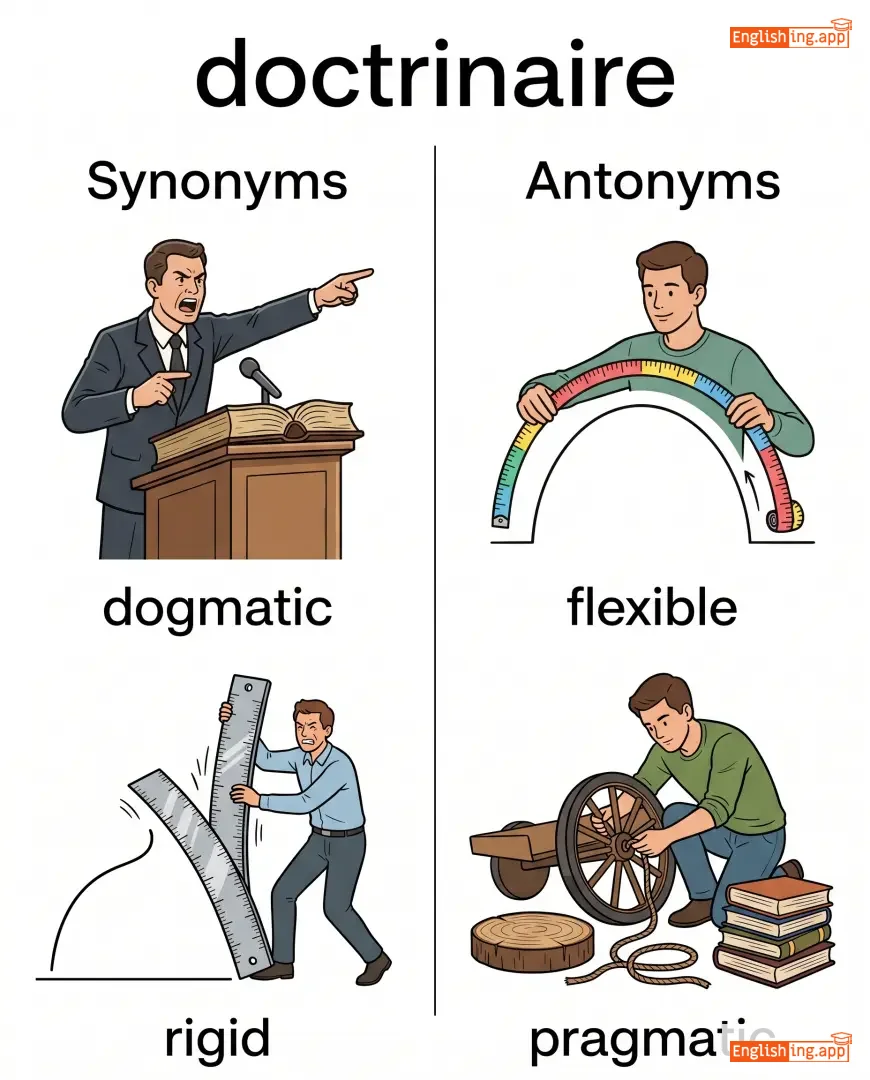
dogmatic, rigid, inflexible, theoretical, uncompromising
••••••
|
flexible, pragmatic, practical
••••••
|
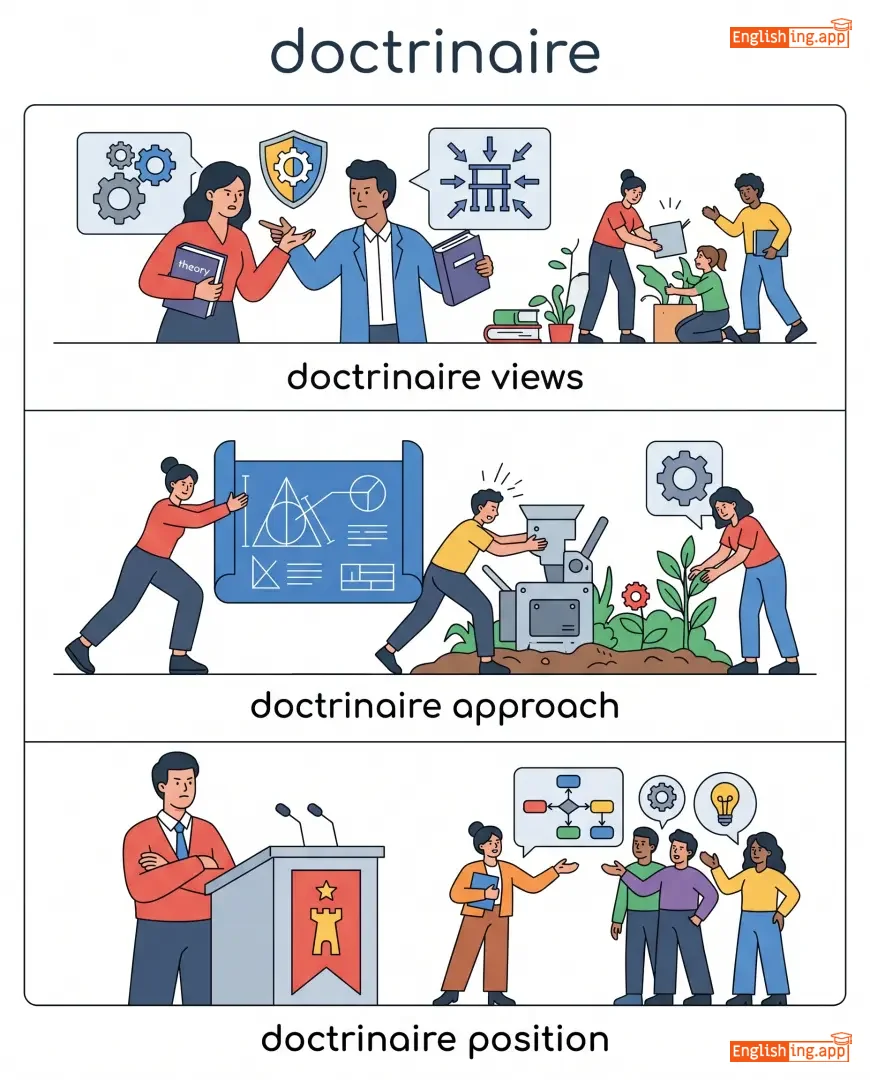
doctrinaire views, doctrinaire approach, doctrinaire position
••••••
|
Doctrinaire означает догматичный - теория важнее практики
••••••
|
|
📄
••••••
|
/ˈdɒkjʊmənt/
noun/verb
(документ)
••••••
|


|
документ
dokument
••••••
|
documented
документирован
••••••
|
documented
документирован
••••••
|
documents
документы
••••••
|
documenting
документируя
••••••
|
Noun: A written, printed, or electronic record that provides information or evidence. Verb: To record information in written or electronic form.
••••••
|
She carefully documented all the expenses of the trip.
Она тщательно задокументировала все расходы поездки.
••••••
|
- •••••• |
official document
официальный документ
••••••
|
An authoritative or legal record recognized by an institution.
••••••
|
- •••••• |
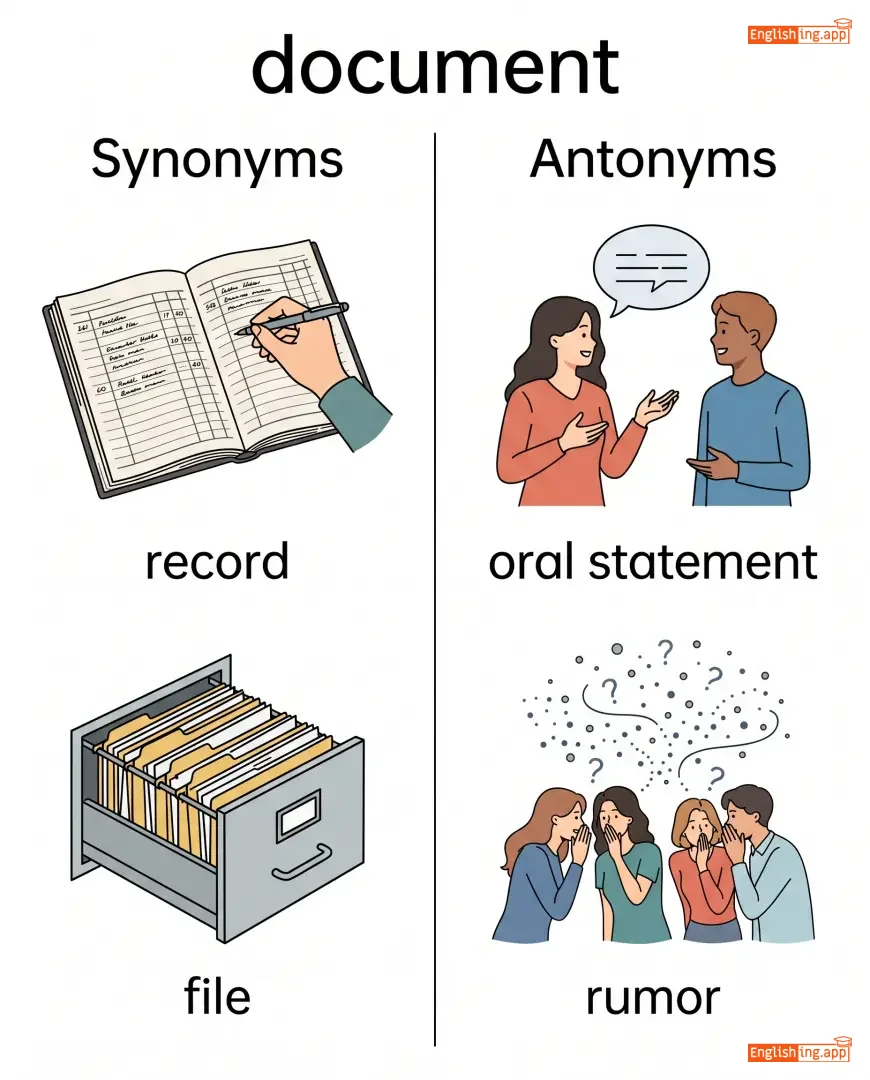
record, file, paper, certificate, report
••••••
|
oral statement, rumor
••••••
|
legal document, official document, document file, document evidence
••••••
|
No •••••• |
|
📜
••••••
|
/ˈdɒɡərəl/
noun
(догерел)
••••••
|
|
низкие стихи
nizkie stikhi
••••••
|
- •••••• | - •••••• | - •••••• | - •••••• |
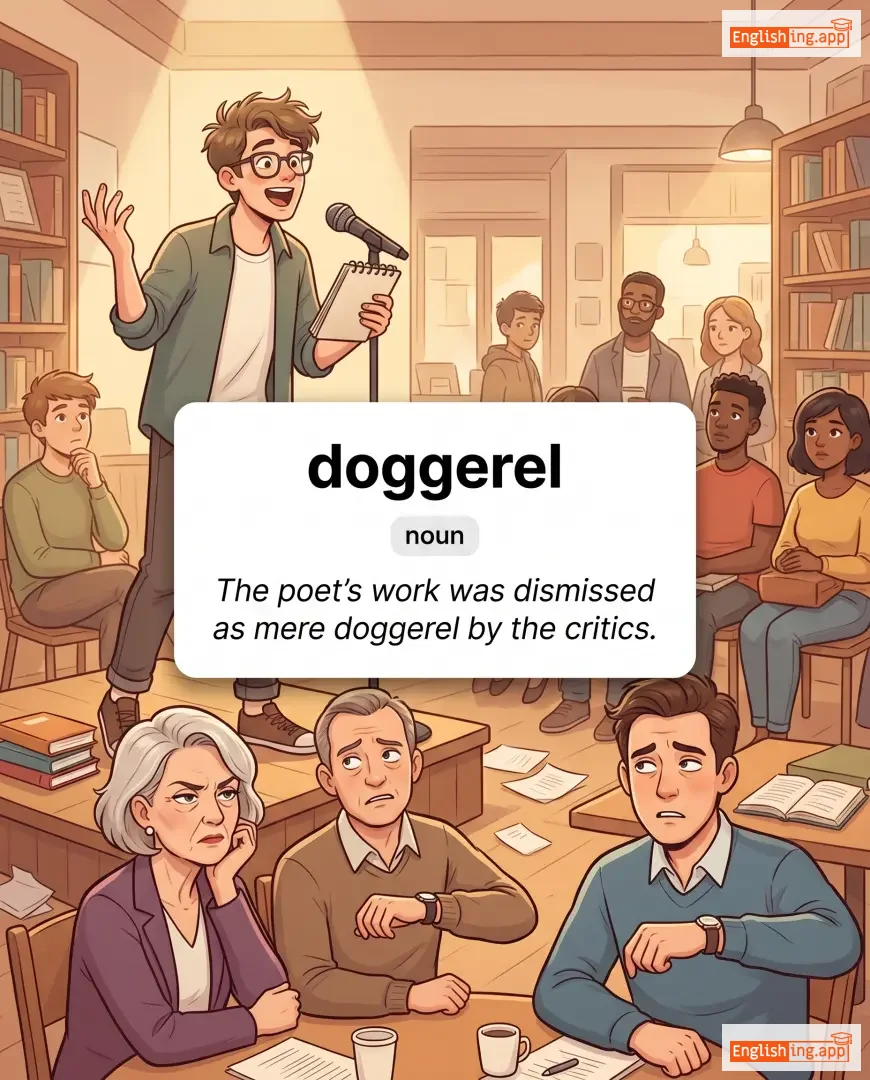
Comic or irregular verse, often poorly constructed and lacking in artistic quality.
••••••
|
The poet’s work was dismissed as mere doggerel by the critics. |
Работы поэта были отвергнуты критиками как простые низкие стихи.
Rabotyi poeta byli otvergnyuty kritikasmi kak prostye nizkie stikhi.
••••••
|
- •••••• | - •••••• | - •••••• |
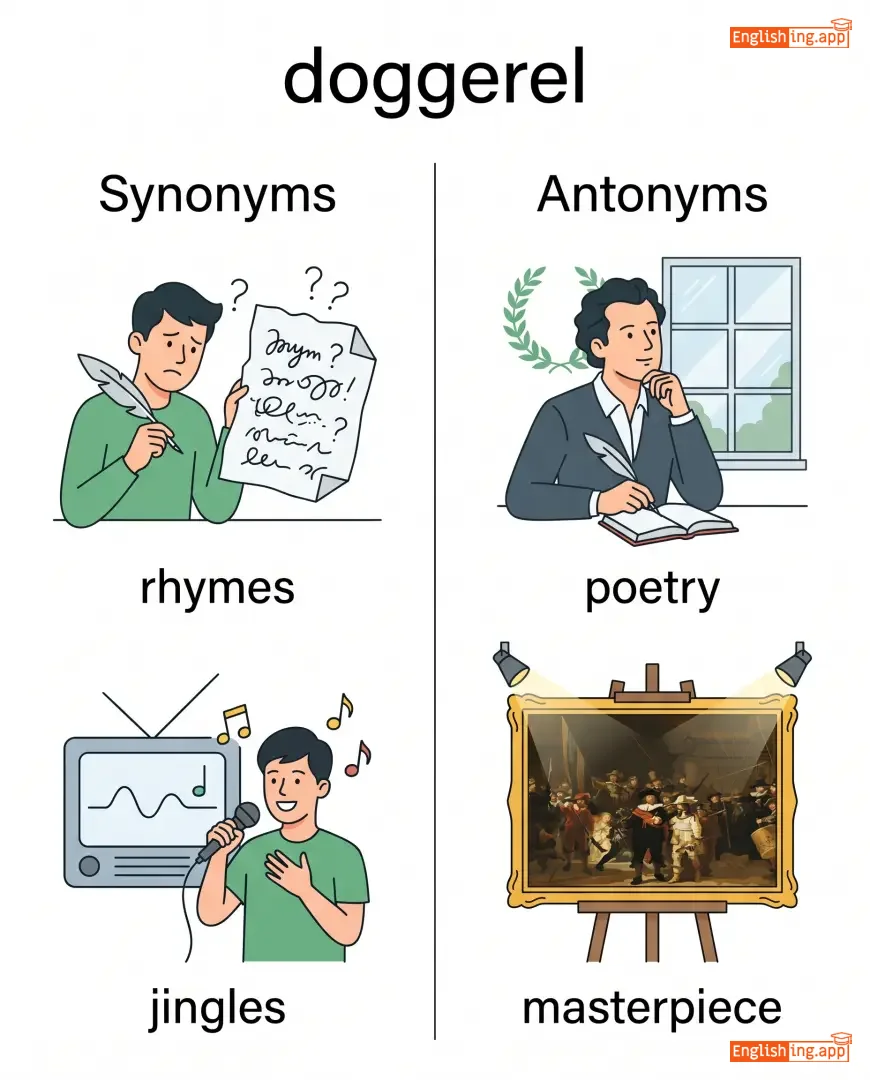
rhymes, jingles, verses, ballad, limerick
••••••
|
poetry, masterpiece, classic
••••••
|
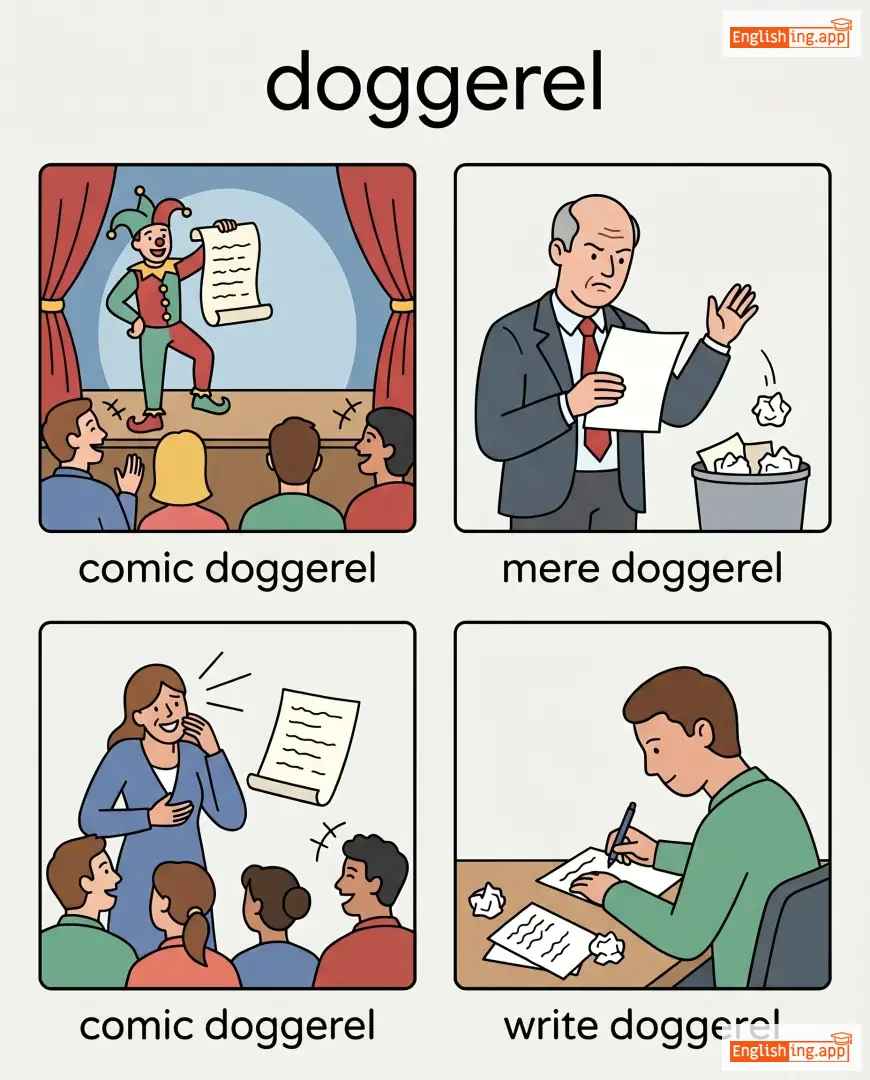
comic doggerel, mere doggerel, write doggerel, silly doggerel
••••••
|
Doggerel как низкие стихи - плохая поэзия
••••••
|
|
🗣️
••••••
|
/dɒɡˈmætɪk/
adjective
(догматичный)
••••••
|
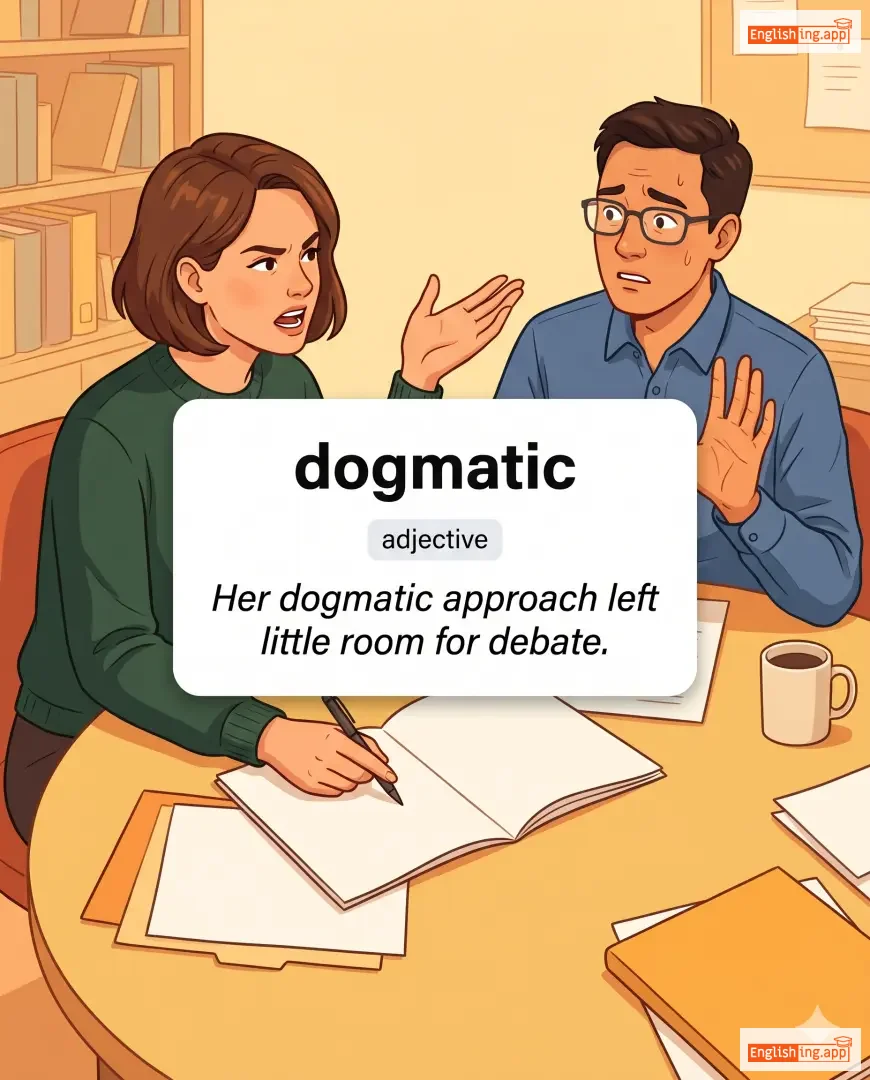
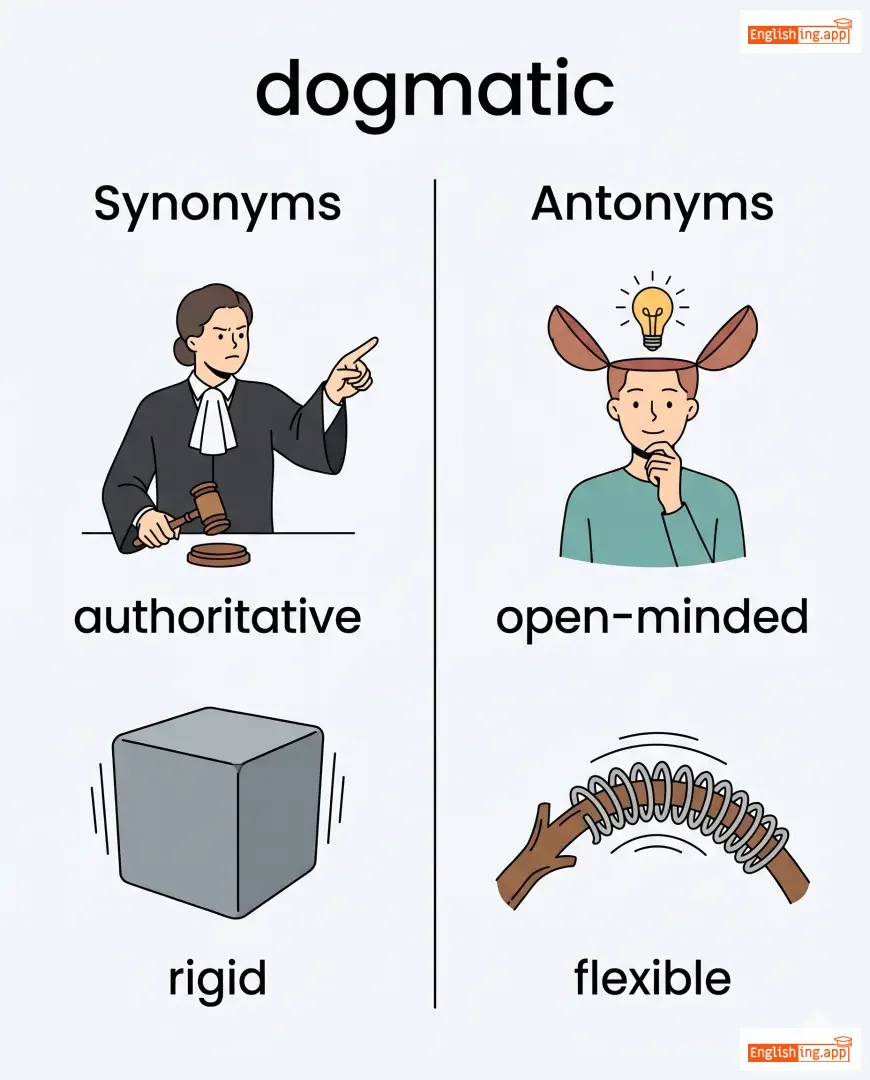
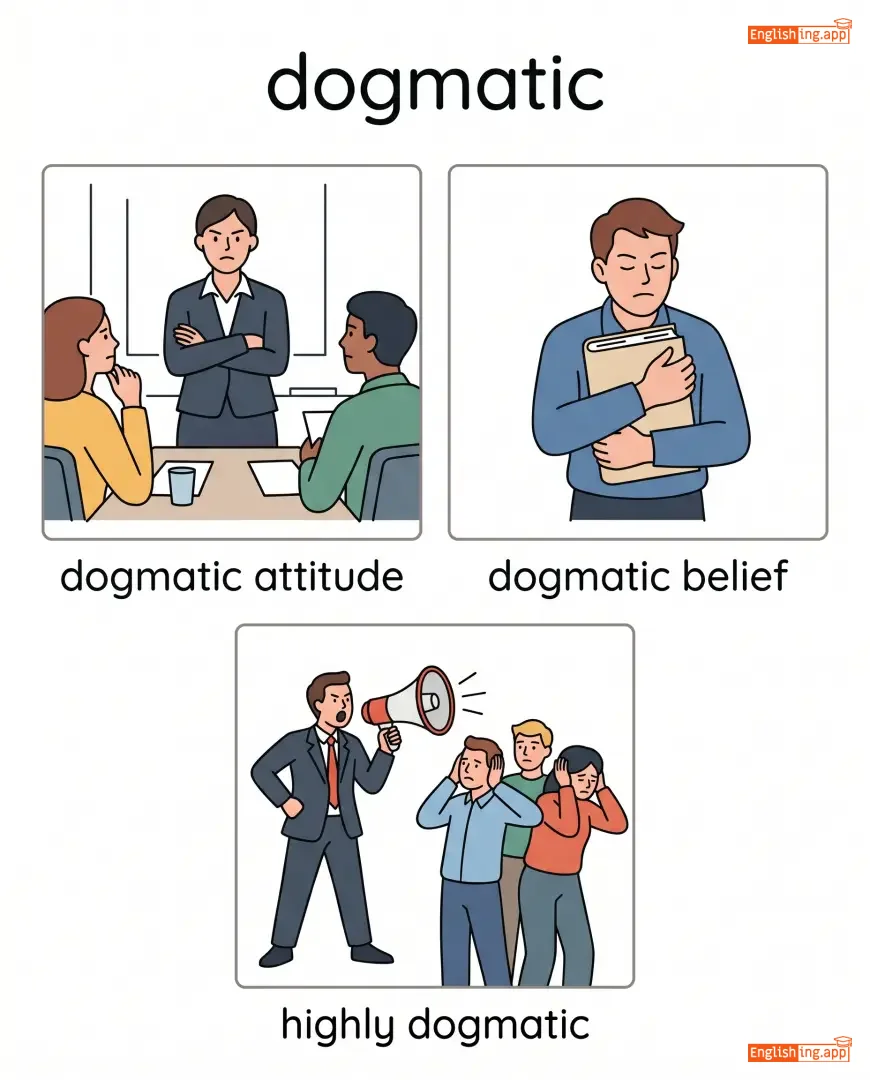
|
догматичный; строгий в своих убеждениях; склонный устанавливать принципы как несомненно верные
dogmatichny
••••••
|
- •••••• | - •••••• | - •••••• | - •••••• |
opinionated; rigid in beliefs; inclined to lay down principles as incontrovertibly true
••••••
|
He has very dogmatic views about politics.
У него очень догматичные взгляды на политику.
••••••
|
У него очень догматичные взгляды на политику.
U nego ochen' dogmatichnye vzglyady na politiku.
••••••
|
- •••••• | - •••••• | - •••••• |
opinionated, doctrinaire, rigid, inflexible, authoritarian
••••••
|
flexible, open-minded, tolerant, receptive
••••••
|
dogmatic approach, dogmatic belief, dogmatic person
••••••
|
Dogmatic sounds like 'dog' + 'mat' – imagine a dog that refuses to change its mat, just like dogmatic people won't change their views.
••••••
|
|
😴
••••••
|
/ˈdɔːrmənt/
adjective
(дормант)
••••••
|
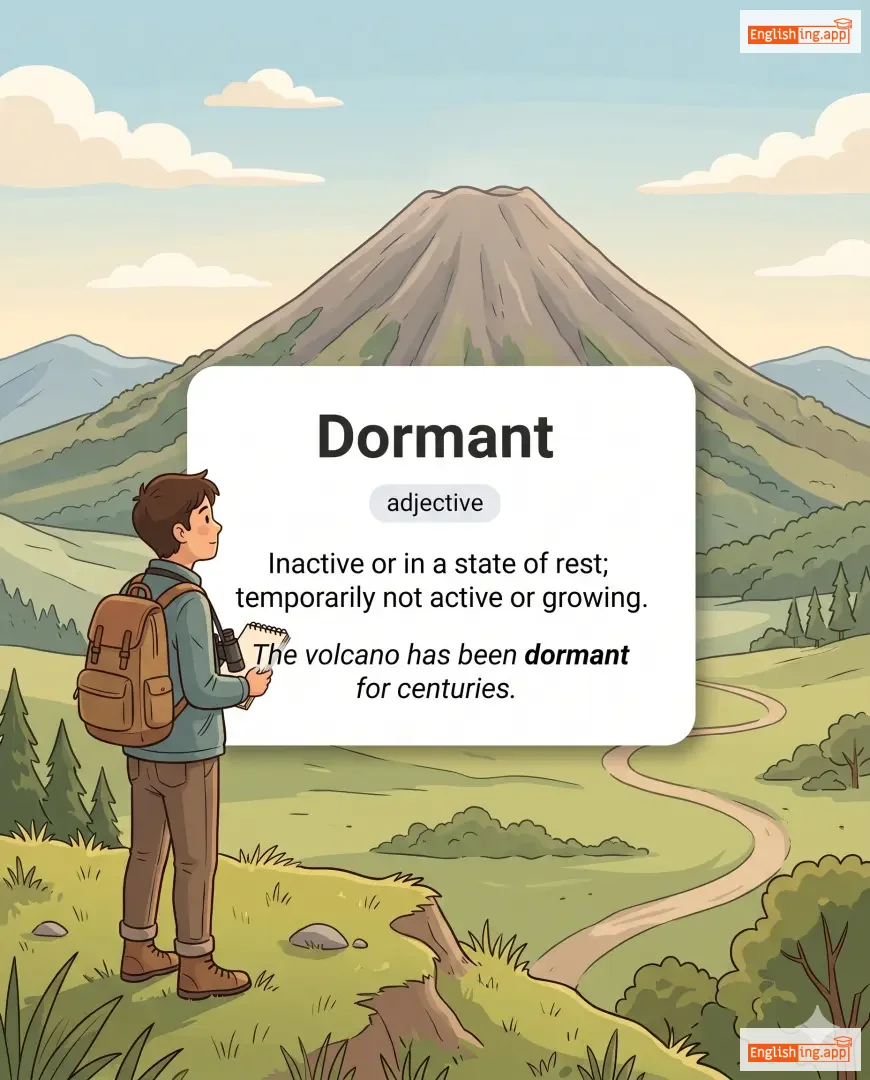
|
неактивный
neaktivnyy
••••••
|
- •••••• | - •••••• | - •••••• | - •••••• |
Inactive or in a state of rest; temporarily not active or growing.
••••••
|
The volcano has been dormant for centuries.
Вулкан был неактивен на протяжении веков.
••••••
|
Вулкан был неактивен на протяжении веков.
Vulkan byl neaktivyen na protyazhenii vekov.
••••••
|
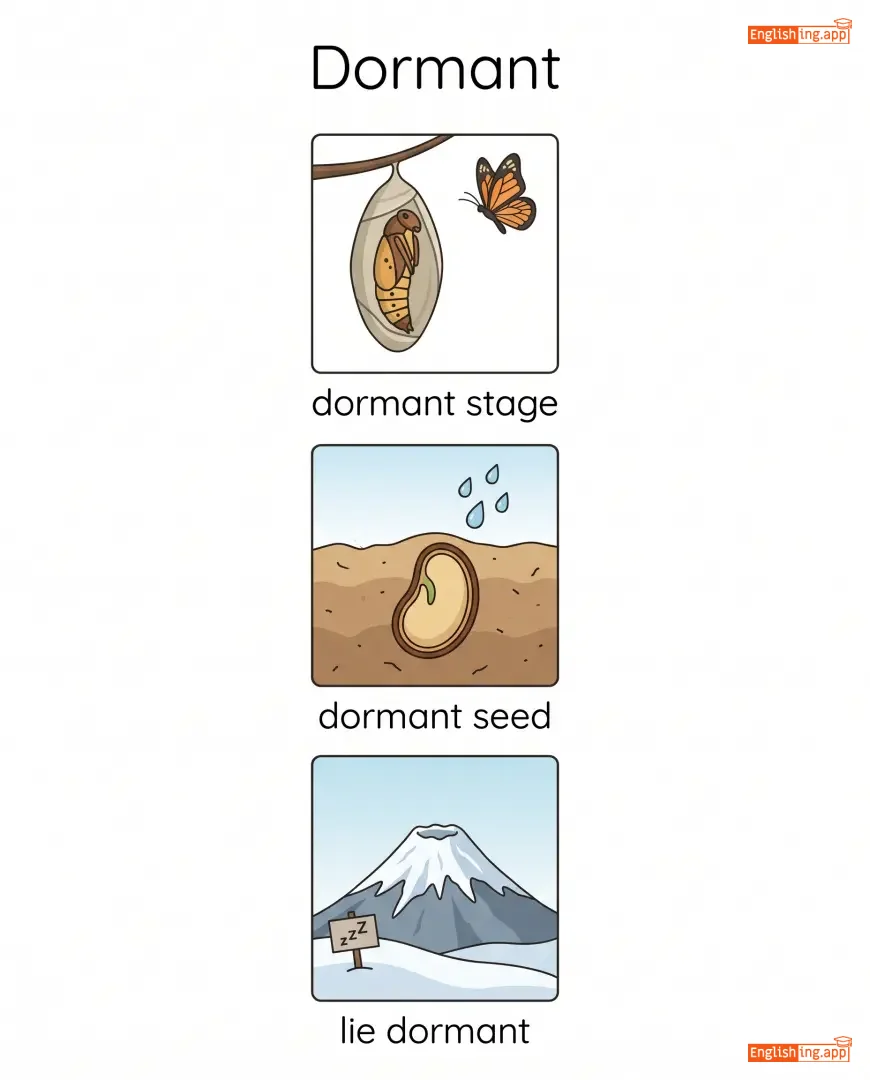
lie dormant
оставаться неактивным
••••••
|
to remain inactive or hidden for a period of time
••••••
|
оставаться неактивным
ostavat'sya neaktivnym
••••••
|
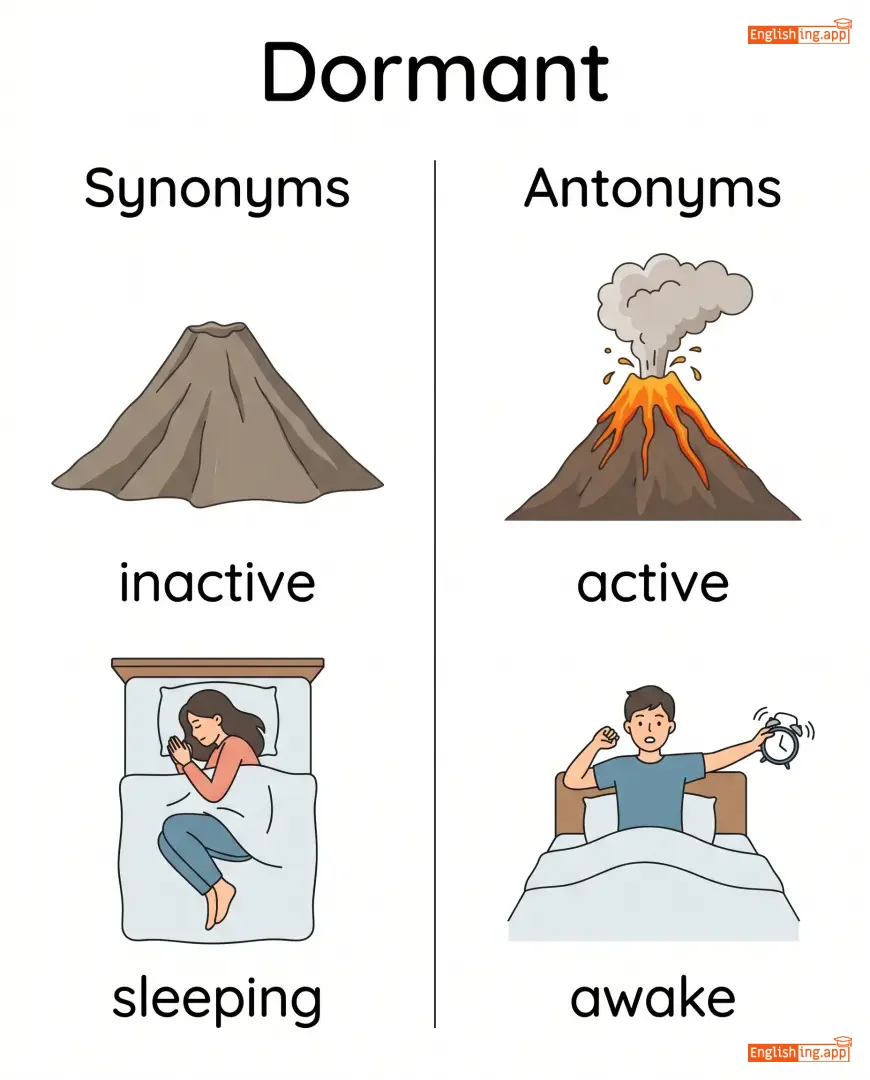
inactive, sleeping, latent, resting, inert
••••••
|
active, awake, lively
••••••
|
dormant stage, dormant seed, lie dormant, dormant volcano
••••••
|
Dormant похоже на дремать, что означает быть неактивным.
••••••
|
|
🗑️
••••••
|
/drɒs/
noun
(дросс)
••••••
|

|
мусор
musor
••••••
|
- •••••• | - •••••• | - •••••• | - •••••• |
worthless or unwanted material; rubbish or impurities
••••••
|
Most of his early writings were considered dross. |
Большинство его ранних работ считались мусором.
Bol'shinstvo yevo rannykh rabot schitalis' musorom.
••••••
|
- •••••• | - •••••• | - •••••• |
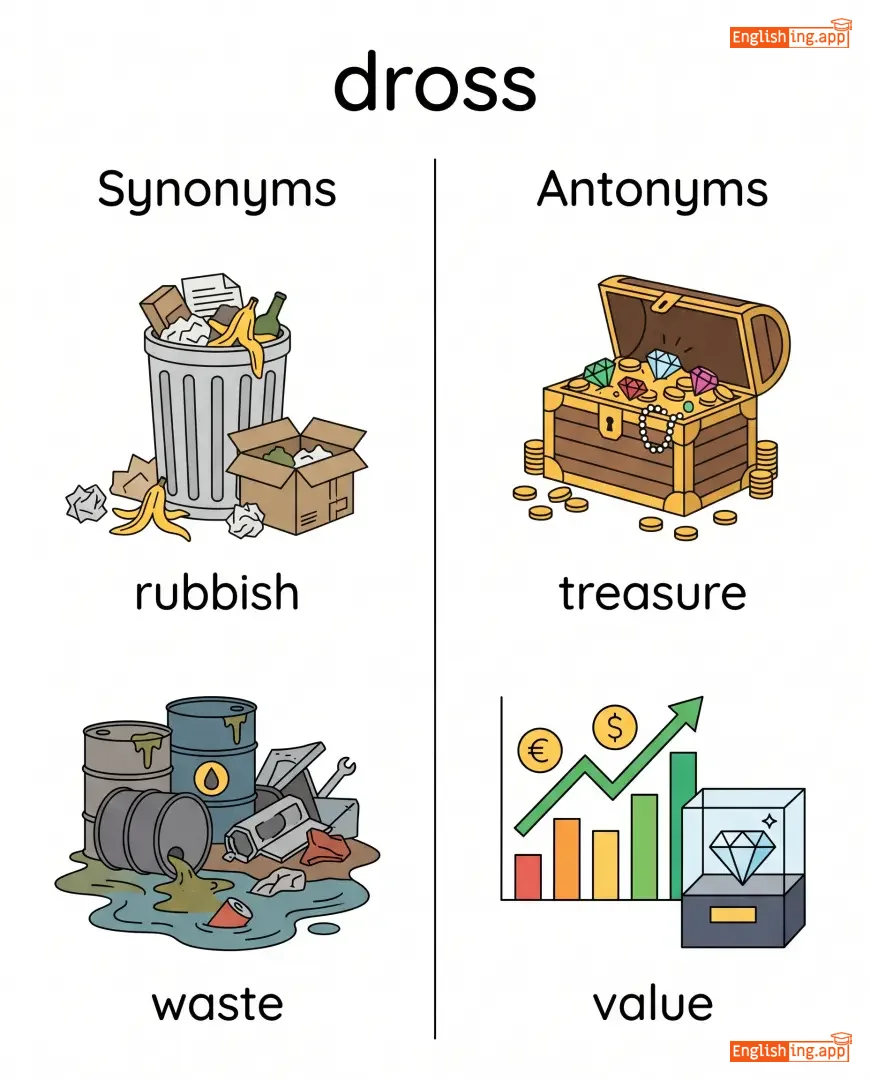
rubbish, waste, junk, trash, debris
••••••
|
treasure, value, worth
••••••
|
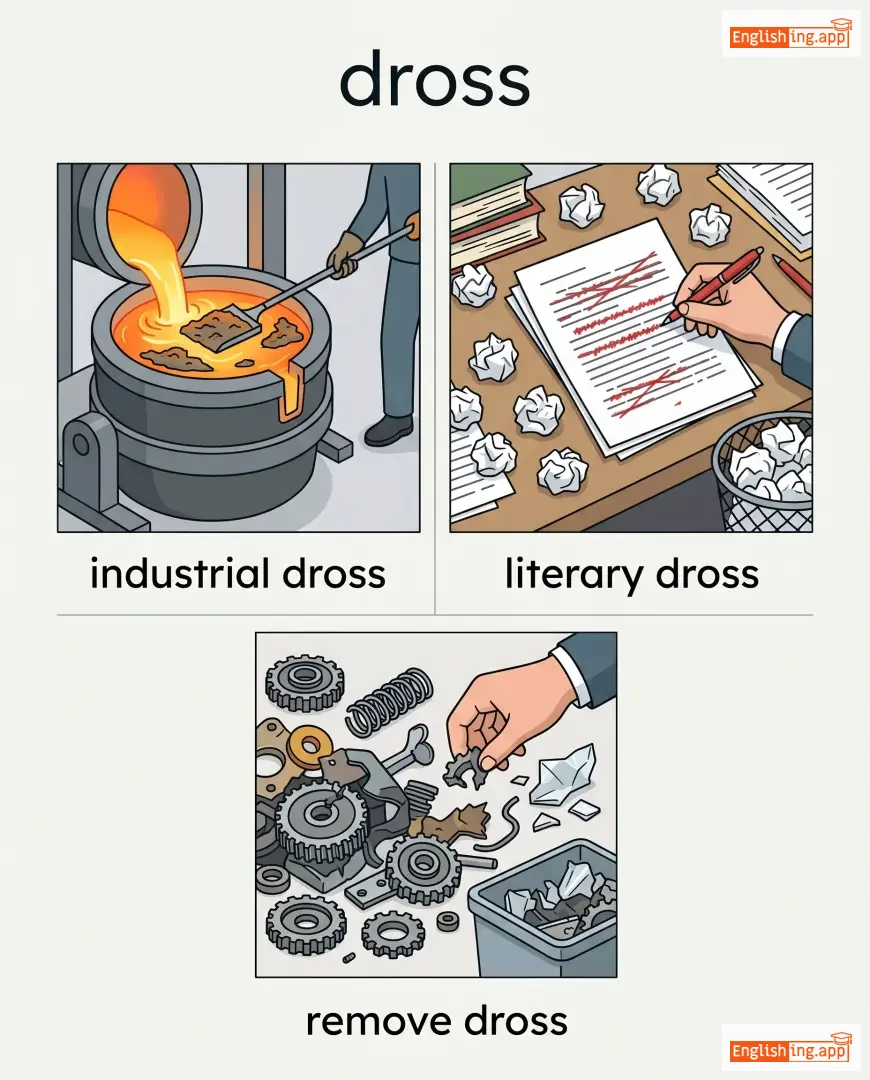
industrial dross, literary dross, remove dross
••••••
|
Dross означает мусор – Dust + Rubbish вместе дают мусор.
••••••
|
|
🎭
••••••
|
/djuːp/
verb
(дьюп)
••••••
|

|
обманывать
obmanyvat
••••••
|
duped
дюпт
••••••
|
duped
дюпт
••••••
|
dupes
дюпс
••••••
|
duping
дюпинг
••••••
|
To deceive or trick someone into believing or doing something.
••••••
|
He was duped into buying a fake watch.
Его обманули, чтобы он купил поддельные часы.
••••••
|
Его обманули, чтобы он купил поддельные часы.
Ego obmanuli, chtoby on kupil poddel'nye chasy.
••••••
|
play for a dupe
играть на дурака
••••••
|
to be tricked or deceived easily
••••••
|
легко быть обманутым
legko byt' obmanutym
••••••
|
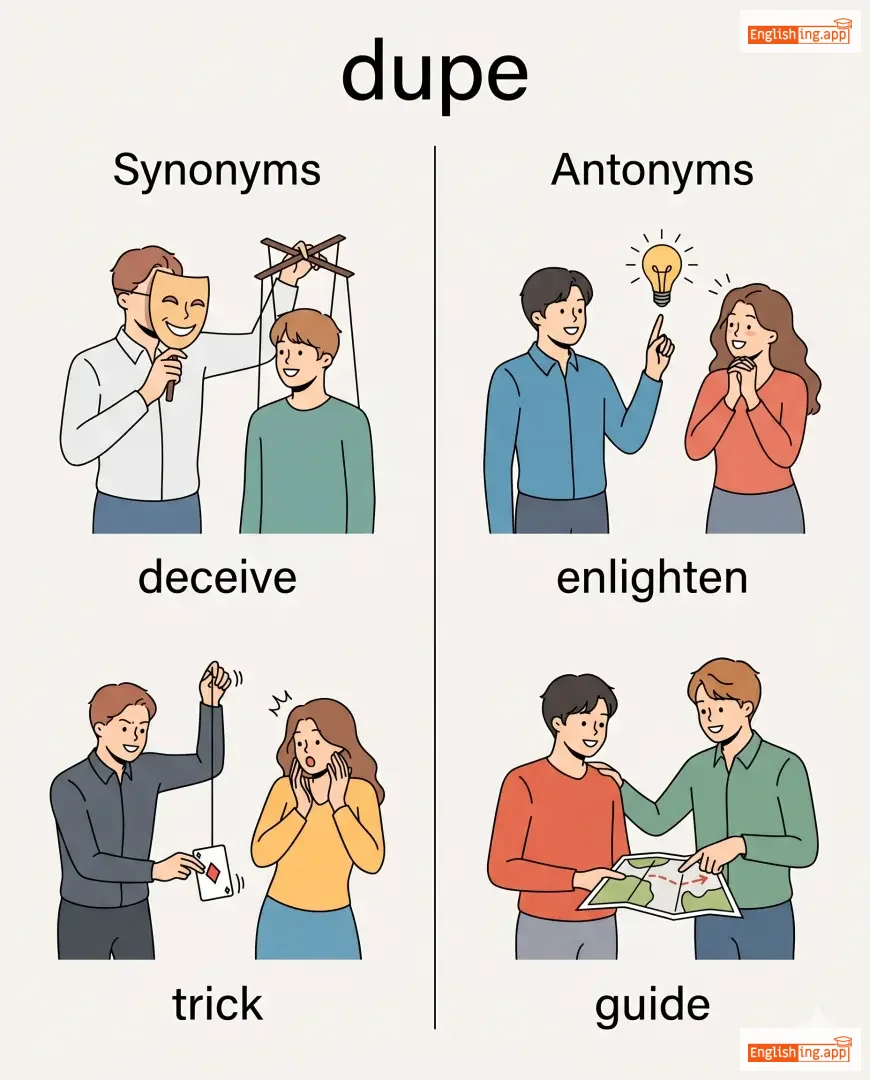
deceive, trick, fool, cheat, mislead
••••••
|
enlighten, guide, inform
••••••
|
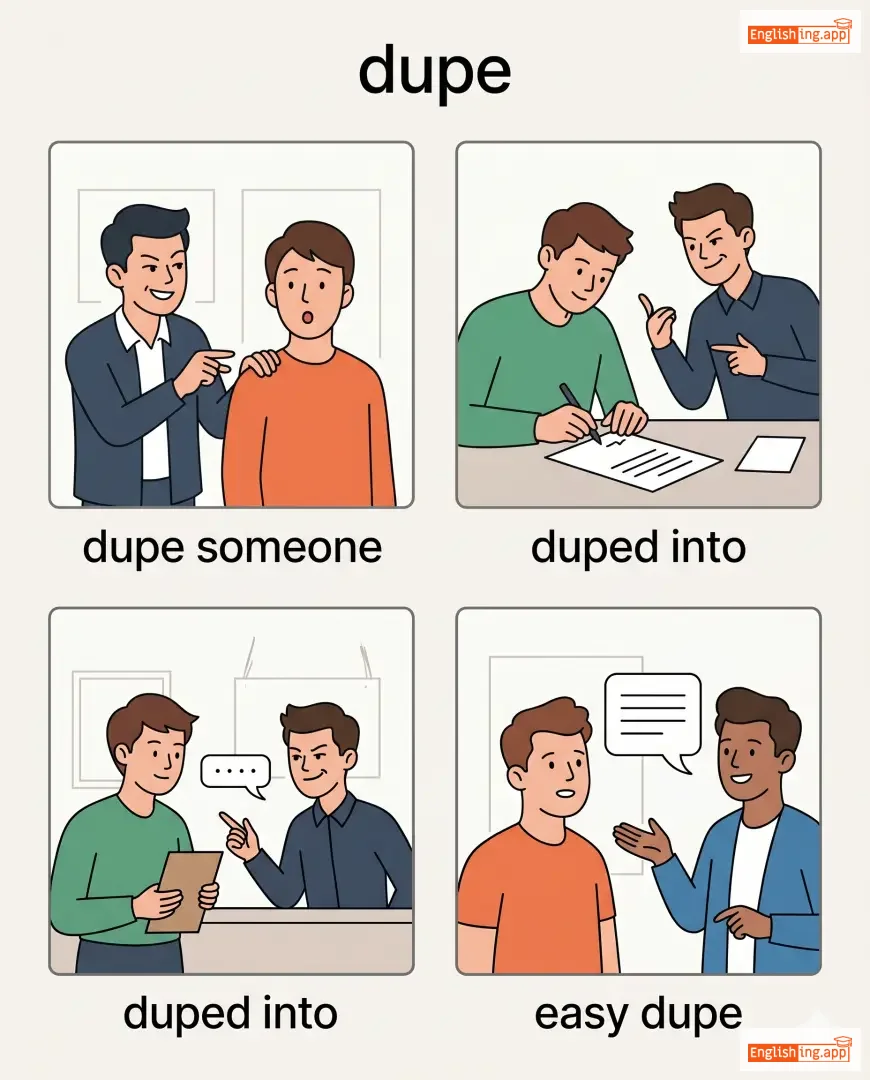
dupe someone, duped into, easy dupe, unsuspecting dupe
••••••
|
Dupe значит обманывать – помни 'You got duped' означает 'тебя обманули'.
••••••
|
|
😄
••••••
|
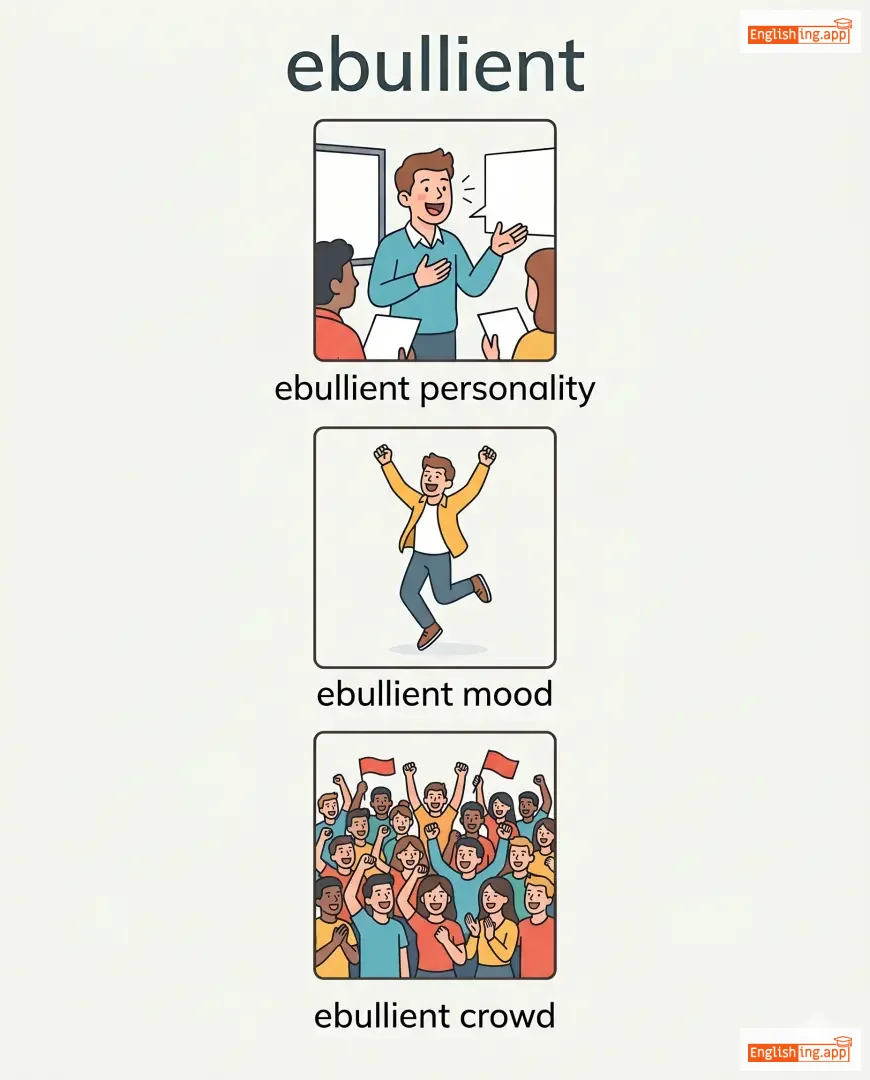
/ɪˈbʊliənt/
adjective
(эбуллиент)
••••••
|
|
эксуберантный
eksuberantny
••••••
|
- •••••• | - •••••• | - •••••• | - •••••• |
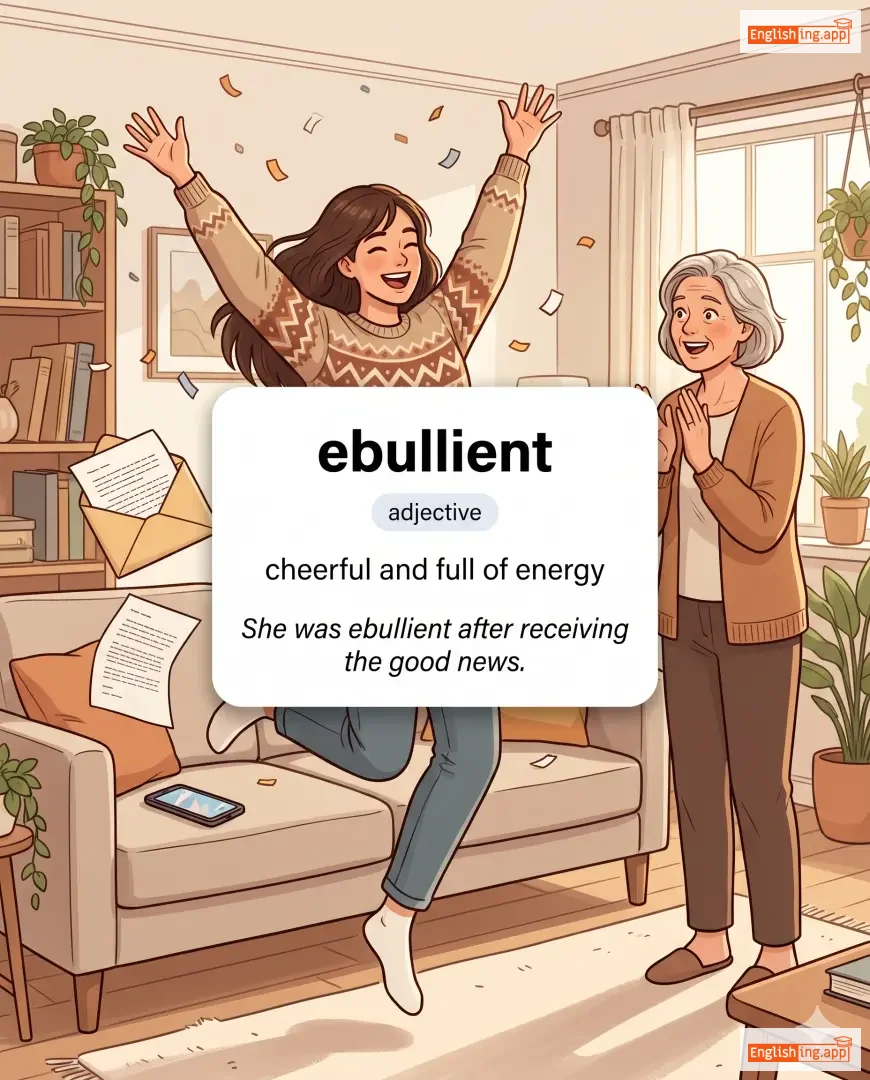
cheerful and full of energy
••••••
|
She was ebullient after receiving the good news. |
Она была эксуберантной после получения хороших новостей.
Ona byla eksuberantnoy posle polucheniya khoroshikh novostey.
••••••
|
- •••••• | - •••••• | - •••••• |
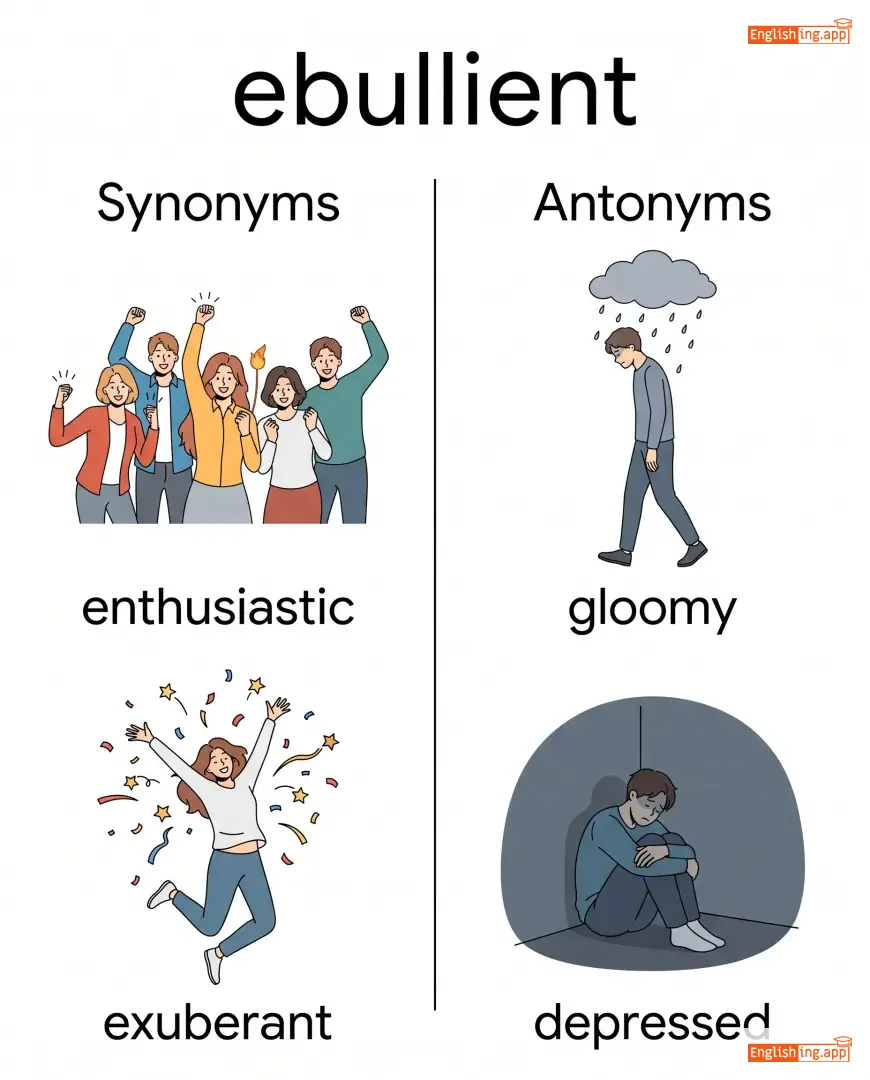
enthusiastic, exuberant, joyful, lively
••••••
|
gloomy, depressed, dull
••••••
|
ebullient personality, ebullient mood, ebullient crowd
••••••
|
Ebullient означает полная энергия 😄 - все становятся эксуберантными от хороших новостей
••••••
|
|
🎨
••••••
|
/ɪˈklɛktɪk/
adjective
(эклектический)
••••••
|


|
эклектичный
eklektichny
••••••
|
- •••••• | - •••••• | - •••••• | - •••••• |
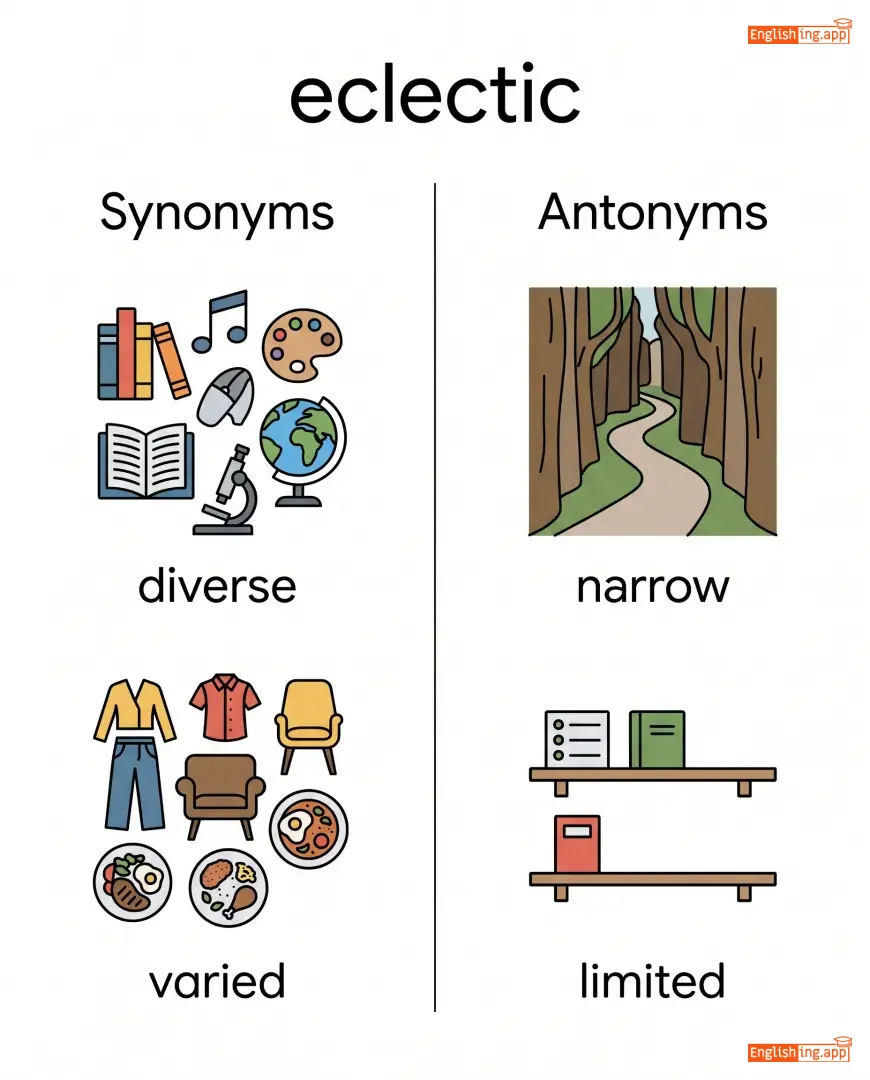
Selecting or deriving ideas, styles, or tastes from a broad and diverse range of sources.
••••••
|
Her taste in music is eclectic, ranging from classical to hip-hop.
Её вкус в музыке эклектичен, от классики до хип-хопа.
••••••
|
Её вкус в музыке эклектичен, от классики до хип-хопа.
Yeyo vkus v muzykye eklektichen, ot klassiki do hip-hop'a.
••••••
|
- •••••• | - •••••• | - •••••• |
diverse, varied, broad, wide-ranging, assorted
••••••
|
narrow, limited, exclusive
••••••
|
eclectic style, eclectic approach, eclectic taste, eclectic mix
••••••
|
Эклектичный вкус, как множество разных стилей, собранных в одном месте.
••••••
|
|
🥂
••••••
|
/ˌɛfəˈvɛsəns/
noun
(эффервесценс)
••••••
|
|
пенная реакция
pennaya reaktsiya
••••••
|
- •••••• | - •••••• | - •••••• | - •••••• |
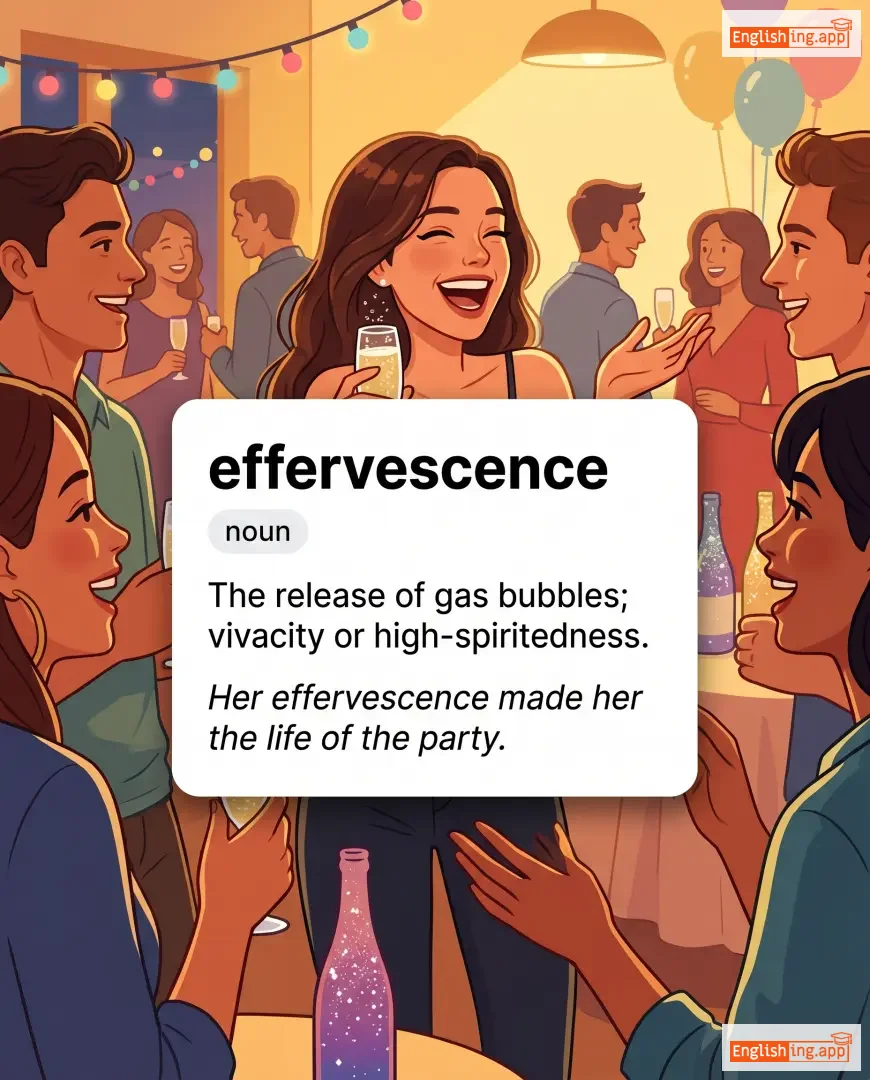
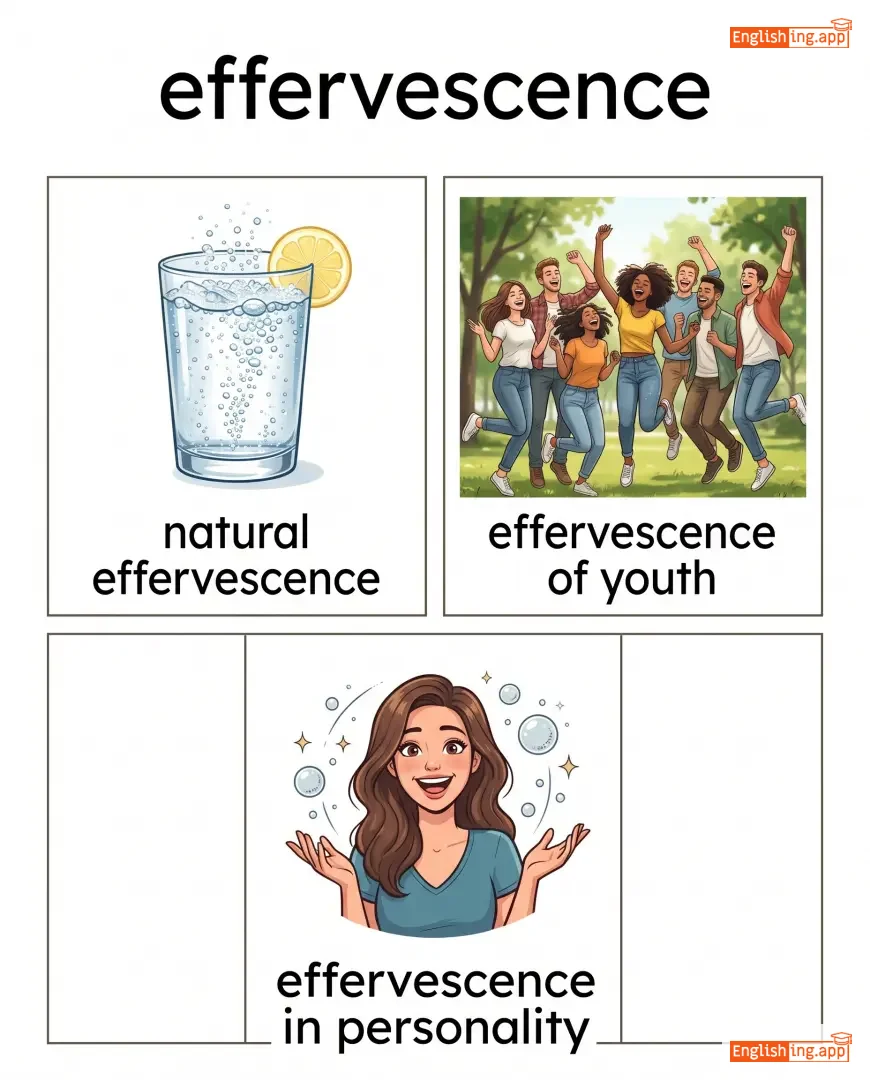
The release of gas bubbles; vivacity or high-spiritedness.
••••••
|
Her effervescence made her the life of the party.
Её эффервесценция сделала её душой вечеринки.
••••••
|
Её пенная реакция сделала её душой вечеринки.
Yeyo pennaya reaksiya sdelala yeyo dushoy vecherinki.
••••••
|
- •••••• | - •••••• | - •••••• |
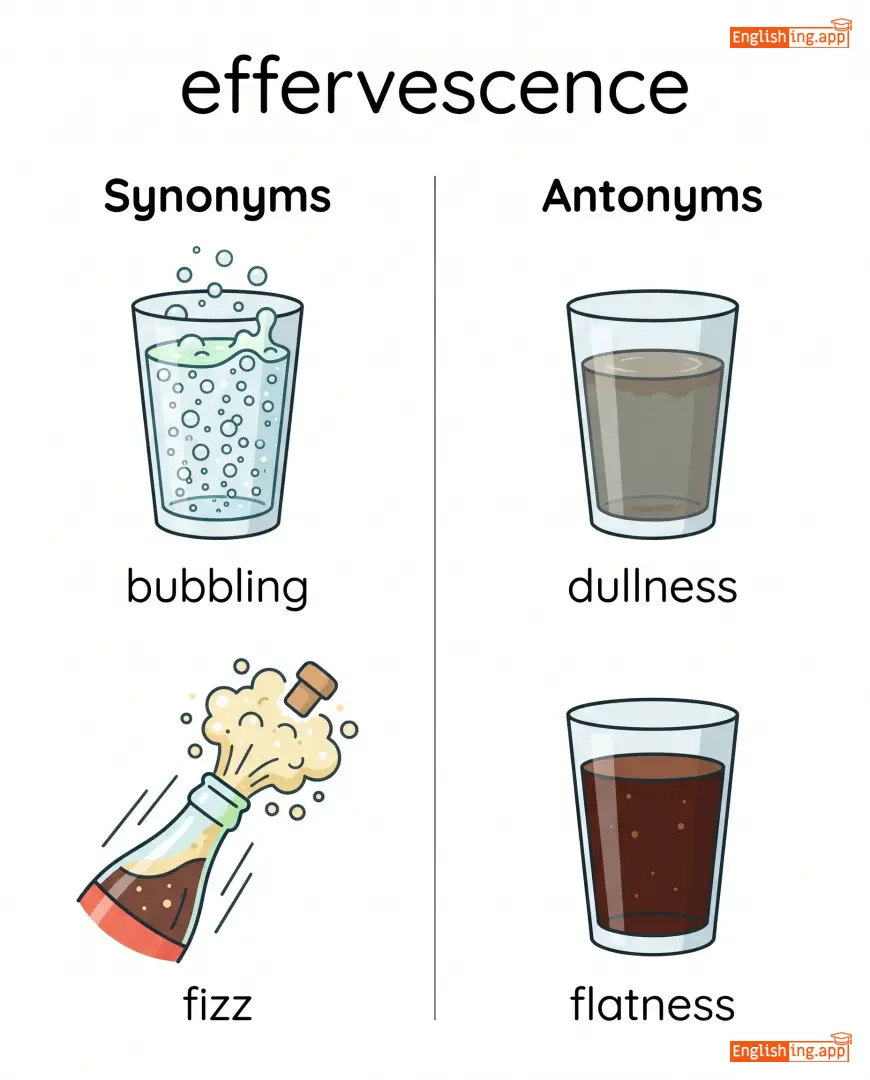
bubbling, fizz, liveliness, sparkle, vibrancy
••••••
|
dullness, flatness, lifelessness
••••••
|
natural effervescence, effervescence of youth, effervescence in personality
••••••
|
Effervescence означает пенная реакция → представьте себе пузырьки в газировке.
••••••
|
|
🌸
••••••
|
/ɪˈfiːt/
adjective
(эфит)
••••••
|
|
слабый
slaby
••••••
|
- •••••• | - •••••• | - •••••• | - •••••• |
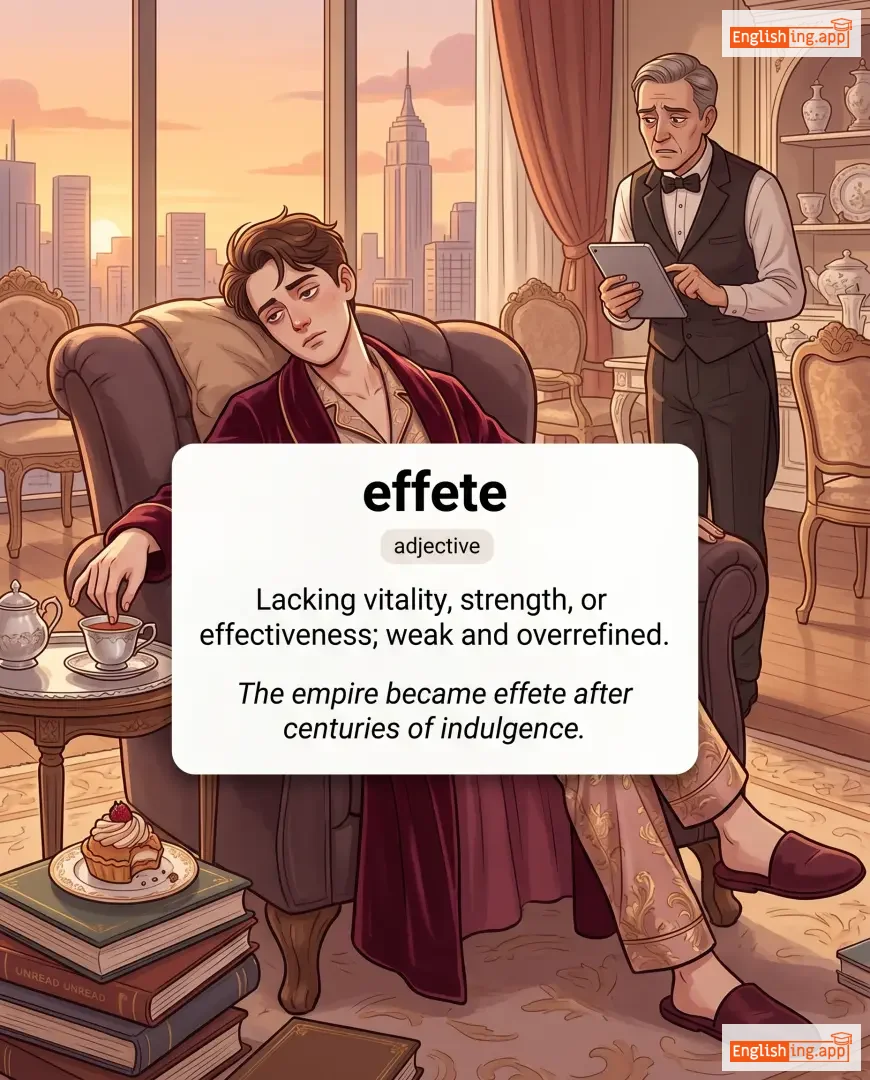
Lacking vitality, strength, or effectiveness; weak and overrefined.
••••••
|
The empire became effete after centuries of indulgence. |
Империя стала слабой после столетий роскоши.
Imperiya stala slabay posle stoletiy roskoshi.
••••••
|
- •••••• | - •••••• | - •••••• |
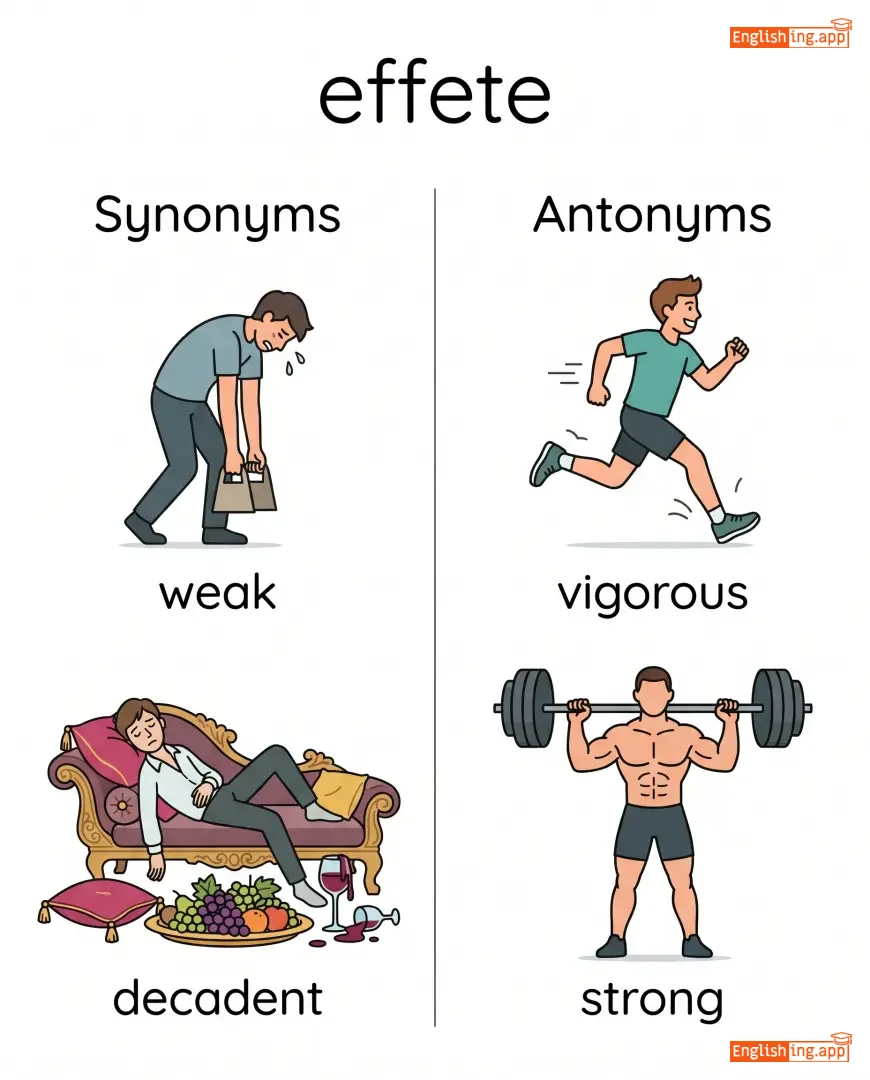
weak, decadent, exhausted, powerless, overrefined
••••••
|
vigorous, strong, powerful
••••••
|
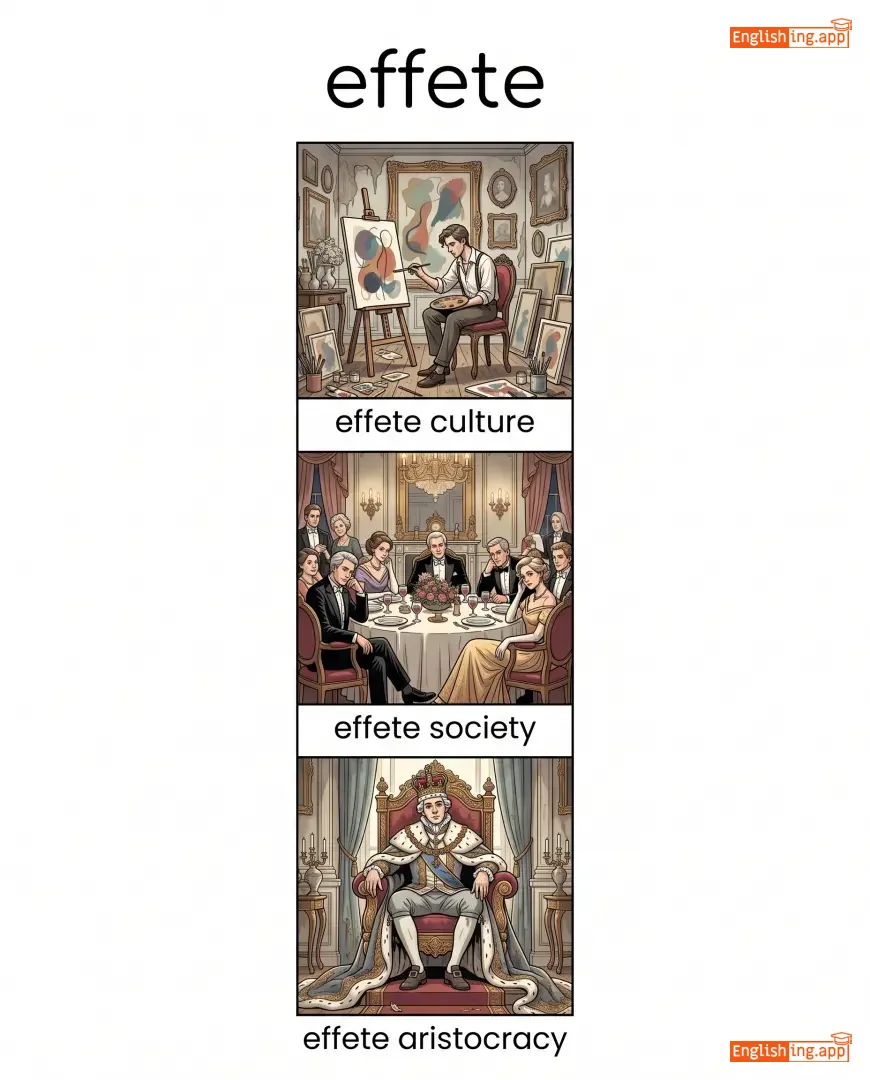
effete culture, effete society, effete aristocracy, effete leadership
••••••
|
Effete значит слабый, как усталое дерево, которое потеряло свою силу.
••••••
|
|
⚡
••••••
|
/ˈɛfɪkəsi/
noun
(эфикасити)
••••••
|
|
эффективность
effektivnost
••••••
|
- •••••• | - •••••• | - •••••• | - •••••• |
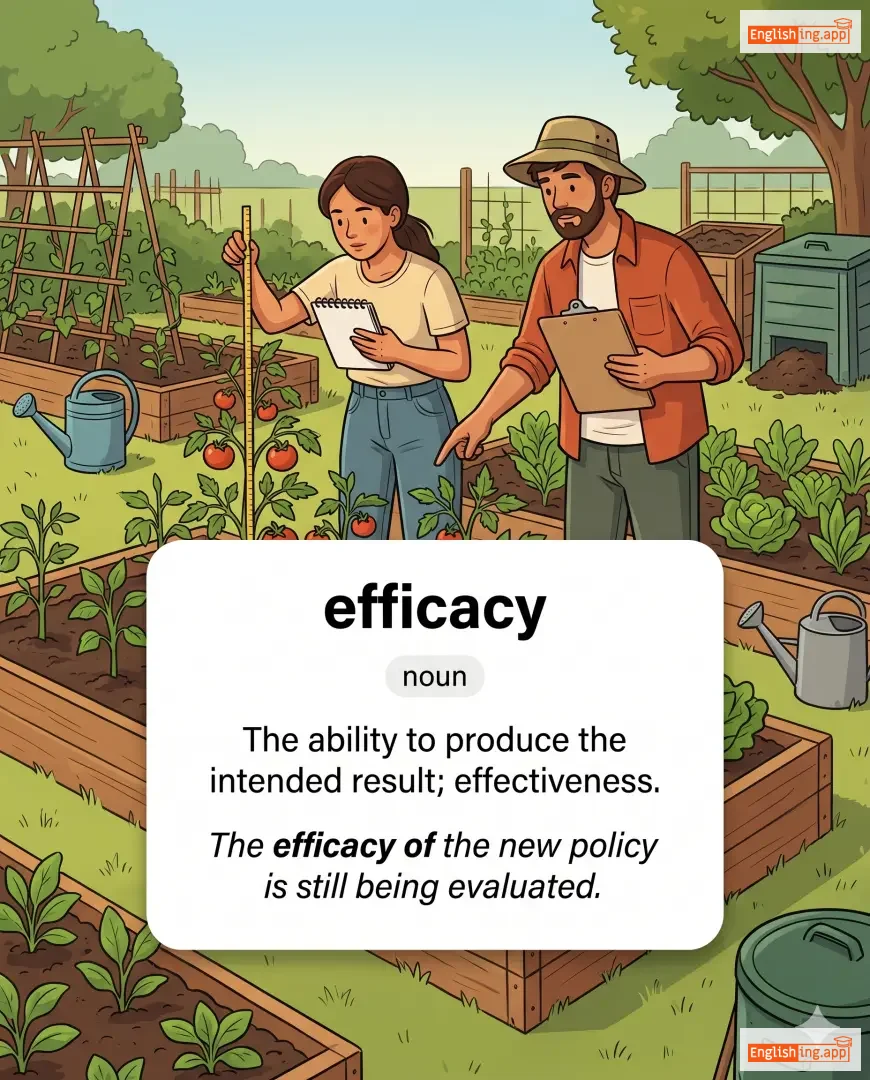
The ability to produce the intended result; effectiveness.
••••••
|
The efficacy of the new policy is still being evaluated.
Эффективность новой политики все еще оценивается.
••••••
|
Эффективность новой политики все еще оценивается.
Effektivnost' novoy politiki vse eshcho otsenivaetsya.
••••••
|
- •••••• | - •••••• | - •••••• |
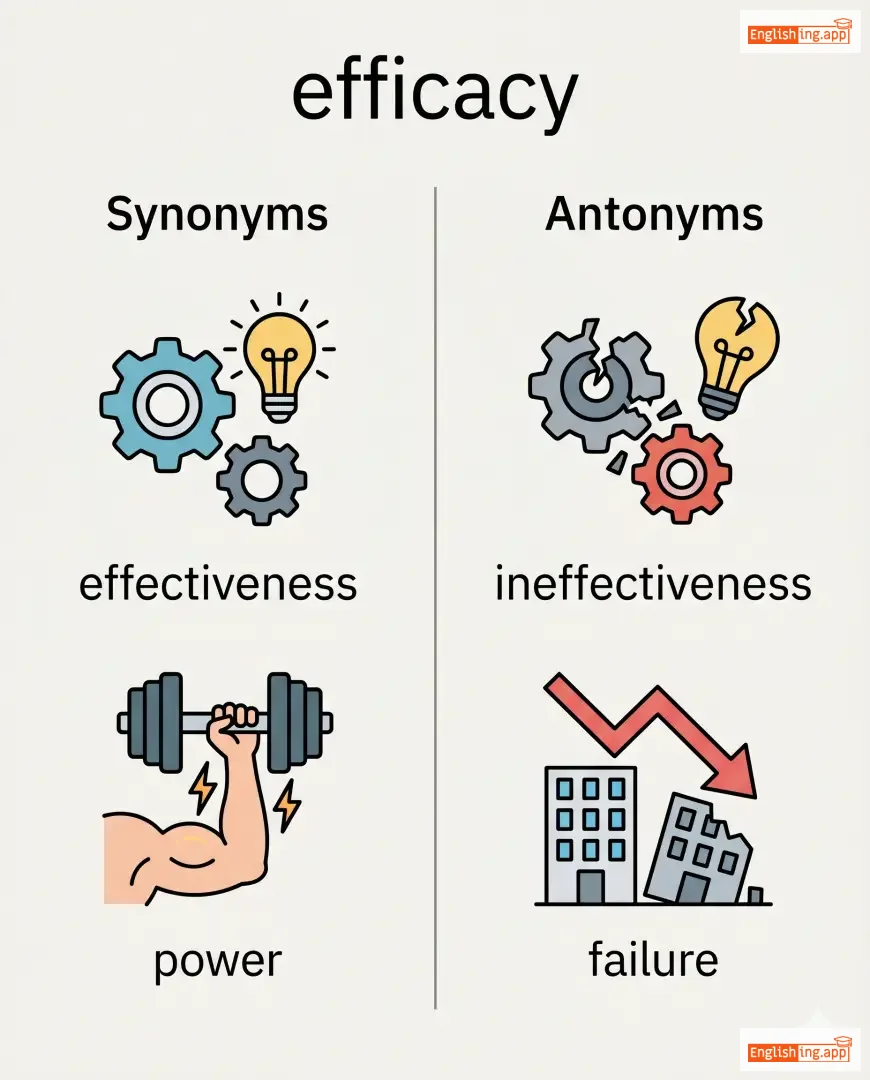
effectiveness, power, efficiency, success
••••••
|
ineffectiveness, failure, weakness
••••••
|
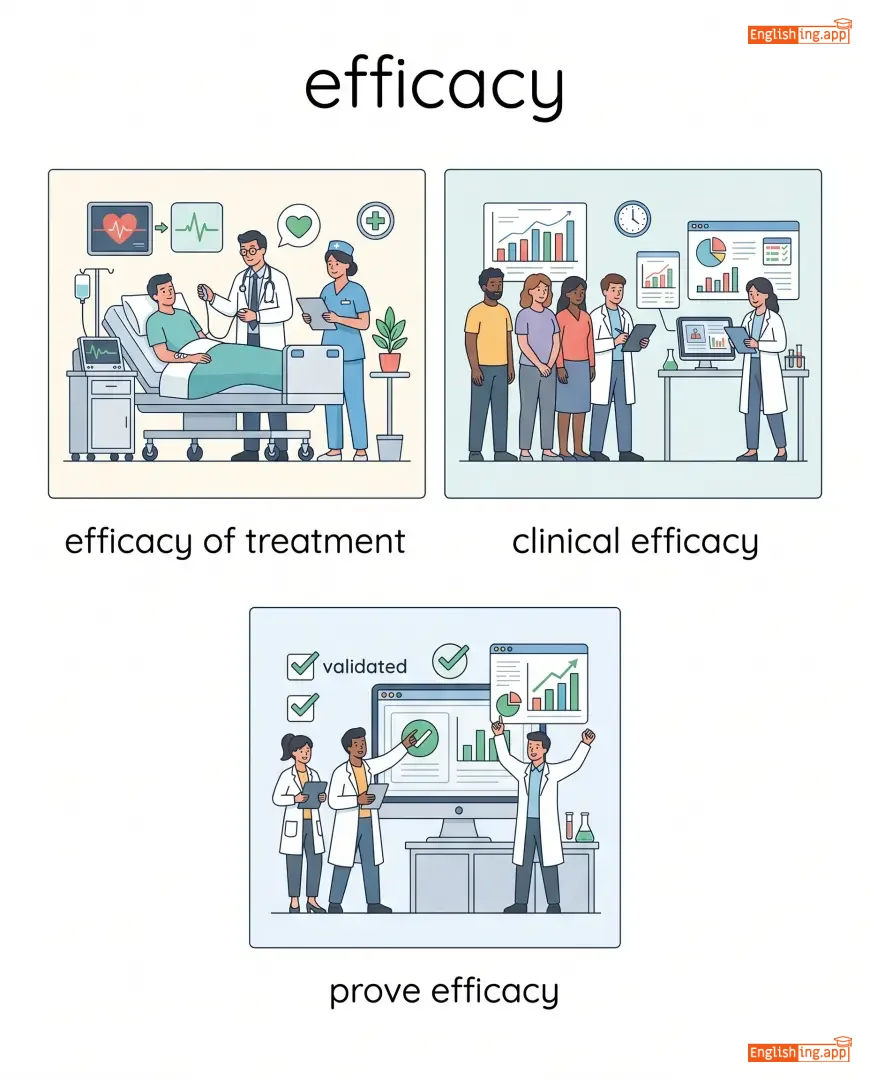
efficacy of treatment, clinical efficacy, prove efficacy, high efficacy
••••••
|
Эффективность — это способность достичь желаемого результата. Эффи (эффективность) для 'efficacy'.
••••••
|

