The Science Behind Healthy Eating
Правильный метаболизм крайне важен для поддержания здоровья. Процессы анаболизма и катаболизма нашего организма зависят от сбалансированного питания. Макроэлементы такие как углеводы, белки и жиры являются основными источниками энергии, в то время как микроэлементы помогают с ферментативными функциями в организме. Биодоступность пищи зависит от того, как организм ее перерабатывает через процессы гидролиза. Продукты с правильным гликемическим индексом контролируют уровень сахара в крови, помогая поддерживать гомеостаз. Пробиотики способствуют пищеварению, а антиоксиданты помогают уменьшить окислительный стресс в организме. Правильное питание улучшает работу мозга, контролируя нейротрансмиттеры. Избыточный липогенез увеличивает вес, но кетогенез помогает сжигать жир. Продукты, богатые фитохимикатами, улучшают эндокринные функции. Для здорового образа жизни необходимо увеличивать процессы термогенеза и поддерживать сытость.
Получите неограниченный доступ ко всем словам с подпиской Pro
Обновить до ProПолучите неограниченный доступ ко всем предложениям с подпиской Pro
Обновить до Pro|
Эмодзи
|
Слово | Images | Значение | Пример предложения | Синонимы | Антонимы |
|---|---|---|---|---|---|---|
|
#3650
⚡
|
/məˈtæb.əl.ɪ.zəm/
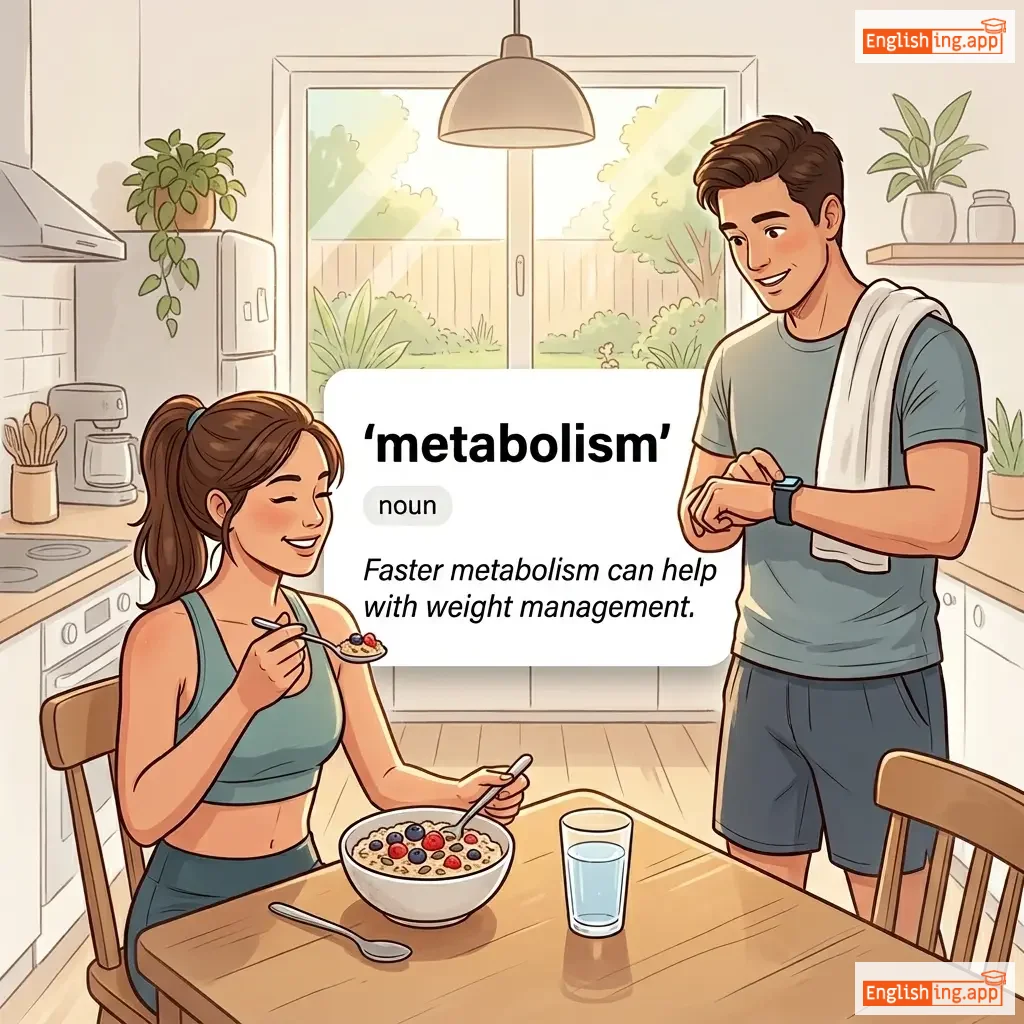
noun
••••••
|
|
The chemical processes that occur within a living organism in order to maintain life, including energy production and cellular activity.
••••••
|
Proper hydration boosts metabolism and energy levels. |
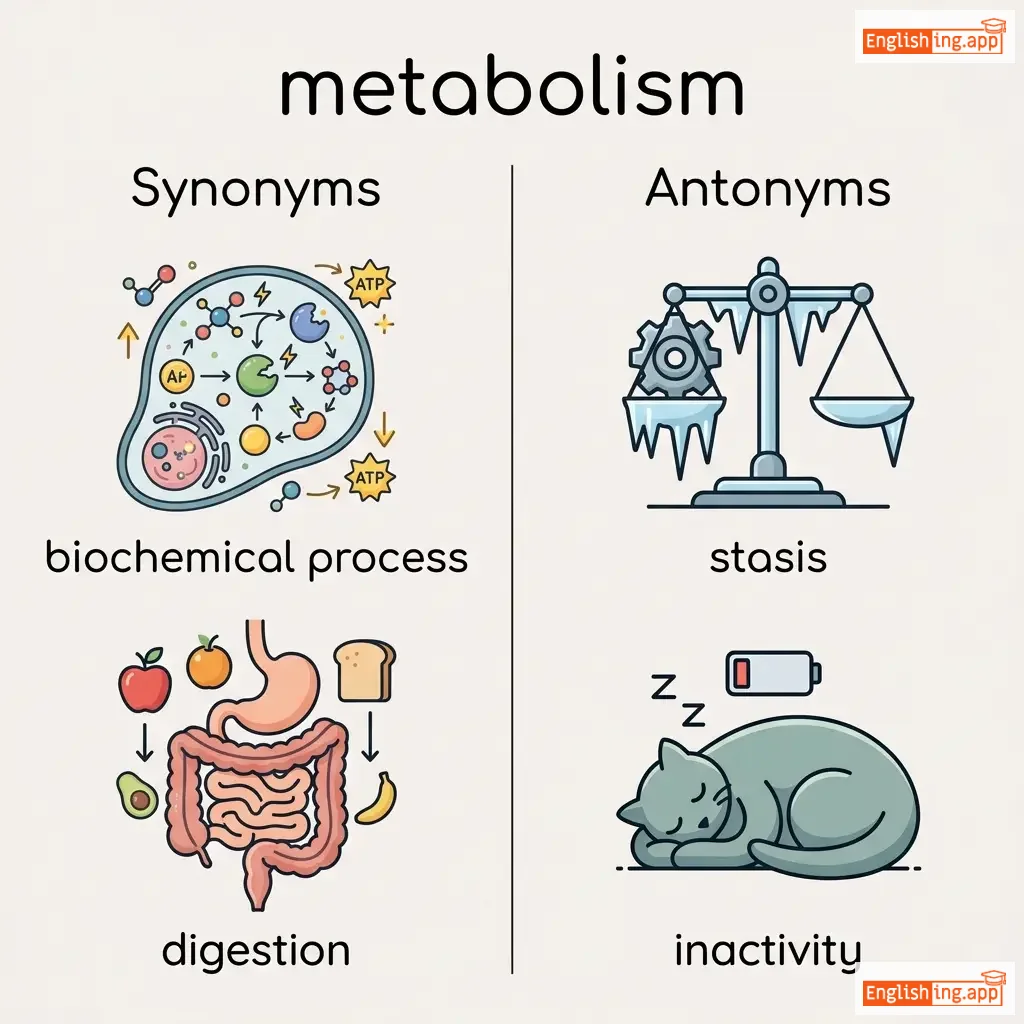
biochemical process, energy conversion, cellular activity
••••••
|
stagnation, inactivity, deterioration
••••••
|
|
#3651
🔧
|
/əˈnæb.ə.lɪ.zəm/
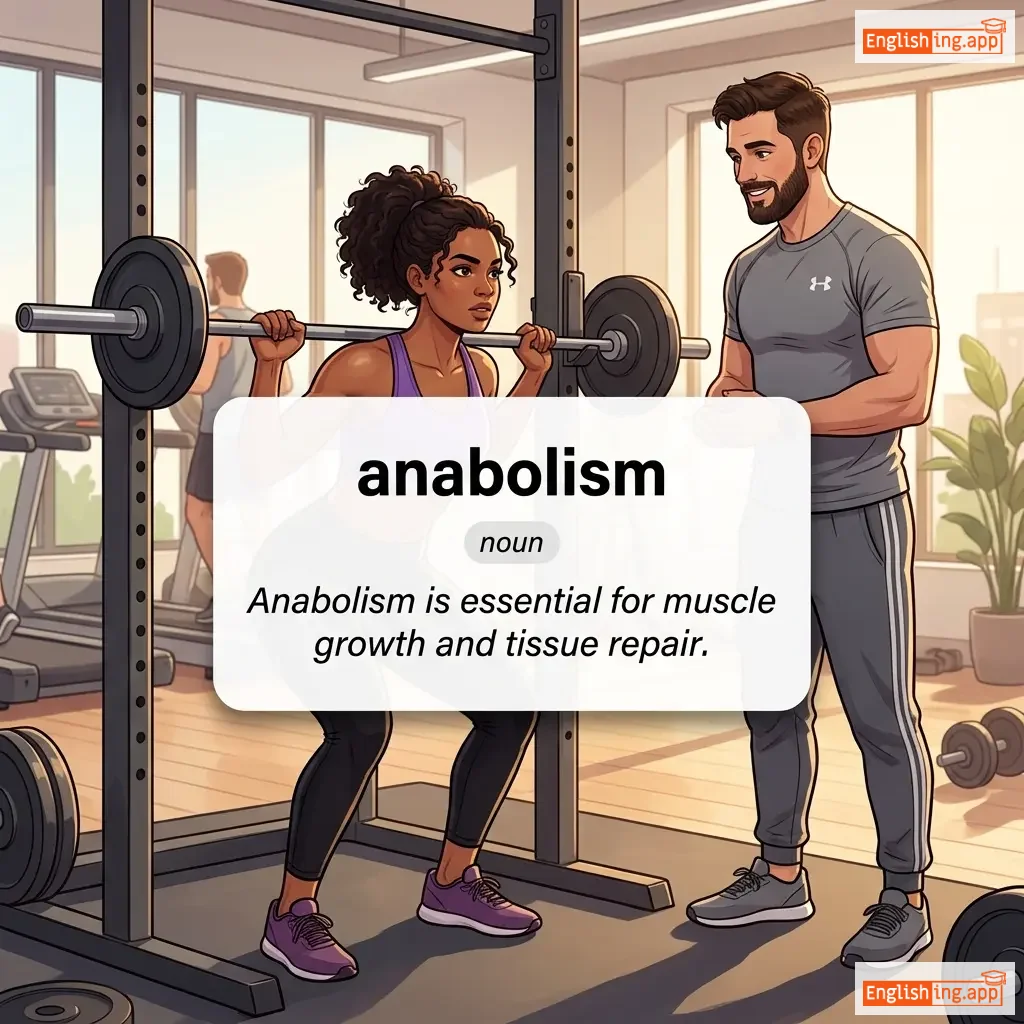
noun
••••••
|
|
The set of metabolic pathways that construct molecules from smaller units, involving tissue repair and growth.
••••••
|
Anabolism is essential for muscle growth and tissue repair. |
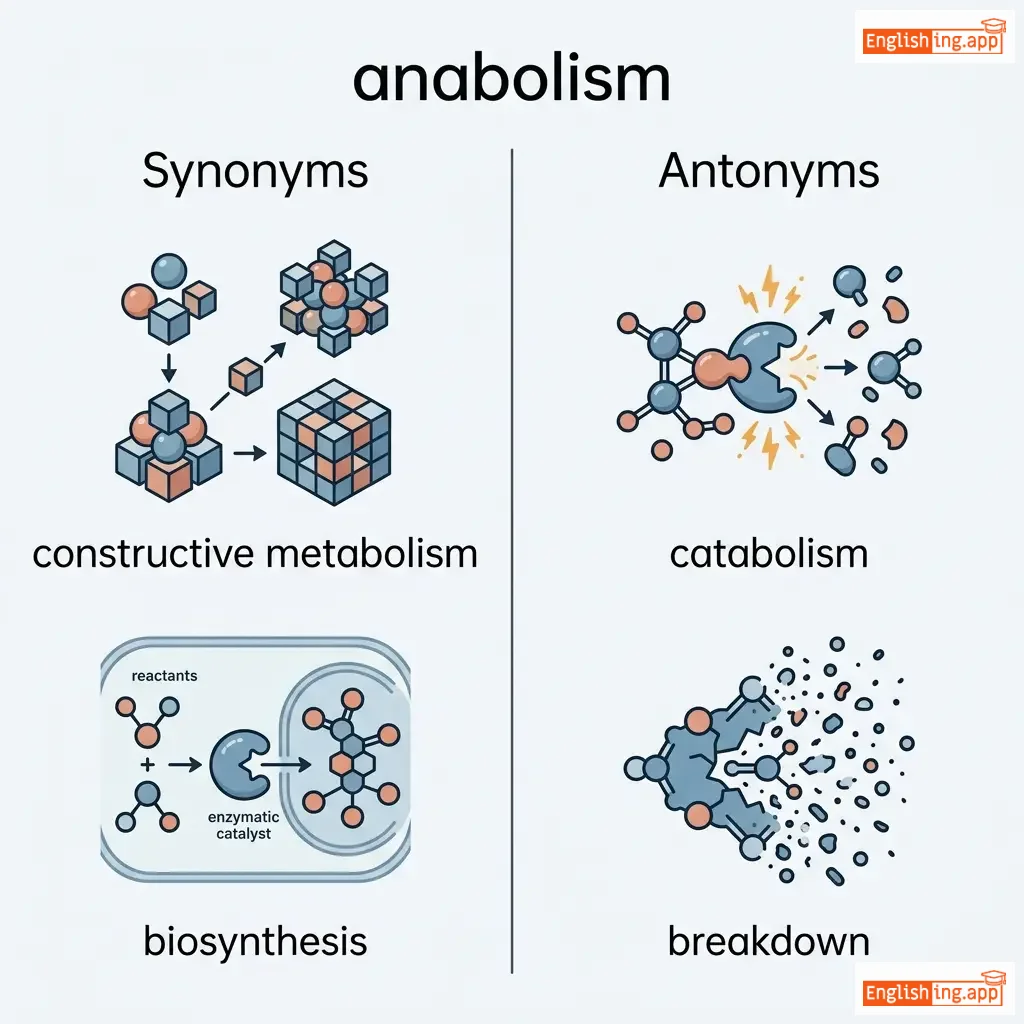
constructive metabolism, biosynthesis, growth mechanism
••••••
|
catabolism, breakdown, decomposition
••••••
|
|
#3652
⚡
|
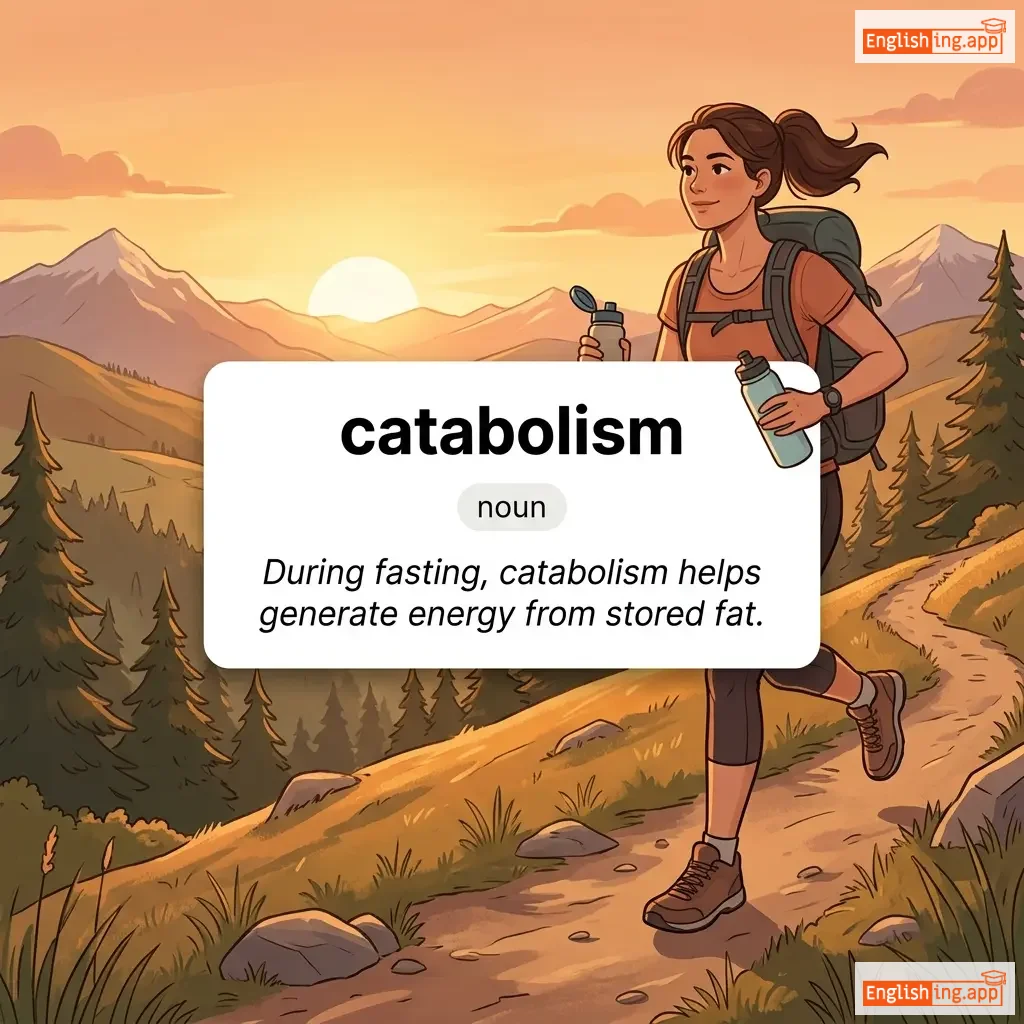
/kəˈtæb.ə.lɪ.zəm/
noun
••••••
|
|
The breakdown of complex molecules in living organisms to form simpler ones together with the release of energy.
••••••
|
During fasting, catabolism helps generate energy from stored fat. |
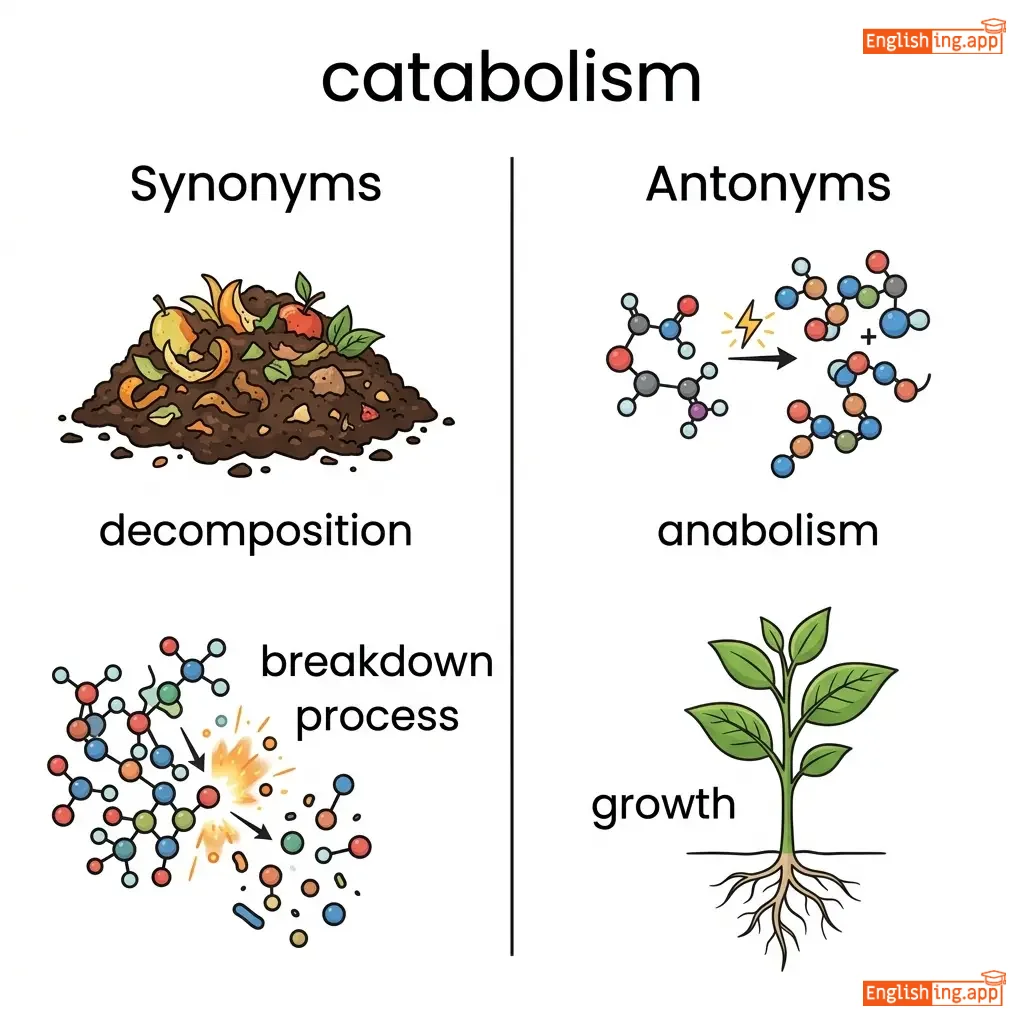
decomposition, breakdown process, oxidation
••••••
|
anabolism, growth, accumulation
••••••
|
|
#3653
🥗
|
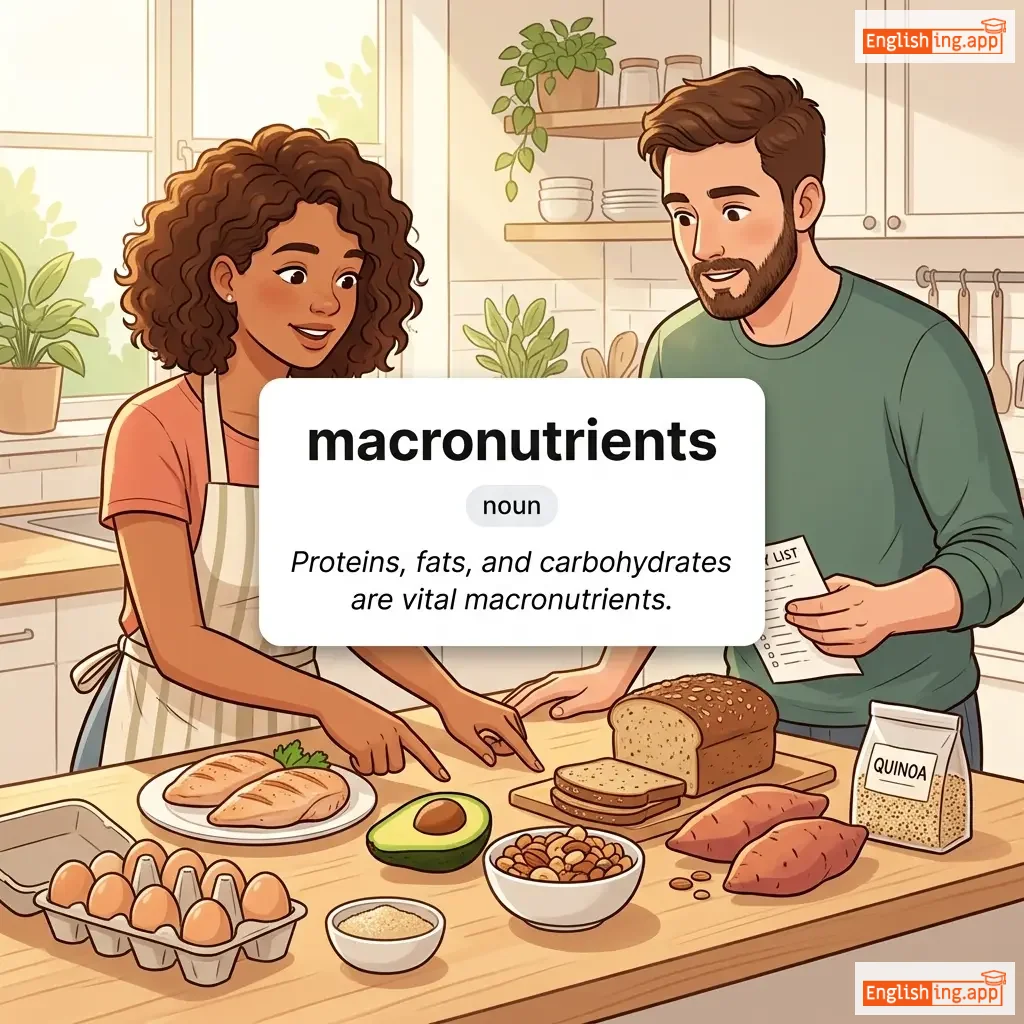
/ˈmæk.rəʊˌnjuː.tri.ənts/
noun
••••••
|
|
Nutrients that are needed in large amounts to provide energy and building materials for the body, including carbohydrates, proteins, and fats.
••••••
|
Proteins, fats, and carbohydrates are vital macronutrients. |
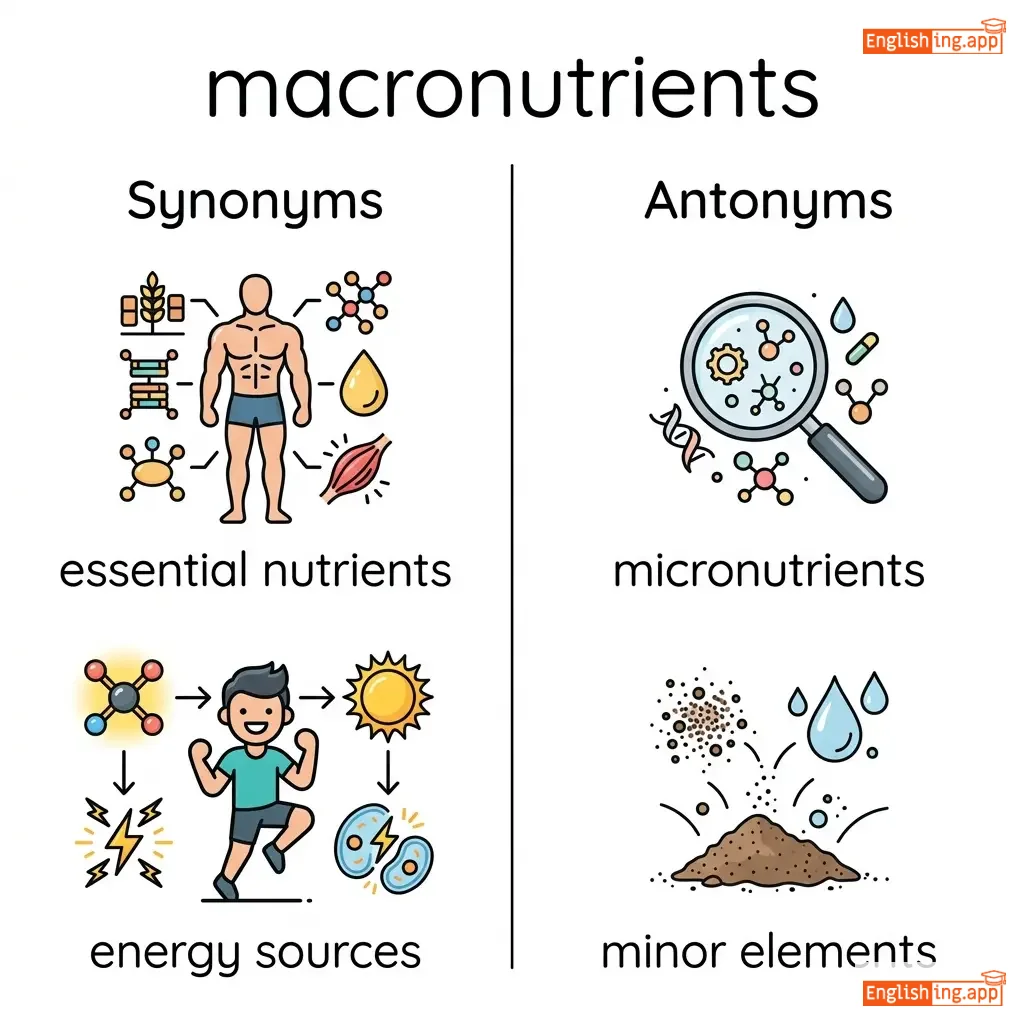
essential nutrients, energy sources, dietary components
••••••
|
micronutrients, minor elements, trace minerals
••••••
|
|
#3654
🍞
|
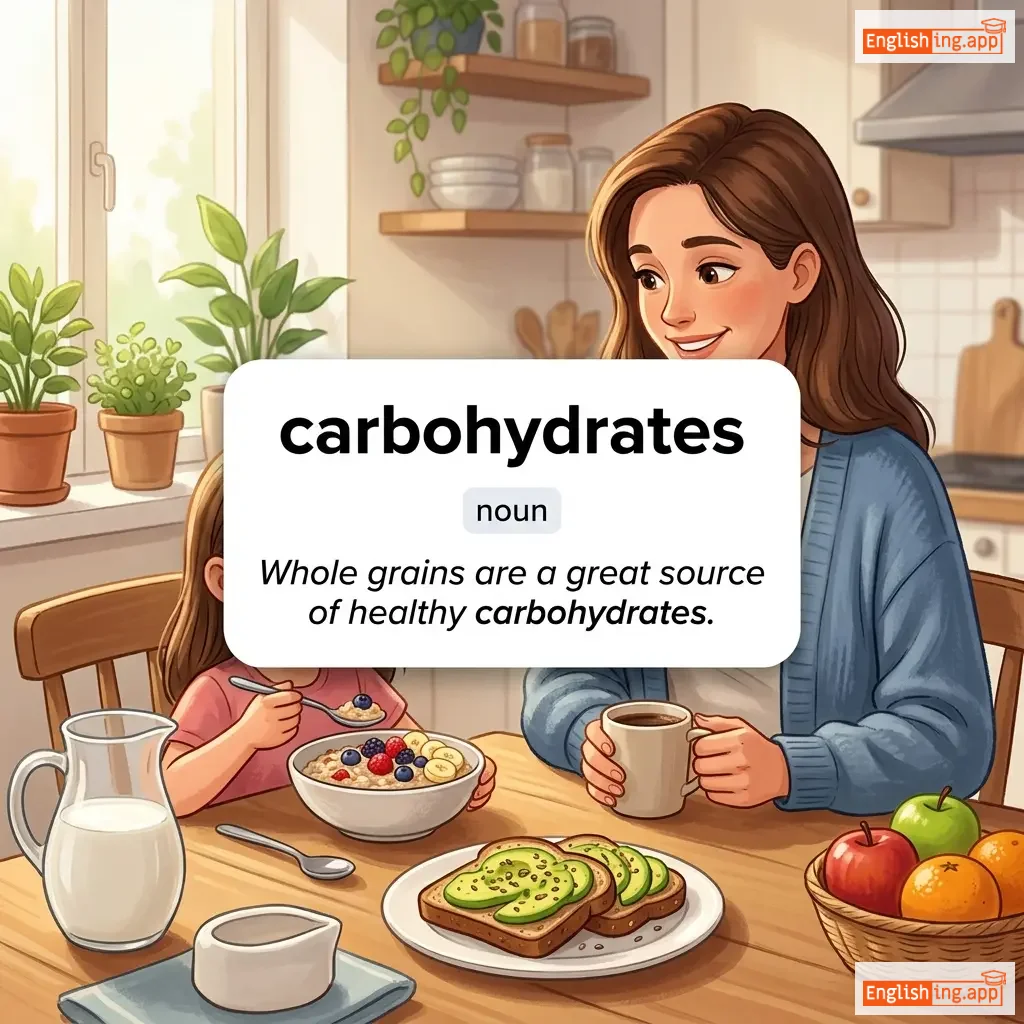
/ˌkɑː.bəʊˈhaɪ.dreɪts/
noun
••••••
|
|
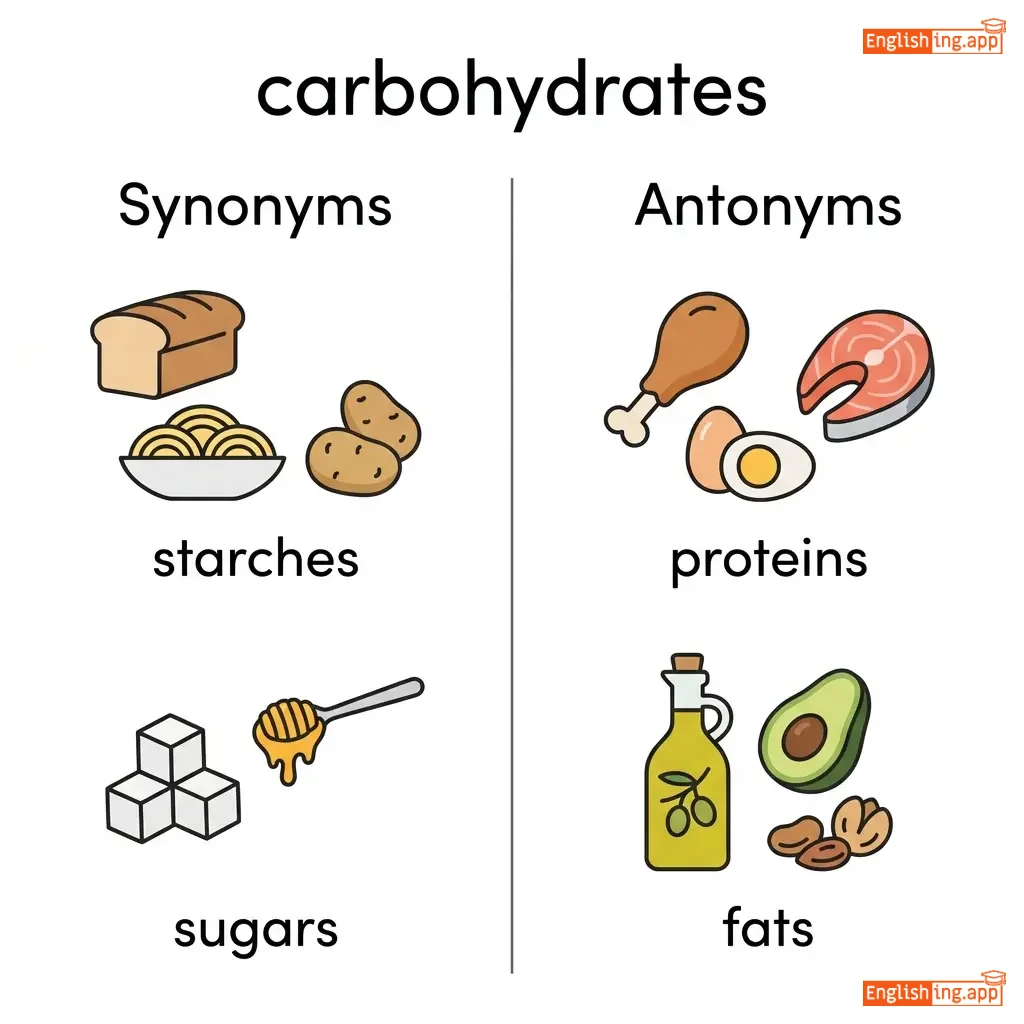
Organic compounds consisting of carbon, hydrogen, and oxygen, serving as a primary source of energy for the body.
••••••
|
Whole grains are a great source of healthy carbohydrates. |
starches, sugars, polysaccharides
••••••
|
proteins, fats, fibers
••••••
|
|
#3655
🥩
|
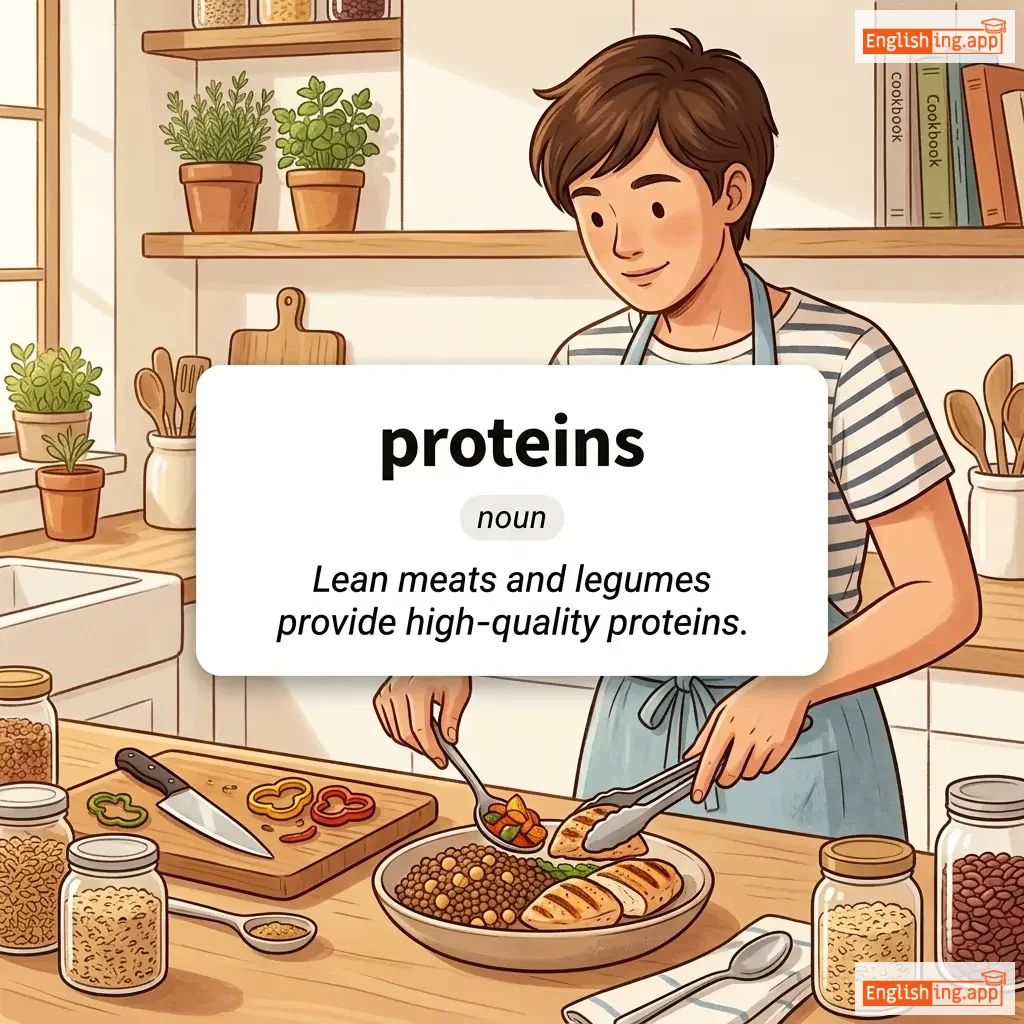
/ˈprəʊ.tiːnz/
noun
••••••
|
|
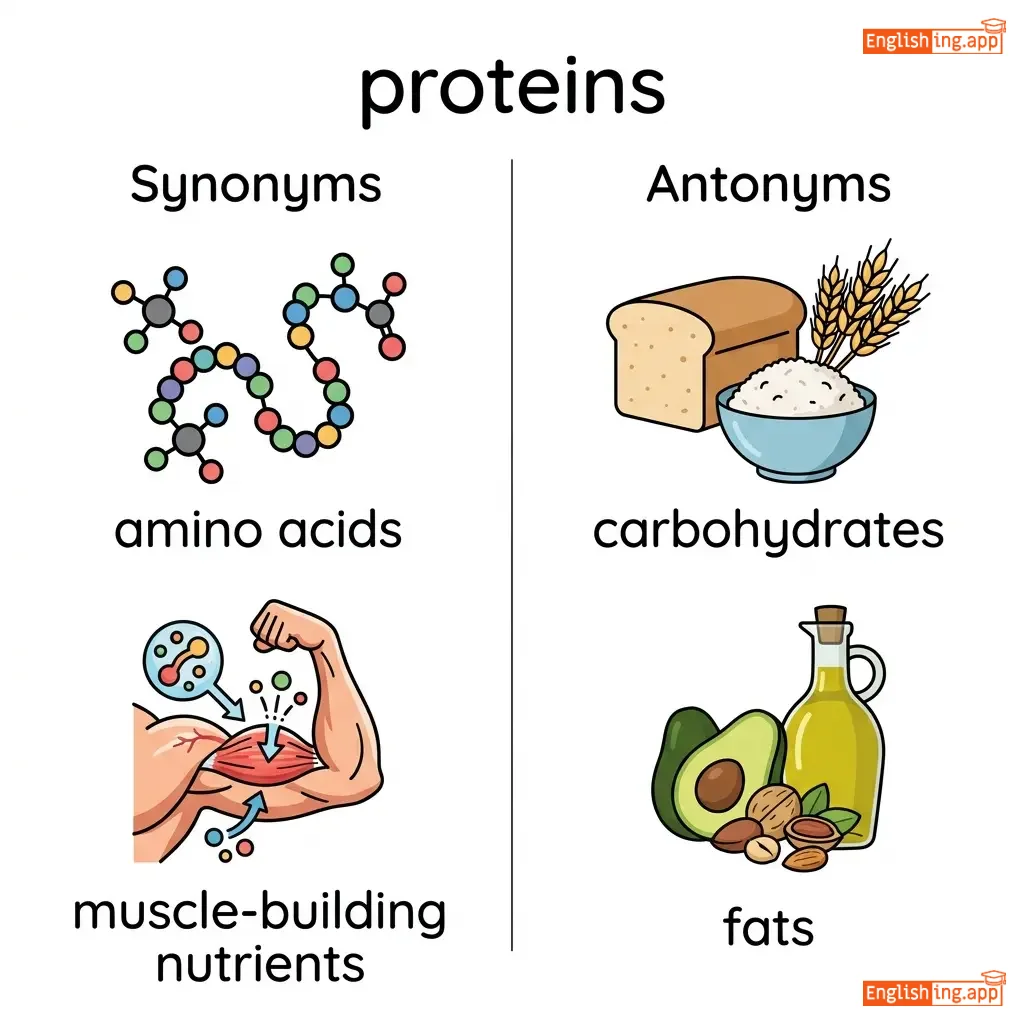
Large biomolecules consisting of amino acids that perform essential functions in living organisms, including building and repairing tissues.
••••••
|
Lean meats and legumes provide high-quality proteins. |
amino acids, muscle-building nutrients, structural biomolecules
••••••
|
carbohydrates, fats, sugars
••••••
|
|
#3656
🥑
|
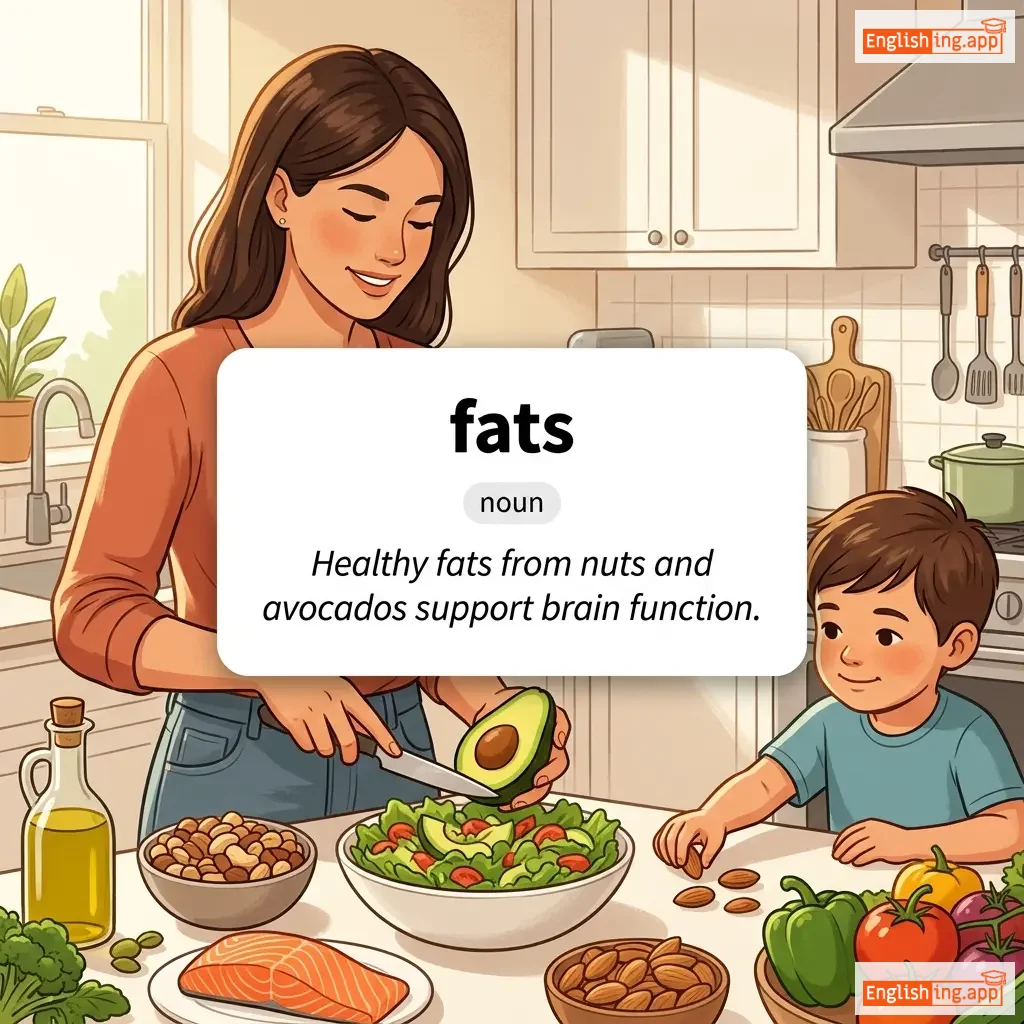
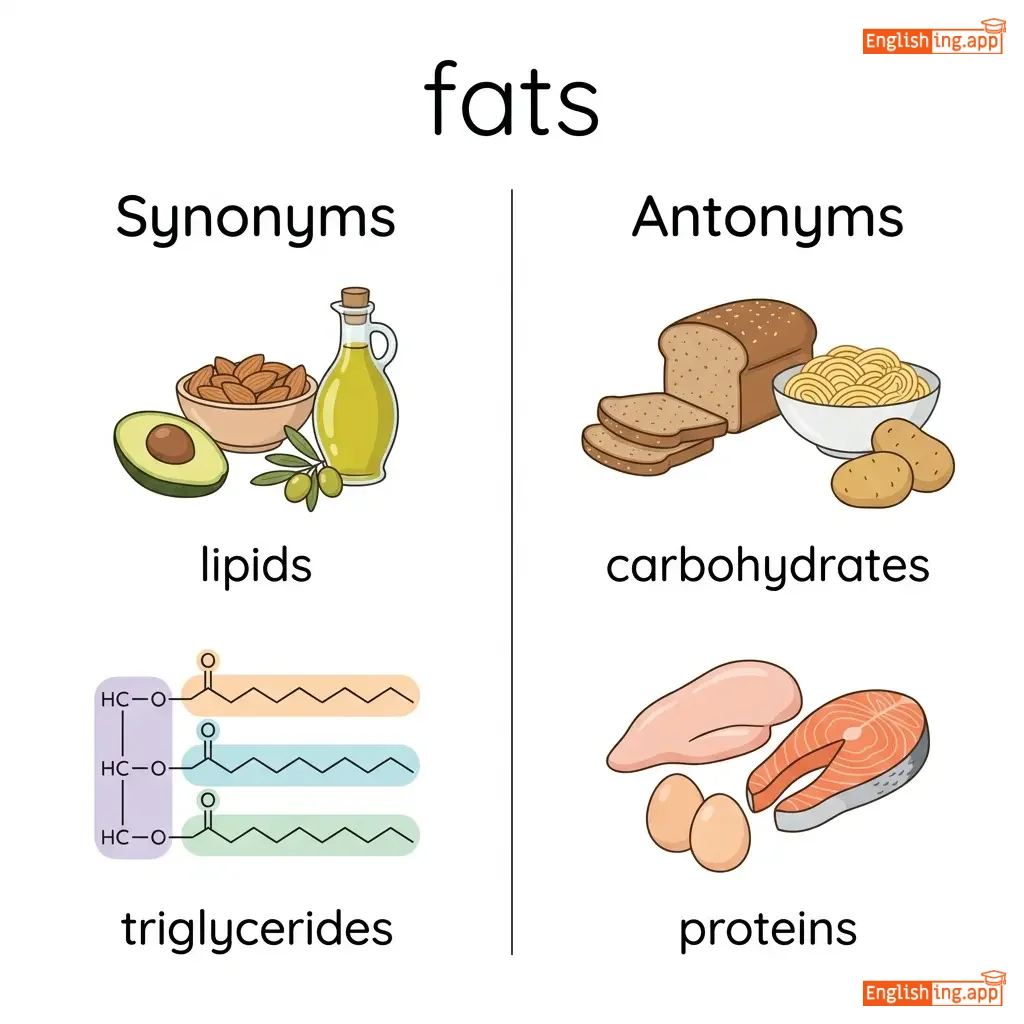
/fæts/
noun
••••••
|
|
Essential macronutrients that provide energy, support cell growth, and protect organs while helping absorb vitamins.
••••••
|
Healthy fats from nuts and avocados support brain function. |
lipids, triglycerides, fatty acids
••••••
|
carbohydrates, proteins, fibers
••••••
|
|
#3657
💊
|
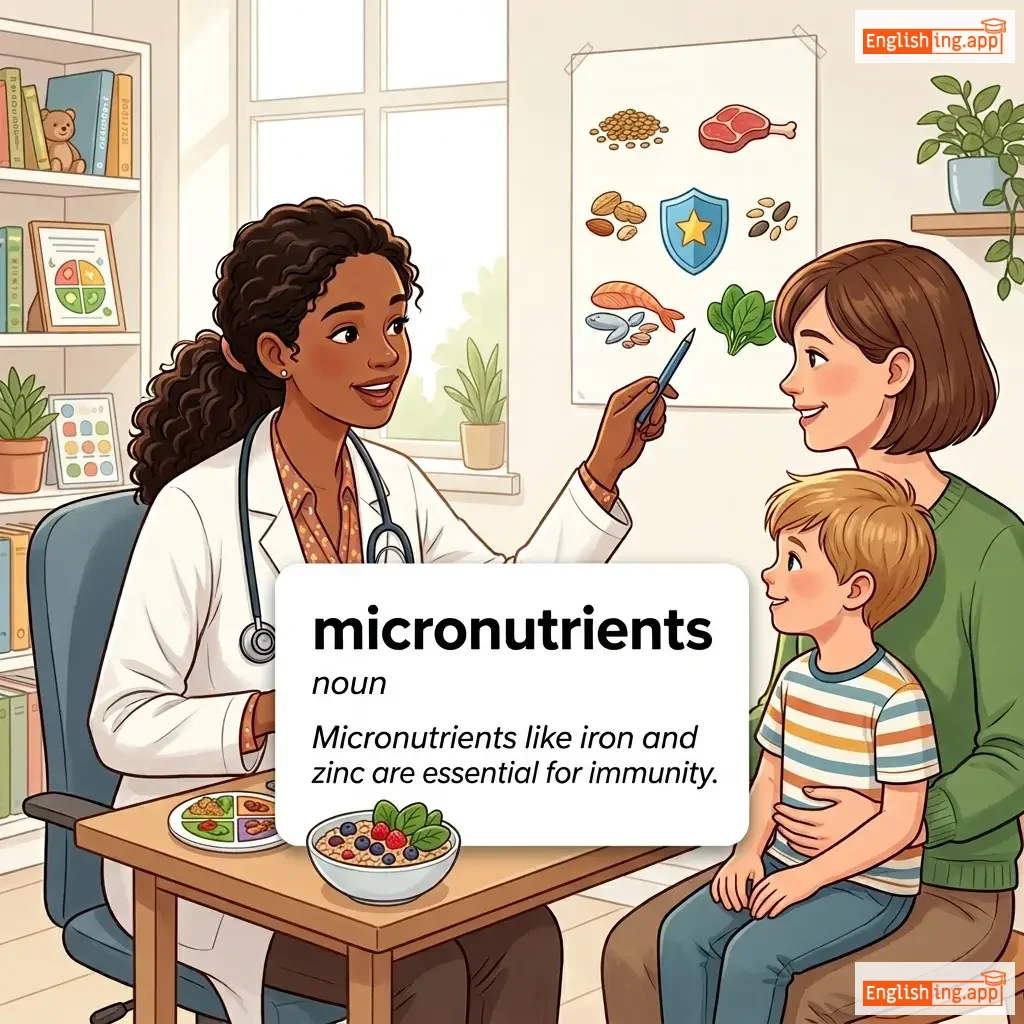
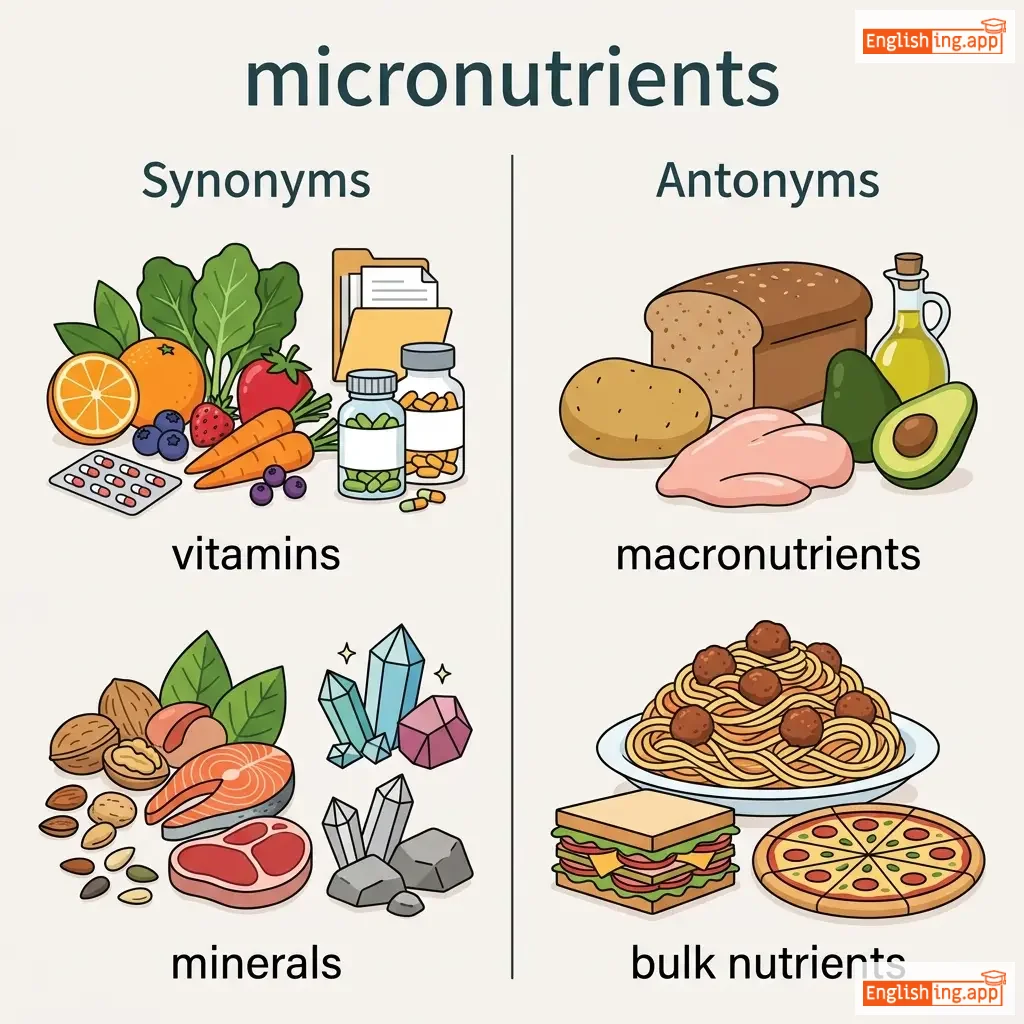
/ˈmaɪ.krəʊˌnjuː.tri.ənts/
noun
••••••
|
|
Essential nutrients required in small amounts for proper body function, including vitamins and minerals.
••••••
|
Micronutrients like iron and zinc are essential for immunity. |
vitamins, minerals, trace elements
••••••
|
macronutrients, bulk nutrients, energy providers
••••••
|
|
#3658
🧬
|
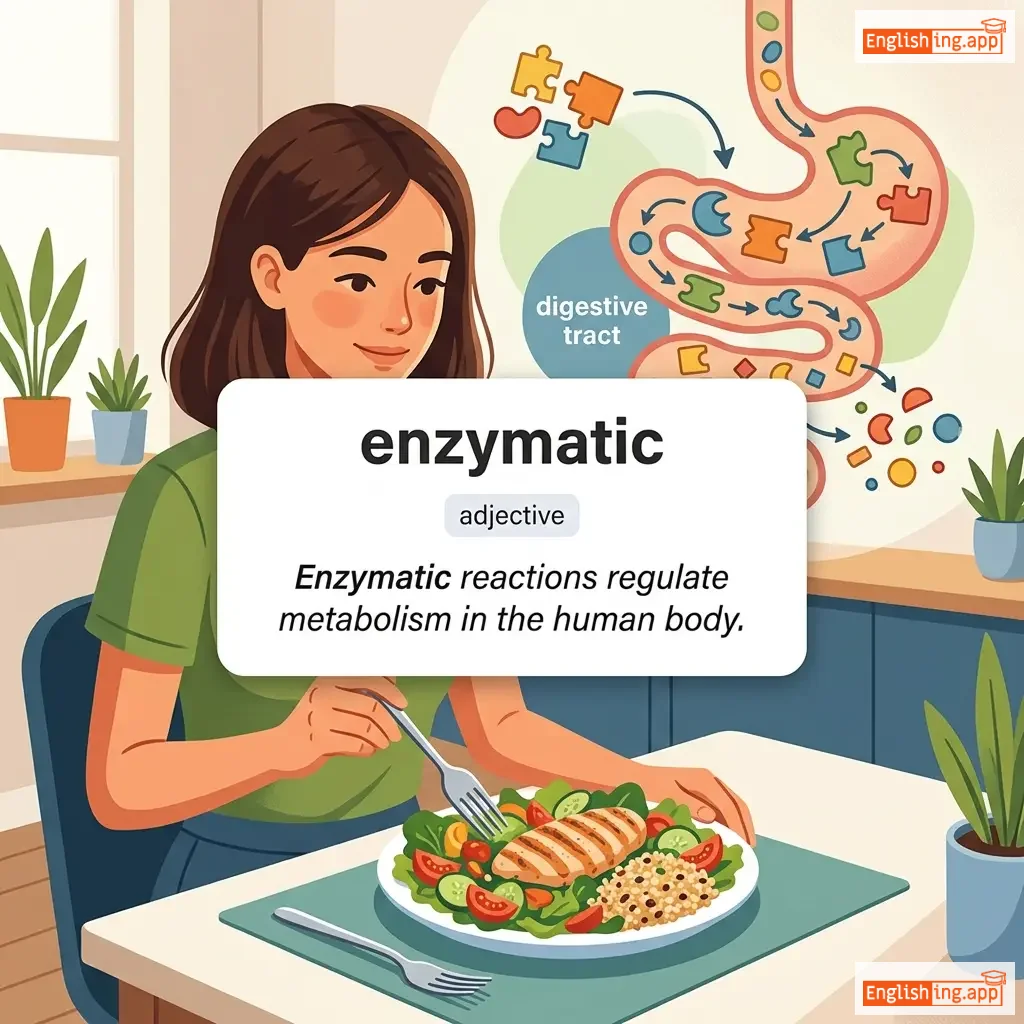
/ˌen.zɪˈmæt.ɪk/
adjective
••••••
|
|
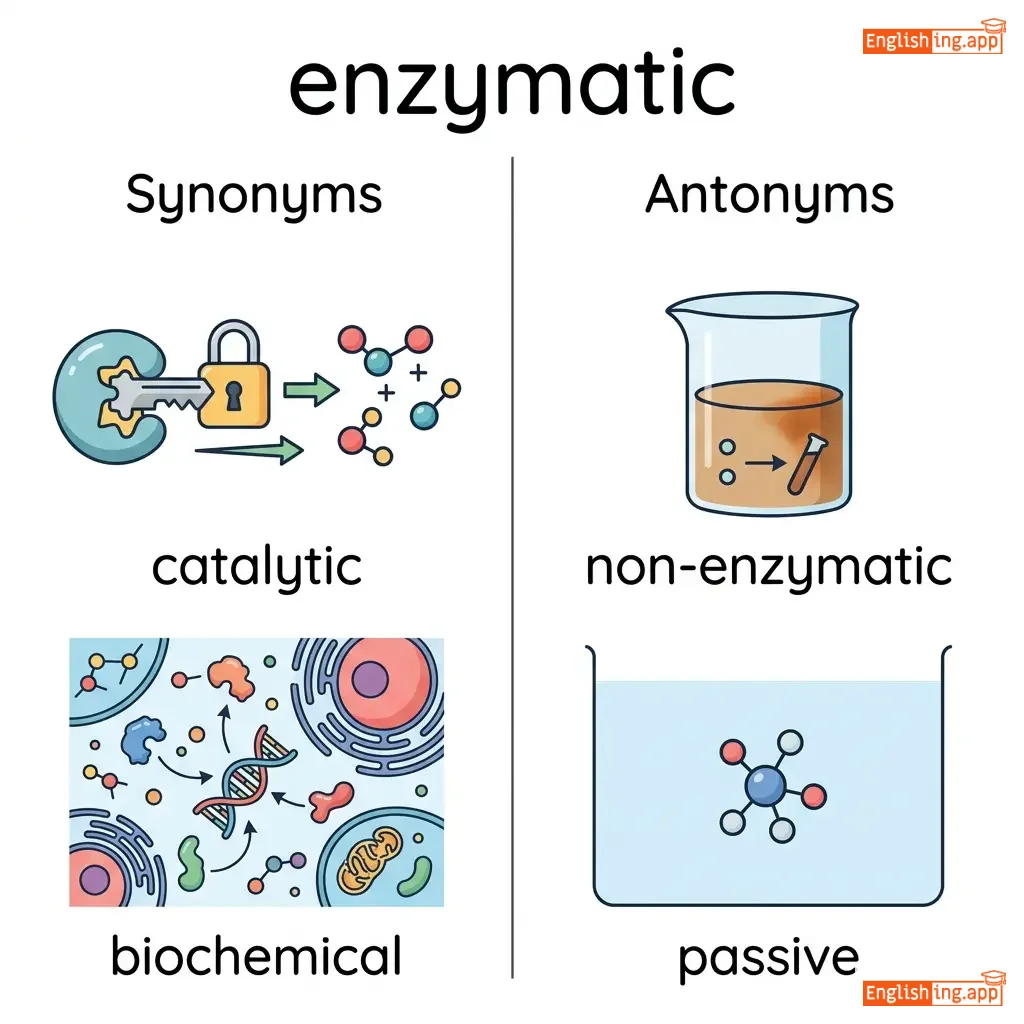
Relating to or involving enzymes, which are proteins that catalyze biochemical reactions in living organisms.
••••••
|
Enzymatic reactions regulate metabolism in the human body. |
catalytic, biochemical, reactive
••••••
|
non-enzymatic, passive, inactive
••••••
|
|
#3659
⚗️
|
/ˌbaɪ.oʊ.əˌveɪ.ləˈbɪl.ə.ti/
noun
••••••
|
|
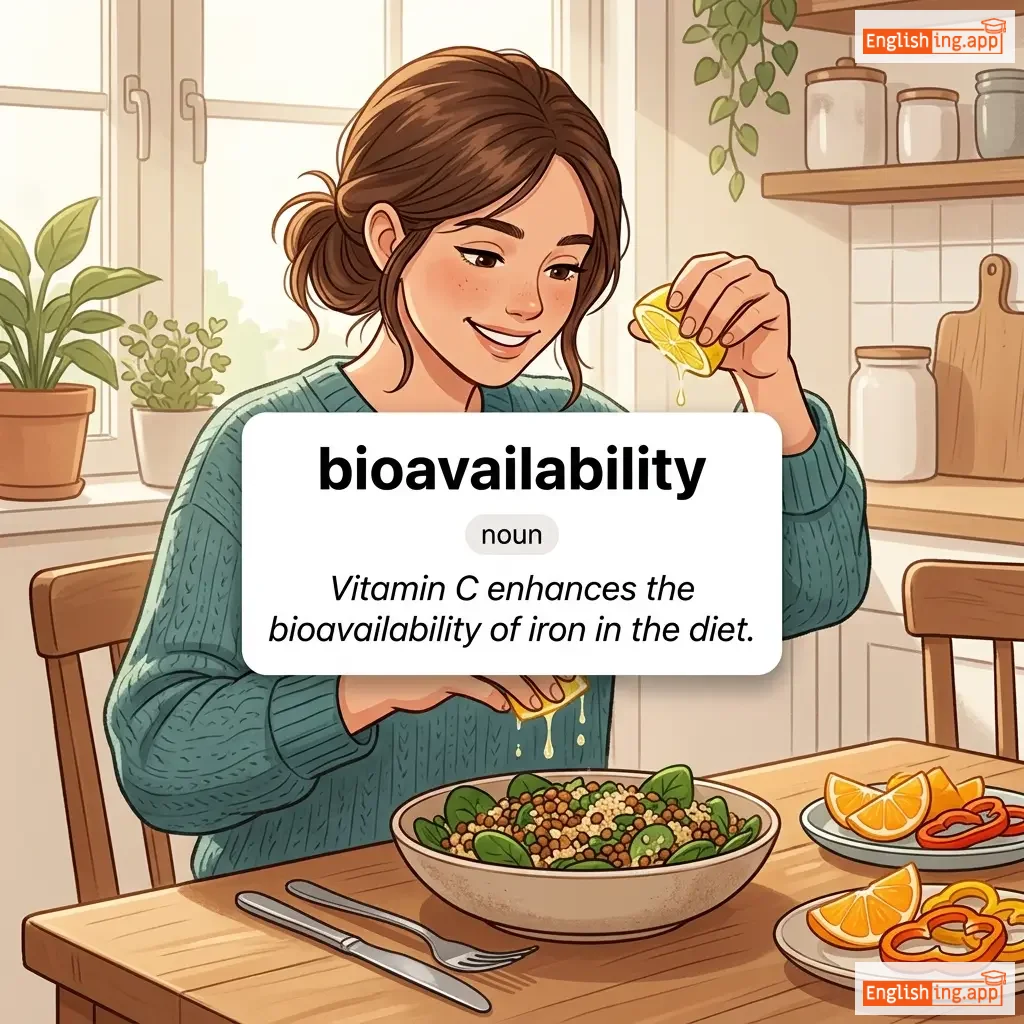
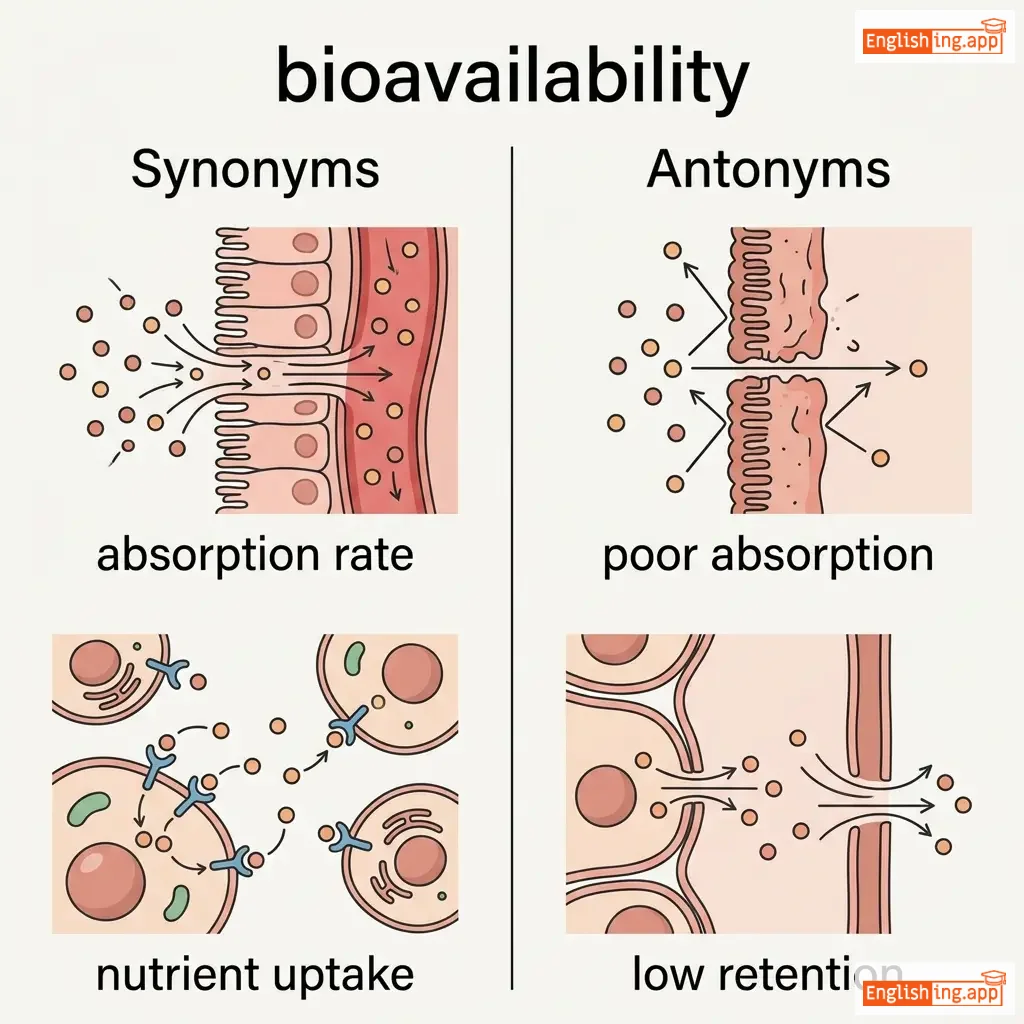
The degree and rate at which a substance is absorbed or becomes available at the site of physiological activity.
••••••
|
Vitamin C enhances the bioavailability of iron in the diet. |
absorption rate, nutrient uptake, digestibility
••••••
|
poor absorption, low retention, limited uptake
••••••
|
|
#3660
💧
|
/haɪˈdrɒl.ɪ.sɪs/
noun
••••••
|
|
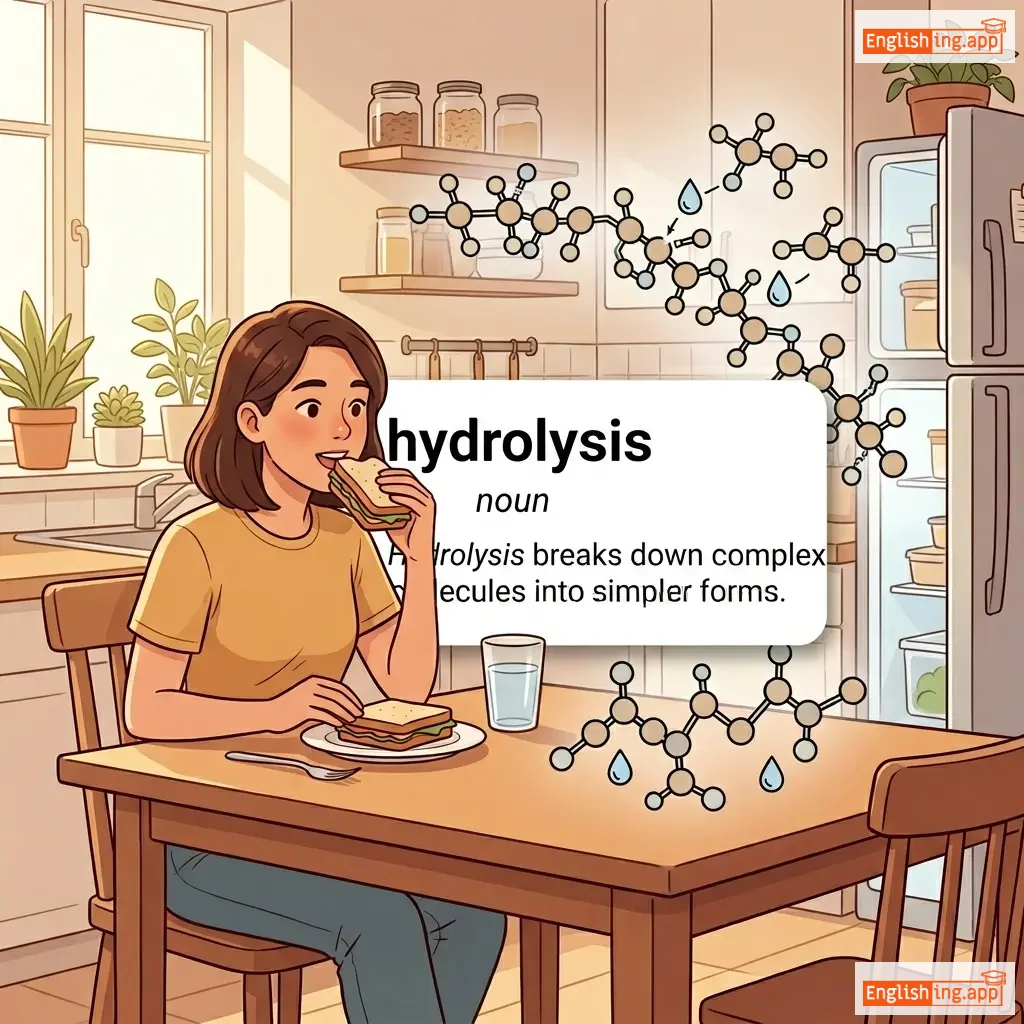
A chemical process that breaks down compounds by adding water, splitting complex molecules into simpler forms.
••••••
|
Hydrolysis breaks down complex molecules into simpler forms. |
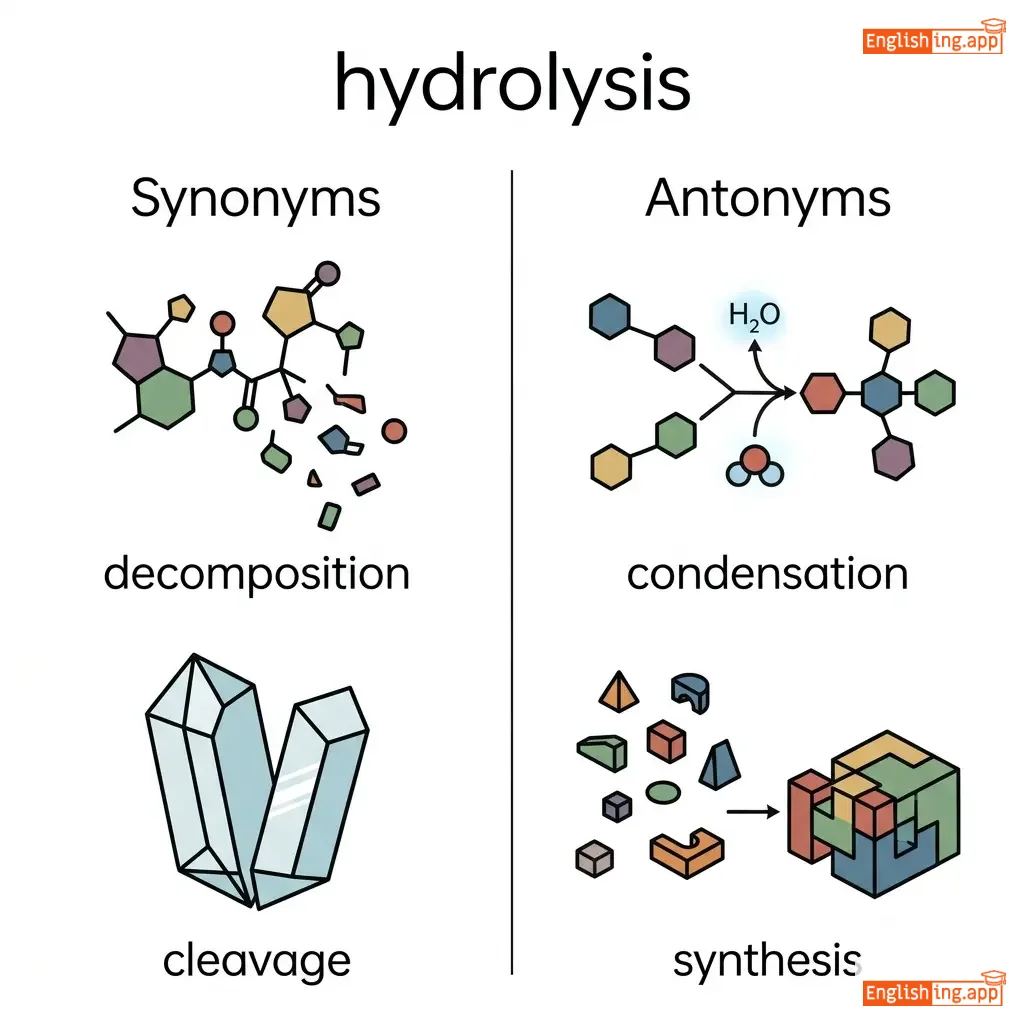
decomposition, cleavage, breakdown
••••••
|
condensation, synthesis, formation
••••••
|
|
#3661
📈
|
/ɡlaɪˈsiː.mɪk/
adjective
••••••
|
|
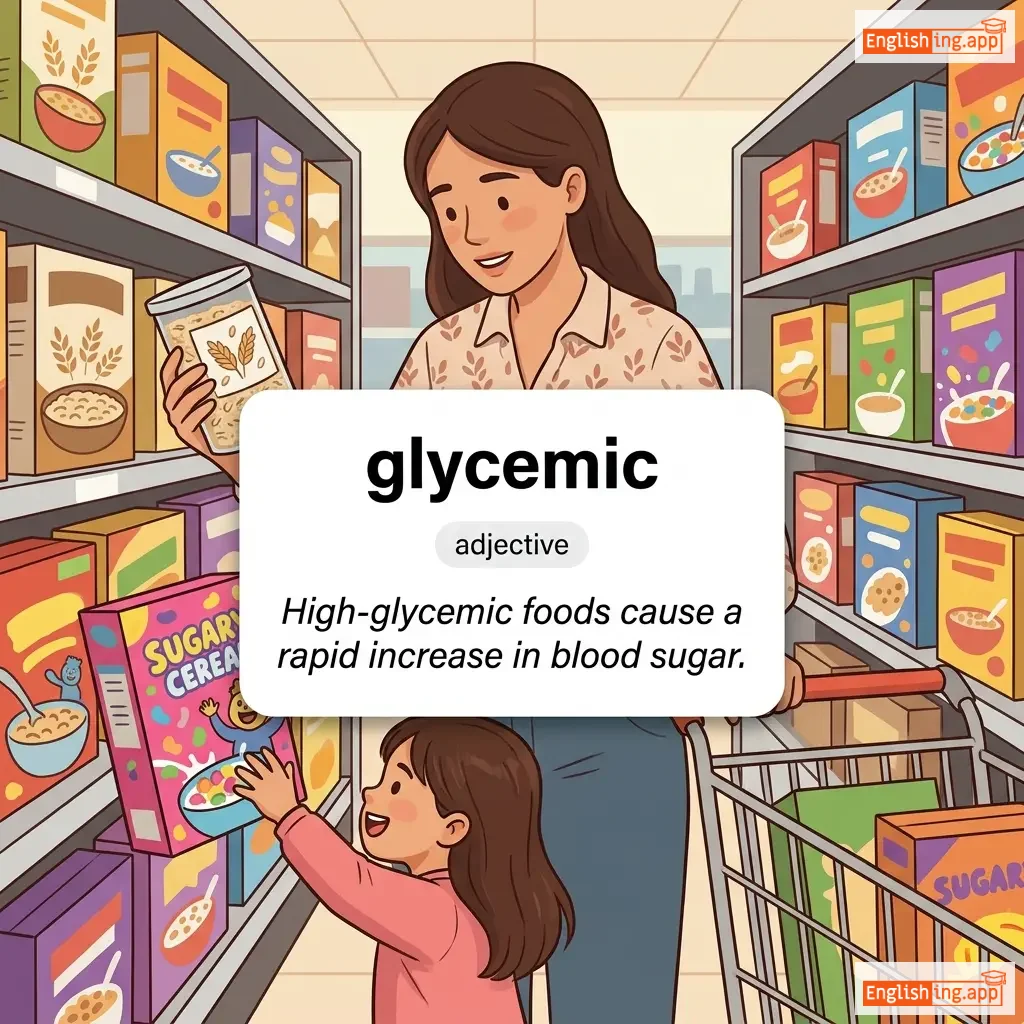
Relating to the presence of glucose in the blood and how foods affect blood sugar levels.
••••••
|
High-glycemic foods cause a rapid increase in blood sugar. |
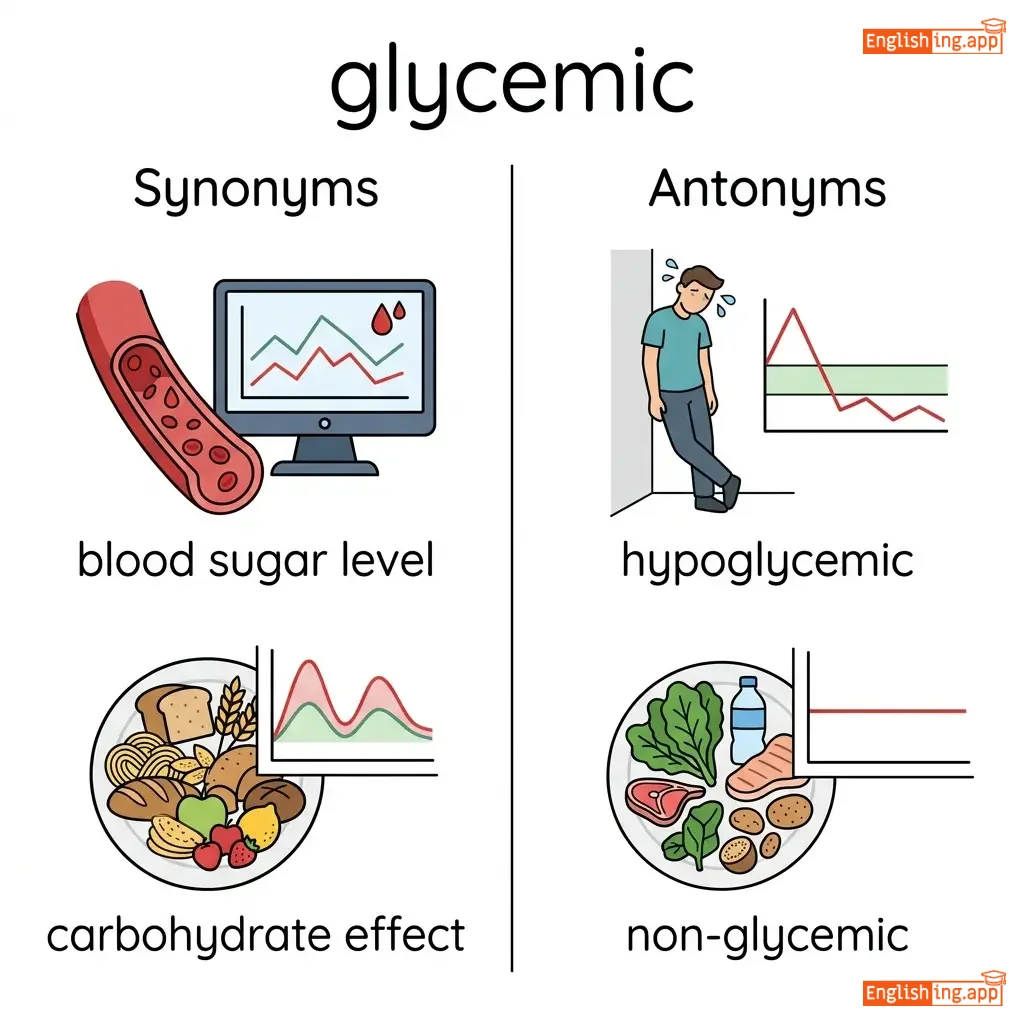
blood sugar level, carbohydrate effect, glucose response
••••••
|
hypoglycemic, non-glycemic, stable sugar level
••••••
|
|
#3662
⚖️
|
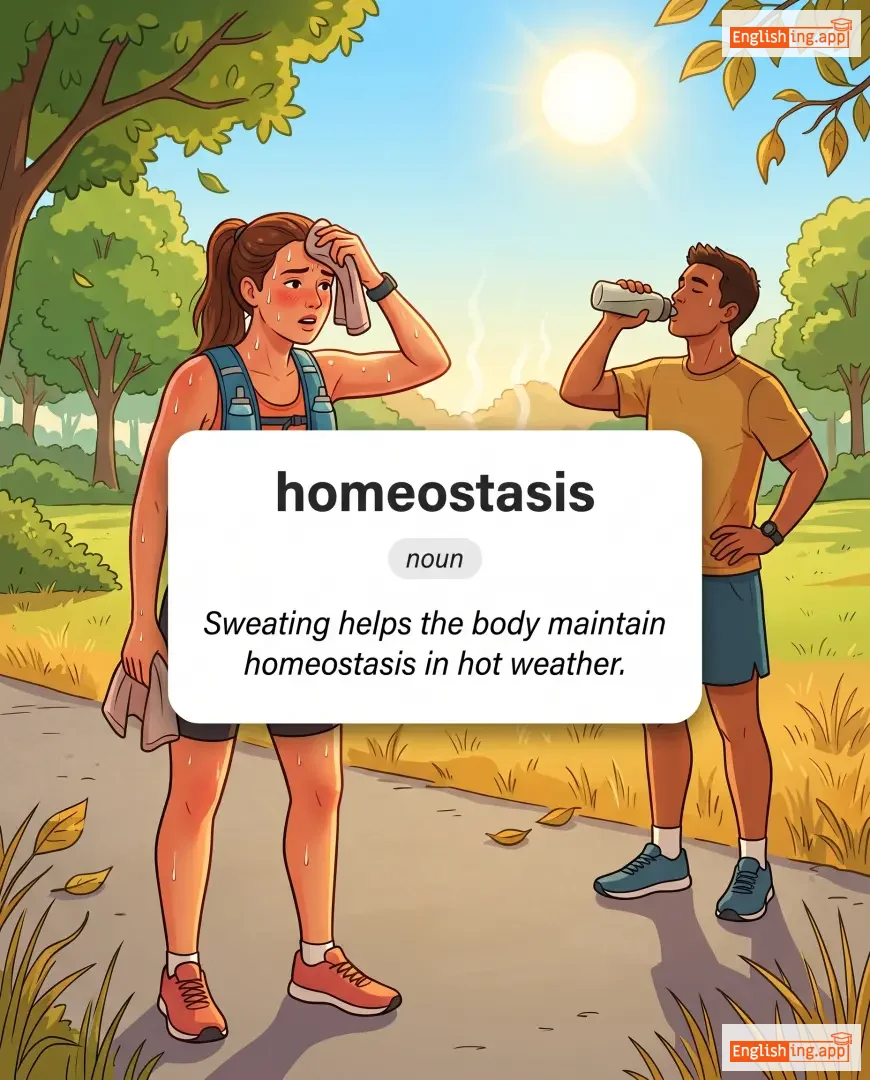
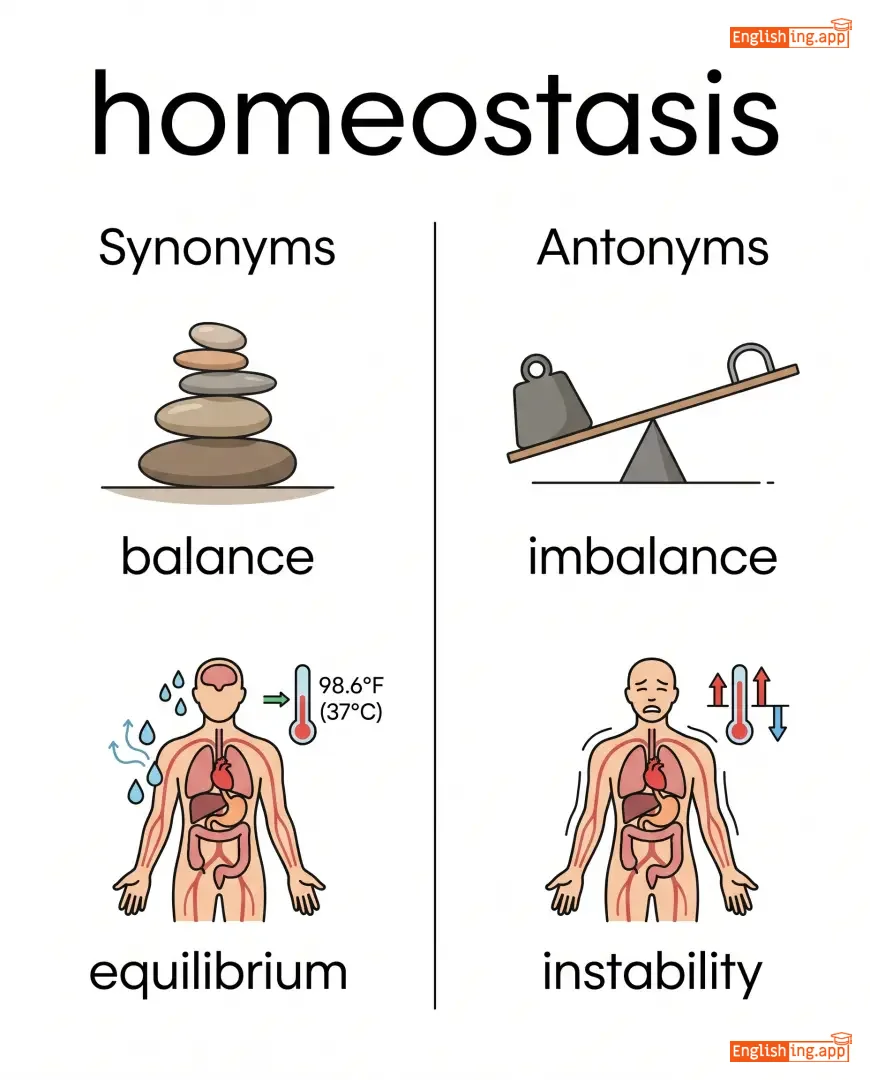
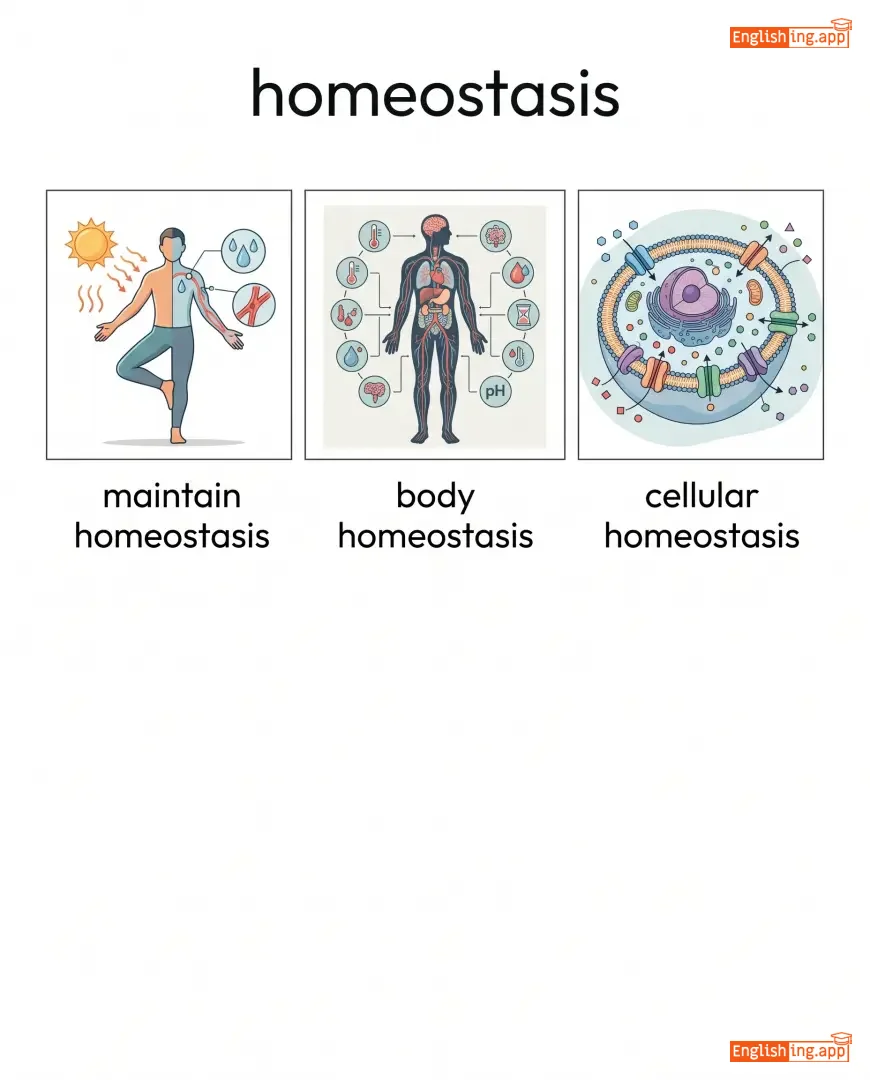
/ˌhəʊ.mi.əʊˈsteɪ.sɪs/
noun
••••••
|
|
The tendency of a living organism to maintain internal equilibrium by adjusting its physiological processes.
••••••
|
The body maintains homeostasis through temperature regulation. |
equilibrium, internal balance, physiological stability
••••••
|
imbalance, dysregulation, instability
••••••
|
|
#3663
🦠
|
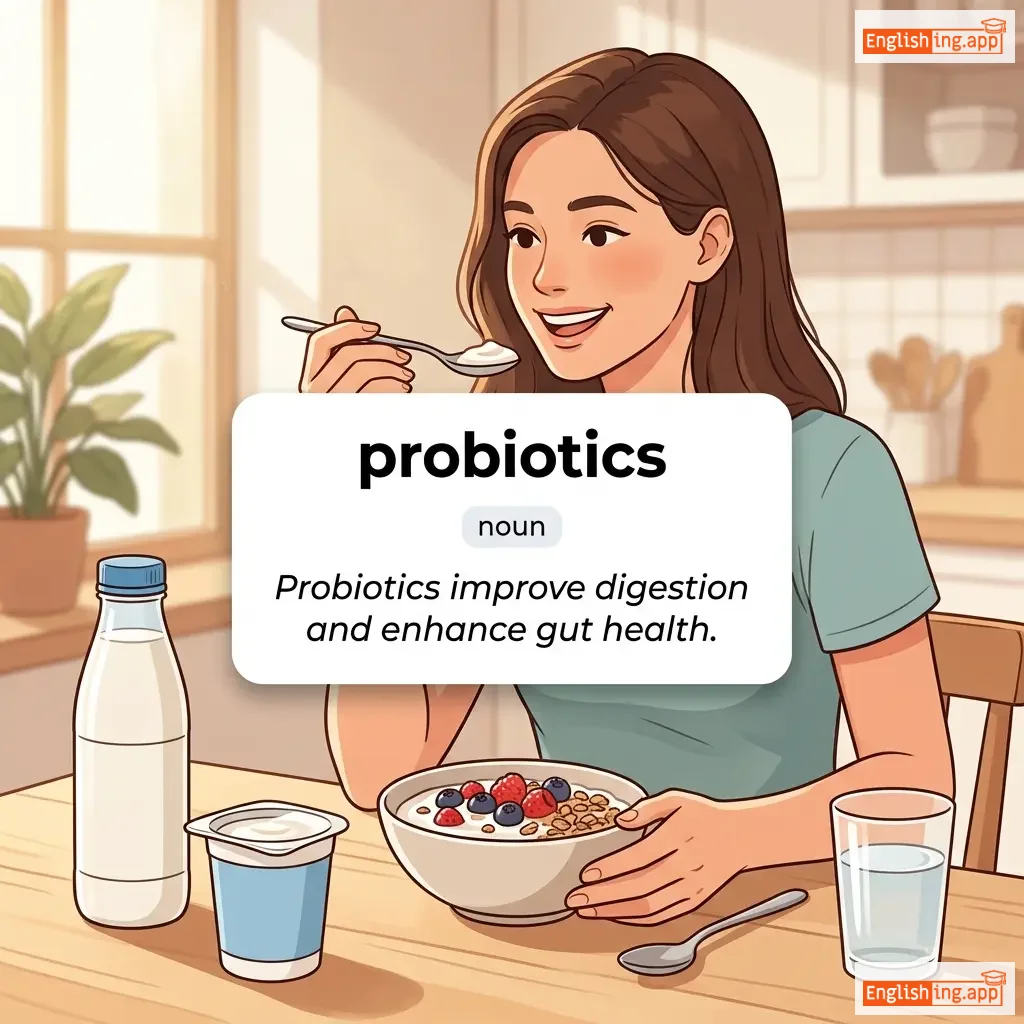
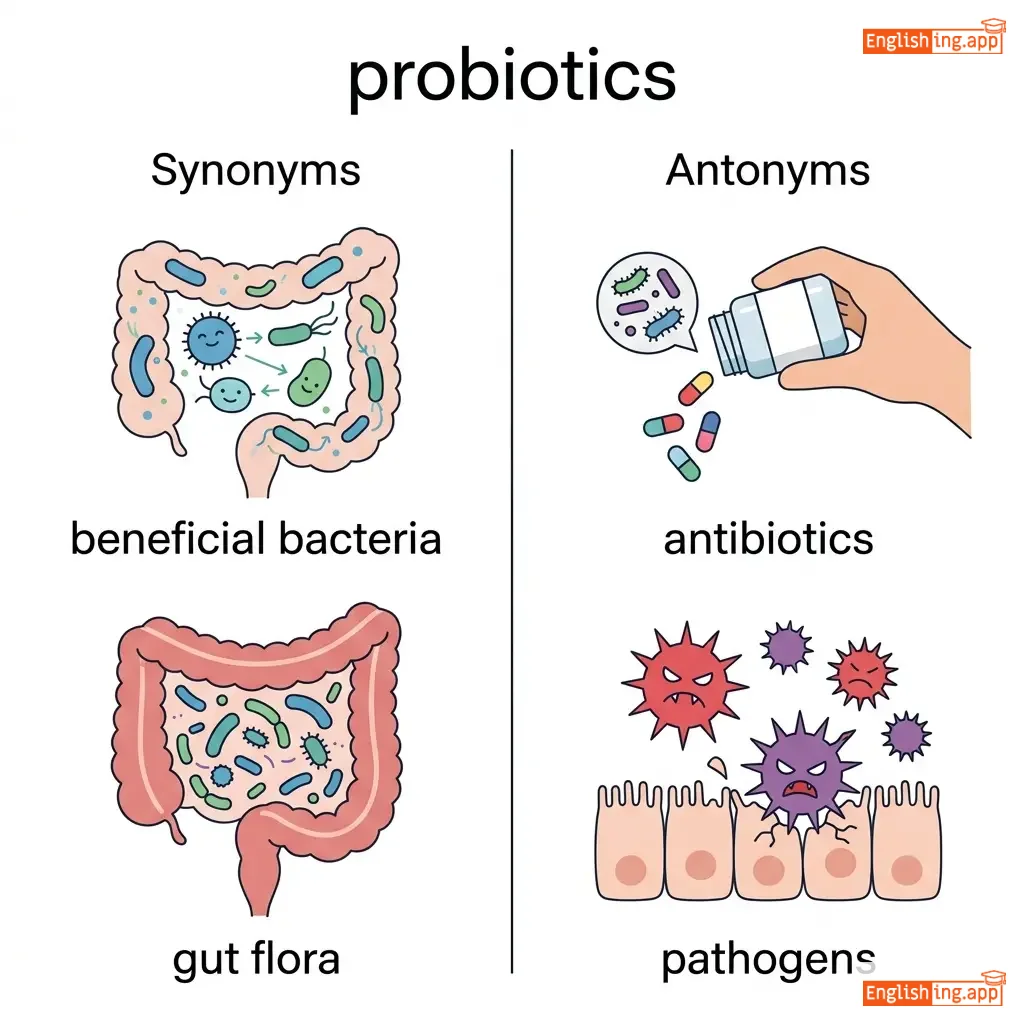
/ˌprəʊ.baɪˈɒt.ɪks/
noun
••••••
|
|
Live microorganisms that, when administered in adequate amounts, confer health benefits to the host, especially for digestive health.
••••••
|
Probiotics improve digestion and enhance gut health. |
beneficial bacteria, gut flora, digestive aid
••••••
|
antibiotics, pathogens, harmful microbes
••••••
|
|
#3664
🛡️
|
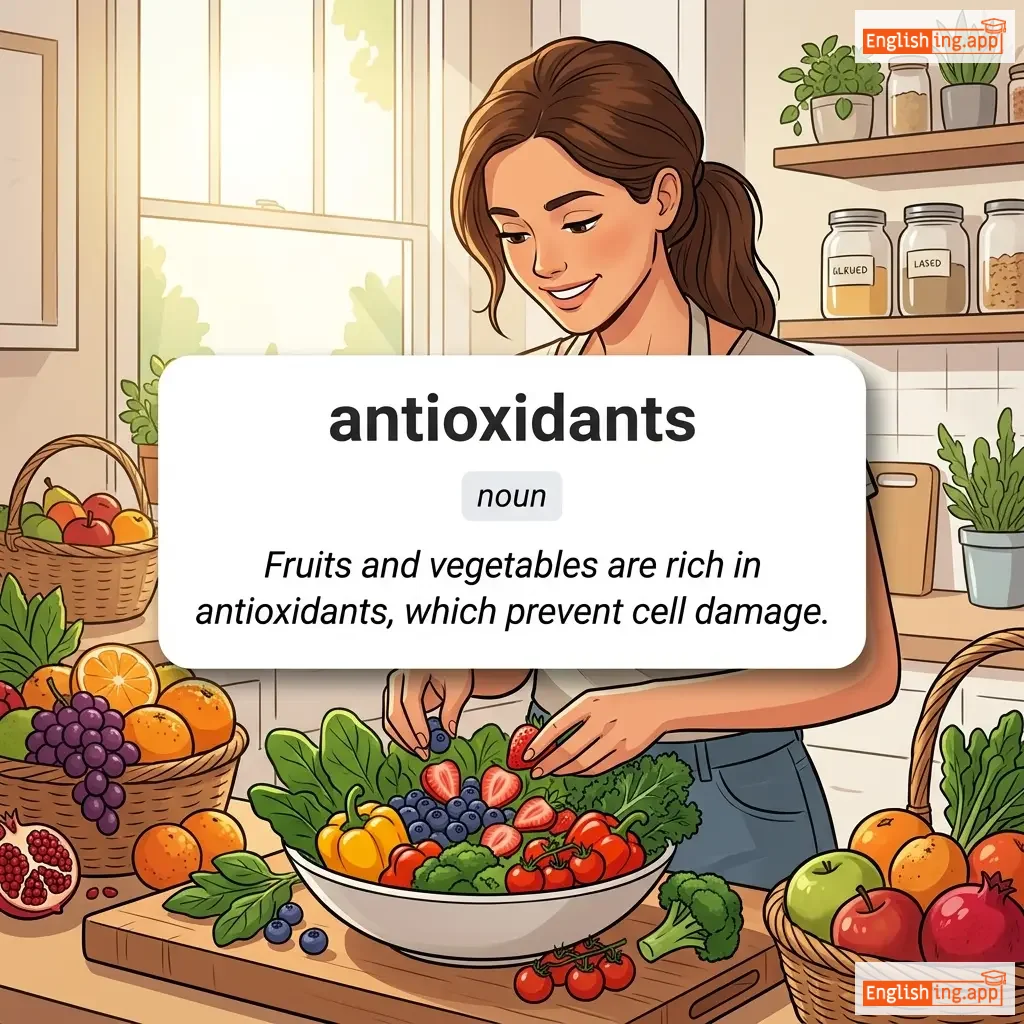
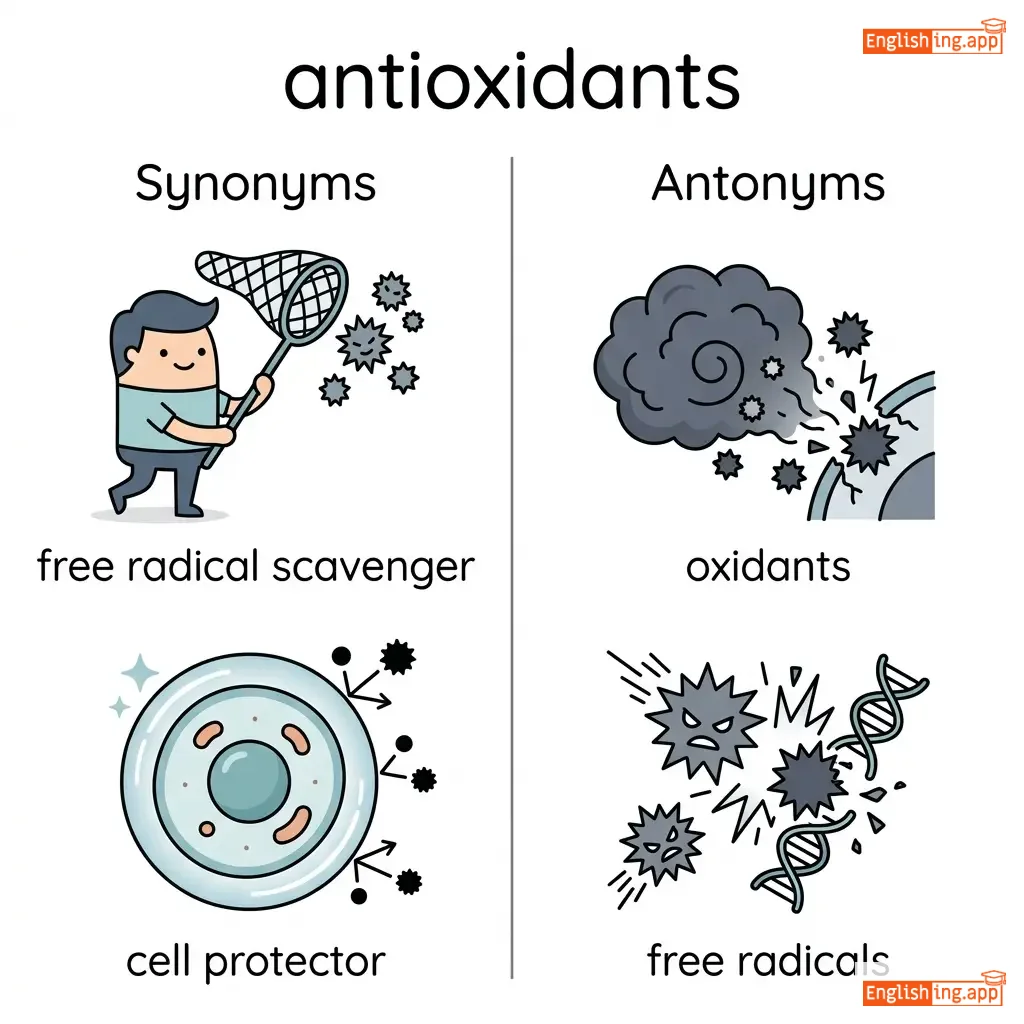
/ˌæn.tiˈɒk.sɪ.dənts/
noun
••••••
|
|
Substances that may prevent or delay cell damage caused by free radicals, potentially reducing the risk of certain diseases.
••••••
|
Fruits and vegetables are rich in antioxidants, which prevent cell damage. |
free radical scavenger, cell protector, anti-aging compound
••••••
|
oxidants, free radicals, harmful agents
••••••
|
|
#3665
🔥
|
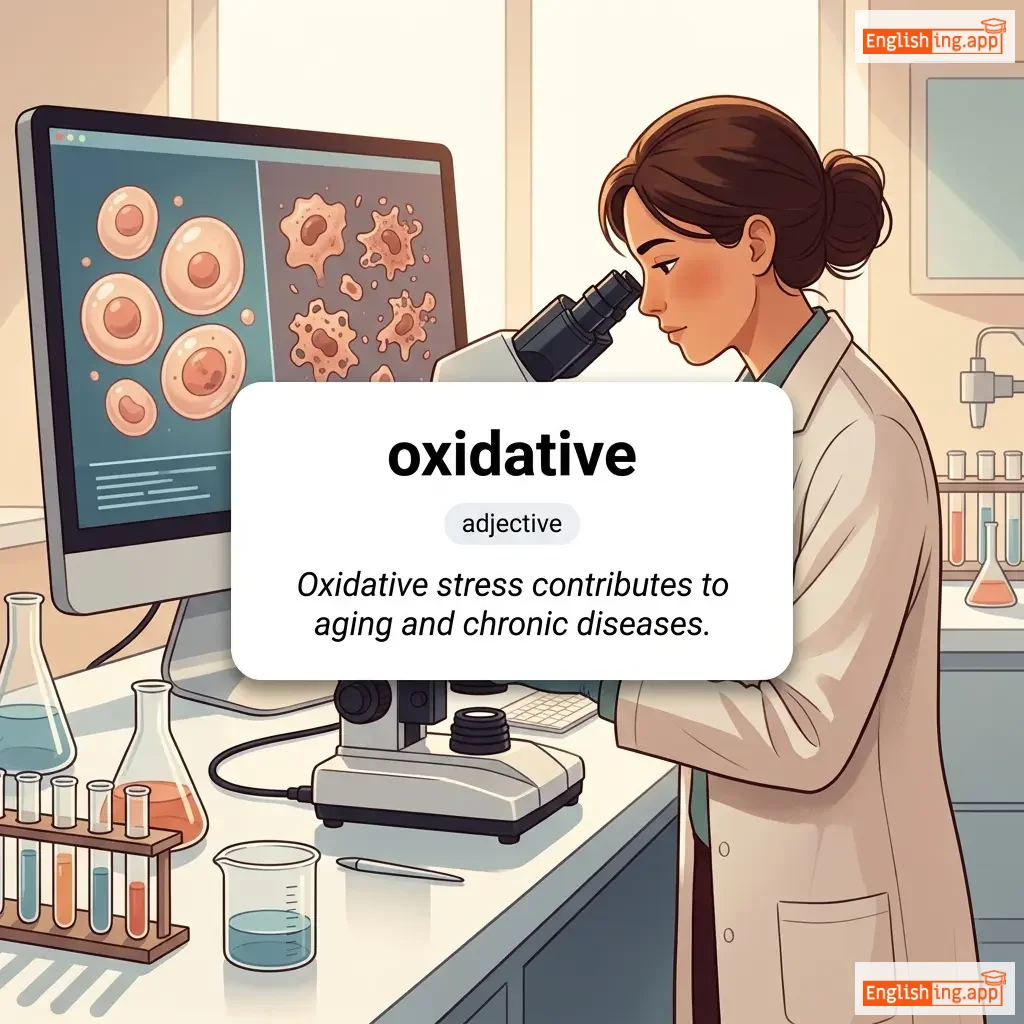
/ˈɒk.sɪ.də.tɪv/
adjective
••••••
|
|
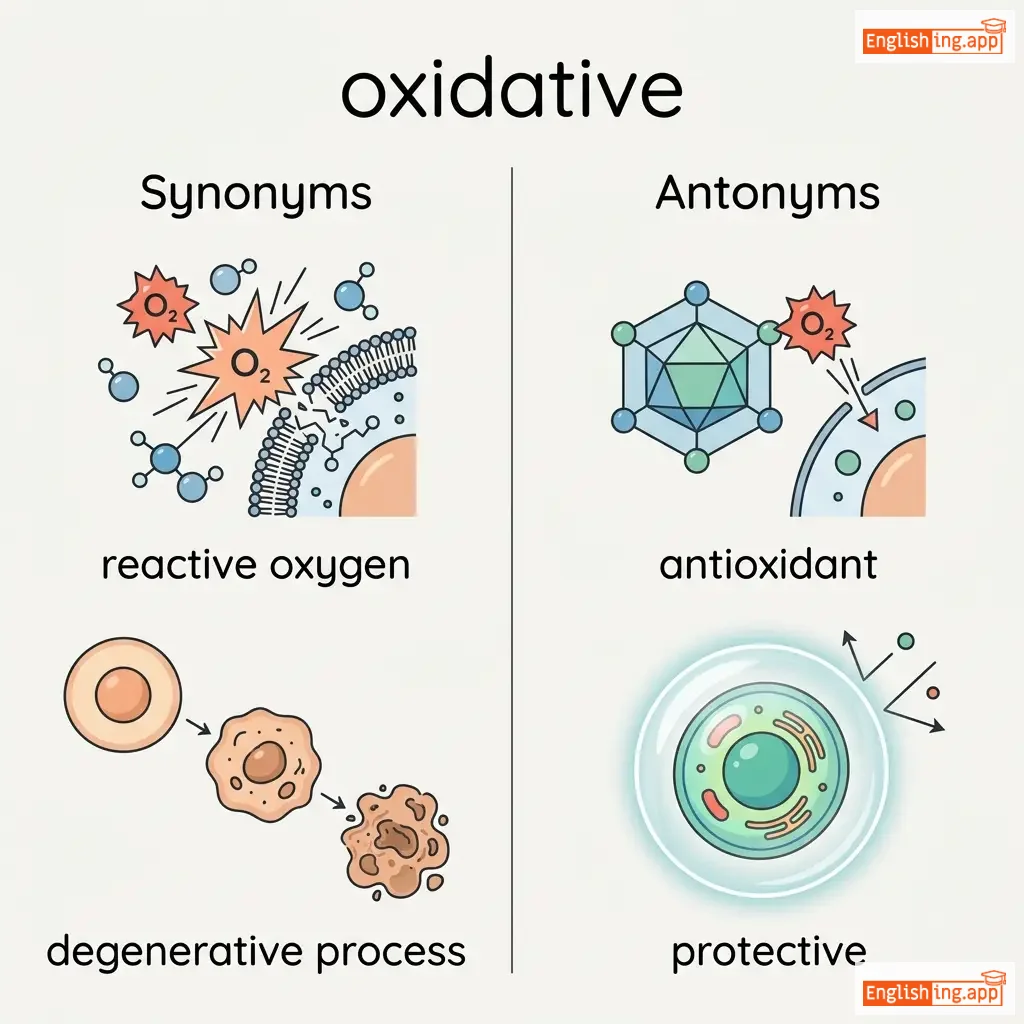
Relating to or involving oxidation, particularly processes that can cause cellular damage through free radical formation.
••••••
|
Oxidative stress contributes to aging and chronic diseases. |
reactive oxygen, degenerative process, free radical activity
••••••
|
antioxidant, protective, reductive
••••••
|
|
#3666
🧠
|
/ˈnjʊə.rəʊ.trænsˌmɪt.ərs/
noun
••••••
|
|
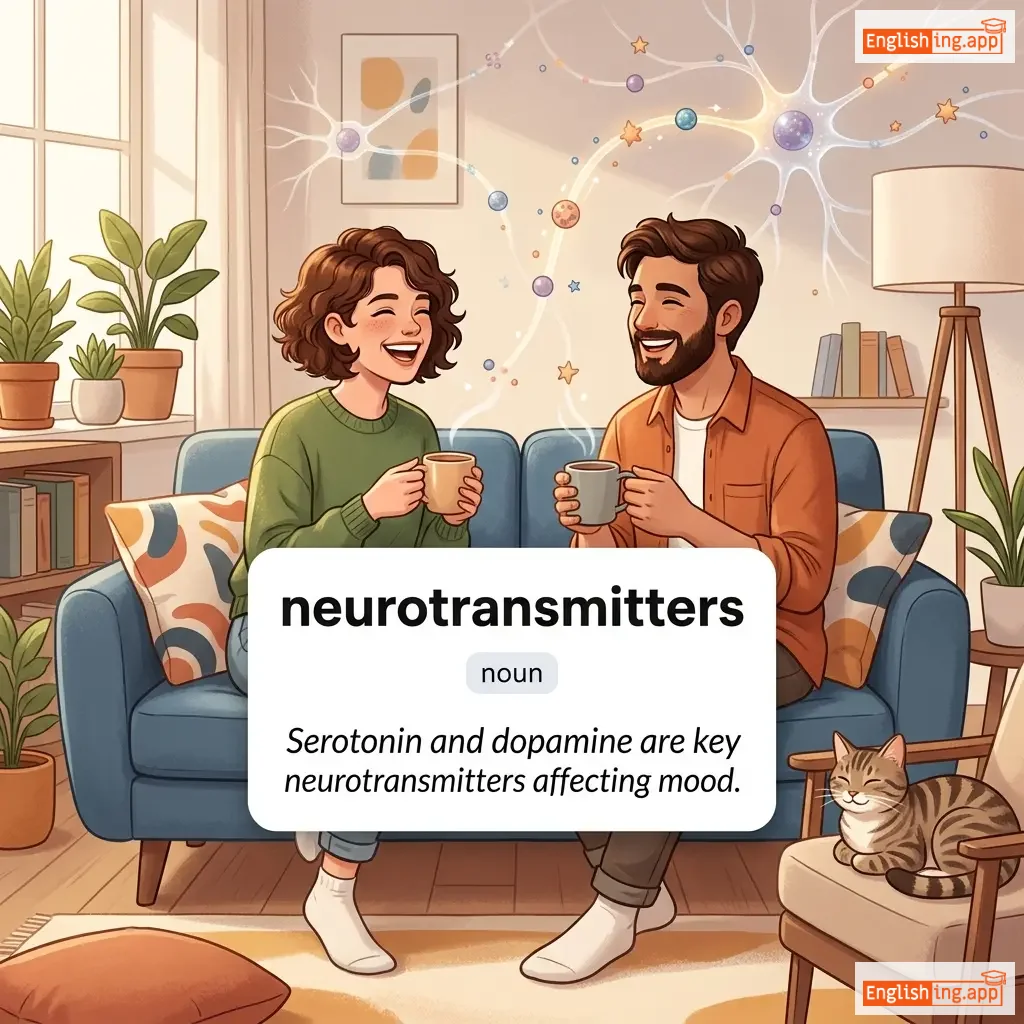
Chemical messengers that transmit signals across nerve synapses, affecting mood, behavior, and cognitive functions.
••••••
|
Serotonin and dopamine are key neurotransmitters affecting mood. |
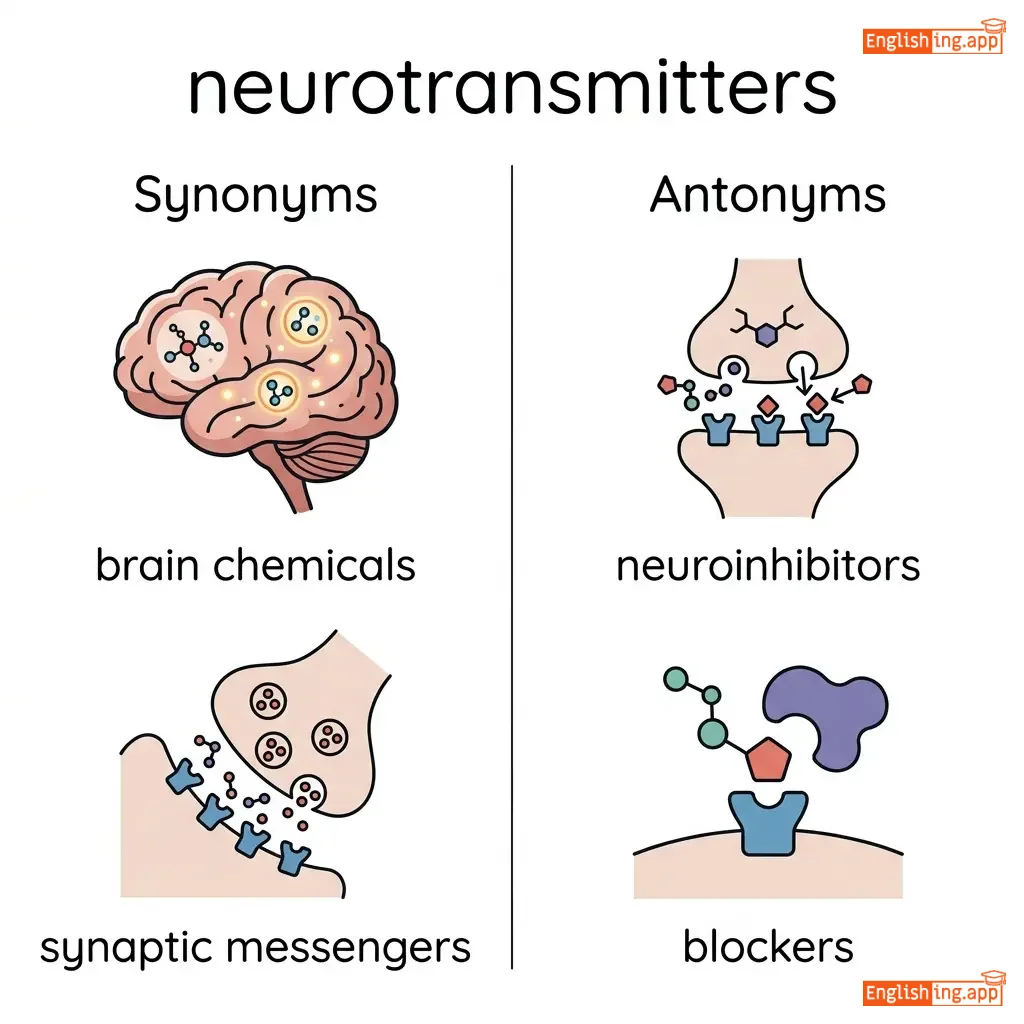
brain chemicals, synaptic messengers, neurological signals
••••••
|
neuroinhibitors, blockers, suppressors
••••••
|
|
#3667
🫁
|
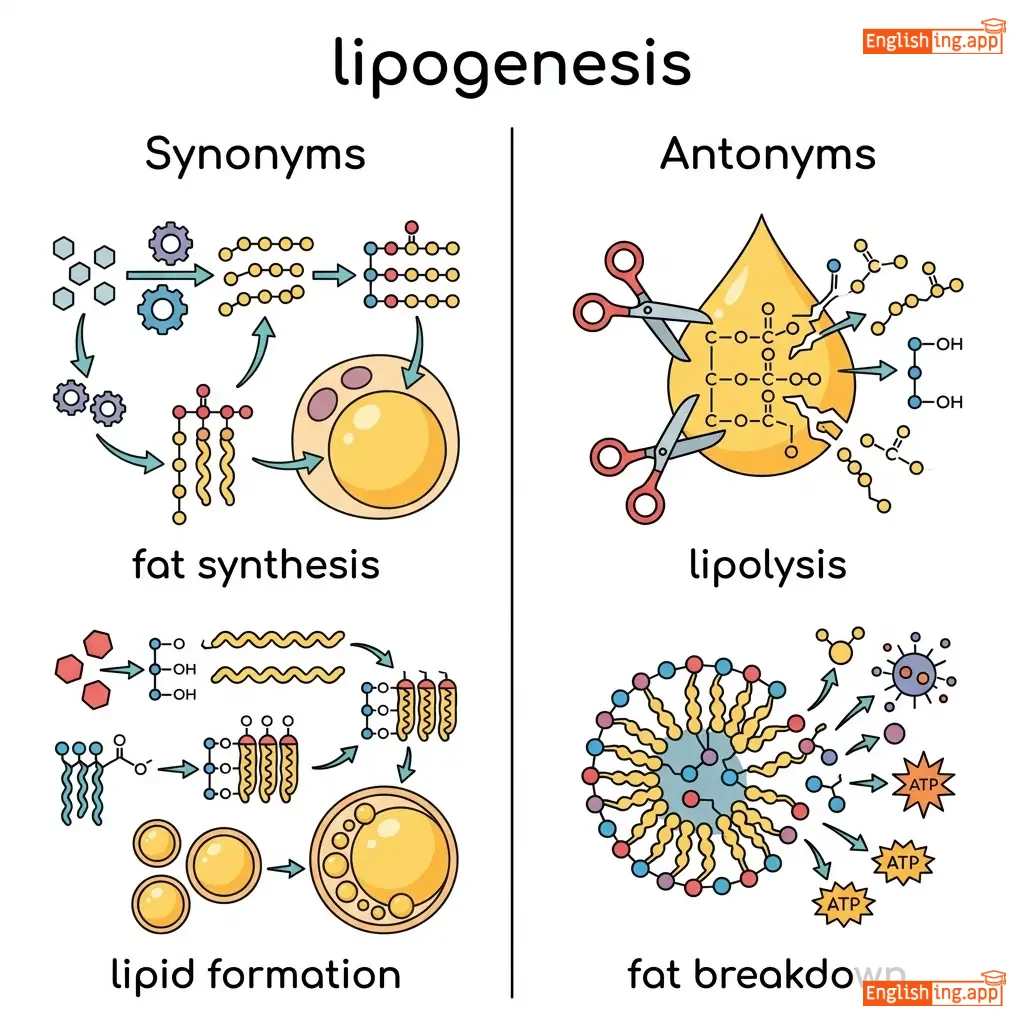
/ˌlaɪ.pəˈdʒen.ɪ.sɪs/
noun
••••••
|
|
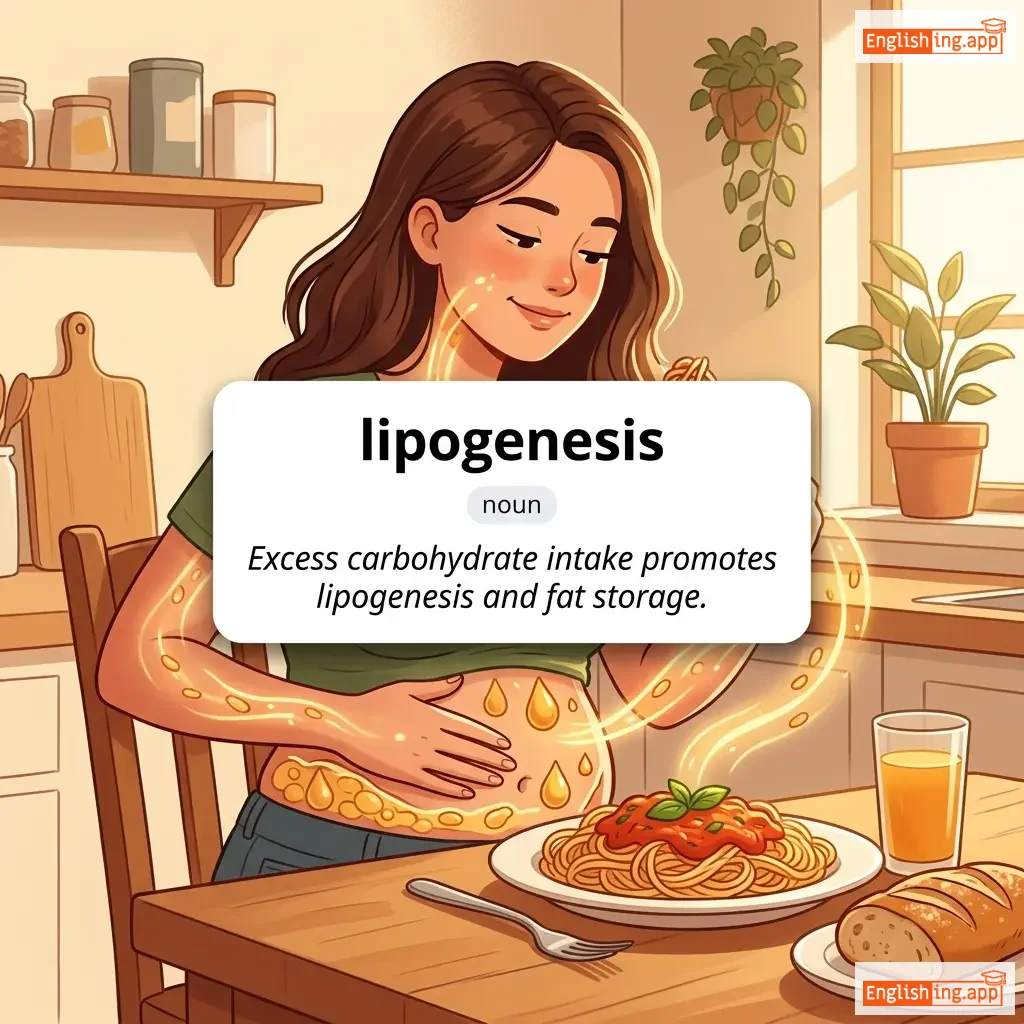
The metabolic process of fat synthesis where excess carbohydrates are converted into fatty acids and stored as triglycerides.
••••••
|
Excess carbohydrate intake promotes lipogenesis and fat storage. |
fat synthesis, lipid formation, energy storage
••••••
|
lipolysis, fat breakdown, energy expenditure
••••••
|
|
#3668
⚡
|
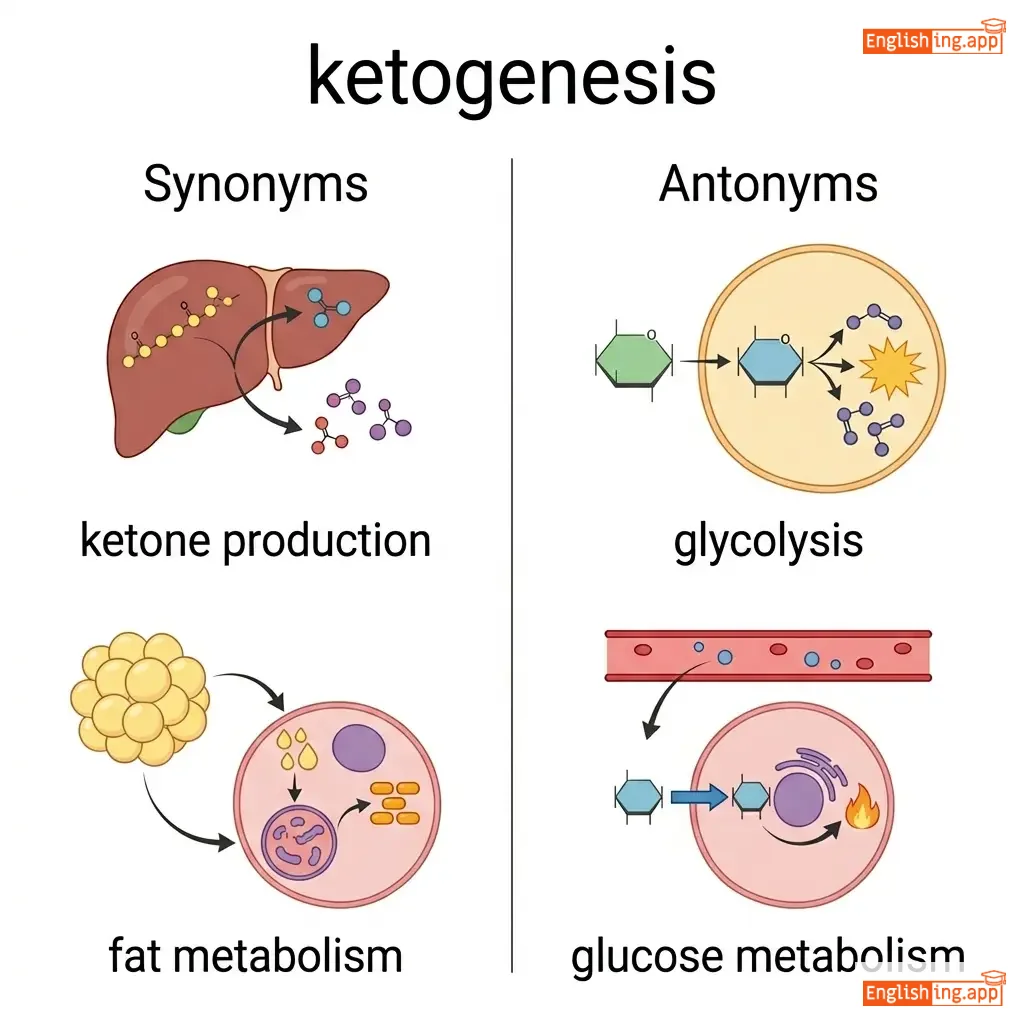
/ˌkiː.təʊˈdʒen.ɪ.sɪs/
noun
••••••
|
|
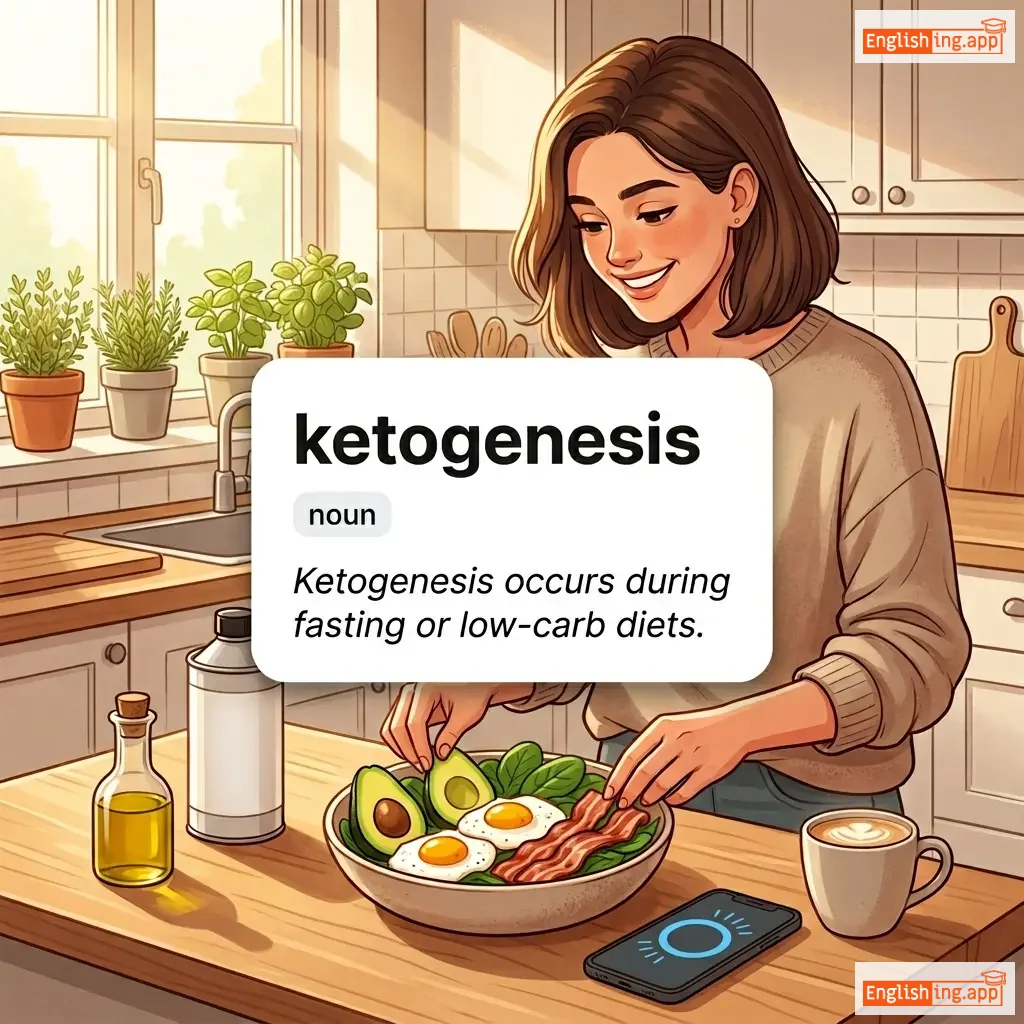
The metabolic process by which the liver produces ketones from fatty acids, providing an alternative energy source during low carbohydrate availability.
••••••
|
Ketogenesis occurs during fasting or low-carb diets. |
ketone production, fat metabolism, energy alternative
••••••
|
glycolysis, glucose metabolism, sugar oxidation
••••••
|
|
#3669
🌱
|
/ˌfaɪ.təʊˈkem.ɪ.kəlz/
noun
••••••
|
|
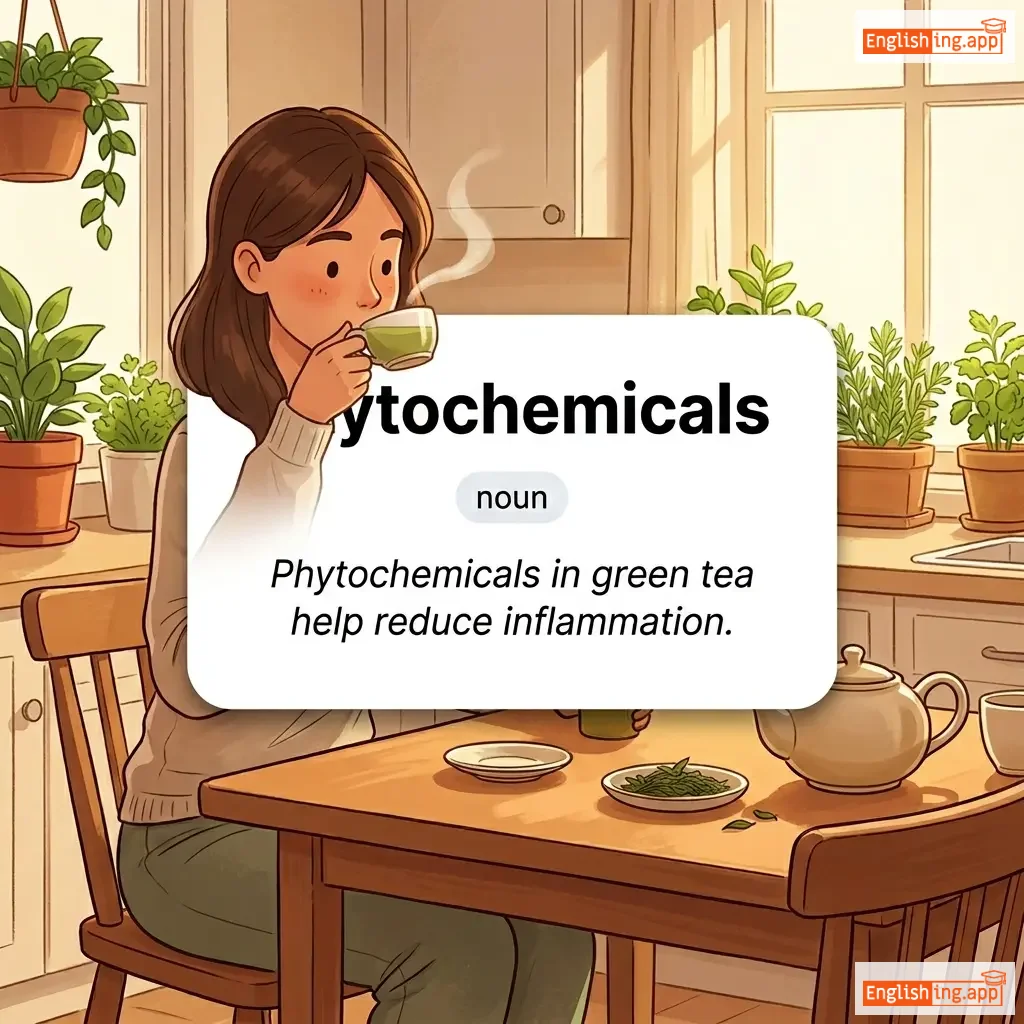
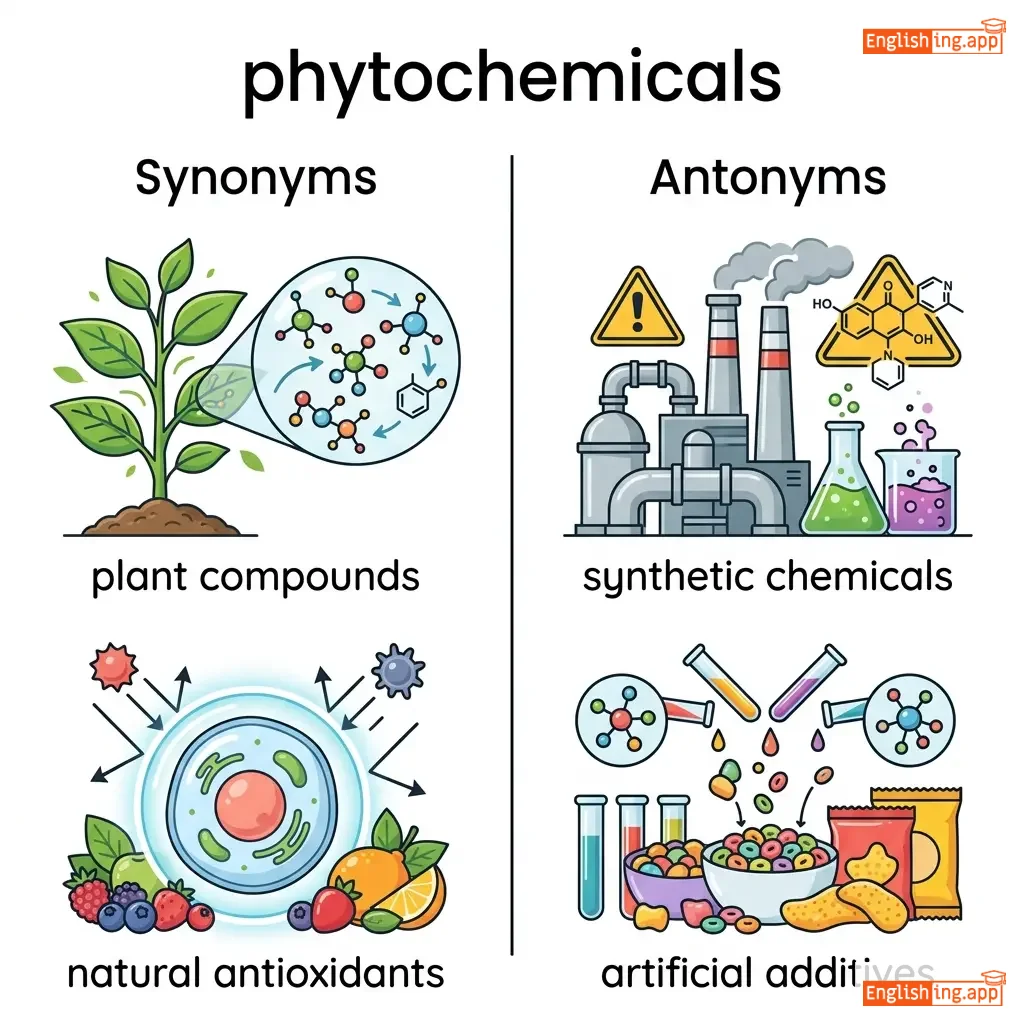
Natural chemical compounds produced by plants that provide health benefits beyond basic nutrition, often having antioxidant properties.
••••••
|
Phytochemicals in green tea help reduce inflammation. |
plant compounds, natural antioxidants, bioactive molecules
••••••
|
synthetic chemicals, artificial additives, harmful substances
••••••
|
|
#3670
🏥
|
/ˈen.də.krɪn/
adjective
••••••
|
|
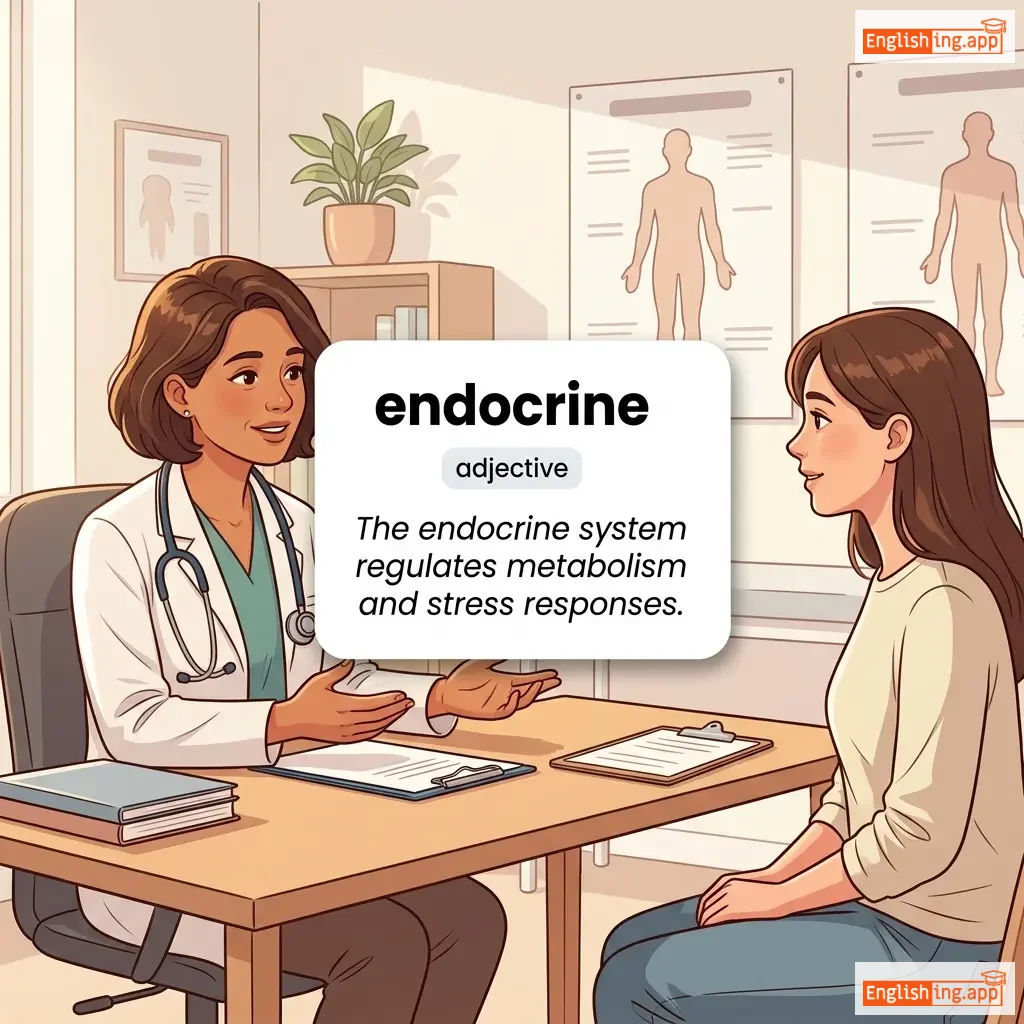
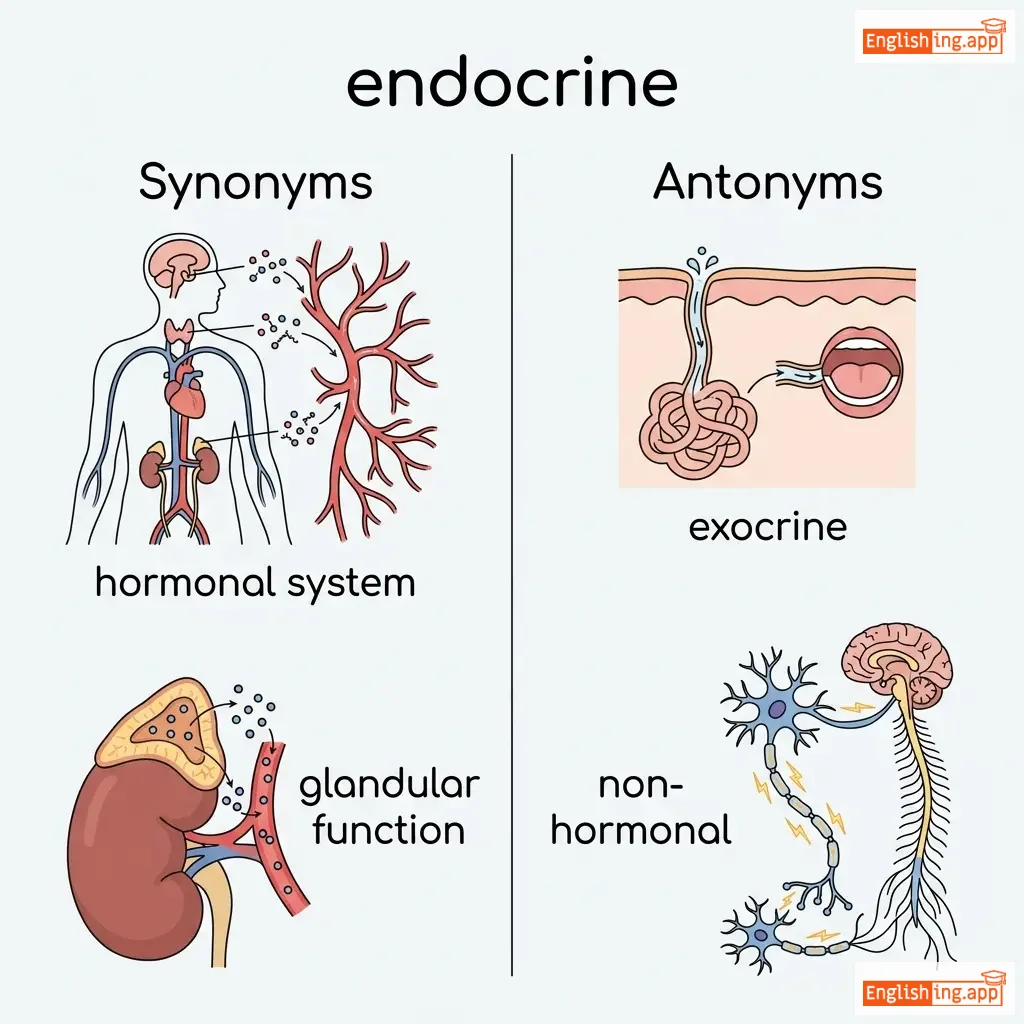
Relating to or denoting glands that secrete hormones directly into the bloodstream to regulate various body functions.
••••••
|
The endocrine system regulates metabolism and stress responses. |
hormonal system, glandular function, regulatory mechanism
••••••
|
exocrine, non-hormonal, external secretion
••••••
|
|
#3671
🔥
|
/ˌθɜː.məʊˈdʒen.ɪ.sɪs/
noun
••••••
|
|
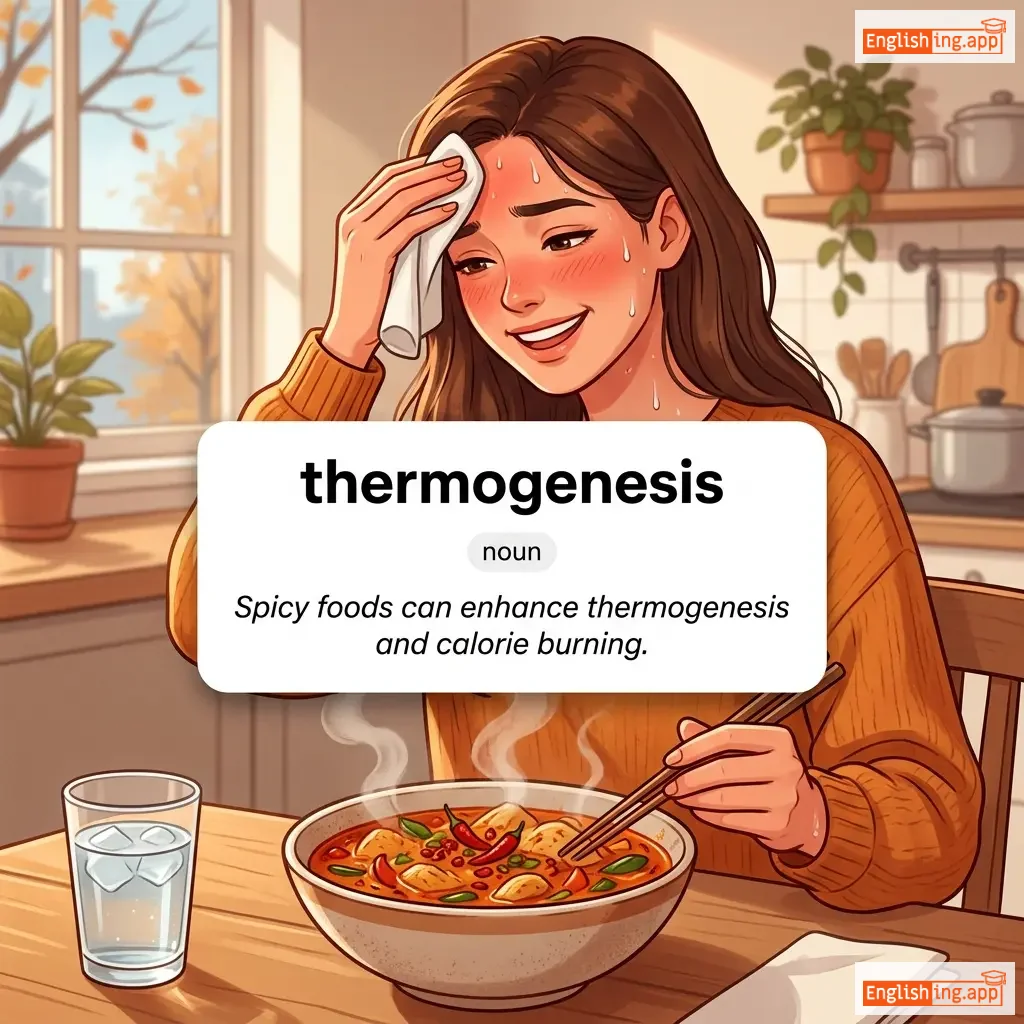
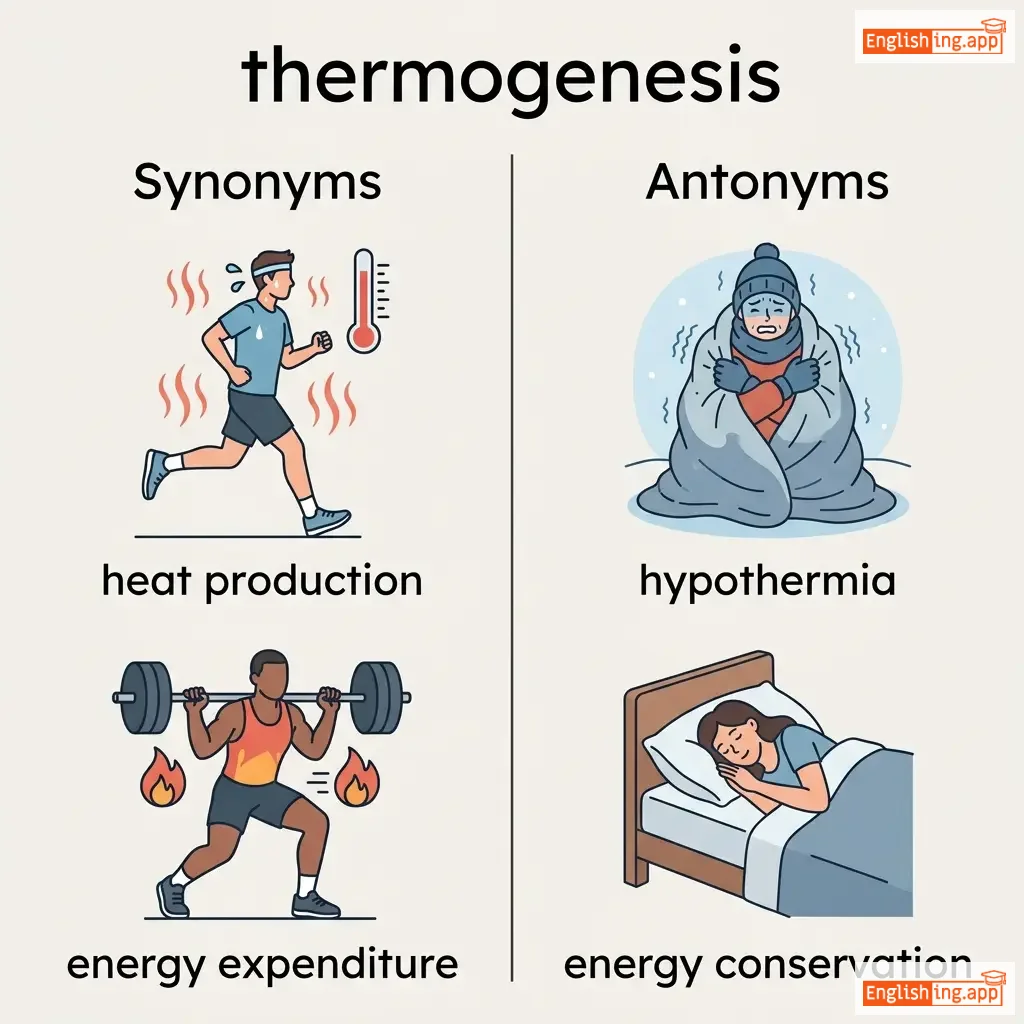
The process of heat production in living organisms, often associated with burning calories and energy expenditure.
••••••
|
Spicy foods can enhance thermogenesis and calorie burning. |
heat production, energy expenditure, metabolic activation
••••••
|
hypothermia, energy conservation, cold exposure
••••••
|
|
#3672
😌
|
/səˈtaɪ.ə.ti/
noun
••••••
|
|
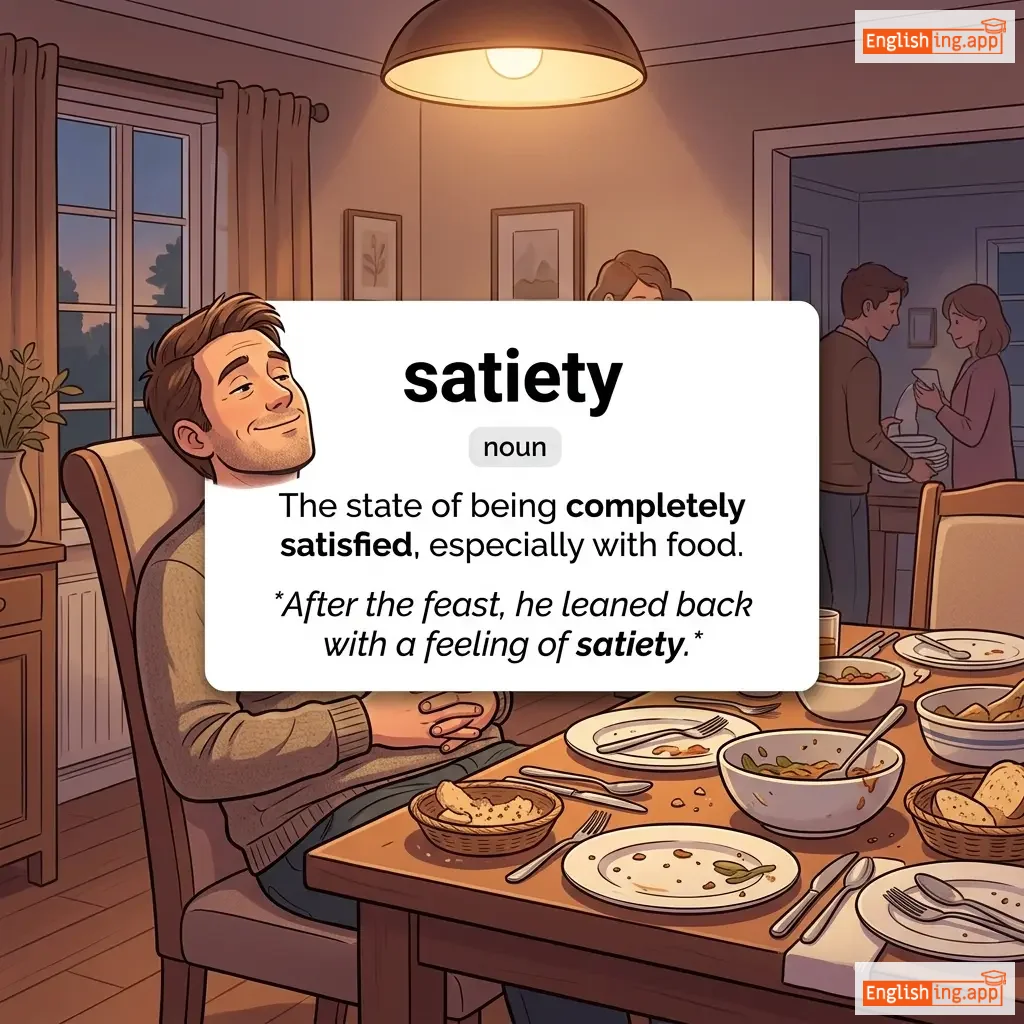
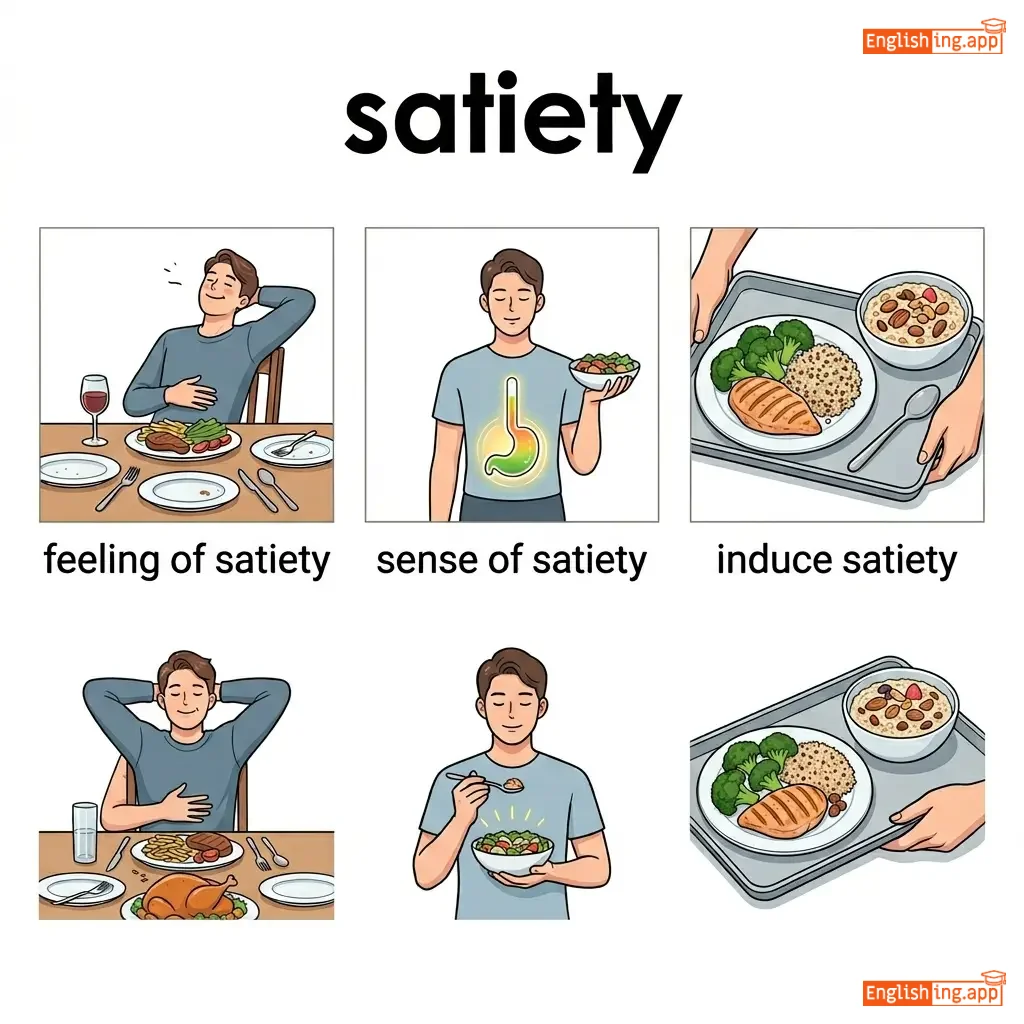
The feeling of fullness and satisfaction after eating, which helps control food intake and prevent overeating.
••••••
|
Protein-rich foods promote satiety and reduce cravings. |
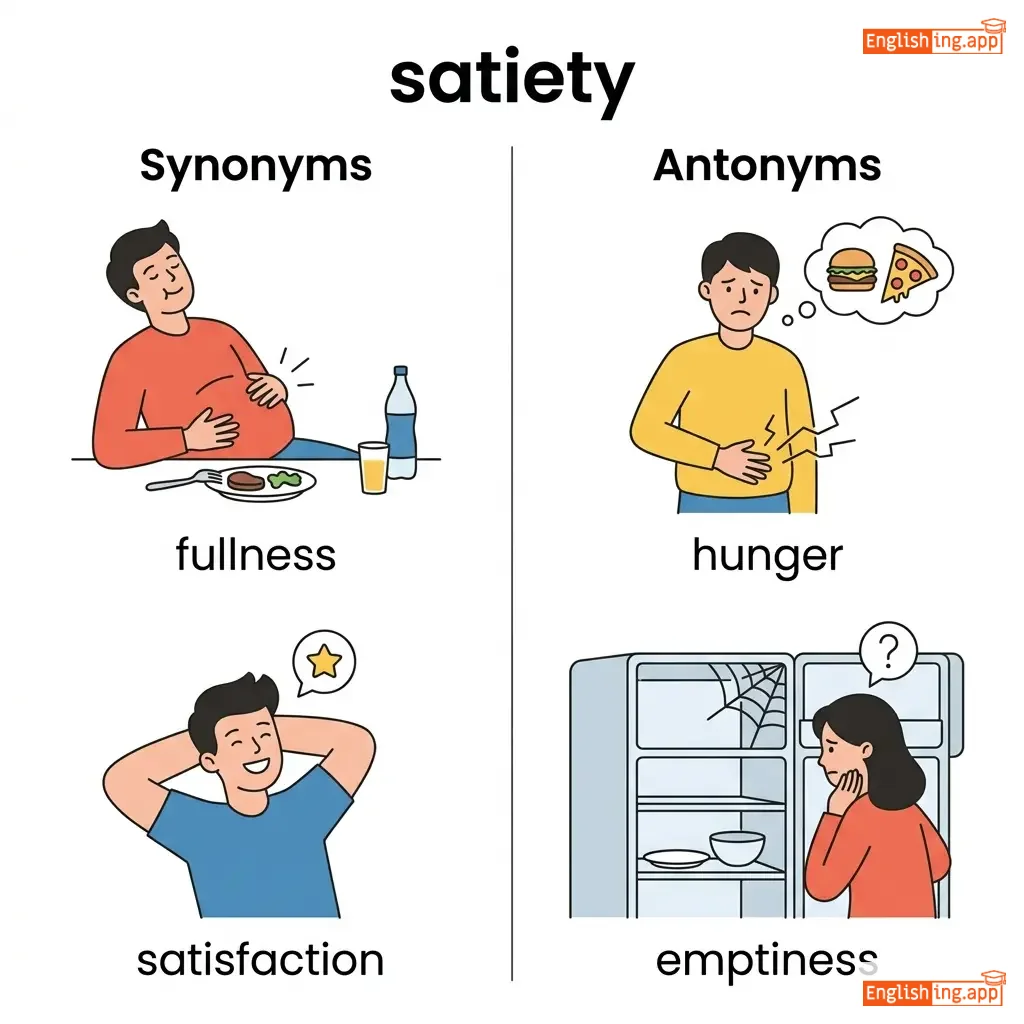
fullness, appetite control, satiation
••••••
|
hunger, appetite, starvation
••••••
|

