How Reading Enhances Critical Thinking
Чтение — это не просто способ получения информации; это один из самых важных способов развить critical thinking. Когда мы читаем сложные тексты, наши способности comprehension улучшаются, и мы развиваем analytical модели мышления. Через чтение мы assimilate новые концепции и глубже понимаем темы. Это усиливает наше discernment и даёт возможность понимать различные nuances. Со временем мы не просто усваиваем информацию, но начинаем synthesizing её, создавая новые мыслительные модели. Хороший читатель становится cognizant, что каждый текст или информация содержит определённую paradigm. Привычка читать помогает принимать judicious решения и укрепляет наши способности к rationalization. Развивая навыки inference и extrapolate, мы можем глубже анализировать любую тему, что повышает scrutiny и metacognition. Таким образом, развитие привычки к чтению означает углубление мышления и повышение eloquence.
Получите неограниченный доступ ко всем словам с подпиской Pro
Обновить до ProПолучите неограниченный доступ ко всем предложениям с подпиской Pro
Обновить до Pro|
Эмодзи
|
Слово | Images | Значение | Пример предложения | Синонимы | Антонимы |
|---|---|---|---|---|---|---|
|
#2066
🧠
|
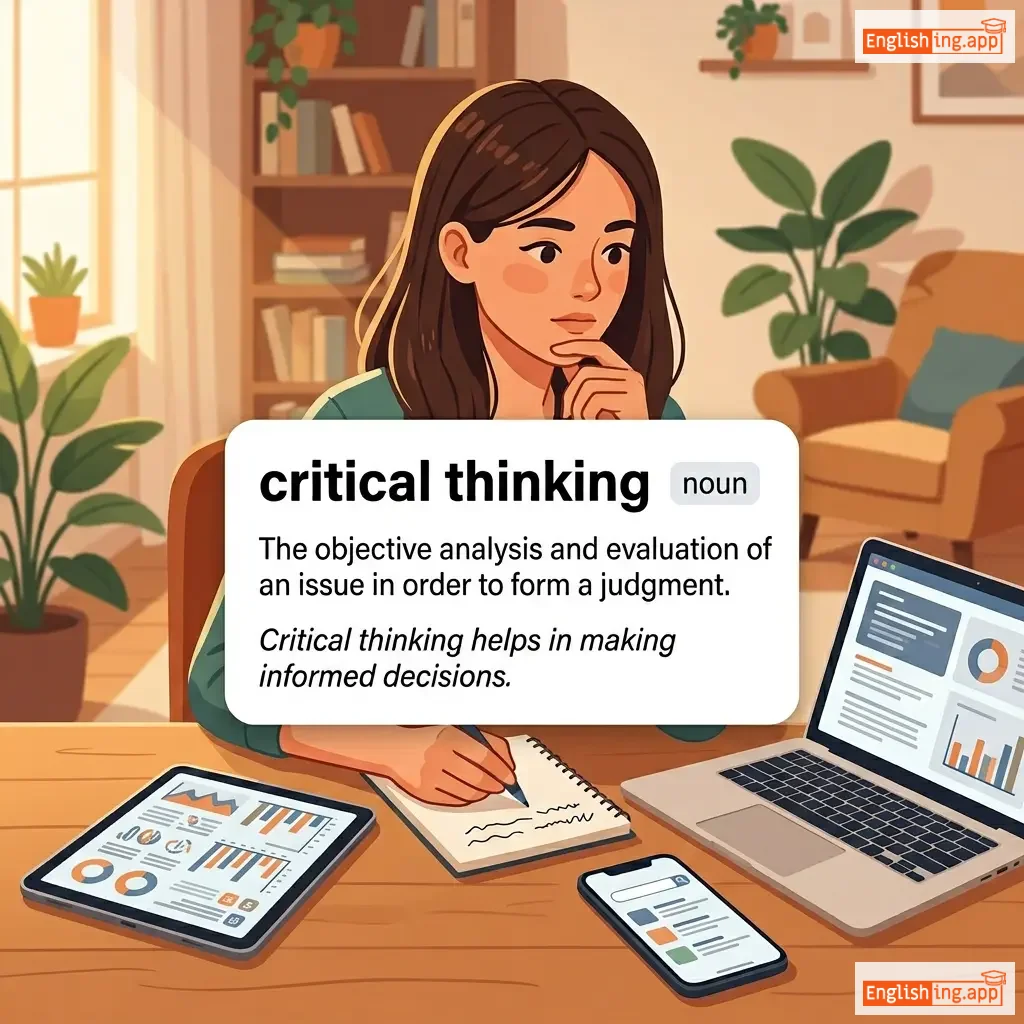
ˈkrɪt.ɪ.kəl ˈθɪŋ.kɪŋ
noun
••••••
|
|
The objective analysis and evaluation of an issue in order to form a judgment.
••••••
|
Critical thinking helps in making informed decisions. |
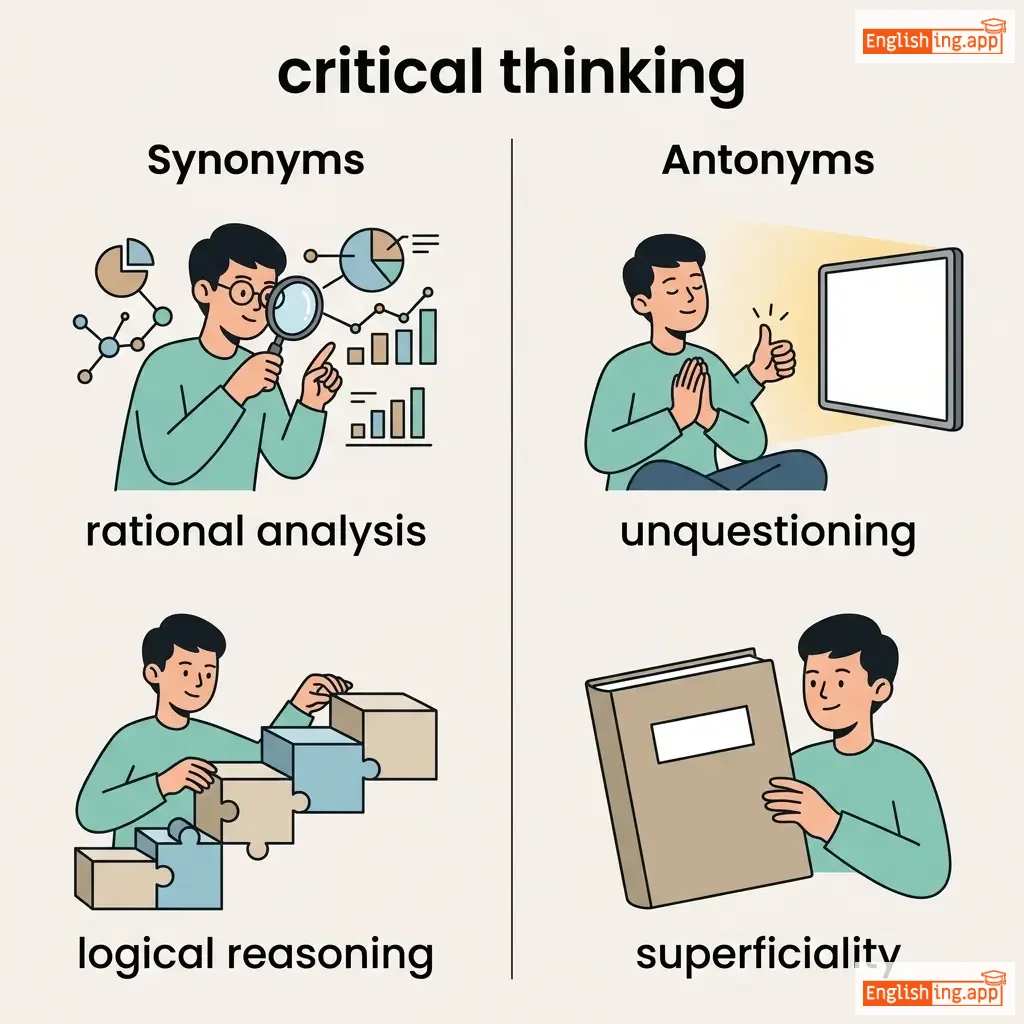
rational analysis, logical reasoning
••••••
|
unquestioning, superficiality
••••••
|
|
#2067
📖
|
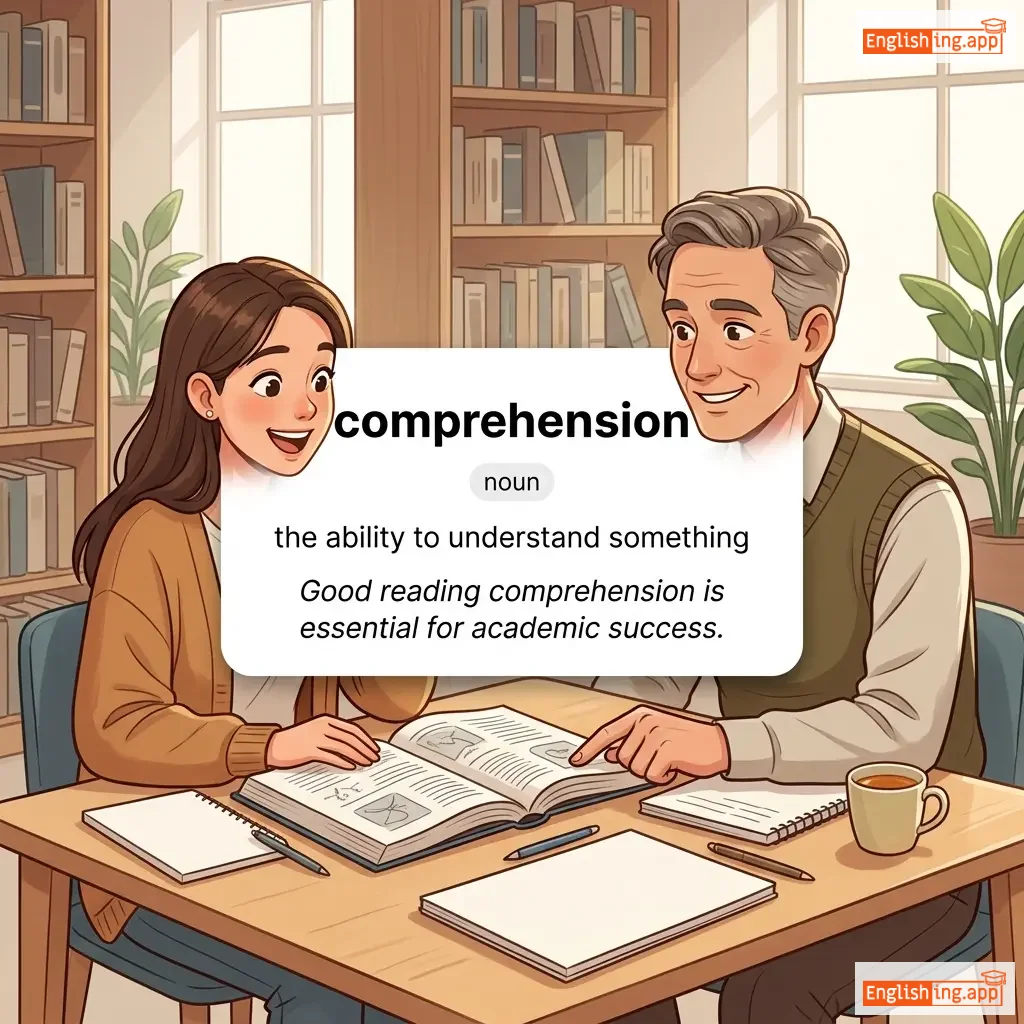
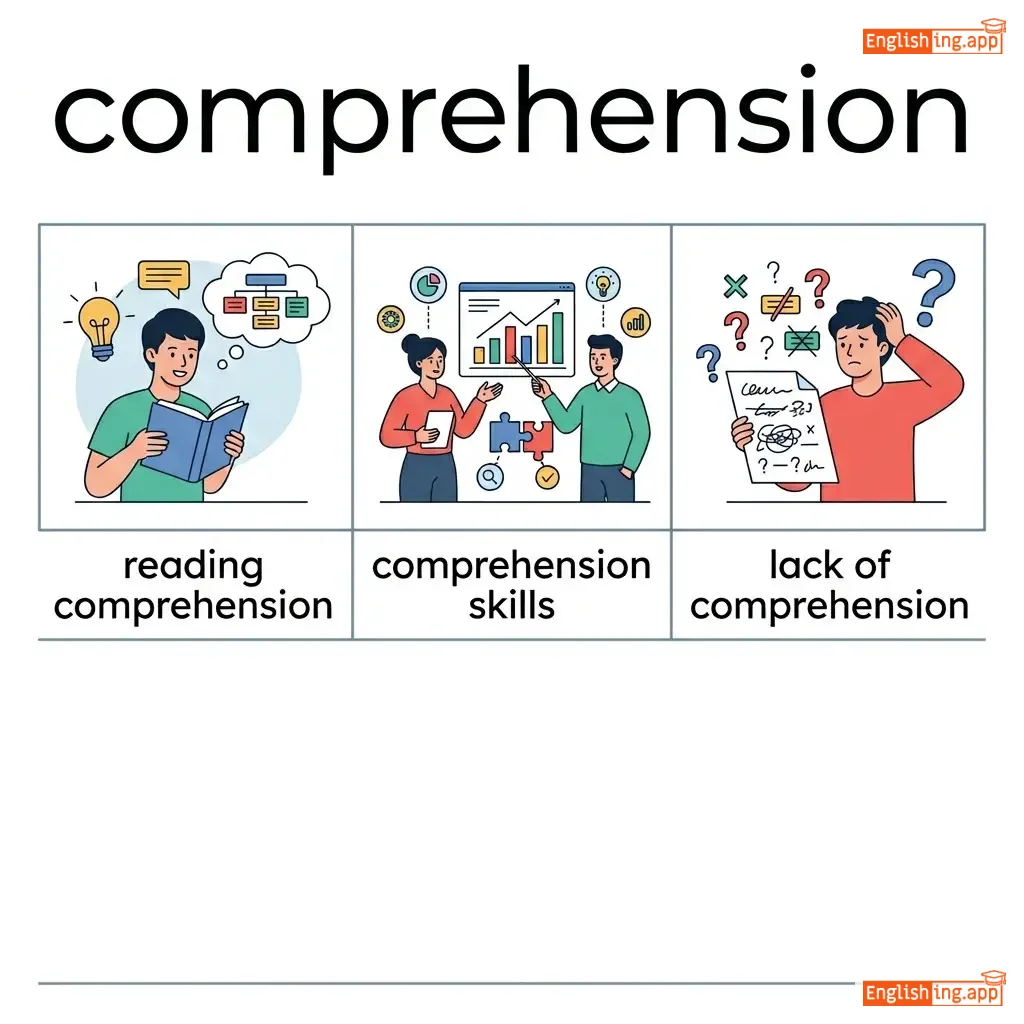
ˌkɑːm.prɪˈhen.ʃən
noun
••••••
|
|
The action or capability of understanding something.
••••••
|
His comprehension of complex theories is impressive. |
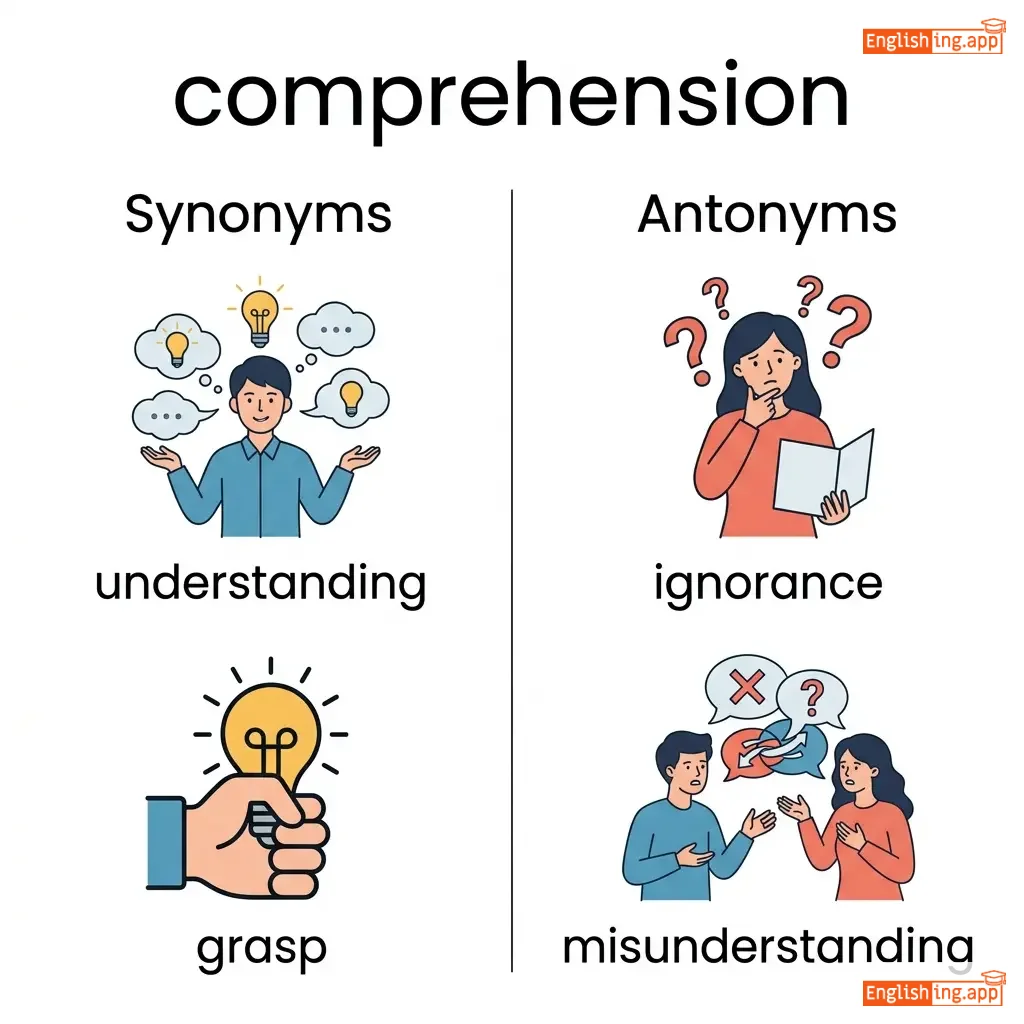
understanding, interpretation
••••••
|
misunderstanding, confusion
••••••
|
|
#2068
🔍
|
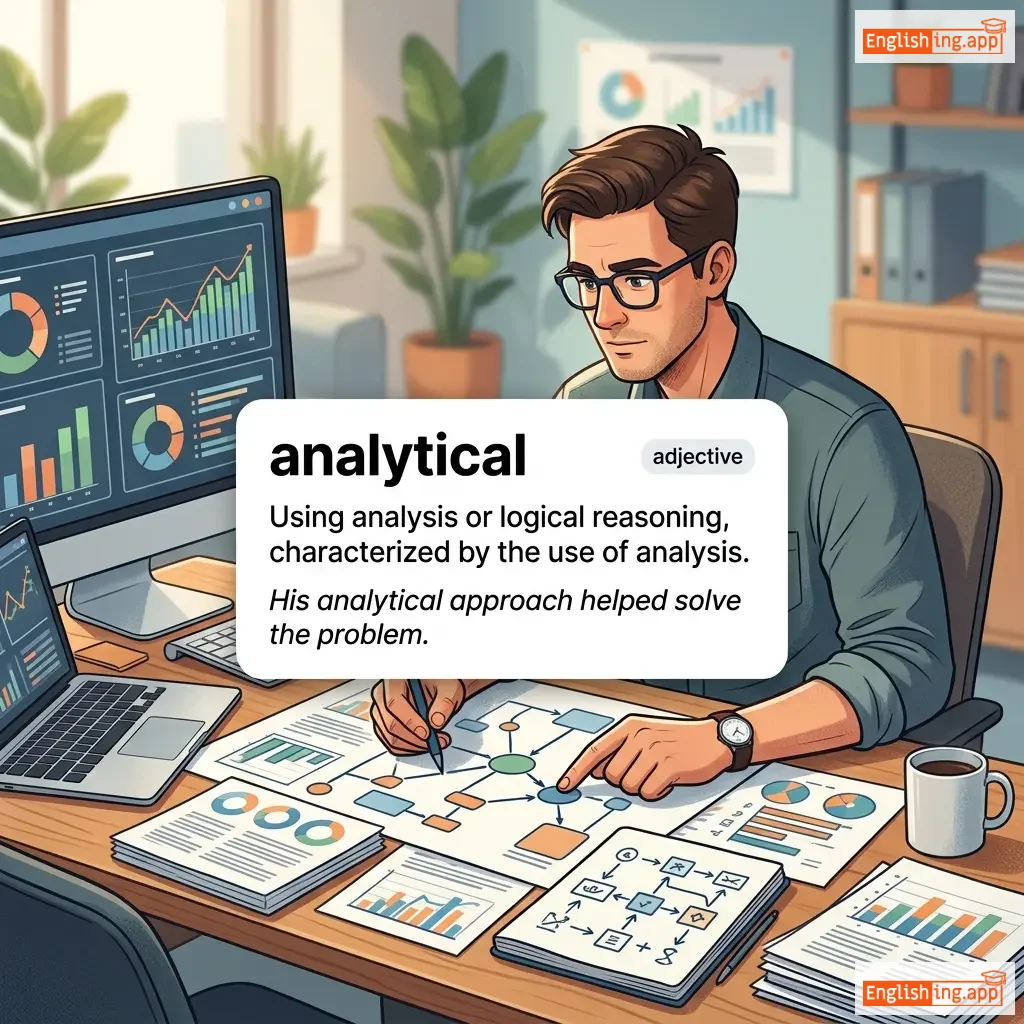
ˌæn.əlˈɪt.ɪ.kəl
adjective
••••••
|
|
Using or skilled in using analysis (i.e., separating a whole—intellectual or substantial—into its elemental parts or basic principles).
••••••
|
She has an analytical approach to problem-solving. |
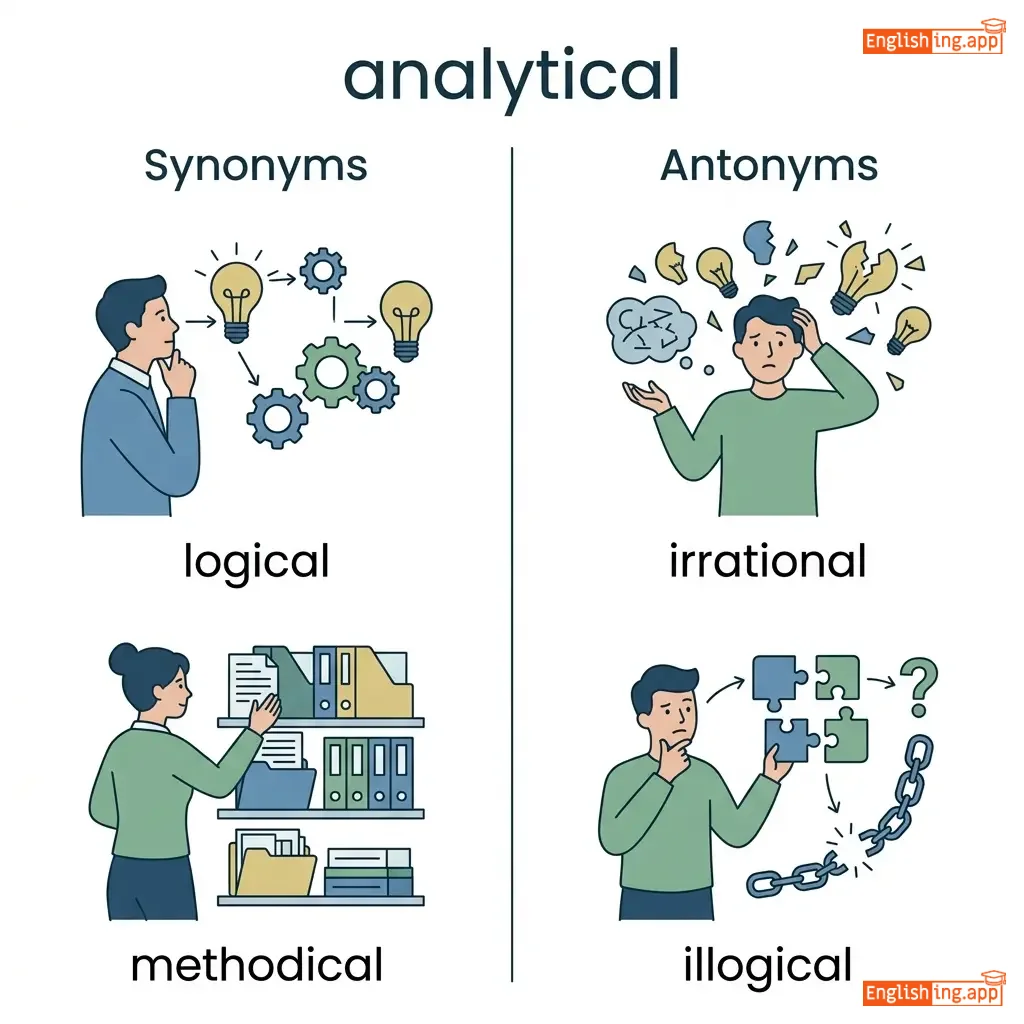
logical, investigative
••••••
|
illogical, irrational
••••••
|
|
#2069
🧲
|
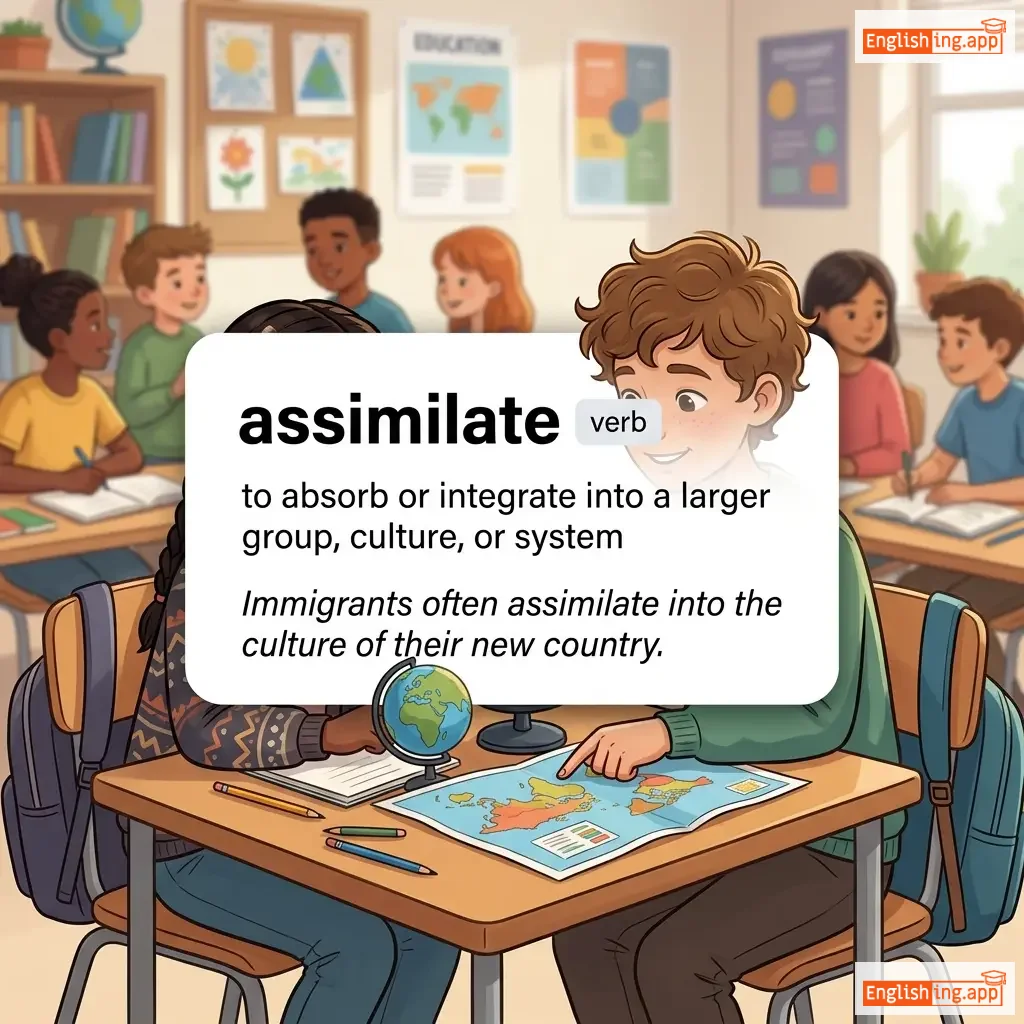
əˈsɪm.ɪ.leɪt
verb
••••••
|
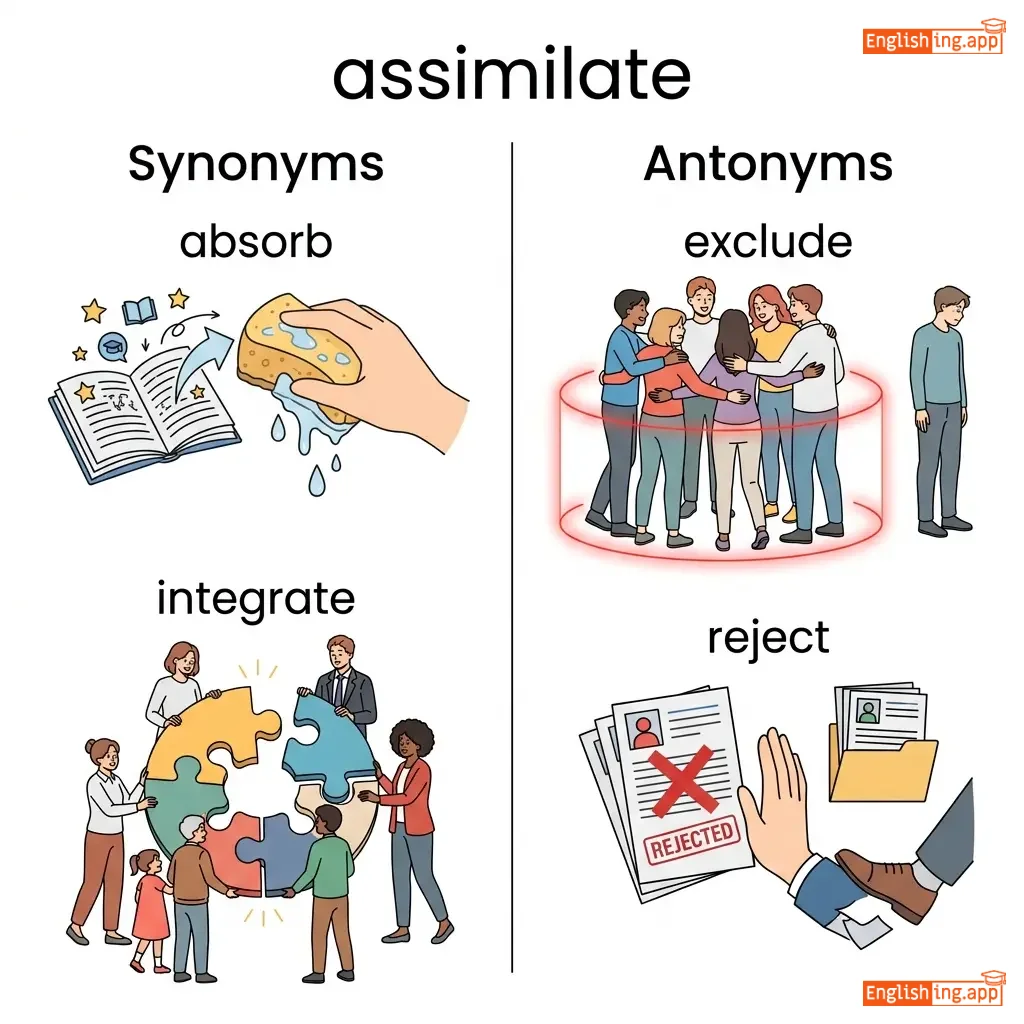
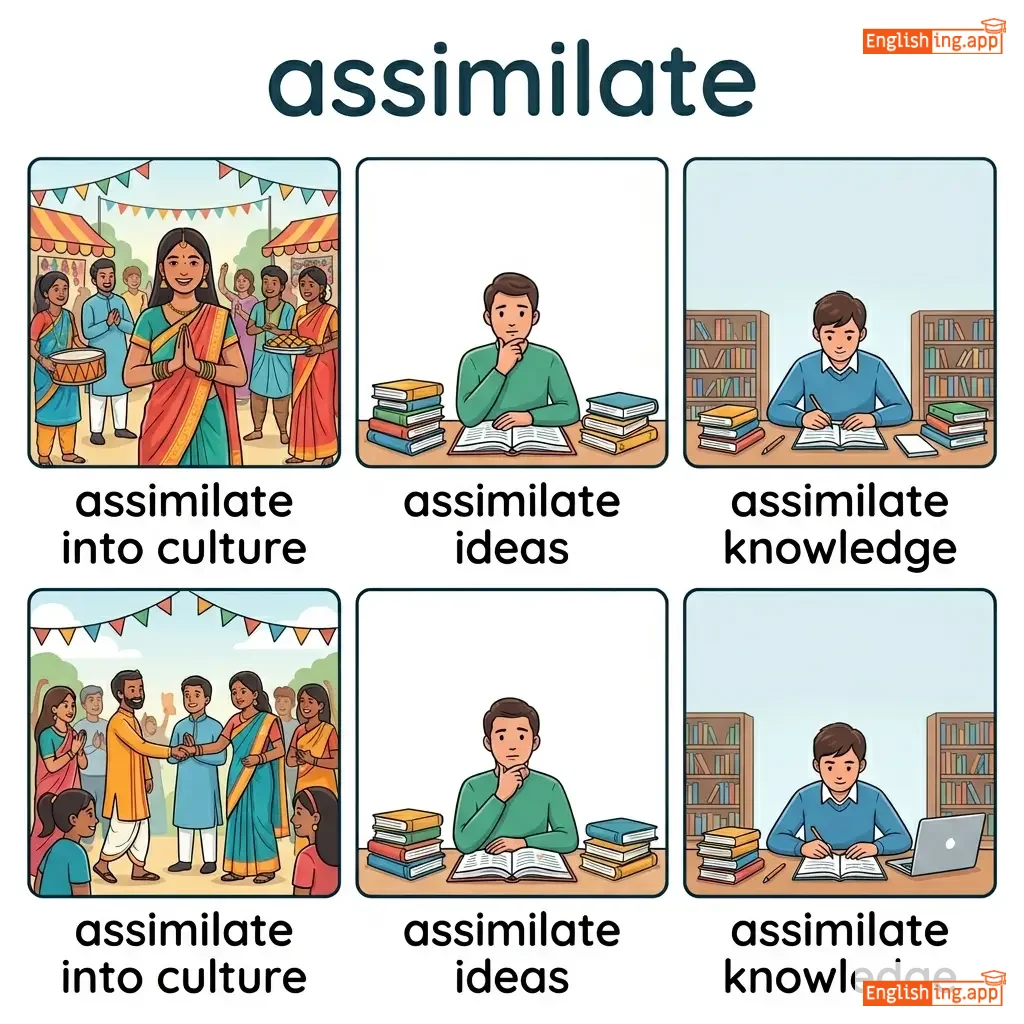
|
Take in (information, ideas, or culture) and understand fully.
••••••
|
Immigrants often assimilate into the local culture. |
absorb, integrate
••••••
|
reject, isolate
••••••
|
|
#2070
🎯
|
dɪˈsɝːn.mənt
noun
••••••
|
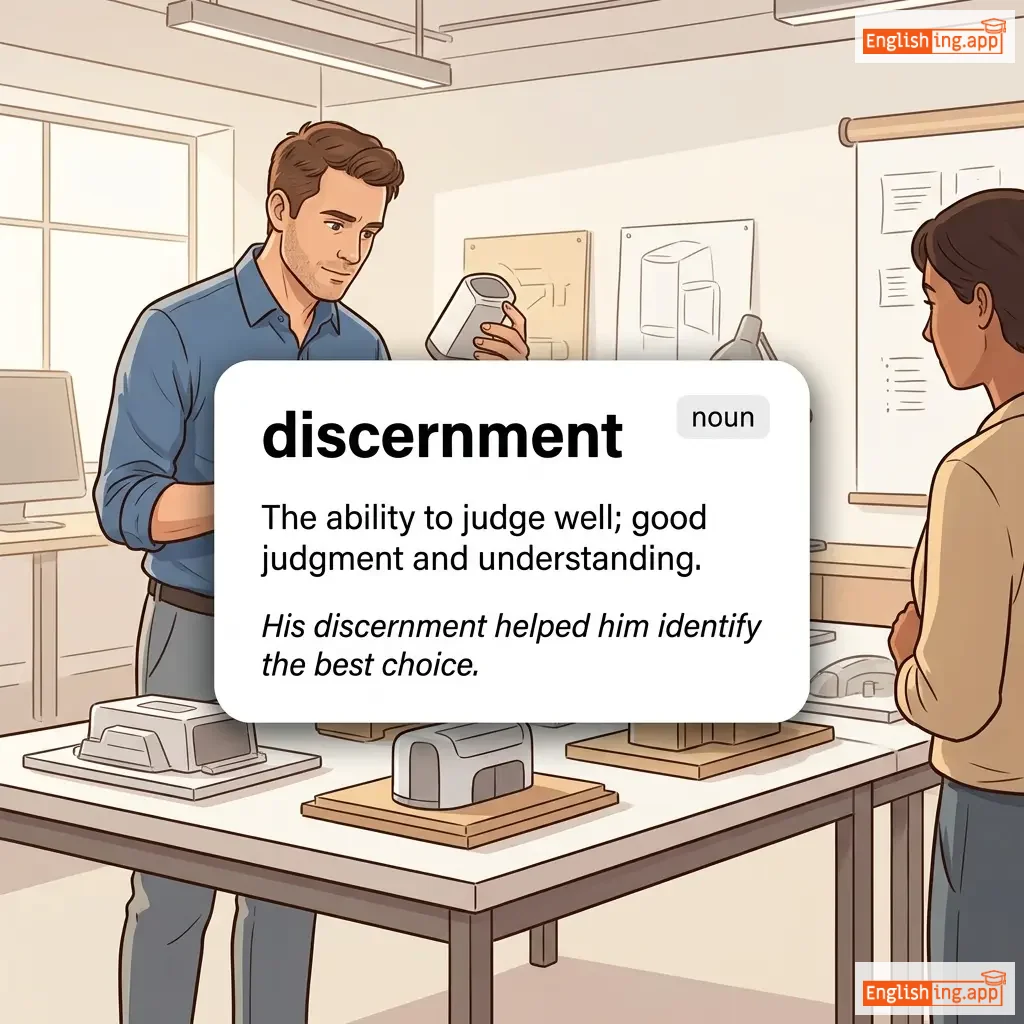
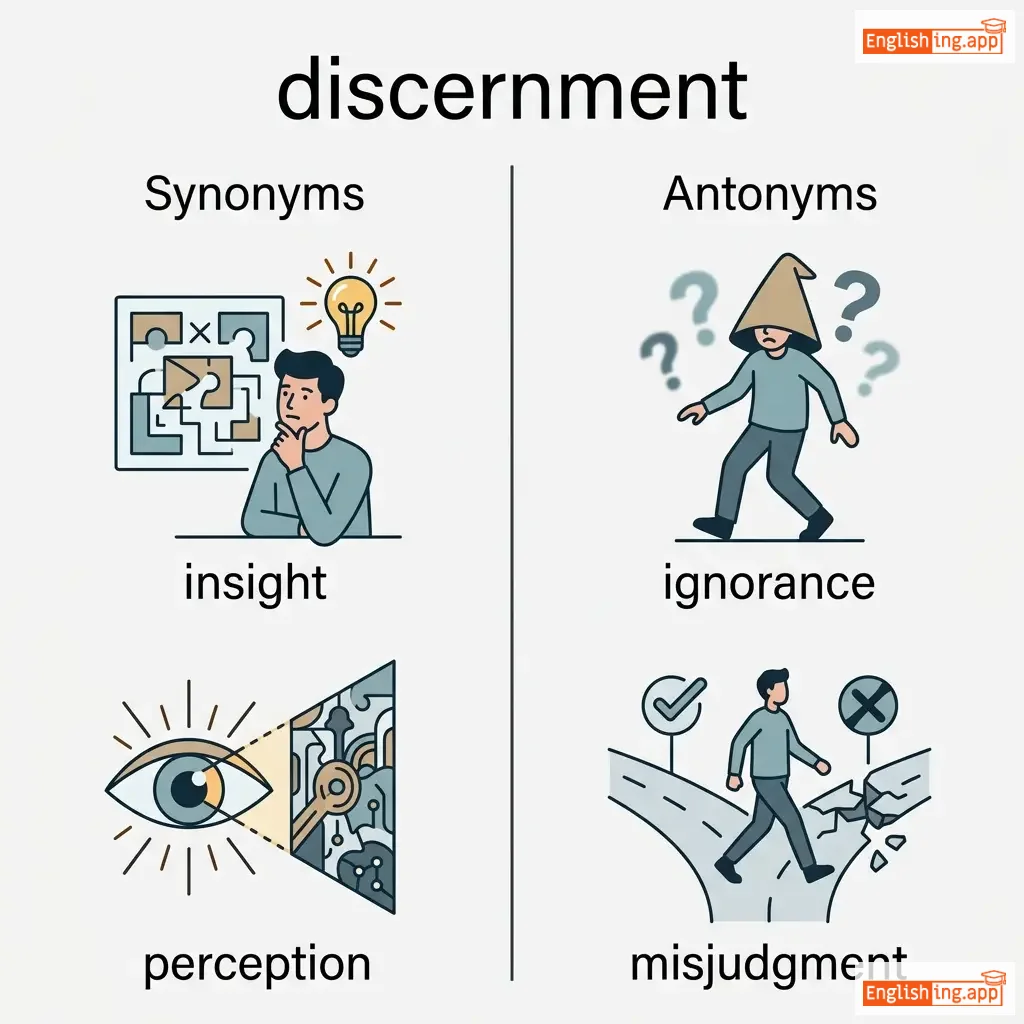
|
The ability to judge well.
••••••
|
His discernment in business decisions is remarkable. |
insight, perception
••••••
|
ignorance, misjudgment
••••••
|
|
#2071
🎭
|
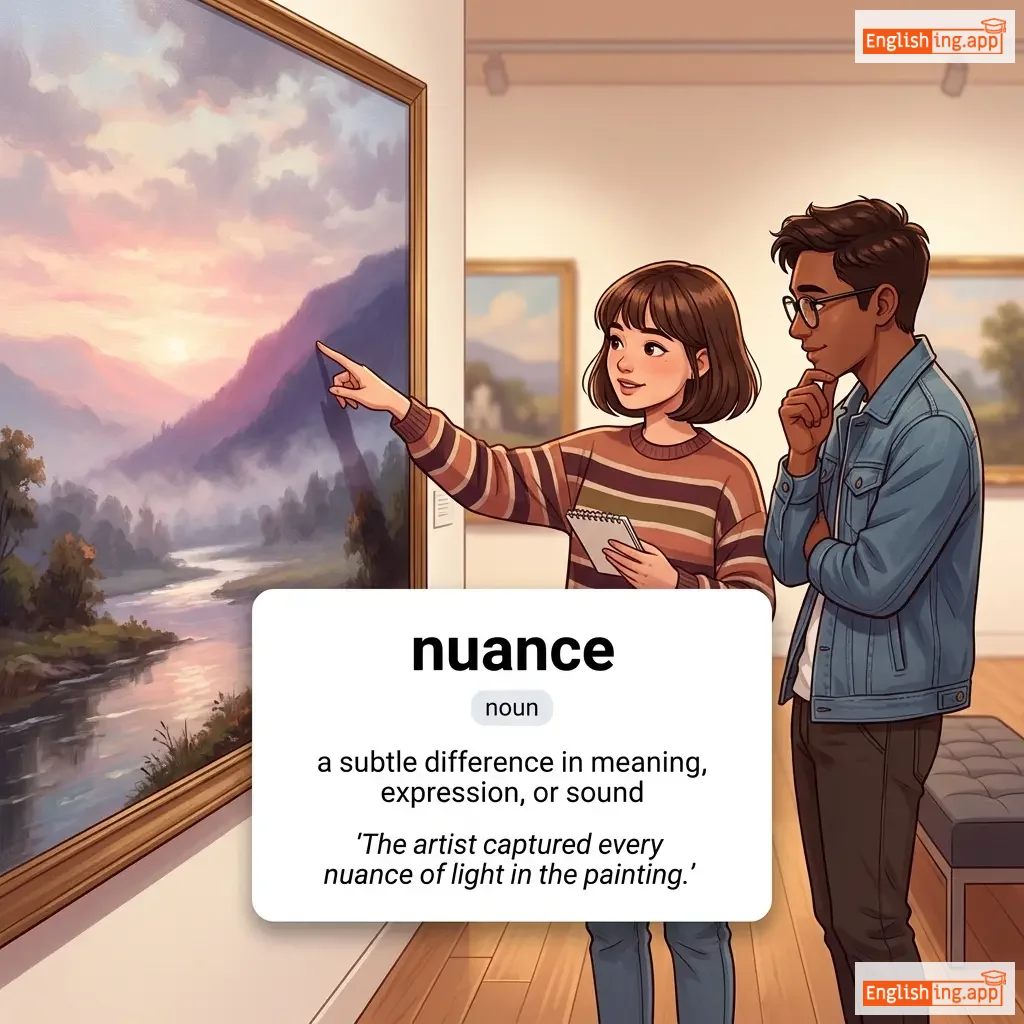
ˈnuː.ɑːns
noun
••••••
|
|
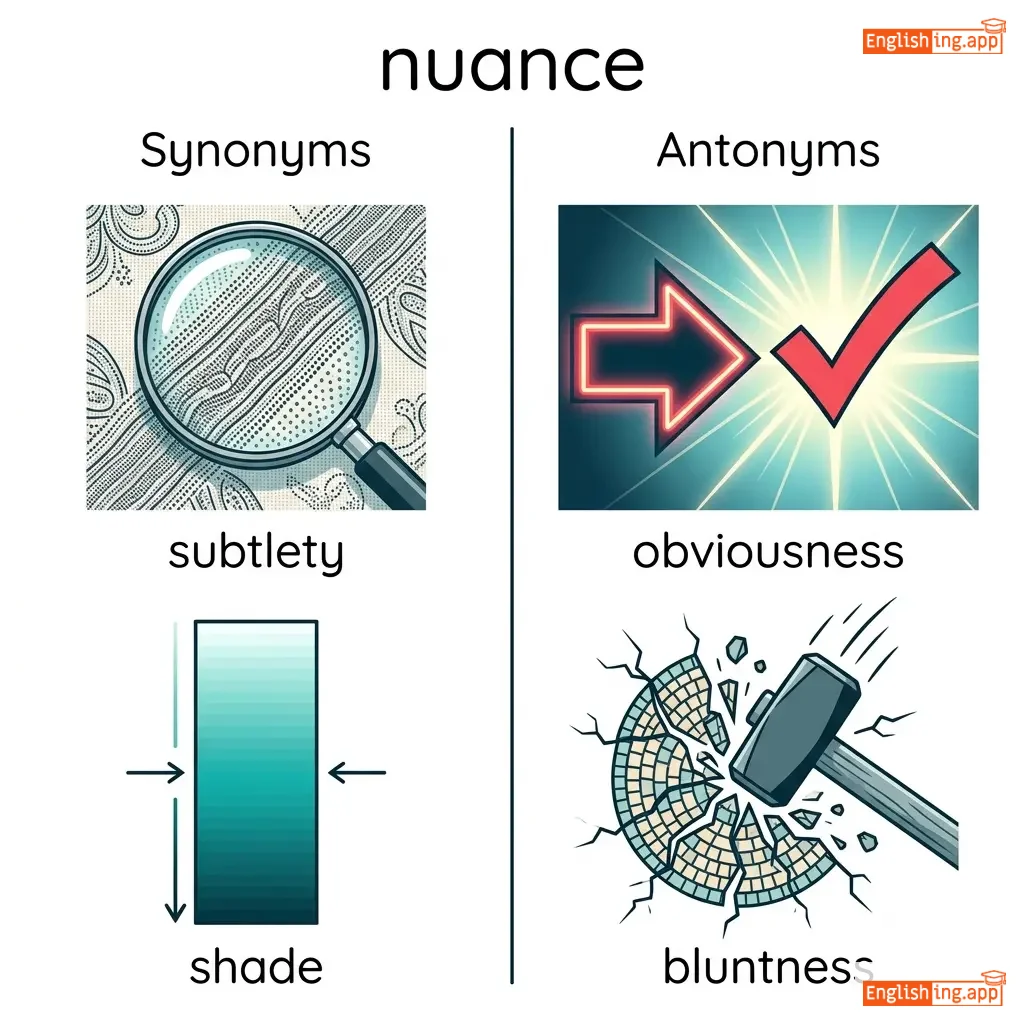
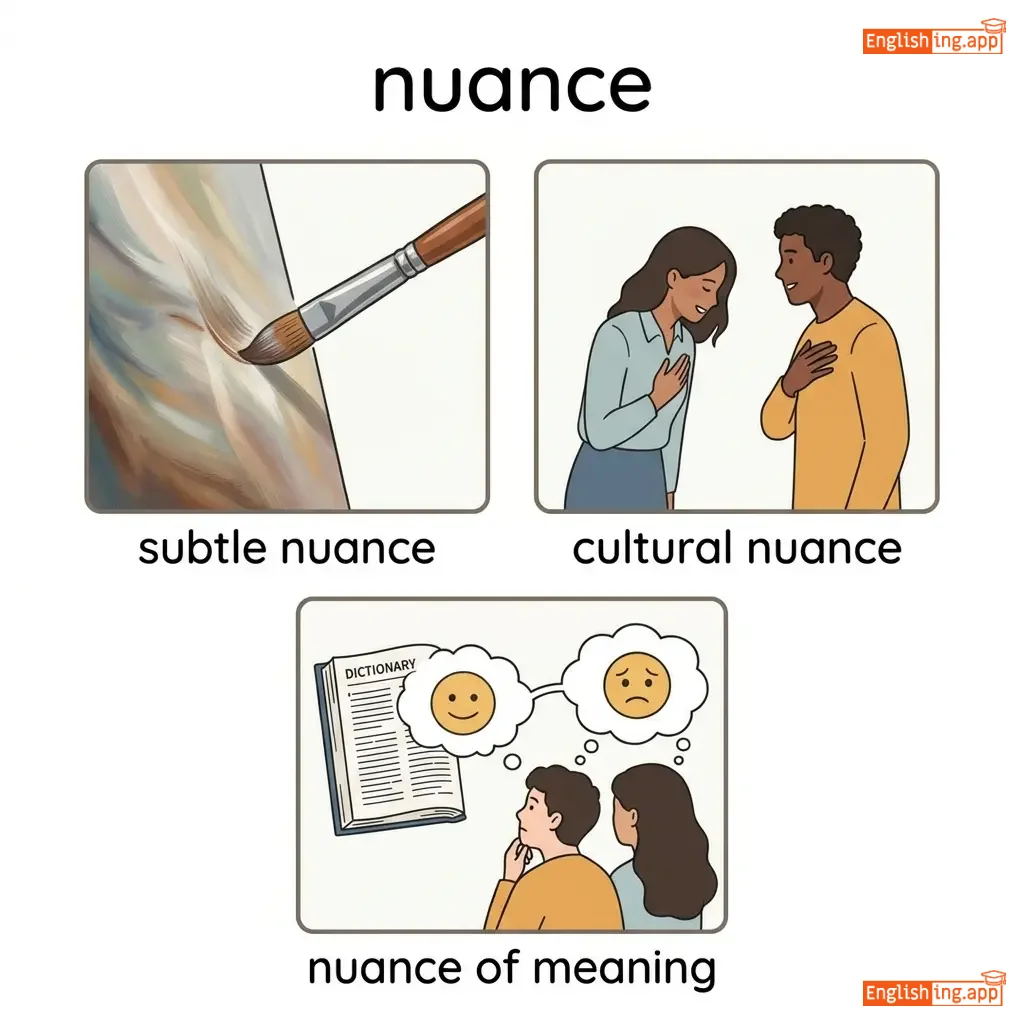
A subtle difference in or shade of meaning, expression, or response.
••••••
|
The nuance in her speech made it more impactful. |
subtlety, refinement
••••••
|
obviousness, simplicity
••••••
|
|
#2072
🔗
|
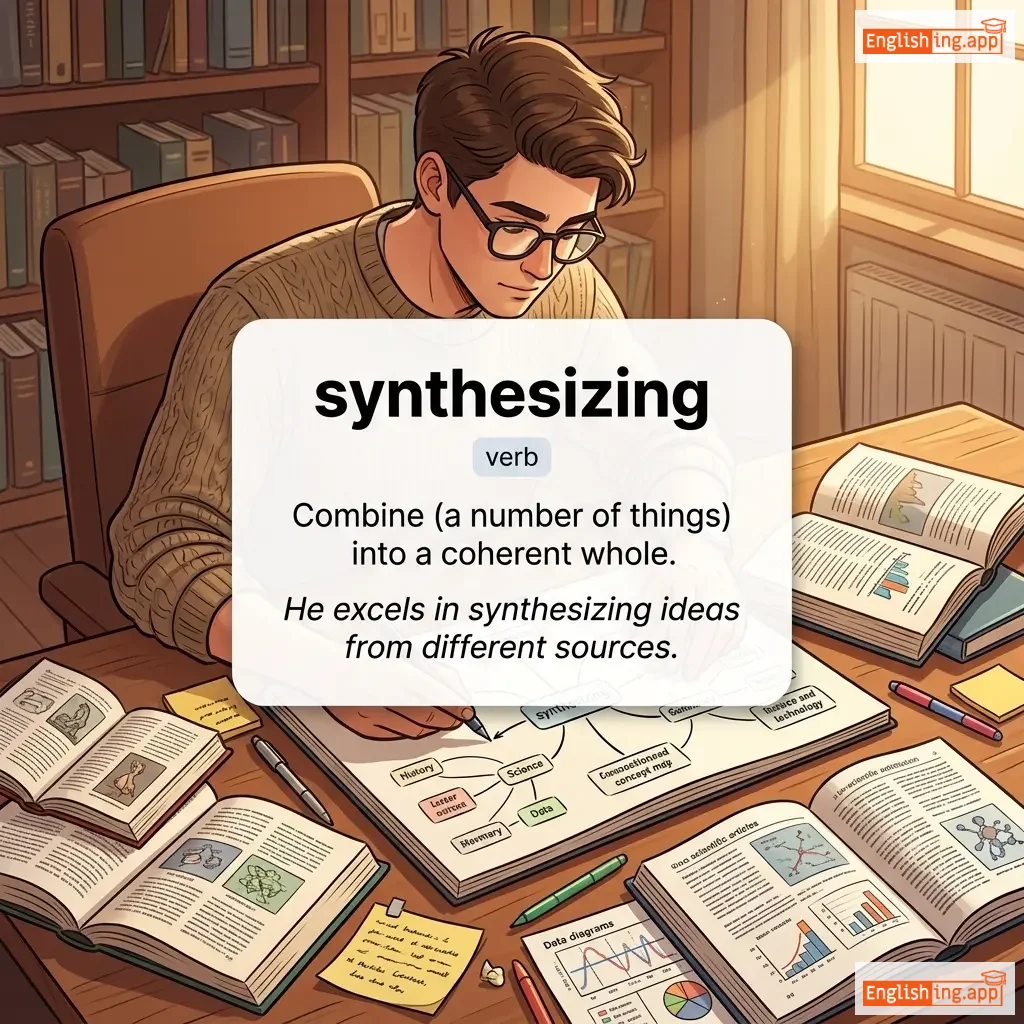
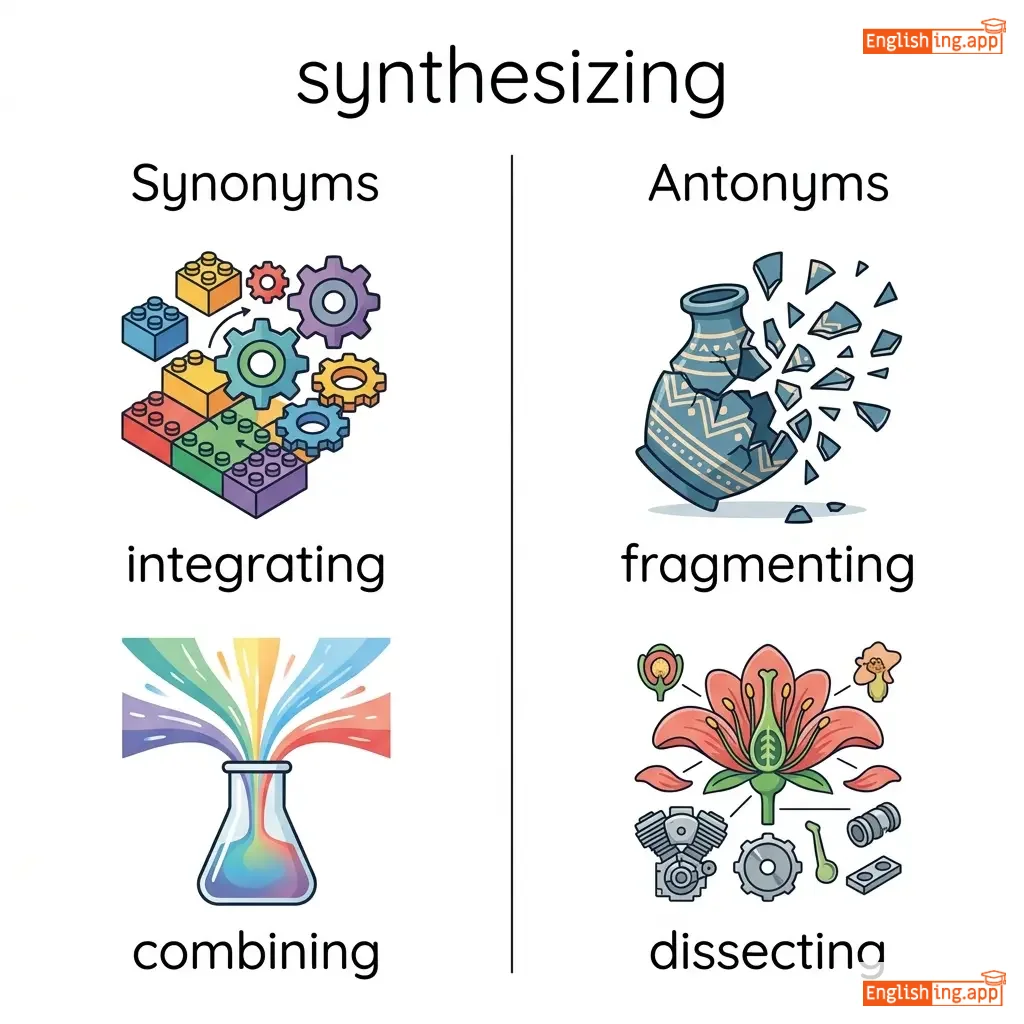
ˈsɪn.θə.saɪ.zɪŋ
verb
••••••
|
|
Combine (a number of things) into a coherent whole.
••••••
|
He excels in synthesizing ideas from different sources. |
integrating, combining
••••••
|
fragmenting, dissecting
••••••
|
|
#2073
👁️
|
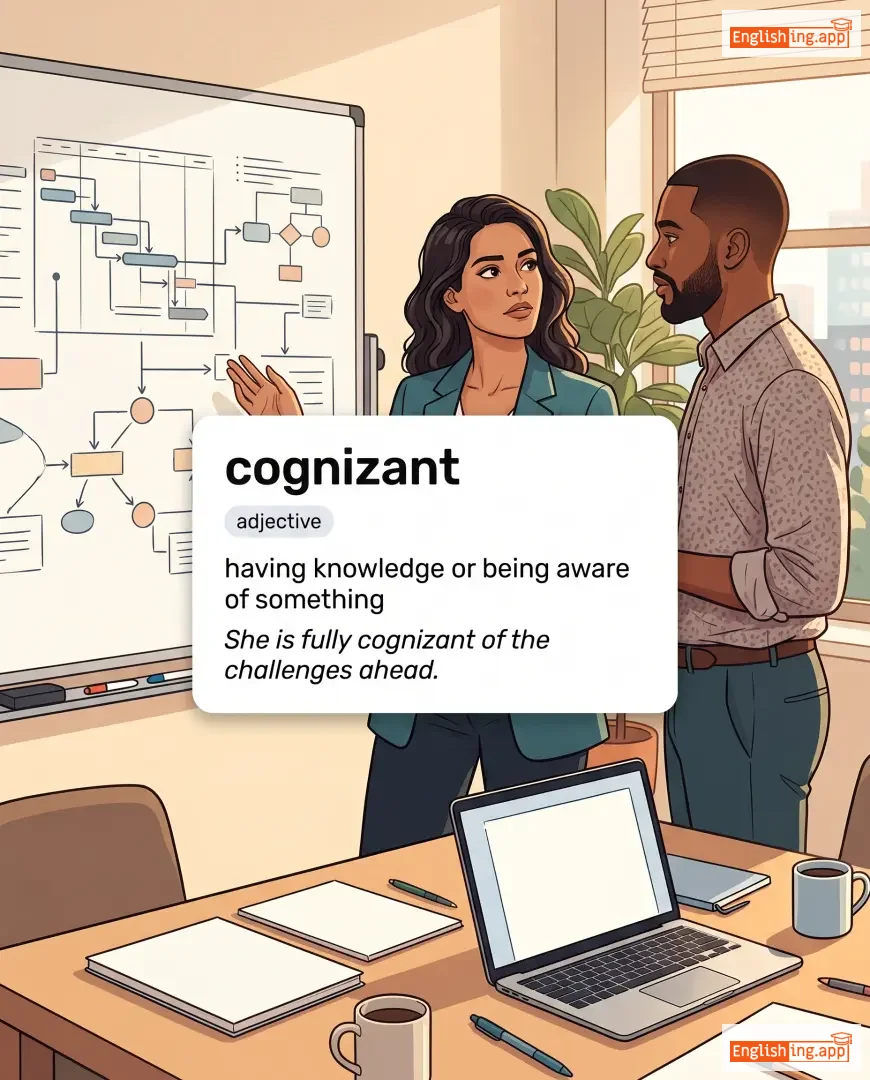
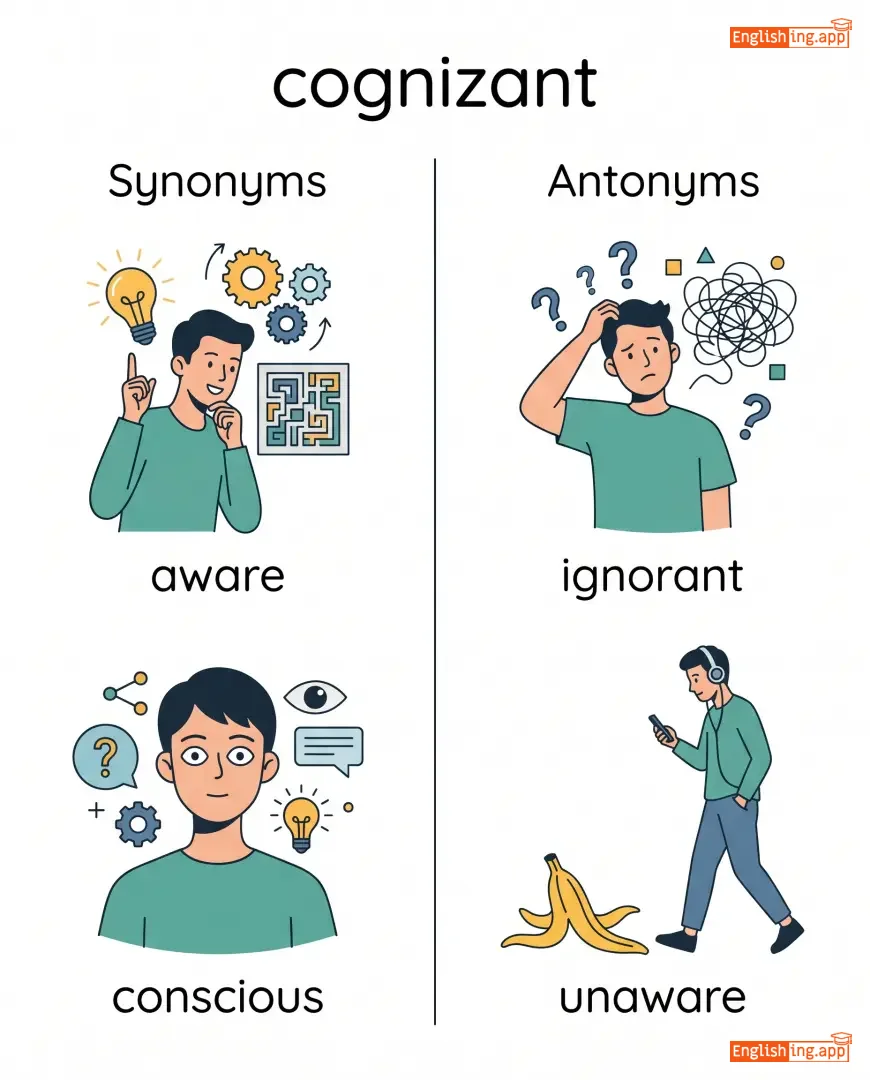
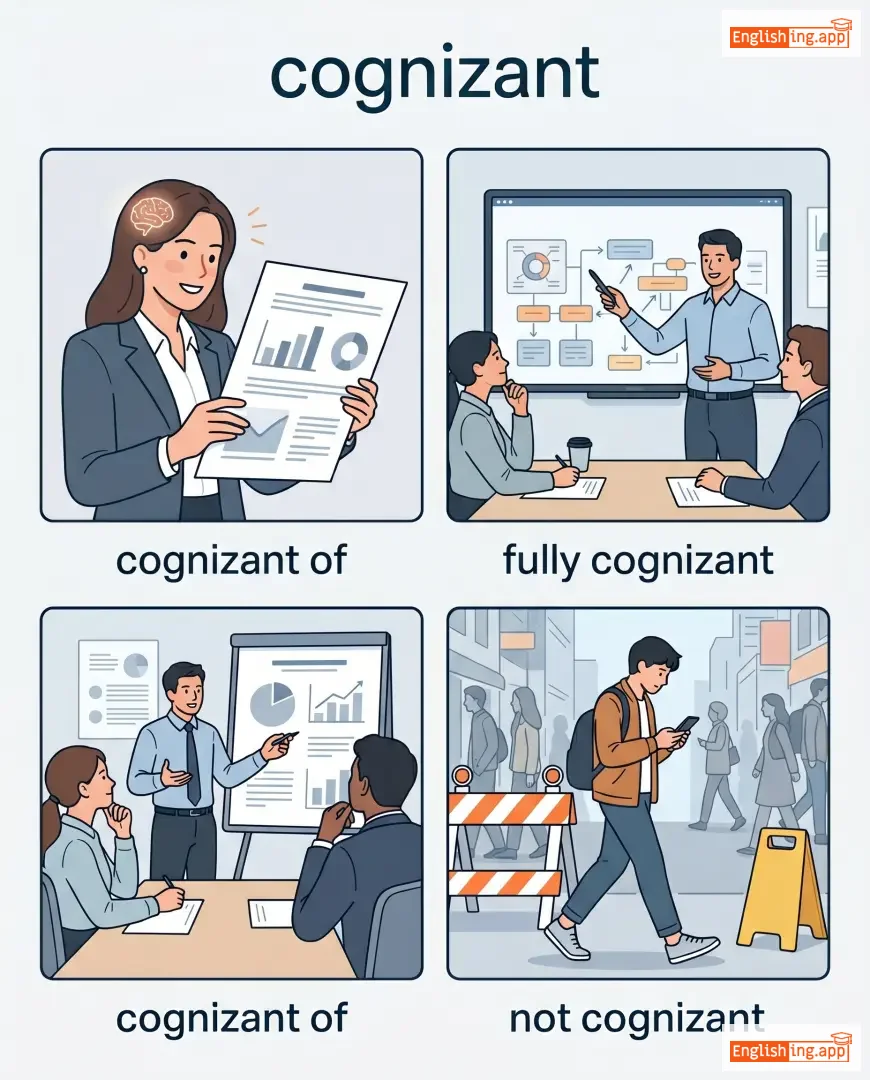
ˈkɒɡ.nɪ.zənt
adjective
••••••
|
|
Having knowledge or being aware of.
••••••
|
We should be cognizant of the impact of our actions. |
aware, mindful
••••••
|
unaware, oblivious
••••••
|
|
#2074
🏗️
|
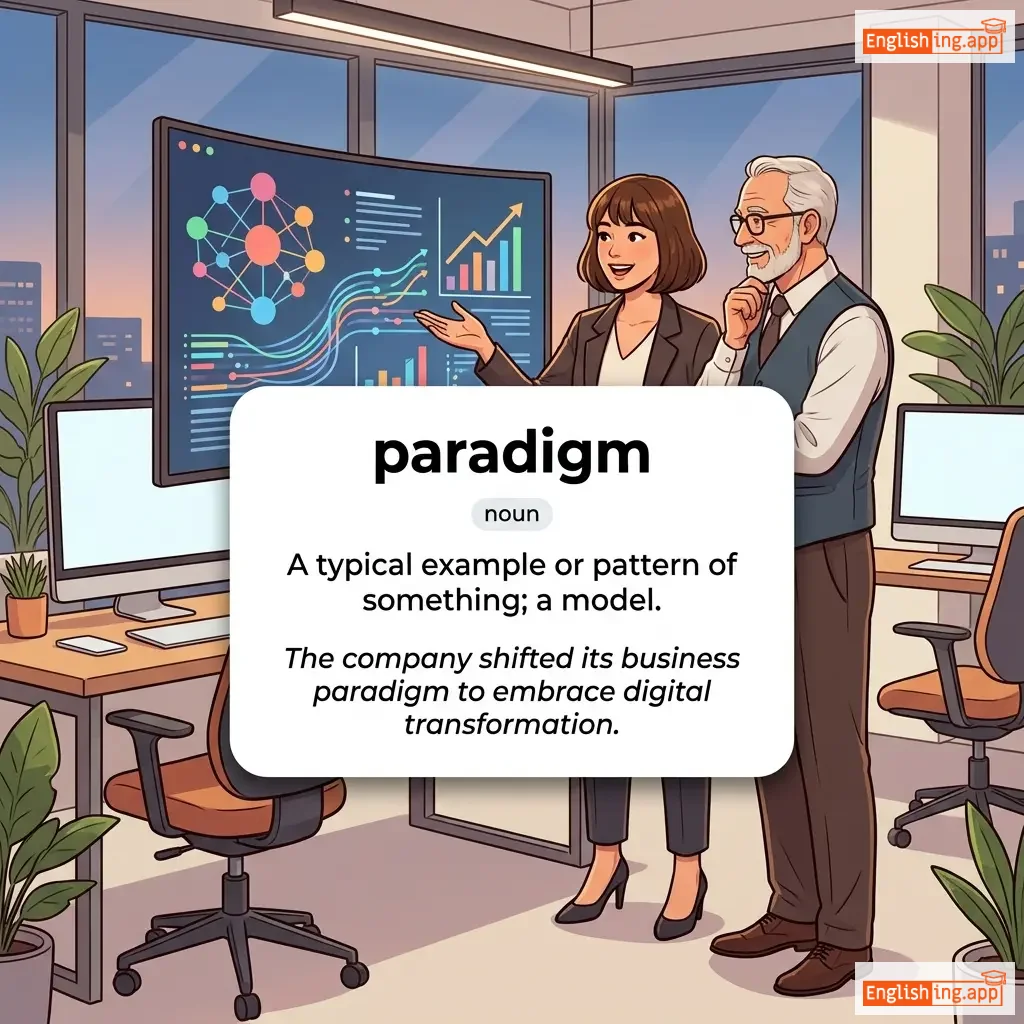
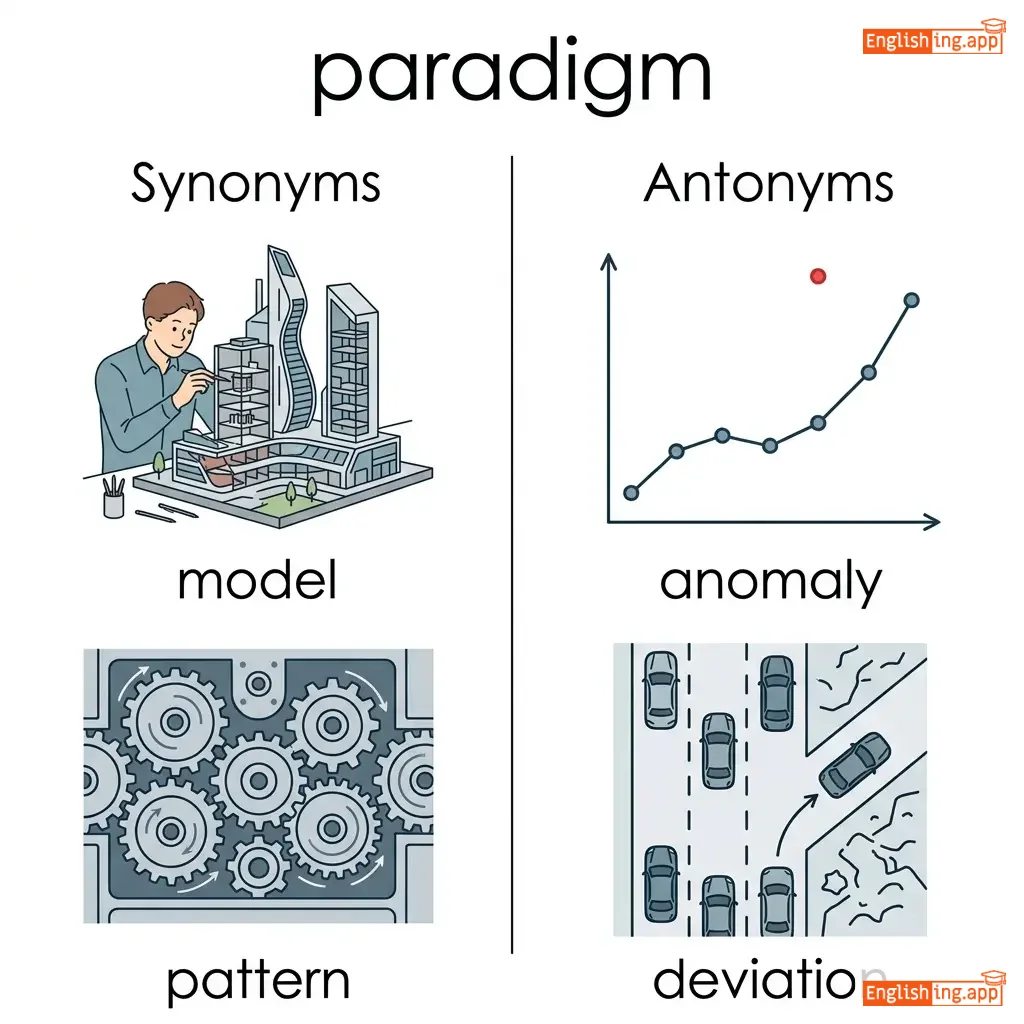
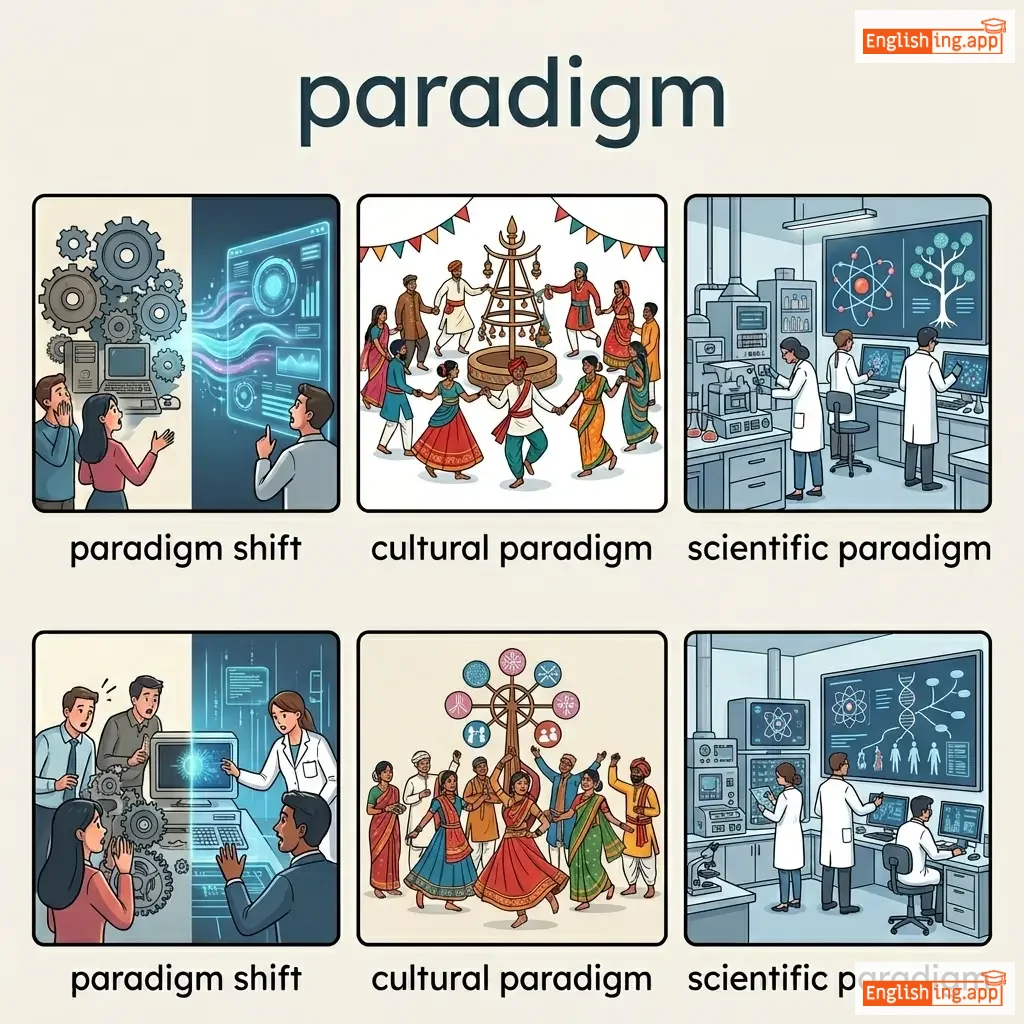
ˈpær.ə.daɪm
noun
••••••
|
|
A typical example or pattern of something; a model.
••••••
|
The internet has changed the paradigm of communication. |
model, framework
••••••
|
disorganization, disorder
••••••
|
|
#2075
⚖️
|
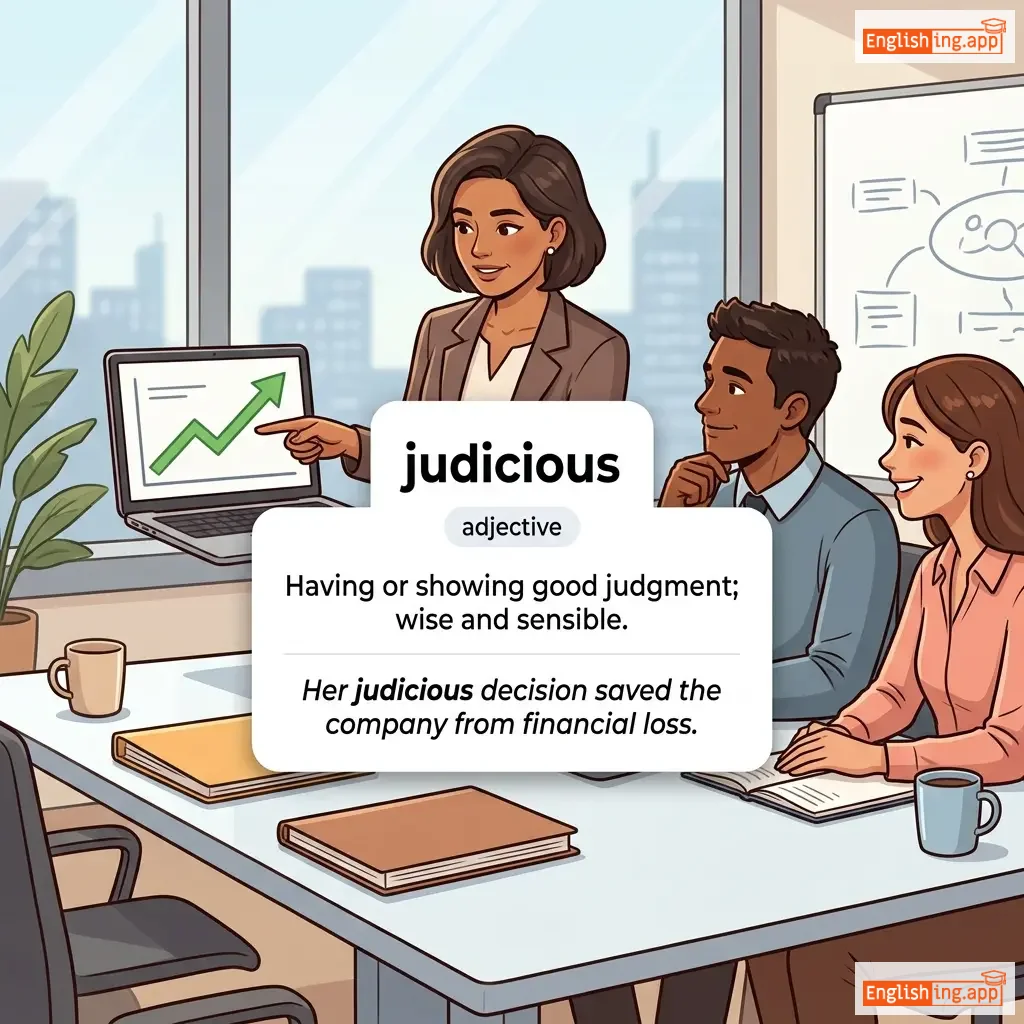
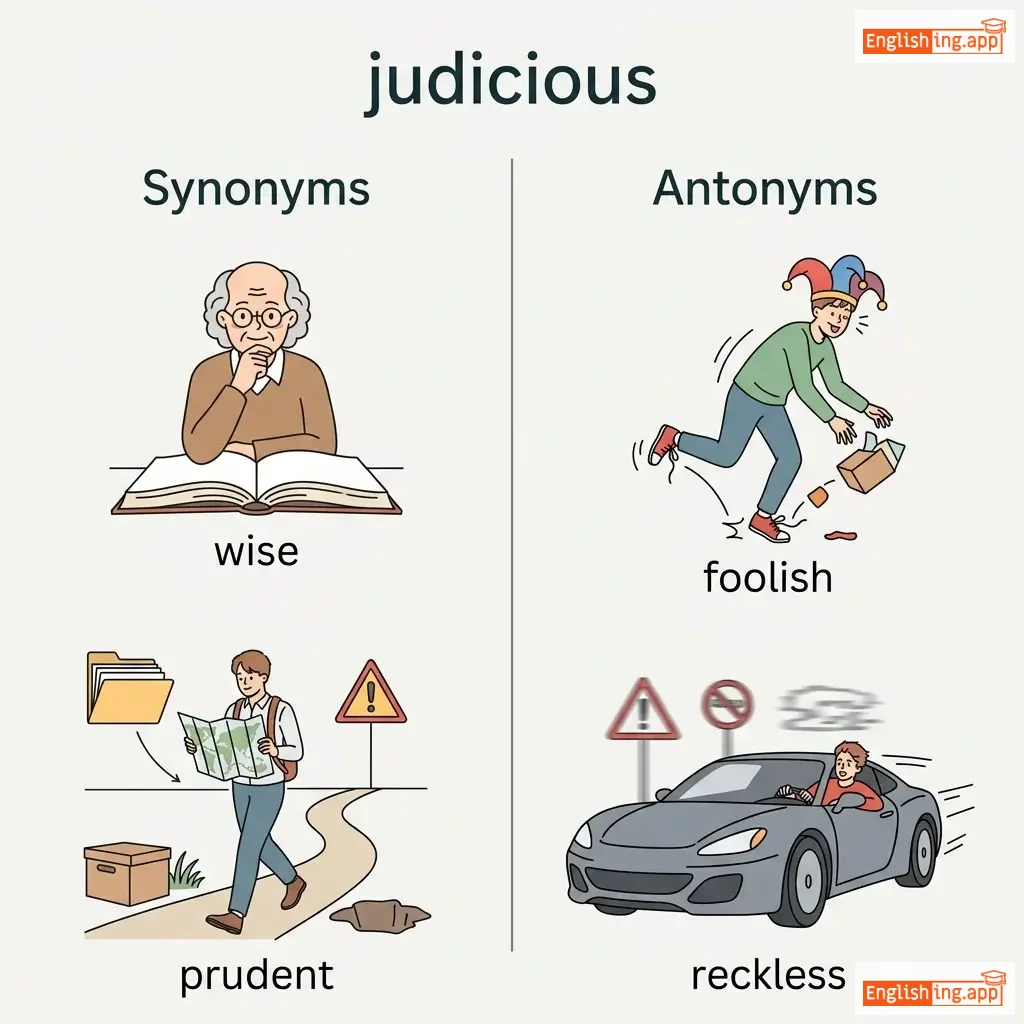
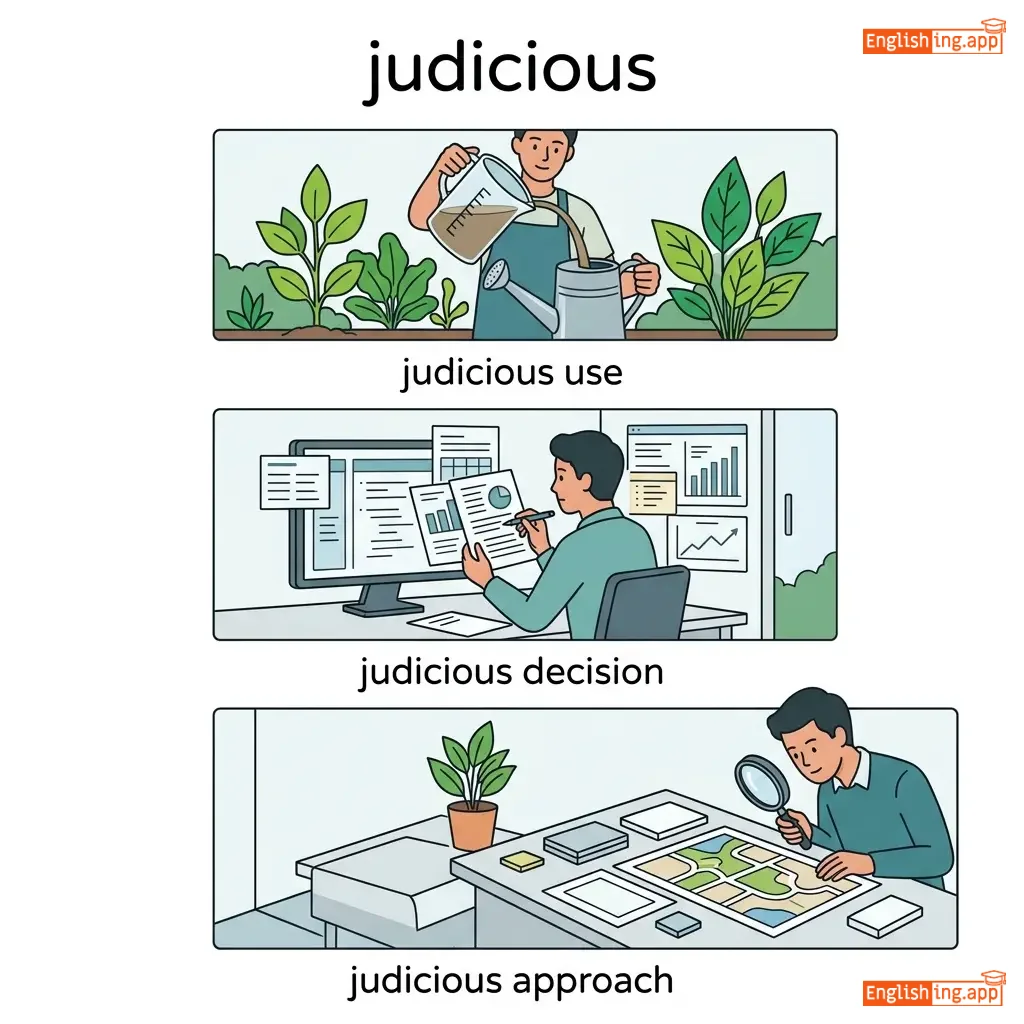
dʒuːˈdɪʃ.əs
adjective
••••••
|
|
Having, showing, or done with good judgment or sense.
••••••
|
A judicious leader makes well-informed decisions. |
wise, prudent
••••••
|
reckless, impulsive
••••••
|
|
#2076
💭
|
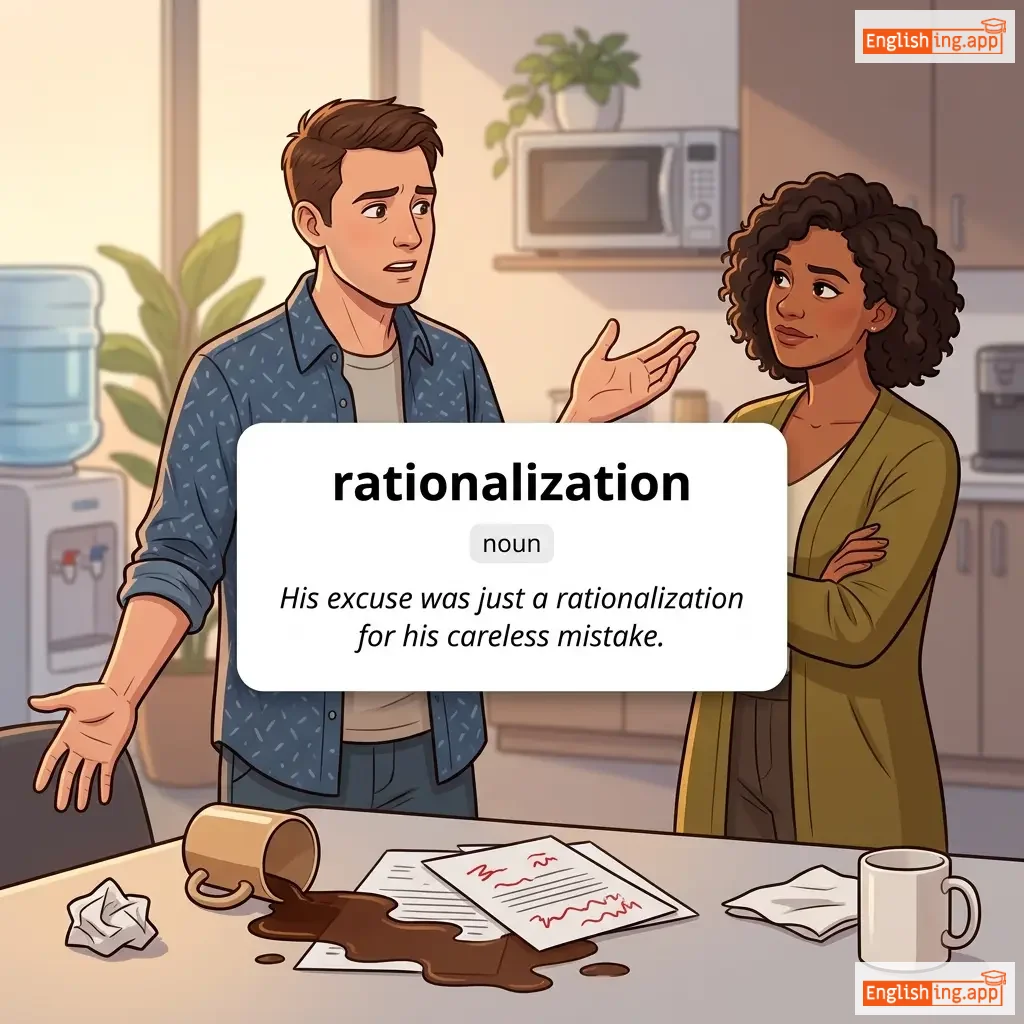
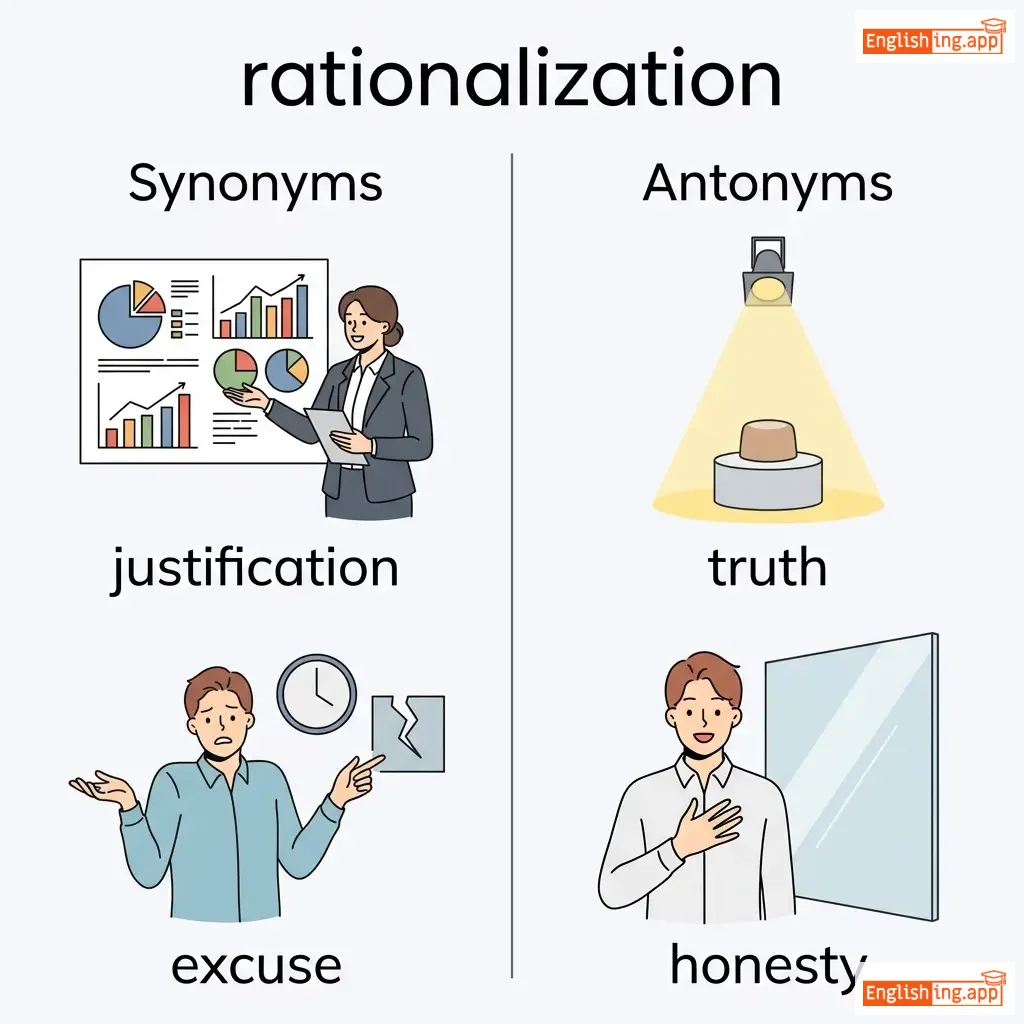
ˌræʃ.ən.əl.ɪˈzeɪ.ʃən
noun
••••••
|
|
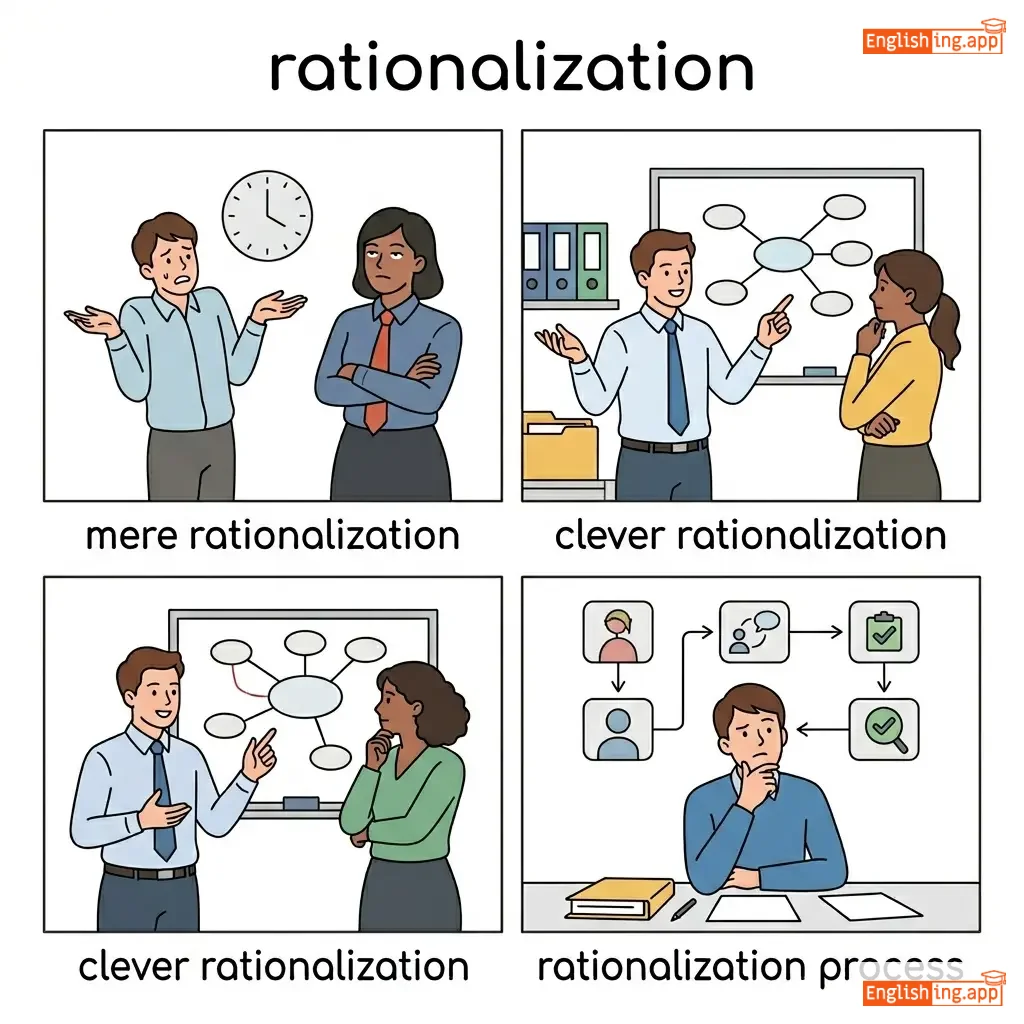
The practice of finding reasons for behavior or actions that are not the real reasons.
••••••
|
His rationalization of the mistake was not convincing. |
justification, explanation
••••••
|
irrationality, misinterpretation
••••••
|
|
#2077
🤔
|
ˈɪn.fɚ.əns
noun
••••••
|
|
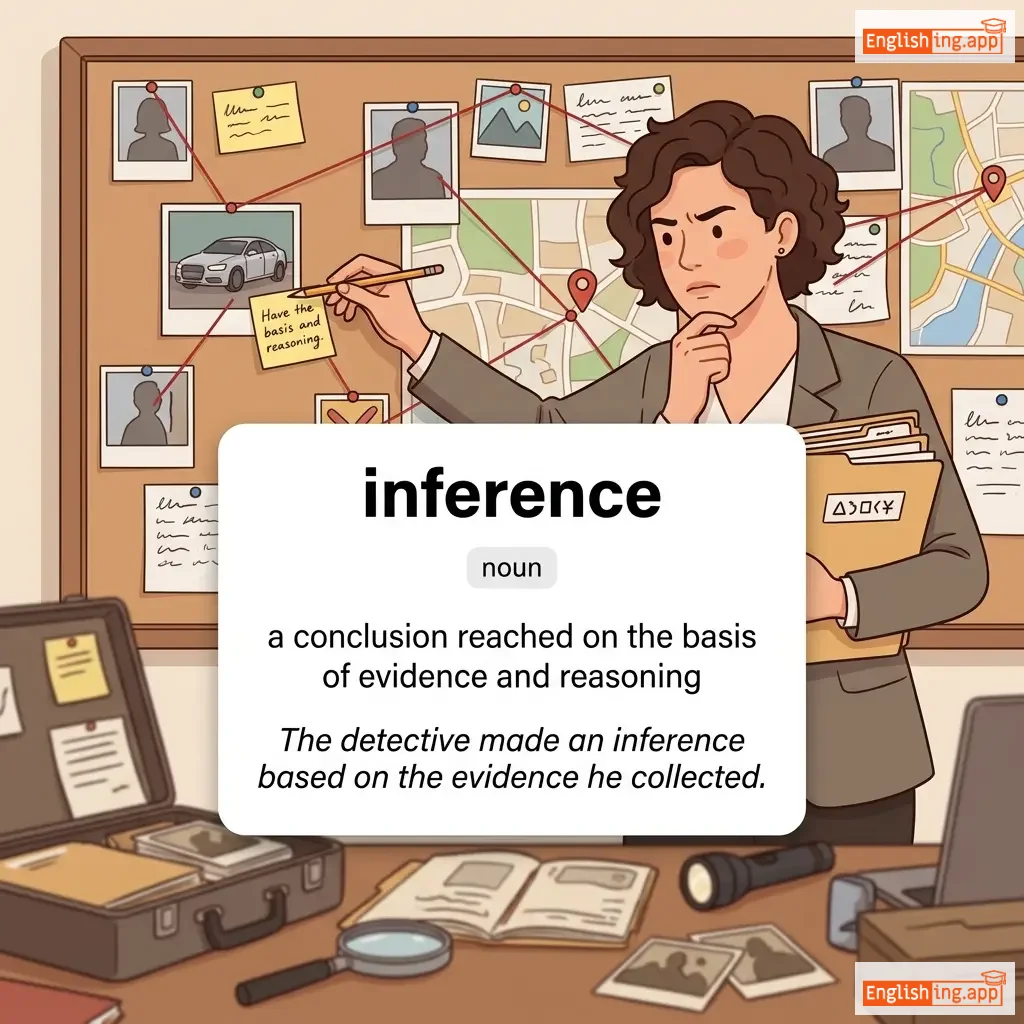
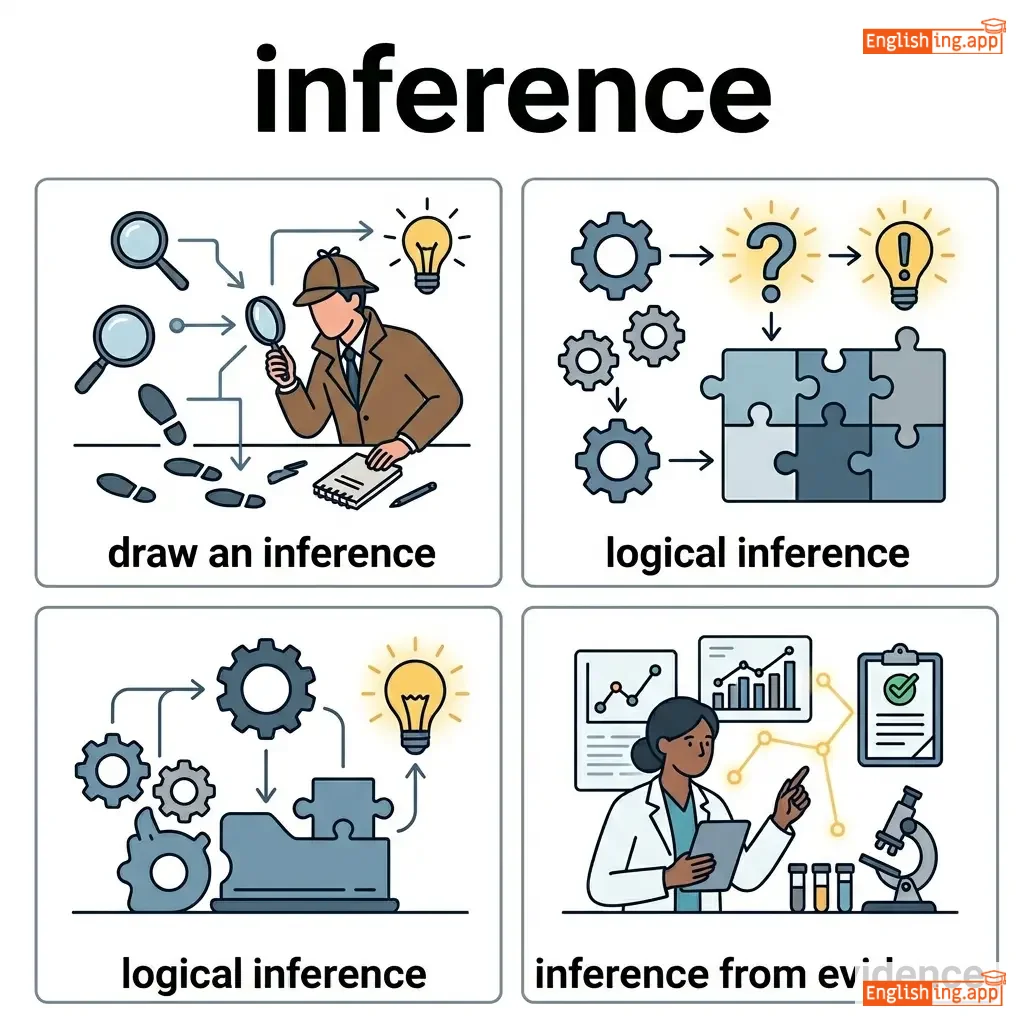
A conclusion reached on the basis of evidence and reasoning.
••••••
|
Based on the evidence, his inference was accurate. |
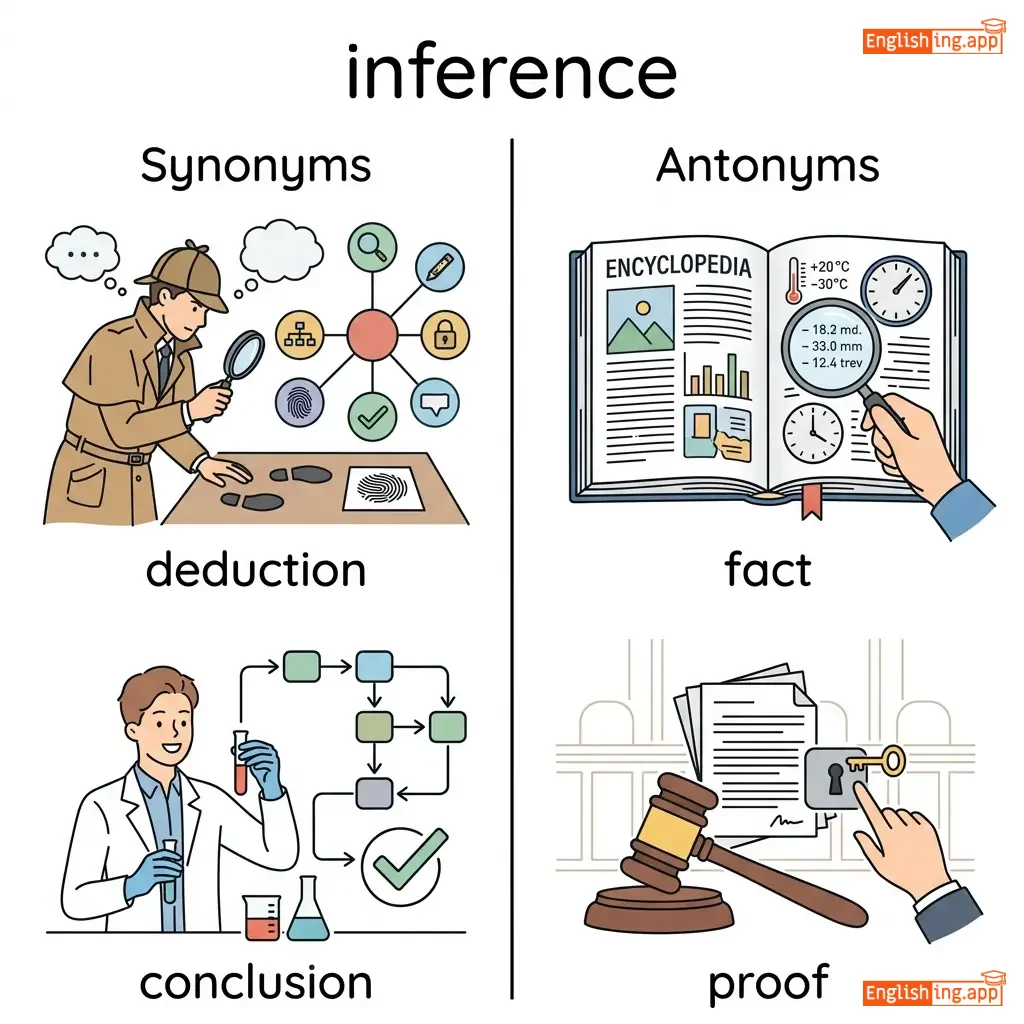
conclusion, deduction
••••••
|
assumption, misjudgment
••••••
|
|
#2078
📈
|
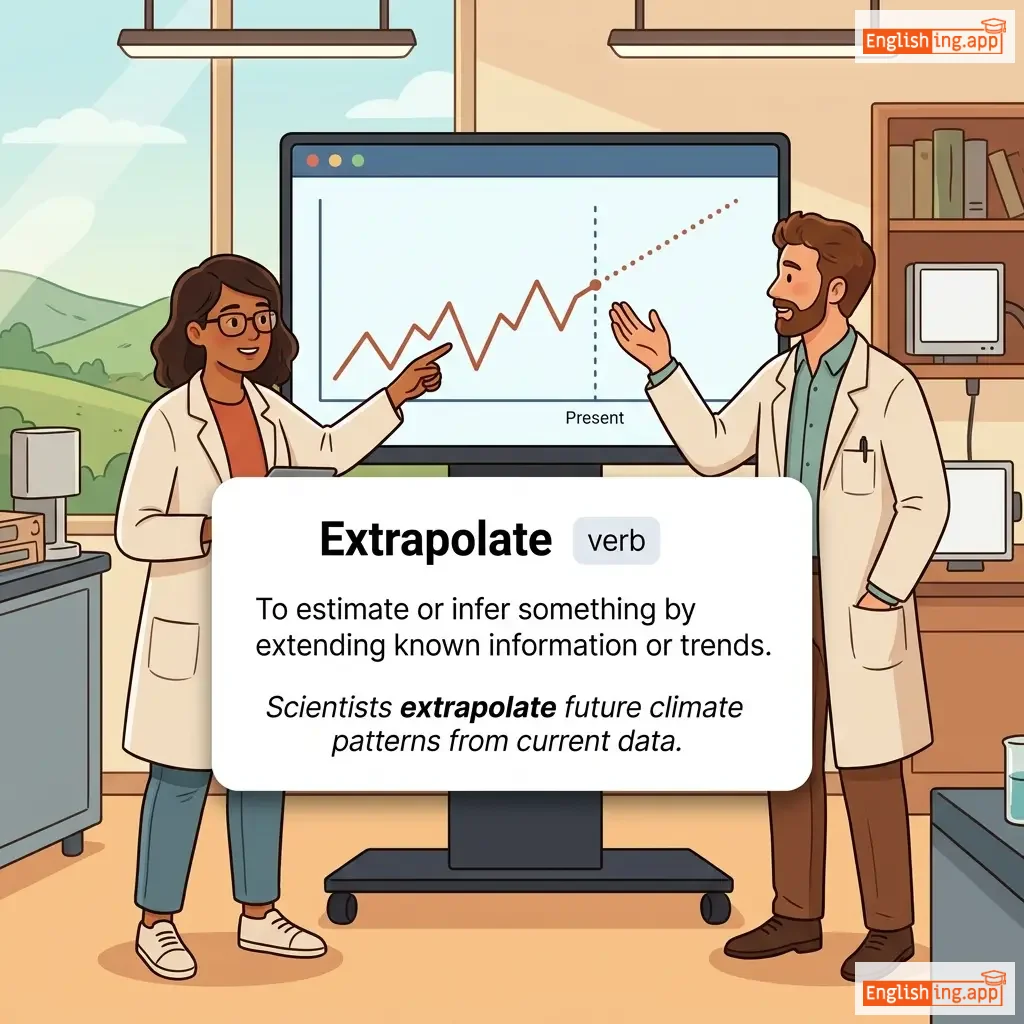
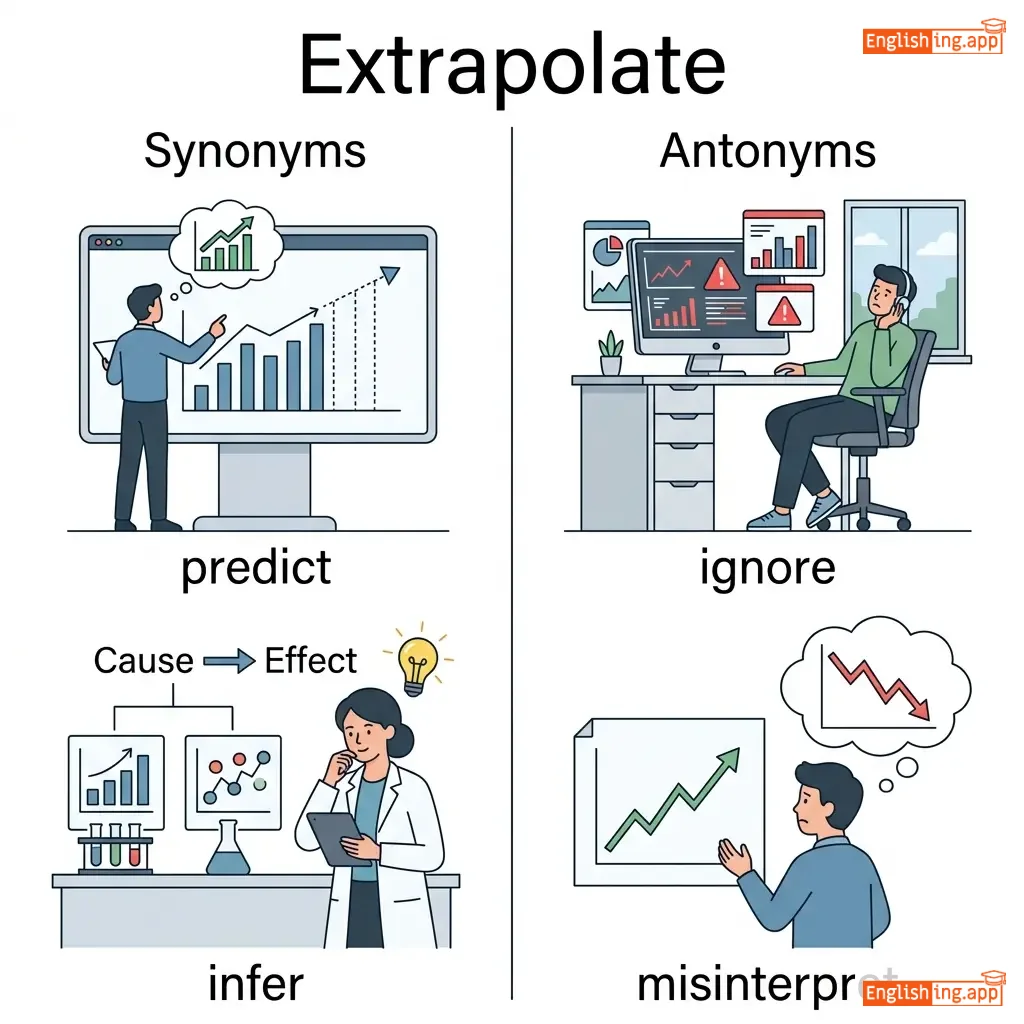
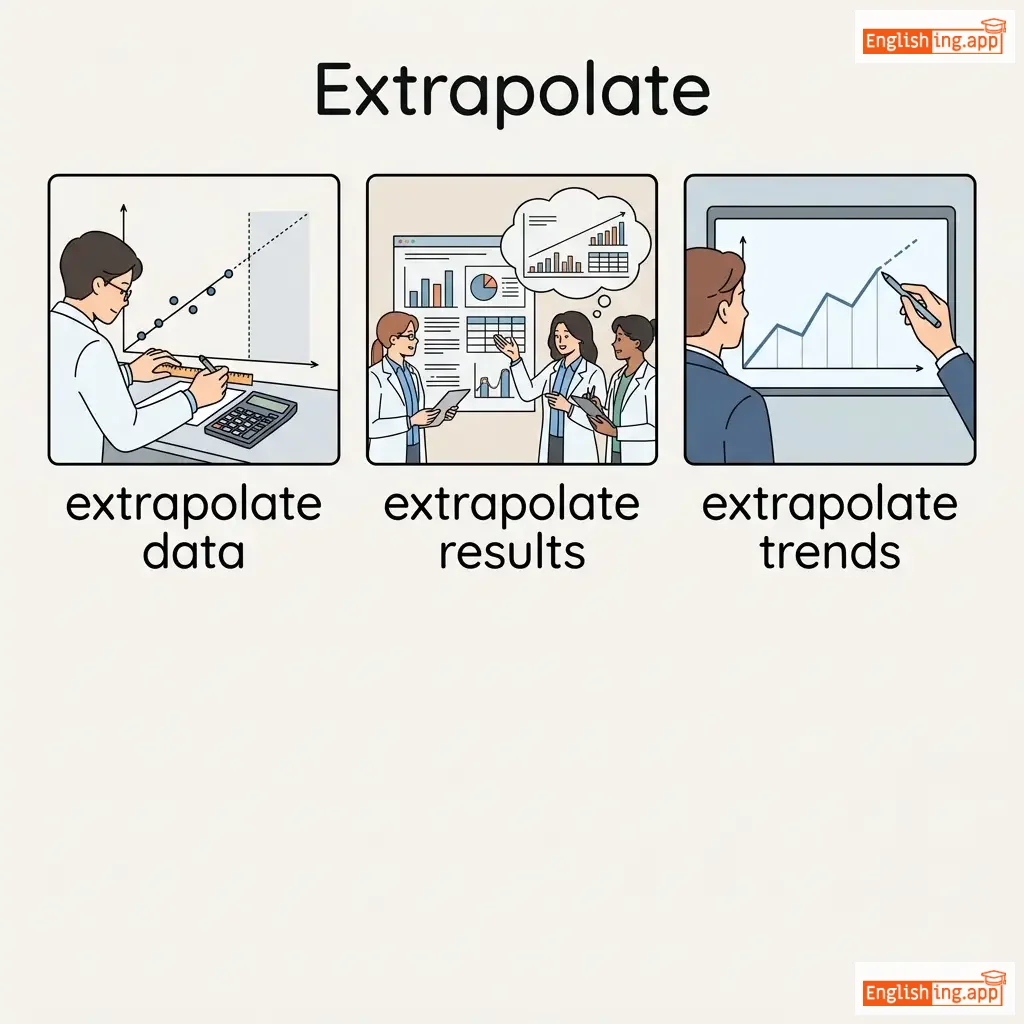
ɪkˈstræp.ə.leɪt
verb
••••••
|
|
Extend the application of (a method or conclusion) to an unknown situation by assuming that existing trends will continue.
••••••
|
Scientists extrapolate future climate trends from past data. |
predict, infer
••••••
|
miscalculate, misinterpret
••••••
|
|
#2079
🔬
|
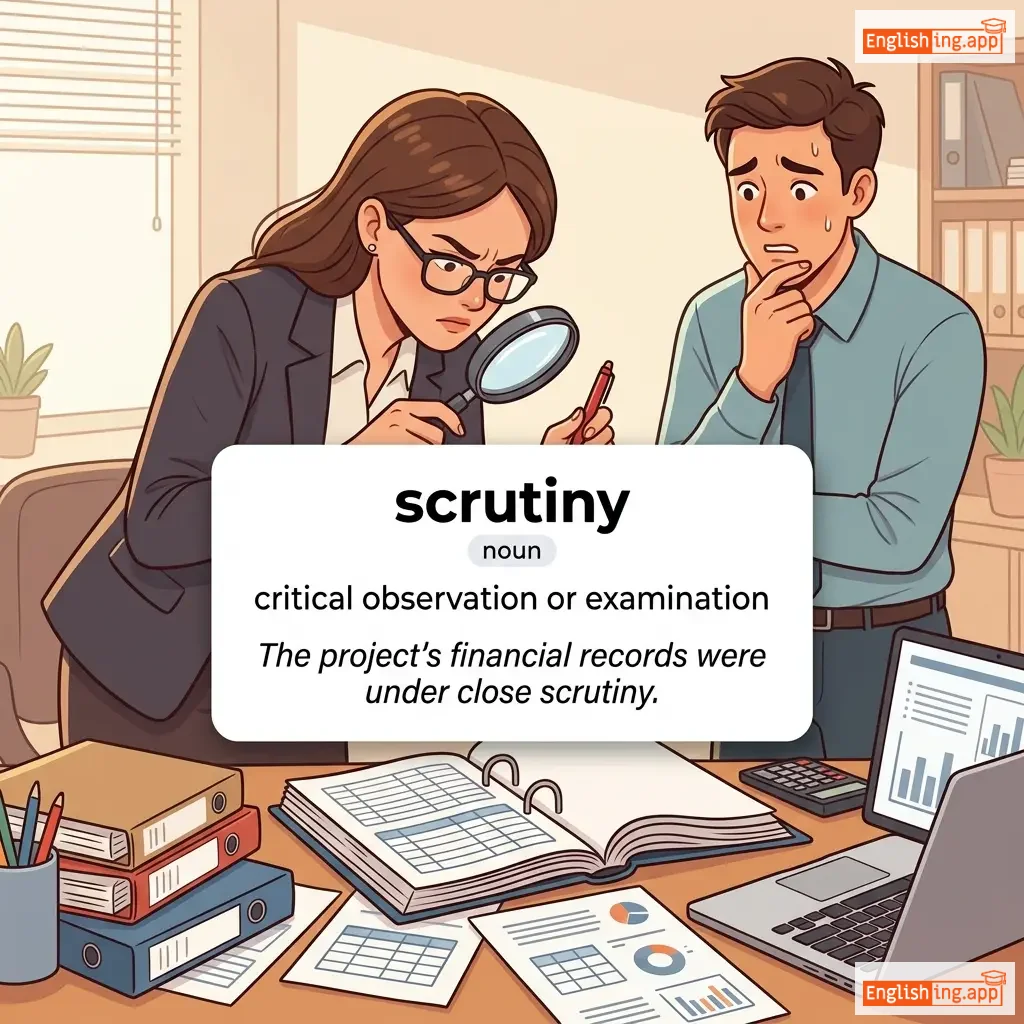
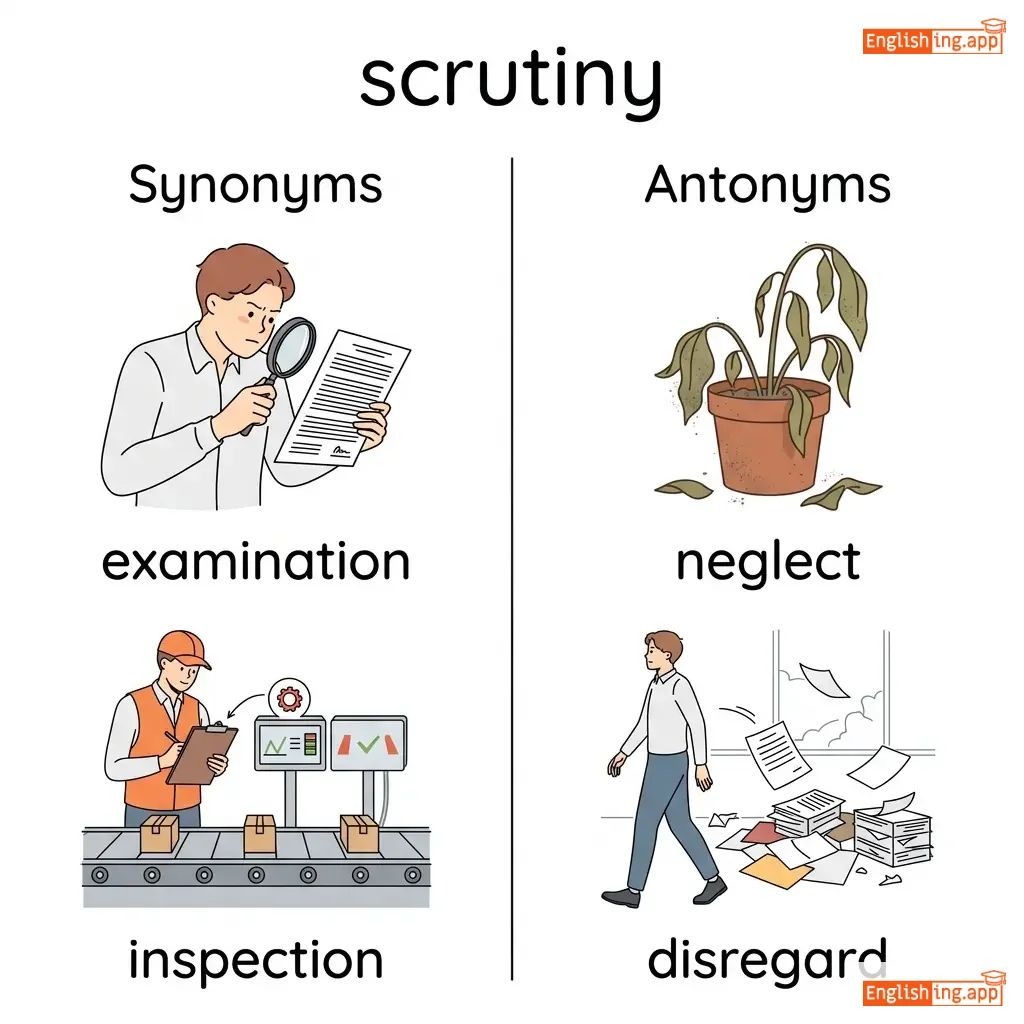
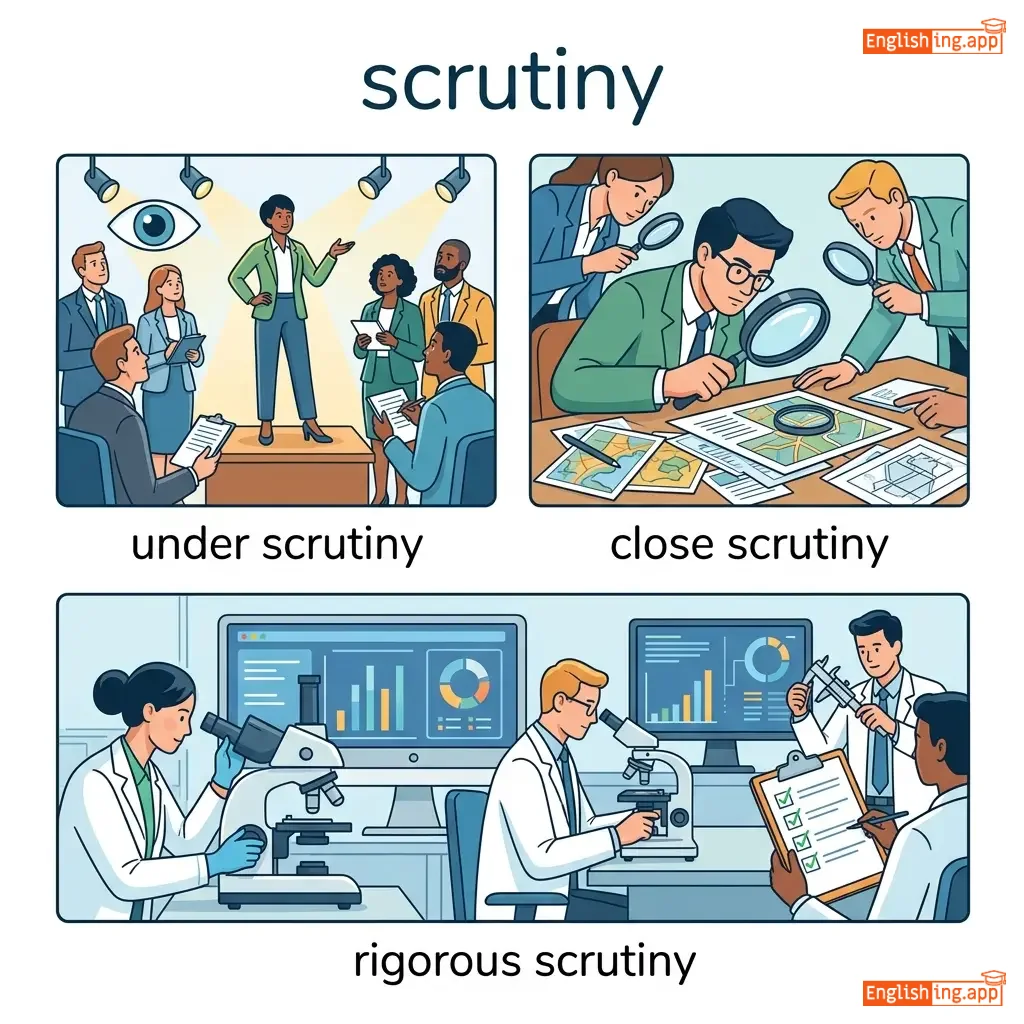
ˈskruː.tɪ.ni
noun
••••••
|
|
Critical observation or examination.
••••••
|
The report is under intense scrutiny by experts. |
inspection, examination
••••••
|
neglect, oversight
••••••
|
|
#2080
🪞
|
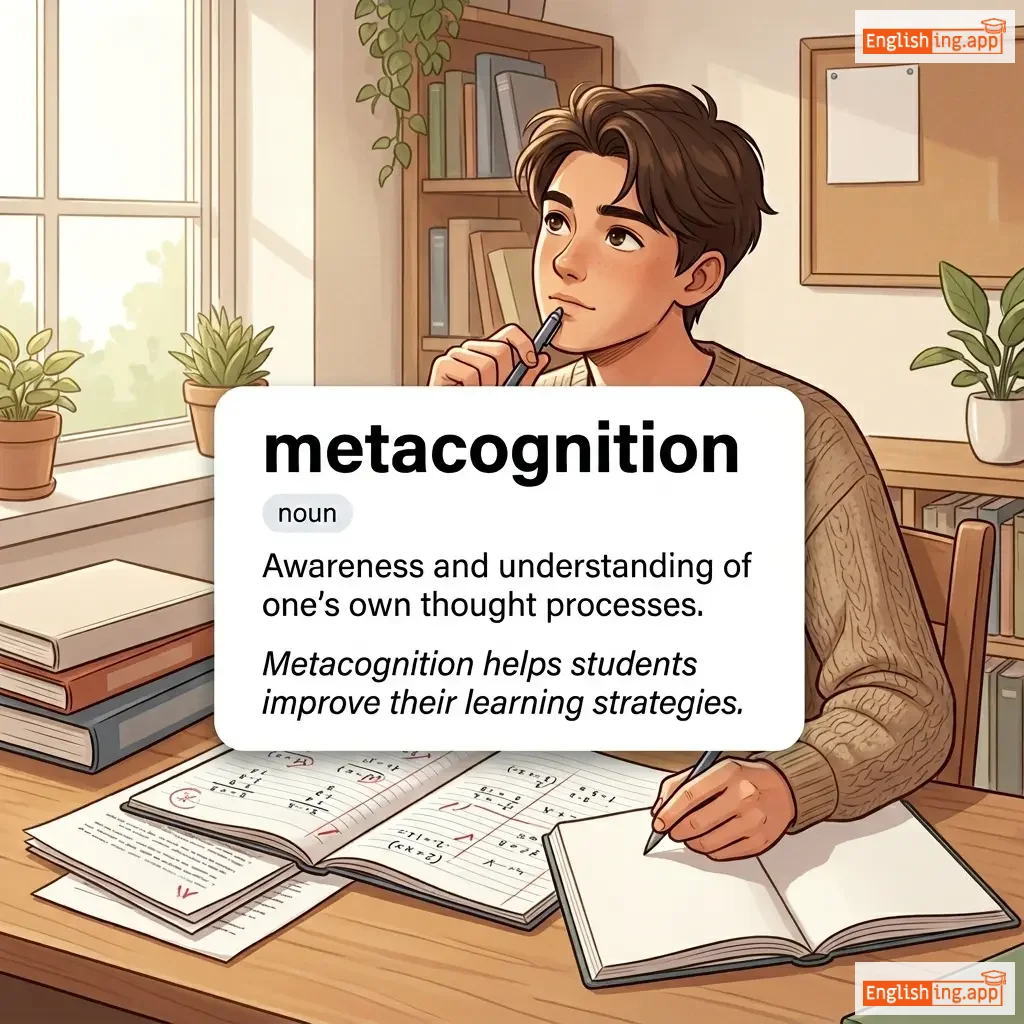
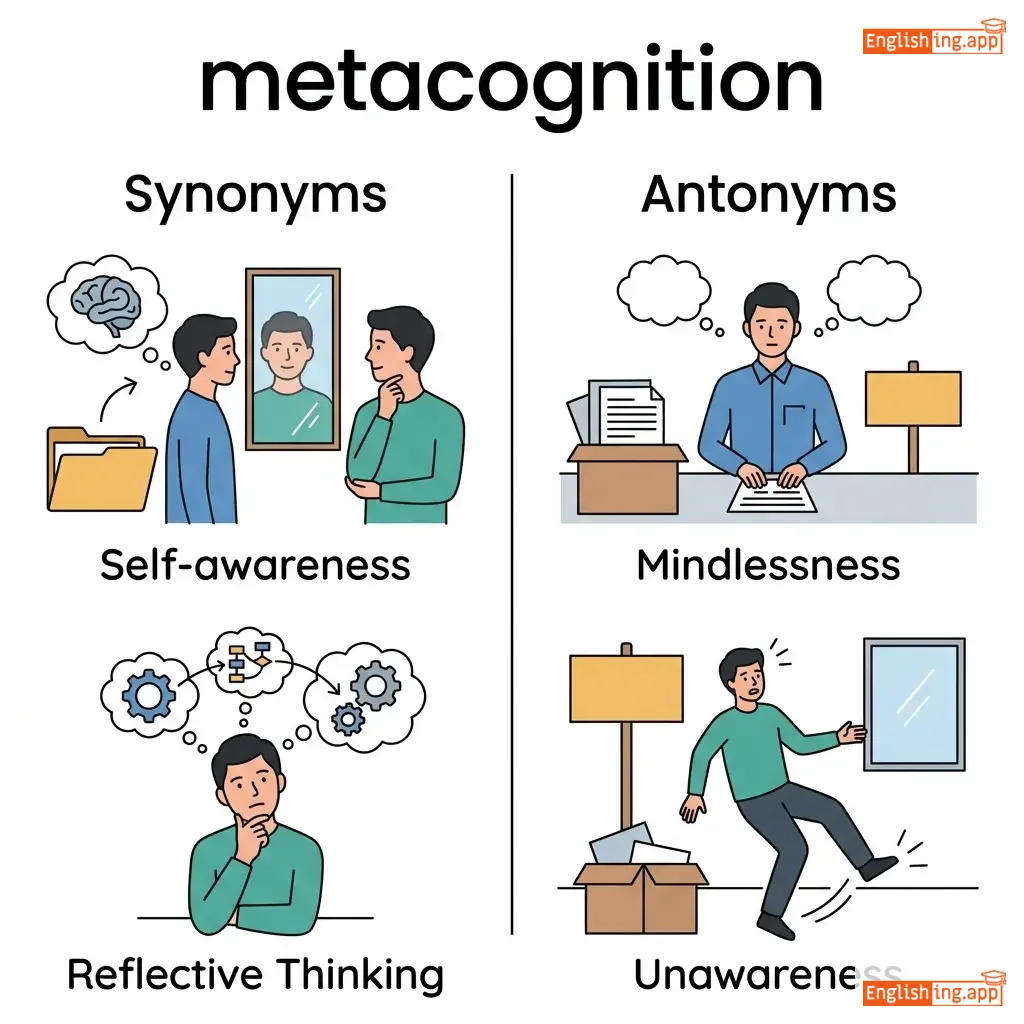
ˌmet.ə.kɒɡˈnɪʃ.ən
noun
••••••
|
|
Awareness and understanding of one's own thought processes.
••••••
|
Metacognition helps students assess their own learning strategies. |
self-awareness, reflection
••••••
|
unawareness, ignorance
••••••
|
|
#2081
🎤
|
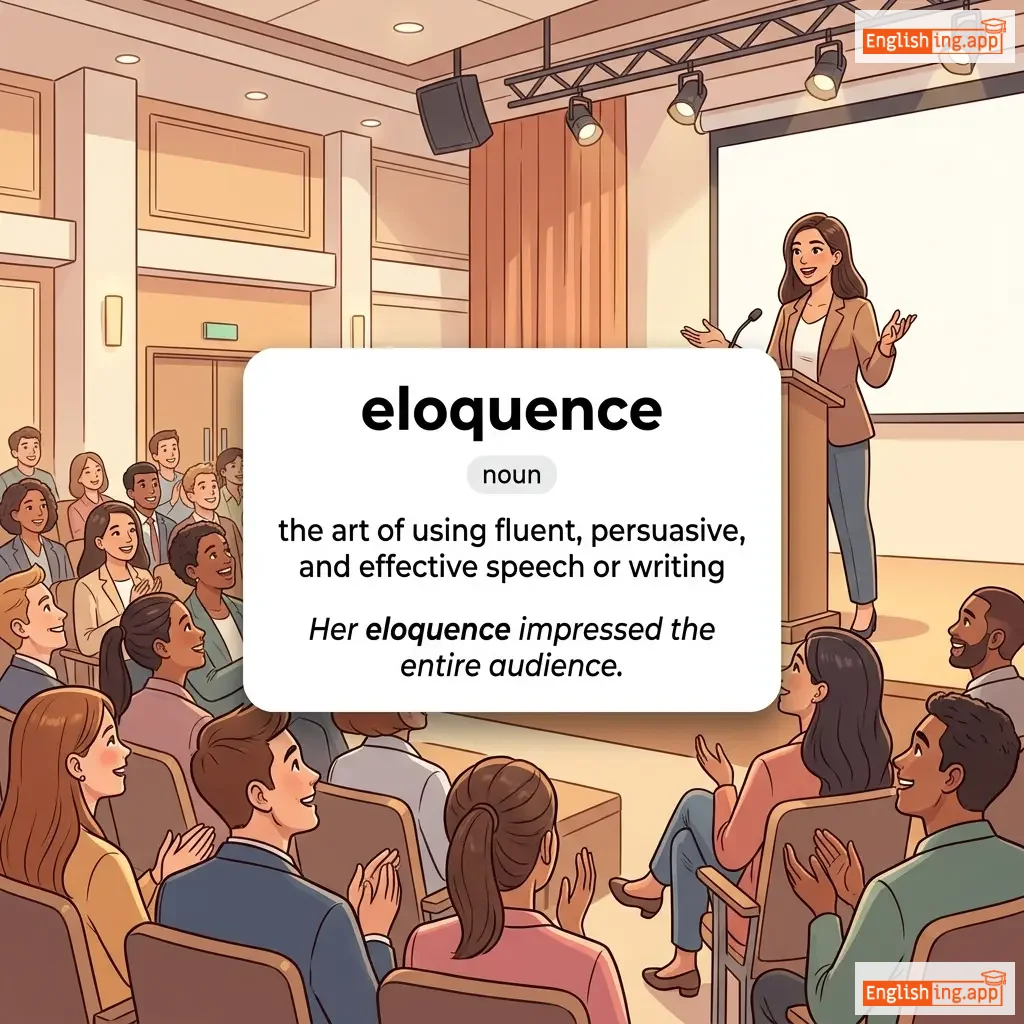
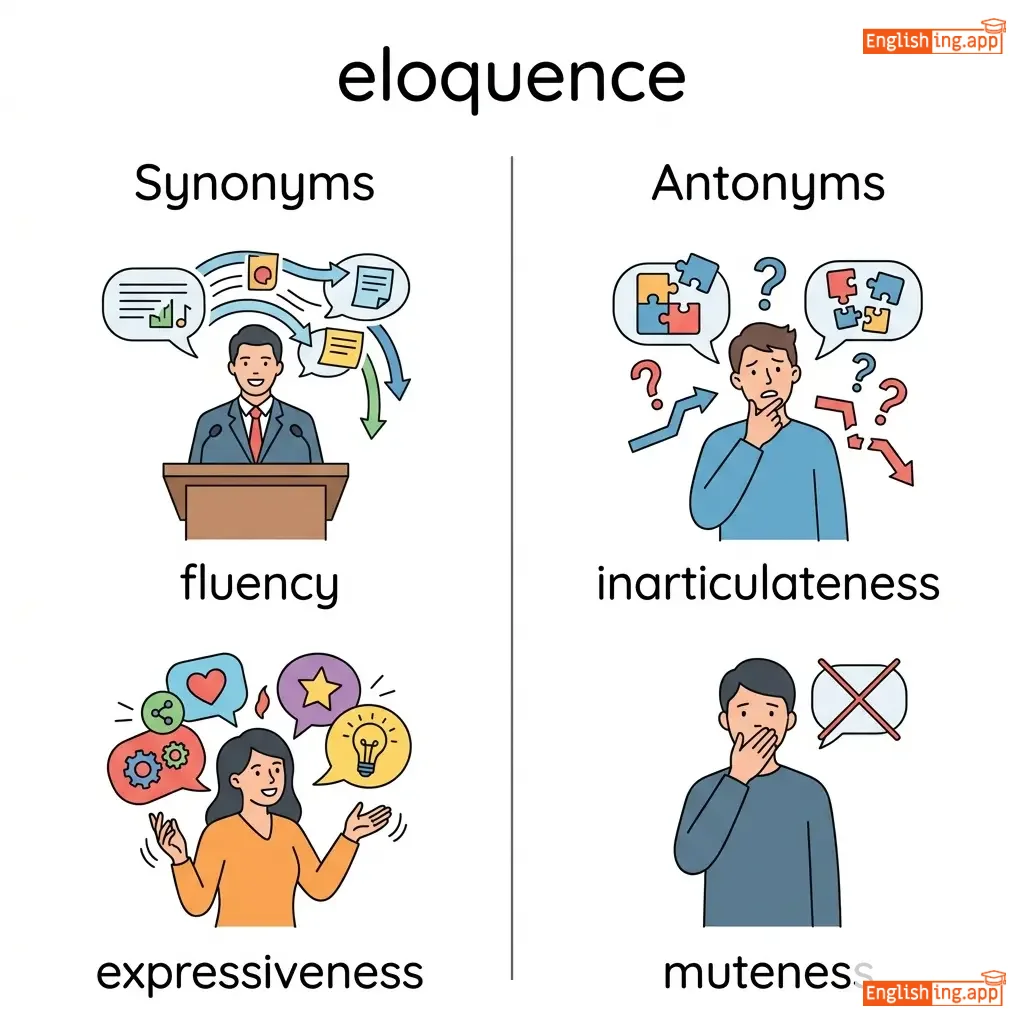
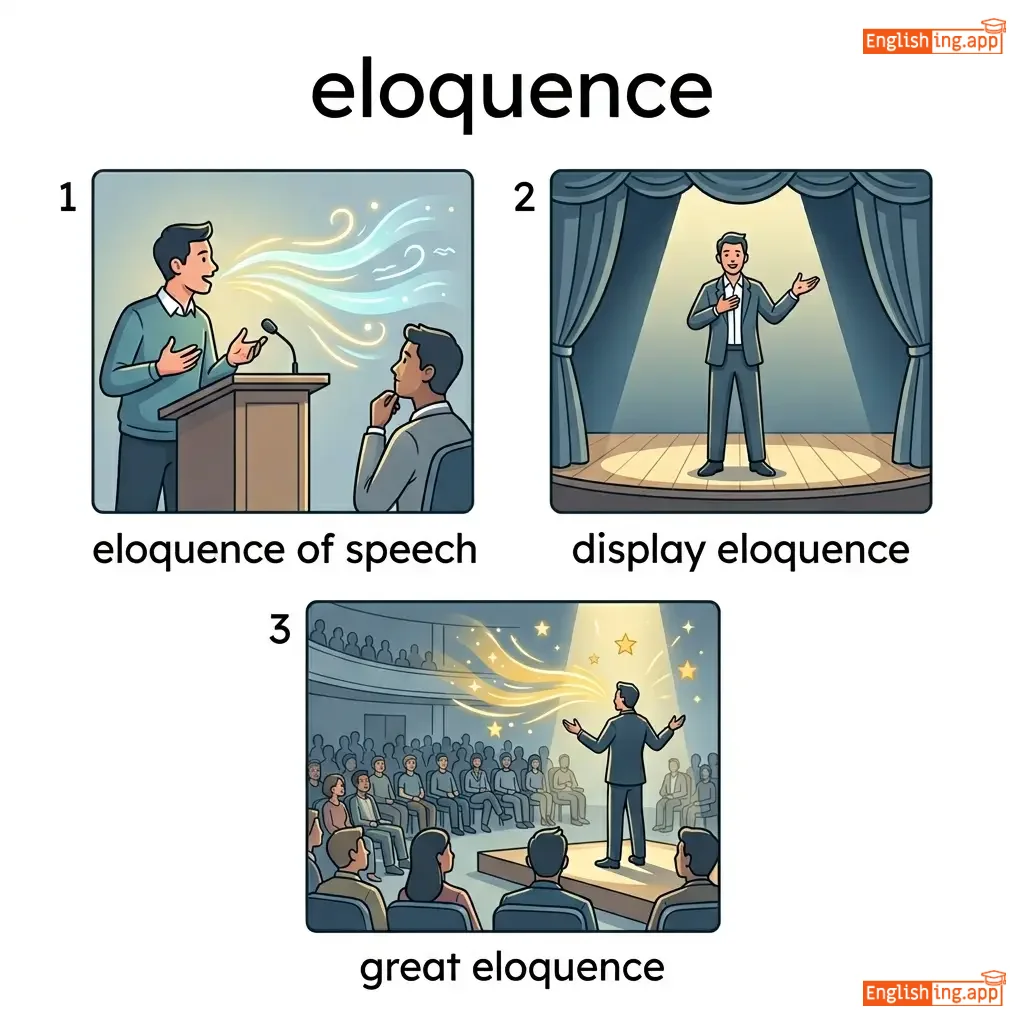
ˈel.ə.kwəns
noun
••••••
|
|
Fluent or persuasive speaking or writing.
••••••
|
His eloquence made the speech inspiring. |
articulacy, fluency
••••••
|
incoherence, hesitation
••••••
|

