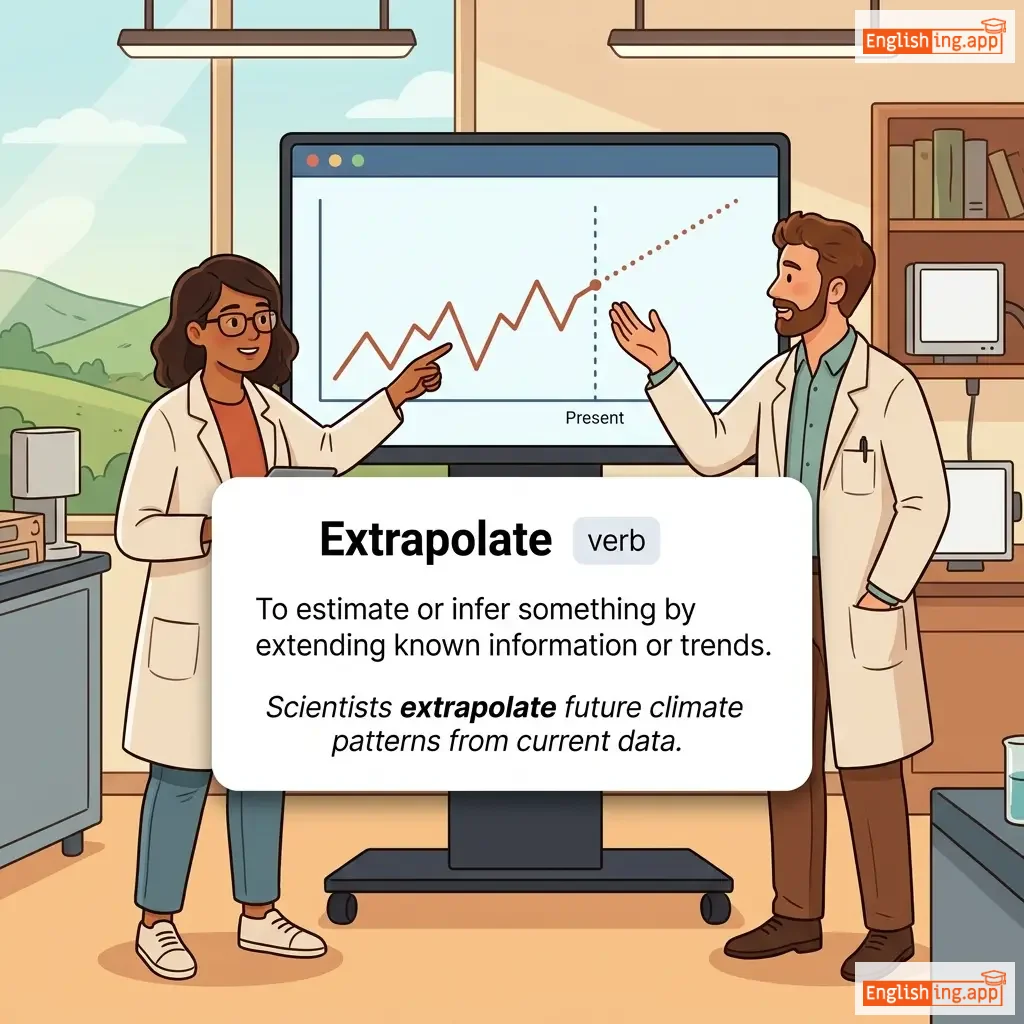
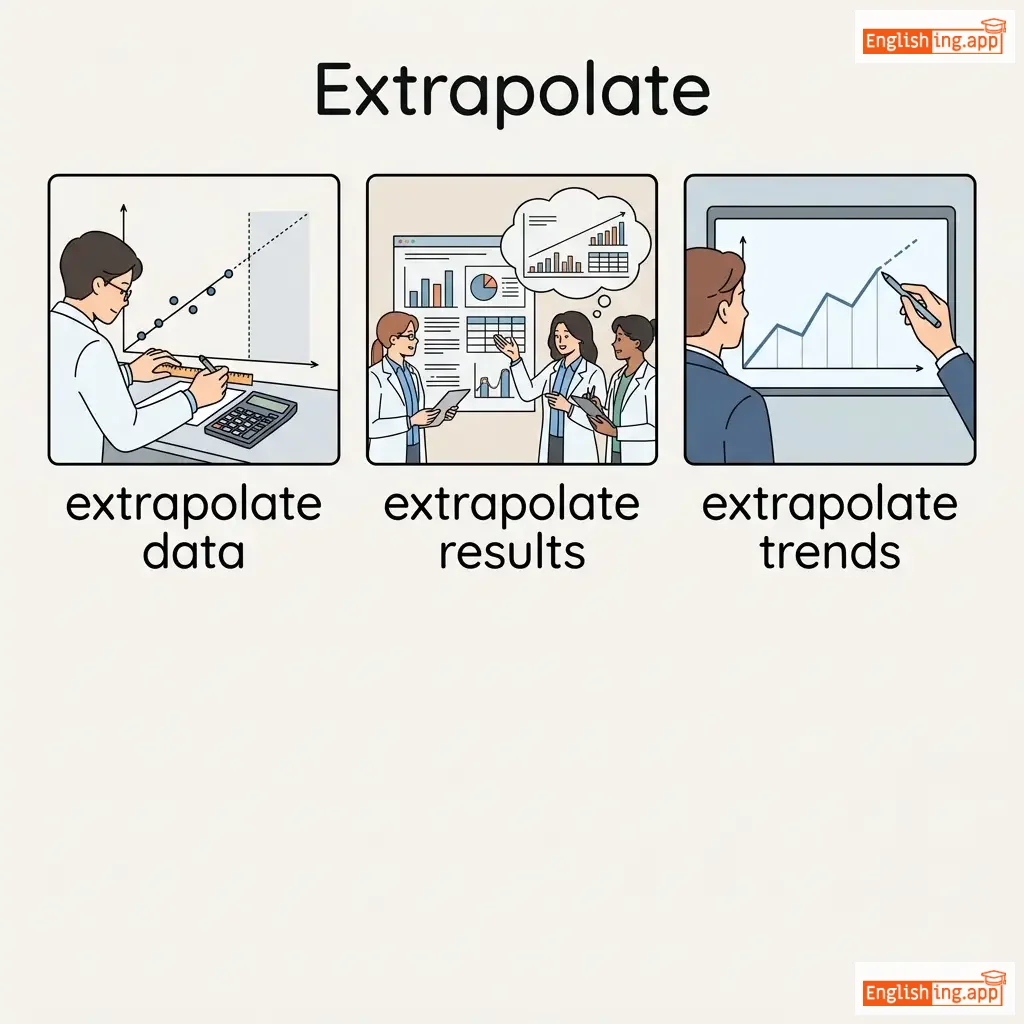
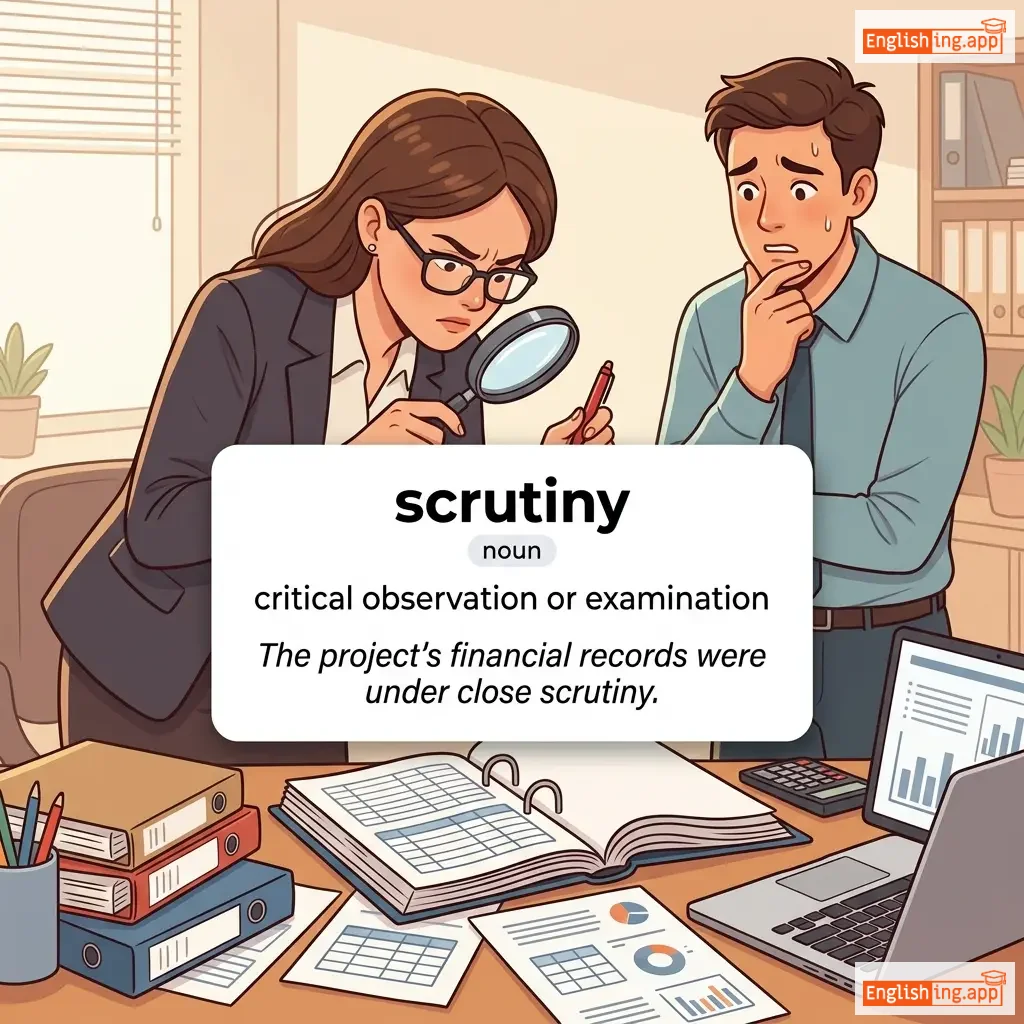
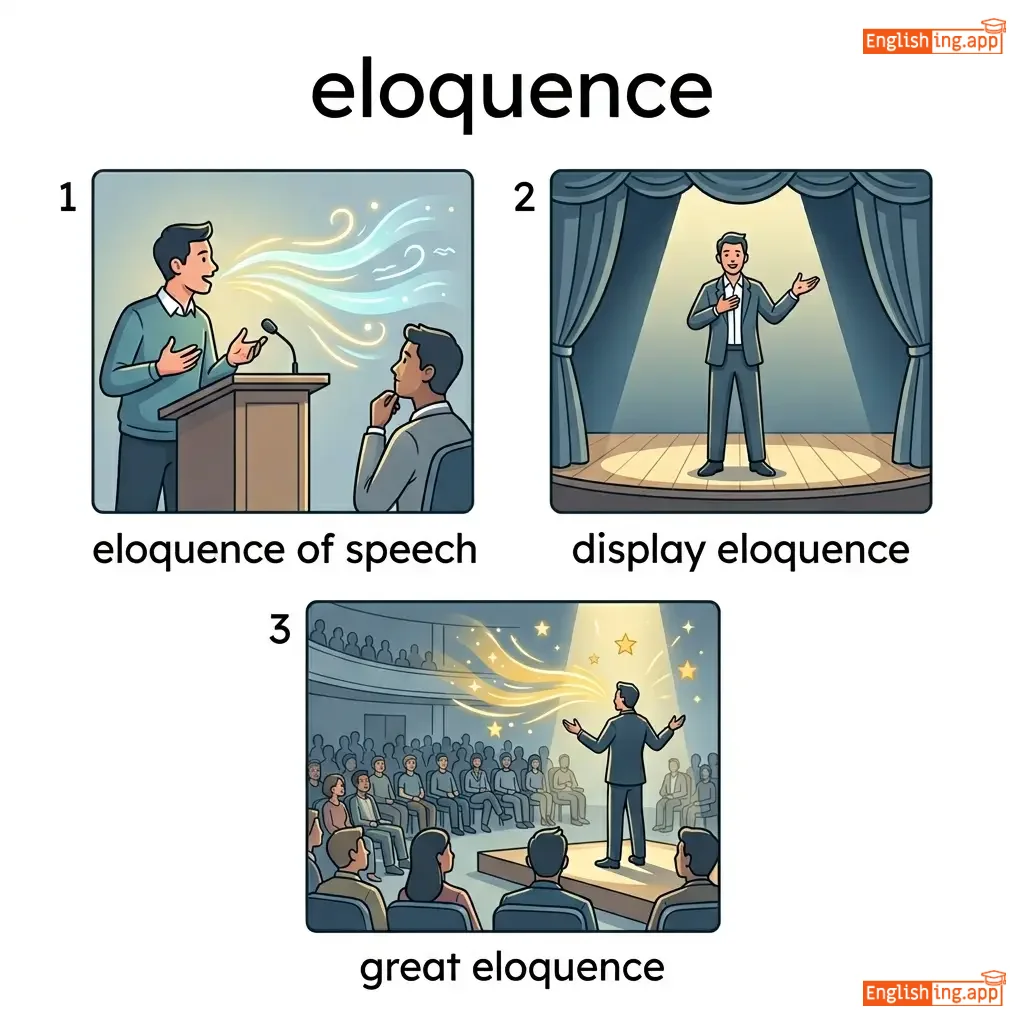
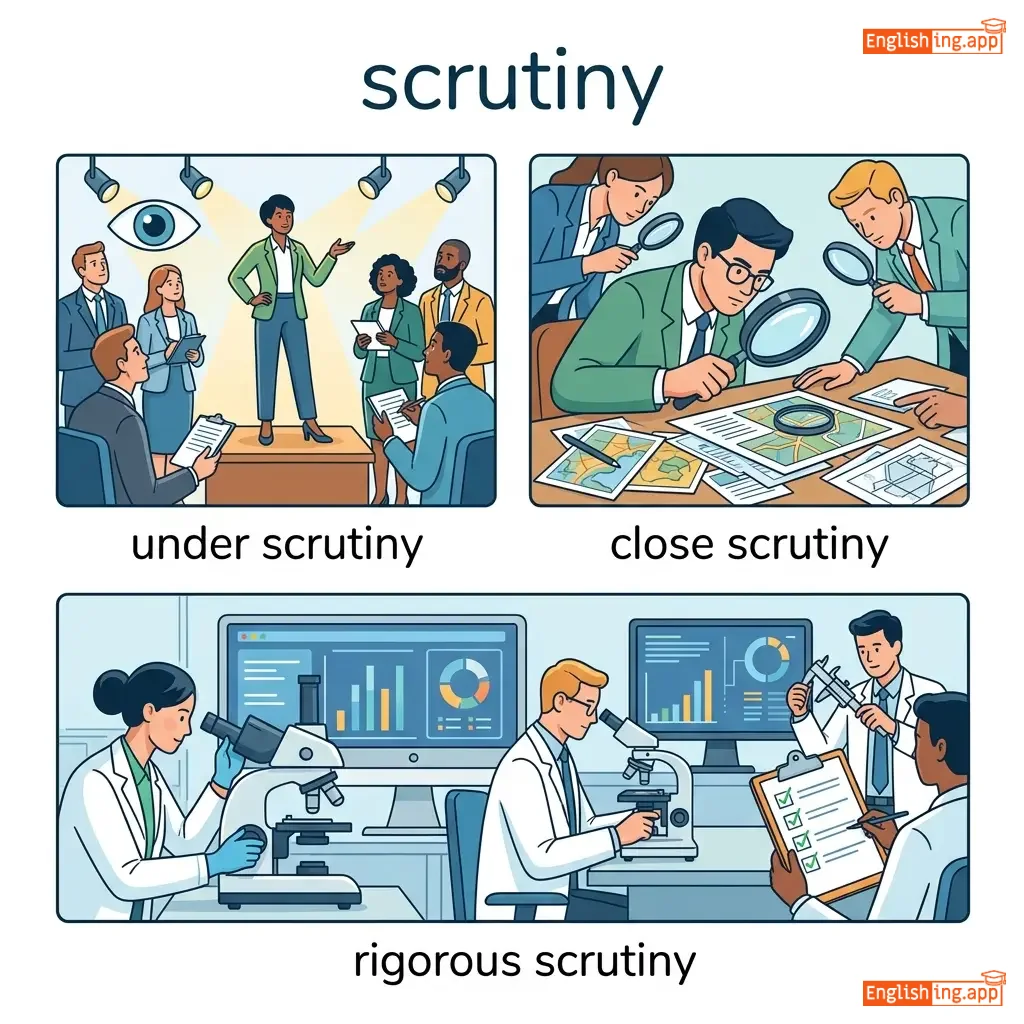
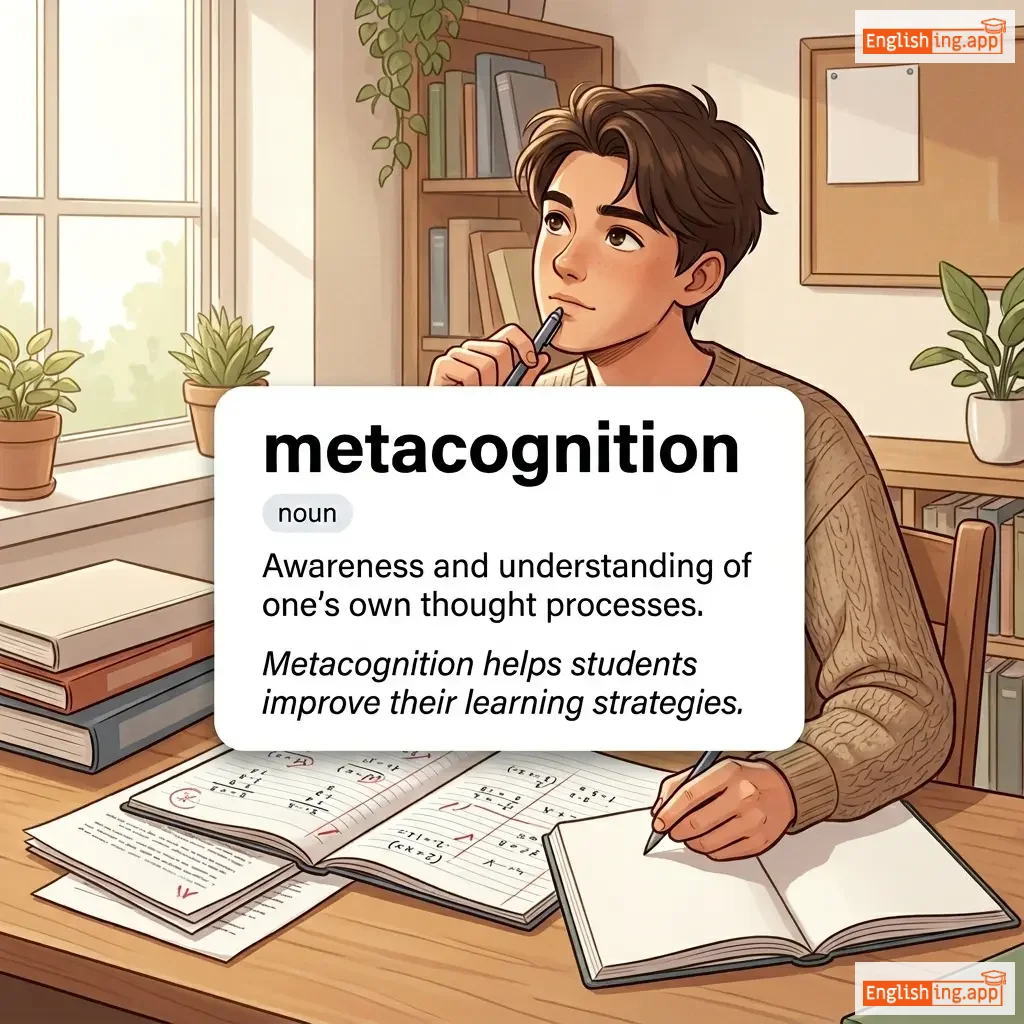
Reading is not just a means of information acquisition; it is one of the most important ways to enhance critical thinking. When we read complex texts, our comprehension abilities increase and we develop analytical thinking patterns. Through reading, we assimilate new concepts and understand topics more deeply. This enhances our discernment and provides the ability to understand various nuances. Over time, we do not merely absorb information, but begin synthesizing them to create new thought patterns. A good reader becomes cognizant that every text or information contains a specific paradigm. The habit of reading helps us make judicious decisions and strengthens our rationalization abilities. By developing skills in inference and extrapolate, we can analyze any subject more deeply, which increases scrutiny and metacognition. Therefore, developing reading habits means enhancing the depth of thinking and eloquence.
Get unlimited access to all vocabulary items with Pro membership
Upgrade to ProGet unlimited access to all sentences with Pro membership
Upgrade to Pro|
Emoji
|
Word | Images | Meaning | Example Sentence | Synonyms | Antonyms |
|---|---|---|---|---|---|---|
|
#2066
🧠
|
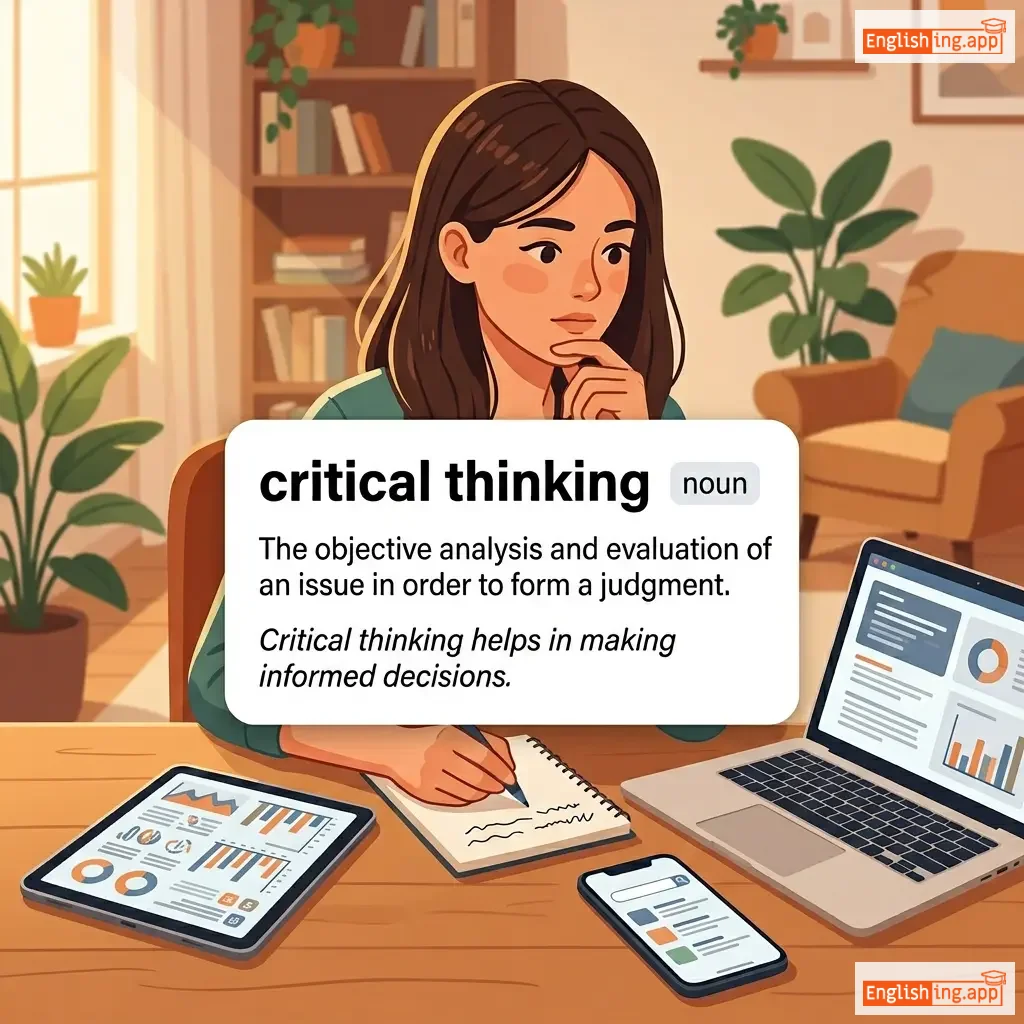
ˈkrɪt.ɪ.kəl ˈθɪŋ.kɪŋ
noun
••••••
|
•••••• |
The objective analysis and evaluation of an issue in order to form a judgment.
••••••
|
Critical thinking helps in making informed decisions. |
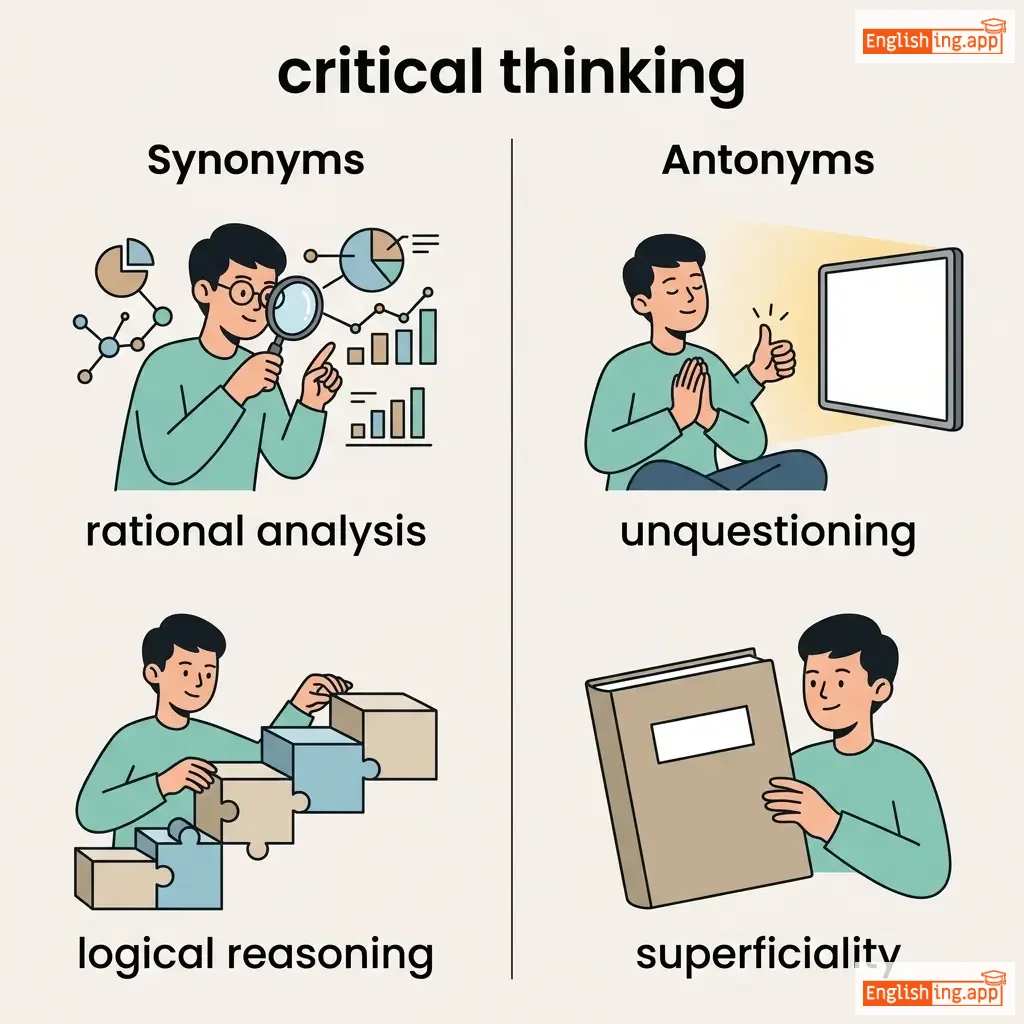
rational analysis, logical reasoning
••••••
|
unquestioning, superficiality
••••••
|
|
#2067
📖
|
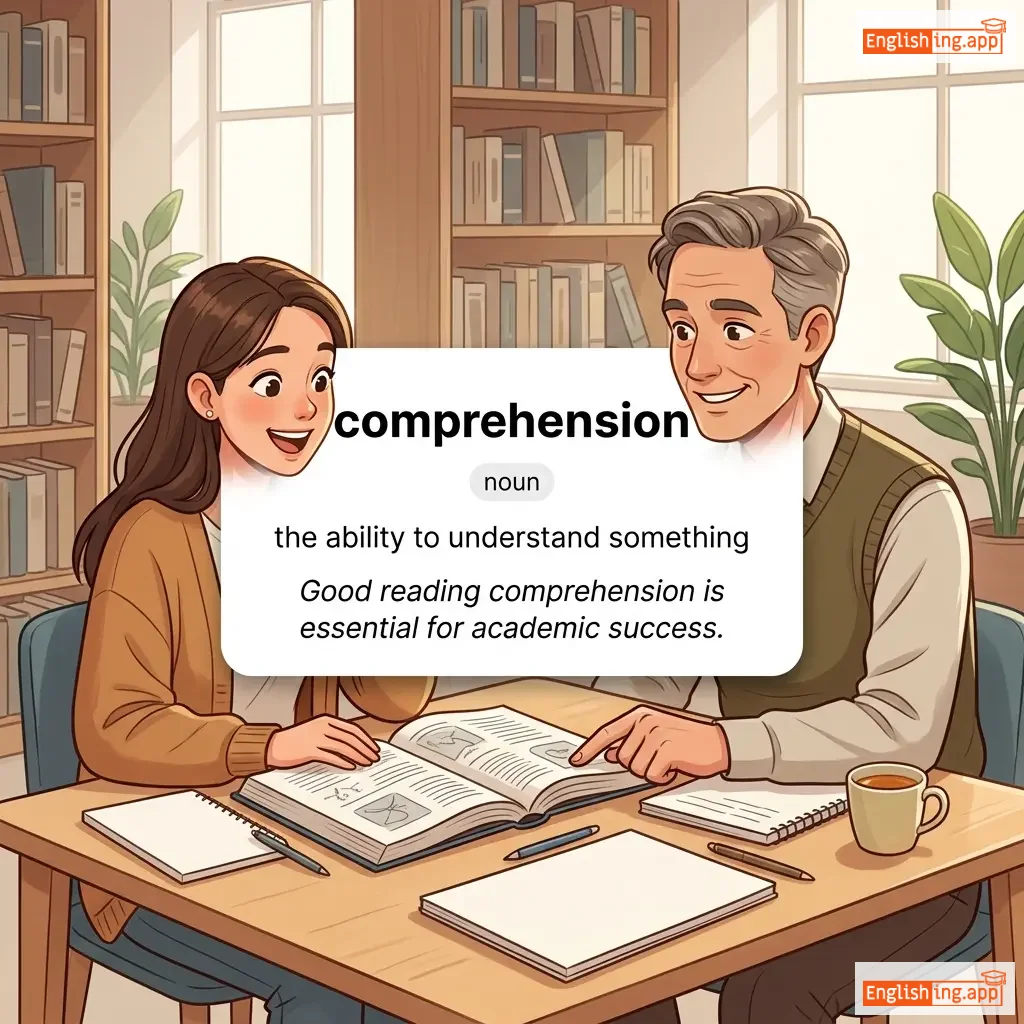
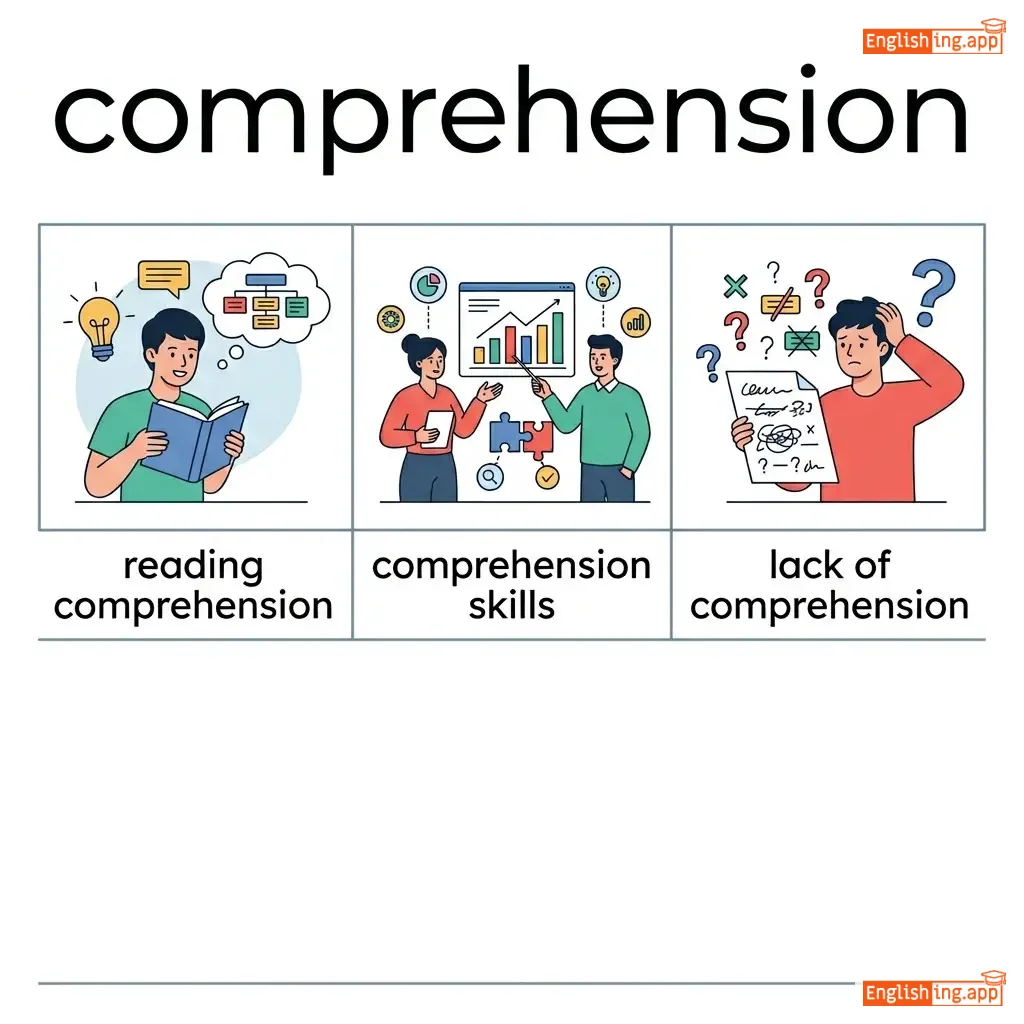
ˌkɑːm.prɪˈhen.ʃən
noun
••••••
|
•••••• |
The action or capability of understanding something.
••••••
|
His comprehension of complex theories is impressive. |
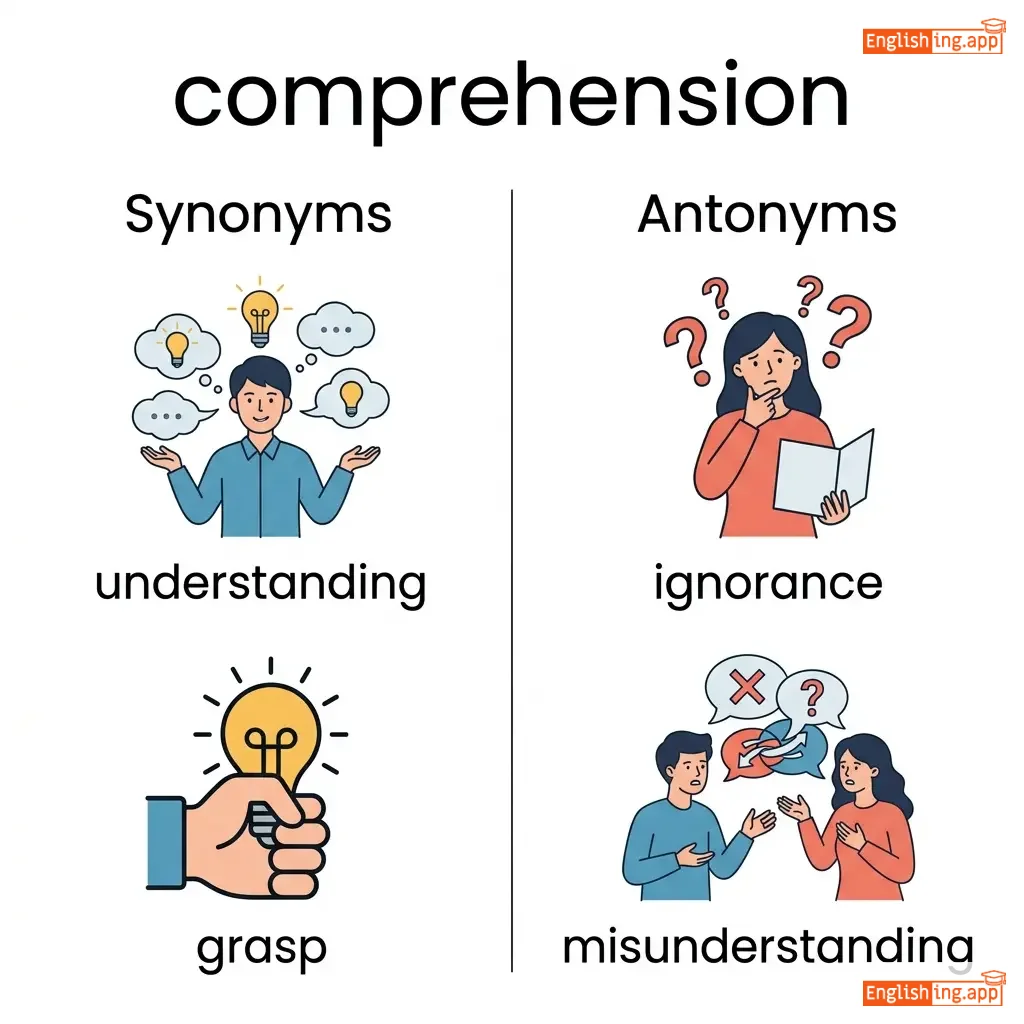
understanding, interpretation
••••••
|
misunderstanding, confusion
••••••
|
|
#2068
🔍
|
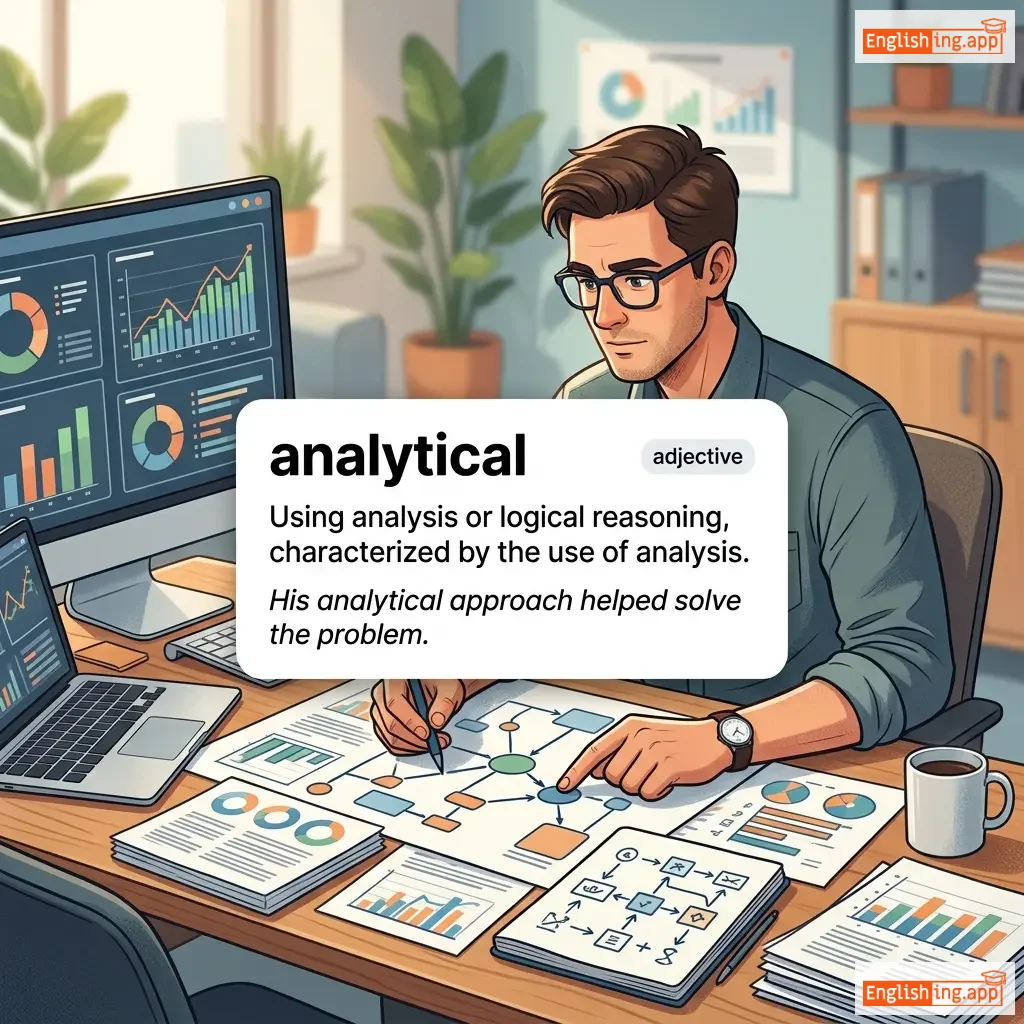
ˌæn.əlˈɪt.ɪ.kəl
adjective
••••••
|
•••••• |
Using or skilled in using analysis (i.e., separating a whole—intellectual or substantial—into its elemental parts or basic principles).
••••••
|
She has an analytical approach to problem-solving. |
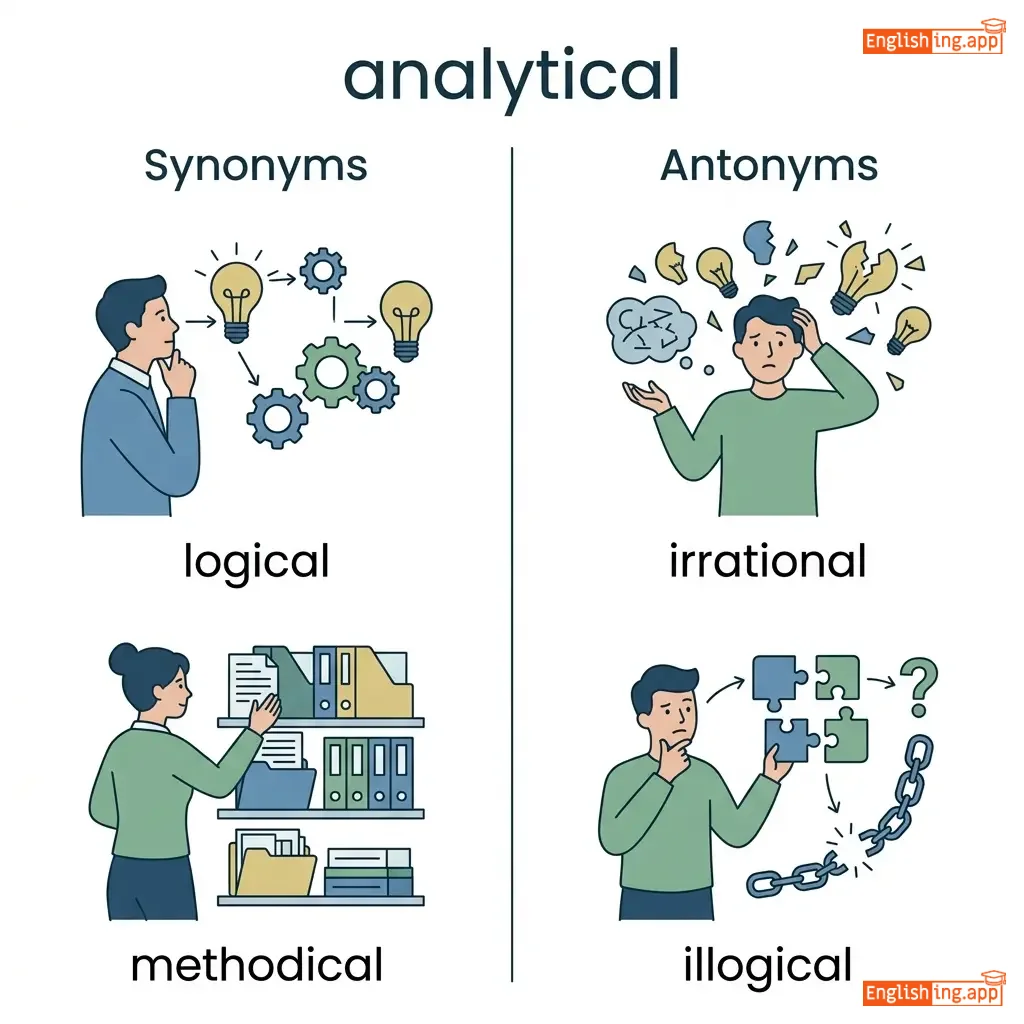
logical, investigative
••••••
|
illogical, irrational
••••••
|
|
#2069
🧲
|
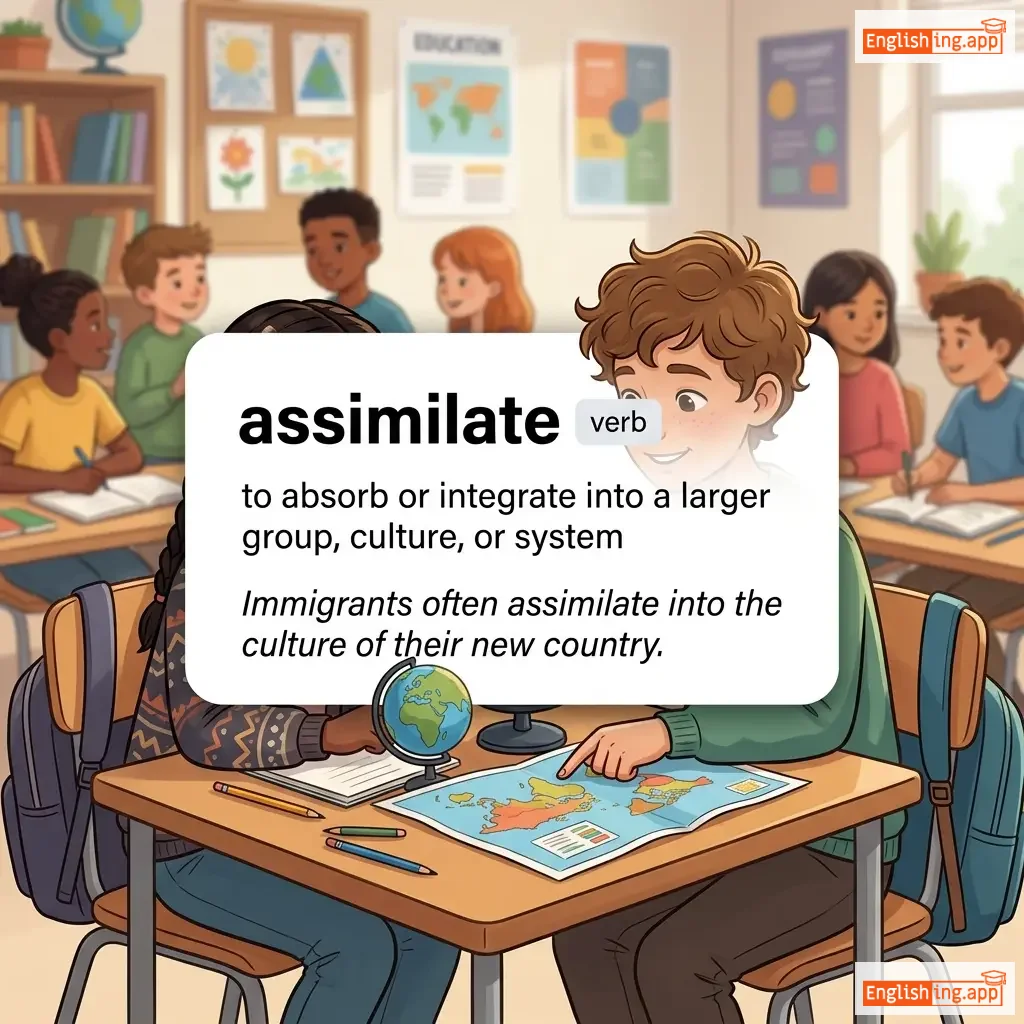
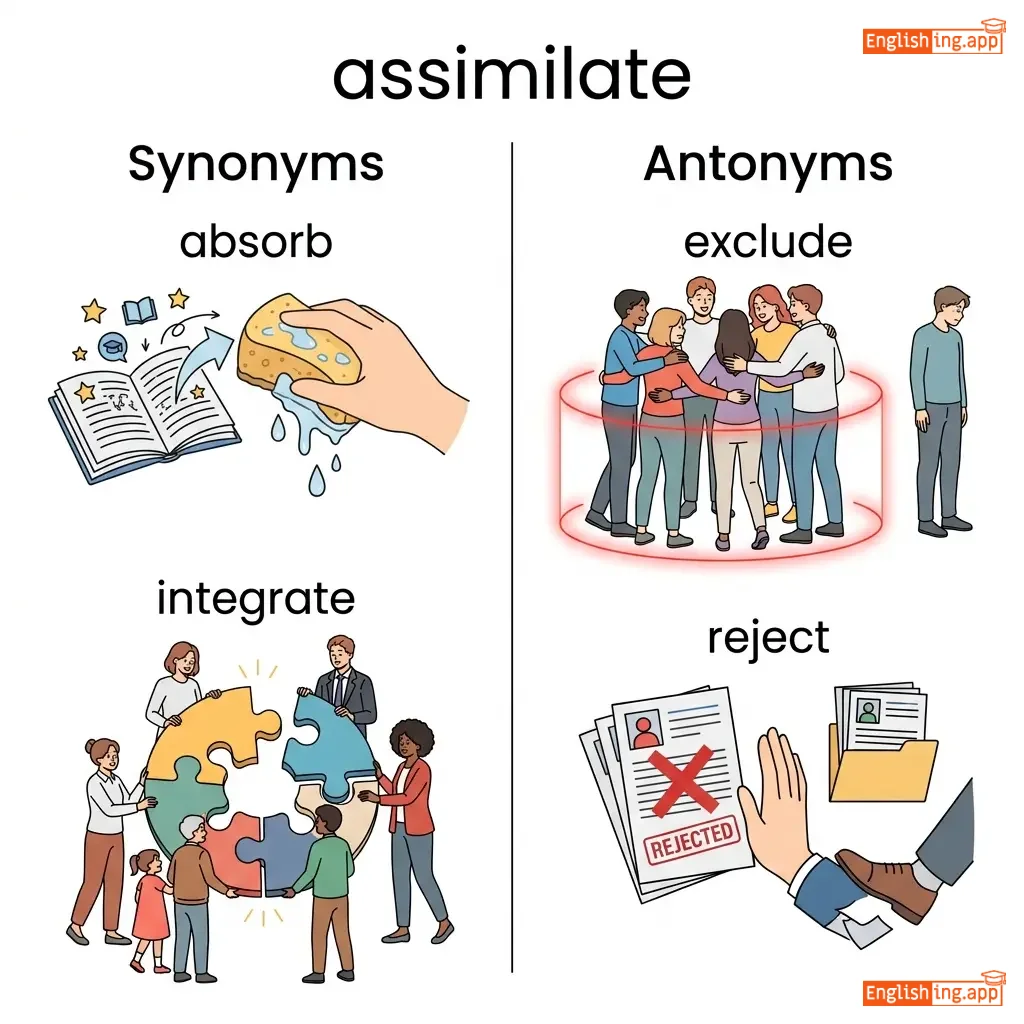
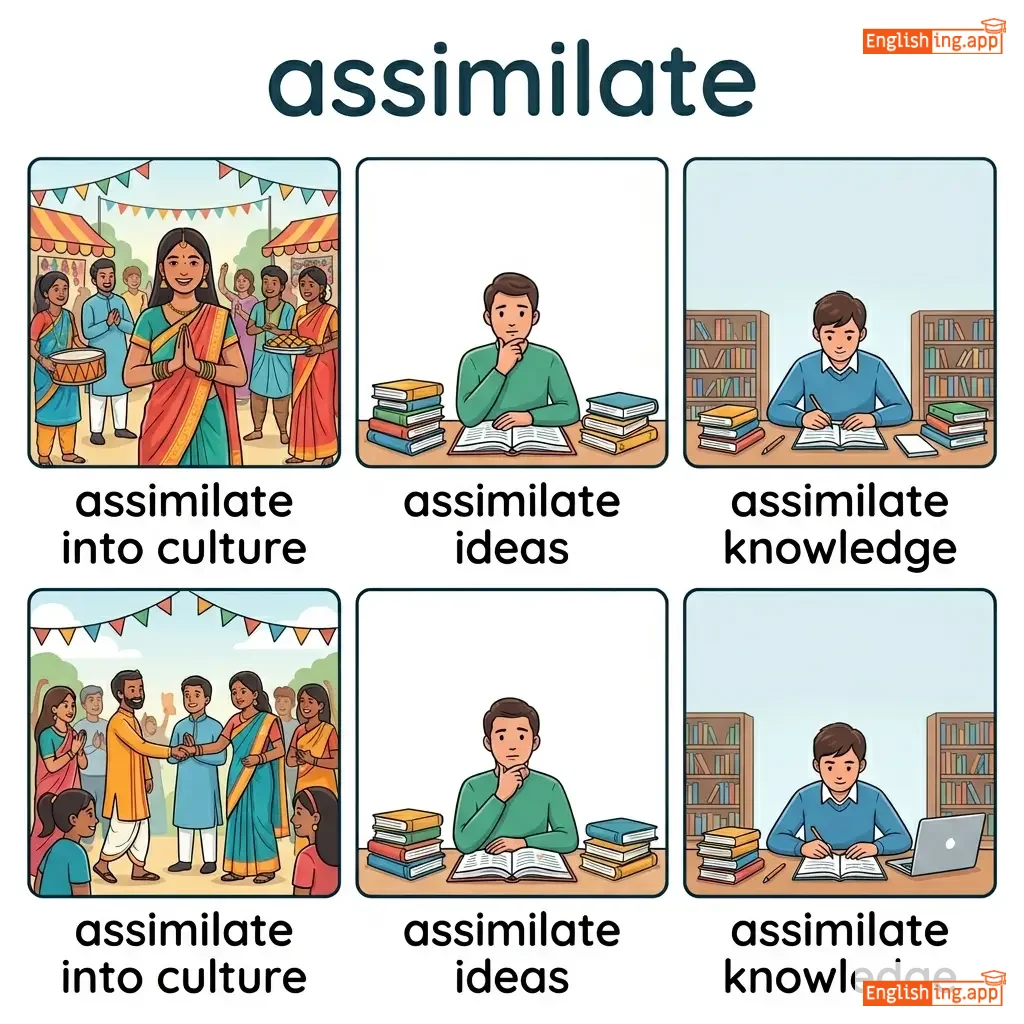
əˈsɪm.ɪ.leɪt
verb
••••••
|
•••••• |
Take in (information, ideas, or culture) and understand fully.
••••••
|
Immigrants often assimilate into the local culture. |
absorb, integrate
••••••
|
reject, isolate
••••••
|
|
#2070
🎯
|
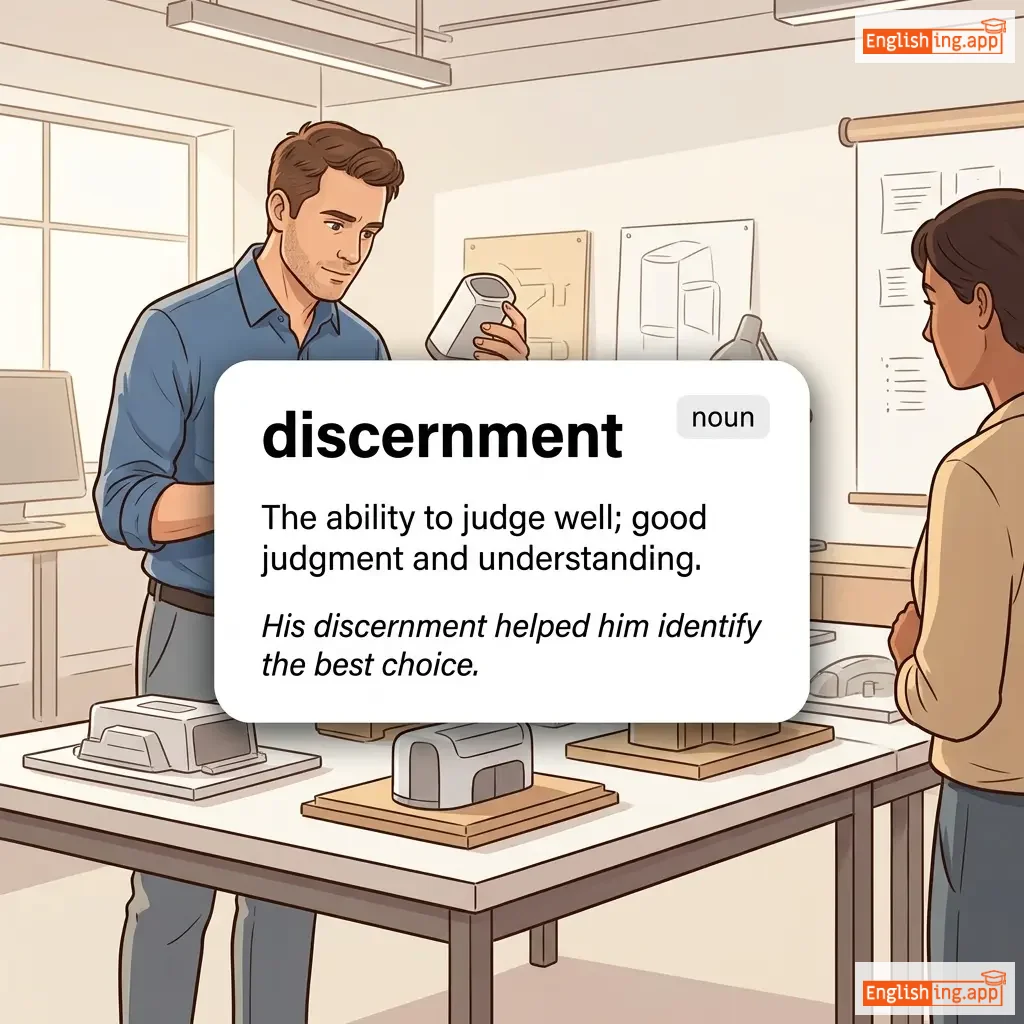
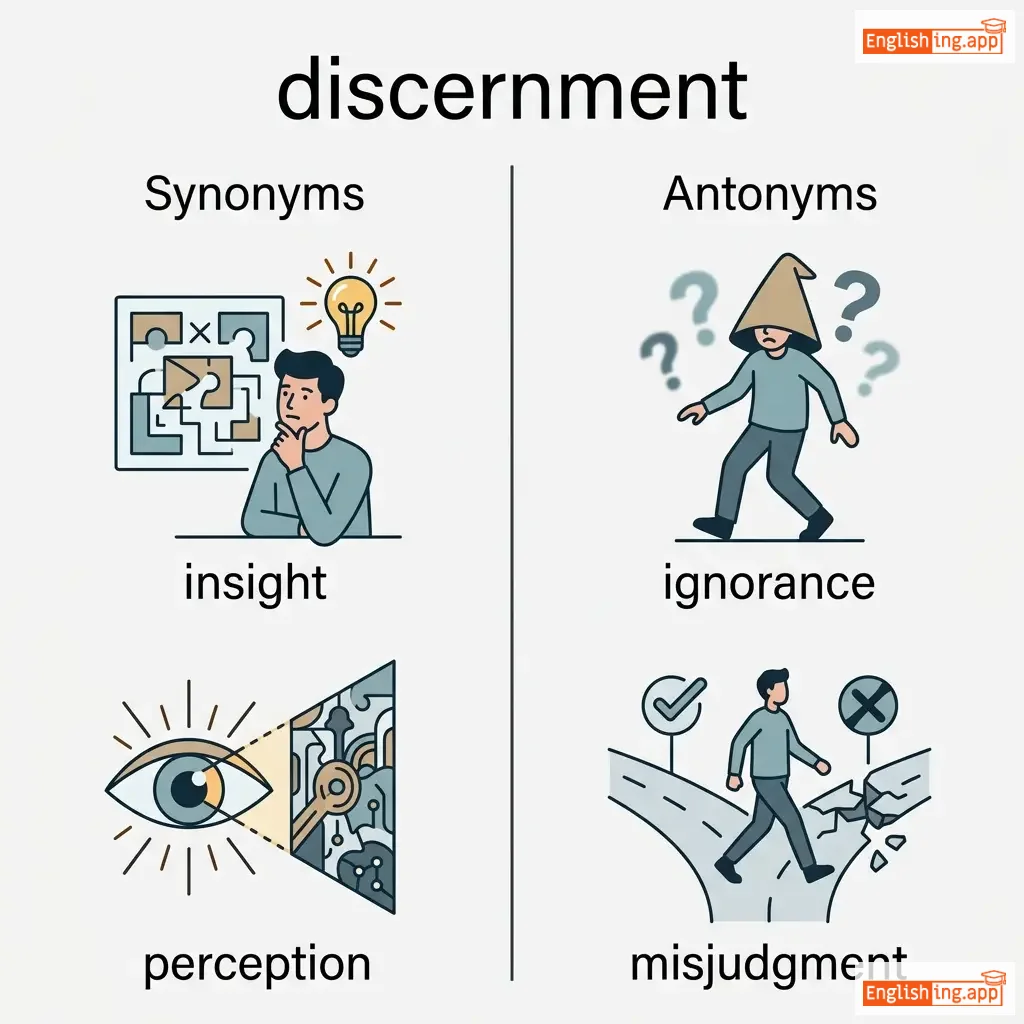
dɪˈsɝːn.mənt
noun
••••••
|
•••••• |
The ability to judge well.
••••••
|
His discernment in business decisions is remarkable. |
insight, perception
••••••
|
ignorance, misjudgment
••••••
|
|
#2071
🎭
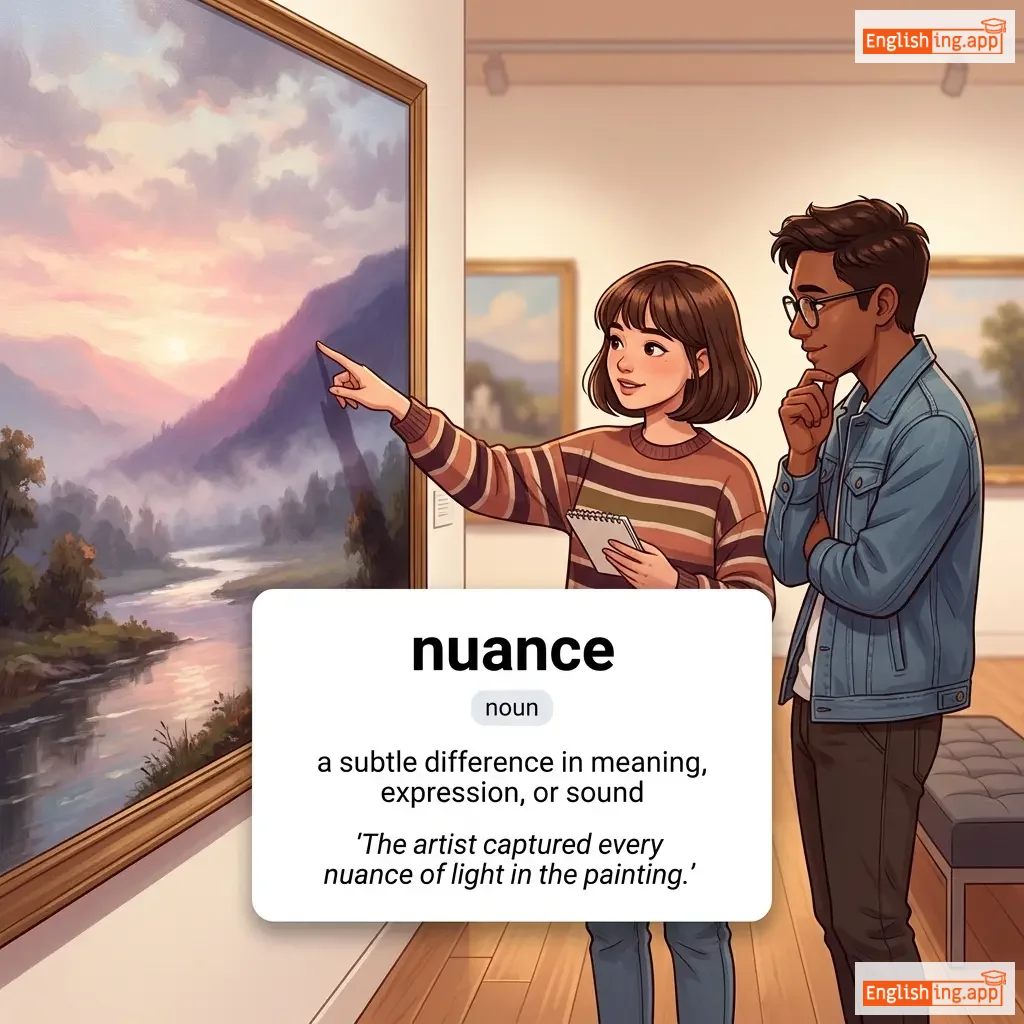
|
ˈnuː.ɑːns
noun
••••••
|
•••••• |
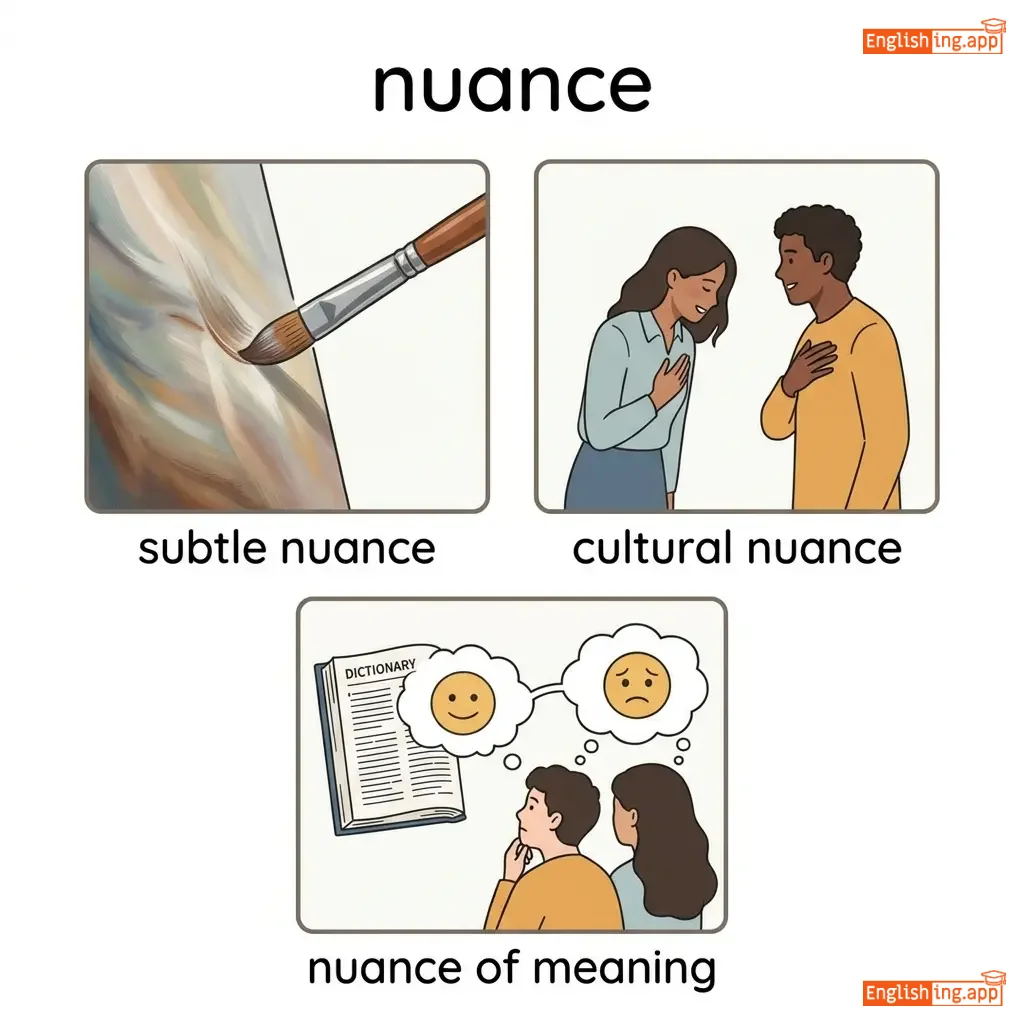
A subtle difference in or shade of meaning, expression, or response.
••••••
|
The nuance in her speech made it more impactful. |
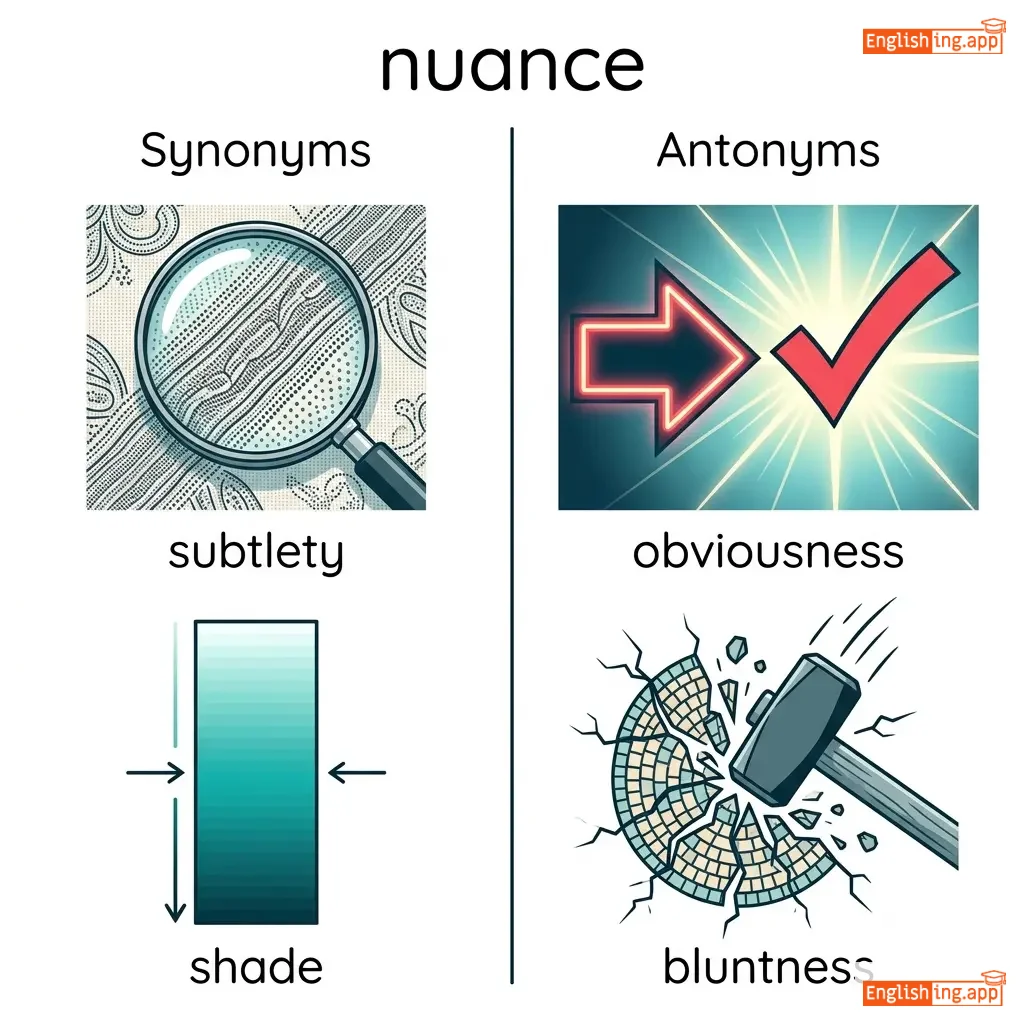
subtlety, refinement
••••••
|
obviousness, simplicity
••••••
|
|
#2072
🔗
|
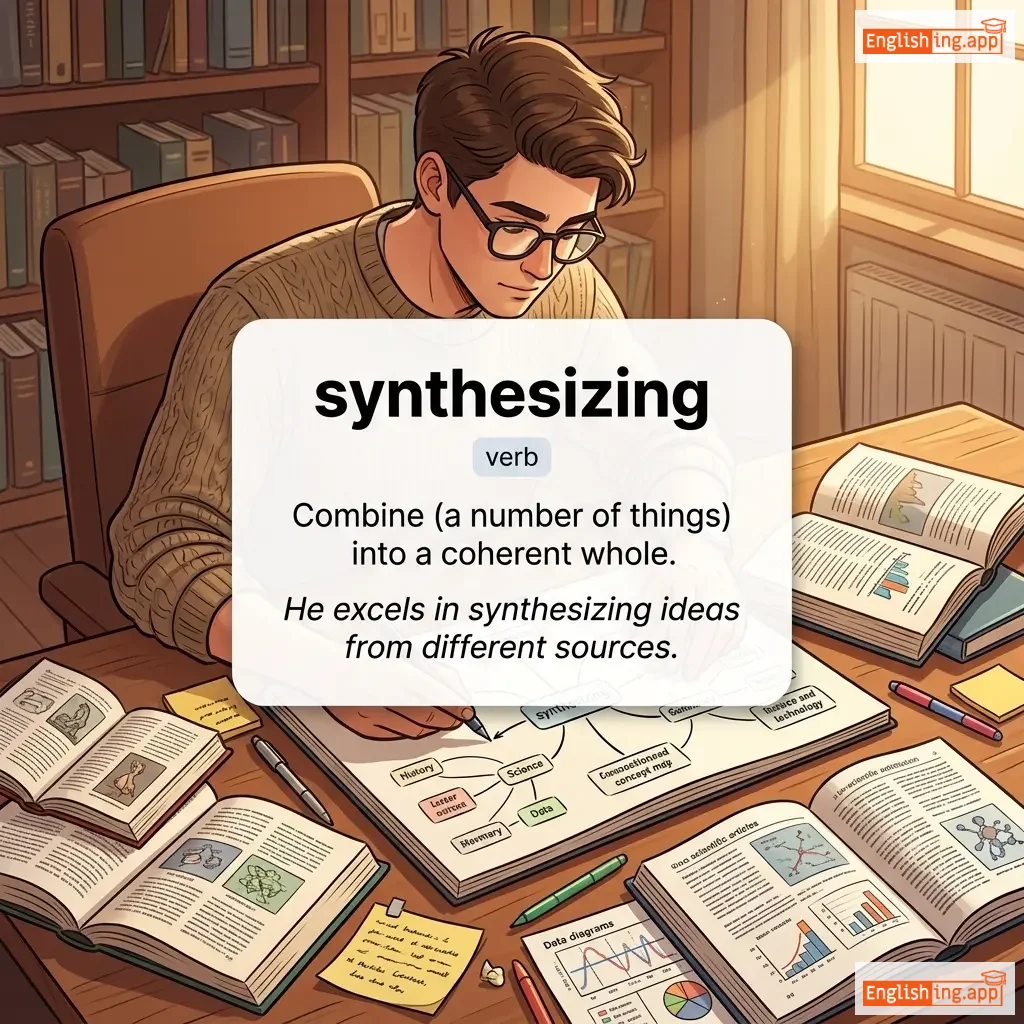
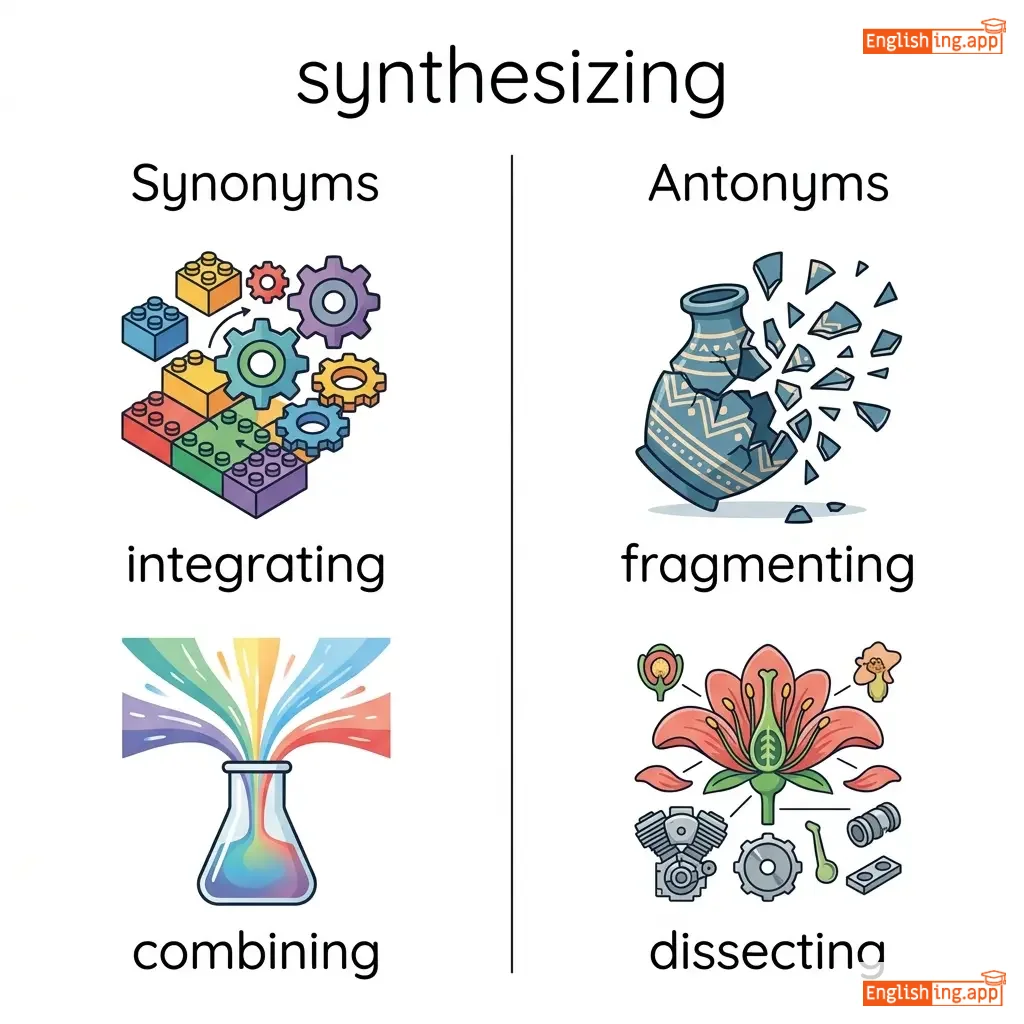
ˈsɪn.θə.saɪ.zɪŋ
verb
••••••
|
•••••• |
Combine (a number of things) into a coherent whole.
••••••
|
He excels in synthesizing ideas from different sources. |
integrating, combining
••••••
|
fragmenting, dissecting
••••••
|
|
#2073
👁️
|
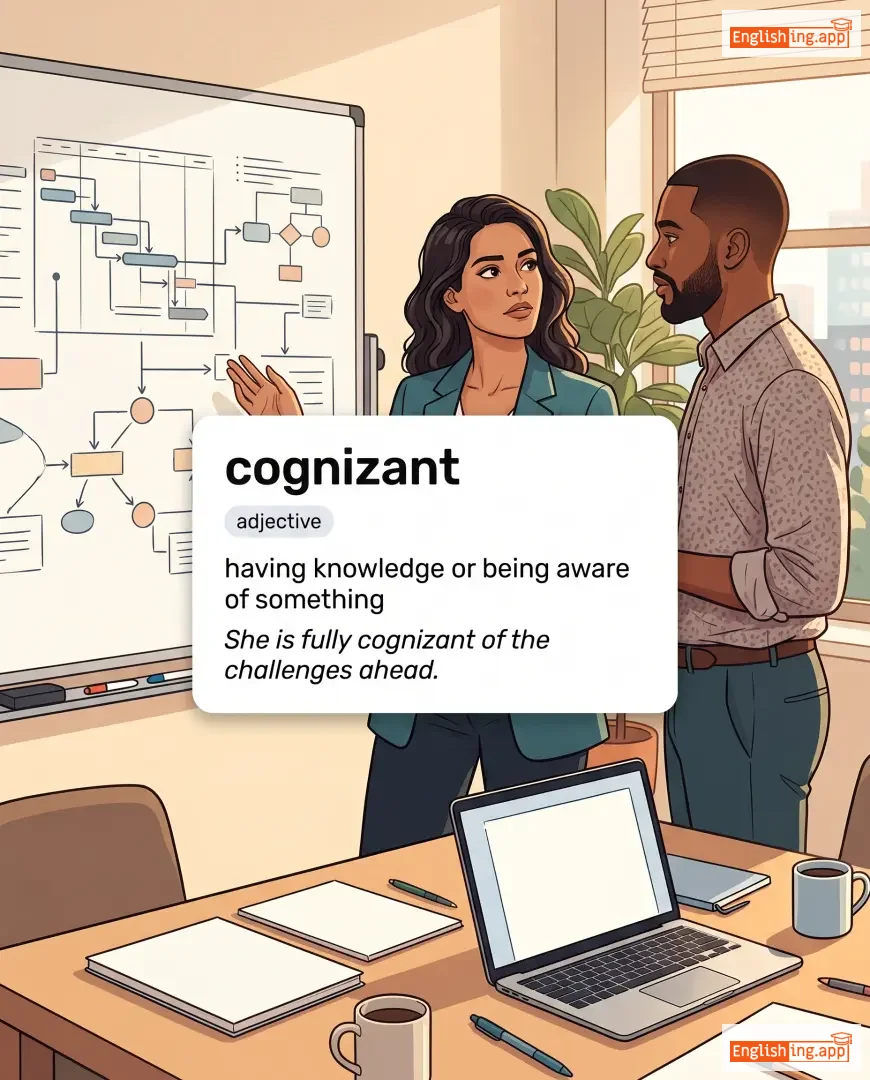
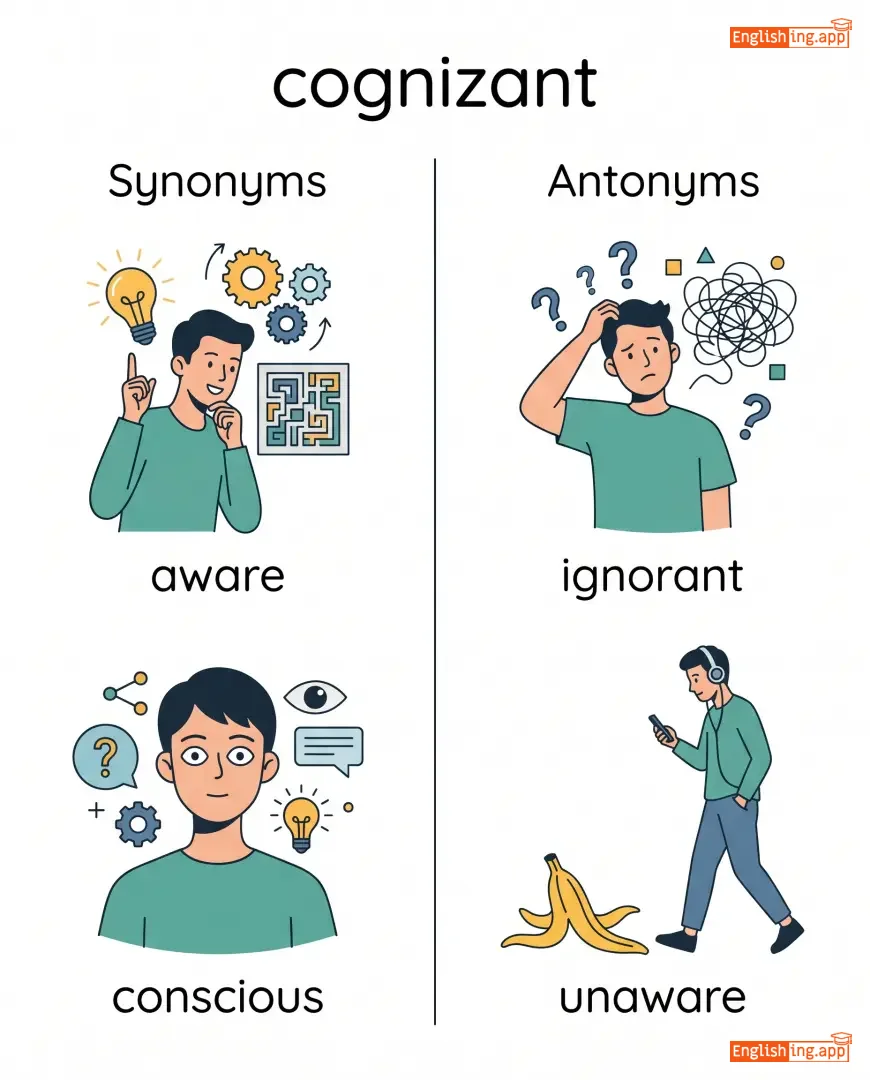
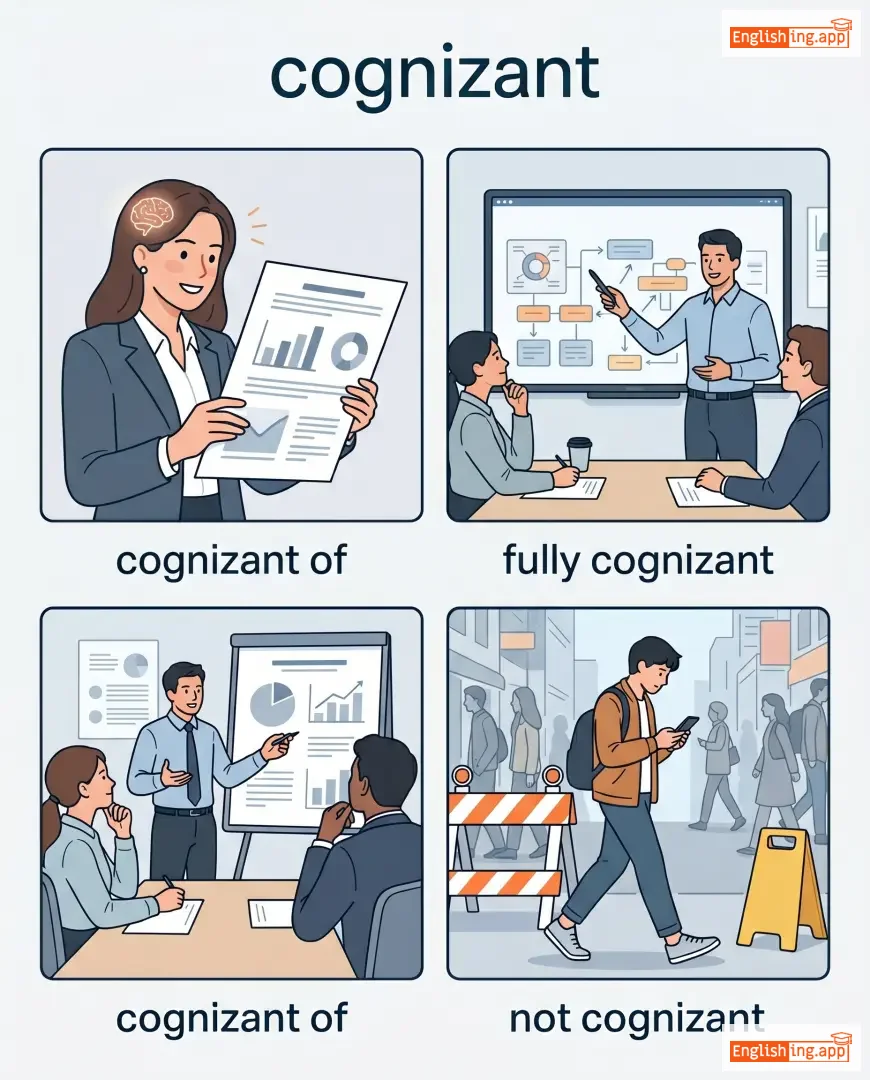
ˈkɒɡ.nɪ.zənt
adjective
••••••
|
•••••• |
Having knowledge or being aware of.
••••••
|
We should be cognizant of the impact of our actions. |
aware, mindful
••••••
|
unaware, oblivious
••••••
|
|
#2074
🏗️
|
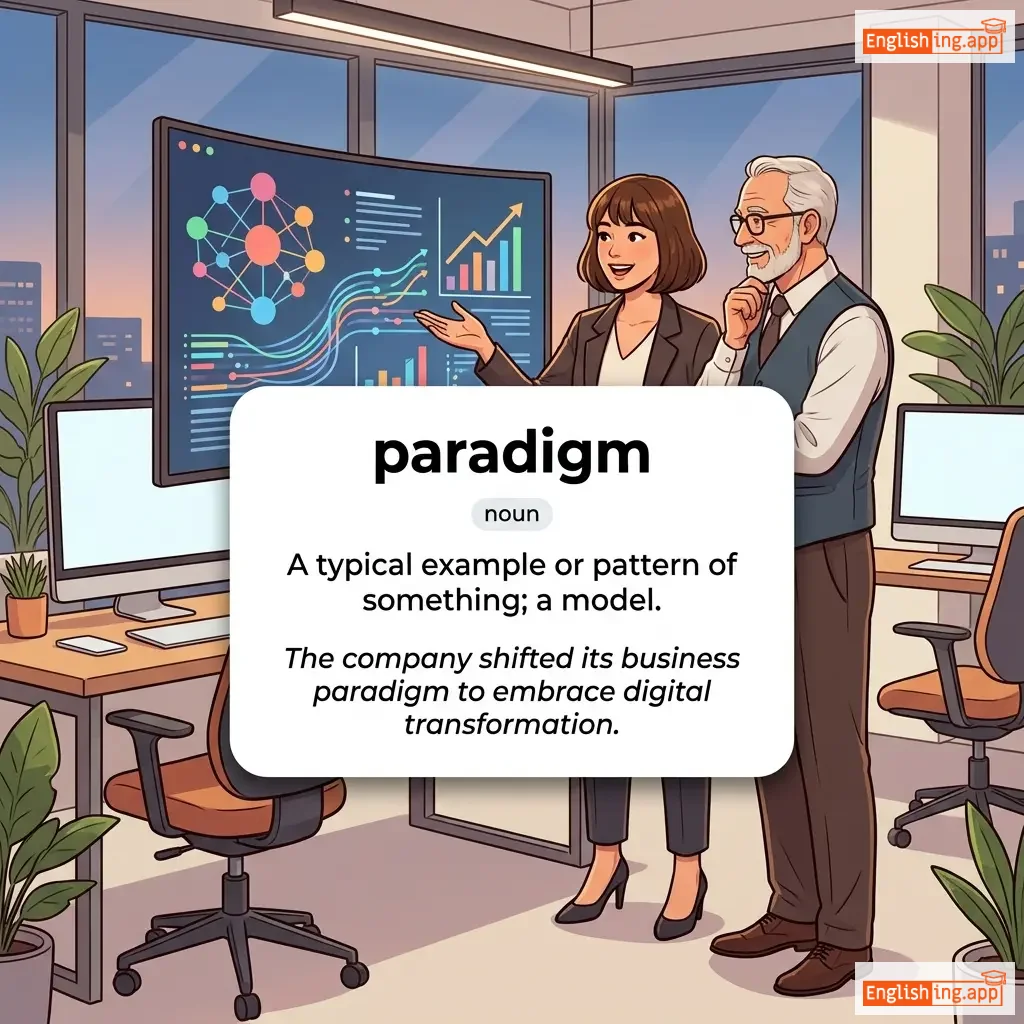
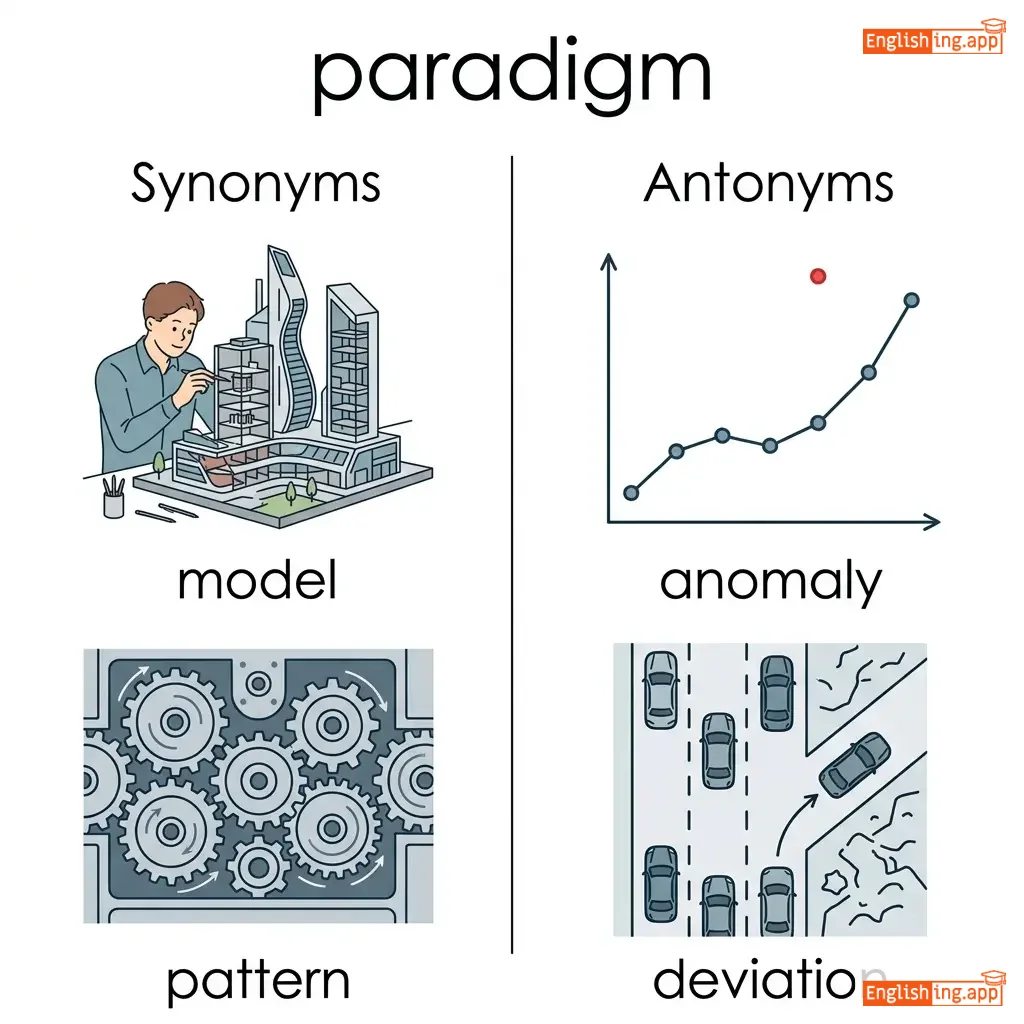
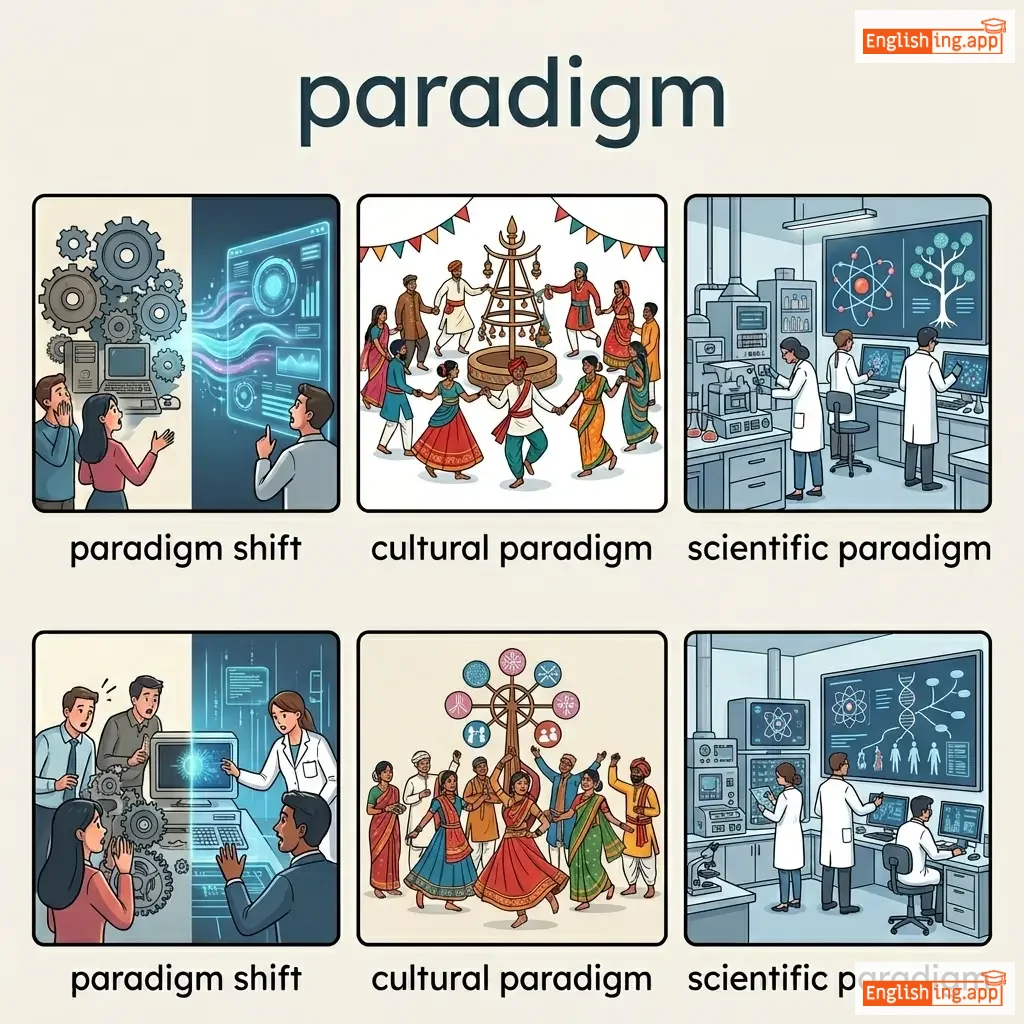
ˈpær.ə.daɪm
noun
••••••
|
•••••• |
A typical example or pattern of something; a model.
••••••
|
The internet has changed the paradigm of communication. |
model, framework
••••••
|
disorganization, disorder
••••••
|
|
#2075
⚖️
|
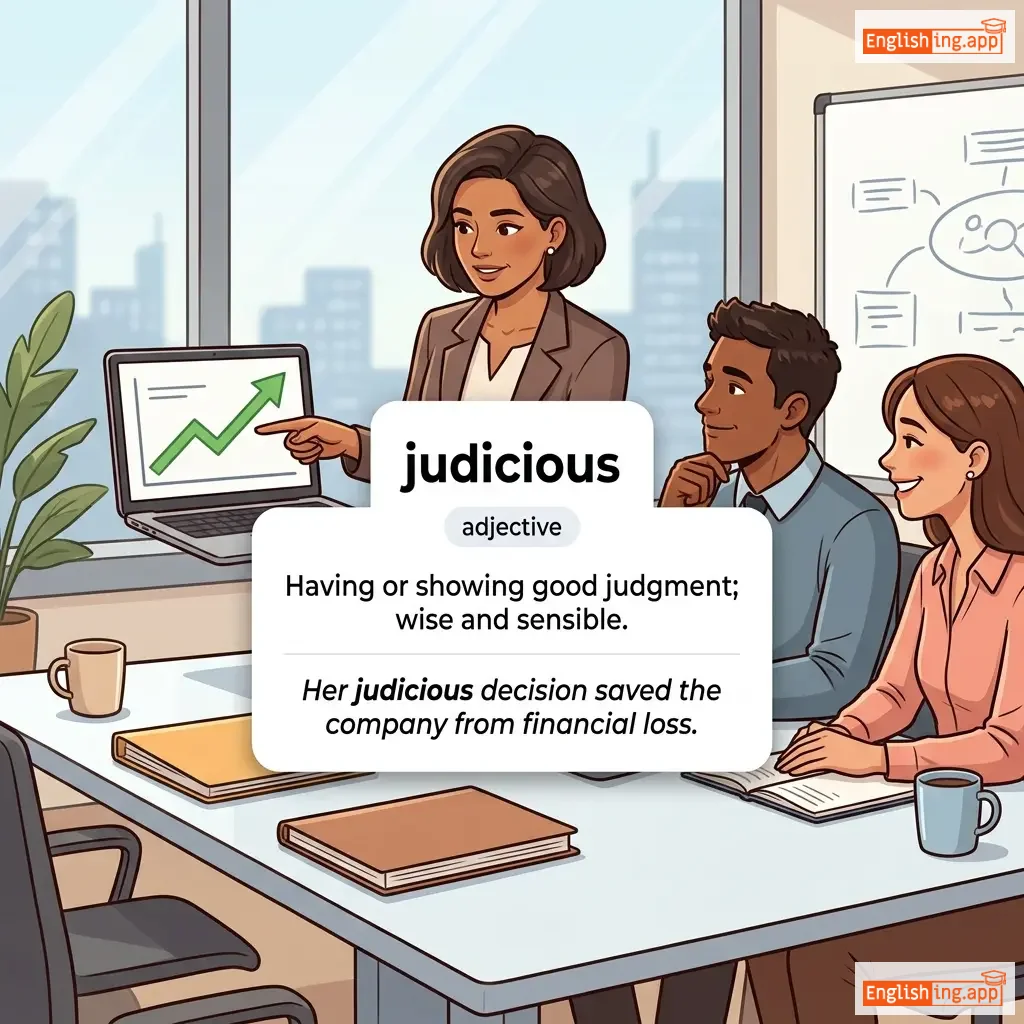
dʒuːˈdɪʃ.əs
adjective
••••••
|
•••••• |
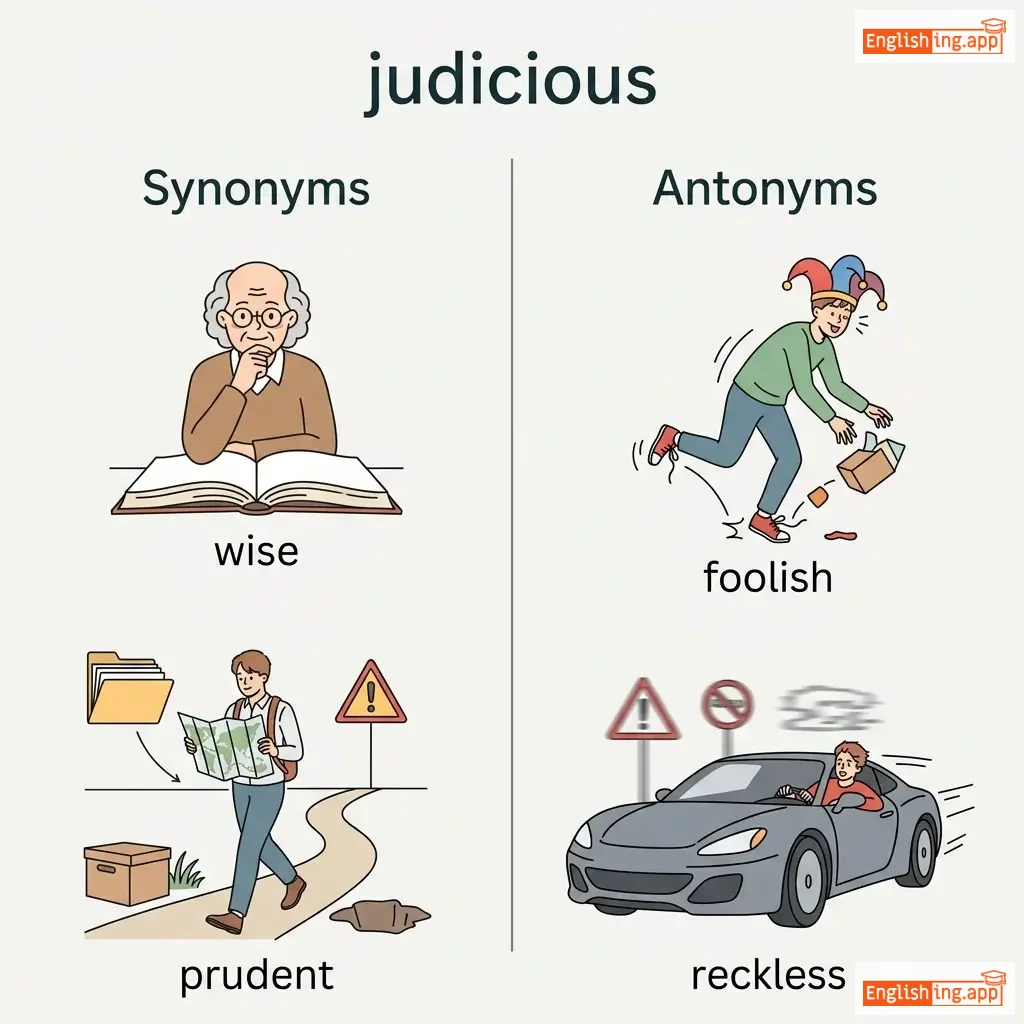
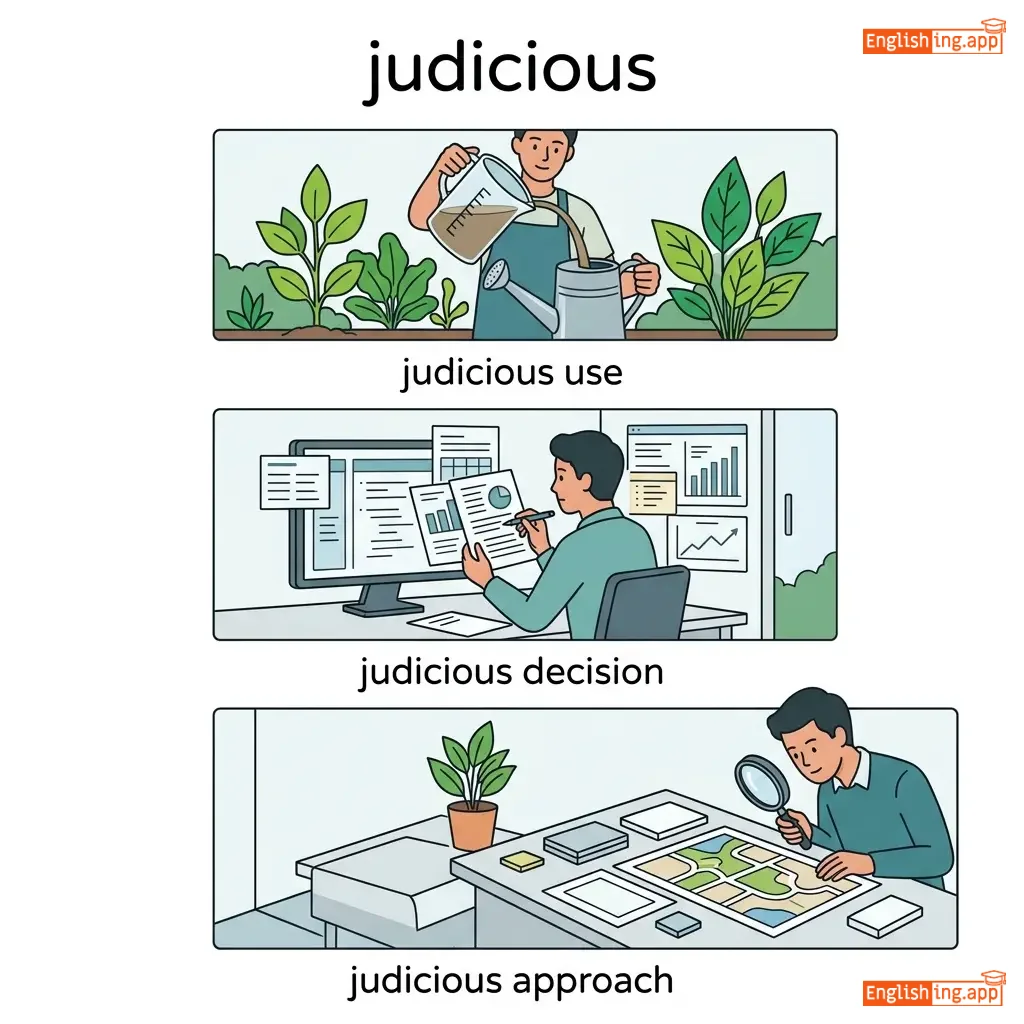
Having, showing, or done with good judgment or sense.
••••••
|
A judicious leader makes well-informed decisions. |
wise, prudent
••••••
|
reckless, impulsive
••••••
|
|
#2076
💭
|
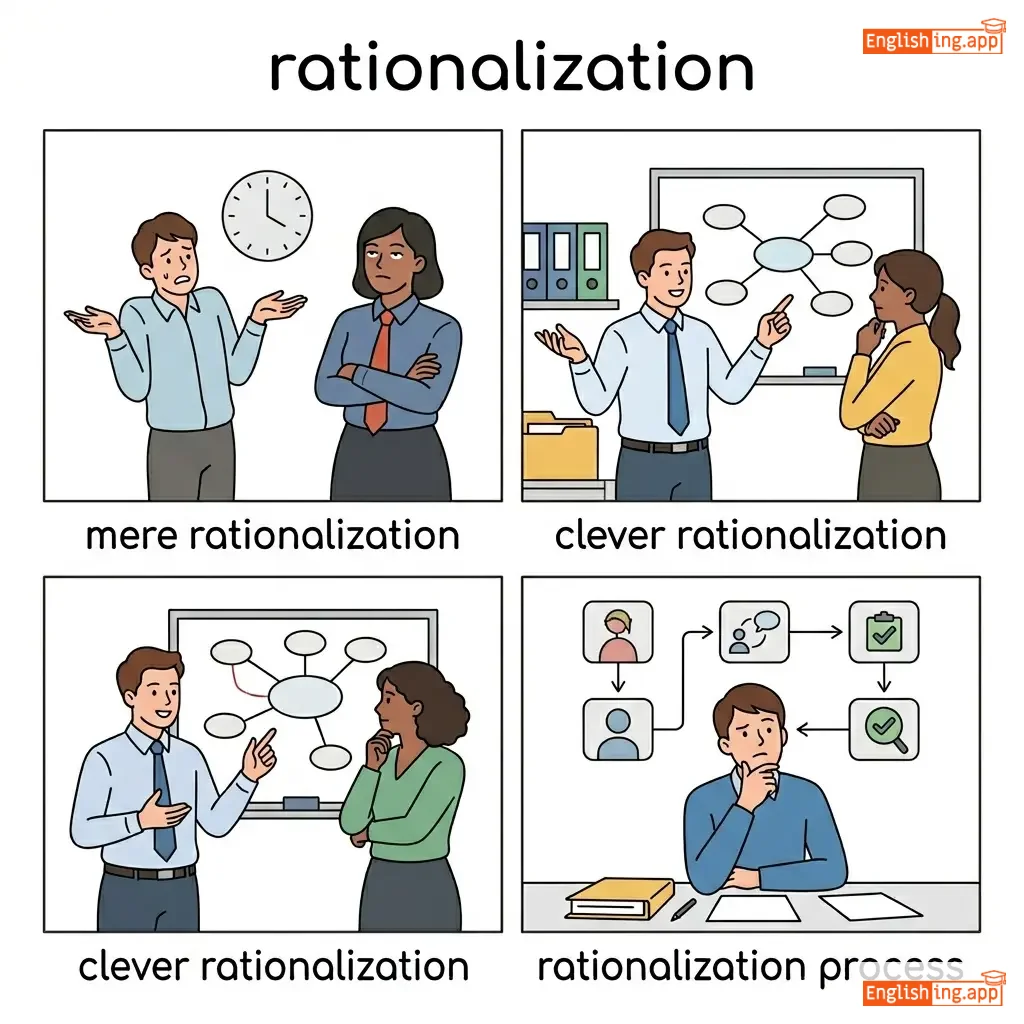
ˌræʃ.ən.əl.ɪˈzeɪ.ʃən
noun
••••••
|
•••••• |
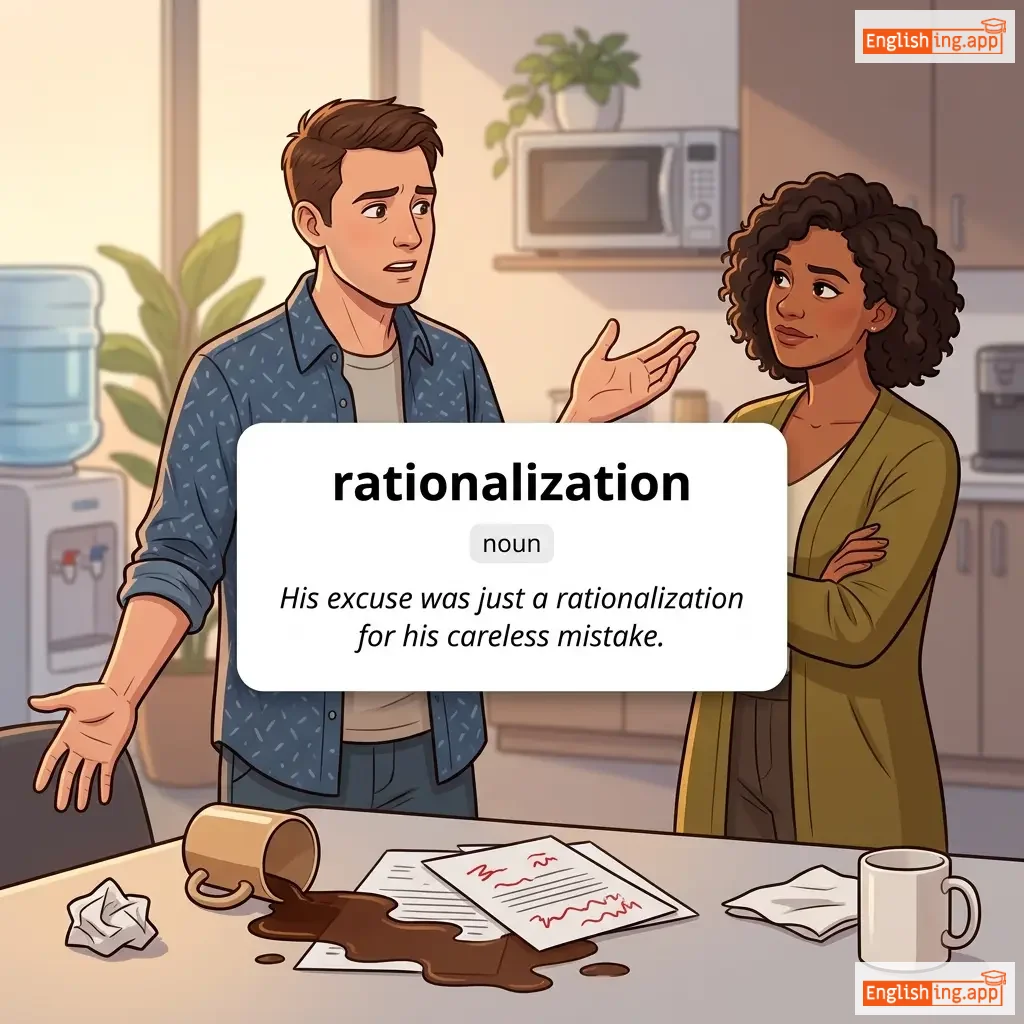
The practice of finding reasons for behavior or actions that are not the real reasons.
••••••
|
His rationalization of the mistake was not convincing. |
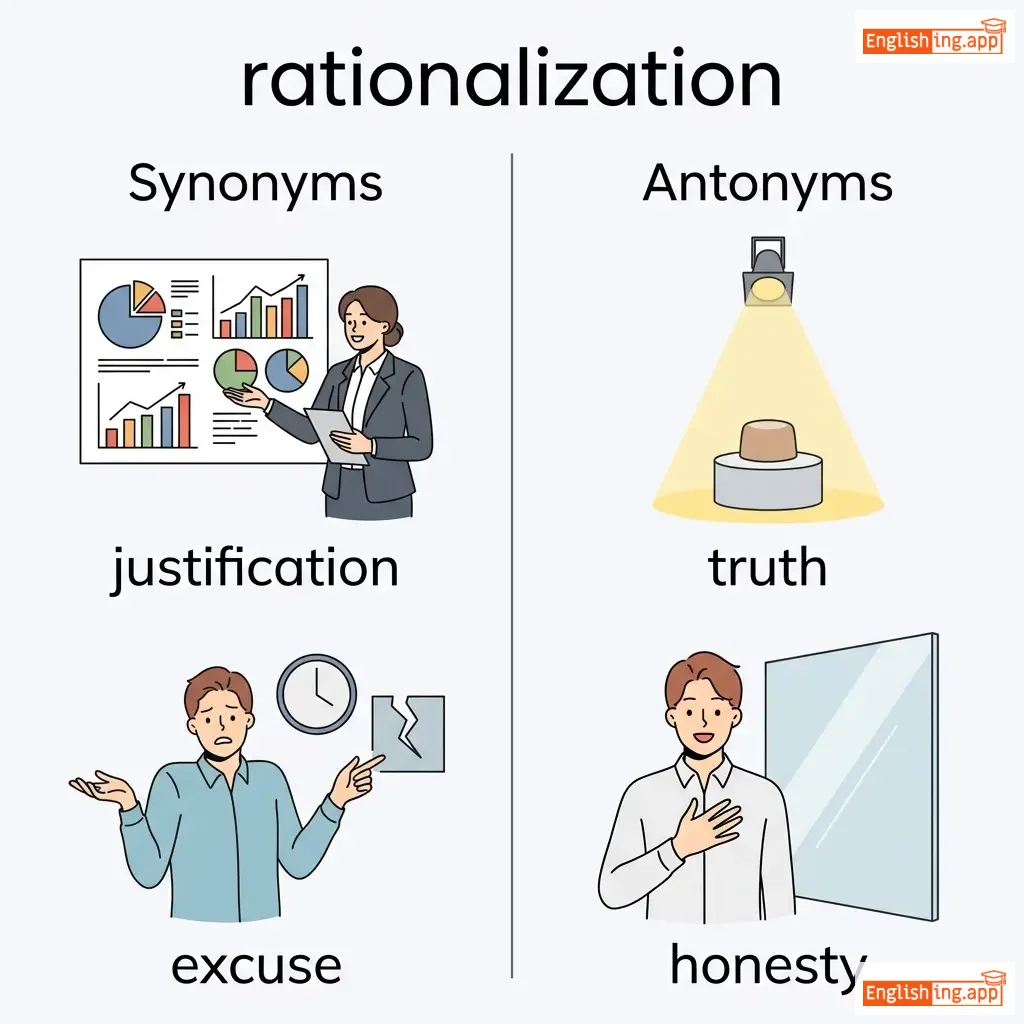
justification, explanation
••••••
|
irrationality, misinterpretation
••••••
|
|
#2077
🤔
|
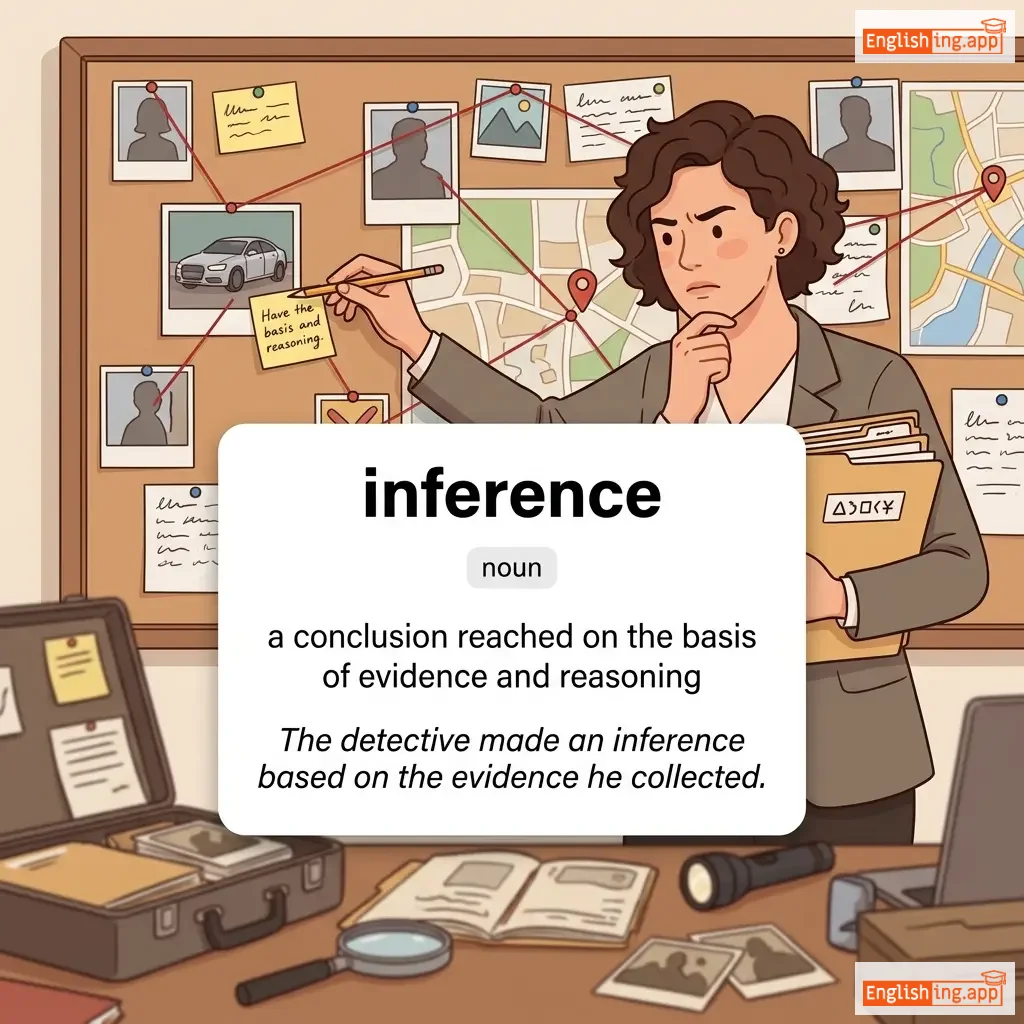
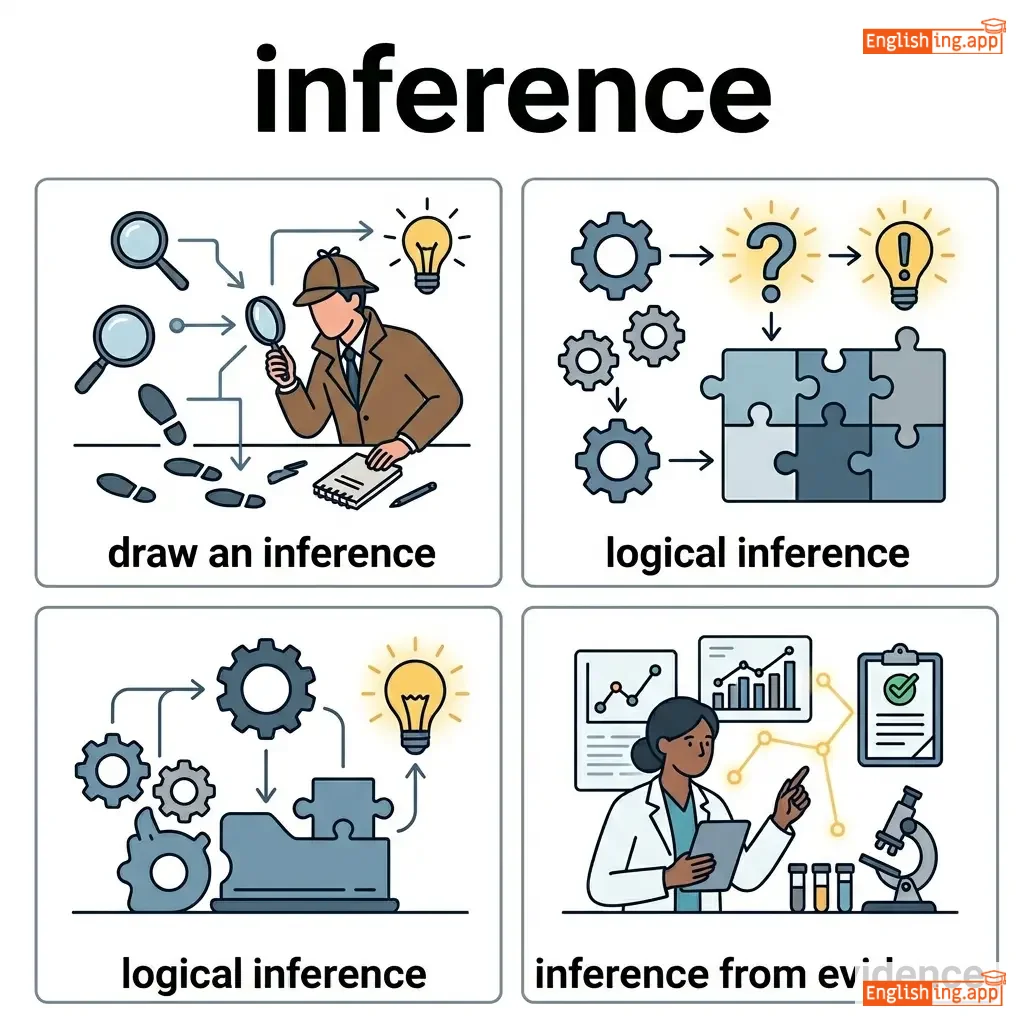
ˈɪn.fɚ.əns
noun
••••••
|
•••••• |
A conclusion reached on the basis of evidence and reasoning.
••••••
|
Based on the evidence, his inference was accurate. |
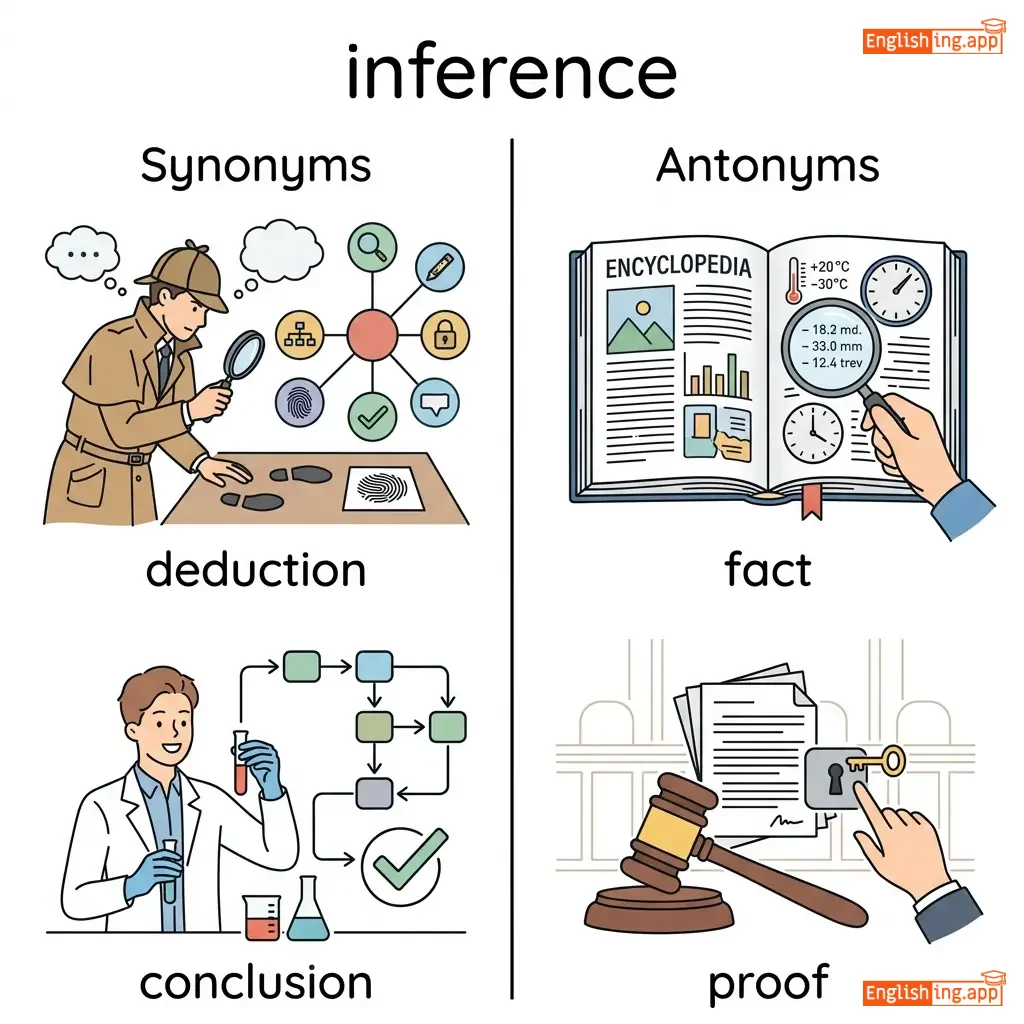
conclusion, deduction
••••••
|
assumption, misjudgment
••••••
|
|
#2078
📈
|
ɪkˈstræp.ə.leɪt
verb
••••••
|
•••••• |
Extend the application of (a method or conclusion) to an unknown situation by assuming that existing trends will continue.
••••••
|
Scientists extrapolate future climate trends from past data. |
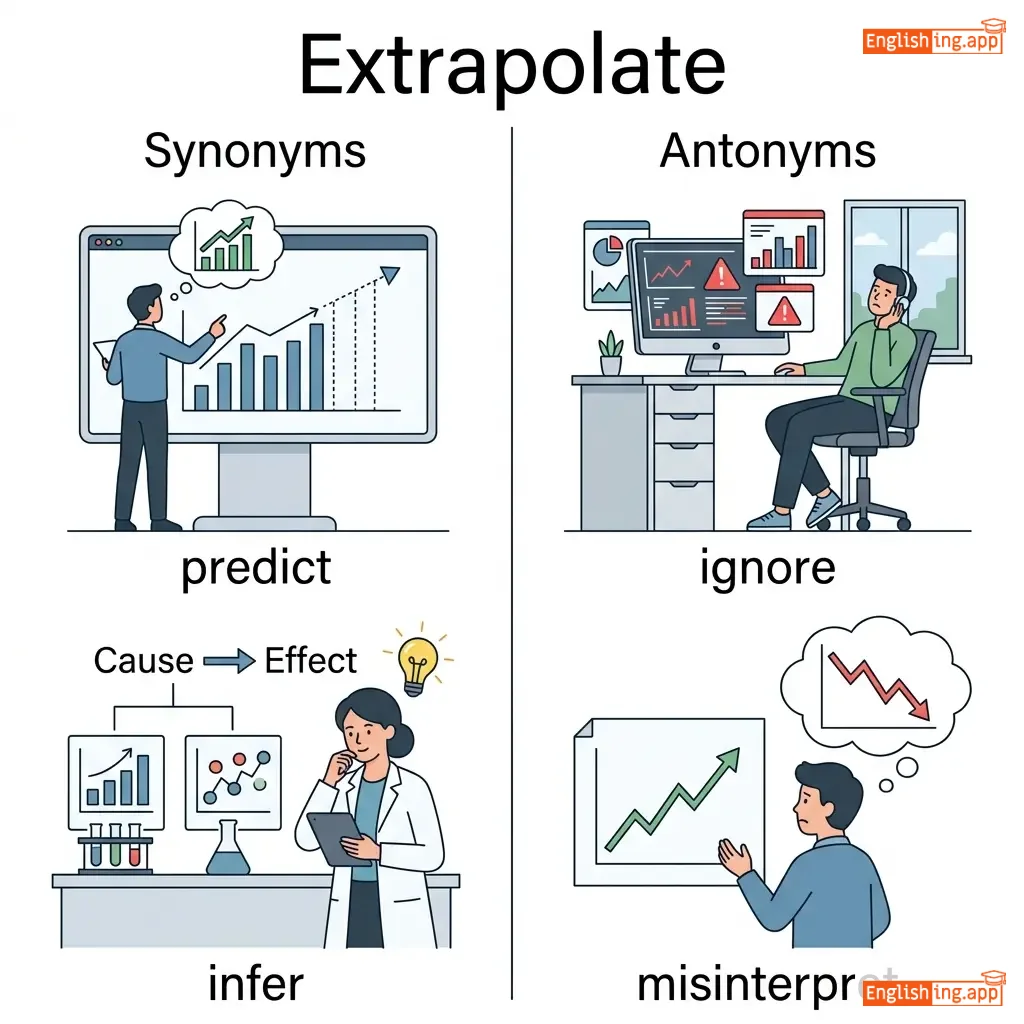
predict, infer
••••••
|
miscalculate, misinterpret
••••••
|
|
#2079
🔬
|
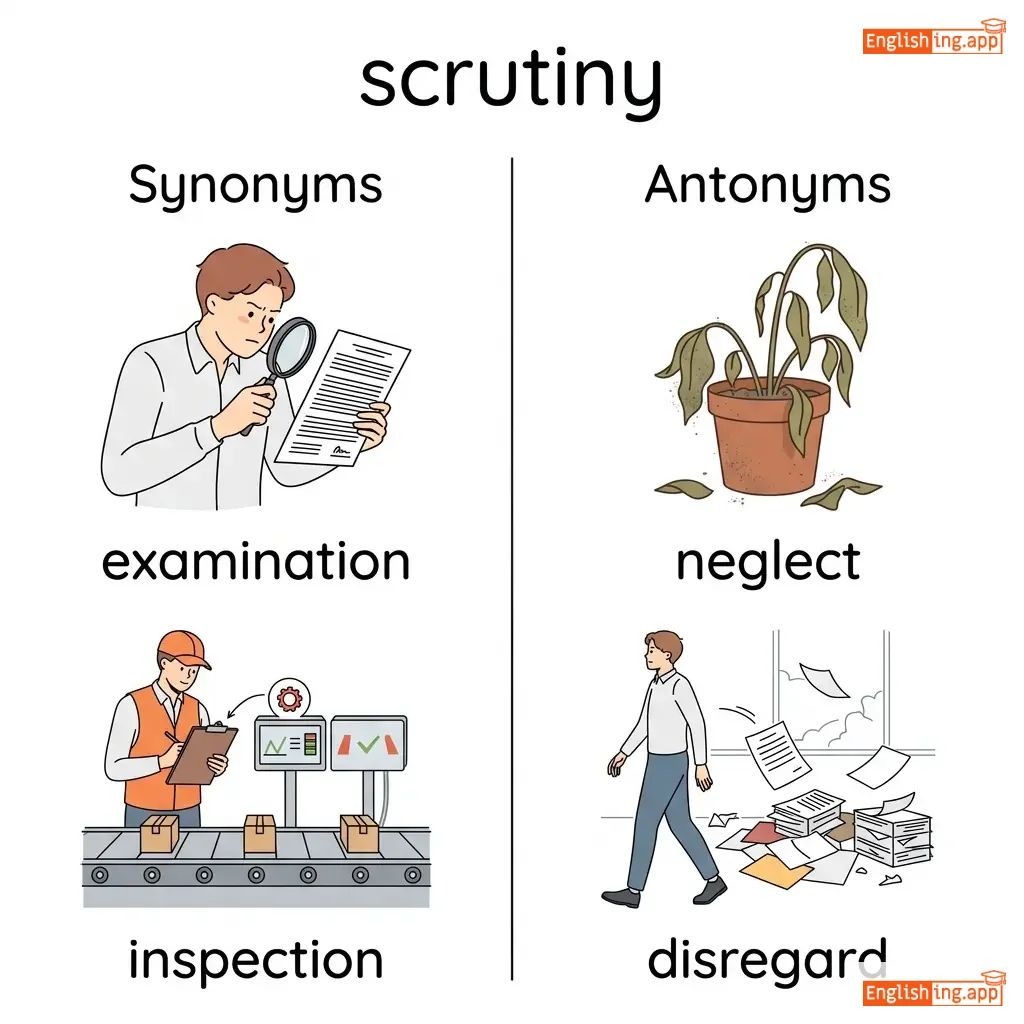
ˈskruː.tɪ.ni
noun
••••••
|
•••••• |
Critical observation or examination.
••••••
|
The report is under intense scrutiny by experts. |
inspection, examination
••••••
|
neglect, oversight
••••••
|
|
#2080
🪞
|
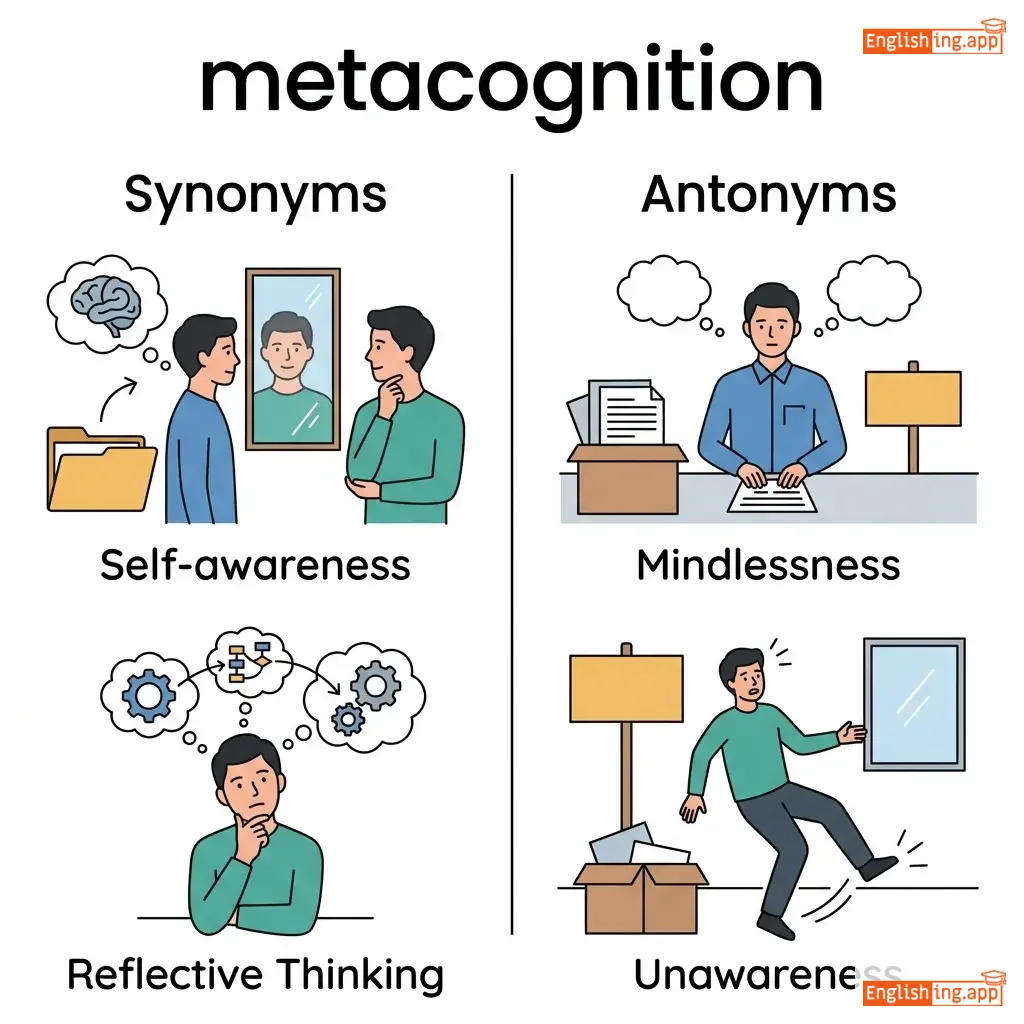
ˌmet.ə.kɒɡˈnɪʃ.ən
noun
••••••
|
•••••• |
Awareness and understanding of one's own thought processes.
••••••
|
Metacognition helps students assess their own learning strategies. |
self-awareness, reflection
••••••
|
unawareness, ignorance
••••••
|
|
#2081
🎤
|
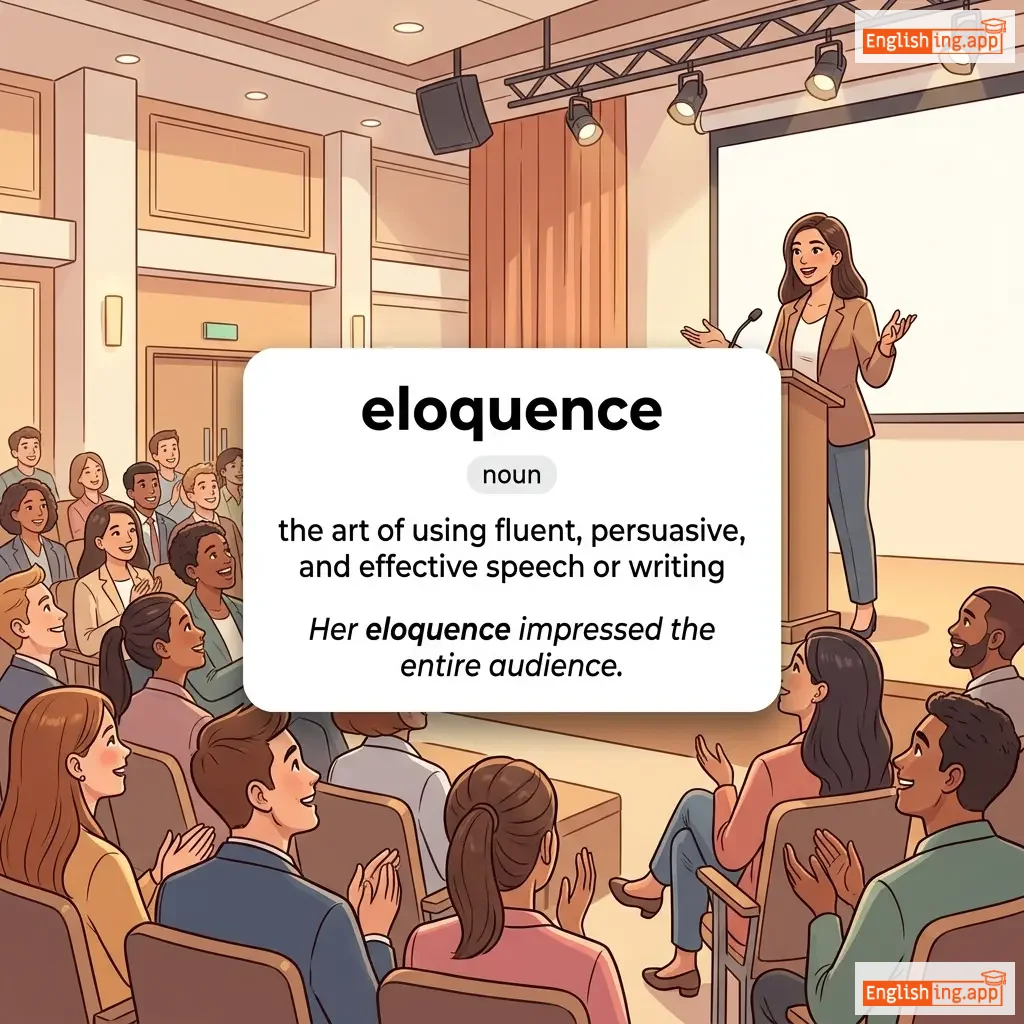
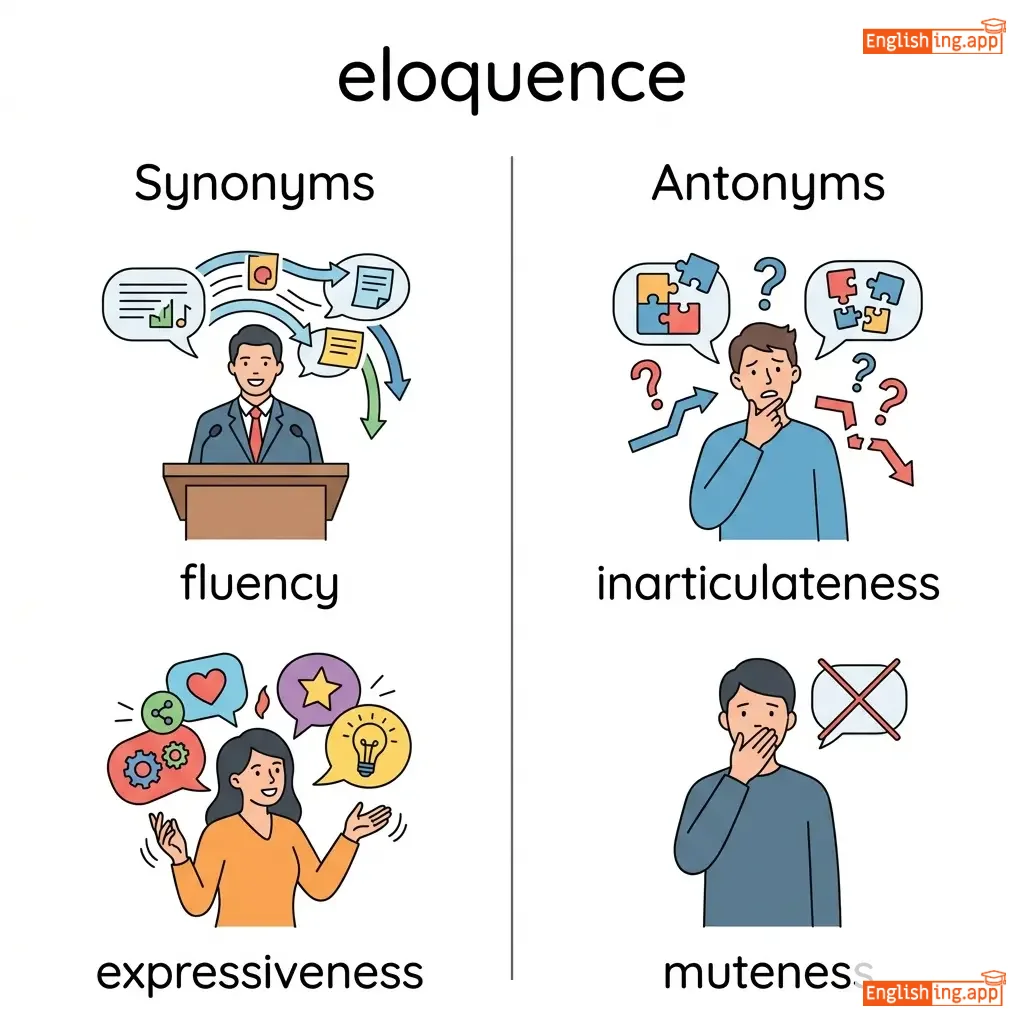
ˈel.ə.kwəns
noun
••••••
|
•••••• |
Fluent or persuasive speaking or writing.
••••••
|
His eloquence made the speech inspiring. |
articulacy, fluency
••••••
|
incoherence, hesitation
••••••
|