How Reading Enhances Critical Thinking
La lecture n’est pas seulement un moyen d’acquérir des informations ; c’est l’un des moyens les plus importants d’améliorer le critical thinking. Lorsque nous lisons des textes complexes, nos capacités de comprehension augmentent et nous développons des schémas de pensée analytical. Grâce à la lecture, nous assimilate de nouveaux concepts et comprenons les sujets plus en profondeur. Cela améliore notre discernment et nous donne la capacité de comprendre diverses nuances. Avec le temps, nous ne faisons pas que recevoir des informations, mais nous commençons à les synthesizing pour créer de nouveaux schémas de pensée. Un bon lecteur devient cognizant que chaque texte ou information contient un paradigm spécifique. L’habitude de lire nous aide à prendre des décisions judicious et renforce nos capacités de rationalization. En développant des compétences en inference et extrapolate, nous pouvons analyser tout sujet plus profondément, ce qui augmente la scrutiny et la metacognition. Ainsi, développer l’habitude de lire, c’est renforcer la profondeur de la pensée et l’eloquence.
Message vocabulaire Pro
Passer à la version ProMessage phrases Pro
Passer à la version Pro|
Émoji
|
Mot | Images | Signification | Phrase d'Exemple | Synonymes | Antonymes |
|---|---|---|---|---|---|---|
|
#2066
🧠
|
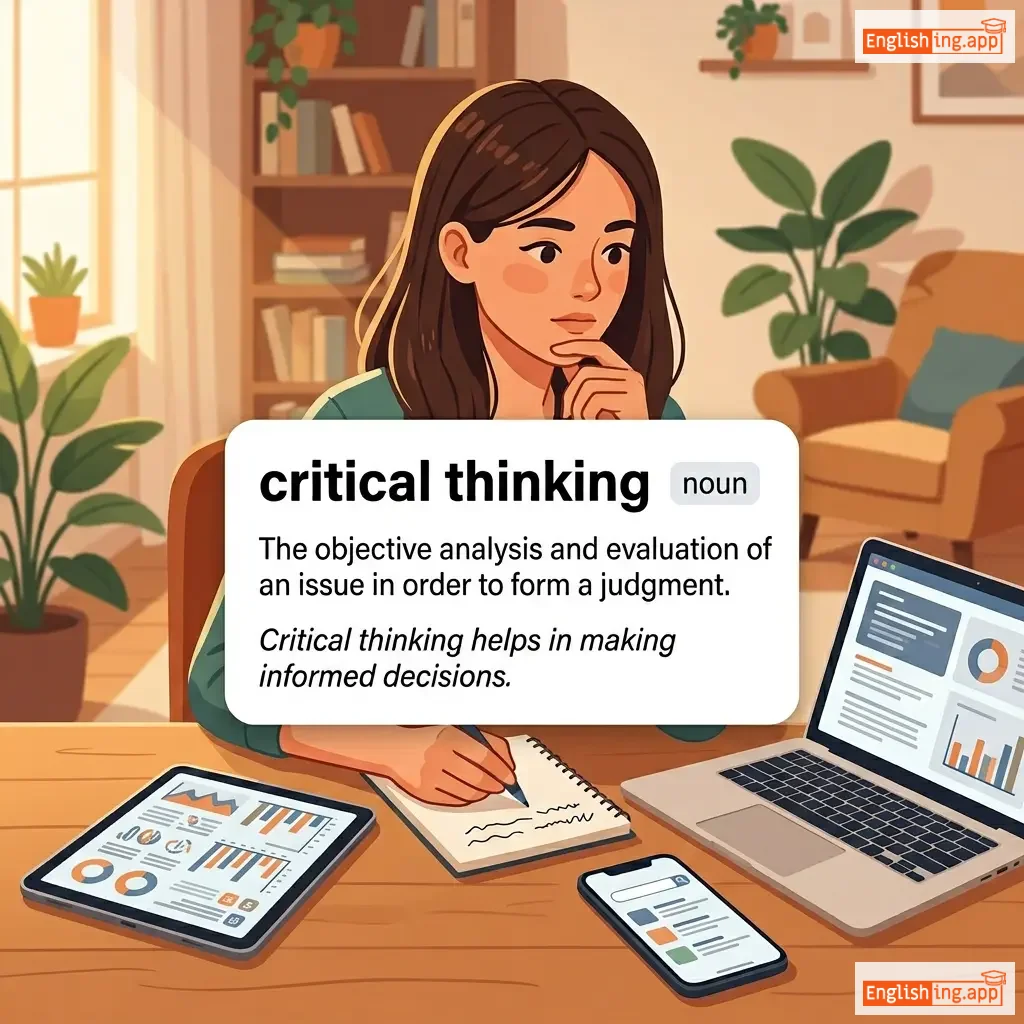
ˈkrɪt.ɪ.kəl ˈθɪŋ.kɪŋ
noun
••••••
|
•••••• |
The objective analysis and evaluation of an issue in order to form a judgment.
••••••
|
Critical thinking helps in making informed decisions. |
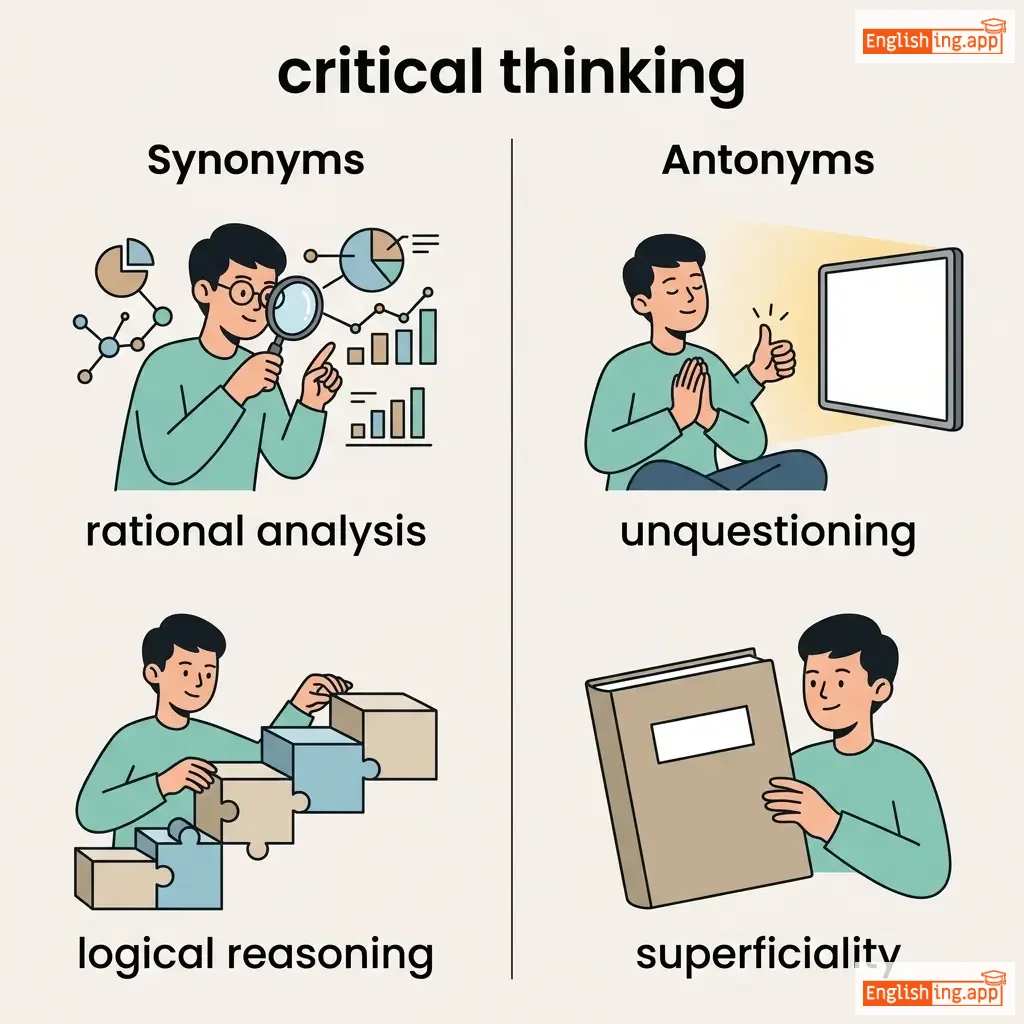
rational analysis, logical reasoning
••••••
|
unquestioning, superficiality
••••••
|
|
#2067
📖
|
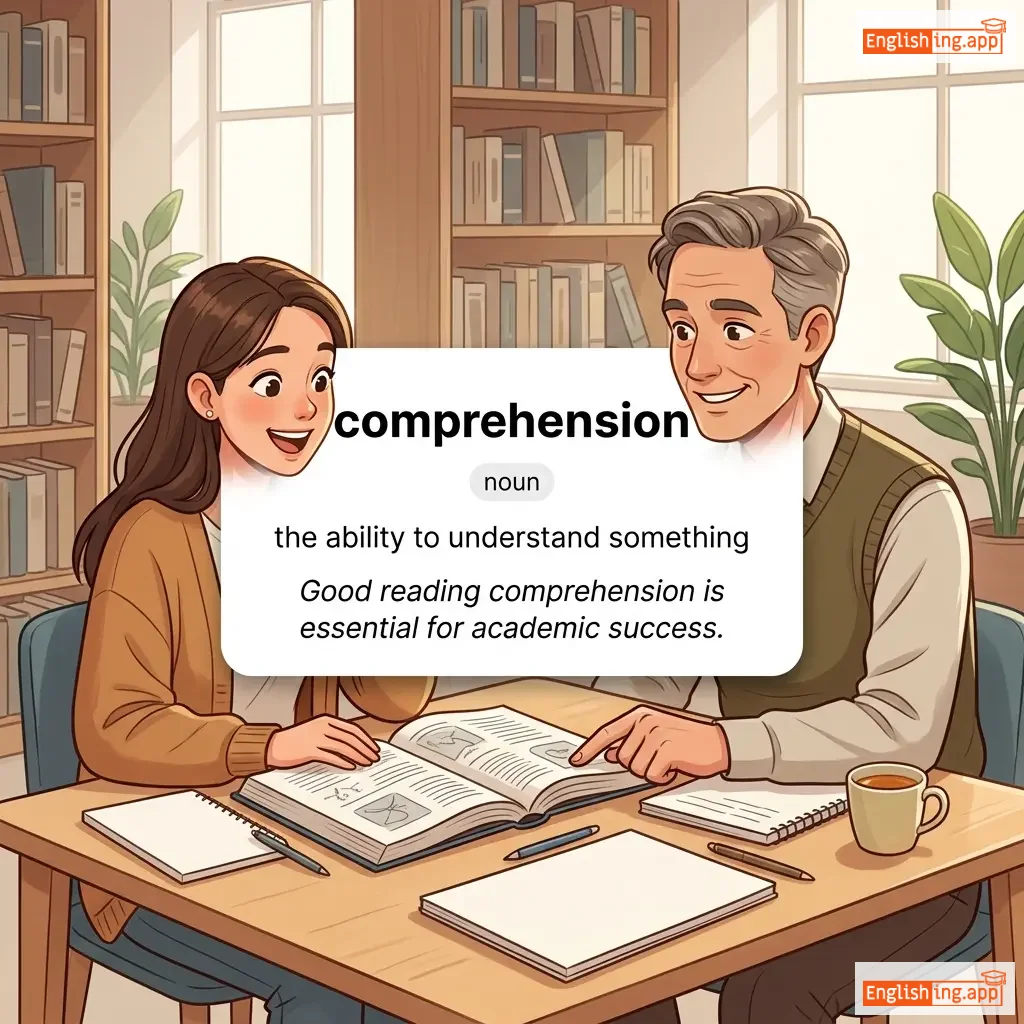
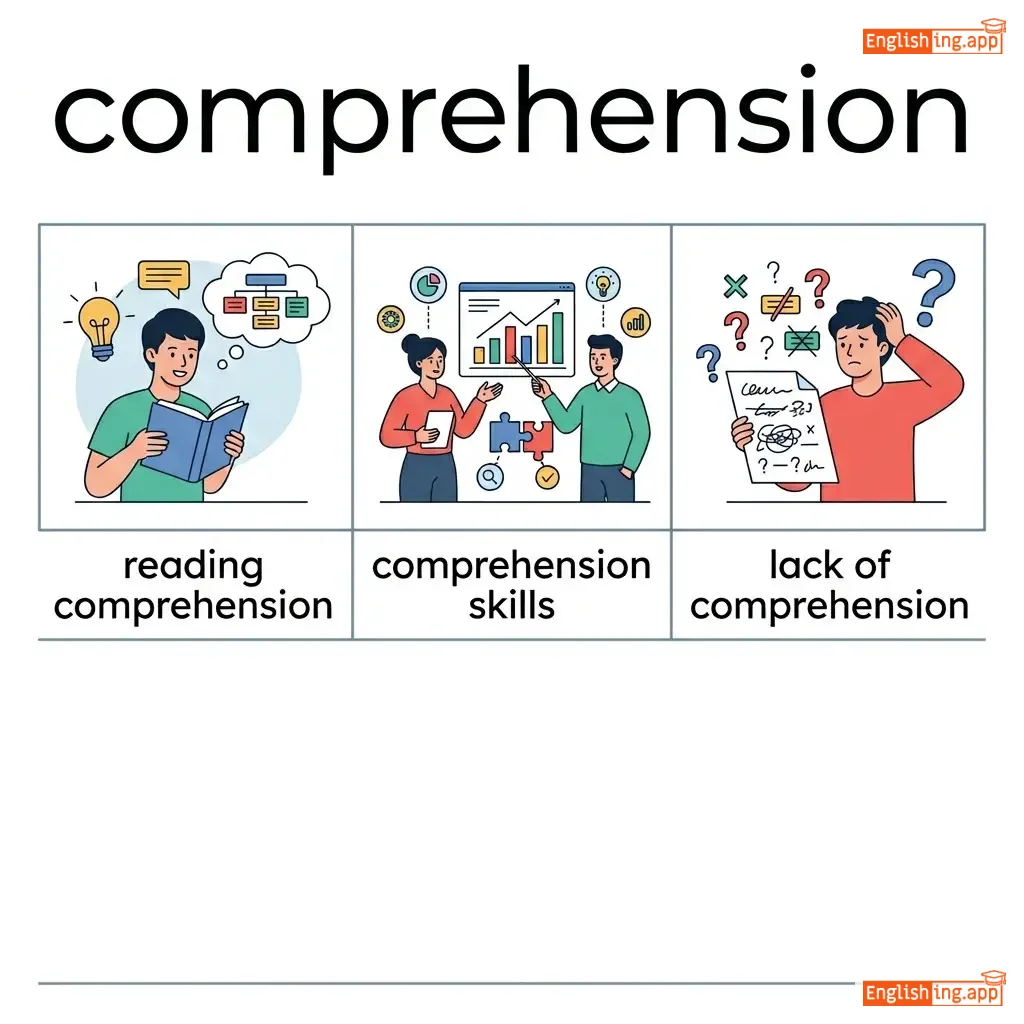
ˌkɑːm.prɪˈhen.ʃən
noun
••••••
|
•••••• |
The action or capability of understanding something.
••••••
|
His comprehension of complex theories is impressive. |
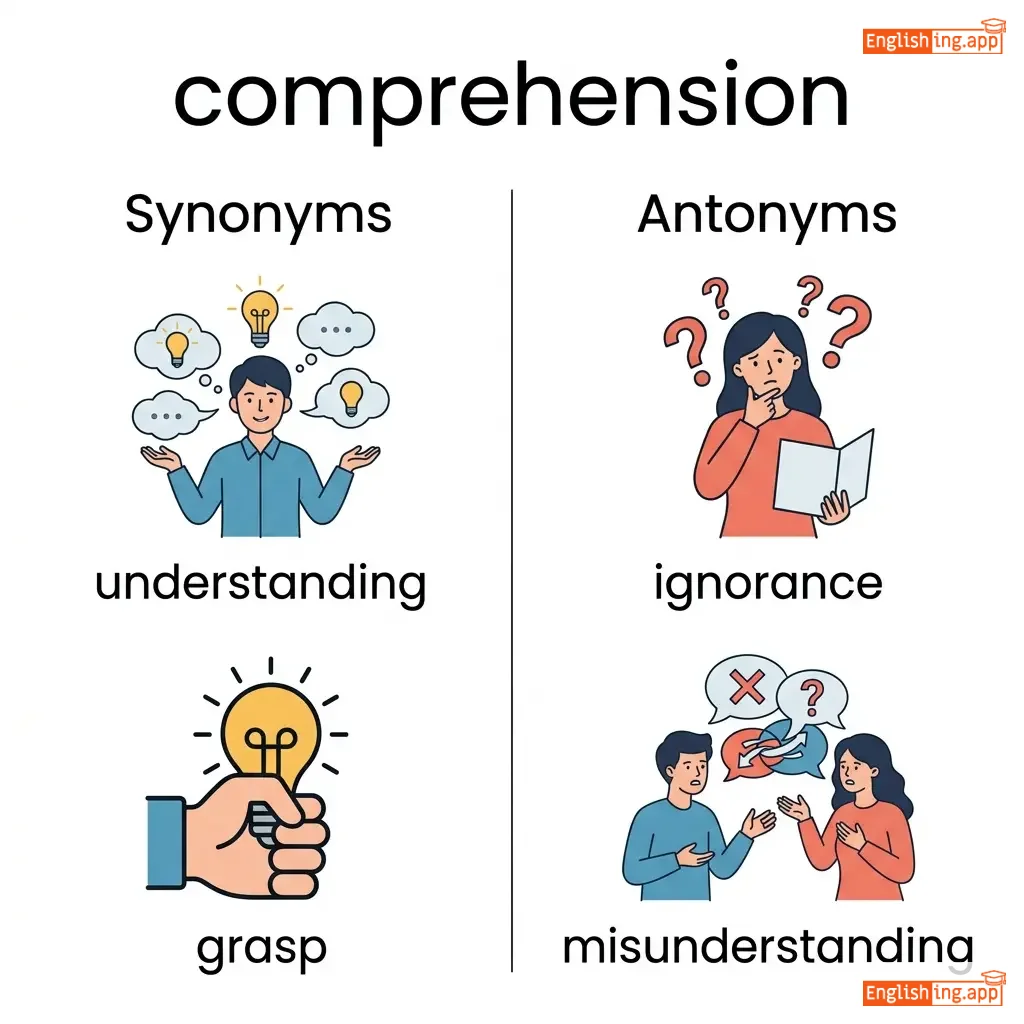
understanding, interpretation
••••••
|
misunderstanding, confusion
••••••
|
|
#2068
🔍
|
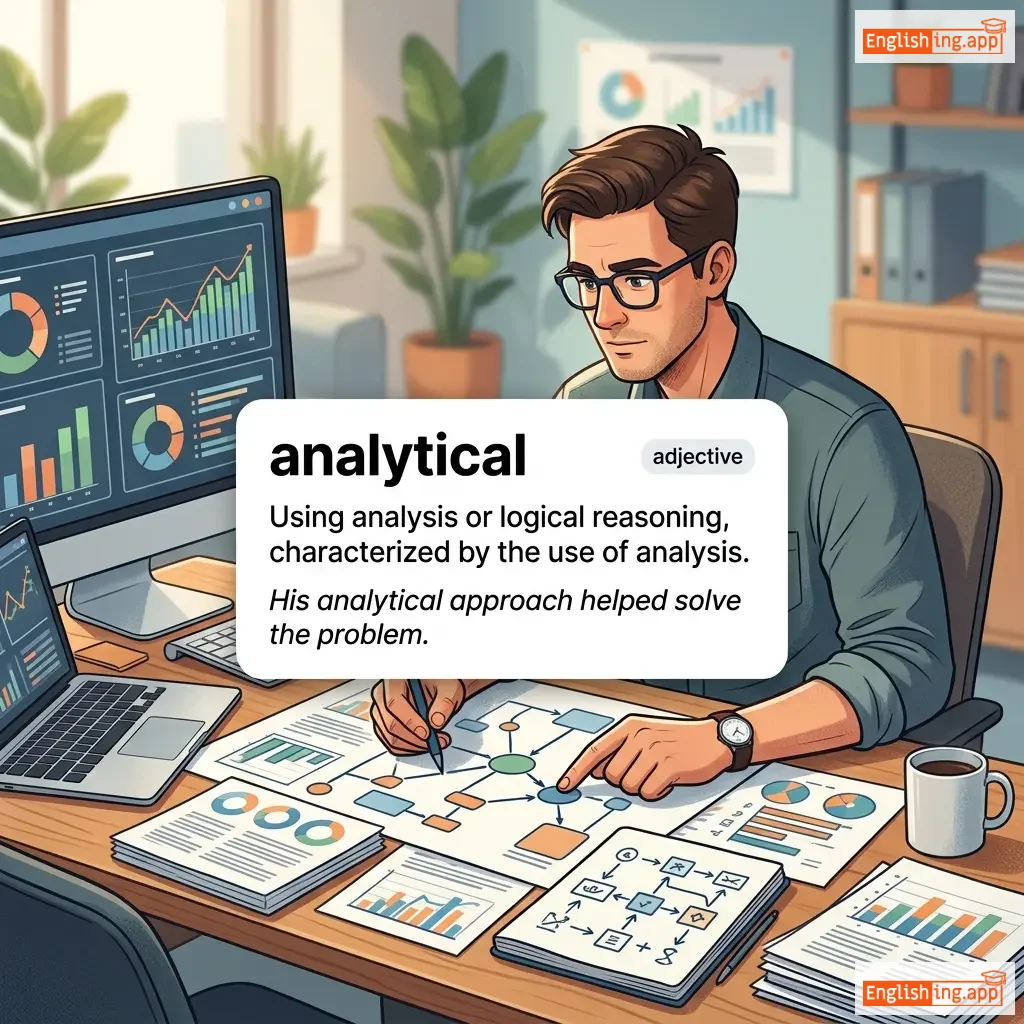
ˌæn.əlˈɪt.ɪ.kəl
adjective
••••••
|
•••••• |
Using or skilled in using analysis (i.e., separating a whole—intellectual or substantial—into its elemental parts or basic principles).
••••••
|
She has an analytical approach to problem-solving. |
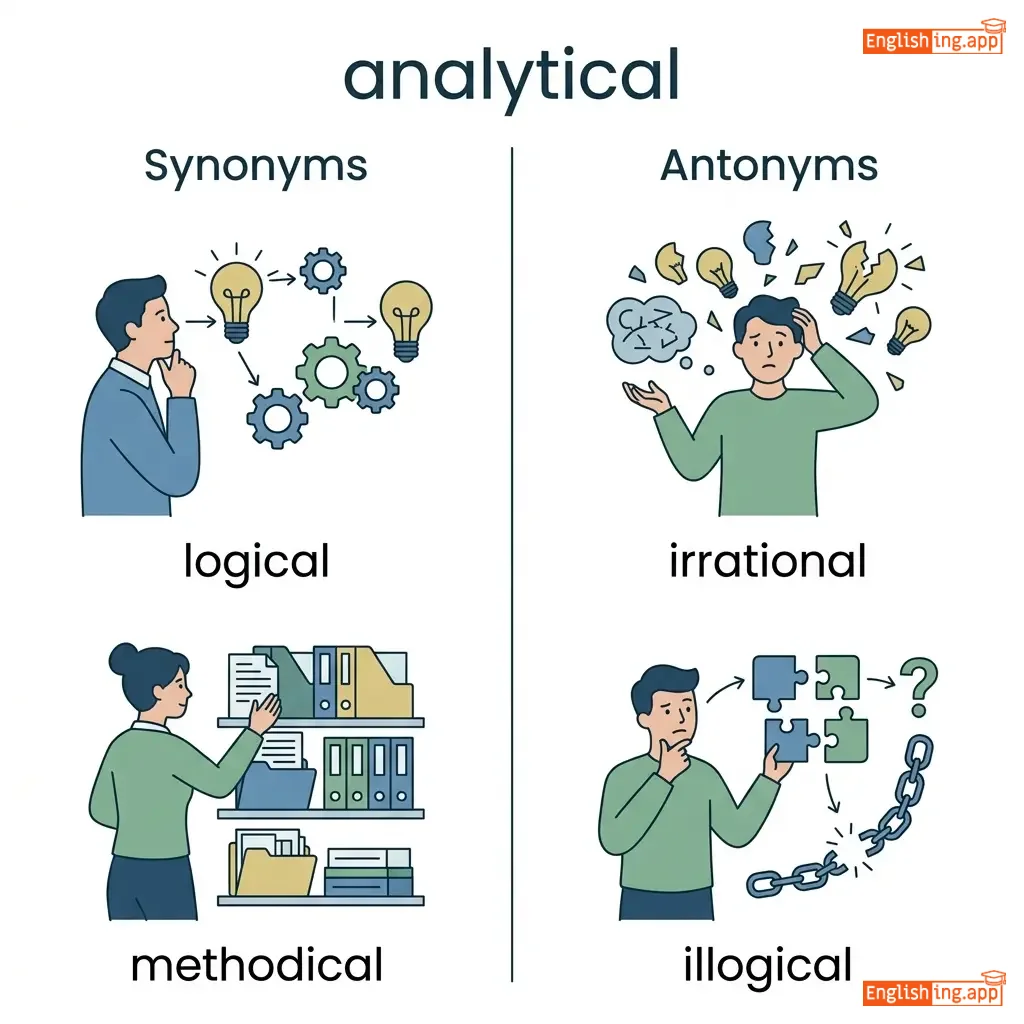
logical, investigative
••••••
|
illogical, irrational
••••••
|
|
#2069
🧲
|
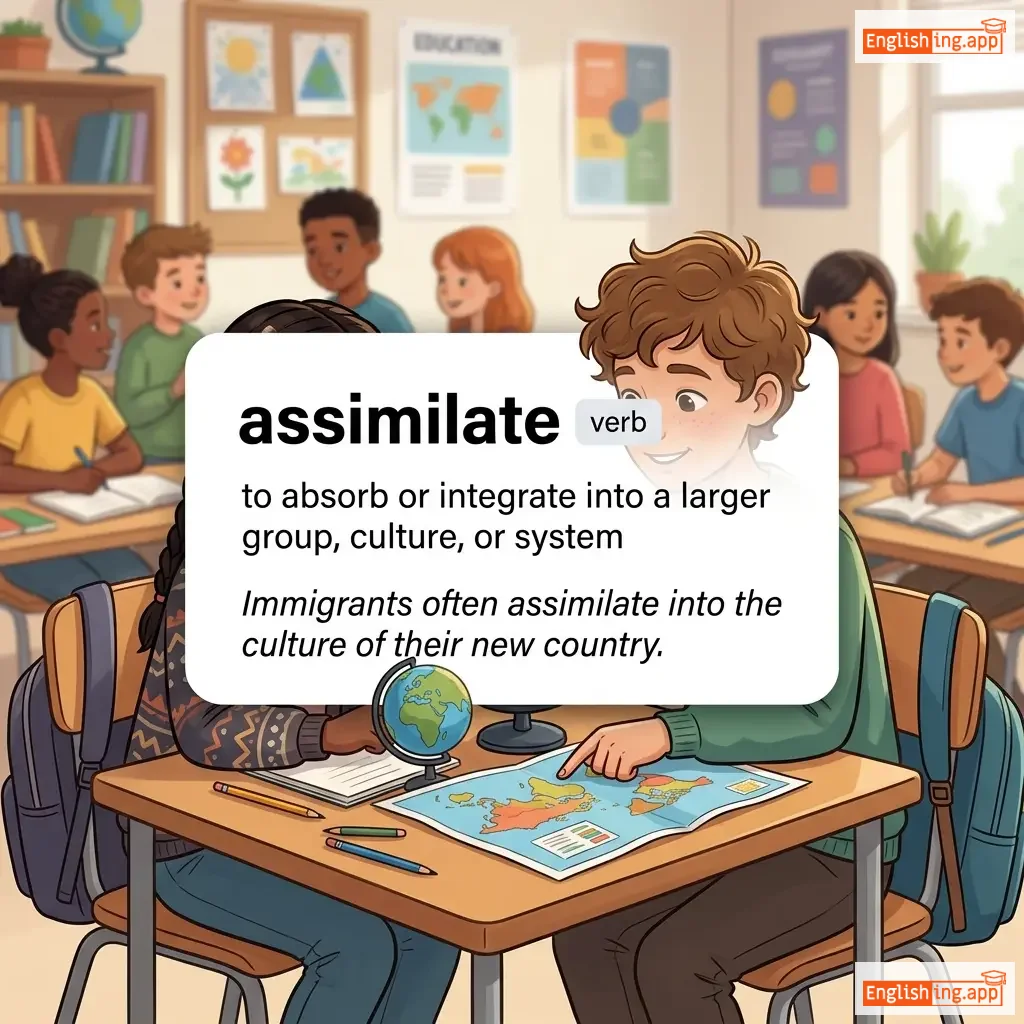
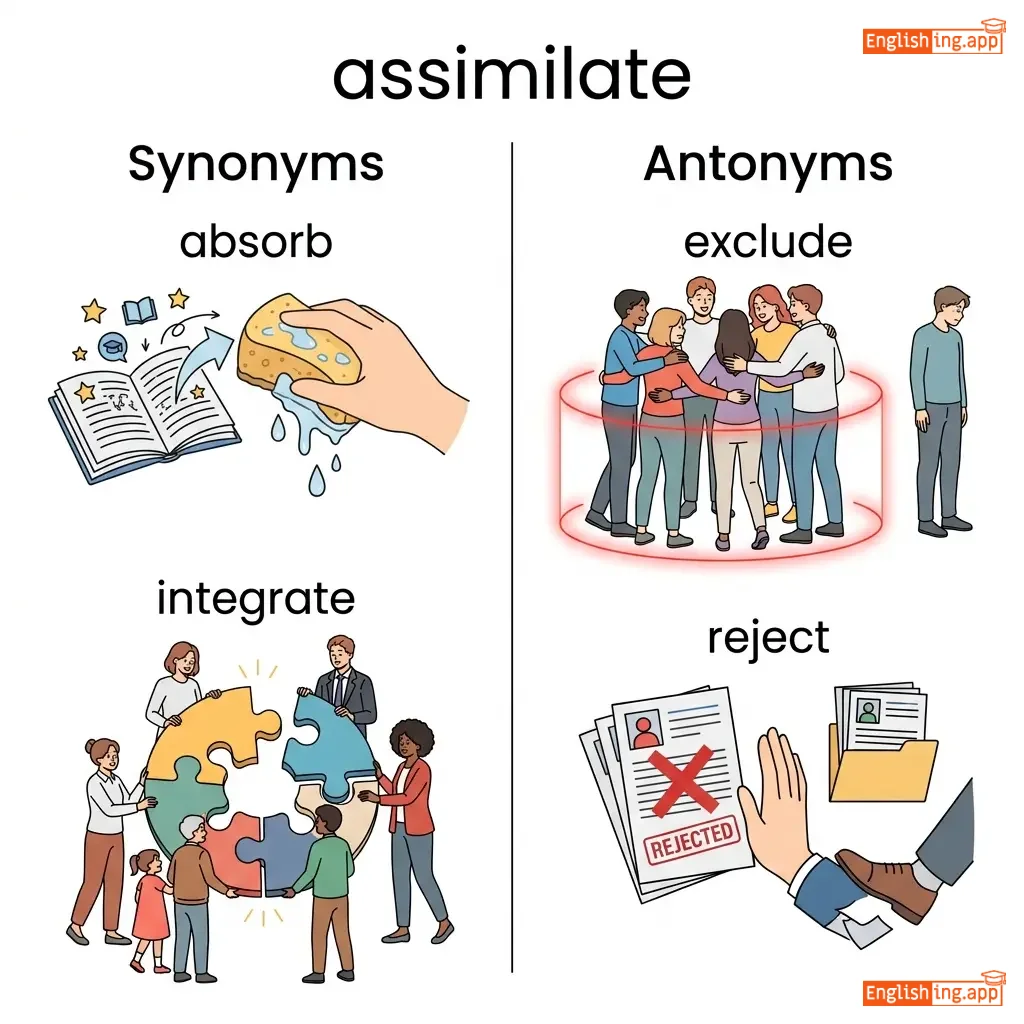
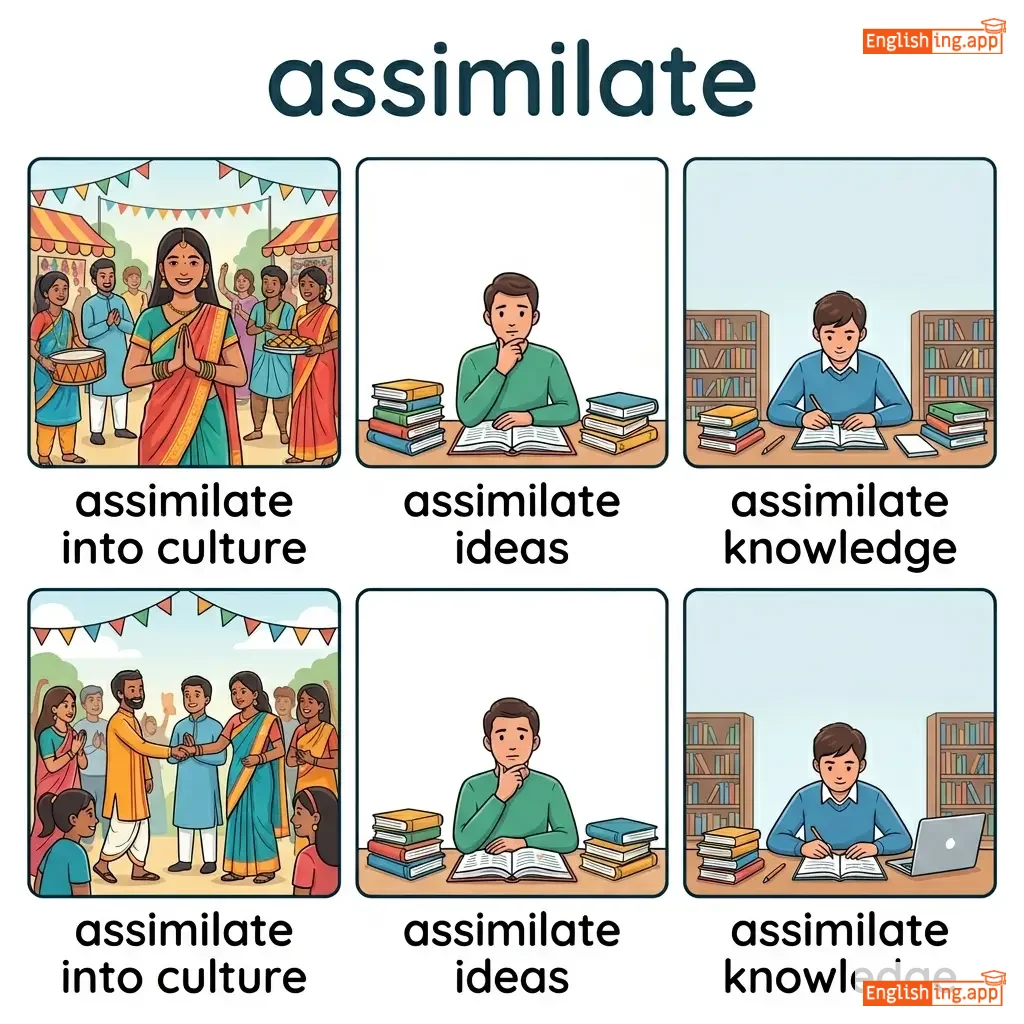
əˈsɪm.ɪ.leɪt
verb
••••••
|
•••••• |
Take in (information, ideas, or culture) and understand fully.
••••••
|
Immigrants often assimilate into the local culture. |
absorb, integrate
••••••
|
reject, isolate
••••••
|
|
#2070
🎯
|
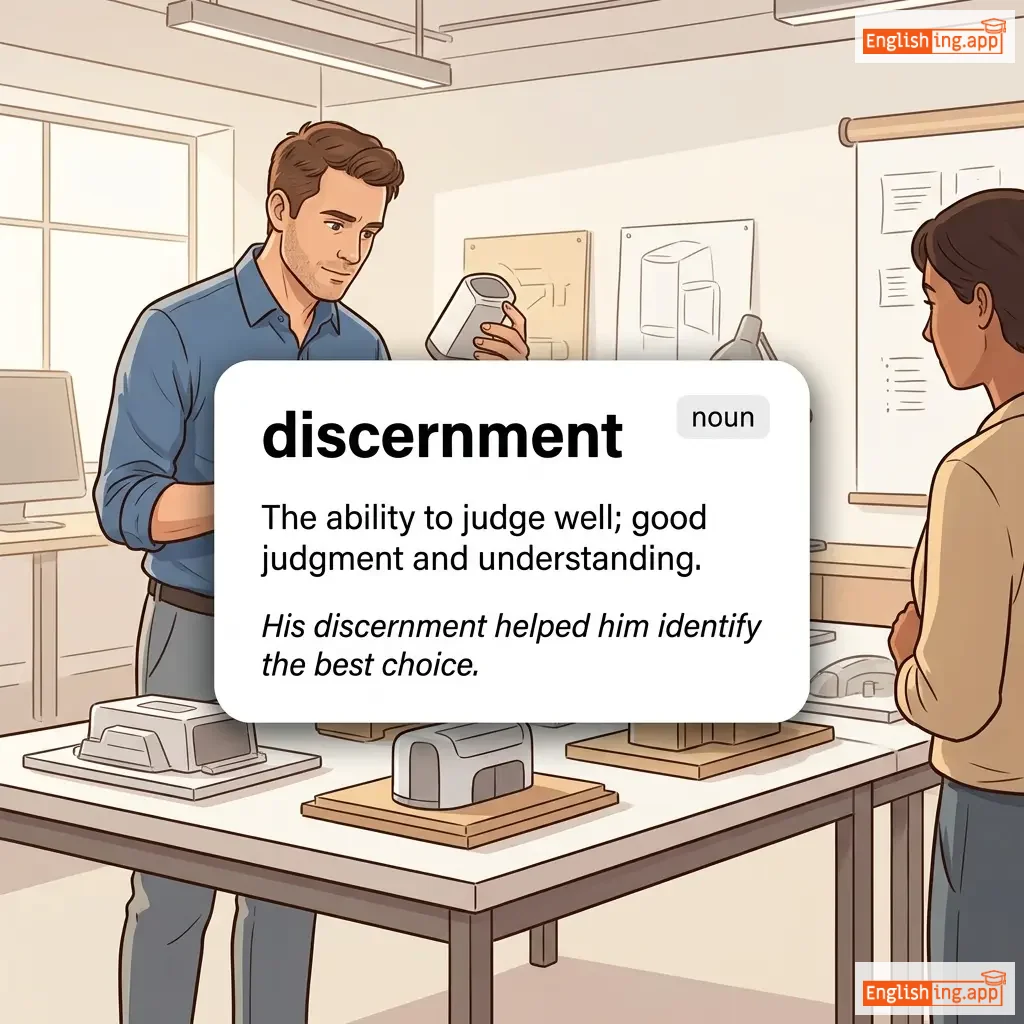
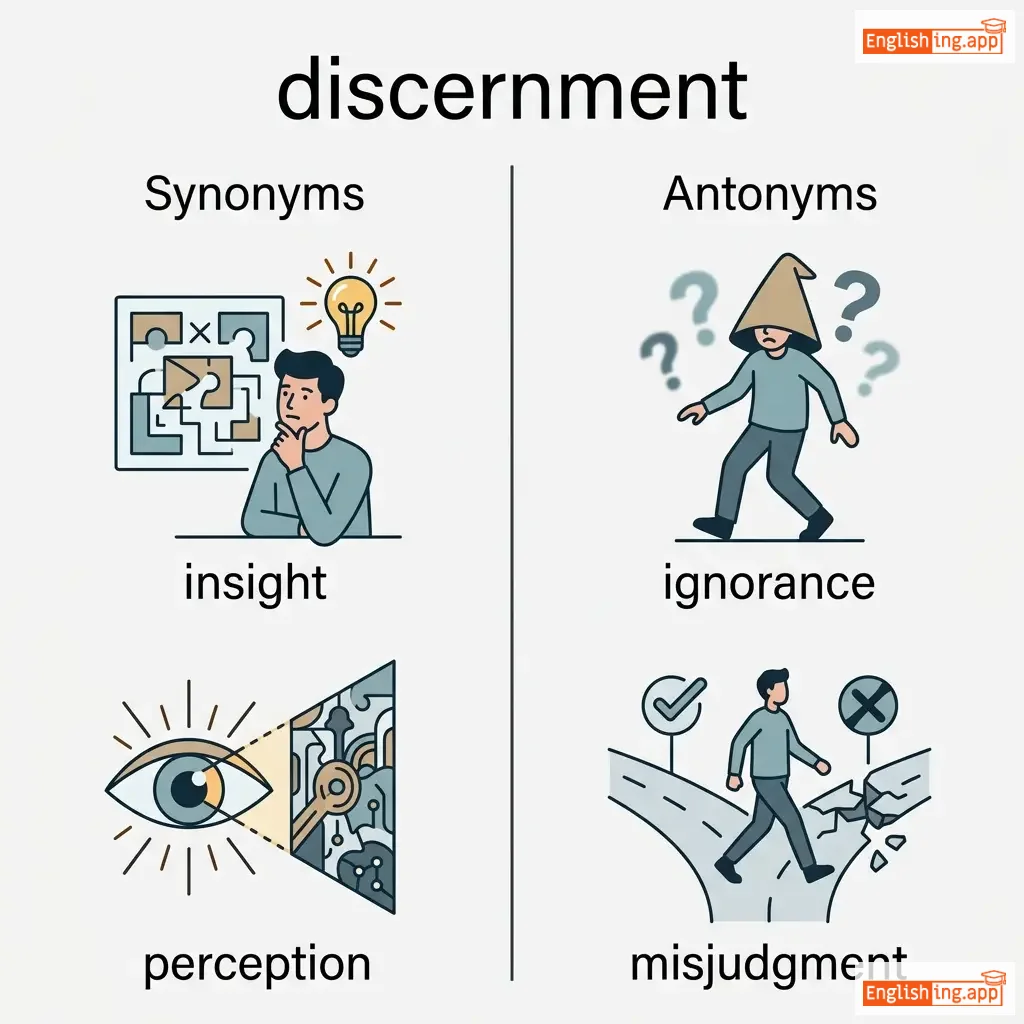
dɪˈsɝːn.mənt
noun
••••••
|
•••••• |
The ability to judge well.
••••••
|
His discernment in business decisions is remarkable. |
insight, perception
••••••
|
ignorance, misjudgment
••••••
|
|
#2071
🎭
|
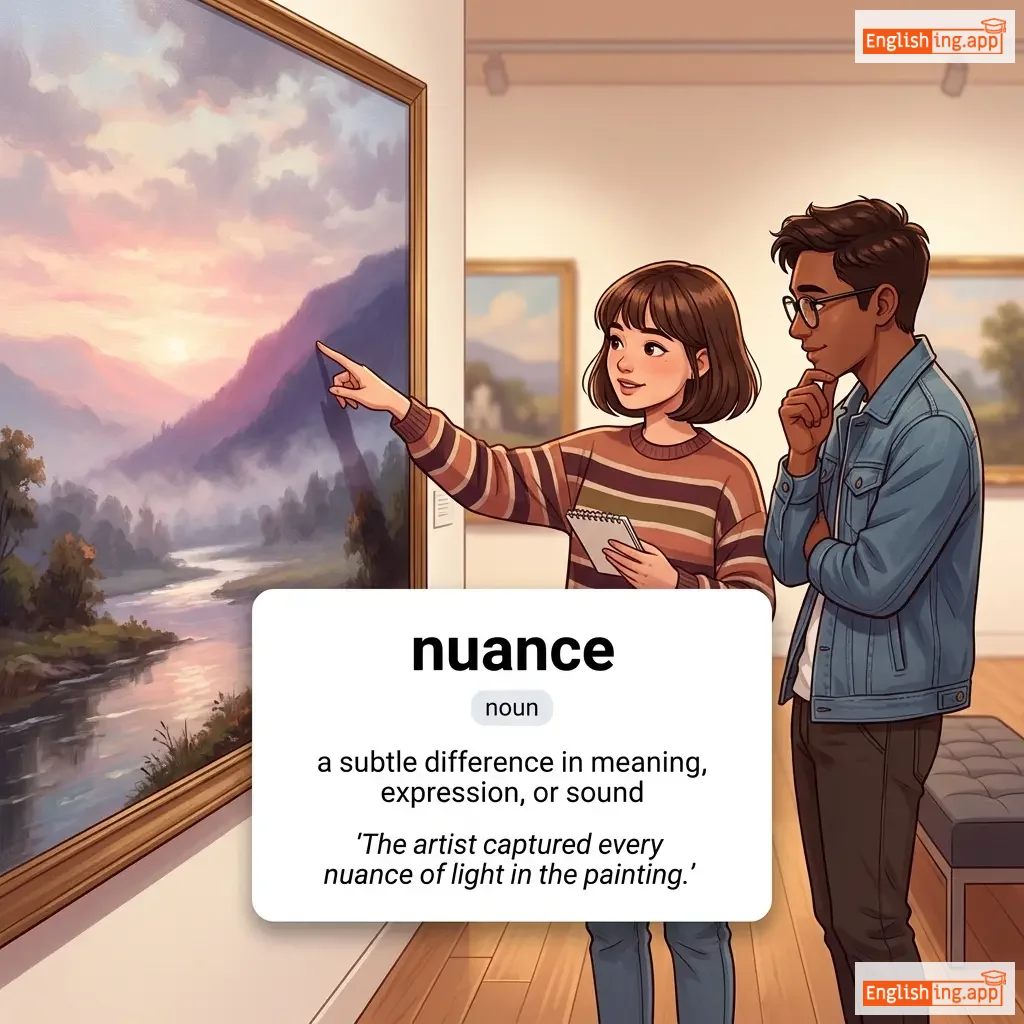
ˈnuː.ɑːns
noun
••••••
|
•••••• |
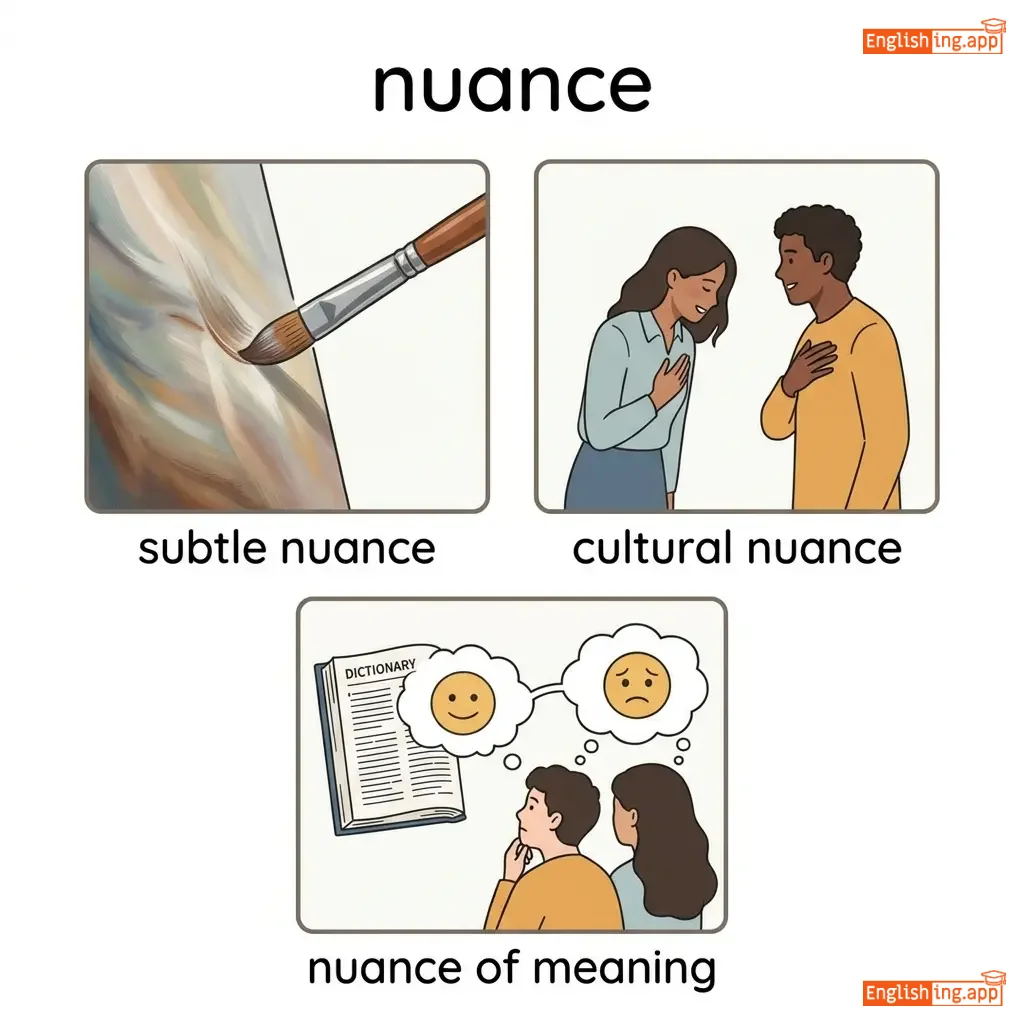
A subtle difference in or shade of meaning, expression, or response.
••••••
|
The nuance in her speech made it more impactful. |
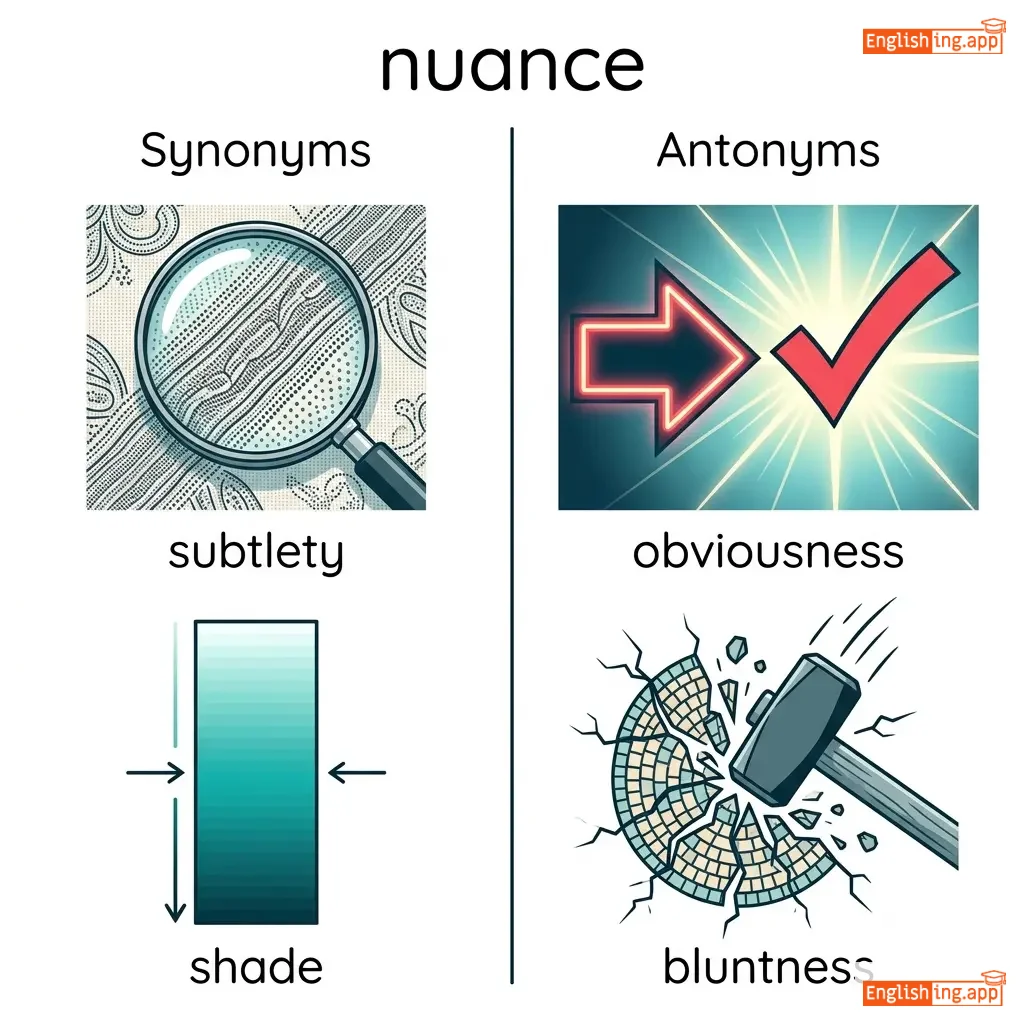
subtlety, refinement
••••••
|
obviousness, simplicity
••••••
|
|
#2072
🔗
|
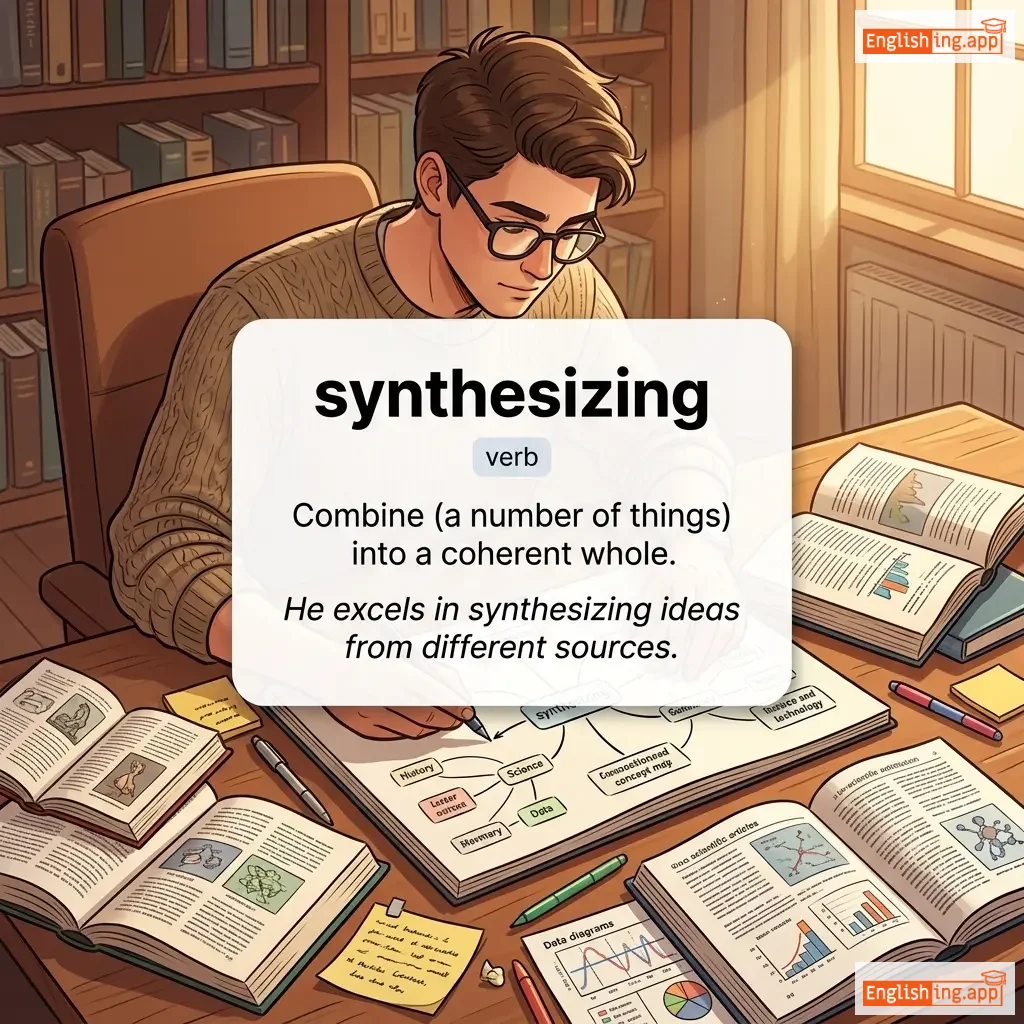
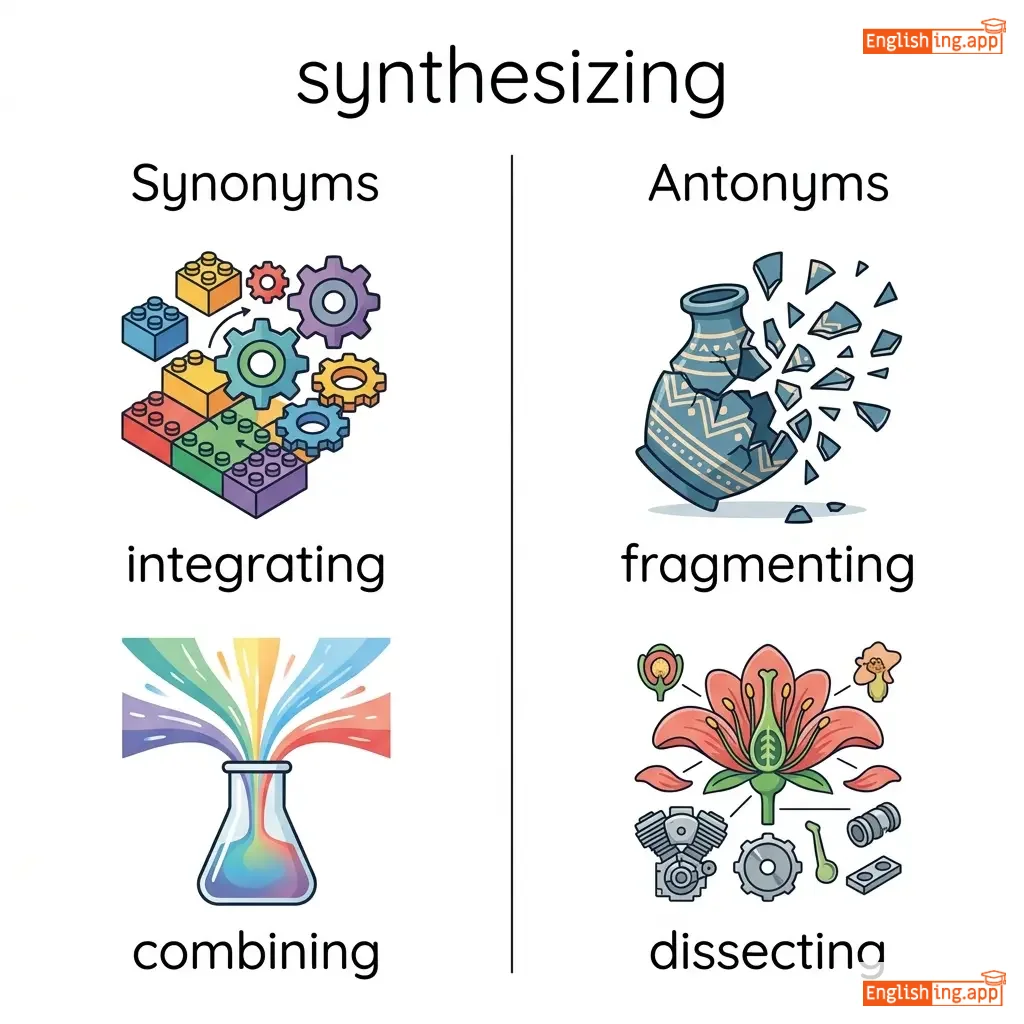
ˈsɪn.θə.saɪ.zɪŋ
verb
••••••
|
•••••• |
Combine (a number of things) into a coherent whole.
••••••
|
He excels in synthesizing ideas from different sources. |
integrating, combining
••••••
|
fragmenting, dissecting
••••••
|
|
#2073
👁️
|
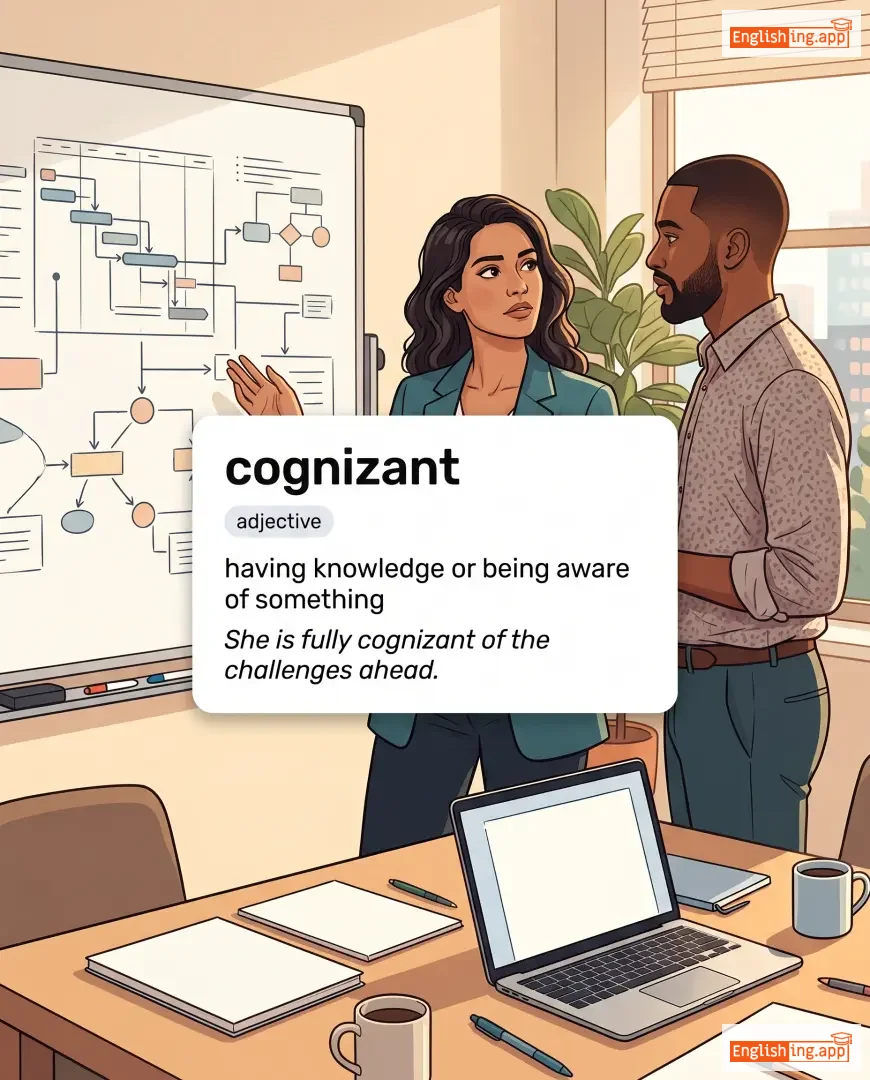
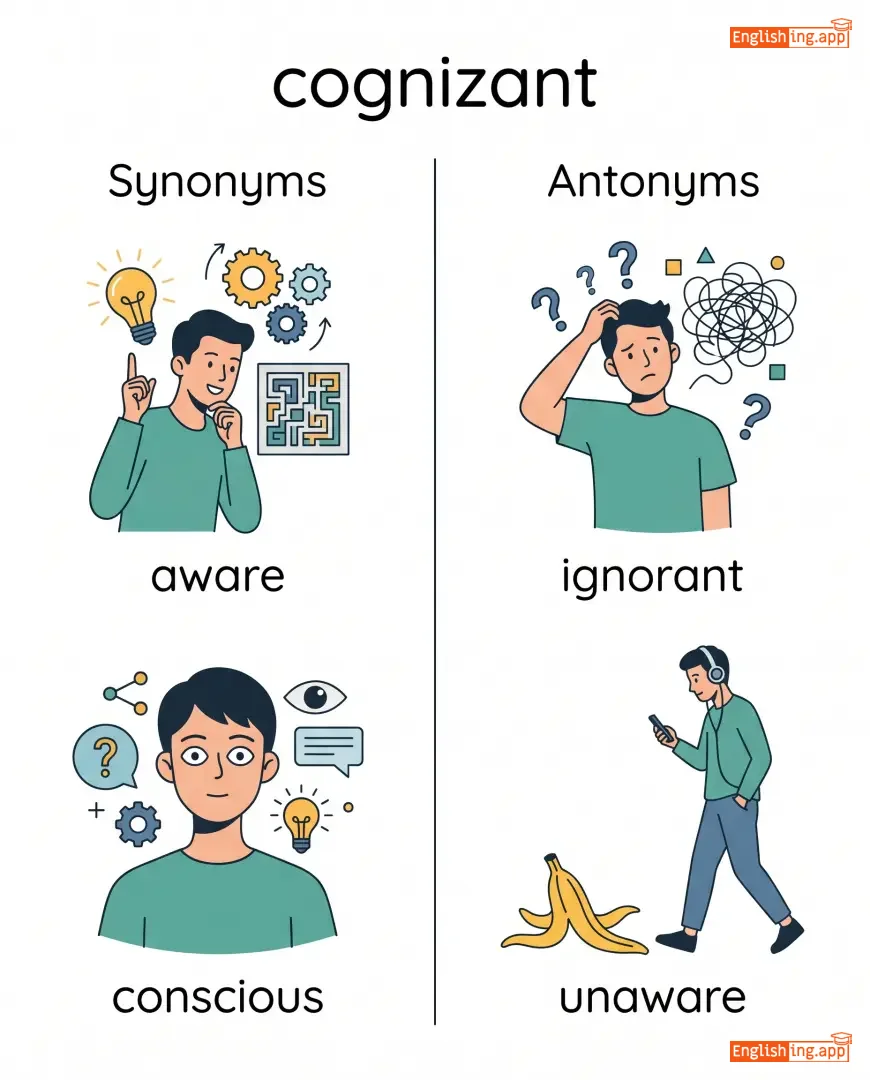
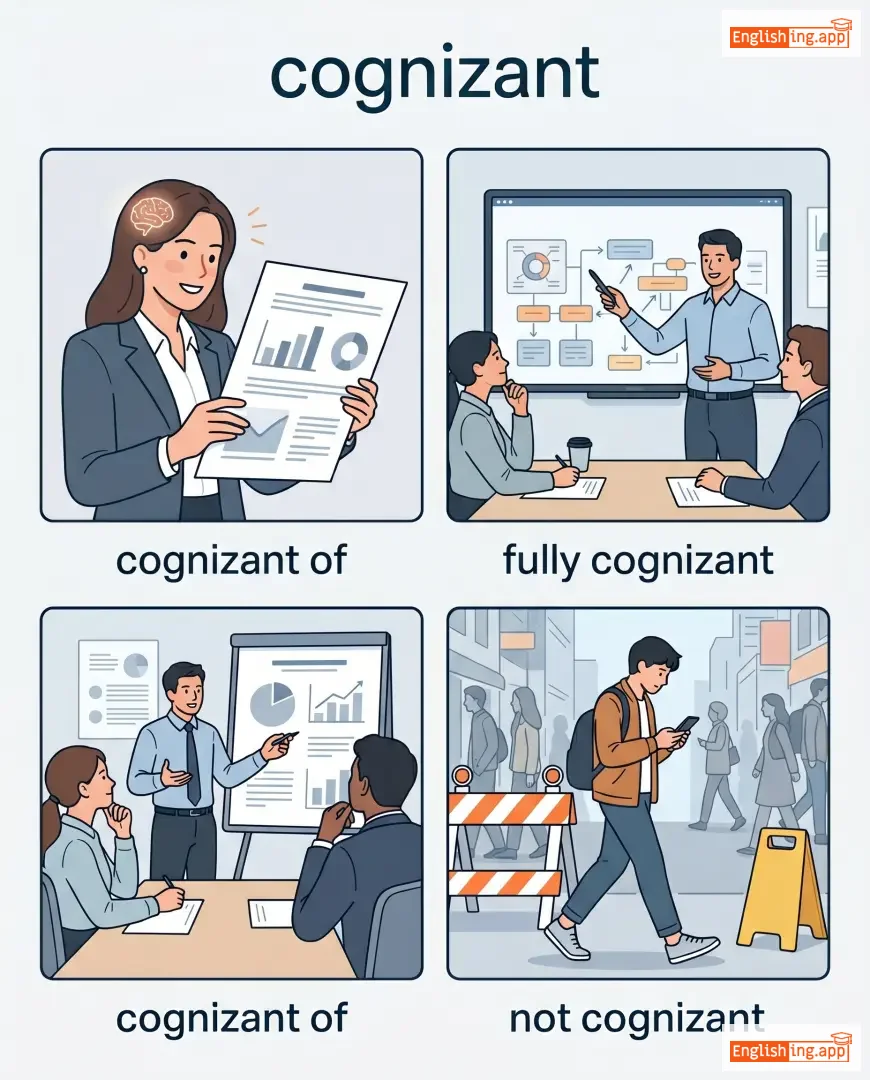
ˈkɒɡ.nɪ.zənt
adjective
••••••
|
•••••• |
Having knowledge or being aware of.
••••••
|
We should be cognizant of the impact of our actions. |
aware, mindful
••••••
|
unaware, oblivious
••••••
|
|
#2074
🏗️
|
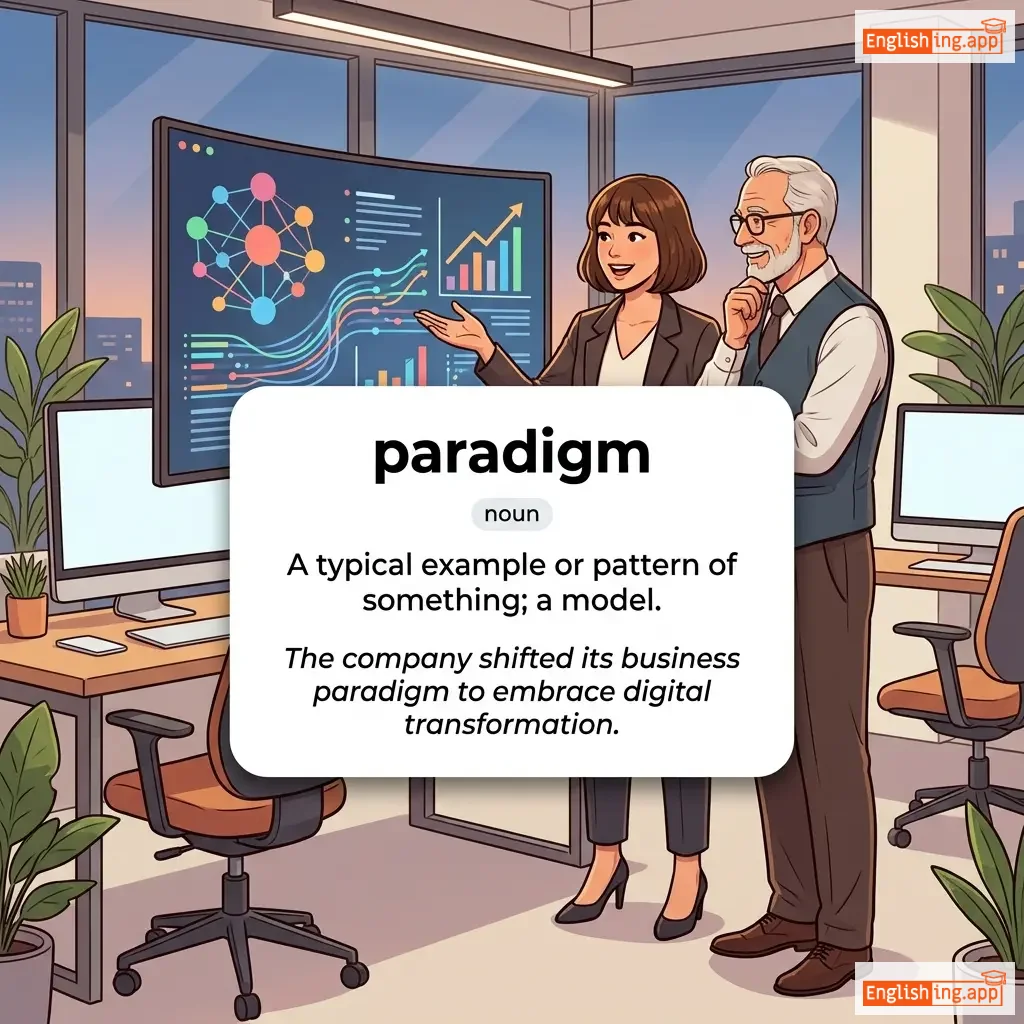
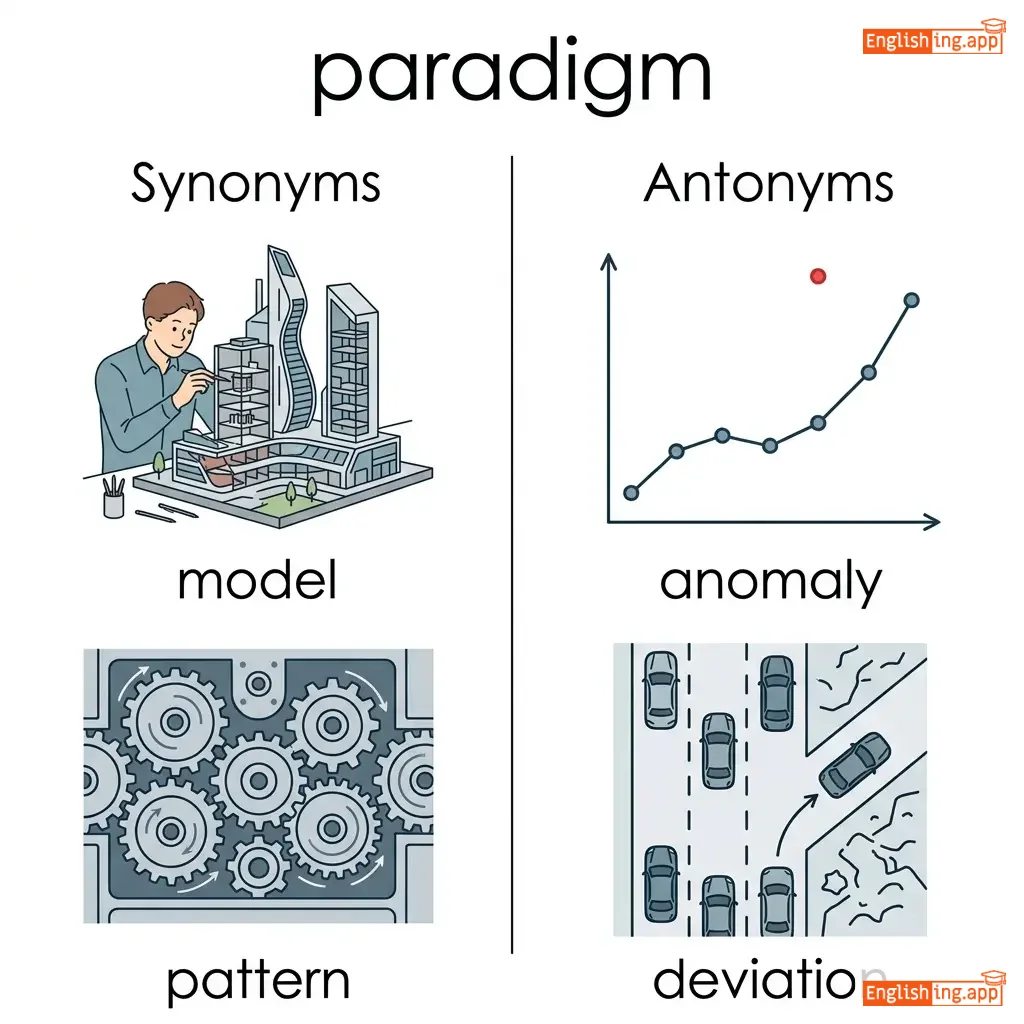
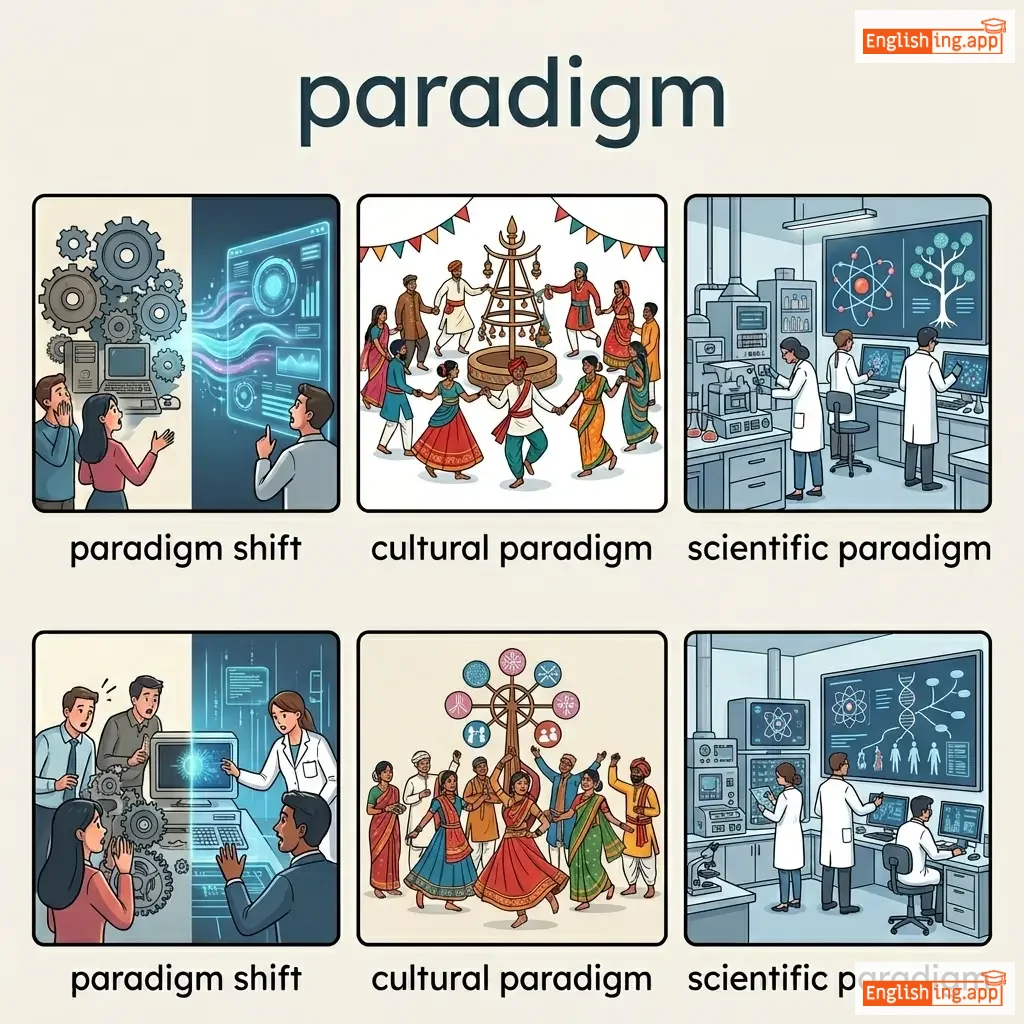
ˈpær.ə.daɪm
noun
••••••
|
•••••• |
A typical example or pattern of something; a model.
••••••
|
The internet has changed the paradigm of communication. |
model, framework
••••••
|
disorganization, disorder
••••••
|
|
#2075
⚖️
|
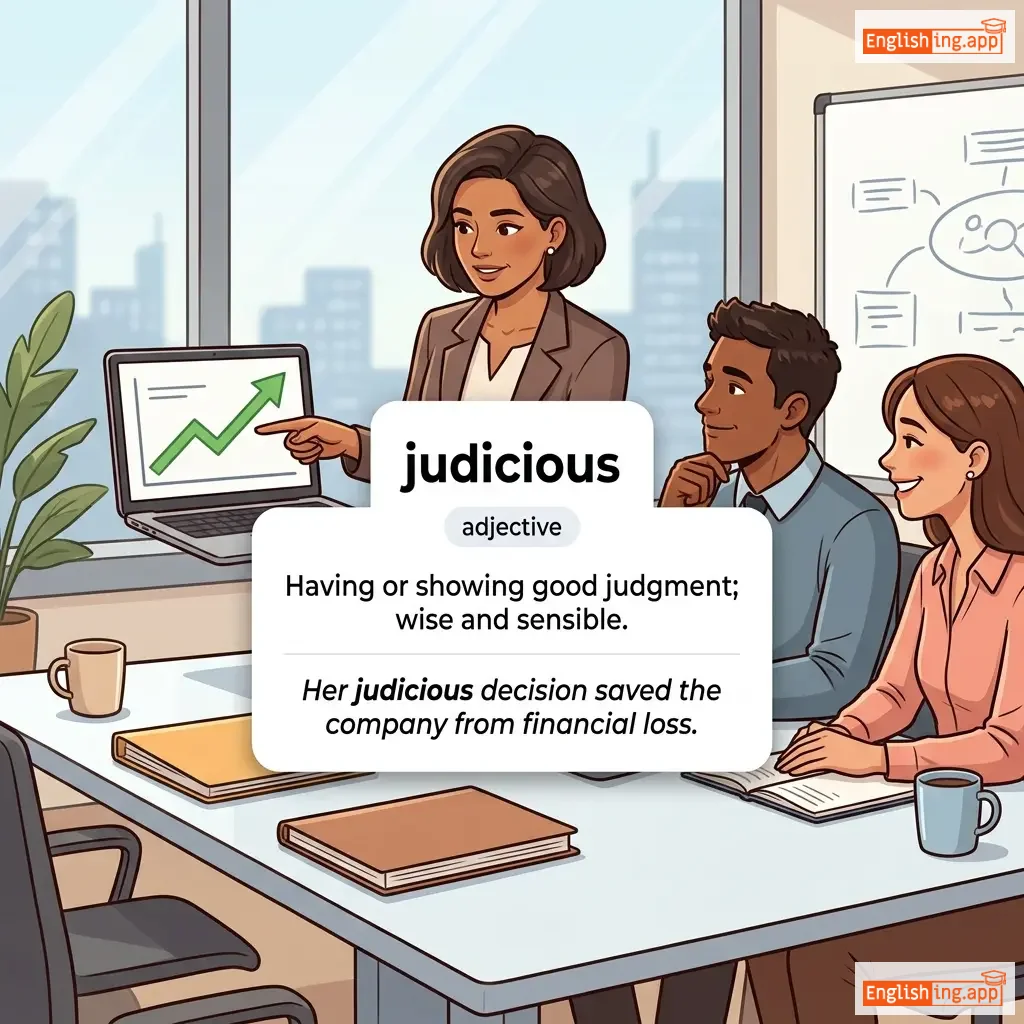
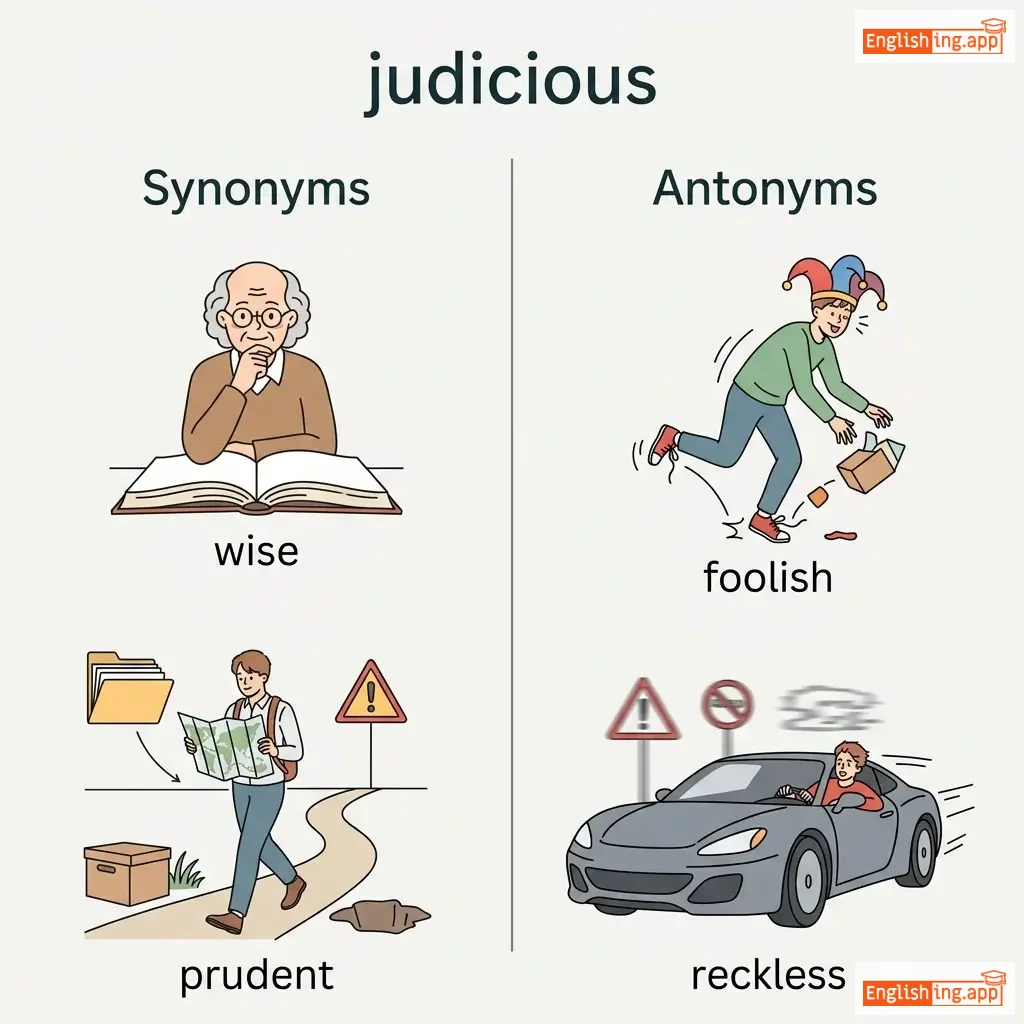
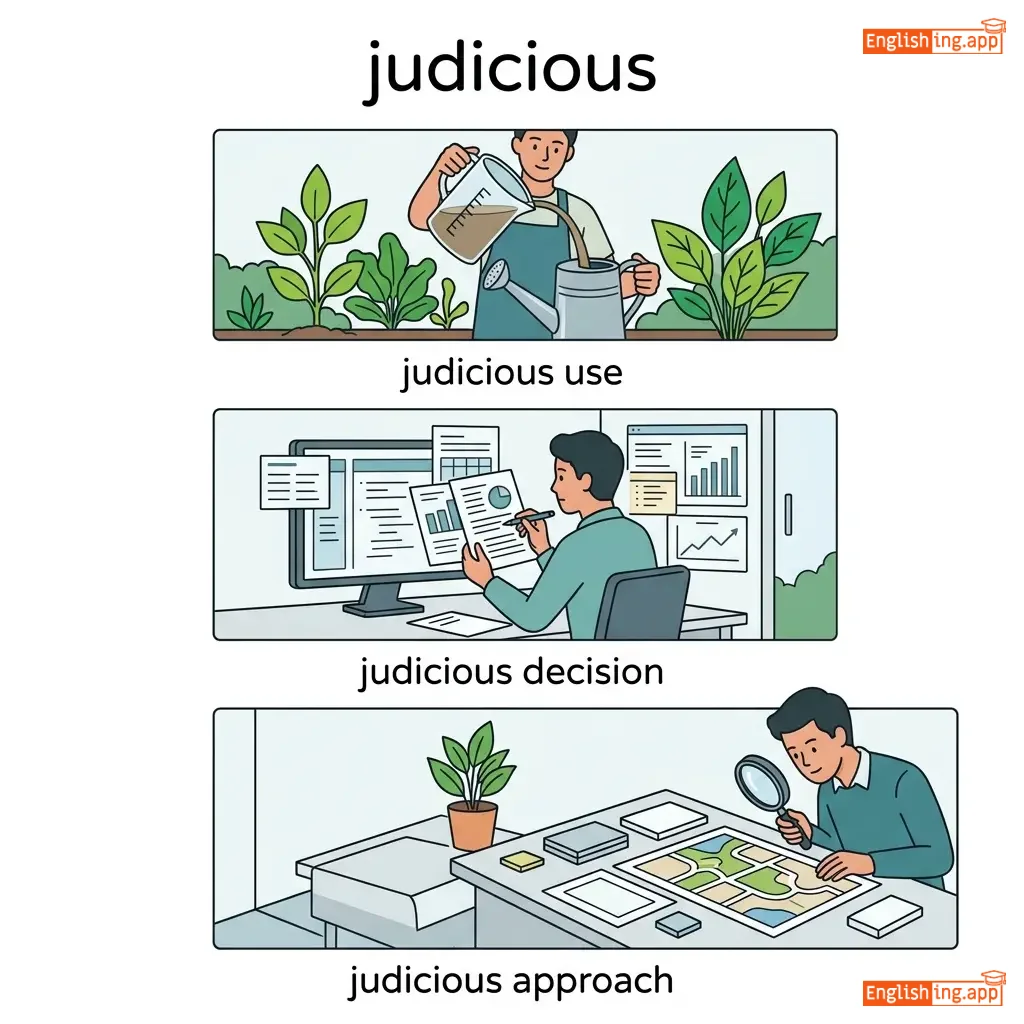
dʒuːˈdɪʃ.əs
adjective
••••••
|
•••••• |
Having, showing, or done with good judgment or sense.
••••••
|
A judicious leader makes well-informed decisions. |
wise, prudent
••••••
|
reckless, impulsive
••••••
|
|
#2076
💭
|
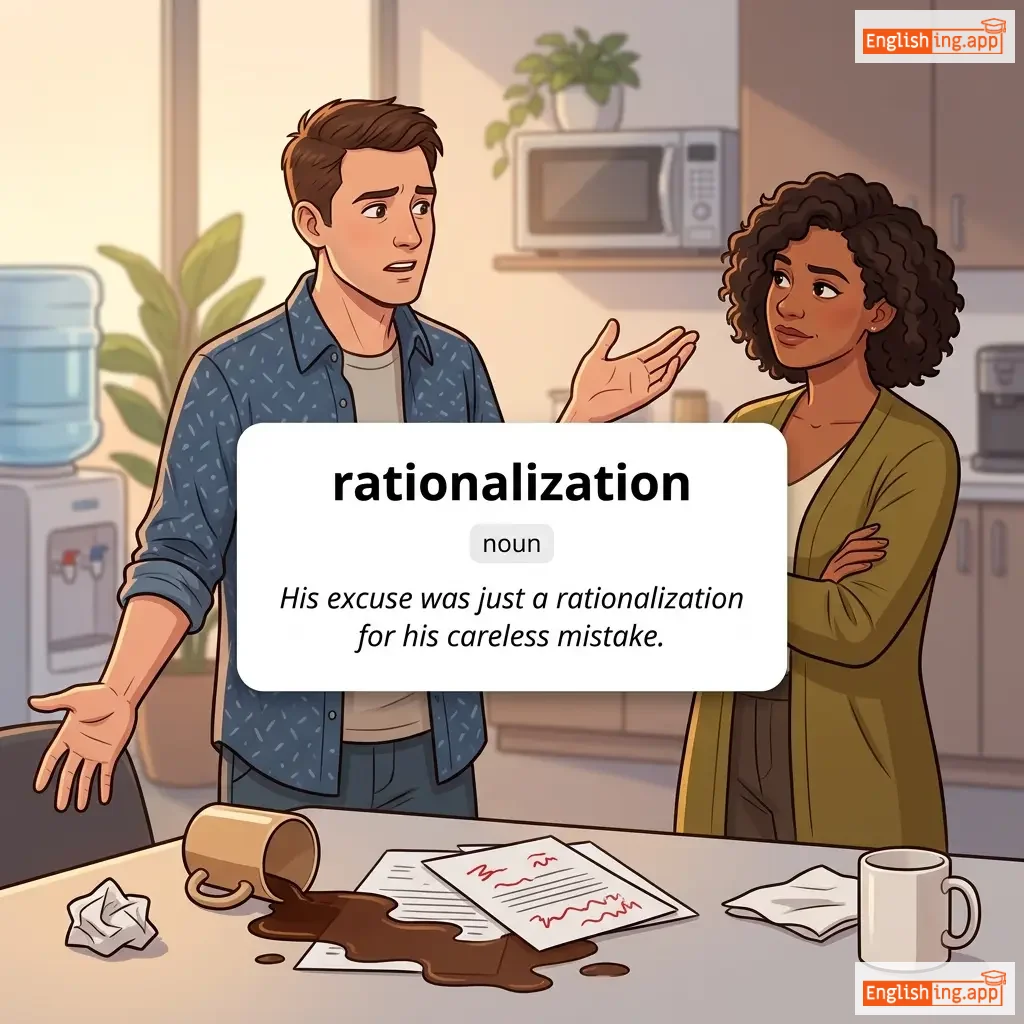
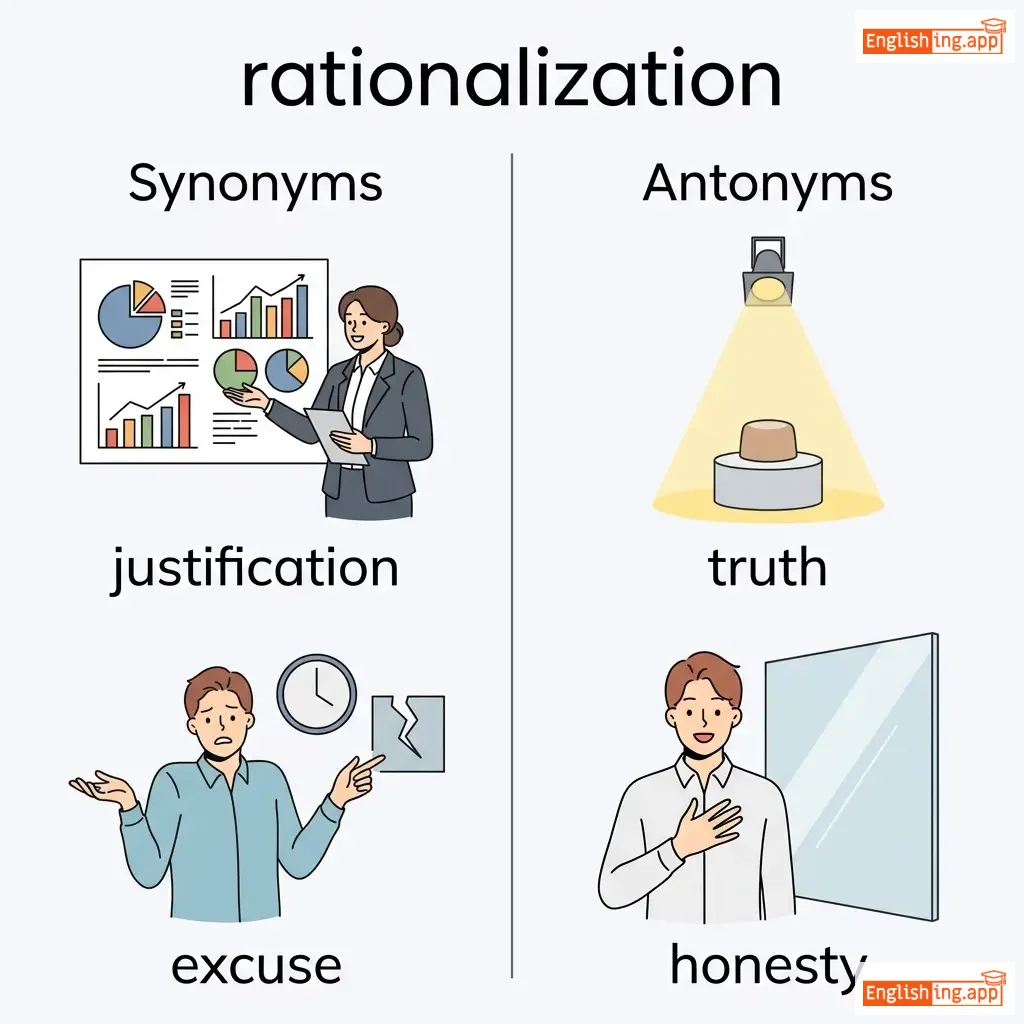
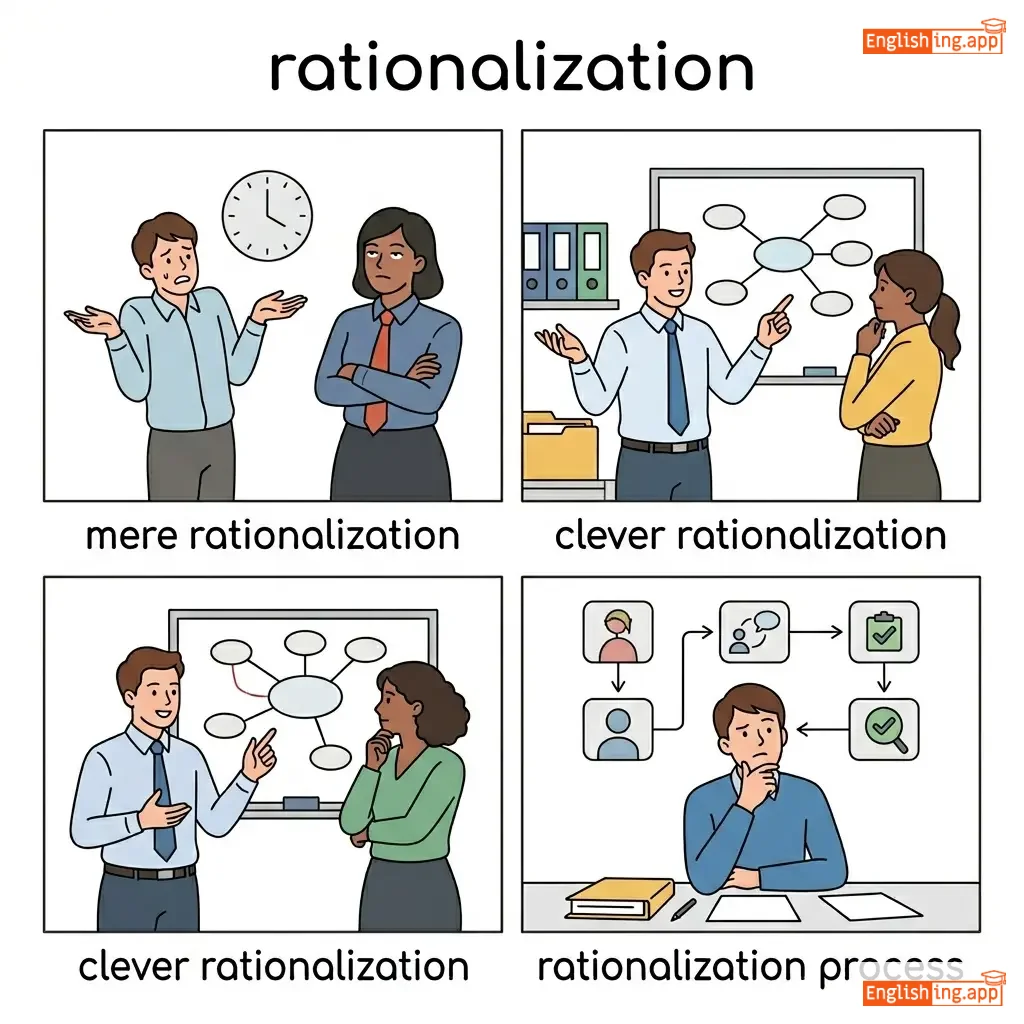
ˌræʃ.ən.əl.ɪˈzeɪ.ʃən
noun
••••••
|
•••••• |
The practice of finding reasons for behavior or actions that are not the real reasons.
••••••
|
His rationalization of the mistake was not convincing. |
justification, explanation
••••••
|
irrationality, misinterpretation
••••••
|
|
#2077
🤔
|
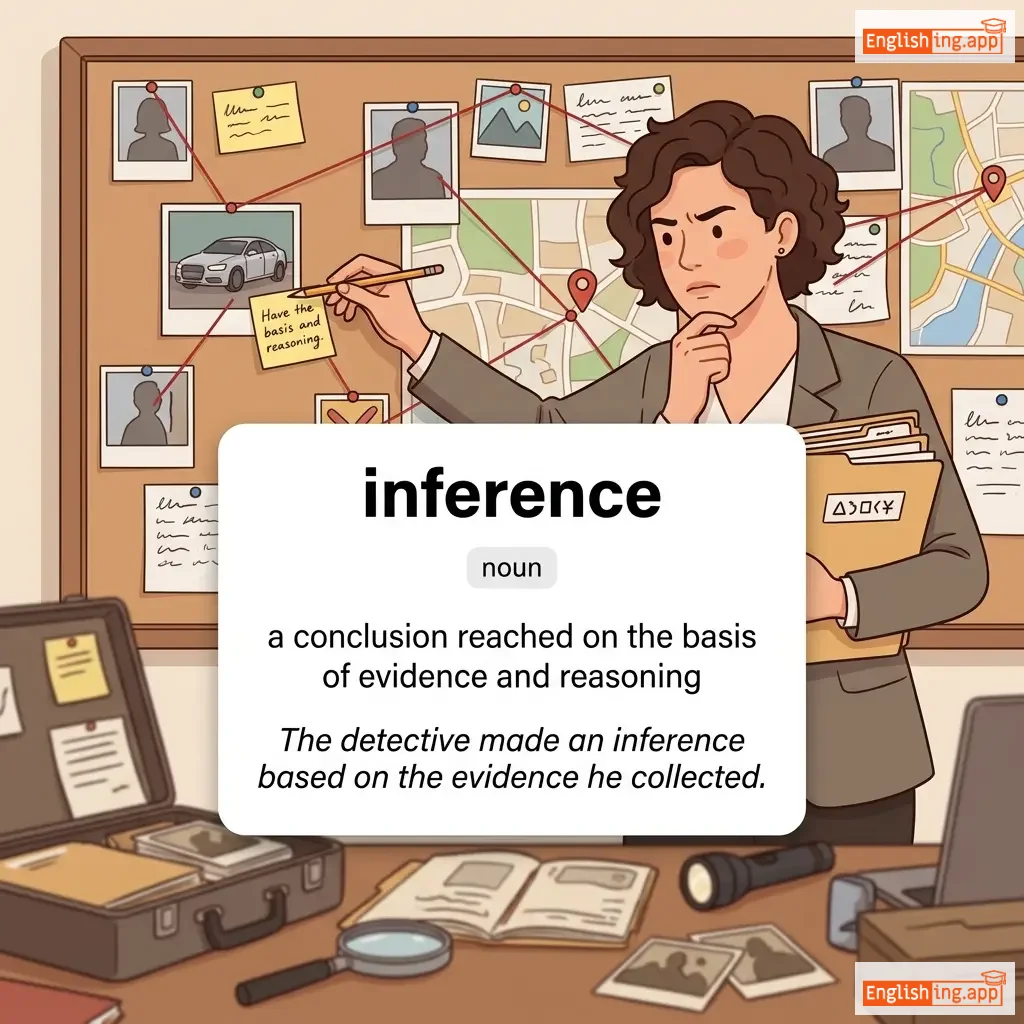
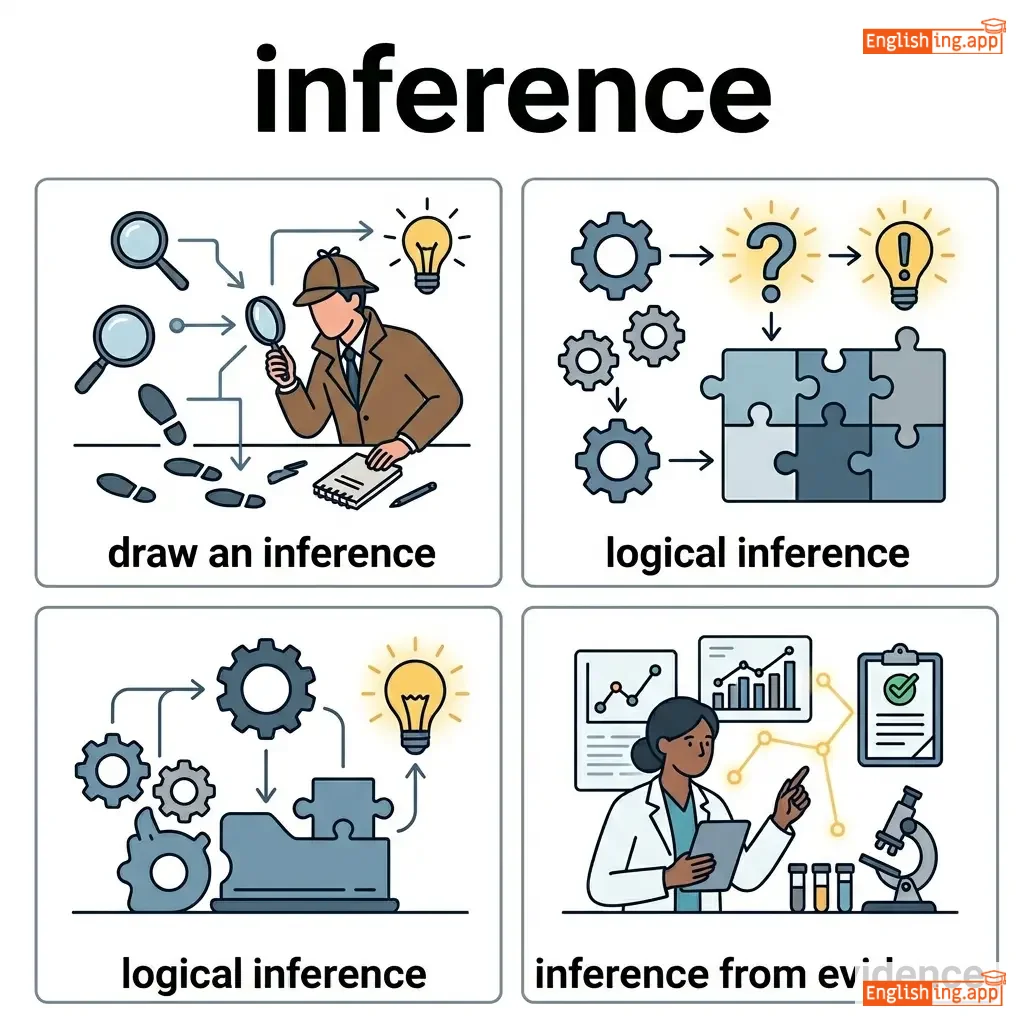
ˈɪn.fɚ.əns
noun
••••••
|
•••••• |
A conclusion reached on the basis of evidence and reasoning.
••••••
|
Based on the evidence, his inference was accurate. |
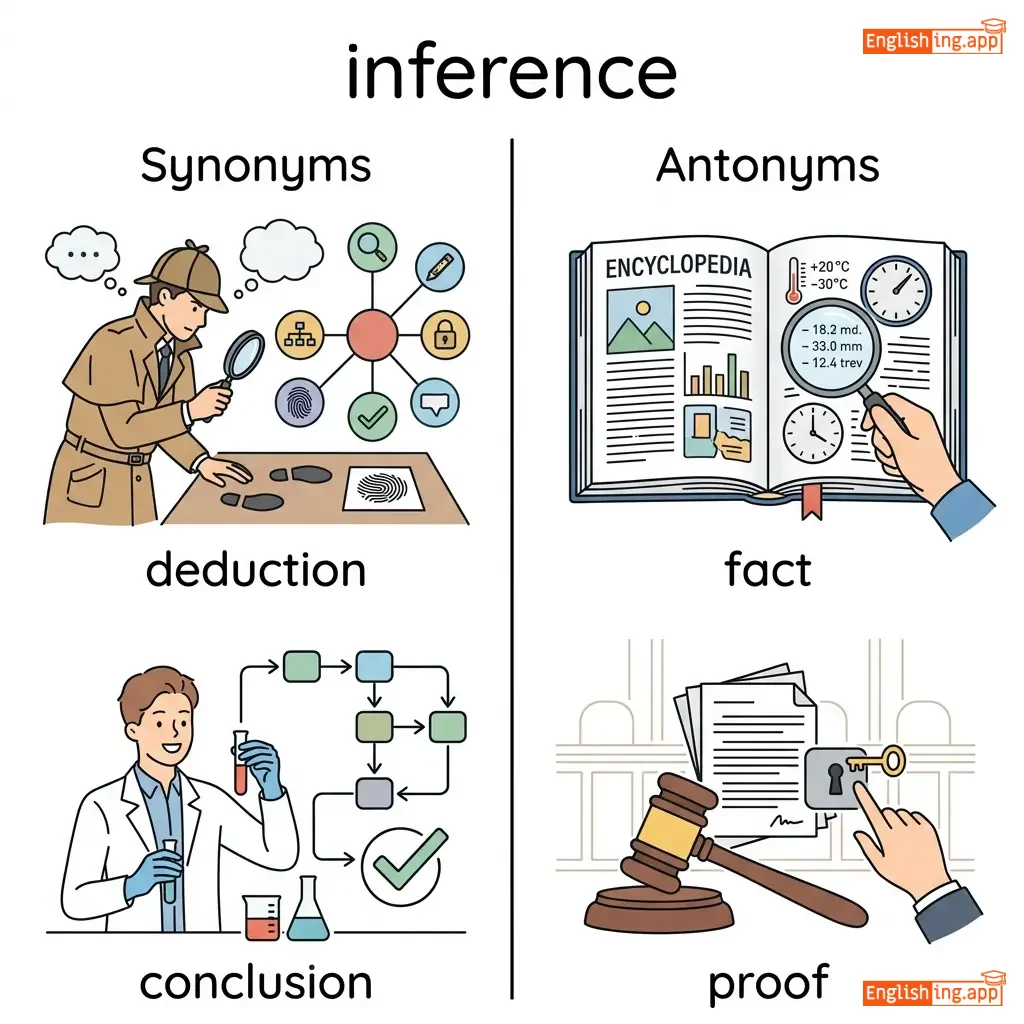
conclusion, deduction
••••••
|
assumption, misjudgment
••••••
|
|
#2078
📈
|
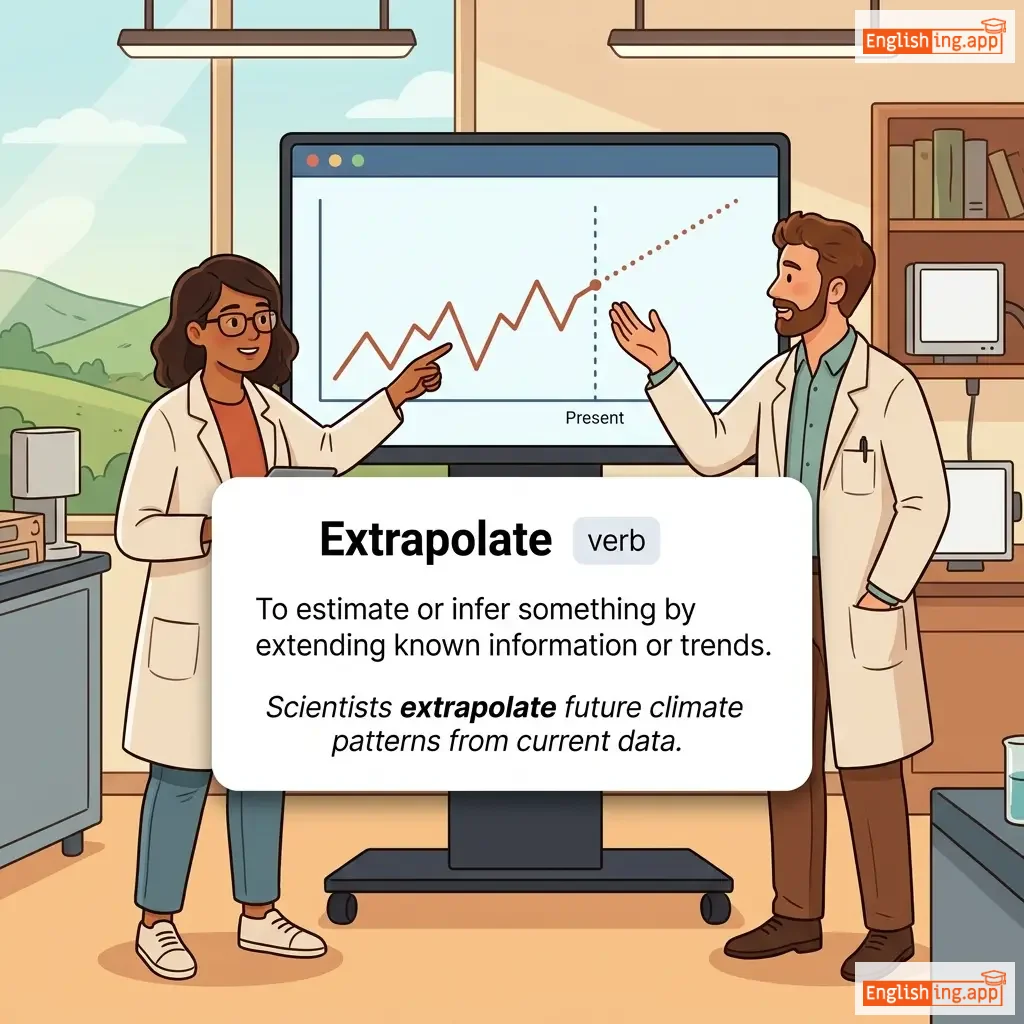
ɪkˈstræp.ə.leɪt
verb
••••••
|
•••••• |
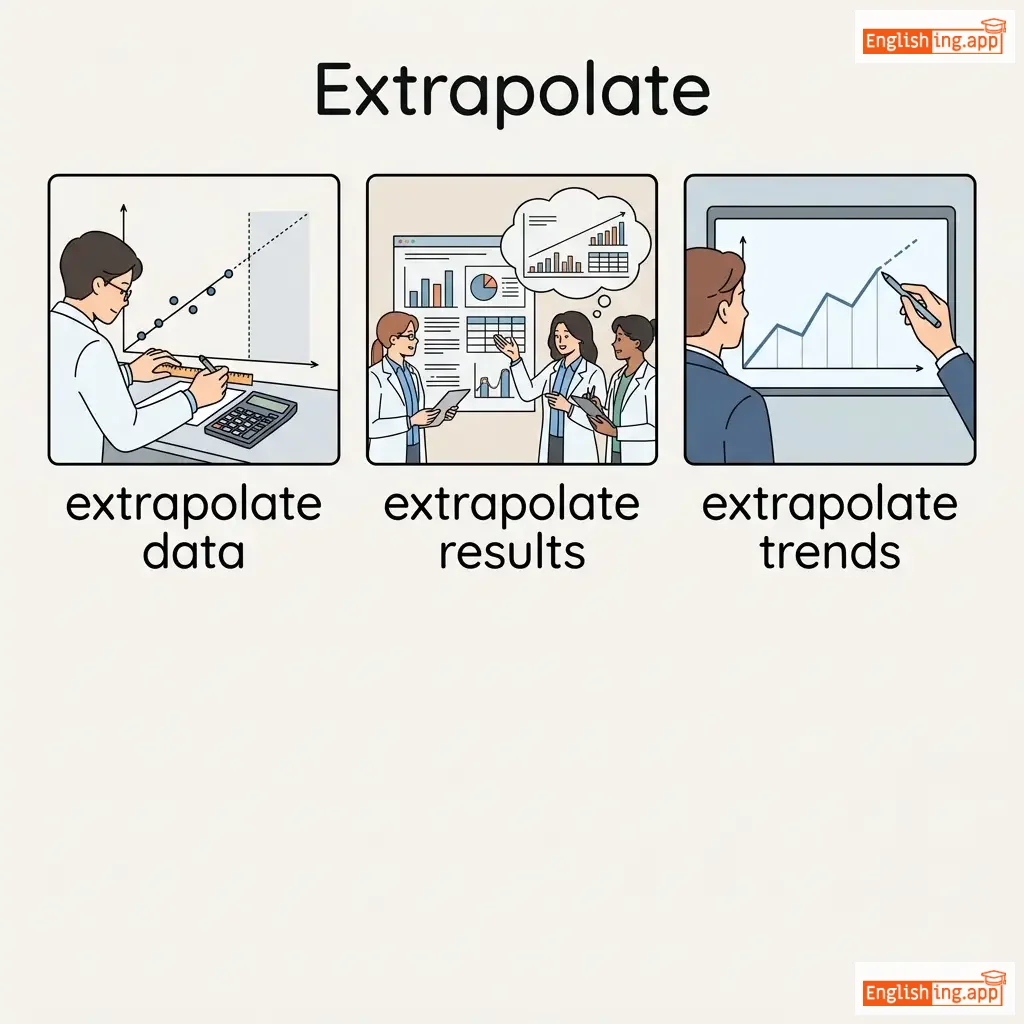
Extend the application of (a method or conclusion) to an unknown situation by assuming that existing trends will continue.
••••••
|
Scientists extrapolate future climate trends from past data. |
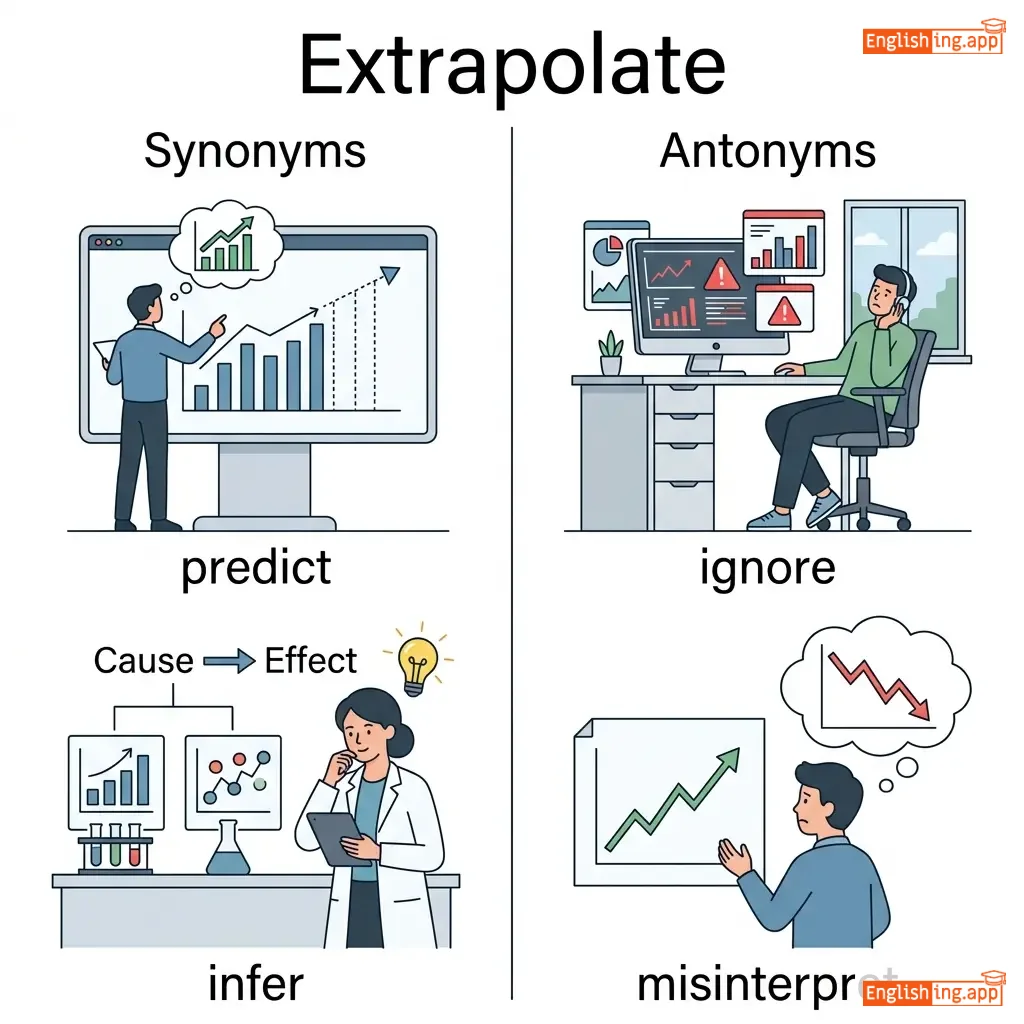
predict, infer
••••••
|
miscalculate, misinterpret
••••••
|
|
#2079
🔬
|
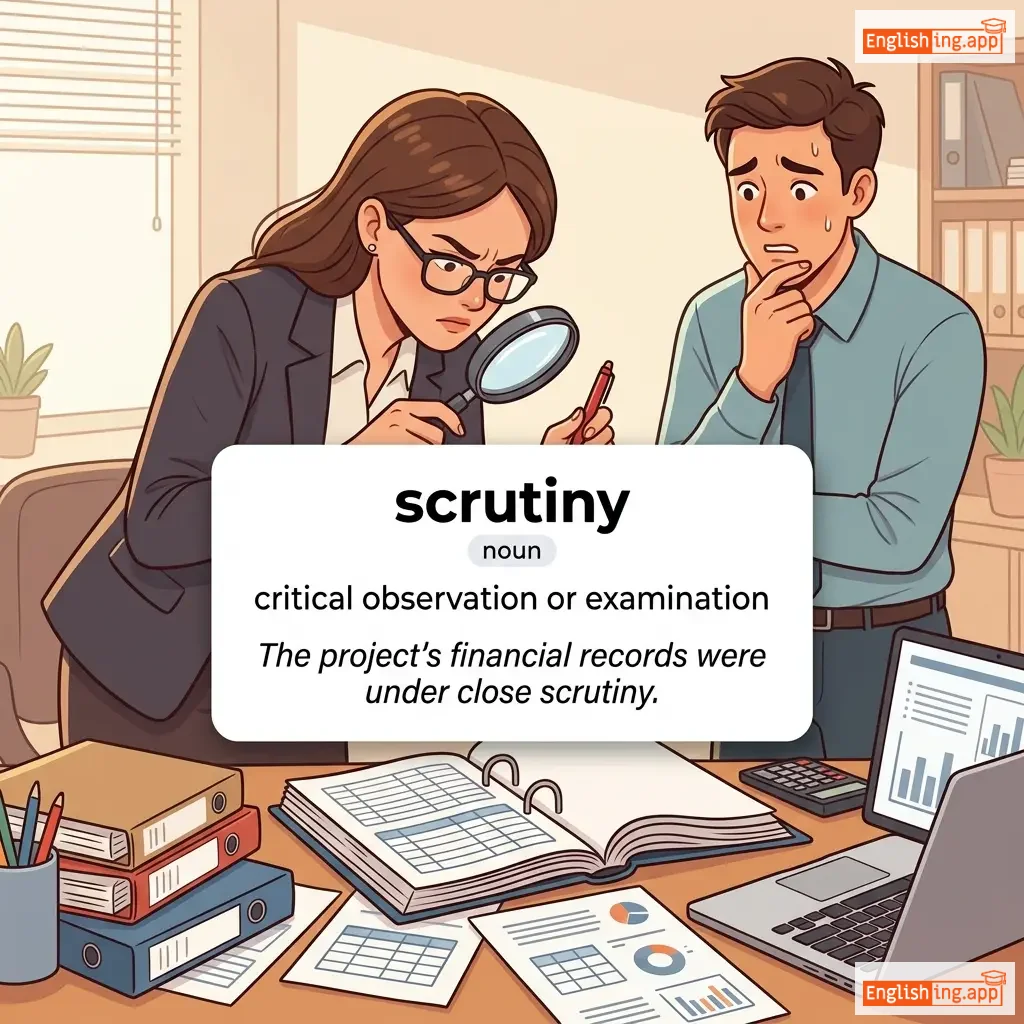
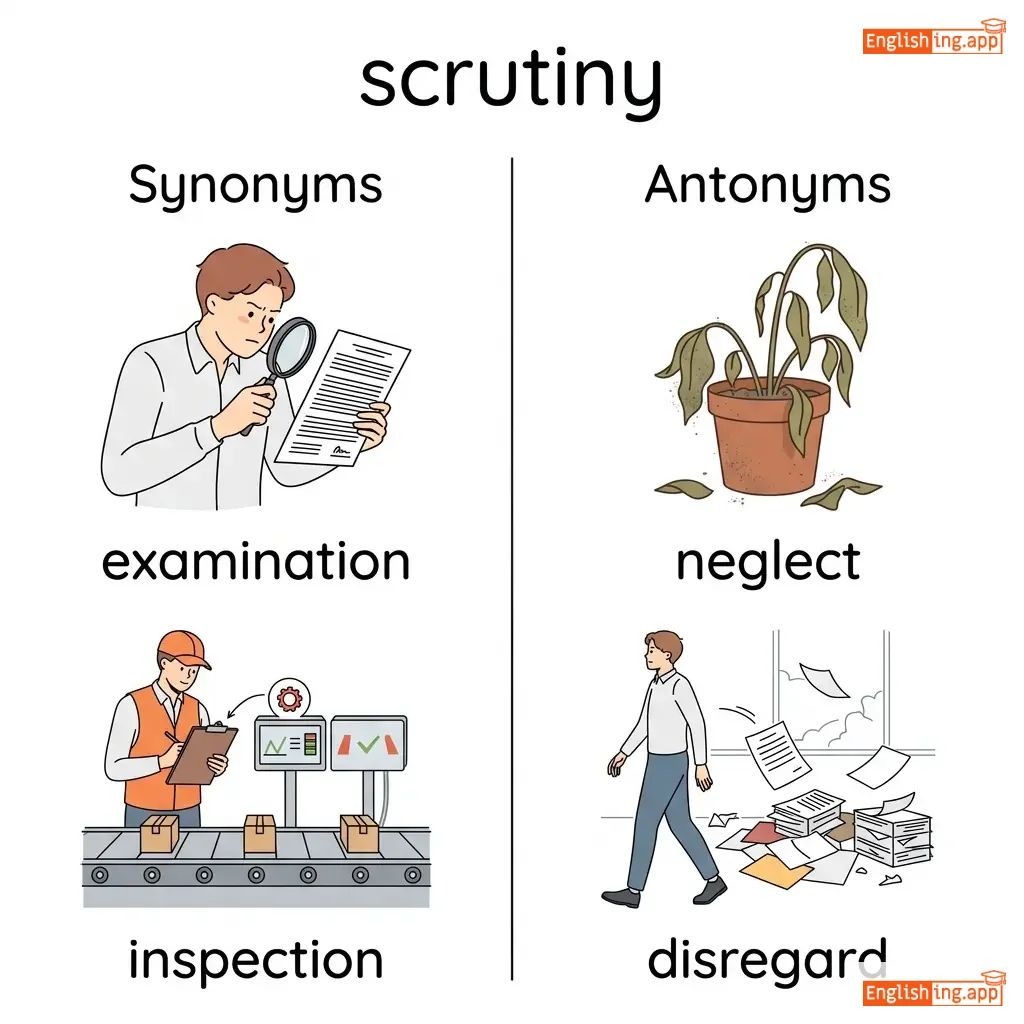
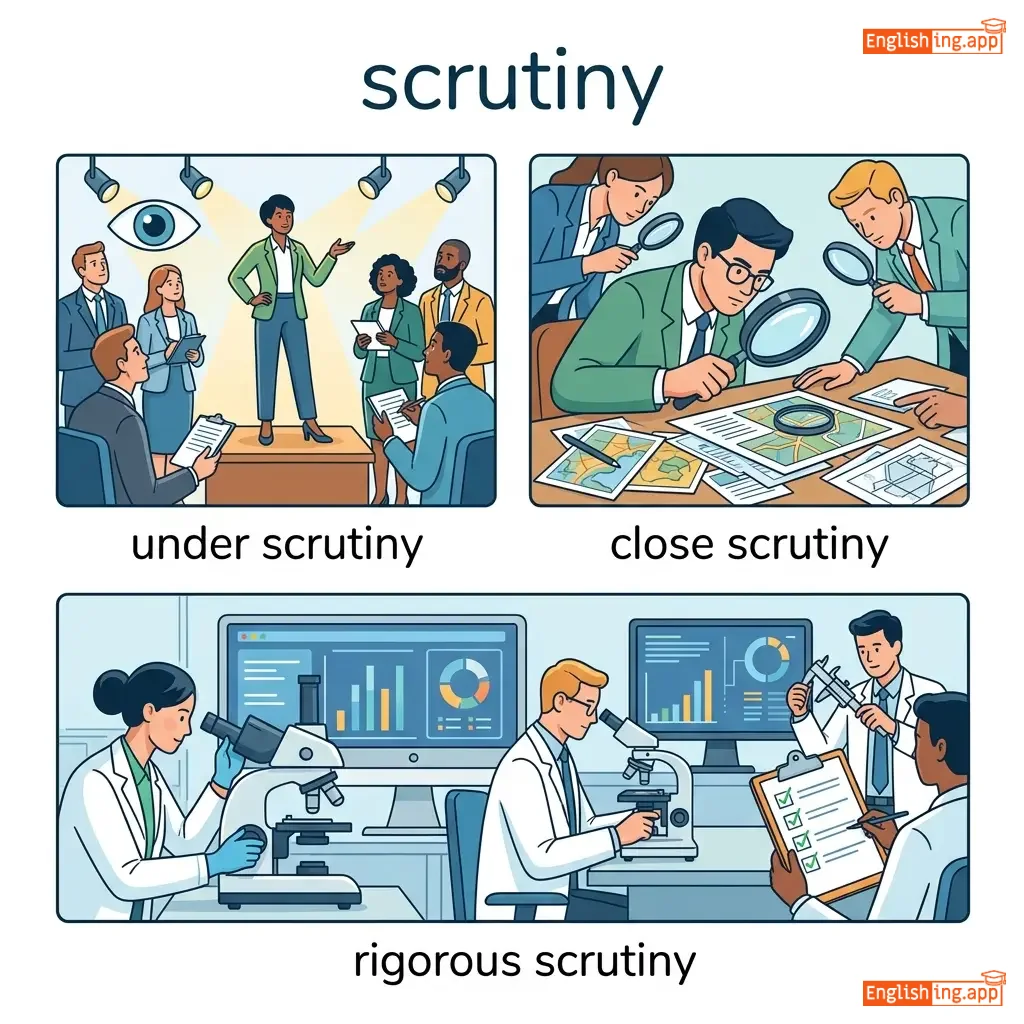
ˈskruː.tɪ.ni
noun
••••••
|
•••••• |
Critical observation or examination.
••••••
|
The report is under intense scrutiny by experts. |
inspection, examination
••••••
|
neglect, oversight
••••••
|
|
#2080
🪞
|
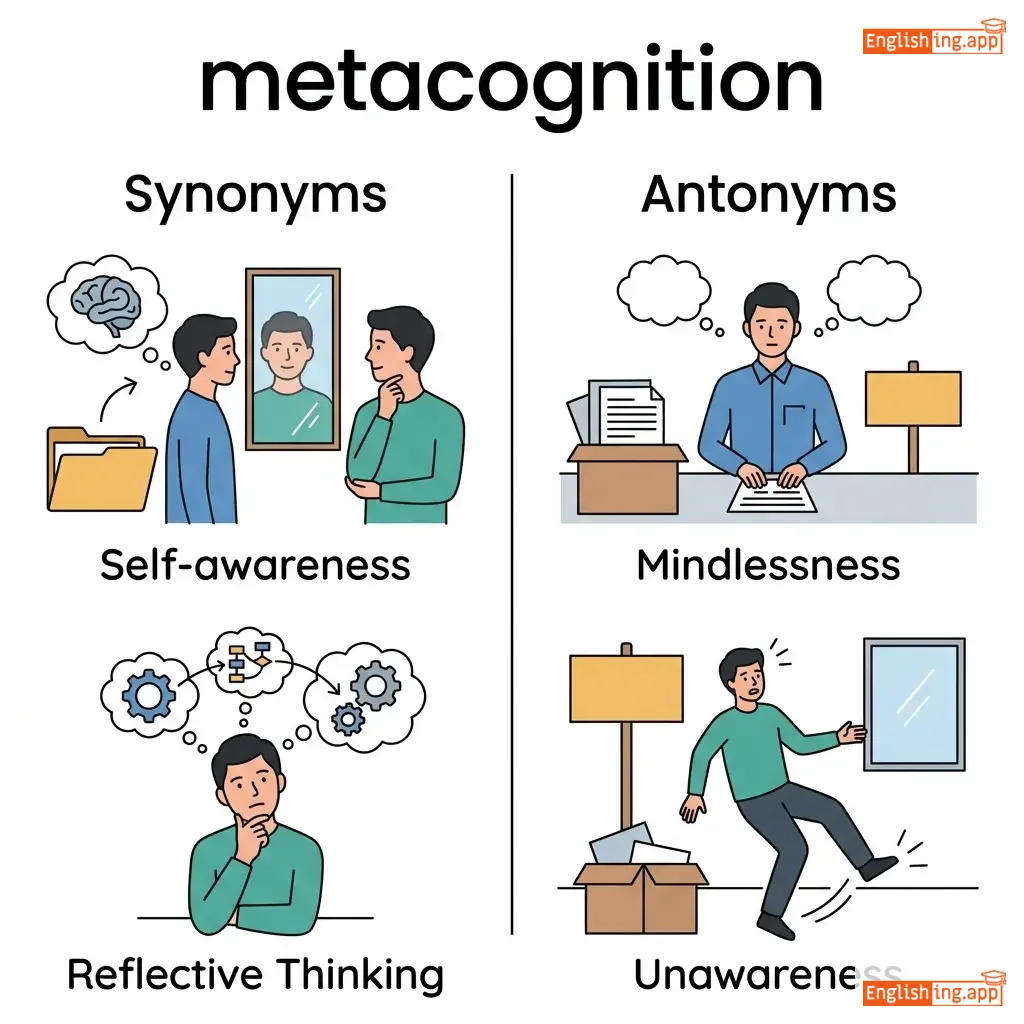
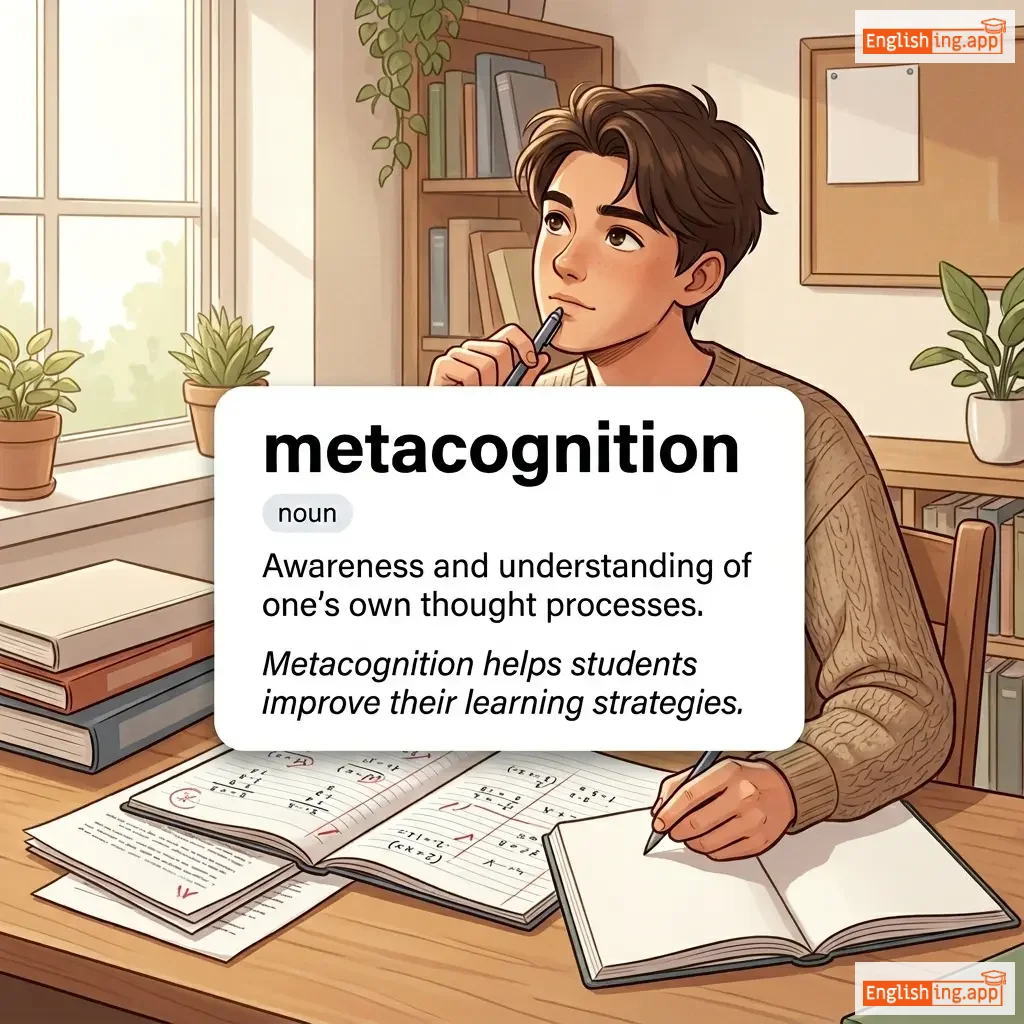
ˌmet.ə.kɒɡˈnɪʃ.ən
noun
••••••
|
•••••• |
Awareness and understanding of one's own thought processes.
••••••
|
Metacognition helps students assess their own learning strategies. |
self-awareness, reflection
••••••
|
unawareness, ignorance
••••••
|
|
#2081
🎤
|
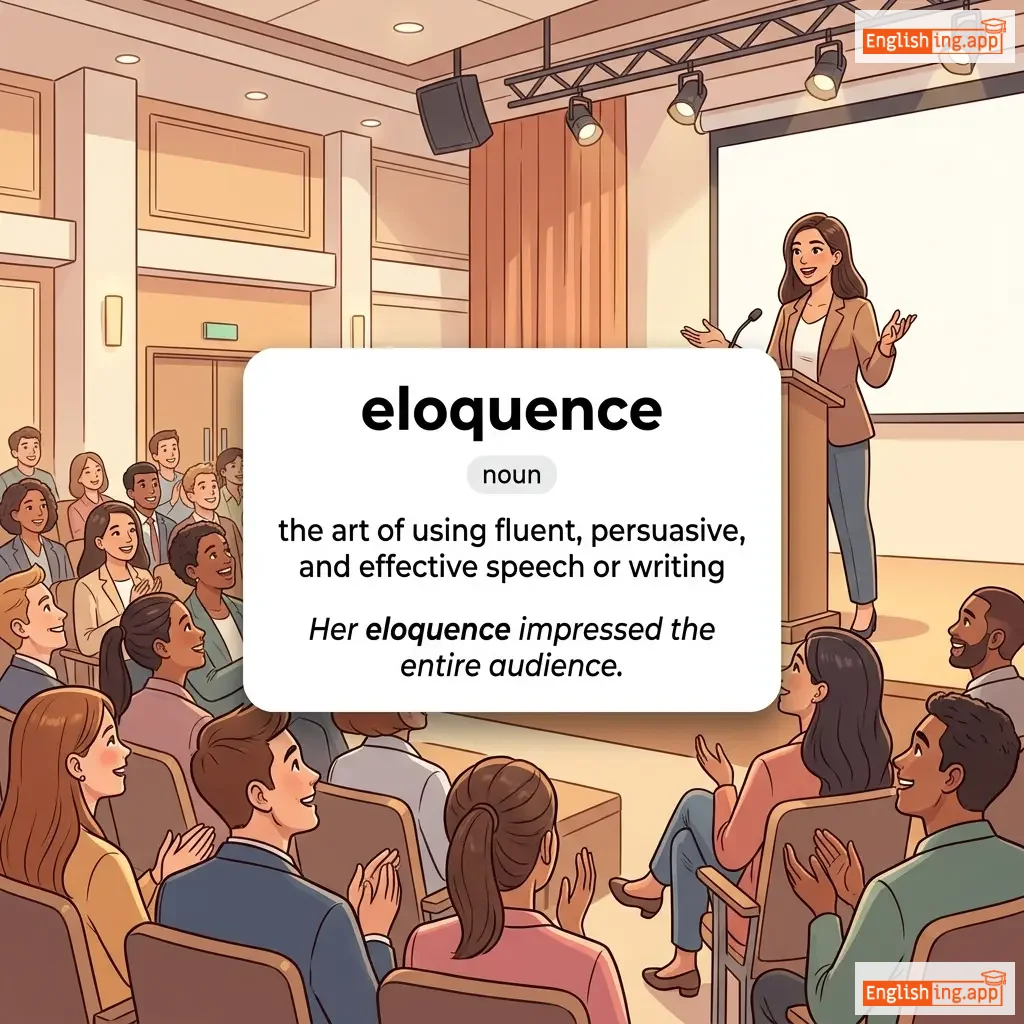
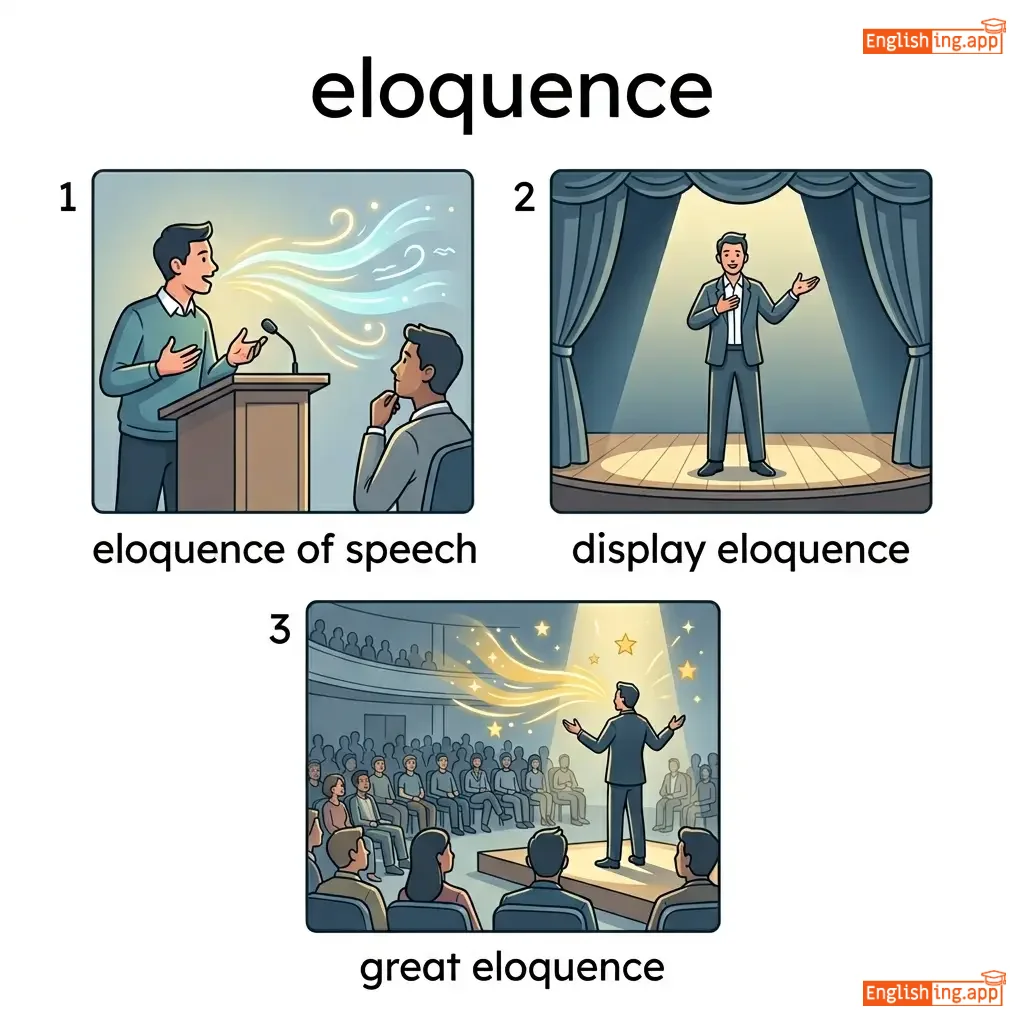
ˈel.ə.kwəns
noun
••••••
|
•••••• |
Fluent or persuasive speaking or writing.
••••••
|
His eloquence made the speech inspiring. |
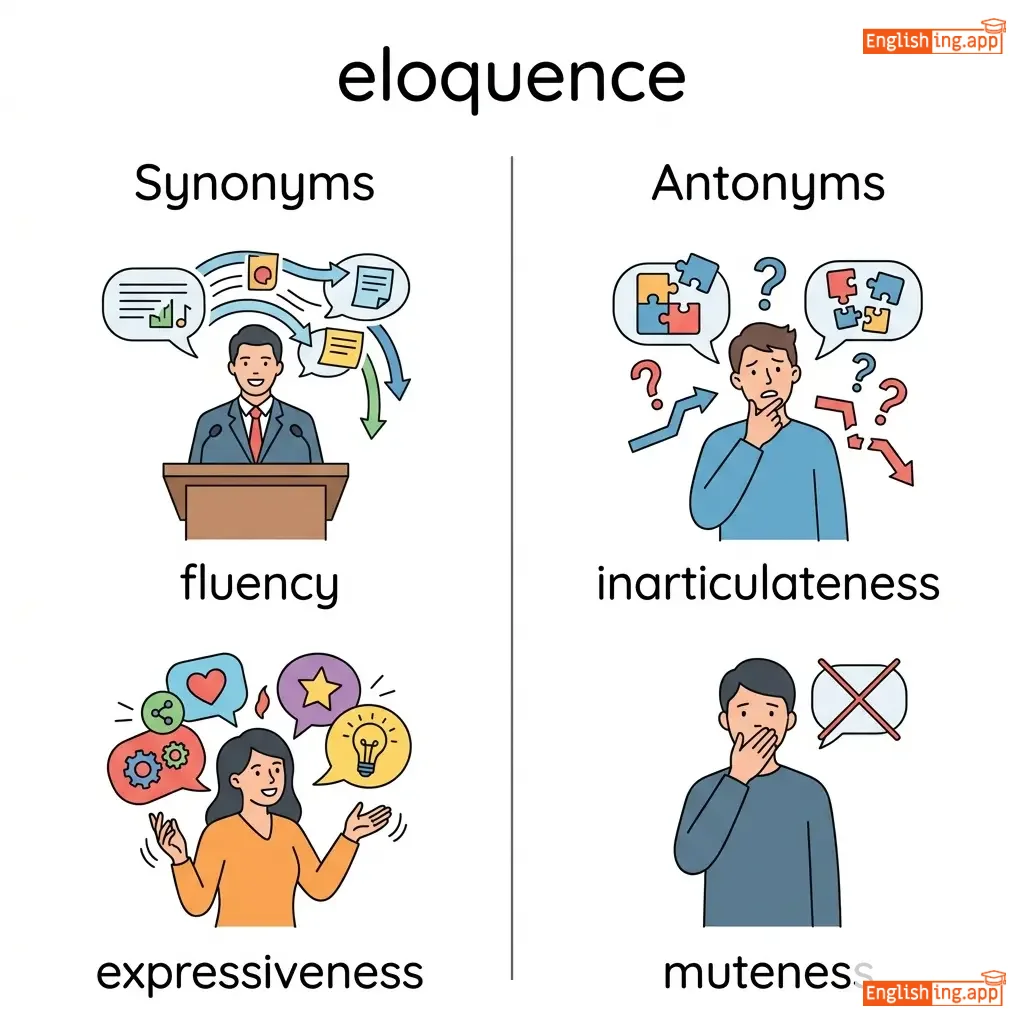
articulacy, fluency
••••••
|
incoherence, hesitation
••••••
|