Voices in the Conservation Zone
На встрече экологи все предупредили всех заранее. Они сказали: 'Убедитесь, что вы каждый день носите светоотражающие жилеты.' Вредные сорняки были удалены из общественного сада. Плакаты о повышении осведомленности были размещены вокруг колодца с водой. Сенсоры были установлены на западном берегу вверх по течению. 'Итак, что мы можем действительно сделать?' — спросил кто-то. Тренер сказал: 'Сначала отбросьте негативные мысли.' 'А кто с нами?' — спросил другой. На широком открытом поле была построена сцена. Скромный ремесленник пожертвовал свежий виноградный вино сок. Малое крыло дрона передавало данные с реки. Команда по биоразнообразию составила список партнерских групп, работающих с рекой. В рассказах говорилось о том, как одинокий волк нашел убежище у воды. После дождя черви появились на поверхности в грязи. Волонтеры обвязывали веревки вокруг лодок. Дети рисовали узоры на общественном дворе. 'Да, мы можем это сделать,' — засмеялась Рина. Все вместе крикнули лозунги. 'Эта река также ваша ответственность,' — сказал старший учитель. В конце все взяли на себя роли в зоне охраны природы.
Получите неограниченный доступ ко всем словам с подпиской Pro
Обновить до ProПолучите неограниченный доступ ко всем предложениям с подпиской Pro
Обновить до Pro|
Эмодзи
|
Слово | Images | Перевод | Прошедшее | Причастие прошедшего времени | Третье лицо единственного числа | Герундий | Значение | Пример предложения | Перевод примера предложения | Пример выражения | Значение примера выражения | Перевод примера выражения | Синонимы | Антонимы | Коллокации | Мнемоника |
|---|---|---|---|---|---|---|---|---|---|---|---|---|---|---|---|---|---|
|
⚠️
••••••
|
/wɔːrn/
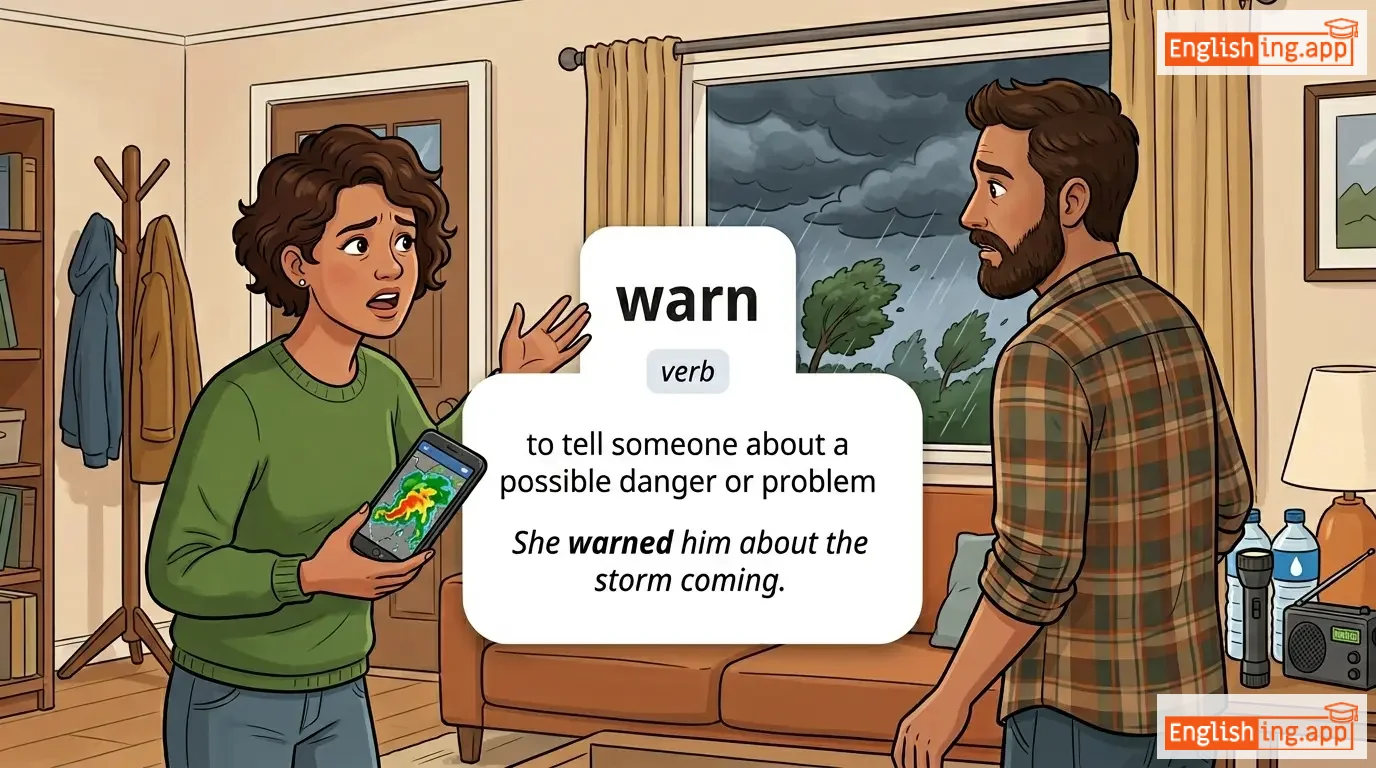
verb
(вɔːrn)
••••••
|
|
предупреждать
preduprezhdat
••••••
|
warned
вɔːнд
••••••
|
warned
вɔːнд
••••••
|
warns
вɔːрнз
••••••
|
warning
вɔːринг
••••••
|
to alert about danger; to give notice of risk
••••••
|
The weather service warns of heavy rain tonight.
Служба погоды предупреждает о сильном дожде сегодня ночью.
••••••
|
Служба погоды предупреждает о сильном дожде сегодня ночью.
Sluzhba pogody preduprezhdaet o sil'nom dozhde segodnya noch'yu.
••••••
|
- •••••• | - •••••• | - •••••• |
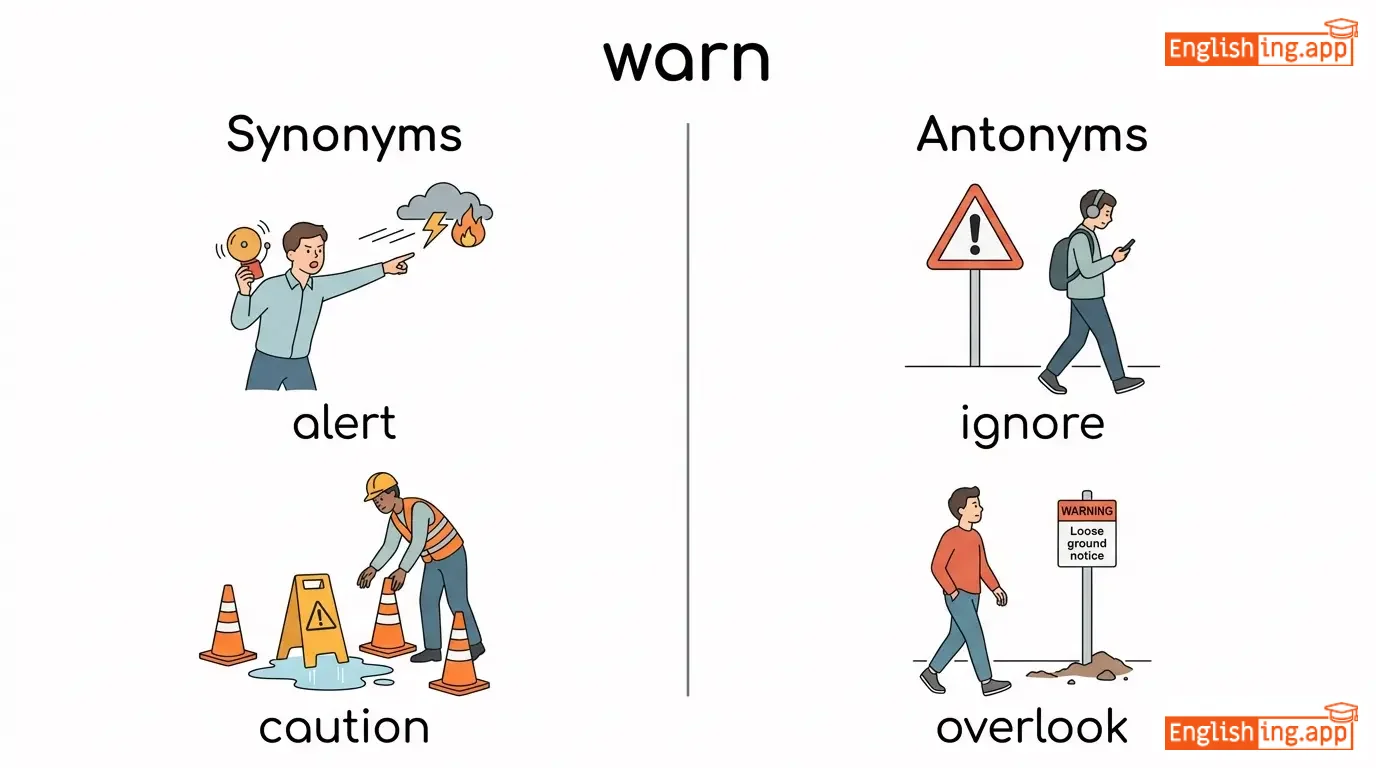
alert, caution, advise, notify, inform
••••••
|
mislead, deceive, ignore, conceal
••••••
|
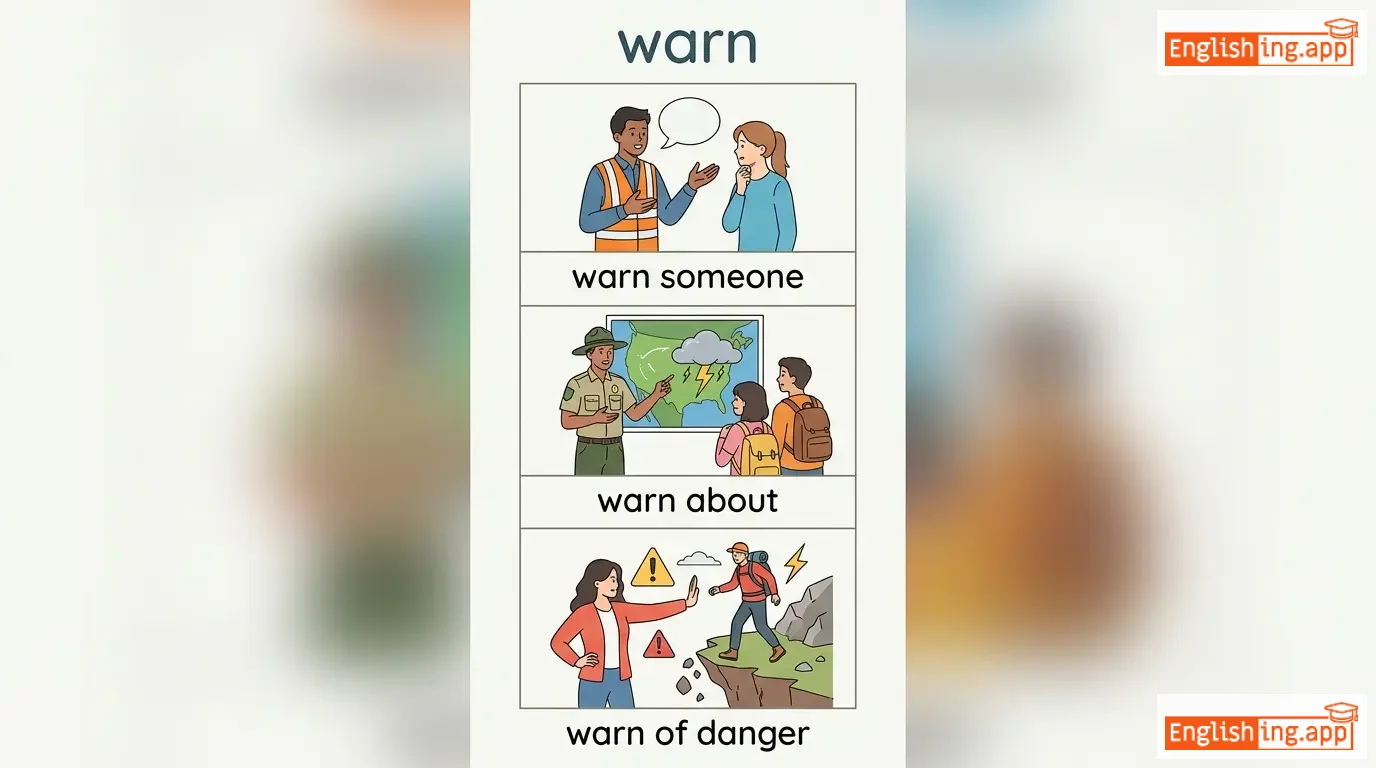
warn against, warn about, warn of danger, warn someone, early warning
••••••
|
No •••••• |
|
👕
••••••
|
/wɛr/
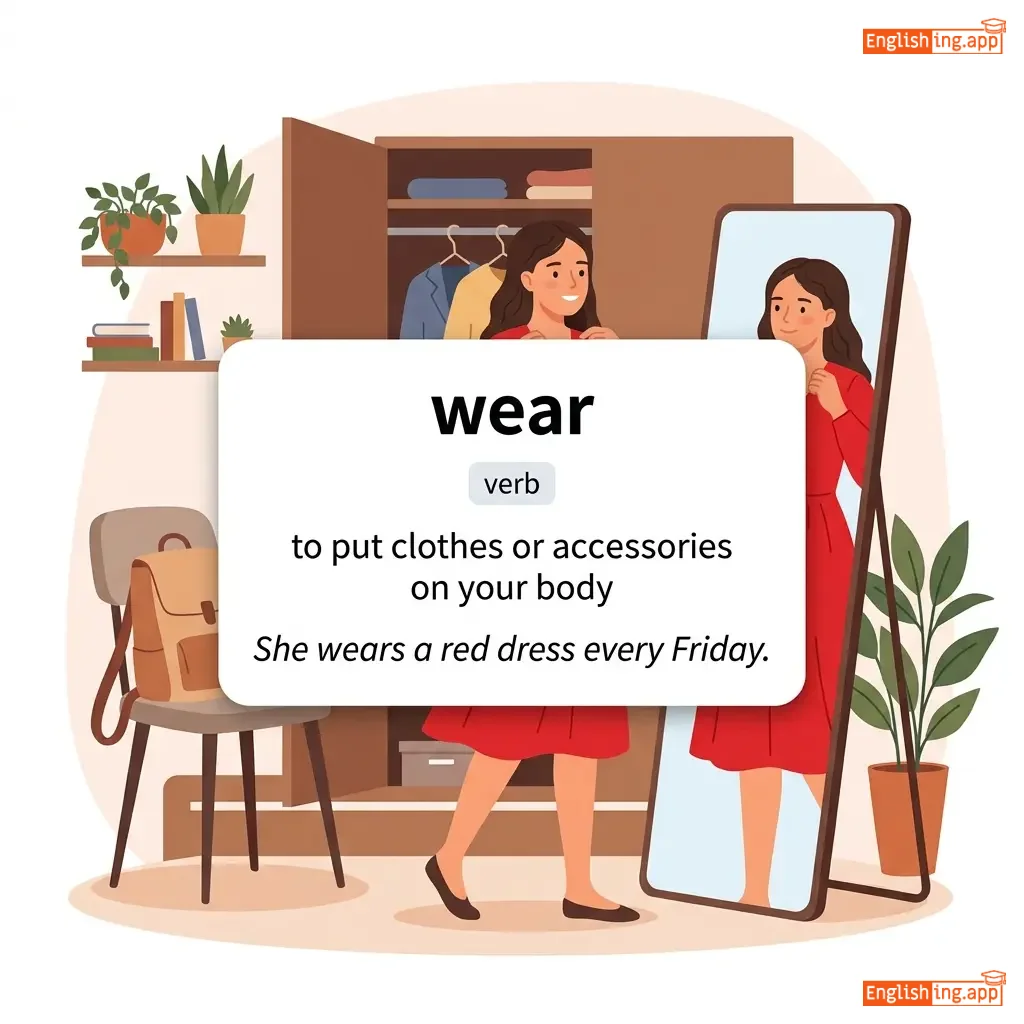
verb
(вэр)
••••••
|
|
носить
nosit
••••••
|
wore
уор
••••••
|
worn
уорн
••••••
|
wears
вэрз
••••••
|
wearing
вэринг
••••••
|
to have clothing or accessories on one's body
••••••
|
She likes to wear bright colors.
ши лайкс ту вэр браит калерз
••••••
|
Ей нравится носить яркие цвета.
Yey nravitsya nosit' yarkiye tsveta.
••••••
|
- •••••• | - •••••• | - •••••• |
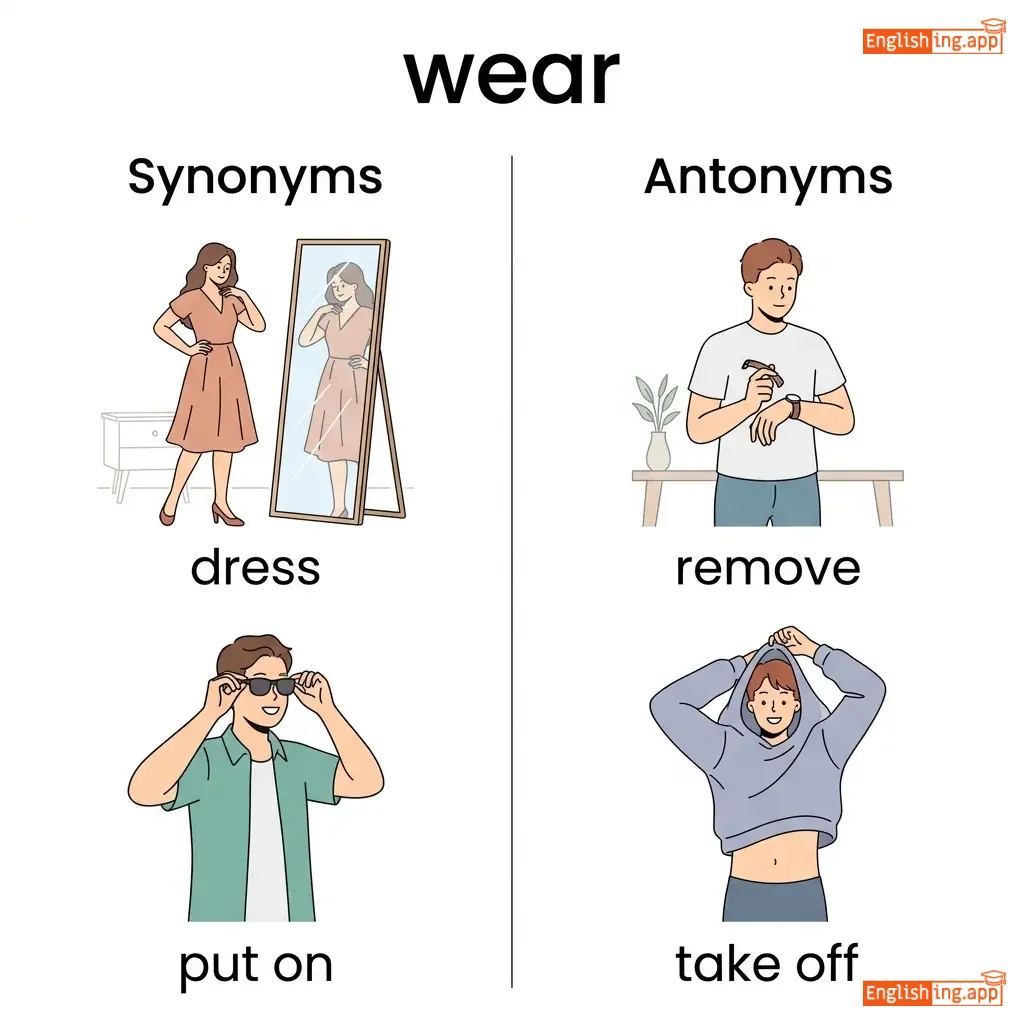
don, put on, sport, carry
••••••
|
remove, take off, undress
••••••
|
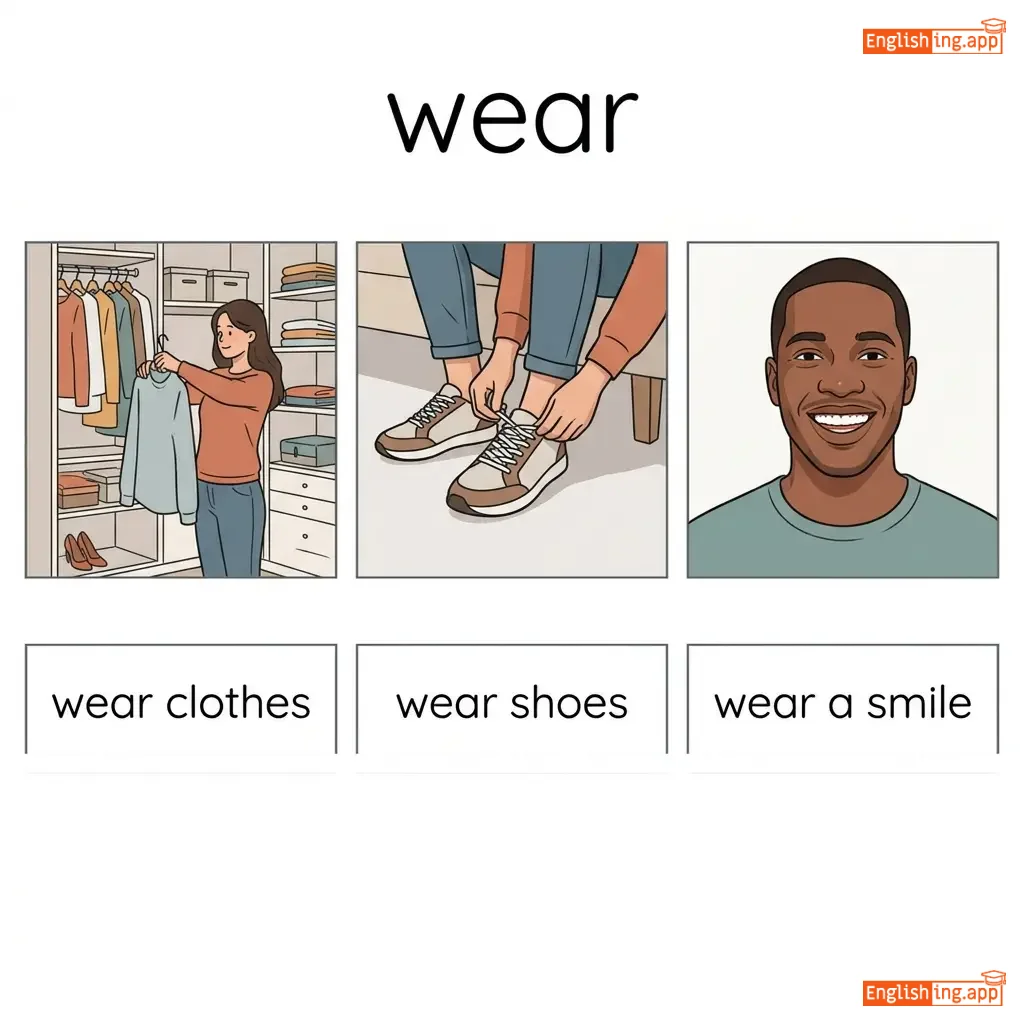
wear clothes, wear jewelry, wear shoes, wear uniform, wear makeup, wear expression
••••••
|
No •••••• |
|
🌿
••••••
|
/wiːd/
noun, verb
(wiːd)
••••••
|
|
сорняк
sornyak
••••••
|
weeded
wiːdəd
••••••
|
weeded
wiːdəd
••••••
|
weeds
wiːdz
••••••
|
weeding
wiːdɪŋ
••••••
|
a wild plant growing where it is not wanted, especially among crops; to remove such plants
••••••
|
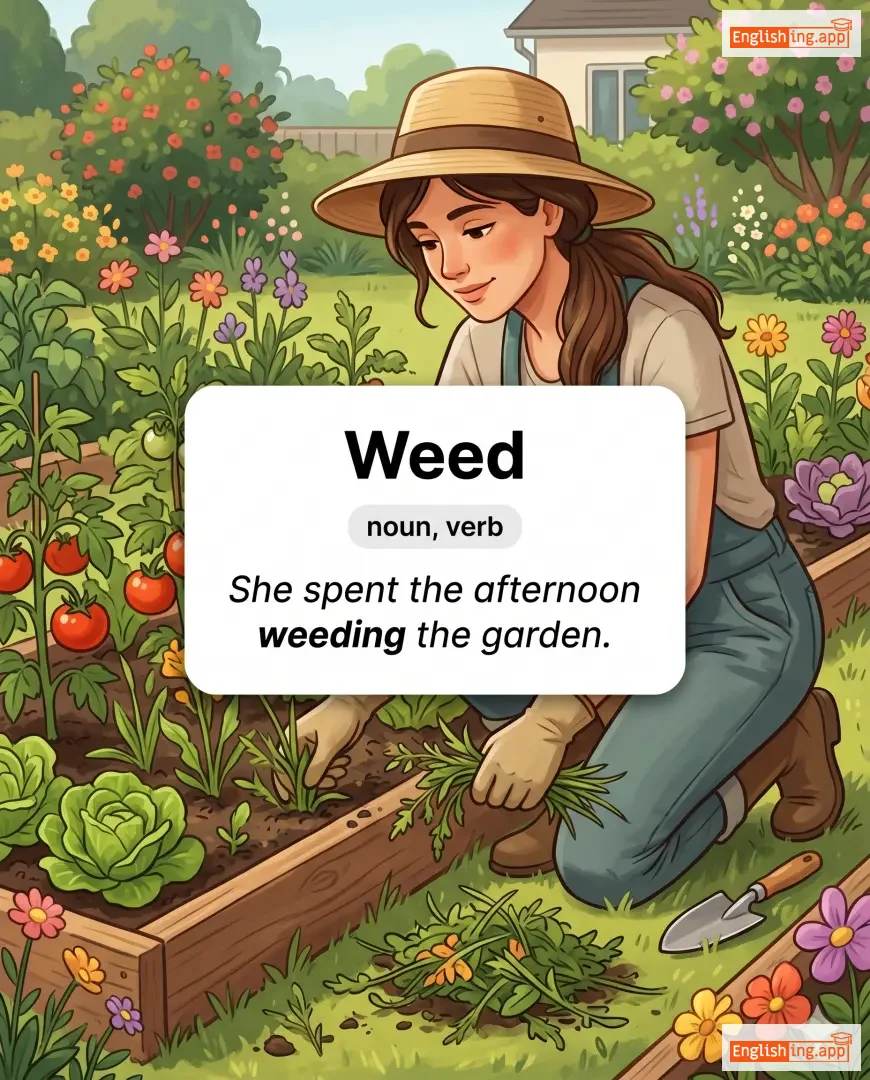
She spent the afternoon weeding the garden.
Она провела послеобеденное время, вырывая сорняки в саду.
••••••
|
Она провела послеобеденное время, вырывая сорняки в саду.
Ona provela posleobednennoe vremya, vyrivaya sornyaki v sadu.
••••••
|
weed out
выбросить
••••••
|
to remove unwanted or less effective people or things
••••••
|
удалять нежелательных или менее эффективных людей или вещи
udaljat' nezhelatel'nykh ili menee effektivnykh lyudey ili veshchi
••••••
|
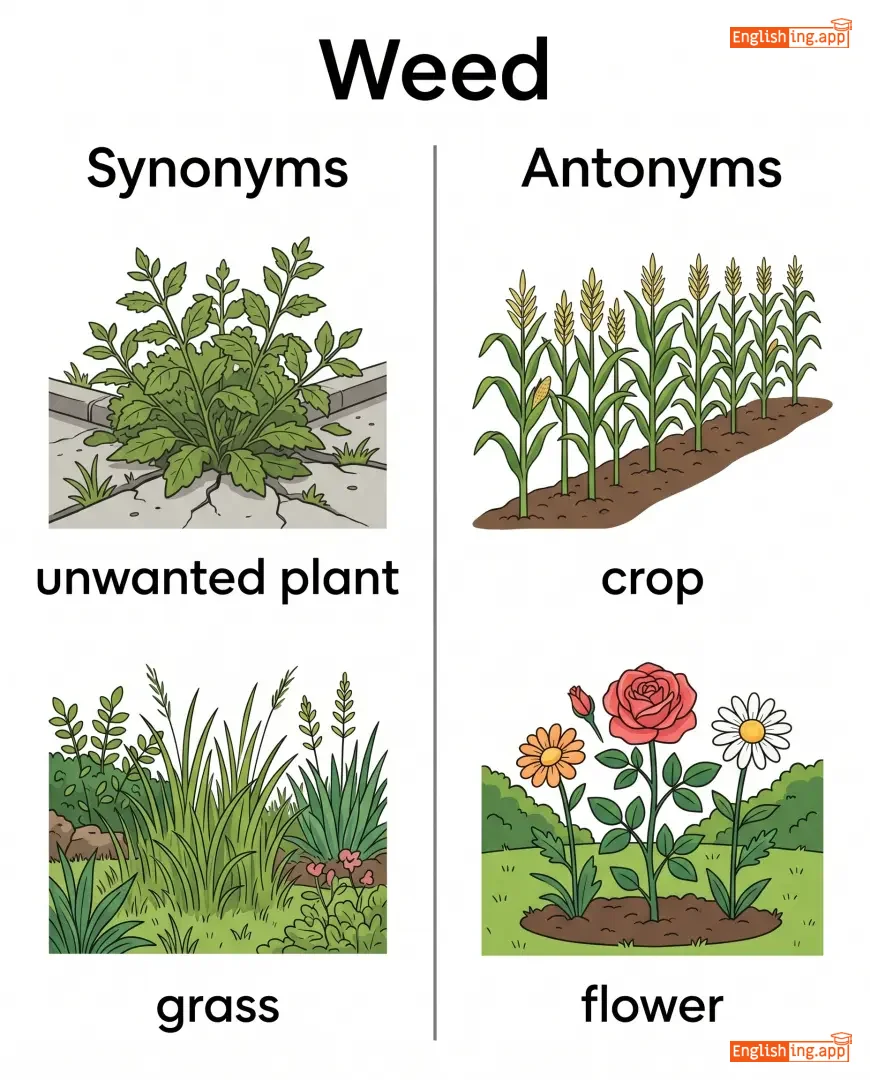
unwanted plant, grass, wild plant, pest plant, herb
••••••
|
crop, flower, plant
••••••
|
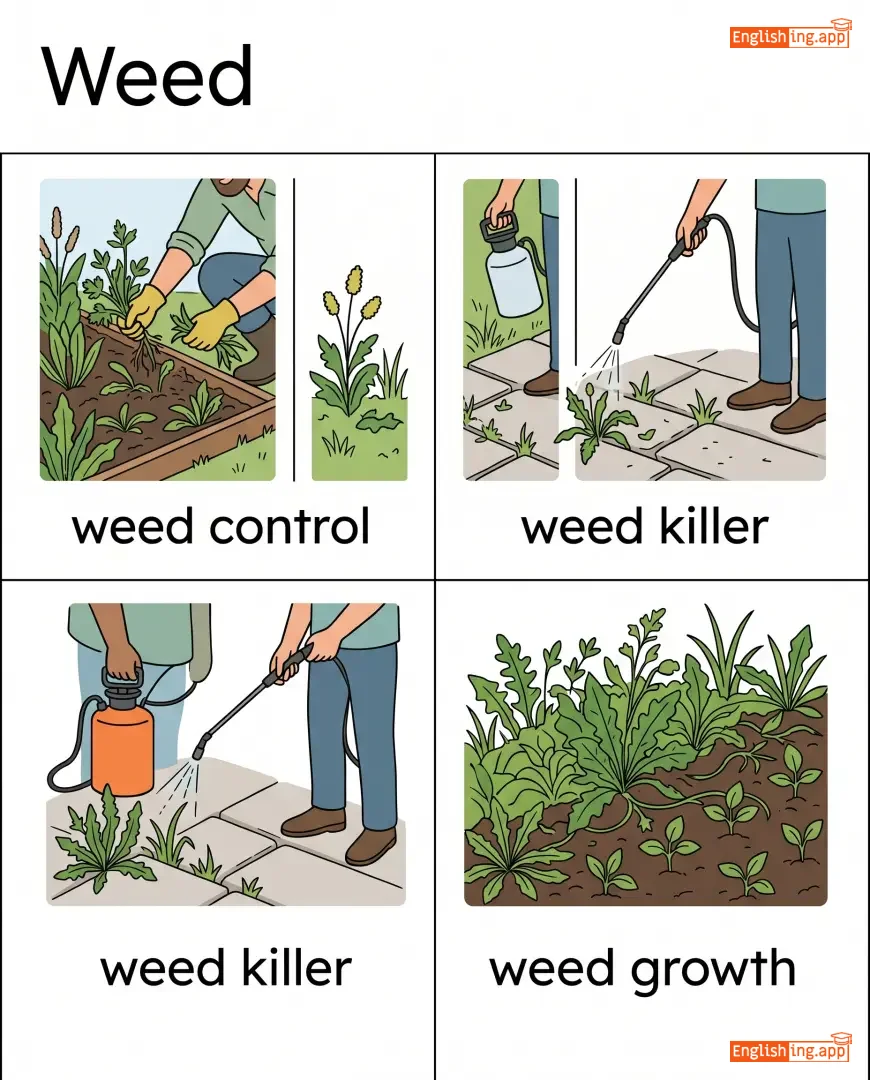
weed control, weed killer, weed growth, pull weeds, weed out
••••••
|
weed = сорняк, вырывать сорняки = очищать сад 🌿
••••••
|
|
🕳️
••••••
|
/wel/
noun
(wel)
••••••
|
- •••••• |
колодец; благосостояние;
kolodets; blagostoyanie
••••••
|
- •••••• | - •••••• | - •••••• | - •••••• |
a deep hole in the ground from which water is obtained
••••••
|
The villagers get water from the old well in the center of town.
Жители деревни получают воду из старого колодца в центре деревни.
••••••
|
Жители деревни получают воду из старого колодца в центре деревни.
Zhiteli derevni poluchayut vodu iz starogo kolodtsa v tsentre derevni.
••••••
|
- •••••• | - •••••• | - •••••• |
water hole, spring, bore
••••••
|
hill, mound, elevation
••••••
|
water well, oil well, deep well
••••••
|
Колодец - источник воды и благосостояния для всей деревни.
••••••
|
|
🌅
••••••
|
/wɛst/
noun
(вɛст)
••••••
|
- •••••• |
запад
zapad
••••••
|
- •••••• | - •••••• | - •••••• | - •••••• |
the direction to the left of the north and to the right of the south, typically associated with the sunset
••••••
|
The sun sets in the west. |
Солнце заходит на западе.
Solntse zakhodit na zapade.
••••••
|
- •••••• | - •••••• | - •••••• |
sunset, occident
••••••
|
east, orient
••••••
|
west coast, west side, go west, western civilization
••••••
|
Солнце заходит на западе - The sun sets in the west.
••••••
|
|
❓
••••••
|
/wɒt/
pronoun
(wɒt)
••••••
|
- •••••• |
что
chto
••••••
|
- •••••• | - •••••• | - •••••• | - •••••• |
used to ask for information about something
••••••
|
What is your name? |
Как тебя зовут?
Kak tebya zovut?
••••••
|
- •••••• | - •••••• | - •••••• |
which, that
••••••
|
- •••••• |
what time, what happened, what are you doing
••••••
|
что (chto) используется для вопросов - 'What' используется для запроса.
••••••
|
|
🥄
••••••
|
/wɪp/
verb
(вип)
••••••
|
- •••••• |
хлестать
khlyestat
••••••
|
whipped
випт
••••••
|
whipped
випт
••••••
|
whips
випс
••••••
|
whipping
виппинг
••••••
|
to strike or beat with a flexible instrument such as a rope or cord
••••••
|
The trainer whipped the horse to make it run faster.
Тренер хлестал лошадь, чтобы заставить ее бегать быстрее.
••••••
|
Тренер хлестал лошадь, чтобы заставить ее бегать быстрее.
Trener khlestal loshad', chtoby zastavit' yey begat' bystree.
••••••
|
whip up
whip up
••••••
|
to quickly prepare or create something
••••••
|
быстро готовить
bystro gotovit'
••••••
|
lash, beat, strike, thrash, flog
••••••
|
caress, soothe
••••••
|
whip cream, whip the horse, whip up enthusiasm, political whip
••••••
|
Whip означает хлестать — Хлестай для быстрого бега лошади!
••••••
|
|
👤
••••••
|
/huːm/
pronoun
(хум)
••••••
|
- •••••• |
которому
kotorymu
••••••
|
- •••••• | - •••••• | - •••••• | - •••••• |
used to refer to the person or people that something is done to
••••••
|
The man whom I met yesterday is my friend. |
Человек, которого я встретил вчера, мой друг.
Chelovek, kotorogo ya vstretel vchera, moy drug.
••••••
|
- •••••• | - •••••• | - •••••• |
who, that, the person
••••••
|
none
••••••
|
whom I met, whom I saw, to whom it may concern
••••••
|
Whom sounds like 'Kotoromu' - 'Kotoromu' as in the person you met.
••••••
|
|
↔️
••••••
|
/waɪd/
adjective
(вайд)
••••••
|
- •••••• |
широкий; обширный
shirokiy; obshirniy
••••••
|
- •••••• | - •••••• | - •••••• | - •••••• |
having a great distance from one side to the other; broad
••••••
|
The river is very wide at this point. |
Река очень широкая в этом месте.
Reka ochen' shirokaya v etom meste.
••••••
|
- •••••• | - •••••• | - •••••• |
broad, extensive, spacious, vast
••••••
|
narrow, thin, restricted
••••••
|
wide range, wide variety, wide open, wide awake
••••••
|
Shirokiy reka, obshirnyy prostornyy.
••••••
|
|
🍷
••••••
|
/waɪn/
noun
(vajn)
••••••
|
- •••••• |
вино
vino
••••••
|
- •••••• | - •••••• | - •••••• | - •••••• |
an alcoholic drink made from fermented grapes or other fruits
••••••
|
They served a glass of red wine at the dinner.
Они подали бокал красного вина на ужин.
••••••
|
Они подали бокал красного вина на ужин.
Oni podali bokal krasnogo vina na uzhin.
••••••
|
- •••••• | - •••••• | - •••••• |
vino, beverage, drink, alcohol
••••••
|
water, juice
••••••
|
red wine, white wine, glass of wine, bottle of wine
••••••
|
Wine pairs with dinner—imagine a glass of red wine with a fancy meal!
••••••
|
|
🪶
••••••
|
/wɪŋ/
verb
(винг)
••••••
|
|
летать с крыльями
letat' s krylyami
••••••
|
winged
вингед
••••••
|
winged
вингед
••••••
|
wings
вингс
••••••
|
winging
вингинг
••••••
|
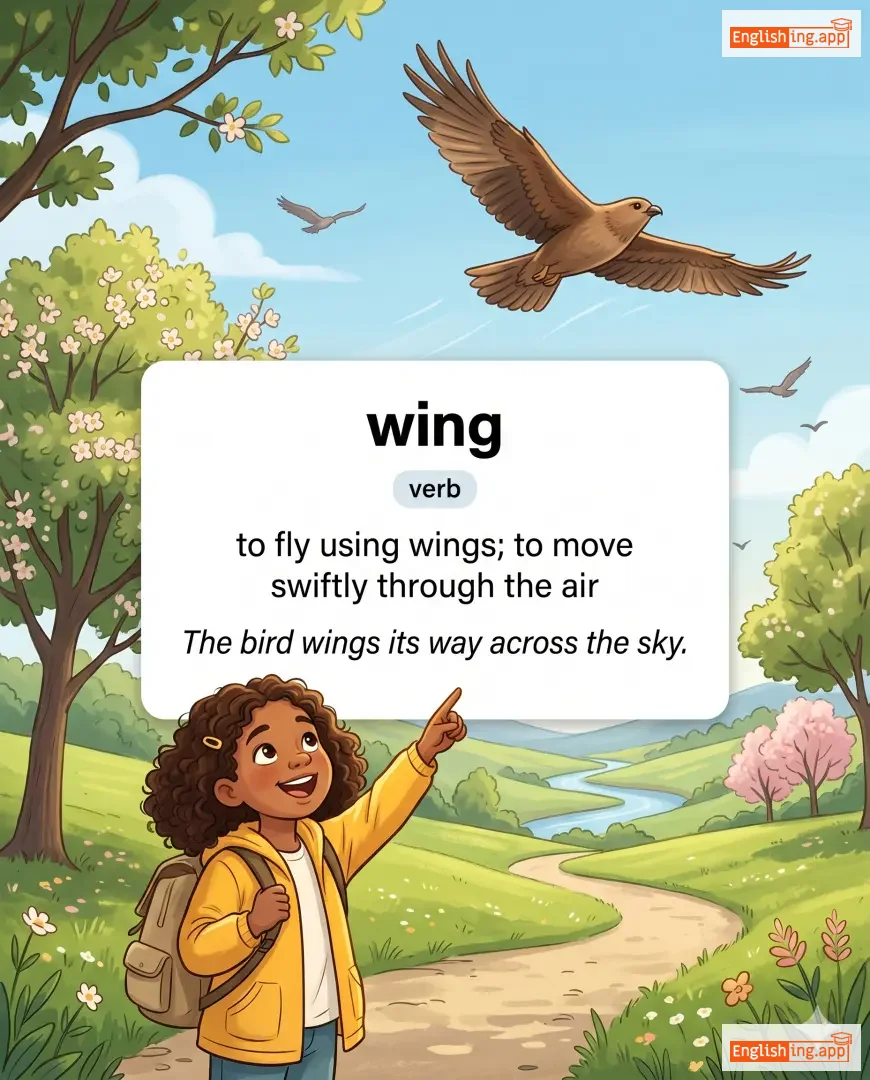
to fly using wings; to move swiftly through the air
••••••
|
The bird wings its way across the sky.
Птица летит через небо.
••••••
|
Птица летит через небо.
Ptitsa letit cherez nebo.
••••••
|
- •••••• | - •••••• | - •••••• |
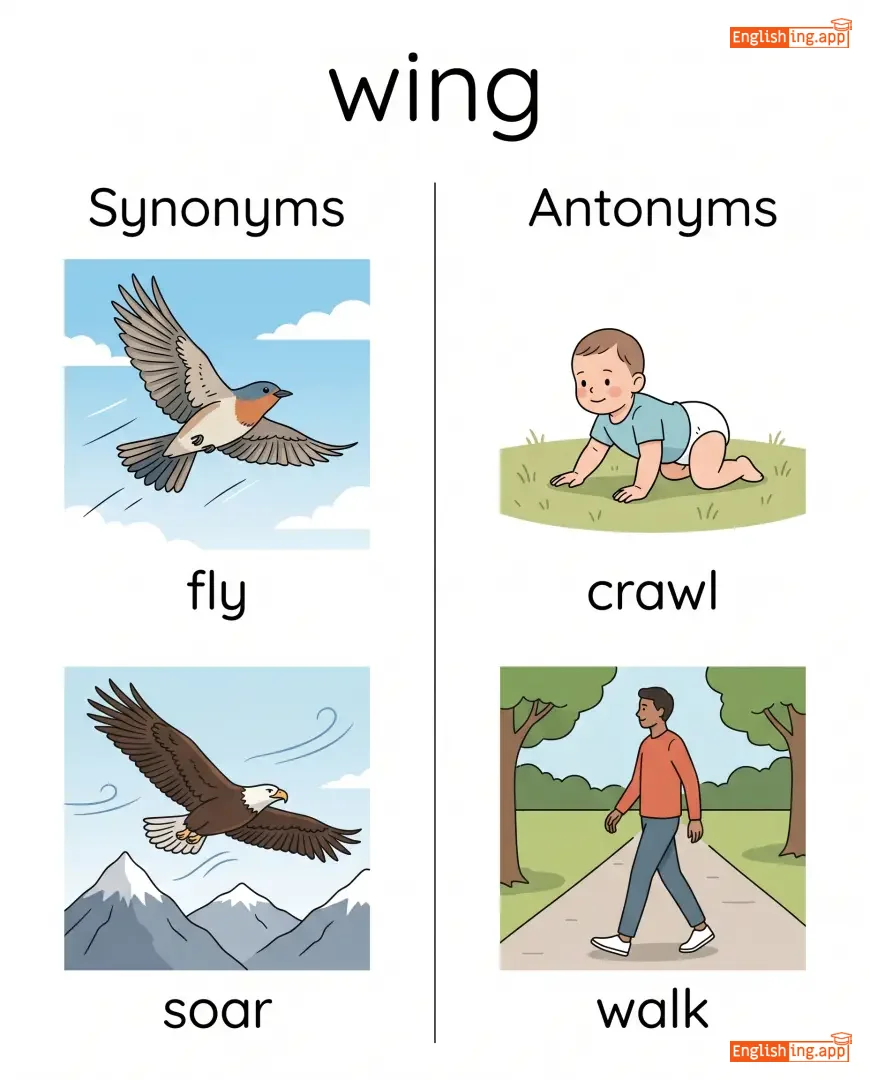
fly, soar, glide, flutter
••••••
|
crawl, walk, ground, land
••••••
|
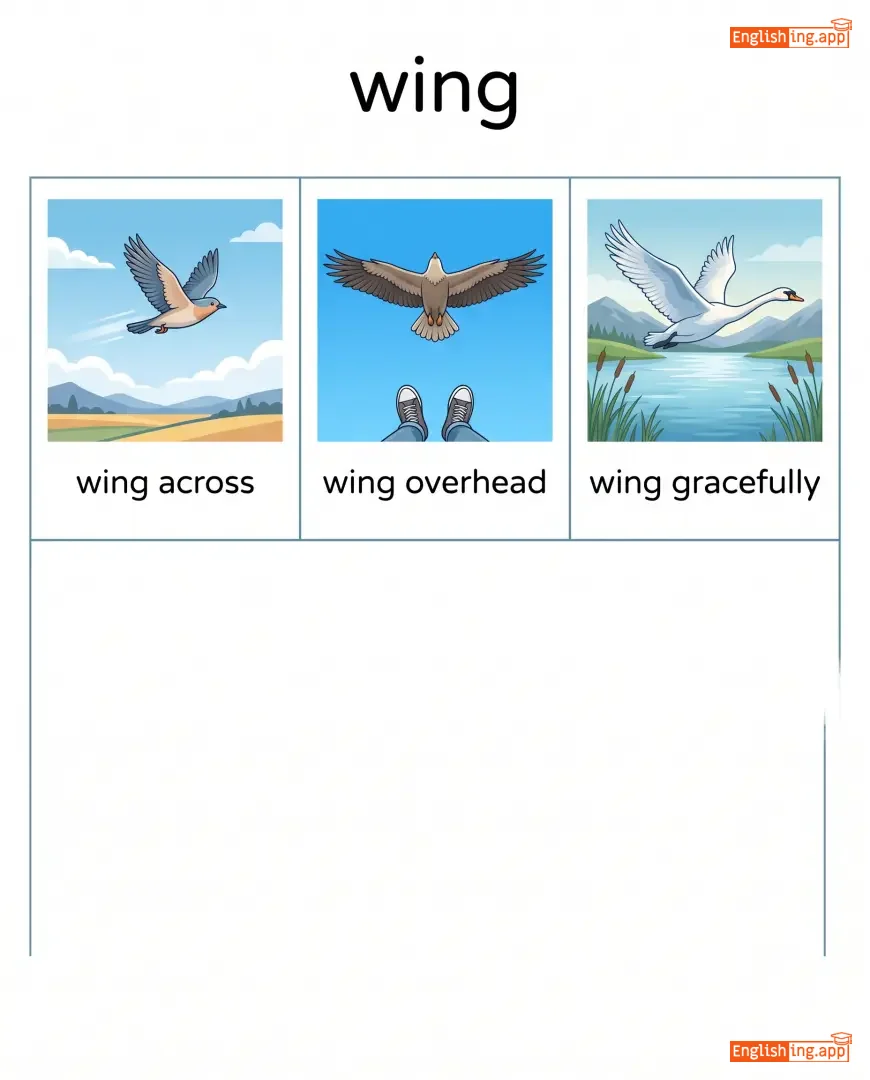
wing across, wing overhead, wing gracefully, wing swiftly
••••••
|
Крылья расправь и лети (летать с крыльями)
••••••
|
|
🤝
••••••
|
/wɪð/
preposition
(wɪð)
••••••
|
- •••••• |
с
s
••••••
|
- •••••• | - •••••• | - •••••• | - •••••• |
indicating the person or thing that is accompanying or involved with someone or something else
••••••
|
She went to the market with her friend. |
Она пошла на рынок с подругой.
Ona poshla na rynok s podrugoy.
••••••
|
- •••••• | - •••••• | - •••••• |
alongside, together, accompanied by, in company with
••••••
|
without, apart from
••••••
|
with me, with you, with them, with someone
••••••
|
С книгой всегда с вами знания - With a book, knowledge is always with you.
••••••
|
|
🐺
••••••
|
/wʊlf/
noun
(вулф)
••••••
|
- •••••• |
волк
volk
••••••
|
- •••••• | - •••••• | - •••••• | - •••••• |
a wild carnivorous animal related to the dog, living and hunting in packs
••••••
|
The wolf howled loudly under the full moon. |
Волк завыл громко под полной луной.
Volk zavyil gromko pod polnoy lunoy.
••••••
|
cry wolf |
to raise a false alarm or exaggerate danger
••••••
|
кричать волк
krichat' volk
••••••
|
canine, predator, beast, dog, gray wolf
••••••
|
sheep, prey
••••••
|
gray wolf, lone wolf, wolf pack, cry wolf
••••••
|
Волк означает 'волк' по-русски. Помни, волк всегда воет под полной луной 🐺
••••••
|
|
🐛
••••••
|
/wɜːrm/
noun
(вёрм)
••••••
|
- •••••• |
червь
cherv
••••••
|
- •••••• | - •••••• | - •••••• | - •••••• |
a small, long, soft-bodied invertebrate animal
••••••
|
The gardener found a worm in the soil. |
Садовник нашел червя в земле.
Sadovnik nashel chervya v zemle.
••••••
|
- •••••• | - •••••• | - •••••• |
earthworm, grub, maggot, larva
••••••
|
none
••••••
|
fishing worm, earthworm, worm farm
••••••
|
Черви помогают саду расти! – Worms help the garden grow!
••••••
|
|
🎁
••••••
|
/ræp/
verb
(рэп)
••••••
|

|
завернуть
zavernut
••••••
|
wrapped
рэппед
••••••
|
wrapped
рэппед
••••••
|
wraps
рэпс
••••••
|
wrapping
рэппинг
••••••
|
to cover something completely with paper or cloth; to enclose
••••••
|
Please wrap the gift in colorful paper.
Пожалуйста, заверните подарок в цветную бумагу.
••••••
|
Пожалуйста, заверните подарок в цветную бумагу.
Pozhaluysta, zaverite podarok v tsvetnuyu bumagu.
••••••
|
- •••••• | - •••••• | - •••••• |
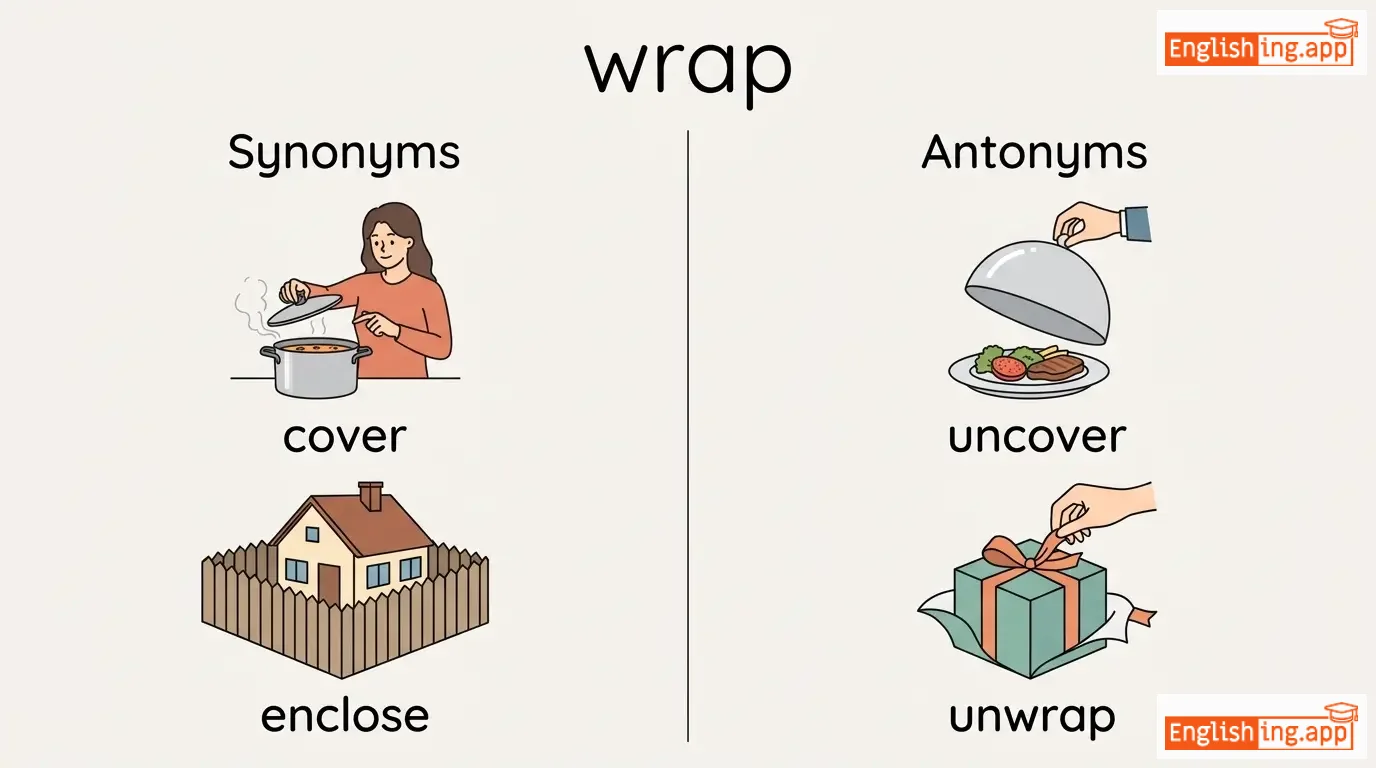
cover, enclose, package, bundle
••••••
|
unwrap, uncover, expose, open
••••••
|
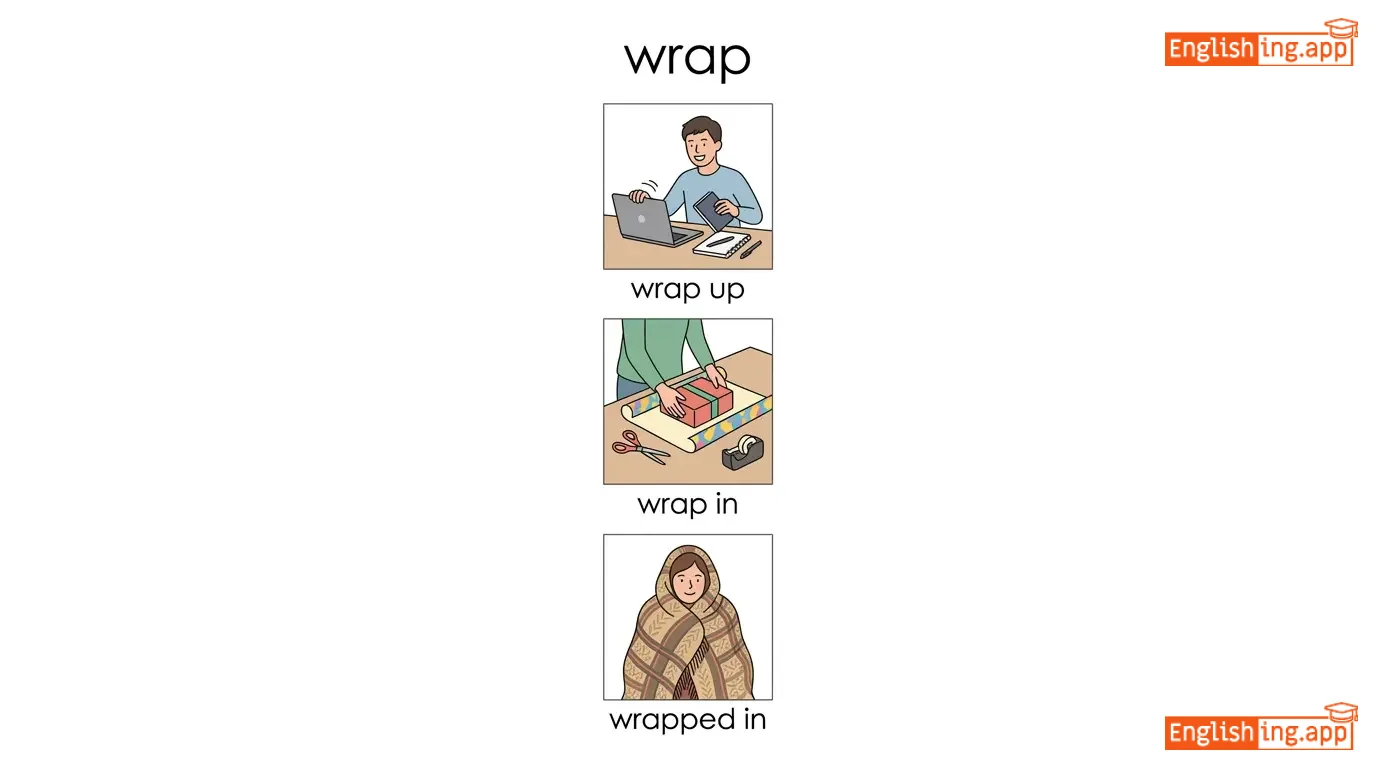
wrap up, gift wrap, plastic wrap, wrap around, wrap tightly
••••••
|
Wrap means завернуть, like wrapping a gift with care
••••••
|
|
🏡
••••••
|
/jɑːrd/
noun
(ярд)
••••••
|
- •••••• |
двор; участок земли рядом с домом
dvor; uchastok zemli ryadom s domom
••••••
|
- •••••• | - •••••• | - •••••• | - •••••• |
a unit of linear measure equal to 3 feet; an area of land immediately adjacent to a building
••••••
|
The children played in the back yard. |
Дети играли на заднем дворе.
Deti igrali na zadnem dvore
••••••
|
- •••••• | - •••••• | - •••••• |
courtyard, garden, measure, enclosure
••••••
|
indoor, interior, inside, building
••••••
|
back yard, front yard, school yard
••••••
|
Yard = Dvor, deti igrayut na zadnem dvore
••••••
|
|
👍
••••••
|
/jɛə/
interjection
(да)
••••••
|
- •••••• |
да
da
••••••
|
- •••••• | - •••••• | - •••••• | - •••••• |
used to express agreement or affirmation
••••••
|
Yeah, I’ll go to the store with you. |
Да, я пойду в магазин с тобой.
Da, ya poydu v magazin s toboy.
••••••
|
- •••••• | - •••••• | - •••••• |
yes, certainly, absolutely, okay
••••••
|
no, never, not at all
••••••
|
yeah sure, yeah okay, yeah right, yeah I agree
••••••
|
Yeah, in Russian we say 'Da!' when agreeing.
••••••
|
|
📣
••••••
|
/jɛl/
verb
(yel)
••••••
|
|
кричать
krichat
••••••
|
yelled
yeld
••••••
|
yelled
yeld
••••••
|
yells
yels
••••••
|
yelling
yeling
••••••
|
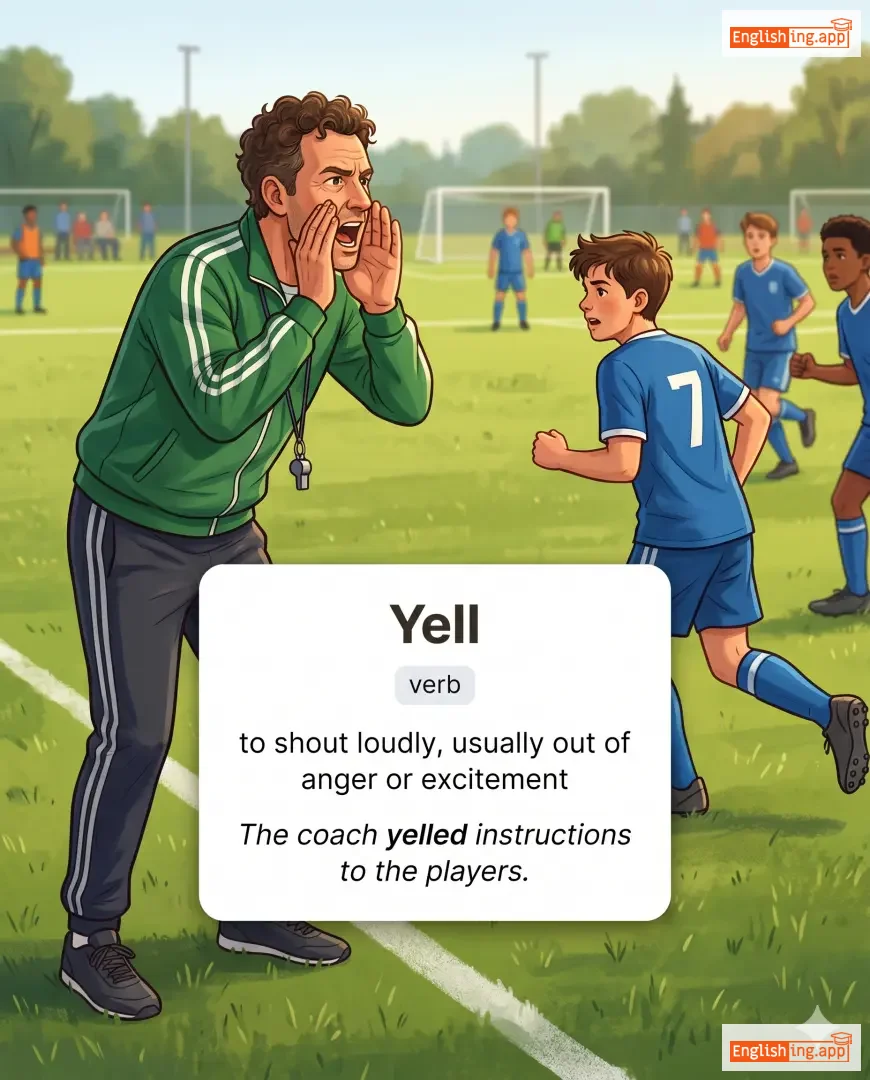
to shout loudly, usually out of anger or excitement
••••••
|
The coach yelled instructions to the players.
the coach yeld instructions to the players
••••••
|
Тренер кричал инструкции игрокам.
Trener krichal instruktsii igrokam.
••••••
|
yell at
yel at
••••••
|
to shout at someone angrily
••••••
|
кричать на кого-то
krichat na kogo-to
••••••
|
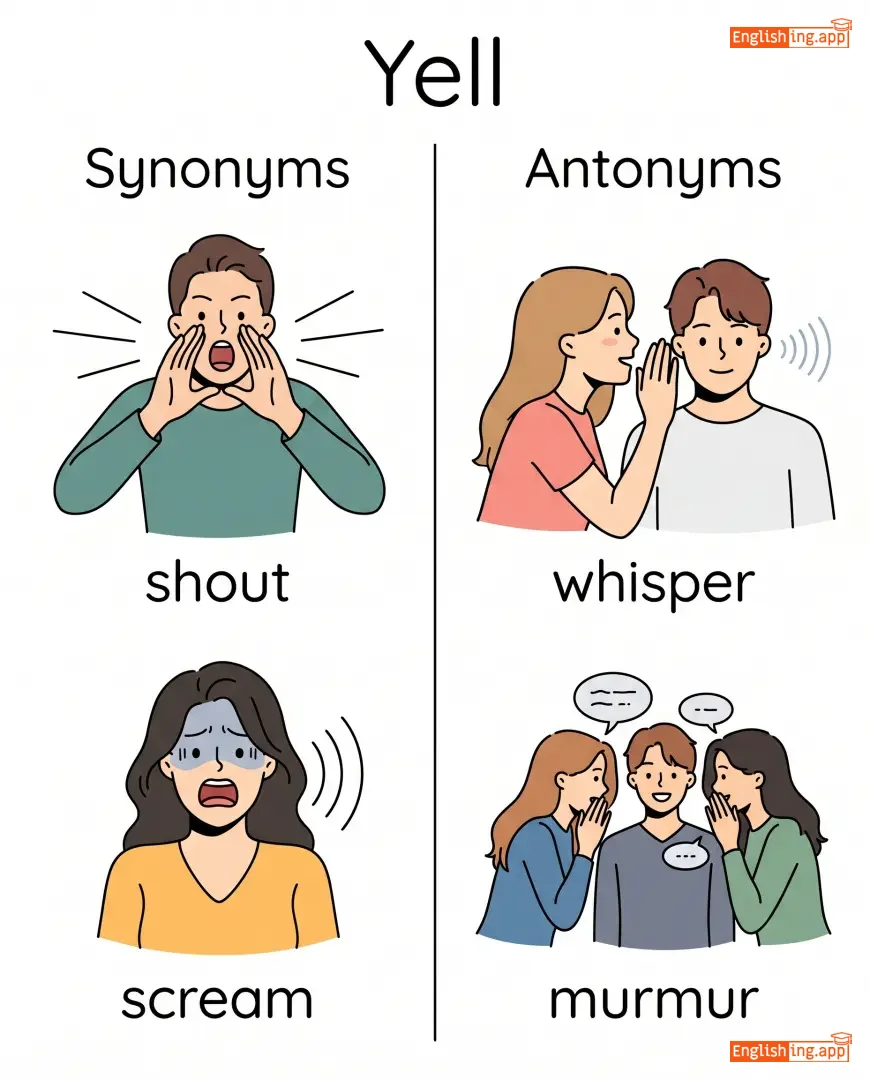
shout, scream, holler, cry, call
••••••
|
whisper, murmur
••••••
|
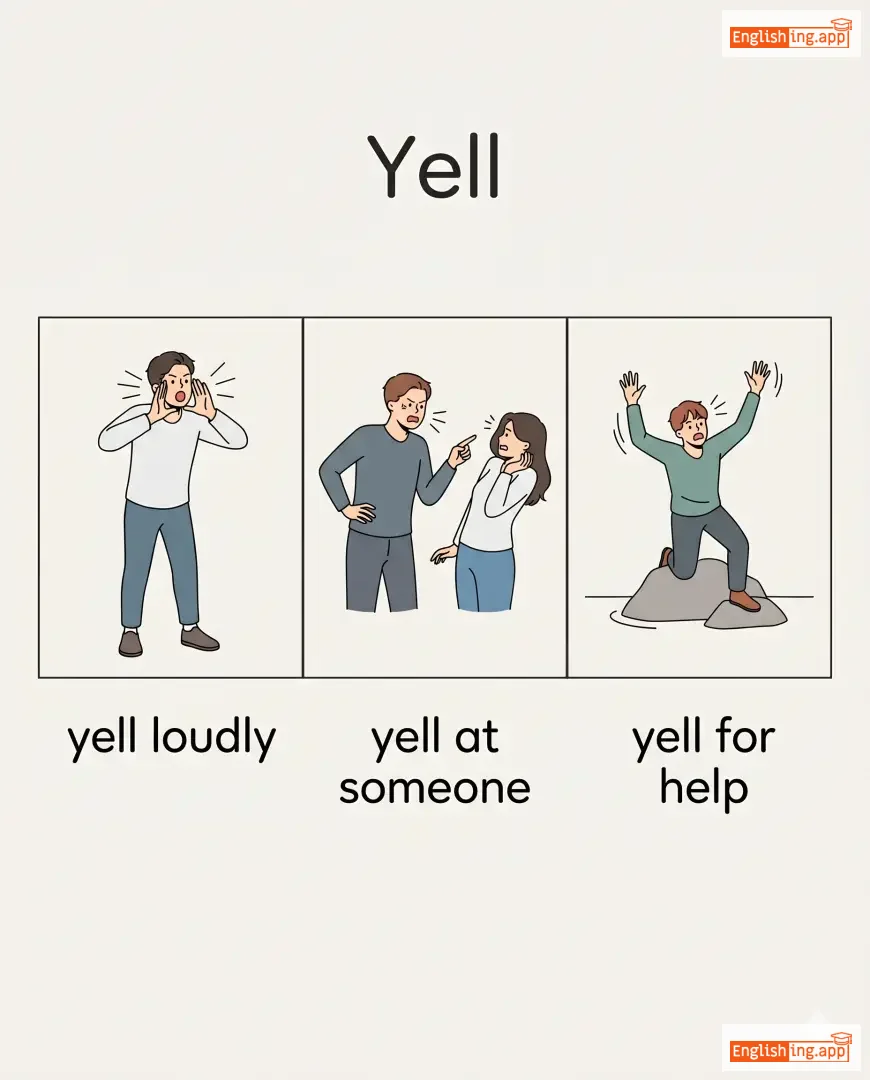
yell loudly, yell at someone, yell for help
••••••
|
Yell означает кричать, как когда ты кричишь на кого-то, потому что ты зол или взволнован.
••••••
|
|
📚
••••••
|
/jɔːr/
pronoun
(твой)
••••••
|
- •••••• |
твой
tvoy
••••••
|
- •••••• | - •••••• | - •••••• | - •••••• |
used to indicate possession or association
••••••
|
Your book is on the table. |
Твоя книга на столе.
Tvoya kniga na stole.
••••••
|
- •••••• | - •••••• | - •••••• |
your own, belonging to you
••••••
|
my, theirs
••••••
|
your opinion, your responsibility, your time
••••••
|
Твоя книга на столе - Your book is on the table
••••••
|
|
🌍
••••••
|
/zoʊn/
noun
(зона)
••••••
|
|
зона
zona
••••••
|
- •••••• | - •••••• | - •••••• | - •••••• |
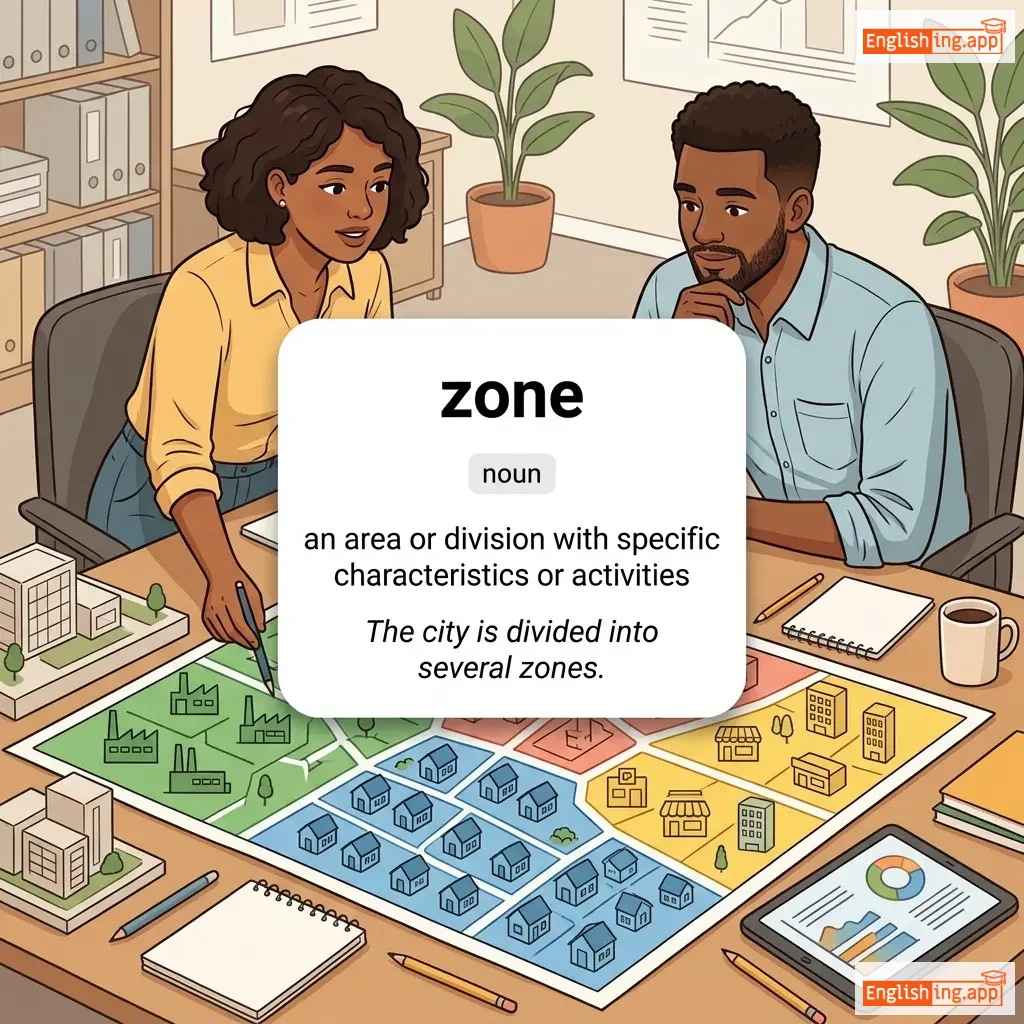
an area or division with specific characteristics or activities
••••••
|
The city is divided into several zones. |
Город разделен на несколько зон.
Gorod razdelen na neskol'ko zon.
••••••
|
- •••••• | - •••••• | - •••••• |
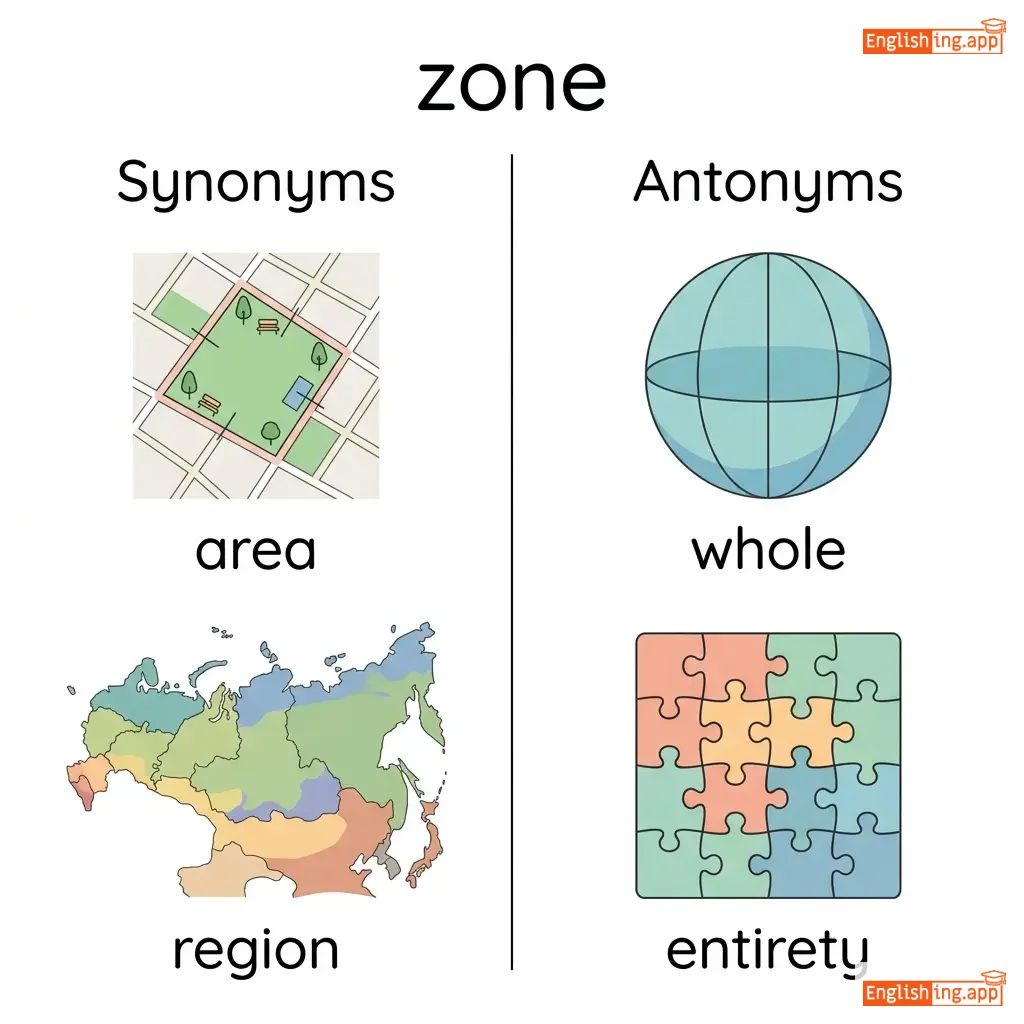
area, region, district
••••••
|
whole, entirety
••••••
|
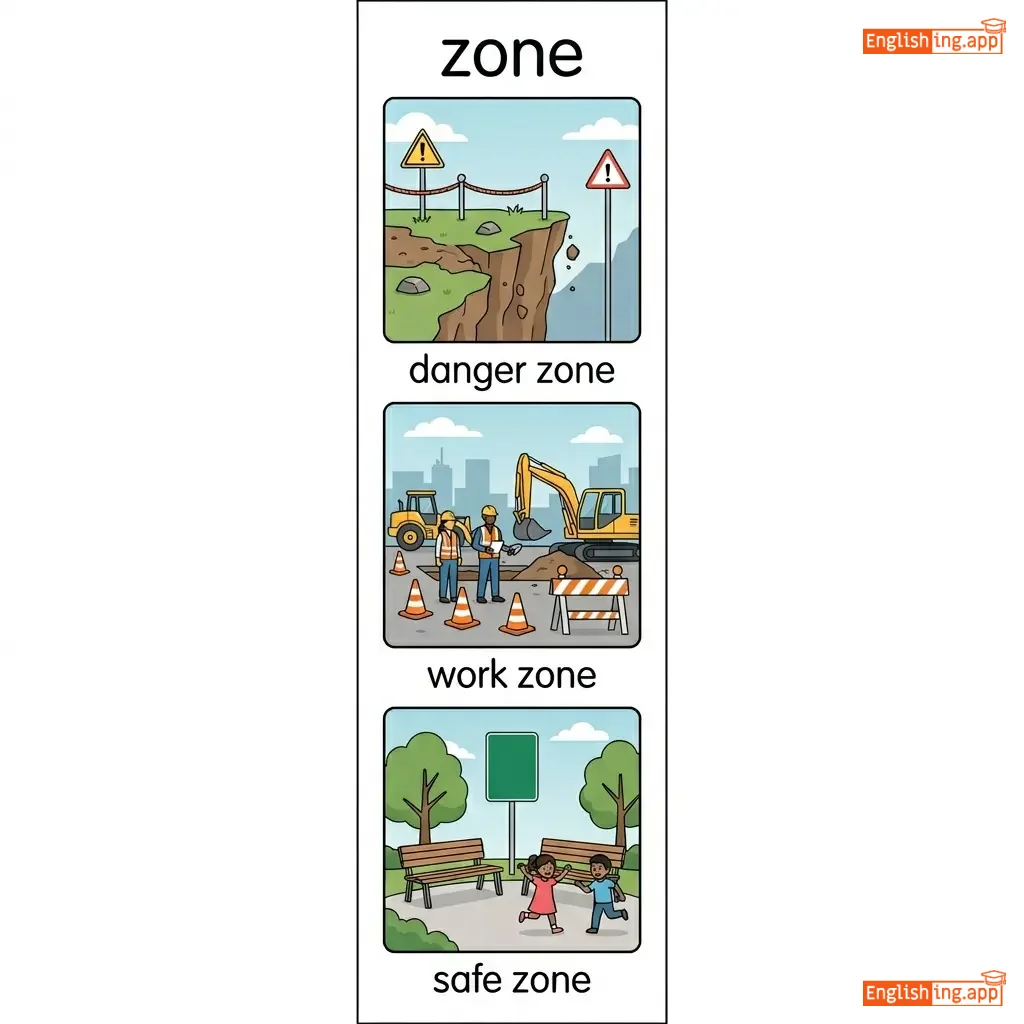
danger zone, work zone, safe zone
••••••
|
Город разделён на зоны (Gorod razdelen na zony) - The city is divided into zones.
••••••
|

