⚠️
••••••
/wɔːrn/
verb
(wɔːrn)
••••••
••••••
advertir
advertir
••••••
wɔːrnd
••••••
wɔːrnd
••••••
wɔːrnz
••••••
wɔːrɪŋ
••••••
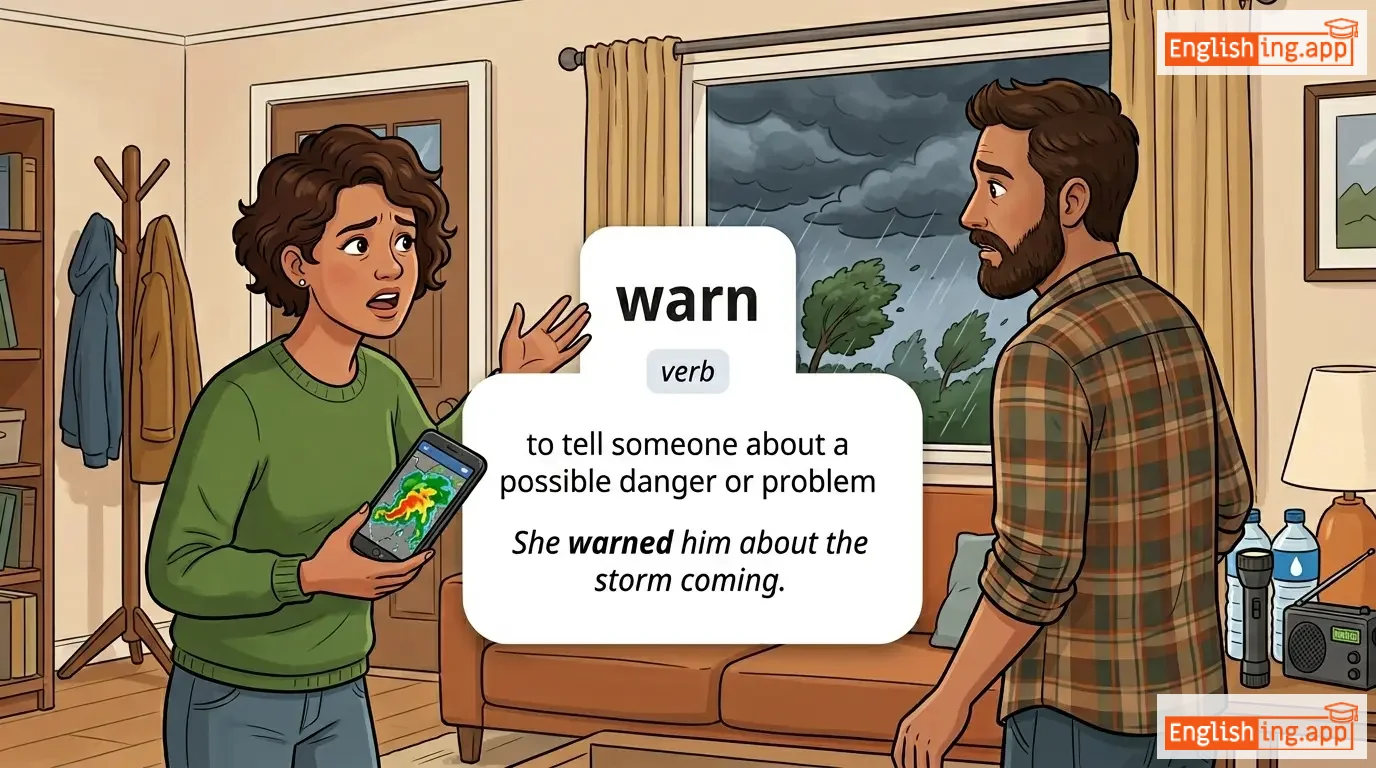
to alert about danger; to give notice of risk
••••••
The weather service warns of heavy rain tonight.
El servicio meteorológico advierte sobre lluvias intensas esta noche.
••••••
El servicio meteorológico advierte sobre lluvias intensas esta noche.
El servicio meteorológico advierte sobre lluvias intensas esta noche.
••••••
-
••••••
-
••••••
-
••••••
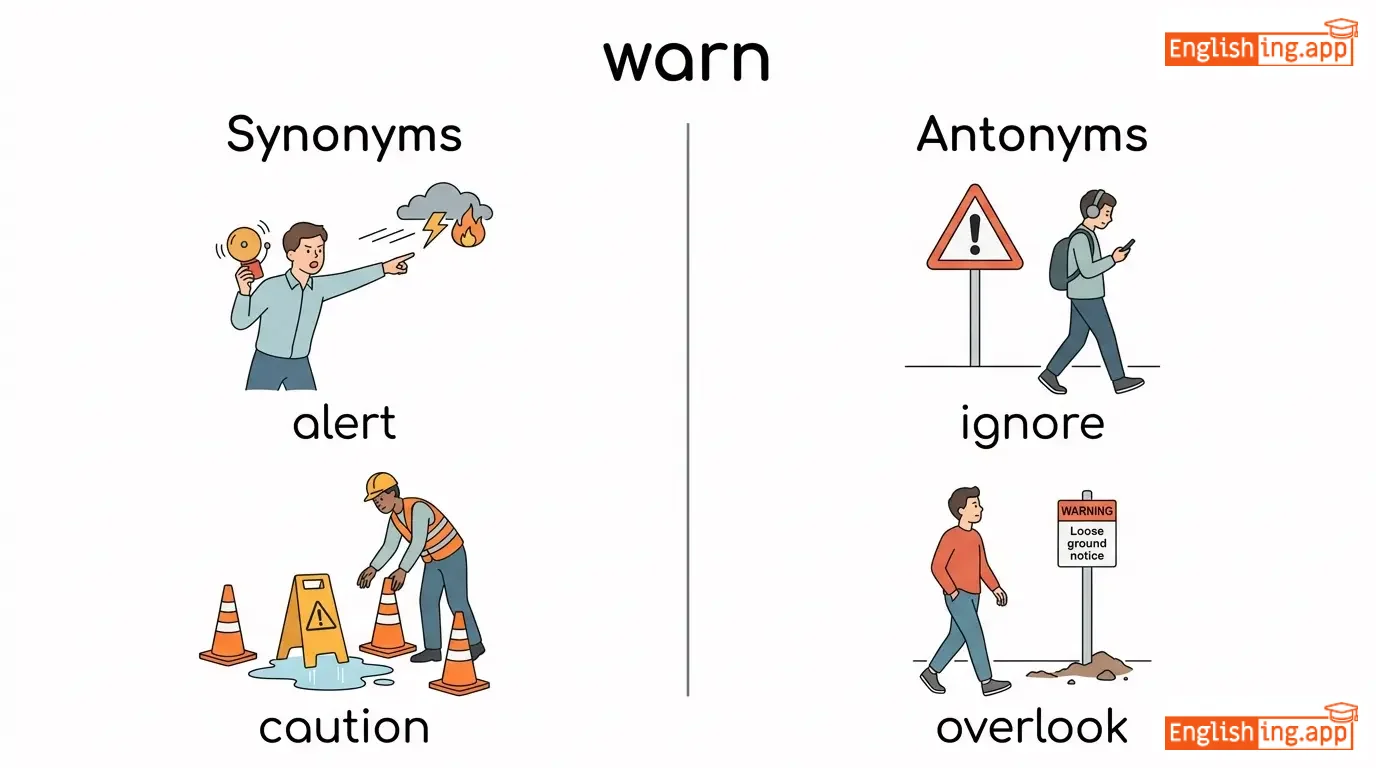
alert, caution, advise, notify, inform
••••••
mislead, deceive, ignore, conceal
••••••
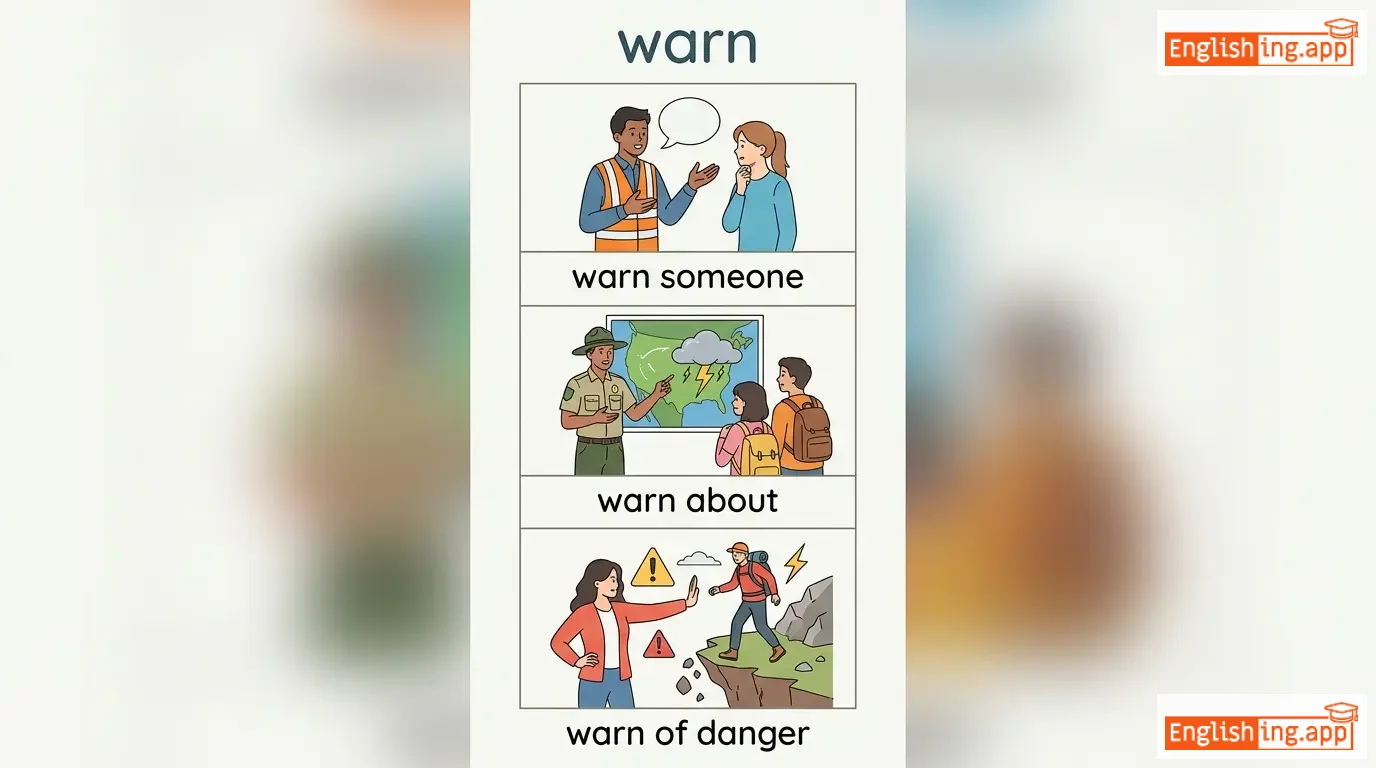
warn against, warn about, warn of danger, warn someone, early warning
••••••
No
••••••
👕
••••••
/wɛr/
verb
(wɛr)
••••••
••••••
llevar
llevar
••••••
wɔr
••••••
wɔrn
••••••
wɛrz
••••••
wɛrɪŋ
••••••
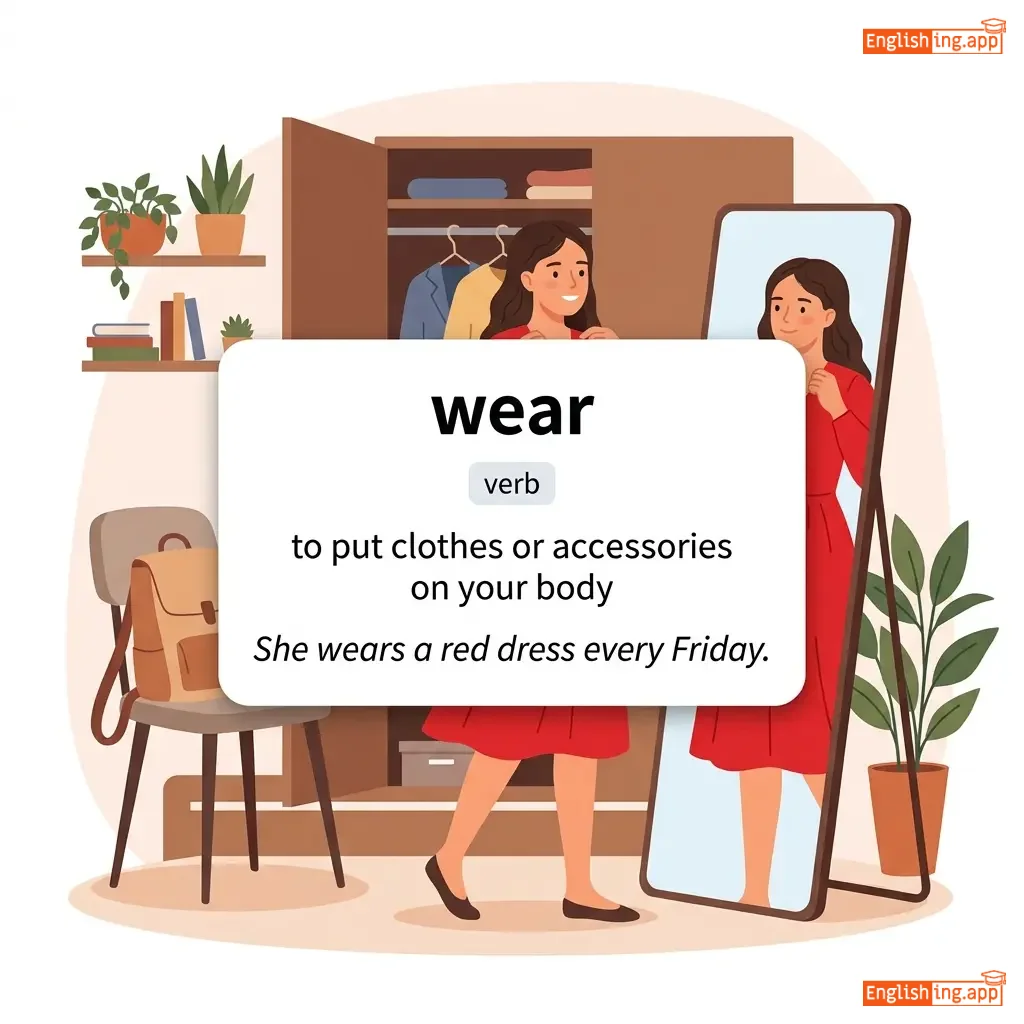
to have clothing or accessories on one's body
••••••
She likes to wear bright colors.
shi laɪks tu wɛr braɪt kʌlɚz
••••••
A ella le gusta llevar colores brillantes.
A ella le gusta llevar colores brillantes.
••••••
-
••••••
-
••••••
-
••••••
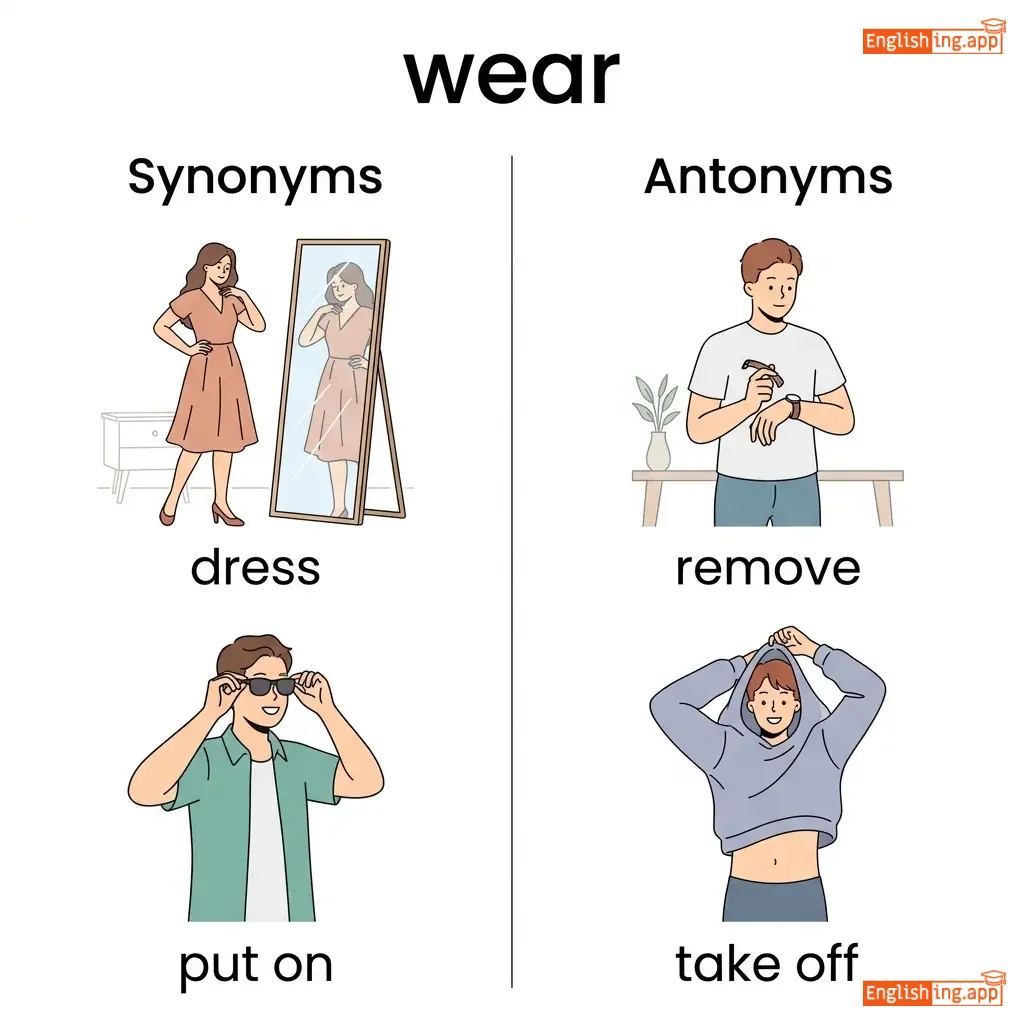
don, put on, sport, carry
••••••
remove, take off, undress
••••••
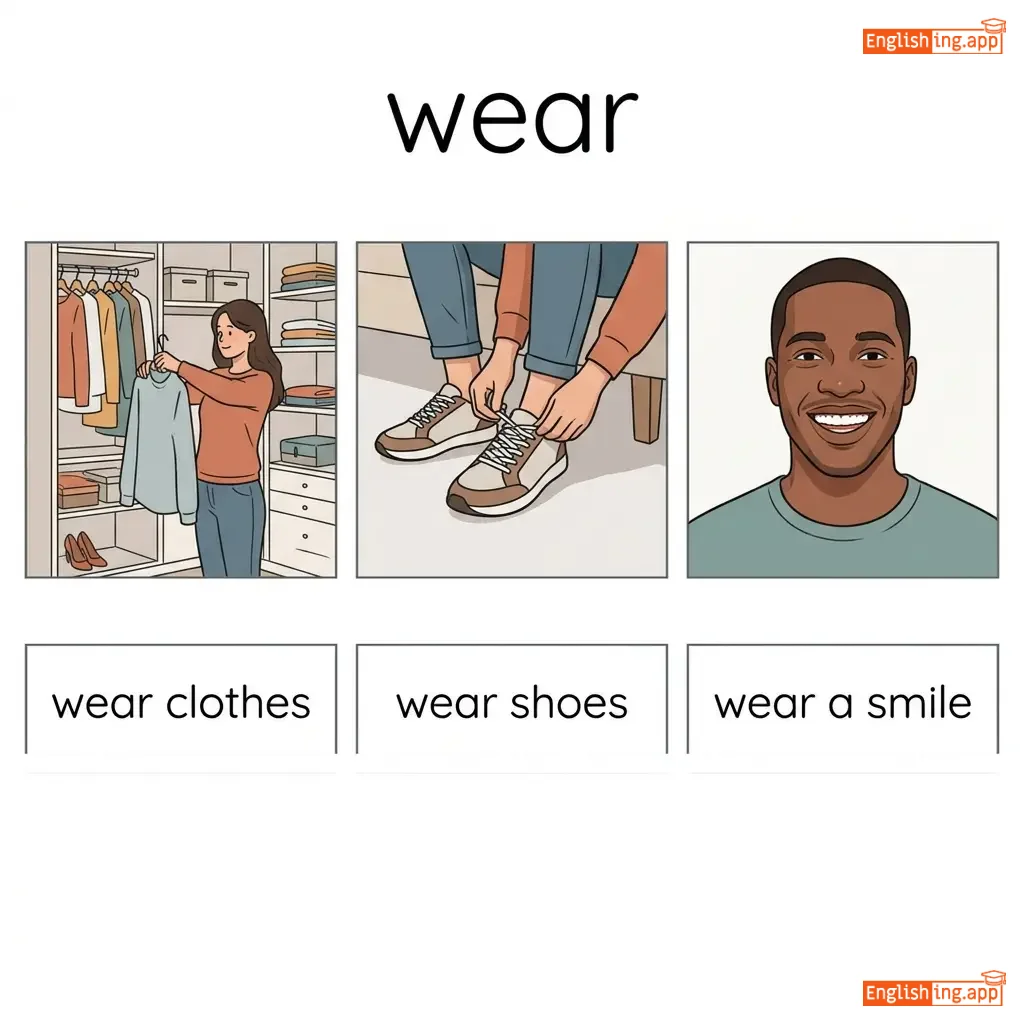
wear clothes, wear jewelry, wear shoes, wear uniform, wear makeup, wear expression
••••••
No
••••••
🌿
••••••
/wiːd/
noun, verb
(wīd)
••••••
••••••
maleza
maleza
••••••
wīded
••••••
wīded
••••••
wīds
••••••
wīding
••••••
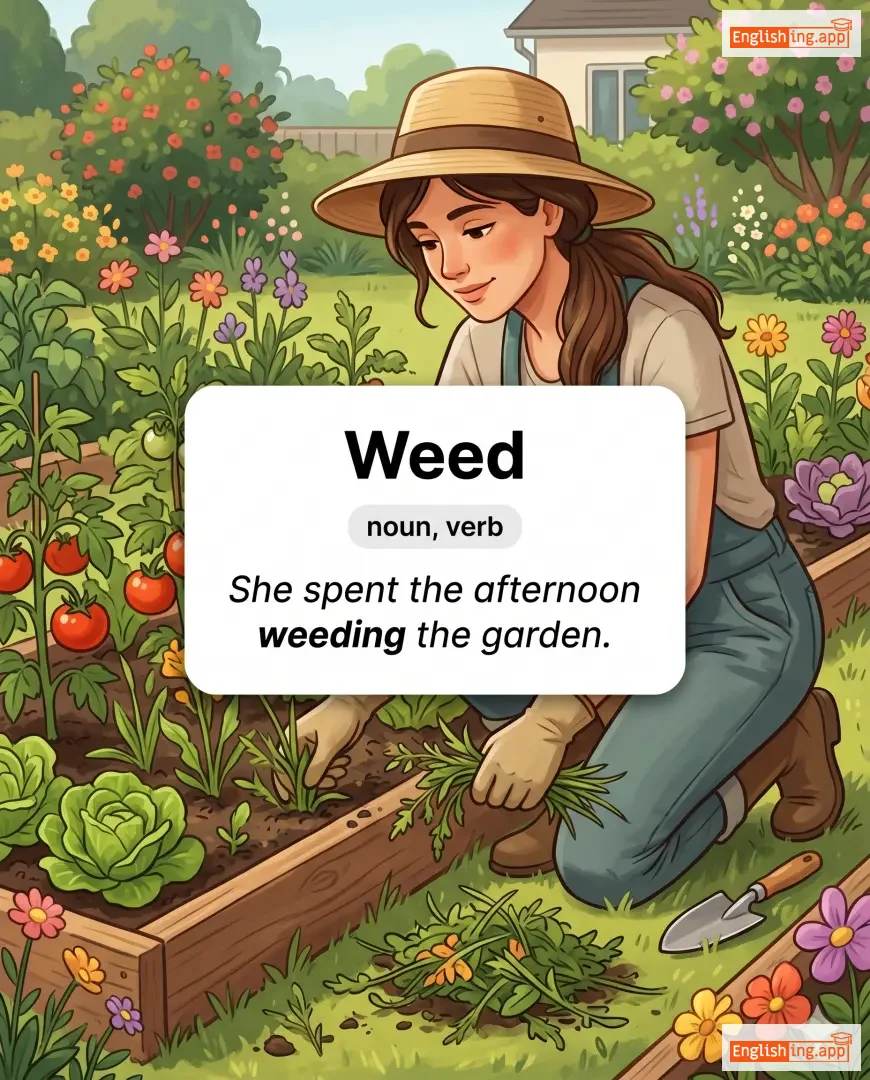
a wild plant growing where it is not wanted, especially among crops; to remove such plants
••••••
She spent the afternoon weeding the garden.
Ella pasó la tarde desmalezando el jardín.
••••••
Ella pasó la tarde desmalezando el jardín.
Ella paso la tarde desmalezando el jardin.
••••••
eliminar
••••••
to remove unwanted or less effective people or things
••••••
eliminar a personas o cosas no deseadas o menos efectivas
eliminar a personas o cosas no deseadas o menos efectivas
••••••
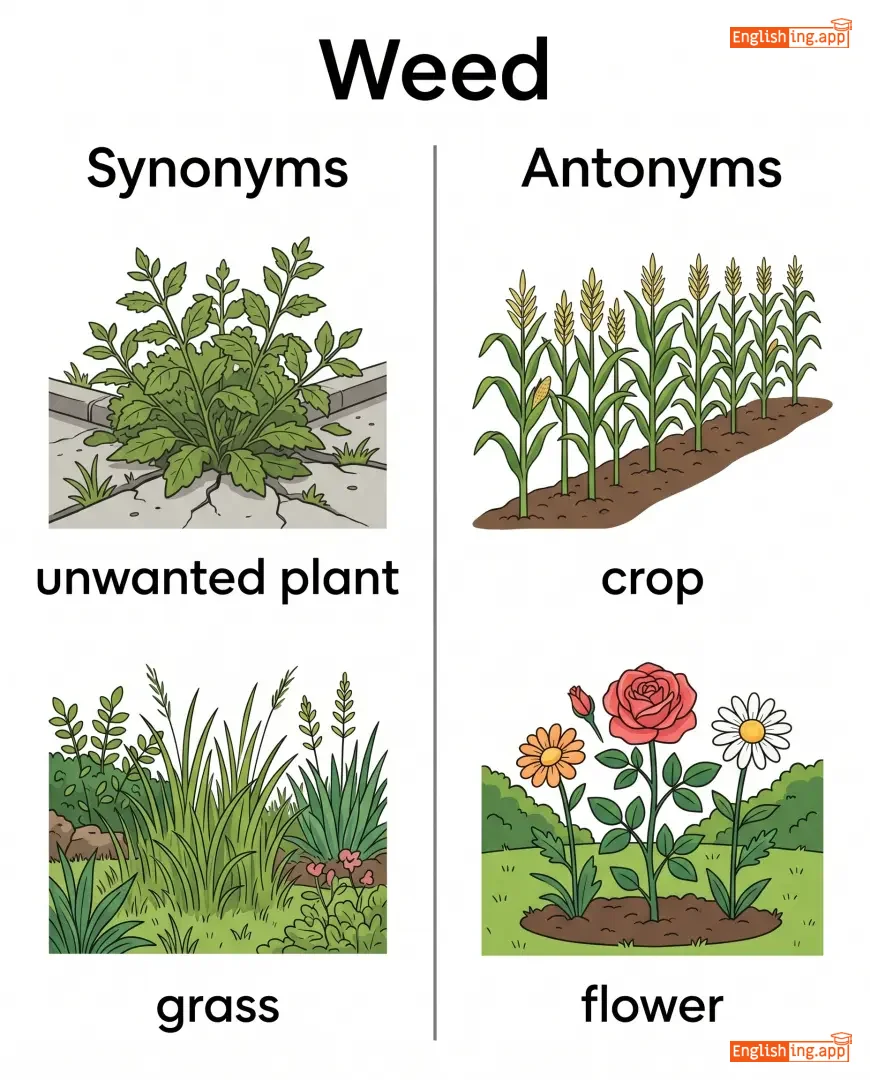
unwanted plant, grass, wild plant, pest plant, herb
••••••
••••••
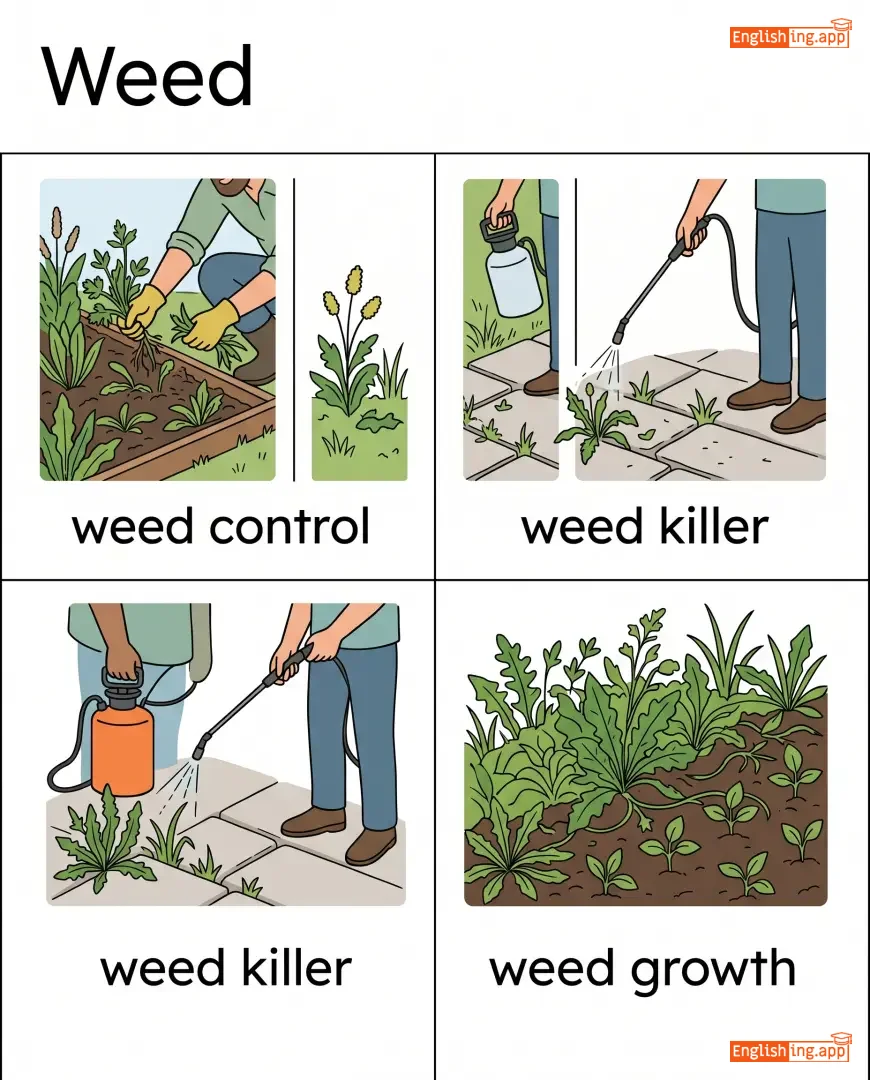
weed control, weed killer, weed growth, pull weeds, weed out
••••••
weed = maleza, limpiar el jardín es eliminar maleza 🌱
••••••
🕳️
••••••
/wel/
noun
(wel)
••••••
-
••••••
pozo; bienestar;
pozo; bienestar
••••••
-
••••••
-
••••••
-
••••••
-
••••••
a deep hole in the ground from which water is obtained
••••••
The villagers get water from the old well in the center of town.
los aldeanos obtienen agua del viejo pozo en el centro del pueblo.
••••••
Los aldeanos obtienen agua del viejo pozo en el centro del pueblo.
Los aldeanos obtienen agua del viejo pozo en el centro del pueblo.
••••••
-
••••••
-
••••••
-
••••••
••••••
••••••
water well, oil well, deep well
••••••
El pozo puede ser un símbolo de bienestar y agua para los aldeanos.
••••••
🌅
••••••
/wɛst/
noun
(wɛst)
••••••
-
••••••
oeste
oeste
••••••
-
••••••
-
••••••
-
••••••
-
••••••
the direction to the left of the north and to the right of the south, typically associated with the sunset
••••••
The sun sets in the west .
••••••
El sol se pone en el oeste.
El sol se pone en el oeste.
••••••
-
••••••
-
••••••
-
••••••
••••••
••••••
west coast, west side, go west, western civilization
••••••
El sol se pone en el oeste - The sun sets in the west.
••••••
❓
••••••
/wɒt/
pronoun
(wot)
••••••
-
••••••
qué
que
••••••
-
••••••
-
••••••
-
••••••
-
••••••
used to ask for information about something
••••••
••••••
¿Cuál es tu nombre?
¿Cuál es tu nombre?
••••••
-
••••••
-
••••••
-
••••••
••••••
-
••••••
what time, what happened, what are you doing
••••••
qué (que) se usa para hacer preguntas - 'What' se usa para preguntar.
••••••
🥄
••••••
/wɪp/
verb
(wɪp)
••••••
-
••••••
azotar
azotar
••••••
wɪpt
••••••
wɪpt
••••••
wɪps
••••••
wɪpɪŋ
••••••
to strike or beat with a flexible instrument such as a rope or cord
••••••
The trainer whipped the horse to make it run faster.
El entrenador azotó al caballo para hacerlo correr más rápido.
••••••
El entrenador azotó al caballo para hacerlo correr más rápido.
El entrenador azotó al caballo para hacerlo correr más rápido.
••••••
whip up
••••••
to quickly prepare or create something
••••••
preparar rápidamente
preparar rapidamente
••••••
lash, beat, strike, thrash, flog
••••••
••••••
whip cream, whip the horse, whip up enthusiasm, political whip
••••••
Whip significa azotar — ¡Whip para que el caballo corra más rápido!
••••••
👤
••••••
/huːm/
pronoun
(jum)
••••••
-
••••••
a quien
a quien
••••••
-
••••••
-
••••••
-
••••••
-
••••••
used to refer to the person or people that something is done to
••••••
The man whom I met yesterday is my friend.
••••••
El hombre a quien conocí ayer es mi amigo.
El hombre a quien conocí ayer es mi amigo.
••••••
-
••••••
-
••••••
-
••••••
••••••
••••••
whom I met, whom I saw, to whom it may concern
••••••
Whom sounds like 'A quien' - 'A quien' as in the person you met.
••••••
↔️
••••••
/waɪd/
adjective
(wáid)
••••••
-
••••••
ancho; amplio
ancho; amplio
••••••
-
••••••
-
••••••
-
••••••
-
••••••
having a great distance from one side to the other; broad
••••••
The river is very wide at this point.
••••••
El río es muy ancho en este punto.
El río es muy ancho en este punto.
••••••
-
••••••
-
••••••
-
••••••
broad, extensive, spacious, vast
••••••
••••••
wide range, wide variety, wide open, wide awake
••••••
Ancho río, amplio espacio.
••••••
🍷
••••••
/waɪn/
noun
(wajn)
••••••
-
••••••
vino
vino
••••••
-
••••••
-
••••••
-
••••••
-
••••••
an alcoholic drink made from fermented grapes or other fruits
••••••
They served a glass of red wine at the dinner.
Ellos sirvieron una copa de vino tinto en la cena.
••••••
Ellos sirvieron una copa de vino tinto en la cena.
Ellos sirvieron una copa de vino tinto en la cena.
••••••
-
••••••
-
••••••
-
••••••
vino, beverage, drink, alcohol
••••••
••••••
red wine, white wine, glass of wine, bottle of wine
••••••
Wine pairs with dinner—imagine a glass of red wine with a fancy meal!
••••••
🪶
••••••
/wɪŋ/
verb
(uing)
••••••
••••••
volar con alas
volar con alas
••••••
uinged
••••••
uinged
••••••
uings
••••••
uinging
••••••
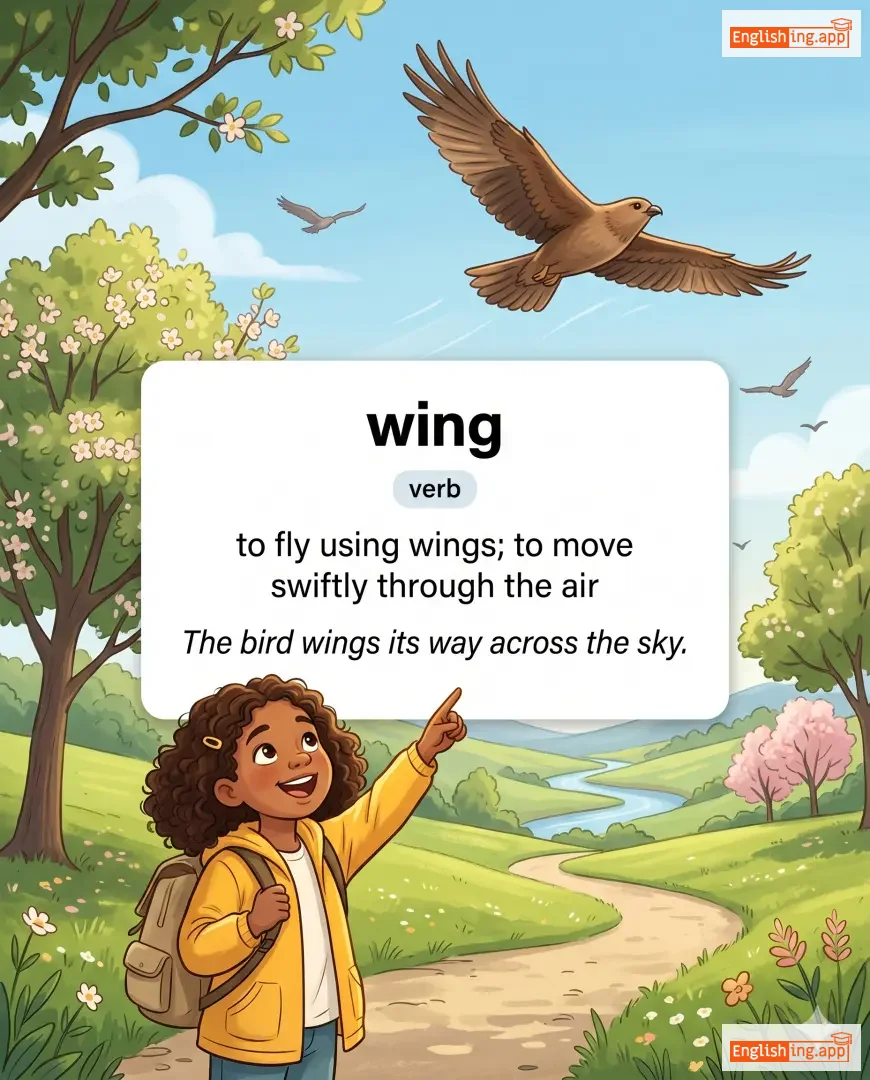
to fly using wings; to move swiftly through the air
••••••
The bird wings its way across the sky.
El pájaro vuela a través del cielo.
••••••
El pájaro vuela su camino a través del cielo.
El pájaro vuela su camino a través del cielo.
••••••
-
••••••
-
••••••
-
••••••
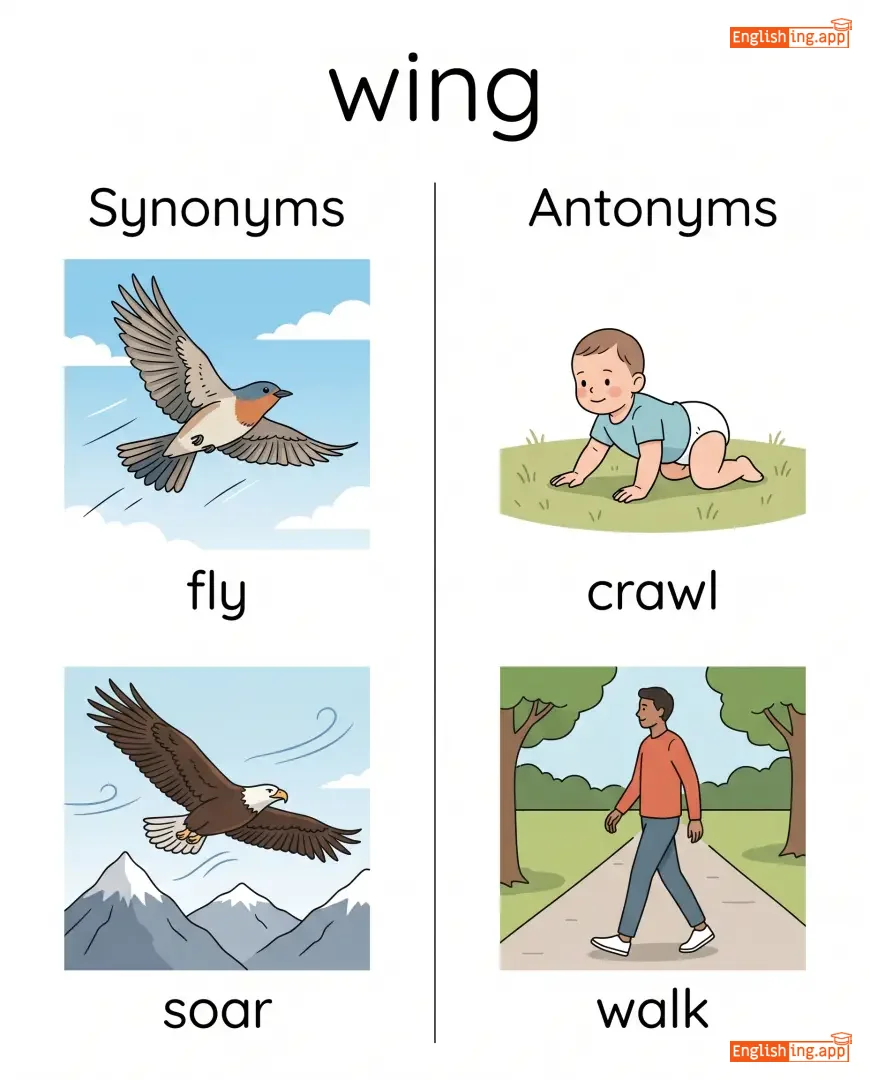
fly, soar, glide, flutter
••••••
crawl, walk, ground, land
••••••
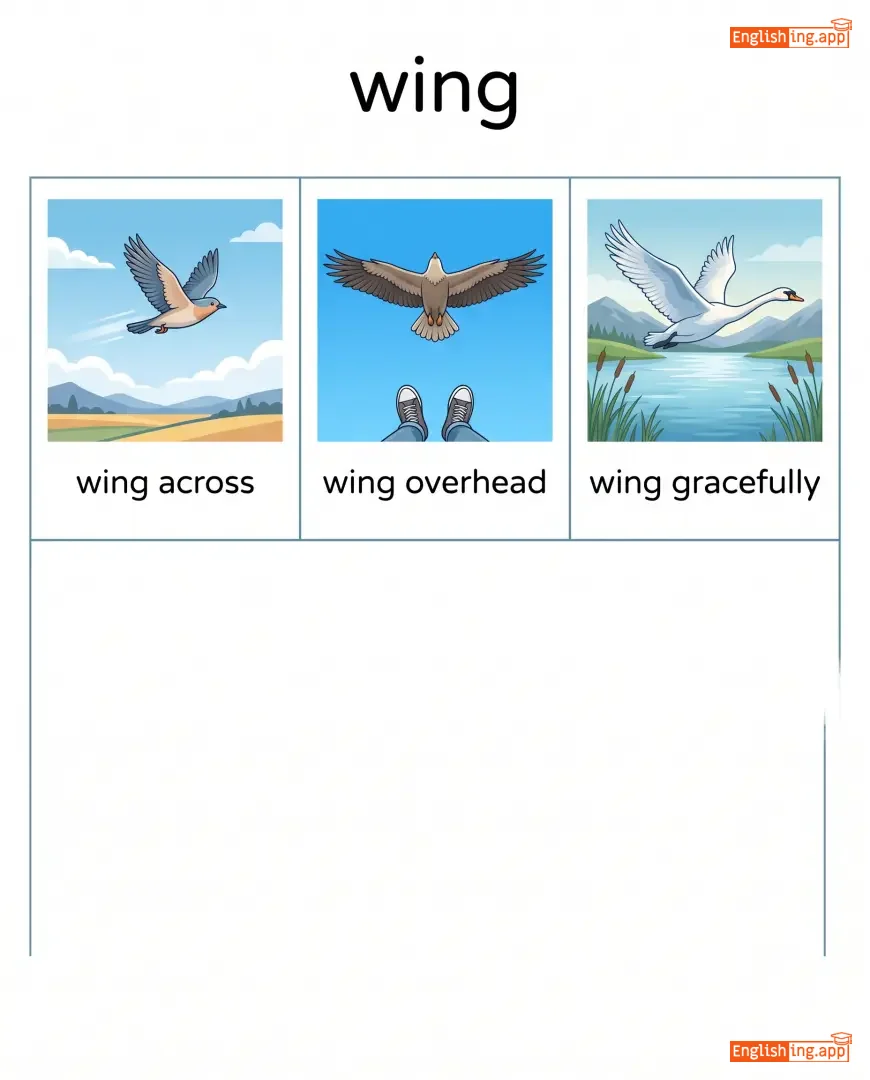
wing across, wing overhead, wing gracefully, wing swiftly
••••••
Vuela rápido con alas (volar con alas)
••••••
🤝
••••••
/wɪð/
preposition
(wiz)
••••••
-
••••••
con
kon
••••••
-
••••••
-
••••••
-
••••••
-
••••••
indicating the person or thing that is accompanying or involved with someone or something else
••••••
She went to the market with her friend.
••••••
Ella fue al mercado con su amiga.
Ella fue al mercado kon su amiga.
••••••
-
••••••
-
••••••
-
••••••
alongside, together, accompanied by, in company with
••••••
••••••
with me, with you, with them, with someone
••••••
Con el teléfono, siempre estás con tus amigos - With the phone, you're always with your friends.
••••••
🐺
••••••
/wʊlf/
noun
(wʊlf)
••••••
-
••••••
lobo
lobo
••••••
-
••••••
-
••••••
-
••••••
-
••••••
a wild carnivorous animal related to the dog, living and hunting in packs
••••••
The wolf howled loudly under the full moon.
••••••
El lobo aulló fuertemente bajo la luna llena.
El lobo auyo fuertemente bajo la luna llena.
••••••
••••••
to raise a false alarm or exaggerate danger
••••••
dar la voz de alarma falsa
dar la voz de alarma falsa
••••••
canine, predator, beast, dog, gray wolf
••••••
••••••
gray wolf, lone wolf, wolf pack, cry wolf
••••••
Lobo significa 'lobo' en español. Recuerda que el lobo aúlla fuerte bajo la luna llena 🐺
••••••
🐛
••••••
/wɜːrm/
noun
(wɜːrm)
••••••
-
••••••
gusano
gusano
••••••
-
••••••
-
••••••
-
••••••
-
••••••
a small, long, soft-bodied invertebrate animal
••••••
The gardener found a worm in the soil.
••••••
El jardinero encontró un gusano en el suelo.
El jardinero encontro un gusano en el suelo.
••••••
-
••••••
-
••••••
-
••••••
earthworm, grub, maggot, larva
••••••
••••••
fishing worm, earthworm, worm farm
••••••
¡Los gusanos ayudan a que el jardín crezca! – Worms help the garden grow!
••••••
🎁
••••••
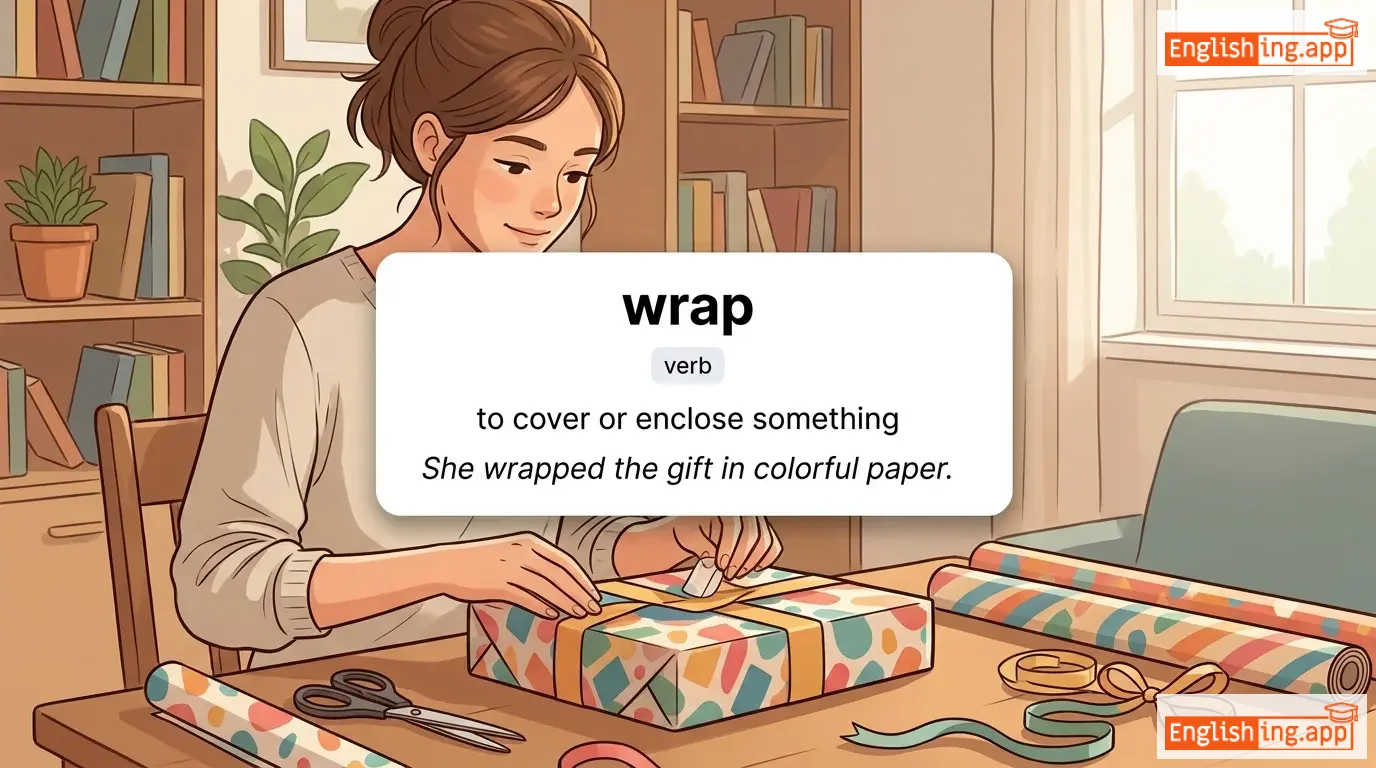
/ræp/
verb
(ráp)
••••••
••••••
envolver
envolver
••••••
rápt
••••••
rápt
••••••
raps
••••••
ráping
••••••
to cover something completely with paper or cloth; to enclose
••••••
Please wrap the gift in colorful paper.
Por favor envuelve el regalo en papel de colores.
••••••
Por favor envuelve el regalo en papel de colores.
Por favor envuelve el regalo en papel de colores.
••••••
-
••••••
-
••••••
-
••••••
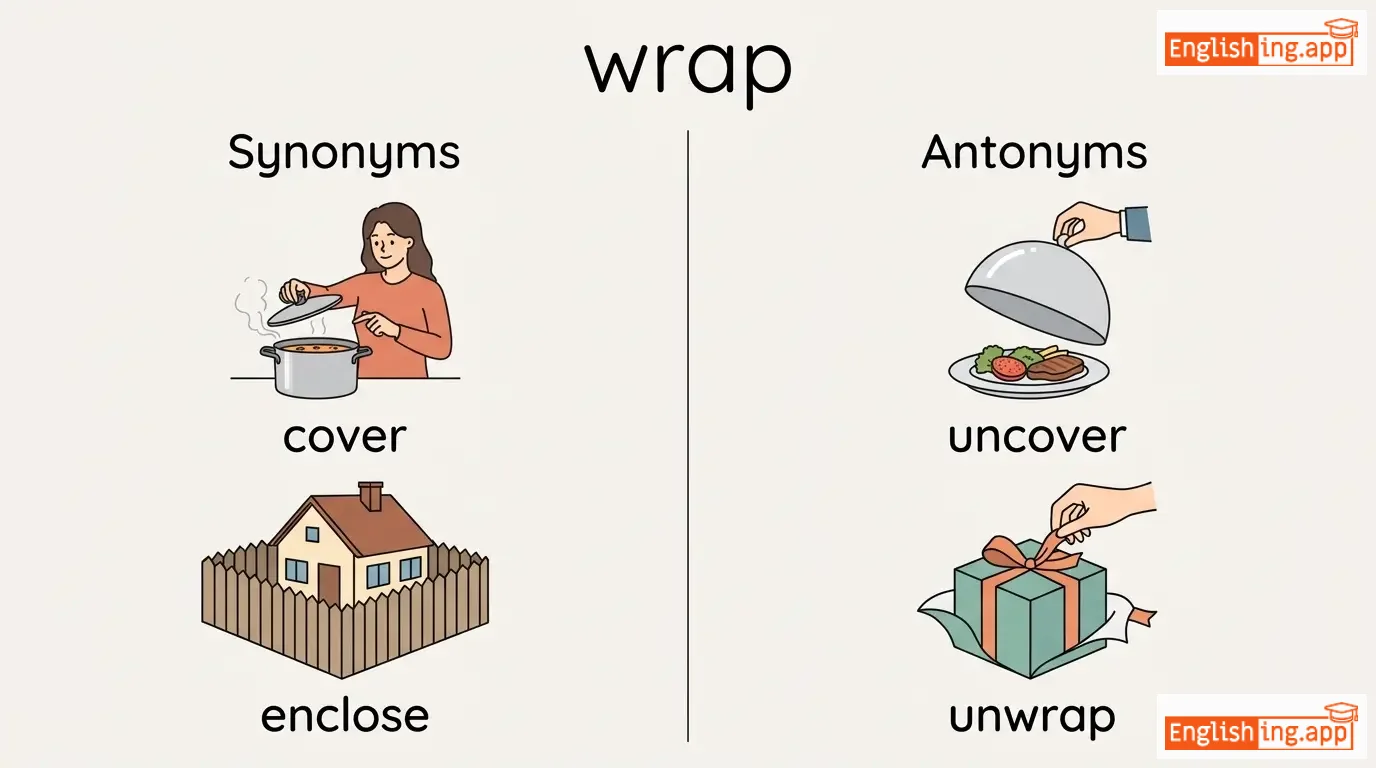
cover, enclose, package, bundle
••••••
unwrap, uncover, expose, open
••••••
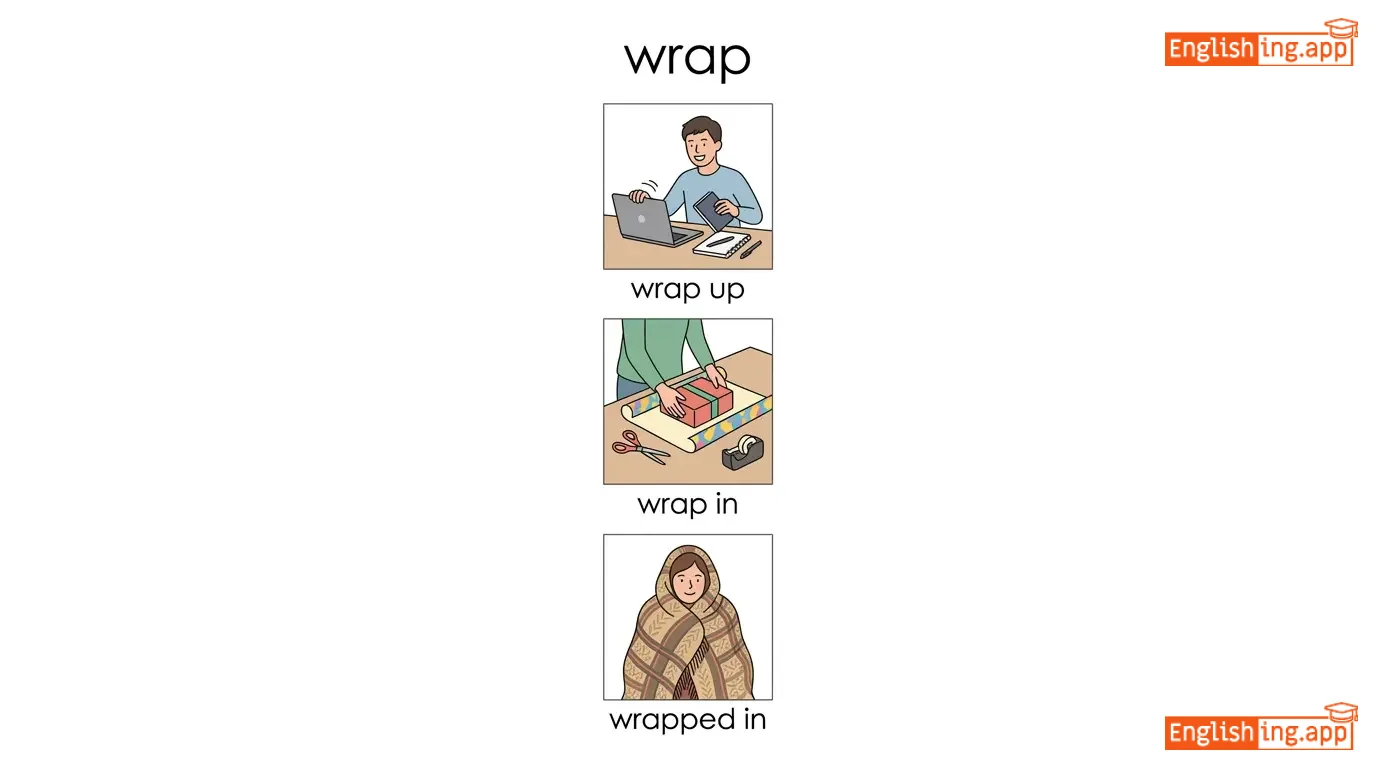
wrap up, gift wrap, plastic wrap, wrap around, wrap tightly
••••••
Wrap means envolver, like wrapping a gift for a friend
••••••
🏡
••••••
/jɑːrd/
noun
(yarda)
••••••
-
••••••
patio; jardín; área alrededor de una casa
patio; jardin; area alrededor de una casa
••••••
-
••••••
-
••••••
-
••••••
-
••••••
a unit of linear measure equal to 3 feet; an area of land immediately adjacent to a building
••••••
The children played in the back yard .
••••••
Los niños jugaron en el jardín trasero.
Los niños jugaron en el jardín trasero
••••••
-
••••••
-
••••••
-
••••••
courtyard, garden, measure, enclosure
••••••
indoor, interior, inside, building
••••••
back yard, front yard, school yard
••••••
Yard = Patio, kids playing in backyard
••••••
👍
••••••
/jɛə/
interjection
(sí)
••••••
-
••••••
sí
si
••••••
-
••••••
-
••••••
-
••••••
-
••••••
used to express agreement or affirmation
••••••
Yeah , I’ll go to the store with you.
••••••
Sí, iré a la tienda contigo.
Si, ire a la tienda contigo.
••••••
-
••••••
-
••••••
-
••••••
yes, certainly, absolutely, okay
••••••
••••••
yeah sure, yeah okay, yeah right, yeah I agree
••••••
Yeah, in Spanish we say 'Sí!' when agreeing.
••••••
📣
••••••
/jɛl/
verb
(yel)
••••••
••••••
gritar
gritar
••••••
yeld
••••••
yeld
••••••
yels
••••••
yeling
••••••
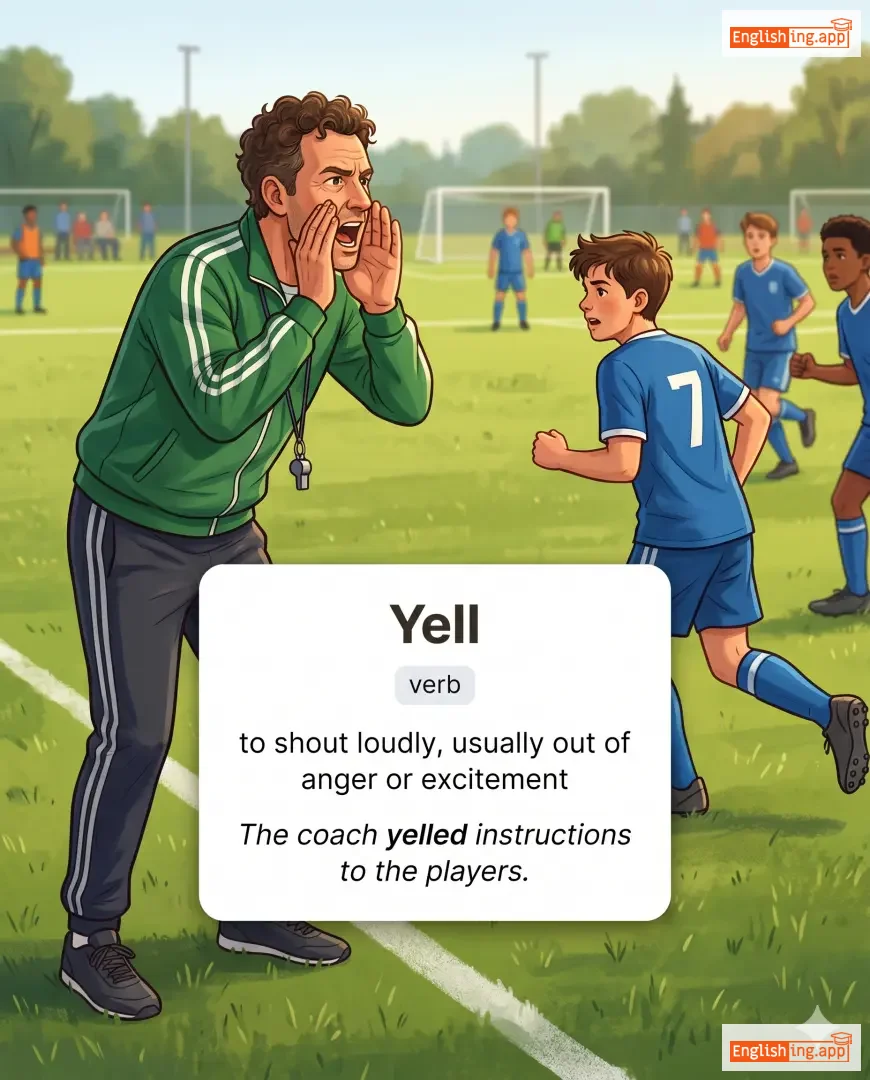
to shout loudly, usually out of anger or excitement
••••••
The coach yelled instructions to the players.
the coach yeld instructions to the players
••••••
El entrenador gritó instrucciones a los jugadores.
El entrenador grito instrucciones a los jugadores.
••••••
yel at
••••••
to shout at someone angrily
••••••
gritarle a alguien
gritarle a alguien
••••••
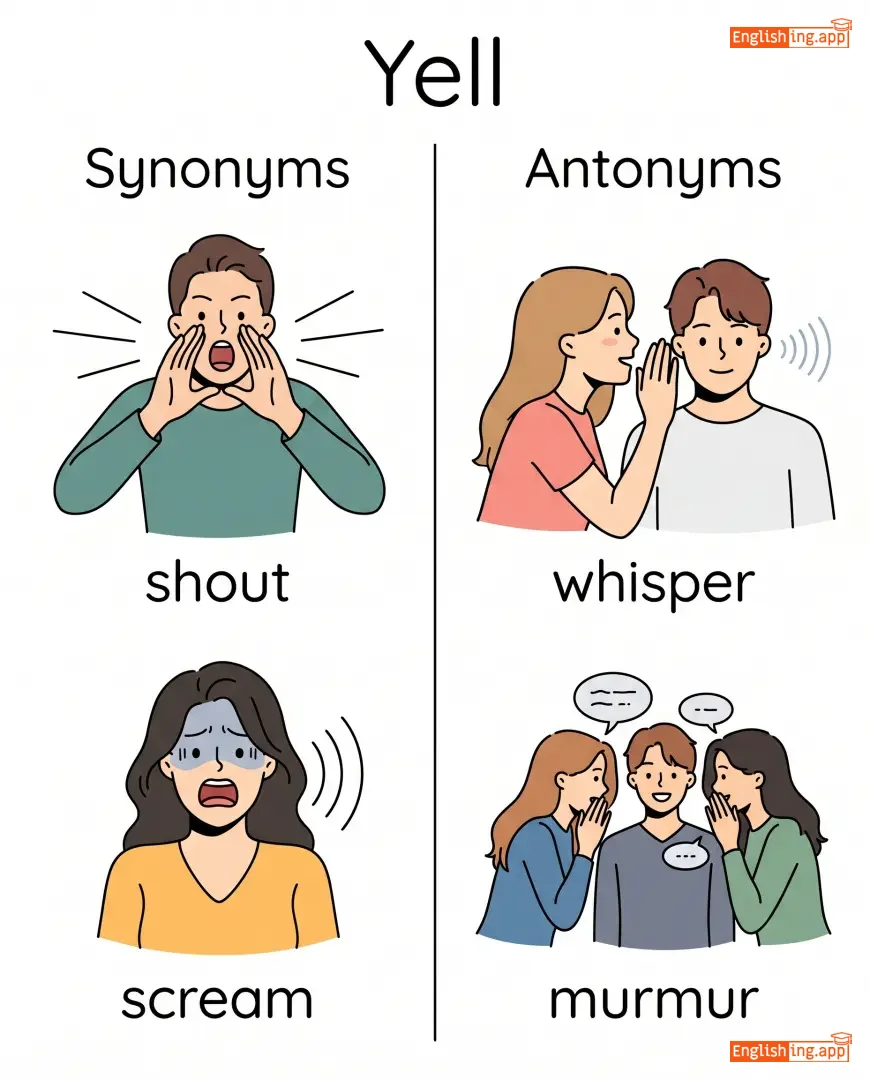
shout, scream, holler, cry, call
••••••
••••••
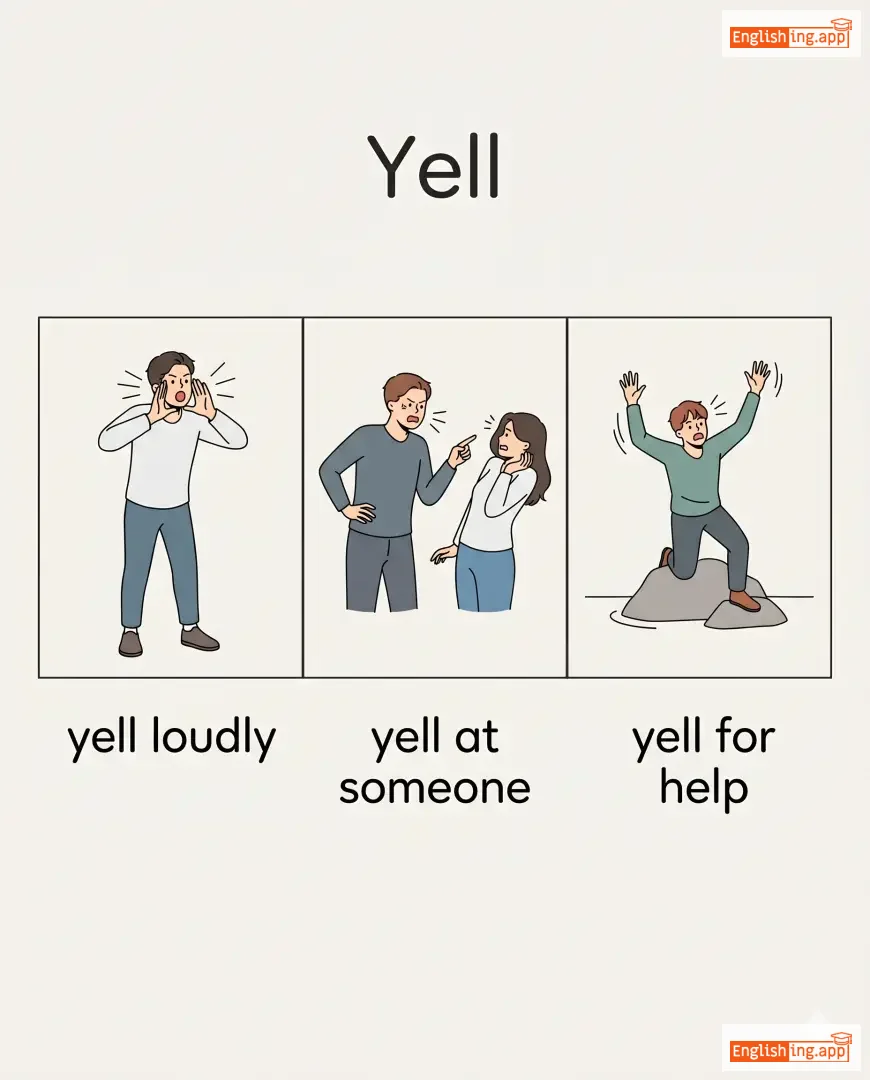
yell loudly, yell at someone, yell for help
••••••
Yell significa gritar, como cuando alguien está muy enojado o emocionado.
••••••
📚
••••••
/jɔːr/
pronoun
(tu)
••••••
-
••••••
tu
tu
••••••
-
••••••
-
••••••
-
••••••
-
••••••
used to indicate possession or association
••••••
Your book is on the table.
••••••
Tu libro está sobre la mesa.
Tu libro esta sobre la mesa.
••••••
-
••••••
-
••••••
-
••••••
your own, belonging to you
••••••
••••••
your opinion, your responsibility, your time
••••••
Tu libro está sobre la mesa - Your book is on the table
••••••
🌍
••••••
/zoʊn/
noun
(zón)
••••••
••••••
zona
zona
••••••
-
••••••
-
••••••
-
••••••
-
••••••
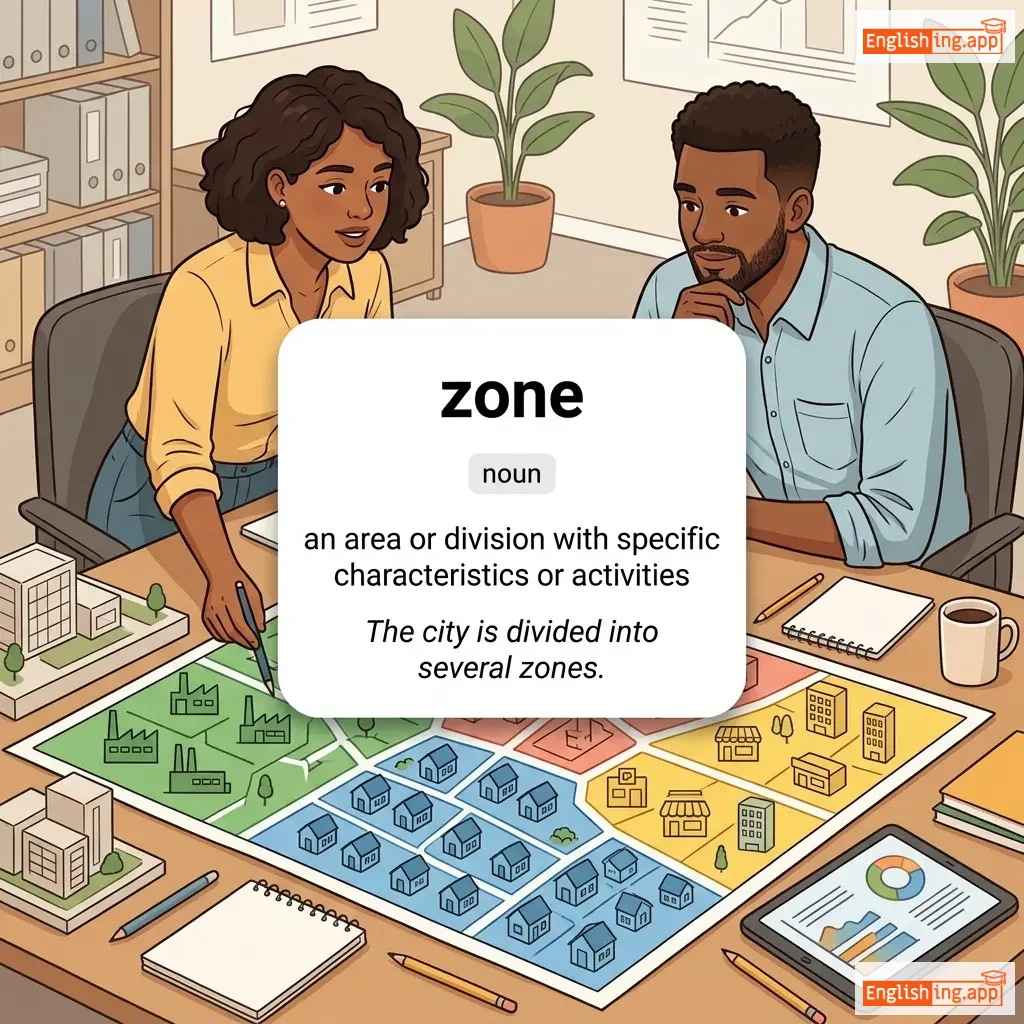
an area or division with specific characteristics or activities
••••••
The city is divided into several zones.
••••••
La ciudad está dividida en varias zonas.
La ciudad está dividida en varias zonas.
••••••
-
••••••
-
••••••
-
••••••
••••••
••••••
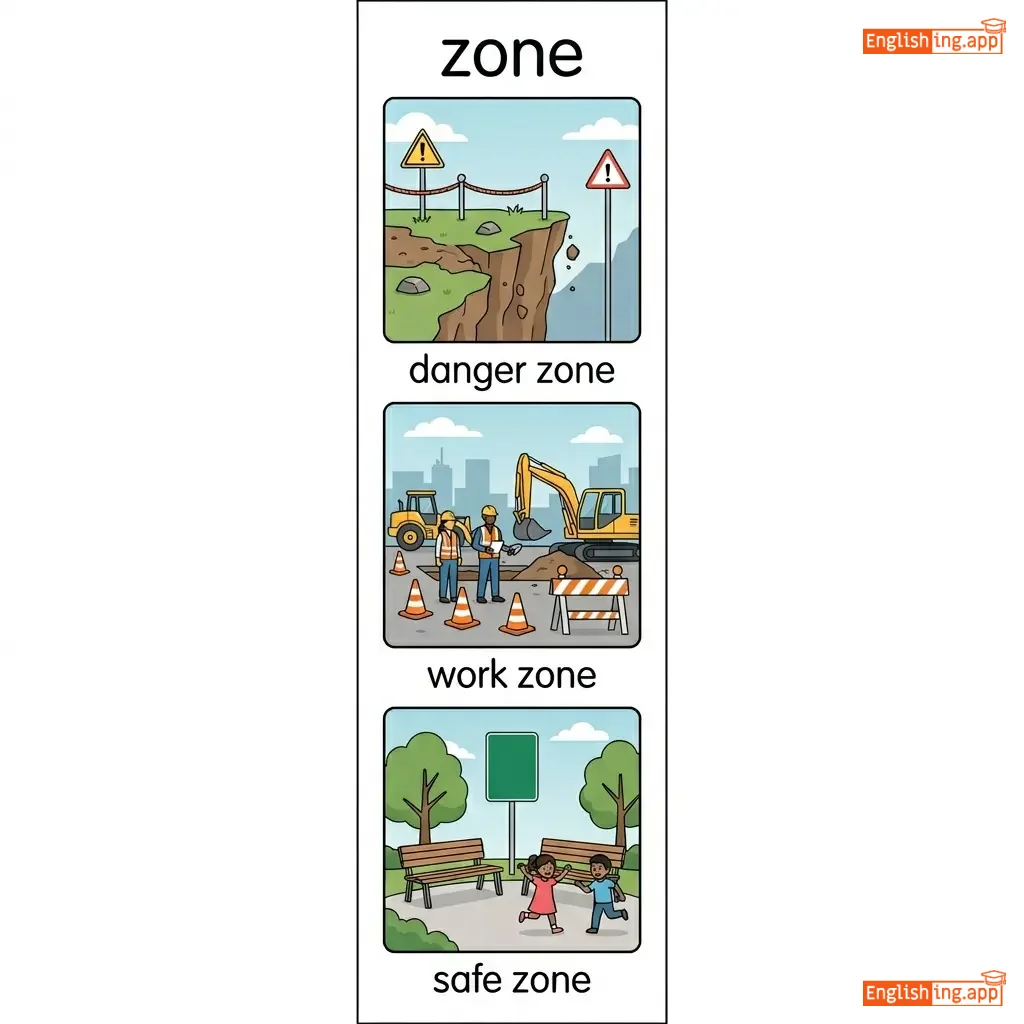
danger zone, work zone, safe zone
••••••
Zona dividida de la ciudad (Zona dividida de la ciudad) - The city is divided into zones.
••••••