CEFR Level
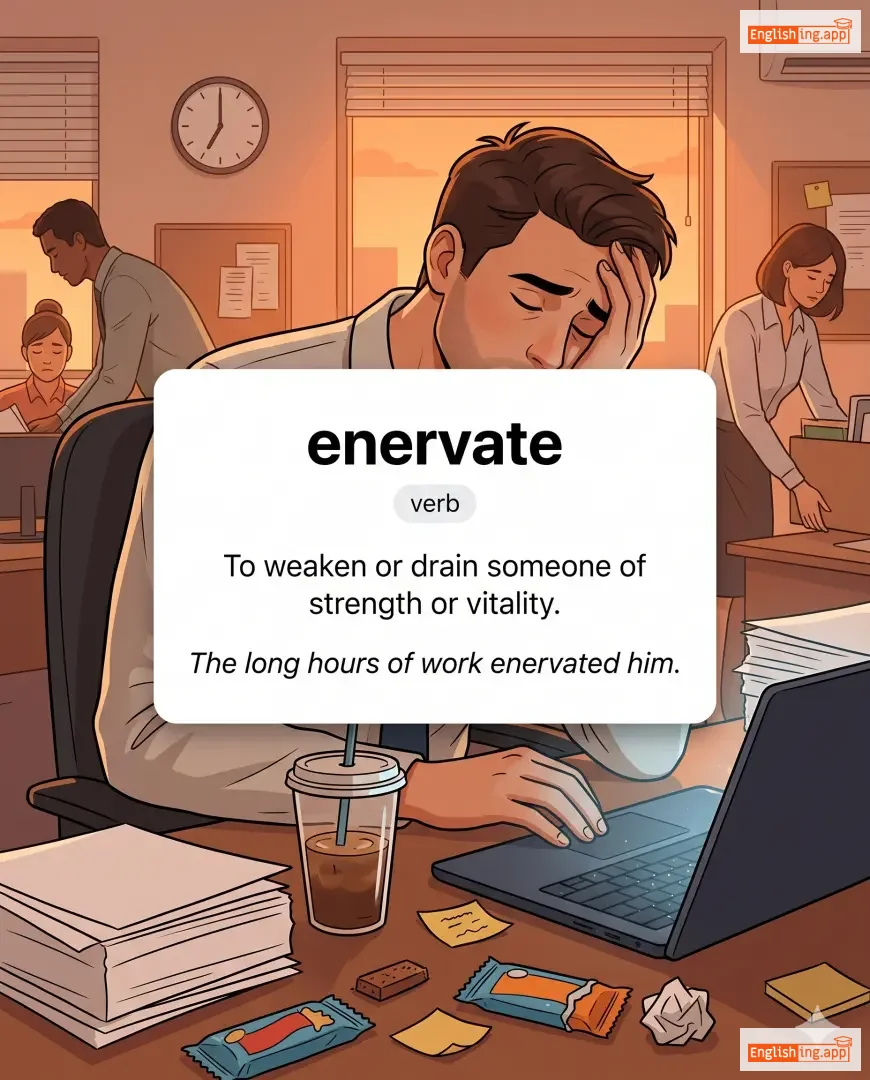
To weaken or drain someone of strength or vitality.
"The long hours of work enervated him."
Lacking energy, vitality, or strength; weakened or exhausted.
"After the long meeting, she felt completely enervated."
To make weak or feeble; to deprive of strength.
"The long illness enfeebled the old man."
To grant the right to vote or other rights of citizenship.
"The new law enfranchised thousands of people."
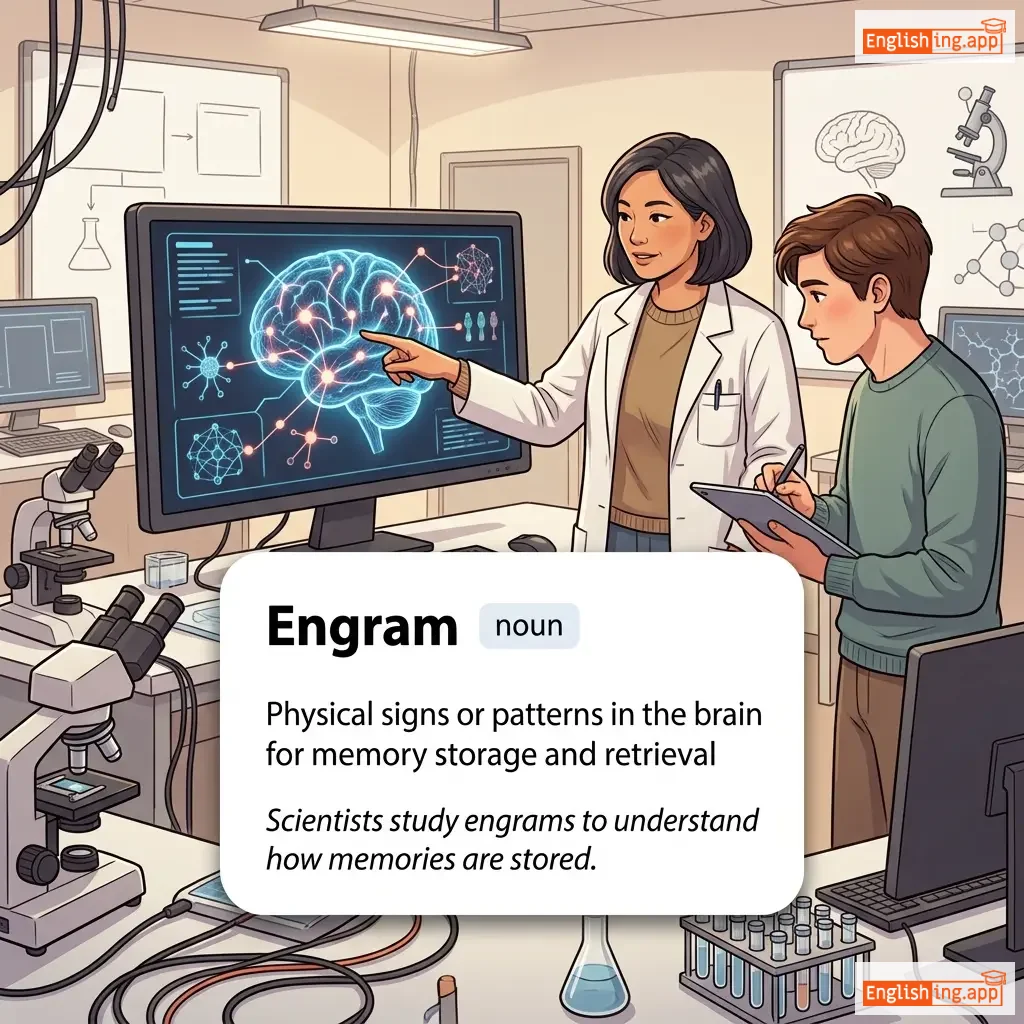
Physical signs or patterns in the brain for memory storage and retrieval
"Scientists study engrams to understand how memories are stored."
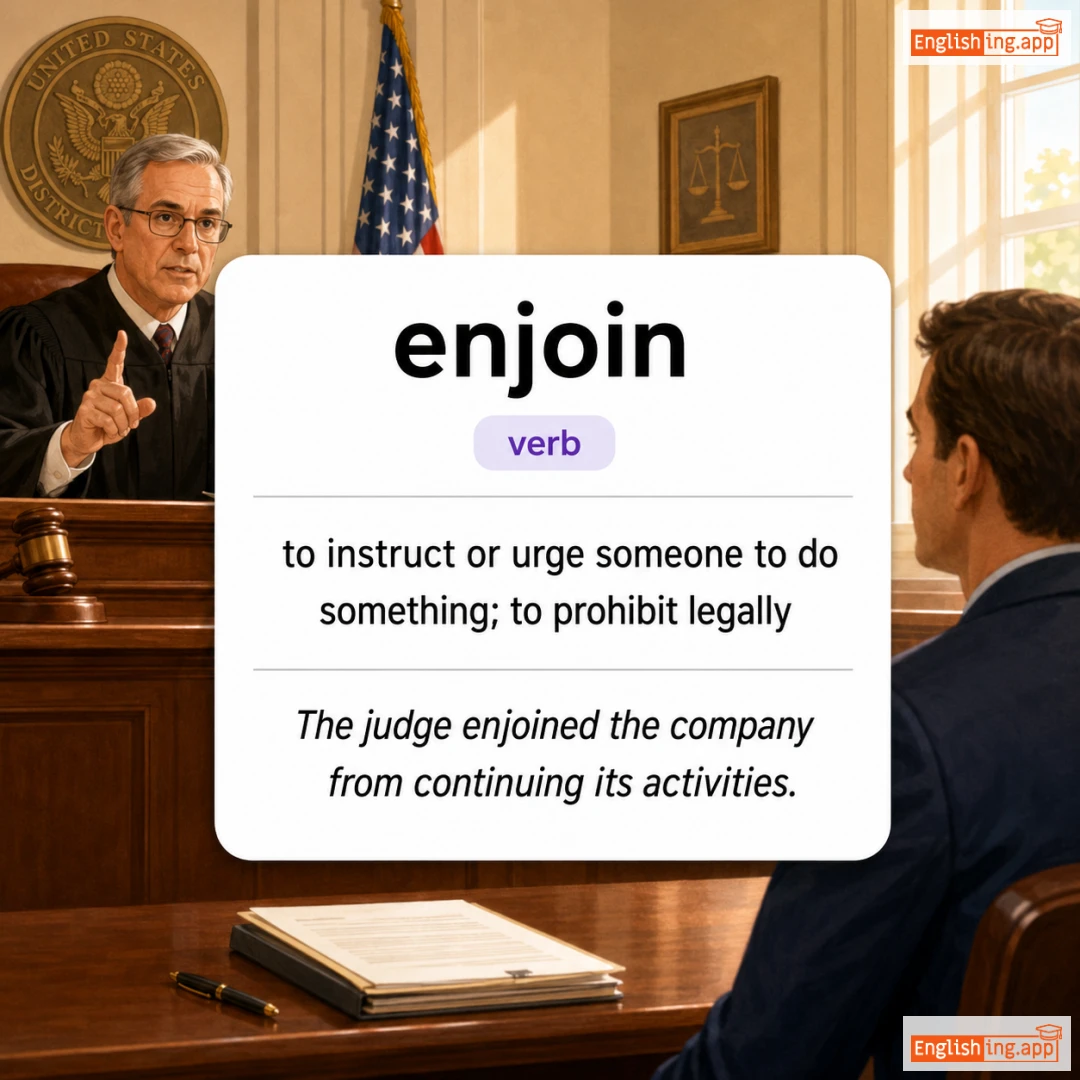
to instruct or urge someone to do something; to prohibit legally
"The judge enjoined the company from continuing its activities."
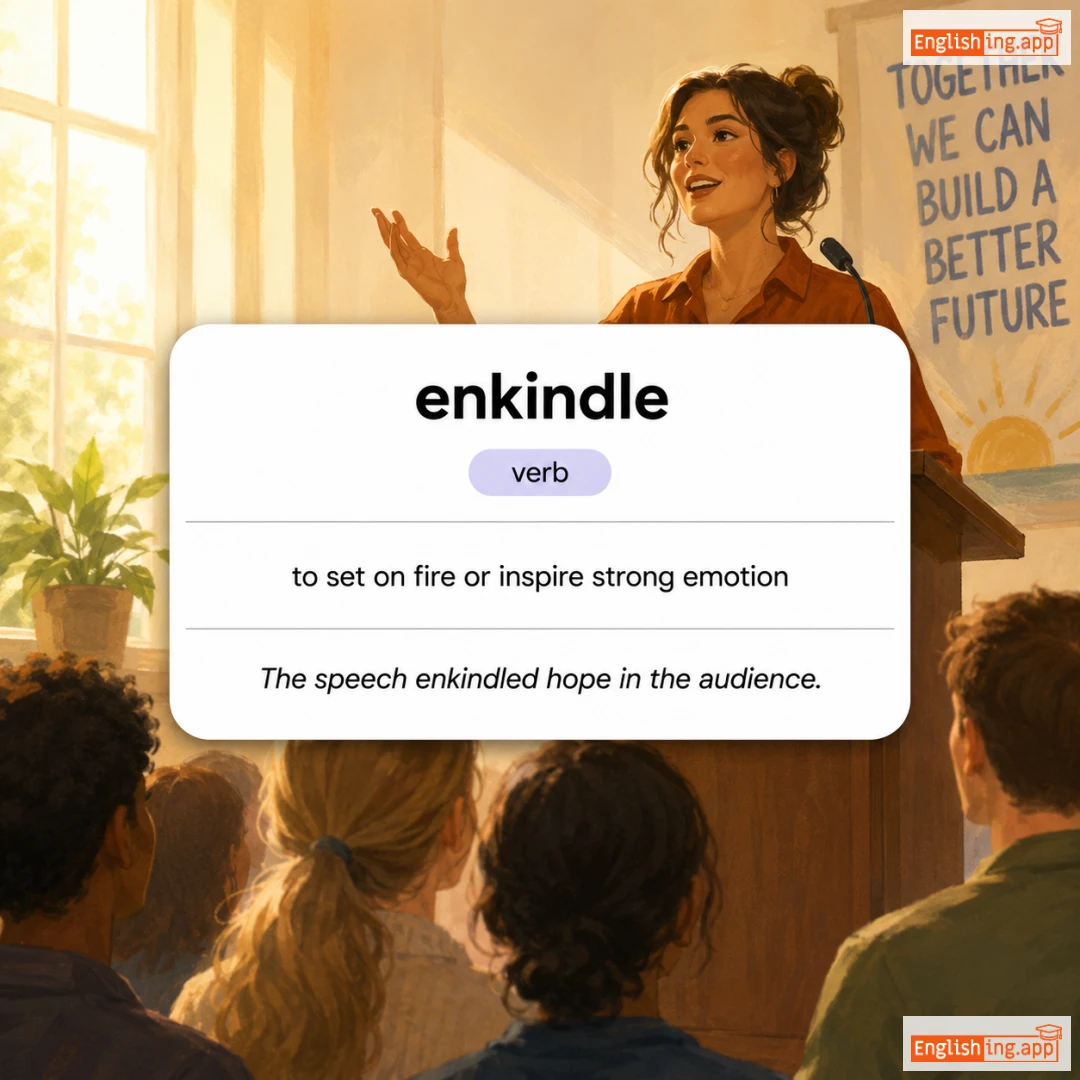
to set on fire or inspire strong emotion
"The speech enkindled hope in the audience."
to give someone a noble rank or to elevate in dignity or honor
"His selfless actions ennobled his character in the eyes of others."
A feeling of boredom, listlessness, or dissatisfaction arising from lack of excitement.
"After weeks of doing nothing, he sank into a deep sense of ennui."
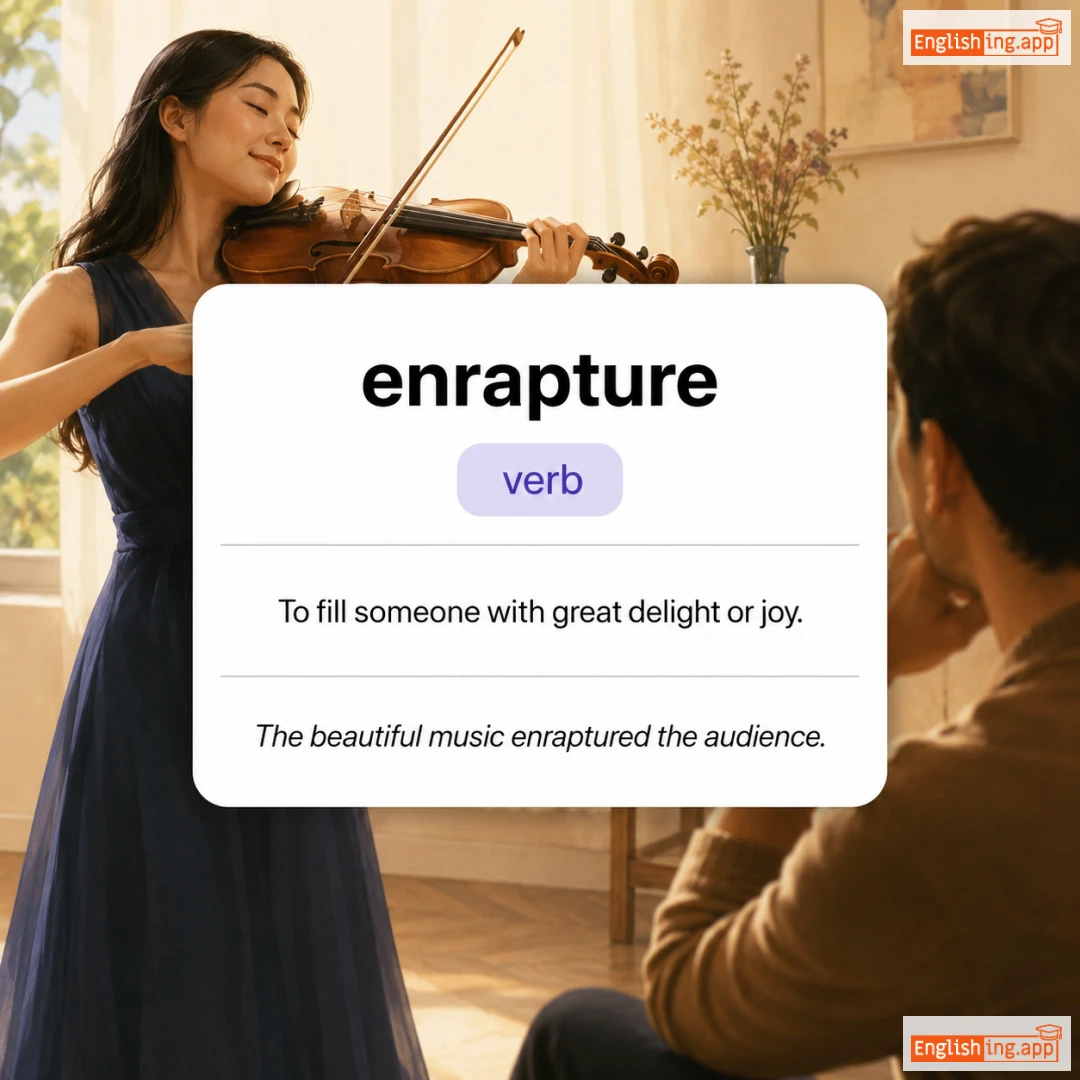
To fill someone with great delight or joy.
"The beautiful music enraptured the audience."
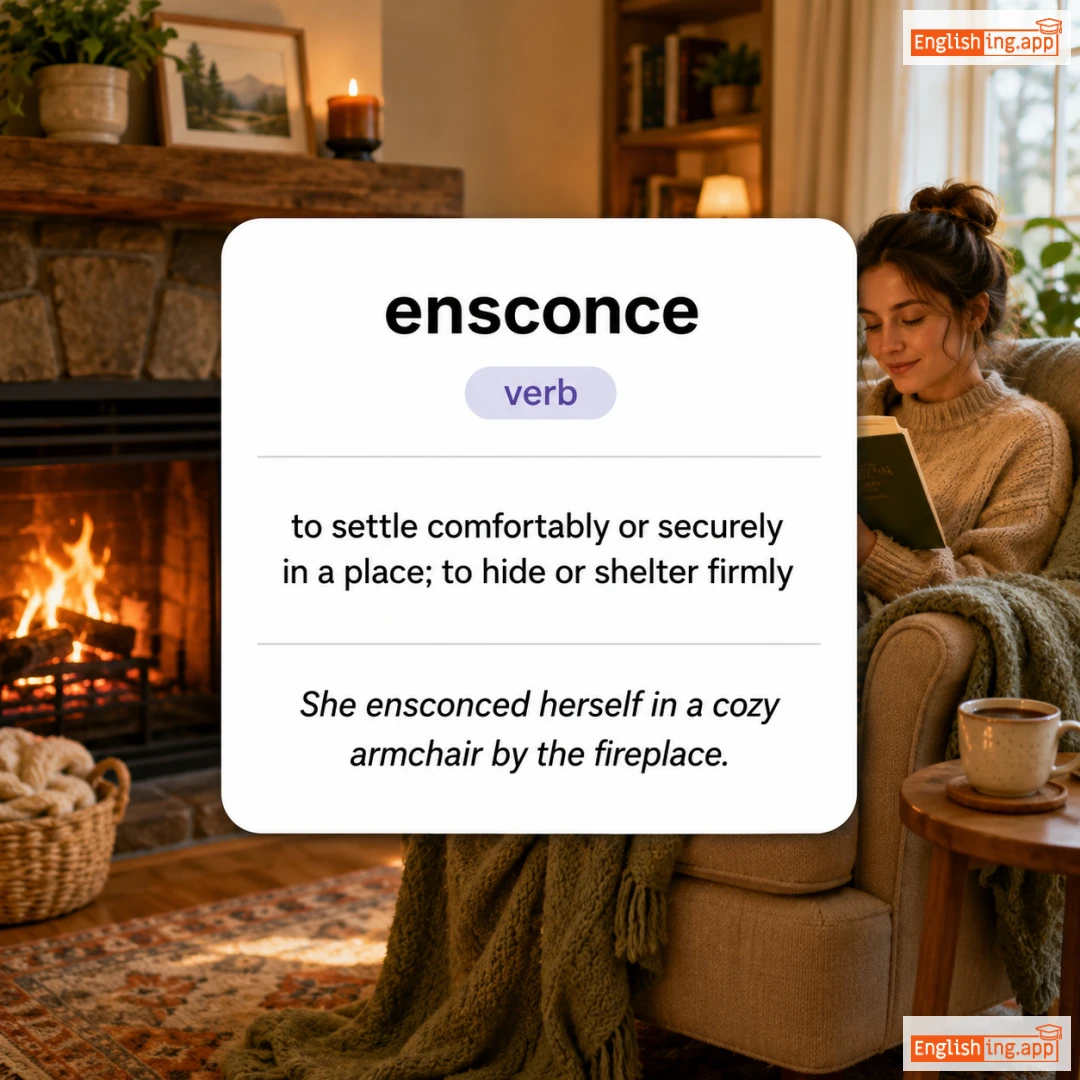
to settle comfortably or securely in a place; to hide or shelter firmly
"She ensconced herself in a cozy armchair by the fireplace."
A flag or standard, especially a military or naval one indicating nationality; also a junior officer in the navy or coast guard.
"The ship raised its national ensign before leaving the harbor."
to catch or trap, often by trickery or deceit
"The hunter ensnared the rabbit with a net."
To captivate or hold someone’s full attention.
"The magician’s performance enthralled the audience."
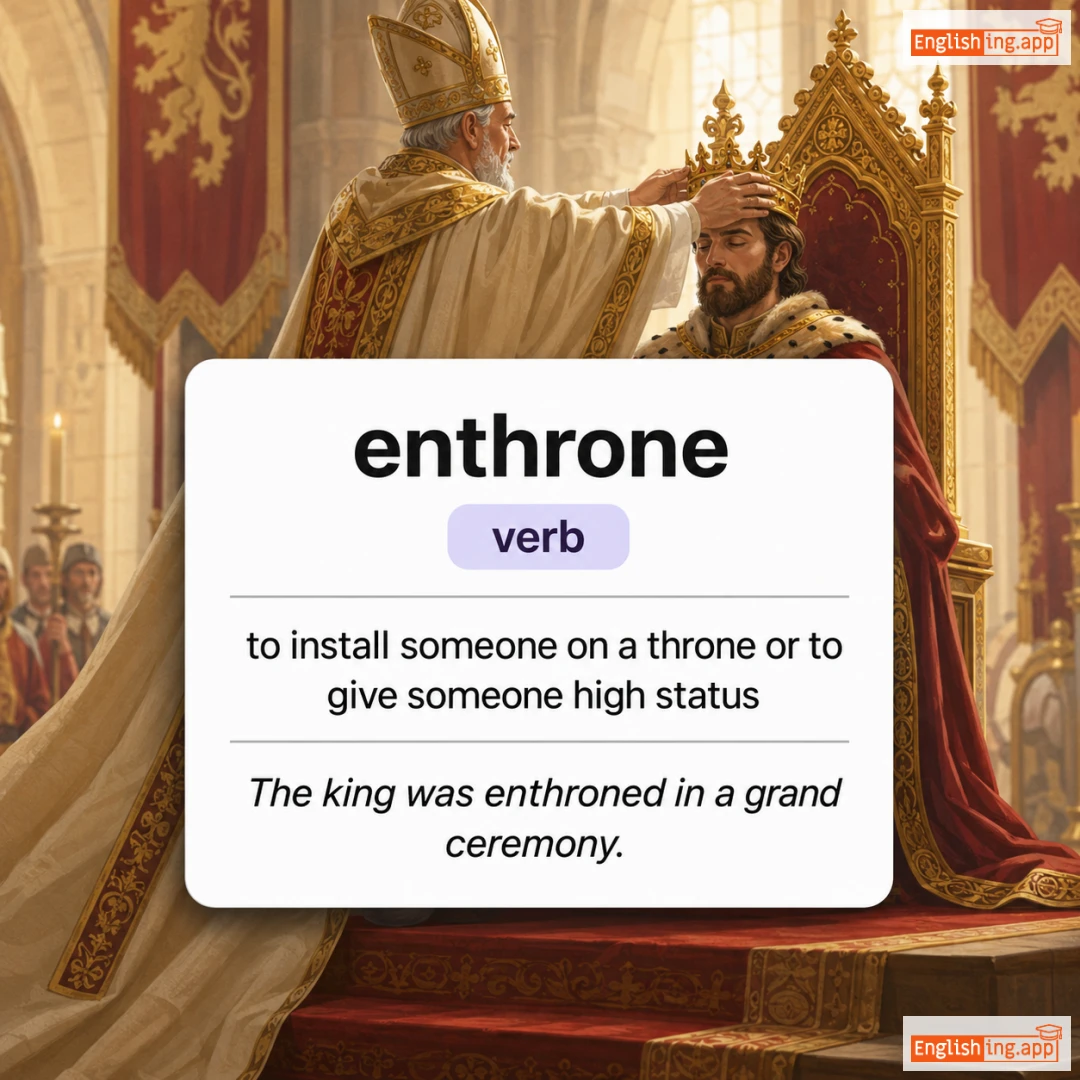
to install someone on a throne or to give someone high status
"The king was enthroned in a grand ceremony."
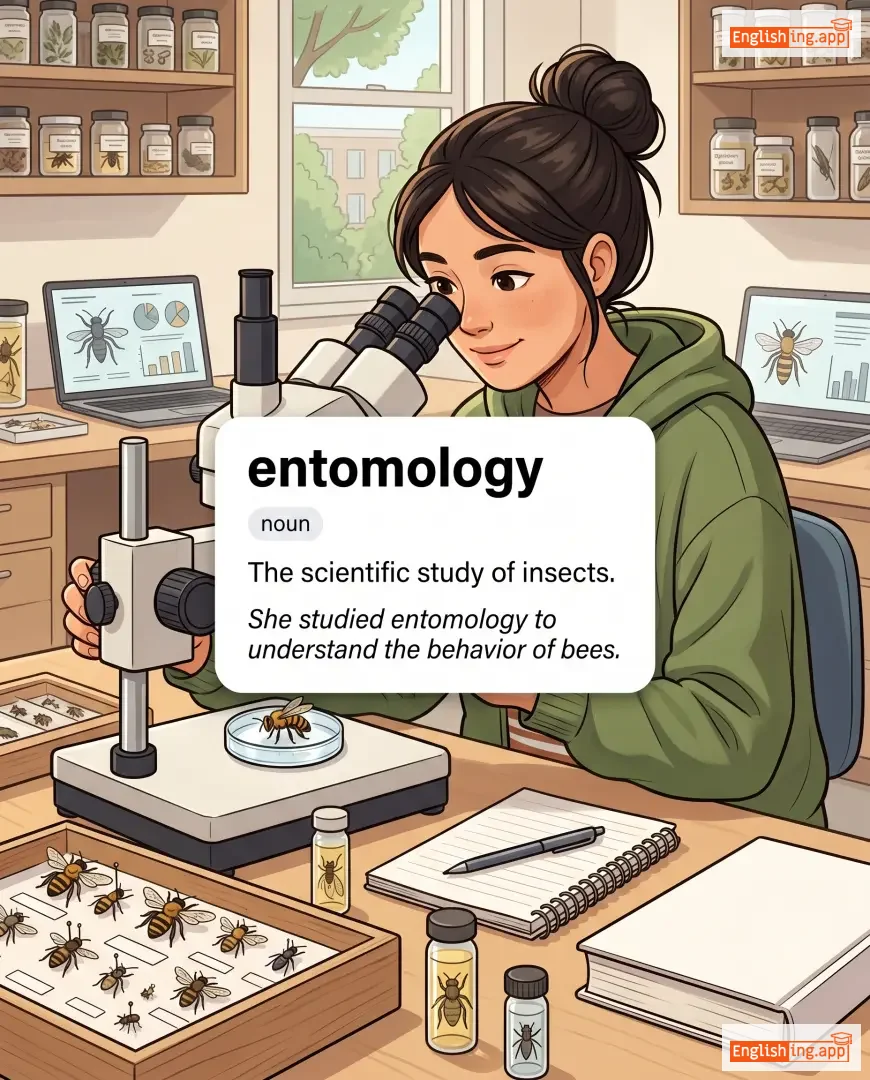
The scientific study of insects.
"She studied entomology to understand the behavior of bees."
To catch or trick someone into a difficult situation.
"The police tried to entrap the criminal with false evidence."
To ask earnestly or beg someone to do something.
"She entreated him to stay a little longer."
An earnest or humble request or plea.
"She made an entreaty for peace during the heated argument."
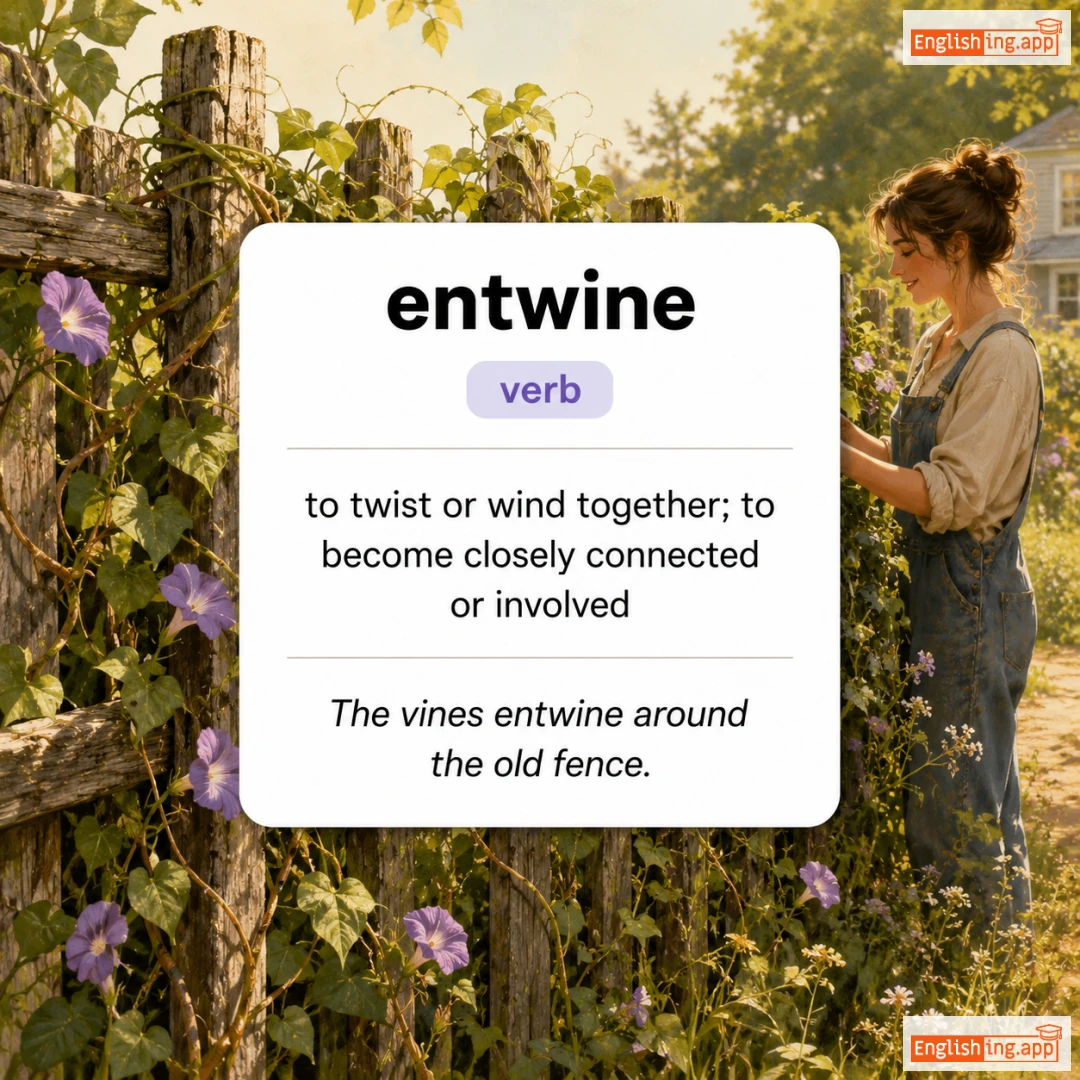
to twist or wind together; to become closely connected or involved
"The vines entwine around the old fence."
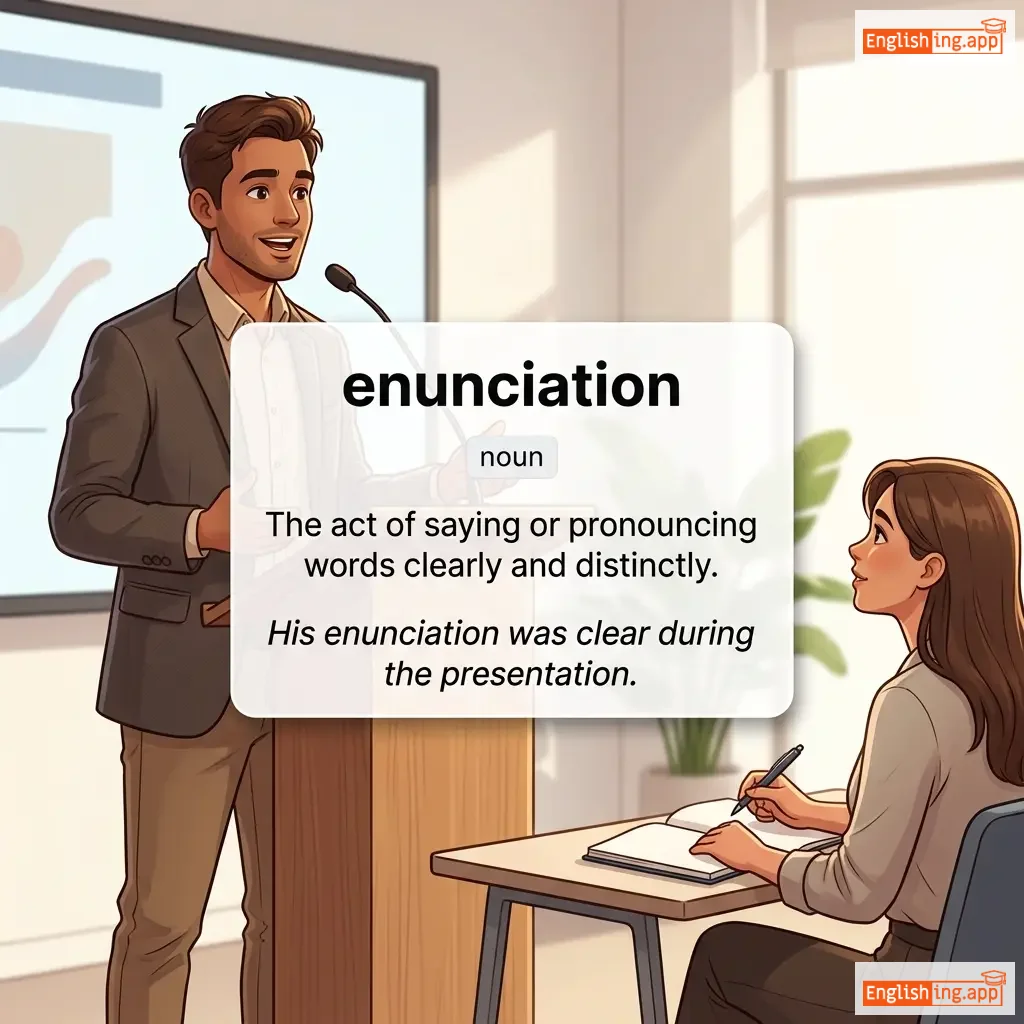
The act of saying or pronouncing words clearly and distinctly.
"His enunciation was clear during the presentation."
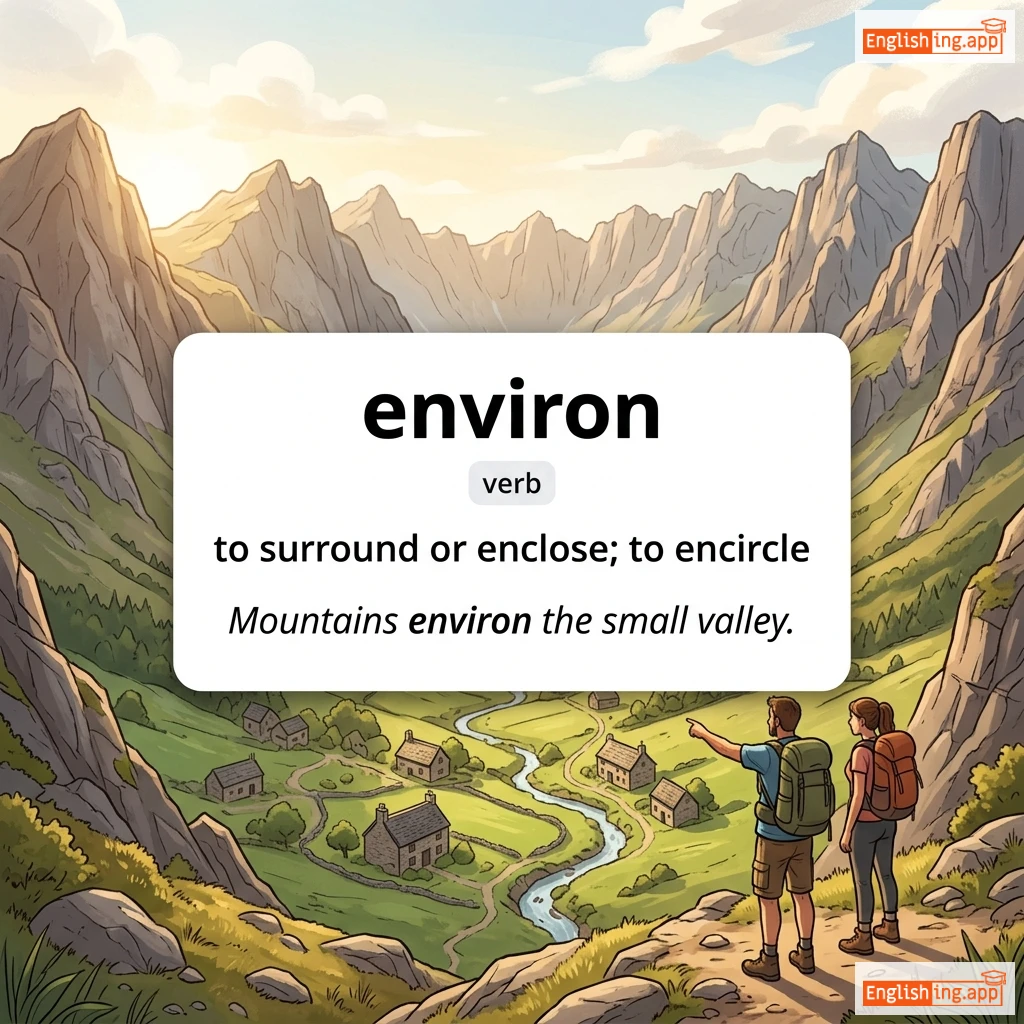
to surround or enclose; to encircle
"Mountains environ the small valley."
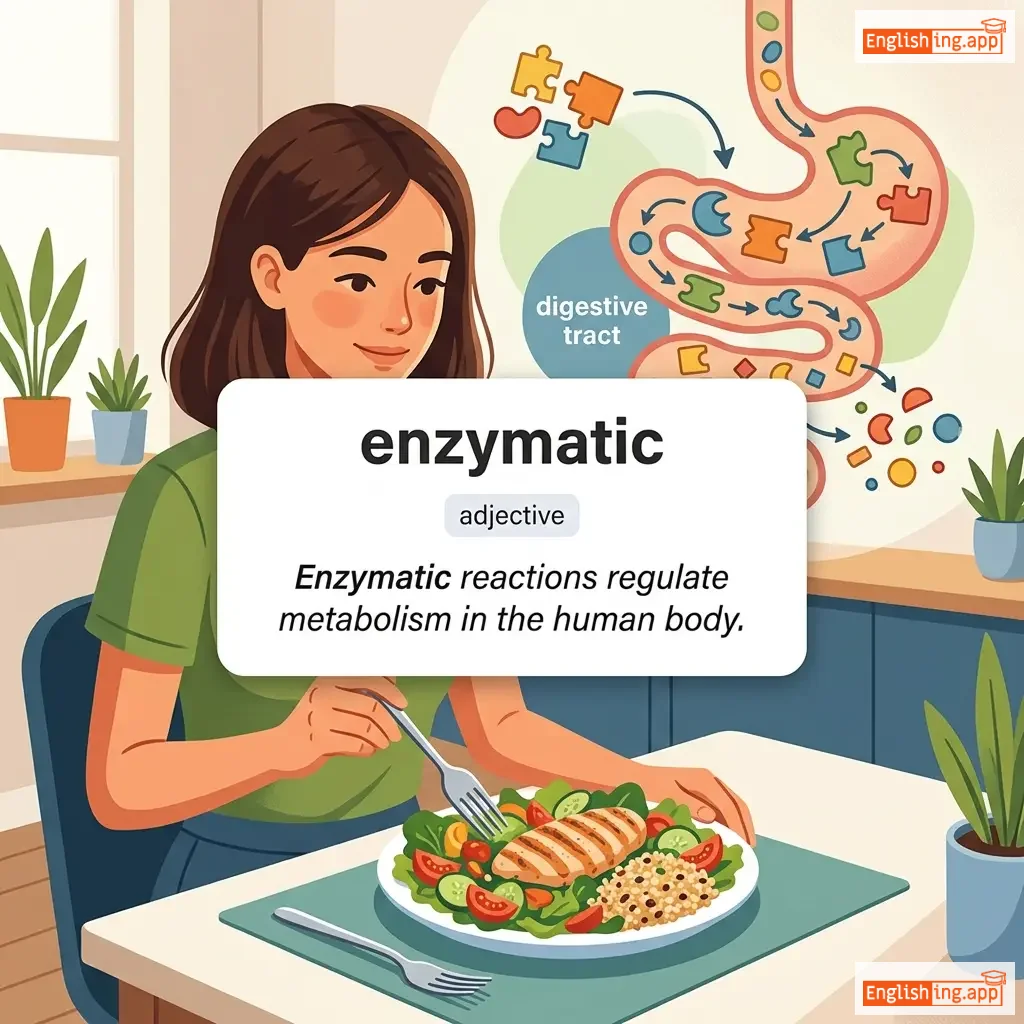
Relating to or involving enzymes, which are proteins that catalyze biochemical reactions in living organisms.
"Enzymatic reactions regulate metabolism in the human body."
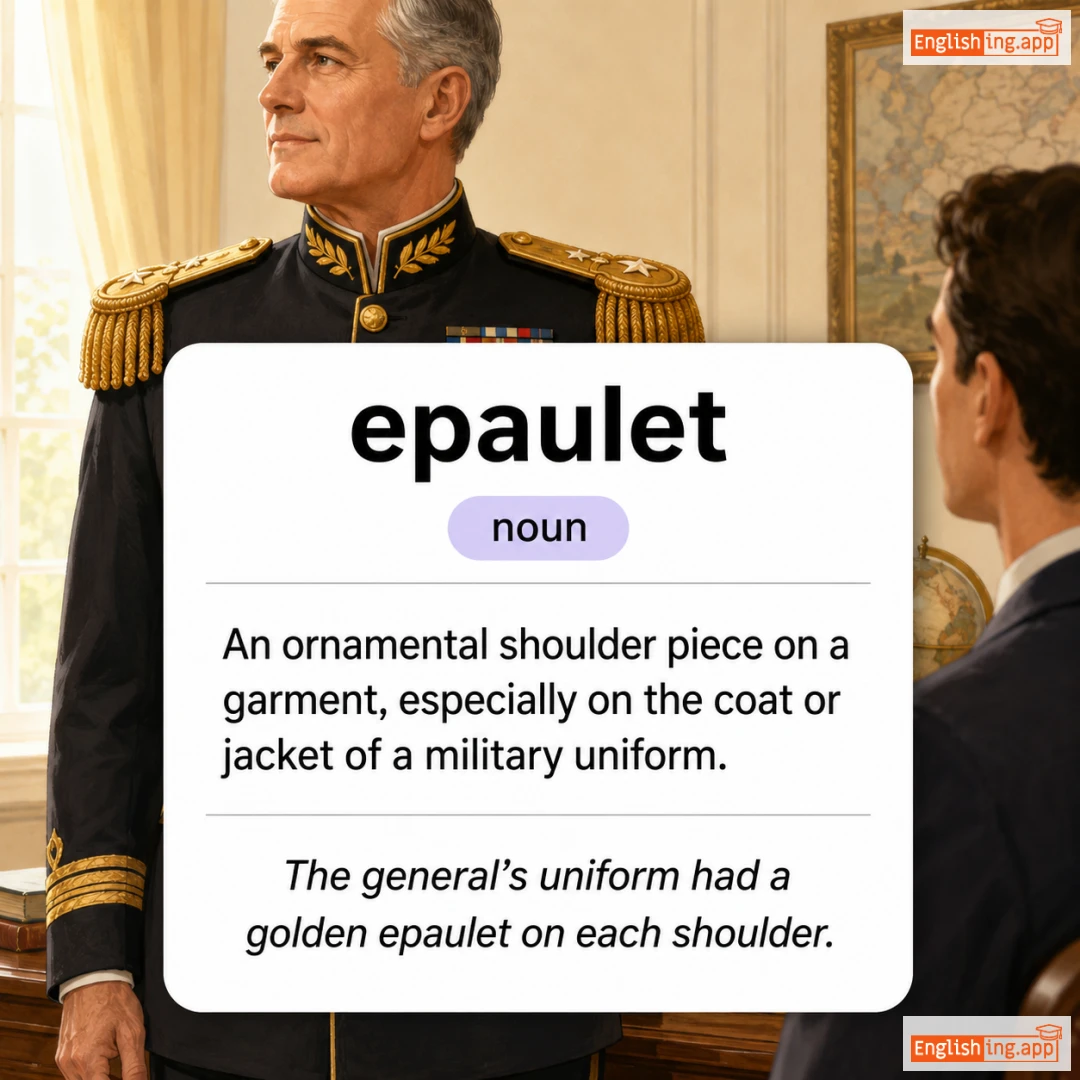
An ornamental shoulder piece on a garment, especially on the coat or jacket of a military uniform.
"The general’s uniform had a golden epaulet on each shoulder."
A variant spelling of epaulet, also meaning a shoulder ornament, especially on military uniforms.
"The officer’s epaulette shone brightly under the sunlight."
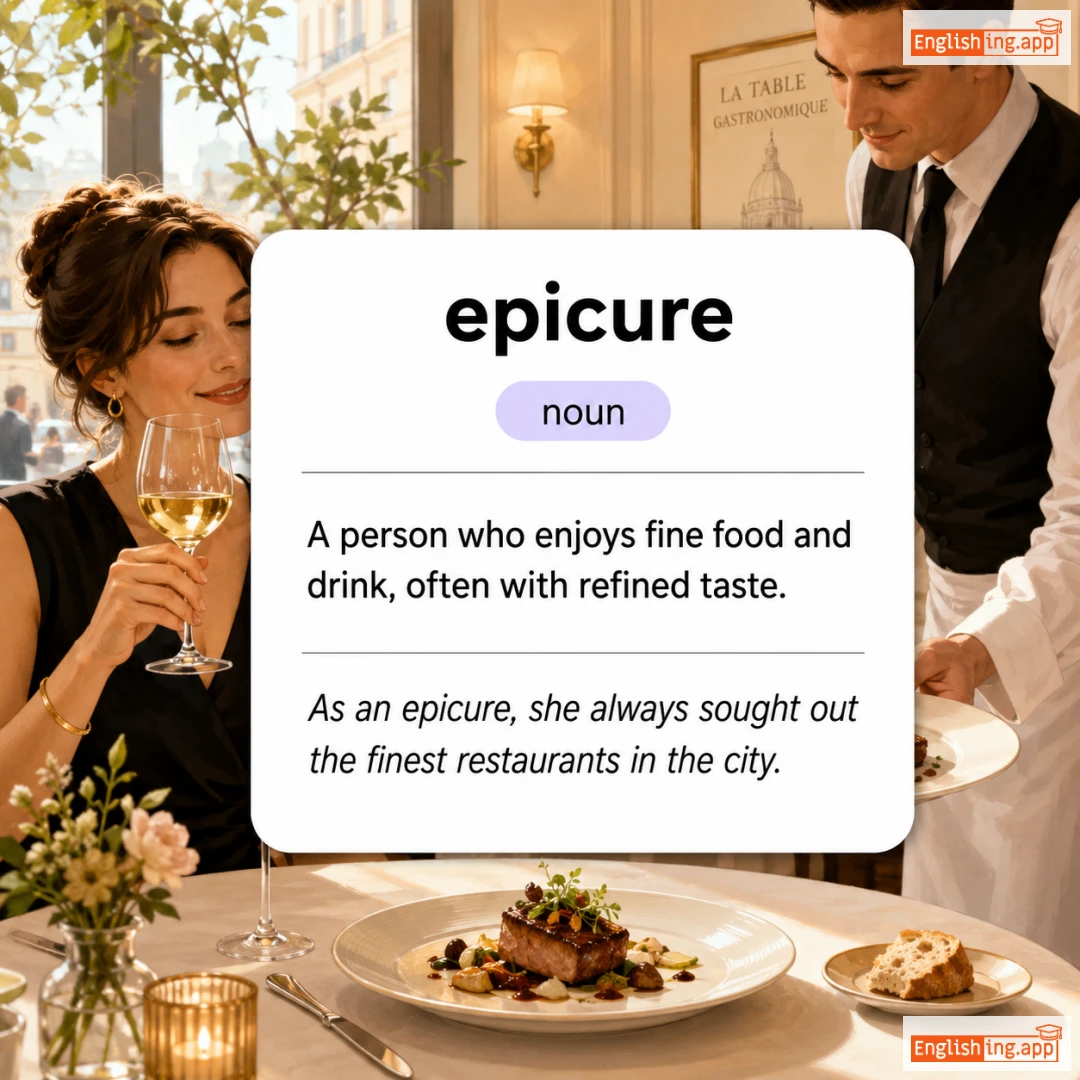
A person who enjoys fine food and drink, often with refined taste.
"As an epicure, she always sought out the finest restaurants in the city."
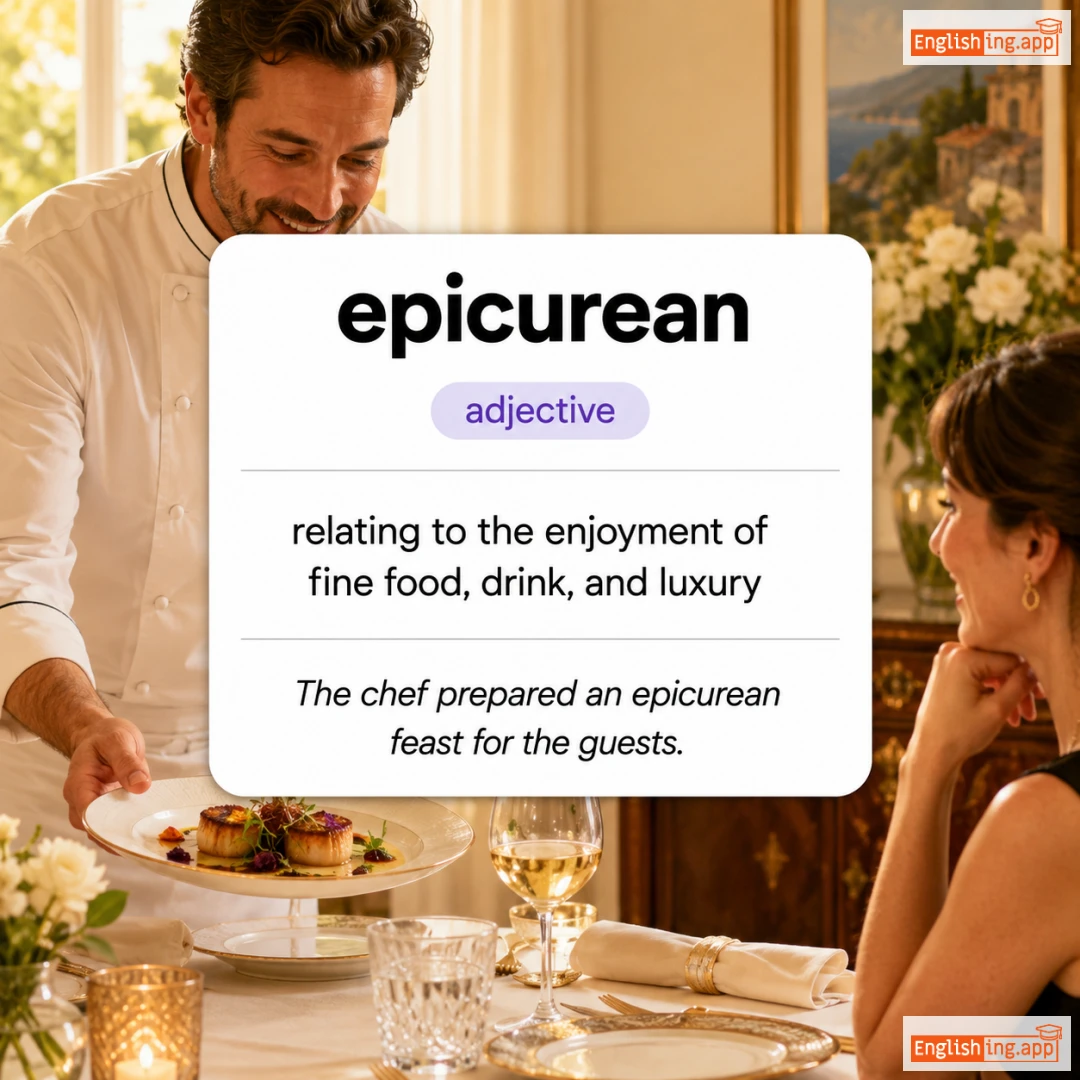
relating to the enjoyment of fine food, drink, and luxury
"The chef prepared an epicurean feast for the guests."
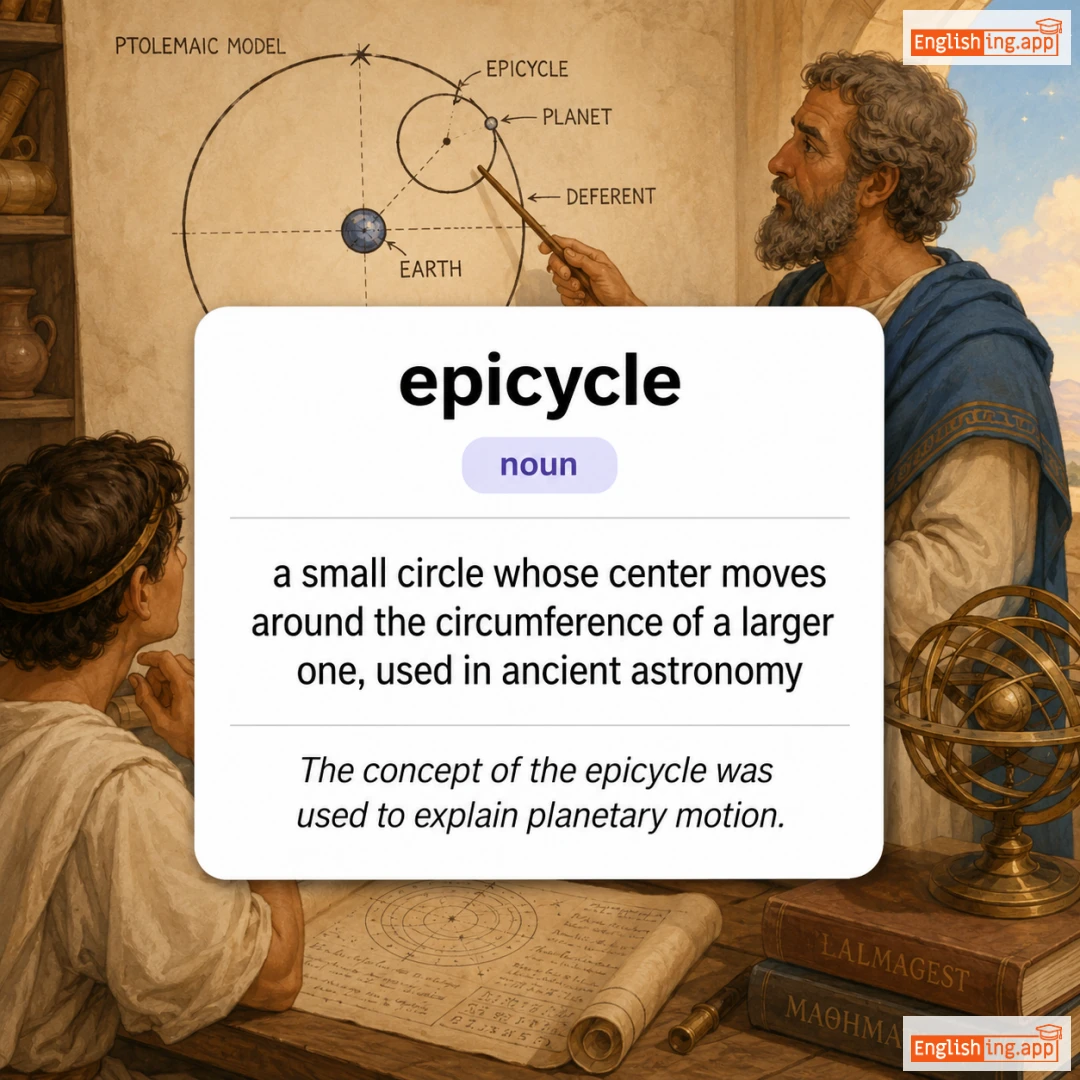
a small circle whose center moves around the circumference of a larger one, used in ancient astronomy
"The concept of the epicycle was used to explain planetary motion."
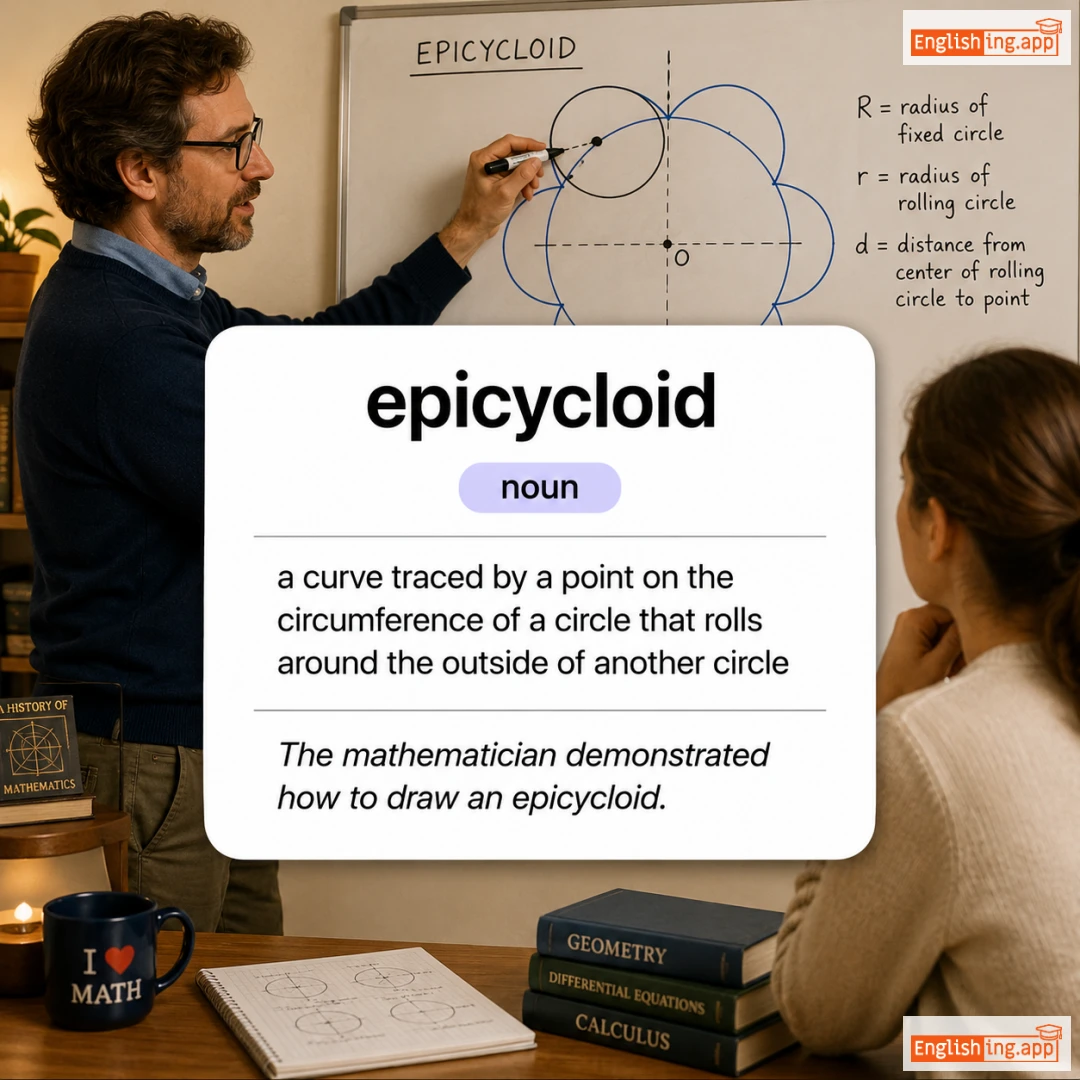
a curve traced by a point on the circumference of a circle that rolls around the outside of another circle
"The mathematician demonstrated how to draw an epicycloid."
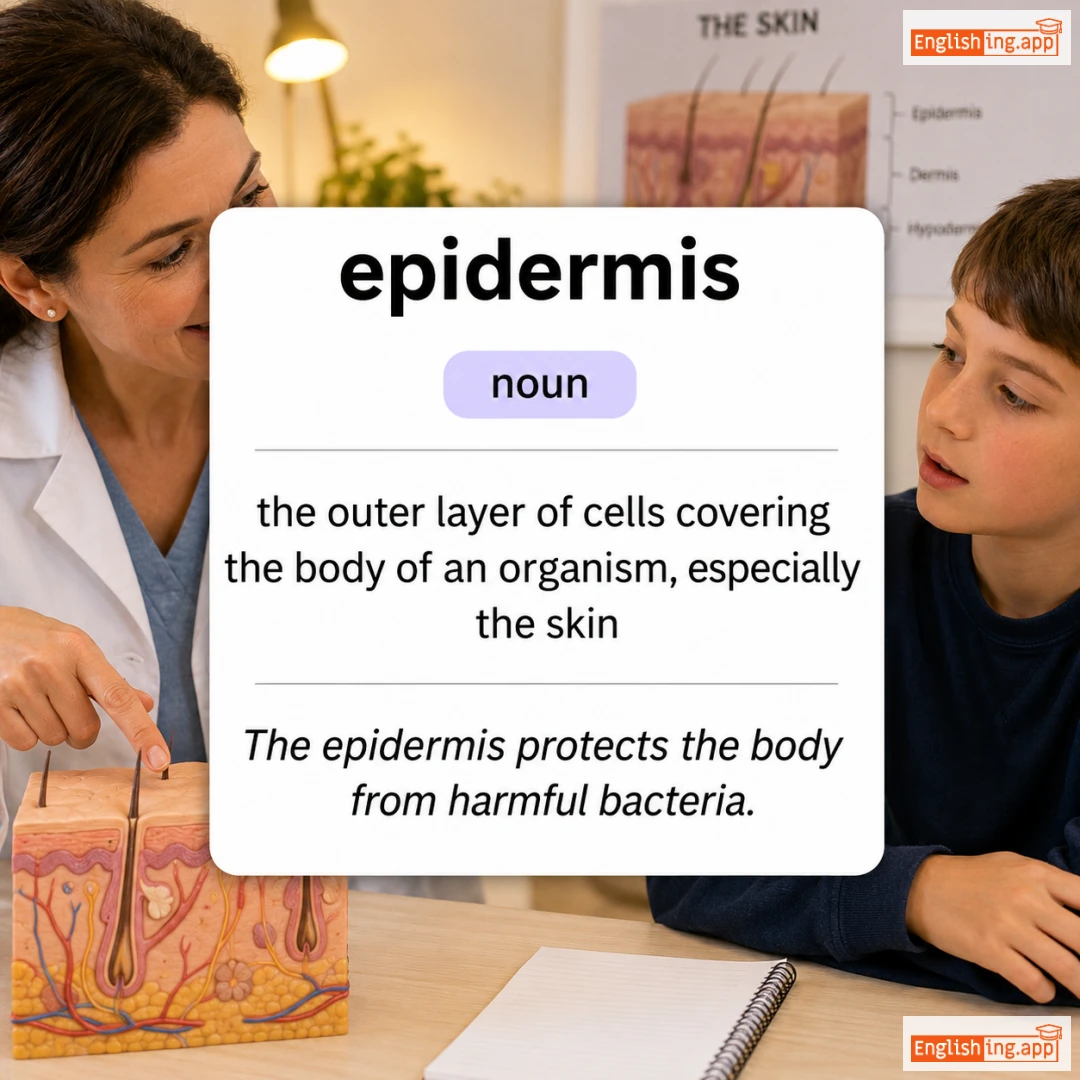
the outer layer of cells covering the body of an organism, especially the skin
"The epidermis protects the body from harmful bacteria."
A short, witty saying or poem that expresses an idea in a clever way.
"Oscar Wilde was famous for his sharp epigrams."
A scholar or expert who studies the nature, sources, and limits of knowledge.
"The epistemologist debated how humans can truly know anything with certainty."
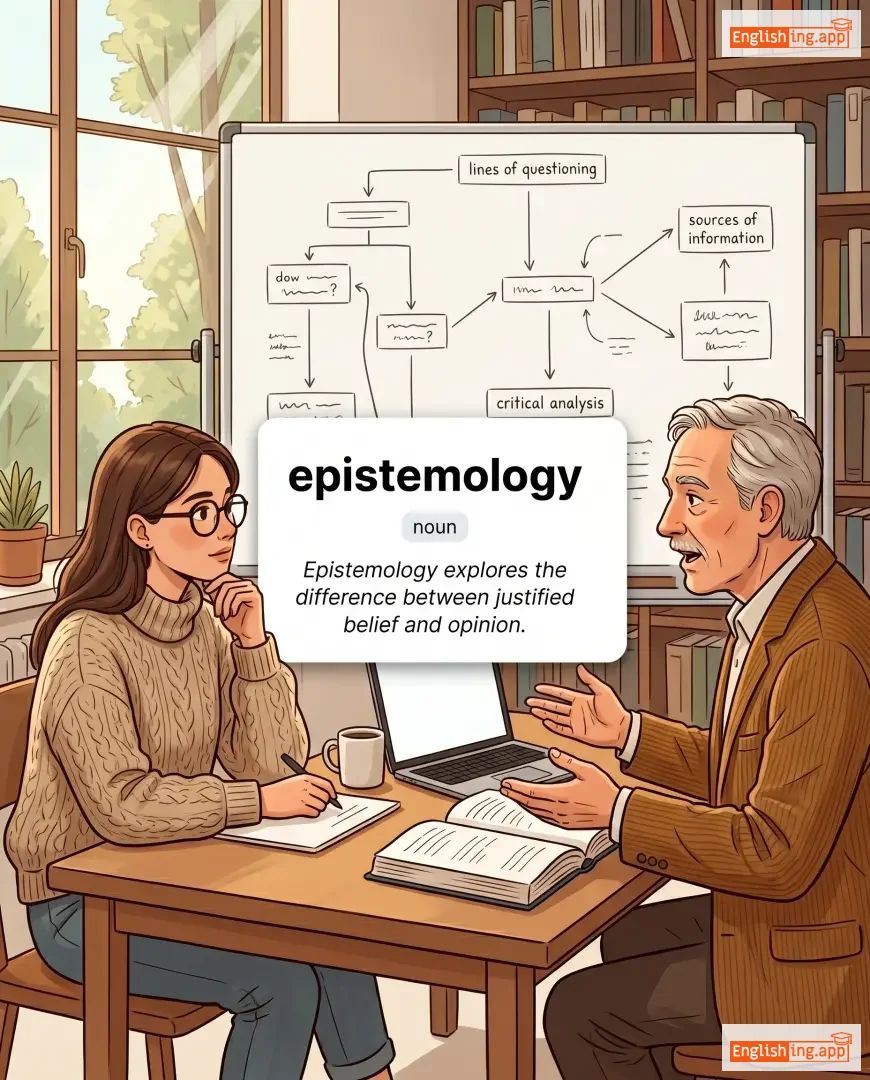
The branch of philosophy that studies the nature, origin, and scope of knowledge.
"Epistemology explores the difference between justified belief and opinion."
A letter, especially a formal or didactic one; often used for letters in the New Testament.
"He wrote a long epistle to his friend about his travels."
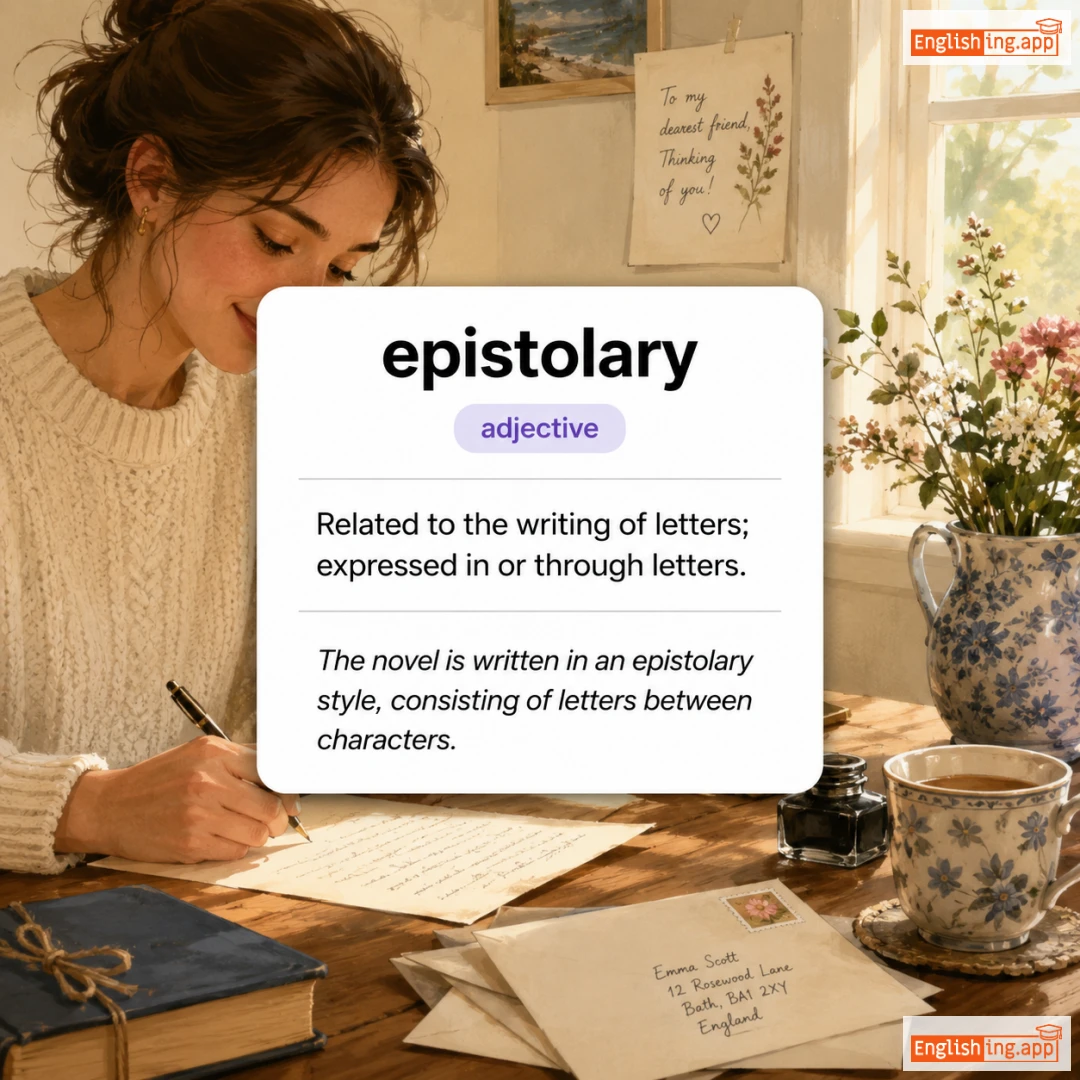
Related to the writing of letters; expressed in or through letters.
"The novel is written in an epistolary style, consisting of letters between characters."
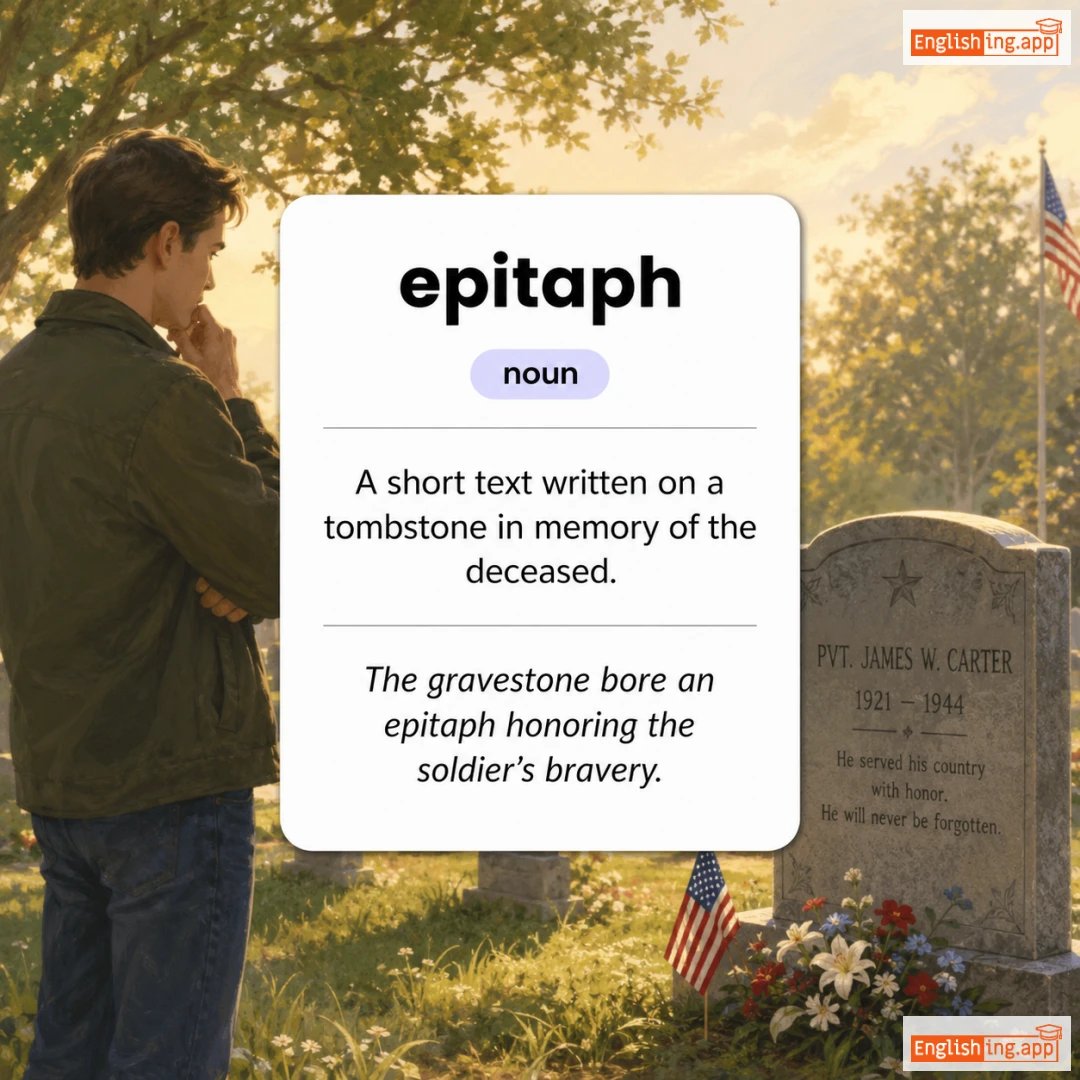
A short text written on a tombstone in memory of the deceased.
"The gravestone bore an epitaph honoring the soldier’s bravery."
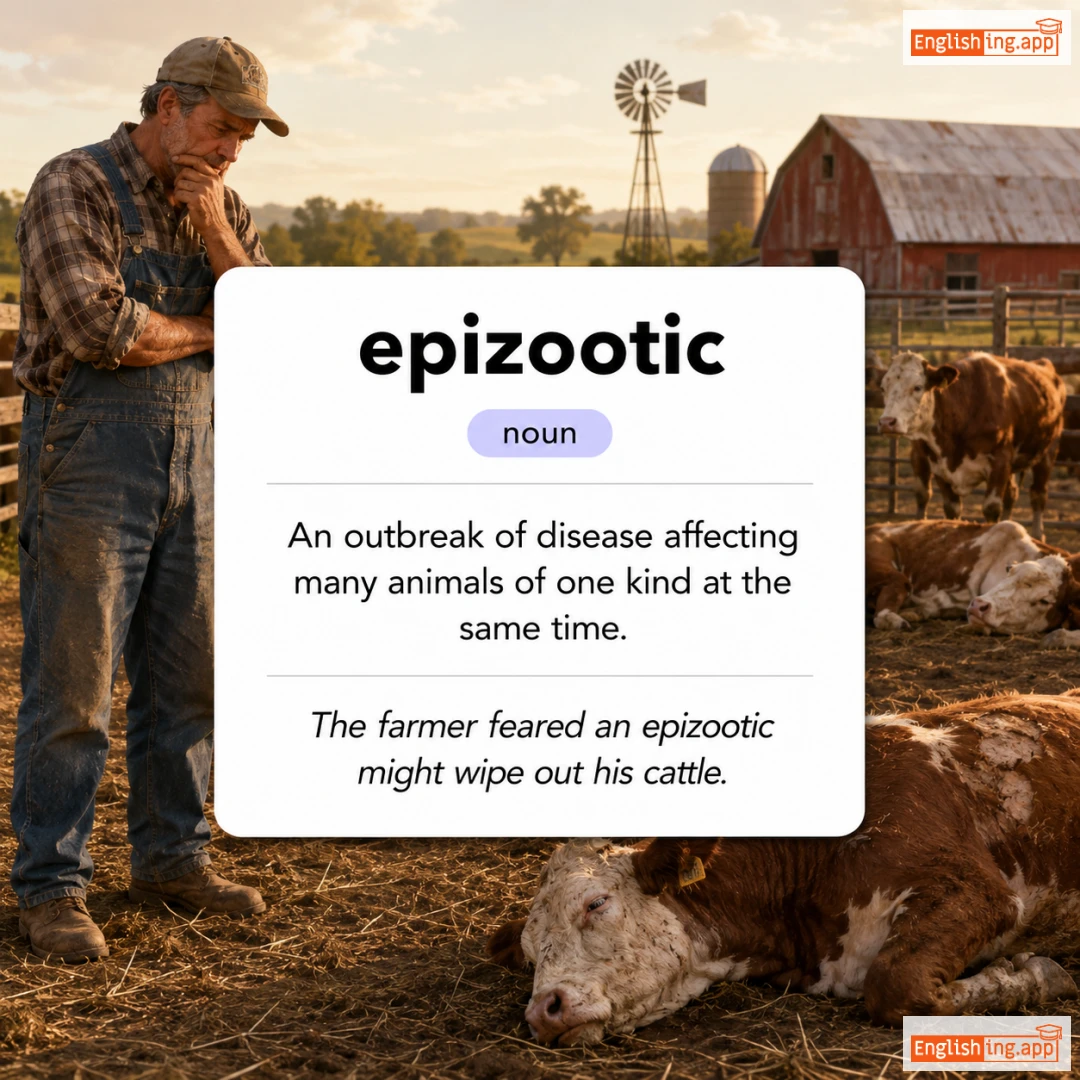
An outbreak of disease affecting many animals of one kind at the same time.
"The farmer feared an epizootic might wipe out his cattle."
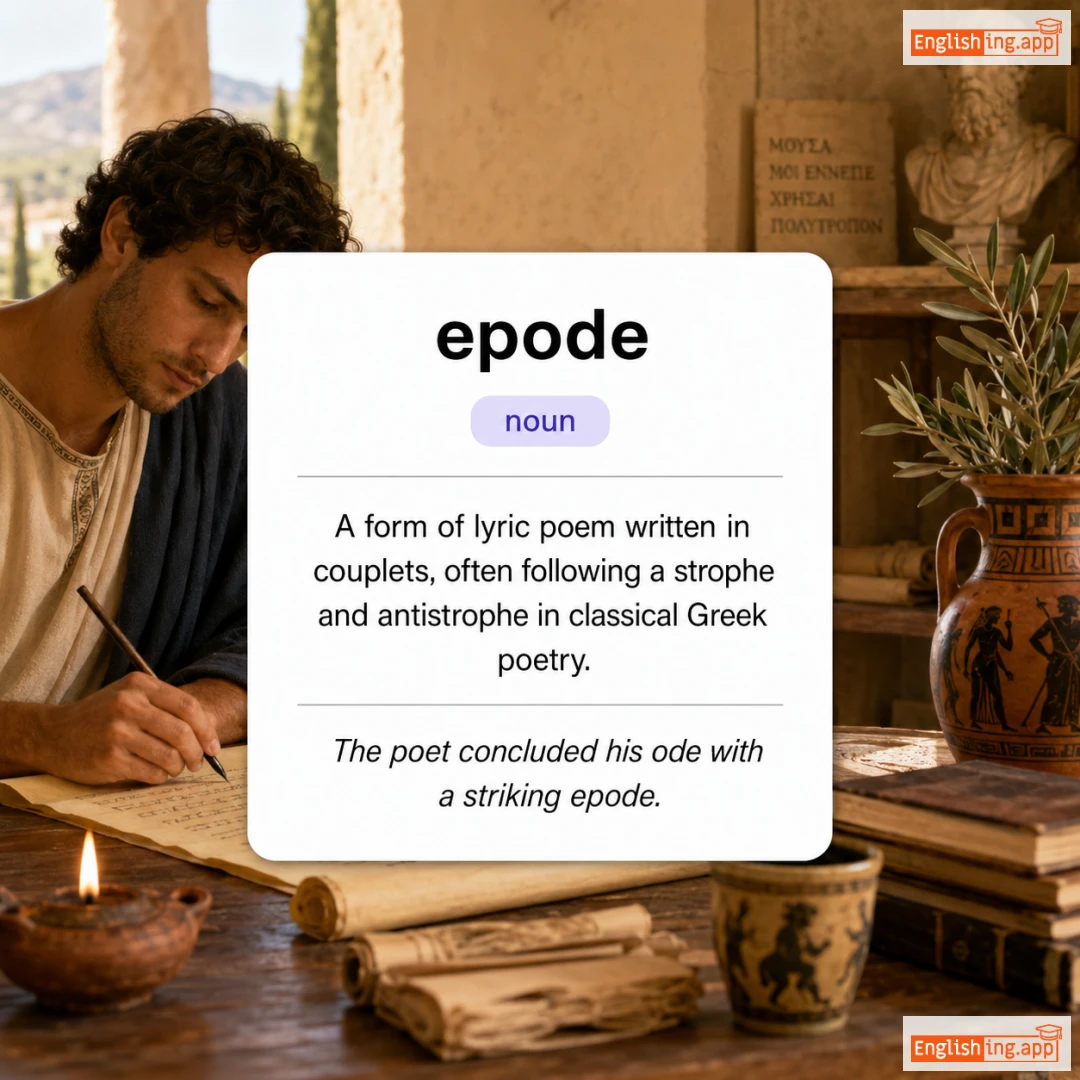
A form of lyric poem written in couplets, often following a strophe and antistrophe in classical Greek poetry.
"The poet concluded his ode with a striking epode."
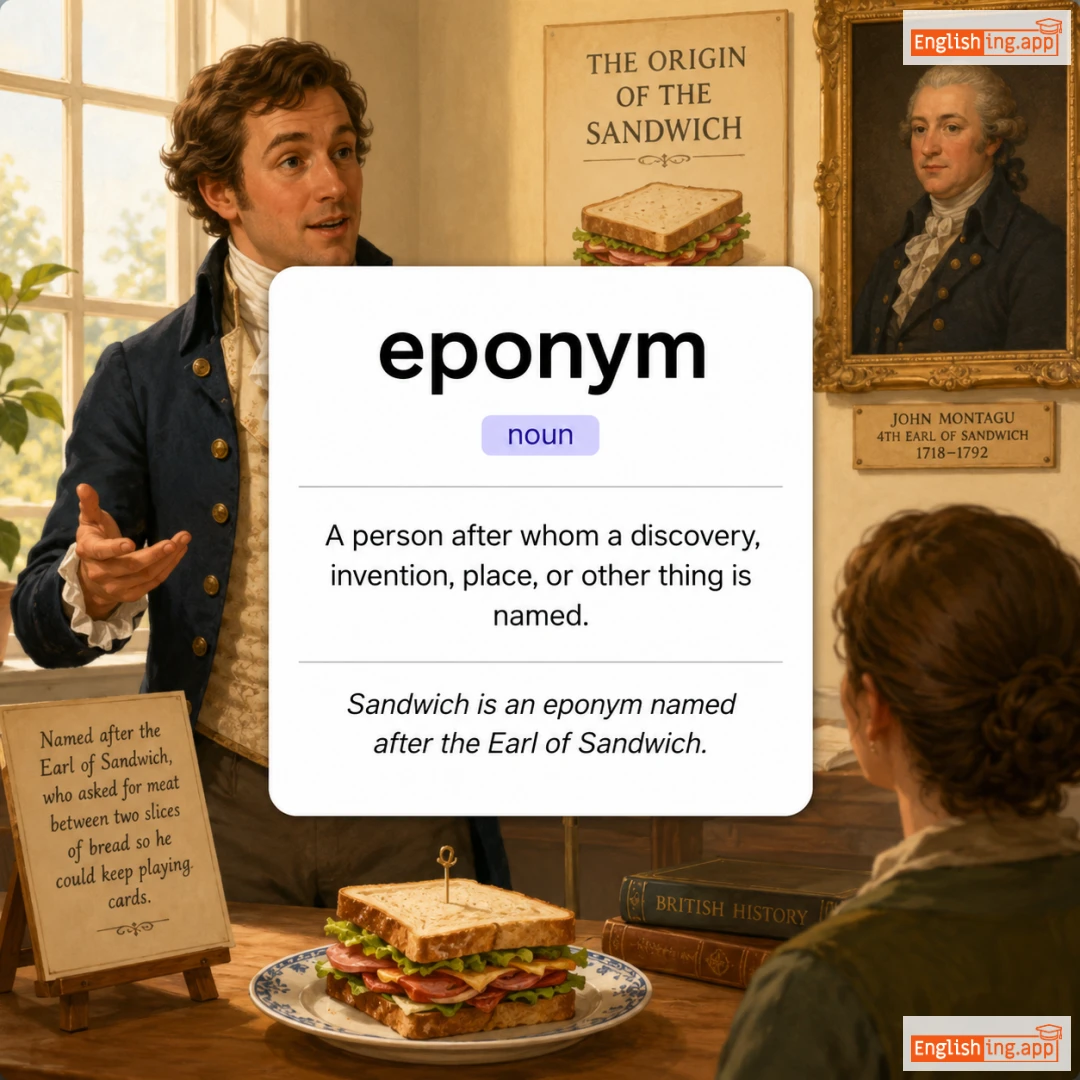
A person after whom a discovery, invention, place, or other thing is named.
"Sandwich is an eponym named after the Earl of Sandwich."
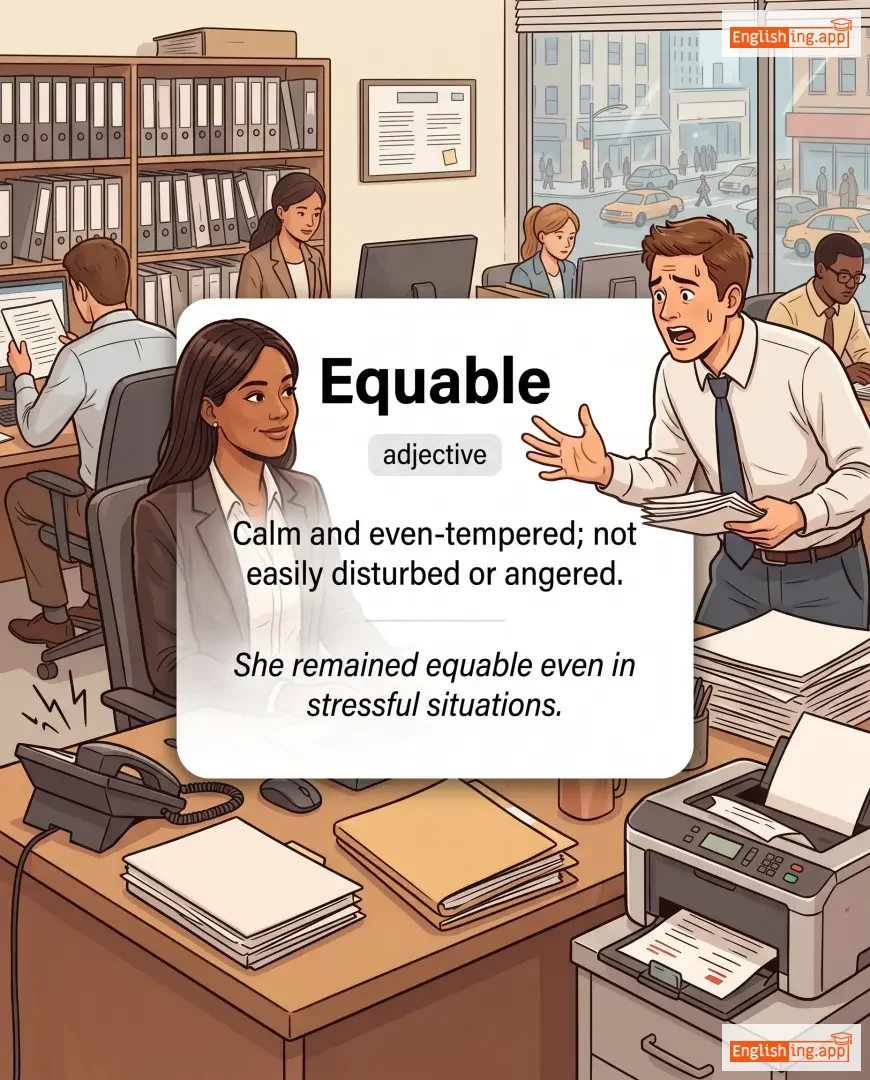
Calm and even-tempered; not easily disturbed or angered.
"She remained equable even in stressful situations."
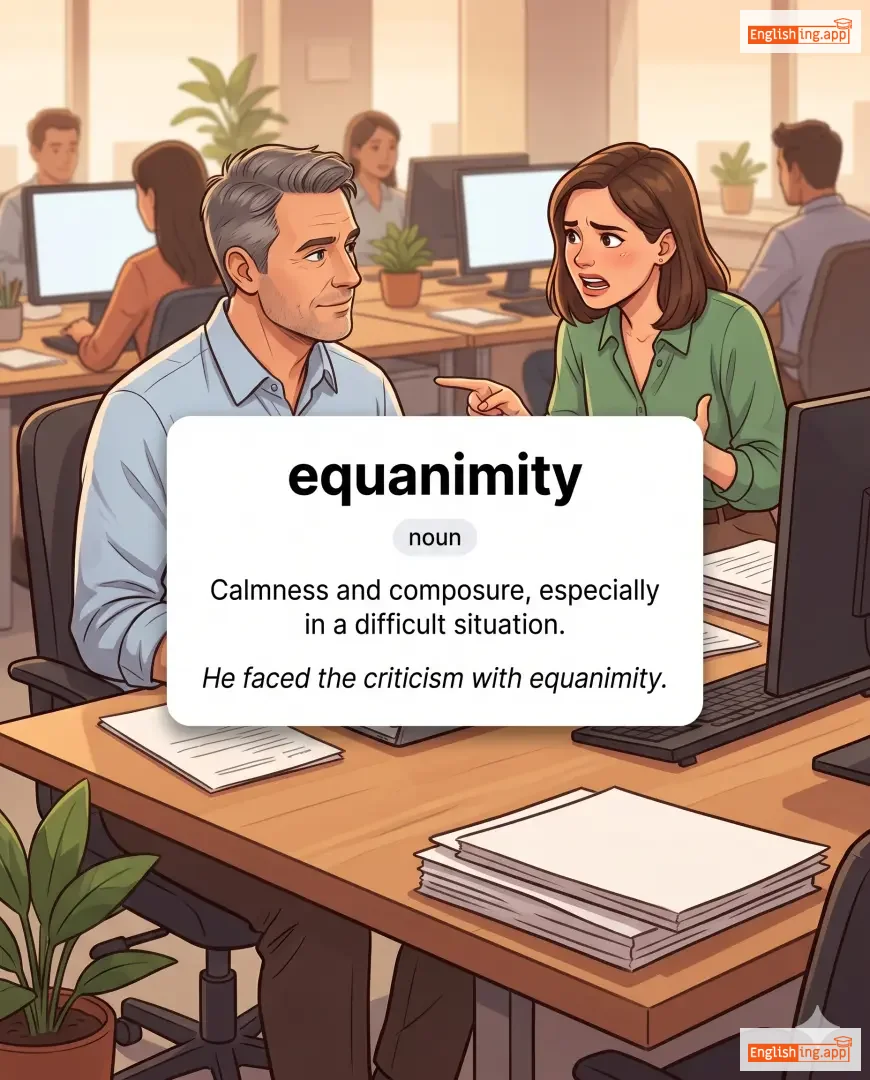
Calmness and composure, especially in a difficult situation.
"He faced the criticism with equanimity."
Relating to or resembling a horse.
"The veterinarian specialized in equine medicine."
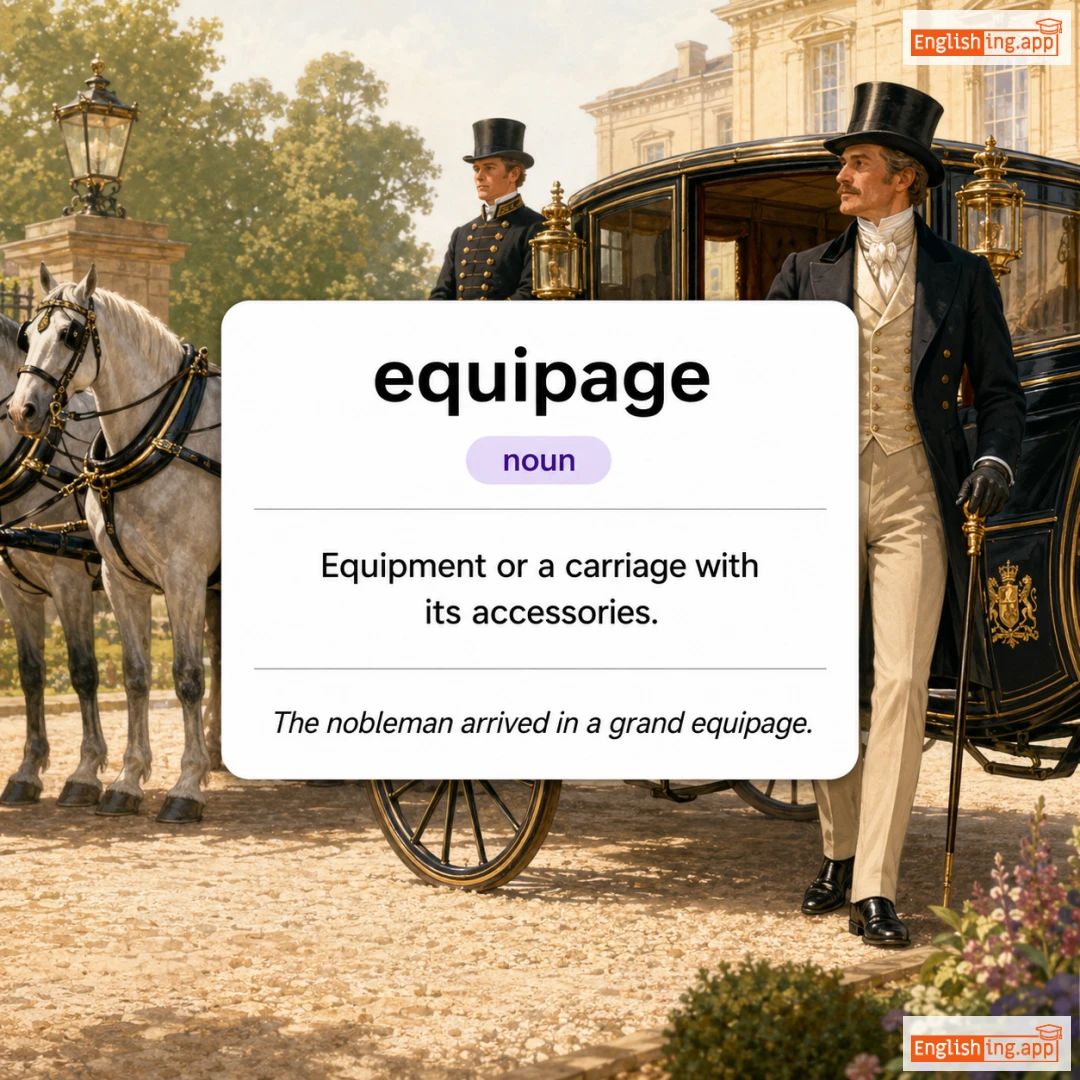
Equipment or a carriage with its accessories.
"The nobleman arrived in a grand equipage."
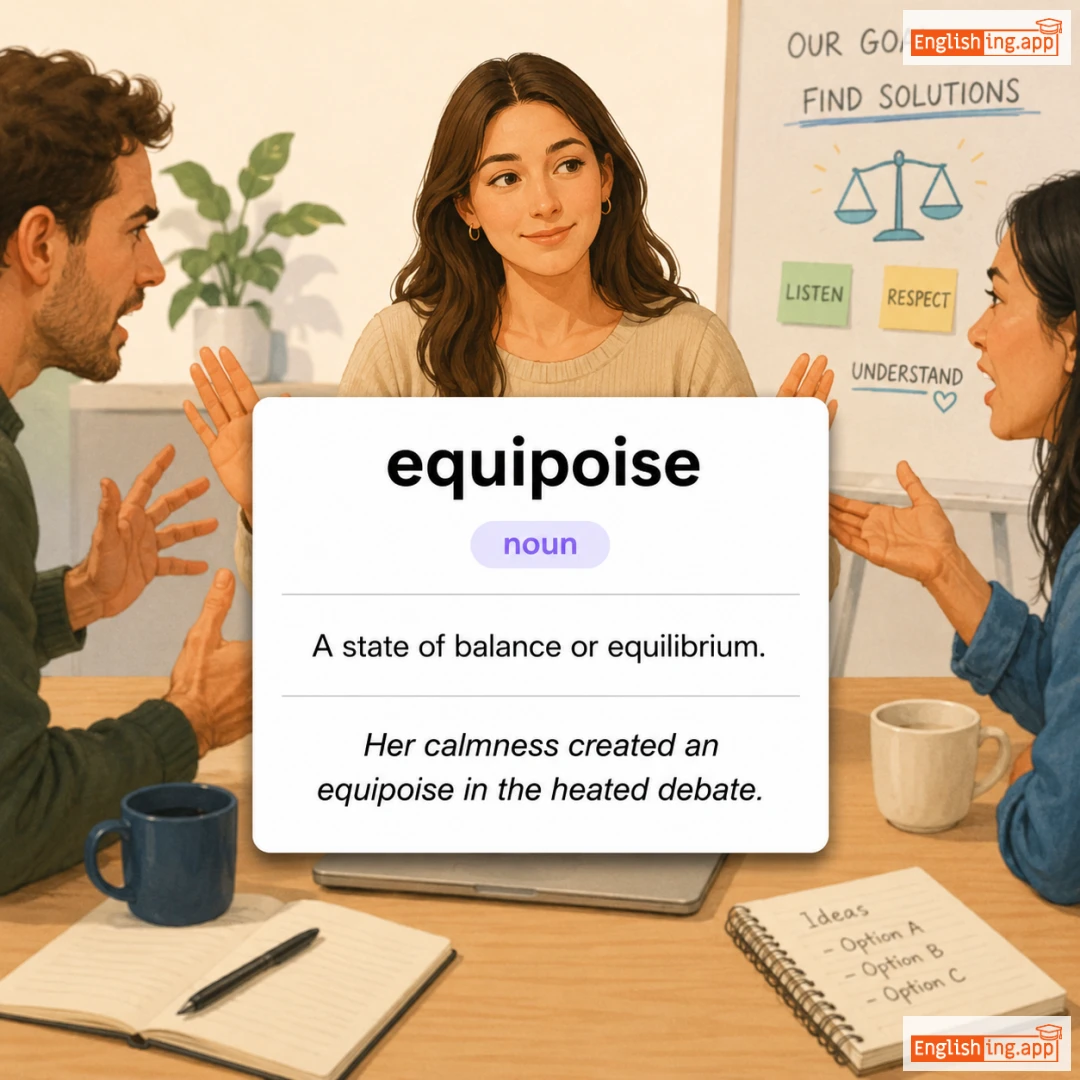
A state of balance or equilibrium.
"Her calmness created an equipoise in the heated debate."
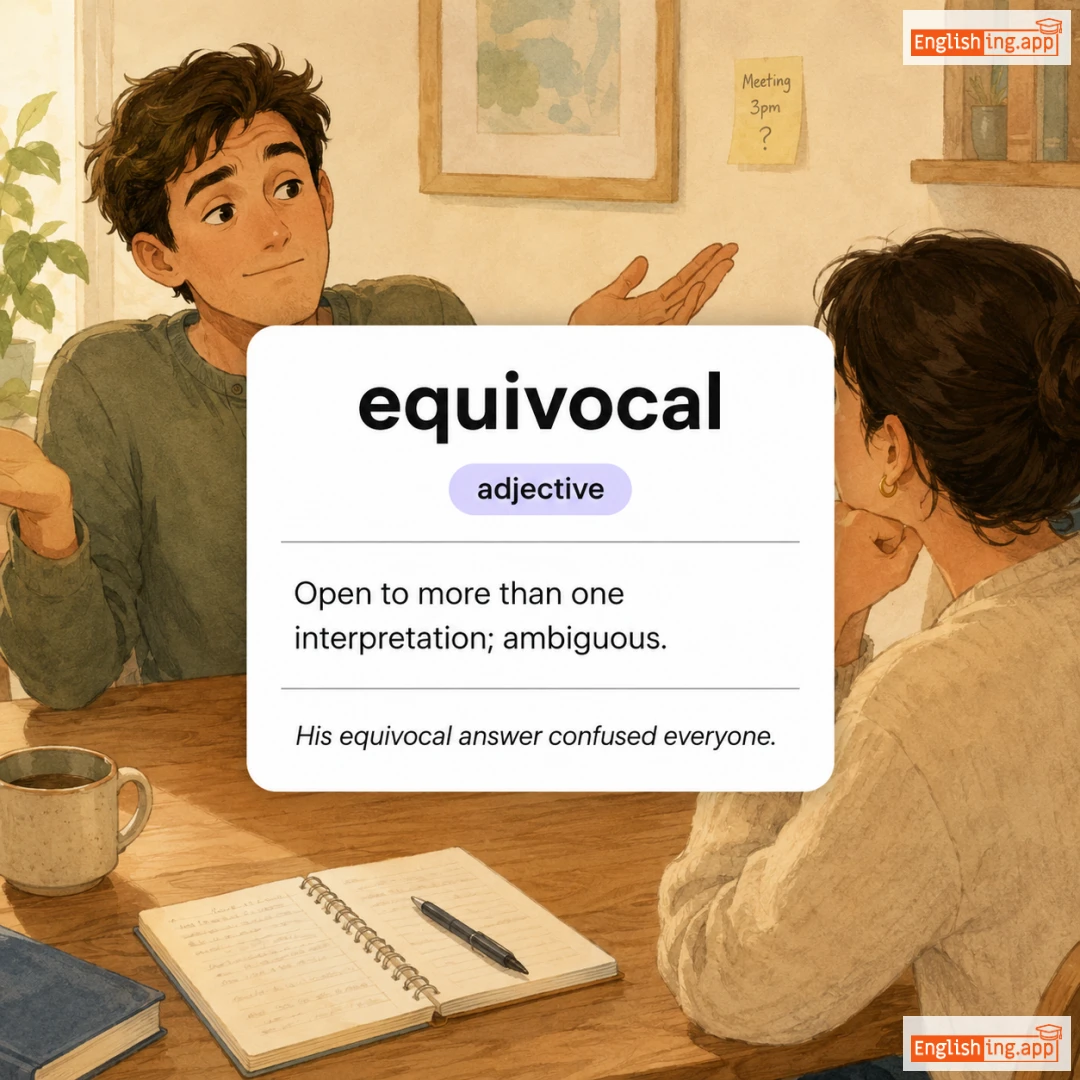
Open to more than one interpretation; ambiguous.
"His equivocal answer confused everyone."
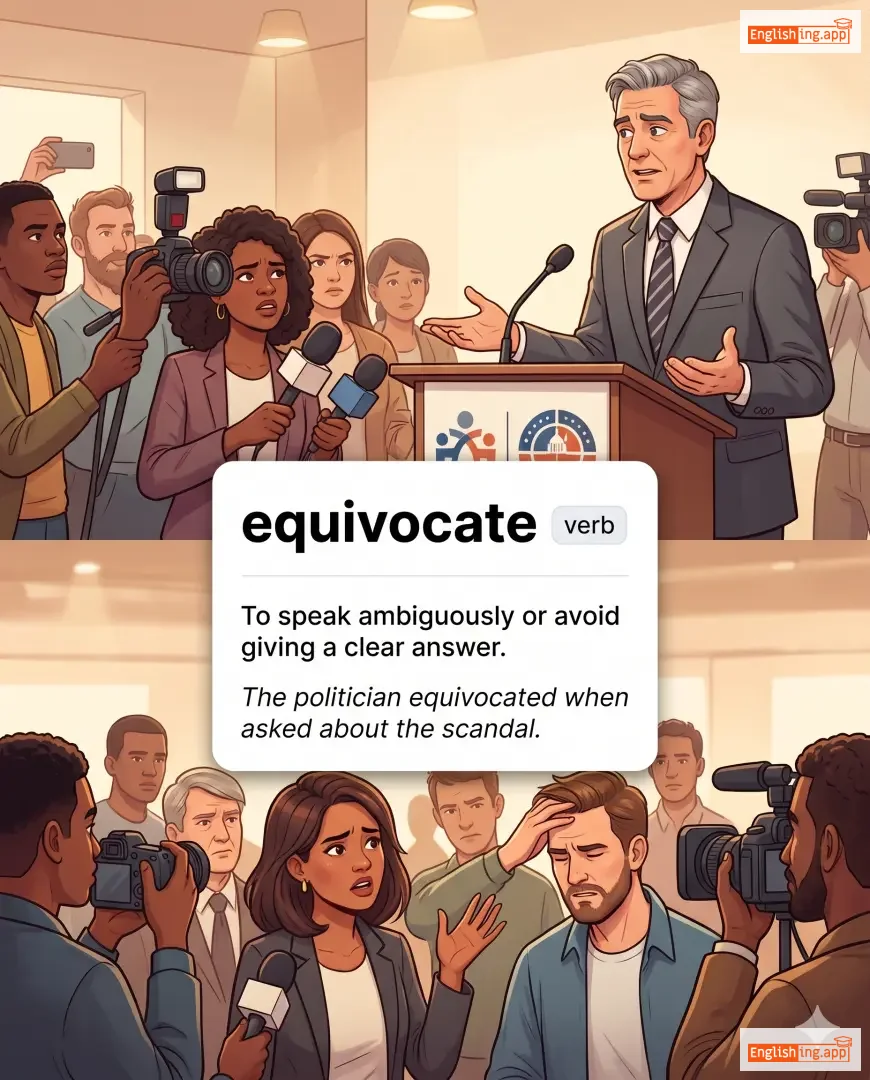
To speak ambiguously or avoid giving a clear answer.
"The politician equivocated when asked about the scandal."
The use of ambiguous language to conceal the truth or to avoid committing oneself.
"The politician’s equivocation frustrated voters who wanted a clear answer."
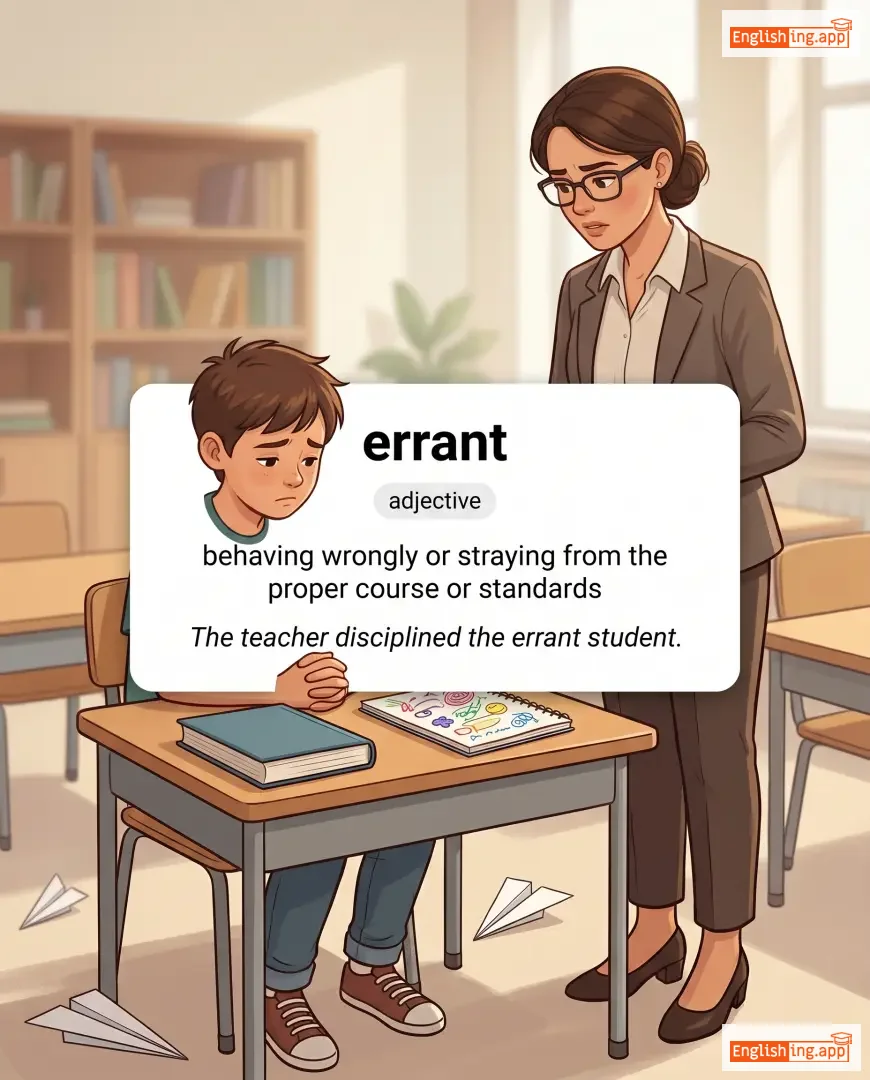
behaving wrongly or straying from the proper course or standards
"The teacher disciplined the errant student."
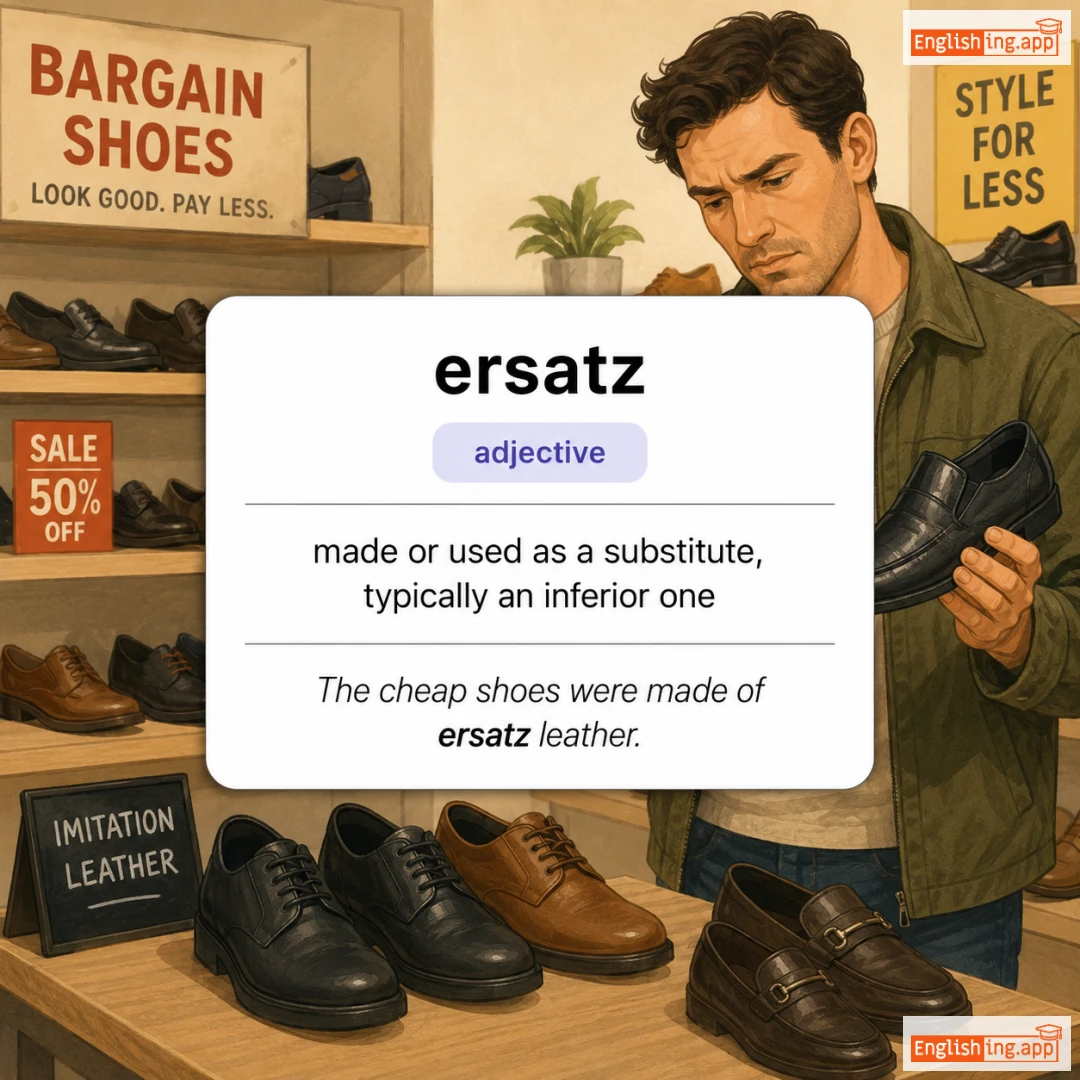
made or used as a substitute, typically an inferior one
"The cheap shoes were made of ersatz leather."

