|
絵文字
|
単語 | Images | 翻訳 | 過去 | 過去分詞 | 三人称単数 | 動名詞 | 意味 | 例文 | 例文の翻訳 | 表現例 | 表現例の意味 | 表現例の翻訳 | 同義語 | 対義語 | コロケーション | ニーモニック |
|---|---|---|---|---|---|---|---|---|---|---|---|---|---|---|---|---|---|
|
🔄
••••••
|
/dɪˈrɪvətɪv/
noun, adjective
(デリバティブ)
••••••
|
|
派生物
haseibutsu
••••••
|
- •••••• | - •••••• | - •••••• | - •••••• |
Something that is based on another source; in math, a measure of how a function changes.
••••••
|
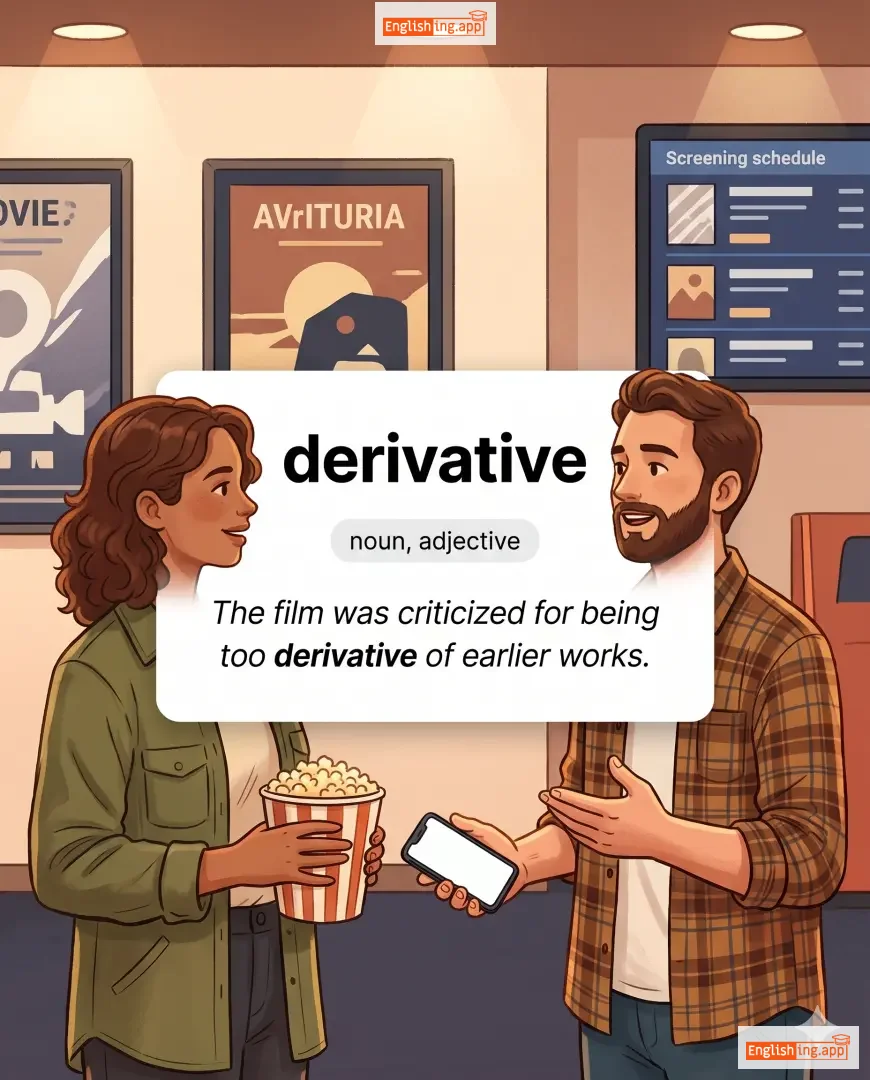
The film was criticized for being too derivative of earlier works.
その映画は、前の作品を模倣しすぎて批判されました。
••••••
|
その映画は、前の作品を模倣しすぎて批判されました。
Sono eiga wa, mae no sakuhin o mohō shisugite hihan saremashita.
••••••
|
- •••••• | - •••••• | - •••••• |
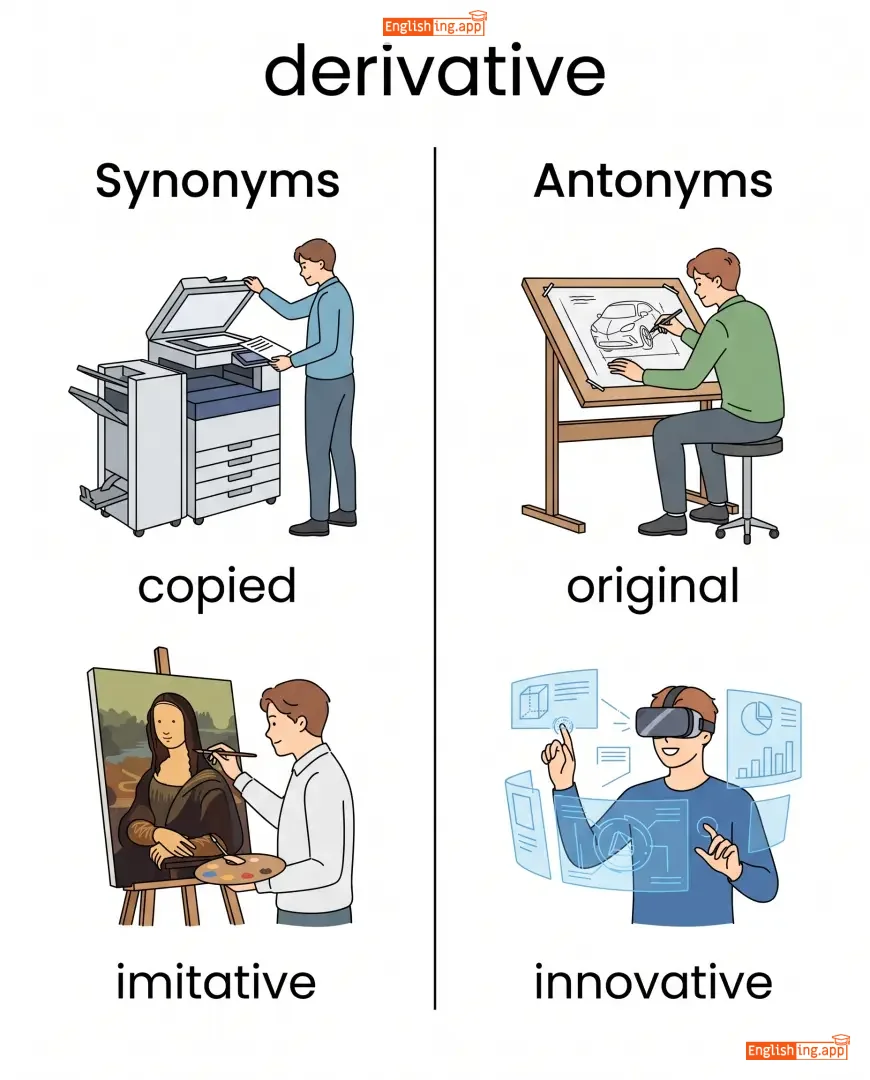
copied, imitative, secondary, unoriginal
••••••
|
original, innovative, creative
••••••
|
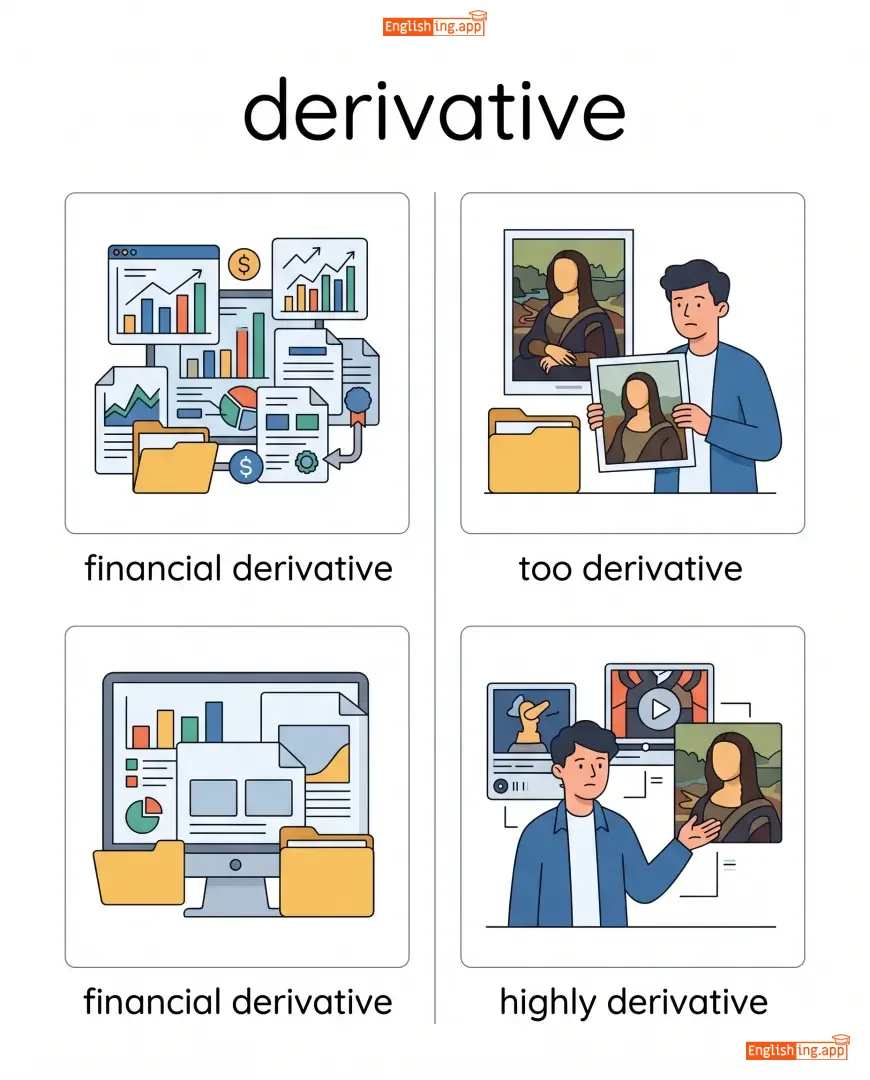
financial derivative, too derivative, highly derivative
••••••
|
派生物とは他のものから取られたもの – 'デリバティブ'は模倣から来ている。
••••••
|
|
🌵
••••••
|
/ˈdɛsɪkeɪt/
verb
(デシケート)
••••••
|
|
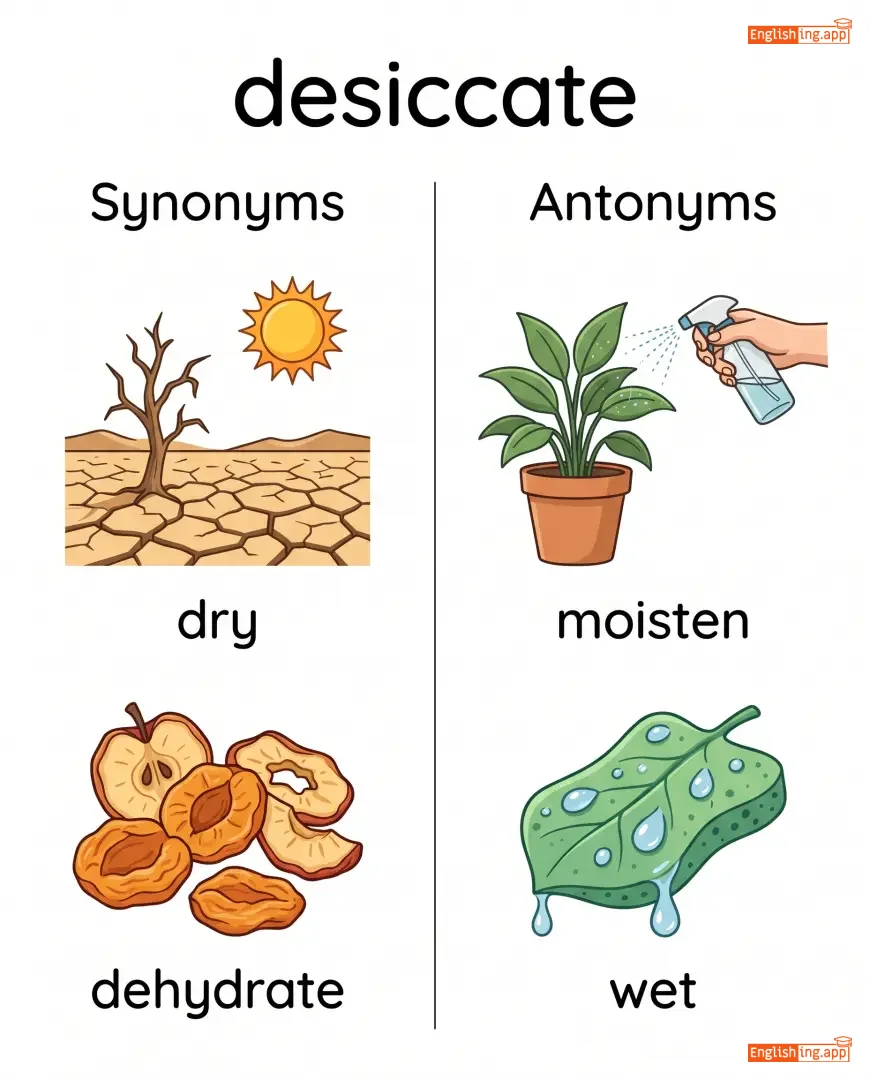
乾燥させる
kansou saseru
••••••
|
desiccated
デシケーテッド
••••••
|
desiccated
デシケーテッド
••••••
|
desiccates
デシケーツ
••••••
|
desiccating
デシケーティング
••••••
|
to dry up completely or remove the moisture from something
••••••
|
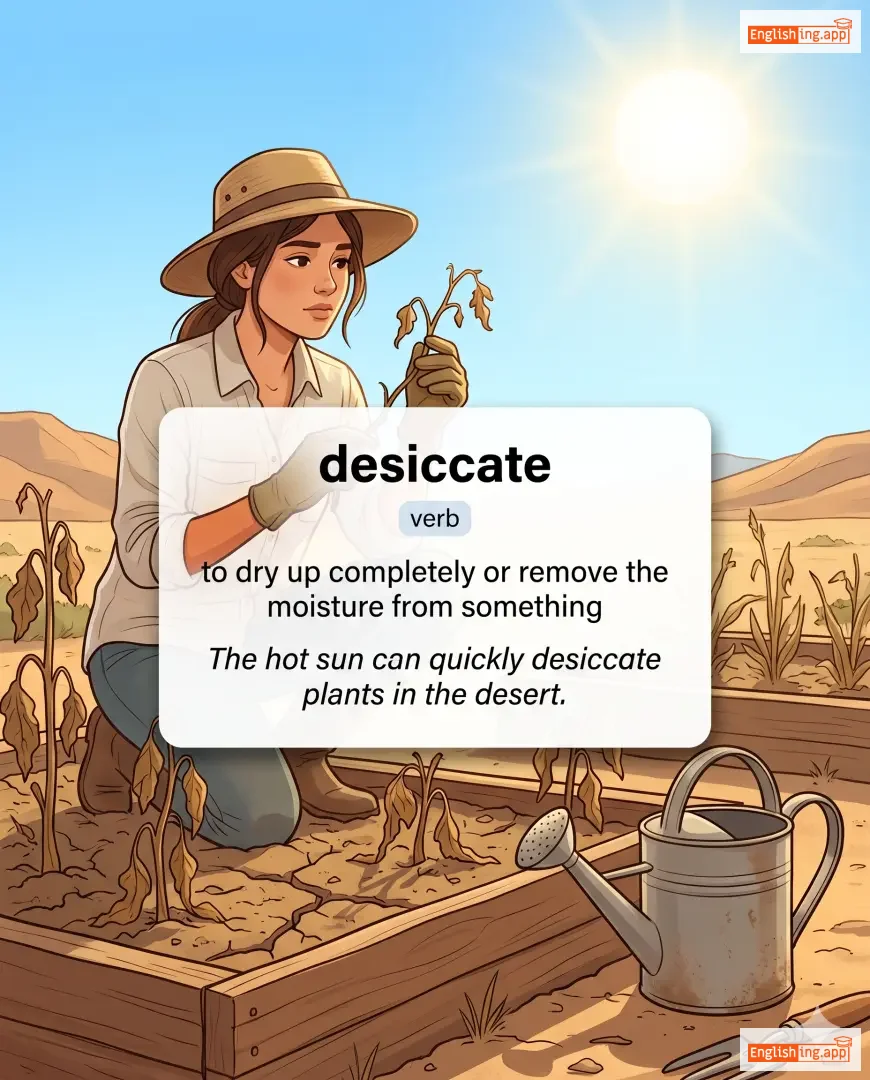
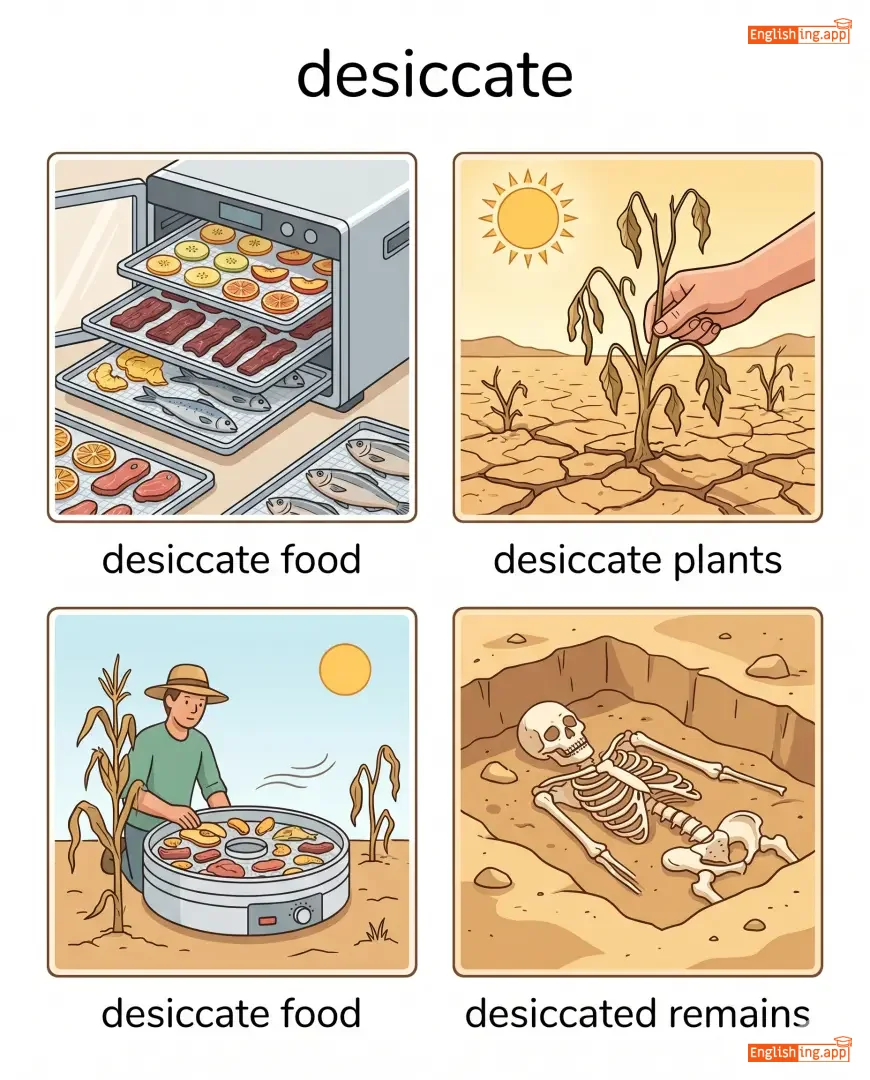
The hot sun can quickly desiccate plants in the desert.
暑い太陽は砂漠の植物をすぐに乾燥させることができます。
••••••
|
暑い太陽は砂漠の植物をすぐに乾燥させることができます。
Atsui taiyō wa sabaku no shokubutsu o sugu ni kansō saseru koto ga dekimasu.
••••••
|
- •••••• | - •••••• | - •••••• |
dry, dehydrate, parch, drain, evaporate
••••••
|
moisten, wet, hydrate
••••••
|
desiccate food, desiccate plants, desiccated remains
••••••
|
砂漠では植物が乾燥します。
••••••
|
|
📜
••••••
|
/ˈdɛswɪˌtuːd/
noun
(デスウィチュード)
••••••
|
|
廃止
haishi
••••••
|
- •••••• | - •••••• | - •••••• | - •••••• |
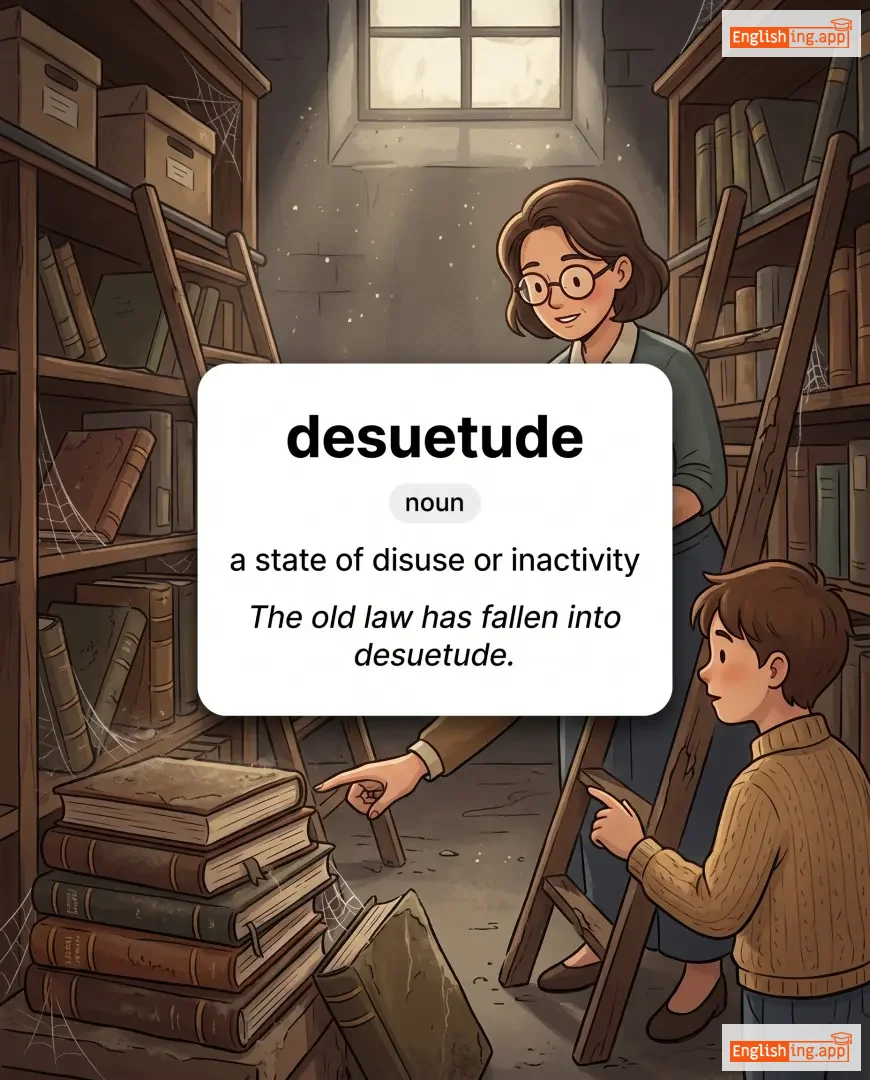
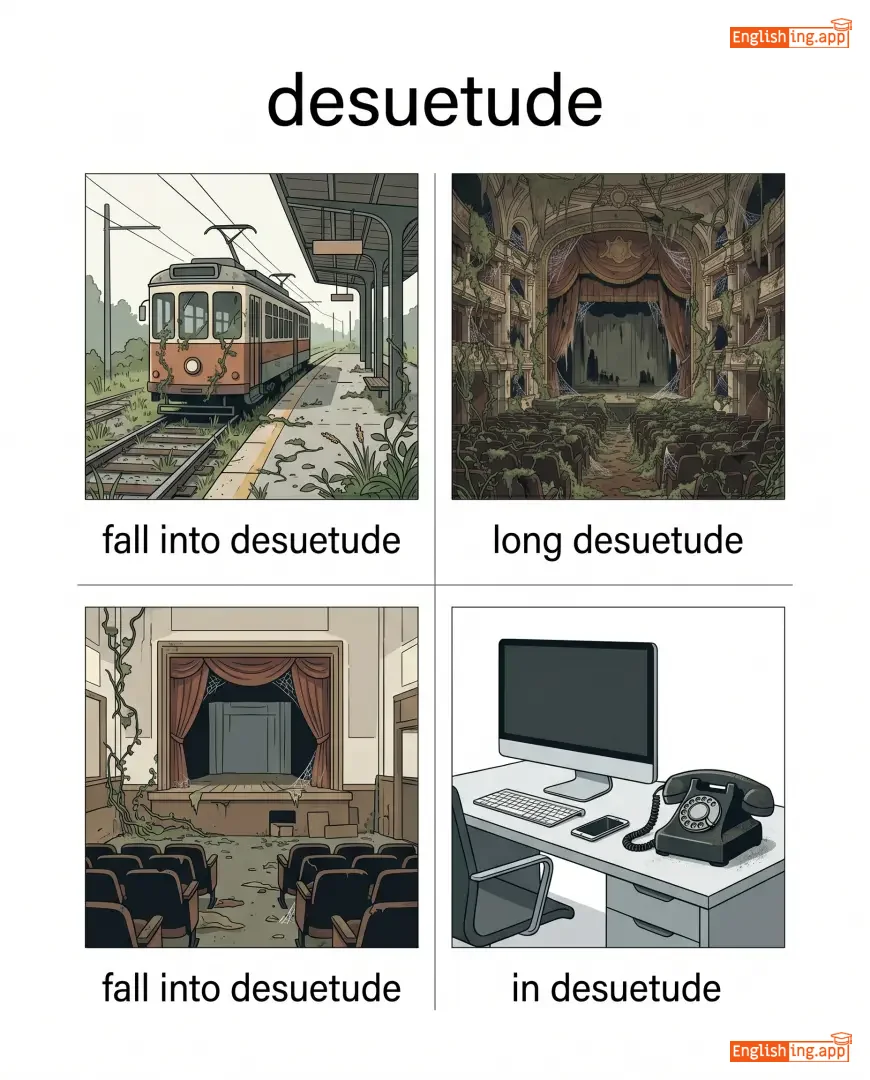
a state of disuse or inactivity
••••••
|
The old law has fallen into desuetude. |
古い法律は廃止されました。
Furui houritsu wa haishi saremashita.
••••••
|
- •••••• | - •••••• | - •••••• |
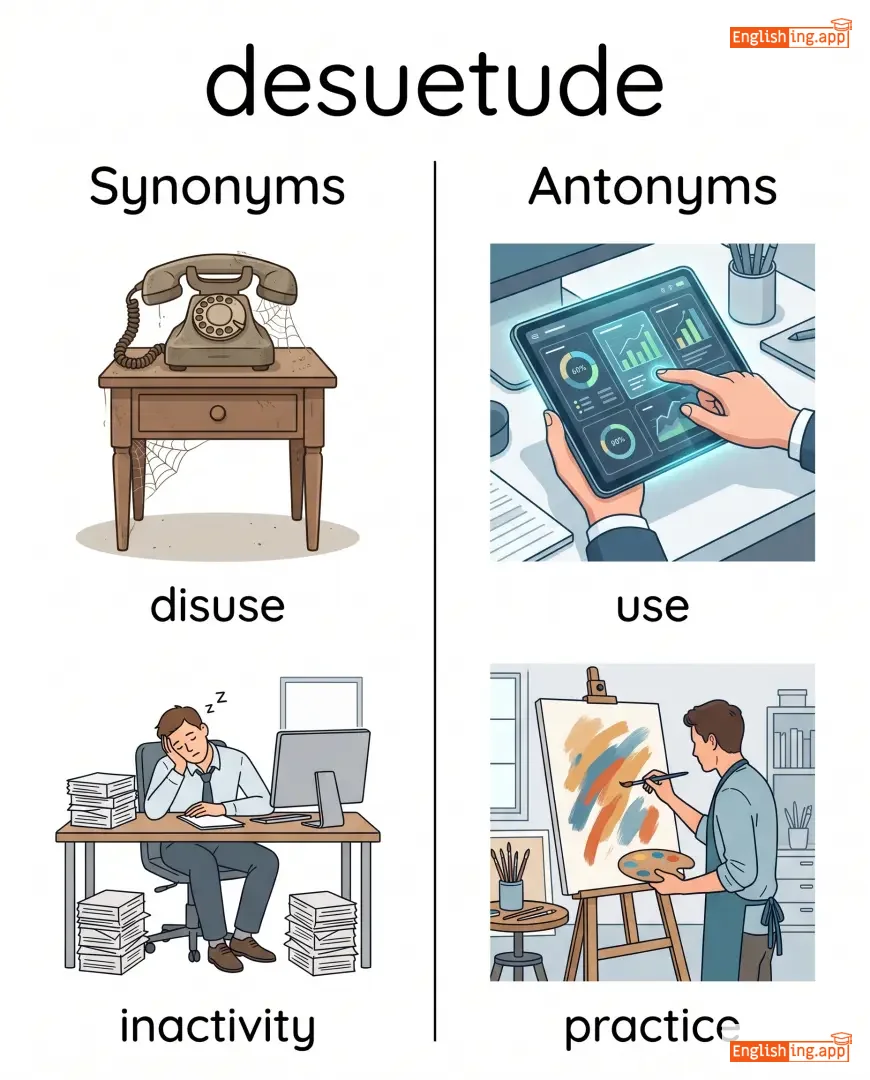
disuse, inactivity, neglect, abandonment, obscurity
••••••
|
use, practice, activity
••••••
|
fall into desuetude, long desuetude, in desuetude
••••••
|
Desuetudeは 'due' 何かが廃止されたことを意味します
••••••
|
|
😐
••••••
|
/ˈdɛsəlˌtɔːri/
adjective
(デサルトリー)
••••••
|
|
無秩序な
muchi-tsujona
••••••
|
- •••••• | - •••••• | - •••••• | - •••••• |
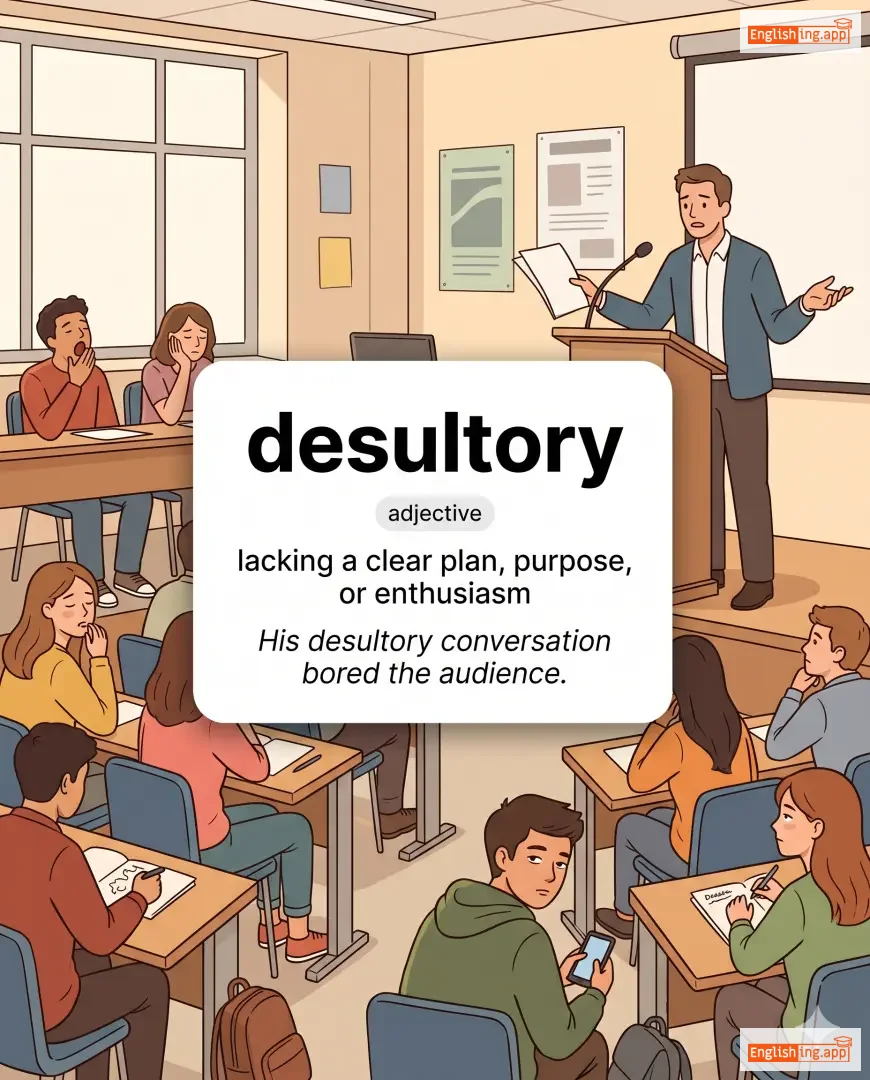
lacking a clear plan, purpose, or enthusiasm
••••••
|
His desultory conversation bored the audience. |
彼の無秩序な会話は観客を退屈させた。
Kare no muchitsujona kaiwa wa kankyaku o taikutsu saseta.
••••••
|
- •••••• | - •••••• | - •••••• |
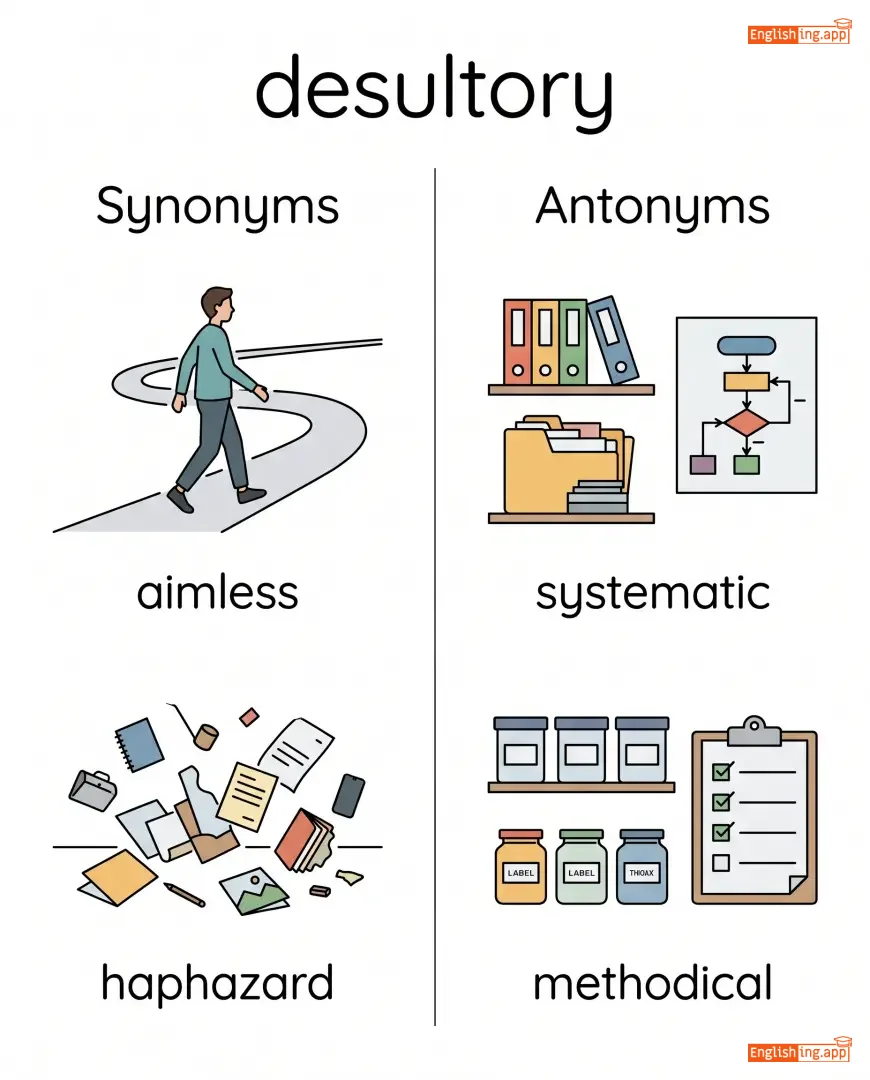
aimless, haphazard, random, unplanned, erratic
••••••
|
systematic, methodical, organized
••••••
|
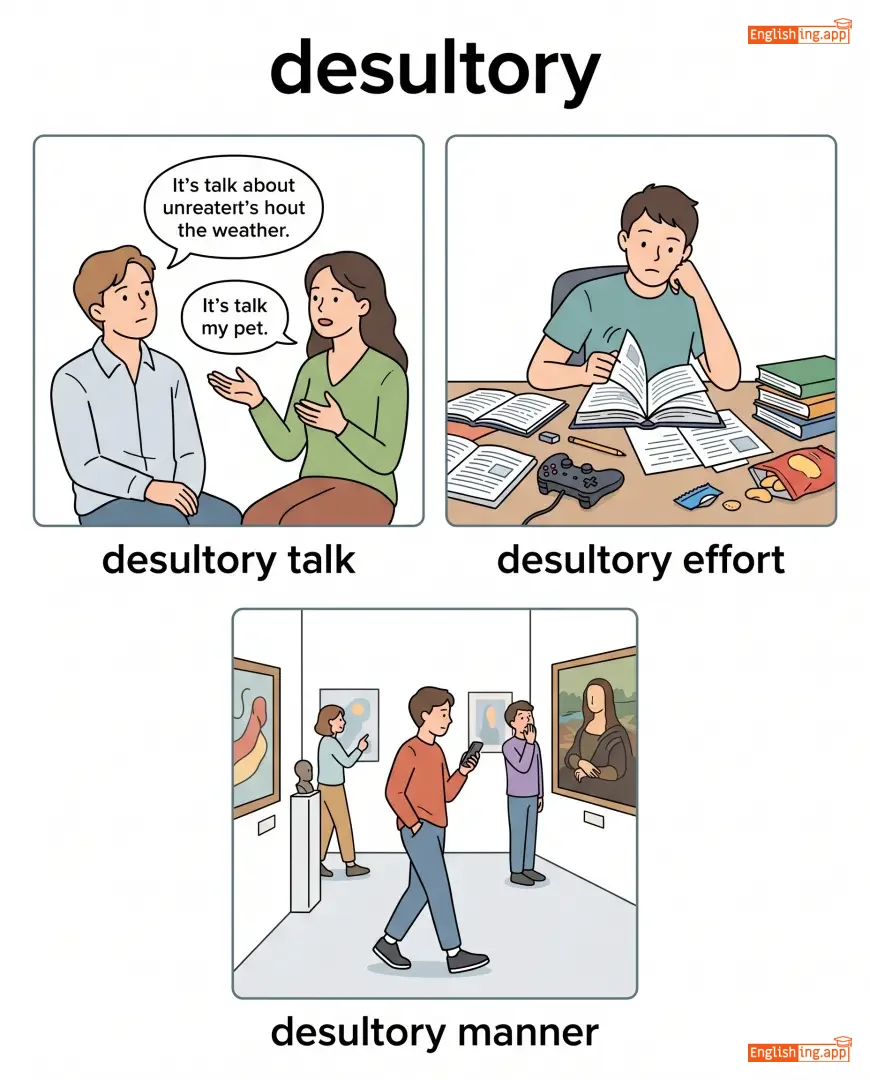
desultory talk, desultory effort, desultory manner, desultory approach
••••••
|
Desultory – 計画がなく、無秩序な会話
••••••
|
|
🚫
••••••
|
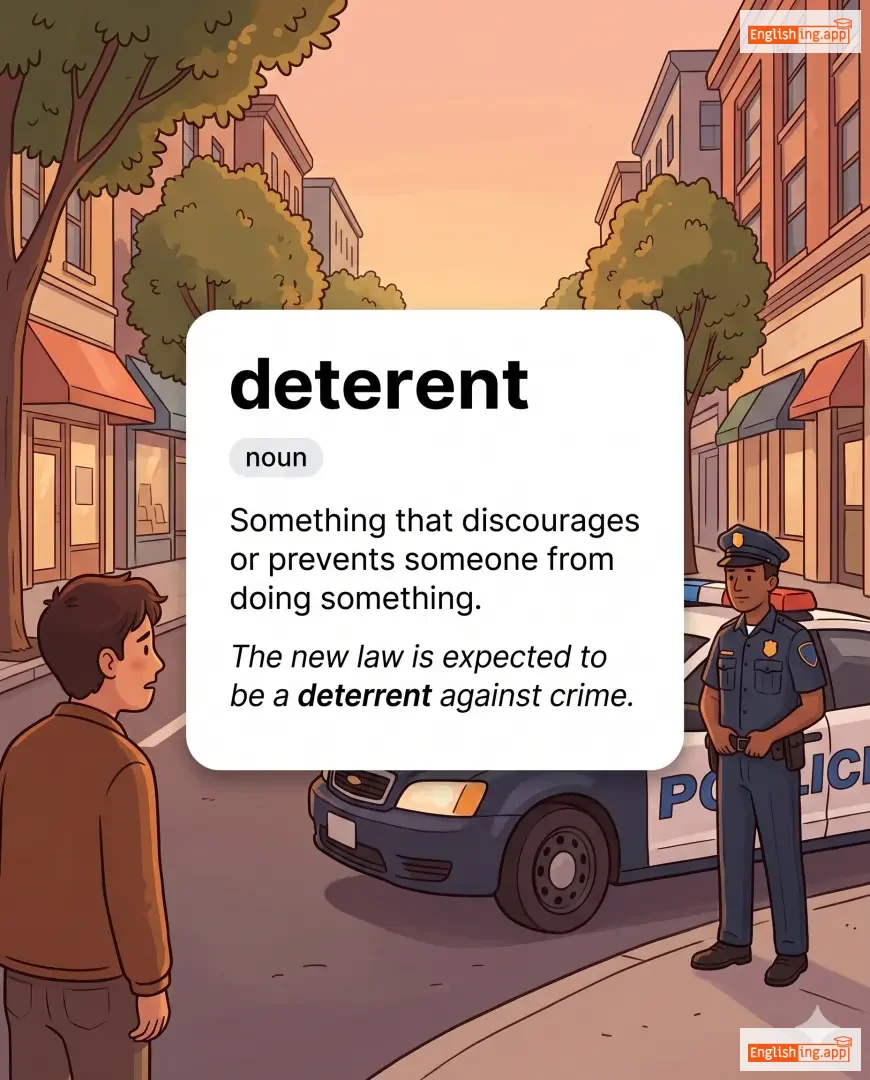
/dɪˈtɜːrənt/
noun
(ディテレント)
••••••
|
|
抑止力
yokushiryoku
••••••
|
- •••••• | - •••••• | - •••••• | - •••••• |
Something that discourages or prevents someone from doing something.
••••••
|
The new law is expected to be a deterrent against crime. |
新しい法律は犯罪に対する抑止力になると予想されています。
Atarashī hōritsu wa hanzai ni taisuru yokushiryoku ni naru to yosō sareteimasu.
••••••
|
- •••••• | - •••••• | - •••••• |
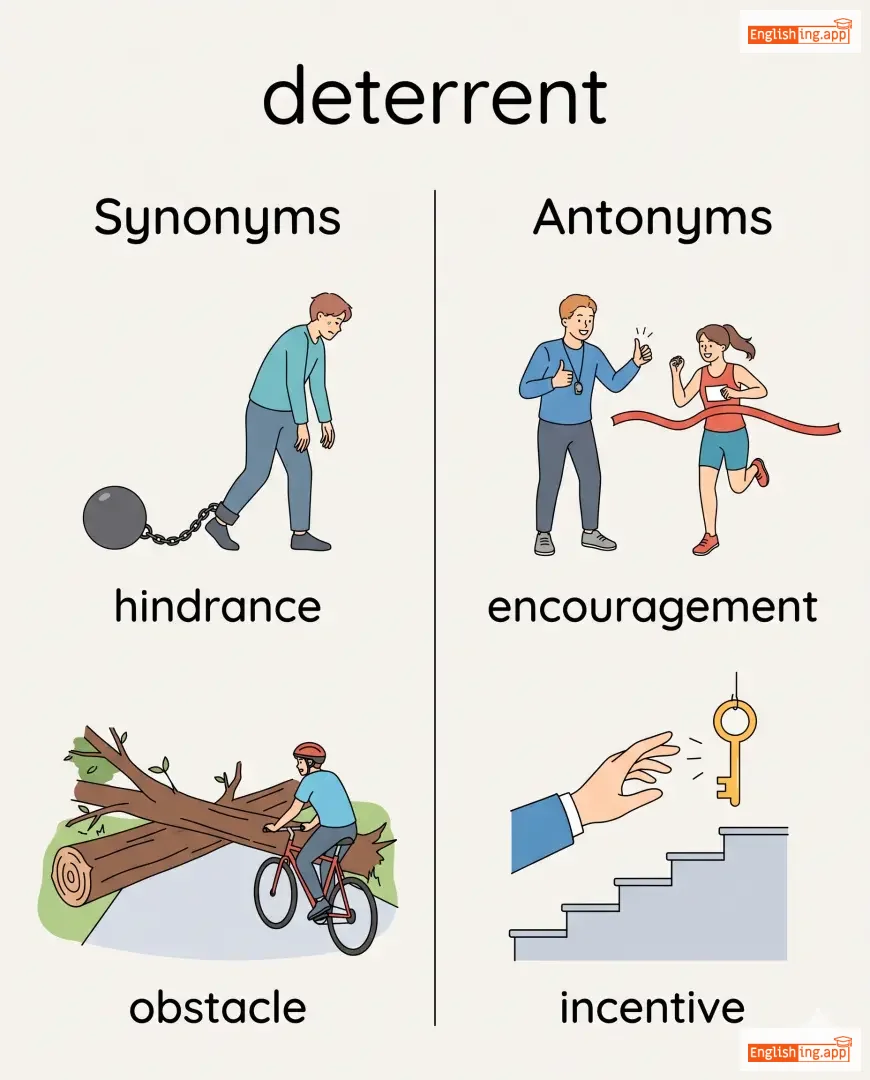
hindrance, obstacle, discouragement, preventive
••••••
|
encouragement, incentive
••••••
|
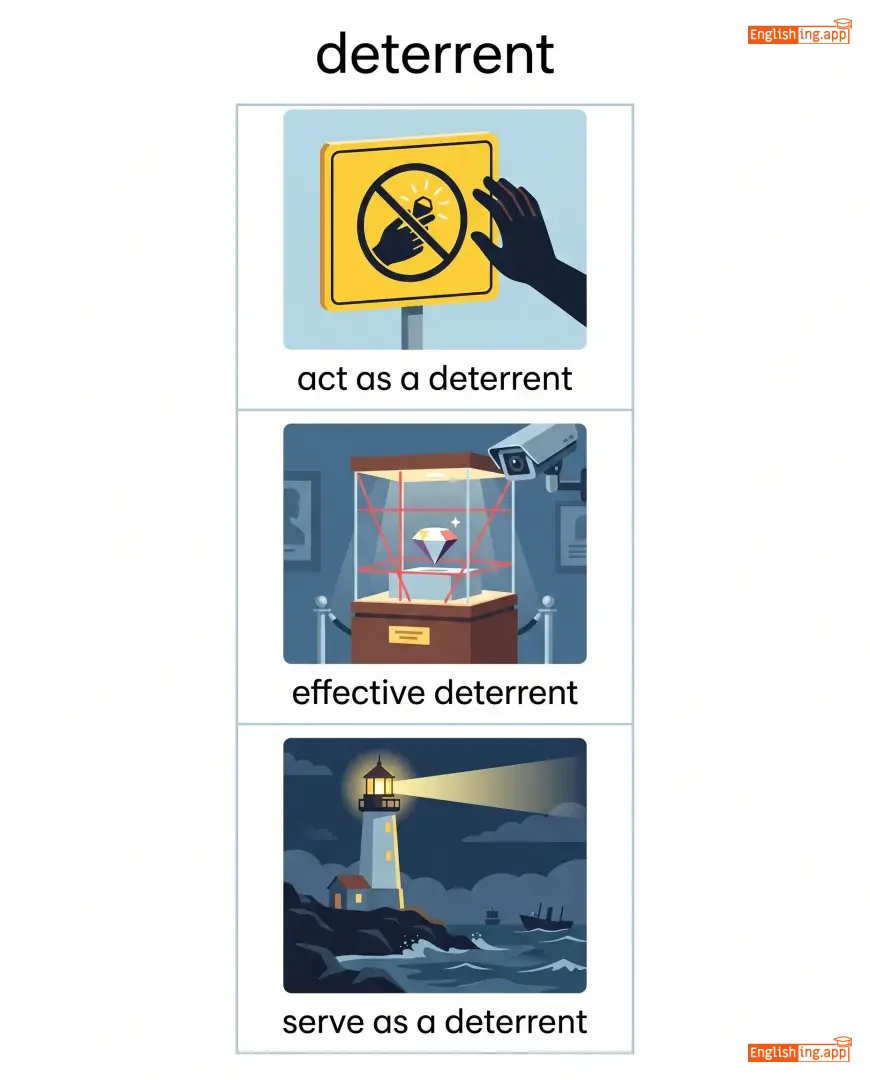
act as a deterrent, effective deterrent, serve as a deterrent
••••••
|
抑止力は 🚫 犯罪 – 法律が抑止力です。
••••••
|
|
🗣️
••••••
|
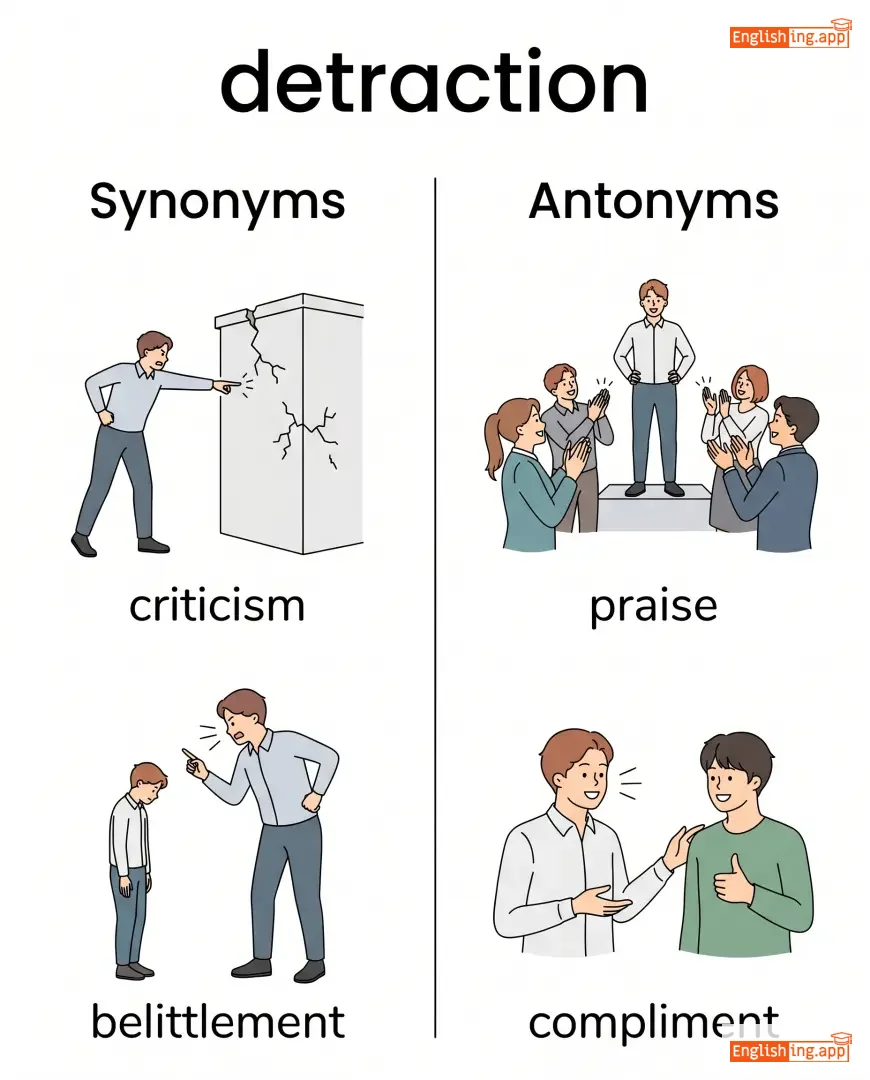
/dɪˈtrækʃən/
noun
(ディトラクション)
••••••
|
|
非難
hinan
••••••
|
- •••••• | - •••••• | - •••••• | - •••••• |
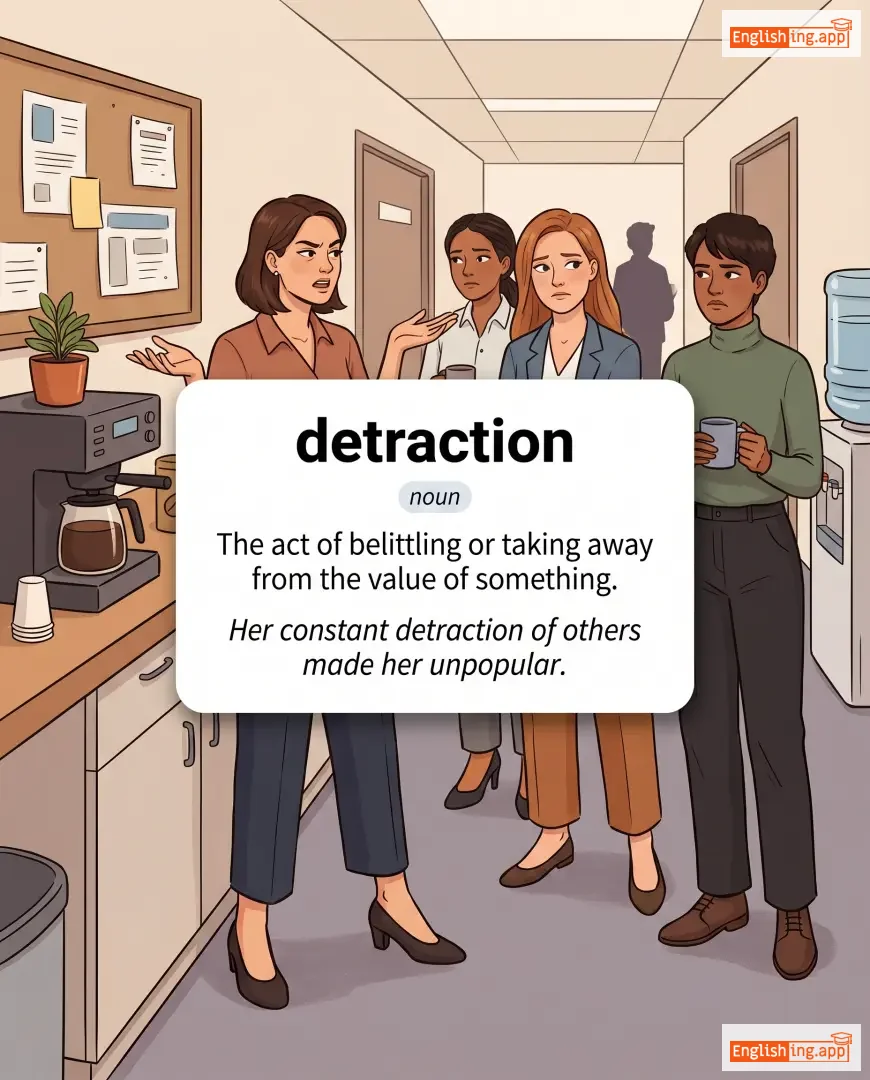
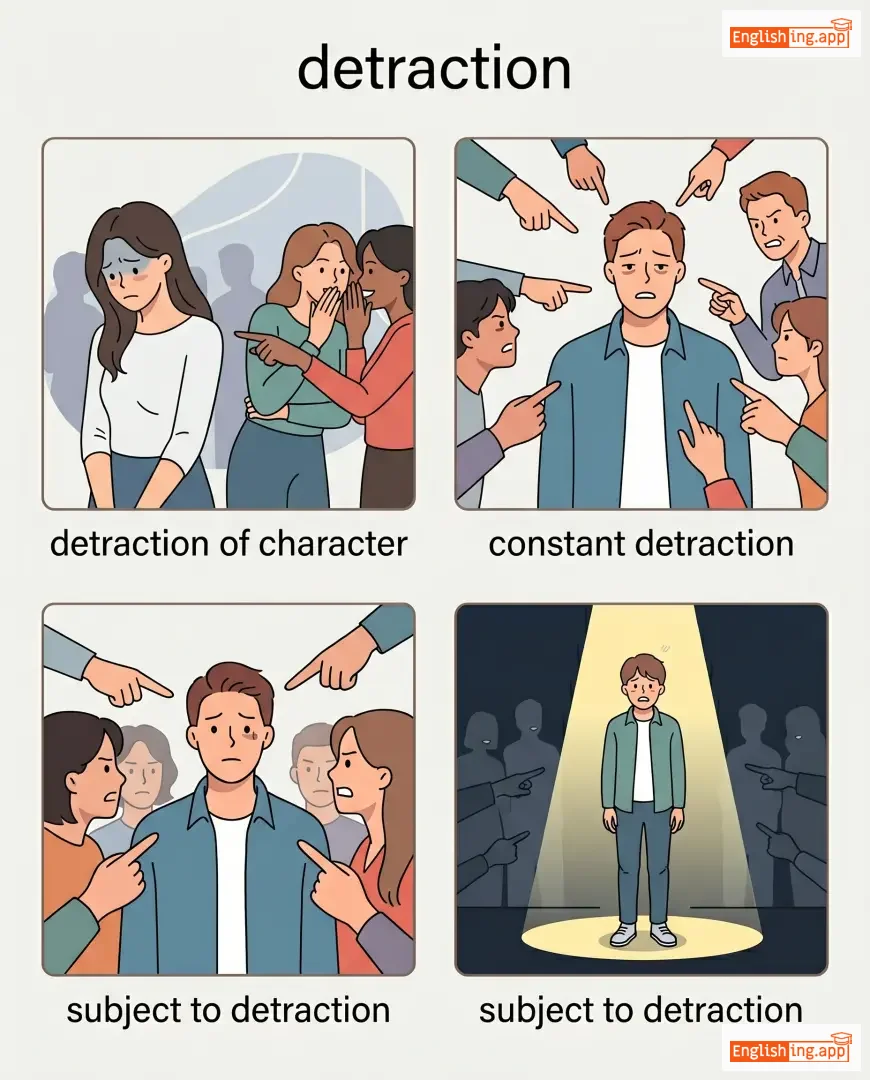
The act of belittling or taking away from the value of something.
••••••
|
Her constant detraction of others made her unpopular. |
他人に対する彼女の絶え間ない非難は、彼女を不人気にした。
Tanin ni taisuru kanojo no taemai nai hinan wa, kanojo o funinki ni shita.
••••••
|
- •••••• | - •••••• | - •••••• |
criticism, belittlement, disparagement, slander
••••••
|
praise, compliment
••••••
|
detraction of character, constant detraction, subject to detraction
••••••
|
DETRACTは減少を意味し、DETRACTIONは何かの価値を減少させることを意味します。
••••••
|
|
👗
••••••
|
/daɪˈæfənəs/
adjective
(ダイアファヌス)
••••••
|
|
透けている
suketeiru
••••••
|
- •••••• | - •••••• | - •••••• | - •••••• |
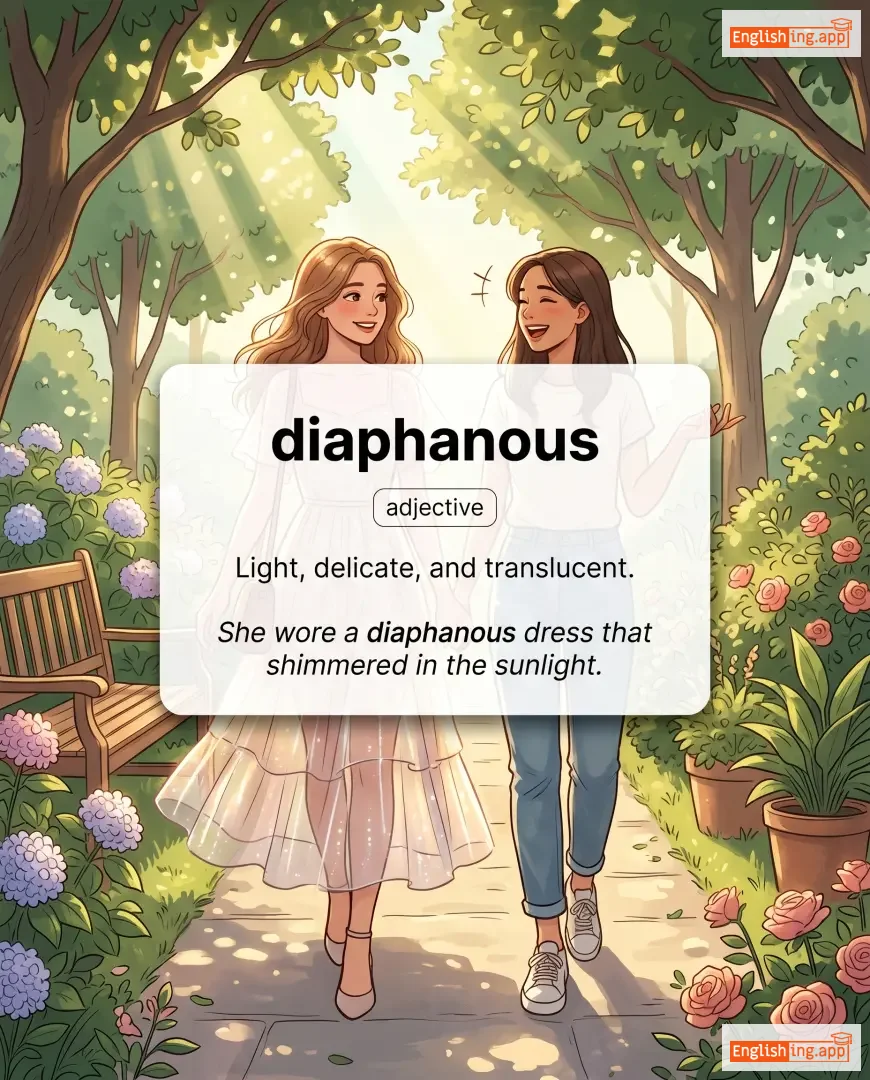
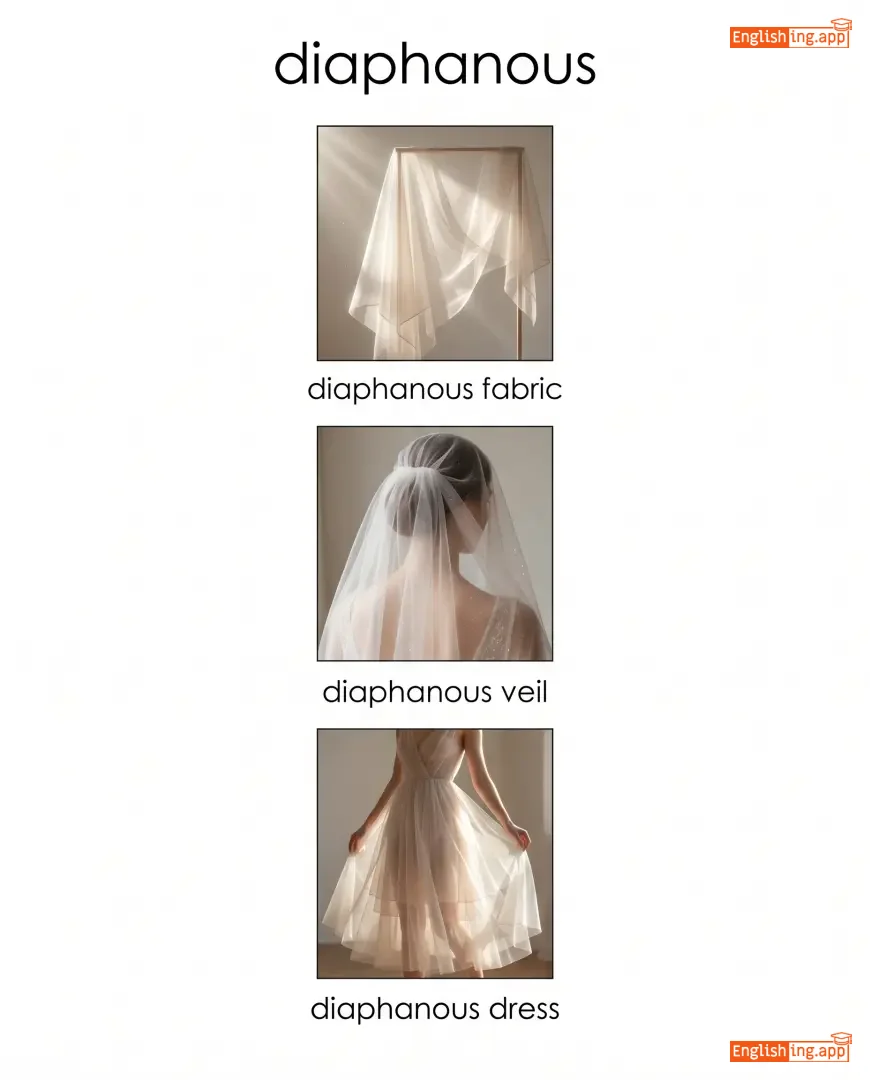
Light, delicate, and translucent.
••••••
|
She wore a diaphanous dress that shimmered in the sunlight. |
彼女は太陽の光の中で輝く透けているドレスを着ていた。
Kanojo wa taiyou no hikari no naka de kagayaku suketeiru doresu o kiteita.
••••••
|
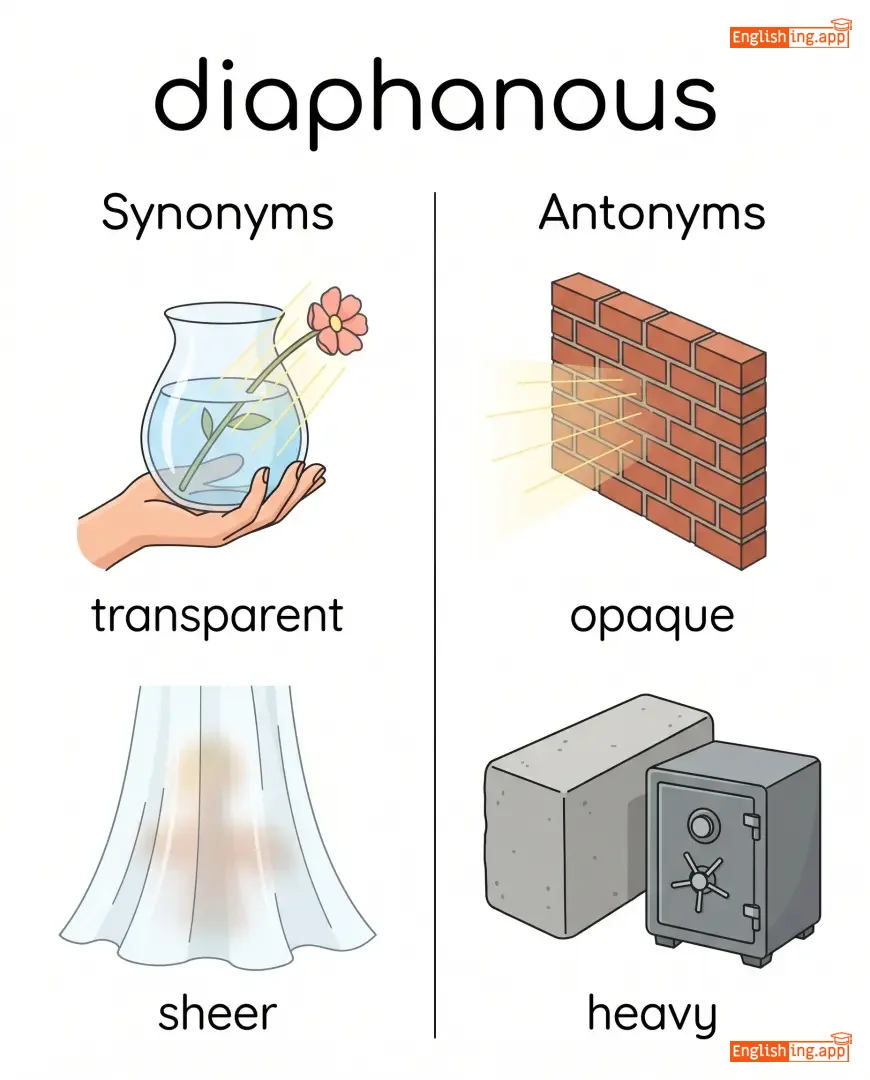
- •••••• | - •••••• | - •••••• |
transparent, sheer, delicate, translucent, gossamer
••••••
|
opaque, heavy, thick
••••••
|
diaphanous fabric, diaphanous veil, diaphanous dress
••••••
|
Diaphanous = Dia+fan+ous → 太陽の下で輝く透けているドレス
••••••
|
|
🗣️
••••••
|
/ˈdaɪətraɪb/
noun
(ダイアトライブ)
••••••
|
|
激しい非難
hageshī hinan
••••••
|
- •••••• | - •••••• | - •••••• | - •••••• |
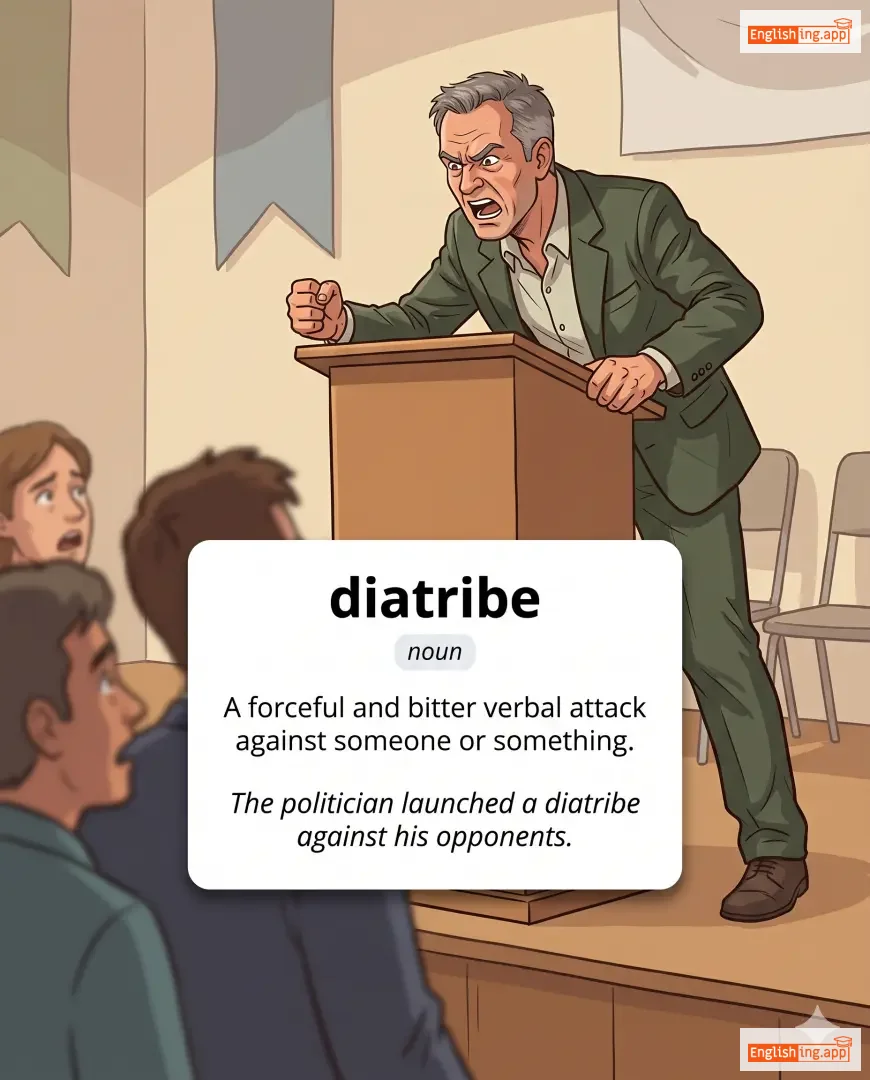
A forceful and bitter verbal attack against someone or something.
••••••
|
The politician launched a diatribe against his opponents. |
政治家は自分の対戦相手に対して激しい非難を始めた。
Seijika wa jibun no taisen aite ni taishite hageshī hinan o hajimeta.
••••••
|
- •••••• | - •••••• | - •••••• |
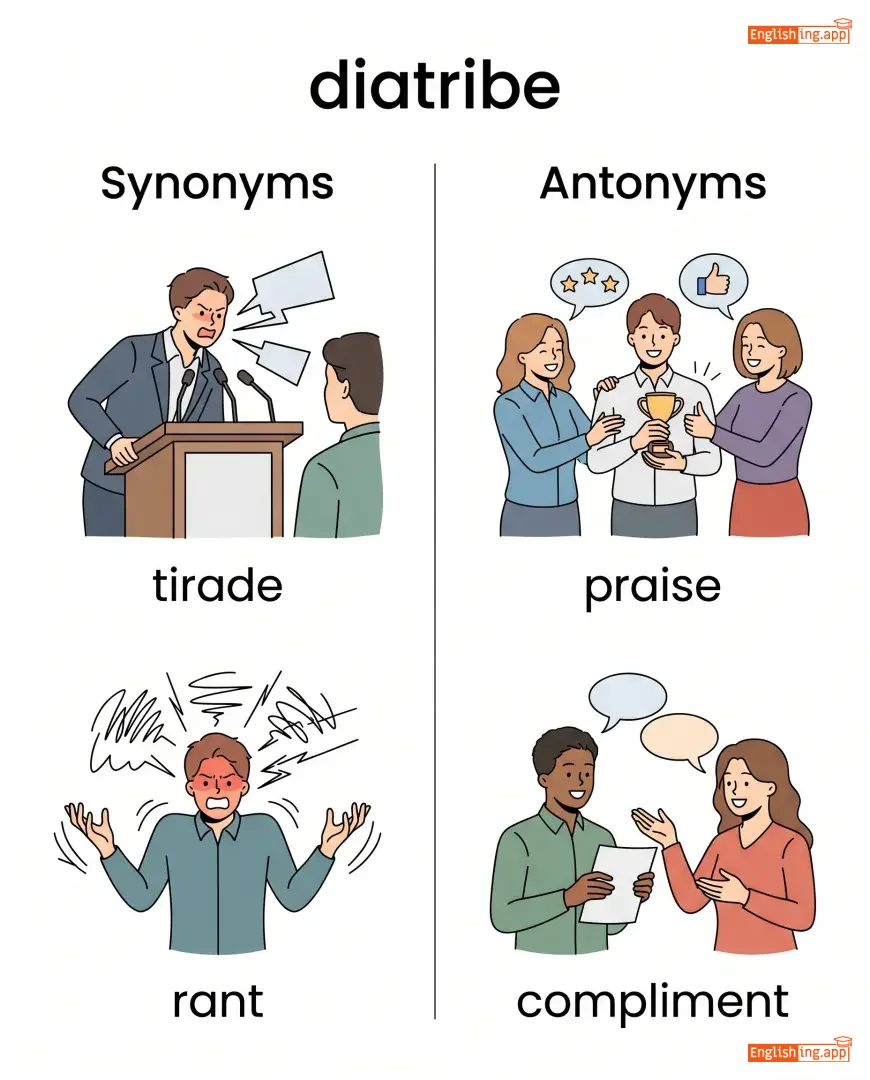
tirade, rant, criticism, denunciation, invective
••••••
|
praise, compliment
••••••
|
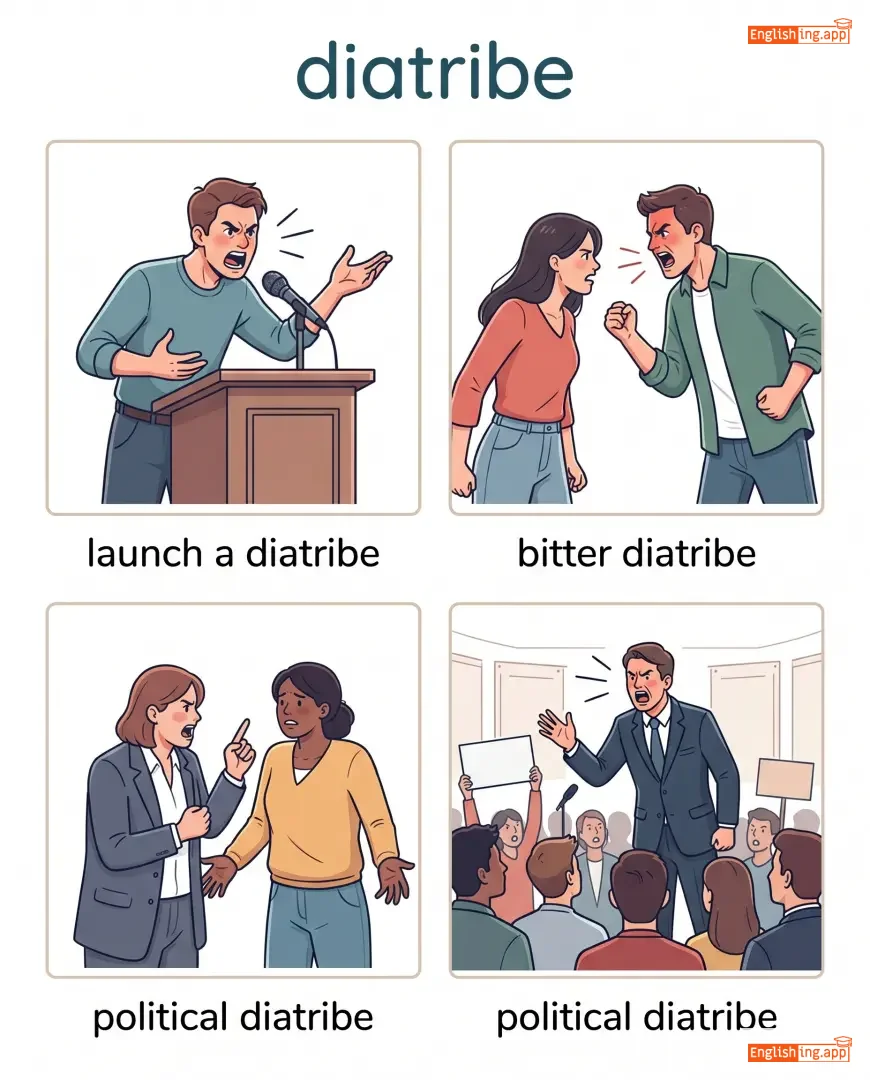
launch a diatribe, bitter diatribe, political diatribe
••••••
|
DIAlogueでTRIBeの激しい非難 → Diatribe = 激しい非難
••••••
|
|
⚖️
••••••
|
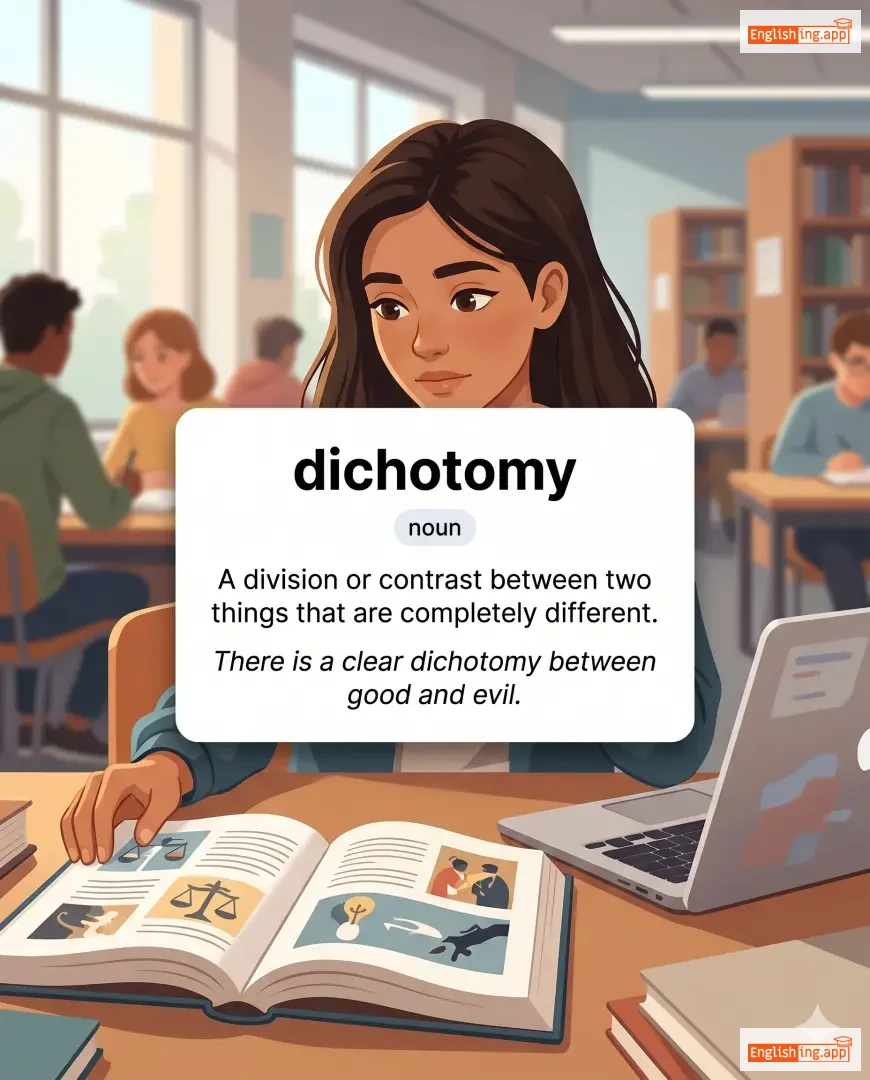
/daɪˈkɒtəmi/
noun
(ダイコトミー)
••••••
|
|
二項対立
nikou tairitsu
••••••
|
- •••••• | - •••••• | - •••••• | - •••••• |
A division or contrast between two things that are completely different.
••••••
|
There is a clear dichotomy between good and evil. |
善と悪の間には明確な二項対立があります。
Zen to aku no aida ni wa meikaku na nikou tairitsu ga arimasu.
••••••
|
- •••••• | - •••••• | - •••••• |
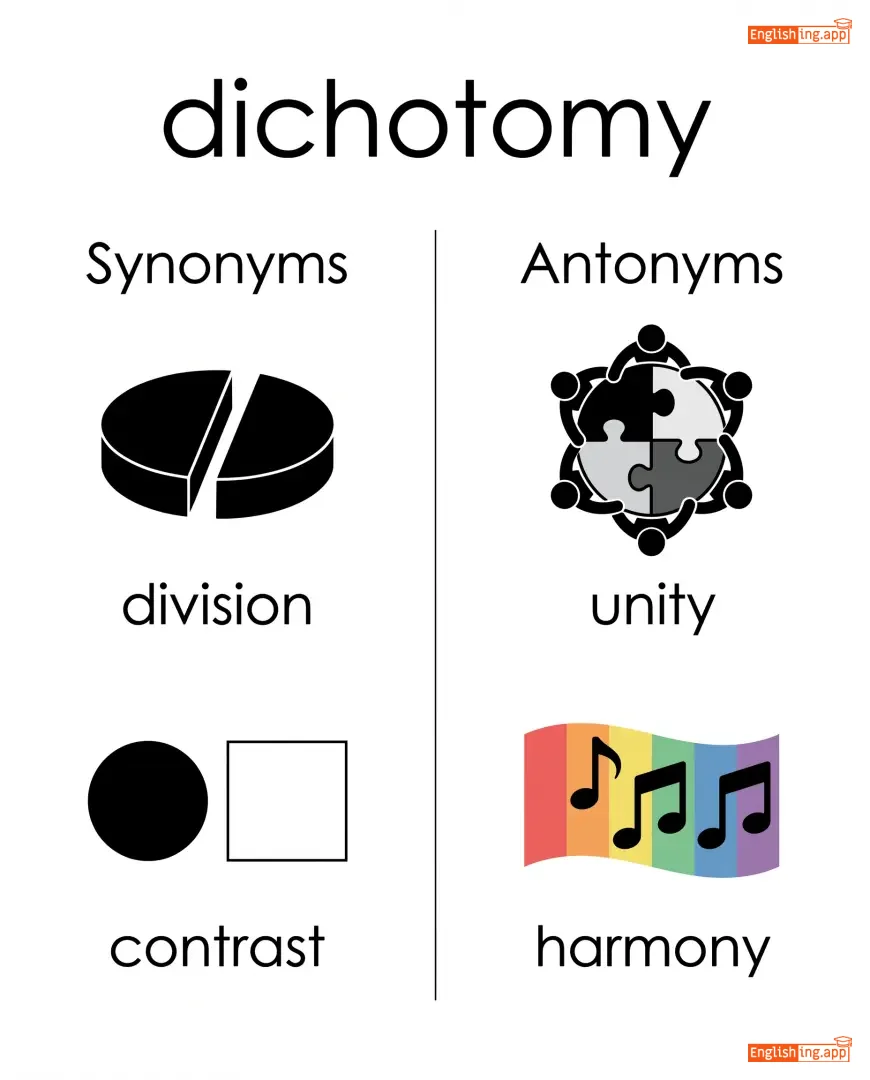
division, contrast, split, dualism
••••••
|
unity, harmony
••••••
|
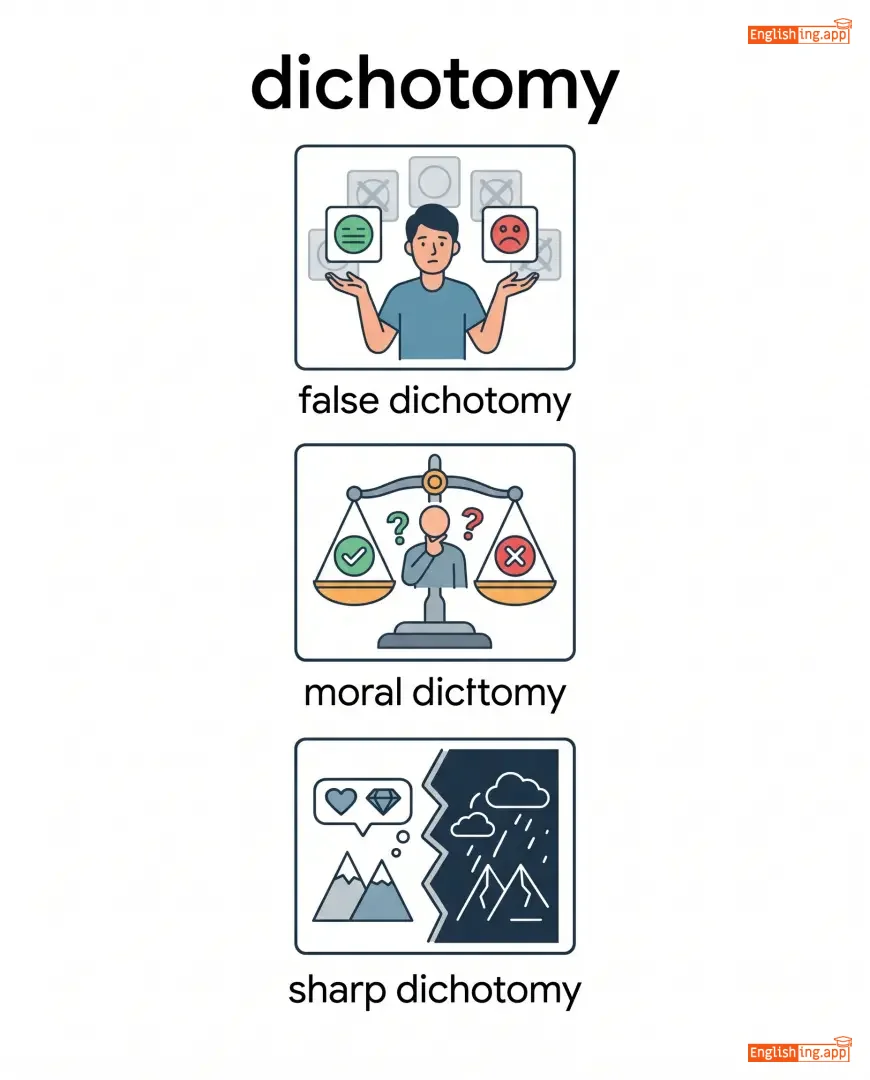
false dichotomy, moral dichotomy, sharp dichotomy
••••••
|
DIE は二つ + CUT は切る → Dichotomy は二つに分けることを意味する
••••••
|
|
😶
••••••
|
/ˈdɪfɪdəns/
noun
(ディフィデンス)
••••••
|
|
自信の欠如
jishin no ketsujo
••••••
|
- •••••• | - •••••• | - •••••• | - •••••• |
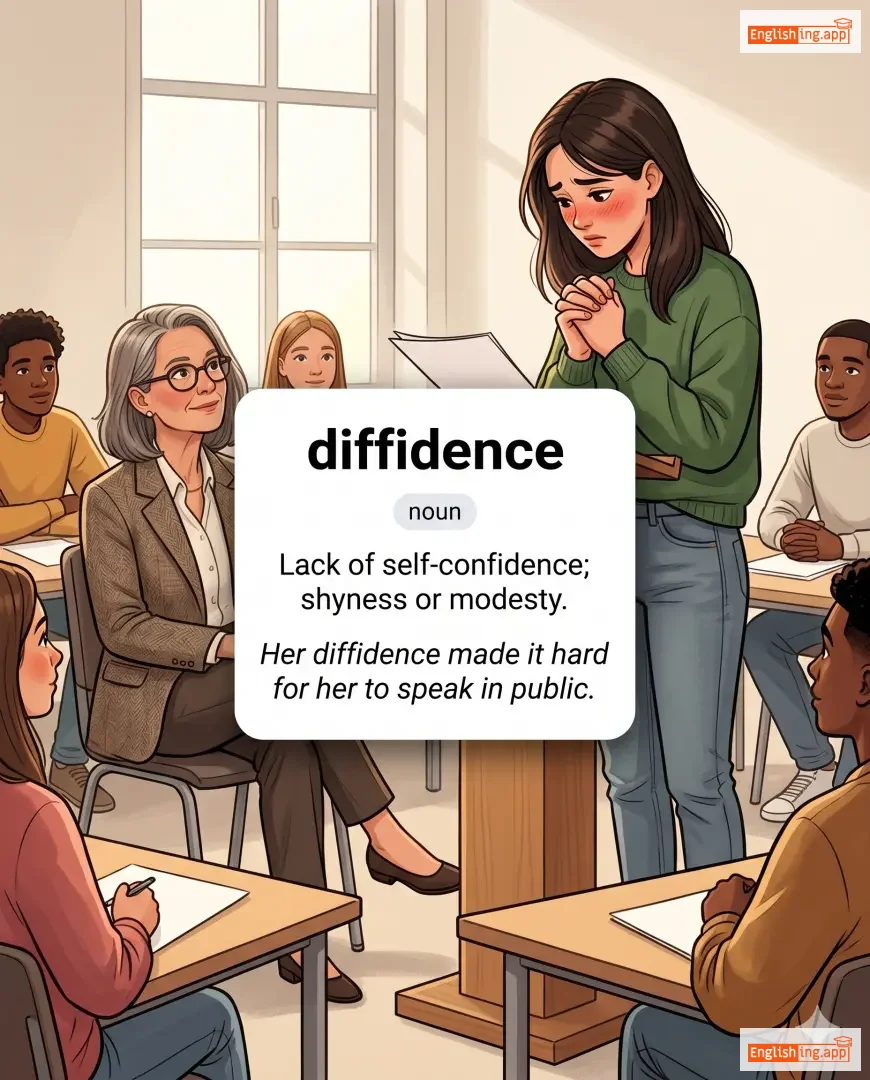
Lack of self-confidence; shyness or modesty.
••••••
|
Her diffidence made it hard for her to speak in public. |
彼女の自信の欠如は、公衆の前で話すのを難しくした。
Kanojo no jishin no ketsujo wa, koushuu no mae de hanasu no o muzukashiku shita.
••••••
|
- •••••• | - •••••• | - •••••• |
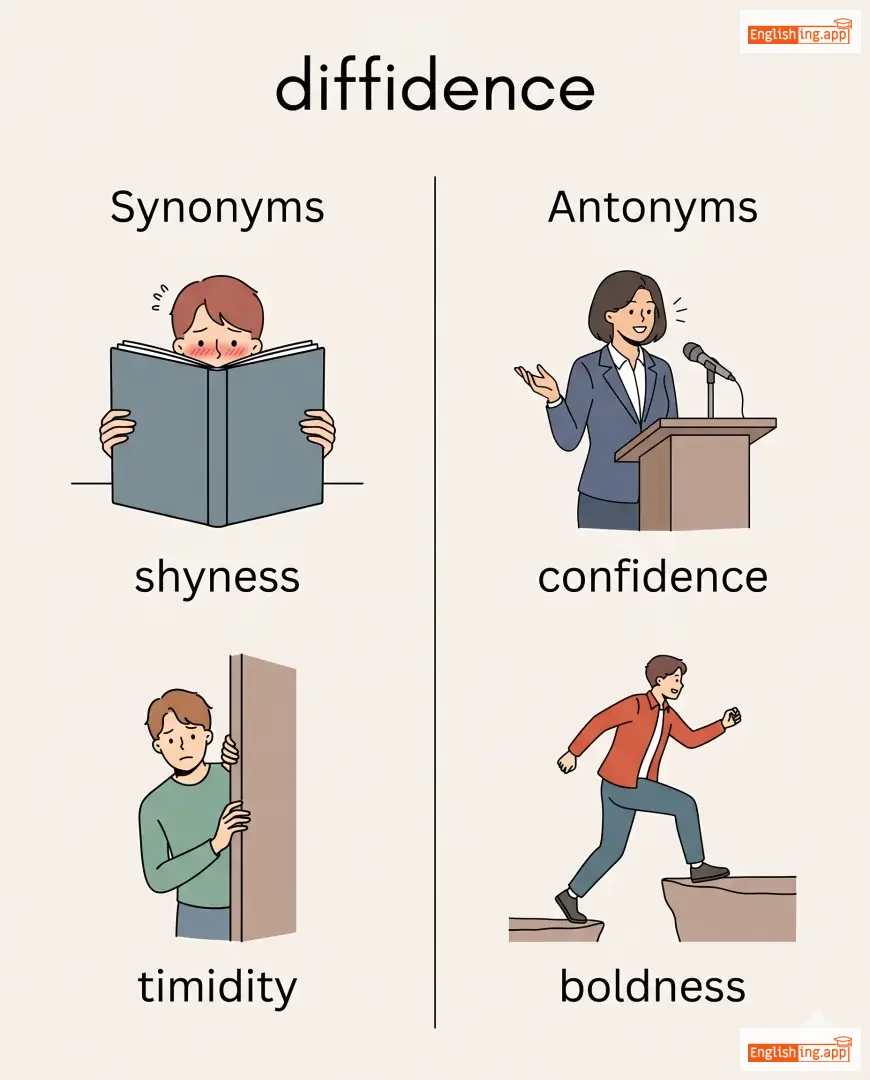
shyness, timidity, insecurity, reserve, modesty
••••••
|
confidence, boldness, assertiveness
••••••
|
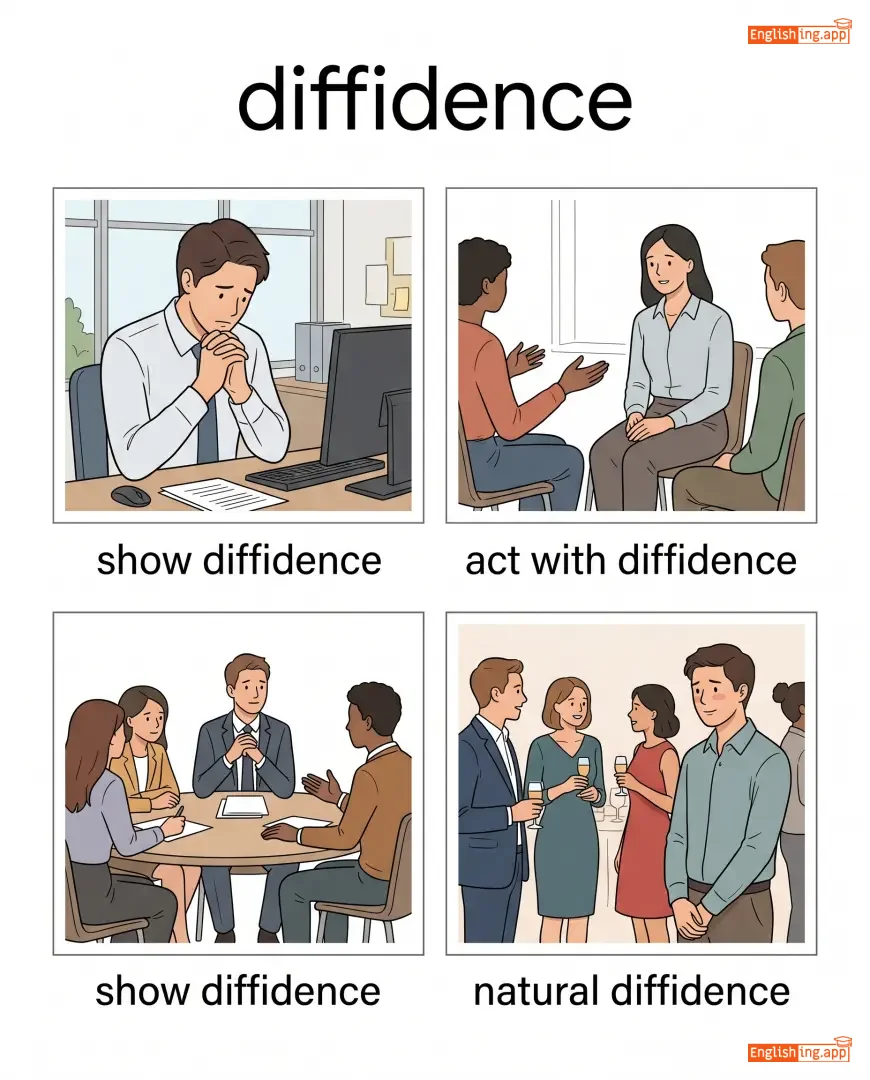
show diffidence, act with diffidence, natural diffidence
••••••
|
Diffidenceは自信の欠如 - D = Down 自信を覚えておこう。
••••••
|
|
🌫️
••••••
|
/dɪˈfjuːz/
verb
••••••
|
|
- •••••• |
diffused
••••••
|
diffused
••••••
|
diffuses
••••••
|
diffusing
••••••
|
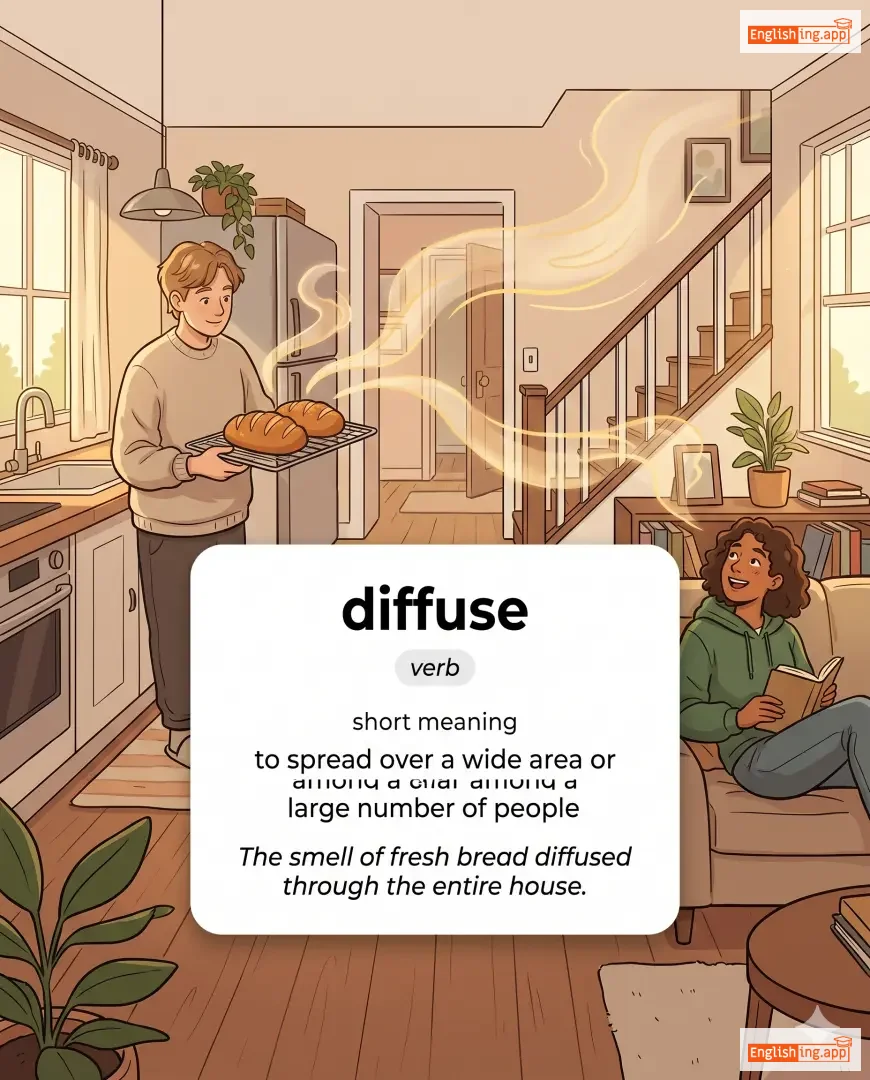
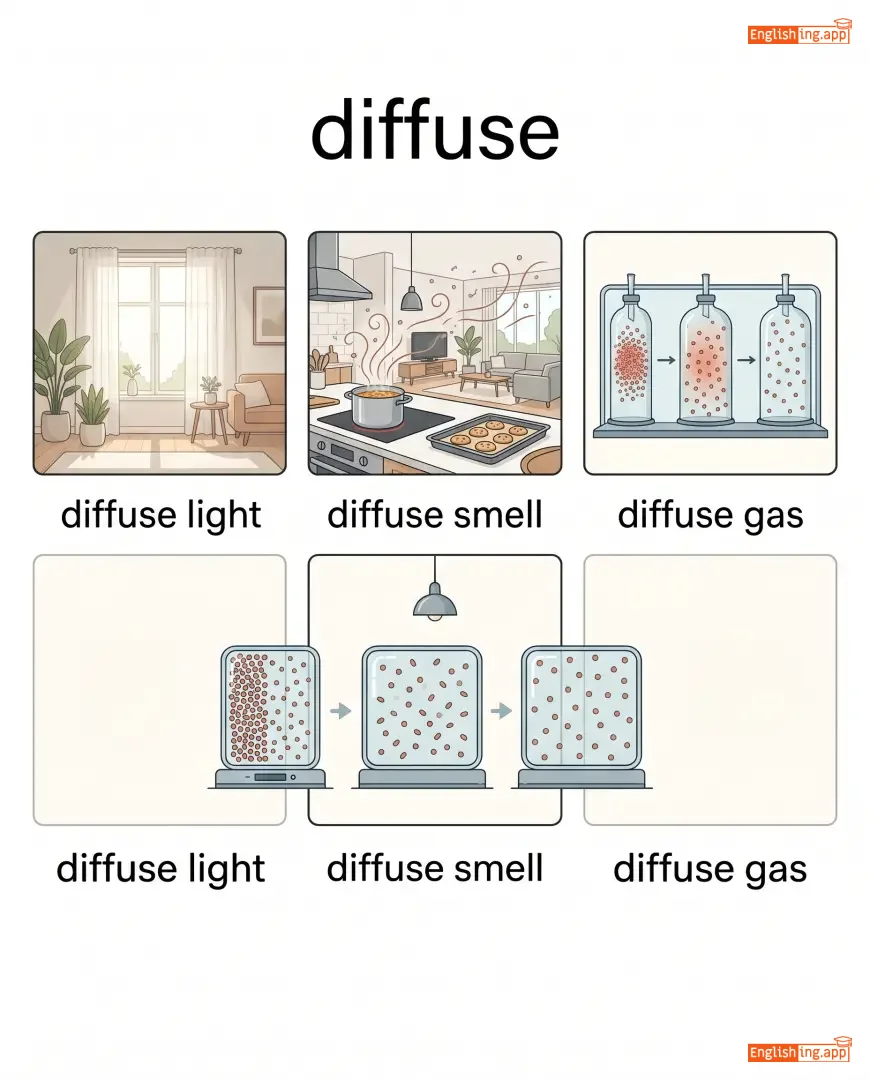
to spread over a wide area or among a large number of people
••••••
|
The smell of fresh bread diffused through the entire house. |
- •••••• |
diffuse tension |
to reduce or calm down stress or conflict
••••••
|
- •••••• |
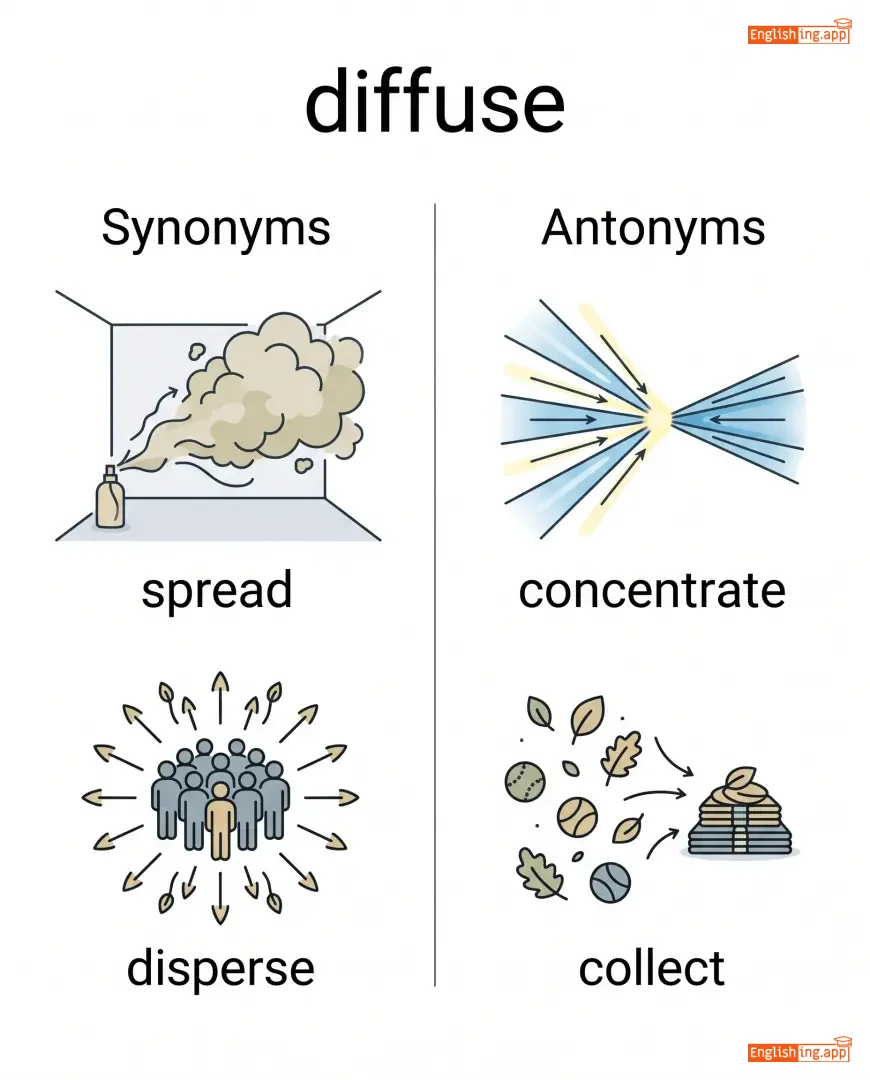
spread, disperse, scatter, distribute, dissipate
••••••
|
concentrate, collect, gather
••••••
|
diffuse light, diffuse smell, diffuse gas, diffuse conflict
••••••
|
No •••••• |
|
🛤️
••••••
|
/daɪˈɡrɛʃən/
noun
(ダイグレッション)
••••••
|
|
逸脱
itsudatsu
••••••
|
- •••••• | - •••••• | - •••••• | - •••••• |
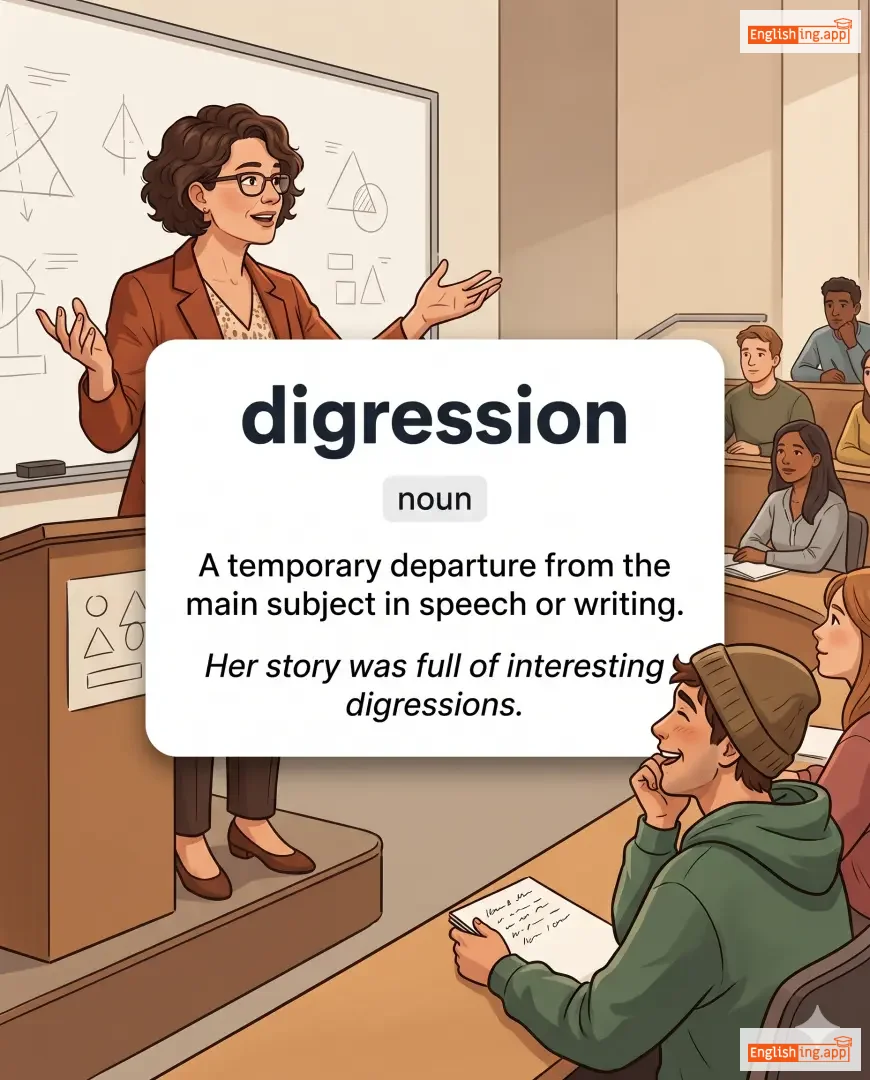
A temporary departure from the main subject in speech or writing.
••••••
|
Her story was full of interesting digressions. |
彼女の話は面白い逸脱で満ちていました。
Kanojo no hanashi wa omoshiroi itsudatsu de michite imashita.
••••••
|
- •••••• | - •••••• | - •••••• |
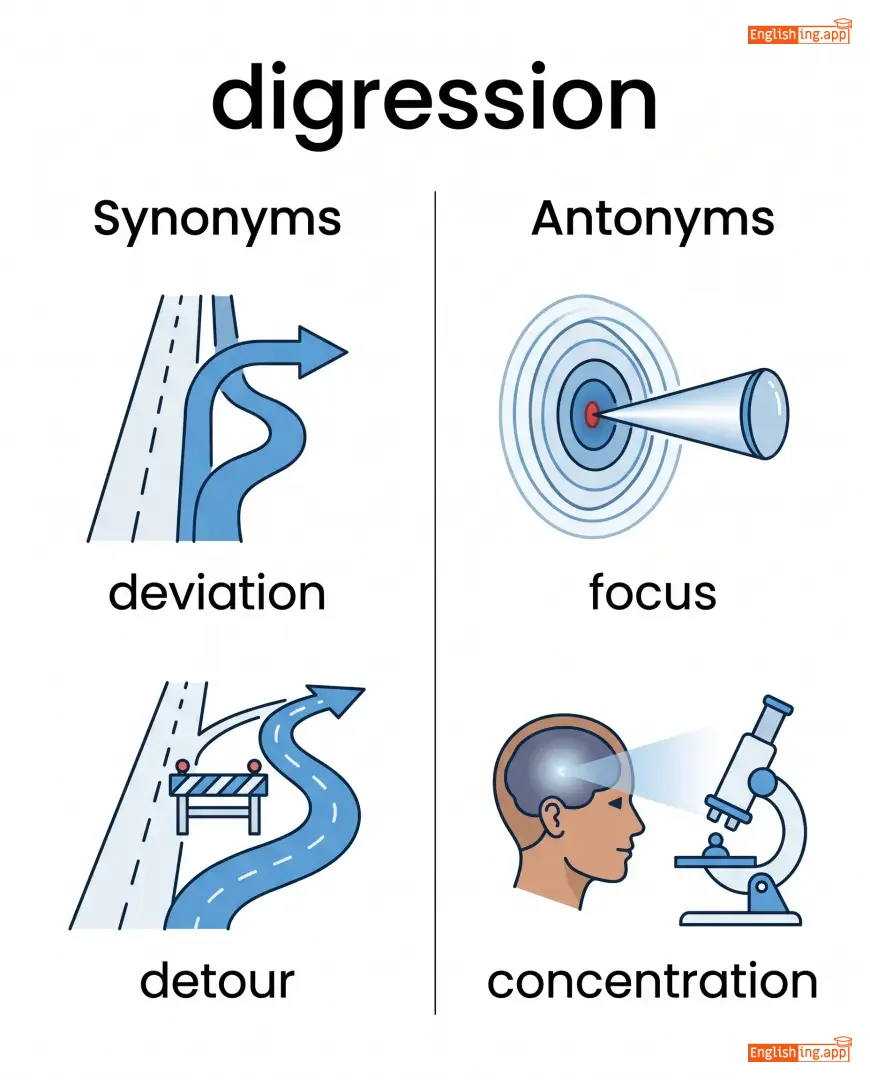
deviation, detour, aside, tangent
••••••
|
focus, concentration
••••••
|
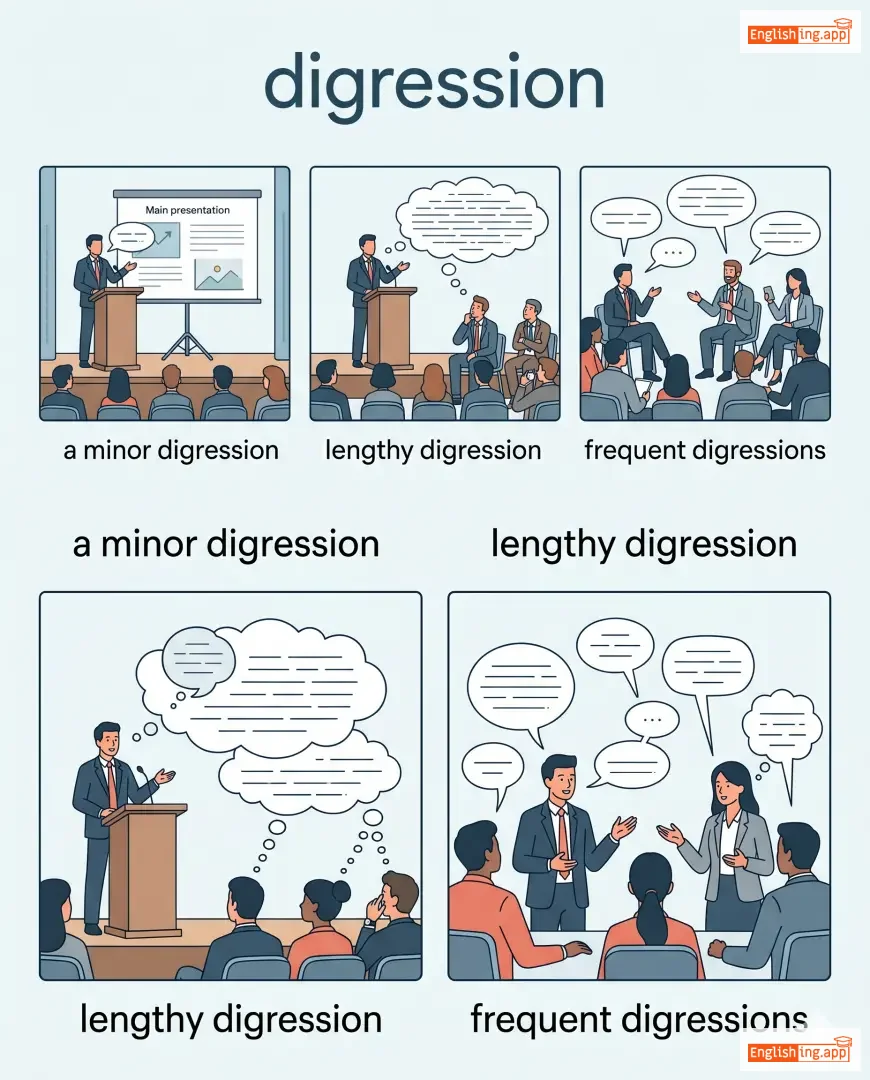
a minor digression, lengthy digression, frequent digressions
••••••
|
Digression は話のテーマから外れること。
••••••
|
|
🎵
••••••
|
/dɜːrdʒ/
noun
(ダージ)
••••••
|
|
哀歌
aika
••••••
|
- •••••• | - •••••• | - •••••• | - •••••• |
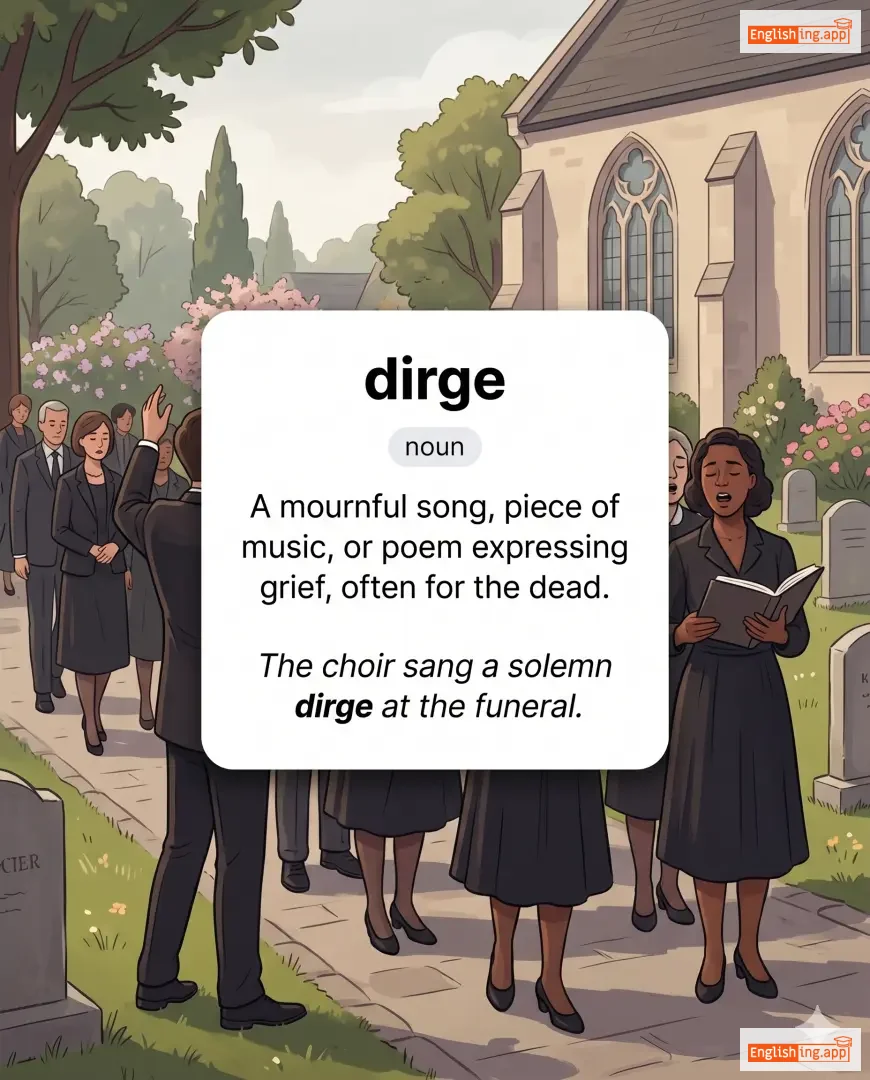
A mournful song, piece of music, or poem expressing grief, often for the dead.
••••••
|
The choir sang a solemn dirge at the funeral.
コーラスは葬式で厳粛なダージを歌いました。
••••••
|
コーラスは葬式で厳粛な哀歌を歌いました。
Kōrasu wa sōshiki de genshuku na aika o utaimashita.
••••••
|
- •••••• | - •••••• | - •••••• |
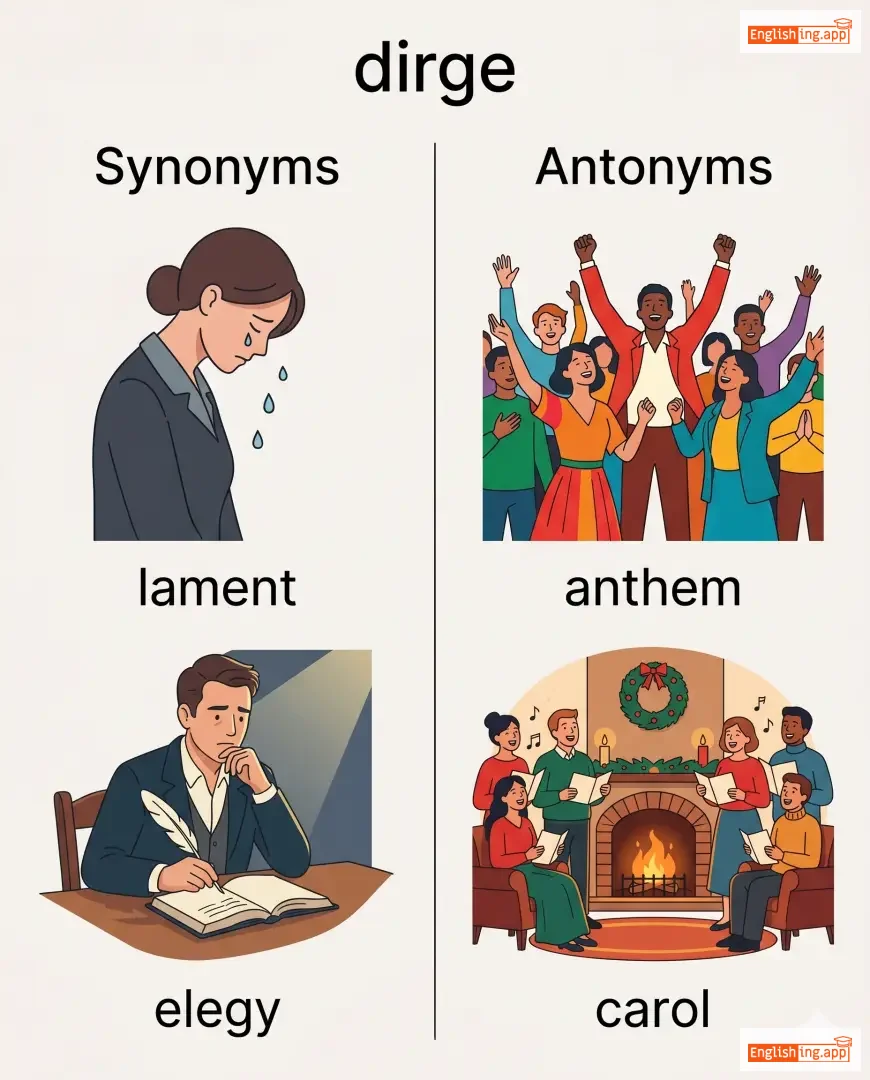
lament, elegy, requiem, threnody, funeral song
••••••
|
anthem, carol, celebration
••••••
|
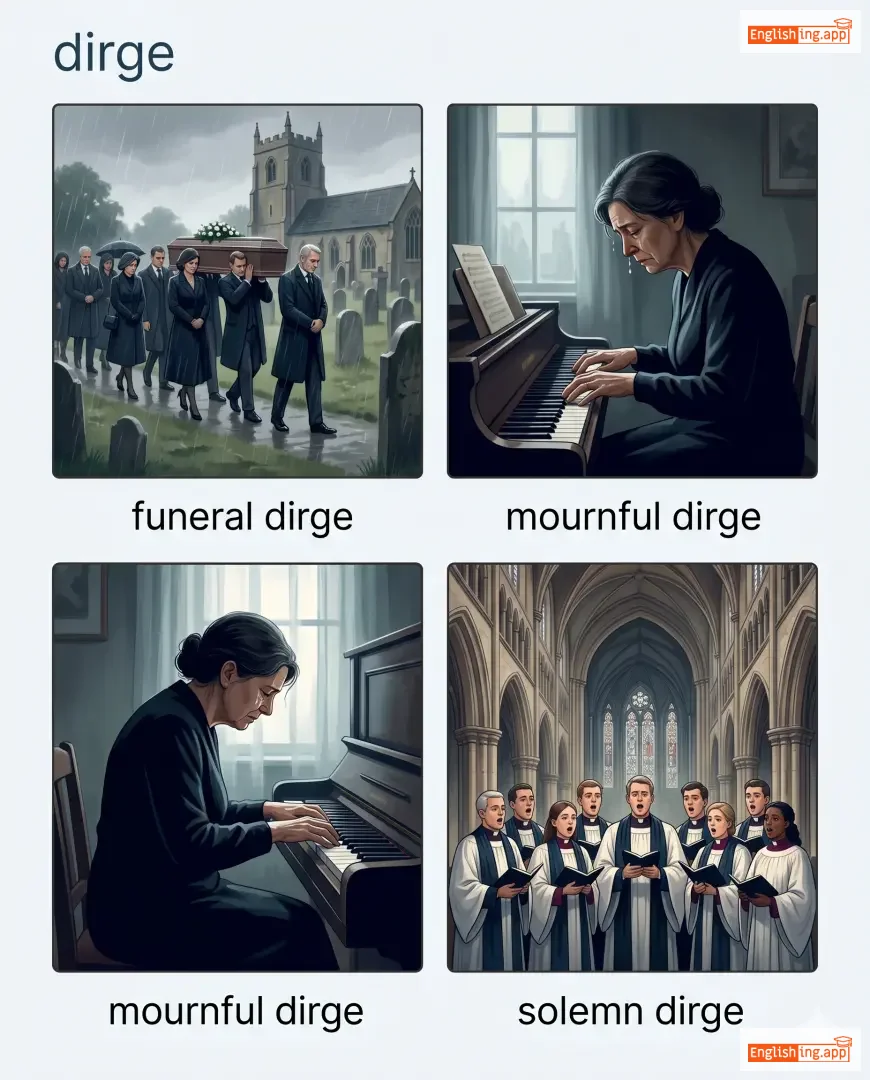
funeral dirge, mournful dirge, solemn dirge
••••••
|
Dirgeは‘哀歌’として覚えられます — 死者への悲しみを表現する歌です。
••••••
|
|
💡
••••••
|
/ˌdɪsəˈbjuːz/
verb
(ディサビューズ)
••••••
|
|
誤解を解く
gokai wo toku
••••••
|
disabused
ディサビューズド
••••••
|
disabused
ディサビューズド
••••••
|
disabuses
ディサビューゼス
••••••
|
disabusing
ディサビュージング
••••••
|
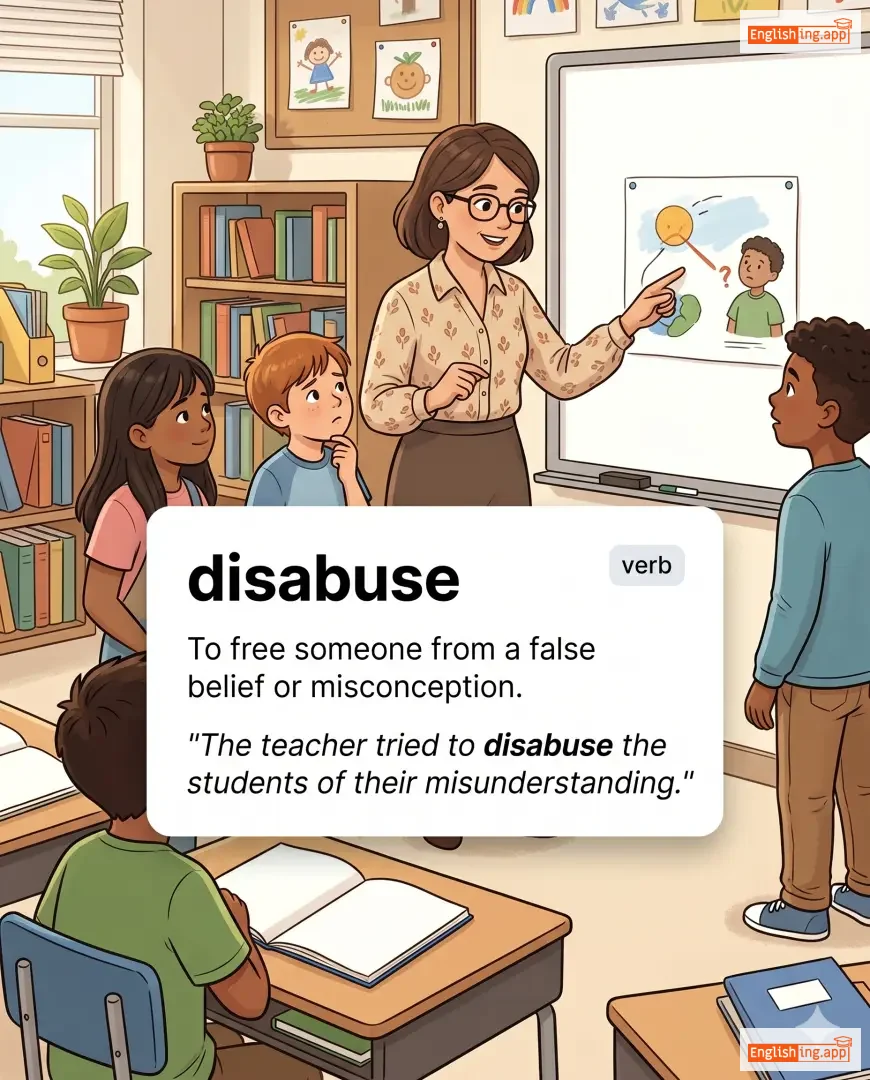
To free someone from a false belief or misconception.
••••••
|
The teacher tried to disabuse the students of their misunderstanding.
先生は生徒たちの誤解を解こうとしました。
••••••
|
先生は生徒たちの誤解を解こうとしました。
Sensei wa seito-tachi no gokai wo tokou to shimashita.
••••••
|
- •••••• | - •••••• | - •••••• |
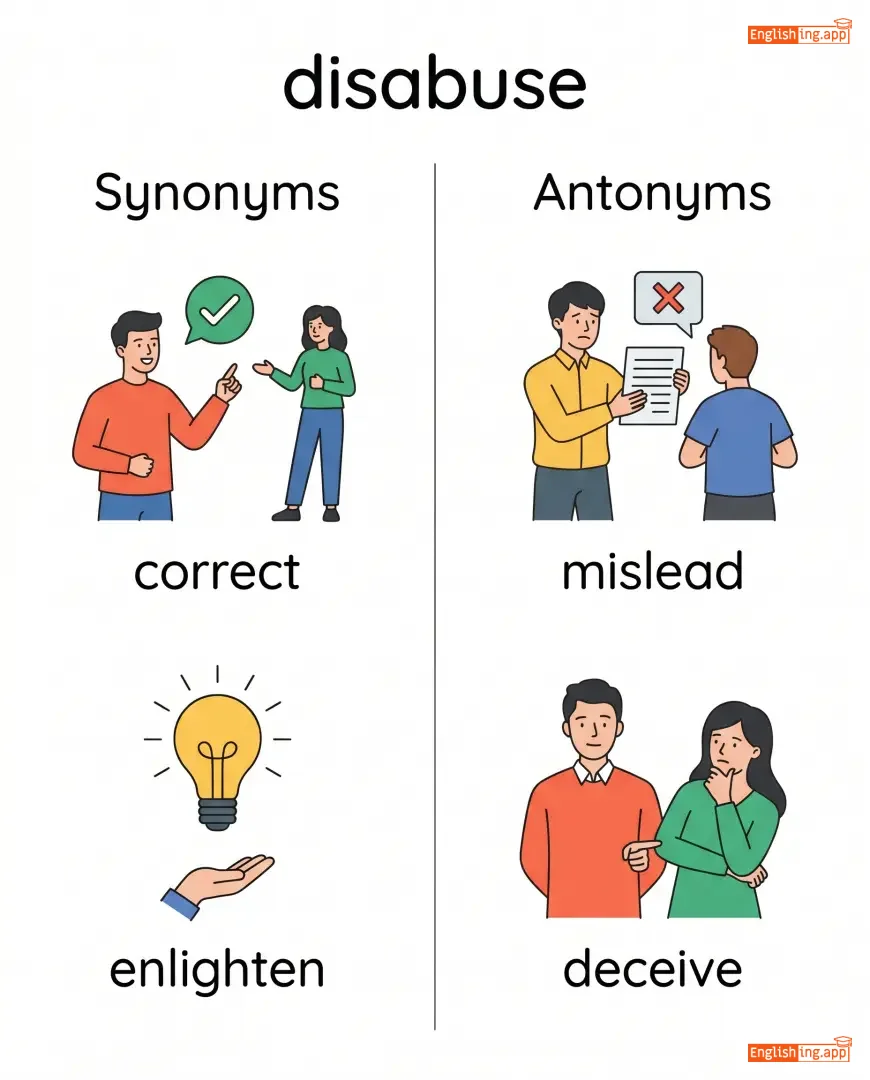
correct, enlighten, rectify, debunk, refute
••••••
|
mislead, deceive, delude
••••••
|
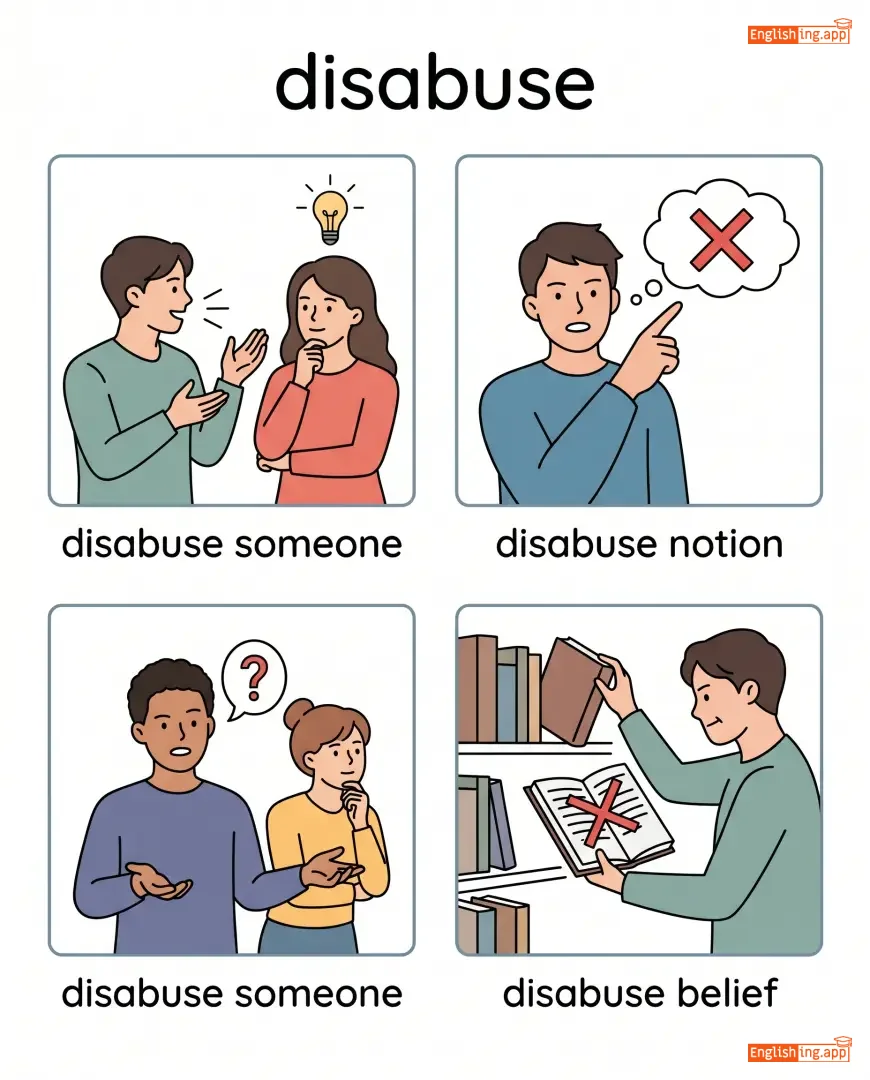
disabuse someone, disabuse notion, disabuse belief
••••••
|
Disabuse = 誤解を解く → 迷いを解く。
••••••
|
|
🧐
••••••
|
/dɪˈsɜːrnɪŋ/
adjective
(ディスアーニング)
••••••
|

|
鋭い
surudoi
••••••
|
- •••••• | - •••••• | - •••••• | - •••••• |
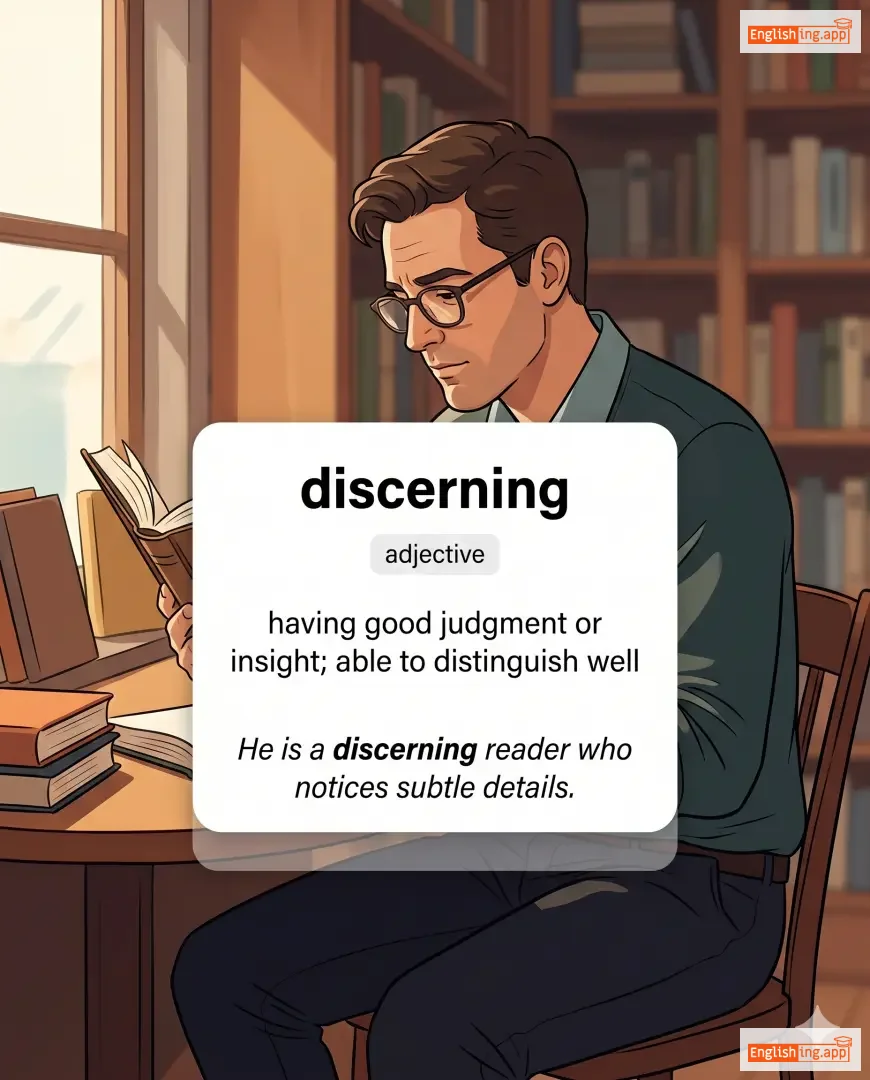
having good judgment or insight; able to distinguish well
••••••
|
He is a discerning reader who notices subtle details. |
彼は鋭い読者で、微細な詳細に気づきます。
kare wa surudoi dokusha de, bisai na shousai ni kizukimasu.
••••••
|
discerning taste |
ability to appreciate and judge good quality
••••••
|
鋭い味覚
surudoi mikaku
••••••
|
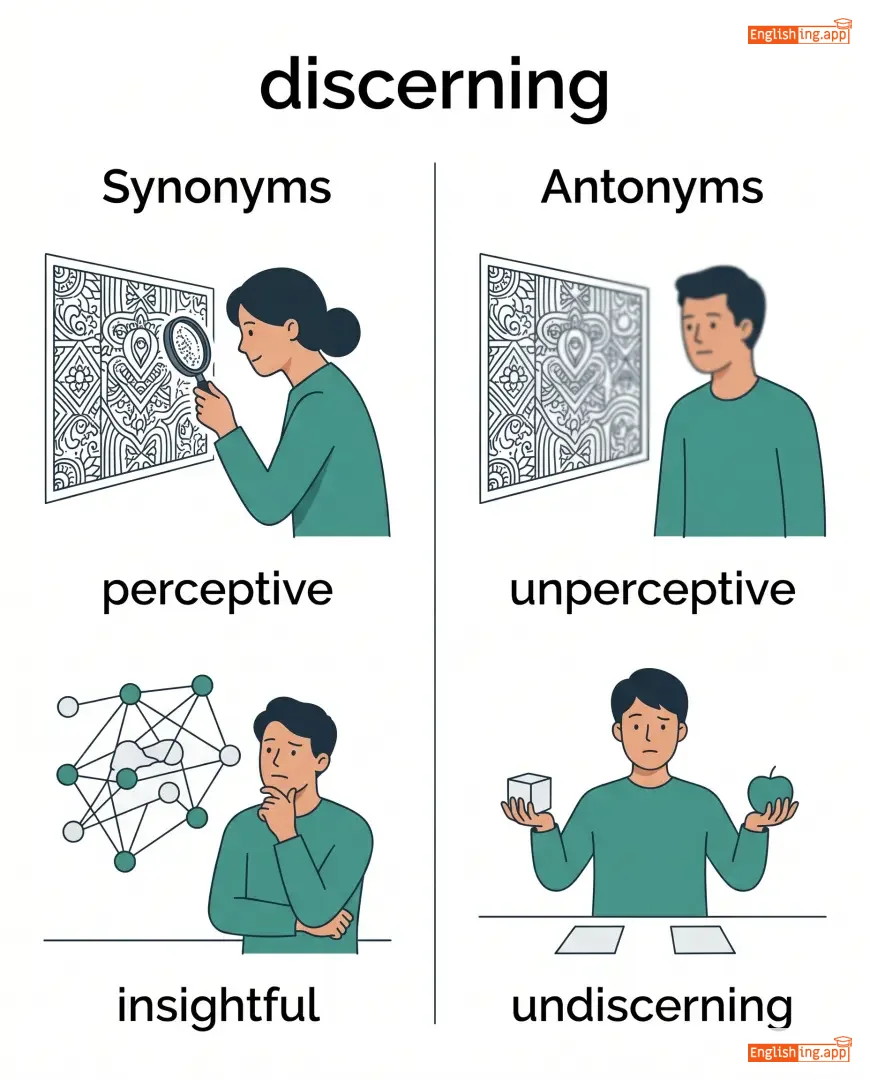
perceptive, insightful, judicious, astute
••••••
|
unperceptive, undiscerning
••••••
|
discerning reader, discerning customer, discerning eye, discerning taste
••••••
|
鋭いは細かい点に気づく力、敏感な読者のようです。
••••••
|
|
😓
••••••
|
/dɪsˈkʌmfɪt/
verb
(ディスコンフィット)
••••••
|

|
困惑させる
konwaku saseru
••••••
|
discomfited
ディスコンフィテッド
••••••
|
discomfited
ディスコンフィテッド
••••••
|
discomfits
ディスコンフィッツ
••••••
|
discomfiting
ディスコンフィティング
••••••
|
to make someone feel uneasy, embarrassed, or confused
••••••
|
The interviewer’s tough questions discomfited the candidate.
インタビュアーの厳しい質問が候補者を困惑させた。
••••••
|
インタビュアーの厳しい質問が候補者を困惑させた。
Intabyuā no kibishī shitsumon ga kōhosha o konwaku saseta.
••••••
|
- •••••• | - •••••• | - •••••• |
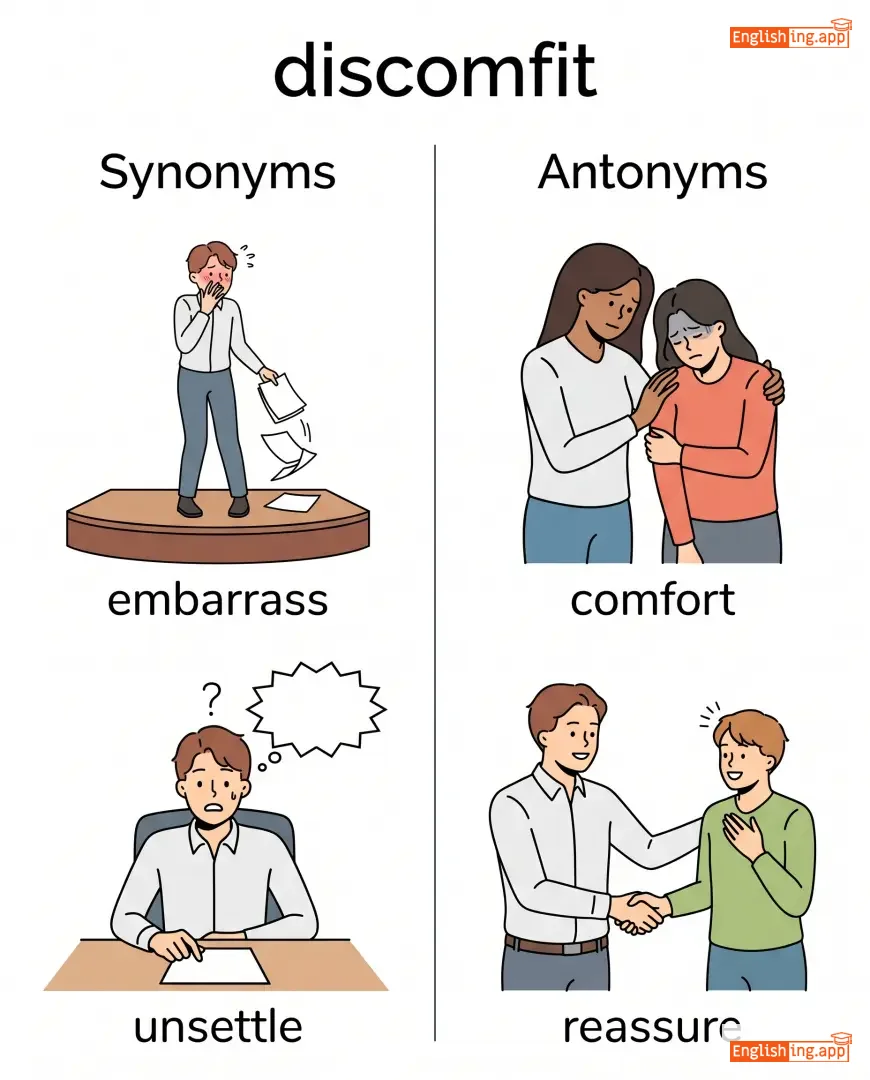
embarrass, unsettle, discomfort, confuse, fluster
••••••
|
comfort, reassure, soothe
••••••
|
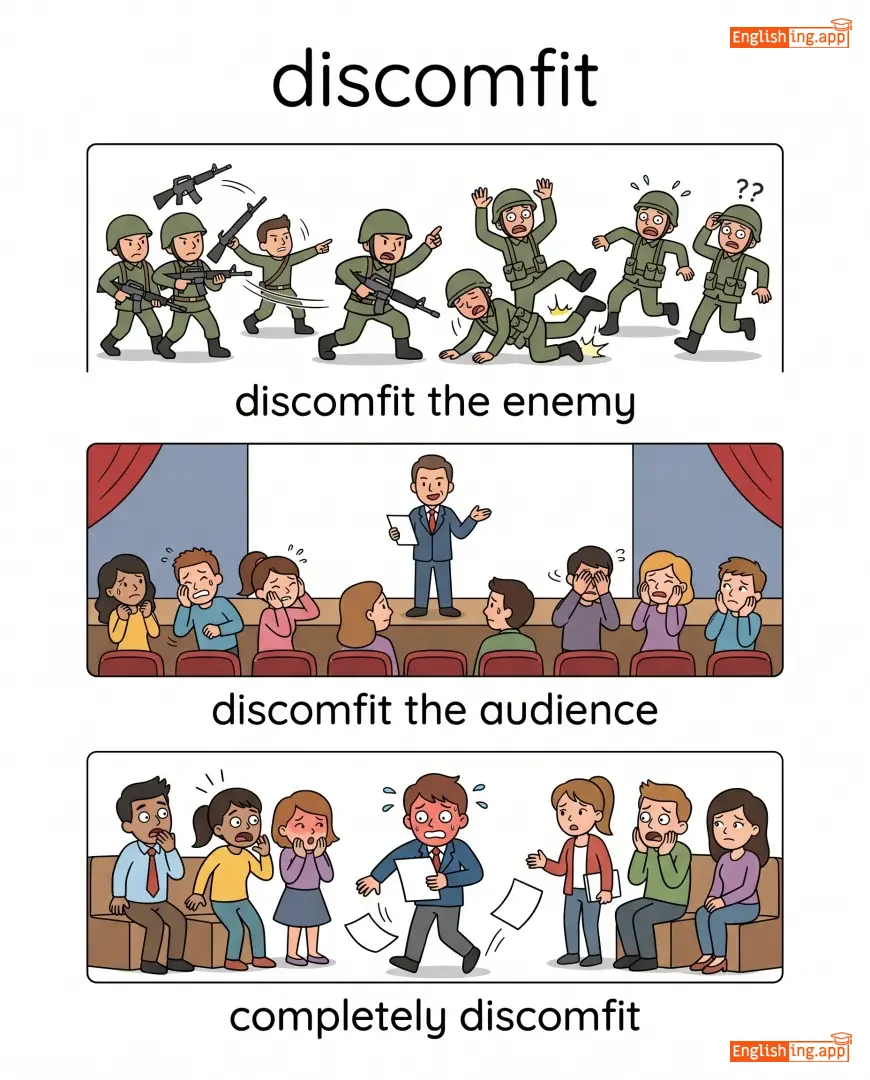
discomfit the enemy, discomfit the audience, completely discomfit
••••••
|
Comfortとは逆の意味、discomfit = 困惑 (konwaku)
••••••
|
|
🎶
••••••
|
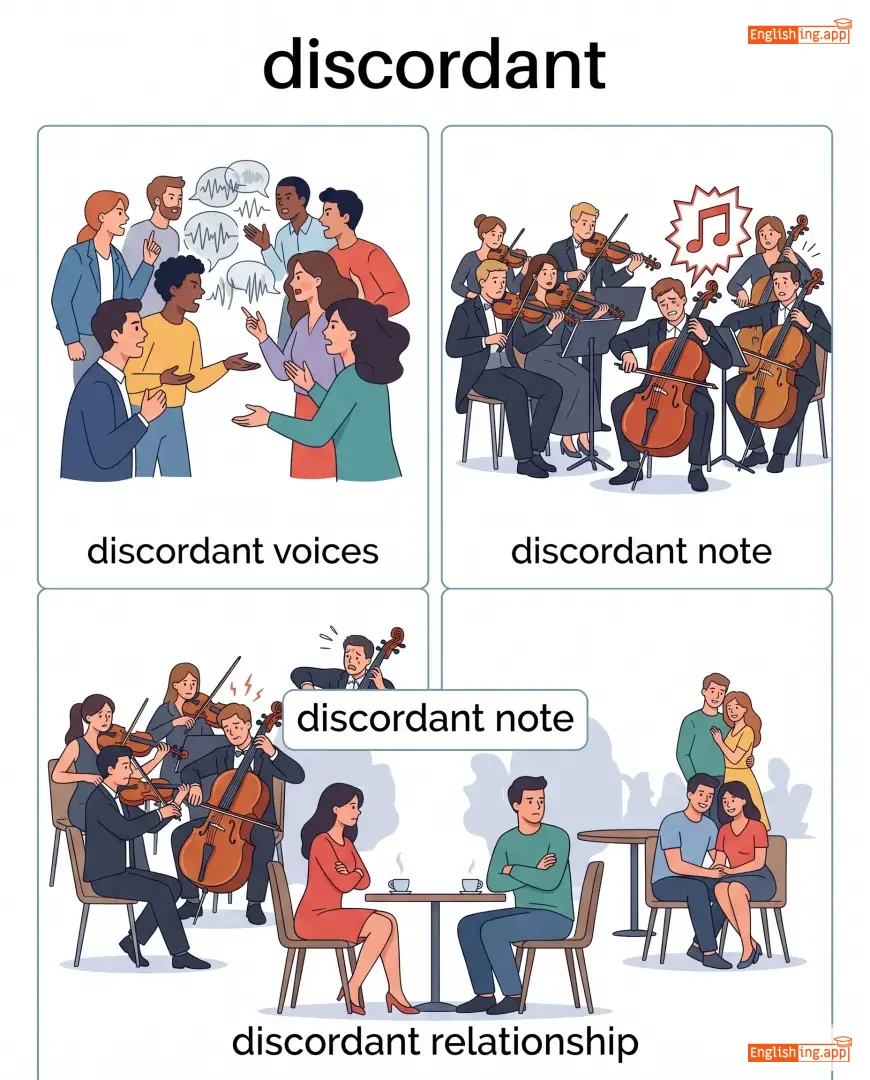
/dɪsˈkɔːrdənt/
adjective
(ディスコーダント)
••••••
|
|
不協和音
fukyouwaon
••••••
|
- •••••• | - •••••• | - •••••• | - •••••• |
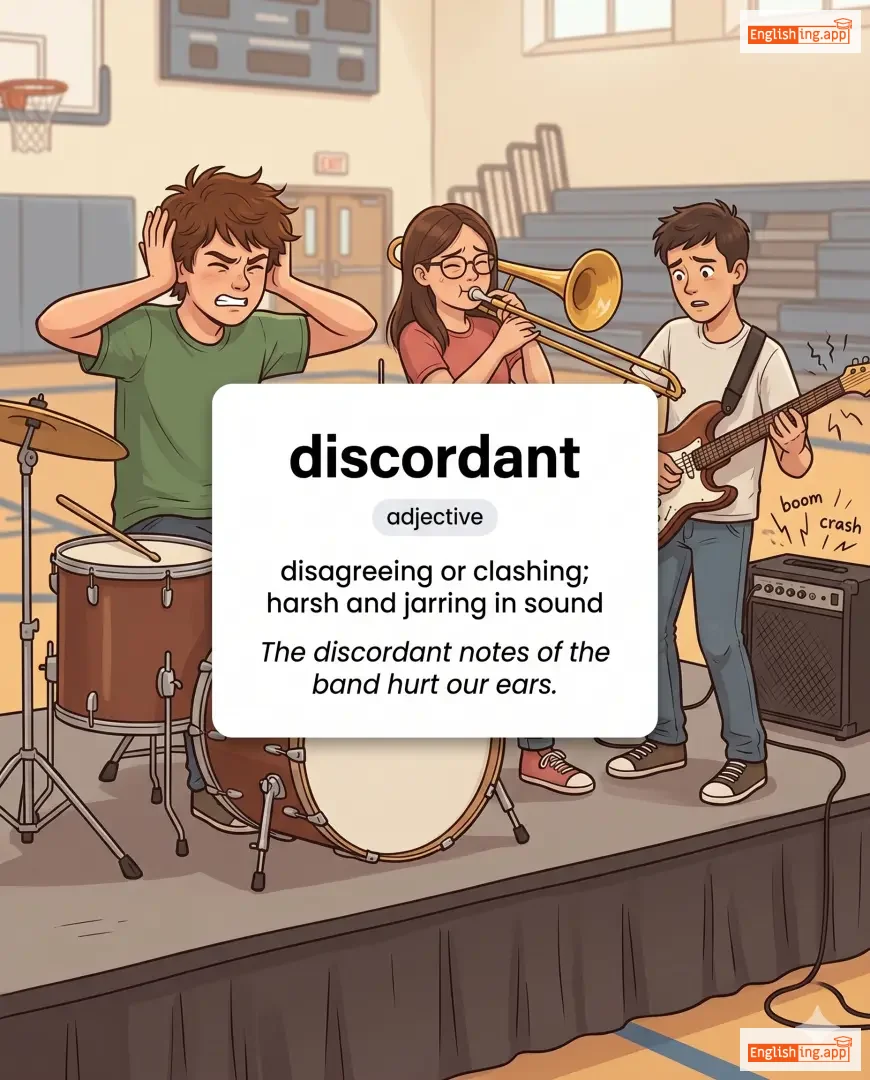
disagreeing or clashing; harsh and jarring in sound
••••••
|
The discordant notes of the band hurt our ears. |
バンドの不協和音の音が私たちの耳を痛めました。
Bando no fukyouwaon no oto ga watashitachi no mimi o itamemashita.
••••••
|
- •••••• | - •••••• | - •••••• |
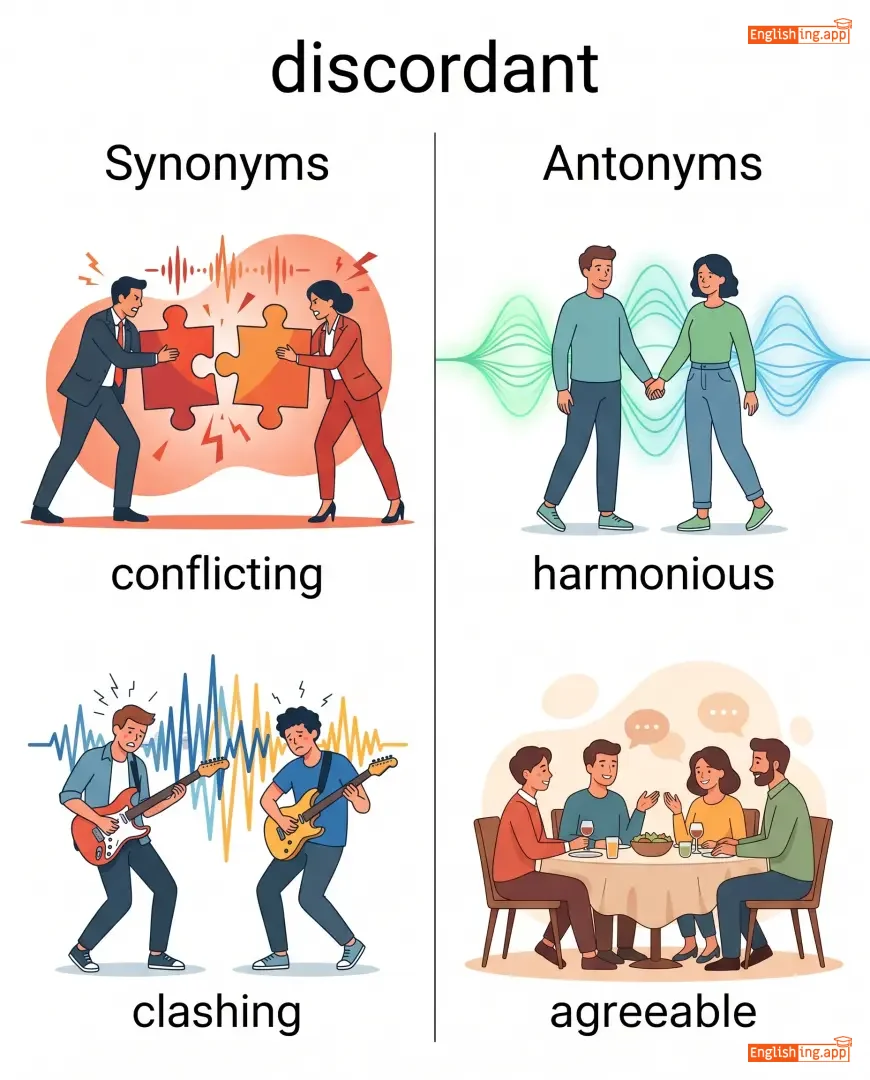
conflicting, clashing, jarring, dissonant
••••••
|
harmonious, agreeable
••••••
|
discordant voices, discordant note, discordant relationship
••••••
|
不協和音は音が不一致で不快であることを意味します。
••••••
|
|
⚠️
••••••
|
/dɪsˈkrɛdɪt/
verb, noun
(ディスクリデット)
••••••
|
|
信用を失わせる
shin'yō o ushinawaseru
••••••
|
discredited
ディスクリデット
••••••
|
discredited
ディスクリデット
••••••
|
discredits
ディスクリデットス
••••••
|
discrediting
ディスクリデッティング
••••••
|
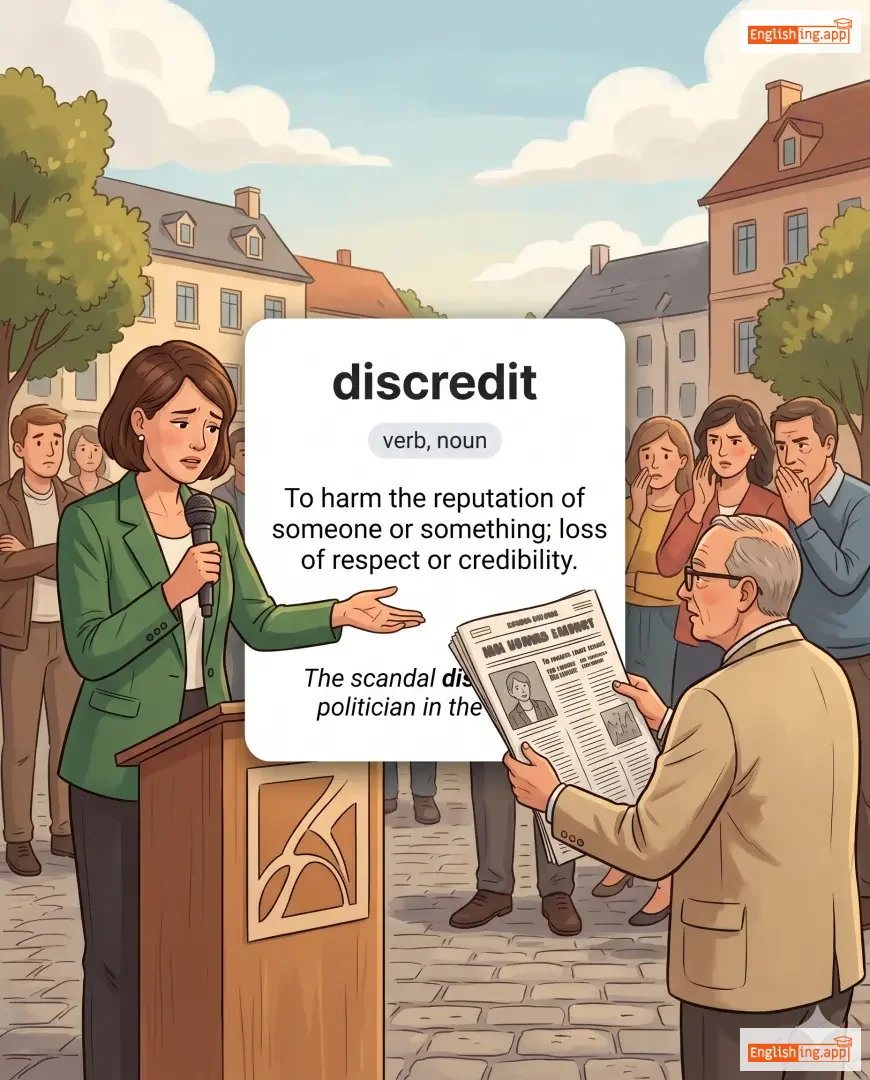
To harm the reputation of someone or something; loss of respect or credibility.
••••••
|
The scandal discredited the politician in the eyes of the public.
スキャンダルは公衆の目で政治家を信用を失わせました。
••••••
|
スキャンダルは公衆の目で政治家を信用を失わせました。
Sukyandaru wa kōshū no me de seijika o shin'yō o ushinawasemashita.
••••••
|
bring into discredit
信用を失う
••••••
|
Cause someone or something to lose reputation or credibility.
••••••
|
信用を失う
shin'yō o ushinau
••••••
|
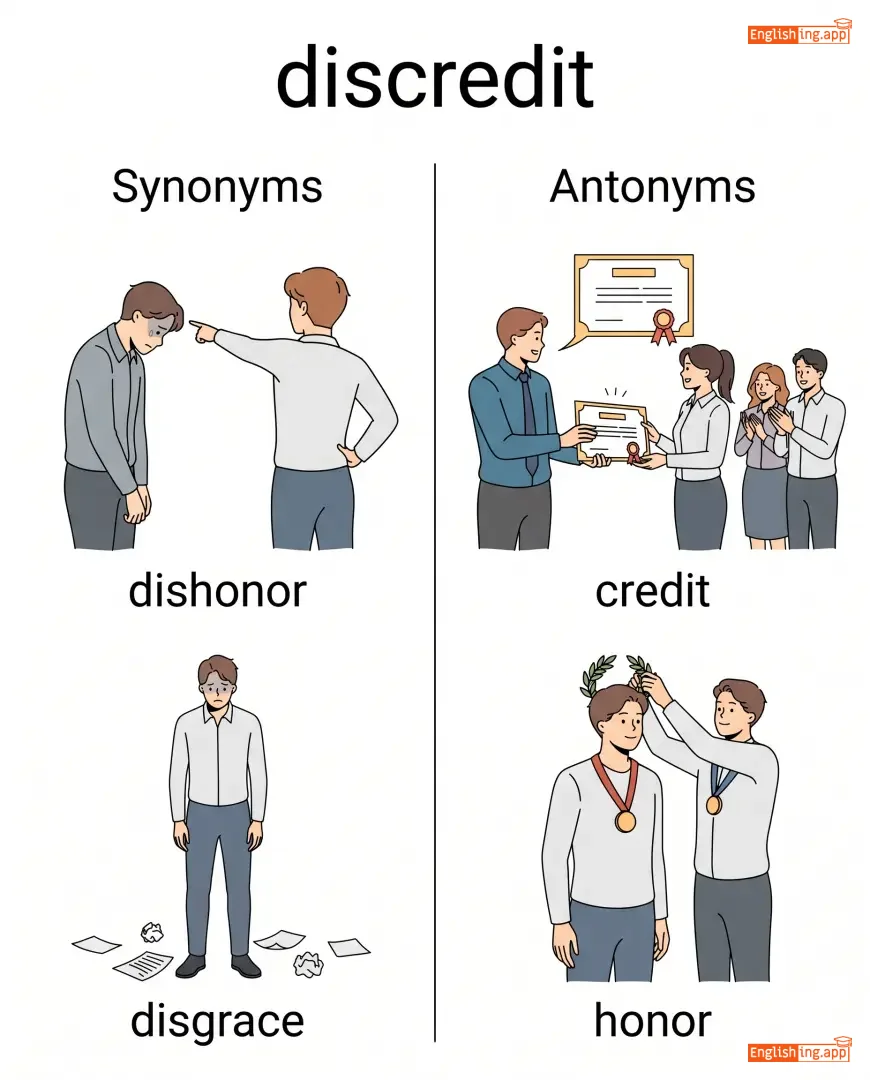
dishonor, disgrace, defame, undermine, disrepute
••••••
|
credit, honor, respect
••••••
|
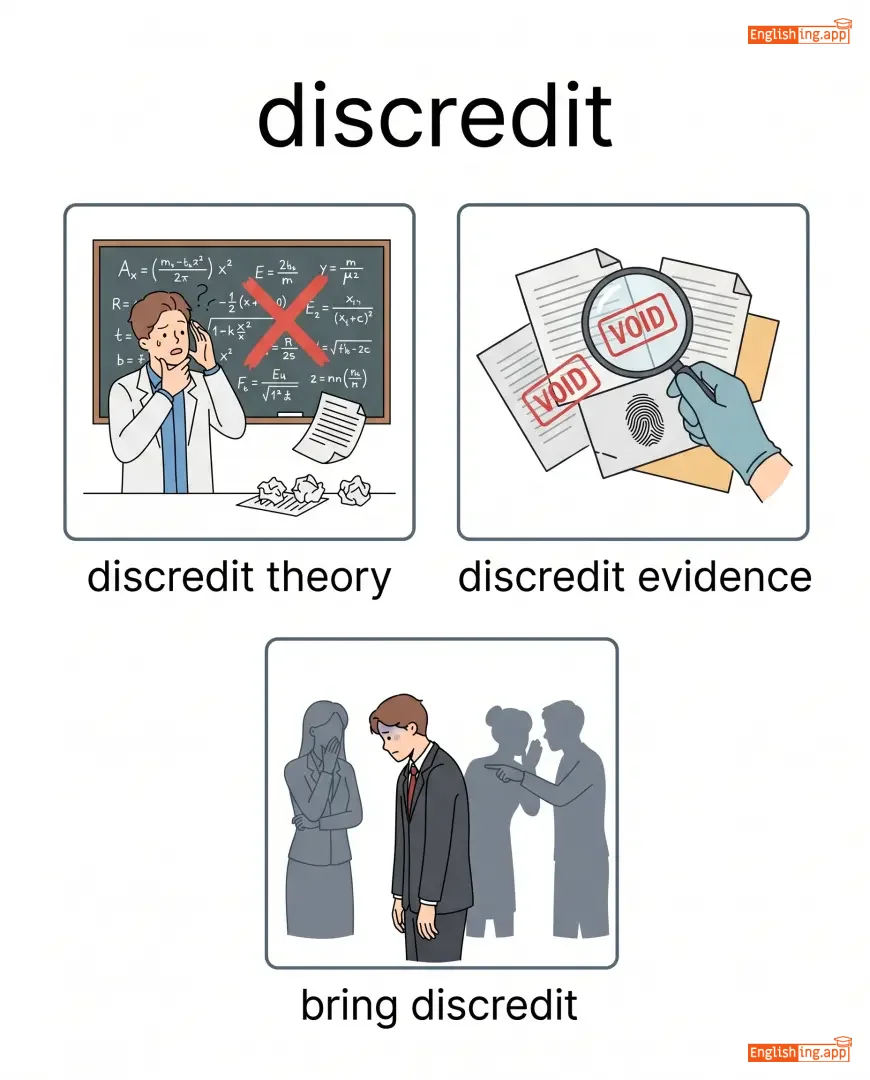
discredit theory, discredit evidence, bring discredit, discredit witness
••••••
|
Discredit = (不)信用を失わせる。
••••••
|
|
⚖️
••••••
|
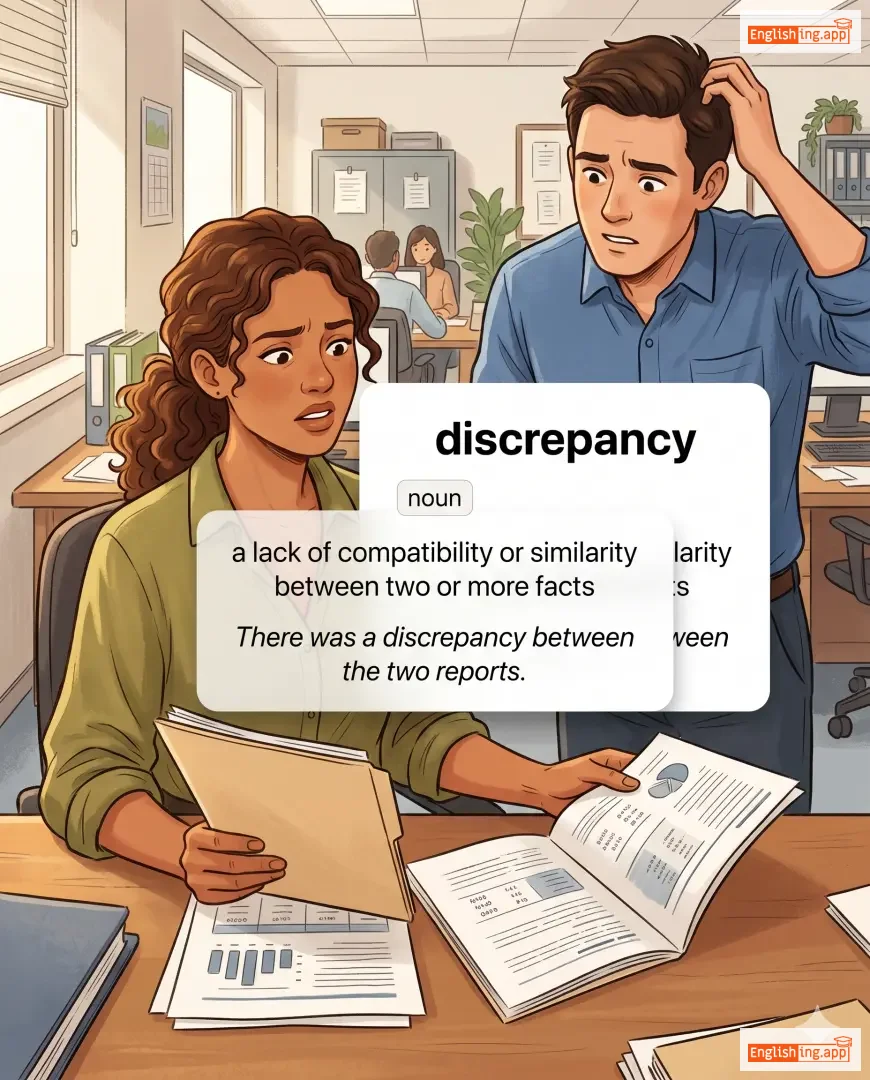
/dɪˈskrɛpənsi/
noun
••••••
|
|
- •••••• | - •••••• | - •••••• | - •••••• | - •••••• |
a lack of compatibility or similarity between two or more facts
••••••
|
There was a discrepancy between the two reports. |
- •••••• |
discrepancy in accounts |
a mismatch or inconsistency in financial records
••••••
|
- •••••• |
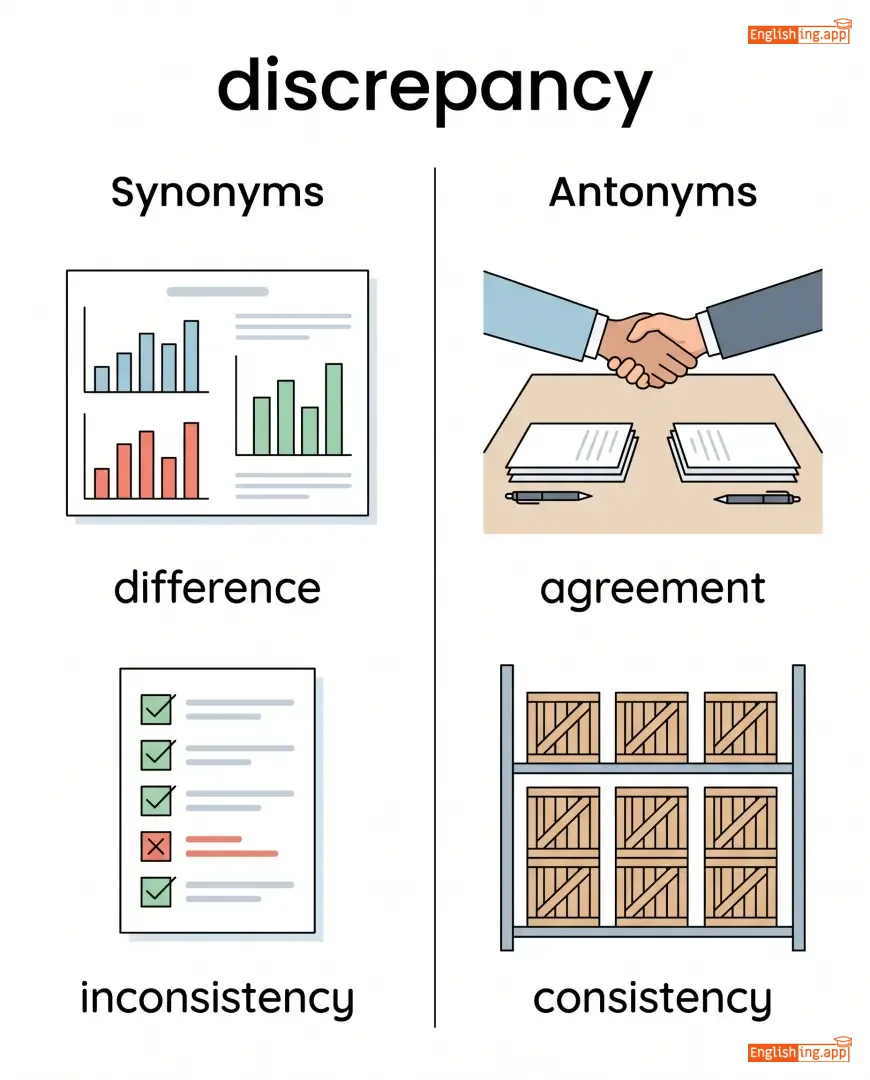
difference, inconsistency, variation, divergence, conflict
••••••
|
agreement, consistency, harmony
••••••
|
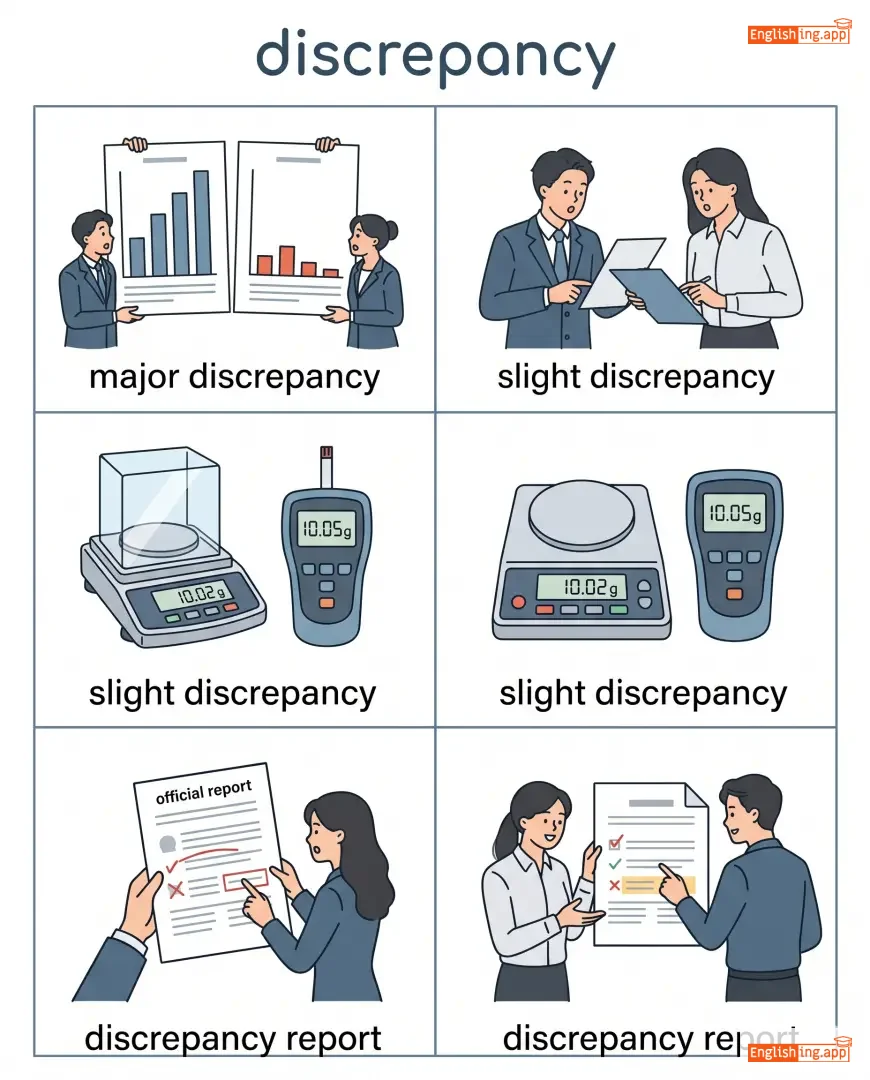
major discrepancy, slight discrepancy, discrepancy report, discrepancy in data
••••••
|
No •••••• |
|
🔹
••••••
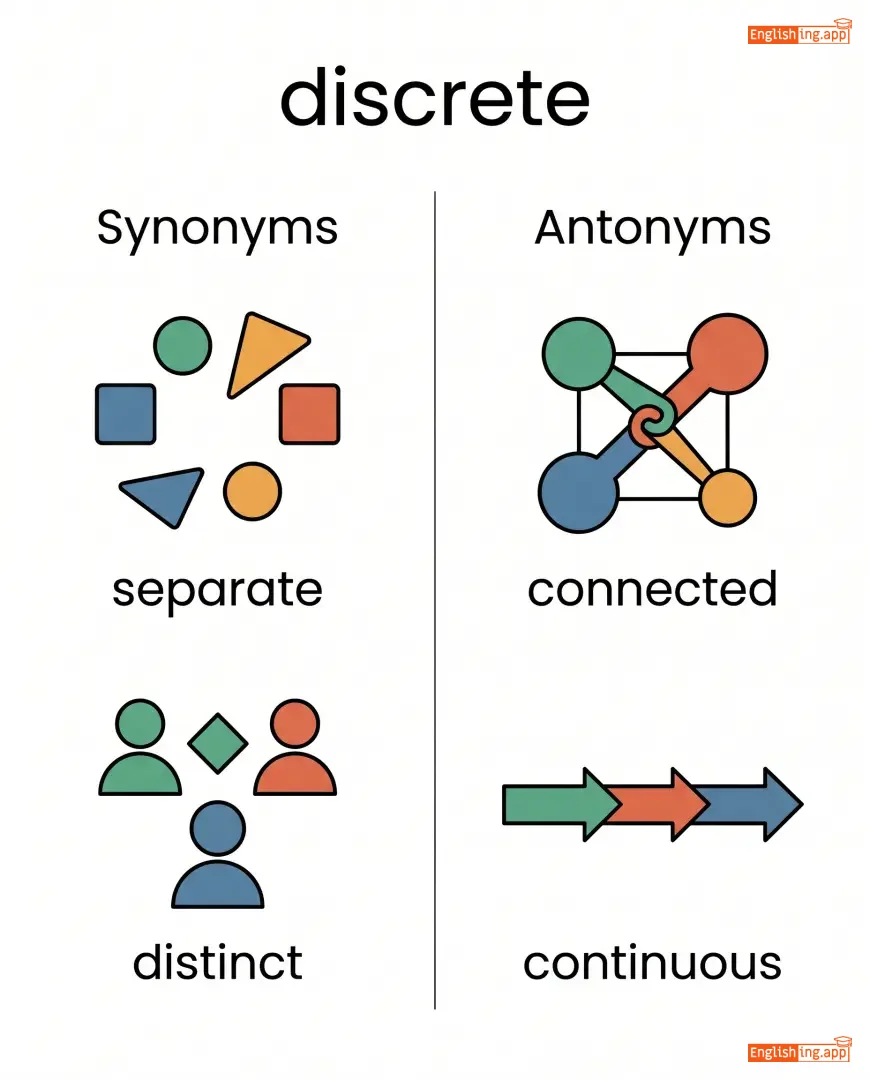
|
/dɪˈskriːt/
adjective
(ディスクリート)
••••••
|
|
離散的
risanteki
••••••
|
- •••••• | - •••••• | - •••••• | - •••••• |
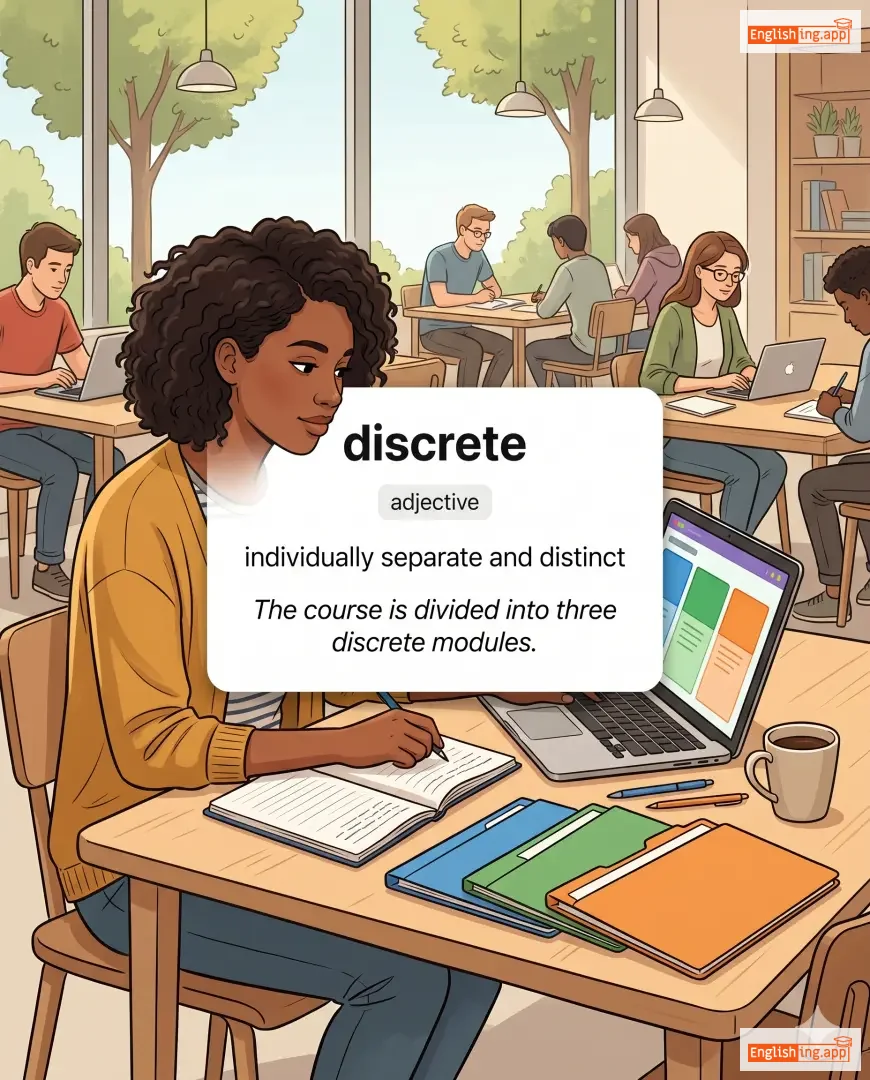
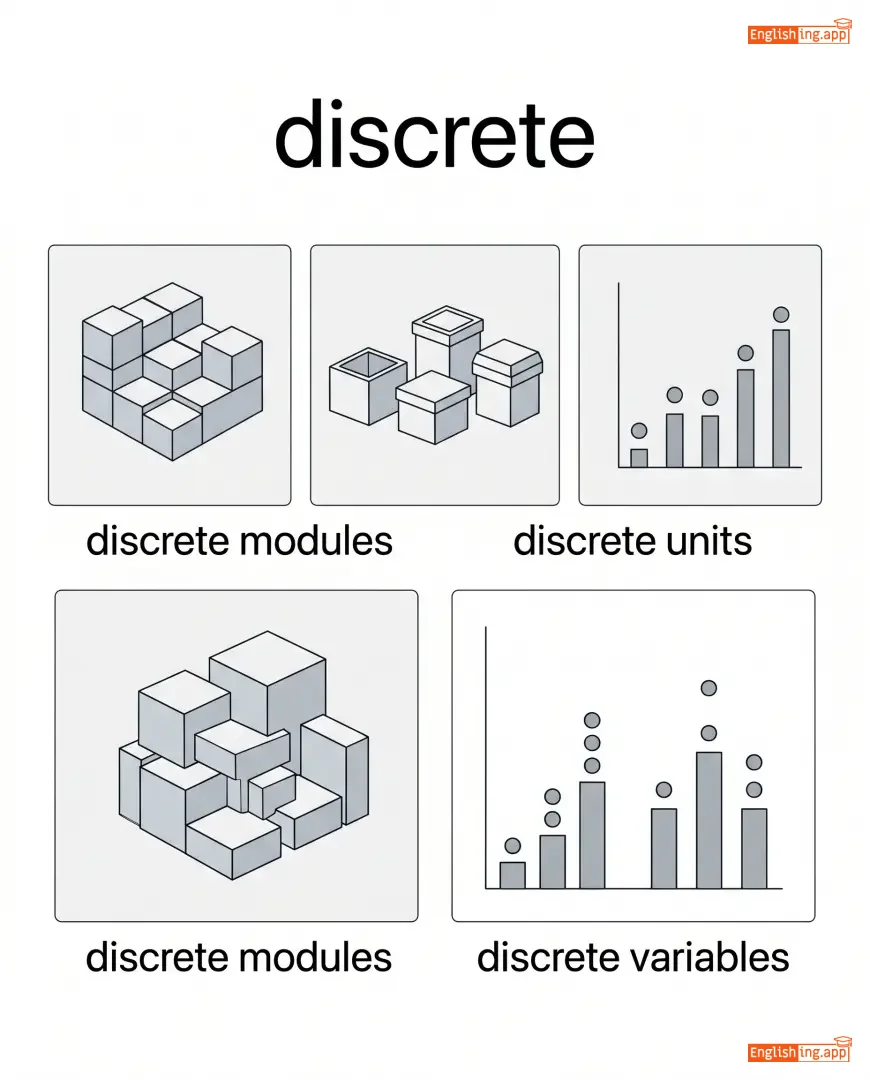
individually separate and distinct
••••••
|
The course is divided into three discrete modules. |
コースは3つの離散的なモジュールに分けられています。
Kōsu wa mittsu no risanteki na mojūru ni wakerareteimasu.
••••••
|
discrete units |
separate and distinct parts or items
••••••
|
離散単位
risan tan'i
••••••
|
separate, distinct, individual, independent
••••••
|
connected, continuous, combined
••••••
|
discrete modules, discrete units, discrete variables
••••••
|
Discreteは離散的(risanteki)で、個別のユニットを意味します。
••••••
|
|
⚖️
••••••
|
/dɪˈskrɛʃən/
noun
(ディスクリション)
••••••
|
|
慎重
shinchou
••••••
|
- •••••• | - •••••• | - •••••• | - •••••• |
the quality of behaving or speaking in a way to avoid causing offense or revealing private information; the freedom to decide what should be done in a particular situation
••••••
|
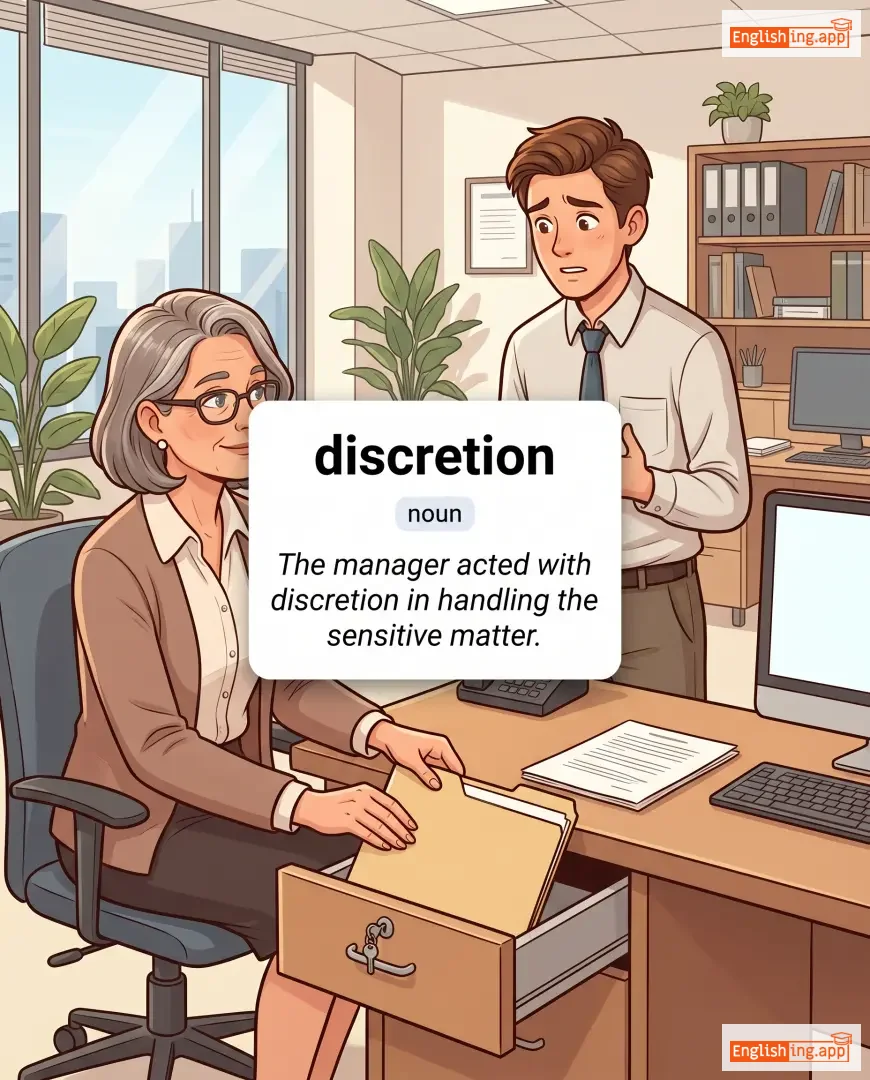
The manager acted with discretion in handling the sensitive matter. |
マネージャーは敏感な問題を慎重に扱いました。
Manējā wa binkan na mondai o shinchou ni atsukaimashita.
••••••
|
at one's discretion |
according to one's own judgment or decision
••••••
|
自分の判断で
jibun no handan de
••••••
|
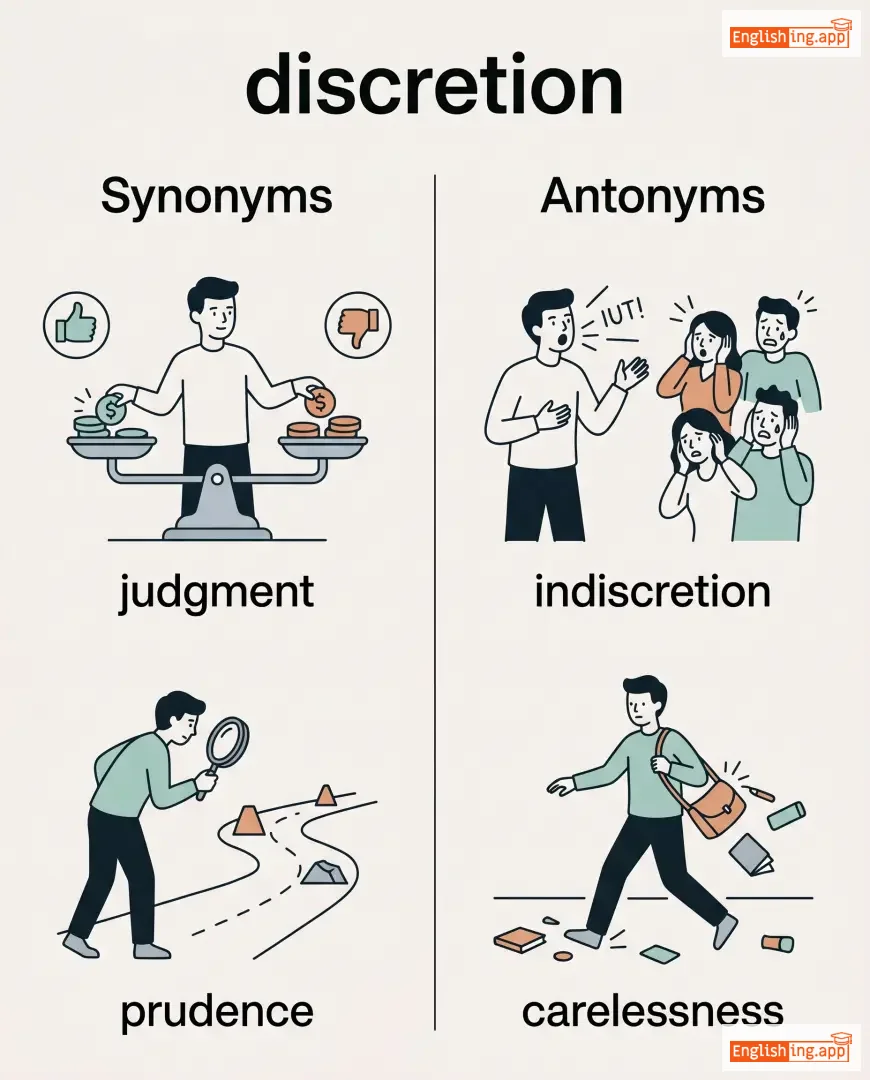
judgment, prudence, caution, choice, option
••••••
|
indiscretion, carelessness, compulsion
••••••
|
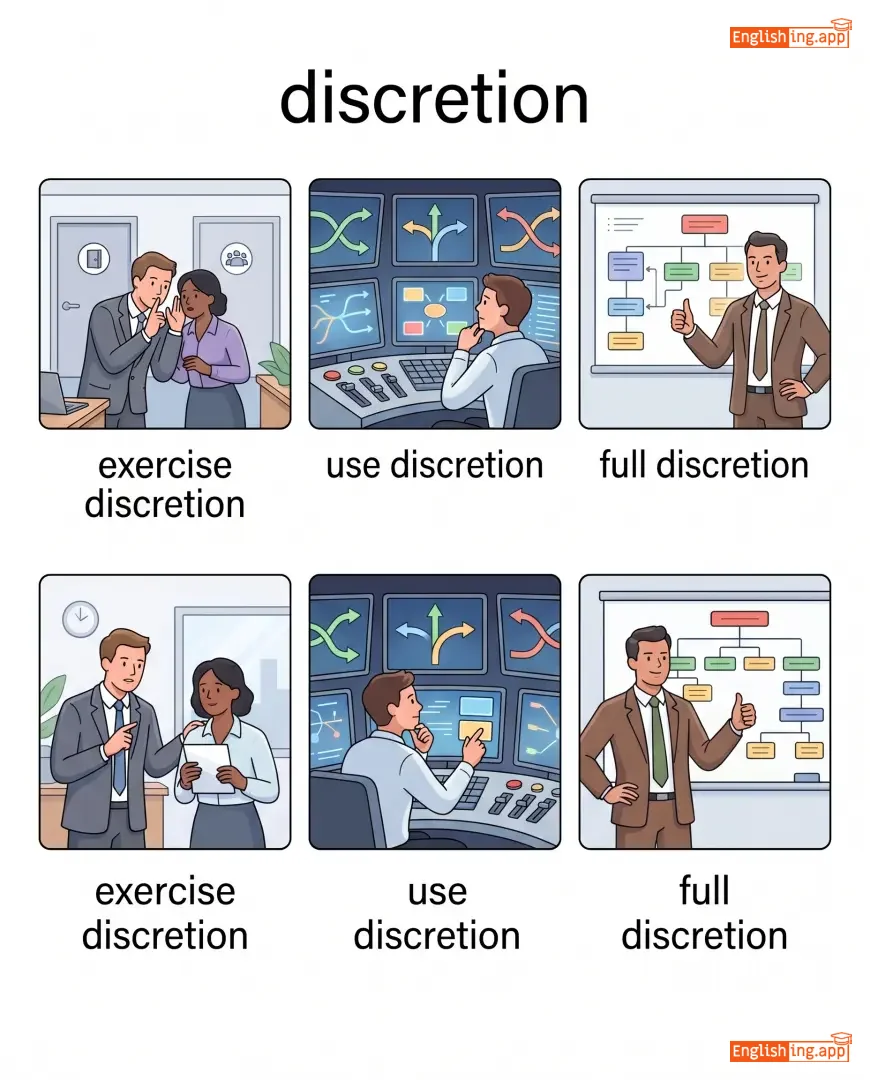
exercise discretion, use discretion, full discretion, sole discretion
••••••
|
DiscretionはDecisionと慎重(shinchou)に関連しています。
••••••
|
|
😏
••••••
|
/ˌdɪsɪnˈdʒɛnjʊəs/
adjective
(ディシンジェニュアス)
••••••
|
|
不誠実な
fuseijitsuna
••••••
|
- •••••• | - •••••• | - •••••• | - •••••• |
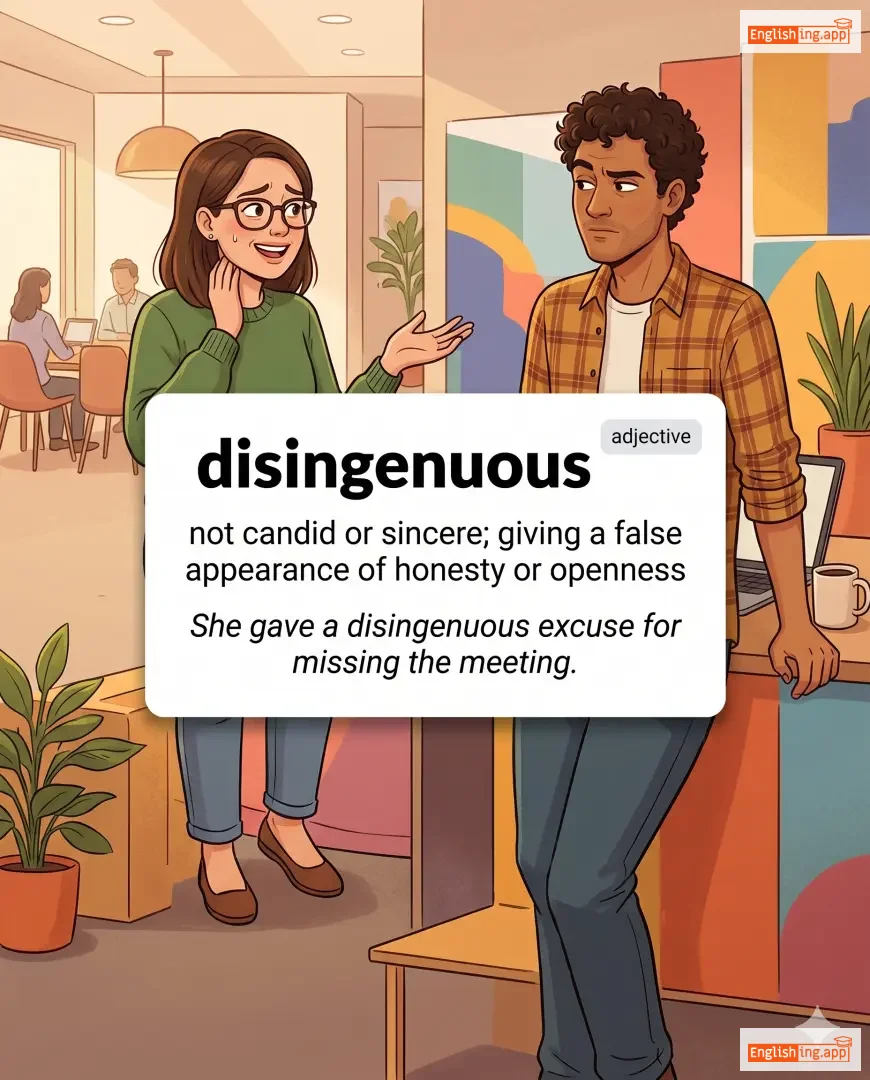
not candid or sincere; giving a false appearance of honesty or openness
••••••
|
She gave a disingenuous excuse for missing the meeting. |
彼女は会議に出席しないために不誠実な言い訳をしました。
Kanojo wa kaigi ni shusseki shinai tame ni fuseijitsuna iiwake o shimashita.
••••••
|
- •••••• | - •••••• | - •••••• |
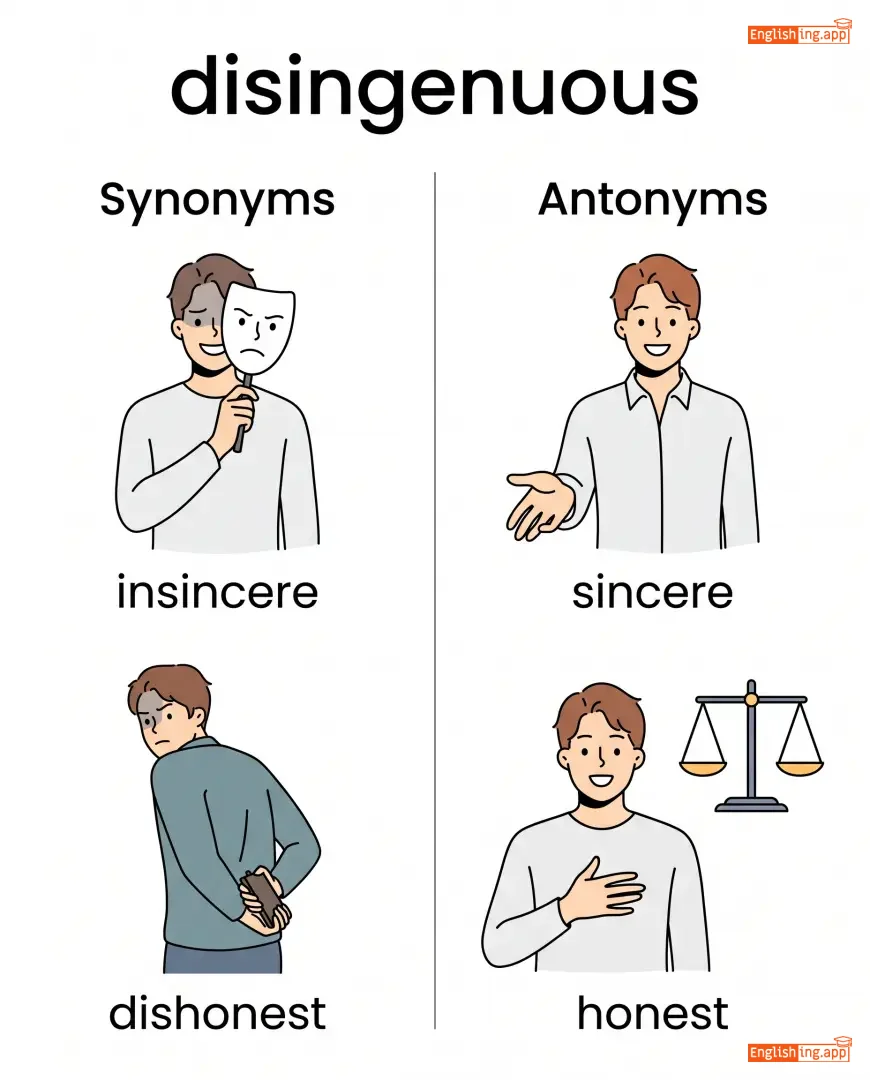
insincere, dishonest, deceitful, hypocritical, duplicitous
••••••
|
sincere, honest, genuine
••••••
|
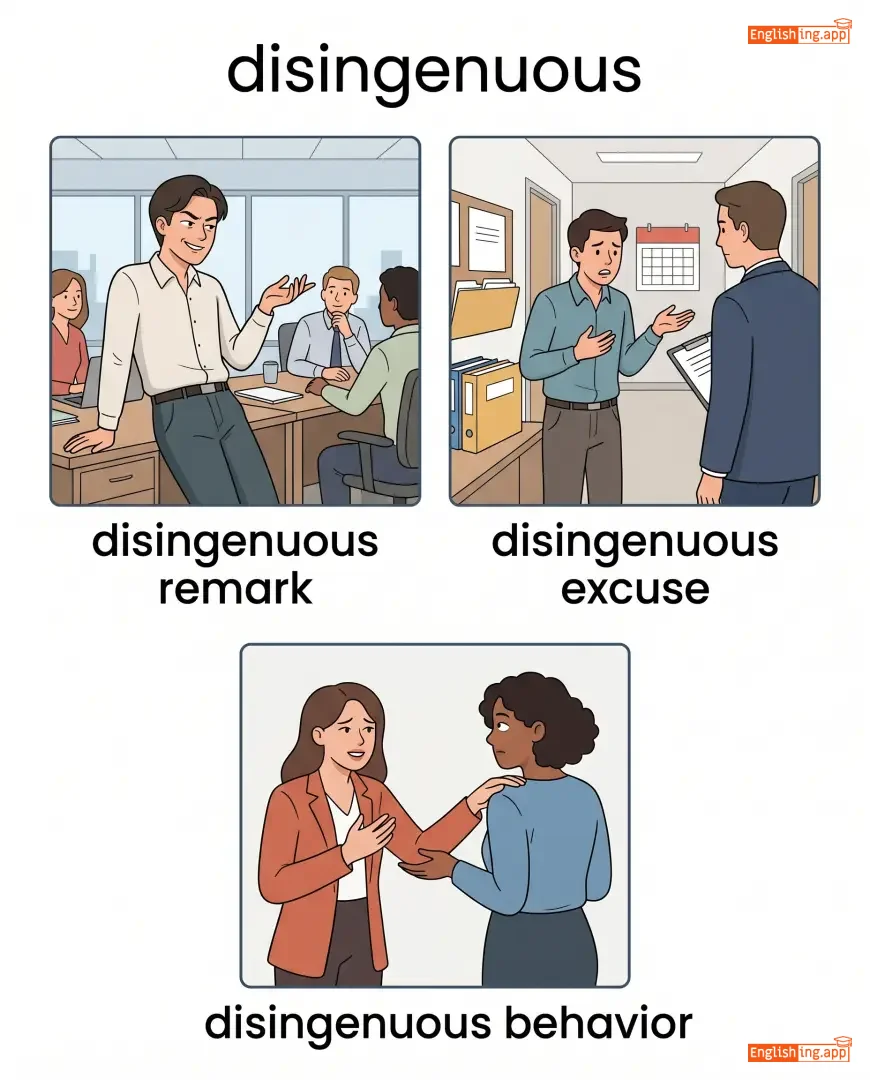
disingenuous remark, disingenuous excuse, disingenuous behavior
••••••
|
Dis + genuine ではない意味 disingenuous = 不誠実な
••••••
|
|
⚖️
••••••
|
/dɪsˈɪntrəstɪd/
adjective
(ディスインタレステッド)
••••••
|
|
無関心
mukanshin
••••••
|
- •••••• | - •••••• | - •••••• | - •••••• |
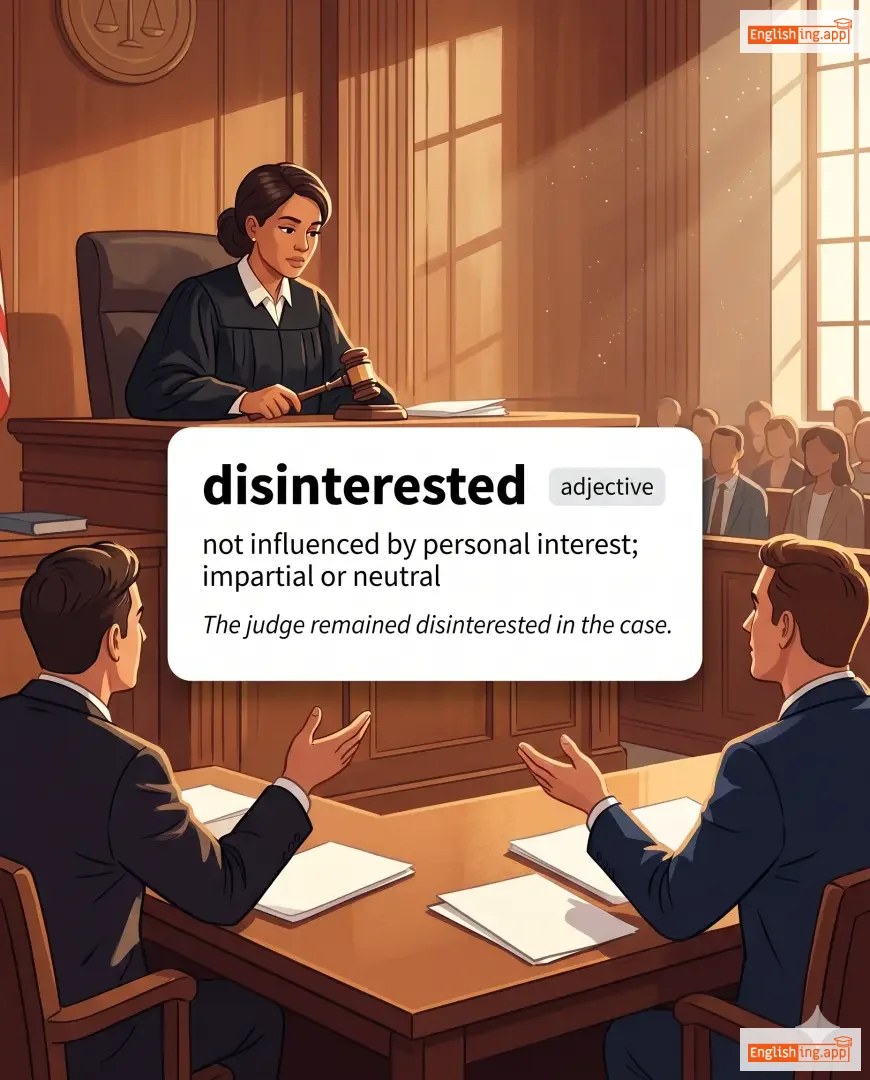
not influenced by personal interest; impartial or neutral
••••••
|
The judge remained disinterested in the case. |
裁判官はその事件に無関心のままでした。
Saibankan wa sono jiken ni mukanshin no mamadeshita.
••••••
|
- •••••• | - •••••• | - •••••• |
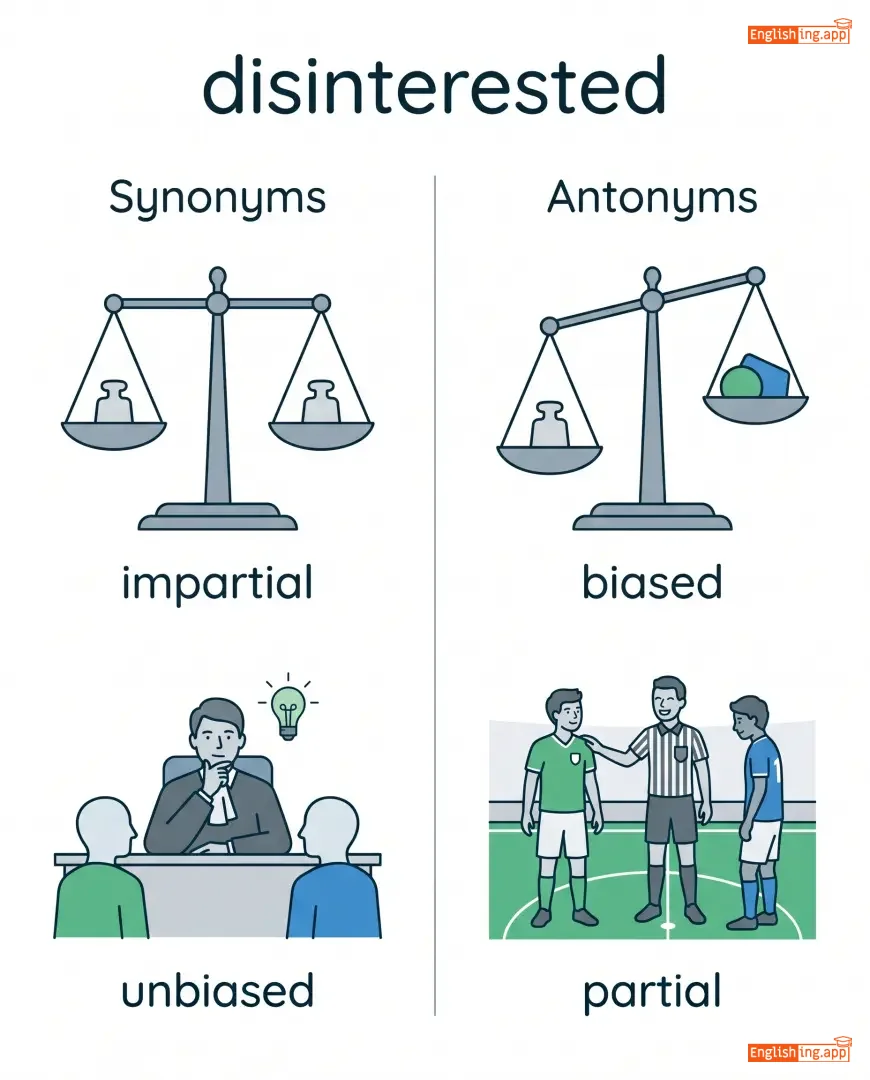
impartial, unbiased, objective, neutral
••••••
|
biased, partial, interested
••••••
|
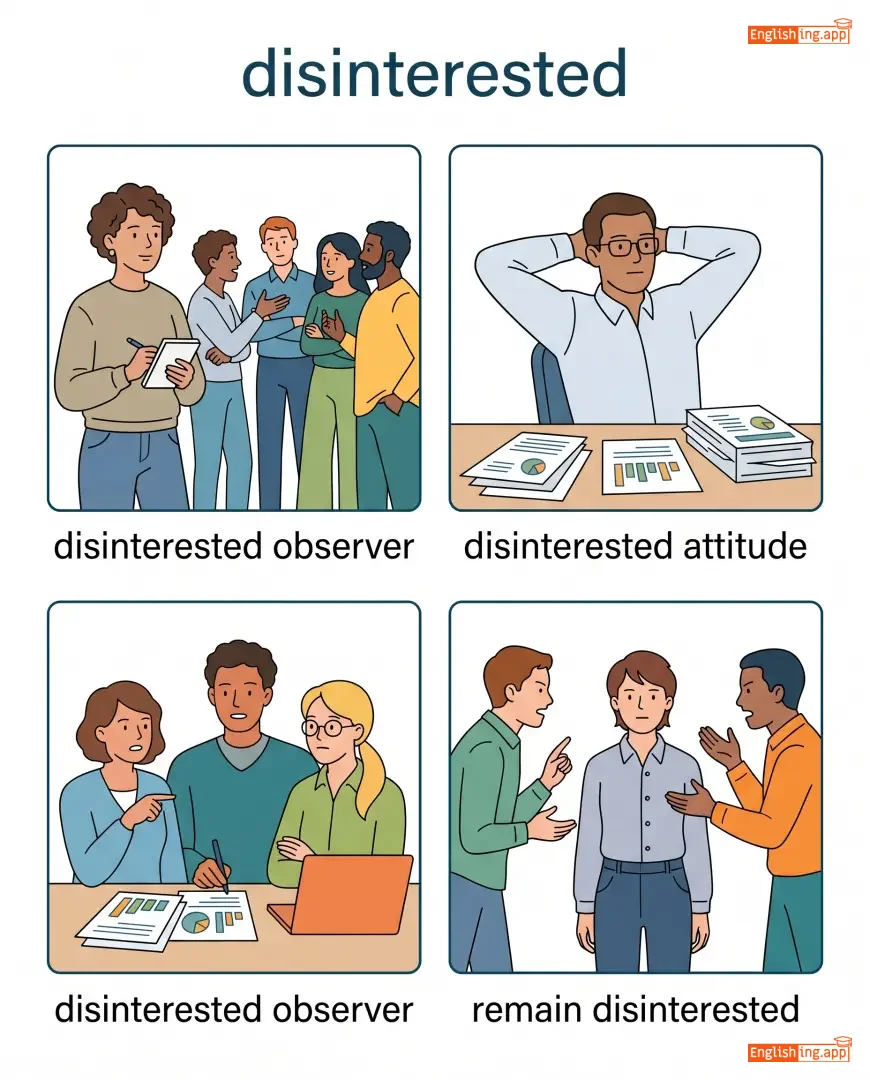
disinterested observer, disinterested attitude, remain disinterested
••••••
|
Disinterested = 無関心、興味なし
••••••
|
|
🌀
••••••
|
/dɪsˈdʒɔɪntɪd/
adjective
(ディスジョインテッド)
••••••
|
|
ばらばら
barabara
••••••
|
- •••••• | - •••••• | - •••••• | - •••••• |
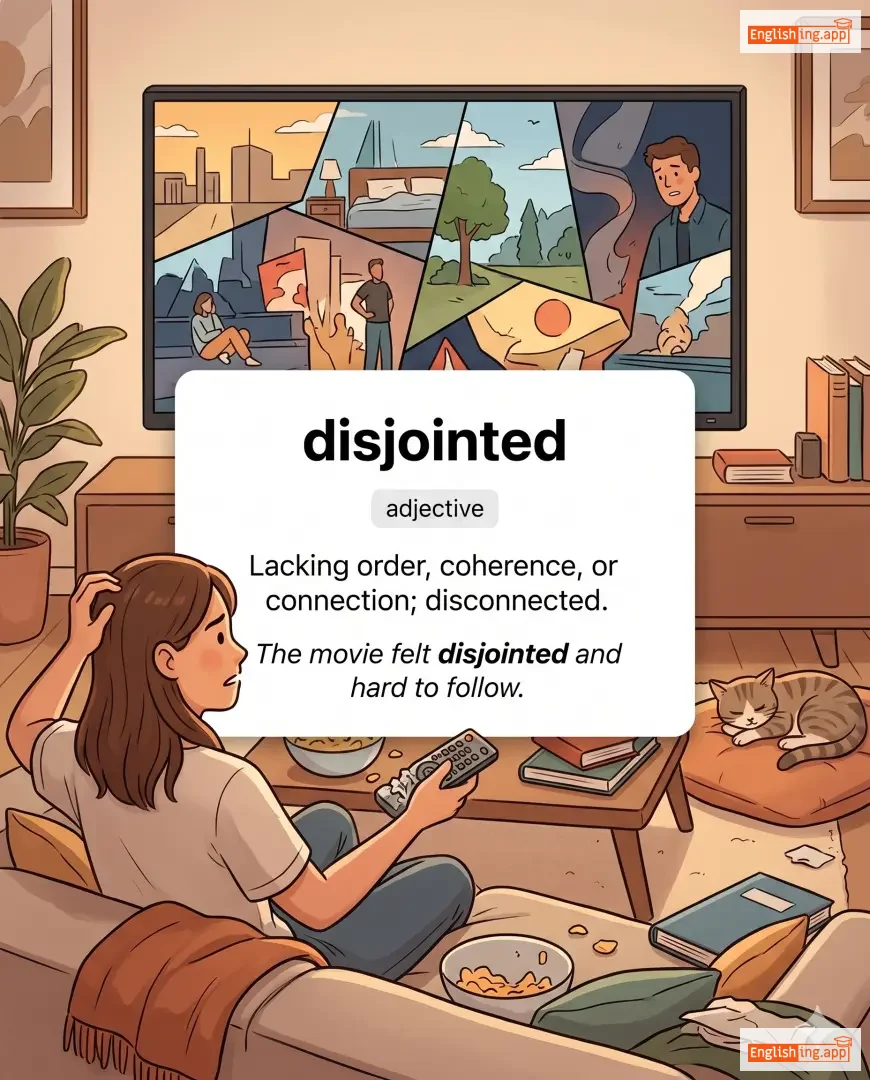
Lacking order, coherence, or connection; disconnected.
••••••
|
The movie felt disjointed and hard to follow. |
映画はばらばらに感じ、追いかけるのが難しかった。
Eiga wa barabara ni kanji, oikakeru no ga muzukashikatta.
••••••
|
- •••••• | - •••••• | - •••••• |
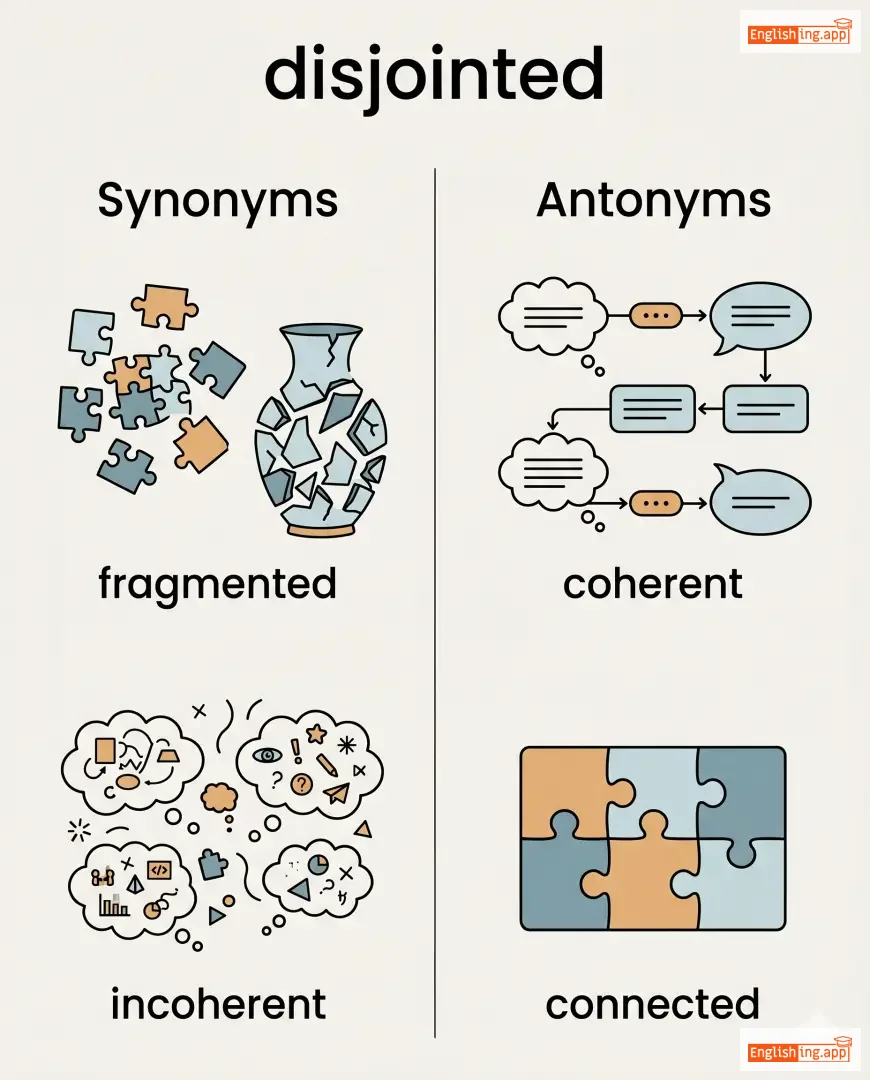
fragmented, incoherent, disconnected, jumbled, chaotic
••••••
|
coherent, connected, organized
••••••
|
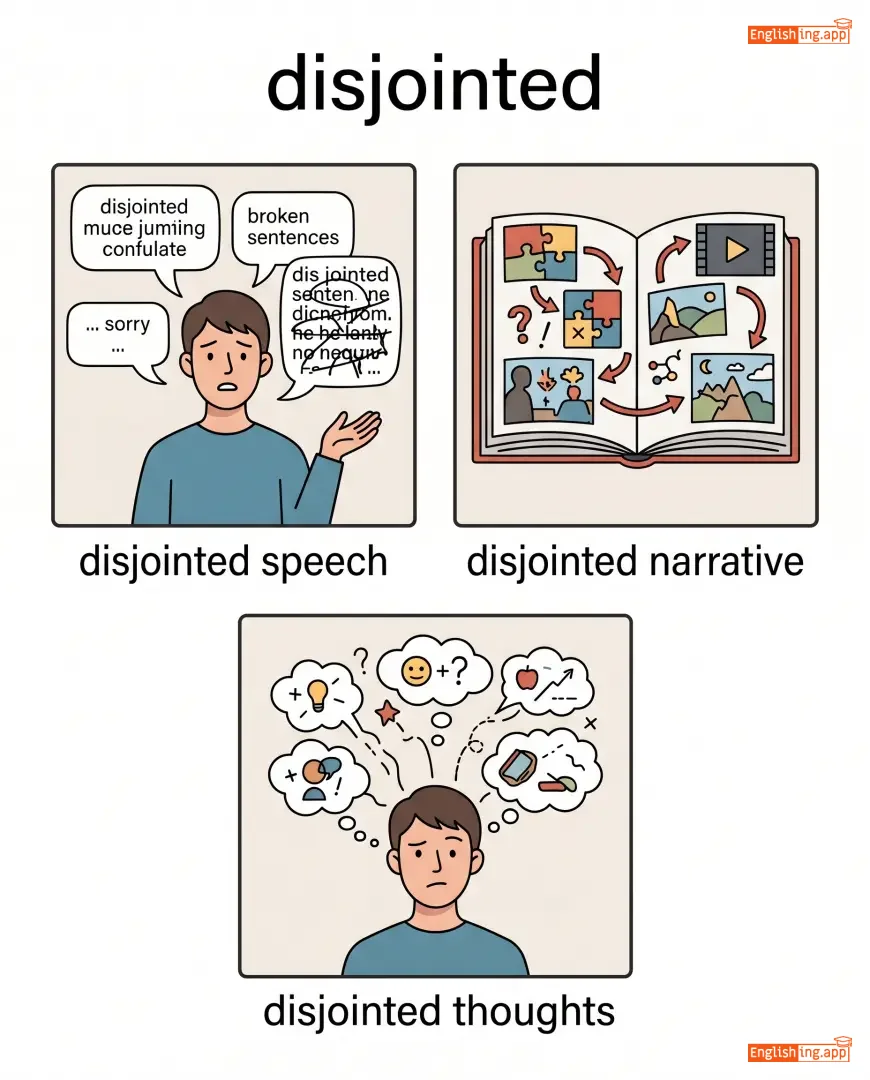
disjointed speech, disjointed narrative, disjointed thoughts
••••••
|
Disjointed はパズルがバラバラになっているようなもの。
••••••
|
|
🚪
••••••
|
/dɪsˈmɪs/
verb
(ディスミス)
••••••
|
|
解雇する, 却下する
kaiko suru, kyakka suru
••••••
|
dismissed
ディスミスド
••••••
|
dismissed
ディスミスド
••••••
|
dismisses
ディスミセズ
••••••
|
dismissing
ディスミッシング
••••••
|
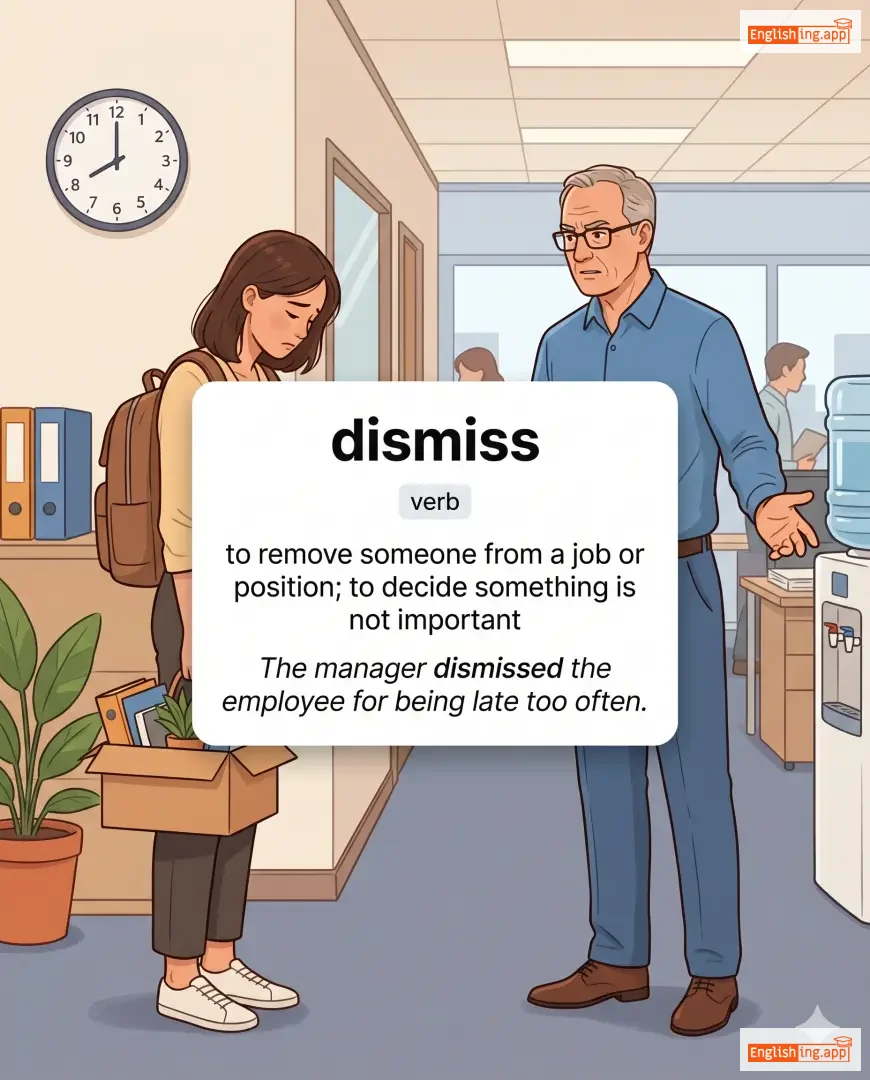
to remove someone from a job or position; to decide something is not important
••••••
|
The manager dismissed the employee for being late too often.
マネージャーは遅刻が多すぎるため、従業員を解雇しました。
••••••
|
マネージャーは遅刻が多すぎるため、従業員を解雇しました。
Manējā wa chikoku ga ōsugiru tame, jūgyōin o kaiko shimashita.
••••••
|
dismiss out of hand
即座に却下する
••••••
|
to reject something immediately without considering it
••••••
|
即座に却下する
sokuzani kyakka suru
••••••
|
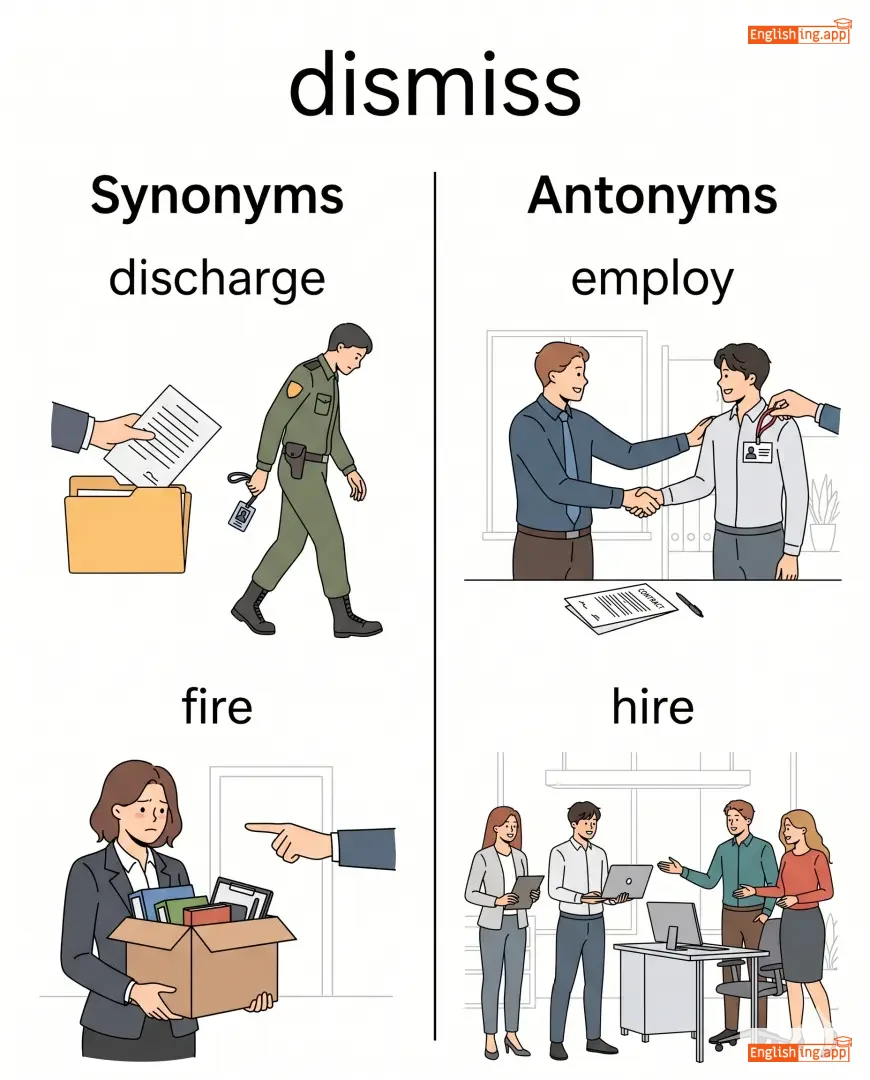
discharge, fire, release, reject, expel
••••••
|
employ, hire, accept
••••••
|
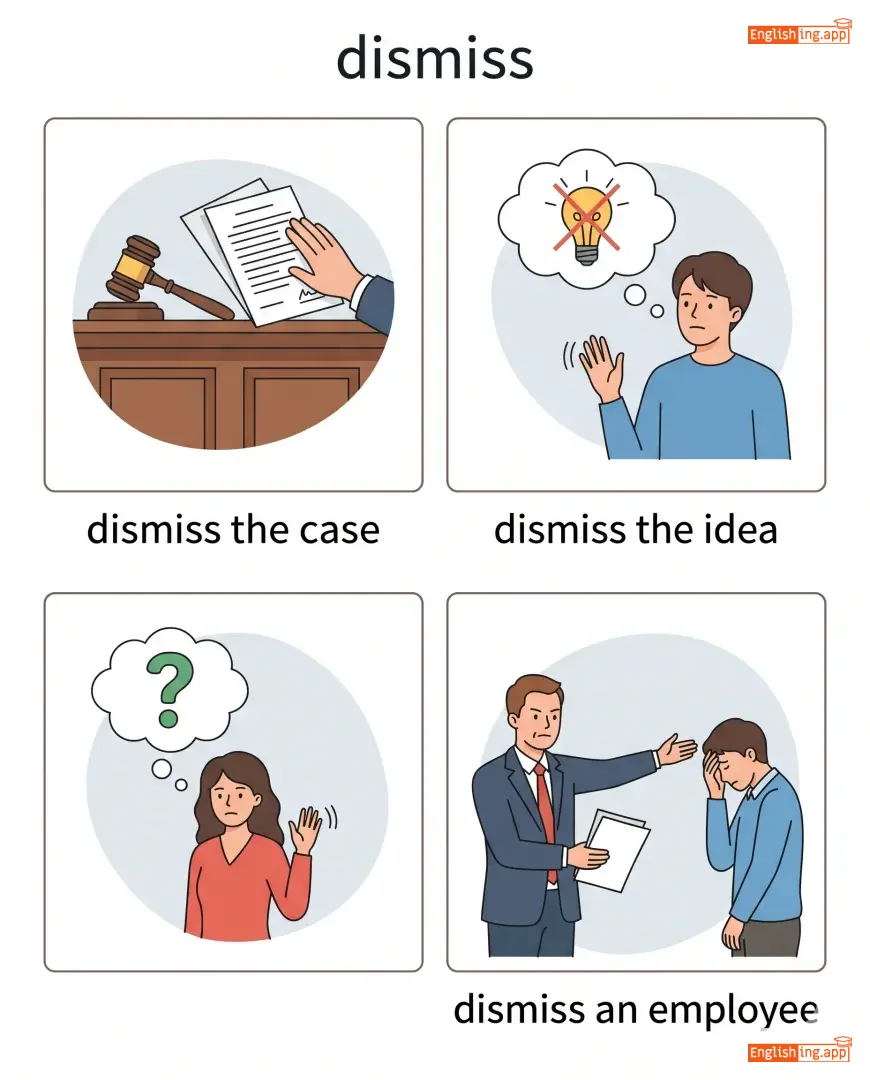
dismiss the case, dismiss the idea, dismiss an employee, dismiss charges
••••••
|
Dis + Miss = 解雇する
••••••
|

