|
絵文字
|
単語 | Images | 翻訳 | 過去 | 過去分詞 | 三人称単数 | 動名詞 | 意味 | 例文 | 例文の翻訳 | 表現例 | 表現例の意味 | 表現例の翻訳 | 同義語 | 対義語 | コロケーション | ニーモニック |
|---|---|---|---|---|---|---|---|---|---|---|---|---|---|---|---|---|---|
|
💃
••••••
|
/koʊˈkɛt/
noun
(コケット)
••••••
|

|
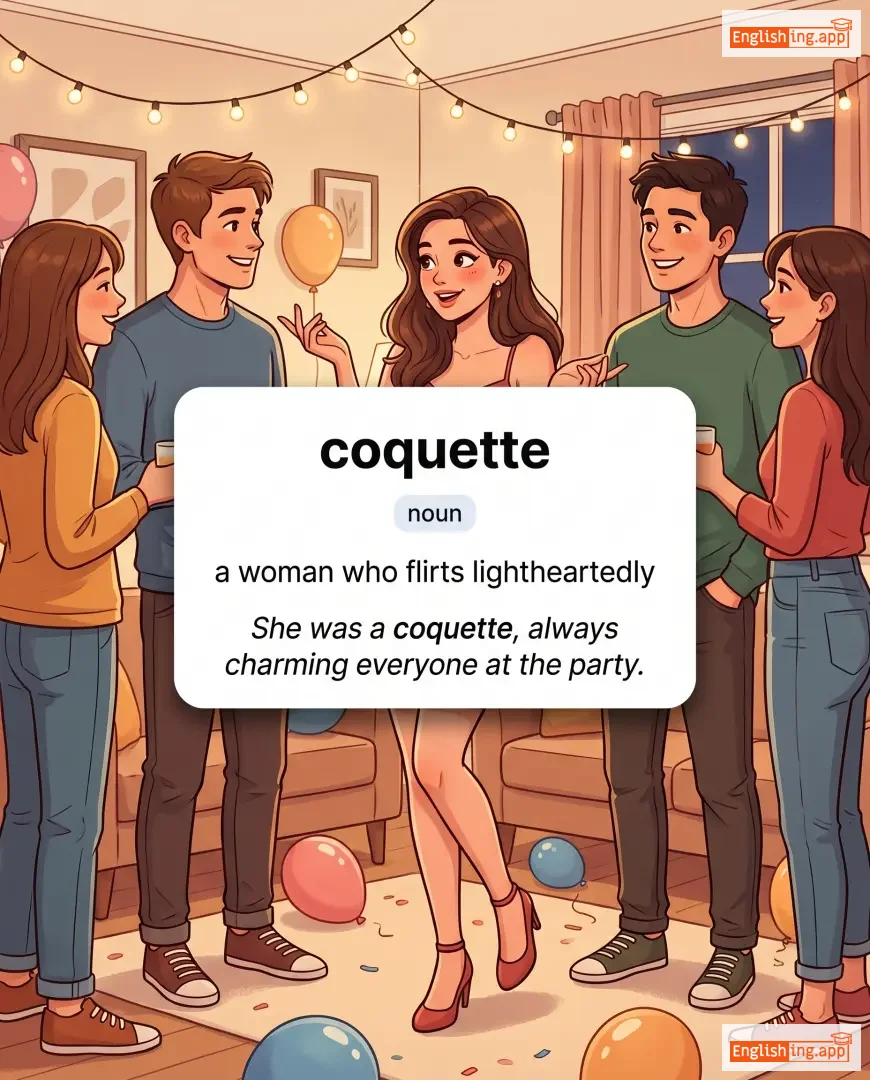
コケットな女性
koketto na josei
••••••
|
- •••••• | - •••••• | - •••••• | - •••••• |
a woman who flirts lightheartedly
••••••
|
She was a coquette, always charming everyone at the party.
彼女はコケットで、パーティーで誰にでも魅力を振りまいていました。
••••••
|
彼女はコケットで、パーティーで誰にでも魅力を振りまいていました。
Kanojo wa koketto de, pātii de dare ni demo miryoku o furimaitemashita.
••••••
|
- •••••• | - •••••• | - •••••• |
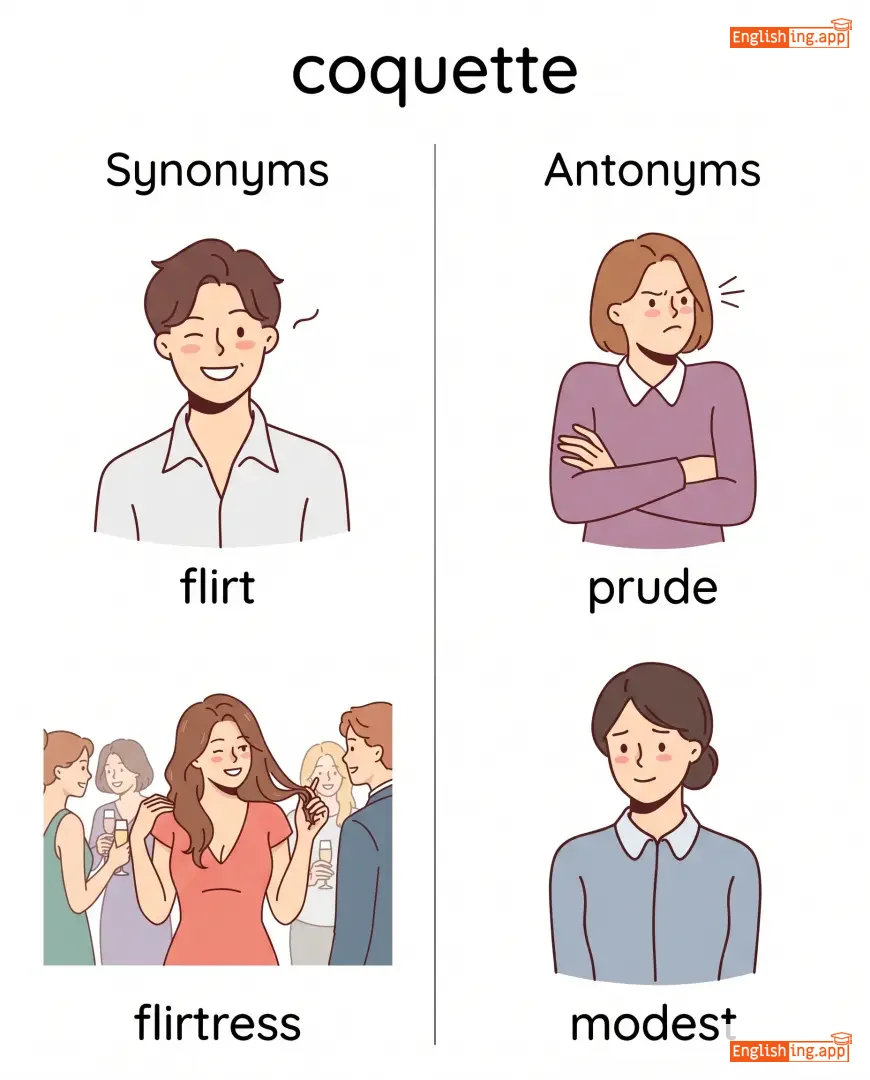
flirt, flirtress, tease, siren
••••••
|
prude, modest
••••••
|
playful coquette, notorious coquette, young coquette
••••••
|
コケット - パーティーでみんなを魅了する女性
••••••
|
|
🌽
••••••
|
/ˌkɔːrnjuˈkoʊpiə/
noun
(コルヌコピア)
••••••
|
|
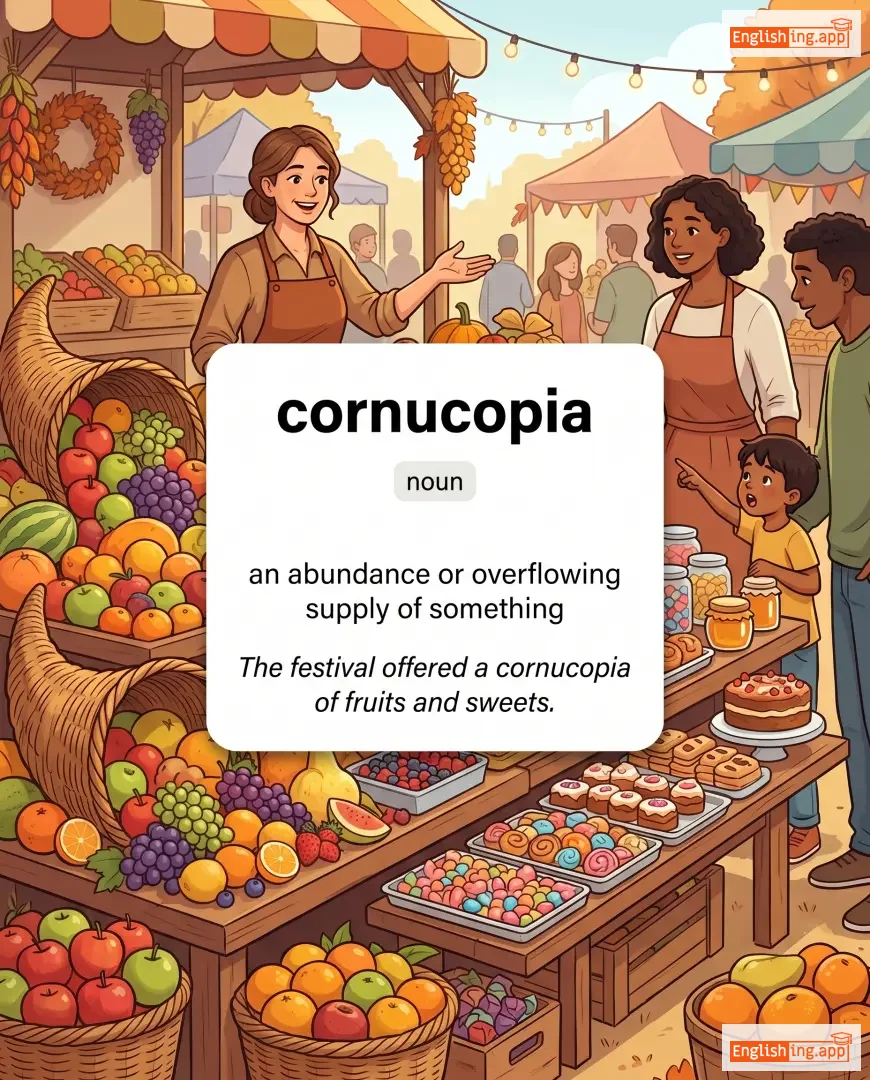
物事の豊富な供給または溢れんばかりの供給
monogoto no houfu na kyoukyuu matawa afurenbakari no kyoukyuu
••••••
|
- •••••• | - •••••• | - •••••• | - •••••• |
an abundance or overflowing supply of something
••••••
|
The festival offered a cornucopia of fruits and sweets.
祭りでは果物とお菓子のコルヌコピアが提供されました。
••••••
|
祭りでは果物とお菓子のコルヌコピアが提供されました。
Matsuri de wa kudamono to okashi no cornucopia ga teikyou saremashita.
••••••
|
- •••••• | - •••••• | - •••••• |
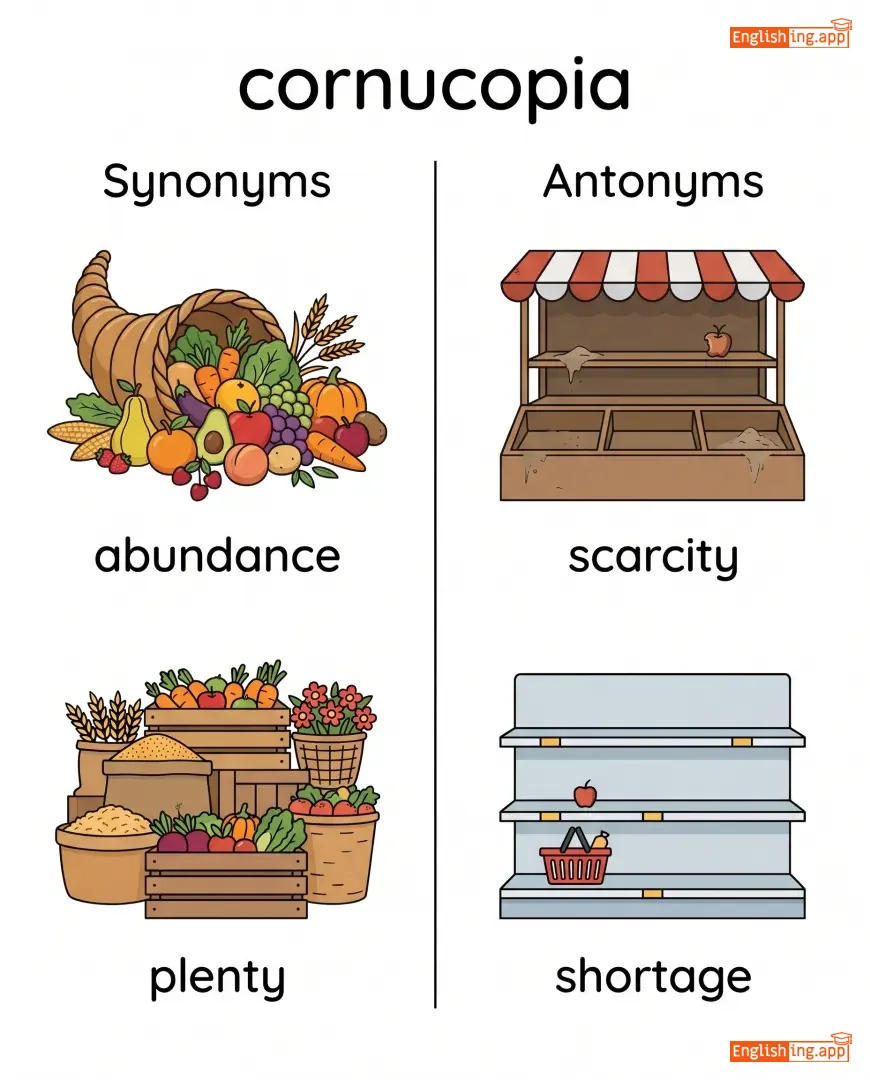
abundance, plenty, profusion, bounty
••••••
|
scarcity, shortage
••••••
|
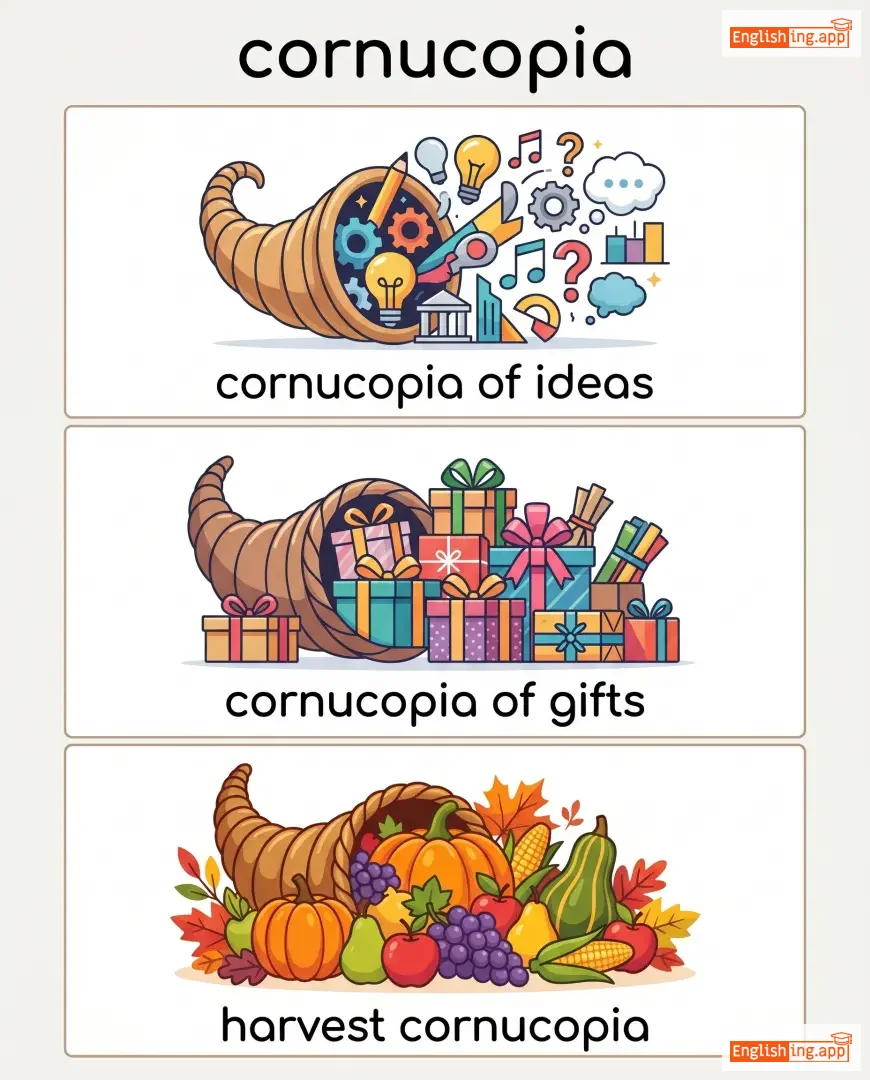
cornucopia of ideas, cornucopia of gifts, harvest cornucopia
••••••
|
コルヌコピアは「満杯の角」- 豊富な供給を意味します。
••••••
|
|
🌌
••••••
|
/kɒzˈmɒlədʒi/
noun
(コスモロジー)
••••••
|


|
コスモロジー
kosumorojī
••••••
|
- •••••• | - •••••• | - •••••• | - •••••• |
the science of the origin and development of the universe
••••••
|
She studied cosmology to understand the origins of the universe. |
彼女は宇宙の起源を理解するためにコスモロジーを学んだ。
Kanojo wa uchū no kigen o rikai suru tame ni kosumorojī o mananda.
••••••
|
- •••••• | - •••••• | - •••••• |
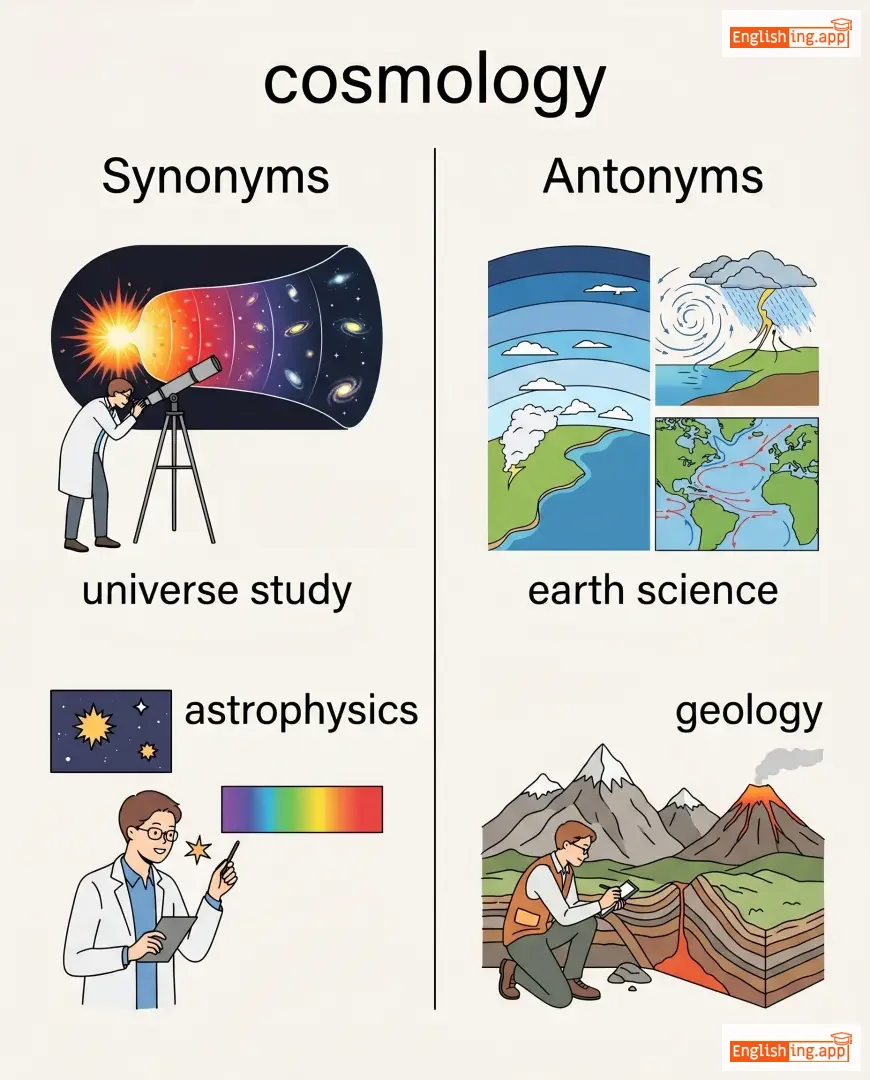
universe study, astrophysics, astronomy, space science
••••••
|
earth science, geology
••••••
|
modern cosmology, theoretical cosmology, study of cosmology
••••••
|
Cosmoは宇宙を意味し、宇宙の学問がコスモロジーです。
••••••
|
|
🕵️♂️
••••••
|
/ˈkoʊvərt/
adjective
(コヴァート)
••••••
|


|
秘密
himitsu
••••••
|
- •••••• | - •••••• | - •••••• | - •••••• |
hidden, secret, or not openly acknowledged
••••••
|
The spy conducted a covert operation behind enemy lines.
スパイは敵の線の後ろで秘密の作戦を行った。
••••••
|
スパイは敵の線の後ろで秘密の作戦を行った。
Supai wa teki no sen no ushiro de himitsu no sakusen o okonatta.
••••••
|
- •••••• | - •••••• | - •••••• |
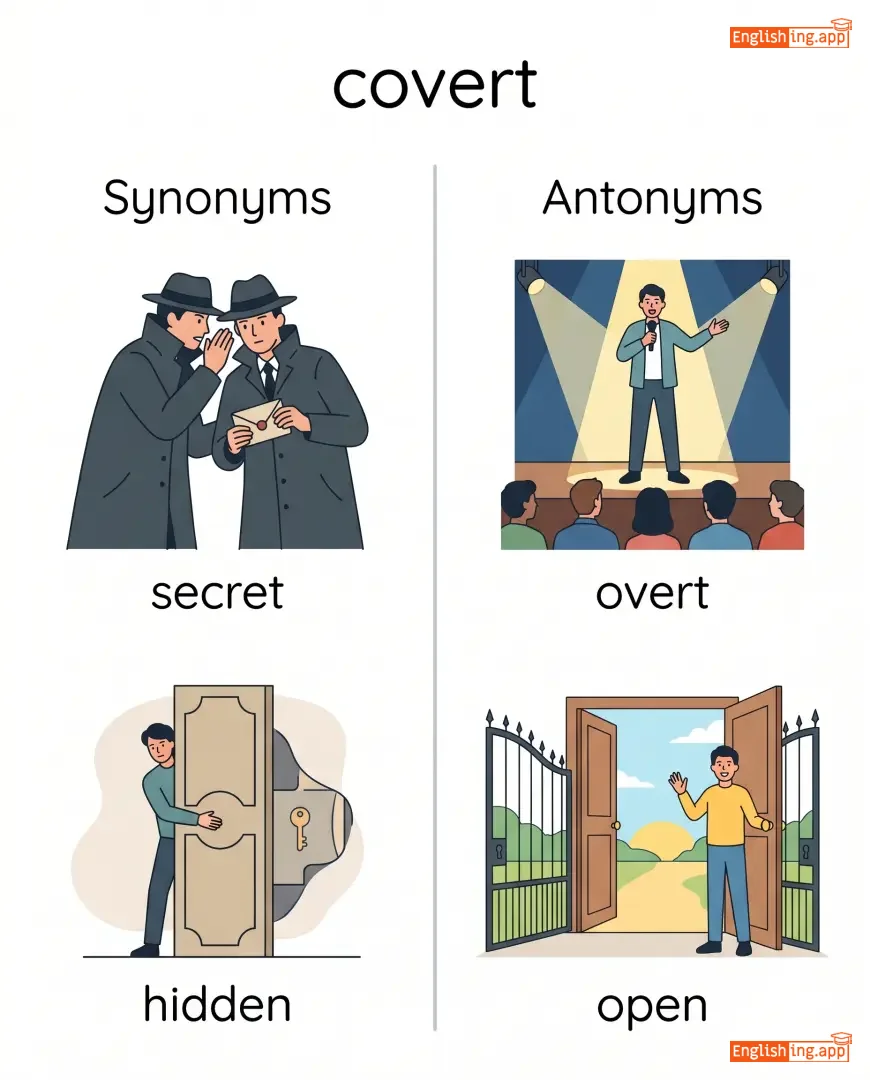
secret, hidden, clandestine, undercover
••••••
|
overt, open
••••••
|
covert operation, covert mission, covert surveillance
••••••
|
CO-vert すべて隠されている - Covert is secret
••••••
|
|
😏
••••••
|
/ˈkʌvətəs/
adjective
(カヴェタス)
••••••
|

|
欲張り
yokubari
••••••
|
- •••••• | - •••••• | - •••••• | - •••••• |
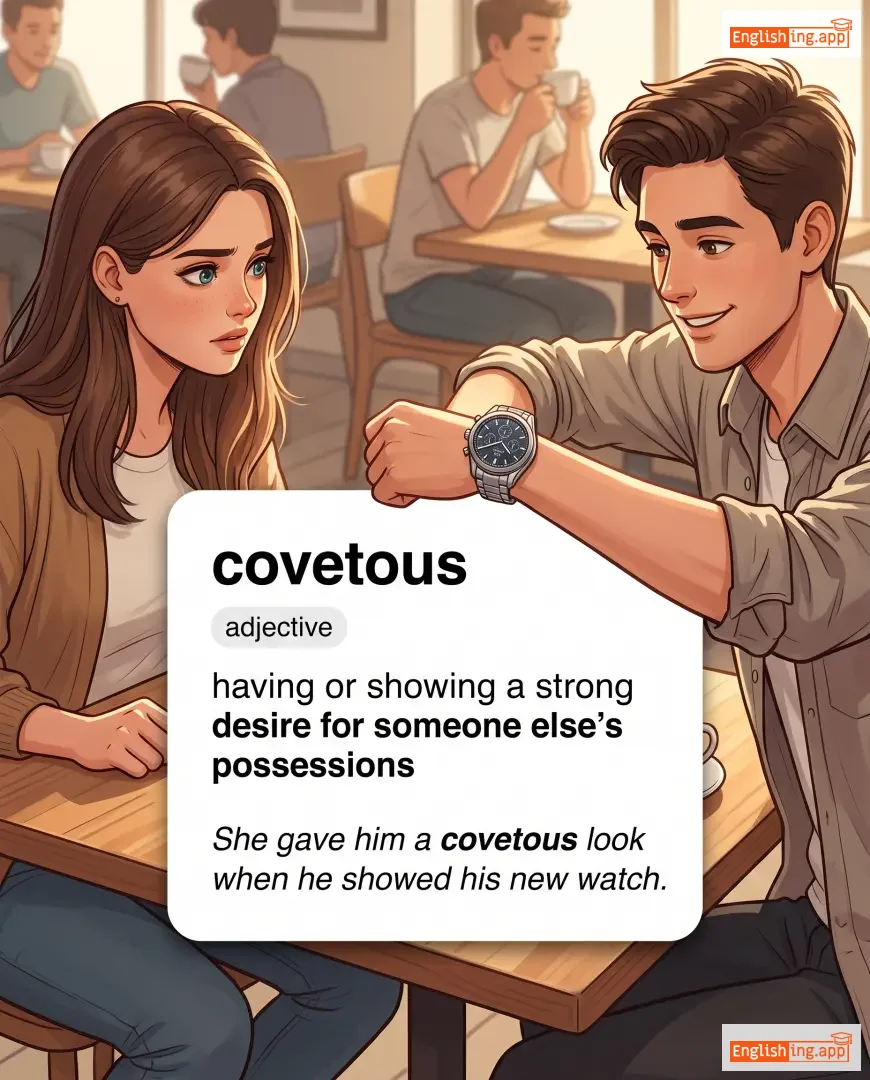
having or showing a strong desire for someone else's possessions
••••••
|
She gave him a covetous look when he showed his new watch.
彼は新しい時計を見せたとき、彼女は欲しがる目を向けた。
••••••
|
彼は新しい時計を見せたとき、彼女は欲しがる目を向けた。
Kare wa atarashī tokei o miseta toki, kanojo wa hoshigaru me o muketa.
••••••
|
- •••••• | - •••••• | - •••••• |
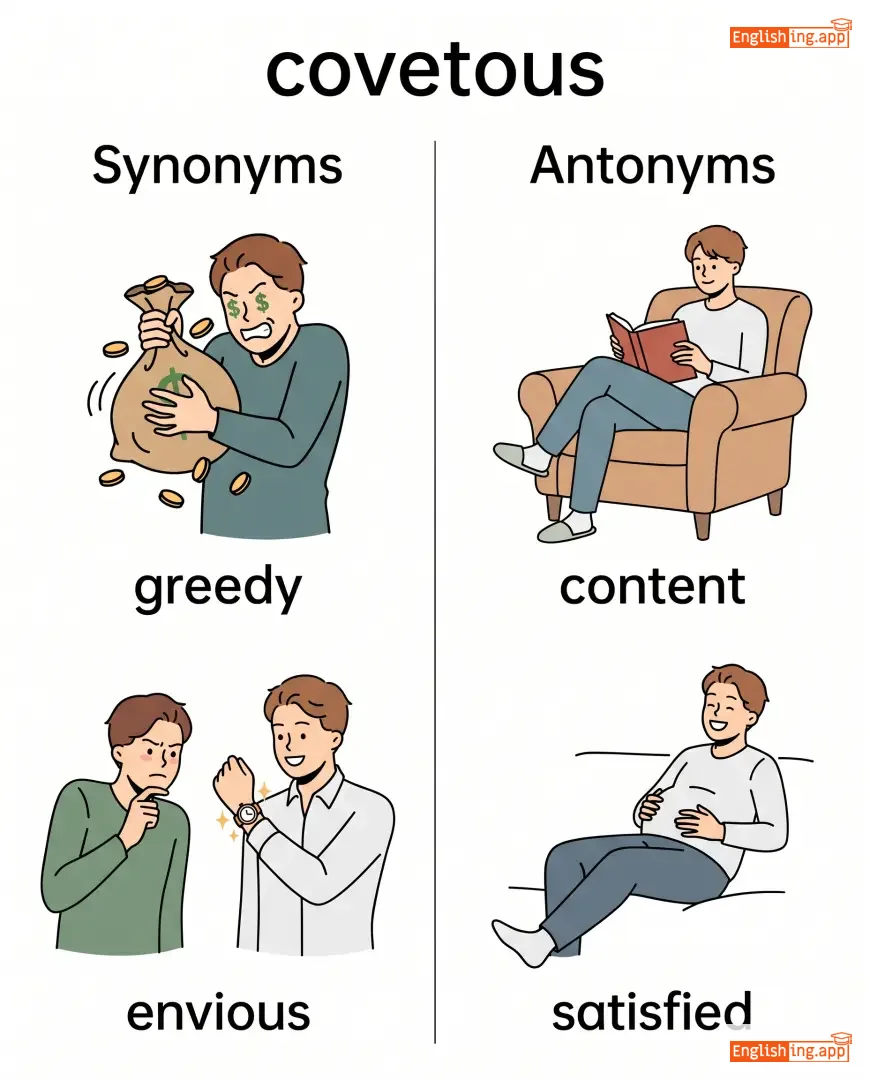
greedy, envious, desirous, grasping
••••••
|
content, satisfied
••••••
|
covetous glance, covetous attitude, covetous nature
••••••
|
COVETOUS - 欲張りは他人の物を欲しがること
••••••
|
|
🤑
••••••
|
/ˈkʌzən/
verb
(コゼン)
••••••
|
|
だます, 騙す
damasu, damasu
••••••
|
cozened
コゼンド
••••••
|
cozened
コゼンド
••••••
|
cozens
コゼンズ
••••••
|
cozening
コゼニング
••••••
|
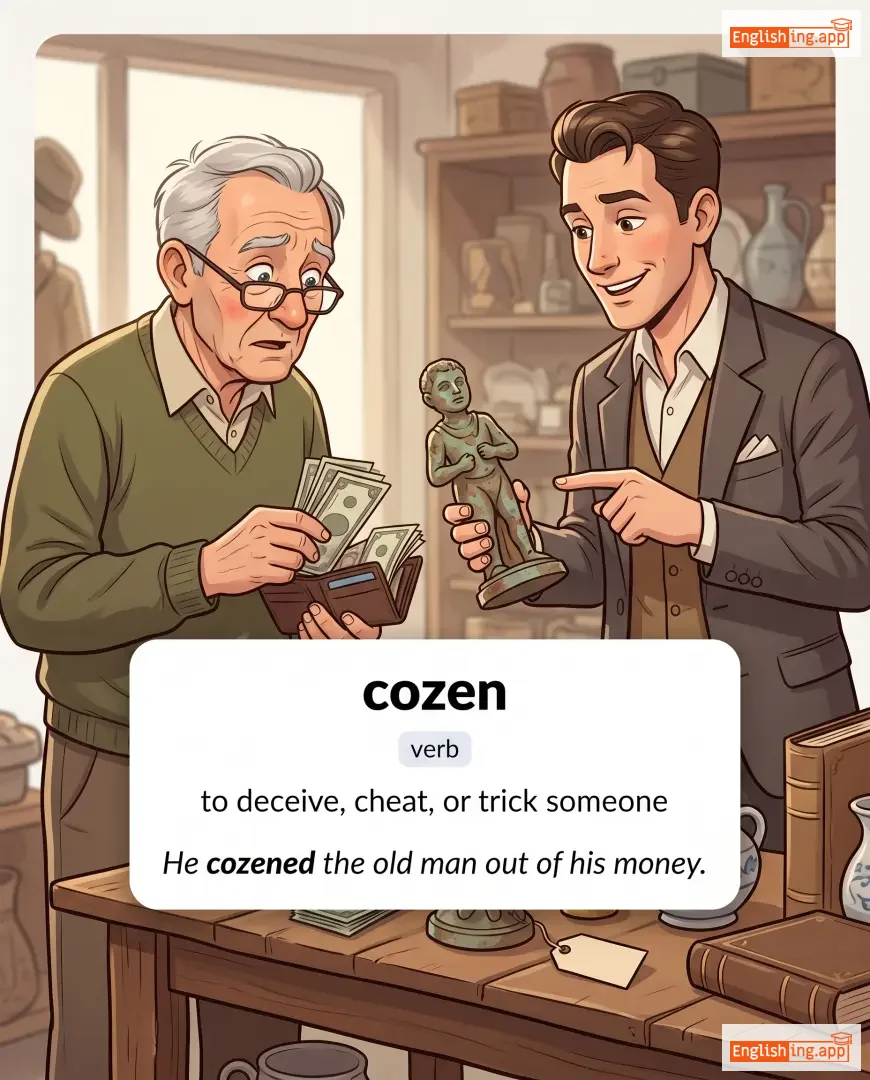
to deceive, cheat, or trick someone
••••••
|
He cozened the old man out of his money.
彼は老人をだましてお金を取った。
••••••
|
彼は老人をだましてお金を取った。
Kare wa rōjin wo damashite okane wo totta.
••••••
|
- •••••• | - •••••• | - •••••• |
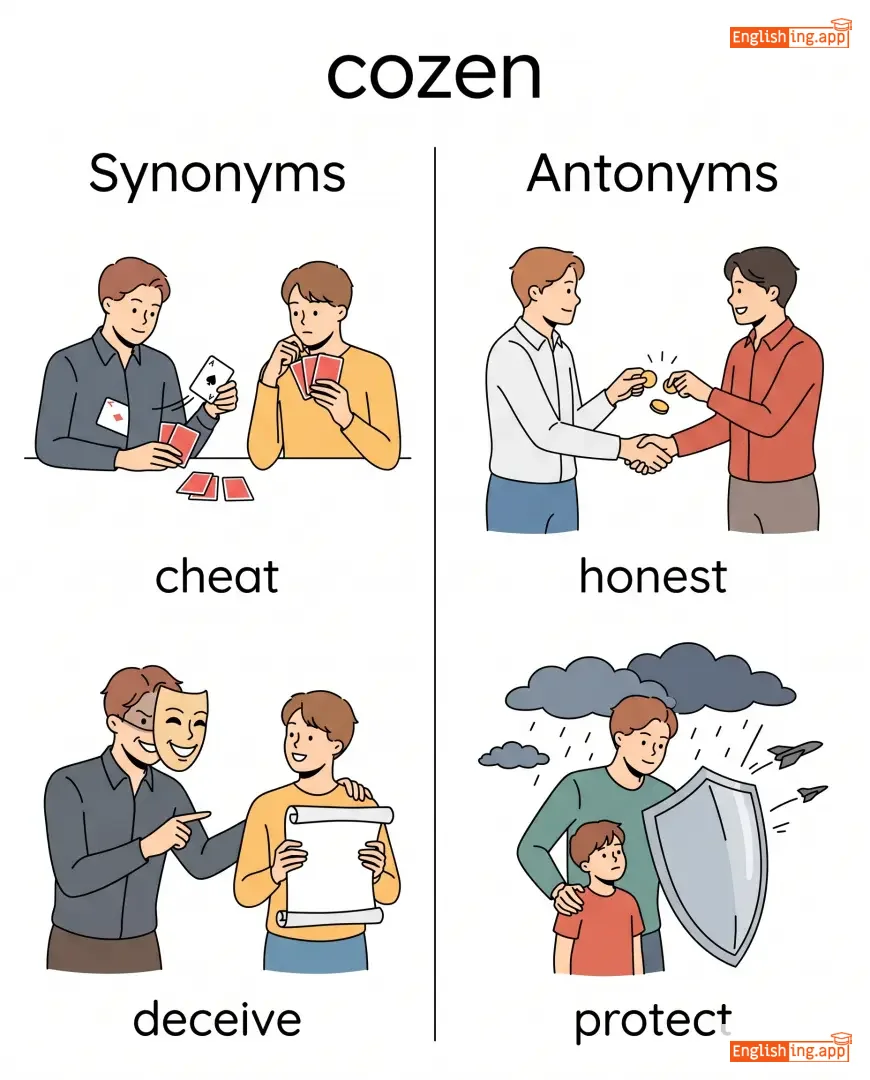
cheat, deceive, trick, defraud
••••••
|
honest, protect, safeguard
••••••
|
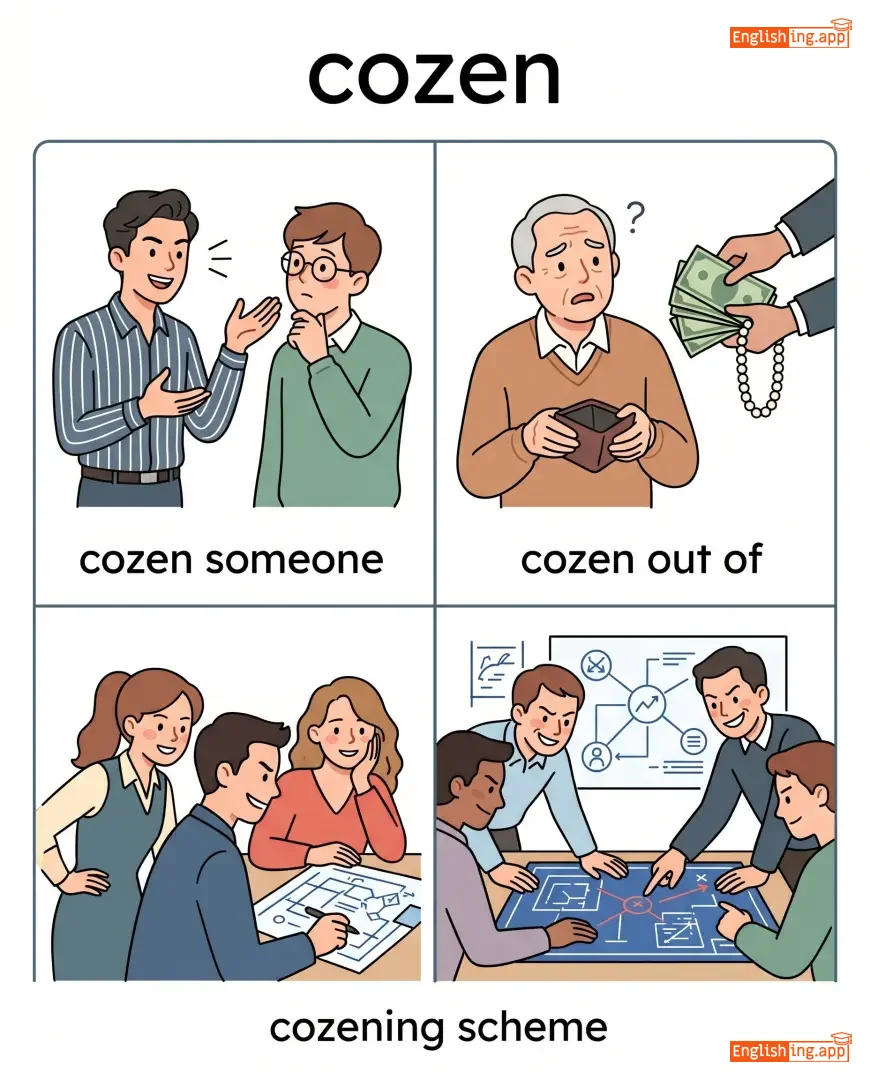
cozen someone, cozen out of, cozening scheme
••••••
|
COZEN - 騙すように 'cousin' があなたをだます
••••••
|
|
😨
••••••
|
/ˈkreɪvən/
adjective
(kréiven)
••••••
|
|
臆病
okubyō
••••••
|
- •••••• | - •••••• | - •••••• | - •••••• |
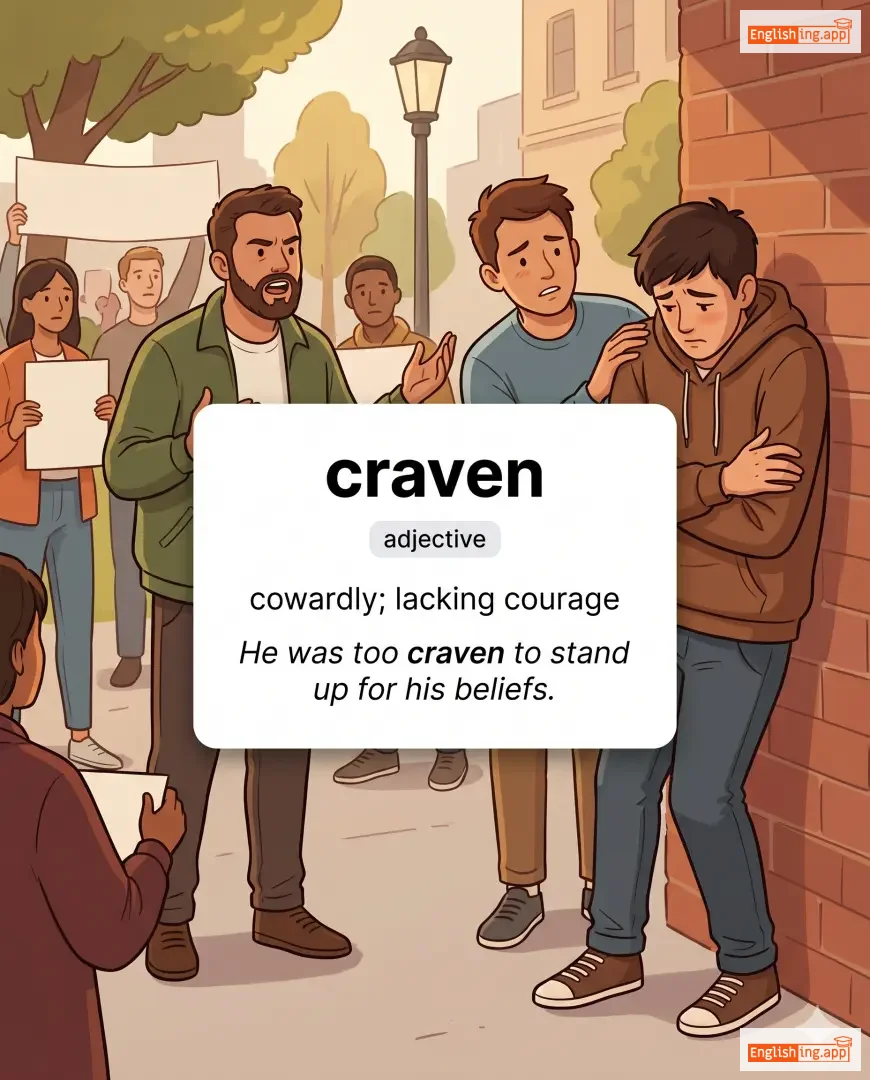
cowardly; lacking courage
••••••
|
He was too craven to stand up for his beliefs.
彼は自分の信念のために立ち上がるにはあまりにも臆病でした。
••••••
|
彼は自分の信念のために立ち上がるにはあまりにも臆病でした。
Kare wa jibun no shinnen no tame ni tachiagaru ni wa amari ni mo okubyō deshita.
••••••
|
- •••••• | - •••••• | - •••••• |
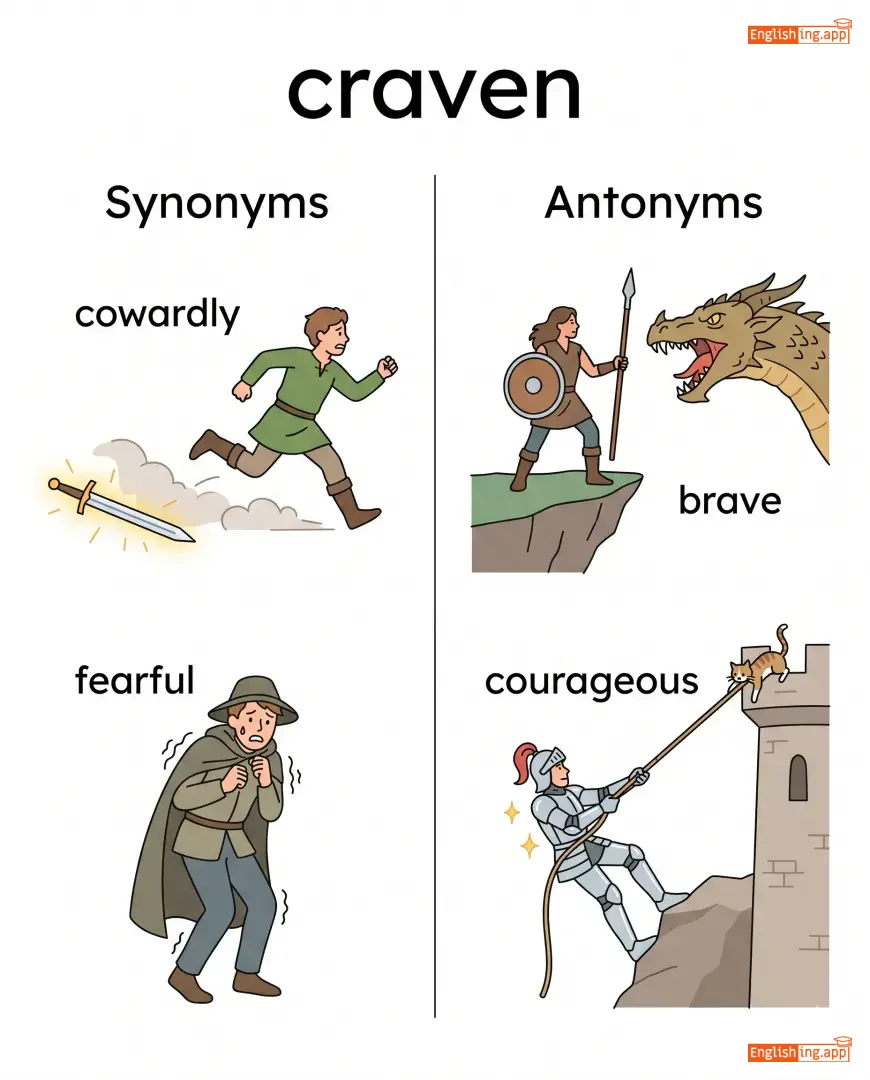
cowardly, fearful, timid, pusillanimous
••••••
|
brave, courageous, bold
••••••
|
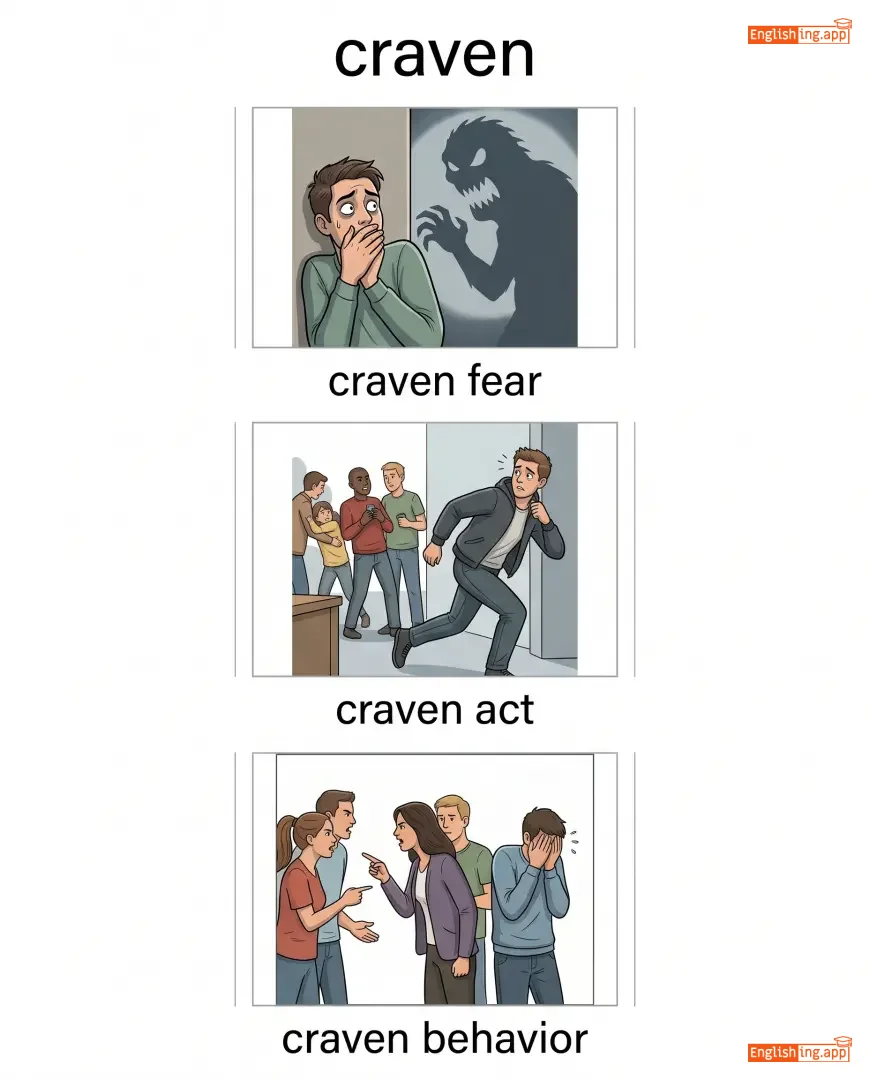
craven fear, craven act, craven behavior
••••••
|
CRAVE しない、臆病な人
••••••
|
|
✅
••••••
|
/ˈkriː.dəns/
noun
(クレデンス)
••••••
|
|
信頼, 認めること
shinrai, mitomeru koto
••••••
|
- •••••• | - •••••• | - •••••• | - •••••• |
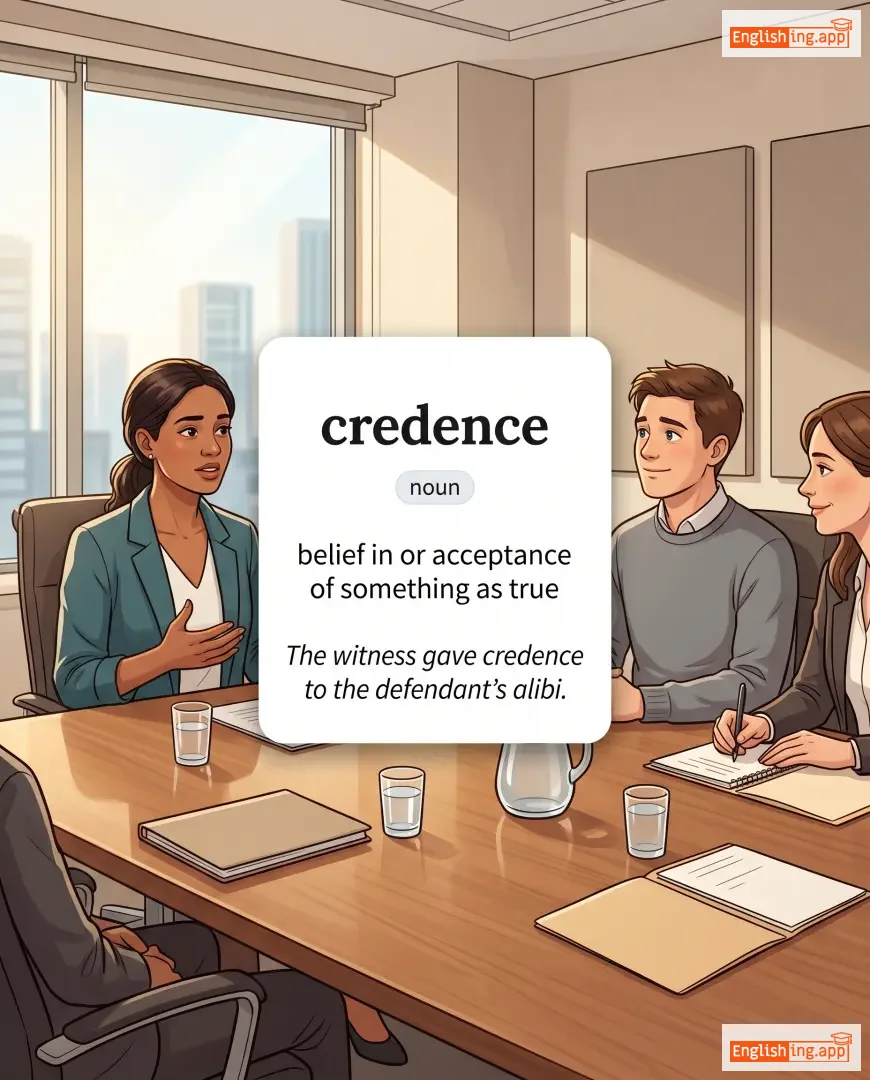
belief in or acceptance of something as true
••••••
|
The witness gave credence to the defendant's alibi. |
証人は被告のアリバイに信頼をおいた。
shōnin wa hikoku no aribai ni shinrai o oita.
••••••
|
- •••••• | - •••••• | - •••••• |
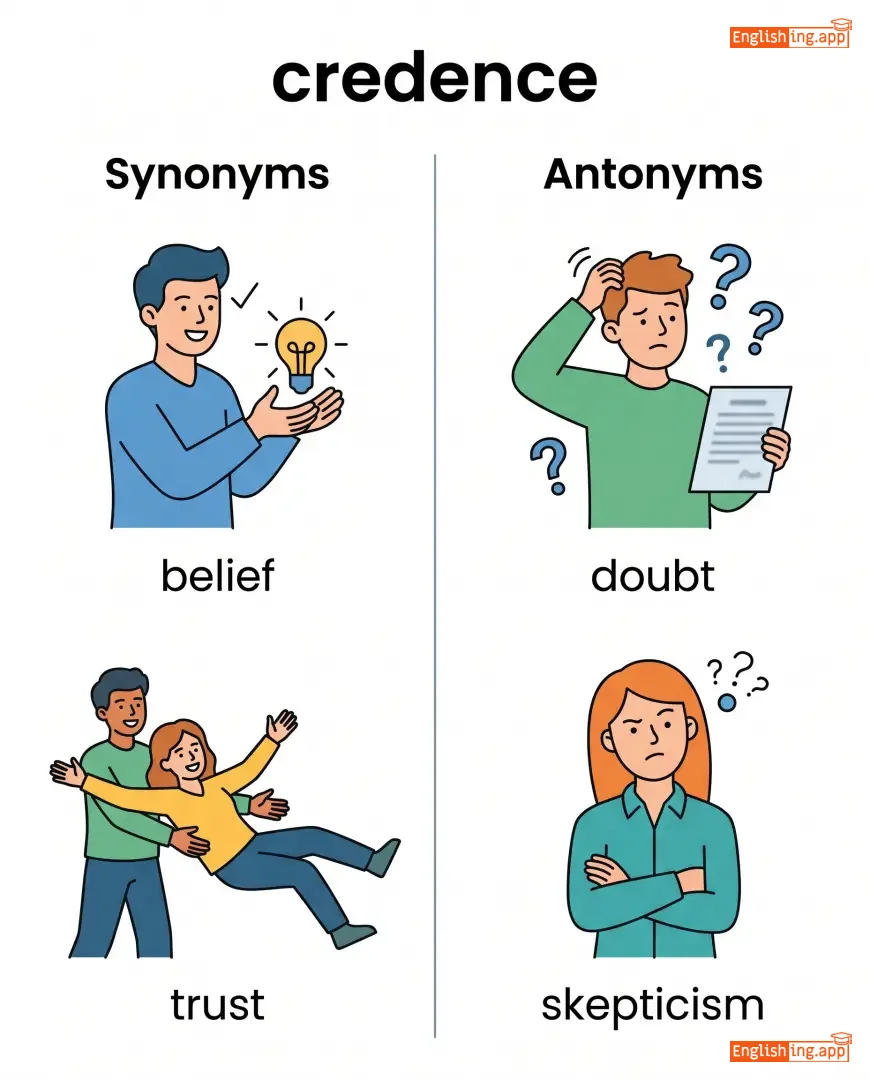
belief, trust, faith, confidence
••••••
|
doubt, skepticism
••••••
|
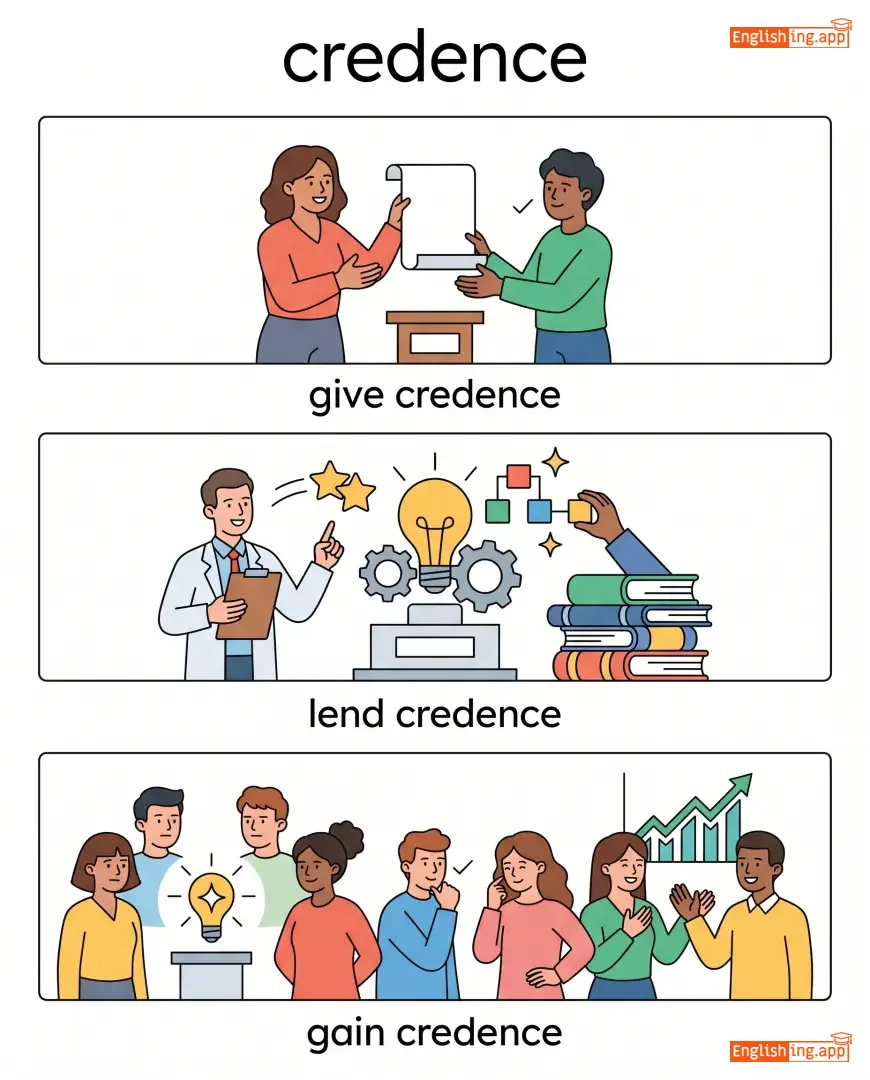
give credence, lend credence, gain credence, credibility and credence
••••••
|
CREDENCEは信頼 (shinrai). Credible news gives credence
••••••
|
|
📜
••••••
|
/ˈkriːdoʊ/
noun
(クレード)
••••••
|
|
信条
shinjou
••••••
|
- •••••• | - •••••• | - •••••• | - •••••• |
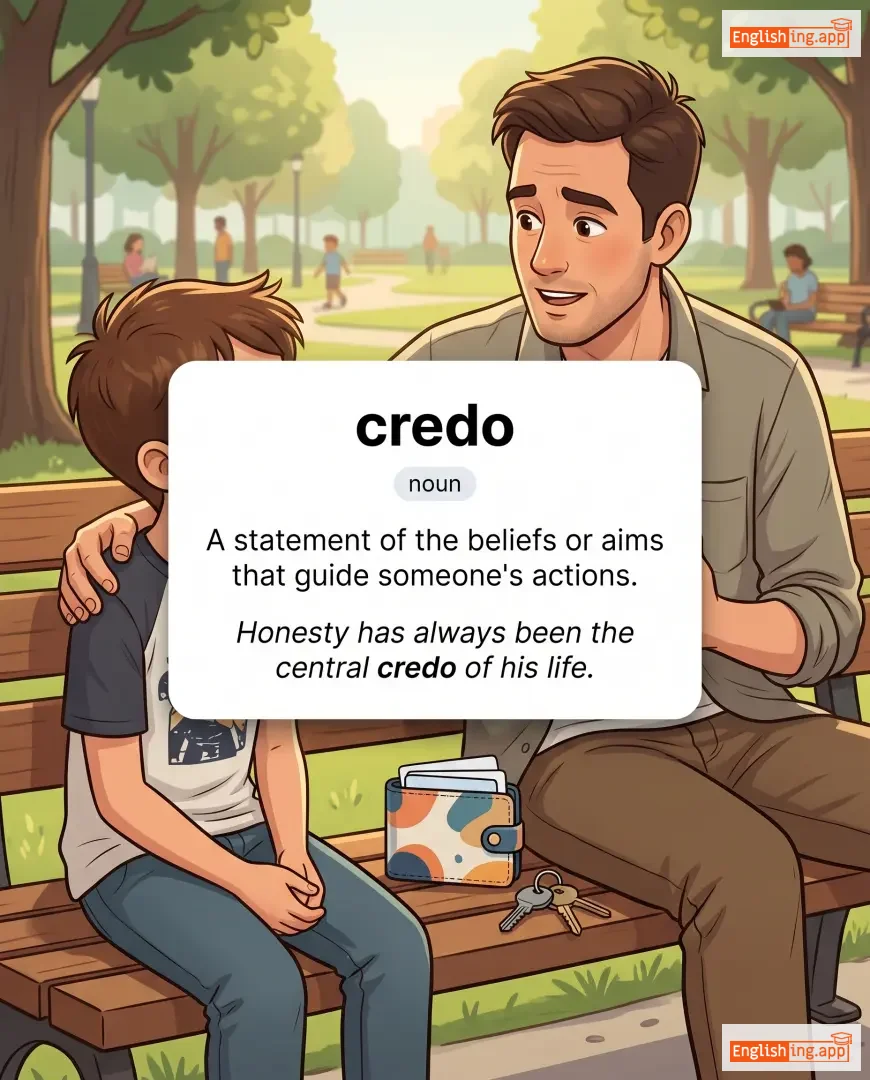
A statement of the beliefs or aims that guide someone's actions.
••••••
|
Honesty has always been the central credo of his life. |
誠実は彼の人生の中で常に中心的な信条であった。
Seijitsu wa kare no jinsei no naka de itsudemo chuushinteki na shinjou de atta.
••••••
|
- •••••• | - •••••• | - •••••• |
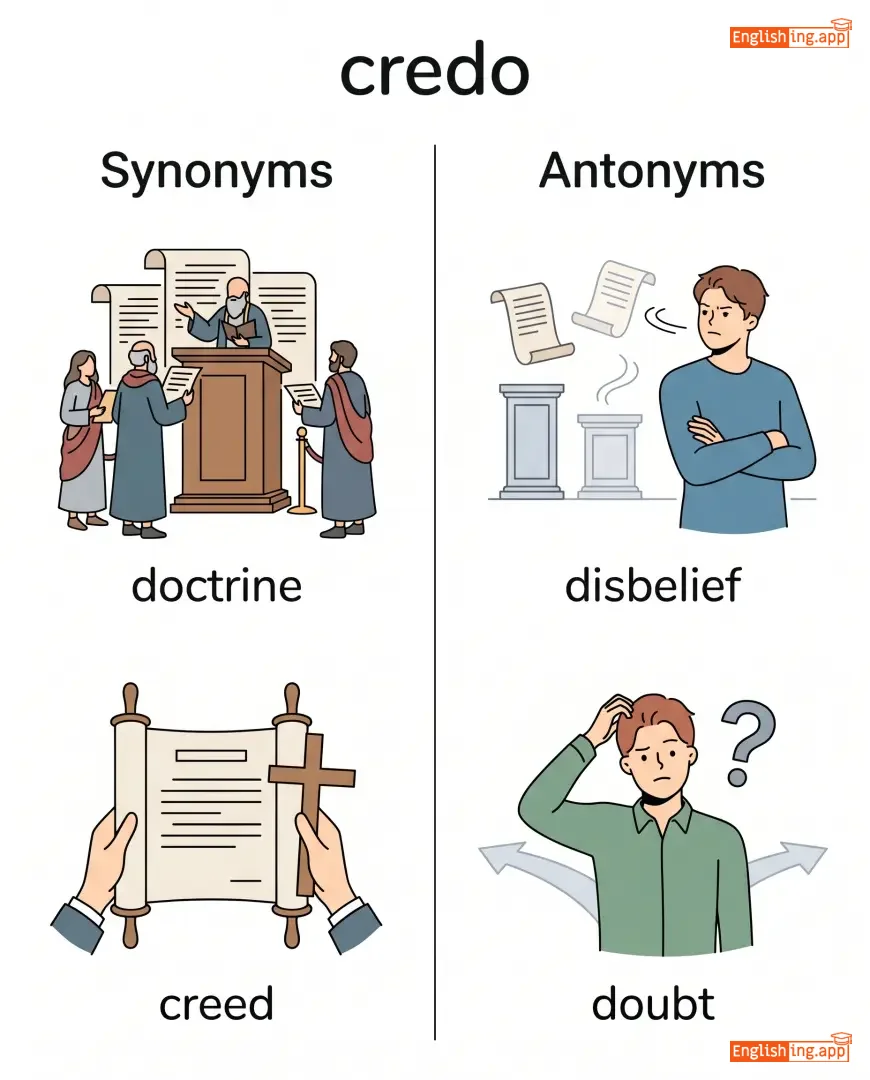
doctrine, creed, belief, philosophy, principle
••••••
|
disbelief, doubt
••••••
|
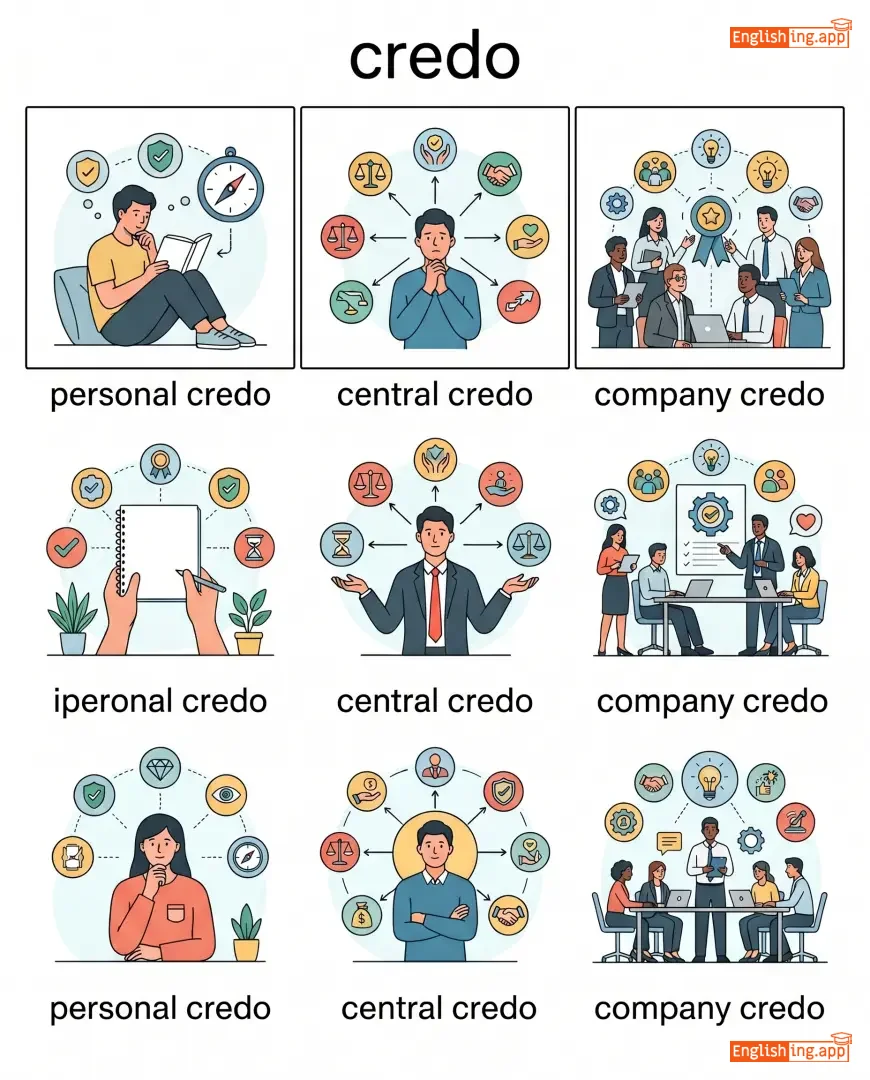
personal credo, central credo, company credo
••••••
|
Credoは信条のようなもの—あなたの行動を導く信念。
••••••
|
|
😨
••••••
|
/dɔːnt/
verb
(ダウント)
••••••
|

|
脅す
odosu
••••••
|
daunted
ダウンテッド
••••••
|
daunted
ダウンテッド
••••••
|
daunts
ダウントス
••••••
|
daunting
ダウンティング
••••••
|
to make someone feel intimidated, discouraged, or less confident
••••••
|
The steep climb did not daunt the experienced hikers.
急な登りは経験豊富なハイカーを怖がらせませんでした。
••••••
|
急な登りは経験豊富なハイカーを怖がらせませんでした。
Kyū na nobori wa keiken hōfu na haikā o kowagarasemasen deshita.
••••••
|
nothing daunts him
何も彼を怖がらせません
••••••
|
he is not easily discouraged or intimidated
••••••
|
何も彼を怖がらせません
Nani mo kare o kowagarasemasen
••••••
|
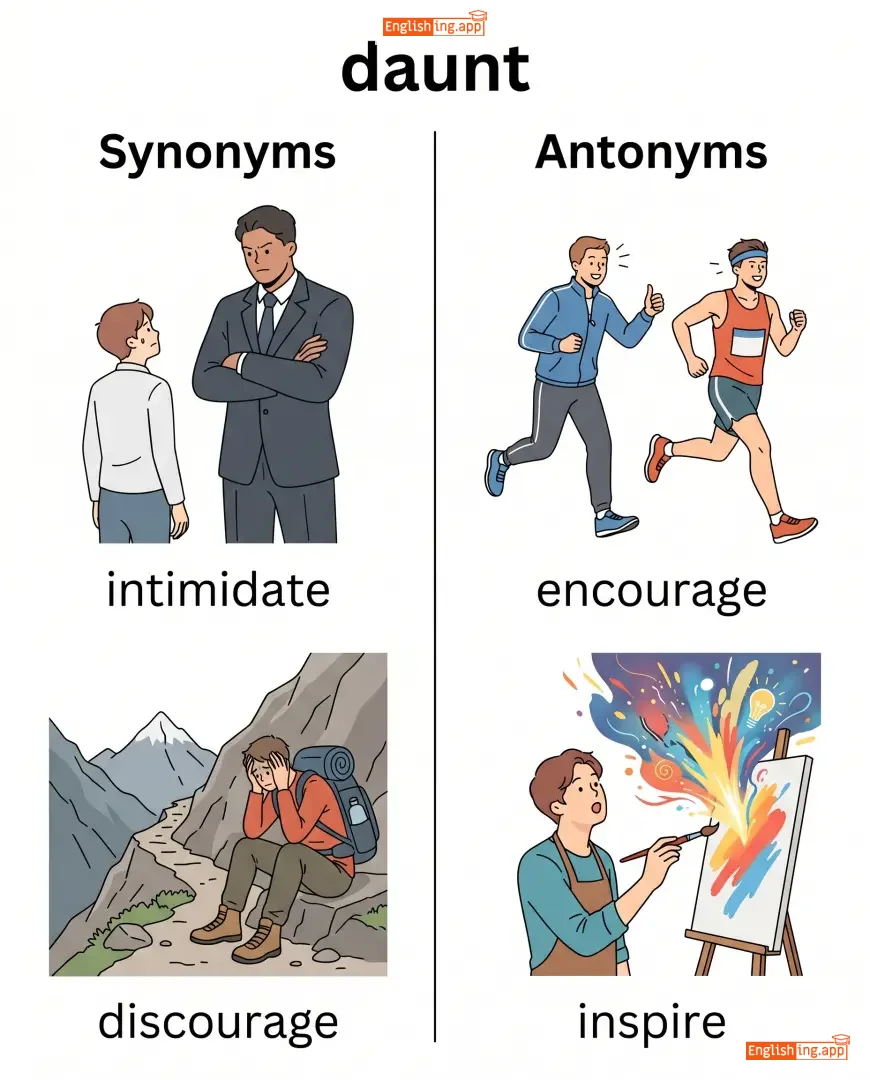
intimidate, discourage, dishearten, deter, frighten
••••••
|
encourage, inspire, embolden
••••••
|
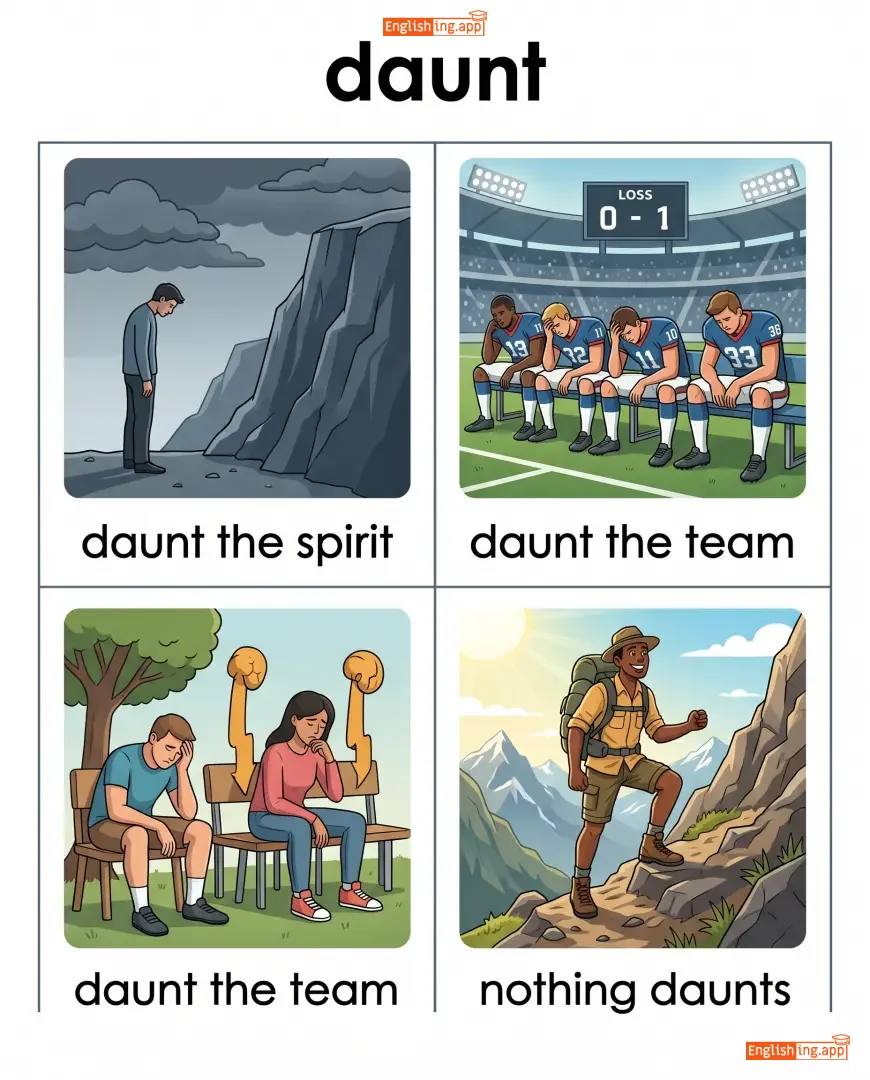
daunt the spirit, daunt the team, nothing daunts, daunt the enemy
••••••
|
Don't (ダウント) 脅す—Dauntは脅すという意味です
••••••
|
|
🥀
••••••
|
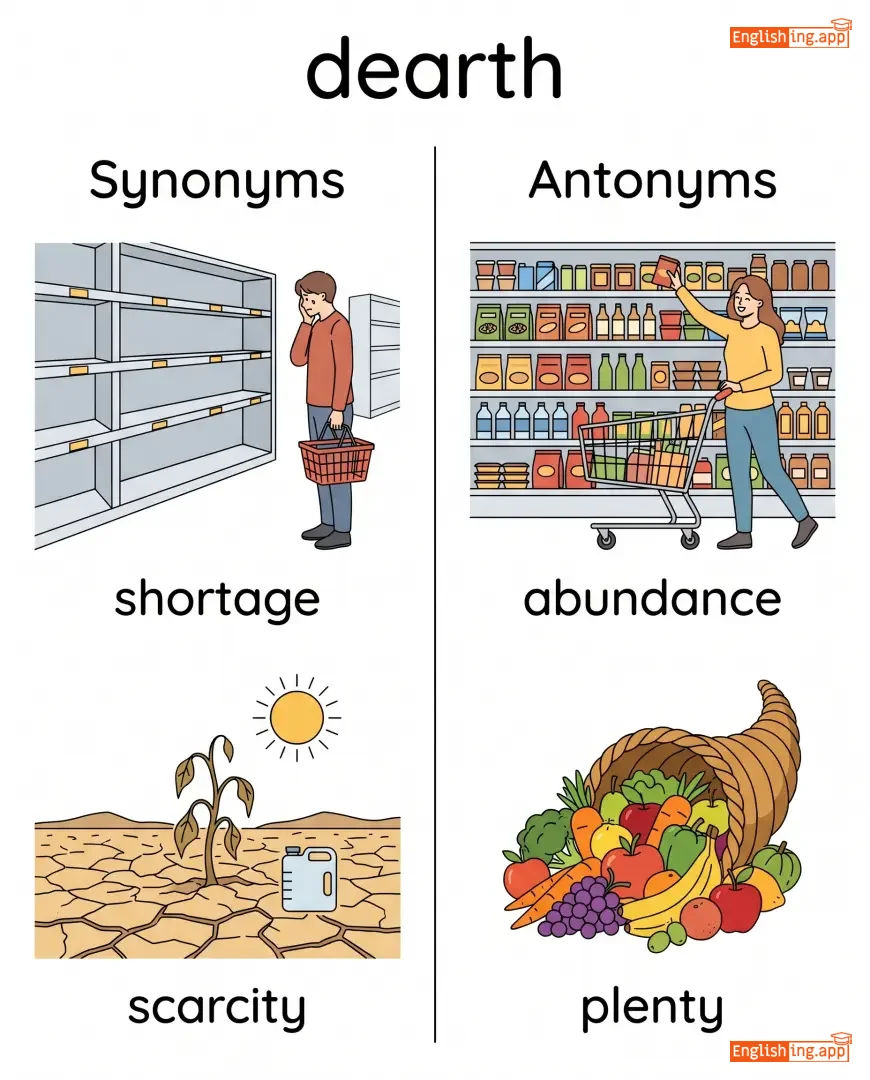
/dɜːrθ/
noun
(ダース)
••••••
|
|
不足
busoku
••••••
|
- •••••• | - •••••• | - •••••• | - •••••• |
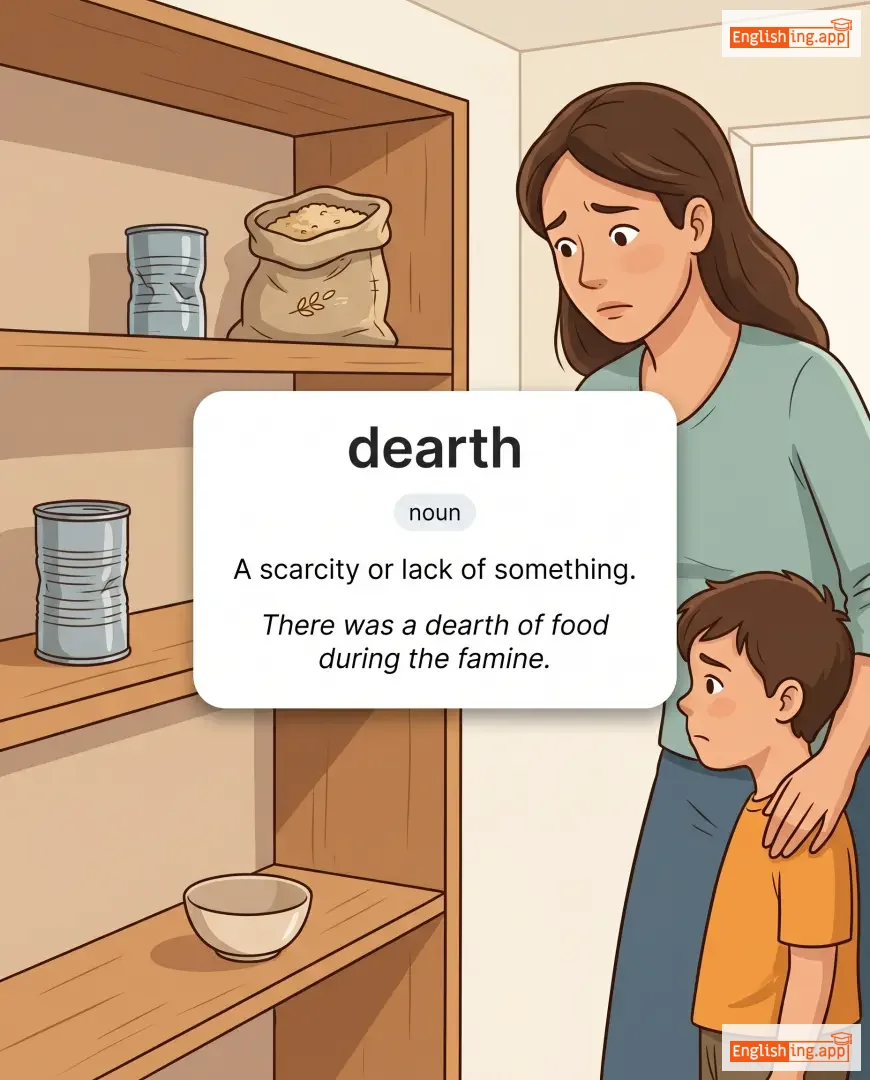
A scarcity or lack of something.
••••••
|
There was a dearth of food during the famine.
飢饉の間に食料が不足していた。
••••••
|
飢饉の間に食料が不足していた。
Kikin no aida ni shokuryō ga fusoku shite ita.
••••••
|
- •••••• | - •••••• | - •••••• |
shortage, scarcity, deficiency, insufficiency
••••••
|
abundance, plenty, surplus
••••••
|
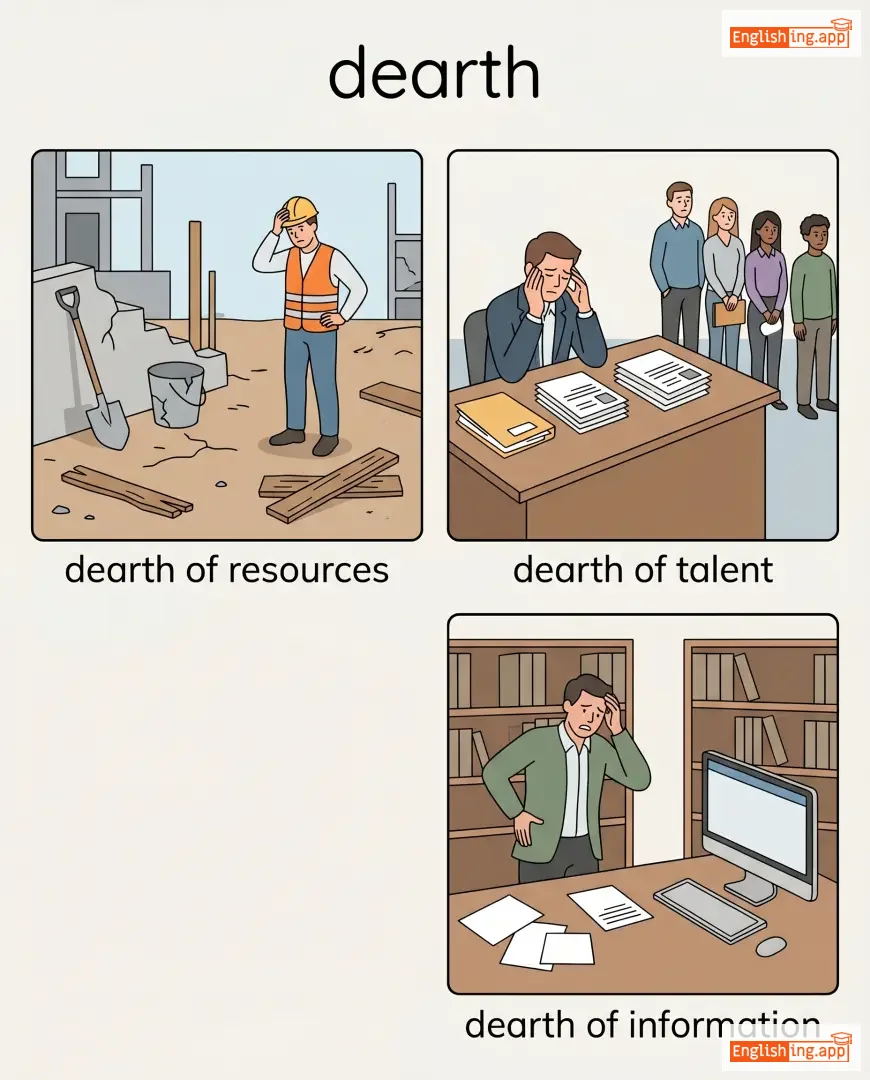
dearth of resources, dearth of talent, dearth of information
••••••
|
Dearthは不足を意味し、地球上ではすべてが豊富ではないことを示しています。
••••••
|
|
🍷
••••••
|
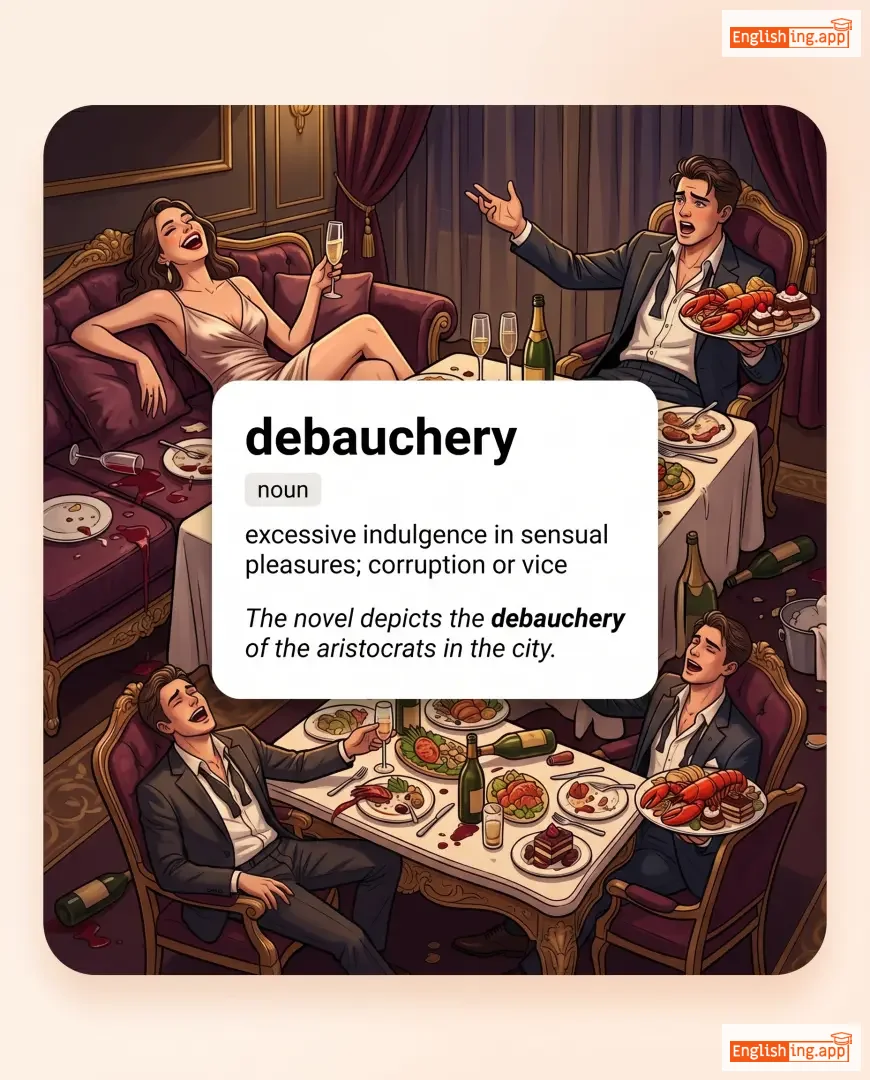
/dɪˈbɔːtʃəri/
noun
(デバウチェリー)
••••••
|

|
堕落
daraku
••••••
|
- •••••• | - •••••• | - •••••• | - •••••• |
excessive indulgence in sensual pleasures; corruption or vice
••••••
|
The novel depicts the debauchery of the aristocrats in the city. |
この小説は街の貴族たちの堕落を描いています。
Kono shousetsu wa machi no kizoku-tachi no daraku o egaiteimasu.
••••••
|
- •••••• | - •••••• | - •••••• |
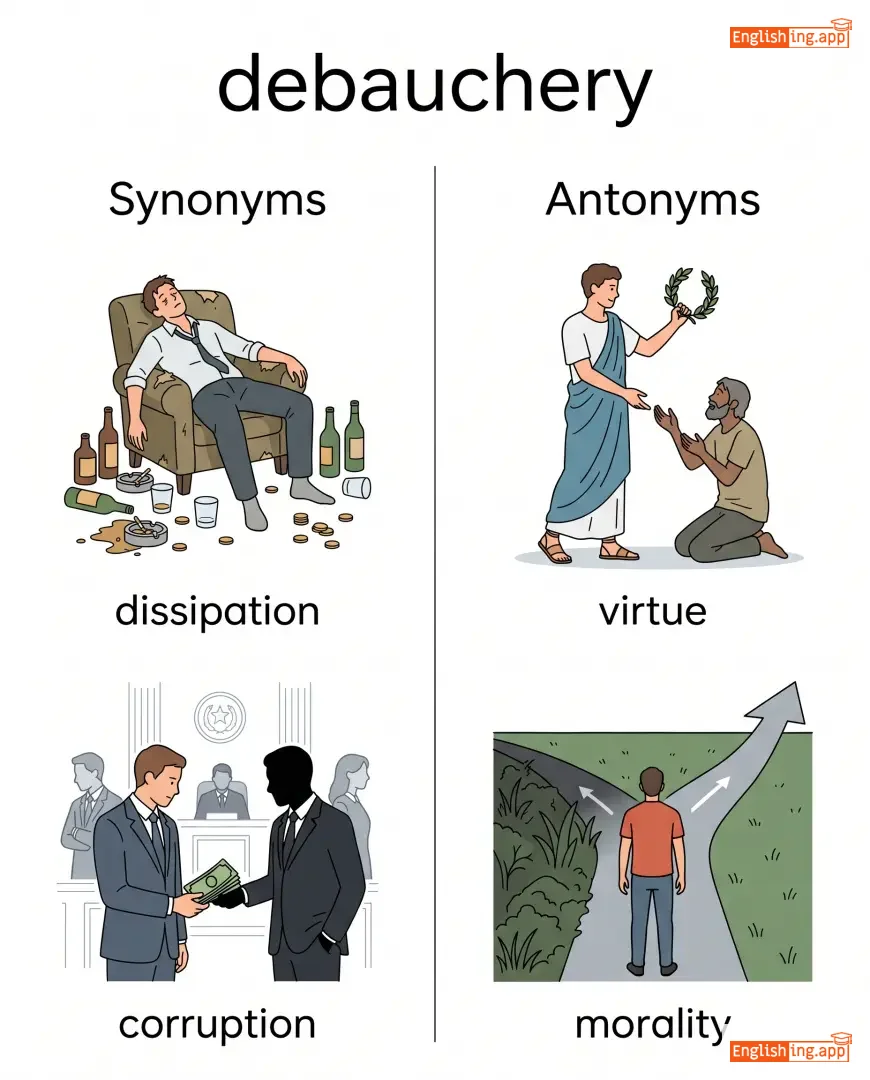
dissipation, corruption, indulgence, vice, excess
••••••
|
virtue, morality, purity
••••••
|
moral debauchery, life of debauchery, drunken debauchery
••••••
|
Debauchery、悪を享受することで、貴族は堕落するのです。
••••••
|
|
📜
••••••
|
/dɪˈkɔːrəm/
noun
(デコラム)
••••••
|

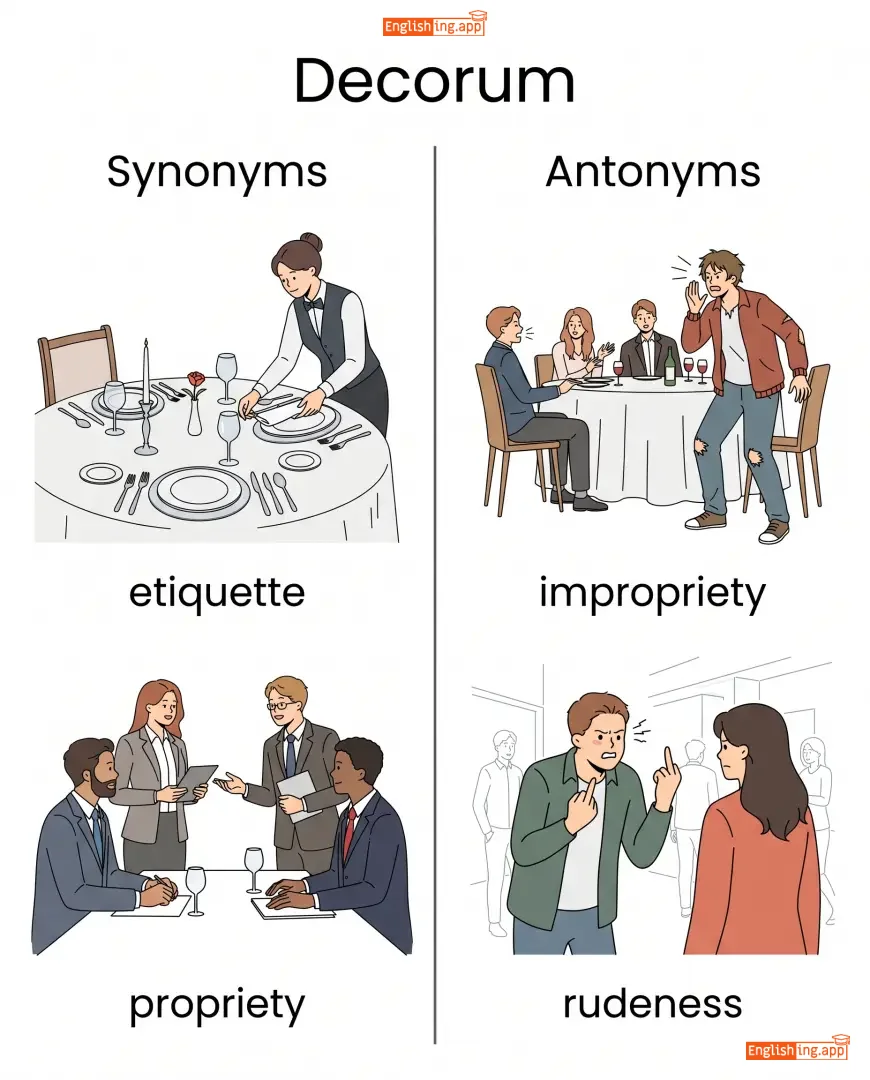
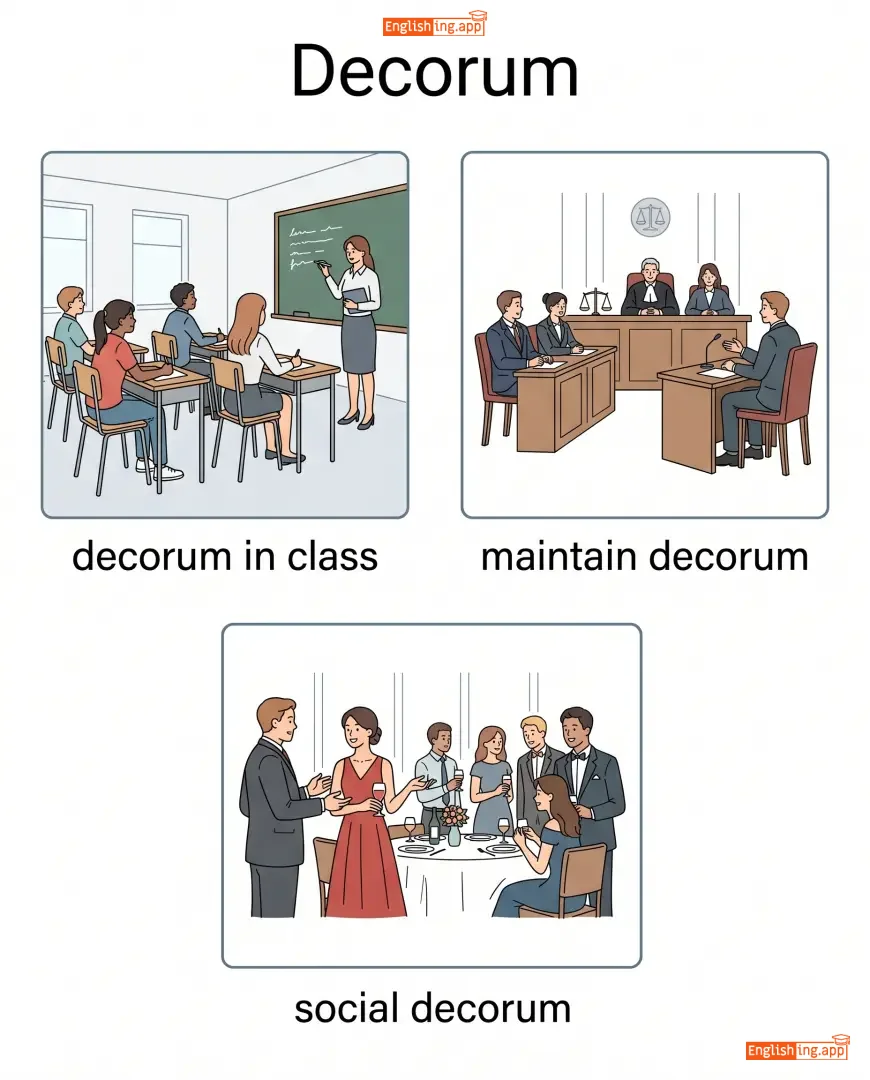
|
礼儀
reigi
••••••
|
- •••••• | - •••••• | - •••••• | - •••••• |
behavior in keeping with good taste and propriety
••••••
|
The students maintained decorum during the ceremony. |
学生たちは式典中に礼儀を守った。
Gakusei-tachi wa shikiten-chū ni reigi o mamotta.
••••••
|
maintain decorum |
to behave in a proper and respectful manner
••••••
|
礼儀を守る
reigi o mamoru
••••••
|
etiquette, propriety, manners, civility, dignity
••••••
|
impropriety, rudeness, disorder
••••••
|
decorum in class, maintain decorum, social decorum
••••••
|
デコラムとは、礼儀正しく振る舞うことです。
••••••
|
|
👎
••••••
|
/dɪˈfeɪm/
verb
(ディフェイム)
••••••
|
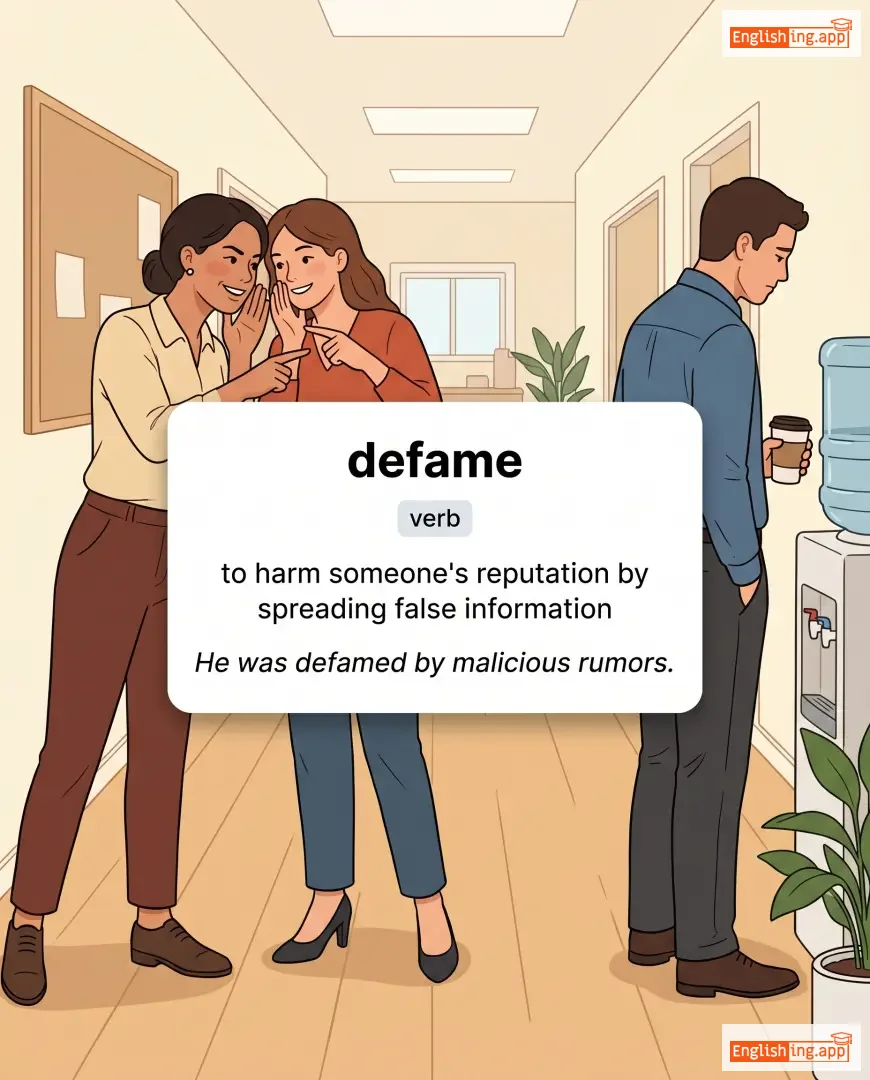
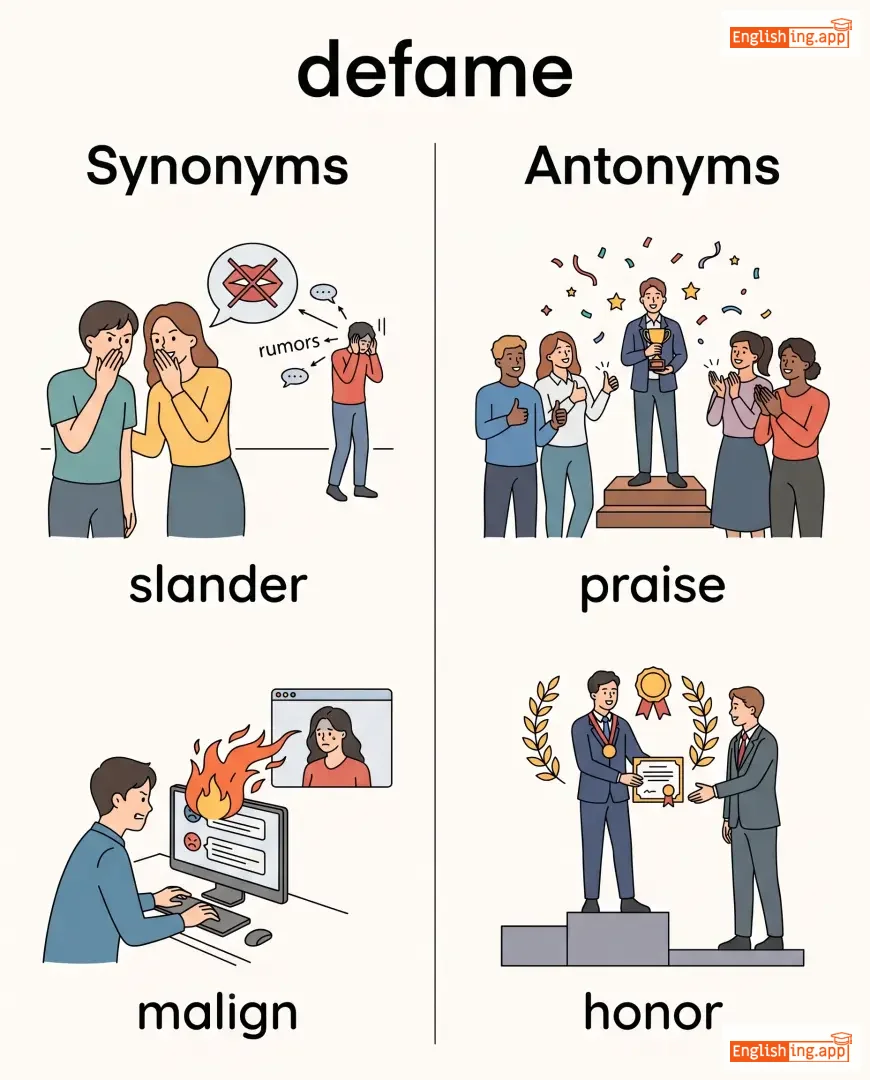
|
名誉毀損
meiyo kison
••••••
|
defamed
ディフェイムド
••••••
|
defamed
ディフェイムド
••••••
|
defames
ディフェイムズ
••••••
|
defaming
ディフェイミング
••••••
|
to harm someone's reputation by spreading false information
••••••
|
He was defamed by malicious rumors.
彼は悪意のある噂で中傷されました。
••••••
|
彼は悪意のある噂で中傷されました。
Kare wa akui no aru uwasa de chūshō saremashita.
••••••
|
- •••••• | - •••••• | - •••••• |
slander, malign, libel, disparage
••••••
|
praise, honor, commend
••••••
|
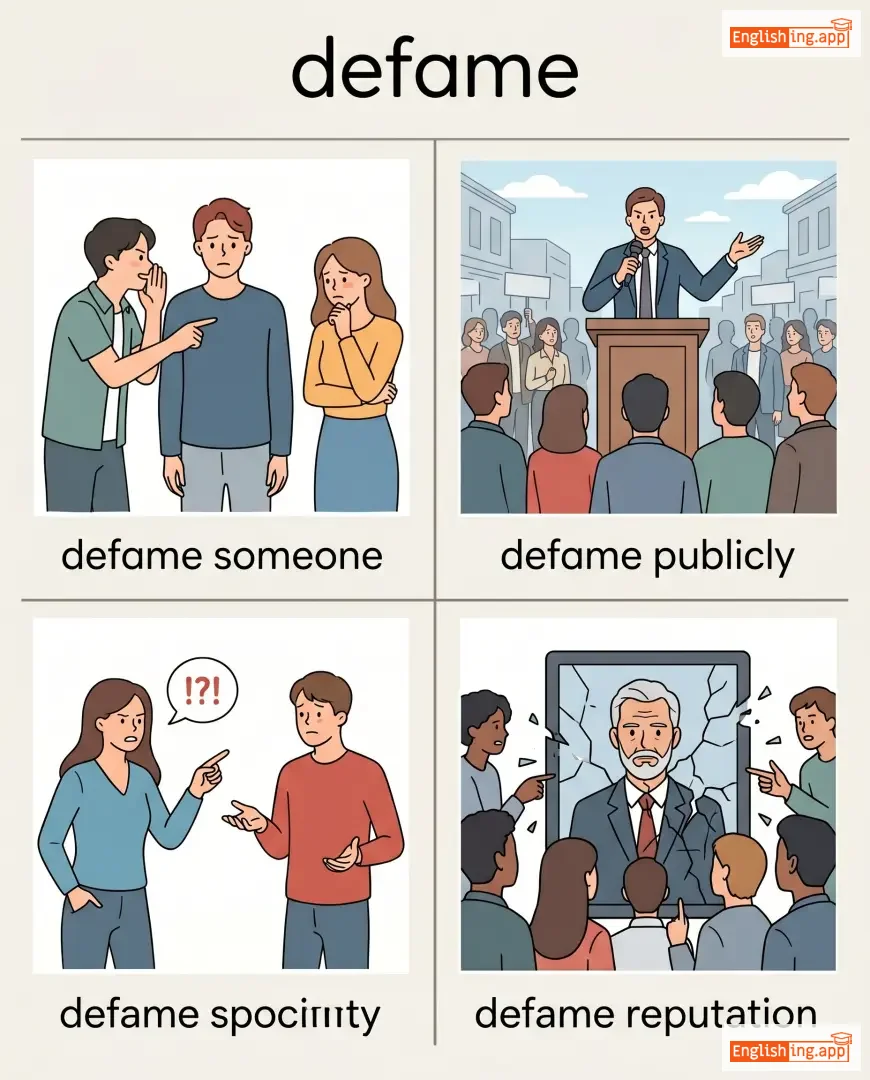
defame someone, defame publicly, defame reputation
••••••
|
De + Fame → 名声を壊す意味で名誉毀損
••••••
|
|
⚠️
••••••
|
/dɪˈfɔːlt/
noun, verb
(デフォルト)
••••••
|
|
デフォルト
deforuto
••••••
|
defaulted
デフォルテッド
••••••
|
defaulted
デフォルテッド
••••••
|
defaults
デフォルツ
••••••
|
defaulting
デフォルティング
••••••
|
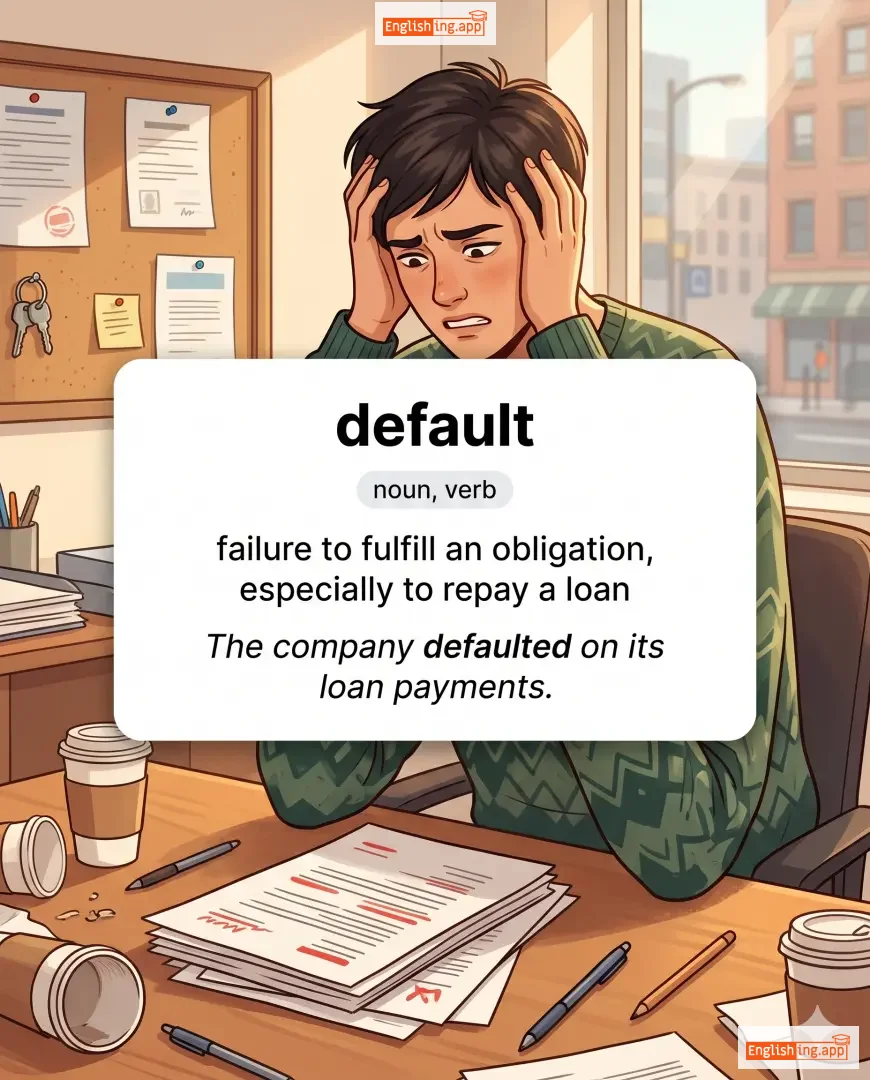
failure to fulfill an obligation, especially to repay a loan
••••••
|
The company defaulted on its loan payments.
会社はローンの支払いでデフォルトしました。
••••••
|
会社はローンの支払いでデフォルトしました。
Kaisha wa rōn no shiharai de deforuto shimashita.
••••••
|
in default
デフォルト中
••••••
|
in a state of failing to fulfill an obligation
••••••
|
デフォルト状態
deforuto jōtai
••••••
|
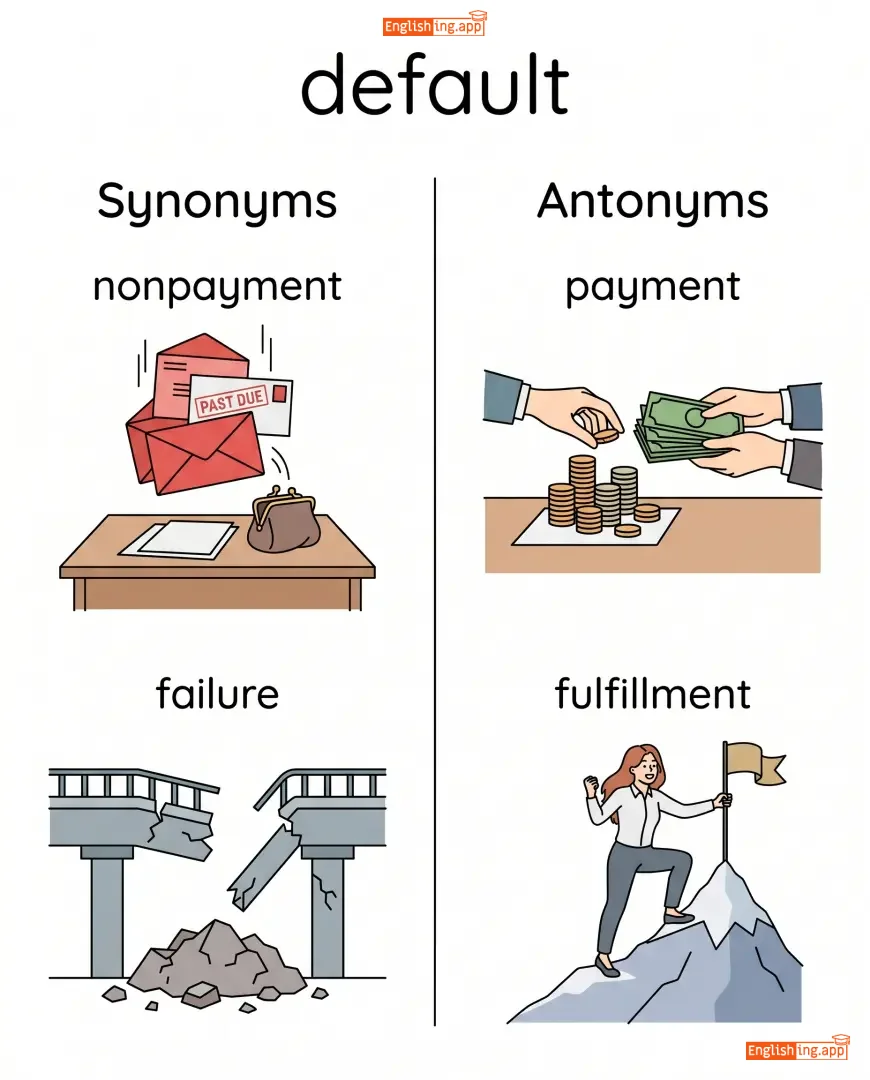
nonpayment, failure, negligence, omission
••••••
|
payment, fulfillment, compliance
••••••
|
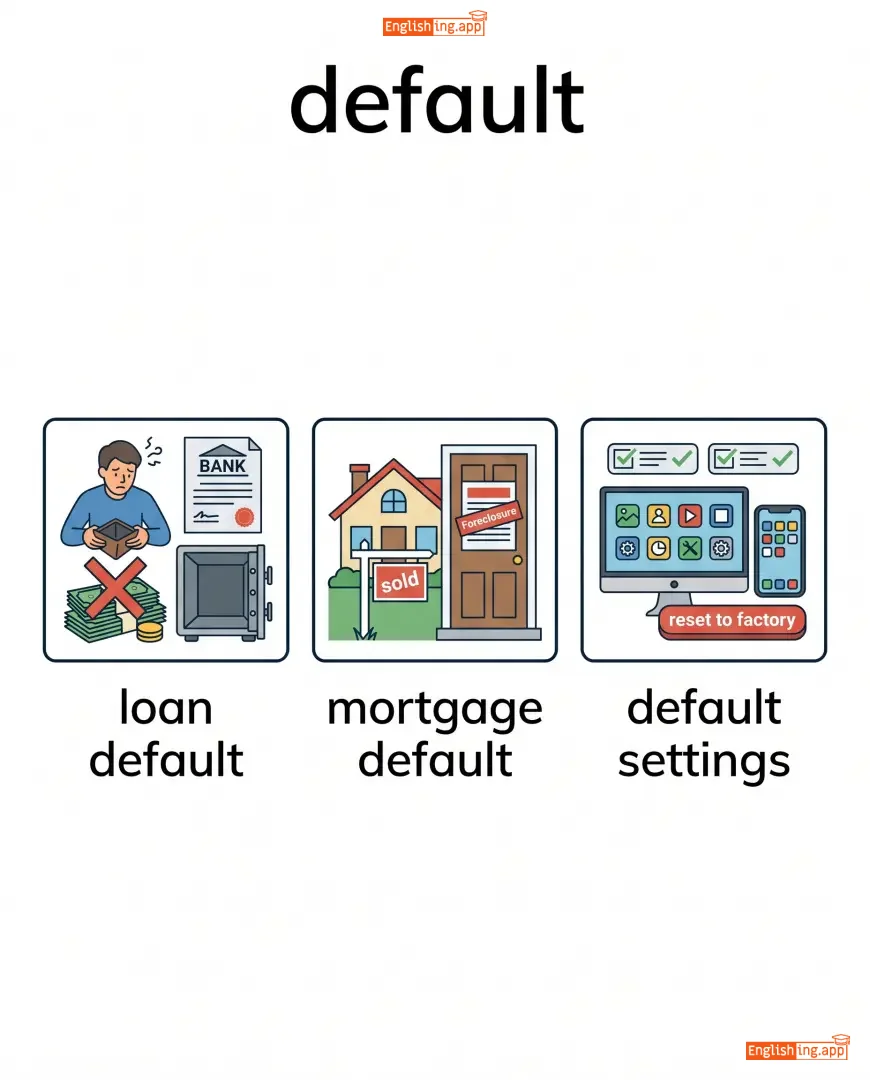
loan default, mortgage default, default settings, default judgment
••••••
|
デフォルト → 借金の返済をしない
••••••
|
|
🙏
••••••
|
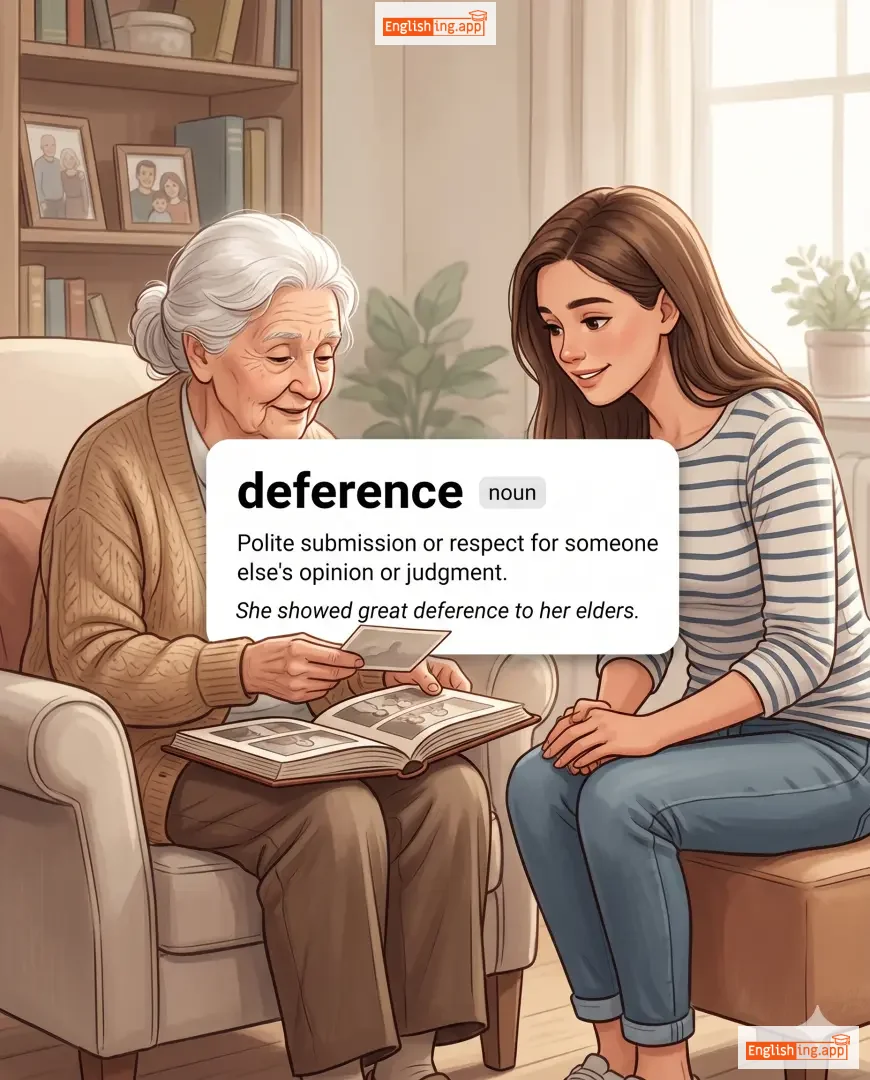
/ˈdɛfərəns/
noun
(デファレンス)
••••••
|
|
敬意
keii
••••••
|
- •••••• | - •••••• | - •••••• | - •••••• |
Polite submission or respect for someone else's opinion or judgment.
••••••
|
She showed great deference to her elders. |
彼女は年長者に大きな敬意を示しました。
Kanojo wa nenchōsha ni ōkina keii o shimeshimashita.
••••••
|
in deference to |
Out of respect or regard for someone or something.
••••••
|
敬意を表して
Keii o hyōshite
••••••
|
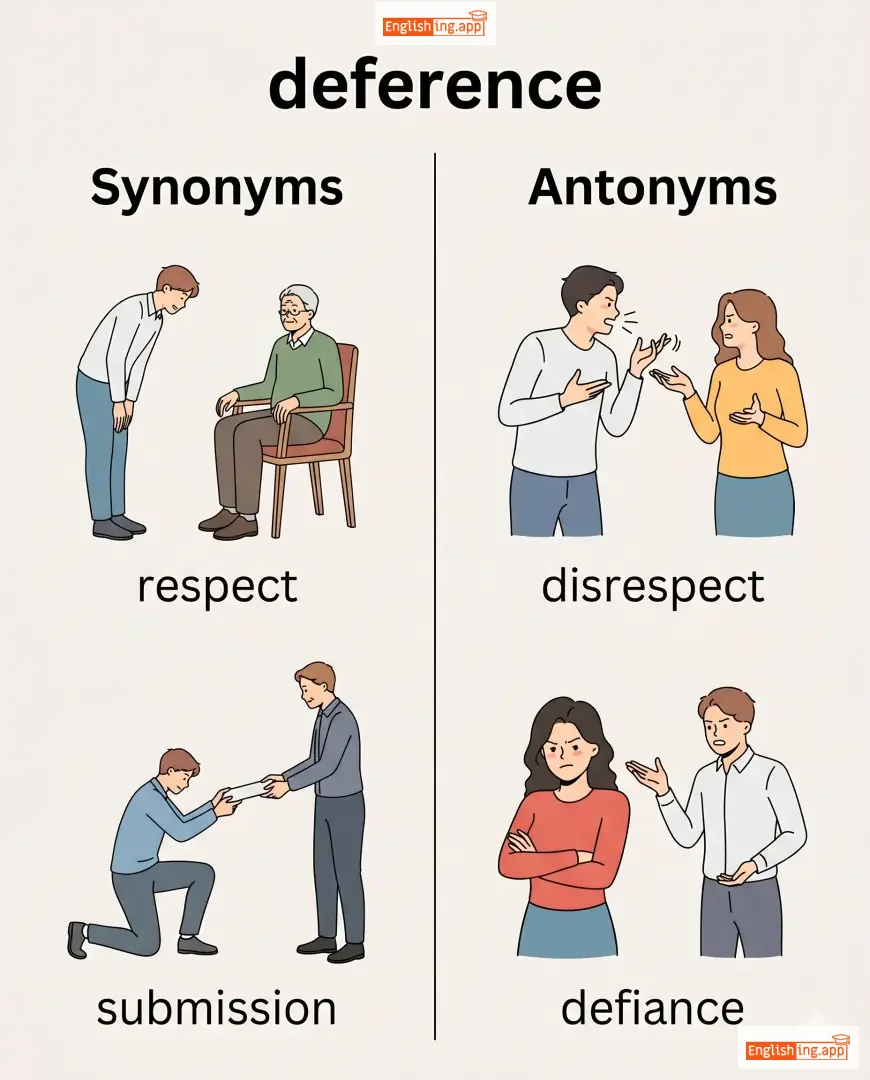
respect, submission, obedience, reverence
••••••
|
disrespect, defiance, disregard
••••••
|
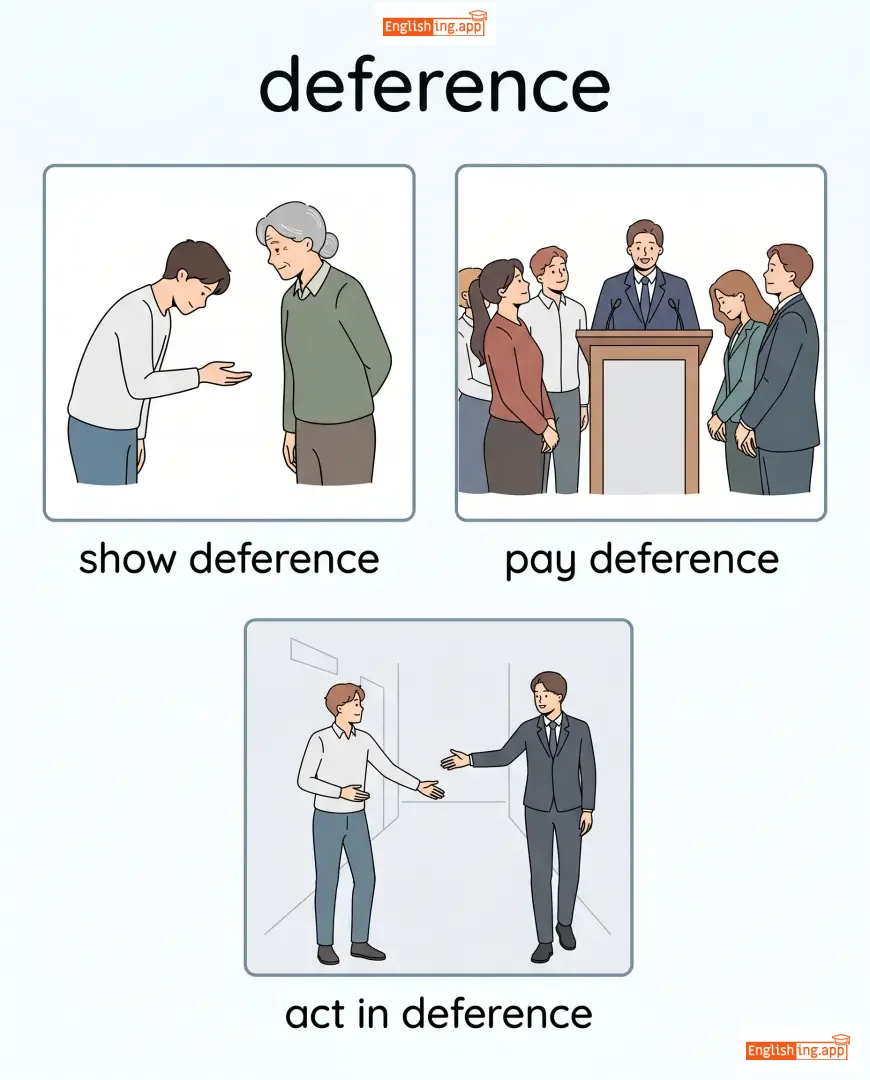
show deference, pay deference, act in deference
••••••
|
Deference は defer (延期する) + ence → 他人のために自分の意志を延期し、敬意を示す。
••••••
|
|
💀
••••••
|
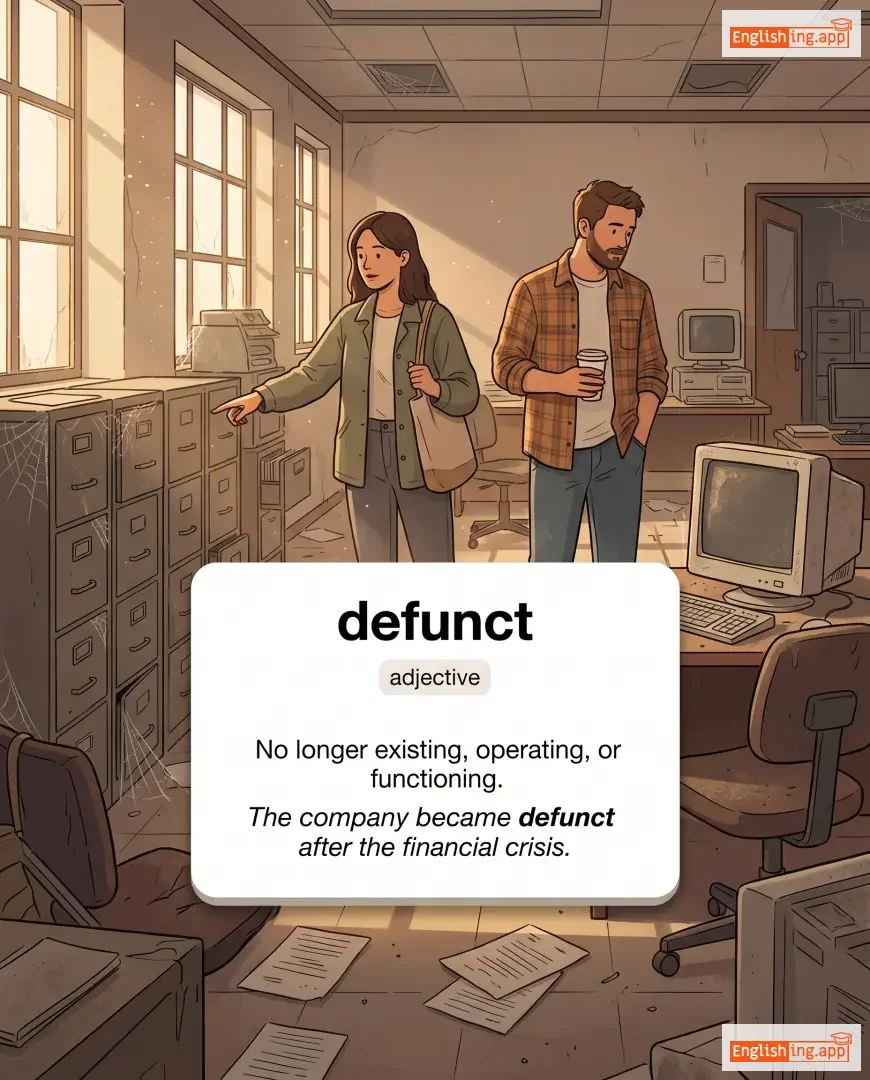
/dɪˈfʌŋkt/
adjective
(ディファンクト)
••••••
|
|
営業停止、廃止
eigyou teishi, haishi
••••••
|
- •••••• | - •••••• | - •••••• | - •••••• |
No longer existing, operating, or functioning.
••••••
|
The company became defunct after the financial crisis.
その会社は金融危機の後で廃業しました。
••••••
|
その会社は金融危機の後で廃業しました。
Sono kaisha wa kin'yuukiki no ato de haigiou shimashita.
••••••
|
- •••••• | - •••••• | - •••••• |
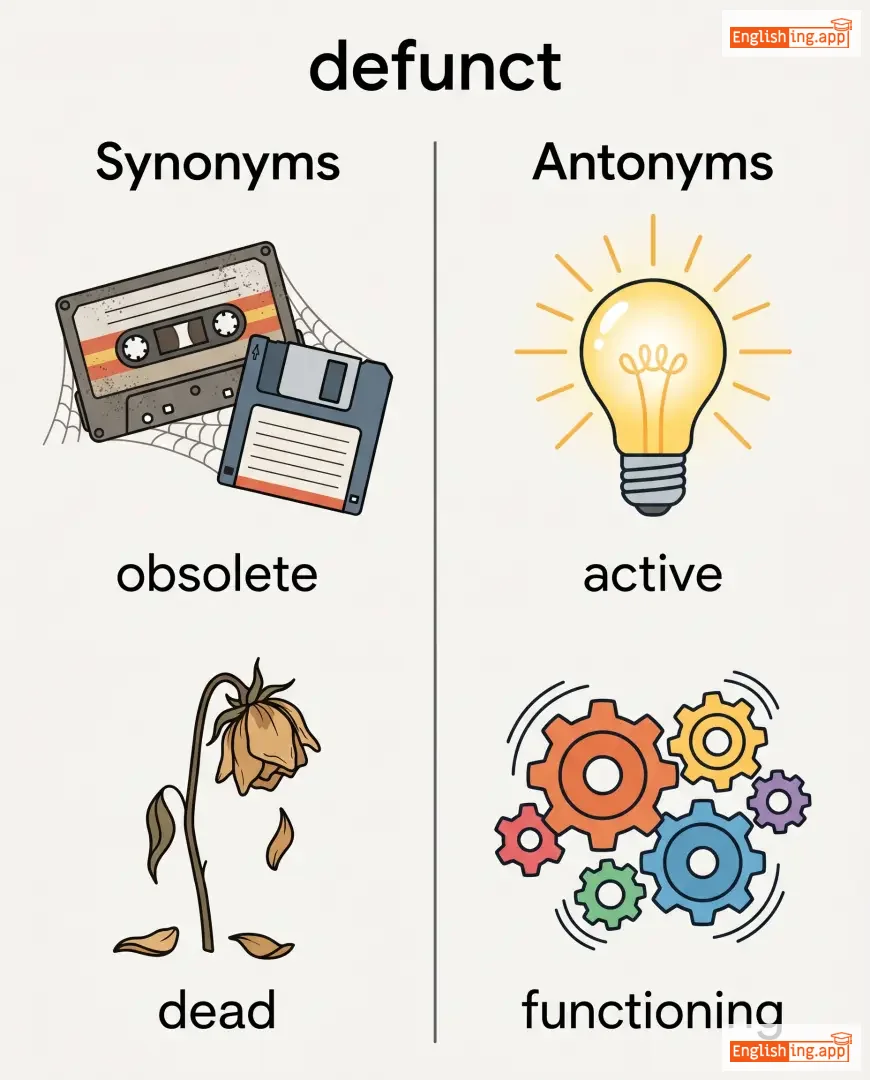
obsolete, dead, extinct, nonfunctional
••••••
|
active, functioning, operational
••••••
|
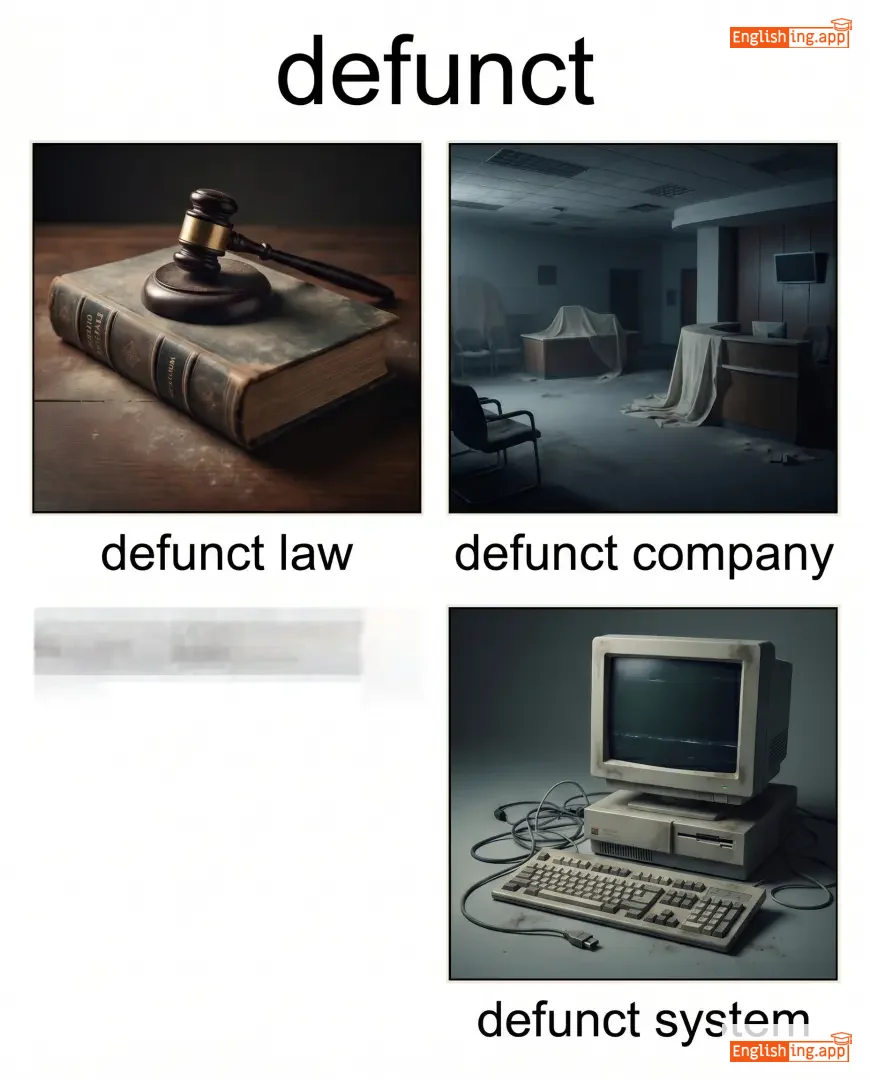
defunct law, defunct company, defunct system
••••••
|
Defunctは、何かが動作しなくなった状態を意味します。例えば、危機後の会社。
••••••
|
|
📝
••••••
|
/dɪˈlɪnieɪt/
verb
(デリニエイト)
••••••
|

|
明確に描く
meikaku ni kaku
••••••
|
delineated
デリニエイテッド
••••••
|
delineated
デリニエイテッド
••••••
|
delineates
デリニエイツ
••••••
|
delineating
デリニエイティング
••••••
|
to describe, portray, or define something precisely and clearly
••••••
|
The contract clearly delineates the responsibilities of each party.
契約書は各当事者の責任を明確に定義しています。
••••••
|
契約書は各当事者の責任を明確に定義しています。
Keiyaku-sho wa kaku tōjisha no sekinin o meikaku ni teigi shiteimasu.
••••••
|
- •••••• | - •••••• | - •••••• |
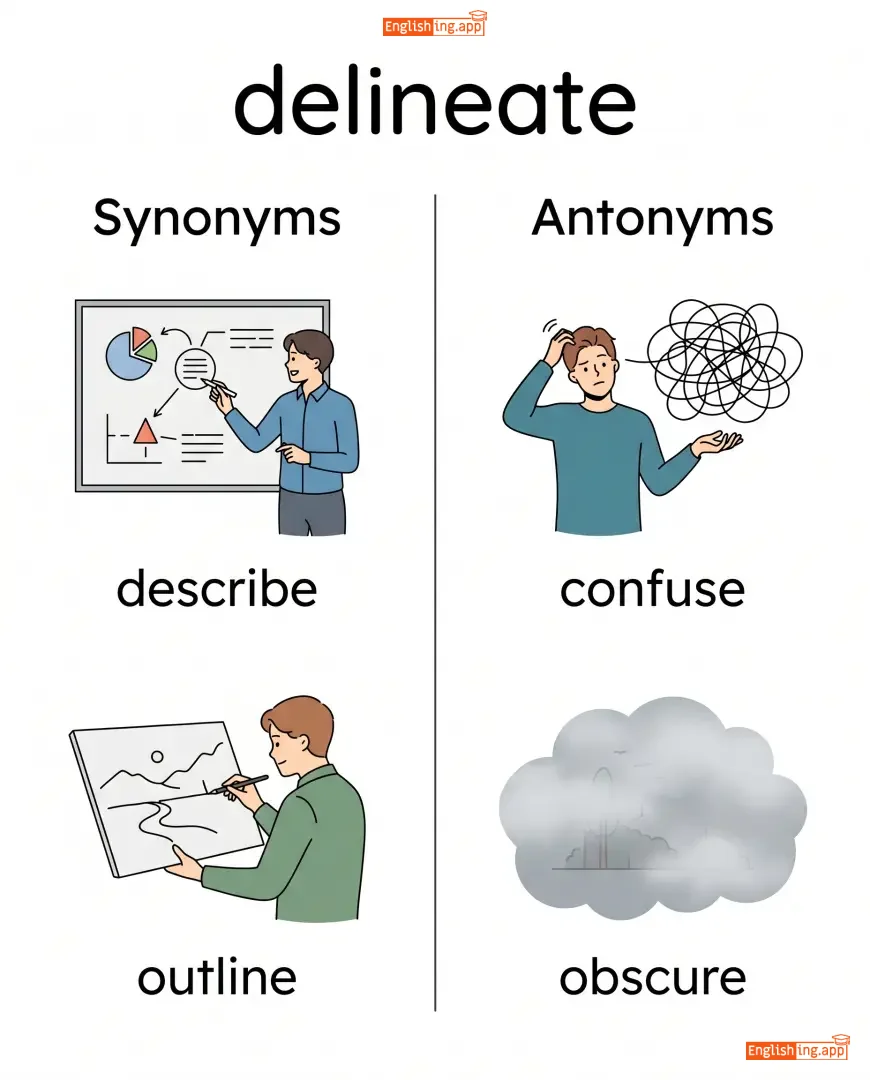
describe, outline, depict, portray, specify
••••••
|
confuse, obscure, distort
••••••
|
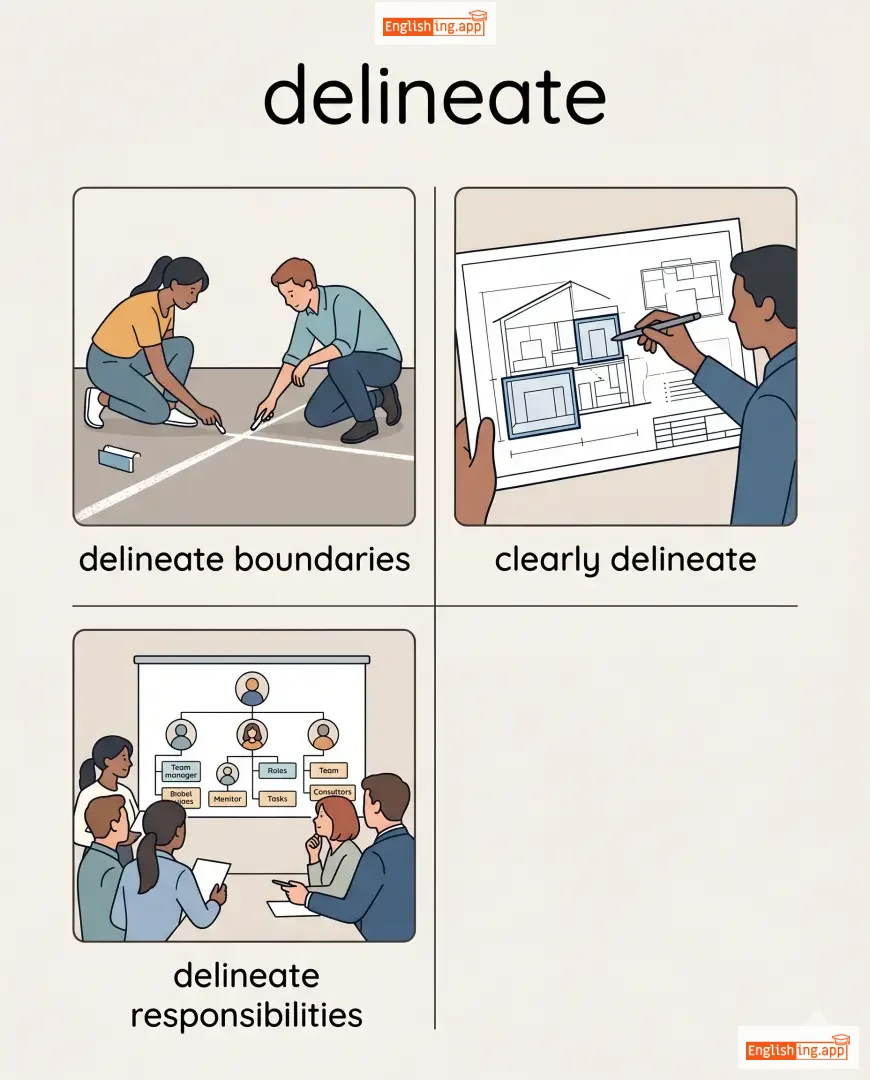
delineate boundaries, clearly delineate, delineate responsibilities, delineate process
••••••
|
明確に描く、線を描くように
••••••
|
|
📊
••••••
|
/ˌdɛməˈɡræfɪk/
adjective
(デモグラフィック)
••••••
|
|
人口統計学的
jinkou toukeigakuteki
••••••
|
- •••••• | - •••••• | - •••••• | - •••••• |
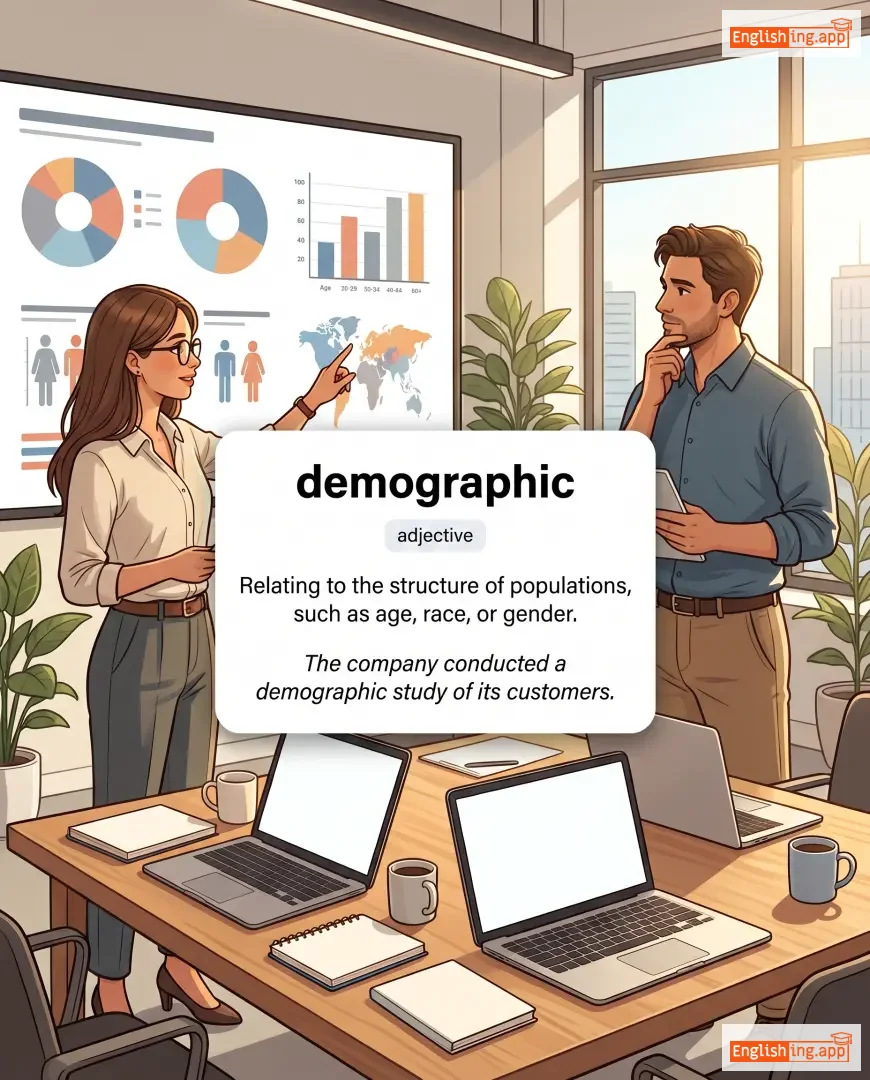
Relating to the structure of populations, such as age, race, or gender.
••••••
|
The company conducted a demographic study of its customers. |
その会社は顧客に対して人口統計学的な調査を行いました。
Sono kaisha wa kokyaku ni taishite jinkou toukeigakuteki na chousa wo okonaimashita.
••••••
|
demographic shift |
a change in the structure of a population
••••••
|
人口統計学的変化
jinkou toukeigakuteki henka
••••••
|
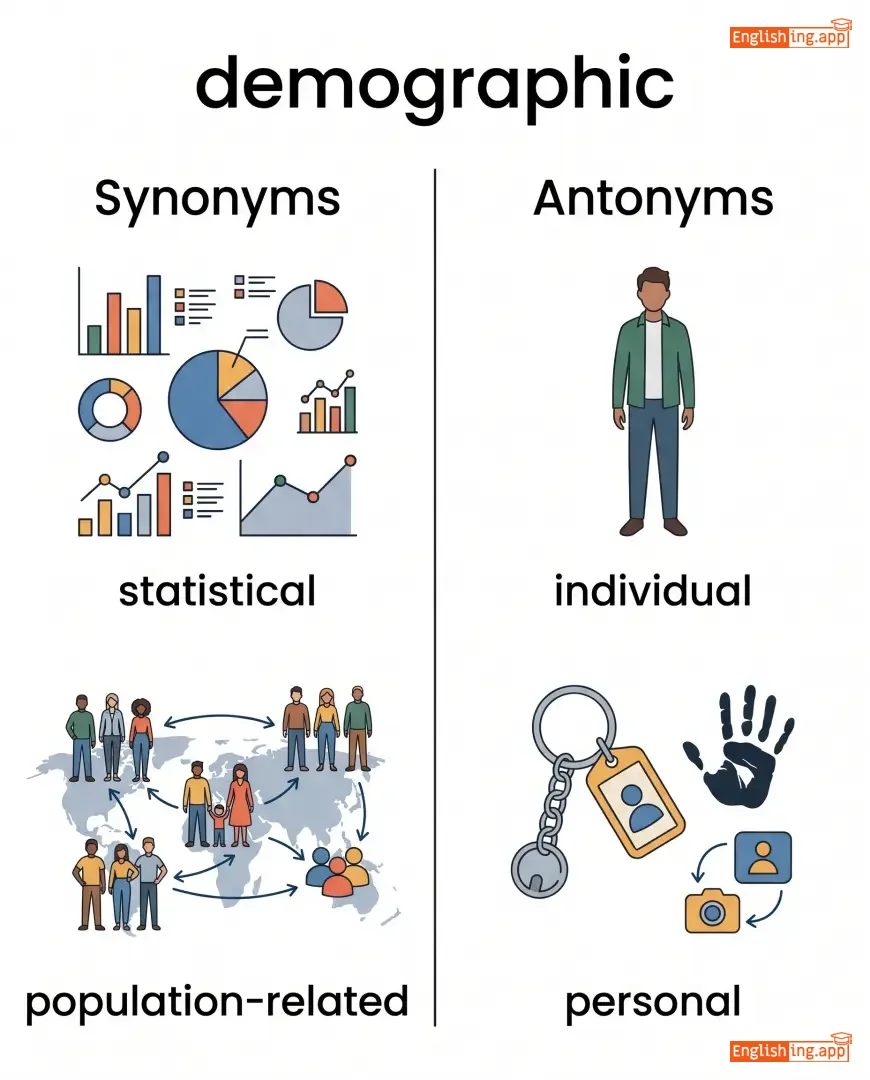
statistical, population-related, social, census-based
••••••
|
individual, personal
••••••
|
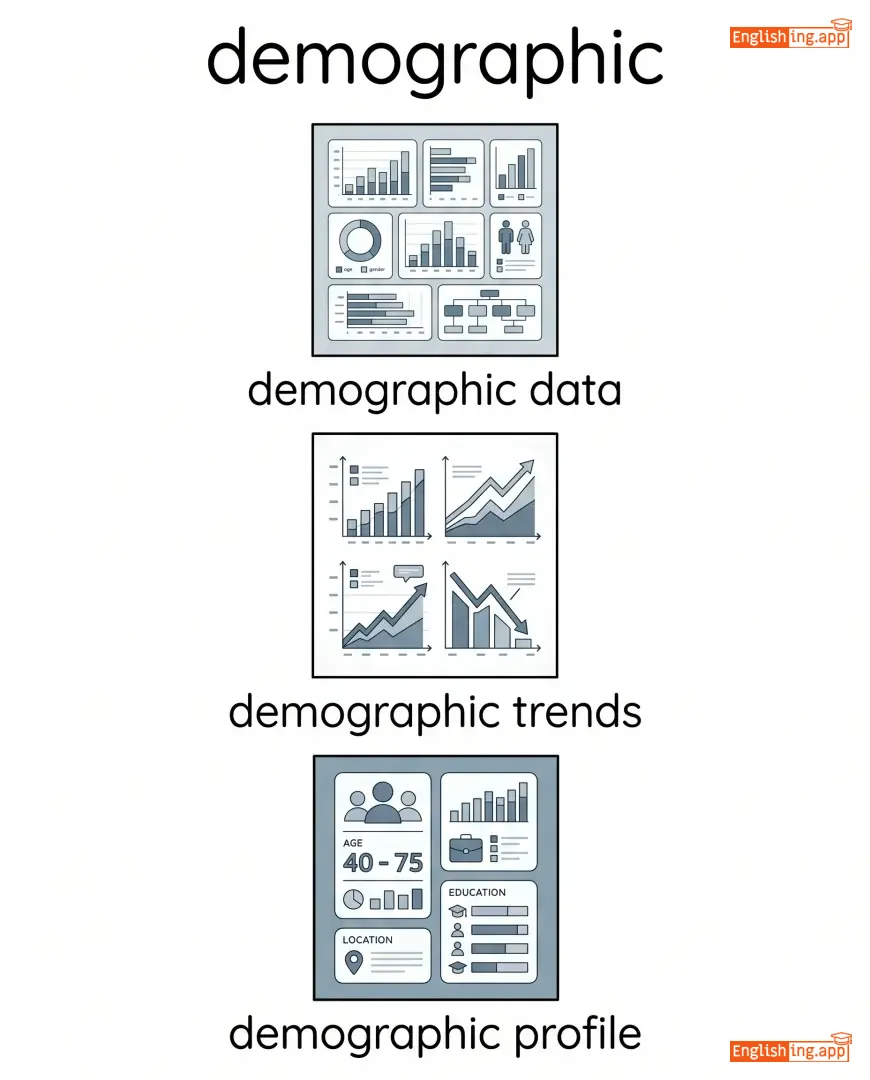
demographic data, demographic trends, demographic profile, demographic change
••••••
|
Demo+Graphic—Demoは人々を意味し、Graphicは画像を意味します。人々の画像が人口統計学的です。
••••••
|
|
🗣️
••••••
|
/dɪˈmɒtɪk/
adjective
(デモティック)
••••••
|
|
一般的な言語に関する
ippanteki na gengo ni kansuru
••••••
|
- •••••• | - •••••• | - •••••• | - •••••• |
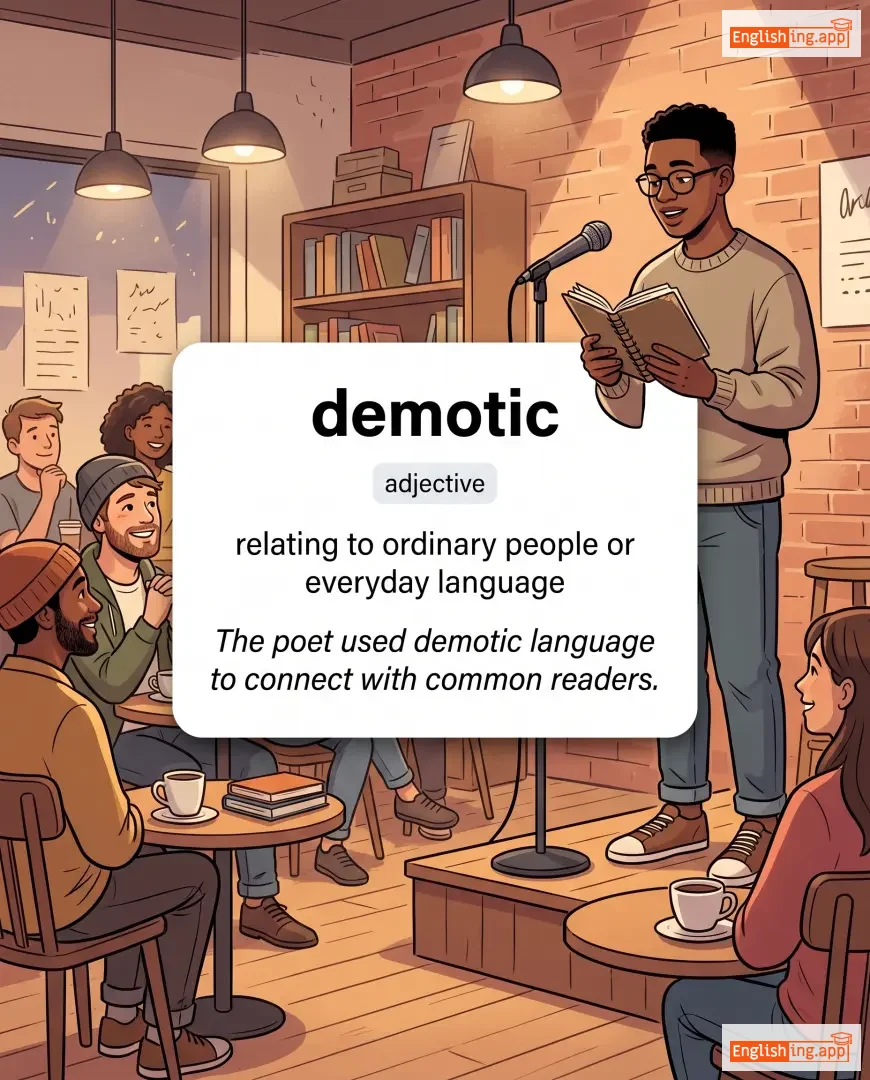
relating to ordinary people or everyday language
••••••
|
The poet used demotic language to connect with common readers.
詩人は一般の読者とつながるためにデモティックな言葉を使った。
••••••
|
詩人は一般の読者とつながるために一般的な言語に関する言葉を使った。
Shijin wa ippan no dokusha to tsunagaru tame ni ippanteki na gengo ni kansuru kotoba o tsukatta.
••••••
|
- •••••• | - •••••• | - •••••• |
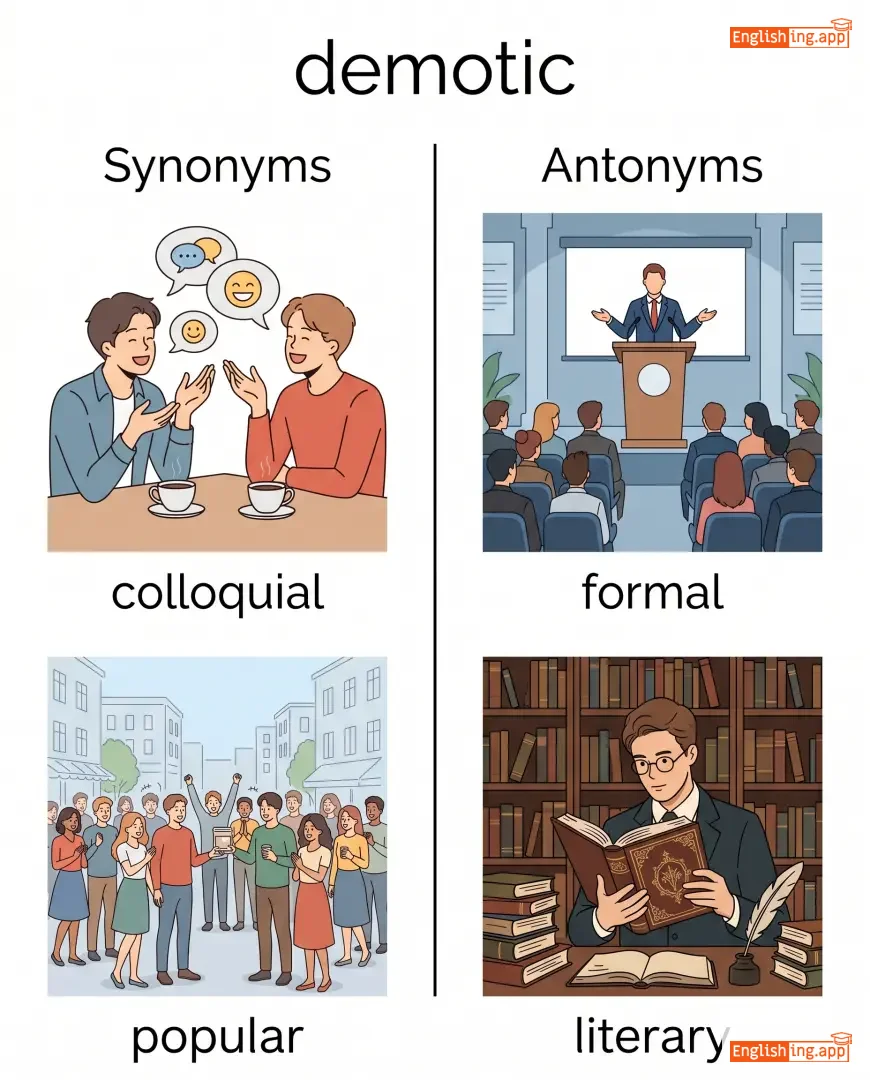
colloquial, popular, common, everyday
••••••
|
formal, literary
••••••
|
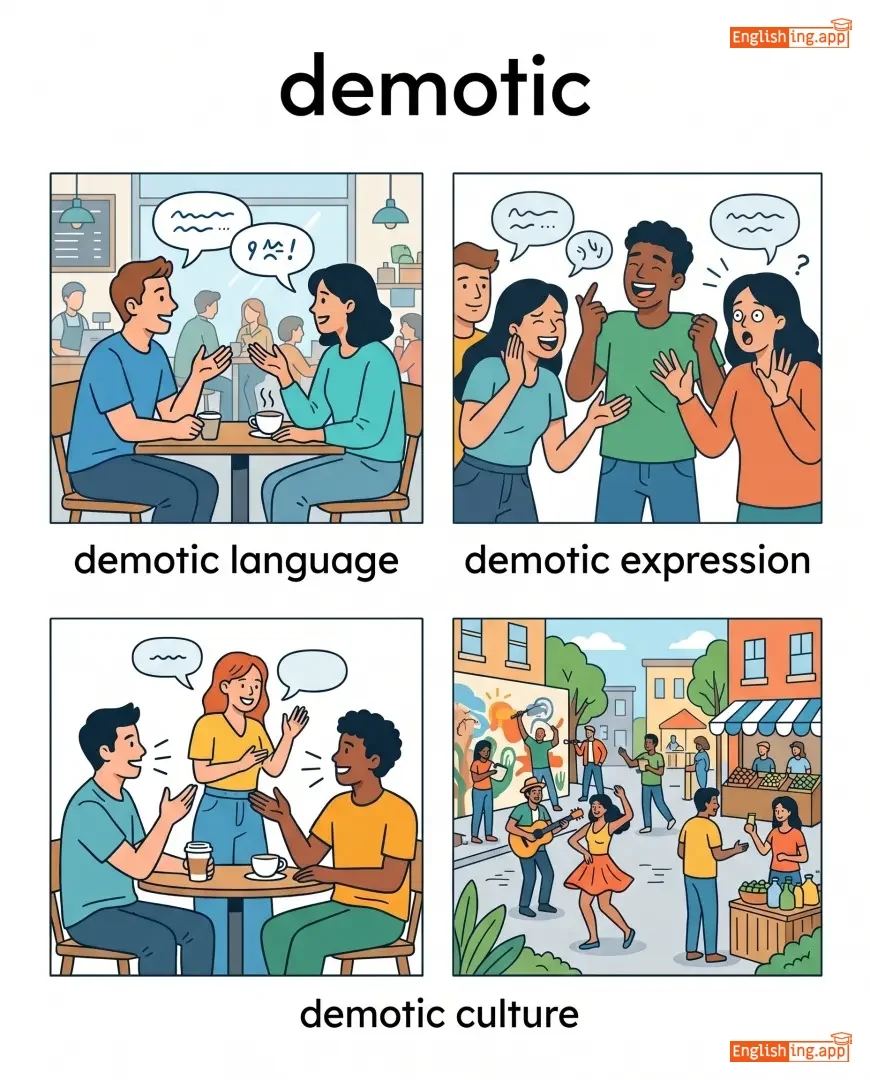
demotic language, demotic expression, demotic culture
••••••
|
De + motic → motic は '一般' に関連し、したがってdemoticは一般的な言語に関する
••••••
|
|
🤔
••••••
|
/dɪˈmɜːr/
verb
(ディマーレ)
••••••
|
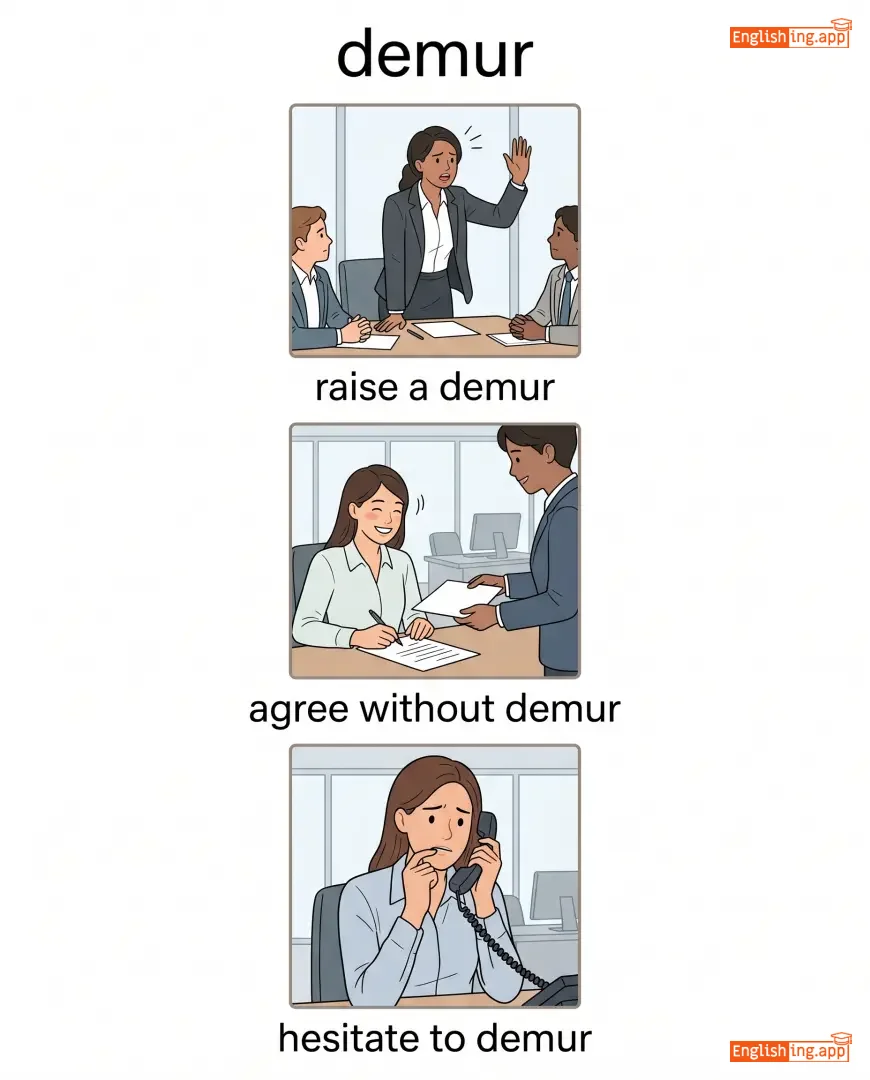
|
異議を唱える
igi o tonaeru
••••••
|
demurred
デマード
••••••
|
demurred
デマード
••••••
|
demurs
デマーズ
••••••
|
demurring
デマリング
••••••
|
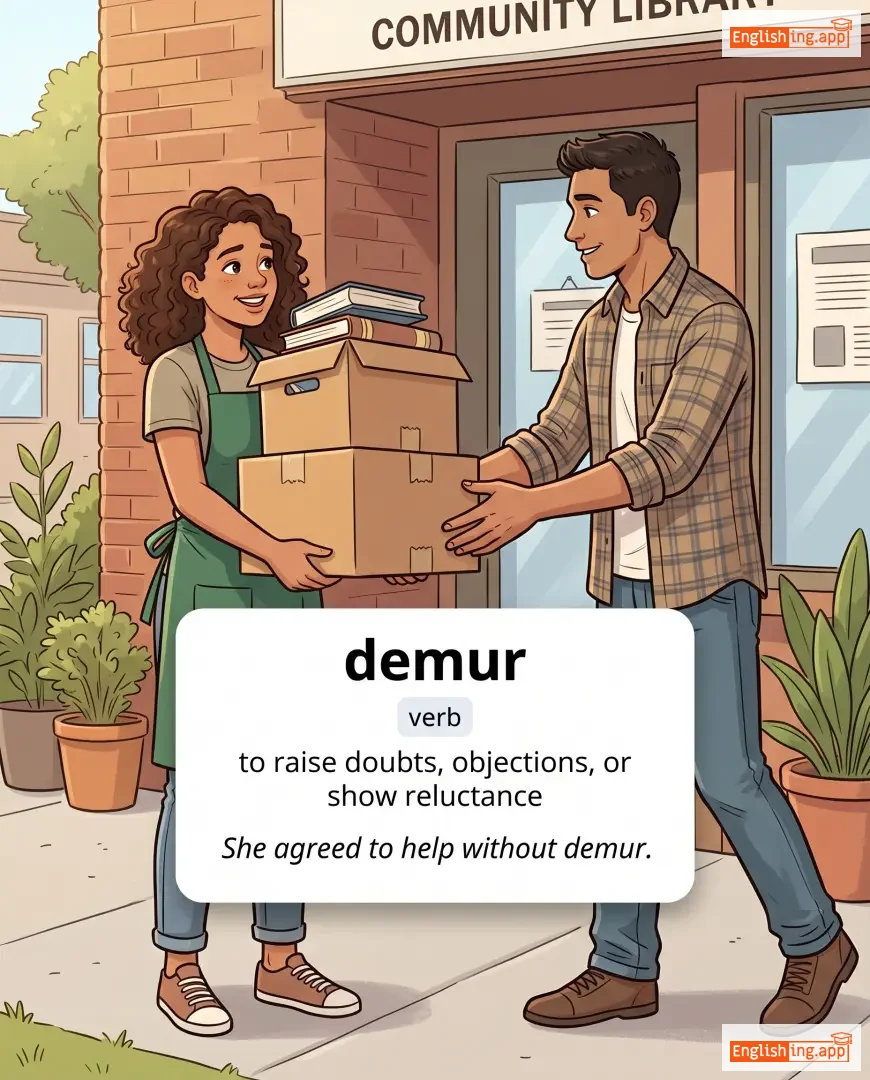
to raise doubts, objections, or show reluctance
••••••
|
She agreed to help without demur.
彼女は異議なく手伝うことに同意しました。
••••••
|
彼女は異議なく手伝うことに同意しました。
Kanojo wa igi naku tetsudau koto ni dōi shimashita.
••••••
|
without demur
異議なく
••••••
|
without objection or hesitation
••••••
|
異議なく
igi naku
••••••
|
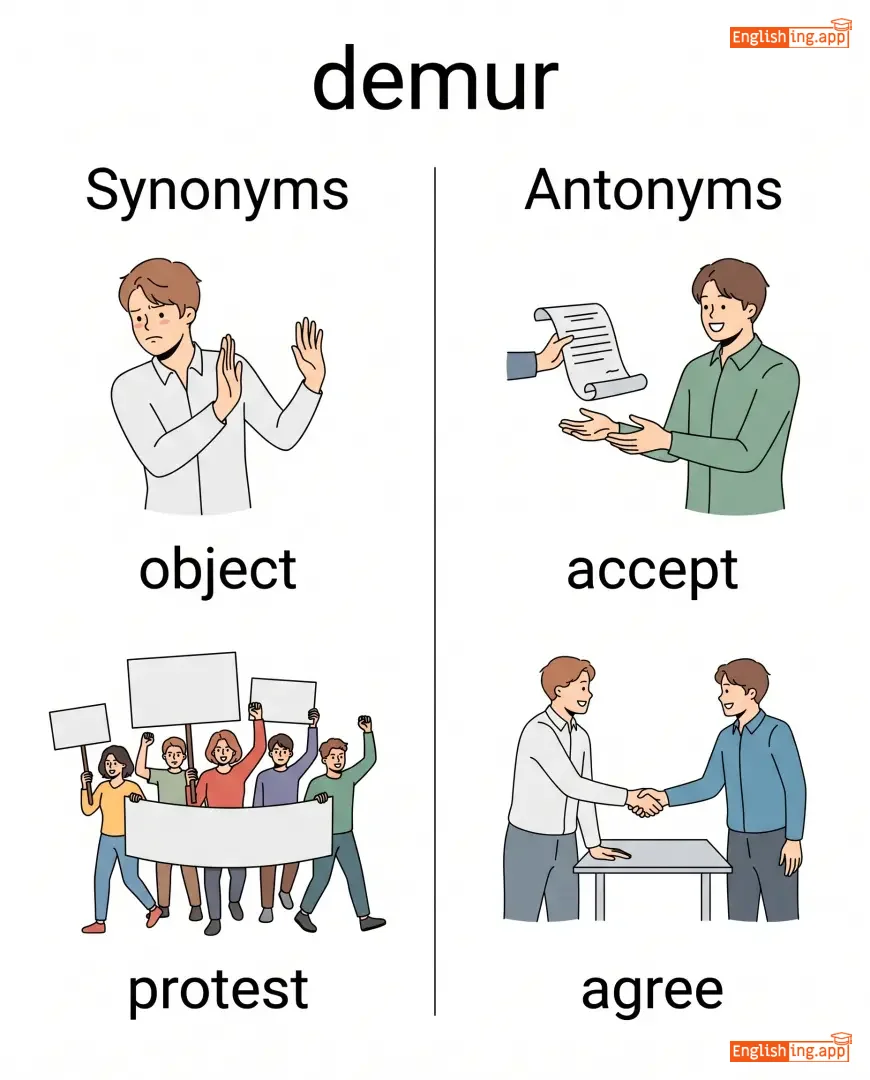
object, protest, hesitate, oppose, refuse
••••••
|
accept, agree, consent
••••••
|
raise a demur, agree without demur, hesitate to demur
••••••
|
ディマーレ = 異議を唱える
••••••
|
|
🗣️
••••••
|
/ˈdɛnɪˌɡreɪt/
verb
(デニグレイト)
••••••
|
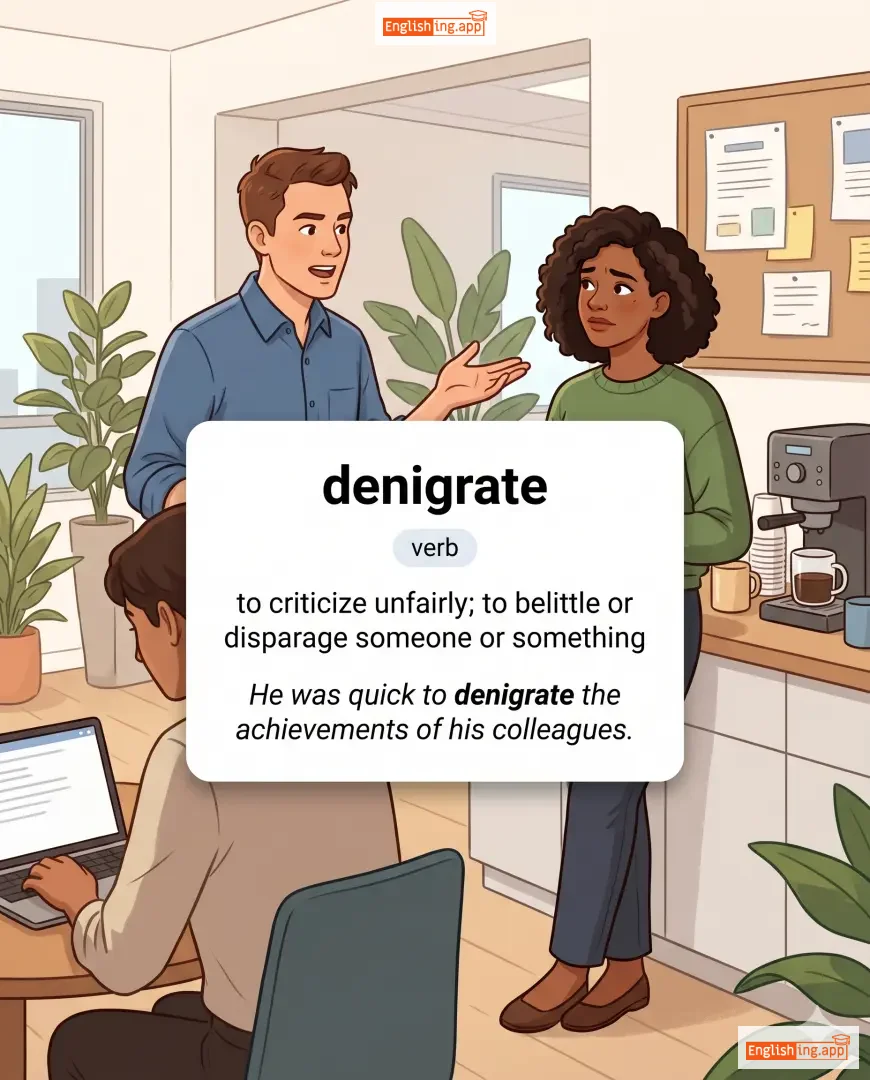
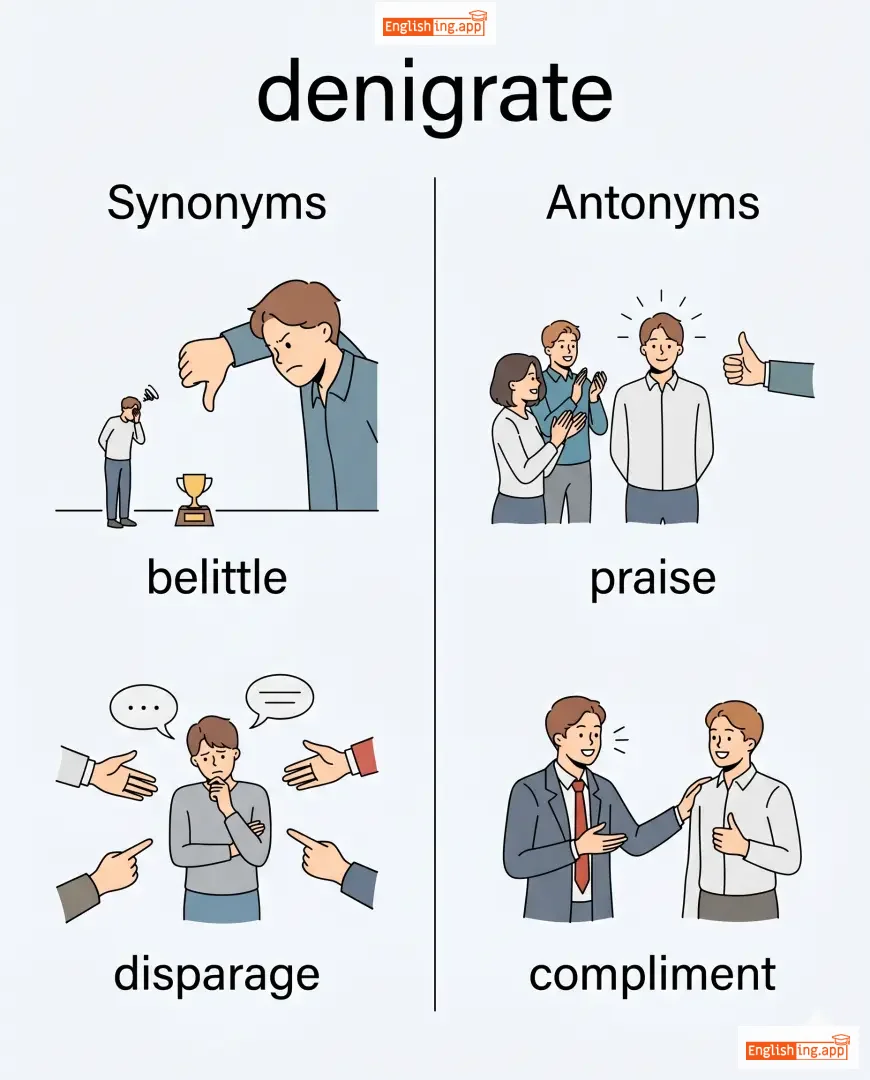
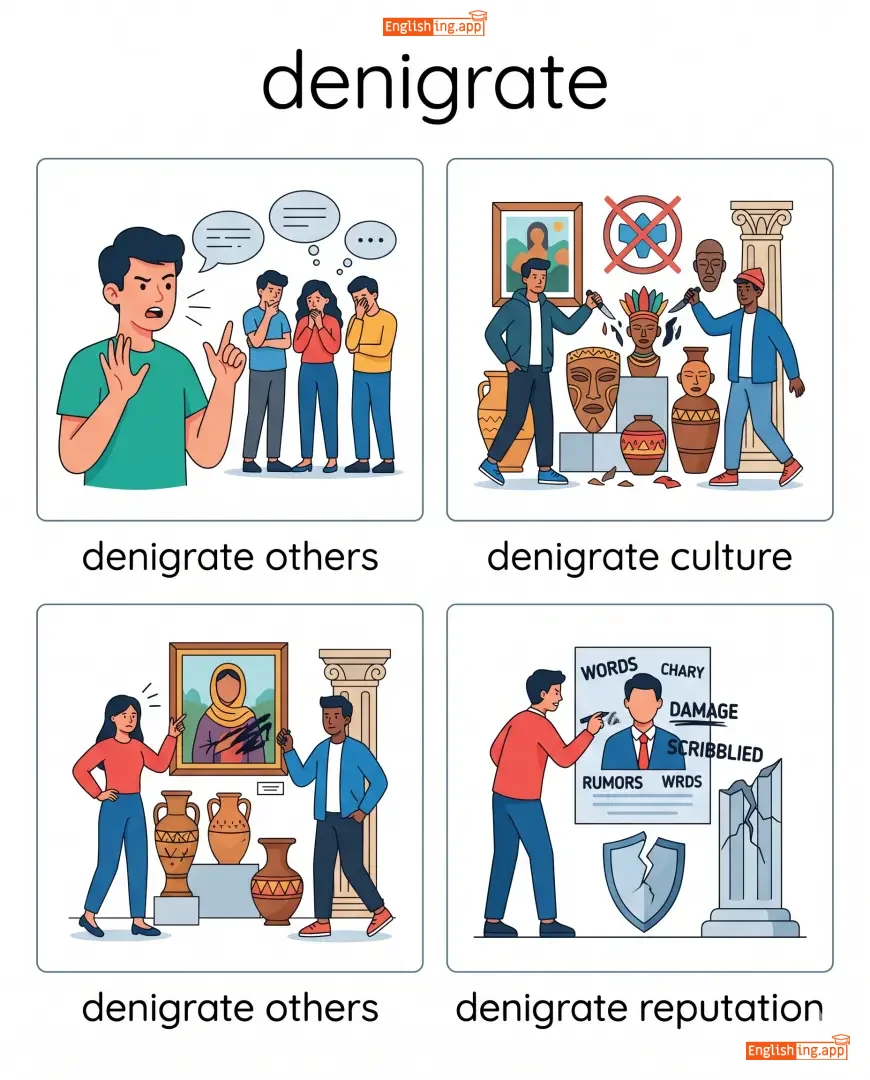
|
貶める
otoshimeru
••••••
|
denigrated
デニグレイテッド
••••••
|
denigrated
デニグレイテッド
••••••
|
denigrates
デニグレイツ
••••••
|
denigrating
デニグレイティング
••••••
|
to criticize unfairly; to belittle or disparage someone or something
••••••
|
He was quick to denigrate the achievements of his colleagues.
彼は同僚の業績をすぐに軽視しました。
••••••
|
彼は同僚の業績をすぐに貶めました。
Kare wa dōryō no gyōseki o sugu ni otoshimemashita.
••••••
|
- •••••• | - •••••• | - •••••• |
belittle, disparage, defame, slander, deprecate
••••••
|
praise, compliment, honor
••••••
|
denigrate others, denigrate culture, denigrate reputation, denigrate efforts
••••••
|
貶める = 'デニグレイト'という言葉が‘軽視’に似ている
••••••
|
|
🏠
••••••
|
/ˈdɛnɪzən/
noun
(デニゼン)
••••••
|
|
住民
jūmin
••••••
|
- •••••• | - •••••• | - •••••• | - •••••• |
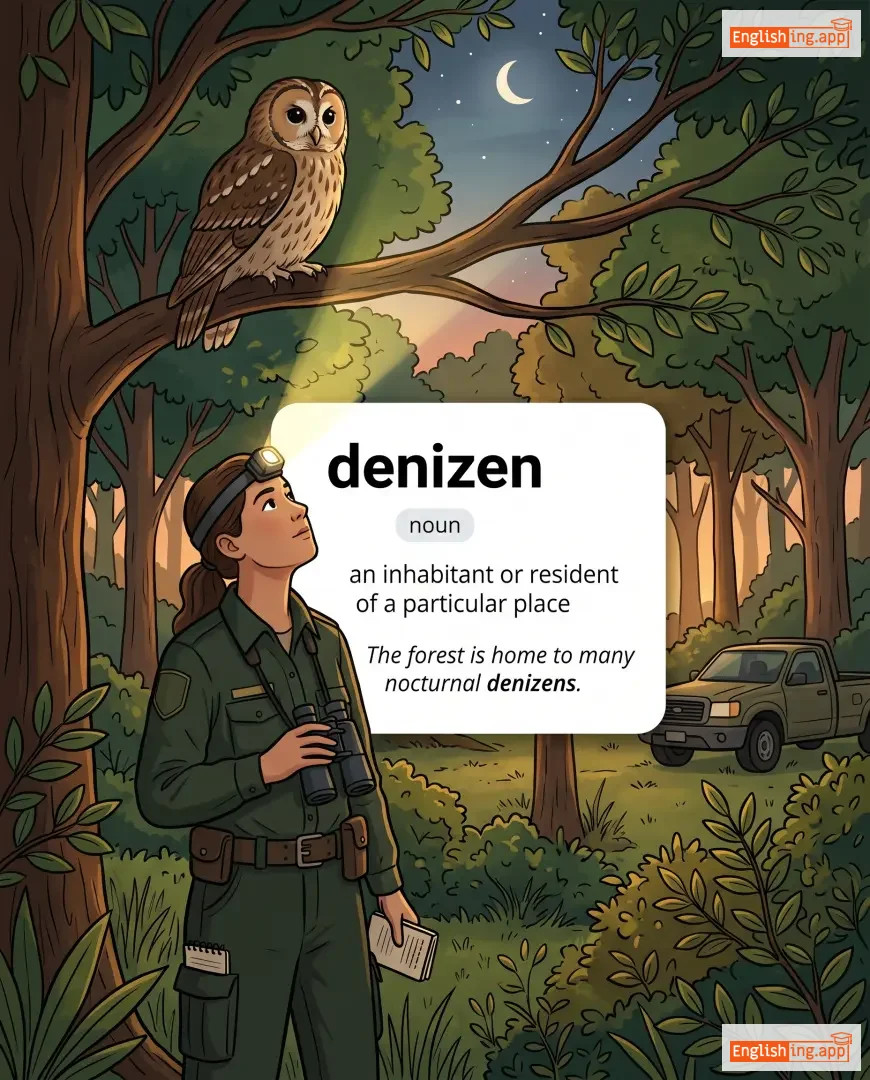
an inhabitant or resident of a particular place
••••••
|
The forest is home to many nocturnal denizens. |
その森は多くの夜行性の住民の家です。
Sono mori wa ōku no yakōsei no jūmin no ie desu.
••••••
|
- •••••• | - •••••• | - •••••• |
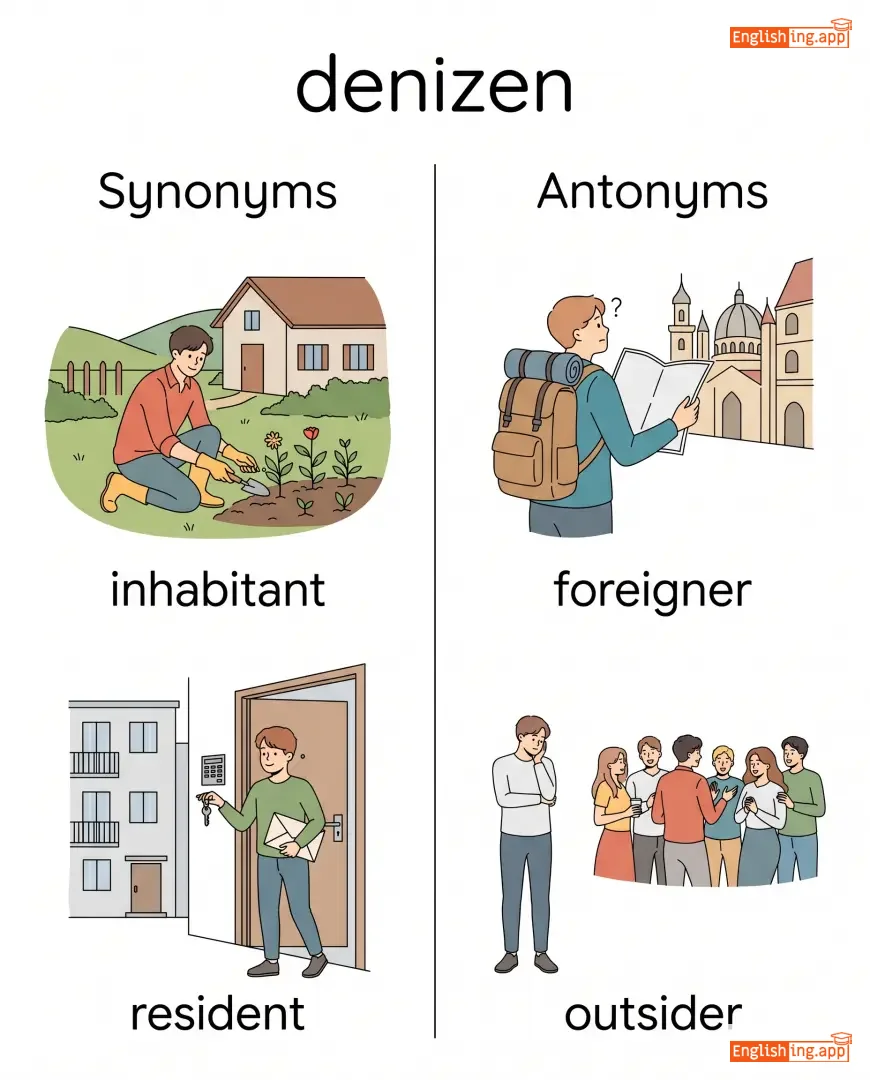
inhabitant, resident, dweller, native, occupant
••••••
|
foreigner, outsider, visitor
••••••
|
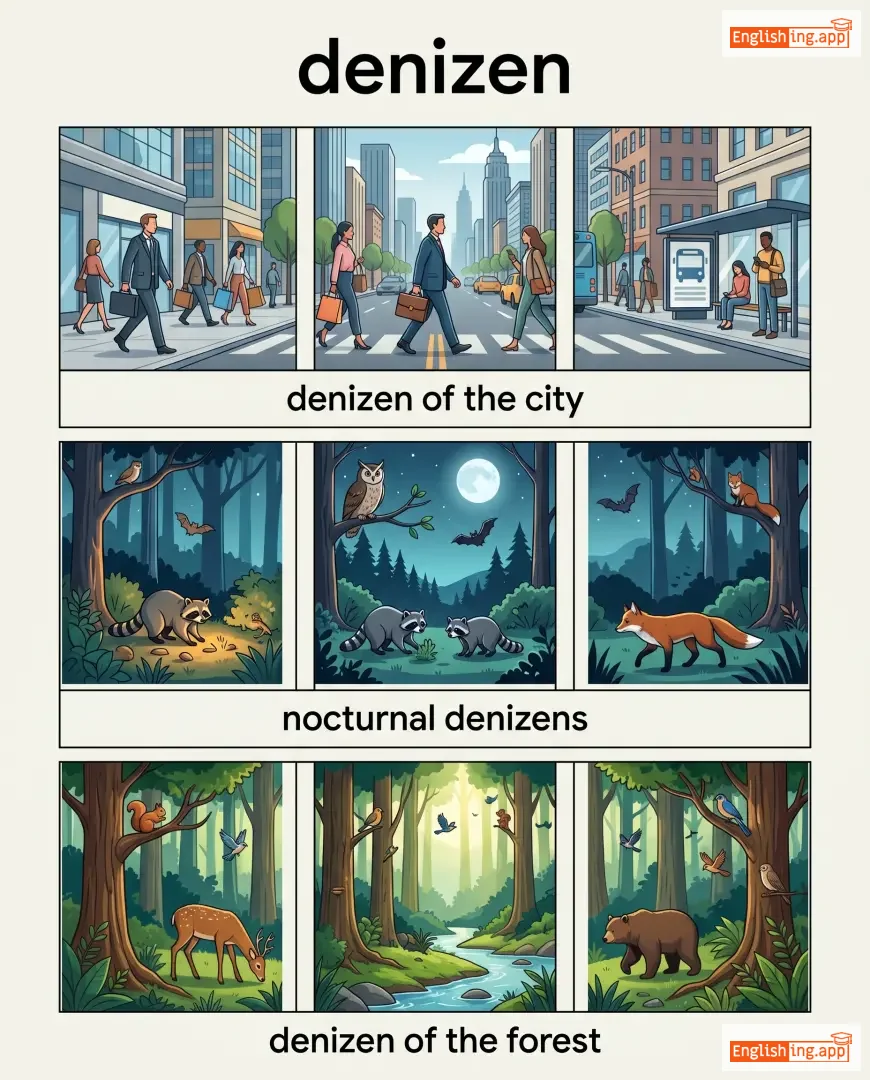
denizen of the city, nocturnal denizens, denizen of the forest
••••••
|
'Denizen' は森に住む住民のようなものです。
••••••
|
|
🎭
••••••
|
/ˌdeɪnuːˈmɒ̃/
noun
(デヌーモン)
••••••
|

|
結末
ketsumatsu
••••••
|
- •••••• | - •••••• | - •••••• | - •••••• |
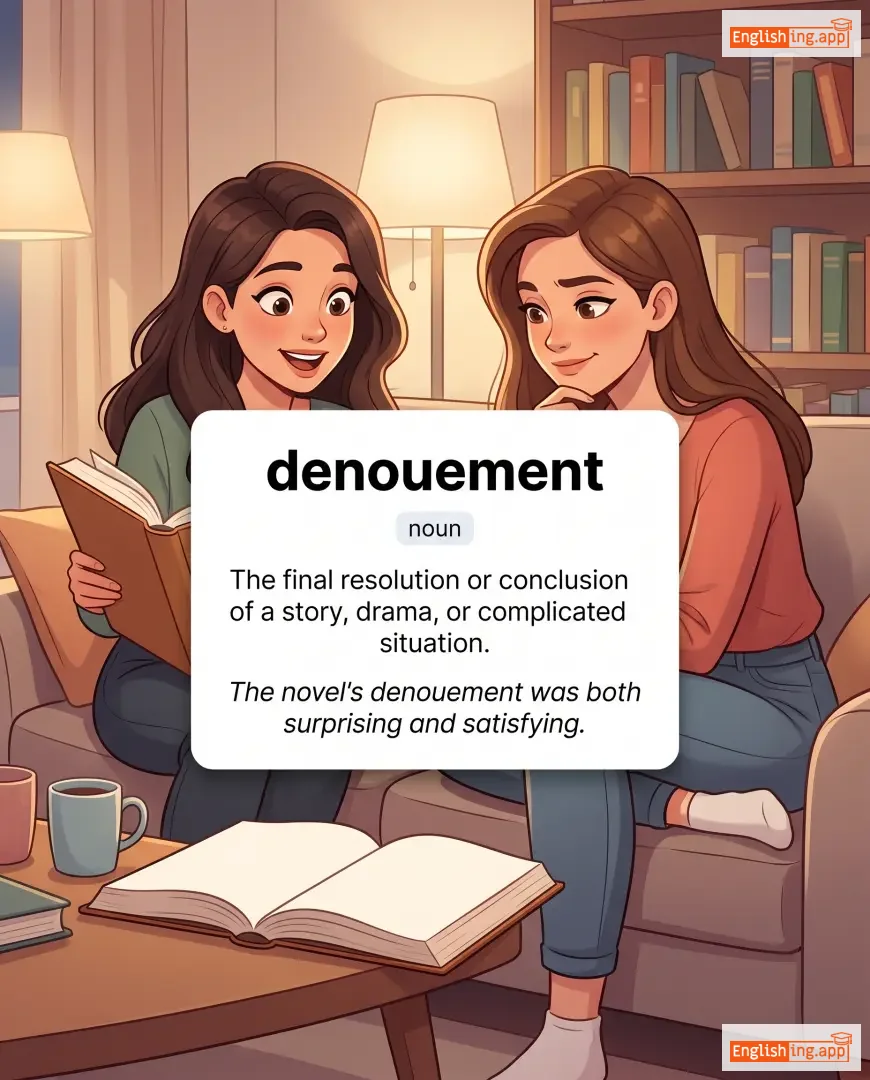
The final resolution or conclusion of a story, drama, or complicated situation.
••••••
|
The novel's denouement was both surprising and satisfying. |
その小説の結末は驚くべきものであり、満足のいくものでした。
Sono shousetsu no ketsumatsu wa odorokubeki mono de ari, manzoku no iku mono deshita.
••••••
|
- •••••• | - •••••• | - •••••• |
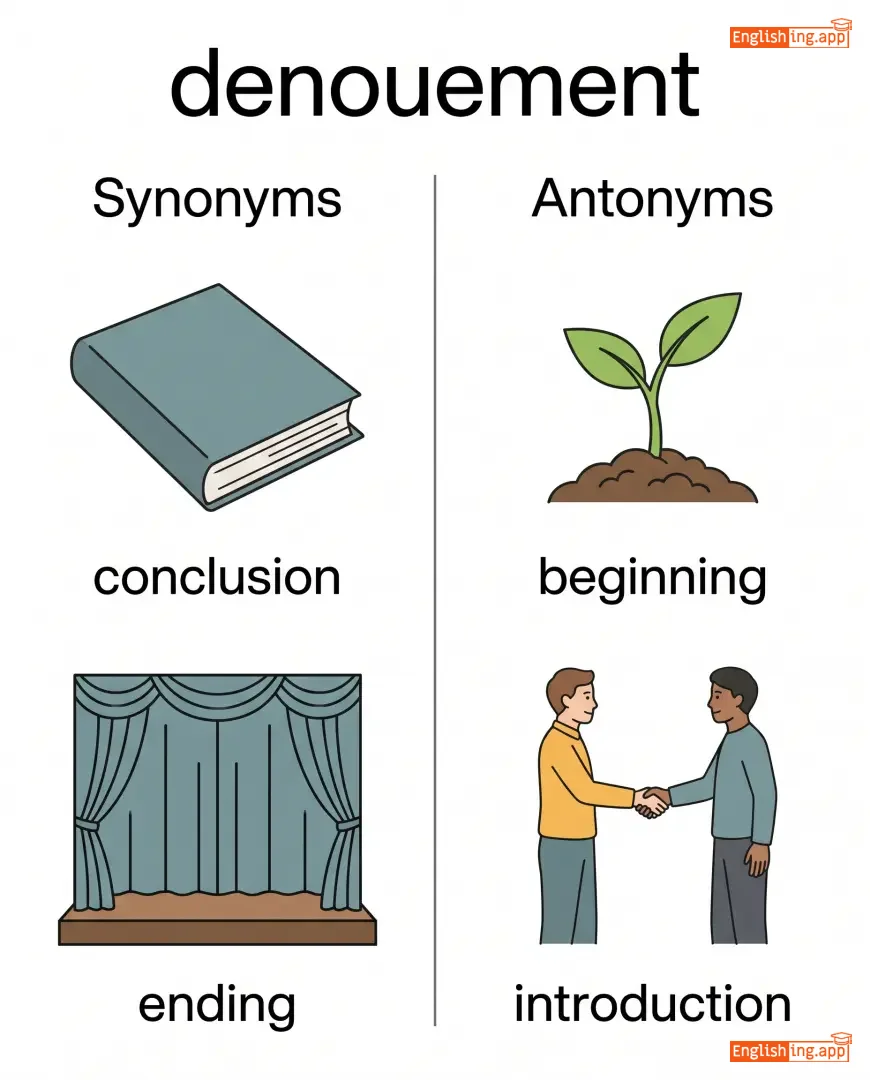
conclusion, ending, resolution, finale, climax
••••••
|
beginning, introduction
••••••
|
dramatic denouement, sudden denouement, story denouement, final denouement
••••••
|
結末は物語の最終的な終わり、すべての謎が解決する瞬間です。
••••••
|
|
😂
••••••
|
/dɪˈraɪd/
verb
(ディライド)
••••••
|
|
嘲笑する
choushou suru
••••••
|
derided
ディライデッド
••••••
|
derided
ディライデッド
••••••
|
derides
ディライドス
••••••
|
deriding
ディライディング
••••••
|
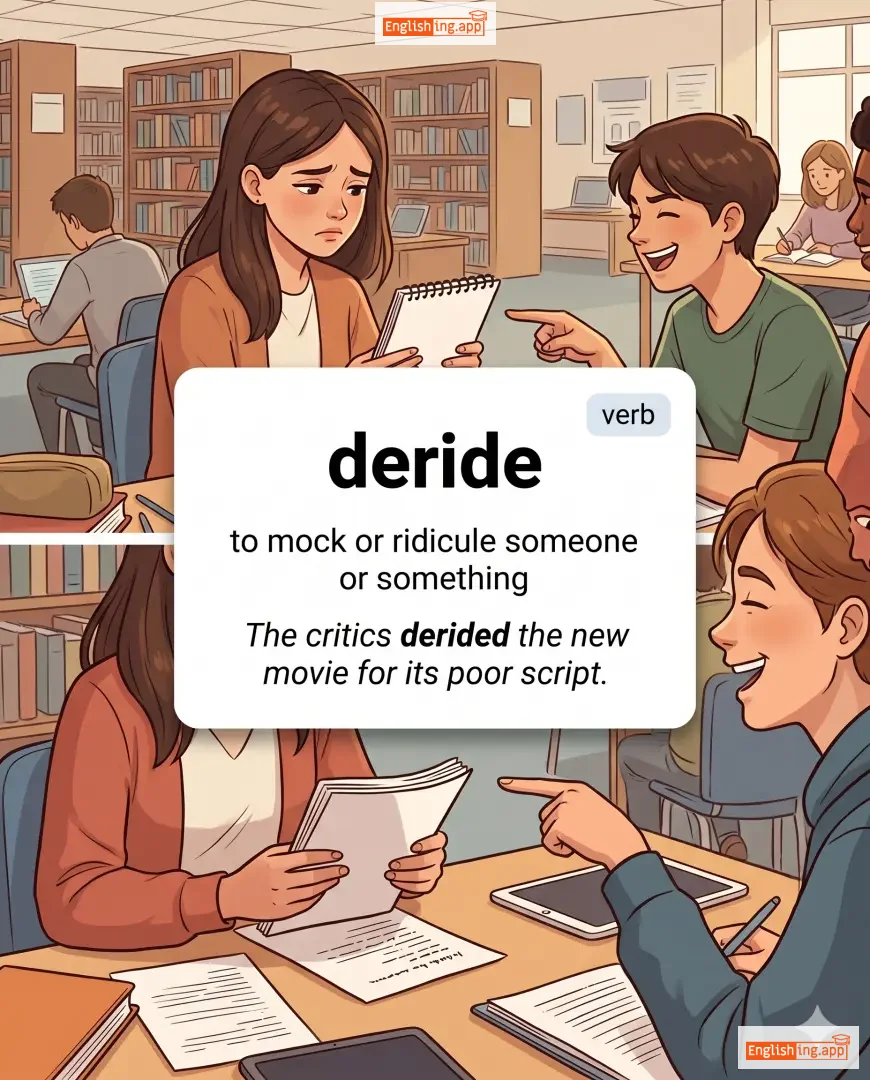
to mock or ridicule someone or something
••••••
|
The critics derided the new movie for its poor script.
批評家たちはその新しい映画を悪い脚本のせいで嘲笑した。
••••••
|
批評家たちはその新しい映画を悪い脚本のせいで嘲笑した。
Hihyōka-tachi wa sono atarashī eiga wo warui kyakuhon no sei de chōshō shita.
••••••
|
- •••••• | - •••••• | - •••••• |
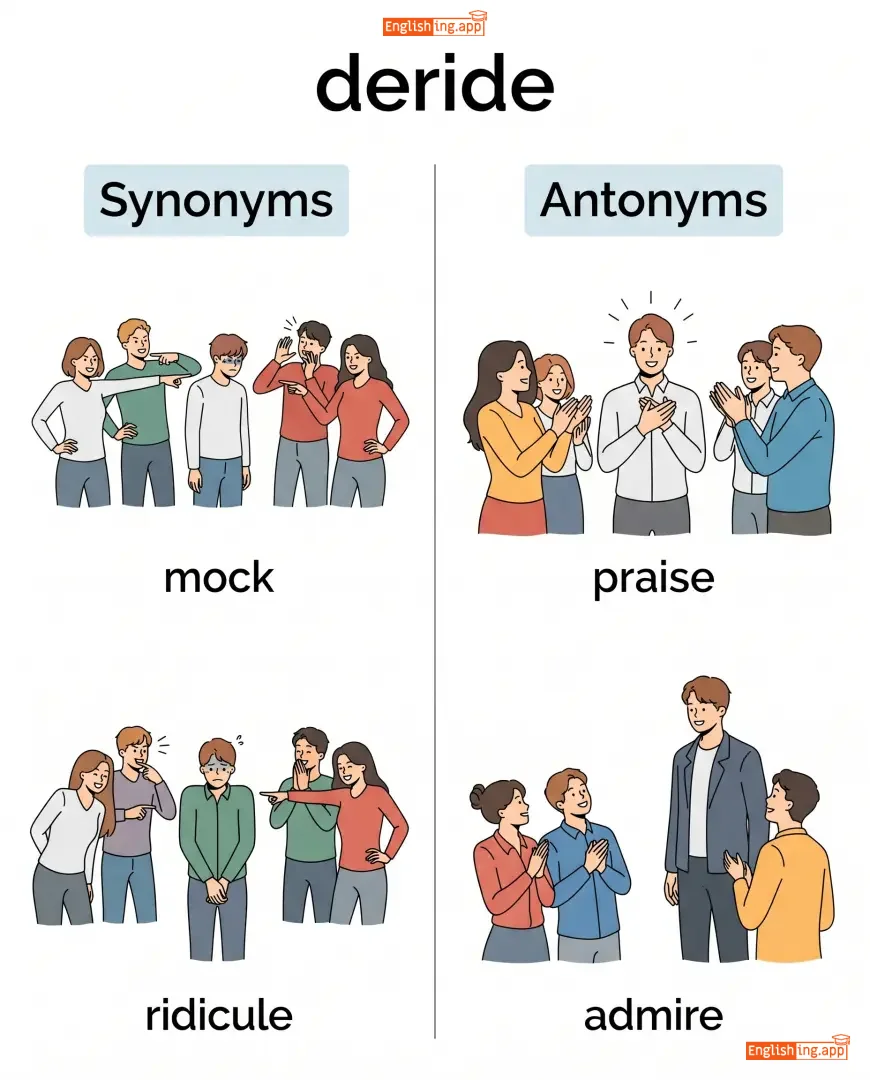
mock, ridicule, scorn, sneer, jeer
••••••
|
praise, admire, respect
••••••
|
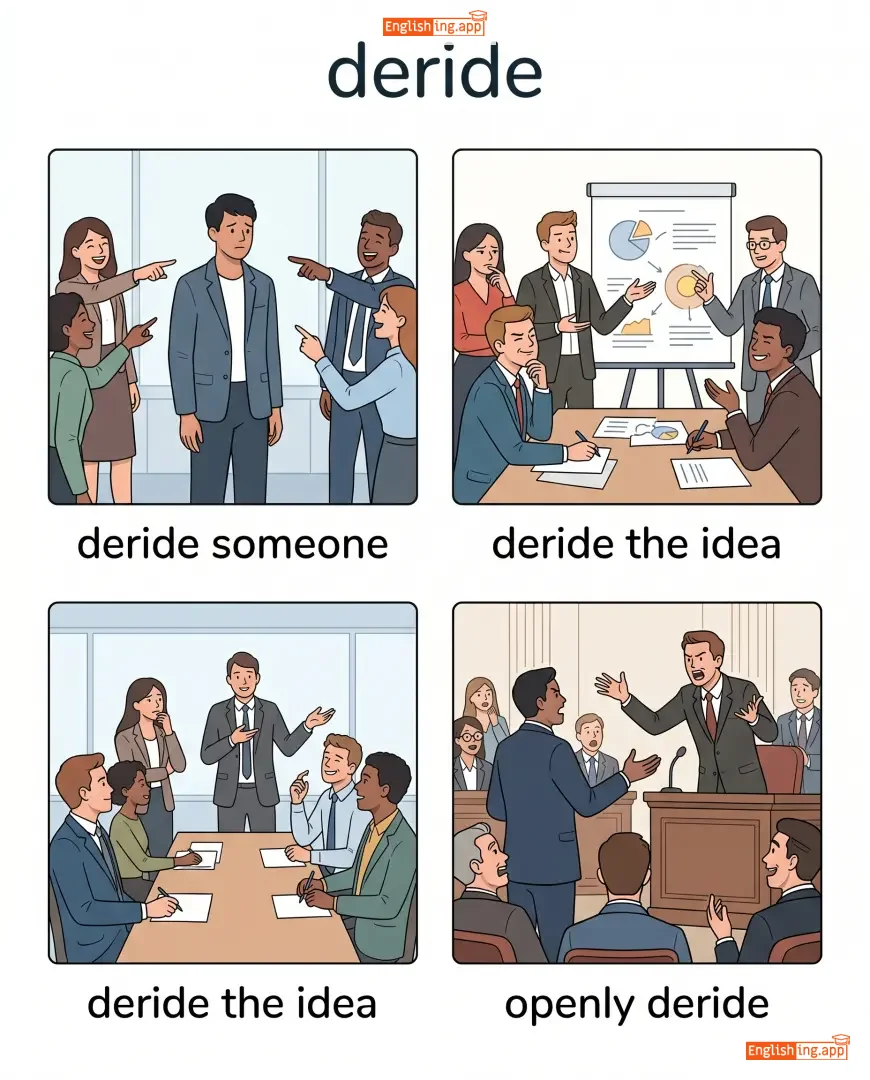
deride someone, deride the idea, openly deride
••••••
|
‘Deride’は‘嘲笑する’のように聞こえます – 何かを見下して笑う。
••••••
|

