|
絵文字
|
単語 | Images | 翻訳 | 過去 | 過去分詞 | 三人称単数 | 動名詞 | 意味 | 例文 | 例文の翻訳 | 表現例 | 表現例の意味 | 表現例の翻訳 | 同義語 | 対義語 | コロケーション | ニーモニック |
|---|---|---|---|---|---|---|---|---|---|---|---|---|---|---|---|---|---|
|
🎈
••••••
|
/dɪsˈtɛnd/
verb
(ディステンド)
••••••
|
|
膨張する
bōchō suru
••••••
|
distended
ディステンデッド
••••••
|
distended
ディステンデッド
••••••
|
distends
ディステンドス
••••••
|
distending
ディステンディング
••••••
|
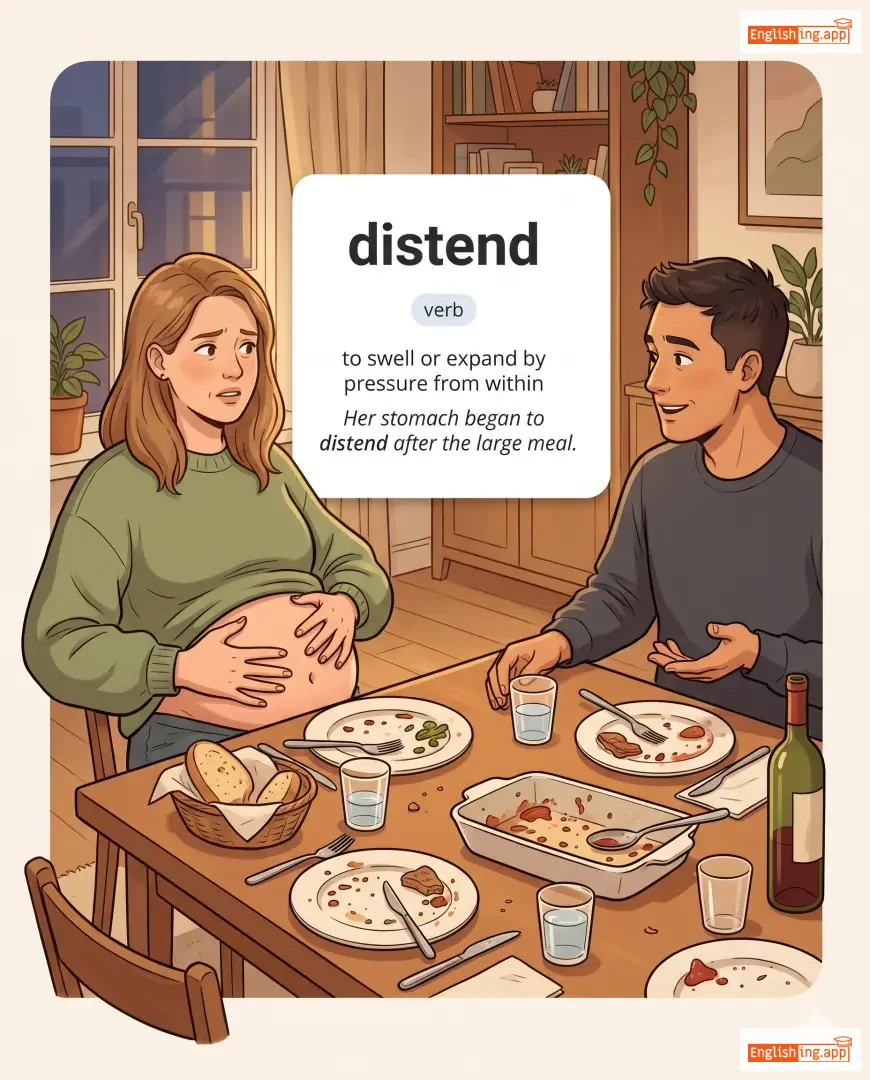
to swell or expand by pressure from within
••••••
|
Her stomach began to distend after the large meal.
大きな食事の後、彼女のお腹は膨らみ始めました。
••••••
|
大きな食事の後、彼女のお腹は膨らみ始めました。
Ōkina shokuji no ato, kanojo no onaka wa fukurami hajimemashita.
••••••
|
- •••••• | - •••••• | - •••••• |
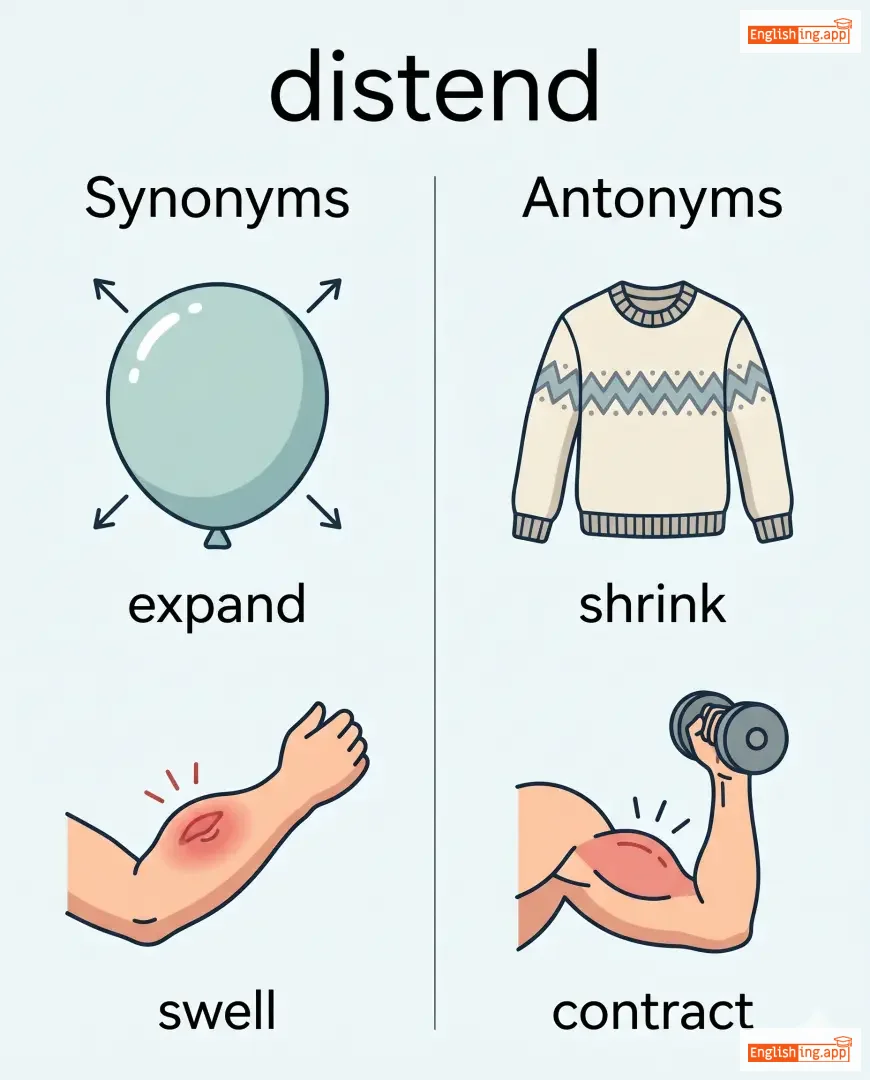
expand, swell, inflate, enlarge, bloat
••••••
|
shrink, contract, deflate
••••••
|
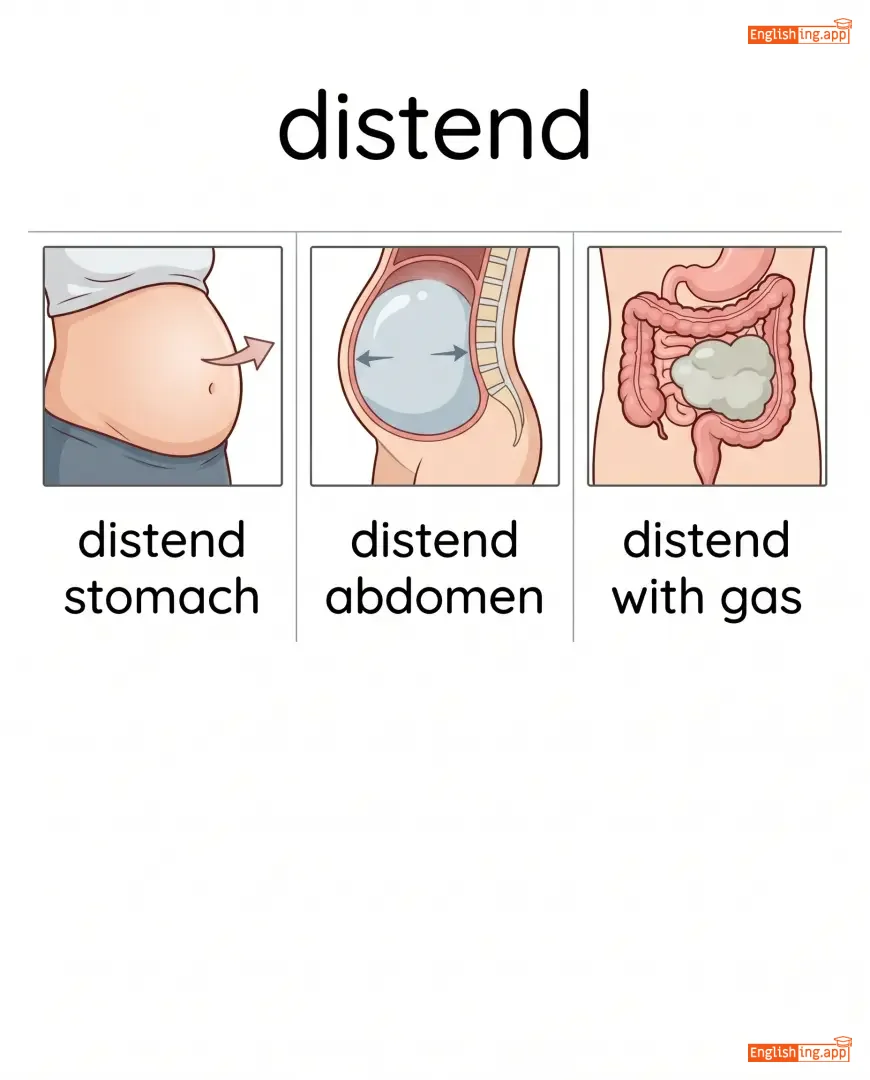
distend stomach, distend abdomen, distend with gas
••••••
|
Distendは膨張すること、内部から膨らむという意味です。
••••••
|
|
💧
••••••
|
/dɪˈstɪl/
verb
••••••
|
|
- •••••• |
distilled
••••••
|
distilled
••••••
|
distills
••••••
|
distilling
••••••
|
To purify a liquid by heating and cooling; to extract the essential meaning or most important aspects.
••••••
|
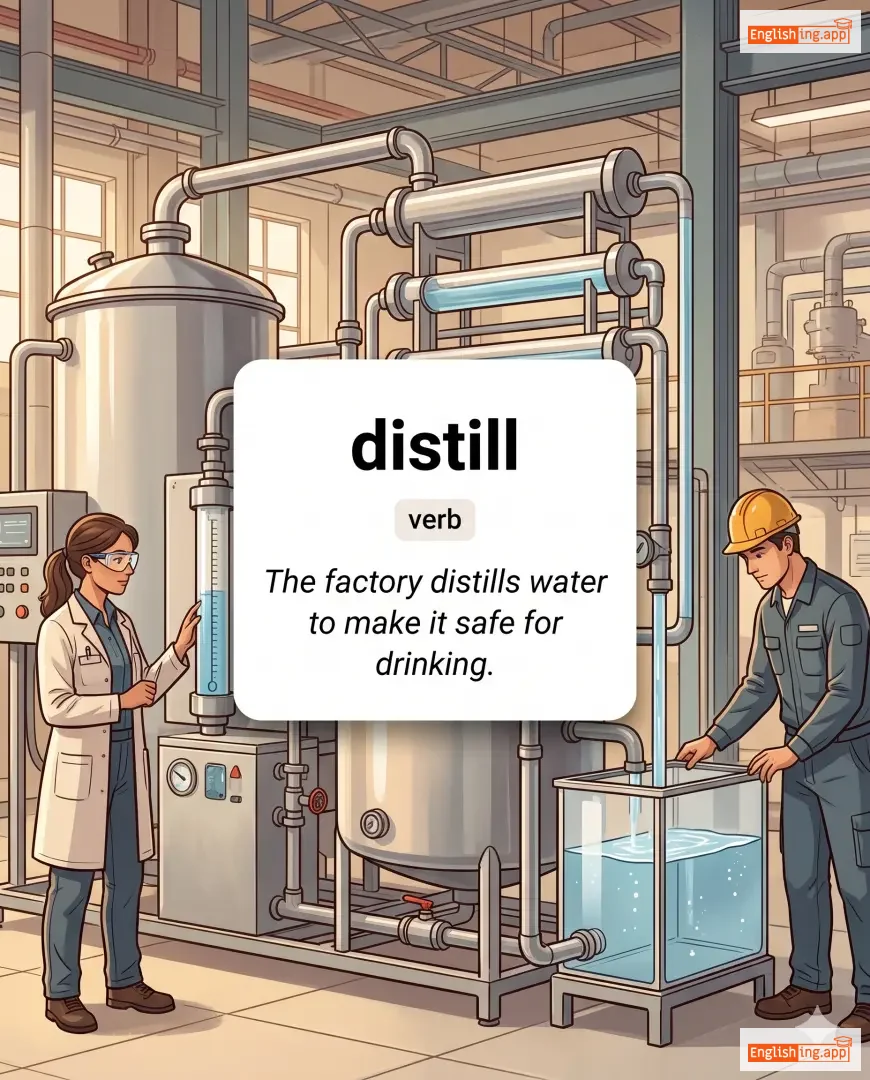
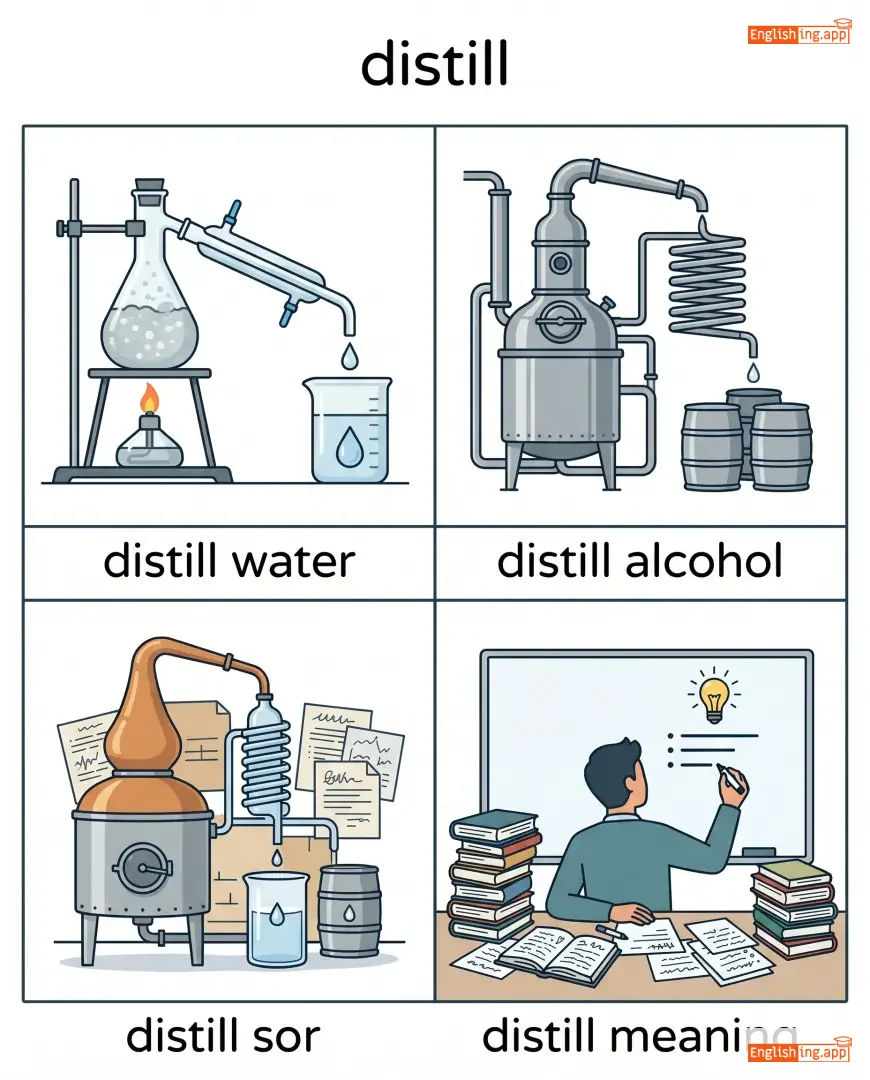
The factory distills water to make it safe for drinking. |
- •••••• |
distill the essence |
To extract the most important meaning or quality.
••••••
|
- •••••• |
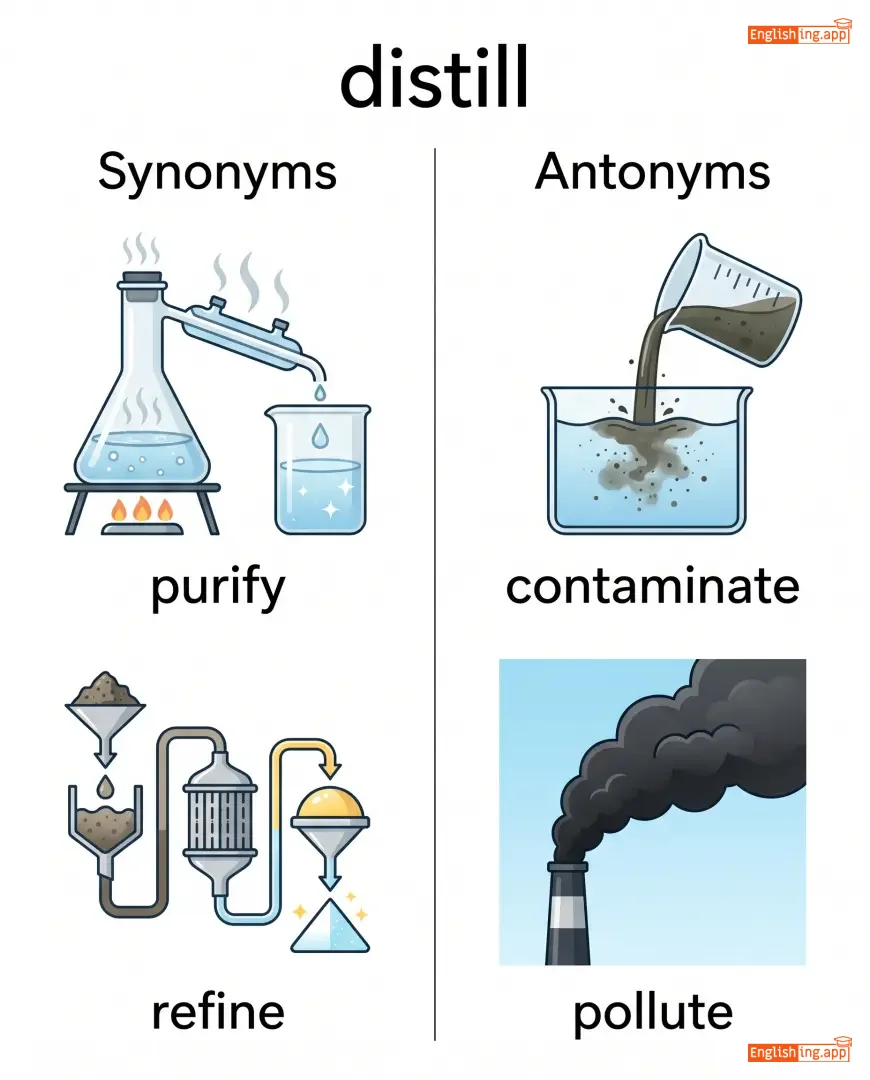
purify, refine, extract, filter, condense
••••••
|
contaminate, pollute
••••••
|
distill water, distill alcohol, distill meaning, distill information
••••••
|
No •••••• |
|
↔️
••••••
|
/daɪˈvɜːrdʒ/
verb
••••••
|

|
- •••••• |
diverged
••••••
|
diverged
••••••
|
diverges
••••••
|
diverging
••••••
|
to separate from a path, opinion, or standard
••••••
|
The two friends began to diverge in their career choices. |
- •••••• |
diverge from the norm |
to act differently than what is usual or expected
••••••
|
- •••••• |
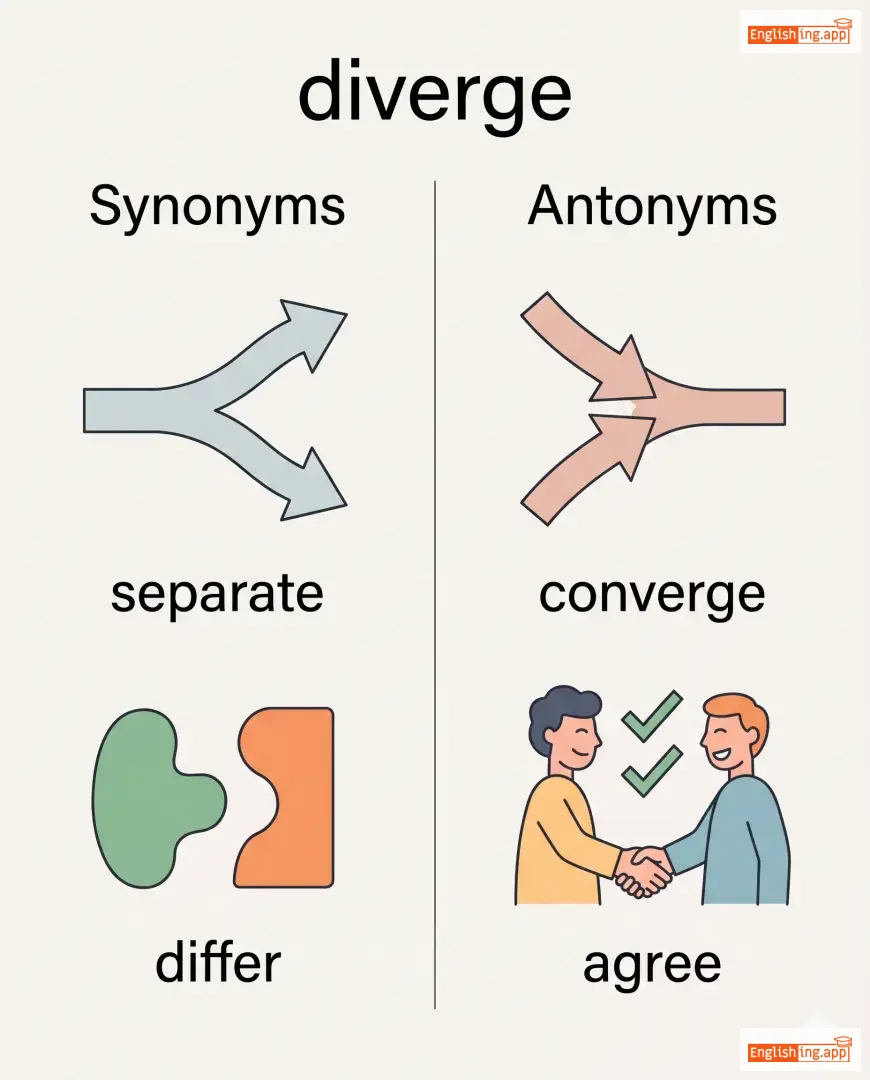
separate, differ, deviate, split, branch
••••••
|
converge, agree, coincide
••••••
|
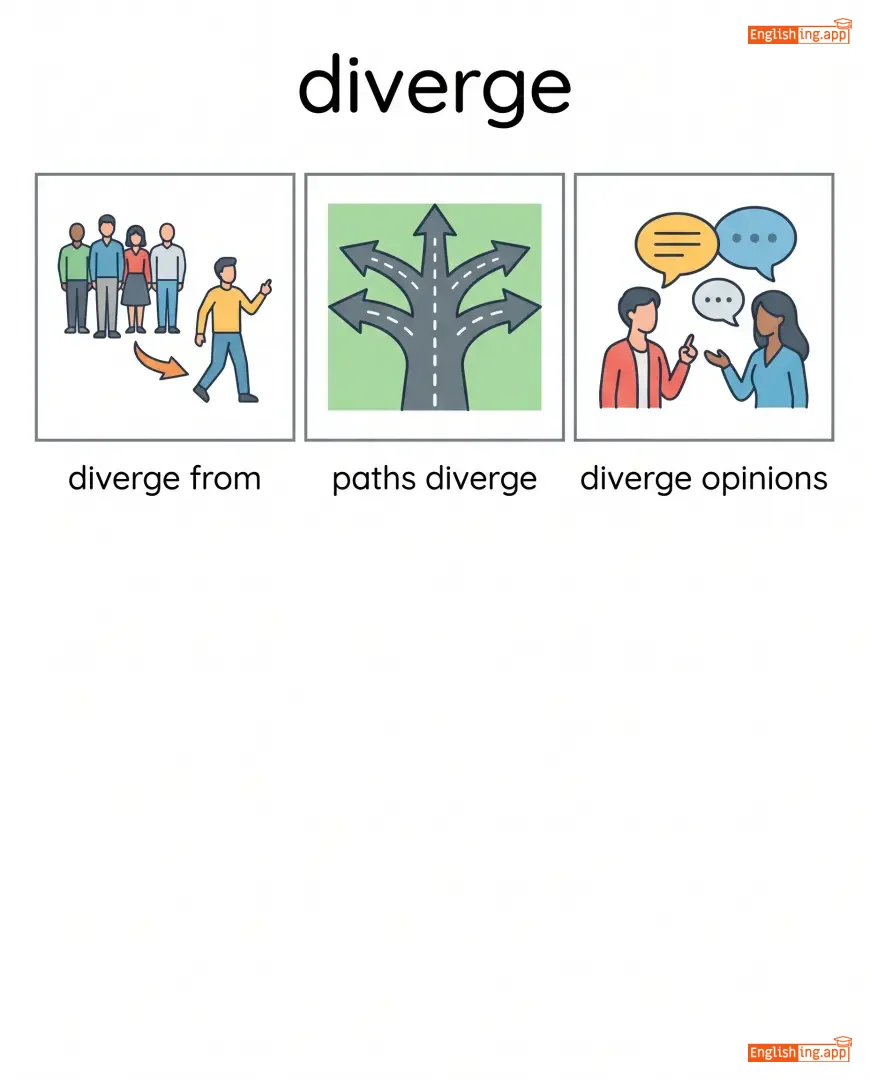
diverge from, paths diverge, diverge opinions, diverge sharply
••••••
|
No •••••• |
|
📉
••••••
|
/daɪˈvɛst/
verb
••••••
|
|
- •••••• |
divested
••••••
|
divested
••••••
|
divests
••••••
|
divesting
••••••
|
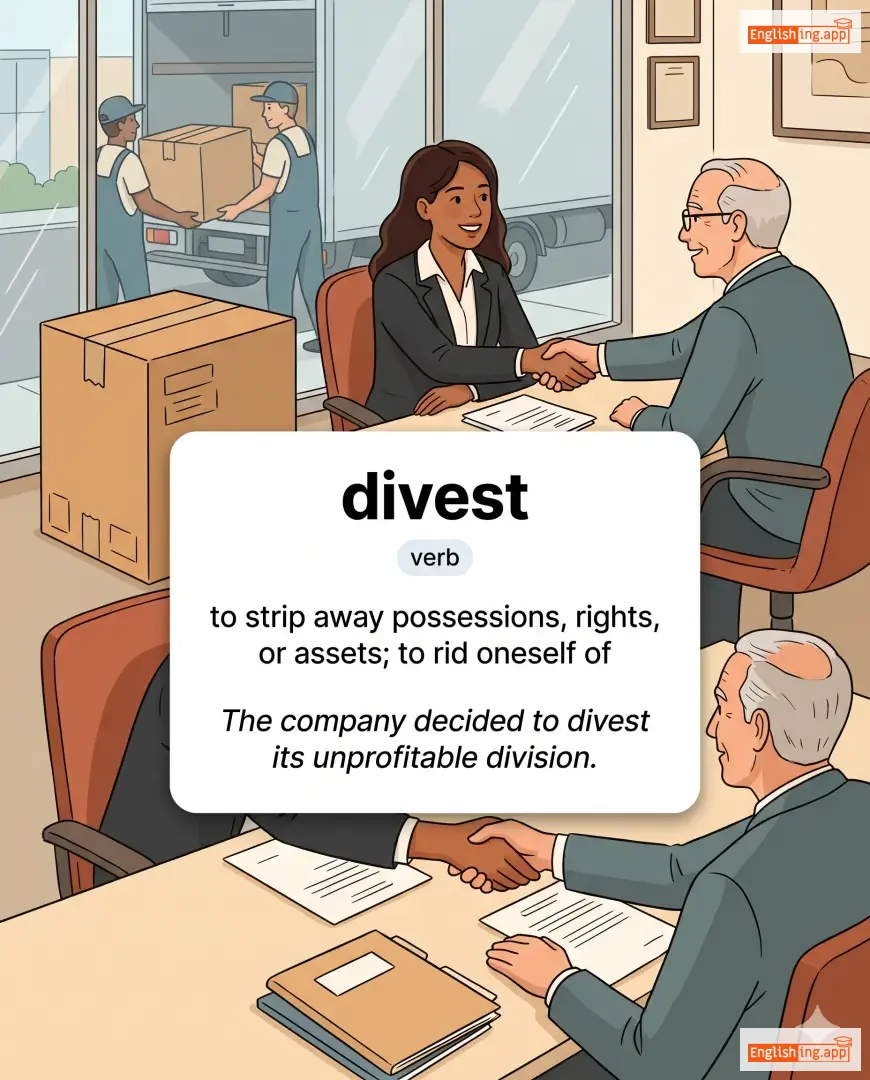
to strip away possessions, rights, or assets; to rid oneself of
••••••
|
The company decided to divest its unprofitable division. |
- •••••• |
divest oneself of |
to rid oneself of something unwanted
••••••
|
- •••••• |
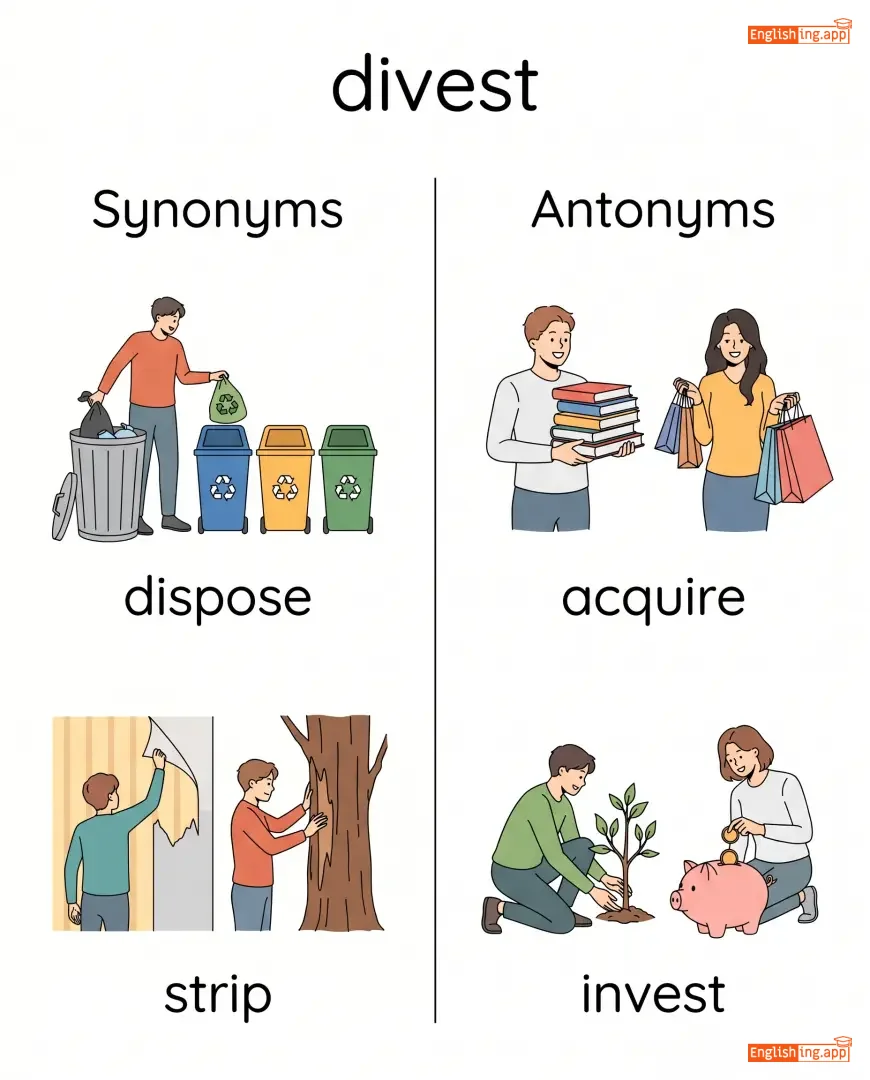
dispose, strip, rid, relinquish, sell off
••••••
|
acquire, invest, keep
••••••
|
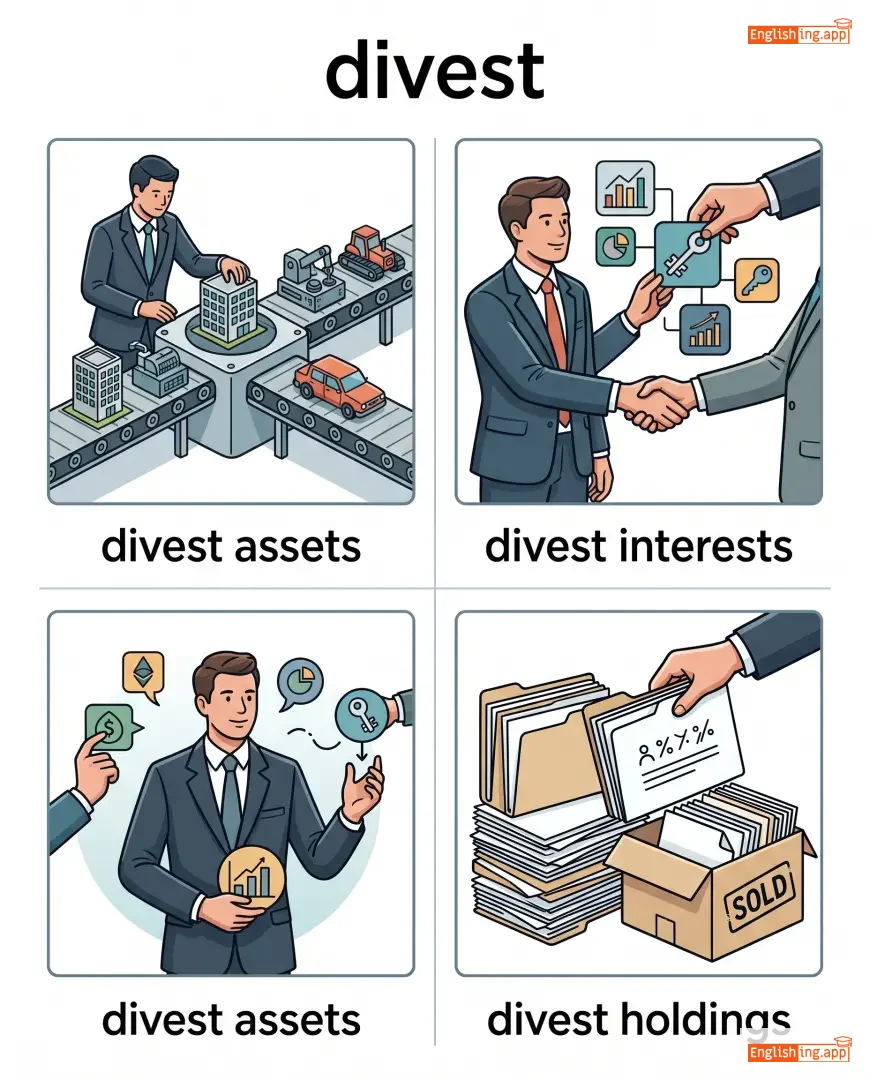
divest assets, divest interests, divest holdings, divest company
••••••
|
No •••••• |
|
📄
••••••
|
/ˈdɒkjʊmənt/
noun/verb
(ドキュメント)
••••••
|

|
文書
bunsho
••••••
|
documented
ドキュメントされた
••••••
|
documented
ドキュメントされた
••••••
|
documents
ドキュメント
••••••
|
documenting
ドキュメントしている
••••••
|
Noun: A written, printed, or electronic record that provides information or evidence. Verb: To record information in written or electronic form.
••••••
|
She carefully documented all the expenses of the trip.
彼女は旅行のすべての費用を慎重にドキュメントした。
••••••
|
彼女は旅行のすべての費用を慎重にドキュメントした。
Kanojo wa ryokō no subete no hiyō o shinchō ni dokyumento shita.
••••••
|
official document
公式ドキュメント
••••••
|
An authoritative or legal record recognized by an institution.
••••••
|
公式ドキュメント
Kōshiki dokyumento
••••••
|
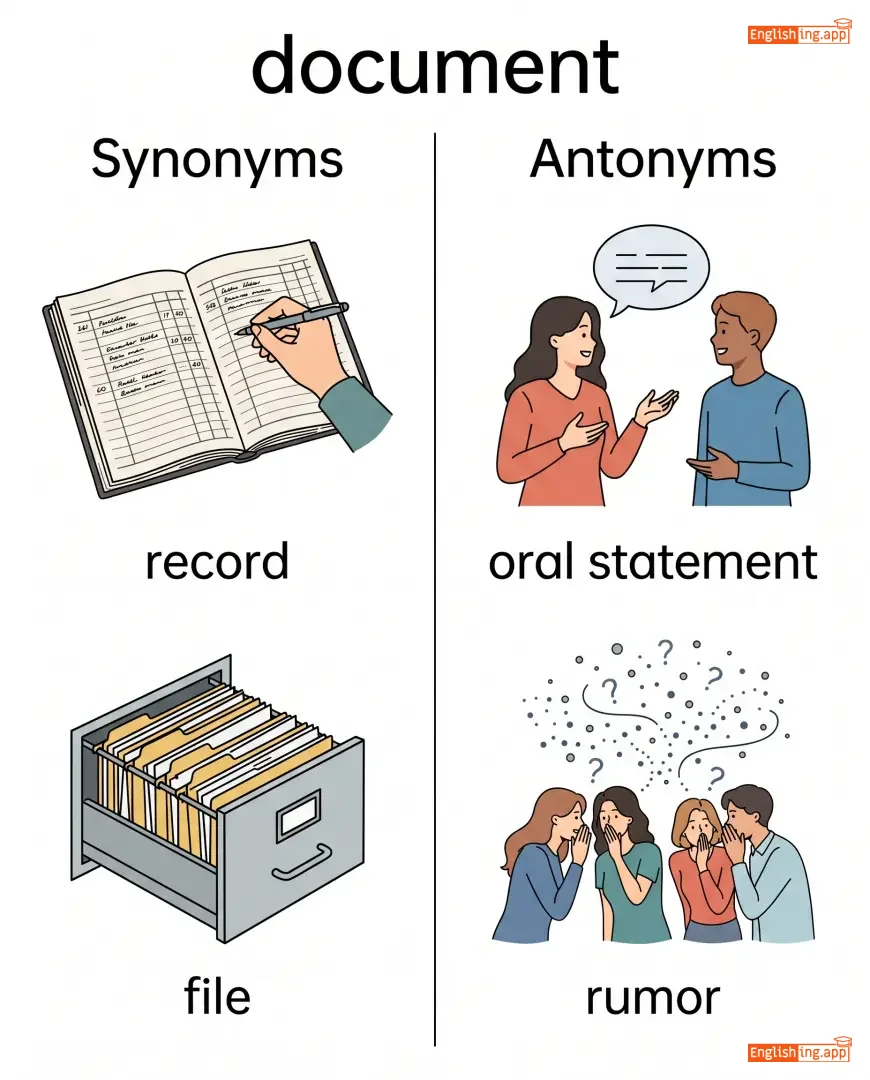
record, file, paper, certificate, report
••••••
|
oral statement, rumor
••••••
|
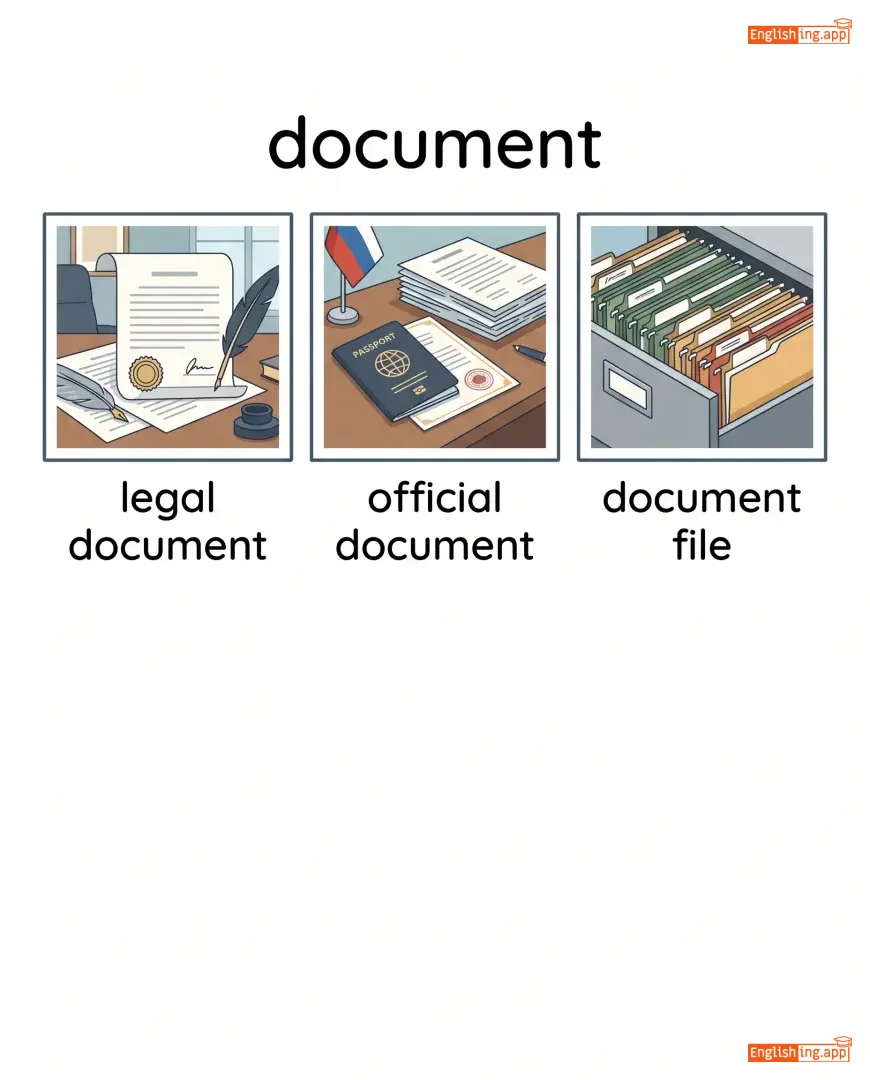
legal document, official document, document file, document evidence
••••••
|
Documentは文書です—重要なことを記録してください!
••••••
|
|
🗣️
••••••
|
/dɒɡˈmætɪk/
adjective
(ドグマティック)
••••••
|
|
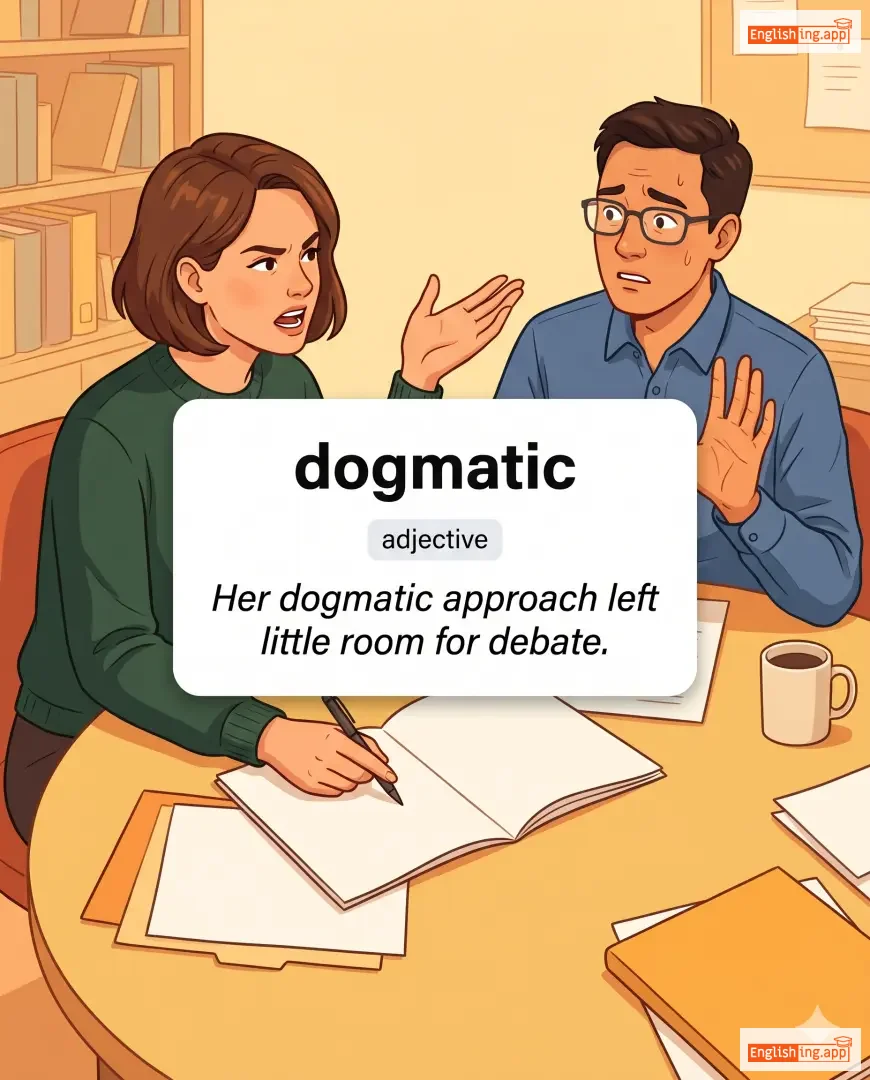
ドグマティックな; 自分の信念に固執した; 原則を絶対的な真実として押し付ける傾向がある
dogumatikkuna
••••••
|
- •••••• | - •••••• | - •••••• | - •••••• |
opinionated; rigid in beliefs; inclined to lay down principles as incontrovertibly true
••••••
|
He has very dogmatic views about politics.
彼は政治について非常にドグマティックな見解を持っています。
••••••
|
彼は政治について非常にドグマティックな見解を持っています。
Kare wa seiji ni tsuite hijō ni dogumatikkuna kenka o motteimasu.
••••••
|
- •••••• | - •••••• | - •••••• |
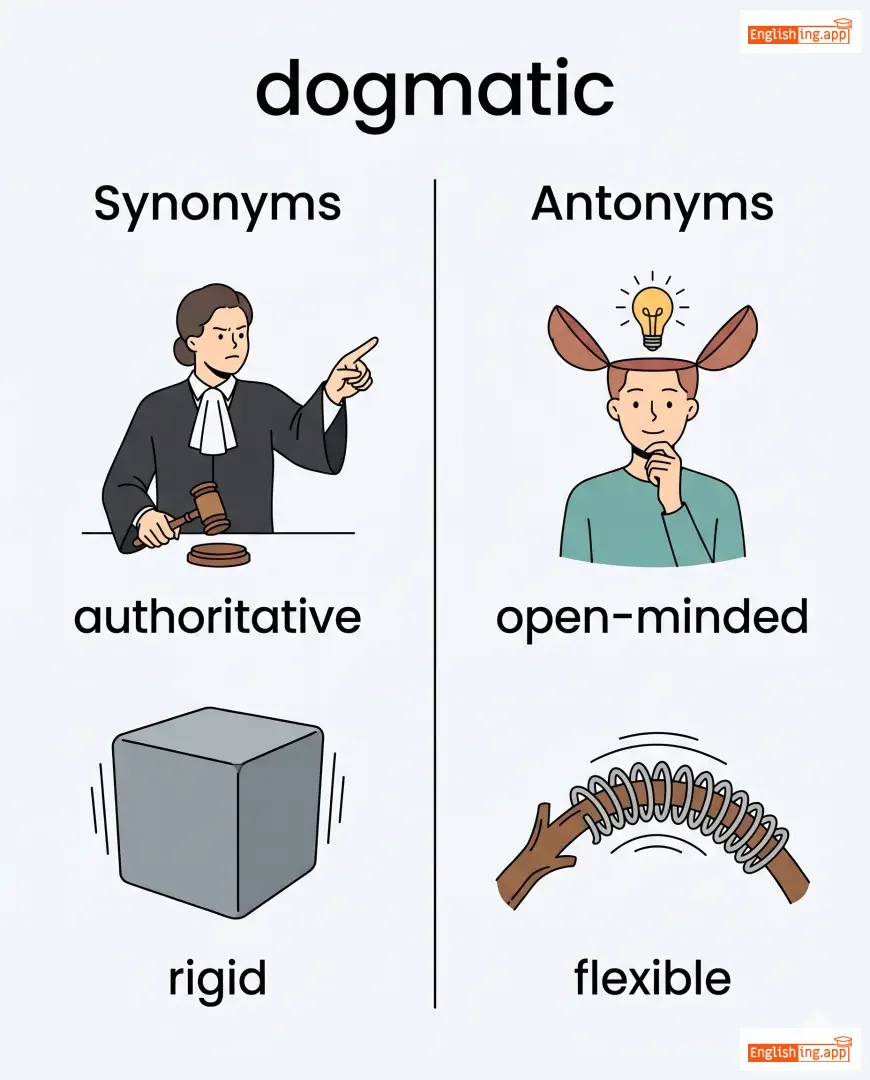
opinionated, doctrinaire, rigid, inflexible, authoritarian
••••••
|
flexible, open-minded, tolerant, receptive
••••••
|
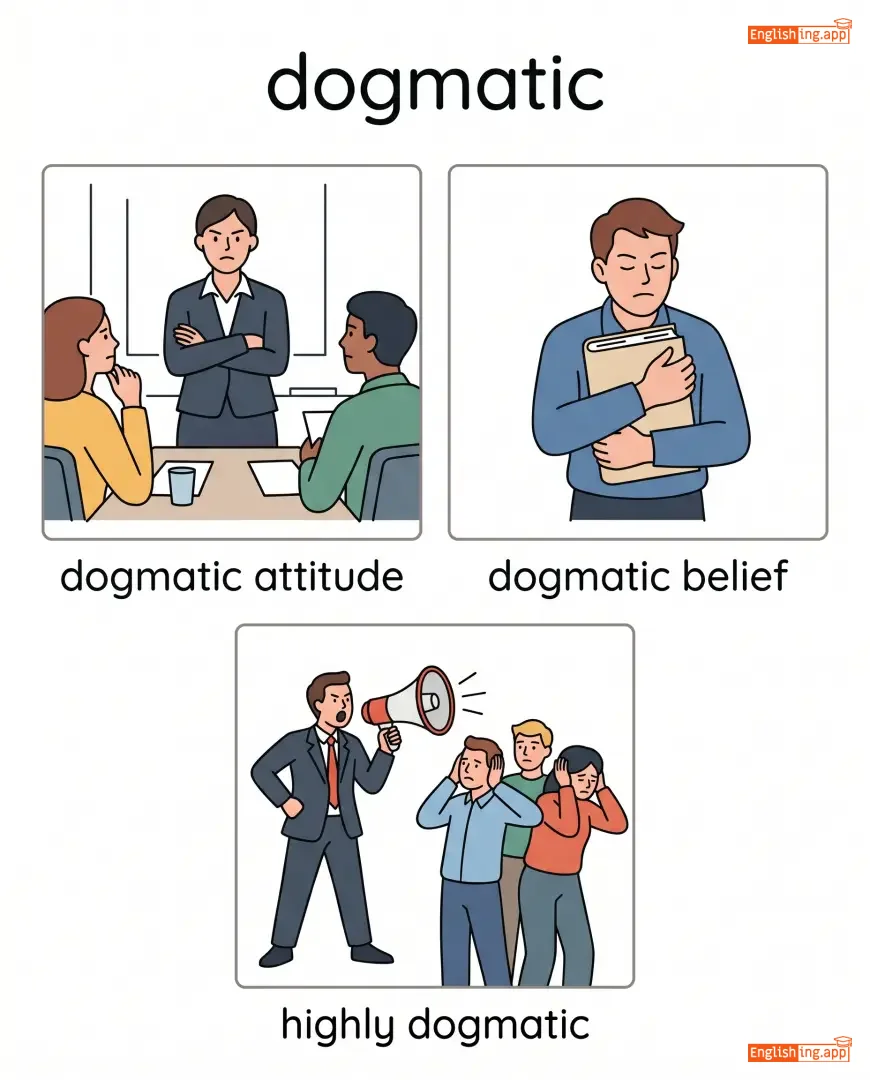
dogmatic approach, dogmatic belief, dogmatic person
••••••
|
Dogmatic sounds like 'dog' + 'mat' – a dog who insists on staying on its mat, just like dogmatic beliefs stay firm.
••••••
|
|
😴
••••••
|
/ˈdɔːrmənt/
adjective
••••••
|
|
- •••••• | - •••••• | - •••••• | - •••••• | - •••••• |
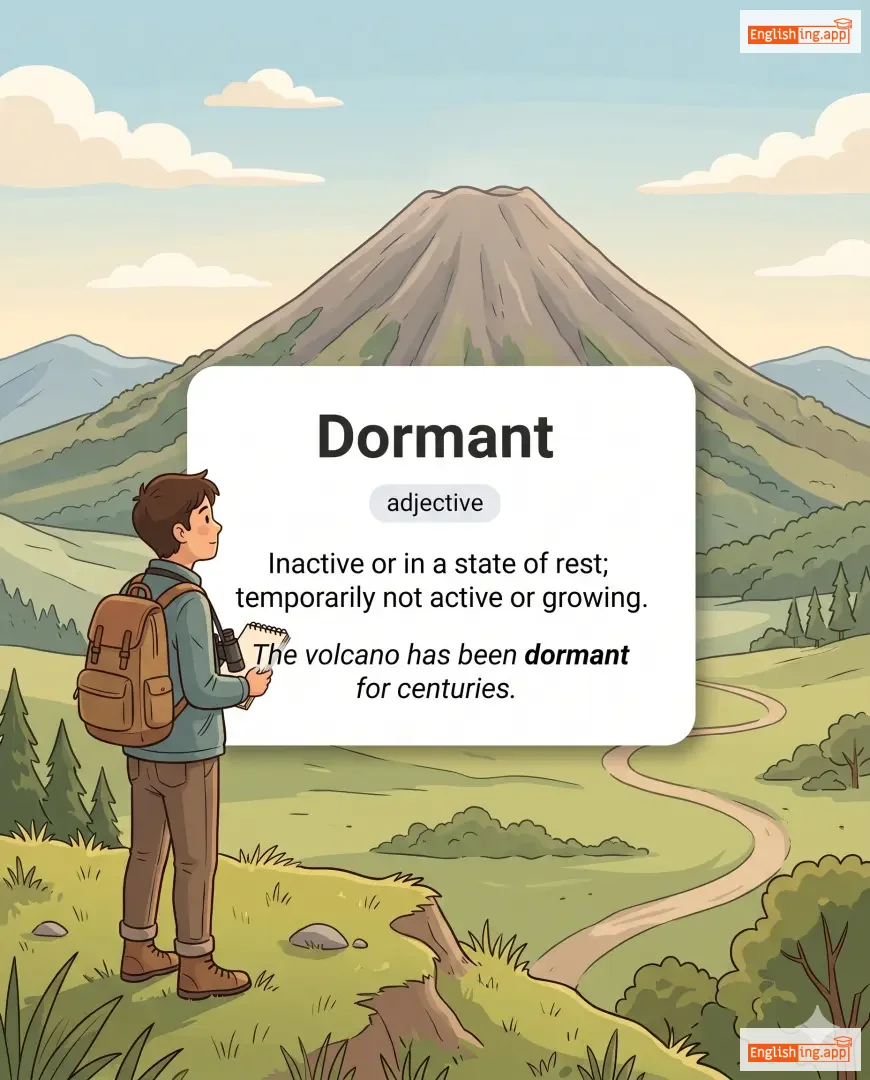
Inactive or in a state of rest; temporarily not active or growing.
••••••
|
The volcano has been dormant for centuries. |
- •••••• |
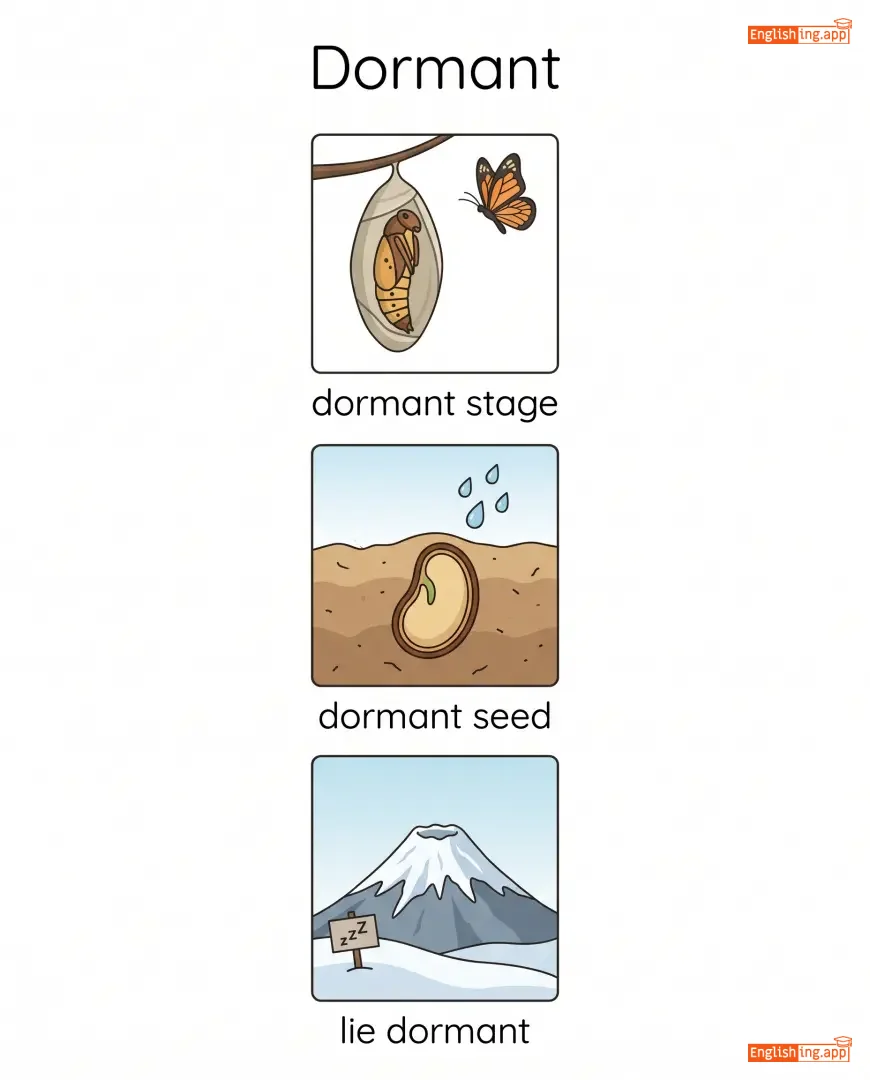
lie dormant |
to remain inactive or hidden for a period of time
••••••
|
- •••••• |
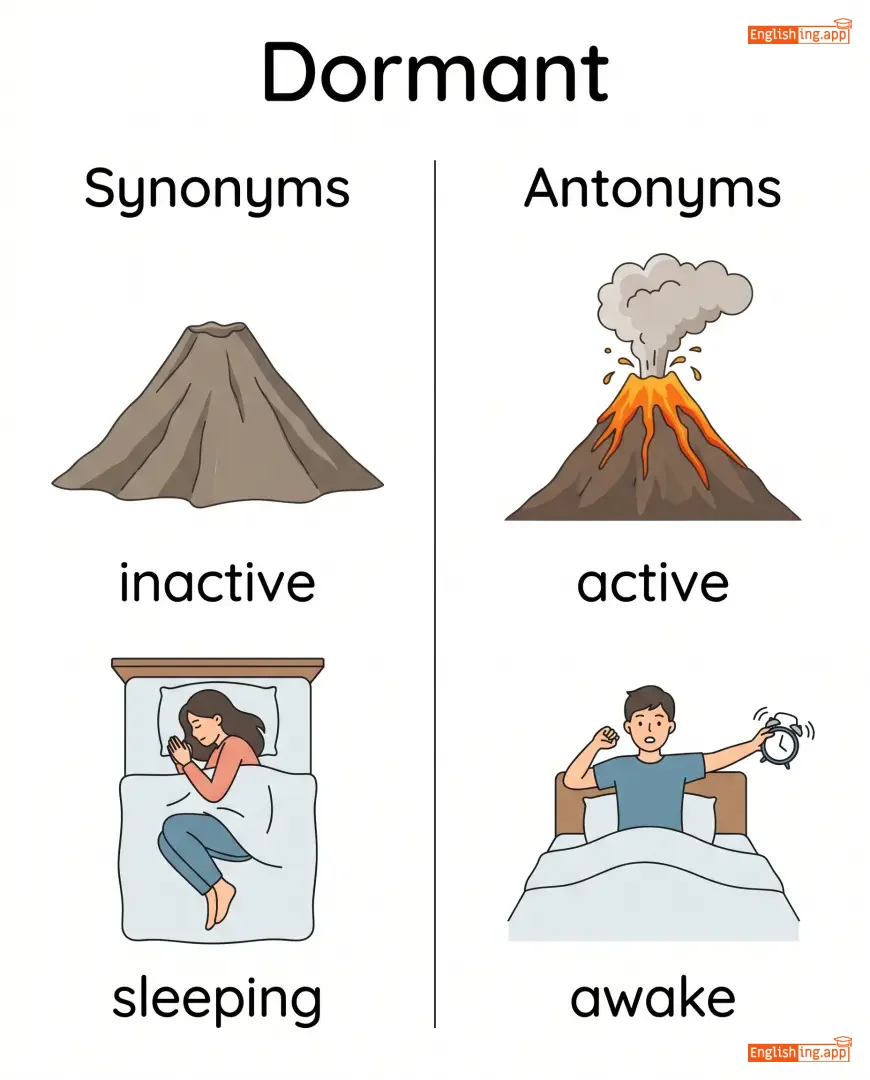
inactive, sleeping, latent, resting, inert
••••••
|
active, awake, lively
••••••
|
dormant stage, dormant seed, lie dormant, dormant volcano
••••••
|
No •••••• |
|
🎭
••••••
|
/djuːp/
verb
(デュープ)
••••••
|

|
だます
damasu
••••••
|
duped
デュープド
••••••
|
duped
デュープド
••••••
|
dupes
デュープス
••••••
|
duping
デューピング
••••••
|
To deceive or trick someone into believing or doing something.
••••••
|
He was duped into buying a fake watch.
彼は偽物の時計を買うようにだまされました。
••••••
|
彼は偽物の時計を買うようにだまされました。
Kare wa nisemono no tokei o kau yō ni damasaremashita.
••••••
|
play for a dupe
ダマされるためにプレイする
••••••
|
to be tricked or deceived easily
••••••
|
簡単にだまされる
kantan ni damasareru
••••••
|
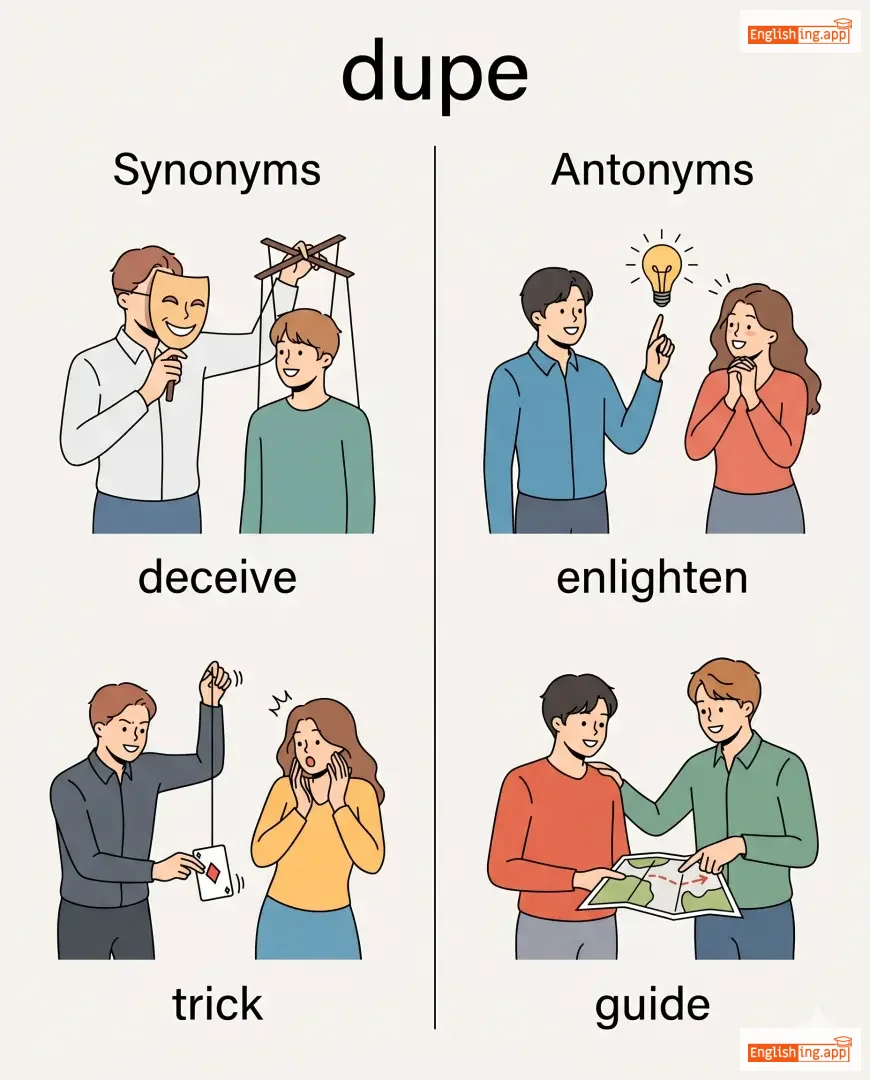
deceive, trick, fool, cheat, mislead
••••••
|
enlighten, guide, inform
••••••
|
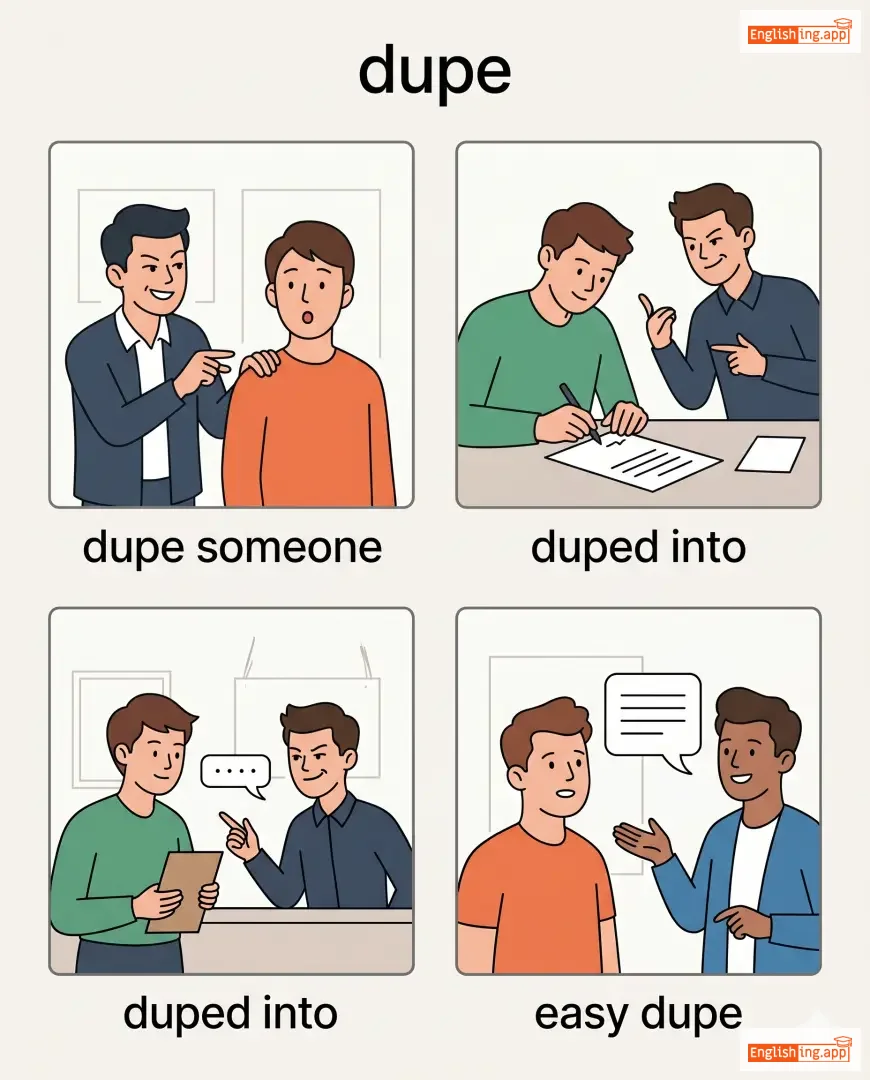
dupe someone, duped into, easy dupe, unsuspecting dupe
••••••
|
Dupeはだますという意味 – 'You got duped'は「だまされた」ことを意味します。
••••••
|
|
😄
••••••
|
/ɪˈbʊliənt/
adjective
(エブリエント)
••••••
|
|
陽気な
youkina
••••••
|
- •••••• | - •••••• | - •••••• | - •••••• |
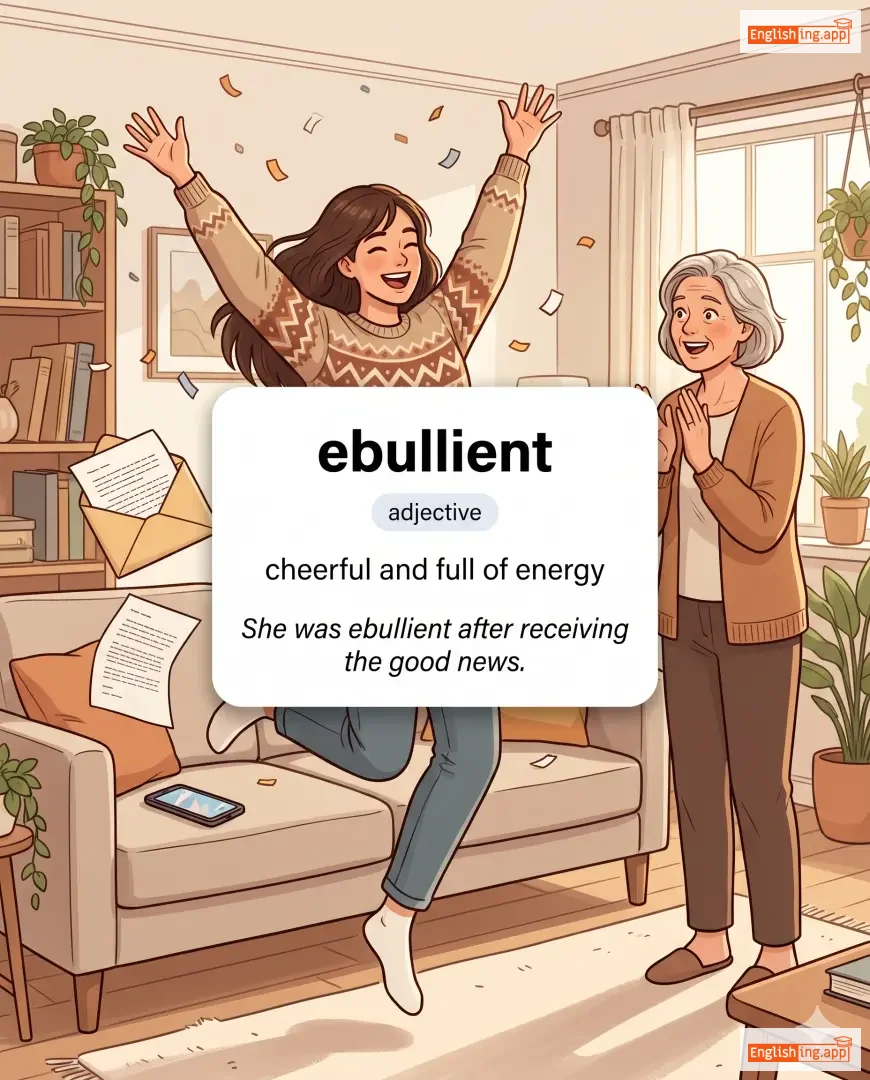
cheerful and full of energy
••••••
|
She was ebullient after receiving the good news. |
良いニュースを受け取った後、彼女は陽気でした。
Yoi nyu-su o uketotta ato, kanojo wa youki deshita.
••••••
|
- •••••• | - •••••• | - •••••• |
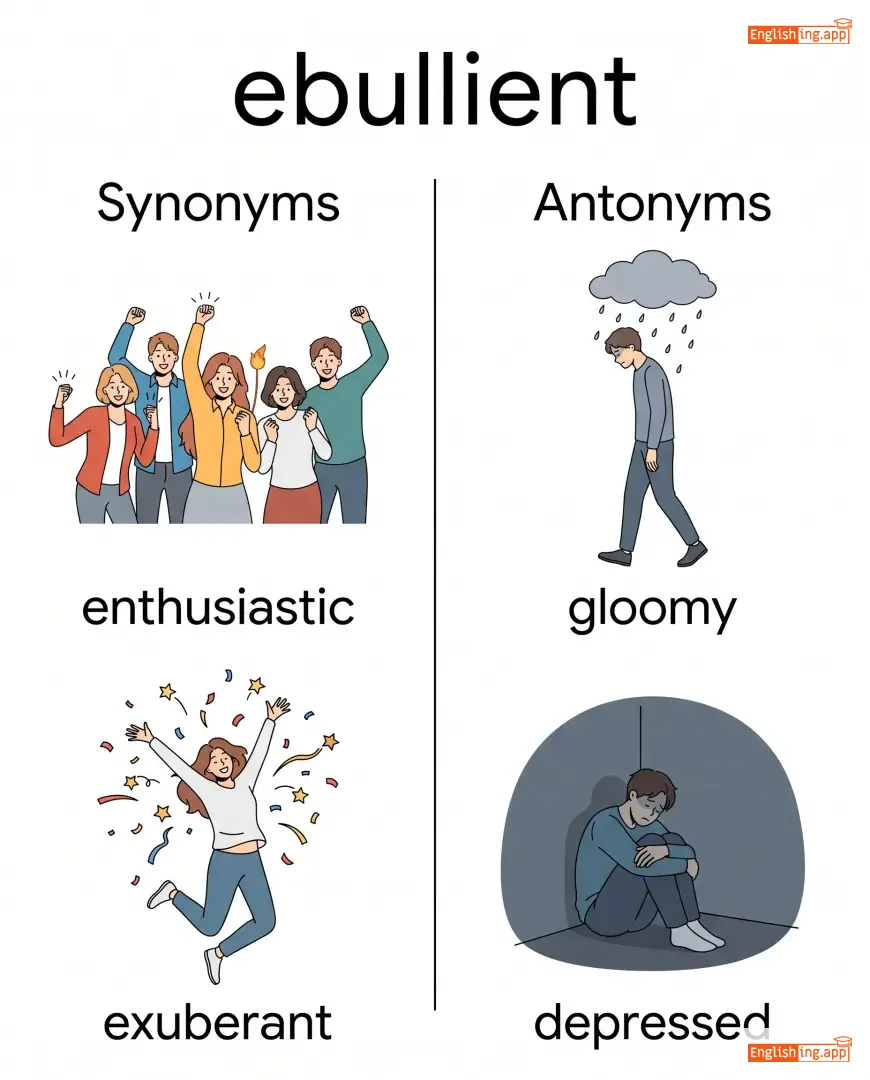
enthusiastic, exuberant, joyful, lively
••••••
|
gloomy, depressed, dull
••••••
|
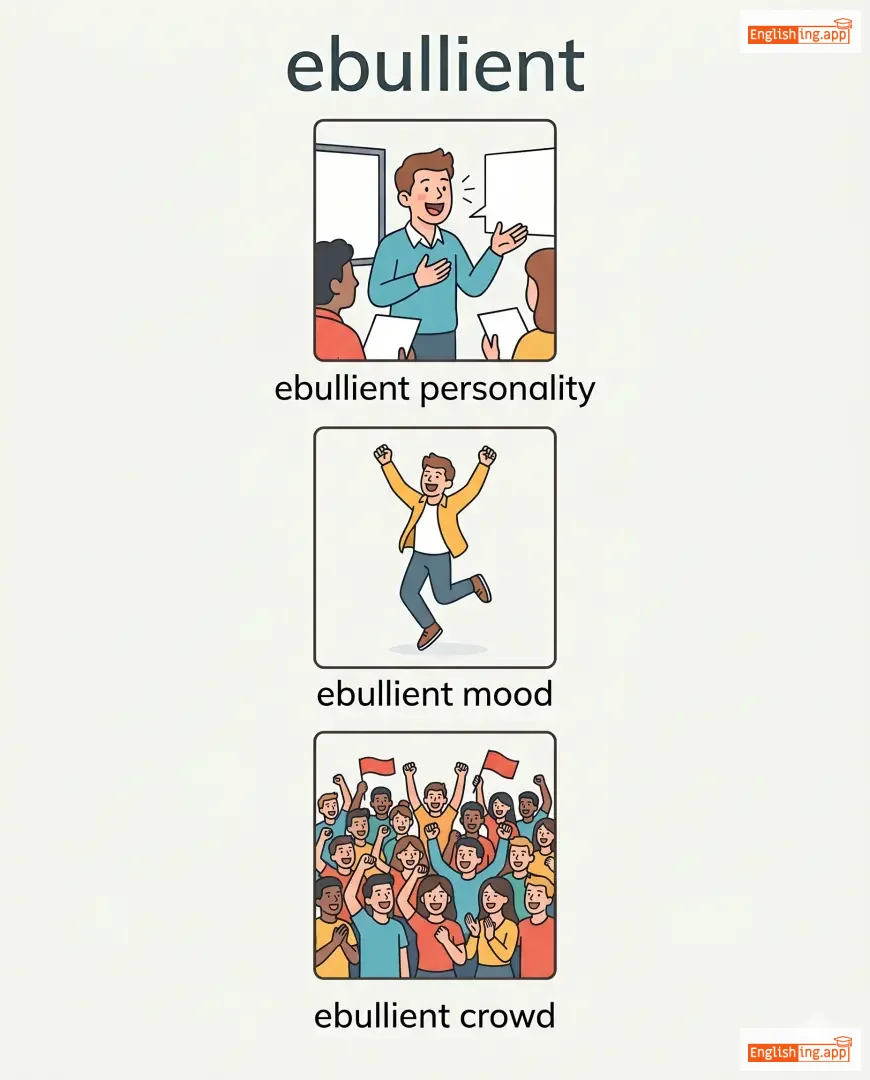
ebullient personality, ebullient mood, ebullient crowd
••••••
|
Ebullient は完全なエネルギー 😄 - 良いニュースを聞いた後、みんな陽気になる
••••••
|
|
🎨
••••••
|
/ɪˈklɛktɪk/
adjective
(エクレクティック)
••••••
|
|
エクレクティック
ekurekutikku
••••••
|
- •••••• | - •••••• | - •••••• | - •••••• |
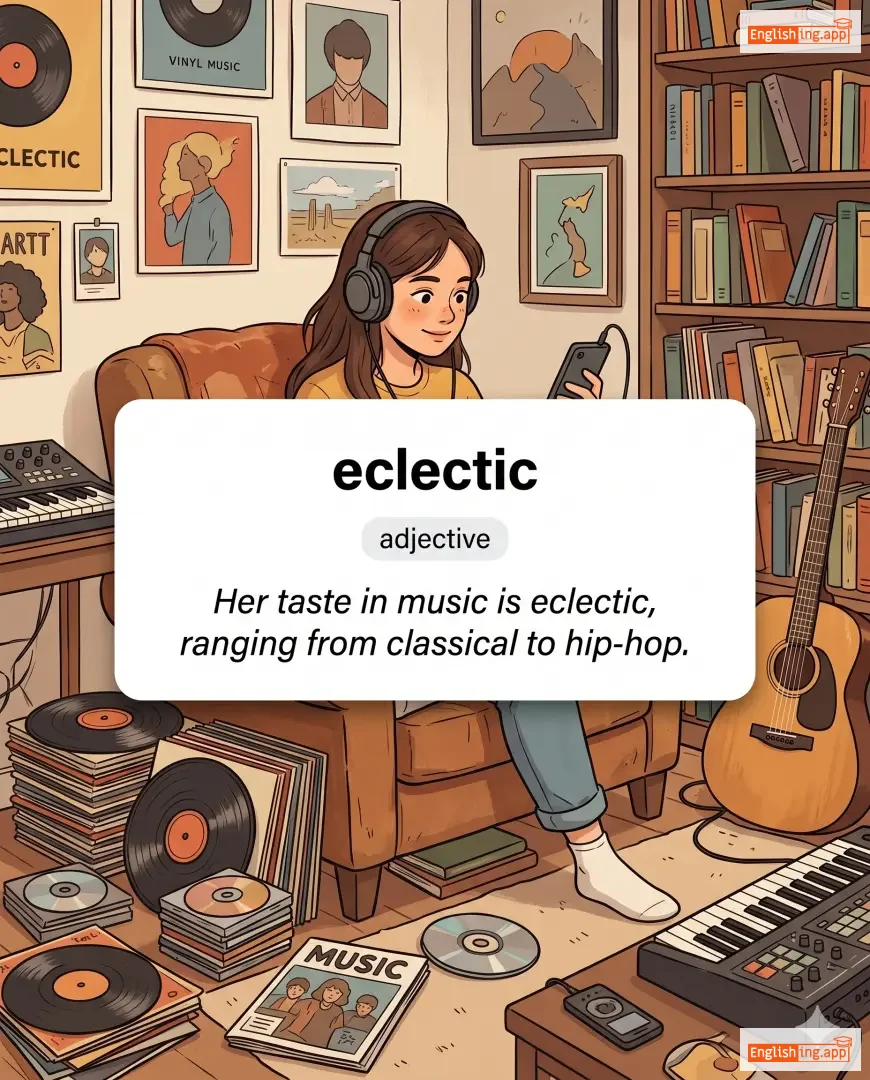
Selecting or deriving ideas, styles, or tastes from a broad and diverse range of sources.
••••••
|
Her taste in music is eclectic, ranging from classical to hip-hop.
彼女の音楽の好みはエクレクティックで、クラシックからヒップホップまで幅広いです。
••••••
|
彼女の音楽の好みはエクレクティックで、クラシックからヒップホップまで幅広いです。
Kanojo no ongaku no konomi wa ekurekutikku de, kurashikku kara hippu hoppu made habahiroi desu.
••••••
|
- •••••• | - •••••• | - •••••• |
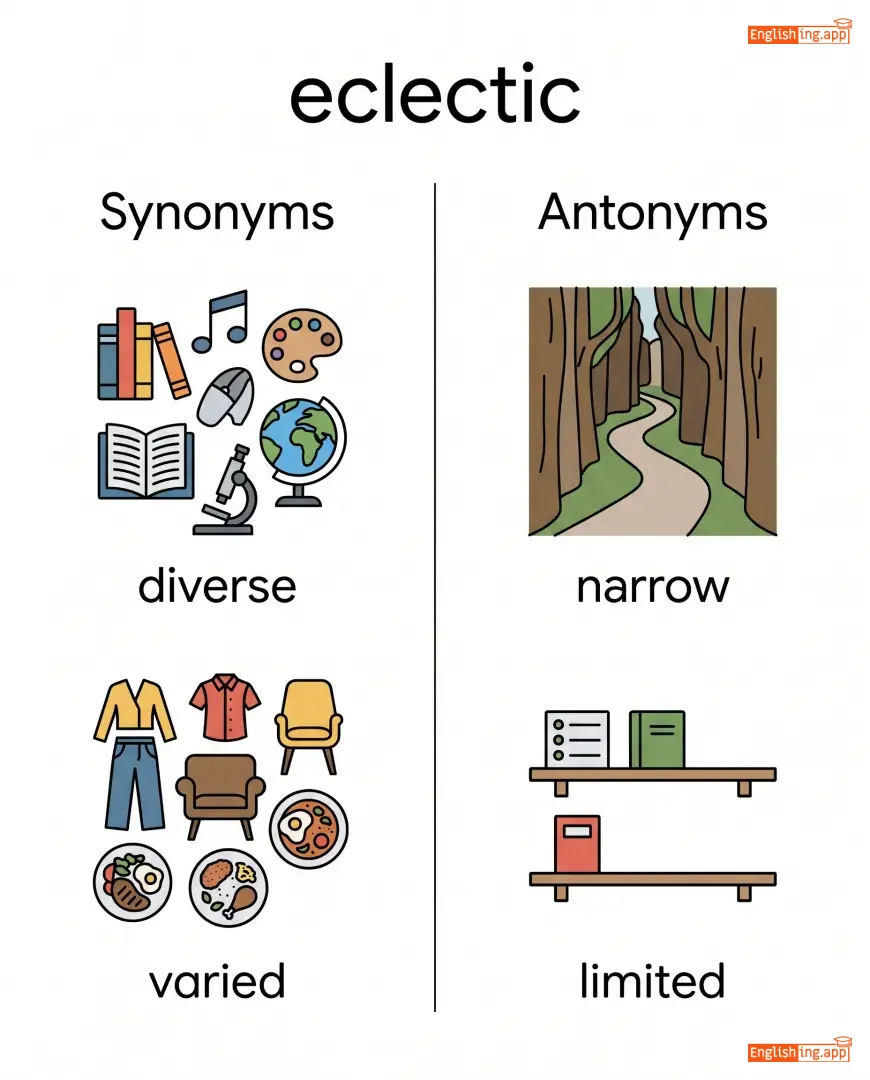
diverse, varied, broad, wide-ranging, assorted
••••••
|
narrow, limited, exclusive
••••••
|
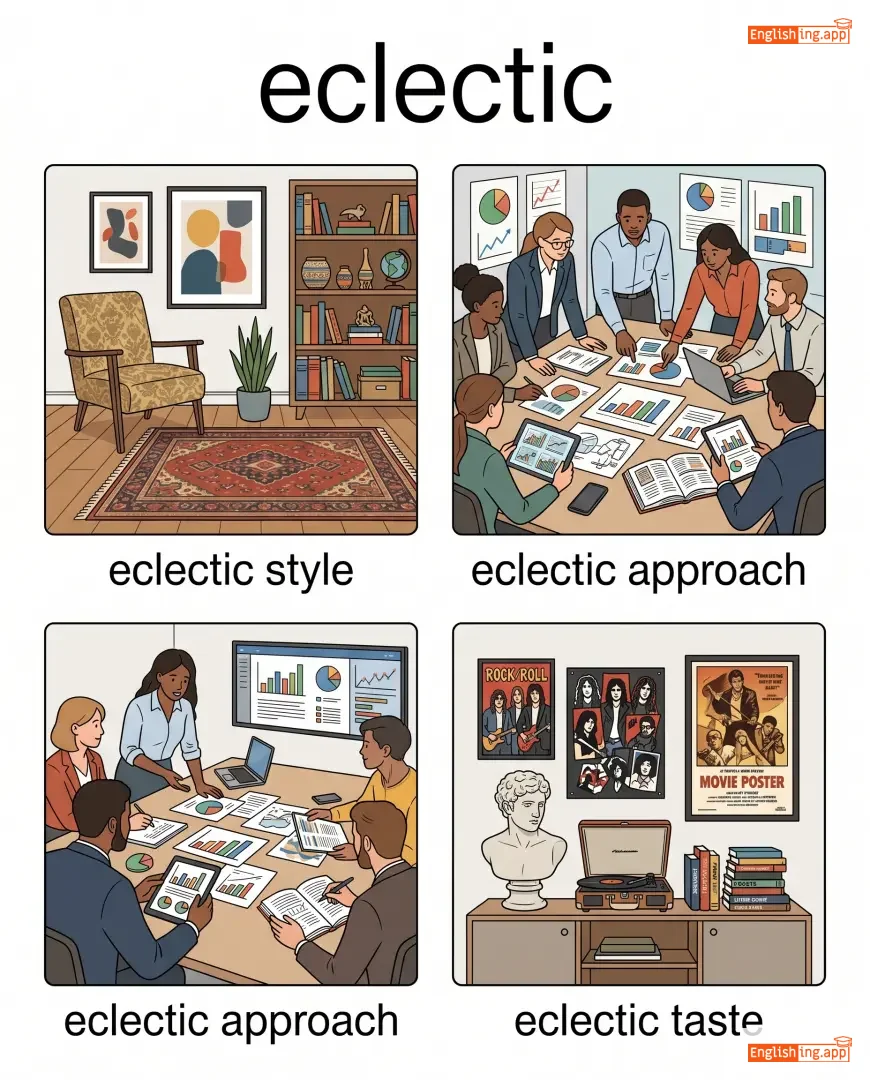
eclectic style, eclectic approach, eclectic taste, eclectic mix
••••••
|
エクレクティックな味覚は、さまざまなスタイルが混ざったキャンバスのようなものです。
••••••
|
|
⚡
••••••
|
/ˈɛfɪkəsi/
noun
(エフィカシー)
••••••
|
|
効果
kouka
••••••
|
- •••••• | - •••••• | - •••••• | - •••••• |
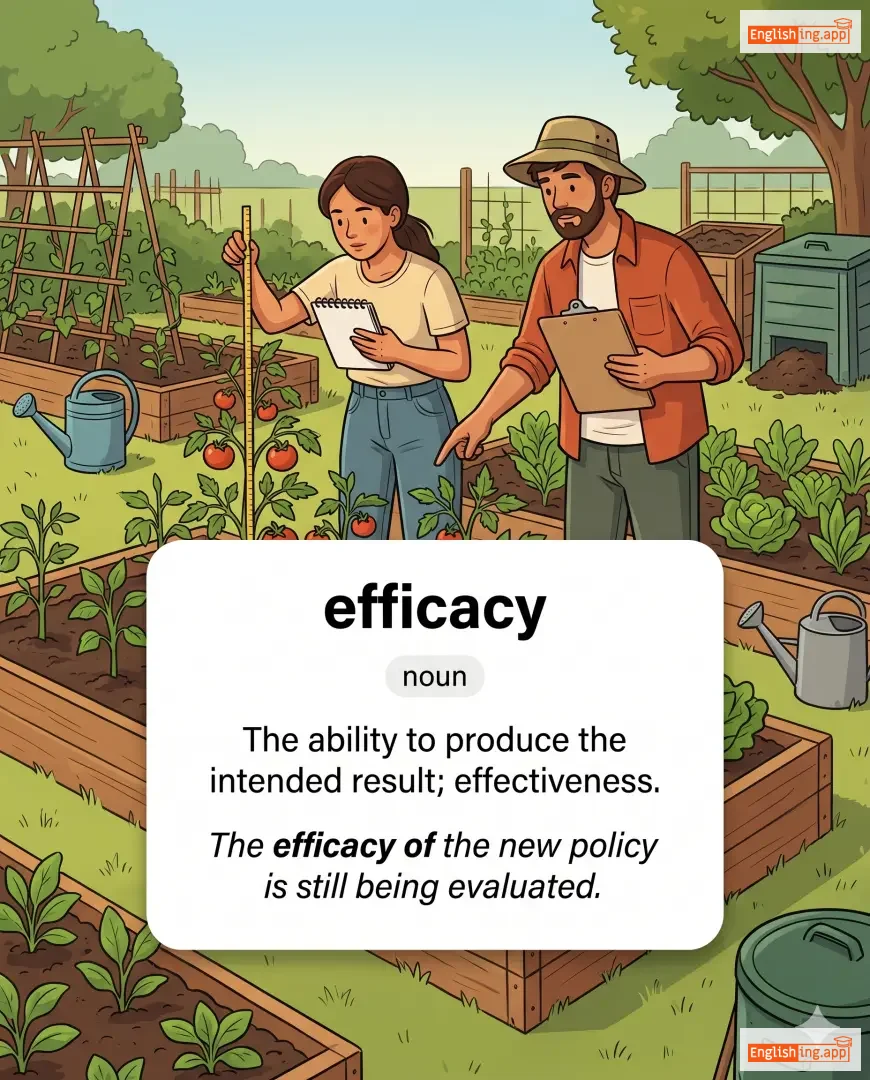
The ability to produce the intended result; effectiveness.
••••••
|
The efficacy of the new policy is still being evaluated.
新しい政策の効果はまだ評価されています。
••••••
|
新しい政策の効果はまだ評価されています。
Atarashii seisaku no kouka wa mada hyouka sareteimasu.
••••••
|
- •••••• | - •••••• | - •••••• |
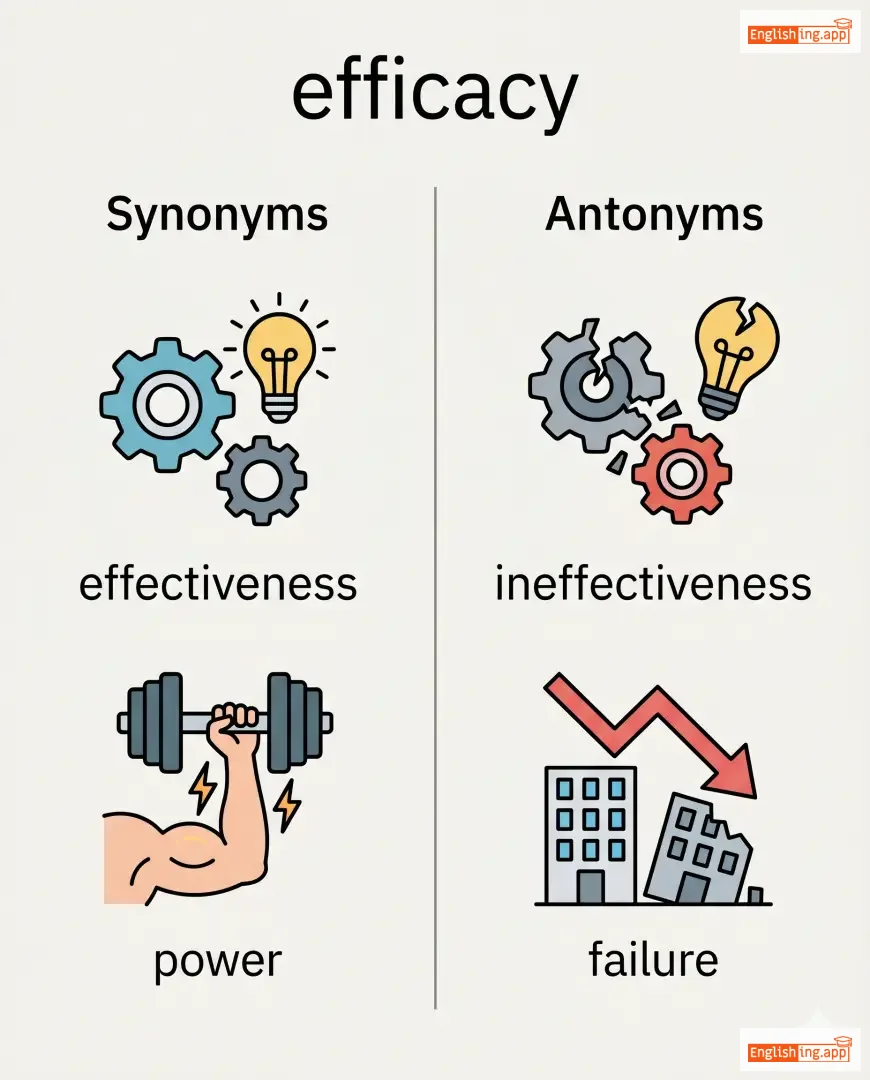
effectiveness, power, efficiency, success
••••••
|
ineffectiveness, failure, weakness
••••••
|
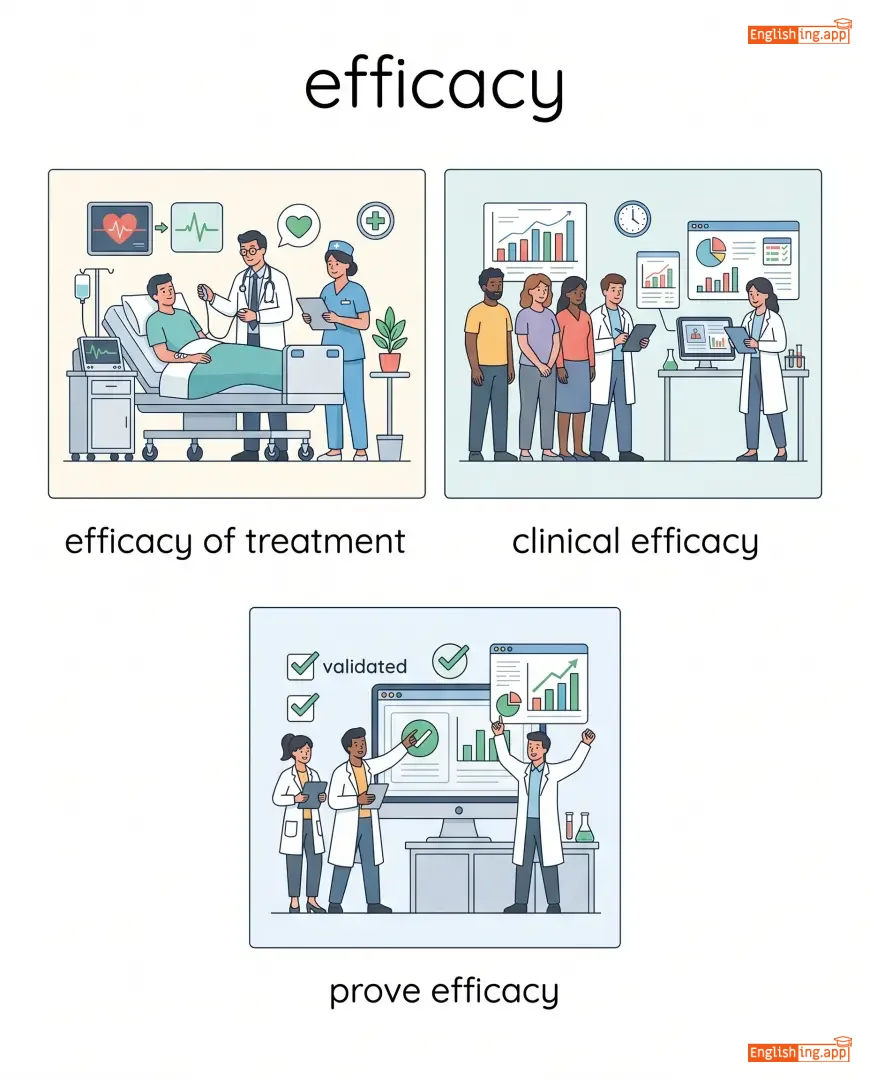
efficacy of treatment, clinical efficacy, prove efficacy, high efficacy
••••••
|
効果とは、望ましい結果を生み出す能力です。エフィ(effi)から来た効果。
••••••
|
|
😏
••••••
|
/ɪˈfrʌntəri/
noun
(エフロンテリー)
••••••
|
|
厚顔無恥または大胆な態度
kōgan muchi matawa daitan na taido
••••••
|
- •••••• | - •••••• | - •••••• | - •••••• |
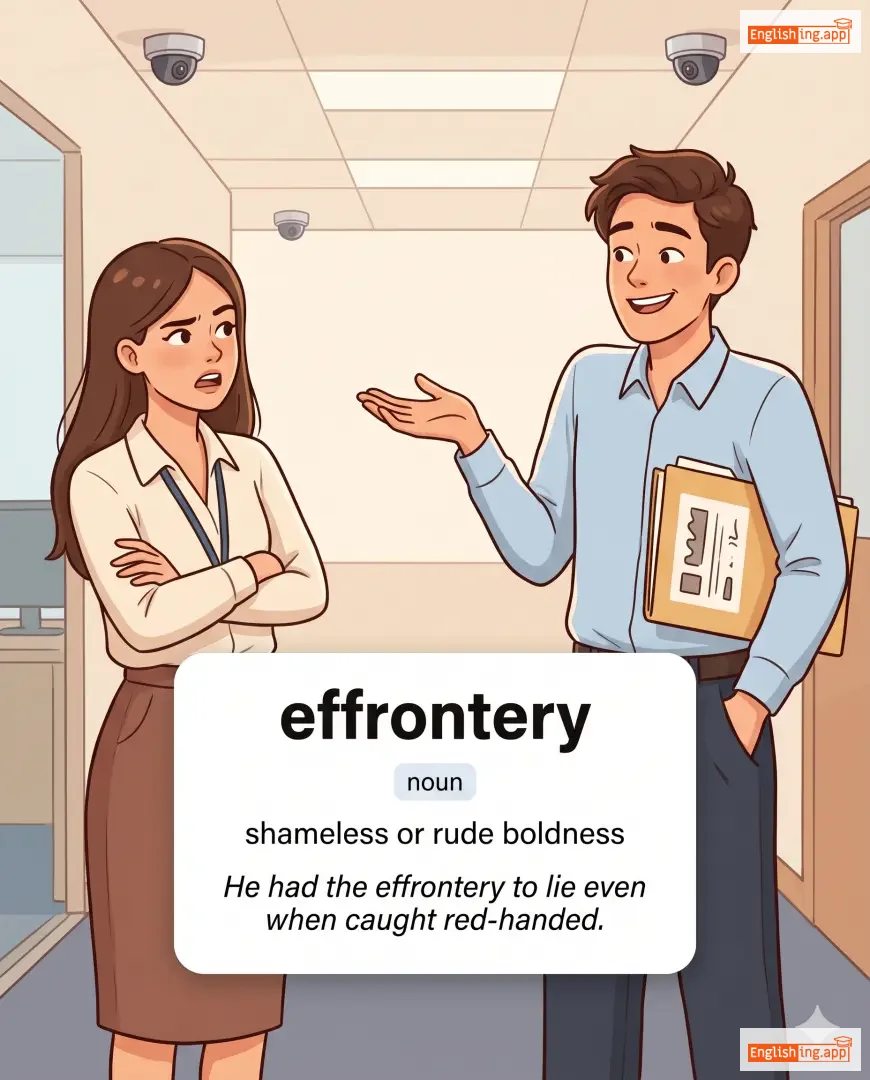
shameless or rude boldness
••••••
|
He had the effrontery to lie even when caught red-handed. |
彼は赤手で捕まった後でも嘘をつく厚顔無恥さを持っていた。
Kare wa akate de tsukamatta ato demo uso o tsuku kōgan muchisa o motte ita.
••••••
|
- •••••• | - •••••• | - •••••• |
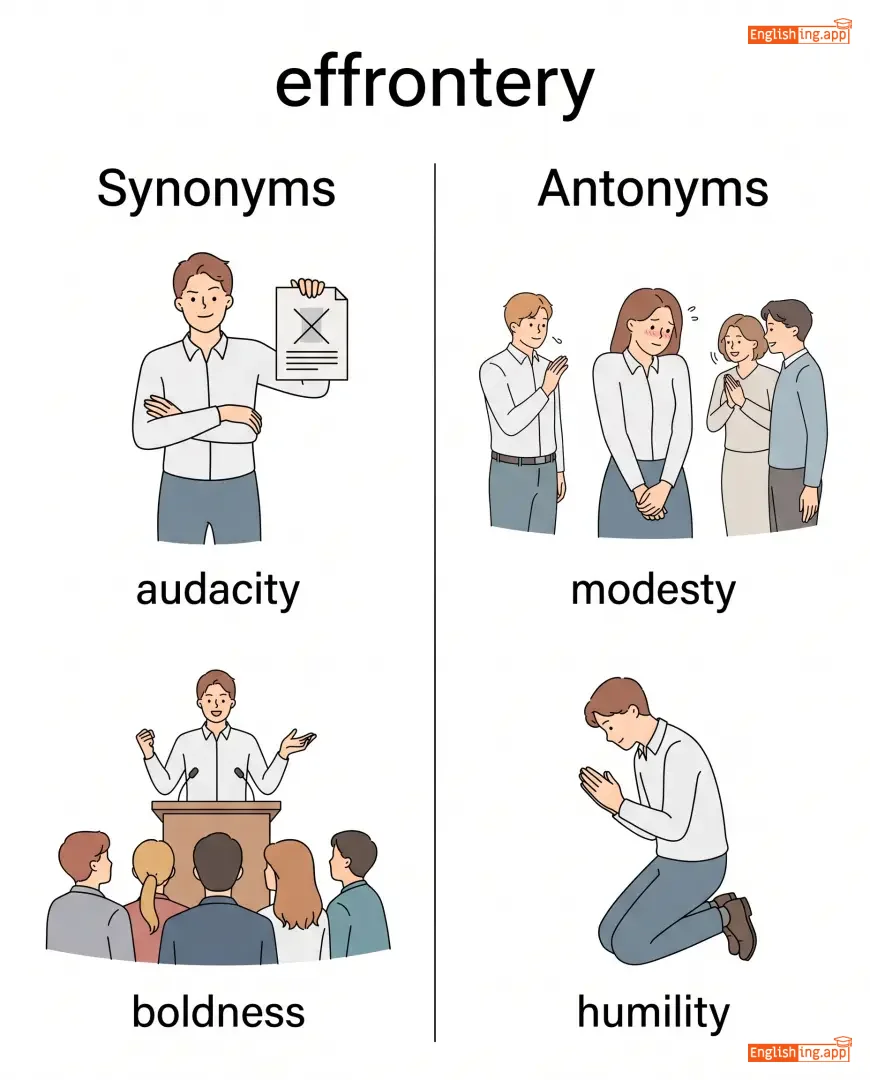
audacity, boldness, impudence, nerve, insolence
••••••
|
modesty, humility, shyness
••••••
|
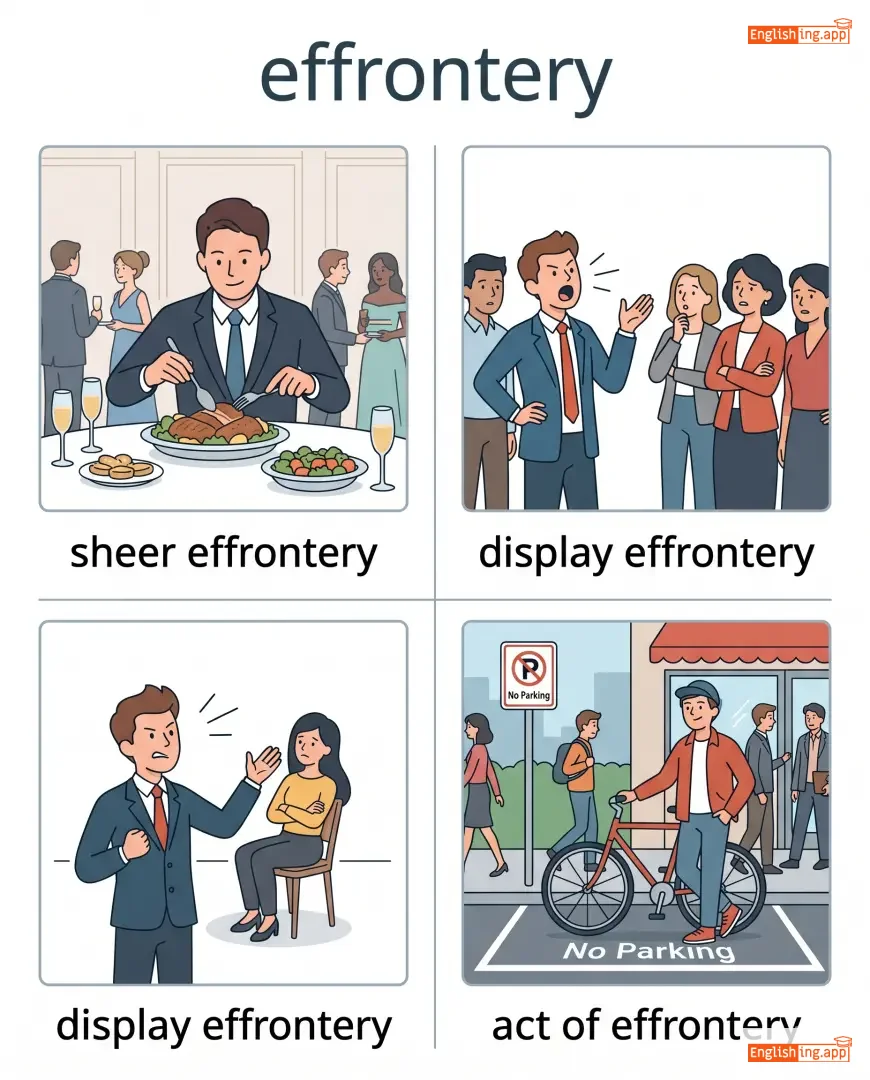
sheer effrontery, display effrontery, act of effrontery
••••••
|
Effronteryは厚顔無恥さを意味する — 前面 (front) に粗野な態度がある。
••••••
|
|
🪦
••••••
|
/ˈɛlɪdʒi/
noun
(エレジー)
••••••
|

|
エレジー
erejī
••••••
|
- •••••• | - •••••• | - •••••• | - •••••• |
A poem or song expressing sorrow, especially for someone who has died.
••••••
|
The poet wrote an elegy for his late friend. |
詩人は亡き友人のためにエレジーを書きました。
Shijin wa naki yūjin no tame ni erejī o kakimashita.
••••••
|
- •••••• | - •••••• | - •••••• |
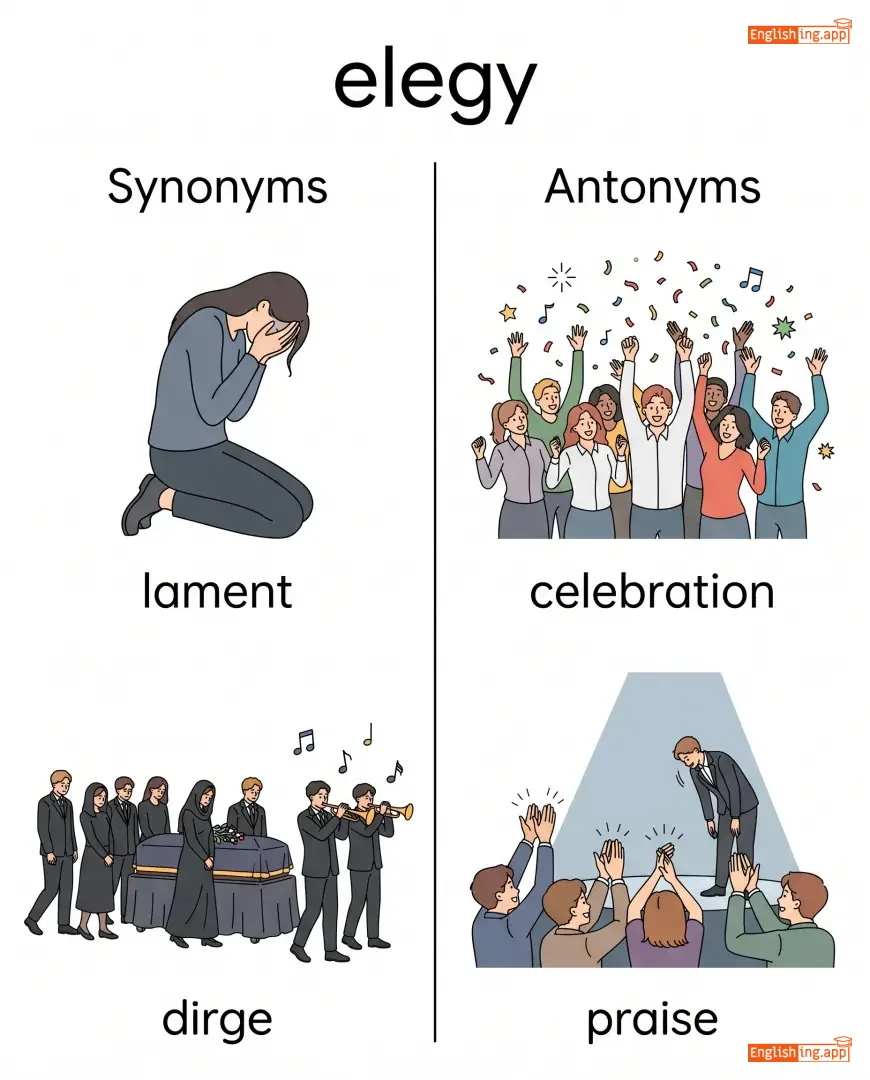
lament, dirge, requiem, threnody, ode
••••••
|
celebration, praise
••••••
|
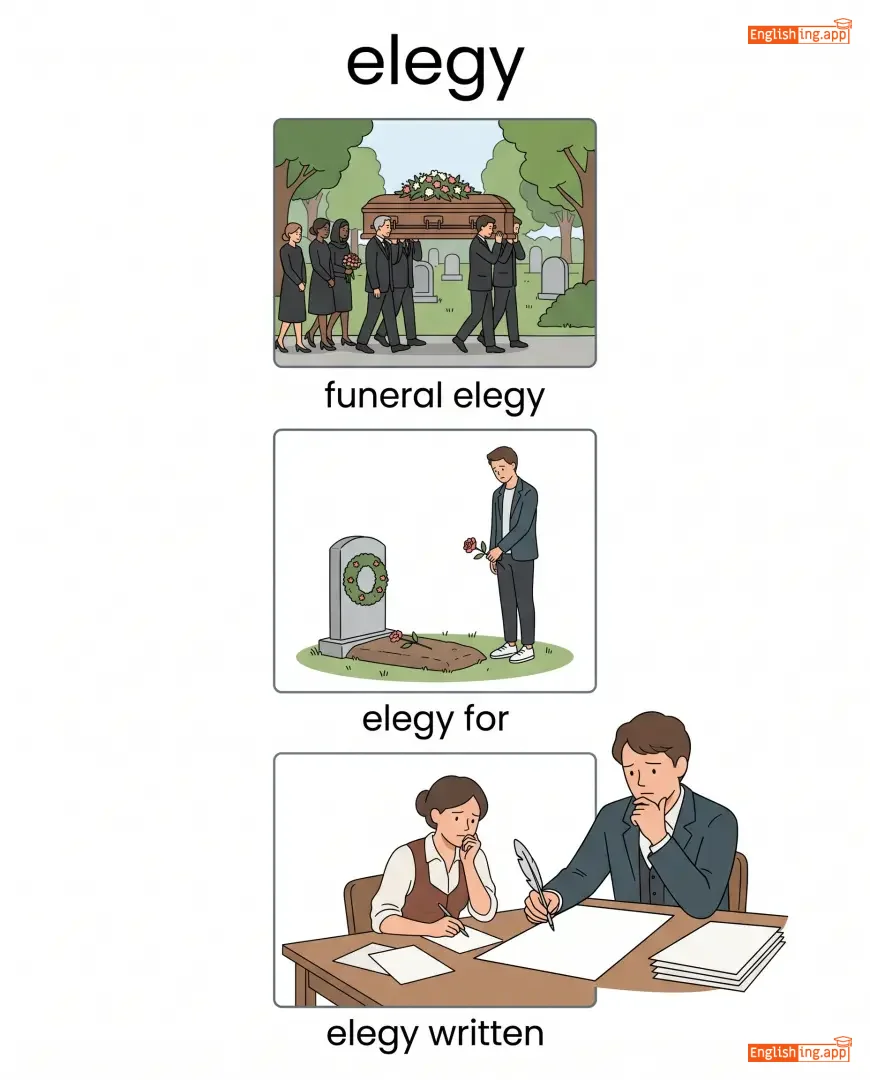
funeral elegy, elegy for, elegy written, mournful elegy
••••••
|
エレジーは失った友への悲しい歌のようなもの。
••••••
|
|
💬
••••••
|
/ɪˈlɪsɪt/
verb
(エリシット)
••••••
|
|
引き出す
hikidasu
••••••
|
elicited
エリシテッド
••••••
|
elicited
エリシテッド
••••••
|
elicits
エリシッツ
••••••
|
eliciting
エリシティング
••••••
|
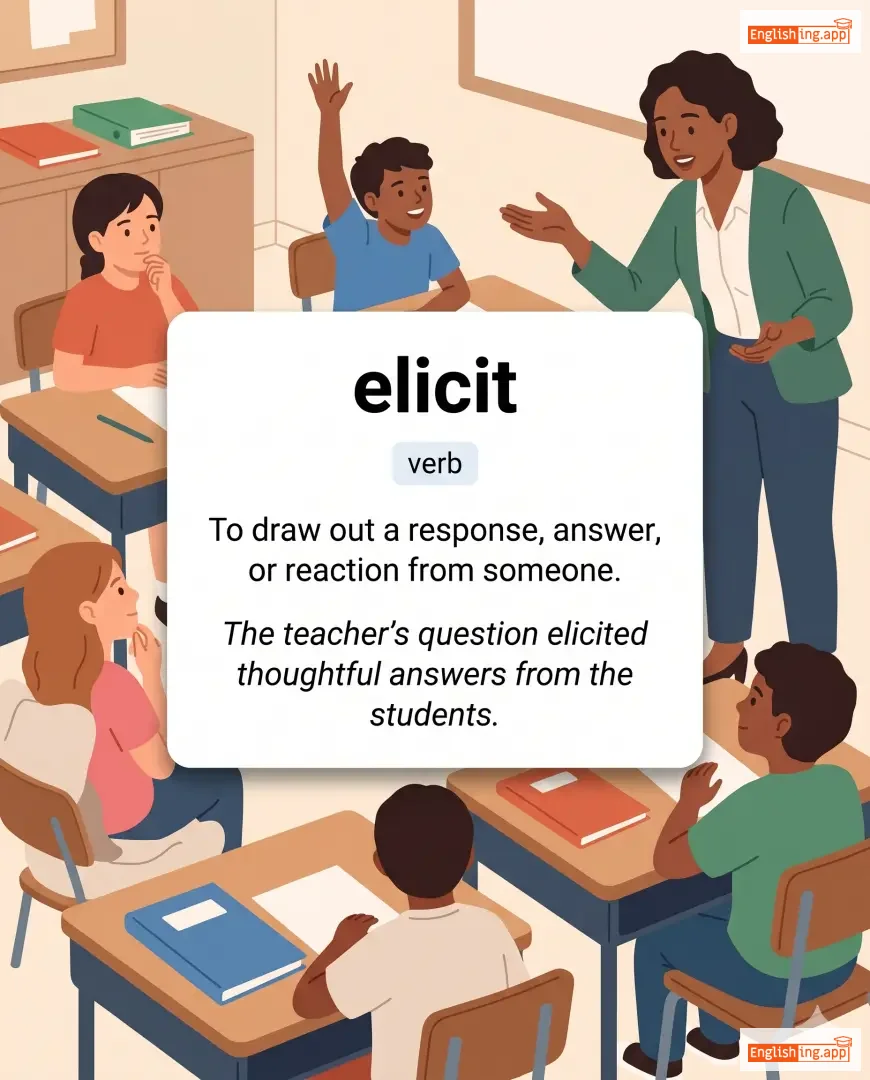
To draw out a response, answer, or reaction from someone.
••••••
|
The teacher’s question elicited thoughtful answers from the students.
先生の質問は生徒たちから思慮深い回答を引き出しました。
••••••
|
先生の質問は生徒たちから思慮深い回答を引き出しました。
Sensei no shitsumon wa seito-tachi kara shinri-bukai kaitō o hikidashimashita.
••••••
|
elicit a response
反応を引き出す
••••••
|
to cause someone to reply or react
••••••
|
反応を引き出す
hannou o hikidasu
••••••
|
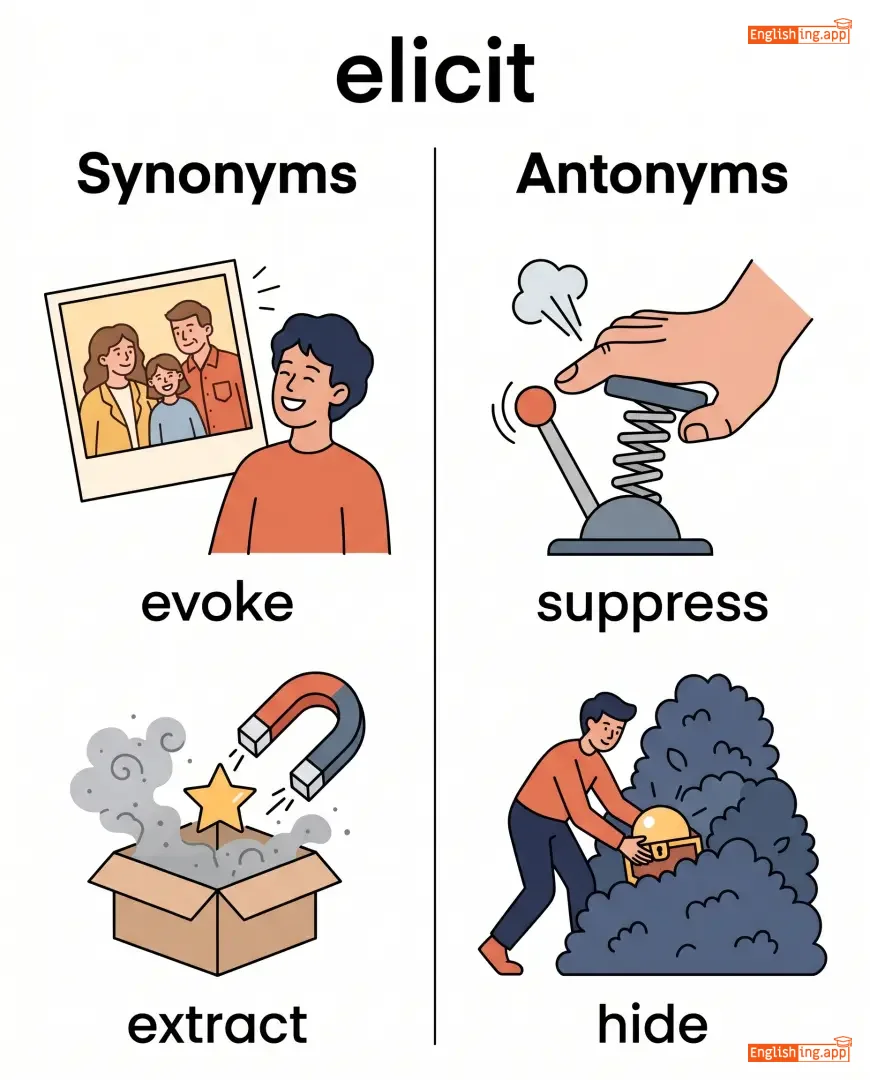
evoke, extract, provoke, obtain, bring out
••••••
|
suppress, hide, silence
••••••
|
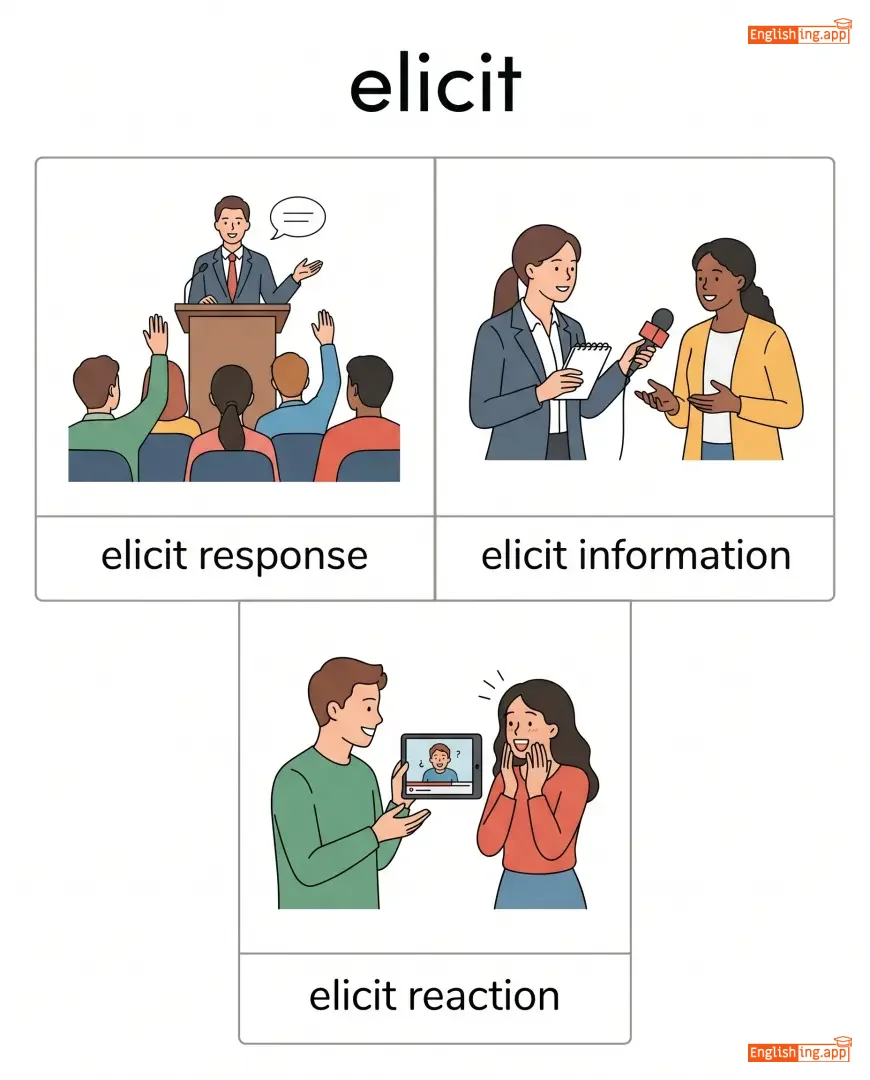
elicit response, elicit information, elicit reaction, elicit support
••••••
|
エリシット = 英語で反応を引き出す方法
••••••
|
|
✨
••••••
|
/ɪmˈbɛlɪʃ/
verb
(エンベリッシュ)
••••••
|
|
飾る
kazaru
••••••
|
embellished
エンベリッシュド
••••••
|
embellished
エンベリッシュド
••••••
|
embellishes
エンベリッシュズ
••••••
|
embellishing
エンベリッシング
••••••
|
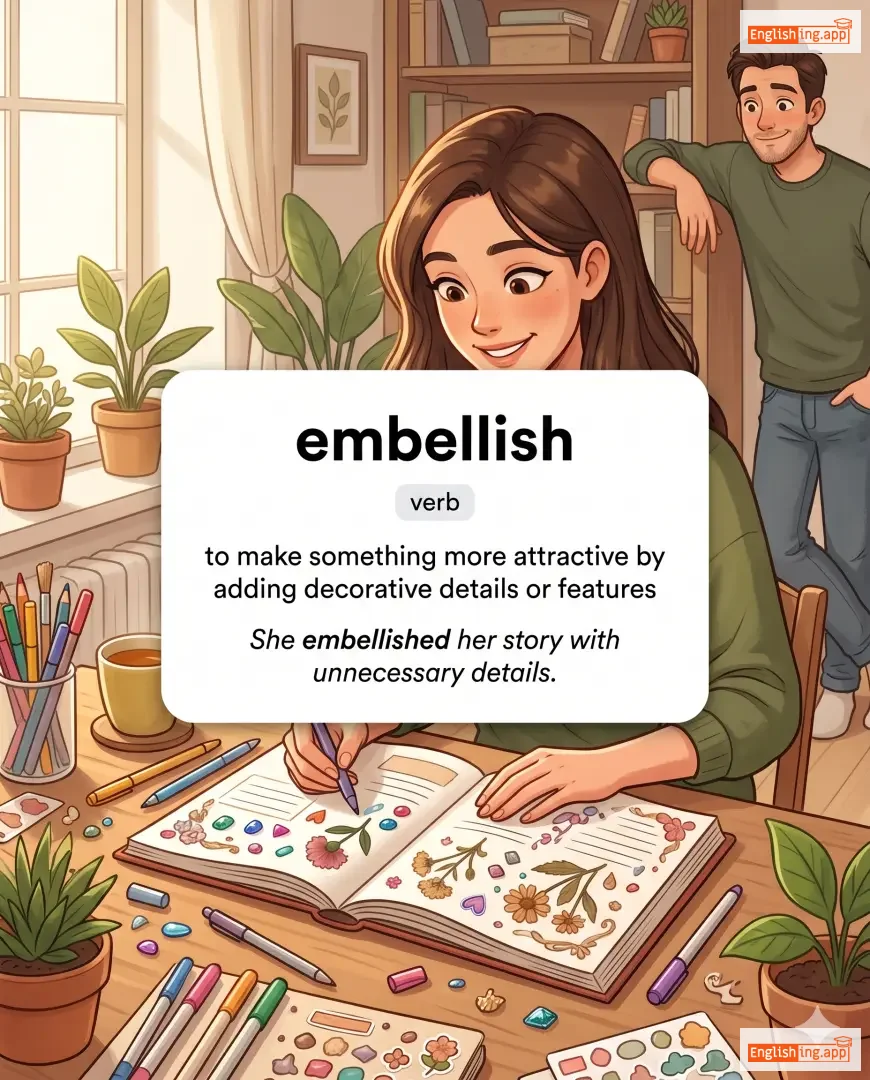
to make something more attractive by adding decorative details or features
••••••
|
She embellished her story with unnecessary details.
彼女は不必要な詳細で彼女の話を飾った。
••••••
|
彼女は不必要な詳細で彼女の話を飾った。
Kanojo wa fuyōna shōsai de kanojo no hanashi o kazatta.
••••••
|
embellish the truth
真実を飾る
••••••
|
to exaggerate or add extra details to something
••••••
|
真実を飾る
Shinjitsu o kazaru
••••••
|
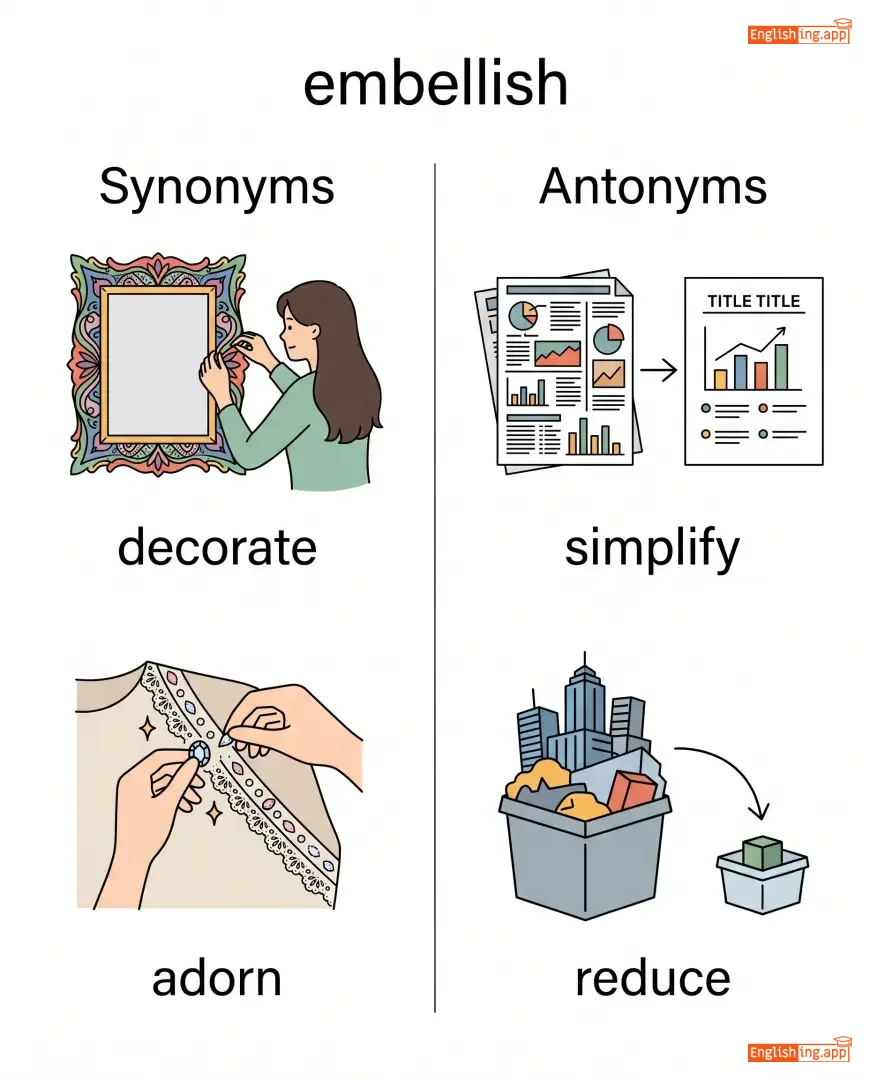
decorate, adorn, beautify, enhance, exaggerate
••••••
|
simplify, reduce, deface
••••••
|
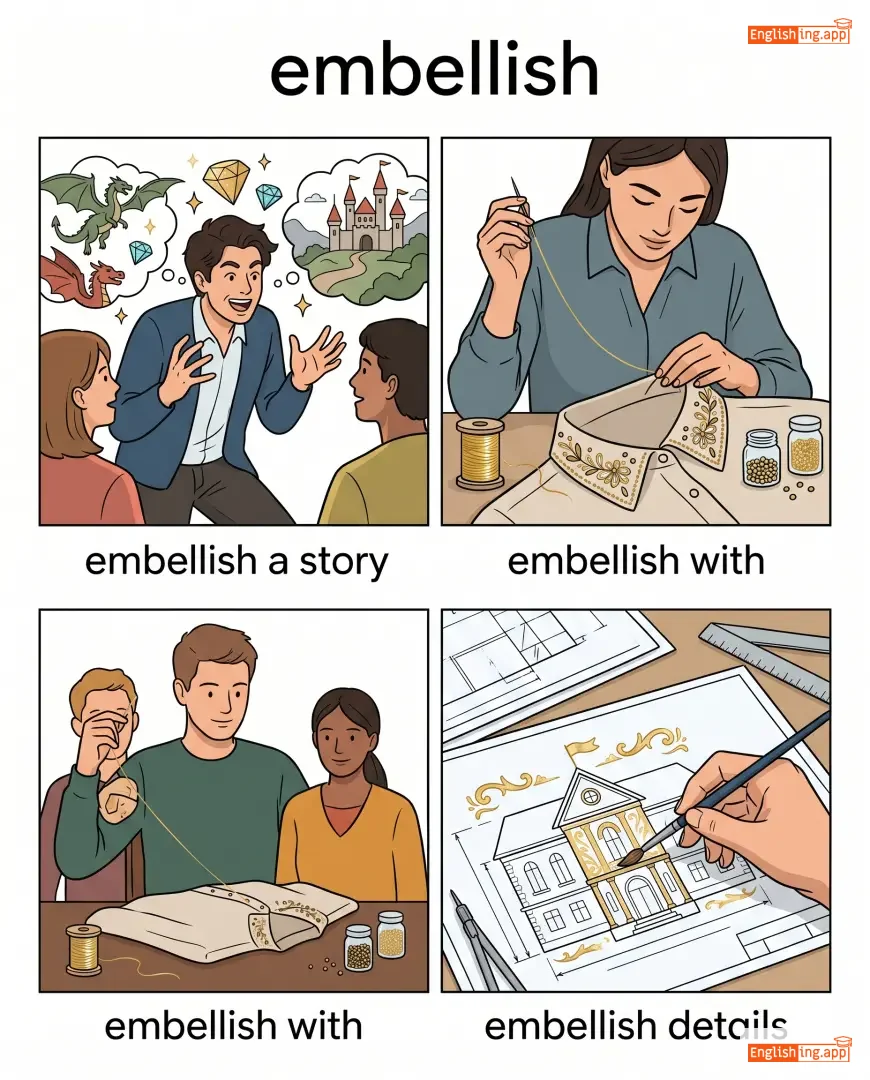
embellish a story, embellish with, embellish details
••••••
|
Kazaru wa kagi o tsukete sōshoku (kazaru)
••••••
|
|
🔬
••••••
|
/ɛmˈpɪrɪkəl/
adjective
(エンピリカル)
••••••
|
|
経験的
keiken-teki
••••••
|
- •••••• | - •••••• | - •••••• | - •••••• |
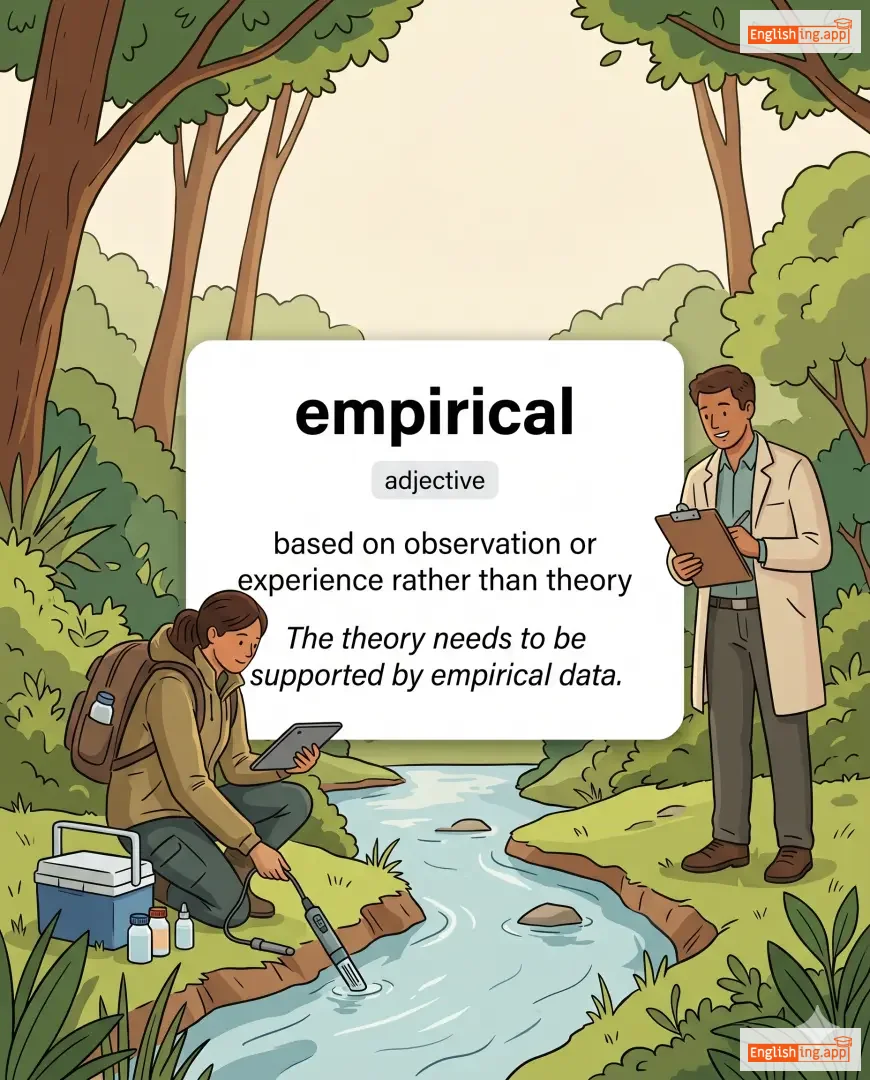
based on observation or experience rather than theory
••••••
|
The theory needs to be supported by empirical data. |
理論は経験的なデータで裏付けられるべきです。
Riron wa keiken-teki na deeta de urazukerarebe ki desu.
••••••
|
empirical evidence |
information gained through observation or experiment
••••••
|
経験的証拠
keiken-teki shouko
••••••
|
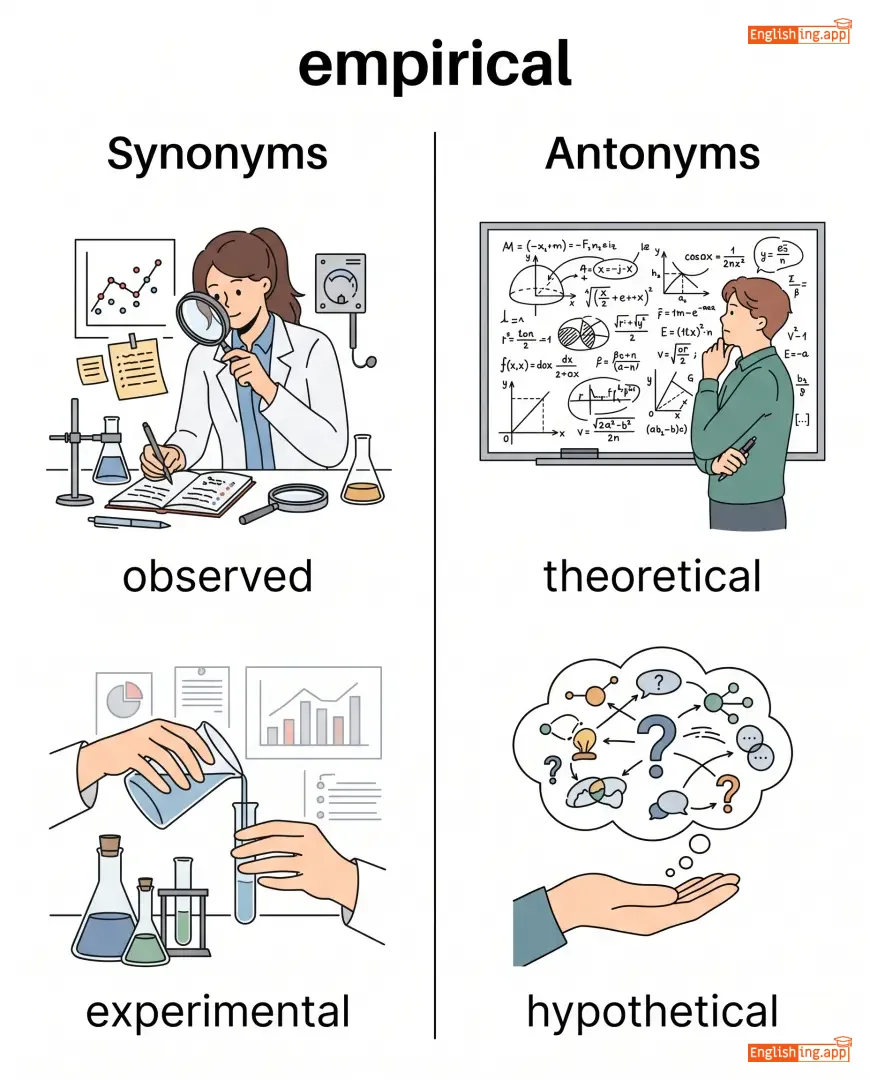
observed, experimental, factual, practical, real
••••••
|
theoretical, hypothetical
••••••
|
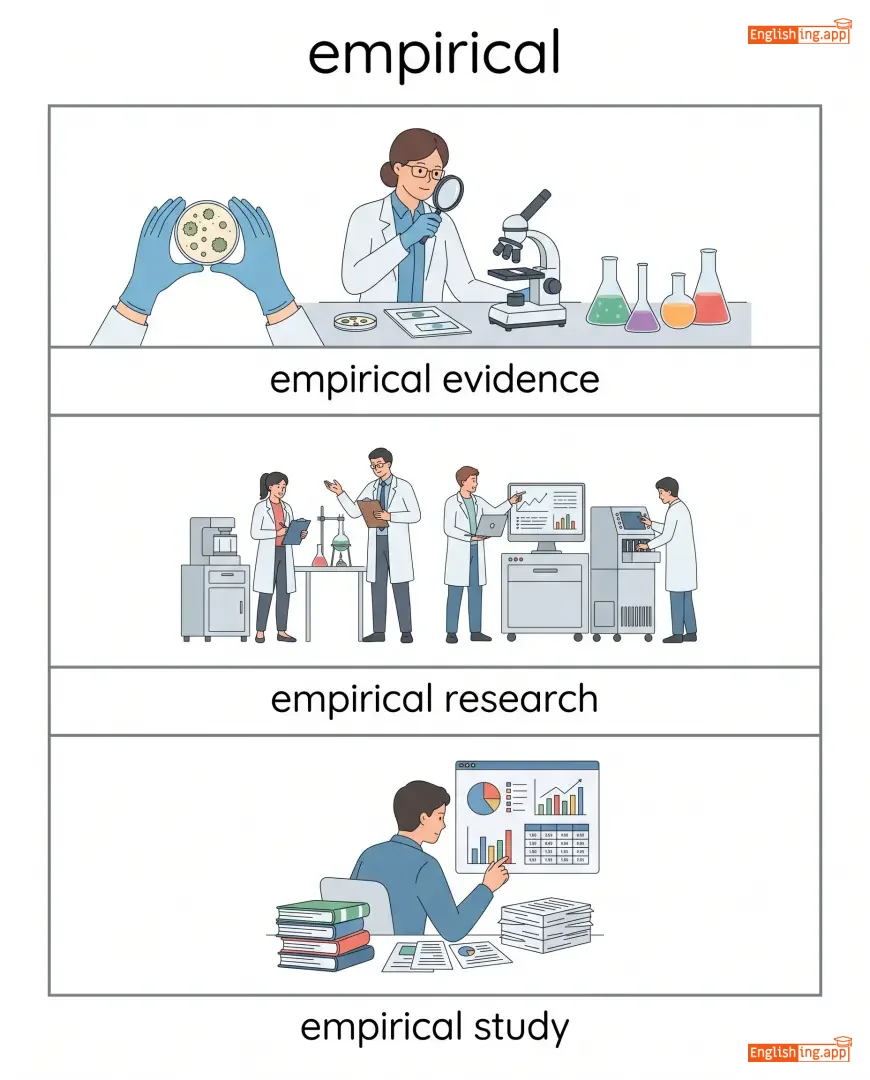
empirical evidence, empirical research, empirical study, empirical data
••••••
|
Empiricalは経験から来る、だから経験的(keiken-teki)!
••••••
|
|
📋
••••••
|
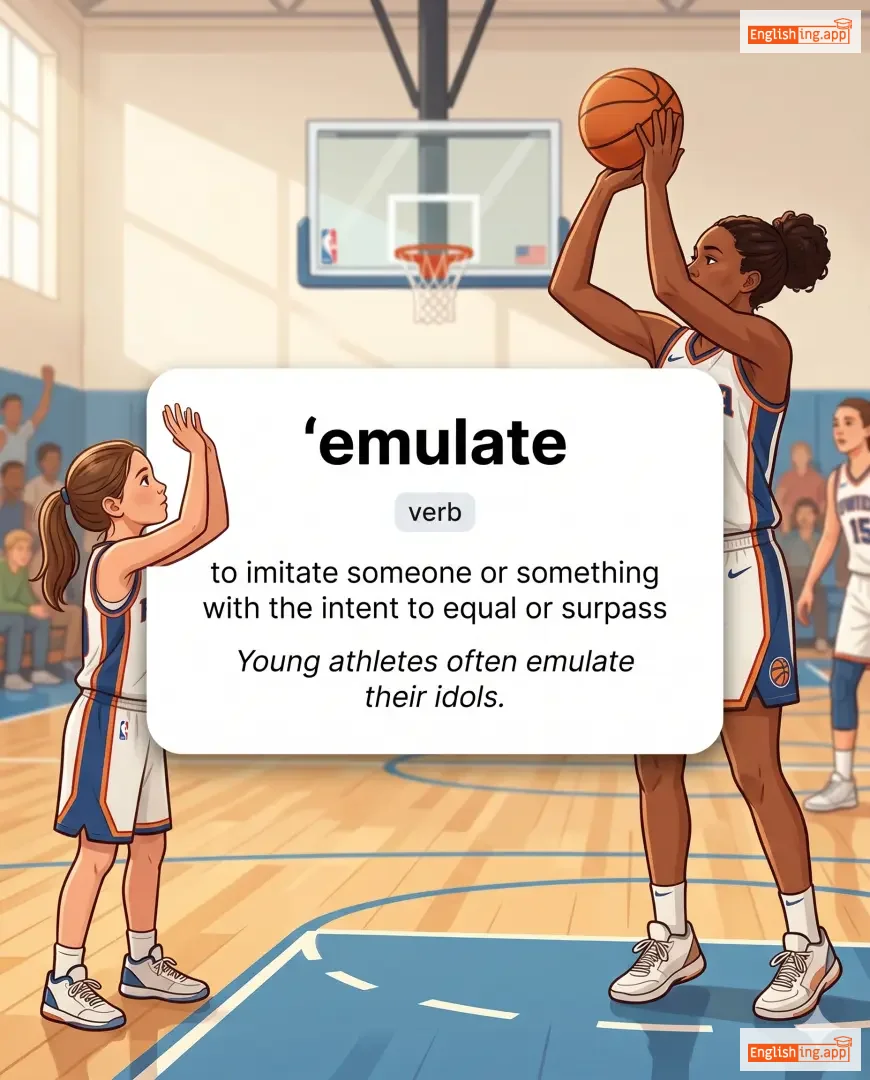
/ˈɛm.jʊˌleɪt/
verb
(エミュレート)
••••••
|
|
模倣する
mohō suru
••••••
|
emulated
エミュレートした
••••••
|
emulated
エミュレートした
••••••
|
emulates
エミュレートする
••••••
|
emulating
エミュレートしている
••••••
|
to imitate someone or something with the intent to equal or surpass
••••••
|
Young athletes often emulate their idols.
若いアスリートはよく自分のアイドルを模倣します。
••••••
|
若いアスリートはよく自分のアイドルを模倣します。
Wakai asurīto wa yoku jibun no aidoru o mohō shimasu.
••••••
|
emulate success
成功を模倣する
••••••
|
to imitate the actions or qualities that lead to success
••••••
|
成功を模倣する
seikō o mohō suru
••••••
|
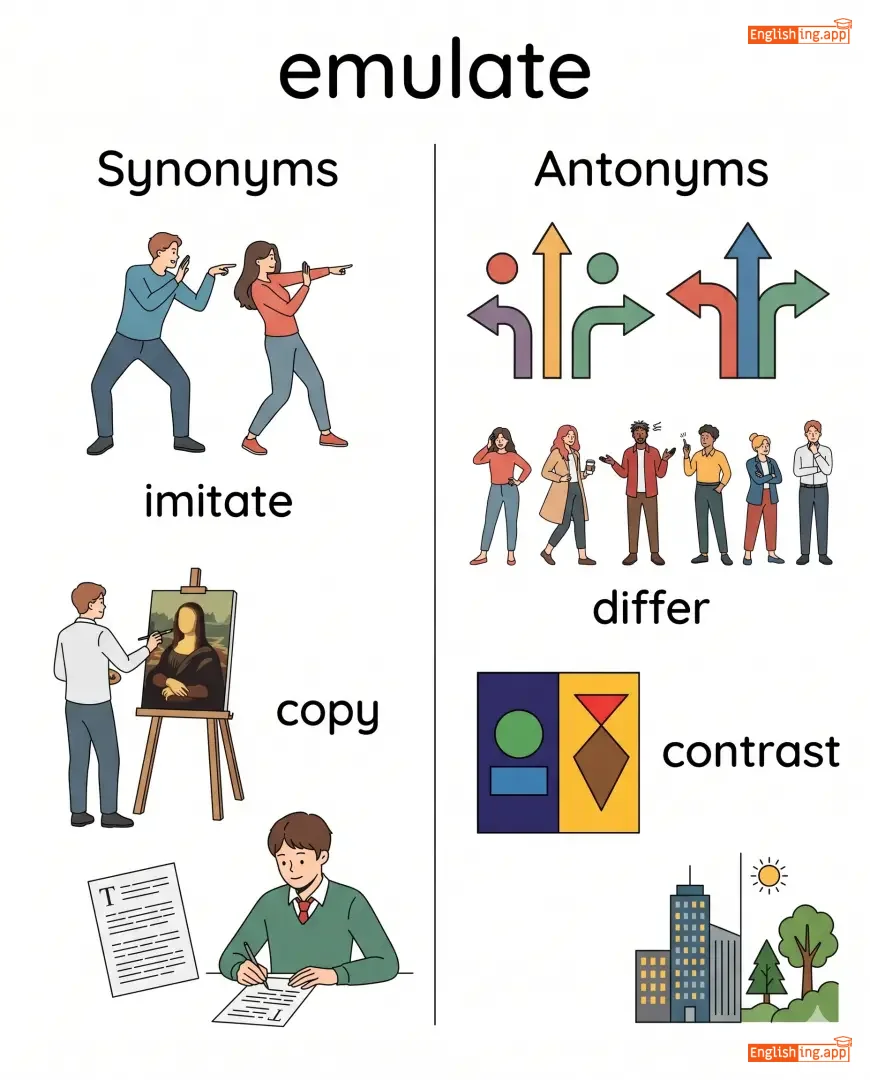
imitate, copy, mirror, follow, mimic
••••••
|
differ, contrast, oppose
••••••
|
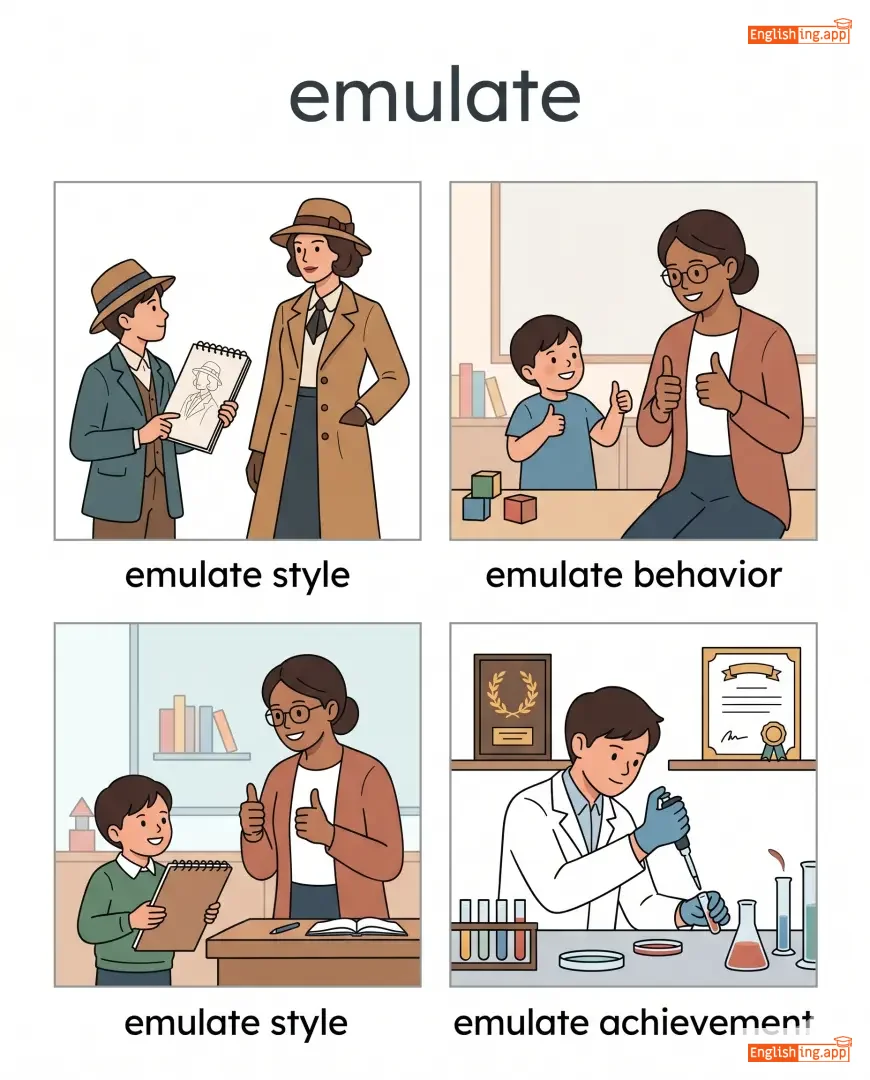
emulate style, emulate behavior, emulate achievement, emulate model
••••••
|
Emulateは模倣するという意味です - 'エミュレート'は 'エミュレート'として、他の人を模倣して成功を目指すことです。
••••••
|
|
🌍
••••••
|
/ɛnˈdɛmɪk/
adjective
(エンデミック)
••••••
|
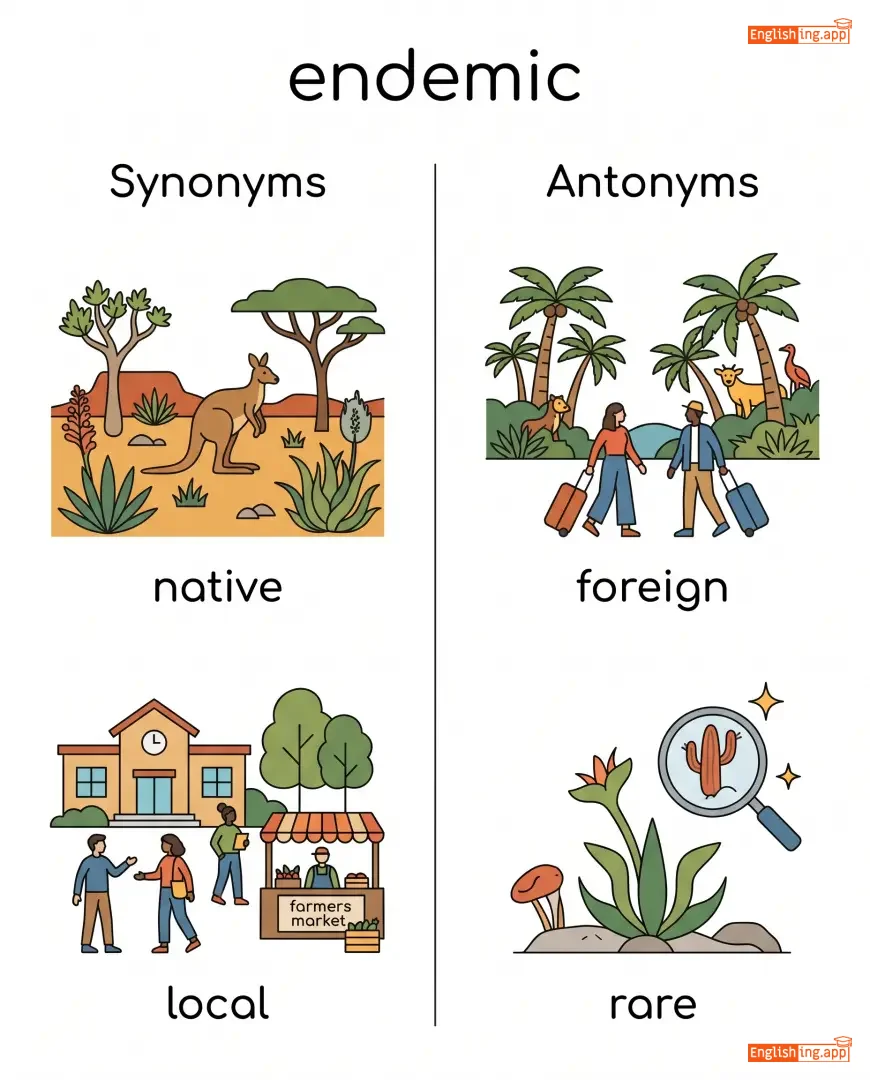
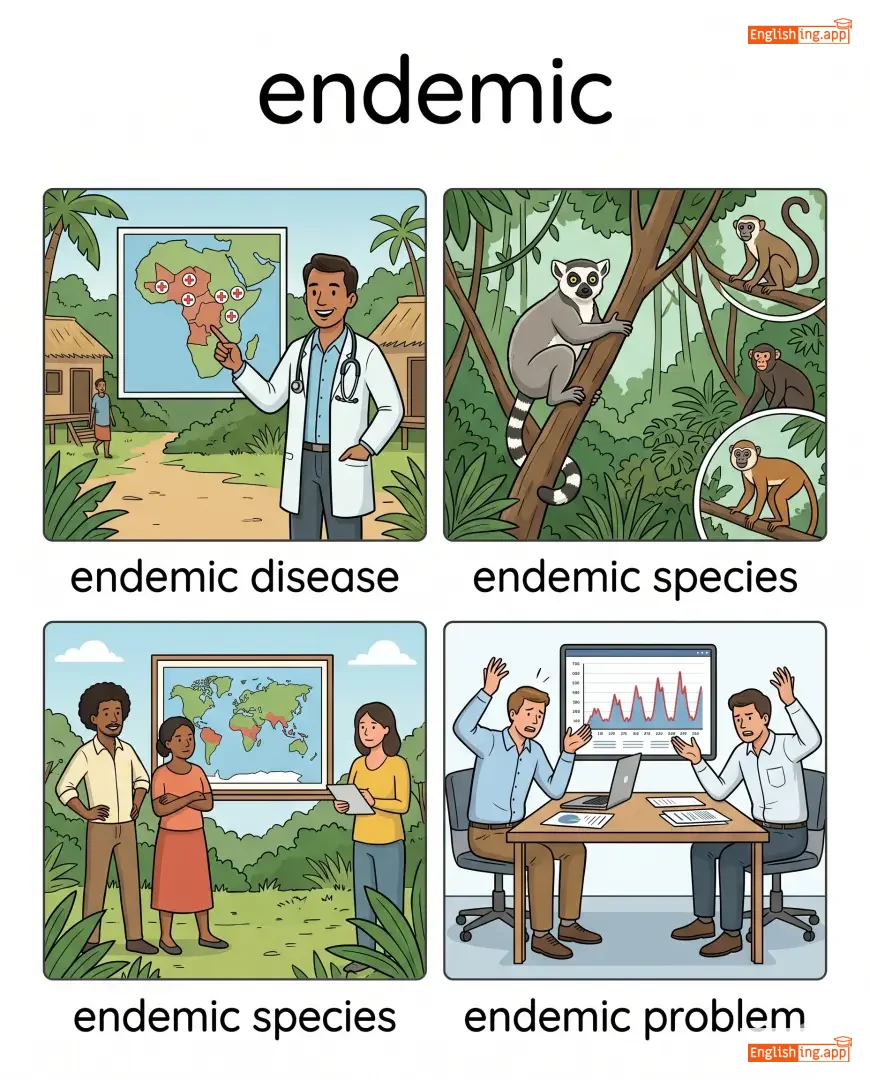
|
地方性
chihō-sei
••••••
|
- •••••• | - •••••• | - •••••• | - •••••• |
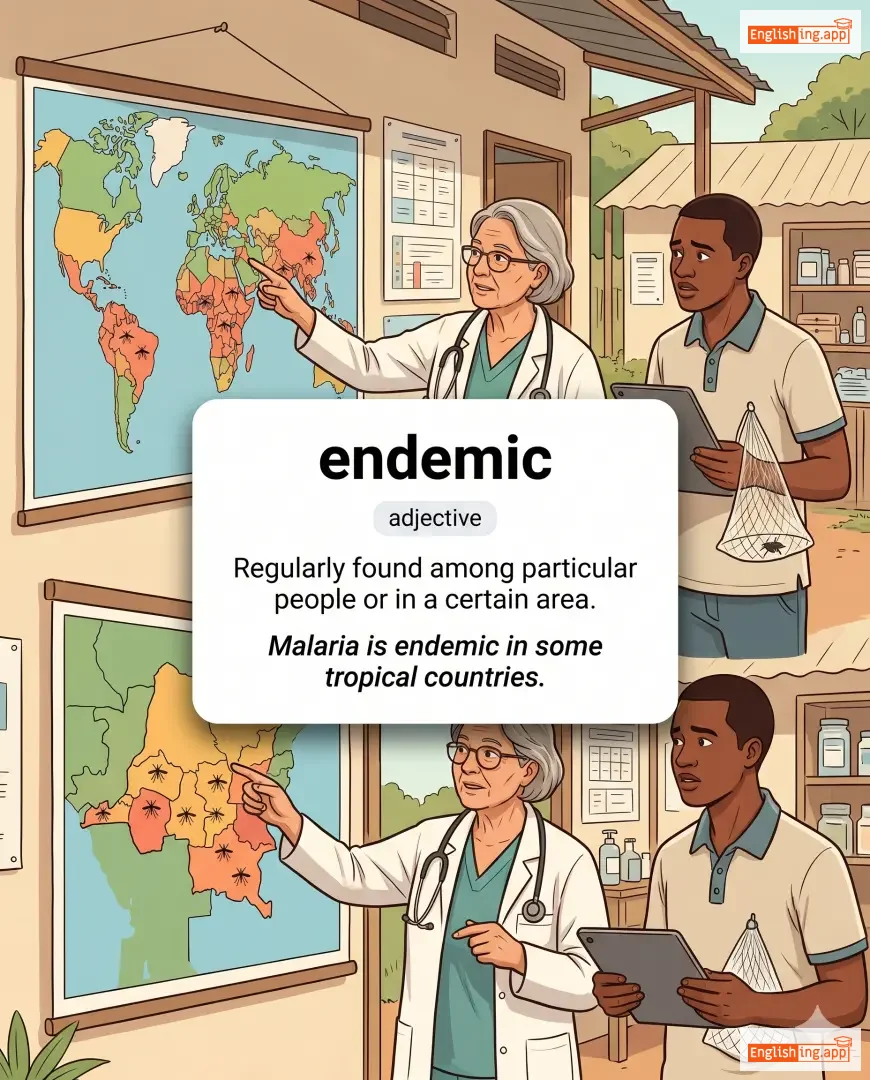
Regularly found among particular people or in a certain area.
••••••
|
Malaria is endemic in some tropical countries. |
マラリアは一部の熱帯諸国で地方性です。
Mararia wa ichibu no nettai shokoku de chihō-sei desu.
••••••
|
- •••••• | - •••••• | - •••••• |
native, local, regional, widespread
••••••
|
foreign, rare
••••••
|
endemic disease, endemic species, endemic problem
••••••
|
エンデミックの‘地方性’は特定の場所に常に存在することを意味します。
••••••
|
|
😩
••••••
|
/ˈɛnərˌveɪt/
verb
(エネルヴェイト)
••••••
|
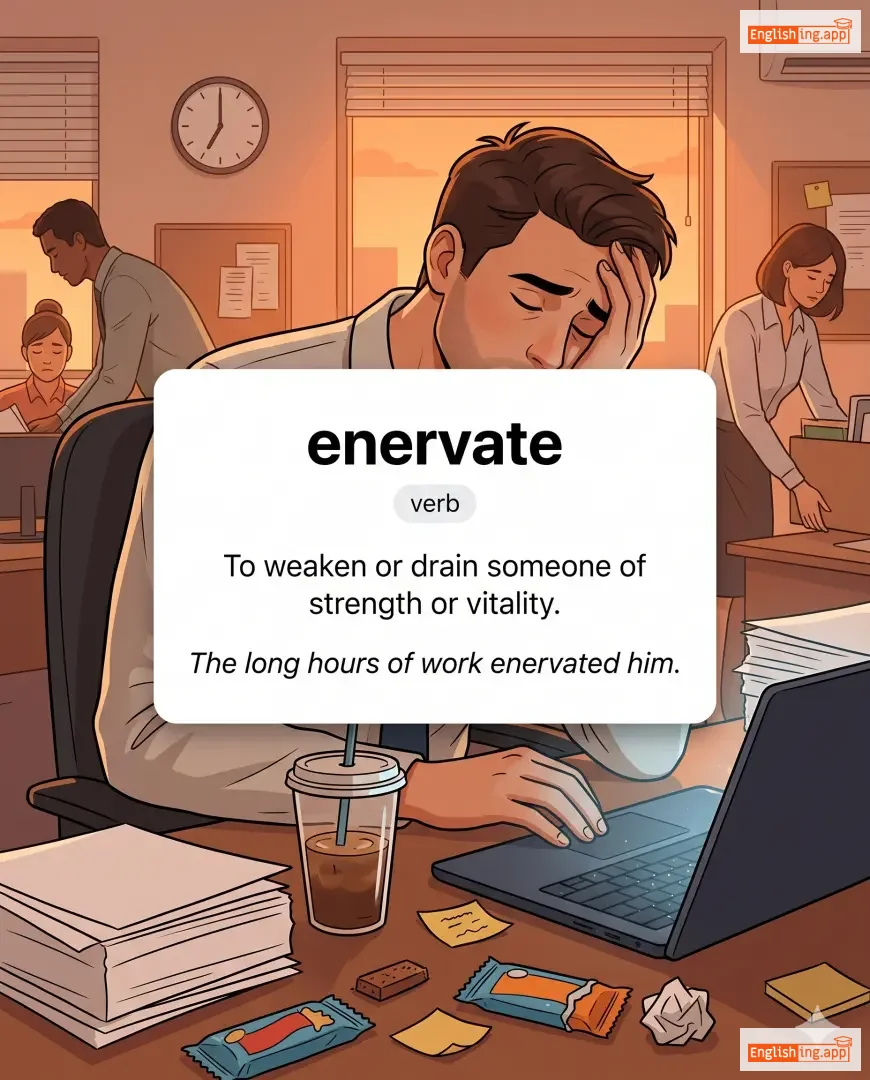
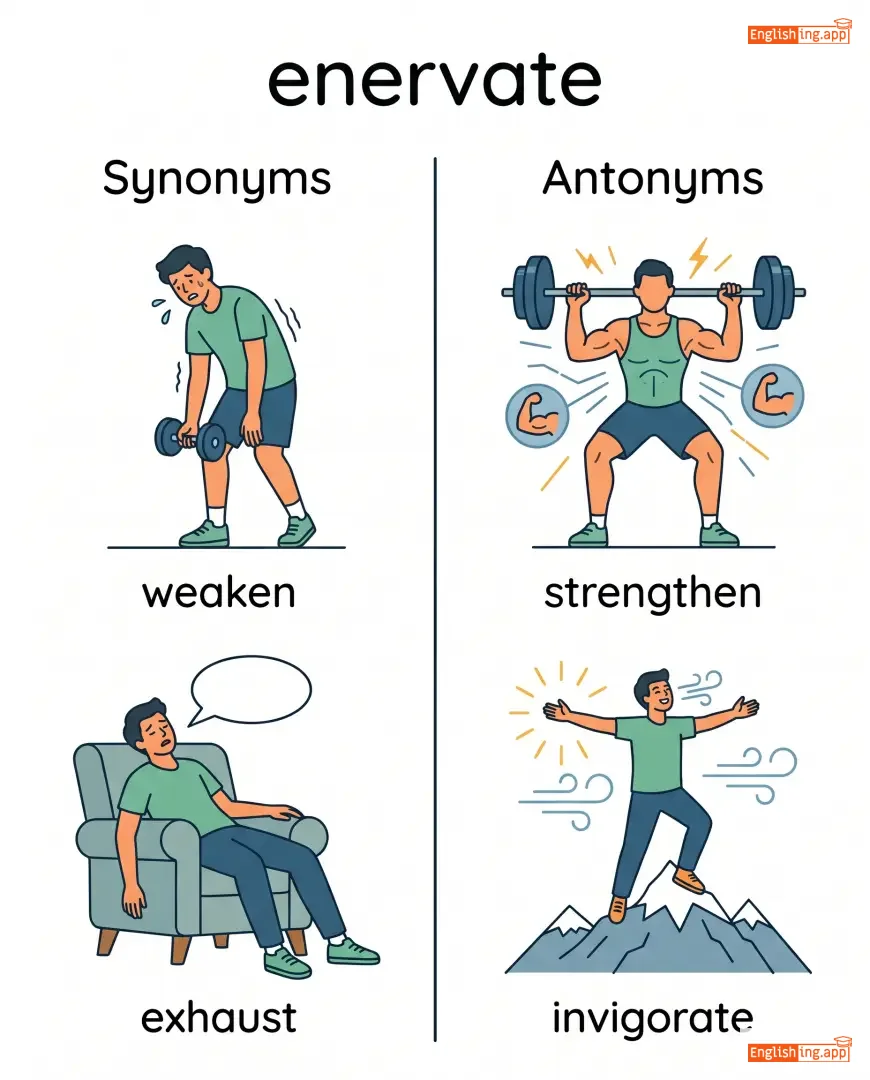
|
弱体化する
jakutaika suru
••••••
|
enervated
エネルヴェイテッド
••••••
|
enervated
エネルヴェイテッド
••••••
|
enervates
エネルヴェイツ
••••••
|
enervating
エネルヴェイティング
••••••
|
To weaken or drain someone of strength or vitality.
••••••
|
The long hours of work enervated him.
長時間の労働が彼をエネルヴェイテッドさせた。
••••••
|
長時間の労働が彼を弱体化させた。
Chōjikan no rōdō ga kare o jakutaika saseta.
••••••
|
mentally enervated
精神的にエネルヴェイテッド
••••••
|
exhausted or weakened in mental capacity
••••••
|
精神的に弱体化した
Seishin-teki ni jakutaika shita
••••••
|
weaken, exhaust, debilitate, drain
••••••
|
strengthen, invigorate
••••••
|
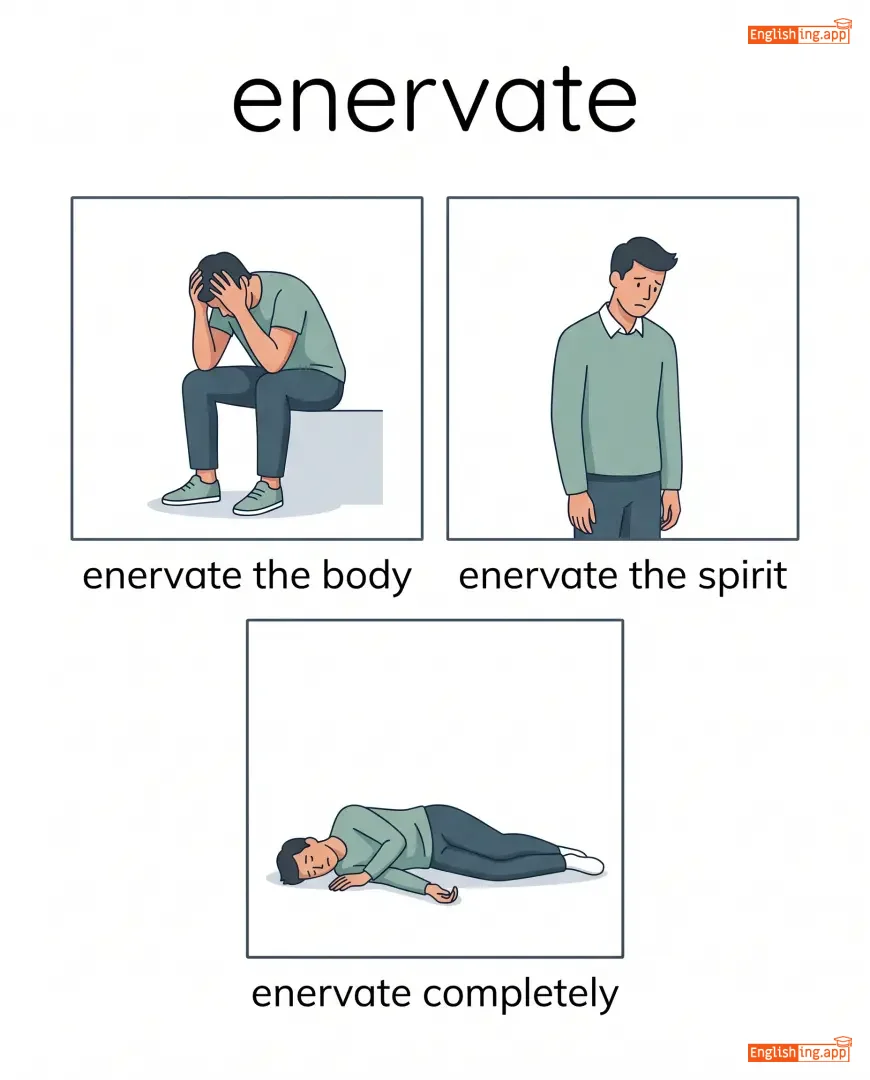
enervate the body, enervate the spirit, enervate completely
••••••
|
Enervateはエネルギーを使って弱体化させること → 力を減らす
••••••
|
|
🌱
••••••
|
/ɪnˈdʒɛndər/
verb
(エンジェンダー)
••••••
|
|
生み出す
umidasu
••••••
|
engendered
エンジェンダード
••••••
|
engendered
エンジェンダード
••••••
|
engenders
エンジェンダーズ
••••••
|
engendering
エンジェンダリング
••••••
|
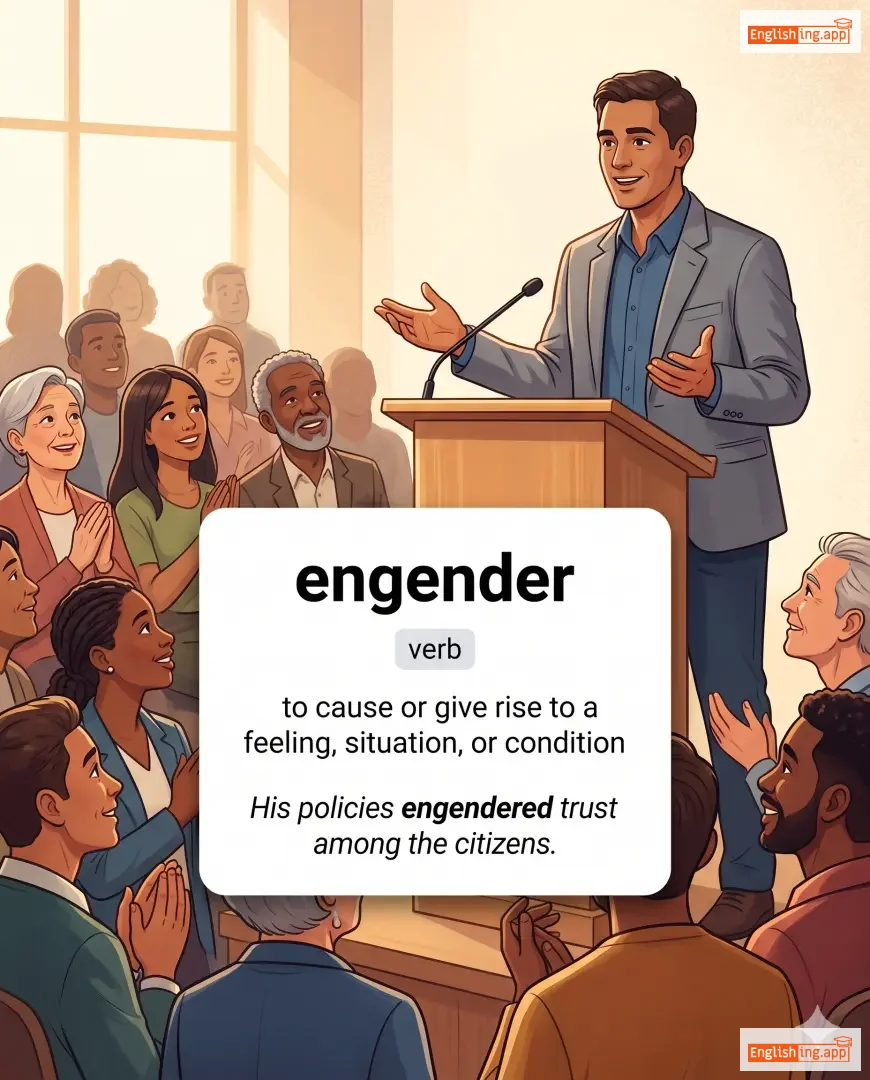
to cause or give rise to a feeling, situation, or condition
••••••
|
His policies engendered trust among the citizens.
ヒズ ポリシーズ エンジェンダード トラスト アモング ザ シティズンズ。
••••••
|
彼の政策は市民の間で信頼を生み出しました。
kare no seisaku wa shimin no aida de shinrai wo umidashimashita.
••••••
|
- •••••• | - •••••• | - •••••• |
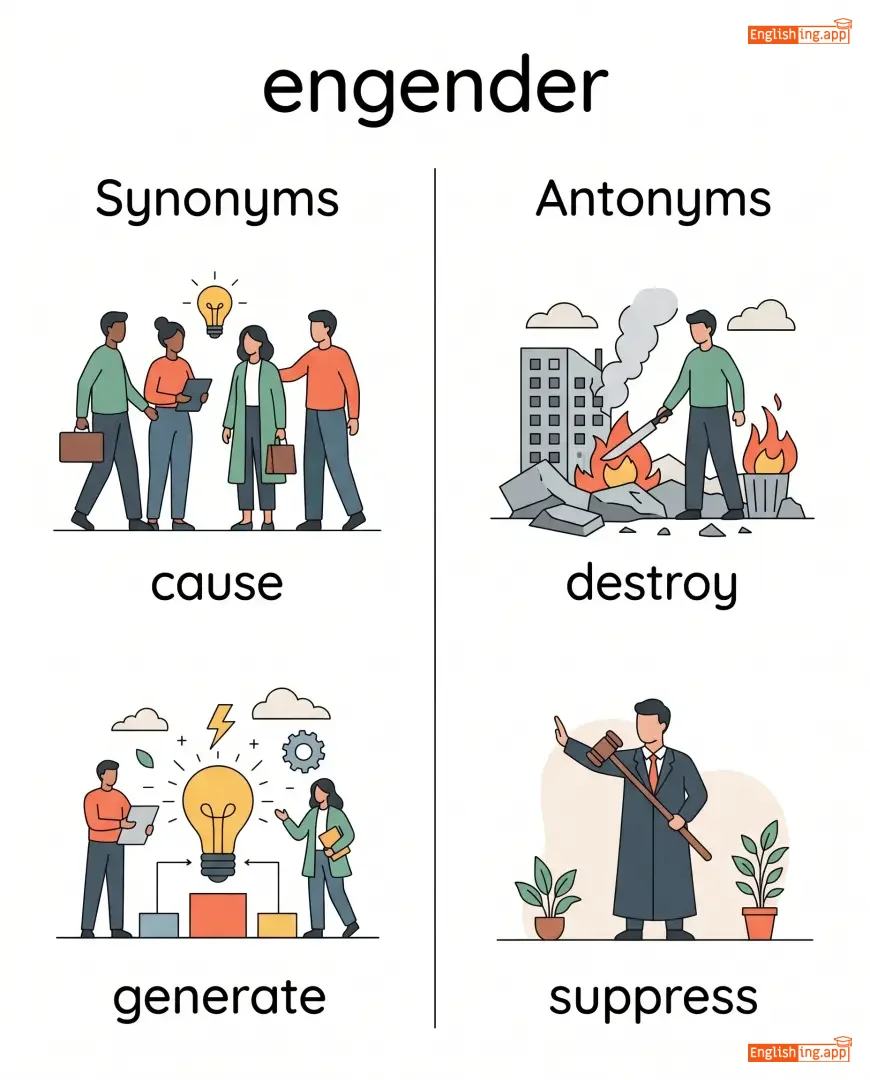
cause, generate, produce, provoke, trigger
••••••
|
destroy, suppress, extinguish
••••••
|
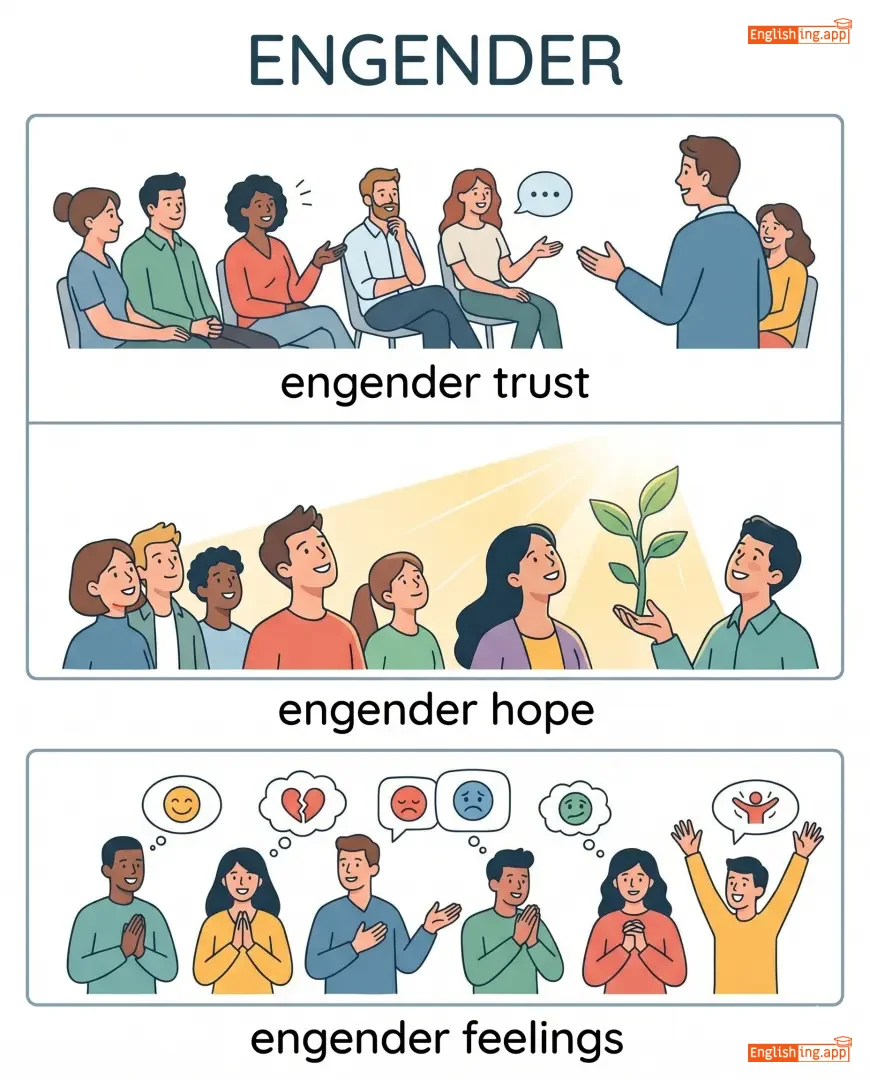
engender trust, engender hope, engender feelings, engender debate
••••••
|
Engender: エネルギーを生み出して何かを作る。
••••••
|
|
✨
••••••
|
/ɪnˈhæns/
verb
(enhans)
••••••
|

|
向上させる
koujou saseru
••••••
|
enhanced
enhansudo
••••••
|
enhanced
enhansudo
••••••
|
enhances
enhansesu
••••••
|
enhancing
enhanshingu
••••••
|
to improve the quality, value, or extent of something
••••••
|
The new features will enhance the user experience.
新しい機能はユーザー体験を向上させます。
••••••
|
新しい機能はユーザー体験を向上させます。
Atarashii kinou wa yuzaa taiken wo koujou saseru.
••••••
|
enhance beauty
美しさを向上させる
••••••
|
to make someone or something look more beautiful
••••••
|
美しさを向上させる
utsukushisa wo koujou saseru
••••••
|
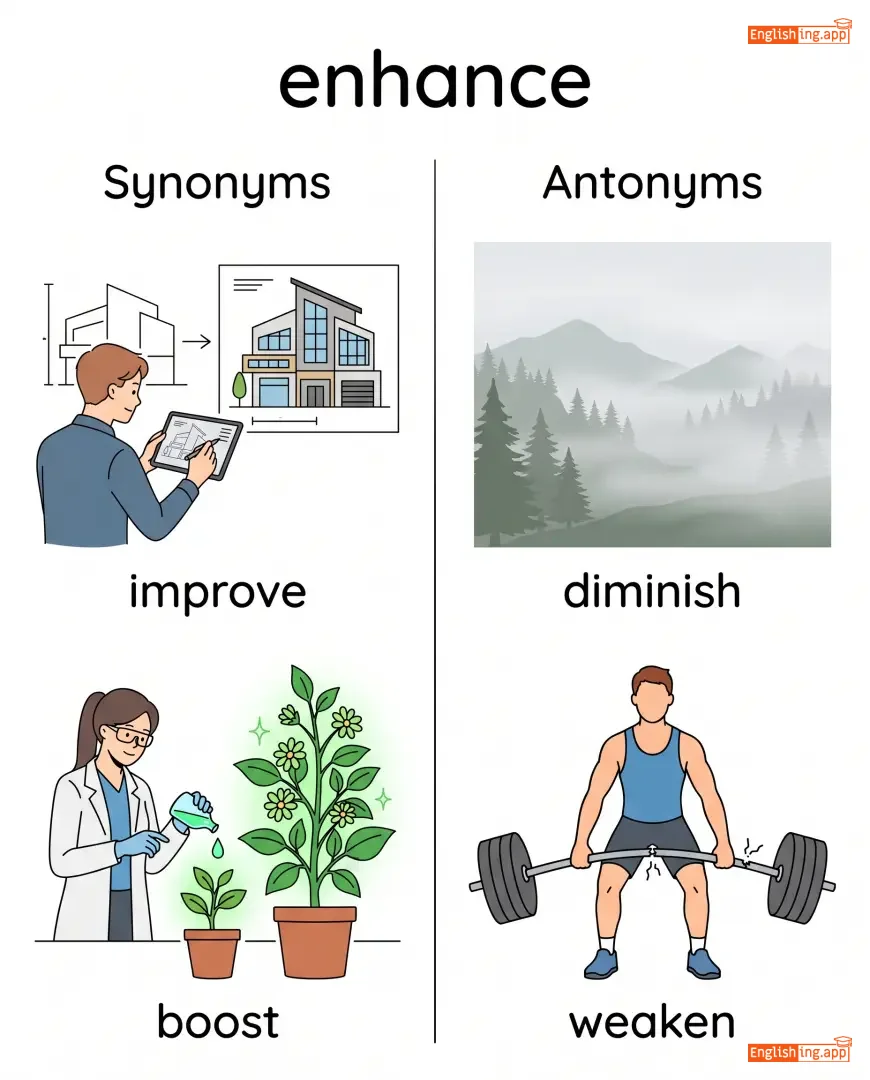
improve, boost, enrich, heighten, strengthen
••••••
|
diminish, weaken, reduce
••••••
|
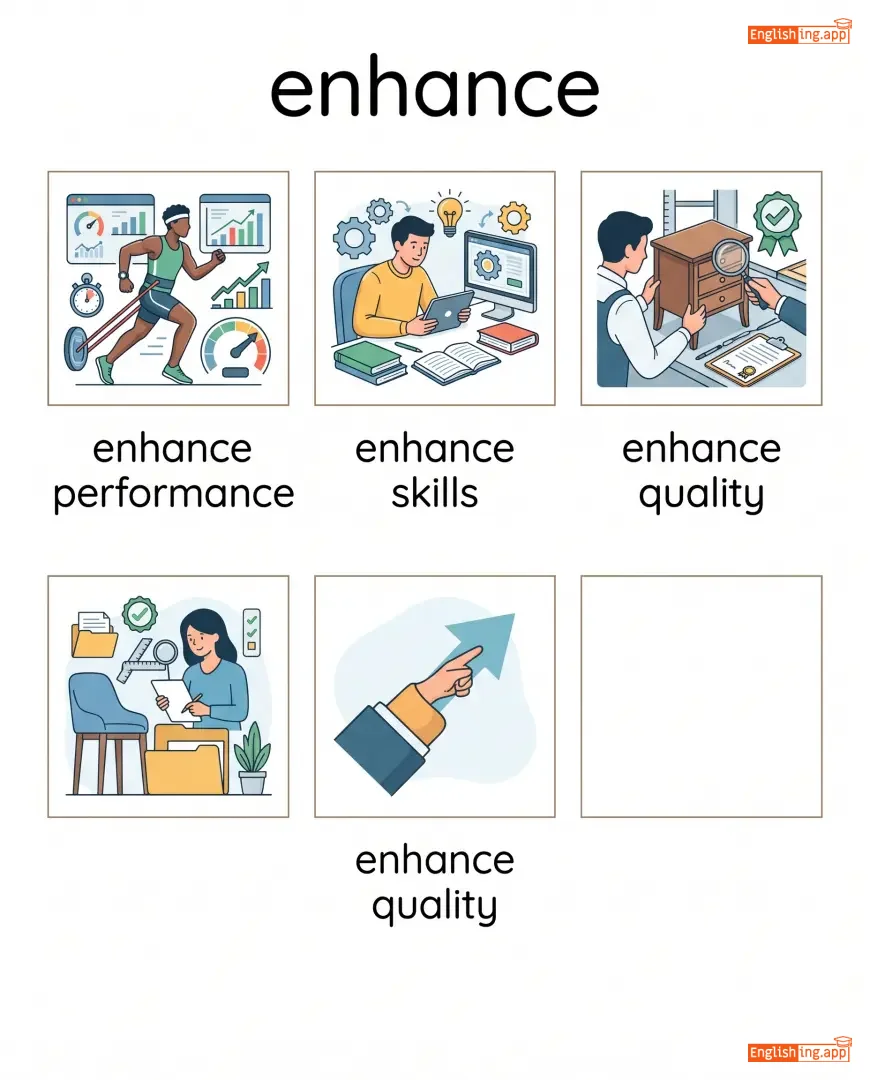
enhance performance, enhance skills, enhance quality, enhance experience
••••••
|
Enhanceは向上させる、例えば、写真にフィルターを使って向上させるようなものです。
••••••
|
|
🌅
••••••
|
/ɪˈfɛmərəl/
adjective
(エフェメラル)
••••••
|
|
儚い
hakanai
••••••
|
- •••••• | - •••••• | - •••••• | - •••••• |
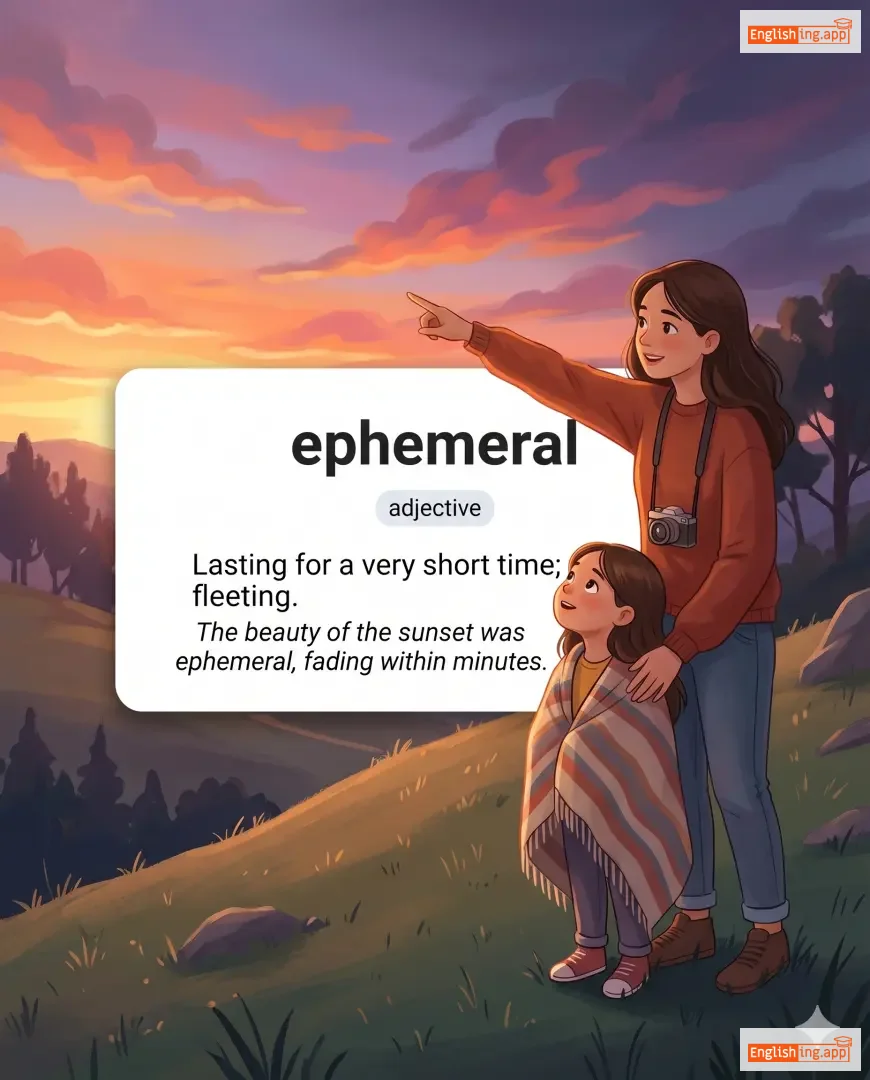
Lasting for a very short time; fleeting.
••••••
|
The beauty of the sunset was ephemeral, fading within minutes. |
夕日の美しさは儚く、数分で消えていった。
Yūhi no utsukushisa wa hakanaku, su-fun de kiete itta.
••••••
|
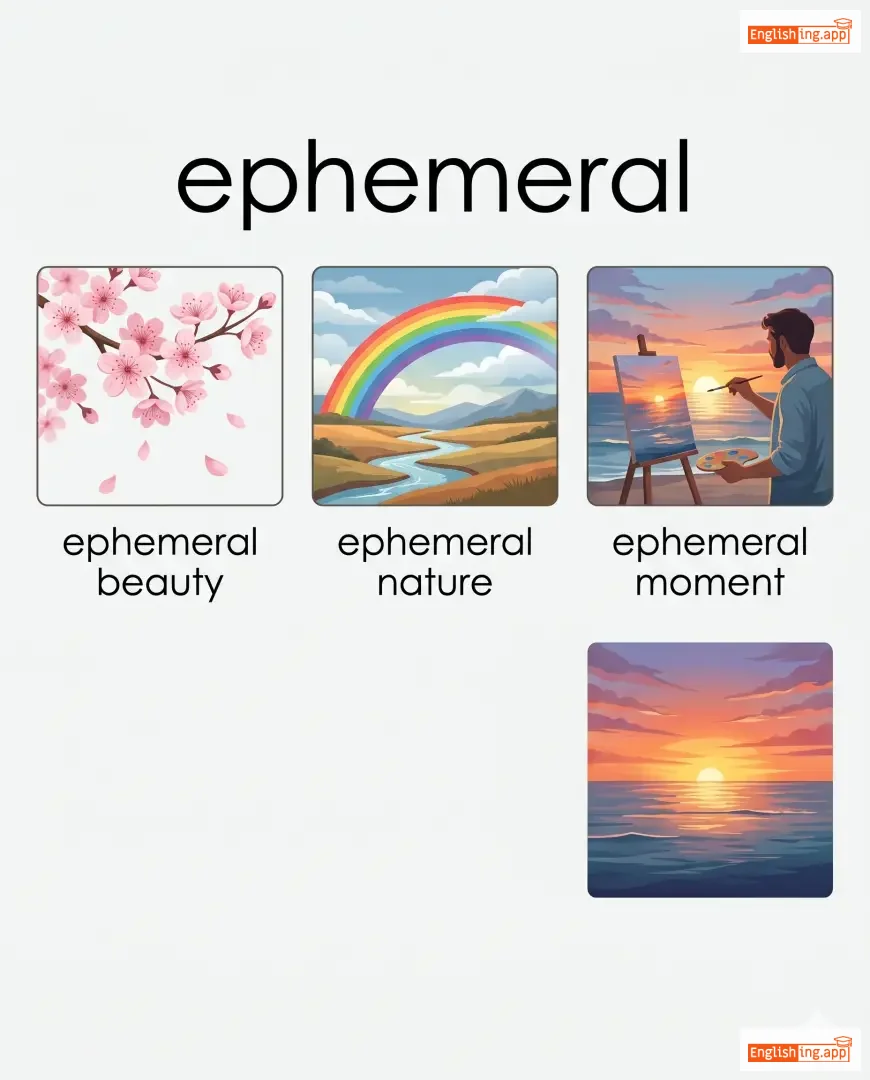
ephemeral beauty |
A beauty that is short-lived and does not last long.
••••••
|
儚い美
hakanai bi
••••••
|
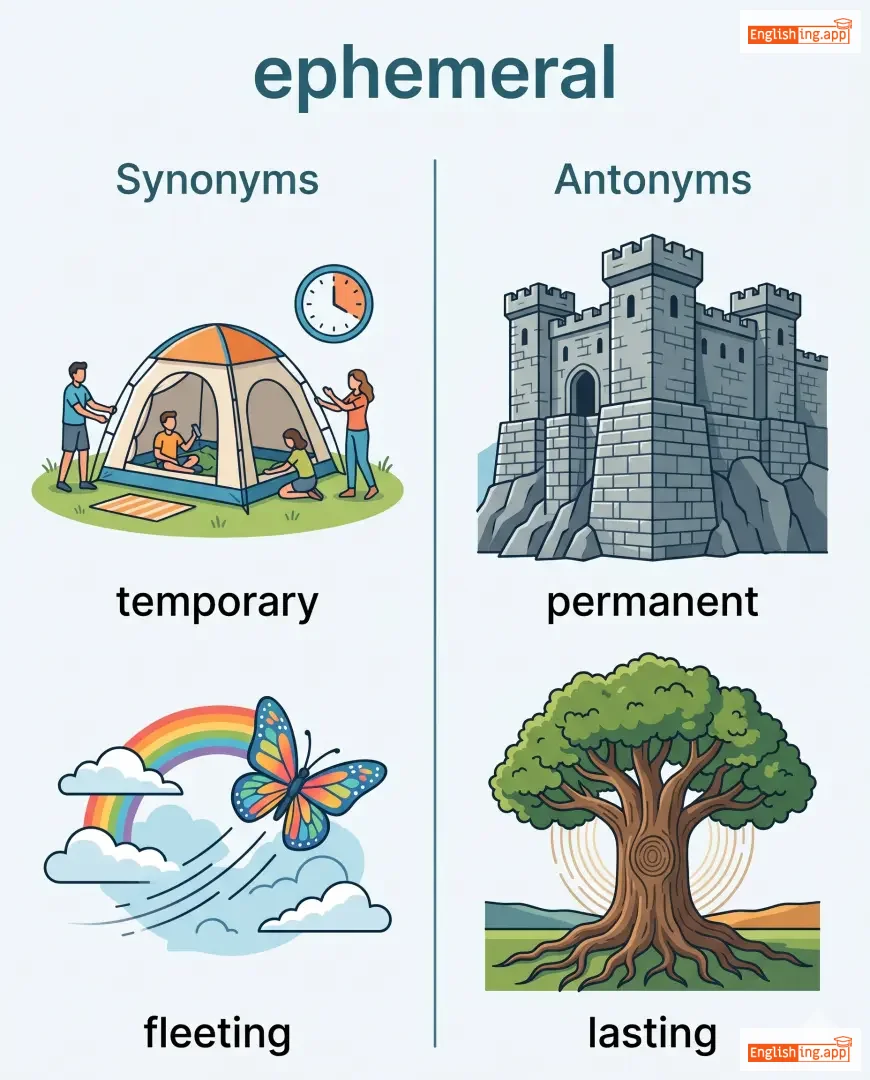
temporary, fleeting, short-lived, brief, transitory
••••••
|
permanent, lasting, eternal
••••••
|
ephemeral beauty, ephemeral nature, ephemeral moment, ephemeral life
••••••
|
儚いは'はかな'、儚く消えていくものとして覚える。
••••••
|
|
🧘
••••••
|
/ˌekwəˈnɪmɪti/
noun
(エクアニミティ)
••••••
|
|
平静
heisei
••••••
|
- •••••• | - •••••• | - •••••• | - •••••• |
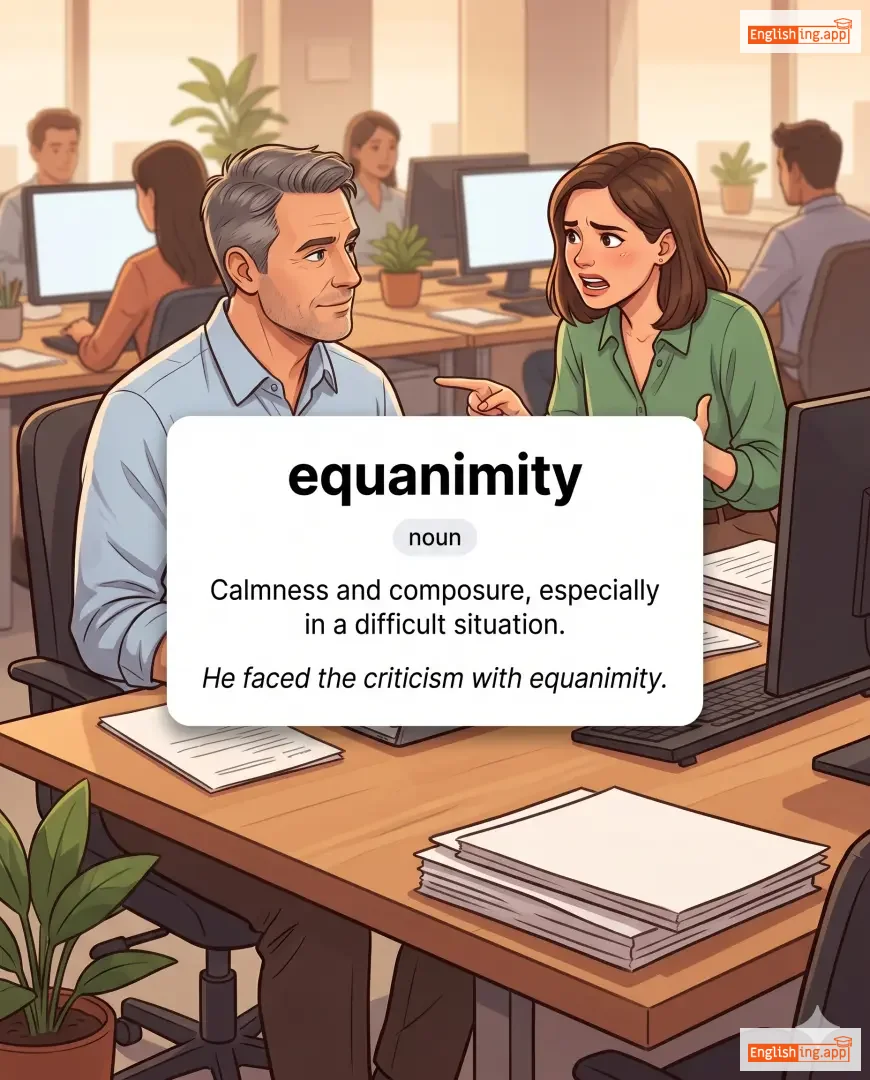
Calmness and composure, especially in a difficult situation.
••••••
|
He faced the criticism with equanimity. |
彼は批判に対して平静で接した。
Kare wa hihan ni taishite heisei de sesshita.
••••••
|
- •••••• | - •••••• | - •••••• |
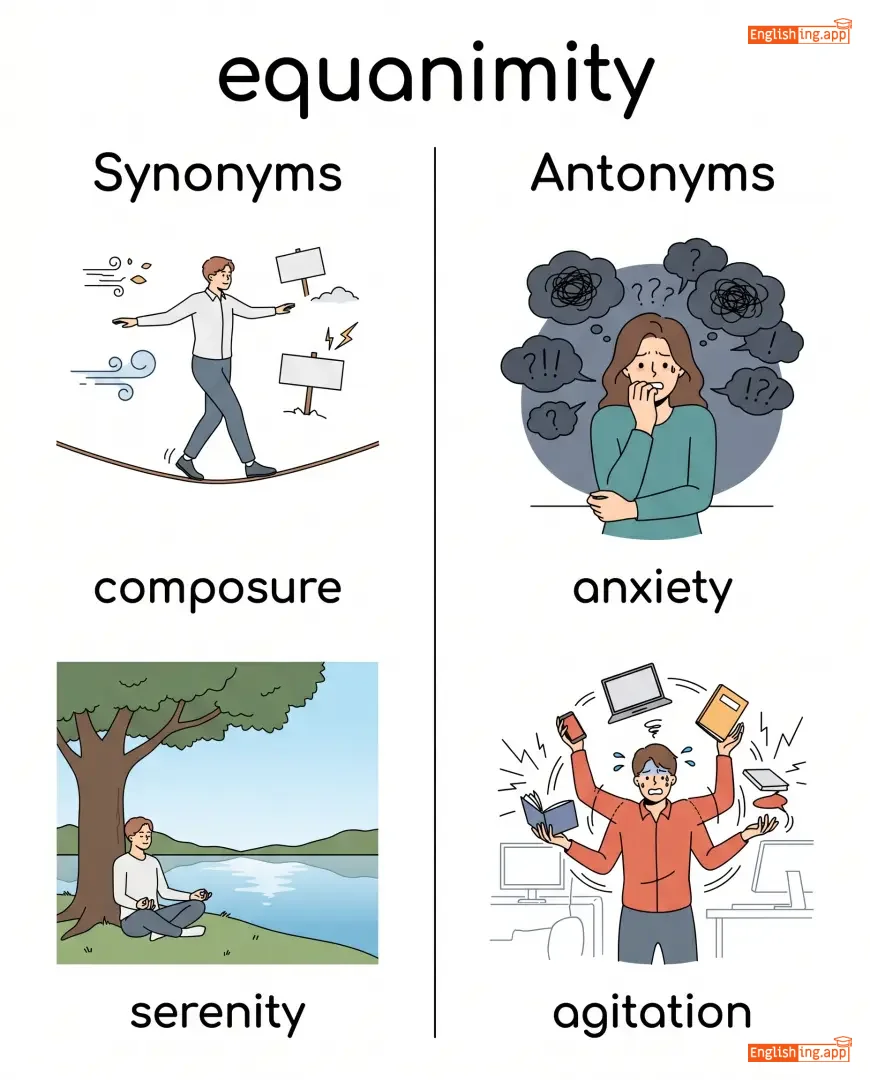
composure, serenity, calmness, tranquility, balance
••••••
|
anxiety, agitation, nervousness
••••••
|
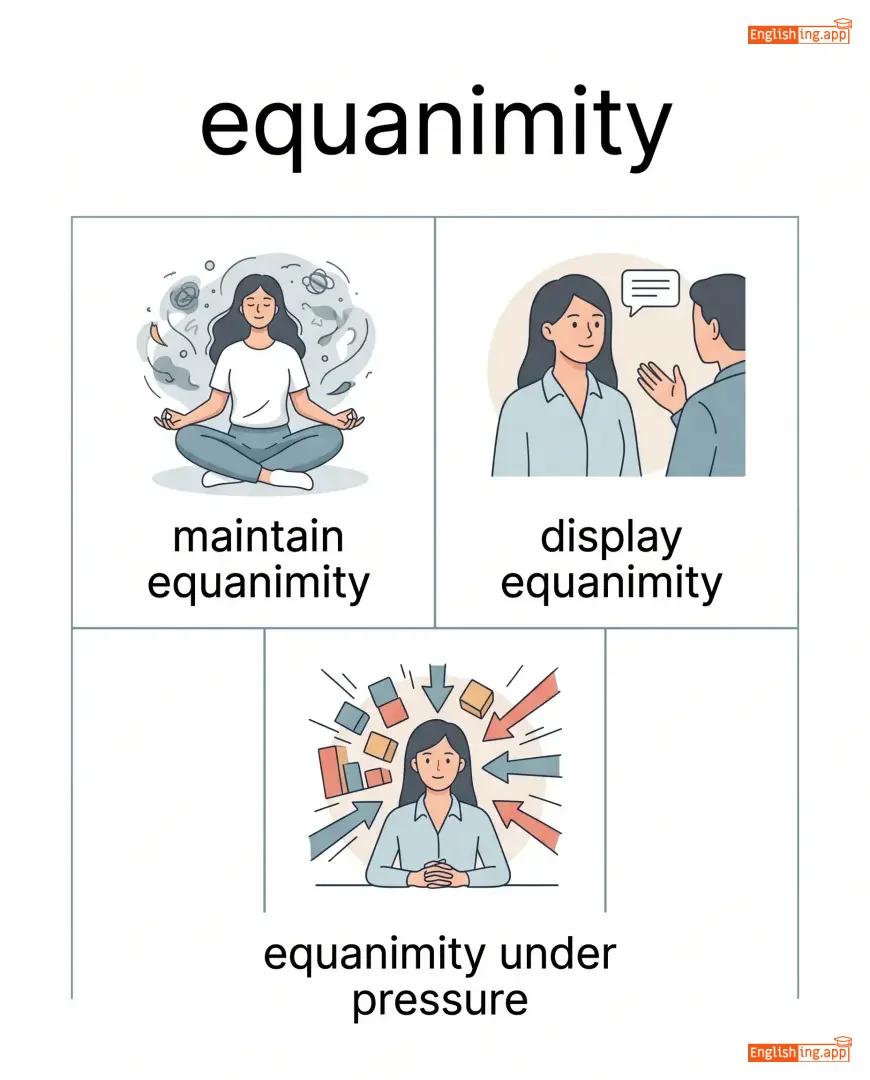
maintain equanimity, display equanimity, equanimity under pressure
••••••
|
Equanimity = 平 (平和) + 静 (静かな心) → 困難に直面しても冷静さを保つ
••••••
|
|
🌀
••••••
|
/ɪˈkwɪvəˌkeɪt/
verb
(エクイヴォケート)
••••••
|

|
曖昧に話す
aimai ni hanasu
••••••
|
equivocated
エクイヴォケイテッド
••••••
|
equivocated
エクイヴォケイテッド
••••••
|
equivocates
エクイヴォケイツ
••••••
|
equivocating
エクイヴォケイティング
••••••
|
To speak ambiguously or avoid giving a clear answer.
••••••
|
The politician equivocated when asked about the scandal.
その政治家はスキャンダルについて尋ねられたとき、エクイヴォケイテッド。
••••••
|
その政治家はスキャンダルについて尋ねられたとき、曖昧に話した。
Sono seijika wa sukyandaru ni tsuite tazunerareta toki, aimai ni hanashita.
••••••
|
- •••••• | - •••••• | - •••••• |
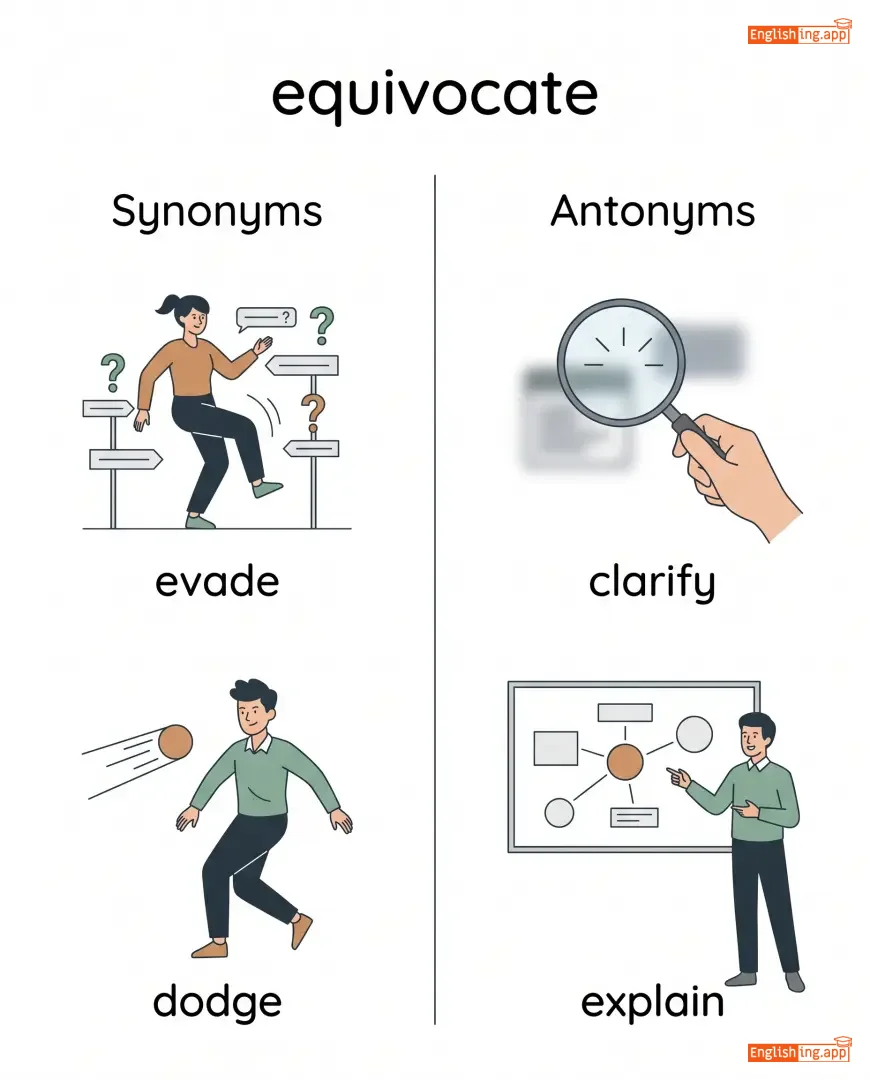
evade, dodge, prevaricate, hedge, mislead
••••••
|
clarify, explain, affirm
••••••
|
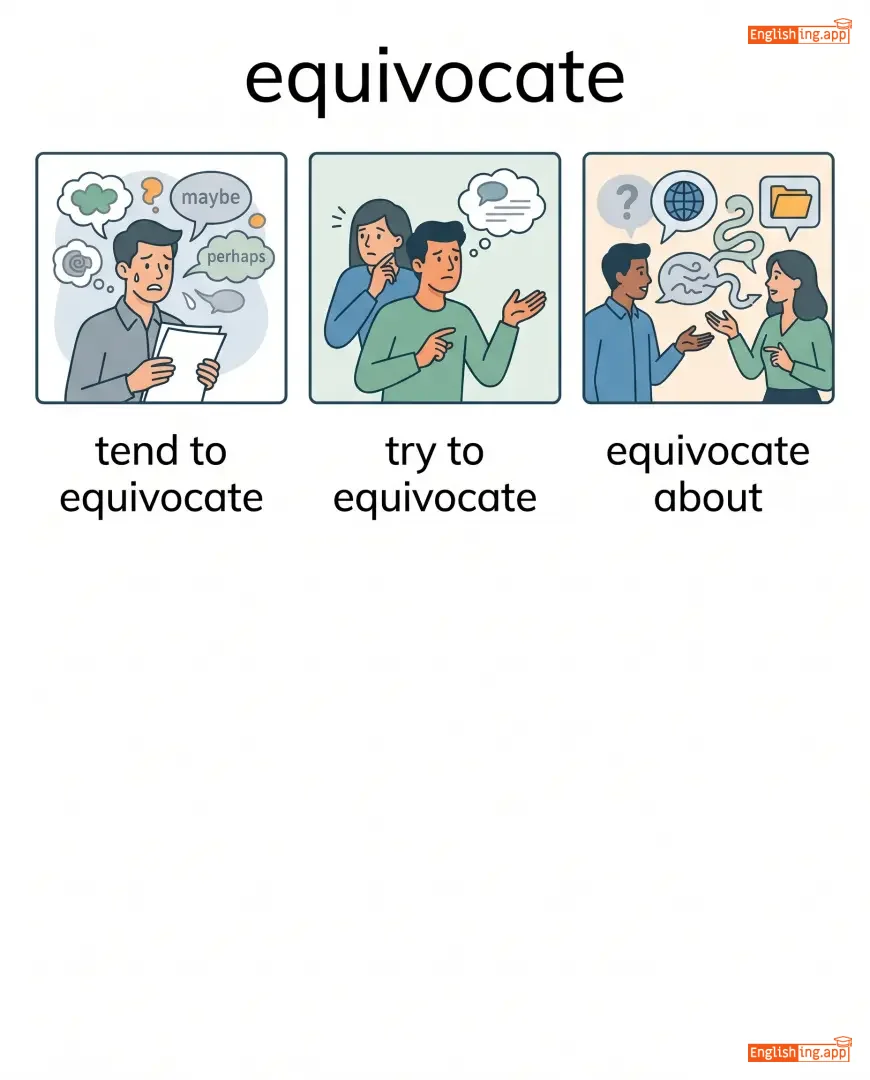
tend to equivocate, try to equivocate, equivocate about
••••••
|
Equivocate は🌀 曖昧に話すこと - 政治家がよくやること。
••••••
|
|
📚
••••••
|
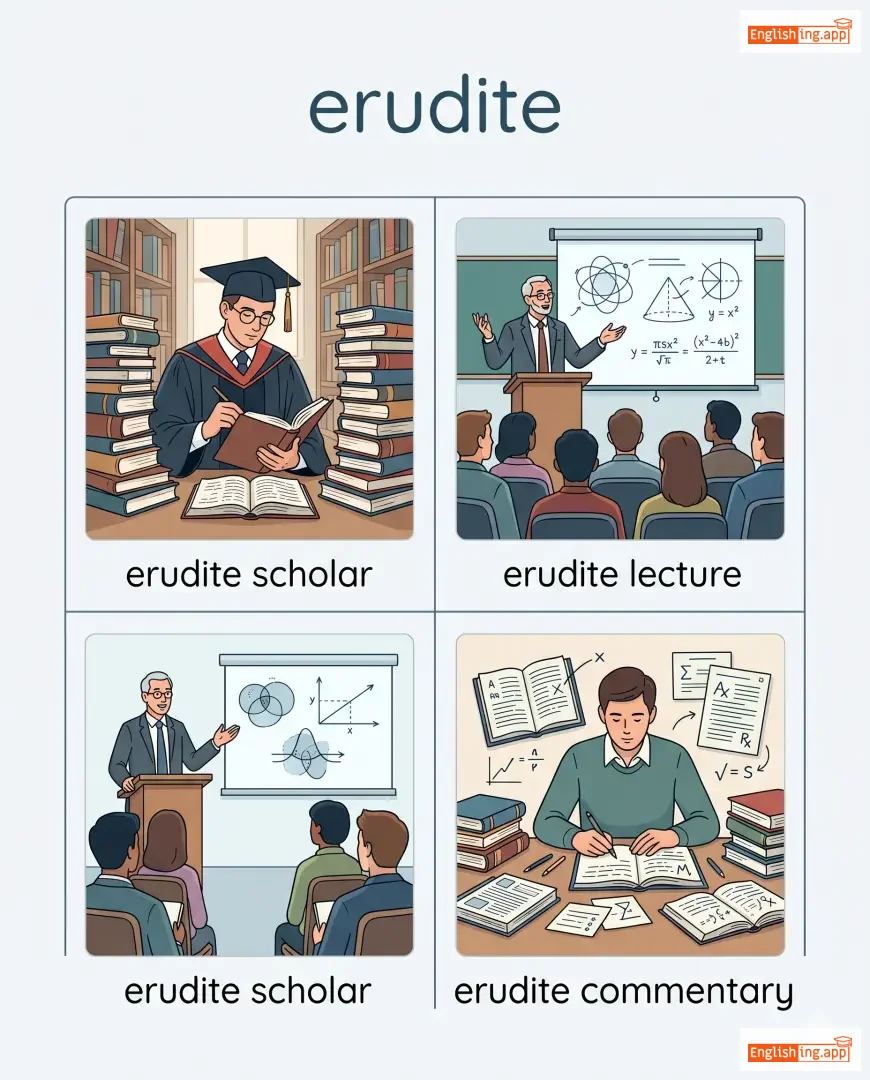
/ˈɛrjʊˌdaɪt/
adjective
(エルダイト)
••••••
|
|
博識
hakushiki
••••••
|
- •••••• | - •••••• | - •••••• | - •••••• |
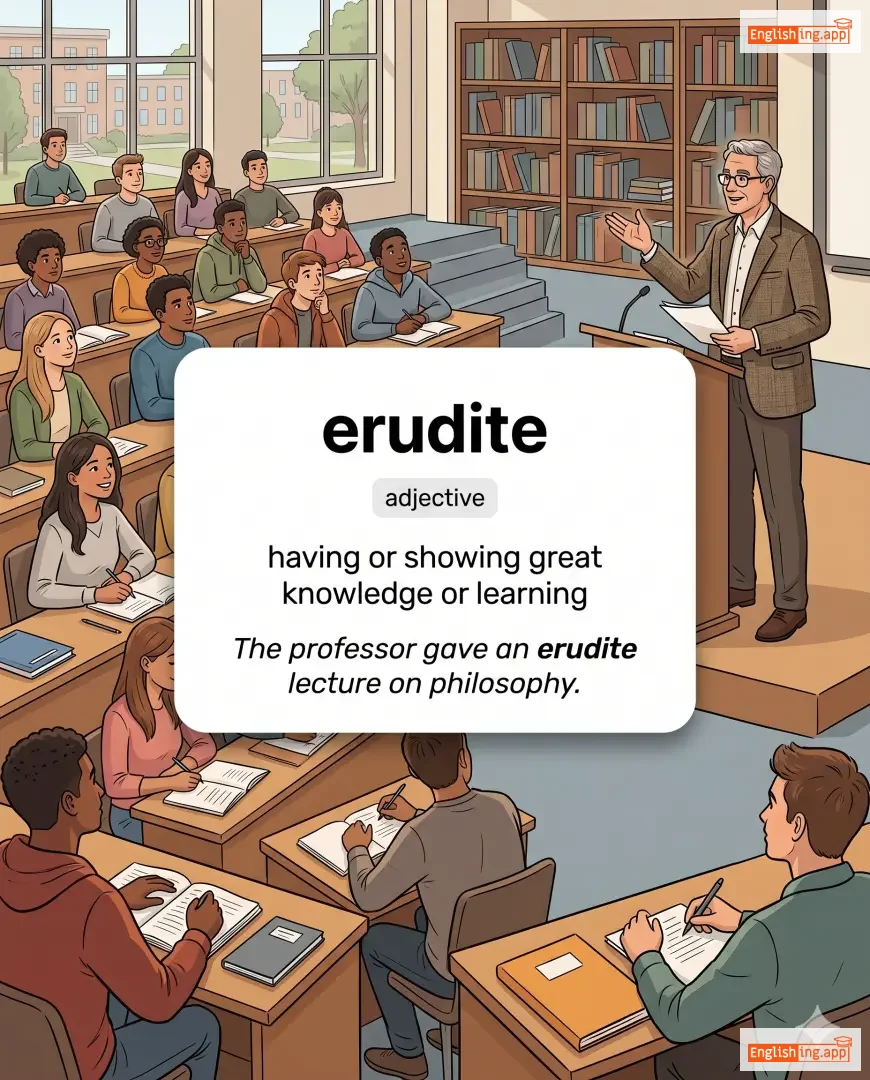
having or showing great knowledge or learning
••••••
|
The professor gave an erudite lecture on philosophy. |
教授は哲学について博識な講義をしました。
Kyouju wa tetsugaku ni tsuite hakushiki na kougi o shimashita.
••••••
|
- •••••• | - •••••• | - •••••• |
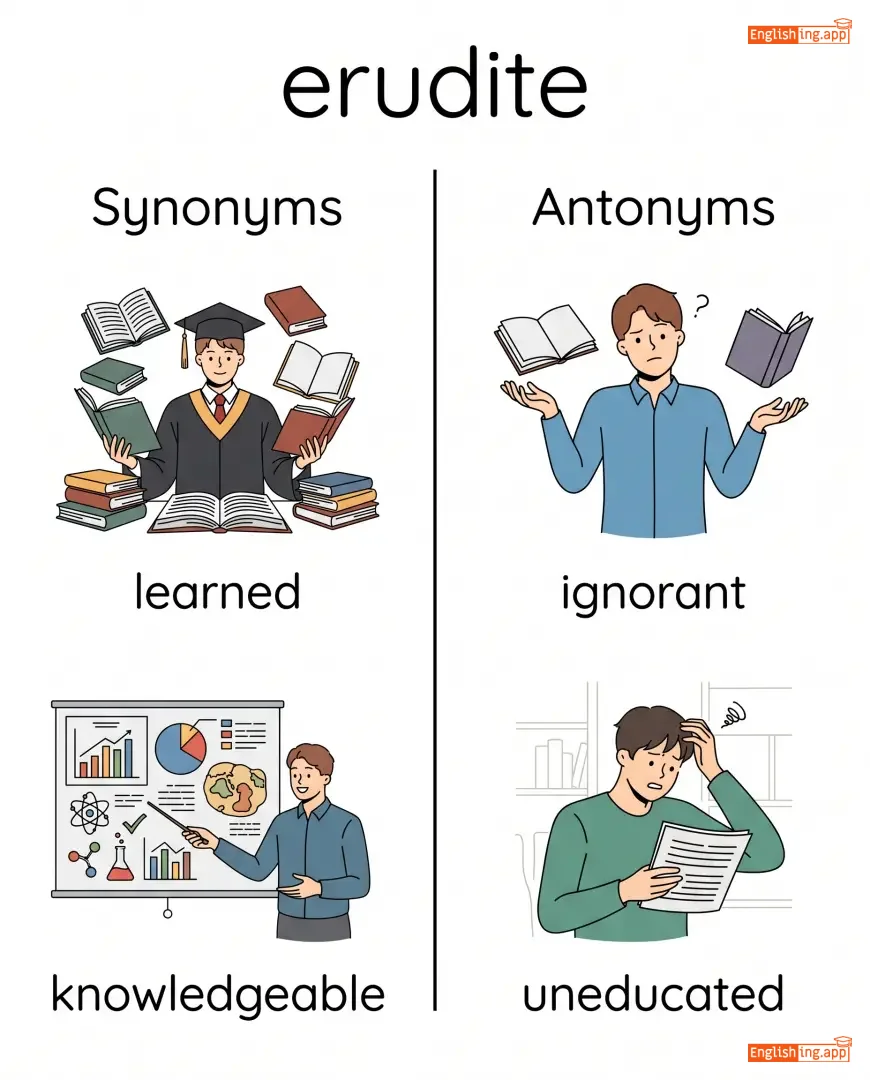
learned, knowledgeable, scholarly, intellectual, well-read
••••••
|
ignorant, uneducated, uninformed
••••••
|
erudite scholar, erudite lecture, erudite commentary, erudite discussion
••••••
|
Erudite = 教育 + 明るい → 博識は賢い人を意味します。
••••••
|

