How to Start a Startup
Nascent スタートアップを始めるのは簡単なことではなく、むしろ formidable な挑戦です。成功する起業家はまず ideation とリサーチを行い、feasibility 分析を実施して、自分たちのコンセプトが実現可能であることを確認します。
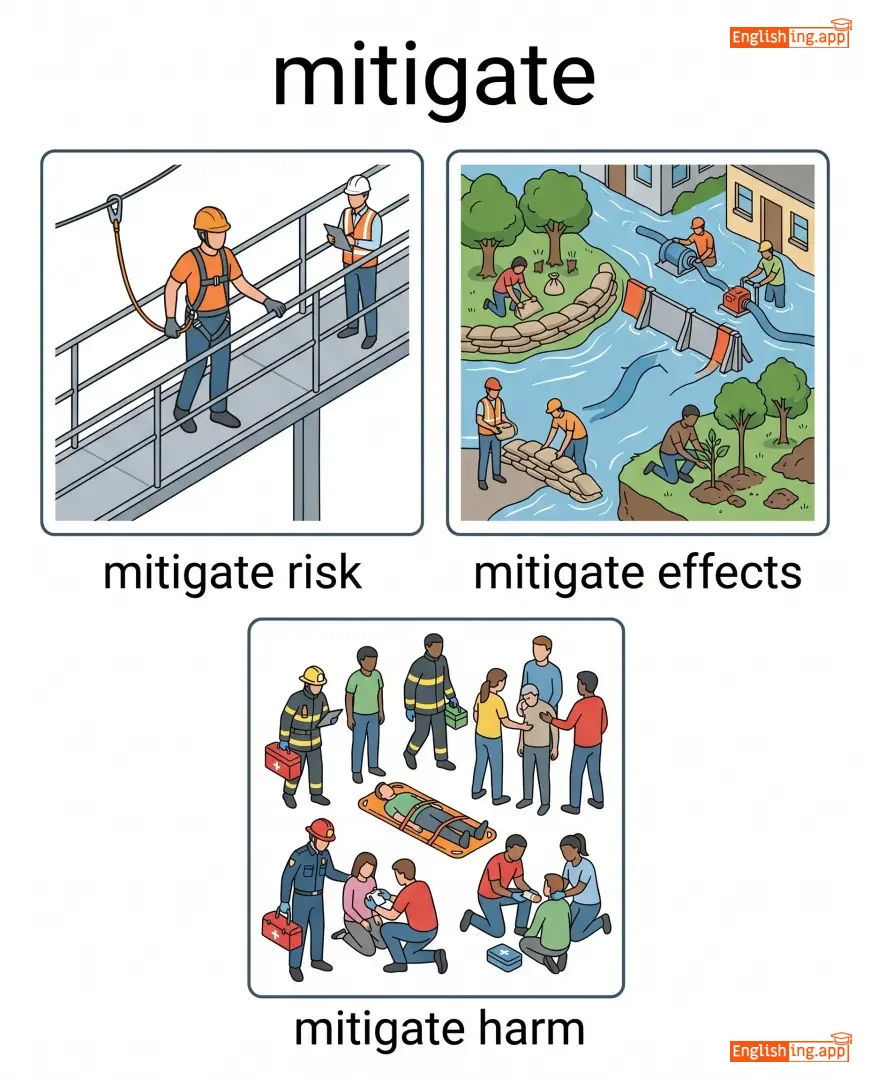
最初は bootstrapping を行う必要があるかもしれません。これは、個人資金や小規模な投資でビジネスを始めることを意味します。しかし、bureaucracy やさまざまな行政的障害が進行を遅らせることがあります。適切な計画と contingency 計画によって、リスクを mitigated することができます。
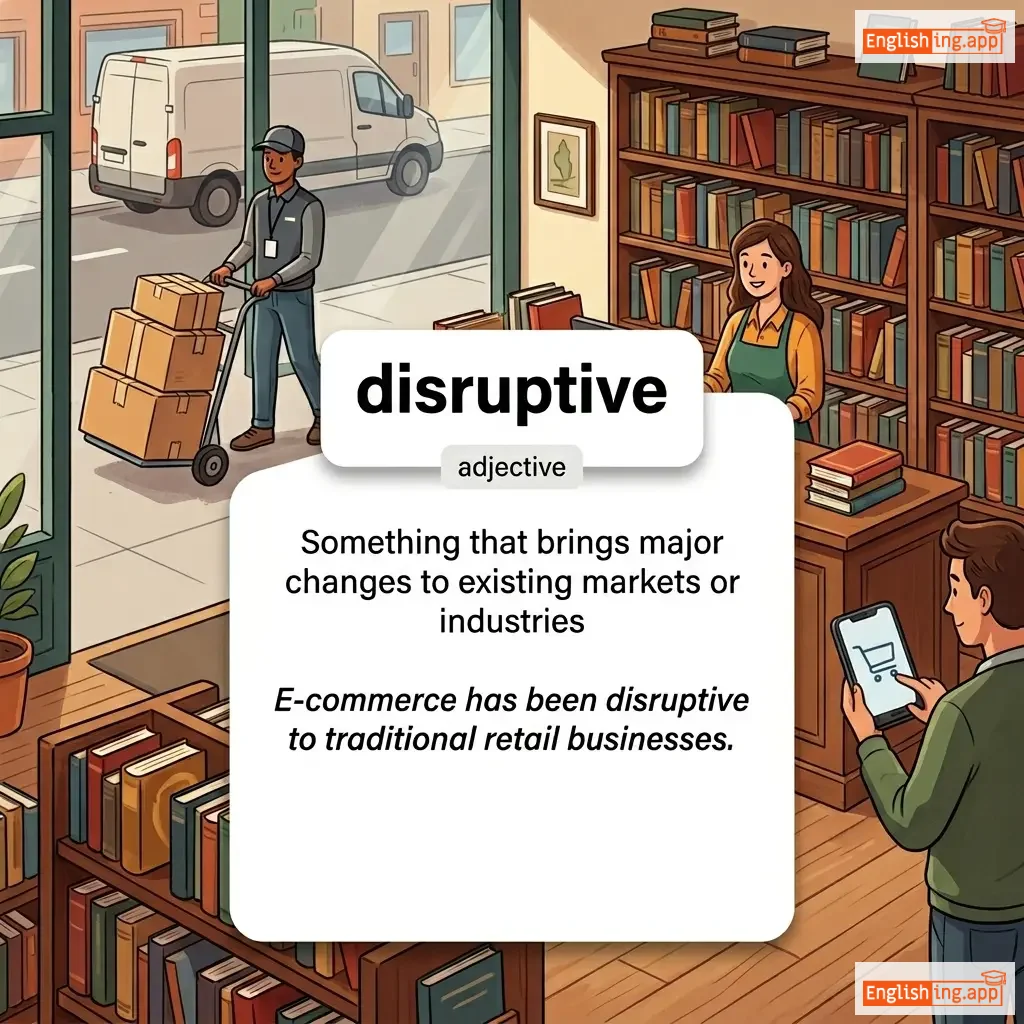
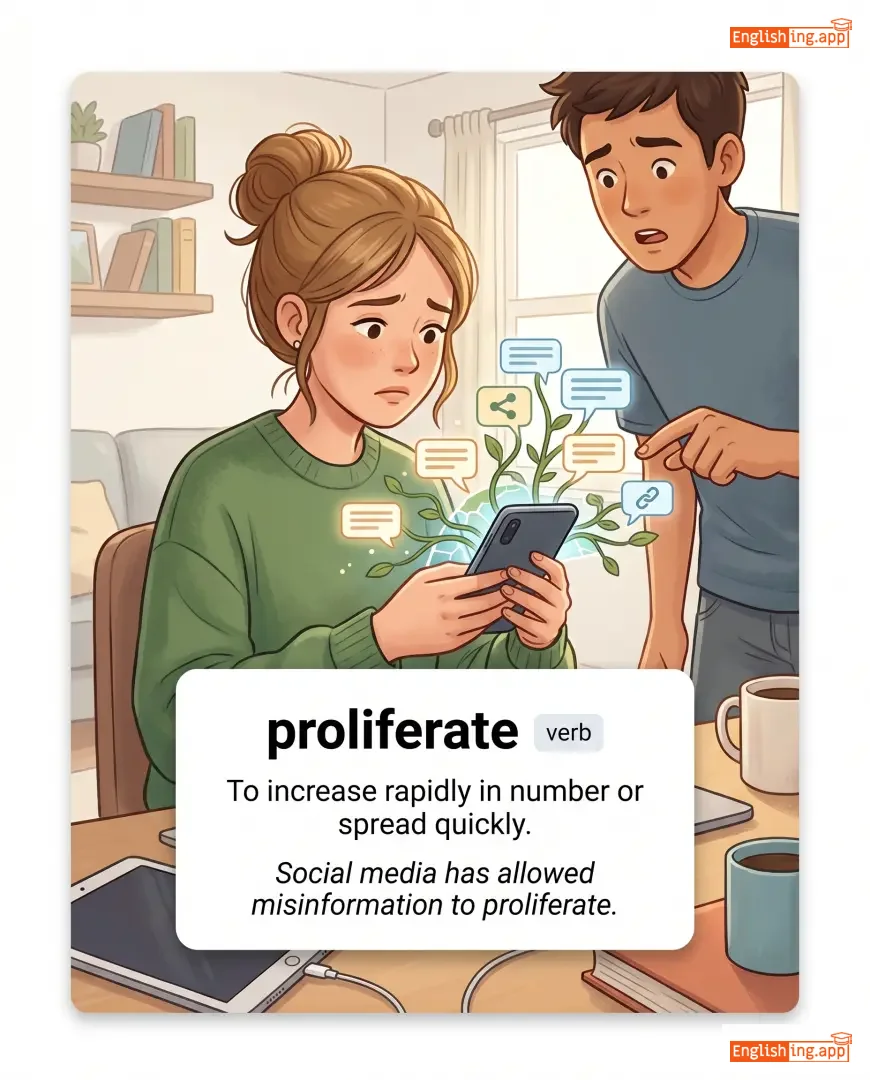
もし disruptive なアイデアが適切に実行されれば、それは急速に proliferate し、ビジネスの momentum を維持するのに役立ちます。しかし、scalability が確保されていない場合、長期的に存続することはできません。
したがって、起業家は dexterity を保ち、paradigm シフトに対応できるビジネスを構築する必要があります。それは lucrative であり、市場で永続的な地位を確立できるでしょう。
|
絵文字
|
単語 | Images | 意味 | 例文 | 同義語 | 対義語 |
|---|---|---|---|---|---|---|
|
#2352
🌱
|
/ˈnæs.ənt/
adjective
••••••
|

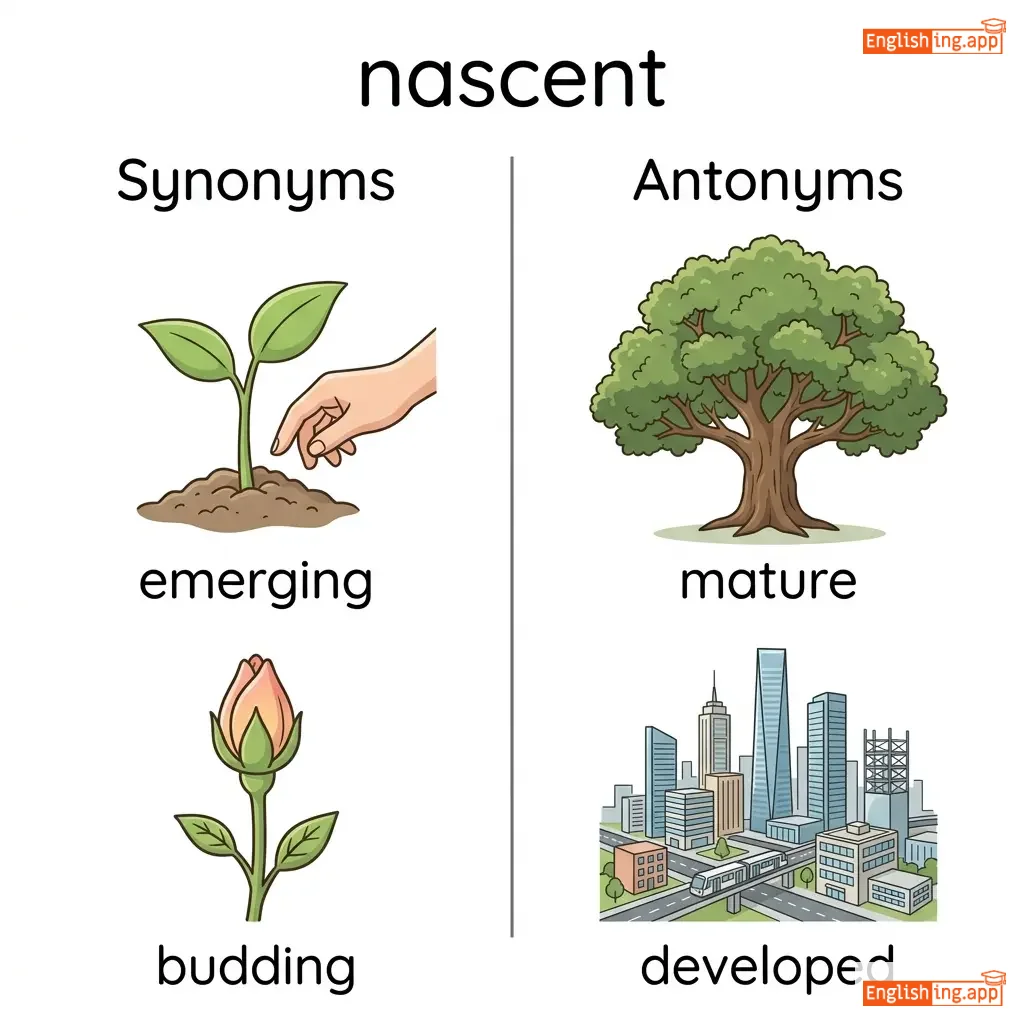
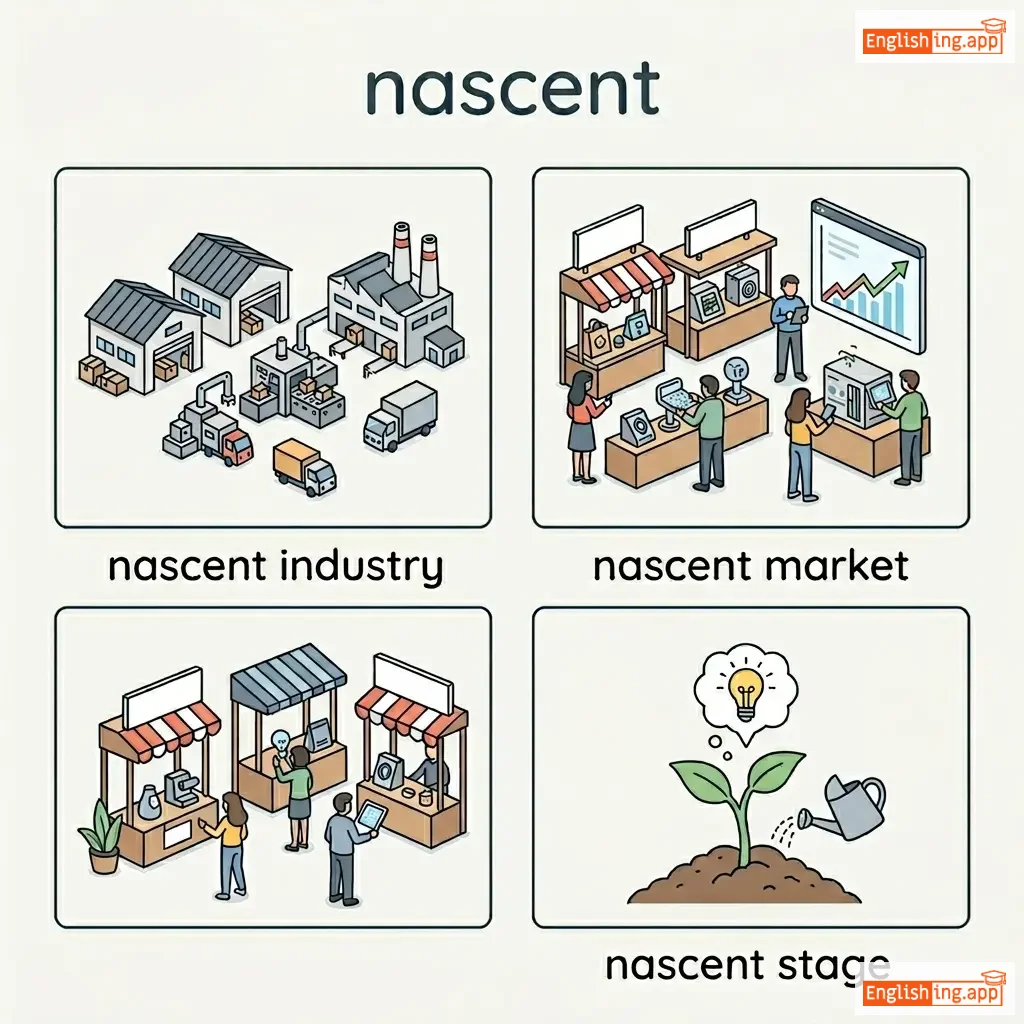
|
Just coming into existence and beginning to display signs of future potential; emerging or developing.
••••••
|
The nascent technology sector is attracting many investors. |
emerging, developing, budding
••••••
|
established, mature, declining
••••••
|
|
#2353
🚀
|
/ˈstɑːrt.ʌp/
noun
••••••
|
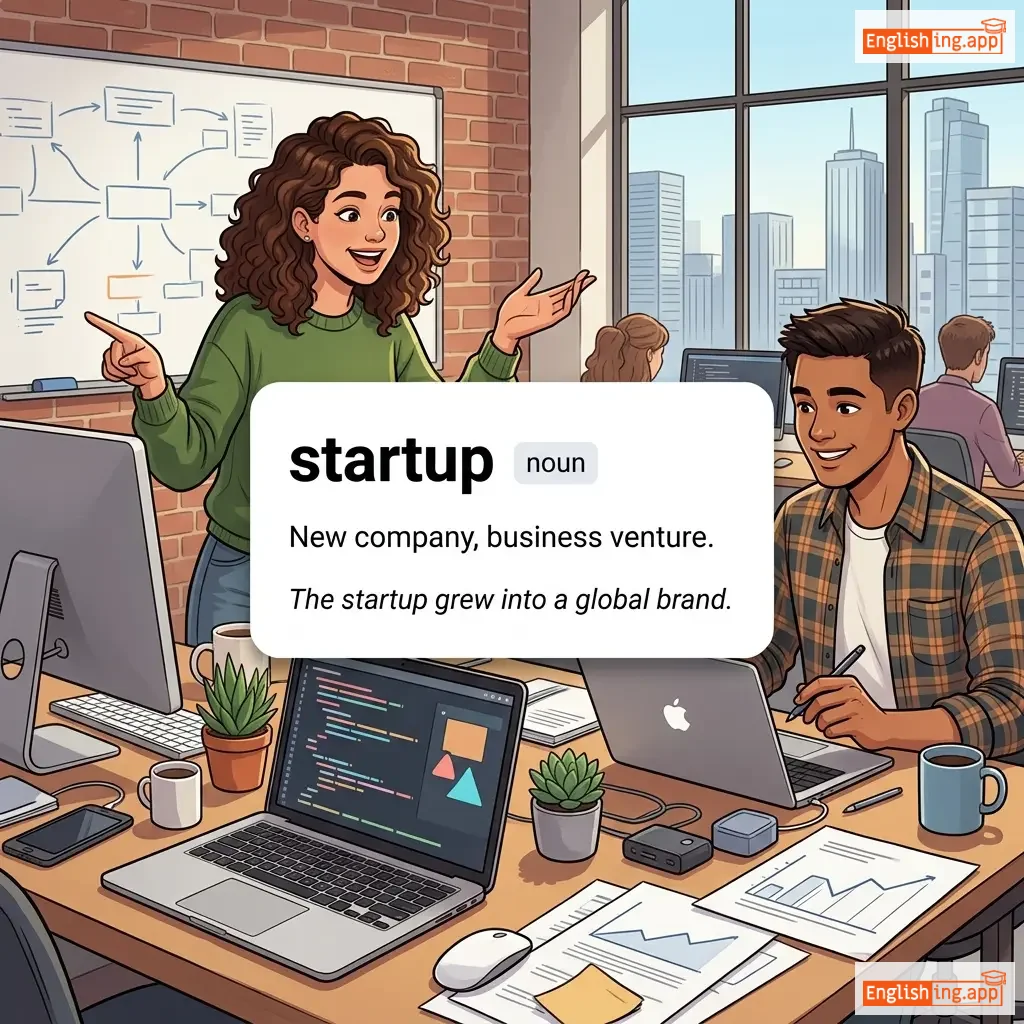
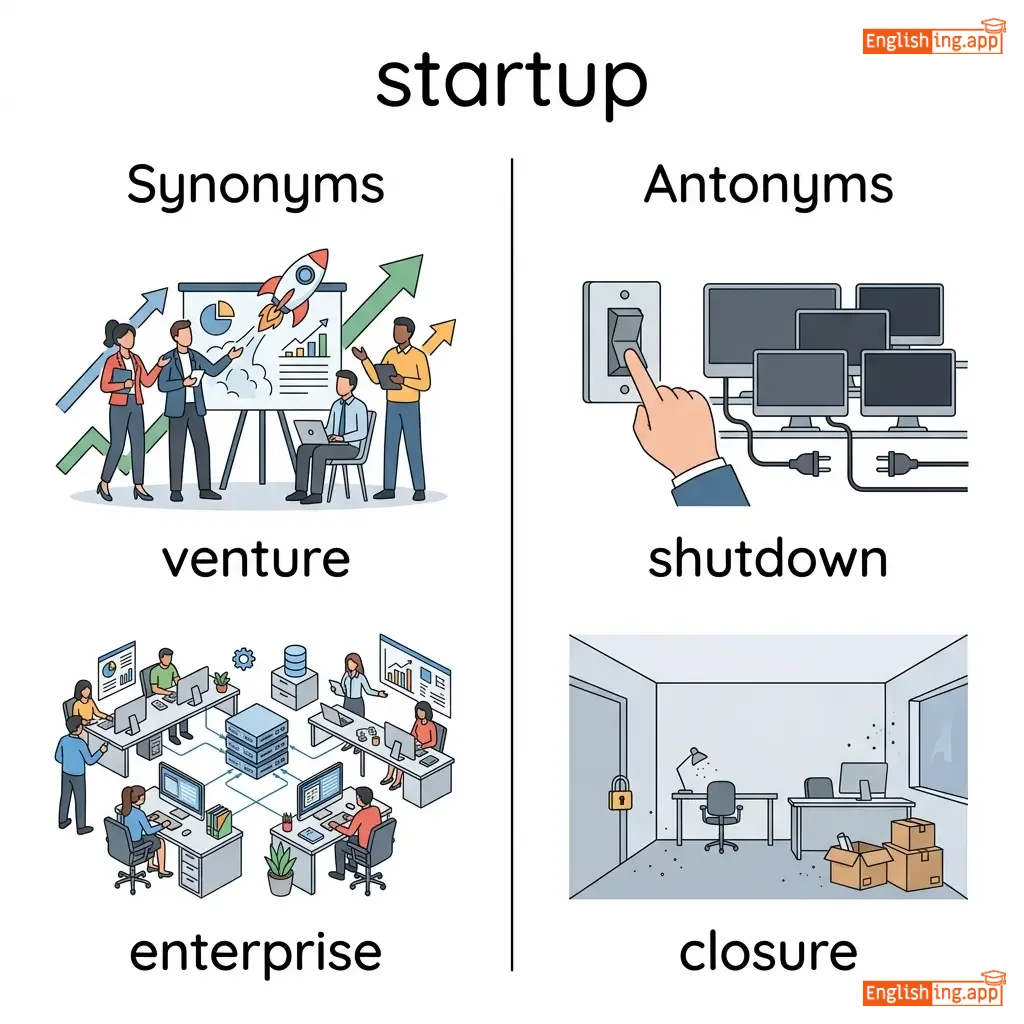
|
A newly established business, especially a small technology or business company that is just beginning operations.
••••••
|
The startup secured funding from investors. |
new business, venture, emerging company
••••••
|
established firm, corporation, traditional business
••••••
|
|
#2354
💪
|
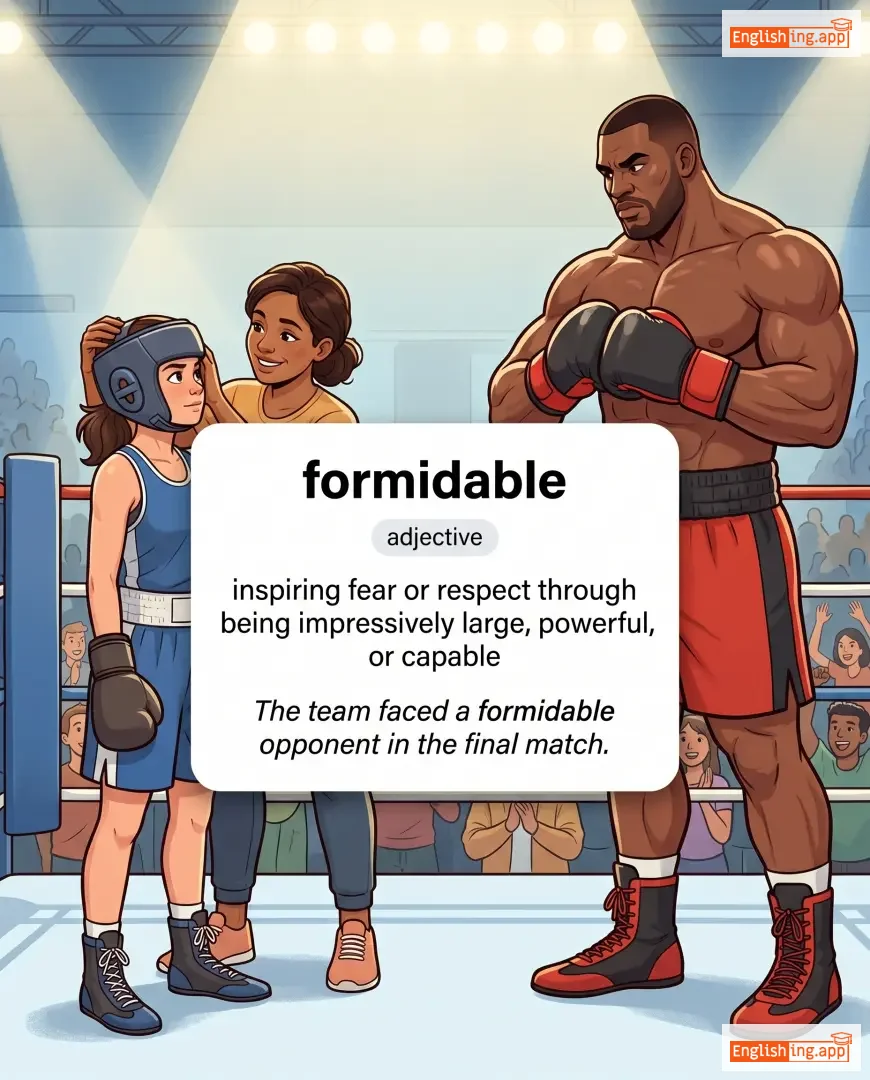
/ˈfɔːr.mɪ.də.bəl/
adjective
••••••
|
|
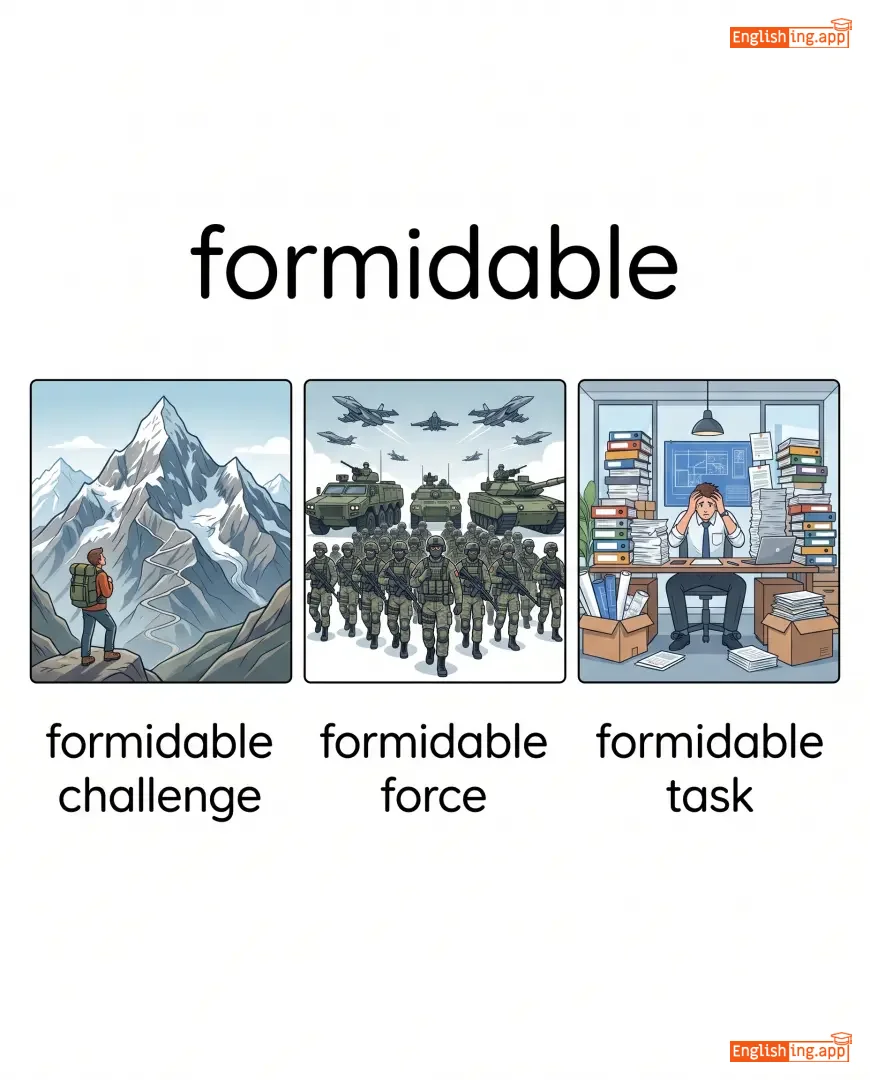
Very skilled, powerful, or challenging; inspiring fear or respect through being impressively large, powerful, or capable.
••••••
|
He faced a formidable opponent in the debate. |
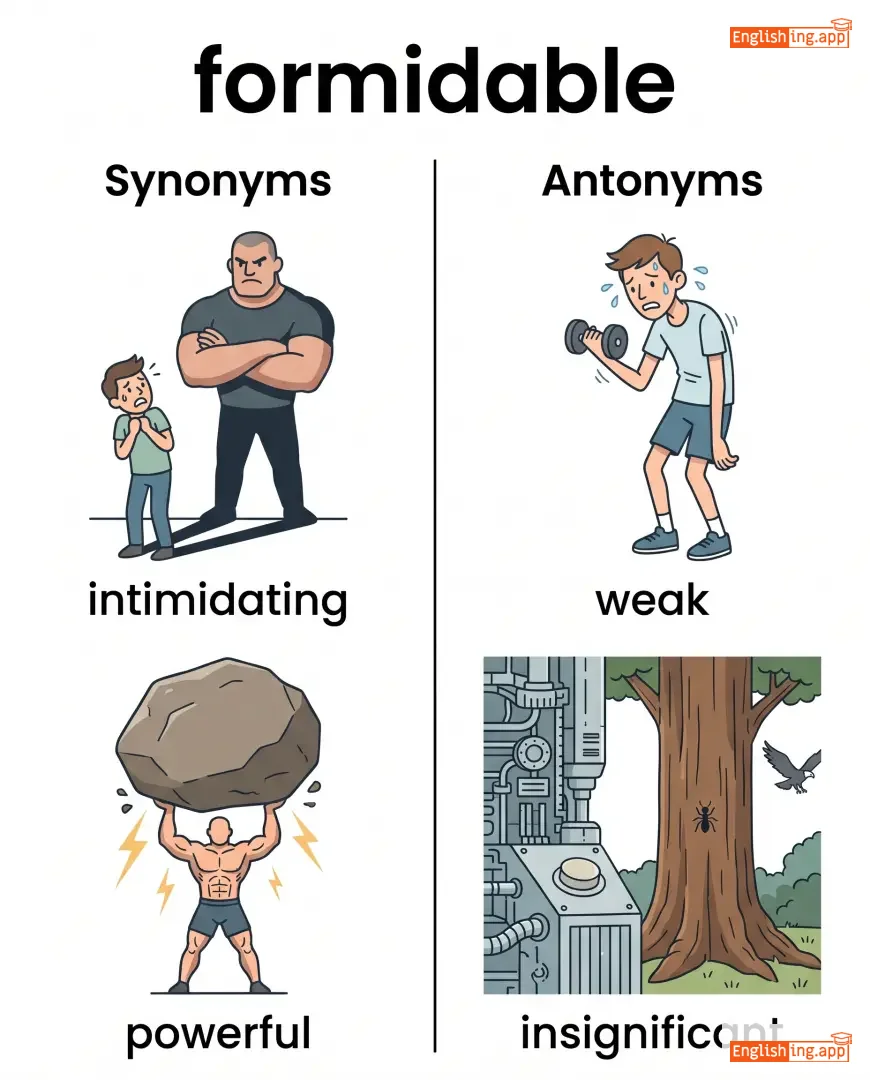
powerful, intimidating, impressive
••••••
|
weak, unthreatening, feeble
••••••
|
|
#2355
💡
|
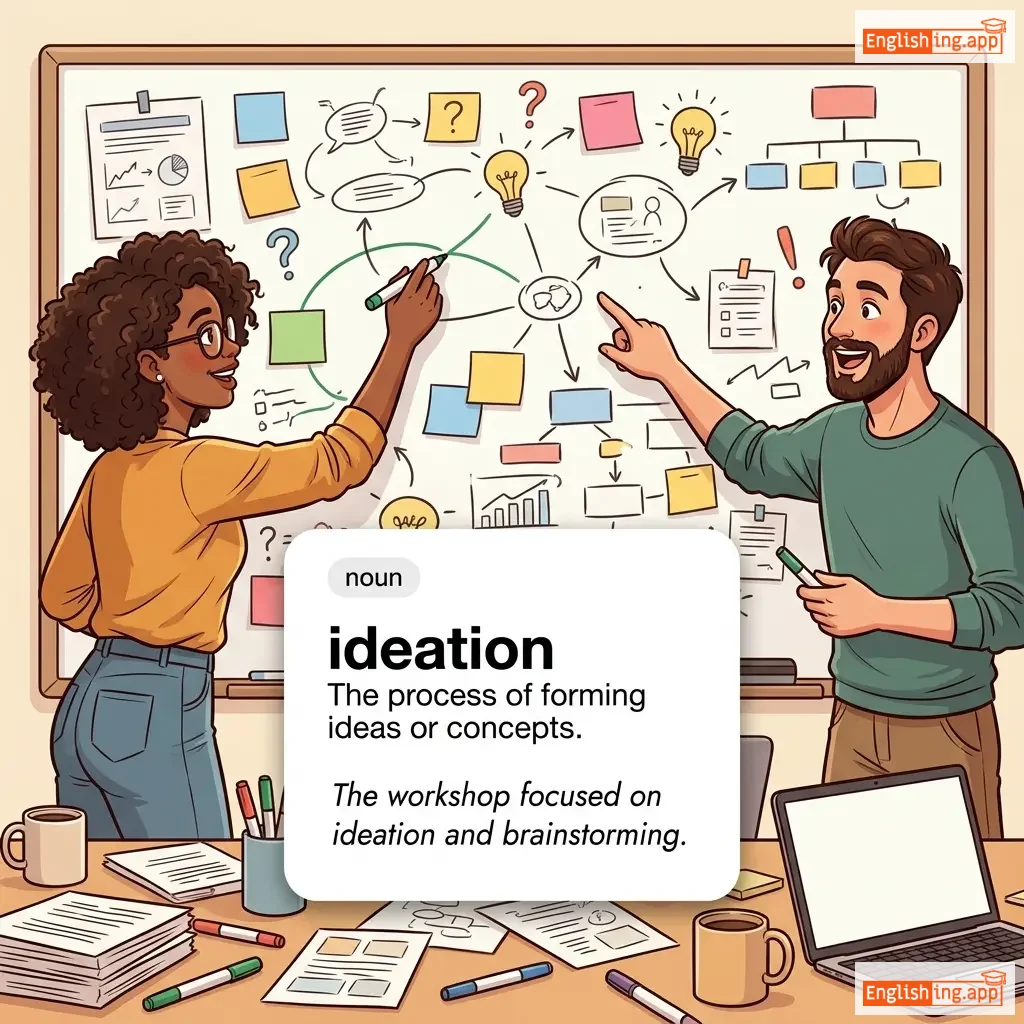
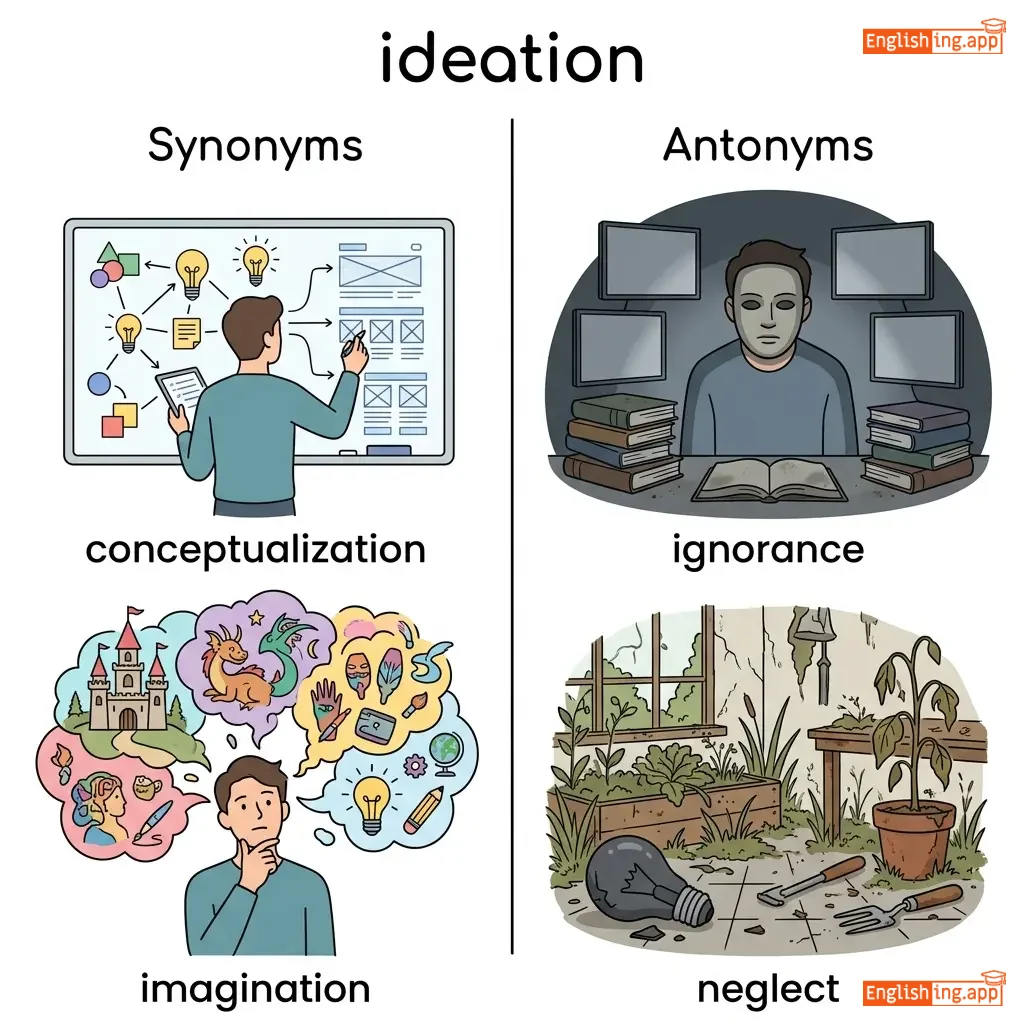
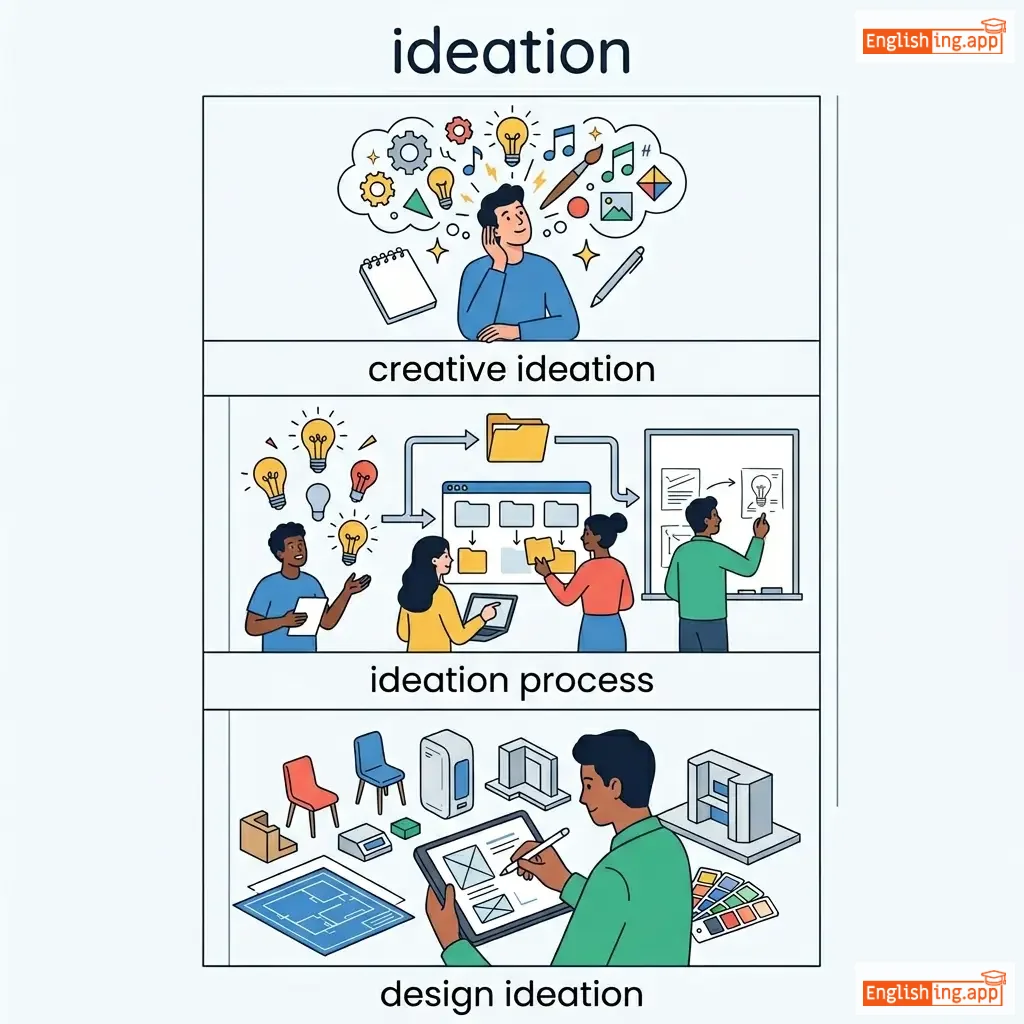
/ˌaɪ.diˈeɪ.ʃən/
noun
••••••
|
|
The process of forming and developing new ideas or concepts through creative thinking and brainstorming.
••••••
|
The team engaged in ideation sessions to generate new product ideas. |
conceptualization, brainstorming, innovation
••••••
|
execution, implementation, reality
••••••
|
|
#2356
📊
|
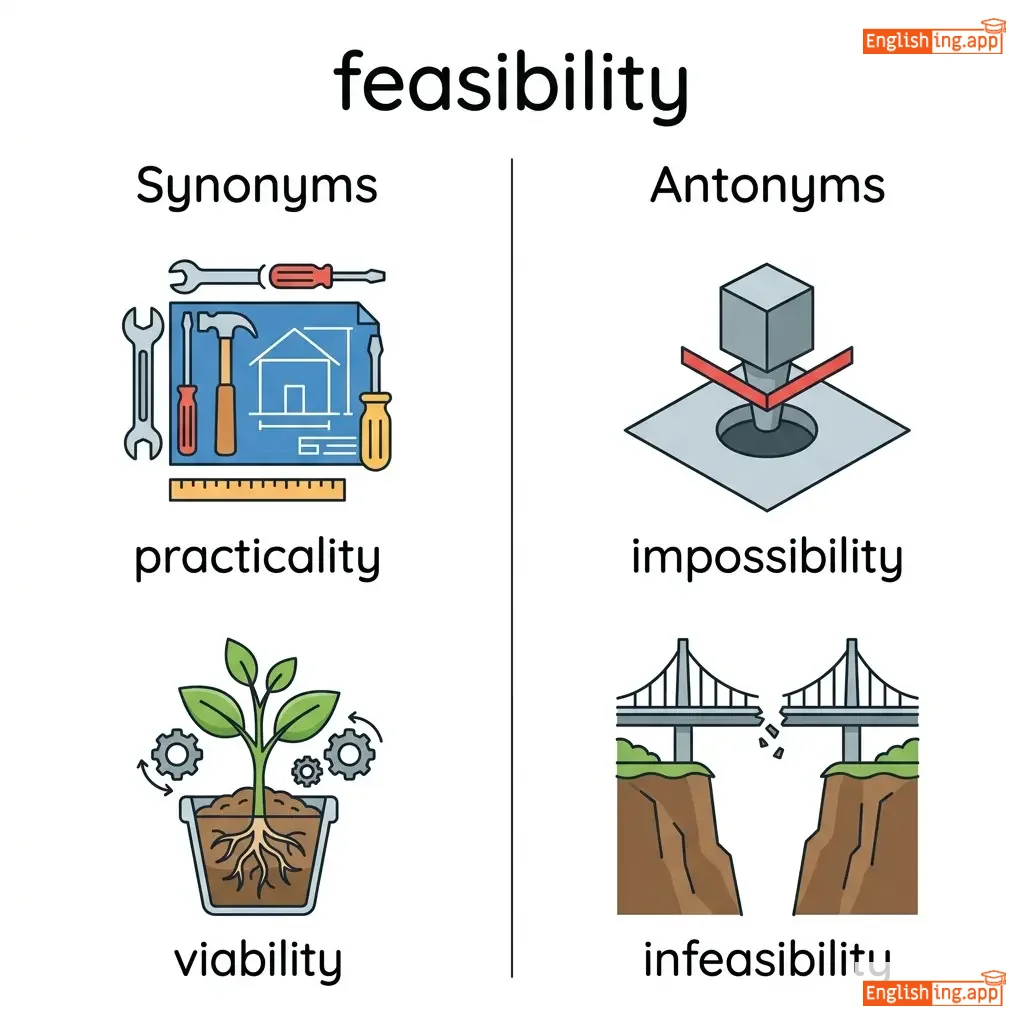
/ˌfiː.zəˈbɪl.ɪ.ti/
noun
••••••
|

|
The state or degree of being easily or conveniently done; the practicality of a proposed plan or project.
••••••
|
The company conducted a feasibility study before launching the project. |
viability, practicality, workability
••••••
|
impracticality, infeasibility, impossibility
••••••
|
|
#2357
🥾
|
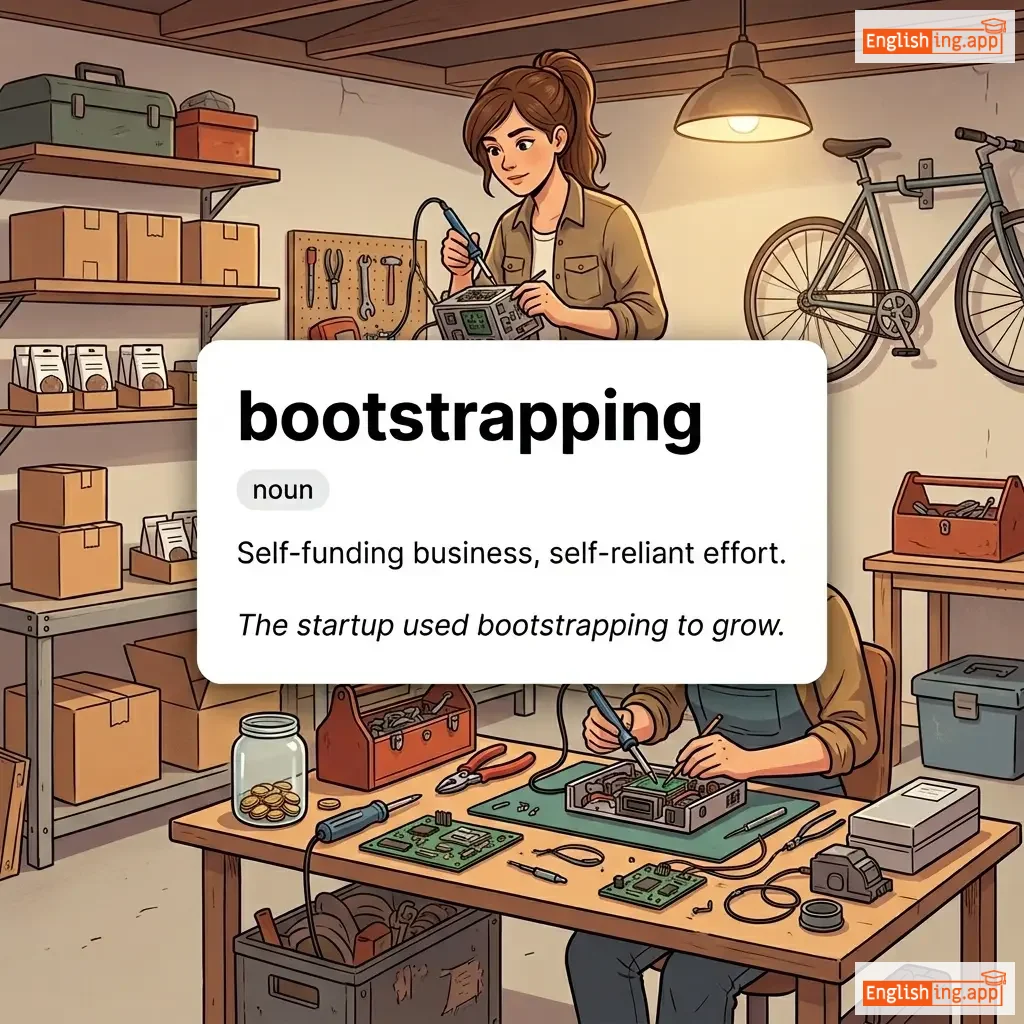
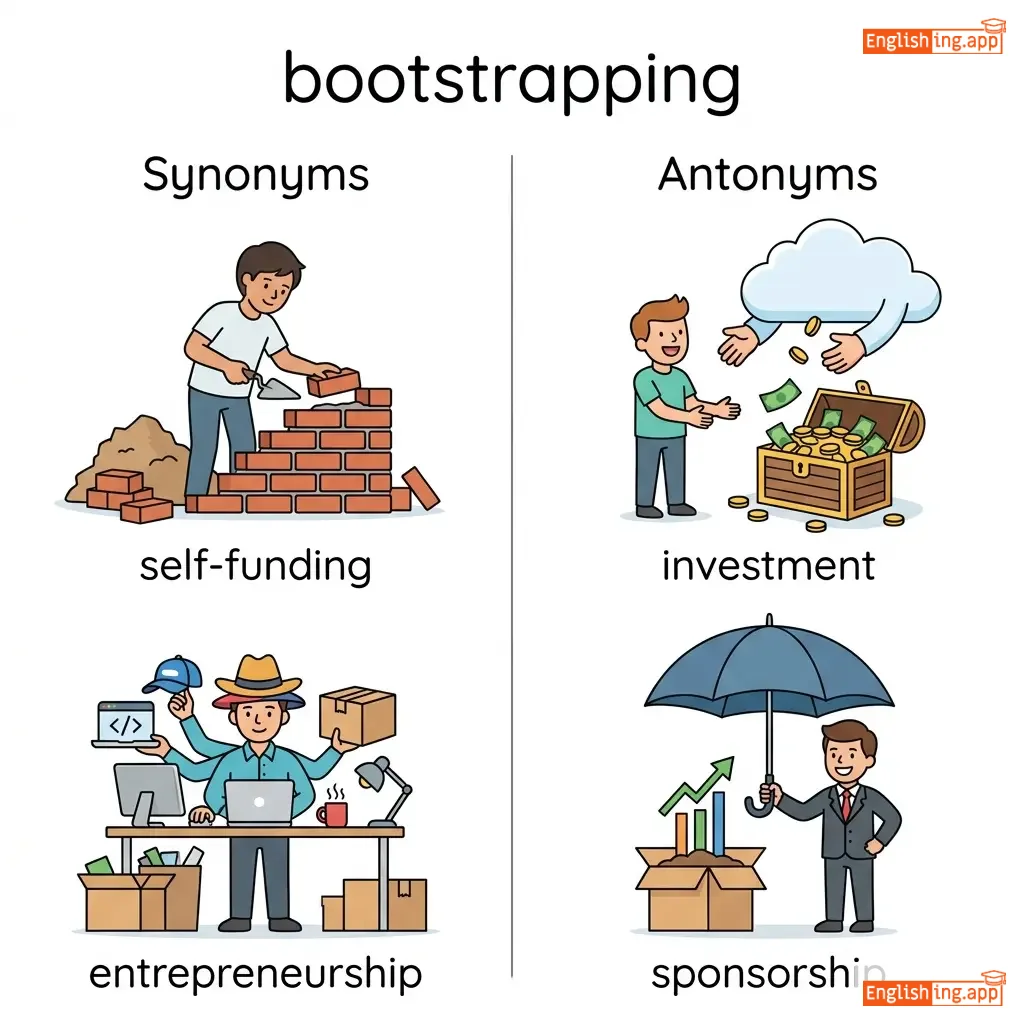
/ˈbuːt.stræp.ɪŋ/
noun
••••••
|
|
Starting a business with personal resources or small investments without external funding or venture capital.
••••••
|
Many entrepreneurs rely on bootstrapping to launch their businesses. |
self-funding, self-sufficiency, independent growth
••••••
|
venture capital, external investment, funding reliance
••••••
|
|
#2358
📋
|
/bjʊˈrɒk.rə.si/
noun
••••••
|
|
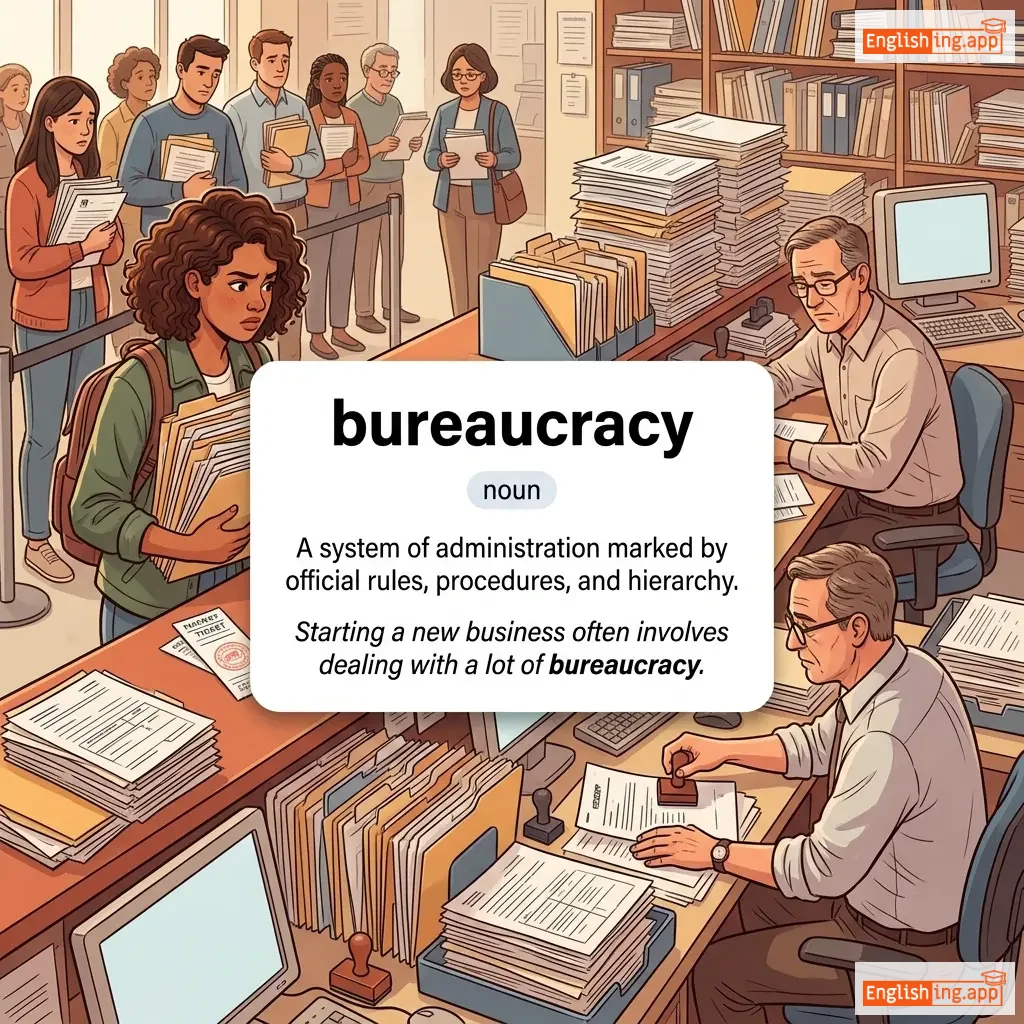
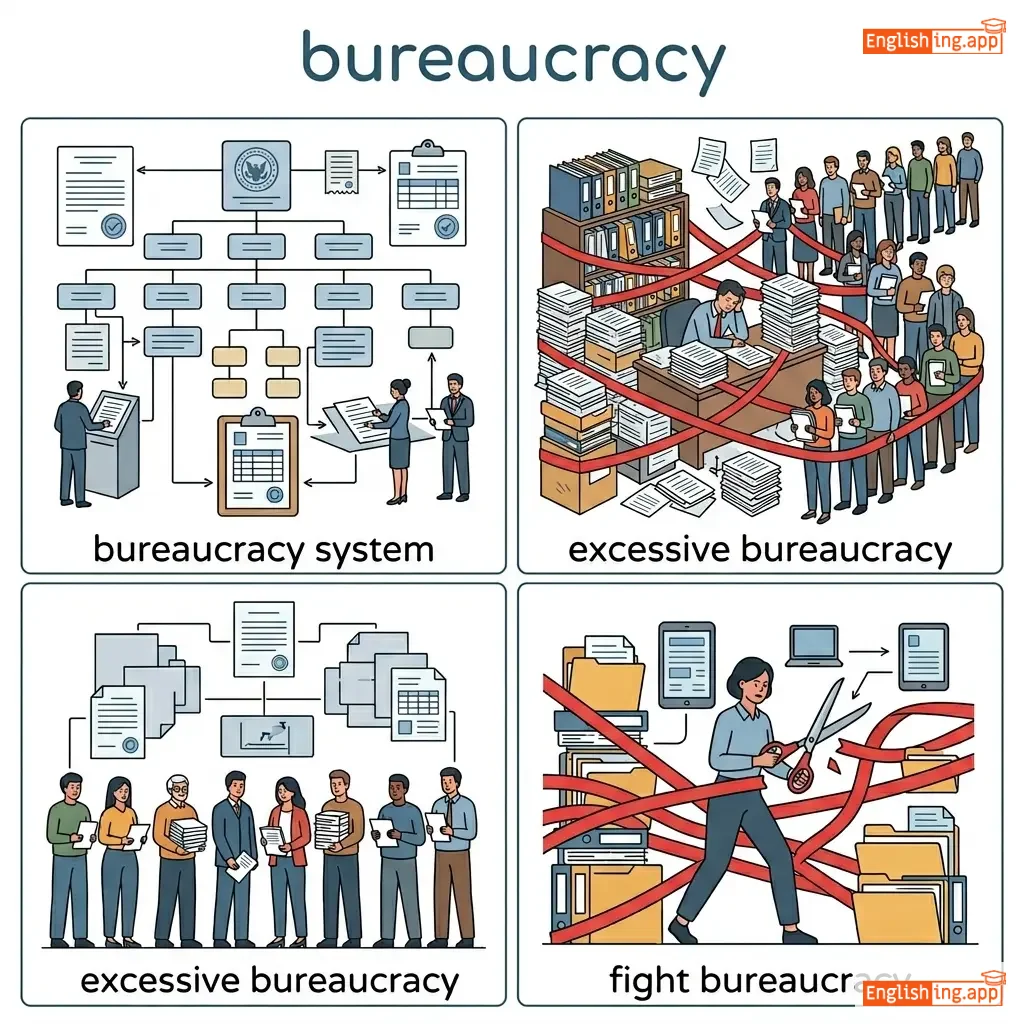
A system of government or management characterized by complex rules, procedures, and administrative processes.
••••••
|
Excessive bureaucracy slows down business processes. |
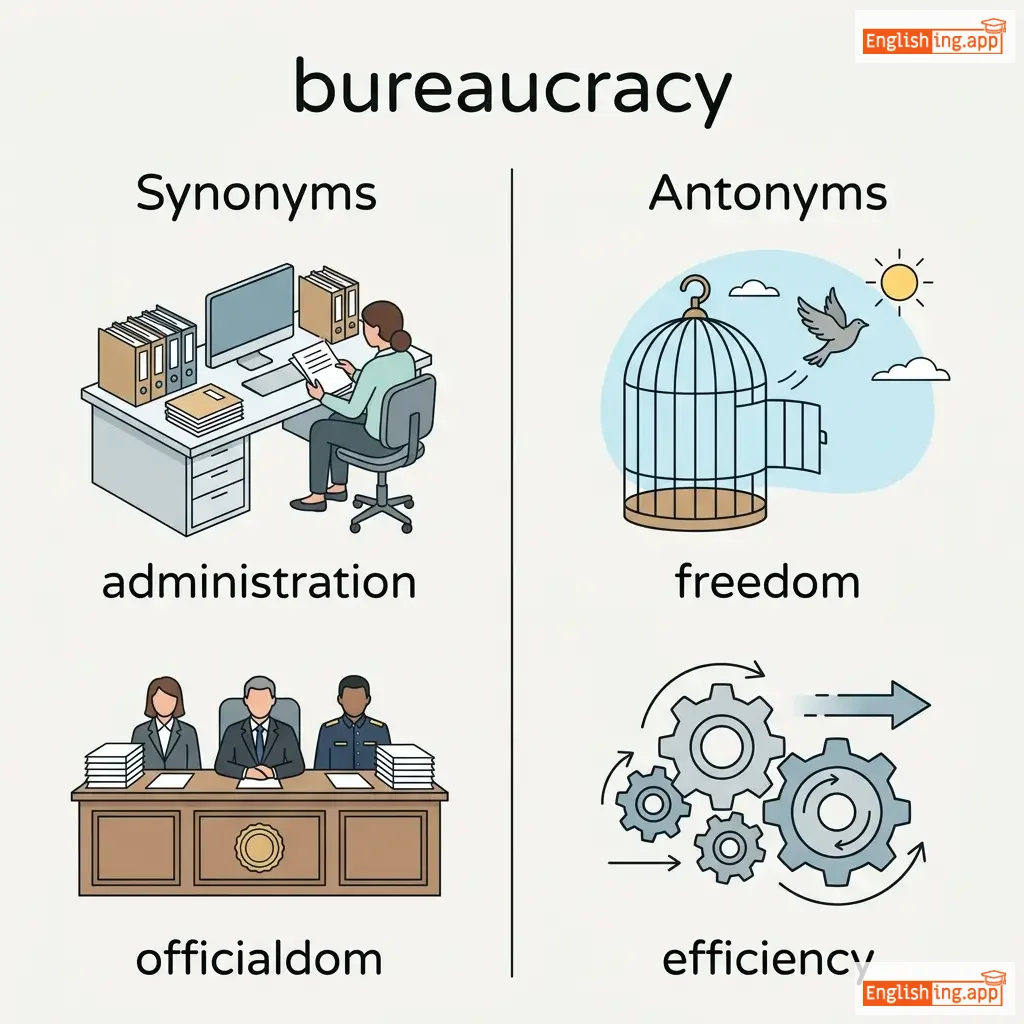
red tape, administrative system, officialdom
••••••
|
efficiency, simplicity, decentralization
••••••
|
|
#2359
⚠️
|
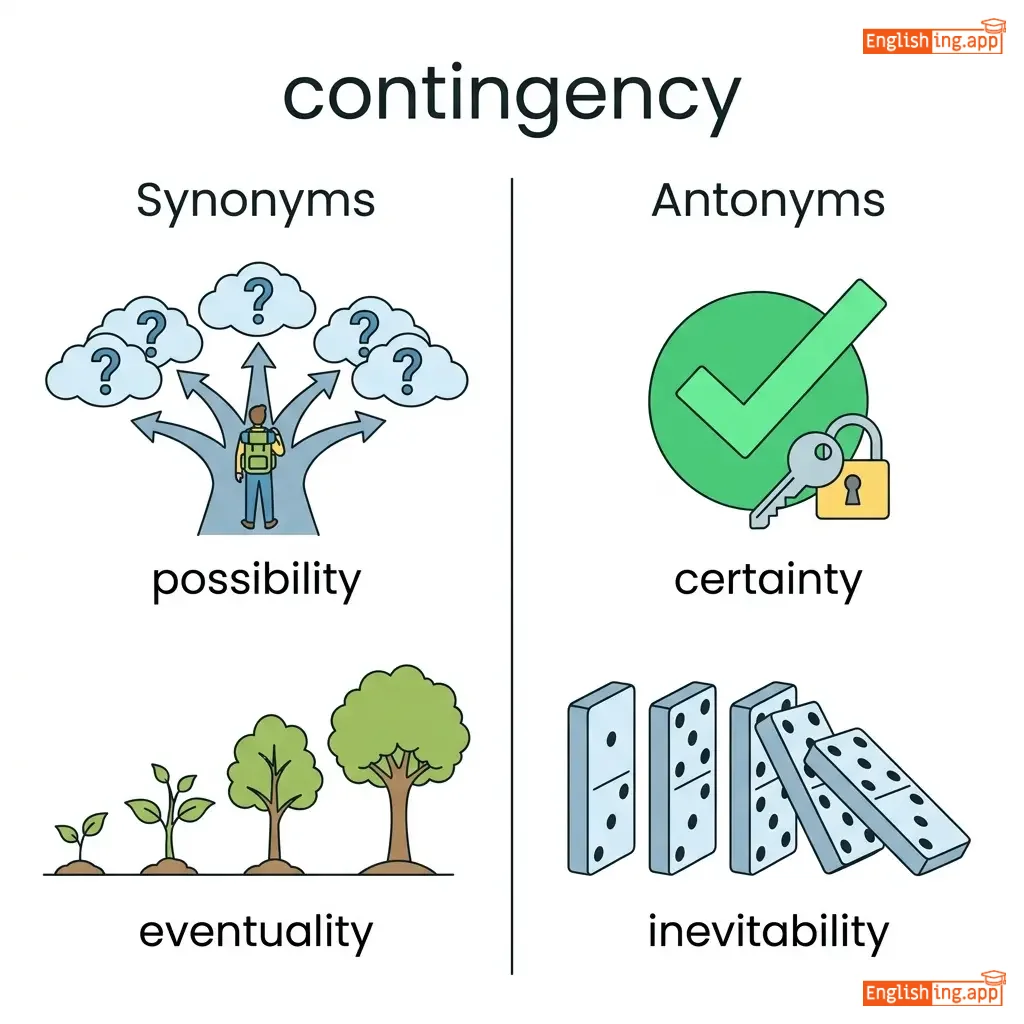
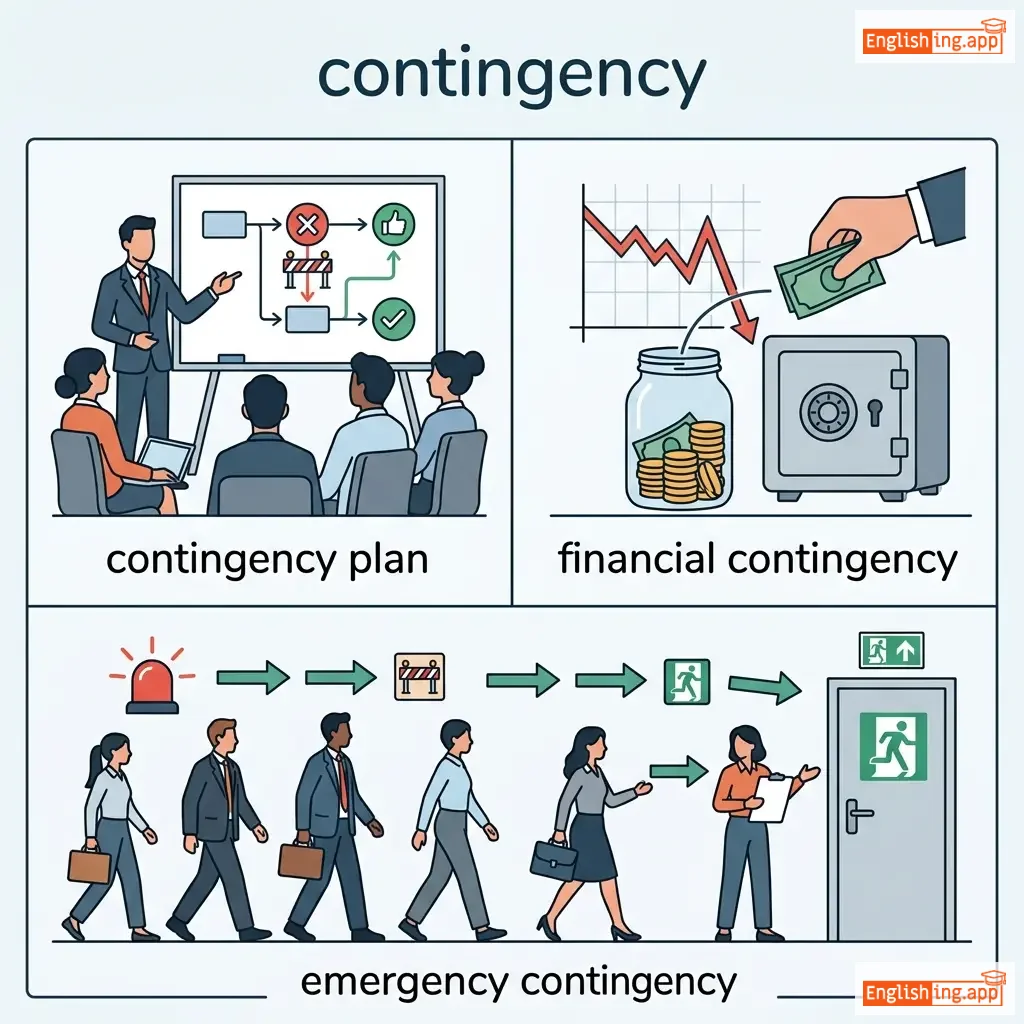
/kənˈtɪn.dʒən.si/
noun
••••••
|

|
A future event or circumstance that is possible but cannot be predicted with certainty; a provision for an unforeseen event or circumstance.
••••••
|
Companies must have a contingency plan for financial crises. |
emergency plan, backup, alternative strategy
••••••
|
certainty, assurance, predictability
••••••
|
|
#2360
🛡️
|
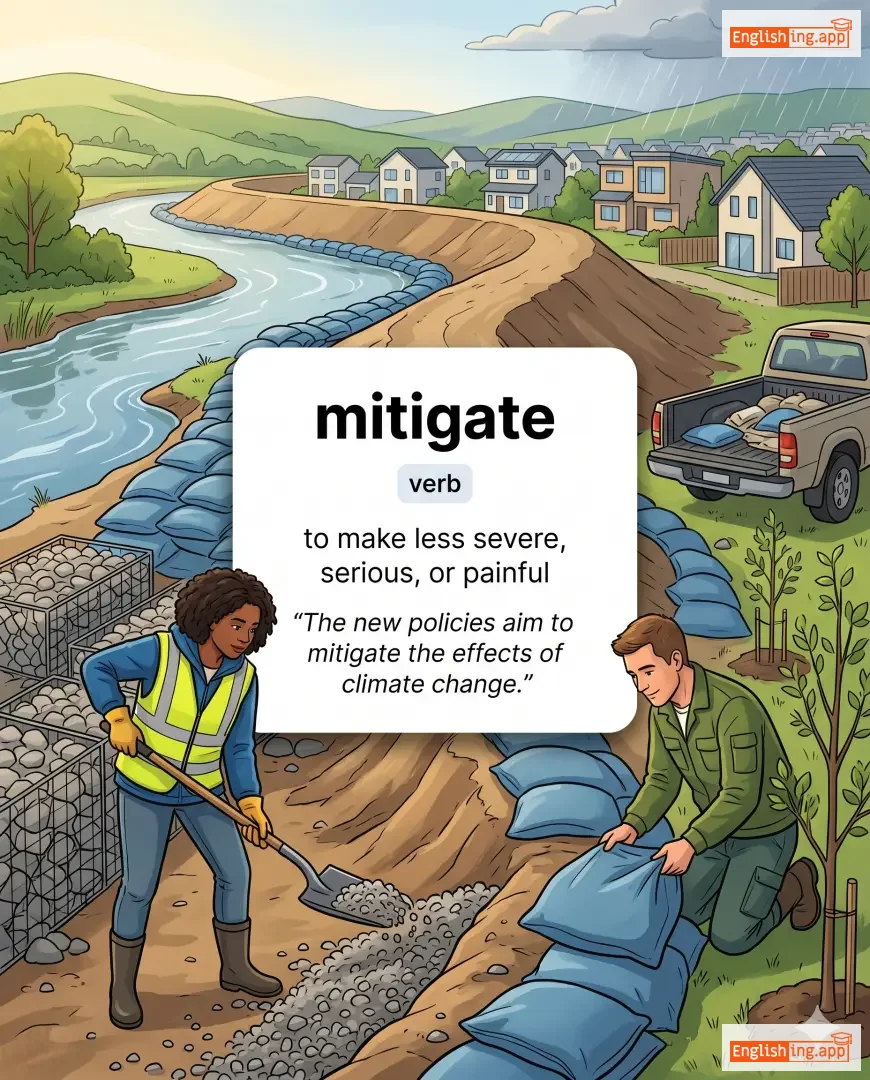
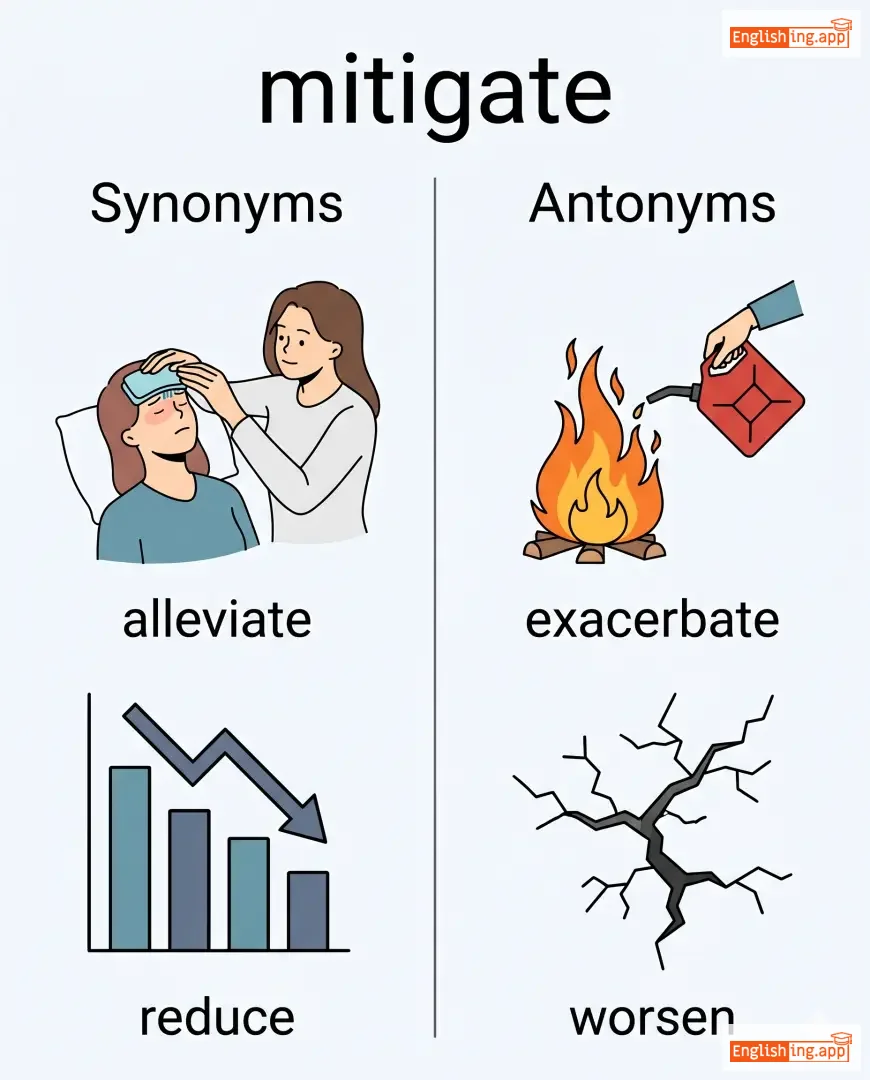
/ˈmɪt.ɪ.ɡeɪt/
verb
••••••
|
|
To make less severe, serious, or painful; to reduce the intensity or impact of something harmful.
••••••
|
Proper planning can mitigate financial risks. |
alleviate, reduce, lessen
••••••
|
aggravate, exacerbate, intensify
••••••
|
|
#2361
⚡
|
/dɪsˈrʌp.tɪv/
adjective
••••••
|
|
Causing or tending to cause disruption; innovative in a way that challenges or changes existing systems or markets.
••••••
|
Disruptive technology has changed the way businesses operate. |
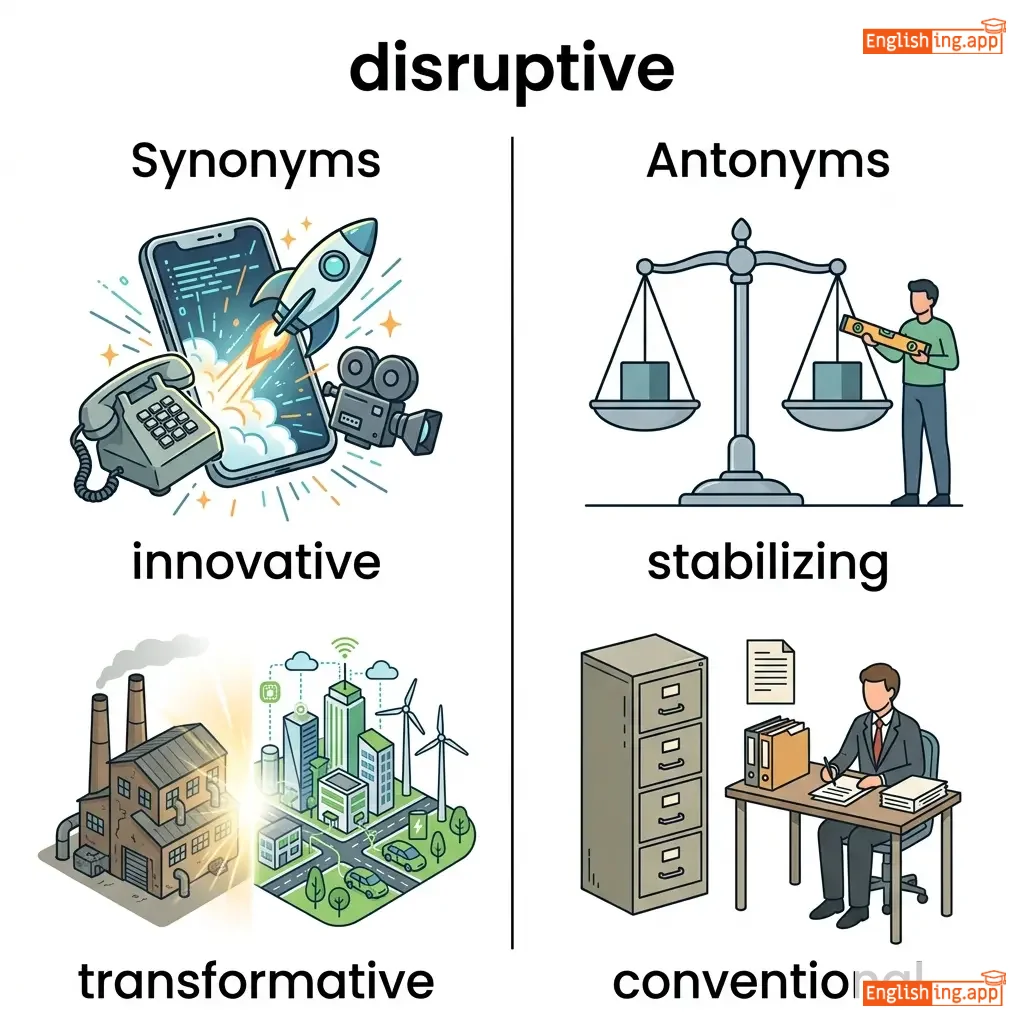
innovative, radical, transformative
••••••
|
stable, conventional, predictable
••••••
|
|
#2362
📈
|
/prəˈlɪf.ə.reɪt/
verb
••••••
|
|
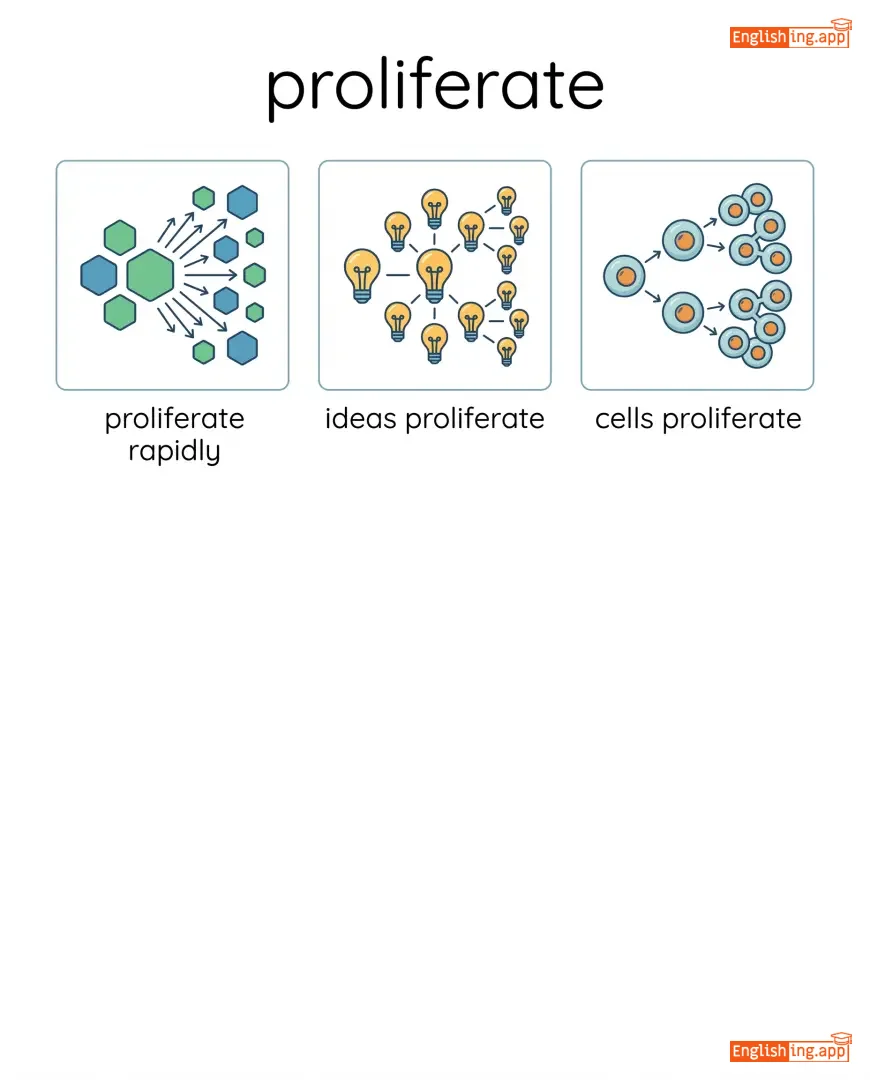
To increase rapidly in numbers; to grow or spread quickly and extensively.
••••••
|
Startups tend to proliferate in a thriving economy. |
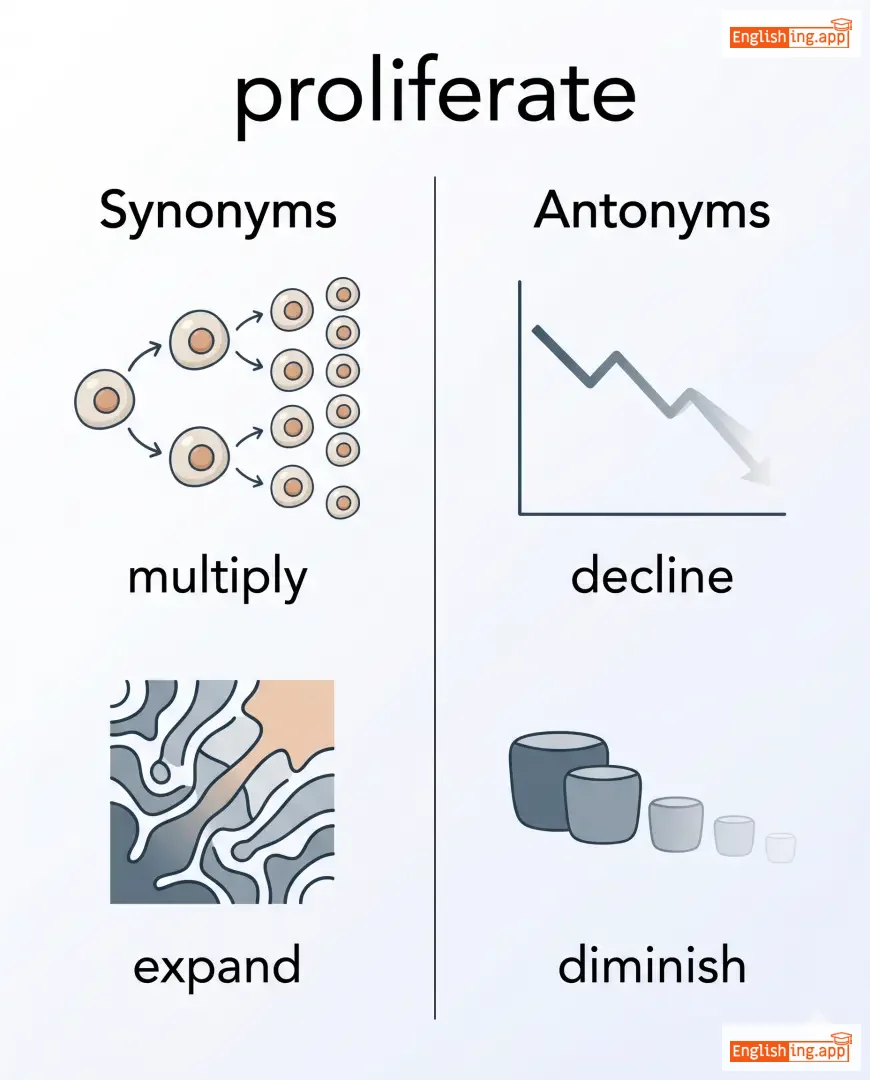
multiply, expand, escalate
••••••
|
decrease, diminish, decline
••••••
|
|
#2363
🎯
|
/moʊˈmɛn.təm/
noun
••••••
|

|
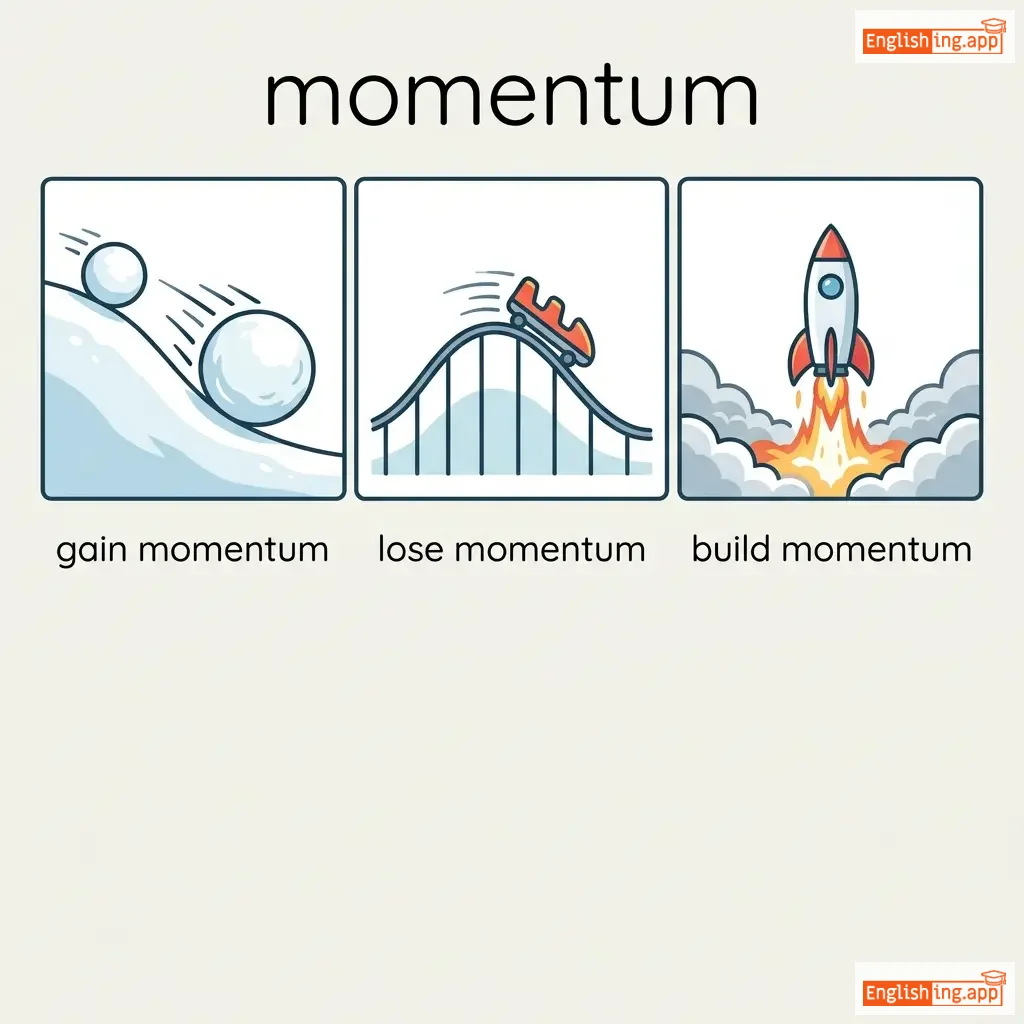
The quantity of motion of a moving body; the impetus and driving force gained by the development of a process or course of events.
••••••
|
The company gained momentum after launching a new product. |
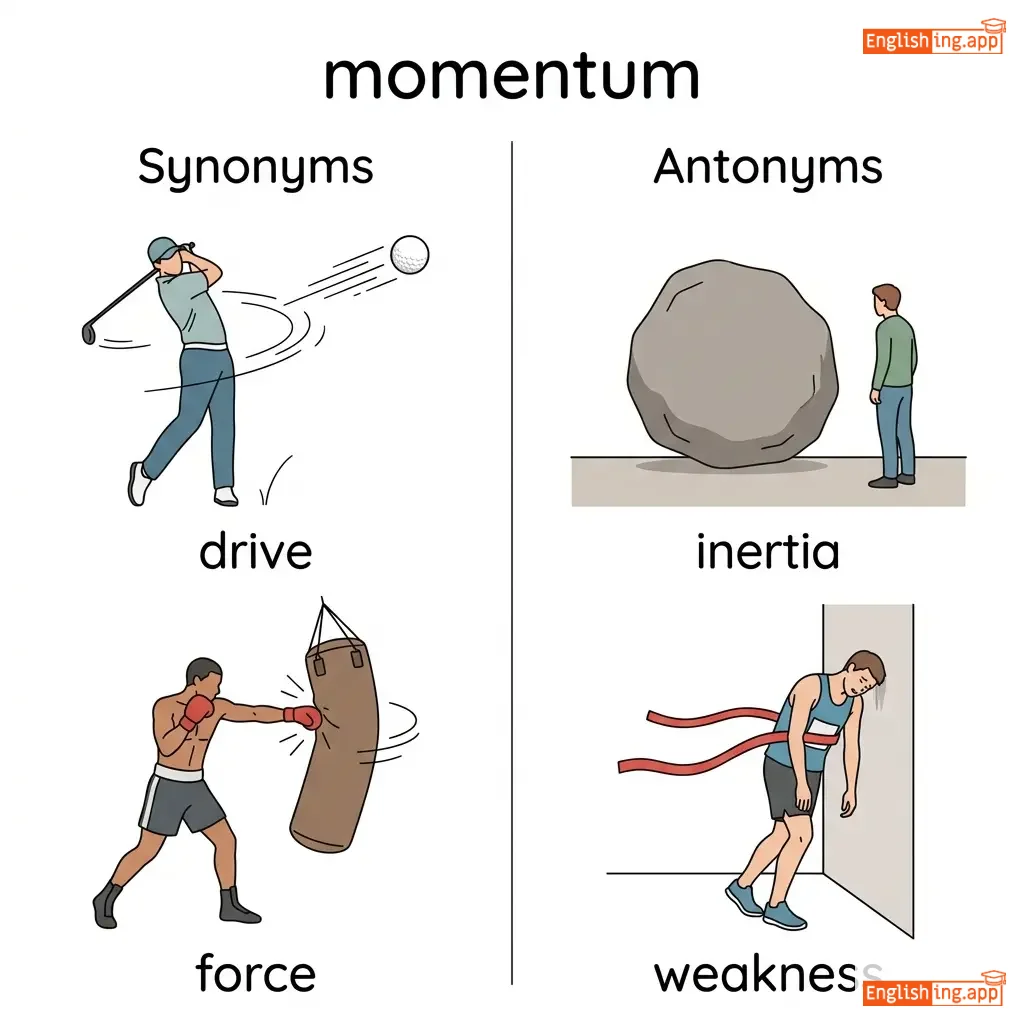
drive, acceleration, progress
••••••
|
stagnation, slowdown, regression
••••••
|
|
#2364
📏
|
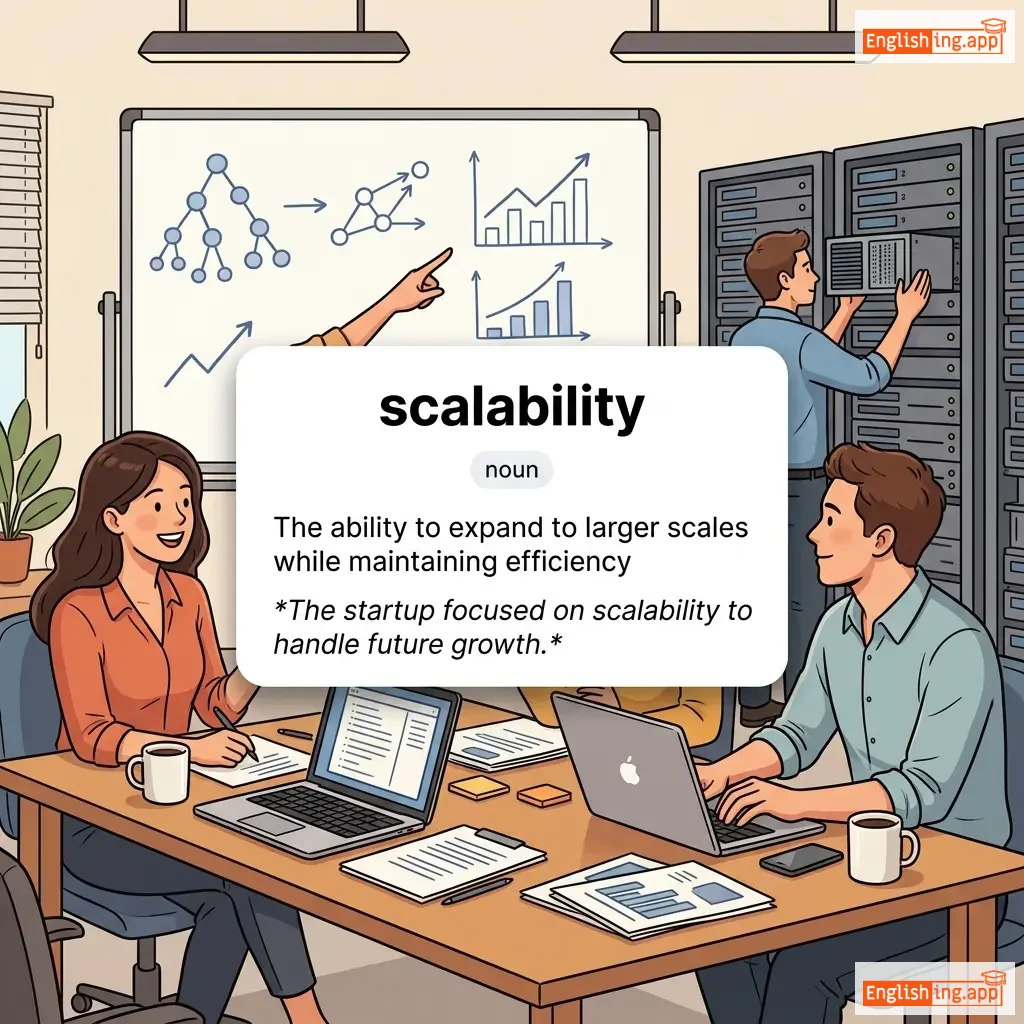
/ˌskeɪ.ləˈbɪl.ɪ.ti/
noun
••••••
|
|
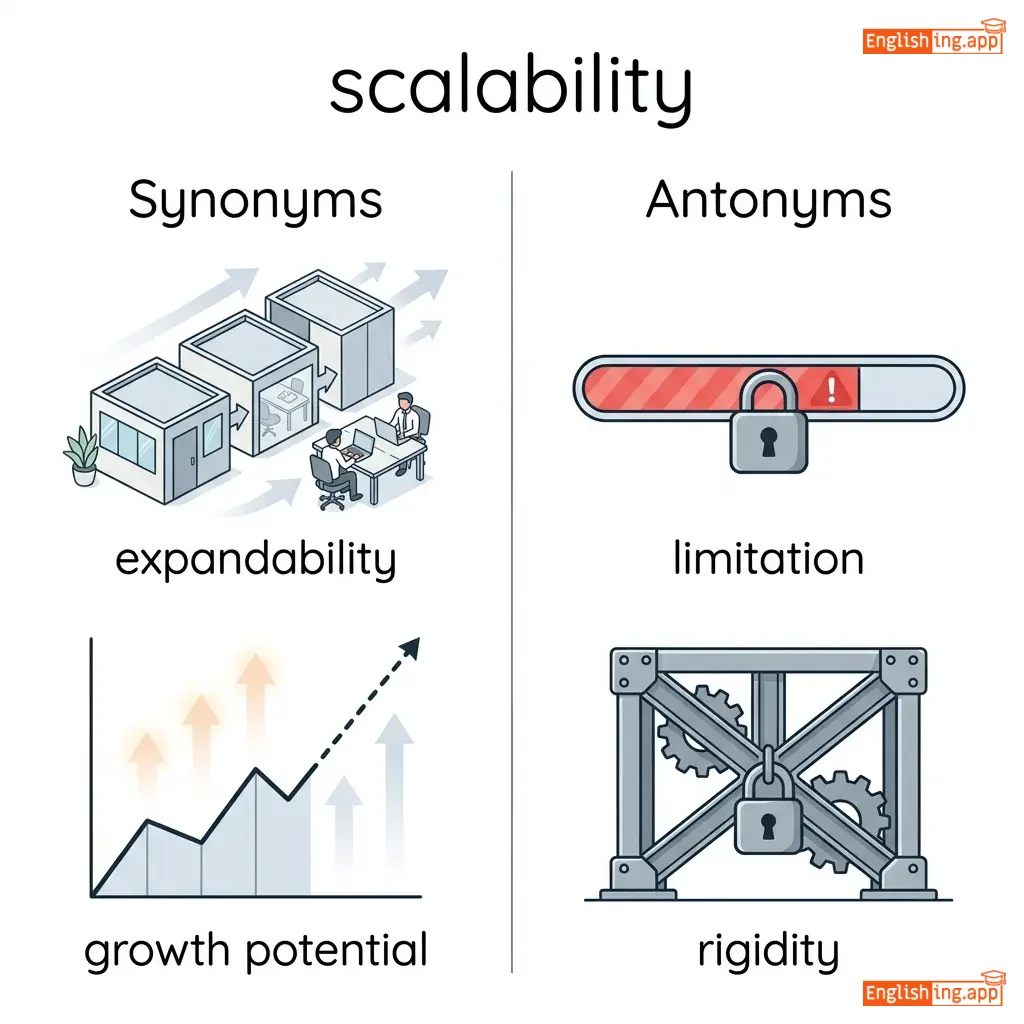
The capacity to be changed in size or scale; the ability of a system, network, or process to handle a growing amount of work.
••••••
|
Cloud computing offers great scalability for businesses. |
expandability, growth potential, flexibility
••••••
|
limitation, constraint, inflexibility
••••••
|
|
#2365
🤹
|
/dɛkˈstɛr.ɪ.ti/
noun
••••••
|


|
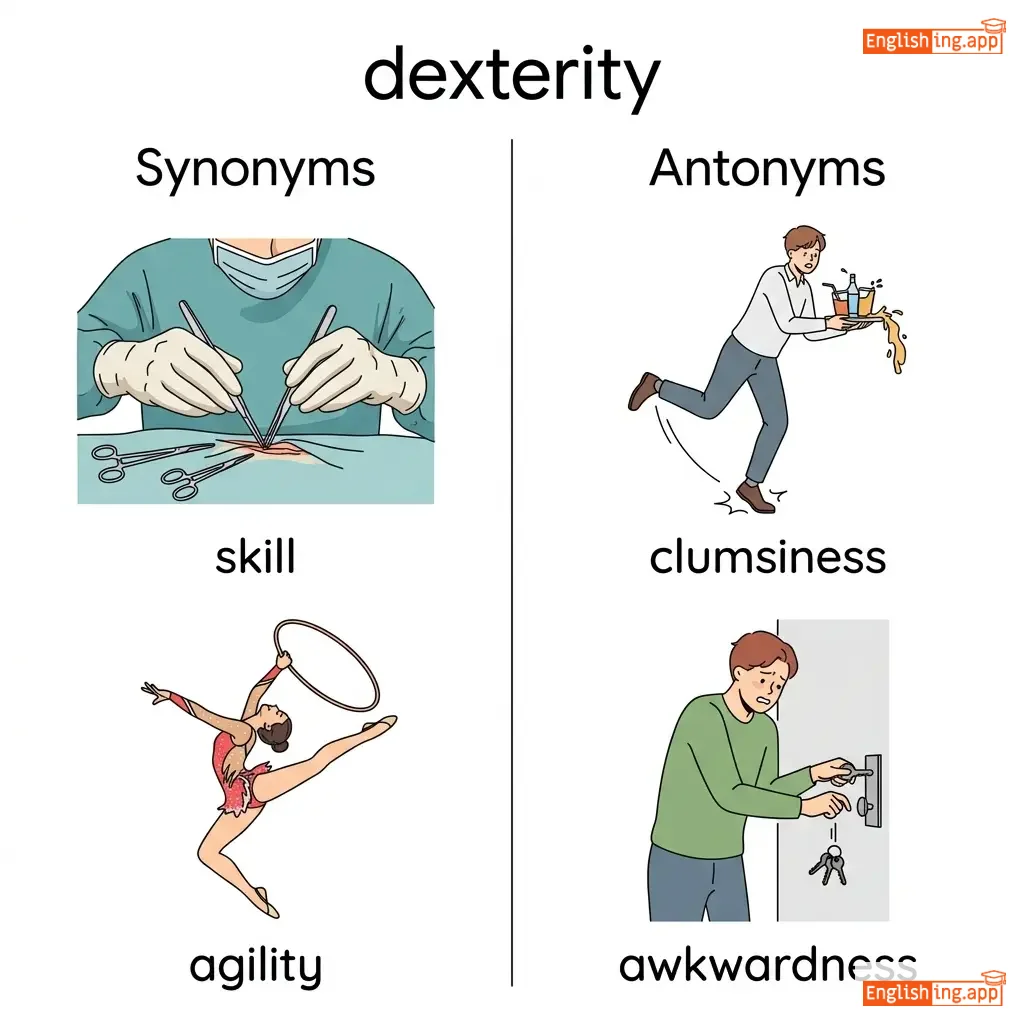
Skill in performing tasks, especially with the hands; mental skill or quickness; adroitness.
••••••
|
Surgeons require high dexterity during operations. |
skillfulness, agility, proficiency
••••••
|
clumsiness, incompetence, inefficiency
••••••
|
|
#2366
🎭
|
/ˈpær.ə.daɪm/
noun
••••••
|
|
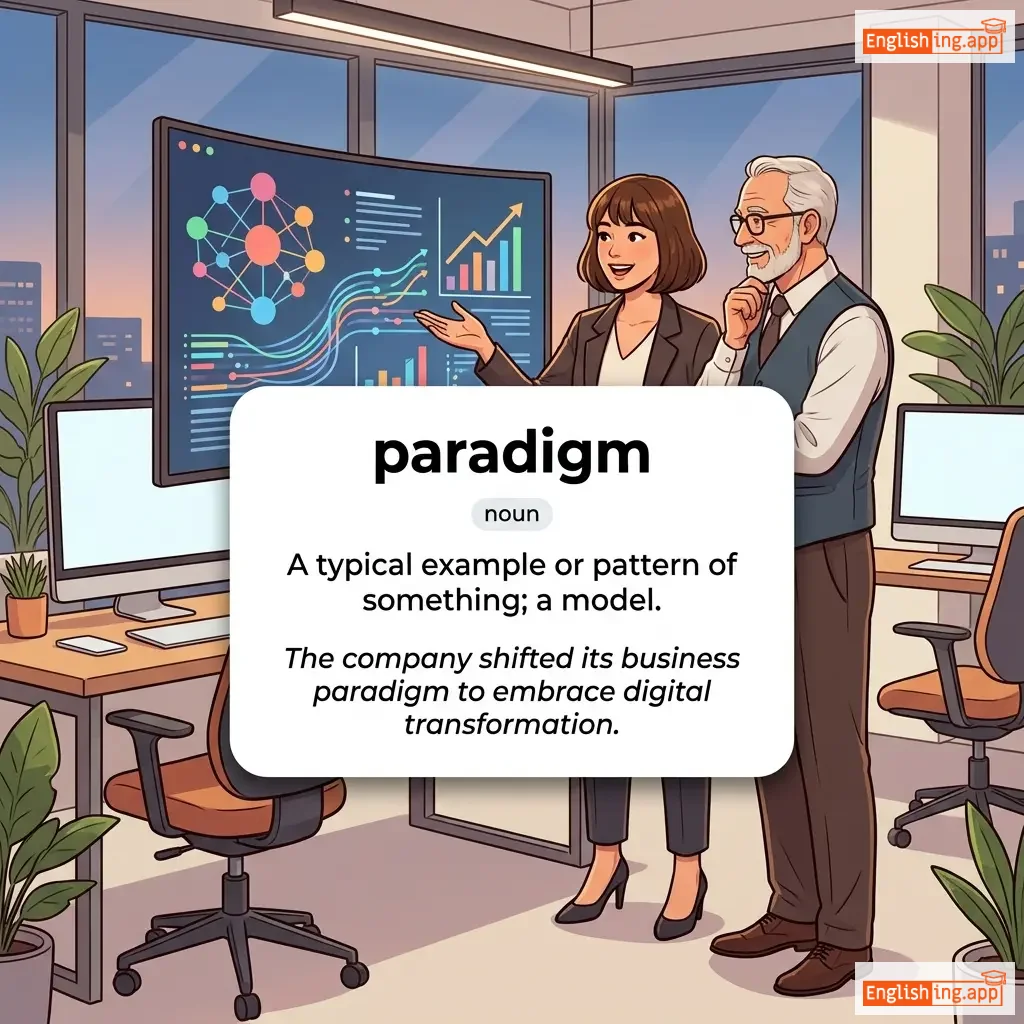
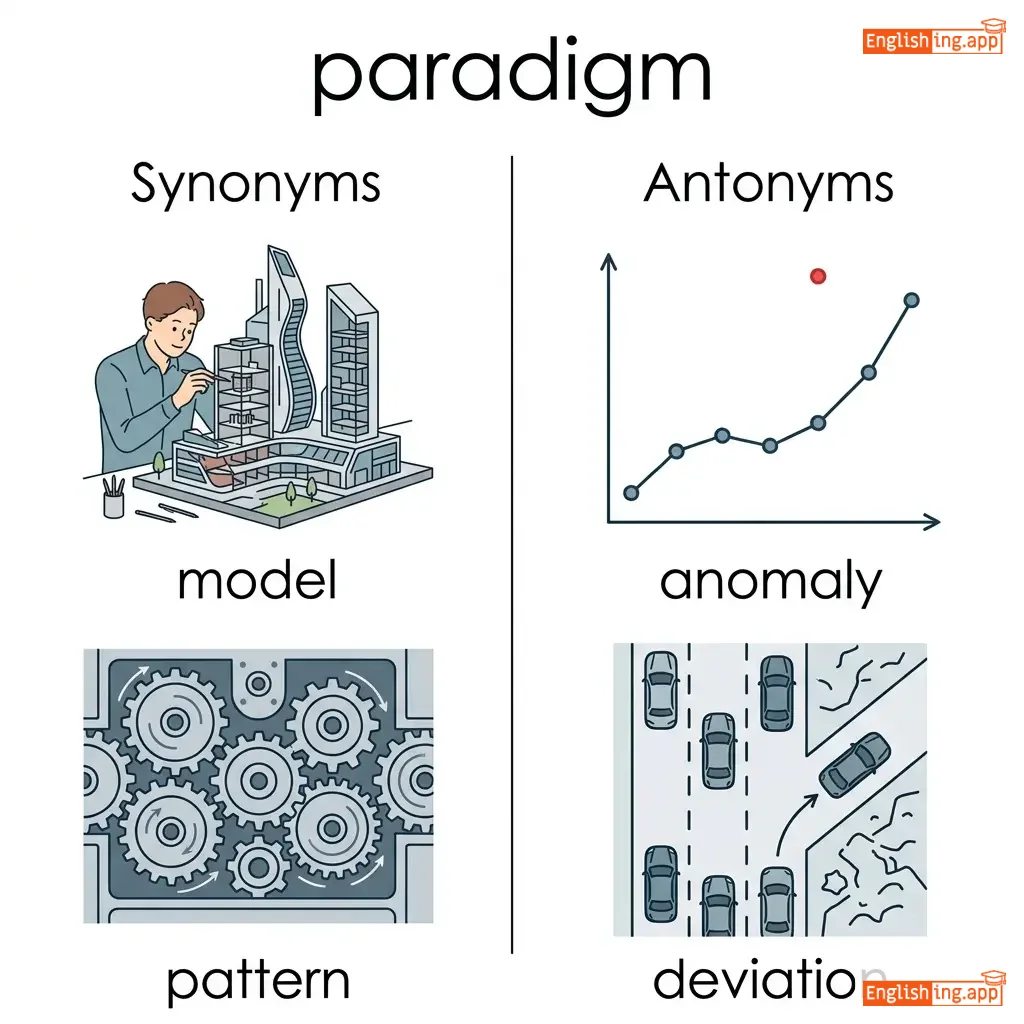
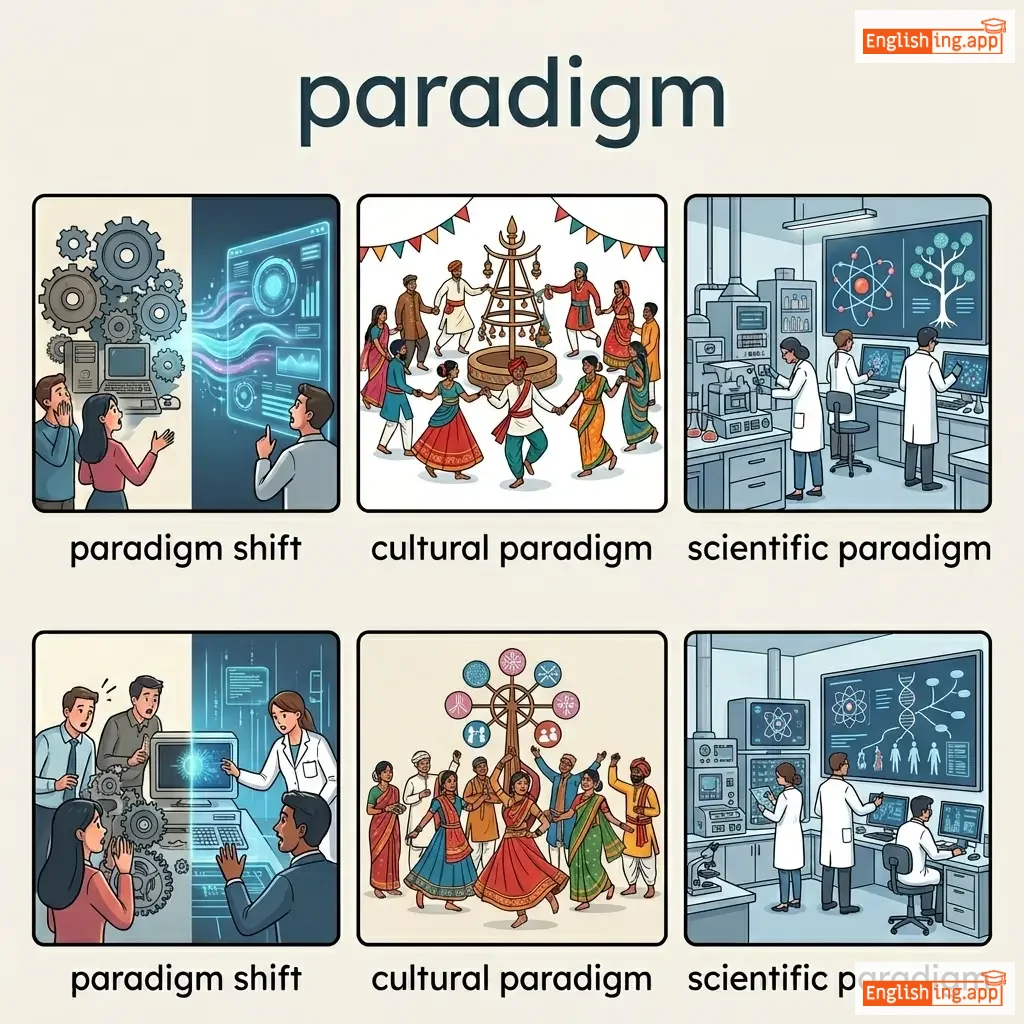
A typical example or pattern of something; a model or framework that defines how something should be done or understood.
••••••
|
The internet created a new paradigm for global communication. |
framework, model, prototype
••••••
|
disorganization, chaos, disorder
••••••
|
|
#2367
💰
|
/ˈluː.krə.tɪv/
adjective
••••••
|


|
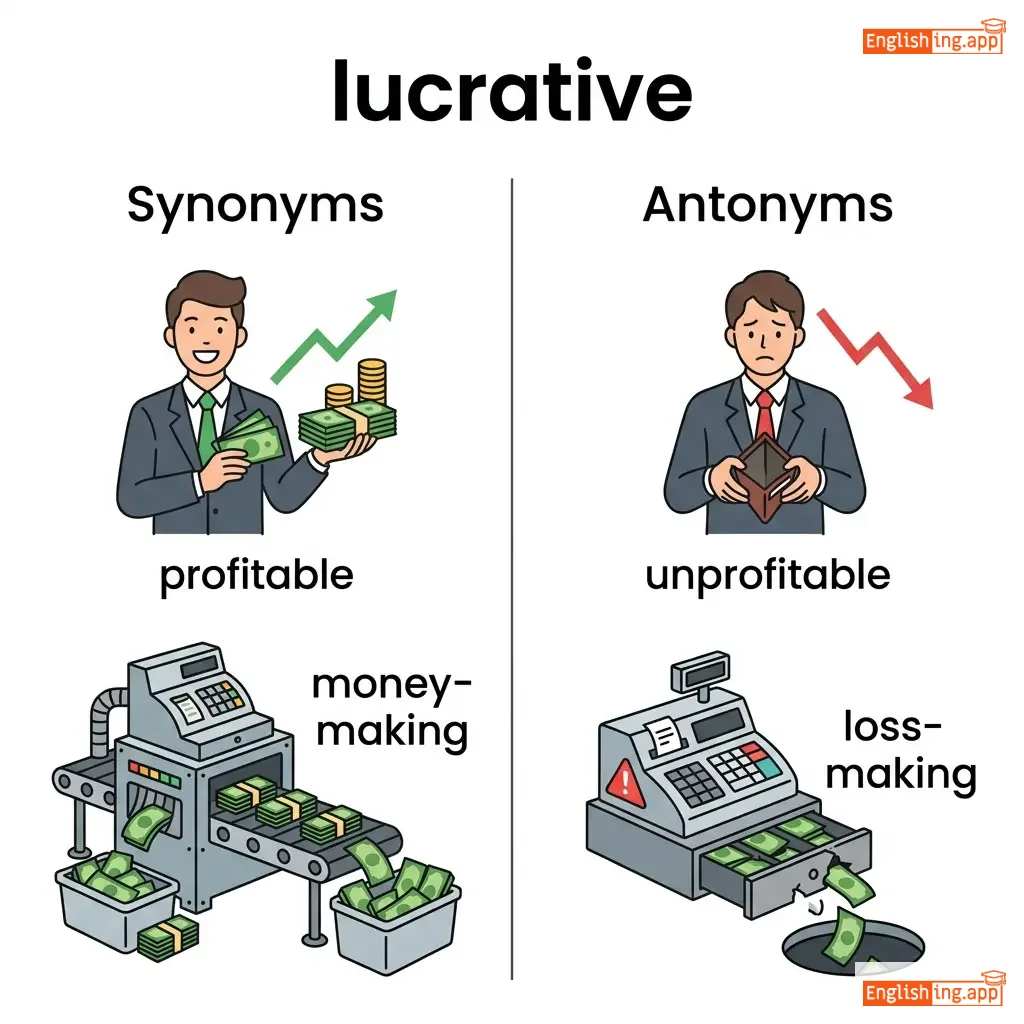
Producing a great deal of profit; highly profitable or financially rewarding.
••••••
|
The real estate business is highly lucrative in urban areas. |
profitable, rewarding, gainful
••••••
|
unprofitable, loss-making, worthless
••••••
|

