••••••
/ˈnæs.ənt/
adjective
••••••
••••••
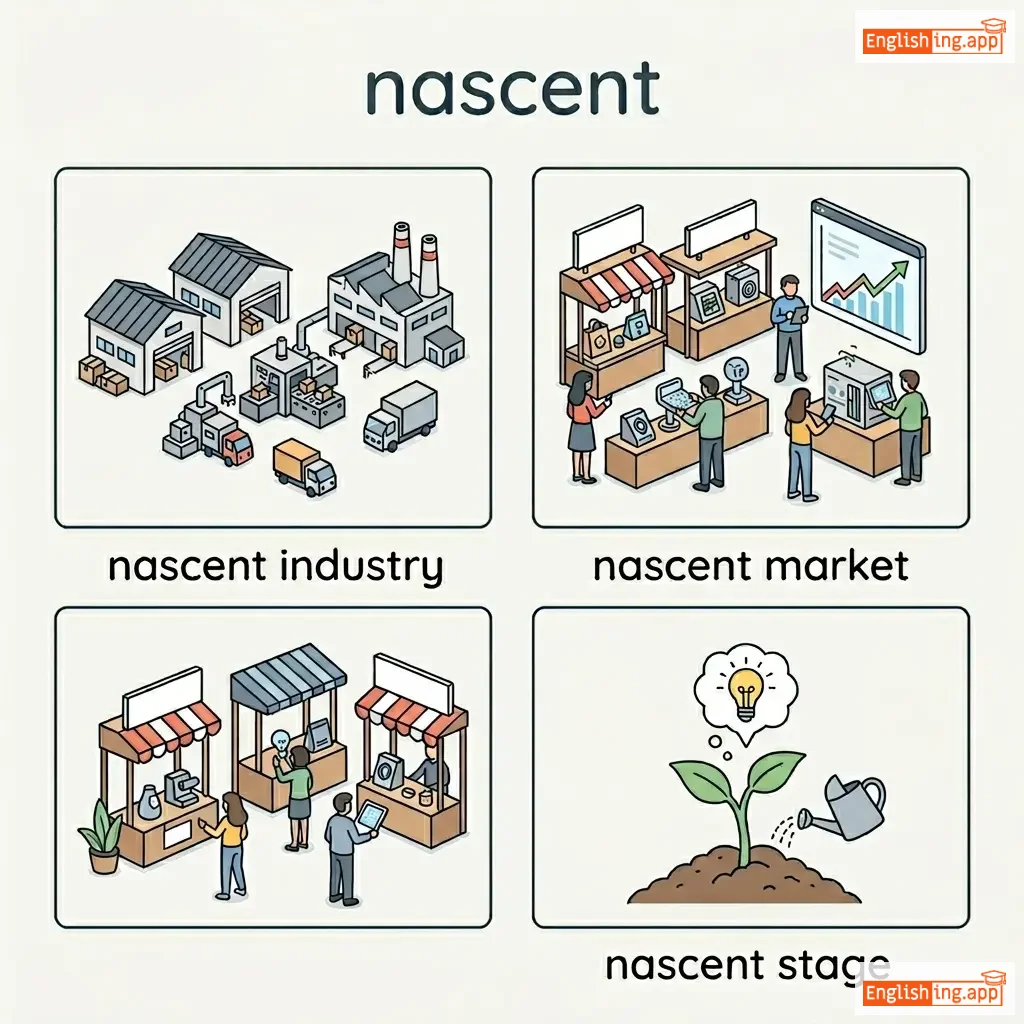
Just coming into existence and beginning to display signs of future potential; emerging or developing.
••••••
The nascent technology sector is attracting many investors.
••••••
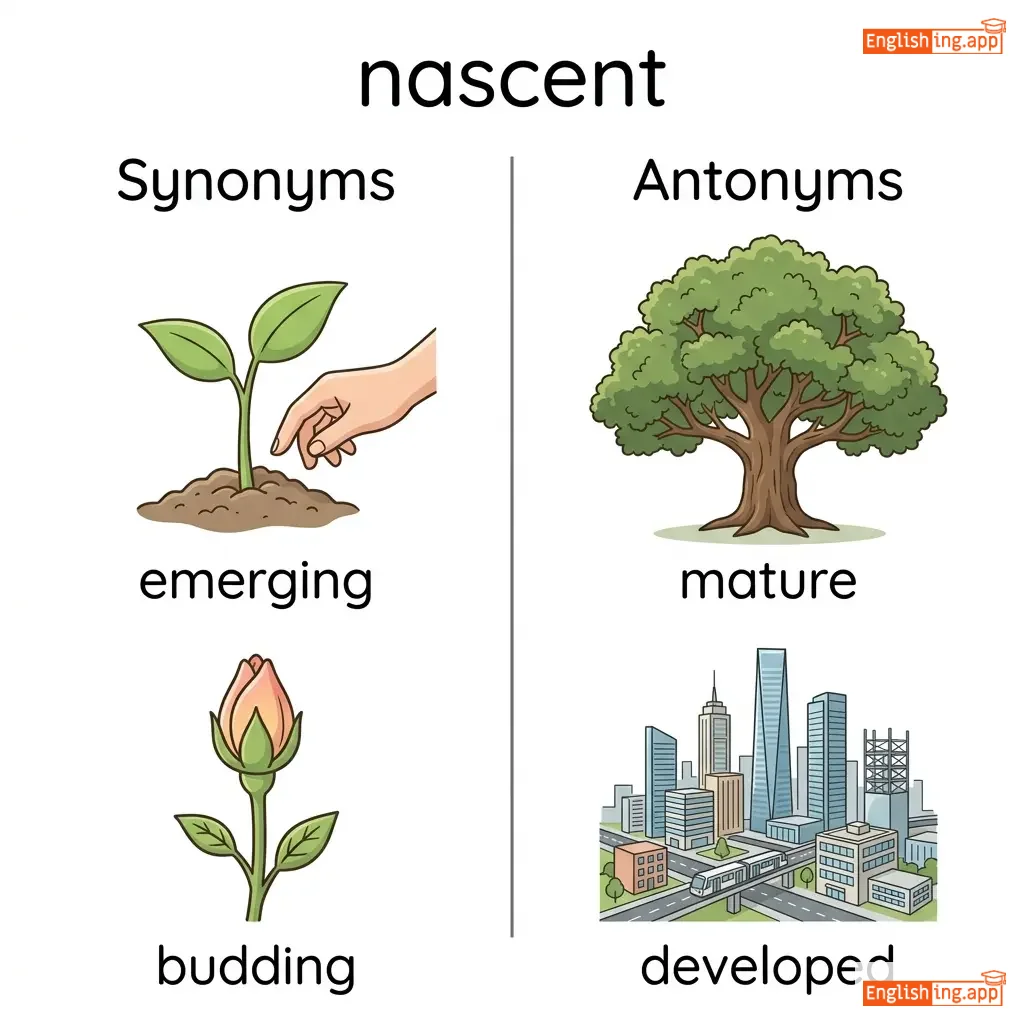
emerging, developing, budding
••••••
established, mature, declining
••••••
••••••
/ˈstɑːrt.ʌp/
noun
••••••
••••••
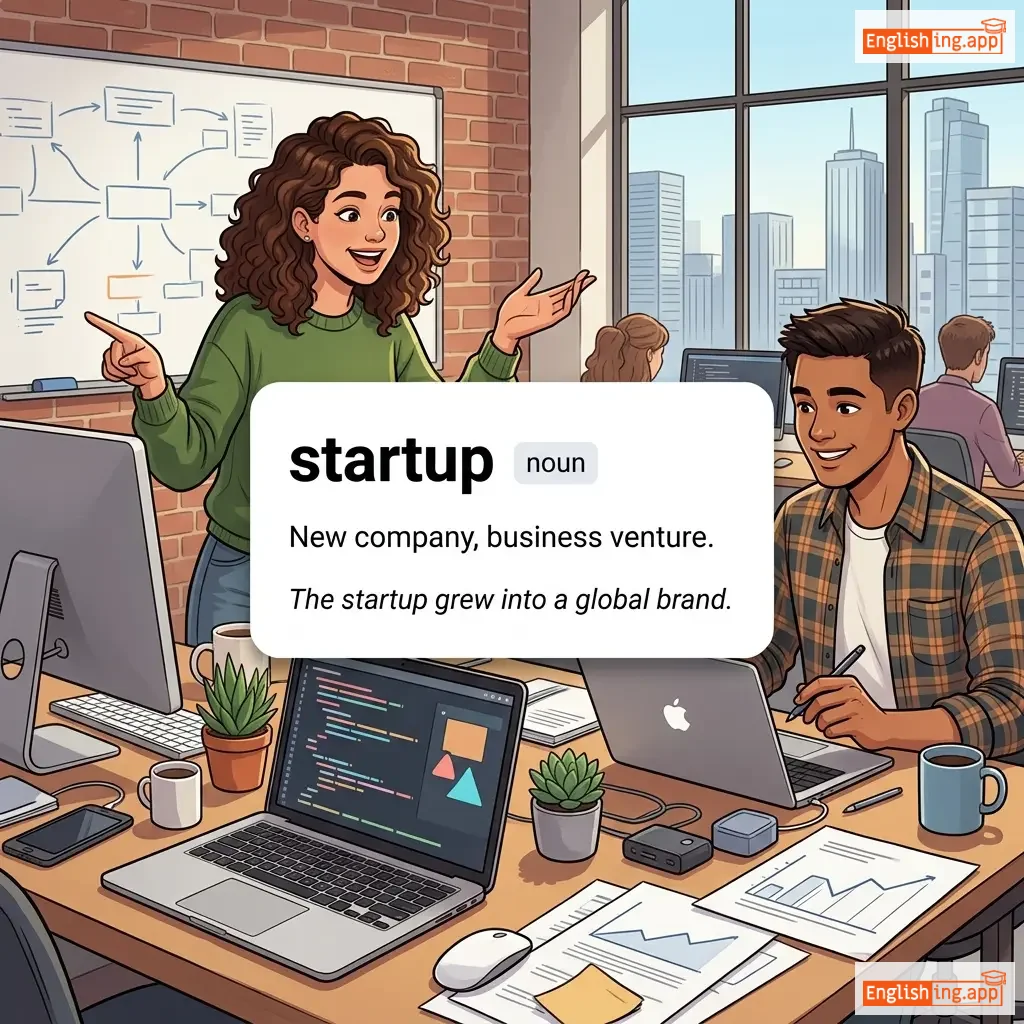
A newly established business, especially a small technology or business company that is just beginning operations.
••••••
The startup secured funding from investors.
••••••
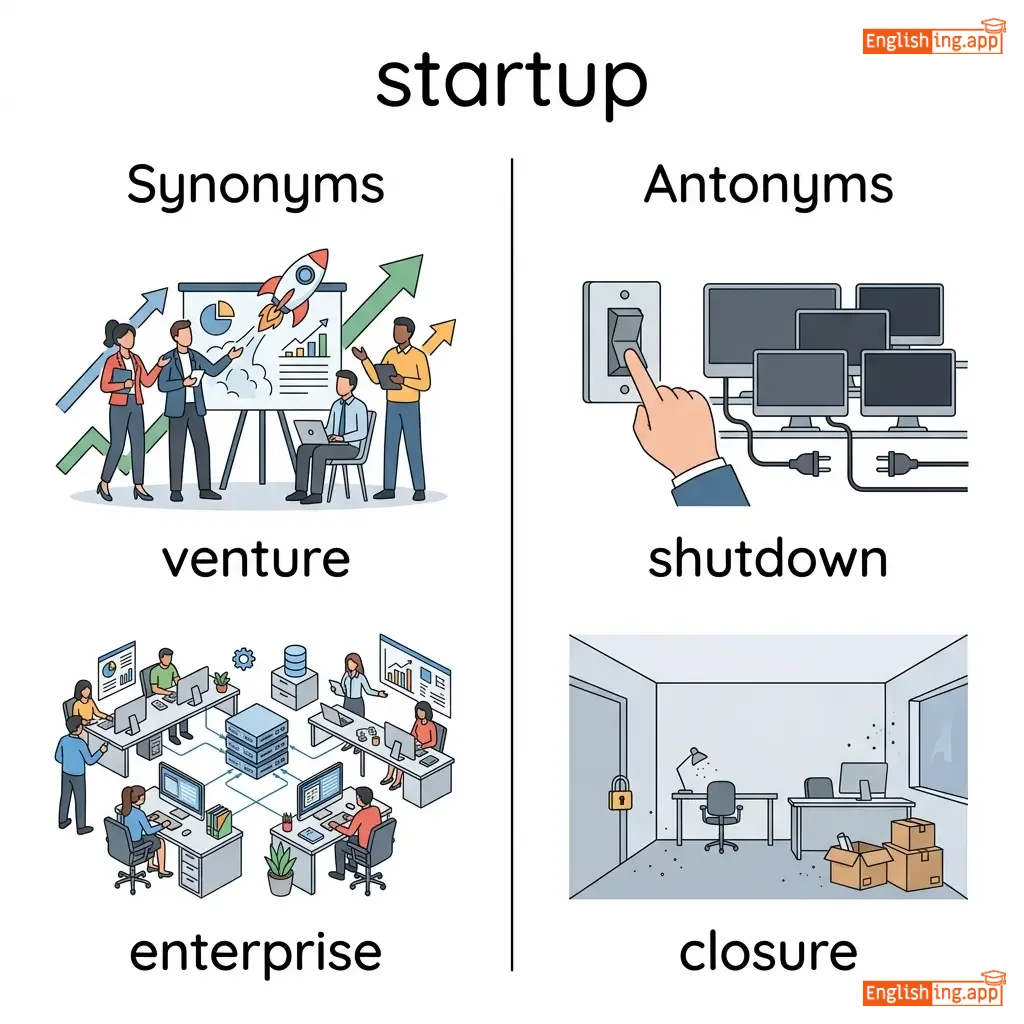
new business, venture, emerging company
••••••
established firm, corporation, traditional business
••••••
••••••
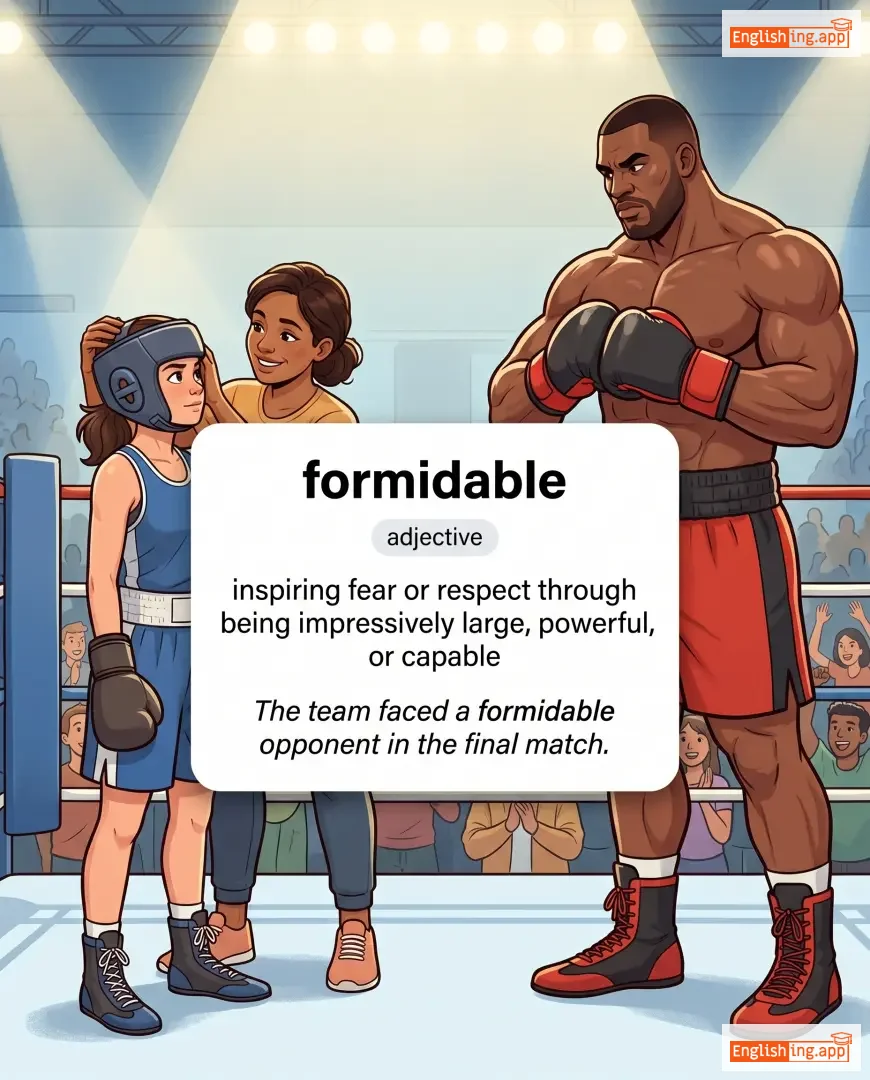
/ˈfɔːr.mɪ.də.bəl/
adjective
••••••
••••••
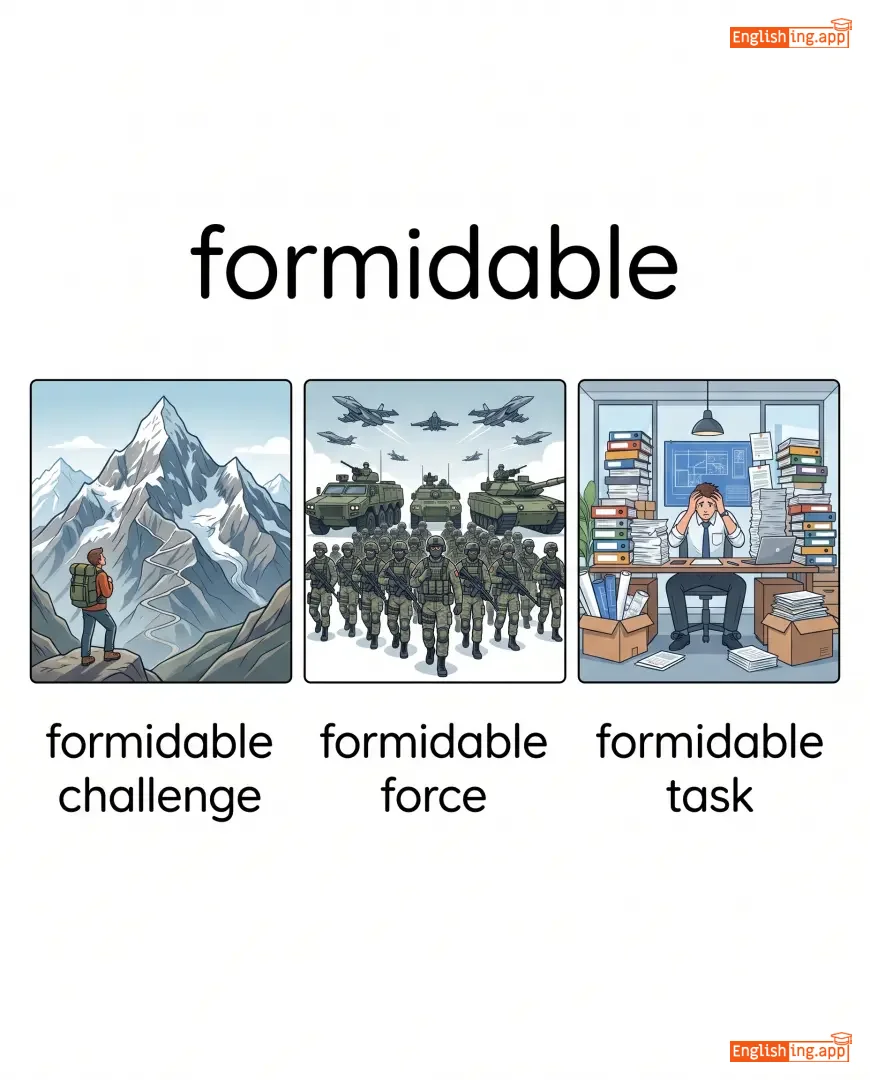
Very skilled, powerful, or challenging; inspiring fear or respect through being impressively large, powerful, or capable.
••••••
He faced a formidable opponent in the debate.
••••••
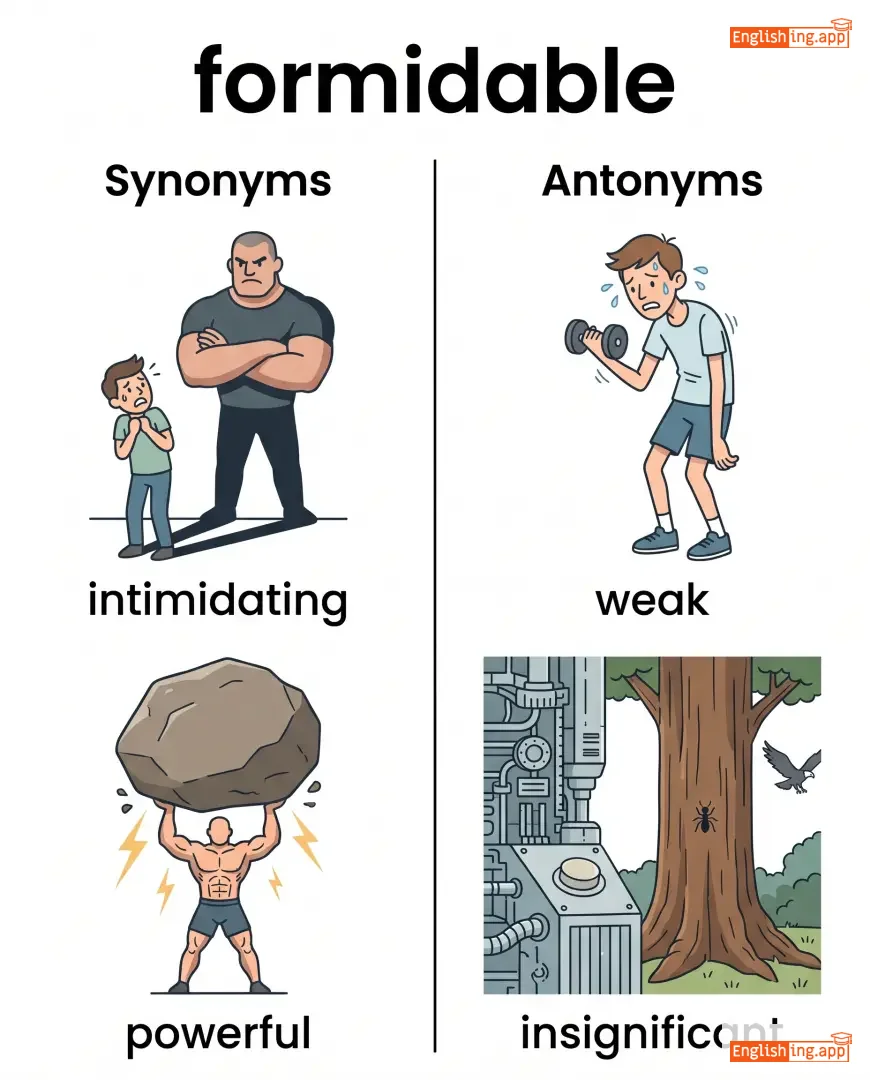
powerful, intimidating, impressive
••••••
weak, unthreatening, feeble
••••••
••••••
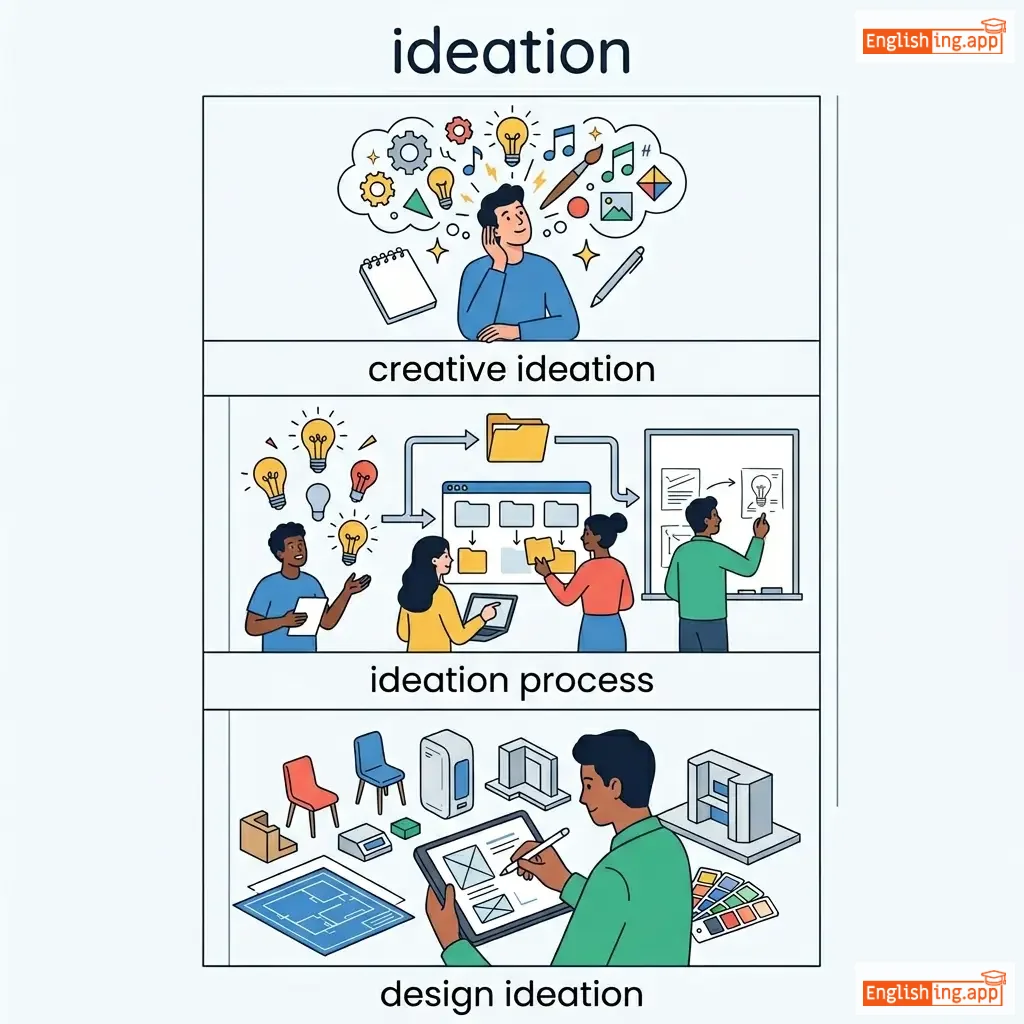
/ˌaɪ.diˈeɪ.ʃən/
noun
••••••
••••••
The process of forming and developing new ideas or concepts through creative thinking and brainstorming.
••••••
The team engaged in ideation sessions to generate new product ideas.
••••••
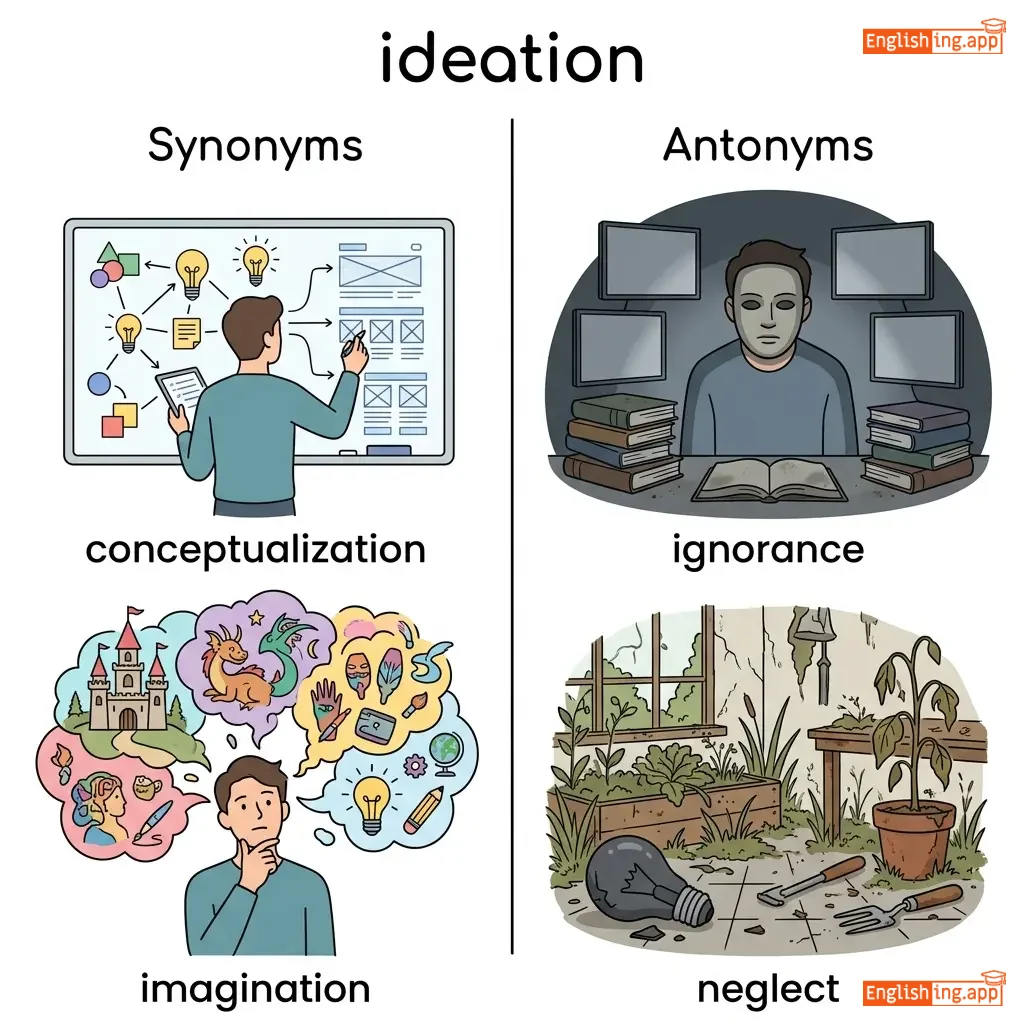
conceptualization, brainstorming, innovation
••••••
execution, implementation, reality
••••••
••••••
/ˌfiː.zəˈbɪl.ɪ.ti/
noun
••••••
••••••
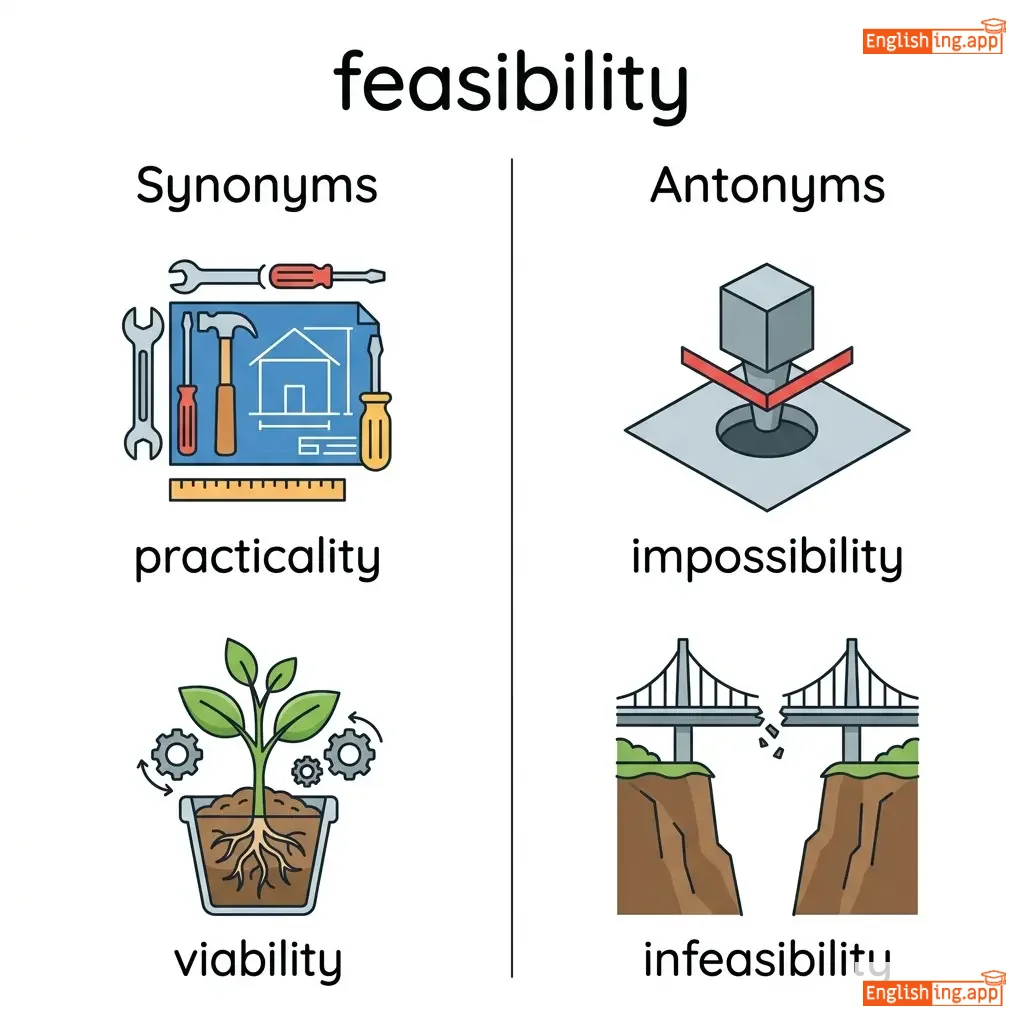
The state or degree of being easily or conveniently done; the practicality of a proposed plan or project.
••••••
The company conducted a feasibility study before launching the project.
••••••
viability, practicality, workability
••••••
impracticality, infeasibility, impossibility
••••••
••••••
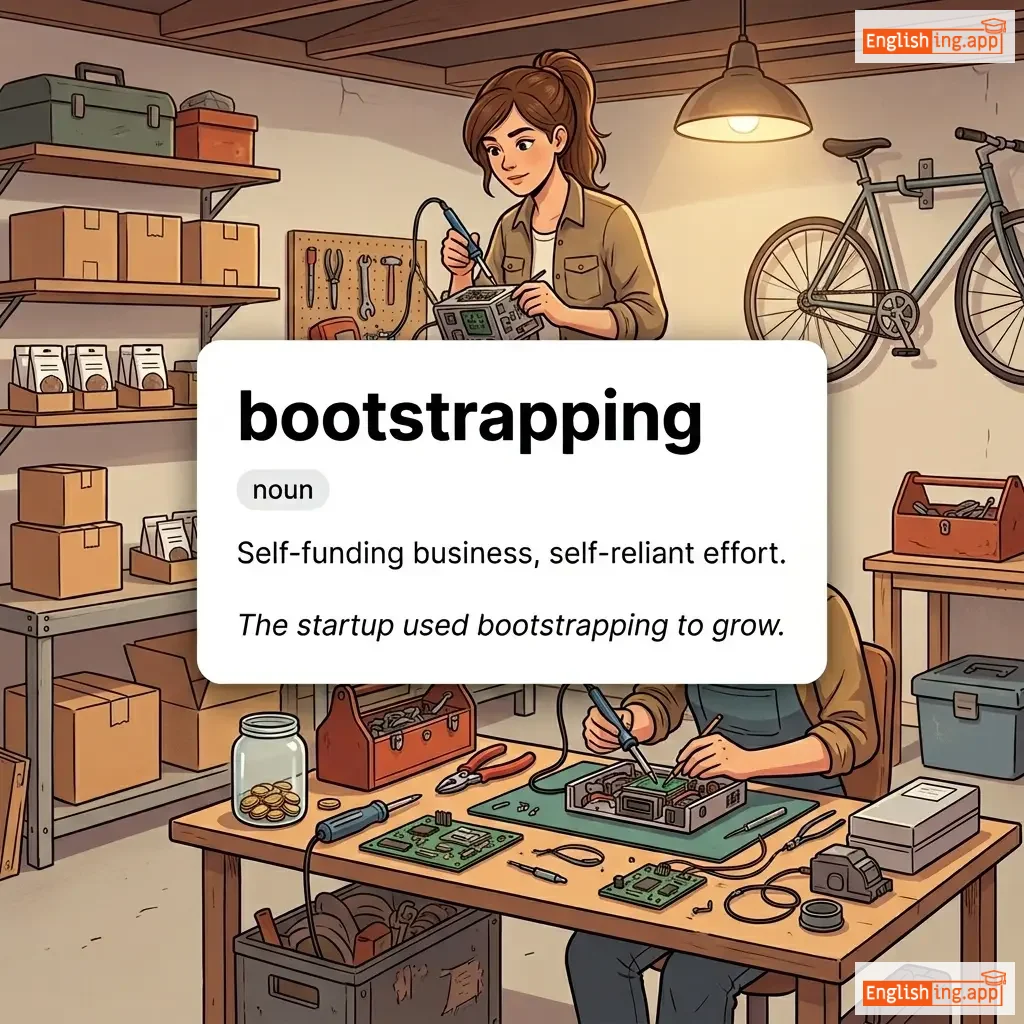
/ˈbuːt.stræp.ɪŋ/
noun
••••••
••••••
Starting a business with personal resources or small investments without external funding or venture capital.
••••••
Many entrepreneurs rely on bootstrapping to launch their businesses.
••••••
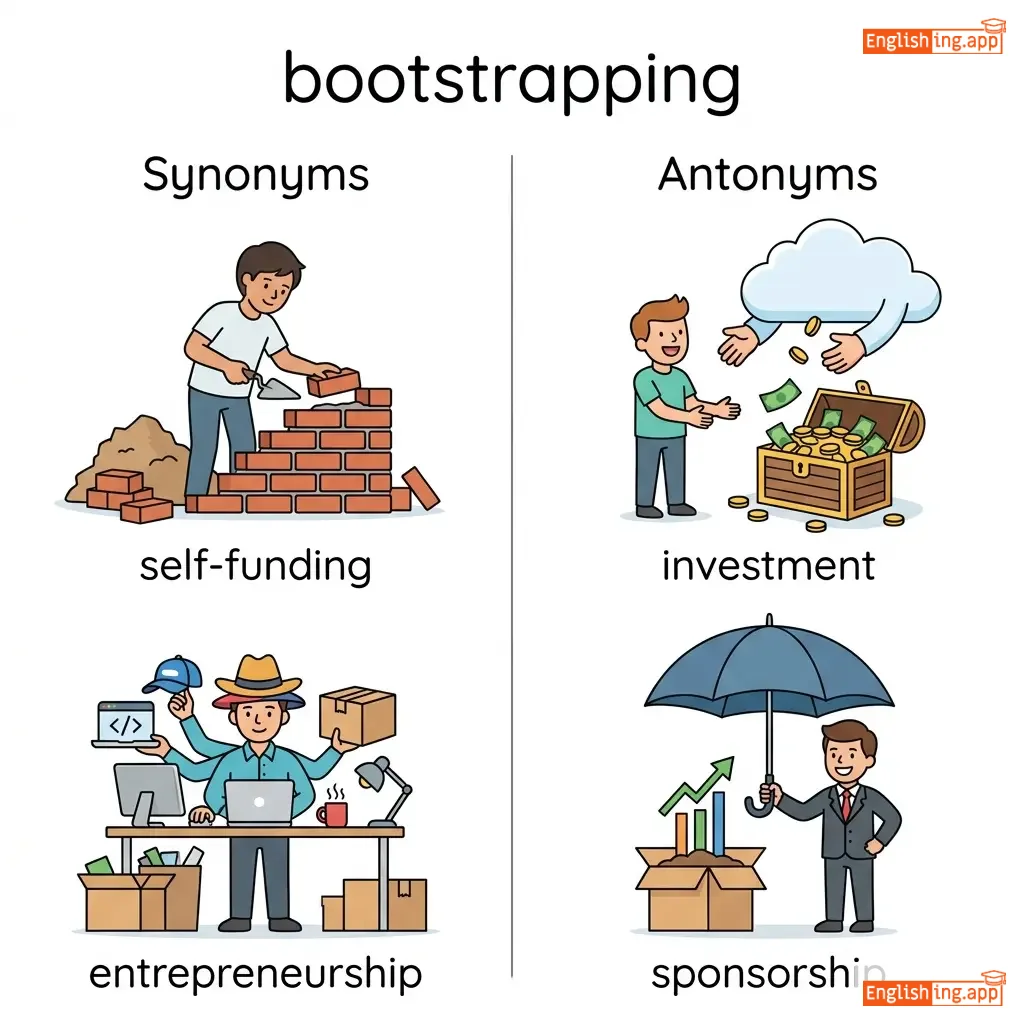
self-funding, self-sufficiency, independent growth
••••••
venture capital, external investment, funding reliance
••••••
••••••
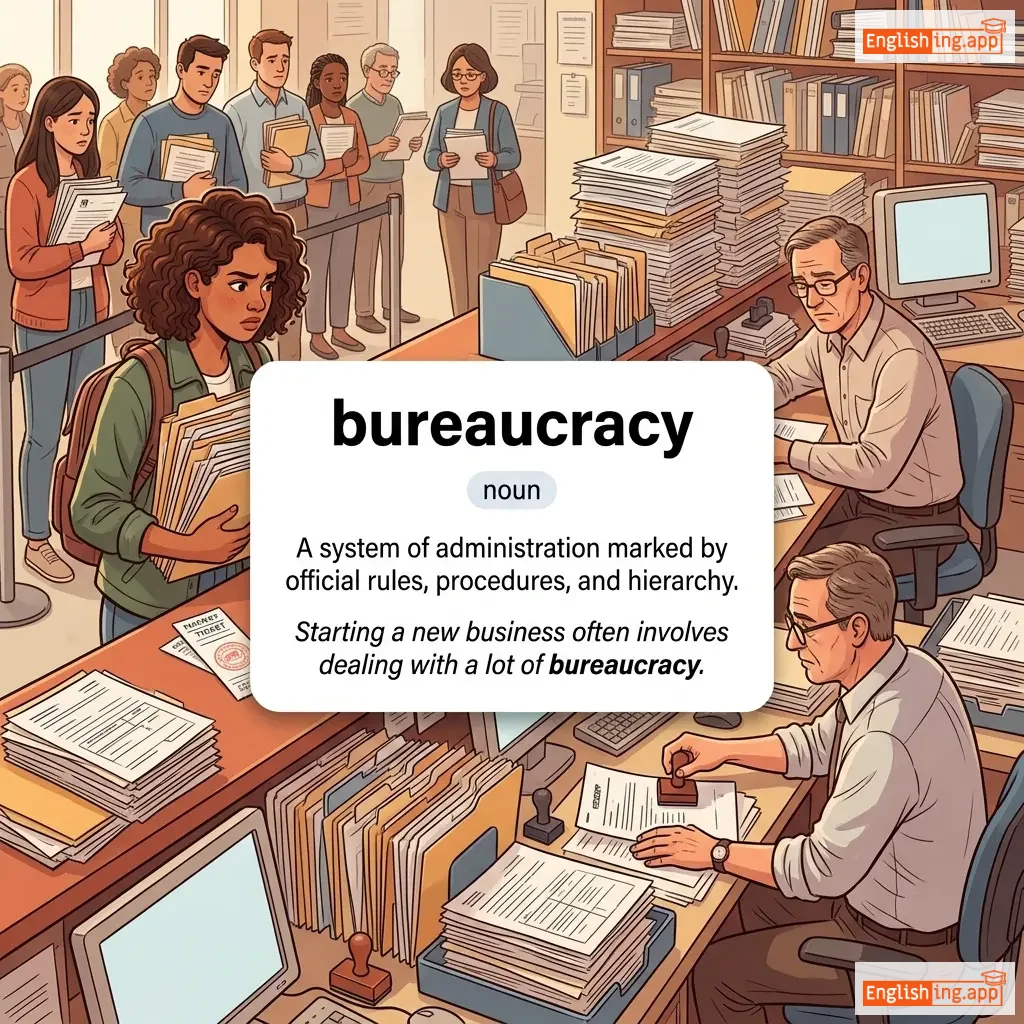
/bjʊˈrɒk.rə.si/
noun
••••••
••••••
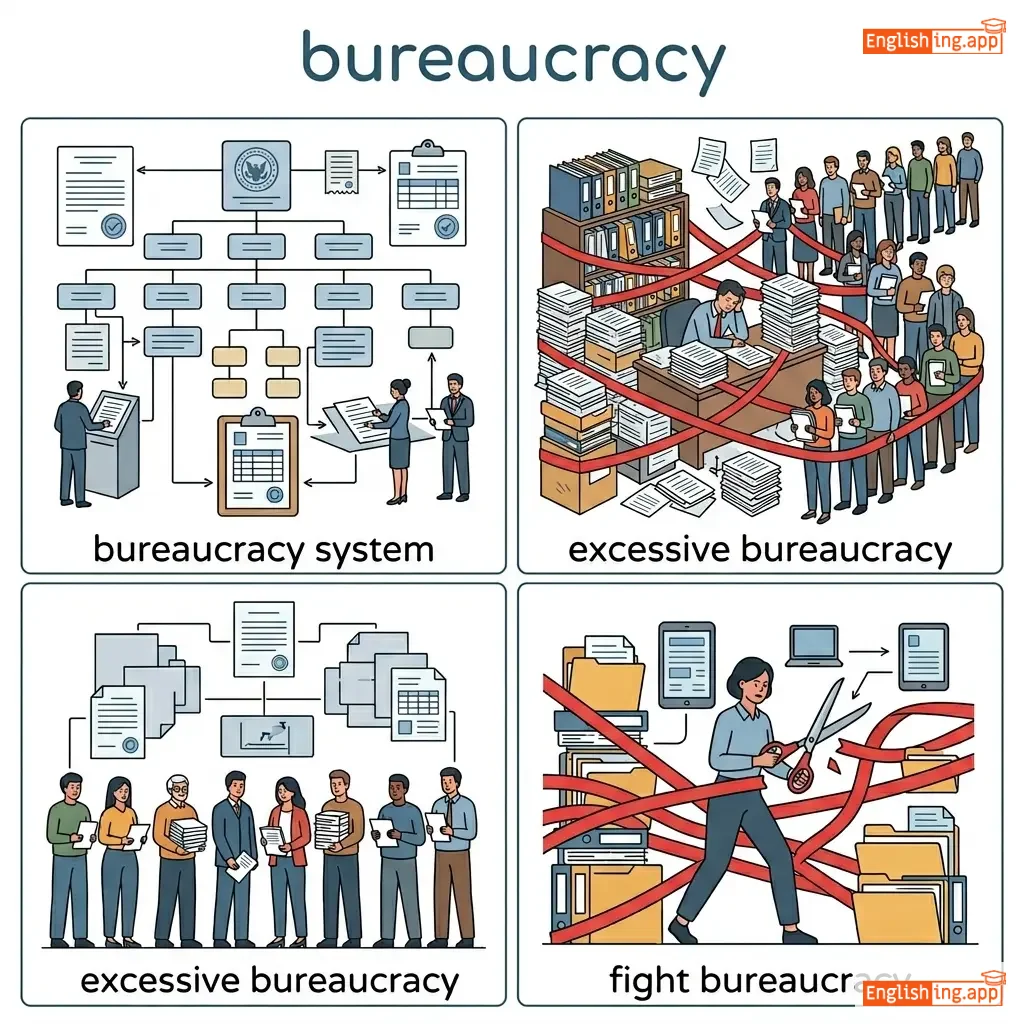
A system of government or management characterized by complex rules, procedures, and administrative processes.
••••••
Excessive bureaucracy slows down business processes.
••••••
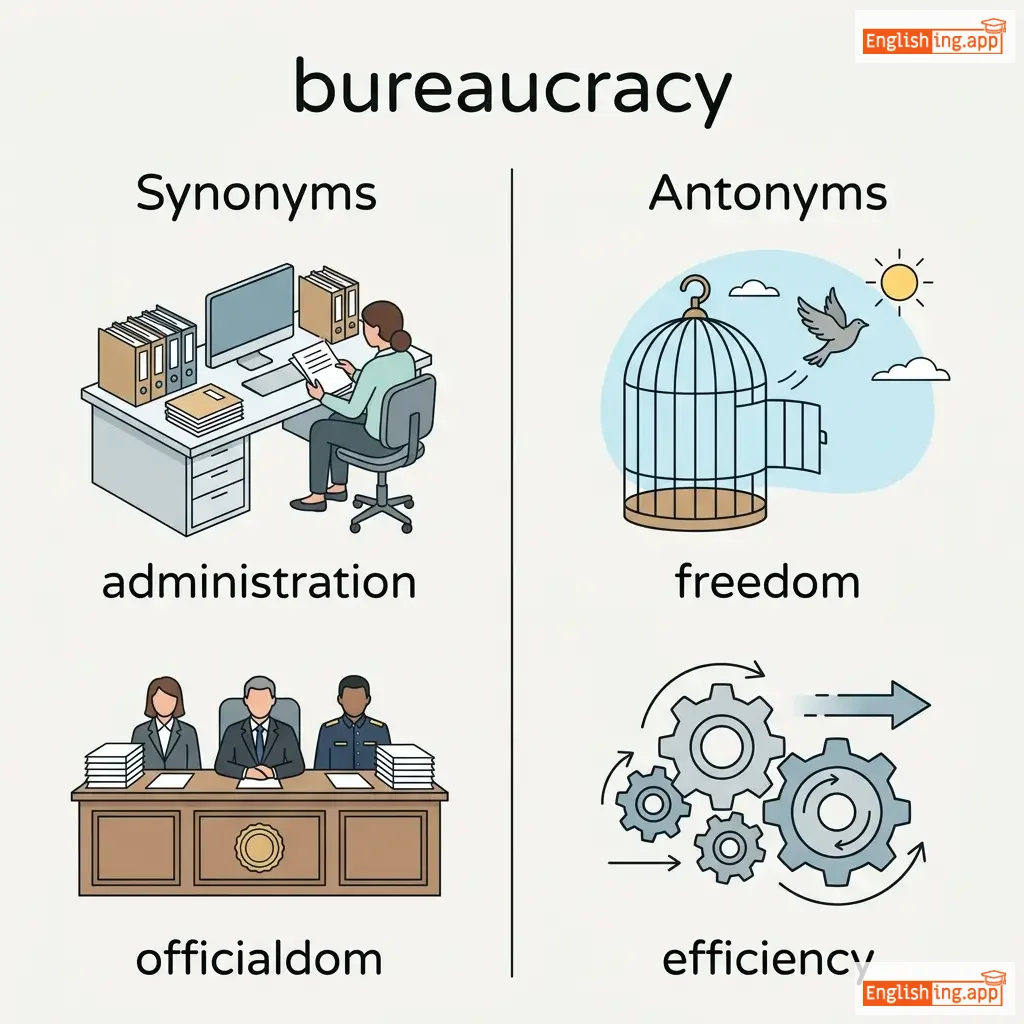
red tape, administrative system, officialdom
••••••
efficiency, simplicity, decentralization
••••••
••••••
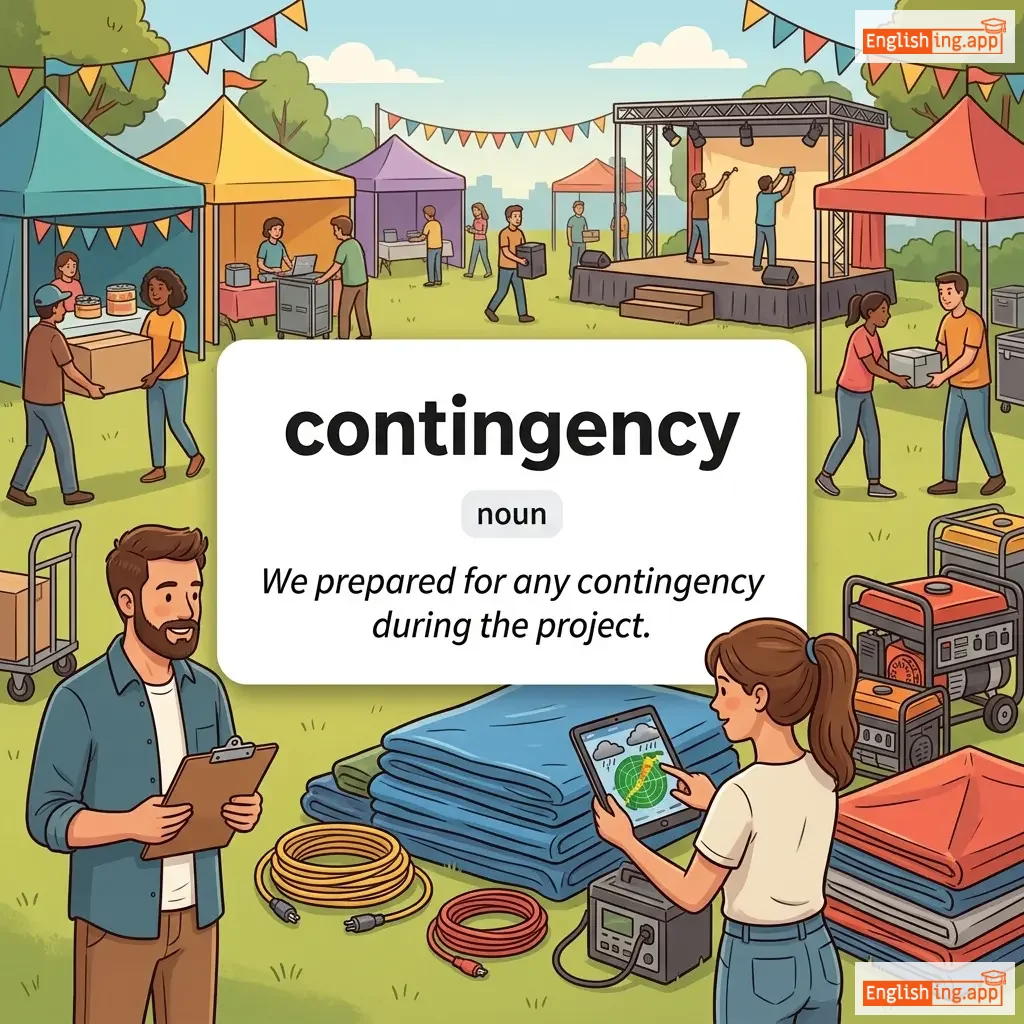
/kənˈtɪn.dʒən.si/
noun
••••••
••••••
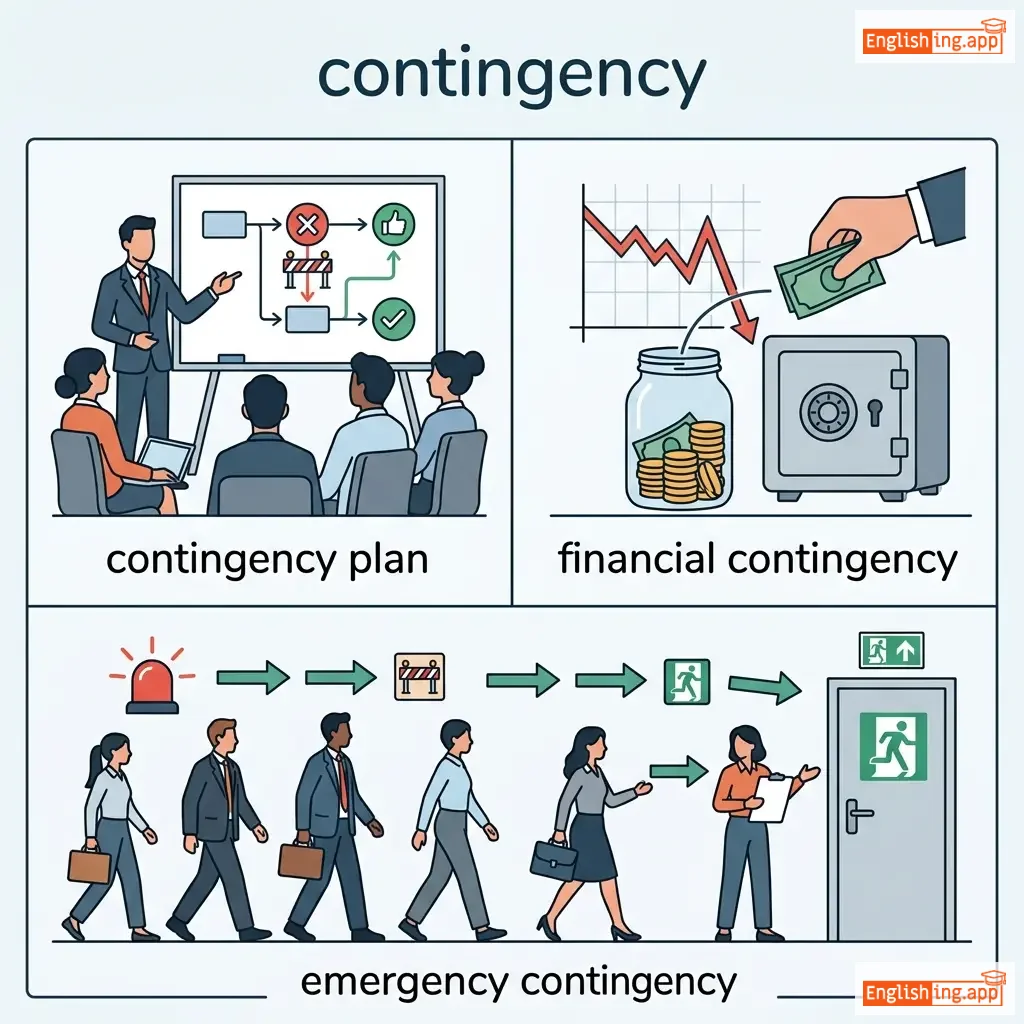
A future event or circumstance that is possible but cannot be predicted with certainty; a provision for an unforeseen event or circumstance.
••••••
Companies must have a contingency plan for financial crises.
••••••
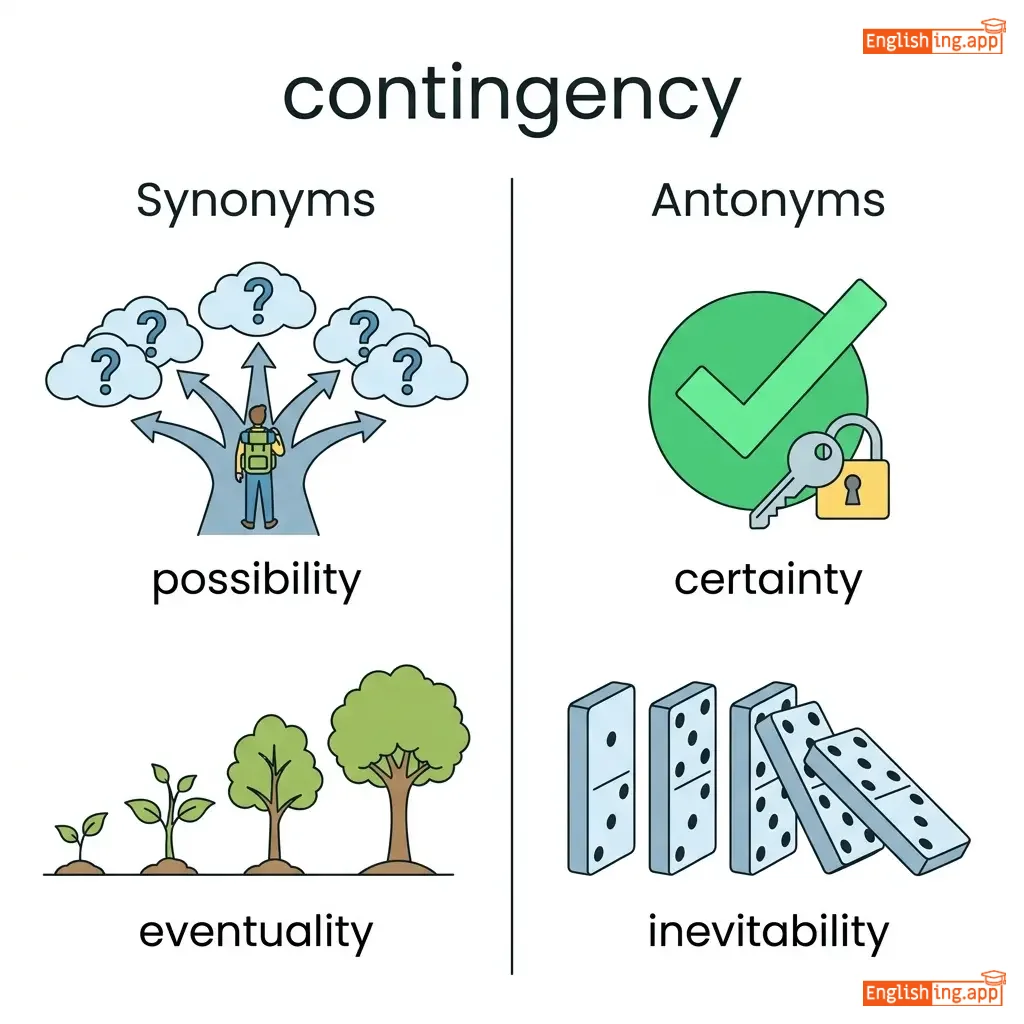
emergency plan, backup, alternative strategy
••••••
certainty, assurance, predictability
••••••
••••••
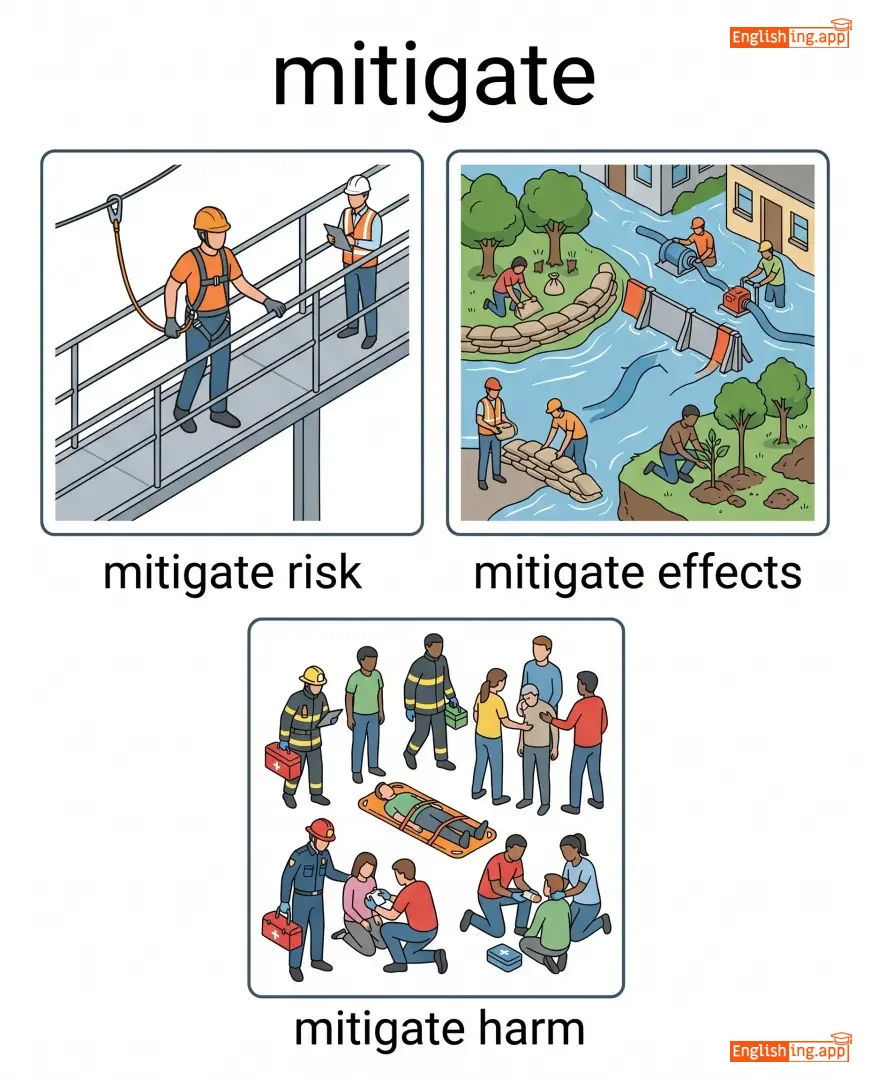
/ˈmɪt.ɪ.ɡeɪt/
verb
••••••
••••••
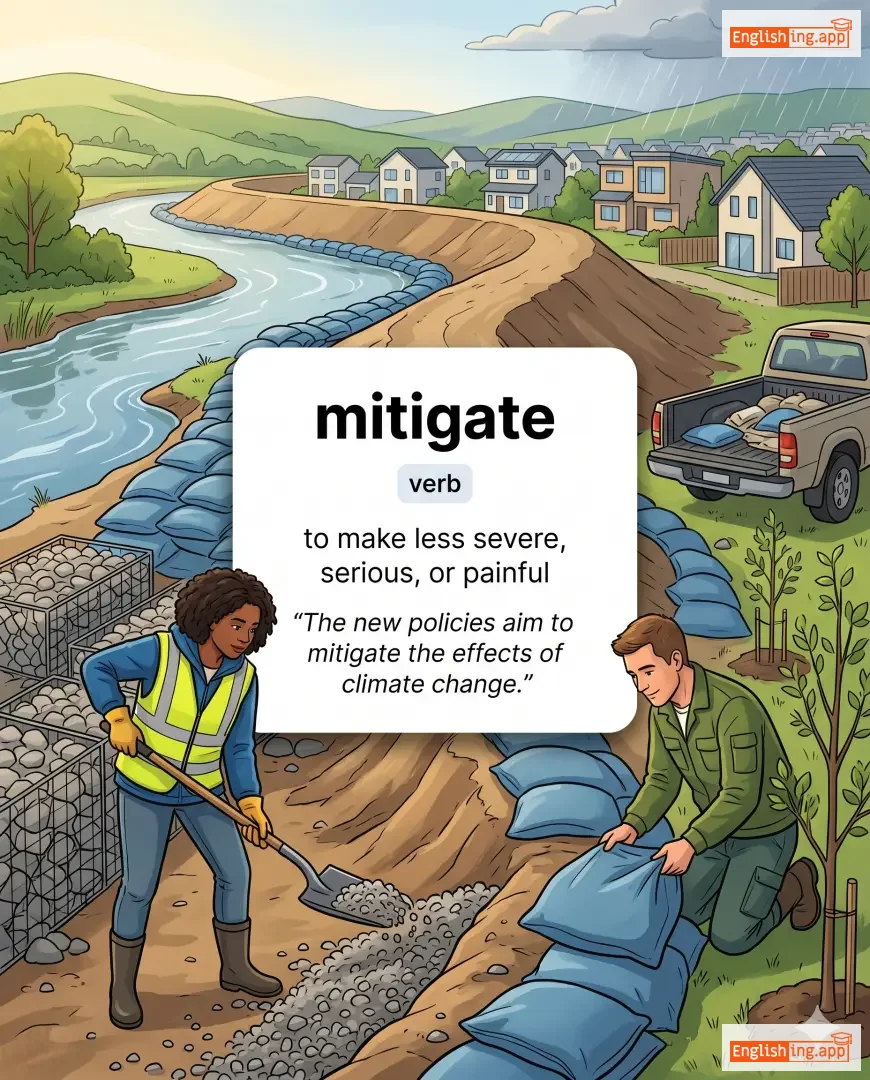
To make less severe, serious, or painful; to reduce the intensity or impact of something harmful.
••••••
Proper planning can mitigate financial risks.
••••••
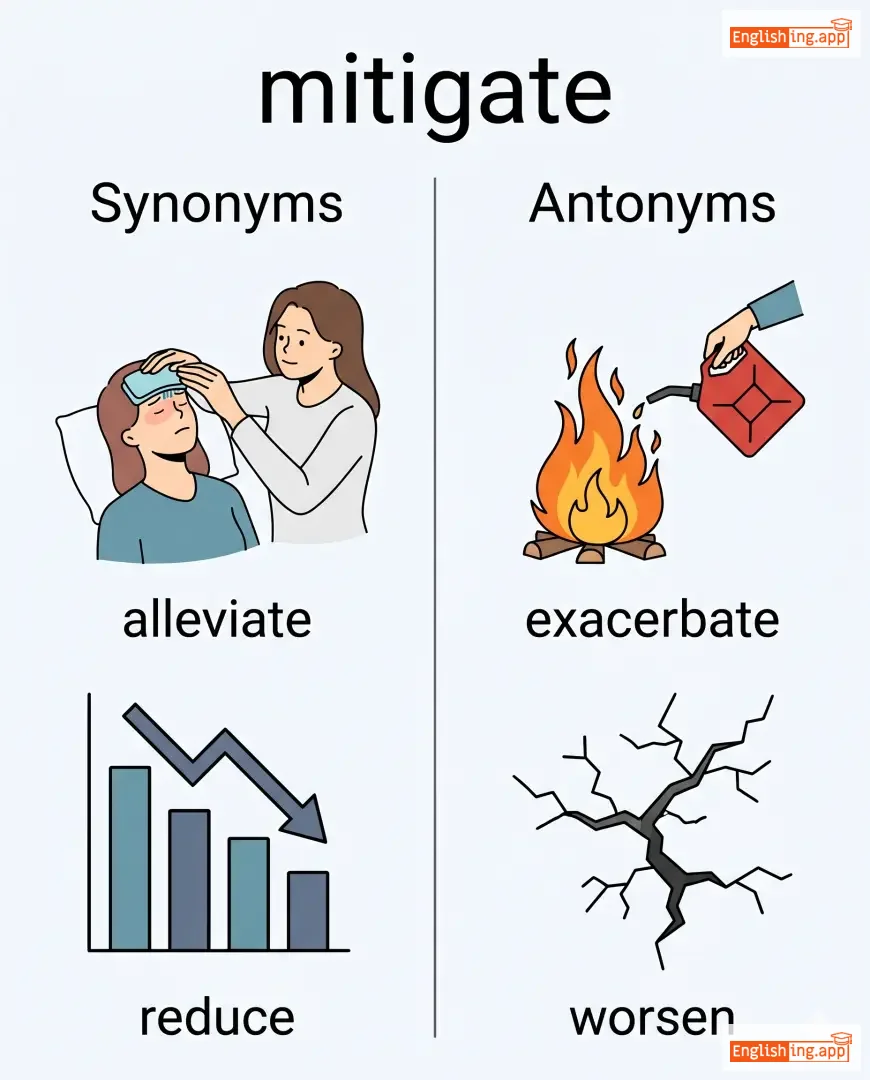
alleviate, reduce, lessen
••••••
aggravate, exacerbate, intensify
••••••
••••••
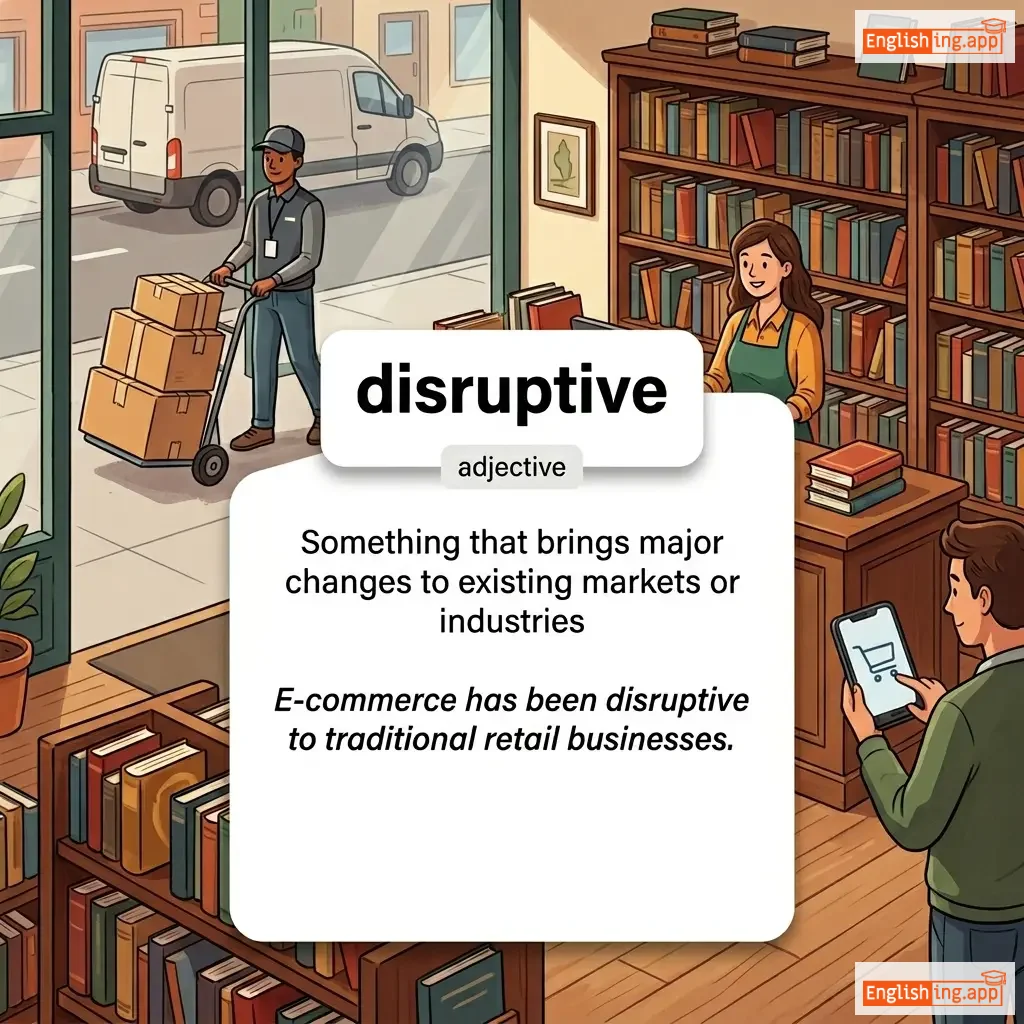
/dɪsˈrʌp.tɪv/
adjective
••••••
••••••
Causing or tending to cause disruption; innovative in a way that challenges or changes existing systems or markets.
••••••
Disruptive technology has changed the way businesses operate.
••••••
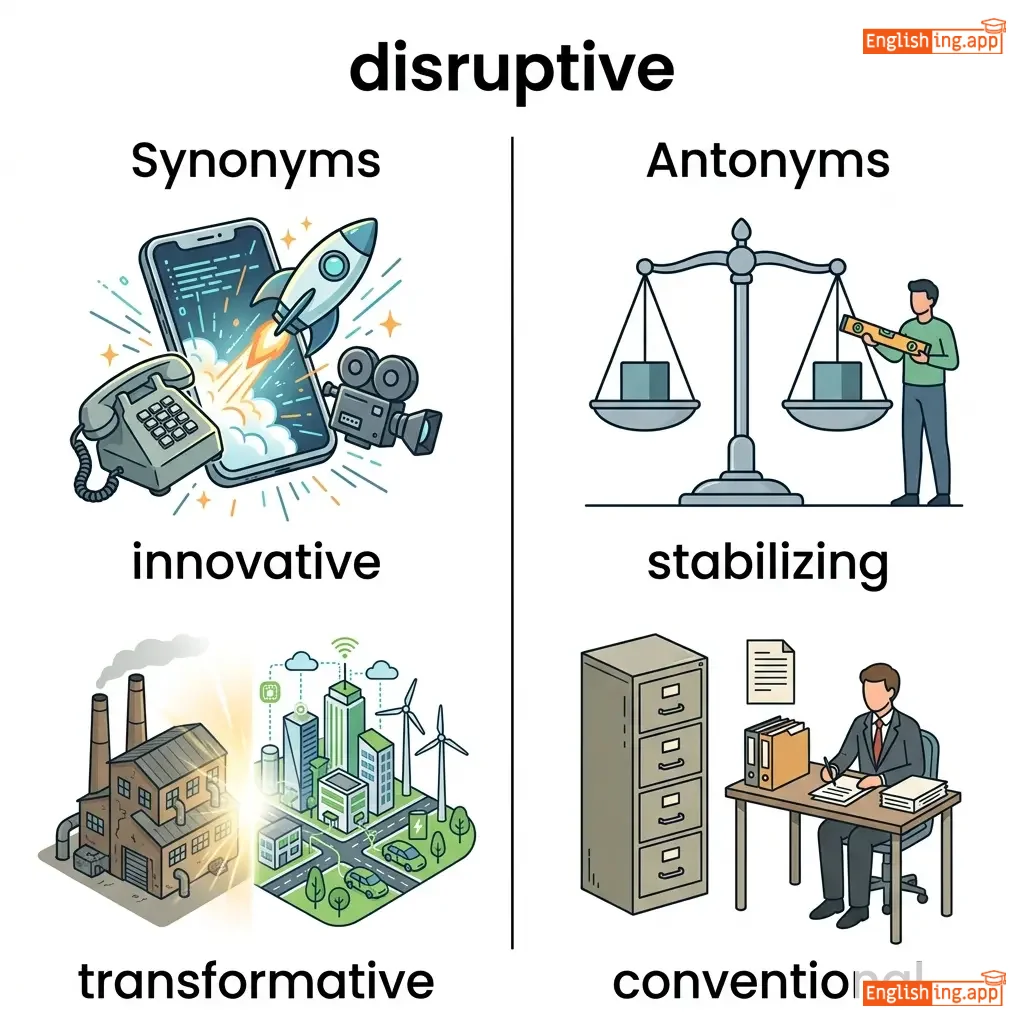
innovative, radical, transformative
••••••
stable, conventional, predictable
••••••
••••••
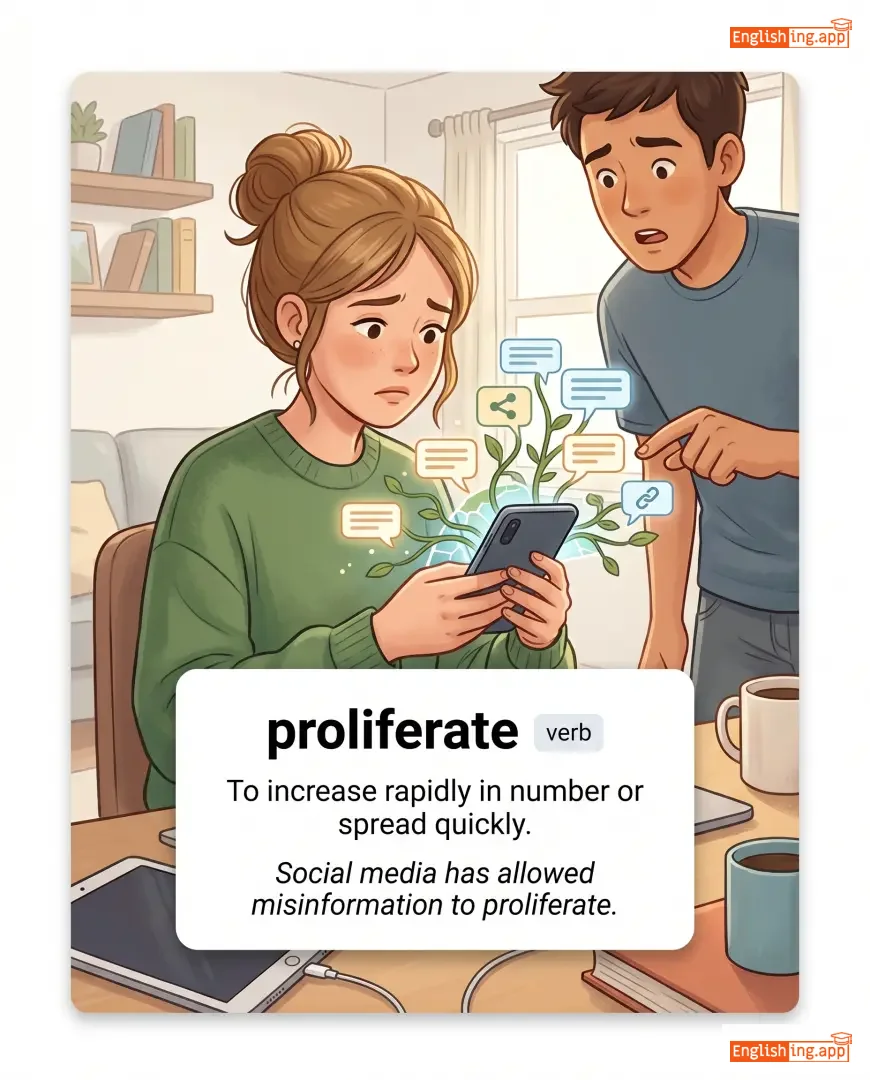
/prəˈlɪf.ə.reɪt/
verb
••••••
••••••
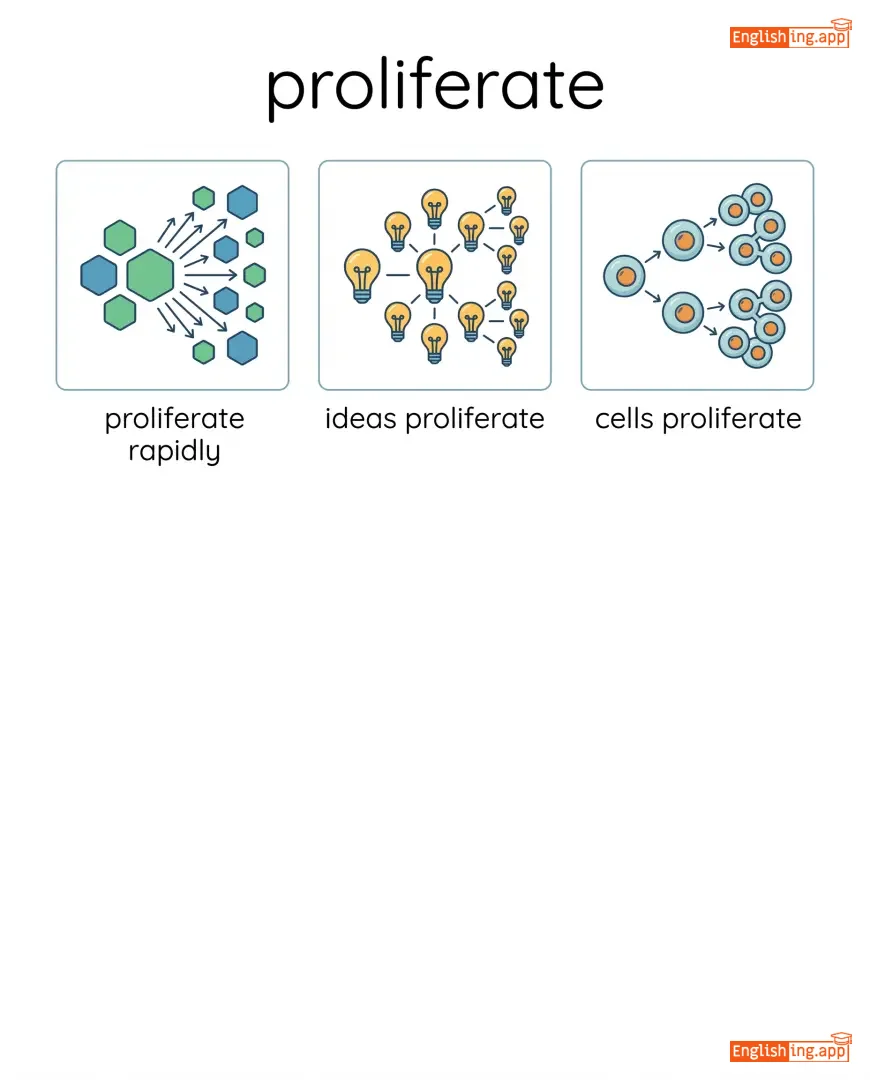
To increase rapidly in numbers; to grow or spread quickly and extensively.
••••••
Startups tend to proliferate in a thriving economy.
••••••
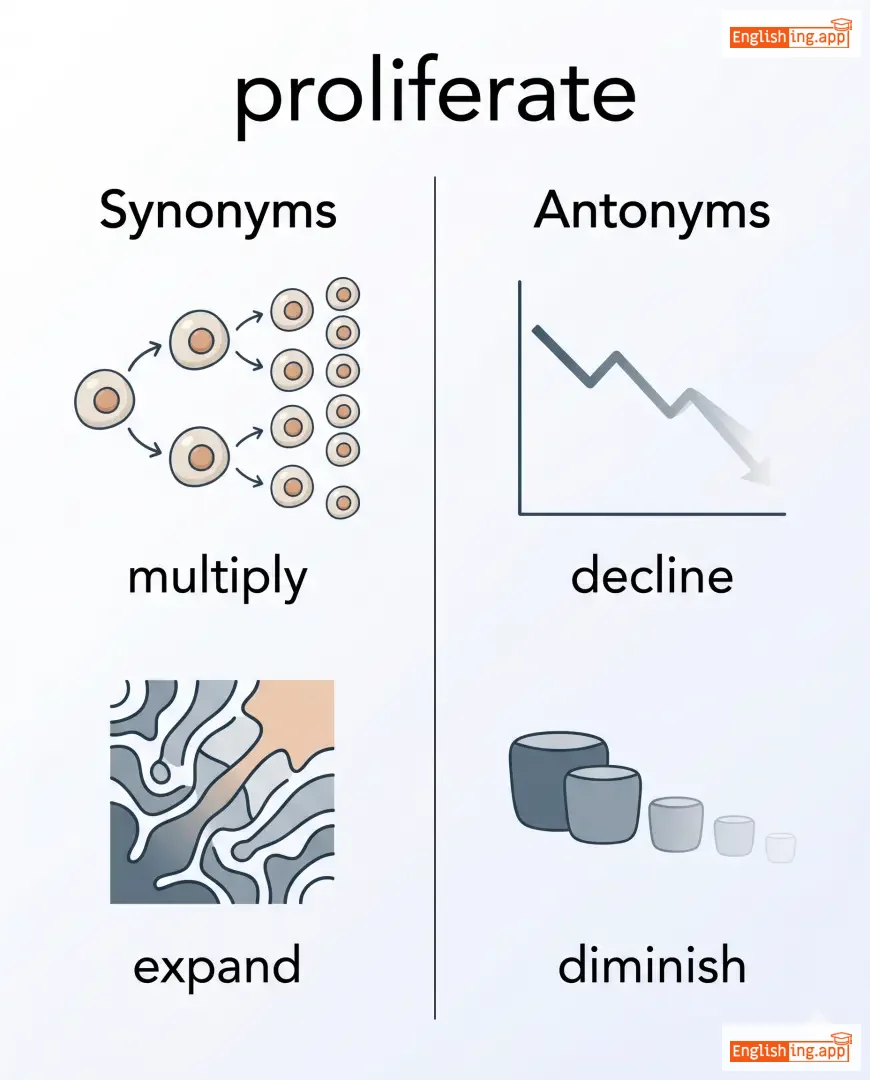
multiply, expand, escalate
••••••
decrease, diminish, decline
••••••
••••••
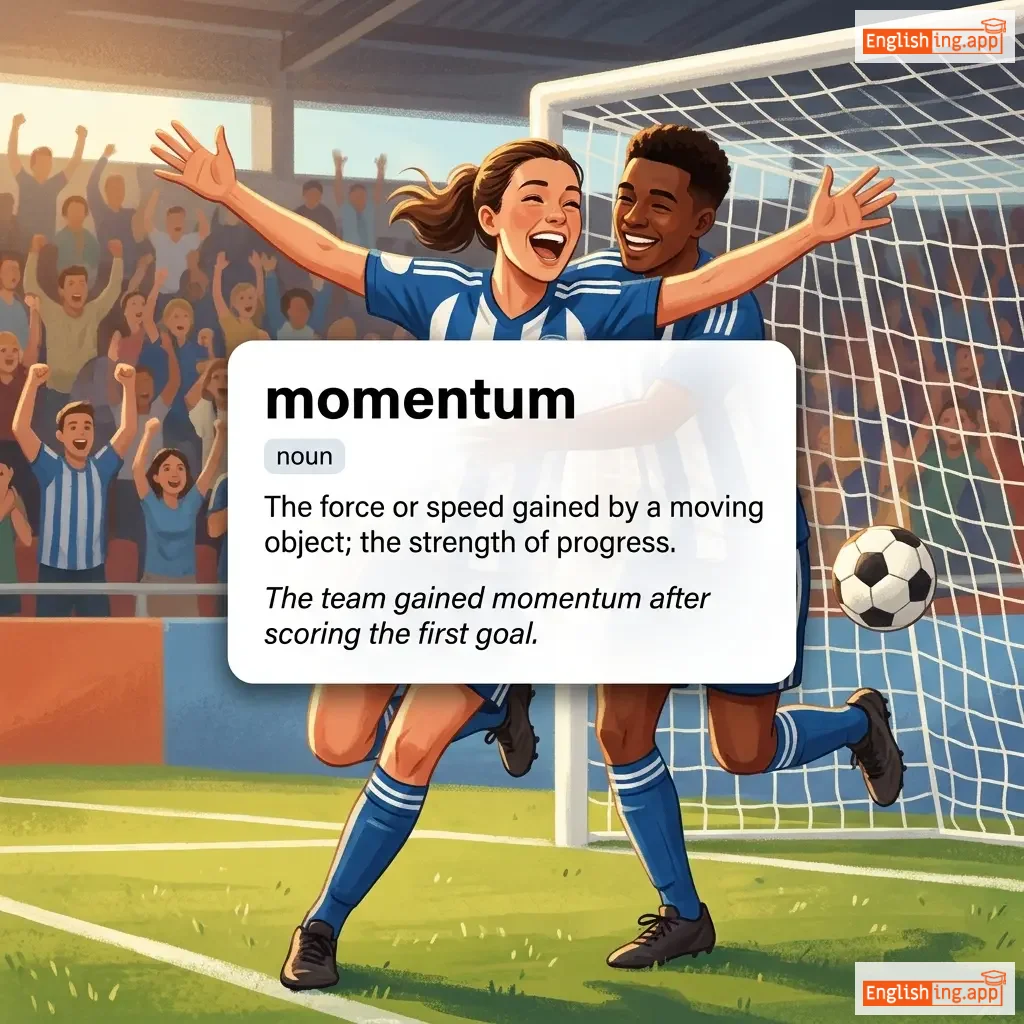
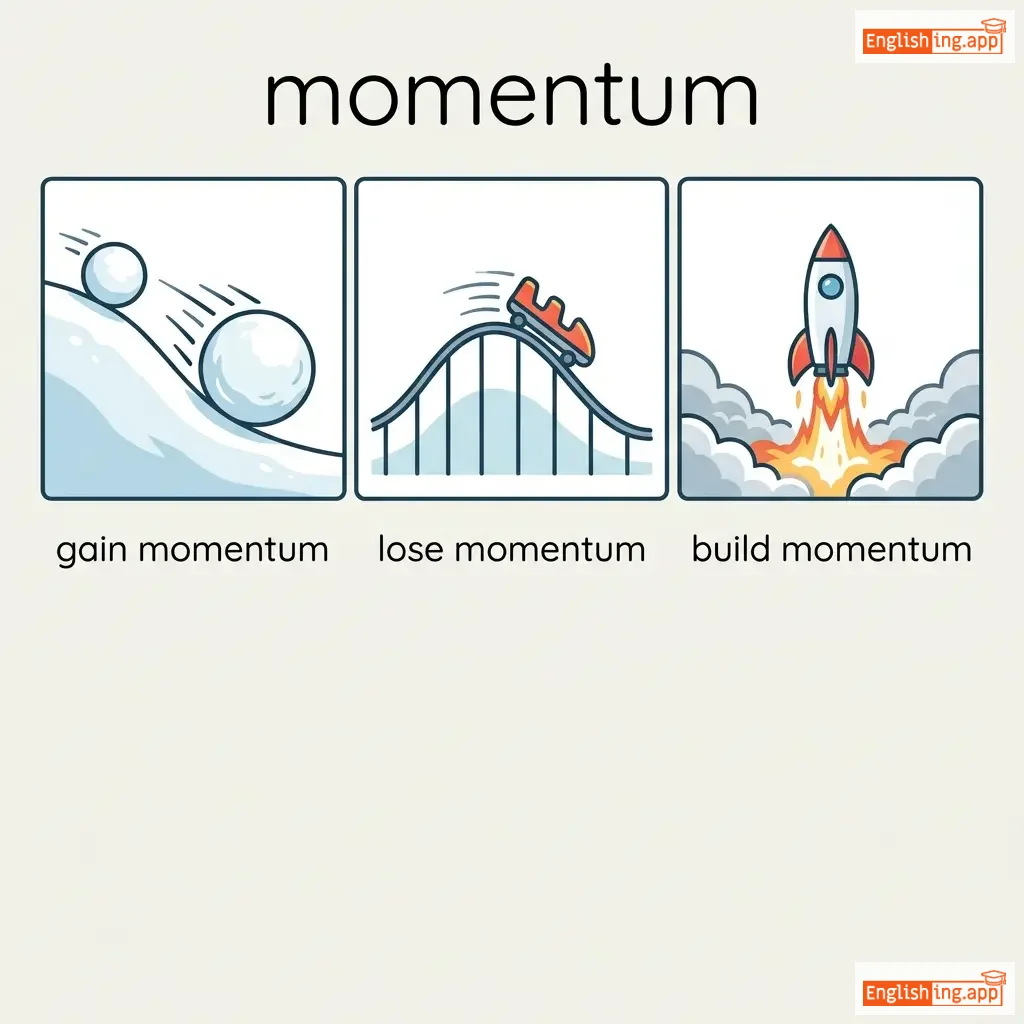
/moʊˈmɛn.təm/
noun
••••••
••••••
The quantity of motion of a moving body; the impetus and driving force gained by the development of a process or course of events.
••••••
The company gained momentum after launching a new product.
••••••
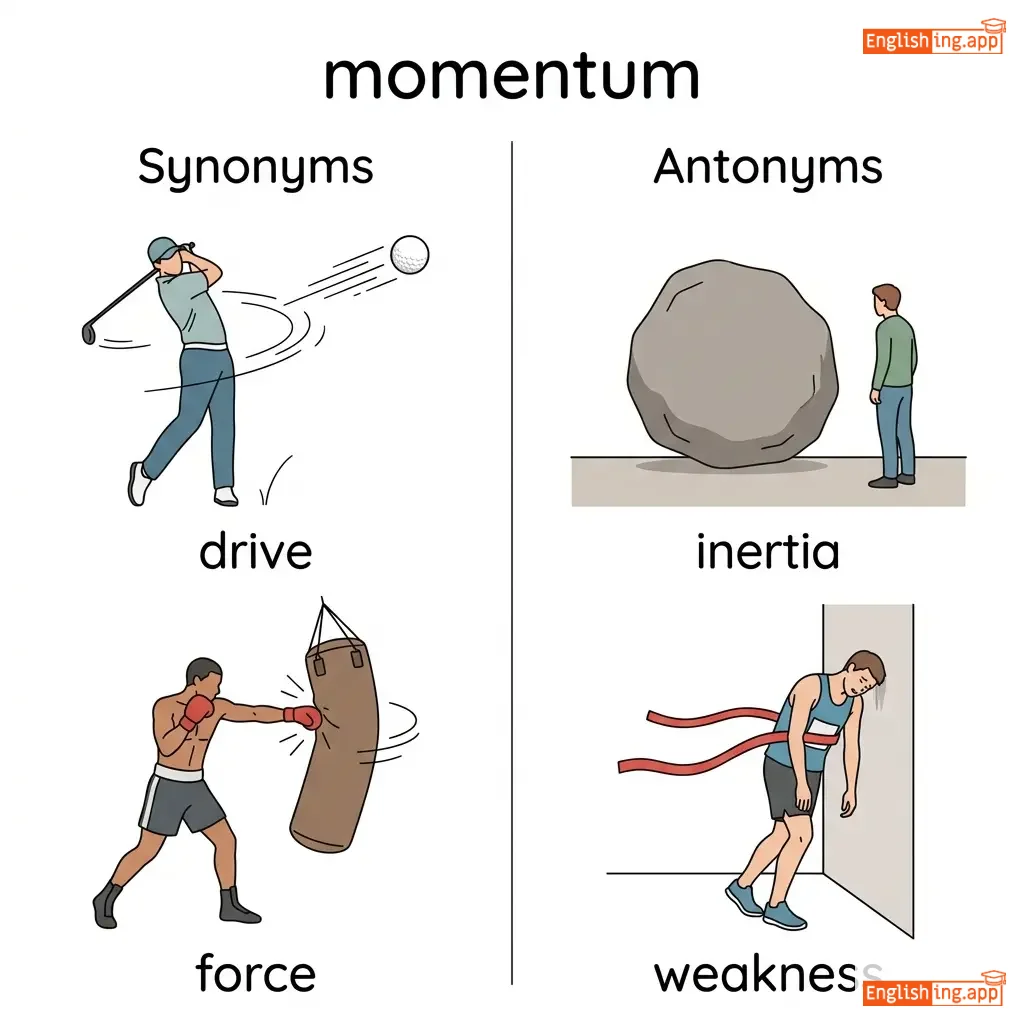
drive, acceleration, progress
••••••
stagnation, slowdown, regression
••••••
••••••
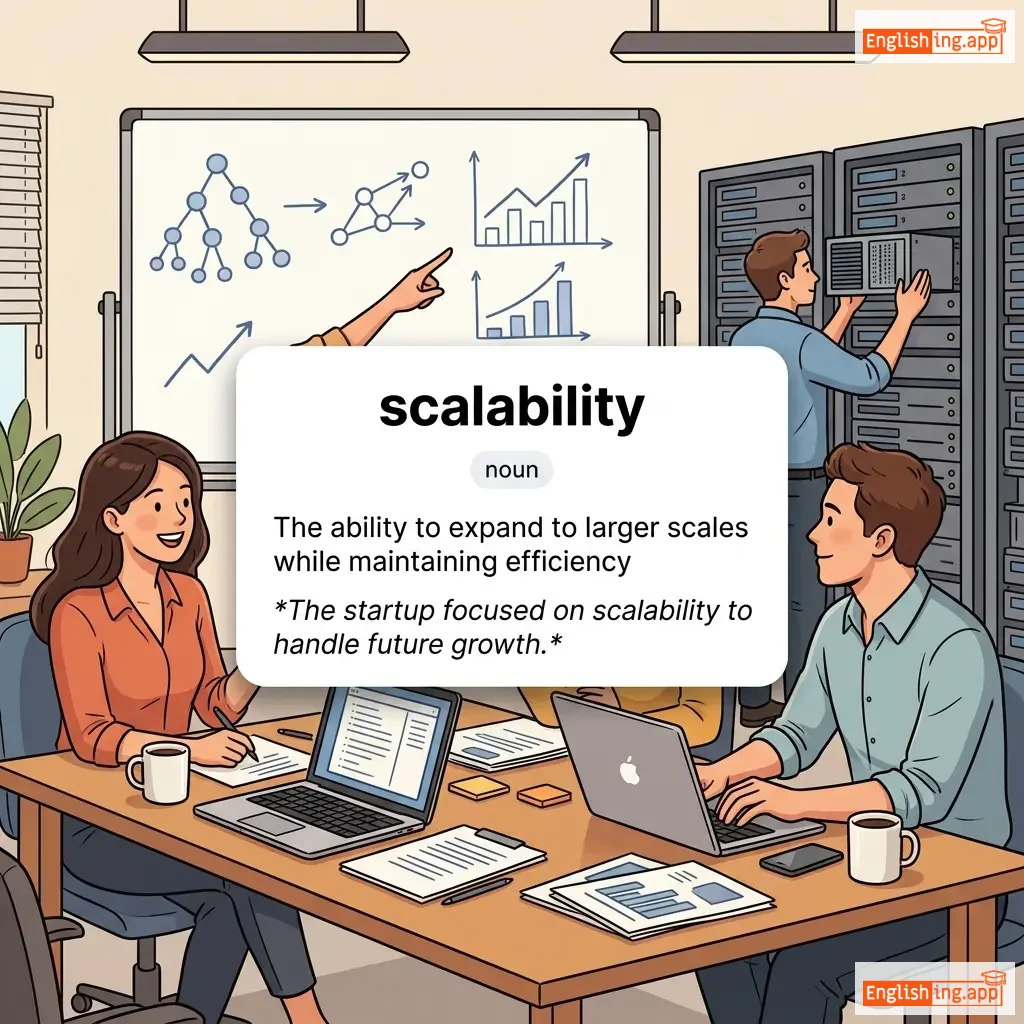
/ˌskeɪ.ləˈbɪl.ɪ.ti/
noun
••••••
••••••
The capacity to be changed in size or scale; the ability of a system, network, or process to handle a growing amount of work.
••••••
Cloud computing offers great scalability for businesses.
••••••
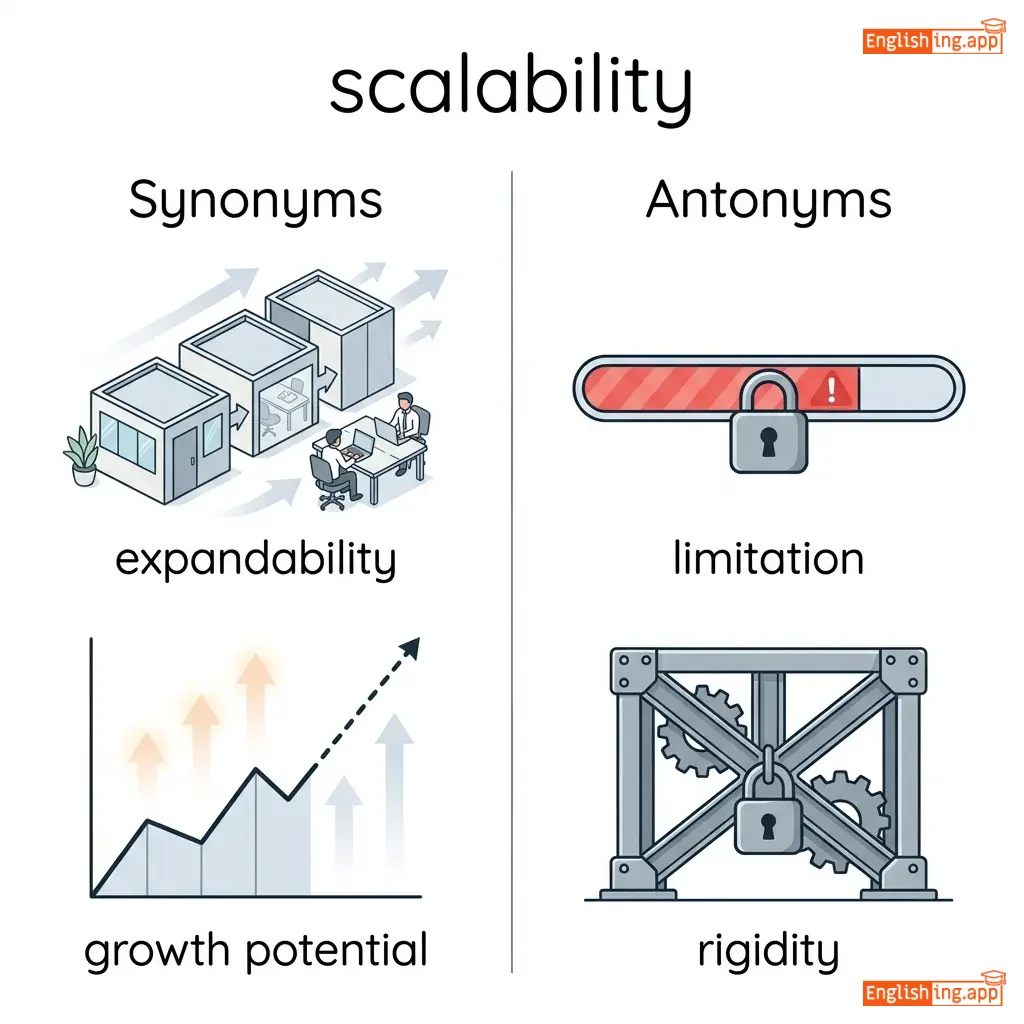
expandability, growth potential, flexibility
••••••
limitation, constraint, inflexibility
••••••
••••••
/dɛkˈstɛr.ɪ.ti/
noun
••••••
••••••
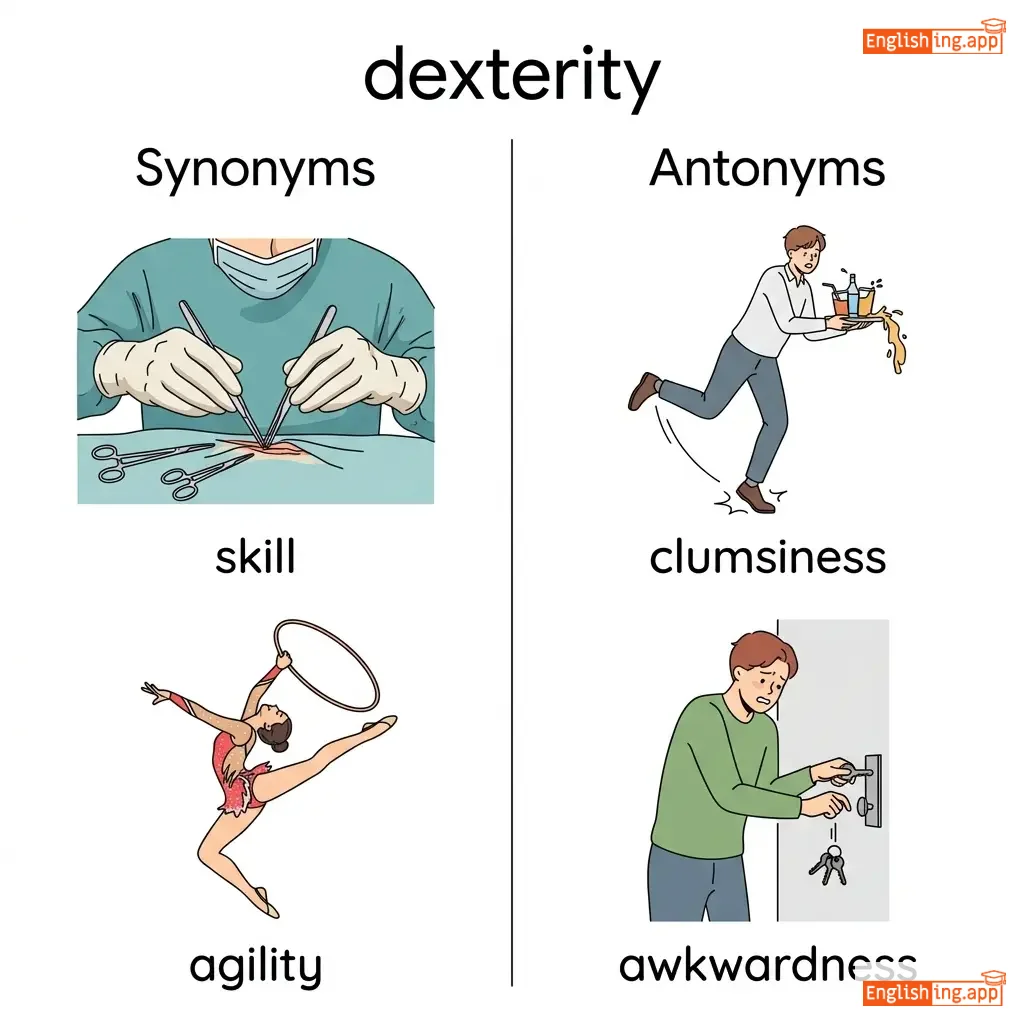
Skill in performing tasks, especially with the hands; mental skill or quickness; adroitness.
••••••
Surgeons require high dexterity during operations.
••••••
skillfulness, agility, proficiency
••••••
clumsiness, incompetence, inefficiency
••••••
••••••
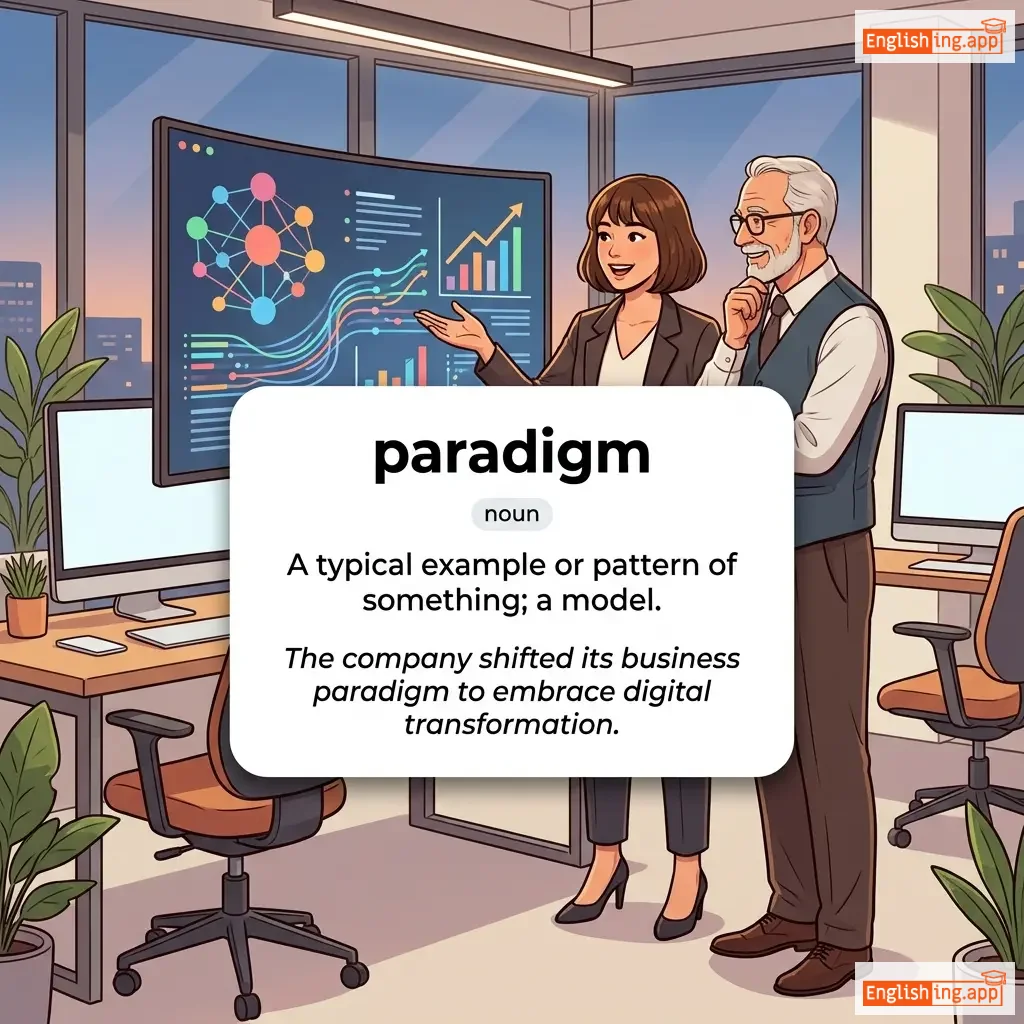
/ˈpær.ə.daɪm/
noun
••••••
••••••
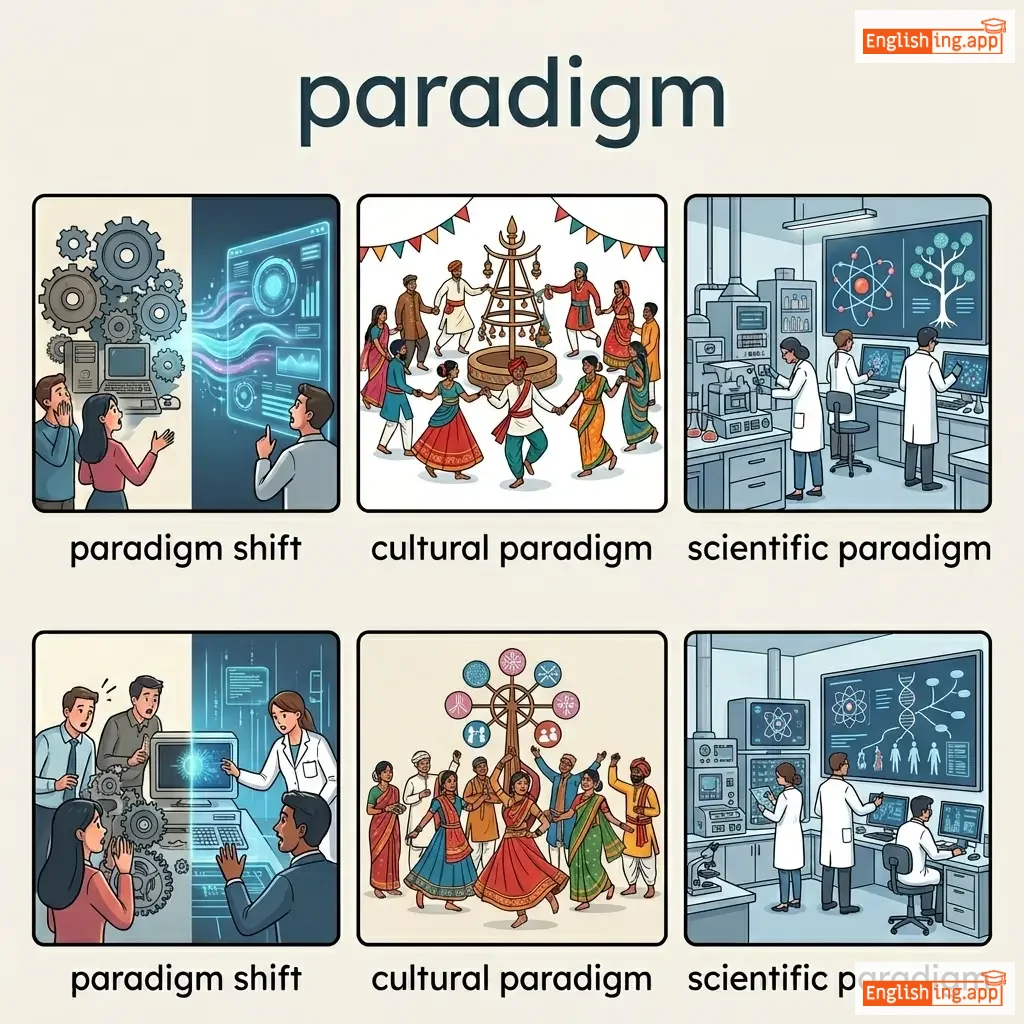
A typical example or pattern of something; a model or framework that defines how something should be done or understood.
••••••
The internet created a new paradigm for global communication.
••••••
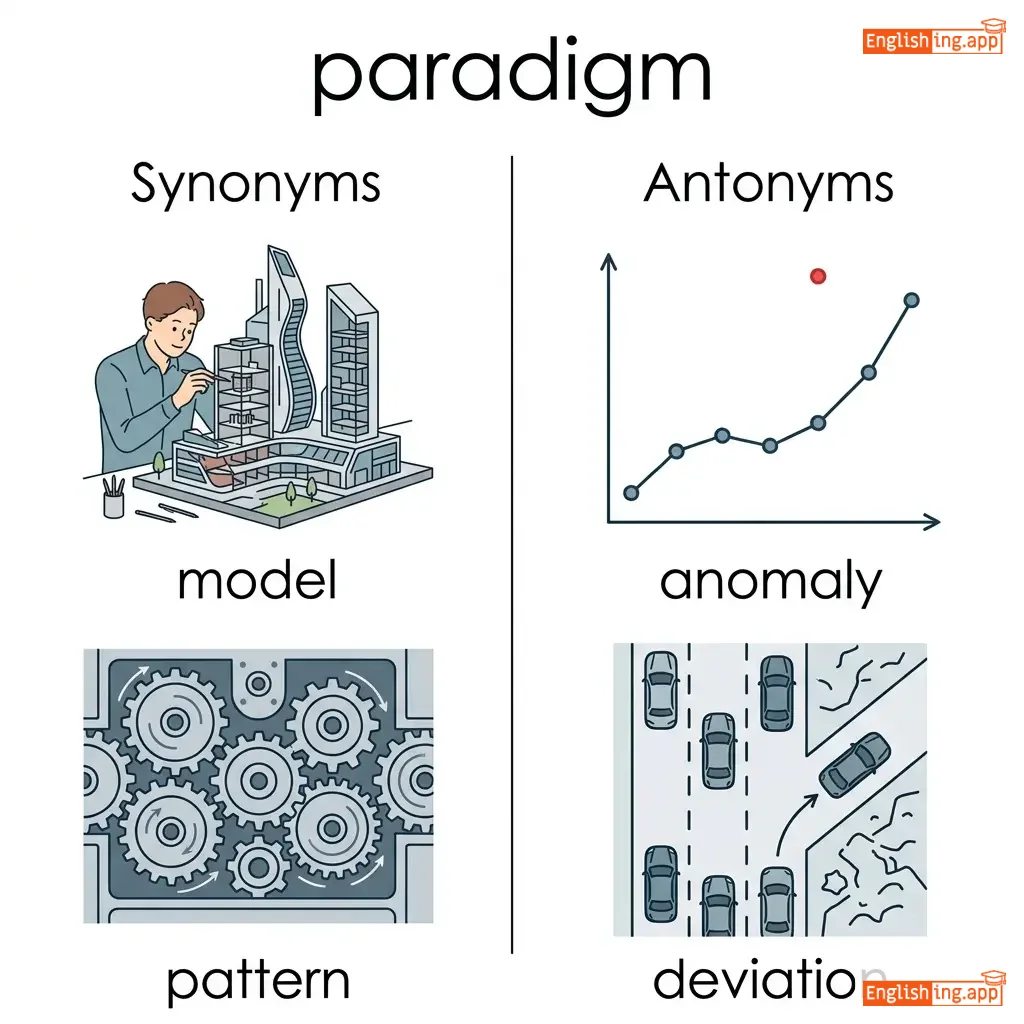
framework, model, prototype
••••••
disorganization, chaos, disorder
••••••
••••••
/ˈluː.krə.tɪv/
adjective
••••••
••••••
Producing a great deal of profit; highly profitable or financially rewarding.
••••••
The real estate business is highly lucrative in urban areas.
••••••
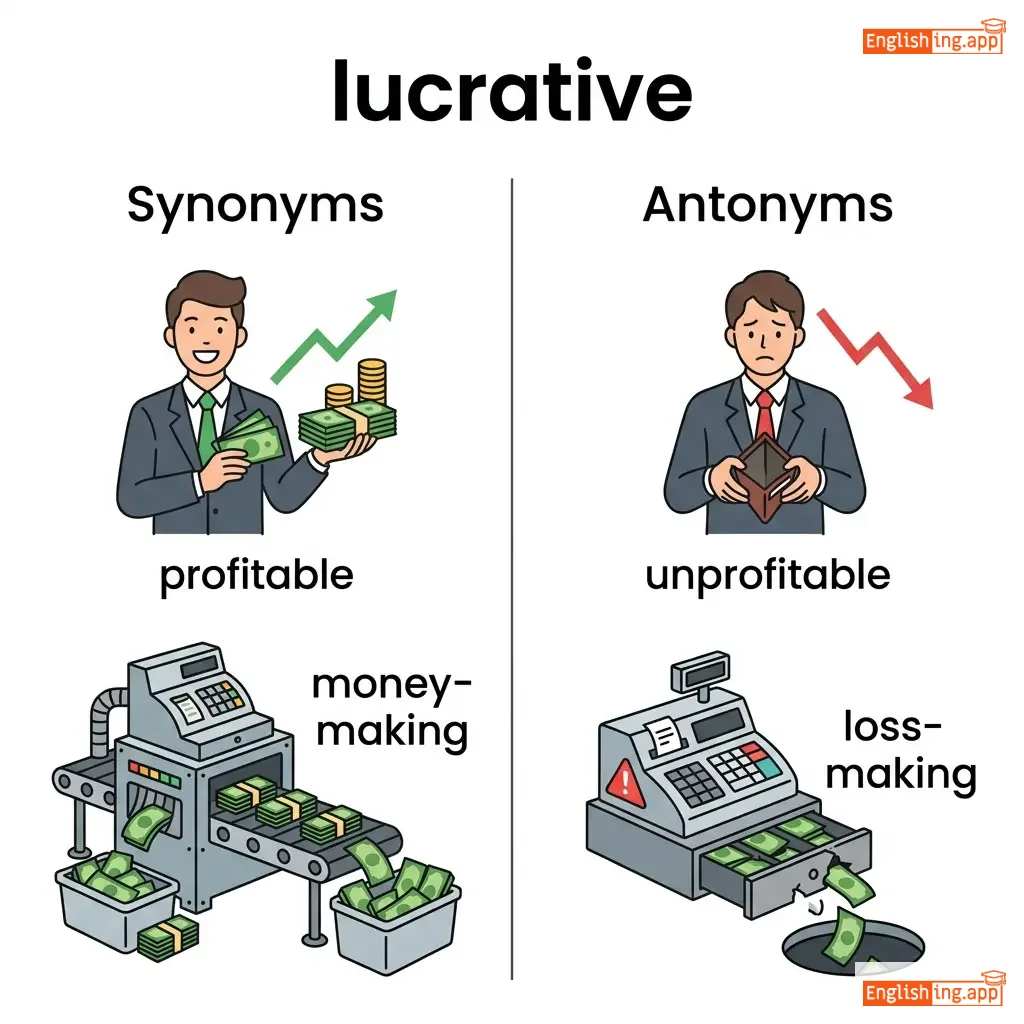
profitable, rewarding, gainful
••••••
unprofitable, loss-making, worthless
••••••