The Accountant’s Betrayal
ライハンは大手 accounting 企業で働くシニア capitalist 職員でした。彼は誠実でしたが、周りは腐敗に囲まれていました。Superintendent は彼にいくつかの short-term 財務報告を administer するよう指示しましたが、ライハンは書類の中に大きな conspiracy を発見しました。
彼は、会社が privatization の名目で他の銀行にお金を移していることに気づきました。これは法律的に unconstitutional でしたが、誰もが沈黙していました。彼の上司は言いました:“これはただの concession だ—政治と一緒に進めろ。”
怖がりながらも、ライハンの良心は彼を止めませんでした。彼は秘密裏に書類を記者に送った。数日内にニュースが報じられました—会社がその trademark を使って大規模なマネーロンダリングを行っていた!
政府は調査を開始し、会社に対して indictment を起こしました。法廷で、ライハンは主な plaintiff として証言し、彼の証言は真実を明らかにしました。最終的に会社は bankruptcy を宣言し、有罪者は刑務所に送られました。
しかし、ライハンはすぐに自分の仕事が‘会社の忠誠心を裏切った’として terminated されたことを知りました。彼は微笑みながら言いました:“もし真実のために仕事を失うことが代償であるなら、それが私の最大の activation です。”
1年後、新しい socialist 政府が権力を握り、企業の透明性を compulsory にする法律を制定しました。これにより、どの企業も財務取引を隠すことができなくなりました。記者たちは言いました:“この変化の三分の二はライハンのおかげです。”彼は、時には普通の会計士でも国の未来を変えることができることを理解しました。
|
絵文字
|
単語 | Images | 翻訳 | 過去 | 過去分詞 | 三人称単数 | 動名詞 | 意味 | 例文 | 例文の翻訳 | 表現例 | 表現例の意味 | 表現例の翻訳 | 同義語 | 対義語 | コロケーション | ニーモニック |
|---|---|---|---|---|---|---|---|---|---|---|---|---|---|---|---|---|---|
|
📊
••••••
|
/əˈkaʊntɪŋ/
noun
(アカウンティング)
••••••
|
- •••••• |
会計
kaikei
••••••
|
- •••••• | - •••••• | - •••••• | - •••••• |
the process of recording, summarizing, and reporting financial transactions
••••••
|
She works in the accounting department of a large firm. |
彼女は大手企業の会計部門で働いています。
Kanojo wa ōte kigyō no kaikei bumon de hataraiteimasu.
••••••
|
creative accounting |
manipulating financial records to make a company look more profitable
••••••
|
創造的会計
sōzōteki kaikei
••••••
|
bookkeeping, auditing, finance, record-keeping, budgeting
••••••
|
spending, mismanagement
••••••
|
accounting standards, accounting system, accounting firm, financial accounting, management accounting
••••••
|
Accounting は会計管理、 会計はお金の管理 📊
••••••
|
|
🔓
••••••
|
/ˌæktɪˈveɪʃən/
noun
(アクティベーション)
••••••
|
- •••••• |
アクティベーション
akutibēshon
••••••
|
- •••••• | - •••••• | - •••••• | - •••••• |
the act of making something start functioning
••••••
|
The activation of the system took longer than expected. |
システムのアクティベーションは予想よりも時間がかかりました。
Shisutemu no akutibēshon wa yosō yori mo jikan ga kakarimashita.
••••••
|
- •••••• | - •••••• | - •••••• |
initiation, triggering, launching, starting
••••••
|
deactivation, stoppage, termination
••••••
|
system activation, activation process, activation code
••••••
|
システムのアクティベーションは新しい冒険を始めるようなものです!
••••••
|
|
💊
••••••
|
/ədˈmɪnɪstər/
verb
(アドミニスター)
••••••
|
|
管理する / 適用する
kanri suru / tekiyou suru
••••••
|
administered
アドミニスタード
••••••
|
administered
アドミニスタード
••••••
|
administers
アドミニスターズ
••••••
|
administering
アドミニスターリング
••••••
|
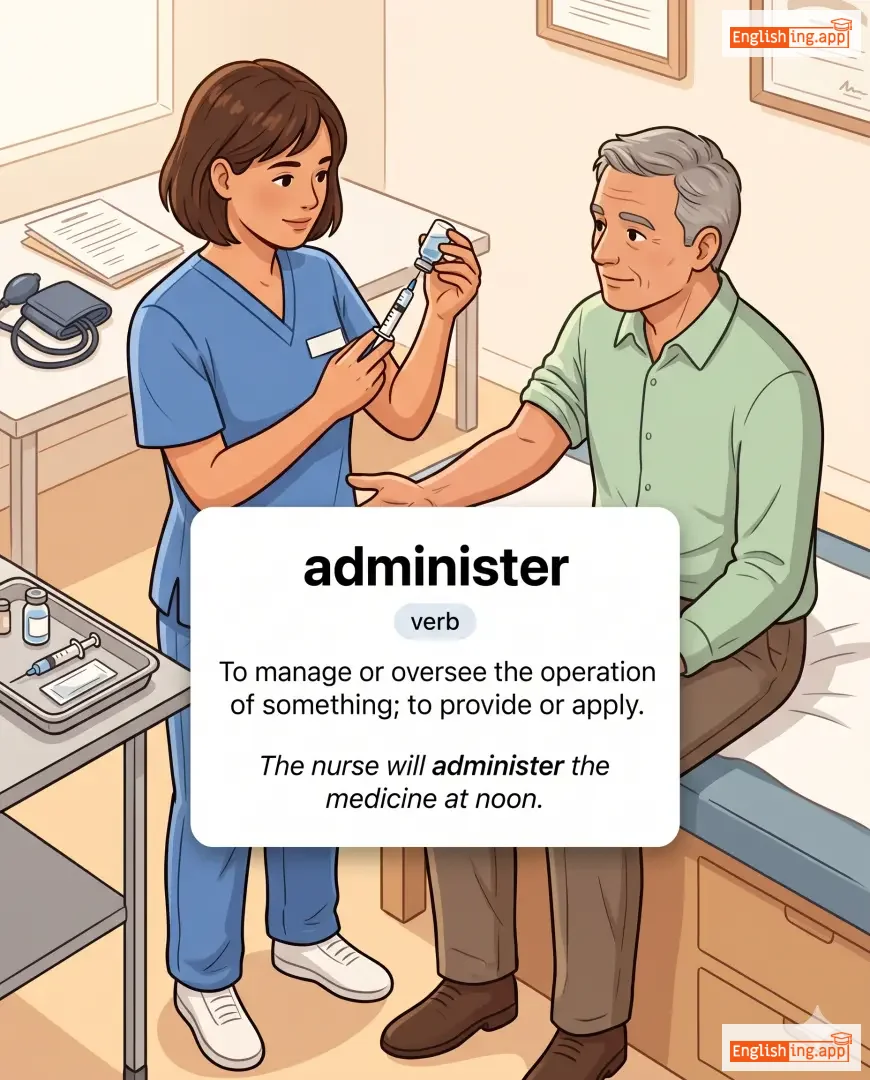
To manage or oversee the operation of something; to provide or apply.
••••••
|
The nurse will administer the medicine at noon.
ナースは正午に薬を施す予定です。
••••••
|
ナースは正午に薬を施す予定です。
Nasu wa shougo ni kusuri wo hodokosu yotei desu.
••••••
|
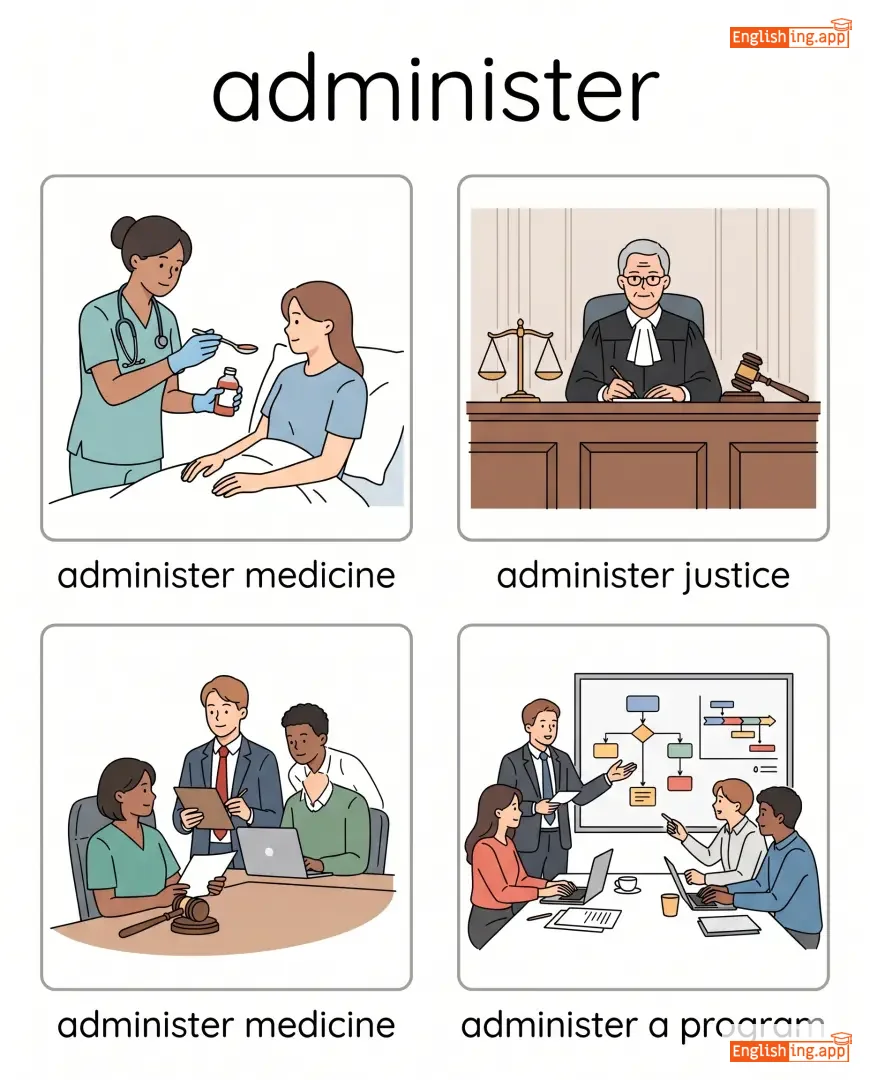
administer justice
司法を施行する
••••••
|
To ensure that laws and fairness are upheld.
••••••
|
司法を施行する
Shihou wo shikkou suru
••••••
|
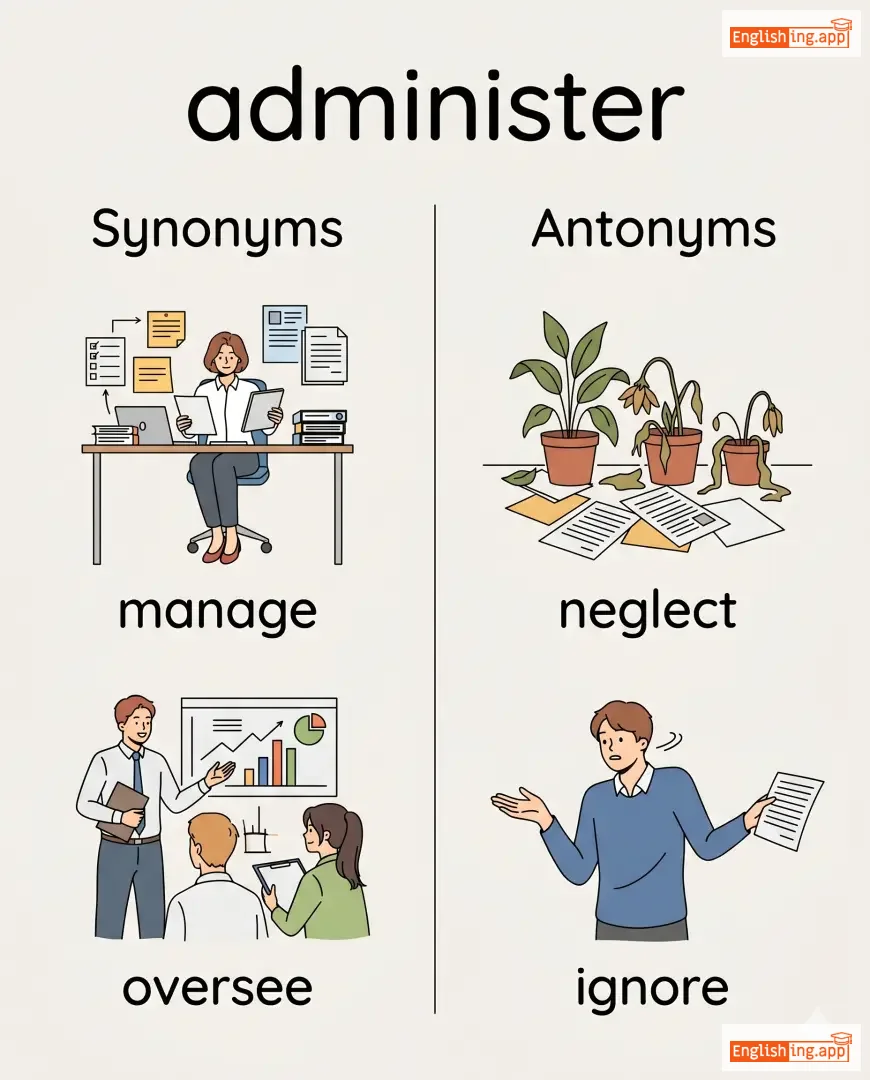
manage, oversee, control, execute, apply
••••••
|
neglect, ignore
••••••
|
administer medicine, administer justice, administer a program, administer funds
••••••
|
Administerは管理する意味。管理者が全てを管理します。
••••••
|
|
🔗
••••••
|
/əˈsoʊsieɪtɪd/
adjective
(アソシエイテッド)
••••••
|
- •••••• |
関連した
kanren shita
••••••
|
- •••••• | - •••••• | - •••••• | - •••••• |
connected or related to something or someone
••••••
|
She is closely associated with environmental movements. |
彼女は環境運動に密接に関連しています。
Kanojo wa kankyō undō ni missetsu ni kanren shiteimasu.
••••••
|
associated with |
connected or linked to
••••••
|
関連する
kanren suru
••••••
|
connected, linked, related, joined, allied
••••••
|
unrelated, separate, independent
••••••
|
closely associated, directly associated, commonly associated
••••••
|
Associateは接続する意味です — アソシエイテッドは関連したまたは接続されたことを意味します。
••••••
|
|
💸
••••••
|
/ˈbæŋkrʌptsi/
noun
(バンクラプトシー)
••••••
|
- •••••• |
破産
hasan
••••••
|
- •••••• | - •••••• | - •••••• | - •••••• |
the state of being unable to pay debts owed, declared by a legal process
••••••
|
The company declared bankruptcy after months of financial struggles. |
その会社は数ヶ月にわたる財務的な困難の後、破産を宣言しました。
Sono kaisha wa suukagetsu ni wataru zaimuteki na konnan no ato, hasan o sengen shimashita.
••••••
|
- •••••• | - •••••• | - •••••• |
insolvency, liquidation, failure, collapse
••••••
|
solvency, prosperity, success
••••••
|
file for bankruptcy, declare bankruptcy, go bankrupt, bankruptcy court
••••••
|
借金が返せないと破産する、つまり借金が大きすぎる時です。
••••••
|
|
💼
••••••
|
/ˈkæpɪtəlɪst/
noun/adjective
••••••
|
- •••••• | - •••••• | - •••••• | - •••••• | - •••••• | - •••••• |
a person who supports or believes in capitalism; a wealthy business owner
••••••
|
The capitalist believes in the freedom of the market. |
- •••••• | - •••••• | - •••••• | - •••••• |
entrepreneur, tycoon, business magnate
••••••
|
socialist, communist
••••••
|
capitalist society, wealthy capitalist, capitalist system
••••••
|
No •••••• |
|
📘
••••••
|
/kəmˈpʌlsəri/
adjective
(コンパルソリー)
••••••
|
- •••••• |
義務的
gimuteki
••••••
|
- •••••• | - •••••• | - •••••• | - •••••• |
Required by law or a rule; obligatory.
••••••
|
Wearing seat belts is compulsory in most countries. |
ほとんどの国でシートベルトを着用することは義務的です。
Hotondo no kuni de shīto beruto o chakuyō suru koto wa gimuteki desu.
••••••
|
- •••••• | - •••••• | - •••••• |
mandatory, required, obligatory, necessary
••••••
|
optional, voluntary, discretionary
••••••
|
compulsory education, compulsory subject, compulsory service
••••••
|
Compulsory = 義務的, 学校で義務的な科目のように。
••••••
|
|
🤲
••••••
|
/kənˈsɛʃən/
noun
(kənˈsɛʃən)
••••••
|
- •••••• |
譲歩
jouho
••••••
|
- •••••• | - •••••• | - •••••• | - •••••• |
something that is granted, especially in response to demands; a compromise
••••••
|
The company made several concessions during the negotiations. |
会社は交渉中にいくつかの譲歩をしました。
Kaisha wa koushou chuu ni ikutsuka no jouho o shimashita.
••••••
|
make concessions |
to give up certain demands in order to reach an agreement
••••••
|
譲歩する
jouho suru
••••••
|
compromise, allowance, adjustment, grant, yield
••••••
|
refusal, denial, resistance
••••••
|
make a concession, grant a concession, trade concession, minor concession
••••••
|
譲歩は交渉で妥協を意味します
••••••
|
|
🕵️
••••••
|
/kənˈspɪrəsi/
noun
(コンスピラシー)
••••••
|
- •••••• |
陰謀
inbō
••••••
|
- •••••• | - •••••• | - •••••• | - •••••• |
A secret plan by a group to do something unlawful or harmful.
••••••
|
The police uncovered a conspiracy to overthrow the government. |
警察は政府を転覆させる陰謀を暴露した。
Keisatsu wa seifu o tenpuku saseru inbō o bakuro shita.
••••••
|
conspiracy theory |
a belief that events are secretly manipulated by powerful groups
••••••
|
陰謀論
inbō ron
••••••
|
plot, scheme, intrigue, collusion, cabal
••••••
|
honesty, openness, truth
••••••
|
political conspiracy, conspiracy theory, criminal conspiracy, conspiracy to commit
••••••
|
Conspiracy = コンサートでの秘密計画 — 陰謀.
••••••
|
|
📜
••••••
|
/ɪnˈdaɪtmənt/
noun
(インダイトメント)
••••••
|
- •••••• |
起訴状
kisojou
••••••
|
- •••••• | - •••••• | - •••••• | - •••••• |
a formal charge or accusation of a serious crime
••••••
|
The indictment accused the company of multiple violations. |
起訴状は、会社に対する複数の違反を告発しました。
Kisojou wa, kaisha ni taisuru fukusū no ihan o kokuhatsu shimashita.
••••••
|
- •••••• | - •••••• | - •••••• |
charge, accusation, prosecution, allegation
••••••
|
acquittal, exoneration
••••••
|
criminal indictment, federal indictment, indictment process
••••••
|
Indictment とは起訴状です。
••••••
|
|
⚖️
••••••
|
/ˈpleɪn.tɪf/
noun
(プレインティフ)
••••••
|
- •••••• |
原告
genkoku
••••••
|
- •••••• | - •••••• | - •••••• | - •••••• |
a person who brings a case against another in a court of law; the person who initiates a lawsuit
••••••
|
The plaintiff filed a lawsuit against the company.
原告は会社に対して訴訟を起こした。
••••••
|
原告は会社に対して訴訟を起こした。
Genkoku wa kaisha ni taishite sosou o okoshita.
••••••
|
- •••••• | - •••••• | - •••••• |
complainant, claimant, petitioner, accuser
••••••
|
defendant, respondent, accused
••••••
|
lead plaintiff, original plaintiff, individual plaintiff
••••••
|
原告は法廷で正義を求めて戦う。
••••••
|
|
🏢
••••••
|
/ˌpraɪvətəˈzeɪʃən/
noun
(puraitization)
••••••
|
|
民営化
min'eika
••••••
|
- •••••• | - •••••• | - •••••• | - •••••• |
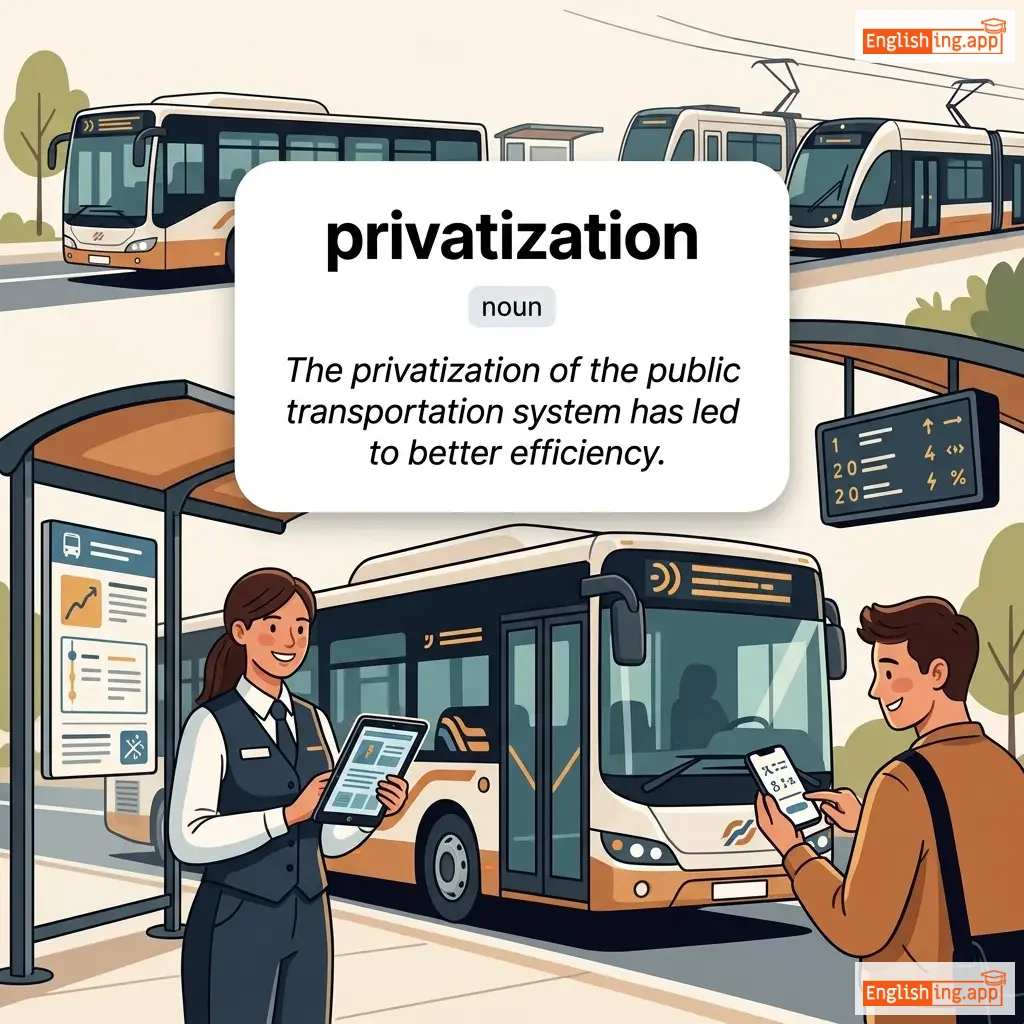
the process of transferring ownership of a business, industry, or service from the public sector to the private sector
••••••
|
The privatization of the public transportation system has led to better efficiency.
公共交通システムの民営化は、効率の向上をもたらしました。
••••••
|
公共交通システムの民営化は、効率の向上をもたらしました。
Kōkyō kōtsū shisutemu no min'eika wa, kōritsu no kōjō o motarashimashita.
••••••
|
- •••••• | - •••••• | - •••••• |
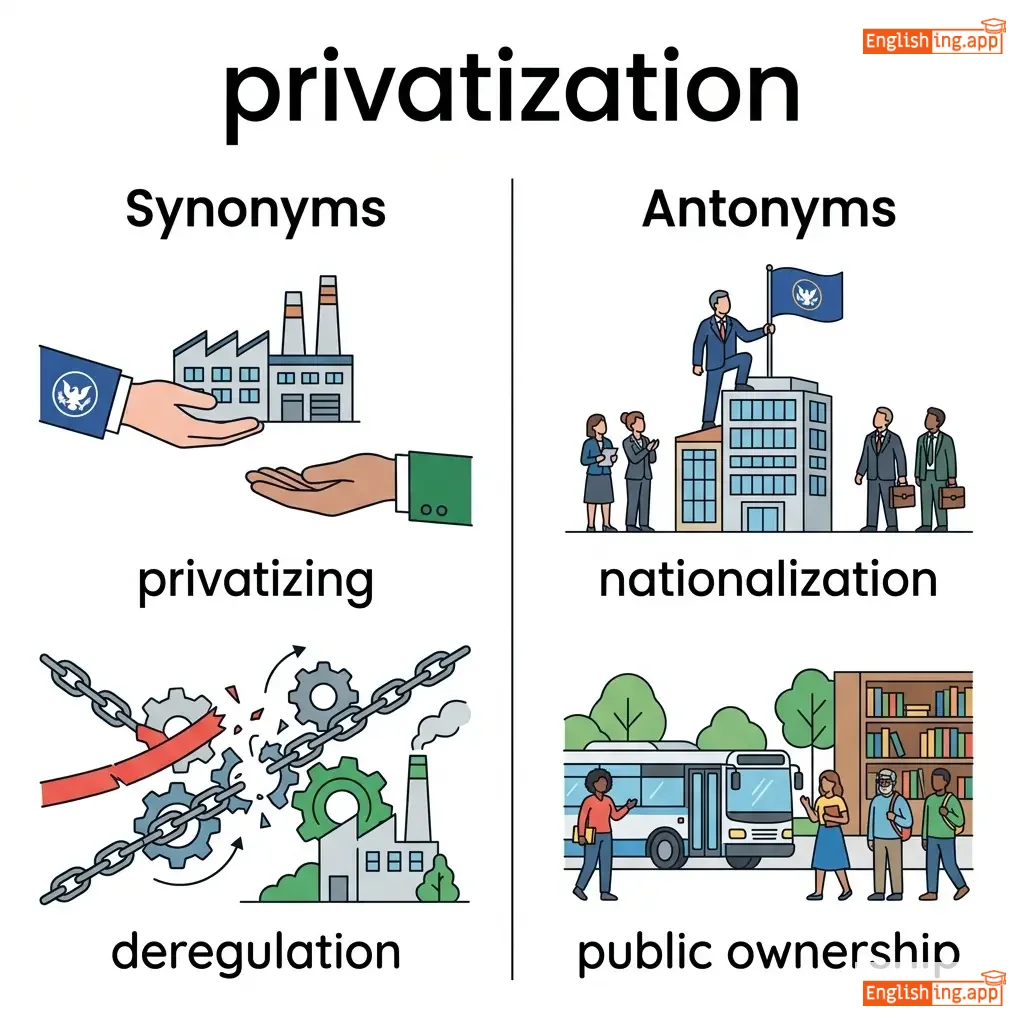
privatizing, deregulation, commercialization
••••••
|
nationalization, public ownership
••••••
|
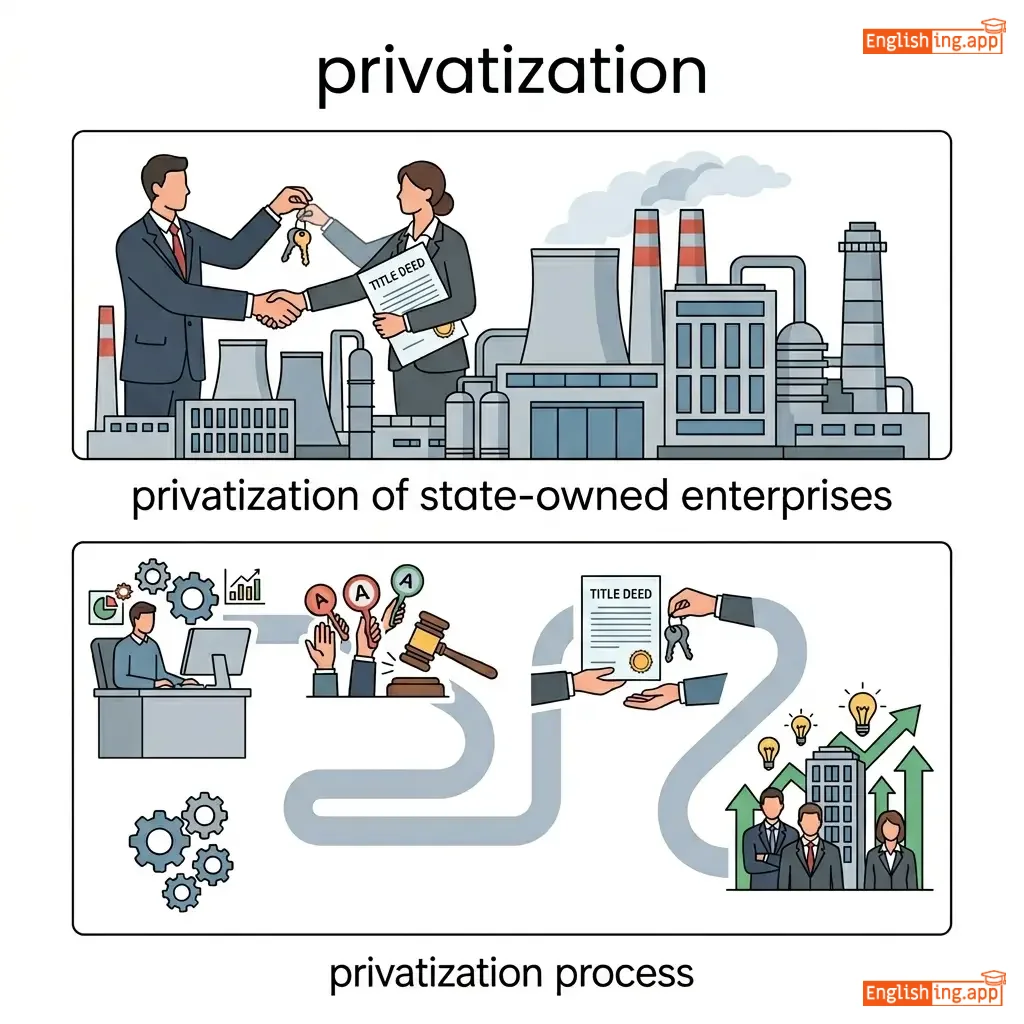
privatization of state-owned enterprises, privatization process
••••••
|
民営化は公共から民間への移行、公共サービスが民間企業に変わることです。
••••••
|
|
⏳
••••••
|
/ˈʃɔːrt tɜːrm/
adjective
(ショート-ターム)
••••••
|
|
短期
tanki
••••••
|
- •••••• | - •••••• | - •••••• | - •••••• |
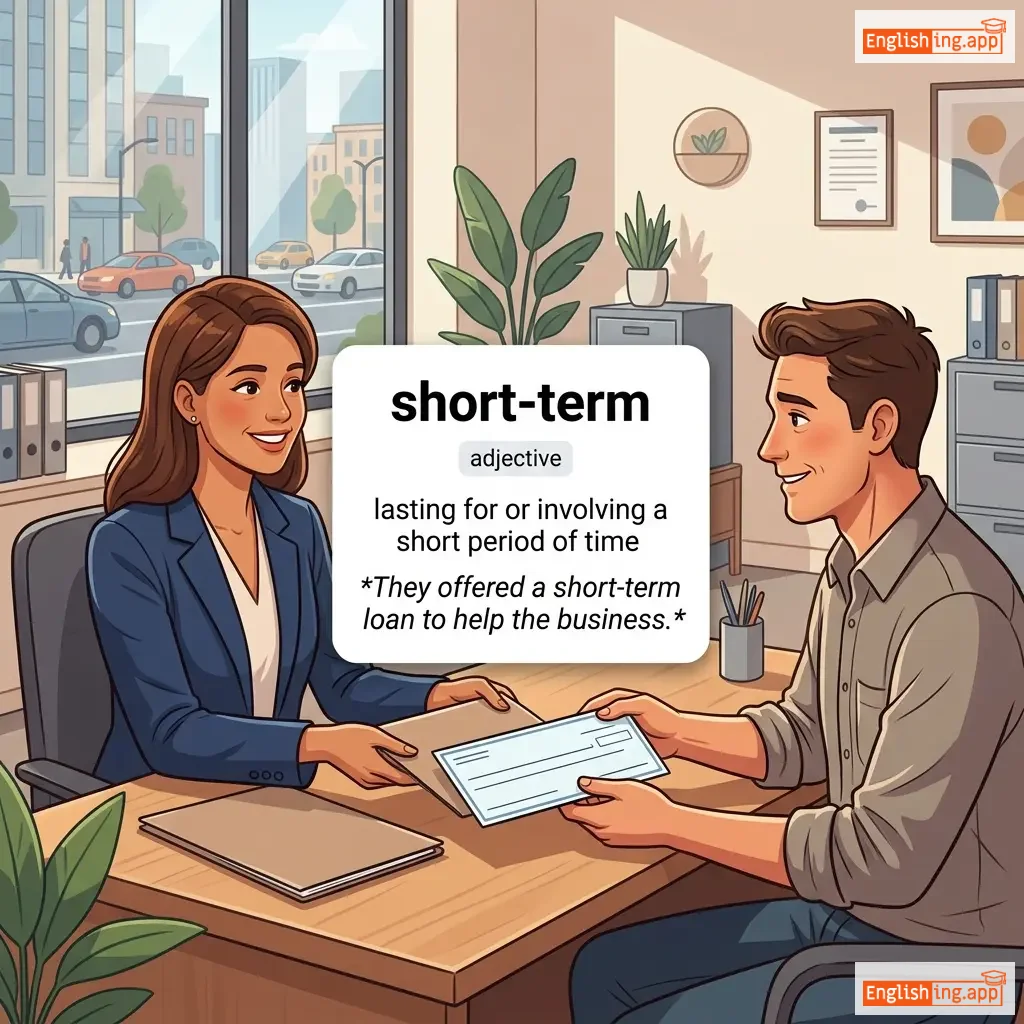
lasting for or involving a short period of time
••••••
|
They offered a short-term loan to help the business. |
ビジネスを支援するために短期融資を提供しました。
Bijinesu o shien suru tame ni tanki yūshi o teikyō shimashita.
••••••
|
- •••••• | - •••••• | - •••••• |
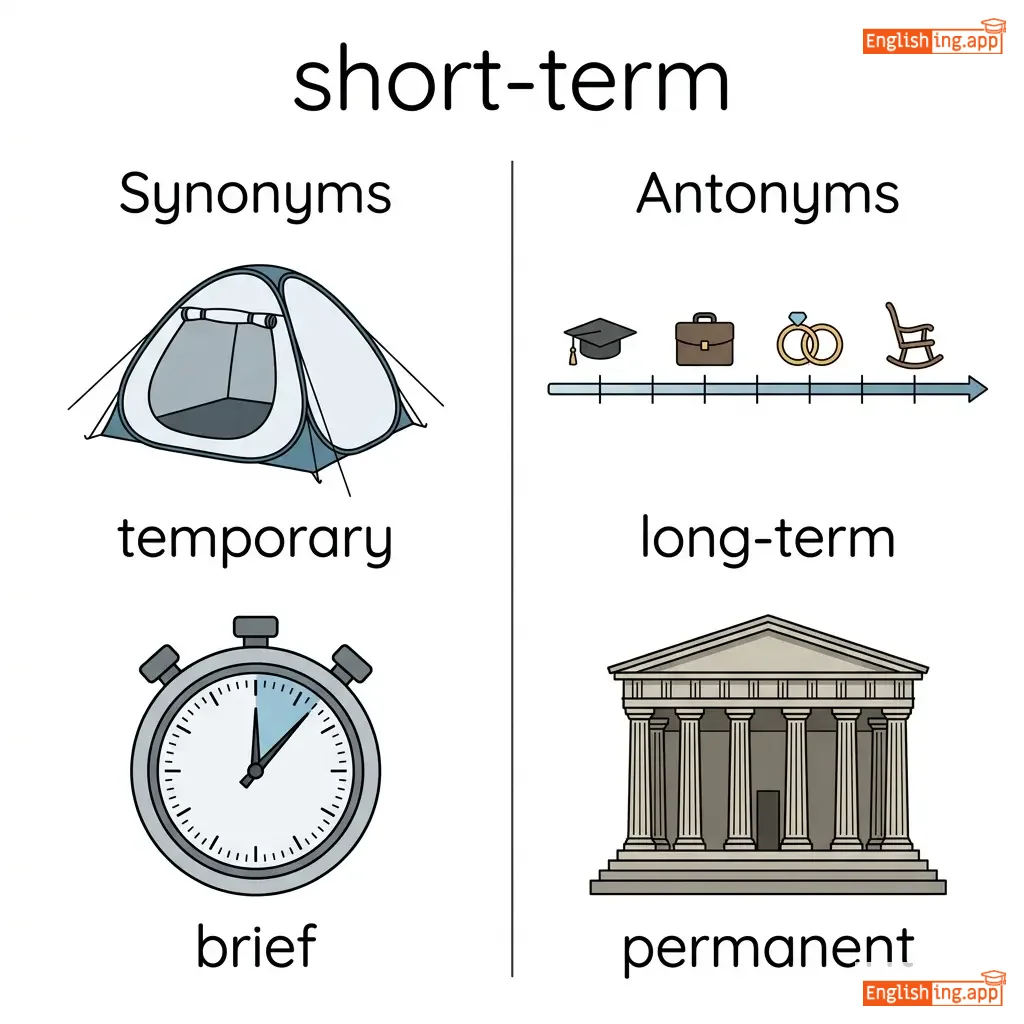
temporary, brief, momentary, provisional, limited
••••••
|
long-term, permanent, lasting
••••••
|
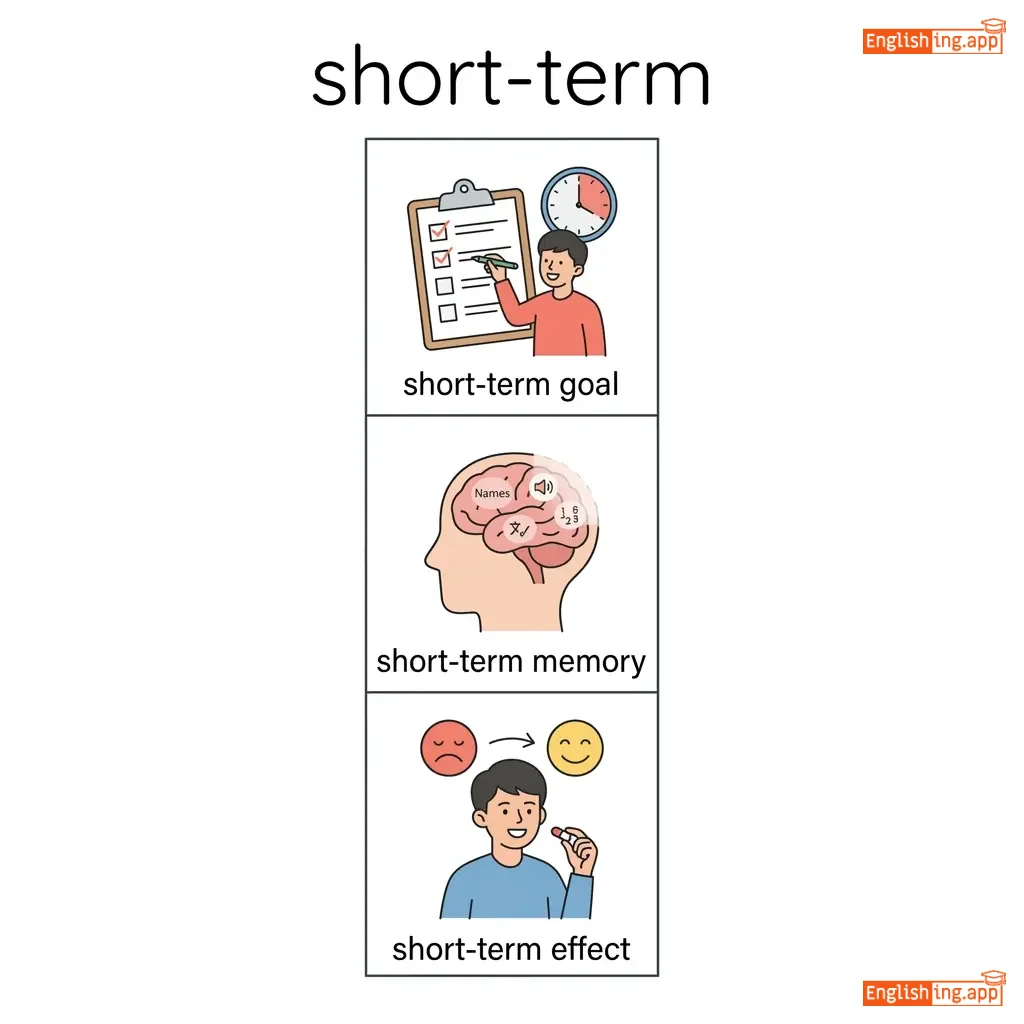
short-term goal, short-term memory, short-term effect, short-term plan
••••••
|
Short-term は短い期間 — 短期融資!
••••••
|
|
🌍
••••••
|
/ˈsoʊʃəlɪst/
noun, adjective
(ソーシャリスト)
••••••
|
- •••••• |
社会主義者
shakaishugisha
••••••
|
- •••••• | - •••••• | - •••••• | - •••••• |
a person who advocates for socialism; relating to socialism
••••••
|
He is a well-known socialist writer. |
彼は有名な社会主義者の作家です。
Kare wa yūmei na shakaishugisha no sakka desu.
••••••
|
- •••••• | - •••••• | - •••••• |
leftist, progressive, collectivist, reformer
••••••
|
capitalist, conservative
••••••
|
socialist party, socialist policies, socialist ideals
••••••
|
社会主義者 = 社会と主義の人
••••••
|
|
👨💼
••••••
|
/ˌsuːpərɪnˈtɛndənt/
noun
(スーパインテンダント)
••••••
|
- •••••• |
監督者
kantokusha
••••••
|
- •••••• | - •••••• | - •••••• | - •••••• |
a person who oversees, manages, or directs an organization, building, or project
••••••
|
The superintendent visited the classrooms to check on progress. |
監督者は進捗を確認するために教室を訪れました。
Kantokusha wa shinchoku o kakunin suru tame ni kyōshitsu o otozuremashita.
••••••
|
- •••••• | - •••••• | - •••••• |
manager, supervisor, overseer, director
••••••
|
subordinate, worker
••••••
|
school superintendent, building superintendent, superintendent of police
••••••
|
監督者はすべてを管理する人です。
••••••
|
|
🛑
••••••
|
/ˈtɜːrmɪˌneɪt/
verb
(ターミネイト)
••••••
|
- •••••• |
終了する
shūryō suru
••••••
|
terminated
ターミネイテッド
••••••
|
terminated
ターミネイテッド
••••••
|
terminates
ターミネイツ
••••••
|
terminating
ターミネイティング
••••••
|
to bring something to an end or to stop something from continuing
••••••
|
The company decided to terminate his contract.
会社は彼の契約を終了することを決定した。
••••••
|
会社は彼の契約を終了することを決定した。
Kaisha wa kare no keiyaku o shūryō suru koto o kettei shita.
••••••
|
terminate a pregnancy
妊娠中絶する
••••••
|
to medically end a pregnancy
••••••
|
妊娠中絶する
ninshin chūzetsu suru
••••••
|
end, conclude, finish, cease, halt
••••••
|
begin, start, continue
••••••
|
terminate a contract, terminate employment, terminate immediately, terminate agreement
••••••
|
終了するとは何かを終わらせること、例えば契約が'終了'するように。
••••••
|
|
™️
••••••
|
/ˈtreɪdmɑːrk/
noun
(トレードマーク)
••••••
|
- •••••• |
商標
shōhyō
••••••
|
- •••••• | - •••••• | - •••••• | - •••••• |
a symbol, word, or words legally registered or established by use as representing a company or product
••••••
|
The company’s logo is its trademark. |
その会社のロゴはその商標です。
Sono kaisha no rogo wa sono shōhyō desu.
••••••
|
- •••••• | - •••••• | - •••••• |
brand, logo, symbol, emblem
••••••
|
generic, unbranded
••••••
|
registered trademark, trademark symbol, trademark infringement
••••••
|
商標:企業を象徴するロゴ
••••••
|
|
➗
••••••
|
/tuː θɜːrdz/
noun
(トゥー・サーズ)
••••••
|
- •••••• |
三分の二
sanbun no ni
••••••
|
- •••••• | - •••••• | - •••••• | - •••••• |
a fraction equal to two parts of three; 2/3.
••••••
|
Two-thirds of the students passed the exam. |
学生の三分の二が試験に合格しました。
Gakusei no sanbun no ni ga shiken ni goukaku shimashita.
••••••
|
- •••••• | - •••••• | - •••••• |
fraction, ratio, portion, majority
••••••
|
one-third, whole
••••••
|
two-thirds majority, two-thirds vote, two-thirds full
••••••
|
Two-thirds は 3 部分のうち 2 部分 ➗ — 三分の二を覚えて!
••••••
|
|
⚖️
••••••
|
/ˌʌnkɒnstɪˈtuːʃənəl/
adjective
(アンコンスティチューショナル)
••••••
|
- •••••• |
違憲の
iken no
••••••
|
- •••••• | - •••••• | - •••••• | - •••••• |
not in accordance with a political constitution; violating constitutional principles
••••••
|
The court declared the new law unconstitutional. |
裁判所は新しい法律が違憲であると宣言しました。
saibansho wa atarashī hōritsu ga iken de aru to sengen shimashita
••••••
|
- •••••• | - •••••• | - •••••• |
illegal, unlawful, invalid, illegitimate
••••••
|
constitutional, legal, lawful, legitimate
••••••
|
unconstitutional law, unconstitutional act, declare unconstitutional
••••••
|
No •••••• |

