The Accountant’s Betrayal
Raihan 是一名高级 accounting 官员,工作于一家大型 capitalist 企业。他很诚实,但周围充斥着腐败。Superintendent 命令他 administer 一些 short-term 财务报告,但 Raihan 在文件中发现了一个巨大的 conspiracy。
他发现公司在 privatization 的名义下将资金转移到其他银行。这在法律上是 unconstitutional 的,但每个人都保持沉默。他的老板说:“这只是一个 concession—跟政治一起走。”
尽管害怕,Raihan 的良知没有停止他。他悄悄将文件发送给了一位记者。几天之内,新闻爆发——公司正在利用其 trademark 进行大规模的洗钱!
政府启动了调查,并对公司提出了 indictment。在法庭上,Raihan 作为主要 plaintiff 出庭,他的证词揭示了所有的真相。公司最终宣布 bankruptcy,有罪者被监禁。
然而,Raihan 很快得知,他因‘违反公司忠诚’被 terminated。他微笑着说:“如果为真理失去工作是代价,那么这是我最大的 activation。”
一年后,一个新的 socialist 政府上台,推行了企业透明度 compulsory 的法律。根据法律,任何公司再也不能隐瞒财务交易了。记者说:“这次改变的三分之二归功于 Raihan。”他意识到,有时候即使是普通的会计也能改变国家的未来。
|
表情符号
|
单词 | Images | 翻译 | 过去时 | 过去分词 | 第三人称单数 | 动名词 | 含义 | 例句 | 例句翻译 | 示例表达 | 示例表达含义 | 示例表达翻译 | 同义词 | 反义词 | 搭配词 | 助记符 |
|---|---|---|---|---|---|---|---|---|---|---|---|---|---|---|---|---|---|
|
📊
••••••
|
/əˈkaʊntɪŋ/
noun
(aˈkaʊntɪŋ)
••••••
|
- •••••• |
会计
kuàijì
••••••
|
- •••••• | - •••••• | - •••••• | - •••••• |
the process of recording, summarizing, and reporting financial transactions
••••••
|
She works in the accounting department of a large firm. |
她在一家大公司的会计部门工作。
tā zài yī jiā dà gōngsī de kuàijì bùmén gōngzuò.
••••••
|
creative accounting |
manipulating financial records to make a company look more profitable
••••••
|
创造性会计
chuàngzàoxìng kuàijì
••••••
|
bookkeeping, auditing, finance, record-keeping, budgeting
••••••
|
spending, mismanagement
••••••
|
accounting standards, accounting system, accounting firm, financial accounting, management accounting
••••••
|
Accounting 是记录财务, 会计是财务管理 📖
••••••
|
|
🔓
••••••
|
/ˌæktɪˈveɪʃən/
noun
(激活)
••••••
|
- •••••• |
激活
jī huó
••••••
|
- •••••• | - •••••• | - •••••• | - •••••• |
the act of making something start functioning
••••••
|
The activation of the system took longer than expected. |
系统的激活比预期的时间更长。
Xìtǒng de jīhuó bǐ yùqī de shíjiān gèng cháng.
••••••
|
- •••••• | - •••••• | - •••••• |
initiation, triggering, launching, starting
••••••
|
deactivation, stoppage, termination
••••••
|
system activation, activation process, activation code
••••••
|
激活一个系统就像按下生命的开始按钮!
••••••
|
|
💊
••••••
|
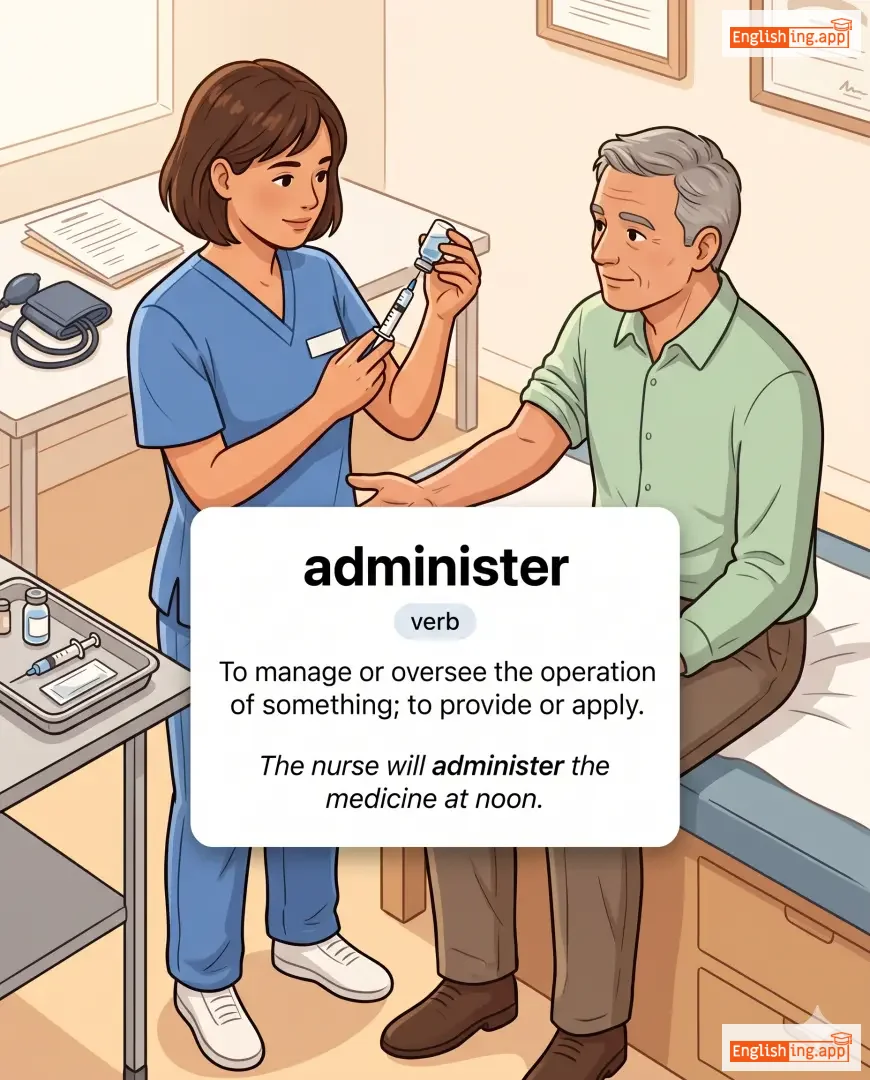
/ədˈmɪnɪstər/
verb
(行政)
••••••
|
|
管理 / 应用
guanli / yingyong
••••••
|
administered
行政过
••••••
|
administered
行政过
••••••
|
administers
行政
••••••
|
administering
行政
••••••
|
To manage or oversee the operation of something; to provide or apply.
••••••
|
The nurse will administer the medicine at noon.
护士将在中午施用药物。
••••••
|
护士将在中午施用药物。
Hushi jiang zai zhongwu shiyong yaowu.
••••••
|
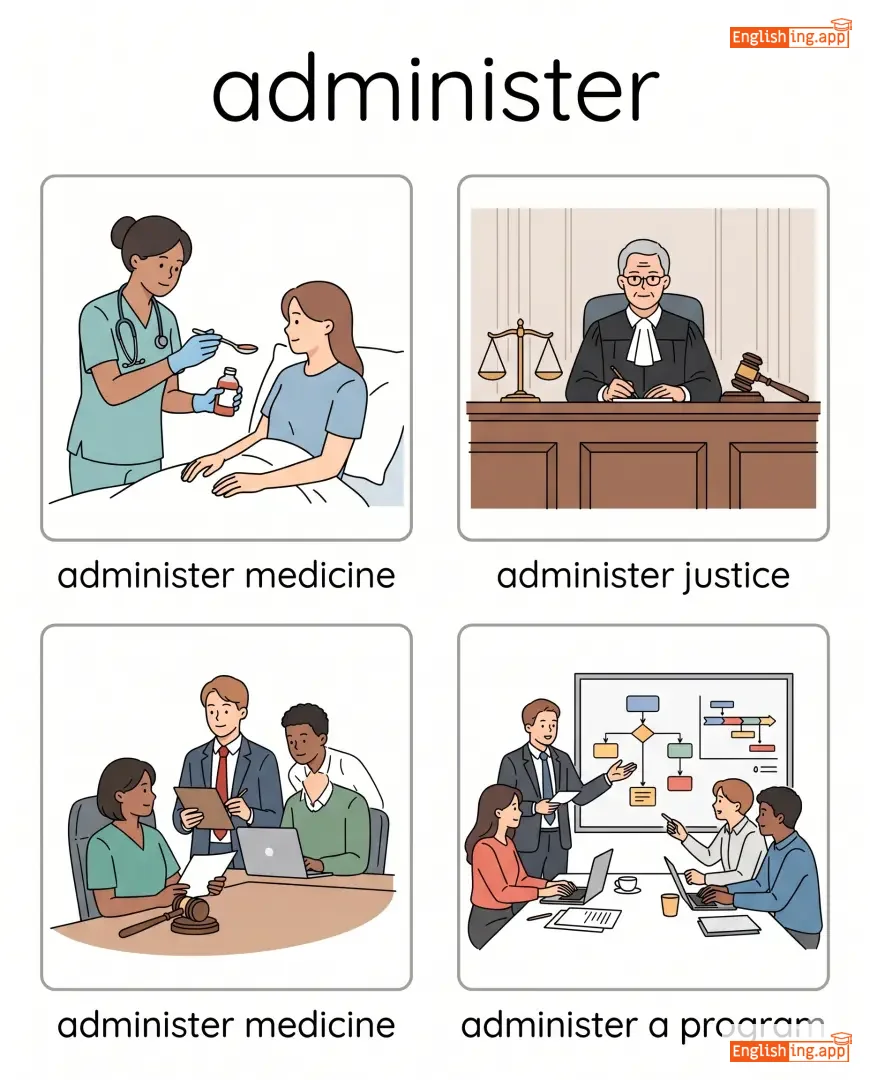
administer justice
执行司法
••••••
|
To ensure that laws and fairness are upheld.
••••••
|
执行司法
Zhixing sifa
••••••
|
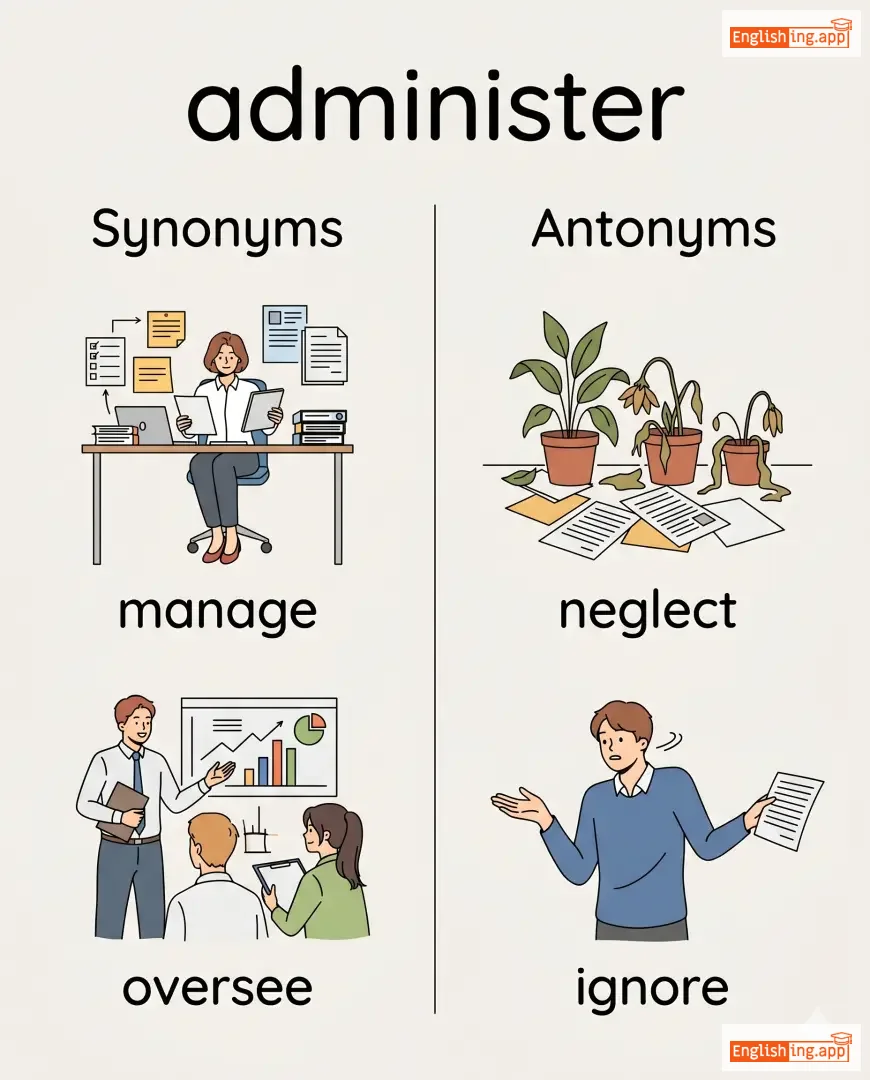
manage, oversee, control, execute, apply
••••••
|
neglect, ignore
••••••
|
administer medicine, administer justice, administer a program, administer funds
••••••
|
Administer 就是行政,就像管理员管理一切。
••••••
|
|
🔗
••••••
|
/əˈsoʊsieɪtɪd/
adjective
(亚索西埃提德)
••••••
|
- •••••• |
关联的
guānlián de
••••••
|
- •••••• | - •••••• | - •••••• | - •••••• |
connected or related to something or someone
••••••
|
She is closely associated with environmental movements. |
她与环保运动密切相关。
Tā yǔ huánbǎo yùndòng mìqiè xiāngguān.
••••••
|
associated with |
connected or linked to
••••••
|
与...相关
yǔ... xiāngguān
••••••
|
connected, linked, related, joined, allied
••••••
|
unrelated, separate, independent
••••••
|
closely associated, directly associated, commonly associated
••••••
|
Associate意味着连接——关联的意味着相关或连接。
••••••
|
|
💸
••••••
|
/ˈbæŋkrʌptsi/
noun
(bànkrèpènsī)
••••••
|
- •••••• |
破产
pòchǎn
••••••
|
- •••••• | - •••••• | - •••••• | - •••••• |
the state of being unable to pay debts owed, declared by a legal process
••••••
|
The company declared bankruptcy after months of financial struggles. |
公司在经历了几个月的财务困难后宣布破产。
Gōngsī zài jīnglìle jǐ gè yuè de cáiwù kùnnán hòu xuānbù pòchǎn.
••••••
|
- •••••• | - •••••• | - •••••• |
insolvency, liquidation, failure, collapse
••••••
|
solvency, prosperity, success
••••••
|
file for bankruptcy, declare bankruptcy, go bankrupt, bankruptcy court
••••••
|
破产意味着公司无法偿还债务,破产了。
••••••
|
|
💼
••••••
|
/ˈkæpɪtəlɪst/
noun/adjective
••••••
|
- •••••• | - •••••• | - •••••• | - •••••• | - •••••• | - •••••• |
a person who supports or believes in capitalism; a wealthy business owner
••••••
|
The capitalist believes in the freedom of the market. |
- •••••• | - •••••• | - •••••• | - •••••• |
entrepreneur, tycoon, business magnate
••••••
|
socialist, communist
••••••
|
capitalist society, wealthy capitalist, capitalist system
••••••
|
No •••••• |
|
📘
••••••
|
/kəmˈpʌlsəri/
adjective
(kèpùlsǒlì)
••••••
|
- •••••• |
强制性
qiángzhìxìng
••••••
|
- •••••• | - •••••• | - •••••• | - •••••• |
Required by law or a rule; obligatory.
••••••
|
Wearing seat belts is compulsory in most countries. |
在大多数国家,佩戴安全带是强制性的。
Zài dà duōshù guójiā, pèidài ānquán dài shì qiángzhìxìng de.
••••••
|
- •••••• | - •••••• | - •••••• |
mandatory, required, obligatory, necessary
••••••
|
optional, voluntary, discretionary
••••••
|
compulsory education, compulsory subject, compulsory service
••••••
|
Compulsory 意味着强制性,像强制性的学校科目。
••••••
|
|
🤲
••••••
|
/kənˈsɛʃən/
noun
(kənˈsɛʃən)
••••••
|
- •••••• |
让步
rangbu
••••••
|
- •••••• | - •••••• | - •••••• | - •••••• |
something that is granted, especially in response to demands; a compromise
••••••
|
The company made several concessions during the negotiations. |
公司在谈判中做出了几次让步。
Gongsi zai tanpan zhong zuo chule jici rangbu.
••••••
|
make concessions |
to give up certain demands in order to reach an agreement
••••••
|
做出让步
zuo chu rangbu
••••••
|
compromise, allowance, adjustment, grant, yield
••••••
|
refusal, denial, resistance
••••••
|
make a concession, grant a concession, trade concession, minor concession
••••••
|
让步意味着在谈判中妥协
••••••
|
|
🕵️
••••••
|
/kənˈspɪrəsi/
noun
(kənˈspɪrəsi)
••••••
|
- •••••• |
阴谋
yīnmóu
••••••
|
- •••••• | - •••••• | - •••••• | - •••••• |
A secret plan by a group to do something unlawful or harmful.
••••••
|
The police uncovered a conspiracy to overthrow the government. |
警方揭露了一项推翻政府的阴谋。
Jǐngfāng jiēlùle yī xiàng tuīfān zhèngfǔ de yīnmóu.
••••••
|
conspiracy theory |
a belief that events are secretly manipulated by powerful groups
••••••
|
阴谋论
yīnmóu lùn
••••••
|
plot, scheme, intrigue, collusion, cabal
••••••
|
honesty, openness, truth
••••••
|
political conspiracy, conspiracy theory, criminal conspiracy, conspiracy to commit
••••••
|
Conspiracy = 演唱会上的秘密计划 — 阴谋.
••••••
|
|
📜
••••••
|
/ɪnˈdaɪtmənt/
noun
(ɪnˈdaɪtmənt)
••••••
|
- •••••• |
起诉书
qǐsù shū
••••••
|
- •••••• | - •••••• | - •••••• | - •••••• |
a formal charge or accusation of a serious crime
••••••
|
The indictment accused the company of multiple violations. |
起诉书指控公司存在多项违规行为。
Qǐsù shū zhǐkòng gōngsī cúnzài duō xiàng wéiguī xíngwéi.
••••••
|
- •••••• | - •••••• | - •••••• |
charge, accusation, prosecution, allegation
••••••
|
acquittal, exoneration
••••••
|
criminal indictment, federal indictment, indictment process
••••••
|
Indictment 意思是起诉书。
••••••
|
|
⚖️
••••••
|
/ˈpleɪn.tɪf/
noun
(pleɪntɪf)
••••••
|
- •••••• |
原告
yuángào
••••••
|
- •••••• | - •••••• | - •••••• | - •••••• |
a person who brings a case against another in a court of law; the person who initiates a lawsuit
••••••
|
The plaintiff filed a lawsuit against the company.
原告对公司提起了诉讼。
••••••
|
原告对公司提起了诉讼。
Yuángào duì gōngsī tíqǐle sùsòng.
••••••
|
- •••••• | - •••••• | - •••••• |
complainant, claimant, petitioner, accuser
••••••
|
defendant, respondent, accused
••••••
|
lead plaintiff, original plaintiff, individual plaintiff
••••••
|
原告在法庭上为正义而战。
••••••
|
|
🏢
••••••
|
/ˌpraɪvətəˈzeɪʃən/
noun
(puraivetaizéishon)
••••••
|
|
私有化
siyouhua
••••••
|
- •••••• | - •••••• | - •••••• | - •••••• |
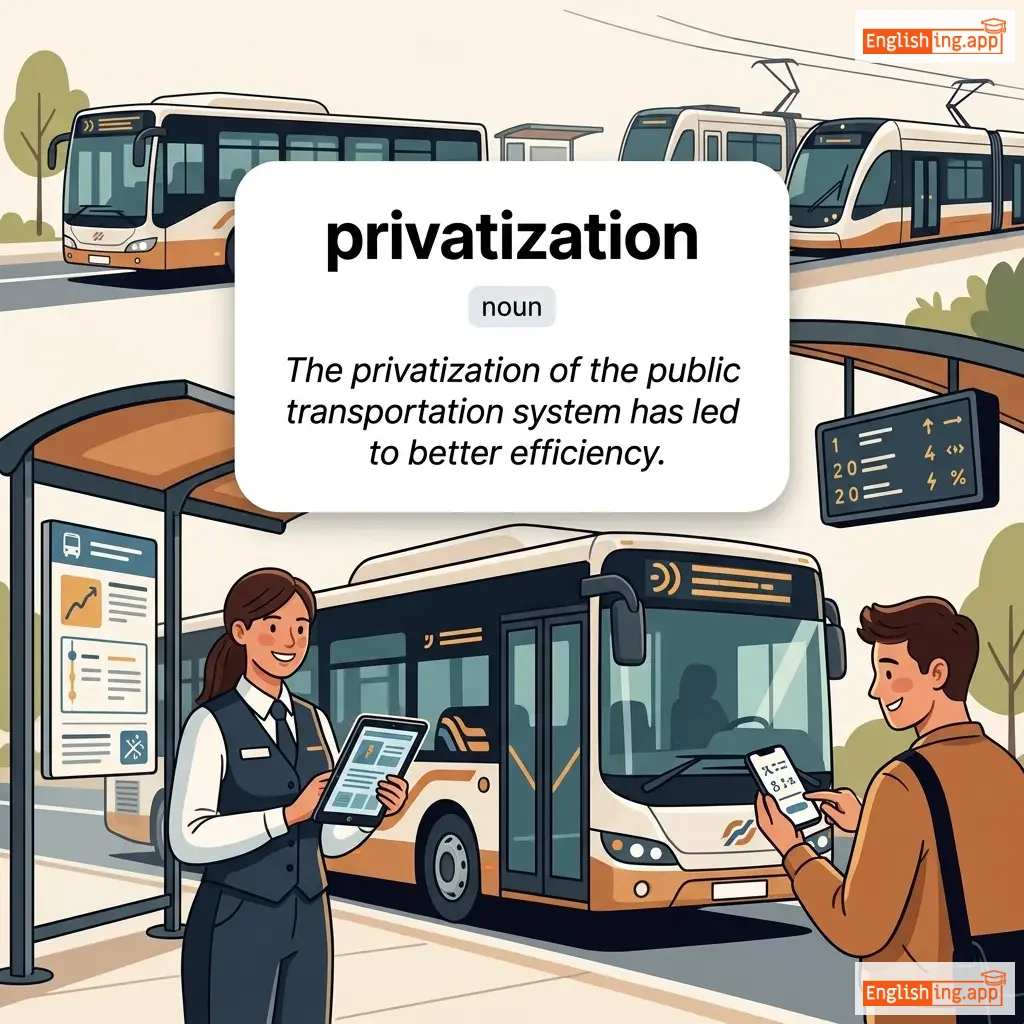
the process of transferring ownership of a business, industry, or service from the public sector to the private sector
••••••
|
The privatization of the public transportation system has led to better efficiency.
公共交通系统的私有化带来了更高的效率。
••••••
|
公共交通系统的私有化带来了更高的效率。
Gonggong jiaotong xitong de siyouhua dailai le geng gao de xiaolü.
••••••
|
- •••••• | - •••••• | - •••••• |
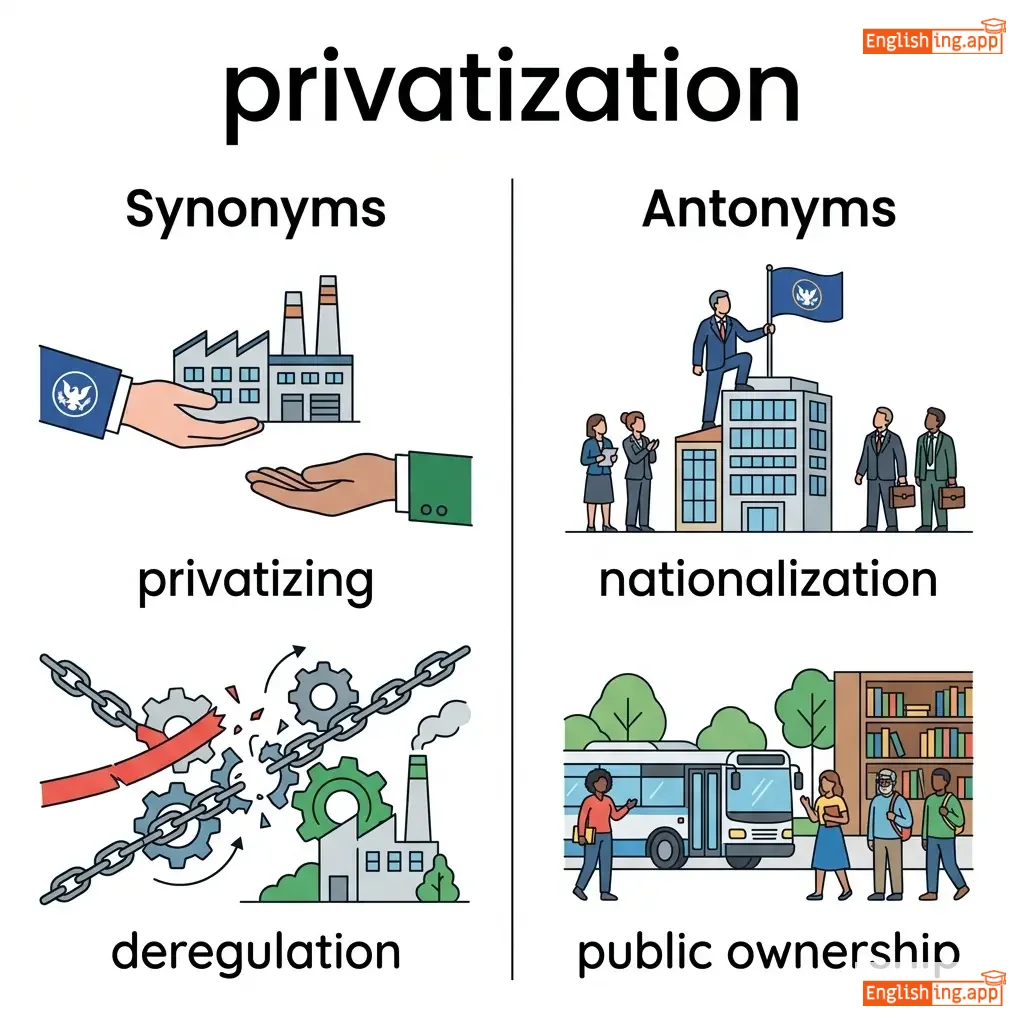
privatizing, deregulation, commercialization
••••••
|
nationalization, public ownership
••••••
|
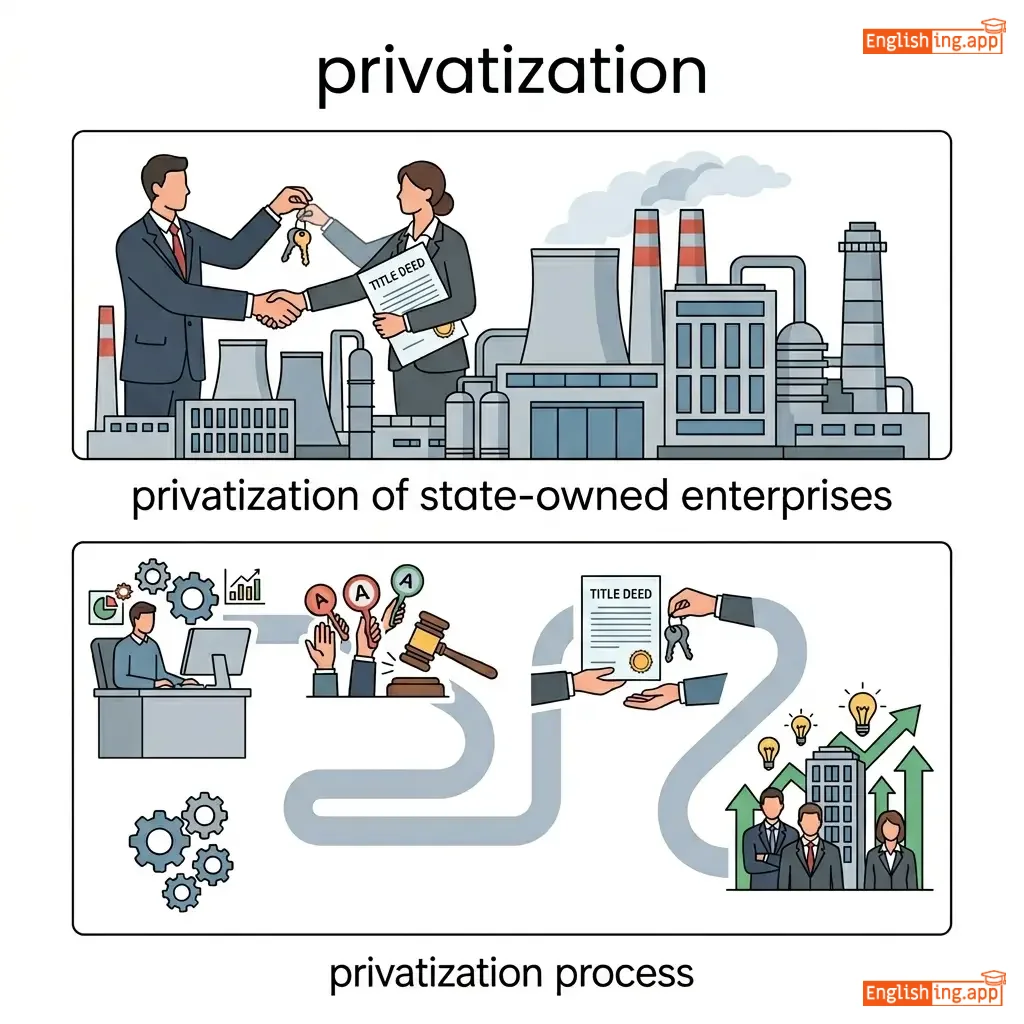
privatization of state-owned enterprises, privatization process
••••••
|
私有化是从公共到私人,就像公共服务变成了私人企业。
••••••
|
|
⏳
••••••
|
/ˈʃɔːrt tɜːrm/
adjective
(短期)
••••••
|

|
短期
duǎn qī
••••••
|
- •••••• | - •••••• | - •••••• | - •••••• |
lasting for or involving a short period of time
••••••
|
They offered a short-term loan to help the business. |
他们提供了一个短期贷款来帮助企业。
Tāmen tígōngle yīgè duǎnqī dàikuǎn lái bāngzhù qǐyè.
••••••
|
- •••••• | - •••••• | - •••••• |
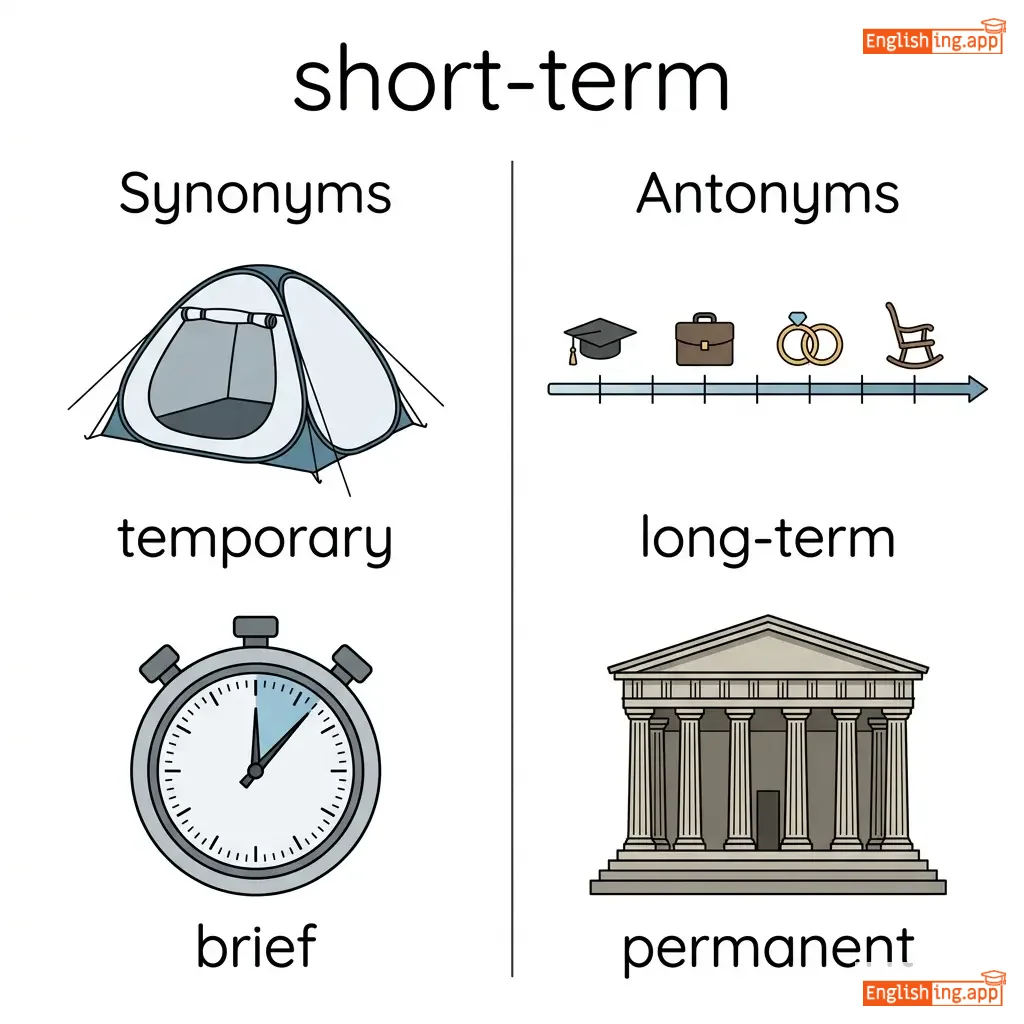
temporary, brief, momentary, provisional, limited
••••••
|
long-term, permanent, lasting
••••••
|
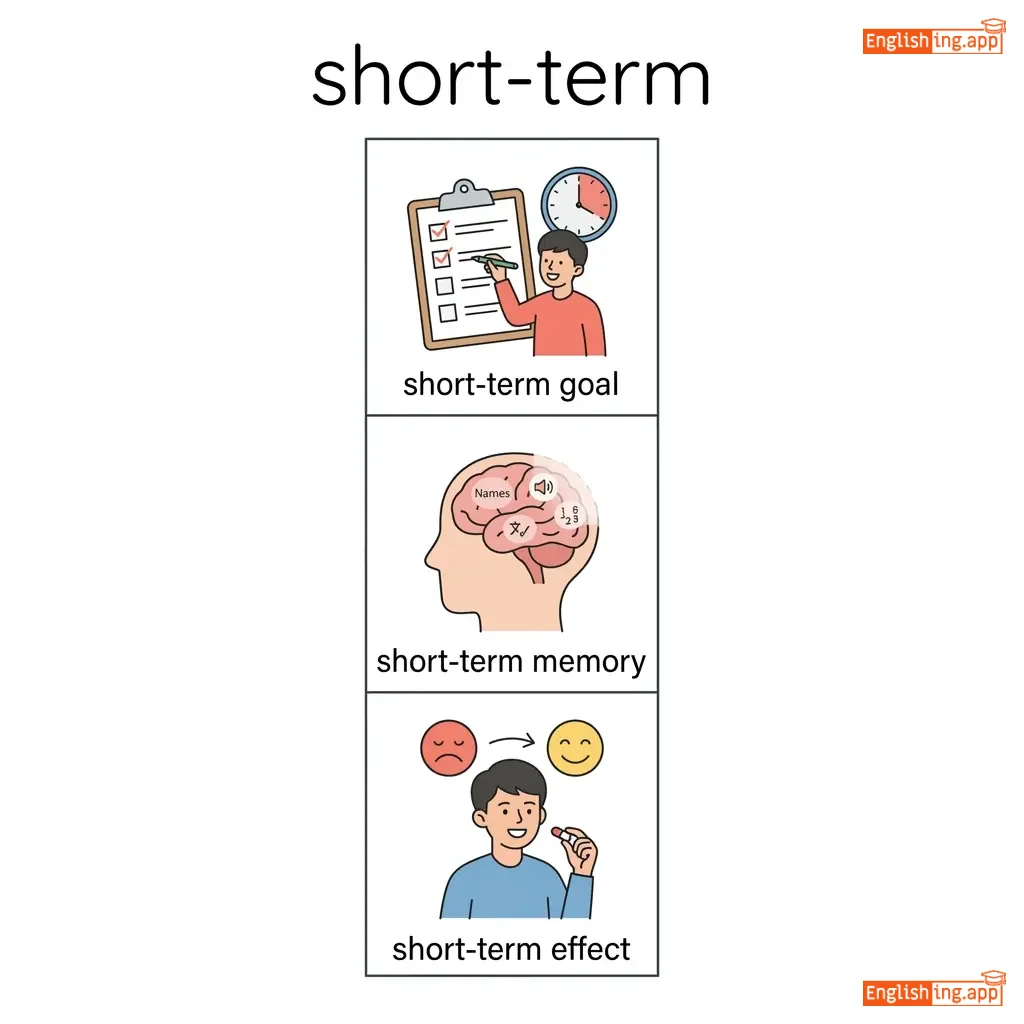
short-term goal, short-term memory, short-term effect, short-term plan
••••••
|
Short-term 意味着短时间 — 短期贷款!
••••••
|
|
🌍
••••••
|
/ˈsoʊʃəlɪst/
noun, adjective
(səʊʃəlɪst)
••••••
|
- •••••• |
社会主义者
shehuizhuyi zhe
••••••
|
- •••••• | - •••••• | - •••••• | - •••••• |
a person who advocates for socialism; relating to socialism
••••••
|
He is a well-known socialist writer. |
他是一个著名的社会主义作家。
Tā shì yīgè zhùmíng de shèhuì zhǔyì zuòjiā.
••••••
|
- •••••• | - •••••• | - •••••• |
leftist, progressive, collectivist, reformer
••••••
|
capitalist, conservative
••••••
|
socialist party, socialist policies, socialist ideals
••••••
|
社会主义者 = 社会+主义+者
••••••
|
|
👨💼
••••••
|
/ˌsuːpərɪnˈtɛndənt/
noun
(超级管理员)
••••••
|
- •••••• |
管理员
guǎnlǐyuán
••••••
|
- •••••• | - •••••• | - •••••• | - •••••• |
a person who oversees, manages, or directs an organization, building, or project
••••••
|
The superintendent visited the classrooms to check on progress. |
管理员访问了教室以检查进展。
guǎnlǐyuán fǎngwènle jiàoshì yǐ jiǎnchá jìnzhǎn.
••••••
|
- •••••• | - •••••• | - •••••• |
manager, supervisor, overseer, director
••••••
|
subordinate, worker
••••••
|
school superintendent, building superintendent, superintendent of police
••••••
|
管理员是负责所有事务的人。
••••••
|
|
🛑
••••••
|
/ˈtɜːrmɪˌneɪt/
verb
(tɜːrmɪˌneɪt)
••••••
|
- •••••• |
终止
zhongzhi
••••••
|
terminated
terminated
••••••
|
terminated
terminated
••••••
|
terminates
terminates
••••••
|
terminating
terminating
••••••
|
to bring something to an end or to stop something from continuing
••••••
|
The company decided to terminate his contract.
公司决定终止他的合同。
••••••
|
公司决定终止他的合同。
Gōngsī juédìng zhōngzhǐ tā de hétong.
••••••
|
terminate a pregnancy
终止妊娠
••••••
|
to medically end a pregnancy
••••••
|
终止妊娠
zhōngzhǐ rènshēn
••••••
|
end, conclude, finish, cease, halt
••••••
|
begin, start, continue
••••••
|
terminate a contract, terminate employment, terminate immediately, terminate agreement
••••••
|
终止意味着结束,就像合同被'终止'一样。
••••••
|
|
™️
••••••
|
/ˈtreɪdmɑːrk/
noun
(商标)
••••••
|
- •••••• |
商标
shāngbiāo
••••••
|
- •••••• | - •••••• | - •••••• | - •••••• |
a symbol, word, or words legally registered or established by use as representing a company or product
••••••
|
The company’s logo is its trademark. |
公司的标志就是它的商标。
Gōngsī de biāozhì jiùshì tā de shāngbiāo.
••••••
|
- •••••• | - •••••• | - •••••• |
brand, logo, symbol, emblem
••••••
|
generic, unbranded
••••••
|
registered trademark, trademark symbol, trademark infringement
••••••
|
商标:公司独特的标志,让人一眼认出
••••••
|
|
➗
••••••
|
/tuː θɜːrdz/
noun
(tuː θɜːrdz)
••••••
|
- •••••• |
三分之二
san fen zhi er
••••••
|
- •••••• | - •••••• | - •••••• | - •••••• |
a fraction equal to two parts of three; 2/3.
••••••
|
Two-thirds of the students passed the exam. |
三分之二的学生通过了考试。
San fen zhi er de xuesheng tongguo le kaoshi.
••••••
|
- •••••• | - •••••• | - •••••• |
fraction, ratio, portion, majority
••••••
|
one-third, whole
••••••
|
two-thirds majority, two-thirds vote, two-thirds full
••••••
|
Two-thirds 意味着 3 部分中的 2 部分 ➗ — 记住三分之二!
••••••
|
|
⚖️
••••••
|
/ˌʌnkɒnstɪˈtuːʃənəl/
adjective
(ān kǒng sī tǐ tuán ēn lǐ)
••••••
|
- •••••• |
违宪的
wéixiàn de
••••••
|
- •••••• | - •••••• | - •••••• | - •••••• |
not in accordance with a political constitution; violating constitutional principles
••••••
|
The court declared the new law unconstitutional. |
法院宣布这项新法律违宪。
fǎyuàn xuānbù zhè xiàng xīn fǎlǜ wéixiàn
••••••
|
- •••••• | - •••••• | - •••••• |
illegal, unlawful, invalid, illegitimate
••••••
|
constitutional, legal, lawful, legitimate
••••••
|
unconstitutional law, unconstitutional act, declare unconstitutional
••••••
|
No •••••• |

