The Settlement's Mysterious Past
ラーマン博士は古代の集落を研究していた考古学者でした。彼は歴史的な遺跡を取り組むことを決意し、以前誰も働いていなかった場所です。この遺跡は遠隔地の地域にあり、そこに行くのは非常に困難でした。彼は定期的にチームと一緒に訪れ、毎回新しい発見をしました。明らかに、この集落は何千年も前のもので、かなり大きな人口を有していました。散らばった遺跡の中で、彼らは写真や古代の文書の痕跡を発見しました。ある日、彼らは神秘的な部屋を発見し、そこには古代の住民の所持品が保存されていました。皮肉にも、長い間隔離されていたその場所が、彼らの最大の発見となりました。その部屋で、車椅子のような古代の移動装置が発見され、当時の人々が非常に思いやりがあったことが証明されました。この発見は予想外で、避けられないことに、それについてさらに研究が必要でした。外交的なチャンネルを通じて、政府から資金と許可を受けました。それでも、その遺跡は非常に遠く、天候条件が予測できなかったため、仕事は困難でした。研究チームは各所有物を慎重に記録し、それらの写真を撮りました。彼らは、この集落の人々がその時代の人々よりも非常に進んでいたことを認識しました。この探検はラーマン博士のキャリアの中で最も重要な仕事となりました。彼はこの歴史的な集落の詳細を紹介する論文を発表しました。彼の研究は国際的なコミュニティで認められ、この遺跡を訪れたいと多くの人々が興味を示しました。
|
絵文字
|
単語 | Images | 翻訳 | 過去 | 過去分詞 | 三人称単数 | 動名詞 | 意味 | 例文 | 例文の翻訳 | 表現例 | 表現例の意味 | 表現例の翻訳 | 同義語 | 対義語 | コロケーション | ニーモニック |
|---|---|---|---|---|---|---|---|---|---|---|---|---|---|---|---|---|---|
|
👀
••••••
|
/əˈperəntli/
adverb
(アパレントリー)
••••••
|
- •••••• |
明らかに;
akirakani
••••••
|
- •••••• | - •••••• | - •••••• | - •••••• |
seemingly; as far as one knows or can see; clearly; evidently
••••••
|
Apparently, the meeting has been postponed to next week.
アパレントリー、会議は来週に延期されたようです。
••••••
|
明らかに、会議は来週に延期されたようです。
akirakani, kaigi wa raishuu ni enki sareta you desu.
••••••
|
- •••••• | - •••••• | - •••••• |
seemingly, evidently, clearly, obviously
••••••
|
actually, really, truly, certainly
••••••
|
apparently not, apparently so, quite apparently
••••••
|
明らかに見えるもの、それがアパレントリーです。
••••••
|
|
🕊️
••••••
|
/ˌdɪpləˈmætɪk/
adjective
(ディプロマティック)
••••••
|
- •••••• |
外交的な
gaikoutekina
••••••
|
- •••••• | - •••••• | - •••••• | - •••••• |
Concerning diplomacy; having or showing skill in dealing with people in a sensitive and effective way.
••••••
|
She gave a diplomatic response to avoid offending anyone. |
彼女は誰かを傷つけないように外交的な返答をしました。
kanojo wa dareka wo kizutsukenai you ni gaikoutekina hento wo shimashita.
••••••
|
diplomatic immunity |
A privilege that exempts diplomats from certain laws in the host country.
••••••
|
外交特権
gaikou tokken
••••••
|
tactful, courteous, strategic, conciliatory, discreet
••••••
|
tactless, blunt, rude
••••••
|
diplomatic relations, diplomatic mission, diplomatic language
••••••
|
Diplomatic reply = polite 返事 (外交的な返答)
••••••
|
|
🧭
••••••
|
/ˌɛkspəˈdɪʃən/
noun
(遠征)
••••••
|
- •••••• |
遠征
ensei
••••••
|
- •••••• | - •••••• | - •••••• | - •••••• |
a journey made for a particular purpose, often exploration or research
••••••
|
They went on a scientific expedition to the Arctic.
彼らは北極への科学的な遠征に出かけました。
••••••
|
彼らは北極への科学的な遠征に出かけました。
Karera wa hokkyoku e no kagakuteki na ensei ni dekakemashita.
••••••
|
an expedition into
遠征に入る
••••••
|
a journey or venture into a place or subject
••••••
|
遠征に入る
ensei ni hairu
••••••
|
journey, voyage, mission, trip, exploration
••••••
|
stay, rest, settlement
••••••
|
scientific expedition, military expedition, polar expedition, expedition leader
••••••
|
遠征は新しい場所や課題への挑戦
••••••
|
|
📜
••••••
|
/hɪˈstɔːrɪkəl/
adjective
(ヒストリカル)
••••••
|
- •••••• |
歴史的
rekishiteki
••••••
|
- •••••• | - •••••• | - •••••• | - •••••• |
Related to history or past events.
••••••
|
The museum has a large collection of historical documents. |
博物館には多くの歴史的な文書が収蔵されています。
Hakubutsukan ni wa ooku no rekishiteki na bunsho ga shūzō sareteimasu.
••••••
|
historical record |
An account of past events
••••••
|
歴史的記録
rekishiteki kiroku
••••••
|
past, archival, recorded, ancient, traditional
••••••
|
modern, contemporary, current
••••••
|
historical documents, historical records, historical evidence, historical site
••••••
|
Historical = History + related, つまり歴史に関係がある。
••••••
|
|
☠️
••••••
|
/ɪnˈɛvɪtəbl/
adjective
(イネヴィタブル)
••••••
|
|
避けられない
sakerarenai
••••••
|
- •••••• | - •••••• | - •••••• | - •••••• |
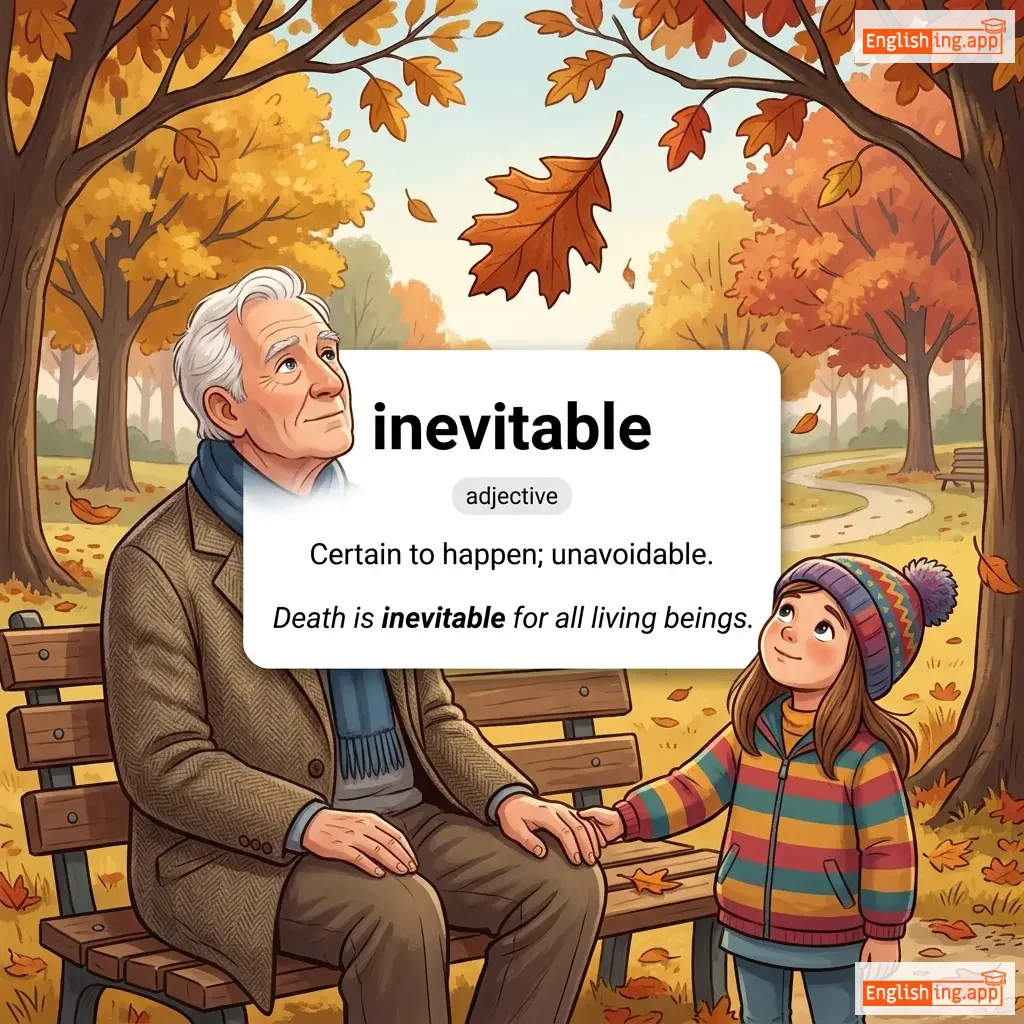
Certain to happen; unavoidable.
••••••
|
Death is inevitable for all living beings. |
死はすべての生物にとって避けられない。
shi wa subete no seibutsu ni totte sakerarenai.
••••••
|
the inevitable result |
The certain outcome of an action or situation.
••••••
|
避けられない結果
sakerarenai kekka
••••••
|
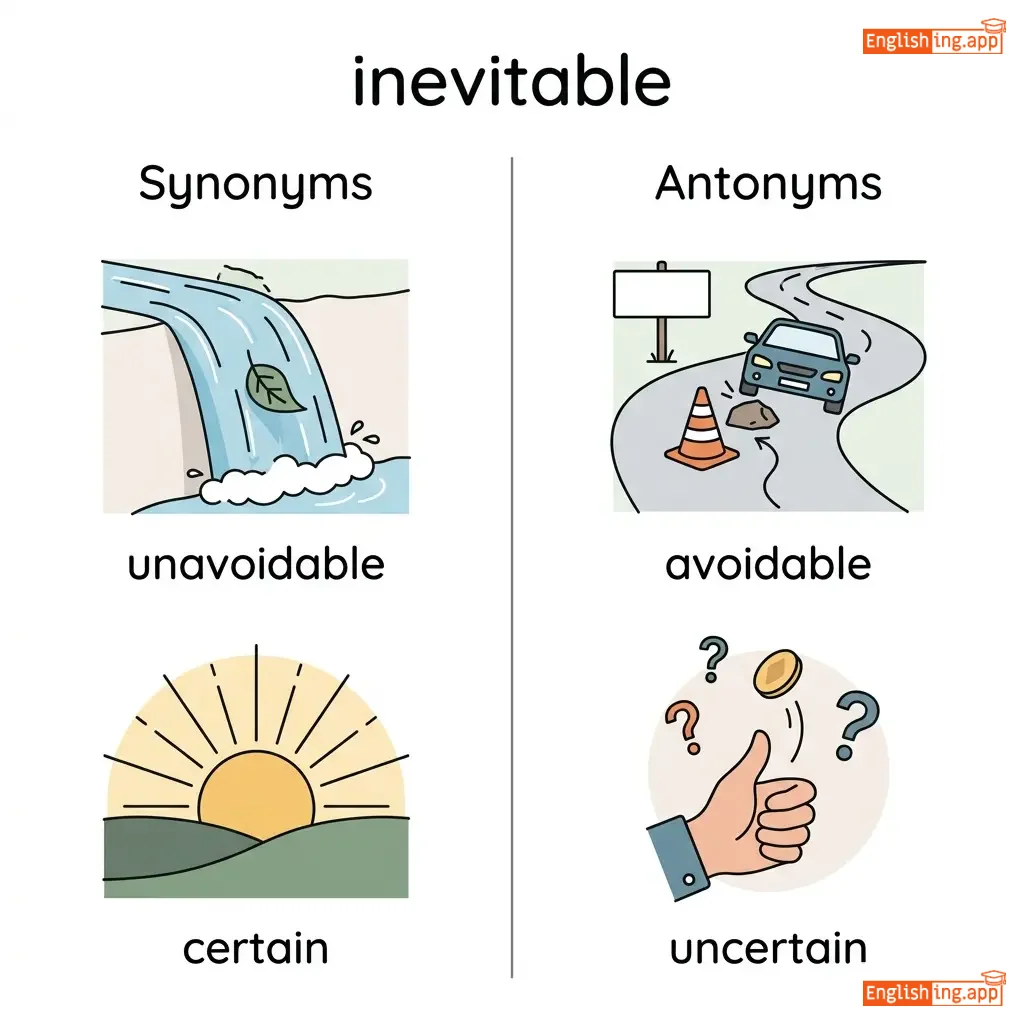
unavoidable, certain, destined, fated
••••••
|
avoidable, uncertain
••••••
|
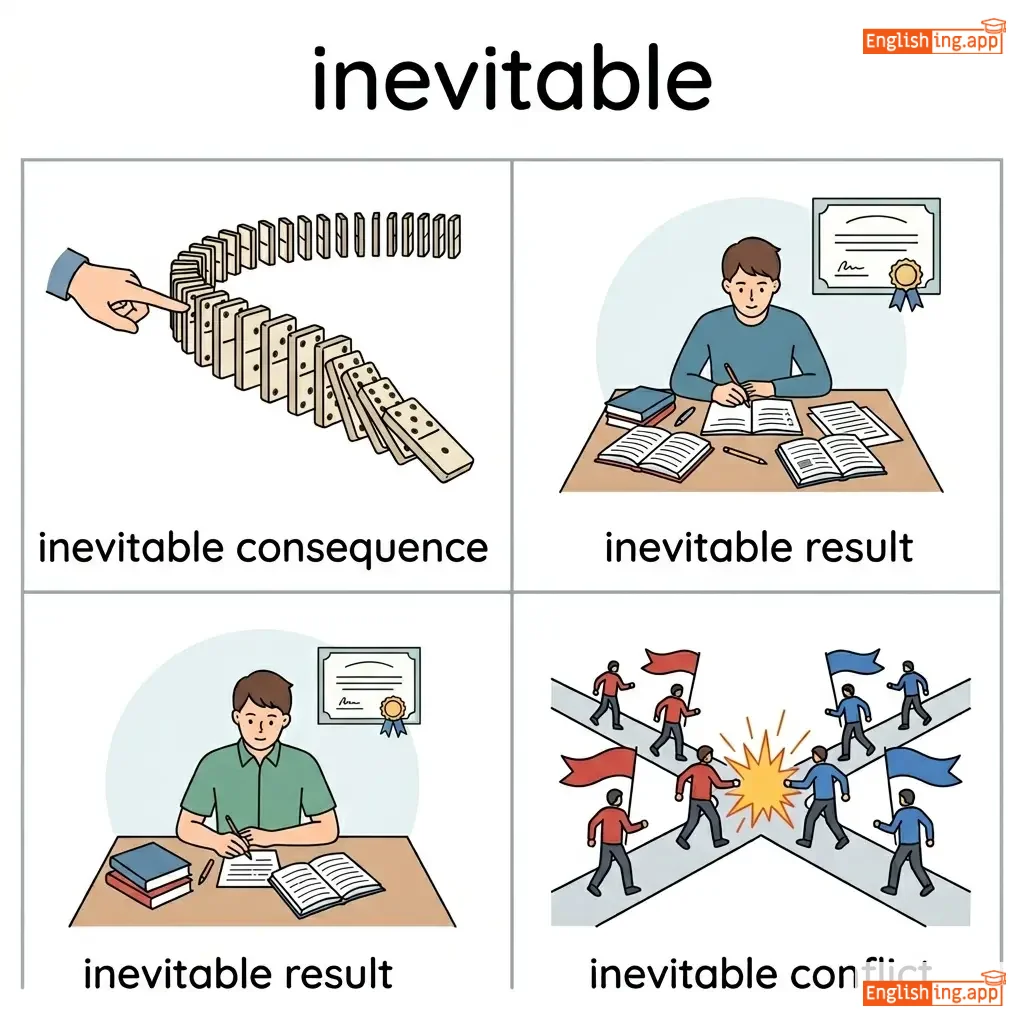
inevitable consequence, inevitable result, inevitable conflict
••••••
|
Inevitableは'避けられない'を意味します - 死のように。
••••••
|
|
🏠
••••••
|
/ɪnˈhæbɪtənt/
noun
(インハビタント)
••••••
|
- •••••• |
住民
jūmin
••••••
|
- •••••• | - •••••• | - •••••• | - •••••• |
a person or animal that lives in a particular place
••••••
|
The inhabitants of the village rely on farming for their livelihood. |
村の住民は生活のために農業に頼っています。
Mura no jūmin wa seikatsu no tame ni nōgyō ni tayotteimasu.
••••••
|
- •••••• | - •••••• | - •••••• |
resident, dweller, occupant, native
••••••
|
visitor, foreigner
••••••
|
local inhabitants, native inhabitants, city inhabitants, rural inhabitants
••••••
|
Inhabitants are 'jūmin'—people who live in a certain place!
••••••
|
|
😏
••••••
|
/aɪˈrɒnɪkli/
adverb
(アイロニカリー)
••••••
|
- •••••• |
皮肉にも
hiniku ni mo
••••••
|
- •••••• | - •••••• | - •••••• | - •••••• |
in a way that is contrary to what is expected or intended
••••••
|
Ironically, the fire station burned down. |
皮肉にも、消防署が焼け落ちた。
Hiniku ni mo, shōbōsho ga yakeochita.
••••••
|
- •••••• | - •••••• | - •••••• |
sarcastically, paradoxically, unexpectedly, amusingly
••••••
|
literally, seriously
••••••
|
ironically enough, say ironically, ironically true
••••••
|
Ironicallyは皮肉、予期せぬことが起きる時に使います。
••••••
|
|
🧍♂️
••••••
|
/ˌaɪsəˈleɪʃən/
noun
(アイソレーション)
••••••
|
- •••••• |
隔離
kakuri
••••••
|
- •••••• | - •••••• | - •••••• | - •••••• |
the state of being separated from others; solitude or detachment
••••••
|
He lived in complete isolation after his retirement. |
彼は引退後、完全に隔離された生活をしていました。
Kare wa intai-go, kanzen ni kakuri sareta seikatsu o shiteimashita.
••••••
|
in isolation |
alone or without contact with others
••••••
|
隔離の中で
kakuri no naka de
••••••
|
seclusion, loneliness, separation, detachment, solitude
••••••
|
connection, inclusion, community
••••••
|
social isolation, in isolation, complete isolation
••••••
|
Isolation とは一人でいること — 'I so alone' → 隔離 🧍♂️
••••••
|
|
🕵️♂️
••••••
|
/mɪˈstɪəriəs/
adjective
(ミステリアス)
••••••
|
|
神秘的
shinpiteki
••••••
|
- •••••• | - •••••• | - •••••• | - •••••• |
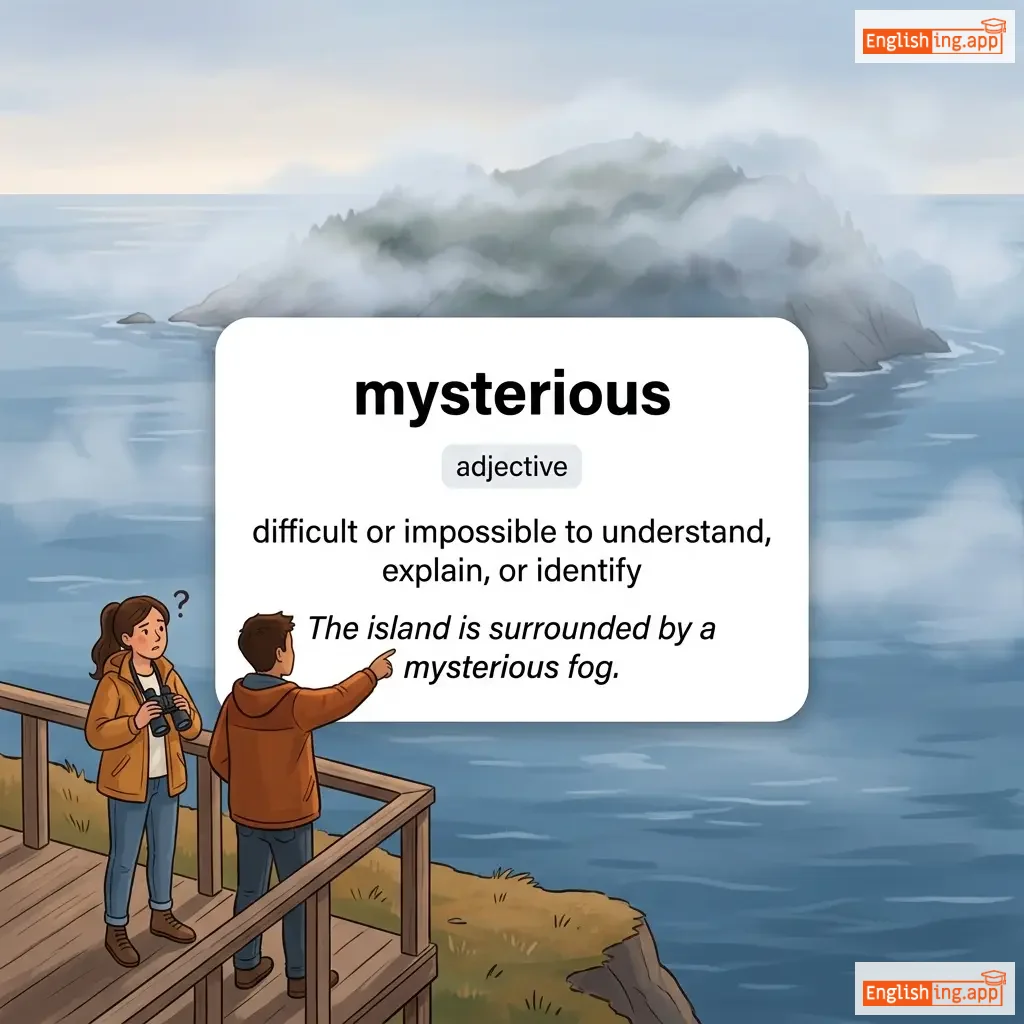
difficult or impossible to understand, explain, or identify
••••••
|
The island is surrounded by a mysterious fog. |
島は神秘的な霧に包まれています。
Shima wa shinpiteki na kiri ni tsutsumareteimasu.
••••••
|
mysterious ways |
unexpected or unexplainable methods or actions
••••••
|
神秘的な方法
shinpiteki na houhou
••••••
|
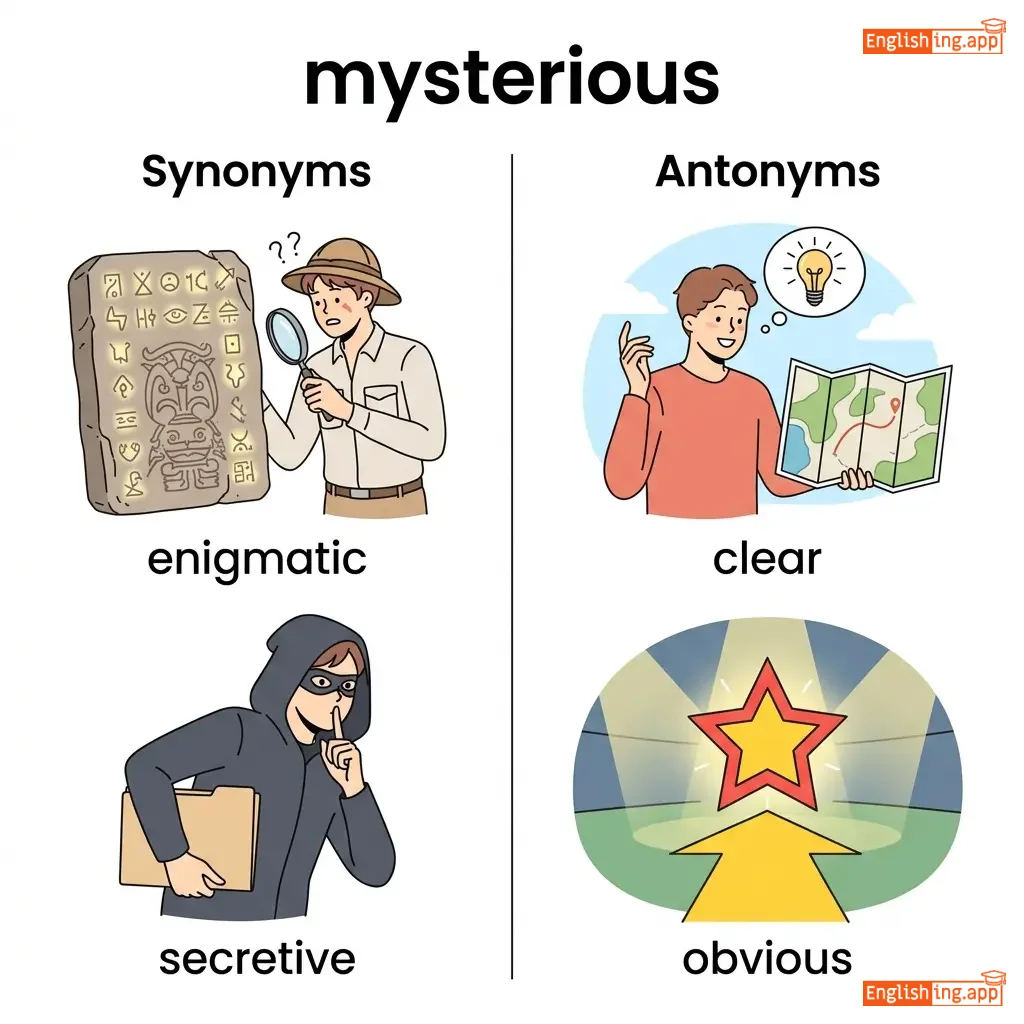
enigmatic, secretive, puzzling, cryptic, obscure
••••••
|
clear, obvious
••••••
|
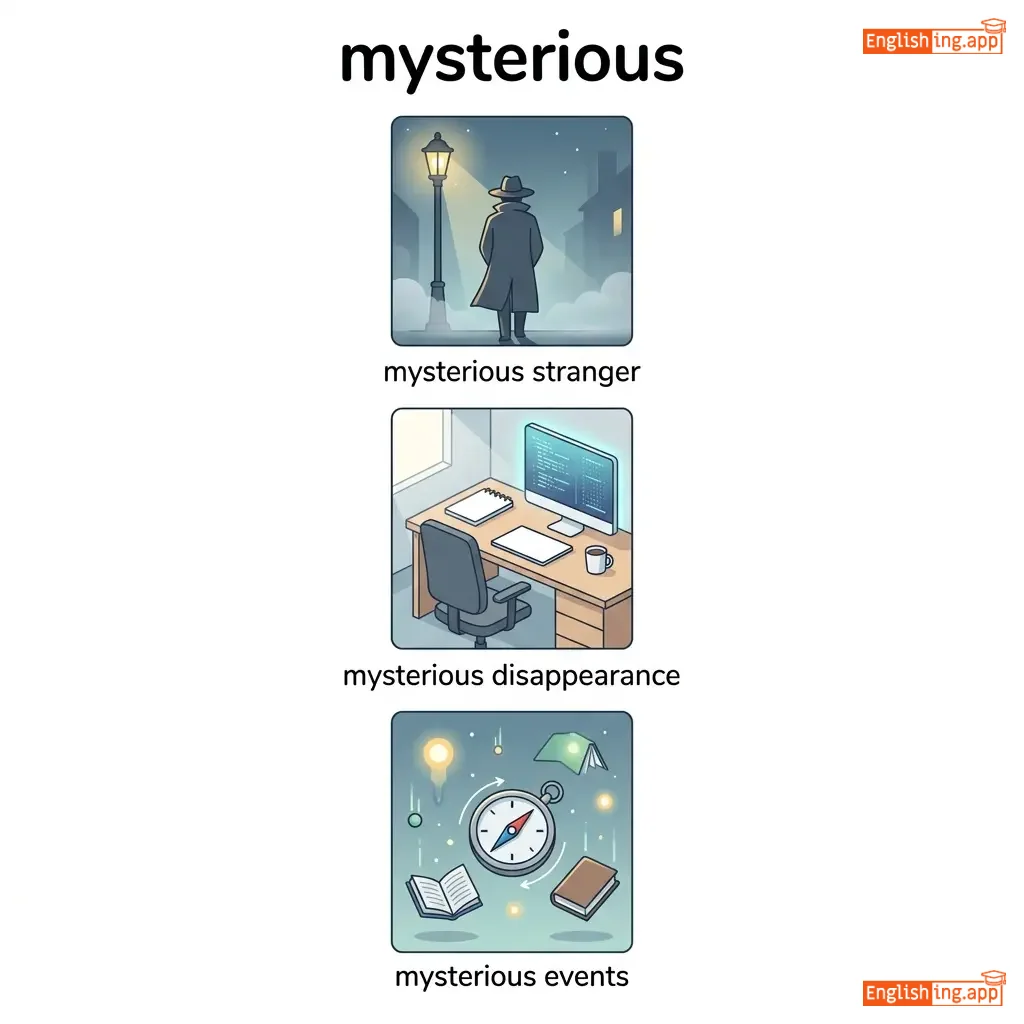
mysterious stranger, mysterious disappearance, mysterious events
••••••
|
神秘的はまるで‘神秘’のようなものです。
••••••
|
|
🌧️➡️🏞️
••••••
|
/ˌnʌnðəˈlɛs/
adverb
(ノンゼレス)
••••••
|
- •••••• |
それにもかかわらず
sore ni mo kakawarazu
••••••
|
- •••••• | - •••••• | - •••••• | - •••••• |
in spite of that; nevertheless
••••••
|
It was raining, but nonetheless, they went hiking. |
雨が降っていましたが、それにもかかわらず、彼らはハイキングに行きました。
Ame ga futte imashita ga, sore ni mo kakawarazu, karera wa haikingu ni ikimashita.
••••••
|
- •••••• | - •••••• | - •••••• |
nevertheless, however, still, yet
••••••
|
therefore, hence
••••••
|
nonetheless important, nonetheless true, nonetheless, despite that
••••••
|
Noneth- like 'none-the-less' means despite.
••••••
|
|
📸
••••••
|
/ˈfəʊtəɡrɑːf/
noun
(フォトグラフ)
••••••
|
- •••••• |
写真
shashin
••••••
|
- •••••• | - •••••• | - •••••• | - •••••• |
a picture made using a camera
••••••
|
She took a photograph of the sunset. |
彼女は夕日を撮影した写真を撮った。
Kanojo wa yūhi o satsuei shita shashin o totta.
••••••
|
- •••••• | - •••••• | - •••••• |
picture, snapshot, photo, image
••••••
|
blurry, unrecognizable
••••••
|
take a photograph, snap a photograph, old photograph
••••••
|
カメラで写真を撮ってください!
••••••
|
|
👥
••••••
|
/ˌpɑːp.jəˈleɪ.ʃən/
noun
(ポピュレーション)
••••••
|
|
人口
jinkō
••••••
|
- •••••• | - •••••• | - •••••• | - •••••• |
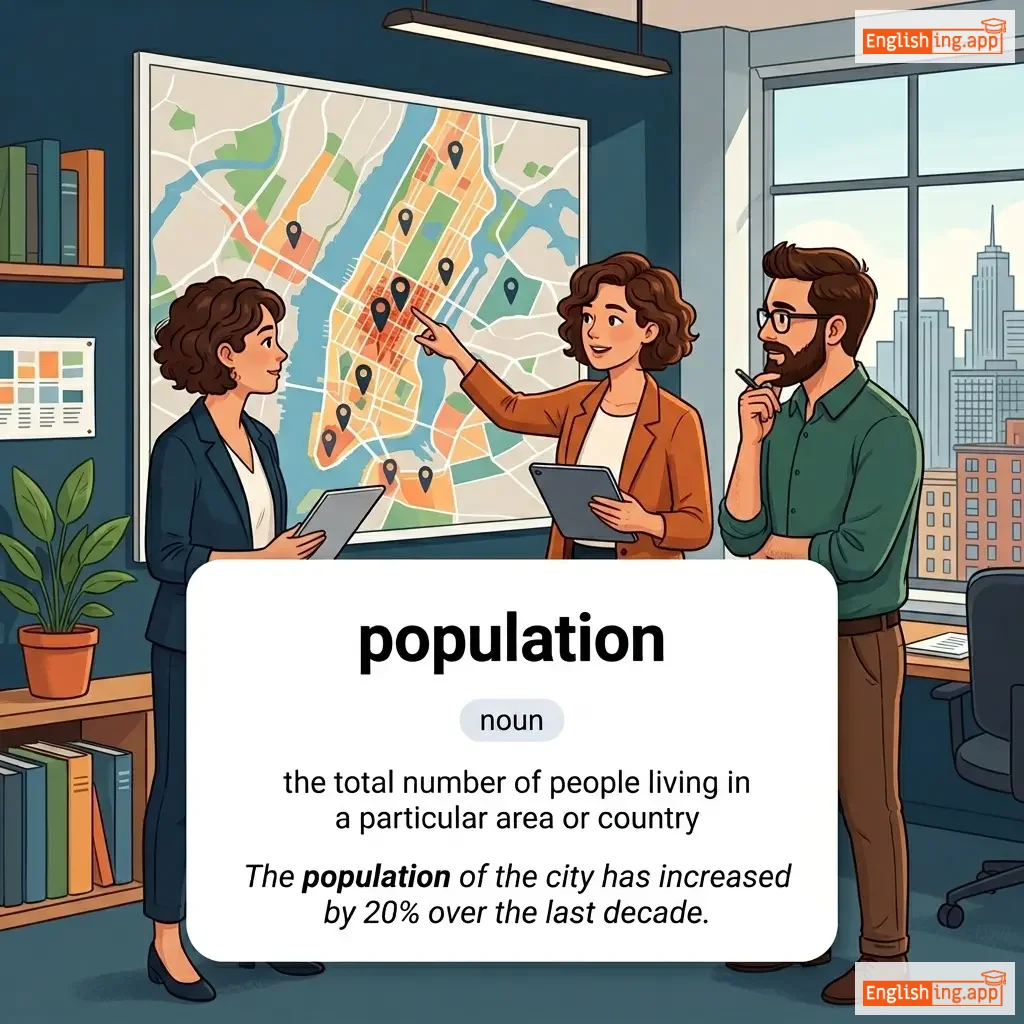
the number of people living in a particular area; all the inhabitants of a particular place
••••••
|
The population of this city has grown rapidly in recent years. |
この都市の人口は最近急速に増加しています。
Kono toshi no jinkō wa saikin kyūsoku ni zōka shiteimasu.
••••••
|
- •••••• | - •••••• | - •••••• |
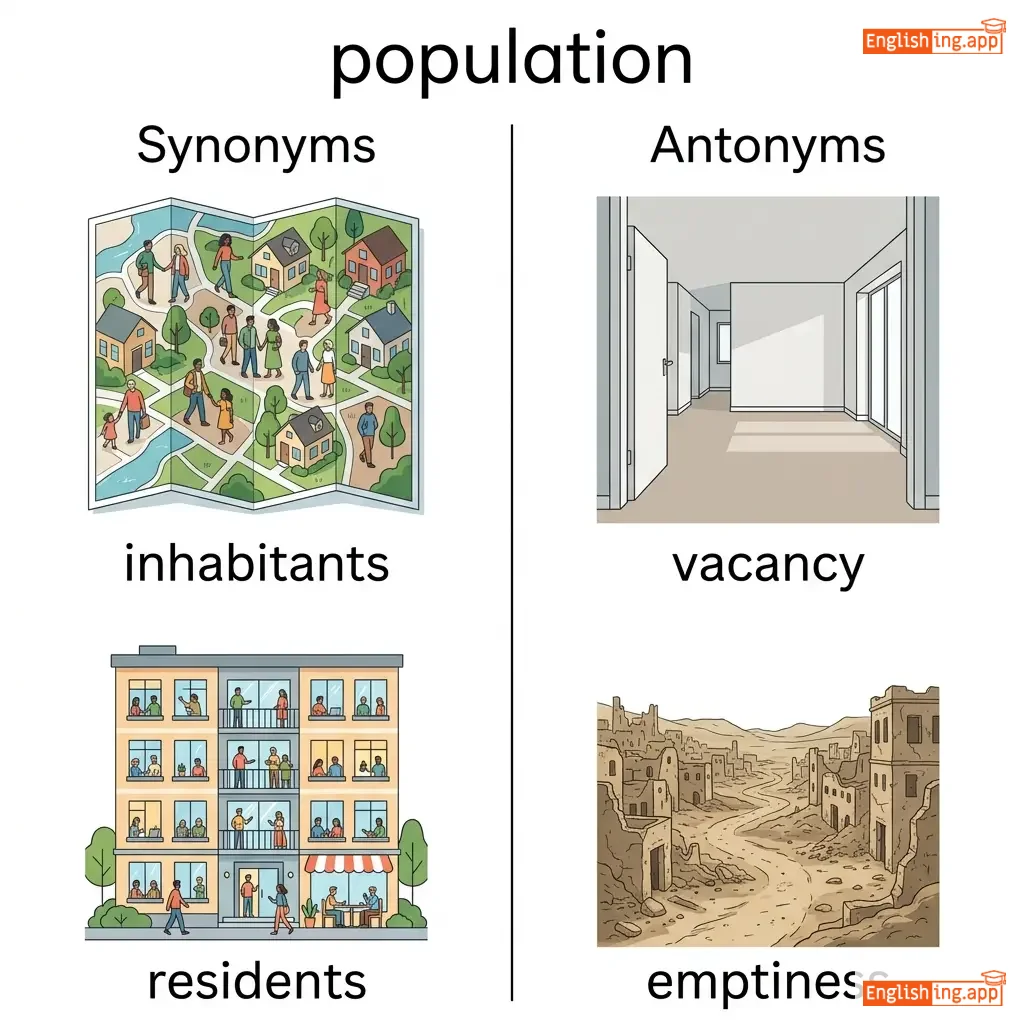
inhabitants, residents, citizens, people
••••••
|
depopulation, evacuation
••••••
|
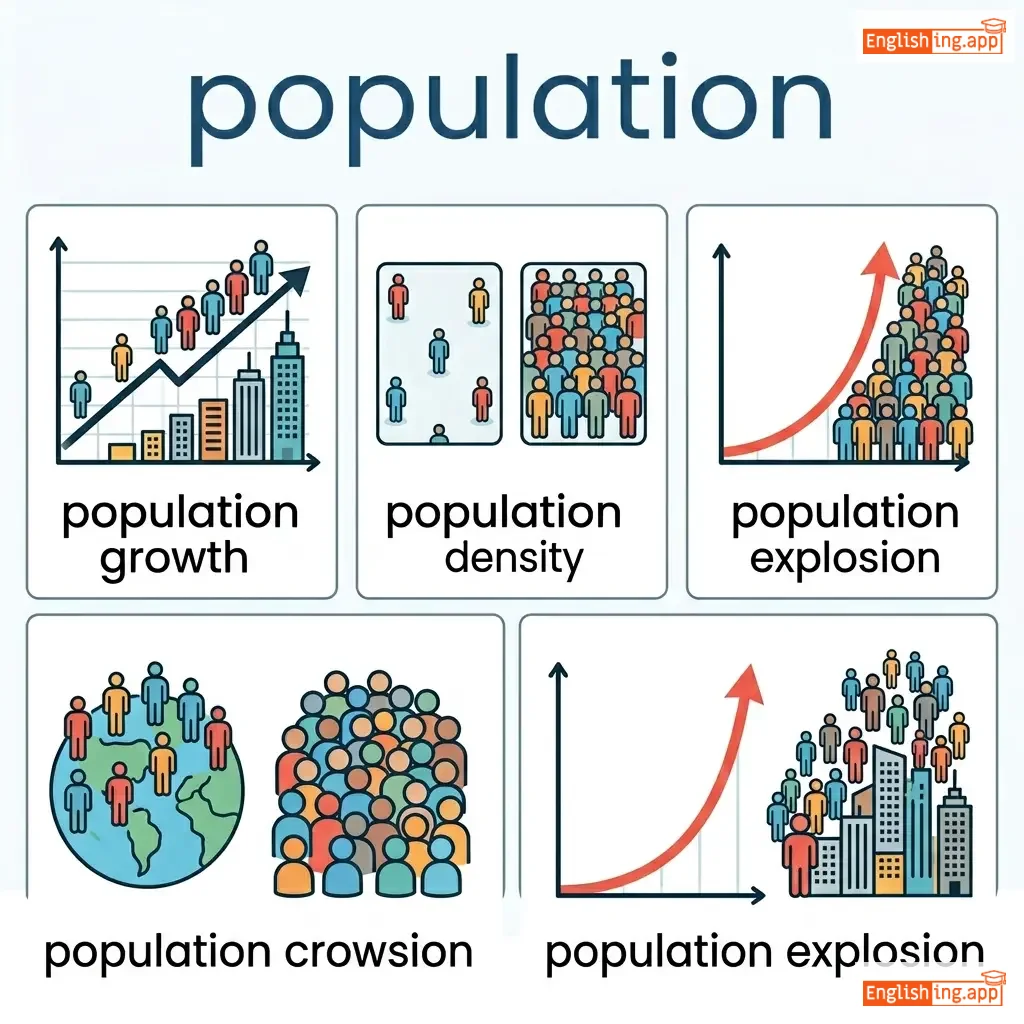
population growth, population density, aging population, urban population
••••••
|
‘人口’ looks like 'Jinko' – imagine a busy city full of people!
••••••
|
|
📦
••••••
|
/pəˈzɛʃən/
noun
(ポゼッション)
••••••
|
- •••••• |
所有
shoyū
••••••
|
- •••••• | - •••••• | - •••••• | - •••••• |
The state of owning, controlling, or holding something.
••••••
|
The ring was her most valuable possession. |
その指輪は彼女の最も貴重な所有物でした。
Sono yubiwa wa kanojo no mottomo kichōna shoyūbutsu deshita.
••••••
|
in possession of |
having something in one's ownership or control
••••••
|
所有している
shoyū shite iru
••••••
|
ownership, control, property, asset, holding
••••••
|
loss, absence, dispossession
••••••
|
valuable possession, personal possession, in possession of, lose possession
••••••
|
所有 = 自分のものを手に入れる。
••••••
|
|
⏳
••••••
|
/ˈpriːviəsli/
adverb
(プリヴィアスリー)
••••••
|
- •••••• |
以前に
izen ni
••••••
|
- •••••• | - •••••• | - •••••• | - •••••• |
at an earlier time or before now
••••••
|
She had previously worked at a bank before starting her own business. |
彼女は銀行で以前働いていたが、自分のビジネスを始める前だった。
Kanojo wa ginkō de izen hataraite ita ga, jibun no bijinesu o hajimeru mae datta.
••••••
|
- •••••• | - •••••• | - •••••• |
formerly, earlier, before
••••••
|
currently, presently
••••••
|
previously stated, previously mentioned, previously worked
••••••
|
プリヴィアスリー (Previously) 以前に行ったこと
••••••
|
|
🔄
••••••
|
/ˈrɛɡjələrli/
adverb
(レギュラーリー)
••••••
|
- •••••• |
定期的に
teikiteki ni
••••••
|
- •••••• | - •••••• | - •••••• | - •••••• |
at regular intervals; in a regular manner
••••••
|
She exercises regularly to stay healthy. |
彼女は健康を保つために定期的に運動します。
Kanojo wa kenko o tamotsu tame ni teikiteki ni undou shimasu.
••••••
|
- •••••• | - •••••• | - •••••• |
consistently, frequently, habitually, routinely
••••••
|
irregularly, infrequently
••••••
|
regularly scheduled, meet regularly, eat regularly, exercise regularly
••••••
|
Think of 'regular' habits - things you do regularly!
••••••
|
|
🌪️
••••••
|
/ˈskætərd/
adjective
(スキャタード)
••••••
|
- •••••• |
散らばった
chirabatta
••••••
|
- •••••• | - •••••• | - •••••• | - •••••• |
Spread irregularly or widely in different directions.
••••••
|
The toys were scattered all over the floor. |
おもちゃは床に散らばっていた。
Omocha wa yuka ni chirabatte ita.
••••••
|
scattered thoughts |
Disorganized or unfocused thinking.
••••••
|
散らかった考え
Chirakatta kangae
••••••
|
dispersed, spread, messy, disorganized
••••••
|
gathered, organized, collected
••••••
|
scattered papers, scattered clouds, scattered across, scattered everywhere
••••••
|
Scatteredは、散らばっていることを意味します。紙が床に散らばっているようなものです。
••••••
|
|
🏘️
••••••
|
/ˈset.əl.mənt/
noun
(setoramento)
••••••
|
- •••••• |
定住; 合意
teijuu; goi
••••••
|
- •••••• | - •••••• | - •••••• | - •••••• |
a place where people establish a community; an agreement that ends a dispute
••••••
|
The early settlement was built near the river for easy access to water. |
初期の定住地は川の近くに建設され、水を簡単に取り入れるようにされていました。
shoki no teijūchi wa kawa no chikaku ni kensetsu sarete, mizu o kantan ni toriireru yō ni sarete imashita.
••••••
|
- •••••• | - •••••• | - •••••• |
colony, community, village, agreement
••••••
|
departure, evacuation, conflict, dispute
••••••
|
early settlement, peaceful settlement, reach a settlement
••••••
|
Settlement in Japanese: '定住', think of a peaceful community by the river.
••••••
|
|
🏞️
••••••
|
/ˈtɛrɪˌtɔːri/
noun
(テリトリー)
••••••
|
|
領土
ryoudo
••••••
|
- •••••• | - •••••• | - •••••• | - •••••• |
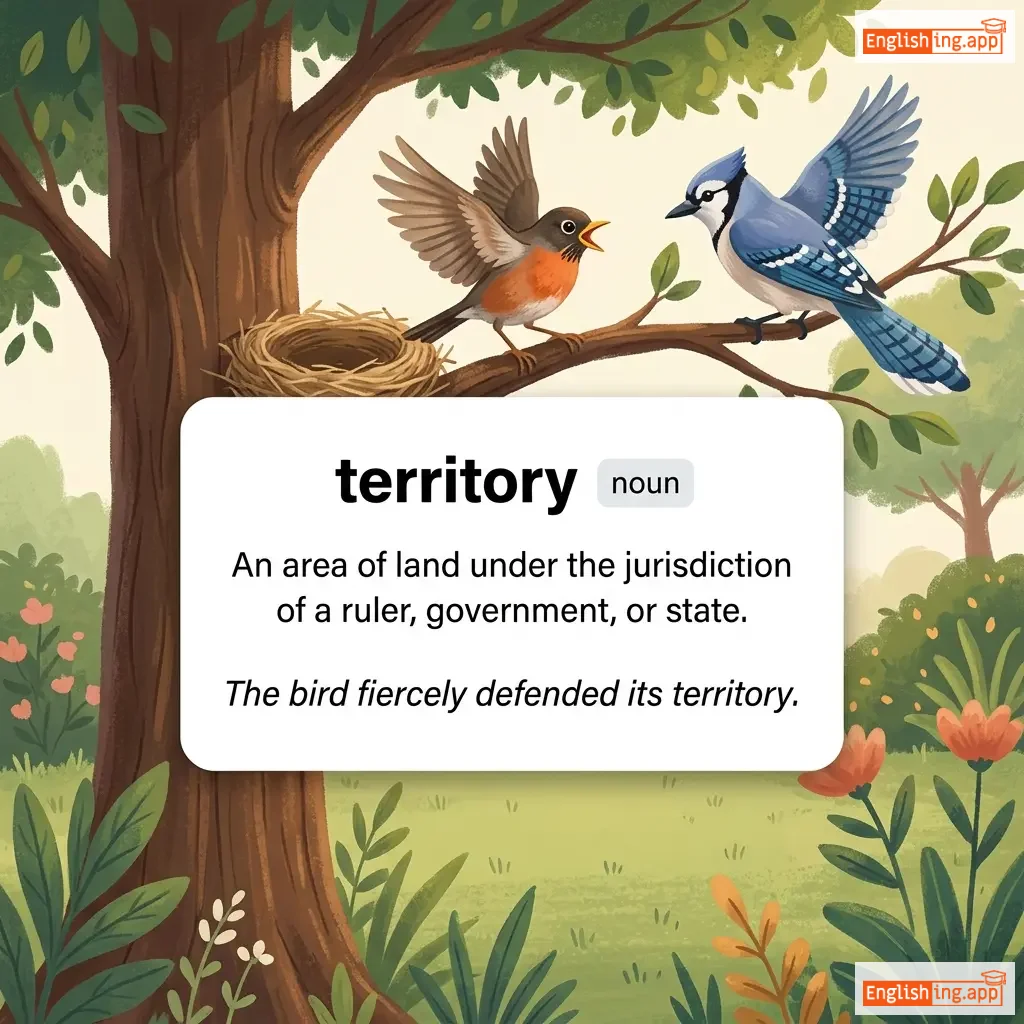
An area of land under the jurisdiction of a ruler, government, or state.
••••••
|
The bird fiercely defended its territory. |
その鳥は自分の領土を激しく守った。
Sono tori wa jibun no ryoudo o hageshiku mamotta.
••••••
|
uncharted territory |
An unfamiliar or unexplored area or situation.
••••••
|
未知の領域
Michi no ryouiki
••••••
|
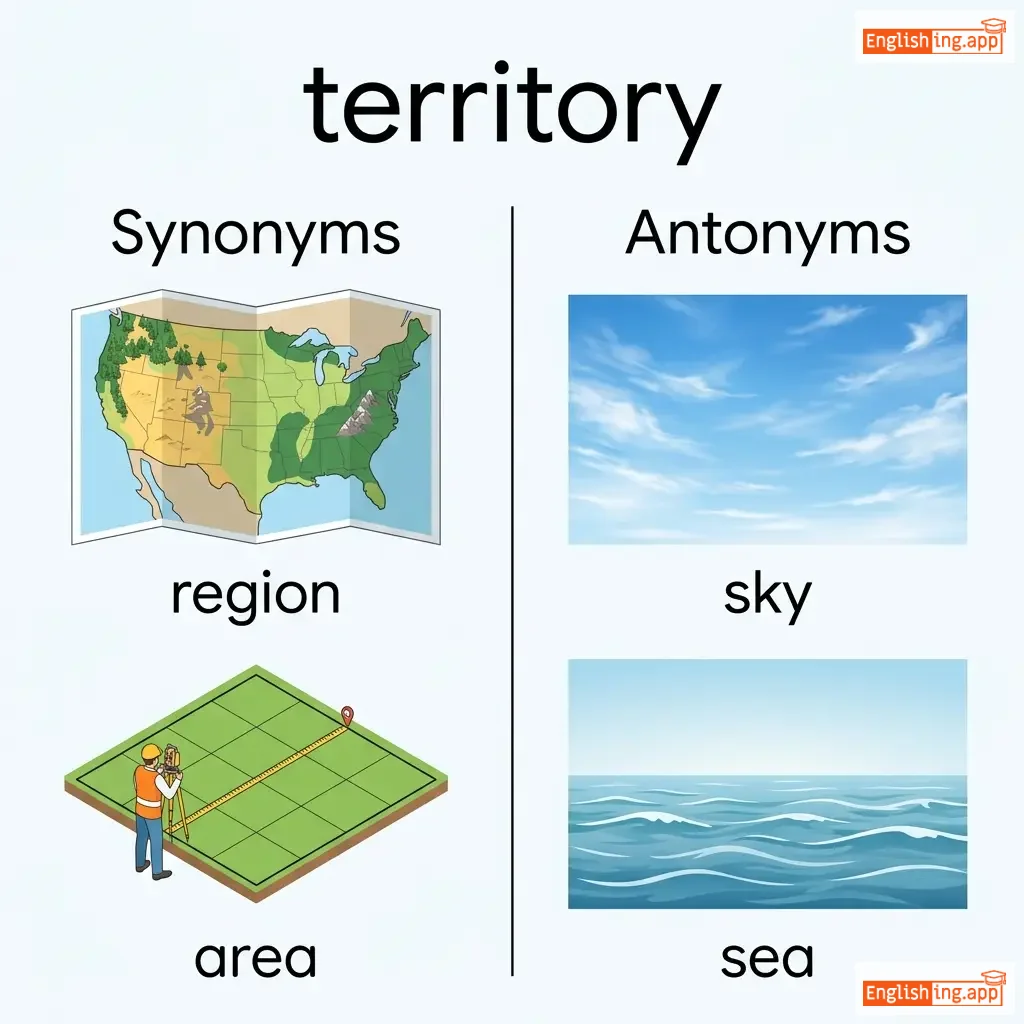
region, area, domain, land, zone
••••••
|
sky, sea
••••••
|
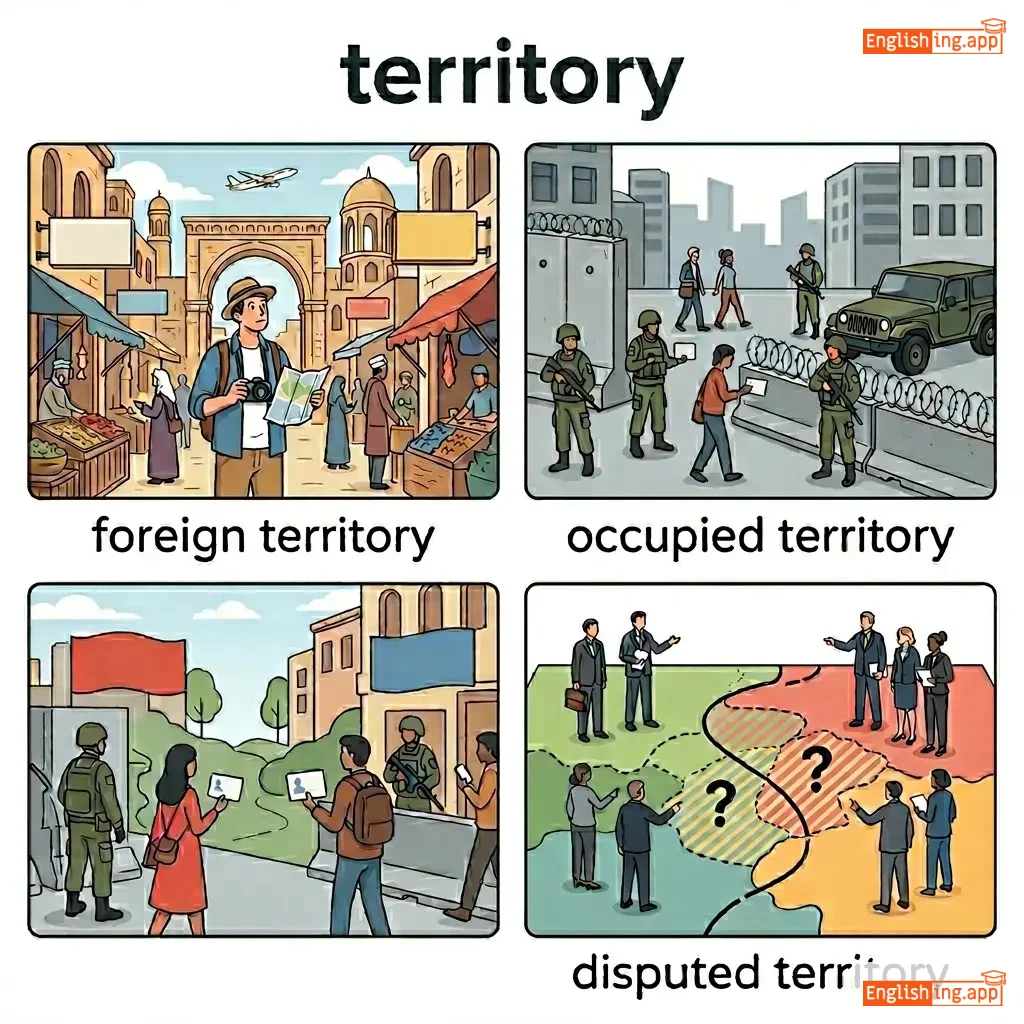
foreign territory, occupied territory, disputed territory
••••••
|
Territory = Teri + Ryoudou (領土)
••••••
|
|
🛠️
••••••
|
/ˌʌndərˈteɪk/
verb
(アンダーテイク)
••••••
|
|
引き受ける
hikiukeru
••••••
|
undertook
アンダートゥーク
••••••
|
undertaken
アンダーテイケン
••••••
|
undertakes
アンダーテイクス
••••••
|
undertaking
アンダーテイキング
••••••
|
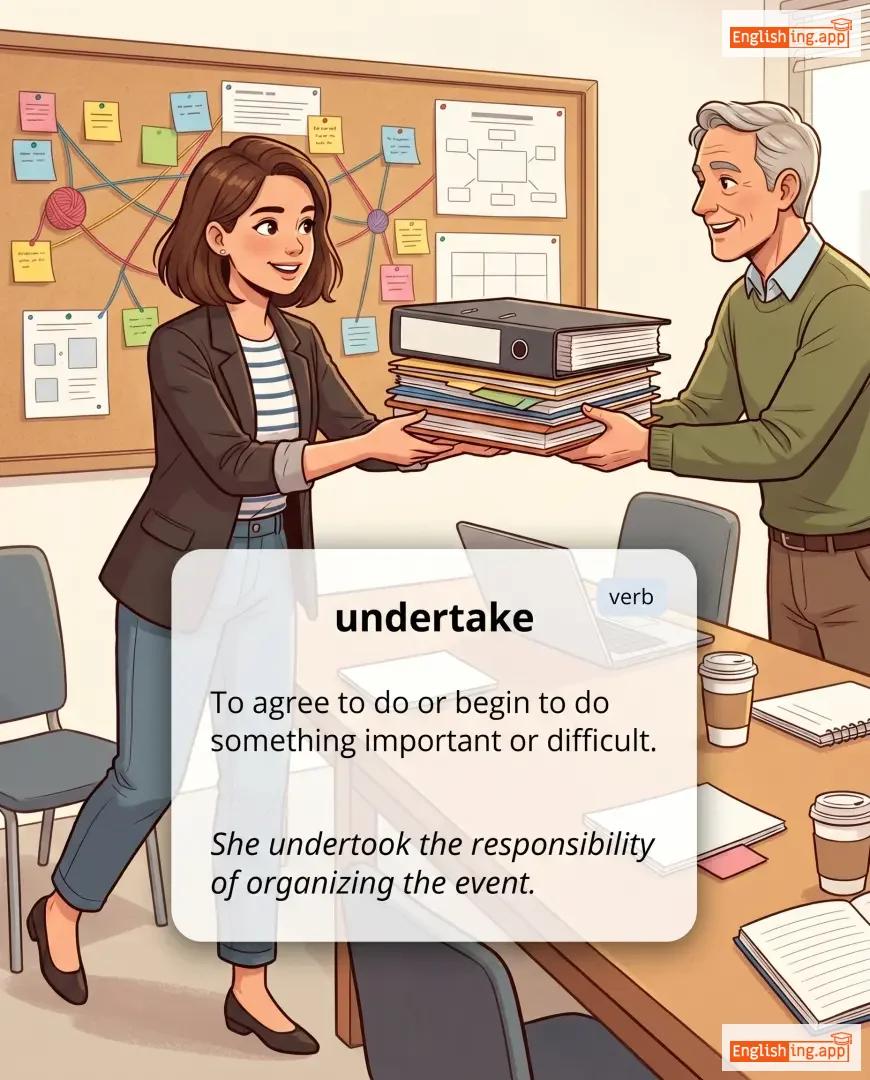
To agree to do or begin to do something important or difficult.
••••••
|
She undertook the responsibility of organizing the event.
彼女はイベントの組織の責任を引き受けた。
••••••
|
彼女はイベントの組織の責任を引き受けた。
Kanojo wa ibento no soshiki no sekinin o hikiuketa.
••••••
|
undertake a mission
アンダーテイク ア ミッション
••••••
|
to take responsibility for an important task
••••••
|
ミッションを引き受ける
Misshon o hikiukeru
••••••
|
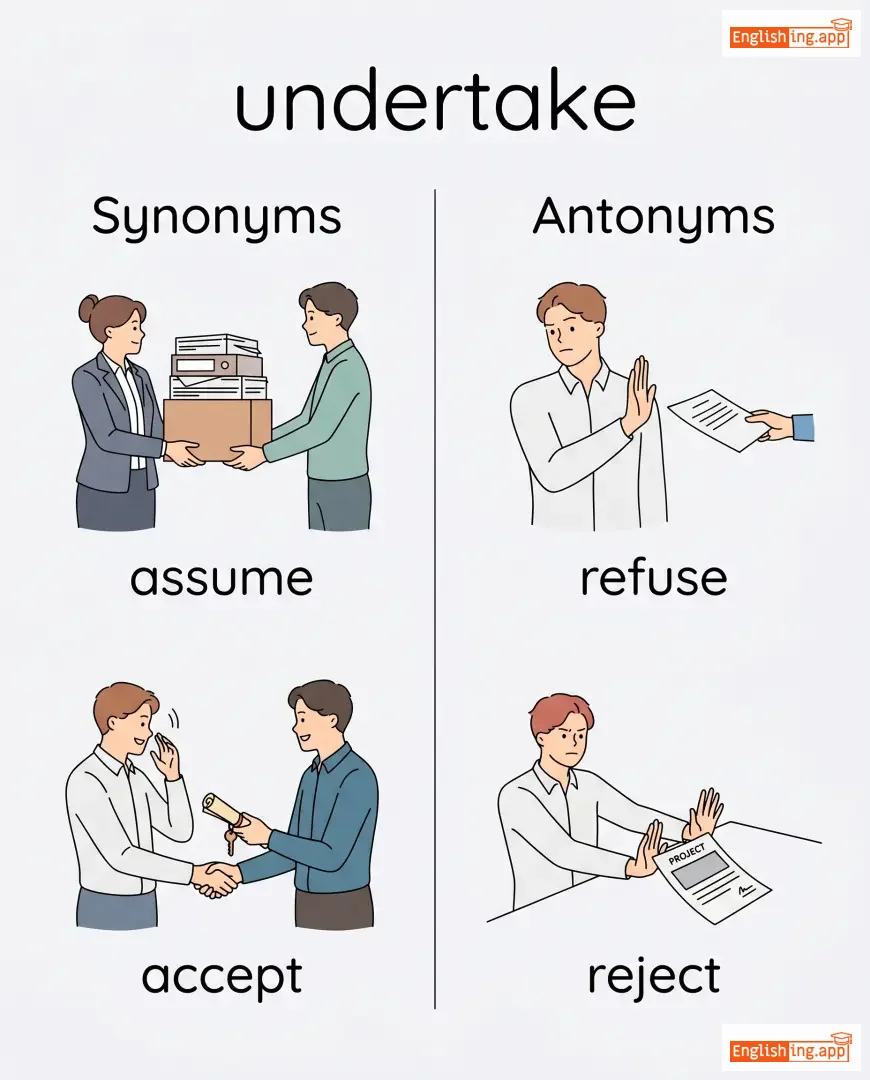
assume, accept, commit, embark
••••••
|
refuse, reject
••••••
|
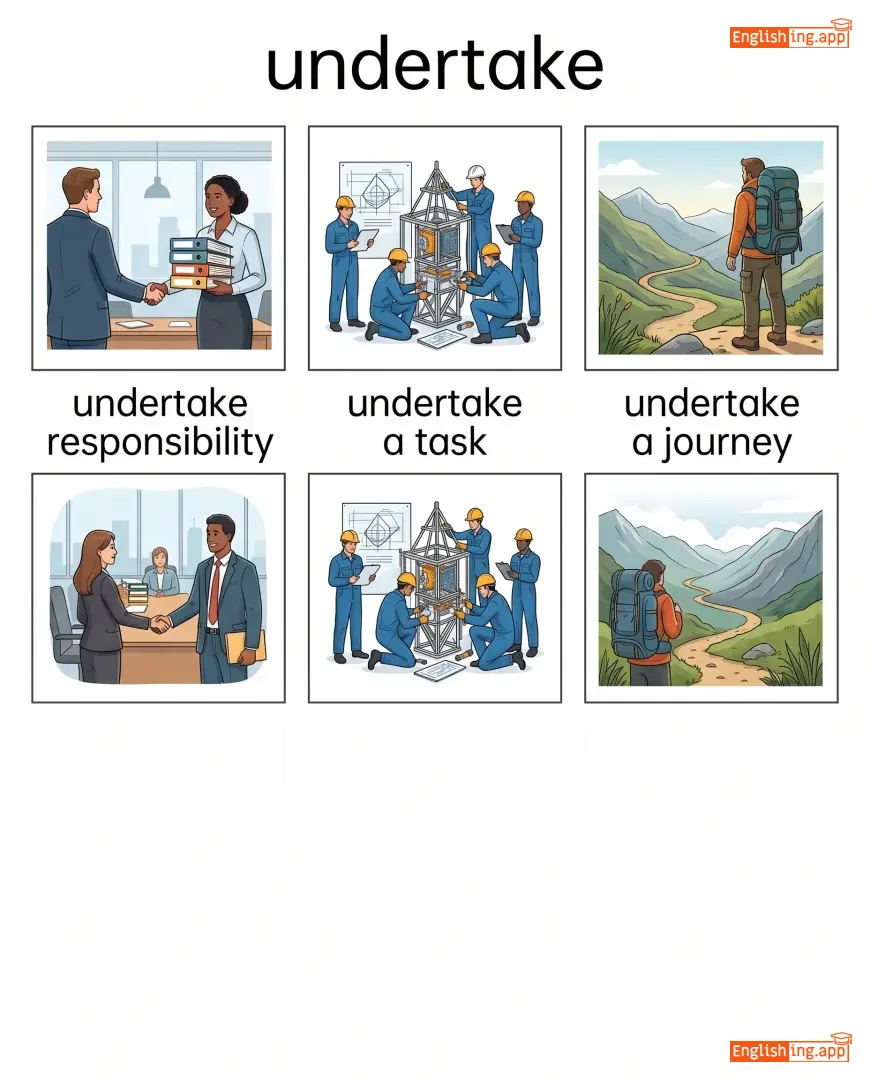
undertake responsibility, undertake a task, undertake a journey
••••••
|
Undertake は引き受ける = 重要な任務を引き受ける
••••••
|
|
♿
••••••
|
/ˈwiːltʃeər/
noun
(ウィールチェア)
••••••
|
- •••••• |
車椅子
kurumaisu
••••••
|
- •••••• | - •••••• | - •••••• | - •••••• |
a chair with wheels, used by people who cannot walk easily or at all
••••••
|
The hospital provided a wheelchair for the injured patient. |
病院は怪我をした患者のために車椅子を提供した。
byōin wa kega o shita kanja no tame ni kurumaisu o teikyō shita.
••••••
|
confined to a wheelchair |
unable to walk and dependent on a wheelchair for mobility
••••••
|
車椅子に頼る
kurumaisu ni tayoru
••••••
|
mobility chair, rolling chair, chair on wheels, medical chair
••••••
|
walker, crutches
••••••
|
wheelchair user, electric wheelchair, wheelchair access, wheelchair ramp
••••••
|
Wheel + Chair = 車椅子
••••••
|

