The Settlement's Mysterious Past
Доктор Рахман был археологом, который исследовал древние поселения. Он решил предпринять раскопки на историческом участке, где ранее никто не работал. Участок находился в удаленной территории, и попасть туда было очень сложно. Он регулярно посещал его со своей командой и каждый раз открывал что-то новое. Очевидно, это поселение было тысячелетней давности и имело большую населённость. Среди распыленных развалин они нашли следы фотографий и древних документов. Однажды они обнаружили таинственную комнату, в которой хранились вещи древних жителей. Иронично, что место, которое так долго было в изоляции, стало их крупнейшим открытием. В комнате нашли древнее устройство для передвижения, похожее на инвалидную коляску, что доказало, что люди того времени были очень заботливыми. Это открытие было неожиданным, и неизбежно потребуются дополнительные исследования. Через дипломатические каналы они получили финансирование и разрешение от правительства. Тем не менее, работать было трудно, так как участок был очень удалённым, а погодные условия непредсказуемыми. Исследовательская группа тщательно задокументировала каждое имущество и сделала фотографии. Они поняли, что люди этого поселения были очень развиты для своего времени. Эта экспедиция стала важнейшей работой в карьере доктора Рахмана. Он опубликовал статью, в которой представил детали этого исторического поселения. Его исследования были признаны международным сообществом, и многие заинтересовались возможностью посетить этот сайт.
Получите неограниченный доступ ко всем словам с подпиской Pro
Обновить до ProПолучите неограниченный доступ ко всем предложениям с подпиской Pro
Обновить до Pro|
Эмодзи
|
Слово | Images | Перевод | Прошедшее | Причастие прошедшего времени | Третье лицо единственного числа | Герундий | Значение | Пример предложения | Перевод примера предложения | Пример выражения | Значение примера выражения | Перевод примера выражения | Синонимы | Антонимы | Коллокации | Мнемоника |
|---|---|---|---|---|---|---|---|---|---|---|---|---|---|---|---|---|---|
|
👀
••••••
|
/əˈperəntli/
adverb
(apyerentli)
••••••
|
- •••••• |
очевидно;
ochevidno
••••••
|
- •••••• | - •••••• | - •••••• | - •••••• |
seemingly; as far as one knows or can see; clearly; evidently
••••••
|
Apparently, the meeting has been postponed to next week.
Очевидно, встреча была перенесена на следующую неделю.
••••••
|
Очевидно, встреча была перенесена на следующую неделю.
ochevidno, vstrecha byla perenesena na sleduyushchuyu nedelyu.
••••••
|
- •••••• | - •••••• | - •••••• |
seemingly, evidently, clearly, obviously
••••••
|
actually, really, truly, certainly
••••••
|
apparently not, apparently so, quite apparently
••••••
|
Когда кажется, что это очевидно — это именно так.
••••••
|
|
🕊️
••••••
|
/ˌdɪpləˈmætɪk/
adjective
(дипломатический)
••••••
|
- •••••• |
дипломатический
diplomaticheskiy
••••••
|
- •••••• | - •••••• | - •••••• | - •••••• |
Concerning diplomacy; having or showing skill in dealing with people in a sensitive and effective way.
••••••
|
She gave a diplomatic response to avoid offending anyone. |
Она дала дипломатический ответ, чтобы избежать оскорбления кого-либо.
ona dala diplomaticheskij otvet, chtoby izbezhat' oskorbleniya kogo-libo.
••••••
|
diplomatic immunity |
A privilege that exempts diplomats from certain laws in the host country.
••••••
|
дипломатический иммунитет
diplomaticheskiy immunitet
••••••
|
tactful, courteous, strategic, conciliatory, discreet
••••••
|
tactless, blunt, rude
••••••
|
diplomatic relations, diplomatic mission, diplomatic language
••••••
|
Diplomatic response = вежливый ответ (дипломатический ответ)
••••••
|
|
🧭
••••••
|
/ˌɛkspəˈdɪʃən/
noun
(экспедиция)
••••••
|
- •••••• |
экспедиция
ekspeditsiya
••••••
|
- •••••• | - •••••• | - •••••• | - •••••• |
a journey made for a particular purpose, often exploration or research
••••••
|
They went on a scientific expedition to the Arctic.
Они отправились в научную экспедицию в Арктику.
••••••
|
Они отправились в научную экспедицию в Арктику.
Oni otpravilis' v nauchnuyu ekspeditsiyu v Arktiku.
••••••
|
an expedition into
экспедиция в
••••••
|
a journey or venture into a place or subject
••••••
|
экспедиция в
ekspeditsiya v
••••••
|
journey, voyage, mission, trip, exploration
••••••
|
stay, rest, settlement
••••••
|
scientific expedition, military expedition, polar expedition, expedition leader
••••••
|
Экспедиция — это исследование нового места или темы
••••••
|
|
📜
••••••
|
/hɪˈstɔːrɪkəl/
adjective
(исторический)
••••••
|
- •••••• |
исторический
istoricheskiy
••••••
|
- •••••• | - •••••• | - •••••• | - •••••• |
Related to history or past events.
••••••
|
The museum has a large collection of historical documents. |
В музее есть большая коллекция исторических документов.
V muzei yest bolshaya kollektsiya istoricheskikh dokumentov.
••••••
|
historical record |
An account of past events
••••••
|
историческая запись
istoricheskaya zapic
••••••
|
past, archival, recorded, ancient, traditional
••••••
|
modern, contemporary, current
••••••
|
historical documents, historical records, historical evidence, historical site
••••••
|
Historical = History + related, означает, что связано с историей.
••••••
|
|
☠️
••••••
|
/ɪnˈɛvɪtəbl/
adjective
(иневитебл)
••••••
|
|
неизбежный
neyizbezhnyy
••••••
|
- •••••• | - •••••• | - •••••• | - •••••• |
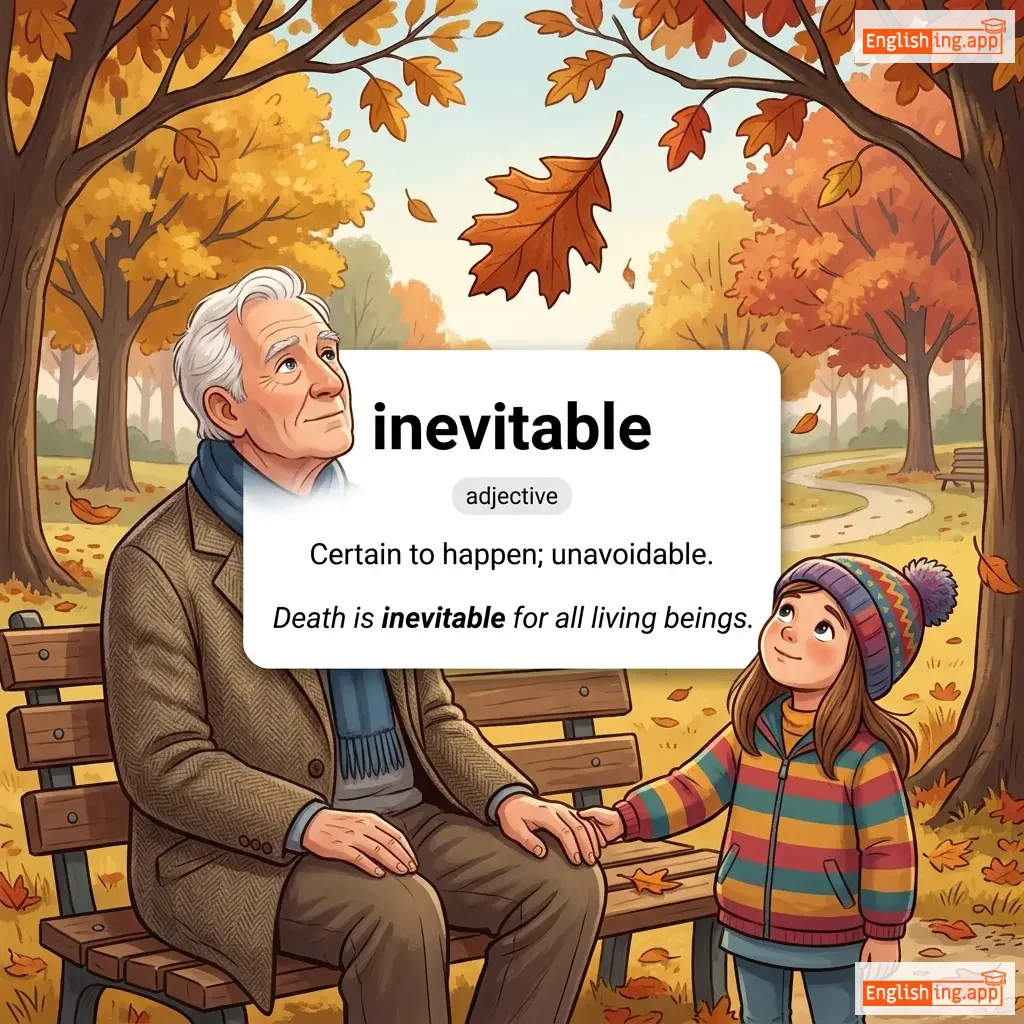
Certain to happen; unavoidable.
••••••
|
Death is inevitable for all living beings. |
Смерть неизбежна для всех живых существ.
Smert' neyizbezhna dlya vsekh zhivykh sushchestv.
••••••
|
the inevitable result |
The certain outcome of an action or situation.
••••••
|
неизбежный результат
neyizbezhnyy rezultat
••••••
|
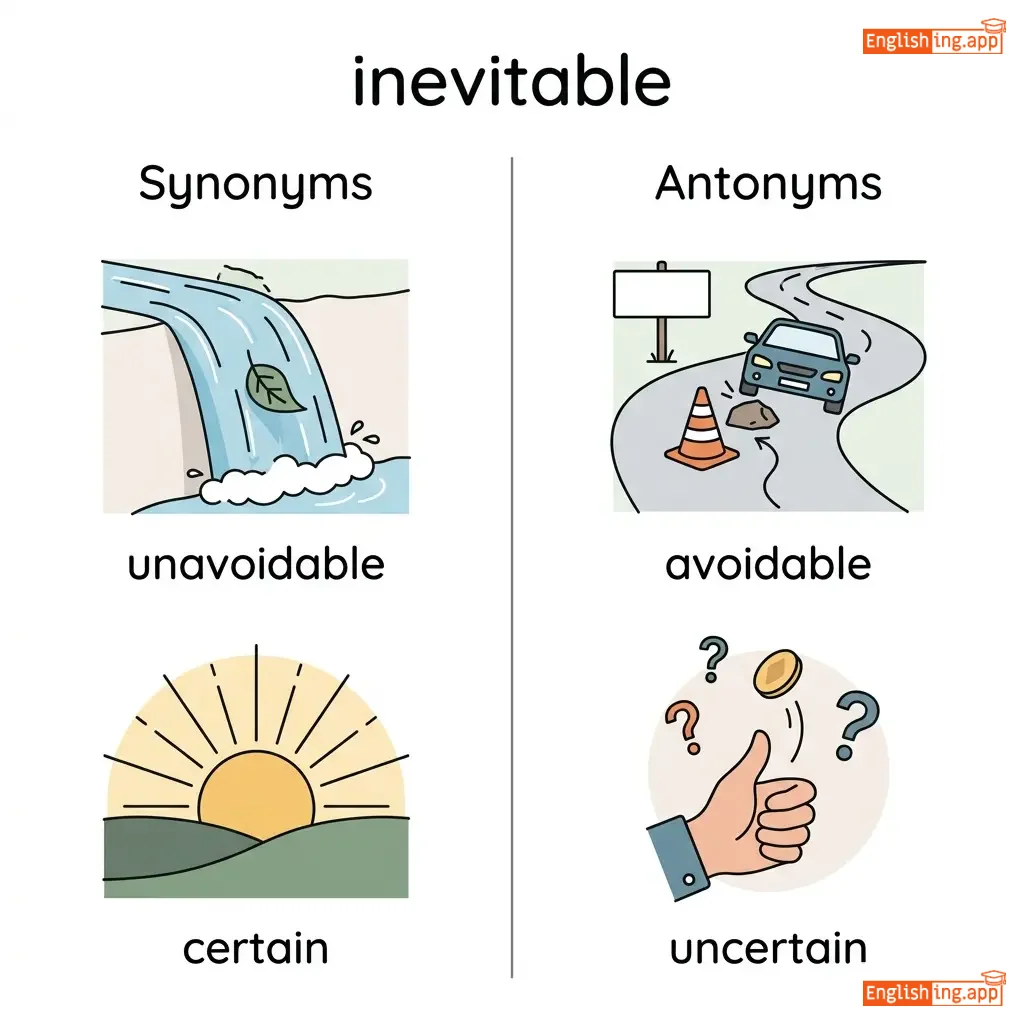
unavoidable, certain, destined, fated
••••••
|
avoidable, uncertain
••••••
|
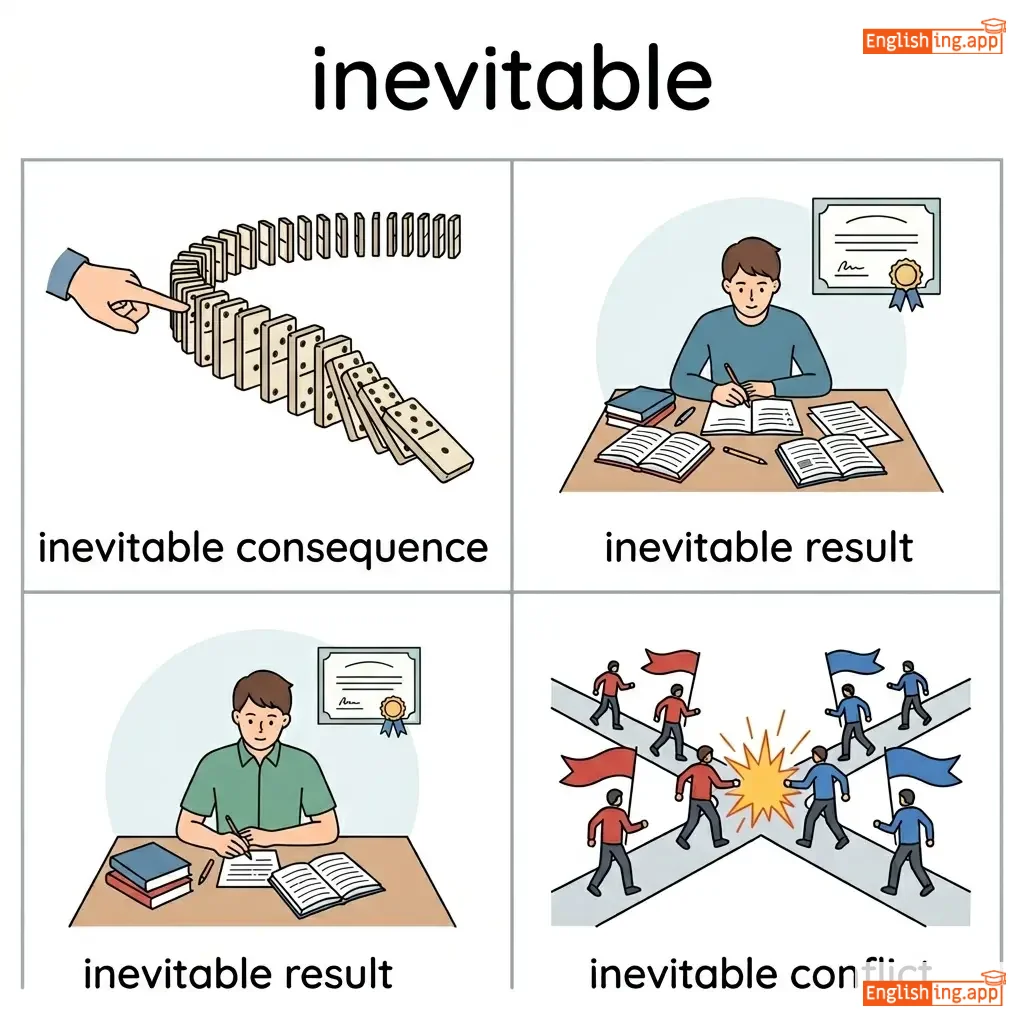
inevitable consequence, inevitable result, inevitable conflict
••••••
|
Inevitable означает 'неизбежное' - как смерть.
••••••
|
|
🏠
••••••
|
/ɪnˈhæbɪtənt/
noun
(инхэ́битант)
••••••
|
- •••••• |
житель
zhitel
••••••
|
- •••••• | - •••••• | - •••••• | - •••••• |
a person or animal that lives in a particular place
••••••
|
The inhabitants of the village rely on farming for their livelihood. |
Жители деревни зависят от сельского хозяйства для своего существования.
Zhiteli derevni zavisyat ot selskokhozyaystva dlya svoego suschestvovaniya.
••••••
|
- •••••• | - •••••• | - •••••• |
resident, dweller, occupant, native
••••••
|
visitor, foreigner
••••••
|
local inhabitants, native inhabitants, city inhabitants, rural inhabitants
••••••
|
Inhabitants are 'zhiteli'—those who reside in a place!
••••••
|
|
😏
••••••
|
/aɪˈrɒnɪkli/
adverb
(aironikali)
••••••
|
- •••••• |
иронично
ironicno
••••••
|
- •••••• | - •••••• | - •••••• | - •••••• |
in a way that is contrary to what is expected or intended
••••••
|
Ironically, the fire station burned down. |
Иронично, но пожарная станция сгорела.
Ironichno, no pozharnaya stantsiya sgrela.
••••••
|
- •••••• | - •••••• | - •••••• |
sarcastically, paradoxically, unexpectedly, amusingly
••••••
|
literally, seriously
••••••
|
ironically enough, say ironically, ironically true
••••••
|
Ironically означает иронично, как что-то противоположное ожидаемому.
••••••
|
|
🧍♂️
••••••
|
/ˌaɪsəˈleɪʃən/
noun
(aisolejshun)
••••••
|
- •••••• |
изоляция
izolyatsiya
••••••
|
- •••••• | - •••••• | - •••••• | - •••••• |
the state of being separated from others; solitude or detachment
••••••
|
He lived in complete isolation after his retirement. |
Он жил в полной изоляции после своей пенсии.
On zhiv v polnoy izolyatsii posle svoey pensii.
••••••
|
in isolation |
alone or without contact with others
••••••
|
в изоляции
v izolyatsii
••••••
|
seclusion, loneliness, separation, detachment, solitude
••••••
|
connection, inclusion, community
••••••
|
social isolation, in isolation, complete isolation
••••••
|
Isolation значит быть один — 'I so alone' → изоляция 🧍♂️
••••••
|
|
🕵️♂️
••••••
|
/mɪˈstɪəriəs/
adjective
(мистерийес)
••••••
|
|
загадочный
zagadocny
••••••
|
- •••••• | - •••••• | - •••••• | - •••••• |
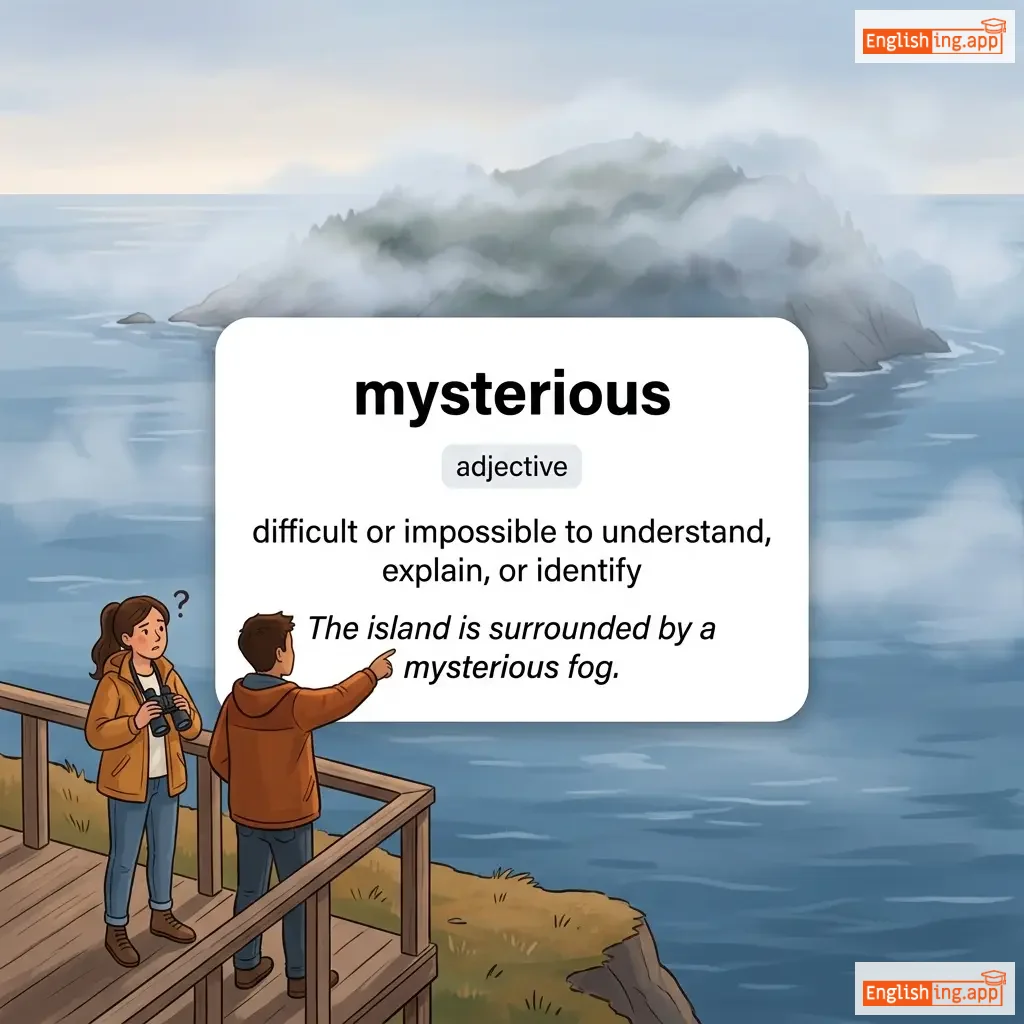
difficult or impossible to understand, explain, or identify
••••••
|
The island is surrounded by a mysterious fog. |
Остров окружен загадочным туманом.
Ostrov okruzhen zagadochnym tumanom.
••••••
|
mysterious ways |
unexpected or unexplainable methods or actions
••••••
|
загадочные способы
zagadocnye sposoby
••••••
|
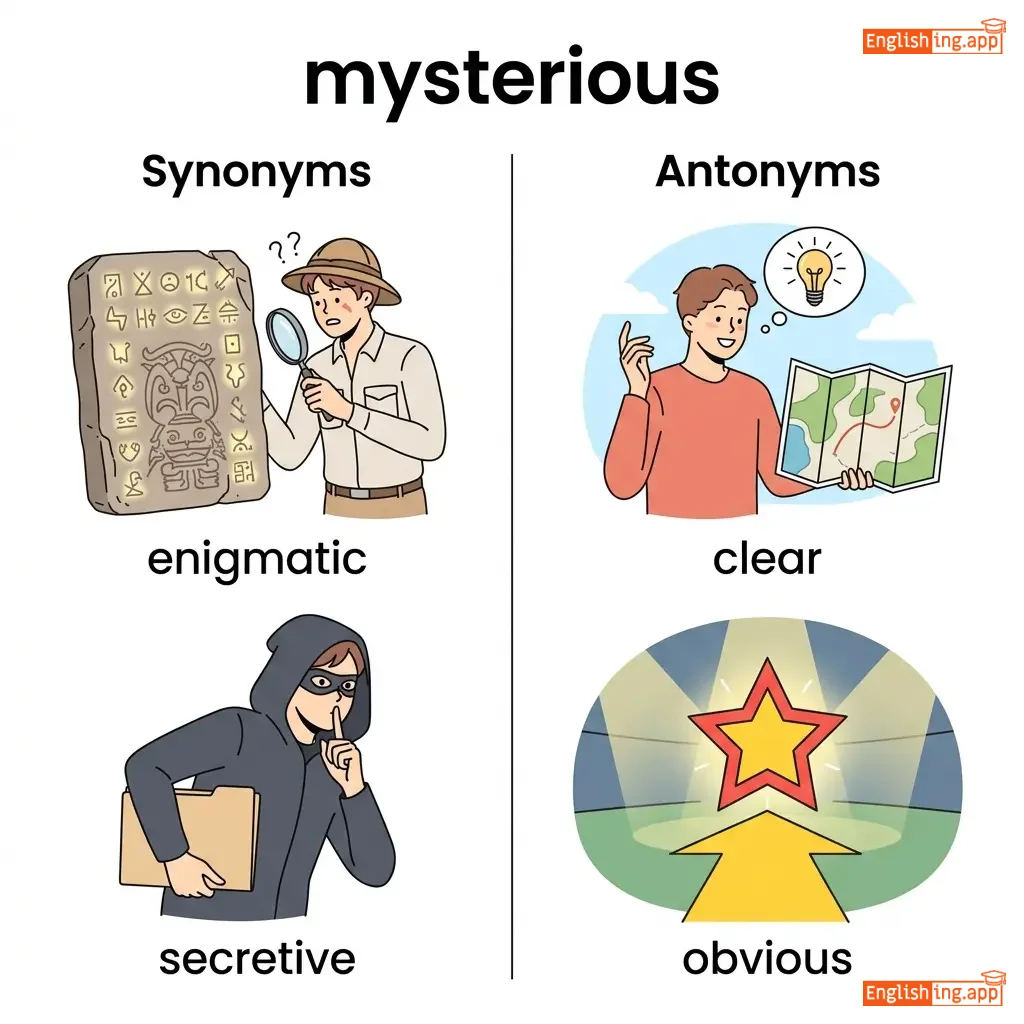
enigmatic, secretive, puzzling, cryptic, obscure
••••••
|
clear, obvious
••••••
|
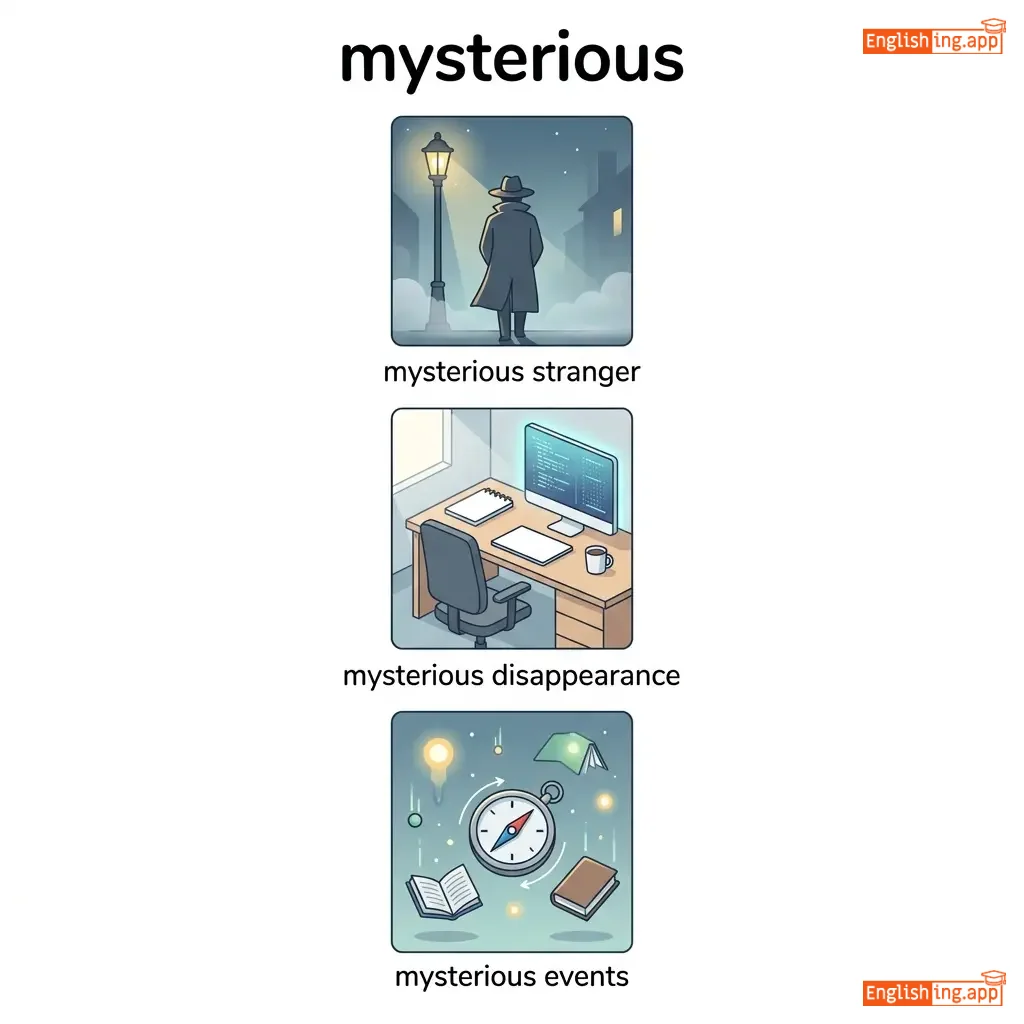
mysterious stranger, mysterious disappearance, mysterious events
••••••
|
Загадочный означает что-то, что связано с загадкой, как мистерии.
••••••
|
|
🌧️➡️🏞️
••••••
|
/ˌnʌnðəˈlɛs/
adverb
(нанселес)
••••••
|
- •••••• |
тем не менее
tem ne menee
••••••
|
- •••••• | - •••••• | - •••••• | - •••••• |
in spite of that; nevertheless
••••••
|
It was raining, but nonetheless, they went hiking. |
Шел дождь, но тем не менее они пошли в поход.
Shel dozhd, no tem ne menee oni poshli v pokhod.
••••••
|
- •••••• | - •••••• | - •••••• |
nevertheless, however, still, yet
••••••
|
therefore, hence
••••••
|
nonetheless important, nonetheless true, nonetheless, despite that
••••••
|
Noneth- like 'none-the-less' means despite.
••••••
|
|
📸
••••••
|
/ˈfəʊtəɡrɑːf/
noun
(фотография)
••••••
|
- •••••• |
фото
foto
••••••
|
- •••••• | - •••••• | - •••••• | - •••••• |
a picture made using a camera
••••••
|
She took a photograph of the sunset. |
Она сделала фотографию заката.
Ona sdelala fotografiyu zakata.
••••••
|
- •••••• | - •••••• | - •••••• |
picture, snapshot, photo, image
••••••
|
blurry, unrecognizable
••••••
|
take a photograph, snap a photograph, old photograph
••••••
|
Сделайте фото с помощью камеры!
••••••
|
|
👥
••••••
|
/ˌpɑːp.jəˈleɪ.ʃən/
noun
(populéishn)
••••••
|
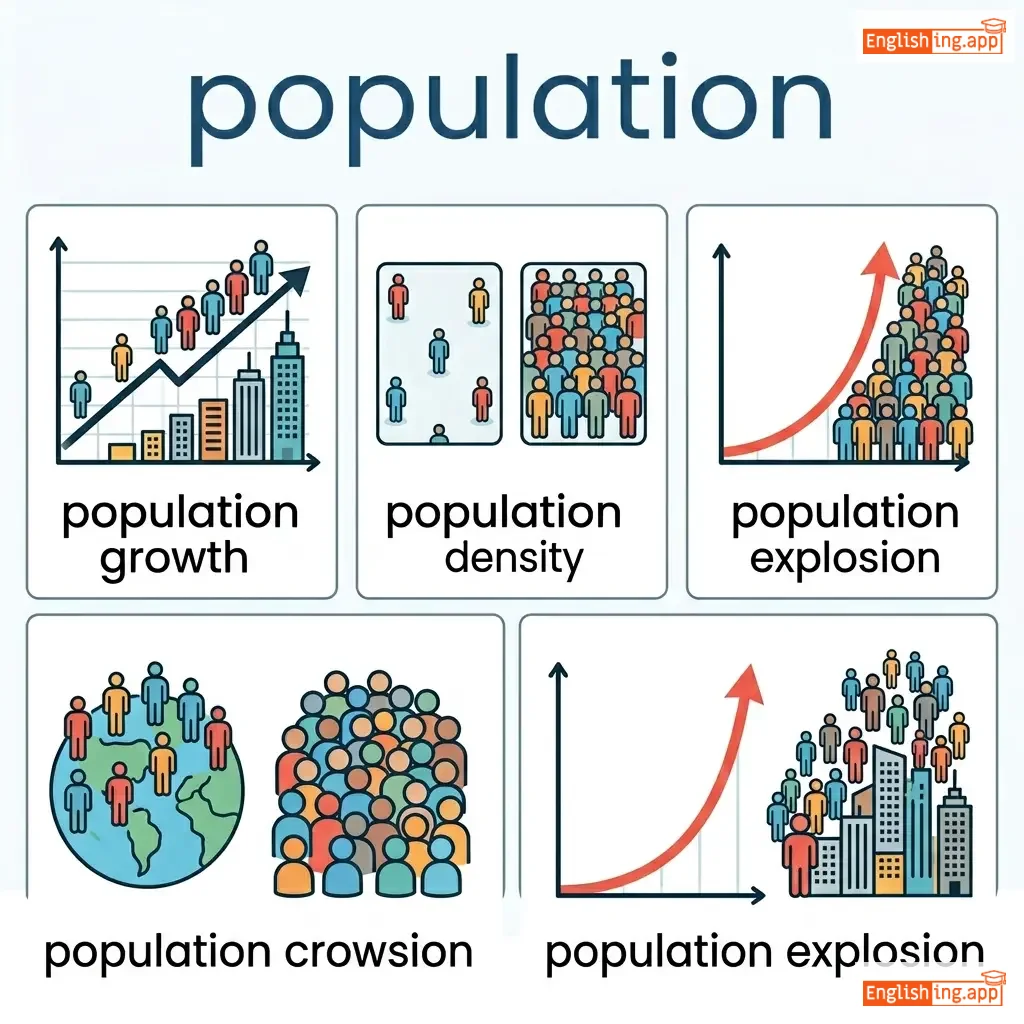
|
население
naselenie
••••••
|
- •••••• | - •••••• | - •••••• | - •••••• |
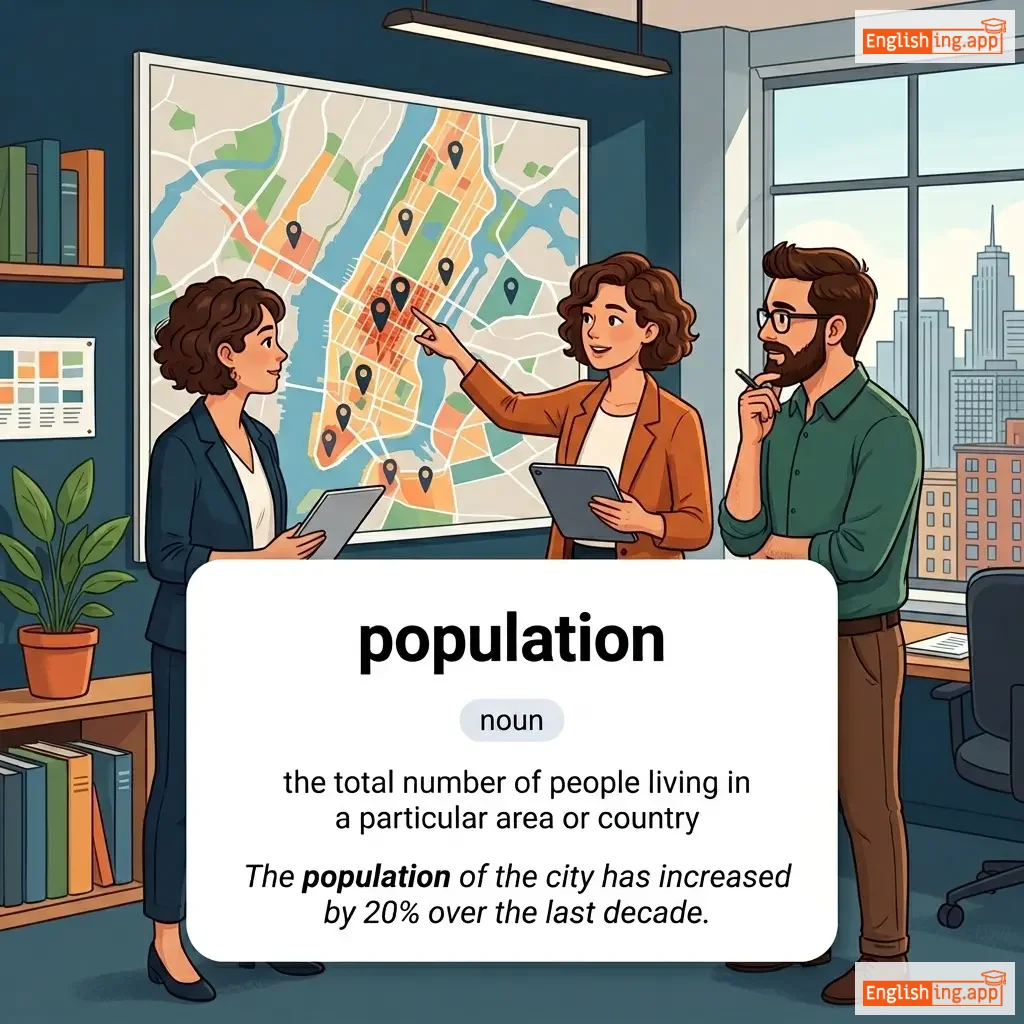
the number of people living in a particular area; all the inhabitants of a particular place
••••••
|
The population of this city has grown rapidly in recent years. |
Число жителей этого города значительно увеличилось за последние годы.
Chislo zhiteley etogo goroda znachitel'no uvelichilos' za poslednie gody.
••••••
|
- •••••• | - •••••• | - •••••• |
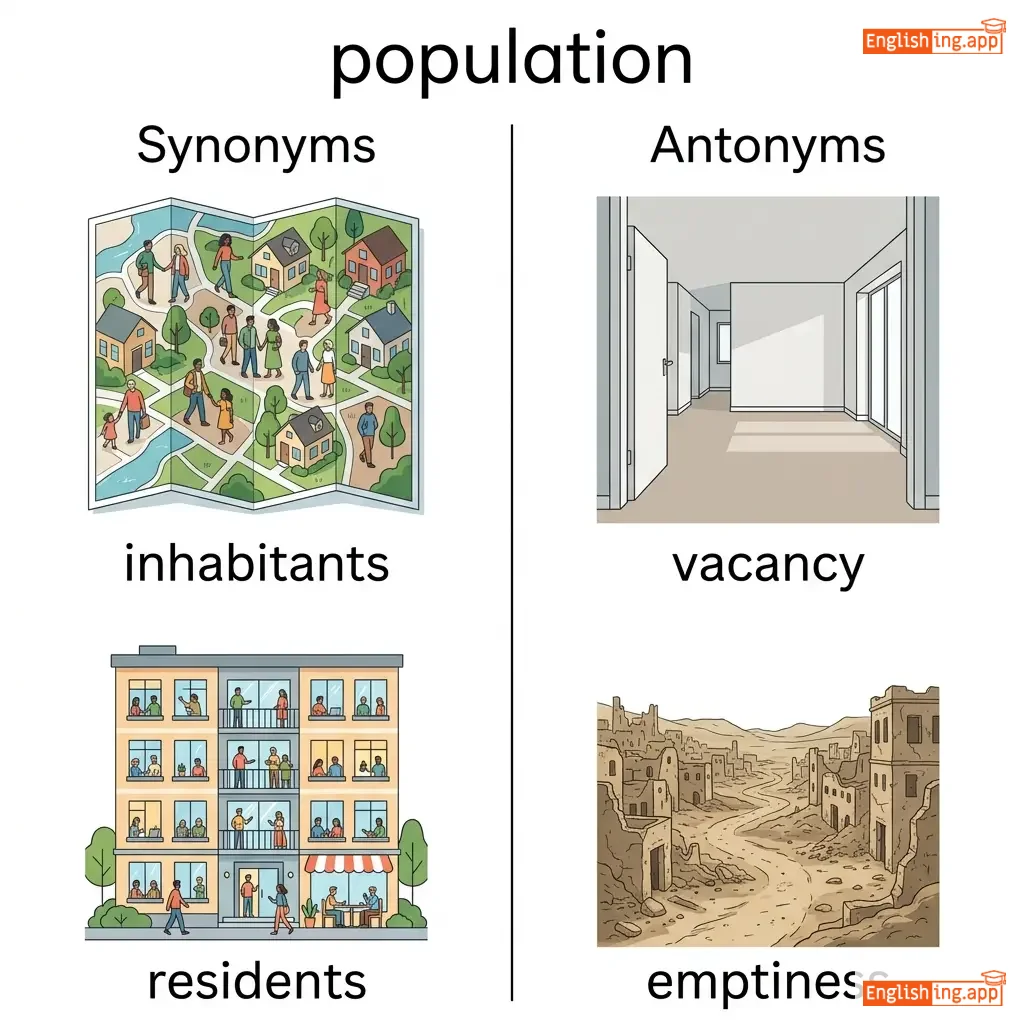
inhabitants, residents, citizens, people
••••••
|
depopulation, evacuation
••••••
|
population growth, population density, aging population, urban population
••••••
|
‘Население’ reminds of 'Nash' for a city full of people.
••••••
|
|
📦
••••••
|
/pəˈzɛʃən/
noun
(pəˈzɛʃən)
••••••
|
- •••••• |
владение
vladeniye
••••••
|
- •••••• | - •••••• | - •••••• | - •••••• |
The state of owning, controlling, or holding something.
••••••
|
The ring was her most valuable possession. |
Кольцо было её самой ценной собственностью.
Kol'tso bylo yeeyo samoy tsennoy sobstvennost'yu.
••••••
|
in possession of |
having something in one's ownership or control
••••••
|
в владении
v vladении
••••••
|
ownership, control, property, asset, holding
••••••
|
loss, absence, dispossession
••••••
|
valuable possession, personal possession, in possession of, lose possession
••••••
|
Владение = то, что находится под твоим контролем.
••••••
|
|
⏳
••••••
|
/ˈpriːviəsli/
adverb
(привиасли)
••••••
|
- •••••• |
ранее
ranee
••••••
|
- •••••• | - •••••• | - •••••• | - •••••• |
at an earlier time or before now
••••••
|
She had previously worked at a bank before starting her own business. |
Она ранее работала в банке до того, как начала свой собственный бизнес.
Ona ranee rabotala v banke do togo, kak nachala svoi sobstvennyi biznes.
••••••
|
- •••••• | - •••••• | - •••••• |
formerly, earlier, before
••••••
|
currently, presently
••••••
|
previously stated, previously mentioned, previously worked
••••••
|
привиасли (Previously) раньше было что-то сделано
••••••
|
|
🔄
••••••
|
/ˈrɛɡjələrli/
adverb
(регулярли)
••••••
|
- •••••• |
регулярно
regulyarno
••••••
|
- •••••• | - •••••• | - •••••• | - •••••• |
at regular intervals; in a regular manner
••••••
|
She exercises regularly to stay healthy. |
Она регулярно занимается спортом, чтобы оставаться здоровой.
Ona regulyarno zanimaetsya sportom, chtoby ostavat'sya zdorovoy.
••••••
|
- •••••• | - •••••• | - •••••• |
consistently, frequently, habitually, routinely
••••••
|
irregularly, infrequently
••••••
|
regularly scheduled, meet regularly, eat regularly, exercise regularly
••••••
|
Think of 'regular' habits - things you do regularly!
••••••
|
|
🌪️
••••••
|
/ˈskætərd/
adjective
(скэтэрд)
••••••
|
- •••••• |
раскиданный
raskidannyy
••••••
|
- •••••• | - •••••• | - •••••• | - •••••• |
Spread irregularly or widely in different directions.
••••••
|
The toys were scattered all over the floor. |
Игрушки были разбросаны по всему полу.
Igrushki byli razbrosany po vsemu polu.
••••••
|
scattered thoughts |
Disorganized or unfocused thinking.
••••••
|
разбросанные мысли
razbrosannyye mysli
••••••
|
dispersed, spread, messy, disorganized
••••••
|
gathered, organized, collected
••••••
|
scattered papers, scattered clouds, scattered across, scattered everywhere
••••••
|
Scattered означает, что что-то разбросано, как игрушки на полу.
••••••
|
|
🏘️
••••••
|
/ˈset.əl.mənt/
noun
(setelment)
••••••
|
- •••••• |
поселение; соглашение
poselenie; soglashenie
••••••
|
- •••••• | - •••••• | - •••••• | - •••••• |
a place where people establish a community; an agreement that ends a dispute
••••••
|
The early settlement was built near the river for easy access to water. |
Раннее поселение было построено рядом с рекой для удобного доступа к воде.
Rannee poselenie bylo postroeno ryadom s rekoi dlya udobnogo dostupa k vode.
••••••
|
- •••••• | - •••••• | - •••••• |
colony, community, village, agreement
••••••
|
departure, evacuation, conflict, dispute
••••••
|
early settlement, peaceful settlement, reach a settlement
••••••
|
Settlement in Russian: 'поселение', think of 'home' built beside water.
••••••
|
|
🏞️
••••••
|
/ˈtɛrɪˌtɔːri/
noun
(территория)
••••••
|
|
территория
territoriya
••••••
|
- •••••• | - •••••• | - •••••• | - •••••• |
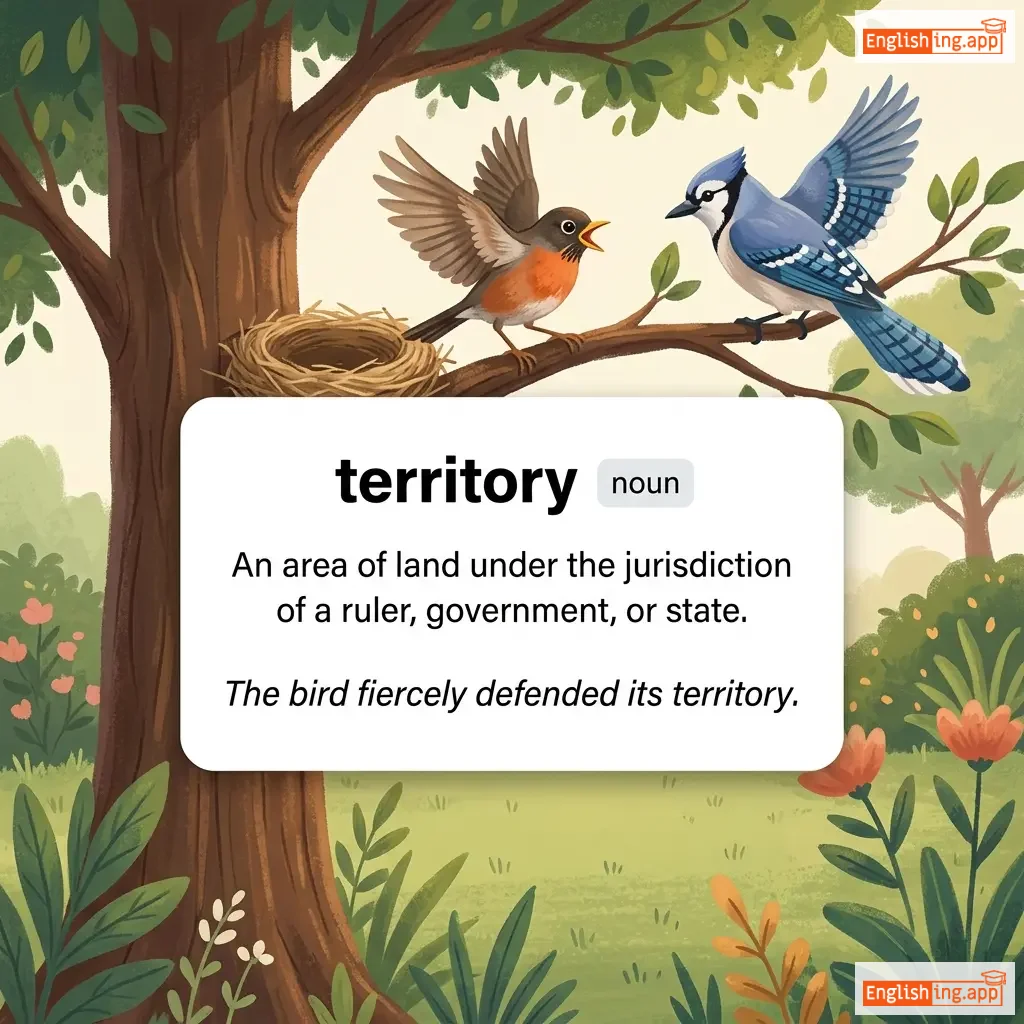
An area of land under the jurisdiction of a ruler, government, or state.
••••••
|
The bird fiercely defended its territory. |
Птица яростно защищала свою территорию.
Ptitsa yarostno zashchishchala svoyu territoriyu.
••••••
|
uncharted territory |
An unfamiliar or unexplored area or situation.
••••••
|
неизведанная территория
neizvedannaya territoriya
••••••
|
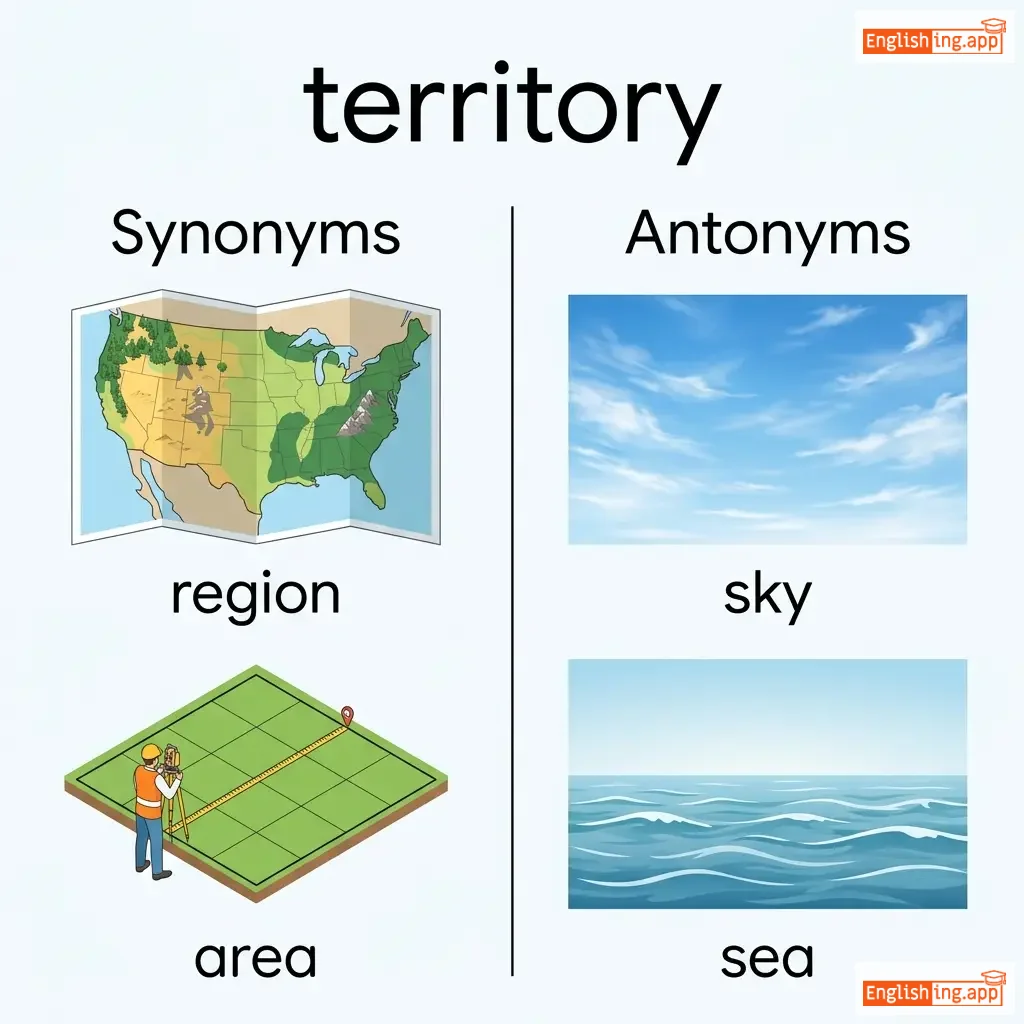
region, area, domain, land, zone
••••••
|
sky, sea
••••••
|
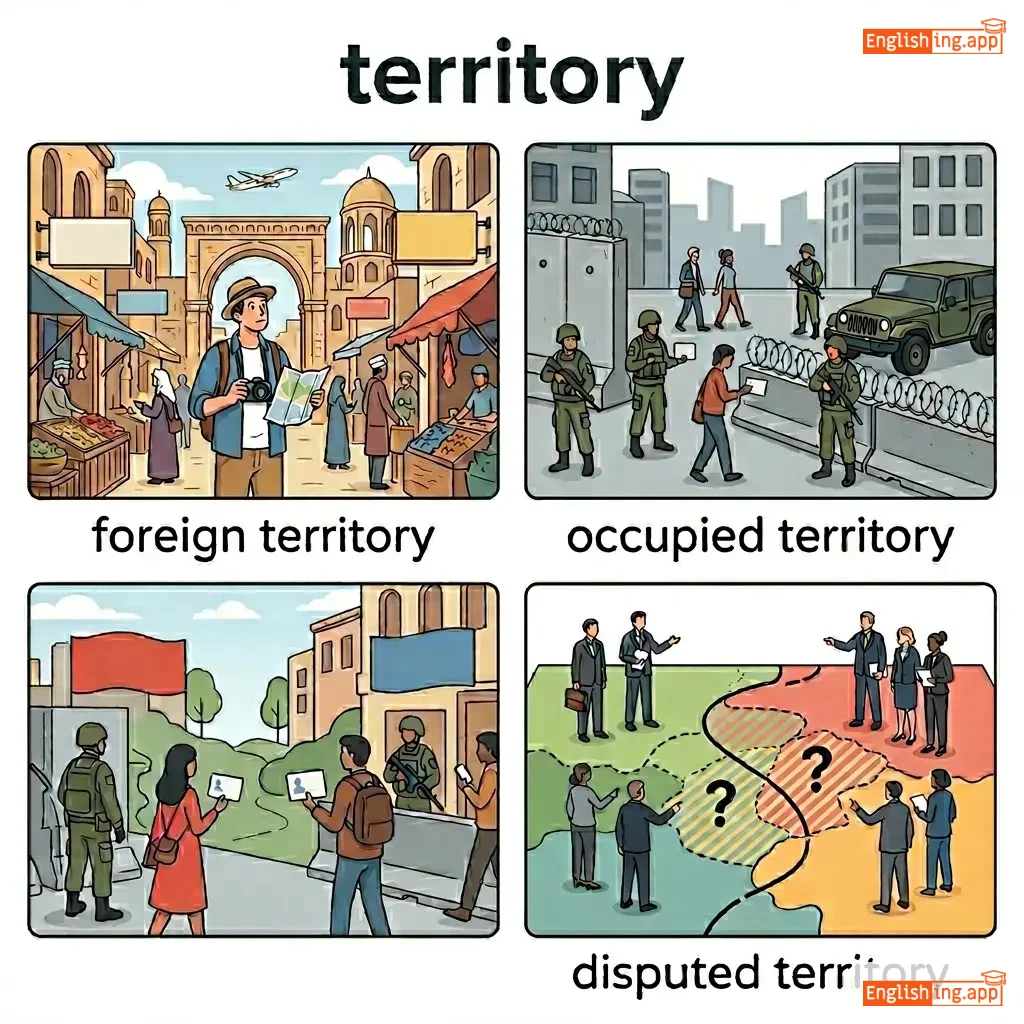
foreign territory, occupied territory, disputed territory
••••••
|
Territory = Teri + Torii (территория)
••••••
|
|
🛠️
••••••
|
/ˌʌndərˈteɪk/
verb
(андертейк)
••••••
|

|
взять на себя
vzyat' na sebya
••••••
|
undertook
андертак
••••••
|
undertaken
андертейкен
••••••
|
undertakes
андертейкс
••••••
|
undertaking
андертейкин
••••••
|
To agree to do or begin to do something important or difficult.
••••••
|
She undertook the responsibility of organizing the event.
Она взяла на себя ответственность за организацию мероприятия.
••••••
|
Она взяла на себя ответственность за организацию мероприятия.
Ona vzyala na sebya otvetstvennost' za organizatsiyu meropriyatiya.
••••••
|
undertake a mission
андертейк э мишн
••••••
|
to take responsibility for an important task
••••••
|
взять на себя миссию
vzyat' na sebya missiyu
••••••
|
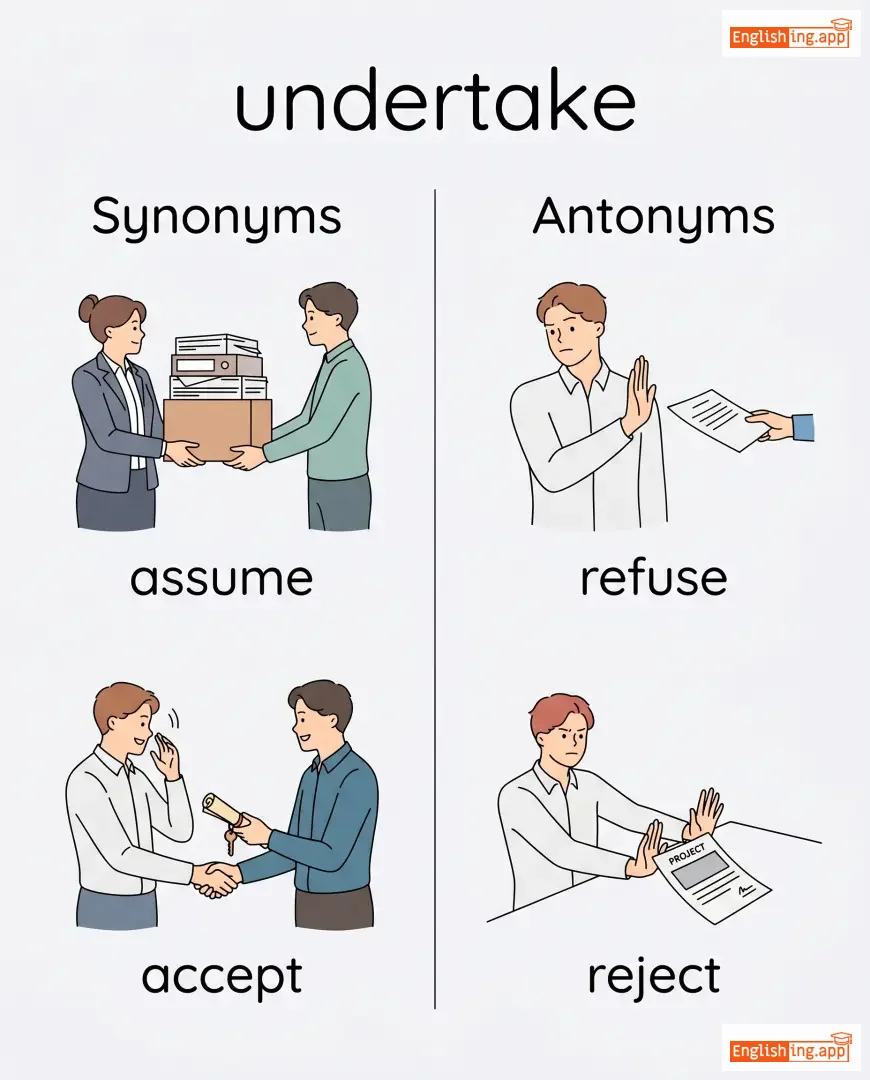
assume, accept, commit, embark
••••••
|
refuse, reject
••••••
|
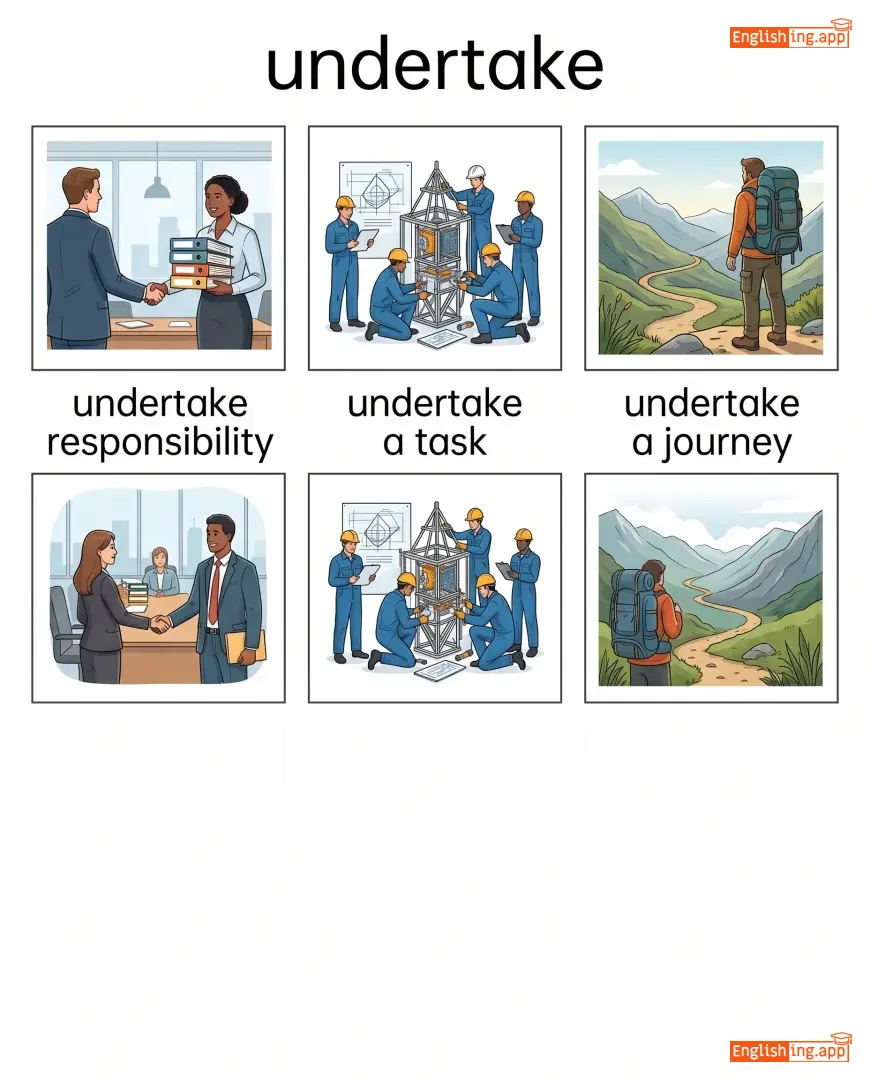
undertake responsibility, undertake a task, undertake a journey
••••••
|
Undertake значит взять на себя ответственность = взять на себя.
••••••
|
|
♿
••••••
|
/ˈwiːltʃeər/
noun
(вилчэар)
••••••
|
- •••••• |
инвалидная коляска
invalidnaya kolyaska
••••••
|
- •••••• | - •••••• | - •••••• | - •••••• |
a chair with wheels, used by people who cannot walk easily or at all
••••••
|
The hospital provided a wheelchair for the injured patient. |
Больница предоставила инвалидную коляску для раненого пациента.
Bol'nitsa predostavila invalidnuyu kolyasku dlya rannego patsiyenta.
••••••
|
confined to a wheelchair |
unable to walk and dependent on a wheelchair for mobility
••••••
|
привязан к инвалидной коляске
privyazan k invalidnoy kolyaske
••••••
|
mobility chair, rolling chair, chair on wheels, medical chair
••••••
|
walker, crutches
••••••
|
wheelchair user, electric wheelchair, wheelchair access, wheelchair ramp
••••••
|
Wheel + Chair = инвалидная коляска
••••••
|

