The Fight Against Silent Poison
ラヒム博士はastronomerでしたが、彼の地域ではoperatingしている工場がradiationや有害なsubstanceを放出していました。最初、人々はsuspicionを抱いていましたが、誰もinterruptする勇気がありませんでした。ラヒム博士は、これを調査することがnecessityだと理解しました。彼のconcerning結果を見たコミュニティのメンバーは、工場の経営陣に対してallegationを上げました。工場のオーナーはこれらがoffensiveなaccusationであり、objectionを申し立てました。しかし、ラヒム博士はこれらのsubstanceが人々の健康にとってdisastrousであることを証明しました。彼は「私たちのprincipleは人々の安全です」と言いました。uncertaintyにもかかわらず、彼は調査を続けました。彼の証拠はconstituteし、inevitably法的措置につながる強力なケースを作り上げました。prosecutorが事件を引き受け、工場のオーナーはrespondentとして裁判所に呼び出されました。当局は、自分たちの監視がinsufficientであることを認識しました。工場のoperatingライセンスは停止され、radiationレベルがテストされました。コミュニティは勝利し、objectionを提起し、principleに基づいた立場を取ることの重要性を証明しました。この勝利は、concerning問題に関するallegationとaccusationを提起することが、単にoffensiveであるだけでなく、公共の健康が危機に瀕している場合にはnecessityであることを示しました。
|
絵文字
|
単語 | Images | 翻訳 | 過去 | 過去分詞 | 三人称単数 | 動名詞 | 意味 | 例文 | 例文の翻訳 | 表現例 | 表現例の意味 | 表現例の翻訳 | 同義語 | 対義語 | コロケーション | ニーモニック |
|---|---|---|---|---|---|---|---|---|---|---|---|---|---|---|---|---|---|
|
☝️
••••••
|
/ˌæk.jʊˈzeɪ.ʃən/
noun
(アクザセーション)
••••••
|
- •••••• |
告発
kokuhatsu
••••••
|
- •••••• | - •••••• | - •••••• | - •••••• |
A statement that someone has done something wrong or illegal.
••••••
|
She made an accusation of theft against her colleague.
彼女は同僚に対して窃盗の告発を行いました。
••••••
|
彼女は同僚に対して窃盗の告発を行いました。
Kanojo wa dōryō ni taishite settō no kokuhatsu o okonai mashita.
••••••
|
false accusation
虚偽の告発
••••••
|
An untrue claim blaming someone.
••••••
|
虚偽の告発
kyogi no kokuhatsu
••••••
|
allegation, charge, complaint, blame
••••••
|
praise, acquittal
••••••
|
serious accusation, false accusation, accusation of theft
••••••
|
告発はaccusationの日本語、誰かを告発するのは告発です。
••••••
|
|
⚖️
••••••
|
/ˌæl.əˈɡeɪ.ʃən/
noun
(アレゲーション)
••••••
|
- •••••• |
告発
kokuhatsu
••••••
|
- •••••• | - •••••• | - •••••• | - •••••• |
a claim that someone has done something wrong or illegal
••••••
|
The allegation against him was proven false. |
彼に対する告発は虚偽であることが証明された。
Kare ni taisuru kokuhatsu wa kyogi de aru koto ga shōmei sareta.
••••••
|
- •••••• | - •••••• | - •••••• |
accusation, charge, claim, assertion
••••••
|
vindication, exoneration, proof of innocence
••••••
|
serious allegation, false allegation, investigate allegation
••••••
|
告発 (Kokuhatsu) — 何か悪いことが行われた場合に告発がなされます。
••••••
|
|
🔭
••••••
|
/əˈstrɒnəmər/
noun
(アストロノマー)
••••••
|
- •••••• |
天文学者
tenmongakusha
••••••
|
- •••••• | - •••••• | - •••••• | - •••••• |
a scientist who studies the stars, planets, and the universe
••••••
|
The astronomer observed the new comet through his telescope. |
天文学者は望遠鏡を使って新しい彗星を観察しました。
Tenmongakusha wa bouenkyou o tsukatte atarashii suisei o kansatsu shimashita.
••••••
|
- •••••• | - •••••• | - •••••• |
stargazer, astrophysicist, scientist, observer
••••••
|
non-scientist, layperson
••••••
|
professional astronomer, amateur astronomer, famous astronomer
••••••
|
天文学者は星を見る専門家。
••••••
|
|
📄
••••••
|
/kənˈsɜːnɪŋ/
preposition
(カンサーニング)
••••••
|
- •••••• |
関する
kansuru
••••••
|
- •••••• | - •••••• | - •••••• | - •••••• |
about or relating to something; causing worry or anxiety
••••••
|
There are some reports concerning the new project.
新しいプロジェクトに関する報告があります。
••••••
|
新しいプロジェクトに関する報告があります。
Atarashī purojekuto ni kansuru hōkoku ga arimasu.
••••••
|
- •••••• | - •••••• | - •••••• |
regarding, about, related to, concerning, with respect to
••••••
|
excluding, ignoring, aside from
••••••
|
concerning issue, reports concerning, laws concerning, questions concerning
••••••
|
Concern は心配を意味し、concerning は何かに関連しています。
••••••
|
|
⚖️
••••••
|
/ˈkɒnstɪtjuːt/
verb
(コンスティチュート)
••••••
|
- •••••• |
構成する
kousei suru
••••••
|
constituted
コンスティチューテッド
••••••
|
constituted
コンスティチューテッド
••••••
|
constitutes
コンスティチューツ
••••••
|
constituting
コンスティチューティング
••••••
|
To make up, form, or establish something.
••••••
|
These documents constitute the legal agreement between the two parties.
これらの文書は、両者間の法的契約を構成しています。
••••••
|
これらの文書は、両者間の法的契約を構成しています。
Korera no bunsho wa, ryousha-kan no houteki keiyaku o kousei shiteimasu.
••••••
|
- •••••• | - •••••• | - •••••• |
comprise, form, make up, establish, create
••••••
|
exclude, destroy, abolish
••••••
|
constitute a crime, constitute an offense, constitute a majority, constitute evidence
••••••
|
Constitute は「構成する」を意味します - 憲法のように国を構成します。
••••••
|
|
💥
••••••
|
/dɪˈzæs.trəs/
adjective
(ディザストラス)
••••••
|
- •••••• |
壊滅的な
kaimetsuteki na
••••••
|
- •••••• | - •••••• | - •••••• | - •••••• |
extremely bad or unsuccessful; causing great damage
••••••
|
The hurricane had disastrous effects on the city. |
ハリケーンは街に壊滅的な影響を与えました。
Harikēn wa machi ni kaimetsuteki na eikyō o ataemashita.
••••••
|
- •••••• | - •••••• | - •••••• |
catastrophic, devastating, calamitous, ruinous
••••••
|
beneficial, fortunate, successful, favorable
••••••
|
disastrous consequences, disastrous effects, disastrous results
••••••
|
‘壊滅’ = ‘壊滅的な’
••••••
|
|
🌀
••••••
|
/ɪnˈɛvɪtəbli/
adverb
(イネヴィタブリー)
••••••
|
- •••••• |
避けられない
sakerarenai
••••••
|
- •••••• | - •••••• | - •••••• | - •••••• |
in a way that cannot be avoided or prevented
••••••
|
Inevitably, the team faced challenges during the project. |
避けられないことに、チームはプロジェクト中に挑戦に直面しました。
Sakerarenai koto ni, chīmu wa purojekuto-chū ni chōsen ni chokumen shimashita.
••••••
|
as inevitably as night follows day |
something that is certain to happen
••••••
|
夜が昼に続くように避けられない
Yoru ga hiru ni tsuzuku yō ni sakerarenai
••••••
|
unavoidably, certainly, surely, predictably, inescapably
••••••
|
avoidably, preventably, uncertainly
••••••
|
inevitably lead, inevitably result, inevitably follow, inevitably happen
••••••
|
避けられないということは避けられないので、必ず避けられません 🌀
••••••
|
|
❌
••••••
|
/ˌɪnsəˈfɪʃənt/
adjective
(インサフィシエント)
••••••
|
- •••••• |
不十分
fujūbun
••••••
|
- •••••• | - •••••• | - •••••• | - •••••• |
Not enough; inadequate.
••••••
|
His explanation was insufficient to clear the confusion. |
彼の説明は混乱を解消するには不十分でした。
Kare no setsumei wa konran o kaishō suru ni wa fujūbun deshita.
••••••
|
- •••••• | - •••••• | - •••••• |
inadequate, deficient, meager, scarce, poor
••••••
|
sufficient, adequate, plentiful
••••••
|
insufficient funds, insufficient evidence, insufficient resources
••••••
|
Insufficient という言葉は 'in' + 'sufficient' = 十分でない。
••••••
|
|
⏸️
••••••
|
/ˌɪntəˈrʌpt/
verb
(インタラプト)
••••••
|
- •••••• |
割り込む
warikomu
••••••
|
interrupted
••••••
|
interrupted
••••••
|
interrupts
••••••
|
interrupting
••••••
|
to stop someone from speaking or doing something by suddenly saying or doing something
••••••
|
She tried not to interrupt while he was speaking. |
彼女は彼が話している間、割り込まないようにした。
Kanojo wa kare ga hanashite iru aida, warikomanai yō ni shita.
••••••
|
interrupt the flow |
to break the natural course of something
••••••
|
流れを割り込む
nagare o warikomu
••••••
|
disturb, hinder, intrude, disrupt, break in
••••••
|
continue, allow, support
••••••
|
interrupt the conversation, interrupt the process, rudely interrupt
••••••
|
割り込むは、会話の流れを急に止めること。
••••••
|
|
🥖
••••••
|
/nəˈsɛsəti/
noun
(ネセシティ)
••••••
|
|
必要性
hitsuyousei
••••••
|
- •••••• | - •••••• | - •••••• | - •••••• |
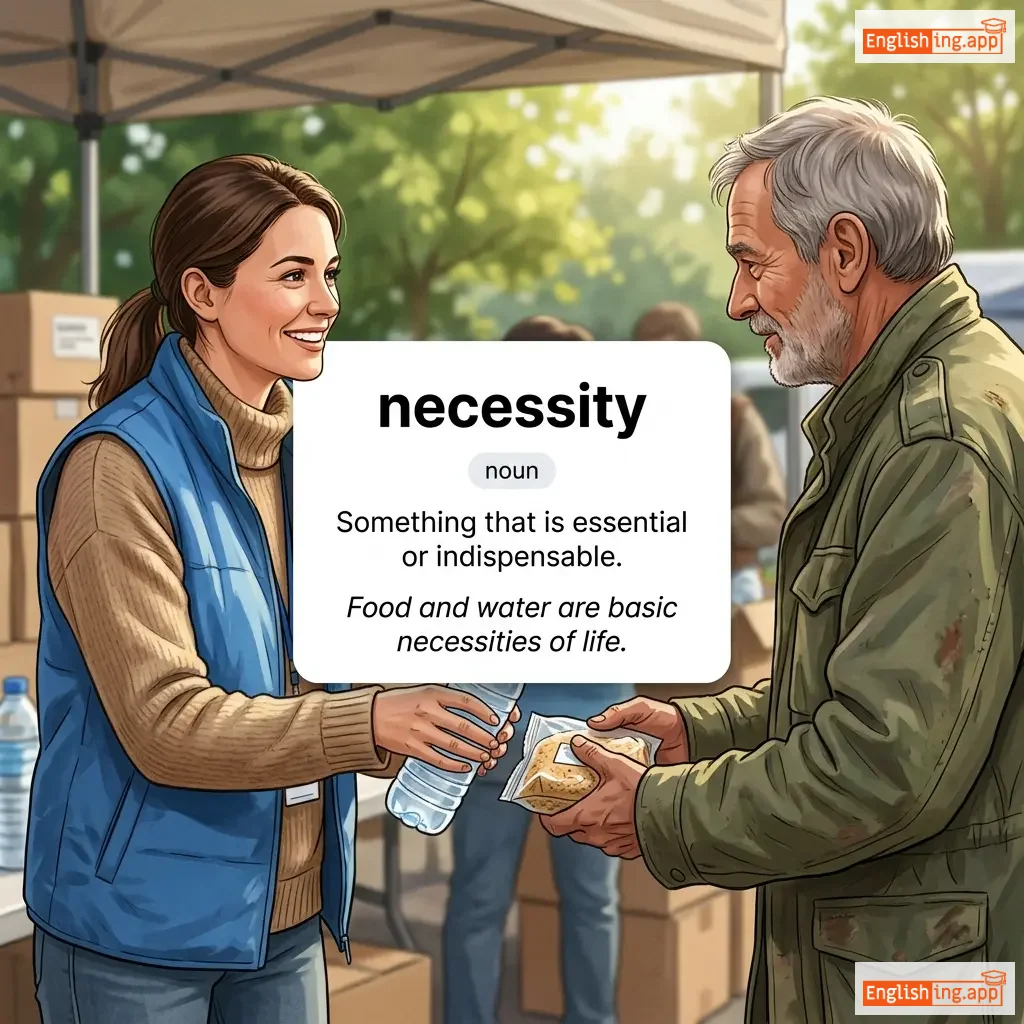
Something that is essential or indispensable.
••••••
|
Food and water are basic necessities of life. |
食べ物と水は生活の基本的な必要性です。
Tabemono to mizu wa seikatsu no kihonteki na hitsuyousei desu.
••••••
|
out of necessity |
because it is necessary
••••••
|
必要から
hitsuyou kara
••••••
|
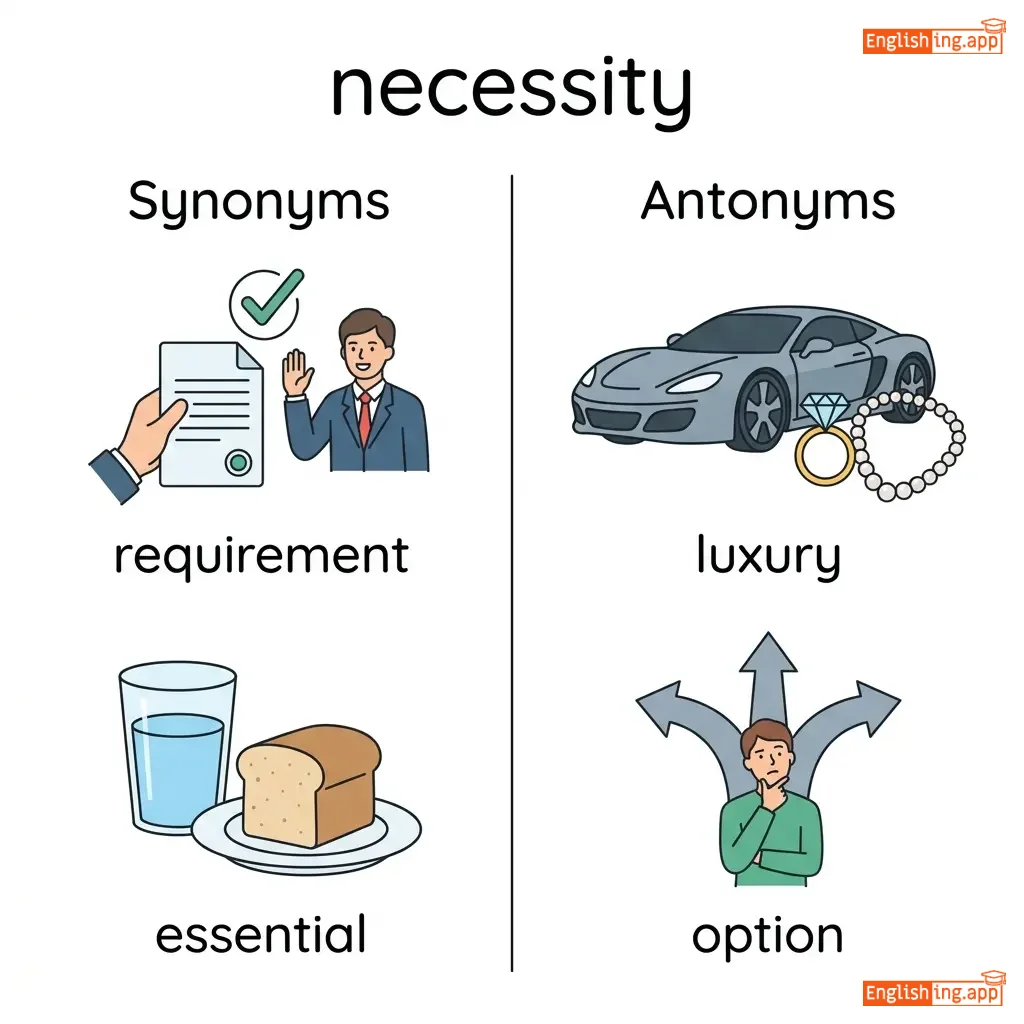
requirement, essential, need, must
••••••
|
luxury, option
••••••
|
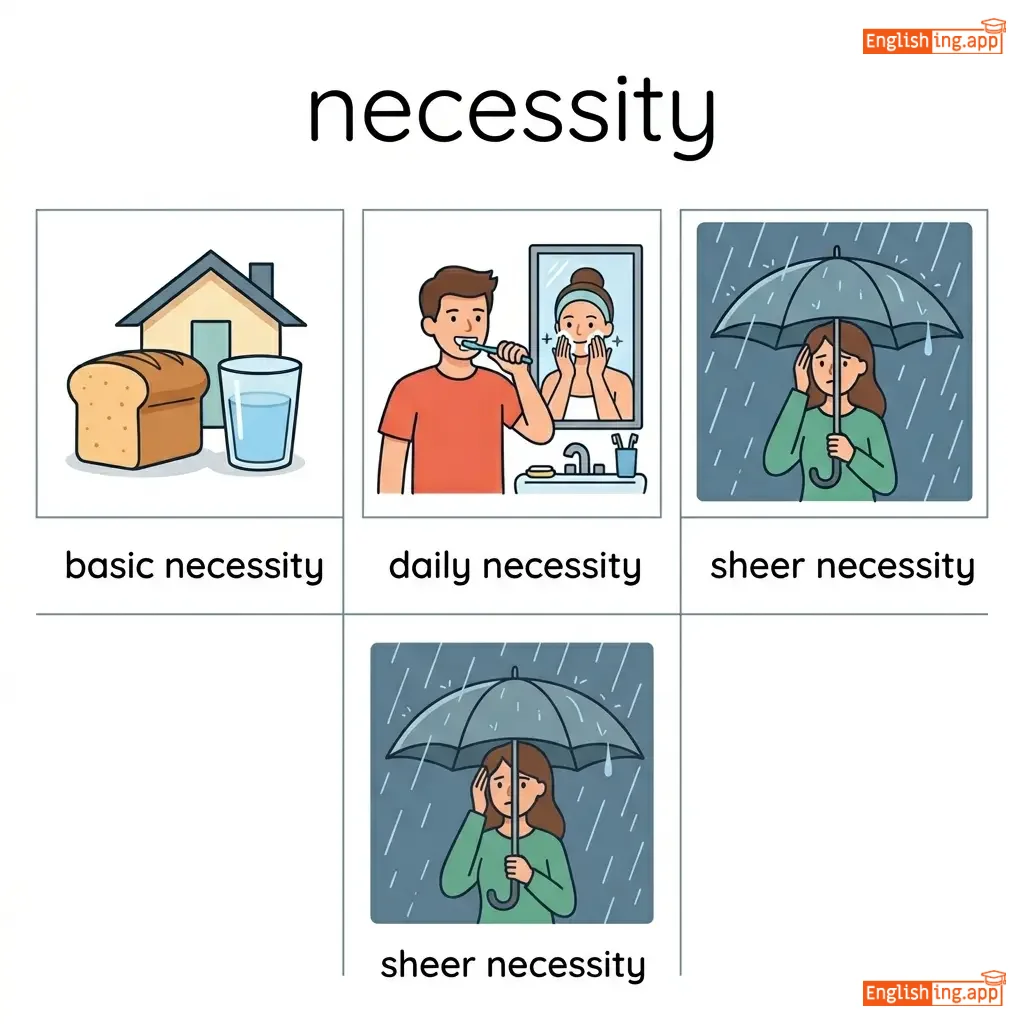
basic necessity, daily necessity, sheer necessity
••••••
|
Necessity は必要性を意味します — 食べ物と水なしでは生命は不可能です。
••••••
|
|
✋
••••••
|
/əbˈdʒɛkʃən/
noun
(オブジェクション)
••••••
|
- •••••• |
異議
igi
••••••
|
- •••••• | - •••••• | - •••••• | - •••••• |
an expression or feeling of disapproval or opposition
••••••
|
The lawyer raised an objection during the trial.
弁護士は裁判中に異議を申し立てました。
••••••
|
弁護士は裁判中に異議を申し立てました。
Bengoshi wa saiban-chuu ni igi wo moushitatemashita.
••••••
|
raise an objection
異議を申し立てる
••••••
|
to express disapproval or disagreement formally
••••••
|
異議を申し立てる
igi wo moushateru
••••••
|
protest, complaint, opposition, dissent, disagreement
••••••
|
approval, consent, agreement
••••••
|
strong objection, raise an objection, legal objection, no objection, objection letter
••••••
|
Objection は異議の意味です — 裁判所で ‘異議あり!’ ✋ それは反対を意味します!
••••••
|
|
😠
••••••
|
/əˈfɛnsɪv/
adjective
(オフェンシブ)
••••••
|
- •••••• |
攻撃的
kougekiteki
••••••
|
- •••••• | - •••••• | - •••••• | - •••••• |
Causing hurt, anger, or annoyance; also relating to attacking in sports or war.
••••••
|
His offensive remarks upset everyone at the meeting. |
彼の攻撃的な発言は、会議にいた全員を不快にさせました。
Kare no kougekiteki na hatsugen wa, kaigi ni ita zen'in o fukai ni sasemashita.
••••••
|
take offense |
To feel hurt or insulted by something said or done.
••••••
|
気を悪くする
Ki o warukusuru
••••••
|
insulting, rude, disrespectful, abusive
••••••
|
polite, respectful, pleasant
••••••
|
offensive remark, offensive language, offensive strategy, take offense
••••••
|
Offensiveは攻撃的-攻撃的な発言。
••••••
|
|
⚙️
••••••
|
/ˈɒpəreɪtɪŋ/
verb
(オペレーティング)
••••••
|
- •••••• |
運営する
un'ei suru
••••••
|
operated
オペレートした
••••••
|
operated
オペレートした
••••••
|
operates
オペレートする
••••••
|
operating
オペレーティング
••••••
|
to control or manage the functioning of something
••••••
|
The company has been operating in this market for five years.
その会社はこの市場で5年間運営されています。
••••••
|
その会社はこの市場で5年間運営されています。
Sono kaisha wa kono shijou de go-nenkan un'ei sareteimasu.
••••••
|
- •••••• | - •••••• | - •••••• |
managing, controlling, running, working
••••••
|
stopping, halting
••••••
|
operating system, operating room, operating procedure
••••••
|
車を運転しているときは、オペレーティングしていると考えよう! - Think of operating when driving a car!
••••••
|
|
📜
••••••
|
/ˈprɪnsəpəl/
noun
(purinsiparu)
••••••
|
|
原則
gensoku
••••••
|
- •••••• | - •••••• | - •••••• | - •••••• |
a fundamental truth, law, or rule that serves as the foundation for a system of belief or behavior
••••••
|
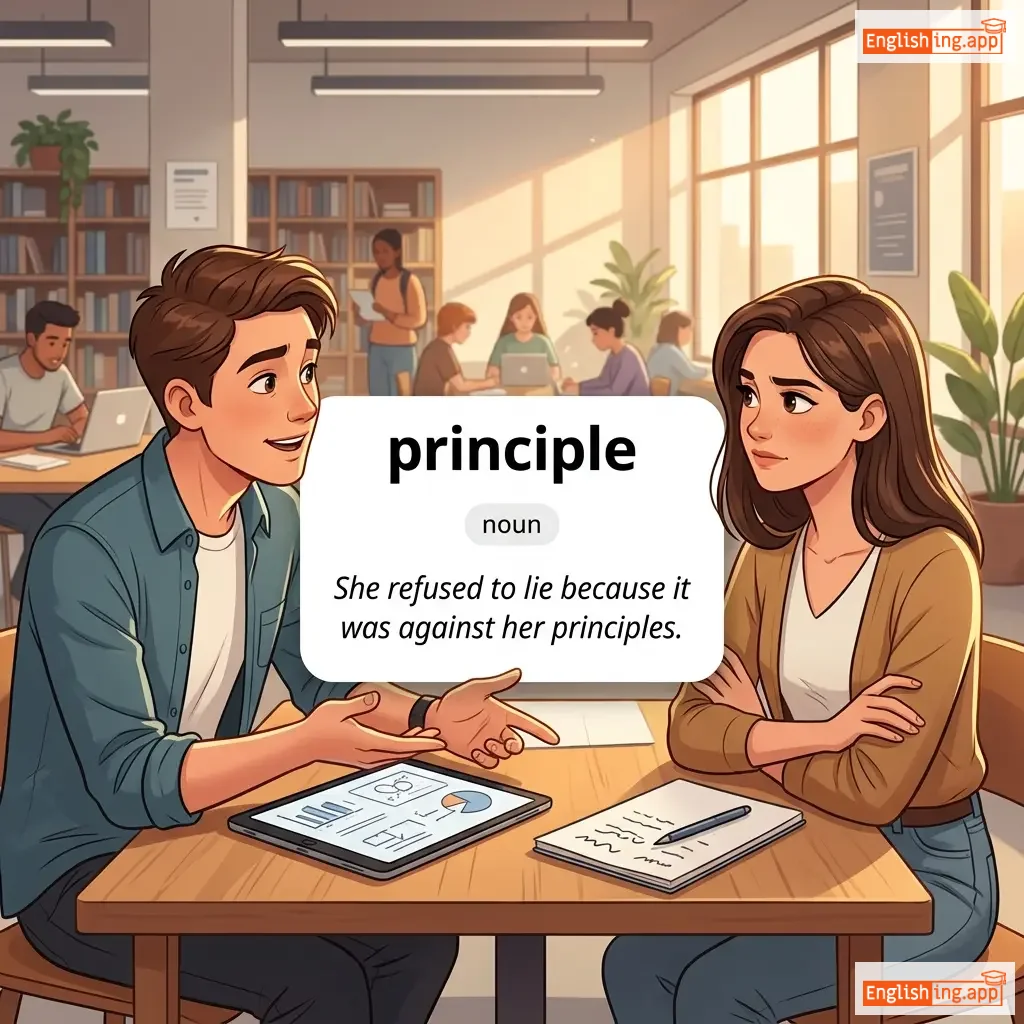
She refused to lie because it was against her principles. |
彼女は嘘をつくことを拒否しました、それは彼女の原則に反していたからです。
Kanojo wa uso o tsuku koto o kyohi shimashita, sore wa kanojo no gensoku ni hanshite ita kara desu.
••••••
|
in principle |
as a general idea or rule, even if not applied in practice
••••••
|
原則的に
gensokuteki ni
••••••
|
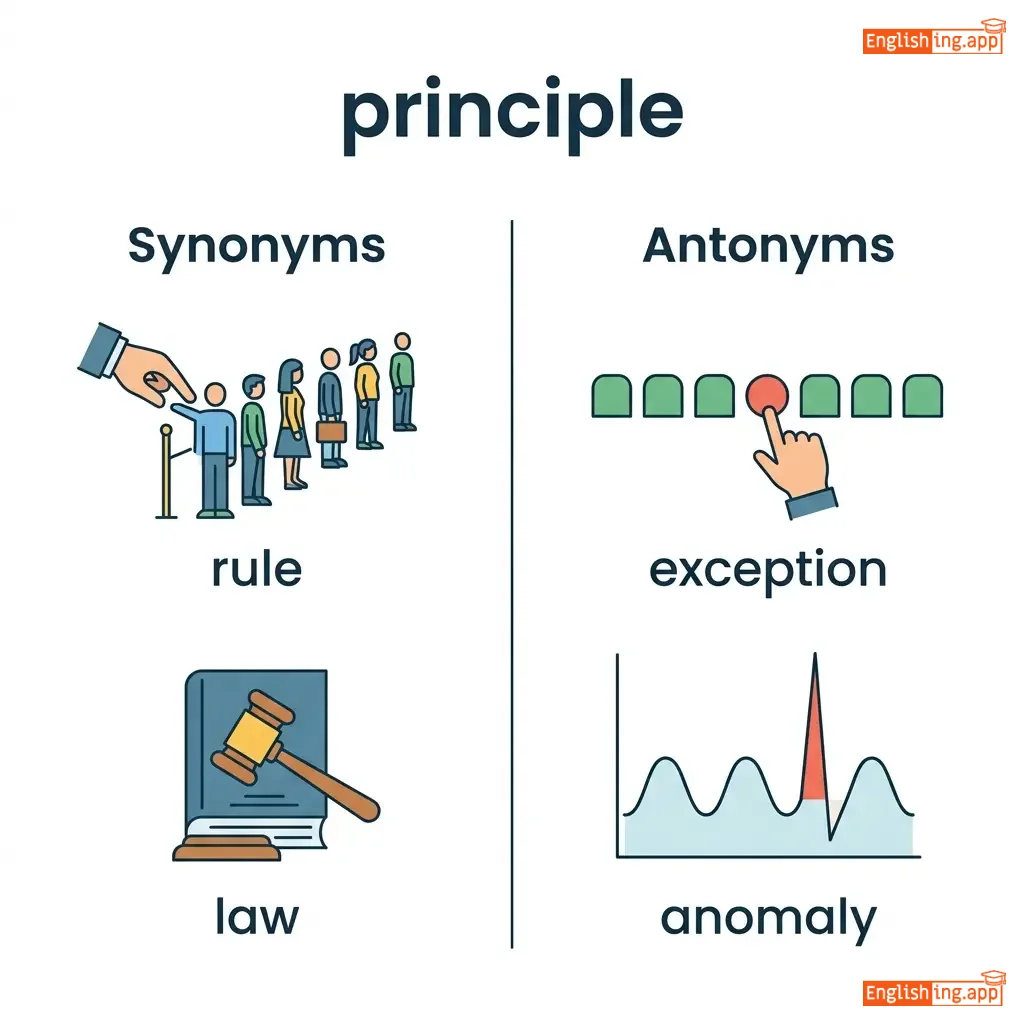
rule, law, tenet, belief, doctrine
••••••
|
exception, anomaly
••••••
|
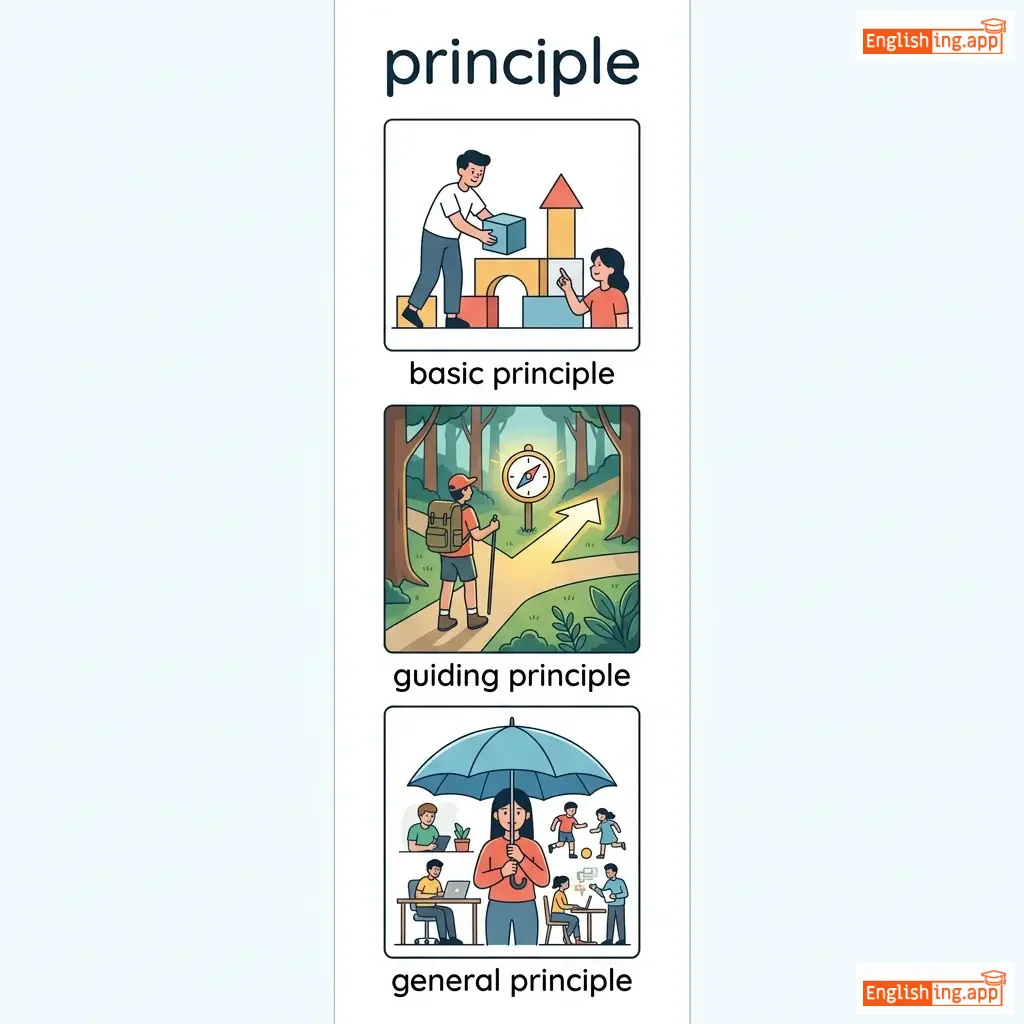
basic principle, guiding principle, general principle, moral principle
••••••
|
原則は基本的なルール—'学校の規律の原則'は学校の秩序を守るルールです
••••••
|
|
⚖️
••••••
|
/ˈprɑsɪˌkjuːtər/
noun
(プロセキューター)
••••••
|
- •••••• |
検察官
kensatsukan
••••••
|
- •••••• | - •••••• | - •••••• | - •••••• |
a lawyer who represents the government in criminal cases
••••••
|
The prosecutor argued that the defendant was guilty of the crime. |
検察官は被告が犯罪を犯したと主張した。
Kensatsukan wa hikoku ga hanzai wo okashita to shuchou shita.
••••••
|
- •••••• | - •••••• | - •••••• |
lawyer, attorney, district attorney, advocate
••••••
|
defendant, accused
••••••
|
prosecutor's office, prosecutor's argument, district prosecutor
••••••
|
検察官 (kensatsukan) は真実のために戦う - Prosecutor fights for the truth.
••••••
|
|
☢️
••••••
|
/ˌreɪdiˈeɪʃən/
noun
(放射線)
••••••
|
|
放射線
hōshasen
••••••
|
- •••••• | - •••••• | - •••••• | - •••••• |
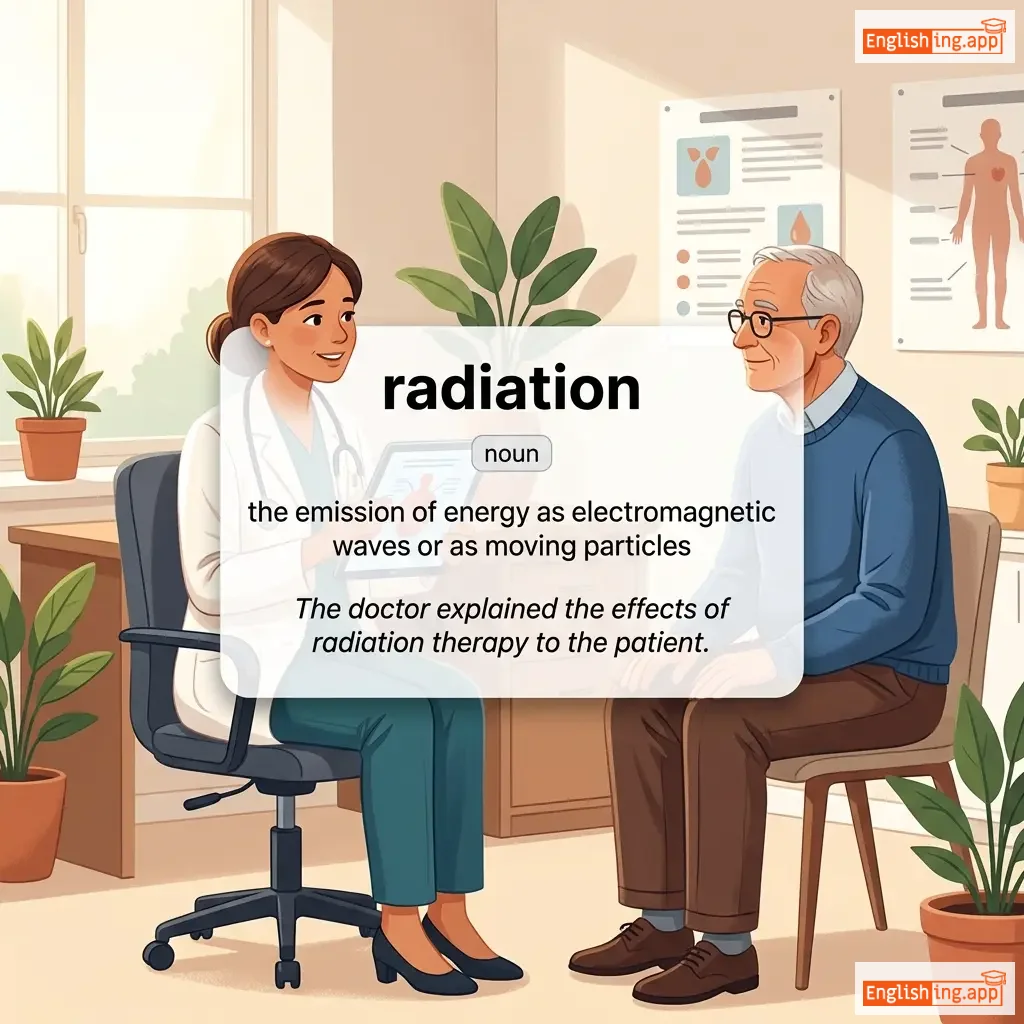
the emission of energy as electromagnetic waves or as moving particles
••••••
|
The doctor explained the effects of radiation therapy to the patient. |
医者は患者に放射線治療の効果を説明しました。
Isha wa kanja ni hōshasen chiryō no kōka o setsumei shimashita.
••••••
|
radiation sickness |
illness caused by exposure to high doses of radiation
••••••
|
放射線病
hōshasen byō
••••••
|
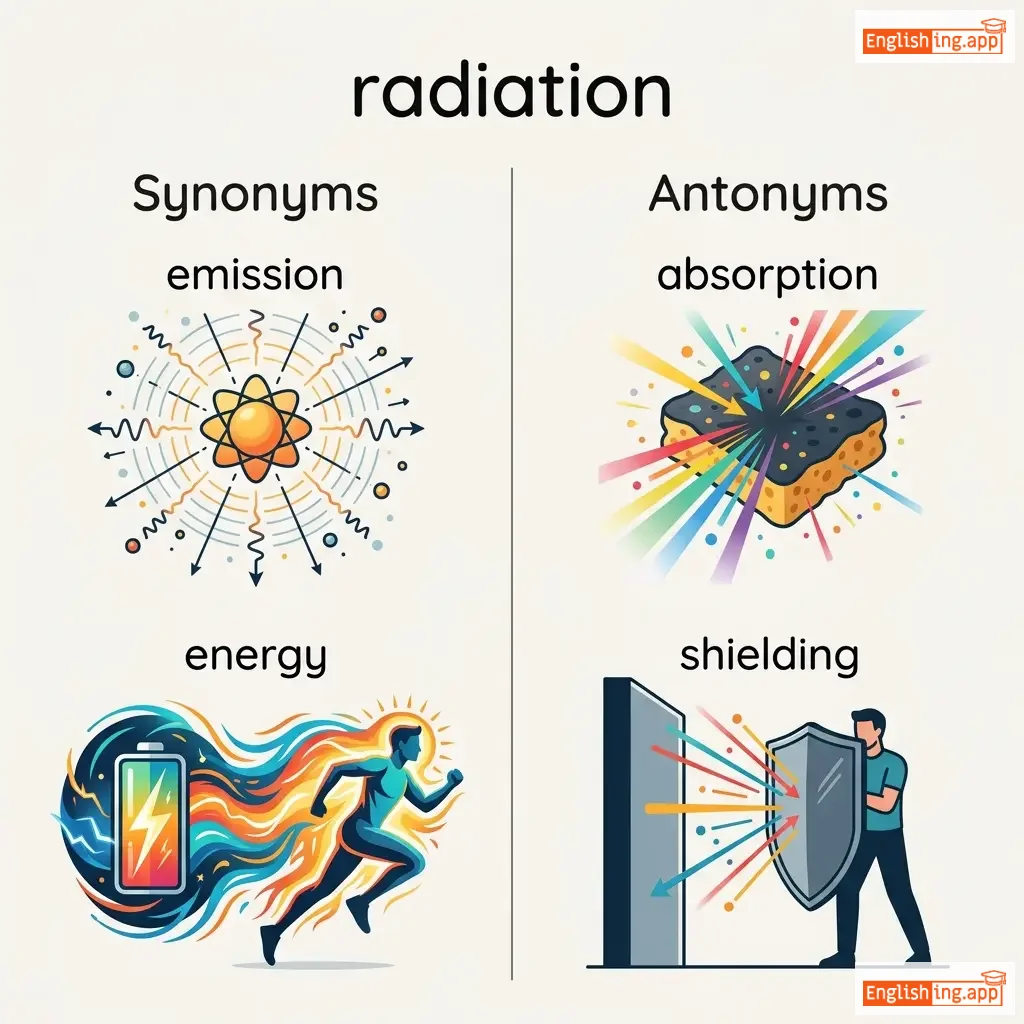
emission, energy, rays, exposure
••••••
|
absorption, shielding
••••••
|
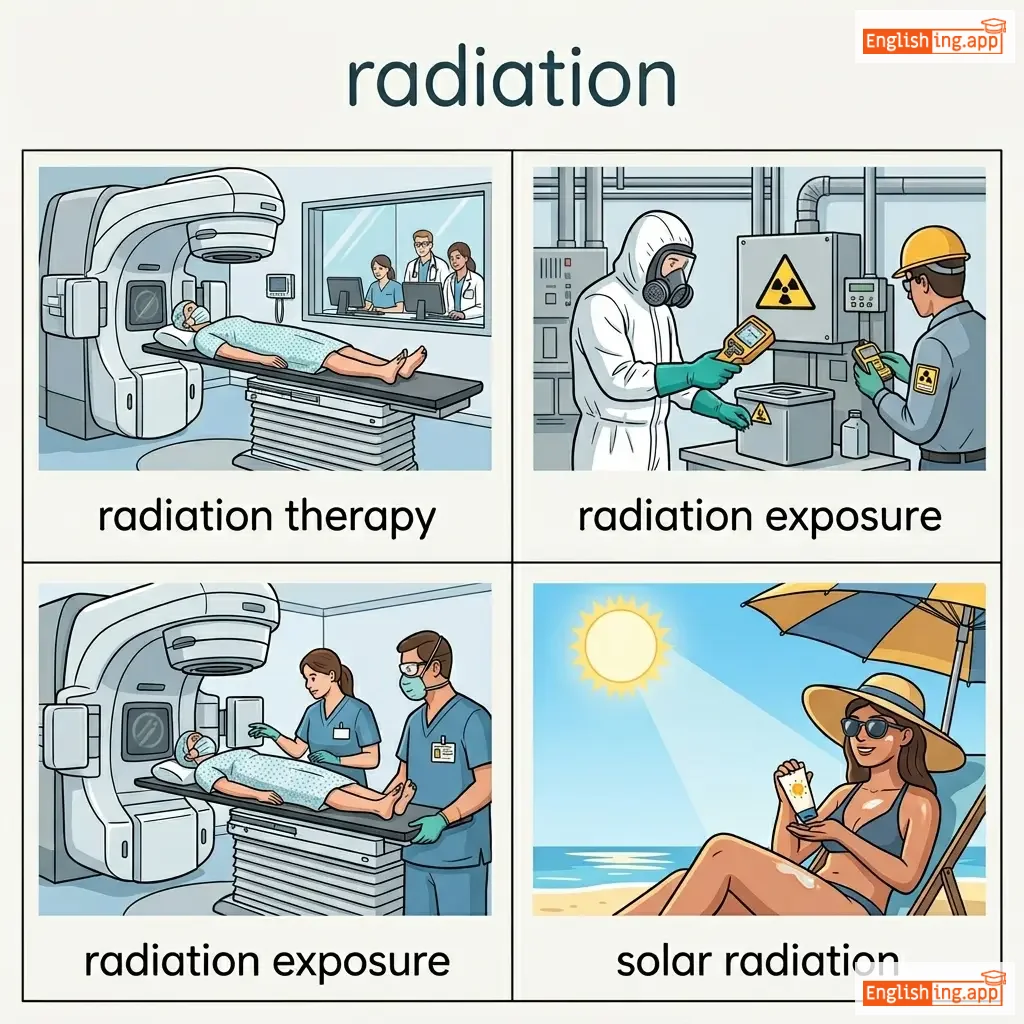
radiation therapy, radiation exposure, solar radiation, radiation level
••••••
|
放射線は'光線'から来ています — それは広がるエネルギーを覚えておいてください。
••••••
|
|
🗣️
••••••
|
/rɪˈspɒndənt/
noun
(レスポンデント)
••••••
|
- •••••• |
回答者
kaitōsha
••••••
|
- •••••• | - •••••• | - •••••• | - •••••• |
A person who replies to something, especially in a survey or legal case
••••••
|
The survey had over 1,000 respondents. |
調査には1000人以上の回答者がいました。
Chōsa ni wa 1000-nin ijō no kaitōsha ga imashita.
••••••
|
- •••••• | - •••••• | - •••••• |
participant, answerer, replier, defendant
••••••
|
petitioner, complainant
••••••
|
survey respondent, legal respondent, questionnaire respondent
••••••
|
Respondent は答える人 🗣️ - 調査で答える人は回答者です。
••••••
|
|
🧪
••••••
|
/ˈsʌb.stəns/
noun
(サブスタンス)
••••••
|
- •••••• |
物質
busshitsu
••••••
|
- •••••• | - •••••• | - •••••• | - •••••• |
a particular kind of matter with uniform properties; the essential nature of something; material or content
••••••
|
The scientist analyzed the unknown substance in the laboratory.
科学者は実験室で未知の物質を分析しました。
••••••
|
科学者は実験室で未知の物質を分析しました。
Kagakusha wa jikken-shitsu de michi no busshitsu o bunseki shimashita.
••••••
|
- •••••• | - •••••• | - •••••• |
material, matter, essence, content
••••••
|
emptiness, void, superficiality
••••••
|
chemical substance, controlled substance, substance abuse, essential substance
••••••
|
実験室で分析される物質は正確な結果を生み出すために重要です。
••••••
|
|
🤨
••••••
|
/səˈspɪʃən/
noun
(suspishon)
••••••
|
- •••••• |
疑い
utagai
••••••
|
- •••••• | - •••••• | - •••••• | - •••••• |
a feeling or belief that someone has done something wrong or illegal
••••••
|
He was arrested on suspicion of theft. |
彼は窃盗の疑いで逮捕された。
Kare wa settō no utagai de taiho sareta.
••••••
|
arouse suspicion |
to make people think that something wrong or illegal may have happened
••••••
|
疑いを引き起こす
utagai o hikiokosu
••••••
|
doubt, mistrust, distrust, skepticism, uncertainty
••••••
|
trust, confidence, belief
••••••
|
raise suspicion, under suspicion, deep suspicion, suspicion of
••••••
|
Suspicion は日本語で疑い — 疑いを持つと suspicion が起こります!
••••••
|
|
❓
••••••
|
/ʌnˈsɜːrtənti/
noun
(アンセレテンティ)
••••••
|
- •••••• |
不確実性; 疑念または確信の欠如
fukakujitsusei; ginen mata wa kakushin no ketsujo
••••••
|
- •••••• | - •••••• | - •••••• | - •••••• |
the state of being uncertain; doubt or lack of sureness
••••••
|
The uncertainty about the weather delayed our trip.
天気についての不確実性が私たちの旅行を遅らせた。
••••••
|
天気についての不確実性が私たちの旅行を遅らせた。
tenki ni tsuite no fukakujitsusei ga watashitachi no ryokou o okuraseta.
••••••
|
- •••••• | - •••••• | - •••••• |
doubt, ambiguity, confusion, hesitation
••••••
|
certainty, confidence, assurance, clarity
••••••
|
economic uncertainty, create uncertainty, reduce uncertainty
••••••
|
不確実性、天気みたいに変わりやすい!
••••••
|

