The Fight Against Silent Poison
Доктор Рахим был astronomer, но в его районе была фабрика, которая operating и распространяла radiation и вредные substance. Изначально люди испытывали suspicion, но никто не решался interrupt. Доктор Рахим понял, что необходимо исследовать эту проблему, это была necessity. Увидев его concerning результаты, члены сообщества выдвинули allegation против руководства фабрики. Владельцы фабрики сказали, что это были offensive accusations и высказали свое objection. Но доктор Рахим доказал, что эти substances были disastrous для здоровья людей. «Наш principle — это безопасность людей», сказал он. Несмотря на uncertainty, он продолжил расследование. Его доказательства constituteли сильное дело, которое inevitably привело к юридическим действиям. Prosecutor взял дело, и владельцев фабрики вызвали в суд как respondents. Власти поняли, что их мониторинг был insufficient. Лицензия на operating фабрики была приостановлена, а уровни radiation проверены. Сообщество победило и доказало, как важно поднимать objections и занимать principleдную позицию. Эта победа показала, что выдвижение allegations и accusations по поводу concerning проблем не только offensive, но и necessity, когда речь идет о защите здоровья населения.
Получите неограниченный доступ ко всем словам с подпиской Pro
Обновить до ProПолучите неограниченный доступ ко всем предложениям с подпиской Pro
Обновить до Pro|
Эмодзи
|
Слово | Images | Перевод | Прошедшее | Причастие прошедшего времени | Третье лицо единственного числа | Герундий | Значение | Пример предложения | Перевод примера предложения | Пример выражения | Значение примера выражения | Перевод примера выражения | Синонимы | Антонимы | Коллокации | Мнемоника |
|---|---|---|---|---|---|---|---|---|---|---|---|---|---|---|---|---|---|
|
☝️
••••••
|
/ˌæk.jʊˈzeɪ.ʃən/
noun
(аккузе́йшн)
••••••
|
- •••••• |
обвинение
obvinenie
••••••
|
- •••••• | - •••••• | - •••••• | - •••••• |
A statement that someone has done something wrong or illegal.
••••••
|
She made an accusation of theft against her colleague.
Она сделала обвинение в краже против своего коллеги.
••••••
|
Она сделала обвинение в краже против своего коллеги.
Ona sdelala obvinenie v krazhe protiv svoego kollegi.
••••••
|
false accusation
ложное обвинение
••••••
|
An untrue claim blaming someone.
••••••
|
ложное обвинение
lozhnoe obvinenie
••••••
|
allegation, charge, complaint, blame
••••••
|
praise, acquittal
••••••
|
serious accusation, false accusation, accusation of theft
••••••
|
Обвинение – это accusation на русском, когда вы обвиняете кого-то, это обвинение.
••••••
|
|
⚖️
••••••
|
/ˌæl.əˈɡeɪ.ʃən/
noun
(alʲɪɡɐˈt͡sɨjə)
••••••
|
- •••••• |
обвинение
obvinienie
••••••
|
- •••••• | - •••••• | - •••••• | - •••••• |
a claim that someone has done something wrong or illegal
••••••
|
The allegation against him was proven false. |
Обвинение против него было опровергнуто.
Obvinienie protiv nego bylo opovergnuto.
••••••
|
- •••••• | - •••••• | - •••••• |
accusation, charge, claim, assertion
••••••
|
vindication, exoneration, proof of innocence
••••••
|
serious allegation, false allegation, investigate allegation
••••••
|
Обвинение (Obvinienie) — обвинение возникает, когда кто-то делает что-то плохое.
••••••
|
|
🔭
••••••
|
/əˈstrɒnəmər/
noun
(астрономер)
••••••
|
- •••••• |
астроном
astronom
••••••
|
- •••••• | - •••••• | - •••••• | - •••••• |
a scientist who studies the stars, planets, and the universe
••••••
|
The astronomer observed the new comet through his telescope. |
Астроном наблюдал новый комету через свой телескоп.
Astronom nablyudal novyj kometu cherez svoj teleskop.
••••••
|
- •••••• | - •••••• | - •••••• |
stargazer, astrophysicist, scientist, observer
••••••
|
non-scientist, layperson
••••••
|
professional astronomer, amateur astronomer, famous astronomer
••••••
|
Астроном - тот, кто изучает астрономию и звезды.
••••••
|
|
📄
••••••
|
/kənˈsɜːnɪŋ/
preposition
(kənˈsɜːnɪŋ)
••••••
|
- •••••• |
касающийся
kasayushchiesya
••••••
|
- •••••• | - •••••• | - •••••• | - •••••• |
about or relating to something; causing worry or anxiety
••••••
|
There are some reports concerning the new project.
Есть несколько отчетов по новому проекту.
••••••
|
Есть несколько отчетов, касающихся нового проекта.
Yest' neskol'ko otchetov, kasayushchikhsya novogo proyektu.
••••••
|
- •••••• | - •••••• | - •••••• |
regarding, about, related to, concerning, with respect to
••••••
|
excluding, ignoring, aside from
••••••
|
concerning issue, reports concerning, laws concerning, questions concerning
••••••
|
Concern означает беспокойство, поэтому concerning означает касающийся.
••••••
|
|
⚖️
••••••
|
/ˈkɒnstɪtjuːt/
verb
(kɒnstɪtjuːt)
••••••
|
- •••••• |
составлять
sostavlyat'
••••••
|
constituted
kɒnstɪtjuːtɪd
••••••
|
constituted
kɒnstɪtjuːtɪd
••••••
|
constitutes
kɒnstɪtjuːts
••••••
|
constituting
kɒnstɪtjuːtɪŋ
••••••
|
To make up, form, or establish something.
••••••
|
These documents constitute the legal agreement between the two parties.
Эти документы составляют юридическое соглашение между двумя сторонами.
••••••
|
Эти документы составляют юридическое соглашение между двумя сторонами.
Ety dokumenty sostavlyayut yuridicheskoe soglashenie mezhdu dvumya storonami.
••••••
|
- •••••• | - •••••• | - •••••• |
comprise, form, make up, establish, create
••••••
|
exclude, destroy, abolish
••••••
|
constitute a crime, constitute an offense, constitute a majority, constitute evidence
••••••
|
Constitute означает 'составлять' – как конституция в стране.
••••••
|
|
💥
••••••
|
/dɪˈzæs.trəs/
adjective
(дизастрэс)
••••••
|
- •••••• |
катастрофический
katastroficheskiy
••••••
|
- •••••• | - •••••• | - •••••• | - •••••• |
extremely bad or unsuccessful; causing great damage
••••••
|
The hurricane had disastrous effects on the city. |
Ураган оказал катастрофическое воздействие на город.
Uragan okazal katastroficheskoe vozdeystvie na gorod.
••••••
|
- •••••• | - •••••• | - •••••• |
catastrophic, devastating, calamitous, ruinous
••••••
|
beneficial, fortunate, successful, favorable
••••••
|
disastrous consequences, disastrous effects, disastrous results
••••••
|
‘Катастрофа’ = ‘катастрофический’
••••••
|
|
🌀
••••••
|
/ɪnˈɛvɪtəbli/
adverb
(иневитабле)
••••••
|
- •••••• |
неизбежно
neyizbezhno
••••••
|
- •••••• | - •••••• | - •••••• | - •••••• |
in a way that cannot be avoided or prevented
••••••
|
Inevitably, the team faced challenges during the project. |
Неизбежно команда столкнулась с проблемами в ходе проекта.
Neyizbezhno komanda stolknulas' s problemami v khode proyekta.
••••••
|
as inevitably as night follows day |
something that is certain to happen
••••••
|
так же неизбежно, как ночь следует за днем
tak zhe neyizbezhno, kak noch' sleduet za dnyom
••••••
|
unavoidably, certainly, surely, predictably, inescapably
••••••
|
avoidably, preventably, uncertainly
••••••
|
inevitably lead, inevitably result, inevitably follow, inevitably happen
••••••
|
Неизбежно означает невозможность избежать, поэтому неизбежно произойдет 🌀
••••••
|
|
❌
••••••
|
/ˌɪnsəˈfɪʃənt/
adjective
(инсуффишент)
••••••
|
- •••••• |
недостаточный
nedostatocnyj
••••••
|
- •••••• | - •••••• | - •••••• | - •••••• |
Not enough; inadequate.
••••••
|
His explanation was insufficient to clear the confusion. |
Его объяснение было недостаточным, чтобы прояснить путаницу.
Ego ob'jasnenie bylo nedostatochnym, chtoby projasnit' putanicu.
••••••
|
- •••••• | - •••••• | - •••••• |
inadequate, deficient, meager, scarce, poor
••••••
|
sufficient, adequate, plentiful
••••••
|
insufficient funds, insufficient evidence, insufficient resources
••••••
|
Insufficient означает 'in' + 'sufficient' = недостаточно.
••••••
|
|
⏸️
••••••
|
/ˌɪntəˈrʌpt/
verb
(интеррапт)
••••••
|
- •••••• |
прерывать
preryvat
••••••
|
interrupted
••••••
|
interrupted
••••••
|
interrupts
••••••
|
interrupting
••••••
|
to stop someone from speaking or doing something by suddenly saying or doing something
••••••
|
She tried not to interrupt while he was speaking. |
Она пыталась не прерывать его, когда он говорил.
Ona pytalas' ne preryvat' ego, kogda on govoril.
••••••
|
interrupt the flow |
to break the natural course of something
••••••
|
перерывать поток
pereryvat' potok
••••••
|
disturb, hinder, intrude, disrupt, break in
••••••
|
continue, allow, support
••••••
|
interrupt the conversation, interrupt the process, rudely interrupt
••••••
|
Прерывать — это как сделать стоп в разговоре.
••••••
|
|
🥖
••••••
|
/nəˈsɛsəti/
noun
(nesesiti)
••••••
|
|
необходимость
neobkhodimost
••••••
|
- •••••• | - •••••• | - •••••• | - •••••• |
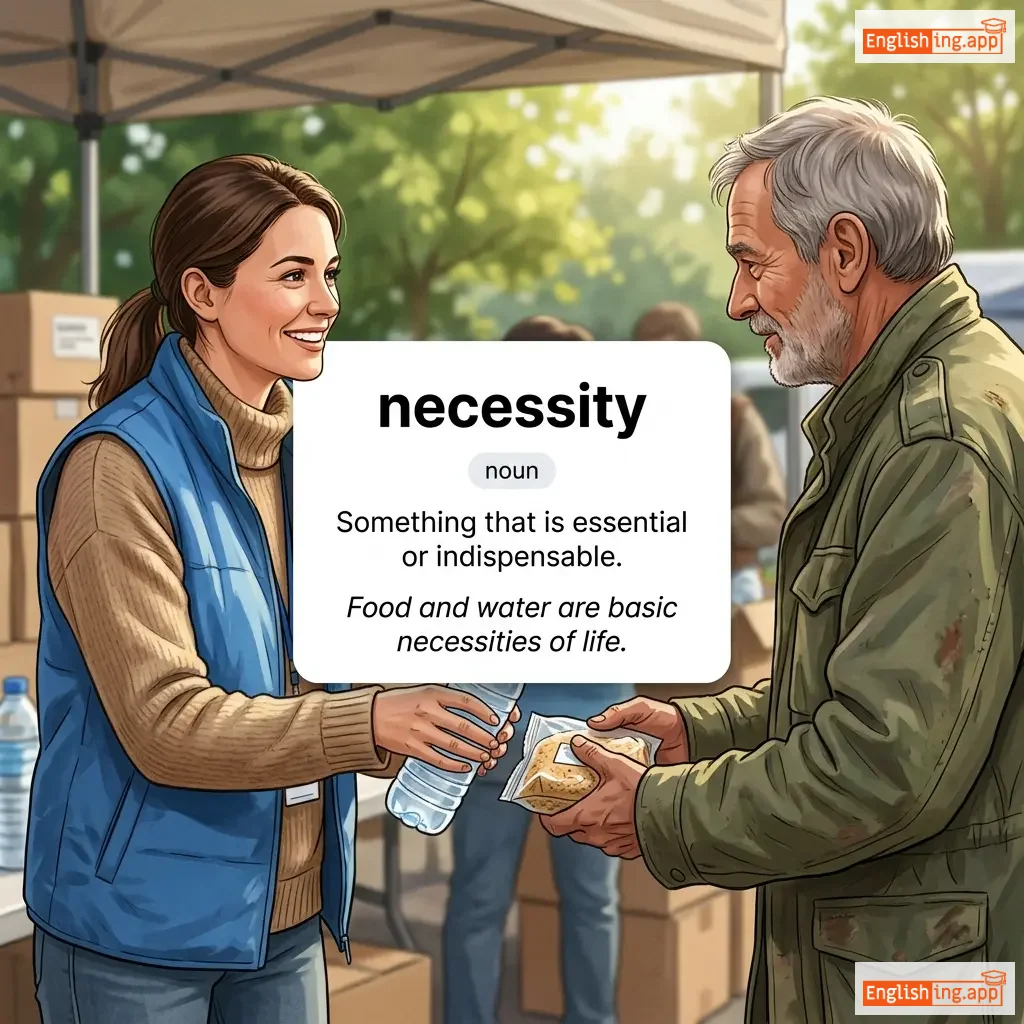
Something that is essential or indispensable.
••••••
|
Food and water are basic necessities of life. |
Еда и вода являются основными необходимыми вещами в жизни.
Yeda i voda yavyayutsya osnovnymi neobkhodimymi veshchami v zhizni.
••••••
|
out of necessity |
because it is necessary
••••••
|
по необходимости
po neobkhodimosti
••••••
|
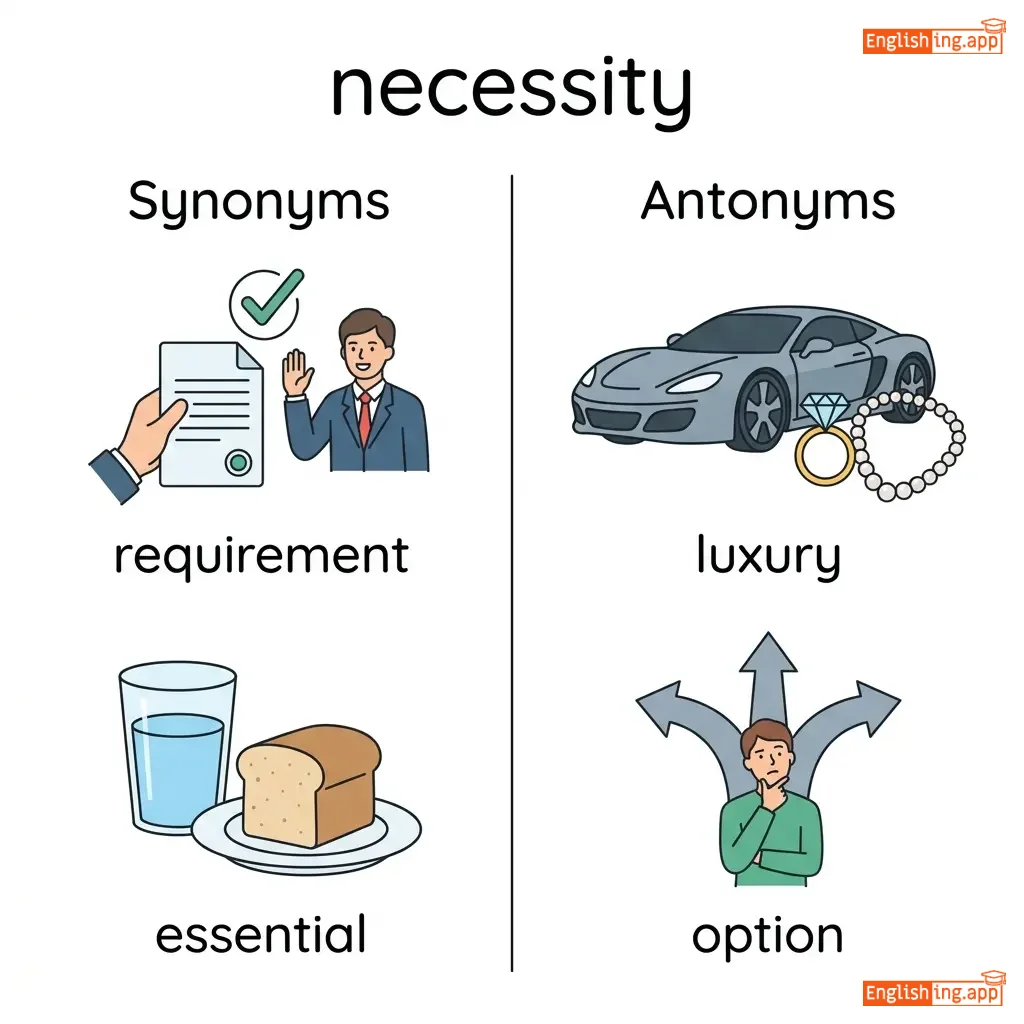
requirement, essential, need, must
••••••
|
luxury, option
••••••
|
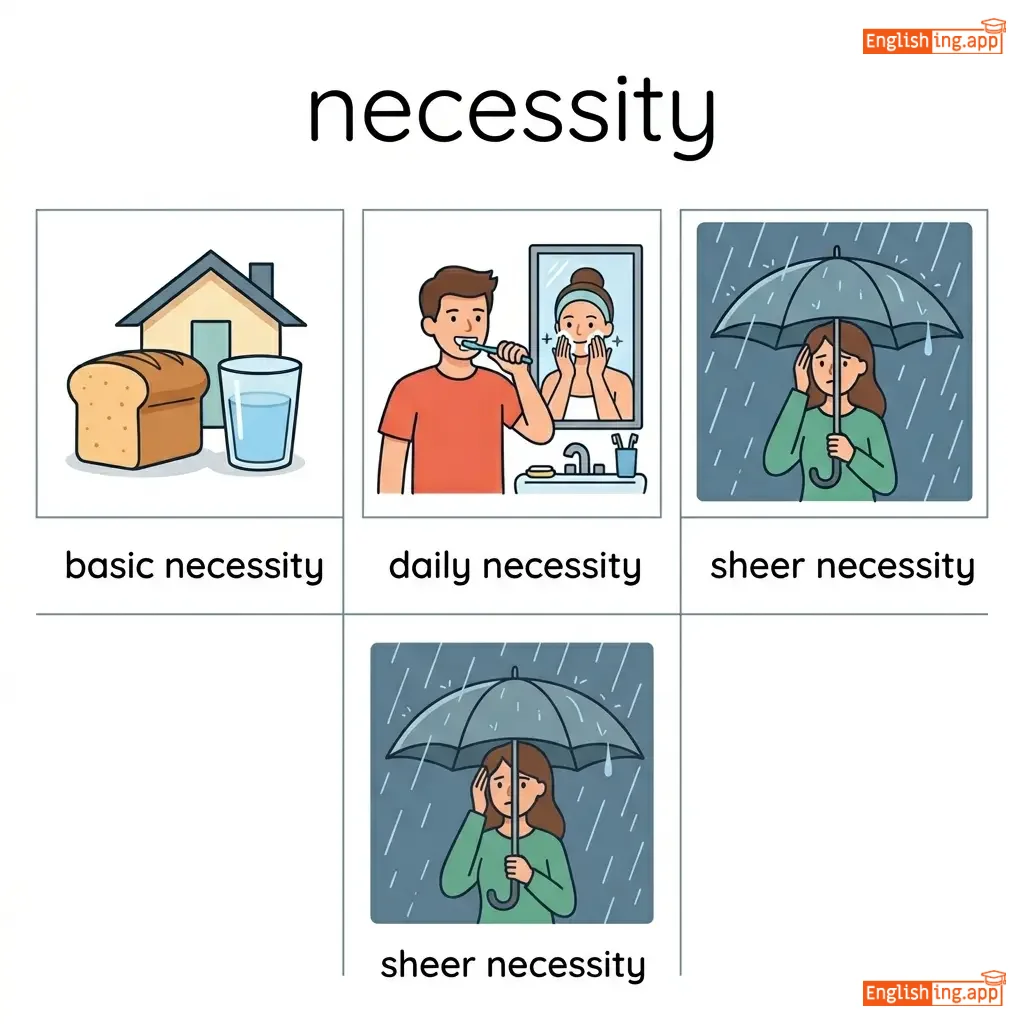
basic necessity, daily necessity, sheer necessity
••••••
|
Necessity означает необходимость — без еды и воды жизнь невозможна.
••••••
|
|
✋
••••••
|
/əbˈdʒɛkʃən/
noun
(обжекция)
••••••
|
- •••••• |
возражение
vozrazhenie
••••••
|
- •••••• | - •••••• | - •••••• | - •••••• |
an expression or feeling of disapproval or opposition
••••••
|
The lawyer raised an objection during the trial.
Адвокат поднял обжекцию во время судебного разбирательства.
••••••
|
Адвокат поднял возражение во время судебного разбирательства.
Advokat podnyal vozrazhenie vo vremya sudebnogo razbiraetel'stva.
••••••
|
raise an objection
поднять обжекцию
••••••
|
to express disapproval or disagreement formally
••••••
|
поднять возражение
podnyat' vozrazhenie
••••••
|
protest, complaint, opposition, dissent, disagreement
••••••
|
approval, consent, agreement
••••••
|
strong objection, raise an objection, legal objection, no objection, objection letter
••••••
|
Objection значит возражение — в суде вы услышите ‘Возражение!’ ✋ это означает несогласие!
••••••
|
|
😠
••••••
|
/əˈfɛnsɪv/
adjective
(офенсив)
••••••
|
- •••••• |
оскорбительный
oskorbitel'nyj
••••••
|
- •••••• | - •••••• | - •••••• | - •••••• |
Causing hurt, anger, or annoyance; also relating to attacking in sports or war.
••••••
|
His offensive remarks upset everyone at the meeting. |
Его оскорбительные замечания огорчили всех на встрече.
Ego oskorbitelnye zamechaniya ogorchili vsekh na vstreche.
••••••
|
take offense |
To feel hurt or insulted by something said or done.
••••••
|
оскорбиться
oskorbitsya
••••••
|
insulting, rude, disrespectful, abusive
••••••
|
polite, respectful, pleasant
••••••
|
offensive remark, offensive language, offensive strategy, take offense
••••••
|
Offensive означает оскорблять - оскорбительные замечания.
••••••
|
|
⚙️
••••••
|
/ˈɒpəreɪtɪŋ/
verb
(оперирующий)
••••••
|
- •••••• |
оперирующий
opiruyushchiy
••••••
|
operated
оперировал
••••••
|
operated
оперировал
••••••
|
operates
оперирует
••••••
|
operating
оперирующий
••••••
|
to control or manage the functioning of something
••••••
|
The company has been operating in this market for five years.
Компания работает на этом рынке уже пять лет.
••••••
|
Компания работает на этом рынке уже пять лет.
Kompaniya rabotayet na etom rynke uzhe pyat' let.
••••••
|
- •••••• | - •••••• | - •••••• |
managing, controlling, running, working
••••••
|
stopping, halting
••••••
|
operating system, operating room, operating procedure
••••••
|
Оперировать как врач - operating like a doctor!
••••••
|
|
📜
••••••
|
/ˈprɪnsəpəl/
noun
(prin-tsipal)
••••••
|
|
принцип
printsip
••••••
|
- •••••• | - •••••• | - •••••• | - •••••• |
a fundamental truth, law, or rule that serves as the foundation for a system of belief or behavior
••••••
|
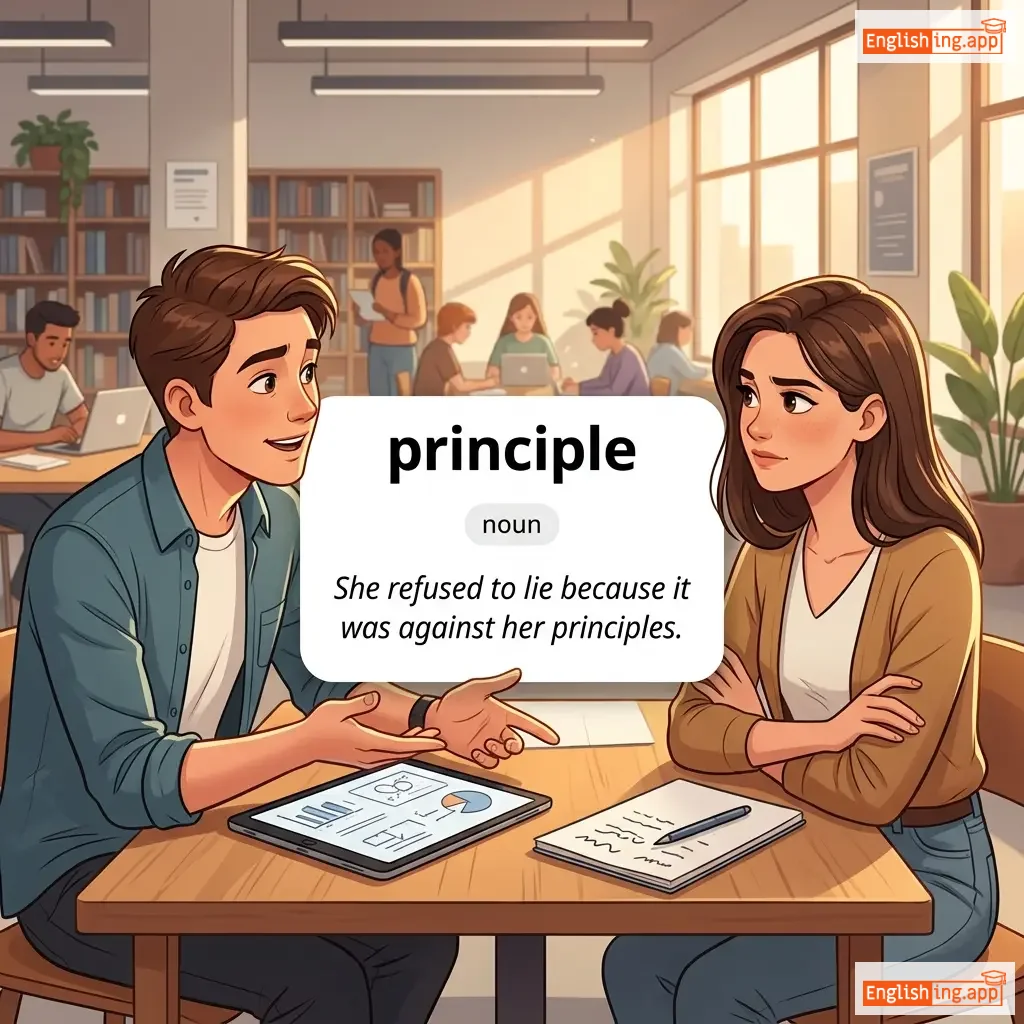
She refused to lie because it was against her principles. |
Она отказалась лгать, потому что это шло против её принципов.
Ona otkazalas' lgat', potomu chto eto shlo protiv yeye printsipov.
••••••
|
in principle |
as a general idea or rule, even if not applied in practice
••••••
|
в принципе
v printsipe
••••••
|
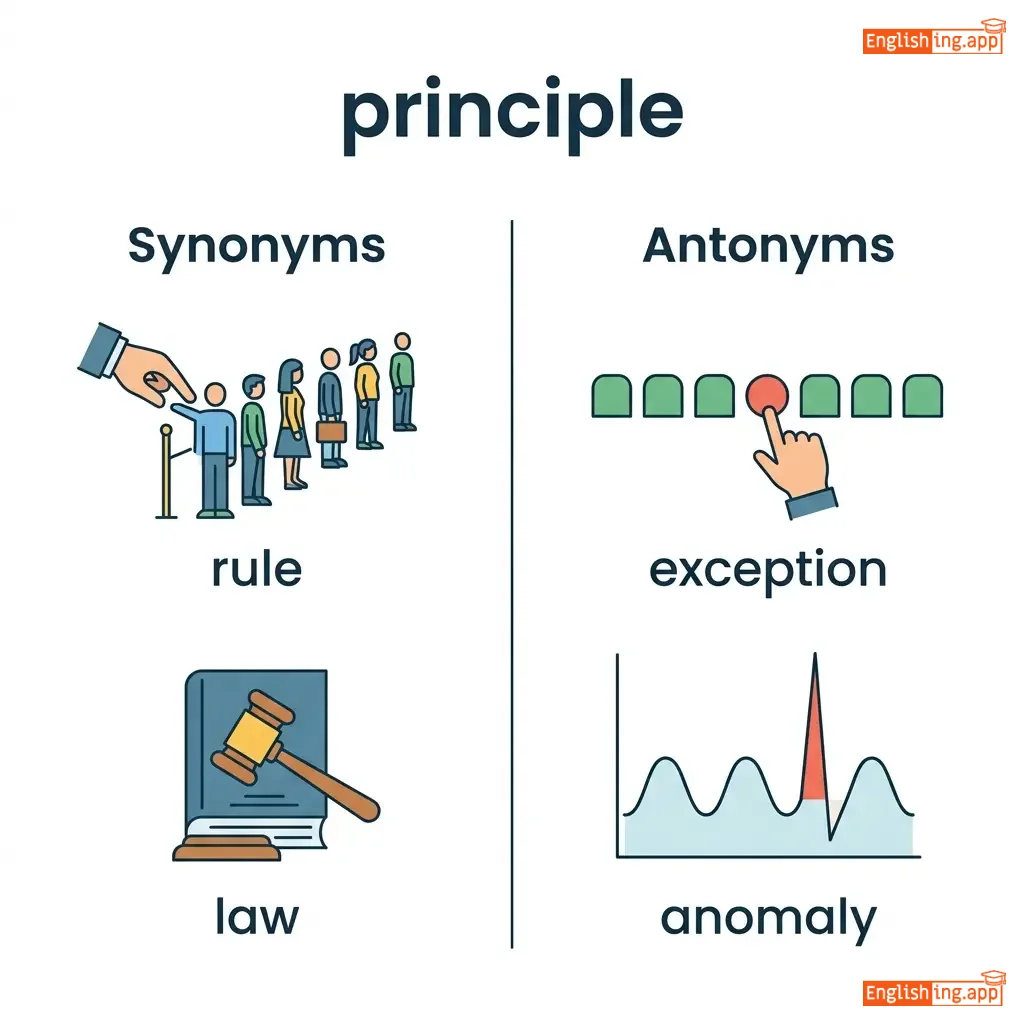
rule, law, tenet, belief, doctrine
••••••
|
exception, anomaly
••••••
|
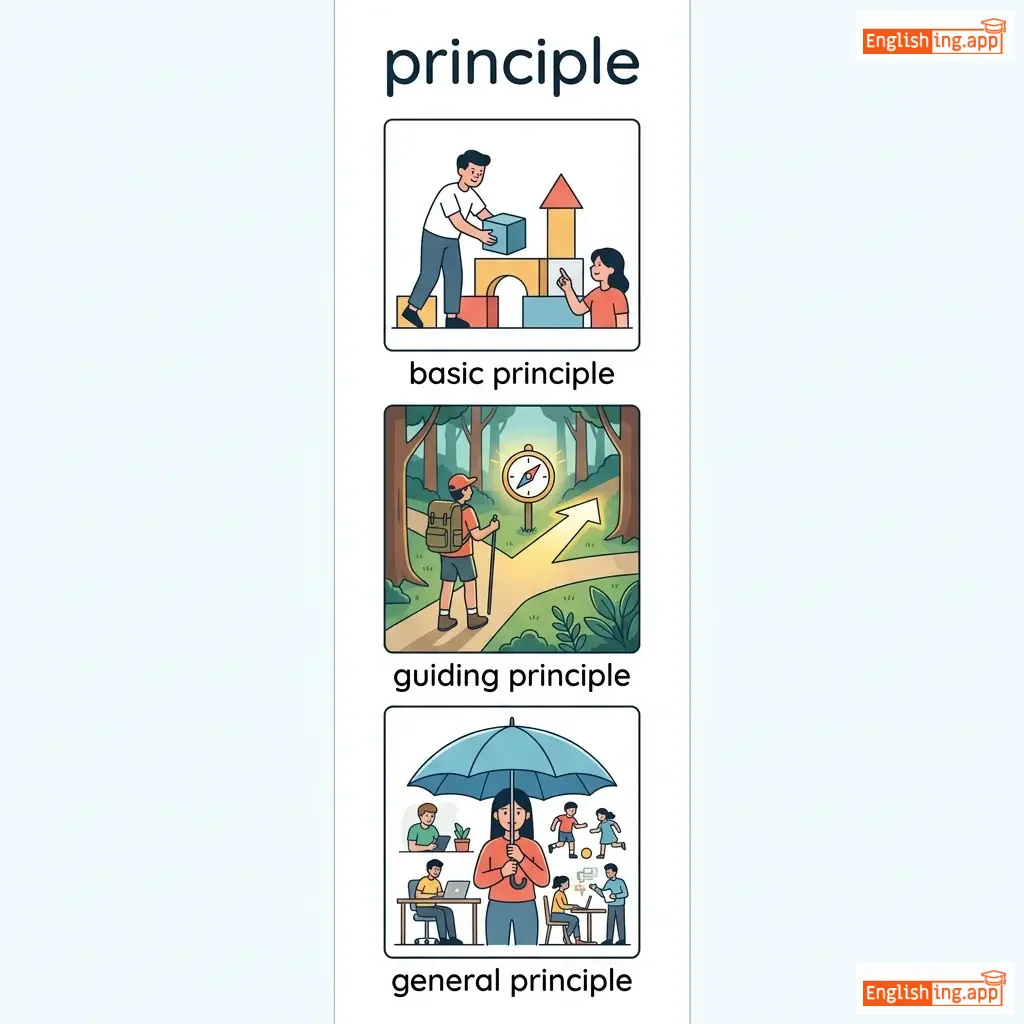
basic principle, guiding principle, general principle, moral principle
••••••
|
Принцип означает основу—'Принцип дисциплины' означает правило дисциплины в школе.
••••••
|
|
⚖️
••••••
|
/ˈprɑsɪˌkjuːtər/
noun
(прокьюратор)
••••••
|
- •••••• |
прокурор
prokuror
••••••
|
- •••••• | - •••••• | - •••••• | - •••••• |
a lawyer who represents the government in criminal cases
••••••
|
The prosecutor argued that the defendant was guilty of the crime. |
Прокурор утверждал, что обвиняемый виновен в преступлении.
Prokuror utverzhdal, chto obvinyaemyy vinoven v prestuplenii.
••••••
|
- •••••• | - •••••• | - •••••• |
lawyer, attorney, district attorney, advocate
••••••
|
defendant, accused
••••••
|
prosecutor's office, prosecutor's argument, district prosecutor
••••••
|
Прокурор (prosecutor) борется за правду против преступников - Prosecutor fights for the truth against criminals.
••••••
|
|
☢️
••••••
|
/ˌreɪdiˈeɪʃən/
noun
(радиация)
••••••
|
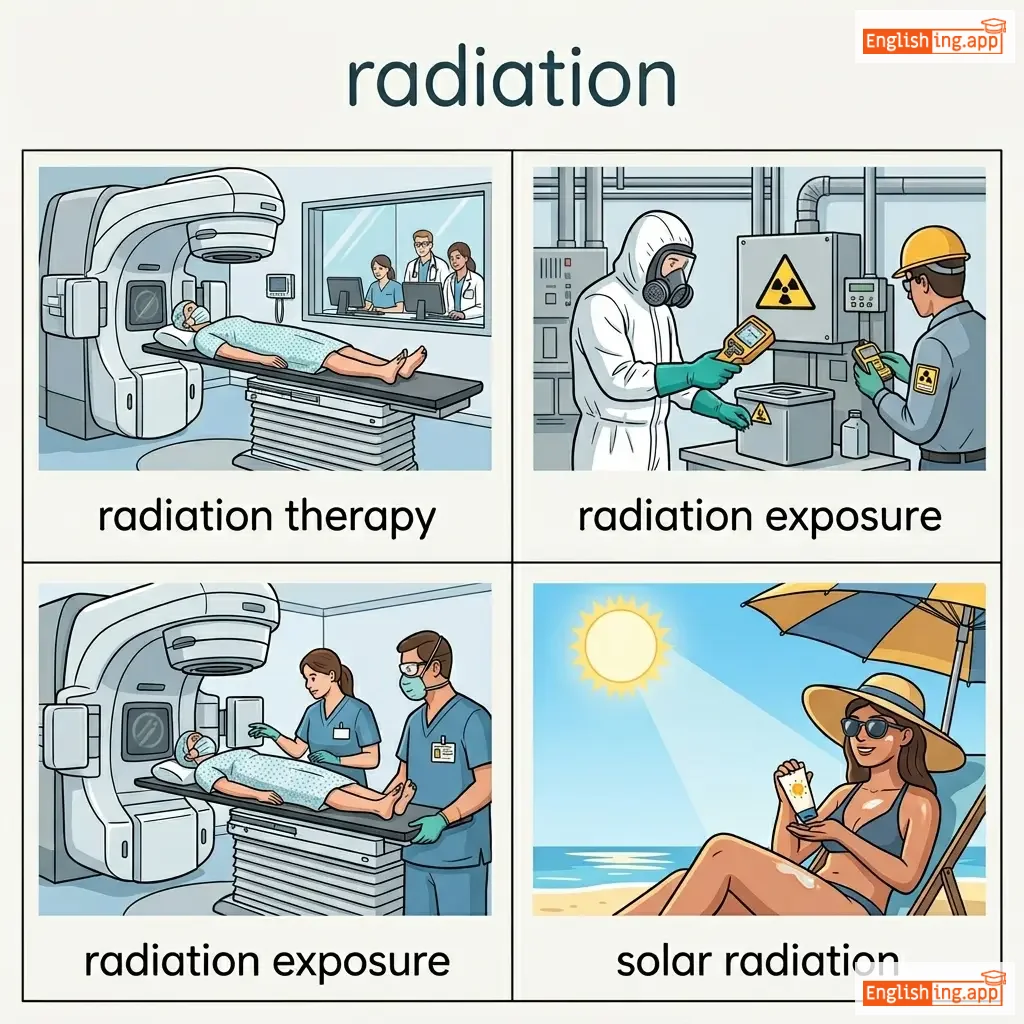
|
радиация
radiatsiya
••••••
|
- •••••• | - •••••• | - •••••• | - •••••• |
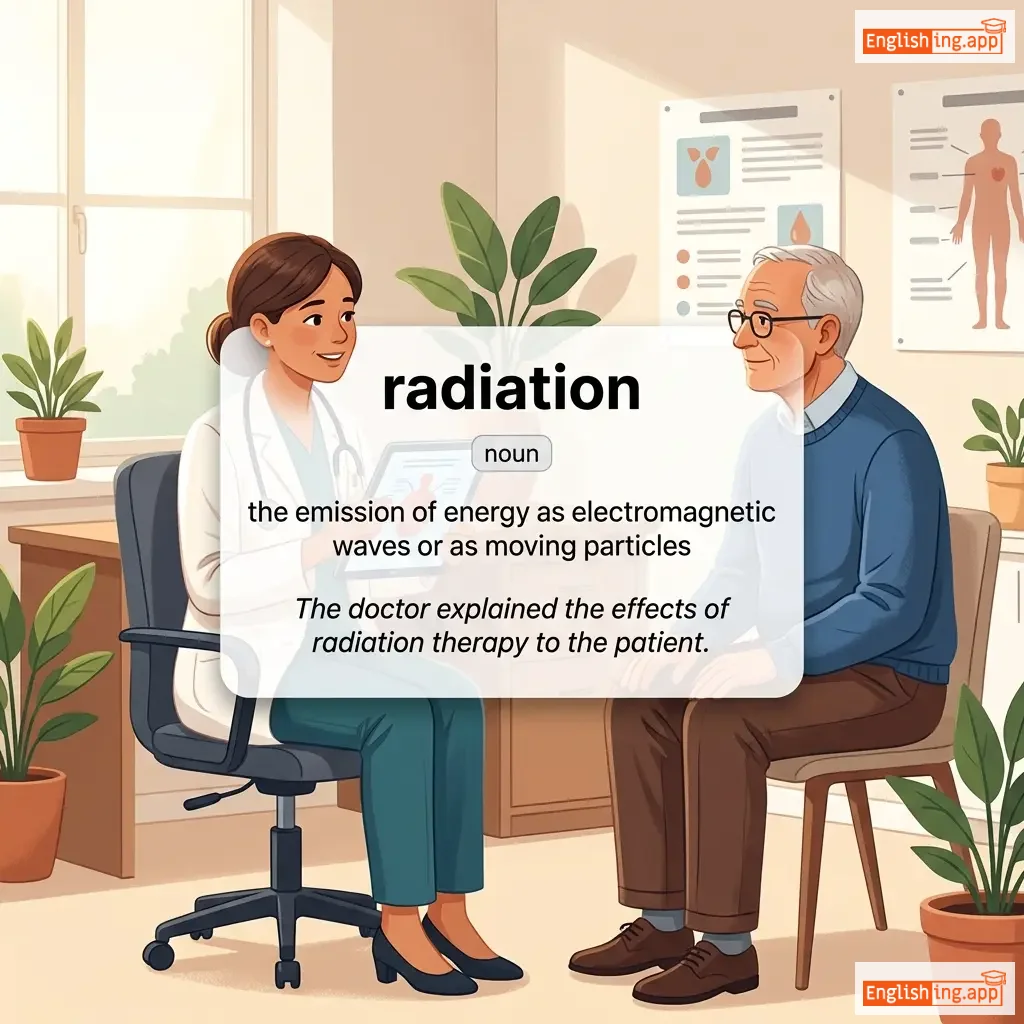
the emission of energy as electromagnetic waves or as moving particles
••••••
|
The doctor explained the effects of radiation therapy to the patient. |
Доктор объяснил пациенту эффекты радиационной терапии.
Doktor obyasnil patsiyentu effekty radiatsionnoy terapii.
••••••
|
radiation sickness |
illness caused by exposure to high doses of radiation
••••••
|
лучевая болезнь
luchevaya bolezn
••••••
|
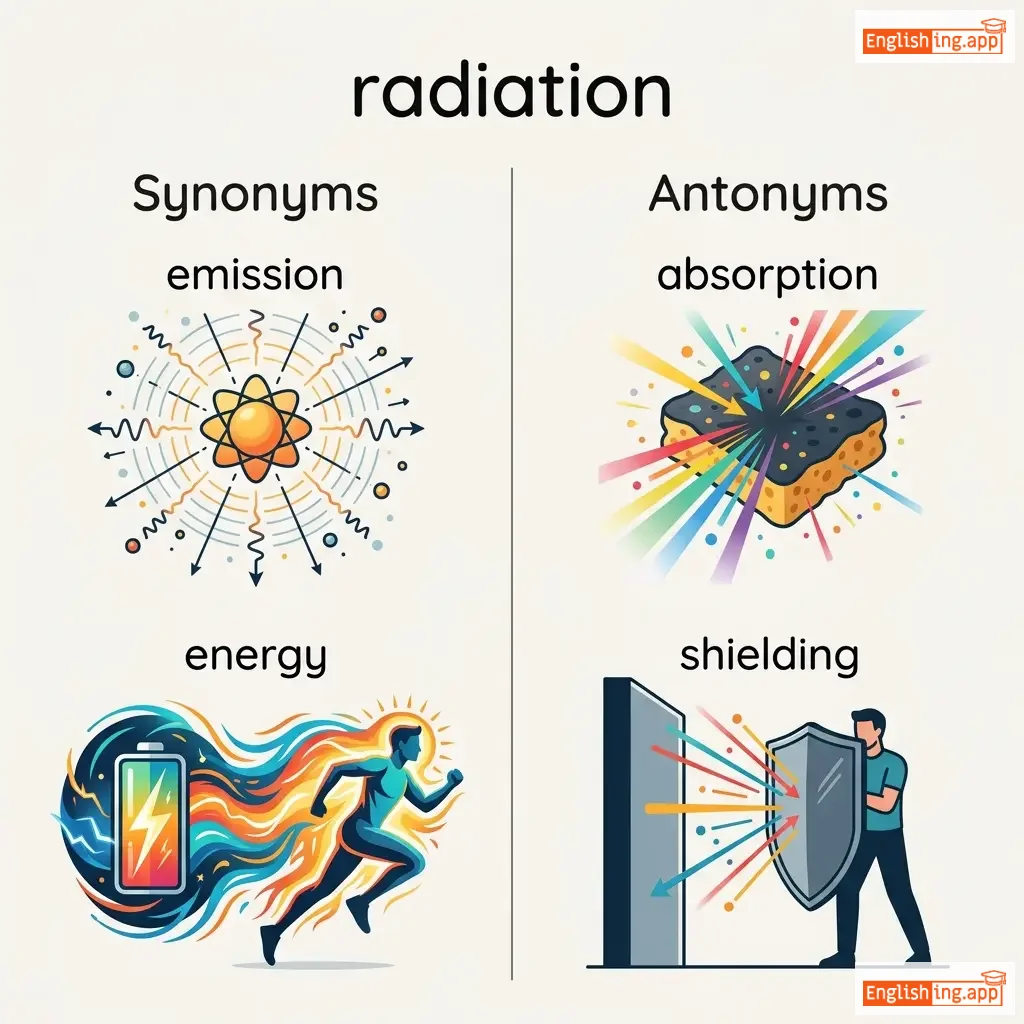
emission, energy, rays, exposure
••••••
|
absorption, shielding
••••••
|
radiation therapy, radiation exposure, solar radiation, radiation level
••••••
|
Радиация — это 'лучи' — запомни, что это энергия, которая распространяется.
••••••
|
|
🗣️
••••••
|
/rɪˈspɒndənt/
noun
(респонде́нт)
••••••
|
- •••••• |
респондент
responent
••••••
|
- •••••• | - •••••• | - •••••• | - •••••• |
A person who replies to something, especially in a survey or legal case
••••••
|
The survey had over 1,000 respondents. |
Опрос собрал более 1000 респондентов.
Opros sobrál bolee 1000 respondentov.
••••••
|
- •••••• | - •••••• | - •••••• |
participant, answerer, replier, defendant
••••••
|
petitioner, complainant
••••••
|
survey respondent, legal respondent, questionnaire respondent
••••••
|
Respondent значит тот, кто отвечает 🗣️ - в опросе респондент отвечает.
••••••
|
|
🧪
••••••
|
/ˈsʌb.stəns/
noun
(sʌbstæns)
••••••
|
- •••••• |
вещество
veshchestvo
••••••
|
- •••••• | - •••••• | - •••••• | - •••••• |
a particular kind of matter with uniform properties; the essential nature of something; material or content
••••••
|
The scientist analyzed the unknown substance in the laboratory.
Учёный анализировал неизвестное вещество в лаборатории.
••••••
|
Учёный анализировал неизвестное вещество в лаборатории.
Uchony analiziroval neizvestnoe veshchestvo v laboratorii.
••••••
|
- •••••• | - •••••• | - •••••• |
material, matter, essence, content
••••••
|
emptiness, void, superficiality
••••••
|
chemical substance, controlled substance, substance abuse, essential substance
••••••
|
Учёный смог разделить вещество на его части в лаборатории.
••••••
|
|
🤨
••••••
|
/səˈspɪʃən/
noun
(susˈpɪʃən)
••••••
|
- •••••• |
подозрение
podozreniye
••••••
|
- •••••• | - •••••• | - •••••• | - •••••• |
a feeling or belief that someone has done something wrong or illegal
••••••
|
He was arrested on suspicion of theft. |
Он был арестован по подозрению в краже.
On byl arestovan po podozreniyu v krazhe.
••••••
|
arouse suspicion |
to make people think that something wrong or illegal may have happened
••••••
|
вызывать подозрение
vyzyvat' podozreniye
••••••
|
doubt, mistrust, distrust, skepticism, uncertainty
••••••
|
trust, confidence, belief
••••••
|
raise suspicion, under suspicion, deep suspicion, suspicion of
••••••
|
Suspicion по-русски это подозрение — Подозревай, и будет suspicion.
••••••
|
|
❓
••••••
|
/ʌnˈsɜːrtənti/
noun
(anserten-ti)
••••••
|
- •••••• |
неопределенность; сомнение или отсутствие уверенности
neopredelennost'; somnenie ili otsutstvie uverennosti
••••••
|
- •••••• | - •••••• | - •••••• | - •••••• |
the state of being uncertain; doubt or lack of sureness
••••••
|
The uncertainty about the weather delayed our trip.
неопределенность о погоде задержала нашу поездку.
••••••
|
Неопределенность о погоде задержала нашу поездку.
Neopredelennost' o pogode zaderzhala nashu poyezdku.
••••••
|
- •••••• | - •••••• | - •••••• |
doubt, ambiguity, confusion, hesitation
••••••
|
certainty, confidence, assurance, clarity
••••••
|
economic uncertainty, create uncertainty, reduce uncertainty
••••••
|
Неопределенность — как погода, всегда меняется.
••••••
|

