Riad's Inclusive Art School
Riadが新しい美術学校を開いたとき、彼は initially 数人の生徒しか来ないだろうと考えていました。しかし northeast 地域からの人々がまるでお祭りが始まったかのように一緒にやって来ました。近くのカレッジの performers がワークショップを主導し、初日にダンスを教えました。Riadはそれが地域の nonprofit であると発表し、誰でも自由に参加できるようにしました。新しいメンバー一人ひとりに、手作りのバッジを小さな incentive として提供しました。彼は言いました。『私たちは芸術の inclusion を保証します;誰も排除されません。』 村の高齢者は、この取り組みが変化の明確な indicator だと言いました。Riadは決めました。『私たちは来月 implement 新しいカリキュラムを実施します。』 学生の創造性のための insurance として基金も作られました。予算が減ったとき、Tahsinがタイムリーに intervene して地元のスポンサーを確保しました。イマームは、安全を無視すると法的な liability が生じる可能性があると警告しました。Riadは微笑んで言いました。『私たちは literally すべてのガイドラインに従います。』 彼は long-term の計画を書き、皆が読めるように壁に掛けました。彼らは部屋を permanent なギャラリースペースに装飾しました。熟練した personnel がそこに配属され、毎日時間通りにドアを開けます。若いアーティストが都市の展示会に行けるよう、特別な placement プログラムが開始されました。『私たちの仕事は古い precedent に従うことではなく、新しい道を切り開くことだ』とRiadは言いました。それでも彼はチームにすべての経費を precisely 記録するよう指示しました。地区の人々にとって、その会議室に座ることは大きな privilege のように感じられました。夕方の灯が消える前に、Riadの母は言いました。『あなたは今や私たちのもっとも prominent な夢想家です。』
|
絵文字
|
単語 | Images | 翻訳 | 過去 | 過去分詞 | 三人称単数 | 動名詞 | 意味 | 例文 | 例文の翻訳 | 表現例 | 表現例の意味 | 表現例の翻訳 | 同義語 | 対義語 | コロケーション | ニーモニック |
|---|---|---|---|---|---|---|---|---|---|---|---|---|---|---|---|---|---|
|
⚙️
••••••
|
/ˈɪmplɪˌmɛnt/
verb
(インプリメント)
••••••
|
|
実施する
jisshi suru
••••••
|
implemented
インプリメンテッド
••••••
|
implemented
インプリメンテッド
••••••
|
implements
インプリメンツ
••••••
|
implementing
インプリメンティング
••••••
|
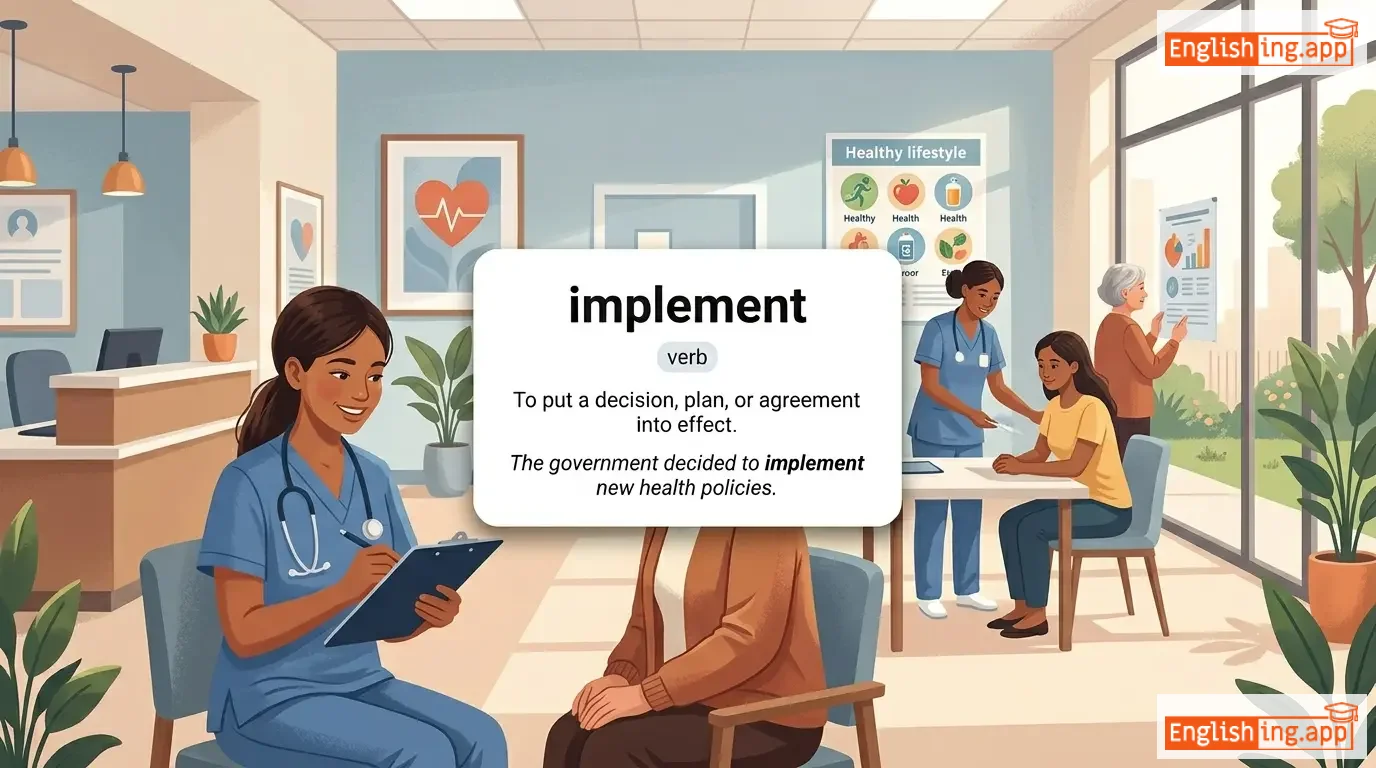
To put a decision, plan, or agreement into effect.
••••••
|
The government decided to implement new health policies.
政府は新しい健康政策を実施することに決定しました。
••••••
|
政府は新しい健康政策を実施することに決定しました。
Seifu wa atarashii kenko seisaku wo jisshi suru koto ni kettei shimashita.
••••••
|
implement a plan
計画を実行する
••••••
|
To carry out a plan in practice.
••••••
|
計画を実行する
Keikaku wo jikkou suru
••••••
|
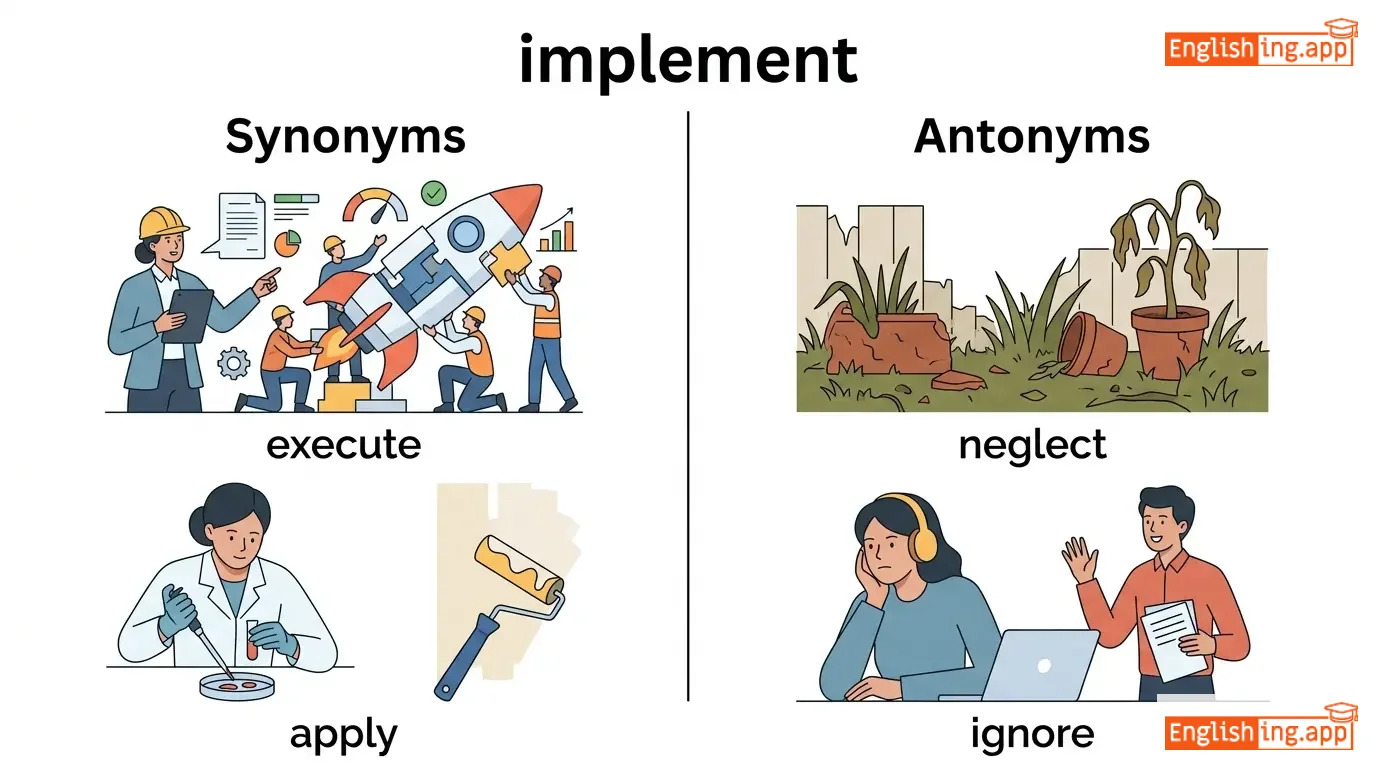
execute, apply, enforce, realize, perform
••••••
|
neglect, ignore, abandon
••••••
|
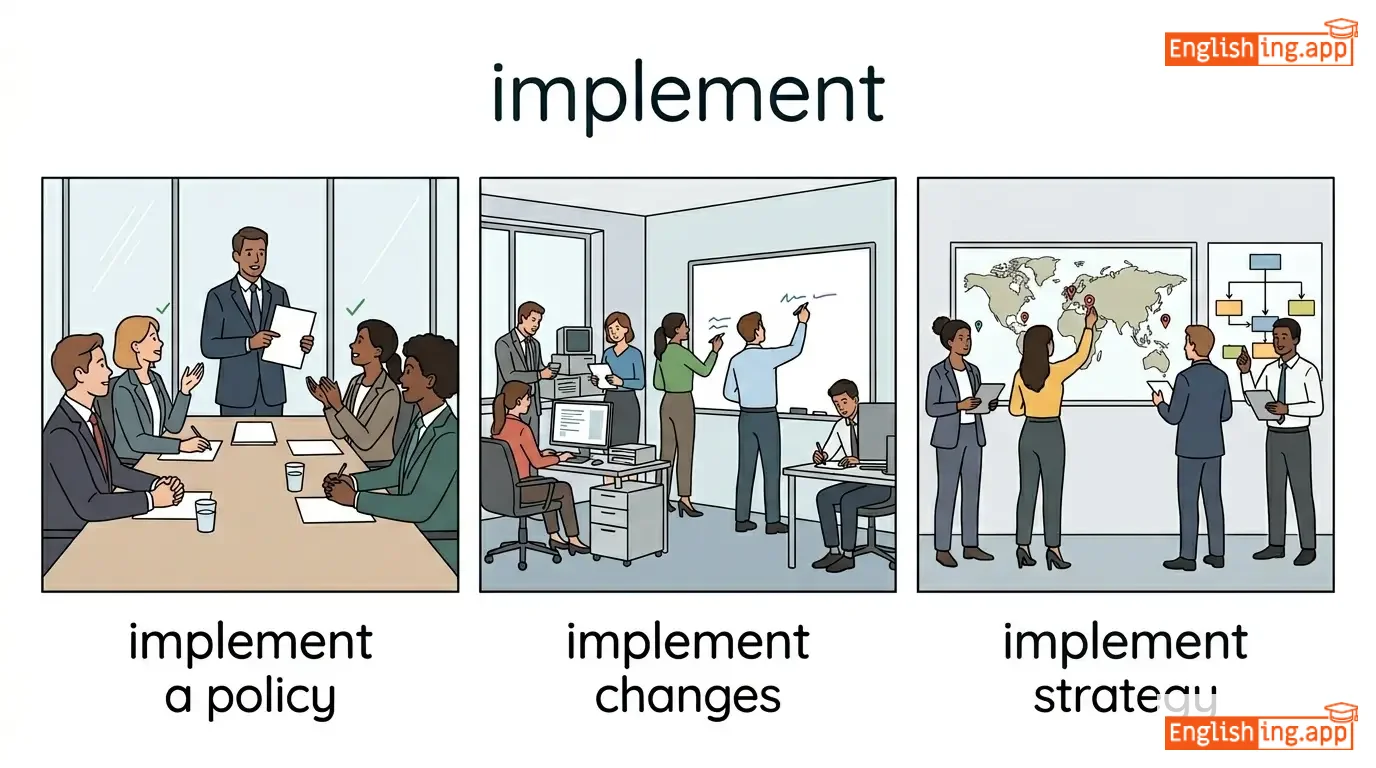
implement a policy, implement changes, implement strategy, implement decision
••••••
|
実施するは計画を現実にすることです。
••••••
|
|
🎁
••••••
|
/ɪnˈsɛntɪv/
noun
(インセンティブ)
••••••
|
- •••••• |
インセンティブ
insentibu
••••••
|
- •••••• | - •••••• | - •••••• | - •••••• |
a thing that motivates or encourages someone to do something
••••••
|
The company offers bonuses as an incentive to increase productivity. |
会社は生産性向上のためのインセンティブとしてボーナスを提供します。
Kaisha wa seisansei kōjō no tame no insentibu toshite bōnasu o teikyō shimasu.
••••••
|
carrot and stick |
a method involving both rewards and punishments to induce behavior
••••••
|
ニンジンと棒
ninjin to bō
••••••
|
motivation, encouragement, inducement, stimulus, reward
••••••
|
discouragement, deterrent
••••••
|
provide incentive, financial incentive, incentive program, strong incentive
••••••
|
Incentive: 良い仕事にはインセンティブ!
••••••
|
|
🌍
••••••
|
/ɪnˈkluːʒən/
noun
(インクルージョン)
••••••
|
- •••••• |
インクルージョン
inkurūjon
••••••
|
- •••••• | - •••••• | - •••••• | - •••••• |
the action or state of including or being included within a group or structure
••••••
|
Diversity and inclusion are key values in modern workplaces. |
多様性とインクルージョンは現代の職場における重要な価値観です。
Tayōsei to inkurūjon wa gendai no shokuba ni okeru jūyōna kachikan desu.
••••••
|
- •••••• | - •••••• | - •••••• |
integration, acceptance, involvement, participation
••••••
|
exclusion, isolation
••••••
|
social inclusion, cultural inclusion, inclusive society
••••••
|
Inclusion sounds like 'In close' – みんなが含まれて一緒に近づいていると想像してみて!
••••••
|
|
📊
••••••
|
/ˈɪndɪˌkeɪtər/
noun
(インディケーター)
••••••
|
|
指標
shihyō
••••••
|
- •••••• | - •••••• | - •••••• | - •••••• |
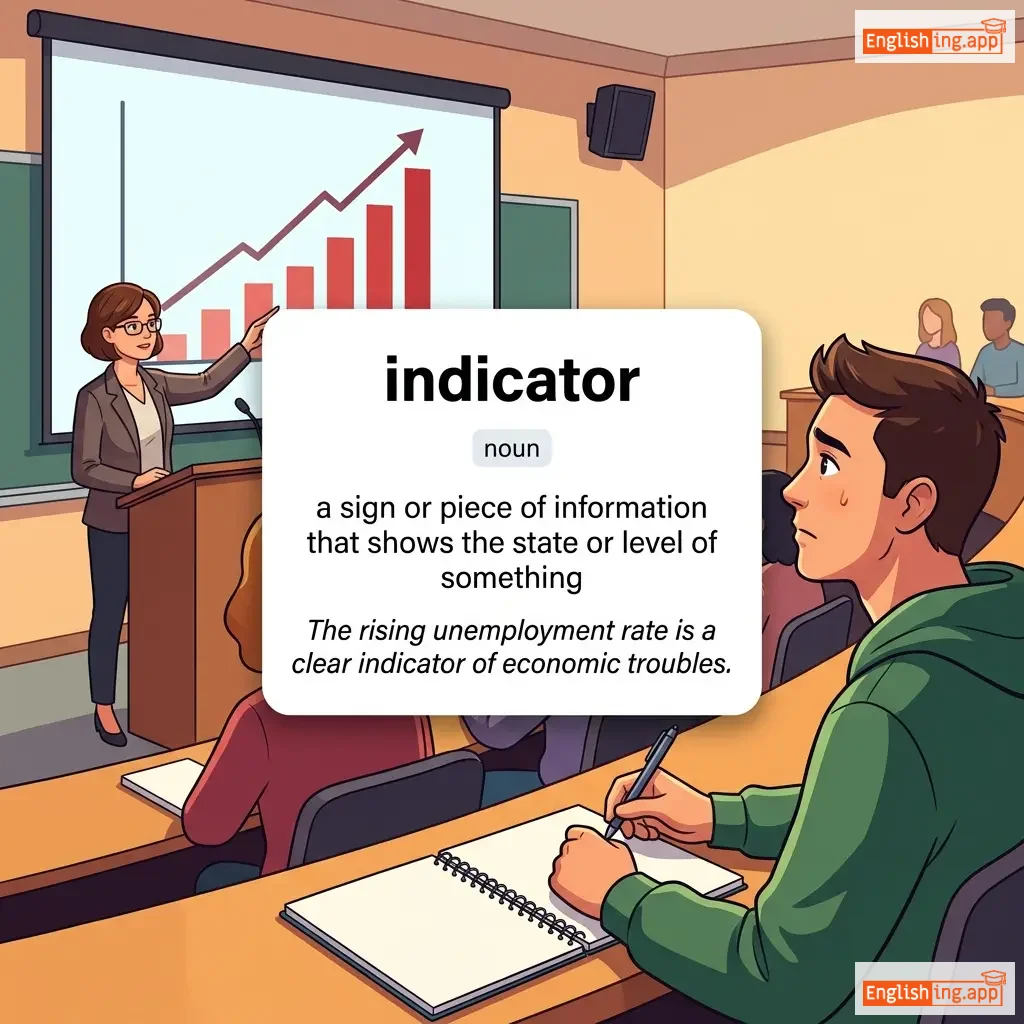
a sign or piece of information that shows the state or level of something
••••••
|
The rising unemployment rate is a clear indicator of economic troubles. |
失業率の上昇は経済問題の明確な指標です。
Shitsugyō-ritsu no jōshō wa keizai mondai no meikaku na shihyō desu.
••••••
|
leading indicator |
a measure that signals future developments or trends
••••••
|
先行指標
senkō shihyō
••••••
|
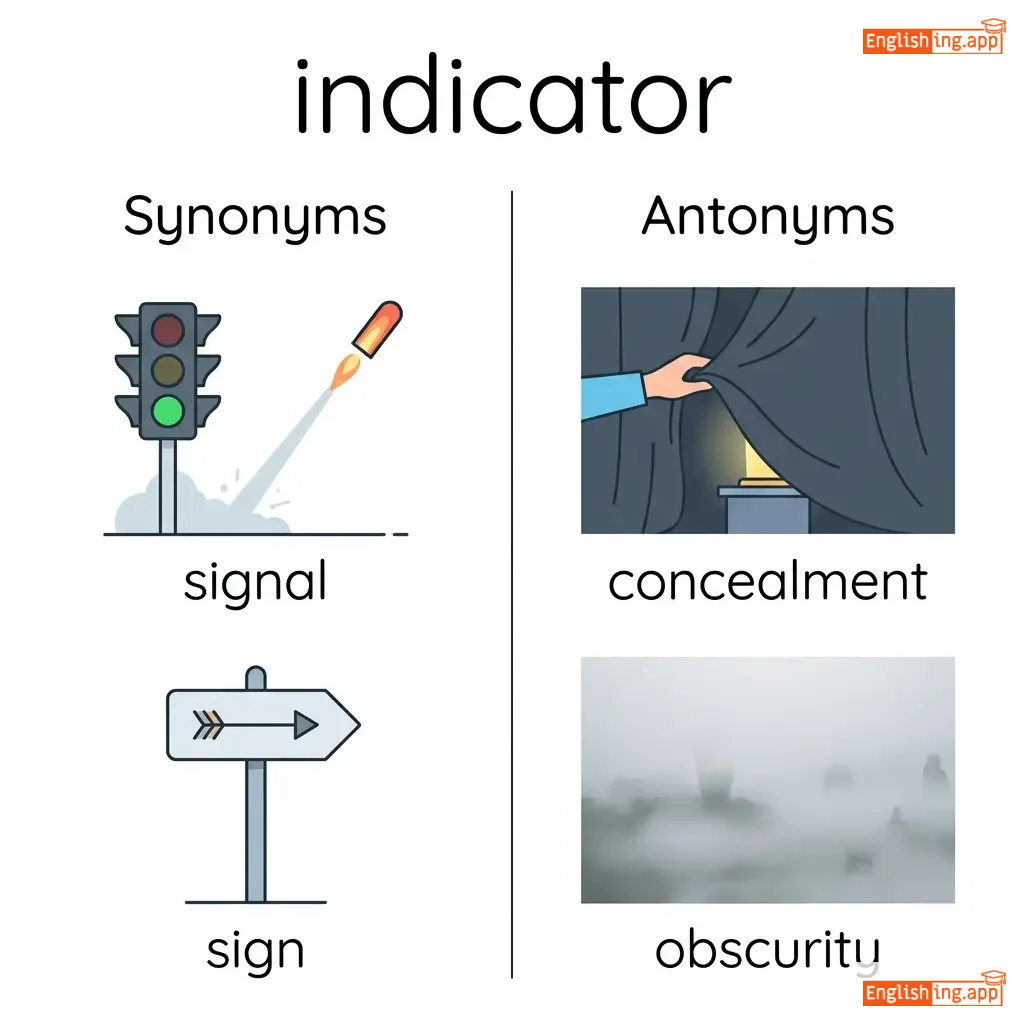
signal, sign, gauge, measure, pointer
••••••
|
concealment, obscurity
••••••
|
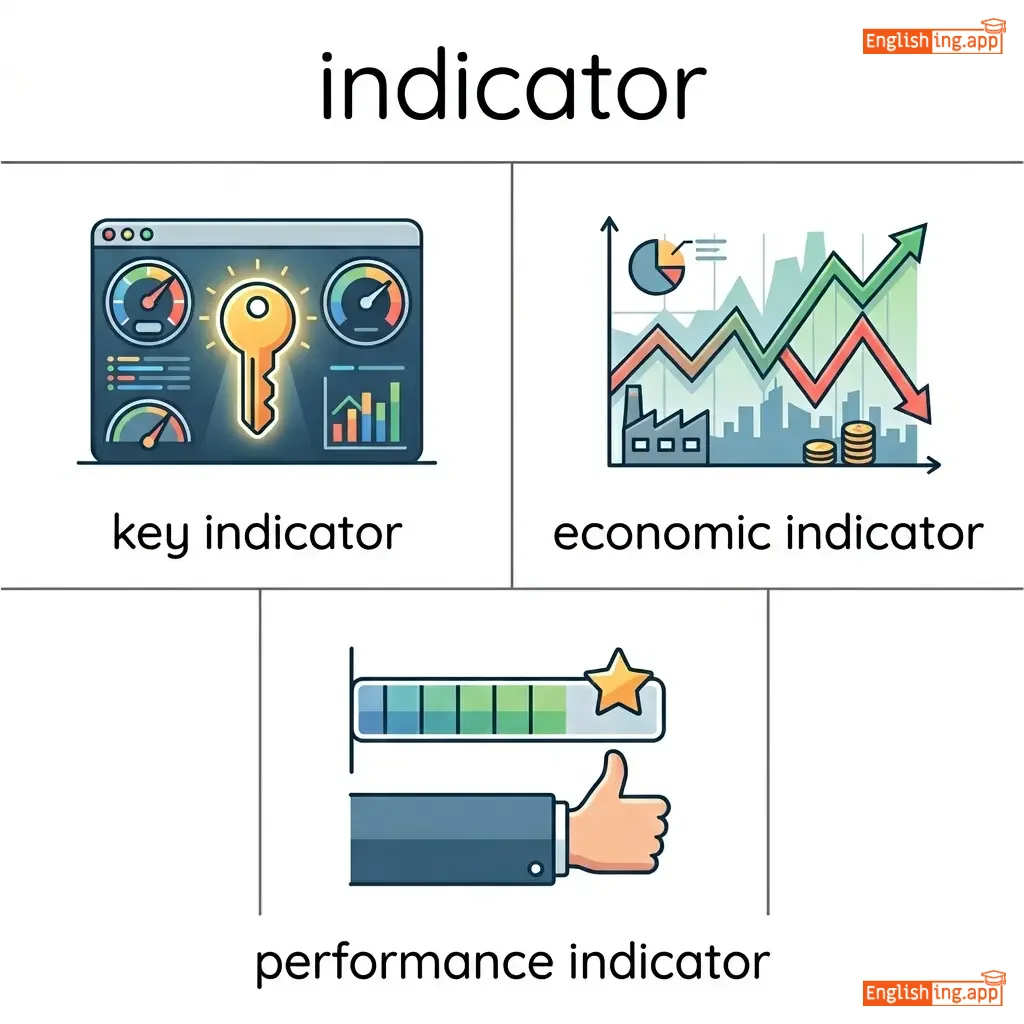
key indicator, economic indicator, performance indicator, health indicator
••••••
|
インディケーターは示すもの – 例えば、信号機が示すように。
••••••
|
|
⏳
••••••
|
/ɪˈnɪʃəli/
adverb
(イニシャリー)
••••••
|
- •••••• |
最初に
saisho ni
••••••
|
- •••••• | - •••••• | - •••••• | - •••••• |
At the beginning; at first.
••••••
|
Initially, he refused the offer but later accepted it. |
最初に、彼はその提案を断ったが、後で受け入れた。
Saisho ni, kare wa sono teian o kotowatta ga, ato de ukeireta.
••••••
|
- •••••• | - •••••• | - •••••• |
at first, originally, at the start, to begin with
••••••
|
finally, eventually
••••••
|
initially planned, initially intended, initially thought
••••••
|
最初に意味するのは始めに、何かが最初は難しいように見える時のように。
••••••
|
|
🛡️
••••••
|
/ɪnˈʃʊərəns/
noun
(インシュランス)
••••••
|
- •••••• |
保険
hoken
••••••
|
- •••••• | - •••••• | - •••••• | - •••••• |
An arrangement by which a company provides compensation for loss, damage, or illness in return for a premium.
••••••
|
He bought health insurance to cover medical expenses. |
彼は医療費をカバーするために健康保険に加入しました。
Kare wa iryōhi o kabā suru tame ni kenkō hoken ni nyūsha shimashita.
••••••
|
life insurance |
insurance that pays out on the death of the insured person
••••••
|
生命保険
seimei hoken
••••••
|
coverage, protection, assurance, indemnity
••••••
|
risk, uncertainty, danger
••••••
|
health insurance, car insurance, insurance policy, buy insurance
••••••
|
保険は未来の不確実性に備えるためにあります。
••••••
|
|
🛑
••••••
|
/ˌɪntərˈviːn/
verb
(インタービーン)
••••••
|
- •••••• |
介入する
kainyū suru
••••••
|
intervened
インタービーンド
••••••
|
intervened
インタービーンド
••••••
|
intervenes
インタービーンズ
••••••
|
intervening
インタービーニング
••••••
|
To come between people, groups, or events, often to prevent conflict or improve a situation.
••••••
|
The teacher had to intervene to stop the fight between the students.
教師は生徒たちの間で喧嘩を止めるために介入しなければならなかった。
••••••
|
教師は生徒たちの間で喧嘩を止めるために介入しなければならなかった。
Kyōshi wa seito-tachi no aida de kenka o tomeru tame ni kainyū shinakereba naranakatta.
••••••
|
intervene in a dispute
争いに介入する
••••••
|
to get involved in an argument or disagreement to try to resolve it
••••••
|
争いに介入する
arasoi ni kainyū suru
••••••
|
mediate, intercede, interfere, step in, arbitrate
••••••
|
ignore, avoid, neglect
••••••
|
intervene in conflict, intervene directly, intervene quickly, intervene diplomatically
••••••
|
インタービーンは介入すること、まるで教師のように!
••••••
|
|
⚖️
••••••
|
/ˌlaɪəˈbɪləti/
noun
(ライアビリティ)
••••••
|

|
責任
sekinin
••••••
|
- •••••• | - •••••• | - •••••• | - •••••• |
the state of being legally responsible for something; something that acts as a disadvantage
••••••
|
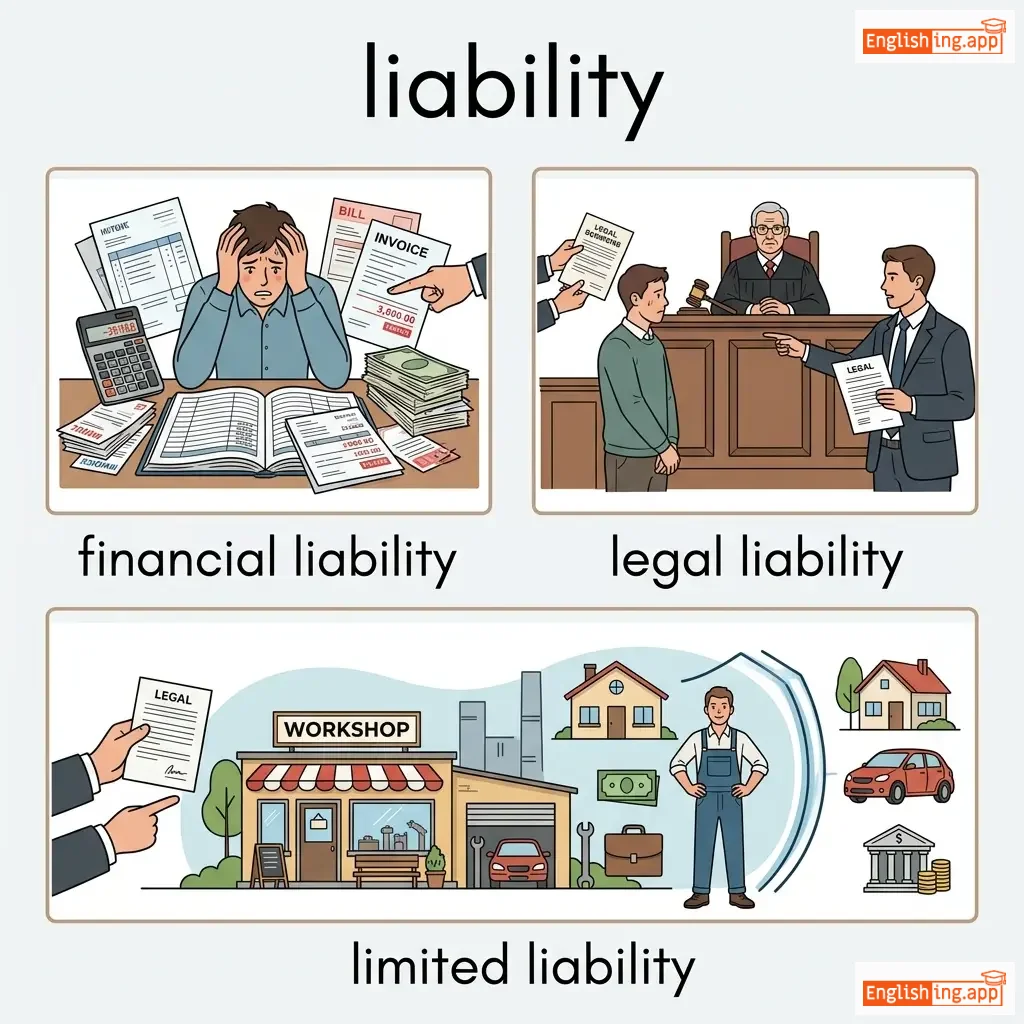
The company’s financial liability increased after the lawsuit.
訴訟後、会社の財務責任は増加しました。
••••••
|
訴訟後、会社の財務責任は増加しました。
Sosougo, kaisha no zaimu sekinin wa zouka shimashita.
••••••
|
legal liability
法的責任
••••••
|
the state of being legally responsible for an act or omission
••••••
|
法的責任
houteki sekinin
••••••
|
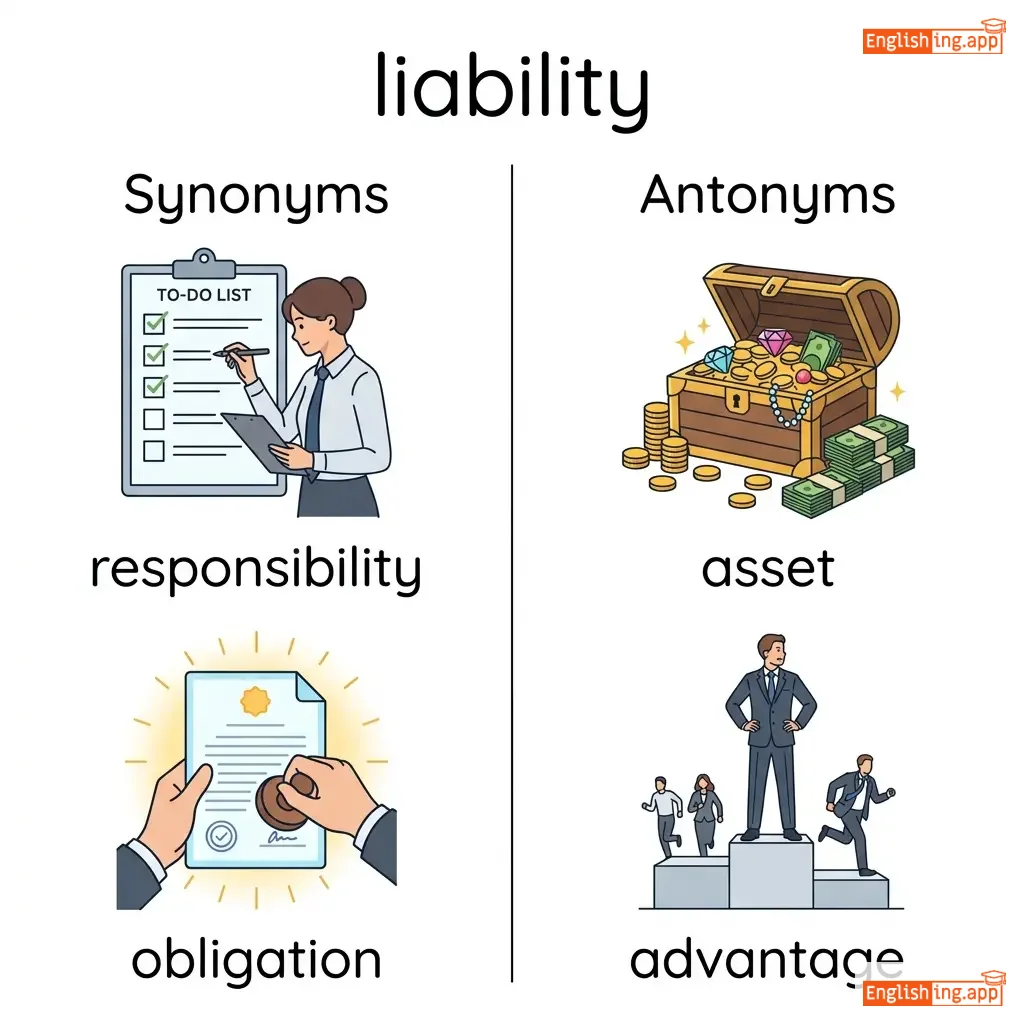
responsibility, obligation, accountability, burden, debt
••••••
|
asset, advantage
••••••
|
financial liability, legal liability, limited liability, liability insurance
••••••
|
Liability とは、何かがうまくいかない場合、責任があなたにあることを意味します。
••••••
|
|
🔍
••••••
|
/ˈlɪtərəli/
adverb
(リテラリー)
••••••
|
- •••••• |
文字通り
mojidoori
••••••
|
- •••••• | - •••••• | - •••••• | - •••••• |
in a literal manner or sense; exactly
••••••
|
He was literally running for three hours without stopping. |
彼は文字通り3時間休まずに走り続けていた。
Kare wa mojidoori san jikan yasumazu ni hashiri tsuzukete ita.
••••••
|
- •••••• | - •••••• | - •••••• |
exactly, precisely, actually, really
••••••
|
figuratively, metaphorically
••••••
|
literally true, literally impossible, literally happened
••••••
|
文字通りは文字通りの意味です – '正確に'と言うようなもの!
••••••
|
|
⏳
••••••
|
/ˌlɔːŋ ˈtɜːrm/
adjective
(ロングターム)
••••••
|
|
長期的
chouki teki
••••••
|
- •••••• | - •••••• | - •••••• | - •••••• |
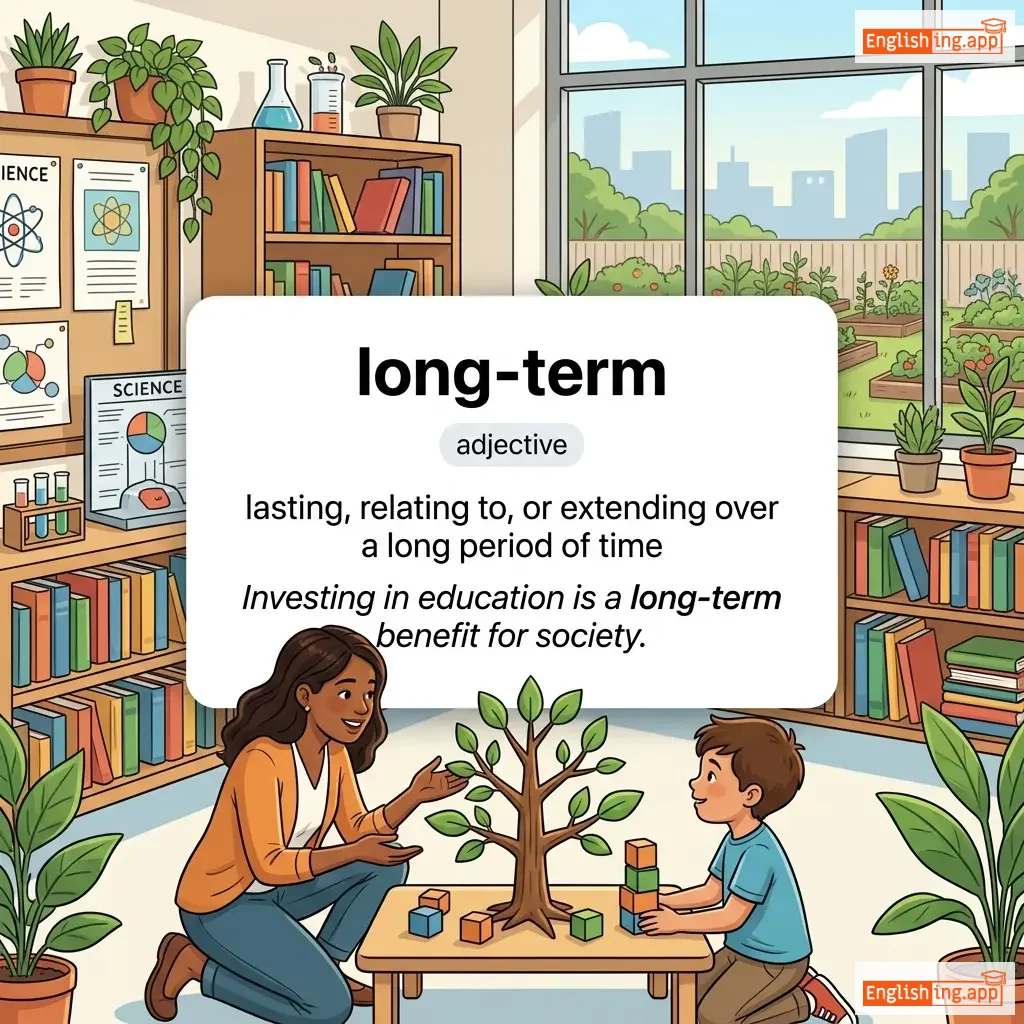
lasting, relating to, or extending over a long period of time
••••••
|
Investing in education is a long-term benefit for society. |
教育への投資は社会にとって長期的な利益です。
Kyouiku e no toushi wa shakai ni totte chouki teki na rieki desu.
••••••
|
- •••••• | - •••••• | - •••••• |
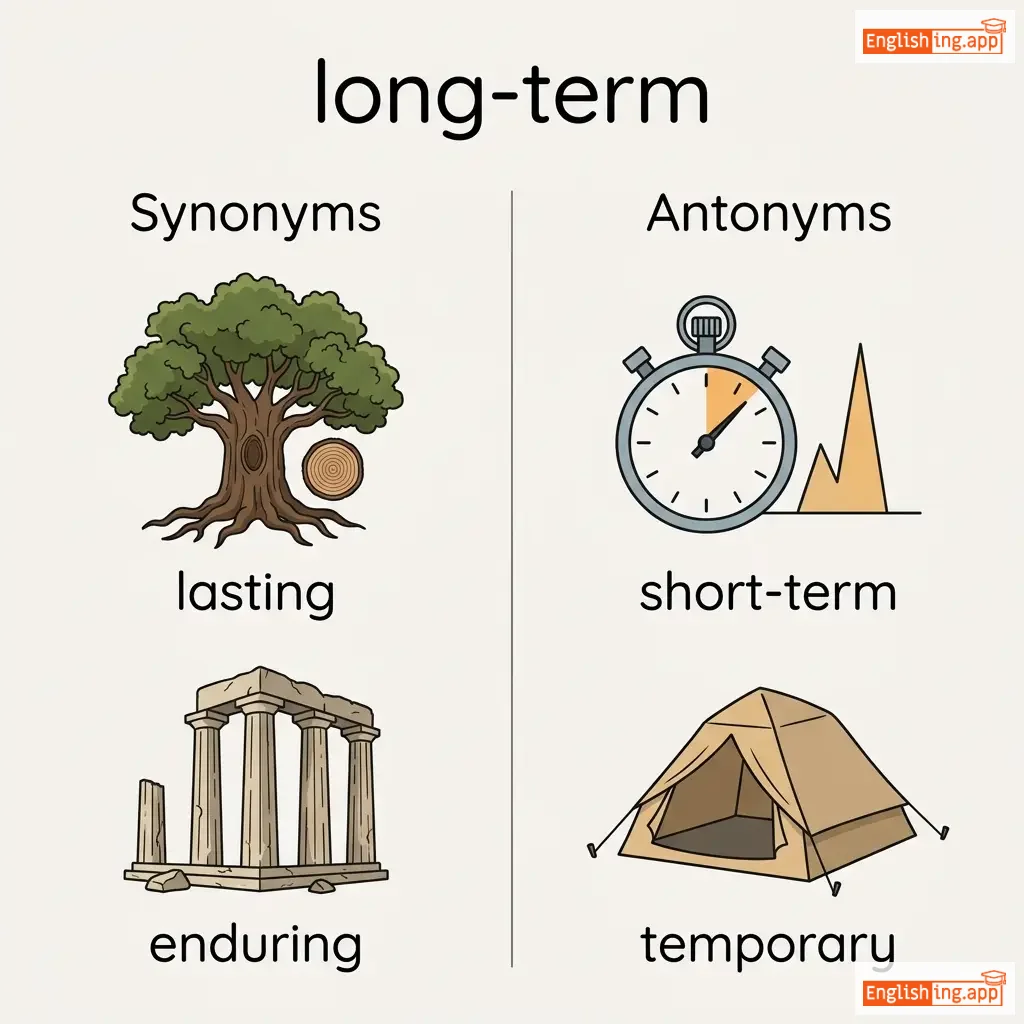
lasting, enduring, sustained, prolonged
••••••
|
short-term, temporary
••••••
|
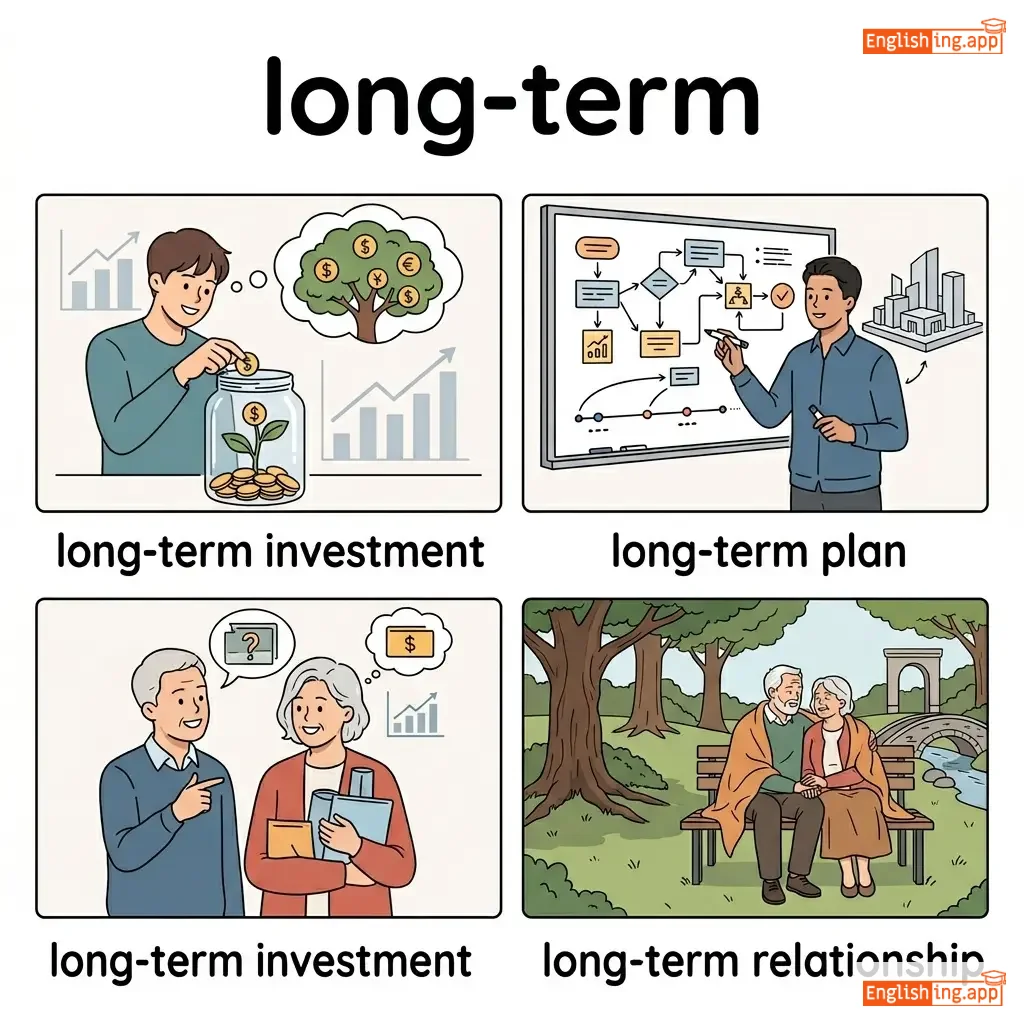
long-term investment, long-term plan, long-term relationship, long-term impact
••••••
|
長期的な投資は安定した利益 - 安定した未来のための投資
••••••
|
|
💝
••••••
|
/ˌnɒnˈprɒfɪt/
adjective
(ノンプロフィット)
••••••
|
- •••••• |
非営利団体
hi eiri dantai
••••••
|
- •••••• | - •••••• | - •••••• | - •••••• |
an organization that does not aim to make a profit, often serving a social or charitable purpose.
••••••
|
She works for a nonprofit organization that helps children. |
彼女は子供たちを助ける非営利団体で働いています。
Kanojo wa kodomotachi wo tasukeru hi eiri dantai de hataraiteimasu.
••••••
|
- •••••• | - •••••• | - •••••• |
charitable, voluntary, humanitarian, philanthropic
••••••
|
for-profit, commercial
••••••
|
nonprofit organization, nonprofit sector, nonprofit group, nonprofit foundation
••••••
|
非 = しない + 営利 = 利益 → 非営利団体:利益を追求せず、助けるために存在。
••••••
|
|
🧭
••••••
|
/ˌnɔːrθˈiːst/
noun
(ノースイースト)
••••••
|
- •••••• |
北東
hokutou
••••••
|
- •••••• | - •••••• | - •••••• | - •••••• |
the direction between north and east; a region or area located in that direction.
••••••
|
The storm is moving toward the northeast. |
嵐は北東に向かって進んでいます。
Arashi wa hokutou ni mukatte susundeimasu.
••••••
|
- •••••• | - •••••• | - •••••• |
NE, upper east, northeastward, northeastern region
••••••
|
southwest, SW
••••••
|
northeast corner, northeast region, toward the northeast, northeast wind
••••••
|
北 + 東 = 北東、それは北と東の間の方向を意味します。
••••••
|
|
🎤
••••••
|
/pərˈfɔːrmər/
noun
(パフォーマー)
••••••
|
- •••••• |
パフォーマー
pafomā
••••••
|
- •••••• | - •••••• | - •••••• | - •••••• |
a person who entertains an audience by acting, singing, dancing, or playing music
••••••
|
The performer received a standing ovation for her song.
パフォーマーは彼女の歌のためにスタンディングオベーションを受けました。
••••••
|
パフォーマーは彼女の歌のためにスタンディングオベーションを受けました。
Pafomā wa kanojo no uta no tame ni sutandingu obēshon o ukemashita.
••••••
|
star performer
スター パフォーマー
••••••
|
a person who performs exceptionally well in a field
••••••
|
スター パフォーマー
sutā pafomā
••••••
|
artist, entertainer, actor, singer, musician
••••••
|
spectator, audience, viewer
••••••
|
stage performer, live performer, great performer, talented performer
••••••
|
パフォーマーはステージ上の人 🎭
••••••
|
|
♾️
••••••
|
/ˈpɜːrmənənt/
adjective
(パーマネント)
••••••
|
- •••••• |
永久
eikyū
••••••
|
- •••••• | - •••••• | - •••••• | - •••••• |
lasting or intended to last indefinitely without change
••••••
|
She decided to get a permanent job after years of freelancing. |
彼女は何年ものフリーランスの仕事の後、永久的な仕事を得ることに決めました。
Kanojo wa nannen mono furiiransu no shigoto no ato, eikyū-teki na shigoto o eru koto ni kimemashita.
••••••
|
permanent fixture |
someone or something that has been in a place for a long time and seems likely to always be there
••••••
|
長い間その場所にいて、永遠にそこにいるように見える人や物
Nagai aida sono basho ni ite, eien ni soko ni iru yō ni mieru hito ya mono
••••••
|
everlasting, enduring, lasting, constant, perpetual
••••••
|
temporary, transient, short-lived
••••••
|
permanent job, permanent residence, permanent solution, permanent damage
••••••
|
Permanentは永遠に残ることを意味し、永久(eikyū)解決策のようです。
••••••
|
|
👥
••••••
|
/ˌpɜːrsəˈnel/
noun
(パーソネル)
••••••
|
- •••••• |
人員
jin'in
••••••
|
- •••••• | - •••••• | - •••••• | - •••••• |
People employed in an organization or engaged in an organized undertaking such as military service.
••••••
|
The company is hiring more personnel for its new branch. |
会社は新しい支店のためにもっと多くの人員を採用しています。
Kaisha wa atarashī shiten no tame ni motto ōku no jin'in o sai-yō shiteimasu.
••••••
|
military personnel |
People serving in the armed forces.
••••••
|
軍事関係者
gunji kankeisha
••••••
|
staff, employees, workforce, crew
••••••
|
employers, management
••••••
|
military personnel, trained personnel, medical personnel, company personnel
••••••
|
Personnel = person (人) + al = 全ての従業員。
••••••
|
|
📍
••••••
|
/ˈpleɪsmənt/
noun
(プレースメント)
••••••
|
- •••••• |
配置または割り当て
haichi matawa wariante
••••••
|
- •••••• | - •••••• | - •••••• | - •••••• |
the act of putting something or someone in a particular position or job
••••••
|
The company arranged job placement for the graduates. |
会社は卒業生のために就職先を手配しました。
Kaisha wa sotsugyousei no tame ni shuushoku saki wo tehai shimashita.
••••••
|
placement test |
a test used to determine someone's skill or level for proper positioning
••••••
|
配置テスト
haichi tesuto
••••••
|
assignment, positioning, arrangement, posting, allocation
••••••
|
removal, displacement
••••••
|
job placement, student placement, placement test, market placement
••••••
|
Placementは何かを配置すること — 必要な場所に配置!
••••••
|
|
⚖️
••••••
|
/ˈprɛsɪdənt/
noun
(プレジデント)
••••••
|
- •••••• |
前例
zenrei
••••••
|
- •••••• | - •••••• | - •••••• | - •••••• |
An earlier event or decision that serves as a guide or example for future similar situations.
••••••
|
The judge’s ruling set a new precedent for similar cases. |
裁判官の判決は、同様の事件のための新たな前例を設定した。
Saibankan no hanketsu wa, douyou no jiken no tame no aratana zenrei o settei shita.
••••••
|
set a precedent |
to establish a pattern or example to be followed in the future
••••••
|
前例を作る
Zenrei o tsukuru
••••••
|
example, model, standard, pattern, instance
••••••
|
subsequent, follower, outcome
••••••
|
legal precedent, set a precedent, historical precedent, establish precedent
••••••
|
前例は、過去に起こったことが未来の規範となることを意味します — 以前の前例がその後の行動に影響を与えます。
••••••
|
|
📏
••••••
|
/prɪˈsaɪsli/
adverb
(プレサイスリ)
••••••
|
|
正確に
seikaku ni
••••••
|
- •••••• | - •••••• | - •••••• | - •••••• |
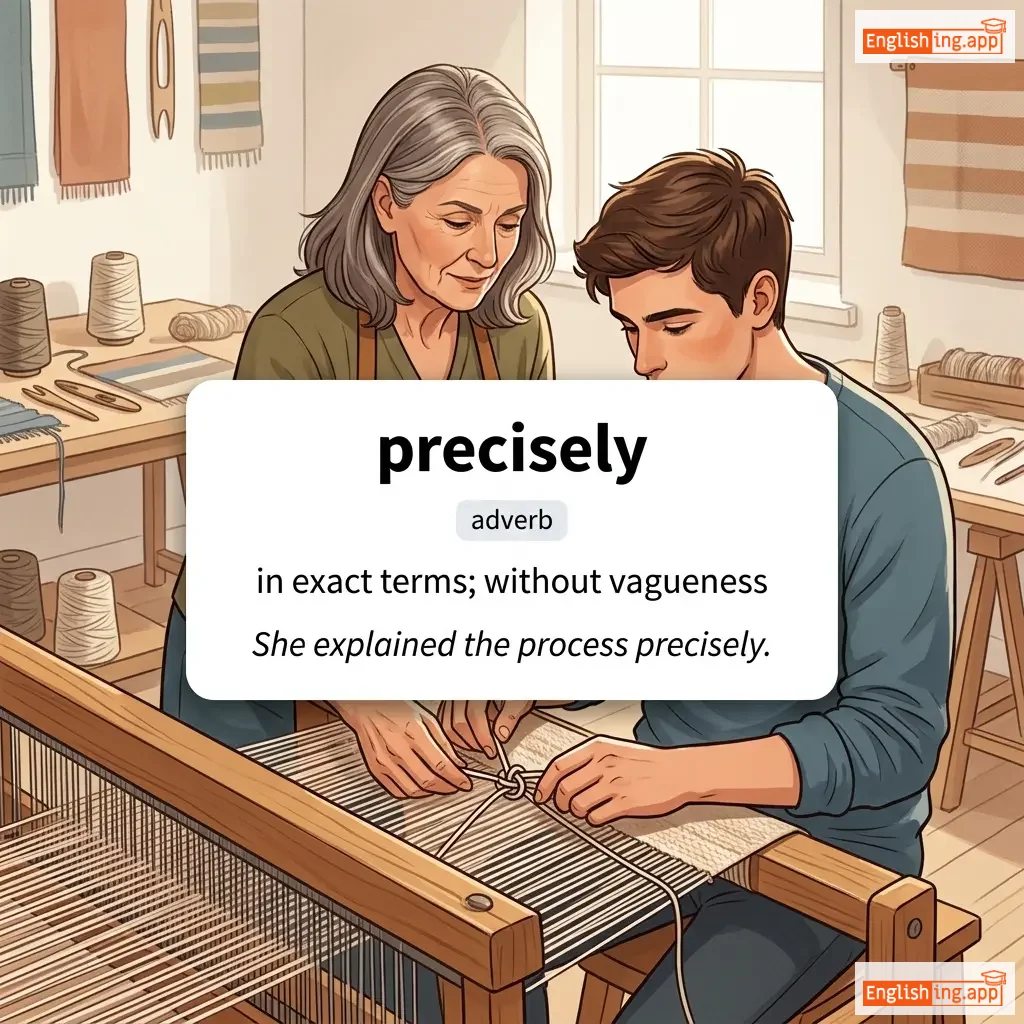
in exact terms; without vagueness
••••••
|
She explained the process precisely.
彼女はそのプロセスを正確に説明しました。
••••••
|
彼女はそのプロセスを正確に説明しました。
Kanojo wa sono purosesu o seikaku ni setsumei shimashita.
••••••
|
- •••••• | - •••••• | - •••••• |
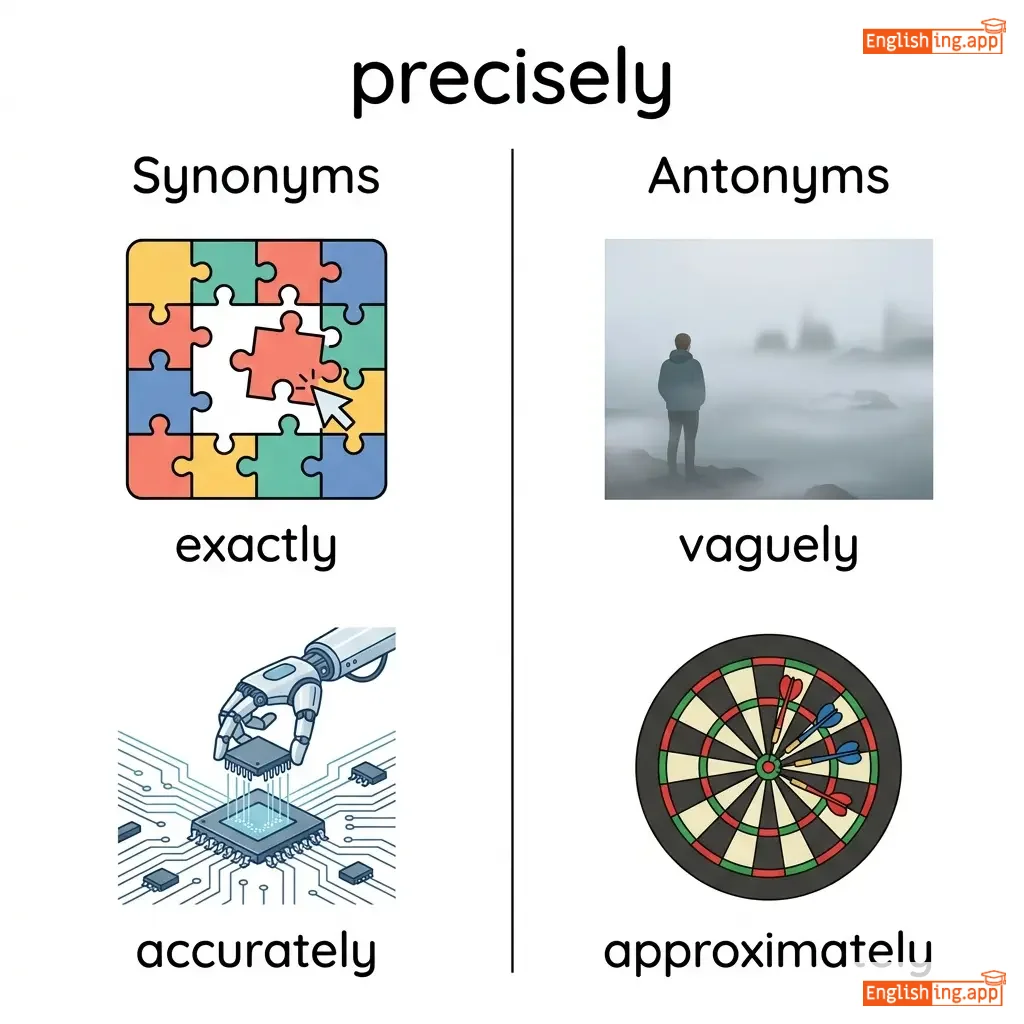
exactly, accurately, specifically, strictly
••••••
|
vaguely, approximately
••••••
|
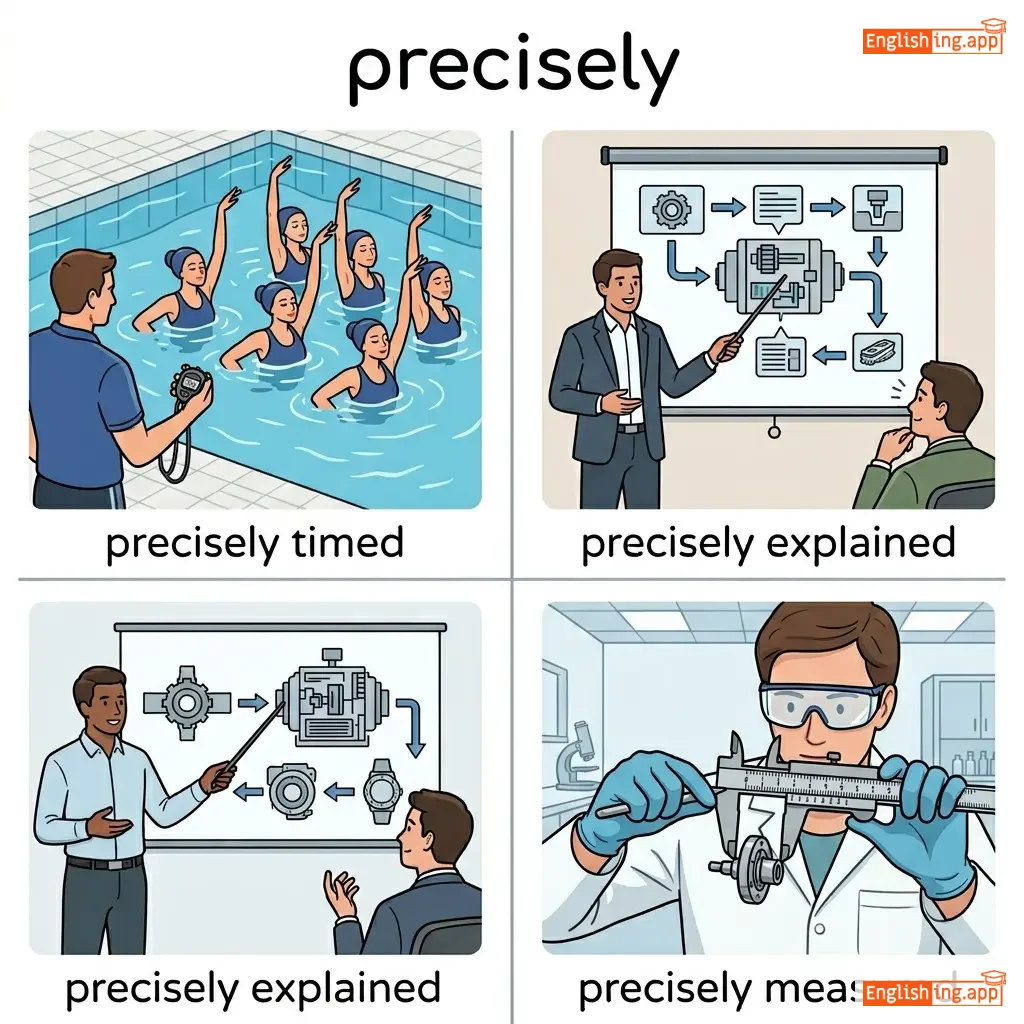
precisely timed, precisely explained, precisely measured
••••••
|
Precisely = No errors, only clarity!
••••••
|
|
🎖️
••••••
|
/ˈprɪvəlɪdʒ/
noun
(privilege)
••••••
|
- •••••• |
特権, 利点
tokken, riten
••••••
|
- •••••• | - •••••• | - •••••• | - •••••• |
A special right, advantage, or immunity granted or available only to a particular person or group.
••••••
|
Education is considered a privilege in many developing countries. |
多くの発展途上国では、教育は特権と見なされています。
Ooku no hatten tojoukoku de wa, kyouiku wa tokken to minasareteimasu.
••••••
|
white privilege |
Societal advantages that benefit white people beyond what is commonly experienced by non-white people under the same circumstances.
••••••
|
白人特権
hakujin tokken
••••••
|
advantage, benefit, right, entitlement, honor
••••••
|
disadvantage, restriction, burden
••••••
|
enjoy privilege, special privilege, privilege of, privilege to
••••••
|
Privilege は特別な権利で、少数の人々にしか与えられません。
••••••
|
|
🌟
••••••
|
/ˈprɒmɪnənt/
adjective
(プロミネント)
••••••
|
- •••••• |
顕著な
kenchona
••••••
|
- •••••• | - •••••• | - •••••• | - •••••• |
Important, famous, or easily noticeable.
••••••
|
He is a prominent leader in the community.
彼はコミュニティの中で著名なリーダーです。
••••••
|
彼はコミュニティの中で著名なリーダーです。
Kare wa komyuniti no naka de chomei na rīdā desu.
••••••
|
prominent feature
顕著な特徴
••••••
|
a characteristic that stands out or is easily noticeable
••••••
|
顕著な特徴
kenchona tokuchō
••••••
|
important, notable, eminent, distinguished, well-known
••••••
|
obscure, insignificant
••••••
|
prominent role, prominent position, prominent figure, prominent leader
••••••
|
顕著なリーダーのように目立つ人物です。
••••••
|

