Riad's Inclusive Art School
当Riad开办这所新艺术学校时,他 initially 以为只有少数学生会来。但来自 northeast 区域的人们像节日开始一样一同赶来。附近学院的 performers 在第一天带了个工作坊并教舞蹈。Riad 宣布这是一个社区 nonprofit,因此任何人都可以自由加入。对于每位新成员,他都会提供一枚手工制作的徽章作为小小的 incentive。他说:'我们将确保艺术中的 inclusion;不会有人被排除在外。' 一位年长的村民说这一倡议是改变的明显 indicator。Riad 决定:'我们将在下个月 implement 新课程。' 他们还为学生建立了一个作为创造力 insurance 的基金。当预算下降时,Tahsin 及时前来 intervene 并确保了本地赞助。伊玛目警告说,忽视安全可能会产生法律 liability。Riad 微笑着说:'我们会 literally 遵守每一项指南。' 他写下了一个 long-term 计划并贴在墙上供大家阅读。他们把一个房间装饰成 permanent 的画廊空间。合格的 personnel 被分配到那里,每天准时开放大门。启动了一个特殊的 placement 项目,让年轻艺术家可以去城市展览。'我们的工作不是追随旧有的 precedent,而是开辟新路,' Riad 说。尽管如此,他还是指示团队 precisely 记录每一笔开支。对社区来说,坐在那个会议室里就像是一种巨大的 privilege。在晚灯熄灭之前,Riad 的母亲说:'你现在是我们最 prominent 的梦想家。'
|
表情符号
|
单词 | Images | 翻译 | 过去时 | 过去分词 | 第三人称单数 | 动名词 | 含义 | 例句 | 例句翻译 | 示例表达 | 示例表达含义 | 示例表达翻译 | 同义词 | 反义词 | 搭配词 | 助记符 |
|---|---|---|---|---|---|---|---|---|---|---|---|---|---|---|---|---|---|
|
⚙️
••••••
|
/ˈɪmplɪˌmɛnt/
verb
(实施)
••••••
|
|
实施
shishi
••••••
|
implemented
实施了
••••••
|
implemented
实施了
••••••
|
implements
实施
••••••
|
implementing
实施中
••••••
|
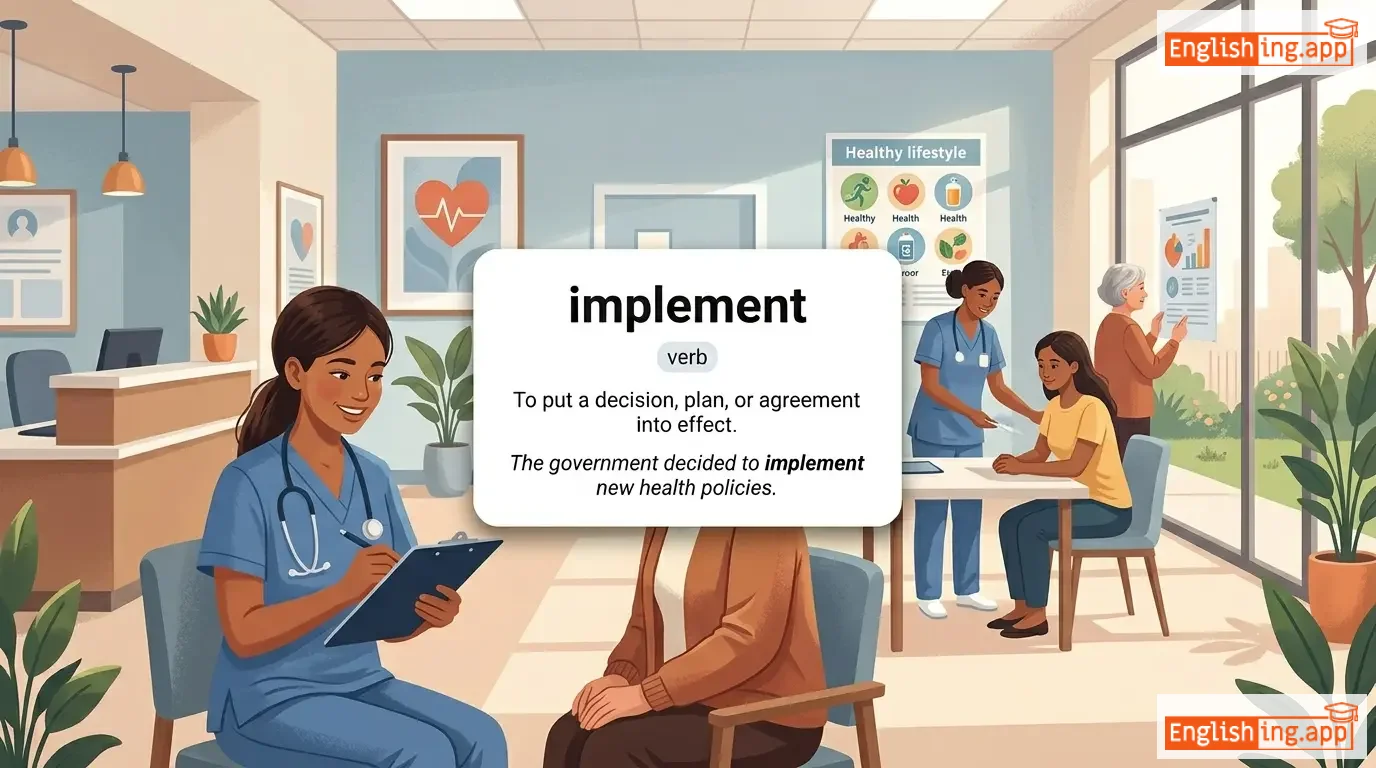
To put a decision, plan, or agreement into effect.
••••••
|
The government decided to implement new health policies.
政府决定实施新的健康政策。
••••••
|
政府决定实施新的健康政策。
Zhengfu jueding shishi xinde jiankang zhengce.
••••••
|
implement a plan
实施计划
••••••
|
To carry out a plan in practice.
••••••
|
实施计划
Shishi jihua
••••••
|
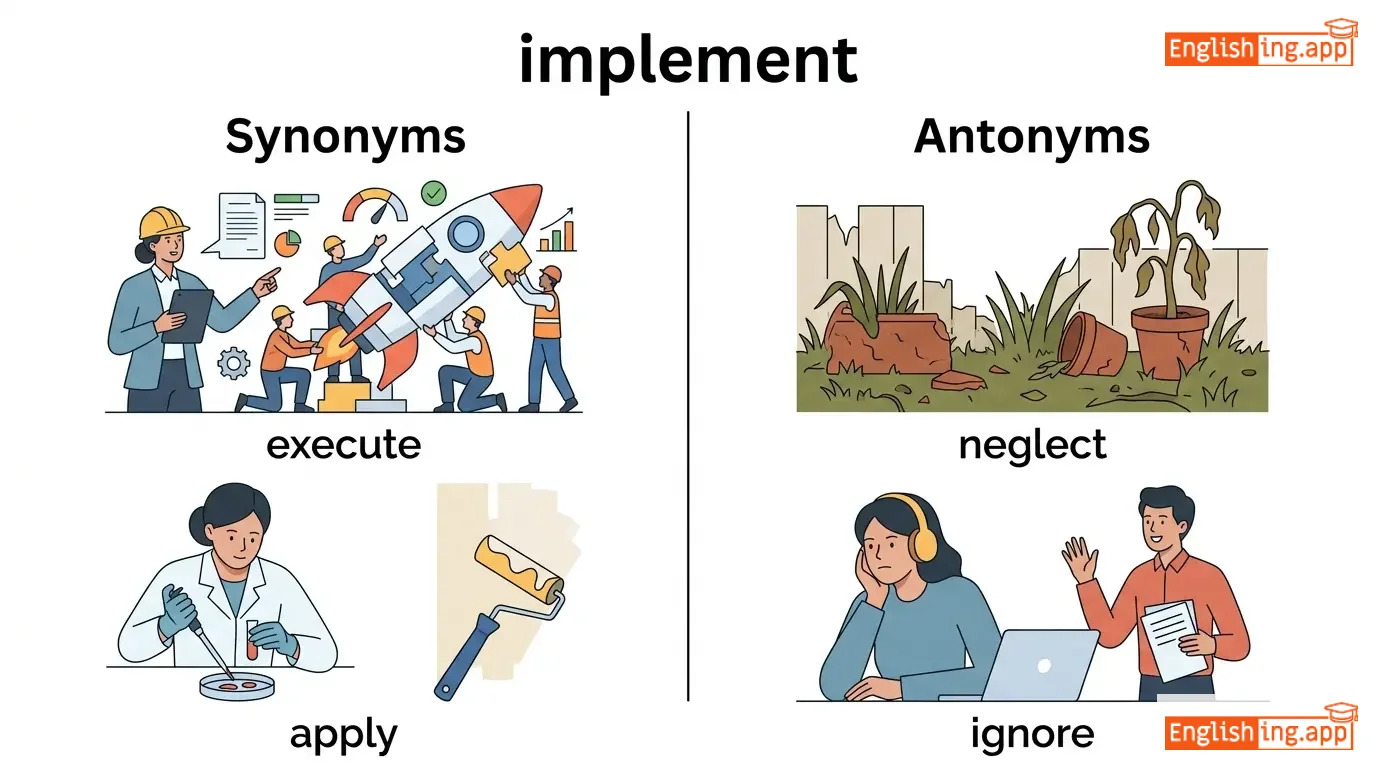
execute, apply, enforce, realize, perform
••••••
|
neglect, ignore, abandon
••••••
|
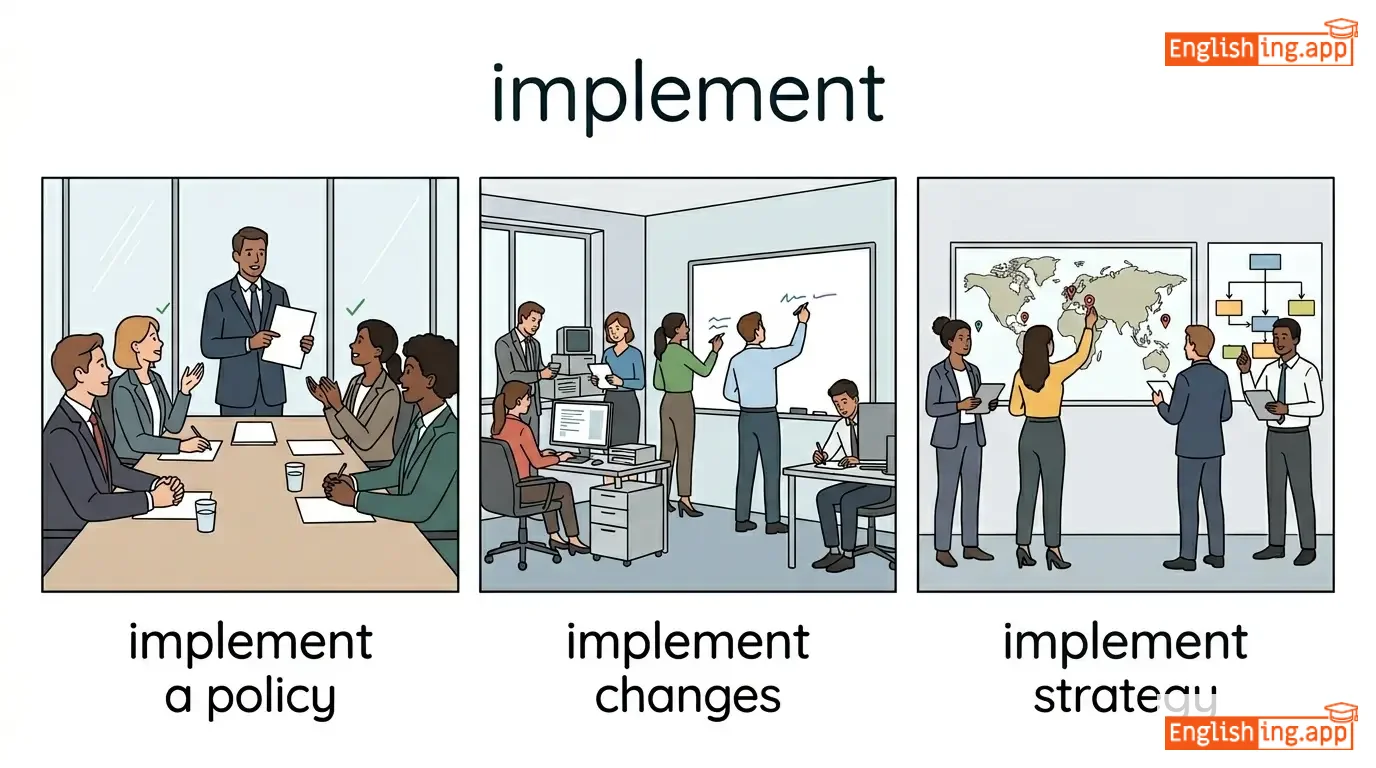
implement a policy, implement changes, implement strategy, implement decision
••••••
|
实施意味着将计划变为现实。
••••••
|
|
🎁
••••••
|
/ɪnˈsɛntɪv/
noun
(ɪnˈsɛntɪv)
••••••
|
- •••••• |
激励
jili
••••••
|
- •••••• | - •••••• | - •••••• | - •••••• |
a thing that motivates or encourages someone to do something
••••••
|
The company offers bonuses as an incentive to increase productivity. |
公司提供奖金作为激励,促进生产力提高。
Gōngsī tígōng jiǎngjīn zuòwéi jīlì, cùjìn shēngchǎnlì tígāo.
••••••
|
carrot and stick |
a method involving both rewards and punishments to induce behavior
••••••
|
胡萝卜和大棒
húluóbo hé dà bàng
••••••
|
motivation, encouragement, inducement, stimulus, reward
••••••
|
discouragement, deterrent
••••••
|
provide incentive, financial incentive, incentive program, strong incentive
••••••
|
Incentive 就是激励你更努力工作!
••••••
|
|
🌍
••••••
|
/ɪnˈkluːʒən/
noun
(包含)
••••••
|
- •••••• |
包容
baorong
••••••
|
- •••••• | - •••••• | - •••••• | - •••••• |
the action or state of including or being included within a group or structure
••••••
|
Diversity and inclusion are key values in modern workplaces. |
多样性和包容性是现代工作场所的关键价值观。
Duōyàngxì hé bāoróng xì shì xiàndài gōngzuò chǎngsuǒ de guānjiàn jiàzhíguān.
••••••
|
- •••••• | - •••••• | - •••••• |
integration, acceptance, involvement, participation
••••••
|
exclusion, isolation
••••••
|
social inclusion, cultural inclusion, inclusive society
••••••
|
Inclusion sounds like 'In close' – 想象所有人都被包容在一起!
••••••
|
|
📊
••••••
|
/ˈɪndɪˌkeɪtər/
noun
(指标)
••••••
|
|
指标
zhǐbiāo
••••••
|
- •••••• | - •••••• | - •••••• | - •••••• |
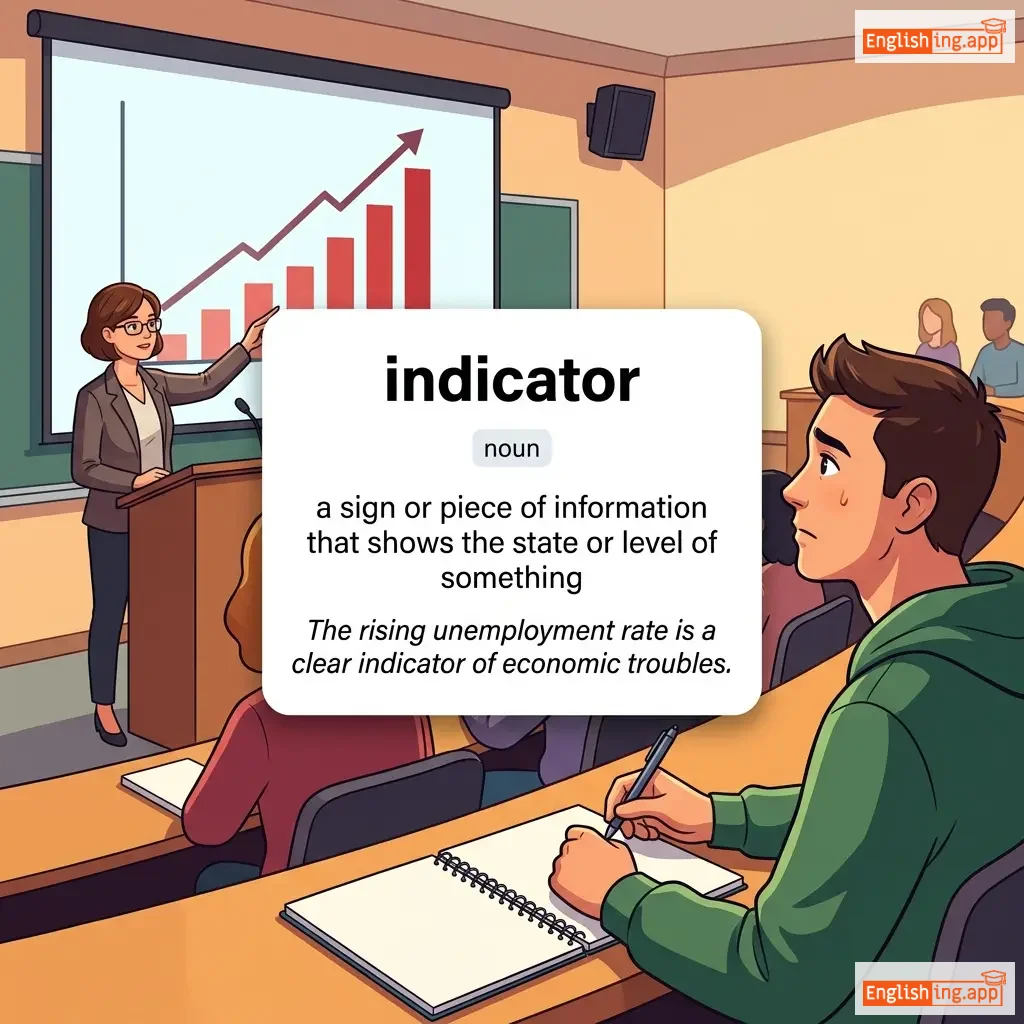
a sign or piece of information that shows the state or level of something
••••••
|
The rising unemployment rate is a clear indicator of economic troubles. |
失业率上升是经济问题的明显指标。
Shīyè lǜ shàngshēng shì jīngjì wèntí de míngxiǎn zhǐbiāo.
••••••
|
leading indicator |
a measure that signals future developments or trends
••••••
|
领先指标
lǐngxiān zhǐbiāo
••••••
|
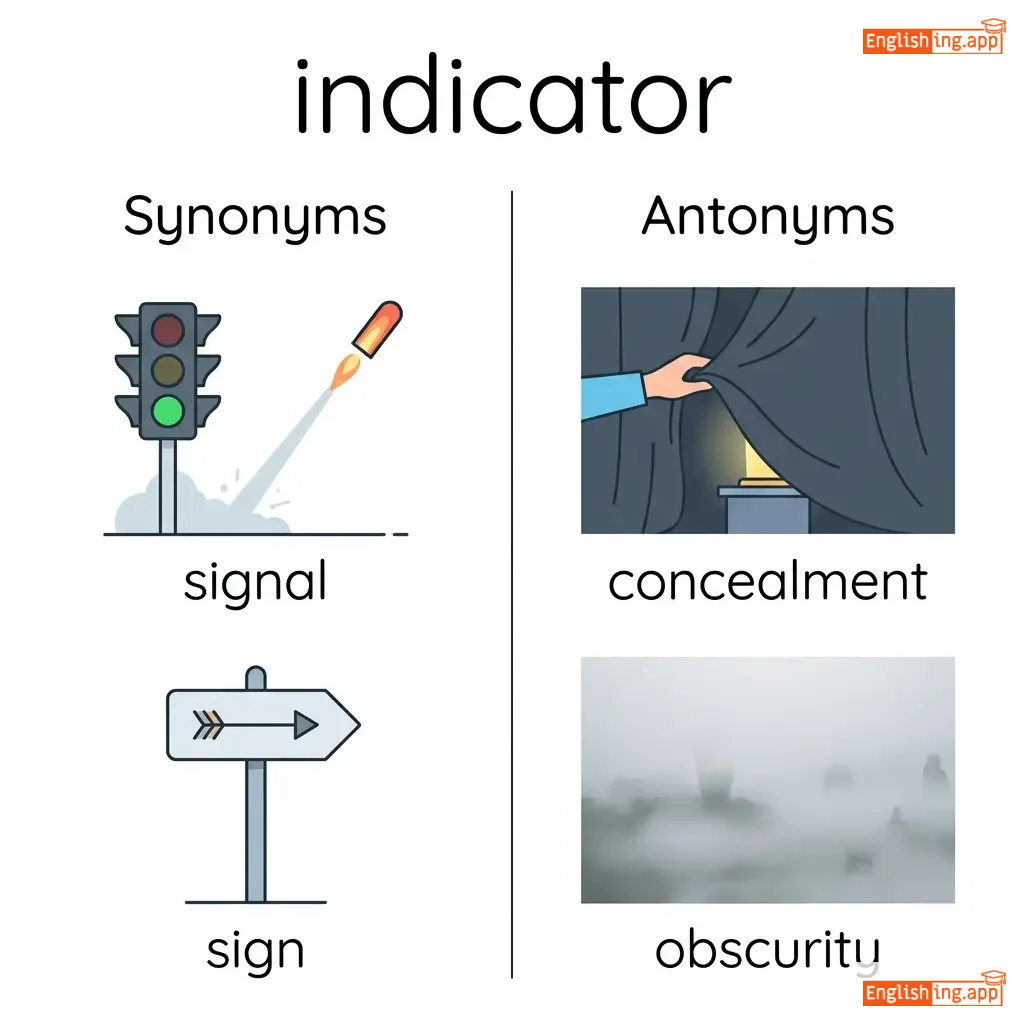
signal, sign, gauge, measure, pointer
••••••
|
concealment, obscurity
••••••
|
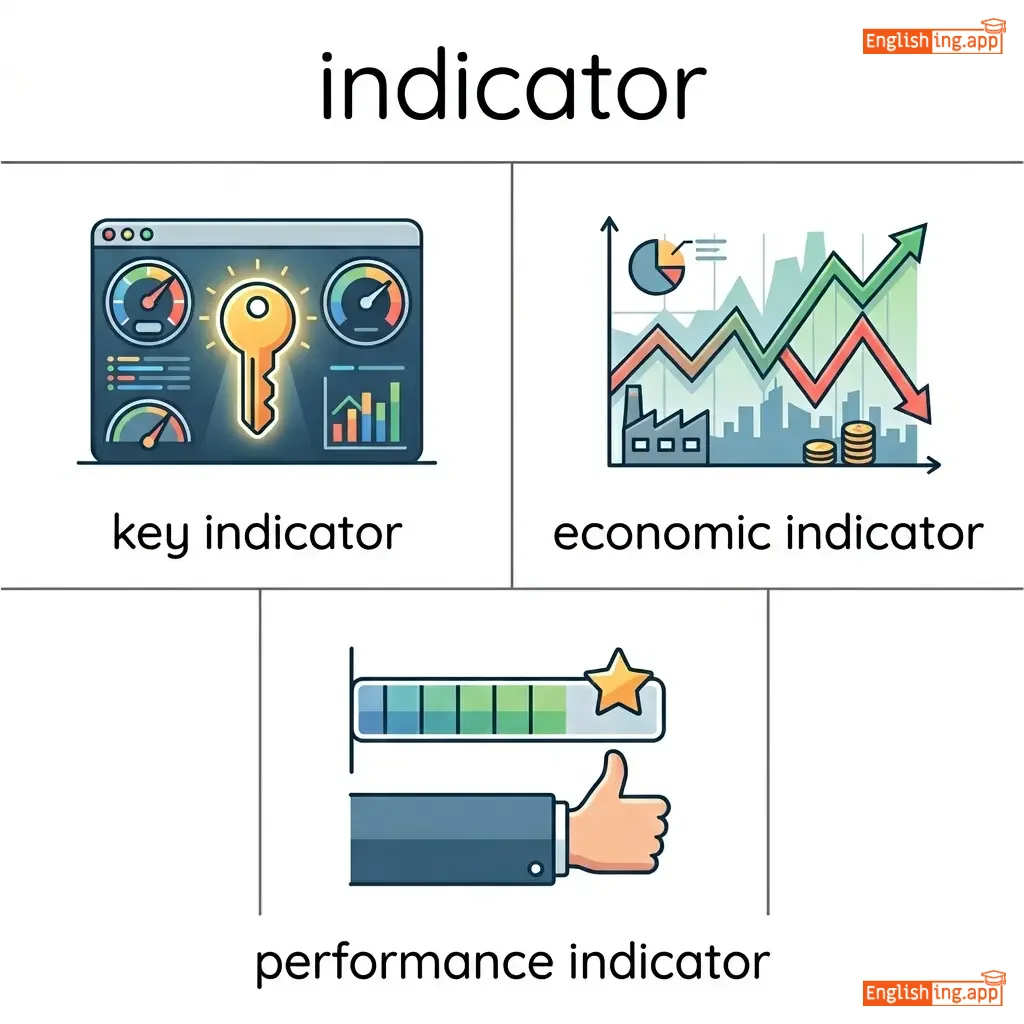
key indicator, economic indicator, performance indicator, health indicator
••••••
|
指标就是指示 – 就像红绿灯指示交通状况。
••••••
|
|
⏳
••••••
|
/ɪˈnɪʃəli/
adverb
(一开始)
••••••
|
- •••••• |
一开始
yī kāishǐ
••••••
|
- •••••• | - •••••• | - •••••• | - •••••• |
At the beginning; at first.
••••••
|
Initially, he refused the offer but later accepted it. |
一开始,他拒绝了这个提议,但后来接受了。
Yī kāishǐ, tā jùjuéle zhège tíyì, dàn hòulái jiēshòule.
••••••
|
- •••••• | - •••••• | - •••••• |
at first, originally, at the start, to begin with
••••••
|
finally, eventually
••••••
|
initially planned, initially intended, initially thought
••••••
|
一开始意味着最初,就像一开始一切看起来都很难。
••••••
|
|
🛡️
••••••
|
/ɪnˈʃʊərəns/
noun
(ɪnˈʃʊərɛns)
••••••
|
- •••••• |
保险
baoxian
••••••
|
- •••••• | - •••••• | - •••••• | - •••••• |
An arrangement by which a company provides compensation for loss, damage, or illness in return for a premium.
••••••
|
He bought health insurance to cover medical expenses. |
他购买了健康保险以支付医疗费用。
Tā gòumǎi le jiànkāng bǎoxiǎn yǐ zhīfù yīliáo fèiyòng.
••••••
|
life insurance |
insurance that pays out on the death of the insured person
••••••
|
人寿保险
rénshòu bǎoxiǎn
••••••
|
coverage, protection, assurance, indemnity
••••••
|
risk, uncertainty, danger
••••••
|
health insurance, car insurance, insurance policy, buy insurance
••••••
|
保险=为未来不确定性提供保障
••••••
|
|
🛑
••••••
|
/ˌɪntərˈviːn/
verb
(因特文)
••••••
|
- •••••• |
介入
jiè rù
••••••
|
intervened
因特文德
••••••
|
intervened
因特文德
••••••
|
intervenes
因特文斯
••••••
|
intervening
因特文英
••••••
|
To come between people, groups, or events, often to prevent conflict or improve a situation.
••••••
|
The teacher had to intervene to stop the fight between the students.
老师不得不介入,阻止学生之间的打架。
••••••
|
老师不得不介入,阻止学生之间的打架。
Lǎoshī bùdébù jièrù, zǔzhǐ xuéshēng zhījiān de dǎjià.
••••••
|
intervene in a dispute
在争议中介入
••••••
|
to get involved in an argument or disagreement to try to resolve it
••••••
|
在争议中介入
zài zhēngyì zhōng jièrù
••••••
|
mediate, intercede, interfere, step in, arbitrate
••••••
|
ignore, avoid, neglect
••••••
|
intervene in conflict, intervene directly, intervene quickly, intervene diplomatically
••••••
|
就像老师介入以帮助解决争议一样!
••••••
|
|
⚖️
••••••
|
/ˌlaɪəˈbɪləti/
noun
(赖比利提)
••••••
|

|
责任
zérèn
••••••
|
- •••••• | - •••••• | - •••••• | - •••••• |
the state of being legally responsible for something; something that acts as a disadvantage
••••••
|
The company’s financial liability increased after the lawsuit.
公司在诉讼后增加了财务责任。
••••••
|
公司在诉讼后增加了财务责任。
Gōngsī zài sùsòng hòu zēngjiāle cáiwù zérèn.
••••••
|
legal liability
法律责任
••••••
|
the state of being legally responsible for an act or omission
••••••
|
法律责任
fǎlǜ zérèn
••••••
|
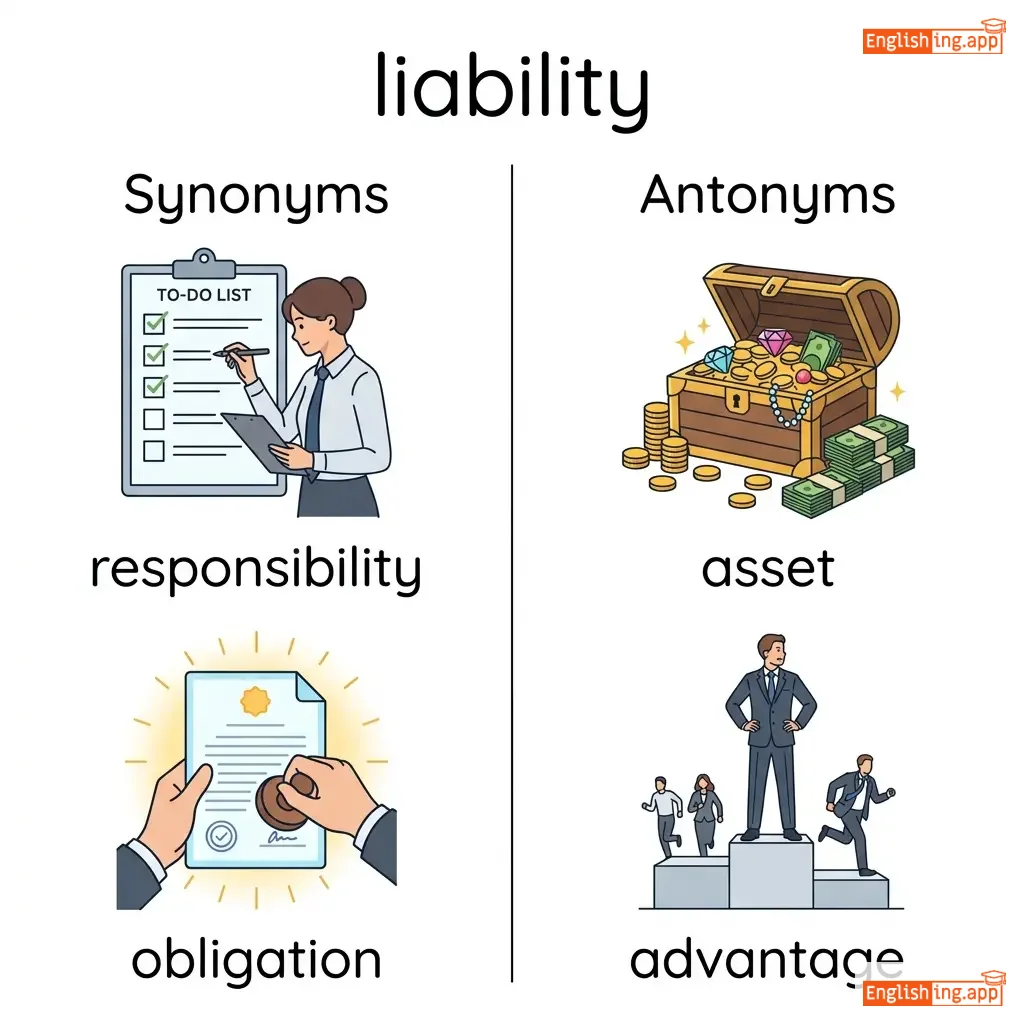
responsibility, obligation, accountability, burden, debt
••••••
|
asset, advantage
••••••
|
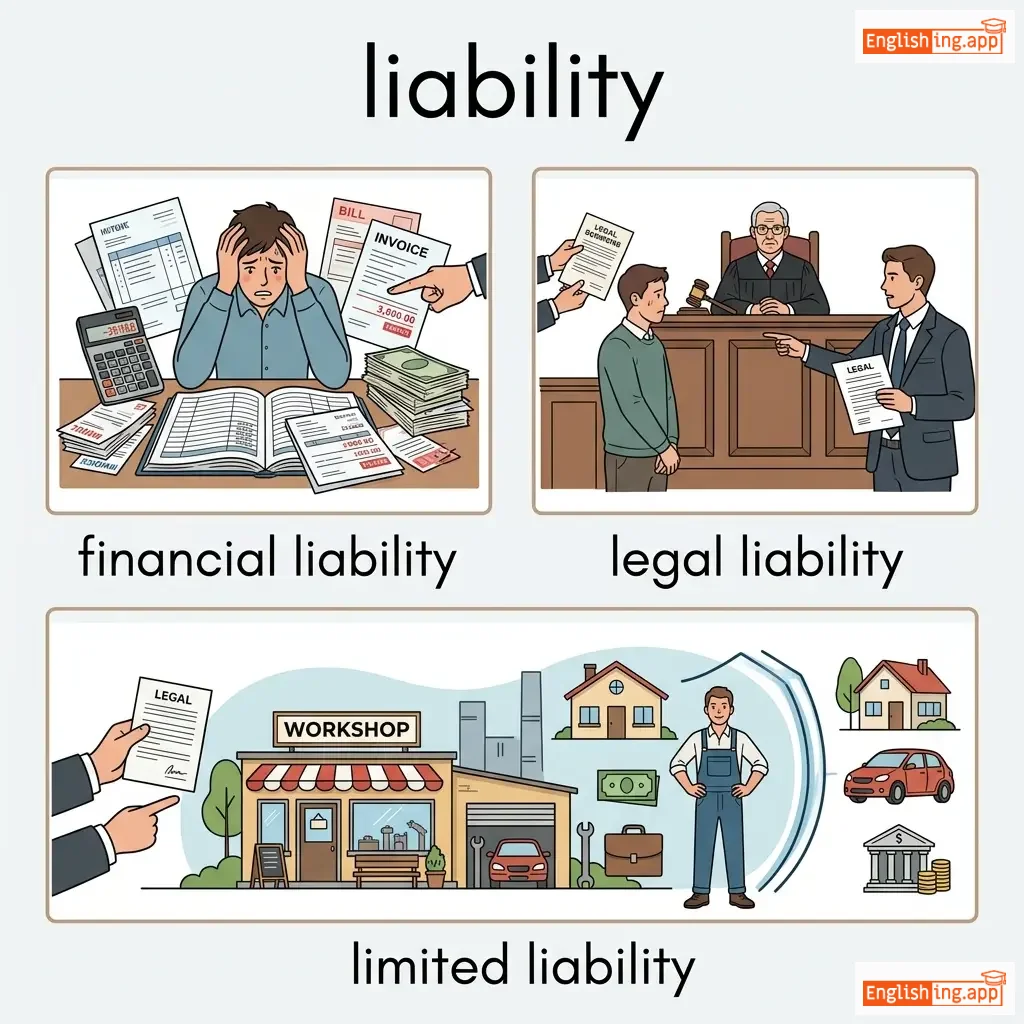
financial liability, legal liability, limited liability, liability insurance
••••••
|
Liability 意味着如果出了问题,责任在你身上。
••••••
|
|
🔍
••••••
|
/ˈlɪtərəli/
adverb
(字面上)
••••••
|
- •••••• |
字面上
zimian shang
••••••
|
- •••••• | - •••••• | - •••••• | - •••••• |
in a literal manner or sense; exactly
••••••
|
He was literally running for three hours without stopping. |
他字面上跑了三个小时没有停下来。
Ta zimian shang pao le san ge xiaoshi mei you ting xiala lai.
••••••
|
- •••••• | - •••••• | - •••••• |
exactly, precisely, actually, really
••••••
|
figuratively, metaphorically
••••••
|
literally true, literally impossible, literally happened
••••••
|
字面上意味着字面意义 – 就像说'准确'!
••••••
|
|
⏳
••••••
|
/ˌlɔːŋ ˈtɜːrm/
adjective
(lóng tèrn)
••••••
|
|
长期的
changqi de
••••••
|
- •••••• | - •••••• | - •••••• | - •••••• |
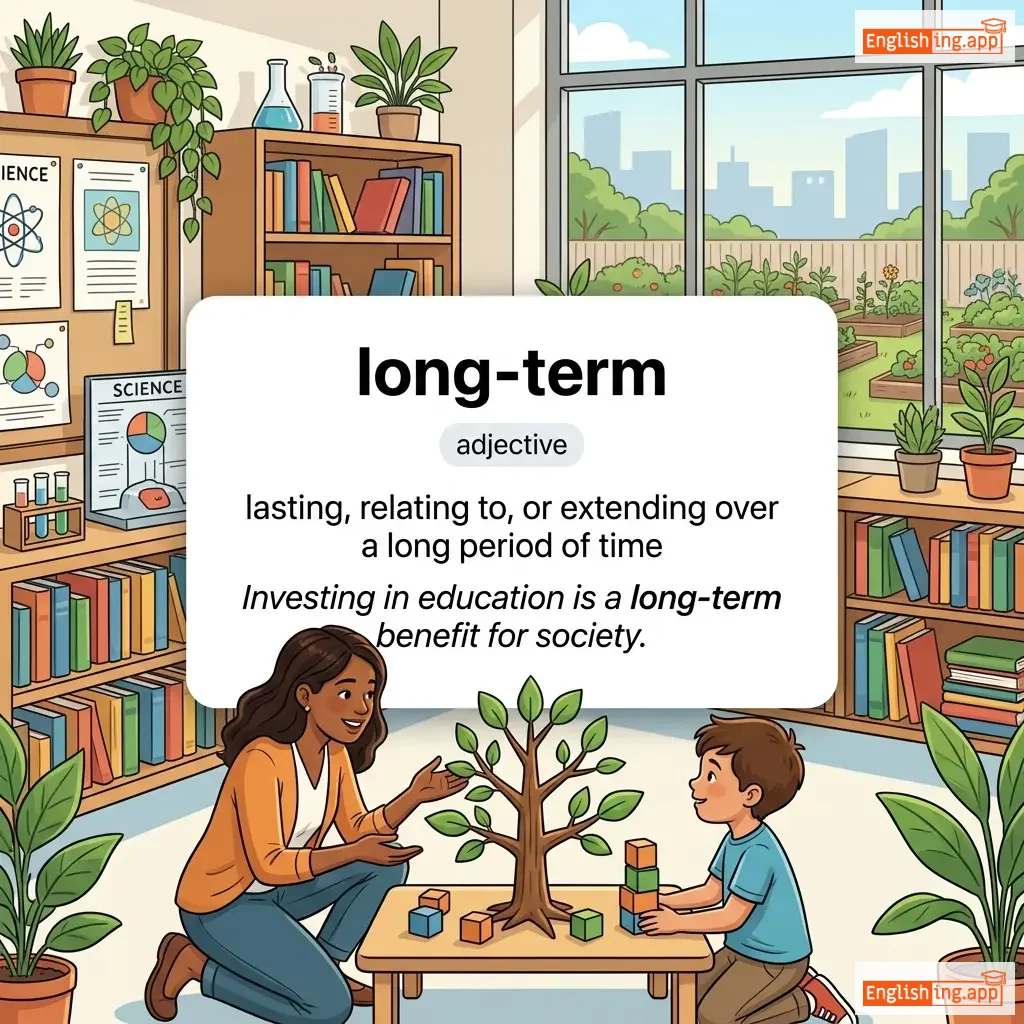
lasting, relating to, or extending over a long period of time
••••••
|
Investing in education is a long-term benefit for society. |
投资教育是社会的长期利益。
Touzi jiaoyu shi shehui de changqi liyu.
••••••
|
- •••••• | - •••••• | - •••••• |
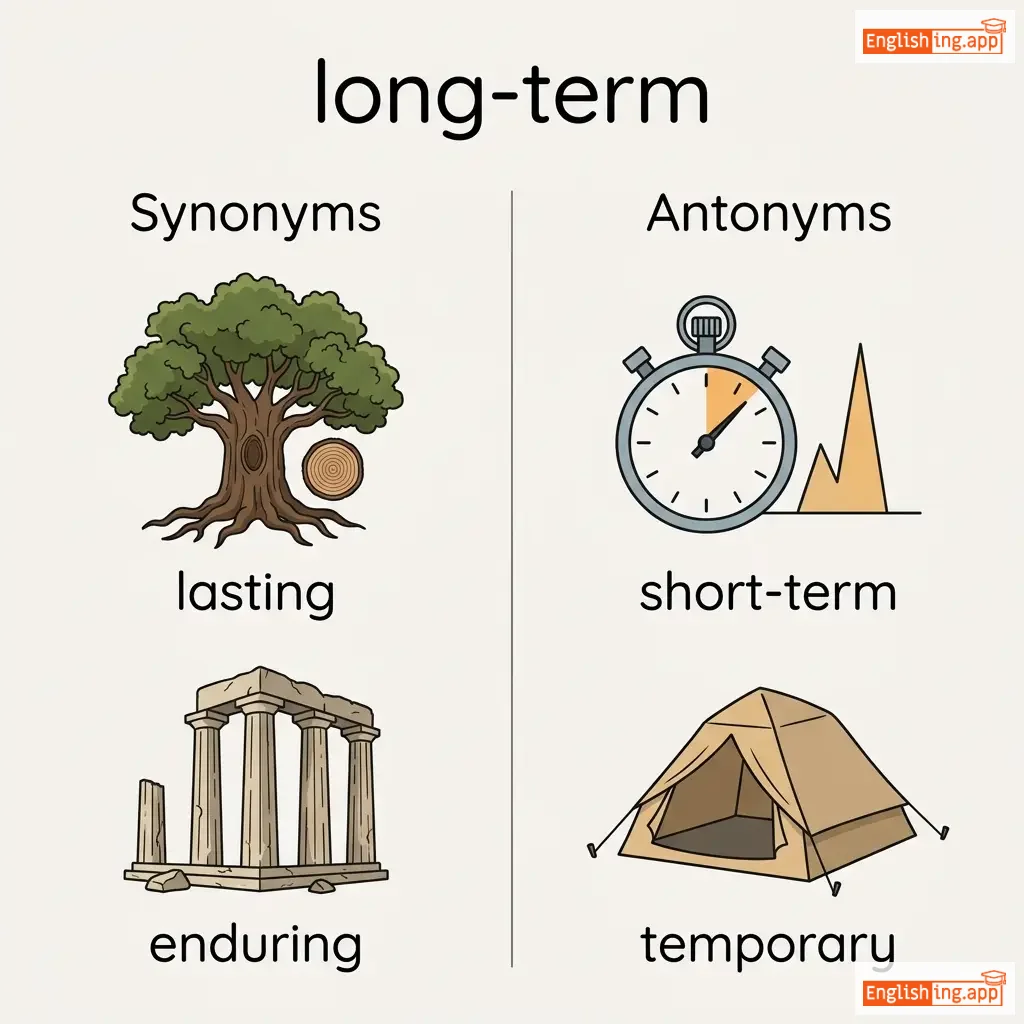
lasting, enduring, sustained, prolonged
••••••
|
short-term, temporary
••••••
|
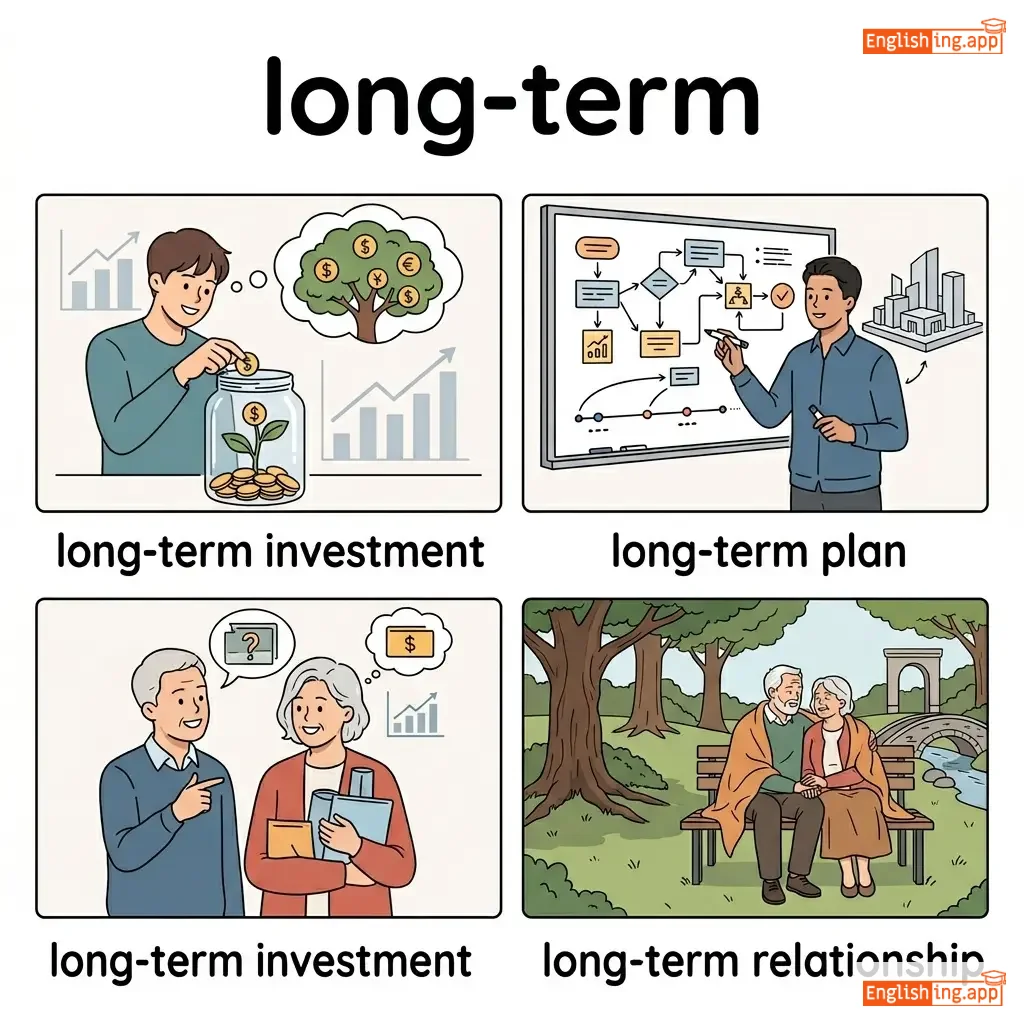
long-term investment, long-term plan, long-term relationship, long-term impact
••••••
|
长期的意味着稳定的回报 - 长期投资带来长期利益
••••••
|
|
💝
••••••
|
/ˌnɒnˈprɒfɪt/
adjective
(nonprofit)
••••••
|
- •••••• |
非营利组织
fei ying li zu zhi
••••••
|
- •••••• | - •••••• | - •••••• | - •••••• |
an organization that does not aim to make a profit, often serving a social or charitable purpose.
••••••
|
She works for a nonprofit organization that helps children. |
她为一个帮助孩子的非营利组织工作。
Ta wei yi ge bang zhu hai zi de fei ying li zu zhi gong zuo.
••••••
|
- •••••• | - •••••• | - •••••• |
charitable, voluntary, humanitarian, philanthropic
••••••
|
for-profit, commercial
••••••
|
nonprofit organization, nonprofit sector, nonprofit group, nonprofit foundation
••••••
|
非 = 不 + 营利 = 赚钱 → 非营利组织:不为赚钱,而是为帮助。
••••••
|
|
🧭
••••••
|
/ˌnɔːrθˈiːst/
noun
(诺思特)
••••••
|
- •••••• |
东北
dongbei
••••••
|
- •••••• | - •••••• | - •••••• | - •••••• |
the direction between north and east; a region or area located in that direction.
••••••
|
The storm is moving toward the northeast. |
暴风雨正朝东北方向移动。
Bao fengyu zheng chao dongbei fangxiang yidong.
••••••
|
- •••••• | - •••••• | - •••••• |
NE, upper east, northeastward, northeastern region
••••••
|
southwest, SW
••••••
|
northeast corner, northeast region, toward the northeast, northeast wind
••••••
|
北 + 东 = 东北,意味着北方和东方之间的方向。
••••••
|
|
🎤
••••••
|
/pərˈfɔːrmər/
noun
(表演者)
••••••
|
- •••••• |
表演者
biaoyanzhe
••••••
|
- •••••• | - •••••• | - •••••• | - •••••• |
a person who entertains an audience by acting, singing, dancing, or playing music
••••••
|
The performer received a standing ovation for her song.
表演者因她的歌曲获得了起立鼓掌。
••••••
|
表演者因她的歌曲获得了起立鼓掌。
Biaoyanzhe yin ta de gequ huodele qiliguozhang.
••••••
|
star performer
明星表演者
••••••
|
a person who performs exceptionally well in a field
••••••
|
明星表演者
mingxing biaoyanzhe
••••••
|
artist, entertainer, actor, singer, musician
••••••
|
spectator, audience, viewer
••••••
|
stage performer, live performer, great performer, talented performer
••••••
|
表演者就是舞台上的人 🎭
••••••
|
|
♾️
••••••
|
/ˈpɜːrmənənt/
adjective
(pɜːrmənənt)
••••••
|
- •••••• |
永久
yǒngjiǔ
••••••
|
- •••••• | - •••••• | - •••••• | - •••••• |
lasting or intended to last indefinitely without change
••••••
|
She decided to get a permanent job after years of freelancing. |
她决定在多年自由职业后找到一份永久工作。
Tā juédìng zài duōnián zìyóu zhíyè hòu zhǎodào yī fèn yǒngjiǔ gōngzuò.
••••••
|
permanent fixture |
someone or something that has been in a place for a long time and seems likely to always be there
••••••
|
某人或某物长时间待在一个地方,并且似乎永远会待在那里
Mǒu rén huò mǒu wù zhǎng shíjiān dāi zài yīgè dìfāng, bìngqiě shìhū yǒngyuǎn huì dāi zài nàlǐ
••••••
|
everlasting, enduring, lasting, constant, perpetual
••••••
|
temporary, transient, short-lived
••••••
|
permanent job, permanent residence, permanent solution, permanent damage
••••••
|
Permanent 意味着永远存在,就像一个永久的解决方案。
••••••
|
|
👥
••••••
|
/ˌpɜːrsəˈnel/
noun
(人员)
••••••
|
- •••••• |
人员
renyuan
••••••
|
- •••••• | - •••••• | - •••••• | - •••••• |
People employed in an organization or engaged in an organized undertaking such as military service.
••••••
|
The company is hiring more personnel for its new branch. |
公司正在为其新分支招聘更多的人员。
Gōngsī zhèngzài wèi qí xīn fēnzhī zhāopìn gèng duō de rényuán.
••••••
|
military personnel |
People serving in the armed forces.
••••••
|
军事人员
jūnshì rényuán
••••••
|
staff, employees, workforce, crew
••••••
|
employers, management
••••••
|
military personnel, trained personnel, medical personnel, company personnel
••••••
|
Personnel = person (人) + al = 所有的员工。
••••••
|
|
📍
••••••
|
/ˈpleɪsmənt/
noun
(pùlèisīmént)
••••••
|
- •••••• |
职位安排或分配
zhiwei anpai huo fenpei
••••••
|
- •••••• | - •••••• | - •••••• | - •••••• |
the act of putting something or someone in a particular position or job
••••••
|
The company arranged job placement for the graduates. |
公司为毕业生安排了工作岗位。
Gongsi wei biye sheng anpai le gongzuo gangwei.
••••••
|
placement test |
a test used to determine someone's skill or level for proper positioning
••••••
|
安置测试
anzhi ceshi
••••••
|
assignment, positioning, arrangement, posting, allocation
••••••
|
removal, displacement
••••••
|
job placement, student placement, placement test, market placement
••••••
|
Placement意味着把东西放到适合的位置 — 适合的地方!
••••••
|
|
⚖️
••••••
|
/ˈprɛsɪdənt/
noun
(普雷西登特)
••••••
|
- •••••• |
先例
xianli
••••••
|
- •••••• | - •••••• | - •••••• | - •••••• |
An earlier event or decision that serves as a guide or example for future similar situations.
••••••
|
The judge’s ruling set a new precedent for similar cases. |
法官的裁决为类似案件设立了一个新的先例。
Faguan de caijue wei leixi anjian sheli le yi ge xin de xianli.
••••••
|
set a precedent |
to establish a pattern or example to be followed in the future
••••••
|
设立先例
Sheli xianli
••••••
|
example, model, standard, pattern, instance
••••••
|
subsequent, follower, outcome
••••••
|
legal precedent, set a precedent, historical precedent, establish precedent
••••••
|
先例意味着先前发生的事情成为未来的规范 — 过去的先例,成为未来的呈现。
••••••
|
|
📏
••••••
|
/prɪˈsaɪsli/
adverb
(精确地)
••••••
|

|
精确地
jingque de
••••••
|
- •••••• | - •••••• | - •••••• | - •••••• |
in exact terms; without vagueness
••••••
|
She explained the process precisely.
她精确地解释了这个过程。
••••••
|
她精确地解释了这个过程。
Ta jingque de jiexi le zhege guocheng.
••••••
|
- •••••• | - •••••• | - •••••• |
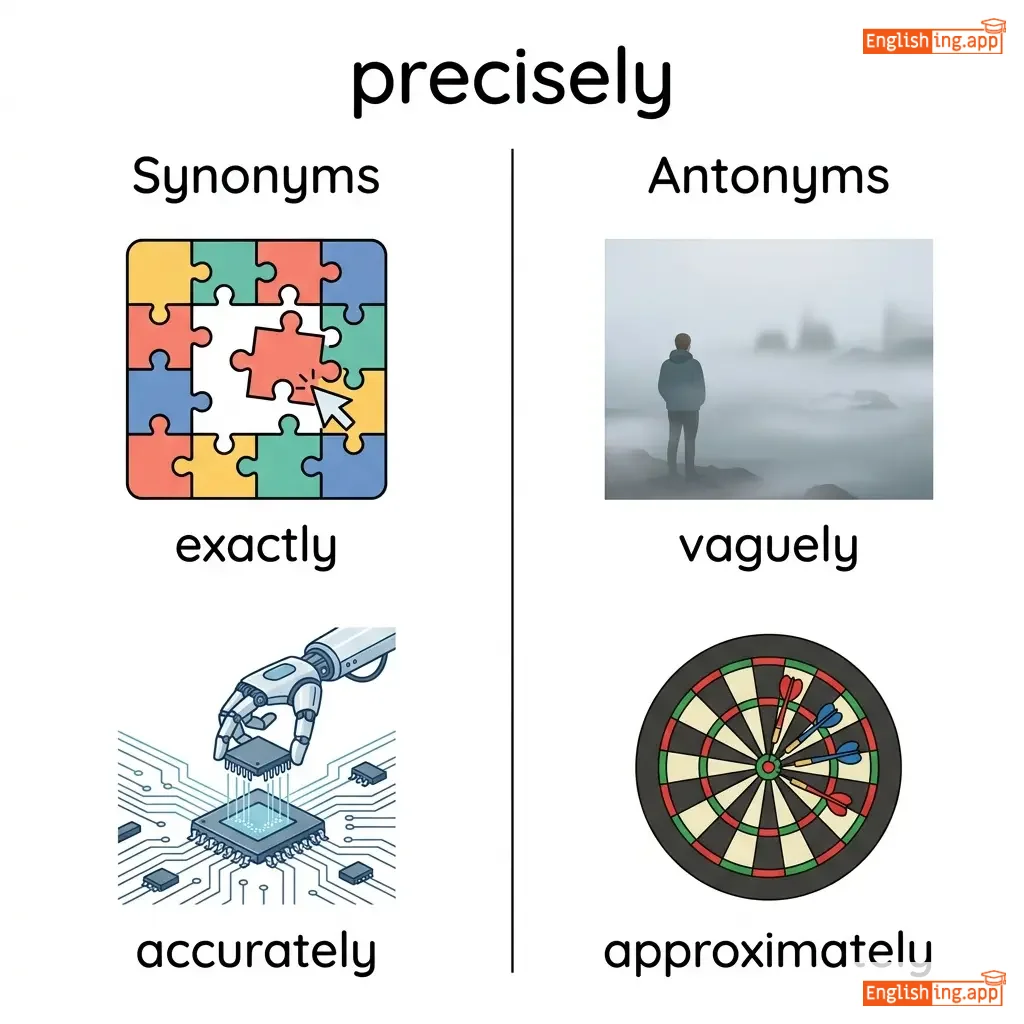
exactly, accurately, specifically, strictly
••••••
|
vaguely, approximately
••••••
|
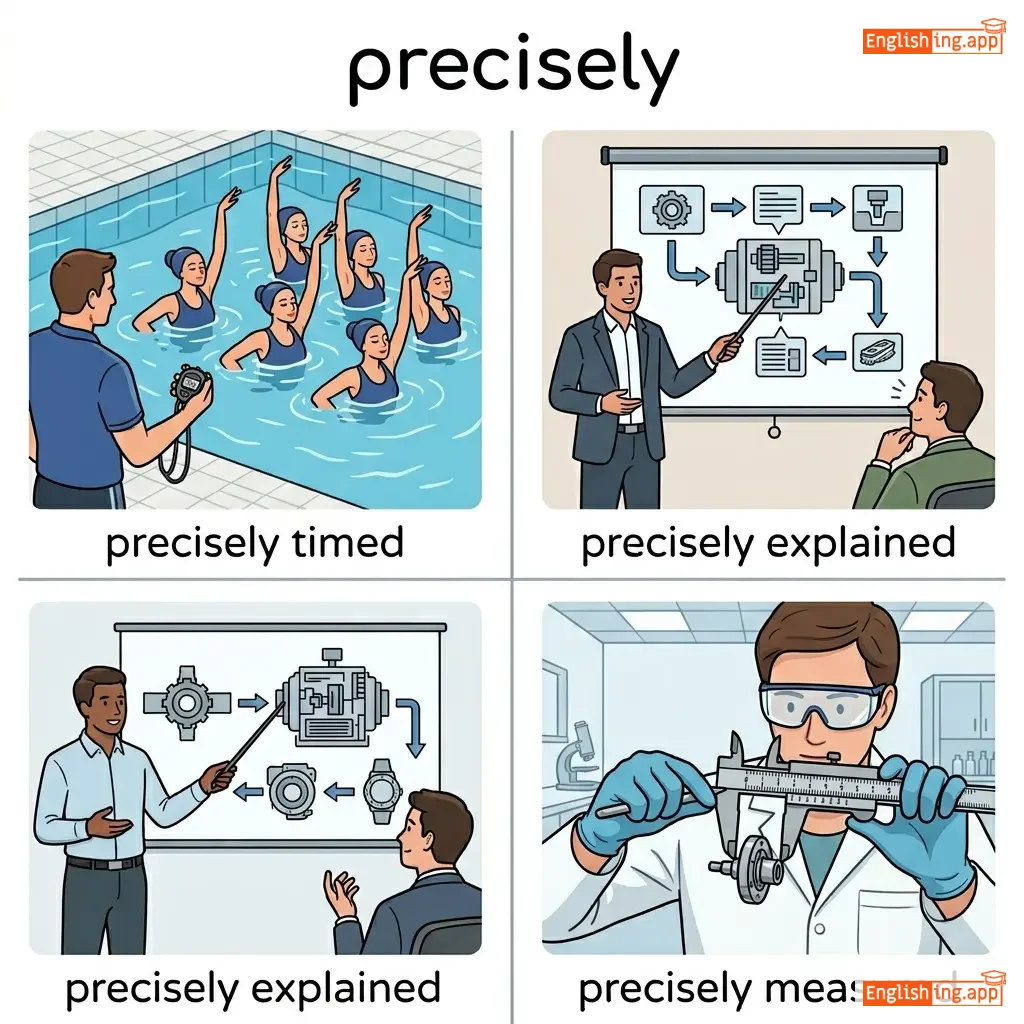
precisely timed, precisely explained, precisely measured
••••••
|
Precisely = Pinpoint accuracy!
••••••
|
|
🎖️
••••••
|
/ˈprɪvəlɪdʒ/
noun
(privilege)
••••••
|
- •••••• |
特权, 优势
tequan, youshi
••••••
|
- •••••• | - •••••• | - •••••• | - •••••• |
A special right, advantage, or immunity granted or available only to a particular person or group.
••••••
|
Education is considered a privilege in many developing countries. |
在许多发展中国家,教育被视为一种特权。
Zai xu duo fazhan zhongguo jia, jiaoyu bei shi wei yi zhong tequan.
••••••
|
white privilege |
Societal advantages that benefit white people beyond what is commonly experienced by non-white people under the same circumstances.
••••••
|
白人特权
bairen tequan
••••••
|
advantage, benefit, right, entitlement, honor
••••••
|
disadvantage, restriction, burden
••••••
|
enjoy privilege, special privilege, privilege of, privilege to
••••••
|
Privilege 是指一种只有特定群体才能享受的特权。
••••••
|
|
🌟
••••••
|
/ˈprɒmɪnənt/
adjective
(prɔːmɪnənt)
••••••
|
- •••••• |
显著的
xiǎnzhù de
••••••
|
- •••••• | - •••••• | - •••••• | - •••••• |
Important, famous, or easily noticeable.
••••••
|
He is a prominent leader in the community.
他是社区中的一个杰出领导者。
••••••
|
他是社区中的一个杰出领导者。
Tā shì shèqū zhōng de yīgè jiéchū lǐngdǎo zhě.
••••••
|
prominent feature
显著特点
••••••
|
a characteristic that stands out or is easily noticeable
••••••
|
显著特点
xiǎnzhù tèdiǎn
••••••
|
important, notable, eminent, distinguished, well-known
••••••
|
obscure, insignificant
••••••
|
prominent role, prominent position, prominent figure, prominent leader
••••••
|
显著的就像在社区中很容易被注意到的领导者。
••••••
|

