The Farmer Who Preserved Traditional Farming
ジャマールは伝統的な農夫で、cattle を育て、cotton を栽培していました。彼の農場は村の center にありました。近代化は伝統的な農業を脅かしており、大企業が土地を買おうとしていました。農場が closed になるのは common なことになっていました。しかしジャマールは伝統を守ることを信じていました。彼は collar 付きのシンプルなシャツを着ており、重労働にもかかわらず常に清潔でした。毎週日曜日には church の礼拝に参加しました。ジャマールの農業技術には、複数の layers による輪作が含まれていました。彼はまた牛乳から cheese を作るという、珍しい技術も持っていました。大企業は彼に売るよう compel しましたが、ジャマールは拒否しました。伝統的な農場を維持するのは costly でしたが、彼はあきらめませんでした。ジャマールは若い世代に持続可能な農業の重要性を convey しようとしました。彼は新しい規制に comply しなければならず、それは難しいことでした。いくつかの活動家が保存戦略について彼と conferred しました。ジャマールは農具を大きな closet のような小屋に保管していました。村が工業 colonies に変わるにつれて、伝統的な農場は絶滅に closer になっていきました。ジャマールは天候、経済、政策など多くの課題と combat しなければなりませんでした。面白い出来事として、comedy 番組が彼を「最後の伝統的な農夫」として紹介したことがあり、彼はそれを穏やかに受け入れました。ジャマールは誰もが自分の道を選ぶ chance を持つべきだと信じていました。農業省は彼に伝統的な方法を示す chance を与えました。ジャマールは伝統的な農業が現代社会と共存できることを証明しました。彼の献身は農民協同組合の設立を促しました。ジャマールの物語は、強制的な近代化への抵抗の象徴となりました。
|
絵文字
|
単語 | Images | 翻訳 | 過去 | 過去分詞 | 三人称単数 | 動名詞 | 意味 | 例文 | 例文の翻訳 | 表現例 | 表現例の意味 | 表現例の翻訳 | 同義語 | 対義語 | コロケーション | ニーモニック |
|---|---|---|---|---|---|---|---|---|---|---|---|---|---|---|---|---|---|
|
🐄
••••••
|
/ˈkætl/
noun
(ˈhæpinəs)
••••••
|
- •••••• |
幸せ
shiawase
••••••
|
- •••••• | - •••••• | - •••••• | - •••••• |
large domesticated animals such as cows and bulls that are kept on a farm for their milk, meat, or hides
••••••
|
The farmer owns a herd of cattle that graze near the river. |
彼女は賞を受け取ったとき、自分の幸せを隠せませんでした。
Kanojo wa shō o uketotta toki, jibun no shiawase o kakusemasendeshita.
••••••
|
like cattle |
used to describe people being treated as a group without individuality
••••••
|
幸せを追求する
shiawase o tsuikyū suru
••••••
|
livestock, herd, cows, oxen, bovine
••••••
|
wild animals, pets
••••••
|
herd of cattle, cattle farm, cattle ranch, cattle market
••••••
|
幸せは簡単に覚えられる、'しあわせ'!幸せでいることが一番大切!
••••••
|
|
🎯
••••••
|
/ˈsɛntər/
noun
(センター)
••••••
|
|
中心
chūshin
••••••
|
- •••••• | - •••••• | - •••••• | - •••••• |
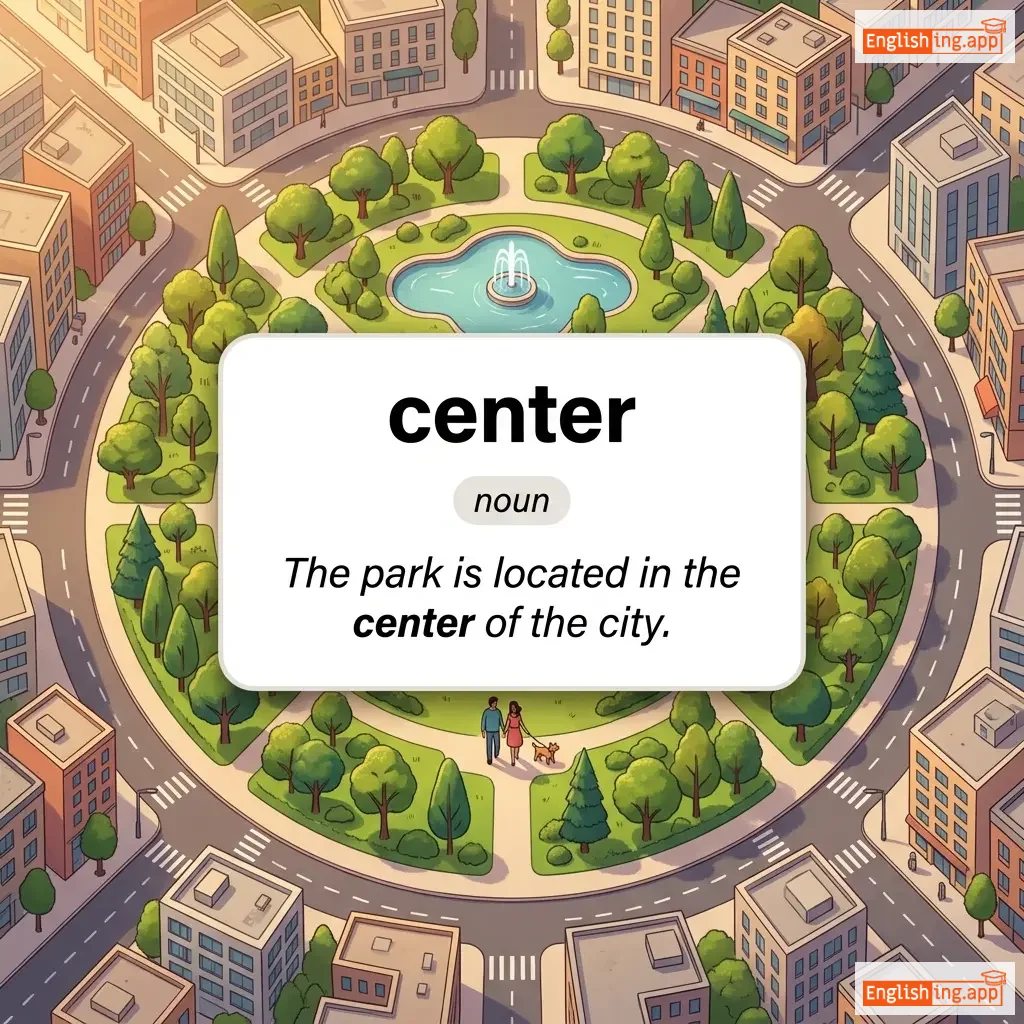
The middle point or part of something; a place where a particular activity is concentrated.
••••••
|
The park is located in the center of the city. |
公園は街の中心にあります。
Kōen wa machi no chūshin ni arimasu.
••••••
|
the center of attention |
the person or thing that everyone is paying attention to
••••••
|
注目の中心
Chūmoku no chūshin
••••••
|
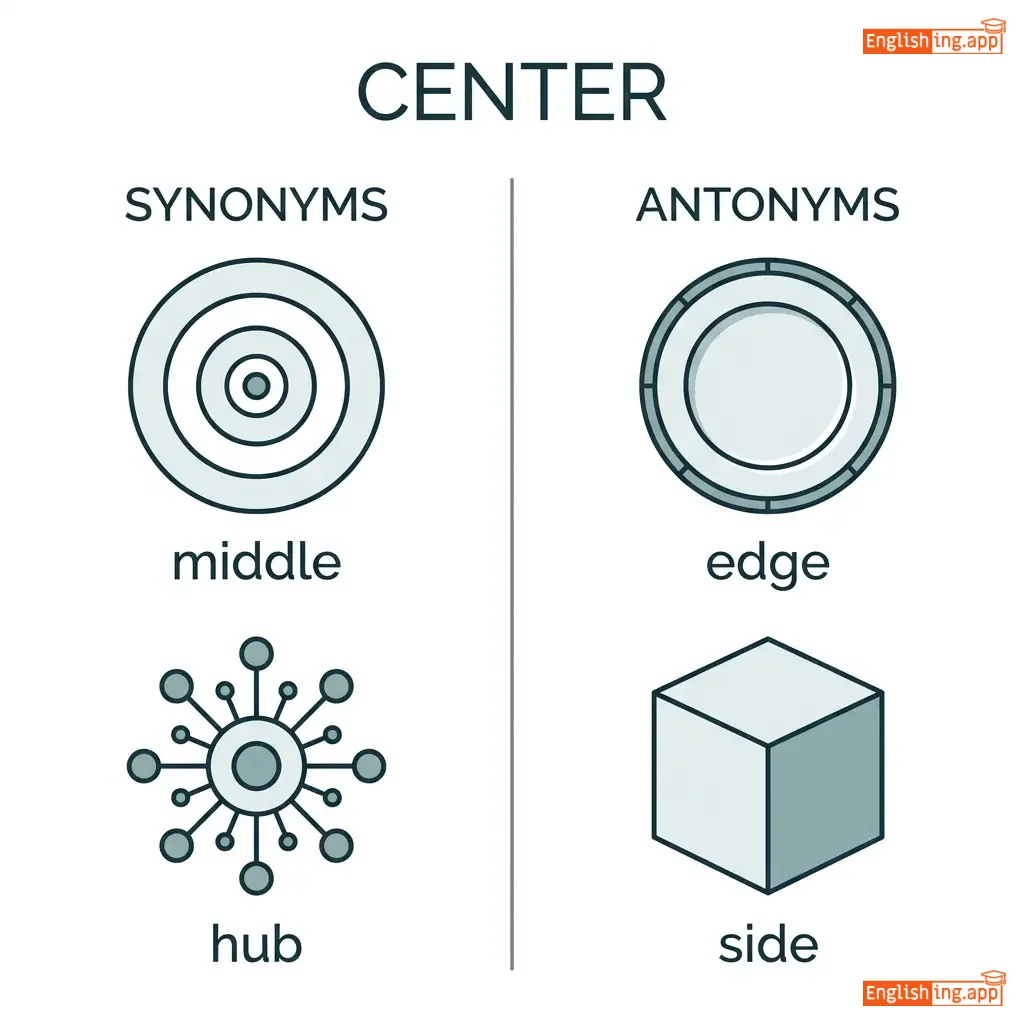
middle, hub, core, heart, focus
••••••
|
edge, side, periphery
••••••
|
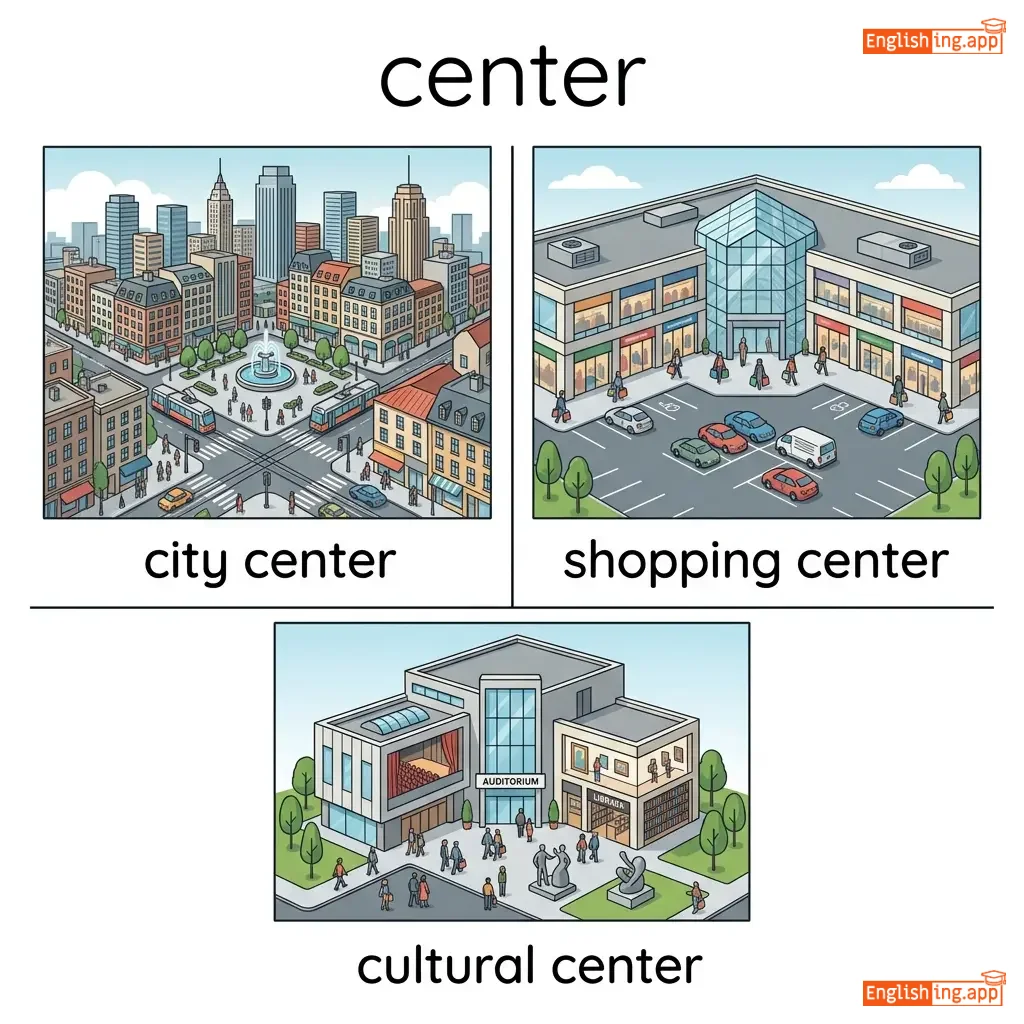
city center, shopping center, cultural center, attention center
••••••
|
Centerは中心、例えばCity Centerは街の中心という意味です。
••••••
|
|
🎲
••••••
|
/tʃæns/
noun
(チャンス)
••••••
|
- •••••• |
チャンス
chansu
••••••
|
- •••••• | - •••••• | - •••••• | - •••••• |
An opportunity or possibility of something happening.
••••••
|
He took a chance and applied for the job. |
彼はチャンスを取り、仕事に応募した。
Kare wa chansu o tori, shigoto ni ōbo shita.
••••••
|
take a chance |
to do something risky or uncertain in hope of success
••••••
|
チャンスを取る
chansu o toru
••••••
|
opportunity, possibility, likelihood, probability, prospect
••••••
|
certainty, impossibility, guarantee
••••••
|
take a chance, by chance, good chance, slim chance
••••••
|
Chanceはチャンス – サイコロ🎲を振ってチャンスを掴もう!
••••••
|
|
🧀
••••••
|
/tʃiːz/
noun
(チーズ)
••••••
|
- •••••• |
チーズ
chiizu
••••••
|
- •••••• | - •••••• | - •••••• | - •••••• |
a dairy product made from curdled or cultured milk
••••••
|
She sliced some cheese for the sandwich.
彼女はサンドイッチのためにチーズを切った。
••••••
|
彼女はサンドイッチのためにチーズを切った。
Kanojo wa sandoicchi no tame ni chiizu o kitta.
••••••
|
say cheese
チーズと言って
••••••
|
a phrase used when asking people to smile for a photo
••••••
|
チーズと言って
Chiizu to itte
••••••
|
dairy, curd, fromage, cheddar, mozzarella
••••••
|
milk, yogurt
••••••
|
cheese sandwich, grated cheese, cream cheese, cheese platter
••••••
|
Cheeseは🧀チーズ、写真のために'チーズと言って'と言って笑顔を作ろう。
••••••
|
|
⛪
••••••
|
/tʃɜːrtʃ/
noun
(チャーチ)
••••••
|
- •••••• |
教会
kyoukai
••••••
|
- •••••• | - •••••• | - •••••• | - •••••• |
a building used for public Christian worship
••••••
|
The old church in the village was built in the 18th century. |
村の古い教会は18世紀に建てられました。
Mura no furui kyoukai wa 18 seiki ni tateraremashita.
••••••
|
go to church |
to attend Christian worship services
••••••
|
教会に行く
kyoukai ni iku
••••••
|
chapel, cathedral, sanctuary, basilica
••••••
|
mosque, temple
••••••
|
church service, church building, church bell, church members
••••••
|
教会は Church ⛪ — キリスト教徒が祈る場所です。
••••••
|
|
🚪
••••••
|
/kloʊzd/
adjective
(クローズド)
••••••
|
- •••••• |
閉じた
tojita
••••••
|
- •••••• | - •••••• | - •••••• | - •••••• |
not open; shut
••••••
|
The store is closed on Fridays. |
その店は金曜日に閉まっています。
Sono mise wa kin'yōbi ni shimatteimasu.
••••••
|
closed book |
a person or subject about which one knows very little
••••••
|
閉じた本
tojita hon
••••••
|
shut, sealed, locked, barred
••••••
|
open, unlocked
••••••
|
closed door, closed eyes, closed mind, closed system
••••••
|
Closedは閉じたことを意味します – 覚えておいてください、CLOSED doorは‘No entry’を意味します。
••••••
|
|
➡️
••••••
|
/ˈkloʊsər/
adjective, noun
(kurōzā)
••••••
|
- •••••• |
もっと近く, 終了者
motto chikaku, shūryōsha
••••••
|
- •••••• | - •••••• | - •••••• | - •••••• |
more near in distance or relationship; someone or something that concludes an activity
••••••
|
She moved closer to the window. |
彼女は窓にもっと近づきました。
Kanojo wa mado ni motto chikadukimashita.
••••••
|
come closer |
move nearer
••••••
|
もっと近づいて
motto chikadzuite
••••••
|
nearer, adjacent, nearby, intimate
••••••
|
farther, distant
••••••
|
closer look, closer relationship, move closer, closer examination
••••••
|
Closerはもっと近くという意味—友達と一緒にいると関係がもっと深くなる。
••••••
|
|
🚪
••••••
|
/ˈklɒzɪt/
noun
(クローゼット)
••••••
|
- •••••• |
クローゼット
kurōzetto
••••••
|
- •••••• | - •••••• | - •••••• | - •••••• |
a small room or enclosed space used for storing clothes or other things
••••••
|
She keeps her winter coats in the closet near the door. |
彼女は冬のコートをドアの近くのクローゼットに保管しています。
kanojo wa fuyu no kōto o doa no chikaku no kurōzetto ni hokan shiteimasu.
••••••
|
skeleton in the closet |
a hidden and embarrassing secret from someone's past
••••••
|
クローゼットの中のガイコツ
kurōzetto no naka no gaikotsu
••••••
|
wardrobe, cupboard, locker, storage, cabinet
••••••
|
open space, exposure
••••••
|
walk-in closet, linen closet, broom closet, closet door
••••••
|
クローゼットは衣服をしまう場所、秘密を隠す場所でもある!
••••••
|
|
👔
••••••
|
/ˈkɒlər/
noun
(カラー)
••••••
|
- •••••• |
襟
kiri
••••••
|
- •••••• | - •••••• | - •••••• | - •••••• |
the part of a shirt, coat, or dress that goes around the neck
••••••
|
He adjusted his shirt collar before entering the meeting. |
彼は会議に入る前にシャツの襟を調整しました。
Kare wa kaigi ni hairu mae ni shatsu no kiri o chousei shimashita.
••••••
|
white-collar worker |
a person who performs professional, managerial, or administrative work
••••••
|
ホワイトカラー労働者
howaito karaa roudousha
••••••
|
neckband, neckline, choker, ruff, band
••••••
|
sleeve, cuff
••••••
|
shirt collar, white-collar job, collar bone, pop the collar
••••••
|
カラーはシャツの襟、首を囲んでいる部分です。これを思い出して、カラーは常に首の周りにあります。
••••••
|
|
🏝️
••••••
|
/ˈkɒləni/
noun
(koronī)
••••••
|
- •••••• |
植民地
shokumindi
••••••
|
- •••••• | - •••••• | - •••••• | - •••••• |
a territory or community controlled by another country or group of people
••••••
|
India was once a British colony. |
インディアはかつてイギリスの植民地でした。
India wa katsute Igirisu no shokumindi deshita.
••••••
|
- •••••• | - •••••• | - •••••• |
territory, settlement, dependency, dominion, outpost
••••••
|
independent state, homeland
••••••
|
British colony, animal colony, colony of ants, colonial rule
••••••
|
Colony は日本語で '植民地' で、他国に支配されている場所です。
••••••
|
|
⚔️
••••••
|
/ˈkɒmbæt/
verb
(コンバット)
••••••
|
- •••••• |
戦う
tatakau
••••••
|
combated
コンバテッド
••••••
|
combated
コンバテッド
••••••
|
combats
コンバッツ
••••••
|
combating
コンバティング
••••••
|
to fight against something, especially to reduce or stop it
••••••
|
The government is taking steps to combat corruption.
政府は汚職と戦うための措置を講じています。
••••••
|
政府は汚職と戦うための措置を講じています。
Seifu wa oshoku to tatakau tame no sochi o kōjiteimasu.
••••••
|
combat crime
犯罪と戦う
••••••
|
to fight against criminal activity
••••••
|
犯罪と戦う
hanzai to tatakau
••••••
|
fight, battle, oppose, resist, tackle
••••••
|
support, encourage, promote
••••••
|
combat disease, combat terrorism, combat climate change, combat poverty
••••••
|
戦う = Come + Battle — さあ戦おう (come to fight)!
••••••
|
|
😂
••••••
|
/ˈkɒmədi/
noun
(コメディ)
••••••
|
- •••••• |
コメディ
komedi
••••••
|
- •••••• | - •••••• | - •••••• | - •••••• |
A type of entertainment that is intended to make people laugh.
••••••
|
We watched a hilarious comedy at the theater.
私たちは劇場で面白いコメディを見ました。
••••••
|
私たちは劇場で面白いコメディを見ました。
Watashitachi wa gekijou de omoshiroi komedi o mimashita.
••••••
|
tragicomedy
悲喜劇
••••••
|
a dramatic work that combines elements of tragedy and comedy
••••••
|
悲喜劇
hikigeki
••••••
|
humor, farce, satire, joke, parody
••••••
|
tragedy, drama
••••••
|
stand-up comedy, comedy show, comedy movie, romantic comedy
••••••
|
コメディ - 笑って楽しんで!
••••••
|
|
🌍
••••••
|
/ˈkɒm.ən/
adjective
(komon)
••••••
|
- •••••• |
共通
kyoutsuu
••••••
|
- •••••• | - •••••• | - •••••• | - •••••• |
occurring frequently or widely; shared by all
••••••
|
It is common to see traffic in the city during rush hour. |
ラッシュアワー中に都市で交通渋滞を見るのは一般的です。
Rasshu awa-chuu ni toshi de koutsuu jyuutai wo miru no wa ippanteki desu
••••••
|
common sense |
good practical judgment based on everyday experience
••••••
|
常識
joushiki
••••••
|
usual, ordinary, frequent, general
••••••
|
rare, uncommon, unusual
••••••
|
common problem, common interest, common mistake, in common
••••••
|
共通はみんなで分かち合うこと、例えば‘常識’のように。
••••••
|
|
👉
••••••
|
/kəmˈpɛl/
verb
(コンペル)
••••••
|
- •••••• |
強制する
kyousei suru
••••••
|
compelled
コンペルド
••••••
|
compelled
コンペルド
••••••
|
compels
コンペルス
••••••
|
compelling
コンペリング
••••••
|
To force or drive someone to do something.
••••••
|
The law compels citizens to pay taxes.
法律は市民に税金を支払うことを強制します。
••••••
|
法律は市民に税金を支払うことを強制します。
Hōritsu wa shimin ni zeikin o shiharau koto o kyōsei shimasu.
••••••
|
compel attention
注目を集める
••••••
|
To strongly attract or demand focus.
••••••
|
注目を集める
chūmoku o atsumeru
••••••
|
force, drive, oblige, pressure, coerce
••••••
|
dissuade, discourage, prevent
••••••
|
compel someone, compel obedience, compel action, compel attention
••••••
|
Compel は強制するという意味、例えば: '先生が宿題を強制する!'
••••••
|
|
✅
••••••
|
/kəmˈplaɪ/
verb
(コンプライ)
••••••
|
- •••••• |
従う
shitagau
••••••
|
complied
コンプライド
••••••
|
complied
コンプライド
••••••
|
complies
コンプライズ
••••••
|
complying
コンプライイング
••••••
|
to act in accordance with a rule, request, or law
••••••
|
All companies must comply with safety regulations.
すべての企業は安全規則を遵守しなければなりません。
••••••
|
すべての企業は安全規則を遵守しなければなりません。
Subete no kigyō wa anzen kisoku o junshu shinakereba narimasen.
••••••
|
comply with orders
命令に従う
••••••
|
to follow instructions or commands
••••••
|
命令に従う
Meirei ni shitagau
••••••
|
obey, follow, conform, observe, respect
••••••
|
disobey, resist, ignore
••••••
|
comply with law, comply with order, comply with standard, comply fully
••••••
|
従うは、指示に従うことです。
••••••
|
|
💬
••••••
|
/kənˈfɜːr/
verb
••••••
|
- •••••• | - •••••• |
conferred
••••••
|
conferred
••••••
|
confers
••••••
|
conferring
••••••
|
to discuss something important or to grant or bestow something
••••••
|
The committee will confer to decide on the new policy. |
- •••••• |
confer a degree |
to officially give someone a degree
••••••
|
- •••••• |
consult, discuss, grant, bestow, award
••••••
|
withhold, deny
••••••
|
confer with, confer about, confer a degree, confer title
••••••
|
No •••••• |
|
📦
••••••
|
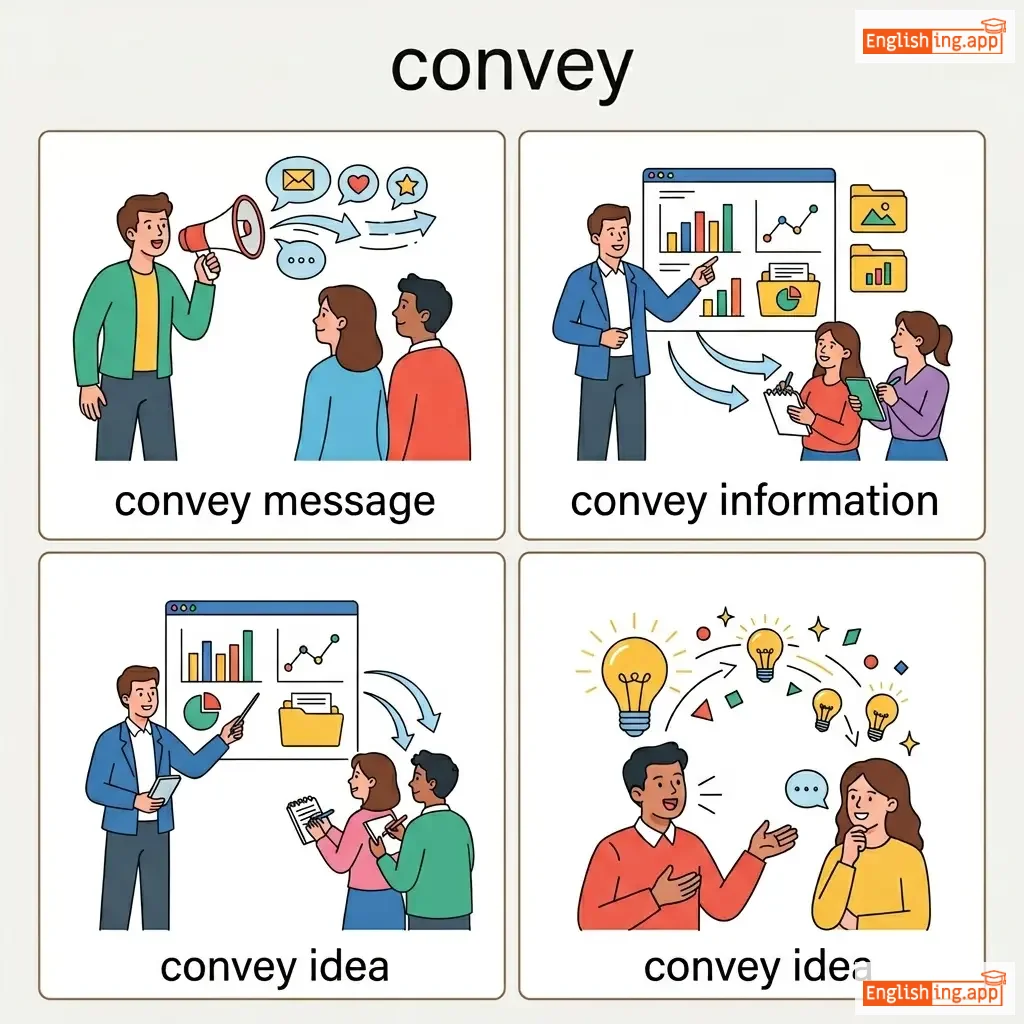
/kənˈveɪ/
verb
(kənˈveɪ)
••••••
|

|
伝える、表現する
tsutaeru, hyōgen suru
••••••
|
conveyed
kənˈveɪd
••••••
|
conveyed
kənˈveɪd
••••••
|
conveys
kənˈveɪz
••••••
|
conveying
kənˈveɪɪŋ
••••••
|
to transport; to communicate or express; to transfer
••••••
|
The painting conveys a sense of peace and tranquility.
その絵は平和と静けさの感覚を伝えています。
••••••
|
その絵は平和と静けさの感覚を伝えています。
Sono e wa heiwa to shizukesa no kankaku o tsutaeteimasu.
••••••
|
- •••••• | - •••••• | - •••••• |
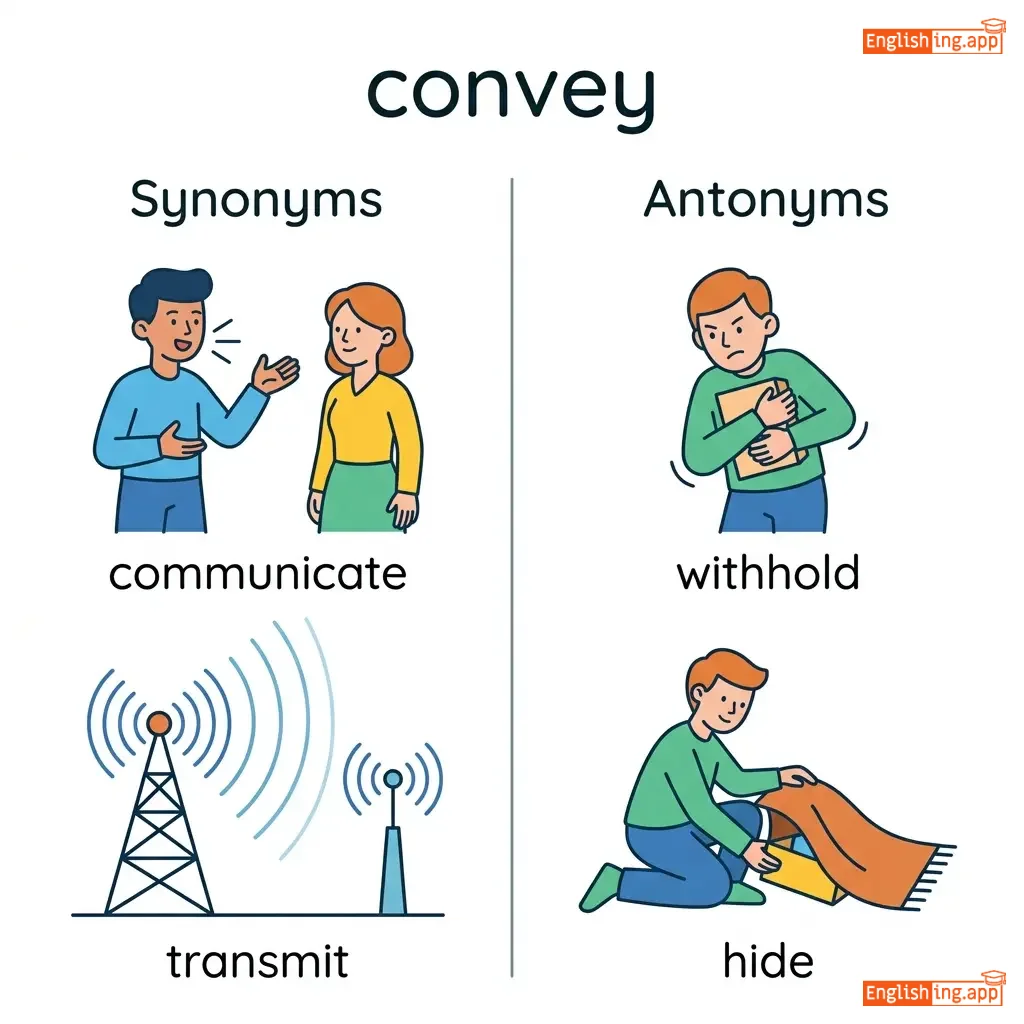
transport, communicate, express, transfer
••••••
|
withhold, conceal, hide, retain
••••••
|
convey message, convey meaning, convey information, convey emotion, convey clearly
••••••
|
Conveying peace in art—just like transporting calm.
••••••
|
|
💸
••••••
|
/ˈkɔːstli/
adjective
(コーストリー)
••••••
|
- •••••• |
高価
kōka
••••••
|
- •••••• | - •••••• | - •••••• | - •••••• |
expensive or causing a lot of money, time, or effort
••••••
|
Their mistake proved to be very costly for the company. |
彼らのミスは会社にとって非常に高価であることが証明されました。
Karera no misu wa kaisha ni totte hijō ni kōka de aru koto ga shōmei saremashita.
••••••
|
costly mistake |
an error that leads to serious loss or damage
••••••
|
高価なミス
kōka na misu
••••••
|
expensive, high-priced, lavish, valuable
••••••
|
cheap, inexpensive, economical
••••••
|
costly mistake, costly investment, costly decision, costly failure
••••••
|
Costlyは高価を意味し、英語のcostlyは日本語で高価💸
••••••
|
|
🌱
••••••
|
/ˈkɒtən/
noun
••••••
|
- •••••• |
幸せ
shiawase
••••••
|
- •••••• | - •••••• | - •••••• | - •••••• |
A soft white fibrous substance used to make cloth and thread.
••••••
|
This shirt is made of pure cotton. |
彼女は賞を受け取ったとき、自分の幸せを隠すことができませんでした。
Kanojo wa shō o uketotta toki, jibun no shiawase o kakusu koto ga dekimasen deshita.
••••••
|
cotton on |
To begin to understand or realize something.
••••••
|
幸せの追求
shiawase no tsuikyū
••••••
|
fabric, fiber, cloth, textile
••••••
|
synthetic, polyester
••••••
|
cotton fabric, cotton industry, cotton field, pure cotton
••••••
|
幸せ - 笑顔が広がる瞬間を思い描いて 🌸
••••••
|
|
📚
••••••
|
/ˈleɪər/
noun
(レイヤー)
••••••
|
- •••••• |
層
sō
••••••
|
- •••••• | - •••••• | - •••••• | - •••••• |
A sheet, thickness, or coating of something that lies over or under a surface.
••••••
|
The cake had a layer of cream between the sponges. |
ケーキにはスポンジの間にクリームの層がありました。
Kēki ni wa suponji no aida ni kurīmu no sō ga arimashita.
••••••
|
a layer of meaning |
a deeper or additional significance
••••••
|
意味の層
imi no sō
••••••
|
sheet, coating, stratum, film, covering
••••••
|
core, center
••••••
|
thin layer, thick layer, protective layer, additional layer
••••••
|
Layerは層を意味します。ケーキにクリーム層があるように。
••••••
|

