The Woman Who Built a Manufacturing Empire
ミナは advanced な製造会社を作ることを夢見ていたエンジニアだった。Although 彼女は小さな町の出身だったが、その野心は大きかった。彼女の accurate な計算と技術的知識が彼女を助けた。最初、彼女は aluminum 製品を扱っていた。ある日、工場で accident が起こり、それが警鐘となった。ミナは安全基準の重要性に気づいた。彼女はより良い設備のために資源を allocate することを決めた。彼女の会社は主要な高速道路の adjacent にあり、物流に役立った。ミナは労働者の権利と公正な賃金の advocate だった。彼女は adequate な補償制度を整えた。彼女の哲学は abstract なものではなく、実践的な解決策を信じていた。Actually、彼女のアプローチは非常に革新的だった。彼女は事業拡大のために外国企業と alliance を結んだ。彼女の戦略が機能しているのは apparent だった。会社は aircraft 部品の製造を開始し、後に完全な airplane 部品も作った。ビジネスは annually 成長し、利益も大幅に増加した。面白い出来事として、息子が誤って新しい機械を早く activated してしまい、大きな音を立てて皆を驚かせた。ミナは笑って「少なくとも動くことはわかったわね!」と言った。彼女の会社は非常に成功し、多くの人が彼女なら anything を成し遂げられると思った。社員が abortion の権利について問題を提起したときに論争が起こったが、ミナは女性の医療へのアクセスを公に支持した。一部の保守的な顧客は不満を持ったが、ミナは自分の価値観を貫いた。夫の現代的な育児法の adoption も彼女の職場方針に影響を与えた。ミナは製造と思いやりが共存できることを証明した。彼女の遺産は産業的な卓越性と社会的責任の両方だった。
|
絵文字
|
単語 | Images | 翻訳 | 過去 | 過去分詞 | 三人称単数 | 動名詞 | 意味 | 例文 | 例文の翻訳 | 表現例 | 表現例の意味 | 表現例の翻訳 | 同義語 | 対義語 | コロケーション | ニーモニック |
|---|---|---|---|---|---|---|---|---|---|---|---|---|---|---|---|---|---|
|
⚖️
••••••
|
/əˈbɔːrʃən/
noun
••••••
|
- •••••• | - •••••• | - •••••• | - •••••• | - •••••• | - •••••• |
The deliberate termination of a human pregnancy, usually performed during the first 28 weeks.
••••••
|
The debate about abortion continues to divide public opinion. |
- •••••• |
abortion rights |
The legal rights of women to have access to abortion procedures.
••••••
|
- •••••• |
termination, miscarriage, ending, interruption
••••••
|
birth, delivery
••••••
|
legal abortion, safe abortion, abortion clinic, abortion law
••••••
|
No •••••• |
|
🎨
••••••
|
/ˈæb.strækt/
adjective, noun, verb
(アブストラクト)
••••••
|
- •••••• |
抽象的, 要約
chūshōteki, yōyaku
••••••
|
abstracted
アブストラクトされた
••••••
|
abstracted
アブストラクトされた
••••••
|
abstracts
アブストラクトする
••••••
|
abstracting
アブストラクトしている
••••••
|
existing in thought or as an idea but not having physical or concrete existence; a summary of a text
••••••
|
The artist is known for her abstract paintings.
そのアーティストはアブストラクトな絵画で知られています。
••••••
|
そのアーティストはアブストラクトな絵画で知られています。
Sono ātisuto wa abusutokuruto na kaiga de shirareteimasu.
••••••
|
in the abstract
抽象的に
••••••
|
considered generally, without reference to specific examples
••••••
|
抽象的に
chūshōteki ni
••••••
|
conceptual, theoretical, summary, extract
••••••
|
concrete, real, practical
••••••
|
abstract idea, abstract art, abstract concept
••••••
|
抽象的なものは具体的なものではなく、考えや芸術に現れるものです。
••••••
|
|
🚑
••••••
|
/ˈæksɪdənt/
noun
(akkusidento)
••••••
|
|
事故
jiko
••••••
|
- •••••• | - •••••• | - •••••• | - •••••• |
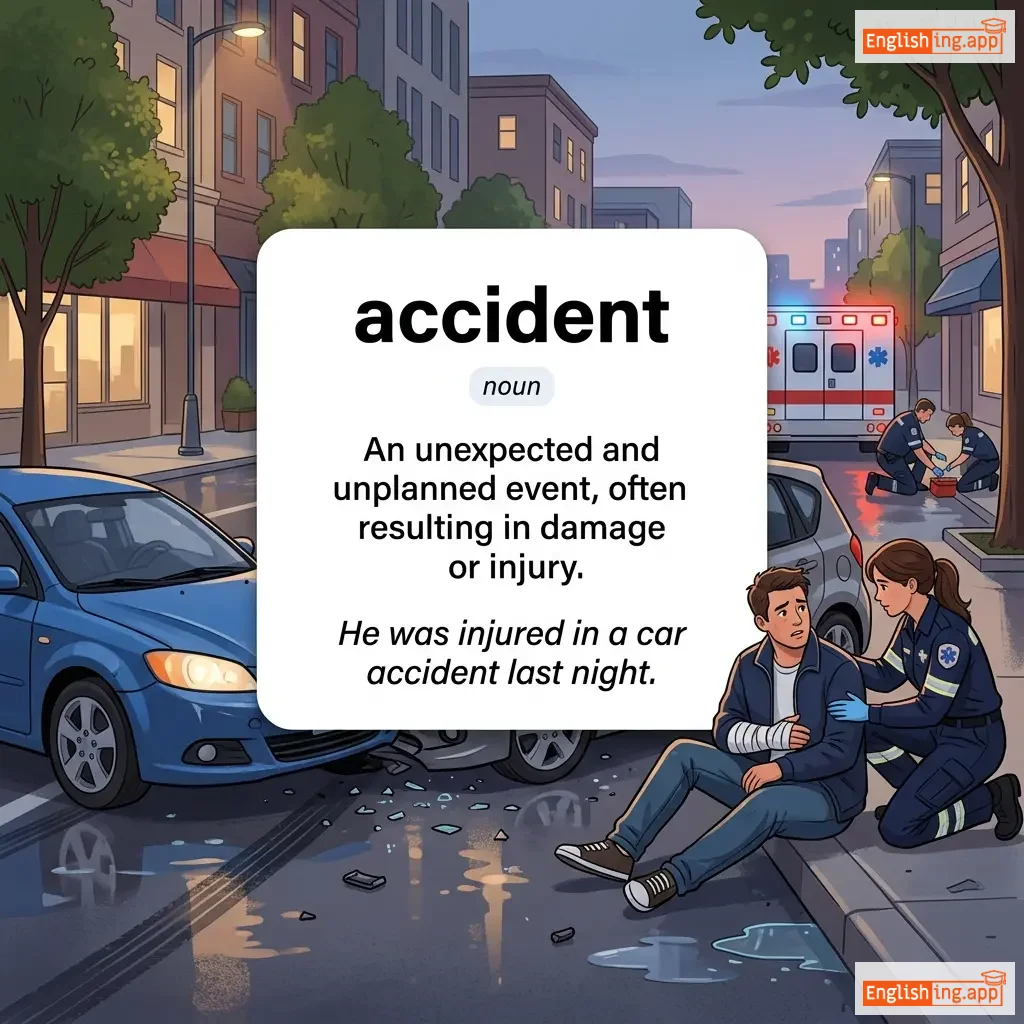
An unexpected and unplanned event, often resulting in damage or injury.
••••••
|
He was injured in a car accident last night. |
彼は昨晩の車の事故で怪我をしました。
Kare wa sakuban no kuruma no jiko de kega o shimashita.
••••••
|
by accident |
Something done unintentionally.
••••••
|
うっかり
ukkari
••••••
|
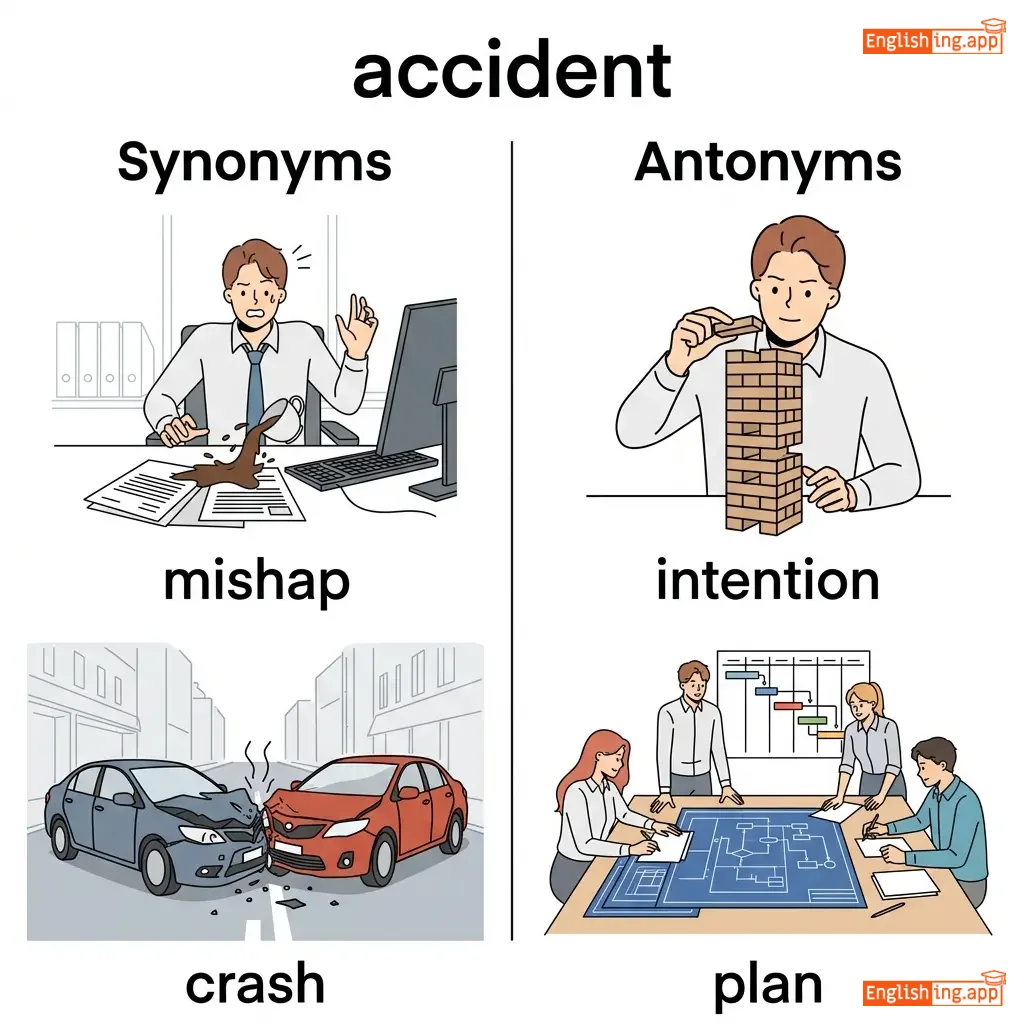
mishap, crash, disaster, incident
••••••
|
intention, plan
••••••
|
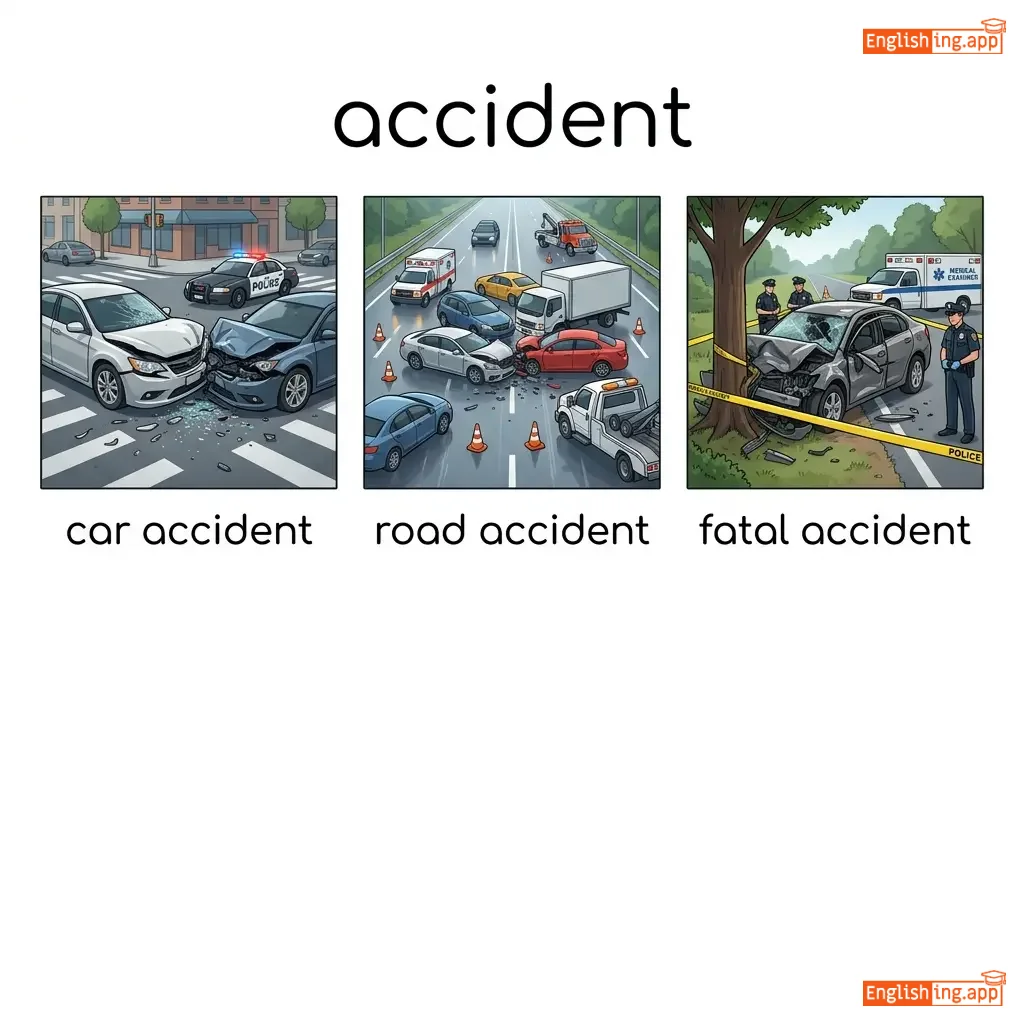
car accident, road accident, fatal accident, happen by accident
••••••
|
事故は事故を意味します — 車の事故が起こると、🚑 救急車が来ます。
••••••
|
|
🎯
••••••
|
/ˈæk.jʊ.rət/
adjective
(ākyuret)
••••••
|
- •••••• |
正確
seikaku
••••••
|
- •••••• | - •••••• | - •••••• | - •••••• |
Free from errors; correct and precise.
••••••
|
The information provided in the report was accurate. |
レポートに提供された情報は正確でした。
Repōto ni teikyō sareta jōhō wa seikaku deshita.
••••••
|
accurate to a fault |
So precise that it might even be excessive.
••••••
|
過剰なほど正確
kajō na hodo seikaku
••••••
|
correct, precise, exact, true, right
••••••
|
inaccurate, wrong, false
••••••
|
accurate information, accurate measurement, accurate data, accurate results
••••••
|
正確は完璧、誤りは一切ない。
••••••
|
|
⚡
••••••
|
/ˈæktɪveɪt/
verb
(アクティベート)
••••••
|
- •••••• |
アクティベート
akutibēto
••••••
|
activated
アクティベイテッド
••••••
|
activated
アクティベイテッド
••••••
|
activates
アクティベイツ
••••••
|
activating
アクティベイティング
••••••
|
to make something start or function
••••••
|
She pressed the button to activate the machine.
彼女は機械を起動するためにボタンを押しました。
••••••
|
彼女は機械を起動するためにボタンを押しました。
Kanojo wa kikai o kidō suru tame ni botan o oshimashita.
••••••
|
- •••••• | - •••••• | - •••••• |
start, initiate, trigger, turn on
••••••
|
deactivate, stop, turn off
••••••
|
activate the system, activate the process, activate the device
••••••
|
Press the button to activate the machine - ボタンを押して機械を起動!
••••••
|
|
🔎
••••••
|
/ˈæktʃuəli/
adverb
(アクチュアリー)
••••••
|
- •••••• |
実際に
jissai ni
••••••
|
- •••••• | - •••••• | - •••••• | - •••••• |
used to emphasize that something is true, especially when surprising
••••••
|
She actually completed the project ahead of schedule. |
彼女は実際に予定より早くプロジェクトを完了させた。
Kanojo wa jissai ni yotei yori hayaku purojekuto o kanryō saseta.
••••••
|
actually speaking |
used to emphasize the truth when expressing an opinion
••••••
|
実際に話すと
jissai ni hanasu to
••••••
|
really, indeed, truly, genuinely
••••••
|
supposedly, allegedly
••••••
|
actually true, actually happen, actually mean, actually exist
••••••
|
Actuallyは '実際に'という意味で、例えば 'Actually, I did it'は '実際に、私はそれをやった' という意味です。
••••••
|
|
✔️
••••••
|
/ˈædɪkwət/
adjective
(アディクウェット)
••••••
|
- •••••• |
適切
tekisetsu
••••••
|
- •••••• | - •••••• | - •••••• | - •••••• |
sufficient or acceptable in quality or quantity
••••••
|
The food was adequate for the small group. |
食べ物は小さなグループにとって適切でした。
Tabemono wa chiisana gurūpu ni totte tekisetsu deshita.
••••••
|
adequate to the task |
sufficiently capable of completing a responsibility
••••••
|
タスクに適切
tasuku ni tekisetsu
••••••
|
sufficient, enough, satisfactory, suitable, ample
••••••
|
inadequate, insufficient, lacking
••••••
|
adequate supply, adequate amount, adequate support, adequate protection
••••••
|
適切はadequateと同じ、適切な食べ物は十分な食べ物
••••••
|
|
🏠🏠
••••••
|
/əˈdʒeɪsənt/
adjective
(アジャセント)
••••••
|
- •••••• |
隣接する
rinsetsu suru
••••••
|
- •••••• | - •••••• | - •••••• | - •••••• |
পার্শ্ববর্তী; সংলগ্ন; নিকটবর্তী;
••••••
|
The hotel is adjacent to the shopping mall. |
ホテルはショッピングモールの隣にあります。
Hoteru wa shoppingu mōru no tonari ni arimasu.
••••••
|
- •••••• | - •••••• | - •••••• |
neighboring, adjoining, bordering, next to
••••••
|
distant, remote, separate, far
••••••
|
adjacent rooms, adjacent buildings, adjacent areas
••••••
|
Adjacent: 隣接するというのは、ものがすぐ近くにあることです。
••••••
|
|
👶
••••••
|
/əˈdɒpʃən/
noun
(アダプション)
••••••
|
|
養子縁組
youshiengumi
••••••
|
- •••••• | - •••••• | - •••••• | - •••••• |
the act of legally taking another's child and bringing it up as one's own, or accepting and starting to use something new
••••••
|
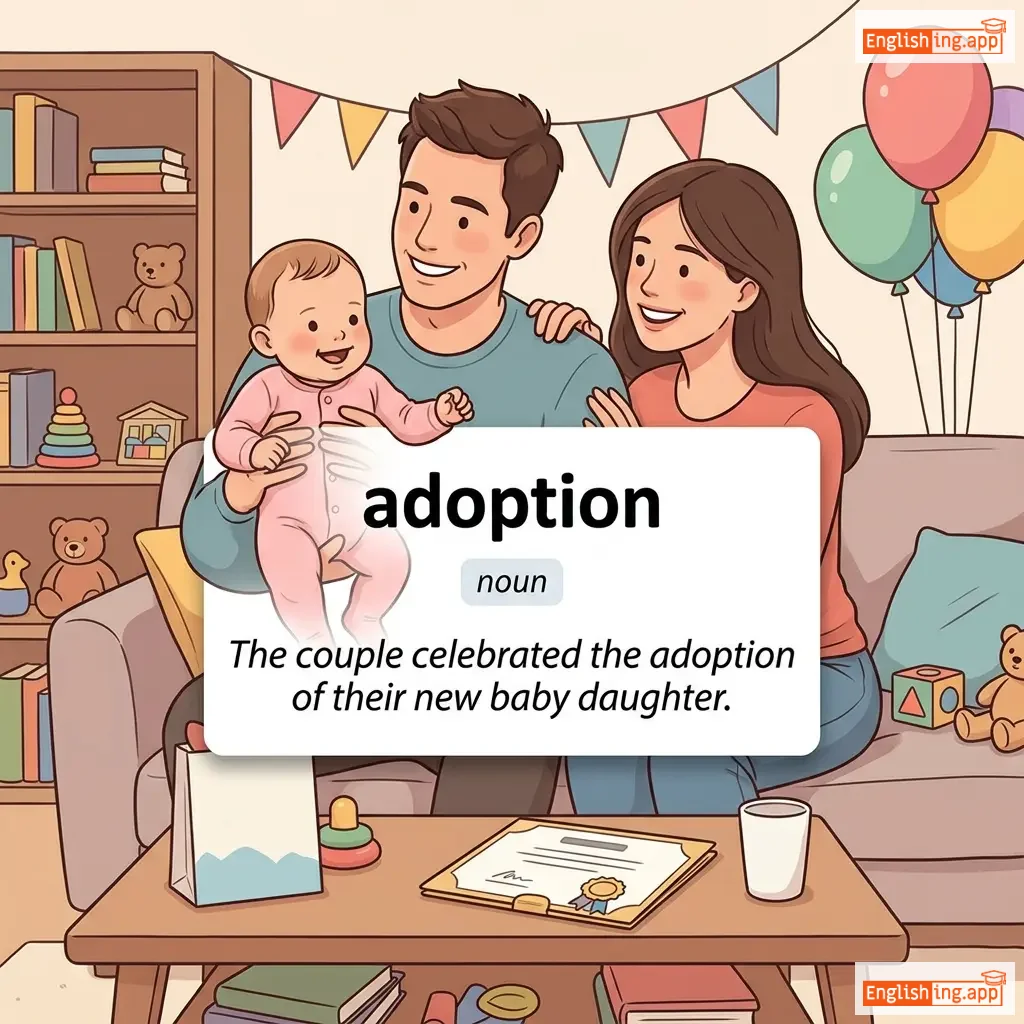
The couple celebrated the adoption of their new baby daughter.
そのカップルは新しい娘の養子縁組を祝いました。
••••••
|
そのカップルは新しい娘の養子縁組を祝いました。
Sono kappuru wa atarashii musume no youshi engumi wo iwaimashita.
••••••
|
put up for adoption
養子縁組のために出す
••••••
|
to make a child available to be adopted by someone else
••••••
|
養子縁組のために出す
Youshiengumi no tame ni dasu
••••••
|
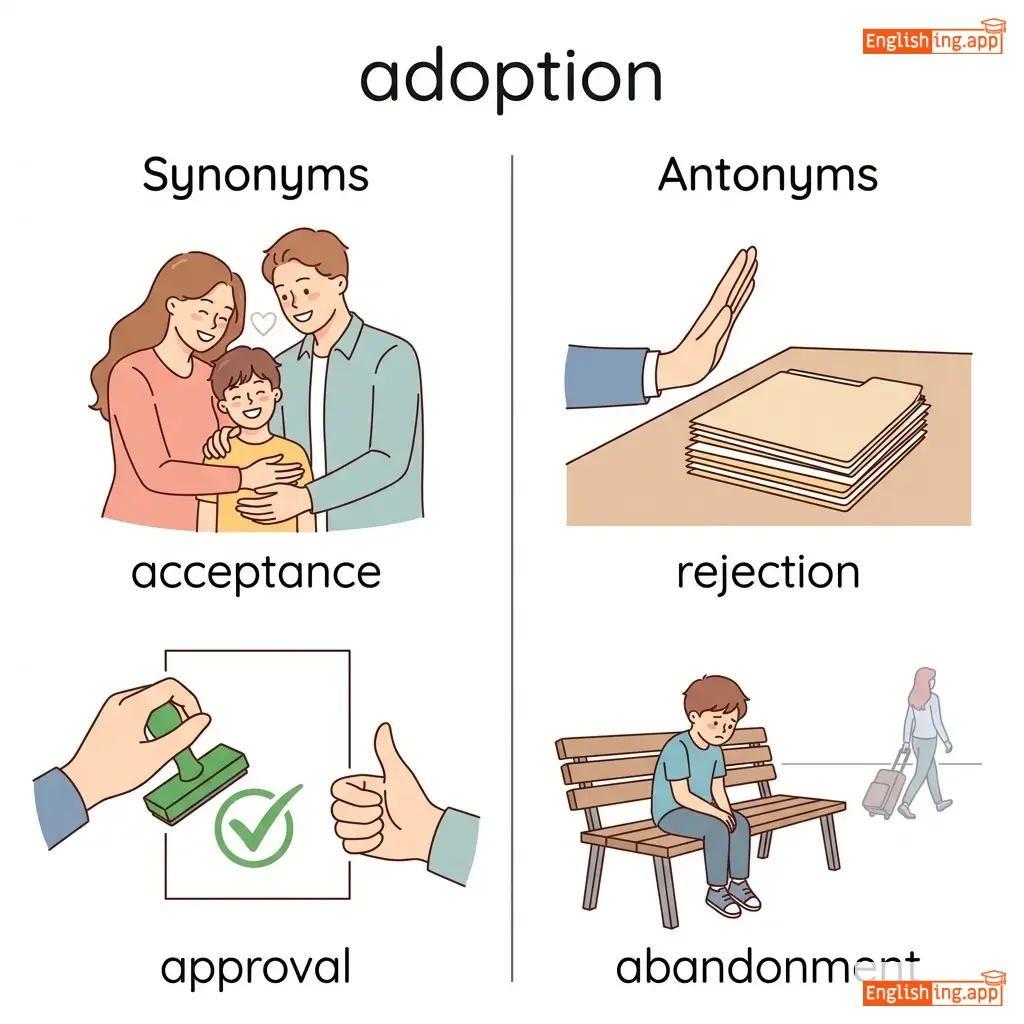
acceptance, approval, embrace, fostering, implementation
••••••
|
rejection, abandonment, refusal
••••••
|
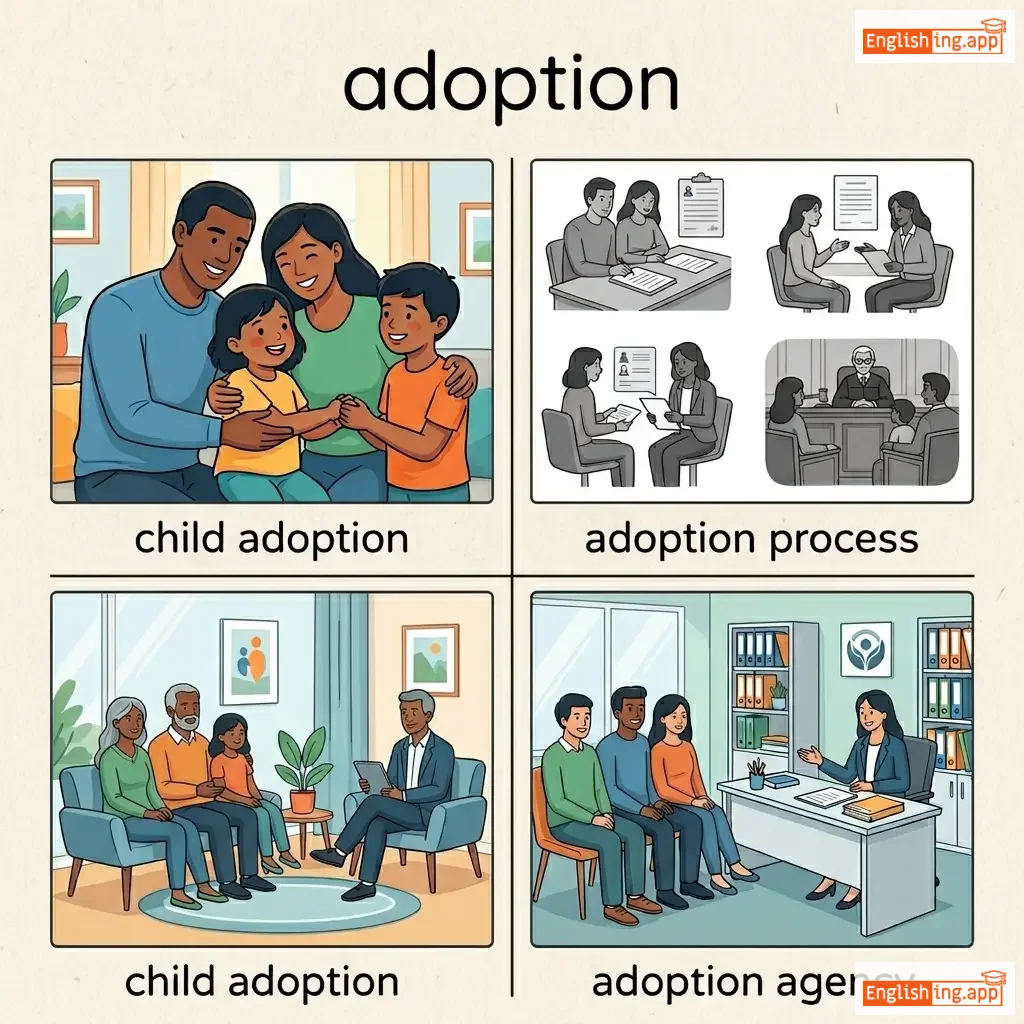
child adoption, adoption process, adoption agency, international adoption
••••••
|
Adoption = Add an option — 自分の家族に新しい子供を加える。
••••••
|
|
🚀
••••••
|
/ədˈvænst/
adjective
(アドバンスト)
••••••
|
- •••••• |
進んだ
sunda
••••••
|
- •••••• | - •••••• | - •••••• | - •••••• |
highly developed or complex
••••••
|
He is studying an advanced level of mathematics. |
彼は高度な数学のレベルを学んでいます。
Kare wa kōdo na suugaku no reberu o manande imasu.
••••••
|
advanced technology |
highly developed and modern technology
••••••
|
先進技術
senshin gijutsu
••••••
|
sophisticated, developed, progressive, modern
••••••
|
basic, simple, primitive
••••••
|
advanced level, advanced stage, advanced degree, advanced course
••••••
|
Advanced = 進んだ。'Advanced course' は難しくて複雑な内容です。
••••••
|
|
📢
••••••
|
/ˈædvəˌkeɪt/ (noun), /ˈædvəˌkeɪt/ or /ˈædvəˌkət/ (verb)
noun, verb
(アドボケイト)
••••••
|
- •••••• |
支持者 / 弁護士
shijisha / bengoshi
••••••
|
advocated
アドボケイテッド
••••••
|
advocated
アドボケイテッド
••••••
|
advocates
アドボケイツ
••••••
|
advocating
アドボケイティング
••••••
|
As a noun: a person who publicly supports or recommends a cause. As a verb: to publicly recommend or support.
••••••
|
She is an advocate for women's rights and often advocates for equal opportunities.
彼女は女性の権利を擁護し、しばしば平等な機会のために擁護活動を行っています。
••••••
|
彼女は女性の権利を擁護し、しばしば平等な機会のために擁護活動を行っています。
Kanojo wa josei no kenri o yōgo shi, shibashiba byōdō na kikai no tame ni yōgo katsudō o okonatteimasu.
••••••
|
devil's advocate
悪魔の代弁者
••••••
|
a person who argues against a position for the sake of debate
••••••
|
議論のために立場に反対する人
Giron no tame ni tachiba ni hantai suru hito
••••••
|
supporter, promoter, defender, champion, proponent
••••••
|
opponent, critic, adversary
••••••
|
advocate strongly, advocate change, human rights advocate, advocate for reform
••••••
|
Advocateは弁護士のように誰かのために話す人を意味します。
••••••
|
|
✈️
••••••
|
/ˈɛər.kræft/
noun
(エアクラフト)
••••••
|
- •••••• |
航空機
koukuki
••••••
|
- •••••• | - •••••• | - •••••• | - •••••• |
A vehicle, such as an airplane or helicopter, that can fly in the air.
••••••
|
The military aircraft flew over the city. |
軍用機が街の上を飛びました。
Gunyouki ga machi no ue wo tobimashita.
••••••
|
- •••••• | - •••••• | - •••••• |
airplane, jet, helicopter, aeroplane, plane
••••••
|
ground vehicle, car
••••••
|
military aircraft, passenger aircraft, aircraft carrier, aircraft design, aircraft industry
••••••
|
Aircraft = ‘空’ (sora) + ‘機’ (ki) – 航空機
••••••
|
|
✈️
••••••
|
/ˈɛərpleɪn/
noun
(エアプレイン)
••••••
|
- •••••• |
飛行機
hikōki
••••••
|
- •••••• | - •••••• | - •••••• | - •••••• |
a powered flying vehicle with fixed wings and engines
••••••
|
The airplane took off smoothly from the runway. |
飛行機は滑走路からスムーズに離陸しました。
Hikōki wa kassōro kara sumūzu ni ririku shimashita.
••••••
|
catch an airplane |
to board a flight or travel by air
••••••
|
飛行機に乗る
hikōki ni noru
••••••
|
plane, aircraft, jet, airliner, flyer
••••••
|
helicopter, glider
••••••
|
airplane ticket, airplane mode, airplane crash, airplane engine
••••••
|
飛行機 = 空を飛ぶために!🚀
••••••
|
|
🤝
••••••
|
/əˈlaɪəns/
noun
(アライアンス)
••••••
|
|
同盟
dōmei
••••••
|
- •••••• | - •••••• | - •••••• | - •••••• |
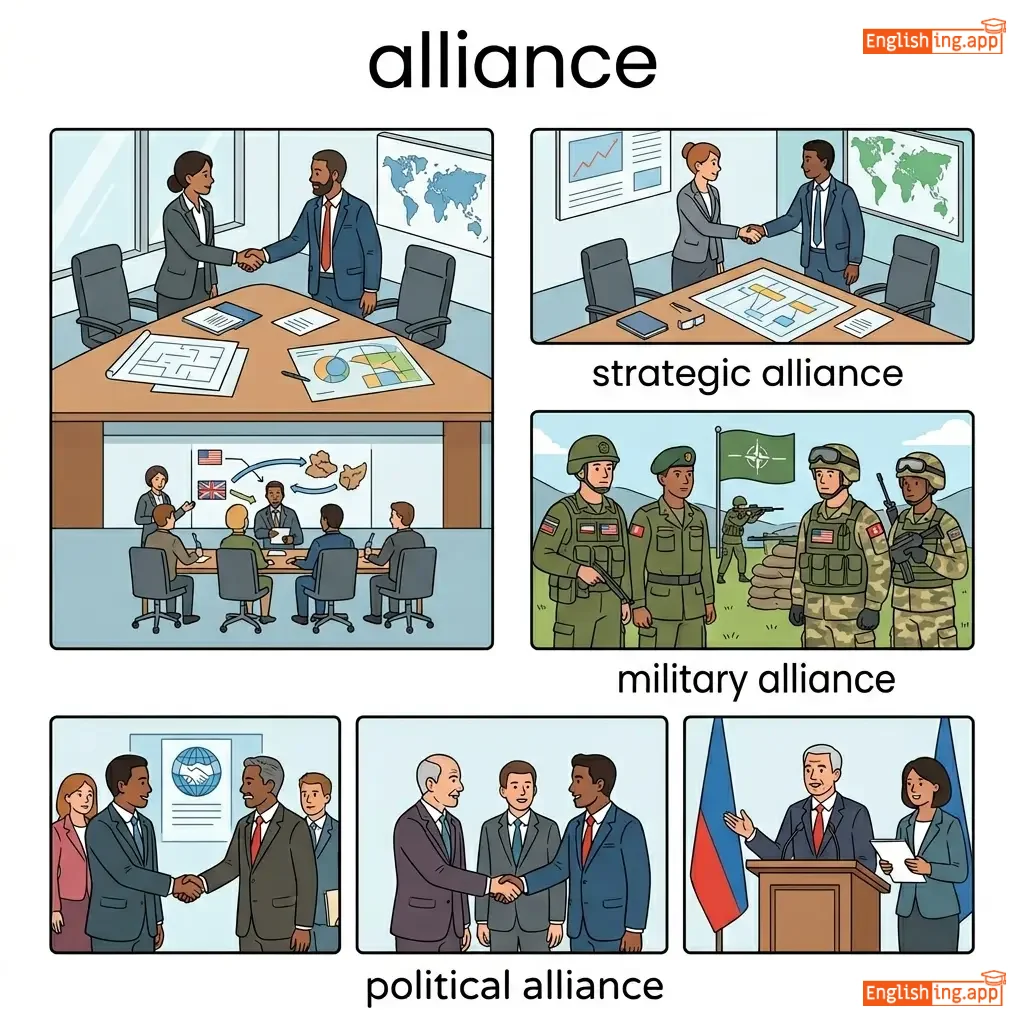
a formal agreement or union between groups, countries, or organizations for mutual benefit
••••••
|
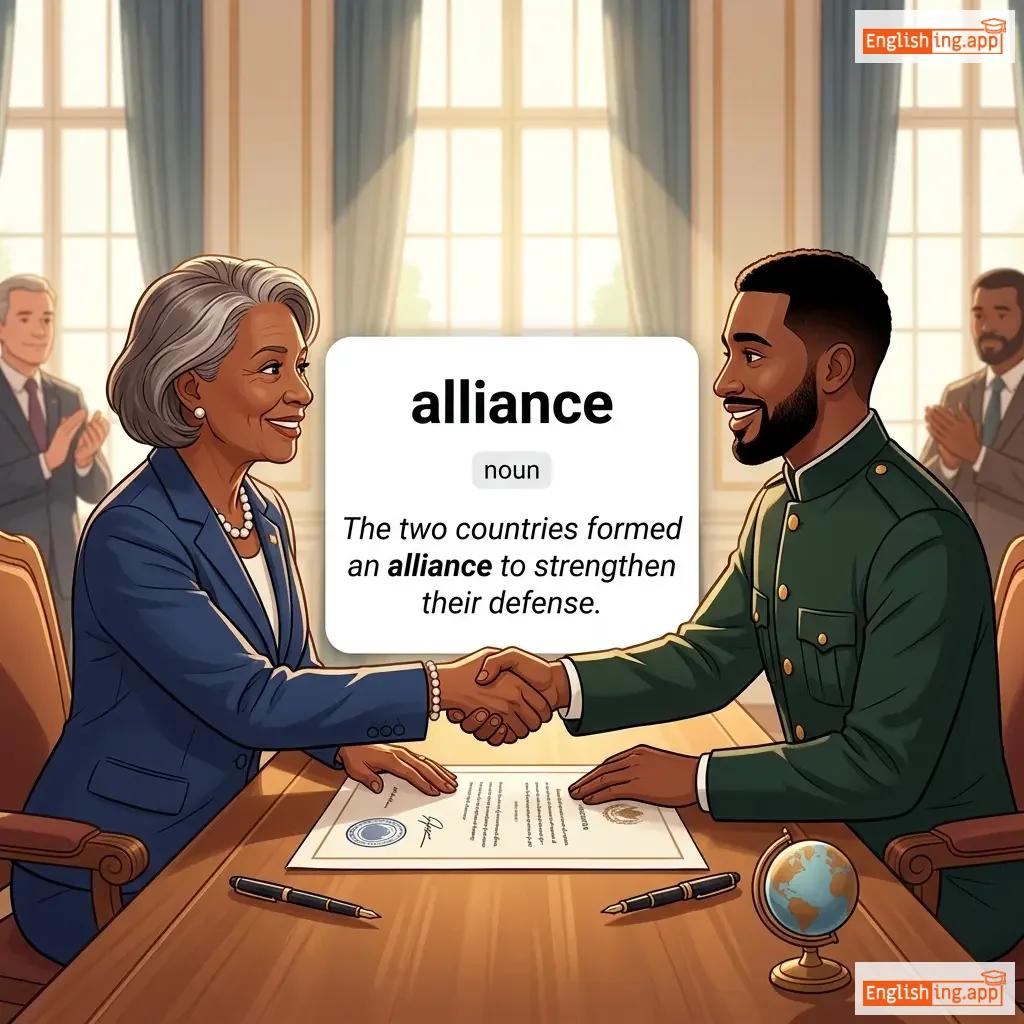
The two countries formed an alliance to strengthen their defense.
二つの国は防衛を強化するために同盟を結んだ。
••••••
|
二つの国は防衛を強化するために同盟を結んだ。
Futatsu no kuni wa bōei o kyōka suru tame ni dōmei o musunda.
••••••
|
form an alliance
同盟を結ぶ
••••••
|
to create a partnership or union for a shared purpose
••••••
|
同盟を結ぶ
Dōmei o musubu
••••••
|
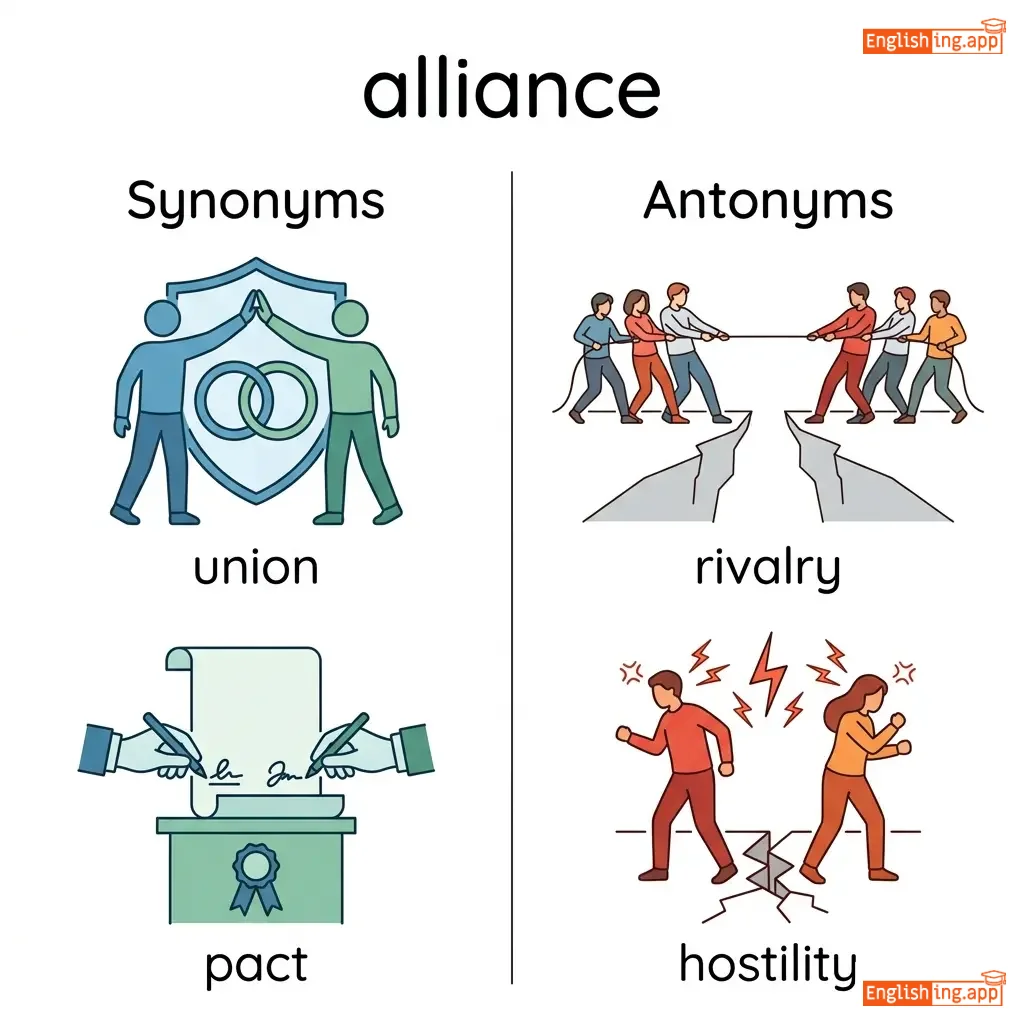
union, pact, partnership, coalition, federation
••••••
|
rivalry, hostility, separation
••••••
|
strategic alliance, military alliance, political alliance, business alliance
••••••
|
同盟は協力 — 連携して同盟を結ぶ。
••••••
|
|
📊
••••••
|
/ˈæləkeɪt/
verb
(アロケート)
••••••
|
- •••••• |
割り当てる
wariauteru
••••••
|
allocated
アロケーテッド
••••••
|
allocated
アロケーテッド
••••••
|
allocates
アロケーツ
••••••
|
allocating
アロケーティング
••••••
|
to distribute or assign resources, duties, or responsibilities for a specific purpose
••••••
|
The manager allocated funds for the new project.
マネージャーは新しいプロジェクトのために資金を割り当てました。
••••••
|
マネージャーは新しいプロジェクトのために資金を割り当てました。
Manējā wa atarashī purojekuto no tame ni shikin o wariatemashita.
••••••
|
allocate resources
リソースを割り当てる
••••••
|
to distribute resources to different tasks or purposes
••••••
|
リソースを割り当てる
Risōsu o wariateru
••••••
|
assign, distribute, designate, apportion, allot
••••••
|
withhold, retain
••••••
|
allocate time, allocate resources, allocate funds, allocate tasks
••••••
|
Allocateは割り当てる意味です — リソース(資源)を分けて、目的に合わせて割り当てましょう。
••••••
|
|
🌧️
••••••
|
/ɔːlˈðoʊ/
conjunction
(ɔːlˈðoʊ)
••••••
|
- •••••• |
しかし
shikashi
••••••
|
- •••••• | - •••••• | - •••••• | - •••••• |
in spite of the fact that; even though
••••••
|
Although it was raining, they went for a walk. |
しかし、雨が降っていたが、彼らは散歩に出かけた。
Shikashi, ame ga futte ita ga, karera wa sanpo ni dekaketa.
••••••
|
- •••••• | - •••••• | - •••••• |
though, even though, while, albeit
••••••
|
because, since
••••••
|
although true, although difficult, although unlikely
••••••
|
しかし all 日雨が降っていたが、それでも散歩に出かけた - Although it rained all day, they still went out.
••••••
|
|
🥫
••••••
|
/əˈluːmɪnəm/
noun
(アルミニウム)
••••••
|
- •••••• |
アルミニウム
aruminiumu
••••••
|
- •••••• | - •••••• | - •••••• | - •••••• |
a lightweight silvery metal used for making cans, foils, and other items
••••••
|
The airplane body is made of strong but light aluminum.
飛行機の機体は強いが軽いアルミニウムで作られています。
••••••
|
飛行機の機体は強いが軽いアルミニウムで作られています。
Hikouki no kitai wa tsuyoi ga karui aruminiumu de tsukurareteimasu.
••••••
|
- •••••• | - •••••• | - •••••• |
metal, alloy, element, tin
••••••
|
steel, iron
••••••
|
aluminum foil, aluminum can, aluminum frame, aluminum sheet
••••••
|
アルミニウムは軽くて強い金属、飛行機の機体にも使われている!
••••••
|
|
📅
••••••
|
/ˈænjuəli/
adverb
(アンニュアリー)
••••••
|
- •••••• |
年次
nenji
••••••
|
- •••••• | - •••••• | - •••••• | - •••••• |
once every year; yearly
••••••
|
The company holds a general meeting annually. |
その会社は毎年年次総会を開きます。
Sono kaisha wa mainen nenji soukai wo hirakimasu.
••••••
|
annual report |
a document that summarizes a company's yearly activities and finances
••••••
|
年次報告書
nenji houkokusho
••••••
|
yearly, per year, every year, once a year
••••••
|
monthly, daily
••••••
|
annually report, meet annually, pay annually, celebrate annually
••••••
|
Annualは毎年の意味、annuallyも毎年です。年次報告書のように。
••••••
|
|
🔑
••••••
|
/ˈɛnɪθɪŋ/
pronoun
(エニシング)
••••••
|
- •••••• |
何でも
nandemo
••••••
|
- •••••• | - •••••• | - •••••• | - •••••• |
any object, event, or matter; whatever thing
••••••
|
You can ask me anything about the project. |
プロジェクトについて何でも聞いてください。
Purojekuto ni tsuite nandemo kiite kudasai.
••••••
|
anything but |
definitely not something
••••••
|
何でもない
nandemo nai
••••••
|
whatever, everything, object, matter, item
••••••
|
nothing, none
••••••
|
do anything, say anything, anything else, almost anything
••••••
|
ANYTHING は '何でも' を意味します—日本語で言う '何でも' のように。
••••••
|
|
👀
••••••
|
/əˈpærənt/
adjective
(アパレント)
••••••
|
- •••••• |
明らか
akiraka
••••••
|
- •••••• | - •••••• | - •••••• | - •••••• |
Clearly visible or understood; obvious.
••••••
|
It soon became apparent that he was not telling the truth.
それがすぐに明らかになった、彼が真実を話していないことが。
••••••
|
それがすぐに明らかになった、彼が真実を話していないことが。
Sore ga sugu ni akiraka ni natta, kare ga shinjitsu o hanashite inai koto ga.
••••••
|
apparent reason
明らかな理由
••••••
|
an obvious or clear reason
••••••
|
明らかな理由
akiraka na riyū
••••••
|
obvious, evident, clear, plain, visible
••••••
|
hidden, obscure, unclear
••••••
|
apparent reason, apparent mistake, became apparent, quite apparent
••••••
|
Apparent は見えたり理解できたりするもの、つまり明らか。
••••••
|

